
Creating a Japanese garden in your backyard is about more than just planting trees; it is about crafting a sanctuary that reflects the harmony of nature. These spaces prioritize balance, symbolism, and tranquility, often using elements like stone, water, and evergreen plants to tell a story of longevity. Whether you have a sprawling estate or a tiny urban lot, incorporating traditional Japanese principles can transform your outdoor area into a peaceful retreat. You will find that these designs offer a timeless aesthetic that stays beautiful throughout the changing seasons. From the quiet simplicity of a rock garden to the lively movement of a koi pond, each design invites you to slow down and reconnect.
1. Zen Rock Garden
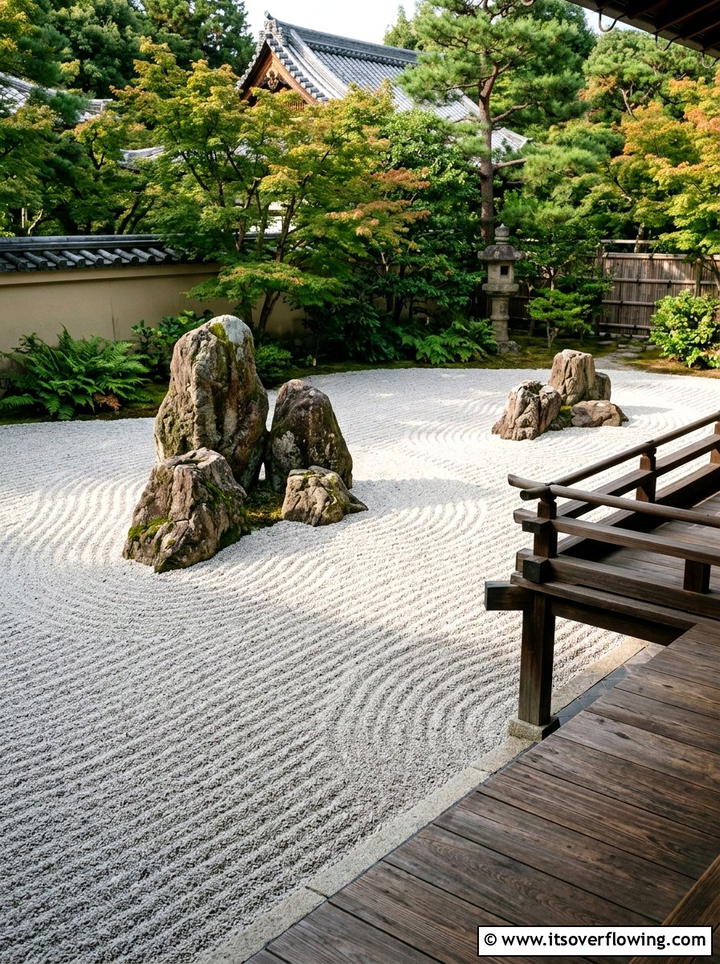
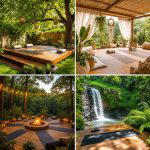
A Zen rock garden, or Karesansui, focuses on the beauty of simplicity and dry landscapes to represent water and mountains. You typically see meticulously raked white gravel or sand that mimics the ripples of the sea, surrounding large, weathered boulders that stand in for islands. This full backyard design provides a quiet space for meditation and reflection without the need for high-maintenance plants. You can add a wooden deck or a simple stone bench on the perimeter to sit and admire the patterns. Incorporating some low-growing shrubs or a single focal tree can add a touch of life to this otherwise minimalist and very structured outdoor environment.
2. Japanese Tea Garden
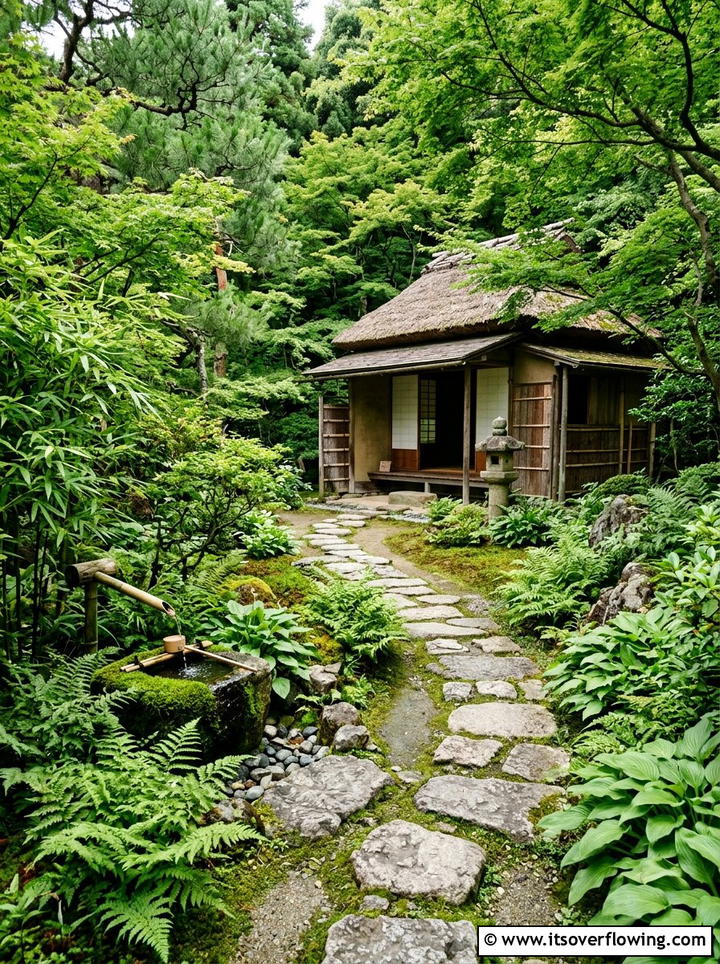
A traditional Japanese tea garden, or Roji, serves as a transition space that prepares your mind for a formal tea ceremony. This design often features a winding stone path that leads you through a lush, green landscape toward a small rustic hut or pavilion. Along the way, you might find a stone water basin, known as a tsukubai, where guests can ritually wash their hands. The planting style is usually natural and slightly wild, focusing on ferns, hostas, and evergreens rather than bright flowers. This entire layout creates a sense of seclusion and deep peace, making your backyard feel like a hidden mountain retreat away from modern life.
3. Koi Pond
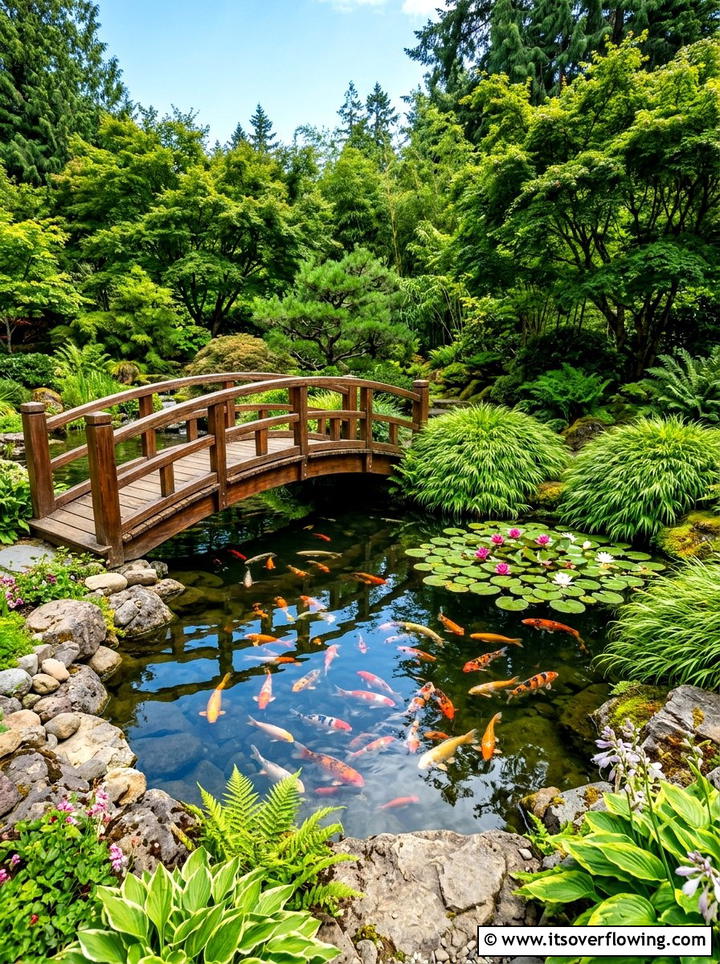
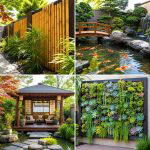
Integrating a koi pond into your backyard creates a dynamic focal point that brings movement and life to the landscape. These ponds are usually designed with natural-looking stone edges and may include a wooden bridge or a series of stepping stones crossing the water. Surrounding the pond with aquatic plants like lilies and shoreline greenery like Japanese forest grass enhances the organic feel. The colorful koi fish themselves add a vibrant splash of energy as they glide through the water. This full garden concept requires careful filtration systems but rewards you with a soothing soundscape and a stunning visual centerpiece that anchors the entire outdoor space.
4. Small Japanese Courtyard
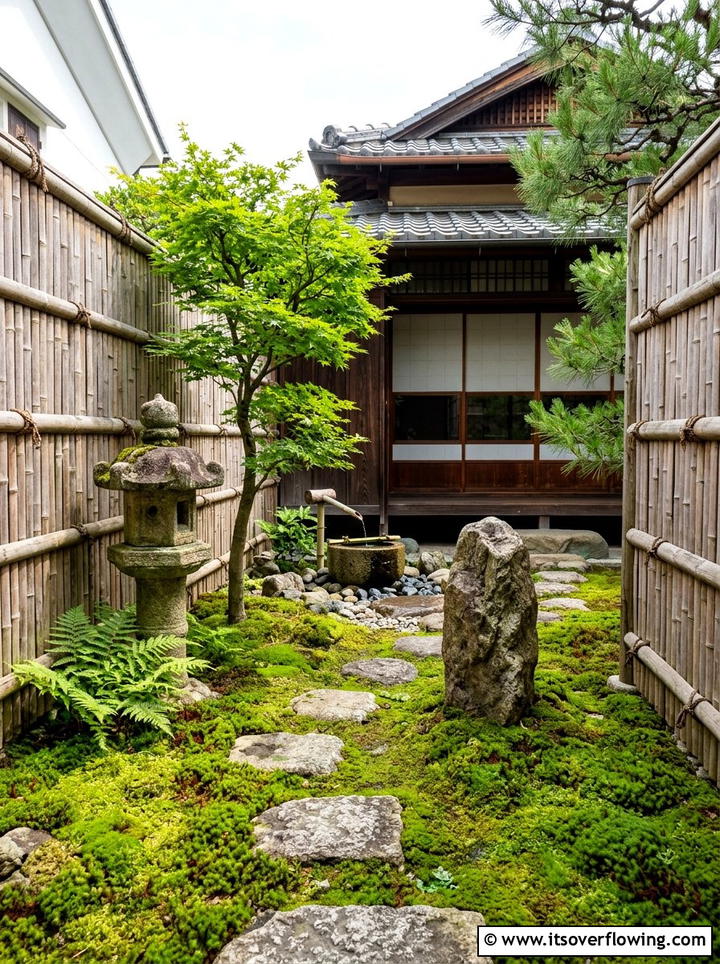
A small Japanese courtyard garden, known as a Tsubo-niwa, is the perfect solution for tight urban backyards or enclosed patio spaces. This design maximizes every inch by using a few high-quality elements like a single upright stone, a decorative lantern, and a handful of shade-loving plants. Bamboo fencing often provides the backdrop, creating a sense of privacy and intimacy. By focusing on vertical elements and textured ground covers like moss or fine gravel, you can make a small area feel much larger and more profound. This compact design is highly manageable while still delivering the sophisticated and serene atmosphere typical of much larger traditional Japanese landscapes.
5. Japanese Stroll Garden
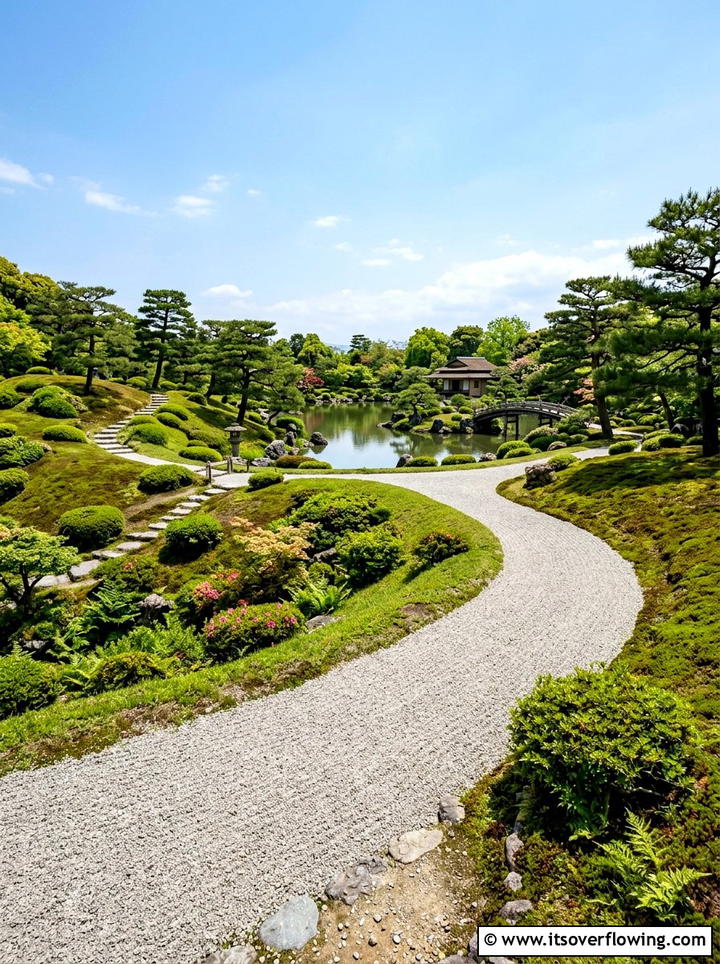
The Japanese stroll garden is designed to be experienced while walking along a predetermined path that reveals different views at every turn. This layout often includes a central pond, rolling hills, and carefully placed trees that hide and reveal various garden features. You might encounter a stone bridge, a hidden waterfall, or a secluded bench as you move through the space. The path itself is a major design element, often made of varied stones or compacted earth to guide your pace. This type of garden is ideal for larger backyards where you can create a journey that mimics the experience of walking through a natural landscape.
6. Bamboo Forest Backyard
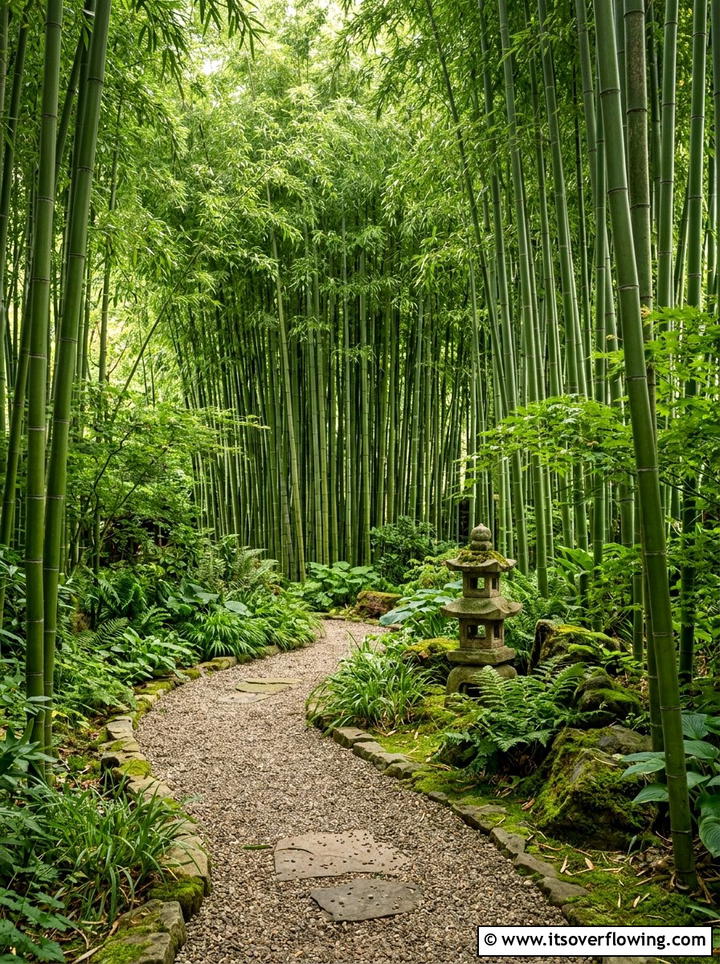
Creating a bamboo forest in your backyard offers a sense of verticality and a unique auditory experience as the canes rustle in the wind. This design uses various species of bamboo to create thick, green screens that provide excellent privacy from neighbors. Underneath the tall stalks, you can install a simple gravel path and low-voltage lighting to highlight the textures of the bamboo at night. To keep the look authentic, include a few granite ornaments or a simple wooden gate at the entrance. This garden theme feels incredibly lush and tropical yet maintains the structured and disciplined aesthetic found in many traditional East Asian garden styles.
7. Japanese Maple Garden
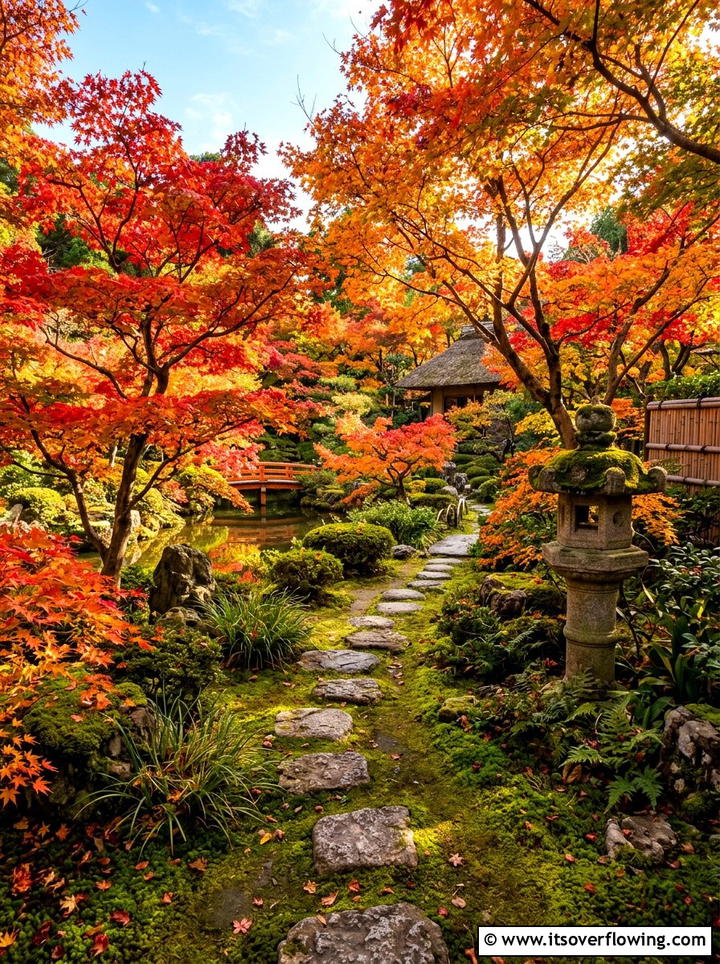
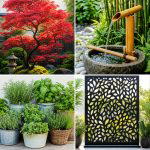
A backyard centered around Japanese maples offers breathtaking color transitions, especially during the spring and fall months. These trees come in various shapes and sizes, from weeping varieties to upright forms, allowing you to layer them for a rich, textured canopy. The ground underneath can be covered in soft moss or fine mulch to highlight the delicate foliage of the maples. This full design idea often incorporates stone lanterns and small wooden bridges to complement the elegant silhouettes of the trees. The result is a vibrant, artistic space that feels like a living painting, changing its colors and mood with the passage of the seasons.
8. Modern Zen Garden
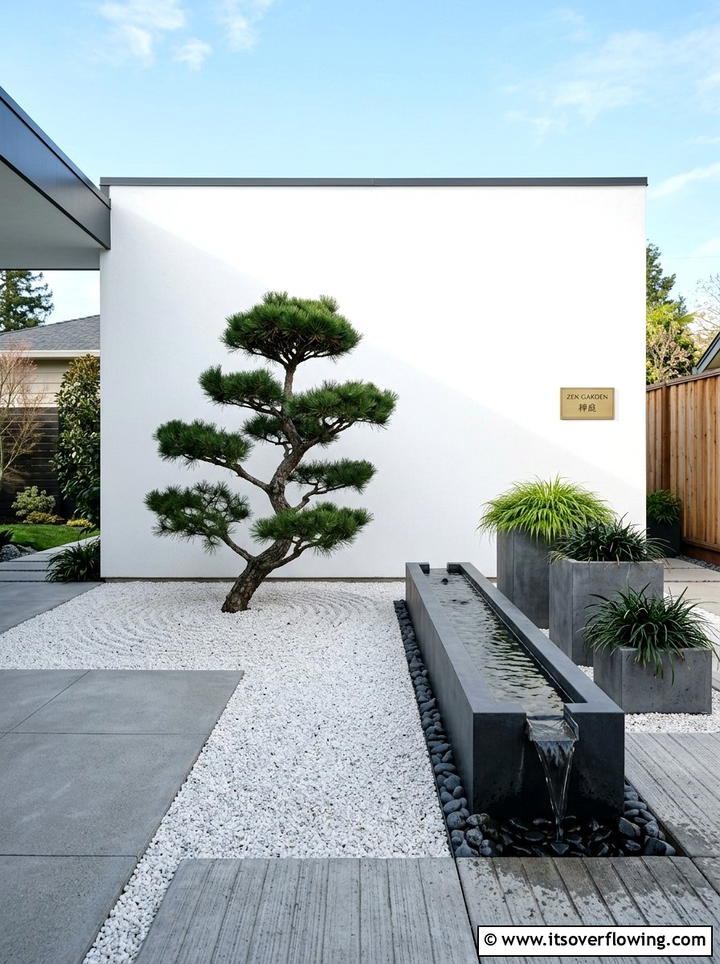
A modern Zen garden takes traditional Japanese elements and applies them to a contemporary, clean-lined architectural setting. This design often features geometric concrete planters, sleek wooden decking, and a very limited color palette of greens, grays, and blacks. You might see a single, perfectly pruned pine tree set against a smooth white wall, or a linear water feature made of basalt stone. This approach focuses on high-contrast materials and negative space to create a feeling of sophisticated calm. It is an excellent choice for modern homes where the backyard needs to feel like an extension of the interior living space with a minimal look.
9. Moss Backyard Garden
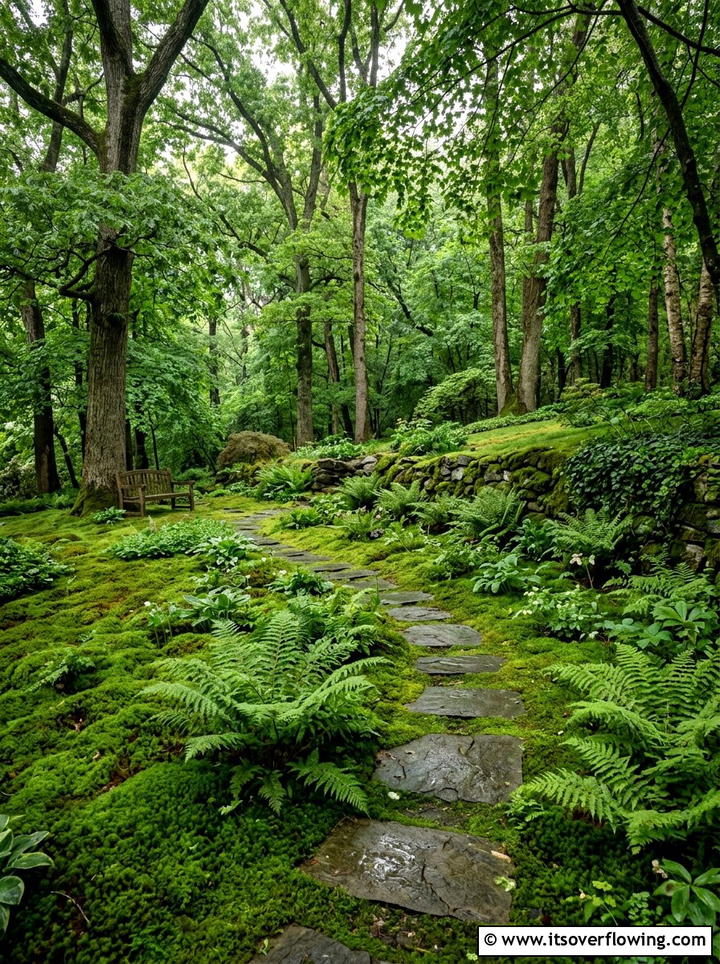
A moss garden provides a lush, velvet-like carpet that feels incredibly ancient and serene, perfect for shaded backyard areas with high moisture. Instead of a traditional grass lawn, this design uses different varieties of moss to cover the ground, stones, and even the base of trees. Low-growing ferns and Japanese primrose can be tucked into the edges to add subtle variety without breaking the monochromatic green theme. A few weathered stepping stones allow you to navigate the space without damaging the delicate moss. This garden style requires patience to establish but offers a soft, ethereal landscape that looks beautiful even in the dampest weather conditions.
10. Stone Path Backyard
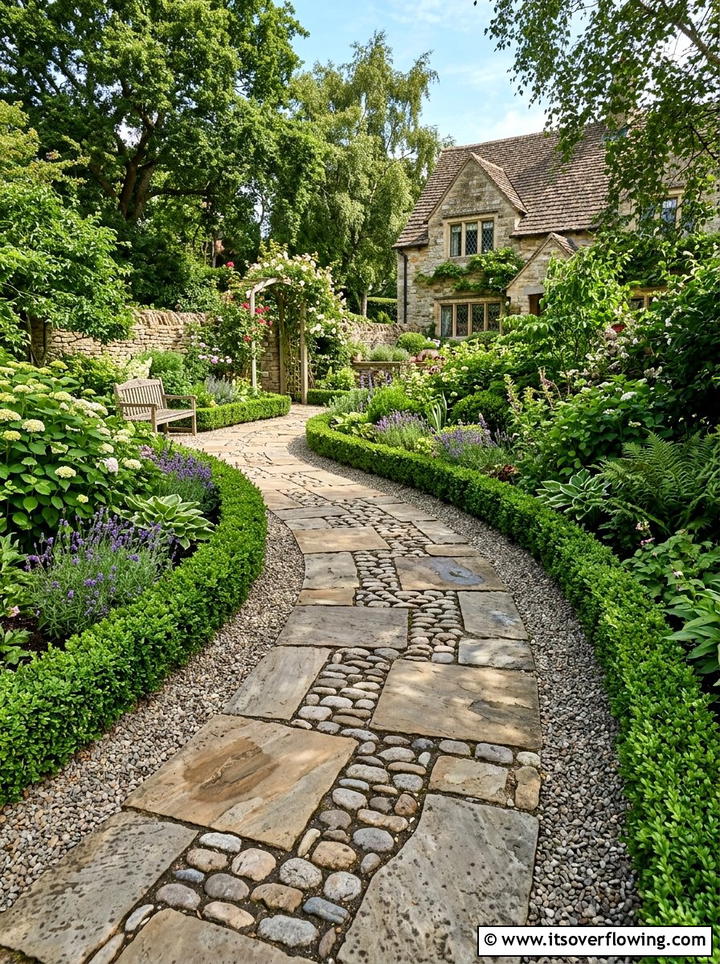
Focusing your backyard design on an intricate stone path, or Nobedan, creates a functional work of art that guides movement through the space. These paths can be made from a mix of large flagstones, smaller cobbles, and even cut granite slabs arranged in pleasing, irregular patterns. The surrounding garden is typically filled with low-lying ground covers and clipped shrubs that don’t distract from the stonework. This design emphasizes the tactile quality of the ground and the slow, deliberate pace of walking. It is a wonderful way to connect different zones of your backyard while maintaining a cohesive and very grounded Japanese aesthetic throughout.
11. Japanese Waterfall Garden
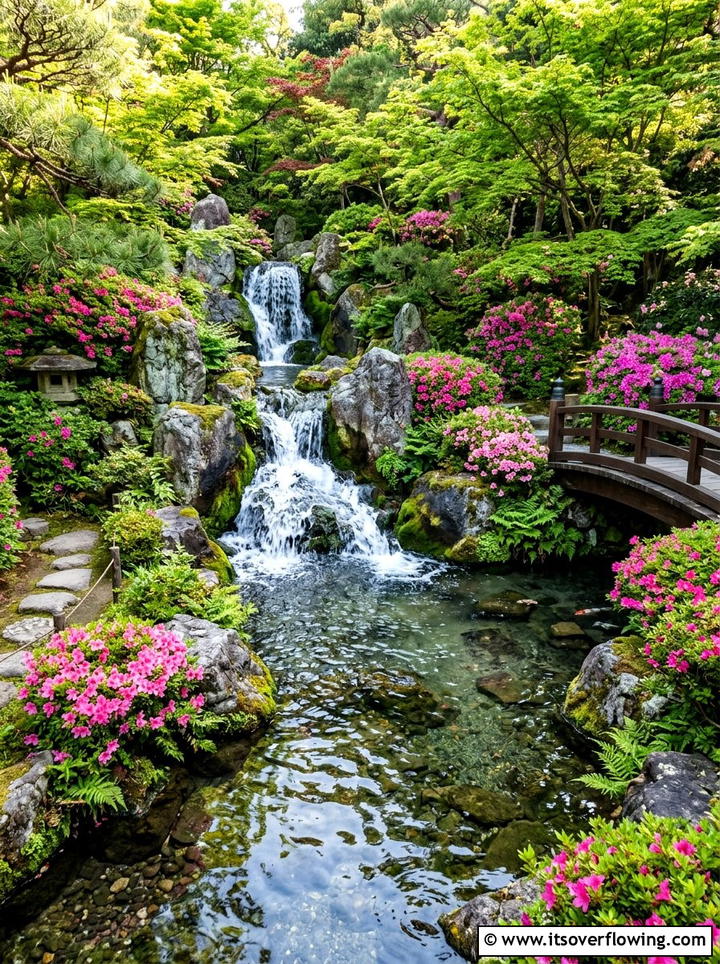
Adding a waterfall to your Japanese garden design introduces the refreshing sight and sound of moving water, which is essential for masking urban noise. In this setup, the waterfall is usually constructed from large, natural boulders arranged to look as if they have been there for centuries. The water might cascade into a small pool or disappear into a hidden reservoir beneath decorative stones. Surrounding the falls with lush greenery like Japanese sweet flag and azaleas helps the feature blend into the landscape. This full design creates a powerful focal point that attracts birds and butterflies, making your backyard feel like a living, breathing ecosystem.

12. Japanese Lantern Garden
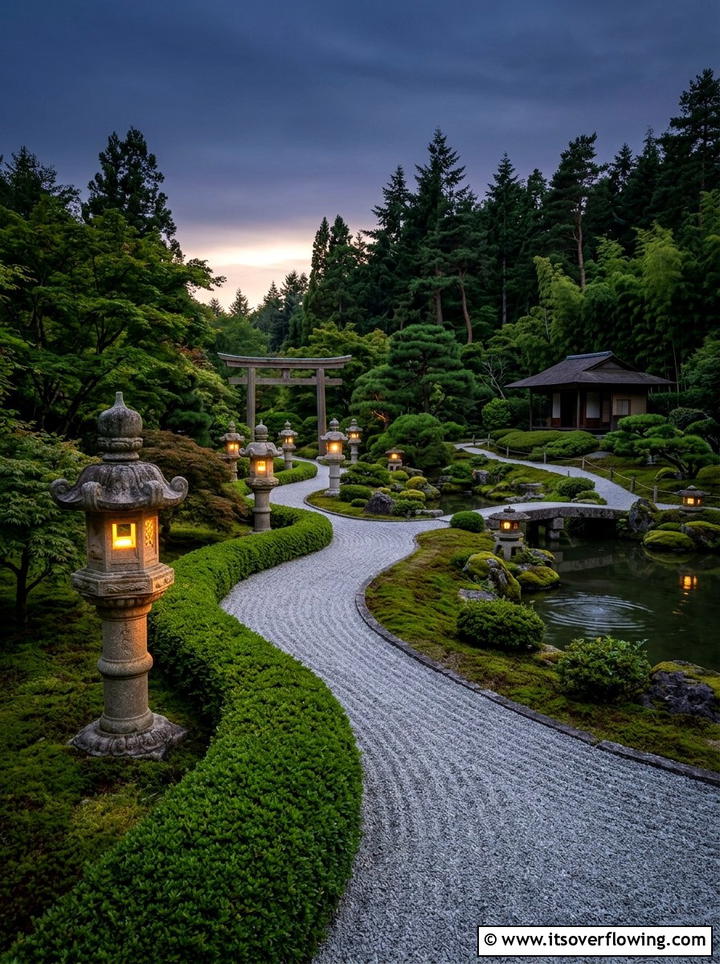
Designing a garden around traditional stone lanterns, or Ishi-doro, creates a mystical and inviting atmosphere, especially during the twilight hours. These lanterns come in many styles, such as the pedestal type or the low-profile “snow-viewing” lantern, and are strategically placed near water features or at path intersections. The garden surrounding the lanterns should be understated, using evergreen hedges and simple stone arrangements to let the lanterns stand out as sculptural elements. Integrating soft, hidden LED lights inside the lanterns provides a safe and magical glow for evening strolls. This theme emphasizes the interplay between light and shadow, adding a deep sense of mystery.
13. Shinto Style Garden
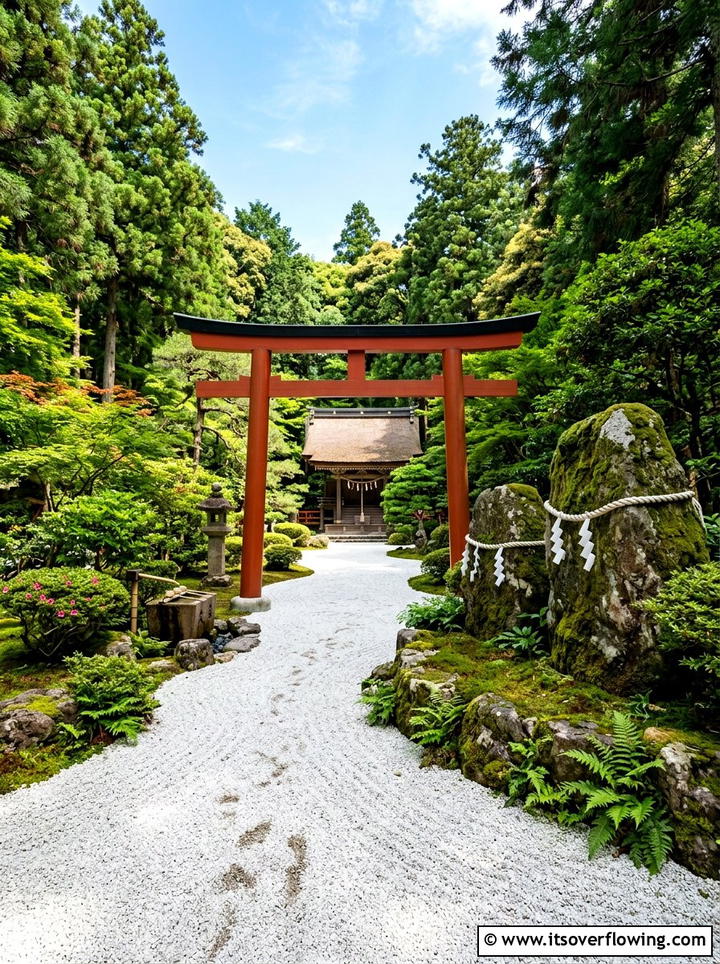
A Shinto-inspired garden focuses on the sacredness of natural objects, often featuring large “spirit stones” or ancient-looking trees marked with ceremonial ropes. This design is very open and airy, using natural materials like unpainted wood, white gravel, and straw to create a sense of purity. You might include a simple Torii gate at the entrance to symbolize the transition from the mundane world to a sacred space. The planting is kept very minimal, often just a few well-placed evergreens or a single flowering cherry tree. This garden style is perfect for those seeking a deeply spiritual and quiet environment that honors the natural world.
14. Seasonal Japanese Garden
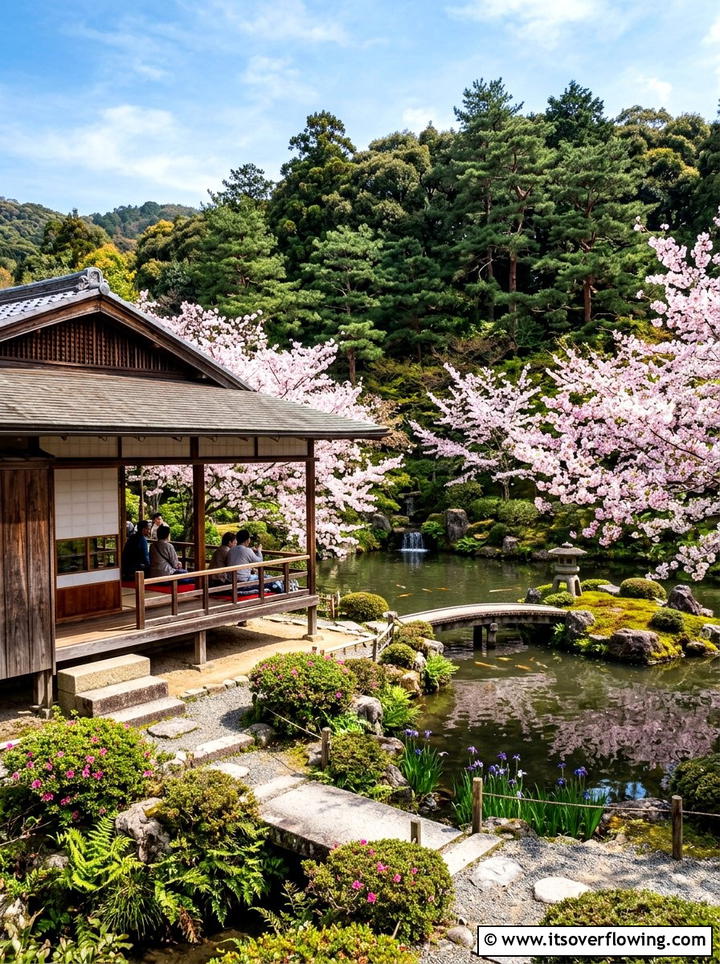
A seasonal Japanese garden is intentionally designed to showcase the beauty of all four seasons, ensuring the backyard is never dull. This involves a careful selection of plants: cherry blossoms for spring, lush green maples for summer, fiery foliage for autumn, and bark-textured pines for winter. The layout often includes a central viewing area, such as a covered porch or “Engawa, ” where you can sit and observe the changes. Stone elements and evergreen shrubs provide the permanent structure that holds the design together when the deciduous plants are bare. This holistic approach celebrates the cycle of life and the fleeting beauty of nature’s changes.
15. Japanese Wildlife Garden
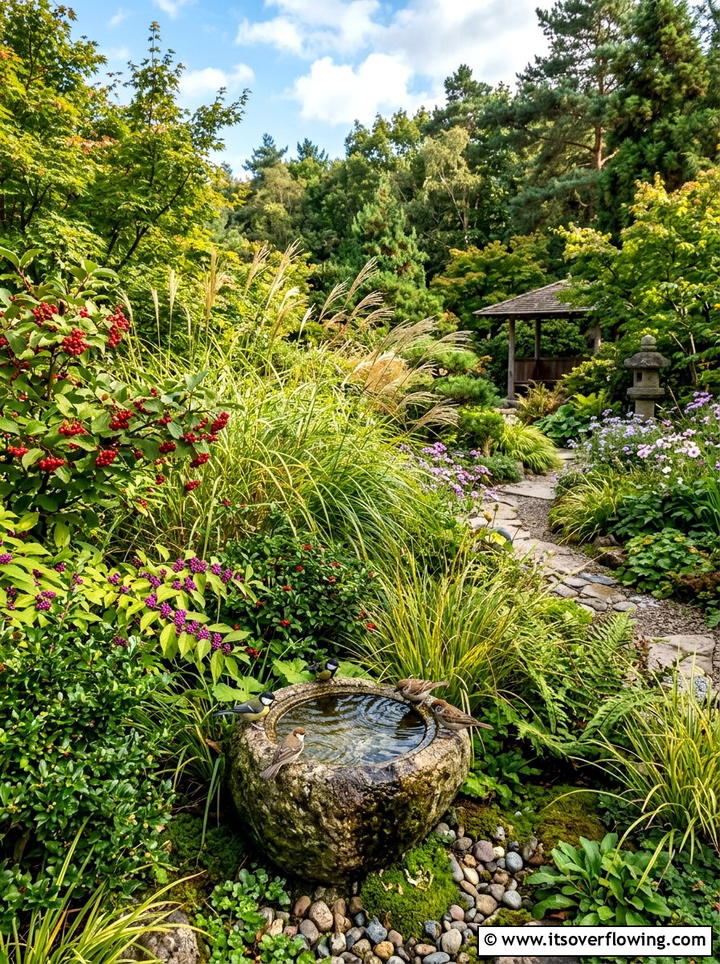
Creating a Japanese garden that supports local wildlife involves using native plants that fit the aesthetic while providing food and shelter for birds and insects. This design often includes a shallow stone basin for birds to bathe in and a variety of berry-producing shrubs like Japanese holly. Instead of perfectly manicured lawns, you might have areas of taller grasses and wildflowers tucked behind stone walls. The overall look is still very much in the Japanese style, emphasizing balance and natural materials, but with a focus on ecological health. This backyard becomes a thriving sanctuary where you can enjoy the sights and sounds of nature up close.
16. Hill And Pond Garden
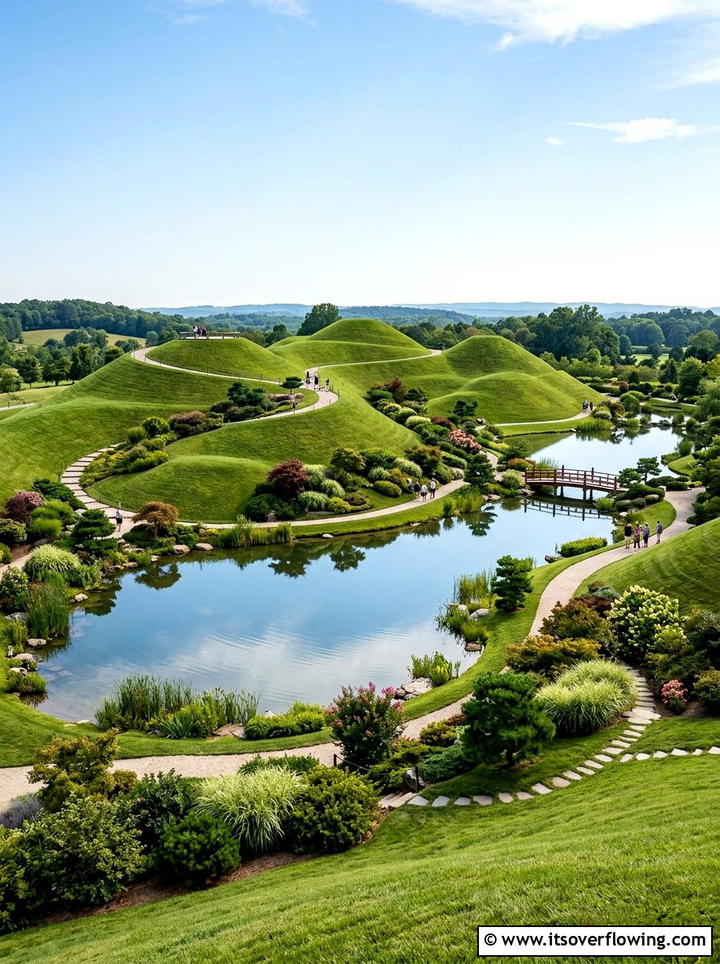
The hill and pond garden, or Tsukiyama, uses man-made mounds and excavated ponds to create a miniature version of a famous landscape. This design is all about scale and perspective, using smaller trees on the “mountains” to make them appear further away. The pond usually sits at the base of the hills, reflecting the sky and the surrounding greenery. Winding paths lead visitors up the slopes for elevated views and down to the water’s edge. This full design creates a high level of visual interest and depth, making even a medium-sized backyard feel like an expansive parkland with various topographical features to explore.
17. Contemporary Slate Zen Garden
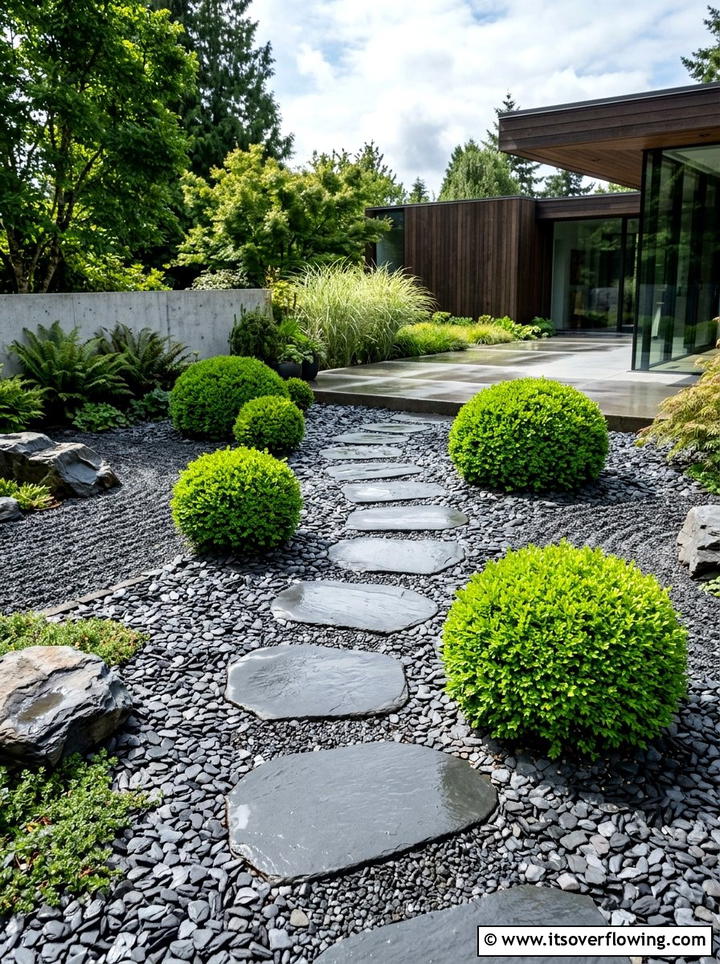
A contemporary slate Zen garden uses dark, jagged slate chips instead of traditional white gravel to create a moody and modern outdoor space. This design often pairs the dark ground cover with bright green boxwood spheres or sharp architectural plants like yuccas for a high-contrast look. Large, flat slate slabs can be used to create floating-effect steps or sleek benches. This style works exceptionally well in urban settings where a more “industrial” take on Zen is desired. The dark colors are excellent for hiding debris and providing a sophisticated backdrop for minimalist outdoor furniture, making it both a stylish and practical backyard choice.
18. Enclosed Japanese Garden
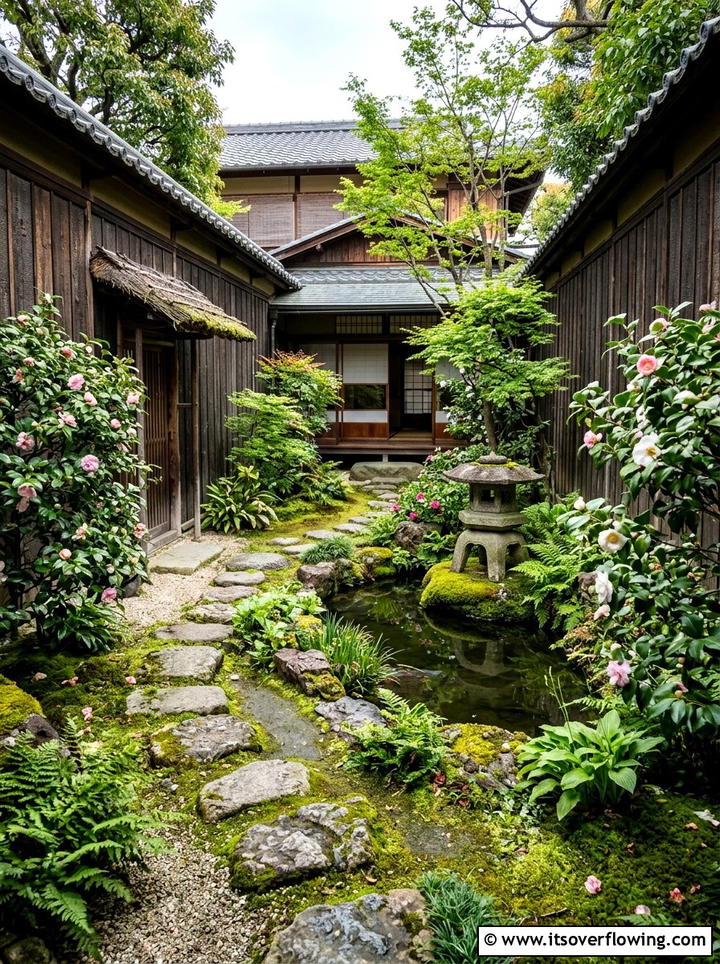
An enclosed Japanese garden uses tall wooden fences, bamboo screens, or high stone walls to create a completely private world within your backyard. This “room” approach allows you to control every aspect of the environment, from the lighting to the sound. Inside the enclosure, you can place a small pond, a stone lantern, and a variety of shade-loving plants like camellias. This design is perfect for homeowners who want a total escape from the outside world, providing a sanctuary where the city noise is replaced by the trickle of water. It feels like a secret garden, offering a deep sense of security and intimacy.
19. Tropical Zen Fusion
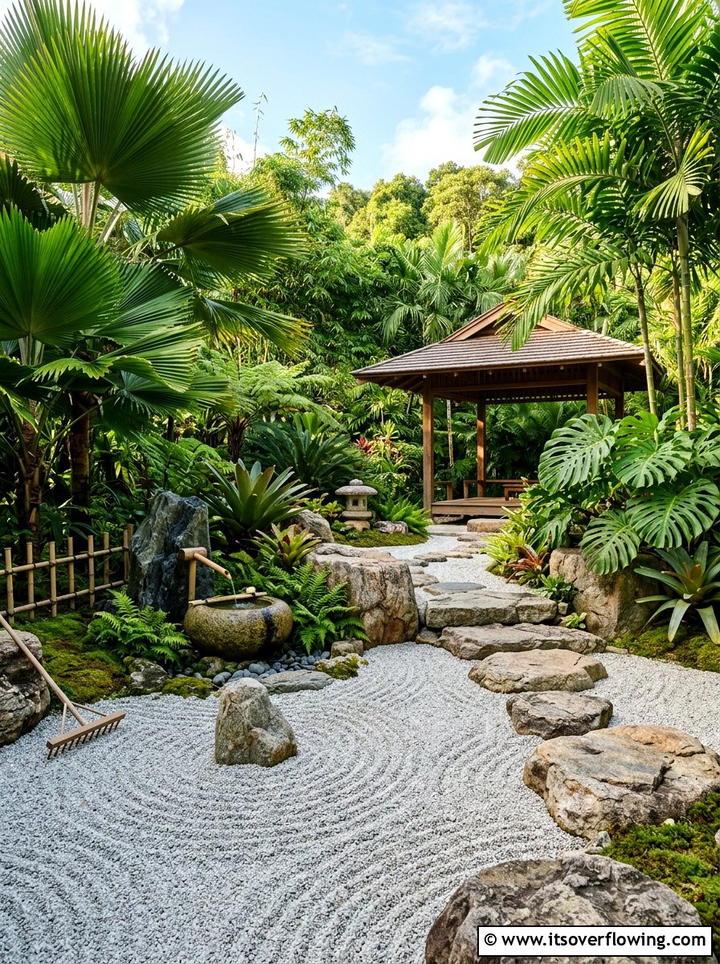
Tropical Zen fusion combines the structural discipline of Japanese design with the bold, oversized leaves of tropical plants. This backyard idea might feature a traditional Zen rock garden but instead of pines, it uses architectural palms or large-leafed hostas and gingers. The hardscape remains classic, with granite stones and bamboo accents, but the planting is much more lush and vibrant. This style is ideal for warmer climates where traditional Japanese plants might struggle. It offers a unique aesthetic that is both calming and exotic, providing a lush, green paradise that feels very structured and intentional rather than overgrown or messy.

20. Medicinal Japanese Garden
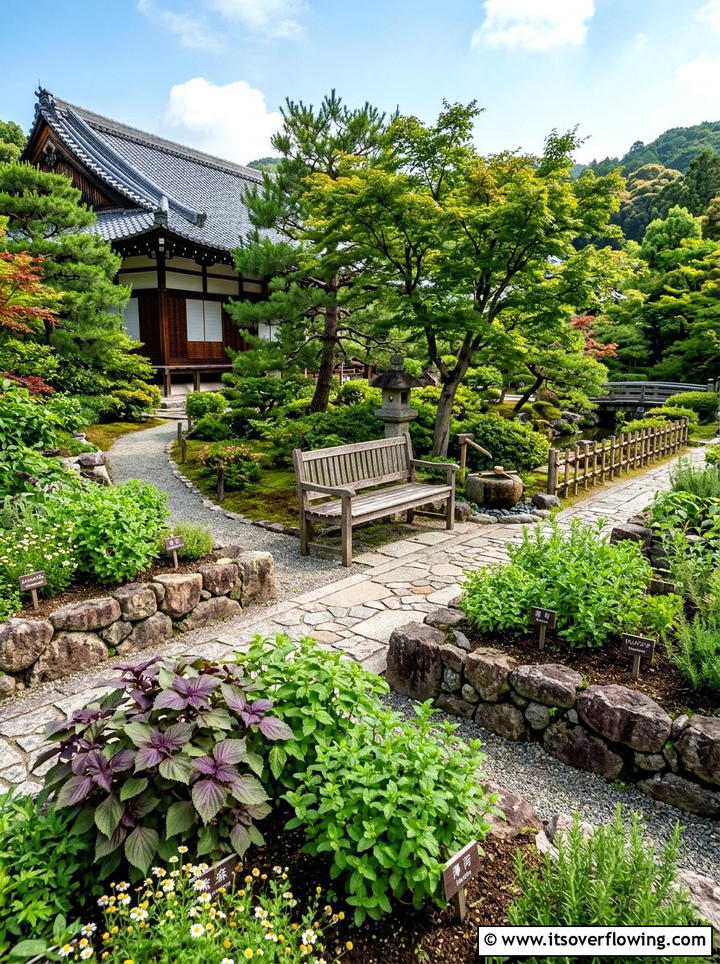
A medicinal Japanese garden blends the beauty of Eastern aesthetics with the functionality of a healing herb garden. This design features raised stone beds filled with plants traditionally used in Japanese medicine, such as ginger, shiso, and various types of mint. The layout remains orderly and balanced, with gravel paths and small stone markers identifying the different species. A central seating area provides a place to relax and breathe in the aromatic scents of the garden. This theme emphasizes the connection between nature and health, turning your backyard into a functional space that provides both visual beauty and natural remedies for the home.
21. Stepping Stone Stream
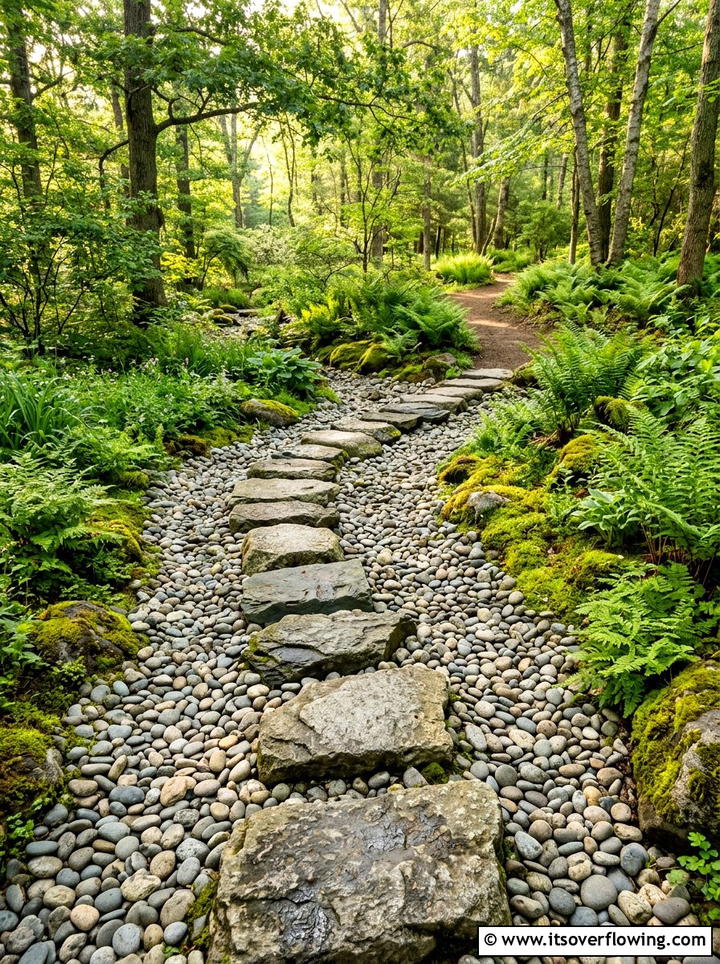
Designing your backyard around a dry or wet stepping stone stream creates a beautiful sense of flow and direction. In this design, a “stream” is created using smooth river pebbles, and large, flat-topped stones are placed within it to act as a walkway. If the stream is dry, it represents water through its shape and the texture of the stones. Surrounding the stream with low-lying ferns and mossy banks makes the feature look like it was carved by nature over time. This design is highly interactive, inviting guests to carefully balance as they cross, which encourages a mindful and present state of being while outdoors.
22. Pagoda Focal Point
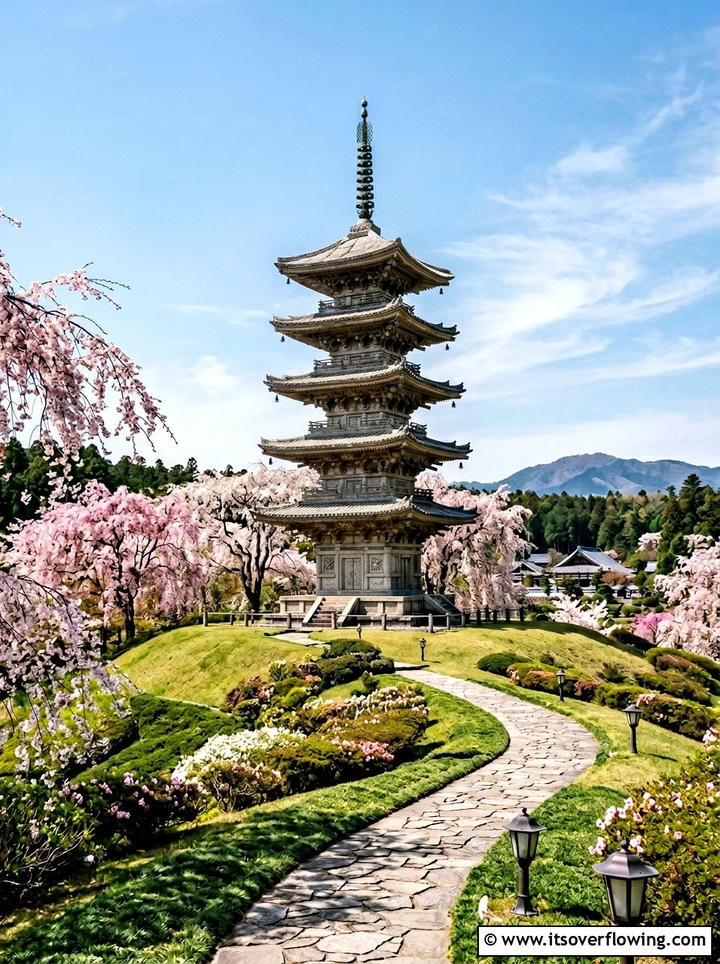
Using a stone or wooden pagoda as the central focal point of your backyard adds a sense of vertical history and architectural interest. The pagoda is usually placed on a slight elevation or at the end of a long, straight path to draw the eye. Surrounding the structure with weeping trees or low-growing azaleas ensures that the pagoda remains the star of the show without being overwhelmed. This design creates a very classic and recognizable Japanese look that feels both formal and grand. It provides a sense of destination within the garden, making the outdoor space feel like a curated museum of natural and man-made beauty.
23. Dry Stream Bed
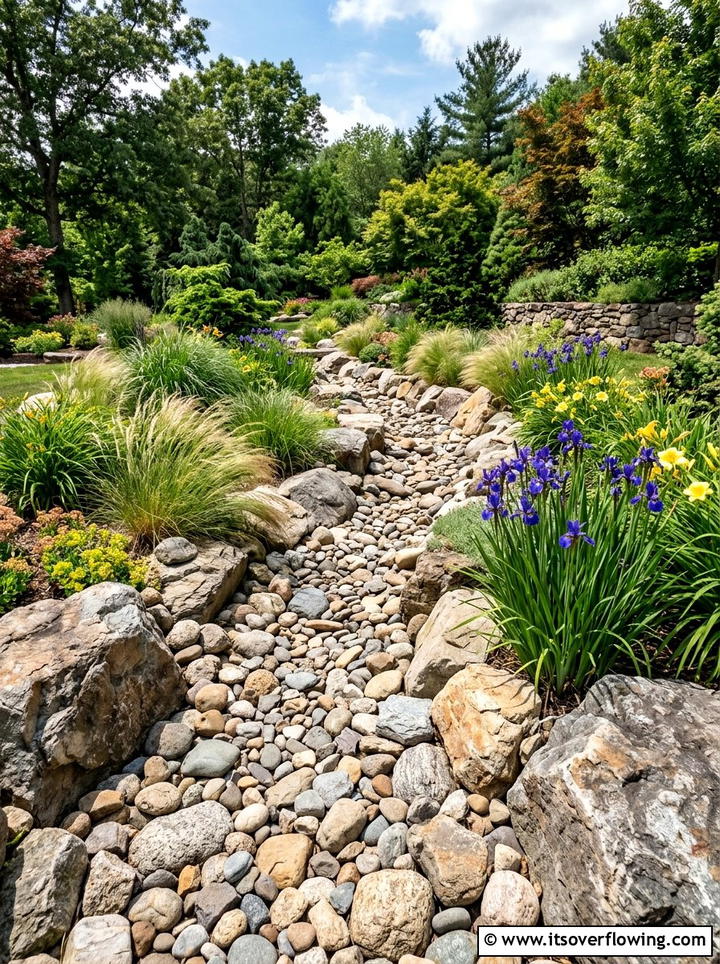
A dry stream bed is a practical and beautiful way to handle drainage issues while incorporating Japanese design principles. This feature uses a variety of stone sizes, from sand to large boulders, to mimic the appearance of a dried-up river. You can “plant” the banks with hardy grasses and irises that thrive in occasional moisture. During heavy rain, the bed becomes a functional channel, but during the rest of the year, it remains a stunning sculptural element. This full design idea is excellent for low-maintenance backyards because it requires no water pumps or electricity, yet it provides the same visual tranquility as a real water feature.
24. Urban Japanese Garden
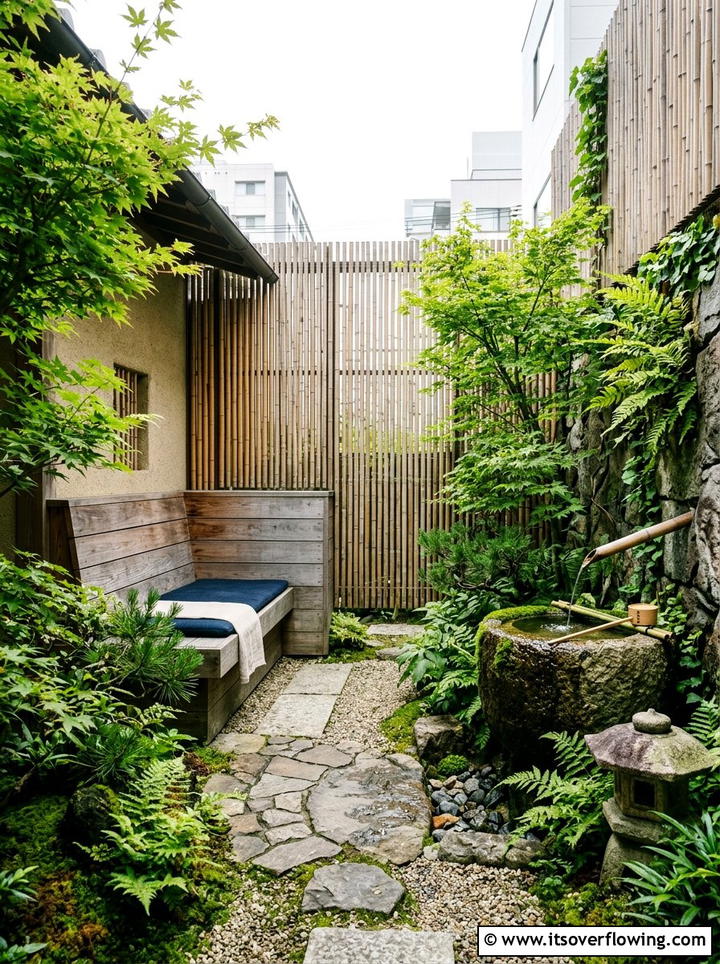
The urban Japanese garden focuses on creating a sense of nature in a confined, often concrete-heavy environment. This design utilizes tall, slim plants like horsetail reed or timber bamboo to provide height without taking up much floor space. Built-in wooden benches and raised stone planters help organize the area and provide plenty of seating for guests. A small, wall-mounted water spout can provide the soothing sound of a fountain without the footprint of a full pond. This theme is all about precision and choosing a few high-impact pieces that bring a breath of fresh air and a feeling of Zen to a busy city backyard.
25. Traditional Japanese Entrance
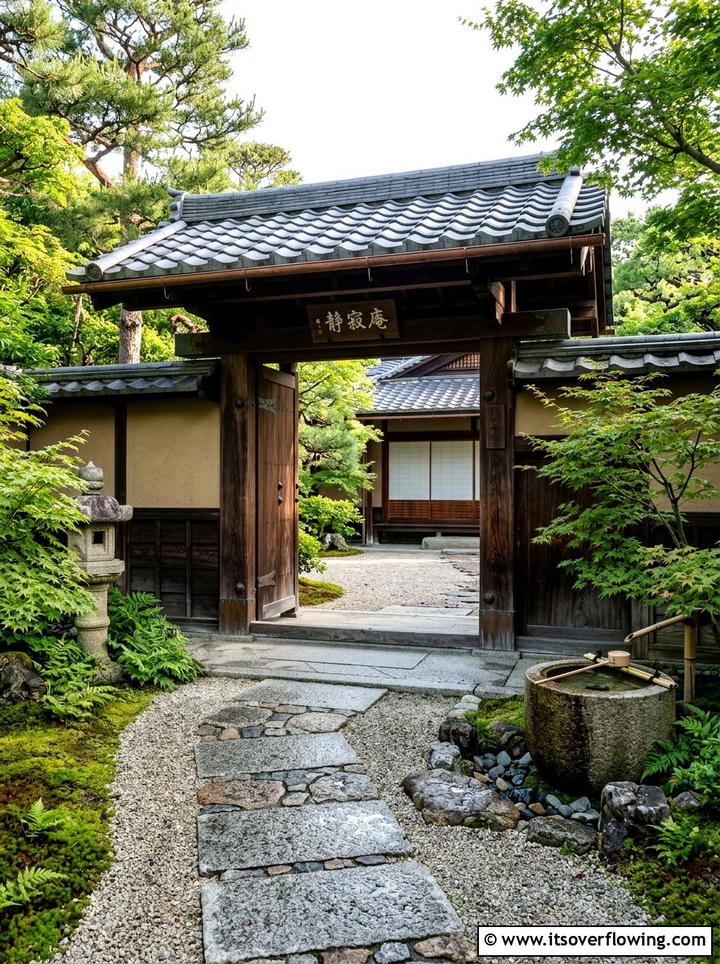
Creating a traditional Japanese entrance garden, or Genkan-mae, sets the tone for your entire home by offering a peaceful transition from the street. This design often features a heavy wooden gate, a stone path, and a few perfectly pruned evergreen trees. A stone water basin near the door allows guests to symbolically “wash away” the stress of the outside world before entering. The use of natural materials like cedar, granite, and gravel creates a timeless and welcoming atmosphere. This full design doesn’t just improve curb appeal; it provides a daily ritual of calm for the residents as they come and go from their busy lives.
Conclusion:
A Japanese-inspired backyard offers a unique blend of artistry and nature that can completely transform how you experience your outdoor space. By focusing on balance, the use of natural materials, and the beauty of the seasons, you can create a sanctuary that feels both ancient and modern. These twenty-five ideas demonstrate that whether you prefer a dry rock garden or a lush tropical fusion, the principles of Japanese design are adaptable to any environment. Investing time in these thoughtful landscapes results in a home that provides lasting peace, visual delight, and a profound connection to the natural world. Your backyard will truly become a timeless masterpiece of relaxation.

Related posts:
 25 Backyard Ideas With Zen Style for a Peaceful Retreat
 25 Backyard Ideas With Yoga Deck For A Zen Outdoor Space
 25 Backyard Decorating Ideas With Zen Retreat Vibe
 25 Backyard Decorating Ideas With Pillows For Cozy Outdoor Style
 25 Backyard Decorating Ideas With Throws For Cozy Outdoor Style
 25 Backyard Ideas With Boho Style for Relaxed Outdoor Vibes
 25 Backyard Ideas With Brick Patio for Timeless Outdoor Style
 25 Backyard Ideas With Farmhouse Style for Rustic Outdoor Charm
 25 backyard ideas with old furniture for Budget Outdoor Style
 25 Backyard Ideas With Pergola Curtains for Private Outdoor Style
 25 Backyard Ideas With String Lights for Magical Outdoor Style
 25 Backyard Ideas With Rustic Style for Cozy Outdoor Living