
Transforming a steep backyard into a functional and beautiful outdoor living space often feels like a massive architectural puzzle, but a sloped yard actually offers incredible opportunities for creative landscaping that flat lots simply cannot match. Instead of seeing the incline as a problem, you can view it as a way to create distinct zones or outdoor rooms within your property that offer different vibes and elevated views. From multi-tiered gardens that burst with color to structural retaining walls that provide extra seating, there are dozens of ways to tame the terrain while adding significant value to your home. This guide explores how you can use grading, hardscaping, and smart planting to master your slope and create a viral-worthy retreat.
1. Stone Retaining Wall
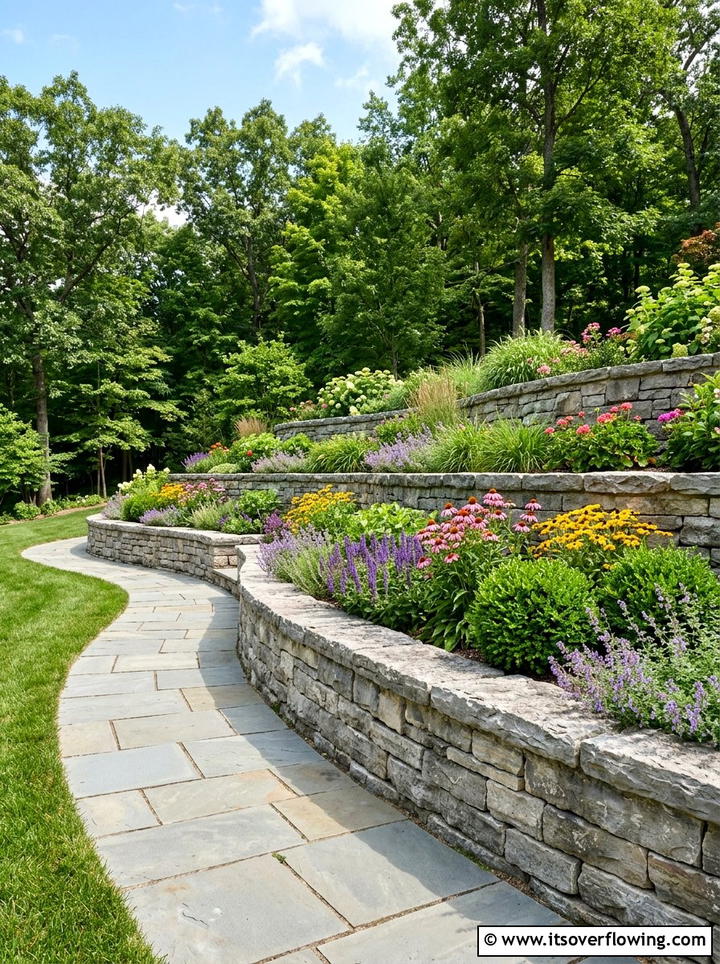
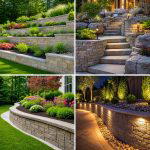
Building a stone retaining wall is one of the most effective ways to manage a significant slope because it physically holds back the earth while creating a stunning visual foundation for your yard. When you choose natural fieldstone or cut limestone, you add a timeless organic texture that blends seamlessly with the surrounding landscape. These walls can be designed to include built-in planting pockets or even integrated bench seating to maximize the utility of the space. By leveling the ground behind the wall, you gain a flat area perfect for a patio or a lush green lawn that was previously impossible. This structural element provides the stability needed for long-term backyard enjoyment.
2. Multi Level Deck
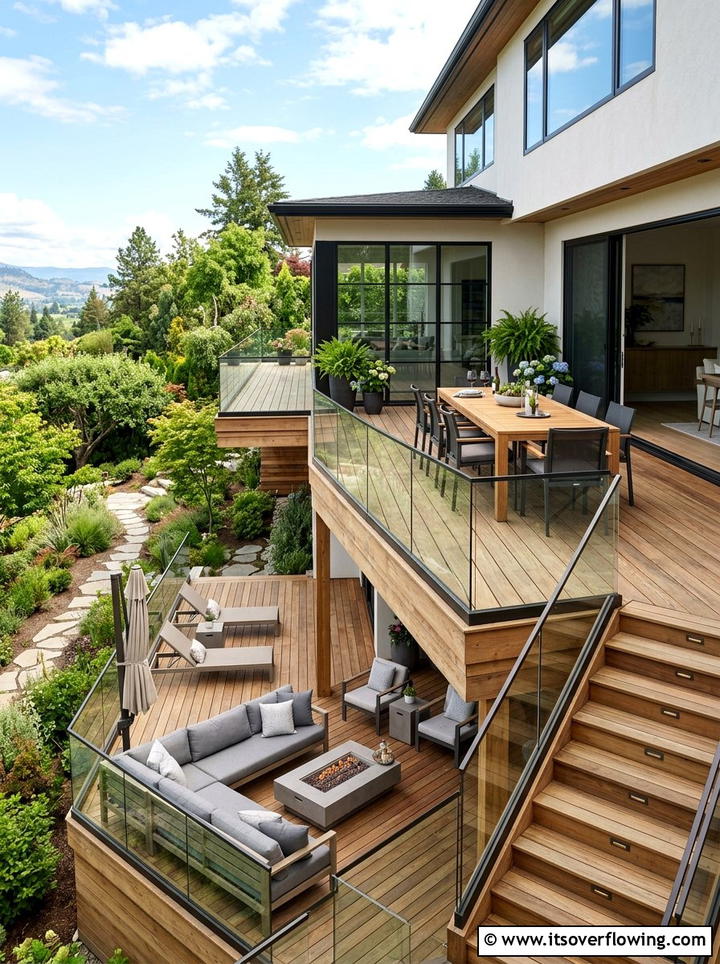
Installing a multi-level deck is a brilliant solution for a backyard that drops off sharply right at the back door. Instead of one large, unusable slope, you create several flat wooden platforms connected by wide stairs that offer different functional areas for dining, lounging, or sunbathing. This design allows you to follow the natural contour of the land without the need for extensive excavation or massive retaining walls. Using high-quality composite or cedar materials ensures the structure remains durable against the elements. The verticality of the deck also provides a great vantage point to look out over the rest of your garden and the surrounding neighborhood.
3. Natural Stone Stairs
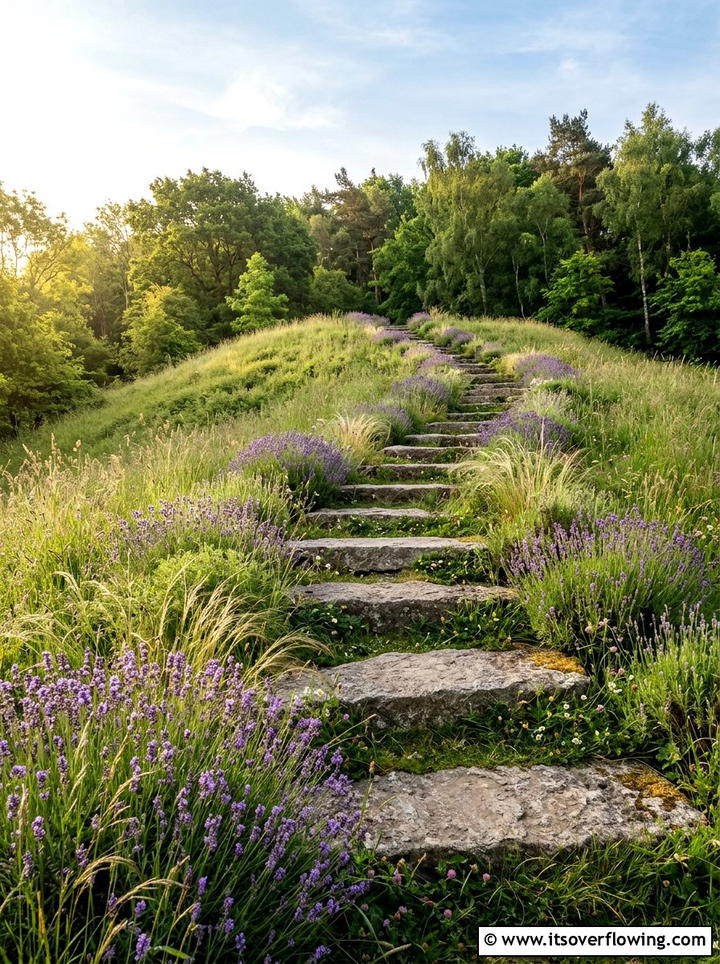
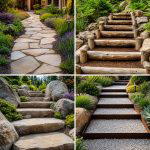
How do you move safely through a steep garden while maintaining a rustic and organic feel? Natural stone stairs are the answer, providing a rugged yet elegant path that anchors the hillside and prevents erosion. Large, flat slabs of flagstone or granite can be nestled directly into the slope to create a winding staircase that looks like it has been there for decades. Surrounding these steps with low-growing groundcovers or ornamental grasses helps soften the hard edges and makes the transition feel more natural. This approach turns a difficult climb into a scenic journey, inviting guests to explore every level of your diverse and beautiful outdoor space.
4. Terraced Garden Bed
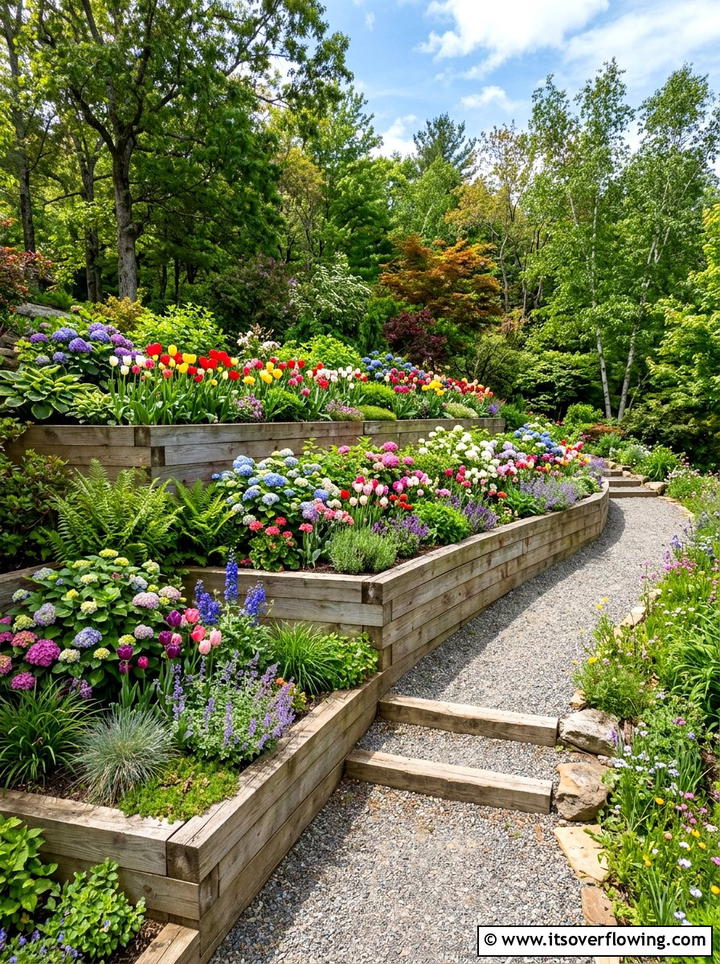
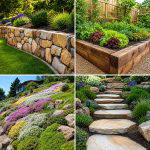
Creating terraced garden beds is a classic technique for turning a vertical surface into a productive and lush planting area. By carving out a series of flat steps into the hillside, you provide a stable environment for flowers, shrubs, and even small trees to thrive without the risk of water runoff washing away the soil. Each terrace can feature a different theme, such as a rose garden on the top level and a succulent display on the bottom. These tiers create a dramatic wall of greenery that acts as a living backdrop for your yard. The visual depth created by these layers is truly captivating and Pinterest-worthy.
5. Cascading Waterfall
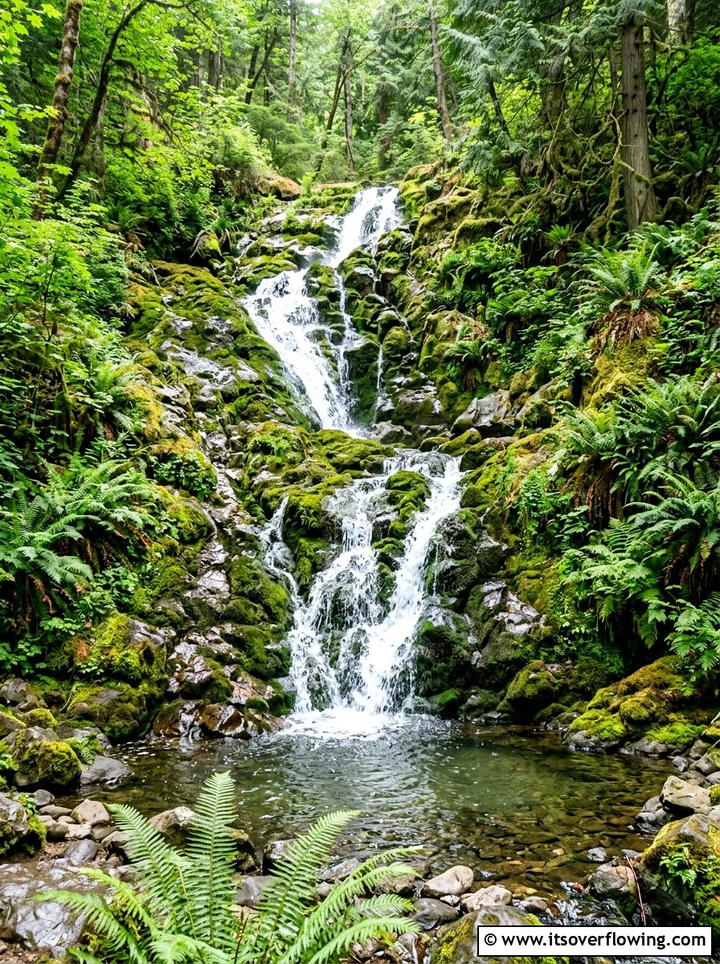
Does your backyard have a slope that feels boring or difficult to plant? A cascading waterfall uses the natural gravity of your yard to create a breathtaking focal point that sounds as good as it looks. Water can tumble over a series of rocks and ledges, collecting in a small pond or a disappearing basin at the bottom of the hill. This feature adds movement and a soothing acoustic element that can mask nearby traffic noise. Surrounding the waterfall with moisture-loving plants and mossy stones helps it blend into the environment, making it feel like a private mountain spring located right in your own suburban backyard.
6. Sloped Path With Mulch
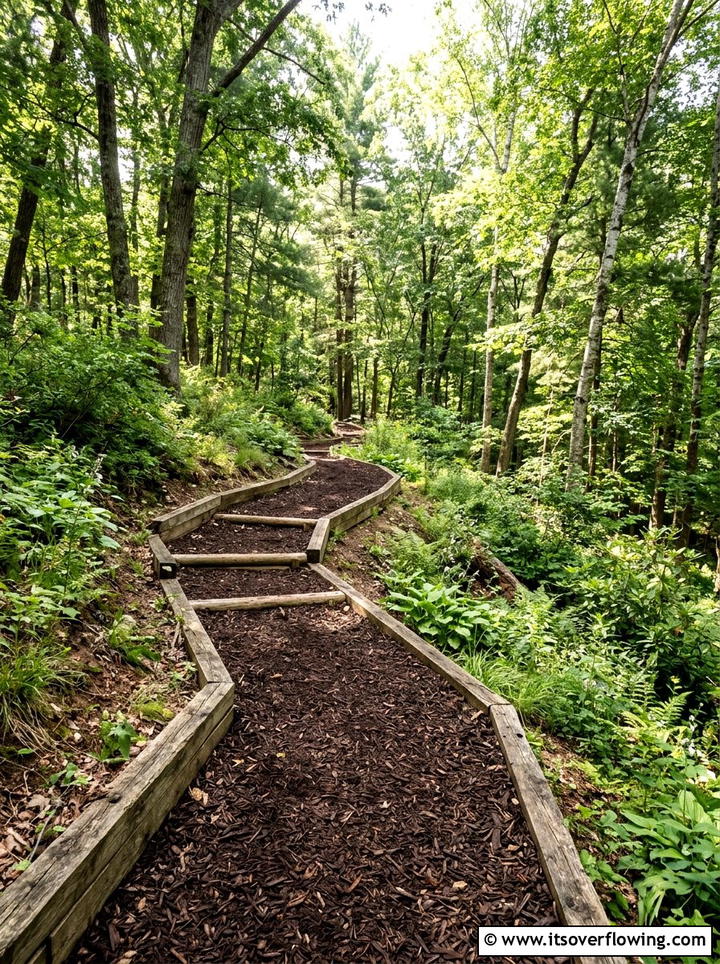
A sloped path with mulch is a fantastic, budget-friendly way to navigate a hilly yard without the expense of permanent masonry. By clearing a winding trail and lining it with timber or stone borders, you can fill the center with thick wood chips or shredded bark to provide a soft and stable walking surface. This type of path is excellent for woodland-style gardens where a formal look isn ‘t required. The mulch also helps to suppress weeds and retain moisture for any plants living along the path’ s edge. It is a flexible solution that can be easily updated or rerouted as your garden evolves over several years.
7. Built In Slide
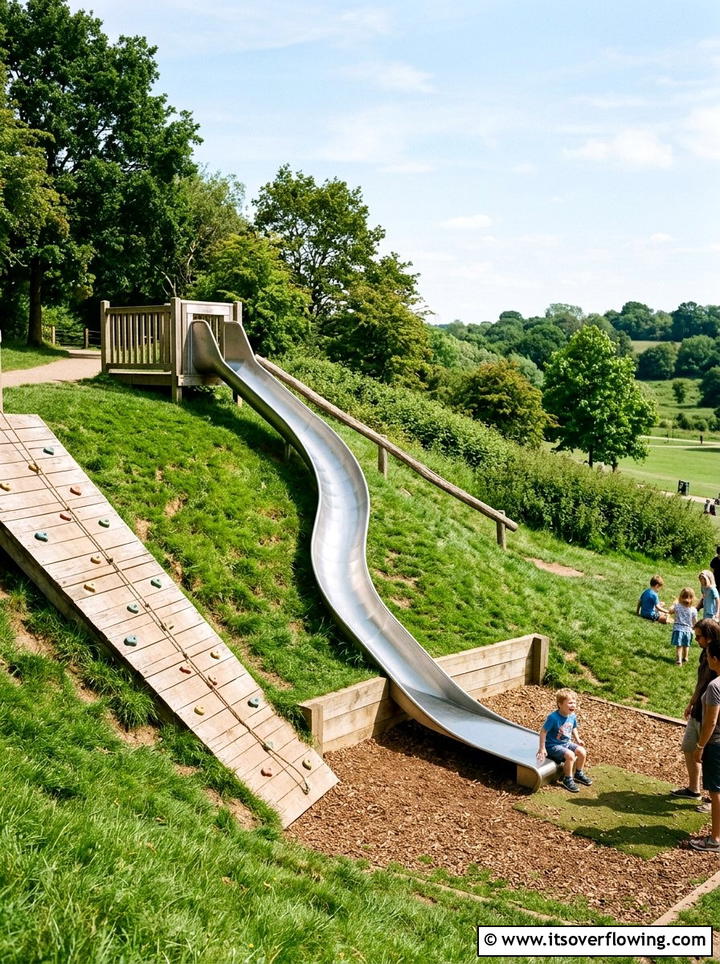
Why not embrace the slope of your yard and turn it into the ultimate play zone for children by installing a built-in slide? Instead of a bulky, freestanding plastic playset, a slide can be mounted directly onto the hillside, following the natural curve of the terrain. This integration makes the slide feel like a part of the landscape rather than an eyesore. You can surround the slide with soft turf or rubber mulch for safety and add a set of climbing holds or a rope bridge alongside it. It is a creative way to use a steep area that might otherwise be considered a waste of space.

8. Rock Garden
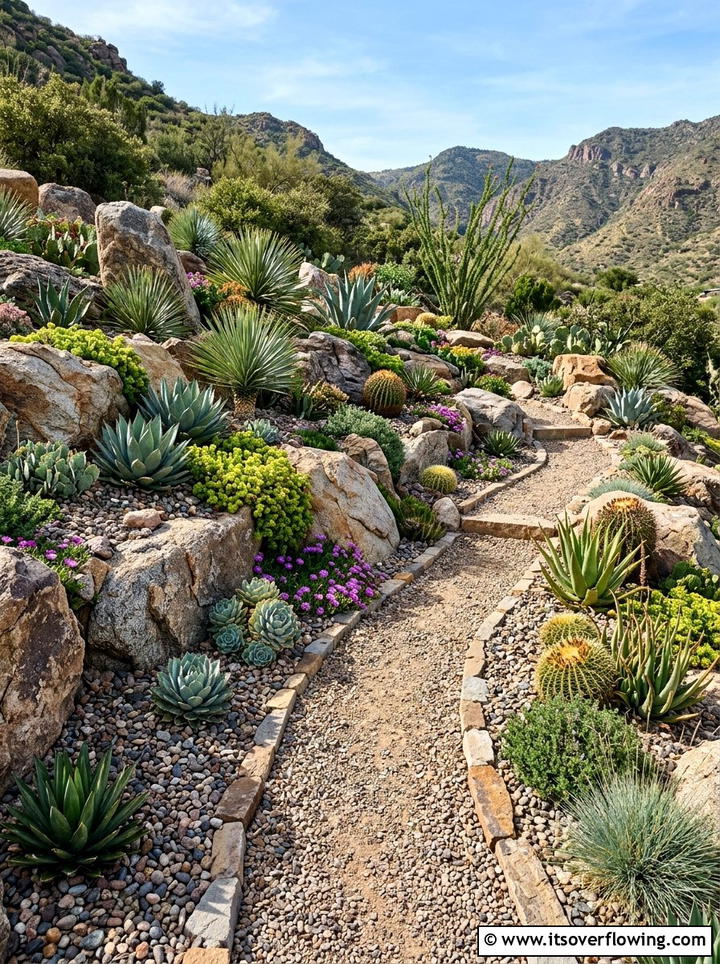
If you are looking for a low-maintenance way to cover a rocky or steep slope, a rock garden is an ideal choice. By strategically placing large boulders and smaller stones, you can mimic the look of a natural alpine environment or a high-desert landscape. Between the rocks, you can plant hardy perennials, alpine flowers, and succulents that thrive in well-drained soil and don’t require much water. This design is perfect for preventing erosion because the rocks help to anchor the soil in place. The varied textures and colors of the stones provide year-round interest even when the plants are dormant in the winter.
9. Tiered Seating Area
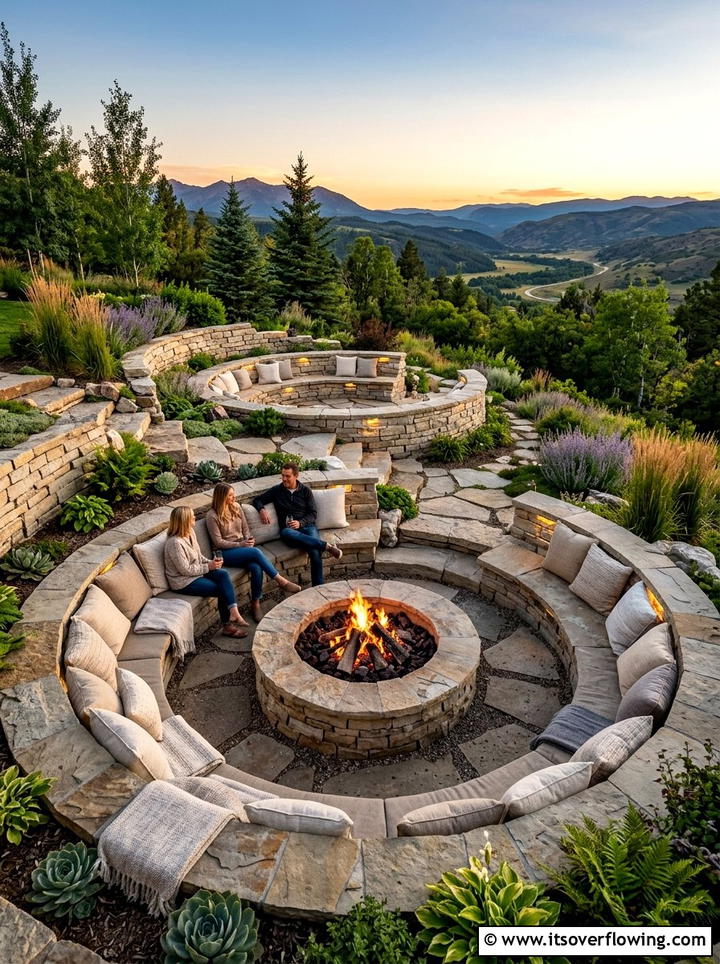
A tiered seating area can turn a once-useless incline into the central social hub of your entire home. By excavating two or three flat levels into the hill, you can create a built-in amphitheater style space where guests can sit and converse. The lower level might hold a large fire pit, while the upper levels feature comfortable outdoor cushions or benches built directly into the retaining walls. This arrangement provides everyone with a clear view of the fire and makes the space feel cozy and enclosed. It is an ingenious way to host large groups of people in a yard that would otherwise be too steep.
10. Modern Concrete Planter
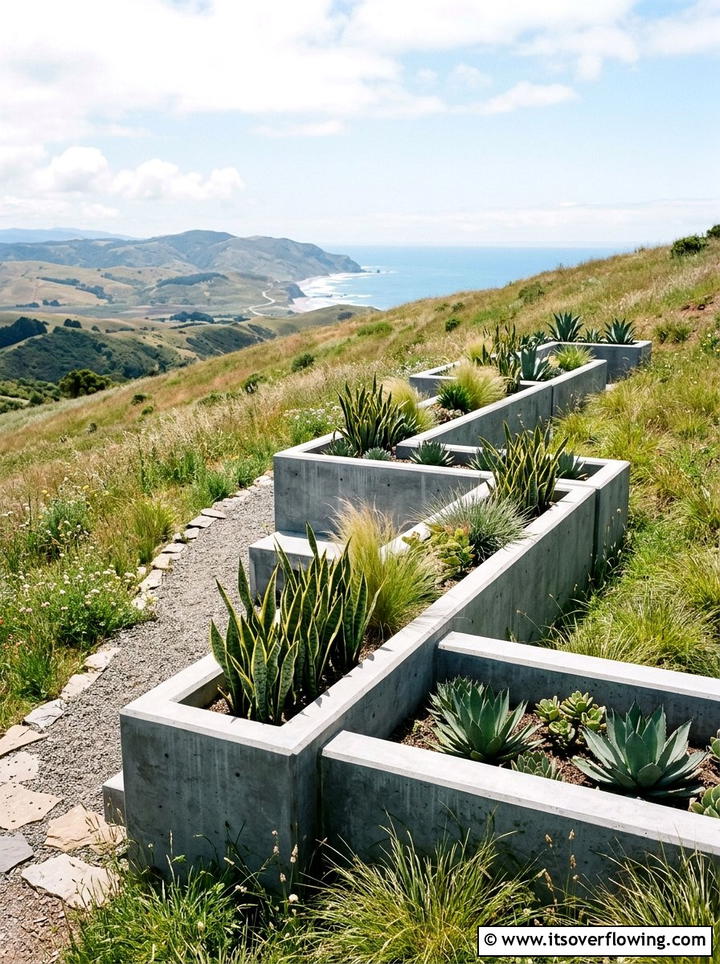
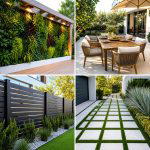
For a clean and contemporary look, modern concrete planters offer a sharp architectural finish to any sloped backyard. These planters act as small, reinforced retaining walls that can be stacked or staggered to create a geometric pattern along the hillside. The smooth, grey finish of the concrete provides a wonderful contrast against vibrant green foliage or colorful flowers. Because concrete is so heavy and durable, these planters are excellent for holding back large amounts of earth and managing water drainage. They are perfect for minimalist homes where straight lines and structured layouts are the primary design goal for the exterior living areas.
11. Gabion Wall
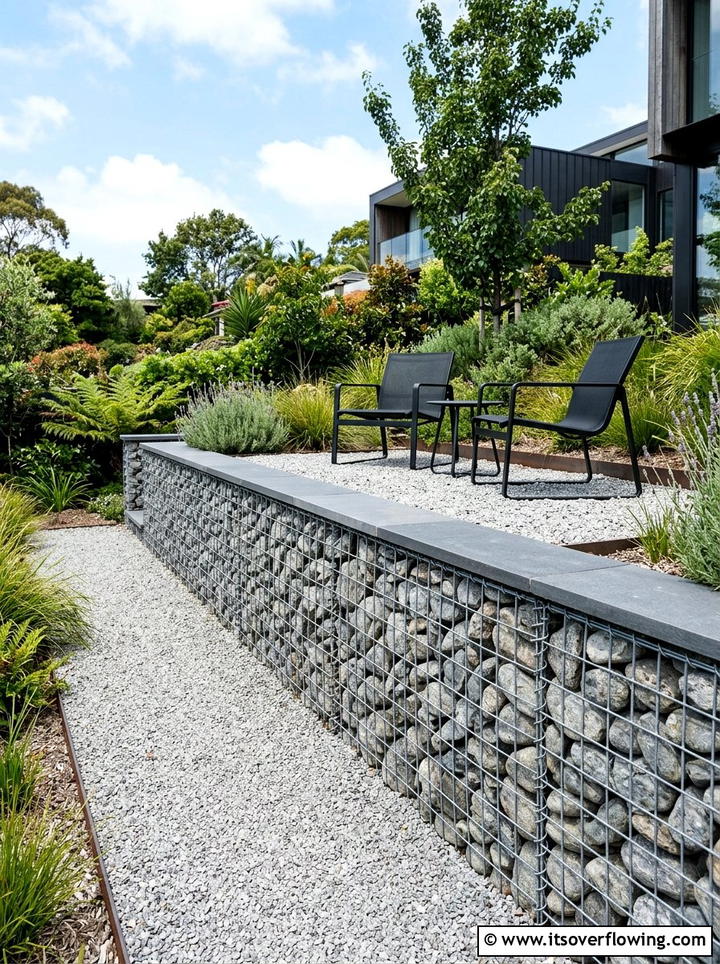
Gabion walls are a unique and industrial-inspired way to stabilize a slope while adding a significant amount of texture to your landscape. These are essentially wire cages filled with rocks, pebbles, or even recycled glass, providing a permeable barrier that allows water to flow through freely. Because they don’t require a traditional foundation, they are often easier and faster to install than concrete or masonry walls. The rugged look of the metal and stone creates a bold statement that works well in both modern and rustic settings. They are also incredibly durable and can withstand the pressure of shifting soil over many decades.
12. Woodland Garden
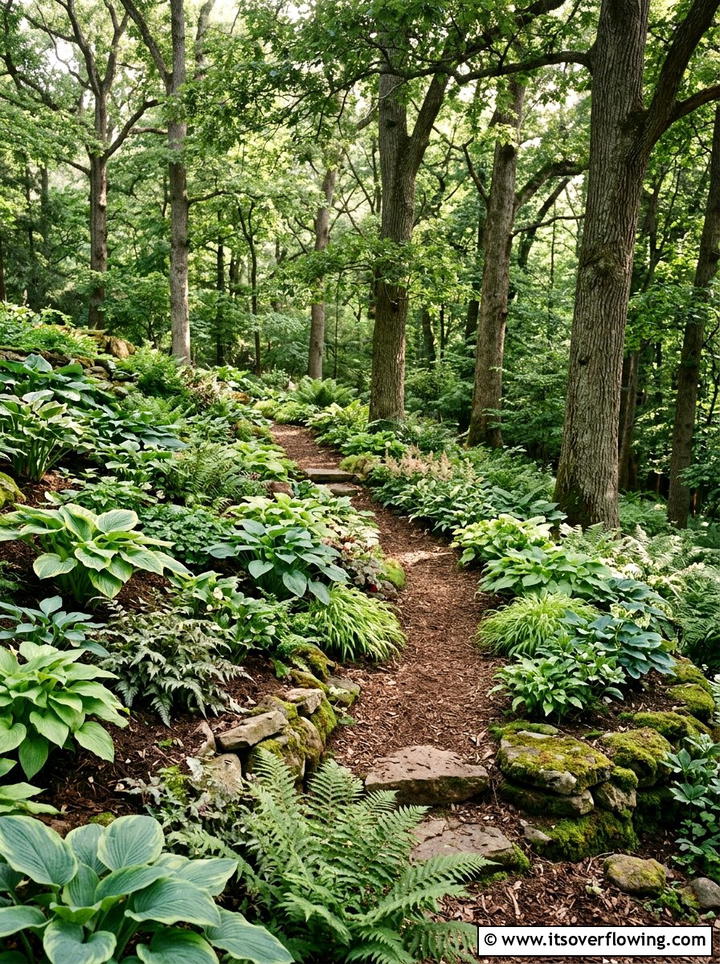
If your sloped yard is partially shaded by large trees, a woodland garden is a beautiful way to lean into the natural environment. By using shade-tolerant plants like ferns, hostas, and bleeding hearts, you can create a lush and layered look that feels like a hidden forest. Narrow paths made of pine needles or stepping stones can wind through the greenery, encouraging slow walks and quiet reflection. This type of garden requires less formal maintenance than a traditional lawn and provides a habitat for local birds and butterflies. It turns a difficult, shady slope into a peaceful and cool retreat during the hot summer.
13. Vegetable Patch On Slope
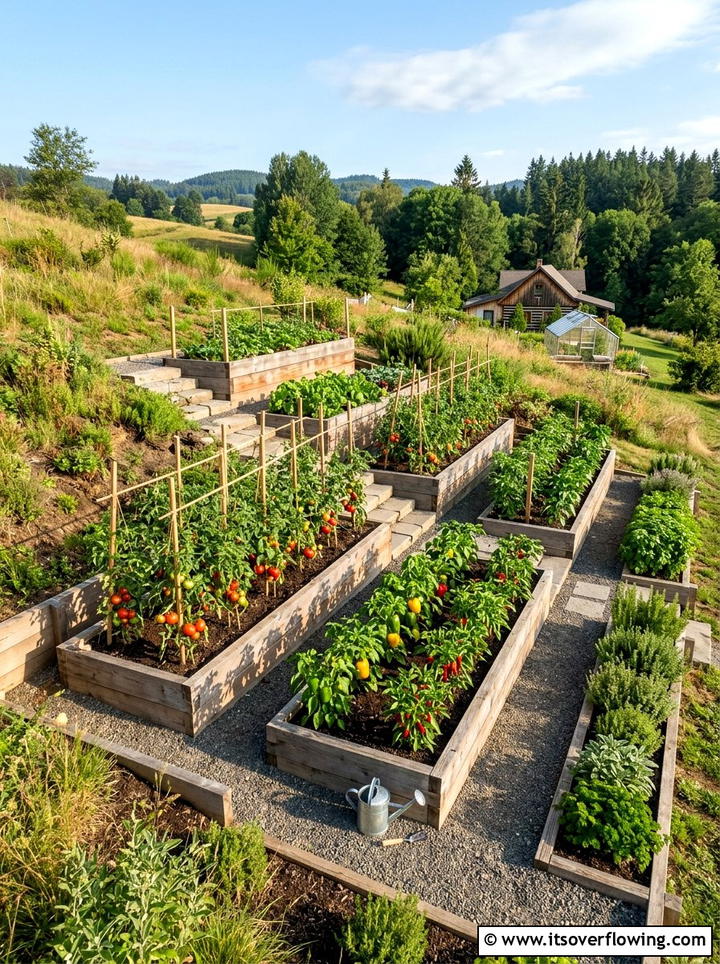
Can you grow food on a hill? A vegetable patch on a slope is highly effective when you use terracing to create level rows for your crops. The elevation often provides better sunlight exposure than a flat yard, and the tiered design allows for excellent drainage, which many vegetables crave. You can build raised wooden beds or stone tiers to hold your tomatoes, peppers, and herbs. Not only is this functional, but it also creates a beautiful, edible landscape that is easy to harvest since the plants are at various heights. It is a rewarding way to make your backyard both productive and visually interesting.
14. Infinity Pool
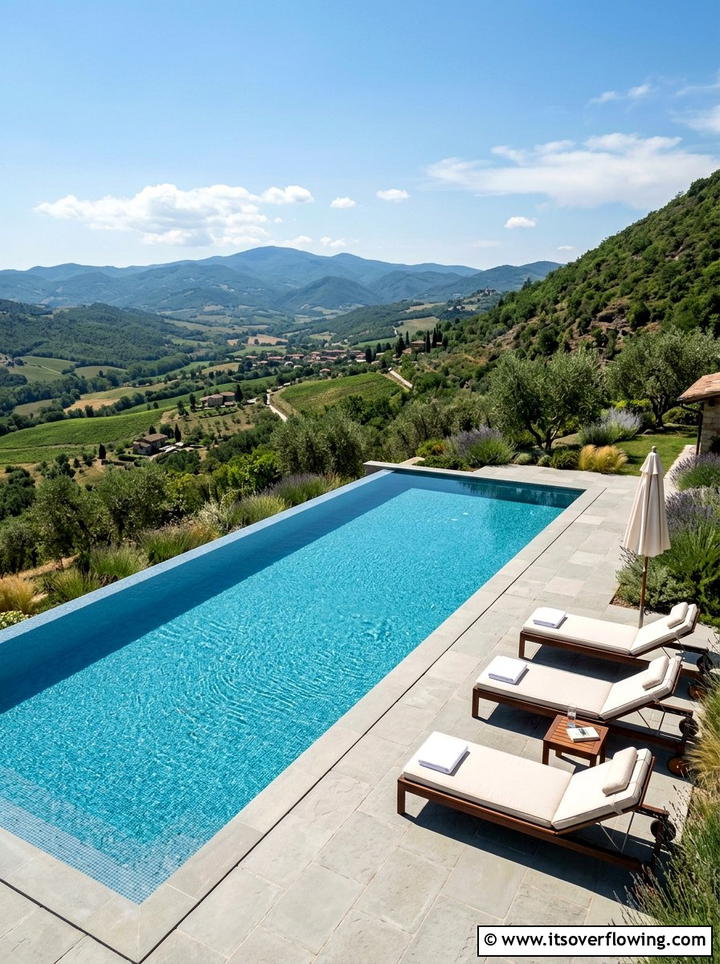
For the ultimate luxury experience, an infinity pool is designed to take advantage of a backyard slope by creating a visual illusion that the water extends to the horizon. The “vanishing edge” is situated on the downhill side, allowing water to flow over the rim into a catch basin below. This design is perfect for properties with a view, as it removes the visual barrier between the pool and the landscape beyond. The engineering involved is complex, but the result is a world-class resort feel right at home. It turns a steep drop-off into the most stunning and talked-about feature of your entire outdoor property.
15. Sloped Lawn
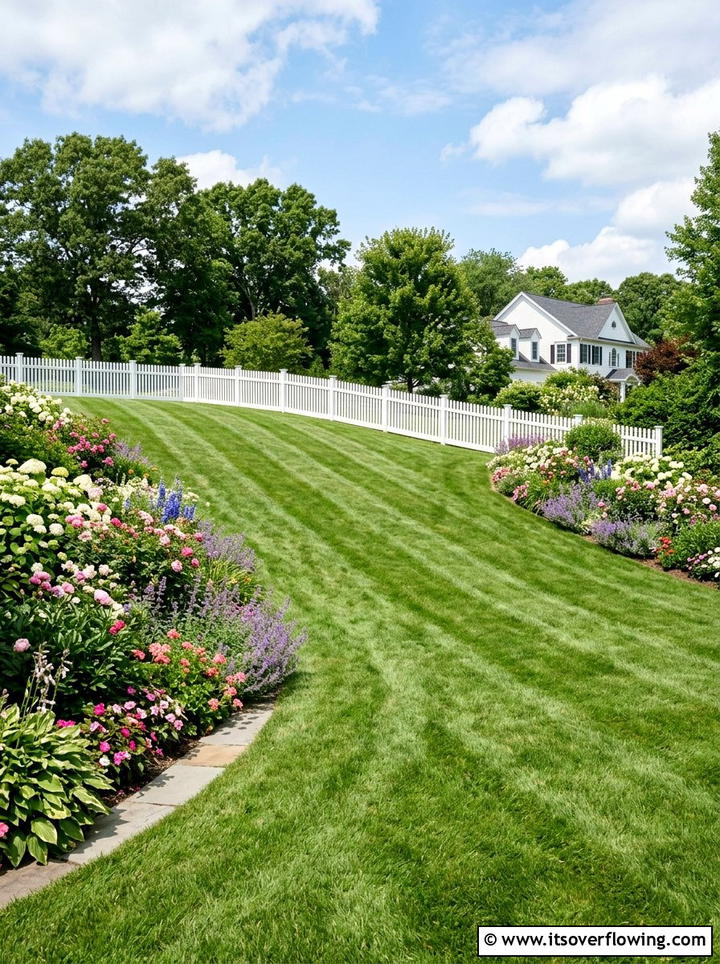
Maintaining a sloped lawn can be a challenge, but with the right grading and grass type, it can provide a beautiful, open green space for your family. By gently smoothing out the steepest sections, you can create a rolling turf that is safe to mow and walk on. Choosing a deep-rooted grass variety will help prevent the lawn from sliding or eroding during heavy rainstorms. A well-kept lawn on a slope adds a sense of scale and softness to the yard, providing a place for kids to play or for you to throw a picnic blanket down. It serves as a great visual transition between different garden zones.


16. Timber Sleeper Wall
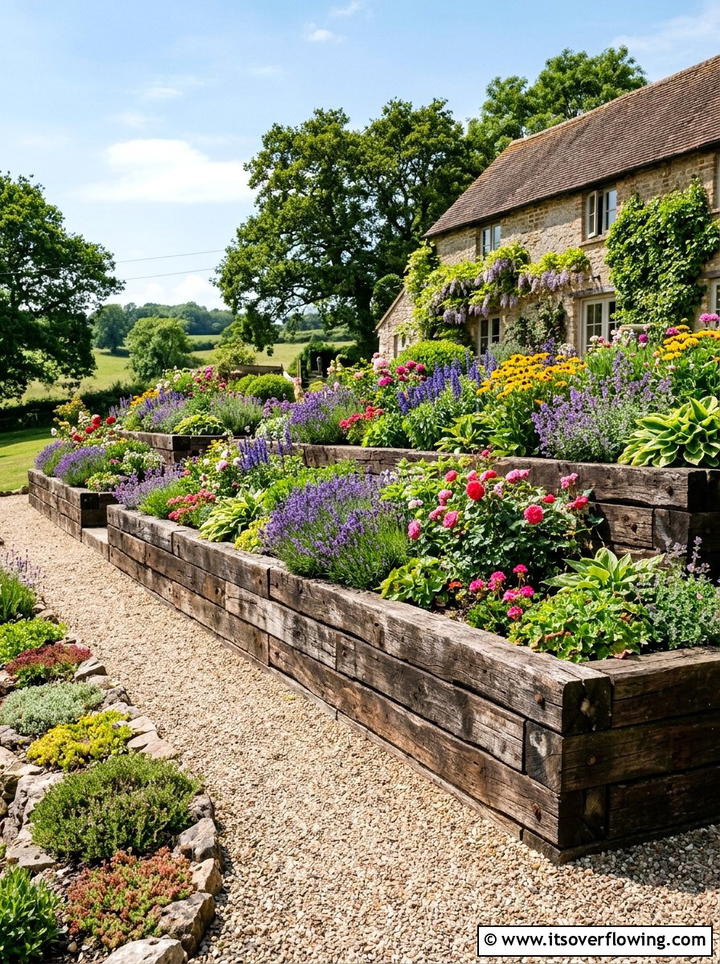
Timber sleeper walls offer a warm and rustic alternative to cold stone or concrete when you need to terrace a backyard. These thick wooden beams can be stacked and anchored to create sturdy walls that have a very natural, cabin-like aesthetic. They are particularly popular in farmhouse or traditional garden designs because they blend so well with wooden fences and decks. Pressure-treated timber is essential to prevent rot, ensuring your walls stay strong for many years. The flat tops of these walls can also serve as a place to set potted plants or lanterns, adding extra layers of decoration to your tiered outdoor landscape.
17. Outdoor Kitchen On Tier
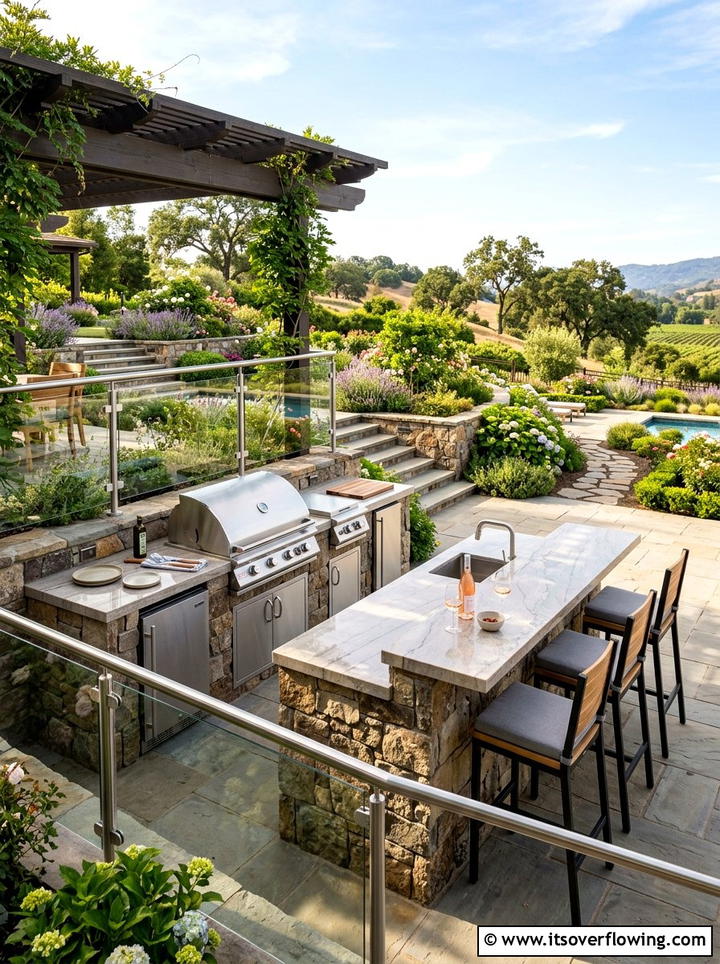
An outdoor kitchen on a tier allows you to separate the cooking and dining areas from the rest of the yard, creating a professional-grade culinary space. By leveling a section of the slope near your home, you can install a grill station, countertops, and even a pizza oven. This elevated position keeps the smoke away from the lower lounging areas and provides the chef with a great view of the activities below. Using durable materials like stainless steel and stone ensures the kitchen can withstand the outdoor environment. It is a sophisticated way to maximize your yard’s footprint while providing a dedicated space for entertainment.
18. Fire Pit Terrace
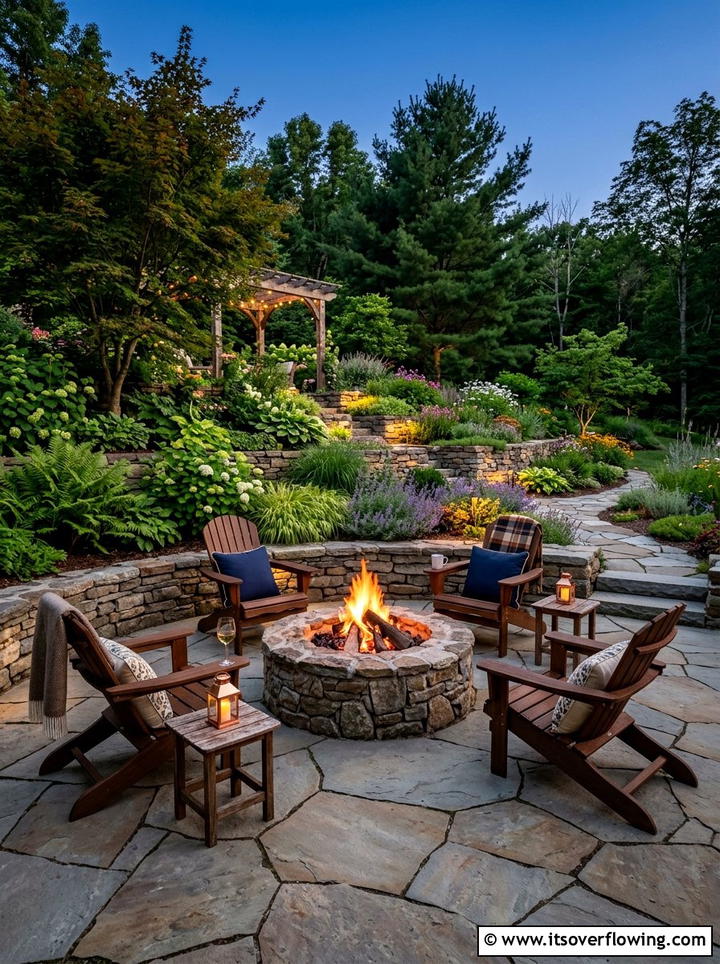
A fire pit terrace is a cozy and inviting way to use a flat spot carved out of a hillside. By surrounding the fire pit with gravel or flagstone, you create a safe and level area for chairs and benches. The slope behind the terrace can act as a natural windbreak, keeping the heat contained and making the space feel more private and secluded. This is a perfect spot for roasting marshmallows or enjoying a glass of cider on a cool evening. The flickering light of the fire against the backdrop of a tiered garden creates a magical atmosphere that makes every night feel like a special occasion.
19. Dry Creek Bed
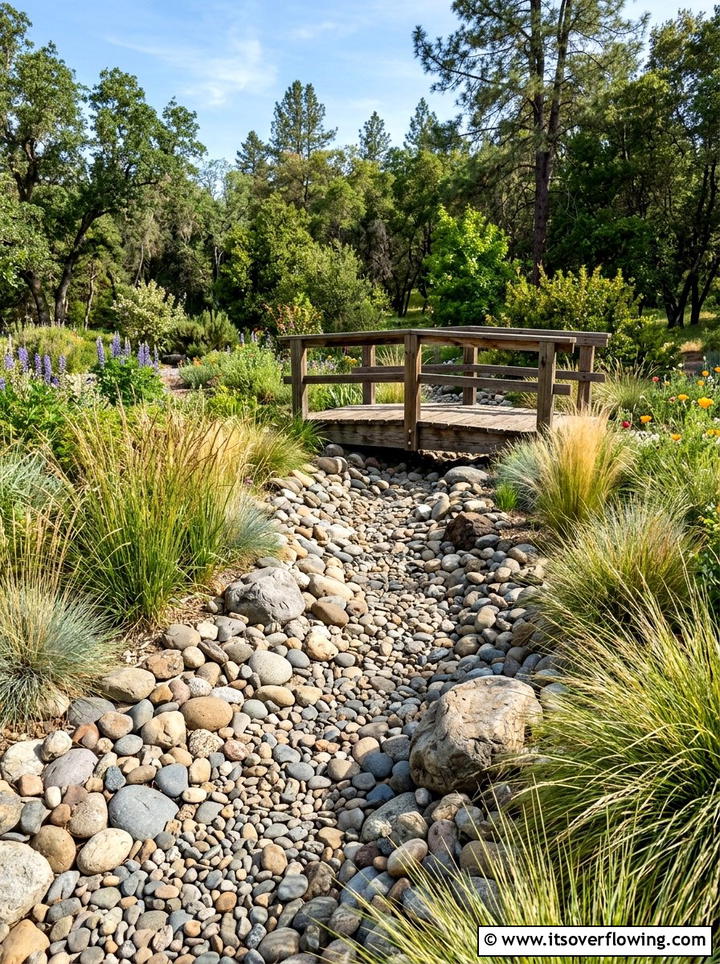
A dry creek bed is a functional and artistic landscaping feature that solves drainage issues on a slope while looking like a natural part of the earth. By lining a shallow trench with various sizes of river rocks and boulders, you create a designated path for rainwater to flow safely down the hill without causing erosion. When it isn’t raining, the creek bed serves as a beautiful decorative element that adds texture and visual interest to the garden. You can plant ornamental grasses and flowering perennials along the banks to enhance the “river” look, making it a sustainable and attractive addition to any hilly yard.

20. Sun Deck
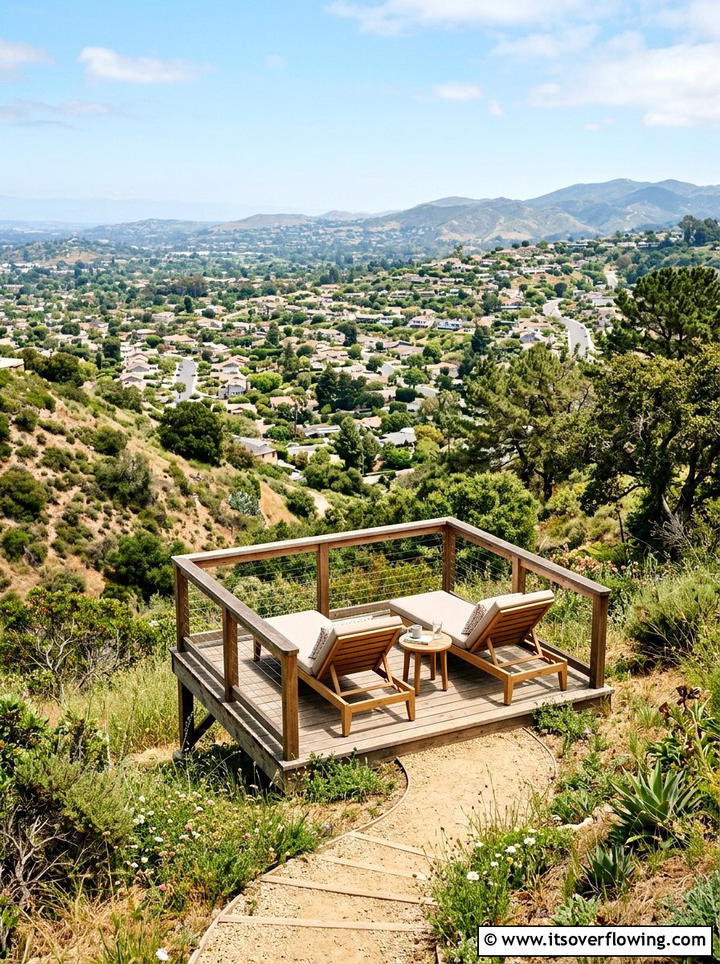
A sun deck is a small, freestanding platform located at the highest point of your sloped backyard to capture the most sunlight throughout the day. This is often the best spot for lounge chairs or a small bistro set where you can enjoy your morning coffee while looking down at the rest of your garden. Because it is elevated, the sun deck often feels more private and removed from the main house. Building it with high-quality wood or composite decking gives it a clean, finished look that contrasts beautifully with the wilder plants on the slope. It is a simple yet effective way to reclaim high ground.
21. Flagstone Patio
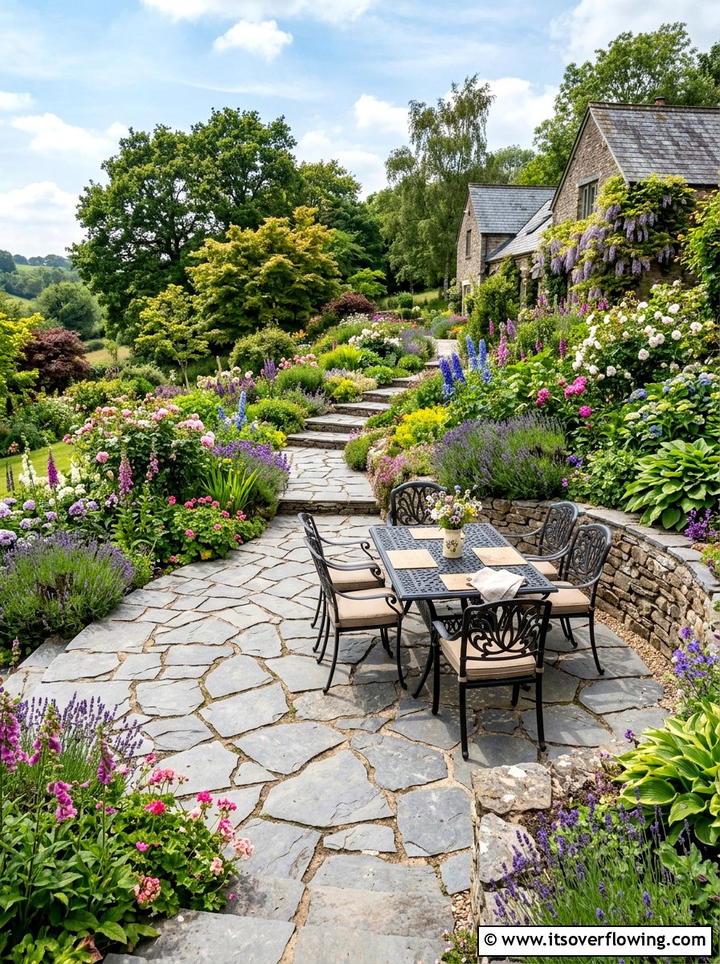
A flagstone patio provides a solid and level surface for furniture in a yard that is otherwise too uneven for a traditional setup. By excavating a flat area and laying down irregularly shaped stones, you create a patio with a charming, old-world feel. The gaps between the stones can be filled with sand, gravel, or even creeping thyme to add a touch of greenery. This type of patio is perfect for a dining table or a set of Adirondack chairs. Its heavy weight and sturdy installation make it a permanent and reliable fixture that helps define a specific “room” within your larger, sloped backyard landscape.
22. Native Plant Slope
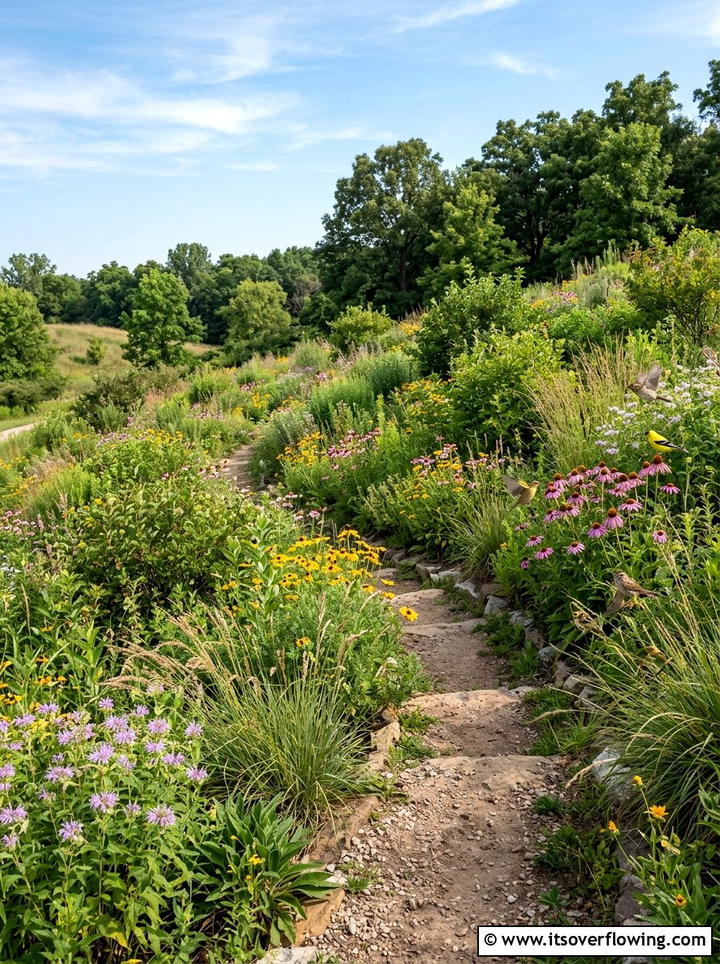
Using a native plant slope is an environmentally friendly way to manage an incline while supporting local wildlife and pollinators. Native plants are already adapted to your local climate and soil conditions, meaning they often have deep root systems that are excellent at holding soil in place and preventing erosion. You can choose a mix of native shrubs, wildflowers, and grasses to create a colorful and self-sustaining ecosystem. This approach requires much less water and fertilizer than a traditional lawn. The result is a wild and beautiful hillside that changes with the seasons and requires very little maintenance once the plants are fully established.
23. Playground On Slope
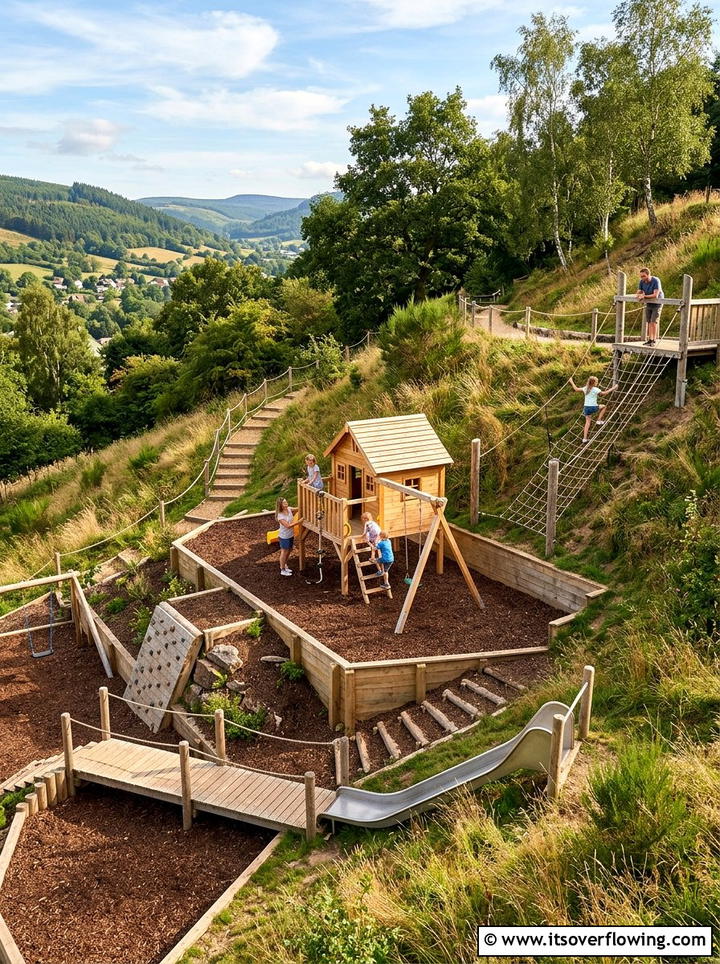
Building a playground on a slope might seem difficult, but it can actually be safer and more exciting than a flat one. By leveling out specific areas for a swing set or a playhouse, you can use the slope itself for climbing walls or integrated tunnels. Using a thick layer of wood chips or rubber mulch on the leveled tiers provides a soft landing for kids. The different heights add a sense of adventure to playtime, as children can climb up and slide down the different sections of the yard. It is a smart way to give your kids a dedicated space without losing the entire yard’s utility.
24. Viewing Platform
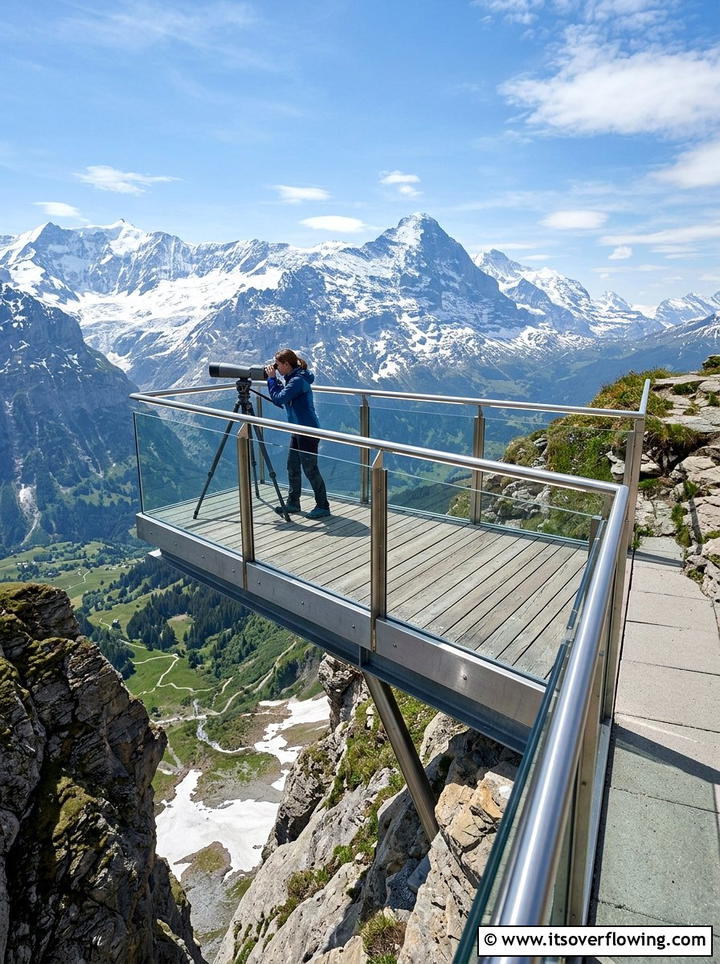
A viewing platform is a small, cantilevered deck that juts out over the steepest part of your slope to provide an unobstructed view of the scenery. This architectural feature creates a sense of drama and provides a “wow” factor for anyone visiting your home. It is an ideal spot for a pair of binoculars or a telescope for stargazing at night. By using glass railings, you can ensure that the view remains the main focus of the space. The platform can be decorated with minimal furniture to keep the area feeling open and airy, making it the perfect spot for quiet meditation or taking in a sunset.
25. Winding Gravel Path
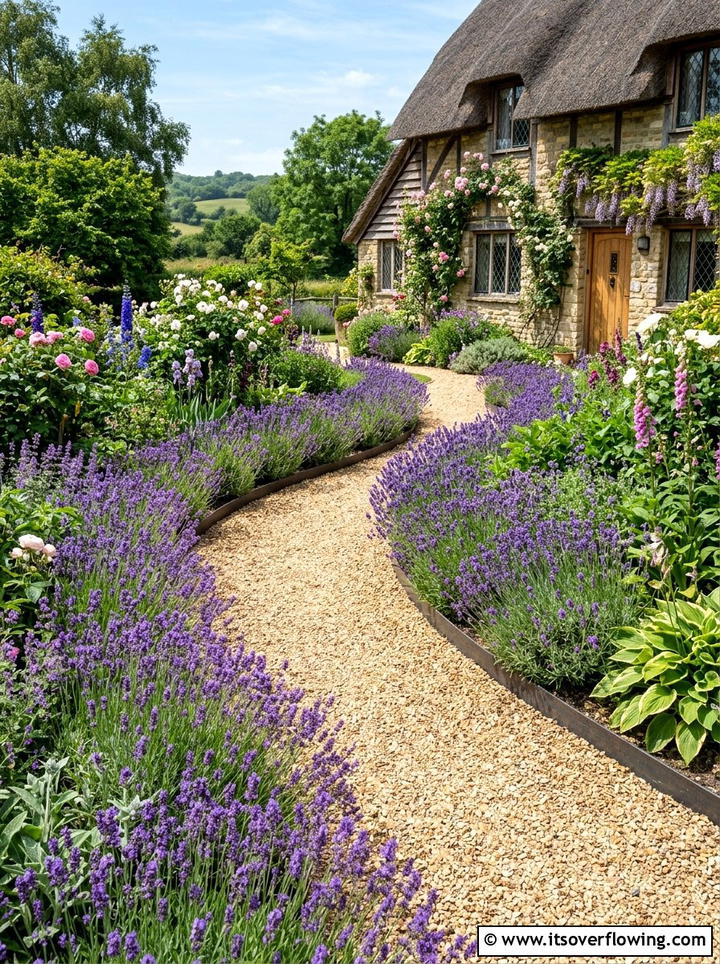
A winding gravel path is a versatile and easy-to-install solution for navigating a slope without the need for heavy machinery. By following the natural curves of the hill, the path provides a gentle incline that is easier to walk than a straight line. Gravel is an excellent choice because it provides great traction and allows water to drain through, preventing puddles from forming. You can use plastic or metal edging to keep the stones in place and prevent them from sliding downhill. This type of path adds a touch of cottage-style charm to the yard and makes the entire landscape feel more accessible and inviting.
Conclusion:
Taming a sloped backyard is a rewarding journey that allows you to showcase your personal style while solving common landscaping challenges like erosion and poor drainage. Whether you choose the structural elegance of stone retaining walls, the modern look of multi-level decks, or the natural beauty of a cascading waterfall, each idea helps turn an incline into an asset. By creating different levels and zones, you maximize every square foot of your property and create a dynamic environment that is perfect for both relaxation and entertainment. A well-designed sloped yard not only looks stunning on Pinterest but also provides a peaceful sanctuary where you can connect with nature every single day.
Related posts:
 25 Backyard Ideas With Retaining Wall Designs for Sloped Yards
 25 Backyard Ideas With Steps For A Stylish Sloped Yard
 25 Backyard Ideas With Terracing for a Stunning Sloped Yard
 25 Backyard Ideas for Dogs: Safe Pet-Friendly Yards
 25 Backyard Ideas for Flat Yards: Simple Stylish Designs
 25 Backyard Ideas for Large Yards: Big Space Inspiration
 25 Backyard Ideas for Narrow Yards to Maximize Space
 25 Backyard Ideas for Small Yards That Feel Spacious
 25 Backyard Ideas for Townhouse Yards to Maximize Space
 25 Backyard Ideas With Rain Garden Designs for Greener Yards
 25 Backyard Ideas With Storage Shed Solutions for Tidy Yards
 25 Creative Garden Ideas for Large Yards: Big Backyard Tips