
Creating a beautiful backyard often involves managing water runoff effectively while keeping the space looking lush and inviting for your family. Rain gardens offer a perfect solution by combining environmental benefits with stunning landscape features that catch the eye of every visitor. These specialized areas are designed to collect rainwater from roofs or driveways and slowly filter it into the ground naturally. This process prevents erosion and keeps pollutants out of local waterways while providing a home for diverse local wildlife. You can transform a soggy spot in your lawn into a vibrant focal point that requires less mowing and more enjoyment throughout the changing seasons in your personal outdoor sanctuary.
1. Native Plant Rain Garden
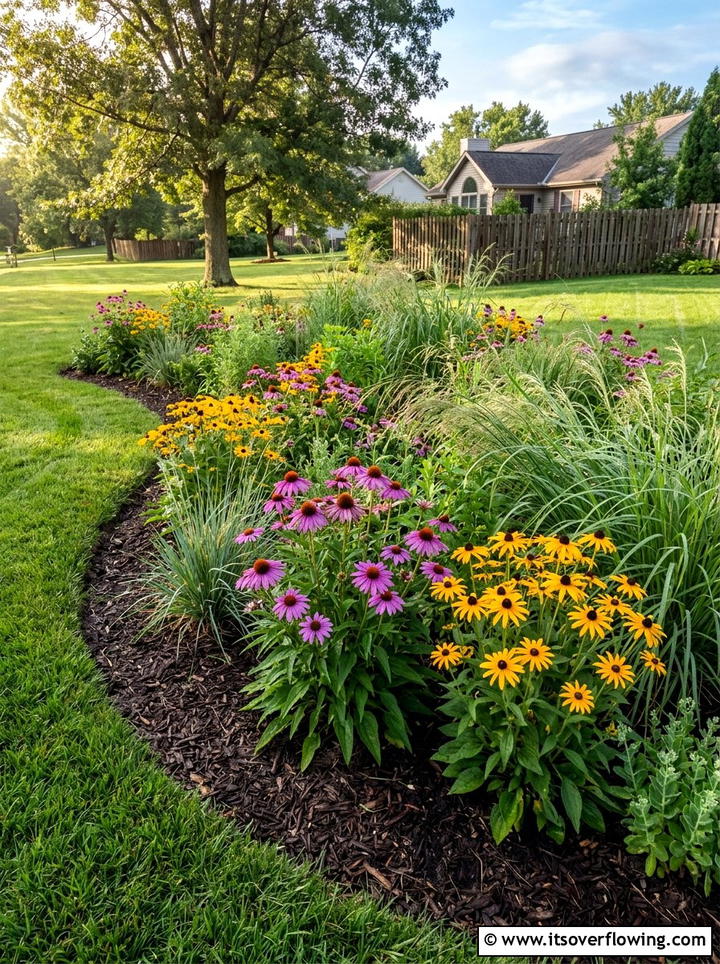
Selecting the right species for your local climate makes a huge difference in how well your backyard ecosystem functions over time. Native plants are the backbone of a successful rain garden because they have deep root systems that thrive in both wet and dry conditions. These plants are naturally adapted to your specific soil type and weather patterns, which means they require less fertilizer or supplemental watering once they are fully established. You can choose a variety of colorful perennials and tall grasses to create a layered look that stays beautiful all year. This approach also helps support local birds and butterflies by providing essential food sources and shelter in your neighborhood.
2. Dry Creek Bed Landscaping
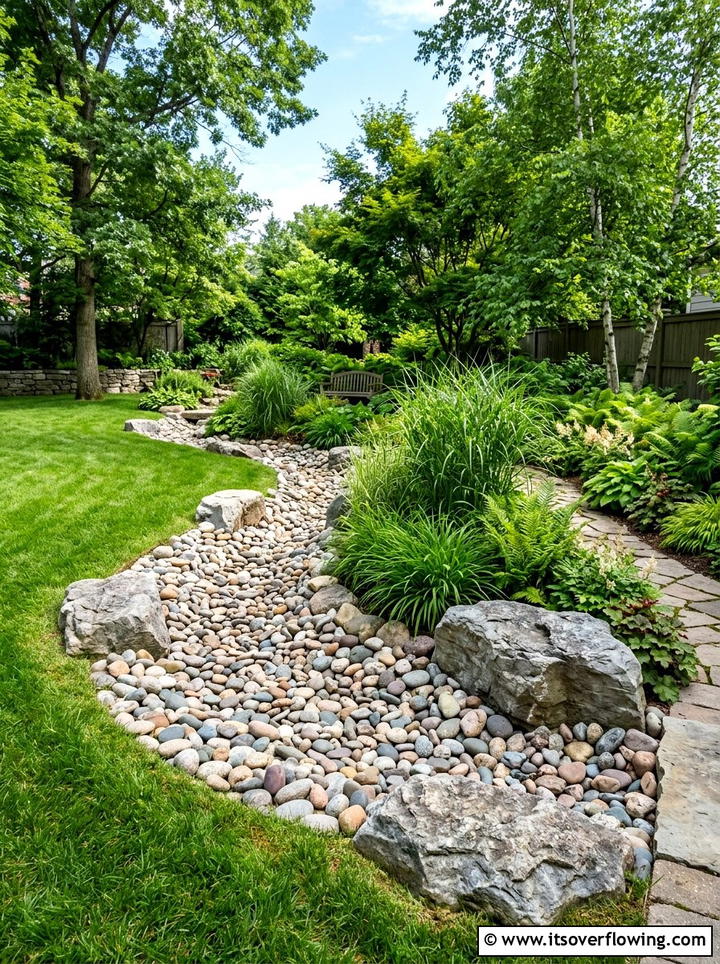
Have you ever noticed water pooling in the same spot every time it rains heavily in your yard or near your porch? A dry creek bed is a functional and artistic way to guide that excess water away from your home foundation toward a designated rain garden area. By using various sizes of river rocks and smooth stones, you can mimic the look of a natural stream bed that adds texture to your landscape. This feature looks just as attractive when it is dry as it does when water is flowing through it during a storm. Incorporating larger boulders along the edges provides a sense of permanence and rugged beauty to your garden.
3. Garden Bridge Over Water
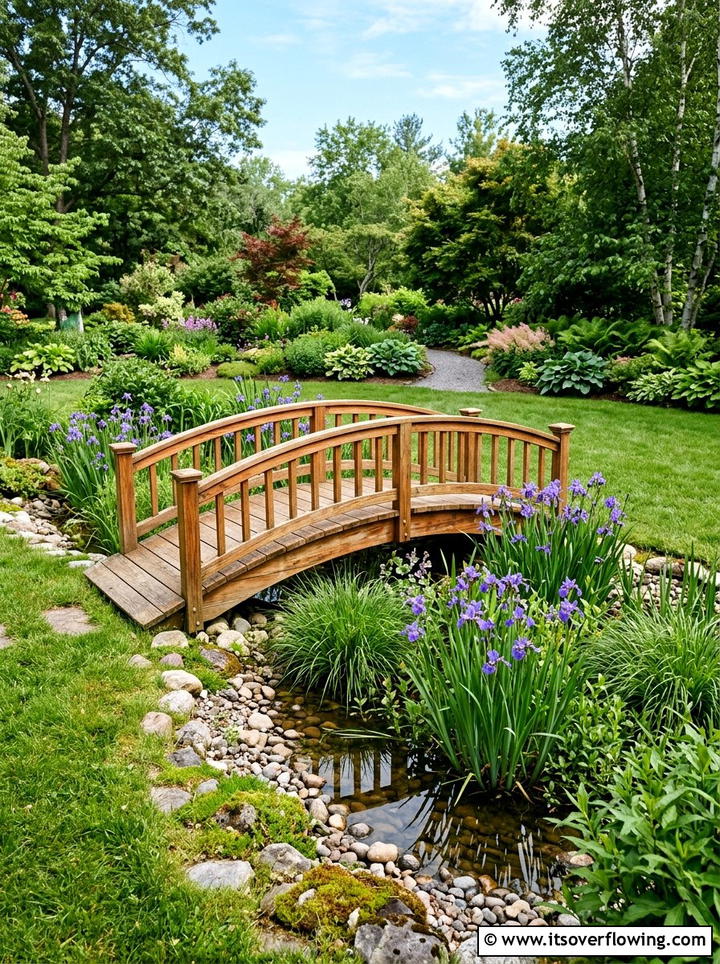
Adding a structural element like a small wooden bridge can instantly elevate the visual appeal of your drainage area and backyard path. This feature allows you to walk right over the wettest parts of your yard without getting your feet muddy or damaging sensitive plants. A bridge creates a clear focal point and gives your garden a sense of charm and mystery as it invites people to explore further. You can choose a simple flat walkway or a classic arched design depending on the overall style of your home and outdoor space. Painting or staining the wood helps it withstand the moisture while matching your existing deck or fence colors.
4. Modern Rain Garden
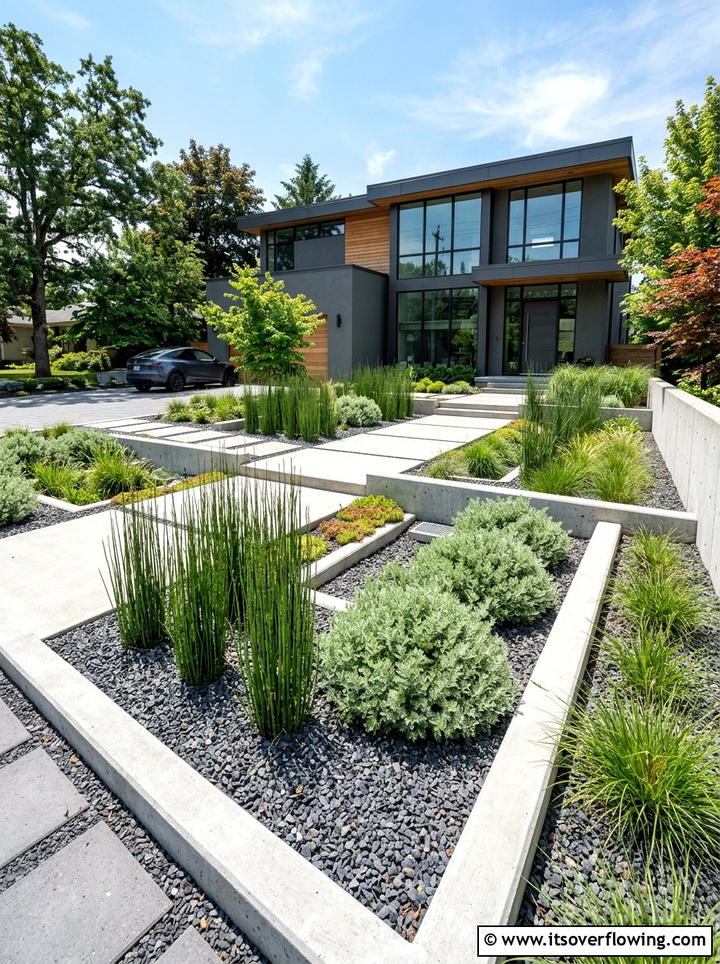
Clean lines and minimalist plantings can make a rain garden look sophisticated and intentional rather than wild and unkempt in your yard. A modern approach often involves using geometric shapes for the garden bed and choosing a limited palette of structured plants like ornamental grasses. This style works exceptionally well in contemporary yards where you want to maintain a neat appearance while still being environmentally conscious. You might use steel edging or concrete borders to define the space and keep the mulch or rocks contained. The result is a high-end look that manages storm water runoff efficiently without clashing with your sleek architectural home features and patio.
5. Sloped Backyard Drainage
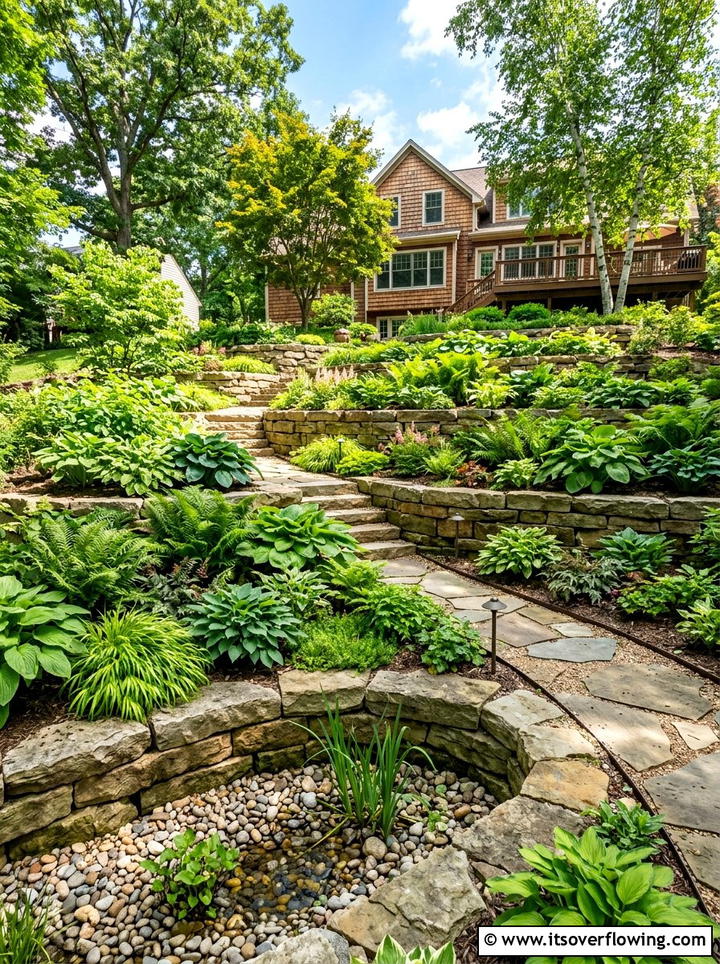
Dealing with a steep hill in your backyard can be quite a challenge when it comes to preventing soil erosion during heavy storms. Building a series of shallow basins or stepped rain gardens helps slow down the flow of water as it travels downhill. This allows the moisture to soak into the ground at each level rather than washing away your topsoil and mulch. You can use sturdy retaining walls or natural stones to create these levels and plant them with moisture-loving shrubs and groundcovers. This transformation turns a problematic slope into a lush vertical garden that adds significant value and beauty to your entire outdoor property this year.
6. Rainwater Downspout Garden
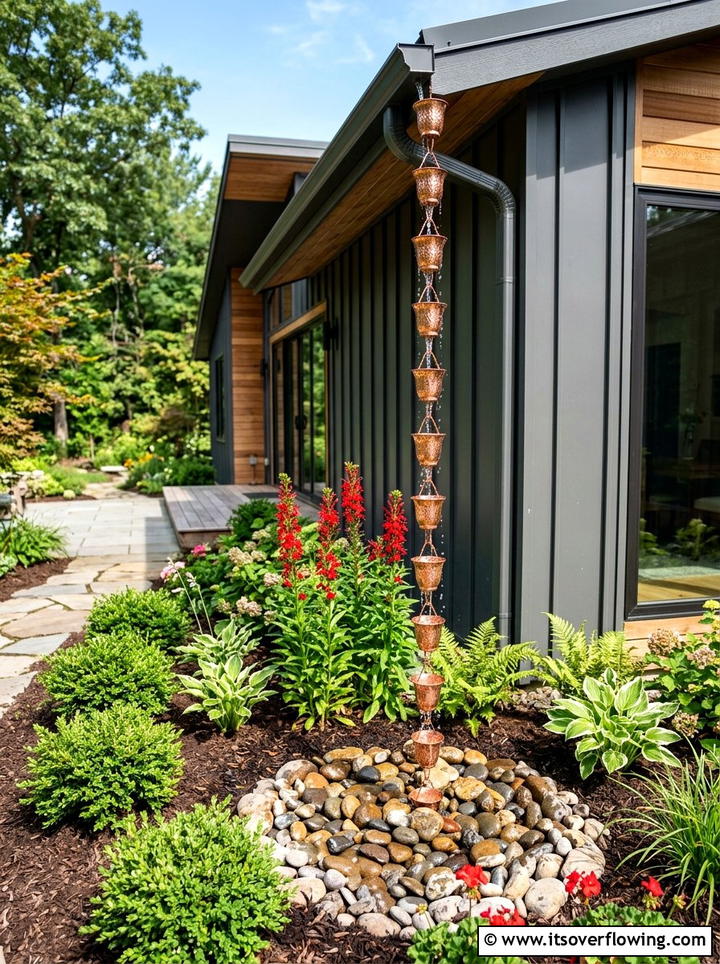
Directing the water from your roof gutters straight into a planted basin is one of the most effective ways to use rain gardens. You can extend your downspouts using decorative underground pipes or attractive rain chains that lead the water away from your house. This ensures that the foundation remains dry while providing plenty of hydration for thirsty plants in the garden bed nearby. By placing the garden at least ten feet away from your home, you protect your basement while creating a lush island of greenery. This simple setup turns a utility necessity into a beautiful landscape feature that manages water right where it falls near your siding.
7. Permeable Paver Patio
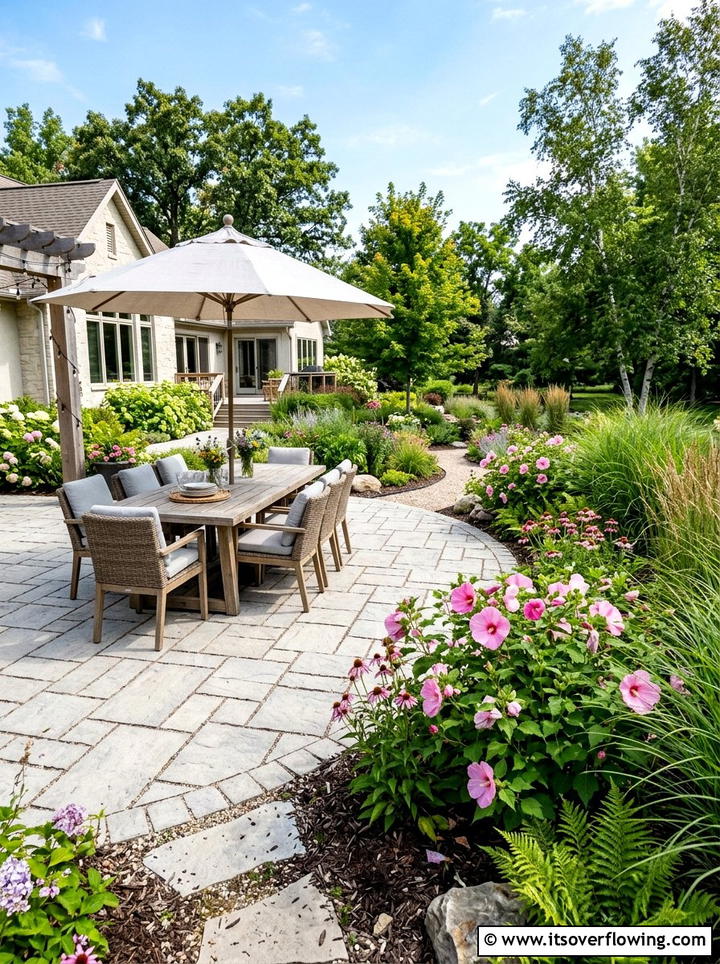
Imagine having a patio area that never develops large puddles even after a massive thunderstorm rolls through your neighborhood in the summer. Permeable pavers are designed with small gaps that allow water to flow through the surface and into the soil below instead of running off. You can surround this patio with a lush rain garden to catch any overflow and create a seamless transition between hardscaping and nature. This combination is perfect for entertaining guests because the ground stays drier and the plants provide a beautiful, cooling backdrop. Using different colors and patterns of pavers can enhance the aesthetic appeal of your outdoor dining or lounging space significantly.
8. Pollinator Garden Plants
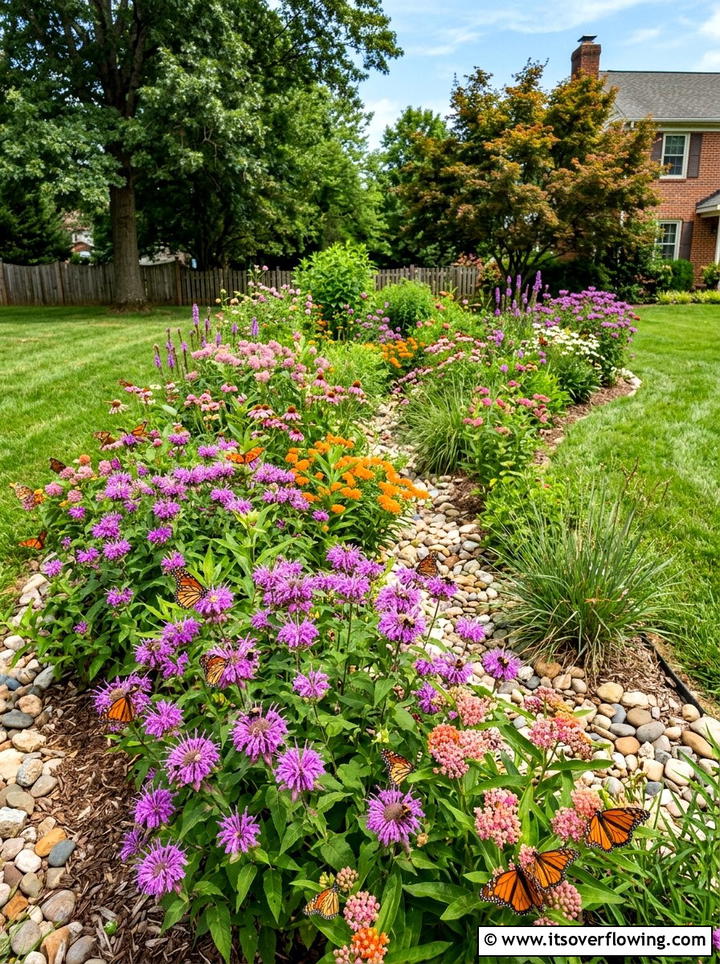
Would you like to see more colorful butterflies and hummingbirds visiting your backyard throughout the spring and summer months in your area? Designing your rain garden with specific flowering plants like milkweed, coneflower, and bee balm creates a vital sanctuary for important pollinator species. These plants love the moisture provided by the basin and offer plenty of nectar and pollen for visiting insects. A rain garden is naturally suited for this because it provides a reliable water source alongside the dense foliage needed for nesting and protection. Watching the buzz of life in your garden adds a dynamic and educational element that children and adults will enjoy.
9. Shade Rain Garden
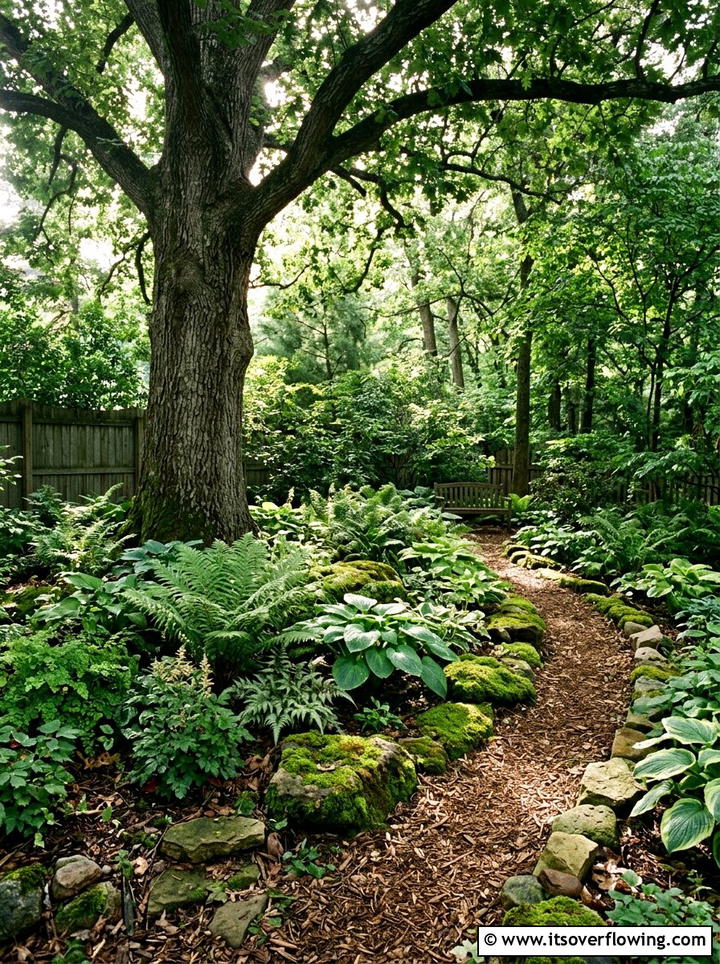
Even the darker corners of your yard under large trees can benefit from a well-planned drainage area filled with shade-loving plants. Many ferns, hostas, and sedges thrive in moist conditions and low light, making them perfect candidates for a rain garden in a wooded area. These plants provide a cooling effect and create a lush, forest-like atmosphere that feels very peaceful and secluded. You can use organic mulch like shredded bark to help retain moisture and give the area a clean, finished look that mimics the natural forest floor. This approach turns a difficult shady spot into a thriving and functional part of your outdoor living space.
10. Rock Rain Garden
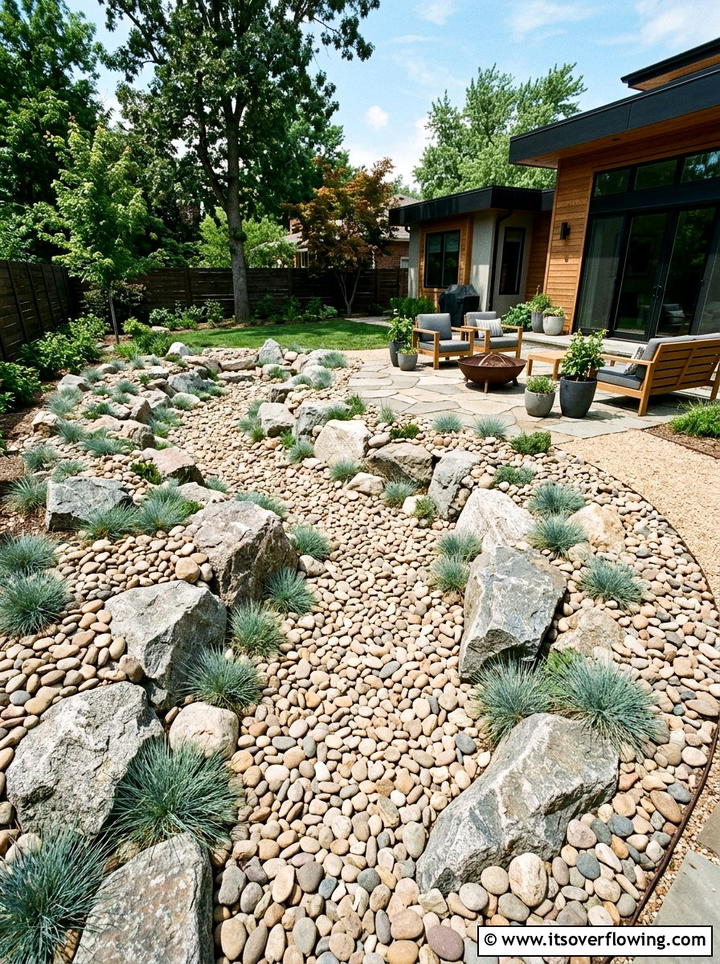
Using different sizes and colors of stones can create a rugged and low-maintenance landscape that handles water beautifully in your backyard. A rock rain garden is especially effective in areas with high-velocity water flow because the stones stay in place better than traditional wood mulch. You can mix large feature boulders with smaller river rocks to create a naturalistic look that resembles a dry mountain stream. Tucking small alpine plants or hardy grasses between the rocks adds a touch of green without overwhelming the stony aesthetic. This style is perfect for homeowners who want a clean look that doesn’t require much weeding or replanting.
11. Stepping Stone Path
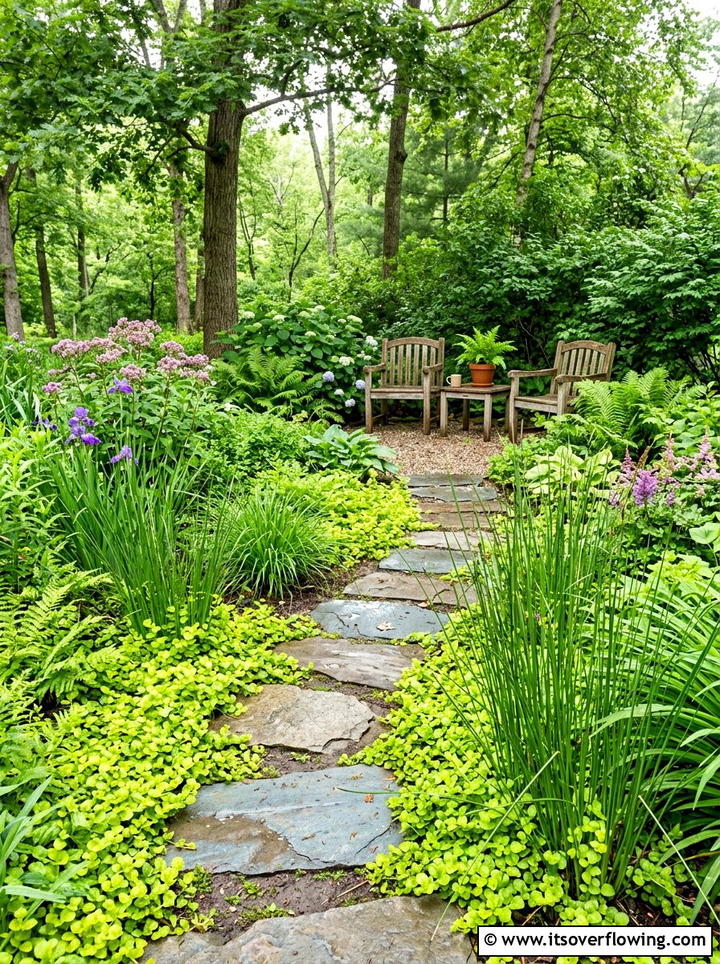
Placing flat stones through the middle of your garden allows you to walk through the greenery without compacting the soil or getting wet. This path provides a way to maintain the plants easily or simply enjoy the view from within the garden itself. Stepping stones add a sense of movement and rhythm to the design, guiding the eye and the feet along a specific route. You can choose natural flagstone or cast concrete pavers to match the existing style of your backyard and home exterior. Surrounding these stones with low-growing groundcovers like creeping thyme or moss creates a soft, fairytale look that feels very inviting.

12. Small Backyard Rain Garden
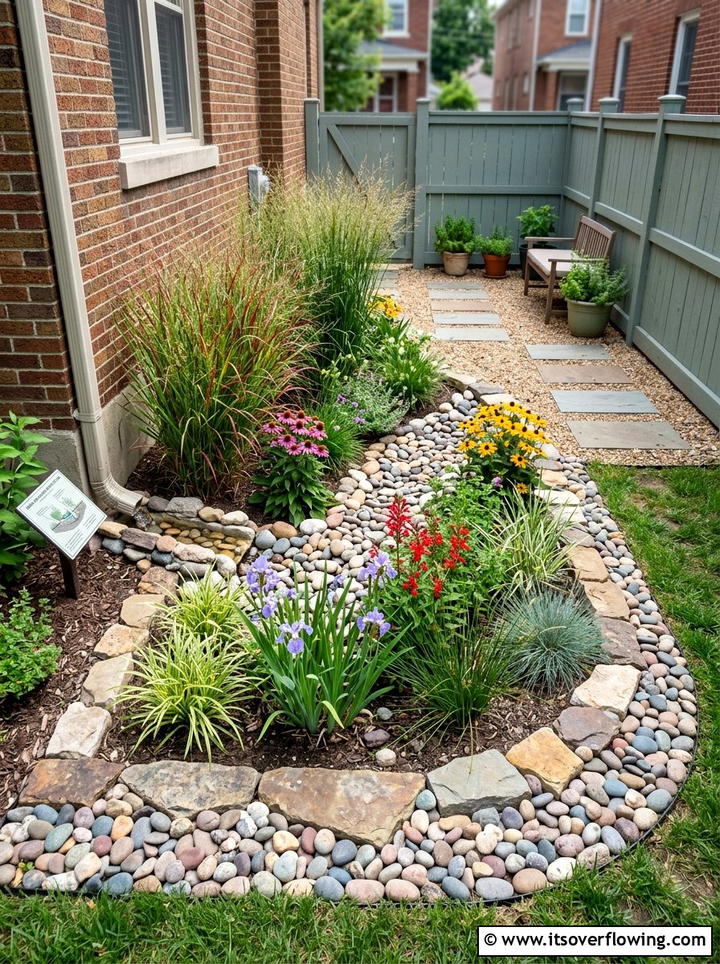
You do not need a massive estate to enjoy the functional benefits and beauty of a carefully designed rain garden in your city. Even a small depression in a tiny urban backyard can be transformed into a miniature oasis that manages runoff from a garage or shed. By choosing compact plant varieties and using vertical elements like tall grasses, you can make the most of limited square footage. This approach helps reduce the amount of standing water in small spaces, which can also help with mosquito control and general dampness. A small rain garden adds a pop of color and life to a muddy patch.
13. Backyard Waterfall Feature
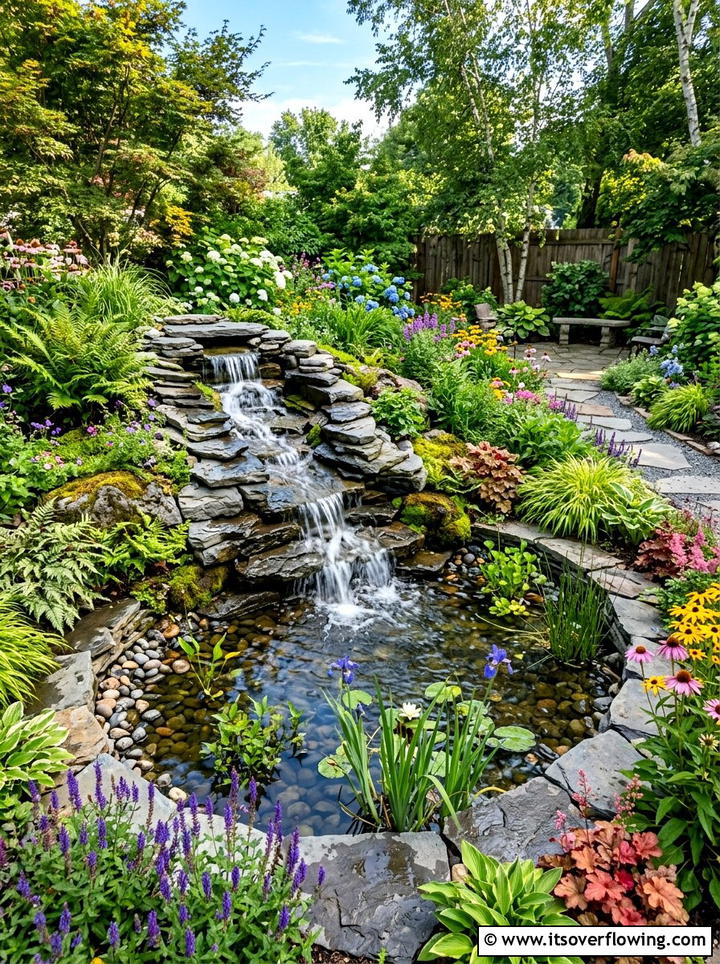
Integrating a small waterfall into your rain garden design adds the soothing sound of moving water to your outdoor environment for relaxation. You can set up the system so that water flows over rocks into the garden basin during rain events, creating a temporary pond. This adds a sense of drama and excitement to the landscape whenever it rains, making the storm something to look forward to. Using a recirculating pump can also keep the water moving during dry spells if you prefer a permanent water feature. The combination of splashing water and lush plants creates a spa-like atmosphere that promotes peace in your own backyard.
14. Wildflower Rain Garden
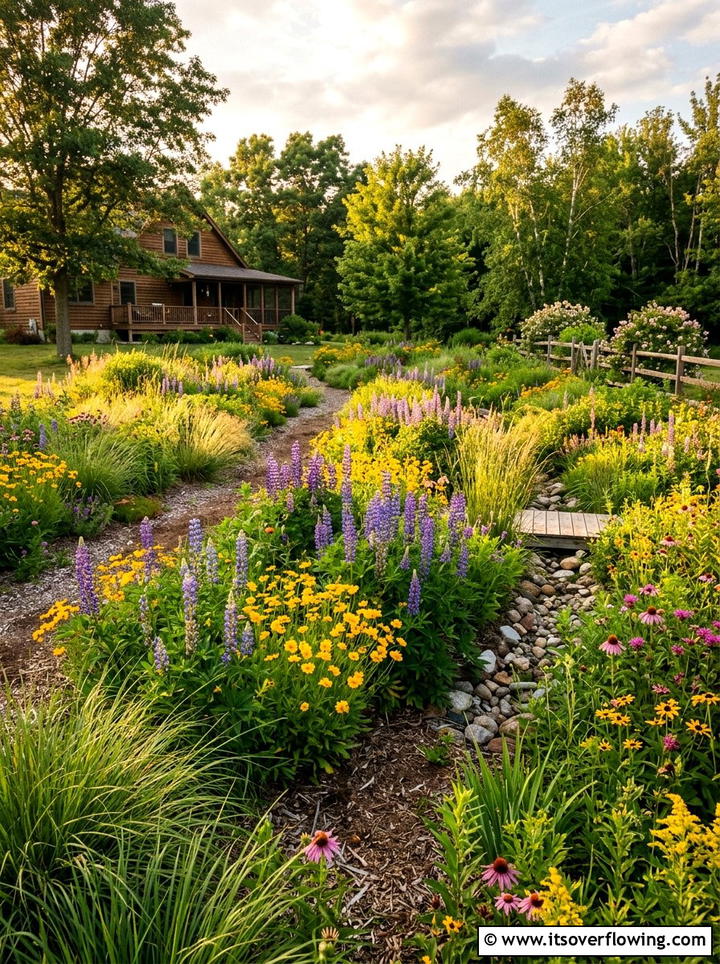
A meadow-style rain garden filled with native wildflowers offers a loose and natural aesthetic that changes beautifully through every season in your yard. This type of garden is very low maintenance once the plants are established because the wildflowers are hardy and resilient to weather changes. You can expect a riot of color from early spring until the first frost, providing a changing canvas for your backyard view. The tall stems and dense flowers also provide excellent cover for birds and beneficial insects, turning your yard into a mini nature preserve. Using a mix of different flower shapes ensures there is always something interesting to observe.
15. Formal Rain Garden
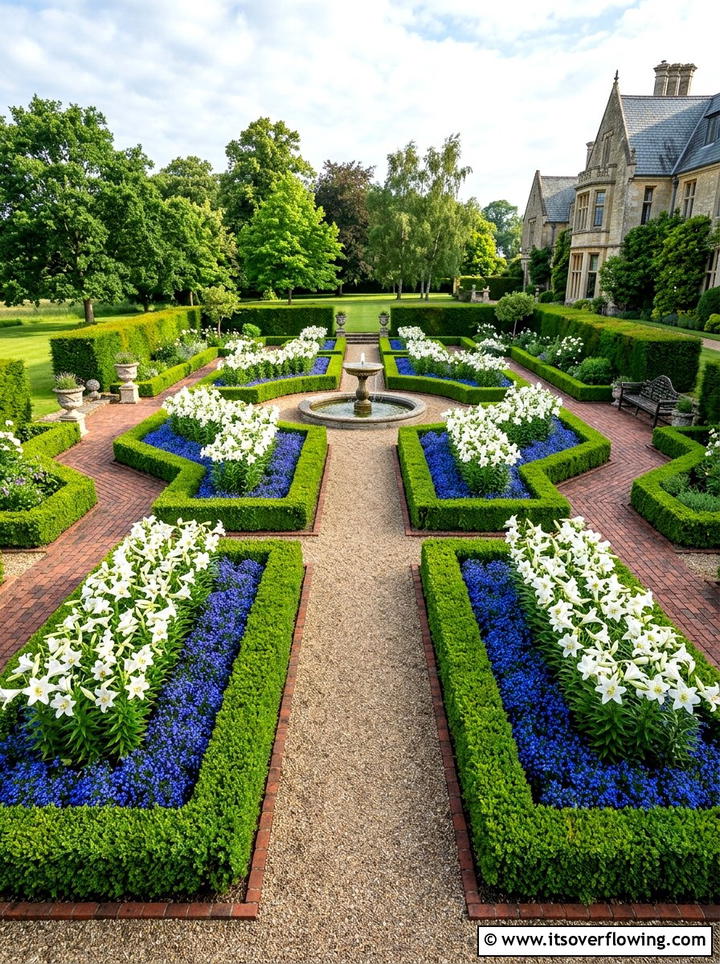
Can a drainage solution actually look elegant and traditional enough for a classic home exterior and manicured lawn in your neighborhood? A formal rain garden uses symmetrical shapes, clipped hedges, and organized rows of plants to create a very tidy and structured appearance. You might use low boxwood hedges to frame the rain garden area, keeping the wilder moisture-loving plants contained within a neat boundary. This style proves that eco-friendly landscaping can perfectly align with a sophisticated and high-end aesthetic. Using high-quality materials like cut stone or brick for the borders helps the garden feel like a permanent and intentional part of the design.
16. Rain Garden Bench
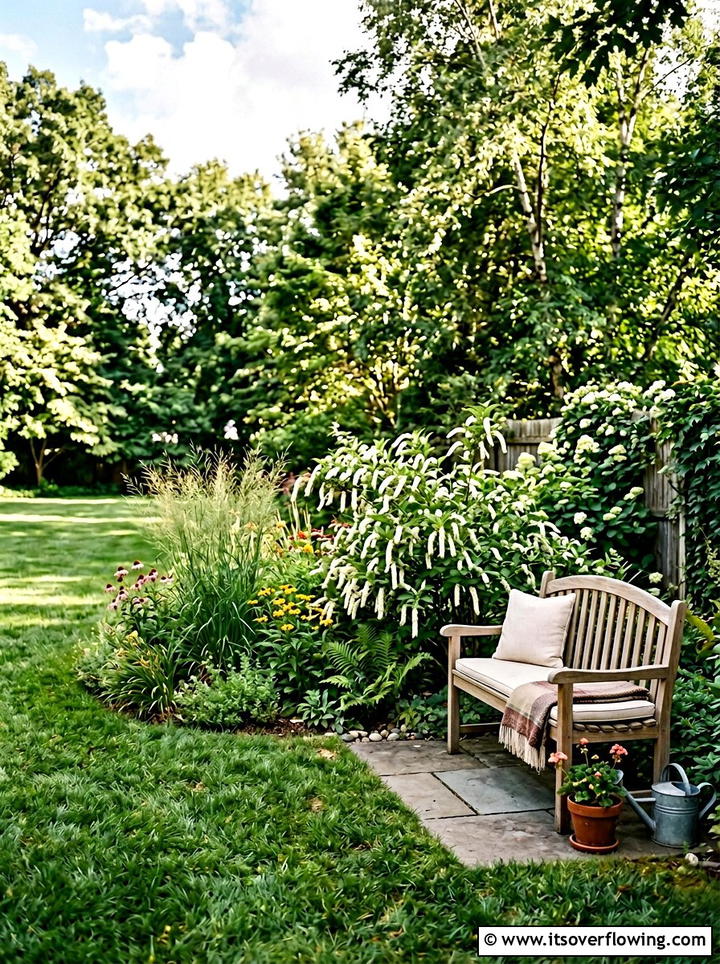
Placing a comfortable bench near your garden provides a perfect spot to sit and enjoy the birds and butterflies that visit daily. You can tuck the seating area into a quiet corner surrounded by fragrant plants like sweetspire or swamp milkweed for a relaxing experience. This turns your functional drainage area into a destination where you can unwind after a long day or enjoy a morning cup of coffee. Choose a weather-resistant material like teak or powder-coated metal to ensure your furniture lasts through the seasons near the moist ground. Having a dedicated place to sit encourages you to spend more time outdoors and appreciate your garden.
17. Zen Rain Garden
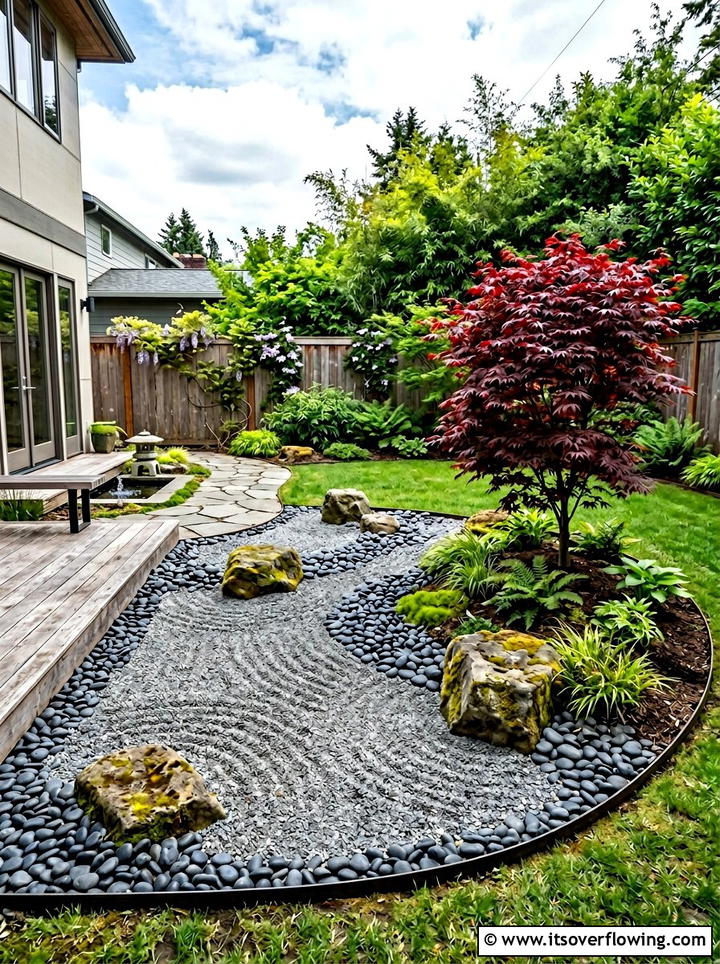
Drawing inspiration from Japanese gardens can help you create a very calm and meditative space that handles water with grace and style. Use raked gravel, smooth river stones, and carefully placed mossy boulders to create a sense of stillness and balance in your backyard. The rain garden can serve as the “water” element in this design, filling up during storms to complete the symbolic landscape. Simple plantings like Japanese maples or bamboo add height and texture without cluttering the visual field. This style of garden promotes mindfulness and provides a peaceful retreat from the busy world while quietly performing the important job of managing rainwater.
18. Bog Garden Plants
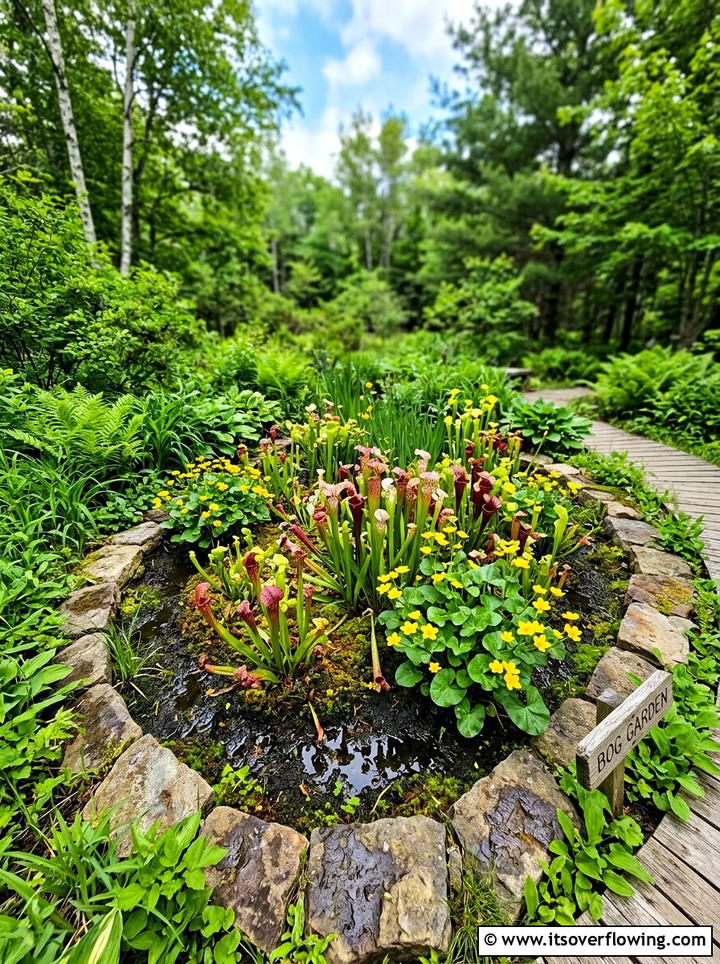
Some areas of your yard might stay consistently wet for long periods, making them the perfect location for specialized bog plants and flowers. Species like pitcher plants, marsh marigolds, and water lilies thrive in saturated soil where other plants might struggle to survive. A bog garden creates a unique and exotic look that stands out from the rest of your traditional landscaping features. You can use a pond liner to help keep the area moist if your soil drains too quickly, ensuring these specialized plants stay healthy. This type of garden is fascinating to observe because it features plants with unique adaptations and beautiful flower shapes.
19. Outdoor Garden Lighting
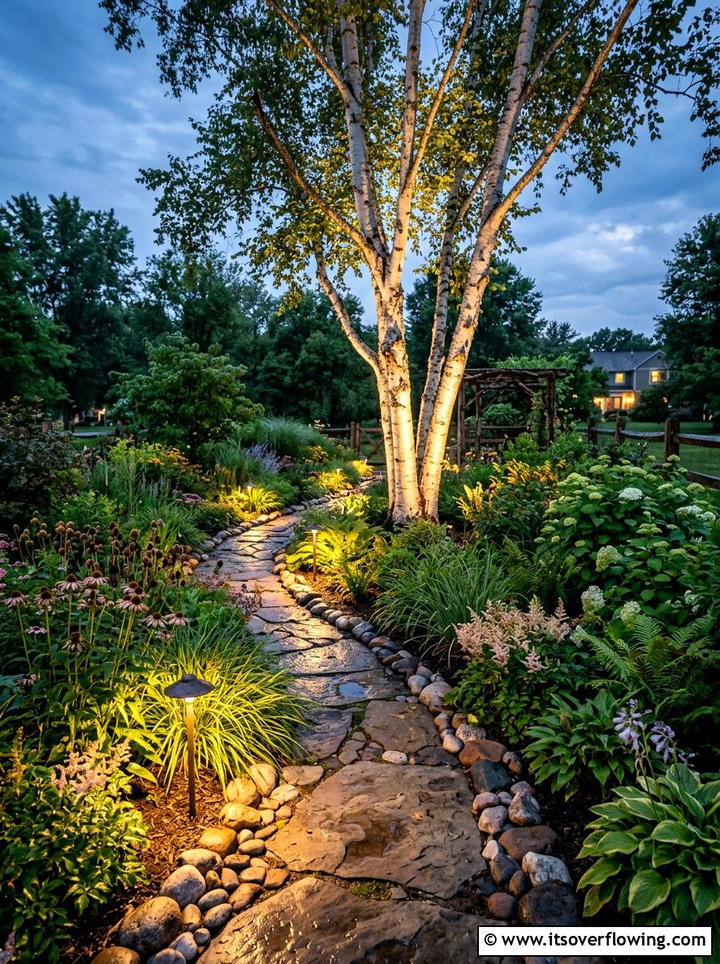
Installing low-voltage lights around your rain garden allows you to enjoy its beauty even after the sun goes down in the evening. Uplighting a dramatic tree or highlighting the texture of a stone path creates a magical atmosphere in the twilight hours. You can also use path lights to ensure safety when walking near the garden area at night, preventing accidental trips or falls. Solar-powered options are easy to install and provide a soft glow that doesn’t overwhelm the natural environment of your backyard. Proper lighting makes the garden visible from inside your home, extending your visual living space and making the landscape feel more integrated.
20. Tropical Rain Garden
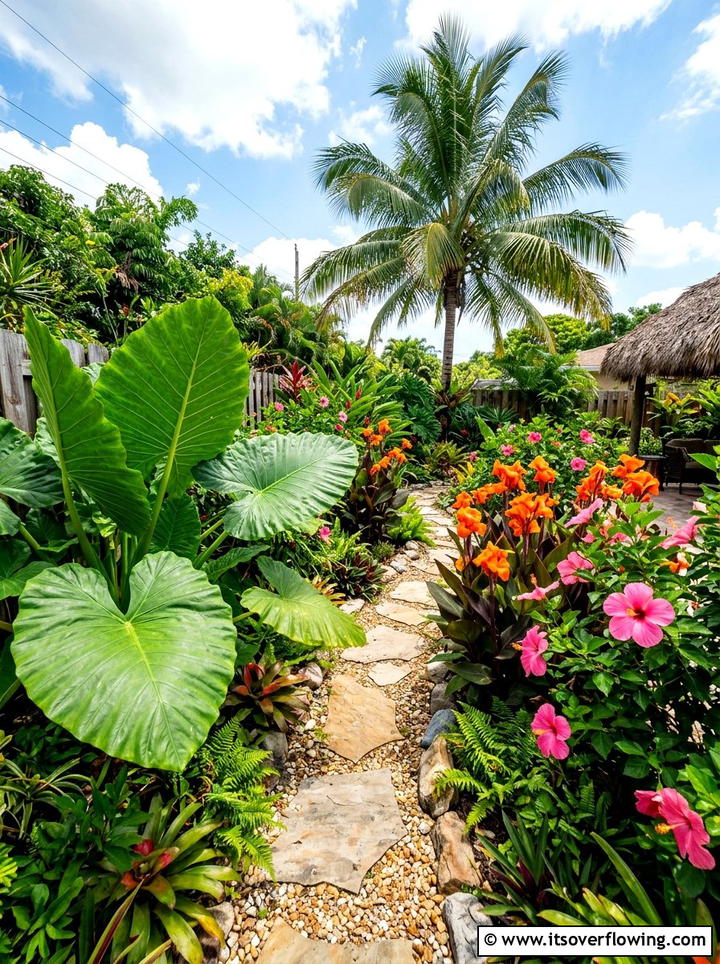
You can create a vacation-like atmosphere in your own backyard by using large-leafed plants and vibrant colors in your rain garden this season. Plants like canna lilies, elephant ears, and hibiscus love the extra water and provide a lush, tropical feel that is very striking. These plants grow quickly and can provide privacy and shade during the hottest parts of the summer months. Mixing in some bright flowering shrubs adds to the exotic look and makes your garden feel like a hidden jungle getaway. Even in cooler climates, many of these plants can be grown as annuals to maintain that tropical vibe in your yard.
21. Edible Rain Garden
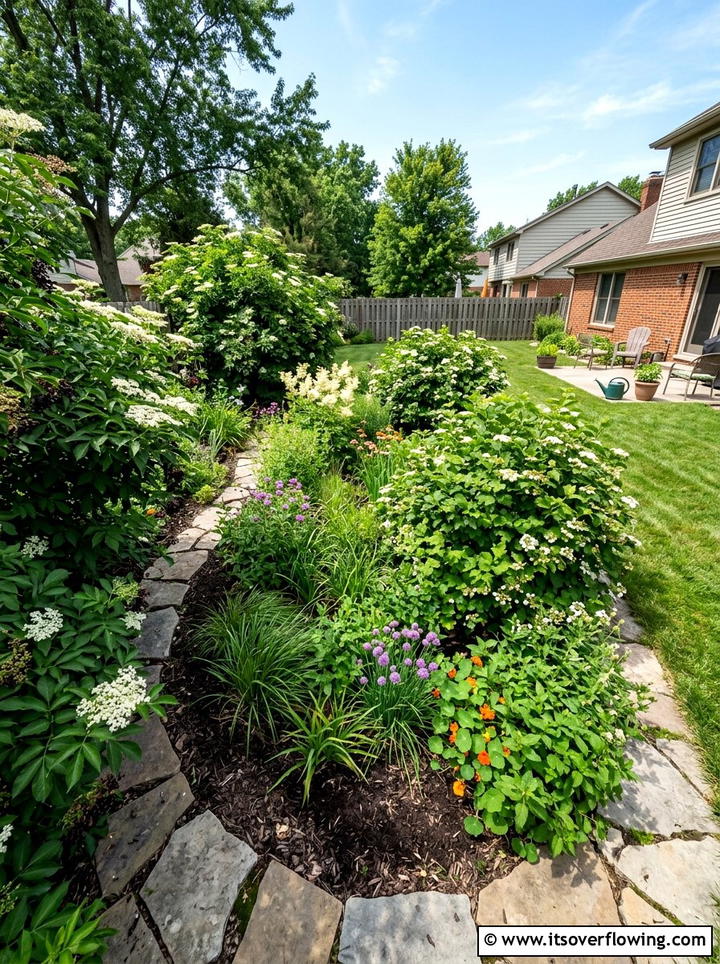
Did you know that some edible plants actually enjoy the extra moisture found in a well-planned rain garden basin in your backyard? You can incorporate elderberries, highbush cranberries, or even certain types of mint and herbs into the edges of your garden for harvesting. This allows you to collect fresh fruit or ingredients for your kitchen while the garden does its job of filtering rainwater. It is important to ensure the water coming into the garden is clean and free from chemicals if you plan to eat the harvest. Adding edible elements makes your garden even more functional and provides a rewarding way to connect.
22. Decorative Boulder Landscaping
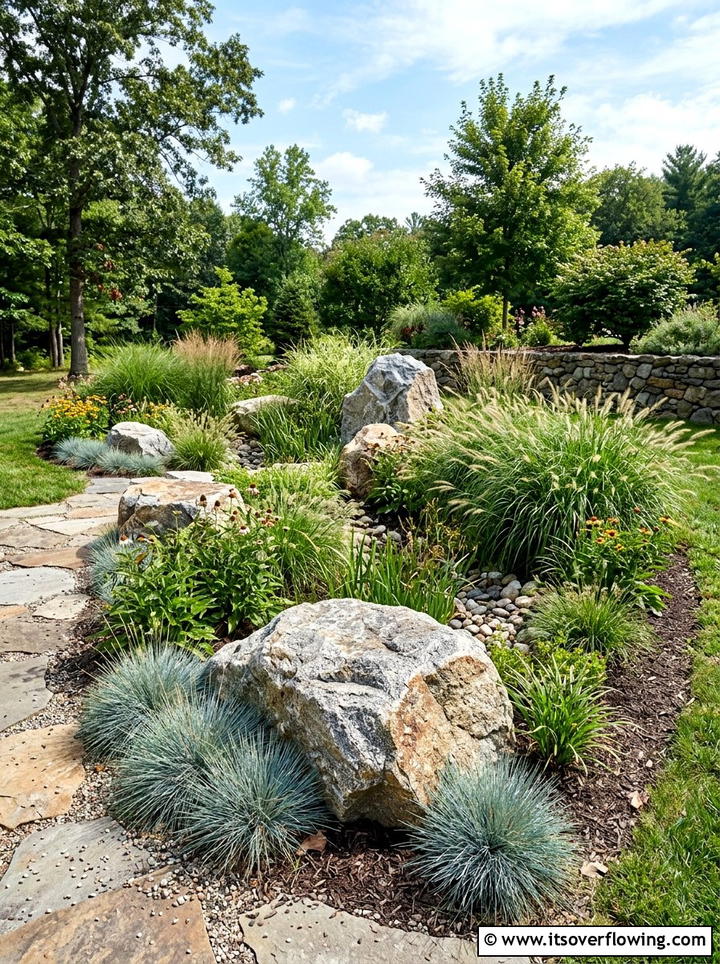
Large stones can act as the structural anchors for your rain garden, giving it a sense of scale and natural permanence in the yard. Placing boulders of different shapes and colors throughout the garden bed creates visual interest even when the plants are dormant in winter. These heavy features also help break up the flow of water, preventing it from washing away smaller rocks or mulch during a storm. You can partially bury the boulders to make them look like they have always been part of the landscape for a more authentic feel. Combining stone textures with soft foliage creates a beautiful contrast that defines your style.
23. Bird Bath Rain Garden
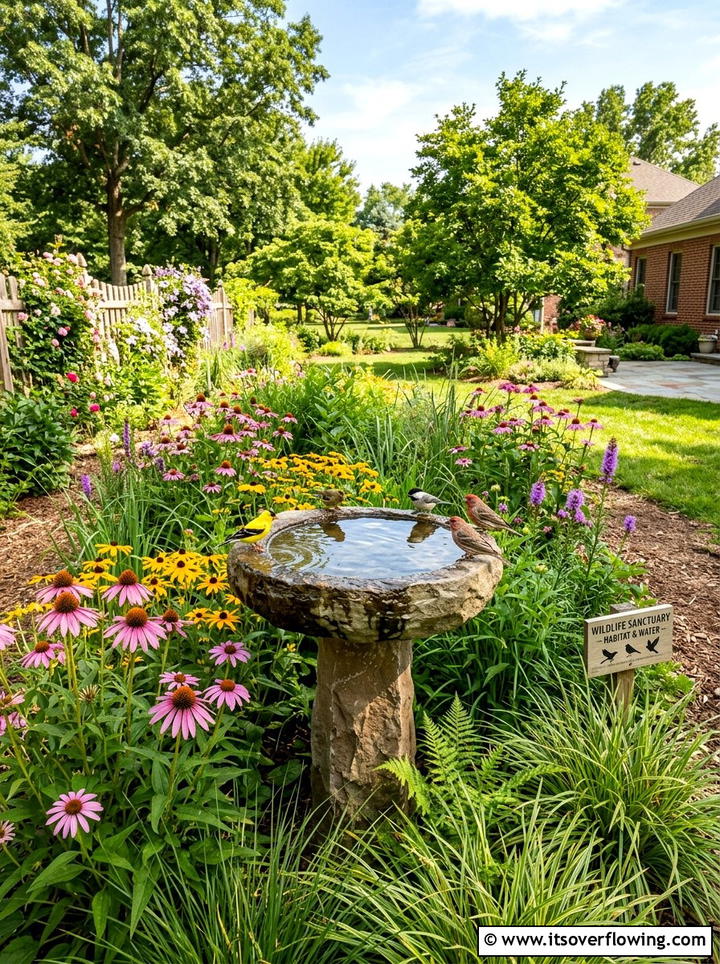
Integrating a bird bath into your garden design provides an additional water source that attracts even more feathered friends to your yard this spring. You can place a pedestal bath in the center of the plants or use a shallow stone basin that blends into the ground. Birds will appreciate having a safe place to drink and bathe right next to the shelter provided by the rain garden plants. This addition creates a lively environment where you can observe bird behavior and enjoy their songs throughout the day. It also adds a classic decorative element that serves as a focal point for the entire planted area.
24. Gravel Rain Garden
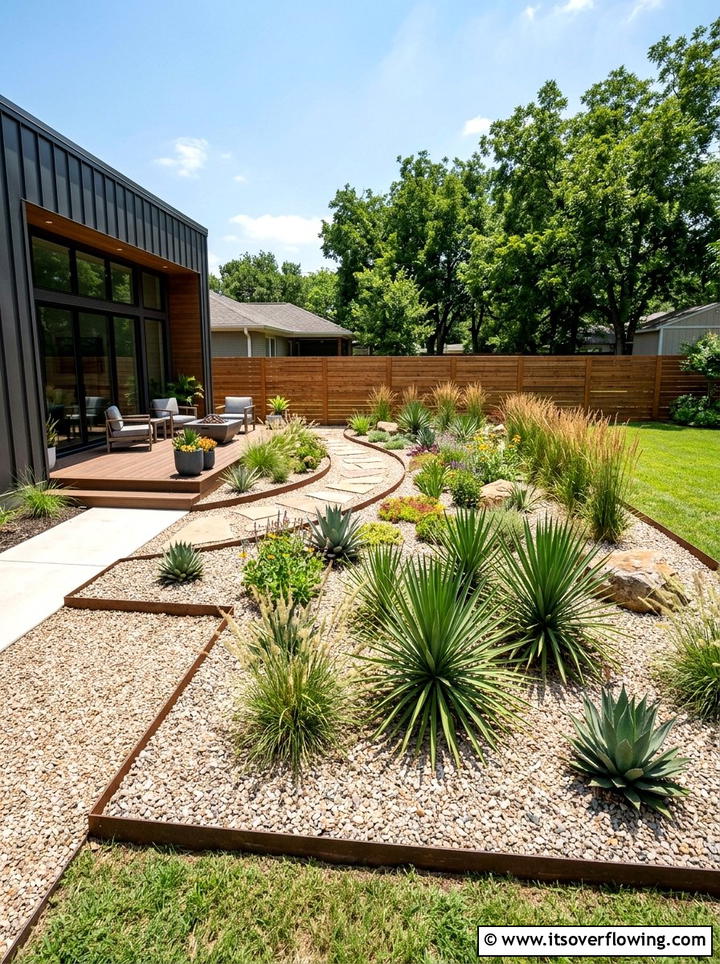
A gravel-based garden offers a very clean and contemporary look that is highly effective for rapid drainage in heavy rain areas near your patio. Using light-colored gravel can brighten up a dark corner of the yard and provide a neutral backdrop for colorful plants. This style is very popular in modern landscaping because it looks intentional and stays looking great with minimal maintenance or weeding required. You can use larger river rocks in the center where the water is deepest to add variety and help slow the flow of runoff. The crunch of gravel underfoot adds a nice sensory element to your garden paths.
25. Terraced Rain Garden
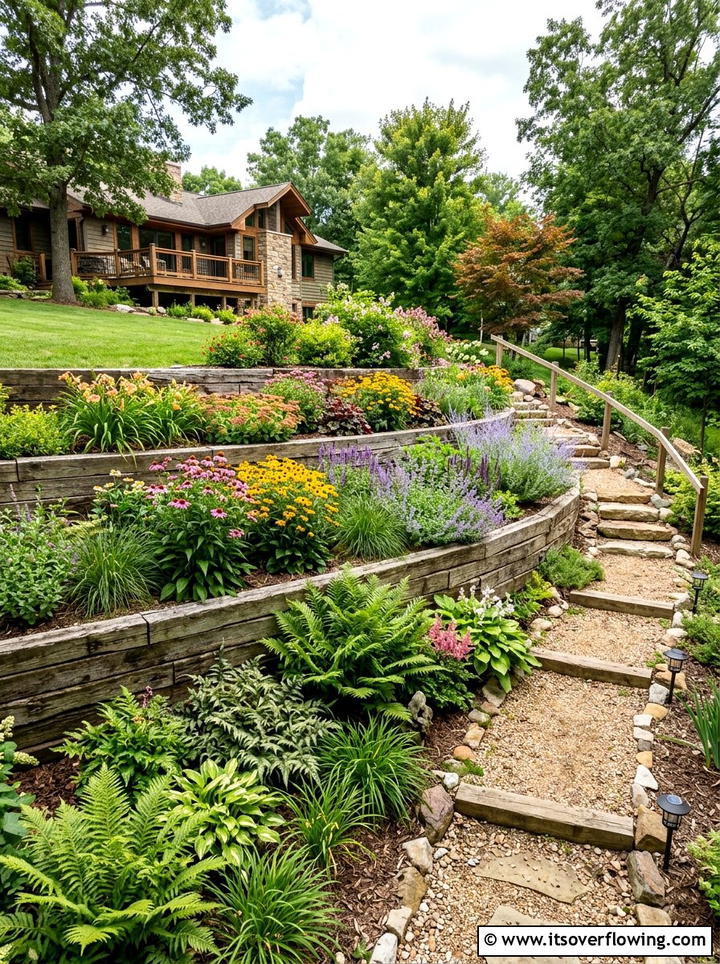
Building layers into your garden using timber or stone walls is an excellent way to manage water on a gentle slope in your yard. Each terrace acts as a mini-basin that catches water and allows it to soak in before overflowing into the next level down. This creates a very organized and architectural look that can transform a boring hill into a stunning feature in your backyard. You can plant different species on each level to create a varied and interesting display of textures and colors throughout the year. Terracing also makes it much easier to access the plants for pruning or weeding safely.
Conclusion:
Transform your backyard into a functional and stunning retreat by embracing the versatile beauty of a well-designed rain garden today. These innovative landscape features do more than just manage excess water; they create vibrant habitats and enhance the overall value of your property. Whether you prefer a modern minimalist look or a wild meadow full of native flowers, there is a rain garden style that fits your personal taste. By taking the time to plan your drainage and select the right plants, you can enjoy a low-maintenance yard that thrives in every season. Start your journey toward a more sustainable and beautiful outdoor space by trying one of these ideas.
Related posts:
 25 backyard ideas with rain barrel setup for Eco Yards
 25 Backyard Ideas With Clover Lawn for a Greener Low-Mow Yard
 25 Backyard Ideas With Compost Station for Greener Living
 25 Backyard Ideas for Flat Yards: Simple Stylish Designs
 25 Backyard Ideas With Retaining Wall Designs for Sloped Yards
 25 Creative Garden Ideas for Large Yards: Big Backyard Tips
 25 Backyard Ideas for Dogs: Safe Pet-Friendly Yards
 25 Backyard Ideas for Large Yards: Big Space Inspiration
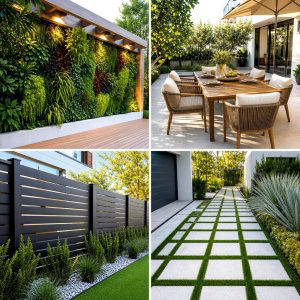 25 Backyard Ideas for Narrow Yards to Maximize Space
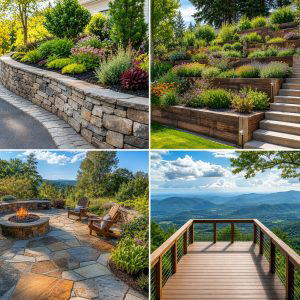 25 Backyard Ideas for Sloped Yards With Smart Style
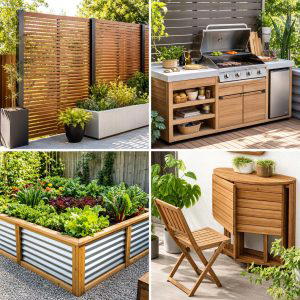 25 Backyard Ideas for Townhouse Yards to Maximize Space
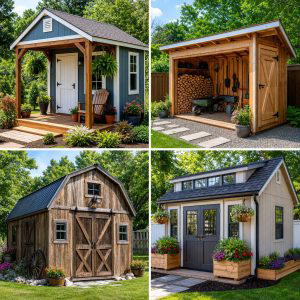 25 Backyard Ideas With Storage Shed Solutions for Tidy Yards