
Transforming your outdoor space into a kid-friendly sanctuary often starts with the timeless appeal of a sandbox. These play areas provide hours of creative entertainment while encouraging sensory development and fine motor skills. When planning a backyard renovation, integrating a sandbox requires a balance between aesthetic appeal and functional play. Modern designs allow these features to blend seamlessly with your landscaping, whether you prefer a minimalist look or a whimsical play zone. By choosing the right materials and location, you can create a safe environment that complements your garden. This guide explores diverse ways to incorporate sand play into your backyard, ensuring a beautiful and engaging space for the entire family.
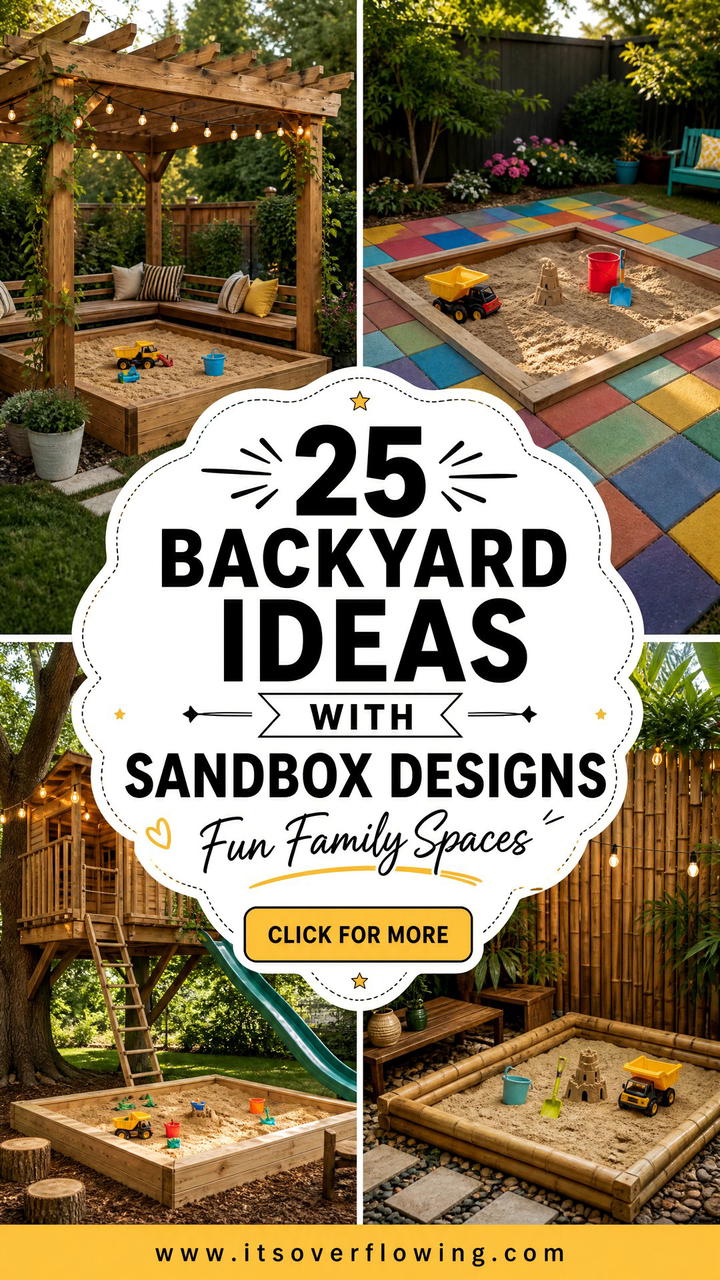
1. Covered Wooden Sandbox
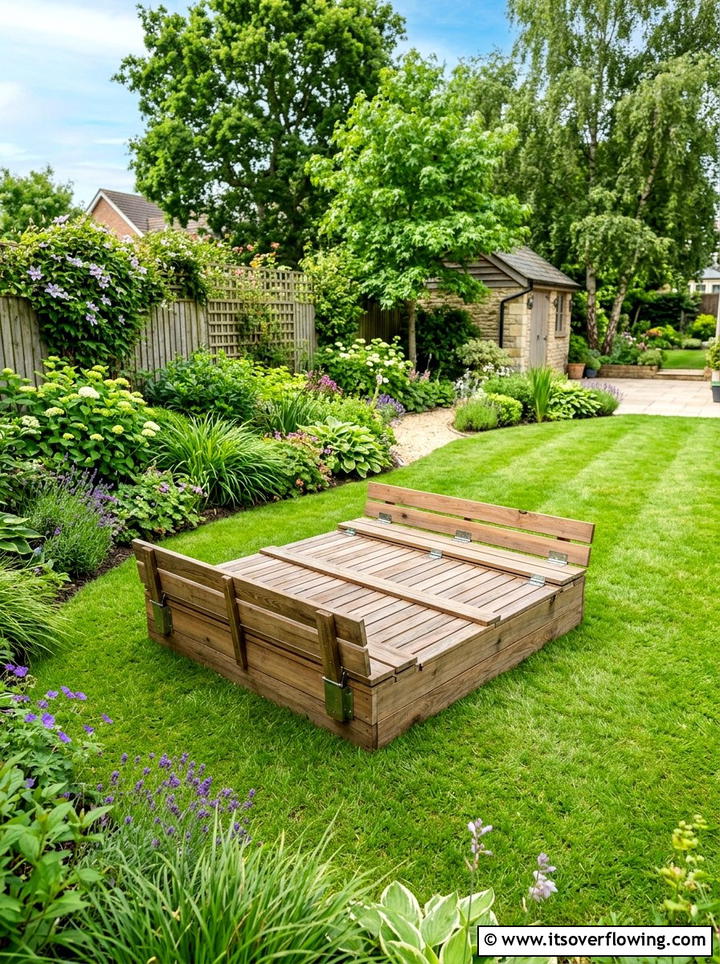
A covered wooden sandbox is a popular choice for families because the lid keeps animals and debris out when the kids are not playing. Usually made from durable cedar or redwood, these structures resist rot and look beautiful against a green lawn. When the lid is opened, many designs fold back to create convenient bench seating for children to sit on while they dig. This keeps their clothes cleaner and provides a comfortable spot for parents to supervise nearby. It is a functional and aesthetically pleasing addition to any modern backyard layout. The natural wood tones ensure that the play area feels like an intentional part of your landscape design.
2. Sandbox With Bench Seating
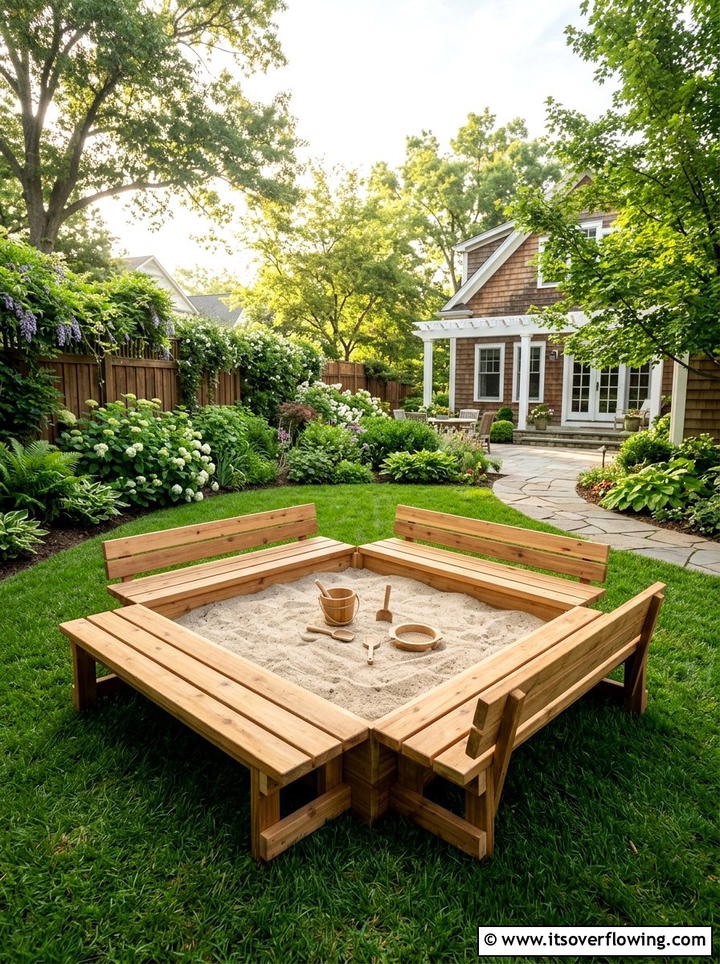
How do you provide enough space for multiple kids to play without crowding the sand area? A sandbox with built-in bench seating solves this problem by offering a dedicated ledge around the perimeter. These benches are often part of the lid mechanism, folding down to protect the sand at night and opening up during the day. This setup allows children to sit comfortably on the edges instead of sitting directly in the sand, which is great for sensory play with small toys. The wooden benches also add a finished, polished look to the structure, making it feel like a permanent part of the garden furniture rather than a temporary toy.
3. Boat Sandbox For Kids
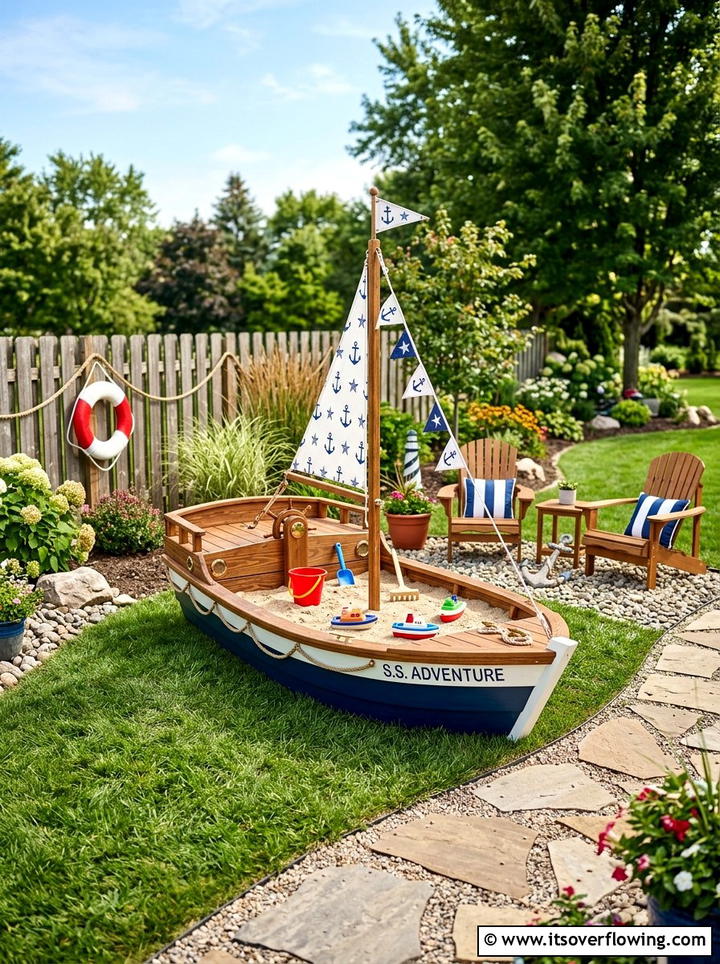
Imagining high seas adventures becomes easy when you install a boat sandbox in your backyard. This themed play area often features a wooden hull shape, a steering wheel, and sometimes even a small mast with a fabric sail. The sail serves a dual purpose by providing much-needed shade during hot summer afternoons. Kids love the role-playing opportunities this design provides, turning a simple sand pit into a pirate ship or a fishing boat. From a design perspective, the nautical theme adds a charming focal point to your yard. It works particularly well in coastal-inspired landscapes or near a pool area to enhance the water theme.
4. Sandbox Under Pergola
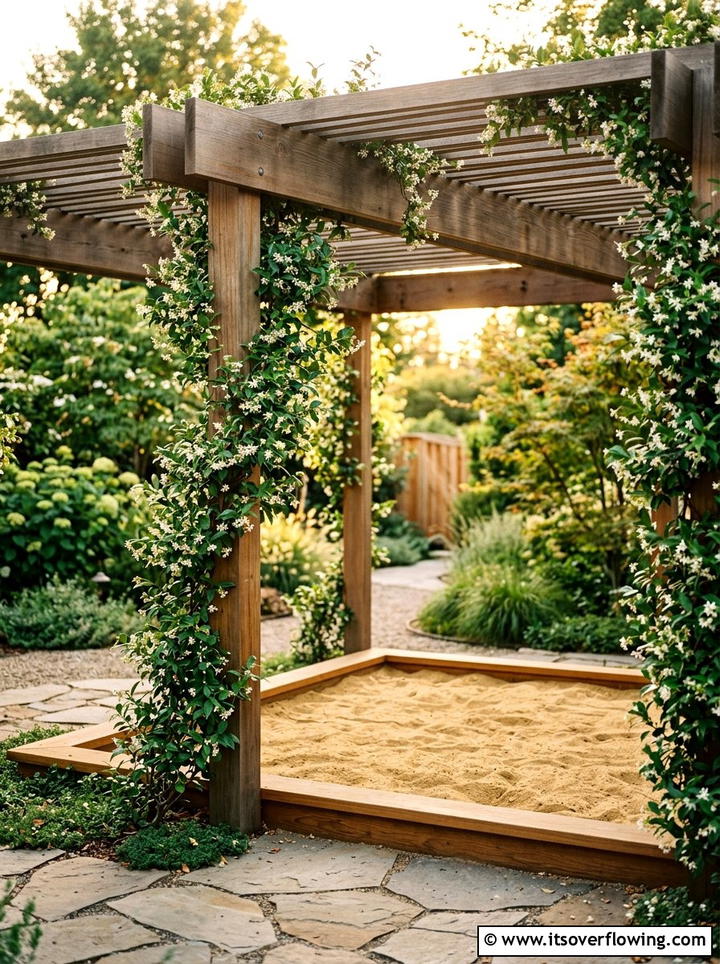
Placing a sandbox under a pergola is a brilliant way to ensure your children stay cool while they play outside. The slatted roof of the pergola provides dappled sunlight, reducing UV exposure while still allowing for a breezy and open feel. You can enhance the shade by growing climbing vines or adding outdoor curtains to the sides of the structure. This setup integrates the play area into a more formal architectural feature of the backyard. It makes the sandbox feel like a sophisticated lounge area for kids. Using high-quality wood for the pergola ensures the entire play zone matches the rest of your upscale outdoor living space.
5. Natural Log Sandbox
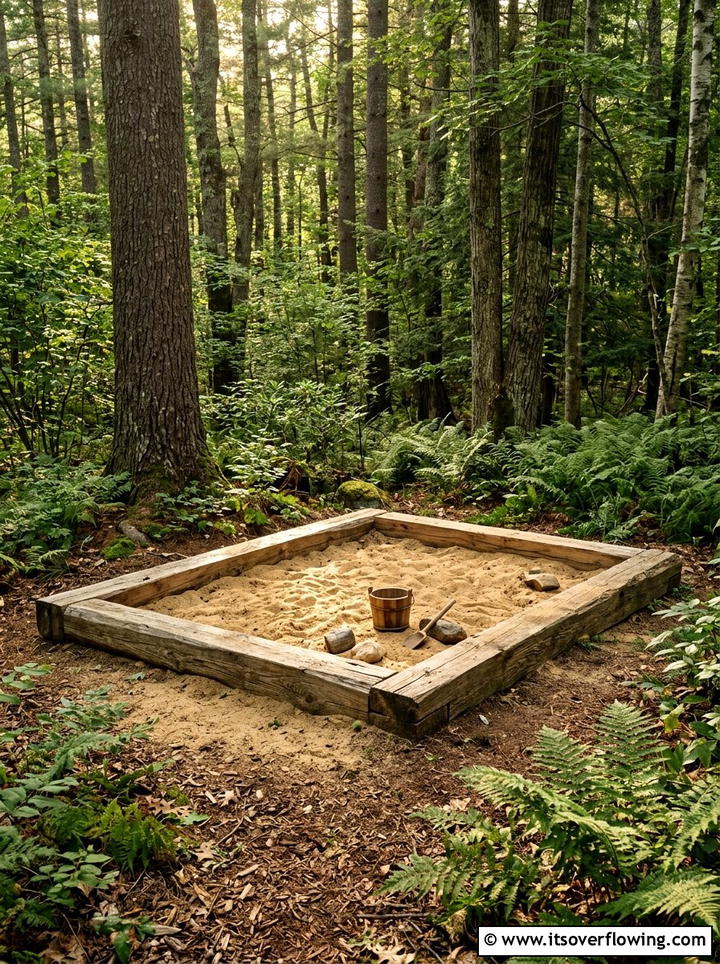
For a rustic and organic look, a natural log sandbox uses fallen timber or cut logs to create a rugged perimeter. This design is perfect for wooded backyards or nature-inspired gardens where plastic or finished lumber might look out of place. The irregular heights and textures of the logs provide additional play value, as children can balance on the logs or use them as small tables for sand cakes. Using untreated, rot-resistant wood like locust or cedar keeps the space safe and sustainable. This approach blends the play area into the surrounding flora, creating a secret garden atmosphere that encourages kids to explore the natural world around them.
6. Sandbox With Sun Shade Sail
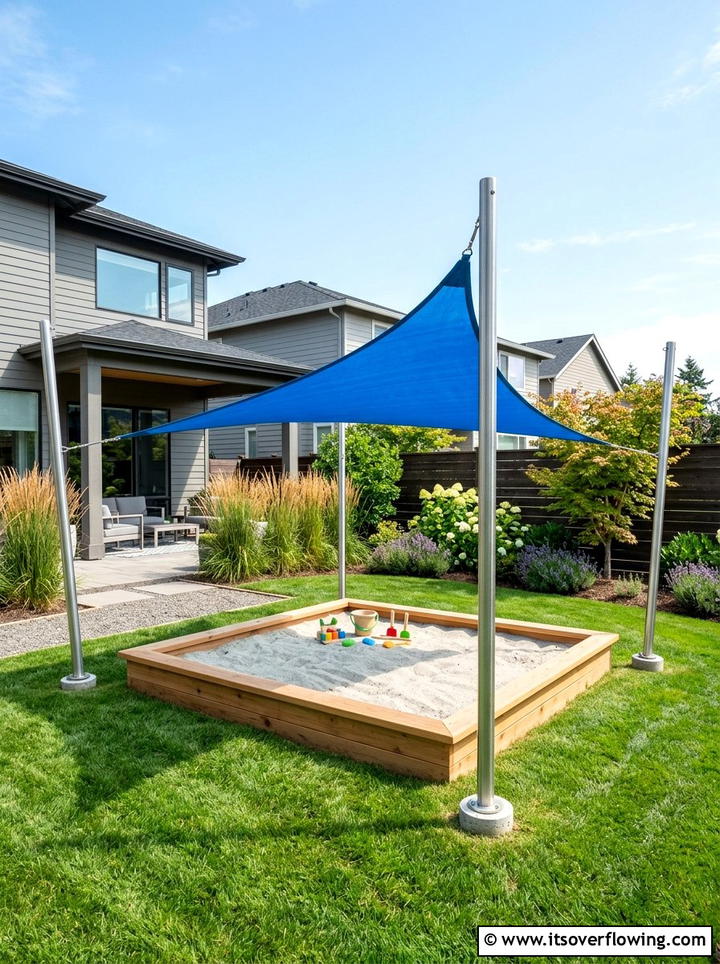
Installing a sandbox with a sun shade sail is a modern and effective way to protect delicate skin from harsh rays. These triangular or rectangular fabric canopies are suspended above the play area using sturdy posts or attached to the house. They come in various vibrant or neutral colors, allowing you to customize the look of your backyard play zone. The shade sail adds a contemporary architectural element to the yard while keeping the sand cool enough for bare feet. Because they are elevated, they do not obstruct the view of the play area, making it easy for parents to keep an eye on their little ones.
7. Corner Sandbox For Small Yards
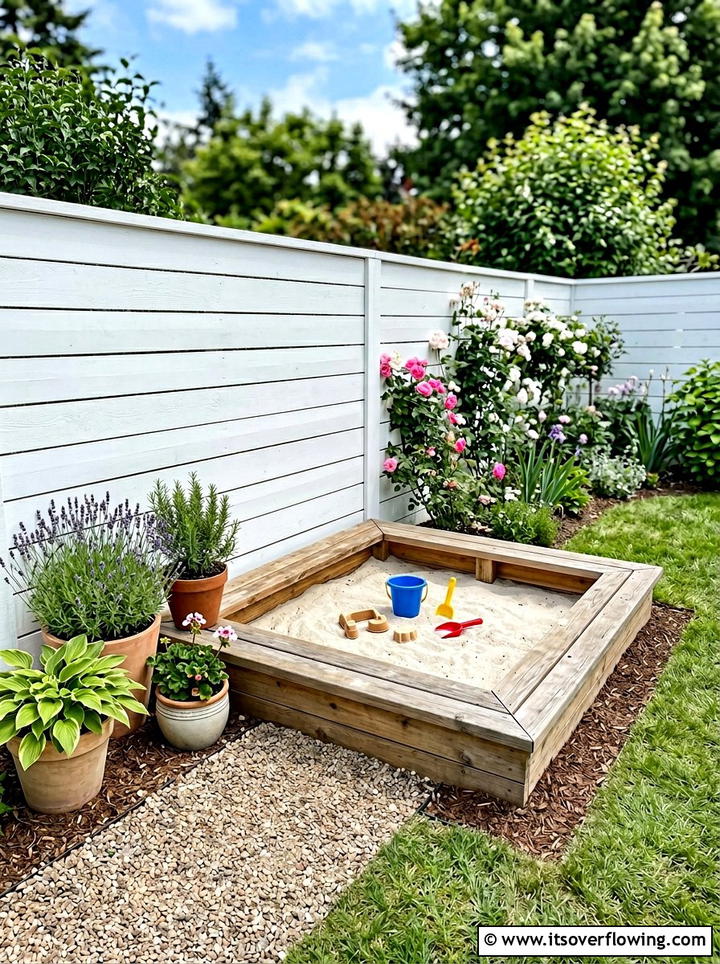
If you have a compact outdoor space, a corner sandbox is the ideal solution to maximize your square footage. By tucking the sand pit into a ninety-degree angle of a fence or a deck, you utilize space that often goes wasted. These designs are usually triangular or L-shaped, fitting snugly against existing structures. This placement also provides a natural backdrop for the play area, making it feel cozy and enclosed. You can use the surrounding fence to hang buckets or shovels, keeping the area tidy. A corner setup leaves the center of the lawn open for other activities like running, gardening, or outdoor dining events.
8. Raised Garden Bed Sandbox
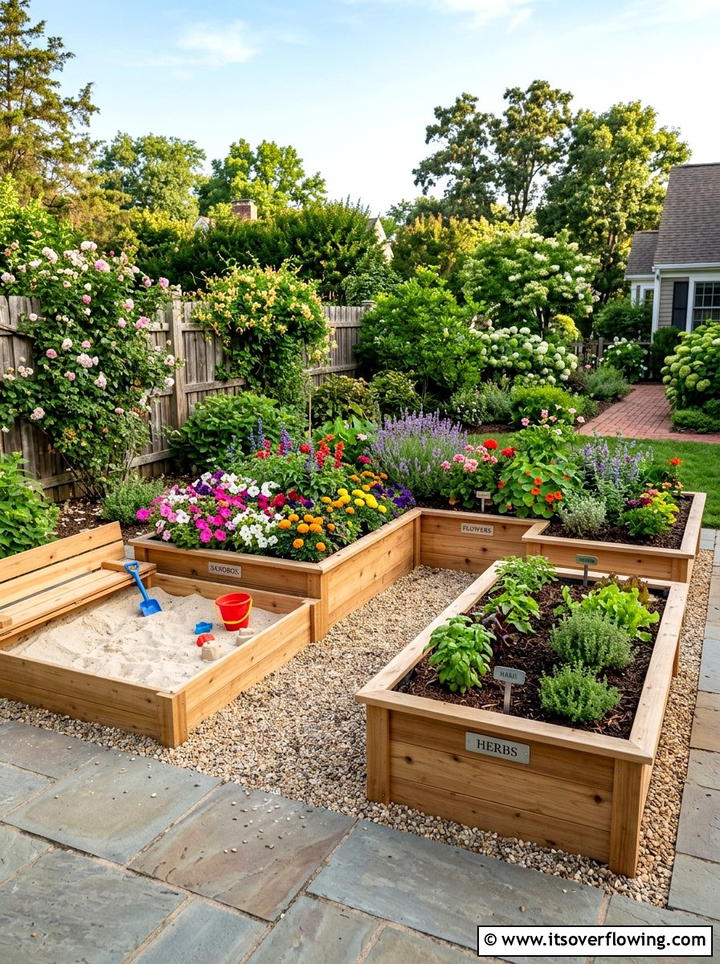
A raised garden bed sandbox is a clever way to maintain a cohesive look if you already have a kitchen garden. By using the same timber and construction style as your vegetable beds, the sandbox looks like another planting area. This design is especially helpful for parents because the height makes it easier to interact with children without constant kneeling. When the kids outgrow the sand phase, the transition is simple; you can easily remove the sand and fill the frame with soil for flowers or herbs. It is a sustainable and long-term investment for a backyard that evolves alongside your growing family’s changing needs.
9. Sandbox With Chalkboard Wall
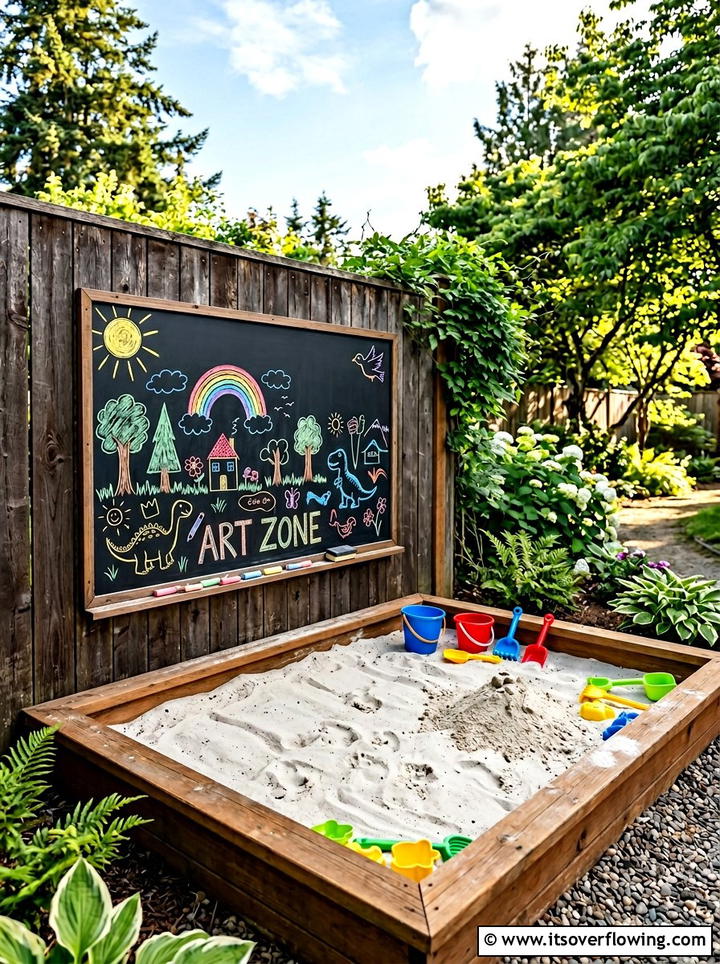
Why limit creativity to just the sand when you can add a sandbox with a chalkboard wall? By mounting a large, weather-resistant chalkboard to a nearby fence or the side of the sandbox frame, you double the play options. Children can draw backdrops for their sand constructions or practice writing while sitting in the sand. This vertical play element helps develop different muscle groups and keeps kids engaged for longer periods. It also serves as a visual boundary for the play zone. For a clean look, choose a black or dark green board that contrasts beautifully with light-colored sand and natural wood frames in the garden.
10. Hidden Sandbox Under Deck
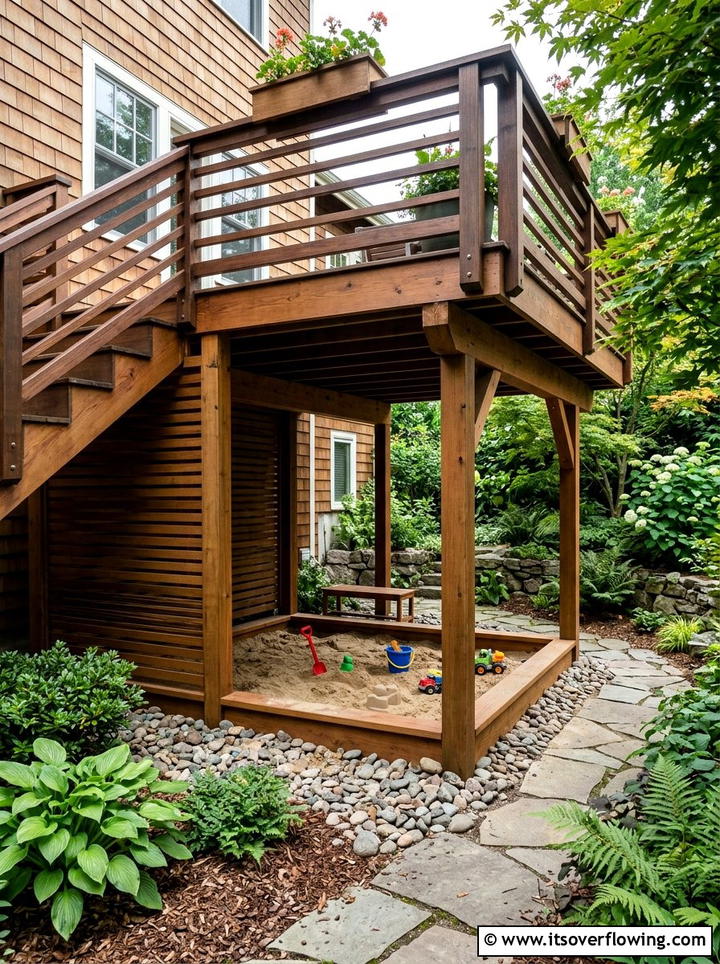
Utilizing the space under a raised deck is a smart way to create a hidden sandbox that stays naturally shaded. This often-overlooked area provides a built-in roof, protecting the sand from rain and direct sunlight throughout the day. You can frame out a section with heavy-duty lumber and fill it with play sand to create a secret hideaway for children. Since it is tucked away, it keeps the main part of your lawn looking manicured and free of toys. This setup is perfect for sloping lots where the deck is high enough to allow for comfortable head clearance. It effectively turns a dark void into a functional play area.
11. Sandbox With Water Play Station
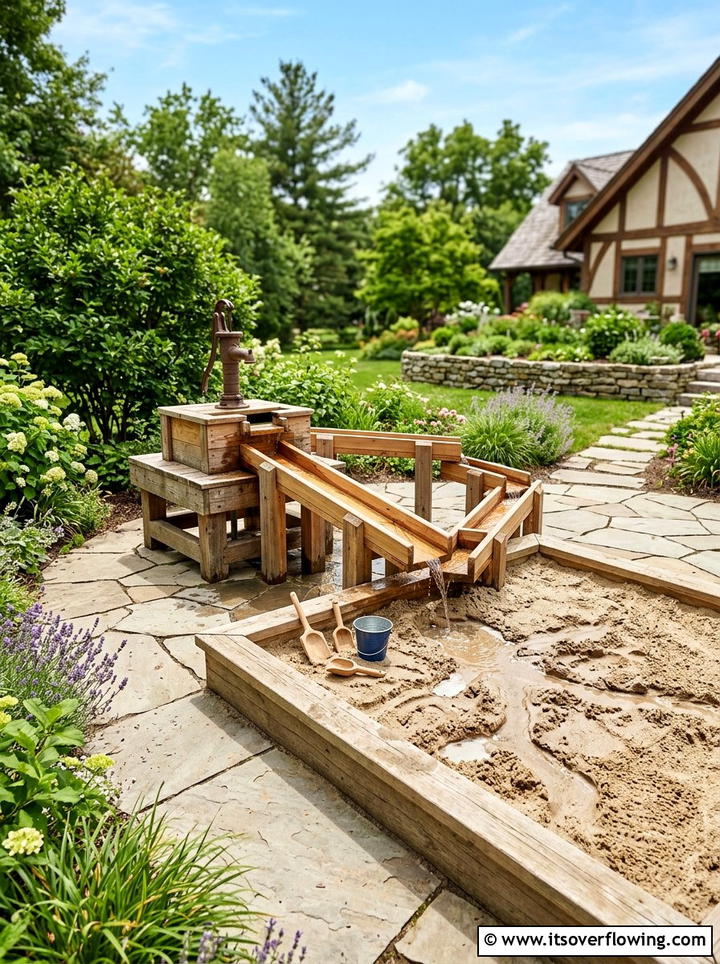
Combining textures is a great way to boost sensory engagement, which is why a sandbox with a water play station is so effective. Adding a small wooden trough or a plastic water table next to the sand allows kids to experiment with mud and damp sand. This setup encourages more complex engineering projects, like building sturdy sandcastles or carving out riverbeds. To keep the area manageable, ensure there is proper drainage or a gravel base beneath the sand to prevent it from becoming a swamp. This design creates a comprehensive outdoor laboratory where children can explore the physical properties of natural elements while staying cool.
12. Stone Border Sandbox
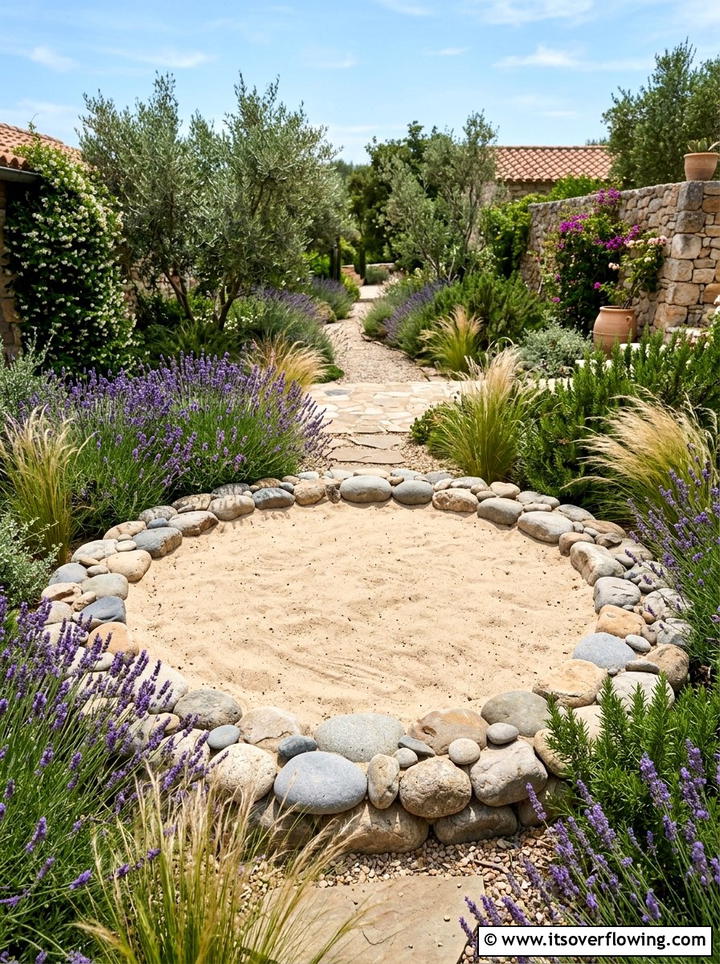
A stone border sandbox offers a permanent and sophisticated look that matches Mediterranean or traditional garden styles. Using large river rocks, flagstones, or stacked slate to create the boundary gives the play area a grounded, earthy feel. Unlike wood, stone borders will never rot or need staining, making them a low-maintenance choice for busy homeowners. The stones also provide different heights and surfaces for children to climb on or sit on while playing. This type of sandbox looks especially beautiful when surrounded by ornamental grasses or flowering perennials. It creates a seamless transition between the functional play zone and the decorative landscape of the backyard.
13. Sandbox With Toy Storage
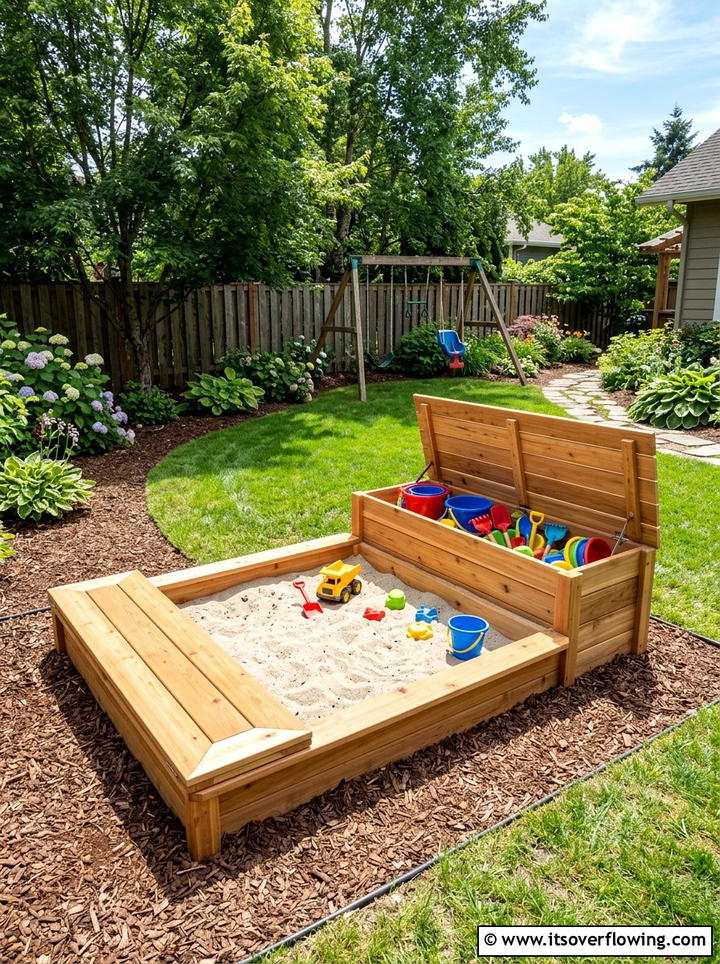
Keeping a backyard tidy is much easier when you have a sandbox with integrated toy storage. Many modern designs include a side compartment or a hollow bench where shovels, pails, and trucks can be tucked away after playtime. This prevents toys from being scattered across the lawn, which can be a tripping hazard and makes mowing much easier. Having storage right at the source also teaches children the importance of cleaning up their play space. Look for weather-proof bins or cedar boxes that match the sandbox frame to maintain a clean, organized aesthetic that keeps your outdoor living area looking sharp and inviting.
14. Modern Geometric Sandbox
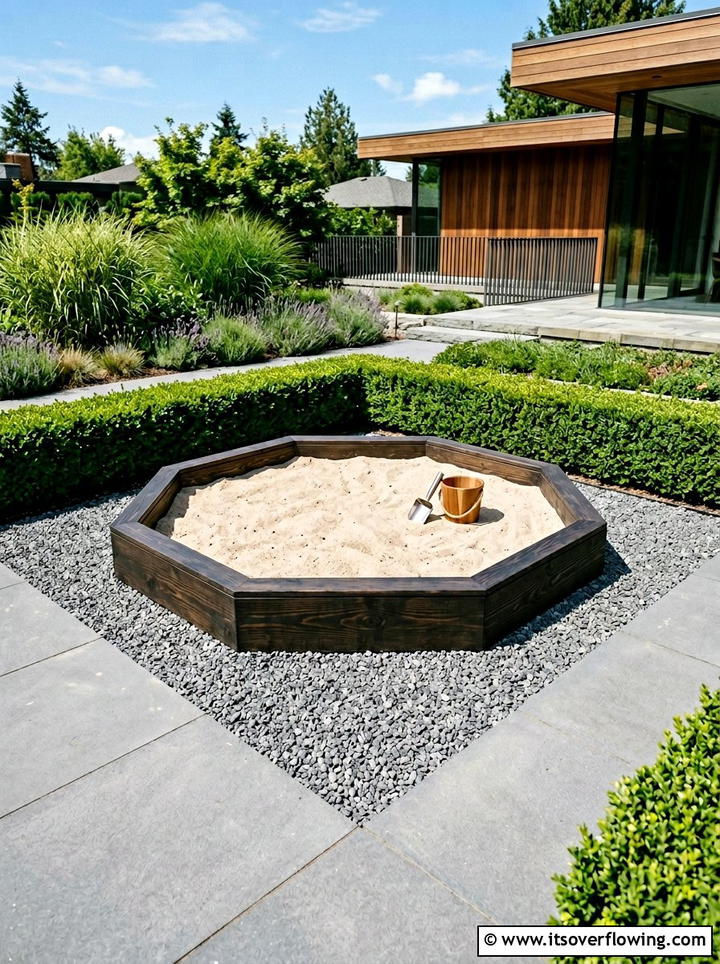
For homeowners who love contemporary design, a modern geometric sandbox provides a striking visual element. Instead of a standard square, consider a hexagon, octagon, or even asymmetrical shapes that mimic modern architectural trends. Using clean lines and dark-stained wood or powder-coated metal frames can make the sandbox look like a piece of outdoor art. These shapes often allow for more distinct play zones within the same area, giving multiple children their own space to work. Complement the geometric look with minimalist landscaping, such as boxwood hedges or gravel paths, to create a sophisticated backyard environment that accommodates both children’s play and adult aesthetic preferences.
15. Sandbox In Playhouse
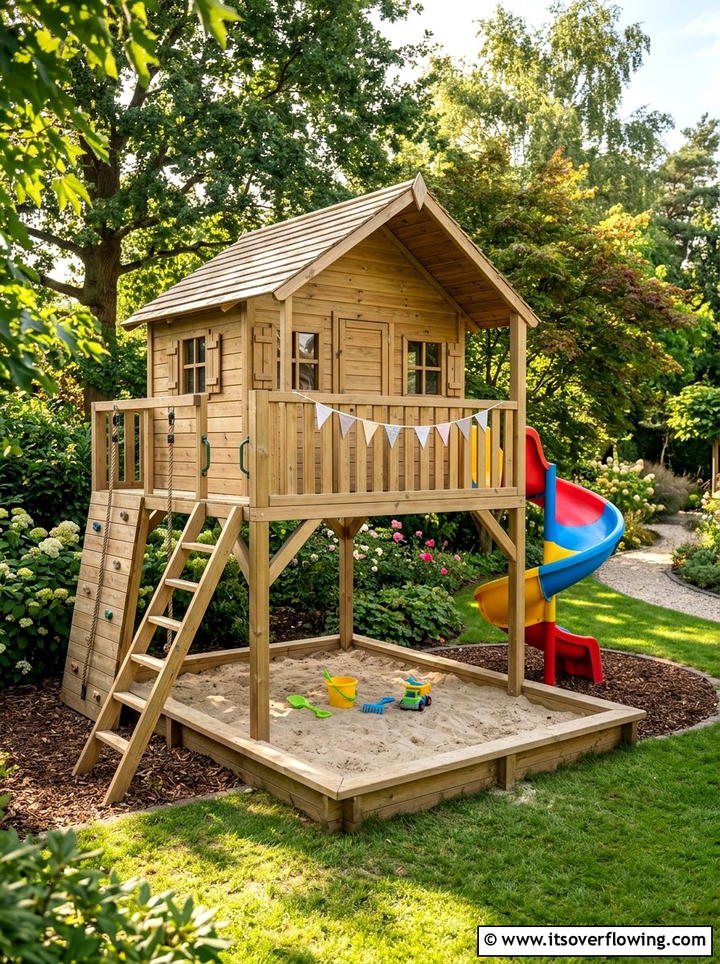
Integrating a sandbox into a playhouse structure creates a multi-level entertainment hub for children. Often, the sandbox is located on the ground level directly beneath an elevated wooden cabin or fort. This layout provides built-in shade and a sense of enclosure that kids find incredibly cozy. They can climb up the ladder to the house and then slide or climb down to the sand below. This vertical integration saves space in smaller yards by stacking play features on top of each other. It also keeps the play sand protected from the wind and rain, ensuring it stays clean and dry for the next play session.
16. Sandbox With Mud Kitchen
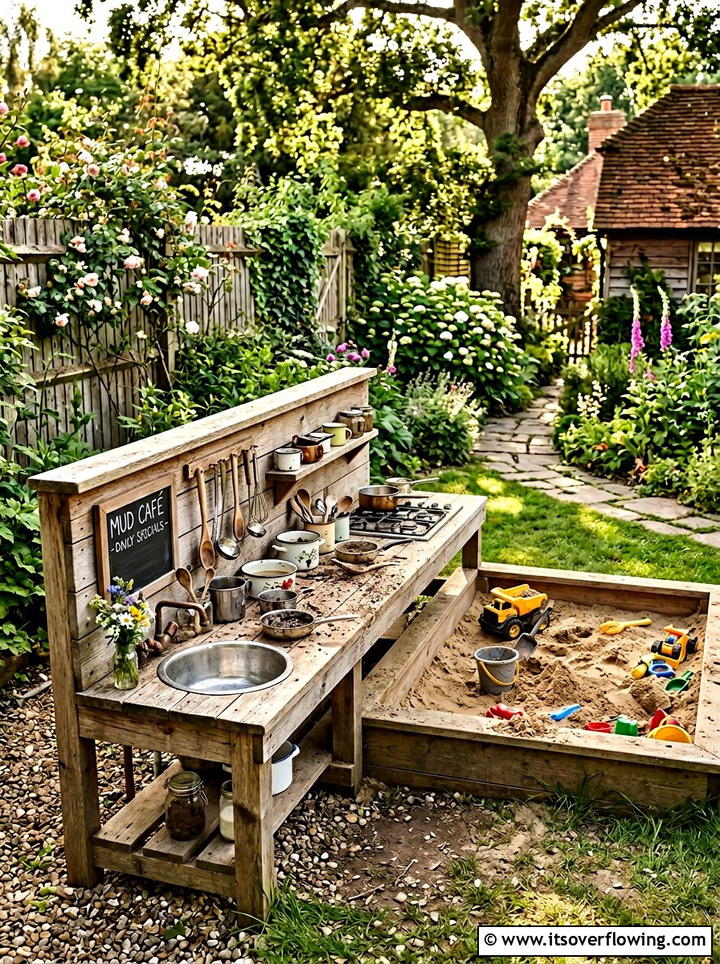
A sandbox with a mud kitchen is the ultimate setup for imaginative culinary play. By adding a small wooden counter, some old pots and pans, and a few utensils next to the sand, you create a space where kids can “cook” sand cakes and mud pies. This setup encourages social interaction and role-playing as children serve their creations to friends or parents. The mud kitchen can be a simple extension of the sandbox frame, keeping everything contained in one zone. Using durable materials like treated wood and stainless steel ensures the kitchen holds up against the elements and heavy daily use by little chefs.
17. Concrete Sandbox For Minimalist Yards
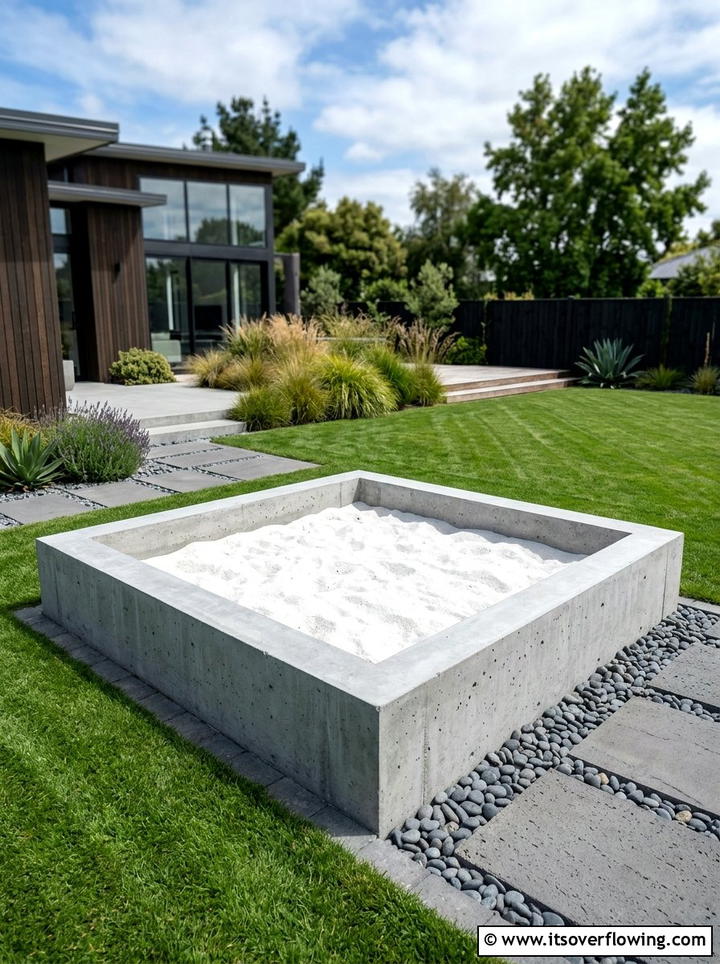
A concrete sandbox is a bold choice for minimalist or industrial-style backyards where clean lines and durability are priorities. Poured concrete walls provide a sleek, permanent boundary that won’t shift or decay over time. This design looks particularly high-end when paired with a smooth finish and neutral sand. The wide concrete edges can also serve as a flat surface for parents to sit on or for kids to line up their toys. To keep the look soft, you can surround the concrete with lush green turf or soft-textured plants. This approach treats the sandbox as an architectural feature rather than a temporary addition to the yard.
18. Sandbox With Tropical Theme
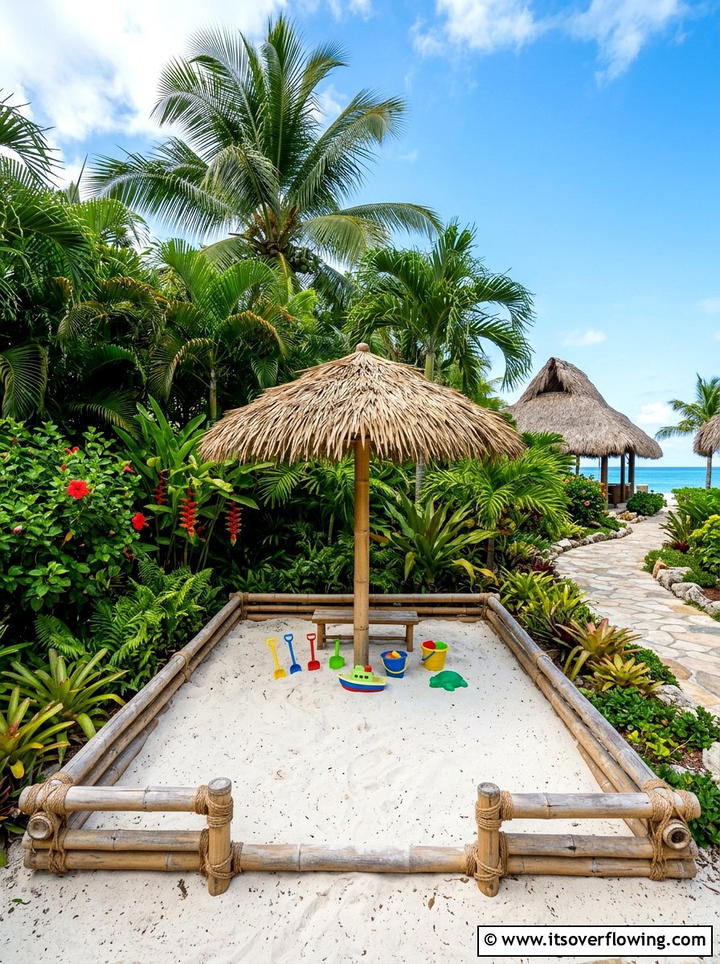
Bring the vacation vibes home by designing a sandbox with a tropical theme. You can achieve this look by using bamboo fencing for the borders and adding a thatched grass umbrella for shade. Surround the area with large-leafed plants like hostas or palms to create a lush, jungle-like atmosphere. This themed approach turns the sandbox into a destination within your own backyard, making every afternoon feel like a trip to the beach. Using white sand can further enhance the coastal feel. This design style is perfect for families who want their outdoor space to feel like a relaxing retreat for both adults and children alike.
19. Sandbox With Tire Border
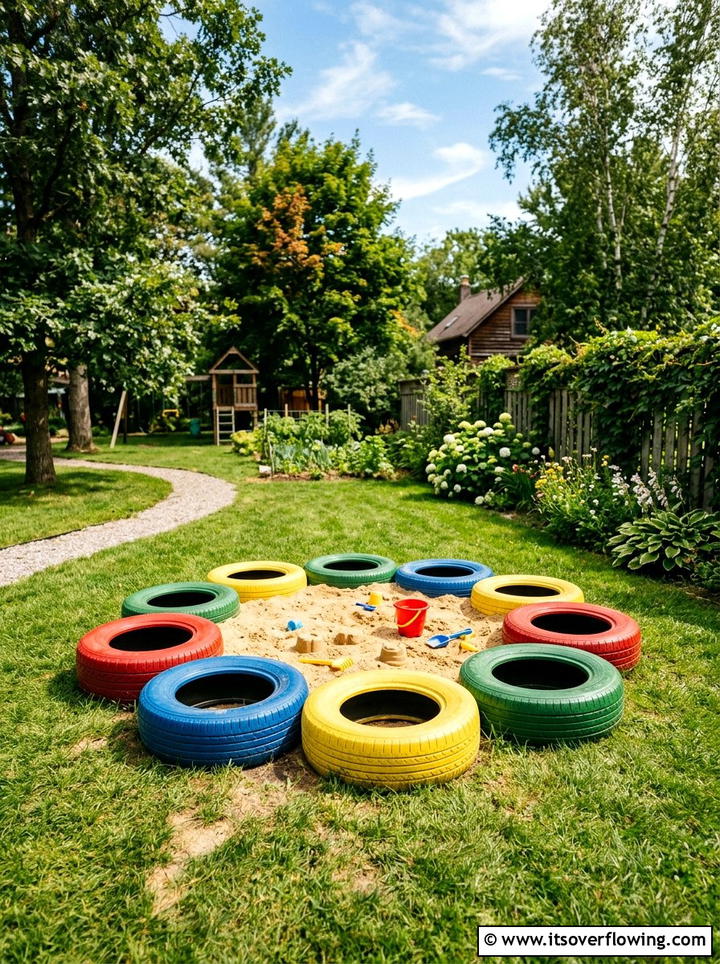
A sandbox with a tire border is an eco-friendly and budget-friendly way to repurpose old materials. Large tractor tires or multiple car tires can be painted in bright, fun colors to create a whimsical and bouncy perimeter. This design is excellent for safety, as the rubber provides a soft landing spot for active kids who like to jump in and out of the sand. Filling the center of a large tire with sand creates a deep and contained play area that is perfect for toddlers. It is a creative DIY project that adds a pop of color and personality to a casual, family-oriented backyard play zone.
20. Sandbox With Colorful Pavers
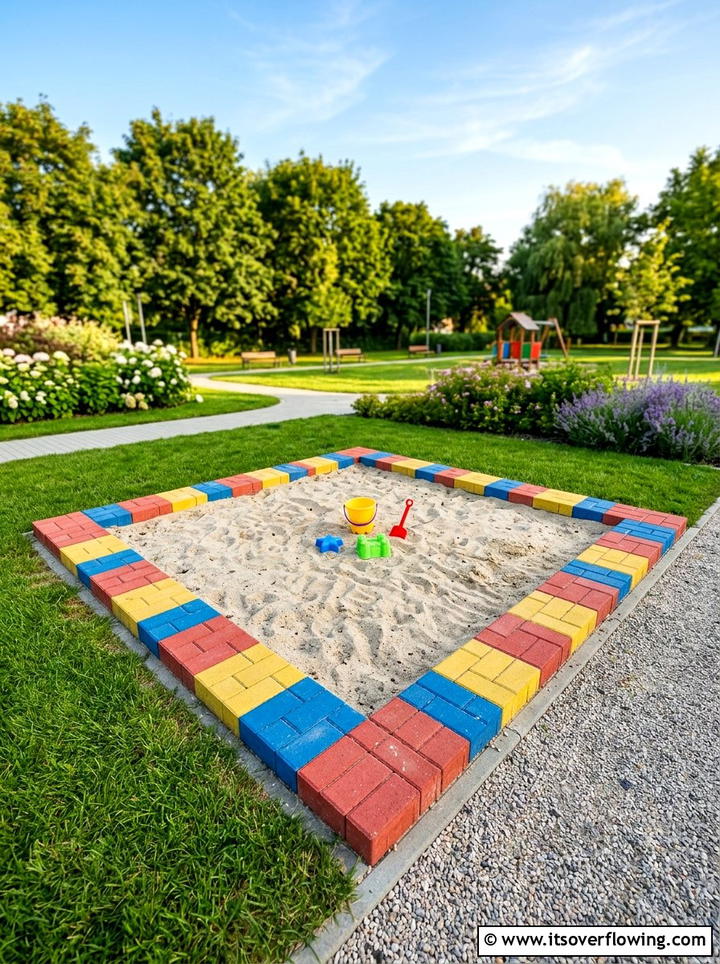
Using colorful pavers for the border of a sandbox adds a playful and structured element to your garden. You can arrange bricks or concrete pavers in various patterns, such as a rainbow sequence or a classic checkerboard, to define the play area. This method allows you to customize the size and shape of the sandbox easily to fit your specific lawn layout. Pavers provide a flat, stable surface that is easy to sweep if sand spills over the edge. This design integrates well with existing patios or walkways, creating a cohesive look throughout the landscape. It is a durable solution that holds up well against weather and heavy play.
21. Sandbox Under Treehouse
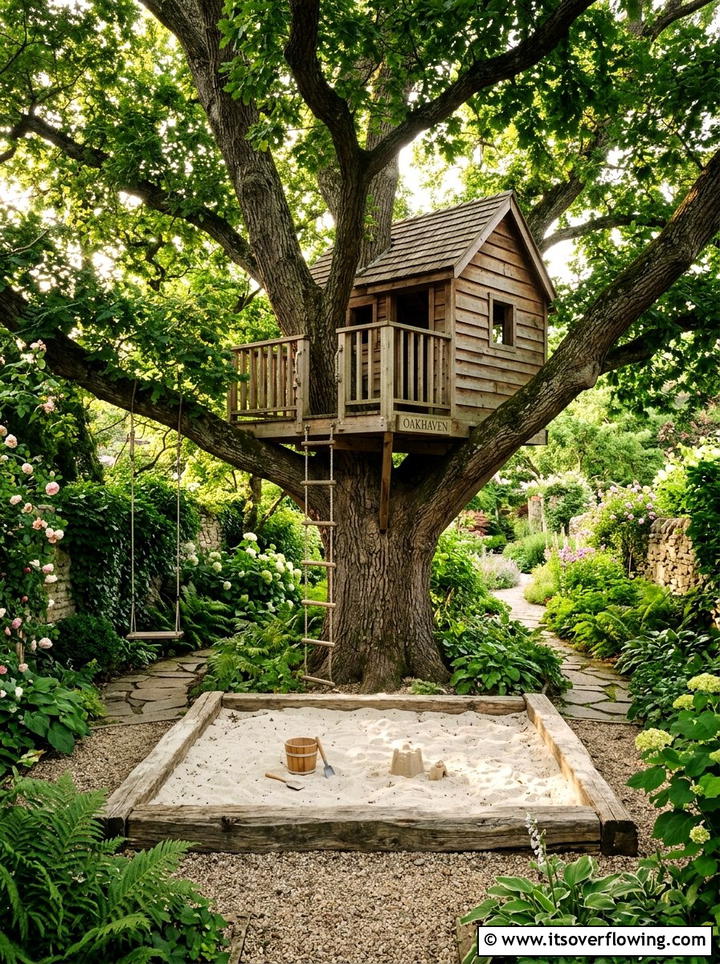
Placing a sandbox under a treehouse is a classic way to utilize the shade provided by a large backyard tree. The natural canopy of leaves filters the sunlight, keeping the area cool and comfortable. This location also adds to the “secret hideout” feel that children love, as they are tucked away beneath their elevated fort. You can use the tree trunk as a natural anchor for the sandbox frame, blending the structure into the environment. This setup encourages kids to connect with nature, as they might find leaves, twigs, or acorns to incorporate into their sand play, furthering their sensory exploration and imaginative adventures.
22. Sandbox With Slide Access
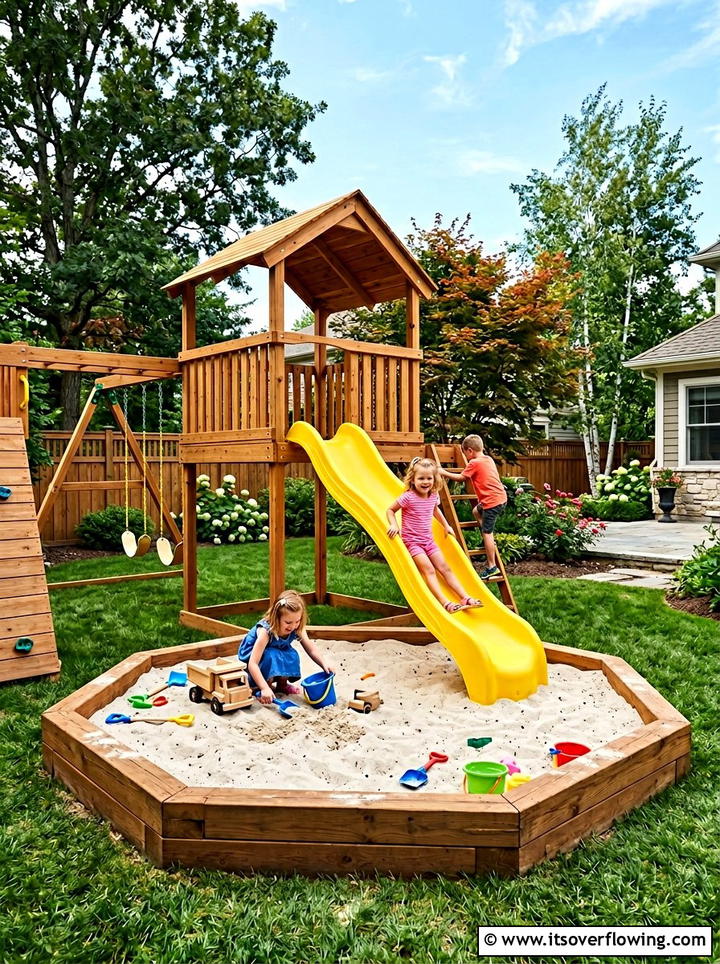
Adding a sandbox with slide access creates a high-energy entry point into the play area. By positioning the end of a slide directly over the sand, you provide a soft and safe landing for children coming down from a deck or play set. This integration makes the sandbox a functional part of a larger play circuit, encouraging movement and physical activity. The sand helps cushion the impact, which is great for younger children still mastering their balance. This design works best in backyards with some elevation changes or existing play equipment, tying different zones together into one cohesive and exciting playground for the kids.
23. Sandbox With Rock Garden
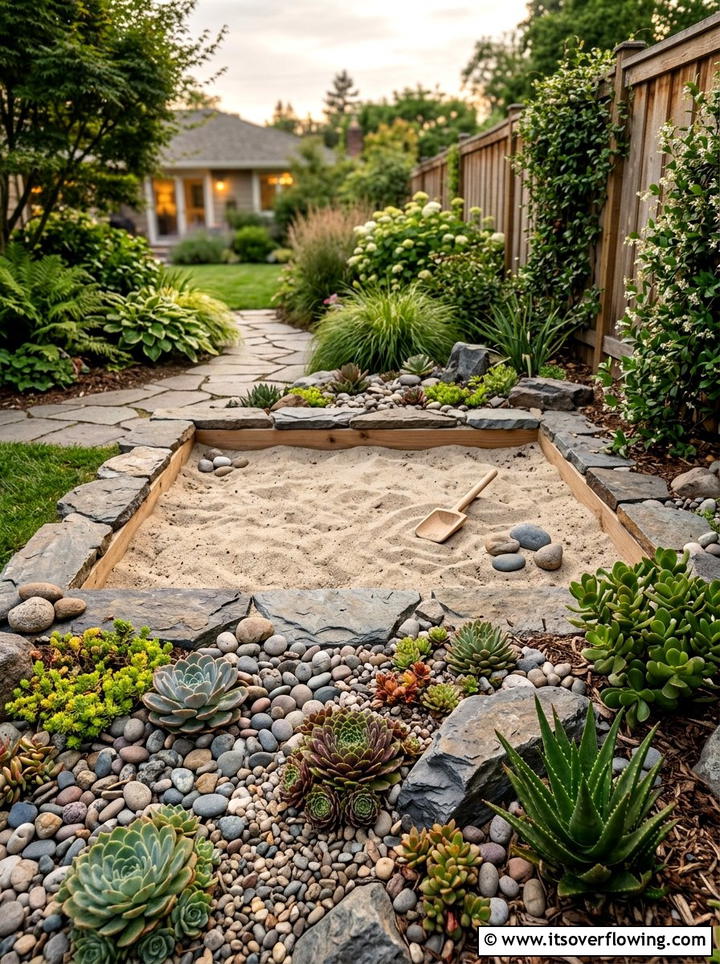
A sandbox with a rock garden combines functional play with beautiful landscaping for a more mature backyard look. By surrounding the sand pit with smooth river rocks, decorative gravel, and hardy succulents, you create a textured environment that looks intentional. This design helps with drainage and keeps the area around the sandbox from becoming muddy during rainy seasons. Children can use the larger rocks as part of their play, incorporating them into their sand structures or using them as seats. This approach is ideal for homeowners who want a play area that doesn’t scream “playground” but still provides plenty of engagement for their children.
24. Sandbox With Bamboo Fencing
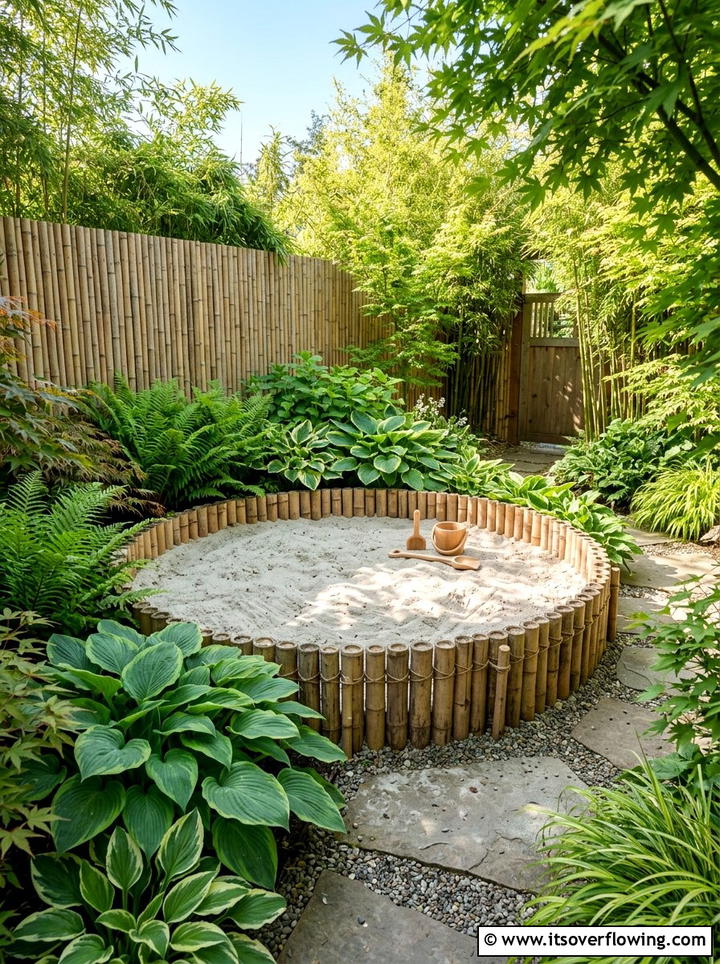
Using bamboo fencing as a border for your sandbox offers a lightweight, sustainable, and aesthetically pleasing solution. The vertical lines of the bamboo provide a unique texture that pairs well with tropical or Zen-inspired garden designs. Bamboo is naturally resistant to moisture and pests, making it a durable choice for outdoor structures. You can use rolled bamboo fencing to create curved or circular shapes, offering a softer look than traditional rectangular wooden frames. This material adds a sense of warmth and natural beauty to the backyard, ensuring the play area feels like a peaceful retreat that complements the surrounding greenery and floral arrangements.
25. Sandbox With Picnic Table
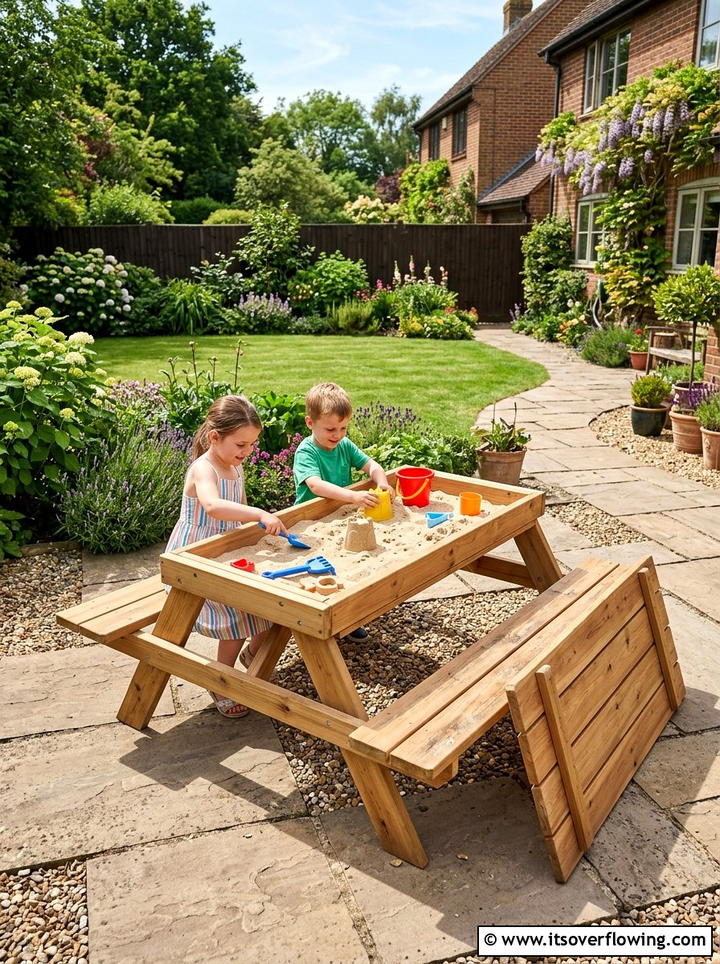
A sandbox with a picnic table is the perfect hybrid for play and snack time. Some designs feature a removable table top that reveals a sand pit underneath, allowing the piece to serve two purposes in one small footprint. This is especially useful for small patios or decks where space is at a premium. When the kids are done playing, you can replace the top to provide a flat surface for lunch, crafts, or homework. It keeps the sand contained and covered when not in use, while providing a sturdy and comfortable place for children to sit. This versatile furniture piece is a smart investment for any family backyard.
Conclusion:
Designing the perfect backyard play area requires a thoughtful blend of safety, creativity, and style. Whether you opt for a minimalist concrete design or a whimsical boat-themed structure, a sandbox serves as a foundational element for childhood memories. By choosing durable materials and incorporating shade solutions, you ensure that the space remains functional for years to come. These ideas demonstrate that play zones do not have to detract from your landscape; instead, they can enhance the overall beauty of your home. Investing in a well-designed sandbox encourages children to spend more time outdoors, fostering a lifelong love for nature and imaginative play in a safe environment.

Related posts:
 25 backyard ideas with play area for Fun Family Spaces
 25 Backyard Ideas With Treehouse For Fun Family Escapes
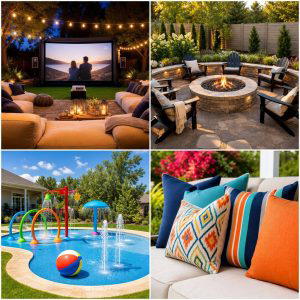 25 backyard decorating ideas with family friendly setup Tips
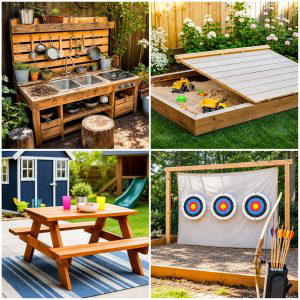 25 Backyard Ideas for Kids: Fun and Safe Outdoor Play
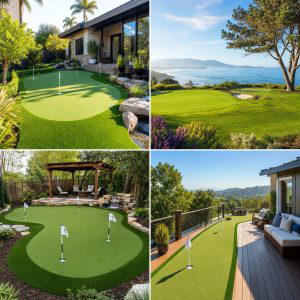 25 Backyard Ideas With Putting Green for Fun Outdoor Practice
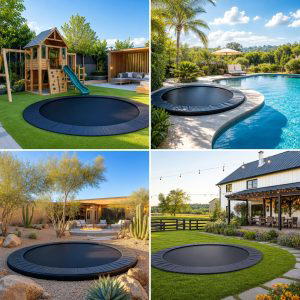 25 Backyard Ideas With Trampoline Zone For Kid-Friendly Fun
 25 Backyard Ideas for Corner Lots: Smart Outdoor Designs
 25 Backyard Ideas for Flat Yards: Simple Stylish Designs
 25 Backyard Ideas With Rain Garden Designs for Greener Yards
 25 Backyard Ideas With Retaining Wall Designs for Sloped Yards
 25 Backyard Ideas With Sports Court Designs for Active Families
 25 Garden Ideas With Pond Designs for a Peaceful Backyard