
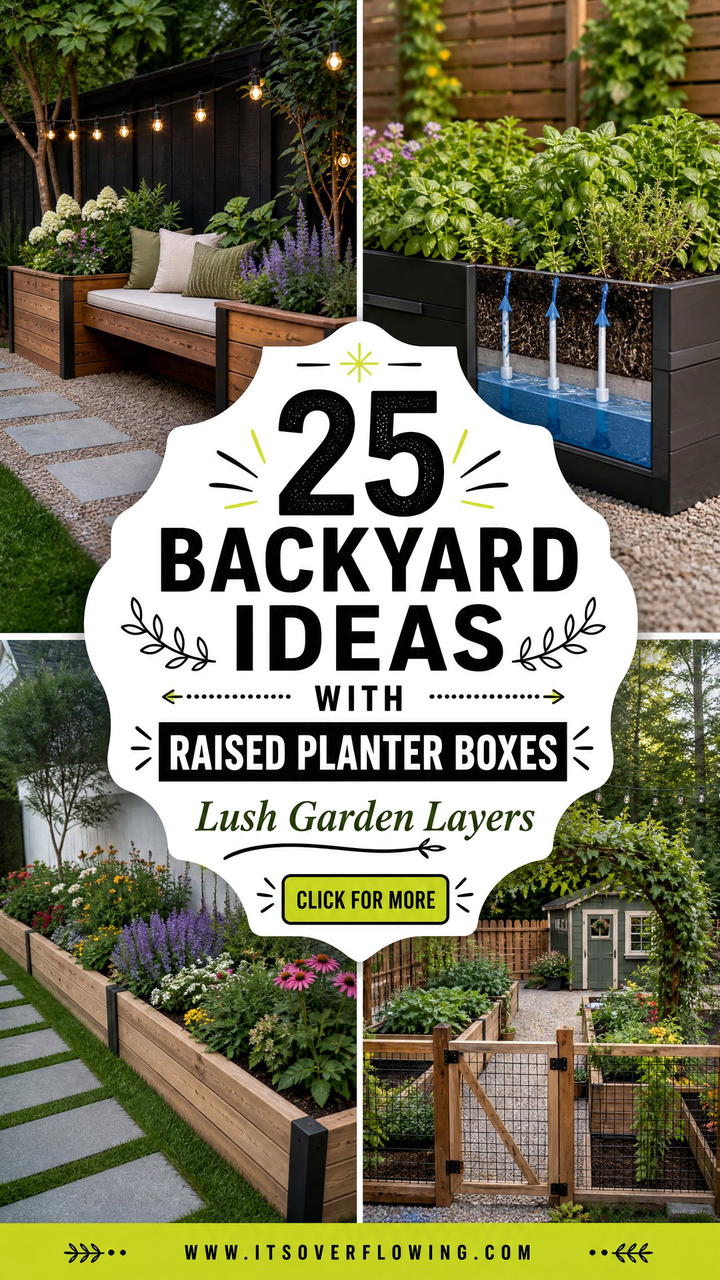
Creating a beautiful and functional outdoor space often starts with the right structure, and nothing transforms a backyard quite like raised planter boxes. These elevated garden beds offer a perfect blend of aesthetic appeal and practical benefits, making them a favorite for both novice and experienced gardeners. By lifting your plants off the ground, you gain better control over soil quality, drainage, and pest management while saving your back from unnecessary strain. Whether you are looking to grow fresh organic vegetables or vibrant seasonal flowers, these structures define your landscape with clean lines and organized zones. Incorporating them into your yard adds a professional, polished look that increases curb appeal and personal enjoyment.
1. Cedar wood garden beds
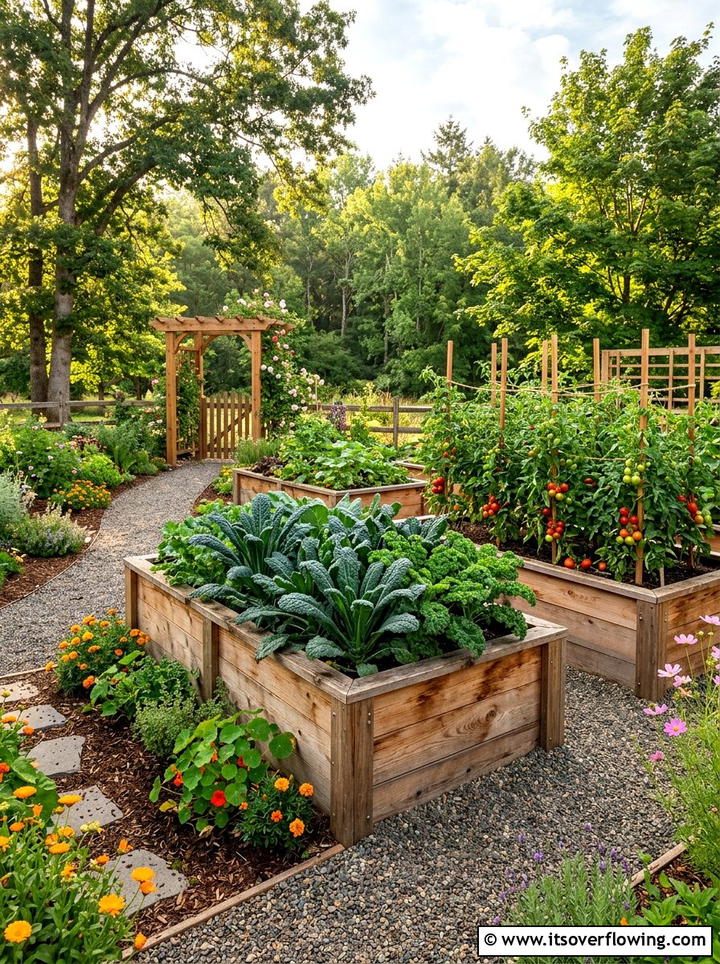
Cedar wood remains one of the most popular choices for constructing raised garden beds due to its natural resistance to rot and insects. This beautiful wood features a warm, reddish tone that eventually silver-ages over time, blending perfectly with any outdoor environment. When you build with cedar, you ensure a long-lasting structure that does not require chemical treatments, making it safe for growing edible crops. Many homeowners prefer the classic look of thick cedar planks joined with sturdy corner posts for a timeless aesthetic. This material provides excellent insulation for plant roots against temperature fluctuations throughout the changing seasons. It creates a sturdy and high-quality focal point in any backyard setting.
2. Concrete block planters
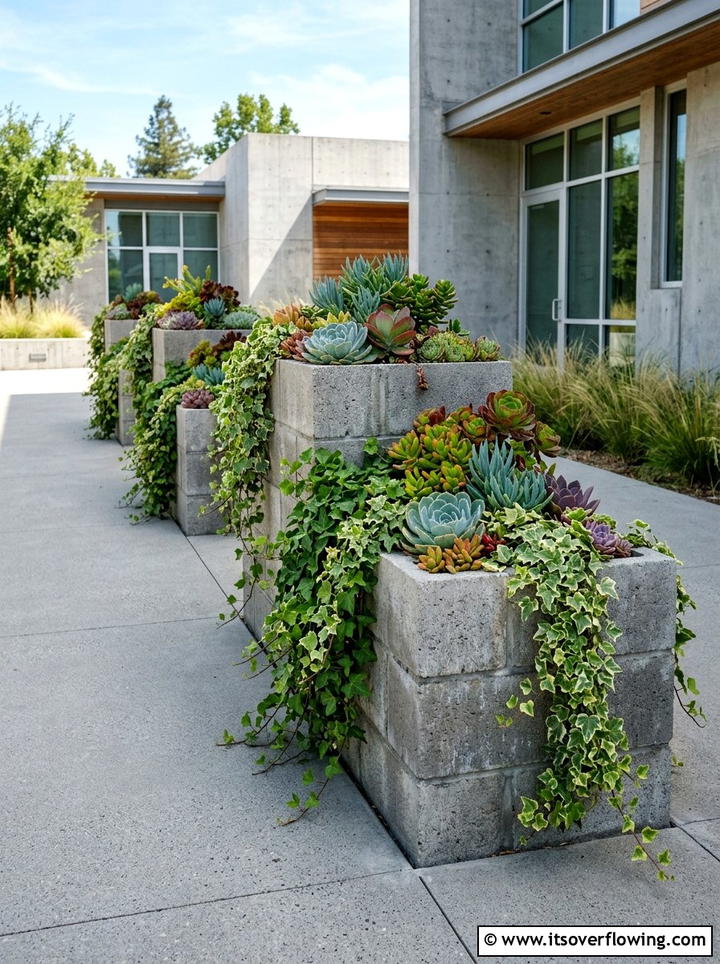
Concrete blocks offer a modern and industrial feel to a garden while being incredibly budget-friendly and durable for long-term use. You can easily stack these blocks to your desired height, creating a modular system that fits any specific backyard corner or edge. The hollow centers of the blocks provide additional small planting pockets for succulents or trailing herbs, maximizing your total growing space. Many people choose to paint the exterior of the blocks or apply a smooth stucco finish for a more refined and contemporary appearance. These heavy-duty structures are perfect for holding back soil on sloped yards or creating permanent boundaries within your landscape design.
3. Tiered wooden plant boxes
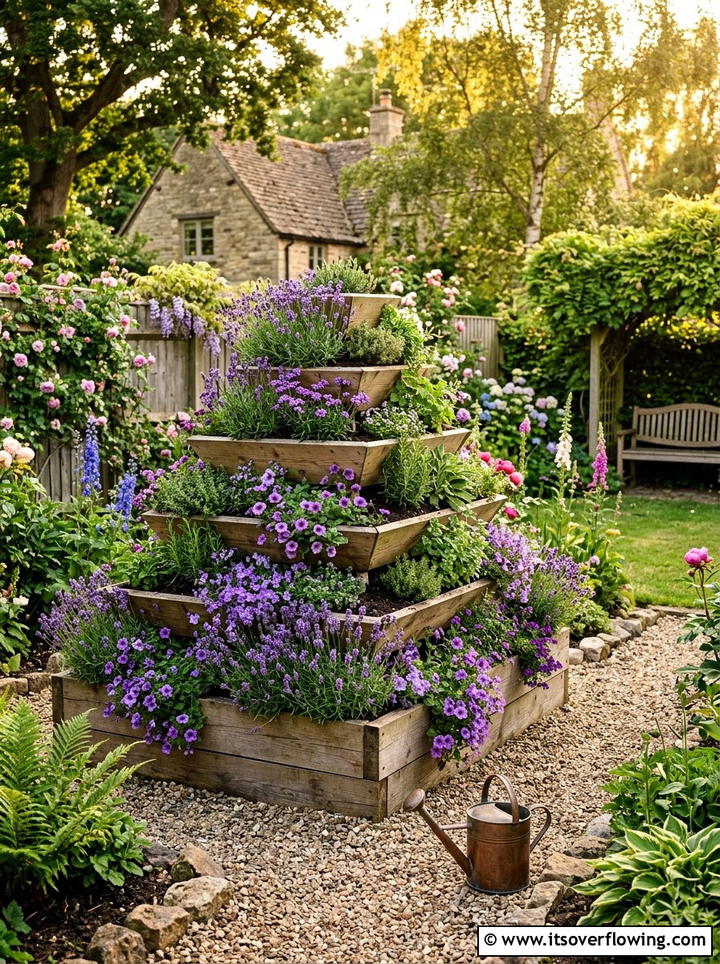
Tiered structures are an excellent way to add visual depth and maximize vertical growing space in smaller backyard environments or tight corners. By stacking wooden boxes of varying sizes, you create a cascading effect that allows for different plant heights and sun exposure levels. This arrangement is particularly effective for growing a variety of herbs or flowers that require different amounts of moisture and light. The multi-level design makes it much easier to access every plant without reaching across a wide bed, which improves overall garden maintenance. It also serves as a stunning architectural feature that draws the eye upward and makes a small yard feel much larger.
4. Corrugated metal garden beds
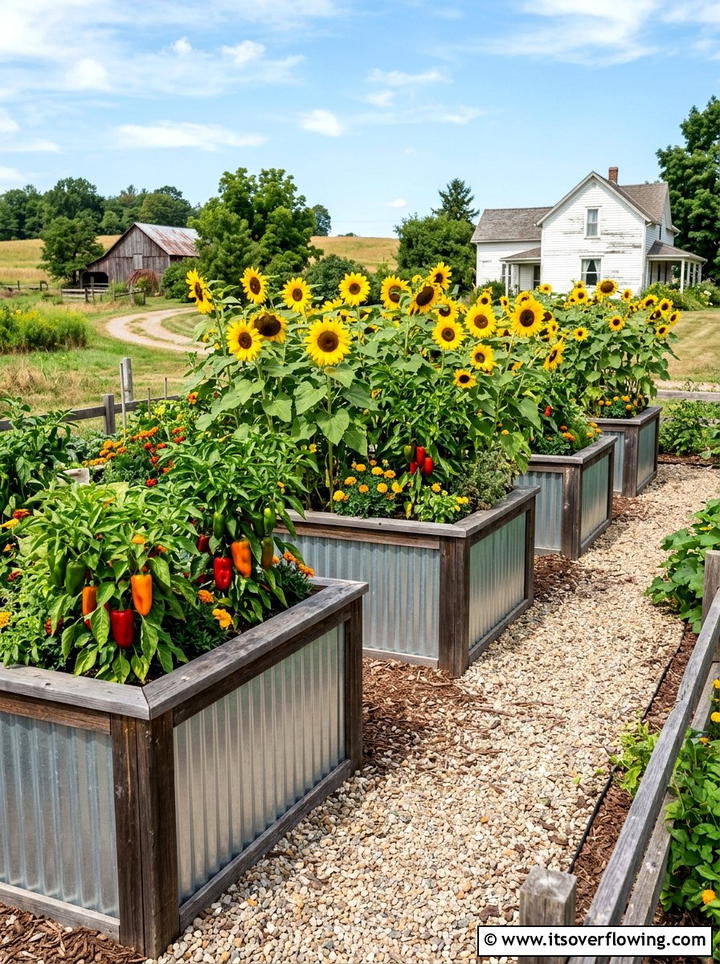
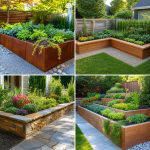
Corrugated metal brings a sleek, rustic-industrial vibe to the garden while offering extreme durability against the elements and heavy soil pressure. These beds are often framed with wood to provide a finished look and to protect hands from any sharp metal edges. The reflective surface of the metal can help bounce light into shaded areas, while the material itself remains surprisingly cool during the hot summer. Many modern gardeners appreciate the contrast between the silver or galvanized metal and the lush green foliage of the plants inside. This style is lightweight compared to stone or concrete, making it much easier to install in various backyard locations.
5. U shaped raised beds
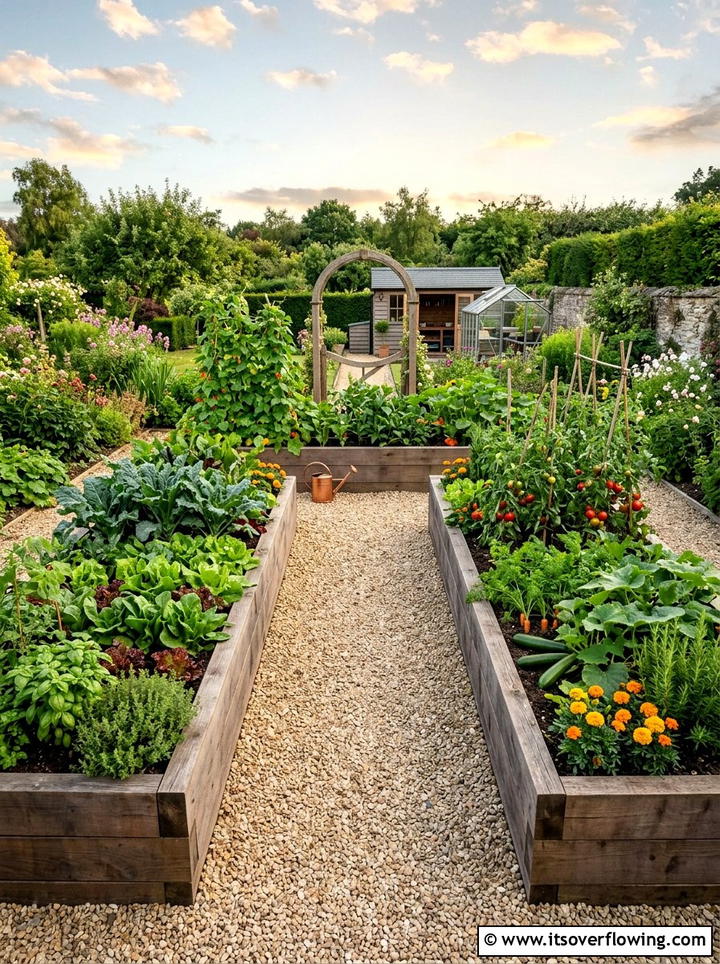
A U-shaped configuration is a highly functional layout that allows you to access a large planting area from a single central point. This design is perfect for dedicated vegetable gardeners who want to maximize their harvest while minimizing the amount of walking required. By stepping into the center of the U, you can reach all three sides of the garden bed with ease for planting or harvesting. This layout also provides a cozy, enclosed feeling that can be enhanced with a small stool or a decorative garden gnome. It creates a very professional look that suggests a serious commitment to growing your own healthy organic produce.
6. Stone wall planters
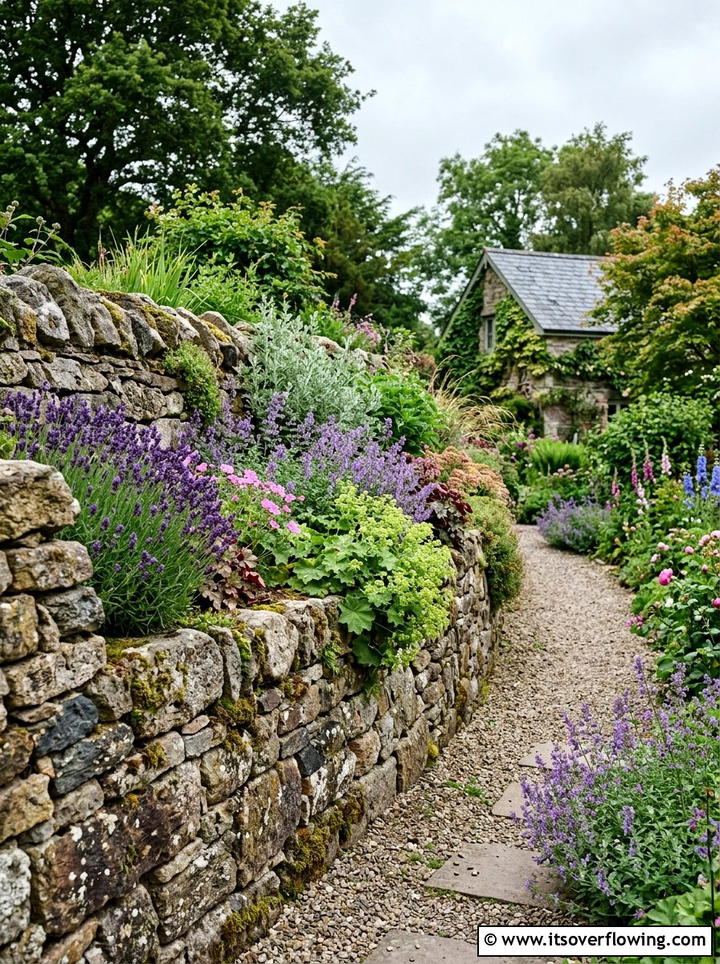
Using natural stone to create raised beds provides a permanent and organic look that seamlessly integrates with the existing backyard landscape. Stacked stone or fieldstone walls offer incredible drainage and a high level of thermal mass, which helps to regulate soil temperatures. This style of planter often looks like it has been part of the property for decades, adding a sense of history and character. You can use mortar for a very clean and polished look or try dry-stacking for a more rustic and traditional appearance. Stone is an investment that will never rot or warp, providing a beautiful gardening space for many generations.
7. Vertical wall garden boxes
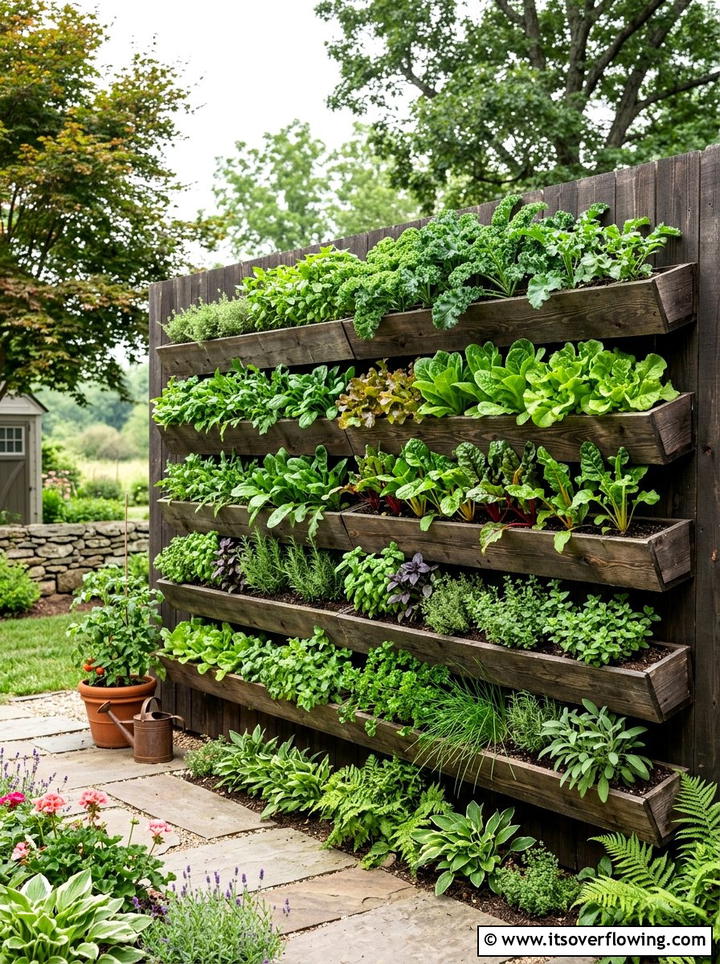
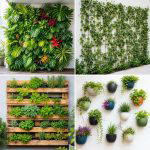
Vertical gardening is the ultimate solution for small patios or urban backyards where ground space is limited but wall space is available. By attaching several narrow planter boxes to a wooden fence or a brick wall, you can grow a lush green curtain. This method is perfect for leafy greens, strawberries, or aromatic herbs that do not require deep root systems to thrive well. It also provides a beautiful living backdrop for outdoor seating areas, adding texture and a fresh scent to your relaxation zone. Modern vertical systems often include integrated irrigation to ensure that every level receives the proper amount of water consistently.
8. Built in bench planters
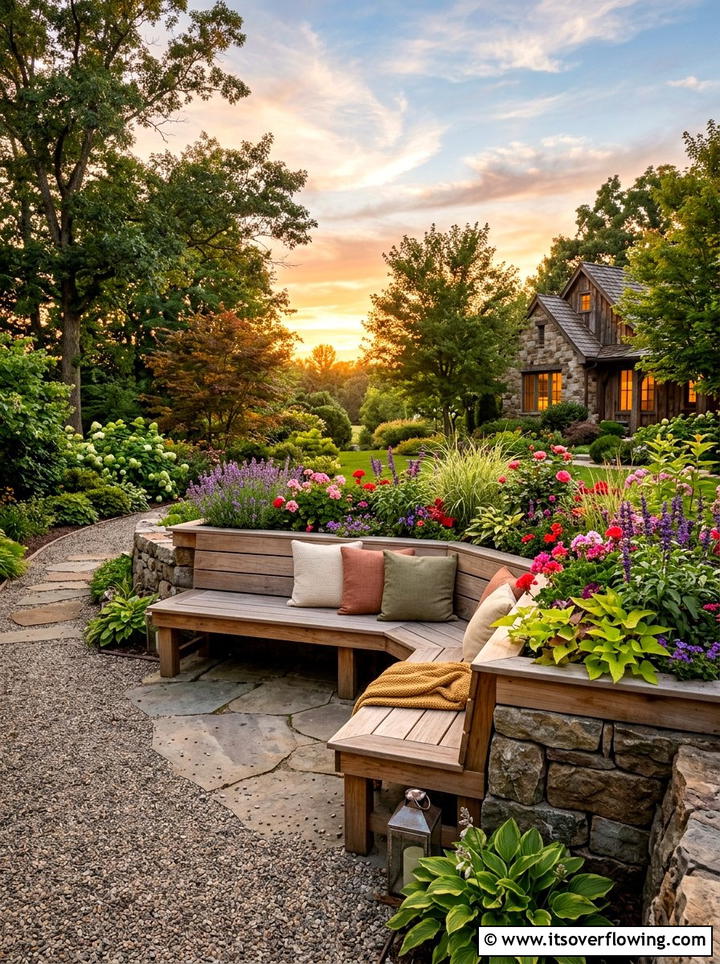
Integrating seating directly into your raised beds creates a multi-functional feature that encourages people to spend more time in the garden. These designs typically feature wide wooden caps on the edges of the planter boxes that serve as comfortable benches for resting. Sitting right next to your plants allows you to enjoy their fragrance and beauty while chatting with friends or reading a book. This approach is perfect for small yards where you need to maximize every square inch of available space for both utility and relaxation. It turns a simple garden bed into a social hub and a cozy destination within your outdoor living area.
9. Herb garden spiral
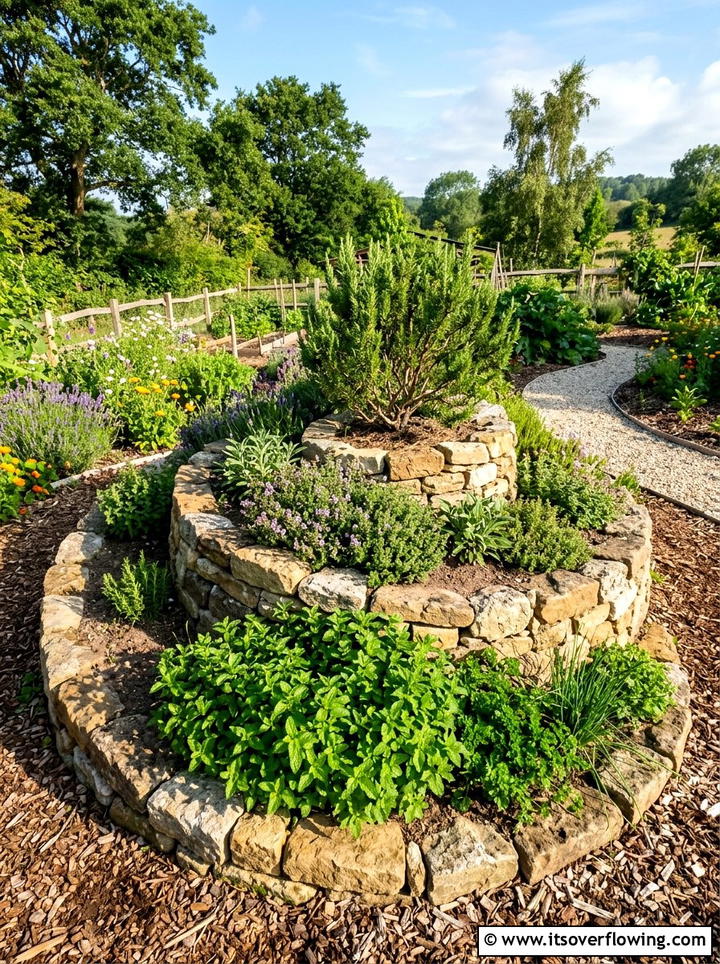
A herb spiral is a permaculture-inspired design that uses a vertical corkscrew shape to create various microclimates within a very small footprint. The top of the spiral is drier and sunnier, while the bottom stays cooler and more moist, allowing for diverse plant needs. You can grow Mediterranean herbs like rosemary at the top and moisture-loving mint or parsley at the base of the structure. This circular design is often built using stones, bricks, or even recycled materials, making it a very sustainable and eco-friendly choice. It serves as a beautiful and functional sculptural element that adds a unique artistic touch to any backyard garden.
10. Corten steel planter boxes
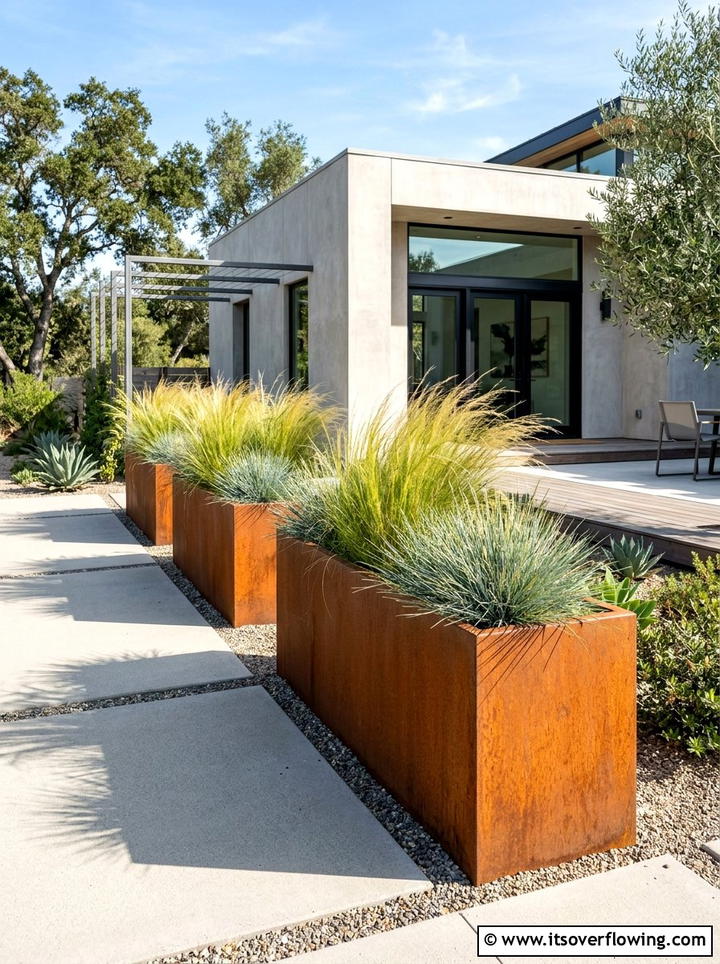
Corten steel is a high-end material that develops a protective layer of rust over time, resulting in a stunning orange-brown patina. This weathered look is incredibly popular in modern and contemporary landscape designs because of its bold color and very clean, sharp lines. Unlike regular steel, Corten is designed to resist further corrosion, making it an extremely long-lasting choice for heavy-duty outdoor garden use. The deep earthy tones of the rusted metal provide a dramatic contrast against bright green leaves and colorful blooming flowers. These boxes are often custom-made to fit specific dimensions, offering a very high-end and bespoke appearance for your property.
11. Painted black garden beds
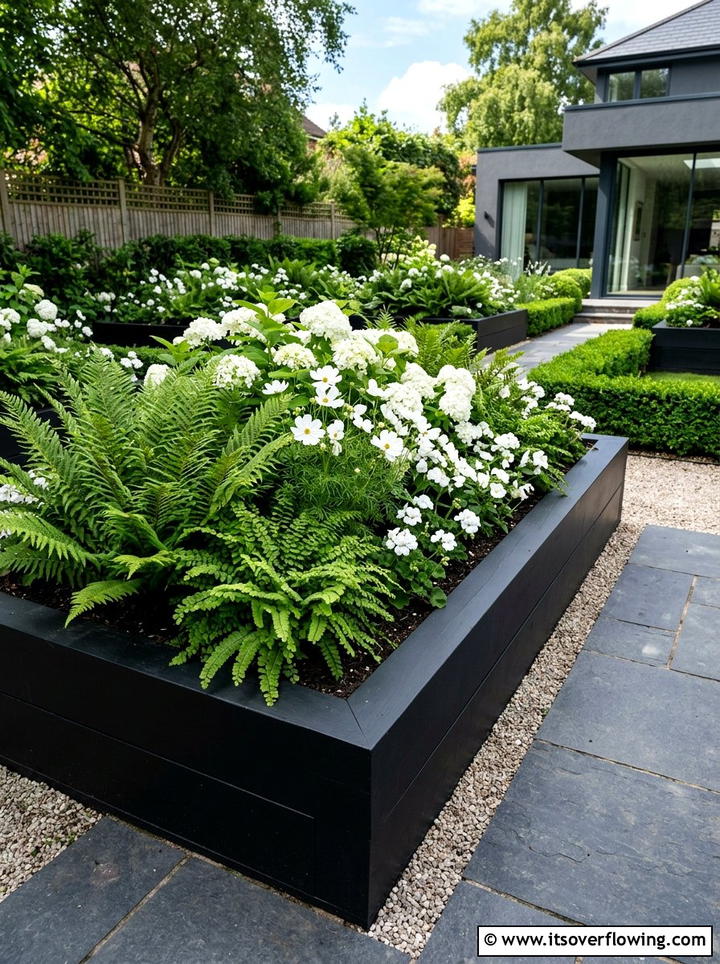
Painting your wooden or metal raised beds in a deep black hue creates a sophisticated and high-contrast look in the garden. Black structures make the vibrant greens and bright colors of your plants truly pop, providing a very modern and gallery-like aesthetic. This color choice is excellent for minimalist backyards or homes with contemporary architecture where clean lines are a primary design focus. Dark colors also absorb more heat from the sun, which can help warm the soil earlier in the spring for planting. Using a high-quality outdoor stain or paint ensures that the finish remains crisp and beautiful despite exposure to rain and sun.
12. Vegetable garden with mulch
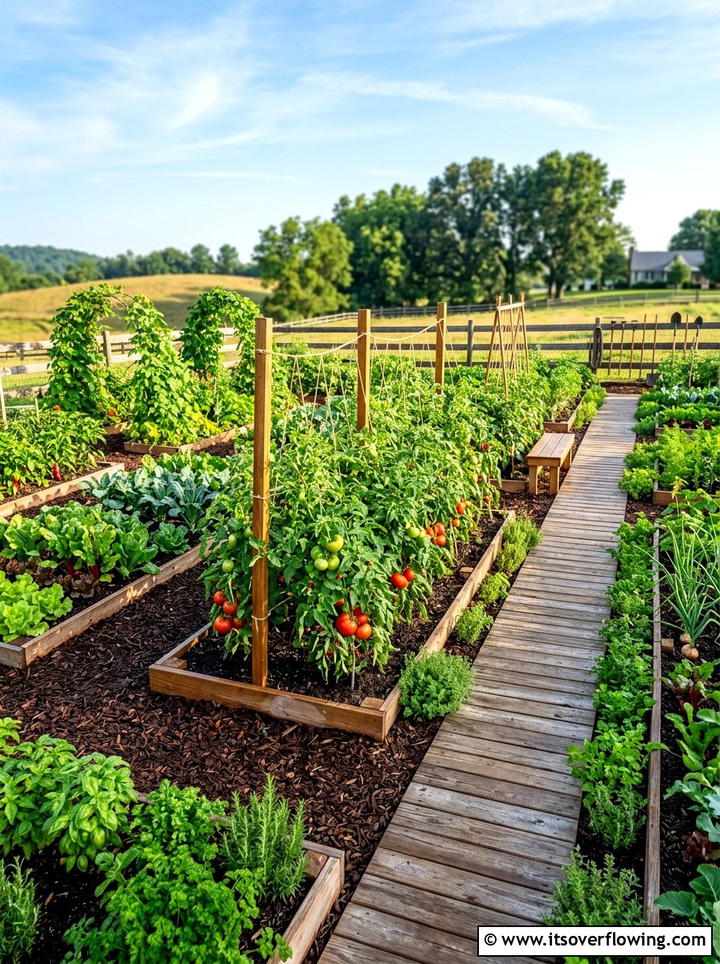
Creating a dedicated vegetable zone with raised beds and clean mulch paths keeps your gardening area organized, productive, and very easy to manage. Thick layers of wood chips or straw between the planter boxes prevent weeds from growing and keep your feet dry during rainy weather. This layout creates a clear distinction between the wilder parts of your yard and the controlled, productive space of the food garden. Many people choose to use cedar mulch for its pleasant scent and natural ability to repel common garden pests and insects. A well-mulched garden looks tidy and professional, making the process of growing food much more enjoyable and visually appealing.
13. Stock tank garden beds
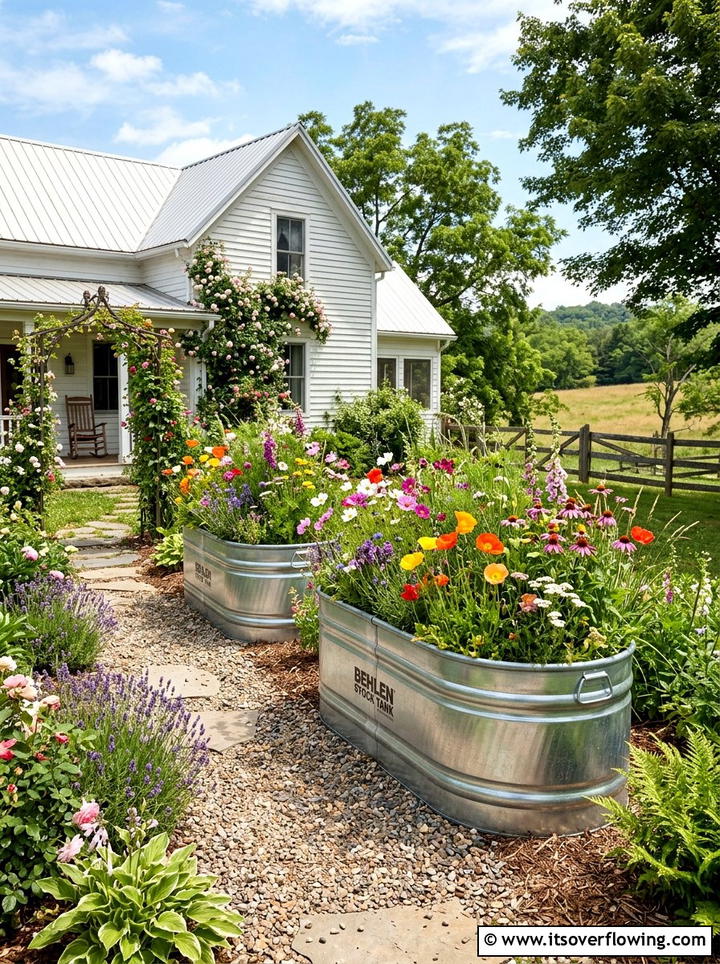
Galvanized stock tanks, originally designed for watering livestock, have become a trendy and easy-to-install option for raised garden beds in residential yards. These metal containers are available in various oval or circular shapes and are already deep enough for most vegetables and small shrubs. They require very little assembly; you simply drill drainage holes in the bottom, place them on level ground, and fill with soil. The high sides of stock tanks are excellent for keeping out certain pests like rabbits while making the garden much easier to reach. Their shiny metallic finish adds a cool, farmhouse-chic vibe that fits many different home styles and garden themes.
14. L shaped corner planters
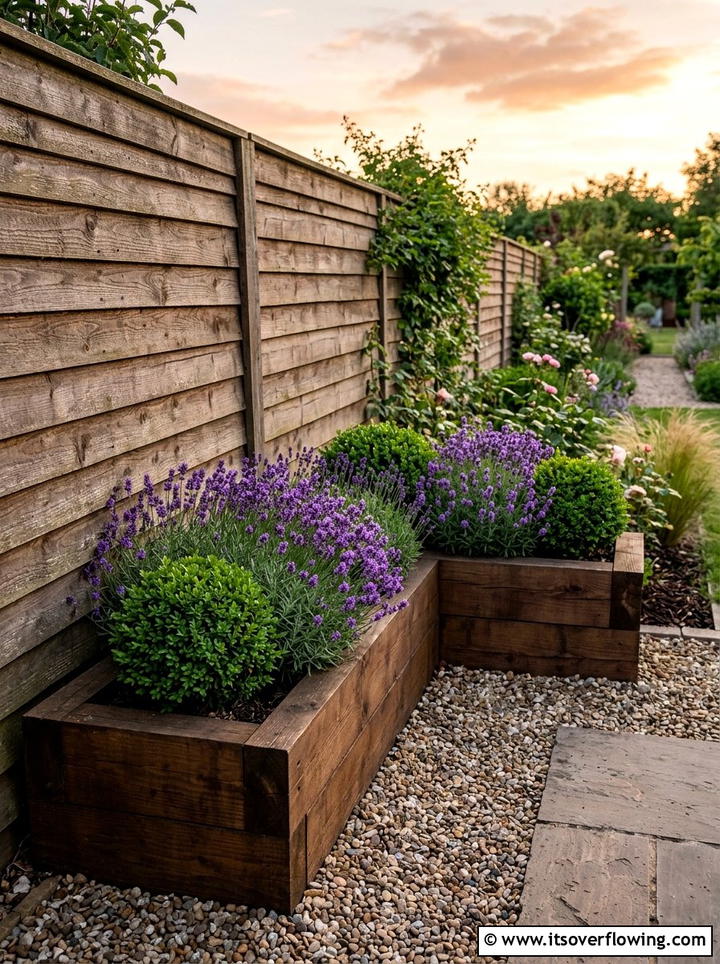
L-shaped raised beds are specifically designed to hug the corners of a fence, deck, or patio, making use of often-wasted backyard space. This configuration provides a large planting area while keeping the center of the yard open for other activities like playing or lounging. You can use the long arms of the L to separate different types of plants, such as flowers on one side and vegetables on the other. This layout creates a natural boundary that feels intentional and well-planned within the overall landscape architecture of your home. It is a very efficient way to add greenery without overcrowding a smaller or medium-sized outdoor living area.
15. Trellis raised bed combo
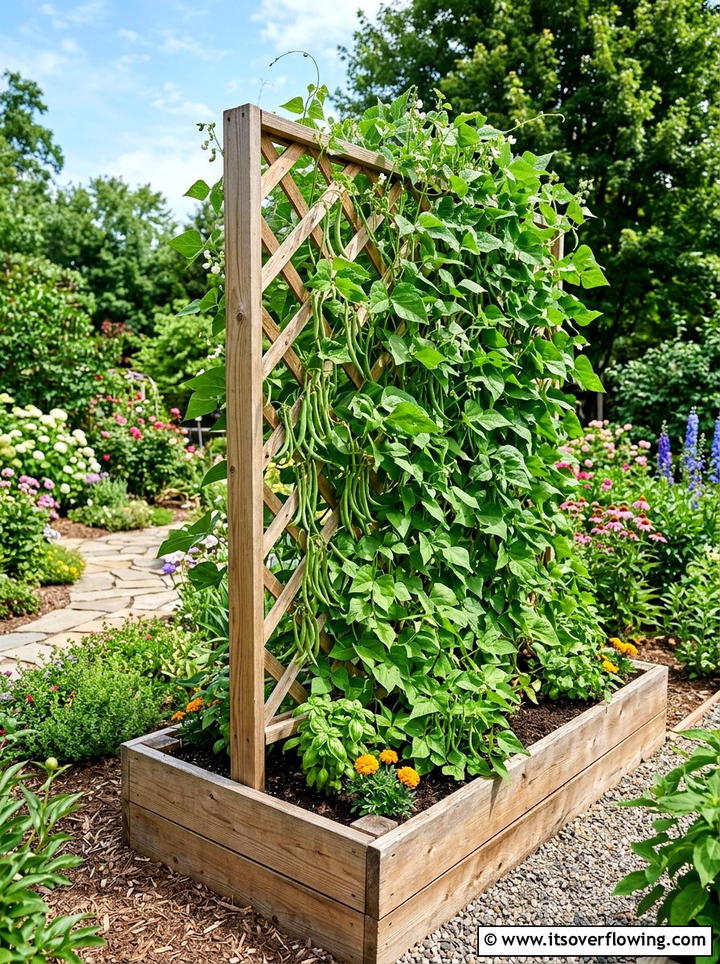
Adding a vertical trellis to the back or center of a raised bed allows you to grow climbing plants like cucumbers, peas, or beans. This combination maximizes your harvest by using vertical space and keeps heavy fruit off the soil to prevent rot and disease. A sturdy wooden or metal trellis also adds height and privacy to your garden, acting as a living screen against neighbors. During the summer, a vine-covered trellis creates a beautiful wall of green that provides shade and a sense of enclosure. This is an essential feature for any gardener who wants to produce a high volume of food in a limited space.
16. Paver garden beds
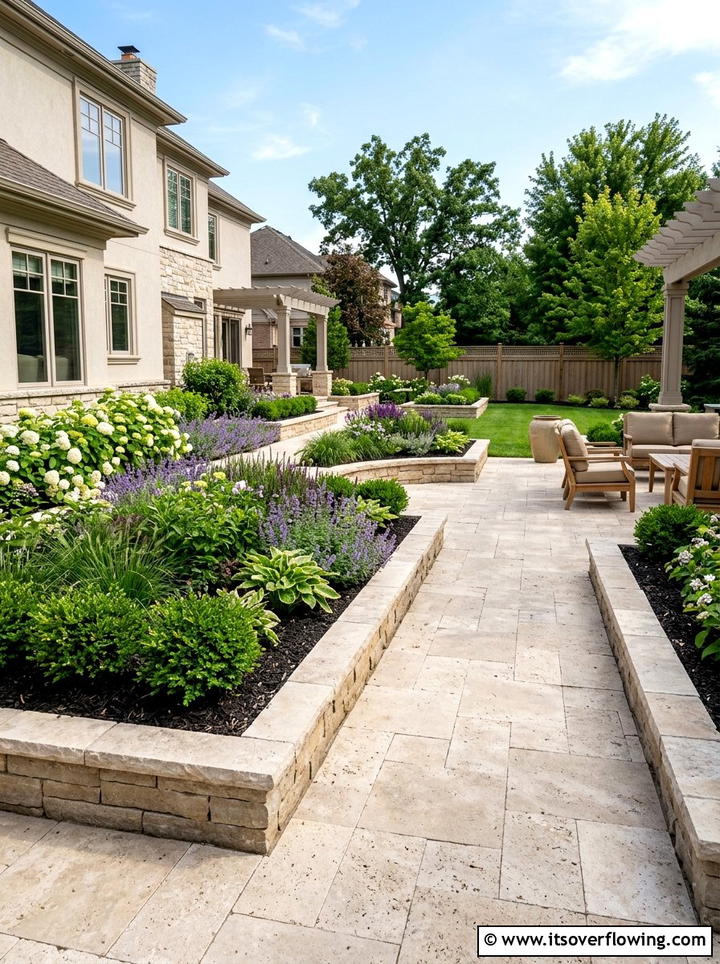
Using the same pavers for your garden beds that you use for your patio creates a seamless and highly integrated look. This method involves stacking paving stones to create low or medium-height walls that match the ground surface of your outdoor living area. The result is a very cohesive design that feels like a professional contractor custom-built the entire backyard space at once. Pavers are available in many colors and textures, allowing you to choose a style that perfectly complements your home’s exterior materials. These structures are incredibly heavy and stable, ensuring they will stay in place and look great for many years of use.
17. Greenhouse with raised boxes
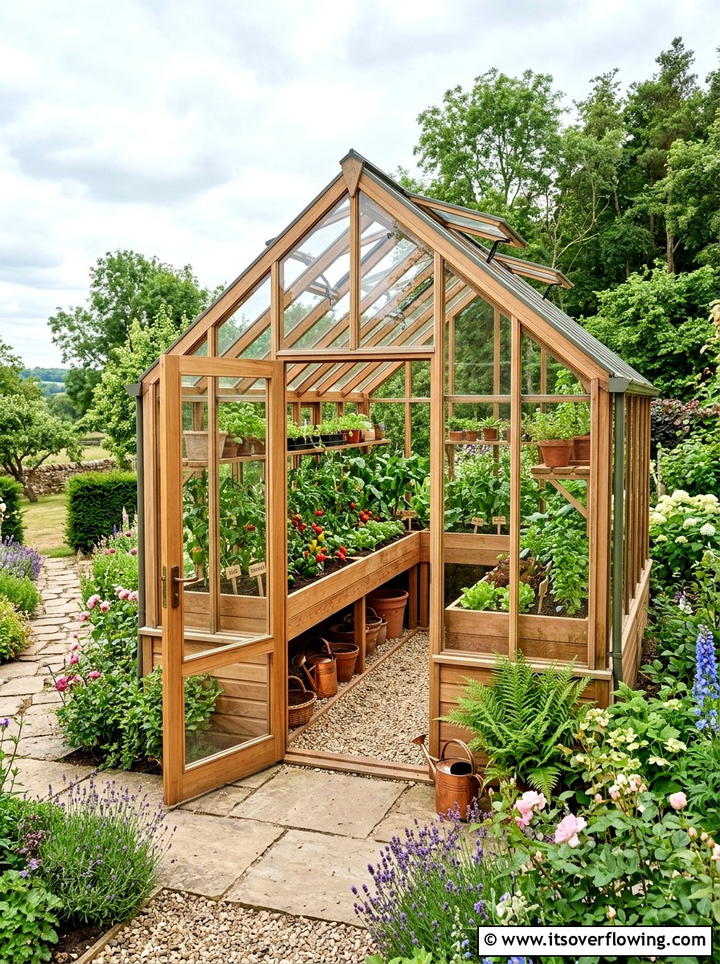
Placing raised planter boxes inside a greenhouse or cold frame extends your growing season significantly by protecting plants from frost and wind. This setup allows you to start seeds much earlier in the spring and keep harvesting hardy greens well into the winter months. The raised beds inside the structure provide excellent drainage and allow you to sit comfortably while working on your delicate seedlings or starts. Many greenhouse owners use cedar or high-quality plastic for these beds to withstand the humid and warm environment inside the glass. It creates a dedicated sanctuary for plants where you can control every aspect of the growing environment perfectly.
18. High waist garden beds
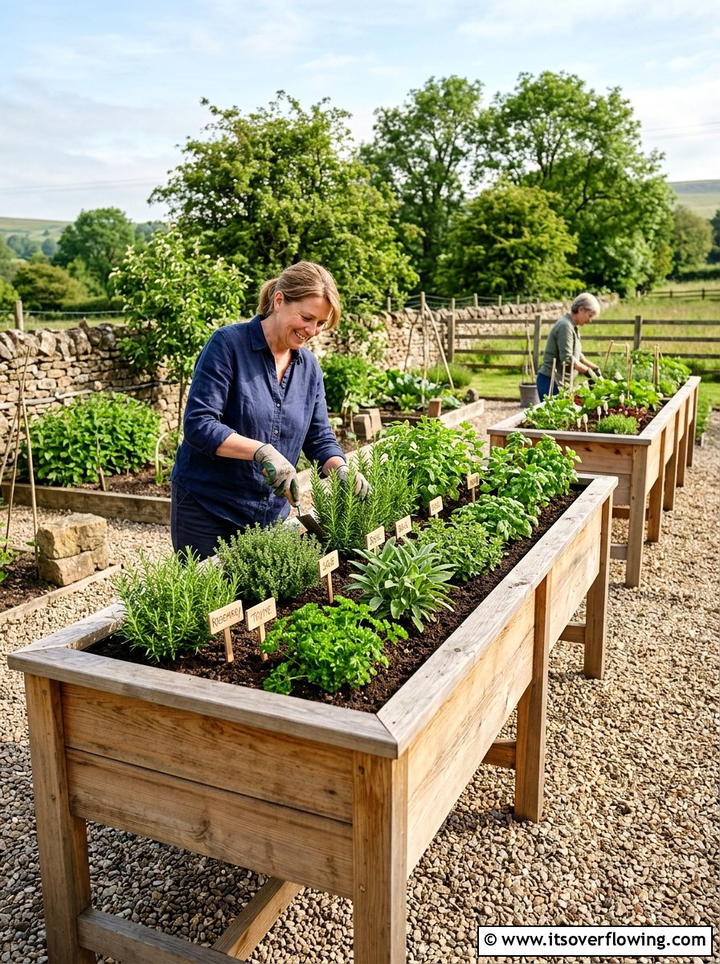
High-waist garden beds are built to a height of thirty inches or more, making them completely accessible without any bending or kneeling. This design is perfect for seniors or anyone with mobility issues who still wants to enjoy the therapeutic benefits of active gardening. These tall structures also act as a physical barrier that keeps most pets and common garden pests away from your precious plants. Because they are so high, they can also serve as a stylish room divider on a large patio or deck area. Filling these deep beds requires a layer of light filler at the bottom to reduce the total amount of soil needed.
19. Modern minimalist garden boxes
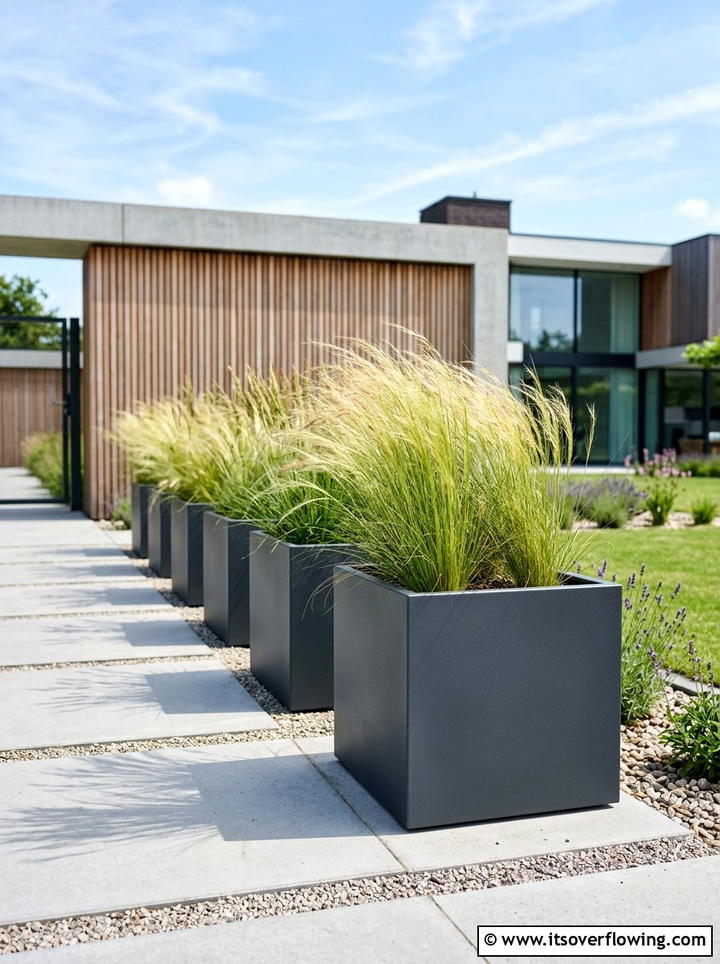
Modern minimalist beds focus on simple geometric shapes, clean edges, and a lack of unnecessary ornamentation or decorative trim pieces. These boxes are often made from smooth-finished wood, painted metal, or sleek composite materials that offer a very uniform and tidy appearance. The goal is to let the plants themselves be the stars of the show while the containers provide a quiet, architectural background. This style works best in yards that follow a contemporary design language with limited color palettes and very organized planting schemes. It creates a sense of calm and order that is very popular in busy urban or suburban residential backyard environments.
20. Brick garden beds
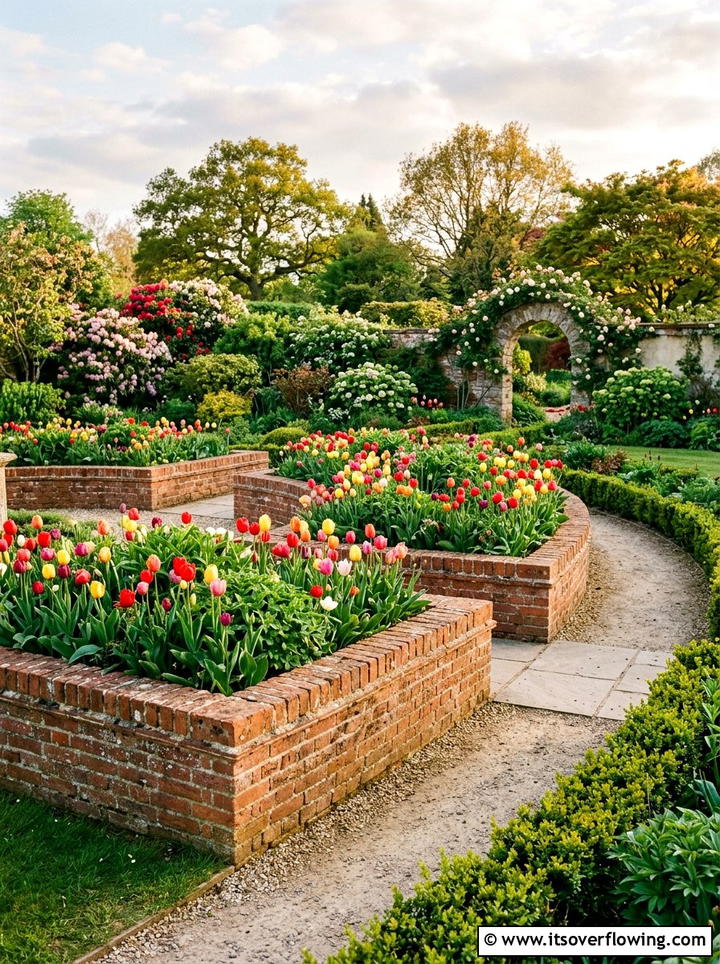
Brick is a classic building material that adds a sense of tradition, warmth, and timelessness to any backyard garden or patio area. You can match the brick to your home’s siding or chimney to create a very unified and well-coordinated look across the property. Brick walls are excellent at retaining heat during the day and releasing it slowly at night, which can help sensitive plants survive. Whether you choose a formal running bond pattern or a more decorative herringbone, brick provides a very sturdy and attractive frame for plants. These beds are virtually maintenance-free and will look better and better as they develop a natural weather-worn patina.
21. Self watering planter boxes
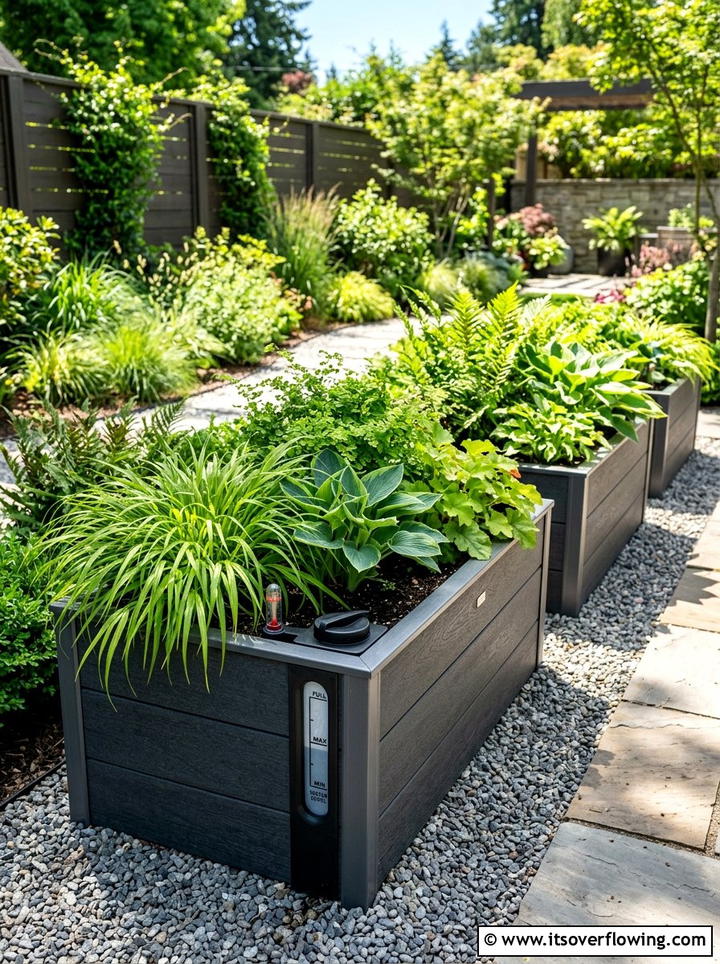
Self-watering raised beds feature a built-in reservoir at the bottom that provides a consistent supply of moisture to the plant roots. This system uses capillary action to wick water upward, ensuring that the soil stays perfectly moist without becoming overly saturated or soggy. These beds are a lifesaver for busy homeowners or those living in very hot climates where daily watering is usually required. By reducing water evaporation and delivering moisture directly to the roots, these systems are also much more water-efficient than traditional surface watering. They allow you to go on vacation for several days without worrying about your vegetable garden wilting or dying.
22. Flower bed border planters
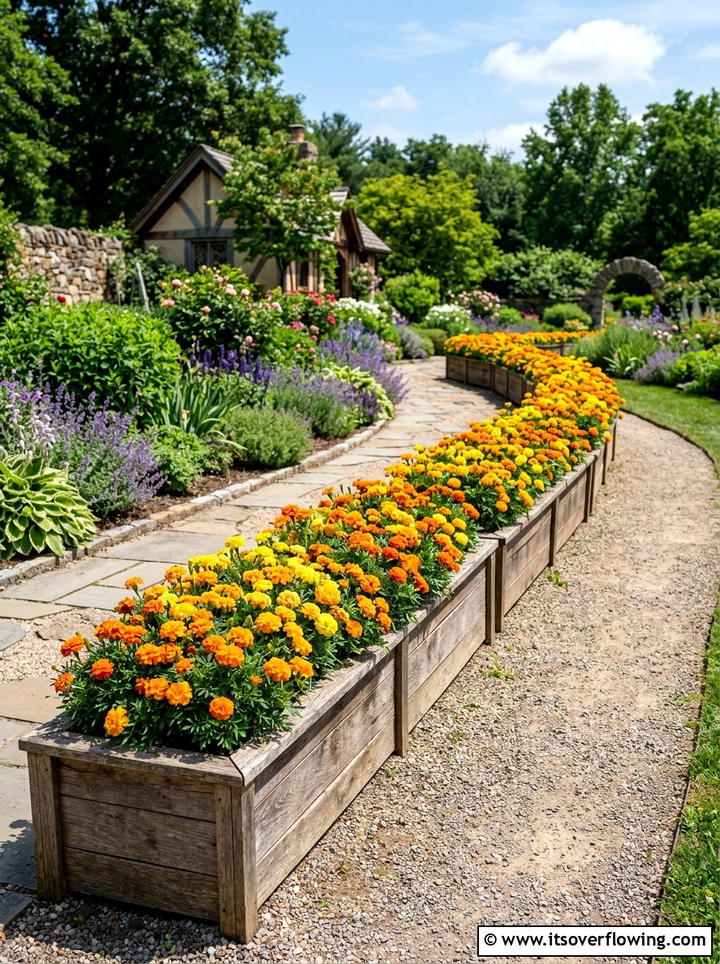
Using long, narrow raised boxes as a border along a fence or walkway defines the edges of your yard with vibrant color. These border planters keep spreading flowers contained and prevent them from creeping into your lawn or overgrowing onto your walking paths. They also elevate the blooms closer to eye level, making it easier to enjoy their intricate details and lovely floral scents. This is a great way to add structure to a large, open lawn without the need for extensive digging or ground-level landscaping. Many homeowners use a mix of perennial shrubs and seasonal annuals to ensure year-round interest and continuous color transitions.
23. Tiered corner garden boxes
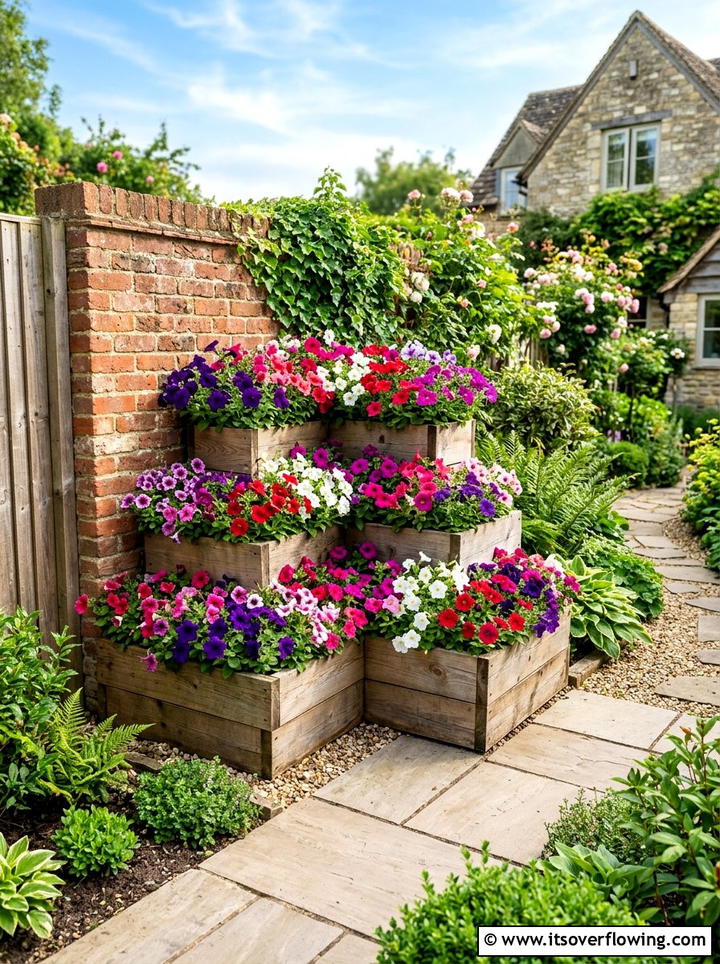
Corner units with multiple levels are designed to fit snugly into the 90-degree angles of your yard or the corners of a deck. These tiered boxes provide a lot of planting surface area while occupying very little actual ground space in the middle of the yard. The step-like design allows you to organize your plants by height, placing taller varieties in the back and shorter ones in the front. This ensures that every plant receives adequate sunlight and that the entire arrangement remains visible and easy to maintain from the front. It is an ideal way to turn a forgotten corner into a beautiful and productive garden focal point.
24. Enclosed garden with fence
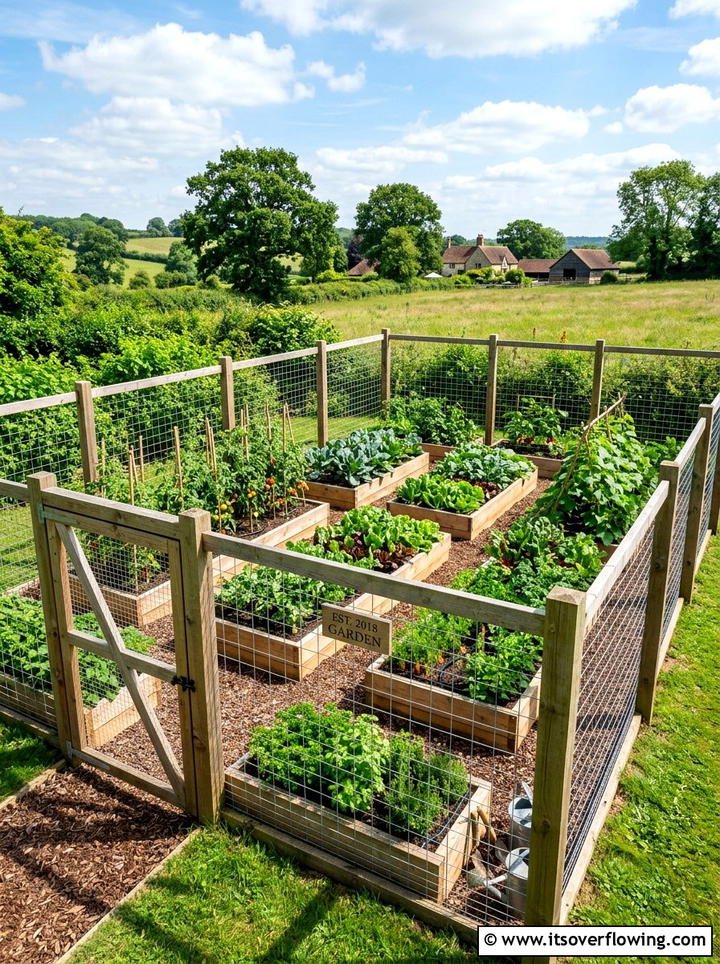
An enclosed raised bed system features a tall wire or mesh fence built directly onto the planter boxes to keep out deer. This is a practical and necessary solution for gardeners living in areas with high wildlife activity where unprotected plants are often eaten. The fencing can be designed with decorative wooden frames to ensure it looks attractive while providing heavy-duty protection for your vegetables. Many of these systems include a matching gate that allows for easy entry while keeping the interior secure from hungry neighborhood animals. It creates a “garden within a garden” that feels like a private and protected sanctuary for your most prized plants.
25. Gravel patio with cedar beds
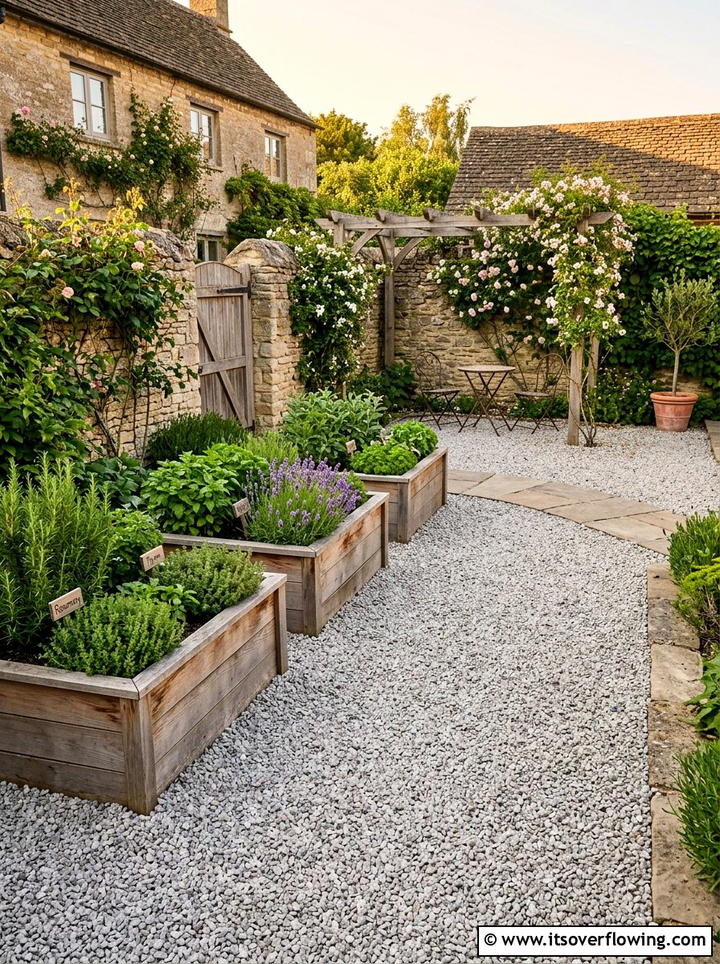
Placing cedar raised beds on a bed of pea gravel or crushed stone creates a clean, low-maintenance, and very European-style garden look. The gravel provides excellent drainage around the boxes and prevents mud from forming, keeping your gardening shoes clean even after a heavy rain. This combination of natural wood and light-colored stone creates a beautiful contrast that feels very bright, open, and airy in the sun. It is a popular choice for creating a dedicated “potager” or kitchen garden where aesthetics are just as important as the actual food production. The crunch of gravel underfoot adds a wonderful sensory element to the daily experience of gardening.
Conclusion:
Investing in raised planter boxes is one of the most effective ways to upgrade the functionality and beauty of your backyard. These versatile structures allow you to grow a wide variety of plants with greater ease, efficiency, and success than traditional ground-level gardening methods. From the rustic charm of cedar to the modern edge of Corten steel, there is a style of raised bed to suit every architectural preference. By organizing your outdoor space with these defined zones, you create a more manageable and enjoyable environment for your family and guests. Whether you are aiming for a productive vegetable patch or a stunning floral display, these ideas provide the perfect foundation.

Related posts:
 25 backyard ideas with raised beds for a Lush Garden Makeover
 25 Backyard Decorating Ideas With Potted Trees For Lush Style
 25 Backyard Ideas With Ground Cover Plants for Lush Style
 25 Backyard Ideas With Living Wall for Lush Vertical Style
 25 Backyard Ideas With Tropical Plants For Lush Style
 25 Backyard Ideas With Border Plants for Polished Gardens
 25 Backyard Ideas With Barrel Planter for Rustic Garden Charm
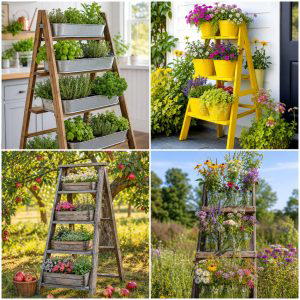 25 Backyard Ideas With Old Ladder Planter for Rustic Charm
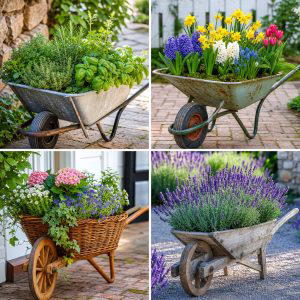 25 Backyard Ideas With Wheelbarrow Planter For Rustic Style
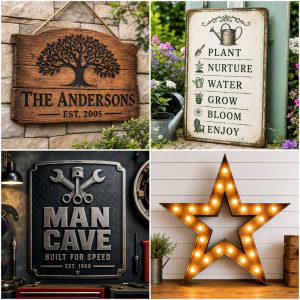 25 Backyard Decorating Ideas With Signs For Backyard Charm
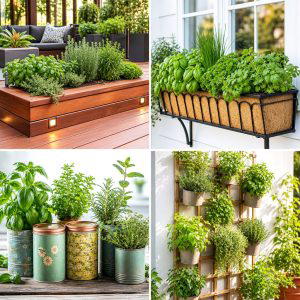 25 backyard decorating ideas with herb stations for Fresh Charm
 25 backyard decorating ideas with personalized decor You’ll Love