
Creating a functional yet beautiful outdoor space often starts with the aromatic allure of fresh herbs. Designing a backyard with dedicated herb stations not only provides you with a sustainable source of flavor for your kitchen but also introduces layers of texture, scent, and visual interest to your landscape. Whether you are working with a sprawling lawn or a compact urban patio, integrating herbs into your decor allows for a sensory experience that changes with the seasons. From vertical structures that save space to traditional stone arrangements, these stations serve as living art pieces. They anchor your design while offering a practical solution for any home cook or gardening enthusiast looking to elevate their environment.
1. Vertical Wood Wall Planter
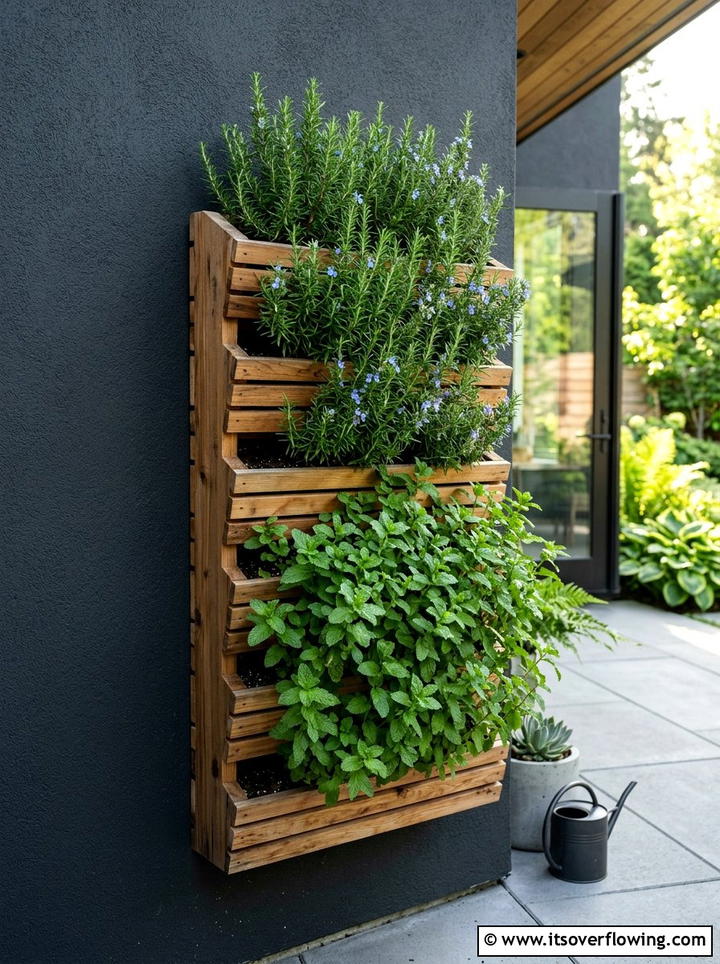
Imagine turning a blank exterior wall into a lush tapestry of greenery that smells as good as it looks. A vertical wood wall planter is a fantastic way to maximize limited space while adding a living focal point to your backyard patio or balcony. By using cedar or redwood slats, you can create a sturdy structure that supports multiple troughs filled with rosemary, thyme, and mint. This design not only provides fresh ingredients for your cooking but also acts as a natural privacy screen. The warm tones of the wood contrast beautifully with the vibrant green leaves, creating a sophisticated and organic atmosphere that invites relaxation and culinary inspiration during those warm summer evenings.
2. Tiered Herb Garden Ladder
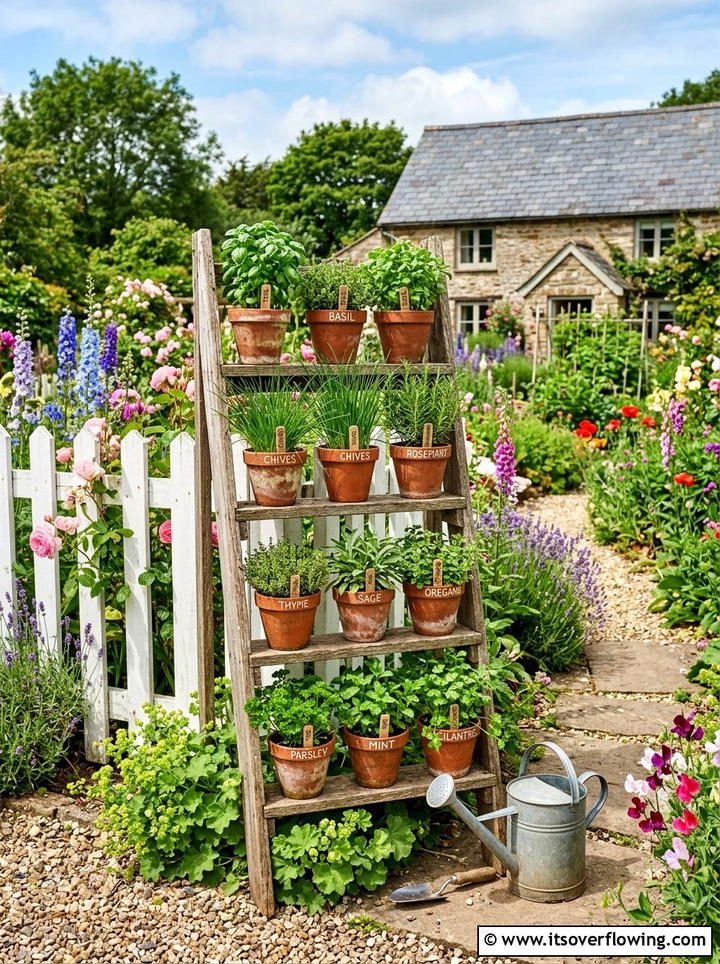
Have you ever considered how a simple piece of furniture could transform your entire garden layout? A tiered herb garden ladder offers a charming and rustic way to display various plant species in a compact footprint. This design allows you to organize your herbs by height and sunlight requirements, ensuring each plant thrives while looking intentionally curated. You can place this station next to a cozy seating area or near your backdoor for easy access. The ascending levels create a sense of movement and depth, making your backyard feel larger and more organized. It is a perfect project for DIY enthusiasts who want to blend functionality with a touch of farmhouse style in their outdoor living space.
3. Raised Bed Kitchen Garden
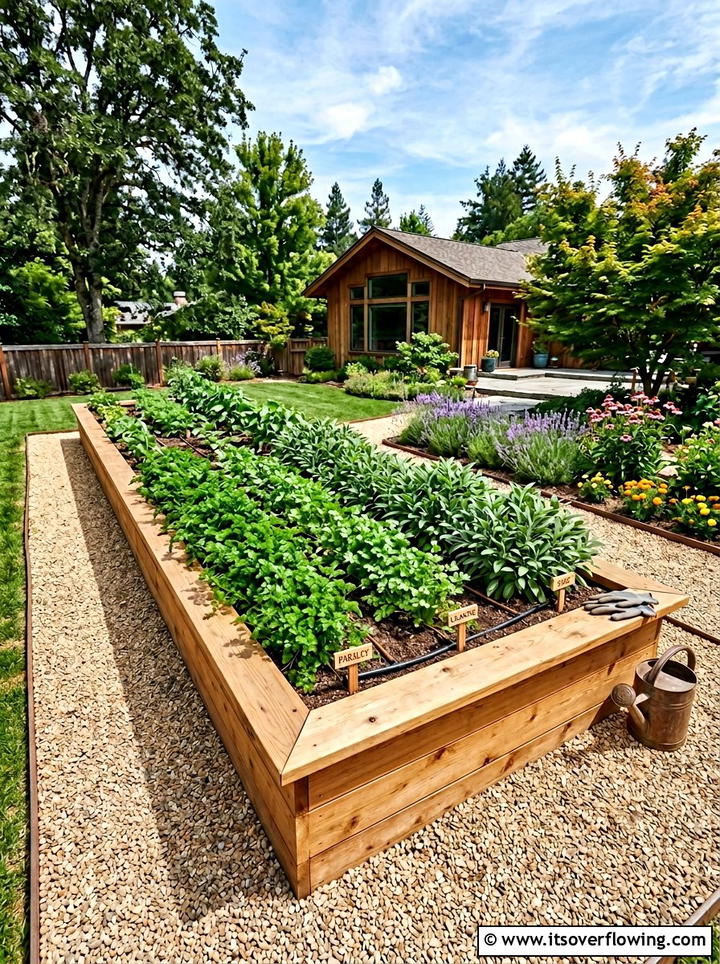
Bringing the farm-to-table experience directly to your backyard is easily achieved with a well-planned raised bed kitchen garden. These structures provide excellent drainage and soil control, which are essential for growing robust herbs like basil, parsley, and cilantro. When designed with wide capping on the edges, these beds also serve as extra seating for guests during garden parties. The geometric lines of the raised beds offer a clean and modern aesthetic that organizes the backyard into distinct zones for relaxation and productivity. By surrounding these beds with gravel paths or lush lawn, you create a professional landscape look that highlights the vibrant textures and colors of your edible plants throughout the growing season.
4. Hanging Herb Garden Fence
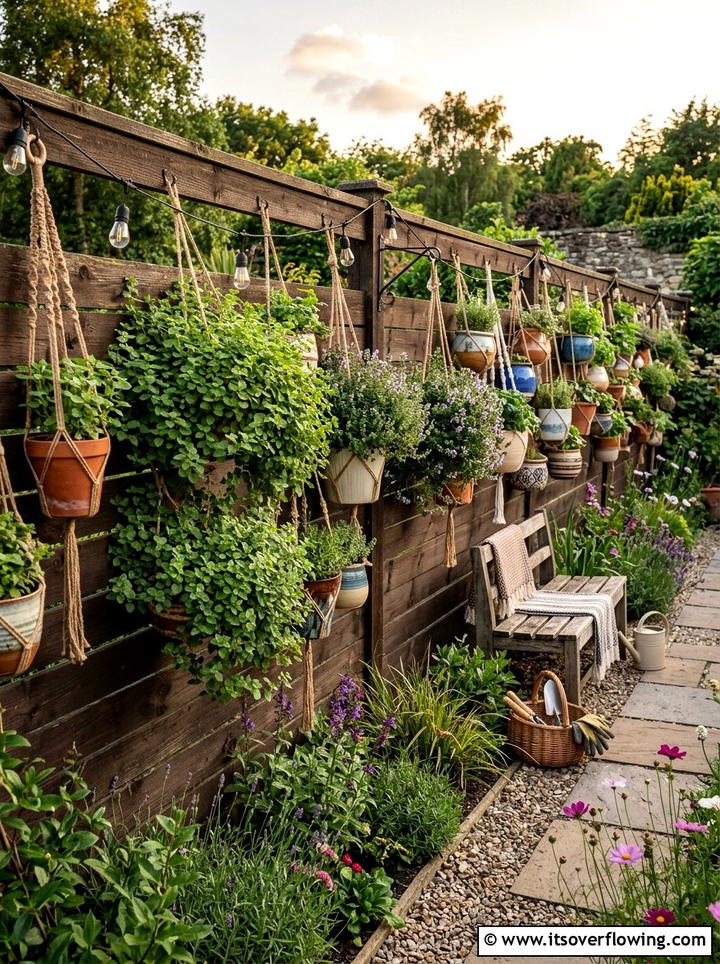
Does your backyard fence look a bit bare and uninspired? You can easily breathe new life into your perimeter by installing a hanging herb garden fence. This design utilizes vertical space by attaching stylish metal or ceramic pots directly to the fence panels using sturdy hooks or brackets. This setup keeps your herbs at eye level, making harvesting simple while adding a rhythmic pattern of greenery along the border of your yard. It creates a lush, cocoon-like feeling in your outdoor area, softening the harsh lines of the fencing. This approach is particularly effective for small yards where floor space is at a premium, allowing you to garden without cluttering the ground.
5. Mobile Herb Cart Station
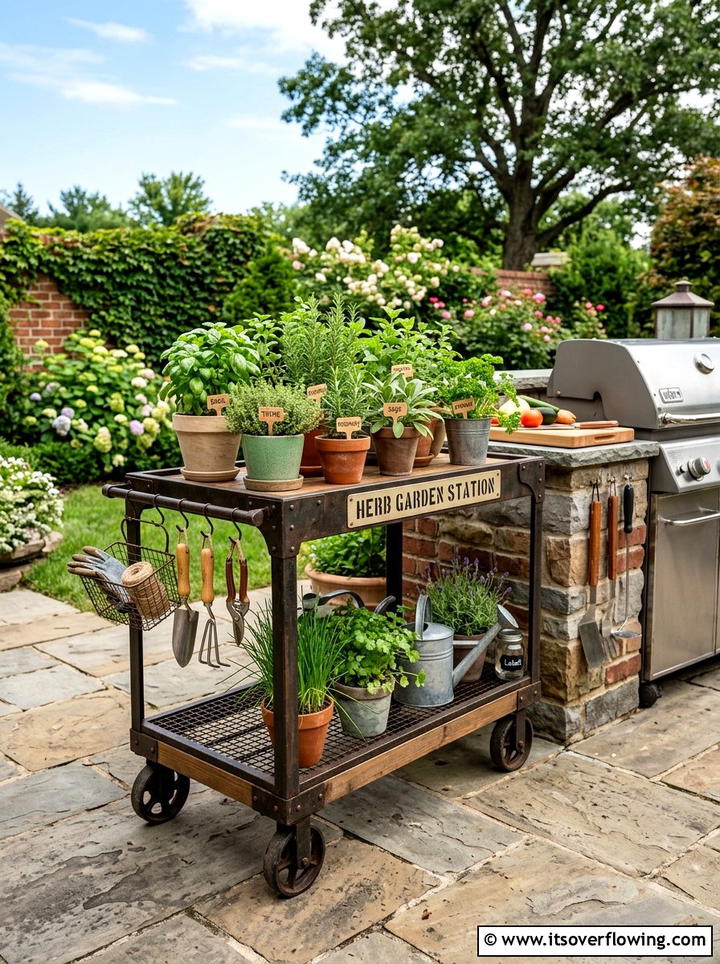
Flexibility is key in a dynamic outdoor environment, and a mobile herb cart station provides exactly that. By repurposing a vintage bar cart or using a dedicated garden trolley, you can move your herbs to follow the sun or bring them closer to the grill when cooking. This design adds a whimsical and industrial touch to your backyard decor, especially when styled with terra cotta pots and small gardening tools. The portability ensures that your herbs always receive the optimal amount of light and protection from harsh weather. It serves as a conversation piece that bridges the gap between a traditional garden and a functional outdoor kitchen accessory for modern living.
6. Mason Jar Herb Wall
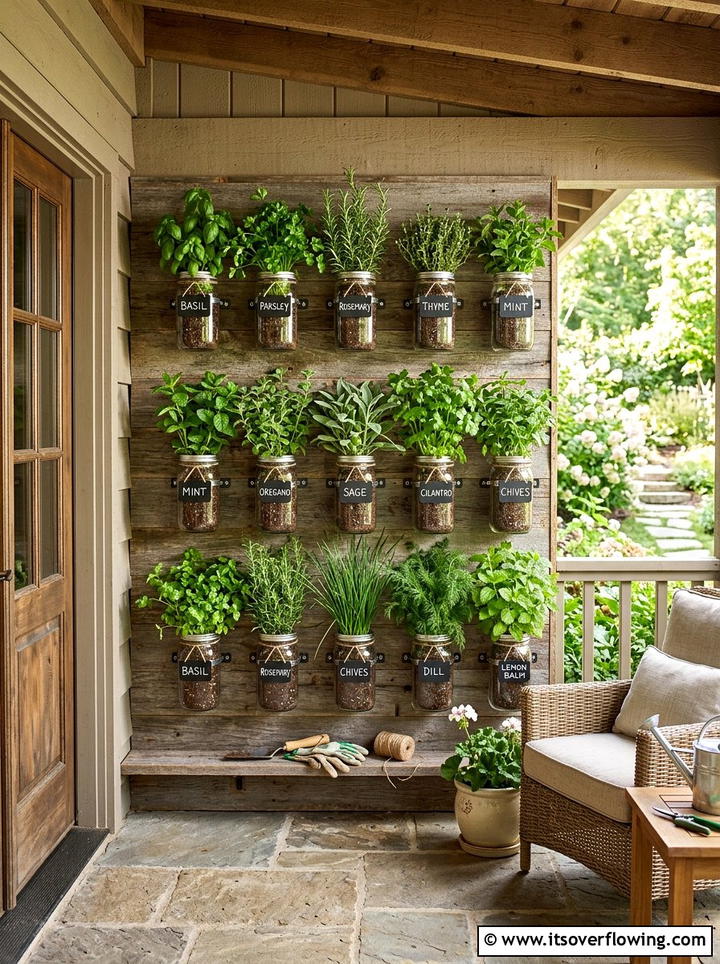
Creating a trendy and intimate herb display is simple with a mason jar herb wall mounted on a wooden backsplash. This design is perfect for a covered porch or a sun-drenched nook near your outdoor dining table. The clear glass jars allow you to see the soil and roots, adding an educational and rustic element to the space. When mounted in organized rows, these jars create a clean, repetitive visual that looks incredible in photographs and real life. You can use chalkboard paint on the jars to label each herb, adding a personalized and handcrafted touch. This station provides a controlled environment for smaller herbs, keeping them protected and neatly tucked away.
7. Spiral Stone Herb Garden
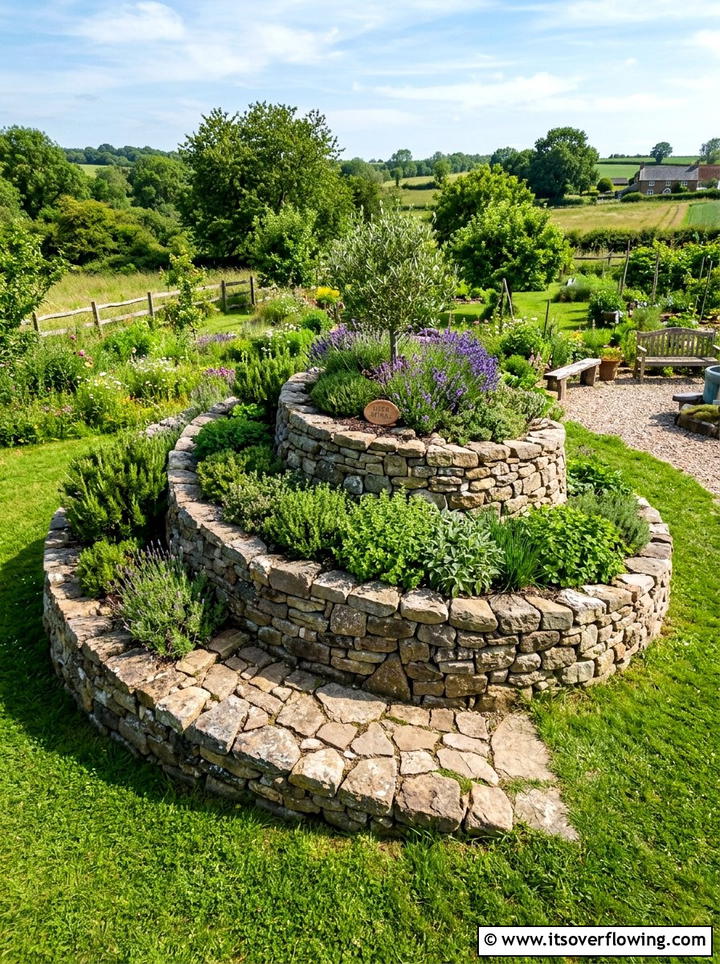
Are you looking for a structural masterpiece that serves a biological purpose? A spiral stone herb garden is a classic permaculture design that creates various microclimates for different herbs within a single, beautiful structure. The stones retain heat during the day and release it at night, while the height creates drainage zones for Mediterranean herbs at the top and moisture-loving plants at the bottom. This circular design adds a sense of ancient artistry to your backyard, acting as a natural sculpture. It breaks up the straight lines of traditional landscaping and provides a 360-degree view of your herbal bounty. The earthy tones of the stones blend seamlessly with any garden theme or style.

8. Modern Concrete Herb Planter
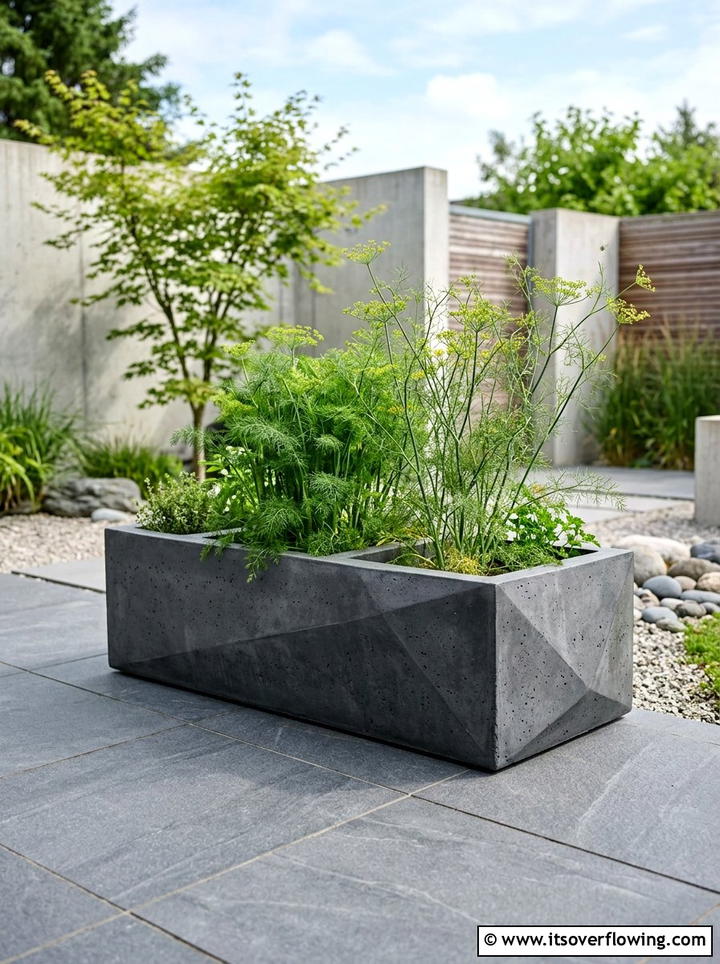
For those who appreciate a minimalist and contemporary aesthetic, a modern concrete herb planter offers a sleek solution. The heavy, industrial look of concrete provides a stunning contrast to the delicate and feathery texture of herbs like dill or fennel. These planters can be arranged in a linear fashion to define the edge of a patio or used as large, singular statement pieces in a zen-inspired garden. Concrete is durable and weather-resistant, making it a long-lasting choice for permanent backyard installations. The neutral grey tones allow the vivid greens and purples of the herbs to pop, creating a sophisticated color palette that feels high-end and meticulously designed for a modern home.
9. Repurposed Pallet Herb Stand
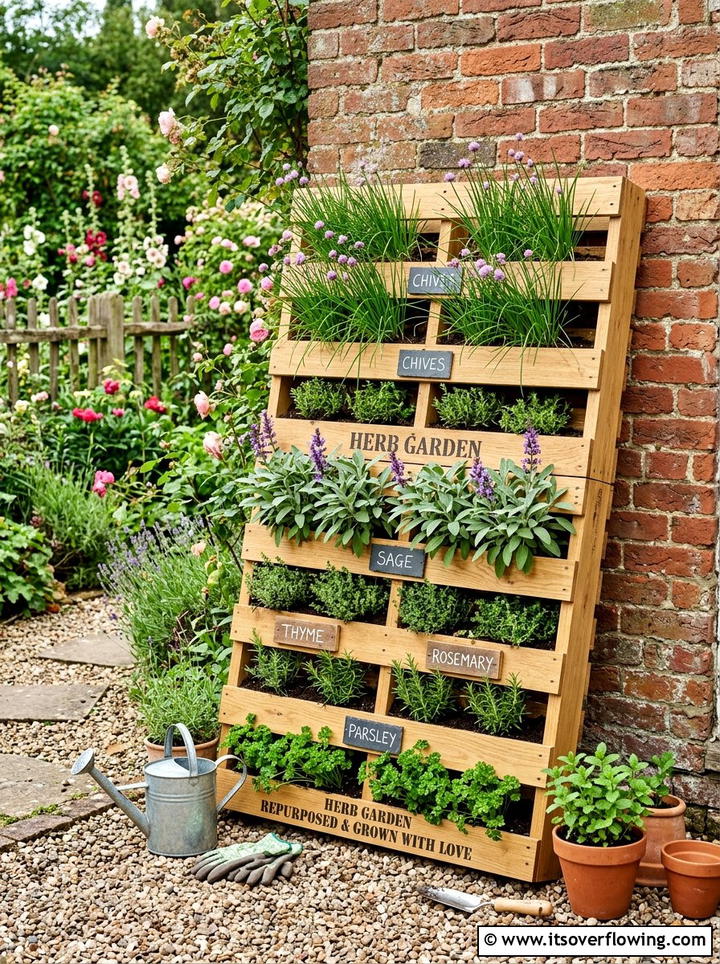
Sustainability and style go hand-in-hand with a repurposed pallet herb stand. This eco-friendly design takes a common industrial item and transforms it into a multi-layered planting station that fits perfectly in a cottage or boho-themed backyard. By sanding and staining the wood, you can create a polished look that belies its humble origins. The natural slots in the pallet are ideal for tucking in rows of sage, oregano, and chives. Leaning the pallet against a wall or standing it upright creates an instant vertical garden that occupies very little floor space. It is an affordable yet visually impactful way to introduce more greenery and organization into your outdoor living area.
10. Greenhouse Herb Station
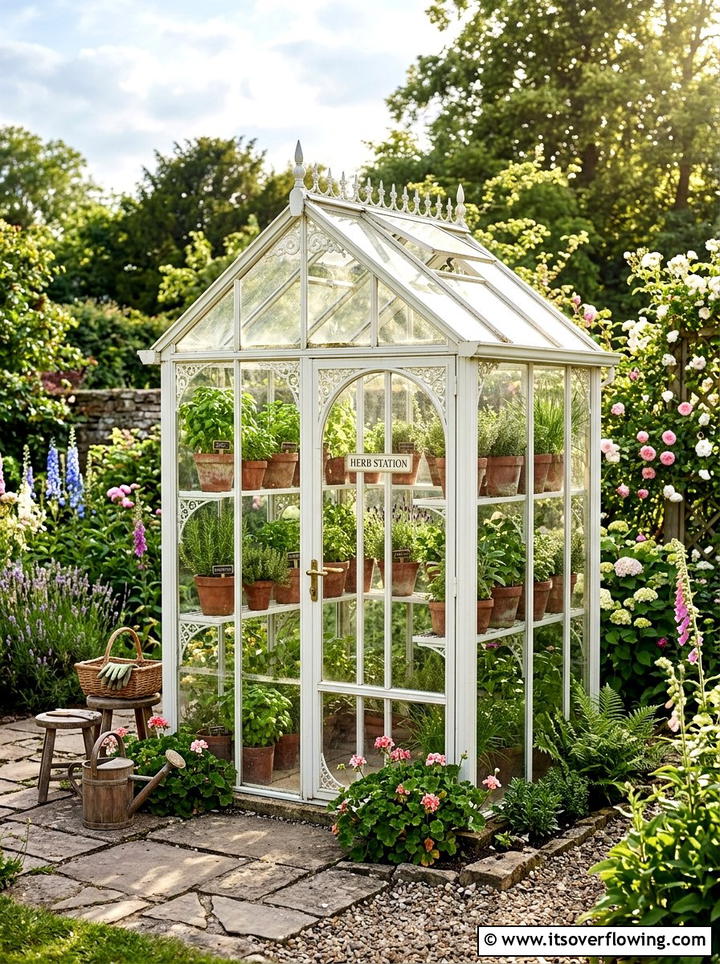
If you want to extend your growing season and add a touch of Victorian elegance to your yard, a small greenhouse herb station is the way to go. Even a compact, glass-enclosed shelving unit can protect sensitive herbs from wind and unexpected frost while acting as a stunning architectural feature. The reflection of sunlight on the glass panes adds a bright, shimmering quality to your garden. Inside, you can arrange pots on tiered metal racks, creating a lush sanctuary of aromatics. This design feels like a professional botanical display and provides a dedicated hobby space for the serious gardener. It keeps your herbs organized, clean, and thriving in a controlled, beautiful environment.
11. Terracotta Pot Tower
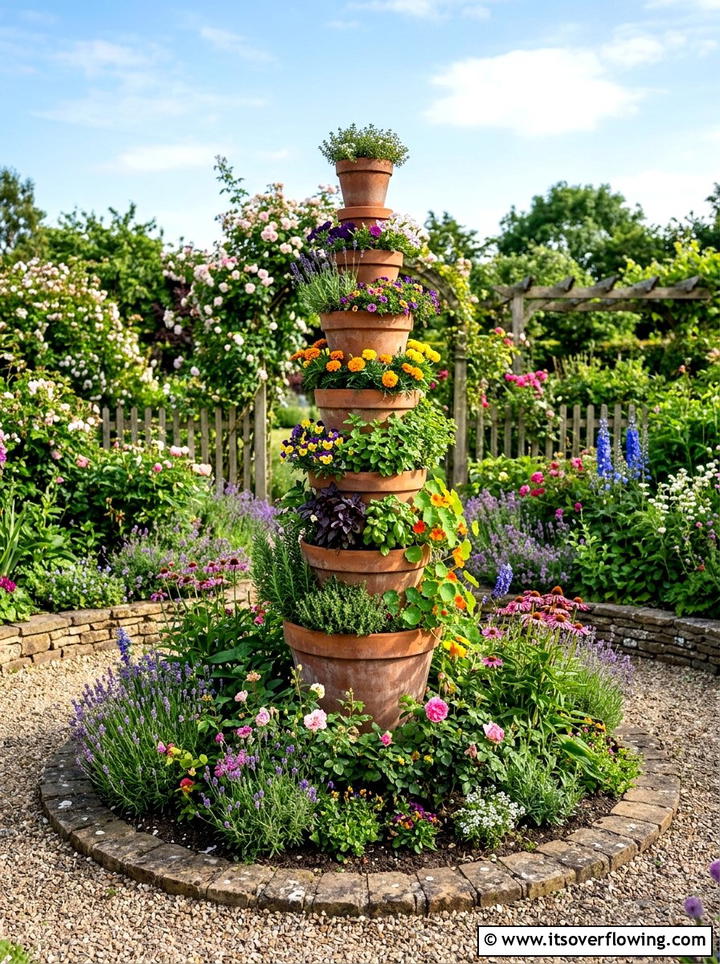
Creating a playful and vertical display is easy with a terracotta pot tower that adds height and character to your garden beds. By stacking pots of decreasing sizes on a central rebar stake, you create a stable and whimsical sculpture that overflows with various herb varieties. The classic orange-brown hue of terracotta is a timeless choice that complements the greenery and earthy tones of any backyard. This design is particularly effective for small corners or as a centerpiece in a circular flower bed. It allows you to grow five or six different herbs in the space of a single large pot, making it a highly efficient use of your gardening real estate.

12. Integrated Deck Herb Box
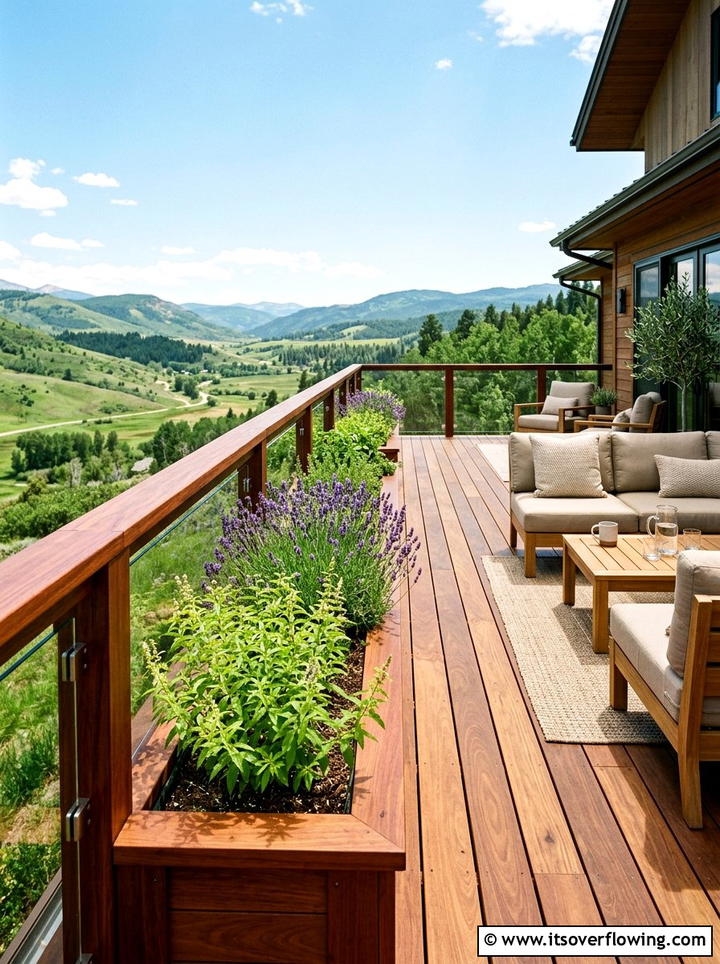
Seamlessly blending your garden with your outdoor living space is possible through an integrated deck herb box. This design involves building planting containers directly into the structure of your wooden deck or along the perimeter railing. It creates a built-in look that feels intentional and high-end, rather than an afterthought. Having herbs like lemon verbena or lavender right at your feet while you lounge on the deck provides a constant stream of pleasant aromas. This integration saves space on the deck for furniture while ensuring your culinary herbs are always within arm’s reach. The consistent material usage creates a unified and harmonious aesthetic that enhances the overall value of your home.
13. Window Box Herb Garden
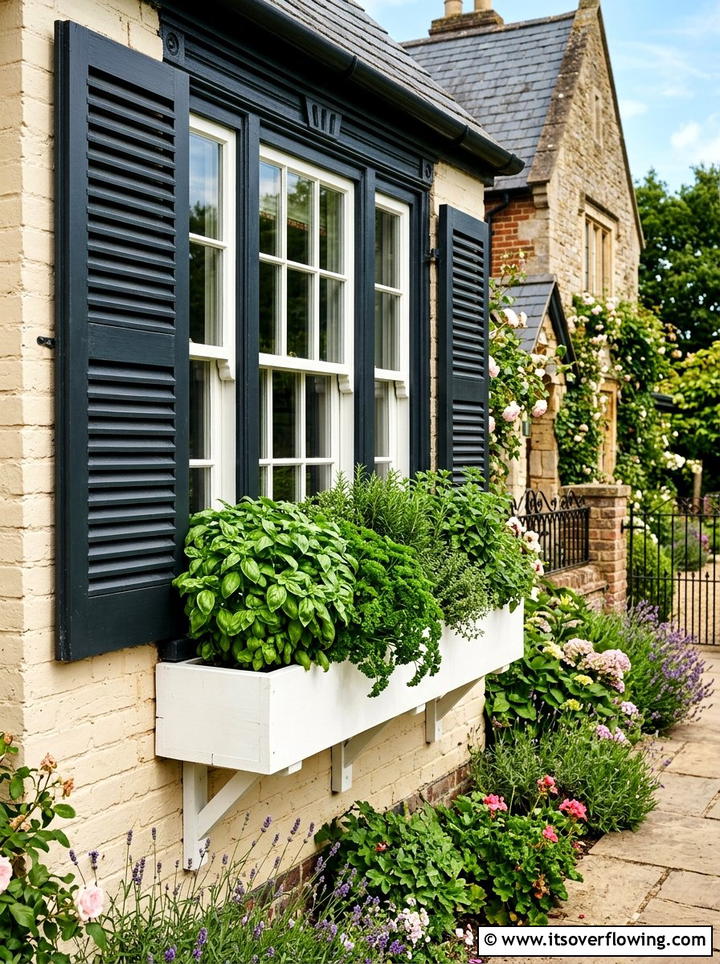
Why not enjoy the sight and scent of your herbs from both inside and outside your home? A window box herb garden attached to the exterior of your kitchen window is a classic and romantic decorating choice. This setup allows you to simply reach out and snip what you need while cooking, making it the ultimate convenience for any chef. The overflowing herbs create a lush frame for your windows, softening the exterior of your house and adding curb appeal. Choosing boxes that match your shutters or trim color helps the station blend perfectly with your home’s architecture, creating a cohesive and well-maintained appearance that neighbors will certainly admire.
14. Wrought Iron Herb Rack
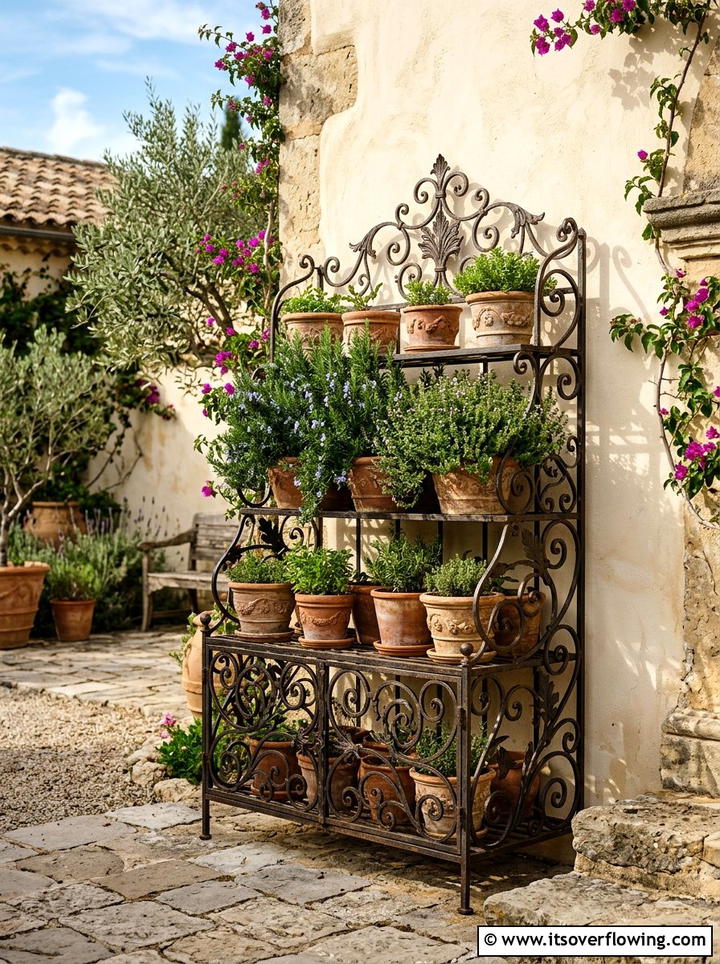
A wrought iron herb rack brings a touch of old-world charm and sophisticated ironwork to your backyard decor. These racks often feature intricate scrolls and multiple levels, providing a sturdy and elegant place to set decorative pots. The dark metal finish looks striking against a light-colored brick or stucco wall, creating a bold visual statement. Because these racks are usually open, they allow for excellent airflow around your herbs, which helps prevent disease and keeps them healthy. You can easily move pots around to refresh the look or accommodate seasonal changes. This station serves as a beautiful piece of outdoor furniture that balances the wildness of nature with structured, artistic metalwork.
15. Chalkboard Herb Planter
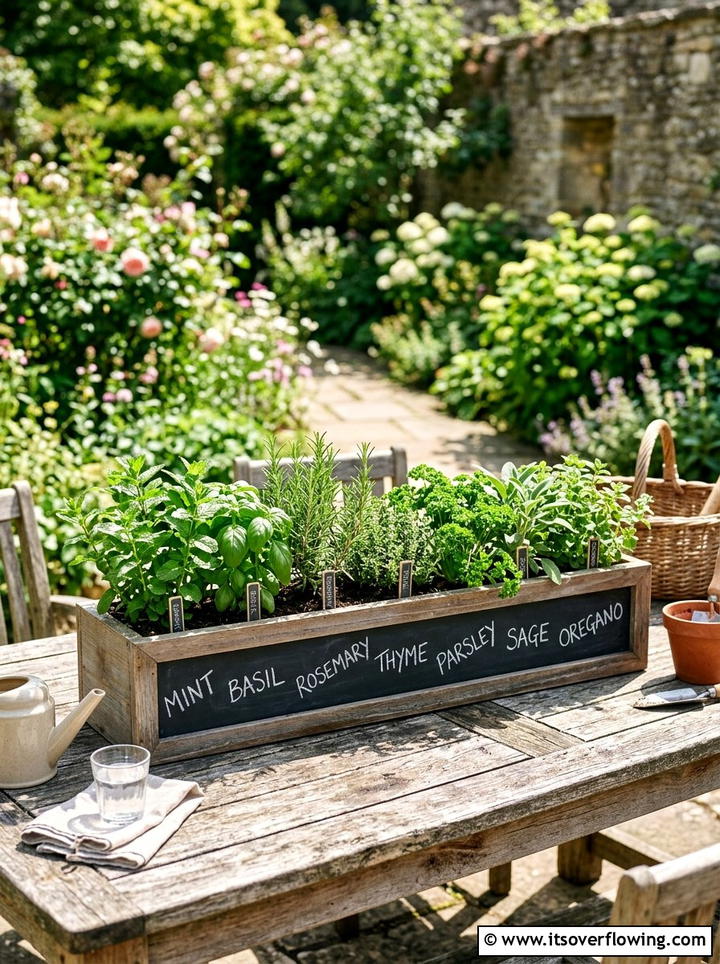
Infusing your garden with personality is simple when you use a chalkboard herb planter as a focal point. Whether you use a large trough painted with chalkboard paint or individual pots with labels, this design allows for constant customization. You can write the names of the herbs, leave fun notes for family members, or even sketch small illustrations of the plants. This interactive element makes the backyard feel lived-in and creative. It is especially great for households with children, as it encourages them to learn about different plant species. The matte black background of the chalkboard paint provides a sharp, modern contrast to the vibrant green foliage of the herbs.
16. Galvanized Bucket Herb Display
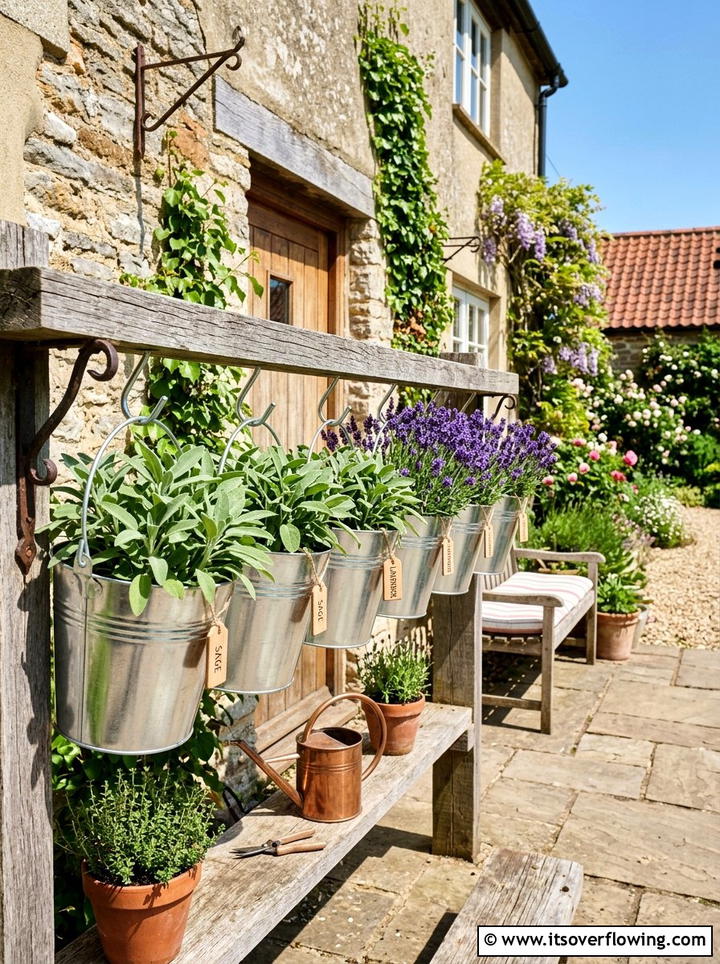
For a clean, farmhouse-inspired look, a galvanized bucket herb display offers a bright and reflective quality to your garden. You can hang these silver buckets from a horizontal bar or arrange them on a wooden bench to create a cohesive collection. The metallic finish reflects the sunlight, brightening up shaded corners of your backyard and adding a sense of polished industrial style. Galvanized steel is incredibly durable and rust-resistant, making it a practical choice for outdoor use. When filled with silver-leafed herbs like sage or lavender, the buckets create a monochromatic and sophisticated palette that feels calm and curated, perfect for a peaceful garden retreat or a modern patio.
17. Tea Tin Herb Garden
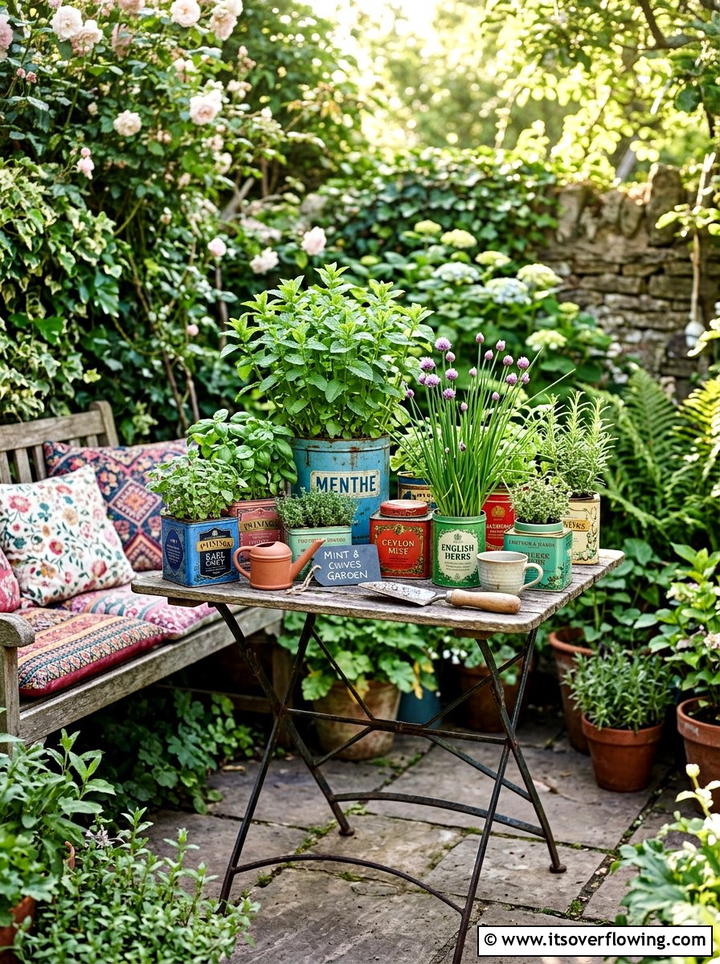
Small-scale gardening can be incredibly stylish when you use vintage or colorful tea tins as herb planters. This design is perfect for a tabletop display on an outdoor dining set or a small side table. The intricate patterns and bright colors of the tins add a pop of personality and nostalgia to your backyard decor. Because herbs like mint and chives don’t require deep soil, they can thrive in these smaller containers. Grouping several tins together creates a charming and eclectic centerpiece that is easy to move around. It is a wonderful way to recycle beautiful objects while creating a unique and manageable herb station that delights the eye and the nose.
18. Corner Bench Herb Station
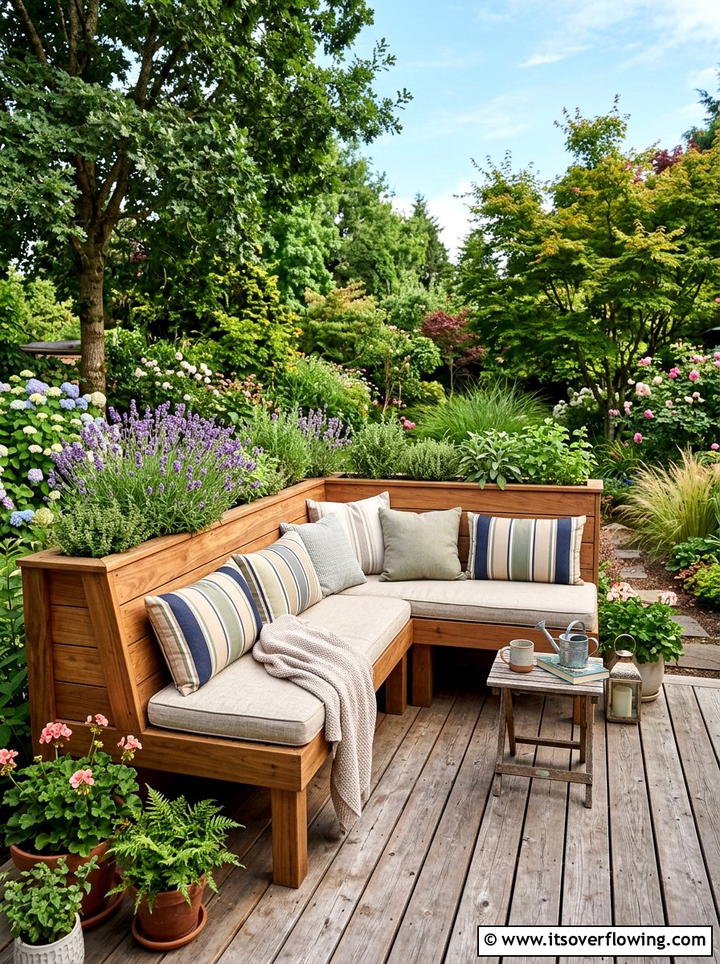
Maximize the utility of your seating area by incorporating a corner bench herb station into your backyard layout. This design features an L-shaped wooden bench with built-in planters at the ends or behind the backrest. It creates a cozy nook where you are literally surrounded by the calming scents of lavender or rosemary while you read or relax. The greenery acts as a soft backdrop for your guests, making the seating area feel more private and secluded. This multi-functional approach to furniture design saves space and ensures that your garden feels like an integral part of your living area, rather than a separate zone that requires constant maintenance.
19. French Parterre Herb Garden
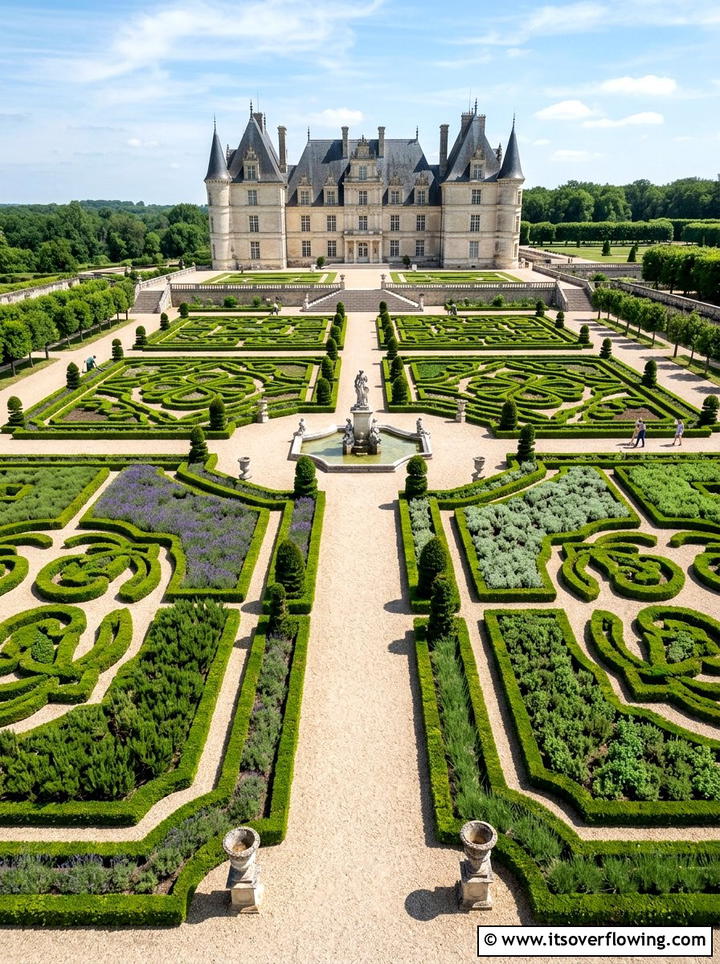
If you desire a more formal and structured look, a French parterre herb garden brings classical elegance to your backyard. This design uses low boxwood hedges or stone borders to create geometric patterns, with different herbs planted inside each section. The symmetry and order of a parterre create a sense of grandeur and timelessness, making your backyard feel like a mini estate. It is a highly organized way to grow a large variety of herbs while maintaining a clean and professional landscape. This style looks stunning from a second-story window or a balcony, as the intricate patterns reveal themselves in a beautiful, living mosaic that anchors the entire backyard.
20. Pocket Wall Herb Planter
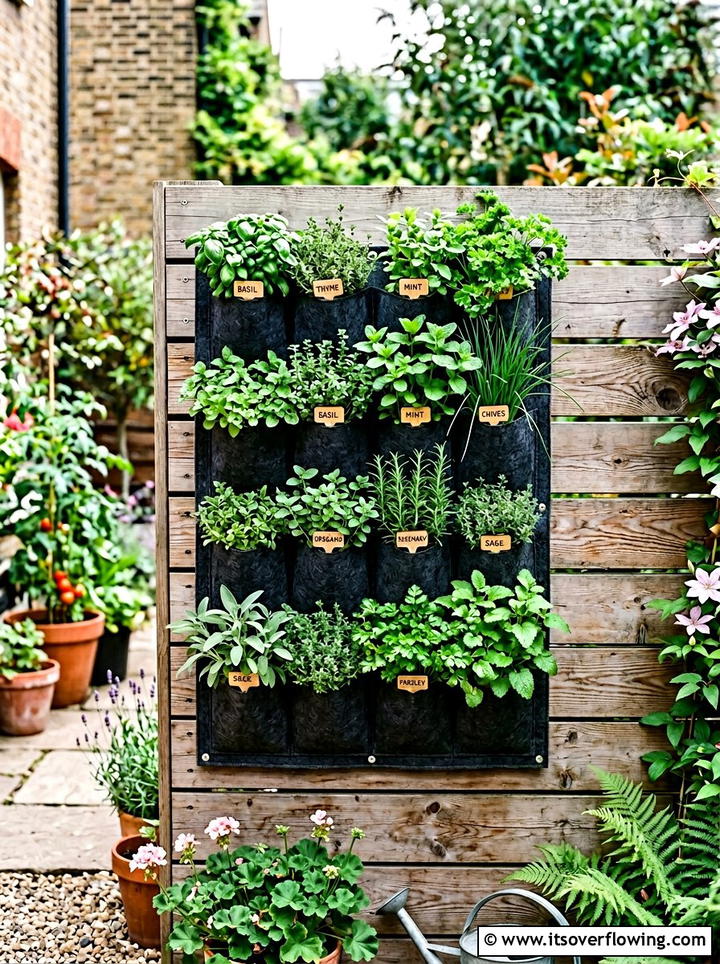
Utilizing fabric or felt pocket wall planters is an innovative way to create a soft, living wall in your backyard. These vertical systems allow you to plant a large number of herbs in a small area, creating a dense and lush green surface. The fabric is breathable and promotes healthy root growth, while the vertical arrangement makes it a striking visual feature. This design is perfect for covering an unattractive wall or fence, turning a dull surface into a vibrant and productive garden. The texture of the pockets adds an interesting industrial-meets-organic vibe to the space, making it a popular choice for urban gardens and modern outdoor living areas.
21. Stepping Stone Herb Border
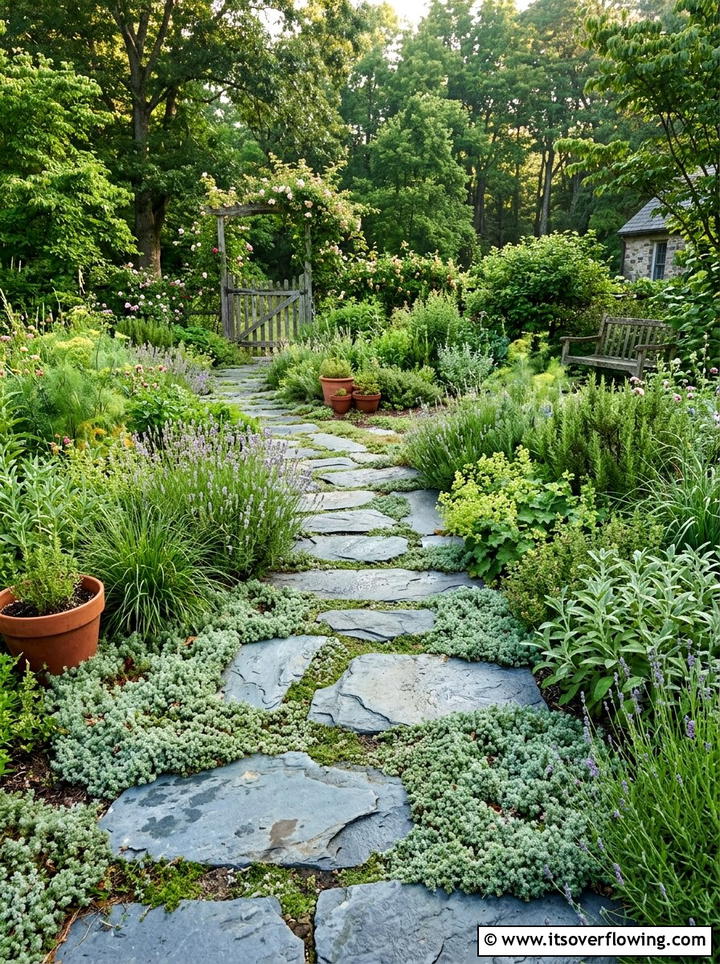
Integrating herbs directly into your pathways creates a magical and immersive experience as you walk through your yard. A stepping stone herb border involves planting low-growing, creeping herbs like woolly thyme or chamomile between large stones. As you walk on or near them, the leaves release their essential oils, filling the air with a delightful fragrance. This design softens the edges of your walkways and makes the transition between the patio and the lawn feel more natural. It is a subtle yet effective way to decorate your backyard with herbs, adding layers of scent and color to the ground level that typical garden designs often overlook.
22. Under Window Herb Station
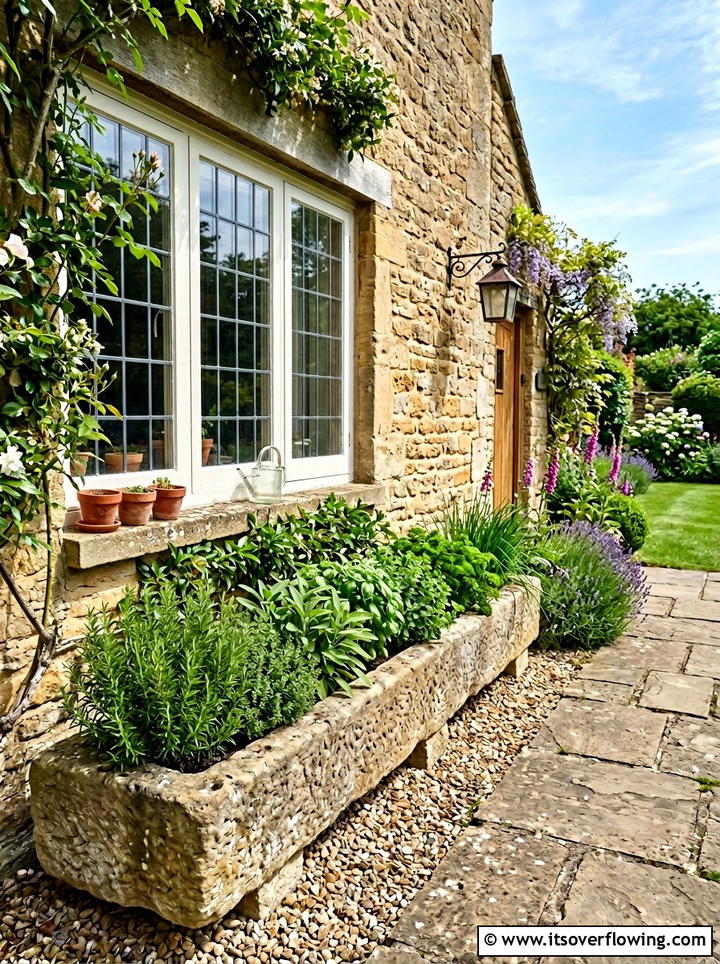
The space directly beneath a large window is often underutilized, but it is the perfect spot for a dedicated herb station. By installing a long, low planter box or a series of matching pots on a stone ledge, you create a beautiful view from the inside of your home. This design grounds the house and connects it to the landscape, making the architecture feel more established. Choose herbs that grow to a consistent height to maintain a tidy appearance. The proximity to the house often provides a slightly warmer microclimate, helping your herbs grow faster and stay healthy throughout the year while adding a fresh green border to your home.
23. Outdoor Kitchen Herb Inset
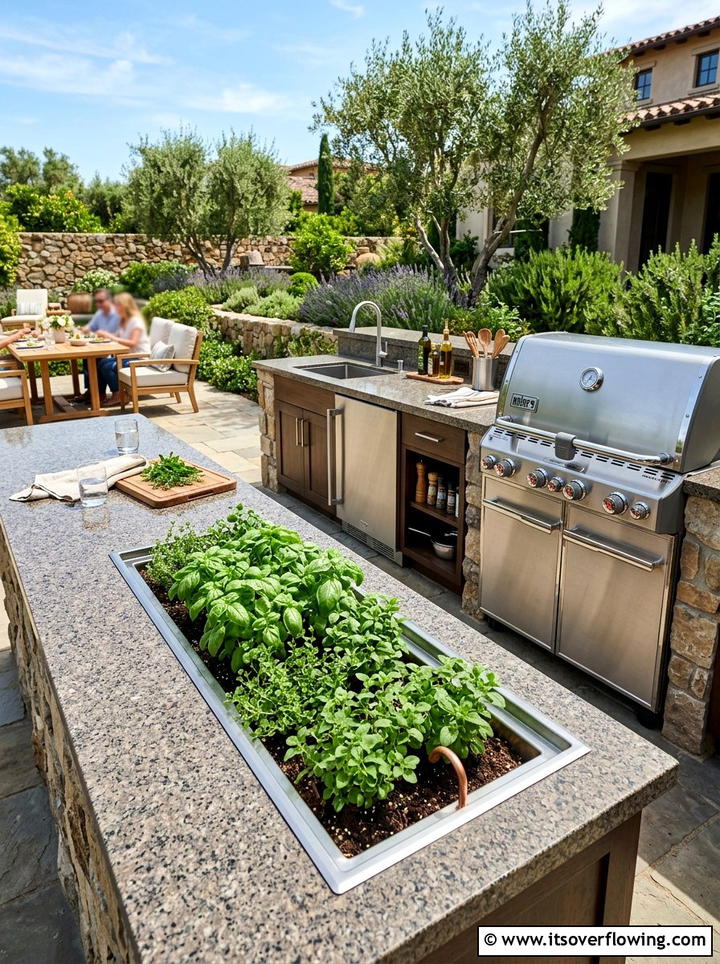
For the ultimate luxury in backyard entertaining, an outdoor kitchen herb inset places your fresh ingredients exactly where you need them. This design involves building a small planting trough directly into your outdoor countertop, right next to the grill or sink. It is a high-end architectural detail that signals a true passion for cooking and hosting. Having basil, oregano, and rosemary just inches away from your prep area makes outdoor cooking more efficient and enjoyable. The contrast between the sleek countertop material and the wild, organic texture of the herbs creates a stunning visual balance that elevates the entire design of your outdoor cooking and dining space.
24. Trellis Herb Garden
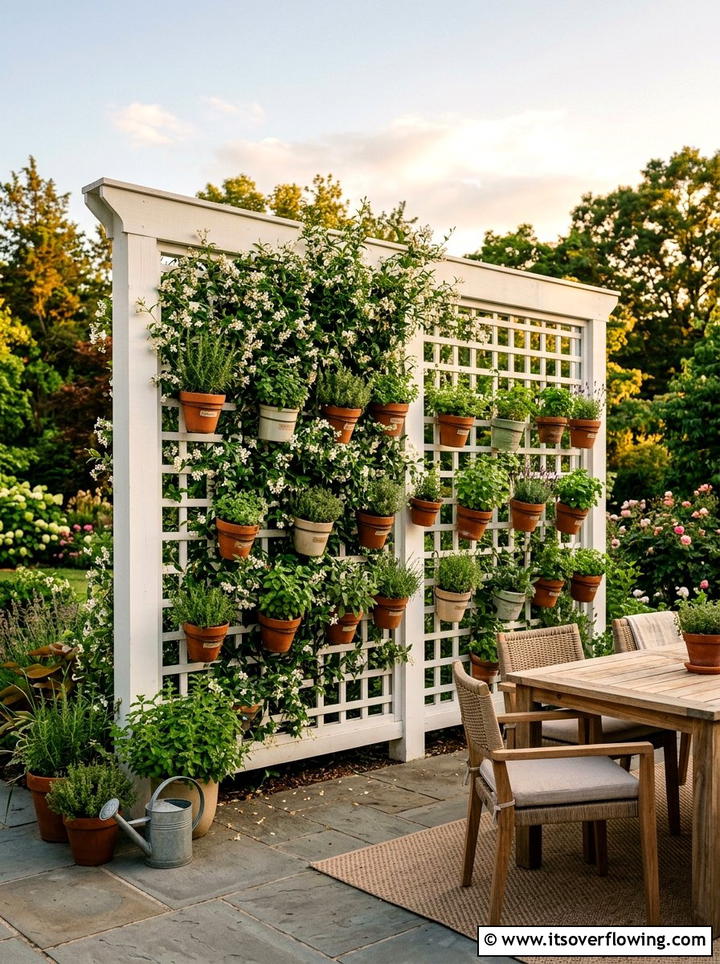
Combining vertical growth with architectural interest, a trellis herb garden is a beautiful way to support climbing plants while displaying your herbs. You can grow climbing herbs like jasmine or hops on the trellis itself, while mounting small pots of more traditional herbs like cilantro and parsley to the frame. This creates a multi-layered wall of greenery that provides shade and privacy. The lattice pattern of the trellis adds a classic garden element that works well in traditional, cottage, or Mediterranean-style backyards. It is an excellent way to divide different areas of your yard, such as separating a dining area from a play area, with a functional wall of scent.
25. Rockery Herb Garden
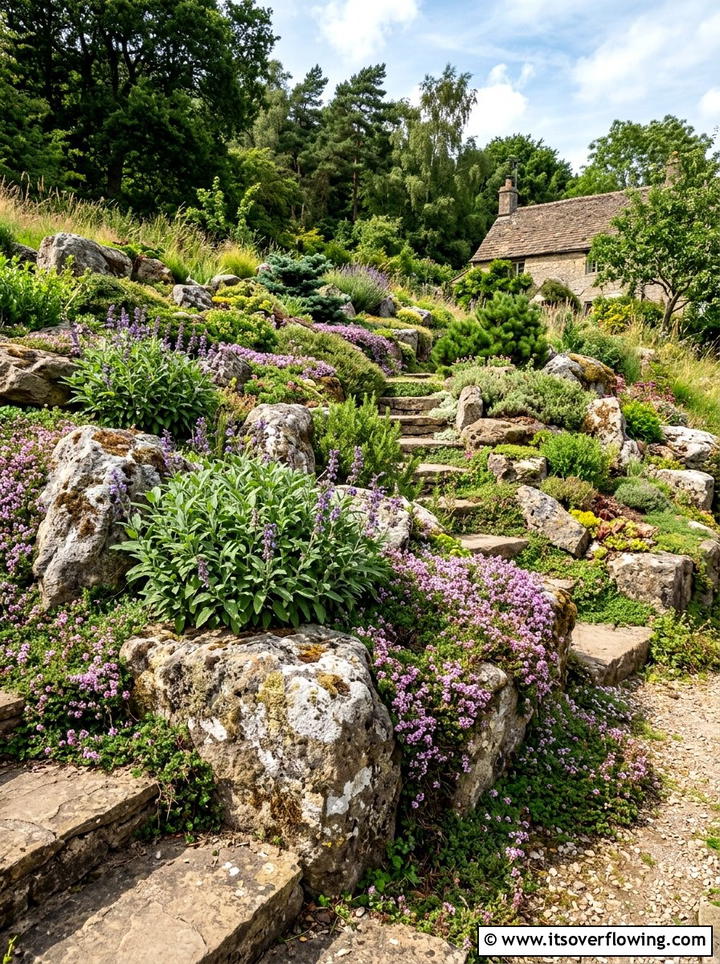
Embrace the natural beauty of a rugged landscape by creating a rockery herb garden in a sloped area of your yard. This design uses large boulders and smaller stones to create pockets of soil where hardy herbs can thrive. It mimics a natural alpine environment, providing excellent drainage and a dramatic visual aesthetic. Herbs like sage, lavender, and creeping thyme look particularly beautiful cascading over the edges of the rocks. This station adds a sense of permanence and wildness to your backyard decor, making it feel like a natural extension of the earth. The variety of stone shapes and colors provides a neutral backdrop that highlights the unique textures of each herb.
Conclusion:
Designing a backyard with herb stations is a rewarding endeavor that perfectly balances aesthetic appeal with practical utility. Each of these ideas offers a unique way to integrate the beauty of nature into your daily life, transforming a standard outdoor area into a sensory sanctuary. By choosing the right station for your space — whether it is a sleek concrete planter or a rustic wooden ladder — you create a landscape that is both productive and visually stunning. These stations act as focal points that invite engagement, whether you are harvesting fresh mint for a drink or simply enjoying the fragrance on a breeze. Your backyard becomes a reflection of your style, rooted in the timeless charm of a well-tended garden.

Related posts:
 25 Backyard Decorating Ideas With Signs For Backyard Charm
 25 Backyard Decorating Ideas With Planters For Fresh Style
 25 Backyard Ideas With Herb Garden for Fresh Outdoor Flavor
 25 backyard decorating ideas with garden art for Creative Charm
 25 Backyard Decorating Ideas With Old Door Decor For Charm
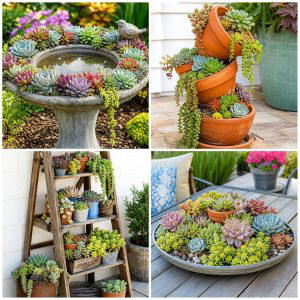 25 Backyard Decorating Ideas With Succulent Pots For Charm
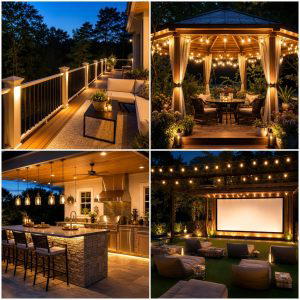 25 backyard decorating ideas with hanging lights to Try Now
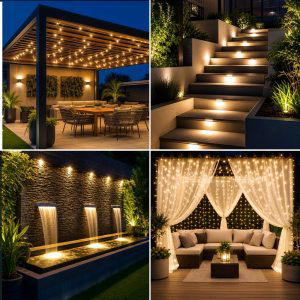 25 backyard decorating ideas with holiday lights to Try Now
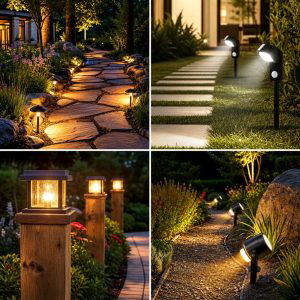 25 backyard decorating ideas with pathway lights to Glow
 25 Backyard Decorating Ideas With Pet Friendly Setup
 25 Backyard Decorating Ideas With Statues
 25 Backyard Decorating Ideas With Tropical Accents To Try