
Transforming your outdoor living space by integrating a sustainable compost station into your backyard layout proves that eco-friendly habits can be visually stunning. Many homeowners hesitate to start composting because they fear it might look messy or produce unpleasant odors, but modern landscaping techniques solve these common concerns effectively. By choosing the right location and structure, you can turn a functional necessity into a stylish focal point that enriches your soil and reduces waste. Whether you have a sprawling country estate or a compact suburban lot, there is a creative way to house your organic recycling system. Let’s explore various ways to blend sustainable practices with beautiful garden aesthetics.
1. Cedar Compost Bin
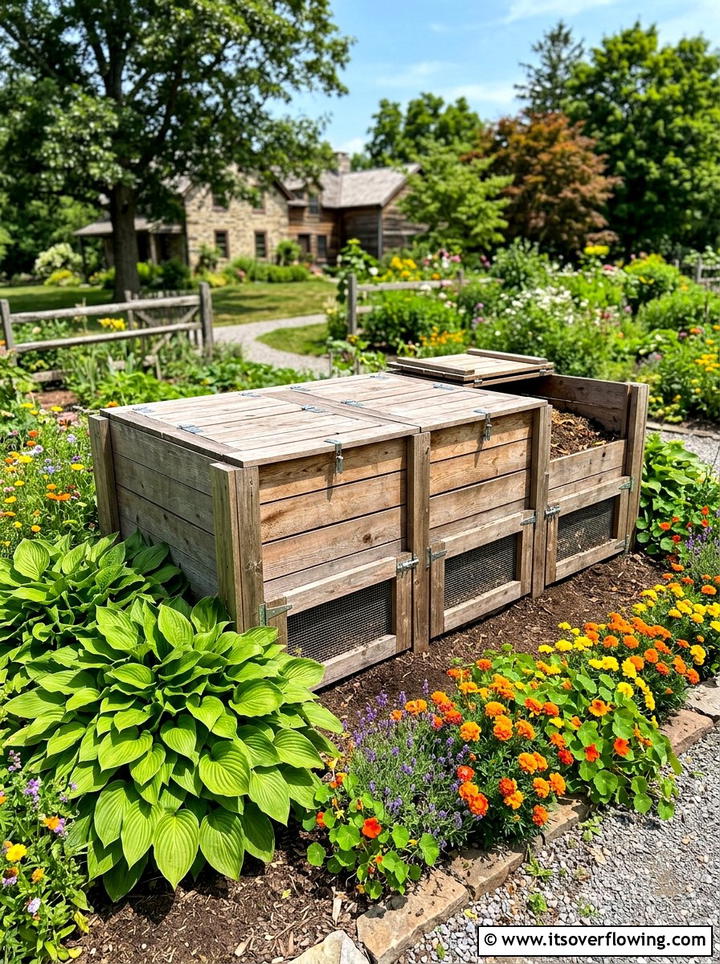
Have you ever considered how a rich, natural cedar structure can elevate the look of your garden while serving a vital purpose? Cedar is naturally rot-resistant, making it a premium choice for outdoor structures that handle moisture and organic matter. A multi-chamber cedar bin allows you to separate fresh scraps from maturing humus efficiently while maintaining a high-end look. Its warm wood tones blend seamlessly with lush greenery and flowering perennials in any backyard setting. When placed near a vegetable patch, it minimizes the effort needed to transport finished soil. Building a sturdy frame ensures it survives various weather conditions while maintaining its attractive appearance for many years.
2. Hidden Compost Area
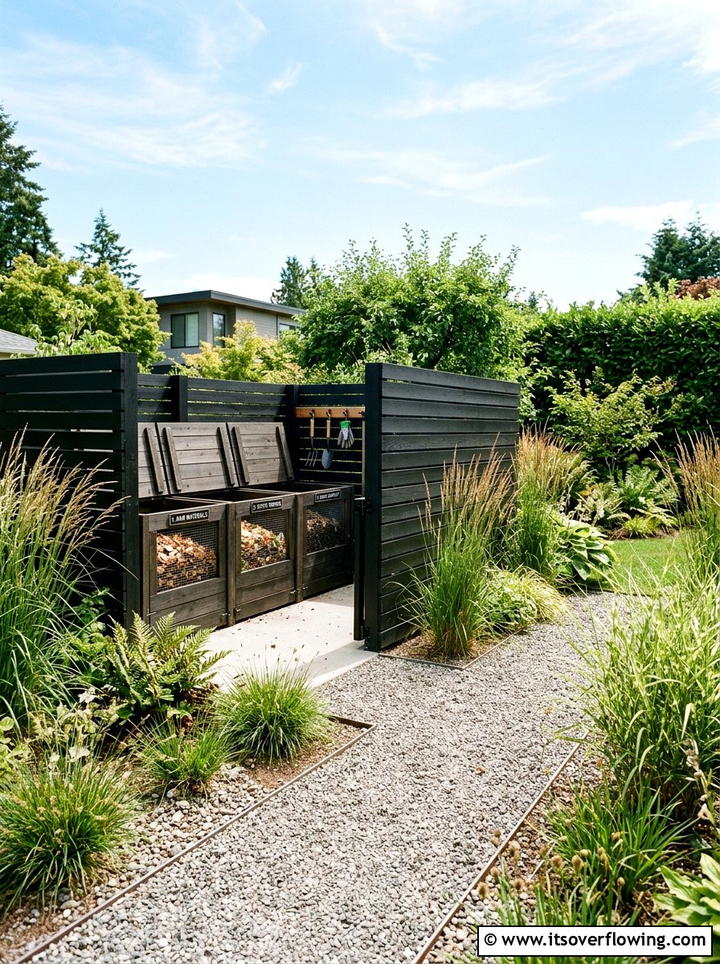
Tucking away your waste management behind a lush screen of ornamental grasses can keep your backyard looking pristine and organized. Often, the biggest hurdle to composting is the visual clutter of open bins or piles. By using a trellis or a low fence, you can create a dedicated “back-of-house” zone for your organic matter. This setup works exceptionally well in smaller suburban lots where every square inch counts toward the overall aesthetic. Integrating gravel paths leading to the hidden spot adds a professional landscaping touch. You can still access the bins easily without them becoming the primary focus of your seating area or patio.
3. Raised Bed Composter
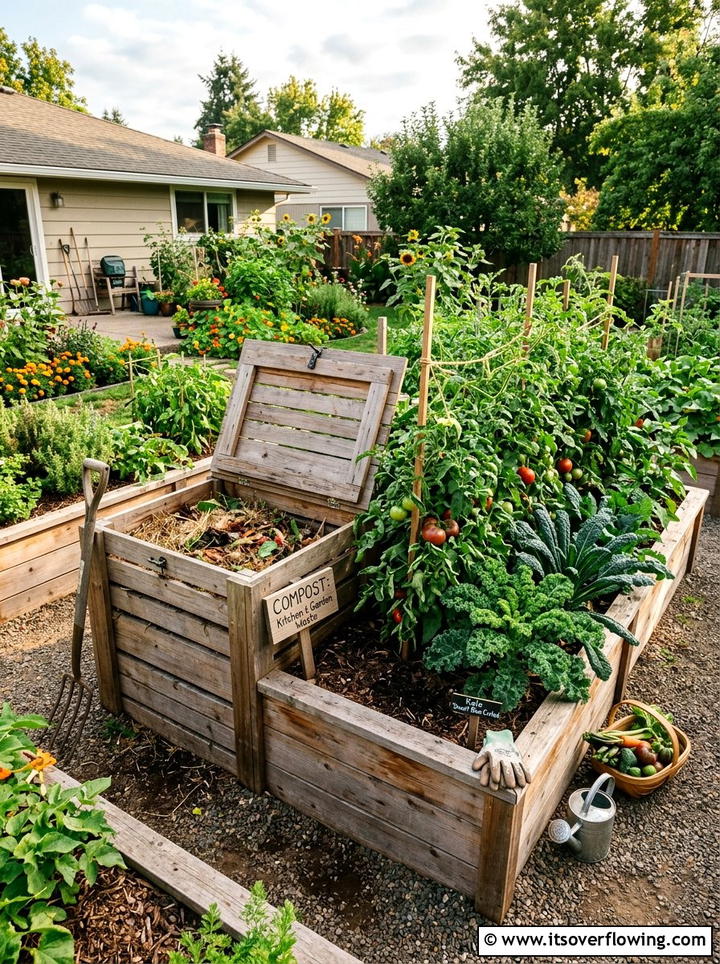
Could the very place where you grow your vegetables also be the place where you create their food? Integrated raised bed systems feature a central composting tube or a side compartment where you deposit kitchen scraps directly. This method, often called “keyhole gardening, ” allows nutrients to leach directly into the surrounding soil as the waste decomposes. It eliminates the need to haul heavy bags of fertilizer across the yard. The design looks just like a standard high-quality garden bed, making it an efficient and discreet solution for urban gardeners. It maximizes space while ensuring your edible plants receive a constant supply of organic nutrients.
4. Modern Tumbling Bin
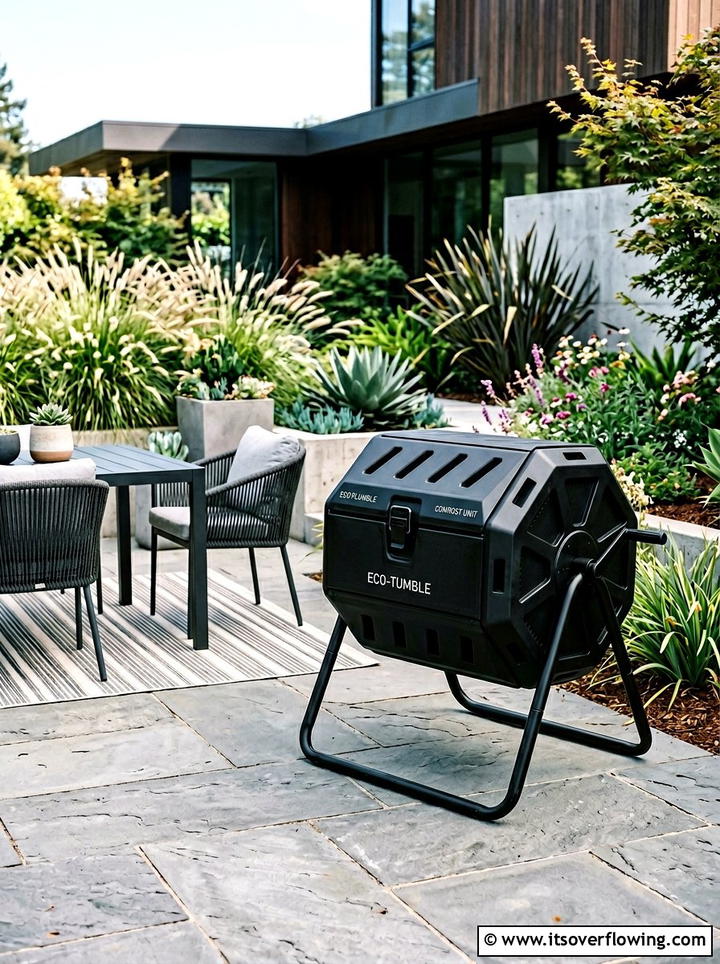
If you prefer a fast and tidy approach to soil creation, a modern tumbling bin is an excellent addition to a contemporary backyard. These elevated rotating drums make aeration easy and keep the compost contained away from ground-dwelling pests. Because they sit off the ground, they fit perfectly on a small concrete pad or a wooden deck without staining the surface. Their sleek black or dark green plastic shells absorb heat, which significantly speeds up the decomposition process during the summer months. This choice is ideal for busy homeowners who want to contribute to the environment without managing a traditional open-air pile.
5. Enclosed Wood Slat Station
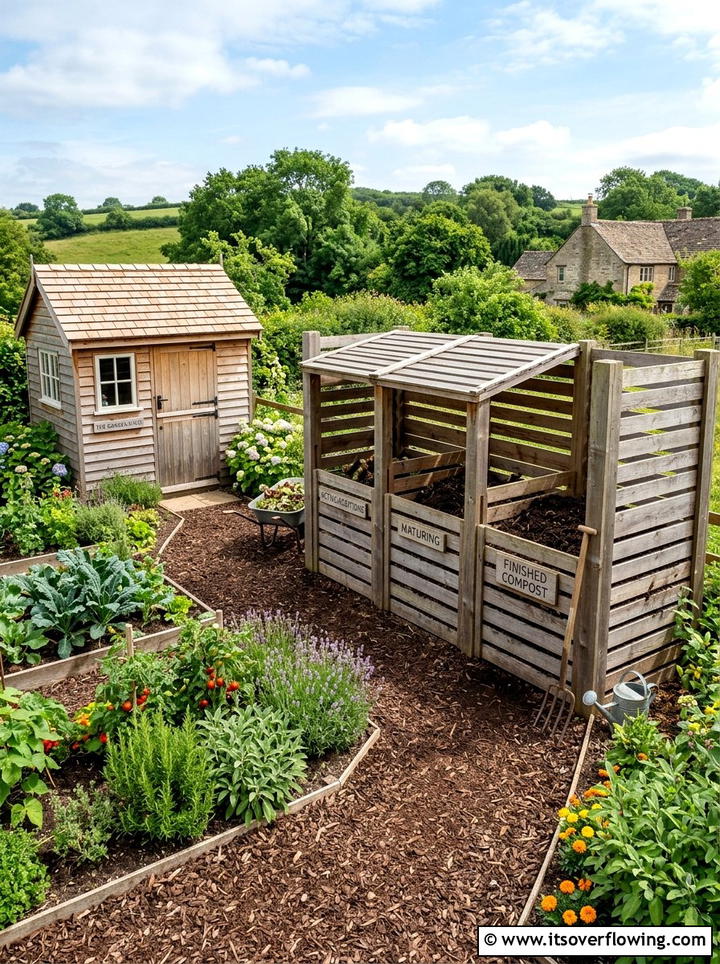
Imagine a beautiful slatted wood enclosure that looks more like a decorative privacy screen than a place for kitchen scraps. An enclosed wood slat station provides excellent airflow through the gaps while keeping the contents largely out of sight. You can stain the wood to match your home’s siding or your existing deck for a cohesive design language. This structure works well for larger families who generate a significant amount of yard waste and food scraps. The removable front slats make it easy to pitchfork the material when it needs turning. It offers a structured and clean look that satisfies even the most demanding landscaping requirements.
6. Decorative Brick Compost Pit
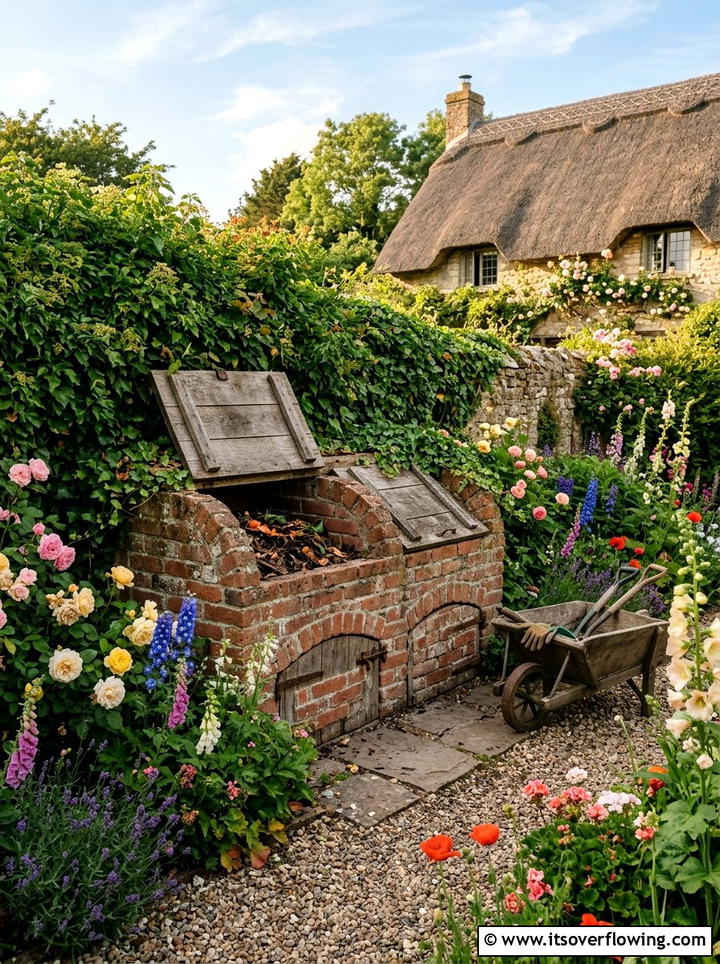
Building a permanent structure with reclaimed bricks can give your backyard a timeless, English cottage garden feel while serving a functional role. A brick compost pit is incredibly durable and provides excellent insulation for the microbial activity happening inside the pile. You can match the brickwork to your home’s exterior or garden paths for a completely integrated look. Unlike wood, brick will never rot or warp, providing a lifetime of service for your organic recycling needs. Topping the structure with a heavy wooden lid keeps unwanted animals out and maintains a tidy appearance. It is a solid investment for any long-term gardener.
7. Vertical Garden Composter
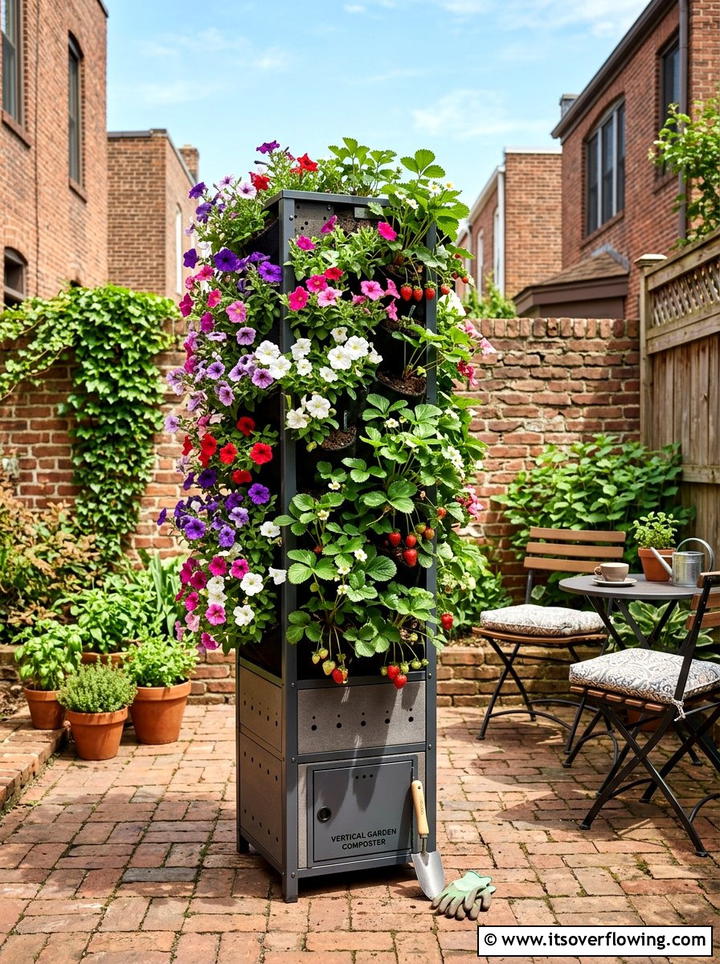
When space is at a premium, a vertical garden composter allows you to grow flowers and recycle waste in a single footprint. These innovative towers feature a central composting core surrounded by pockets for planting strawberries, herbs, or cascading annuals. As the organic matter breaks down in the center, it releases moisture and nutrients directly to the plant roots on the exterior. This dual-purpose design is perfect for patios, balconies, or small courtyards where traditional bins wouldn’t fit. It transforms a functional process into a blooming column of life, proving that sustainability can be a beautiful part of your decor.
8. Farmhouse Style Manure Box
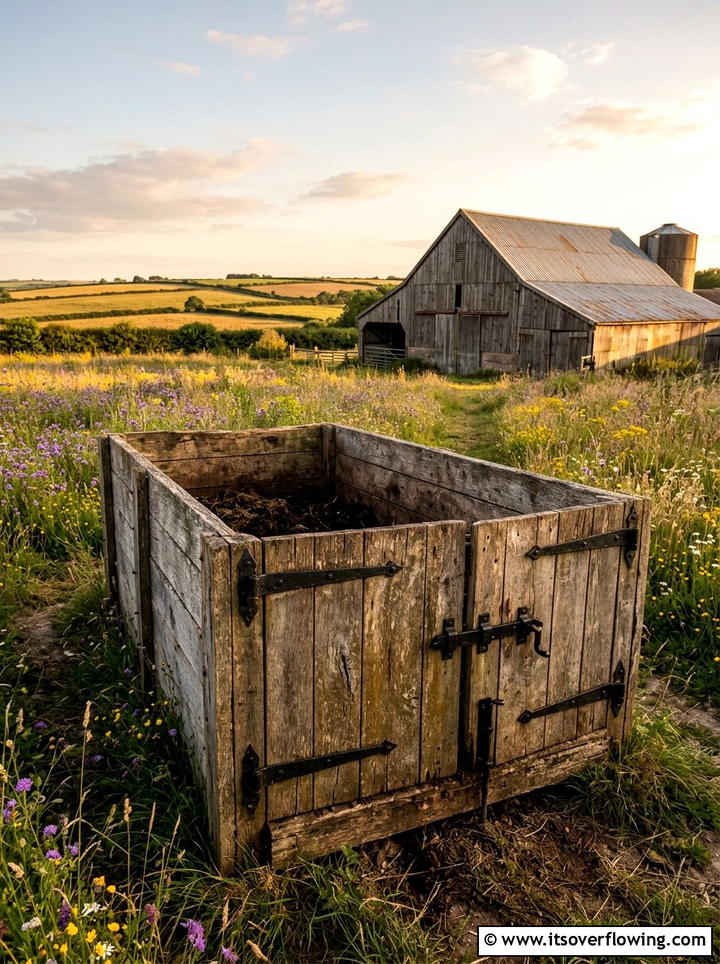
Do you love the rustic charm of a farmhouse aesthetic with weathered wood and sturdy black hardware? A farmhouse style manure or compost box uses thick timber and heavy-duty hinges to create a rugged yet attractive storage zone. This design is perfect for properties with a more traditional or rural feel where a plastic bin would look out of place. The large capacity allows you to handle grass clippings, fallen leaves, and kitchen waste all in one spot. By adding a simple peaked roof, you can keep excessive rain out while making the structure look like a miniature, charming garden shed.
9. Multi Bin System
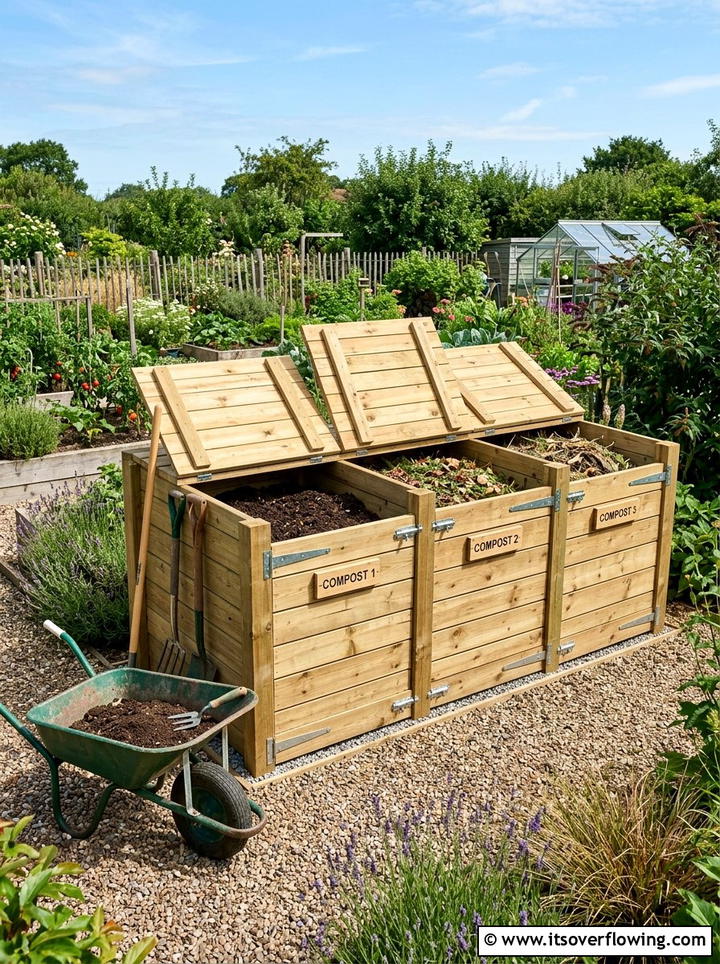
Efficiency is the hallmark of a well-designed multi bin system, which typically consists of three separate compartments for different stages of decay. The first bin is for fresh material, the second for active decomposition, and the third for finished, ready-to-use soil. This organized approach ensures you always have a place for new scraps without disturbing the maturing compost. Visually, a triple-bin setup made of high-quality timber creates a sense of order and purpose in the garden. It is the gold standard for serious hobbyists who want to produce large quantities of “black gold” for their extensive landscaping projects.
10. Small Space Worm Farm
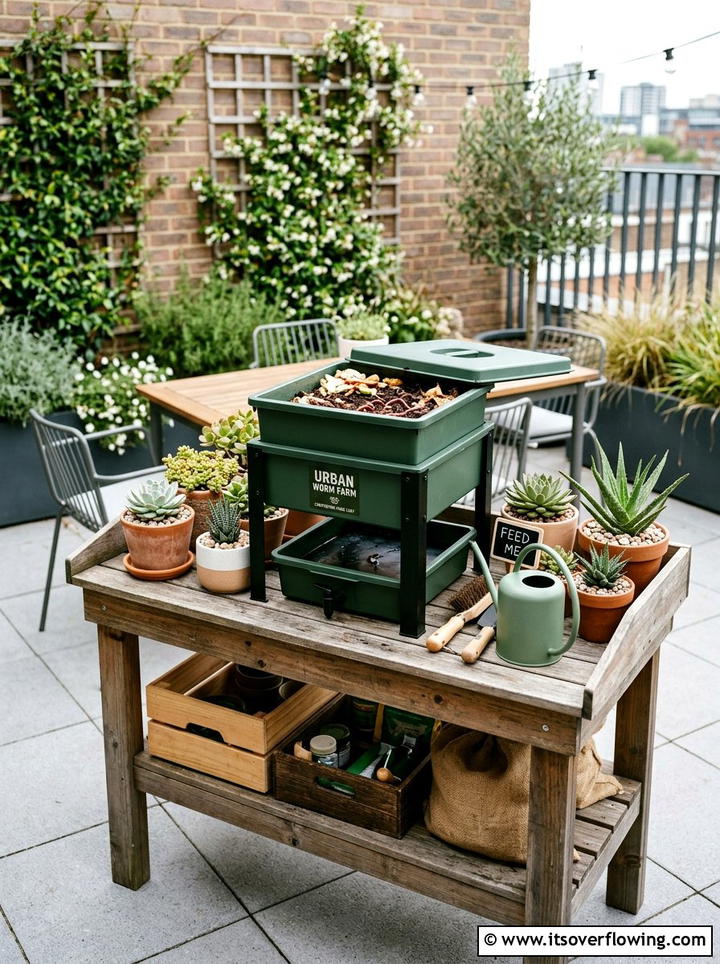
Have you considered that the most efficient composters might actually be tiny worms living in a compact, stylish container? A worm farm, or vermicompost station, is perfect for small backyards because it takes up very little horizontal space. Modern worm bins come in trendy colors and sleek shapes that look great next to a potting bench or under a porch. These systems are highly efficient at breaking down kitchen scraps into nutrient-rich castings and liquid fertilizer. Because they are enclosed, they are virtually odorless when managed correctly, making them a top choice for urban dwellers with close neighbors or limited outdoor areas.
11. Kitchen Garden Composting
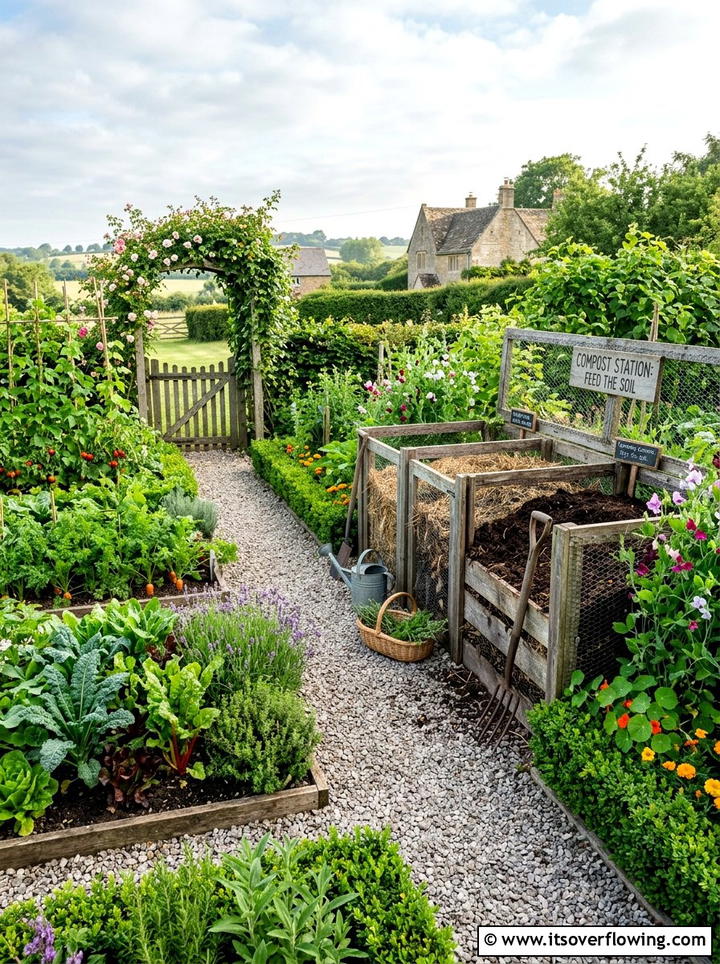
Integrating your composting station directly into your potager or kitchen garden makes the cycle of growth and decay visible and convenient. Placing a beautiful wooden bin at the end of a gravel path between rows of kale and tomatoes emphasizes the “farm-to-table” lifestyle. This setup encourages you to empty your kitchen pail more often since the destination is right where you spend your time gardening. You can surround the bin with aromatic herbs like lavender or rosemary to naturally mask any earthy scents. It turns a chore into a seamless part of your daily gardening routine while keeping the soil healthy.
12. Living Fence Compost Screen
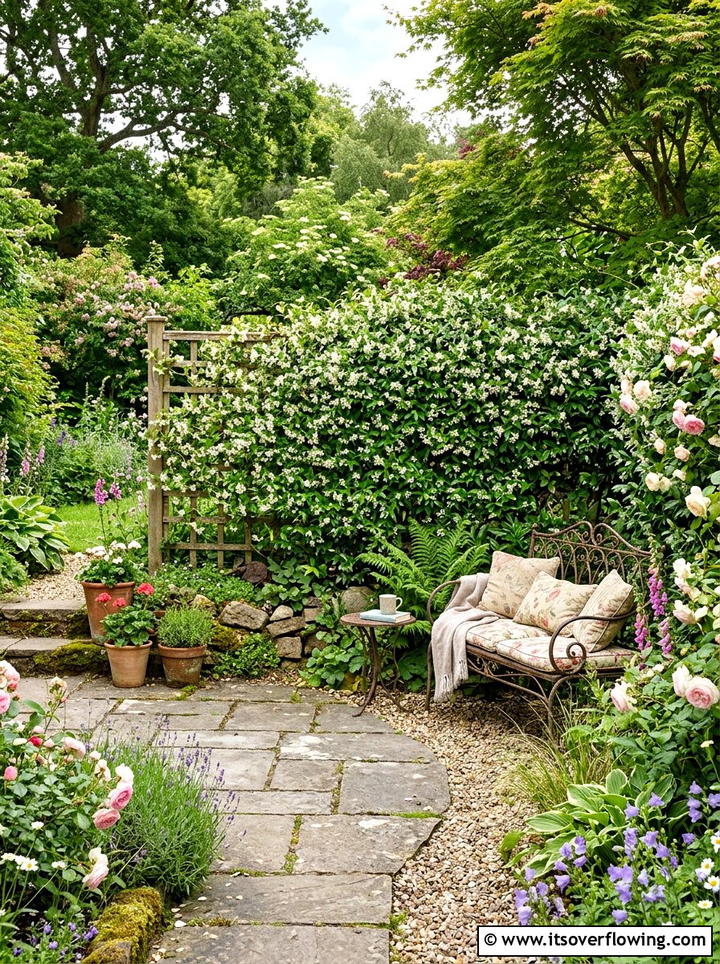
Using nature to hide your nature-focused activities is a brilliant way to maintain a high-end landscape design. A living fence made of closely planted shrubs or climbing vines on a trellis can perfectly obscure a functional compost station. Ivy, jasmine, or even climbing roses can grow over a wire frame to create a beautiful floral wall. This approach provides a cooling shade for the compost pile, which can prevent it from drying out too quickly in the hot sun. It adds layers of texture and color to your yard while providing a secret home for your organic recycling bins.
13. Stone Wall Compost Nook
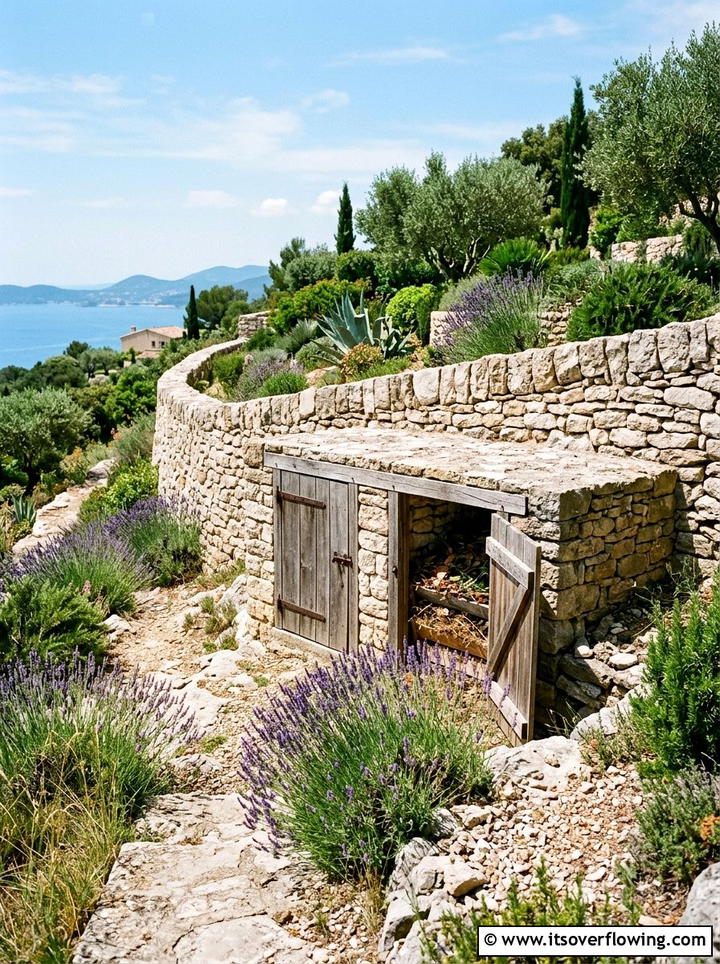
If your backyard features stone retaining walls or natural rock features, carving out a nook for composting is a sophisticated choice. Using the same stone for the three sides of your compost station creates a sense of permanence and architectural interest. Stone naturally stays cool, which can be beneficial for certain types of decomposition during the peak of summer. This design looks particularly stunning in Mediterranean or alpine-style gardens where natural materials take center stage. Adding a heavy-duty wooden gate to the front keeps the area tidy while allowing for easy access when it is time to turn the pile.
14. Urban Balcony Compost Station
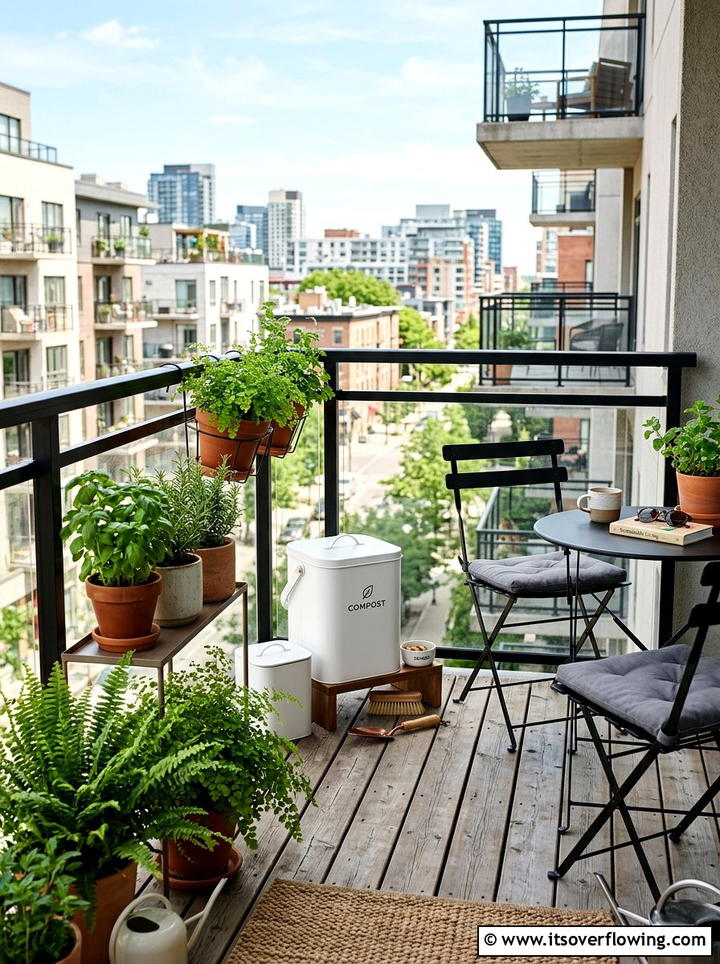
Living in the city doesn’t mean you have to give up on the dream of creating your own organic fertilizer. An urban balcony compost station uses specialized, airtight containers that fit under a bench or in a corner without causing any issues. These systems are designed to be sleek and unobtrusive, often resembling a modern storage stool or a minimalist cabinet. They allow apartment dwellers to process food waste safely and efficiently before using the results in their balcony planters. It is a powerful way to reduce your carbon footprint while keeping your small outdoor space looking modern and uncluttered.
15. Recycled Pallet Compost Bin
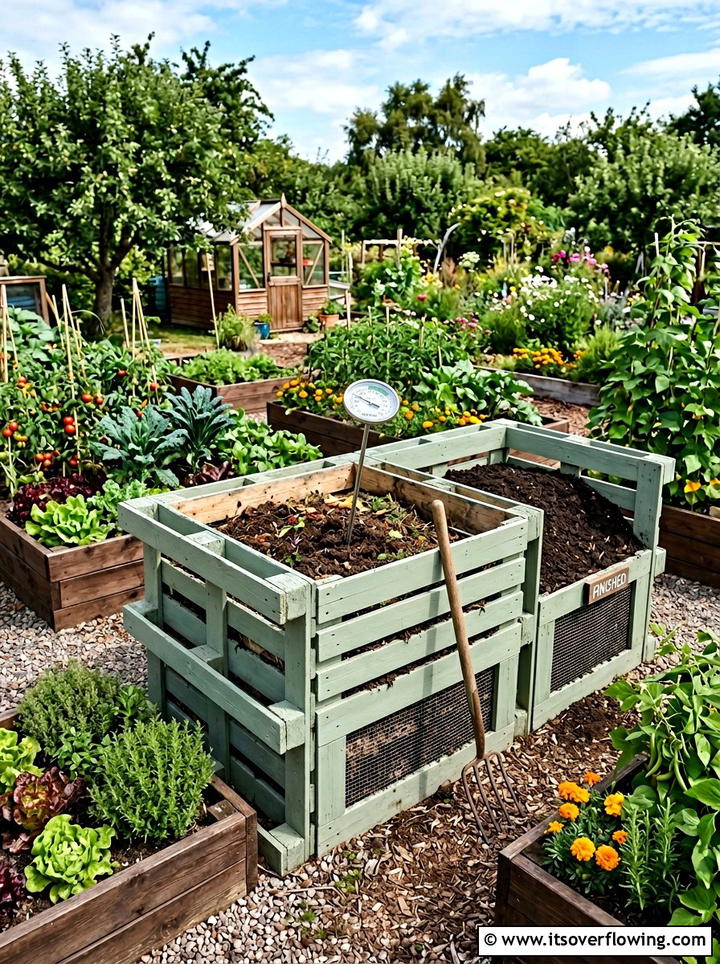
A recycled pallet compost bin offers an affordable and eco-friendly way to manage your organic waste without spending a fortune on materials. These bins provide excellent airflow, which is crucial for the aerobic decomposition process that creates high-quality soil. You can easily customize the size and height by stacking or securing the wooden slats to fit your specific backyard corner. Painting the pallets to match your garden shed or fencing can help them blend into the surrounding environment more naturally. It is a fantastic DIY project that promotes upcycling while giving you a functional space to produce nutrient-dense fertilizer for your garden.
16. Potager Garden Waste Area
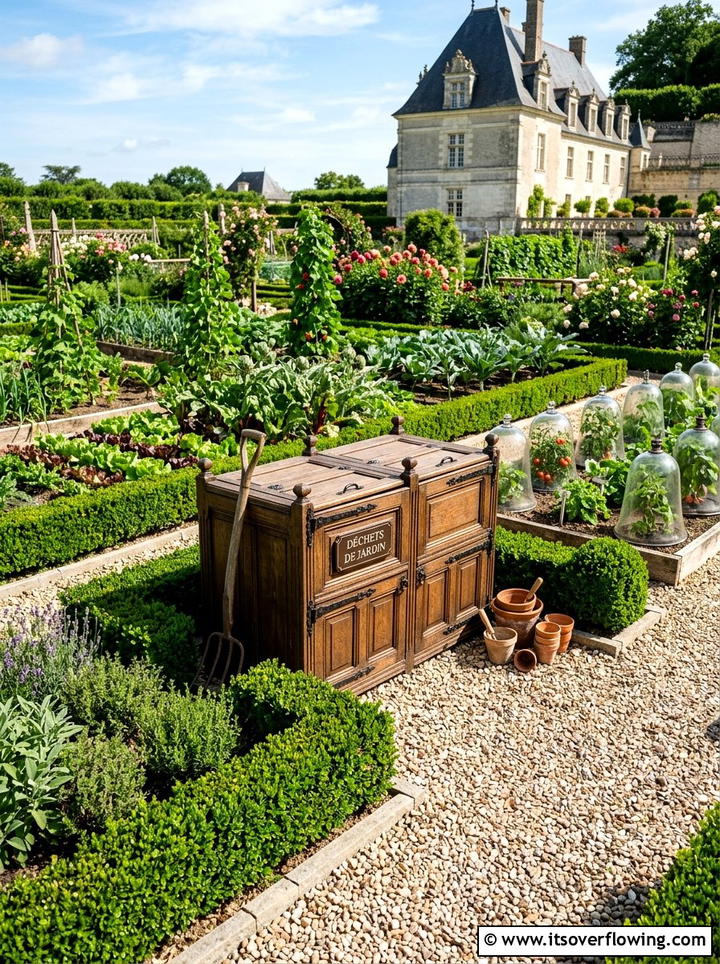
A potager garden is a French-style kitchen garden that prioritizes both beauty and utility, making it the perfect home for a stylish composter. By placing a decorative bin as a central axis or a corner anchor, you celebrate the cyclical nature of a productive garden. These bins often feature ornate metalwork or fine carpentry that reflects the formality of the surrounding boxwood hedges and neat vegetable rows. The convenience of having the waste area right next to your harvest zone cannot be overstated. It keeps the entire gardening process contained within a beautiful, organized footprint that delights the eyes and feeds the earth.
17. Sunken Compost Pit
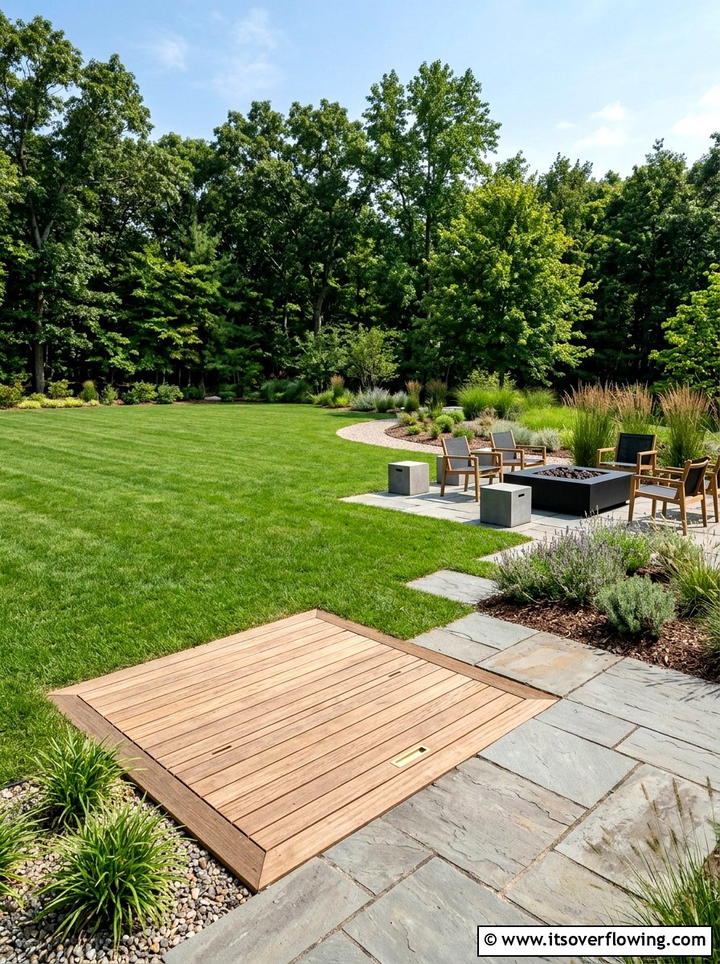
For those who want their composting system to be almost entirely invisible, a sunken pit is a clever landscaping trick. By digging a shallow area and lining it with permeable materials, you can compost below the eye line of your main lawn. A flat, sturdy lid made of decking boards can sit flush with the ground, allowing you to walk over it if necessary. This method keeps the organic matter cooler and moister, which can be a huge advantage in arid climates. It maintains the wide-open feel of a large lawn while still providing all the benefits of a traditional composting station.
18. Aesthetic Trellis Compost Cover
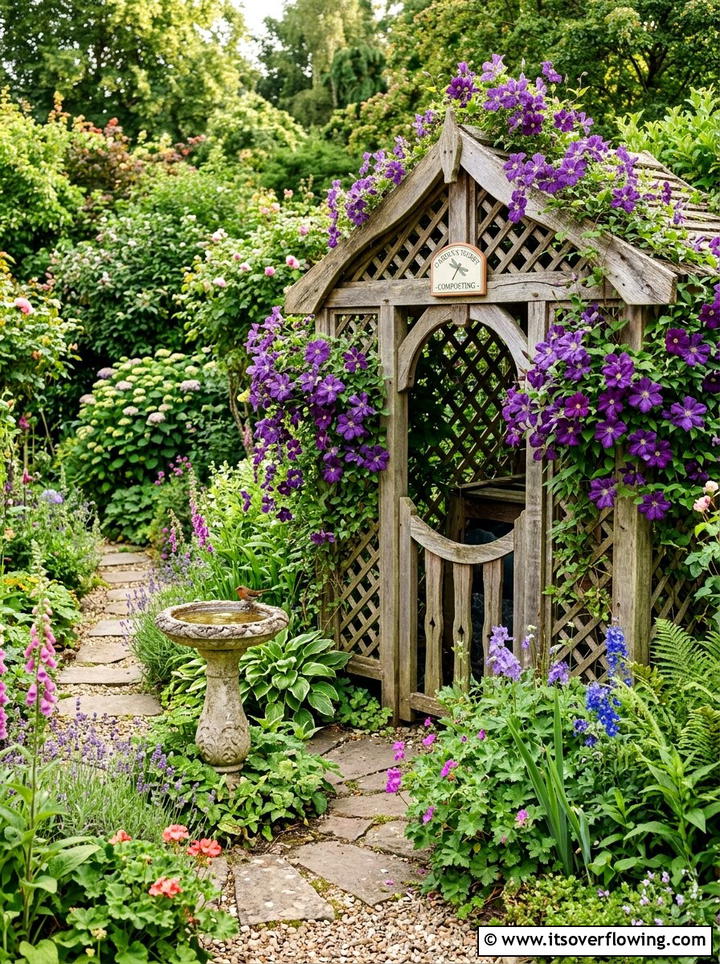
Why settle for a plain bin when you can wrap it in a beautiful trellis covered in blooming clematis or honeysuckle? An aesthetic trellis cover acts as a decorative “skin” for your functional compost bins, making them look like a garden feature. This setup is particularly effective in small yards where the bin might otherwise be a distracting eyesore. The vertical growth of the plants adds height and visual interest to the garden while providing a natural scent. It allows for plenty of airflow through the lattice work, ensuring your compost stays healthy while the exterior remains a stunning part of your design.
19. Minimalist Metal Composter
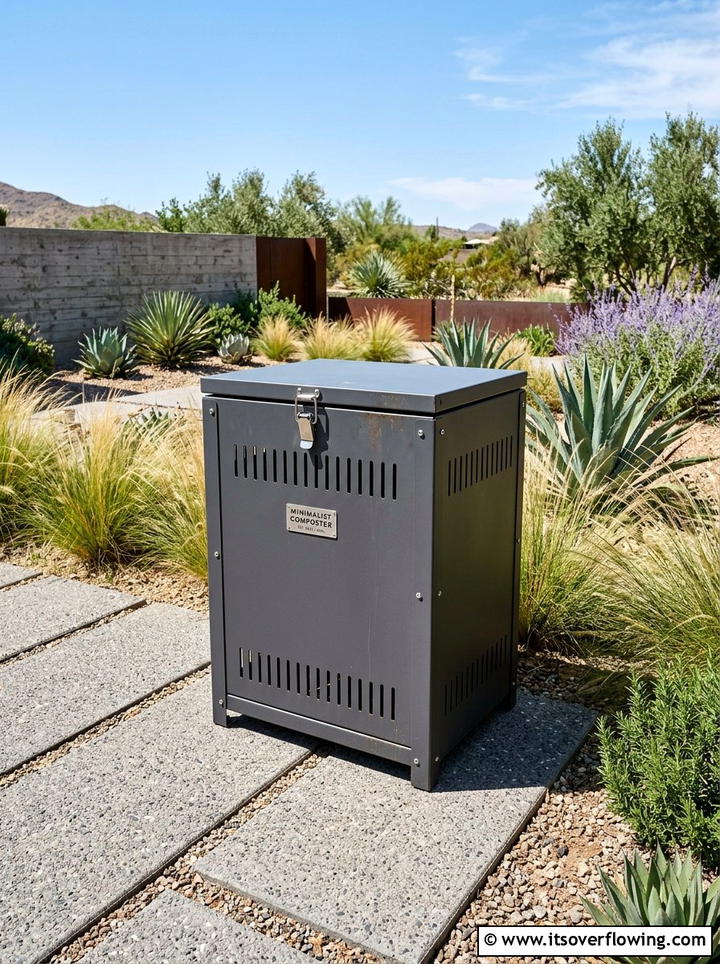
Does your modern landscape demand a sleeker look than traditional wooden bins can provide for your organic waste management? A minimalist metal composter, often made from galvanized steel or powder-coated aluminum, offers a clean and industrial aesthetic. These units are incredibly durable and resist pests more effectively than some softer materials. The dark or neutral tones of the metal complement contemporary outdoor furniture and minimalist plantings like architectural grasses. Because metal conducts heat well, it can actually speed up the decomposition process during the sunny summer months. Placing this unit on a concrete pad or gravel bed ensures a tidy, high-end look.
20. Greenhouse Integrated Composting
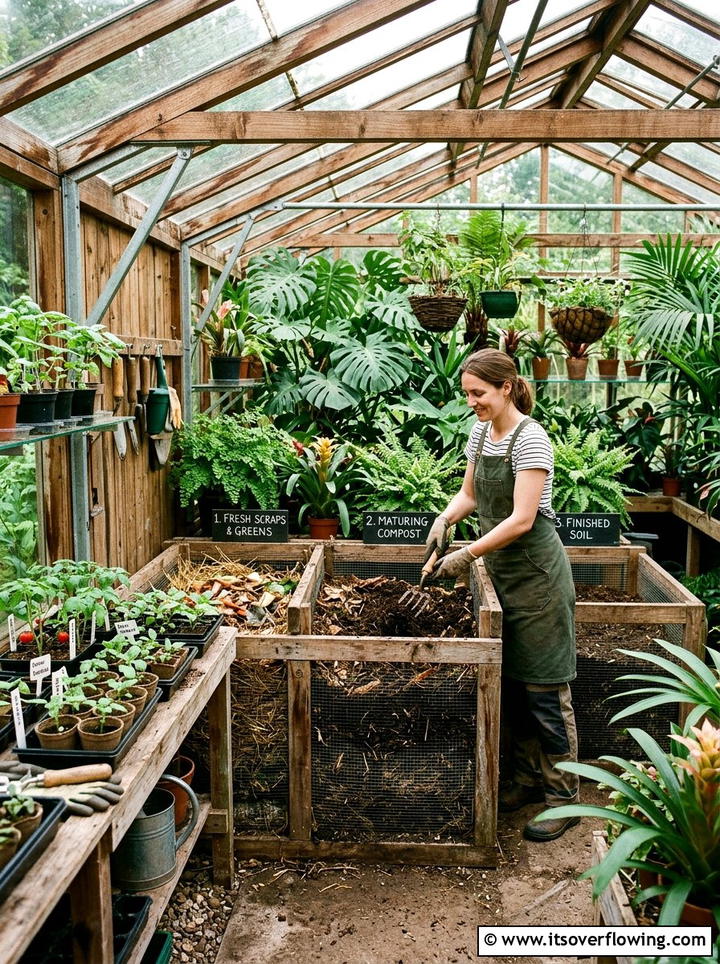
Integrating your composting station inside or directly adjacent to a greenhouse can provide a symbiotic relationship for your plants. During the winter, the heat generated by the decomposing organic matter can help keep the greenhouse slightly warmer. Additionally, having finished compost exactly where you start your seeds and transplant seedlings is incredibly efficient. A neat wooden bin tucked into a corner of the greenhouse keeps the space tidy and professional. This setup is perfect for the dedicated horticulturist who wants to optimize every aspect of their growing environment. It creates a complete circle of life within a single sheltered garden structure.
21. Cottage Garden Compost Corner
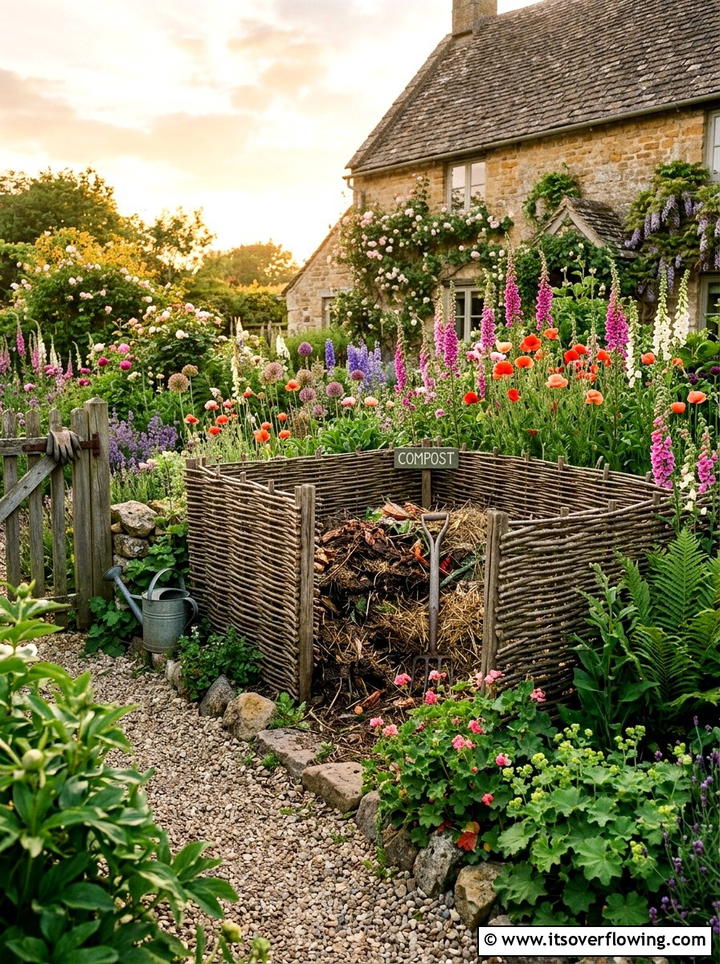
A cottage garden is known for its romantic, overgrown charm, which is the perfect backdrop for a rustic compost corner. Using willow hurdles or woven branches to create a soft, organic-looking enclosure fits the whimsical vibe perfectly. Surround the area with tall foxgloves, delphiniums, and hollyhocks to blur the lines between the functional bin and the flower beds. This approach celebrates natural materials and DIY craftsmanship, making the compost station feel like a lived-in part of the history of the garden. It is a low-maintenance and high-reward way to manage waste while enhancing the cozy, enchanting atmosphere of your backyard.
22. Under Deck Compost Storage
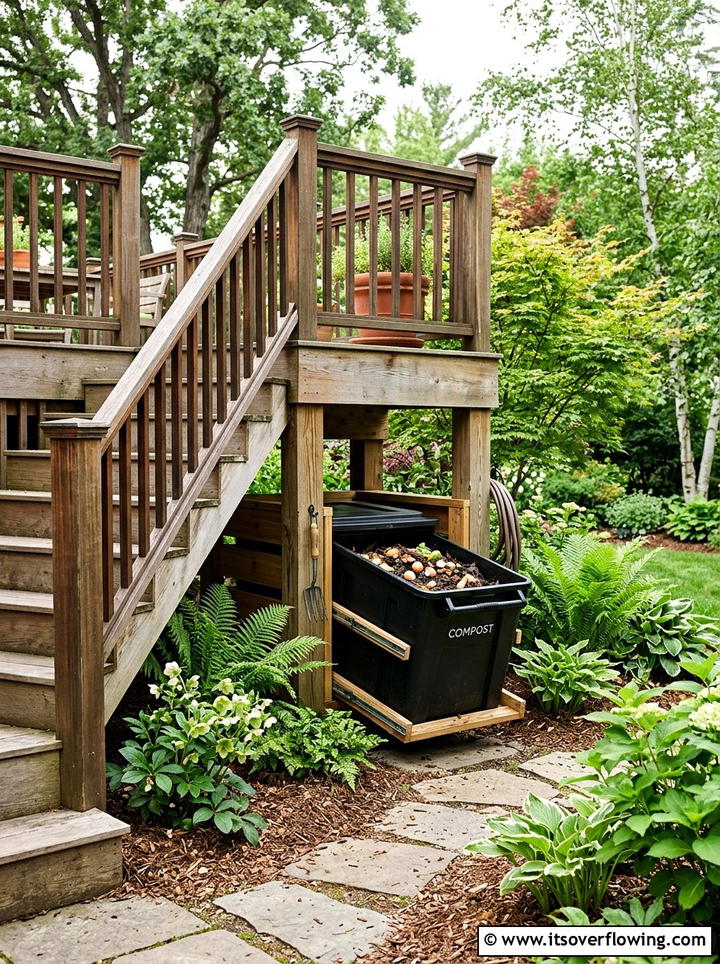
If your backyard features an elevated deck, the space underneath is often wasted and can be used for a discreet compost station. By installing a sliding bin system or a stationary tumbler in this shaded zone, you keep the equipment out of the sun and out of sight. This is a brilliant solution for smaller properties where lawn space is precious and should be reserved for play or entertaining. You can easily access the area from a side gate, keeping the main traffic flow of the yard clear. It turns a dark, unused area into a productive hub for your sustainable garden practices.
23. Dual Batch Tumbler
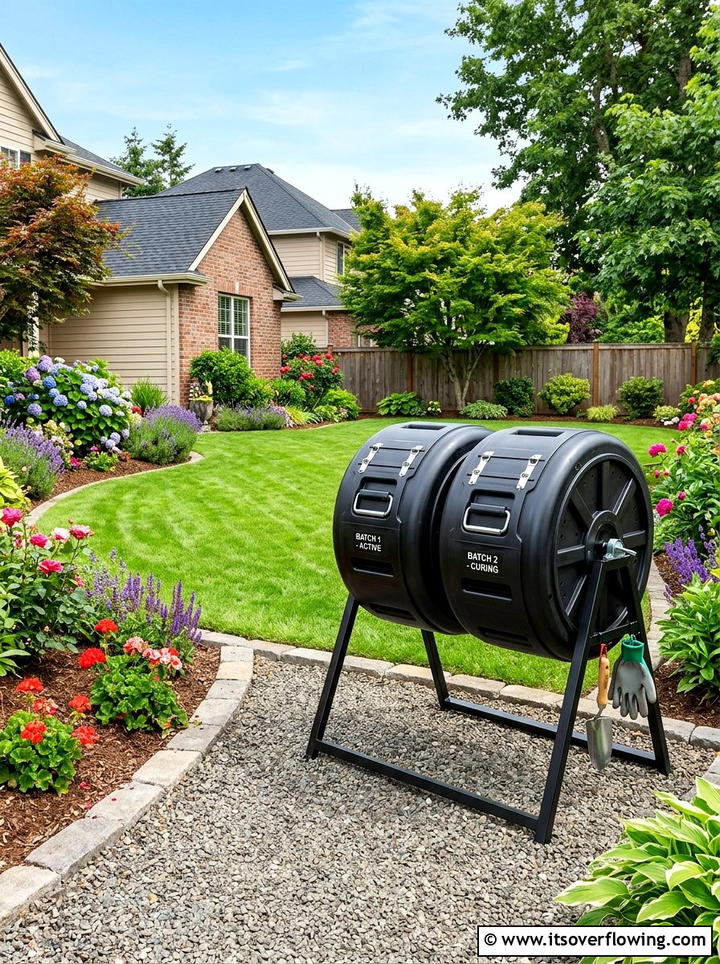
A dual batch tumbler is the perfect solution for homeowners who want a continuous supply of soil without the mess of multiple open piles. These units feature two separate chambers so you can fill one side while the other side finishes maturing. The elevated design keeps the process neat and prevents any seepage onto your patio or lawn. Many models are designed with a stylish, gear-driven handle that makes rotating the heavy material effortless. This type of station is particularly well-suited for suburban backyards where space and cleanliness are top priorities for the residents and the neighbors alike.
24. Xeriscape Friendly Composter
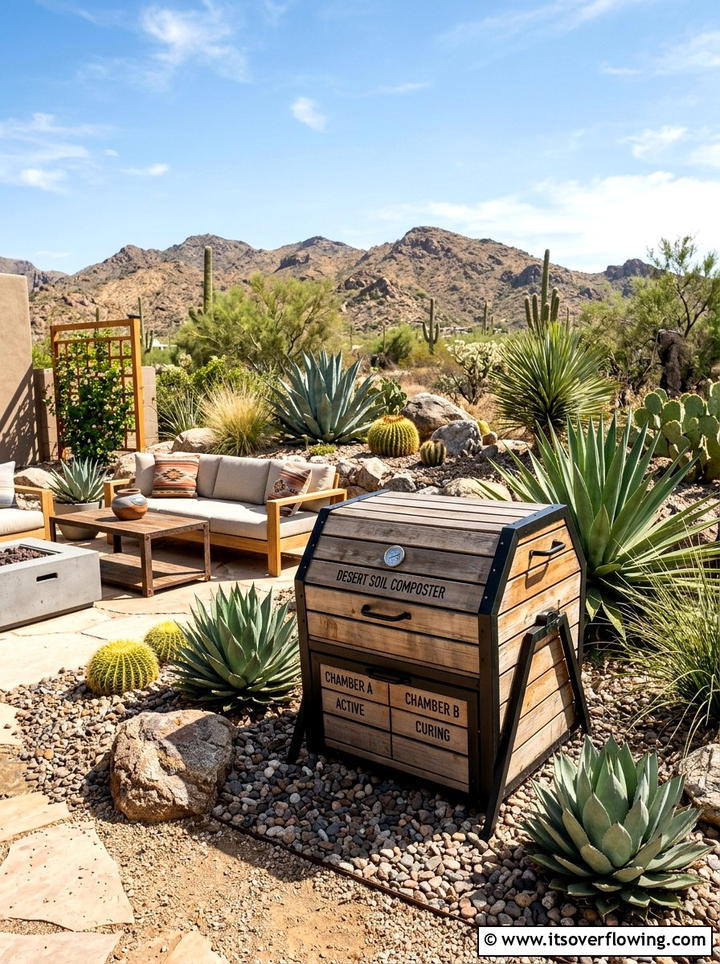
In a water-wise or xeriscape garden, a composting station needs to be designed to retain as much moisture as possible. Using a thick-walled recycled plastic or a stone-lined bin helps prevent the organic matter from drying out in the arid air. This setup can be tucked behind drought-tolerant succulents and native grasses to maintain the desert-chic aesthetic. Finished compost is vital for xeriscaping because it improves the soil’s ability to hold onto whatever water it receives. By making composting a part of your dry garden design, you ensure your native plants have the best possible foundation to thrive with minimal irrigation.
25. Privacy Hedge Compost Shield
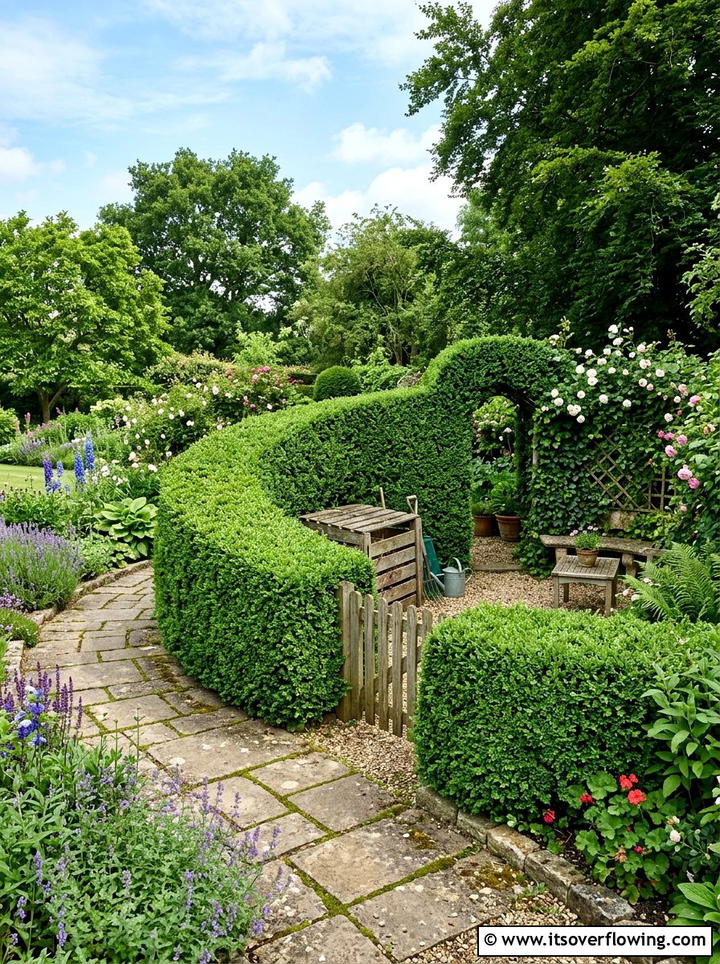
Imagine a lush wall of green that serves as both a beautiful boundary and a clever screen for your composting activities. Planting a dense privacy hedge like privet or boxwood around your compost station provides a natural barrier that absorbs sound and hides bins from view. This approach is ideal for homeowners who want their composting system to be completely invisible from their main outdoor entertaining areas. The plants benefit from the proximity to the nutrient-rich area while providing a windbreak that keeps the pile from drying out too quickly. It creates a seamless transition between the active garden zones and the maintenance areas.
Conclusion:
Embracing a sustainable lifestyle doesn’t mean you have to sacrifice the beauty or functionality of your outdoor living environment. By incorporating one of these creative solutions, you can effectively manage organic waste while enhancing your landscape. From sleek modern tumblers to rustic cedar bins, there is a design that fits every personal style and garden size. Your soil will benefit from the nutrient-rich humus, and your plants will flourish like never before. Start small if you need to, but make the commitment to return nutrients back to the earth. A well-planned backyard is one that works in harmony with nature through every season of the year.

Related posts:
 25 Backyard Ideas With Clover Lawn for a Greener Low-Mow Yard
 25 Backyard Ideas With Rain Garden Designs for Greener Yards
 25 backyard ideas with potting station for Garden Lovers
 25 Backyard Decorating Ideas With Signs For Backyard Charm
 25 Backyard Ideas With Benches for Comfortable Outdoor Living
 25 Backyard Ideas With Deck for Stylish Outdoor Living
 25 Backyard Ideas With Gazebo for Elegant Outdoor Living
 25 backyard ideas with patio for Beautiful Outdoor Living
 25 backyard ideas with privacy screens for Cozy Outdoor Living
 25 Backyard Ideas With Shade Structures for Cool Outdoor Living
 25 Backyard Ideas With Stone Seating for Stylish Outdoor Living
 25 Backyard Ideas With Rustic Style for Cozy Outdoor Living