
Transforming a sloped backyard into a functional and beautiful sanctuary often requires a thoughtful approach to terracing. Many homeowners struggle with steep inclines that cause erosion and wasted space, but these challenges provide unique opportunities for creative landscaping. By breaking up a hillside into manageable levels, you can create distinct zones for dining, gardening, and relaxation. This guide explores various ways to utilize retaining walls, steps, and plants to maximize your outdoor living area. Whether you prefer the rustic look of natural stone or the sleek lines of modern concrete, terracing offers a structural solution that enhances your home’s value. Let’s dive into these practical and inspiring ways to reclaim your vertical landscape.
1. Natural Stone Retaining Wall
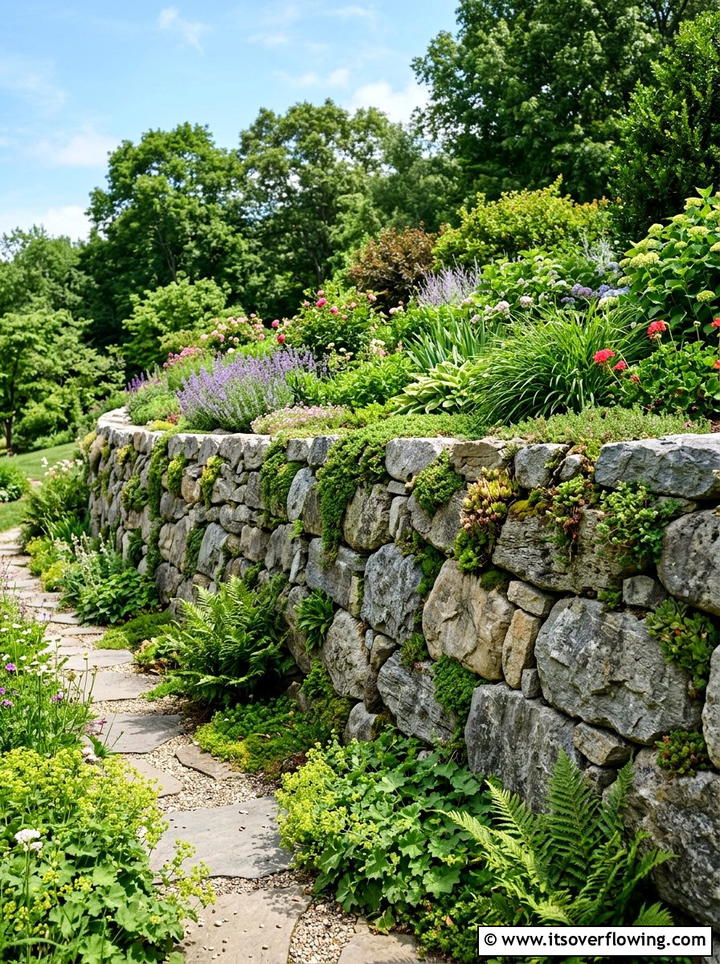
Natural stone retaining walls offer a timeless look that blends seamlessly with the surrounding environment. Using large fieldstones or stacked flagstone creates a sturdy barrier that manages soil erosion while adding significant texture to your garden. You can plant creeping groundcovers in the small gaps between the stones to soften the overall appearance. This style works exceptionally well for traditional or cottage-style homes where organic materials are preferred. Because stone is heavy and durable, it provides a permanent solution for steep grades. Selecting stones from a local quarry ensures the colors match the natural geology of your region. It is a classic choice for a high-end, long-lasting landscape.
2. Timber Sleeper Raised Bed
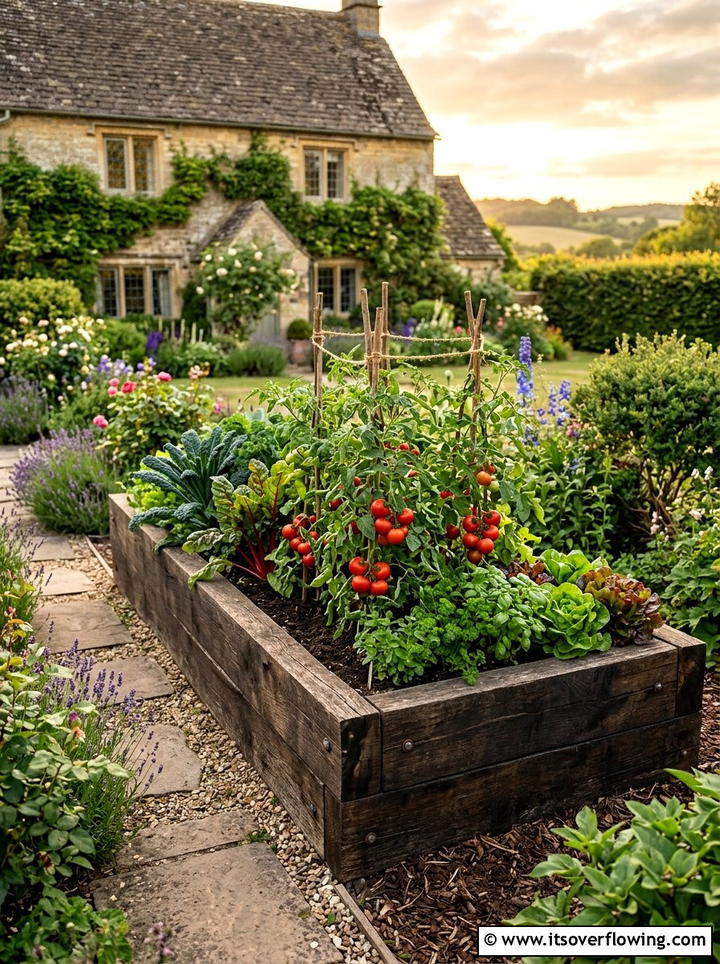
Timber sleepers provide a clean and cost-effective way to build levels in a sloped backyard. These thick wood beams are easy to stack and secure, making them a popular choice for DIY enthusiasts. You can use pressure-treated pine or durable hardwoods like cedar to create deep planting pockets for vegetables or ornamental shrubs. The straight lines of the timber offer a more structured and modern feel compared to loose stone. When installing these, it is crucial to include proper drainage and gravel backing to prevent the wood from rotting over time. The warmth of the wood provides a beautiful contrast against green foliage and colorful seasonal flowers.
3. Concrete Tiered Patio
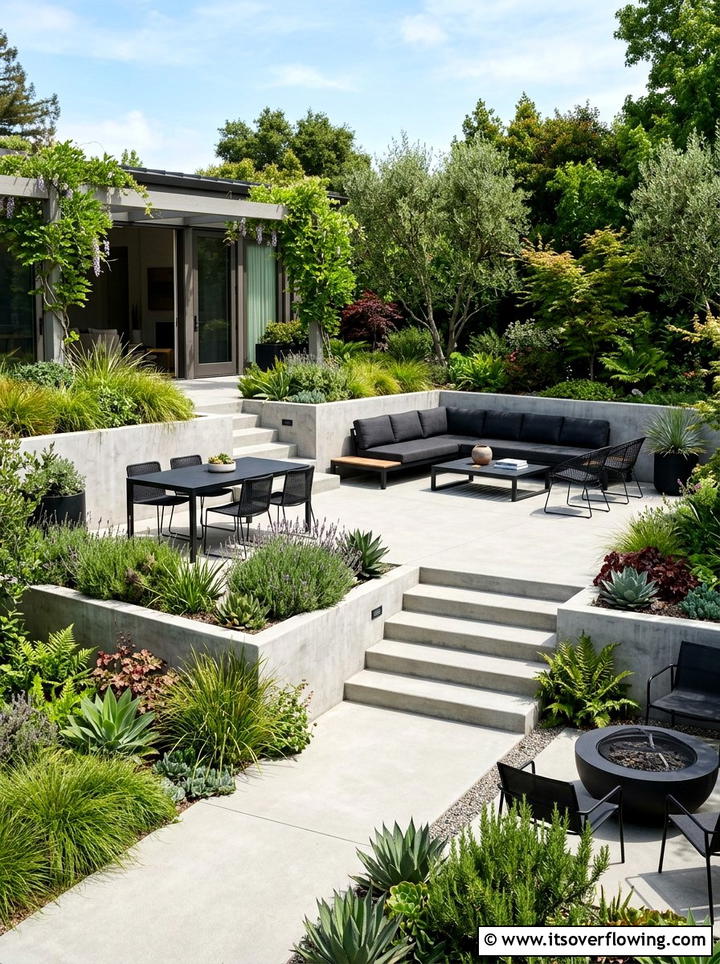
A concrete tiered patio is the ultimate solution for those seeking a contemporary and low-maintenance outdoor living space. By pouring multi-level slabs, you create flat areas for furniture, fire pits, and outdoor kitchens on a hill. You can choose from various finishes, such as stamped patterns, exposed aggregate, or smooth polished surfaces. This approach provides a very stable foundation for heavy items and ensures your seating areas remain perfectly level. Concrete walls used to support these tiers can be painted or left raw for an industrial aesthetic. It is a highly functional design that allows for easy movement between different elevations using wide, built-in concrete steps.
4. Sloped Garden Path
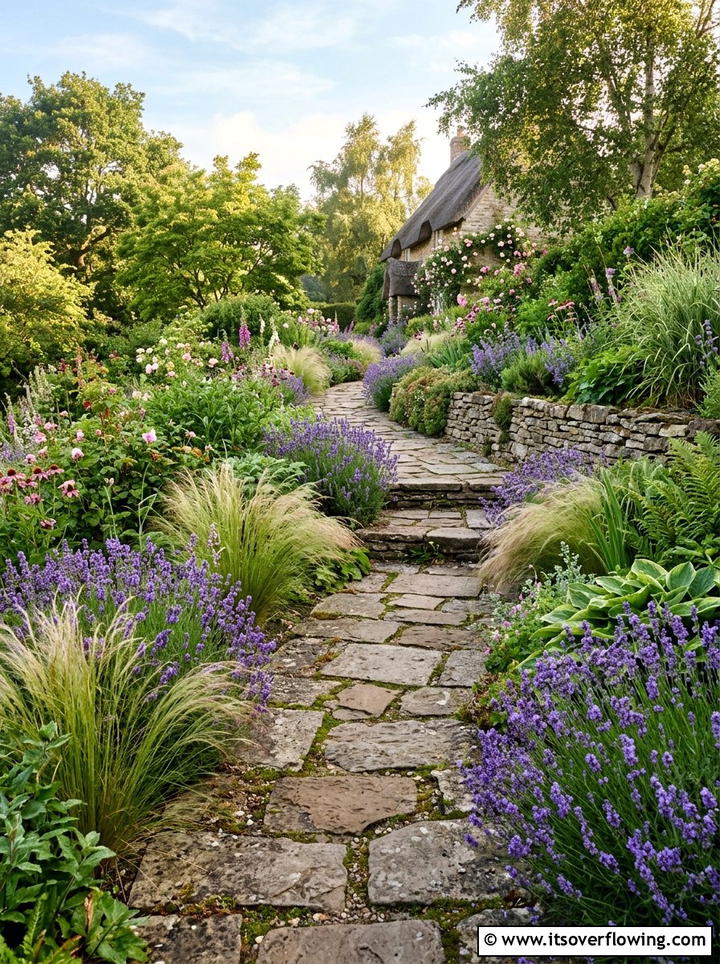
Creating a sloped garden path allows you to navigate your terraced levels with ease and safety. Instead of a straight vertical climb, a winding path or a series of switchbacks makes the ascent feel more natural and less strenuous. You can use materials like crushed gravel, mulch, or flagstone pavers to define the walkway. Incorporating low-profile stairs at certain intervals helps to manage the grade changes while maintaining a gentle flow. Planting fragrant herbs or low shrubs along the edges of the path enhances the sensory experience of moving through the yard. A well-planned path connects all your outdoor zones into a cohesive and inviting journey.
5. Multi Level Decking
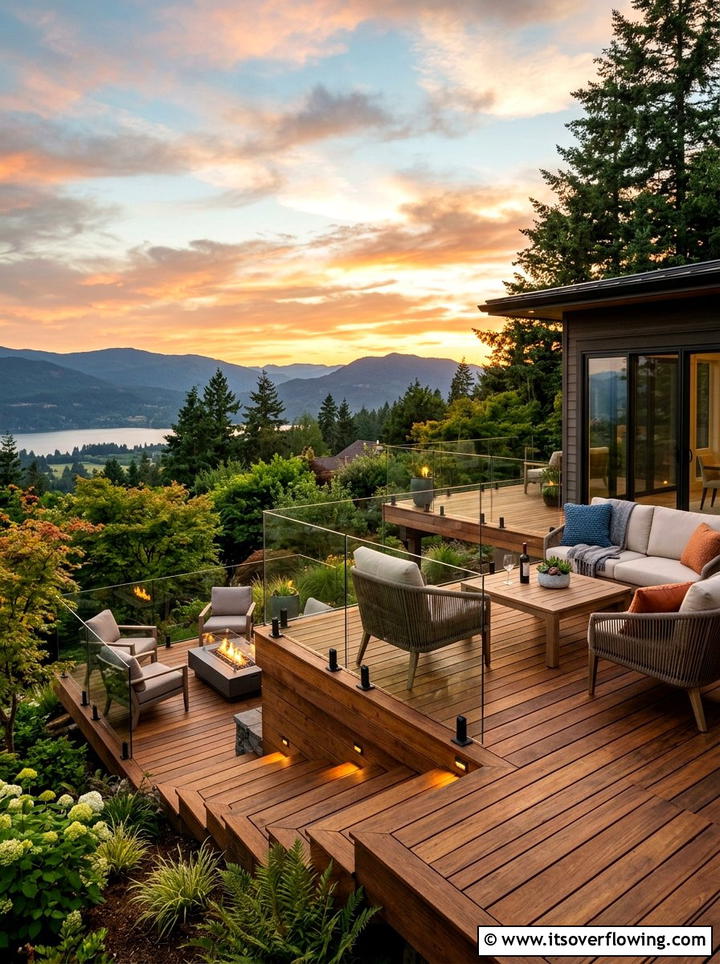
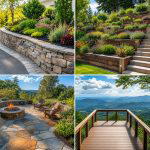
Multi level decking is a fantastic way to extend your indoor living space onto a steep hillside. Rather than relying on heavy earth-moving equipment, a wooden or composite deck can be built on posts to hover over the slope. This creates several distinct platforms for different activities, such as a top level for dining and a lower level for a hot tub. The space underneath the deck can also be used for storage or as a shaded garden area. Using high-quality decking materials ensures longevity and resistance to the elements. The verticality of a tiered deck provides excellent views of the rest of your property and the surrounding landscape.
6. Stepped Vegetable Garden
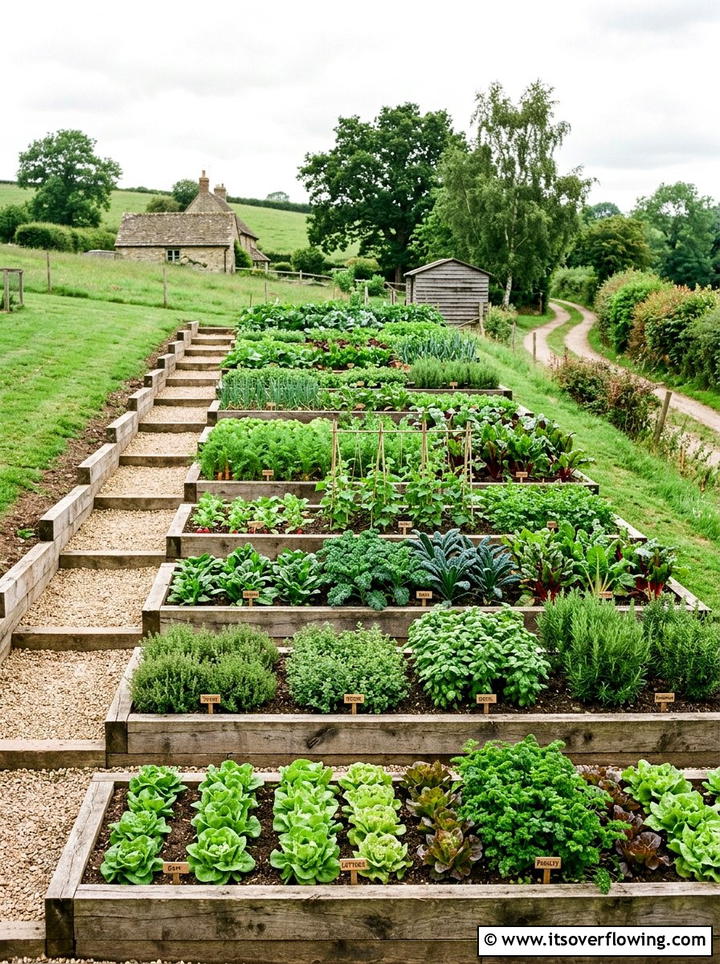
A stepped vegetable garden makes growing your own food much easier on a hilly property. By creating flat, terraced rows, you prevent water and nutrients from washing away during heavy rains. This layout provides excellent accessibility, allowing you to reach every plant without having to climb a steep bank. You can use cedar boards or stone blocks to frame each level, keeping the soil contained and organized. Sunlight often reaches these tiered beds more evenly than a flat garden, promoting healthier plant growth. Growing a variety of crops like tomatoes, peppers, and leafy greens in these beds turns a difficult slope into a highly productive and edible landscape.
7. Rock Garden Bed
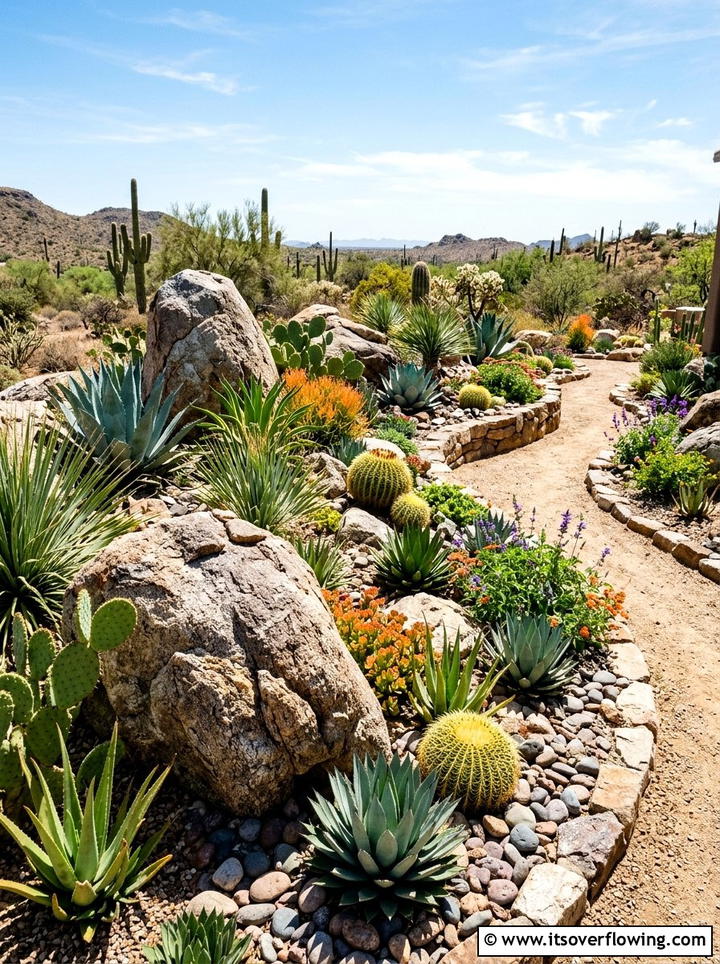
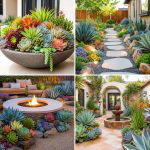
Rock garden beds are perfect for steep areas where traditional planting might be difficult to maintain. By placing large boulders and smaller river rocks along the slope, you create a stable environment for hardy plants. Succulents, alpines, and ornamental grasses thrive in these well-drained conditions. The combination of different rock sizes and colors adds a rugged, natural beauty to the backyard that requires very little water. This type of terracing mimics high-altitude mountain scenery and provides a unique focal point. It is an excellent choice for homeowners looking for a xeriscaped or low-maintenance solution. The rocks also help to naturally regulate soil temperature for the plants.
8. Outdoor Staircase Lighting
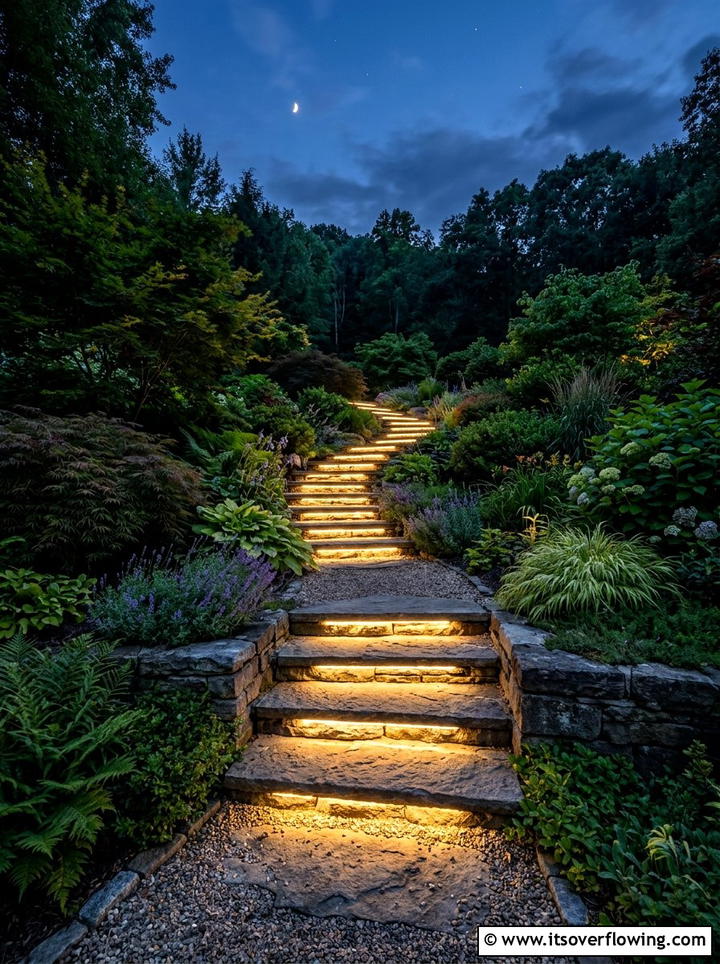
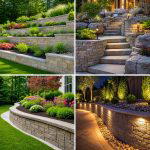
Outdoor staircase lighting is a critical feature for any terraced backyard to ensure safety during the evening hours. Incorporating LED strip lights under the tread of each step or installing small recessed wall lights provides a soft, guiding glow. This not only prevents trips and falls but also highlights the architectural beauty of your stone or wood tiers. Solar-powered path lights are another easy option for illuminating the edges of your walkways. Proper lighting creates a magical ambiance, making your outdoor space usable long after the sun goes down. It emphasizes the depth and layers of your terraced design, turning the vertical structure into a stunning nighttime visual.
9. Cascading Water Feature
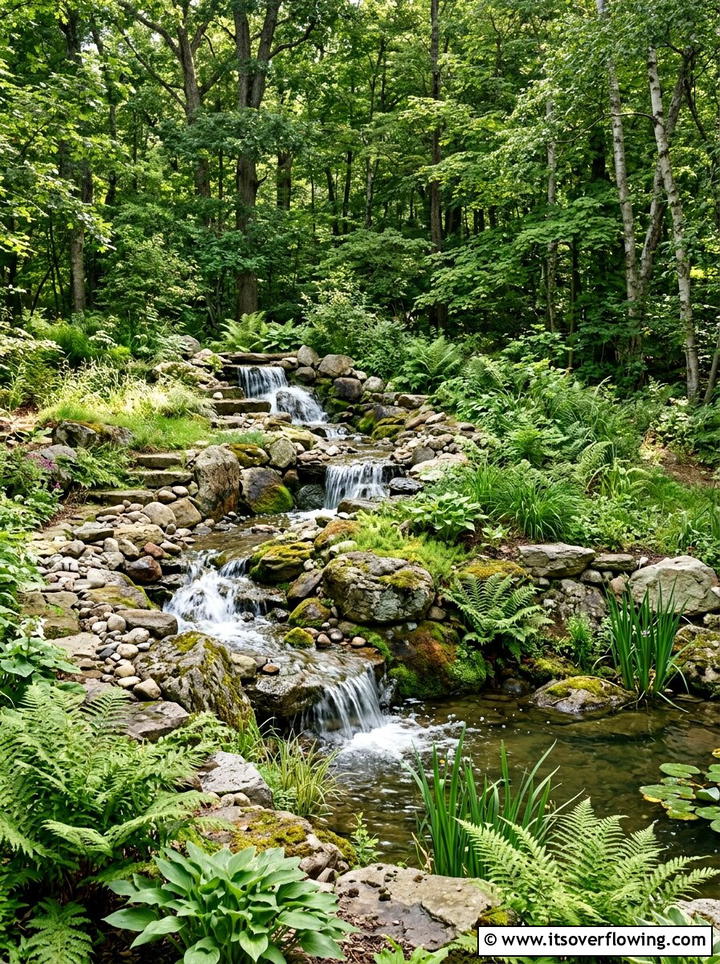
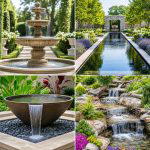
A cascading water feature utilizes the natural slope of a terraced yard to create a soothing and dynamic focal point. You can build a stream that flows down from the highest level, over small waterfalls, and into a pond at the bottom. The sound of running water helps to mask neighborhood noise and creates a peaceful atmosphere. Integrating the water feature into your retaining walls makes it look like a natural part of the landscape. Rocks and aquatic plants can be placed along the edges to enhance the realistic appearance. This design attracts birds and butterflies, bringing more life and movement to your backyard sanctuary throughout the changing seasons.
10. Sunken Fire Pit Area
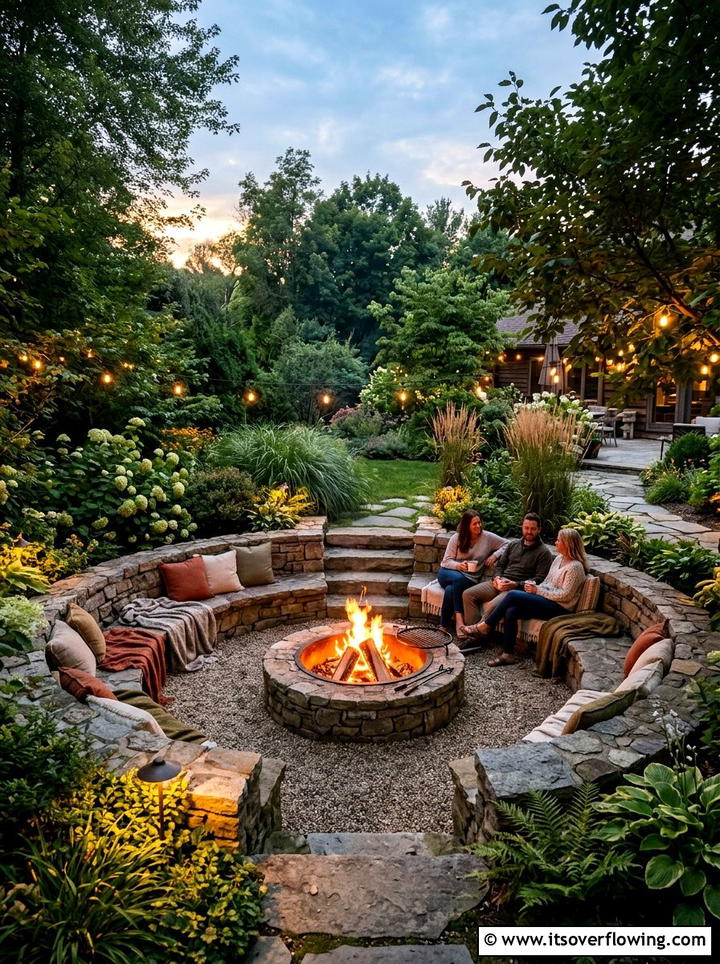
A sunken fire pit area is a cozy way to utilize one of the lower levels of a terraced backyard. By excavating into the slope and building a circular or square retaining wall, you create a protected spot for gatherings. This design provides natural wind protection and a sense of privacy that a surface-level fire pit lacks. You can use the surrounding walls as built-in seating by adding flat stone caps or wooden benches. Surrounding the fire pit with gravel or pavers ensures a fire-safe surface for your guests. It becomes a central hub for roasting marshmallows and sharing stories under the stars, perfectly nestled within the hillside.
11. Terraced Flower Border
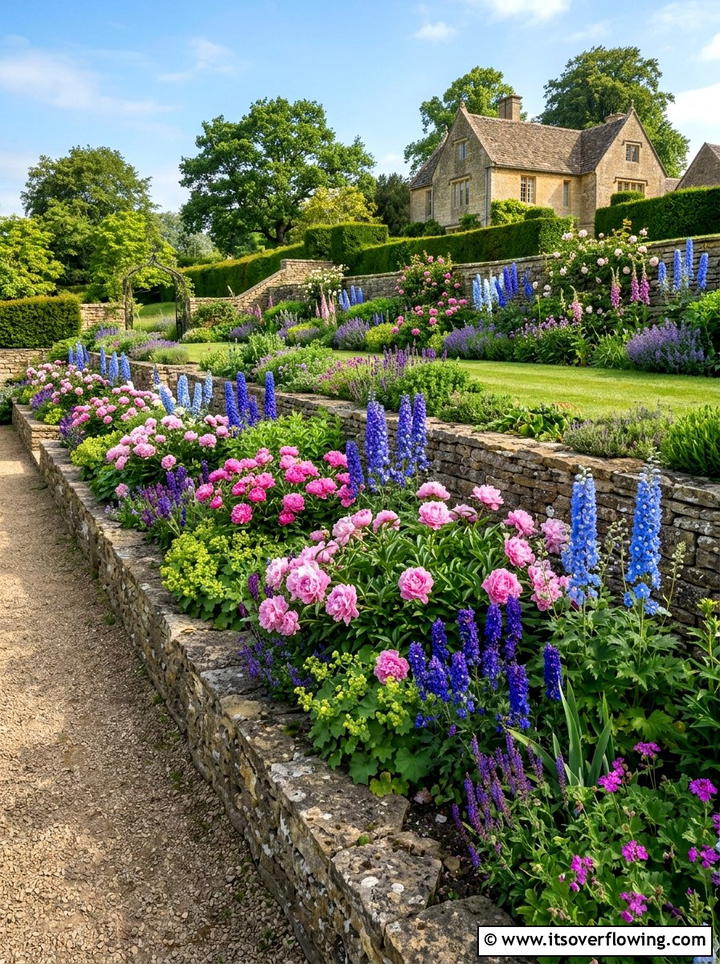
Terraced flower borders allow you to display a massive variety of colorful blooms in a highly visible way. Each level can be dedicated to a specific color palette or plant height, creating a stadium-like effect for your garden. Taller perennials can be placed in the back tiers, while shorter annuals and groundcovers fill the front. This arrangement ensures that every plant gets enough sunlight and is easily seen from the house. Using flowering shrubs like hydrangeas or roses adds structure and long-lasting beauty to the walls. Maintaining these borders is simpler because the levels bring the plants closer to waist height, reducing the need for constant bending.
12. Modern Gabion Wall
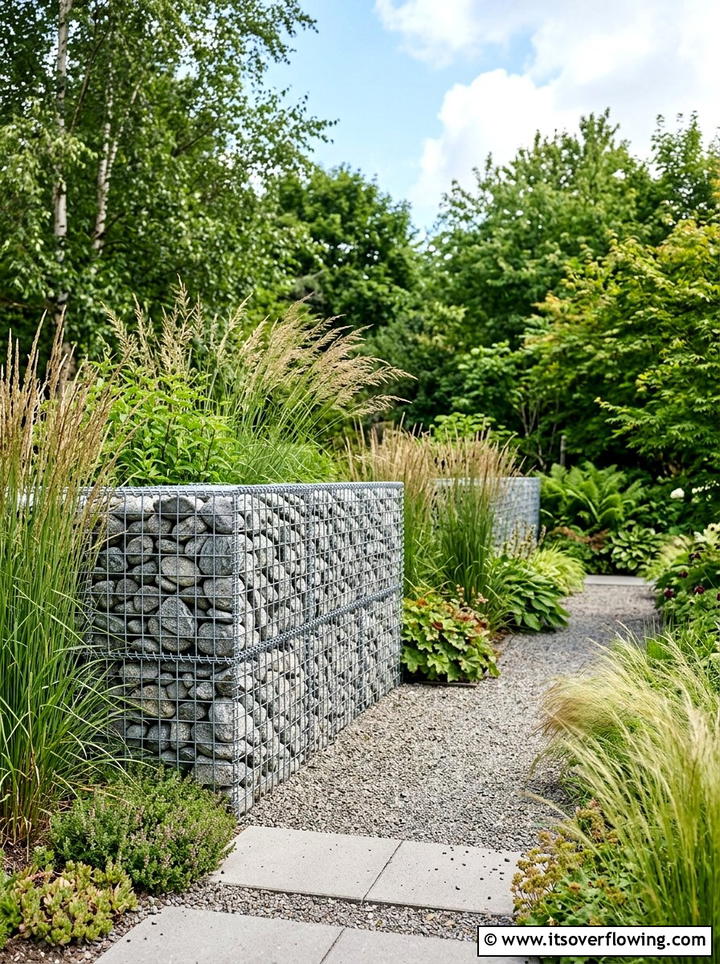
A modern gabion wall uses wire cages filled with rocks to create a highly industrial and durable terracing solution. These structures are excellent for drainage because water can flow freely through the gaps between the stones. You can fill the cages with uniform river rocks for a clean look or recycled concrete for a more eco-friendly approach. Gabion walls are incredibly strong and can support heavy soil loads on very steep hills. They offer a unique aesthetic that pairs well with metal accents and contemporary architecture. Over time, you can even encourage moss or small succulents to grow within the wire mesh for an integrated green appearance.
13. Brick Retaining Wall
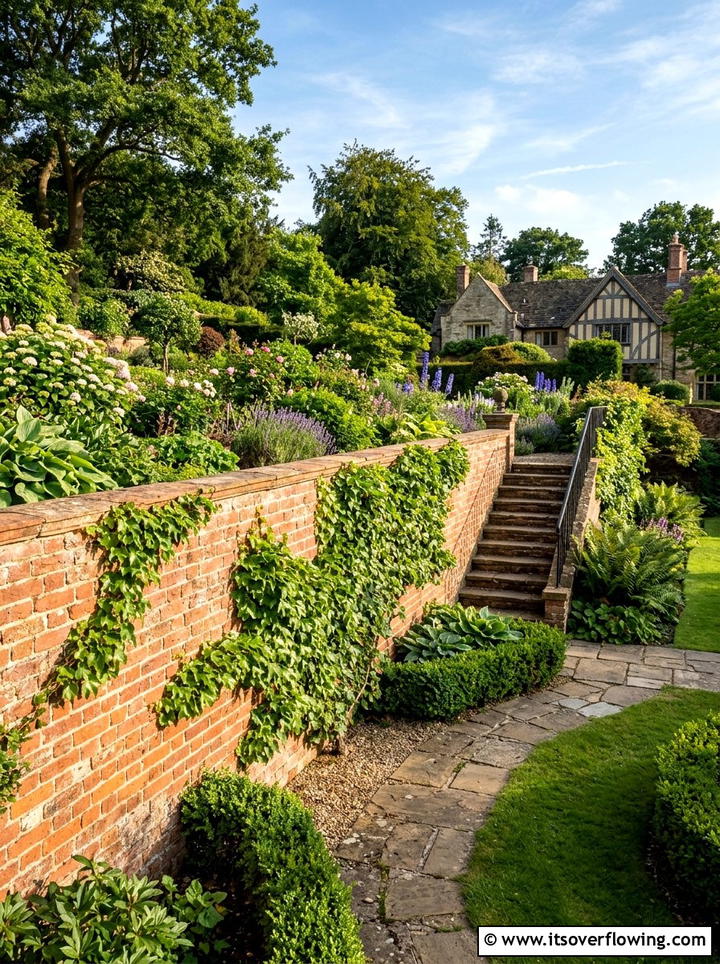
Brick retaining walls offer a classic and formal look that complements many traditional home styles. Using high-quality outdoor bricks ensures that the structure can withstand moisture and temperature changes without cracking. You can choose from various bond patterns to add visual interest to the vertical surfaces of your terraces. Bricks provide a very neat and orderly appearance, which is perfect for creating defined garden beds or level lawn areas. Incorporating matching brick steps helps to tie the entire design together for a cohesive finish. While brickwork requires a solid foundation and professional installation, the result is an elegant and permanent landscape feature that never goes out of style.
14. Tiered Grass Lawn
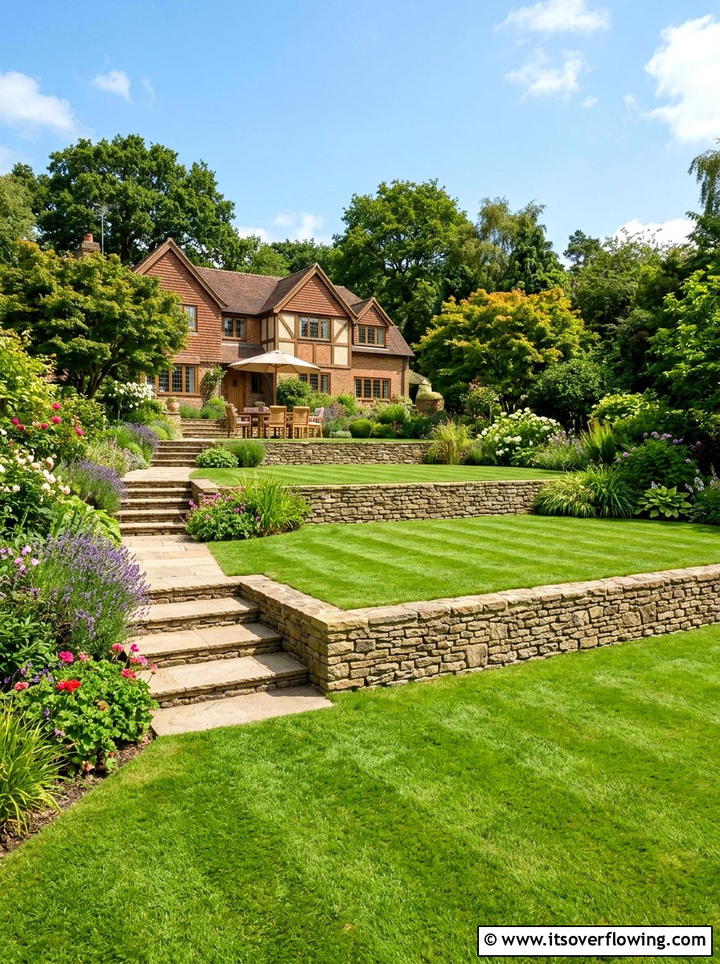
A tiered grass lawn is an excellent way to provide flat play areas for children and pets on a sloped property. By creating wide, level terraces of turf, you can turn a steep hill into a series of mini-lawns. These levels are much easier to mow than a steep incline and prevent the grass from becoming patchy due to runoff. Using stone or timber edges to separate the lawn tiers keeps the grass neatly contained and defines the different zones. This design is perfect for hosting outdoor games or setting up a small picnic area. The lush green levels provide a soft visual contrast to the hardscape elements.
15. Boulder Retaining Wall
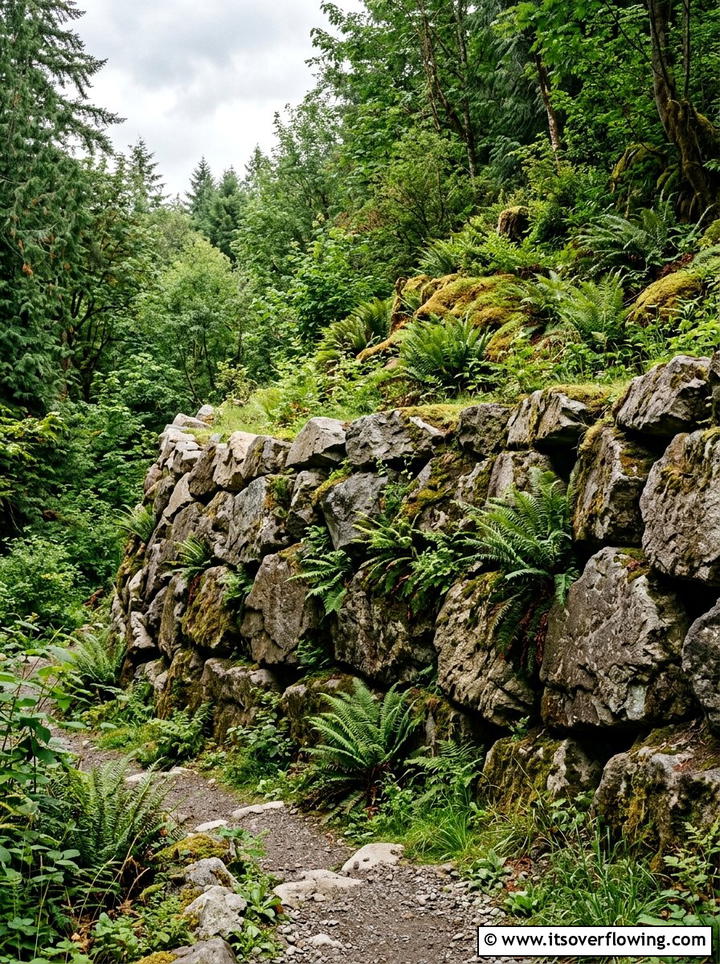
Boulder retaining walls use massive, irregularly shaped rocks to create a rugged and highly naturalistic terraced look. This method is often faster to install than stacked stone because each large boulder covers a significant amount of space. The weight of the boulders provides excellent stability for the hillside without the need for mortar. You can tuck small plants into the soil pockets created between the large rocks to soften the aesthetic. This style is perfect for large properties with lots of space, as it creates a dramatic and prehistoric feel. It works best in informal or woodland-style gardens where a structured, modern look might feel out of place.
16. Steep Slope Ground Cover
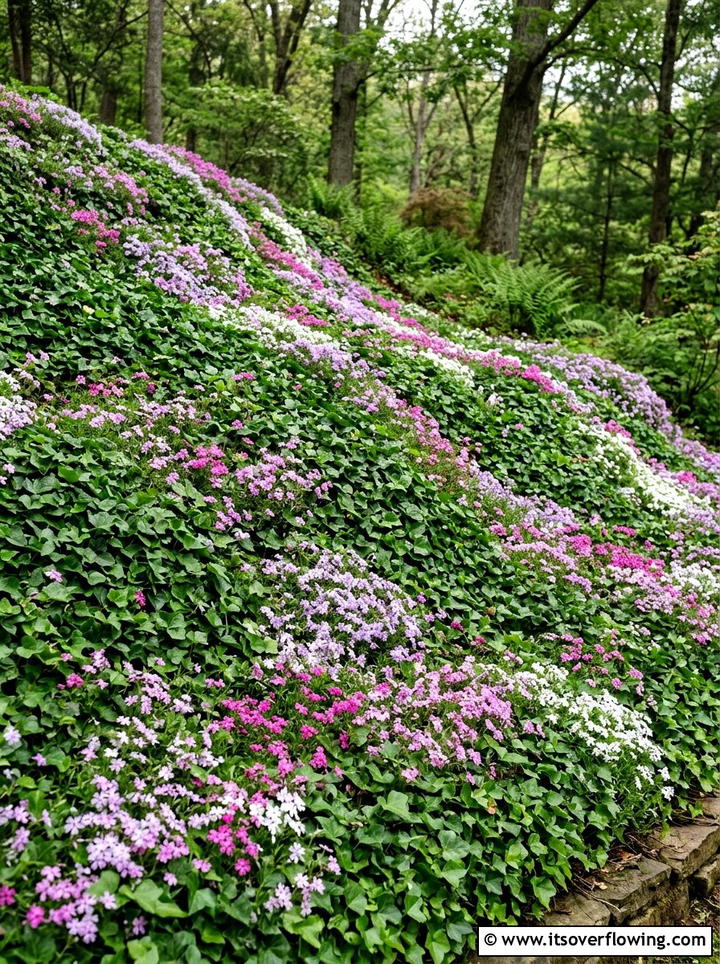
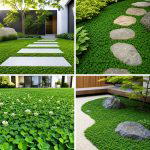
Steep slope ground cover is a practical terracing strategy that focuses on using plants to stabilize the soil. Instead of building high walls, you can create shallow terraces and densely plant them with spreading species like ivy, juniper, or creeping phlox. These plants develop deep root systems that hold the earth in place and prevent erosion. This approach is much more affordable than heavy hardscaping and results in a lush, green carpet effect. It is particularly effective for very steep areas where construction might be difficult or expensive. Selecting a mix of evergreen and flowering groundcovers ensures that the hillside remains beautiful and functional throughout every season.
17. Sloped Backyard Dining Area
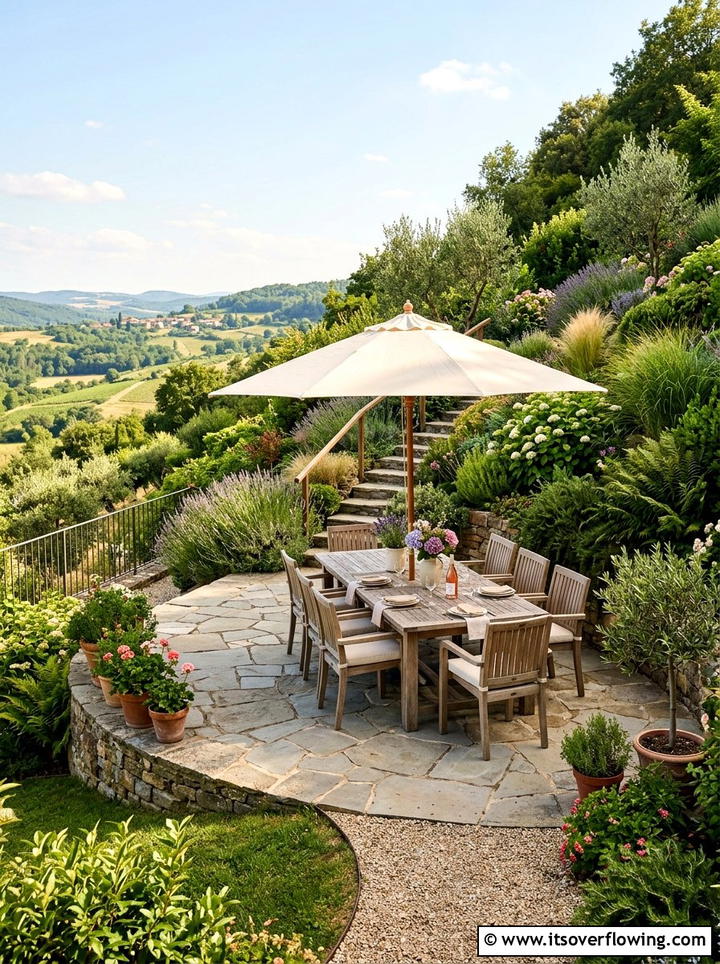
A sloped backyard dining area can be achieved by creating a spacious, level terrace specifically for an outdoor table and chairs. Positioning this area on a middle or upper tier provides a great vantage point for looking out over the rest of the garden. You can use pavers or a wooden deck to create a smooth surface for your furniture. Adding a pergola or umbrella provides shade and makes the space feel like a true outdoor room. Surrounding the dining terrace with fragrant flowers or a small herb garden enhances the atmosphere during meals. This design turns a formerly unusable slope into the favorite spot for hosting summer dinner parties.
18. Terraced Herb Garden
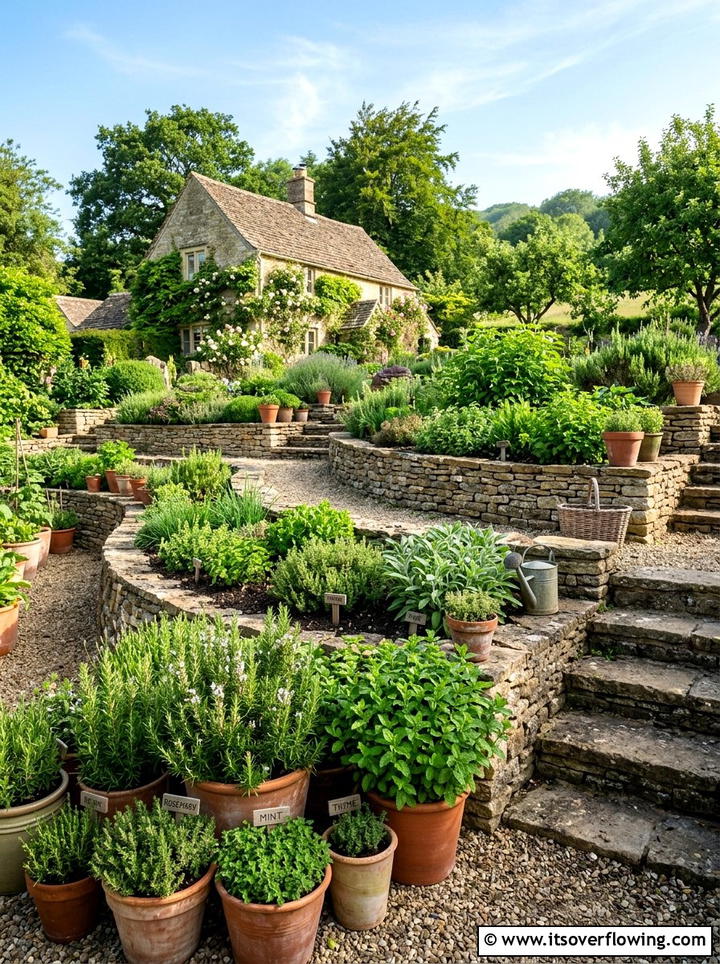
A terraced herb garden is a functional and fragrant addition to any sloped backyard, especially when placed near the kitchen. Small, shallow tiers are perfect for growing different varieties of basil, rosemary, thyme, and mint. By separating the herbs into different levels, you can easily manage their specific watering and sunlight needs. The vertical arrangement makes it simple to harvest fresh ingredients without having to stoop down to the ground. Using decorative pots or stone troughs on the terraces adds an extra layer of style to the garden. The scent of the herbs will waft through the air, creating a sensory delight for anyone walking nearby.
19. Flagstone Stepped Walkway
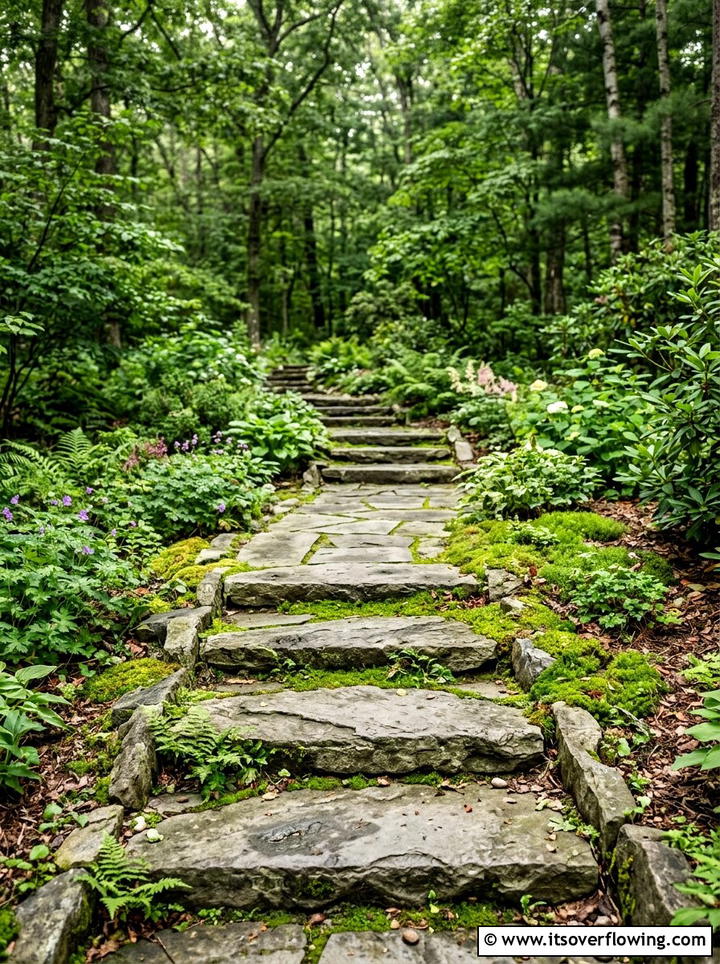
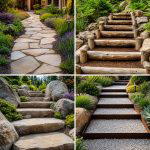
A flagstone stepped walkway provides a rustic and charming way to navigate between different elevations in your yard. Large, flat stones are set into the slope to create wide, comfortable steps that feel very stable underfoot. You can surround the flagstones with small pebbles or low-growing moss to fill the gaps and prevent weeds. This type of path works beautifully in wooded or naturalistic settings where you want the landscaping to feel integrated. The irregular shapes of the stones add character and a sense of history to the garden. It is a durable and low-maintenance option that stands up well to heavy foot traffic and various weather conditions.
20. Dry Creek Bed
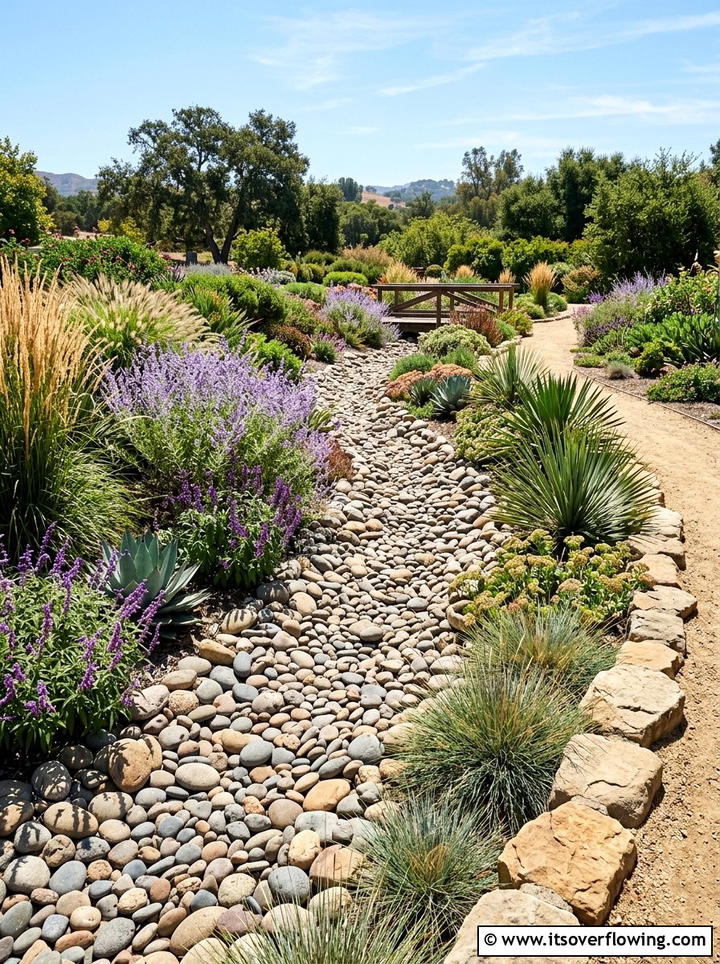
A dry creek bed is a clever terracing technique used to manage drainage while adding visual interest to a slope. By lining a natural drainage path with river rocks, gravel, and boulders, you create a feature that looks like a dried-up stream. During heavy rain, the creek bed safely directs water away from your home and prevents soil erosion. When it is dry, the different textures and colors of the rocks provide a beautiful focal point that requires no water. You can plant moisture-loving grasses and ferns along the edges to enhance the realistic look. It is an eco-friendly solution that solves a common problem with hilly properties.
21. Steel Edging Terrace
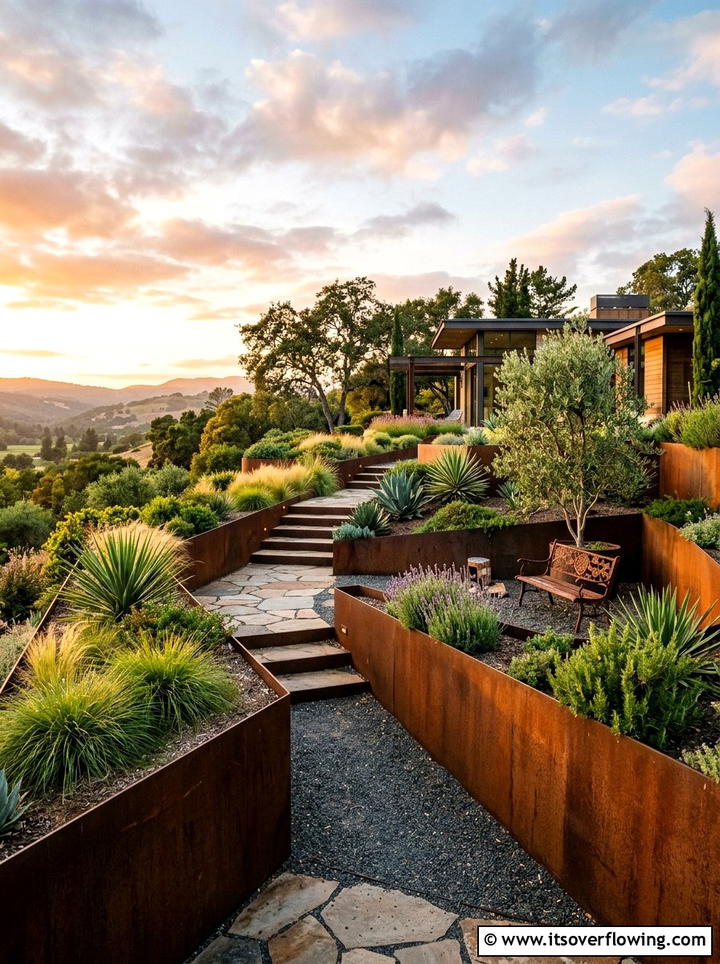
Steel edging provides a sleek, thin profile for creating terraced levels in a modern backyard. Corten steel is a popular choice because it develops a beautiful rust-colored patina over time that protects the metal from further corrosion. These thin walls take up very little space, making them ideal for smaller yards where you want to maximize the planting area. The sharp, clean lines of the steel contrast perfectly with soft, flowing ornamental grasses or colorful flowers. Steel edging is very durable and can be bent into curved shapes for a more organic look. It offers a sophisticated and minimalist aesthetic that is highly sought after in contemporary landscape design.
22. Sloped Infinity Pool
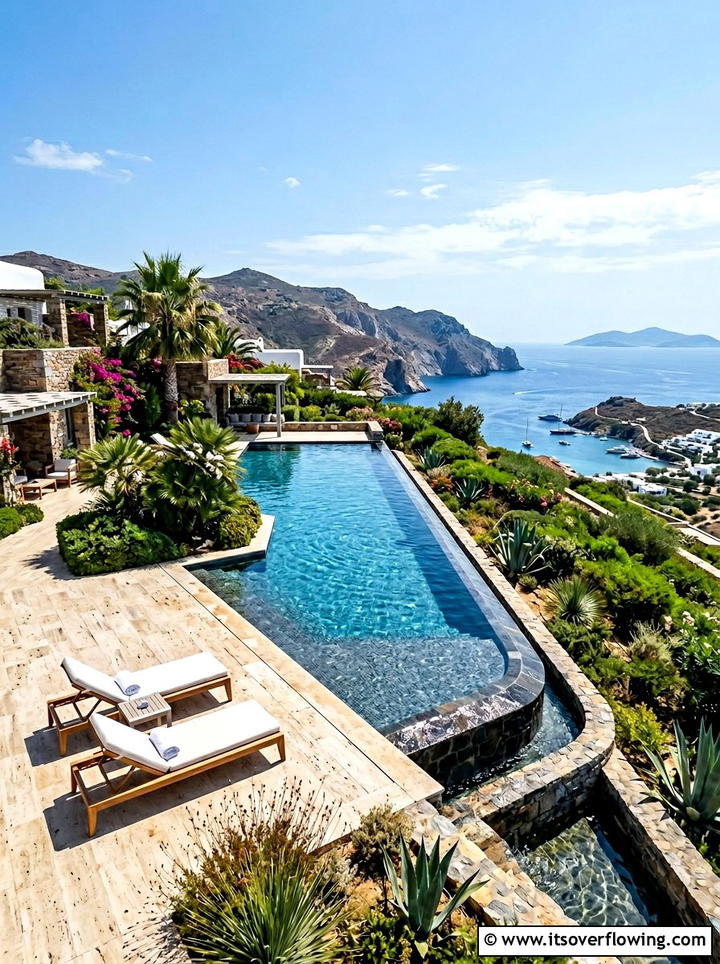
A sloped infinity pool is the ultimate luxury feature for a terraced backyard with a view. By building the pool into the side of a hill, one edge can be designed to vanish into the horizon, creating a stunning visual effect. The lower side of the pool usually requires a significant retaining wall, which can be hidden or turned into a decorative feature like a stone facade. This design makes the most of a steep grade that might otherwise be unusable for a traditional pool. The surrounding terraces can be used for lounging decks and outdoor showers. It transforms a difficult slope into a high-end resort-style destination right at your home.
23. Tiered Privacy Screen
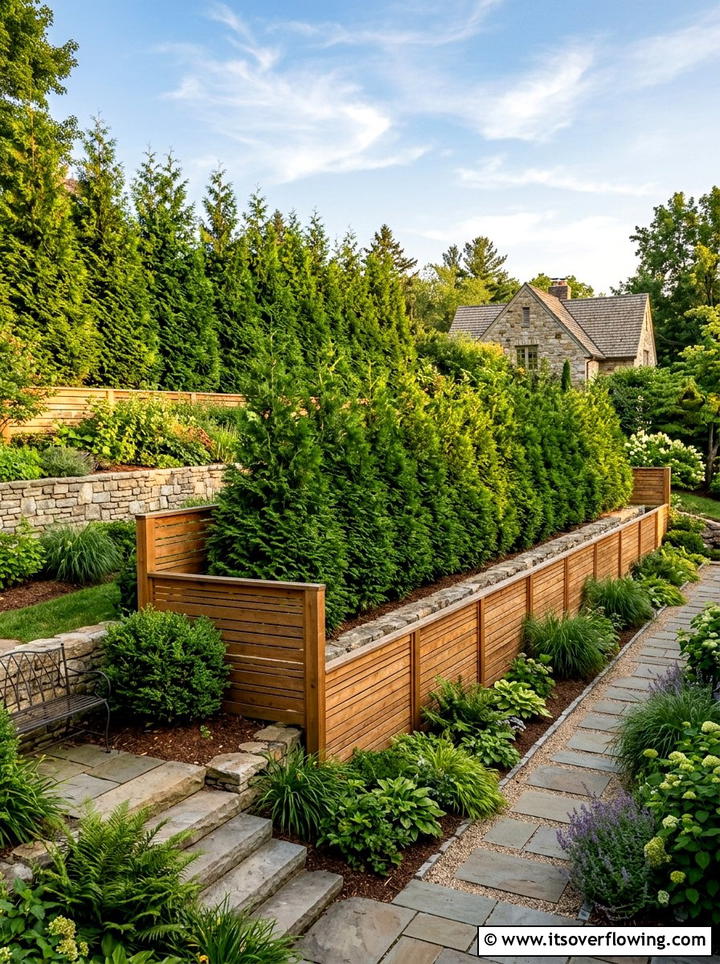
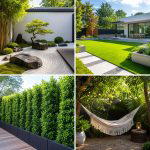
A tiered privacy screen uses a combination of terracing and tall plants or fences to block the view from neighbors. By planting tall evergreens or installing wooden lattice on different levels, you create a multi-layered barrier that feels less imposing than a single high wall. This approach provides privacy for several levels of your backyard at once. You can use clumping bamboo, arborvitae, or tall ornamental grasses to achieve a green screen that moves in the breeze. The terracing allows you to stagger the heights of the plants, ensuring total coverage. It is a great way to make a sloped yard feel like a secluded and private oasis.
24. Built In Bench Seating
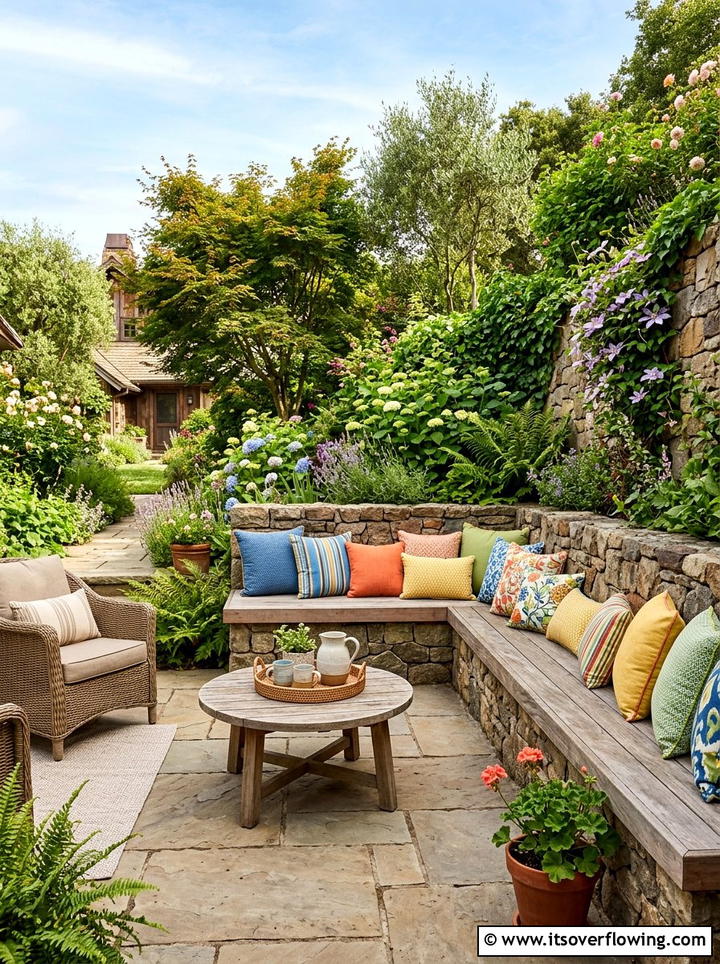
Built in bench seating is a smart way to add functionality to your retaining walls. By capping a stone or concrete terrace wall with a flat surface like wood or smooth stone, you create an instant place for people to sit. This eliminates the need for extra chairs and keeps the backyard looking uncluttered. You can add outdoor cushions for extra comfort during long gatherings. These benches can follow the curve of the terrace, providing a natural spot for conversation near a fire pit or water feature. It is a space-saving solution that makes the structural elements of your terraced yard serve a dual purpose for your family.
25. Mediterranean Terraced Garden
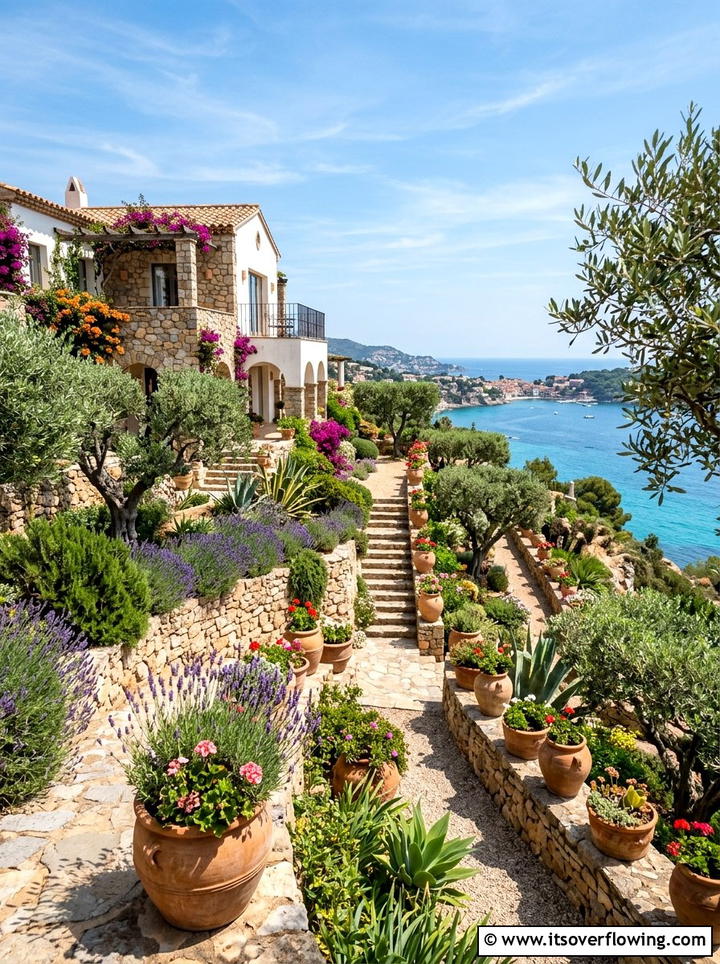
A Mediterranean terraced garden uses warm-toned stones, terracotta pots, and drought-tolerant plants to create a sunny, coastal vibe. This style often features olive trees, lavender, and bougainvillea planted on several levels. Gravel paths and stone steps connect the tiers, while small seating areas are tucked into the shade of pergolas. The use of light-colored materials reflects the sun and keeps the area feeling bright and airy. This design is perfect for hillsides in warm climates where water conservation is a priority. The combination of fragrant plants and sun-drenched stone creates a relaxing atmosphere that feels like a vacation home in Italy or Greece, right in your backyard.
Conclusion:
Terracing is a transformative landscaping technique that turns a difficult, sloped backyard into a multi-functional masterpiece. By implementing these various ideas, you can solve erosion problems while creating distinct zones for every outdoor activity you enjoy. From the rugged beauty of boulder walls to the sleek sophistication of steel edging, there is a terracing style for every home. Investing in quality materials and proper drainage ensures that your tiered garden will remain stable and beautiful for many years to come. Whether you want to grow your own food, host large dinners, or simply relax by a water feature, terracing provides the structure needed to make it happen. Reclaiming your vertical space is the first step toward a stunning and highly usable backyard retreat.
Related posts:
 25 Backyard Ideas With Steps For A Stylish Sloped Yard
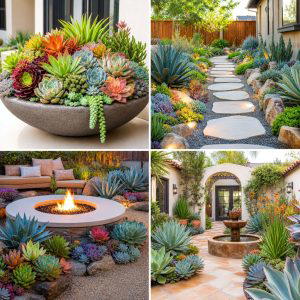 25 Backyard Ideas With Succulents for a Stunning Low-Water Yard
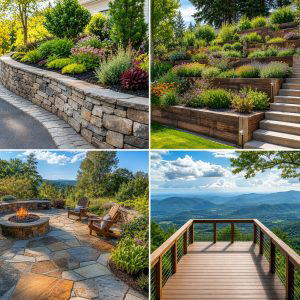 25 Backyard Ideas for Sloped Yards With Smart Style
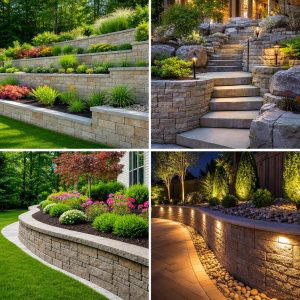 25 Backyard Ideas With Retaining Wall Designs for Sloped Yards
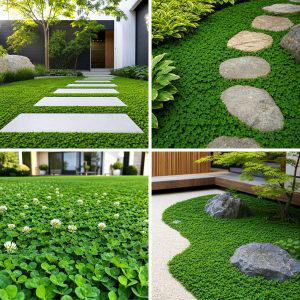 25 Backyard Ideas With Clover Lawn for a Greener Low-Mow Yard
 25 Backyard Ideas With Drainage Solutions for a Drier Yard
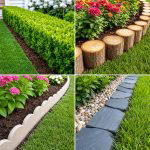
 25 Backyard Ideas With Edging for a Clean, Finished Yard
 25 Backyard Ideas With Garden and Lawn for a Polished Yard
 25 Backyard Ideas With No Grass for a Chic Low-Mow Yard
 25 Backyard Ideas With Solar Lights for a Glowing Yard Makeover
 25 Backyard Ideas With Water Feature For A Relaxing Yard
 25 Backyard Ideas With Wood Deck To Upgrade Your Yard