
Creating a beautiful outdoor space often requires more than just picking the right flowers or furniture. You must consider how water moves across your land to prevent pooling and soil erosion. Managing moisture effectively ensures your lawn remains healthy and your foundation stays dry throughout the seasons. A well-planned drainage strategy can actually become a stunning focal point in your landscape. By integrating functional elements like gravel paths or lush rain gardens, you transform a swampy mess into a functional sanctuary. This guide explores creative ways to handle runoff while enhancing the overall aesthetic of your home exterior. Every backyard deserves a solid plan for heavy rainfall and long-term sustainability.
1. French Drain Installation
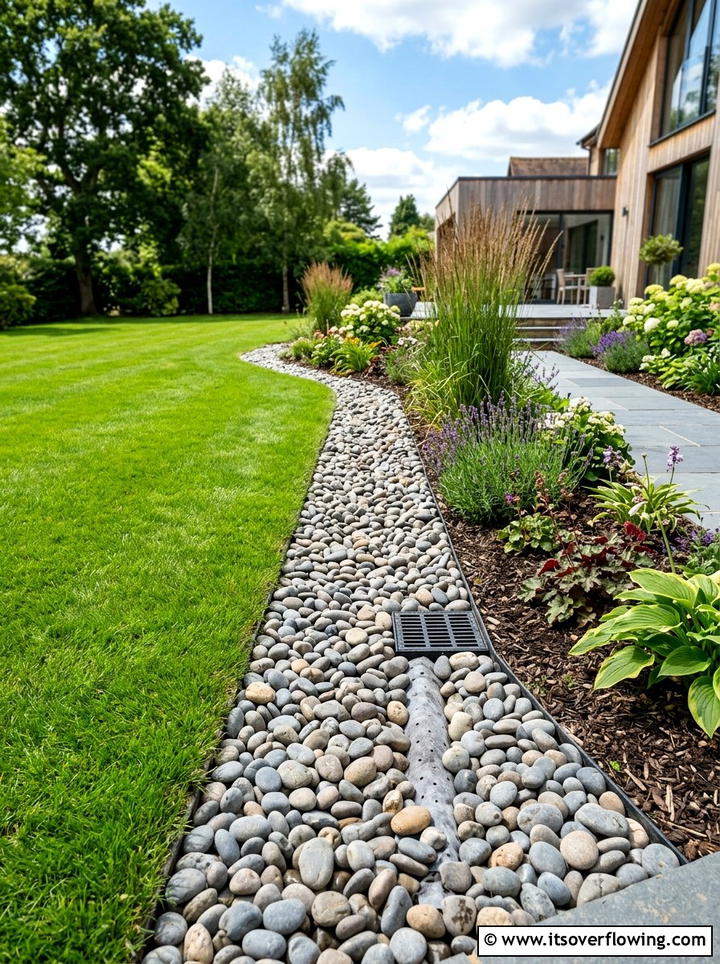
Installing a perforated pipe buried in a gravel-filled trench provides a reliable way to divert standing water away from your home. This method works perfectly for low-lying areas in your lawn where puddles tend to form after a heavy storm. You start by digging a sloped trench that leads to a safe discharge point like a storm drain or a dry well. The gravel acts as a filter, allowing water to seep through while keeping large debris out of the system. Covering the trench with decorative river rocks or sod makes the entire drainage solution invisible to the naked eye. It ensures a dry, usable yard all year long.
2. Dry Creek Bed Landscaping
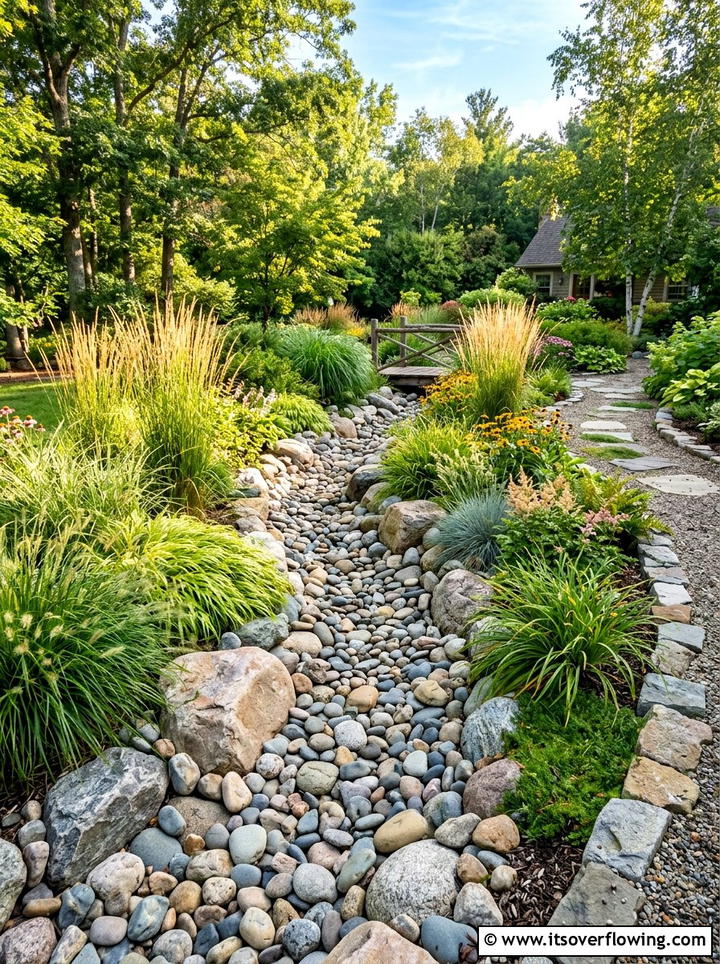
Creating a dry creek bed is an excellent way to manage heavy runoff while adding a naturalistic aesthetic to your garden. These features mimic the look of a natural stream using different sizes of river rocks, boulders, and pebbles. During rain, the water flows through the rocky channel instead of washing away your topsoil or mulch. You can plant moisture-loving ferns and grasses along the edges to soften the look and provide extra absorption. This solution works best on naturally sloped properties where water has a clear path to follow. It provides a beautiful visual element even during the dry summer months of the year.
3. Permeable Paver Patio
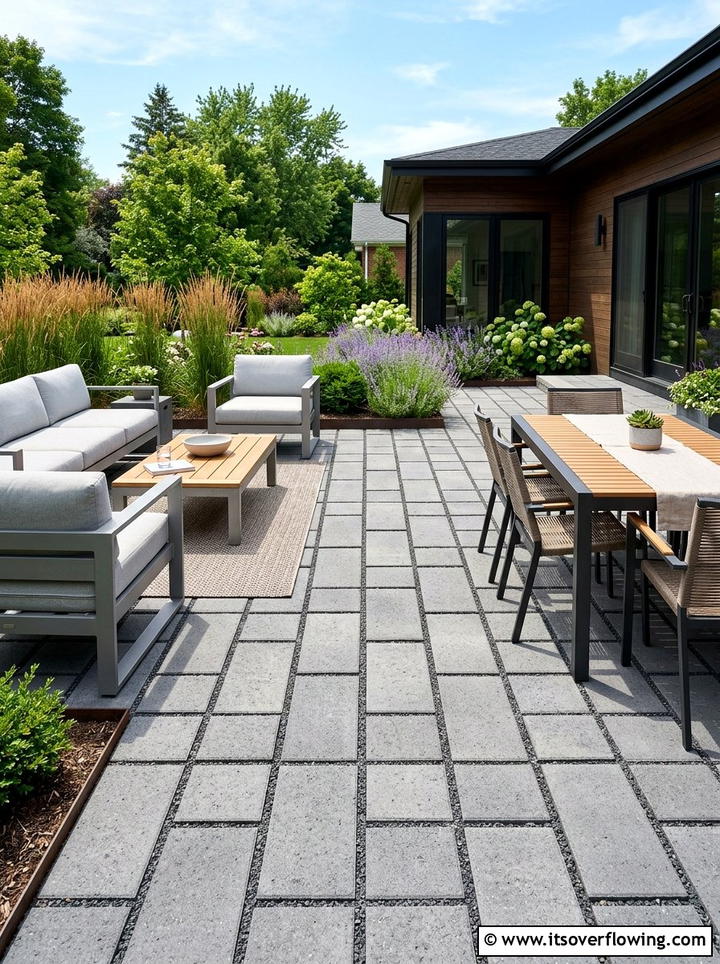
Choosing permeable pavers for your outdoor living area allows rainwater to soak directly into the ground instead of running off into the yard. These specialized stones are designed with larger gaps between them, which are filled with tiny aggregate rather than traditional sand. This structure creates a functional surface for dining or lounging while acting as a massive filter for the earth below. It prevents the common problem of large sheets of water flowing off a solid concrete slab. You can find these pavers in many colors and styles to match your home architecture. They offer a sophisticated look that protects your landscape from moisture damage.


4. Rain Garden Planting
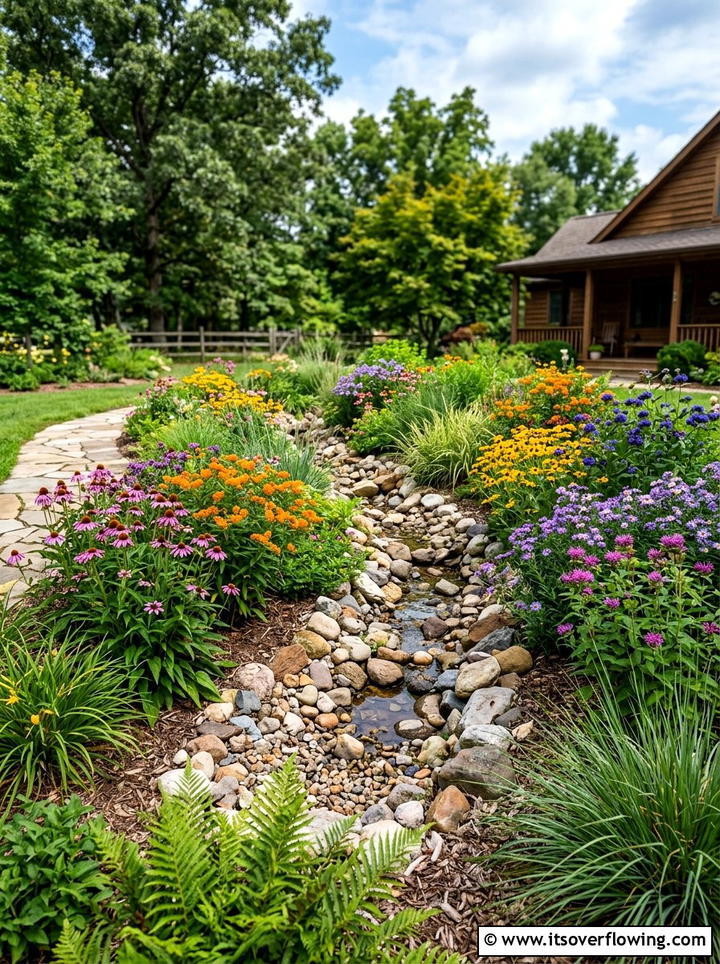
Building a rain garden involves creating a shallow depression in your landscape that is specifically planted with native flowers and shrubs. This area is designed to collect runoff from roofs and driveways, allowing it to slowly infiltrate the soil over a day or two. The plants selected for this area must be able to handle both temporary flooding and periods of dry weather. These gardens are incredibly effective at filtering pollutants from the water before it reaches the local water table. They also provide a wonderful habitat for butterflies, bees, and birds. It is a sustainable and beautiful way to manage backyard moisture levels naturally.
5. Retaining Wall Drainage
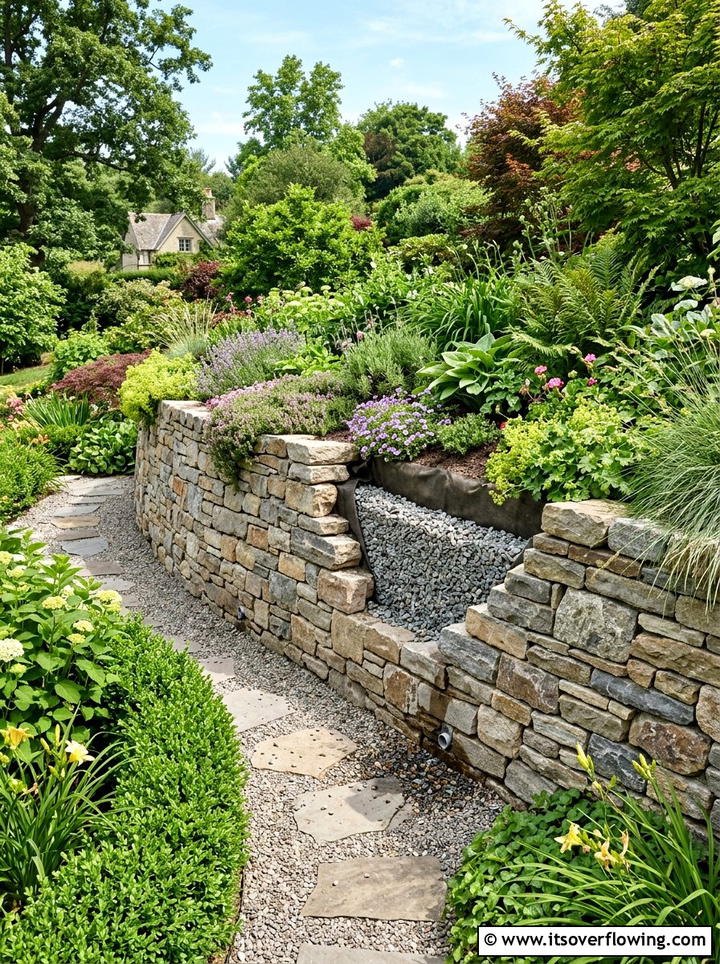
Constructing a retaining wall with built-in drainage prevents hydrostatic pressure from building up behind the structure and causing it to collapse. Every wall should feature a layer of crushed stone and a perforated drain pipe at the base to channel water away. You can also include weep holes at regular intervals to allow trapped moisture to escape the soil behind the wall. This setup is crucial for tiered landscapes or sloped backyards where soil movement is a major concern. When done correctly, the drainage system is hidden from view, leaving you with a sturdy and attractive stone or timber feature. It ensures your landscape stays stable.
6. Grass Swale Landscaping
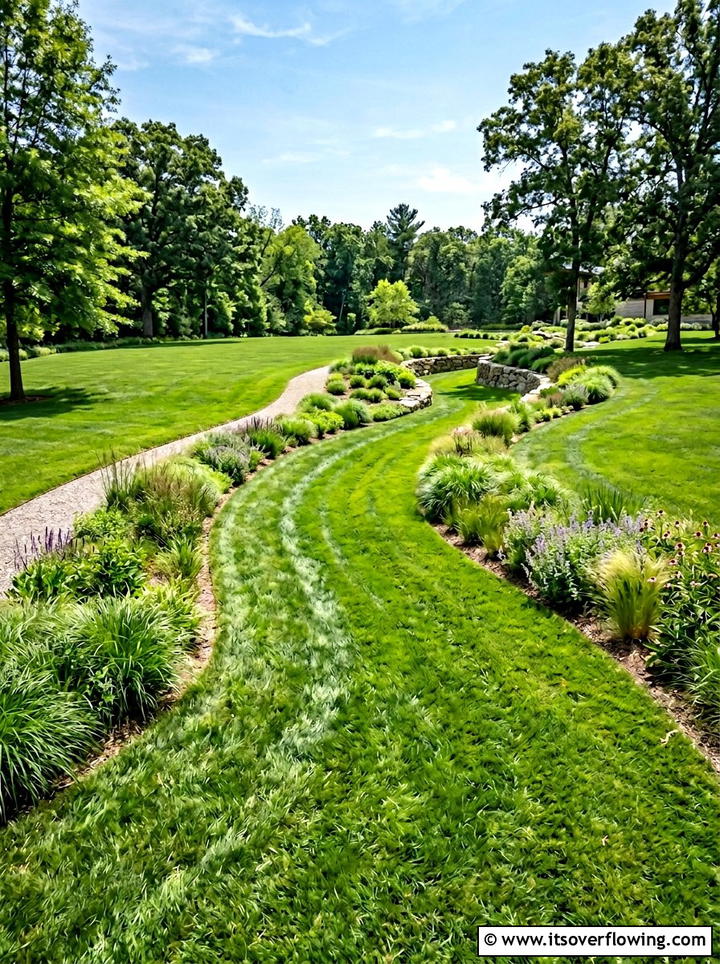
A grass swale is a shallow, wide channel designed to slow down and redirect water across your property while allowing some absorption. Unlike a steep ditch, a swale has gently sloping sides that make it easy to mow and maintain as part of your lawn. The thick turf grass acts as a natural filter, trapping sediment and slowing the velocity of the water during heavy storms. This feature is often used to move water from a backyard down toward a street or a larger drainage basin. It provides a subtle way to manage landscape contouring without using heavy industrial pipes. It keeps the yard looking green.
7. Catch Basin System
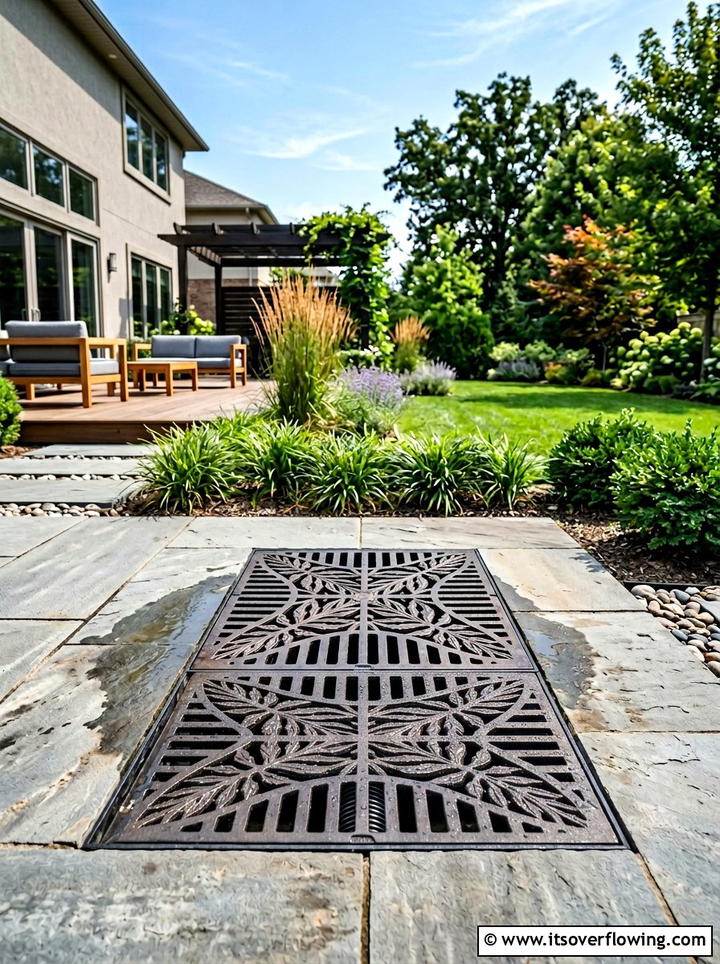
Installing a catch basin helps manage surface water that collects in specific low spots around your patio or garden paths. These underground boxes feature a grate on top to catch water and a pipe at the bottom to carry it away. You can place these basins near downspouts or at the end of a driveway where water tends to pool. They are highly effective at preventing localized flooding that can damage your landscape plants or outdoor furniture. Many homeowners choose decorative metal grates to ensure the basin blends in with their overall design. It is a very practical solution for flat or low-elevation backyard spaces.


8. Dry Well Construction
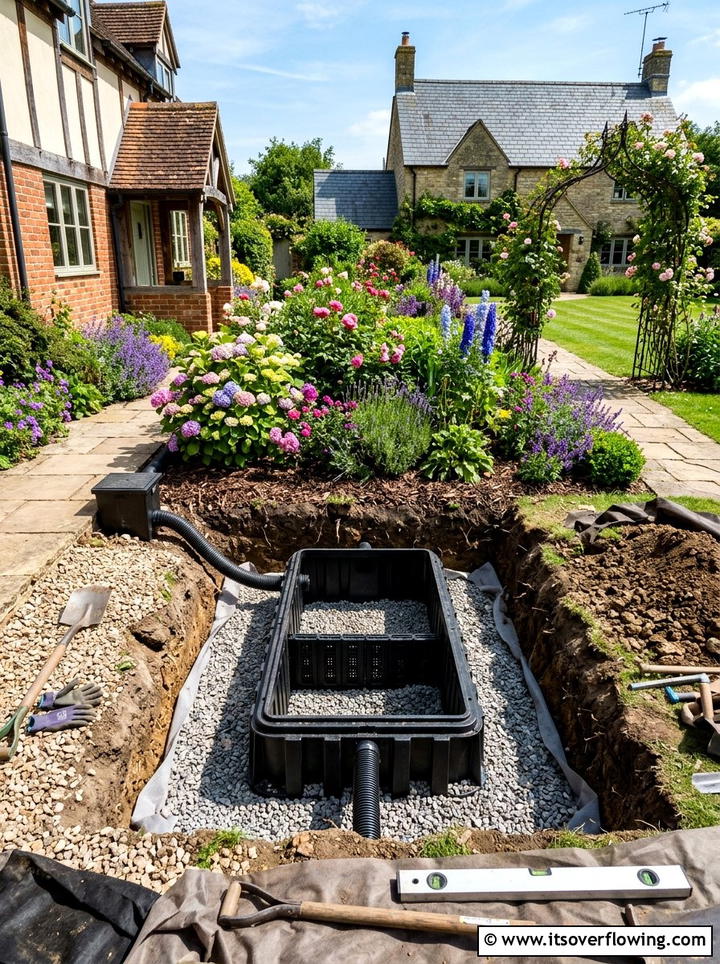
A dry well is an underground structure that collects large volumes of runoff and slowly releases it into the surrounding subsoil. It is essentially a large, perforated tank or a gravel-filled pit buried deep beneath the surface of your yard. This system is ideal for handling water from roof gutters or large paved areas that have no other place to go. By storing the water underground, you prevent surface erosion and keep your lawn from becoming a muddy swamp. Dry wells are often hidden under decorative garden beds or lawn areas to maintain a clean look. They are vital for heavy rainfall regions with poor soil.
9. Gravel Path Drainage
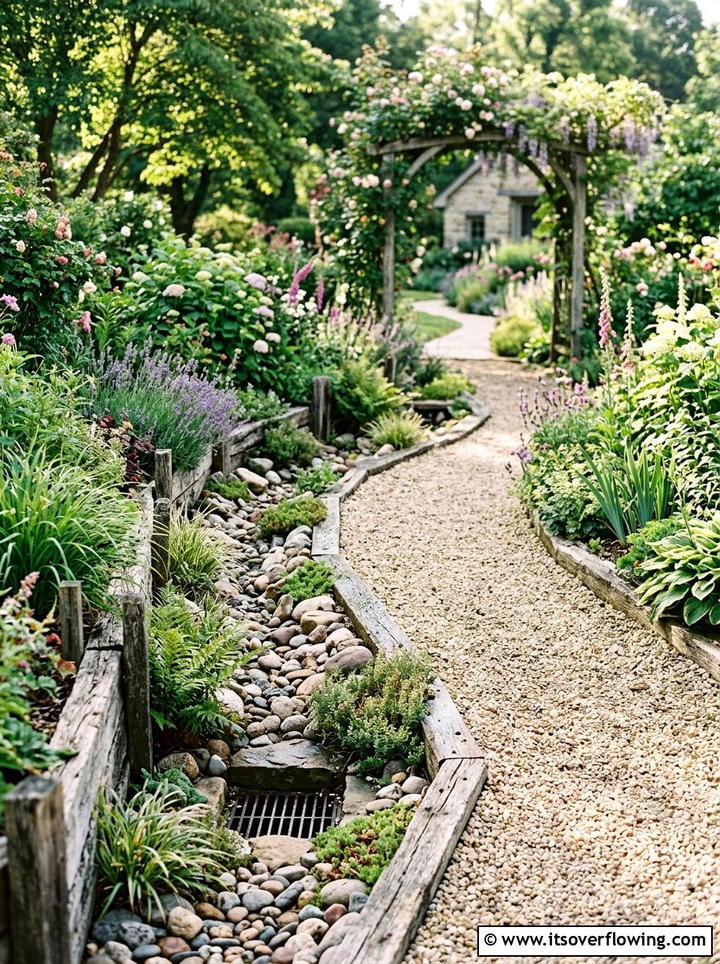
Using gravel for your garden walkways is a smart way to ensure water drains directly into the earth rather than pooling on the surface. Unlike solid pavement, gravel is a porous material that allows every drop of rain to penetrate through to the soil. You can use a variety of stone types, from fine pea gravel to larger crushed granite, depending on your style. To prevent the stones from shifting, consider using a honeycomb grid system underneath the path. This keeps the walkway firm and stable while maintaining maximum permeability. It is an affordable and stylish way to keep your garden paths dry and safe.
10. Artificial Turf Drainage
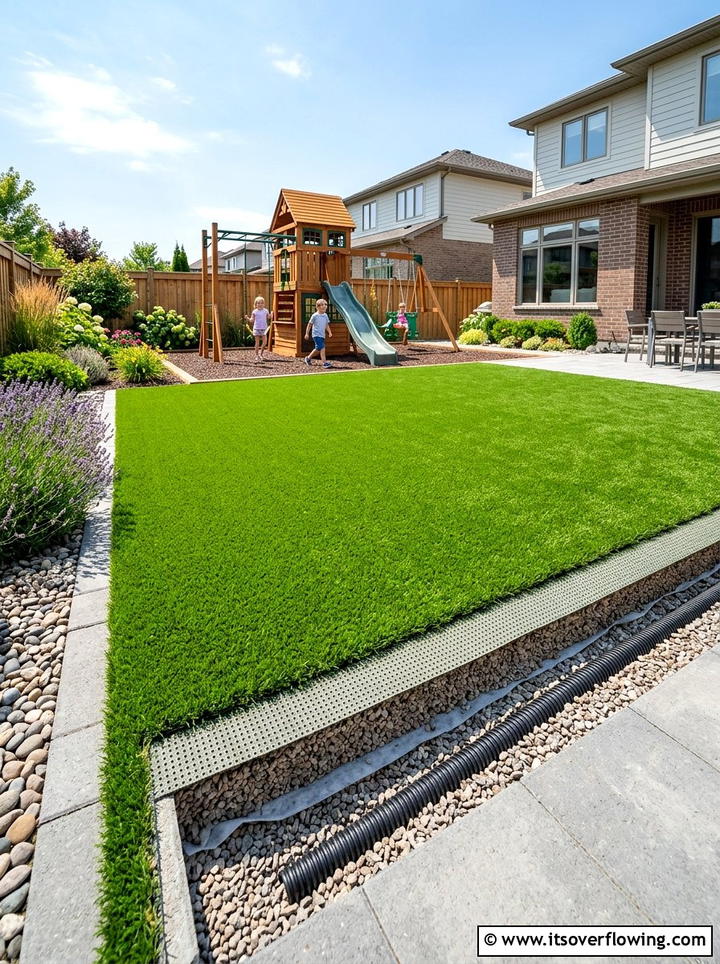
Modern artificial turf systems are designed with high-tech backing that allows water to pass through at an incredible rate per hour. When installed with a proper base of crushed stone and sand, synthetic grass can actually drain better than a traditional natural lawn. This makes it an excellent choice for dog runs or play areas where mud and puddles are a constant nuisance. The drainage layer underneath prevents water from sitting on the surface, keeping the area usable even minutes after a storm. It offers a perfectly green look year-round without the maintenance or drainage issues associated with real soil and sod.
11. Yard Grading Solution
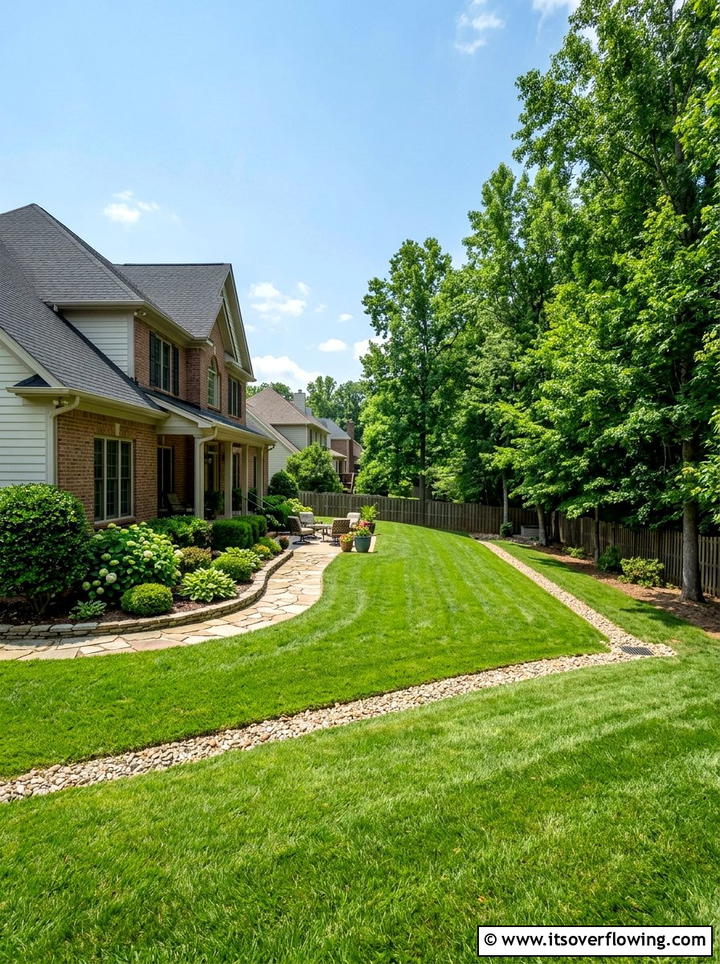
Regrading your yard involves reshaping the slope of the land to ensure water flows away from your home foundation. This process often requires bringing in fresh topsoil to fill in low spots and create a gentle downward pitch. A properly graded yard is the most fundamental step in preventing basement leaks and standing water in your outdoor living zones. You can finish the graded area with new sod or a beautiful garden bed to hide the work. This solution addresses the root cause of many drainage problems by using gravity to your advantage. It creates a smooth, functional landscape that looks intentional and well-maintained.

12. Bog Garden Landscape
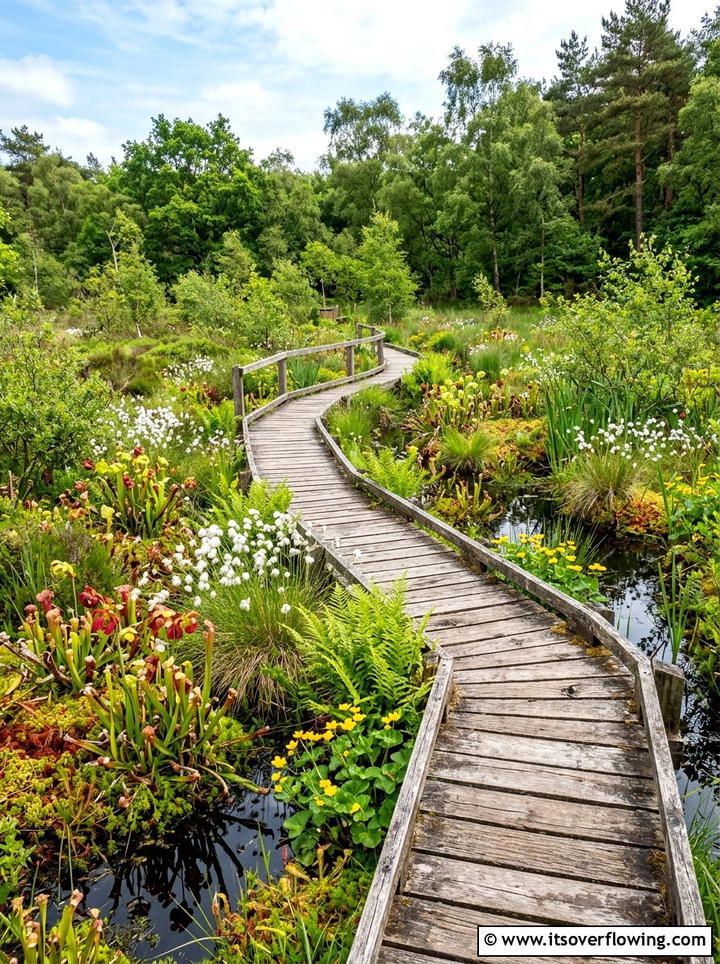
If you have a naturally wet area that refuses to dry out, a bog garden is a creative way to embrace the moisture. This involves planting specialized water-loving species like carnivorous plants, pitcher plants, or marsh marigolds in the damp soil. Instead of trying to fight the water, you create a unique ecosystem that thrives in soggy conditions. You can add a wooden boardwalk or stepping stones over the area to allow access without getting your feet wet. This design choice turns a problem spot into a conversation piece and a haven for local wildlife. It is a stunning alternative to traditional drainage methods.
13. Outdoor Sump Pump
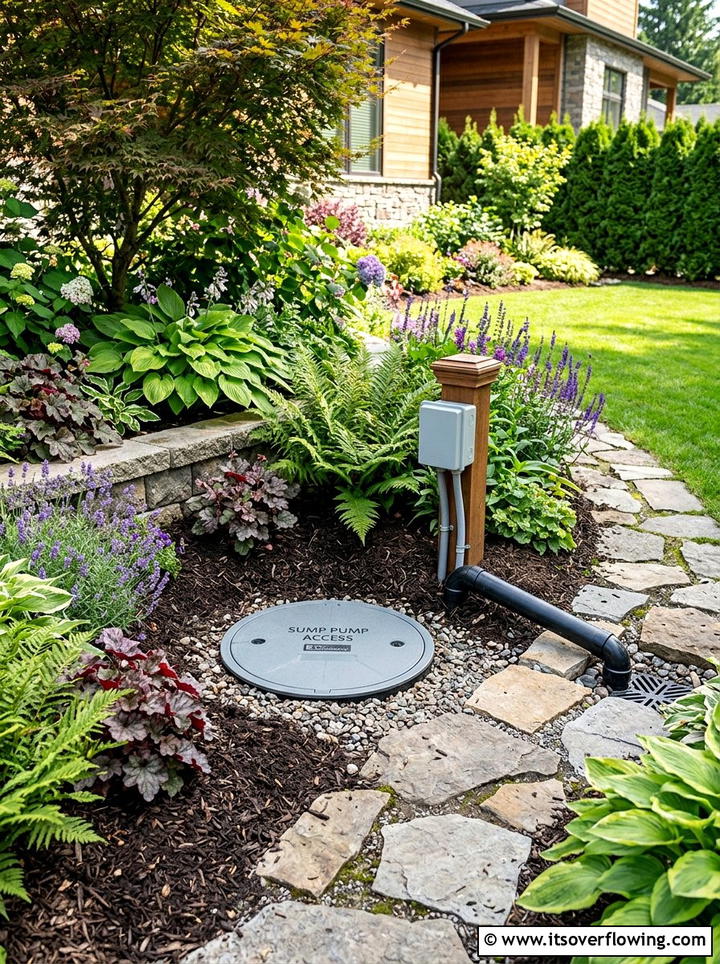
An outdoor sump pump is a mechanical solution used when gravity alone cannot move water away from a low-lying backyard. The pump is housed in a basin buried in the ground at the lowest point of your property. When the water level in the basin rises, the pump automatically activates and pushes the water through a pipe to a higher area. This is often necessary for properties with high water tables or basements that sit below the level of the street. It provides peace of mind during extreme weather events by ensuring your yard never stays flooded. It is a powerful tool for home protection.
14. Channel Drain Installation
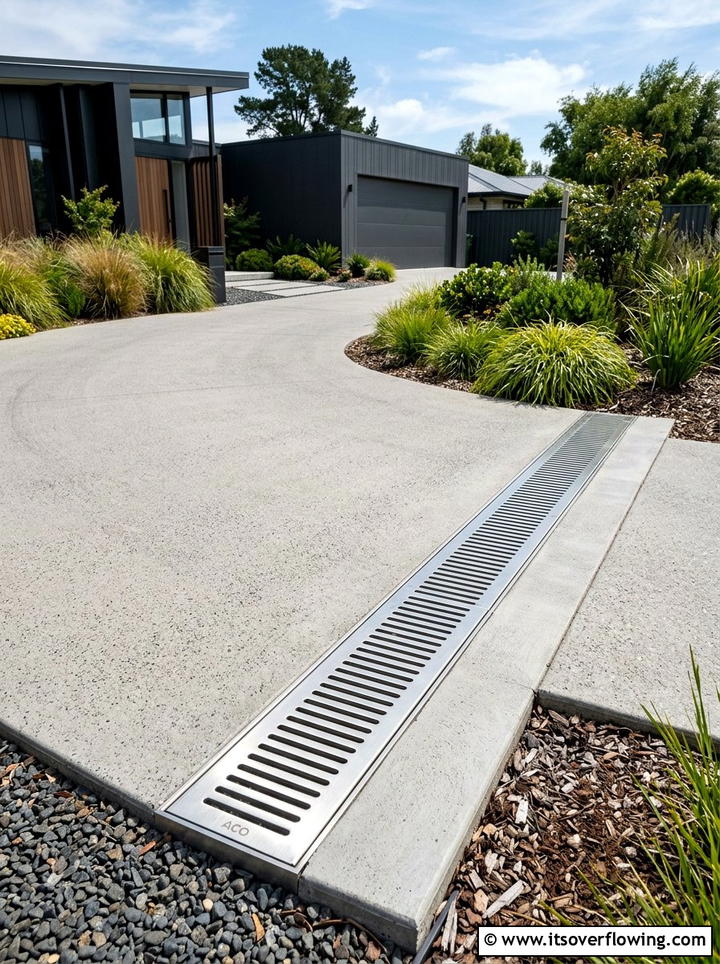
Channel drains are long, narrow drainage systems typically installed across flat surfaces like driveways, patios, or pool decks. They feature a slim metal or plastic grate that sits flush with the ground to capture sheet flow water. As rain falls on the hard surface, it is intercepted by the channel and diverted to a designated outlet. These drains are incredibly effective at keeping large paved areas dry and preventing water from entering your garage or home. They come in various finishes to match your outdoor aesthetic, from modern stainless steel to subtle plastic. It is a clean and professional-looking drainage solution for modern homes.
15. Underground Downspout Extension
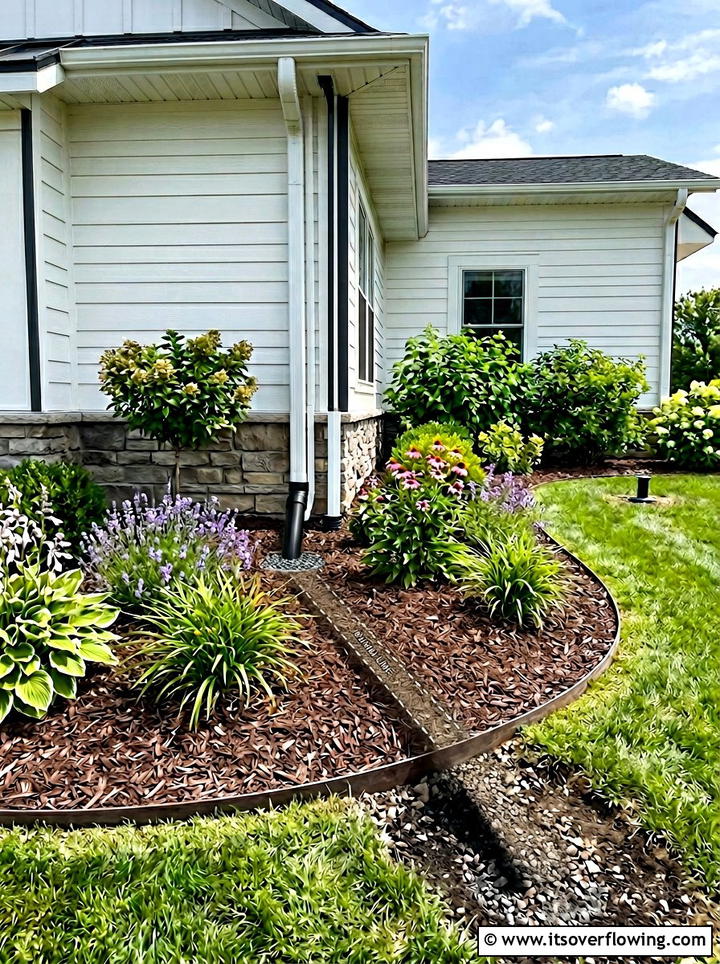
Connecting your roof downspouts to underground pipes is a great way to move massive amounts of roof water away from your foundation. Instead of dumping water directly onto your lawn, the runoff travels through solid PVC or corrugated pipes buried in the yard. You can lead these pipes to a street, a dry well, or a pop-up emitter located far from the house. This prevents soil erosion near your walls and stops water from seeping into your crawlspace or basement. It is a simple but highly effective way to manage the largest source of backyard water. It keeps your flower beds from being washed away.



16. Raised Garden Bed
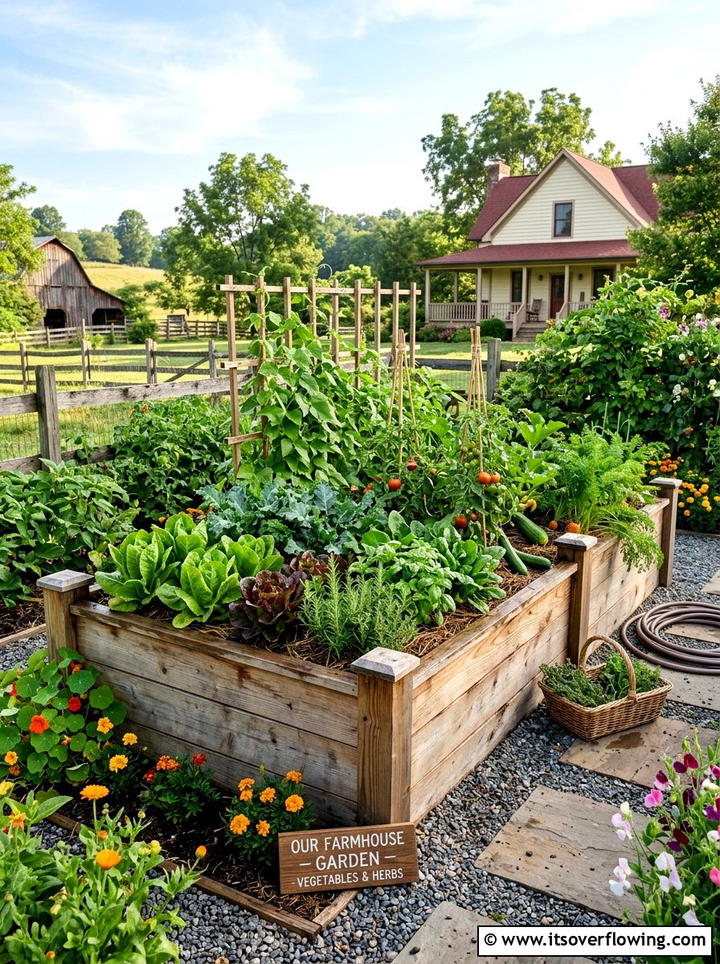
Building raised garden beds allows you to control the soil quality and drainage for your vegetables and ornamental plants regardless of the yard. By elevating the planting area, you ensure that excess water drains out the bottom of the bed rather than sitting around the roots. This is particularly helpful in yards with heavy clay soil that tends to hold moisture for too long. You can use cedar, stone, or galvanized metal to create beautiful structures that add height and interest to your backyard. Raised beds also make gardening easier on your back while solving the problem of soggy garden soil. It creates a tidy look.
17. Sloped Yard Terrace

Terracing a steep slope involves creating a series of flat levels held in place by low walls or timber sleepers. This design breaks up the speed of falling water, preventing it from gaining enough velocity to wash away your landscaping. Each level can be planted with different varieties of shrubs or groundcovers that help soak up the moisture. This approach transforms a difficult, eroding hillside into a functional and beautiful garden staircase. You can also integrate small pipes within each terrace to manage water overflow from one level to the next. It is a classic and elegant solution for challenging backyard topography and soil management.
18. Decorative Rain Chain
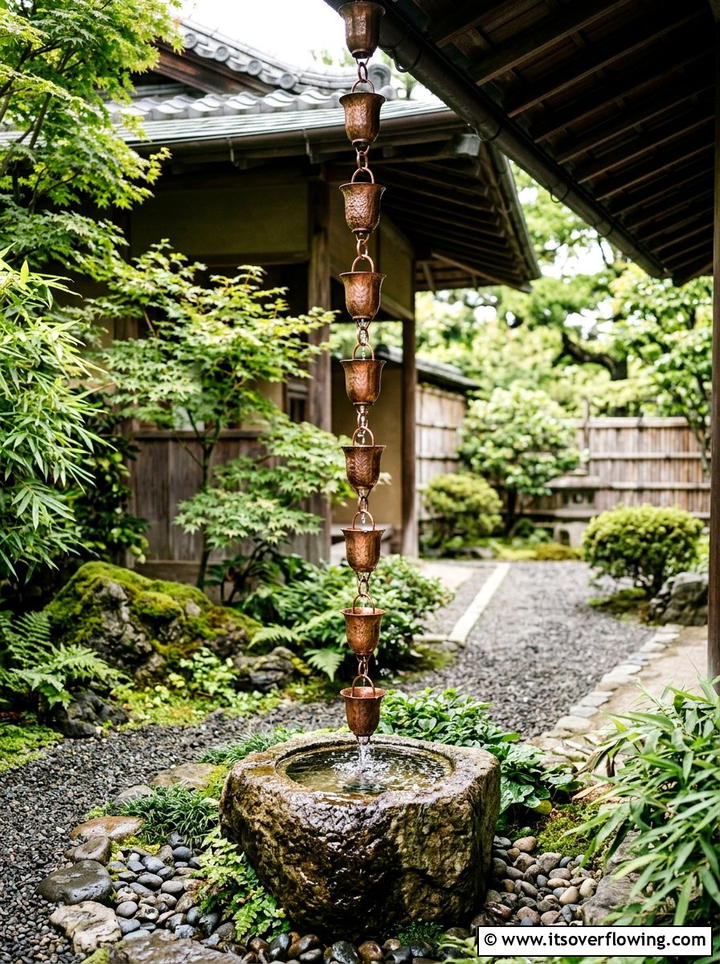
Replacing traditional metal downspouts with decorative rain chains adds a vertical water feature to your home while managing roof runoff. As water flows down the chain, it creates a soothing sound and a beautiful visual display during a rainstorm. You can place a large stone basin or a gravel-filled pot at the bottom to collect the water and direct it into the soil. This prevents the high-velocity stream of water that often comes from a standard pipe, which can cause deep holes in your mulch. Rain chains are available in copper, brass, and steel, offering a charming touch to any exterior design.
19. Pop Up Emitter
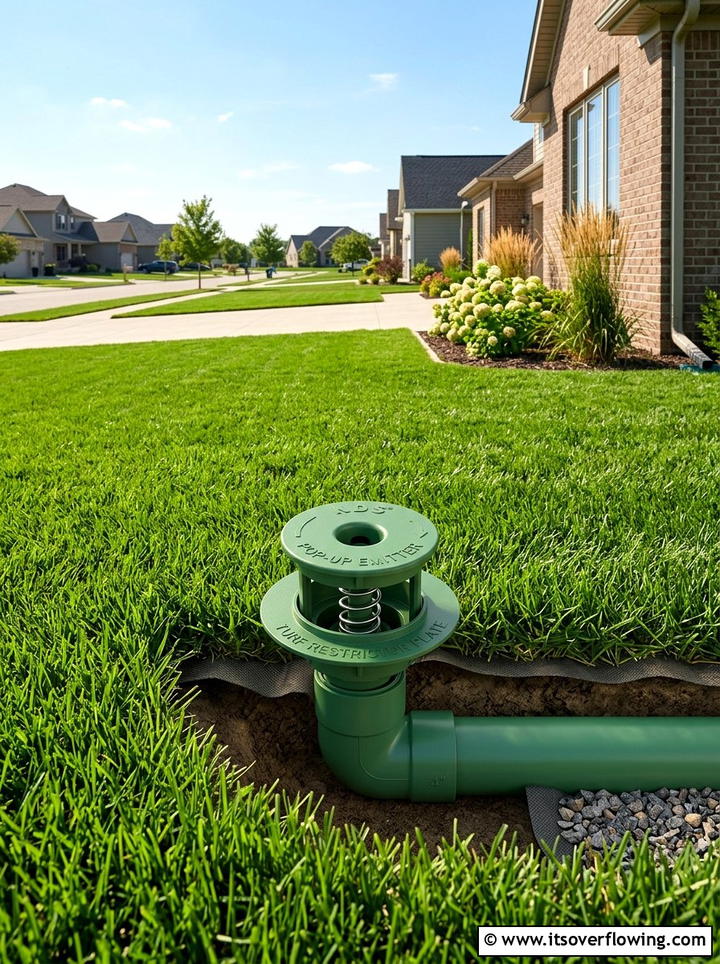
A pop-up emitter is a clever device installed at the end of an underground drainage pipe to discharge water safely. When the pipe fills with water from your downspouts or French drains, the pressure forces the lid of the emitter to open. The water then flows out onto the lawn in a gentle manner, preventing erosion and localized flooding. When the water stops flowing, the lid closes automatically to keep debris and pests out of the drainage system. Because it sits flush with the ground, you can mow right over it without any damage. It is a very discrete and efficient drainage component.



20. Perforated Pipe System
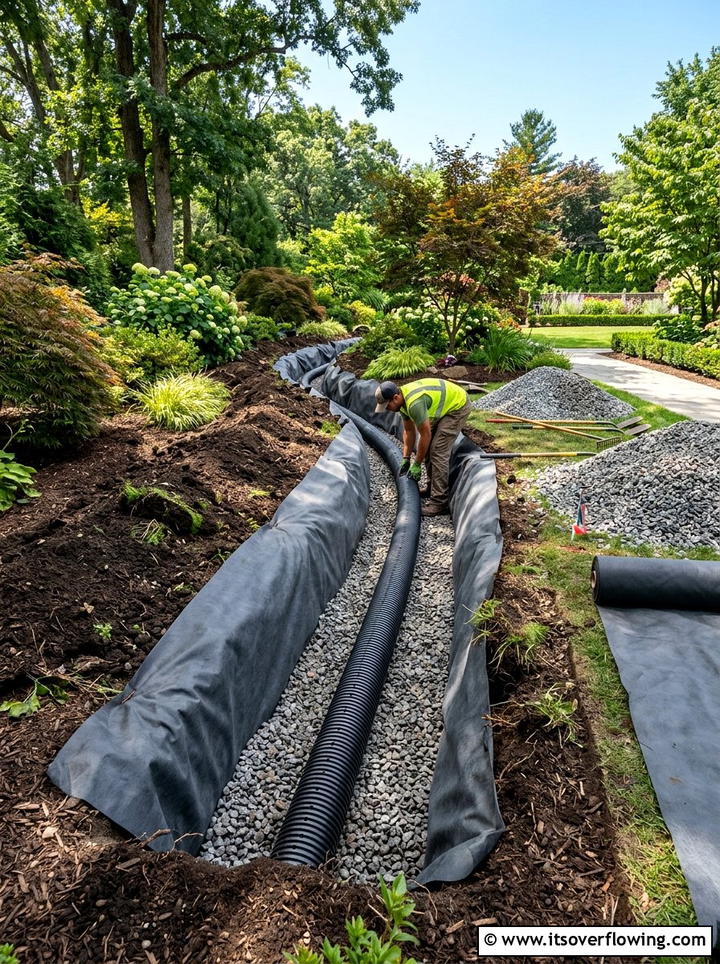
Using perforated pipes surrounded by filter fabric is a standard and effective way to move water through the soil without clogging. The small holes in the pipe allow water to enter from all sides as it moves through the underground trench. Wrapping the pipe in landscape fabric prevents fine silt and sand from entering and blocking the flow over time. This system is the backbone of most residential drainage solutions, including French drains and foundation protection. It provides a long-lasting and reliable way to manage high water tables and heavy groundwater. It is a vital hidden component for a healthy and dry backyard environment.
21. River Rock Border
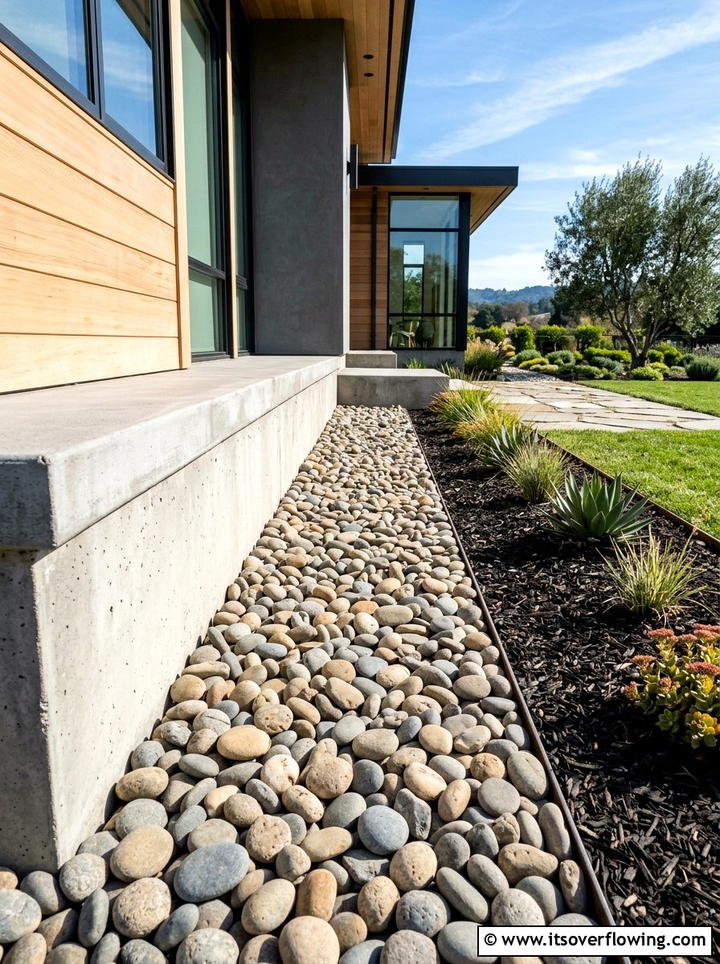
Installing a wide border of large river rocks along the perimeter of your home or patio helps manage splashing and runoff. The heavy stones stay in place during rain, providing a stable surface that prevents mud from splashing up against your siding. Water can easily trickle through the gaps between the rocks and soak into the ground, reducing the amount of surface runoff. This creates a clean, modern edge for your landscaping that requires very little maintenance compared to mulch or grass. You can choose different colors of stone to complement your home’s exterior palette. It adds texture and function to any yard.
22. Slotted Pipe Drainage
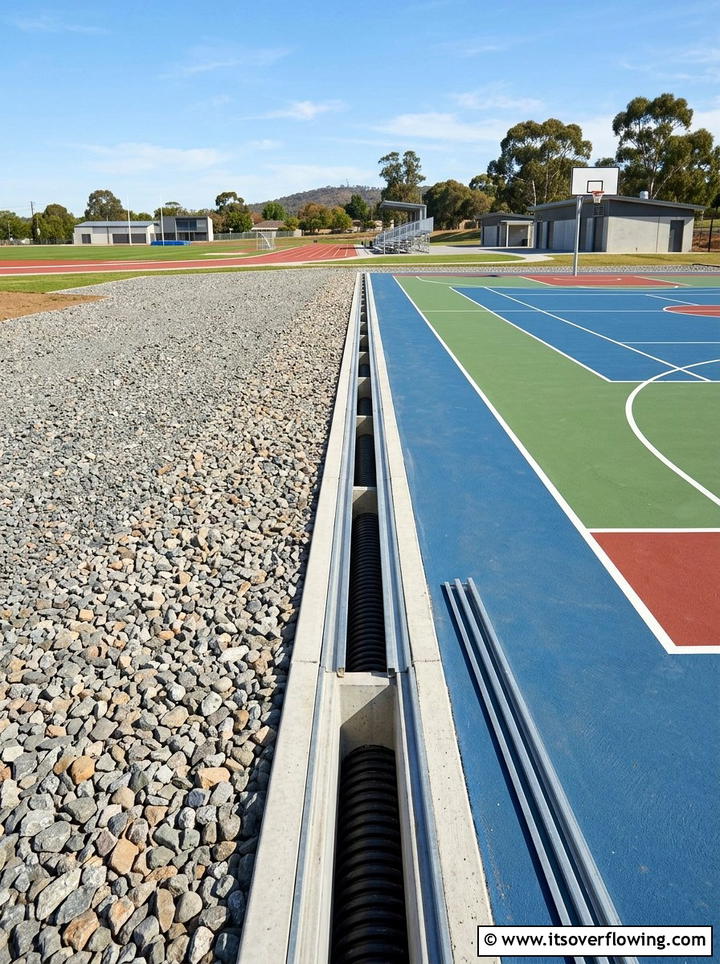
Slotted pipes are often used in specialized landscaping projects where fine-tuned water collection is needed across a large area. Unlike round holes, the narrow slots prevent larger pieces of aggregate from entering the pipe while maximizing the surface area for water intake. This type of drainage is excellent for keeping sports courts, large lawns, or vegetable gardens from becoming waterlogged. The pipes are typically buried in a bed of washed stone to ensure clear pathways for the water to travel. It is a professional-grade solution that ensures your high-traffic backyard areas remain firm and dry even during the wettest spring and autumn seasons.
23. Berm And Swale
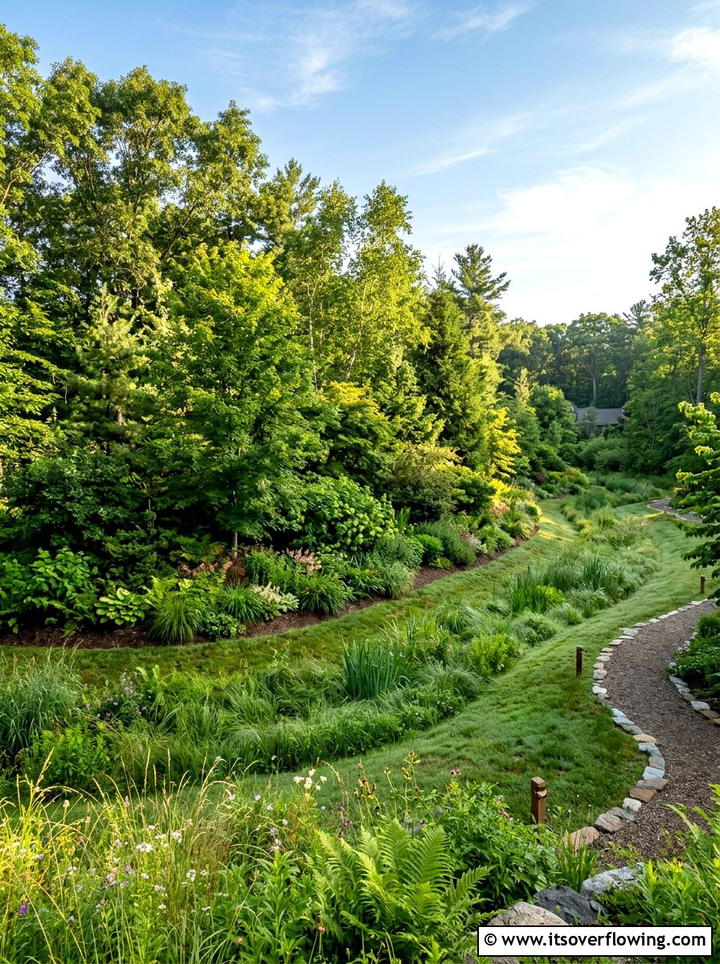
A berm is a raised mound of soil that can be used in conjunction with a swale to redirect water flow. By building a gentle hill, you can block water from entering certain areas of your yard, like a basement window or a patio. The swale on the uphill side of the berm catches the water and directs it safely around your living space. You can plant the berm with beautiful trees and shrubs to create a privacy screen while solving your drainage problems. This combination of “mound and ditch” is a traditional landscaping technique that provides both functional benefits and visual interest.
24. Deck Drainage System
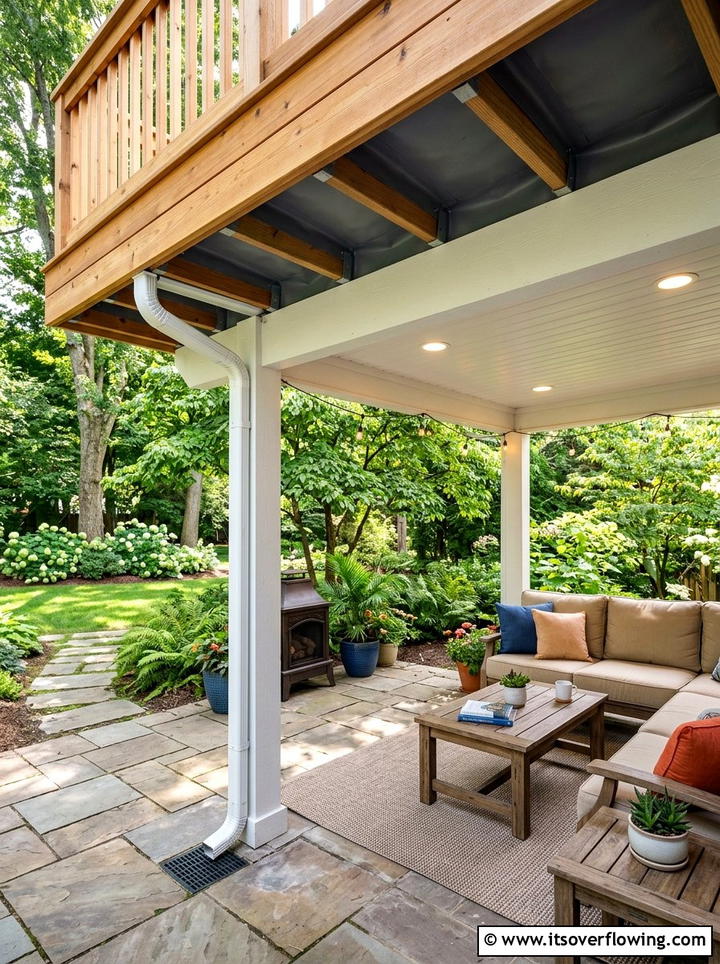
Installing a drainage system under your second-story deck allows you to use the space underneath as a dry patio or storage area. This usually involves a series of troughs or a specialized ceiling that catches water falling through the deck boards. The water is then funneled into a gutter and downspout system that carries it away from the house. This effectively doubles your outdoor living space by creating a weather-protected zone for furniture or a hot tub. It keeps the area under the deck from becoming a muddy mess. It is a smart investment for homes with elevated wooden or composite decks.
25. Concrete Strip Drain
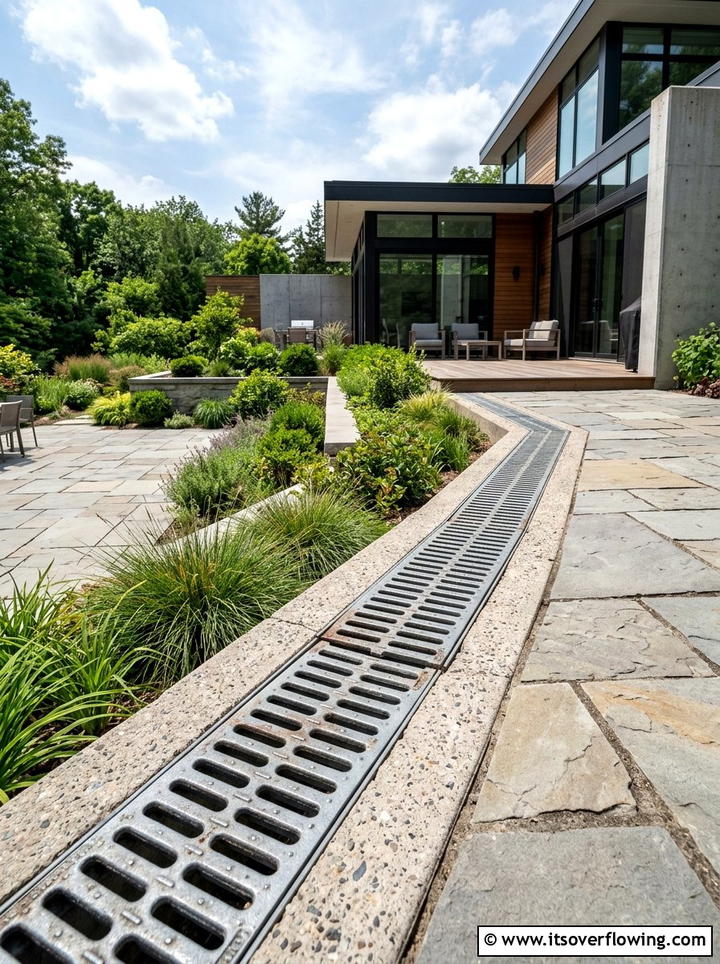
A concrete strip drain is a heavy-duty drainage solution often used at the edge of a large patio or driveway. It consists of a pre-cast concrete channel with a removable metal grate that can handle significant weights and water volumes. This is a permanent solution for areas where plastic drains might crack or shift over time due to vehicle traffic. The wide channel allows for easy cleaning, as you can simply lift the grate and sweep out any accumulated leaves or silt. It provides a clean, industrial look that fits well with contemporary home designs and large-scale landscaping projects. It is built to last.
Conclusion:
Investing in a proper backyard drainage solution is one of the smartest decisions you can make for your property ‘s long-term health. From the hidden efficiency of a French drain to the natural beauty of a dry creek bed, there are options for every budget. These features protect your home foundation, prevent soil erosion, and eliminate the nuisance of standing water and mosquitoes. By choosing a design that blends into your landscape, you can enhance your home’ s curb appeal while solving a functional problem. A dry and stable yard provides a safe and enjoyable space for your family to relax. Start planning your drainage project today for a better backyard.

Related posts:
 25 Backyard Ideas With Dry Creek Bed for Natural Drainage
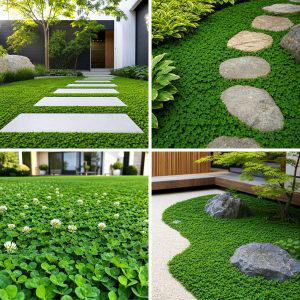 25 Backyard Ideas With Clover Lawn for a Greener Low-Mow Yard
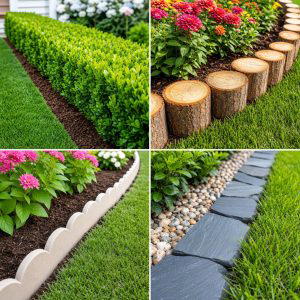 25 Backyard Ideas With Edging for a Clean, Finished Yard
 25 Backyard Ideas With Garden and Lawn for a Polished Yard
 25 Backyard Ideas With Gravel for a Low-Maintenance Yard
 25 Backyard Ideas With Minimalist Style for a Serene Yard
 25 Backyard Ideas With No Grass for a Chic Low-Mow Yard
 25 Backyard Ideas With Solar Lights for a Glowing Yard Makeover
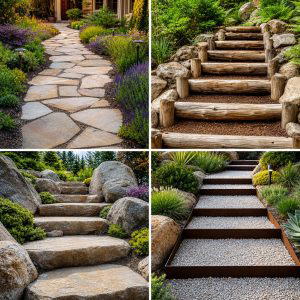 25 Backyard Ideas With Steps For A Stylish Sloped Yard
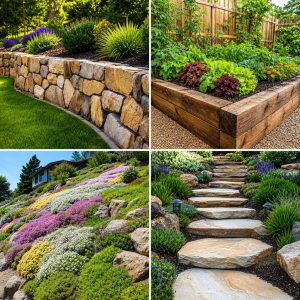 25 Backyard Ideas With Terracing for a Stunning Sloped Yard
 25 Backyard Ideas With Water Feature For A Relaxing Yard
 25 Backyard Ideas With Wood Deck To Upgrade Your Yard