
Creating a polished and organized outdoor space starts with the right foundation, and backyard edging is often the secret ingredient that professional landscapers use to achieve that high-end look. Beyond just looking beautiful, edging serves a functional purpose by keeping mulch from washing away during rain and preventing aggressive grass from creeping into your flower beds. Whether you prefer the crisp, modern lines of steel or the rustic charm of natural fieldstones, choosing the right border can completely transform the atmosphere of your garden. In this guide, we will explore various materials and styles that help define paths, highlight specimen plants, and create a clean visual transition between different zones of your property for a truly viral-worthy Pinterest aesthetic.
1. Brick garden border
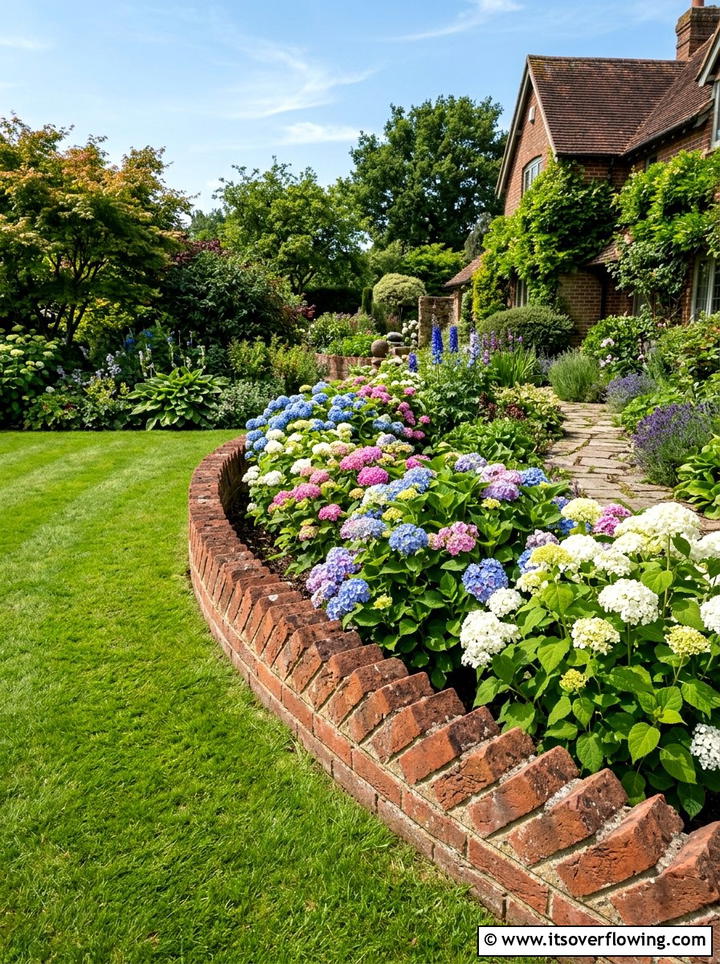
Installing a brick garden border provides a timeless and classic look that complements almost any home style from traditional to craftsman. You can choose to set the bricks flush with the ground to create a convenient mow strip or angle them in a sawtooth pattern for a decorative touch. This material is incredibly durable and easy to source, making it a favorite for many DIY enthusiasts looking to upgrade their curb appeal. Bricks also offer a heavy barrier that effectively keeps grass roots from invading your flower beds while providing a sturdy transition between the lawn and the soil. It is a cost-effective solution that only looks better as it weathers over many years in your backyard.
2. Steel landscape edging
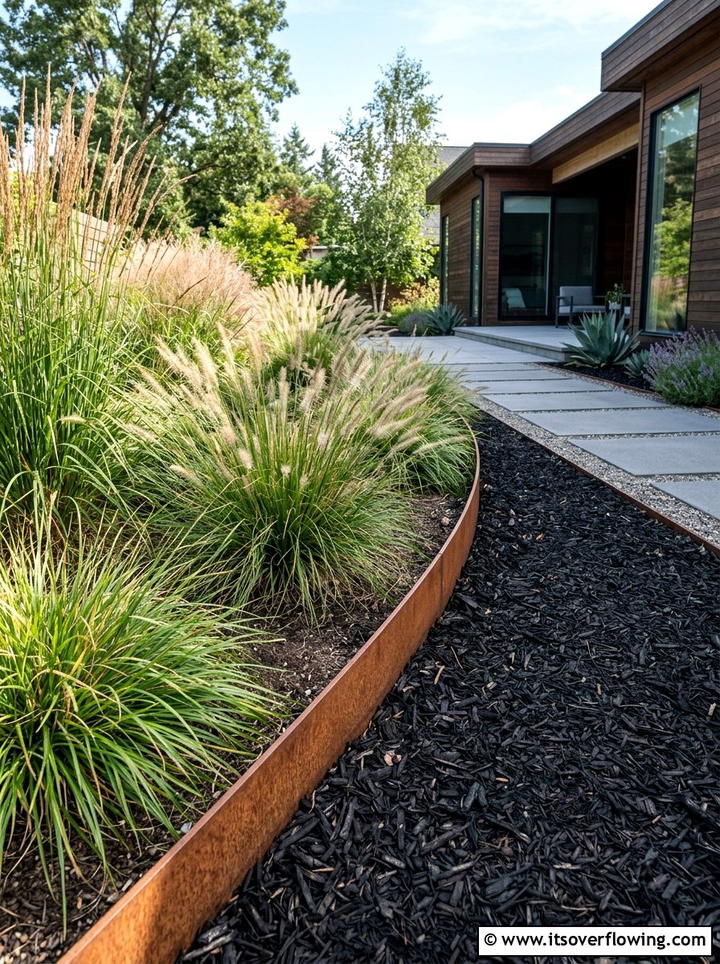
Are you looking for a sleek and modern way to define your garden beds with minimal visual bulk? Steel landscape edging, particularly the weathering Corten variety, creates a thin but incredibly strong boundary that looks professional and architectural. It is perfect for creating sharp, clean lines or sweeping curves that hold their shape indefinitely against the pressure of soil and roots. This type of edging is favored in contemporary landscape design because it develops a beautiful rust-colored patina over time that contrasts beautifully with green foliage. Because it is so thin, it almost disappears into the landscape, allowing your plants to take center stage while providing a permanent and low-maintenance structural separation.
3. Natural stone border
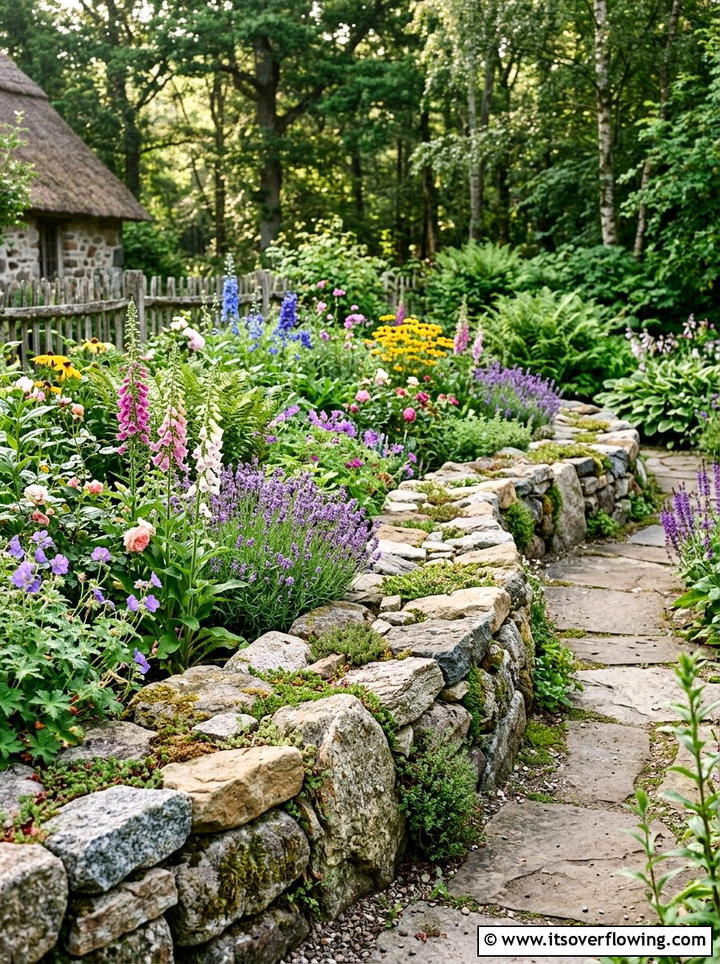
Have you ever noticed how natural stones can make a backyard feel like a serene, woodland escape? Using varied sizes of fieldstone or river rock creates a rustic and organic border that blends seamlessly with the environment. This method is excellent for cottage-style gardens or informal landscapes where you want to avoid rigid lines and embrace a more relaxed aesthetic. You can stack the stones for a low wall effect or place them side-by-side to outline a winding path through your perennials. Since no two stones are exactly alike, this edging provides a unique texture and color palette that feels grounded and permanent, offering a beautiful habitat for beneficial garden insects.
4. Wood timber border
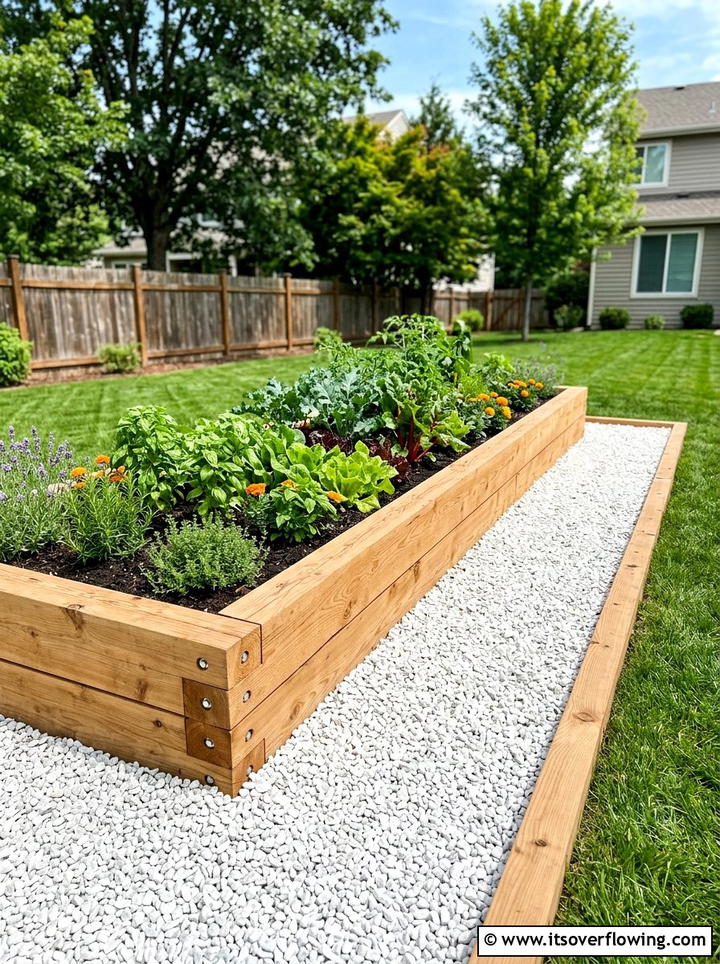
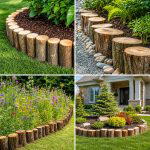
Using wood timbers for your garden boundaries offers a sturdy and structured look that works particularly well for raised beds or straight-edged lawn sections. Pressure-treated lumber or naturally rot-resistant species like cedar and redwood are excellent choices for longevity in damp soil conditions. This material provides a clean, chunky aesthetic that defines different levels of a yard or keeps heavy gravel paths contained and tidy. Many homeowners appreciate the warm, natural look of wood, which can be stained to match a deck or left to weather into a soft gray. It is a relatively simple DIY project that yields immediate results, giving your backyard an organized and intentional feel quickly.
5. Concrete mow strip
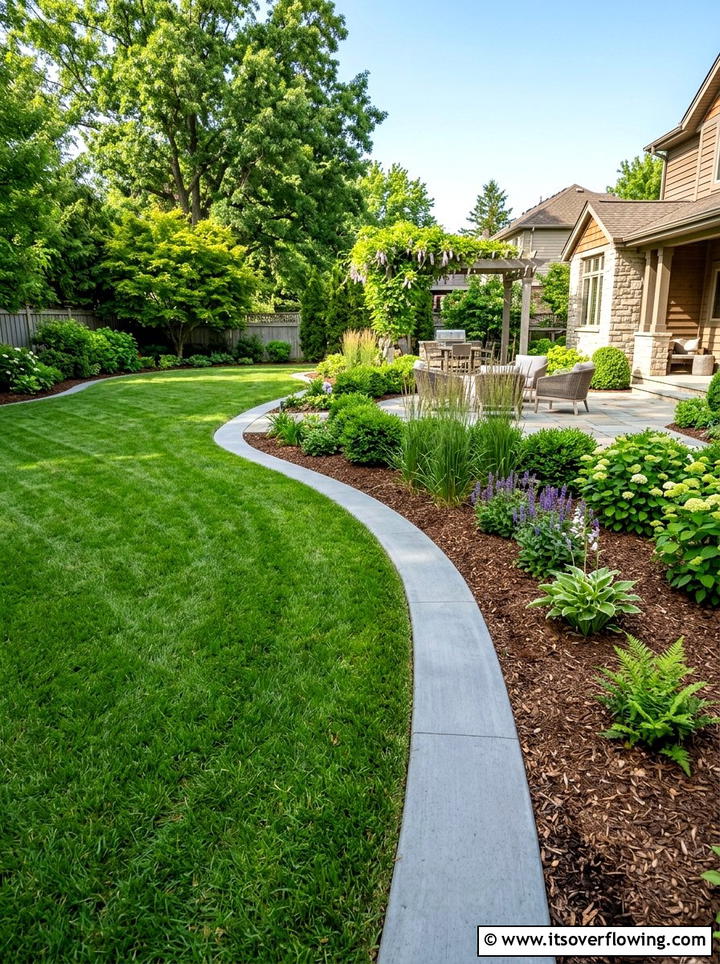
Does the thought of trimming grass against your flower beds every weekend feel like a chore you would rather avoid? A concrete mow strip is a permanent, poured-in-place solution that allows your lawnmower wheels to glide right over the edge, eliminating the need for string trimming. This type of edging provides a wide, clean ribbon of gray or colored concrete that acts as a definitive barrier between the lawn and the landscaping. It is incredibly durable and won’t shift or heave like smaller individual units might over time. You can even stamp or texture the wet concrete to mimic the appearance of more expensive stone while keeping the easy-maintenance benefits.
6. Plastic garden edging
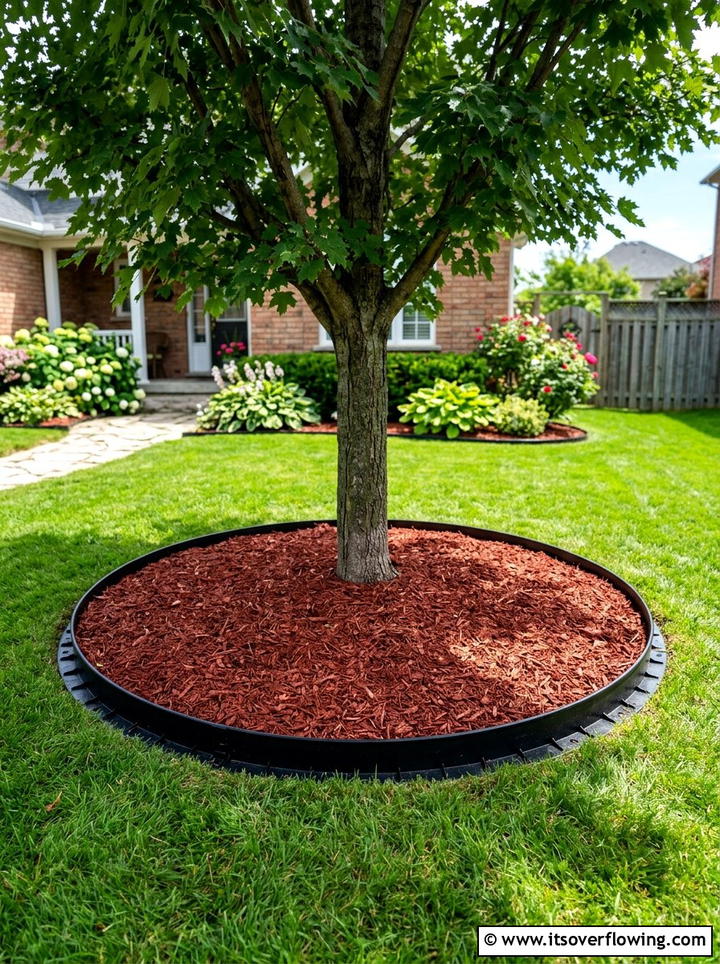
Plastic garden edging remains one of the most popular and affordable options for homeowners who want a quick and effective way to manage their yard. Modern high-quality plastic borders are designed to be UV-resistant and flexible enough to create tight circles around trees or fluid, wavy lines along a walkway. While it is less visually dominant than other materials, it is incredibly effective at holding back heavy mulch or decorative gravel. You can find options that are almost entirely buried, revealing only a thin, neat black line that keeps the focus on your beautiful plants. This type of edging is a perfect starting point for any beginner landscaper.
7. Paver stone border
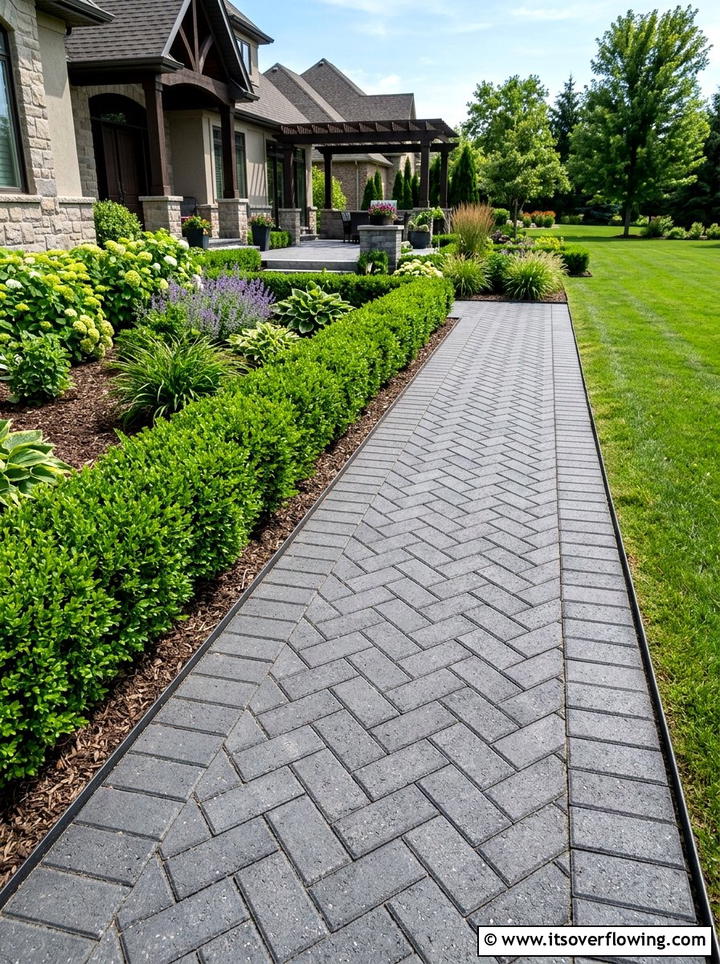
Paving stones offer a clean, versatile look that can be installed as a soldier course or a sailor course to define your garden beds. These manufactured stones come in a vast array of colors, from warm tans to modern charcoal, allowing you to perfectly coordinate with your home’s exterior. Pavers provide a consistent and uniform appearance that is ideal for formal or suburban landscapes where order and symmetry are valued. You can lay them flat for a mowable surface or stack them two or three high to create a slightly raised edge that adds a layer of dimension. They are heavy and stay in place well without the need for mortar.
8. River rock edge
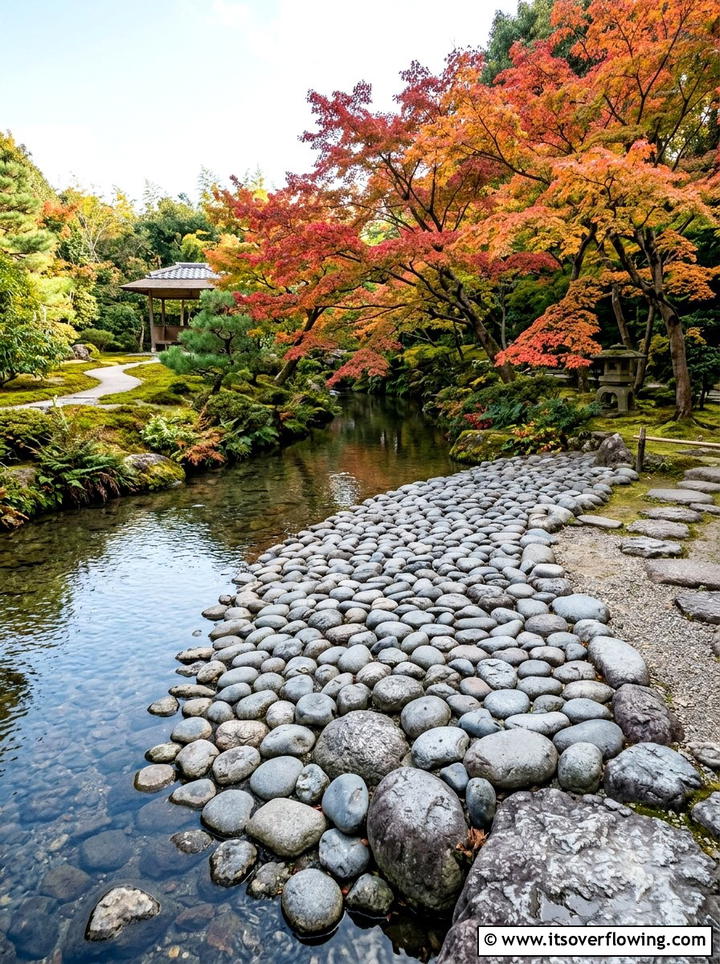
Large river rocks and smooth stones can be used to create a wide and attractive border that feels like a dried-up creek bed. This style is particularly effective for Japanese-inspired gardens or landscapes that focus on a mix of textures and natural elements. River rocks are naturally durable and come in a soothing palette of grays, blues, and tans that look especially vibrant after a rain shower. You can place them loosely for a casual feel or nestle them into the soil for a more permanent look. This type of edging is excellent for drainage and can help prevent soil erosion in areas of your yard that see heavy runoff.
9. Woven willow border
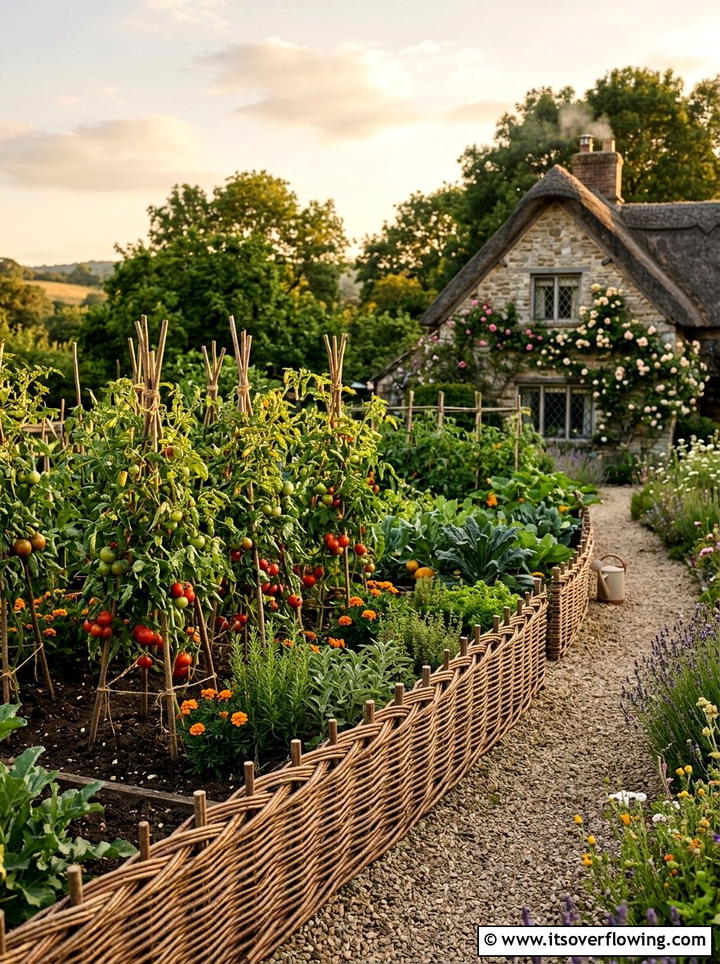
If you are dreaming of a charming and rustic English cottage garden, woven willow edging is the perfect decorative touch for your flower beds. This natural material is woven like a basket and comes in panels that are easily staked into the ground to create a low fence effect. It is a fantastic way to add an artisanal, handmade quality to your backyard while keeping low-growing plants contained. While it is not as permanent as stone or metal, it is an affordable and biodegradable option that adds incredible texture and personality to any outdoor space. It is particularly beautiful when used to border vegetable patches or herb gardens.
10. Recycled bottle edge
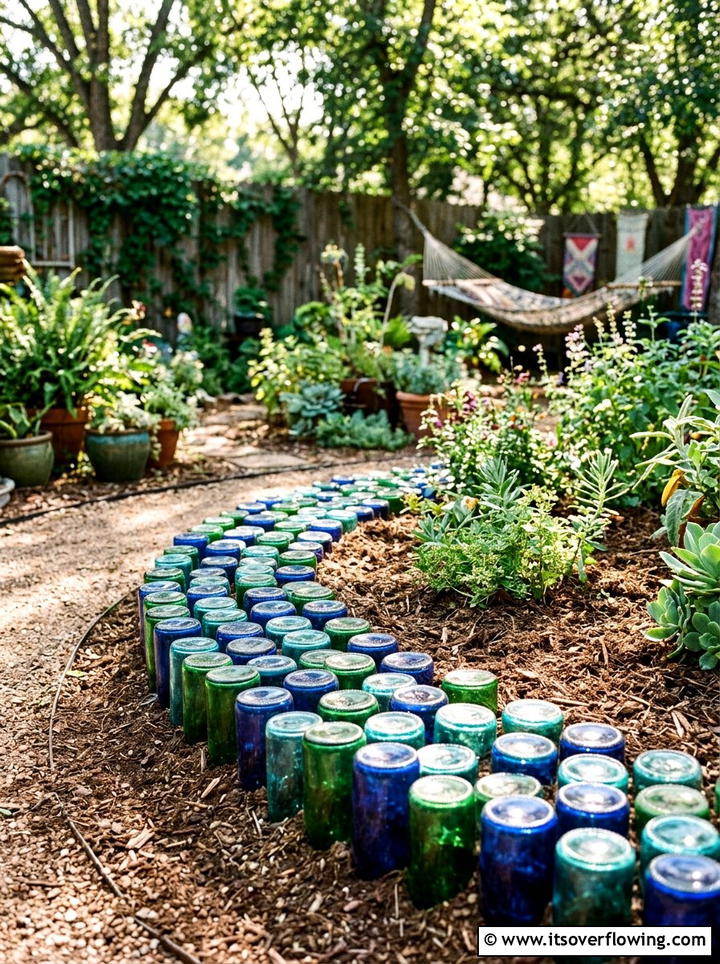
For a truly unique and whimsical touch that reflects your personal style, consider using recycled glass bottles as a colorful garden border. When buried neck-down in the soil, the glass bottoms create a shimmering and translucent edge that catches the sunlight and adds a playful element to your yard. This is a budget-friendly and eco-conscious way to reuse materials while creating a conversation piece for your neighbors and guests. You can choose a single color like blue or green for a unified look or mix and match different bottles for a bohemian and eclectic vibe. It is a creative way to define small paths or specimen beds.
11. Gabion wall border
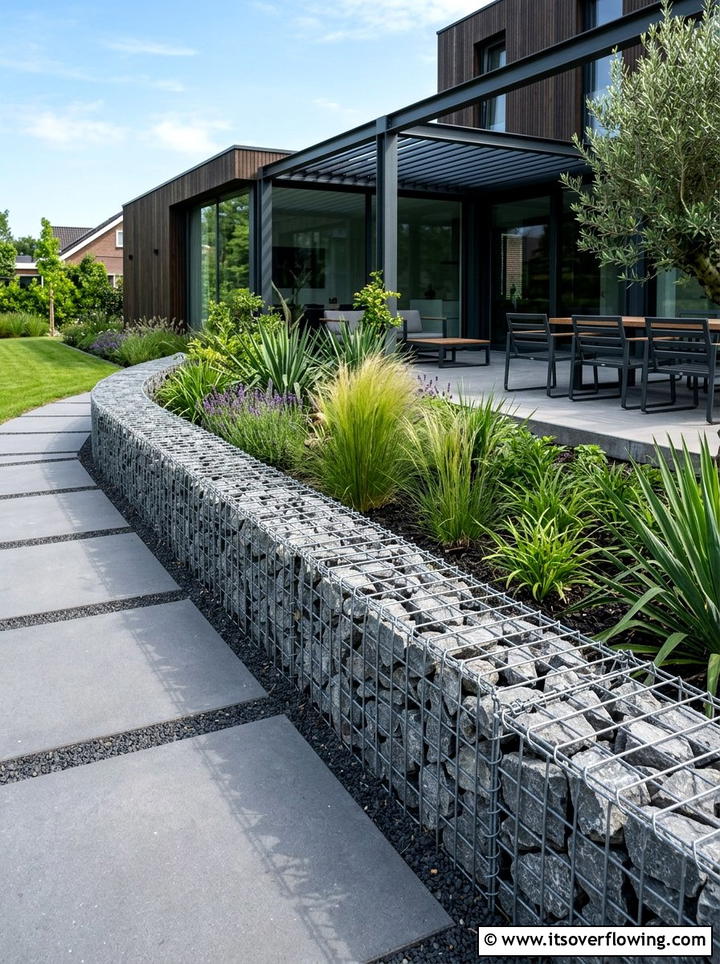
Gabion cages filled with stones are a striking and industrial-chic way to create a bold border in a modern or desert landscape. These wire mesh containers can be filled with anything from large river stones to recycled glass or basalt to create a thick, architectural boundary. Gabion edging is incredibly strong and provides excellent drainage, making it a functional choice for sloped areas or as a low retaining wall. The combination of the metal grid and the natural stone creates a textural contrast that looks sophisticated and high-end. It is a permanent solution that requires virtually no maintenance once the stones are in place.
12. Terracotta tile edge
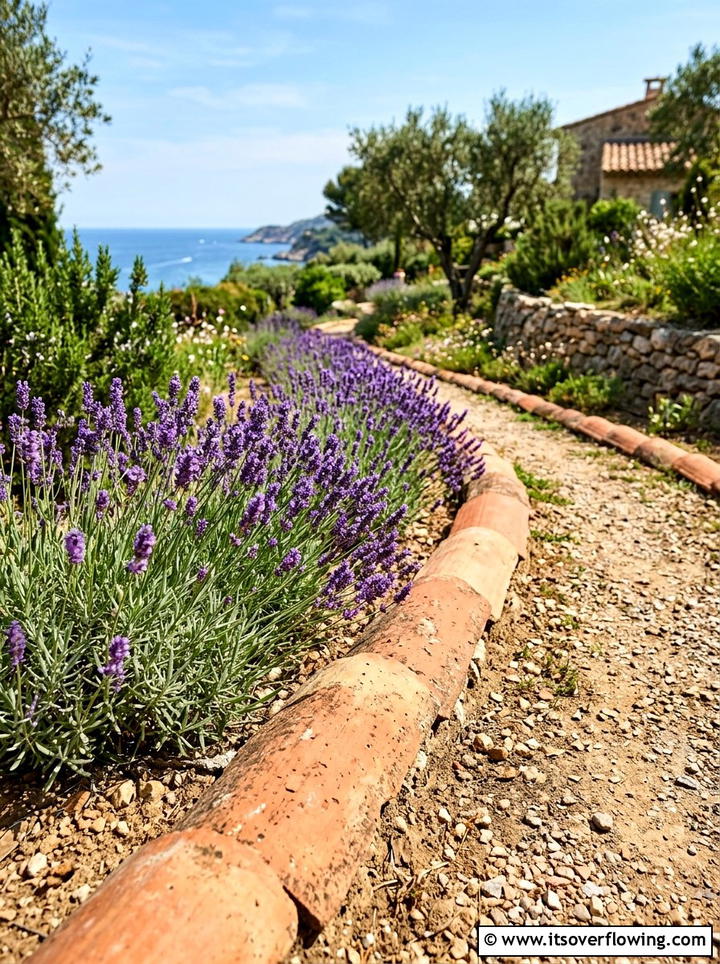
Have you considered using traditional terracotta tiles to create a Mediterranean-inspired border for your sunny garden beds? Tiles can be set upright into the soil or laid flat to provide a warm and earthy accent that pairs beautifully with lavender and olive trees. This material adds a rich, orange-red hue to your landscape that feels sunny and inviting all year long. You can use reclaimed roof tiles or standard garden tiles to achieve this look, providing a repetitive and rhythmic pattern that guides the eye through the garden. It is a fantastic way to add a touch of historical charm and architectural detail to your backyard.
13. Rubber garden border
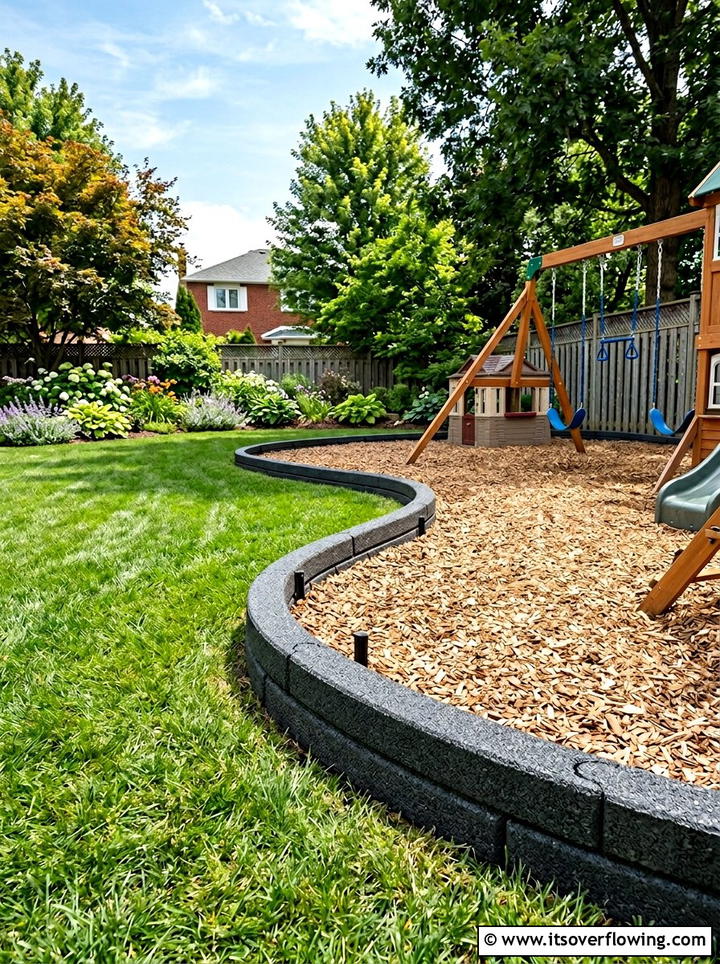
Eco-friendly rubber edging made from recycled tires is a durable and flexible solution for busy families who want a safe and long-lasting garden border. This material is soft to the touch, making it an excellent choice for bordering play areas or walkways where children and pets are present. Rubber edging is designed to withstand extreme weather conditions without cracking or rot, and it comes in various textures that mimic the appearance of natural stone or wood. It is incredibly easy to install and stays in place with simple stakes, providing a neat and uniform look that helps keep your mulch and soil exactly where they belong.
14. Railroad tie edge
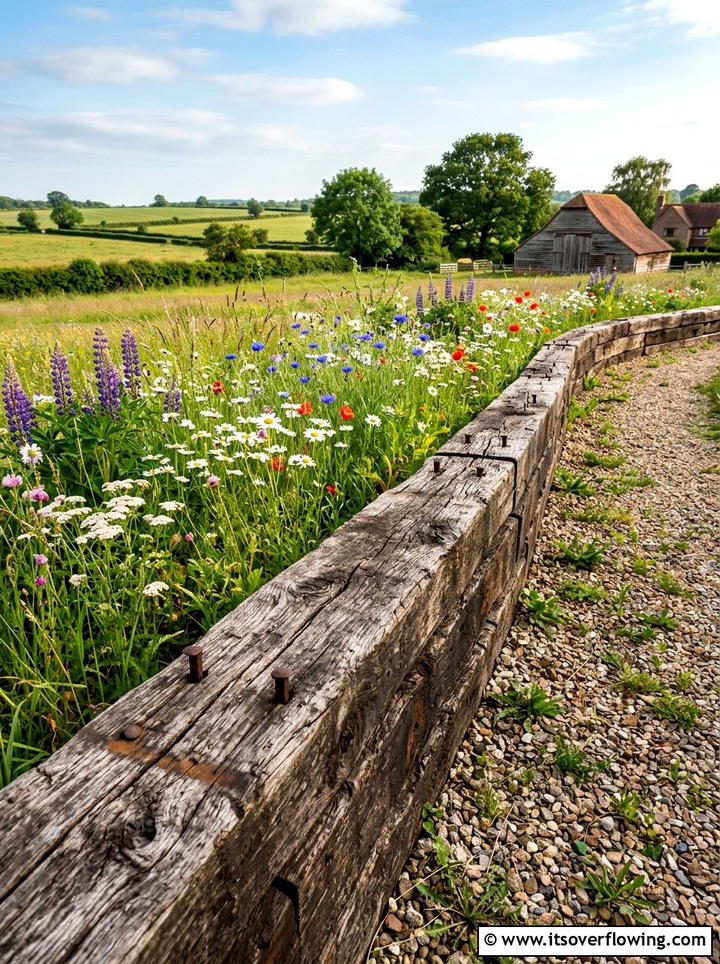
Old railroad ties or large reclaimed timbers can create a massive and impactful border that adds a sense of history and scale to your landscape. These thick, heavy beams are perfect for creating long, straight lines or tiered garden levels on a sloping backyard property. Their weathered and rugged texture provides a perfect backdrop for colorful flowers and lush greenery, grounding the design with a sense of permanence. While they are very heavy and may require help to move, they offer a rustic and substantial look that is hard to replicate with smaller materials. They are a classic choice for large rural or suburban properties.
15. Flagstone border
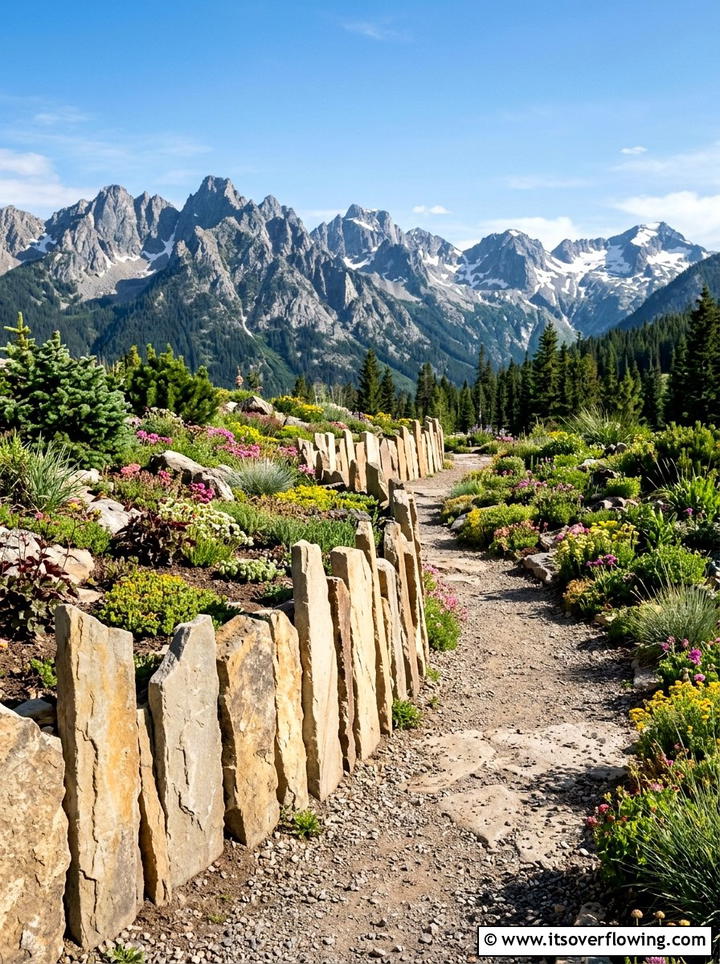
Using thin slabs of flagstone set vertically into the soil creates a sophisticated and jagged edge that looks like natural rock outcroppings. This style is often used in alpine or rock gardens to provide a rugged and textural boundary that holds soil in place on inclines. Flagstone comes in a range of natural shades like sandstone, slate, and limestone, allowing you to match the geological feel of your local region. It is a great way to add height and interest to a flat garden bed while providing a permanent and weather-resistant barrier. Each piece of stone has its own unique character and shape.
16. Boxwood hedge edge
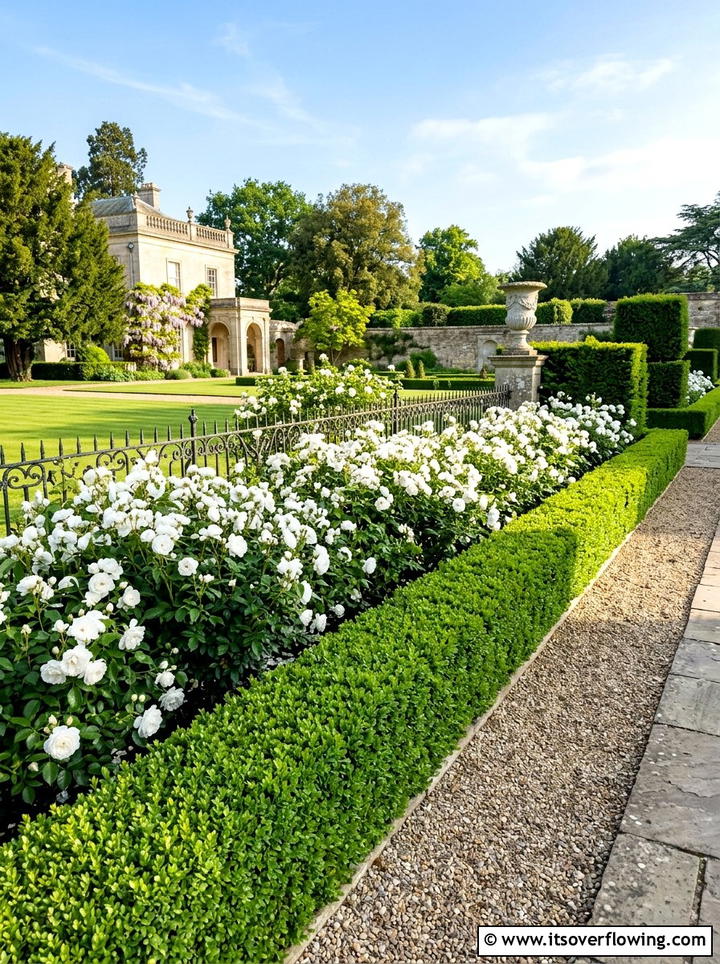
A living border made of neatly trimmed boxwood shrubs is the ultimate classic for a formal and elegant backyard design. This green edging provides a lush and architectural framework for your flower beds, creating a clear distinction between the lawn and the planting area. Boxwood is slow-growing and responds well to pruning, allowing you to maintain a crisp and manicured shape throughout the seasons. This living edge adds year-round color and a sense of structure even in the middle of winter when other plants may have gone dormant. It is a timeless choice for those who appreciate a traditional and high-end landscape aesthetic.
17. Log slice border
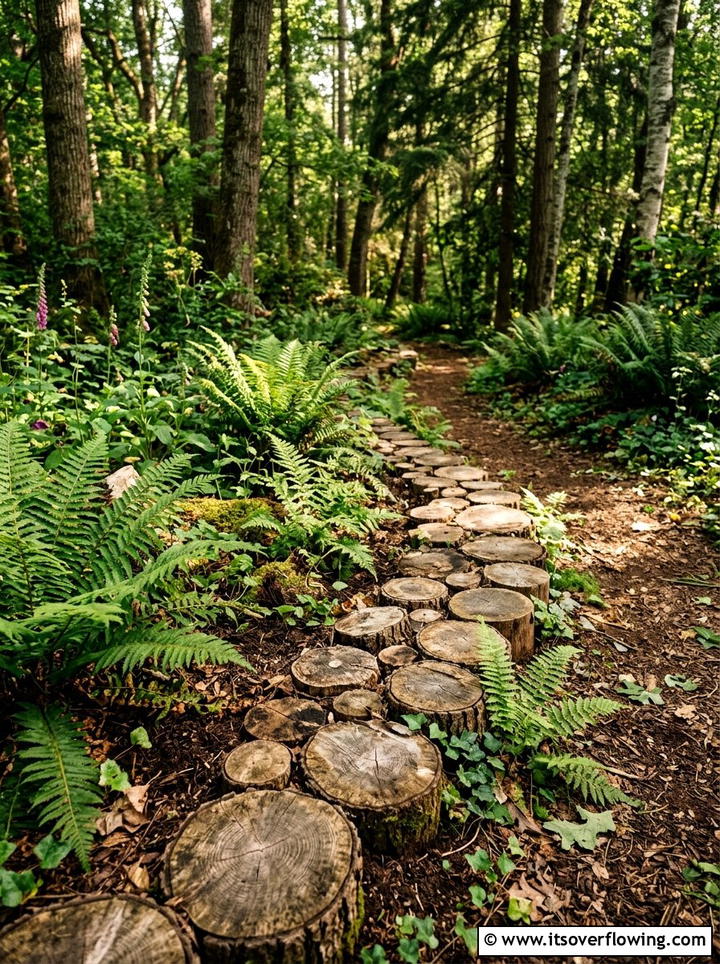
Have you ever seen a garden path lined with rustic log slices that feel like they belong in a fairytale forest? Using cross-sections of fallen trees is a charming and eco-friendly way to create a natural border for your flower beds or woodland trails. This edging material provides a wonderful circular pattern and a warm, woody texture that blends perfectly with a shade garden or an informal backyard. Over time, the logs will naturally age and may even host interesting mosses, adding to the organic and lived-in feel of your outdoor space. It is a low-cost and highly creative way to use local natural resources.
18. Corrugated metal edge
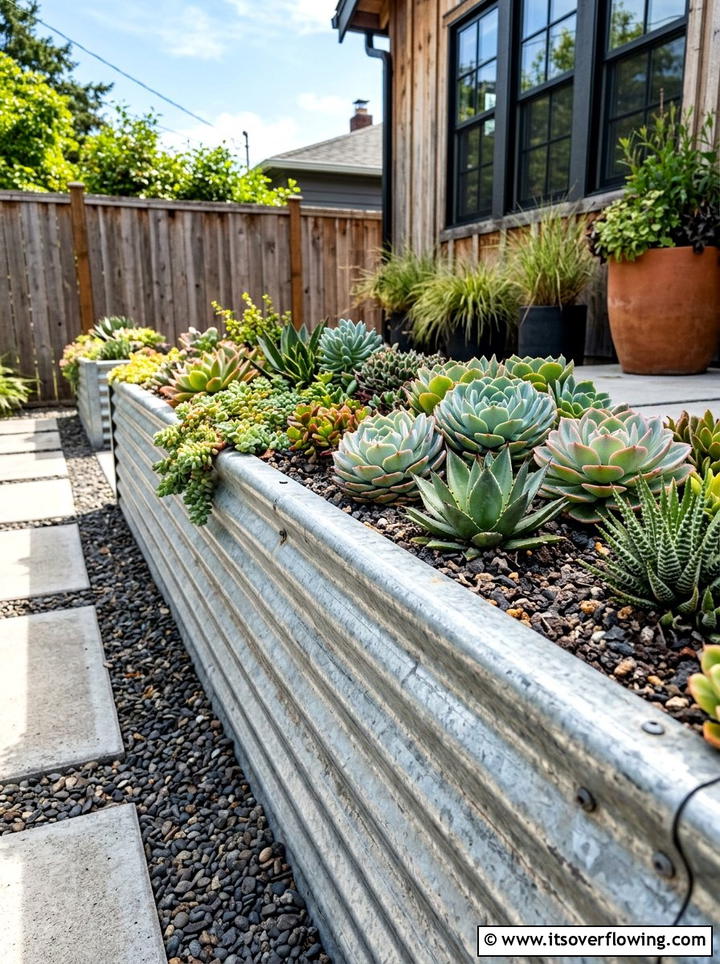
For a trendy and industrial-farmhouse look, corrugated metal panels can be used to create a durable and eye-catching garden border. This material is thin enough to bend around curves but strong enough to hold back soil and heavy rain runoff effectively. The ribbed texture of the metal creates a modern visual interest that looks particularly striking when paired with modern grasses or colorful succulents. You can choose galvanized steel for a silver finish or rusted metal for a warmer, more weathered appearance. It is a lightweight and long-lasting material that adds a unique and contemporary flair to any backyard garden or raised planter.
19. Cobblestone border
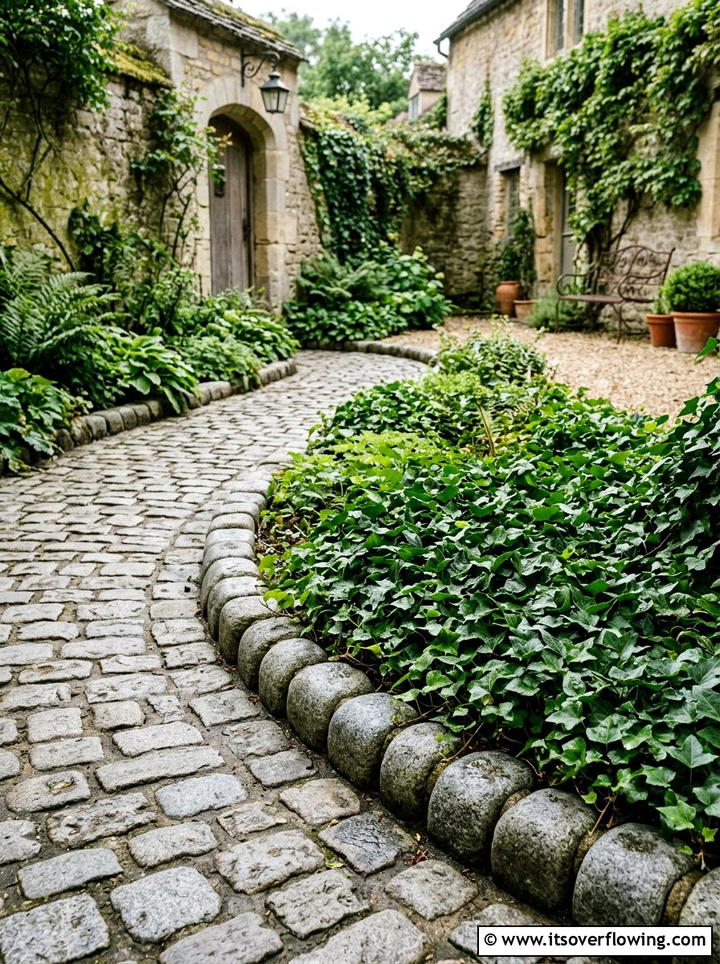
Cobblestones offer an old-world charm that can make any backyard feel like a quaint European courtyard or a historic city street. These thick, rounded stones are incredibly durable and can be set into a bed of sand or mortar to create a very permanent and substantial border. Cobblestones provide a heavy and textured line that stands up well to foot traffic and heavy lawn equipment without shifting. They are perfect for creating a classic look that only improves as the stones gather a bit of moss or patina over the years. This type of edging is a significant investment that adds value and character.
20. Bamboo garden edge
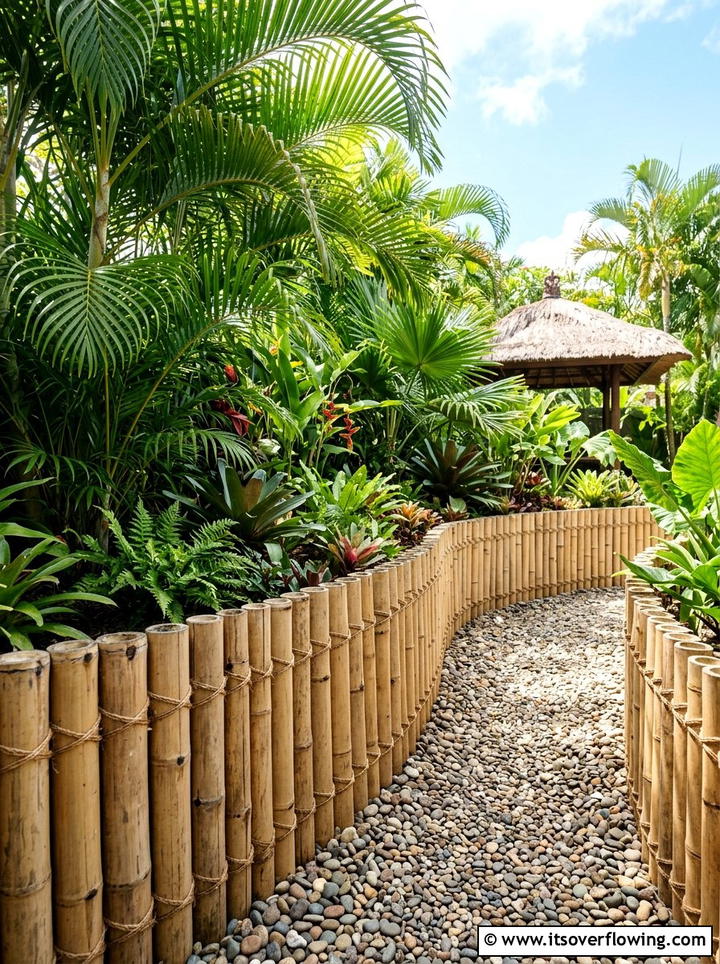
Using bamboo poles as a garden border is a fantastic way to introduce a tropical or Zen-inspired aesthetic to your backyard. You can find pre-made bamboo edging rolls that are easily unrolled and staked into place, providing a repetitive and vertical texture that looks light and airy. Bamboo is a sustainable and fast-growing resource that adds an exotic touch to your landscape without being overly expensive. It works beautifully to define a seating area, a pond edge, or a bed of ornamental grasses. This material provides a soft and natural screen that filters light and adds a sense of movement to your garden design.
21. Scalloped border
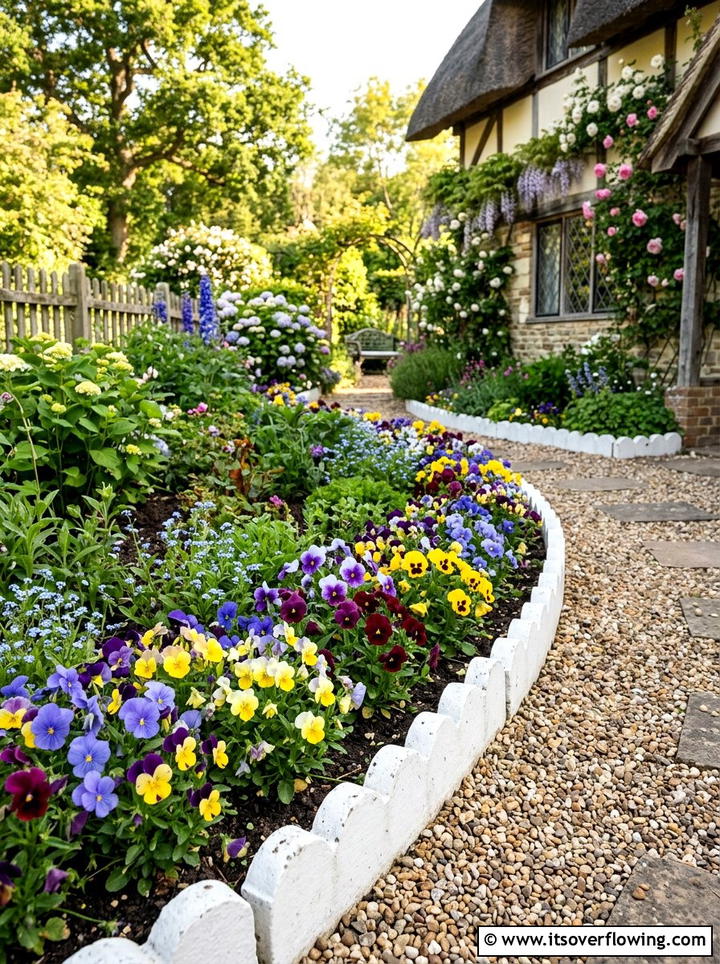
Pre-cast concrete or plastic edging with a scalloped top edge offers a traditional and decorative look that is very easy to install. These interlocking pieces provide a continuous and uniform pattern that helps to organize the landscape with a touch of classic detail. Scalloped edging is a great way to add a bit of feminine or cottage-style charm to your garden beds while providing a functional barrier for mulch and grass. It is available in many colors, from standard gray to brick red and forest green, allowing for easy coordination with your existing home decor. It is a simple and effective way to tidy up.
22. Slate stone edge
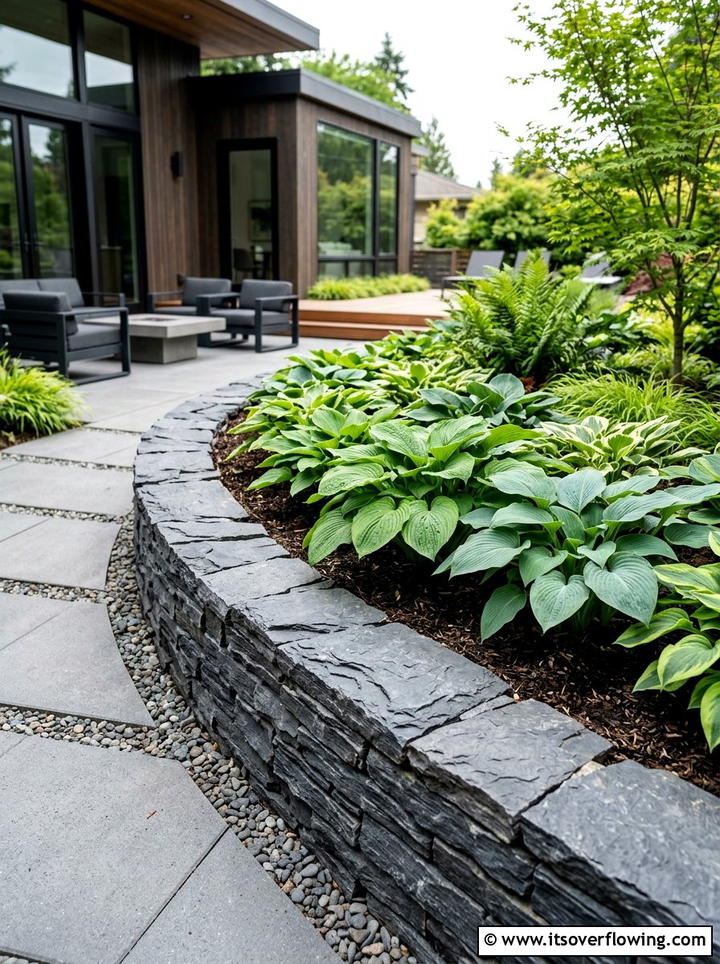
Stacked slate pieces create a sophisticated and modern border with a deep charcoal or blue-gray color palette that looks stunning in any backyard. Because slate naturally splits into thin layers, it is easy to stack to create a low, textured wall that defines your flower beds with architectural precision. This material is very durable and holds its dark color well over time, providing a high-contrast backdrop for bright green hostas or colorful spring bulbs. It is a fantastic way to add a sense of luxury and contemporary style to your yard. The thin, horizontal lines of the slate create a sleek and modern feel.
23. Gravel path border
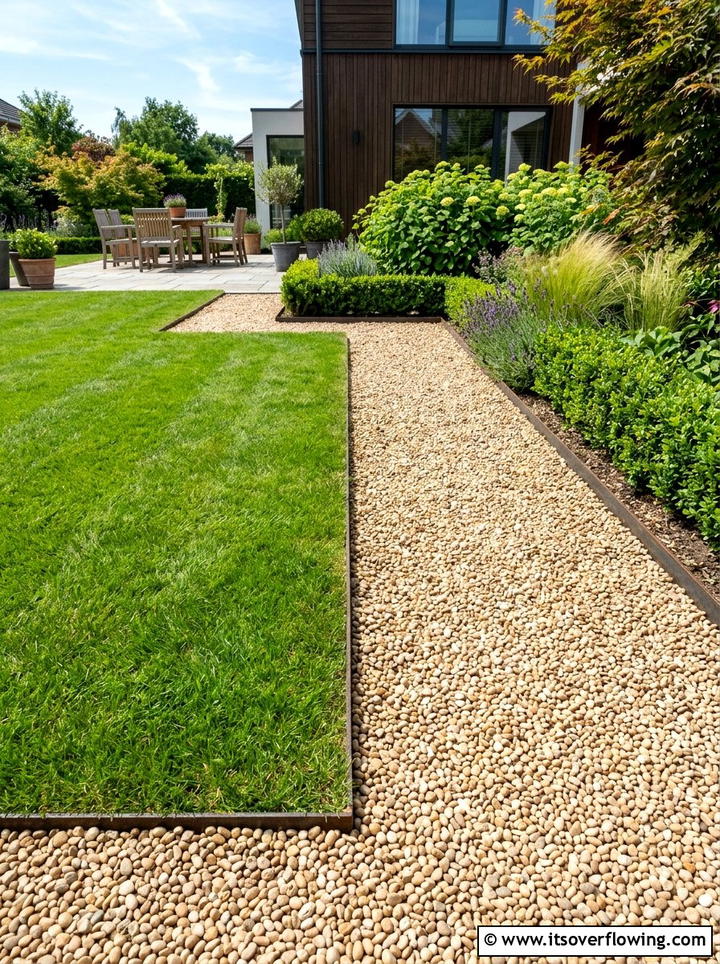
Defining your gravel paths with a distinct edging material is essential for keeping the stones contained and preventing them from spreading into your lawn. You can use almost any of the materials mentioned above to create a crisp and clean transition between the crunchy texture of the gravel and the soft green of the grass. A well-defined gravel path border makes the walkway look intentional and well-maintained, guiding guests through your garden with ease. It also makes it much easier to blow leaves off the path without scattering the stones everywhere. This is a functional and aesthetic must-have for any structured backyard landscape.
24. Granite block edge
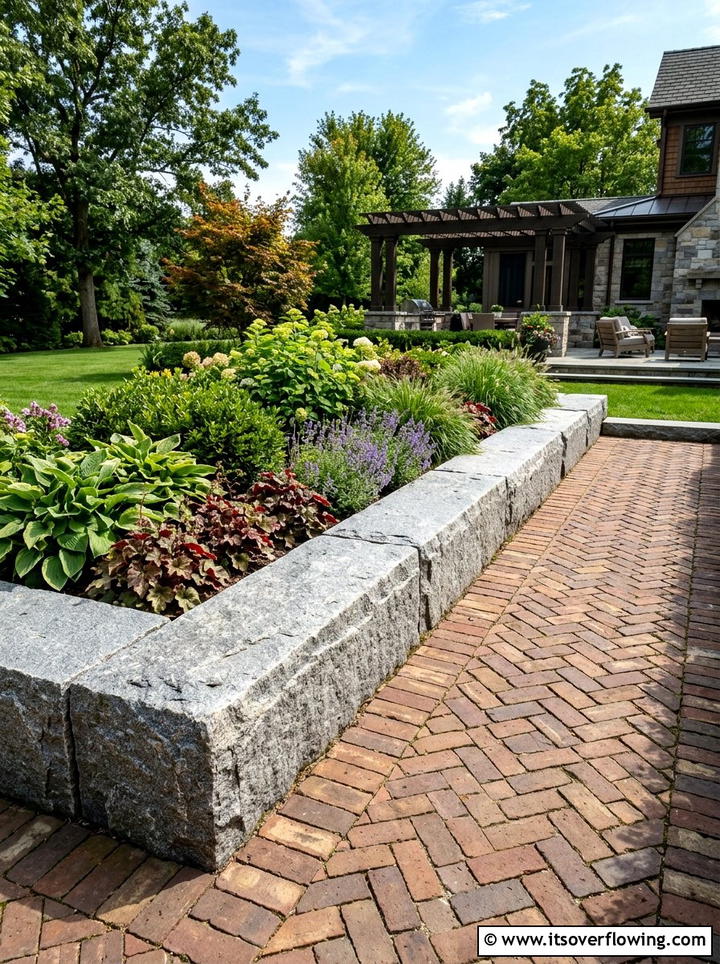
Solid granite blocks offer an incredibly permanent and high-end look that is perfect for bordering large flower beds or driveway transitions. These heavy, rectangular stones provide a massive and solid presence that feels grounded and expensive, elevating the overall look of your property. Granite is one of the most durable materials available and will not fade, crack, or shift under the weight of soil or the impact of lawnmowers. You can choose a light gray or a warmer tan granite to match your home’s stone accents. While the initial cost and labor are higher, the result is a beautiful and lifelong border.
25. Cinder block border
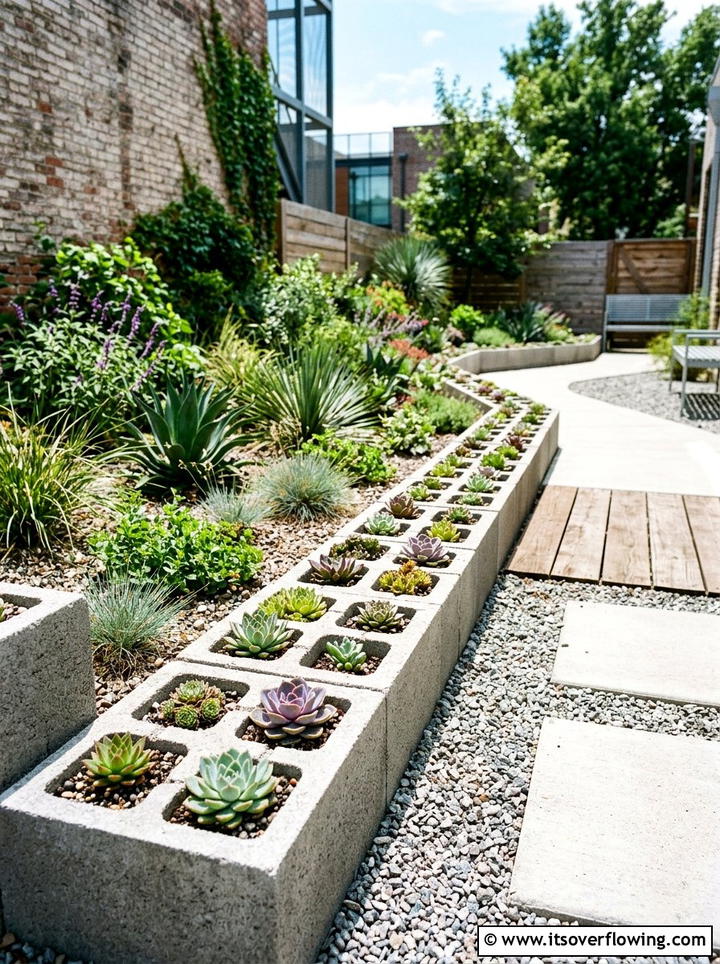
Are you looking for a budget-friendly and versatile way to create a modern and structured garden border in your backyard? Standard cinder blocks can be laid on their side to create a geometric edge that also serves as individual planting pockets for succulents or small herbs. This material is very affordable and can be painted or stained to create a more customized and professional look. Cinder block edging is perfect for modern or urban gardens where clean lines and industrial materials are celebrated. It is a quick and easy way to build up a raised edge that provides both structure and additional planting space.
Conclusion:
Selecting the perfect edging for your backyard is a transformative decision that blends artistry with essential landscape management to create a lasting impression. Whether you choose the rugged permanence of natural stone or the sleek, modern profile of steel, each material offers a unique way to define your personal sanctuary and highlight your hard work in the garden. By taking the time to install a quality border, you are not only enhancing the visual appeal of your home but also reducing the time spent on tedious maintenance tasks. We hope these twenty-five ideas have inspired you to take your outdoor space to the next level of design excellence.

Related posts:
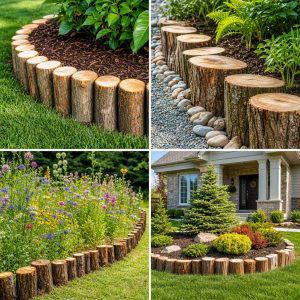 25 backyard ideas with log edging for Rustic Garden Charm
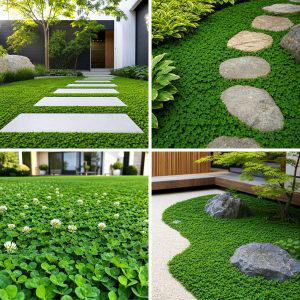 25 Backyard Ideas With Clover Lawn for a Greener Low-Mow Yard
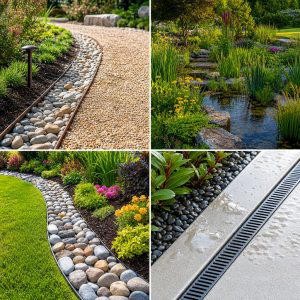 25 Backyard Ideas With Drainage Solutions for a Drier Yard
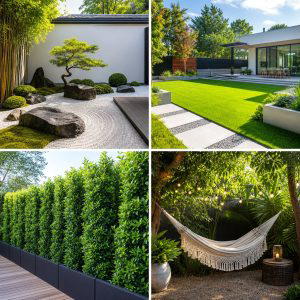 25 Backyard Ideas With Garden and Lawn for a Polished Yard
 25 Backyard Ideas With Gravel for a Low-Maintenance Yard
 25 Backyard Ideas With Minimalist Style for a Serene Yard
 25 Backyard Ideas With No Grass for a Chic Low-Mow Yard
 25 Backyard Ideas With Solar Lights for a Glowing Yard Makeover
 25 Backyard Ideas With Steps For A Stylish Sloped Yard
 25 Backyard Ideas With Terracing for a Stunning Sloped Yard
 25 Backyard Ideas With Water Feature For A Relaxing Yard
 25 Backyard Ideas With Wood Deck To Upgrade Your Yard