
Transforming your outdoor space into a sanctuary of natural beauty starts with a well-planned garden that reflects your personal style. A backyard flower garden offers a refreshing escape where vibrant colors and pleasant scents create a peaceful atmosphere for relaxation. Whether you prefer a structured formal look or a wild meadow aesthetic, integrating flowers can completely change how you use your yard. These ideas focus on full landscape designs that blend plants with functional outdoor living features for a cohesive result. Adding various textures and bloom times ensures your garden looks stunning throughout every season of the year. Let these creative concepts inspire you to build a backyard retreat that feels both inviting and breathtakingly beautiful for your family.
1. Cottage Garden Design
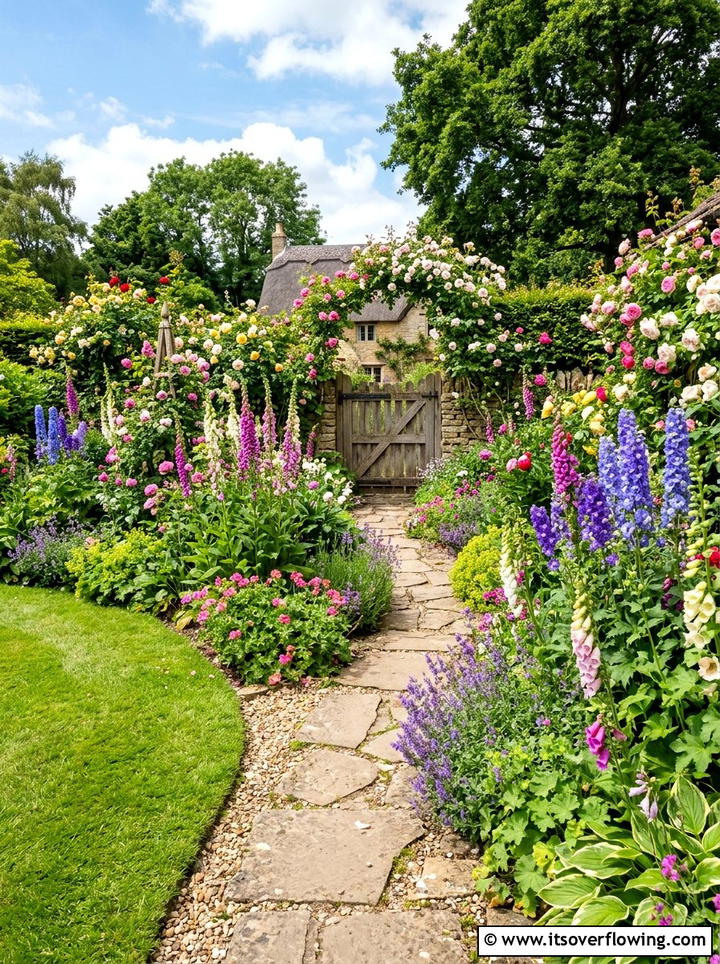
Creating a classic cottage garden design involves mixing different heights and colors to achieve a charmingly overgrown look. You can start by planting tall perennials like foxgloves and delphiniums toward the back of your flower beds. This creates a beautiful backdrop for shorter blooms like daisies and marigolds in the front. Winding stone paths often run through these gardens to invite people to explore the hidden corners of the backyard. Adding a rustic bench or a wooden gate can enhance the nostalgic feel of the space. This design style focuses on abundance and a natural flow rather than strict lines. It makes your outdoor area feel cozy and very welcoming for guests.
2. Raised Bed Flower Layout
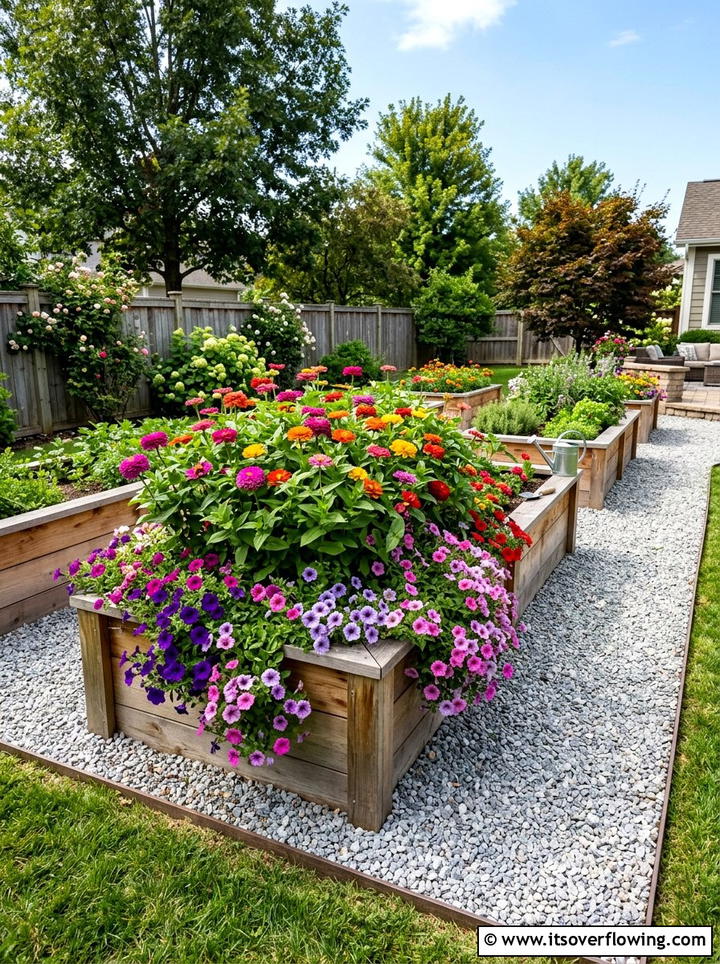
A raised bed flower layout provides a clean and organized way to showcase your favorite blooms while improving soil drainage. These elevated structures can be built from wood, stone, or metal to match the overall style of your home. By grouping flowers together in these beds, you create distinct focal points across your backyard landscape. This method also makes it easier to manage weeds and maintain the health of your plants throughout the seasons. You can fill the beds with a mix of trailing flowers like petunias and upright varieties like zinnias for visual variety. It is a practical solution that looks very professional and keeps the garden looking tidy and sharp.
3. Wildflower Meadow Backyard
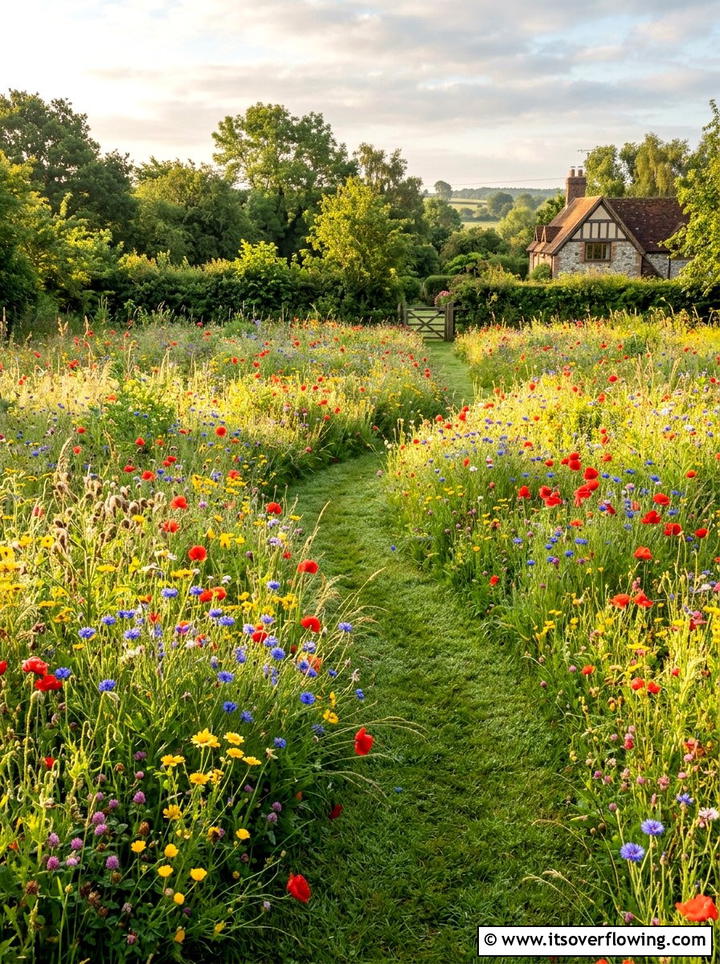
Designing a wildflower meadow backyard brings a sense of untamed natural beauty and low-maintenance charm to your property. This approach replaces traditional grass lawns with a dense carpet of native flowers that change color every few weeks. You can include species like poppies, cornflowers, and black-eyed Susans to attract local wildlife and helpful pollinators. Mowed paths through the tall flowers allow you to walk through the meadow without disturbing the delicate growth. This style is perfect for larger yards where you want to create a soft, romantic atmosphere that feels connected to the local environment. It is an eco-friendly choice that provides constant visual interest and support for the local ecosystem.

4. Flower Garden Path Border
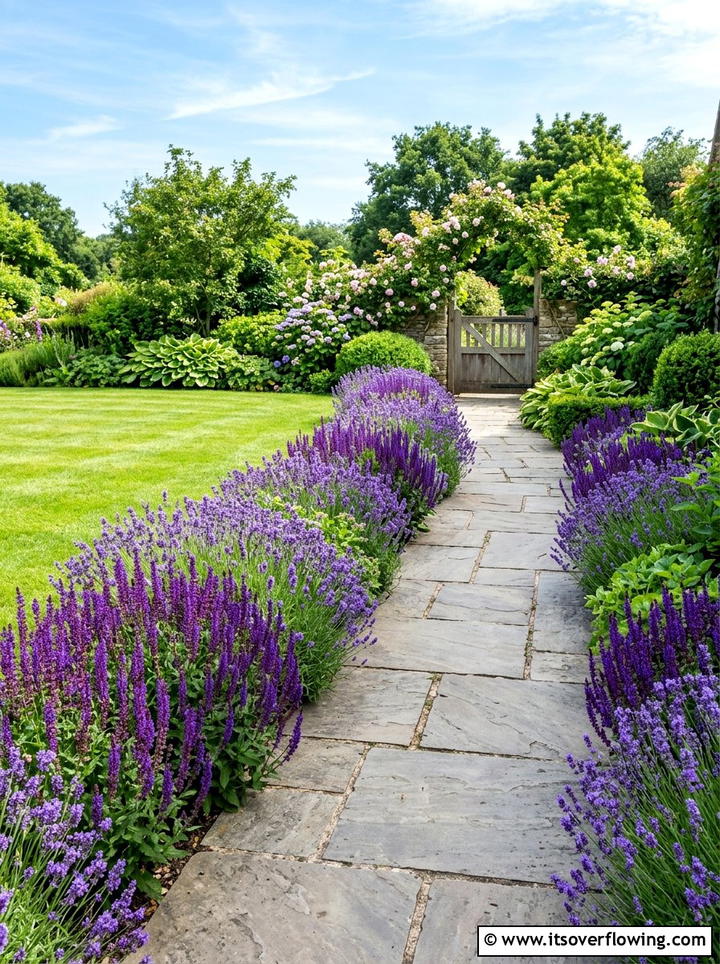
Integrating a flower garden path border is an excellent way to guide movement through your yard while highlighting beautiful plant life. You can line a walkway with low-growing lavender or creeping thyme to release pleasant scents as people walk by. This design uses the path as an anchor, with layers of flowers spilling over the edges to soften the hard surfaces. Choosing a mix of evergreen shrubs and seasonal flowers ensures the border looks full and lush even in the winter months. Using contrasting colors between the paving material and the petals makes the entire layout pop. It turns a simple functional walkway into a stunning feature that defines the landscape’s structure.
5. Vertical Flower Wall
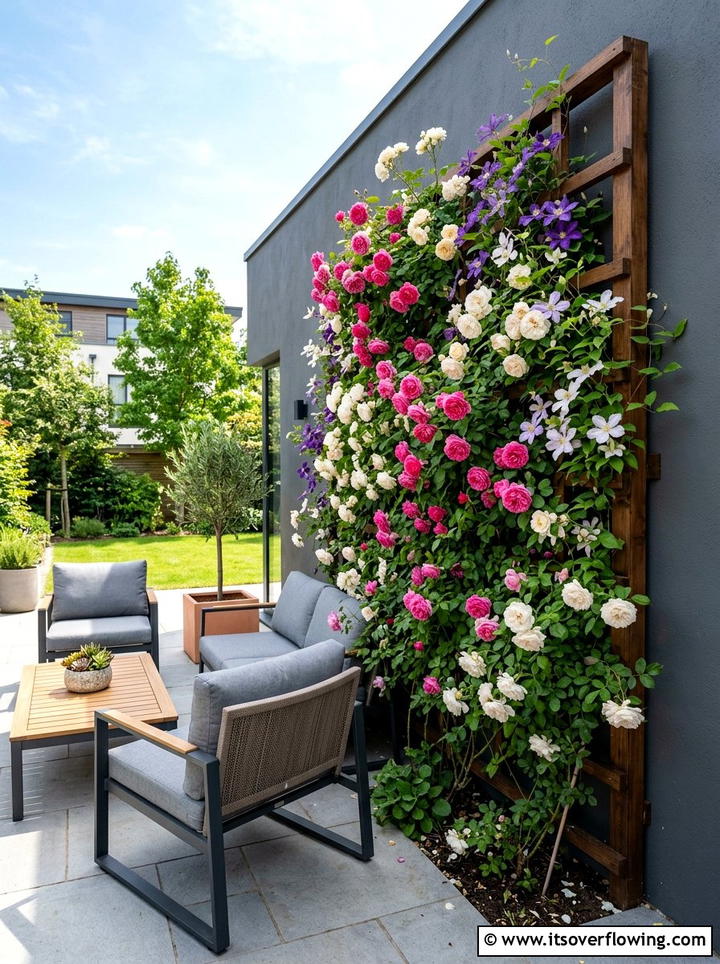
A vertical flower wall is a smart solution for smaller backyards where ground space is limited but style is a priority. This design uses trellis systems, wall-mounted planters, or specialized living wall panels to display a variety of climbing blooms. You can use clematis or climbing roses to cover vertical surfaces with lush green foliage and bright flowers. This setup acts as a natural privacy screen while adding a deep layer of texture to your outdoor walls. It draws the eye upward and makes a small patio feel much larger and more enclosed. Incorporating drip irrigation into the wall keeps the plants healthy without requiring constant manual watering or heavy daily maintenance.
6. Pollinator Garden Setup

Setting up a pollinator garden focuses on choosing specific plants that attract butterflies, bees, and hummingbirds to your backyard sanctuary. This design includes a variety of flower shapes and colors to cater to different types of helpful insects and birds. You should plant large clusters of the same flower species to make them more visible to pollinators from a distance. Adding a small water feature or a shallow birdbath provides these visitors with a place to drink and rest. Use native plants like milkweed and coneflowers to ensure the garden thrives in your local climate. This type of garden is not only beautiful but also supports the local environment in a meaningful way.
7. Tiered Flower Bed
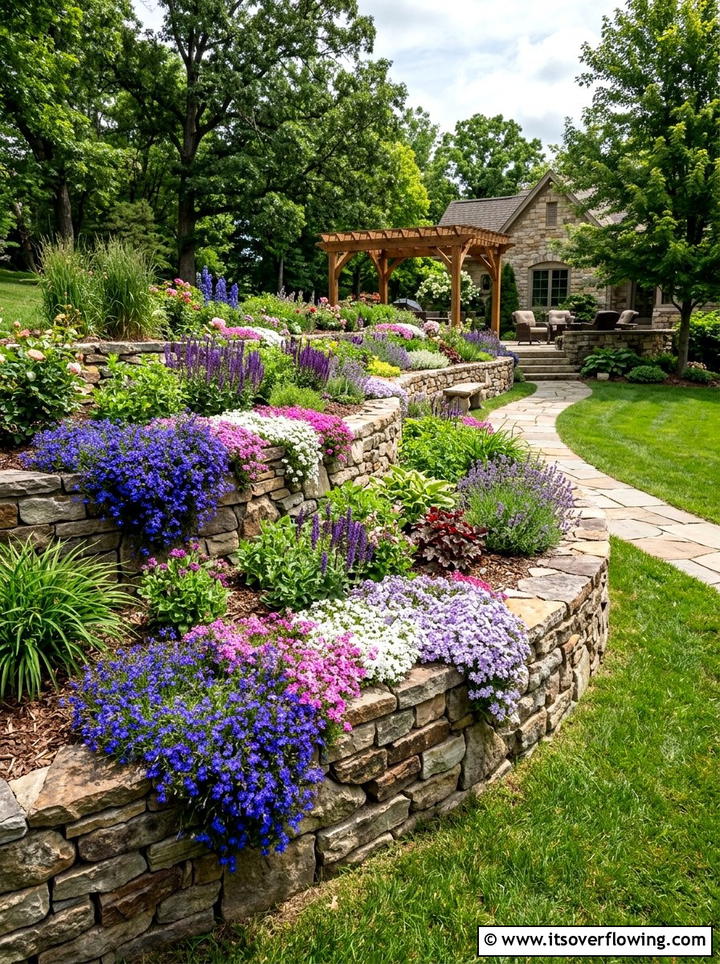
A tiered flower bed is a perfect design choice for backyards with sloped terrain or for adding architectural interest to flat areas. These multi-level structures allow you to display flowers in a cascading fashion, creating a dramatic waterfall of color and texture. You can use retaining walls made of natural stone or timber to hold each level of soil securely in place. Planting trailing varieties on the edges of the upper tiers creates a soft, draped look that hides the hard edges. This layout provides excellent drainage and allows you to grow plants with different sunlight needs in the same small area. It transforms a difficult hill into a stunning and functional garden focal point.
8. Perennial Garden Border
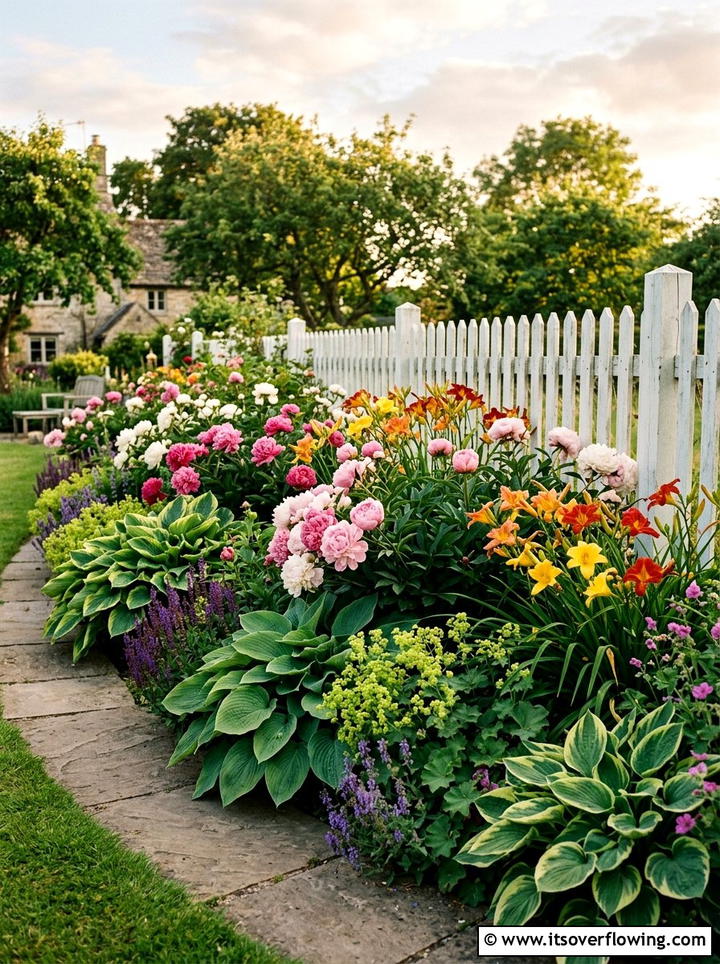
Establishing a perennial garden border ensures your backyard returns to life every spring with minimal effort after the initial planting. This design uses long-lived plants like peonies, hostas, and daylilies to create a permanent structure for your garden beds. You can arrange the plants based on their blooming schedule so that there is always something colorful to look at. Mixing different leaf textures and shapes adds depth to the border even when the flowers are not currently in bloom. This approach is cost-effective over time because you do not need to buy new plants every single year. It creates a reliable and lush frame for your lawn or patio area throughout the growing season.
9. Shade Flower Garden
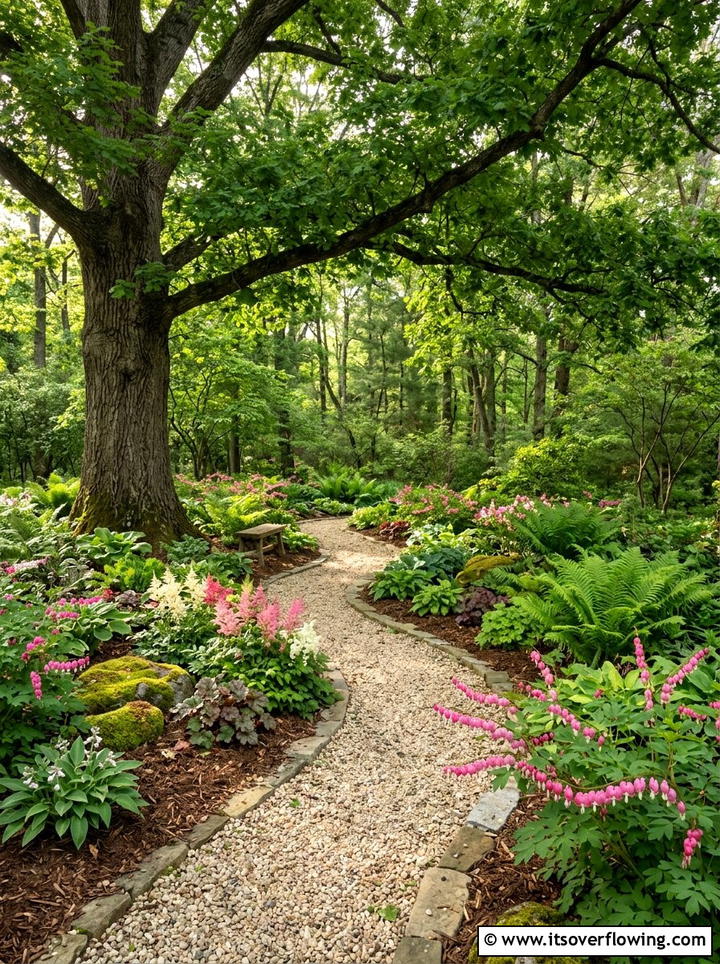
Creating a shade flower garden allows you to bring life and color to the darker corners of your backyard under trees. This design relies on plants that thrive in low-light conditions, such as bleeding hearts, astilbe, and various types of ferns. You can use light-colored flowers and variegated foliage to brighten up the shadows and make the area feel more open. Adding a simple gravel path or a wooden bench makes the shaded spot feel like a secret woodland retreat. Using mulch helps retain moisture in the soil, which is often drier near large tree roots. This peaceful garden style is perfect for escaping the heat of the summer sun while enjoying nature.
10. Rock Garden With Flowers
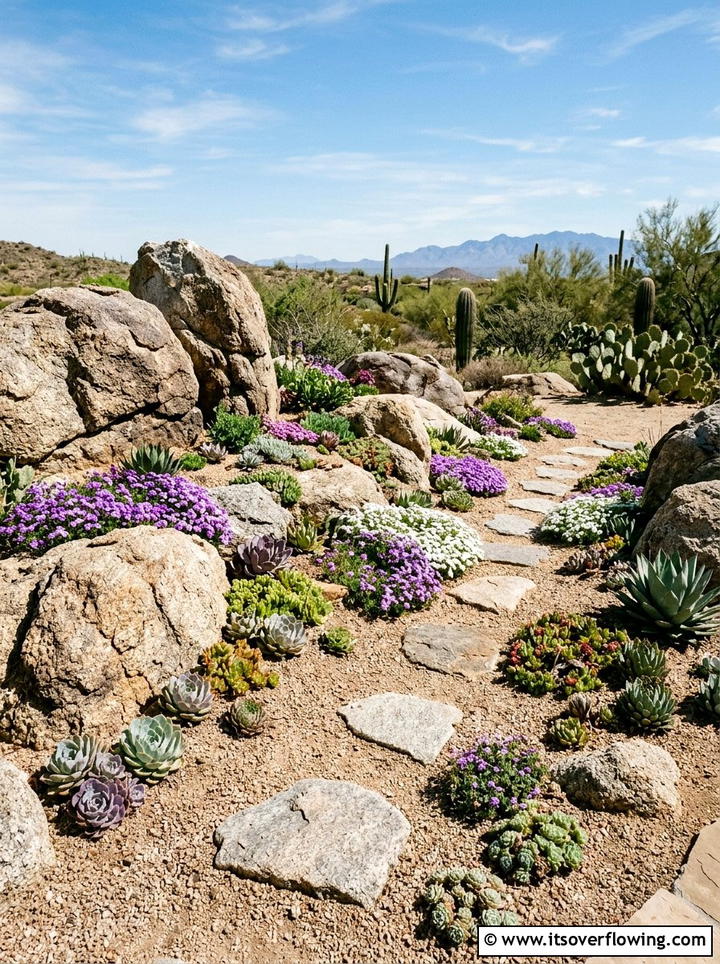
A rock garden with flowers combines the rugged beauty of natural stones with the delicate textures of alpine and drought-tolerant plants. This design uses large boulders and smaller pebbles to create a structured landscape that requires very little water to maintain. You can tuck small flowering plants like rockcress and sedum into the crevices between the stones for a natural look. This layout is ideal for sunny spots with poor soil where traditional flower beds might struggle to grow well. The contrast between the hard, gray rocks and the vibrant, soft petals creates a visually striking and modern aesthetic. It is a durable and unique way to add interest to your backyard terrain.
11. Contemporary Flower Bed
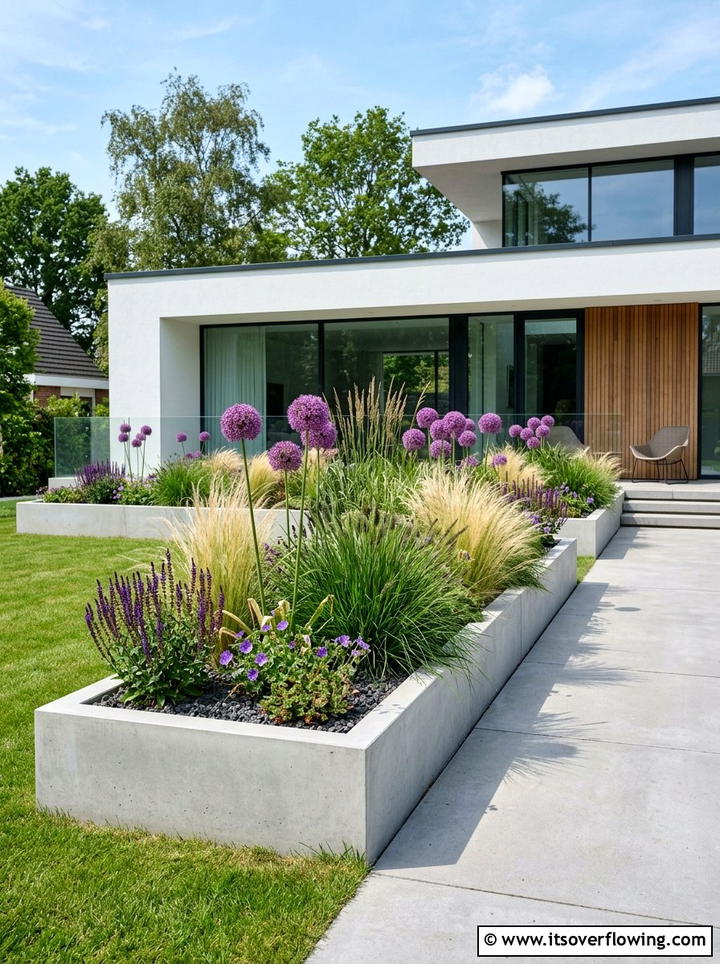
A contemporary flower bed focuses on clean lines, geometric shapes, and a limited color palette for a sophisticated backyard look. This design often uses built-in concrete planters or sleek metal edges to define the boundaries of the garden space. You can plant ornamental grasses alongside bold flowers like alliums to create a high-contrast and architectural feel in the yard. Symmetrical layouts and repetitive patterns are common features that give the garden a sense of order and modern elegance. This style works well with modern home architecture and minimalist outdoor furniture sets. Lighting the beds from below can highlight the shapes of the plants and create a dramatic effect during the evening hours.
12. Flower Garden Seating Area
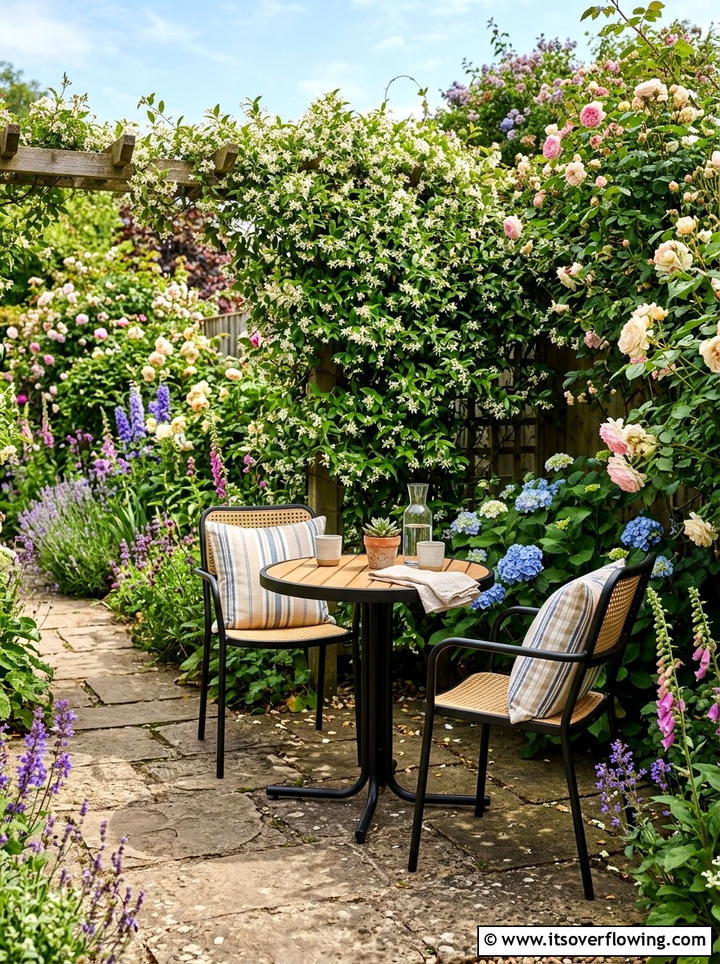
Designing a flower garden seating area turns your backyard into a functional living space surrounded by the beauty of nature. This concept places a patio or a small deck directly in the center of lush, overflowing flower beds. You can use fragrant plants like roses or jasmine around the seating to create a sensory experience for anyone relaxing there. Choosing comfortable chairs and a small table makes it the perfect spot for morning coffee or evening drinks with friends. The surrounding flowers provide a natural sense of privacy and enclosure from the rest of the neighborhood. It is an intimate and relaxing way to enjoy the results of your hard work in the garden.
13. Minimalist Flower Garden
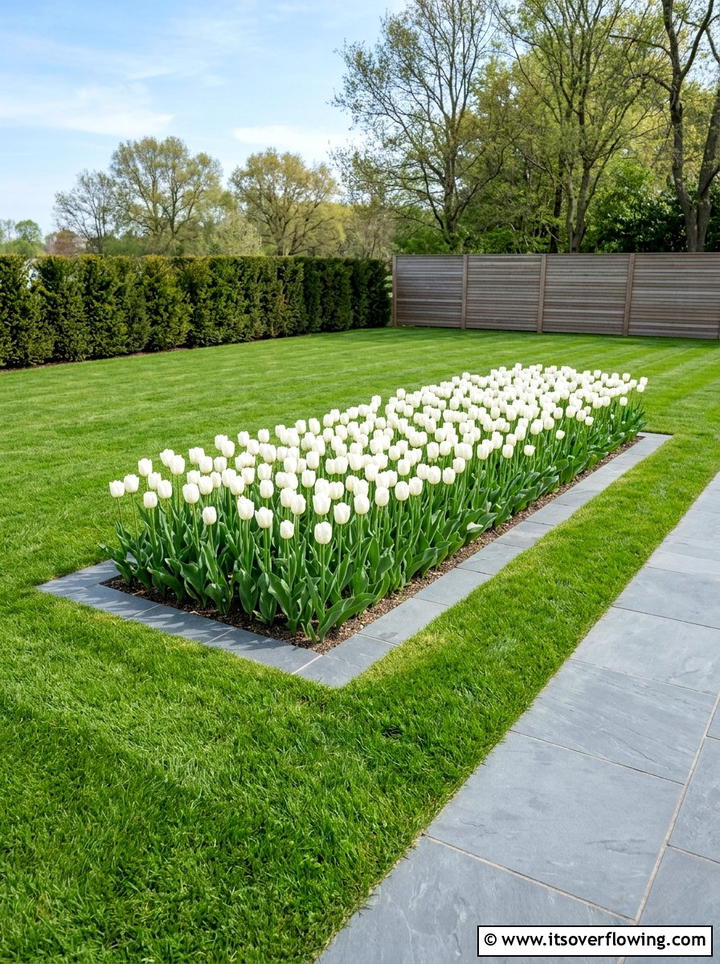
A minimalist flower garden uses a “less is more” approach to create a calm and uncluttered outdoor environment for your home. This design features a few carefully selected plant species repeated throughout the space to create a sense of harmony and balance. You might choose a single color for all the flowers to achieve a monochromatic and peaceful look across the yard. Open spaces and clean lawn areas are just as important as the plants themselves in this modern landscape style. Using simple mulch or decorative gravel keeps the focus on the structure and form of the individual plants. This low-maintenance design is perfect for those who appreciate modern aesthetics and a tidy backyard.
14. Cutting Garden Layout
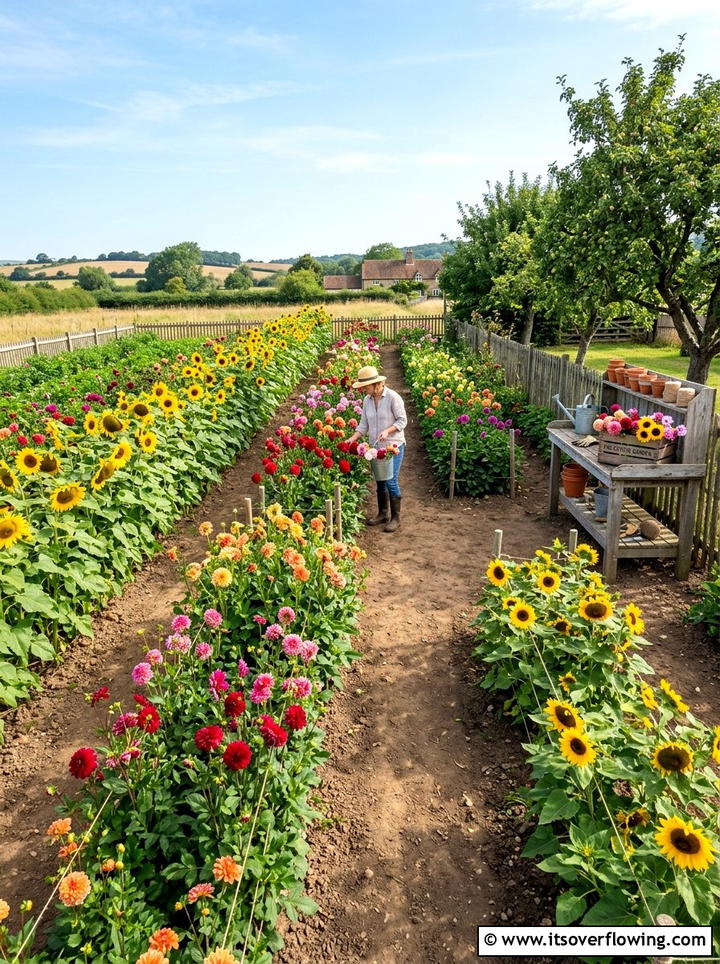
A cutting garden layout is designed specifically for people who love to bring the beauty of their backyard into their home. This garden features rows of long-stemmed flowers like dahlias, sunflowers, and snapdragons that are perfect for creating indoor floral arrangements. The layout is often more functional, with wide paths between the rows to allow for easy access and harvesting of the blooms. You can group plants by their color or variety to make the cutting process more organized and efficient every day. Adding a small potting bench nearby provides a dedicated space for trimming stems and arranging your fresh bouquets. It is a rewarding hobby that keeps your home and yard filled with color.
15. Tropical Flower Backyard
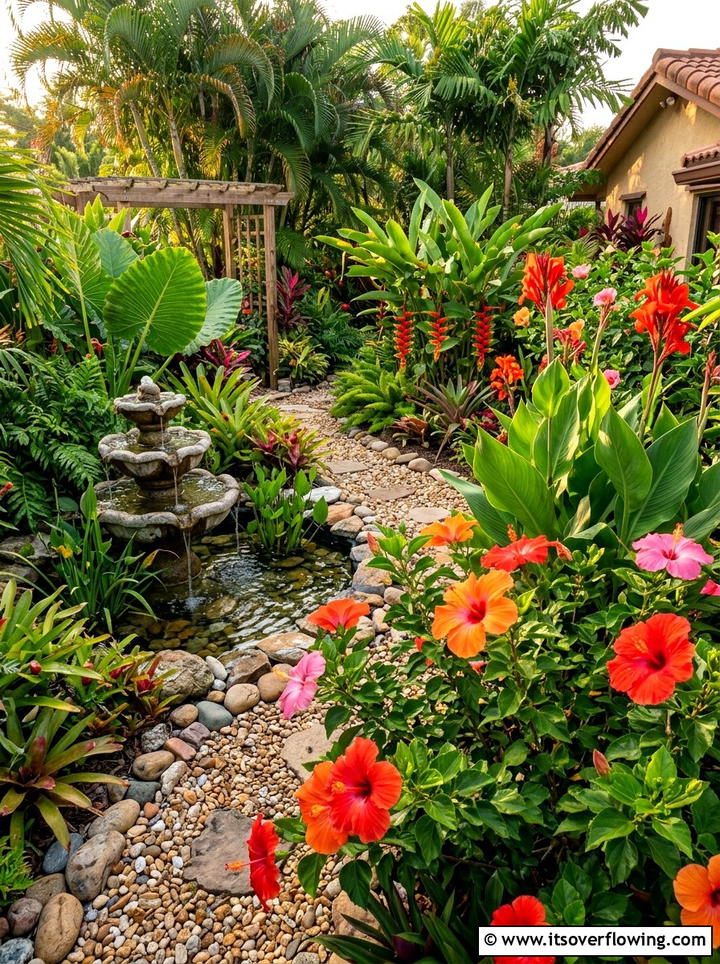
Designing a tropical flower backyard brings the feeling of an exotic vacation right to your own doorstep with bold colors. This style uses large-leafed plants like canna lilies and hibiscus to create a lush, jungle-like atmosphere in your outdoor space. Bright oranges, deep reds, and vibrant yellows are the primary colors used to make the garden feel energetic and very warm. You can add a small pond or a fountain to increase the humidity and add the relaxing sound of water. Using dark mulch or stones helps the bright colors of the tropical blooms stand out even more against the greenery. This design is perfect for creating a high-energy and exciting outdoor environment for entertaining.
16. Rose Garden Design
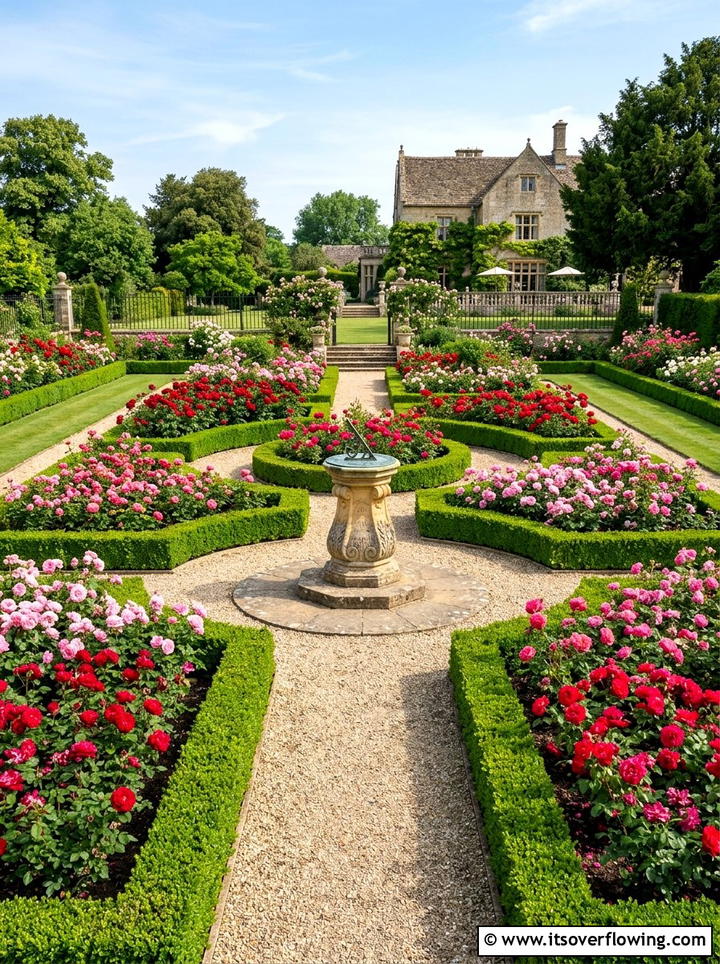
A dedicated rose garden design focuses on the classic beauty and timeless elegance of the world’s most popular flowering plant. You can arrange different varieties of roses, such as climbers, shrubs, and hybrid teas, to create a layered and full look. Formal layouts with boxwood hedges often surround the rose beds to give the space a structured and traditional feel. Adding a central feature like a sundial or a birdbath provides a classic focal point for the entire garden area. Roses require specific care, but the reward of their stunning blooms and incredible fragrance is well worth the extra effort. This garden style adds a touch of luxury and sophistication to any backyard landscape.
17. Potager Garden With Flowers
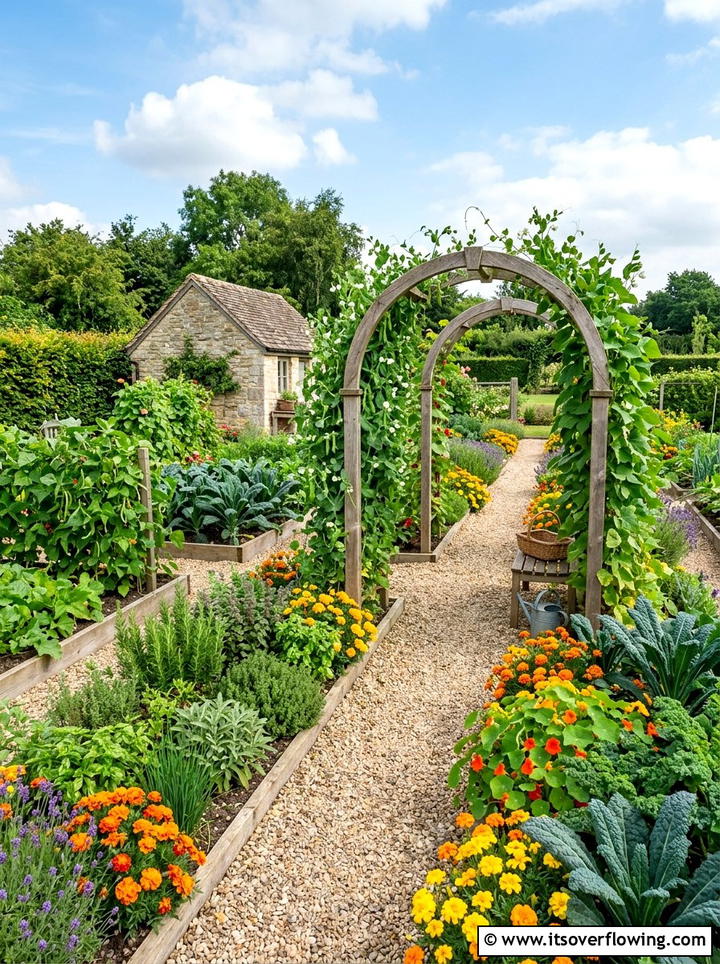
A potager garden with flowers blends the beauty of a traditional flower garden with the functionality of a vegetable patch. In this design, edible plants like herbs and lettuces are grown alongside ornamental flowers like marigolds and nasturtiums for color. The flowers serve a dual purpose by attracting beneficial insects that help protect the vegetables from common garden pests. This layout is usually organized into geometric beds with tidy paths, making it both productive and very attractive to look at. You can include structures like teepees for beans or arches for climbing roses to add height and visual interest. It is a practical and charming way to grow your own food and flowers.
18. Dry Creek Bed With Flowers
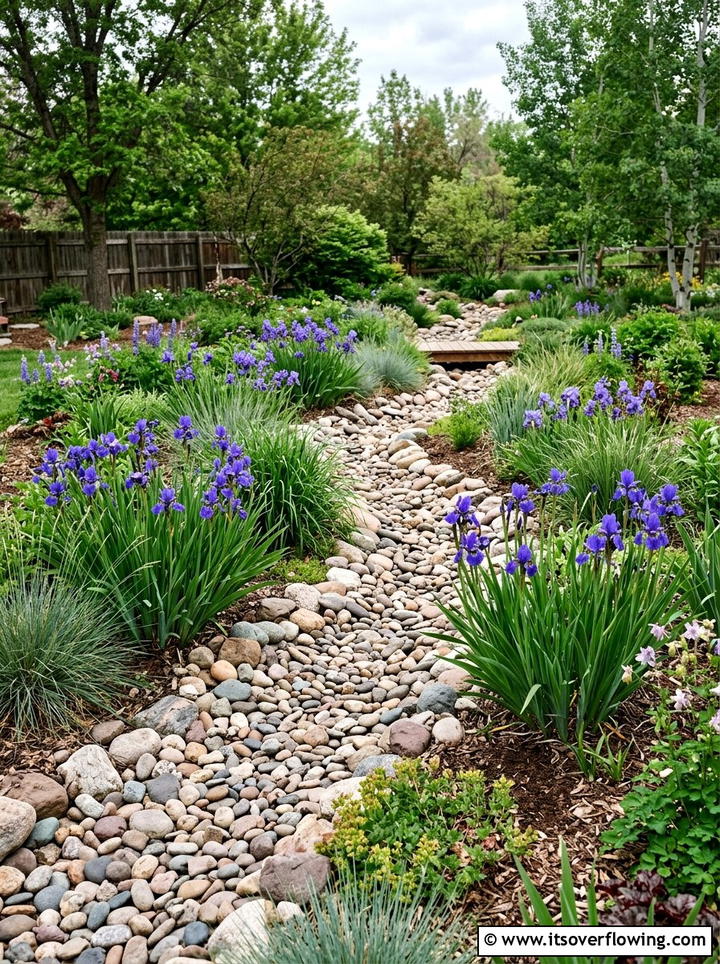
Integrating a dry creek bed with flowers is a creative way to manage drainage while adding a naturalistic element to your backyard. This design uses a winding path of river rocks and stones to mimic the look of a natural waterway. You can plant moisture-loving flowers like iris or cardinal flowers along the edges where water naturally collects during the rain. This feature breaks up large expanses of lawn and adds a sense of movement to the landscape without needing water. In the dry season, the stones provide a beautiful textural contrast to the soft foliage of the surrounding plants. It is a smart and stylish solution for yards that experience occasional heavy runoff issues.
19. Small Backyard Flower Garden
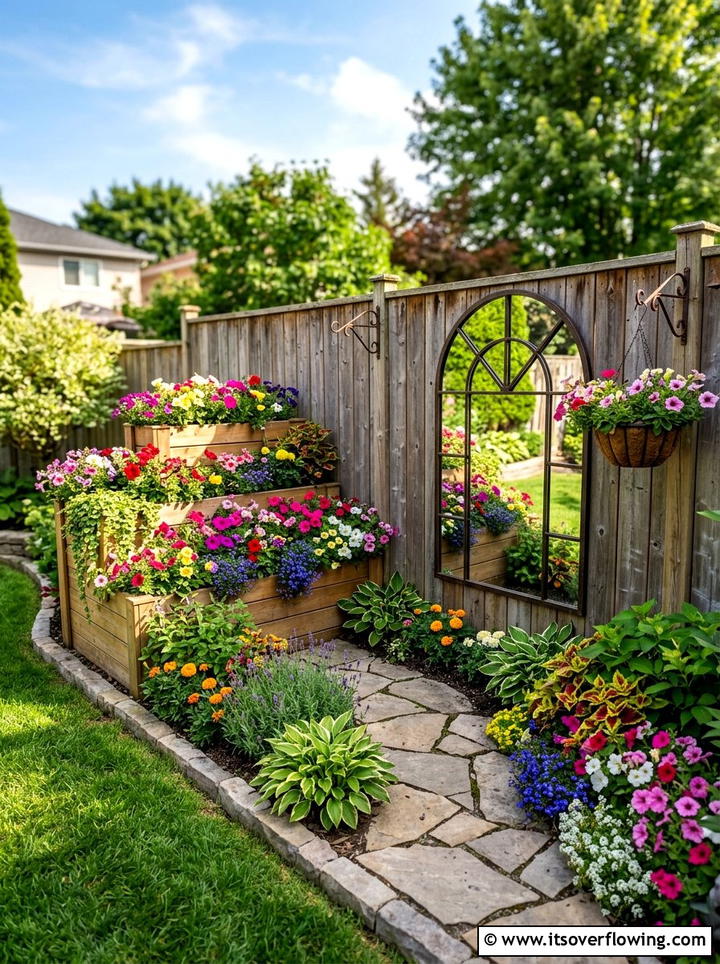
Designing a small backyard flower garden requires careful planning to maximize the available space while creating a sense of depth. You can use tiered planters or a variety of pot sizes to add vertical interest without taking up too much floor space. Choosing a light color palette for the flowers and furniture can help the small area feel more open and airy. Using mirrors on a fence can also create the illusion of a much larger garden by reflecting the colorful blooms. Selecting plants that stay compact ensures that the garden does not become overgrown or feel crowded as the plants mature. It is all about choosing the right scale to create a cozy and beautiful outdoor retreat.
20. Native Plant Flower Garden
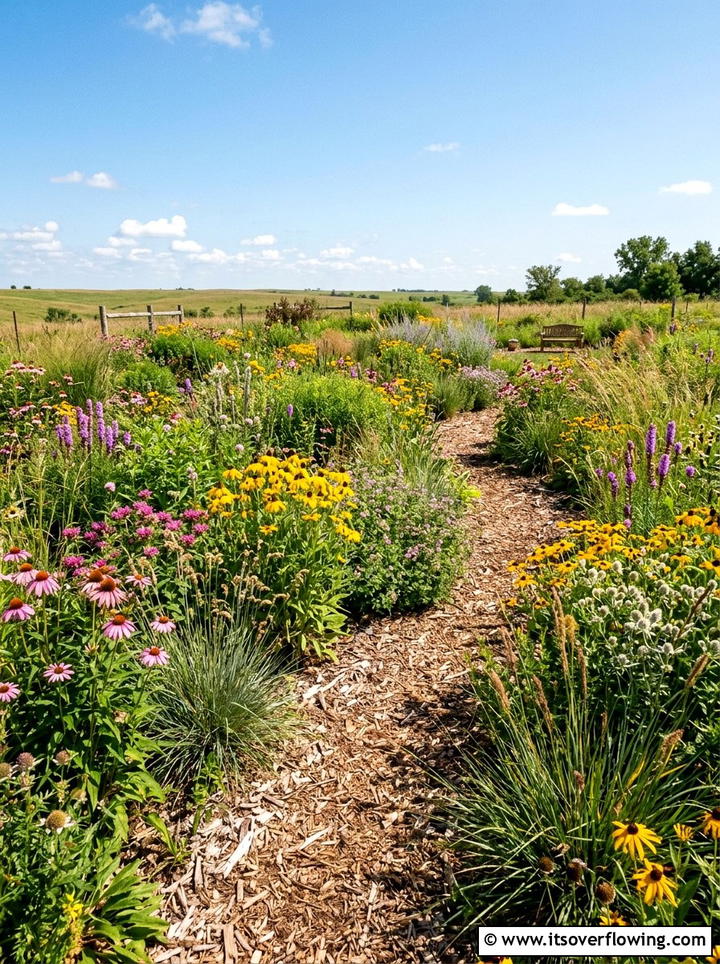
A native plant flower garden is designed to work in harmony with your local climate and soil conditions for better growth. This approach uses flowers that naturally grow in your region, which often means they require less water and fewer fertilizers. Native plants are also essential for supporting local wildlife, providing food and habitat for birds and beneficial insects in your area. You can arrange these plants in a way that mimics their natural habitat for a relaxed and organic garden look. This style of gardening is sustainable and hardy, ensuring your backyard remains beautiful even during difficult weather periods. It celebrates the unique natural beauty of your specific location with very little maintenance.
21. Lavender Garden Design
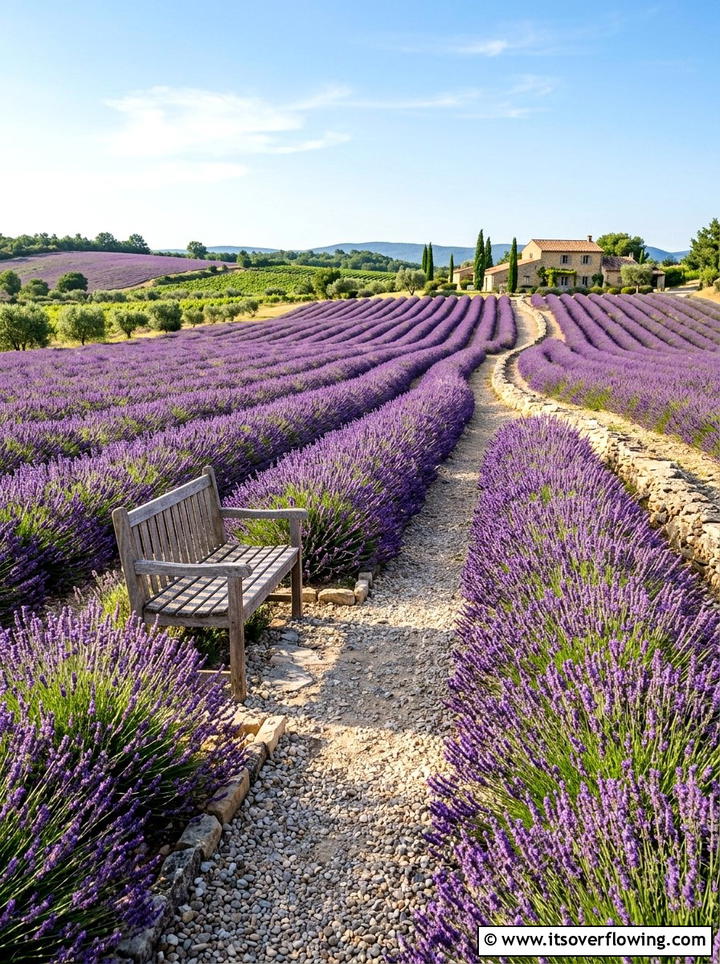
A lavender garden design focuses on the soothing scent and beautiful silvery-purple hues of this popular and hardy Mediterranean herb. You can plant large drifts of lavender to create a sea of color that moves gently in the summer breeze. This design works best in sunny spots with well-draining soil, making it perfect for borders or along backyard paths. The fragrance of the lavender creates a relaxing atmosphere that is perfect for a quiet meditation spot or seating area. You can mix it with other drought-tolerant plants like rosemary or ornamental grasses for a low-maintenance and textured look. It is a sensory-rich garden style that brings a touch of the French countryside to your home.
22. Night Garden With White Flowers
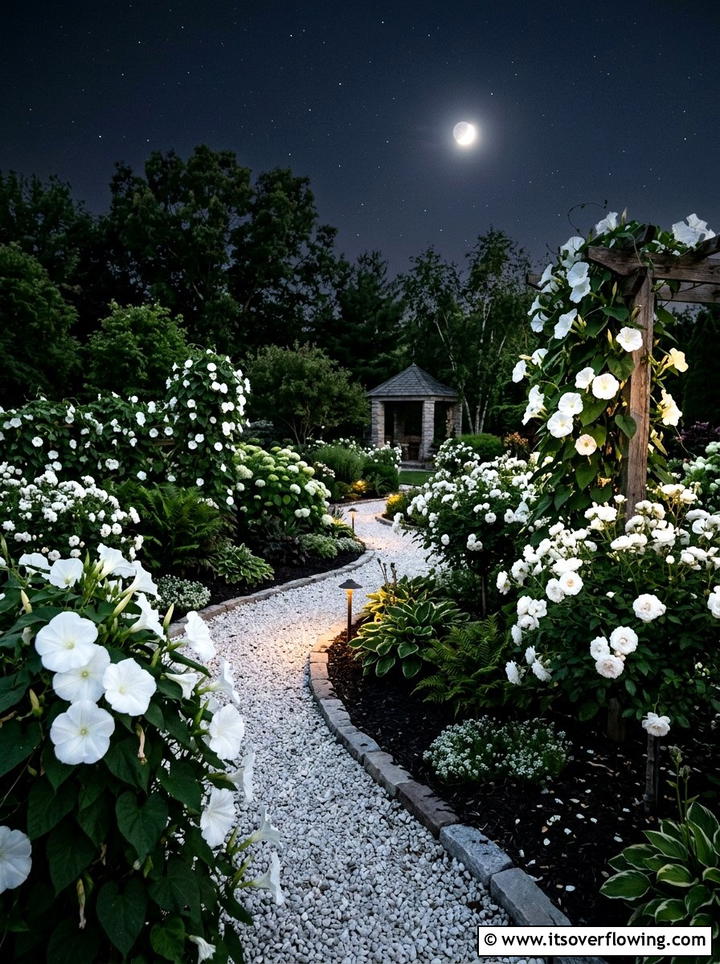
Creating a night garden with white flowers allows you to enjoy your backyard long after the sun has gone down. This design uses white and silver plants that reflect moonlight, making the garden glow in the dark for a magical effect. You can include fragrant nocturnal bloomers like moonflowers or jasmine that release their scent during the cooler evening hours. Light-colored gravel paths and subtle garden lighting can further enhance the visibility and beauty of the space at night. This setup is perfect for people who work during the day and want a peaceful place to unwind in the evening. It transforms your backyard into a luminous and ethereal sanctuary that feels very private.
23. Butterfly Garden Setup
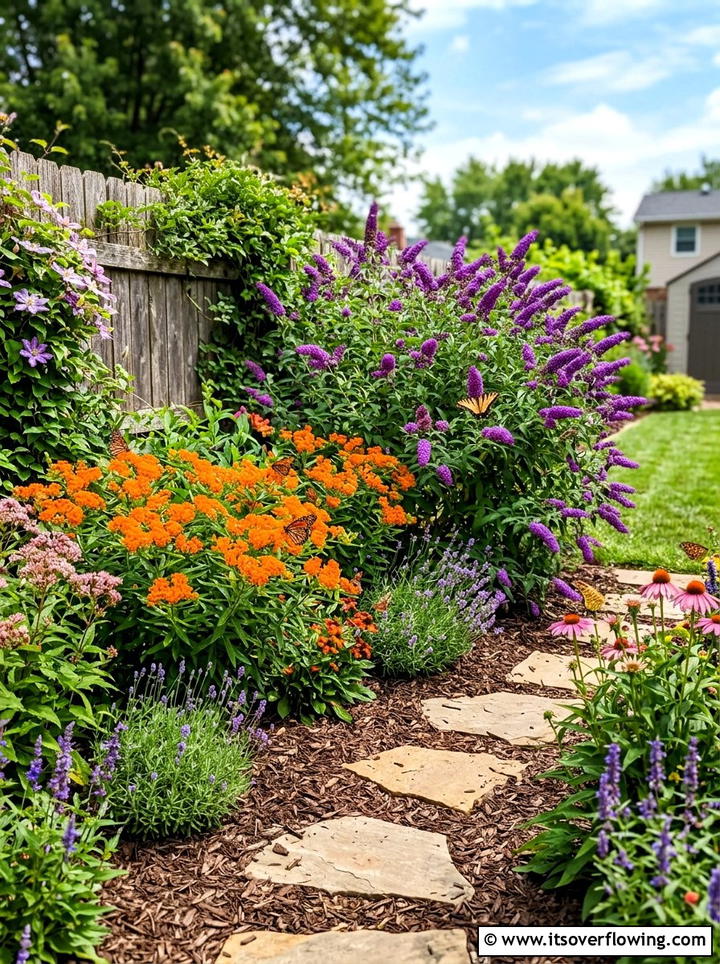
Setting up a butterfly garden involves choosing a wide variety of nectar-rich flowers that provide food for these beautiful winged visitors. This design often includes sunny, sheltered spots where butterflies can rest and warm their wings during the day. You should plant flowers in large blocks of color to make it easier for butterflies to find them from high above. Including host plants like milkweed is essential for butterflies to lay their eggs and for caterpillars to have enough to eat. This type of garden is full of movement and life, making it a joy to observe throughout the summer season. It is a wonderful educational feature for families with curious children who love nature.
24. Ornamental Grass And Flower Garden
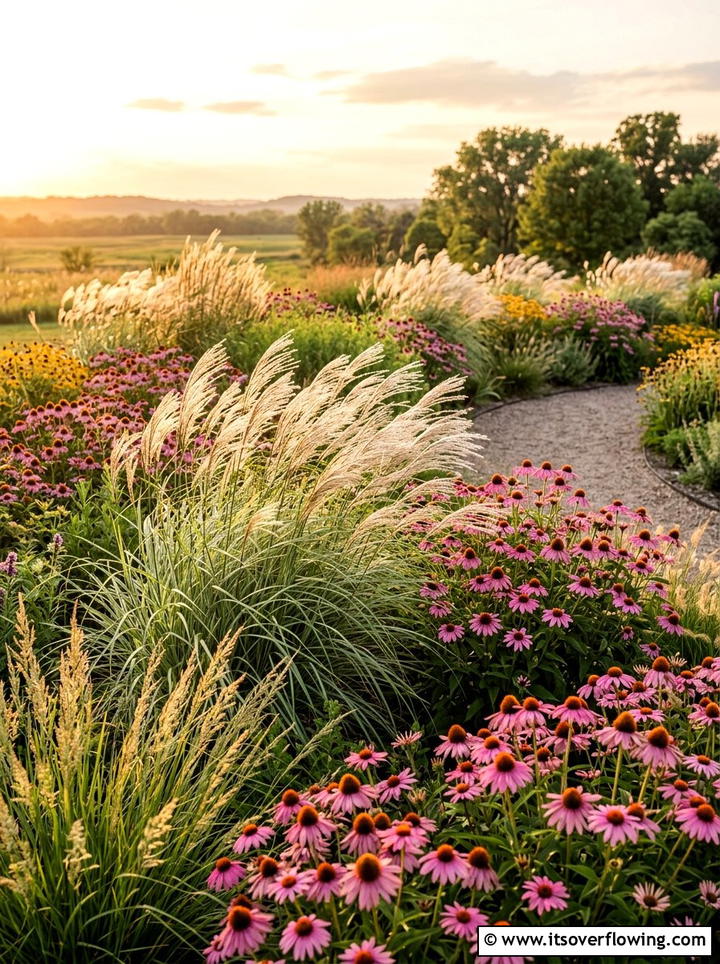
An ornamental grass and flower garden combines the soft, flowing movement of grasses with the bright pops of color from perennial blooms. This design focuses on texture and structure, using the tall plumes of grass to add height and a sense of privacy. In the autumn, the grasses turn beautiful shades of gold and bronze, extending the visual interest of the backyard. You can plant flowers like echinacea or rudbeckia that stand up well against the dense foliage of the large grasses. This style of gardening is very low-maintenance and provides a modern, prairie-inspired look that feels very fresh. It is a durable and stylish choice for creating a dynamic and changing landscape.
25. Formal Flower Garden Layout
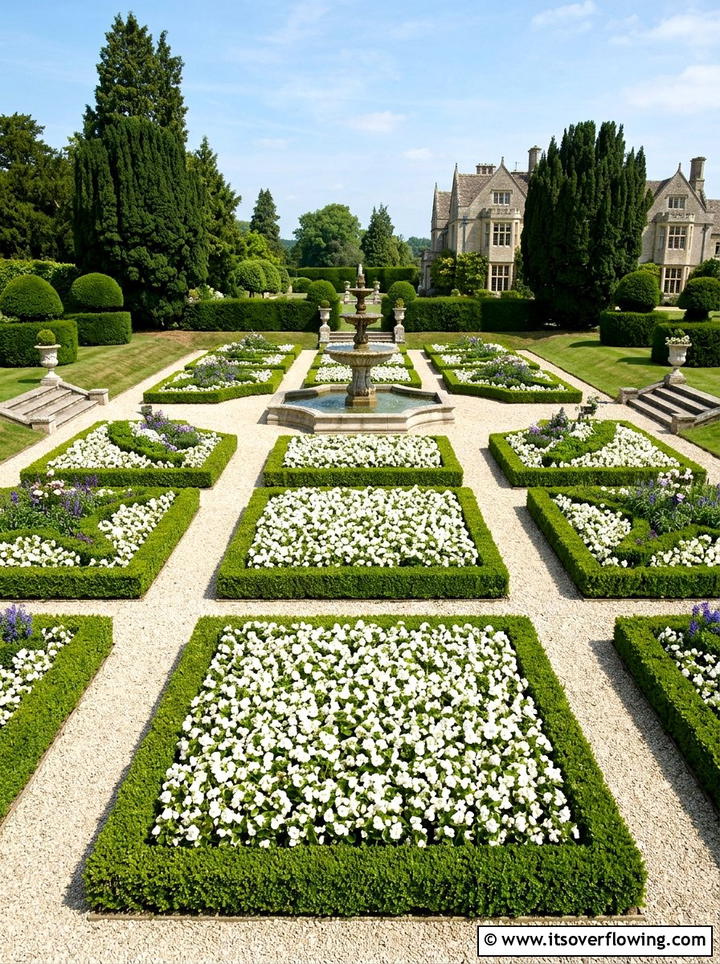
A formal flower garden layout uses symmetry and clear structure to create a sophisticated and high-end look in your backyard space. This design often features a central axis with identical flower beds on either side to create a perfect mirror image. Boxwood hedges are frequently used to frame the beds and keep the overall appearance very neat and well-defined. You can include classical elements like stone statues, fountains, or neatly clipped topiary trees to enhance the grand feel of the garden. Choosing a limited color palette of flowers helps maintain the sense of order and elegance throughout the entire outdoor area. This style is perfect for those who enjoy a polished and traditional landscape design.
Conclusion:
Designing a backyard with a flower garden is a rewarding way to enhance your home’s value and your own quality of life. By choosing a style that fits your personal taste and the local climate, you can create a sustainable and beautiful retreat. Whether you opt for the wild look of a meadow or the clean lines of a contemporary bed, flowers bring joy and color. Remember to consider factors like sunlight, soil type, and maintenance levels when planning your layout for the best long-term results. Each of these ideas provides a different way to experience nature right outside your back door every day. Your garden will grow and change over time, becoming a living piece of art that you can enjoy for many years. Start small and let your passion for gardening bloom as your backyard transforms into a stunning floral paradise.

Related posts:
 25 Backyard Ideas With Butterfly Garden for Colorful Charm
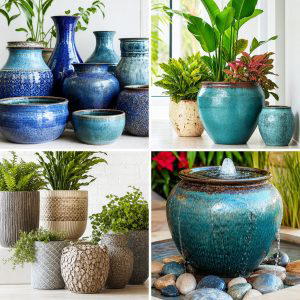 25 backyard ideas with pot clusters for Colorful Garden Style
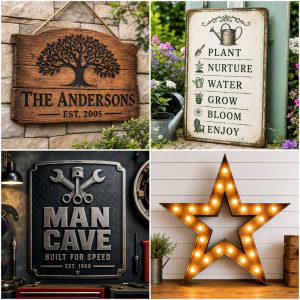 25 Backyard Decorating Ideas With Signs For Backyard Charm
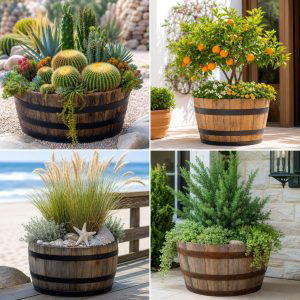 25 Backyard Ideas With Barrel Planter for Rustic Garden Charm
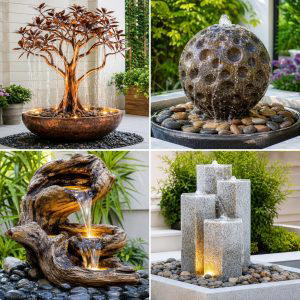 25 Backyard Ideas With Fountain for a Serene Garden Escape
 25 Backyard Ideas With Greenhouse for Fresh Garden Style
 25 Backyard Ideas With Japanese Garden for Zen Outdoor Style
 25 Backyard Ideas With Mulch Beds for a Polished Garden
 25 Backyard Ideas With Rain Garden Designs for Greener Yards
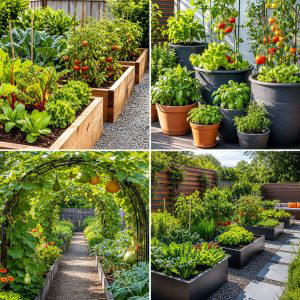 25 garden ideas with vegetables: Fresh Backyard Inspiration
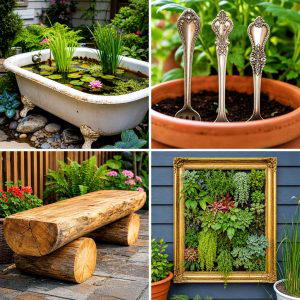 25 Recycled Garden Ideas for Backyard Decor
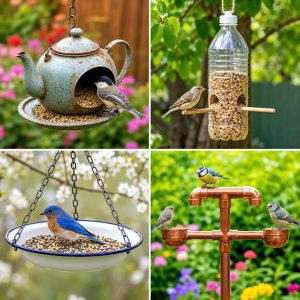 25 Upcycled Garden Ideas With Bird Feeders for Backyard Birds