
Creating a vibrant sanctuary for winged visitors is more than just a gardening project; it is an invitation to witness nature’s delicate dance right in your own outdoor living space. When you design a backyard with a specific focus on butterflies, you are essentially building a living tapestry of colors, scents, and movement that changes with the seasons. These fluttering guests bring a sense of peace and magic to any landscape, turning a standard lawn into a thriving ecosystem. By incorporating nectar-rich flowers and host plants, you can transform your property into a vital pit stop for local pollinators while enhancing your home’s overall curb appeal and resale value.
1. Native plant backyard
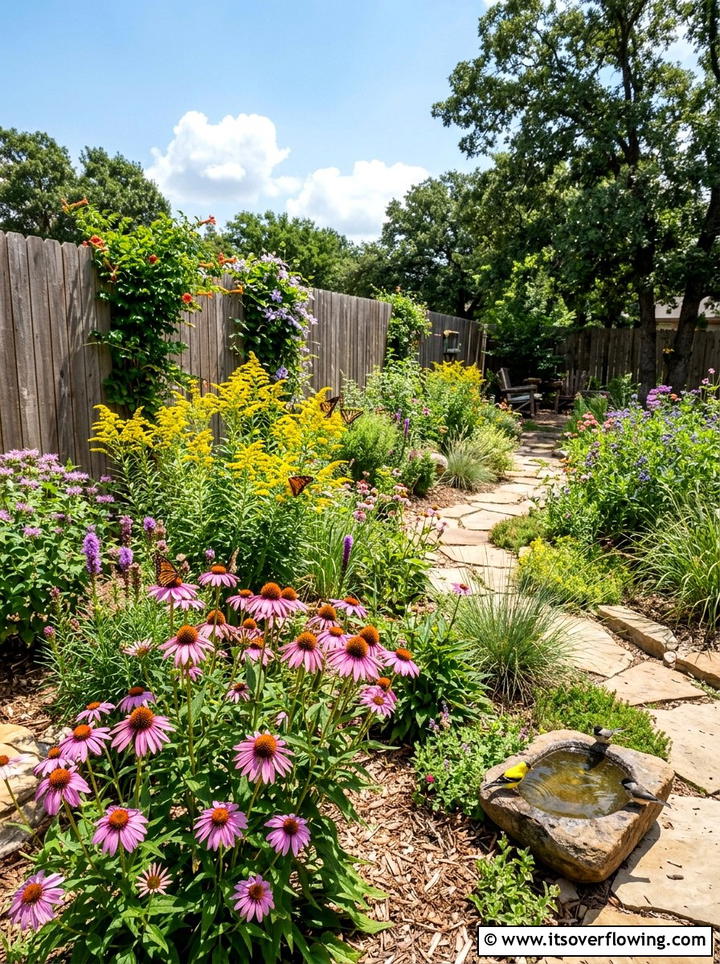
Imagine stepping into a space that perfectly mimics the local landscape while providing the ultimate buffet for indigenous butterfly species. A native plant backyard focuses on using flora that naturally occurs in your region, ensuring the plants are hardy and perfectly adapted to your specific climate and soil. This design often features layers of coneflowers, black-eyed Susans, and goldenrod, creating a dense and textured look that requires very little supplemental watering once established. By prioritizing native species, you create a self-sustaining environment where caterpillars and adult butterflies can complete their entire life cycle. This approach results in a lush, effortless aesthetic that feels deeply connected to the surrounding environment.
2. Formal butterfly garden
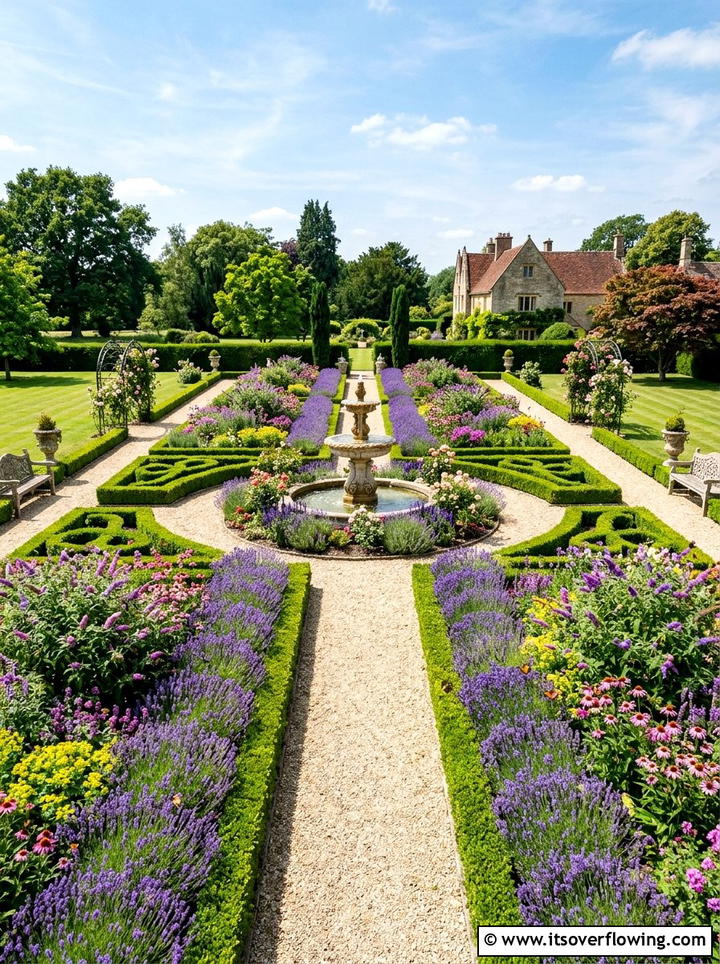
Can a space be both meticulously organized and bursting with wild, fluttering life at the same time? A formal butterfly garden proves that structure and nature go hand in hand by using symmetrical layouts, clipped boxwood hedges, and clearly defined stone pathways. Within these neat borders, you can plant vibrant clusters of butterfly bush or tall lavender to attract pollinators without losing that polished, high-end feel. This design style is perfect for homeowners who appreciate a clean and sophisticated look but still want to support local wildlife. The contrast between the rigid geometric lines and the soft, organic movement of the butterflies creates a sophisticated and visually stunning backyard retreat.
3. Modern minimalist backyard
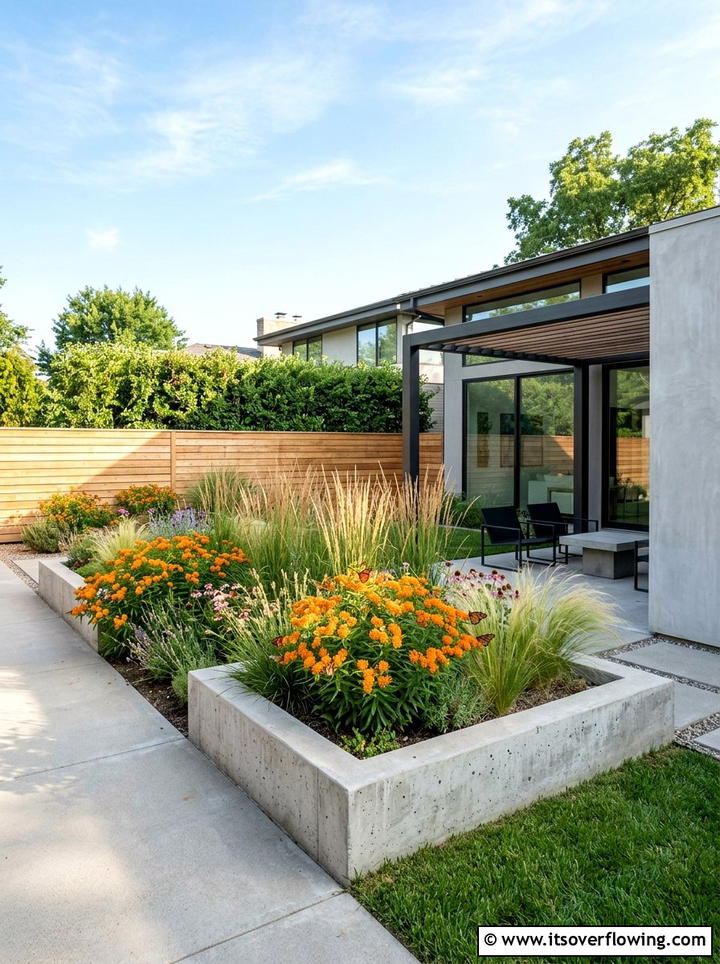
What if you could support a thriving pollinator population while maintaining a sleek, contemporary aesthetic with clean lines and limited palettes? A modern minimalist backyard uses large, architectural planters and concrete surfaces to frame specific zones of pollinator-friendly greenery. Instead of an overwhelming variety of plants, this design focuses on a few high-impact species, like ornamental grasses mixed with vibrant orange milkweed. The simplicity of the hardscaping allows the colorful movement of the butterflies to take center stage, making them the primary decorative element. This style is ideal for urban dwellers who want a low-maintenance yet environmentally conscious outdoor space that looks like a curated piece of living art.

4. Cottage garden backyard
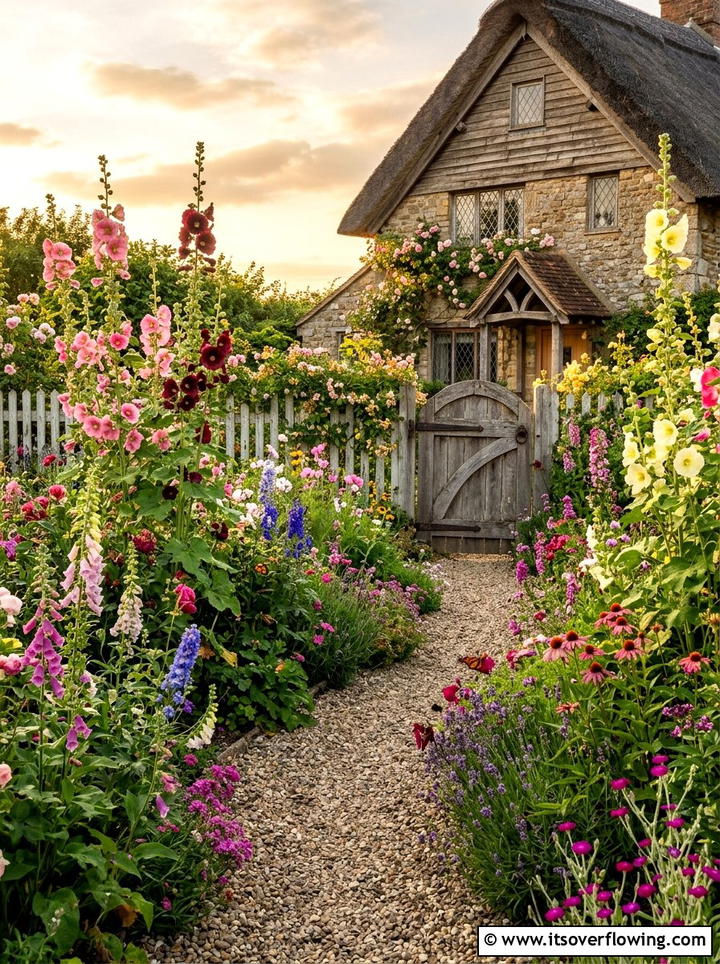
Walking through a cottage garden backyard feels like stepping into a romantic fairy tale filled with fragrant blooms and hidden corners. This design is characterized by its informal, overflowing flower beds that spill onto winding gravel paths, featuring a nostalgic mix of hollyhocks, delphiniums, and sweet peas. Butterflies are naturally drawn to this dense planting style because it offers plenty of places to hide from the wind and find shade. The intentional “messiness” of this design provides a rich habitat for various species, ensuring that something is always in bloom from early spring until late autumn. It is a cozy, inviting space that celebrates the whimsical beauty of a traditional country landscape.
5. Small urban backyard
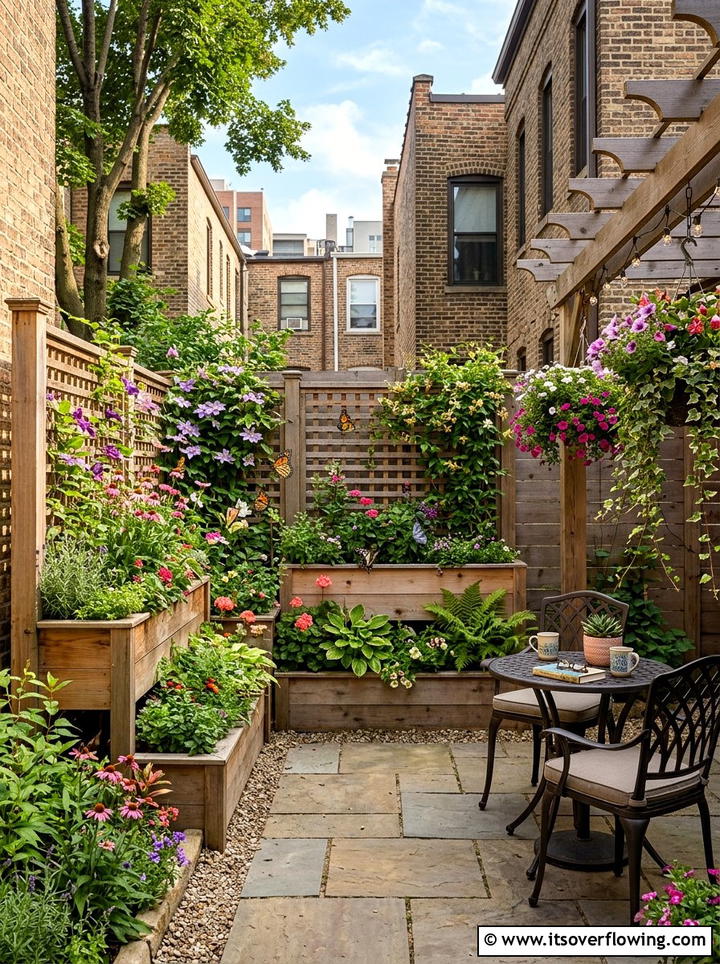
Do you think a tiny city lot is too small to become a bustling haven for colorful butterflies and pollinators? A small urban backyard maximizes every square inch by utilizing vertical trellises, hanging baskets, and tiered wooden planters to create a multi-level green wall. By selecting dwarf varieties of butterfly-friendly plants, you can pack a significant amount of nectar into a compact area. Mirrors can be placed on fences to reflect the greenery and make the space feel larger while increasing the visibility of the flying visitors. This design proves that you do not need a massive estate to make a meaningful impact on the local butterfly population or enjoy nature.
6. Tropical butterfly backyard
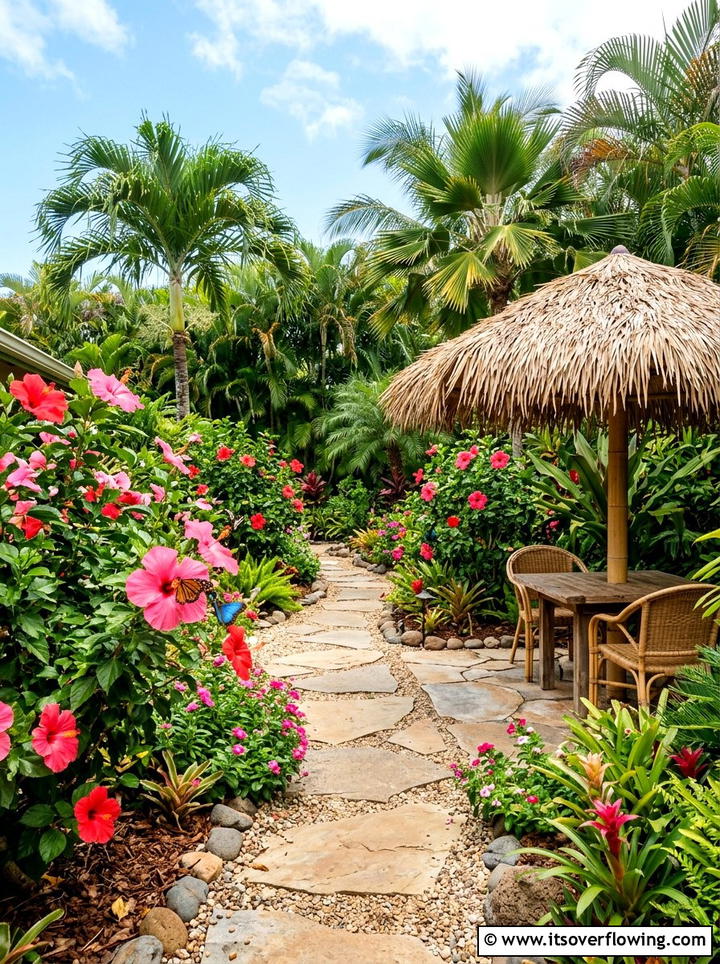
Imagine the exotic feel of a private island getaway right in your own backyard, complete with lush foliage and brilliant colors. A tropical butterfly backyard uses broad-leafed plants like hibiscus, pentas, and passion vines to create a humid, sheltered environment that many butterflies adore. Bold colors like hot pink, electric blue, and bright red are the hallmark of this design, attracting a wide variety of large, showy butterfly species. Large palm fronds provide excellent protection from heavy rain and wind, giving the insects a safe place to rest during storms. This style is perfect for warmer climates where you can lean into a high-energy, vibrant look that feels like a permanent vacation.
7. Meadow style backyard
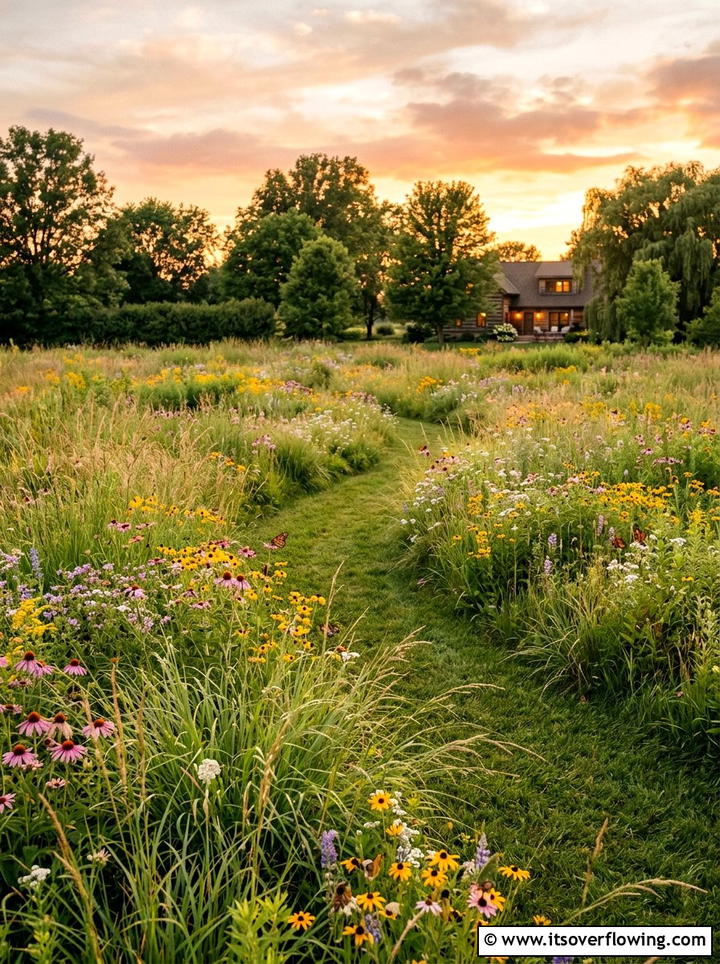
What if your lawn could be transformed into a swaying sea of grasses and wildflowers that requires almost zero mowing? A meadow style backyard replaces traditional turf with a mix of native grasses and self-seeding perennials that provide a naturalistic habitat. This design is exceptionally beneficial for butterflies as it offers both food and shelter in an open, sun-drenched setting that mimics their natural prairie homes. The tall grasses act as a windbreak, which is crucial for delicate wings, while the flowers provide a continuous source of nectar. It is a peaceful, eco-friendly option that brings a sense of vast, open wilderness to even a standard-sized suburban residential lot.
8. Wooded butterfly backyard
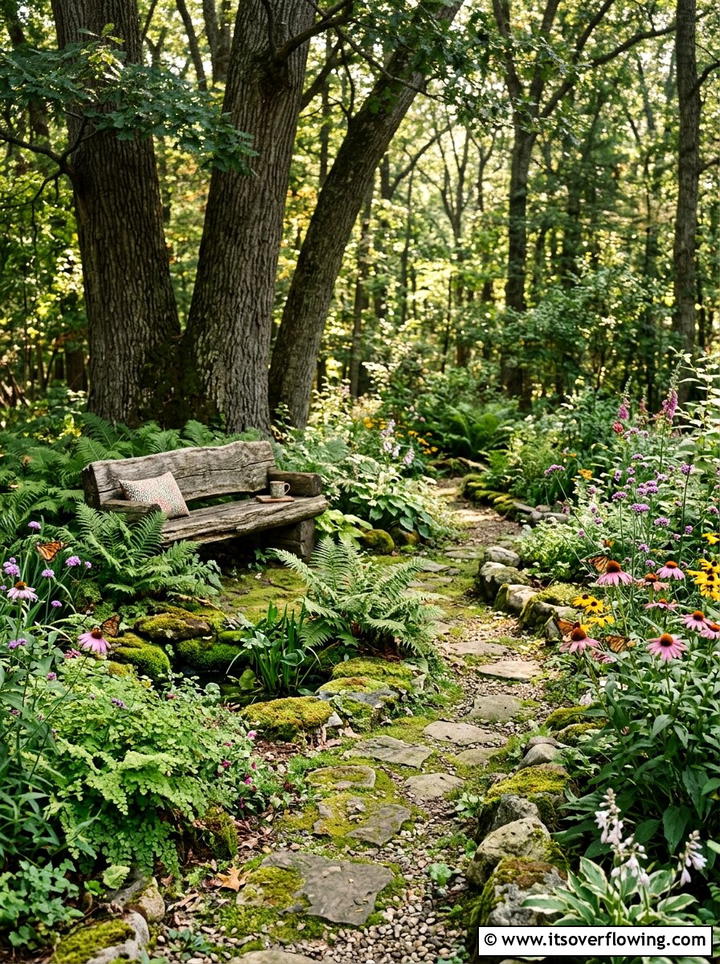
Have you considered how a dappled, shaded space can still be a sanctuary for butterflies that prefer cooler temperatures? A wooded butterfly backyard utilizes the natural canopy of trees to create a sheltered environment filled with woodland wildflowers like violets and columbine. This design focuses on the edges where the sunlight breaks through the leaves, as these spots are ideal for “sun-basking” platforms like flat rocks. Rotting logs and leaf mulch are left in place to provide nesting sites and moisture for various species throughout the year. The result is a cool, earthy retreat that feels like a secret forest clearing, offering a unique habitat for butterflies that avoid open fields.
9. Coastal butterfly backyard
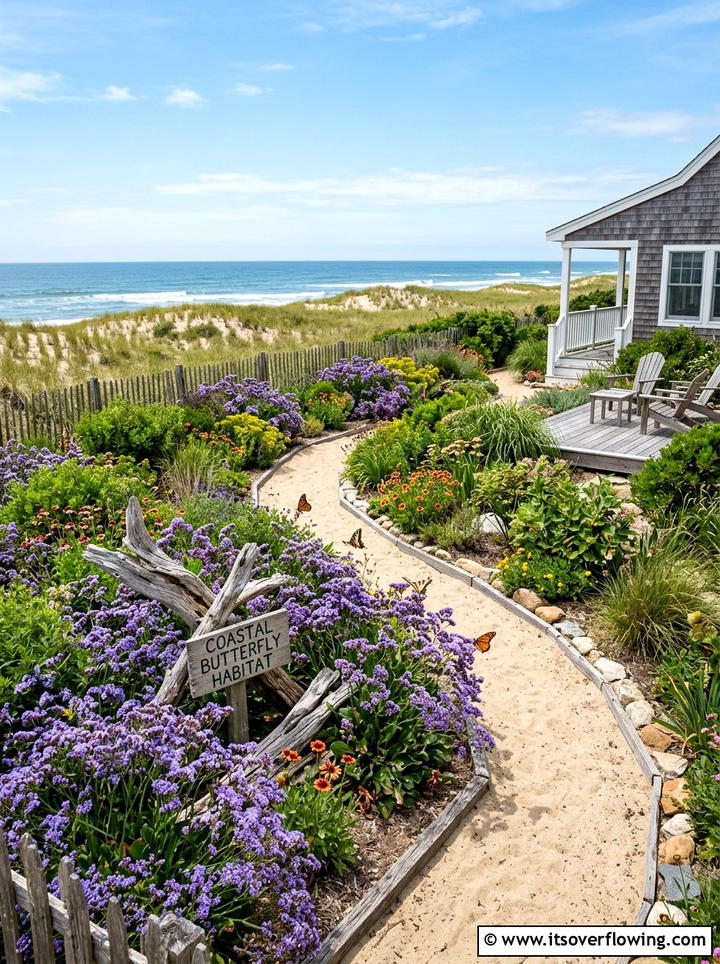
Can a garden survive the salty air and sandy soil of a seaside home while still attracting delicate winged visitors? A coastal butterfly backyard uses salt-tolerant plants like sea lavender, butterfly weed, and beach sunflowers to create a hardy yet beautiful landscape. These plants are tough enough to handle the coastal breeze while providing the high-energy nectar butterflies need for their long migrations. The design often incorporates driftwood elements and crushed shell paths, reflecting the natural beauty of the shoreline. This type of backyard is essential for supporting butterflies along their coastal flight paths, providing a much-needed resting spot during their incredible journeys across the windy and salt-sprayed seaside regions.
10. Xeriscape butterfly backyard
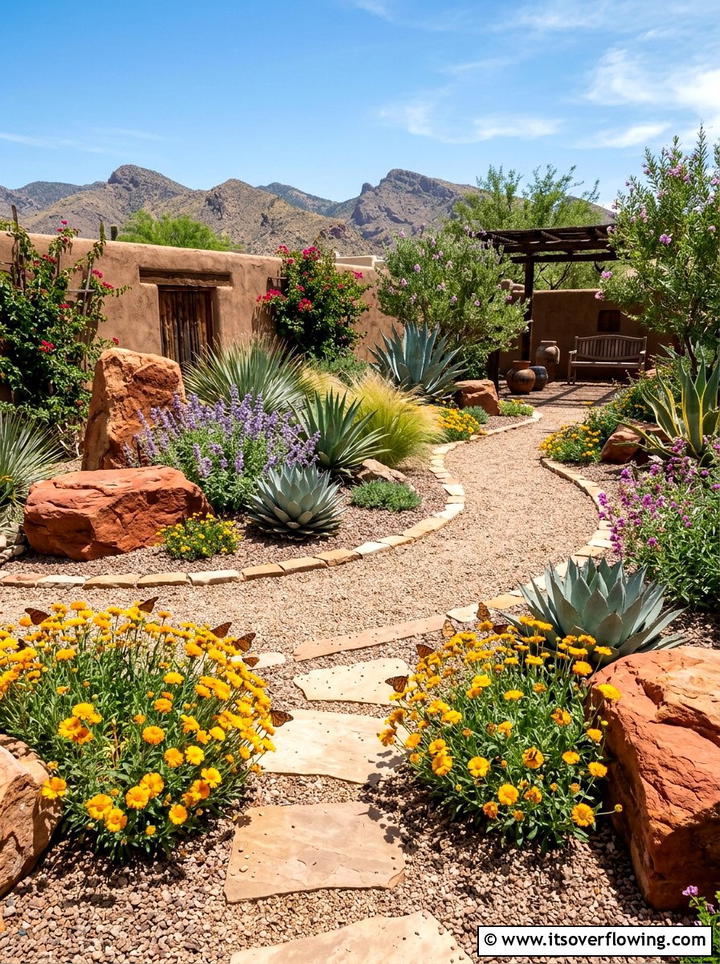
How do you create a thriving butterfly oasis in a region where water is scarce and the sun is intense? A xeriscape butterfly backyard focuses on drought-tolerant plants like agave, sage, and desert marigolds that require very little irrigation once they are established. This design uses gravel and decorative rock mulch to retain soil moisture and prevent weeds, creating a clean and modern look. Despite the dry conditions, these resilient plants produce an abundance of nectar that is highly attractive to local butterfly and bee populations. The warm stones in the landscape serve as perfect basking spots for butterflies to heat their wings, making this an ecologically responsible and visually striking outdoor design.
11. Contemporary courtyard backyard
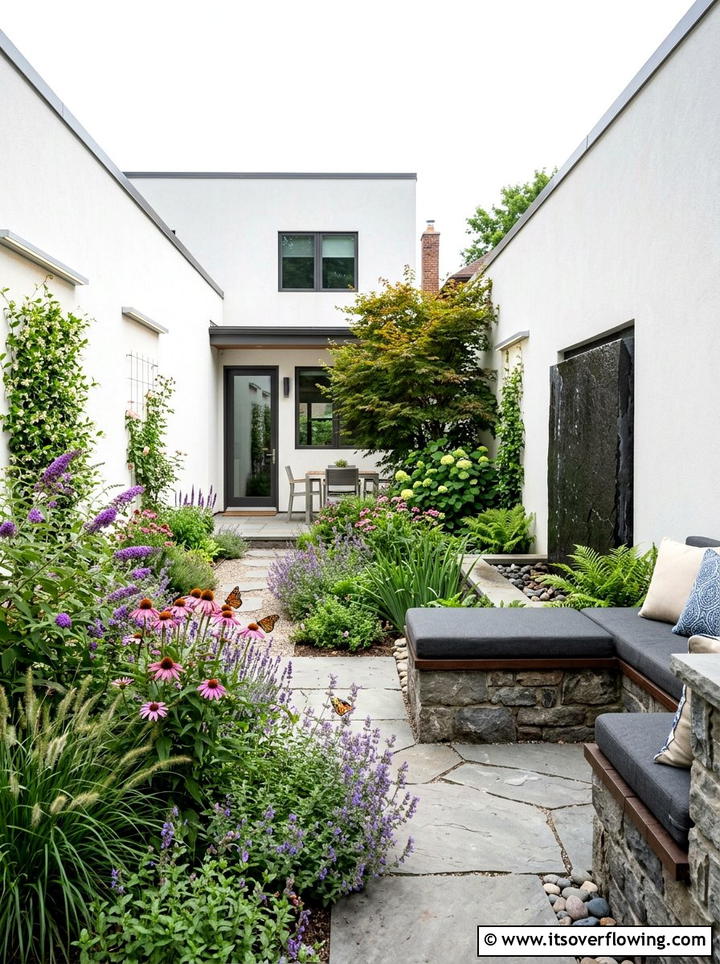
Imagine a private, walled-in sanctuary where the only sounds are the rustle of leaves and the gentle flapping of wings. A contemporary courtyard backyard uses high walls to create a microclimate that is protected from harsh winds, making it an ideal environment for butterflies. Sleek built-in benches and minimalist water features are surrounded by lush pockets of greenery, such as climbing vines and potted perennials. This design offers a sense of intimacy and seclusion, allowing you to observe the butterflies up close in a quiet, controlled setting. The enclosed nature of a courtyard helps trap warmth, extending the time butterflies stay active throughout the day even as the sun begins to set.
12. Rustic farm backyard
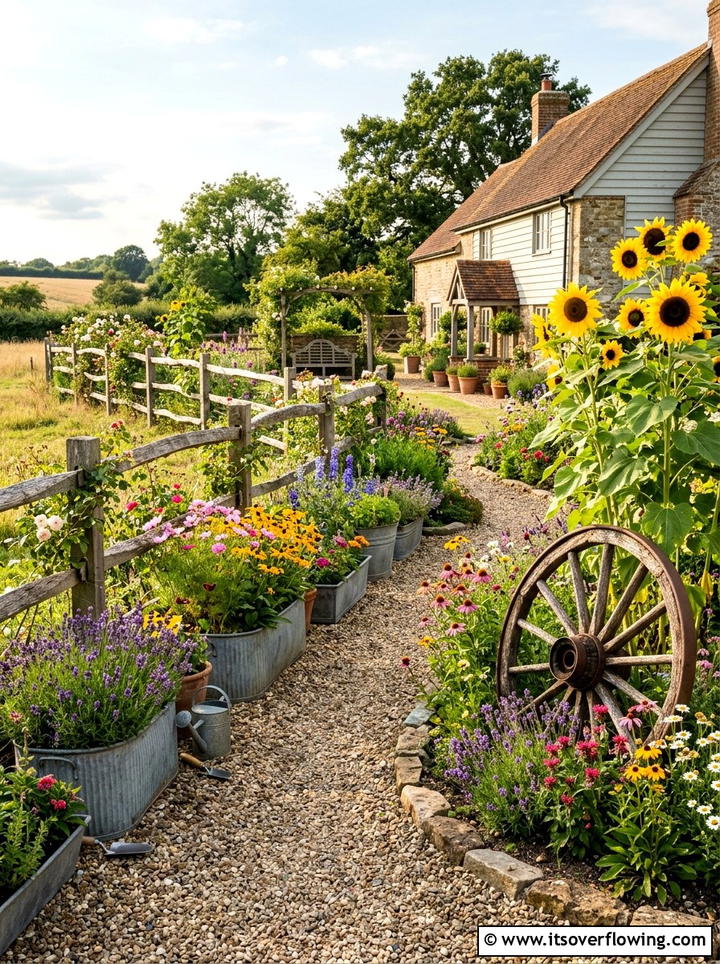
Do you dream of an expansive, open space that feels like a nostalgic piece of the countryside with vintage charm? A rustic farm backyard incorporates weathered wood fences, galvanized metal planters, and old stone walls to create a lived-in, comfortable atmosphere. Large patches of zinnias and sunflowers are planted in rows, mimicking a functional farm layout while providing a massive amount of nectar. This design often includes old-fashioned birdbaths and fruit trees, which provide additional resources for butterflies that enjoy overripe fruit. It is a hearty, productive landscape that feels grounded in history and offers a wide-open invitation for all types of pollinators to visit and stay for a while.
13. Sensory butterfly backyard
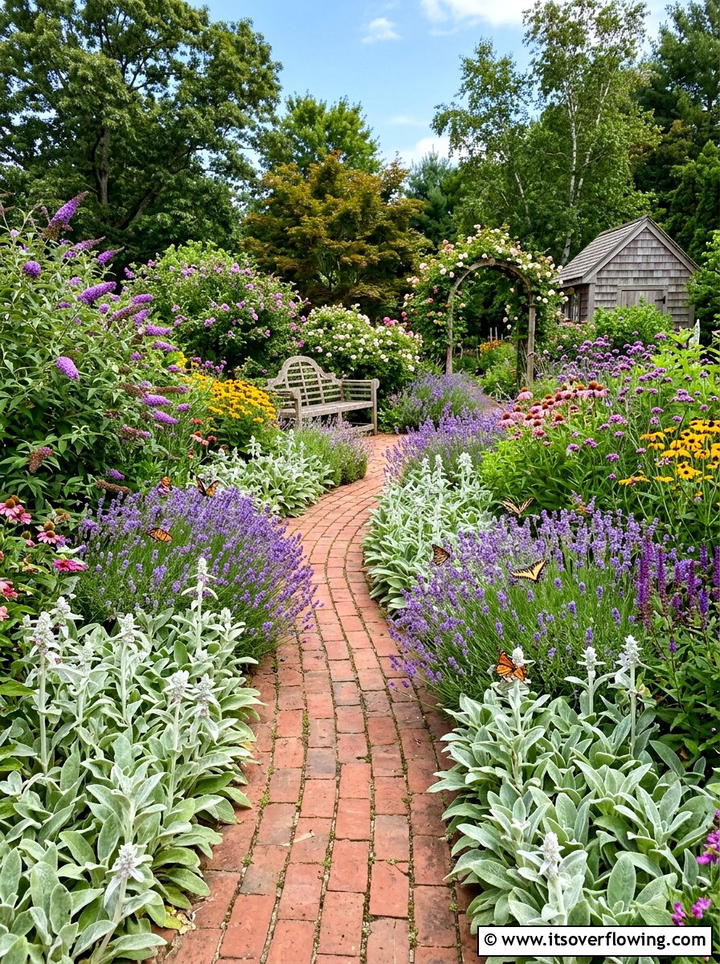
What if your garden was designed to engage all of your senses while simultaneously providing a rich habitat for nature? A sensory butterfly backyard prioritizes plants with intense fragrances, varied textures, and vibrant colors to create an immersive experience for humans and insects alike. Soft lamb’s ear, aromatic lavender, and rattling seed pods offer a tactile and auditory dimension to the space that enhances the overall mood. Butterflies are highly sensitive to scent and color, making this type of garden an absolute magnet for a diverse range of species. It is a therapeutic environment that encourages visitors to slow down, breathe deeply, and fully appreciate the delicate beauty of the natural world.
14. Traditional tiered backyard
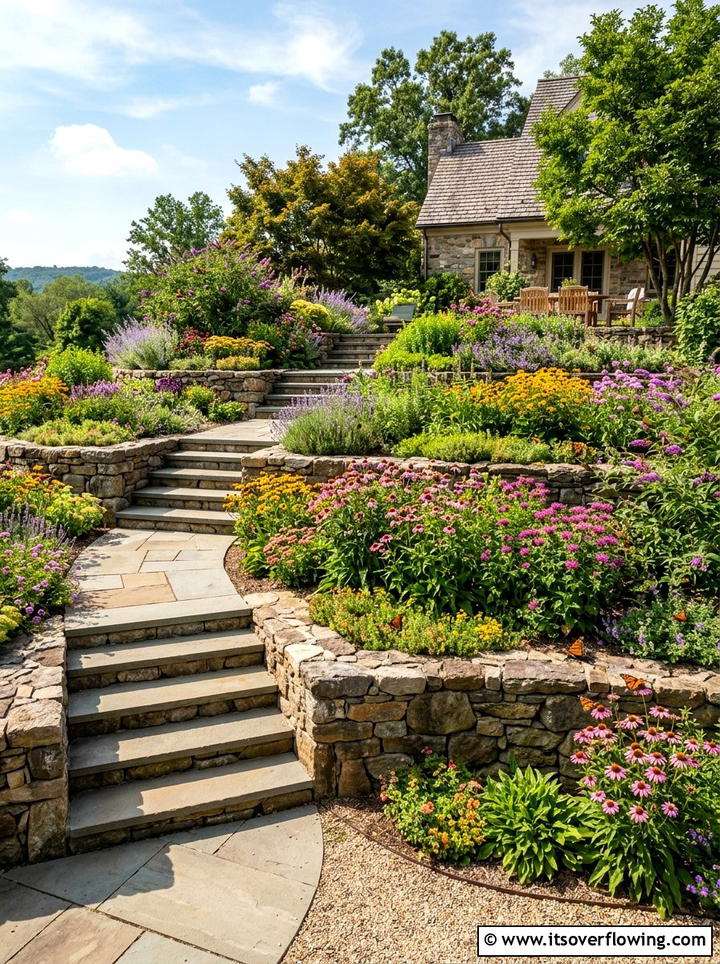
How can a sloped or uneven yard be transformed into a functional and beautiful series of butterfly-friendly garden zones? A traditional tiered backyard uses stone or timber retaining walls to create flat levels that are perfect for planting dense beds of perennials. Each level can be dedicated to a different type of plant, such as a caterpillar host zone on the bottom and a nectar-rich top tier. This vertical arrangement makes it easy to view the butterflies from different angles as they move between the various levels of the landscape. The tiers also help with drainage and soil health, ensuring that your butterfly garden remains healthy and vibrant throughout the entire growing season.
15. Zen butterfly backyard
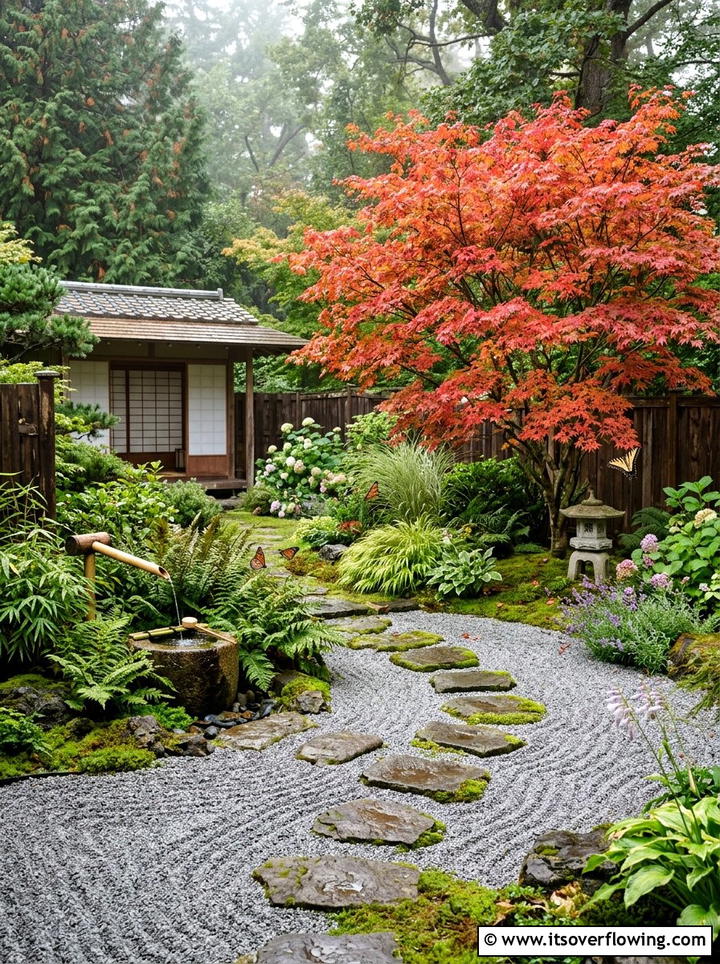
Can a backyard inspired by Japanese design principles become a functional habitat for local pollinators and colorful butterfly species? A Zen butterfly backyard uses a limited color palette, raked gravel, and carefully placed boulders to create a sense of profound stillness and peace. Native azaleas and Japanese maples provide the structural greenery, while small clusters of white flowers offer a subtle nectar source for the butterflies. The movement of the butterflies adds a dynamic element to the otherwise static and calm environment, representing the fleeting beauty of life. This design style is perfect for those who want a meditative space that honors the natural world through simplicity, balance, and intentionality in every element.
16. Sloped butterfly backyard
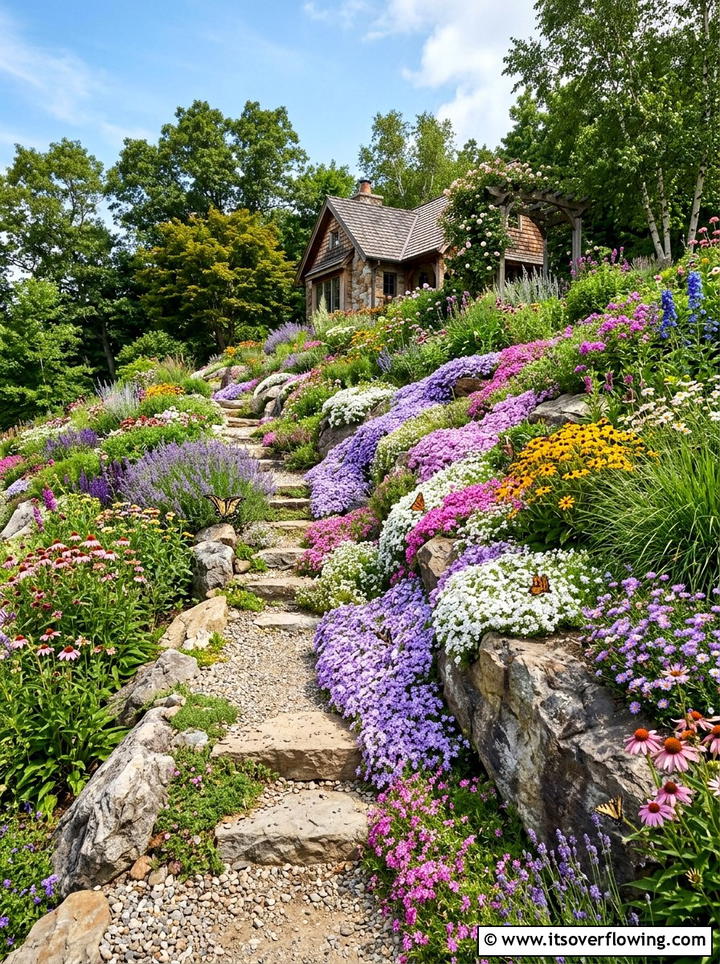
Managing a steep incline can be a challenge, but it also offers a unique opportunity to create a cascading wall of flowers. A sloped butterfly backyard utilizes the natural elevation to create a stunning visual display where plants like creeping phlox and stonecrop tumble down the hillside. This design allows butterflies to easily glide from one nectar source to another without having to gain much altitude, saving their energy. Large rocks can be embedded into the slope to act as stabilizers for the soil and sunning spots for the insects. The result is a dramatic, multi-dimensional garden that looks like a natural mountain meadow, providing a breathtaking backdrop for any home.
17. Wildlife sanctuary backyard
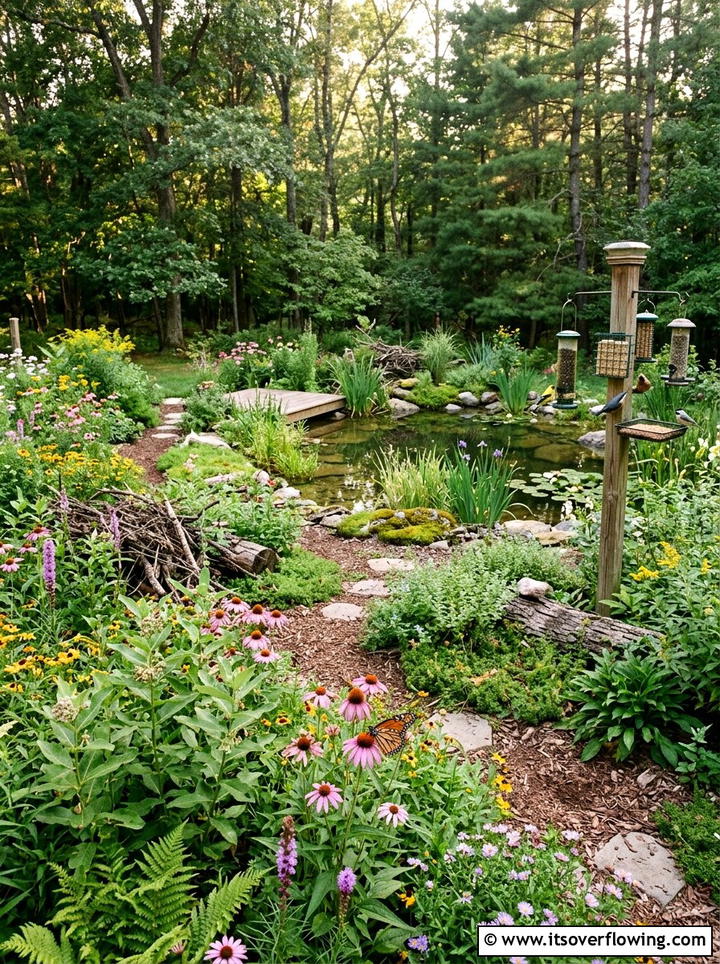
What if your entire outdoor space was dedicated to supporting the complex web of life that keeps our planet healthy? A wildlife sanctuary backyard goes beyond just flowers by including brush piles for shelter, shallow water basins for drinking, and a wide variety of host plants. This design is less about human aesthetics and more about providing everything a butterfly needs to survive and thrive from egg to adulthood. By avoiding all pesticides and leaving some areas of the yard slightly wild, you create a safe haven where biodiversity can truly flourish. It is a rewarding way to garden that makes you a partner with nature, resulting in a yard teeming with life.
18. Edible butterfly backyard
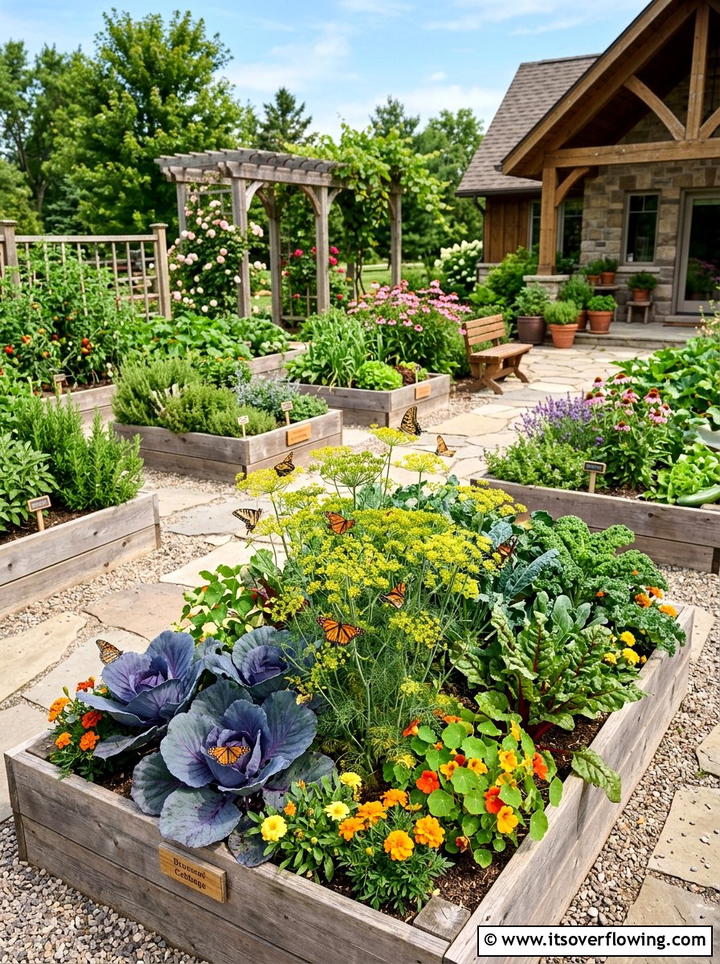
Can you grow your own food while also providing a high-quality habitat for butterflies and other beneficial garden insects? An edible butterfly backyard integrates vegetables and herbs with traditional flowers, creating a functional landscape that feeds both people and pollinators. Many common kitchen herbs, such as parsley, dill, and fennel, are essential host plants for certain types of butterfly caterpillars, like the Black Swallowtail. By interplanting these with bright marigolds and zinnias, you can deter pests naturally while attracting the pollinators needed for a successful harvest. This design is practical, beautiful, and highly productive, proving that a backyard can be both a source of food and a stunning sanctuary.
19. Childrens discovery backyard
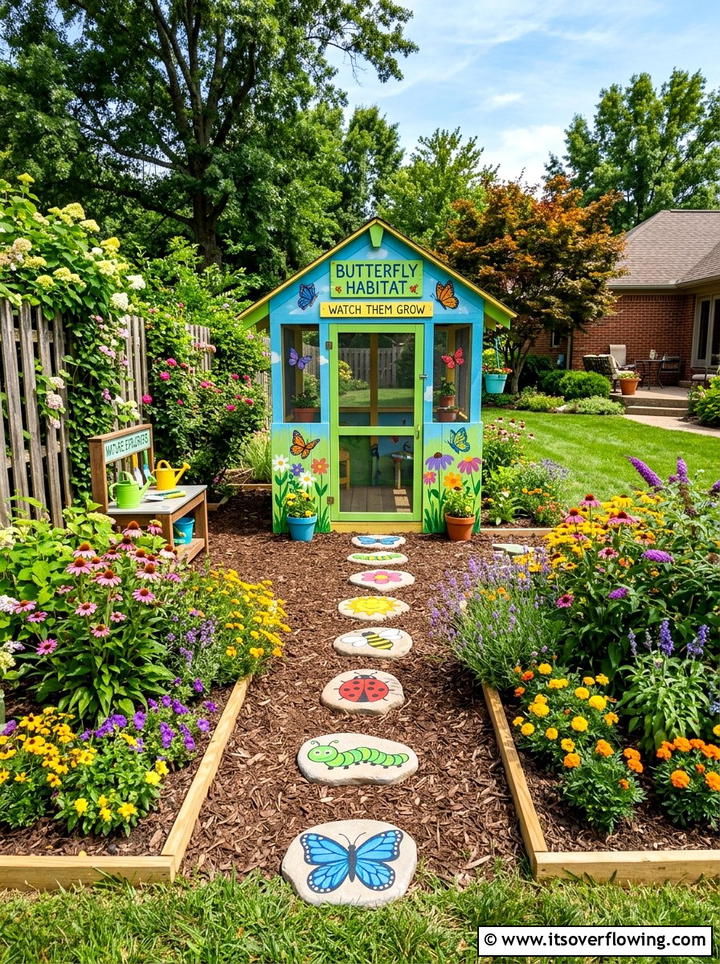
Imagine a backyard designed to spark curiosity and wonder in the next generation while providing a vital habitat for nature. A childrens discovery backyard features low-growing paths, colorful “butterfly houses, ” and educational signs that explain the life cycle of these fascinating insects. Plants are chosen for their durability and bright colors, encouraging kids to get up close and observe the caterpillars and butterflies in action. This design often includes a “puddling station” where children can watch butterflies gather to drink mineral-rich water from damp sand. It is a playful and interactive environment that fosters a deep love for the natural world and teaches the importance of environmental conservation through direct experience.
20. Secluded patio backyard
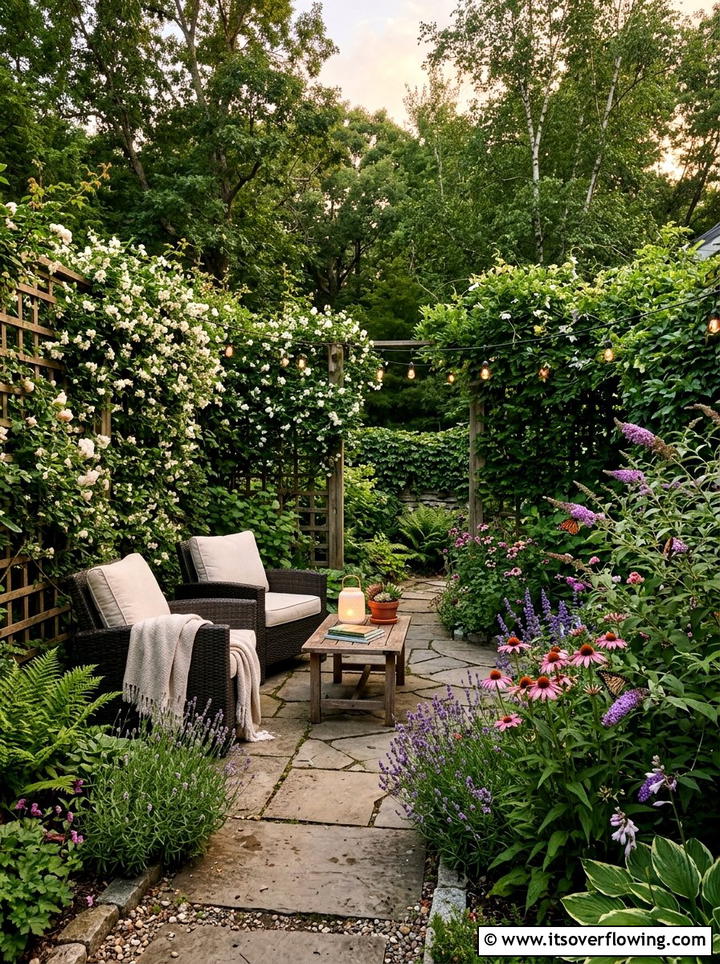
How do you create a cozy, private outdoor room that feels like it is completely surrounded by a living butterfly garden? A secluded patio backyard uses tall lattices, trellis walls, and dense shrubbery to wall off a stone or brick seating area from the rest of the world. Climbing vines like honeysuckle or morning glories are grown over the overhead structures, bringing the butterflies right to your eye level as you sit and relax. The proximity to the flowers allows you to enjoy the subtle fragrance and the quiet hum of wings while maintaining a sense of total privacy. This design is perfect for morning coffee or evening reading in a space that feels secret and magical.
21. Low maintenance backyard
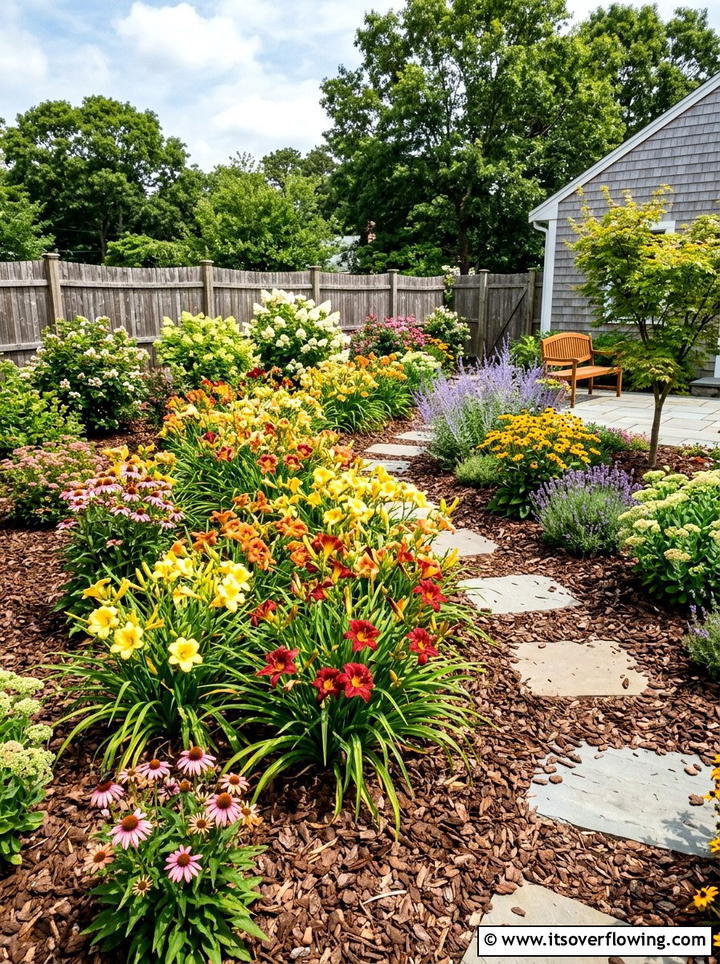
Is it possible to have a stunning butterfly-filled yard without spending every weekend weeding, pruning, and watering the flower beds? A low maintenance backyard utilizes a heavy layer of mulch and a selection of extremely hardy, long-blooming perennials that don’t require much attention. By choosing plants that are naturally resistant to pests and disease, you can step back and let the ecosystem manage itself with minimal human intervention. This design often features large sweeps of a single plant type, which is easier to maintain and more attractive to butterflies searching for food. It is the perfect solution for busy homeowners who want to enjoy the beauty of nature without the heavy workload.
22. Open lawn backyard
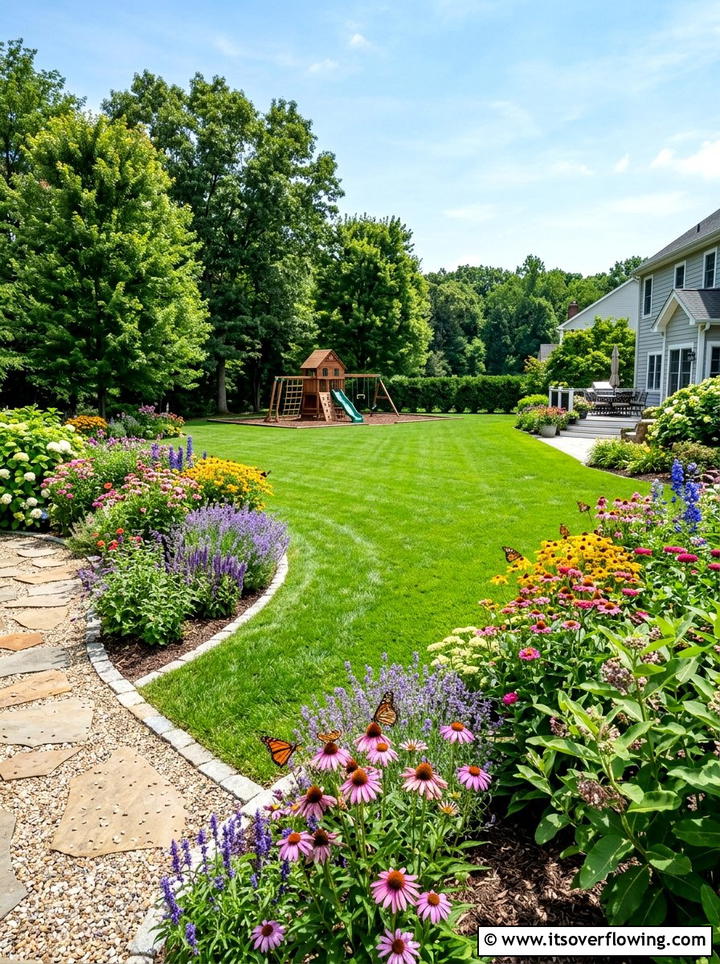
Can a traditional open lawn still be a functional part of a butterfly garden without losing its spacious and clean look? An open lawn backyard keeps a central area of green grass for play and activities but surrounds the perimeter with deep, nectar-rich borders. These wide flower beds act as a colorful frame for the lawn, providing a concentrated habitat while keeping the center of the yard functional and open. Butterflies will often fly across the lawn to get from one side of the border to the other, giving you a front-row seat to their aerial maneuvers. This design balances the needs of a modern family with the desire to support local pollinators and biodiversity.
23. Enchanted forest backyard
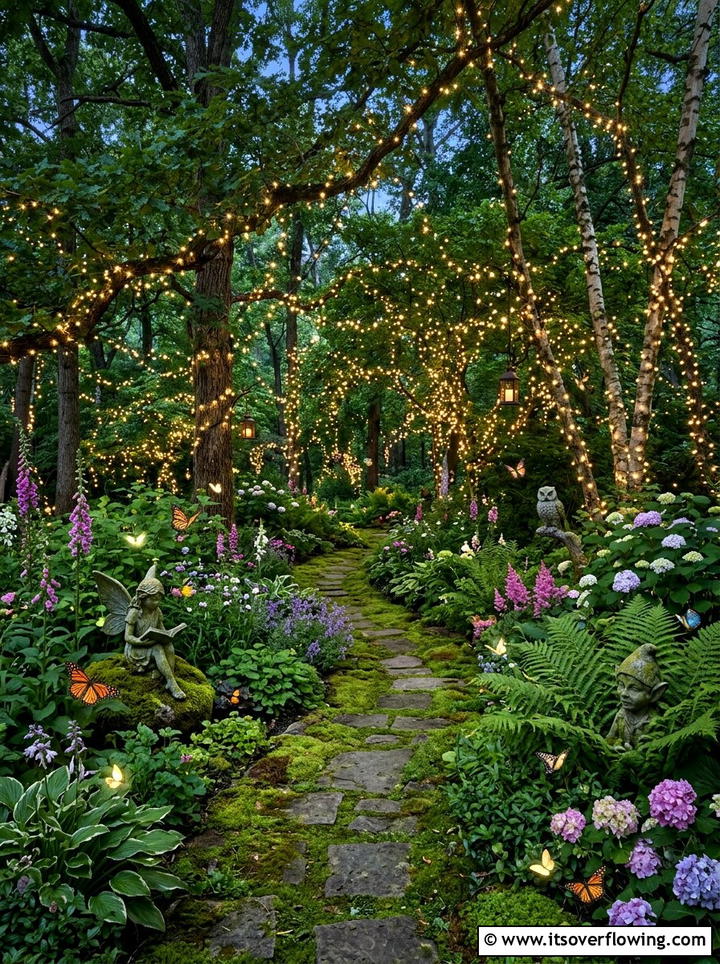
What if your backyard felt like a mysterious and beautiful forest glade where the sunlight filters through a canopy of ancient trees? An enchanted forest backyard uses moss-covered paths, ferns, and shade-loving flowers to create a magical atmosphere that appeals to woodland butterfly species. Hidden statues and fairy lights can be tucked away in the greenery to enhance the whimsical feel of the space, especially during the twilight hours. This design focuses on creating layers of vegetation, from ground covers to tall shrubs, providing a variety of micro-habitats for different insects. It is a quiet, cool, and deeply atmospheric design that offers a unique perspective on what a butterfly garden can look like.
24. Rock garden backyard
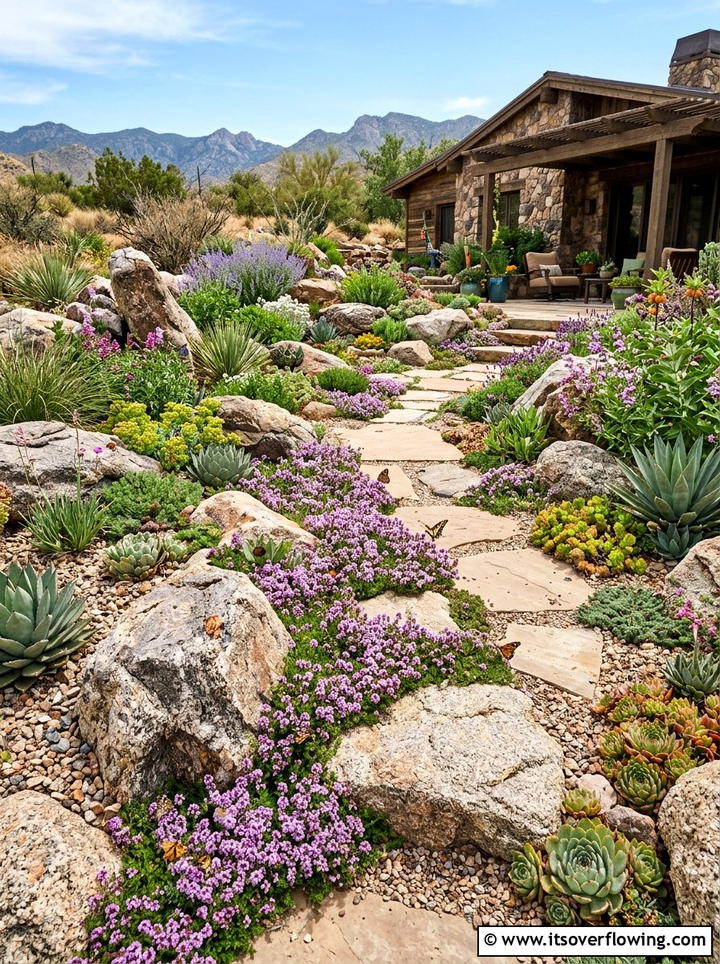
How can a rugged, rocky terrain be transformed into a vibrant and life-filled sanctuary for sun-loving butterflies and mountain plants? A rock garden backyard uses various sizes of stones and boulders to create pockets of soil where hardy, low-growing alpines and succulents can thrive. These rocks absorb heat from the sun during the day and release it at night, creating a warm microclimate that butterflies find incredibly appealing for basking. The drainage in a rock garden is typically excellent, making it the perfect home for Mediterranean herbs like thyme and oregano, which butterflies absolutely love. This design is visually interesting, structurally sound, and provides a unique aesthetic that stands out from traditional flower beds.
25. English country backyard
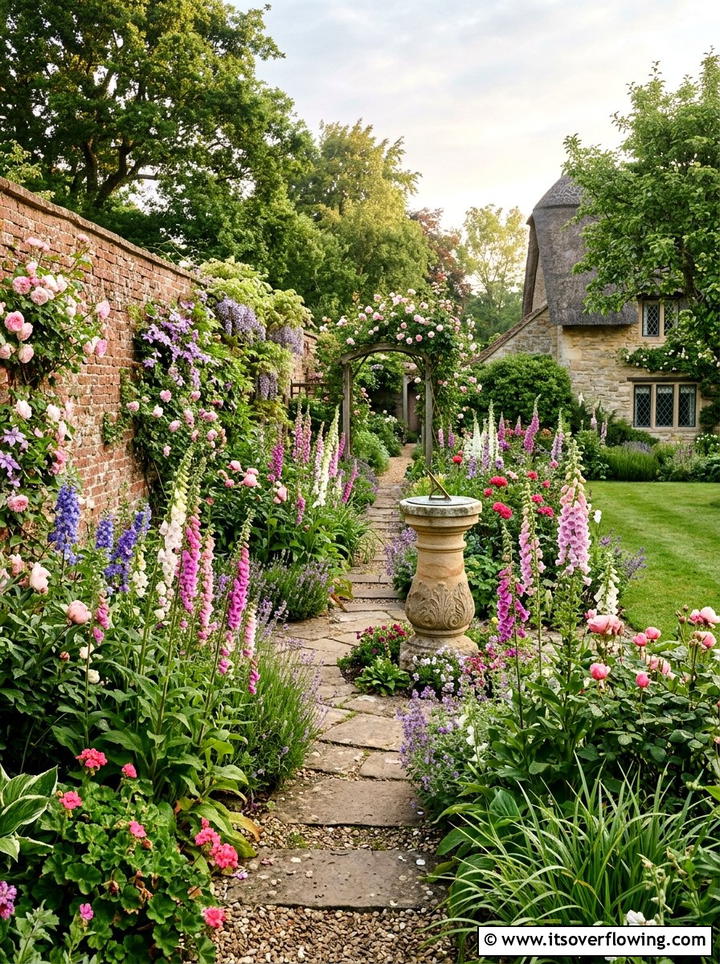
Imagine a classic, elegant space filled with winding paths, brick walls, and an abundance of traditional flowers that bloom in soft pastels. An English country backyard utilizes a mix of structured elements and romantic, overflowing plantings to create a timeless look that is a magnet for pollinators. Lavender, roses, and foxgloves are staples of this design, offering a rich source of nectar and a sophisticated fragrance that fills the air. The use of traditional garden ornaments, like sundials and stone benches, provides a sense of history and permanence to the landscape. It is a graceful and charming backyard style that provides a dignified home for butterflies while offering a beautiful space for relaxation.
Conclusion:
Transforming your backyard into a butterfly sanctuary is a deeply rewarding endeavor that balances aesthetic beauty with essential environmental stewardship. Whether you prefer the structured elegance of a formal garden or the untamed charm of a wildflower meadow, there is a butterfly-friendly design that can fit your personal style and local climate perfectly. By choosing the right mix of host plants and nectar sources, you are playing a vital role in supporting the local ecosystem and ensuring these delicate creatures continue to thrive. Ultimately, a butterfly garden provides a peaceful retreat for the soul, allowing you to reconnect with nature’s rhythms and enjoy the simple, fleeting joy of a garden in motion.

Related posts:
 25 Backyard Ideas With Flower Garden for Colorful Curb Appeal
 25 backyard ideas with pot clusters for Colorful Garden Style
 25 Backyard Decorating Ideas With Signs For Backyard Charm
 25 backyard decorating ideas with garden art for Creative Charm
 25 Backyard Ideas With Barrel Planter for Rustic Garden Charm
 25 Backyard Ideas With Cottage Garden for Cozy Outdoor Charm
 25 backyard ideas with log edging for Rustic Garden Charm
 25 backyard decorating ideas with herb stations for Fresh Charm
 25 Backyard Decorating Ideas With Old Door Decor For Charm
 25 Backyard Decorating Ideas With Succulent Pots For Charm
 25 Backyard Ideas With Farmhouse Style for Rustic Outdoor Charm
 25 Backyard Ideas With Vintage Planters For Timeless Charm