
Growing your own food at home transforms your outdoor space into a productive sanctuary that feeds both your body and soul. There is a special kind of magic in stepping outside to harvest fresh produce for your evening meal. Whether you have a sprawling backyard or a tiny apartment balcony, a vegetable garden can fit perfectly into your lifestyle. Modern gardening techniques have made it easier than ever to achieve high yields with minimal effort. You can choose from classic raised beds, vertical towers, or decorative edible landscapes that look as good as they taste. This guide will explore the most effective ways to design a flourishing vegetable garden that suits your personal style and local environment.
1. Raised Bed Vegetable Garden
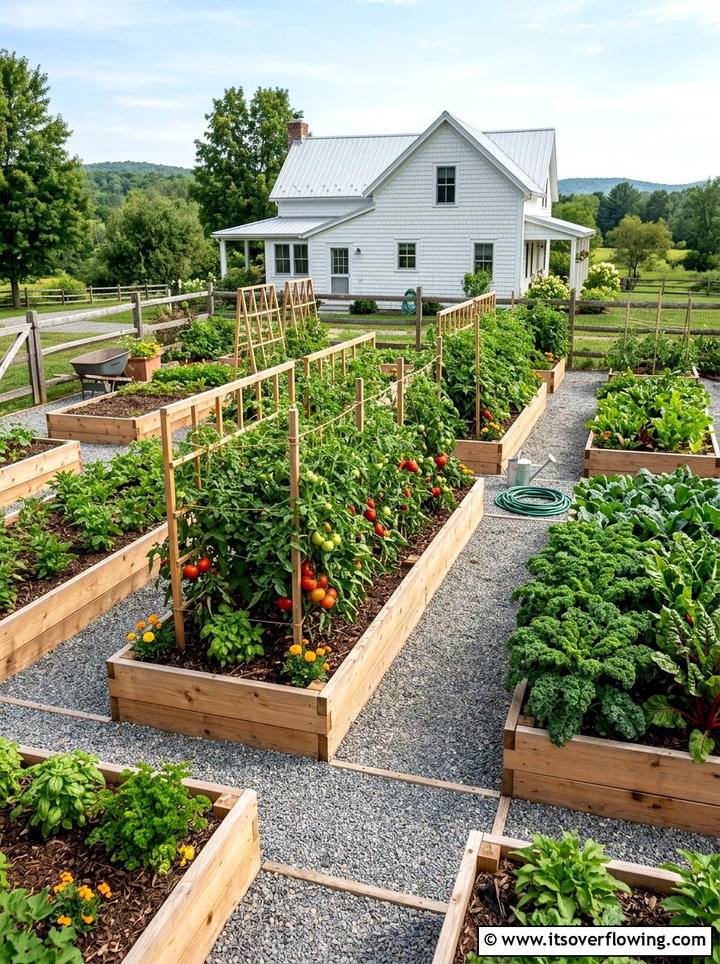
Have you ever considered how much easier gardening becomes when you bring the soil up to your level? Raised beds are a favorite for many homeowners because they offer incredible drainage and better temperature control for plant roots. These structures are typically built from cedar, stone, or galvanized metal to create a clean and organized look in the backyard. By filling these beds with high-quality compost and topsoil, you bypass any issues with poor native ground soil. This setup also helps keep crawling pests away from your precious leafy greens. You can arrange several beds in a grid pattern with gravel or mulch paths in between for a very tidy aesthetic.
2. Vertical Vegetable Garden
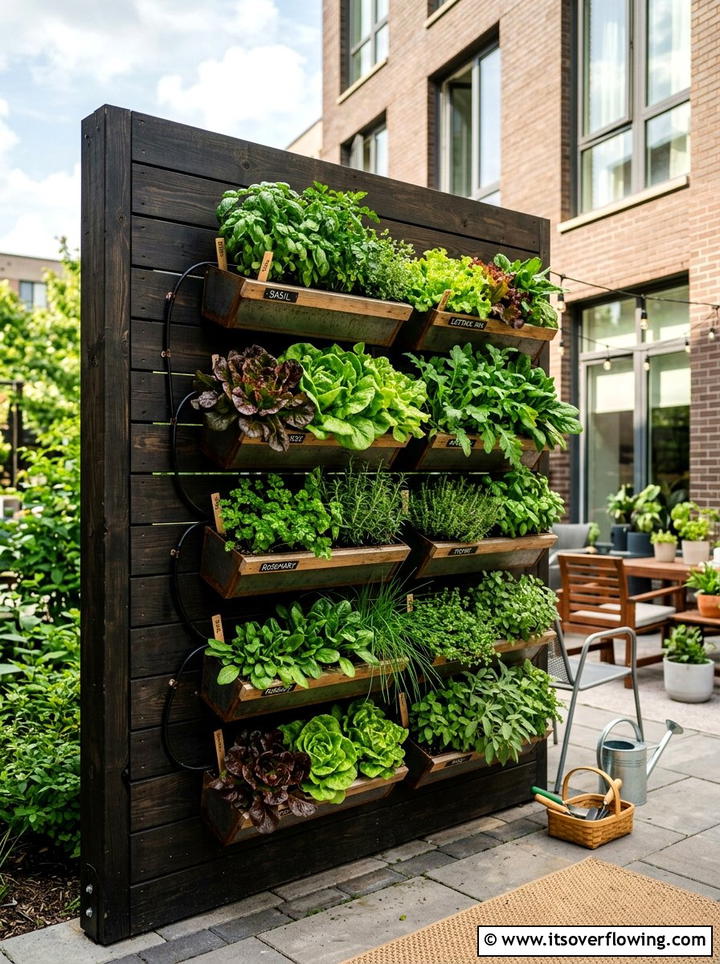
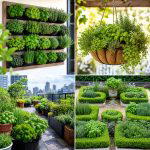
Does your outdoor area feel too small for a traditional plot? Vertical gardening is the perfect solution for maximizing harvest in a limited footprint. This approach uses walls, fences, or free-standing towers to grow plants upward instead of outward. You can use hanging pockets, stacked planters, or wall-mounted shelving to hold your vegetables. Leafy greens like lettuce, spinach, and even small strawberries thrive in these elevated environments. It also provides excellent air circulation, which helps prevent many common fungal diseases. A lush green wall of vegetables creates a stunning focal point while providing a continuous supply of fresh ingredients for your kitchen throughout the growing season.
3. Container Vegetable Garden
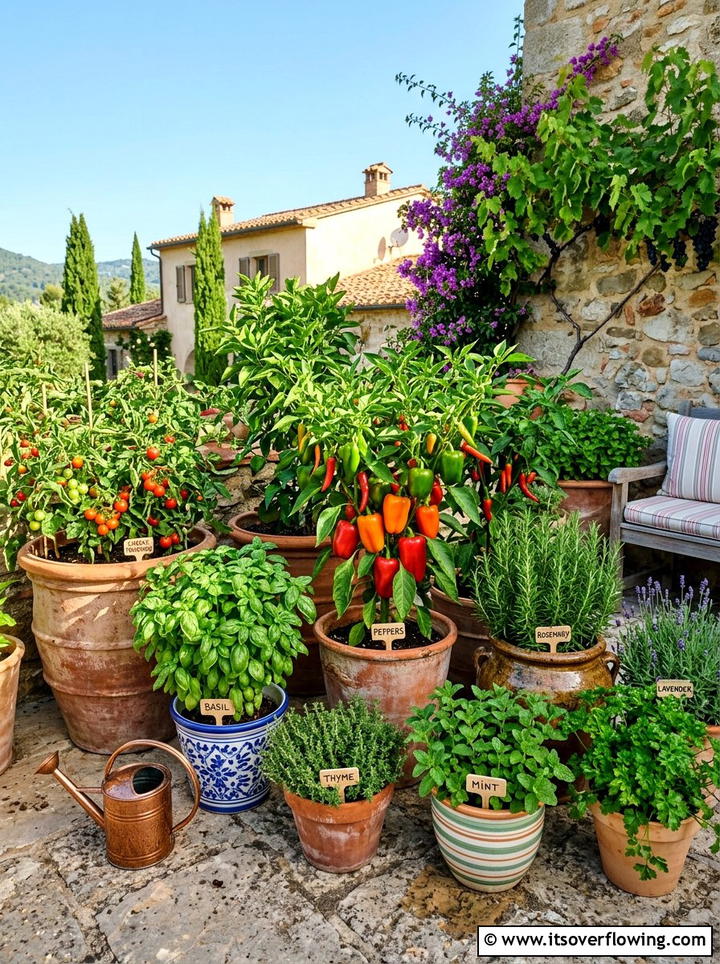
Are you looking for a flexible way to grow food on a porch or patio? Container gardening allows you to move your plants around to follow the sun or protect them from harsh weather. You can use a variety of vessels like terracotta pots, large resin planters, or even recycled wooden crates. Many modern vegetable varieties are specifically bred to stay compact, making them ideal for life in a pot. Tomatoes, peppers, and eggplants look beautiful when clustered together in a sunny corner. Using high-quality potting mix ensures your plants get the nutrients they need to produce a heavy crop. This method is incredibly approachable for beginners who want a manageable garden.
4. Companion Planting Garden
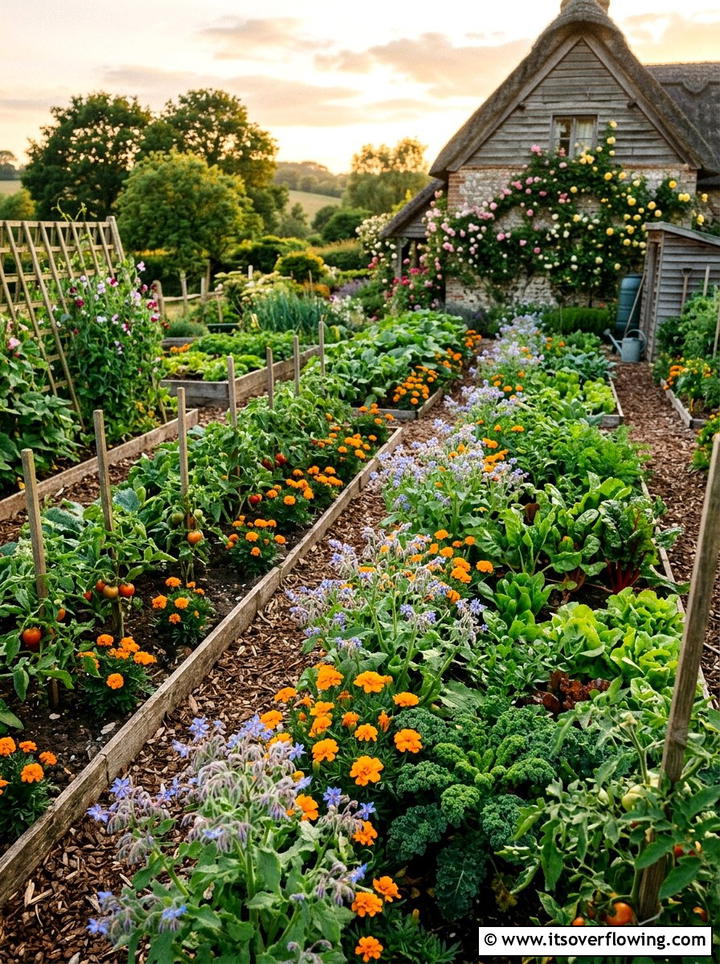
Imagine a garden where plants actually help each other grow stronger and resist pests naturally. Companion planting is an ancient technique where you group specific vegetables and flowers together to create a tiny ecosystem. For example, planting marigolds alongside tomatoes can help deter harmful nematodes in the soil. Tall corn stalks can provide a natural trellis for climbing beans, while squash plants shade the ground to keep moisture in. This design approach creates a diverse and visually interesting garden that mimics nature. It reduces the need for chemical pesticides and encourages beneficial insects to visit. Your garden will look like a vibrant tapestry of different textures, colors, and heights.
5. Small Space Vegetable Garden
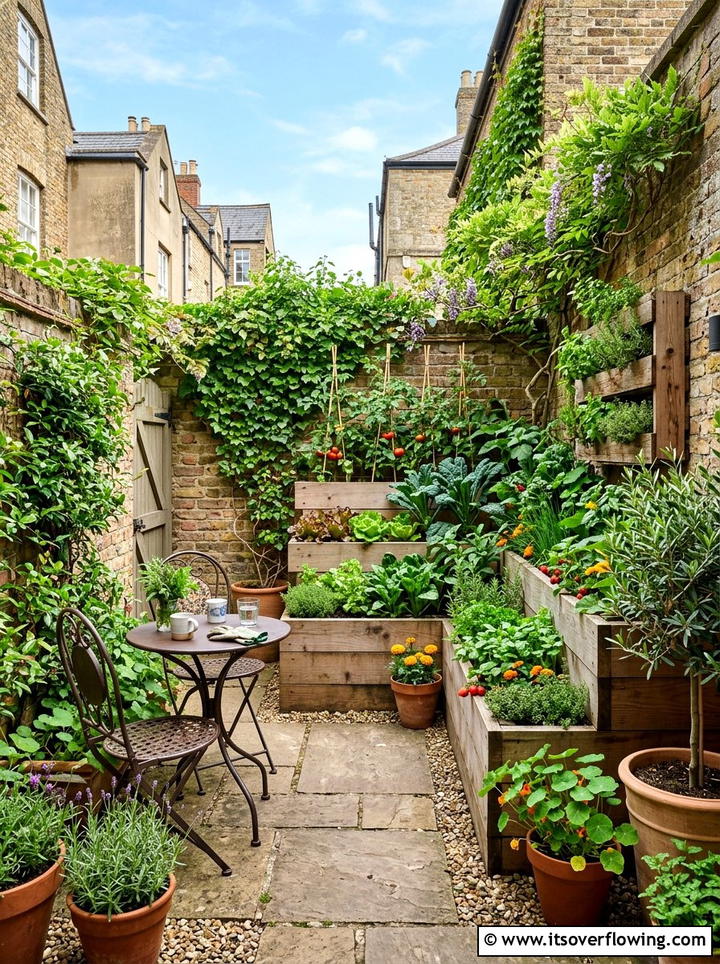
Can a tiny courtyard really provide enough food for a family? With a smart layout and intensive planting methods, even the smallest spaces can become highly productive. This design focuses on deep beds and high-density planting to ensure every inch of soil is utilized. You might see a mixture of dwarf varieties and climbing plants that use the vertical plane. Using light-colored materials for paths and fences can make a small garden feel much larger and brighter. Adding a small bench or a decorative birdbath integrates the garden into your living space. It proves that you do not need an acre of land to enjoy the taste of homegrown vegetables.
6. Potager Garden
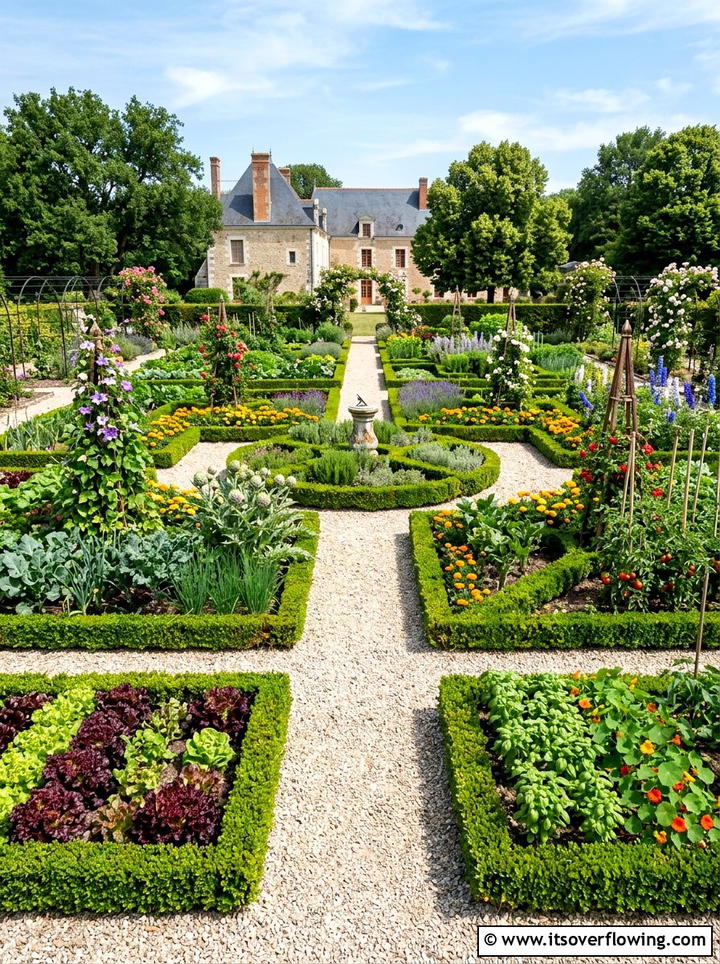
Would you like your vegetable patch to look like a formal work of art? The traditional French potager garden blends ornamental flowers with functional vegetables and herbs. These gardens are usually laid out in geometric patterns with low boxwood hedges or gravel walkways defining the beds. You might see purple kale planted next to bright yellow marigolds or climbing roses arching over a bed of cucumbers. This style emphasizes beauty just as much as bounty, making it a wonderful addition to a front yard or a visible patio. It creates a romantic and timeless atmosphere that invites you to linger and enjoy the scents and sights of your edible landscape.
7. Greenhouse Vegetable Garden
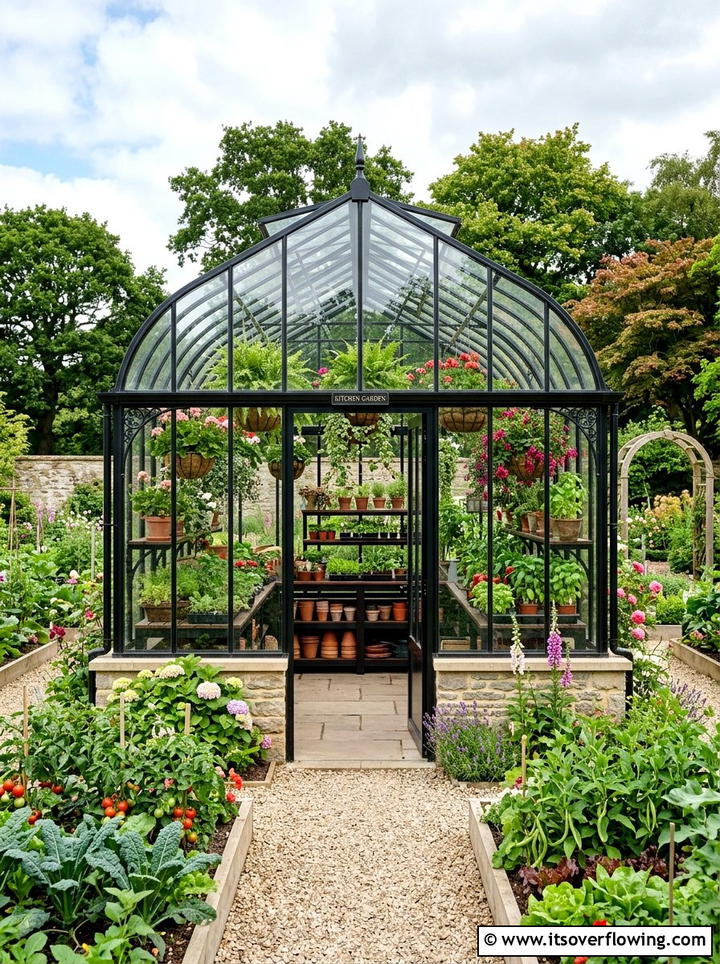
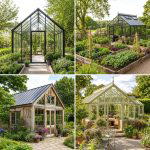
What if you could grow fresh tomatoes and peppers even when the weather outside is chilly? A greenhouse provides a controlled environment that extends your growing season by months. These structures range from small cold frames to large glass walk-in buildings that serve as a year-round retreat. Inside, you can manage the temperature, humidity, and light levels to suit the specific needs of your exotic or sensitive crops. Shelving units allow for multiple layers of plants, maximizing the internal volume of the space. A greenhouse also protects your vulnerable seedlings from hungry birds and unpredictable spring frosts. It is a dream setup for any dedicated gardener who loves to experiment.
8. Herb And Vegetable Garden
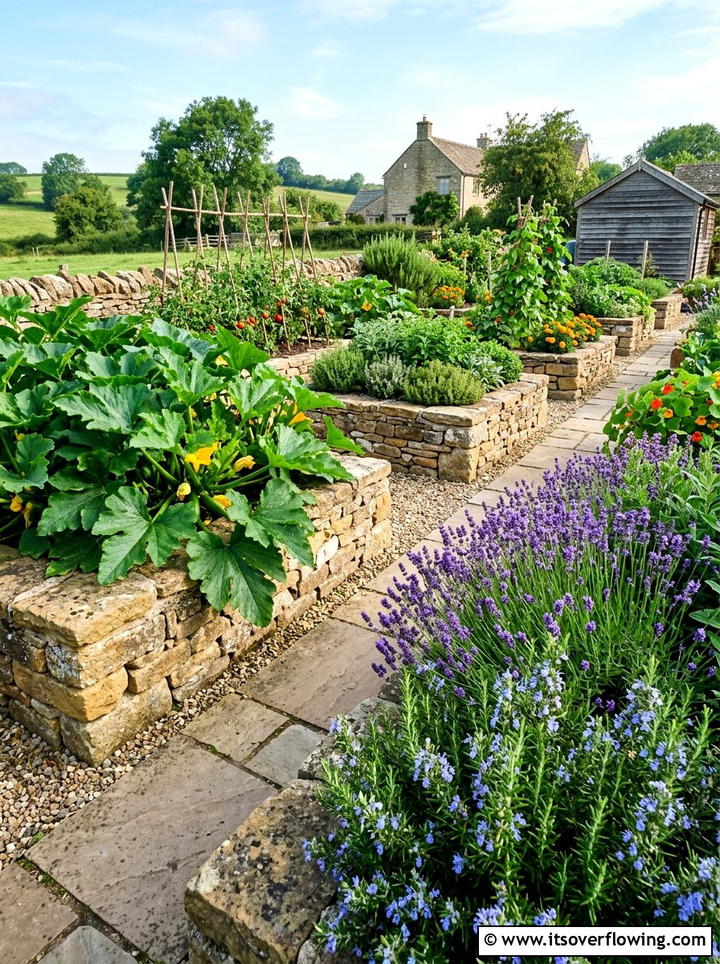
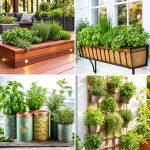
Have you noticed how a handful of fresh herbs can completely transform a simple meal? Integrating aromatic herbs directly into your vegetable beds creates a sensory experience that is hard to beat. Soft textures of parsley and cilantro look beautiful next to the broad leaves of zucchini or the fine fronds of carrots. Many herbs also act as natural pest repellents, protecting your main vegetable crops from unwanted visitors. This design encourages you to snip a bit of rosemary or thyme while you are out picking peppers. The combination of different scents and foliage shapes makes the garden feel lush and abundant. It is a practical and very fragrant way to organize your garden.
9. Hydroponic Vegetable Garden
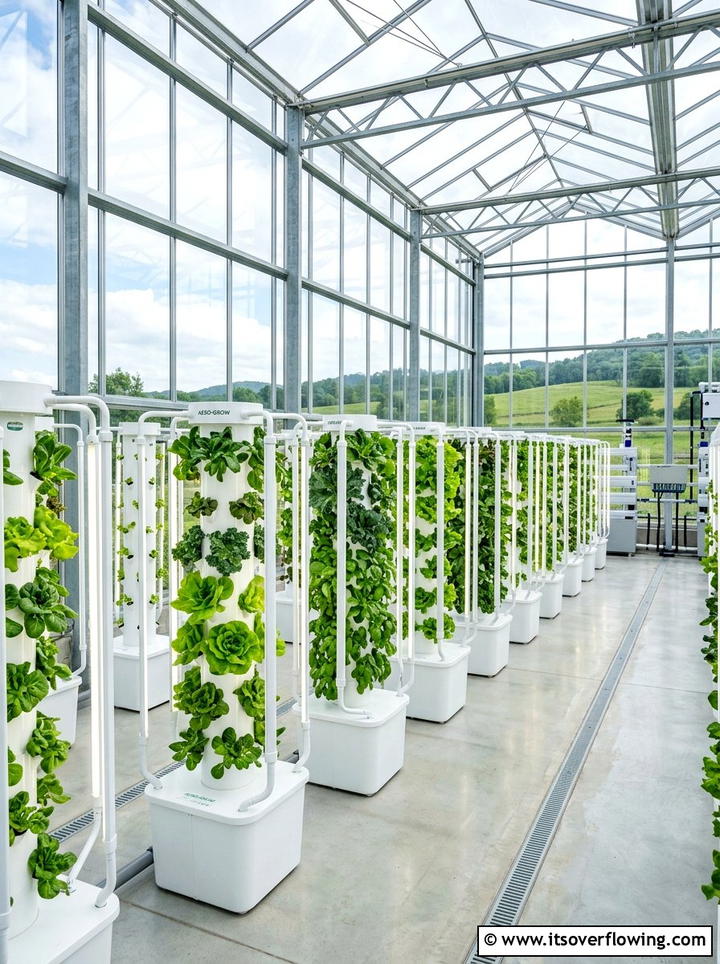
Is it possible to grow a full garden without any soil at all? Hydroponic systems use nutrient-rich water to feed plants directly, often resulting in much faster growth rates. These setups can be installed indoors or in a backyard shed, making them perfect for urban environments. You will often see sleek PVC pipes or vertical towers where plants sit in small baskets of clay pebbles. This method uses significantly less water than traditional soil gardening because the liquid is recirculated through the system. It is a very clean and modern way to produce high yields of lettuce, kale, and herbs. For tech-loving gardeners, this setup offers a fascinating look into the future of food.
10. Balcony Vegetable Garden
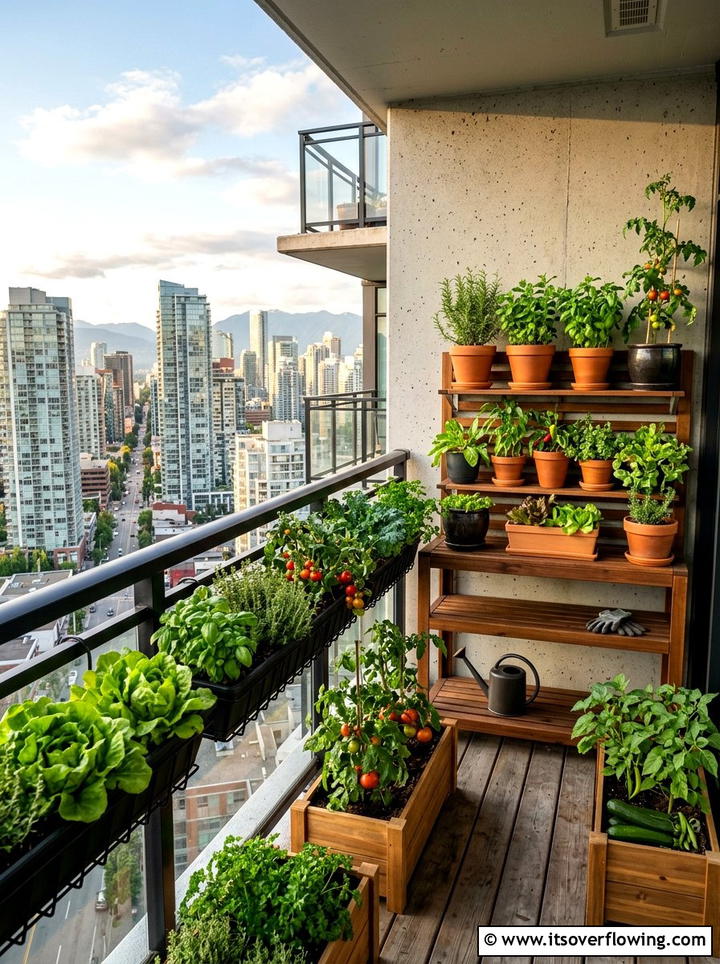
Living in a high-rise apartment does not mean you have to give up your green thumb. A balcony can be transformed into a productive oasis using railing planters, tiered shelving, and lightweight pots. You can grow a surprising amount of food by choosing “patio” varieties of your favorite vegetables that stay small. Sun-loving crops like chilies and herbs thrive in the heat reflected off the building walls. Adding a small outdoor rug and a comfortable chair makes your balcony feel like a private garden retreat. Vertical trellises can also provide privacy from neighbors while supporting climbing peas or beans. It is a wonderful way to bring nature into a dense urban setting.
11. Indoor Vegetable Garden
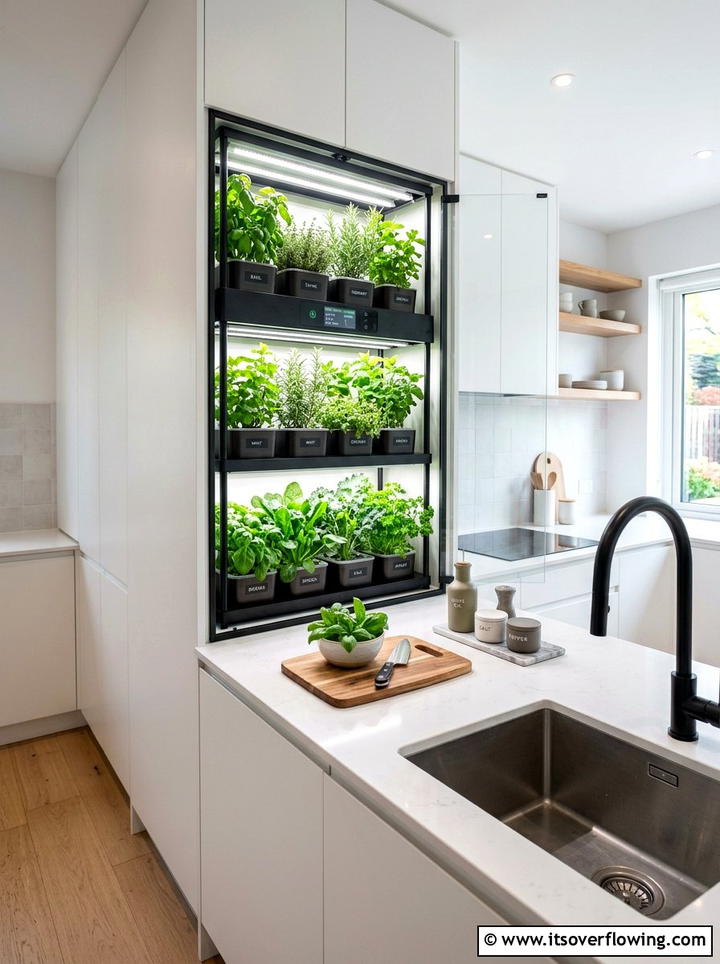
Can you imagine picking fresh salad greens right from your kitchen counter in the middle of winter? Indoor gardening has become incredibly popular thanks to compact LED grow lights and smart garden systems. These units often come with automated timers and water reservoirs, making plant care almost effortless for busy people. You can grow anything from spicy radishes to aromatic basil inside your home. This setup adds a vibrant splash of green to your interior decor while providing hyper-local food. It is also a great way to teach children about where their food comes from. Having a mini garden inside ensures you always have fresh garnishes ready for your favorite home-cooked dishes.
12. Edible Landscape Garden
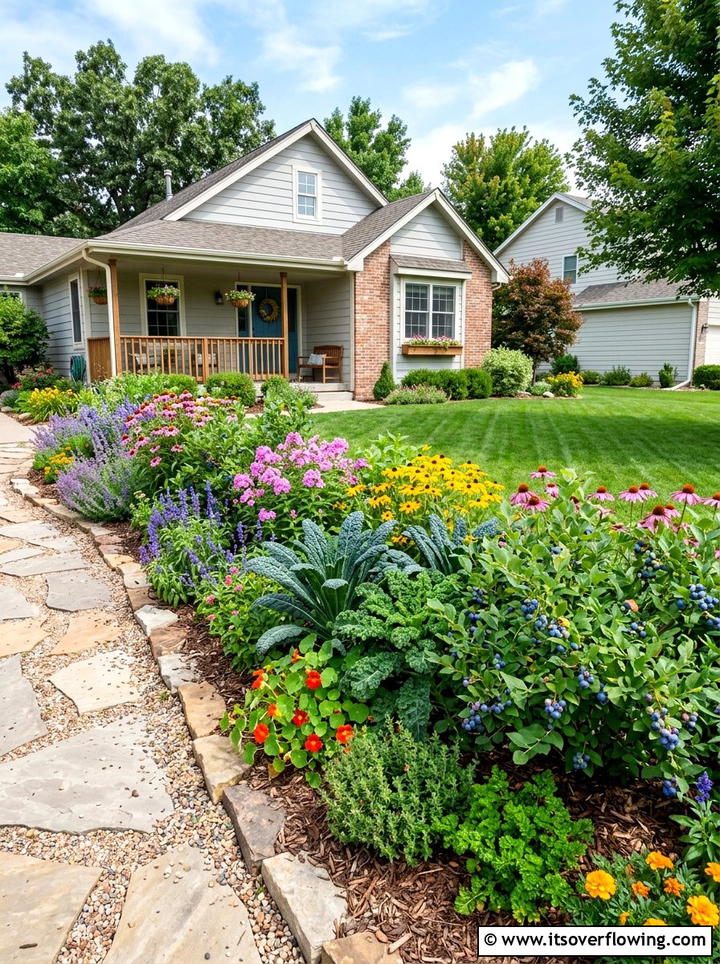
Why separate your vegetables from your beautiful flower borders when they can live together? Edible landscaping is the practice of replacing purely ornamental plants with attractive food-producing species. For instance, you could use blueberry bushes as a hedge or plant colorful Swiss chard in place of annual flowers. Many vegetables have stunning foliage and blossoms that rival traditional garden plants. This approach makes your entire yard productive without sacrificing its curb appeal. It is a sustainable way to garden that makes the most of your available land. Your neighbors will be impressed by a landscape that looks professionally designed and happens to be delicious. This trend is gaining massive popularity.
13. Straw Bale Vegetable Garden
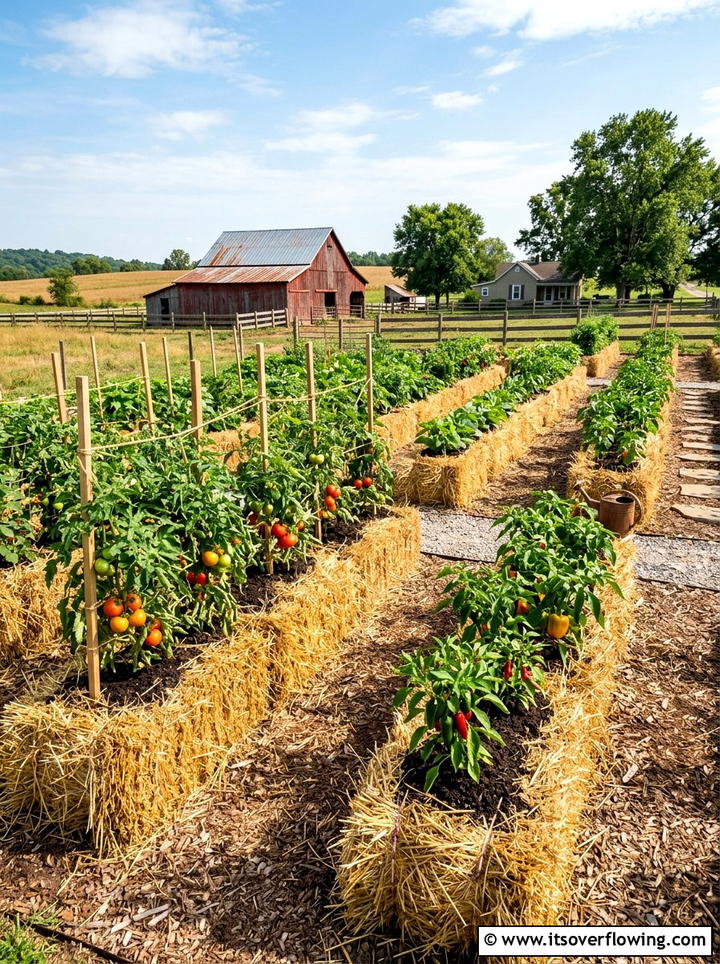
Are you dealing with rocky soil or a very tight budget for your new garden? Straw bale gardening is a unique and affordable method that uses conditioned bales of straw as the growing medium. As the straw breaks down, it provides a warm and nutrient-rich environment for plant roots to flourish. This setup is temporary, making it perfect for renters or those who want to test a garden location. The bales sit above the ground, which helps prevent soil-borne diseases and reduces the need for heavy digging. At the end of the season, the decomposed straw can be used as excellent mulch or compost for other parts of your yard.
14. Square Foot Vegetable Garden
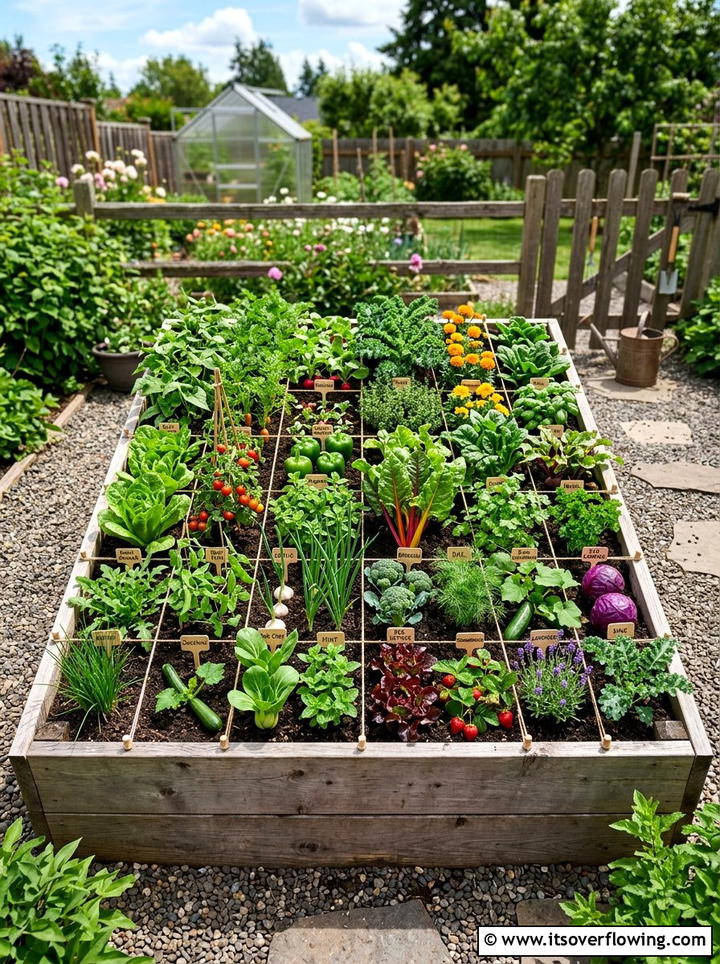
Do you want to get the most possible food out of a very small area? The square foot gardening method involves dividing a raised bed into a grid of one-foot squares. Each square is then planted with a specific number of plants based on their size and growth habits. This highly organized system eliminates wasted space and makes it easy to rotate crops throughout the year. It is a fantastic choice for people who love order and want to avoid the chaotic look of traditional rows. Because the beds are narrow, you never have to step on the soil, which keeps it loose and healthy for the plants.
15. Keyhole Vegetable Garden
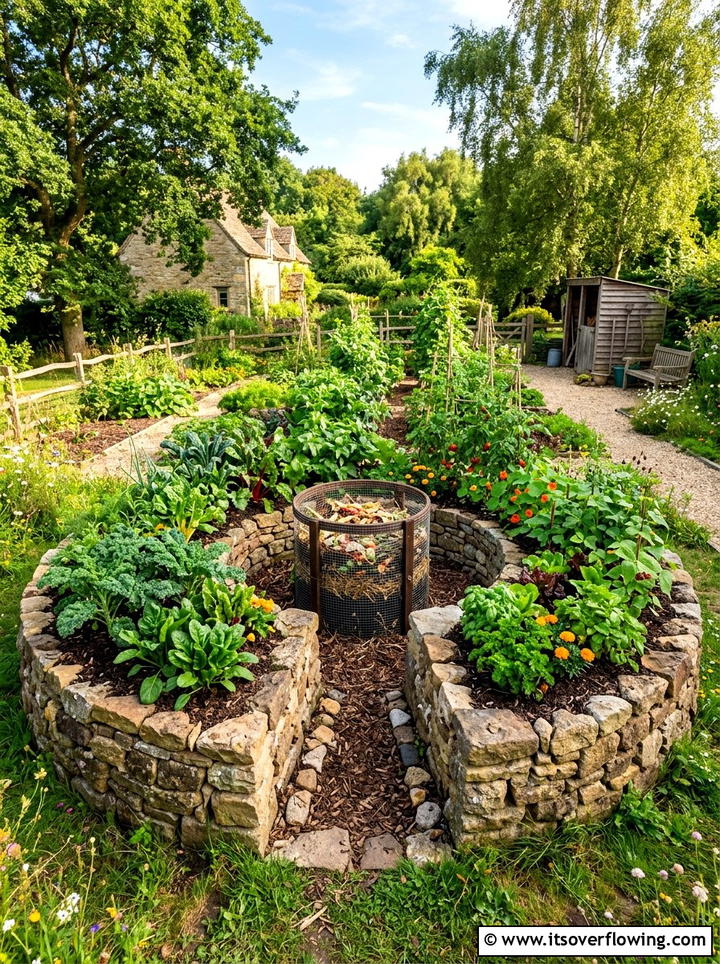
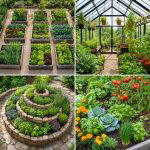
Have you seen those beautiful circular garden beds with a notch cut out for access? A keyhole garden is a sustainable design that features a central composting basket to feed the surrounding plants. Kitchen scraps and yard waste go into the center, where they break down and release moisture and nutrients directly into the root zone. This African-inspired technique is incredibly efficient in dry climates because it conserves water so effectively. The raised, sloping surface of the bed provides ample space for a wide variety of vegetables. It creates a striking architectural feature in any backyard while promoting a closed-loop system of recycling and growing. It is both functional and artistic.
16. Tiered Vegetable Garden
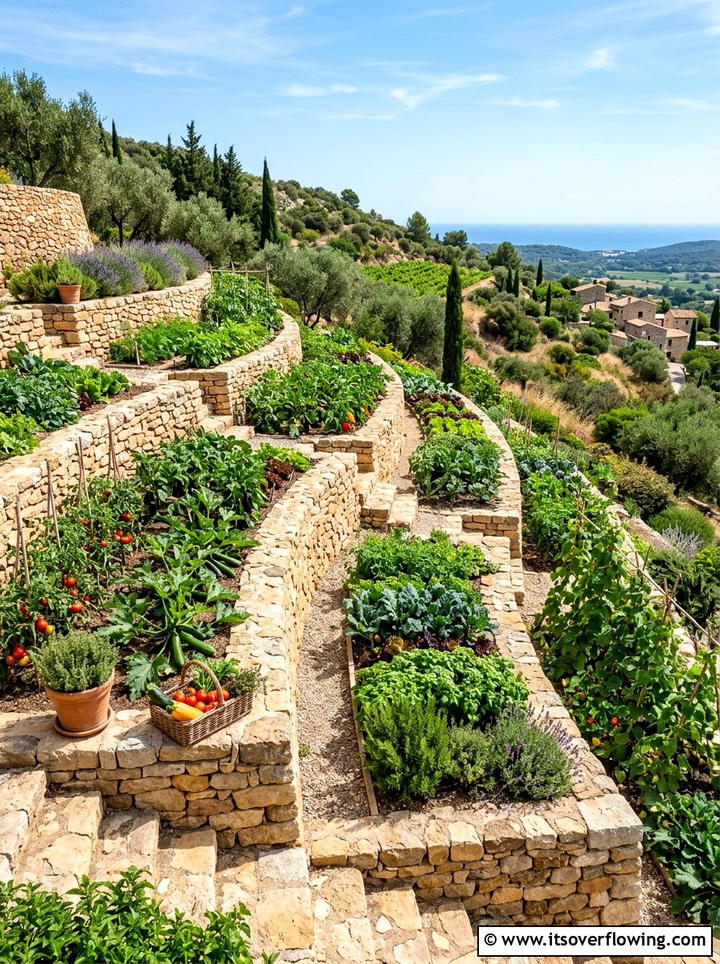
Do you have a sloped backyard that seems impossible to landscape or grow food on? Tiered gardening uses retaining walls to create a series of level steps that are perfect for vegetable beds. This design prevents soil erosion and allows water to soak in rather than running off the surface. You can use wood, stone, or concrete blocks to build the tiers, depending on your home’s style. Each level can be dedicated to different types of crops, such as root vegetables on the bottom and sun-loving peppers on the top. The cascading effect of the plants creates a lush, green amphitheater that looks impressive from any angle in your yard.
17. Rooftop Vegetable Garden
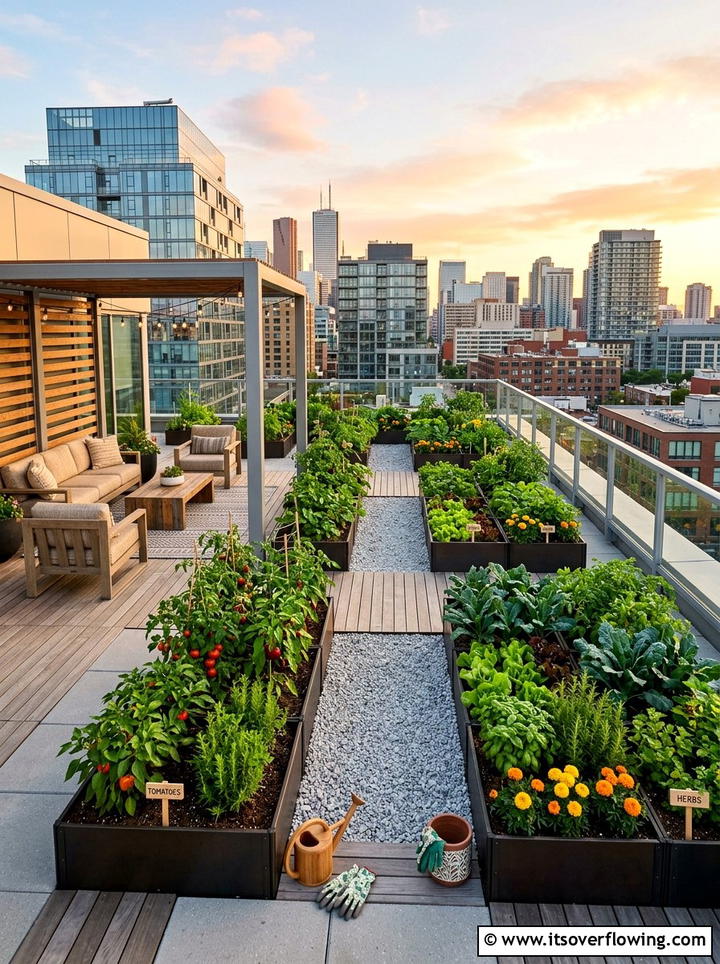
Imagine looking out over the city skyline while tending to your rows of organic vegetables. Rooftop gardens utilize the wasted space on top of buildings to create high-altitude urban farms. These gardens often use lightweight soil mixes and specialized drainage layers to protect the structure of the roof. Large containers or modular raised beds are commonly used to organize the plants. The intense sunlight found at high elevations is perfect for heat-loving vegetables like melons and squash. These gardens also help insulate the building and reduce the urban heat island effect. It is a sophisticated way to enjoy fresh air and fresh food in the heart of a busy city.
18. In Ground Vegetable Garden
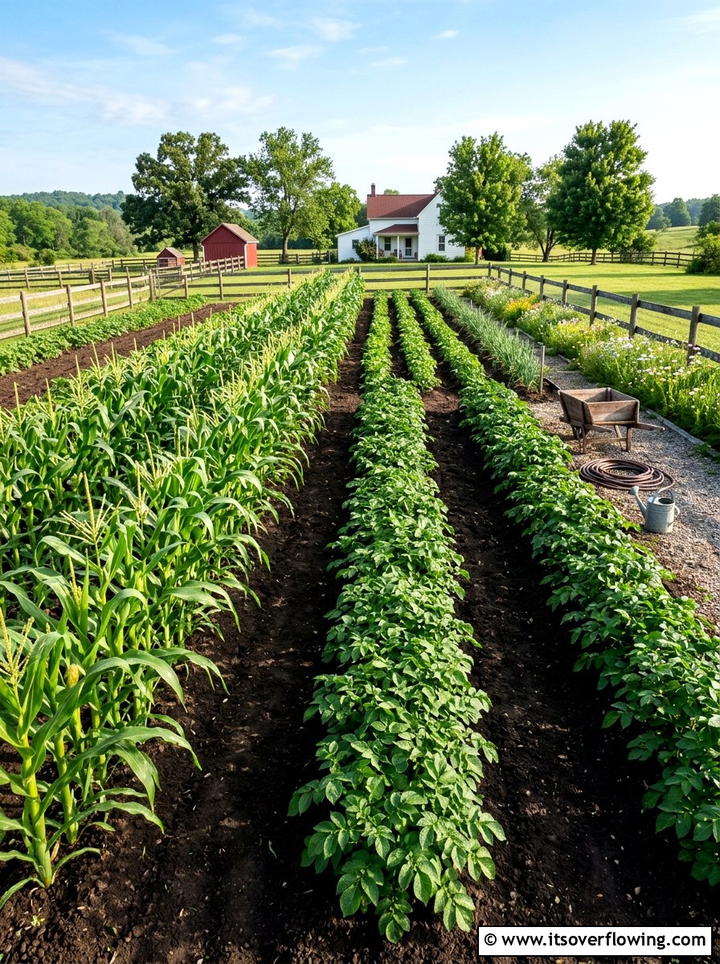
Is there anything more classic than a traditional vegetable patch dug directly into the earth? In-ground gardens allow you to grow large quantities of food on a bigger scale than most other methods. This design often features long, straight rows with enough space for a tiller or a wheelbarrow to pass through. You can experiment with heirloom varieties of corn, potatoes, and pumpkins that need plenty of room to spread out. While it requires more initial work to prepare the soil, it offers a deep root zone that helps plants stay hydrated during hot summers. It feels like a true connection to the land and the changing seasons of nature.
19. Vegetable Garden Arch
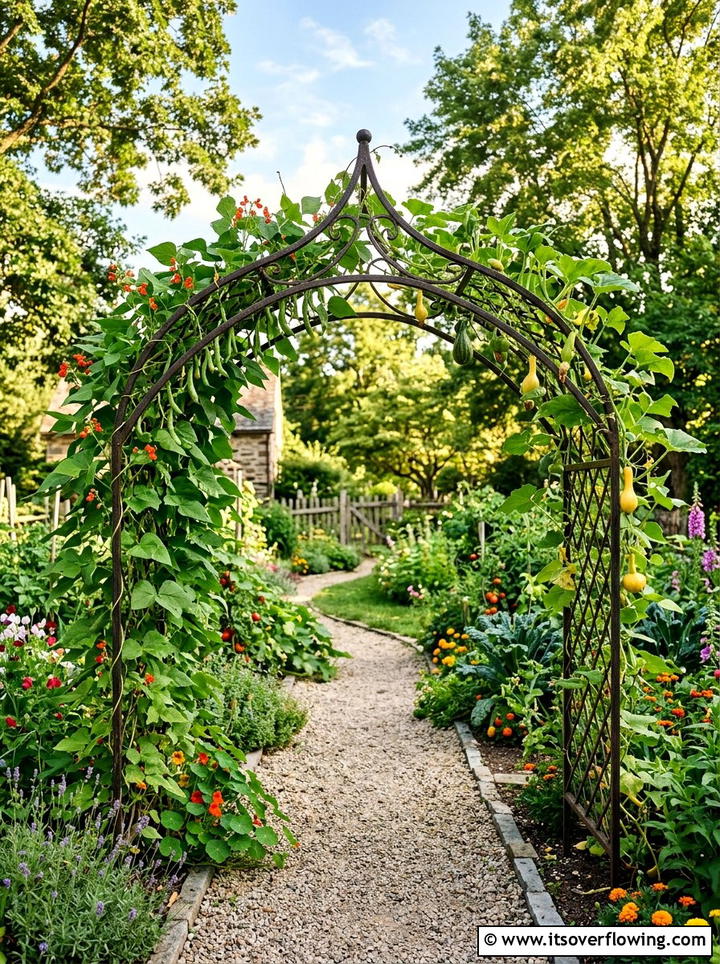
Would you like to walk through a tunnel of hanging cucumbers and vibrant green beans? Installing a sturdy metal or wooden arch over your garden path allows you to grow climbing vegetables vertically. This not only looks magical but also keeps the fruit off the ground, which prevents rotting and pests. Smaller pumpkins and squashes can be supported with little hammocks as they grow over the structure. This design adds a sense of height and drama to your garden layout. It turns a simple walkway into a productive and shaded feature. Underneath the arch, you can grow shade-tolerant greens like spinach that enjoy the dappled sunlight provided by the canopy.
20. Window Box Vegetable Garden
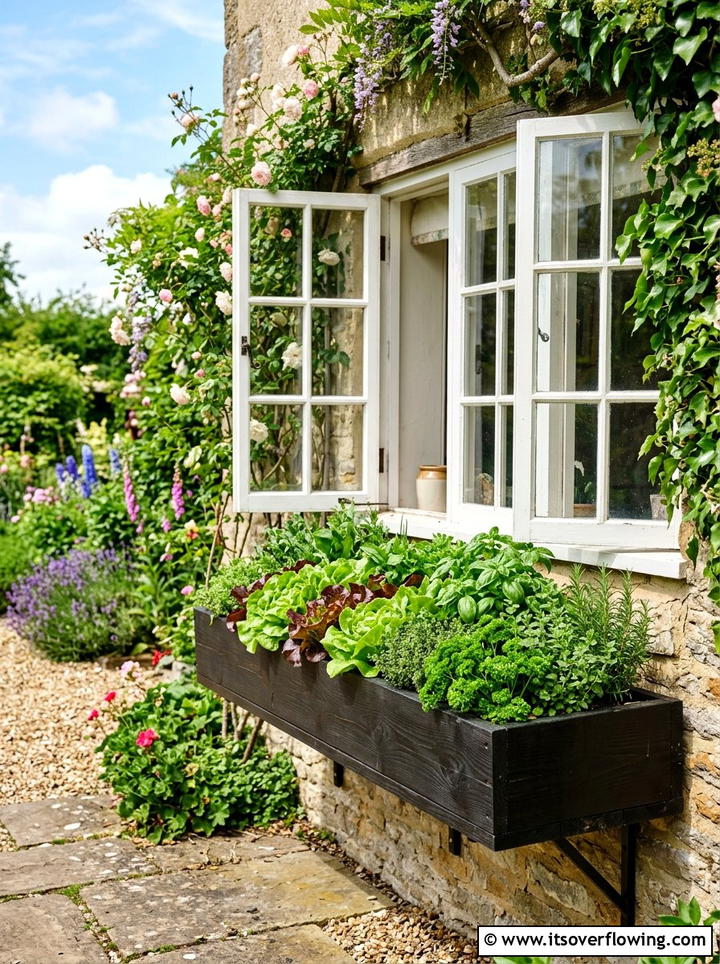
Can you imagine reaching out your kitchen window to grab a few leaves of fresh lettuce? Window boxes are not just for flowers; they are excellent for growing a compact vegetable garden. These long, narrow containers are perfect for shallow-rooted plants like radishes, greens, and various culinary herbs. They add a charming and cozy look to the exterior of your home while keeping your food within arm’s reach. Because they are elevated, they are usually safe from ground-dwelling pests and rabbits. Ensuring they have proper drainage and frequent watering will keep them looking lush. It is a simple way to add a bit of edible greenery to your daily routine.
21. Pallet Vegetable Garden
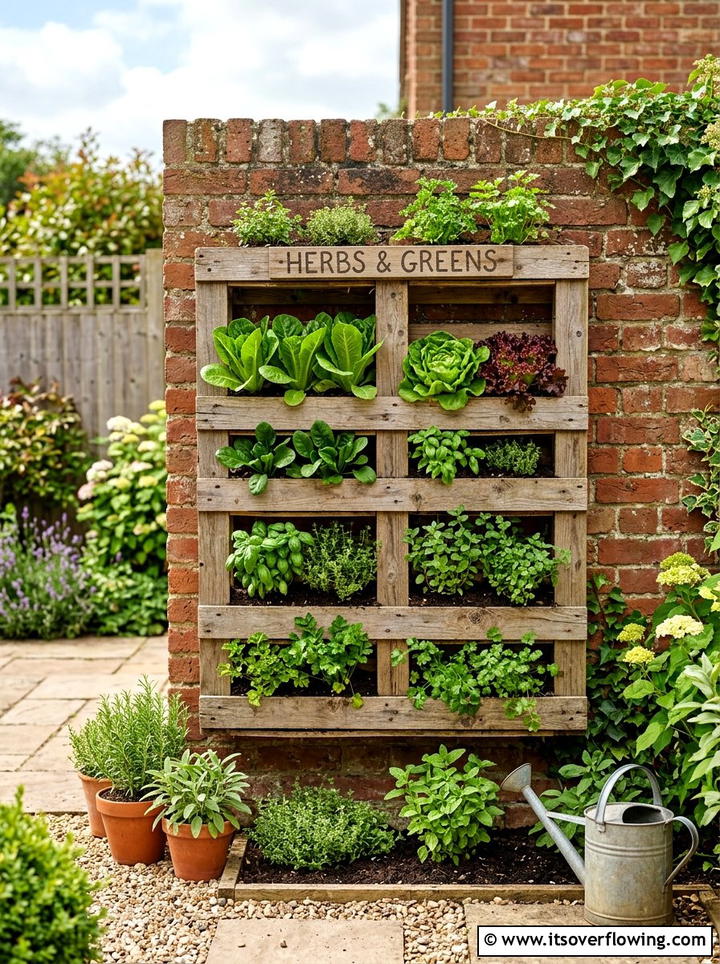
Are you a fan of DIY projects and upcycling old materials into something useful? Reclaiming wooden pallets is a popular and very affordable way to build a rustic vertical garden. By adding landscape fabric to the back and bottom, you can fill the slats with soil and plant rows of vegetables. This design works well leaning against a wall or fence, taking up almost no floor space. You can paint or stain the wood to match your outdoor furniture for a more polished look. It is a creative way to give new life to discarded items while growing a healthy supply of snacks. This project is perfect for a weekend garden makeover.
22. Trellis Vegetable Garden
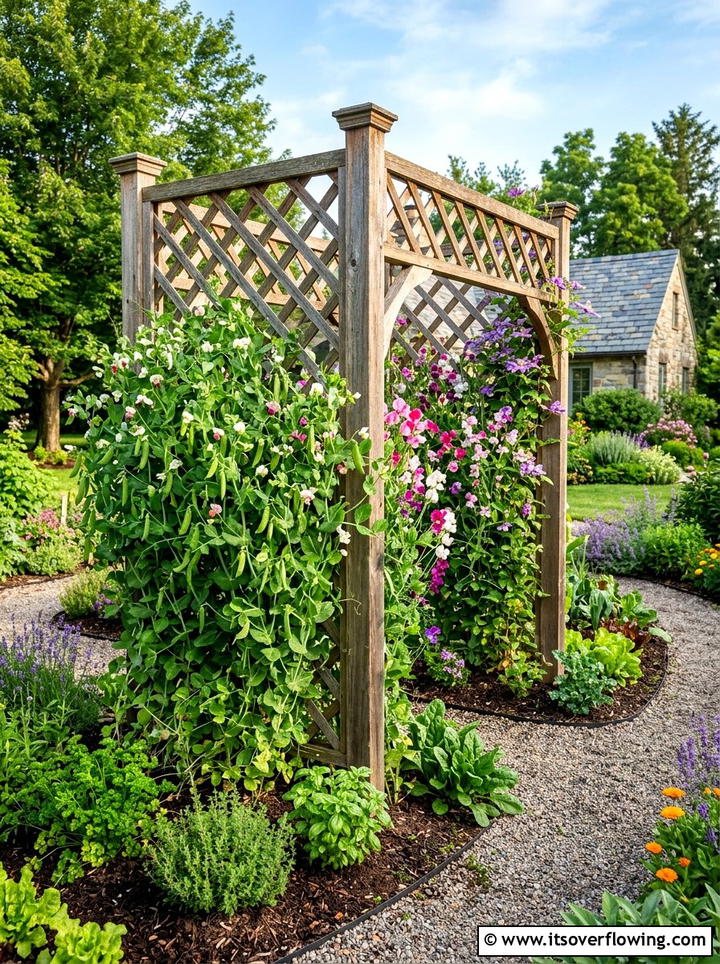
Do you want to create a living privacy screen that also happens to provide your dinner? A trellis system provides essential support for vining vegetables like peas, pole beans, and certain types of tomatoes. These structures can be made from simple wood lattices, wire mesh, or even decorative metal panels. By training your plants to grow upward, you free up valuable space on the ground for other crops. A row of trellises can act as a beautiful backdrop for a seating area or a way to hide a plain fence. The sight of climbing vines covered in blossoms and ripening vegetables is a true delight for any gardener.
23. Sub Irrigated Vegetable Garden
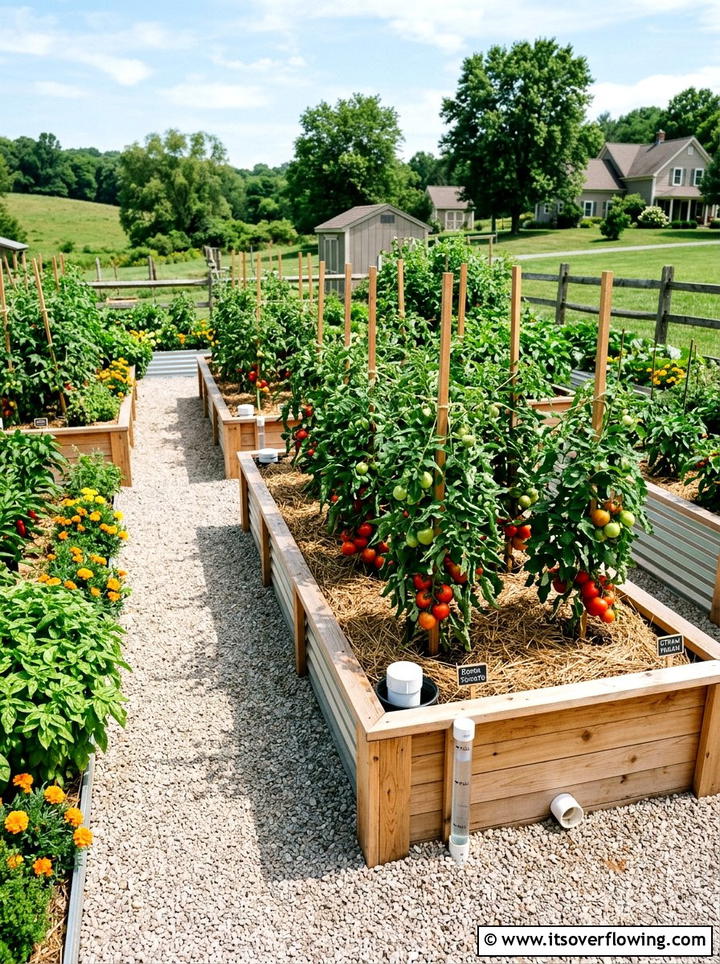
Have you ever worried about your plants drying out while you are away on a short vacation? Sub-irrigated planters, often called wicking beds, feature a water reservoir at the bottom that feeds the soil from below. This system uses capillary action to keep the roots consistently moist without the surface ever becoming soggy. It is incredibly water-efficient because very little moisture is lost to evaporation. You can build these systems into large raised beds or use smaller commercial versions for your patio. This design is perfect for thirsty vegetables like tomatoes and cucumbers that need steady hydration to produce the best fruit. It takes the guesswork out of watering your garden.
24. Shade Vegetable Garden
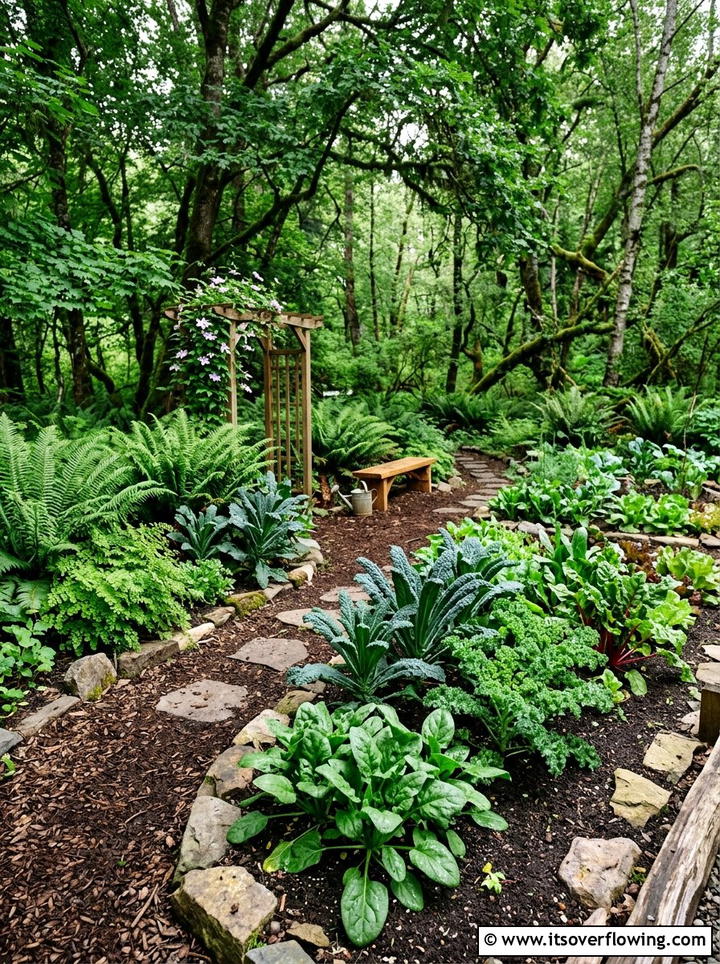
Do you think you can’t grow food because your yard is filled with tall, leafy trees? While many vegetables love the sun, there are plenty of delicious options that actually thrive in partial shade. Leafy greens like kale, arugula, and Swiss chard often produce more tender leaves when protected from the midday heat. Root vegetables like beets and carrots can also grow well with just a few hours of sunlight each day. Designing a garden in a shaded corner requires focusing on these cool-weather crops. Using light-colored mulch or reflective surfaces can help maximize the available light. It allows you to make use of every corner of your property.
25. Modern Vegetable Garden
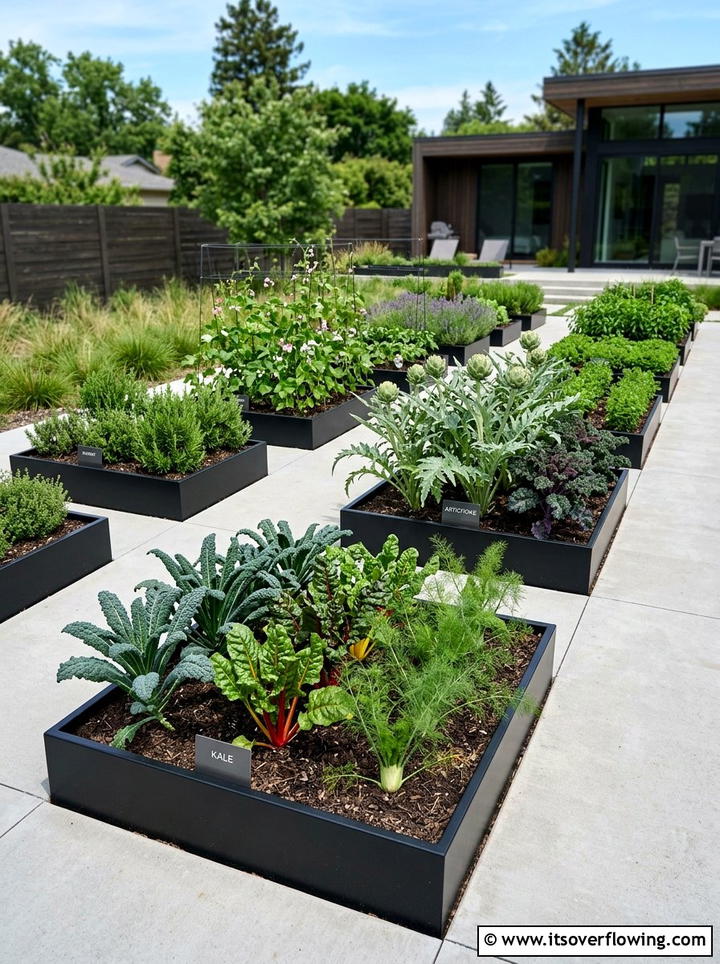
Are you looking for a vegetable garden that perfectly complements a sleek and contemporary home? A modern vegetable garden focuses on clean lines, high-quality materials, and a very minimalist color palette. You might see black powder-coated steel beds, smooth poured concrete paths, and perfectly spaced plants. This design treats the garden like an outdoor room, with integrated seating and architectural lighting for the evening. Instead of a wild and messy patch, each plant is chosen for its structural beauty as much as its flavor. This sophisticated approach proves that growing food can be a high-end design choice. It is a perfect blend of luxury living and sustainable, healthy home-grown eating.
Conclusion:
Building a vegetable garden is one of the most rewarding home projects you can ever undertake. From the initial planning of your layout to the final harvest, the process connects you deeply with the cycles of nature. Whether you choose a formal potager or a high-tech hydroponic system, the result is a beautiful and productive space. You will find that homegrown produce has a flavor and freshness that simply cannot be found in any grocery store. As you spend time tending to your plants, you will also enjoy the peacefulness and satisfaction that only gardening can provide. Start small and watch your green thumb grow along with your delicious vegetables.
Related posts:
 25 Backyard Ideas for Large Yards: Big Space Inspiration
 25 Backyard Ideas With Greenhouse for Fresh Garden Style
 25 Backyard Ideas With Herb Garden for Fresh Outdoor Flavor
 25 Backyard Ideas With Vegetable Garden For Fresh Harvests
 25 backyard decorating ideas with herb stations for Fresh Charm
 25 Backyard Decorating Ideas With Planters For Fresh Style
 25 Backyard Ideas With Crate Planters for Fresh Style
 25 Backyard Decorating Ideas With Signs For Backyard Charm
 25 Backyard Ideas With Barrel Planter for Rustic Garden Charm
 25 Backyard Ideas With Flower Garden for Colorful Curb Appeal
 25 backyard ideas with pathways for Charming Garden Flow
 25 Recycled Garden Ideas for Backyard Decor