
Transforming your outdoor living space into a functional and beautiful sanctuary often begins with the right ground layout. Backyard pathways serve as the skeletal structure of your garden, guiding guests through lush greenery while protecting your delicate turf from heavy foot traffic. Whether you prefer the rustic charm of weathered stone or the sleek precision of modern concrete, these trails define the movement and mood of your home’s exterior. Choosing the perfect material involves balancing durability with aesthetic appeal to create a cohesive look that complements your architecture. From winding gravel tracks to formal brick layouts, these creative solutions will elevate your landscape and provide a polished finish to any backyard renovation project this season.
1. Natural stone stepping stone
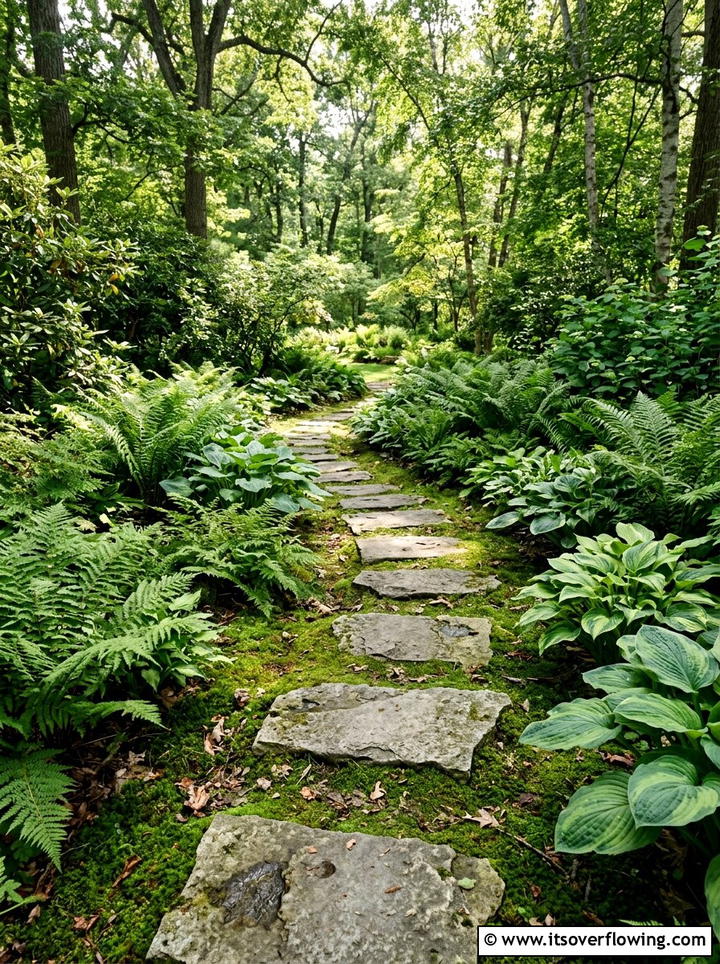
Have you ever noticed how a simple set of stones can completely change the vibe of a garden? Natural stone stepping stones offer a timeless and organic look that blends perfectly with any plant-heavy landscape. By selecting irregular shapes, you create a whimsical forest floor feel that encourages a slower pace while walking. These stones are incredibly durable and require very little maintenance over the years, making them a practical choice for busy homeowners. You can surround them with soft ground cover like creeping thyme or Irish moss to soften the edges. This design approach creates a harmonious connection between the hardscape elements and the living greenery in your backyard space.
2. Pea gravel walkway
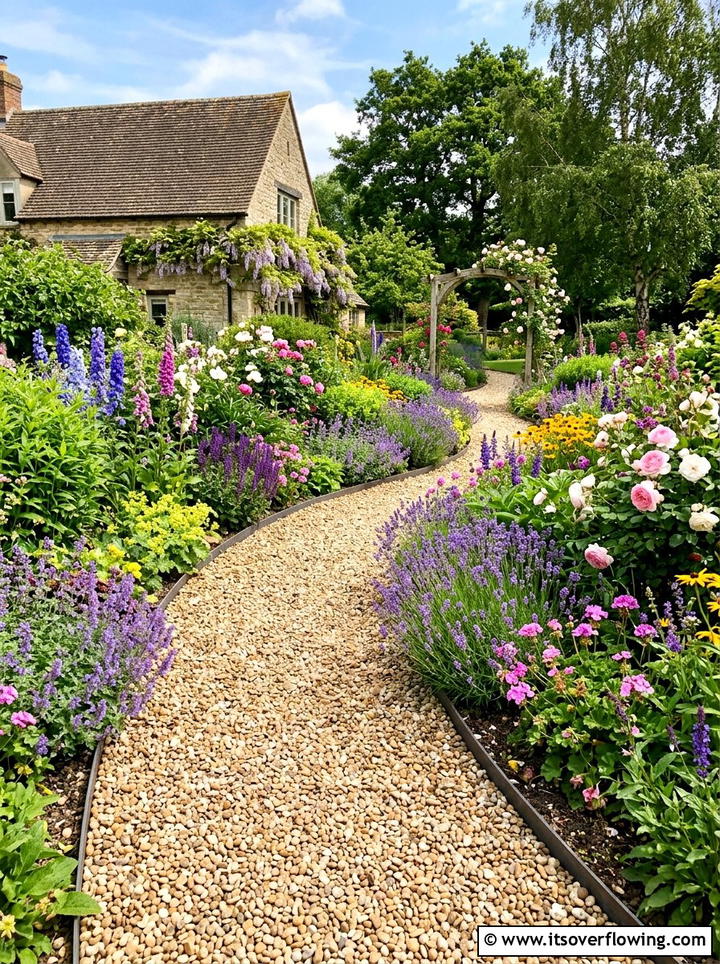
Does the sound of crunching gravel underfoot remind you of a peaceful countryside estate? A pea gravel walkway is one of the most cost-effective and versatile options for a backyard path. The small, rounded stones are easy to install and provide excellent drainage, which prevents puddles from forming during heavy rain. Because the gravel is loose, it can easily follow the natural curves of your flower beds, creating a fluid and inviting movement through the garden. Adding a sturdy metal or plastic edge will keep the stones in place and maintain a clean, crisp look. This style works beautifully in both traditional cottage gardens and more modern, minimalist outdoor settings.
3. Flagstone and moss
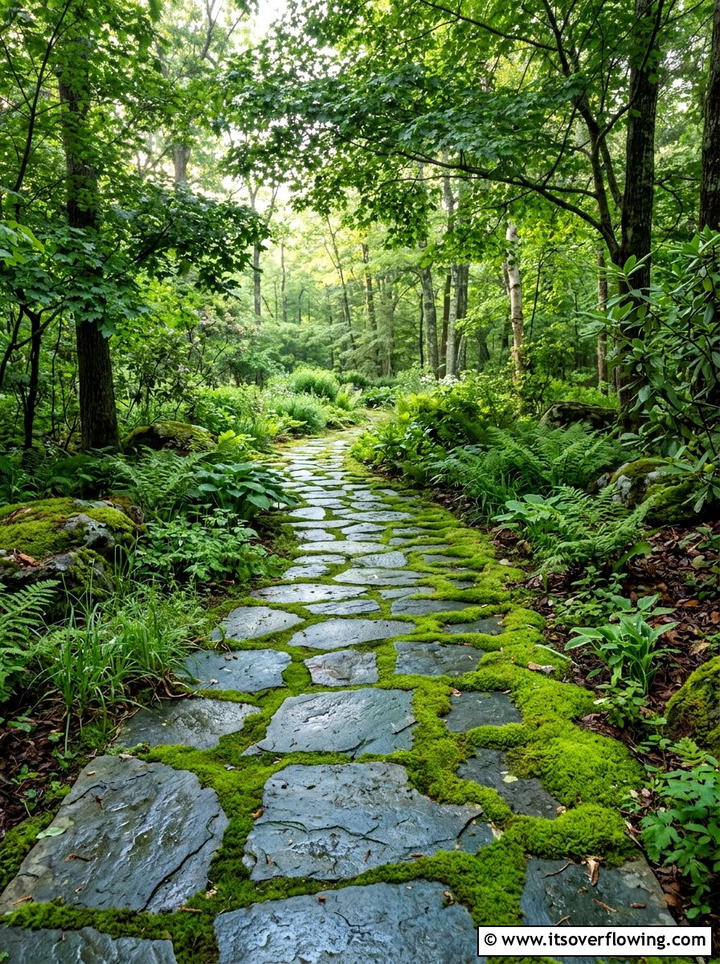
Imagine walking through a lush, green corridor where every step feels soft and integrated with nature. Combining large flagstones with living moss in the joints creates a stunning, aged appearance that looks like it has been there for decades. This pathway design is perfect for shaded areas where grass struggles to grow but moss thrives. The contrast between the flat, cool stone and the vibrant, fuzzy green moss provides a tactile and visual treat for any visitor. It is an excellent way to add a sense of history and enchantment to a backyard garden. Keeping the moss hydrated ensures the path stays vibrant and healthy through the warmer months.


4. Modern concrete paver
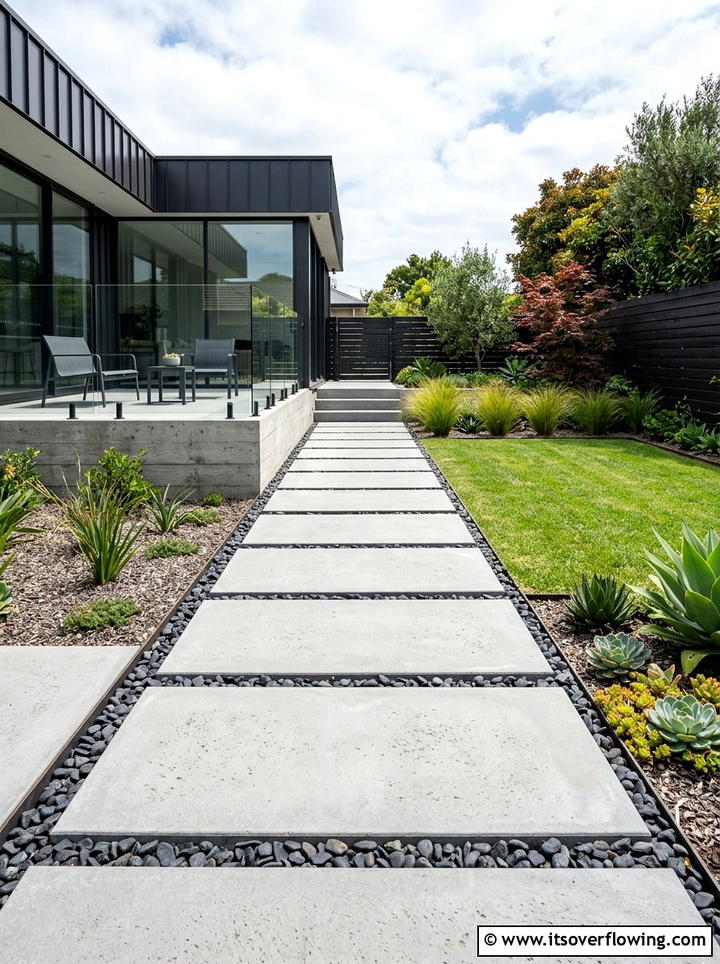
Are you looking for a clean, sophisticated look that matches a contemporary home design? Modern concrete pavers offer sharp lines and uniform shapes that create a sense of order and tidiness in the backyard. You can arrange these large, rectangular blocks in a grid or a staggered pattern to suit your personal style. Leaving small gaps between the pavers and filling them with dark river rocks or light grey gravel adds a striking visual contrast. This type of pathway is extremely durable and provides a flat, stable surface for patio furniture or heavy foot traffic. It is the ideal choice for homeowners who prefer a minimalist and organized landscape.
5. Herringbone brick walkway
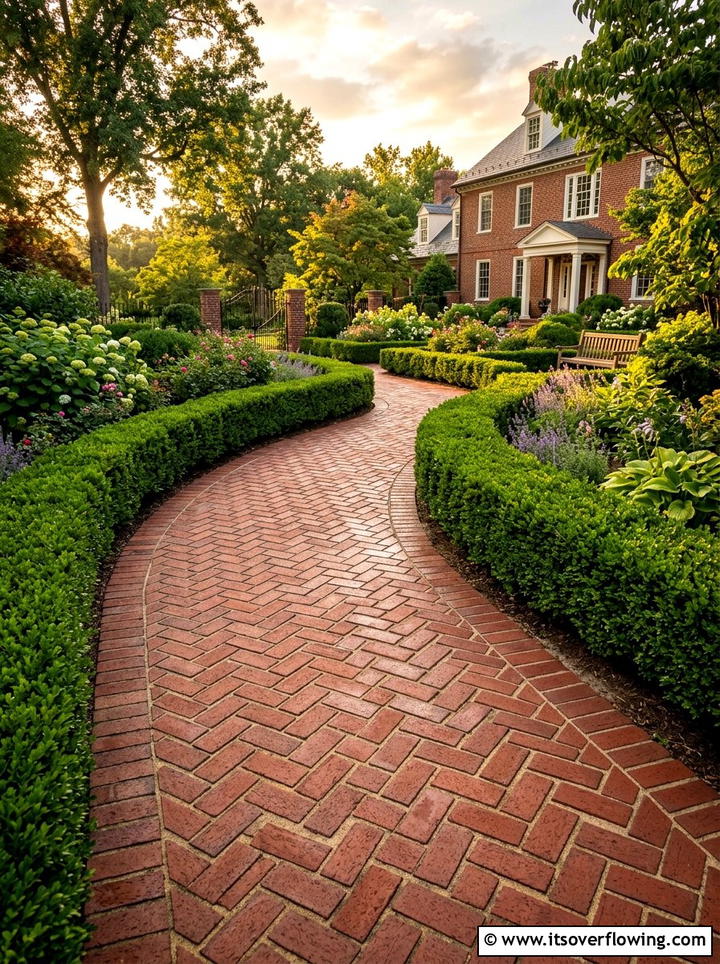
Can anything beat the classic and sophisticated look of a well-laid brick path in a traditional garden? The herringbone pattern is a timeless choice that adds structural strength and visual interest to any outdoor walkway. By interlocking the bricks at forty-five-degree angles, you create a surface that resists shifting over time, even with heavy use. This design works particularly well in formal gardens or alongside colonial-style homes where brick accents are already present. The deep red or burnt orange tones of the bricks provide a warm contrast to green lawns and colorful flower borders. It is a durable and elegant solution that never goes out of modern landscaping style.
6. Wooden boardwalk path
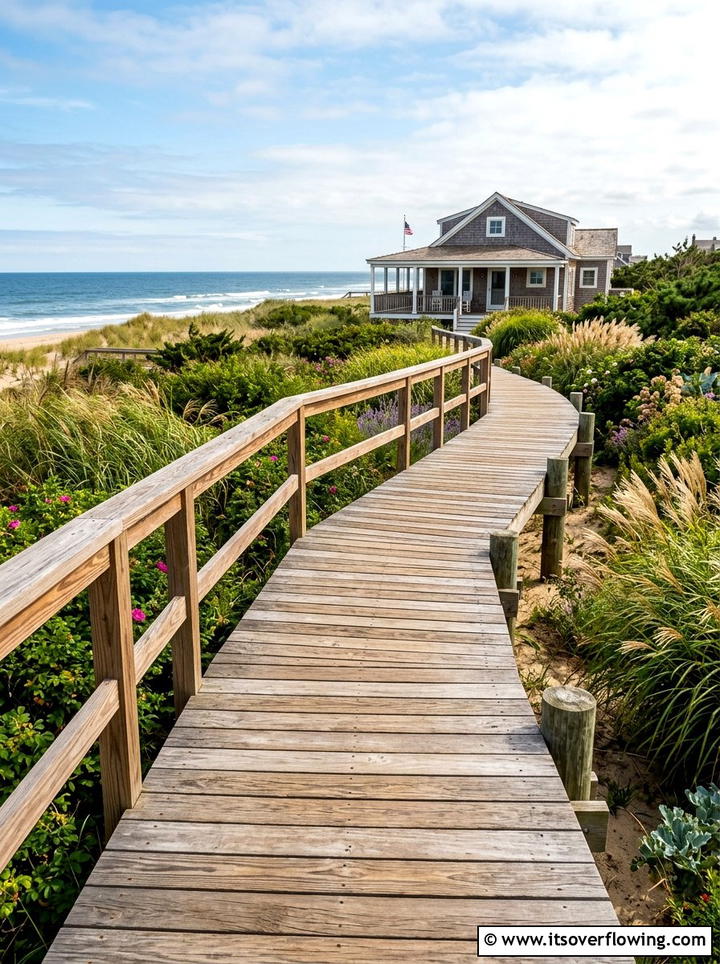
What if you could bring the feeling of a coastal vacation right into your own backyard? A wooden boardwalk path is an excellent solution for uneven terrain or areas with poor drainage where traditional stone might sink. Using pressure-treated lumber or naturally rot-resistant wood like cedar or redwood ensures the path lasts for many years. This elevated design creates a clear distinction between the walking area and the surrounding garden beds, protecting your plants. The horizontal lines of the wood planks can also help make a small yard feel wider and more expansive. It adds a rustic, architectural element that feels both cozy and highly functional for daily use.
7. Decomposed granite trail
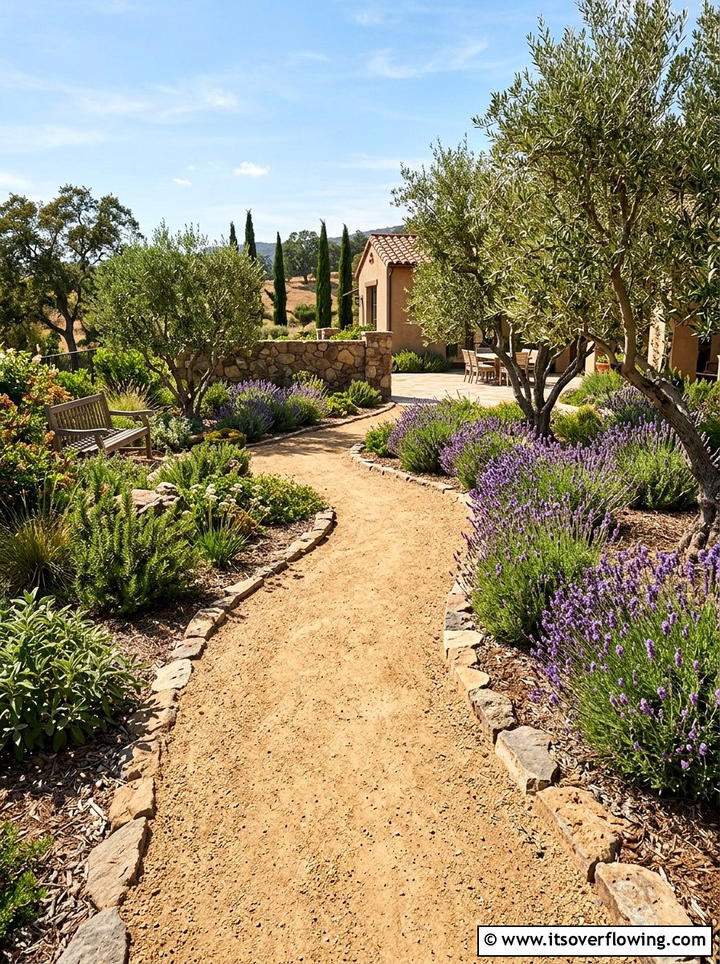
Have you considered using a material that offers a natural, earthy look while remaining firm and stable underfoot? Decomposed granite is a popular choice for Mediterranean-style gardens because of its warm, sandy color and excellent permeability. When compacted correctly, it creates a smooth surface that is easy to walk on but looks much more organic than poured concrete. This material is perfect for creating winding paths that disappear into distant corners of the yard. It also works well as a base for fire pit areas or outdoor seating zones. Adding a stabilizer to the granite can help prevent erosion and keep the path looking neat during the rainy season.

8. River rock and slate
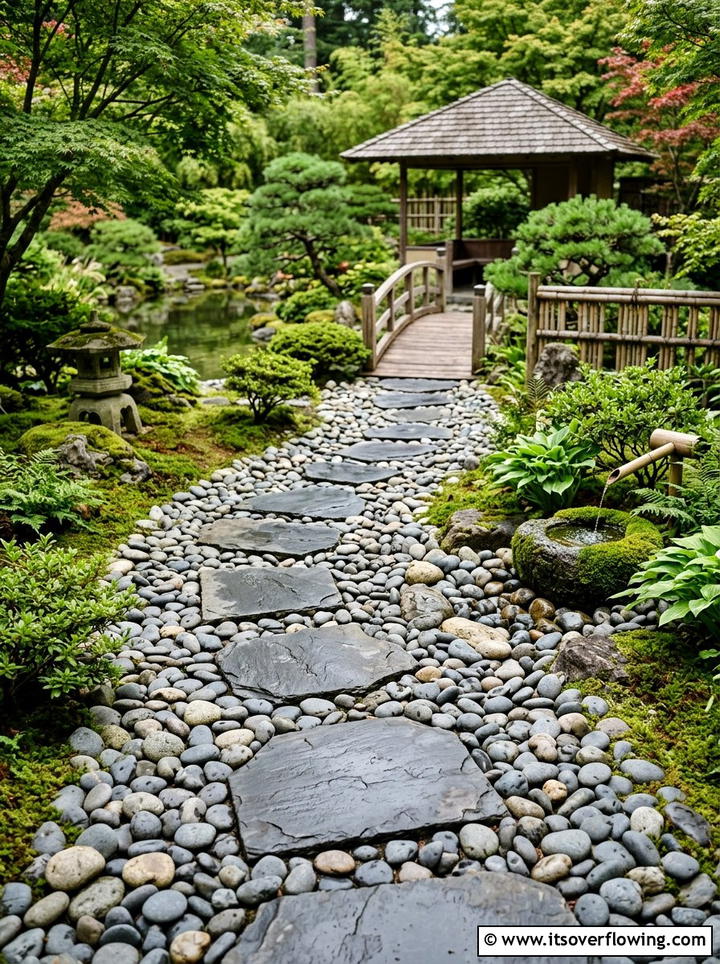
Blending different textures and colors can create a sophisticated and high-end look for your outdoor walking spaces. A pathway featuring large slate tiles set into a bed of smooth, dark river rocks provides a beautiful Japanese-inspired aesthetic. The flat surface of the slate makes walking easy, while the surrounding rocks provide a decorative border that handles water runoff efficiently. This combination is particularly effective in modern landscapes where a mix of materials adds depth and character. The cool tones of the slate and the rounded shapes of the rocks create a balanced visual experience. It is a low-maintenance option that stays looking pristine with very little effort.
9. Curved mulch path
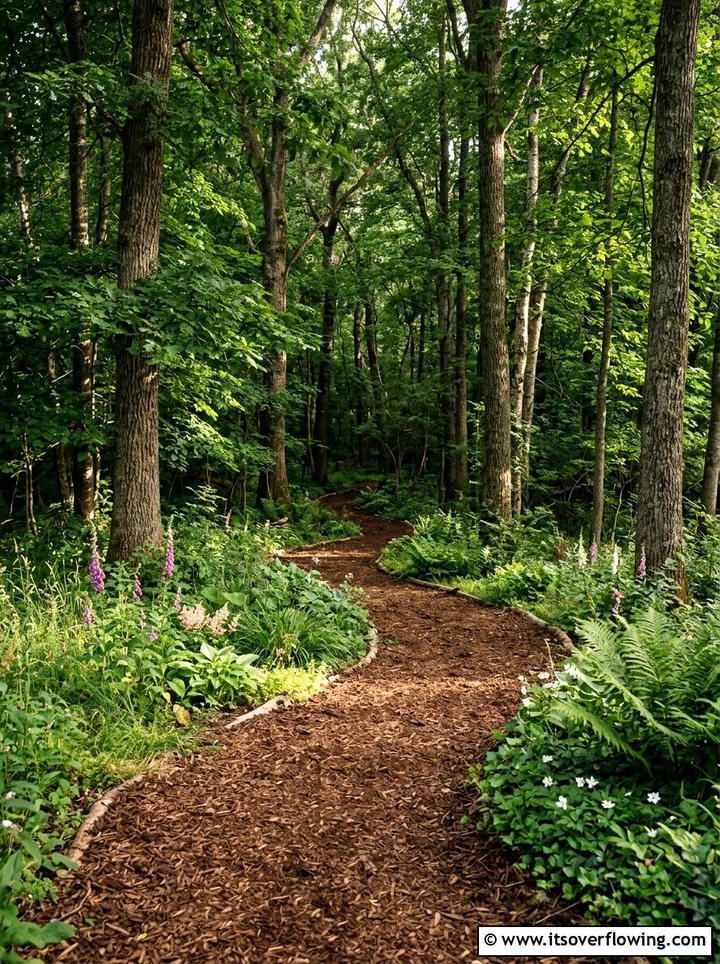
Sometimes the simplest solutions are the most effective for creating a natural and inviting garden atmosphere. A curved mulch path is perfect for woodland-style backyards or casual garden spaces where a hard surface might feel too cold. Wood chips or bark mulch are inexpensive and very easy to spread, making this a great weekend DIY project. The soft, forgiving surface is comfortable to walk on and helps retain moisture in the soil for nearby plants. By using curved lines instead of straight ones, you can create a sense of mystery and exploration in your yard. This path style looks best when bordered by large stones or logs to define the edges.
10. Geometric grass paver
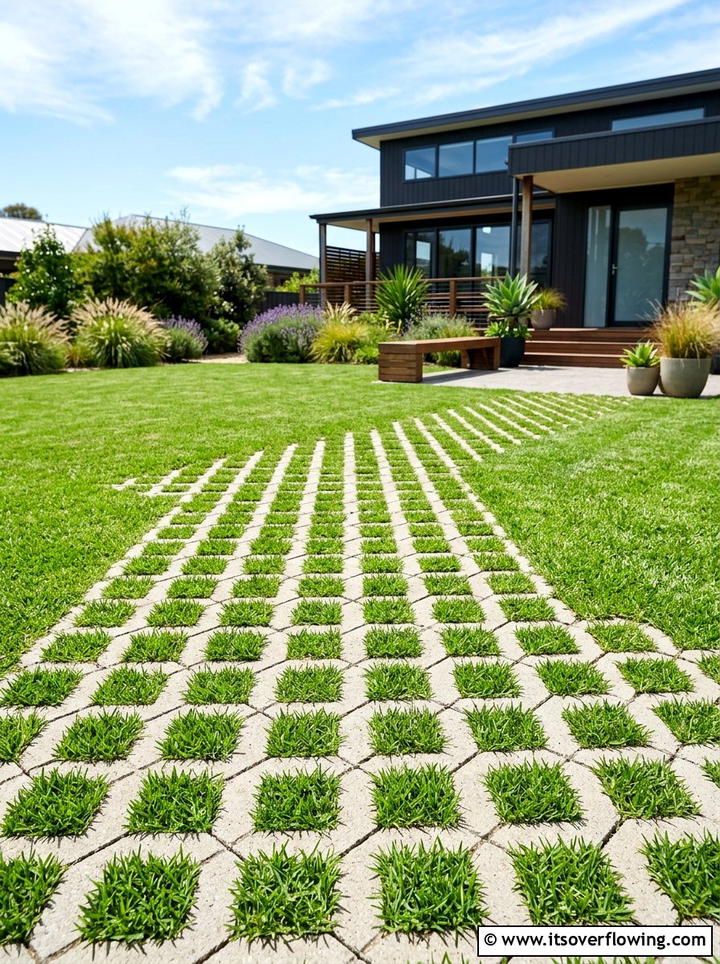
Do you want a driveway or path that blends seamlessly into your lawn without sacrificing a sturdy walking surface? Geometric grass pavers, often called turf blocks, allow grass to grow through open cells in the concrete or plastic grid. This creates a green, living carpet that can support the weight of vehicles or heavy foot traffic without becoming muddy. It is an eco-friendly choice that reduces heat buildup and allows rainwater to soak directly into the ground. The repeating pattern adds a modern, architectural touch to the landscape while maintaining a soft, natural appearance. This is a brilliant way to maximize greenery in a small or urban backyard space.
11. Cobblestone garden trail
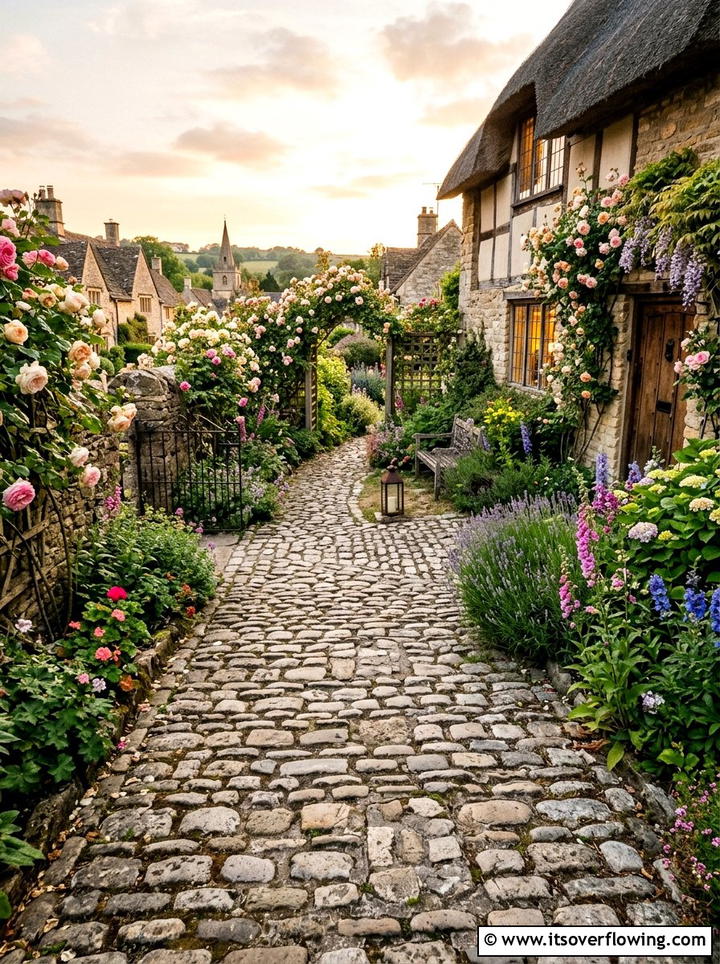
Transport your backyard to an old-world European village with the charming and rugged look of a cobblestone trail. These rounded, tumbled stones offer a heavy-duty surface that can withstand the elements for decades. Cobblestones are perfect for creating a sense of permanence and history in a traditional or cottage-style garden. Because of their irregular shapes, they provide a textured surface that feels substantial and handmade. You can use them to create narrow paths through herb gardens or wider walkways leading to a main patio area. Filling the gaps with sand or fine gravel helps lock the stones together while allowing for slight natural movement in the soil over time.
12. Large format porcelain paver
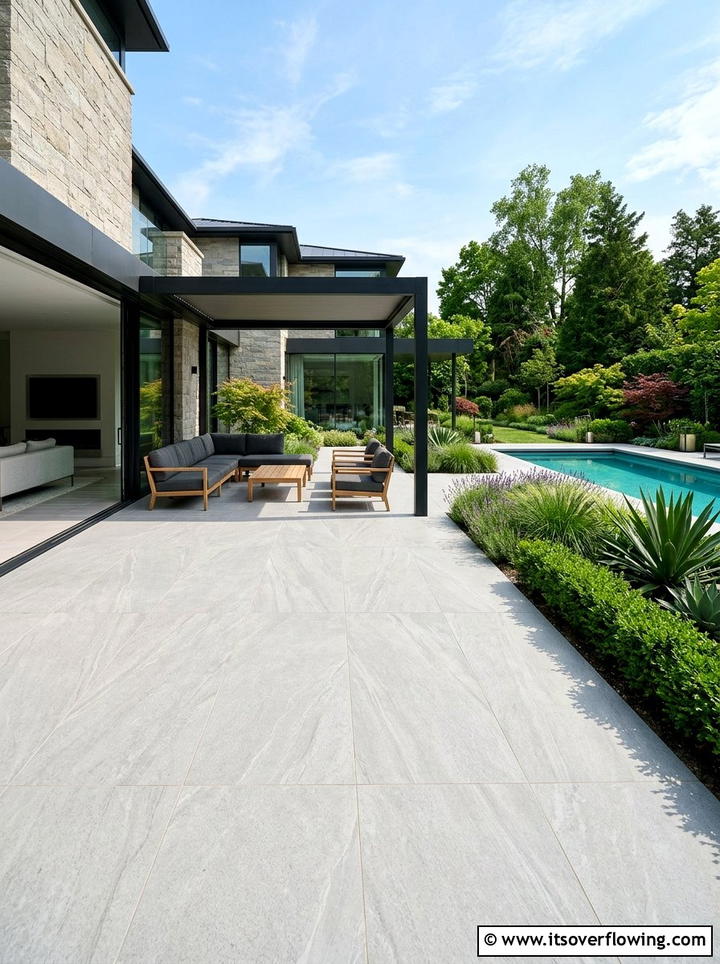
Are you looking for the ultimate in low-maintenance luxury for your modern outdoor living area? Large format porcelain pavers are becoming a top choice for high-end backyards because they are stain-resistant, slip-resistant, and incredibly durable. These pavers come in a variety of finishes, including those that mimic the look of natural wood or expensive stone. Their large size means fewer grout lines, which creates a sleek and expansive feel in any size yard. Because they are non-porous, they won’t fade in the sun or crack during freezing temperatures. Using these pavers for a pathway creates a seamless transition from your indoor flooring to your outdoor deck or garden.
13. Recycled timber sleeper
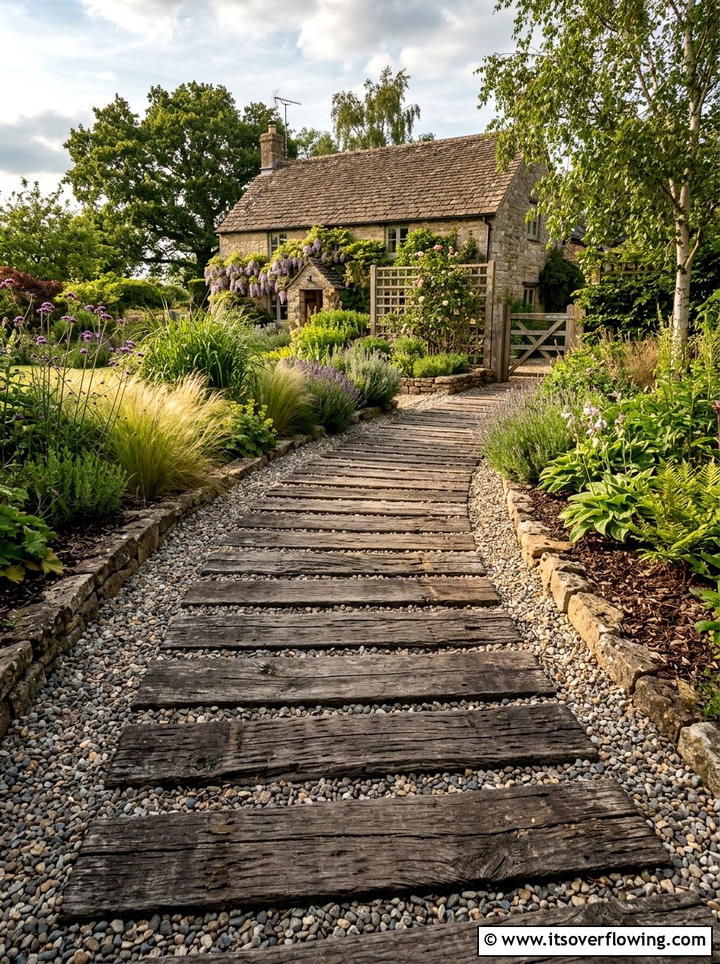
Using reclaimed materials is a wonderful way to add character and sustainability to your backyard pathway design. Recycled timber sleepers, like old railroad ties or bridge beams, provide a heavy, rustic look that pairs beautifully with gravel or stone. These thick wooden blocks can be set into the ground to create wide, sturdy steps on a sloped yard or a flat walkway through a flower garden. The weathered texture of the wood adds a sense of warmth and history that new materials simply cannot replicate. Surrounding the timber with light-colored pebbles creates a striking contrast that highlights the dark, aged wood grains and makes the path stand out.
14. Crushed seashell walkway
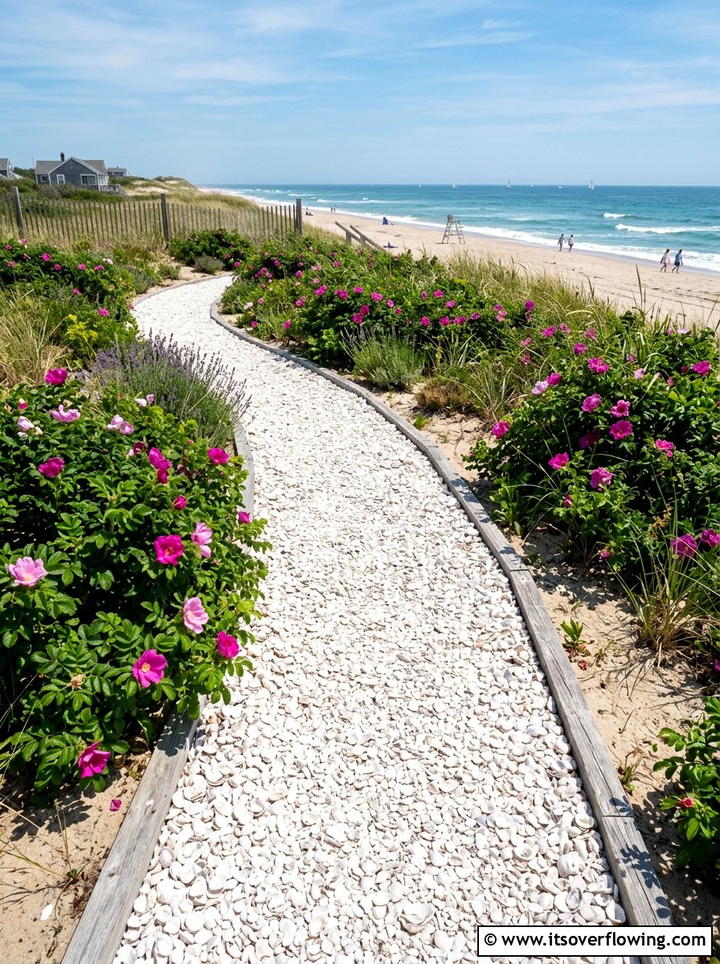
If you live near the coast or simply love the bright, airy feel of a beach house, crushed seashells are a unique material choice. This pathway option provides a bright white or cream color that reflects the sunlight and lightens up shady garden corners. As the shells are walked upon, they break down into smaller pieces, creating a compact and stable surface that drains exceptionally well. The subtle crunching sound and the coastal aesthetic create a relaxing and informal vibe in the backyard. This material works perfectly when paired with ornamental grasses, lavender, or other salt-tolerant plants. It is an affordable way to bring a touch of the ocean home.
15. Japanese zen garden path
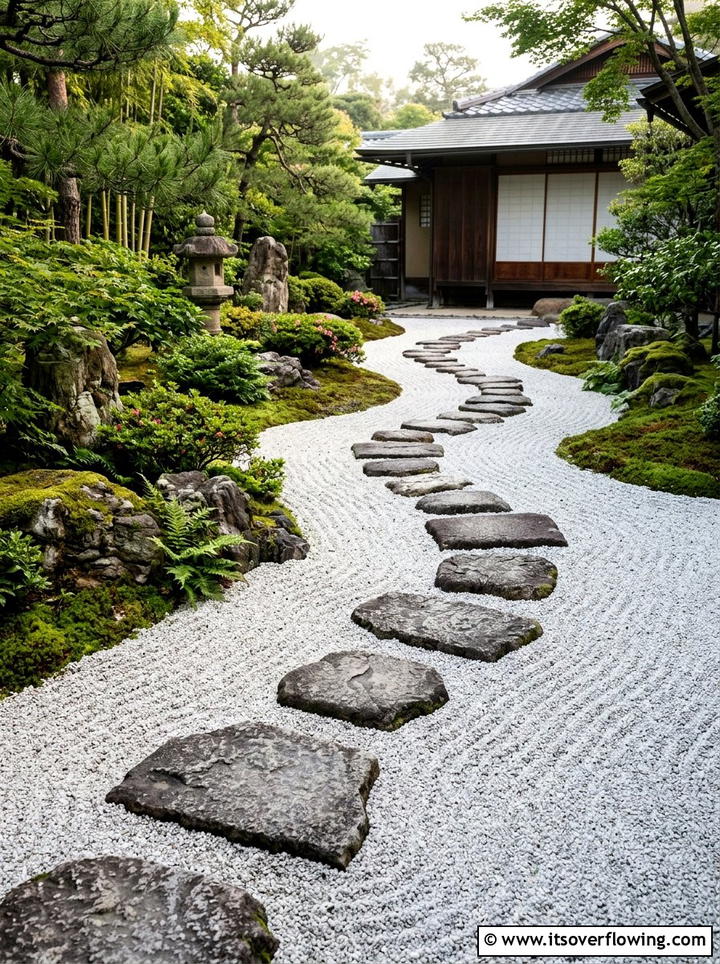
Creating a space for meditation and reflection often starts with a carefully designed Japanese-style pathway. These paths usually feature large, flat stepping stones placed strategically to encourage mindful walking and observation of the surrounding scenery. The layout is often asymmetrical, mimicking the natural flow of water or a mountain trail. Surrounding the stones with raked gravel or fine sand adds to the peaceful and orderly atmosphere of the garden. This design focus on simplicity and balance helps to reduce stress and provides a beautiful focal point for a quiet backyard corner. Incorporating a few well-placed lanterns or small boulders further enhances the authentic Zen aesthetic and mood.
16. Modern floating concrete step
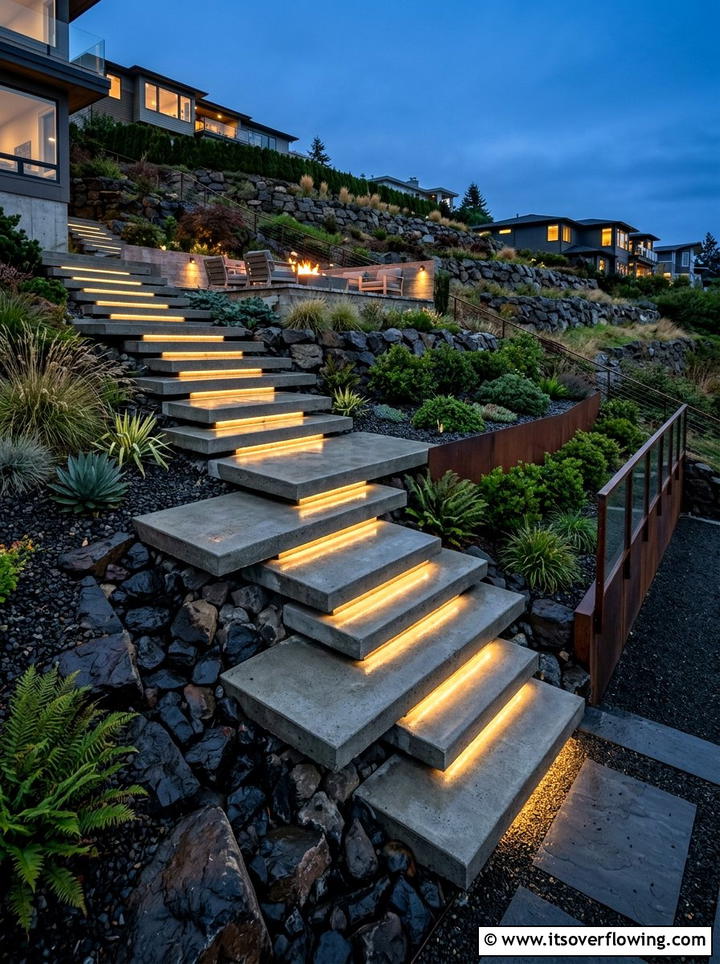
Do you have a sloped backyard that needs a contemporary and functional solution for moving between levels? Modern floating concrete steps are thick slabs that appear to hover above the ground or a bed of decorative rocks. This architectural look is achieved by nesting the slabs into the hillside with hidden supports. The clean lines and staggered heights create a dramatic visual impact that works perfectly with minimalist or industrial-style homes. You can light the underside of each step with LED strips to create a stunning glowing effect at night. This pathway design is both a practical way to navigate elevation changes and a bold artistic statement for your property.
17. Limestone flagstone walk
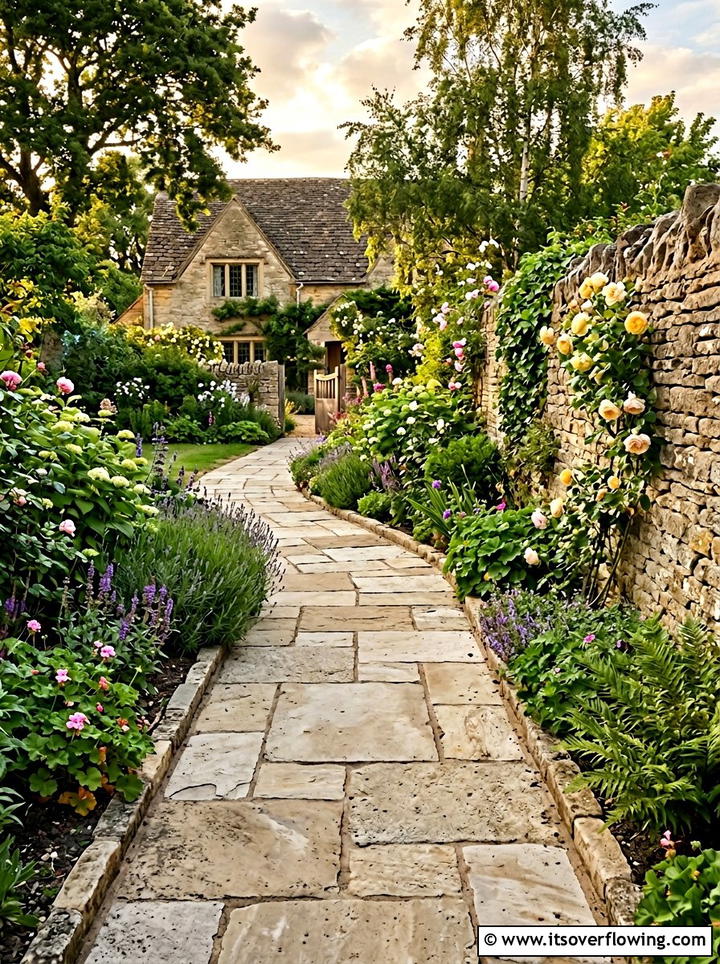
Limestone is a favorite choice for many homeowners because of its natural durability and the variety of soft, neutral colors it offers. A limestone flagstone walk can range from pale cream to deep blue-grey, allowing it to match almost any home exterior color palette. The stones can be cut into precise squares for a formal look or left in their natural, irregular shapes for a more relaxed feel. Limestone stays relatively cool under the sun, making it a comfortable surface for bare feet during the summer months. Over time, the stone develops a beautiful patina that adds character and depth to your garden design without losing its structural integrity.
18. Blue stone path with grass joint
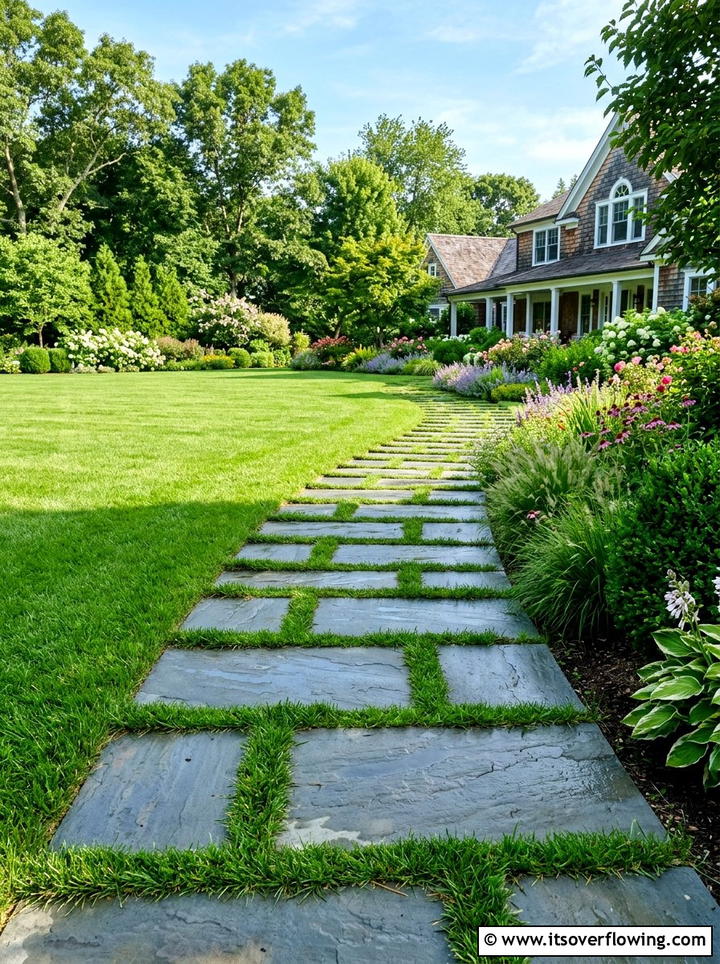
Combining the cool, elegant tones of blue stone with the vibrant life of natural grass creates a classic and inviting backyard feature. Blue stone is a type of sandstone that is prized for its consistent color and non-slip surface. By laying large rectangular slabs with wide gaps for grass to grow through, you soften the hardscape and help the path blend into the lawn. This “steppable” design is perfect for pathways that cross a large open yard, as it keeps the space feeling green and expansive. The contrast between the grey-blue stone and the bright green grass provides a crisp and clean look that is always in style.
19. Simple bark chip trail
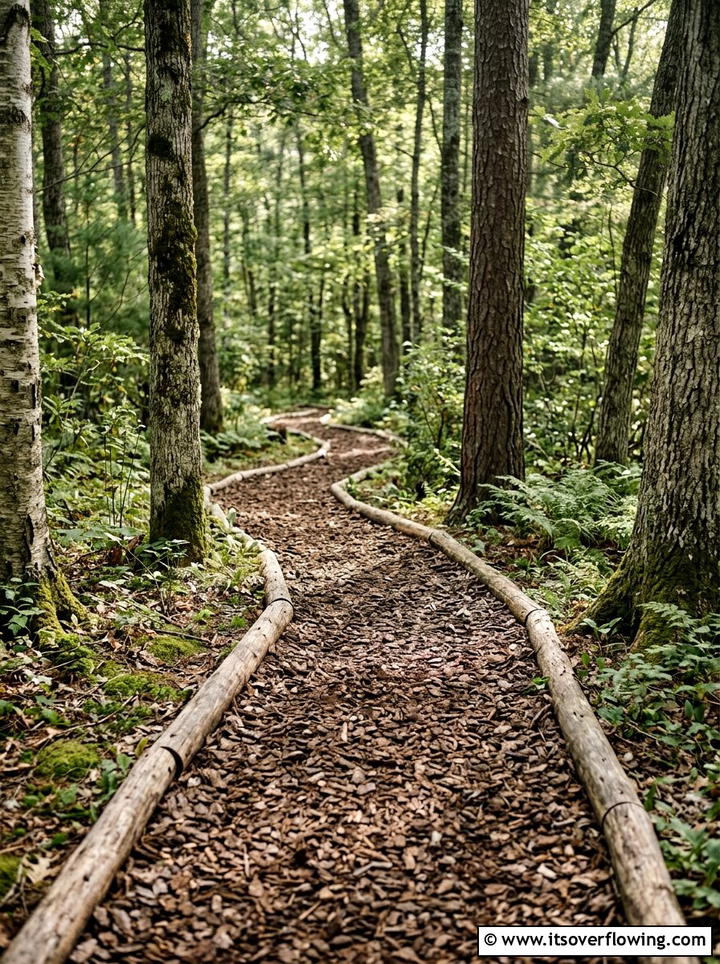
Sometimes the most practical and budget-friendly way to define a path is by using simple bark chips or wood mulch. This type of trail is ideal for large backyards or wooded properties where you want to create a clear walking route without spending a fortune. Bark chips are easy to spread and can be replenished every few years to keep the path looking fresh and clean. They also provide a soft surface that is gentle on the joints and quiet to walk on. To prevent the chips from spreading into your lawn, you can use simple pressure-treated wood edging or small rocks to keep the path contained and organized.
20. Decorative pebble mosaic
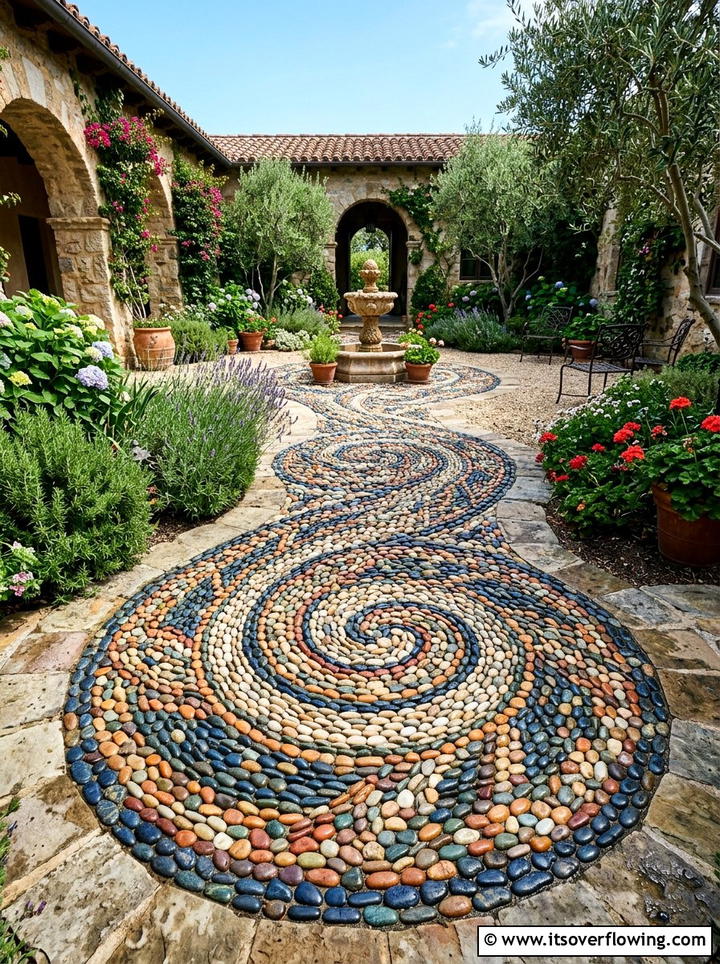
Are you looking for a way to turn a functional pathway into a genuine work of art? A decorative pebble mosaic path uses small, colorful river stones set into a mortar bed to create intricate patterns or pictures. This technique allows for endless creativity, from simple swirling waves to complex geometric designs or floral motifs. While it requires more time and effort to install, the result is a unique and durable feature that will impress every guest. Mosaic paths are perfect for small entryways or as a central focal point in a courtyard garden. The smooth, rounded stones feel wonderful underfoot and provide a highly textured and visual landscape element.
21. Red brick garden path
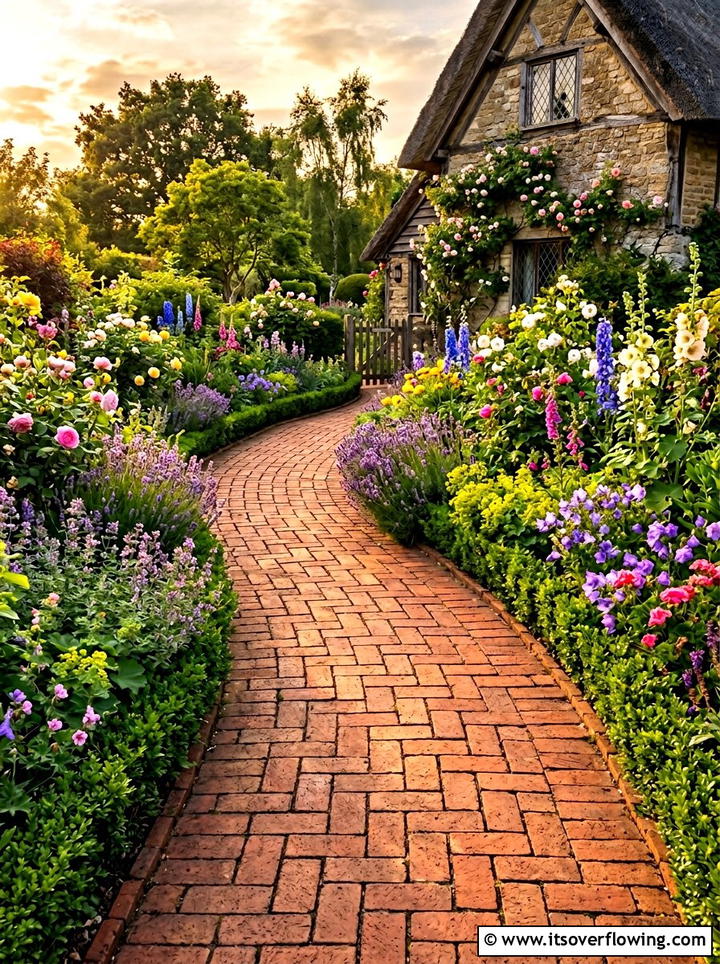
The traditional red brick path is a staple of colonial and cottage garden design for a very good reason. Its warm, earthy color complements almost any plant variety, from bright flowering perennials to deep green boxwood hedges. Bricks are incredibly versatile and can be laid in various patterns, such as basketweave, stack bond, or running bond, to create different visual effects. Because they are uniform in size, they are relatively easy for a DIY homeowner to install on a bed of leveled sand. A red brick path adds a sense of structure and nostalgia to the backyard, making it feel like a cozy and well-established outdoor room for your family.
22. Slate tile walkway
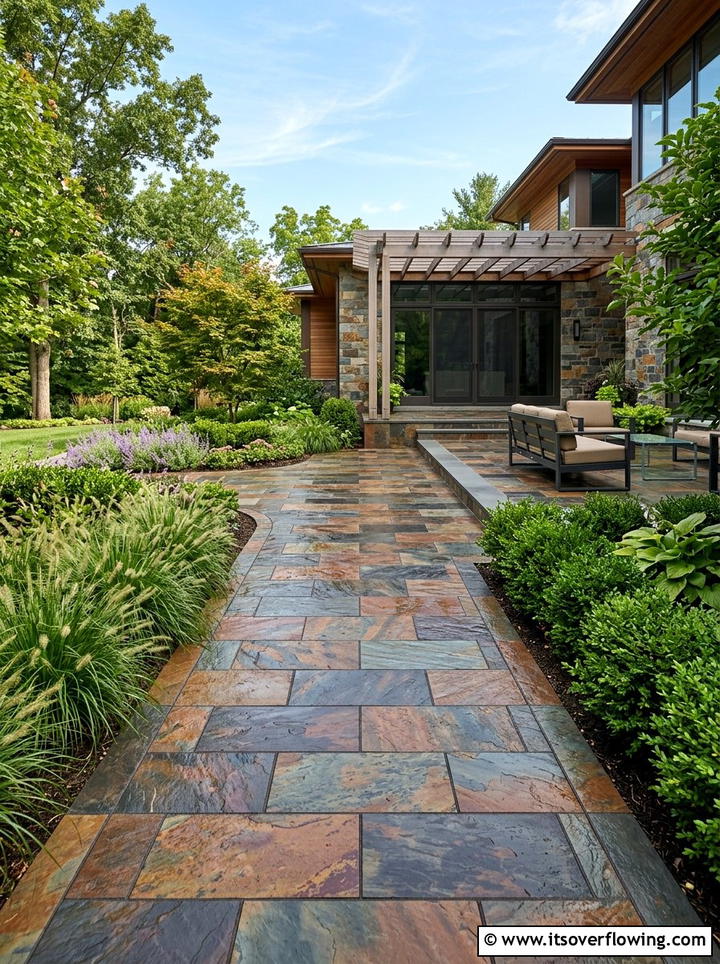
If you want a pathway that offers a rich variety of natural colors and a sleek, flat surface, slate tiles are an excellent choice. Slate often features beautiful shades of purple, green, charcoal, and copper that change slightly when the stone is wet. These tiles provide a sophisticated and high-end appearance that works well for pathways leading to a formal patio or pool area. The natural cleft surface of the slate provides excellent slip resistance, which is a vital safety feature for outdoor walking areas. Using dark grout between the tiles can create a modern, seamless look that highlights the unique color variations within each individual piece of stone.
23. Stepping stones with ground cover
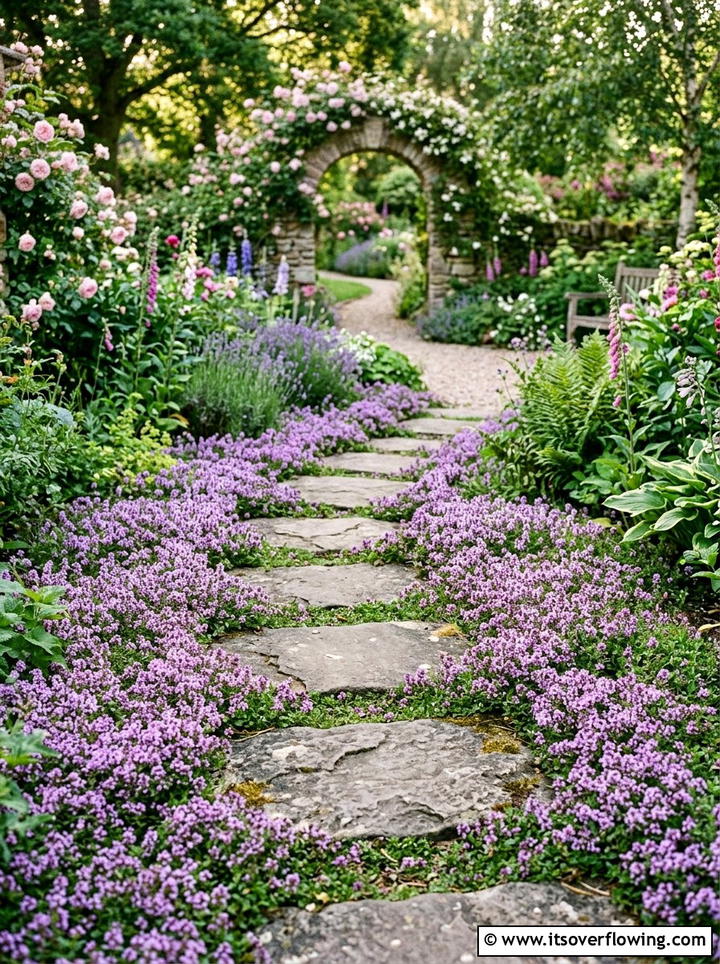
Creating a “living” path is a wonderful way to bring more nature and fragrance into your backyard experience. Using simple stepping stones surrounded by low-growing ground covers like creeping thyme or woolly thyme adds a sensory layer to your garden. As you walk along the path, your feet lightly brush against the plants, releasing a pleasant herbal scent into the air. This design is perfect for creating a soft, romantic look that blurs the lines between the walkway and the flower beds. These ground covers are typically drought-tolerant once established and require very little mowing or maintenance, making them an eco-friendly alternative to traditional turf grass joints.
24. Drought tolerant gravel path
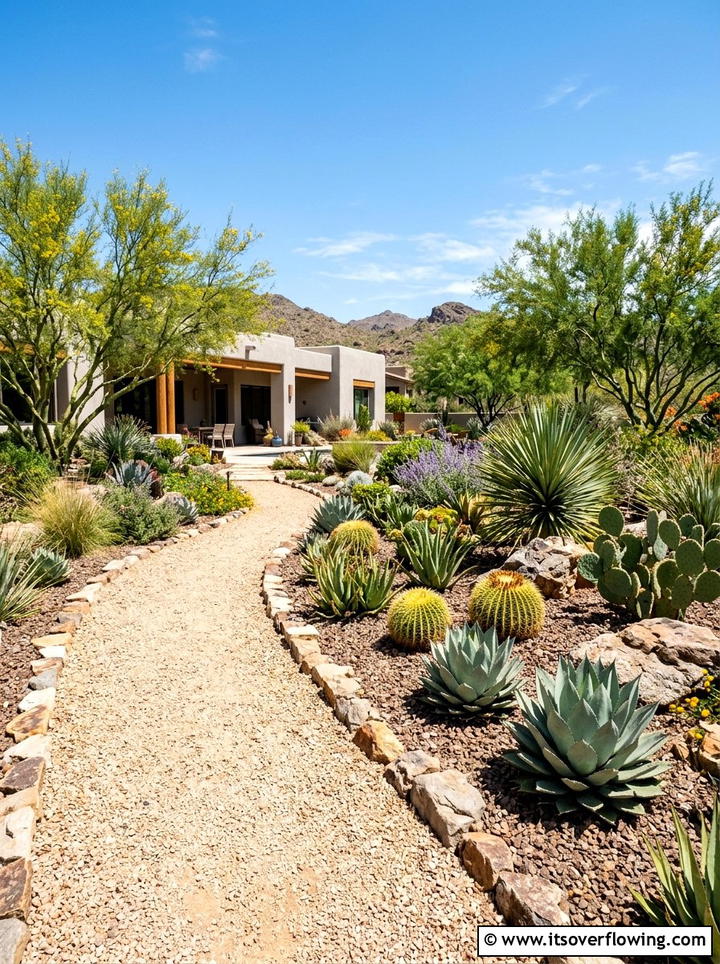
For homeowners in drier climates or those looking for a water-wise landscaping solution, a drought-tolerant gravel path is the perfect answer. Using local crushed stone or decomposed granite minimizes the need for irrigation while providing a clean and organized look. You can pair this pathway with native succulents, ornamental grasses, and desert-friendly shrubs to create a beautiful xeriscape. The gravel allows every drop of precious rainwater to soak into the ground, reducing runoff and helping the local ecosystem. By choosing a gravel color that matches the surrounding soil, you can create a path that feels like a natural part of the landscape rather than a forced addition.
25. Circular stone landing
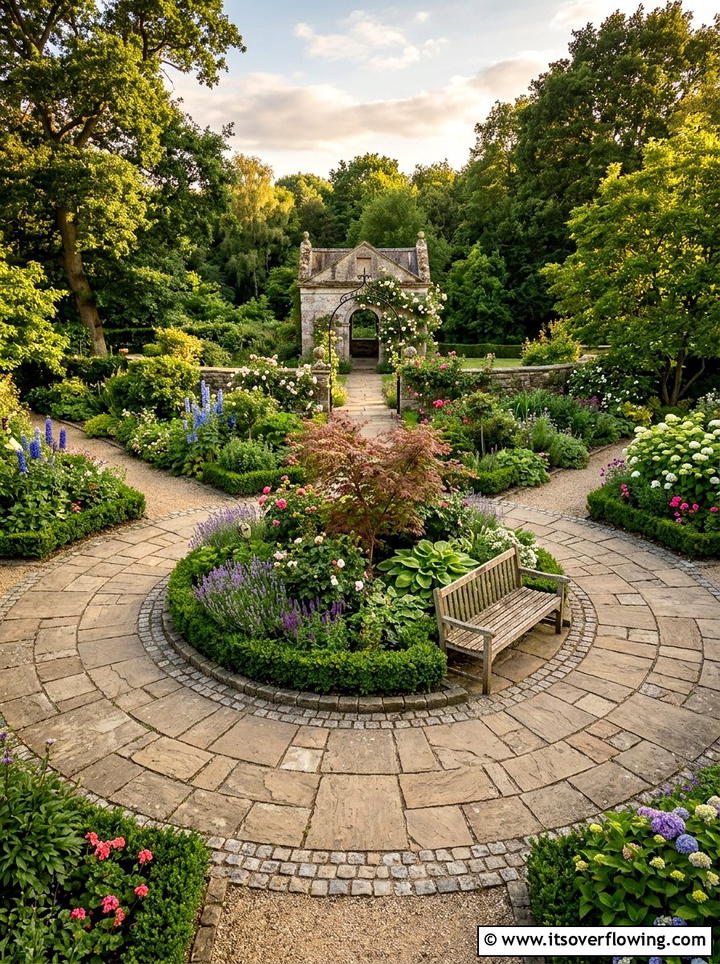
Adding a circular stone landing is a clever way to create a pause point or a focal point within your backyard path system. This design feature involves laying stones in a radiating circular pattern, which draws the eye and provides a natural spot for a bench, a birdbath, or a small fountain. A circular landing can break up the monotony of a long, straight path and add a sense of intentionality to the garden layout. It serves as a beautiful transition zone between different areas of the yard, such as moving from a kitchen garden to a shaded seating nook. This architectural element adds a professional, high-designed feel to any landscape project.
Conclusion:
Creating a well-designed pathway system is the final touch that turns a basic yard into a professional landscape masterpiece. By carefully selecting materials that match your home’s style, you can improve both the functionality and the overall market value of your property. These twenty-five distinct options provide a broad range of textures, colors, and installation methods to suit any budget or skill level. Remember to consider how your chosen path will interact with the changing seasons and the growth of your surrounding plants. A thoughtful walkway does more than just connect two points; it invites you to explore, relax, and fully enjoy your outdoor environment every day for many years to come.

Related posts:
 25 Backyard Ideas With Stepping Stones For Charming Paths
 25 Backyard Decorating Ideas With Signs For Backyard Charm
 25 Backyard Ideas With Barrel Planter for Rustic Garden Charm
 25 Backyard Ideas With Flower Garden for Colorful Curb Appeal
 25 Backyard Ideas With Greenhouse for Fresh Garden Style
 25 Backyard Ideas With Mulch Beds for a Polished Garden
 25 backyard ideas with pollinator garden for Buzzing Beauty
 25 Backyard Ideas With Rain Garden Designs for Greener Yards
 25 Cheap Garden Ideas For Backyard Spaces On A Budget
 25 garden ideas with vegetables: Fresh Backyard Inspiration
 25 Recycled Garden Ideas for Backyard Decor
 25 Upcycled Garden Ideas With Bird Feeders for Backyard Birds