
Transforming your outdoor space into a sanctuary for local wildlife is a rewarding project that benefits the entire ecosystem. It feels incredible to see colorful bees and butterflies visiting your blooms throughout the warm months. These gardens add movement and life to any home layout while supporting essential pollinators. You can create a sustainable environment right in your backyard with just a bit of planning. Many people now prefer gardens that are easy to maintain and environmentally friendly. Using native plants is the smartest way to achieve a lush look without using harsh chemicals. You can choose from many styles ranging from wild meadows to neat garden borders.
1. Wildflower Meadow
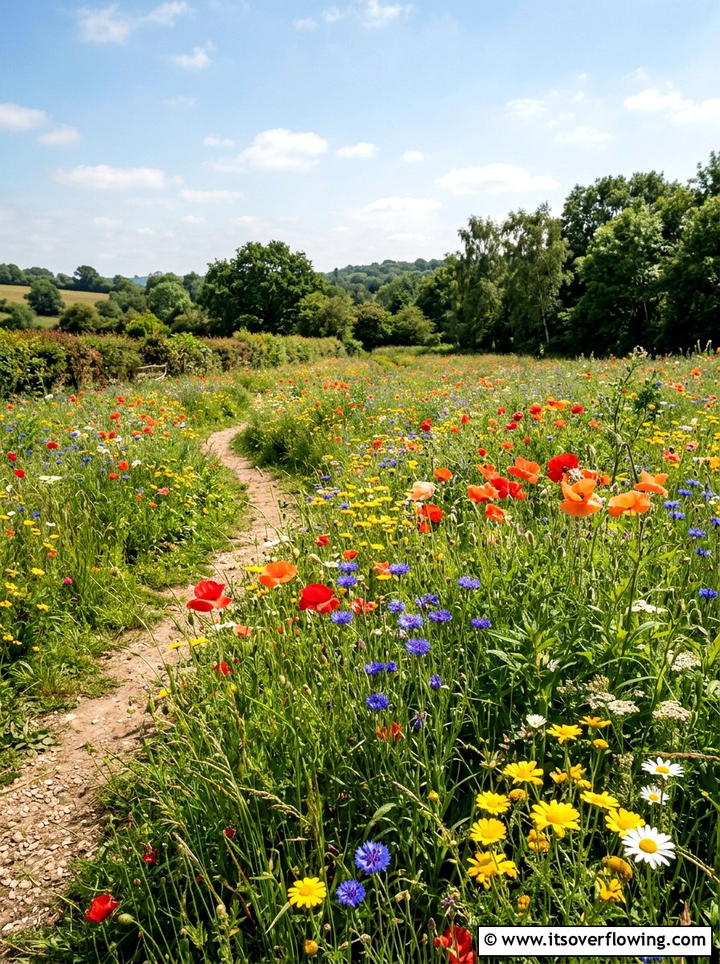
Imagine walking through a sea of colorful blooms right outside your back door. A wildflower meadow provides a natural and relaxed look for any large backyard space. This style focuses on local seeds that grow well in your specific climate and soil. You can mix different heights and colors to create a layered visual effect for the eye. These flowers attract a wide variety of bees and helpful insects every single season. It requires much less mowing than a traditional grass lawn once the plants are established. The vibrant textures make your outdoor area feel like a peaceful nature preserve. You will love how the wind dances through the stems.
2. Raised Bed Garden
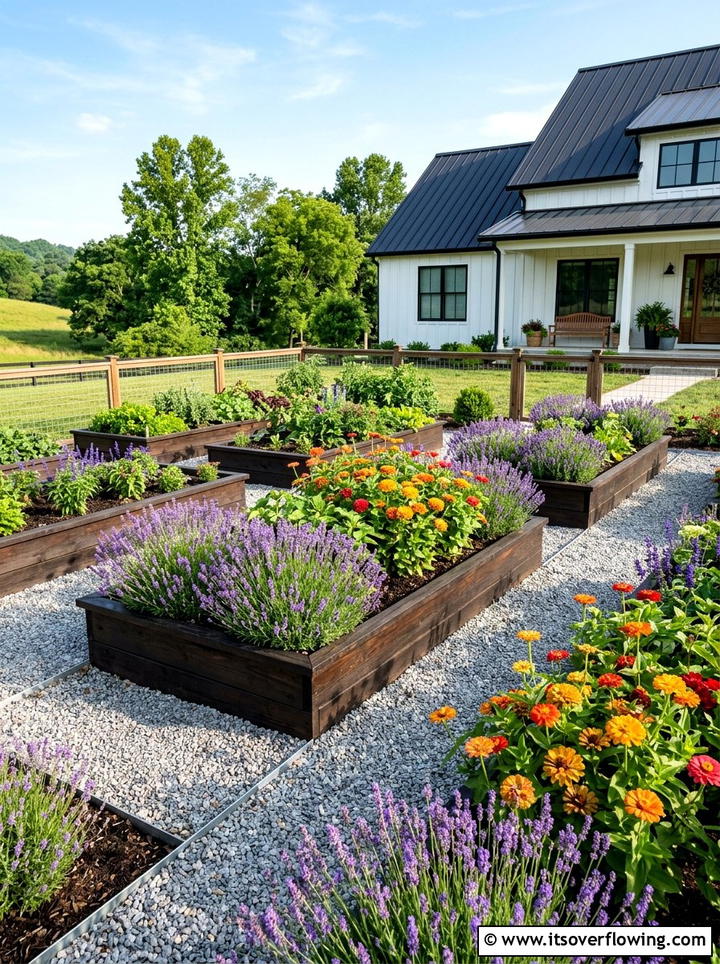
Have you ever thought about how organized a series of wooden boxes can look in your yard? Raised beds are perfect for keeping your pollinator plants neatly contained and very easy to manage. They allow you to control the soil quality and drainage for much better flower growth. You can plant milkweed or lavender in these beds to invite monarchs and bumblebees daily. Taller beds also make it much easier on your back while you are weeding or planting. Adding gravel paths between the beds creates a clean and structured look for your layout. It is a practical solution for homeowners who want a tidy garden.
3. Hummingbird Garden
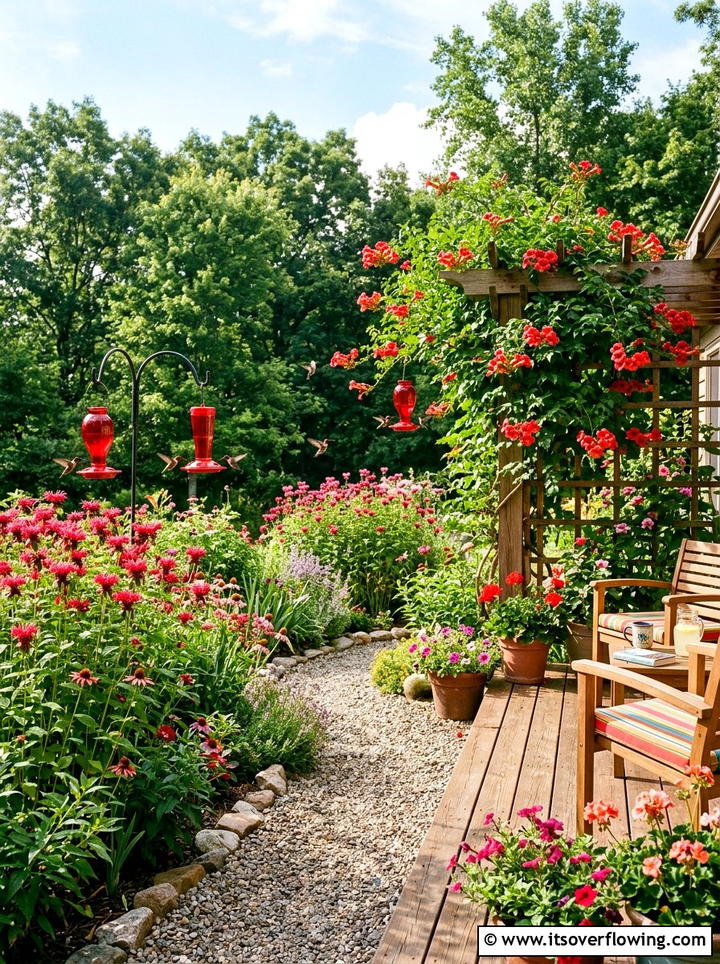
Do you want to see tiny birds zooming around your patio every single morning? A dedicated hummingbird garden uses tubular flowers in bright reds and oranges to catch their attention. Plants like trumpet vine or bee balm are excellent choices for these energetic little visitors. You should place these blooms near a window so you can watch them from inside your home. Providing a small water mister helps them stay hydrated and clean during the hot summer months. This design creates a dynamic atmosphere that feels alive with constant movement. It is a wonderful way to connect with nature without ever leaving your own property.
4. Butterfly Sanctuary
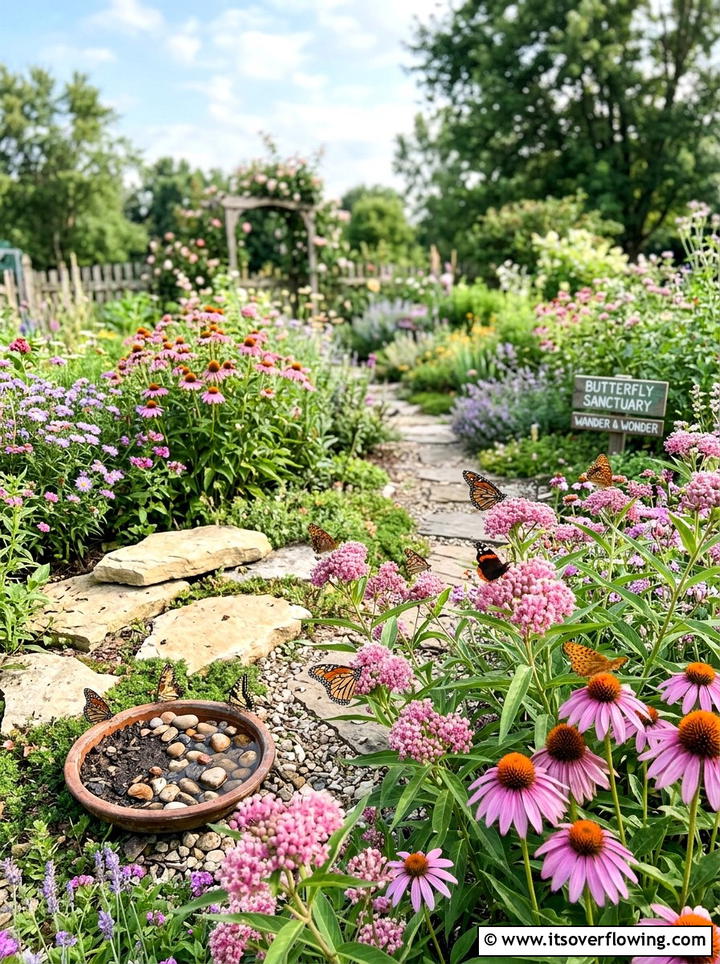
Creating a safe space for butterflies requires a mix of nectar plants and host plants for caterpillars. You can design a cozy corner filled with milkweed, zinnias, and purple coneflowers to support their life cycle. Adding a few flat stones in sunny spots gives them a place to rest and warm their wings. A shallow mud puddle or damp sand area provides them with essential minerals and hydration. This type of garden is educational for children who enjoy watching the transformation of local species. The bright colors and delicate wings bring a sense of magic to your outdoor living area every year.
5. Native Plant Landscape
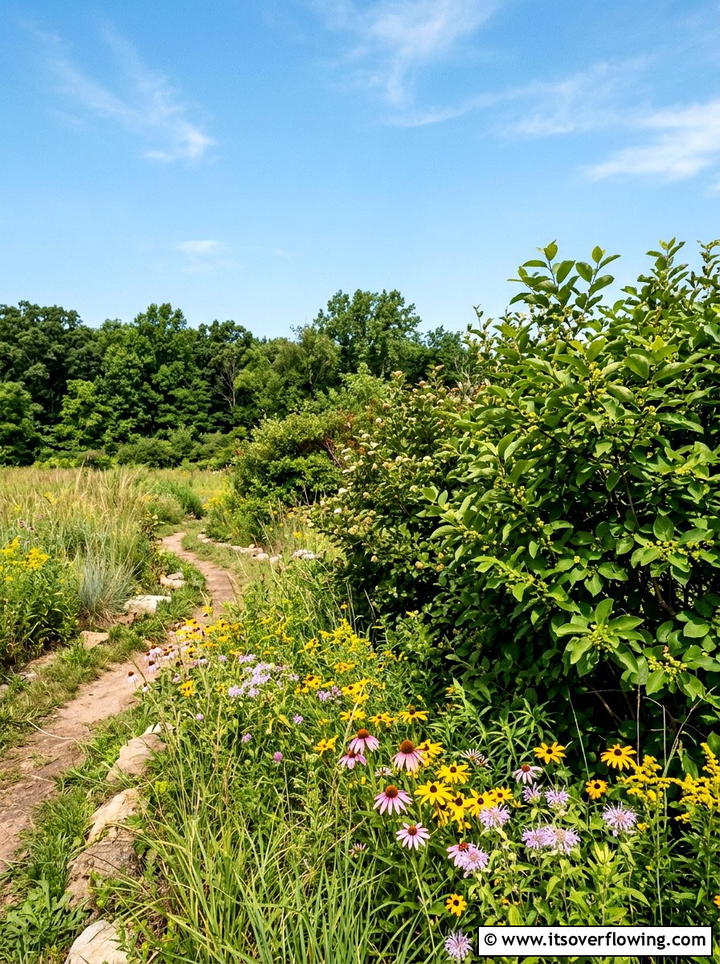
Focusing on plants that naturally grow in your region is the best way to support local wildlife. Native plant landscapes require less water and fewer fertilizers because they are adapted to the local environment. You can use shrubs like spicebush or serviceberry to provide both food and shelter for pollinators. These plants often have deep root systems that help manage rainwater and prevent soil erosion. Choosing native species ensures that your garden is a functional part of the local ecosystem. It creates a sense of place that reflects the natural beauty of your specific geographic area while looking very professional.
6. Cottage Garden
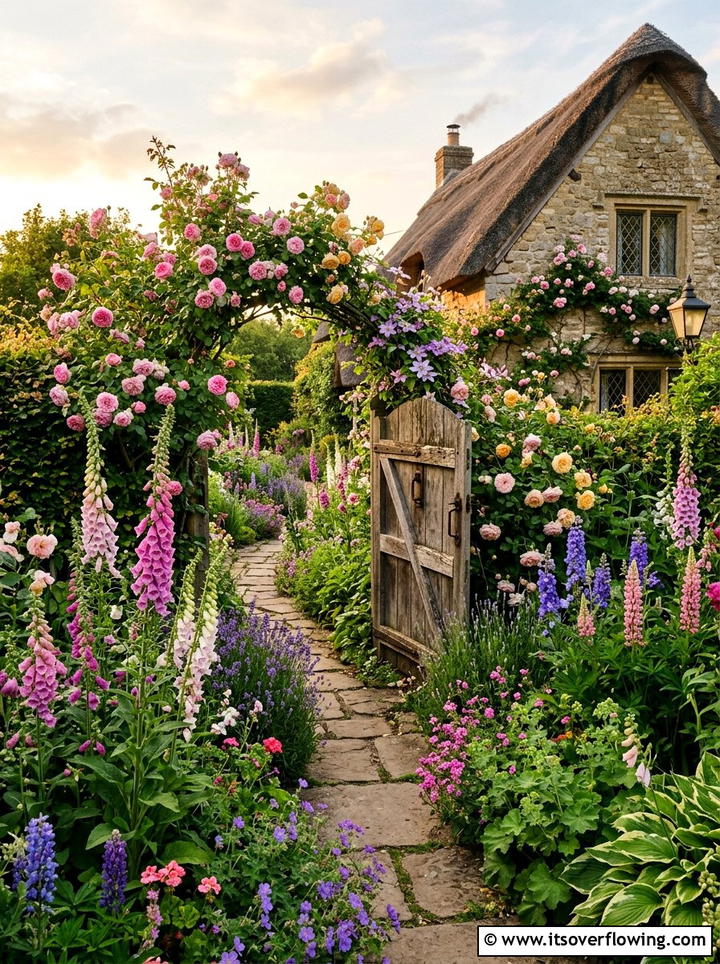
A cottage garden is known for its charming and slightly overgrown appearance that feels very cozy. You can pack your beds with a mix of foxgloves, delphiniums, and roses to attract many bees. This style uses winding paths and rustic fences to create a romantic and timeless atmosphere. The dense planting leaves very little room for weeds to grow between your favorite flowers. It is a great way to use a variety of colors and textures in a small space. The sweet scents of the blooms will fill the air and draw in pollinators from all over the neighborhood. This garden style feels very personal.
7. Sensory Garden
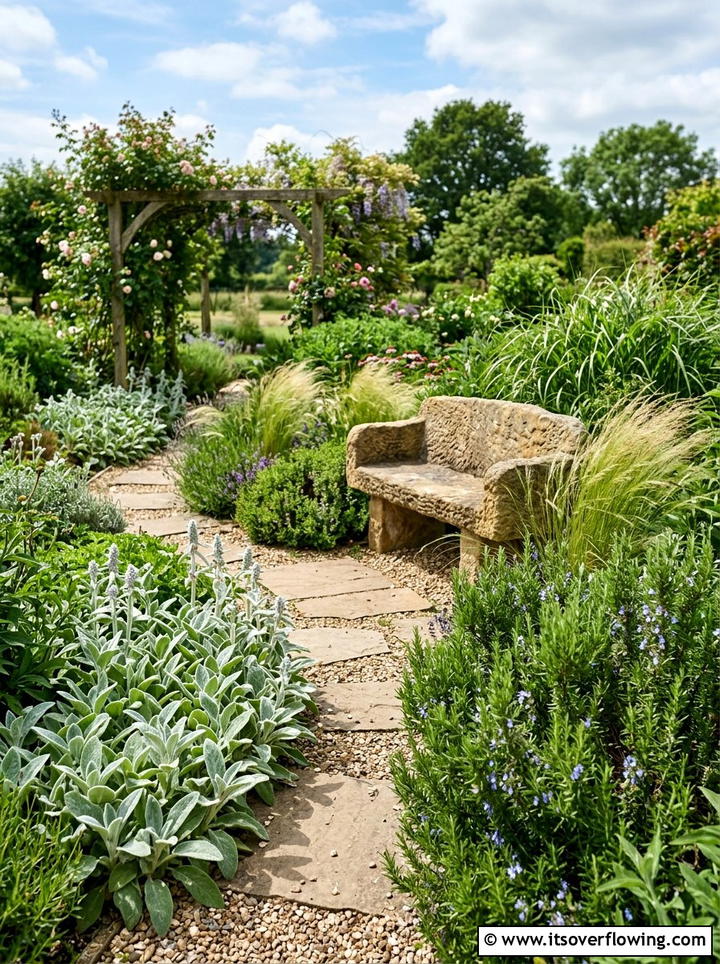
Imagine a space where you can touch soft leaves and smell fragrant herbs all at once. A sensory garden focuses on plants that appeal to sight, smell, touch, and even sound. You can plant fuzzy lamb’s ear and aromatic lavender to create an immersive experience for guests. Adding grasses that rustle in the breeze adds a soothing auditory element to the backyard. This type of garden is very therapeutic and encourages you to slow down and relax. Pollinators are naturally drawn to the strong scents and bright colors found in these diverse plant collections. It is a perfect spot for quiet morning reflection.
8. Vertical Pollinator Garden
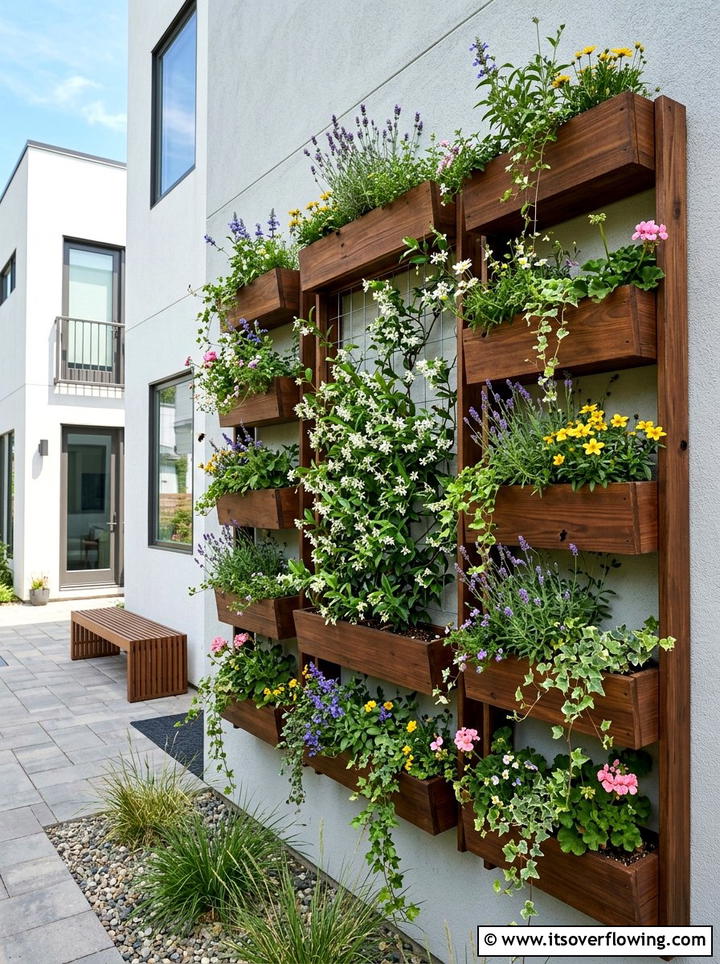
If you have a small backyard, you can still support bees by growing plants upwards. Vertical pollinator gardens use wall-mounted planters or trellises to hold flowering vines and small perennials. You can grow climbing honeysuckle or jasmine to provide nectar while saving valuable ground space. This design adds a lush green wall to your patio or fence area for privacy. It is an innovative way to decorate a blank exterior wall with living art. Even a tiny balcony can become a haven for butterflies with the right vertical setup. This approach maximizes your growing area and looks very modern and stylish.
9. Rock Garden
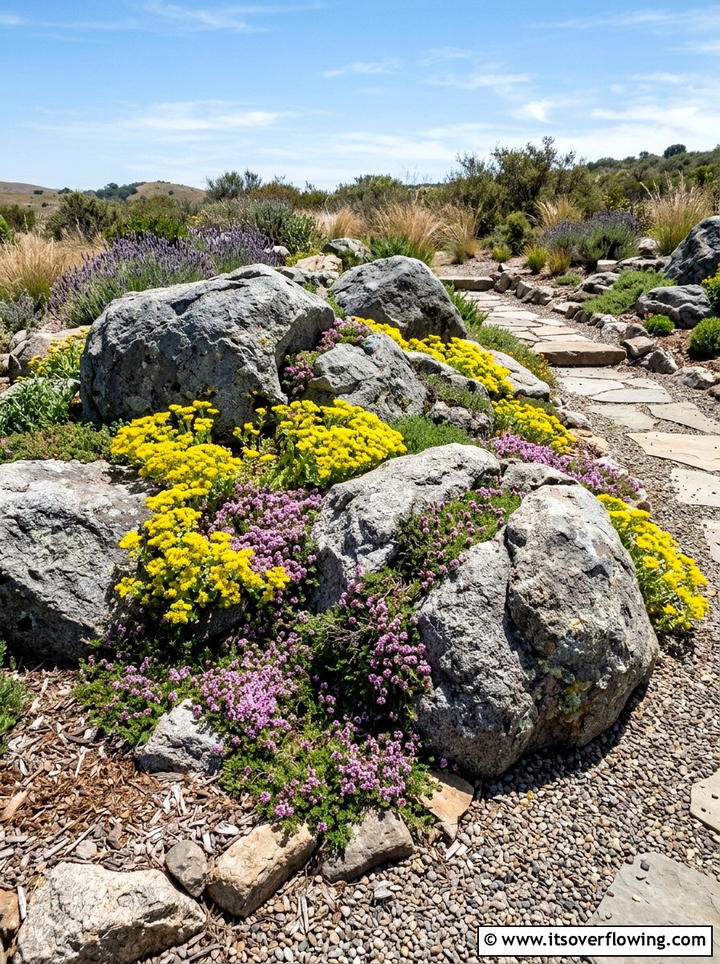
A rock garden is a rugged and low-maintenance option for sunny spots in your yard. You can nestle drought-tolerant plants like sedum and creeping thyme between large decorative stones. These low-growing flowers are favorites for small bees and other beneficial insects looking for nectar. The heat from the rocks provides a warm environment that many pollinators enjoy during the day. This style works perfectly on sloped ground where traditional grass might be difficult to grow. It offers a unique texture that contrasts beautifully with the soft foliage of the plants. A rock garden is both a durable and visually interesting landscape choice.
10. Herb Garden
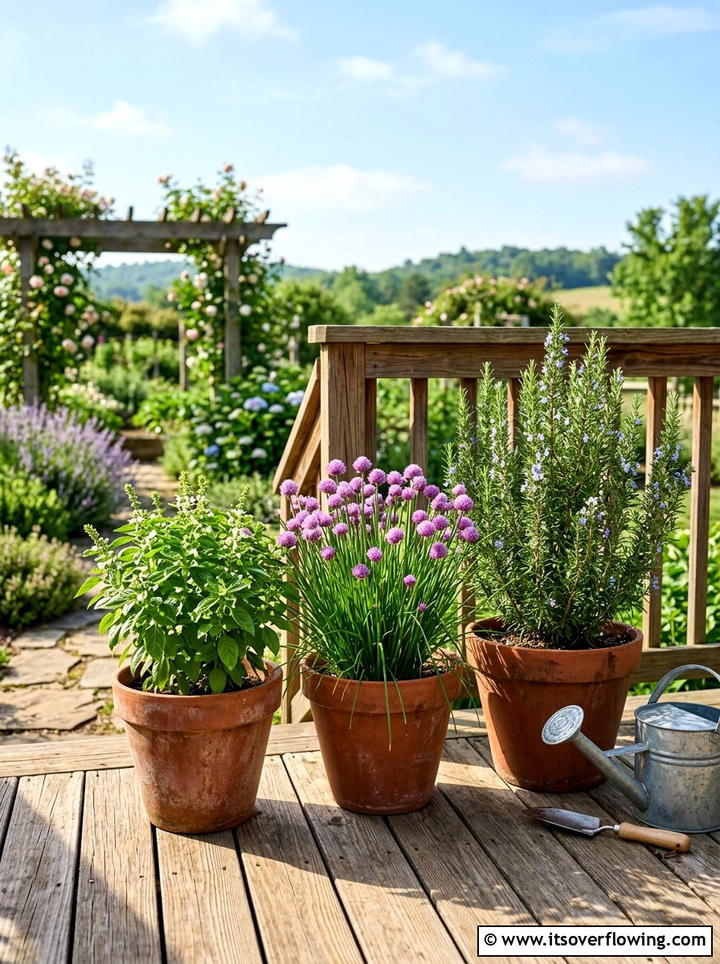
Mixing your kitchen herbs with flowering plants is a smart way to create a multi-purpose space. Many common herbs like rosemary, oregano, and chives produce beautiful flowers that bees absolutely love. You can harvest fresh ingredients for your meals while providing a feast for local pollinators. Planting these herbs in large pots or a dedicated bed makes them very easy to access. The strong scents of the herbs help to deter some pests while attracting the right visitors. This garden idea is perfect for anyone who loves cooking and wants to help the environment. It is a functional and very fragrant addition.
11. Woodland Garden
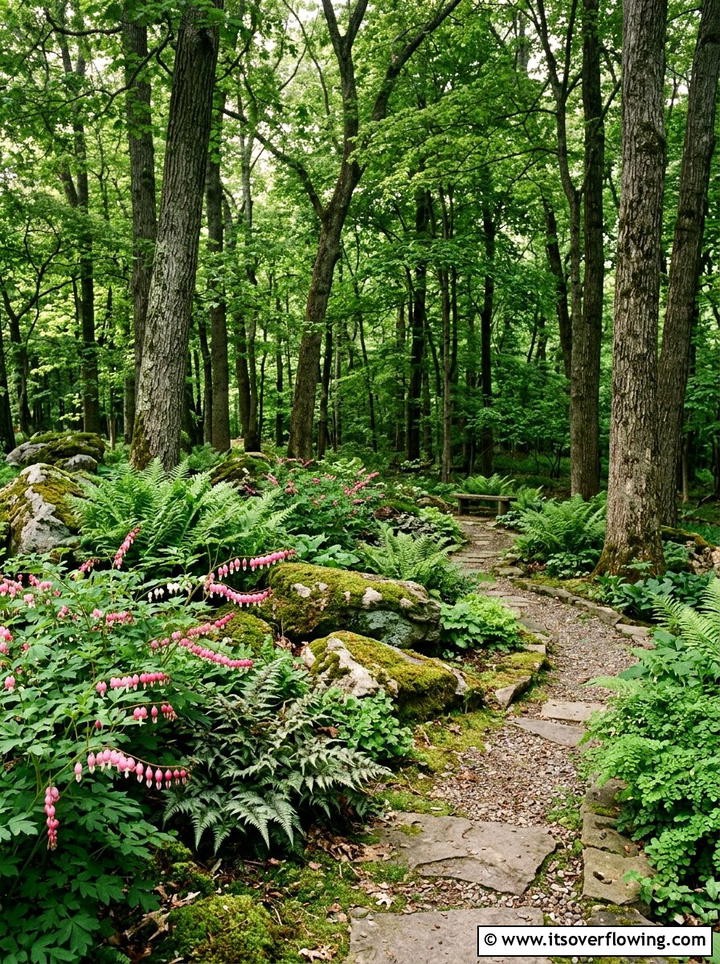
If your backyard has lots of tall trees, you can create a peaceful woodland pollinator space. Shade-loving plants like foamflower and bleeding hearts provide nectar in areas with less direct sunlight. This design mimics the floor of a forest with layers of ferns, moss, and flowering groundcovers. It creates a cool and damp environment that is perfect for certain types of bees and moths. You can add a simple bark path to lead visitors through the dappled light of the trees. This style feels very private and secluded from the rest of the world. It is a lush way to utilize the shady corners.
12. Rain Garden
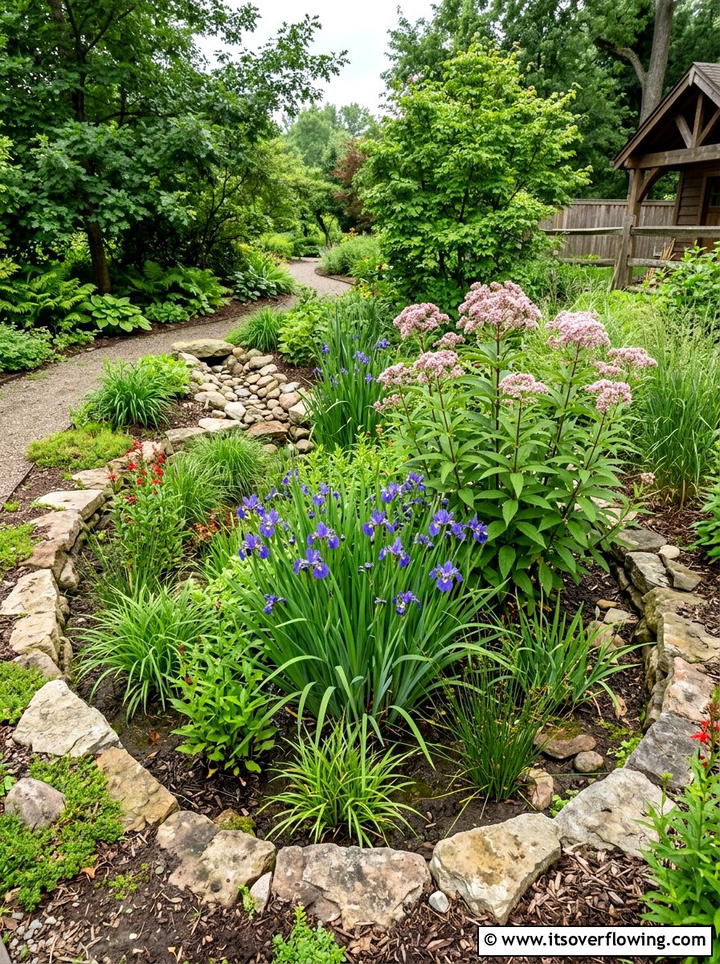
A rain garden is a beautiful solution for managing runoff from your roof or driveway. You can plant moisture-loving flowers like swamp milkweed and joe-pye weed in a shallow depression. These plants help filter the water into the ground while providing a rich habitat for pollinators. This design is very functional and helps protect the local watershed from pollution. It looks like a natural wetland and adds a unique aesthetic to your backyard landscape. Many butterflies are attracted to the damp soil and the specific plants that thrive in these conditions. It is an eco-friendly way to handle heavy rainfall while helping nature.
13. Xeriscape Garden
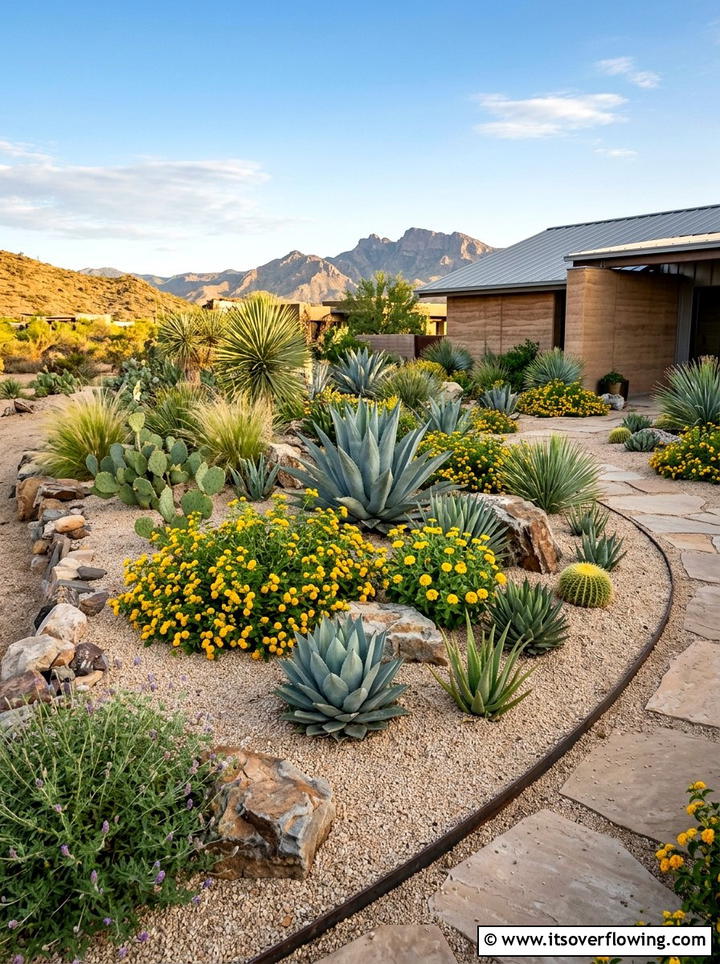
Xeriscape gardening focuses on plants that need very little water to stay healthy and beautiful. You can use native desert plants or succulents to create a stunning and sustainable pollinator habitat. These gardens are perfect for dry climates where water conservation is a major priority for homeowners. Adding a layer of gravel or mulch helps keep the moisture in the soil around your plants. You will spend less time watering and more time enjoying the colorful visitors to your yard. This style proves that a water-wise garden can still be full of life and vibrant colors. It is a modern and very responsible landscaping choice.
14. Fruit Tree Orchard
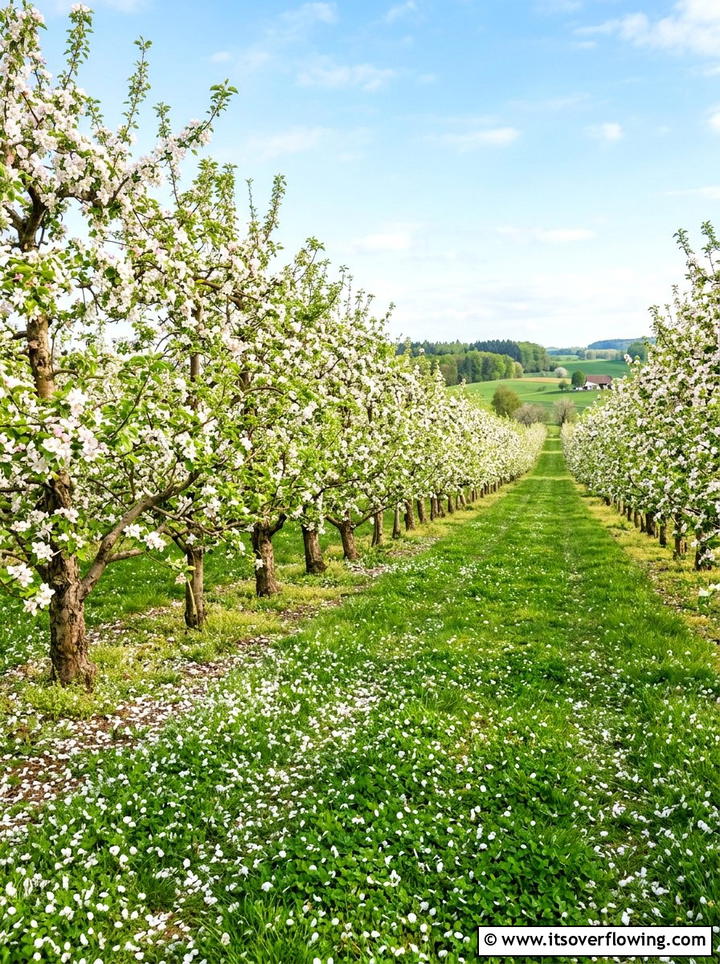
Planting fruit trees is a wonderful way to provide a massive amount of food for bees. In the spring, the blossoms of apple, cherry, or peach trees create a beautiful white and pink canopy. These flowers are a vital source of early-season nectar for pollinators waking up from winter. In return, the bees help pollinate your trees so you can enjoy fresh fruit later. This design adds height and structure to your backyard while providing a delicious harvest for your family. You can plant clover or wildflowers beneath the trees to create a complete ecosystem. It is a productive and very beautiful garden idea.
15. Small Space Pollinator Garden
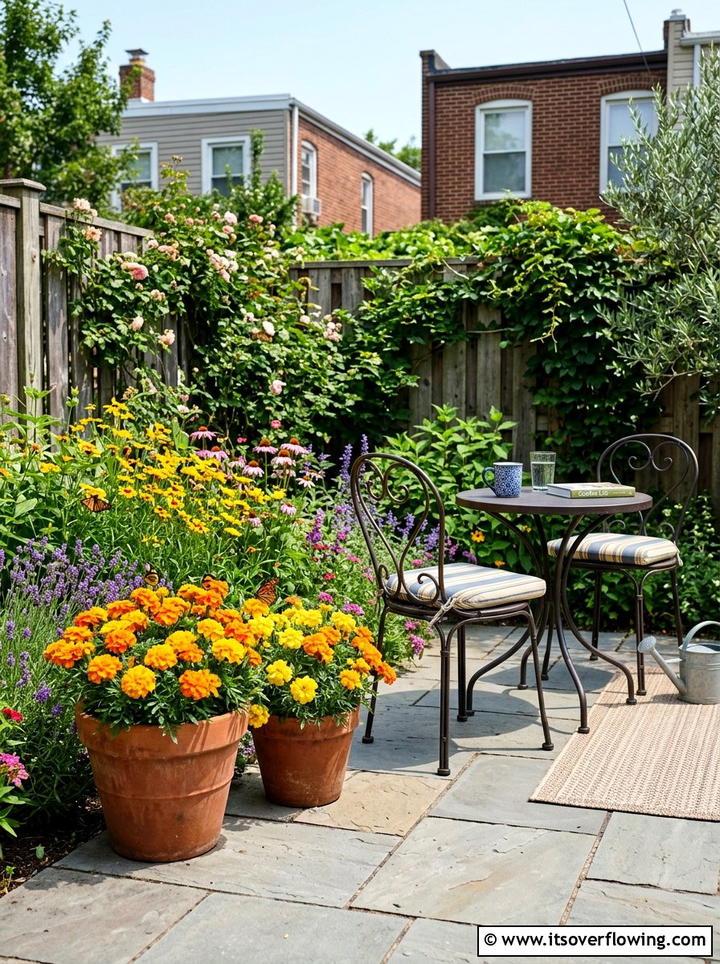
You do not need a huge estate to make a big difference for the environment. Even a small urban backyard can host a thriving pollinator garden with the right plant choices. Using a few large containers or a single border bed can provide enough nectar for local insects. Focus on high-impact plants like zinnias or marigolds that bloom for a long time. Keeping the design simple and focused makes the space feel larger and more intentional. You can add a small bistro set nearby to enjoy the view of butterflies from your seat. This approach is accessible for everyone regardless of their yard size.
16. Shady Pollinator Garden
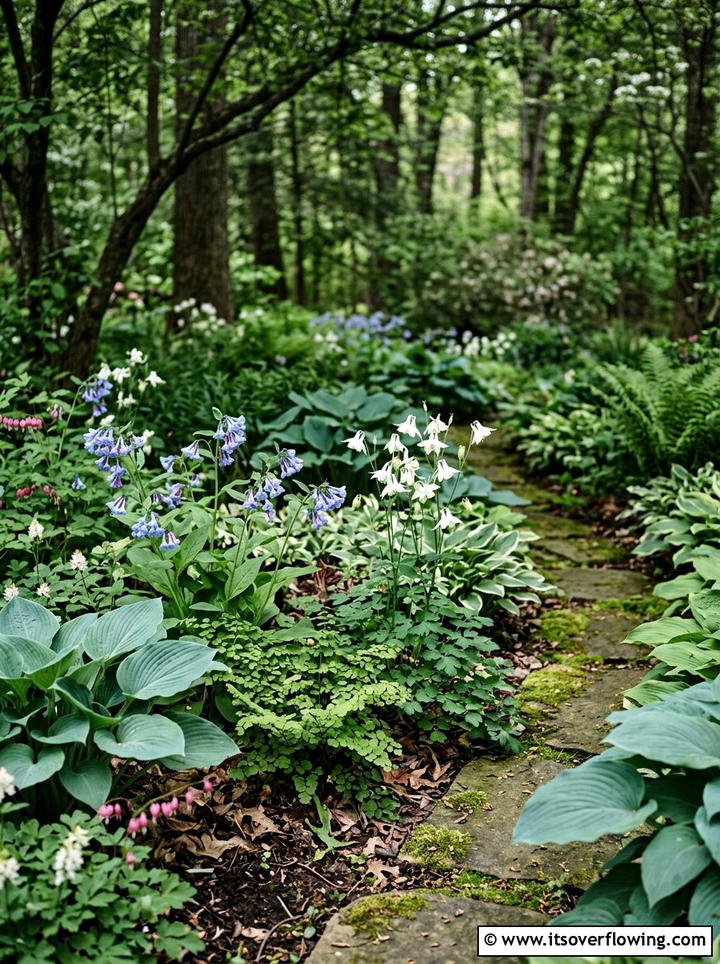
Many people think you need full sun to grow a pollinator garden, but that is not true. Several native plants thrive in partial shade and still attract plenty of bees and butterflies. Columbine and Virginia bluebells are excellent choices for adding color to the darker areas of your yard. These plants provide early spring food when other flowers are not yet blooming in the sun. Using different shades of green foliage helps create a lush and cool atmosphere in the shade. You can add a bench to create a quiet reading nook surrounded by nature. It is a great way to use every inch.
17. Sunny Perennial Border
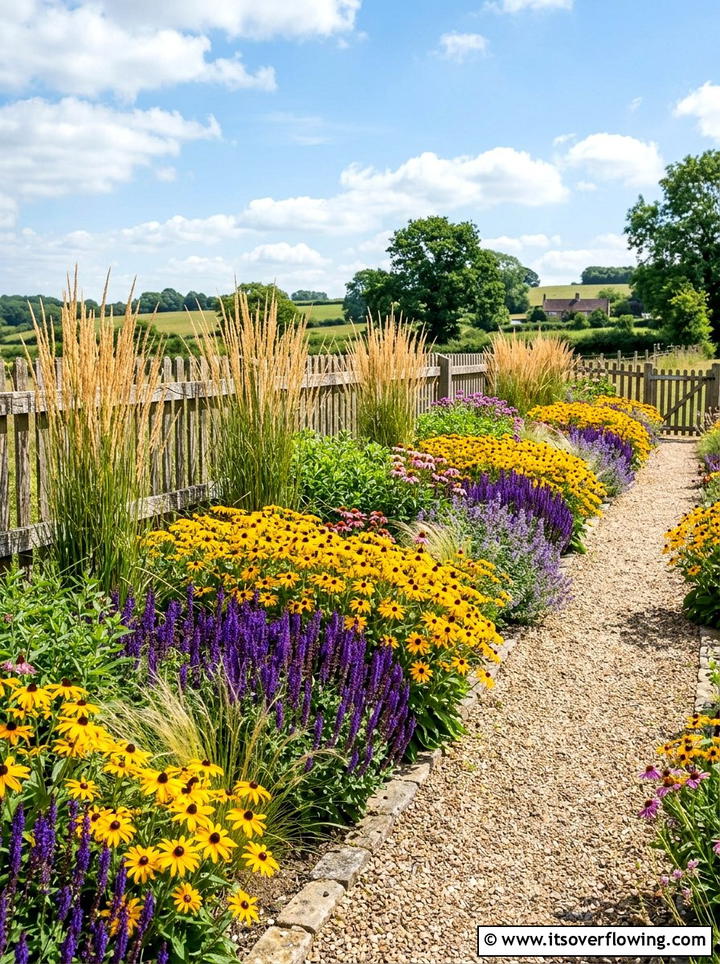
A sunny perennial border is a classic way to add structure and color to your lawn edges. You can plant a mix of black-eyed Susans, lavender, and salvia for a long-lasting display. These plants come back every year, making this a very cost-effective and low-maintenance design. By choosing flowers with different bloom times, you can provide food for pollinators from spring until autumn. The tall stems create a beautiful backdrop for your outdoor seating or dining areas. This layout is very traditional but remains one of the most effective ways to support local wildlife. It adds incredible curb appeal to your home.
18. Water Feature Garden
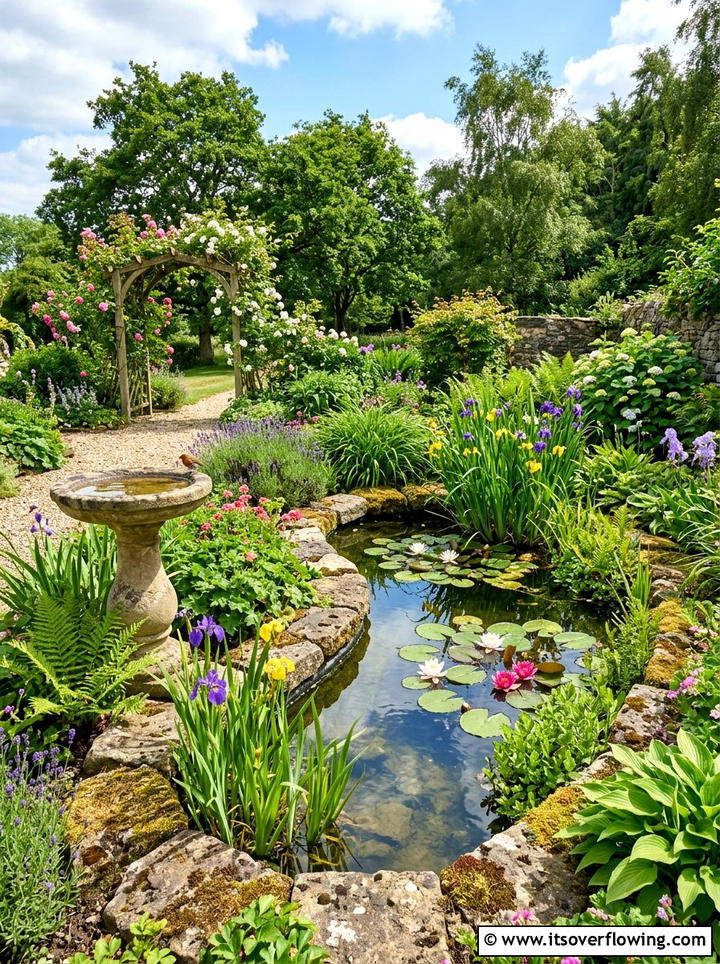
Adding a water source is a crucial part of any complete pollinator-friendly backyard design. You can install a small pond or a simple birdbath with stones for insects to land on. Butterflies and bees need safe places to drink without the risk of falling into deep water. Surrounding the water feature with moisture-loving plants like iris or pickerel weed adds to the beauty. The sound of trickling water creates a relaxing ambiance that masks city noise effectively. This design element serves as a focal point for your garden while supporting the health of the creatures. It is a refreshing and very peaceful landscape addition.
19. Modern Minimalist Pollinator Garden
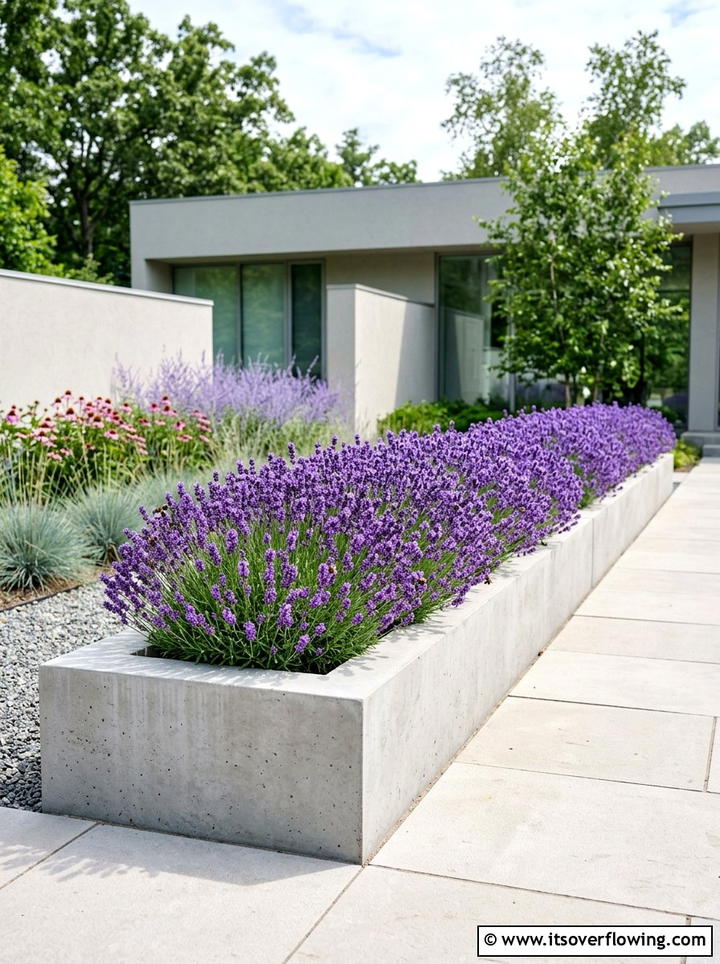
A modern garden focuses on clean lines, simple palettes, and very intentional plant placement. You can use mass plantings of a single species like ornamental grasses or purple salvia for impact. This creates a bold visual statement that looks very high-end and contemporary in any yard. Using structured materials like concrete or steel for borders adds a sharp contrast to the soft flowers. This style is perfect for homeowners who want a sleek look without the clutter of traditional gardens. Even with a minimalist approach, you can provide plenty of resources for bees by choosing the right species. It is a sophisticated way to be eco-friendly.
20. Bee Friendly Lawn
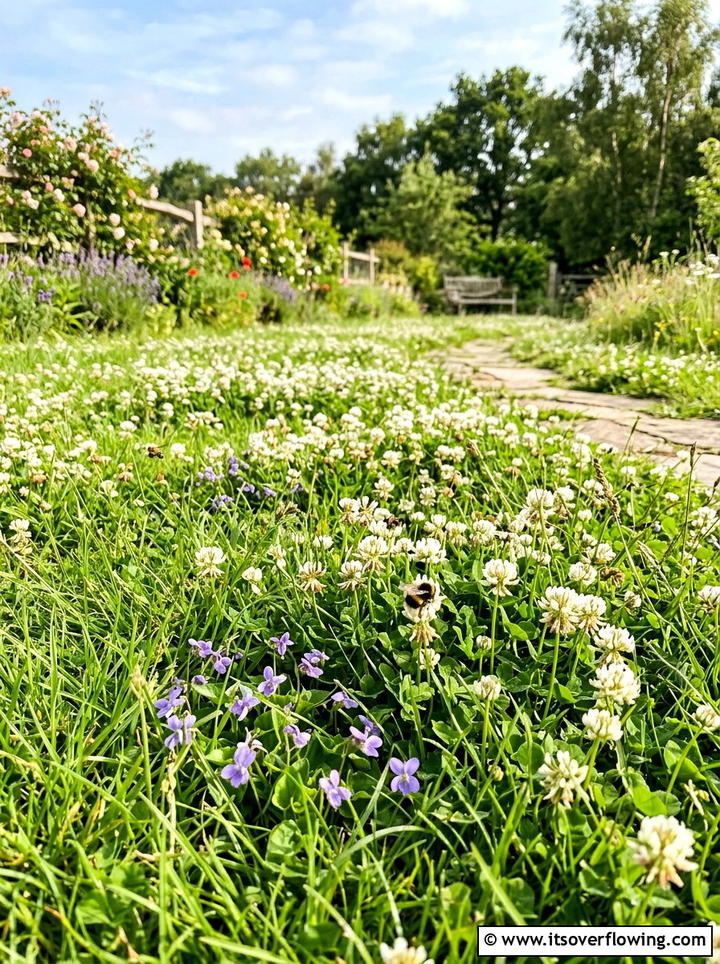
Did you know that a perfectly green grass lawn is actually a desert for most pollinators? You can transform your yard by adding clover or low-growing flowers like violets to your grass. This creates a bee-friendly lawn that stays green with less water and no chemical pesticides. These tiny flowers provide essential food while still allowing you to walk and play on the grass. It is a simple change that has a huge positive impact on the local bee population. You will enjoy a more diverse and interesting lawn that requires much less maintenance than a traditional turf. It is a smart and sustainable choice.
21. Scented Garden
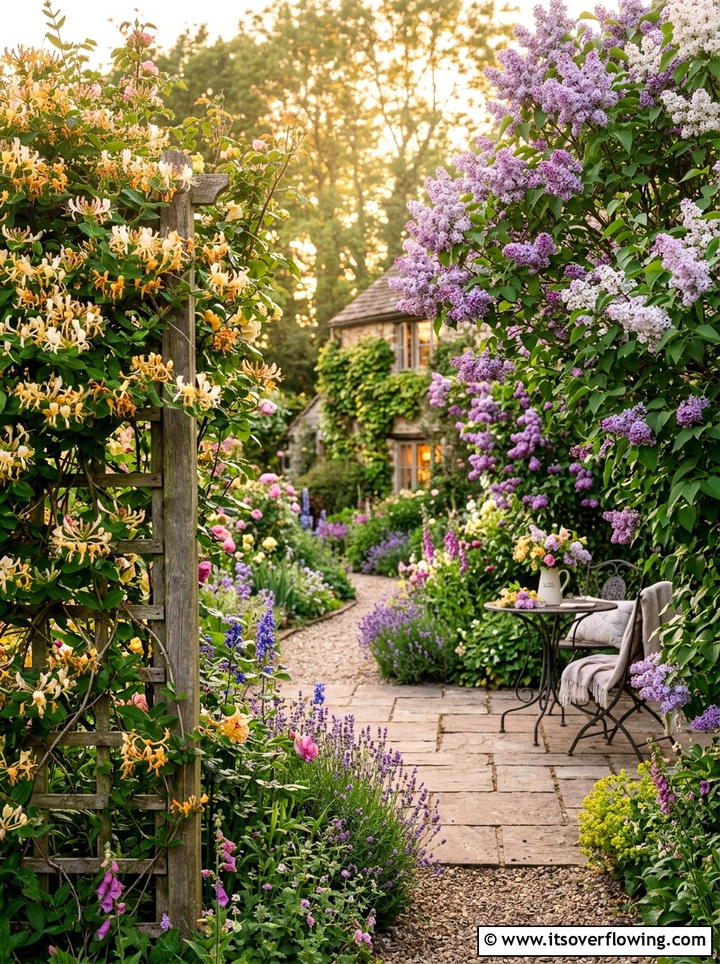
There is nothing quite like the smell of a garden in full bloom on a warm evening. A scented garden uses plants like honeysuckle, lilac, and night-blooming jasmine to attract moths and bees. These fragrances are often strongest at dusk, creating a magical atmosphere for your nighttime outdoor activities. You can plant these sweet-smelling flowers near your patio or deck to enjoy the aroma. The scents act as a natural beacon for pollinators from far away to find your yard. This design appeals to your senses while providing a vital service to the environment. It makes your backyard feel like a luxurious and fragrant resort.
22. Container Pollinator Garden
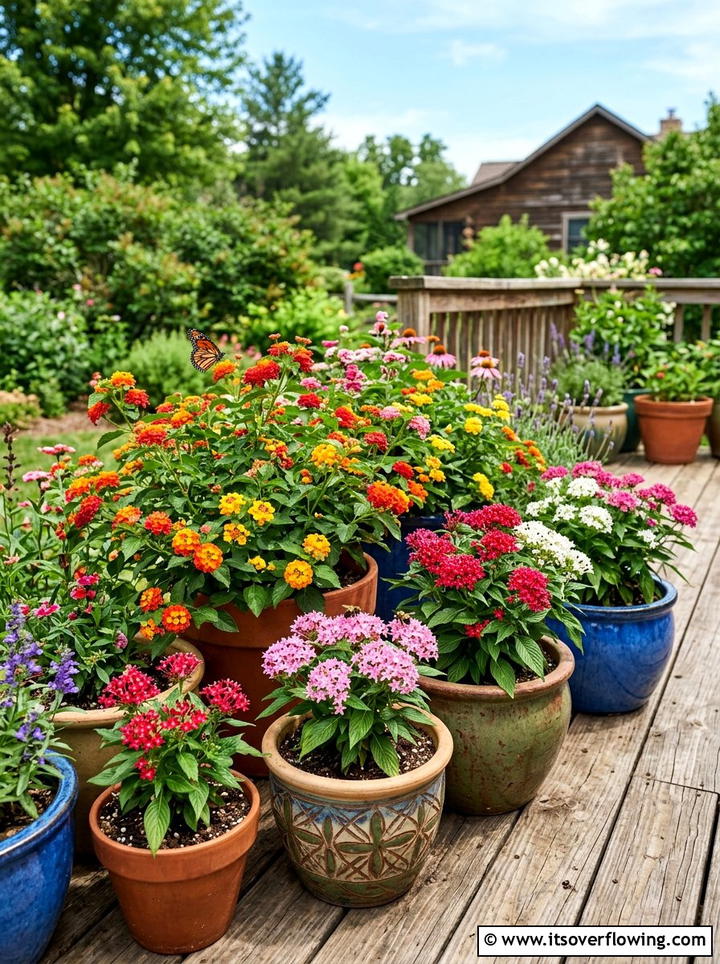
Using pots and planters is an excellent way to create a pollinator habitat on a deck or patio. You can move the containers around to catch the best sunlight throughout the different seasons. Mixing different sizes and colors of pots adds a decorative element to your outdoor living space. Fill them with nectar-rich plants like lantana or pentas to keep the butterflies coming back daily. This is a great option for renters or people with very limited ground space in their yards. It is also much easier to control the soil and moisture levels in a container. This style is very flexible and easy to start.
23. Pollinator Pathway
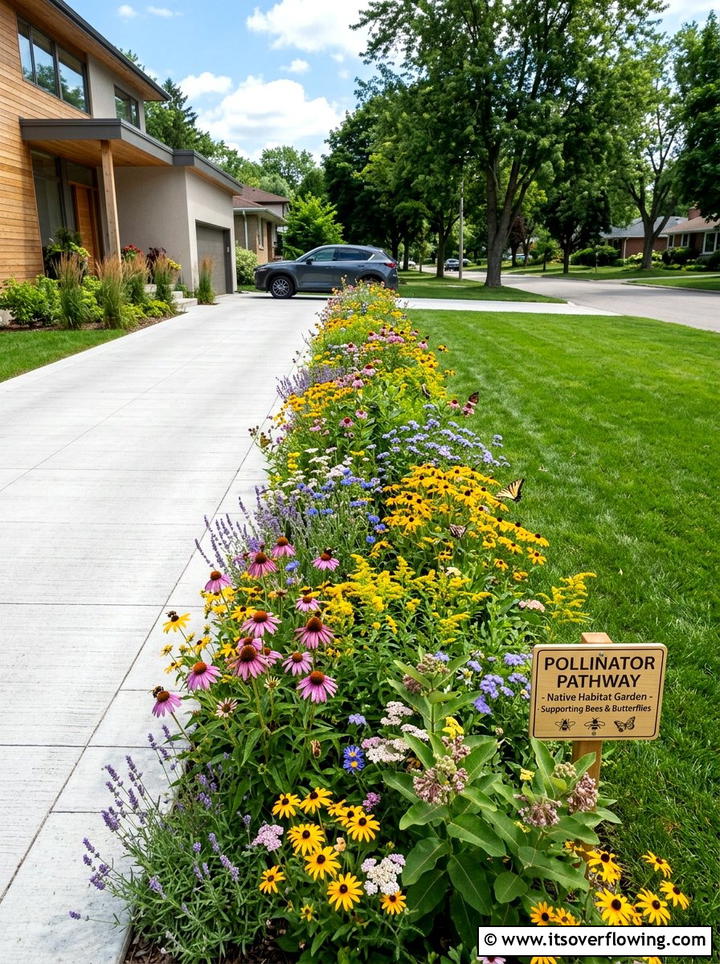
A pollinator pathway is a series of small garden patches that help insects travel safely through neighborhoods. You can design a narrow strip of flowers along your fence or driveway to connect larger habitats. This helps bridge the gap between parks and natural areas for bees and migrating butterflies. Using a variety of native plants ensures there is food available at every step of their journey. This concept encourages community involvement and makes your entire street more beautiful and eco-friendly. It is a thoughtful way to use small sections of your property that might otherwise be empty. Every small patch makes a big difference.
24. Bird Friendly Garden
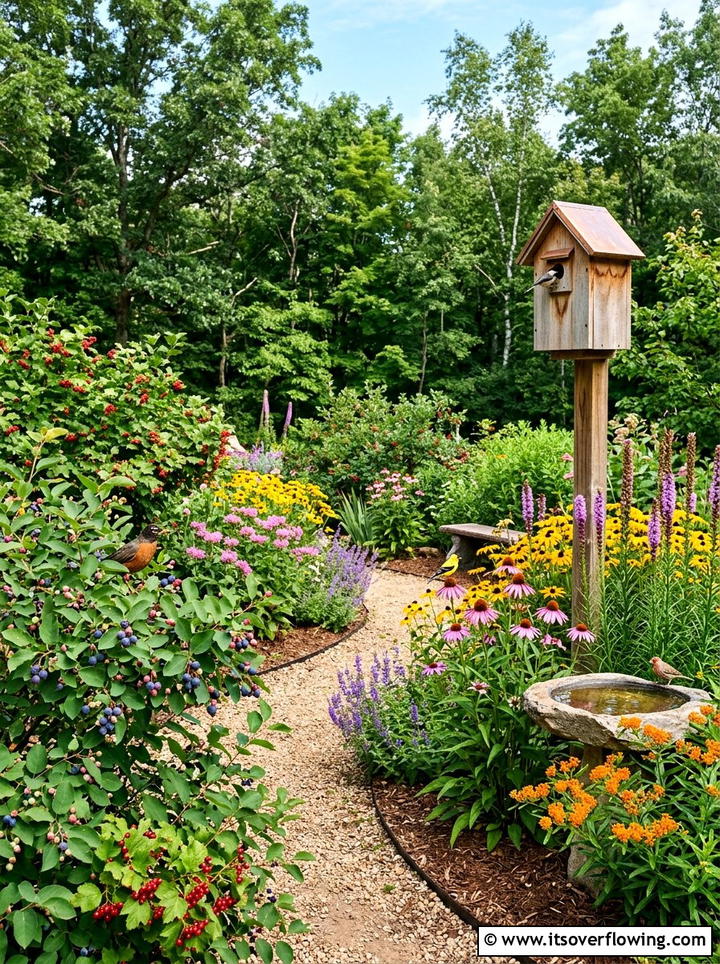
Many pollinators like hummingbirds and certain beetles are also a favorite food source for local birds. By creating a garden that attracts insects, you are also supporting a diverse bird population in your yard. You can add shrubs that produce berries and tall trees for nesting to complete the habitat. A bird-friendly garden feels very lively with the sounds of singing and the sight of wings. Providing a mix of seeds and nectar-rich flowers ensures that all types of wildlife are welcome. This design creates a balanced ecosystem that is fascinating to observe throughout the year. It is a true haven for all nature.
25. Seasonal Bloom Garden
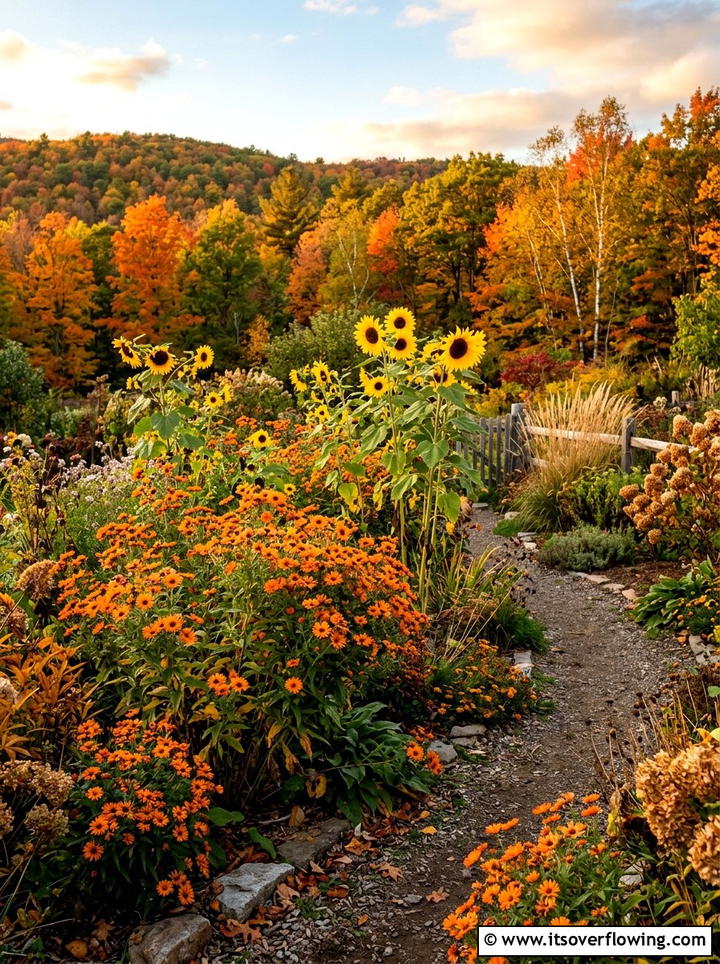
The best pollinator gardens provide food from the early days of spring until the first frost of winter. You can plan your garden so that something is always in bloom during every month of the year. Choose crocuses for the spring, sunflowers for the summer, and asters for the late autumn season. This consistency is vital for the survival of bees and other insects that stay active all year. It also keeps your backyard looking vibrant and colorful for a much longer period of time. Watching the colors change with the seasons is a joyful experience for any home gardener. It is a rewarding long-term project.
Conclusion:
Creating a backyard that supports pollinators is a beautiful way to help the local environment thrive. You can start small or plan a massive transformation for your entire outdoor living area. Each plant you choose makes a real difference for bees, birds, and butterflies in your neighborhood. These designs prove that sustainability and high-end style can easily go hand in hand together. Your garden will become a lively space filled with color and the soothing sounds of nature. Enjoy the process of watching your new landscape grow and change throughout the different seasons. It is a rewarding hobby that brings joy to your family and the planet.

Related posts:
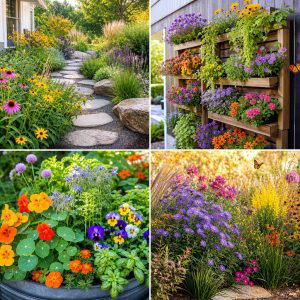 25 Garden Ideas With Pollinator Plants for a Buzzing Backyard
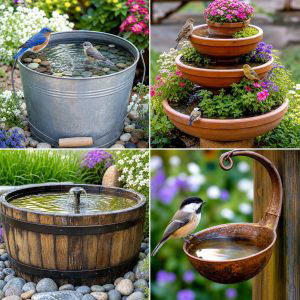 25 Upcycled Garden Ideas With Bird Baths for Backyard Beauty
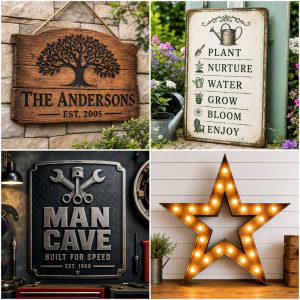 25 Backyard Decorating Ideas With Signs For Backyard Charm
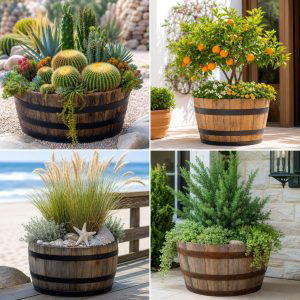 25 Backyard Ideas With Barrel Planter for Rustic Garden Charm
 25 Backyard Ideas With Flower Garden for Colorful Curb Appeal
 25 Backyard Ideas With Greenhouse for Fresh Garden Style
 25 Backyard Ideas With Mulch Beds for a Polished Garden
 25 backyard ideas with pathways for Charming Garden Flow
 25 Backyard Ideas With Rain Garden Designs for Greener Yards
 25 garden ideas with vegetables: Fresh Backyard Inspiration
 25 Recycled Garden Ideas for Backyard Decor
 25 Upcycled Garden Ideas With Bird Feeders for Backyard Birds