
Creating a vibrant outdoor space that supports local ecosystems is more rewarding than just planting pretty flowers. You can transform your backyard into a bustling sanctuary for bees, butterflies, and hummingbirds with the right selection of native plants and smart design layouts. A pollinator garden does not have to look wild or messy to be effective for nature. You can blend aesthetic beauty with ecological function by choosing various blooming cycles and structural elements. This guide explores several ways to integrate pollinator-friendly plants into your landscape while maintaining a stylish look. You will learn how to balance color, texture, and habitat needs for a truly thriving outdoor environment today.
1. Butterfly garden layout
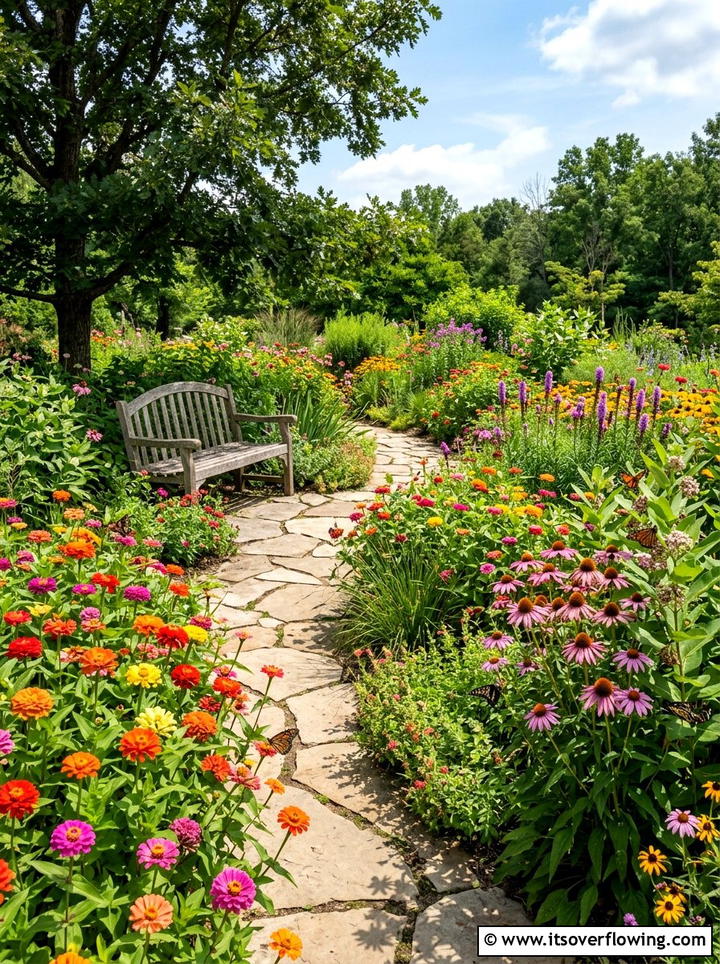
Imagine a space filled with vibrant colors and fluttering wings throughout the warm summer months. A dedicated butterfly garden layout focuses on providing both nectar sources and host plants for various life stages. You should include sunny spots where butterflies can rest and warm their wings before flying. Grouping similar flowers together makes it easier for pollinators to spot their next meal from a distance. Adding a few flat stones creates perfect basking spots for these delicate insects to enjoy the sun. Use a mix of tall and short plants to create visual depth and layers in your garden beds. This approach ensures your backyard becomes a preferred destination for local butterfly species every year.
2. Bee friendly flower bed
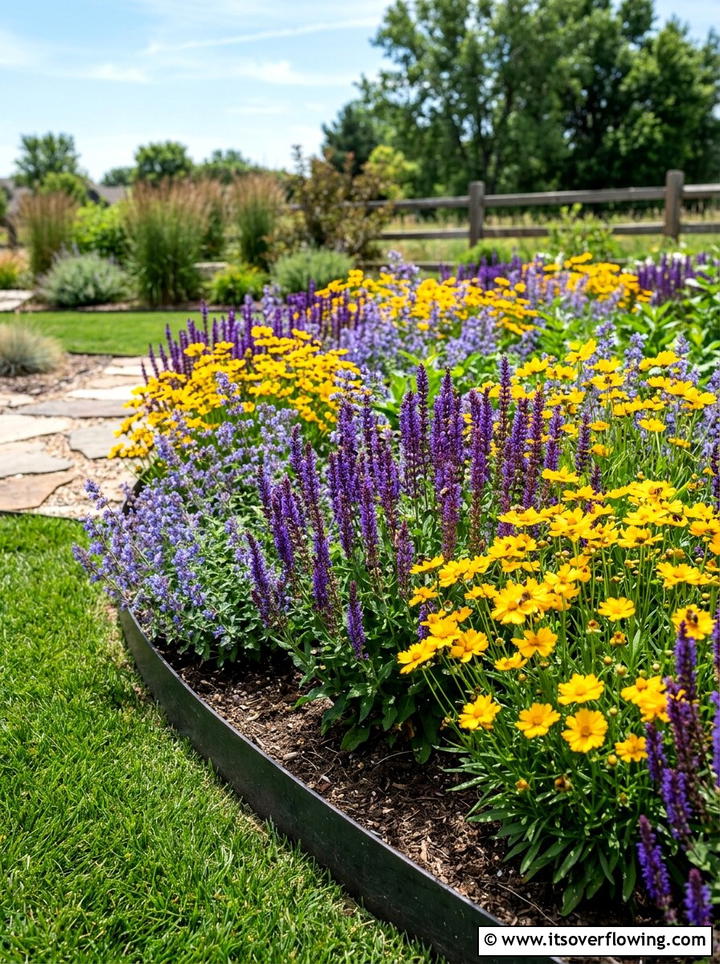
Have you ever noticed how busy honeybees get when they find a patch of purple salvia or blue catmint? A bee friendly flower bed prioritizes high-pollen and nectar-rich blooms that are easy for bees to access quickly. You should aim for a variety of flower shapes, such as tubular or flat-topped, to accommodate different bee species. Incorporating native wildflowers is one of the best ways to support the local bee population effectively. Avoid using harsh chemicals or pesticides that can harm these vital workers while they are visiting your plants. Creating a dense planting scheme reduces weeds and provides a lush, continuous carpet of food for the bees.
3. Hummingbird attracting garden
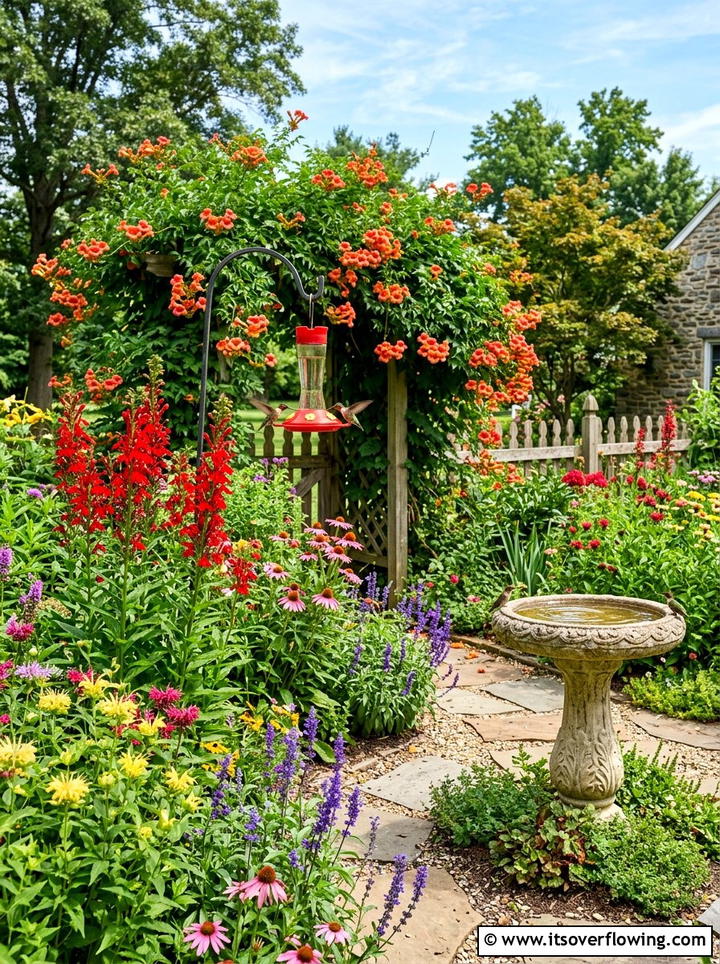
How do you feel when a tiny hummingbird zips past your ear toward a bright red flower? Creating a hummingbird attracting garden involves planting plenty of tubular blossoms that hold deep wells of nectar for their long beaks. These birds are particularly drawn to shades of red, orange, and bright pink throughout the growing season. You can hang sugar water feeders near these plants to provide extra energy for their high-speed flight. Providing dense shrubs nearby offers these small birds a safe place to perch and hide from potential predators. Ensure you have plants that bloom at different times to keep the hummingbirds visiting your yard from spring until late autumn.
4. Native plant landscaping
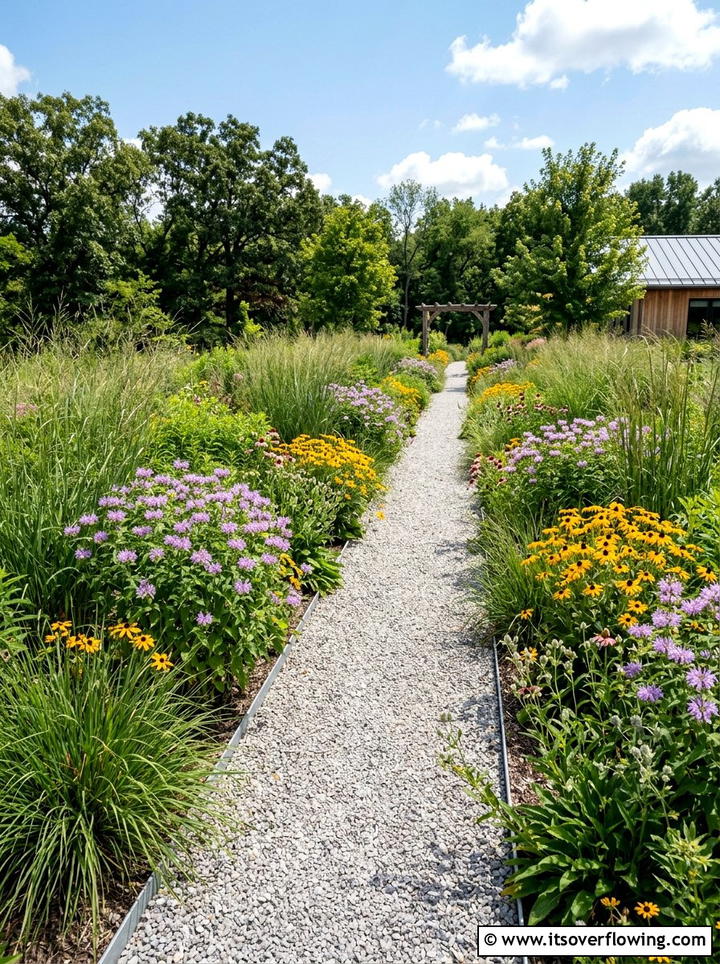
Using plants that naturally grow in your region is the foundation of a successful and sustainable outdoor environment. Native plant landscaping requires less water and maintenance because the species are already adapted to your local soil and climate. These plants have a special relationship with local pollinators that have evolved alongside them for thousands of years. You can create a beautiful and rugged look by mixing native grasses with colorful flowering perennials in large groups. Native plants often have deep root systems that help improve soil health and prevent erosion in your backyard. This style of gardening supports the entire food web while looking effortlessly natural and very attractive.
5. Wildflower meadow backyard
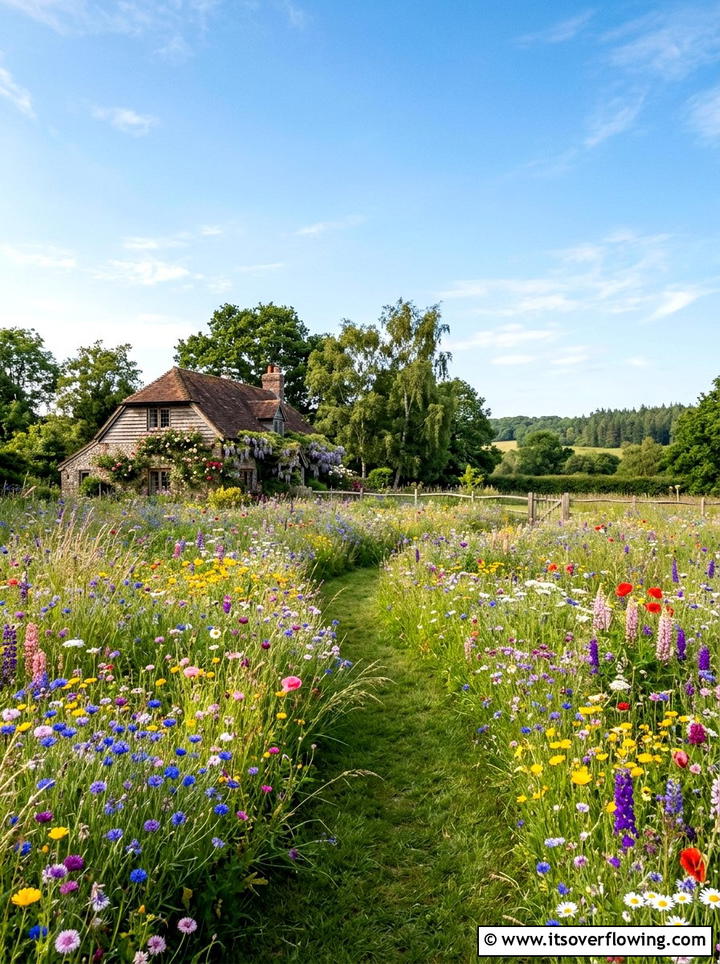
Do you want to replace your high-maintenance lawn with something more exciting and beneficial for the environment? A wildflower meadow backyard offers a soft, romantic look that changes its appearance throughout the different seasons. You can sow a mix of annual and perennial seeds to ensure a continuous display of colors and textures. This type of garden provides a massive amount of food for diverse pollinators in a relatively small space. Walking through a meadow feels like being in a peaceful prairie right in the middle of your suburban neighborhood. It requires very little mowing and allows nature to take its course while providing a vital habitat.
6. Cottage garden flowers
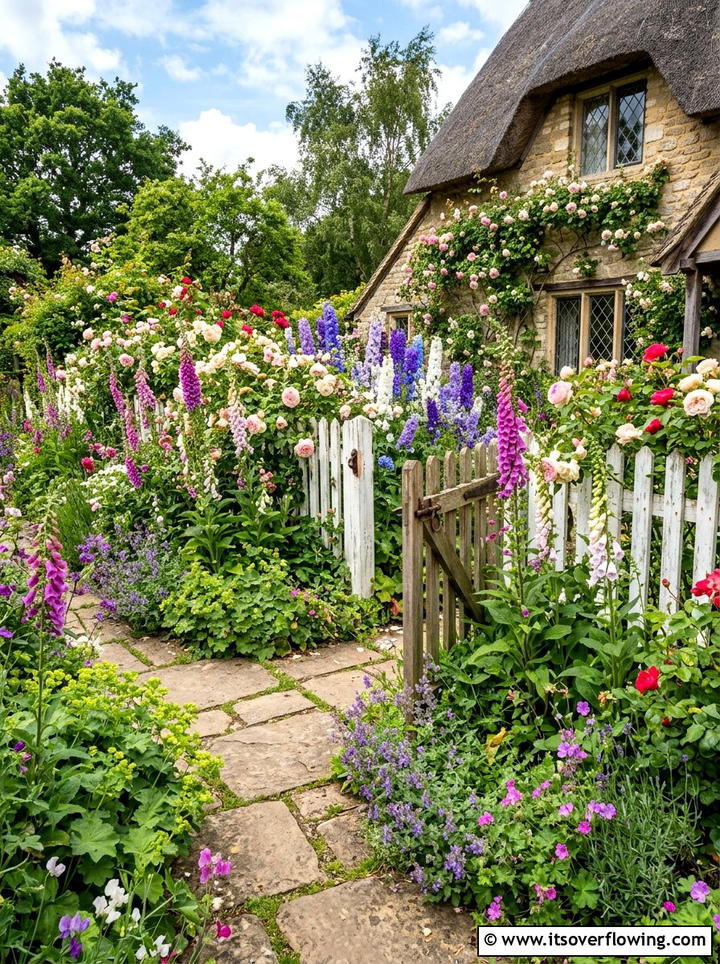
A cottage garden is famous for its dense, informal planting style that overflows with charm and sweet fragrances. This design is perfect for pollinators because it packs a huge variety of flowers into every available inch of soil. You can mix classic choices like foxgloves, delphiniums, and hollyhocks to create a tall and dramatic backdrop for smaller blooms. The layers of different heights and colors make it a paradise for bees and butterflies searching for nectar. Using rustic wooden fences or stone paths adds to the timeless feel of this traditional garden style. It is an excellent way to create a lush, cozy atmosphere that supports biodiversity.
7. Lavender hedge walkway
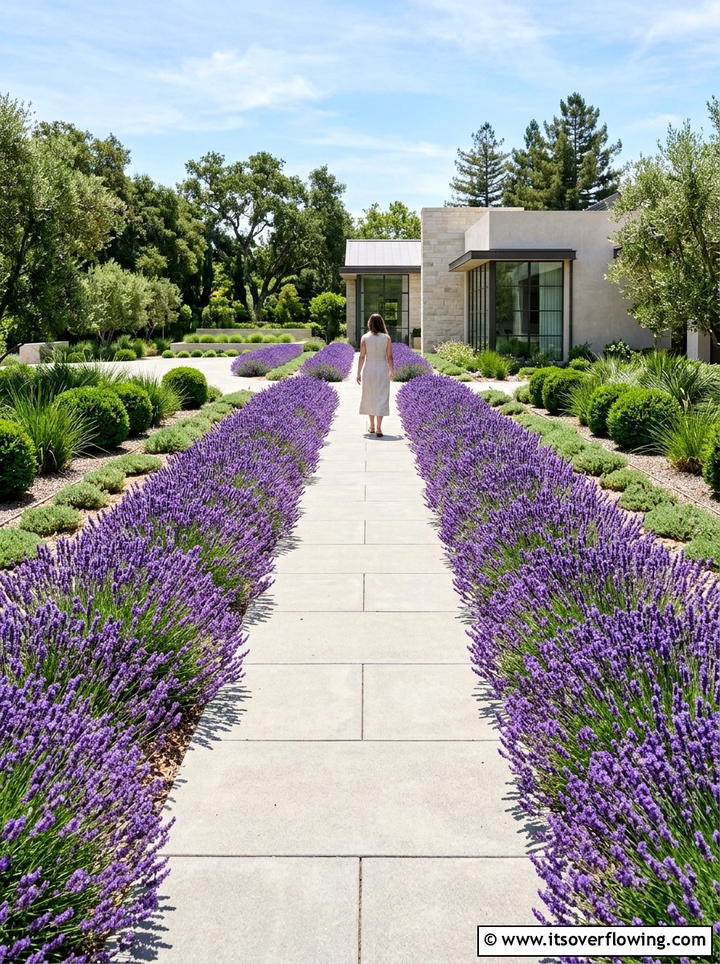
Walking down a path lined with fragrant purple blooms is a sensory experience that also helps local wildlife. A lavender hedge walkway provides a structured look while offering an abundance of nectar for many different bee species. Lavender is a hardy plant that loves full sun and well-drained soil, making it perfect for garden borders. The silvery-green foliage remains attractive even when the plant is not in full bloom during the colder months. You can pair lavender with other sun-loving herbs to create a cohesive and functional landscape design. This simple addition brings a touch of Mediterranean style to your home while keeping the pollinators very happy.
8. Milkweed for monarch butterflies
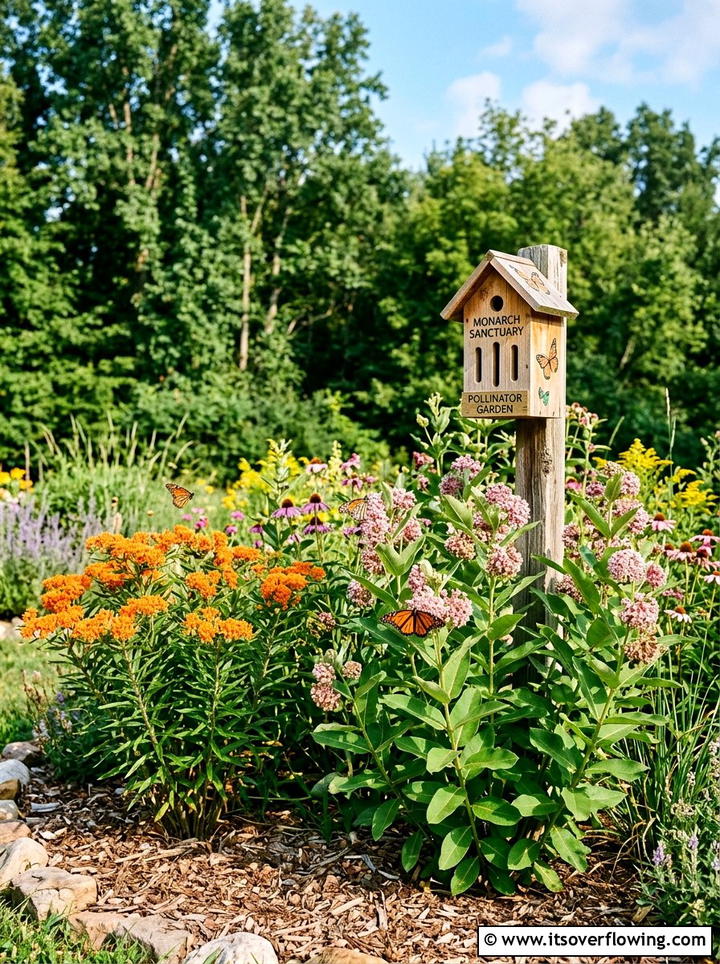
Did you know that monarch butterflies cannot survive without a specific type of plant for their young caterpillars? Including milkweed for monarch butterflies is a critical step if you want to help this iconic species thrive in your area. There are several varieties of milkweed with beautiful orange, pink, or white flowers that look great in any garden bed. These plants serve as the sole food source for monarch larvae and provide nectar for adult butterflies too. You should plant milkweed in sunny locations where it can grow tall and strong throughout the summer season. It is a rewarding experience to watch the entire life cycle of a butterfly happen.
9. Herb garden for pollinators
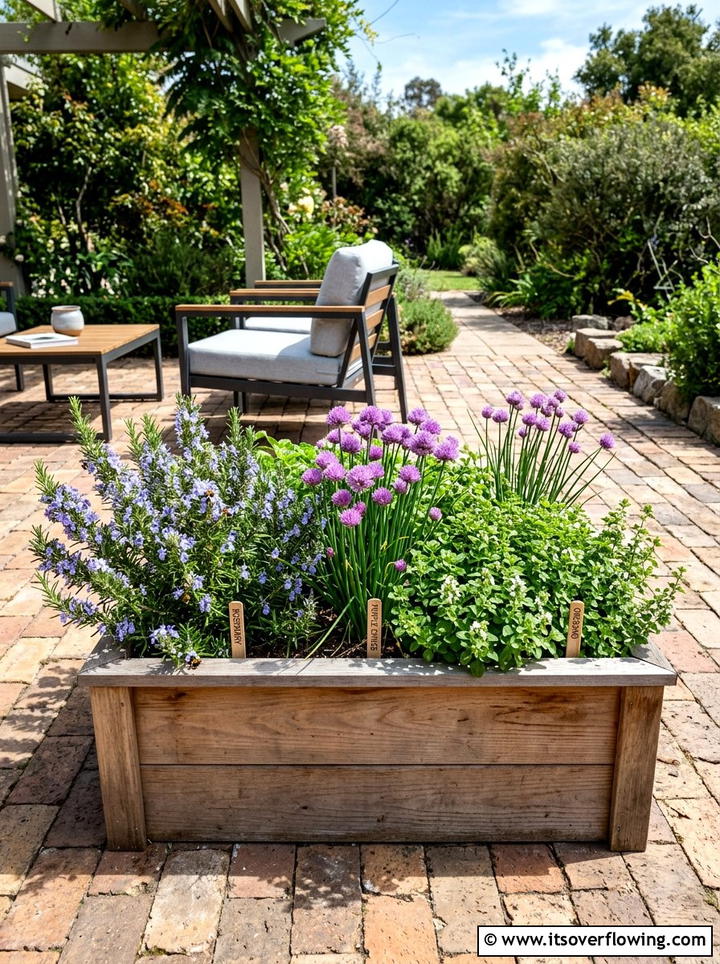
Your kitchen garden can do double duty by providing fresh flavors for your meals and food for the bees. A dedicated herb garden for pollinators should include flowering varieties like rosemary, thyme, oregano, and flowering chives. Many herbs produce tiny, nectar-rich flowers that are highly attractive to small beneficial insects and native bees. Letting some of your herbs go to seed or flower provides a late-season boost for the local pollinator population. You can grow these plants in a sunny spot near your back door for easy access and great views. It is a practical and beautiful way to make your outdoor space more functional for everyone.
10. Drought tolerant pollinator plants
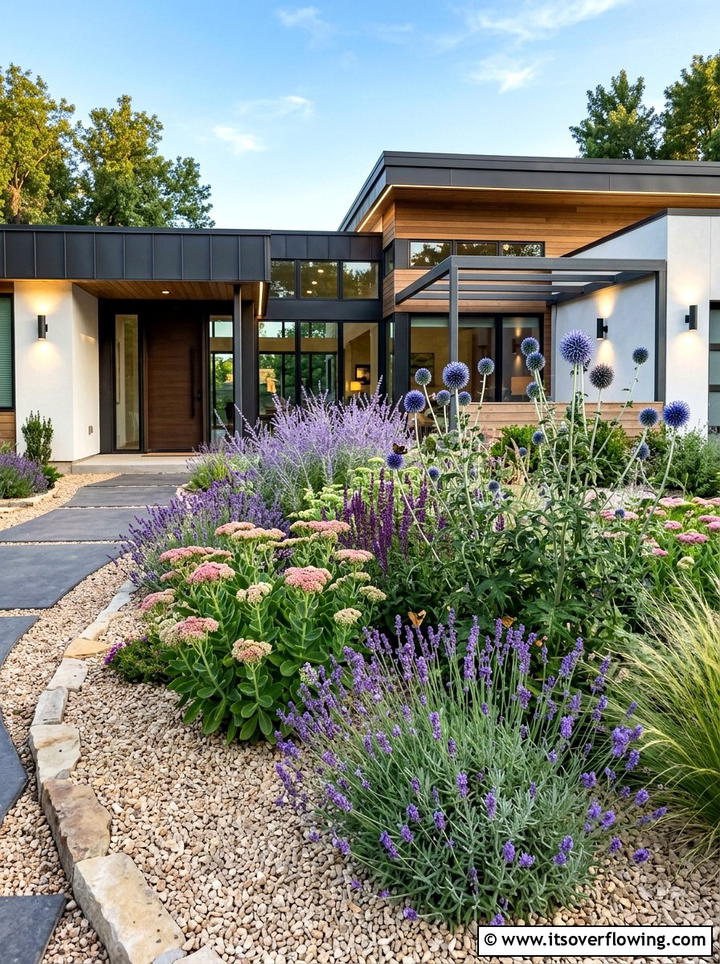
Can you have a stunning garden that saves water and still supports the local bees and butterflies? Using drought tolerant pollinator plants is a smart choice for regions with low rainfall or for busy homeowners. Plants like sedum, coneflower, and globe thistle are excellent at surviving dry spells while providing plenty of nectar. These hardy species often have interesting textures and unique flower shapes that add visual interest to your landscape. You can use gravel mulch to keep the roots cool and give the garden a clean, modern look. This sustainable approach ensures your garden stays beautiful and helpful to nature even during the hot summer.
11. Shade garden for bees
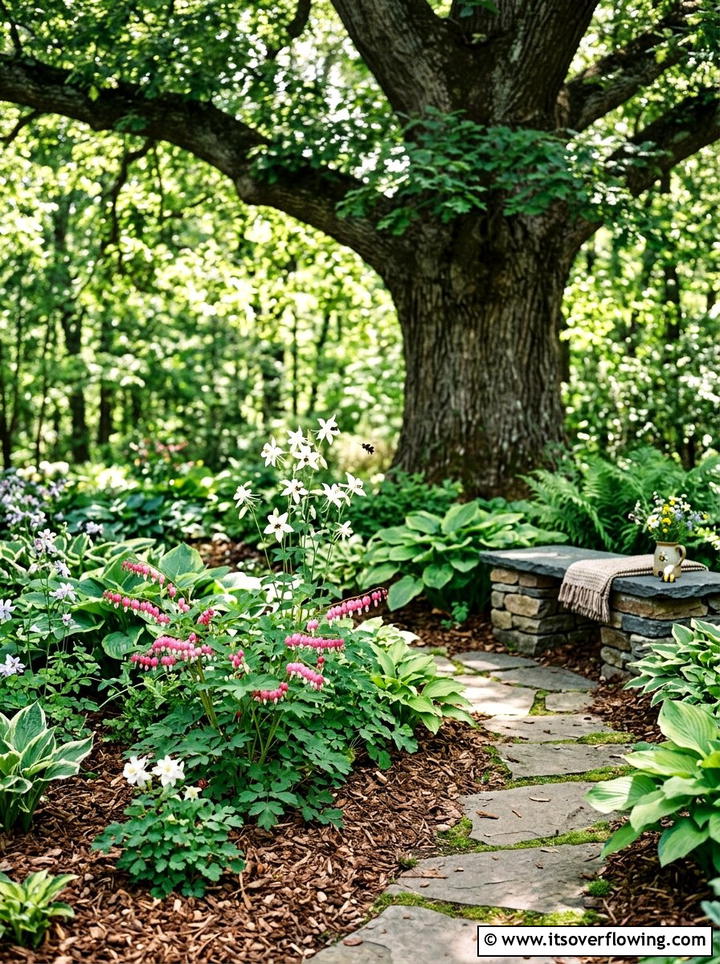
Most people think pollinator plants need full sun, but many bees also visit flowers in the cooler shade. A shade garden for bees can feature beautiful woodland plants like columbine, bleeding hearts, and various types of hostas. These plants offer a peaceful retreat from the hot sun while providing essential resources for early spring pollinators. You can create a lush, green oasis under large trees using different shades of foliage and delicate floral accents. Using organic mulch helps keep the soil moist and mimics the floor of a healthy forest environment. It is a wonderful way to utilize the darker corners of your yard for good.
12. Vertical pollinator garden
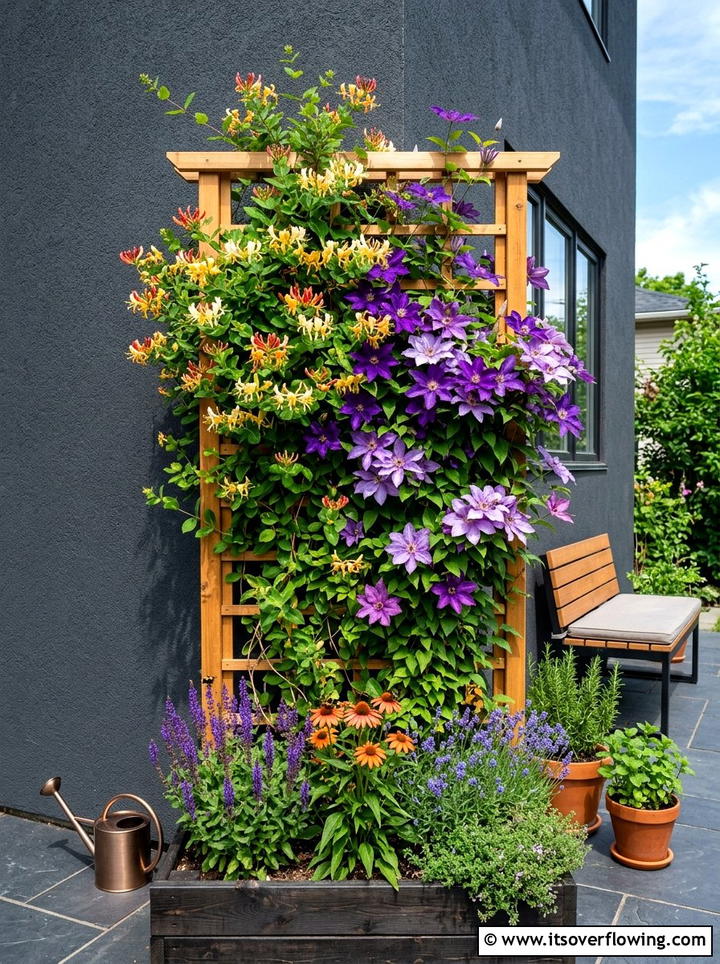
If you have a small backyard or a patio, you can still help nature by growing plants upwards. A vertical pollinator garden uses trellises, wall planters, or hanging baskets to maximize your available growing space effectively. Climbing plants like honeysuckle, clematis, and runner beans are fantastic for attracting bees and hummingbirds to high places. This design adds a sense of privacy and softens the look of hard walls or wooden fences. You can mix different flowering vines to create a colorful tapestry that changes throughout the summer months. It is an innovative solution for urban gardeners who want to make a big impact in small areas.
13. Container garden for butterflies
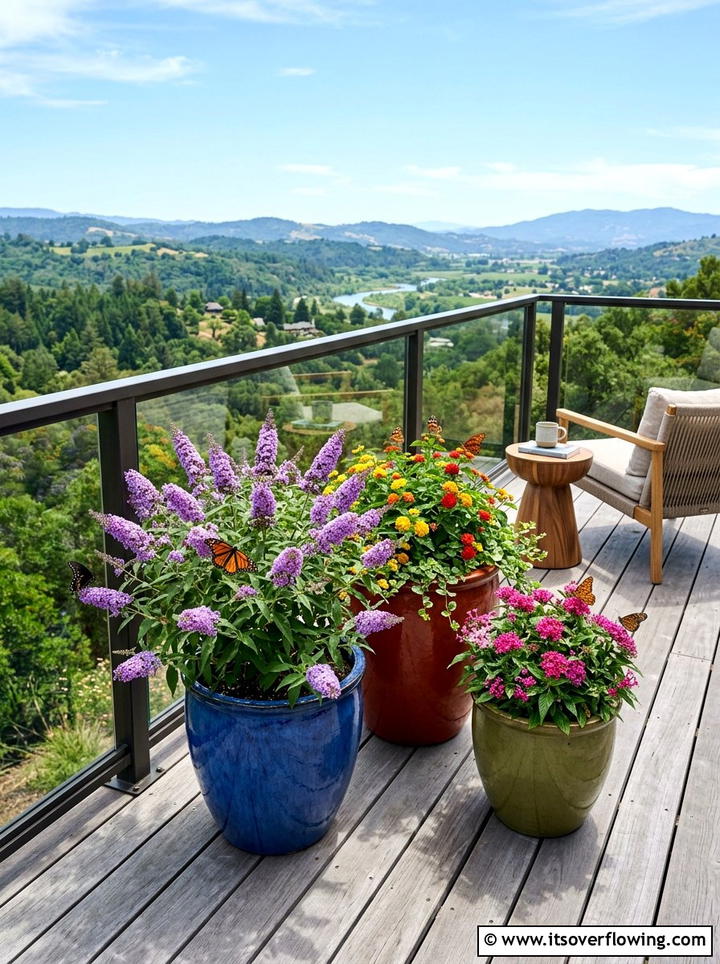
You do not need a big plot of land to create a welcoming environment for colorful butterflies. A container garden for butterflies allows you to arrange pots of nectar-rich flowers on your deck or balcony easily. Using large pots with good drainage ensures your plants stay healthy and produce plenty of blossoms for visitors. You can move the containers around to catch the best sunlight or to change the look of your space. Mix tall focal plants like buddleia with trailing flowers like lantana for a full and lush appearance. This flexible gardening style is perfect for anyone living in an apartment or a smaller modern home.
14. Perennial pollinator border
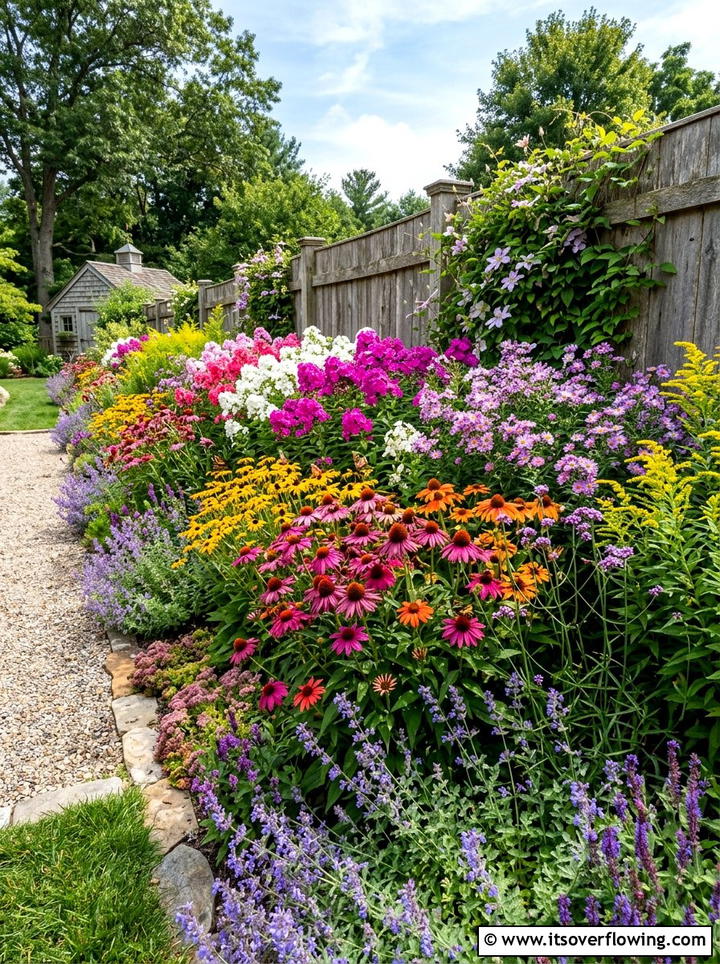
Designing a long-lasting landscape starts with choosing plants that come back year after year without any extra work. A perennial pollinator border creates a reliable source of food and habitat for local wildlife throughout the growing seasons. You should arrange the plants with the tallest varieties in the back and the shortest ones in the front. This layering technique creates a professional look and ensures all flowers get enough sunlight and visibility for bees. Using a mix of perennials like black-eyed Susans, aster, and phlox provides a diverse range of colors and shapes. It is a low-maintenance way to build a permanent sanctuary in your own backyard.
15. Raised bed pollinator garden
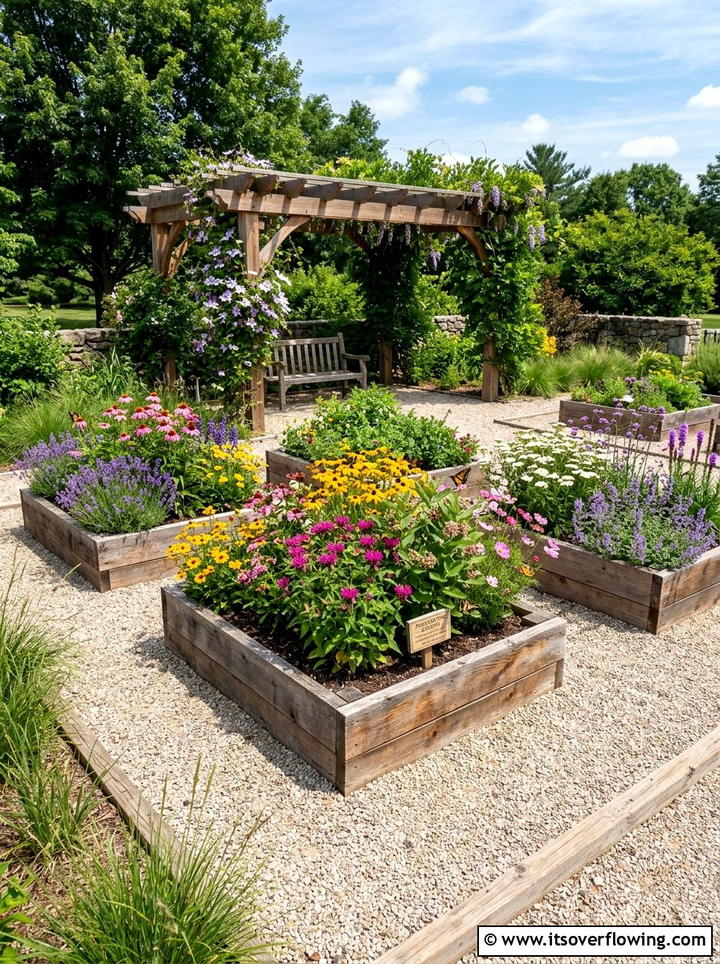
Raised beds offer a neat and organized way to grow a variety of flowering plants while improving soil drainage. A raised bed pollinator garden allows you to control the soil quality and keeps the space looking very tidy. You can fill the beds with a mix of native flowers, herbs, and even some edible blossoms for a diverse look. The extra height makes it easier for you to tend to the plants and observe the visiting insects. Using natural wood or stone for the bed frames adds a beautiful structural element to your overall landscape design. This method is ideal for creating a focal point in a large backyard.
16. Sunflowers in backyard
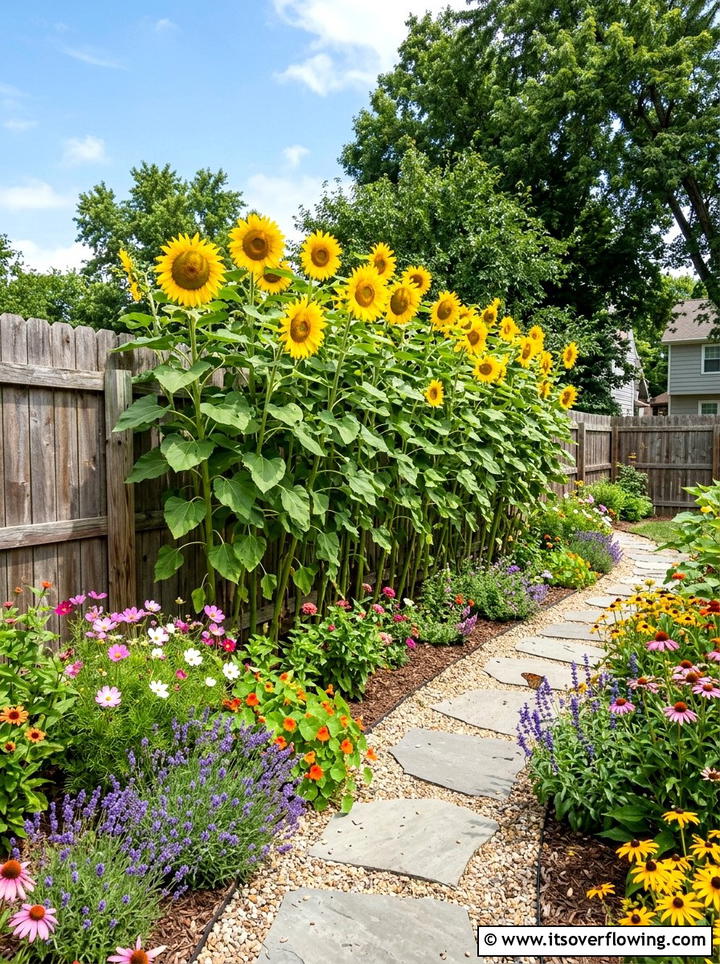
Nothing says summer like the cheerful faces of large sunflowers reaching toward the bright sky in your yard. Planting sunflowers in backyard spaces provides a massive amount of pollen and nectar for many types of bees. These tall plants also produce seeds that feed local birds once the flowering season has come to an end. You can find many different varieties, from giant types to multi-headed bushes with deep red or yellow petals. They act as a natural screen or a dramatic backdrop for smaller flower beds in your garden design. Sunflowers are easy to grow from seed and bring instant joy to any outdoor environment.
17. Water feature for pollinators
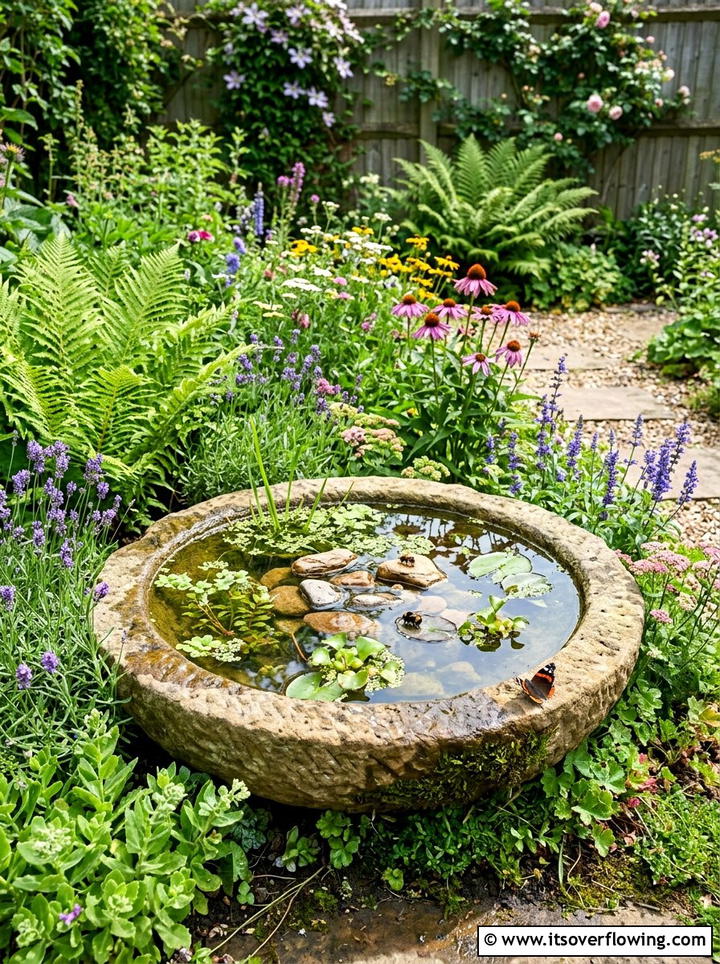
Pollinators need more than just nectar to survive; they also require a safe place to drink fresh water. A water feature for pollinators can be as simple as a shallow birdbath filled with stones for landing. Bees and butterflies need these landing spots so they can drink without the risk of falling in and drowning. Placing the water source near your flower beds ensures that your visitors have everything they need in one location. You can also install a small solar-powered fountain to keep the water moving and prevent mosquitoes from breeding. It adds a soothing sound and a beautiful visual element to your peaceful garden.
18. Fruit tree orchard pollinators
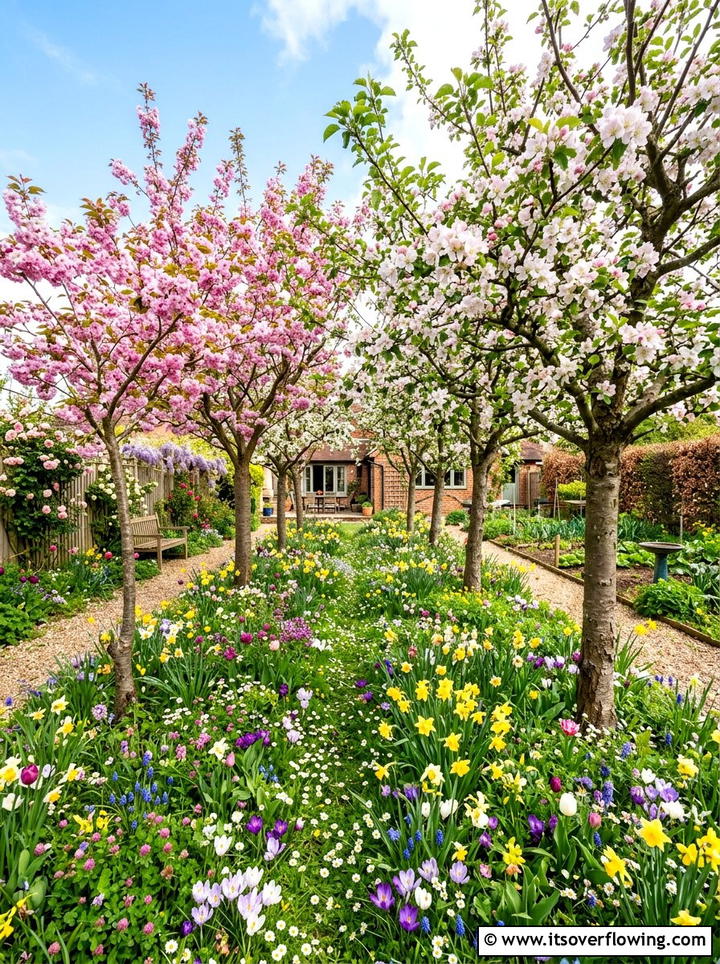
Growing your own food is a wonderful goal that relies heavily on the hard work of local pollinator insects. A fruit tree orchard for pollinators should include flowering trees like apple, cherry, peach, or pear varieties in your yard. These trees provide a huge burst of blossoms in the spring that feed bees when other food is scarce. In return, the bees pollinate the flowers so you can enjoy a harvest of delicious fruit later. You can underplant the trees with spring bulbs and wildflowers to create a complete and healthy mini-ecosystem. This multi-layered approach maximizes the productivity and beauty of your available garden space.
19. Winter interest pollinator garden
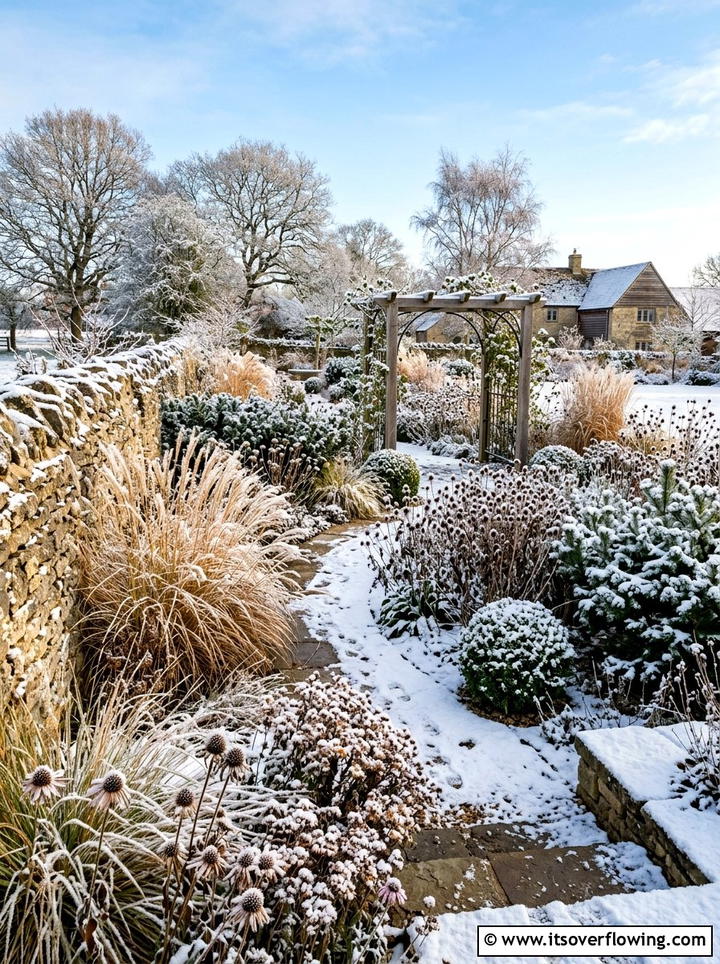
A well-planned garden should provide benefits for wildlife even during the coldest months of the year in your region. A winter interest pollinator garden includes plants with persistent seed heads, evergreen foliage, and interesting bark textures for shelter. Leaving dried flower stalks like coneflower or ornamental grasses provides nesting sites for bees that hibernate over the winter. Some early-blooming shrubs like witch hazel can even provide food for pollinators that wake up on warm winter days. This design ensures your backyard looks intentional and structured even when there are no colorful summer blooms present. It is an important part of maintaining a year-round habitat for nature.
20. Rock garden pollinator plants
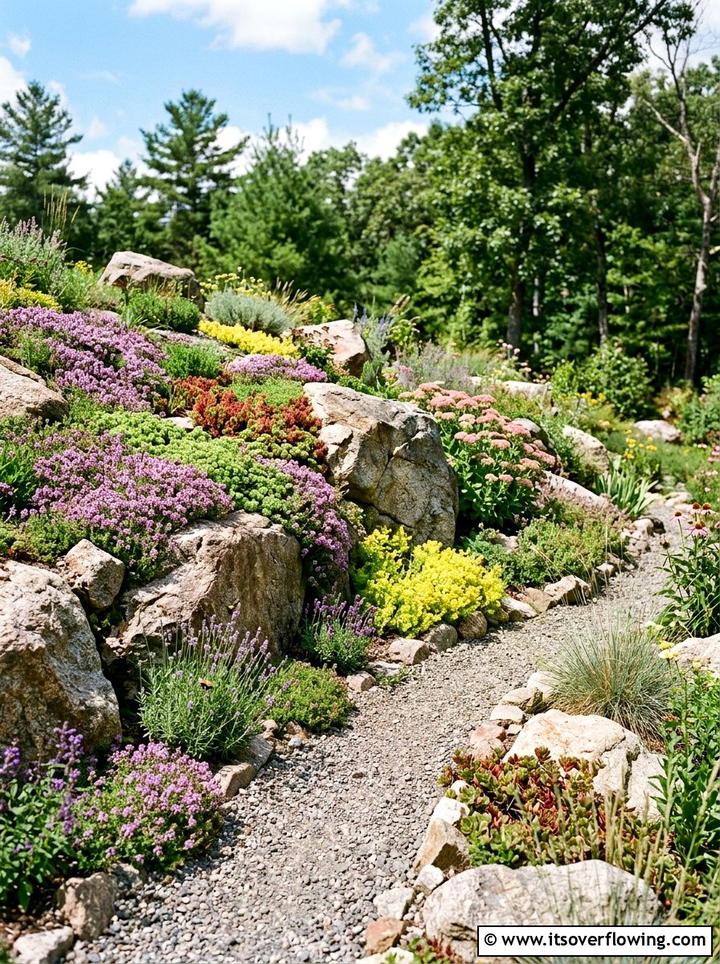
If you have a sloped area or rocky soil, you can create a unique and rugged landscape for nature. Rock garden pollinator plants are typically low-growing species that thrive in sunny, well-drained conditions among various stones. Creeping thyme, stonecrop, and alpine pinks are excellent choices that create a colorful carpet over the rocks. These plants provide easy access for ground-nesting bees and other small beneficial insects searching for nectar. The rocks themselves absorb heat during the day, creating a warm microclimate that many insects enjoy in the spring. This style of gardening is very low-maintenance and adds a dramatic, naturalistic look to your property.
21. Scented moon garden
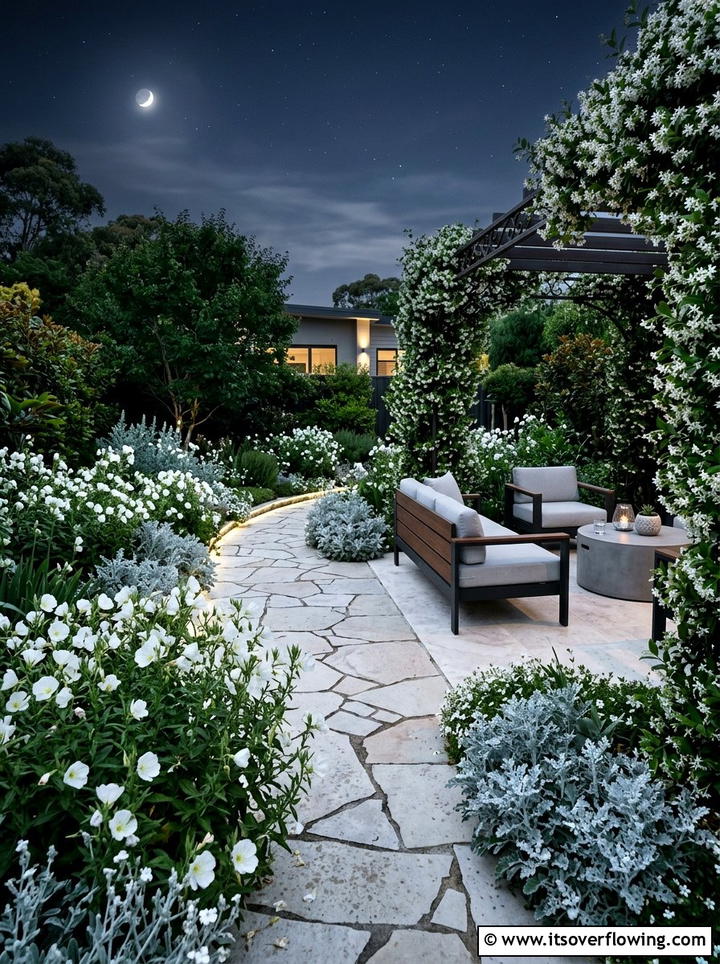
Imagine sitting outside in the evening and enjoying a garden that glows under the light of the moon. A scented moon garden focuses on white or pale flowers that reflect moonlight and release sweet fragrances at night. These gardens are specifically designed to attract nocturnal pollinators like moths and certain types of beetles or bats. Plants like evening primrose, moonflower vines, and white jasmine are perfect for creating this magical and serene atmosphere. Using light-colored stone paths and silver foliage plants enhances the luminous effect of the garden after the sun sets. It is a beautiful way to enjoy your outdoor space during the late hours.
22. Edible flower garden
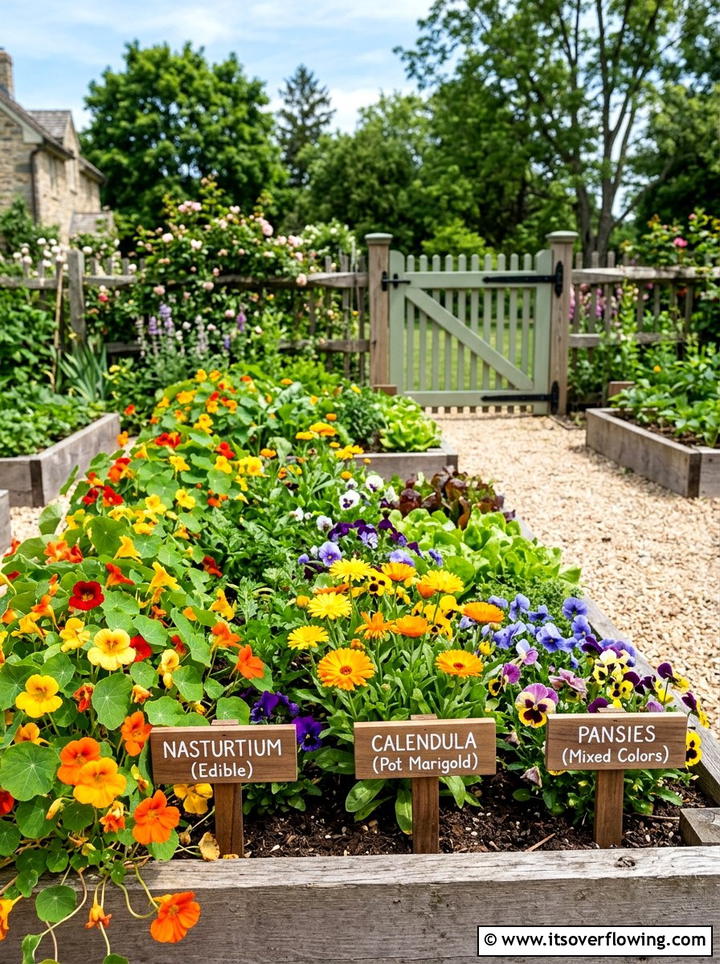
Why not grow a garden that looks beautiful, supports the bees, and tastes delicious in your summer salads? An edible flower garden includes plants like nasturtiums, pansies, violets, and calendula that are safe for people to consume. These flowers are often very colorful and provide a rich source of nectar for various visiting insects. You can use these blossoms to decorate cakes or add a peppery kick to your favorite fresh dishes. Growing edible flowers ensures that you are using organic methods, which is much safer for the pollinators in your yard. It is a fun and creative way to connect with your garden on multiple levels.
23. Fall blooming pollinator garden
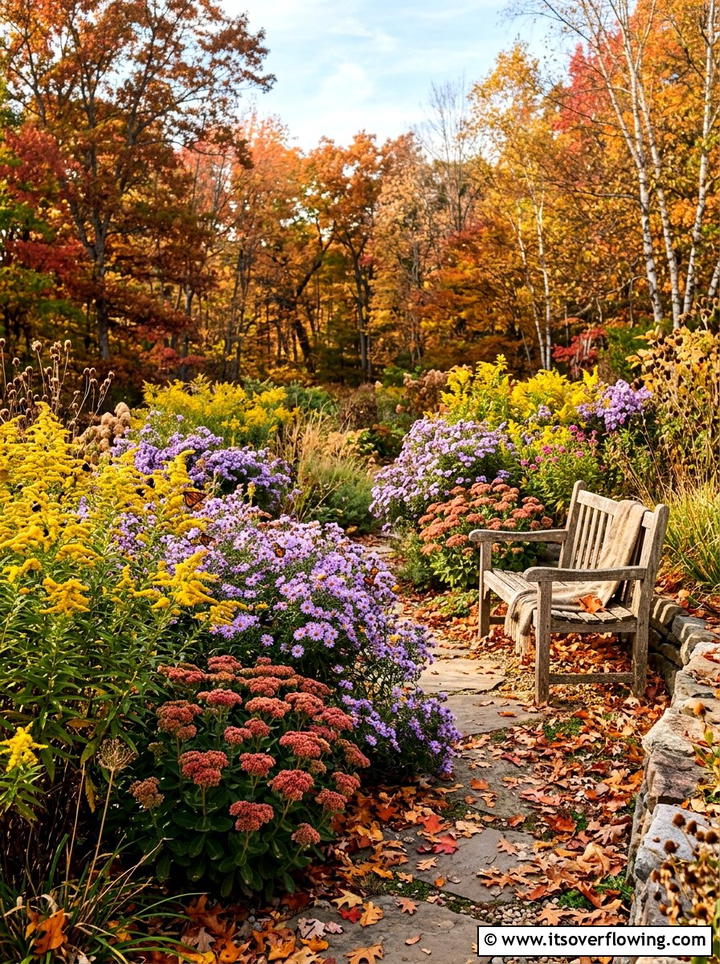
As the summer fades, many pollinators need a final boost of energy before they migrate or settle for winter. A fall blooming pollinator garden features plants like goldenrod, asters, and sedum that flower late in the season. These plants provide critical nectar when most other flowers have already finished blooming for the entire year. The rich yellows, purples, and deep pinks of autumn flowers create a stunning display against the changing tree leaves. You can mix these late bloomers with ornamental grasses to create a textured and vibrant landscape during the cooling months. This ensures your garden remains a helpful haven until the first hard frost.
24. Pollinator garden for small spaces
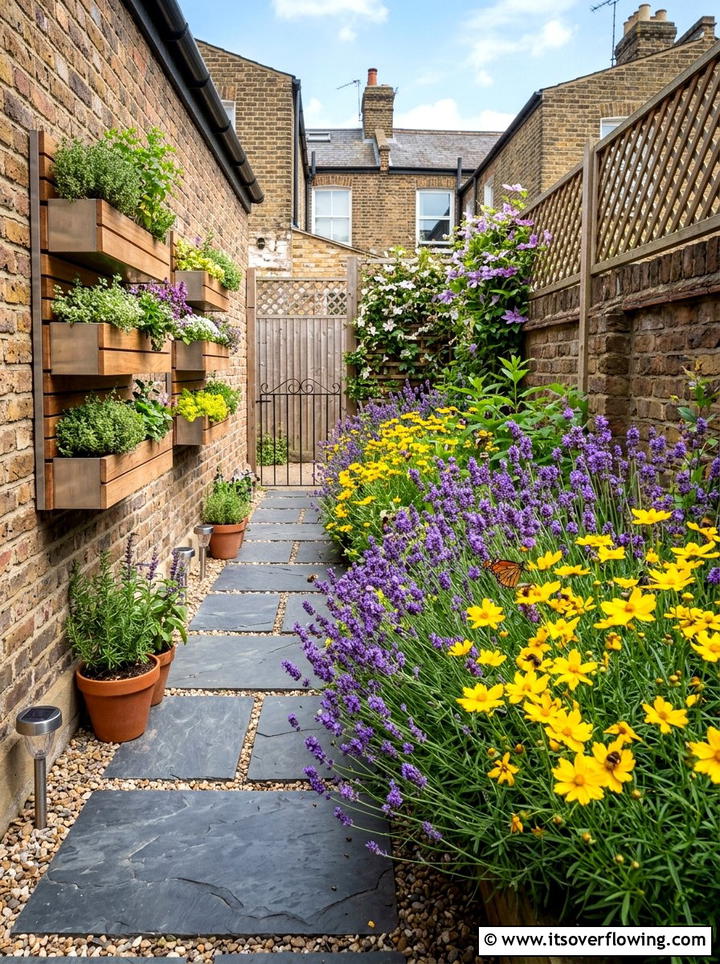
You can make a significant impact on local biodiversity even if you only have a tiny strip of land. A pollinator garden for small spaces uses compact plant varieties and smart layouts to fit many flowers into a tight area. Focus on a few high-impact plants that bloom for a long time rather than many different types. Using a small trellis or a single large planter can create a focal point that attracts bees and butterflies effectively. This approach proves that every little bit of habitat counts toward helping the environment thrive in urban areas. It is an accessible way for everyone to participate in nature conservation.
25. Formal pollinator garden
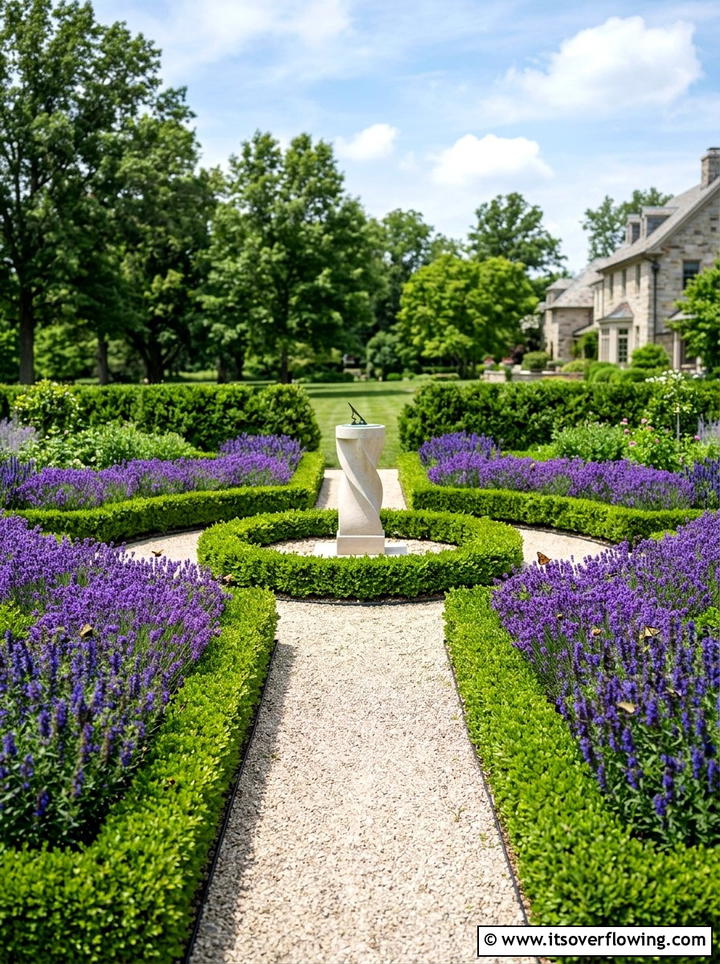
Can a garden be both strictly organized and beneficial for local wildlife at the same time? A formal pollinator garden uses structured layouts like parterres or boxed hedges filled with pollinator-friendly plants. You can use clipped boxwood borders to frame wilder-looking flowers like lavender, hyssop, or echinacea for a tidy appearance. This style proves that supporting nature does not require a messy or overgrown aesthetic in your backyard. Symmetry and clean lines guide the eye while the inner plantings provide a rich feast for bees and butterflies alike. It is a sophisticated way to integrate ecological responsibility with high-end landscape design that looks beautiful.
Conclusion:
Building a garden that caters to pollinators is a beautiful way to give back to the natural world. These spaces provide essential resources for insects and birds while offering you a serene place to relax and enjoy. By following these various design strategies, you can ensure your yard remains a productive and stunning landscape year-round. Remember to focus on plant diversity and provide water sources to keep your visitors healthy and happy. Whether you have a massive backyard or a tiny balcony, every square inch of pollinator-friendly planting makes a difference. Start small and watch your garden come to life with color, movement, and vital ecological activity.

Related posts:
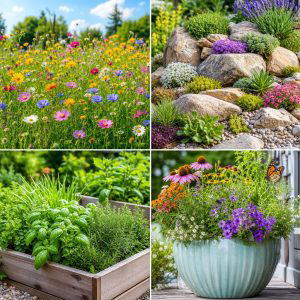 25 backyard ideas with pollinator garden for Buzzing Beauty
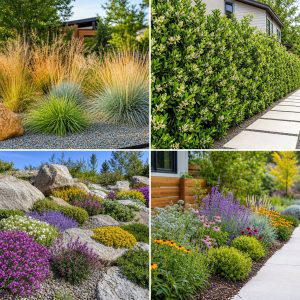 25 Backyard Ideas With Native Plants for a Thriving Garden
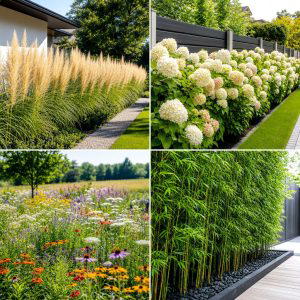 25 Backyard Ideas With Border Plants for Polished Gardens
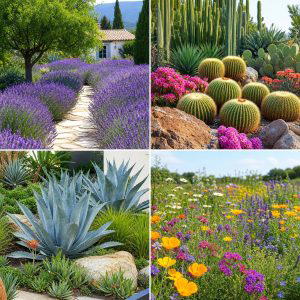 25 Backyard Ideas With Drought Tolerant Plants for Easy Care
 25 Backyard Ideas With Ground Cover Plants for Lush Style
 25 Backyard Ideas With Low Maintenance Plants for Easy Style
 25 Backyard Ideas With Tropical Plants For Lush Style
 25 Backyard Decorating Ideas With Signs For Backyard Charm
 25 Backyard Ideas With Barrel Planter for Rustic Garden Charm
 25 Backyard Ideas With Flower Garden for Colorful Curb Appeal
 25 backyard ideas with pathways for Charming Garden Flow
 25 Recycled Garden Ideas for Backyard Decor