
Creating a beautiful outdoor space does not have to mean spending hours with a garden hose or watching your water bill skyrocket every summer. Many homeowners are now turning to drought-tolerant landscapes to save time and resources while still maintaining incredible curb appeal. These sustainable environments rely on hardy plants that thrive with minimal moisture, making them perfect for hot climates or busy lifestyles. By choosing the right combination of textures, colors, and hardscaping elements, you can transform a dry patch of land into a lush sanctuary. This guide explores creative ways to use stones, native species, and clever layouts to build a resilient and stylish backyard retreat today.
1. Gravel Backyard
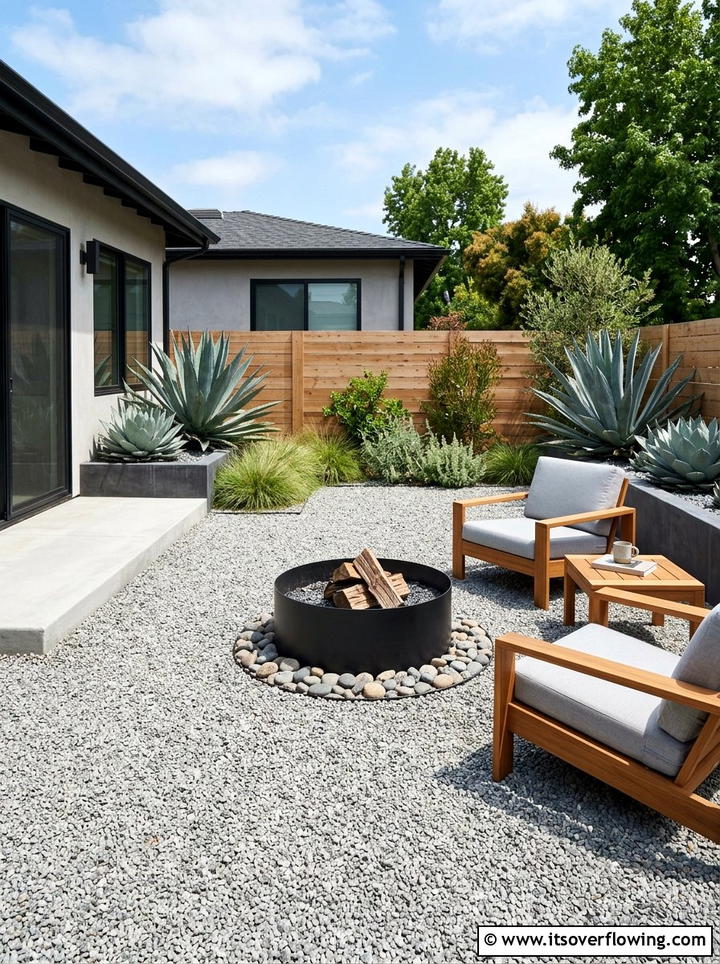
Have you ever wondered how to make a large open space look clean and modern without using any thirsty grass? A gravel backyard provides a sophisticated and low-maintenance solution that works perfectly for modern or rustic homes alike. Small, crushed river stones or pea gravel create a permeable surface that allows rainwater to soak directly into the soil rather than running off. You can arrange comfortable lounge chairs and a small table directly on the stones to create a cozy seating area. By tucking a few hardy succulents or tufts of ornamental grass into the edges, the space feels intentional and vibrant. It is a practical way to reduce weeding and watering while keeping things neat.
2. Succulent Border
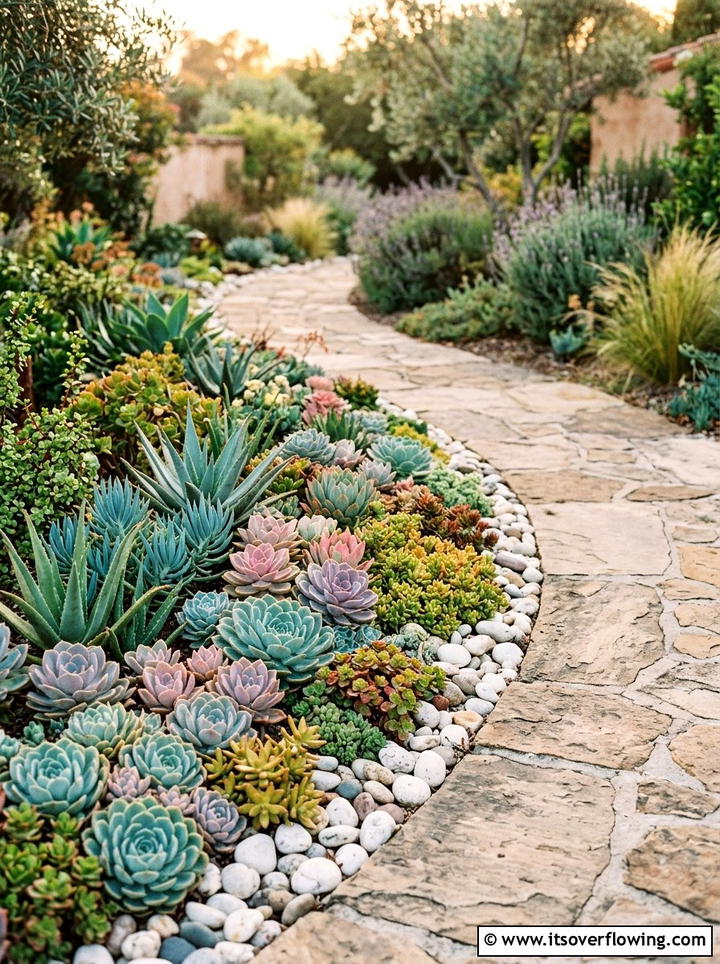
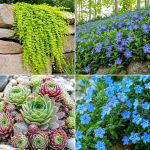
Imagine walking along a path lined with fleshy leaves in shades of teal, burgundy, and bright lime green. A succulent border adds incredible visual interest and structural beauty to any garden edge or walkway without requiring constant attention. These plants store water in their leaves, allowing them to remain plump and healthy even during the hottest months of the year. You can mix different heights and textures, such as tall aloe plants and low-growing hens and chicks, to create a layered look. Surrounding these plants with light-colored pebbles helps to reflect heat and keeps the roots cool. This design approach creates a miniature desert landscape that looks curated and high-end throughout the seasons.
3. Rock Garden
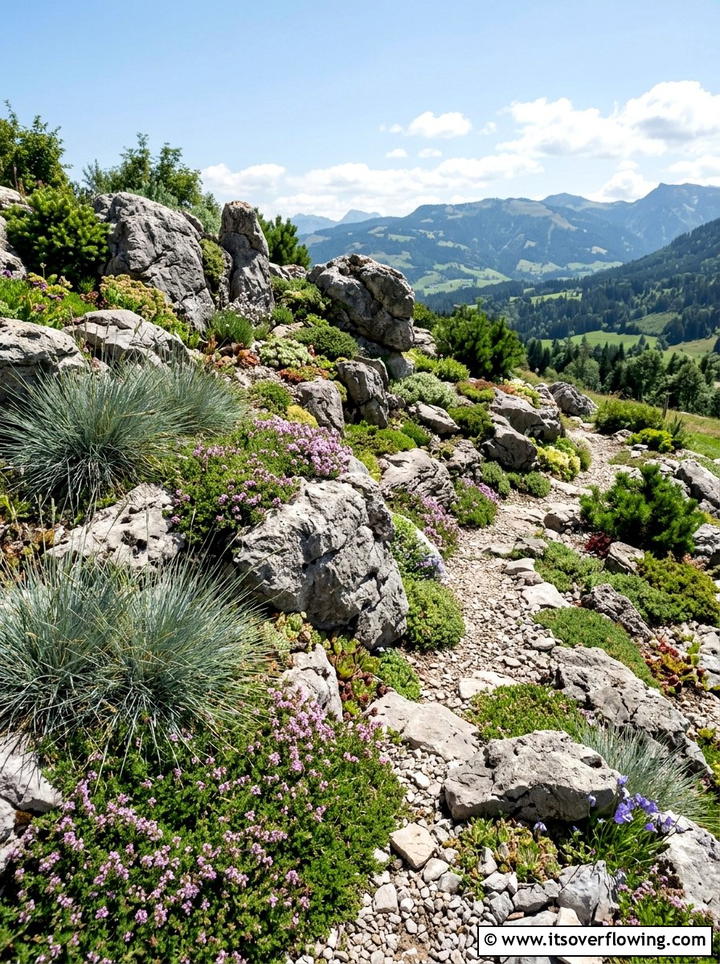
Does your backyard have an uneven slope or a rocky patch that seems impossible to plant? A rock garden turns these natural challenges into a stunning focal point by mimicking the rugged beauty of a mountain landscape. Large boulders should be buried halfway into the ground to look natural, while smaller stones fill the gaps in between. Between these stones, you can plant drought-resistant varieties like creeping thyme or blue fescue that thrive in well-drained soil. This setup creates a miniature ecosystem that requires almost no supplemental watering once established. The contrast between the hard, gray stones and the soft, colorful foliage provides a timeless aesthetic that grounds the entire backyard design.
4. Mediterranean Patio
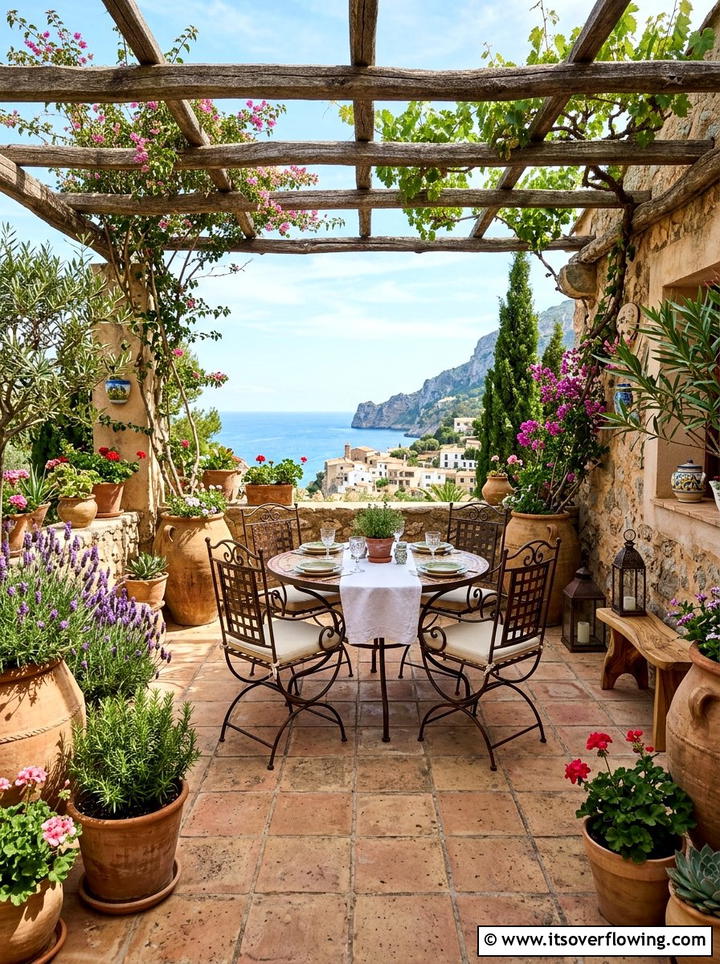
Can you feel the warm breeze and smell the fragrant herbs typically found in a coastal European villa? A Mediterranean patio uses terracotta tiles and natural stone to create a warm, inviting space that thrives in dry conditions. This style often features large potted plants like rosemary or lavender that can handle the heat and provide a wonderful scent. You might include a simple wooden pergola overhead to provide some shade for your outdoor dining table and chairs. By using earthy tones and clay materials, the space feels connected to nature and remains cool underfoot. It is the perfect setting for long summer dinners without the worry of maintaining a sensitive, high-maintenance lawn area.
5. Ornamental Grasses
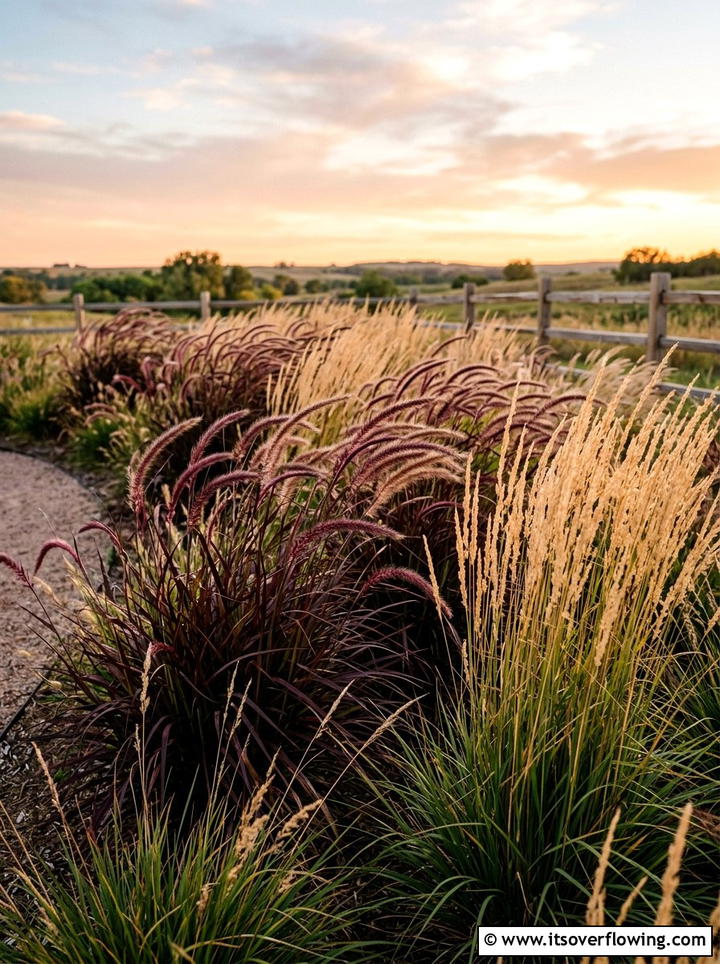
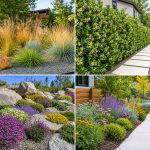
Are you looking for a way to add movement and sound to your landscape without using a water-heavy fountain? Ornamental grasses like fountain grass or switchgrass sway beautifully in the wind and bring a sense of life to the garden. These plants are remarkably hardy and can survive long periods of drought while still looking lush and full. Planting them in large groups creates a soft, textured screen that can provide privacy from neighbors or hide a fence. Their golden or bronze hues in the fall add another layer of beauty to your backyard through the changing seasons. Because they need very little pruning, they are an excellent choice for a low-effort, high-impact backyard design.
6. Native Plantings
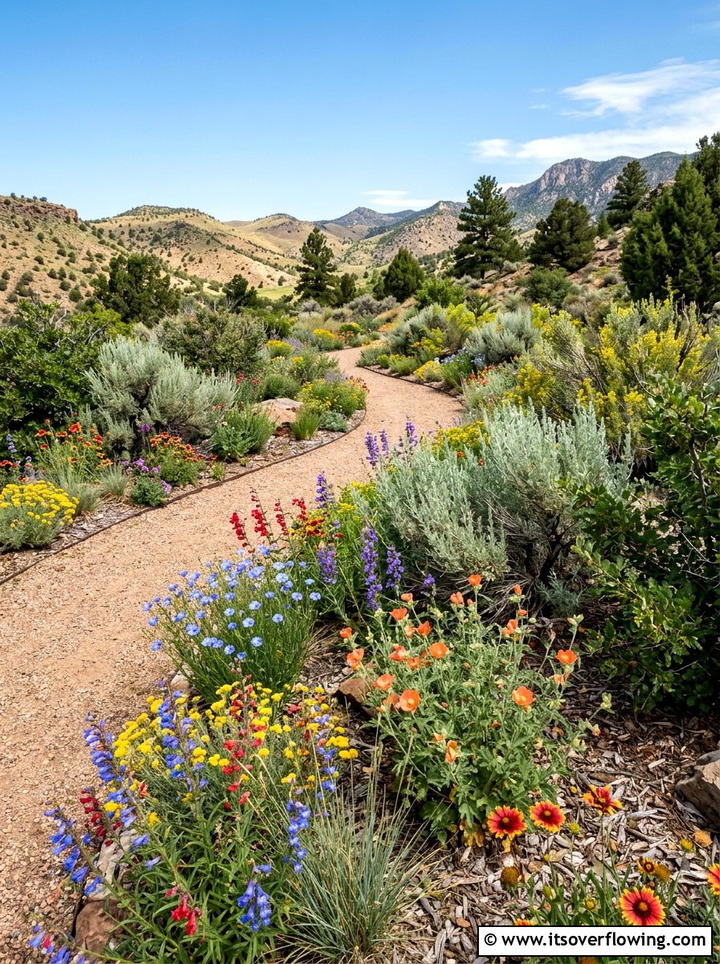
Choosing plants that naturally grow in your local region is one of the smartest ways to ensure a thriving backyard. Native plantings have evolved over centuries to survive the specific rainfall patterns and soil types of your area, making them incredibly resilient. These gardens often attract local pollinators like bees and butterflies, turning your outdoor space into a vibrant wildlife habitat. You can arrange native shrubs and flowers in naturalistic clusters to create a wild yet intentional look. Because these plants are already adapted to the climate, they rarely need fertilizers or pesticides to stay healthy. It is a sustainable choice that honors the natural beauty of your specific geographic location effortlessly.
7. Decomposed Granite Walkway
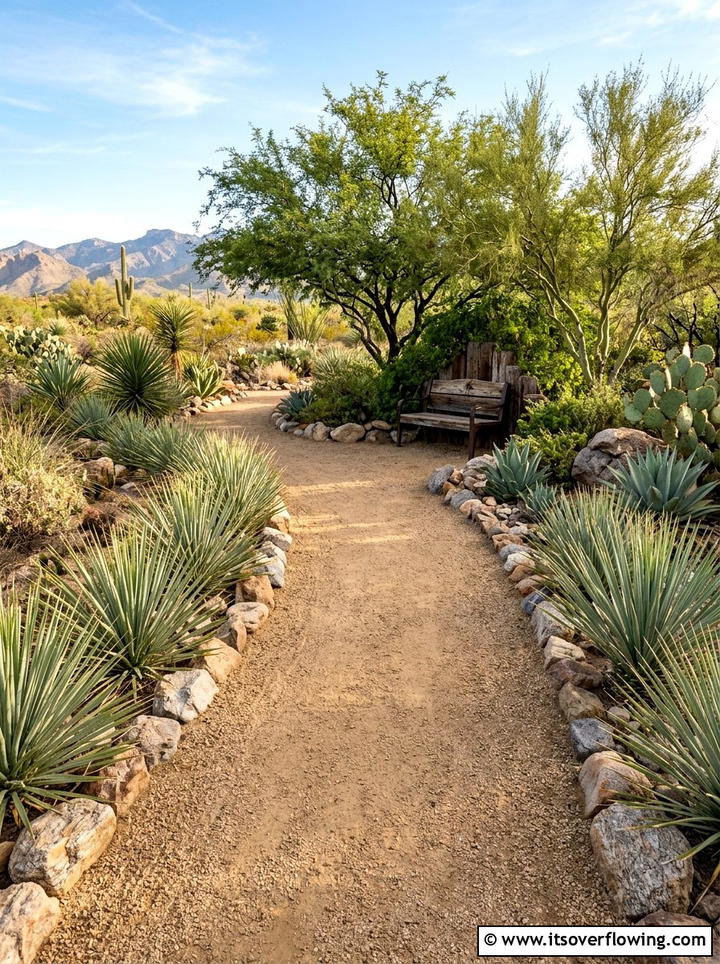
Searching for a pathway material that feels soft underfoot but stays firm and stable? Decomposed granite is a popular choice for drought-tolerant landscapes because it offers a natural, rustic look that blends seamlessly with the earth. It is essentially fine gravel that packs down tightly, making it easy to walk on or even push a wheelbarrow over. You can use it to create winding paths that lead through your garden beds or to define a specific area for a bench. The tan or gray tones of the granite provide a beautiful neutral backdrop for bright green cacti or flowering perennials. It is an affordable and permeable option that helps manage water effectively in your yard.
8. Desert Landscape
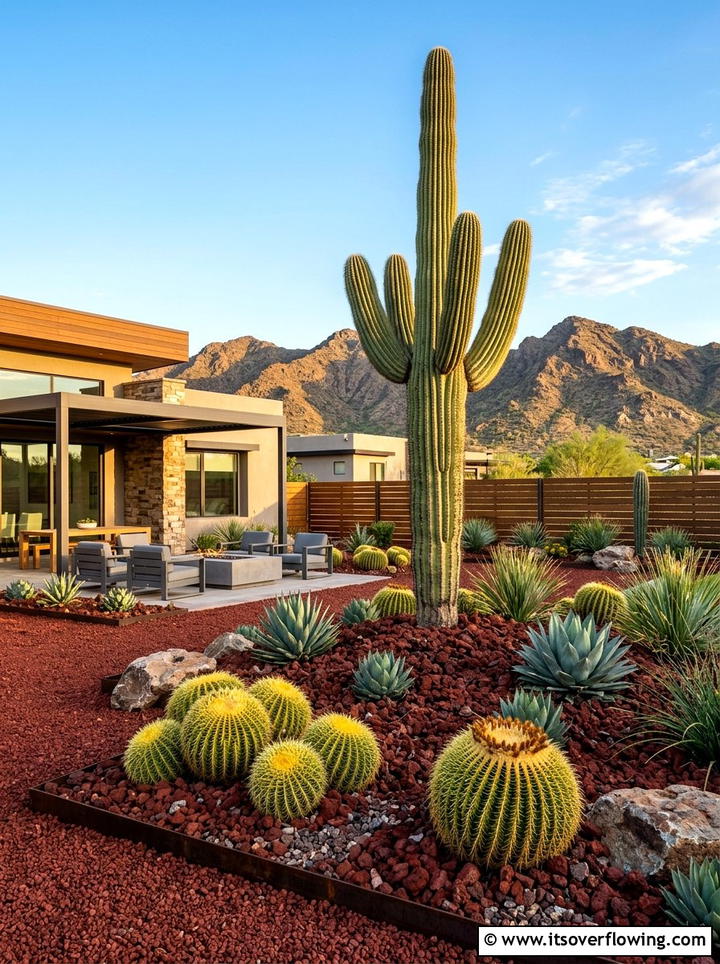
Transforming your backyard into a desert landscape is a bold way to embrace the heat while creating a minimalist, sculptural environment. This style focuses on negative space and clean lines, using various sizes of sand and gravel to cover the ground. You can feature dramatic plants like Joshua trees or tall saguaro-style cacti as living art pieces within the space. Adding a few large, flat stones for seating or as stepping stones keeps the design functional and organized. This type of yard requires zero mowing and very little cleanup, making it the ultimate choice for a maintenance-free lifestyle. The shadows cast by the plants during sunset create a magical, cinematic atmosphere every single evening.
9. Lavender Garden
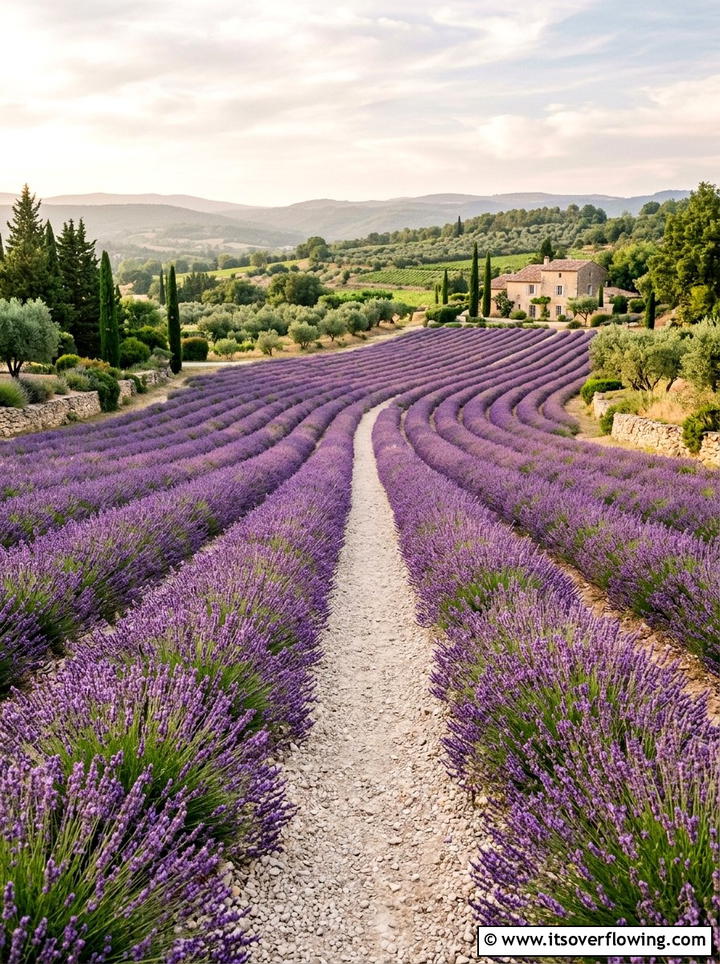
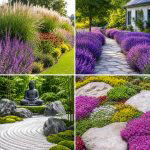
Walking through a patch of purple flowers that releases a calming scent with every step is a dream for many. A lavender garden is surprisingly easy to maintain because these plants actually prefer poor, dry soil and lots of direct sunlight. Planting lavender in large drifts creates a sea of color that looks stunning against a white fence or a stone wall. These hardy shrubs keep their silver-green foliage all year round, providing structure even when they are not in bloom. You can pair them with other Mediterranean plants like sage or thyme for a complete sensory experience. This design choice brings a touch of romance and softness to a landscape focused on water conservation.
10. Cactus Bed
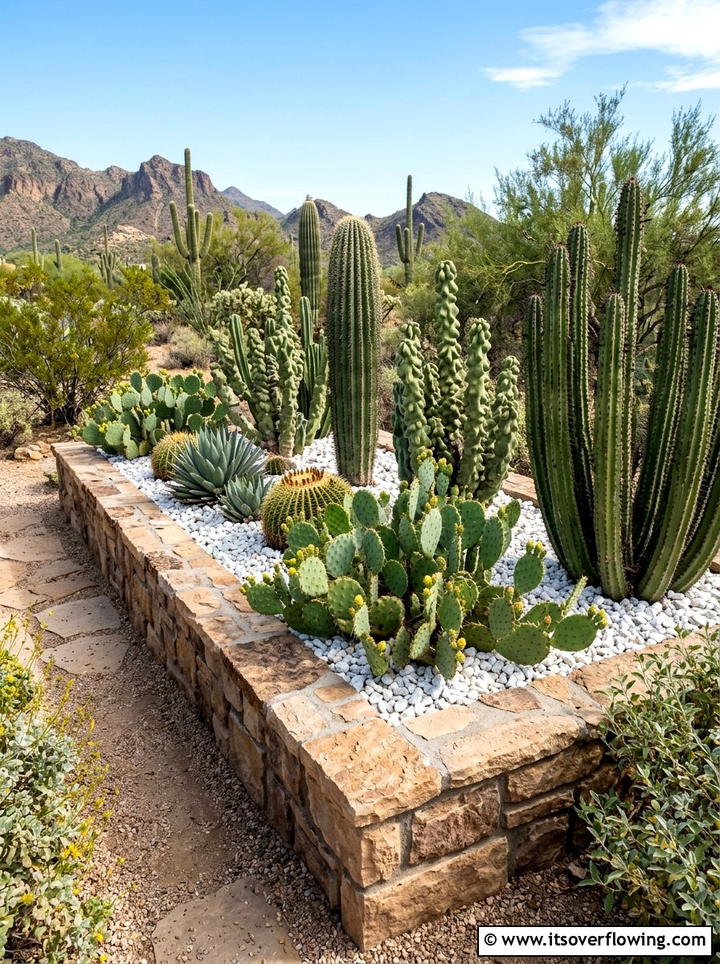
If you want a backyard that feels like a piece of living architecture, a dedicated cactus bed is the way to go. Cacti come in an incredible variety of shapes, from round golden barrels to tall, prickly paddles that catch the light beautifully. By grouping them together in a raised bed with sandy soil, you ensure they have the perfect drainage they need to thrive. Adding a layer of dark lava rock or white quartz on the soil surface makes the unique shapes of the plants pop. These beds are incredibly tough and can withstand intense sun and heat without ever drooping. It is a striking, low-water way to add a modern and exotic flair to your home.
11. Agave Planting
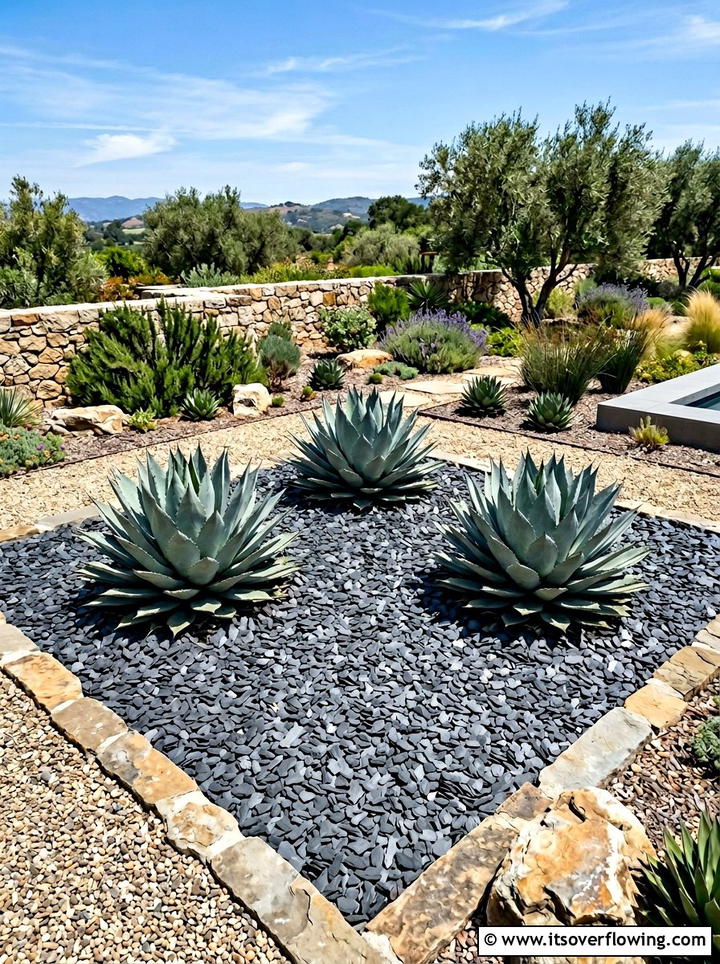
Focusing on large, dramatic plants can simplify your garden design while making a huge visual impact. Agave plants are known for their thick, pointed leaves and symmetrical shapes that look like giant green flowers emerging from the ground. They are extremely drought-tolerant and can go for weeks or even months without a single drop of water. You can plant a single large agave as a centerpiece in a circular bed or line them up along a wall for a structured look. Their blue-gray or variegated leaves provide a cool color palette that feels refreshing in a hot climate. These plants are slow-growing and long-lived, making them a very reliable investment for your permanent backyard landscape.
12. Dry Creek Bed
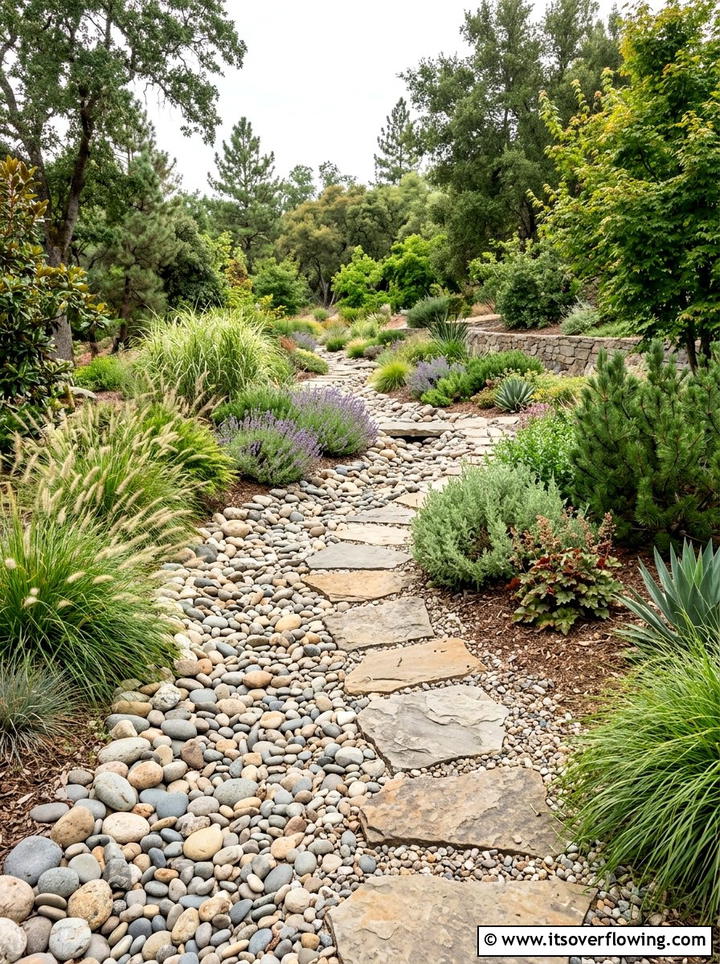
How can you manage occasional heavy rain while keeping a beautiful look during the dry months? A dry creek bed is a functional and decorative feature made from different sizes of river rock and smooth stones. It is designed to look like a natural stream that has temporarily dried up, winding through your garden and under small bridges. This feature helps direct excess water away from your home’s foundation when it does rain, preventing erosion. During the rest of the year, it serves as a stunning hardscape element that breaks up large areas of dirt or mulch. Surrounding the “banks” with tufts of grass or small boulders makes the entire feature look integrated and professional.
13. Xeriscape Courtyard
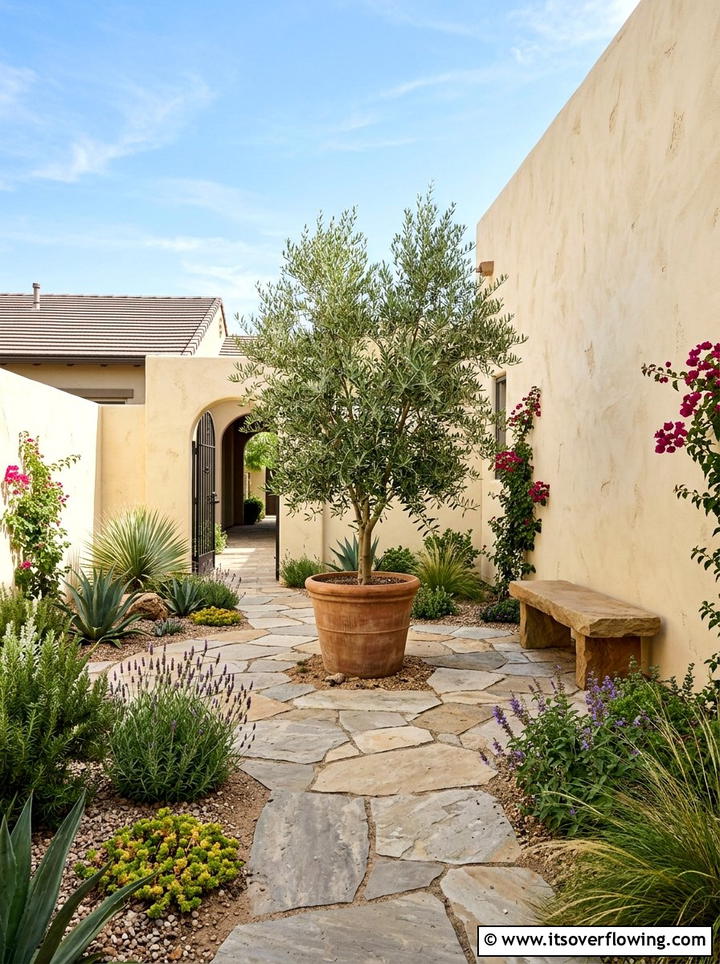
Creating an enclosed xeriscape courtyard provides a private, tranquil retreat that feels like an extension of your indoor living room. By using high walls and a flat, paved floor, you can create a cozy outdoor room that requires no irrigation at all. You can add a few large planters with hardy palms or desert shrubs to bring in a touch of greenery without the mess of a traditional garden. A small, recirculating water feature can be added to provide a cooling sound without wasting water. String lights draped across the courtyard make it a perfect spot for entertaining guests long after the sun goes down. This design maximizes small spaces while keeping resources to a minimum.
14. Fire Pit Area
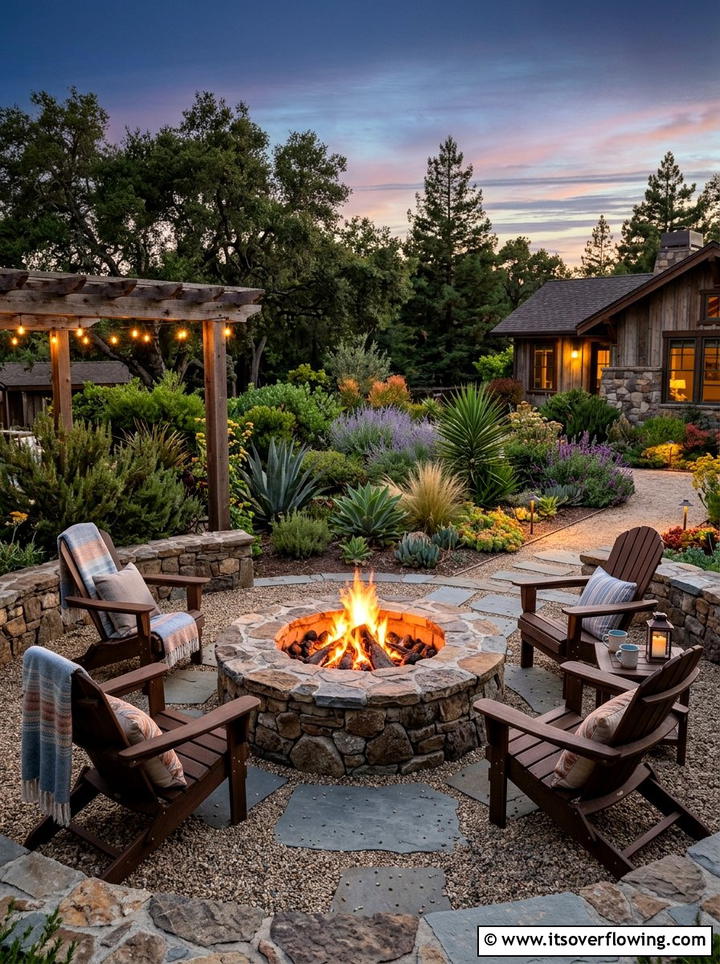
Imagine gathering your friends around a warm fire while surrounded by the low-maintenance beauty of drought-tolerant plants. A dedicated fire pit area often uses non-flammable materials like gravel, pavers, or decomposed granite as a safe and stylish base. You can surround the seating area with low-growing succulents or hardy shrubs that can handle the reflective heat from the fire. This creates a functional zone in your backyard that looks great even when the fire isn’t lit. By choosing plants with interesting textures, you ensure the area feels lush and inviting without needing a thirsty lawn nearby. It is a practical and social way to use your outdoor space year-round with very little effort.
15. Raised Garden Bed
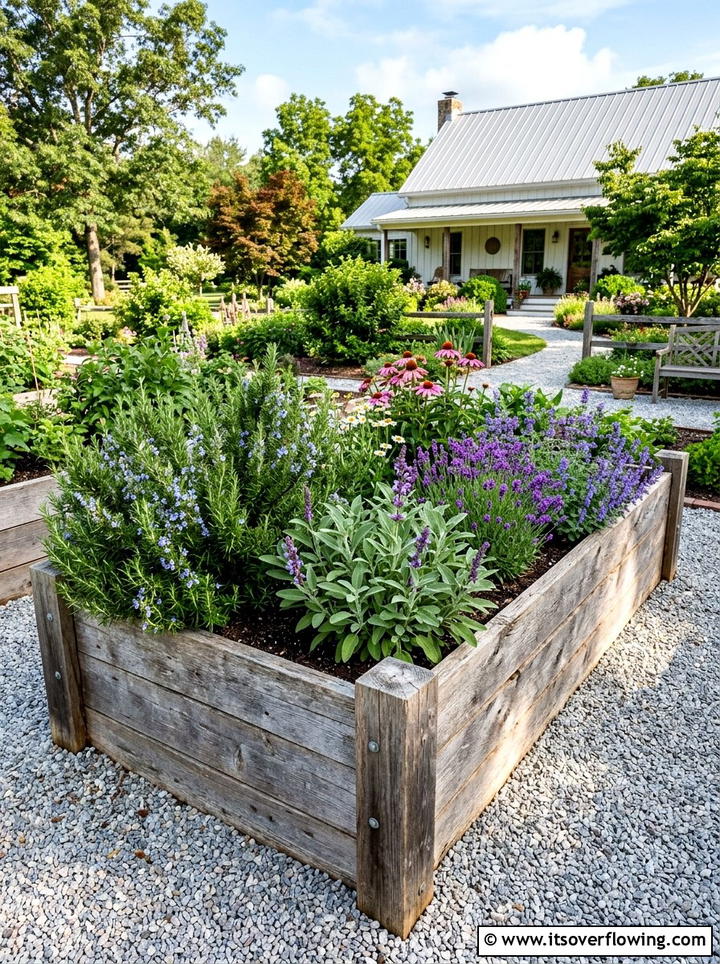
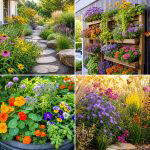
Using raised garden beds allows you to control the soil quality and drainage perfectly, which is essential for many drought-tolerant species. You can build these beds out of weathered wood, corrugated metal, or stacked stone to match the style of your home. Filling them with a mix of sage, rosemary, and drought-resistant perennials creates a productive and beautiful display. Raised beds also make gardening easier on your back and keep the plants organized and tidy. Because they are elevated, they catch the eye and act as a focal point in a larger landscape. They are perfect for growing edible herbs that love the sun and don’t require constant watering to stay healthy.
16. Olive Tree Landscape
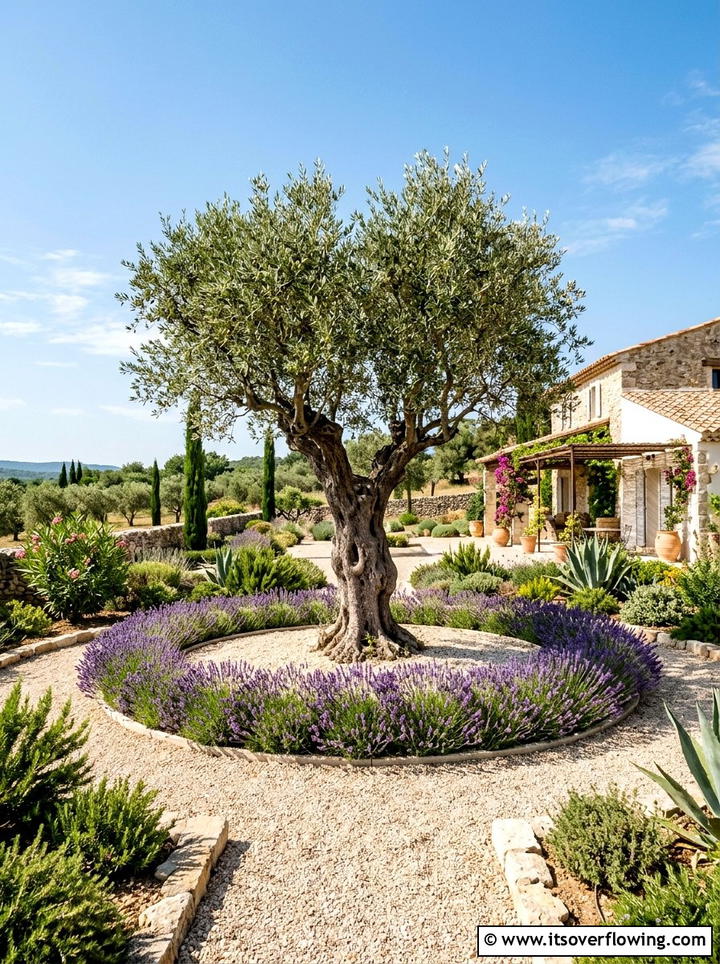
An olive tree serves as a magnificent focal point in a dry backyard, offering silver-toned leaves and a gnarled, ancient-looking trunk. These trees are famous for their ability to survive in harsh, arid conditions and can live for hundreds of years. Underneath the tree, you can lay down light-colored mulch or gravel to highlight its unique silhouette and protect its roots. Surrounding the base with low-water groundcovers like dymondia creates a soft look without the need for a lawn. This setup evokes the feeling of a peaceful orchard and provides a bit of light shade during the day. It is a sophisticated and timeless addition that brings a sense of history to any modern backyard space.
17. Wildflower Meadow
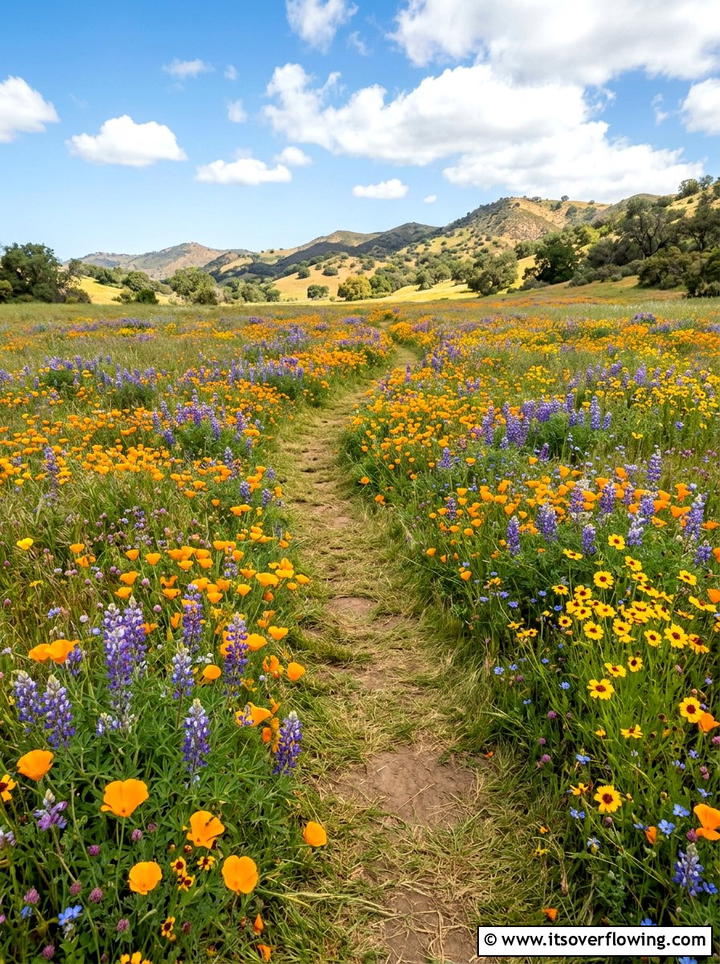
Have you ever wanted a backyard that feels like a natural, rolling field of flowers? A wildflower meadow using drought-tolerant seeds is a wonderful way to cover a large area with color and life. These plants are often annuals or perennials that reseed themselves, creating a changing display every spring and summer. They require very little water once they are established and provide a massive feast for local bees and butterflies. Instead of a flat green lawn, you get a dynamic landscape that moves with the breeze and changes color over time. It is a whimsical and eco-friendly approach that reduces the need for mowing and chemical fertilizers while looking absolutely breathtaking.
18. Paver Patio
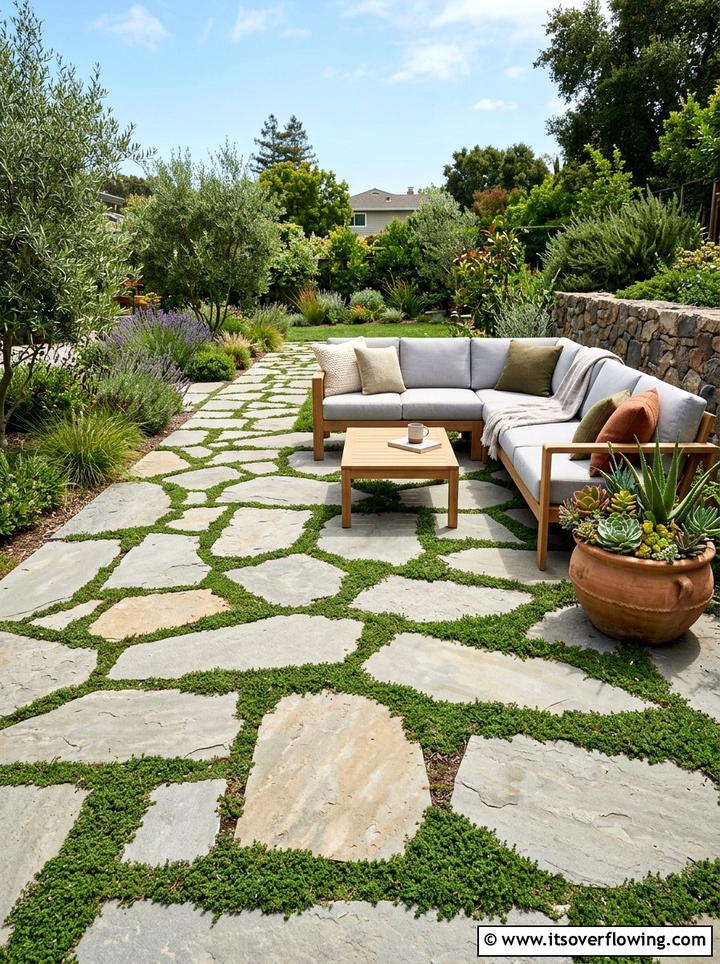
A paver patio offers a structured and clean surface for outdoor dining or lounging that never needs a drop of water. You can choose from a wide variety of materials, including natural flagstone, concrete blocks, or brick, to create a custom pattern. Leaving small gaps between the pavers and filling them with creeping thyme or moss creates a soft, living look that is still very durable. This design allows for some water permeability while providing a solid foundation for heavy furniture and grills. The neutral colors of the pavers help to ground the space and make the surrounding green plants look even more vibrant. It is a classic and practical choice for any water-conscious backyard.
19. Succulent Wall
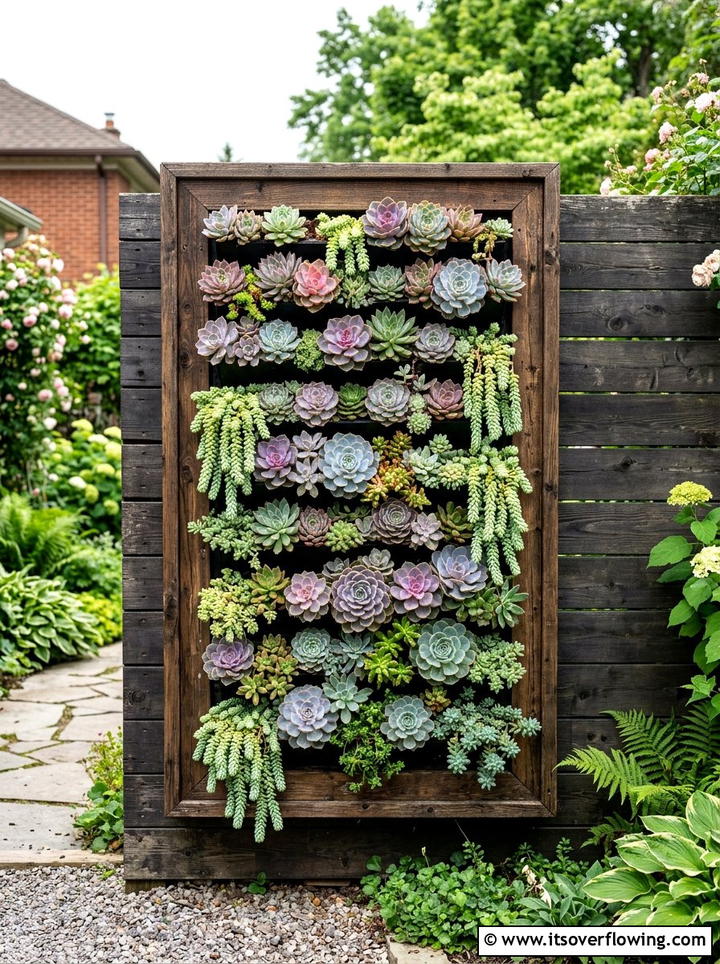
When ground space is limited, why not take your drought-tolerant garden to the vertical plane? A succulent wall is a stunning way to turn a boring fence or a blank exterior wall into a living work of art. These vertical gardens use specialized felt pockets or wooden frames to hold small succulents like echeveria and sedum in place. Because these plants have shallow root systems and store water, they can thrive in these unique environments with only a light misting. The resulting tapestry of colors and textures becomes a major conversation piece for anyone visiting your home. It is a creative way to maximize greenery in small urban backyards while staying committed to water efficiency.

20. Mulch Bed
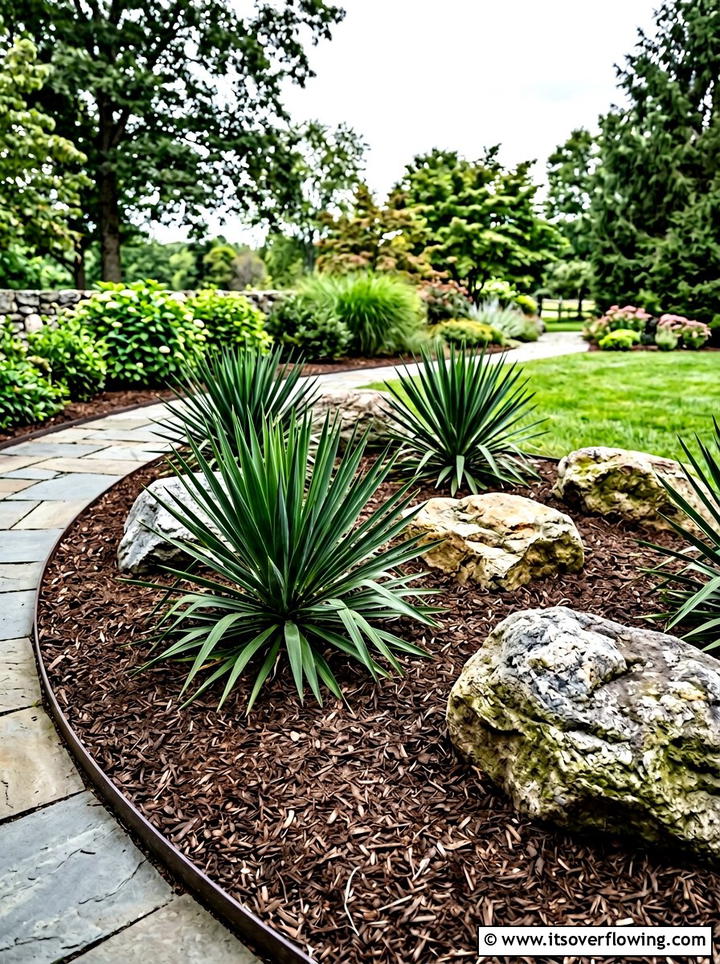
Sometimes the simplest solutions are the most effective for creating a clean and sustainable backyard. A thick layer of organic mulch, such as cedar chips or bark, helps to retain soil moisture and suppress pesky weeds. You can create large, flowing mulch beds that curve through your yard, filled with a few carefully chosen drought-tolerant shrubs or trees. This look is very cohesive and provides a warm, natural texture that contrasts beautifully with green foliage. Mulch also breaks down over time, improving the soil quality without the need for synthetic additives. It is an affordable way to define your landscape and reduce the amount of maintenance required to keep your yard looking polished and intentional.
21. Artificial Turf
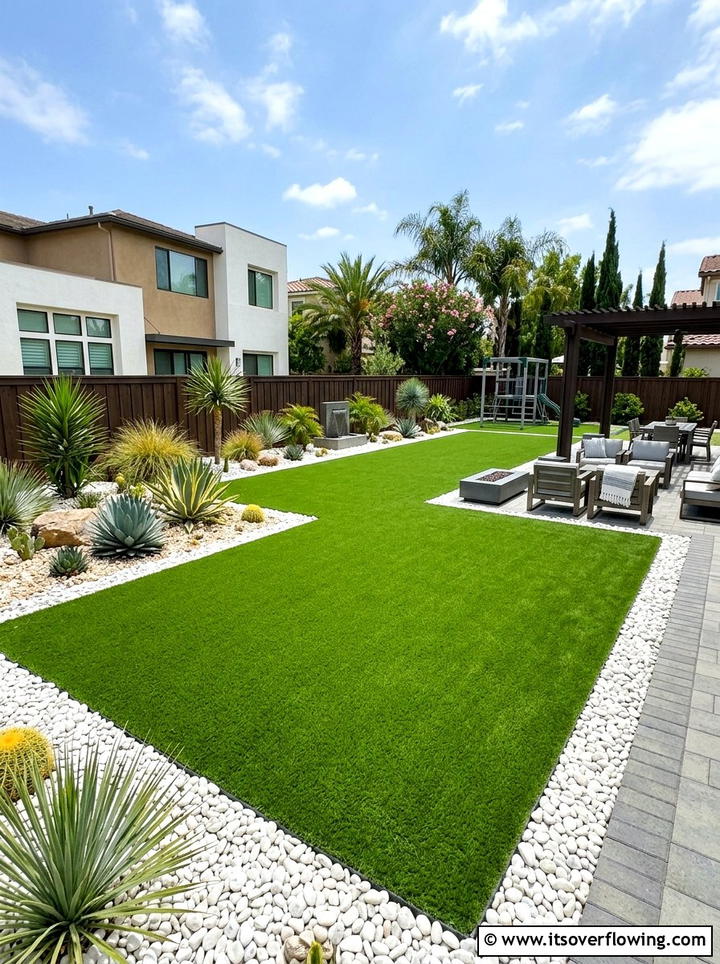
If you still love the look of a green lawn but hate the maintenance and water waste, high-quality artificial turf might be your best option. Modern synthetic grass looks incredibly realistic and stays perfectly green all year long regardless of the weather. It is a great surface for children or pets to play on and requires no mowing, fertilizing, or watering at all. You can surround the turf with a border of drought-tolerant plants and stones to make it blend in with the rest of your landscape. This combination gives you the best of both worlds: a functional play area and a water-wise garden. It is a long-lasting investment that pays for itself in water savings.
22. Retaining Wall Garden
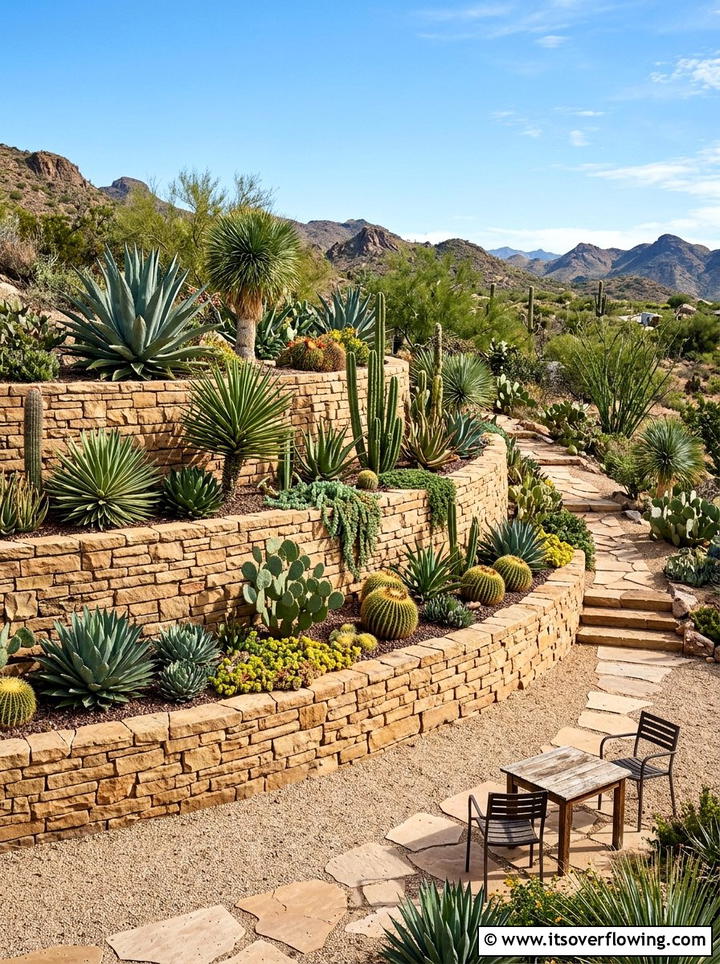
Building a retaining wall out of natural stone or concrete blocks can help level out a sloped yard while creating new planting opportunities. The levels created by the wall act as tiered garden beds where you can showcase various drought-tolerant species at different heights. Trailing plants like rosemary or stonecrop can spill over the edges, softening the hard lines of the wall. This design adds architectural interest and depth to your backyard, making a small space feel much larger. The stones themselves help to keep the soil behind them cool and moist, which is beneficial for the plants. It is a sturdy and attractive way to organize your garden while managing the landscape’s natural grade.
23. Bird Bath Garden
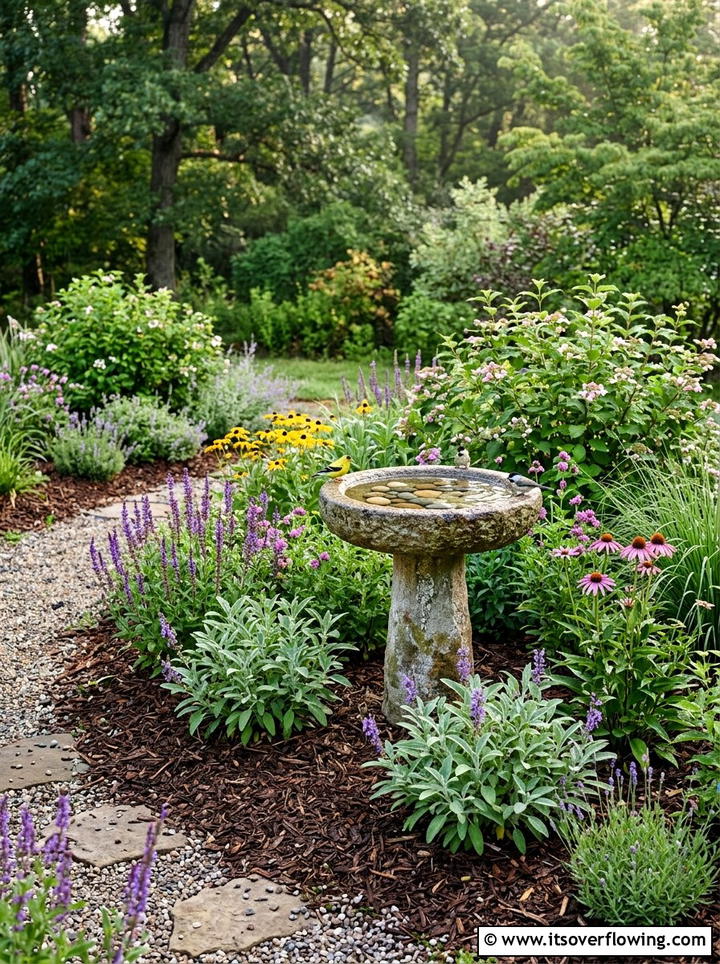
How can you bring more life to a dry backyard without installing a large, wasteful pond? A simple bird bath placed in the center of a drought-tolerant garden bed provides a vital water source for local wildlife. You can surround the bird bath with native shrubs and flowers that provide seeds and shelter for birds throughout the year. This creates a peaceful focal point that encourages you to slow down and observe nature. Because the bird bath only uses a small amount of water that is regularly refreshed, it is a very efficient way to include a water feature. The sound of birds splashing adds a sense of joy and tranquility to your resilient outdoor sanctuary.
24. Hammock Garden
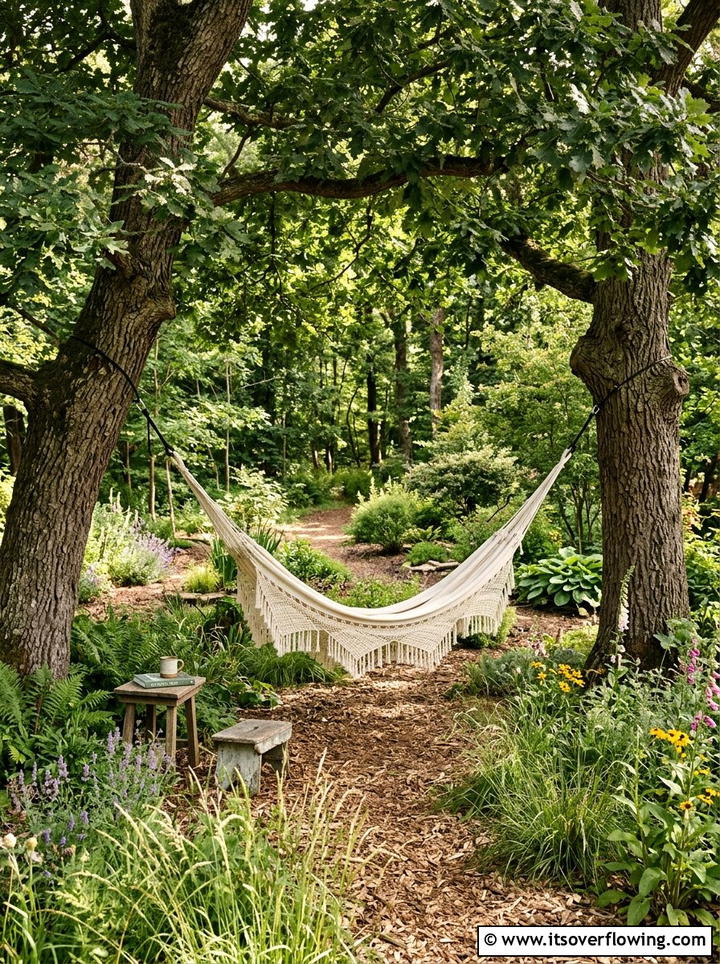
Creating a dedicated space for relaxation is essential for any backyard, and a hammock garden is a low-effort way to do just that. You can hang a hammock between two sturdy, drought-tolerant trees like oaks or pines that provide natural shade. Underneath the hammock, a thick layer of mulch or a bed of soft ornamental grasses creates a comfortable and cool environment. This setup doesn’t require any expensive furniture or constant cleaning to stay looking great. It is a simple, rustic addition that invites you to spend more time outdoors enjoying the fresh air. By using hardy plants for shade, you create a private nook that remains lush and green even during a drought.
25. Container Garden
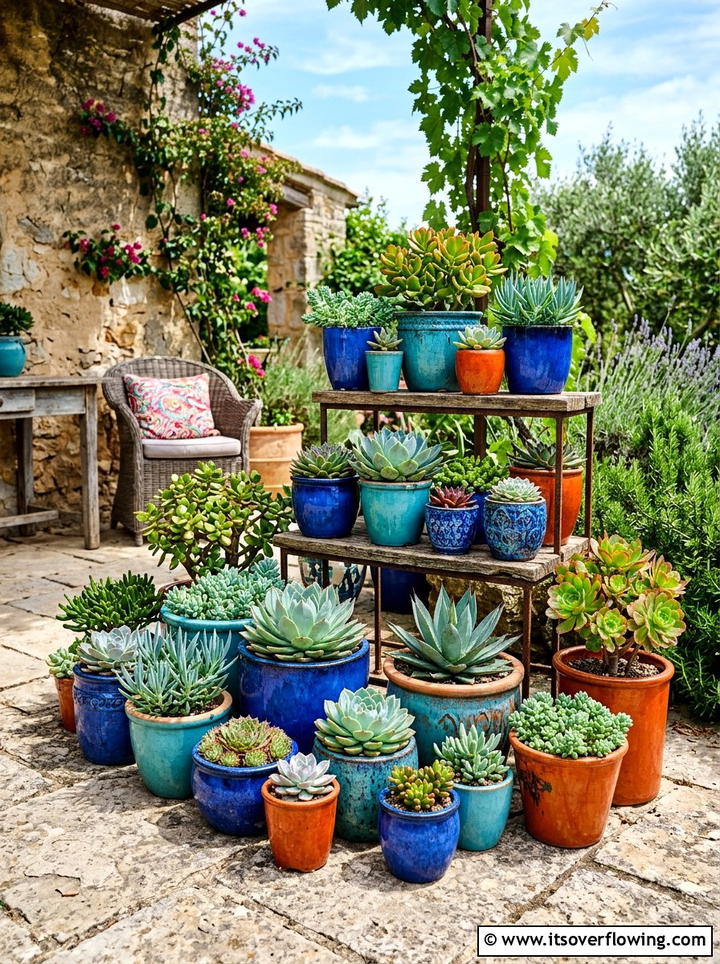
If you are not ready to commit to a full landscape overhaul, a container garden allows you to experiment with drought-tolerant plants in a manageable way. You can choose a variety of colorful pots in different sizes to create a clustered display on your patio or near your back door. Grouping pots together helps to create a microclimate that retains moisture better than single isolated containers. Plants like jade, agave, and various cacti look wonderful in ceramic or terracotta pots that complement your home’s exterior. This approach gives you the flexibility to move your plants around as the seasons change or if you want to refresh your style. It is an easy and stylish way to begin your xeriscaping journey.
Conclusion:
Transitioning to a backyard filled with drought-tolerant plants is a rewarding journey that benefits both the homeowner and the environment. By embracing these water-wise ideas, you can create a stunning, low-maintenance landscape that remains beautiful and resilient throughout the hottest months of the year. Whether you choose the structural elegance of a cactus bed or the soft, swaying movement of ornamental grasses, each choice contributes to a more sustainable future. You will find that saving water does not mean sacrificing style; instead, it opens the door to unique textures and natural beauty that traditional lawns simply cannot offer. Start small with a few containers or go big with a full gravel landscape to enjoy a stress-free, picturesque outdoor retreat for many years to come.
Related posts:
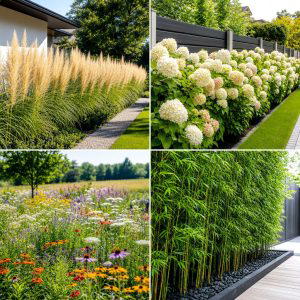 25 Backyard Ideas With Border Plants for Polished Gardens
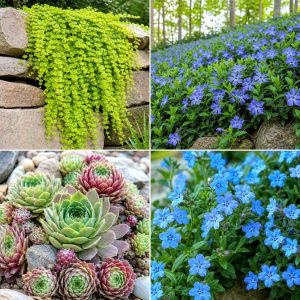 25 Backyard Ideas With Ground Cover Plants for Lush Style
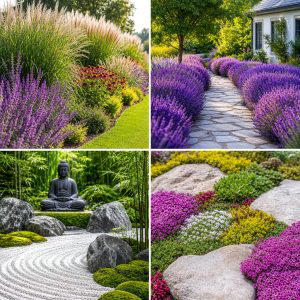 25 Backyard Ideas With Low Maintenance Plants for Easy Style
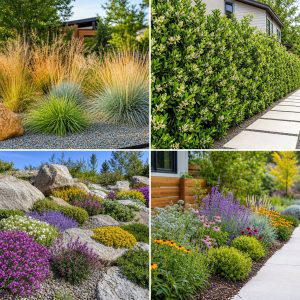 25 Backyard Ideas With Native Plants for a Thriving Garden
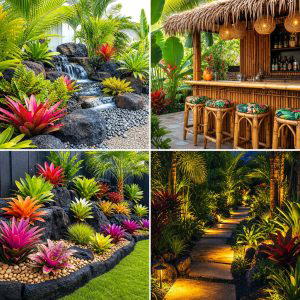 25 Backyard Ideas With Tropical Plants For Lush Style
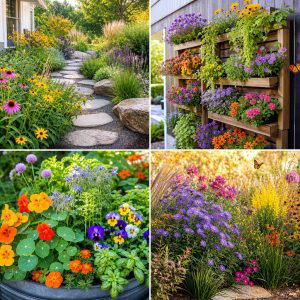 25 Garden Ideas With Pollinator Plants for a Buzzing Backyard
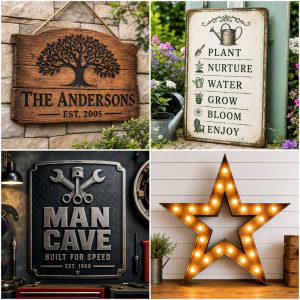 25 Backyard Decorating Ideas With Signs For Backyard Charm
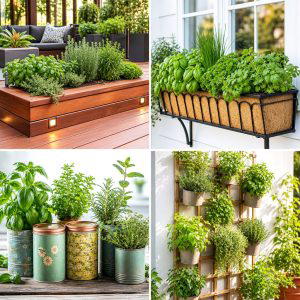 25 backyard decorating ideas with herb stations for Fresh Charm
 25 backyard decorating ideas with personalized decor You’ll Love
 25 Backyard Decorating Ideas With Throws For Cozy Outdoor Style
 25 Backyard Ideas for Narrow Yards to Maximize Space
 25 Backyard Ideas With Barrel Planter for Rustic Garden Charm