
Transforming your outdoor space with local flora is one of the most rewarding ways to create a sustainable and beautiful sanctuary. Native plants are naturally adapted to your local climate and soil conditions, which means they require significantly less water, fertilizer, and maintenance compared to exotic species. By choosing plants that belong in your region, you are also providing essential food and shelter for local wildlife like birds, bees, and butterflies. This guide explores creative ways to incorporate indigenous greenery into your landscape to improve biodiversity while enhancing your home’s curb appeal. Whether you have a sprawling lawn or a small patio, these eco-friendly concepts will help you build a resilient, thriving, and stunning backyard environment.
1. Native wildflower meadow
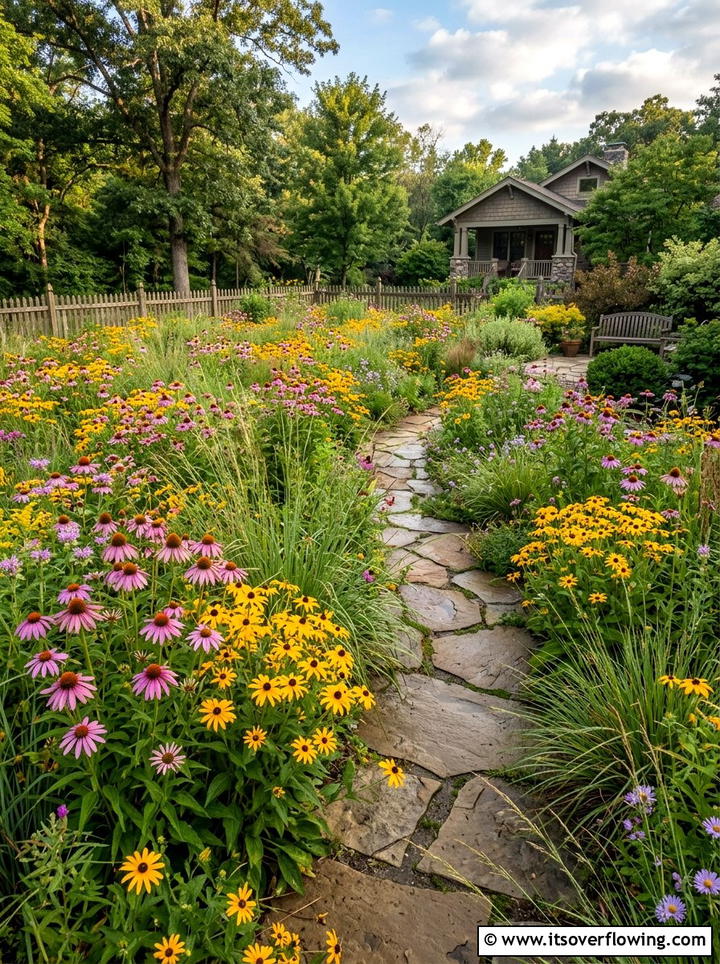
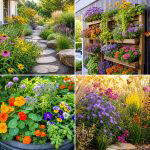
Imagine walking through a sea of colorful blooms that naturally thrive in your local climate without needing constant watering or chemical fertilizers. A native wildflower meadow transforms a standard lawn into a vibrant ecosystem that supports local bees and butterflies throughout the growing season. By selecting a mix of annuals and perennials specific to your region, you create a dynamic landscape that changes colors and textures with the passing weeks. This approach reduces your carbon footprint while offering a relaxed, whimsical aesthetic that looks beautiful from every window in your home. It is a sustainable way to enjoy nature right in your own backyard while significantly cutting down on your weekly mowing chores.
2. Pollinator garden with local perennials
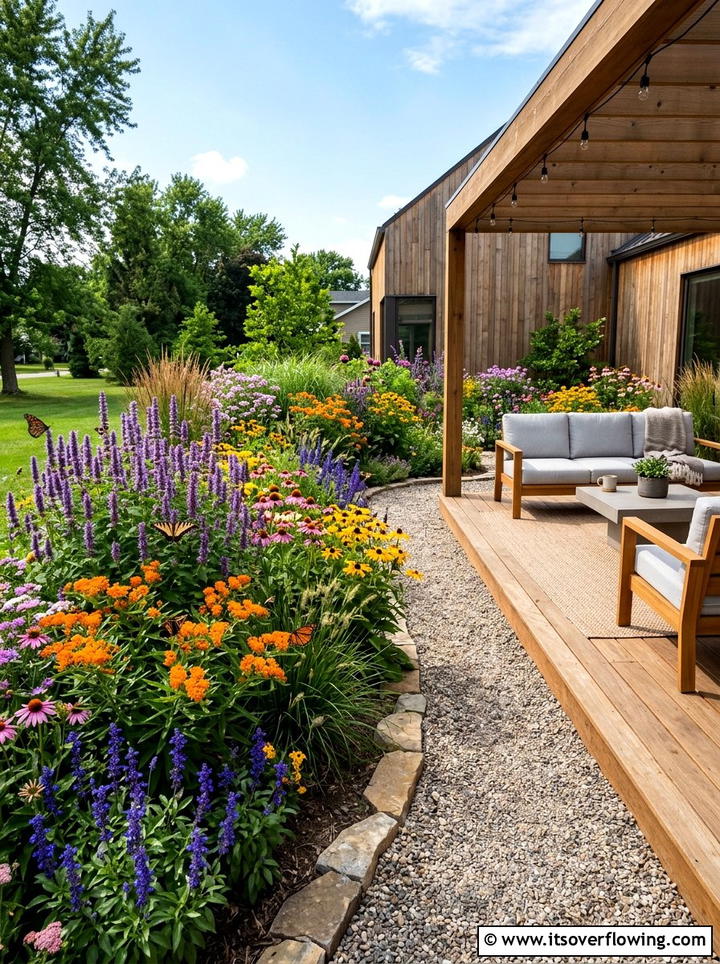
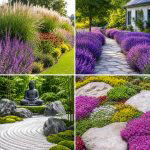
Have you ever noticed how much livelier a space feels when it is buzzing with life and fragrant scents? Creating a pollinator garden using native varieties of flowers provides a feast for essential insects while offering you a calming sensory experience. These plants are incredibly hardy and typically require very little maintenance once they are established in the soil. They provide deep hues that contrast beautifully against silvery green foliage, making your backyard look like a professionally designed retreat. Planting these near a patio ensures you can enjoy the pleasant aroma and the sight of butterflies and hummingbirds visiting your yard every single day during the warm summer months.
3. Drought tolerant native grasses
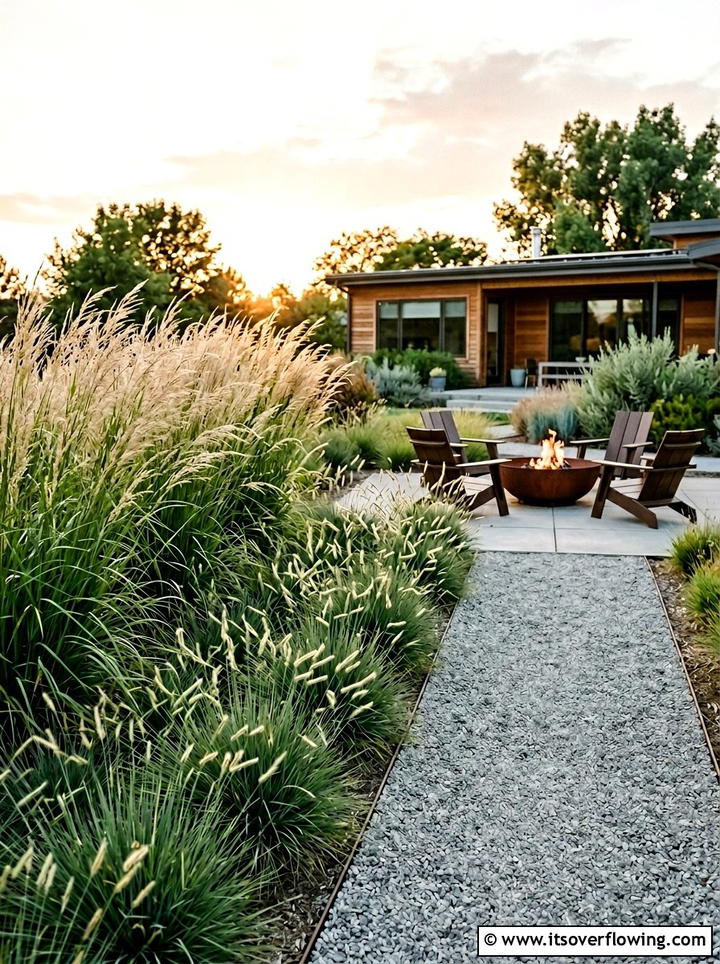
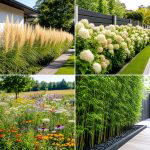
Switching to drought-tolerant native grasses is a fantastic way to maintain a lush look without the high water bill associated with traditional turf. These grasses often have deep root systems that help them survive long dry spells while stabilizing the soil in your yard. Many varieties offer unique textures and heights, ranging from low-growing clumps to tall, swaying blades that add movement to your landscape design. They look particularly stunning when planted in large groups or used as a soft border along fences and walkways. This low-maintenance solution is perfect for homeowners who want a green backyard that remains resilient even during the hottest and driest parts of the year.
4. Native shrub privacy hedge
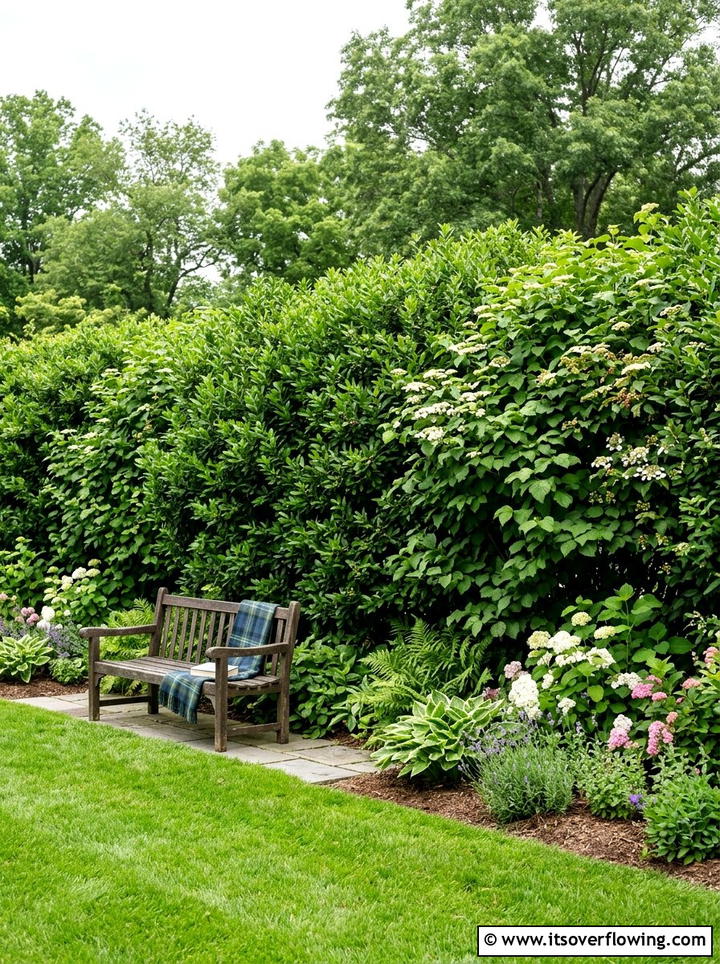
Using native shrubs to create a natural privacy screen is a brilliant alternative to installing expensive and sterile wooden fencing. These dense woody plants grow quickly and provide a thick wall of greenery that blocks unwanted views while dampening neighborhood noise. Many indigenous shrubs also produce beautiful seasonal flowers or colorful berries that attract songbirds, adding an extra layer of enjoyment to your private outdoor sanctuary. Unlike a fence, a living hedge breathes and grows, becoming more beautiful and effective as the years go by. It provides a soft, organic backdrop for your other garden beds and creates a cozy, enclosed feeling for your patio or seating area.
5. Rain garden with water loving plants
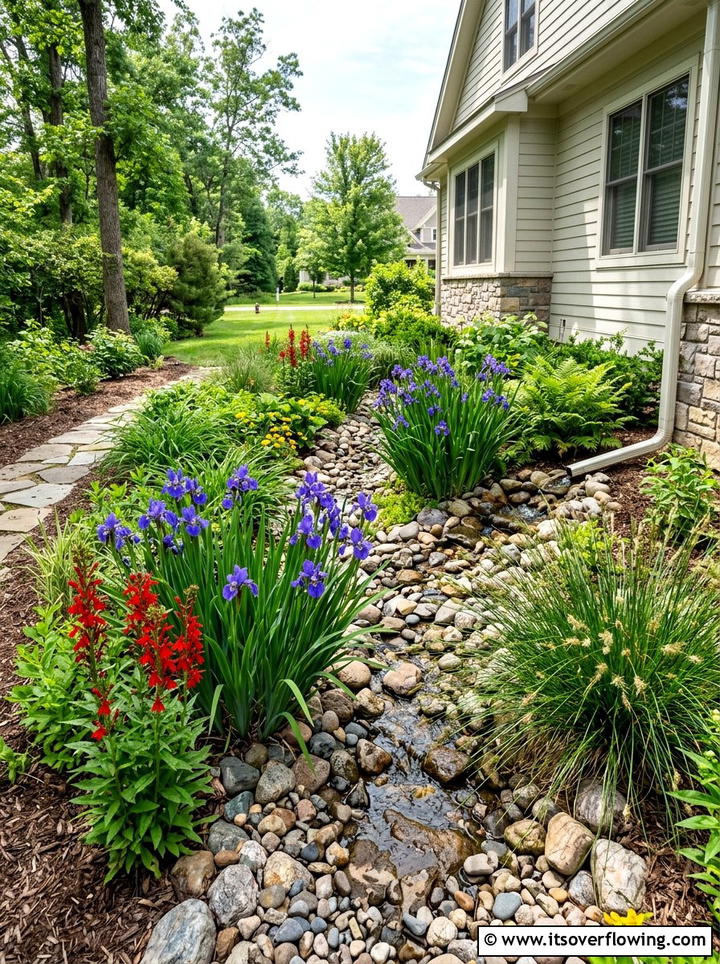
Do you have a low spot in your yard where water tends to collect after a heavy storm? A rain garden filled with water-loving native plants is the perfect solution for managing runoff while creating a gorgeous focal point. These specialized gardens help filter pollutants and allow water to slowly soak back into the ground rather than running off into storm drains. Choose plants that can handle “wet feet” but are also tough enough to survive between rain events. The result is a lush, vibrant area that thrives on natural precipitation and adds architectural interest to your landscape. It is an environmentally responsible choice that turns a drainage problem into a beautiful asset.
6. Bird friendly native berry bushes
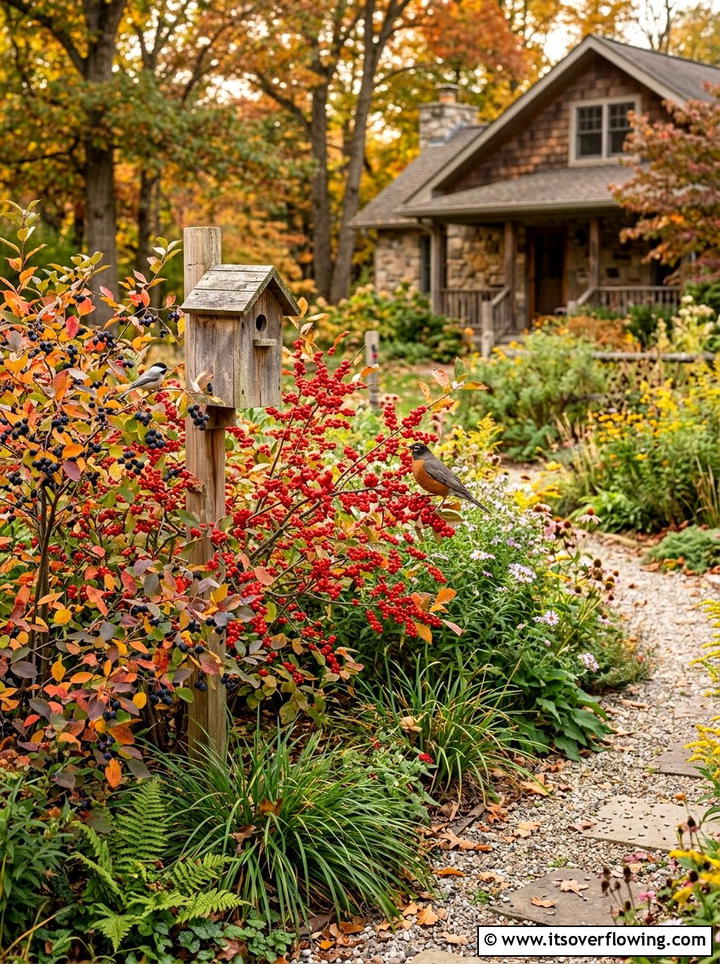
Attracting local birds to your backyard is easy when you provide them with a natural food source like native berry-producing bushes. These plants offer high-energy snacks for feathered friends while adding splashes of bright color to your garden throughout the autumn and winter months. Many of these shrubs feature attractive foliage and delicate spring blossoms before the fruit arrives, providing multi-seasonal interest for your landscape. By planting a variety of species, you can support different types of birds and ensure there is always something for them to eat. It is a wonderful way to connect with nature and enjoy the cheerful sights and sounds of local wildlife right outside.
7. Shade garden with native ferns
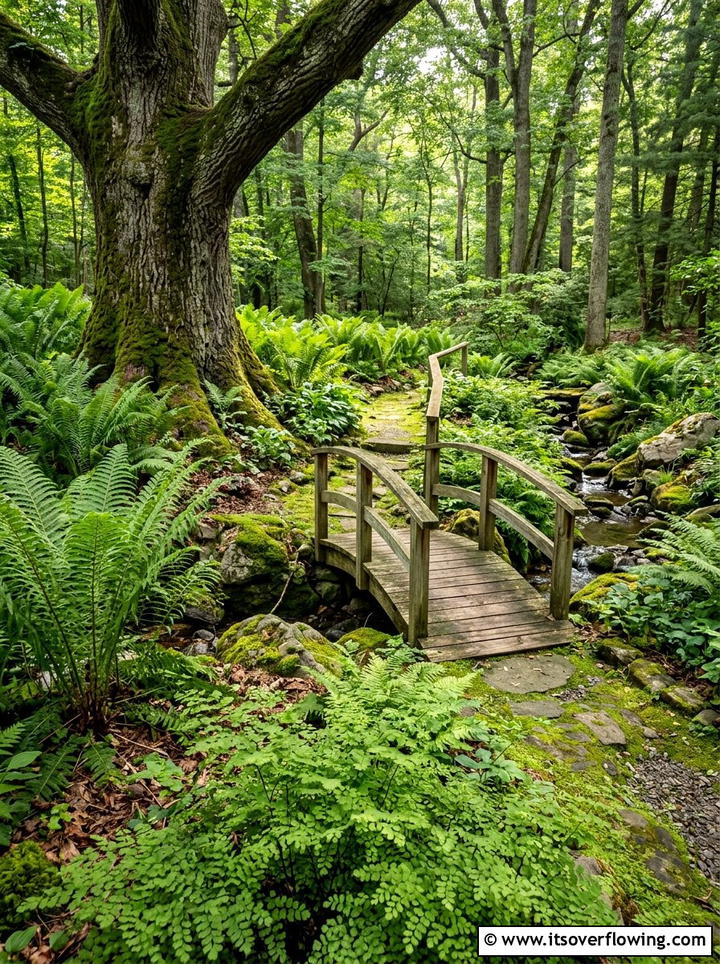
A shady corner under a large tree does not have to be a bare or boring space in your yard. Native ferns are masters of the shade, offering intricate textures and various shades of green that bring life to the dimmest parts of your garden. These prehistoric-looking plants are remarkably resilient and thrive in the cool, moist conditions found beneath a forest canopy or next to a stone wall. They create a lush, tranquil atmosphere that feels like a natural woodland retreat in the middle of a busy neighborhood. Pairing ferns with other native shade-loving perennials will create a rich, layered look that stays fresh all season.
8. Modern xeriscape with native succulents
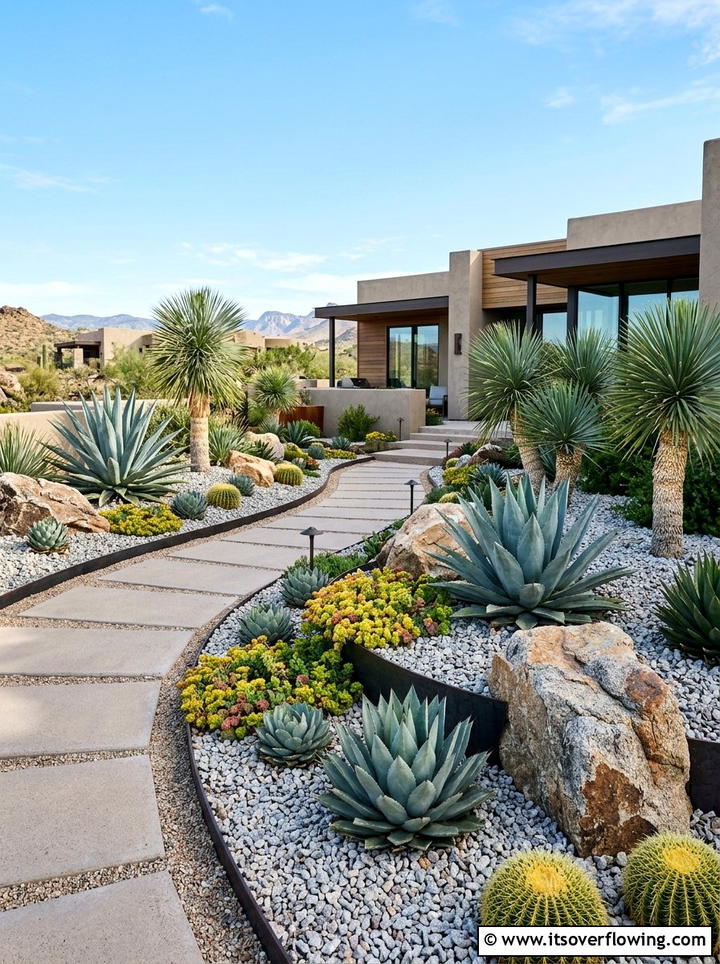
For those living in arid regions, a modern xeriscape using native succulents and rock features is both stylish and incredibly practical. These plants are built to store water and require almost no irrigation, making them the ultimate choice for a low-maintenance, water-wise backyard. By selecting indigenous varieties of agave, yucca, or prickly pear, you ensure your garden is perfectly suited for the local heat and soil. This design style uses clean lines, textured gravel, and architectural plant forms to create a contemporary look that feels like a high-end desert resort. It is a smart and visually striking way to embrace a dry climate while saving precious water.
9. Butterfly garden with milkweed
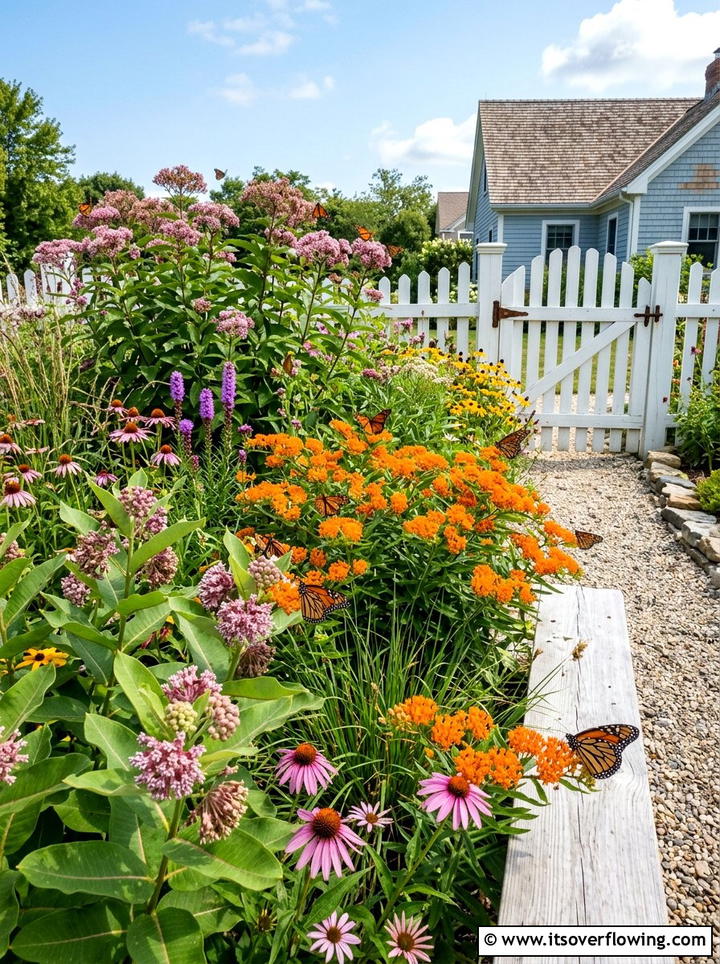
Transforming your yard into a haven for monarch butterflies starts with planting plenty of native milkweed and other nectar-rich flowers. Milkweed is the only food source for monarch caterpillars, making it a critical part of their life cycle and migration patterns. By including a mix of milkweed and other local perennials, you can witness the entire process from egg to butterfly right in your own backyard. These plants are often very hardy and produce beautiful, fragrant blossoms that attract a wide variety of pollinators beyond just butterflies. This purposeful garden space provides a valuable service to the environment while giving you a front-row seat to nature.
10. Native woodland garden under trees
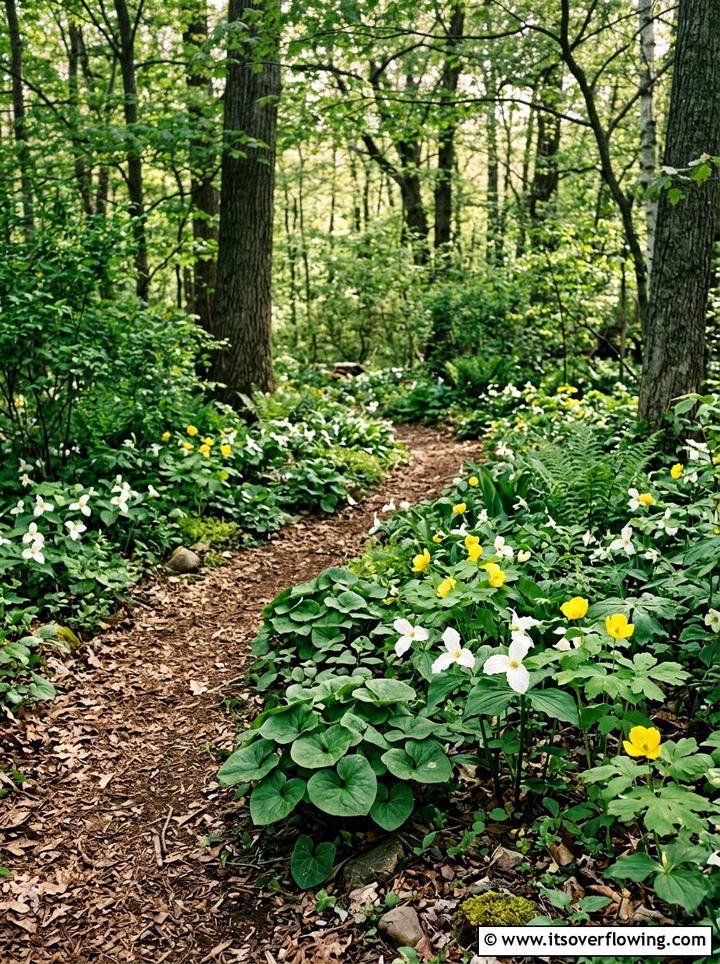
Creating a native woodland garden is a wonderful way to utilize the space beneath existing shade trees while mimicking a natural forest floor. This type of landscape uses layers of plants, from low groundcovers to mid-sized shrubs, to create a lush and healthy environment for woodland creatures. Many native spring ephemerals thrive in these conditions, providing early-season color before the trees have fully leafed out for the summer. It is a cool, quiet, and peaceful way to design a backyard that feels like a hidden escape from the everyday world. The decaying leaves from the trees naturally mulch the soil, providing all the nutrients these plants need.
11. Rock garden with alpine natives
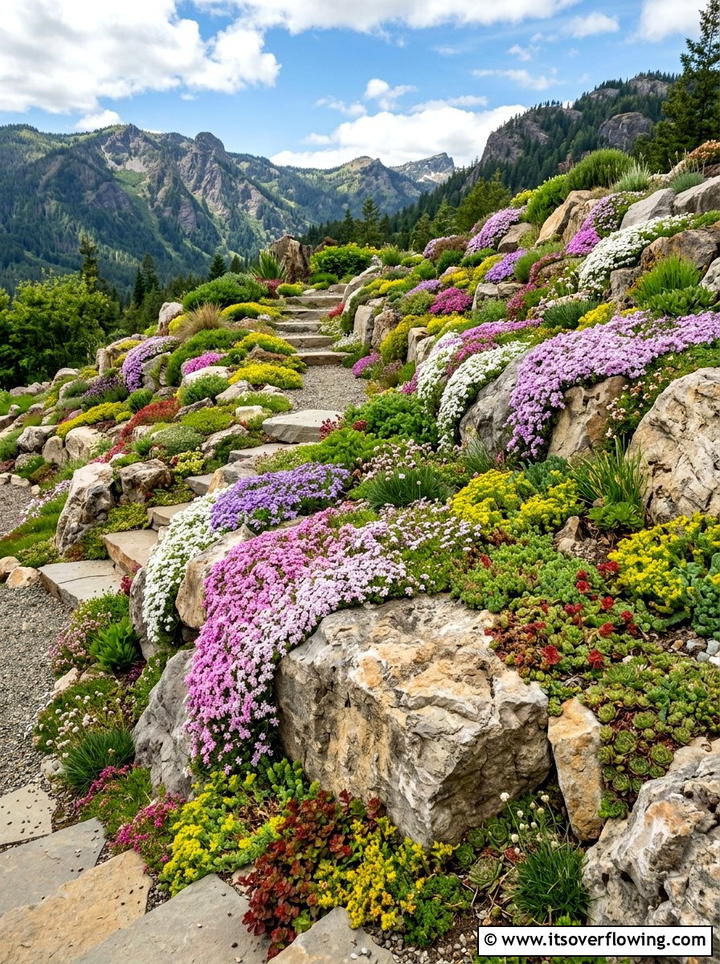
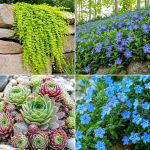
If your backyard has steep slopes or naturally rocky terrain, a rock garden featuring alpine native plants is a clever and attractive solution. These plants are adapted to growing in thin soil and harsh conditions, making them exceptionally tough and long-lived once they are established. They often have a low-growing, cushion-like habit that spills beautifully over stones and boulders, creating a rugged yet charming look. By using local stones and gravel to complement your native plants, you can achieve a seamless transition between your garden and the natural landscape. This design is perfect for creating visual interest in areas where traditional gardening might be difficult.
12. Prairie style backyard landscape
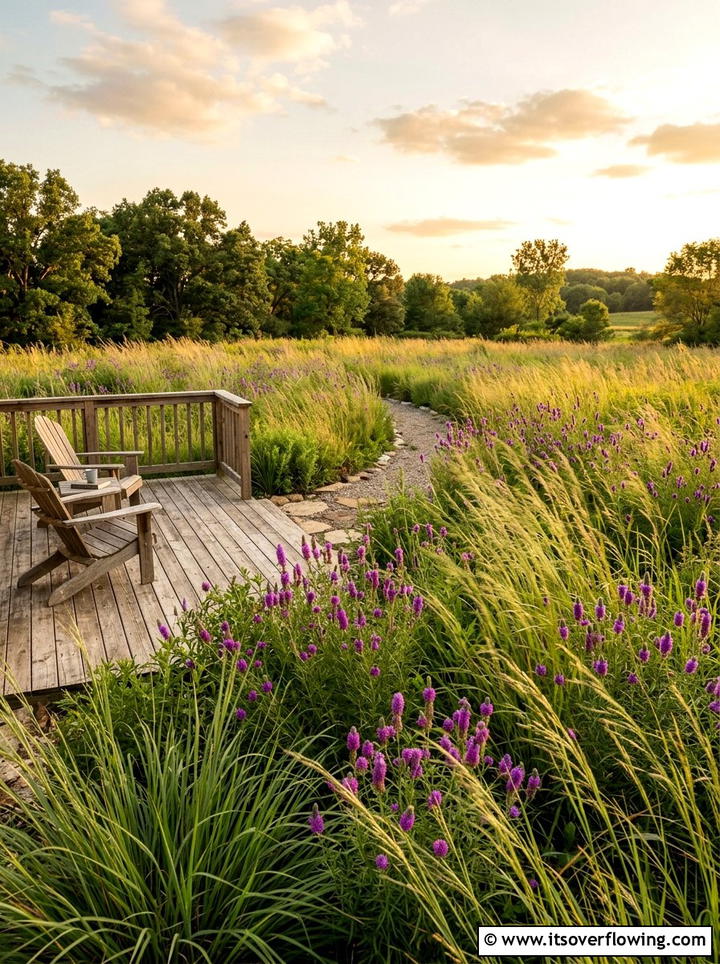
A prairie-style backyard is a celebration of the vast grasslands that once covered large parts of the country, featuring a mix of tall native grasses and colorful wildflowers. This design creates a sense of openness and movement, as the tall stems sway gently in the breeze and catch the sunlight. It is a high-impact, low-maintenance approach that provides food and shelter for a massive variety of birds and beneficial insects throughout the year. The deep roots of prairie plants help build healthy soil and capture carbon, making this a truly eco-friendly landscaping choice. This style is particularly effective for larger backyards where you want to create a grand, natural feel.
13. Native groundcover instead of grass
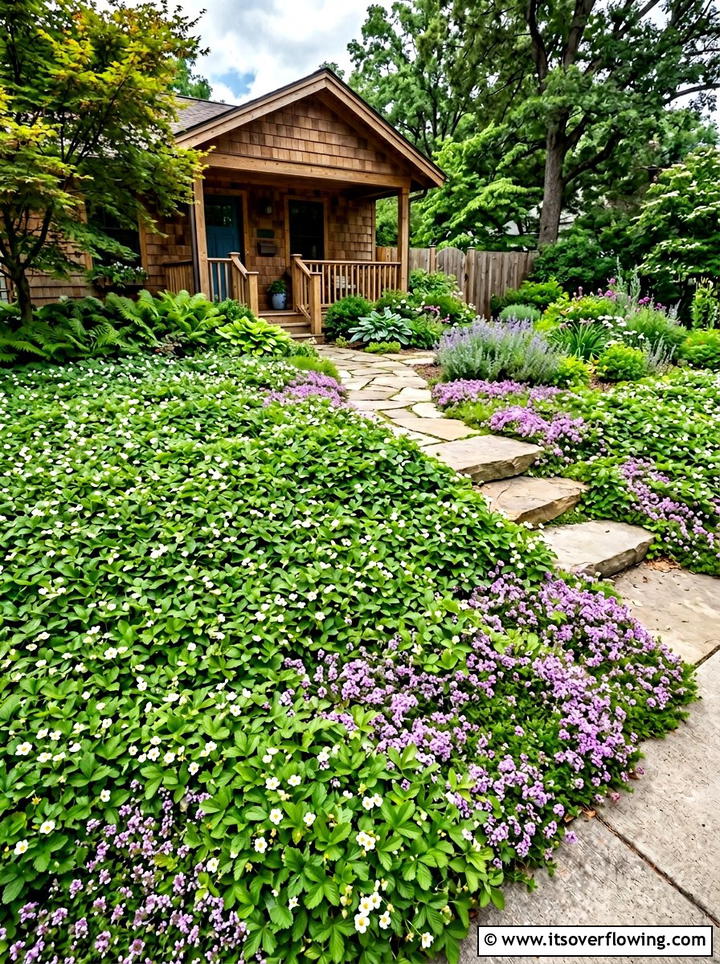
Replacing a traditional, thirsty lawn with native groundcovers is a smart way to reduce your maintenance load while keeping your yard green and lush. There are many local creeping plants that stay low to the ground and provide a soft, dense carpet of foliage that can even handle light foot traffic. Many of these alternatives produce small, delicate flowers or have interesting leaf shapes that add far more character than a standard blade of grass. They typically require no mowing and very little water once they have filled in the area. This is a practical and attractive solution for slopes, shady spots, or anywhere grass struggles to grow.
14. Hummingbird garden with tubular flowers
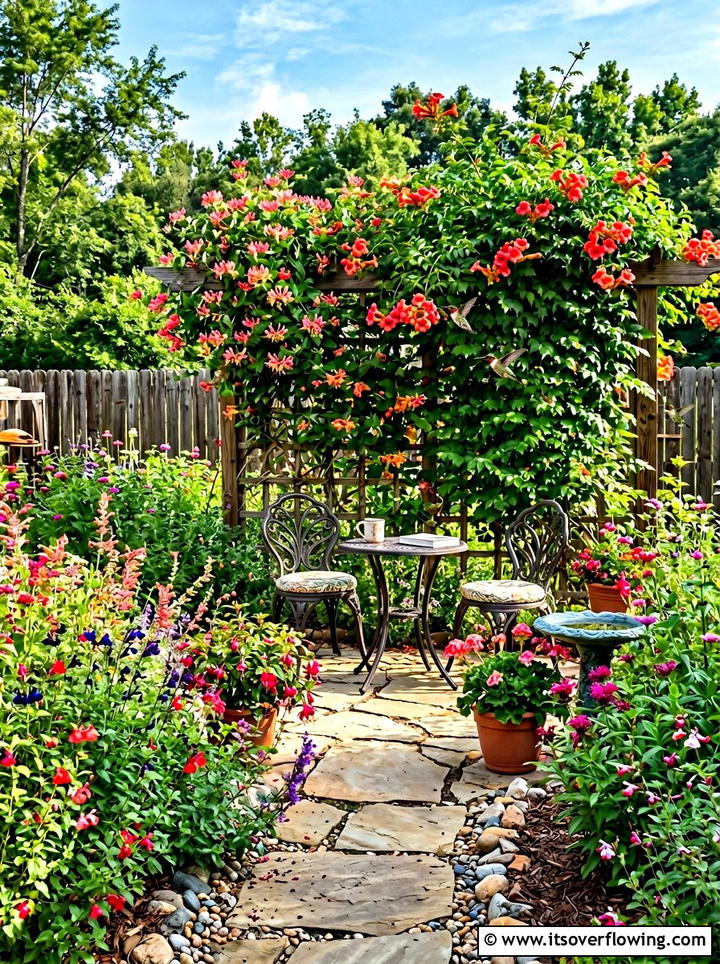
Do you want to see more hummingbirds zip through your backyard while you enjoy your morning coffee on the patio? Planting native tubular flowers like honeysuckle or columbine is the most effective way to attract these tiny, high-energy visitors. These flowers are specifically designed for hummingbird beaks and provide a natural, high-quality nectar source that helps them thrive during their long migrations. By grouping these plants in sunny spots near your seating areas, you can enjoy their bright colors and the acrobatic flight of the birds all summer. It is a delightful and rewarding way to bring more movement and joy into your private outdoor space.
15. Coastal garden with salt tolerant natives
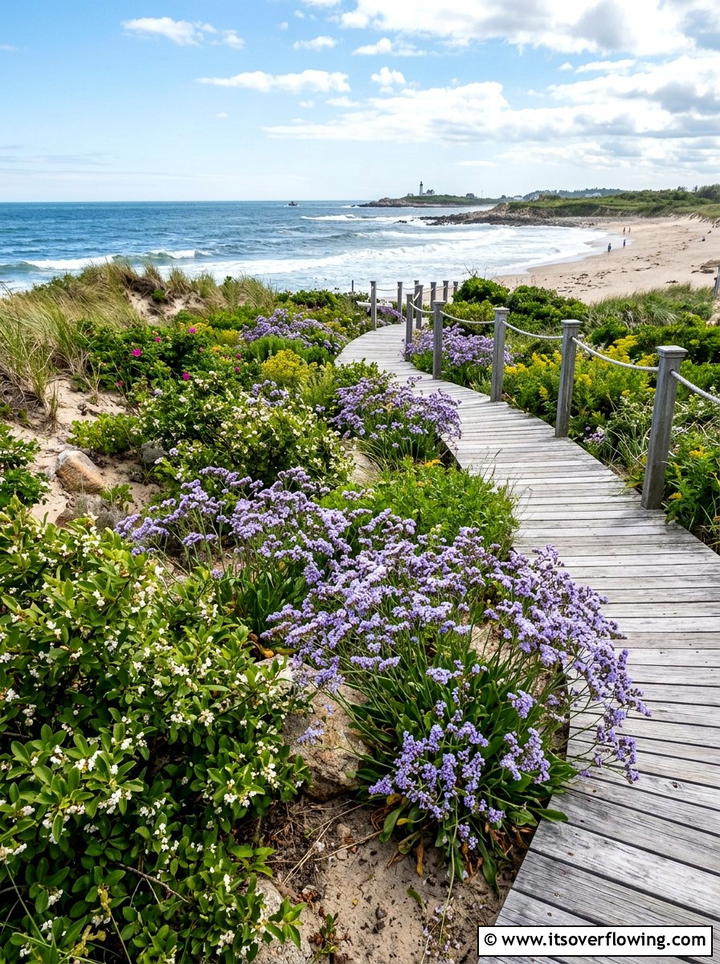
Living near the ocean presents unique challenges for gardening, but using salt-tolerant native plants is the key to a thriving coastal backyard. These plants have adapted to handle salty breezes, sandy soil, and intense sun without showing signs of stress or leaf burn. Many coastal natives have silvery foliage or waxy leaves that help them retain moisture in harsh, windy conditions. They create a breezy, relaxed aesthetic that perfectly complements the seaside environment and requires very little intervention from you. By choosing plants that naturally grow along your local shoreline, you can create a beautiful garden that is tough enough to withstand any coastal storm.
16. Edible backyard with native fruit trees
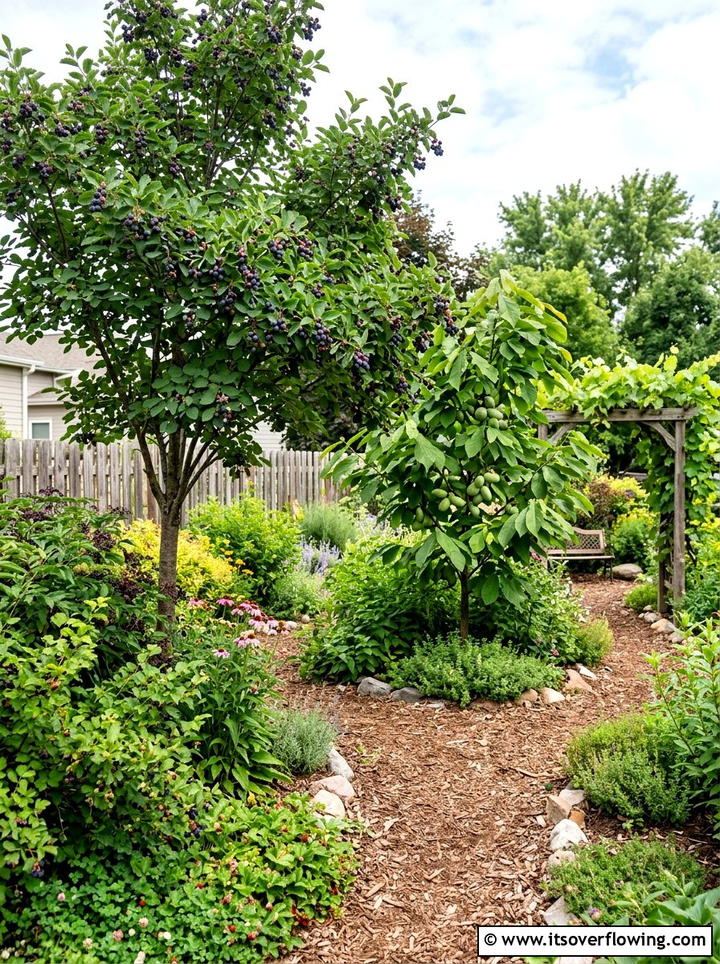
Creating an edible landscape with native fruit and nut trees is a delicious way to make your backyard more productive and sustainable. Local species like elderberry, pawpaw, or serviceberry are already perfectly adapted to your regional pests and climate, making them easier to grow than many commercial fruit trees. These plants offer beautiful spring blossoms and attractive autumn foliage, serving as both ornamental and functional additions to your yard. Harvesting your own fresh, organic fruit is a rewarding experience that also reduces your reliance on grocery store produce. It is a wonderful way to teach children about where their food comes from while enjoying a healthy, homegrown snack.
17. Desert landscape with agave and yucca
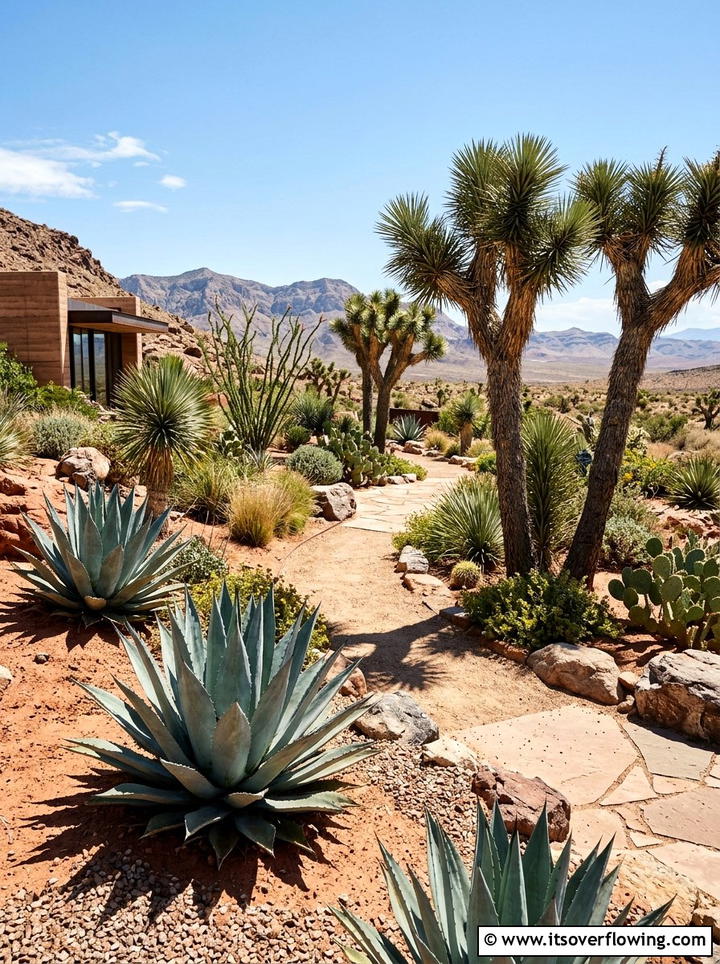
In hot, dry climates, embracing a desert-style landscape with native agave and yucca creates a striking and incredibly resilient backyard. These architectural plants offer bold shapes and interesting textures that look like natural sculptures in your outdoor space. Because they are native to arid regions, they can survive on very little water and thrive in the intense desert sun without any extra care. This design approach often uses decorative gravel and large boulders to create a clean, modern look that requires almost zero maintenance. It is a sophisticated way to landscape a yard that stays green and structural all year long, regardless of the heat.
18. Naturalistic pond with aquatic natives
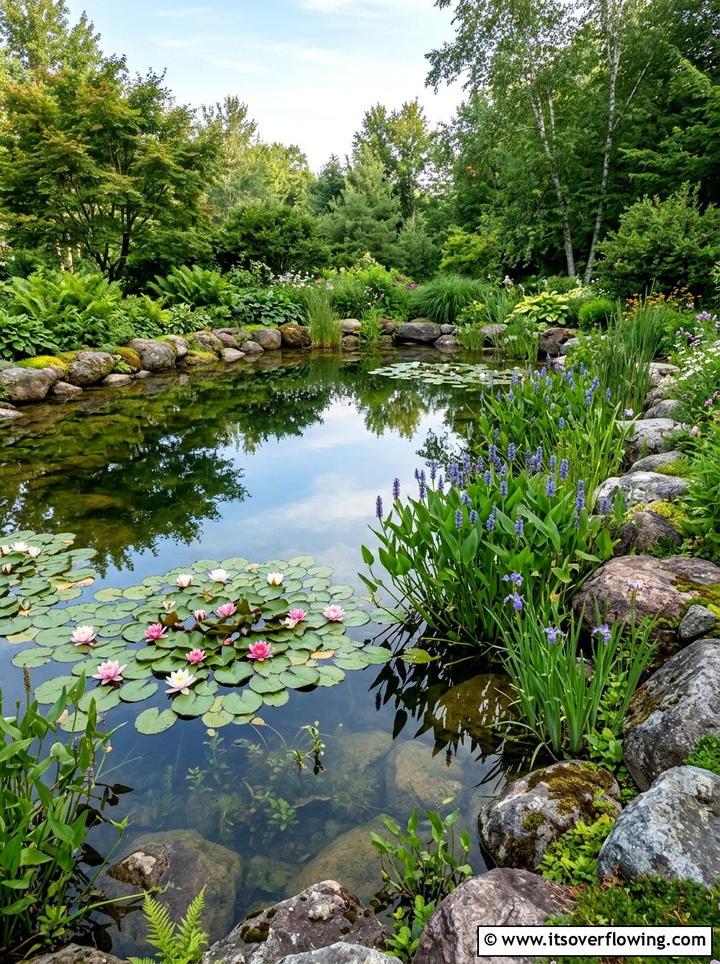
Adding a naturalistic pond filled with native aquatic plants can transform your backyard into a serene and biodiverse oasis for many local species. Water-lilies, rushes, and sedges that are indigenous to your area will help keep the water clear and provide essential habitat for frogs, dragonflies, and birds. Unlike a formal pool, a native pond feels like it belongs in the landscape and requires very few chemicals to maintain its healthy balance. The sound of water and the sight of local wildlife visiting the pond create a deeply relaxing atmosphere that can be enjoyed from a nearby deck or patio. It is a stunning focal point.
19. Winter interest with native evergreens
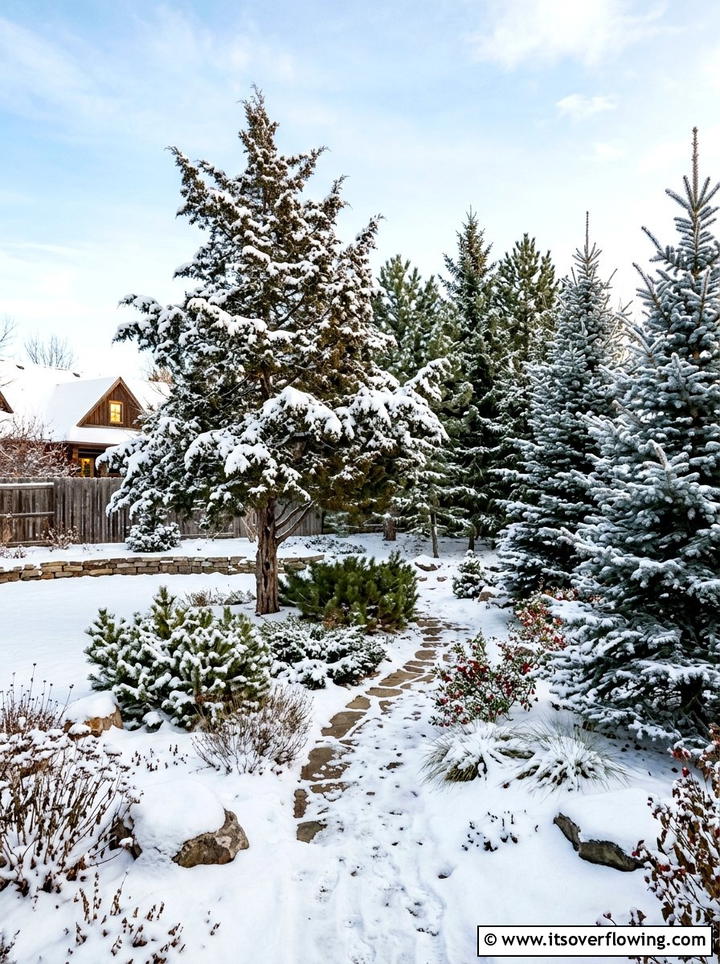
A well-designed backyard should look beautiful even in the middle of winter when most other plants have gone dormant for the season. Native evergreens provide essential structure and deep green color that keeps your yard from looking bare or bleak during the coldest months. These plants also offer vital shelter for local birds and small animals when the temperatures drop and the snow begins to fall. Many indigenous evergreens also feature interesting textures or colorful cones that add visual variety to your winter landscape. By incorporating these hardy plants into your design, you ensure that your backyard remains a lush and inviting space all year long.
20. Wildflower border along garden paths
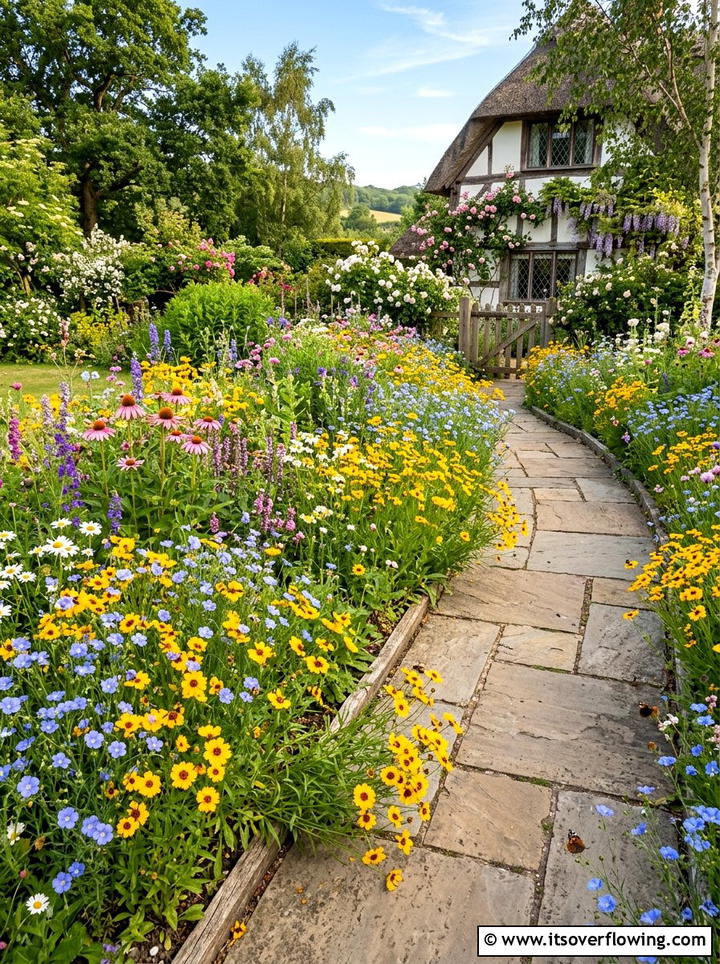
Do you have a simple garden path that needs a little bit of extra character and charm to make it feel more inviting? Planting a border of native wildflowers along your walkways creates a soft, colorful transition between your hardscaping and the rest of your yard. These low-maintenance flowers will spill over the edges of the path, adding a romantic and natural feel to every walk you take through your garden. You can choose a mix of heights and colors to create a layered look that stays interesting from early spring through late autumn. It is a simple but high-impact way to improve the flow of your landscape.
21. Native ornamental grasses for texture
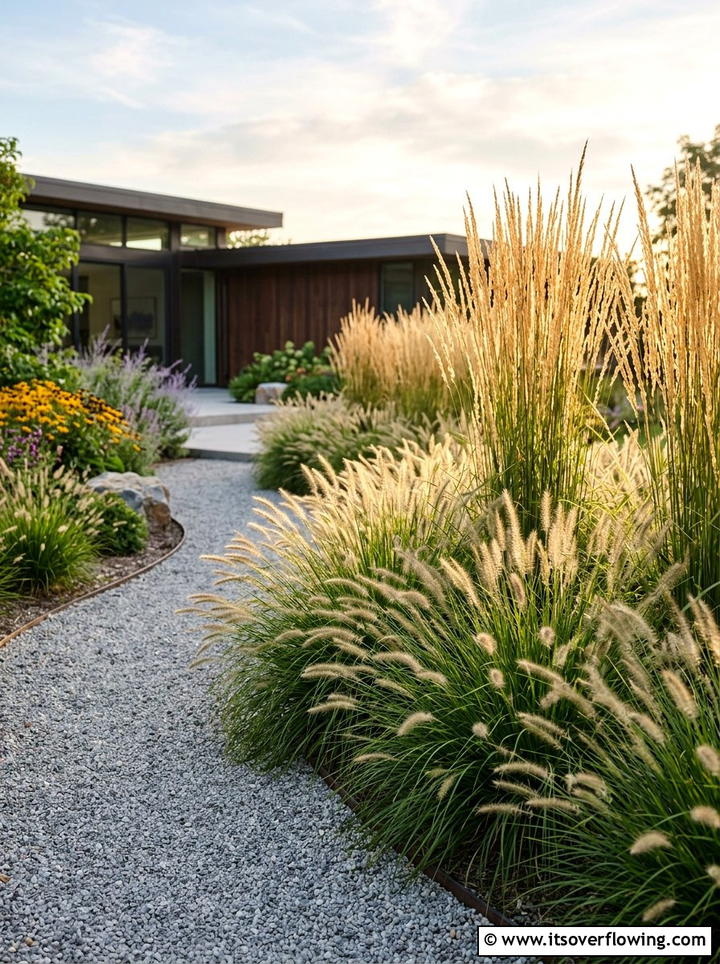
Using native ornamental grasses is a brilliant way to add texture, volume, and movement to your backyard beds without the need for constant care. These grasses range from small, fine-textured tufts to large, dramatic plumes that can serve as a stunning focal point in any garden design. They are exceptionally hardy and provide visual interest throughout the entire year, even in the winter when their dried seed heads catch the frost and snow. Many native grasses also change colors beautifully in the fall, offering shades of gold, orange, and deep red. They are perfect for filling in large spaces and creating a soft, natural aesthetic.
22. Cottage garden with local flowers
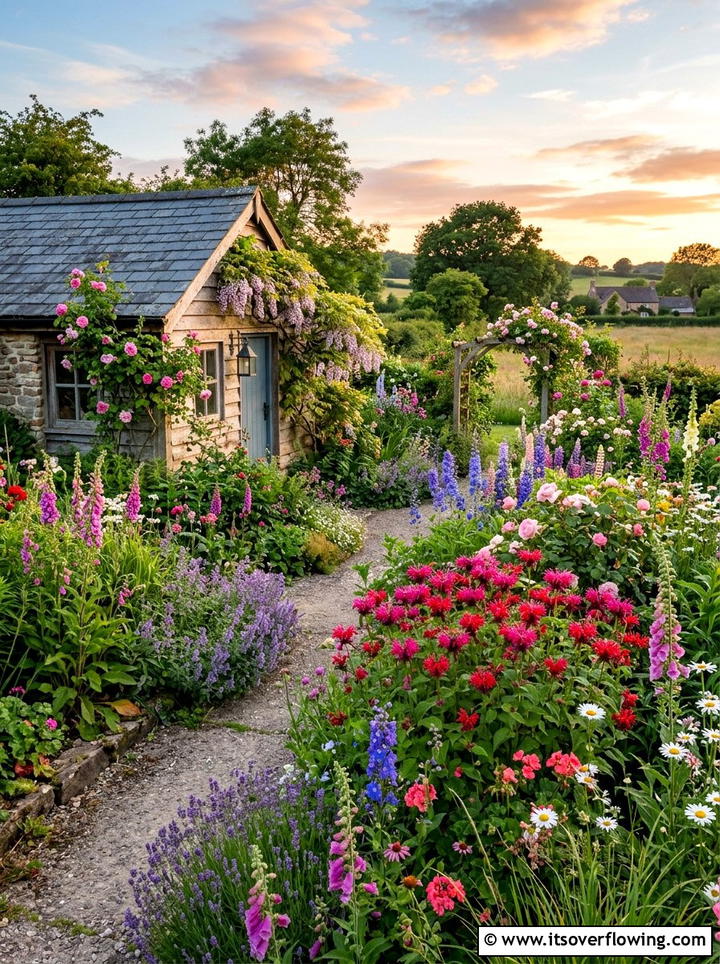
You can achieve a classic, romantic cottage garden look while still using sustainable, native plants that are perfectly suited for your local environment. Choose a variety of indigenous perennials that offer a mix of heights and overlapping bloom times to create a dense, colorful display. This style of gardening is meant to feel a little bit wild and overflowing, making it the perfect way to use native species that thrive together. Not only will this create a stunning and fragrant backyard, but it will also provide a massive amount of food for local bees and butterflies. It is a beautiful way to blend traditional aesthetics with modern ecological responsibility.
23. Fall color with native deciduous trees
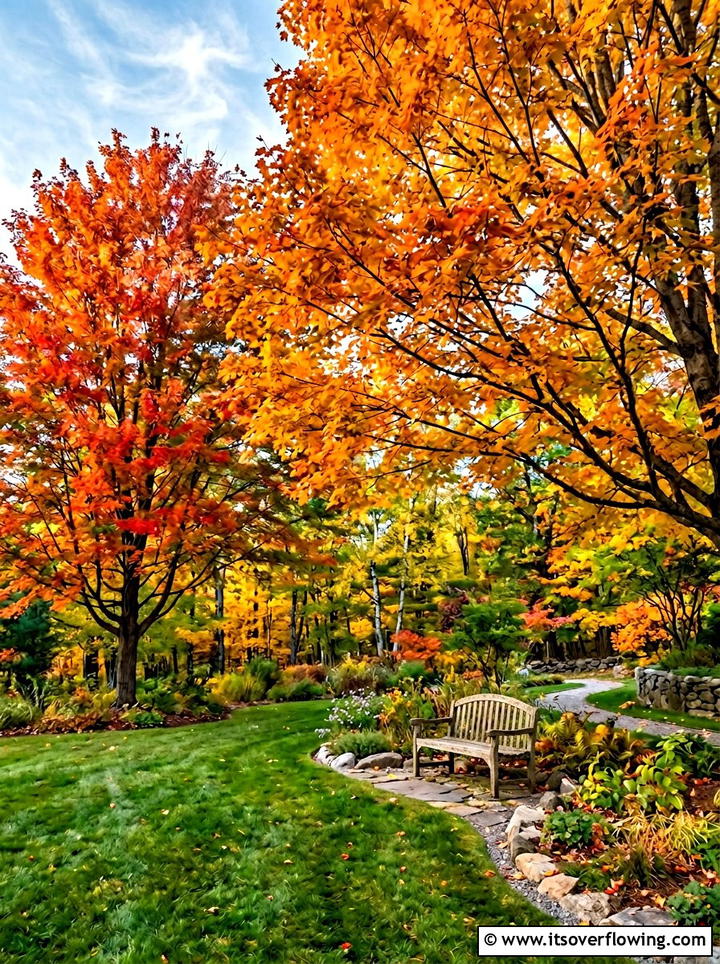
One of the best ways to enjoy the changing seasons in your backyard is by planting native deciduous trees that offer spectacular autumn foliage. Local maples, oaks, and dogwoods often provide the most reliable and intense colors because they are perfectly synchronized with your regional climate. These trees also provide essential shade during the hot summer months, helping to keep your home cooler and reducing your energy costs. In the winter, their architectural branch patterns add a different type of beauty to your landscape. Planting a native tree is a long-term investment that will provide beauty, shade, and habitat for many decades to come.
24. Low maintenance native plant bed
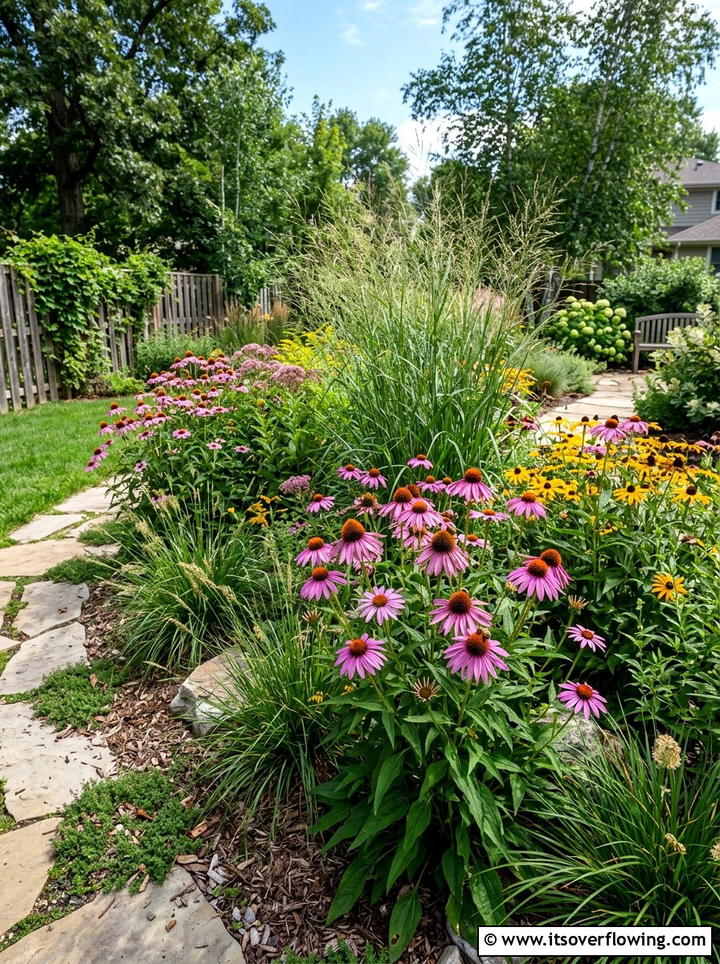
If you want a beautiful backyard but have very little time for gardening, a dedicated low-maintenance native plant bed is the ideal solution. By choosing a mix of local shrubs, perennials, and groundcovers that are known for their toughness, you can create a bed that practically takes care of itself. Once these plants are established, they will suppress weeds and require very little supplemental watering or pruning. This approach allows you to enjoy a lush, green space without spending your entire weekend pulling weeds or dragging a hose around. It is the perfect choice for busy homeowners who still want to support local biodiversity in their own yard.
25. Urban backyard with potted natives
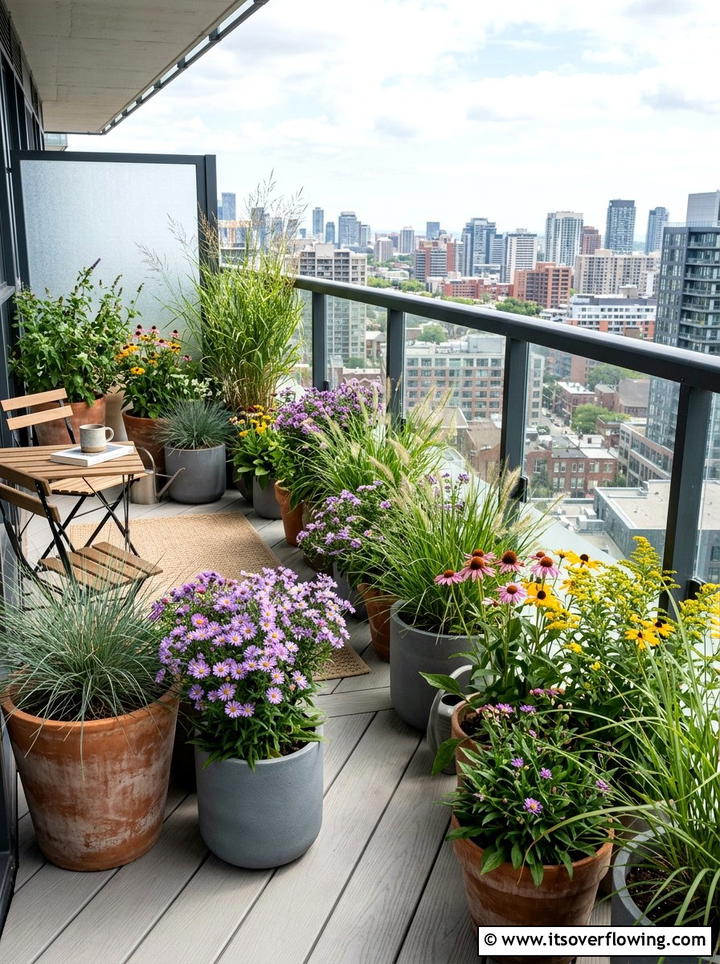
Even if you only have a small urban patio or a balcony, you can still support local wildlife by growing native plants in large pots. Many indigenous species, such as smaller grasses and certain wildflowers, are surprisingly well-adapted to container life and can thrive with just a little bit of regular watering. Using potted natives allows you to bring nature into a small space and create a green retreat in the middle of a city. These plants are often much hardier than traditional potting plants, making them easier to keep alive throughout the changing seasons. It is a great way to improve your local environment regardless of space.
Conclusion:
Creating a backyard filled with native plants is a wonderful way to enhance the beauty of your home while supporting the local environment. These indigenous species are incredibly resilient, requiring less water and maintenance than exotic plants, while providing vital habitats for local wildlife. By choosing the right native options for your specific climate and landscape, you can build a stunning outdoor sanctuary that thrives for years to come. Whether you prefer a structured modern look or a wilder meadow aesthetic, there is a native plant solution for every style. Embracing local flora is a smart, sustainable, and rewarding choice for any homeowner looking to improve their space.

Related posts:
 25 Garden Ideas With Pollinator Plants for a Buzzing Backyard
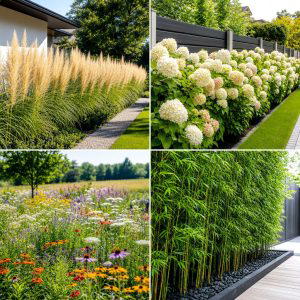 25 Backyard Ideas With Border Plants for Polished Gardens
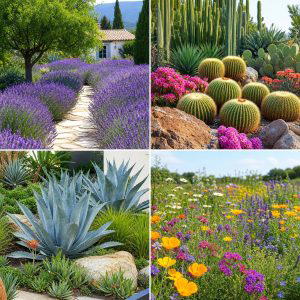 25 Backyard Ideas With Drought Tolerant Plants for Easy Care
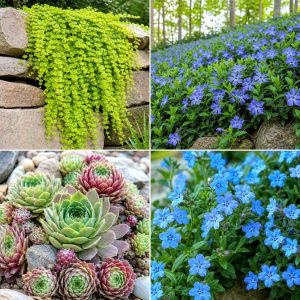 25 Backyard Ideas With Ground Cover Plants for Lush Style
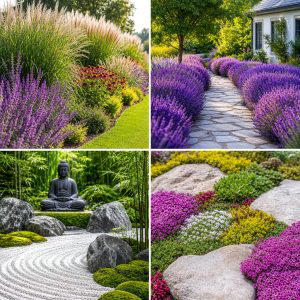 25 Backyard Ideas With Low Maintenance Plants for Easy Style
 25 Backyard Ideas With Tropical Plants For Lush Style
 25 Backyard Decorating Ideas With Signs For Backyard Charm
 25 Backyard Ideas With Barrel Planter for Rustic Garden Charm
 25 Backyard Ideas With Flower Garden for Colorful Curb Appeal
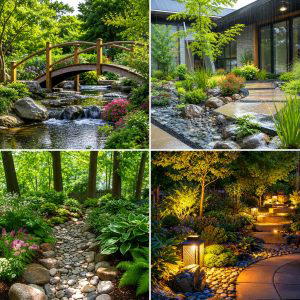 25 Backyard Ideas With Rain Garden Designs for Greener Yards
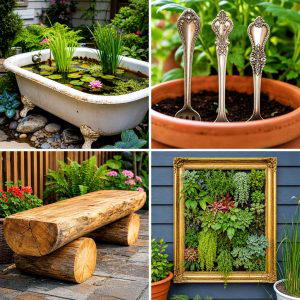 25 Recycled Garden Ideas for Backyard Decor
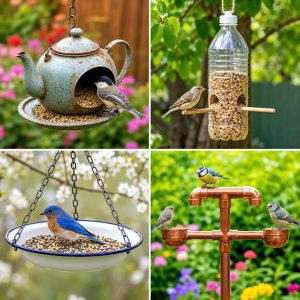 25 Upcycled Garden Ideas With Bird Feeders for Backyard Birds