
Transforming your outdoor space into a functional and beautiful oasis often starts with the perfect vegetable garden. Many homeowners are now looking for ways to blend productivity with aesthetic appeal in their backyards. Whether you have a sprawling lawn or a tiny concrete patio, there is a way to grow your own food effectively. Creating a backyard vegetable garden is not just about the harvest; it is about the entire experience of connecting with nature and the seasons. You can design a space that feels like a retreat while also providing fresh ingredients for your family table. Let us explore various layouts and creative approaches to gardening.
1. Raised Bed Layout
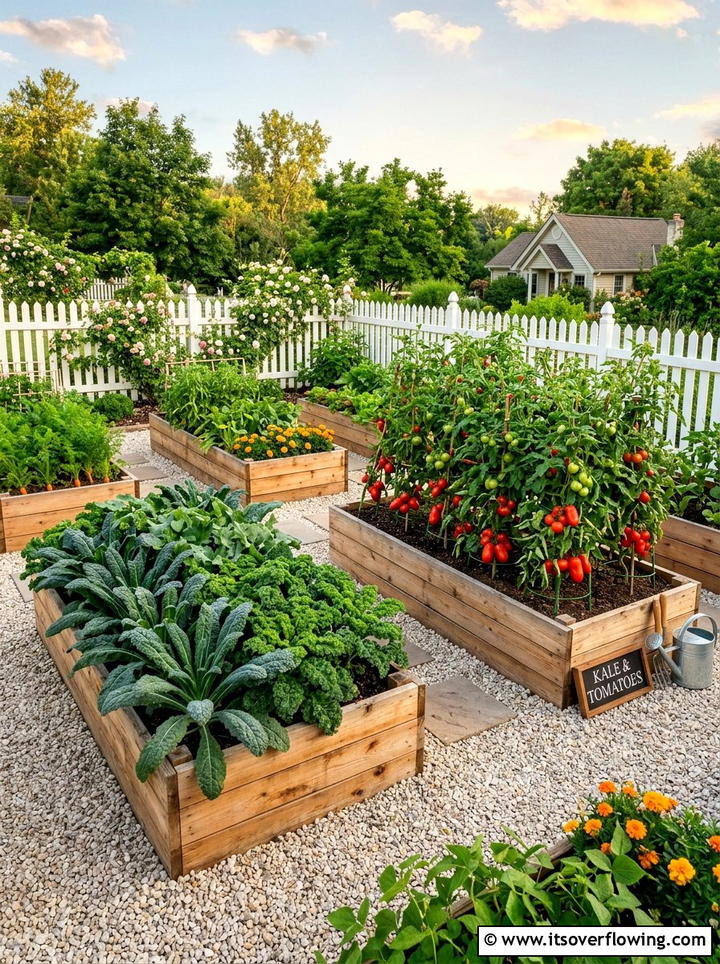
Raised bed layouts are incredibly popular because they offer excellent drainage and better soil control for your crops. When you build these beds using durable cedar or stone, you create a permanent structure that adds a sense of order to the backyard. These beds help define the space and make it much easier to manage weeds and pests throughout the growing season. You can arrange them in a symmetrical grid or a U-shape to allow for easy access from all sides. Adding a layer of organic mulch on the pathways between the beds will keep the area looking tidy and professional. It is a very effective way to garden.
2. Vertical Vegetable Planter
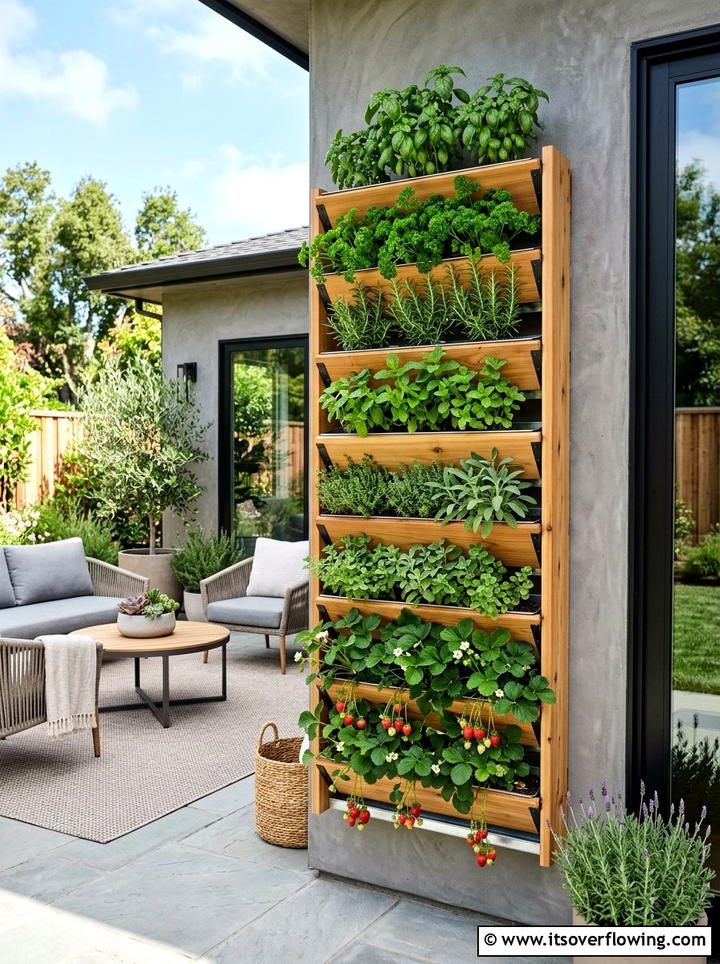
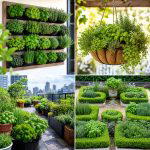
Vertical vegetable planters are the ultimate solution for small backyards or urban spaces where ground room is limited. By growing upwards, you can maximize your harvest without cluttering the floor of your patio or deck. You can use trellises, wall-mounted pockets, or even stacked crates to hold your leafy greens and herbs. This method also improves air circulation around your plants, which helps prevent many common fungal diseases. Climbing vegetables like peas, beans, and certain types of squash thrive in this environment. It creates a stunning living green wall that acts as a natural privacy screen for your outdoor living area while producing food.
3. Greenhouse Garden
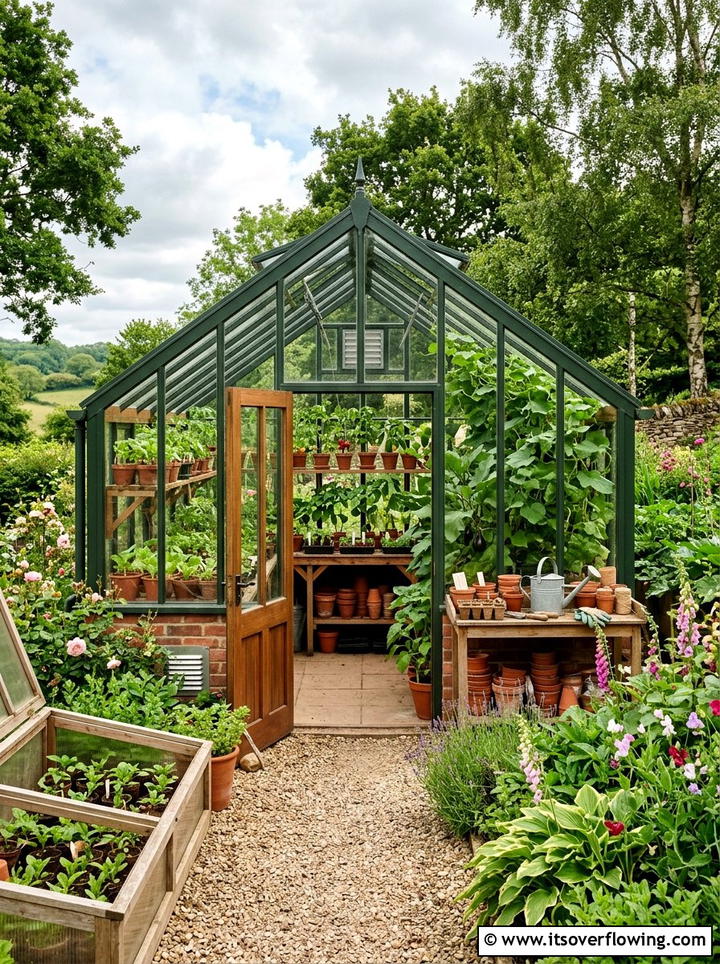
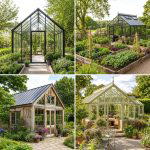
A greenhouse garden allows you to extend your growing season and protect delicate plants from harsh weather conditions. Having a dedicated glass or polycarbonate structure in your backyard provides a controlled environment for starting seeds early in the spring. You can grow exotic vegetables that might not otherwise survive in your local climate. Inside, you can set up potting benches and shelving to keep your tools organized and your plants healthy. A well-designed greenhouse also serves as a beautiful focal point in the landscape. It offers a warm and tranquil place to work on your gardening projects even when it is raining or cold outside.
4. Herb Spiral
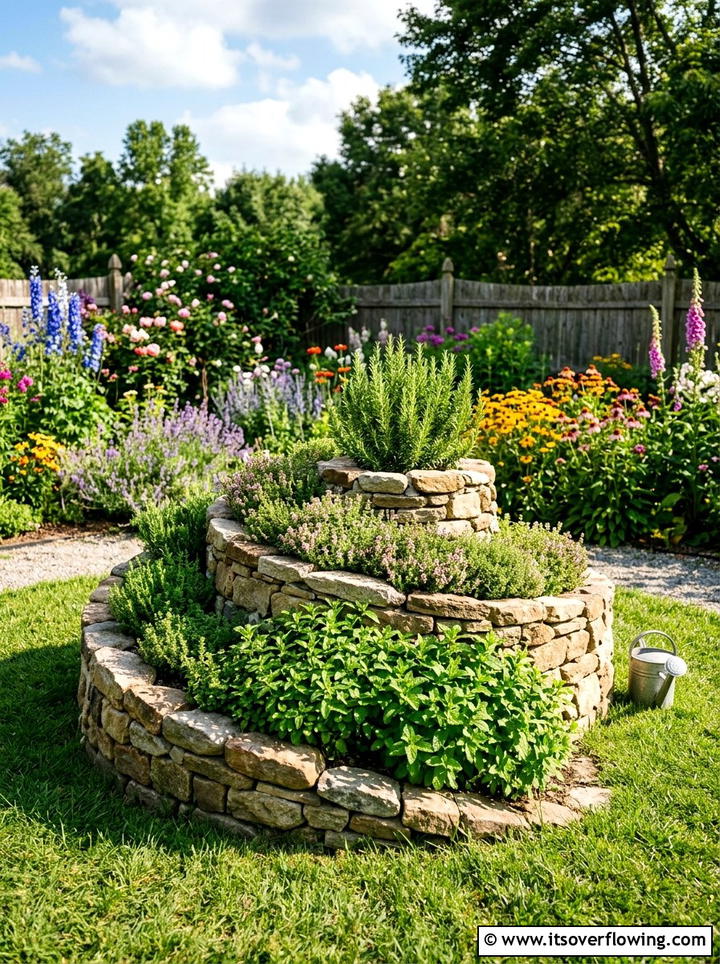
An herb spiral is a brilliant permaculture design that packs a lot of growing power into a very small footprint. By building a spiraling mound of stones or bricks, you create multiple microclimates that suit different types of herbs. The top of the spiral stays dry and sunny for Mediterranean herbs like rosemary, while the bottom stays moist for thirsty plants like mint. This vertical design makes harvesting incredibly easy and efficient for home cooks. It also adds a unique architectural element to your backyard that draws the eye. An herb spiral is a functional piece of art that provides fresh flavors for every single meal.
5. Potager Garden
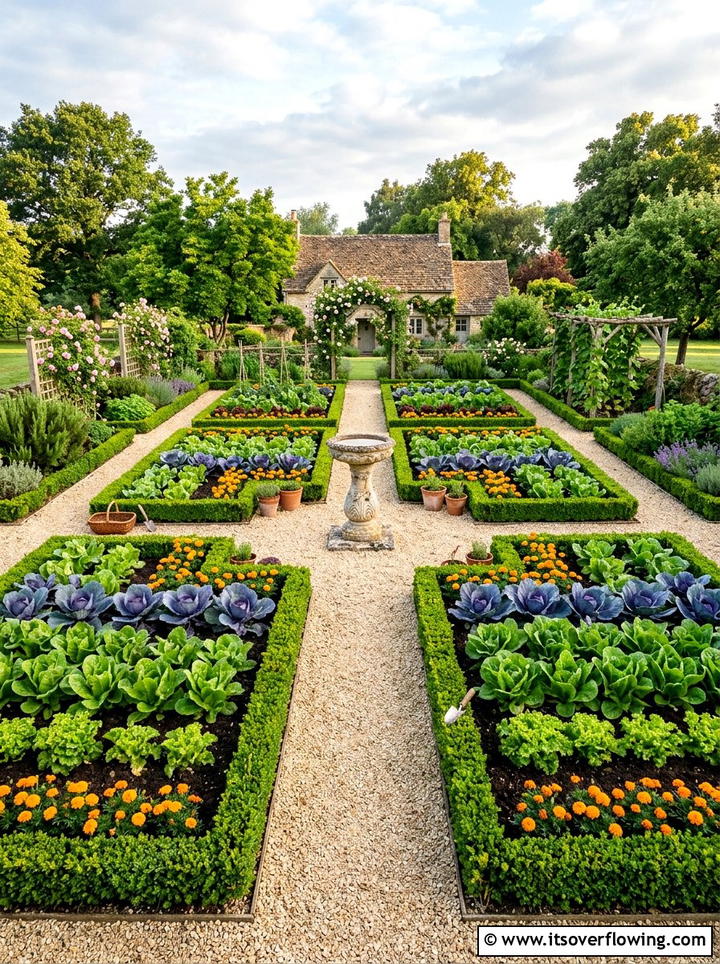
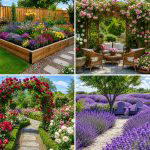
The potager garden, or French kitchen garden, focuses on mixing beauty with utility by planting vegetables and flowers together. You can arrange your edible crops in intricate patterns rather than simple straight rows to create a formal and elegant look. Incorporating flowering plants like marigolds or lavender helps attract beneficial pollinators while adding splashes of color to the greenery. This style of gardening encourages a diverse ecosystem that is naturally more resistant to pests. A potager garden often includes decorative elements like sundials, small fountains, or birdbaths to enhance the charm. It turns a standard vegetable patch into a romantic and inviting outdoor destination.
6. Container Vegetable Patch
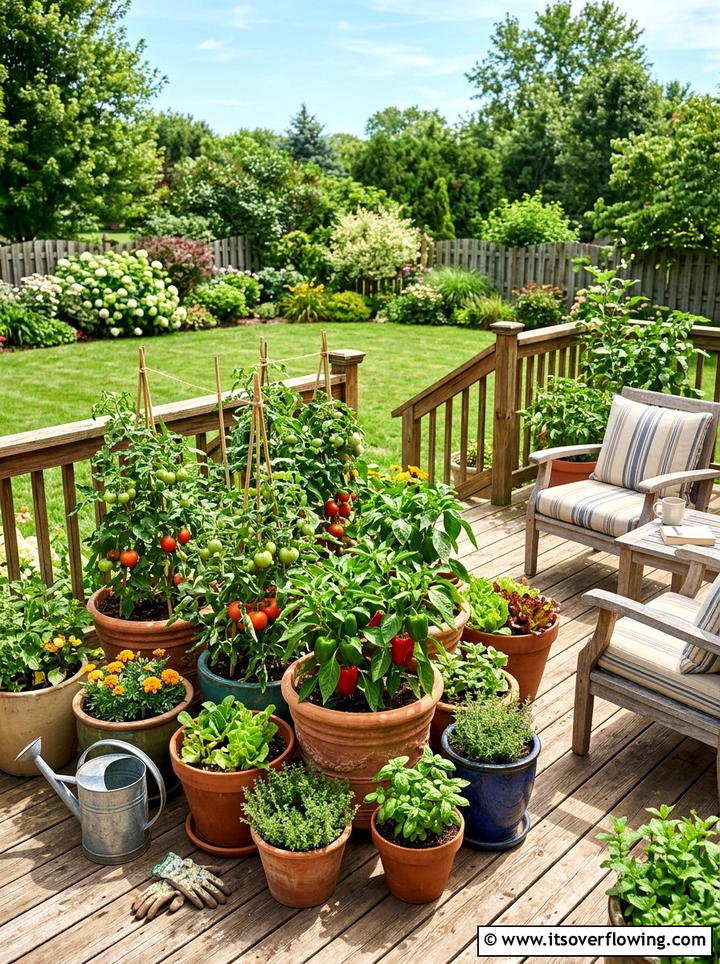
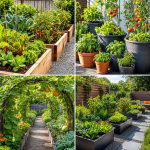
A container vegetable patch is perfect for renters or anyone who wants a flexible and mobile gardening setup. You can use a variety of pots, terracotta planters, or large fabric bags to grow everything from tomatoes to peppers. Placing these containers on a sunny patio or deck makes it easy to step outside and pick what you need for dinner. You have complete control over the soil quality and can move the plants around to follow the sun throughout the day. Using different sizes and styles of containers adds visual interest and texture to your backyard. It is a low-maintenance way to enjoy fresh homegrown produce.
7. Companion Planting Scheme
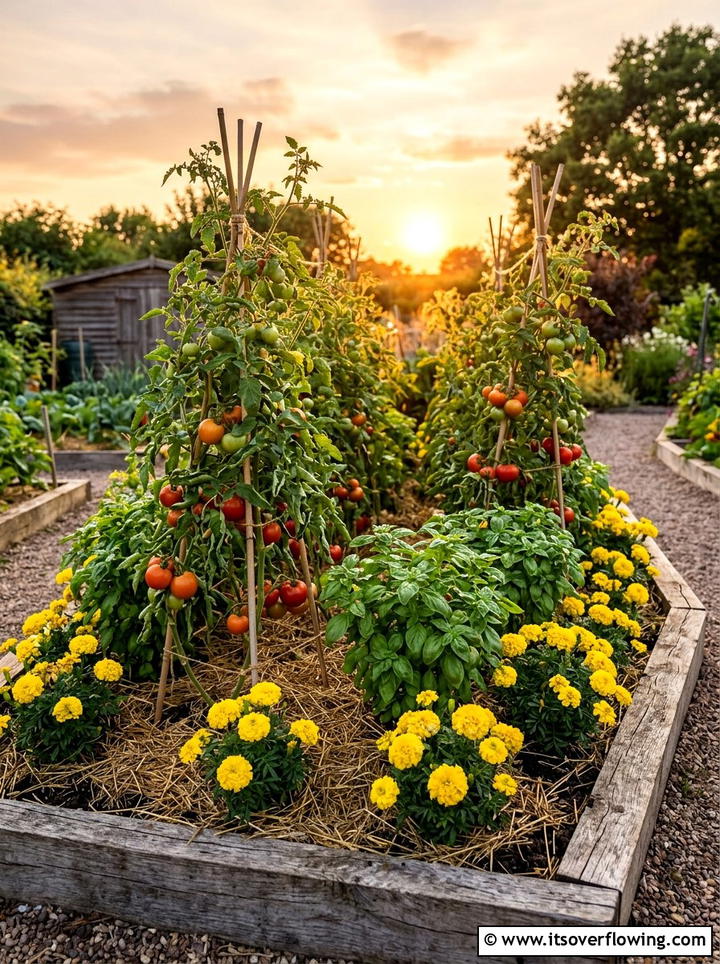
A companion planting scheme is a smart strategy where you place specific plants together to help them thrive and grow better. For example, planting basil near tomatoes can improve the flavor of the fruit and help repel harmful insects. This method reduces the need for chemical pesticides and encourages a healthier garden environment for your family. You can create a vibrant tapestry of different leaf shapes and colors by interplanting carrots, onions, and lettuce. Understanding which plants support each other allows you to get the most out of every square inch of soil. It is a natural way to boost your garden’s overall productivity and health.
8. Garden Pathway
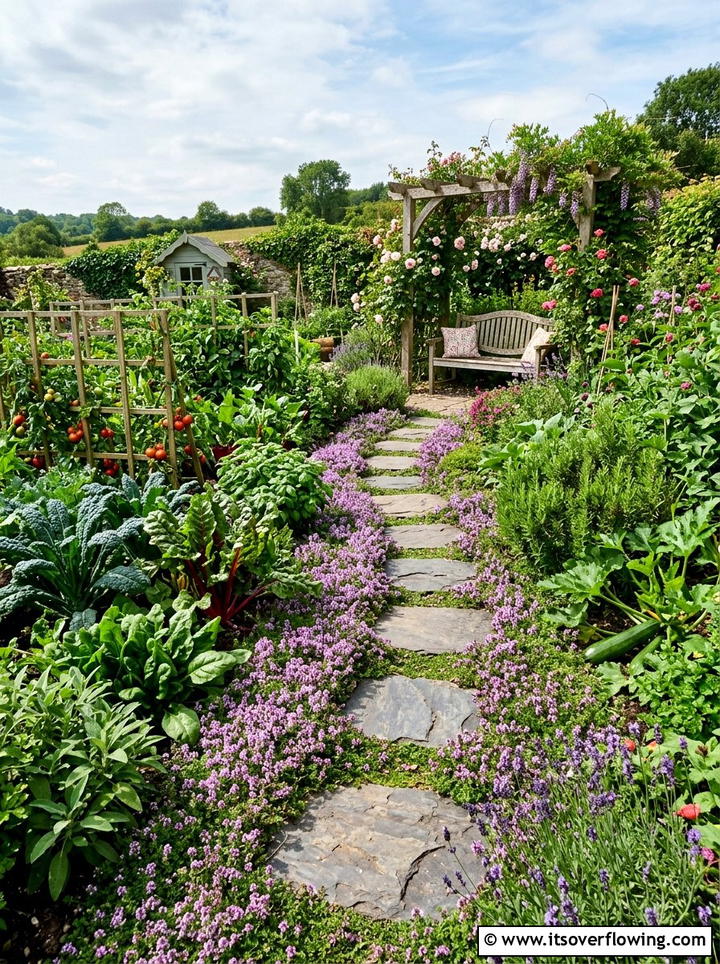
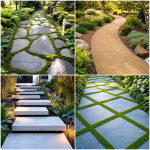
Garden pathways are essential for navigating your vegetable garden without compacting the soil where your precious plants are growing. You can use materials like pea gravel, stepping stones, or even wood chips to create clear and defined walking routes. These paths prevent your shoes from getting muddy and give the entire backyard a very structured and intentional look. Curving pathways can add a sense of mystery and lead the eye toward different sections of the garden. Bordering the paths with low-growing herbs like thyme creates a wonderful fragrance as you walk by. A well-placed path makes the daily task of gardening much more enjoyable.
9. Cattle Panel Trellis
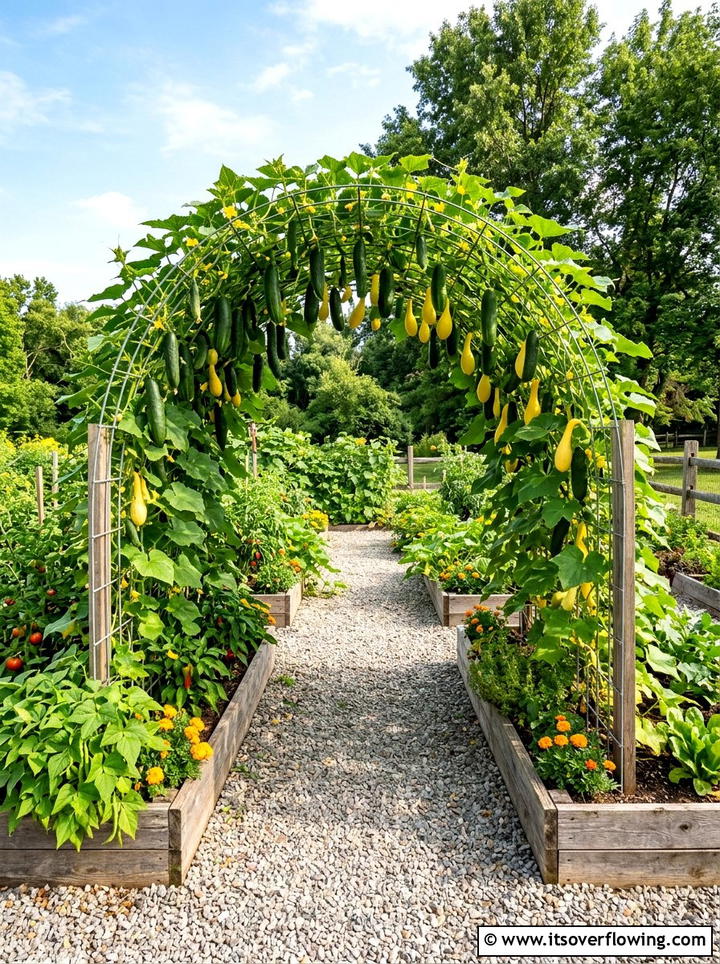
Using a cattle panel trellis is a heavy-duty and cost-effective way to support large climbing vegetables in your backyard. You can bend these metal panels into an archway to create a stunning living tunnel of greenery and hanging fruit. Walking under a canopy of heavy squash, cucumbers, or pole beans is a magical experience during the peak of summer. This vertical support keeps the vegetables off the ground, which prevents rot and makes them much easier to harvest. The open grid of the panel allows for excellent sunlight penetration and airflow. It is a sturdy solution that adds a modern industrial touch to the garden.
10. Cold Frame
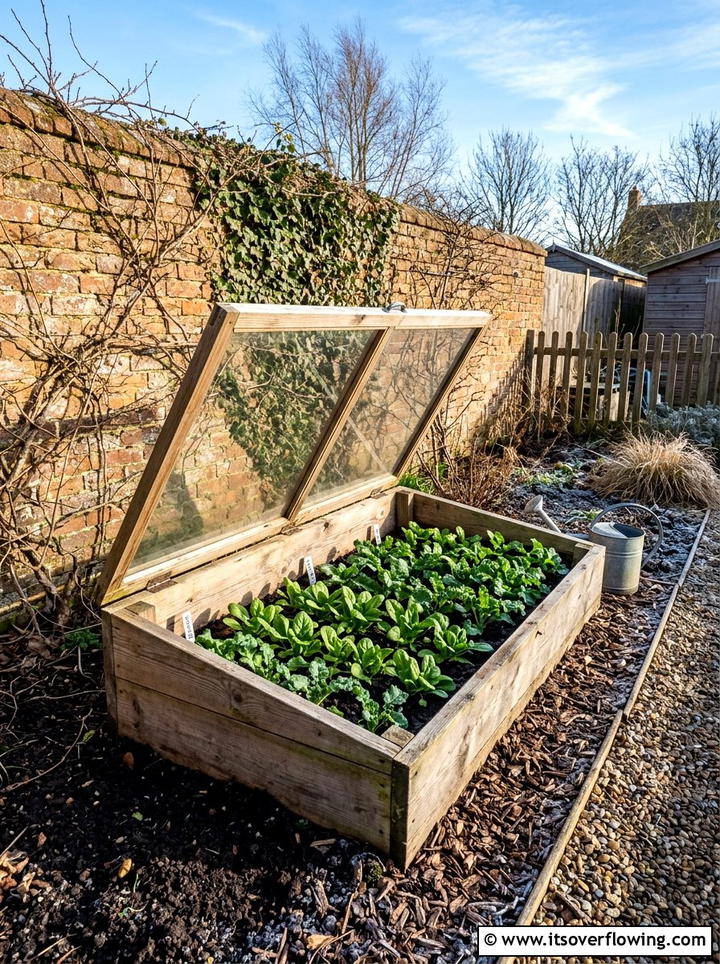
A cold frame acts like a miniature greenhouse that sits directly on the ground to protect your hardy winter vegetables. It usually consists of a wooden box with a clear glass or plastic lid that traps solar heat. This simple structure allows you to harvest fresh spinach, kale, and carrots even when there is snow on the ground. During the early spring, you can use it to harden off young seedlings before they are planted in the main garden. It is a must-have for any serious gardener looking to achieve a year-round harvest. A cold frame is easy to build and fits into any small corner.
11. Drip Irrigation System
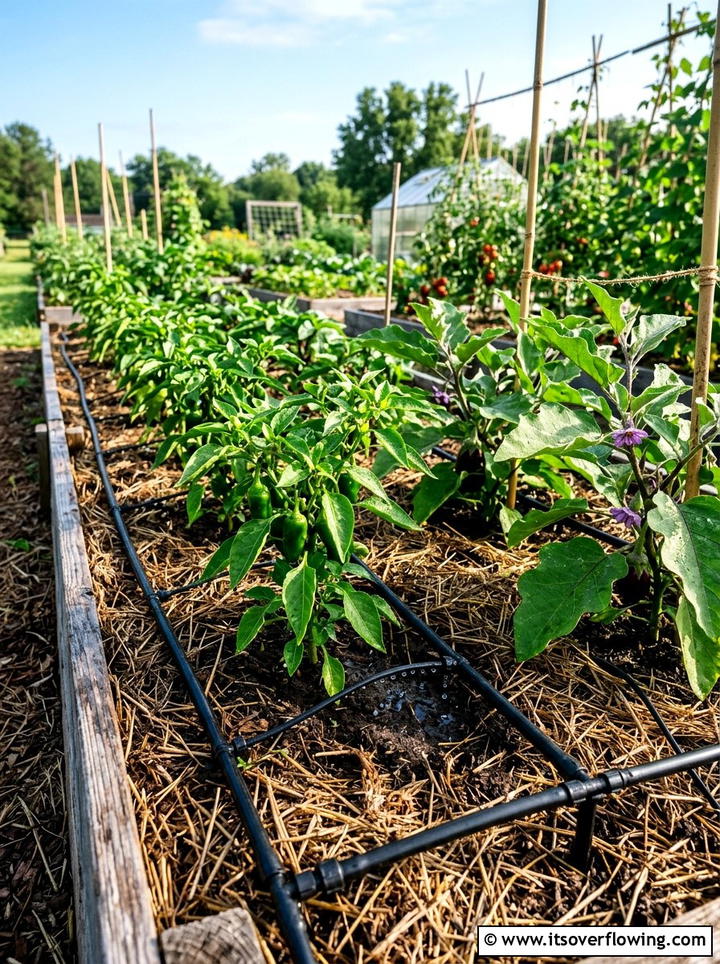
Installing a drip irrigation system is the most efficient way to water your vegetable garden while saving time and money. This system delivers water directly to the base of each plant, which reduces evaporation and keeps the foliage dry. Dry leaves are less likely to develop diseases like powdery mildew or blight, leading to much healthier crops. You can set the system on a timer so your garden gets watered even when you are away on vacation. This consistent moisture level prevents fruit cracking and ensures that your vegetables grow steadily. It is a professional-grade upgrade that makes backyard gardening much more sustainable.
12. Pollinator Garden
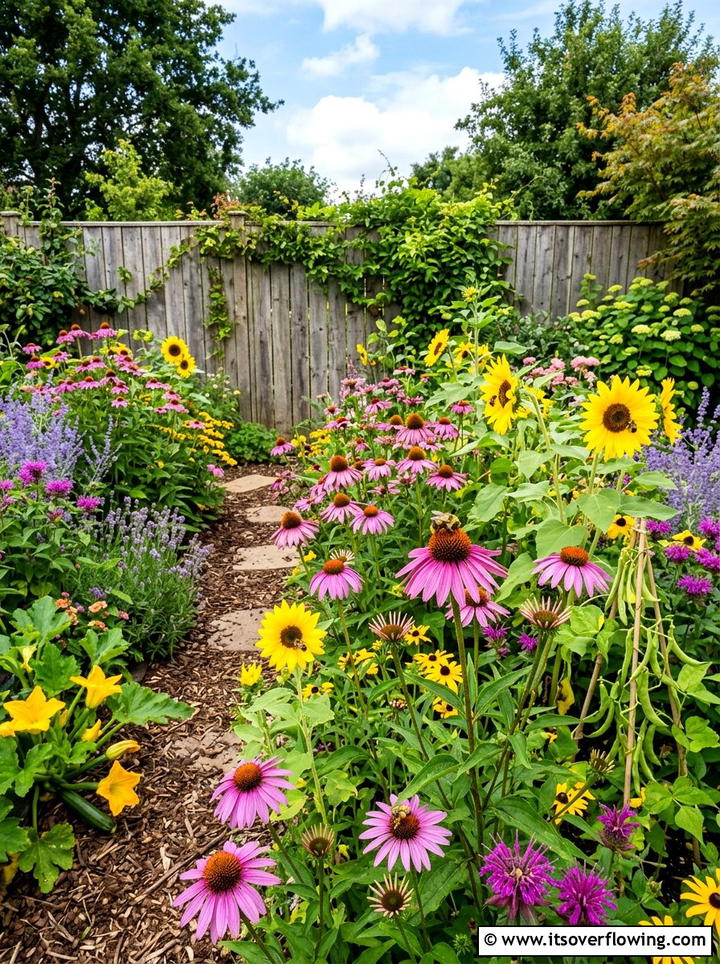
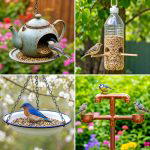
A pollinator garden is specifically designed to attract bees, butterflies, and hummingbirds that are essential for a productive vegetable crop. By planting native flowers and nectar-rich blooms alongside your food, you ensure that your vegetable blossoms get fertilized. This leads to higher yields and larger fruits for your kitchen table. You can choose a variety of plants that bloom at different times of the year to provide a constant food source for these insects. A garden filled with buzzing bees and colorful butterflies adds a sense of life and movement to your backyard. It is a beautiful way to support the local environment.
13. Modern Vegetable Garden
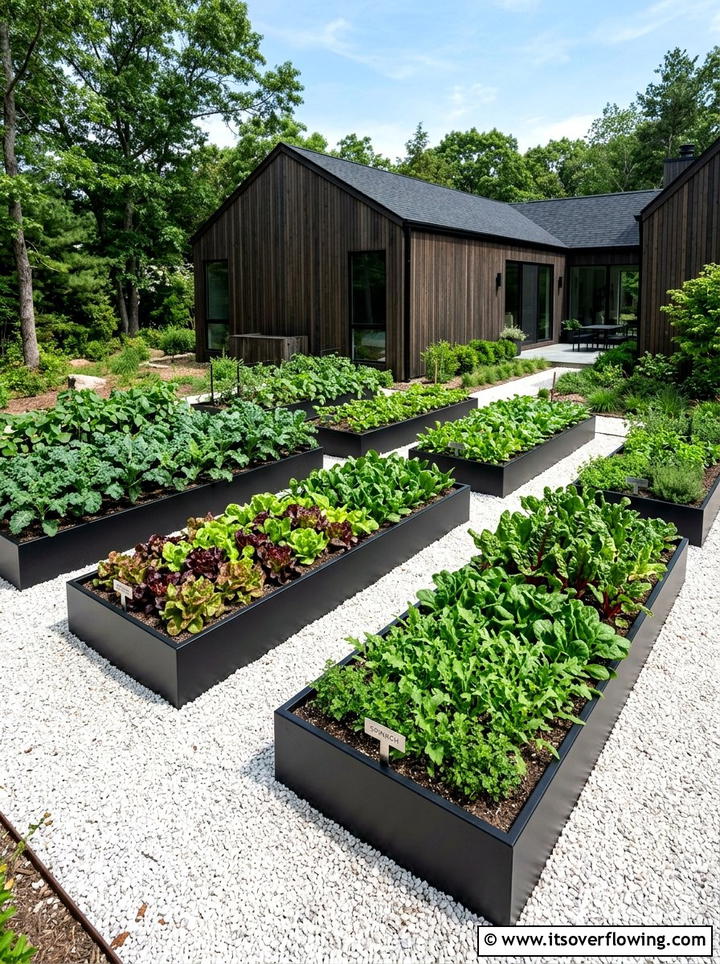
The modern vegetable garden emphasizes clean lines, minimalist materials, and a very organized layout for a contemporary home. You might see black metal raised beds or sleek concrete planters that contrast beautifully with the organic shapes of the plants. This style often uses a limited color palette for the hardscape to keep the focus on the greenery. Incorporating geometric patterns and structural plants creates a very sophisticated and high-end look for an outdoor space. This approach is perfect for homeowners who want a productive garden that matches the modern architecture of their house. It proves that growing food can be incredibly stylish and chic.
14. Tiered Garden Bed
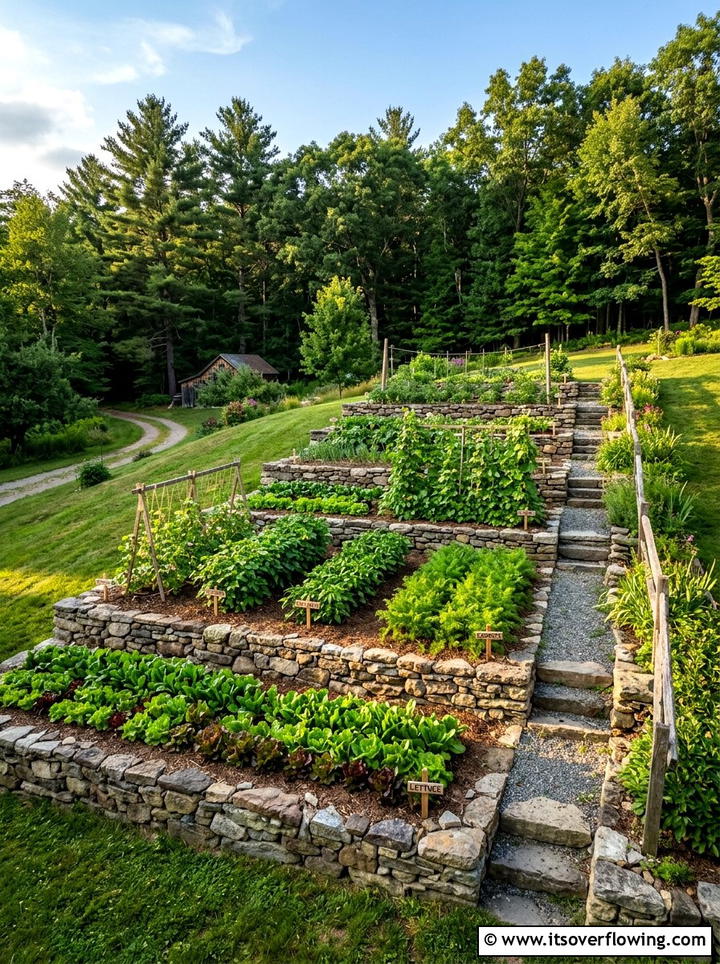
Tiered garden beds are an excellent solution for backyards with slopes or uneven terrain where traditional planting is difficult. By creating steps or terraces, you turn a steep hill into a series of flat and productive growing surfaces. This method helps prevent soil erosion and manages water runoff much more effectively than a flat garden would. You can use timber, stone blocks, or bricks to create the different levels, adding a lot of visual depth to the landscape. Planting different crops on each tier makes for an organized and easy-to-manage harvest. It is a clever way to utilize every part of your property.
15. Edible Landscaping
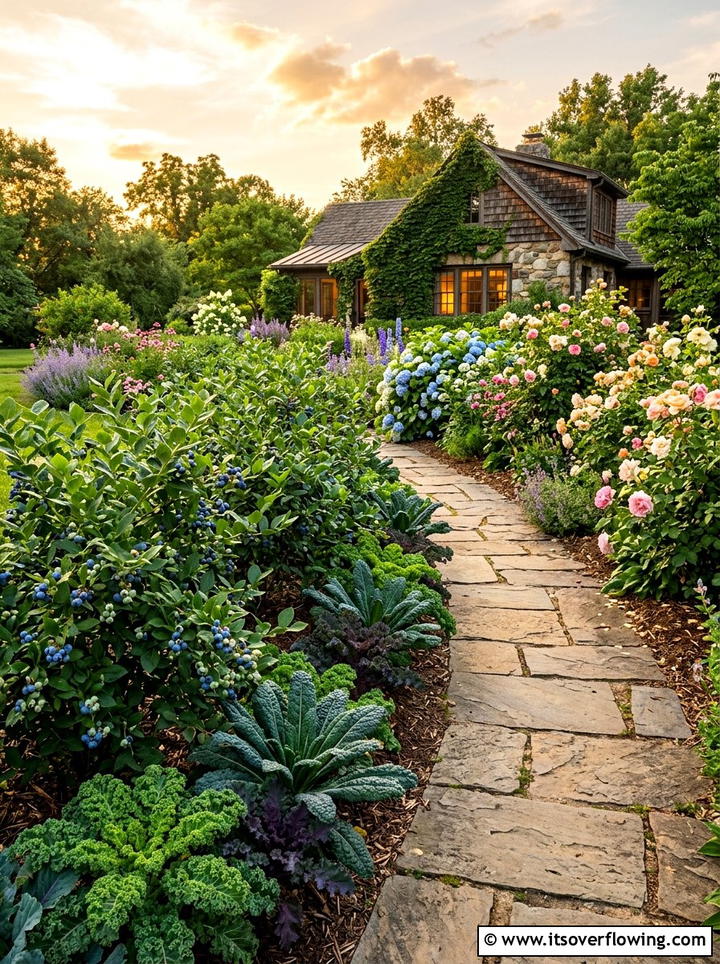
Edible landscaping is the practice of replacing traditional ornamental plants with varieties that you can actually eat and enjoy. Instead of a basic boxwood hedge, you might plant blueberry bushes or a row of colorful Swiss chard. You can use fruit trees as shade providers or strawberry plants as a lush groundcover in your flower beds. This approach makes your entire backyard productive without it looking like a typical farm or vegetable patch. It blends food production seamlessly into the overall design of your home’s outdoor environment. Edible landscaping is perfect for those who want beauty and bounty in one single package.
16. Kitchen Garden
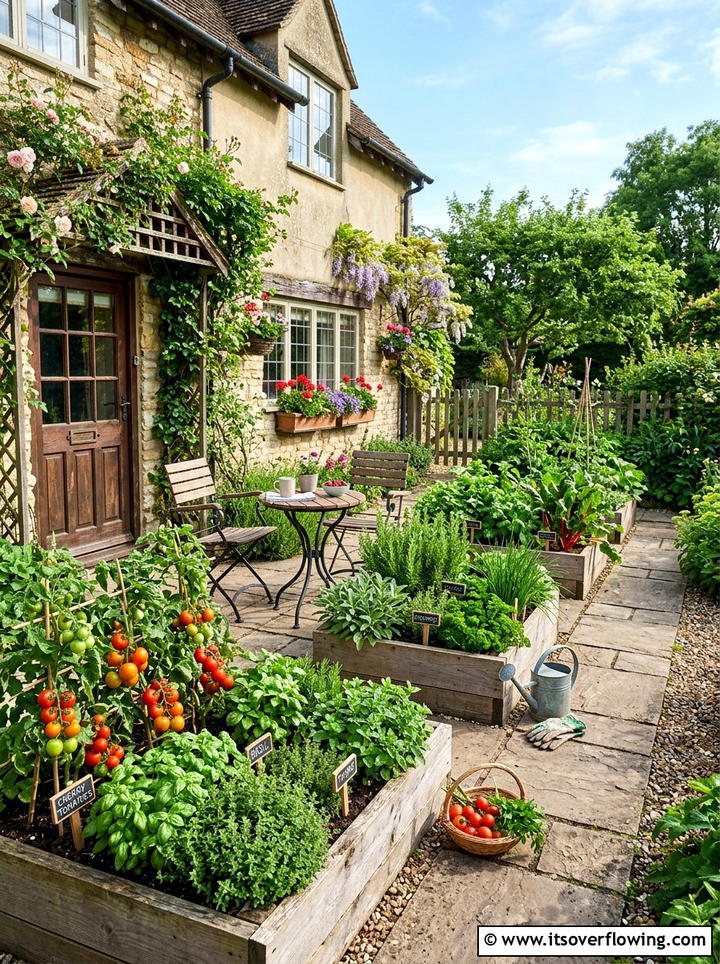
A kitchen garden is usually located as close to the back door as possible for maximum convenience while cooking. The goal is to make it easy for the chef to step outside and grab a handful of fresh herbs or a sun-ripened tomato. Because it is so visible from the house, this type of garden is often kept very neat and well-tended. You can use decorative pots and small raised beds to keep the space organized and accessible. Including a small table and chairs nearby allows you to enjoy a morning coffee while overlooking your growing crops. It is a practical and delightful addition.
17. Window Box Garden
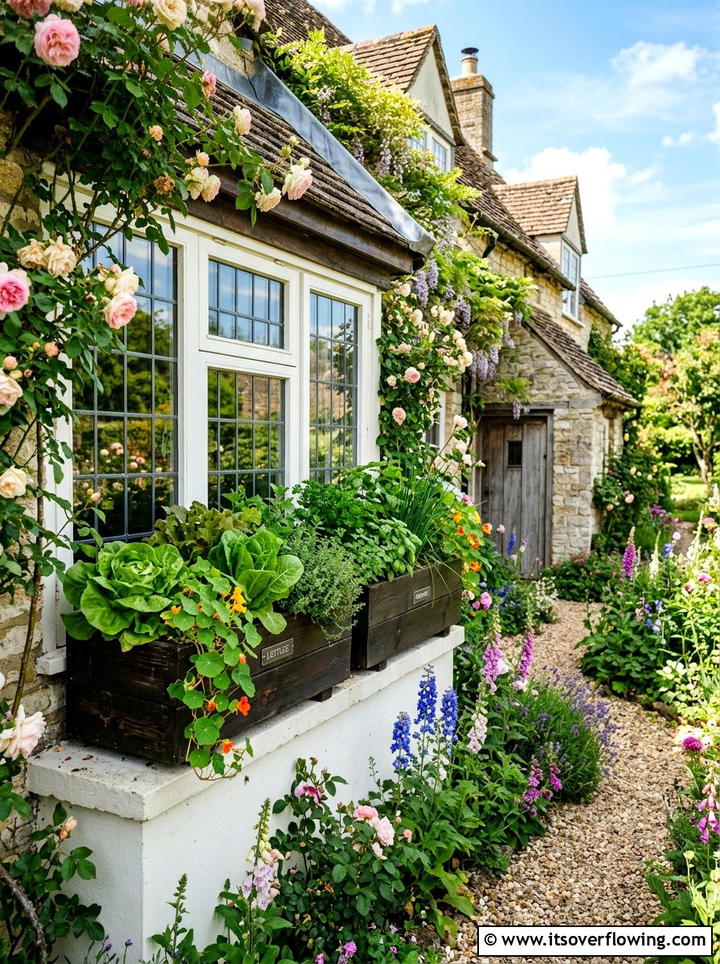
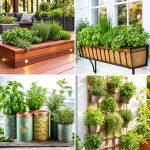
A window box garden is a fantastic way to grow fresh produce if you have absolutely no yard space at all. You can attach these boxes to your window sills or deck railings to grow herbs, lettuces, and even dwarf peppers. Because they are at eye level, they are very easy to water and monitor for any signs of pests. The proximity to the house means you can smell the fragrant herbs every time you open your window. Using high-quality potting mix ensures that your small-scale crops get all the nutrients they need to thrive. It is a simple and charming way to garden.
18. Recycled Material Planter
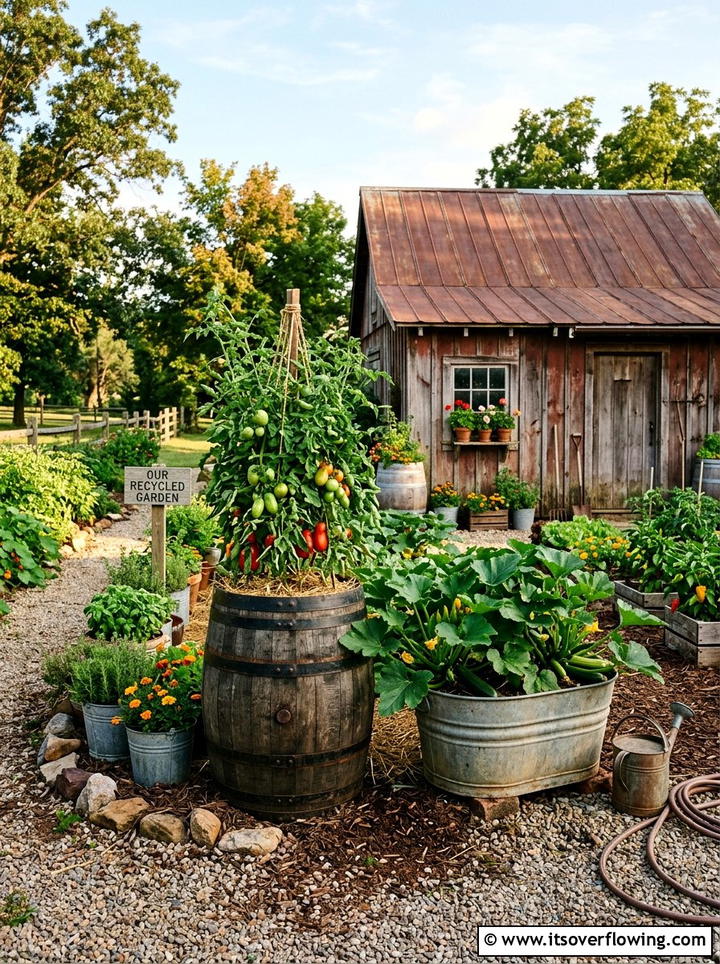
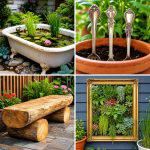
Using recycled material planters is an eco-friendly and budget-conscious way to start a vegetable garden in your own backyard. You can repurpose old wooden pallets, galvanized metal tubs, or even wine barrels into unique and functional growing containers. This gives your garden a rustic or industrial character that feels very personal and creative. It is a great way to keep items out of the landfill while producing healthy food for your family. Just make sure that any materials you use are safe for growing food and have proper drainage holes. This approach shows that you do not need expensive equipment to be a successful gardener.
19. Perennial Vegetable Bed
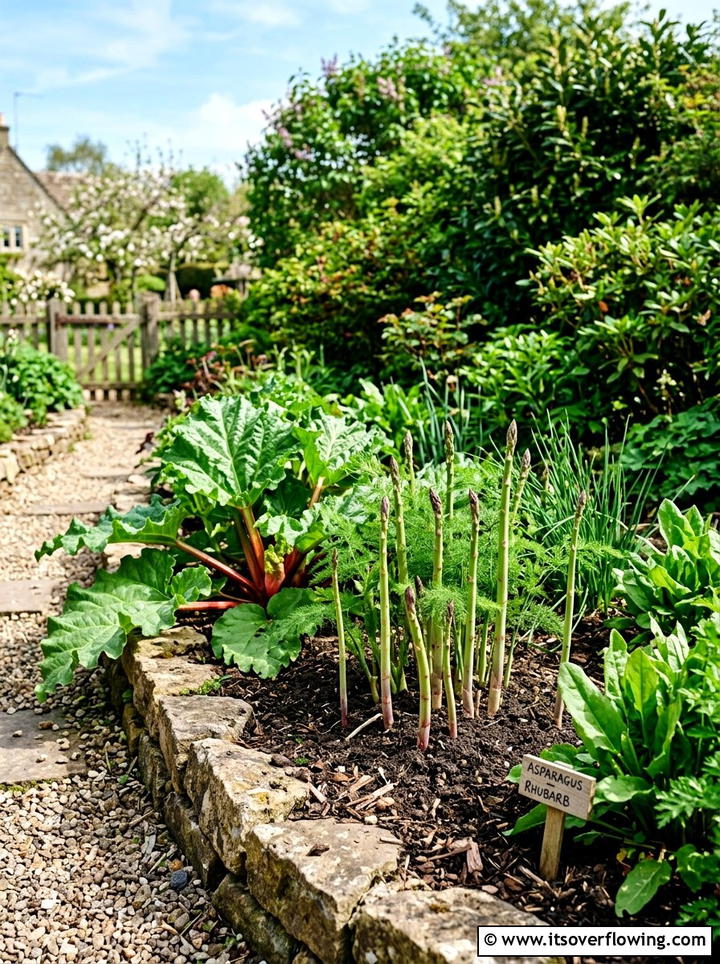
A perennial vegetable bed is perfect for the low-maintenance gardener because these plants come back year after year without replanting. Crops like asparagus, rhubarb, and artichokes can provide a harvest for decades once they are established in your soil. Since these plants stay in the same spot, you can design a permanent and beautiful layout around them. This type of garden builds healthy soil structure over time because the ground is rarely disturbed by digging. Including perennial herbs like chives or sage adds even more longevity to the space. It is a long-term investment that pays off with delicious food every single spring.
20. Hydroponic System
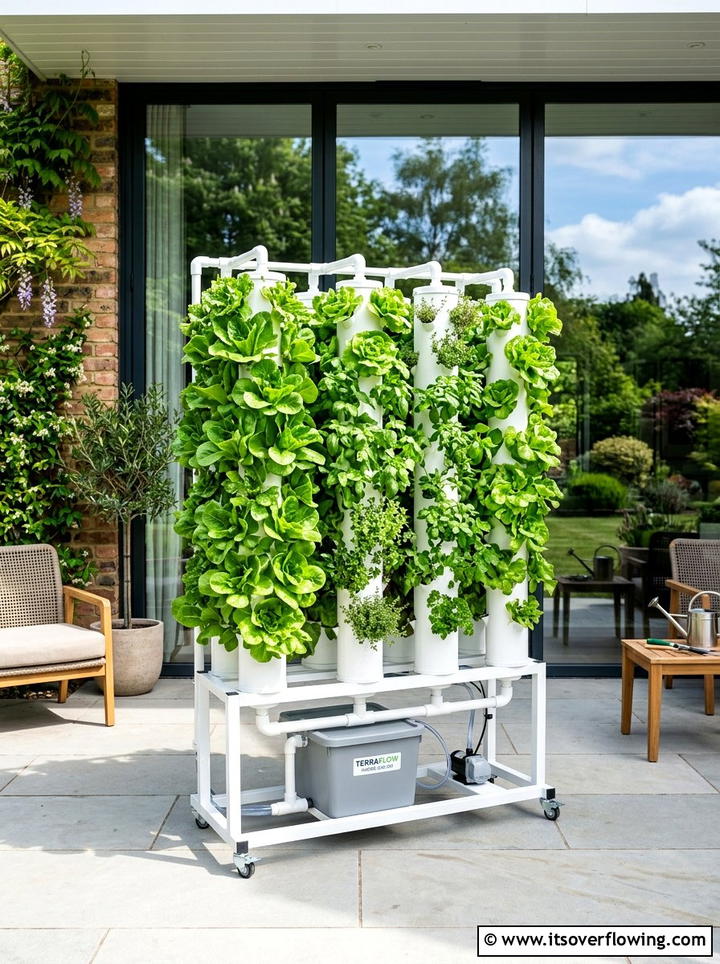
A hydroponic system uses water instead of soil to grow vegetables, which can lead to much faster growth and higher yields. You can set up vertical hydroponic towers on a sunny patio to grow an incredible amount of food in a tiny area. This method is very clean and eliminates many of the pests and diseases that are commonly found in traditional soil. It is a high-tech approach that appeals to those who love gadgets and efficient systems in their backyard. You have total control over the nutrients the plants receive, resulting in very healthy and flavorful produce. It is a modern gardening marvel.
21. Garden Bench Seating
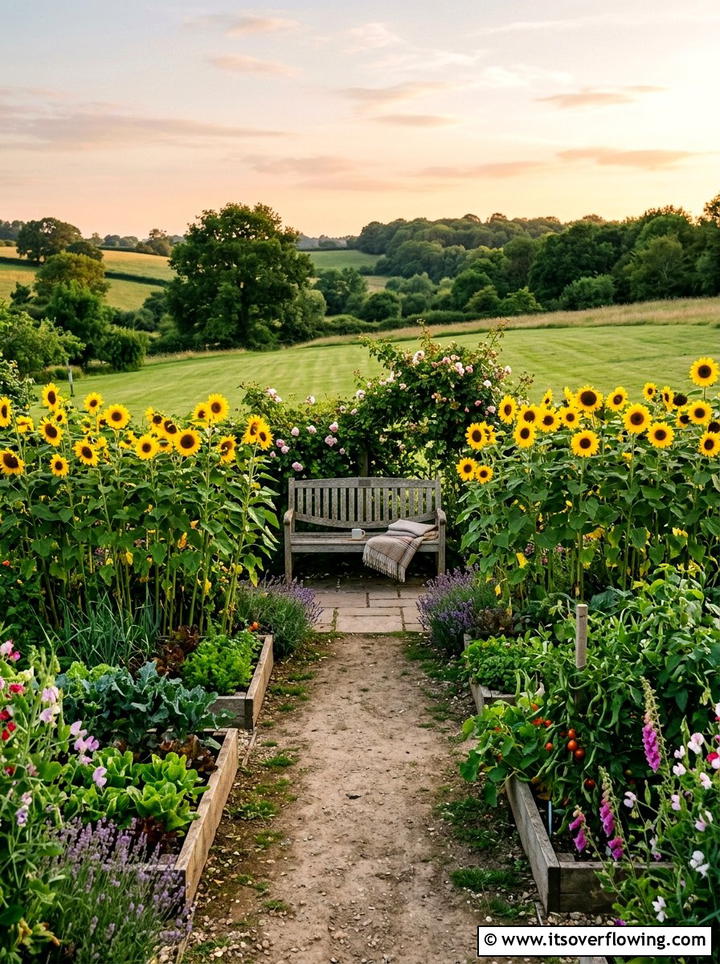
Adding garden bench seating right in the middle of your vegetable patch encourages you to slow down and enjoy the space. It turns the garden into a place for relaxation and contemplation rather than just a place for work and chores. You can place a wooden or metal bench at the end of a path or under a shady fruit tree. This gives you a comfortable spot to watch the bees or plan your next planting schedule for the season. Surrounded by the sights and smells of growing food, it becomes the most peaceful spot in your entire backyard. It truly completes the garden experience.
22. Shed With Vegetable Patch
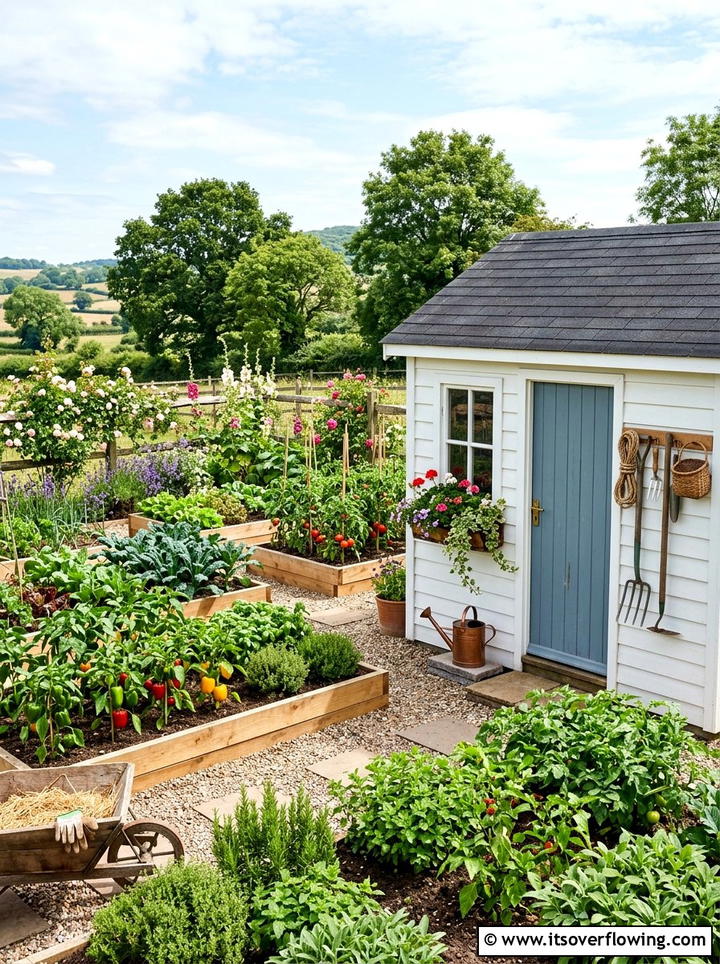
Building a shed with a vegetable patch nearby creates a functional hub for all your outdoor activities and tool storage. You can use the walls of the shed to mount trellises for climbing vines or to hang your hand tools. Having a dedicated space to store your compost, seeds, and watering cans keeps the rest of the backyard looking tidy. The shed itself can serve as a beautiful backdrop for your colorful rows of vegetables and flowers. You might even add a window box to the shed for an extra touch of greenery and charm. It is a practical and organized way to garden.
23. Raised Bed With Cover
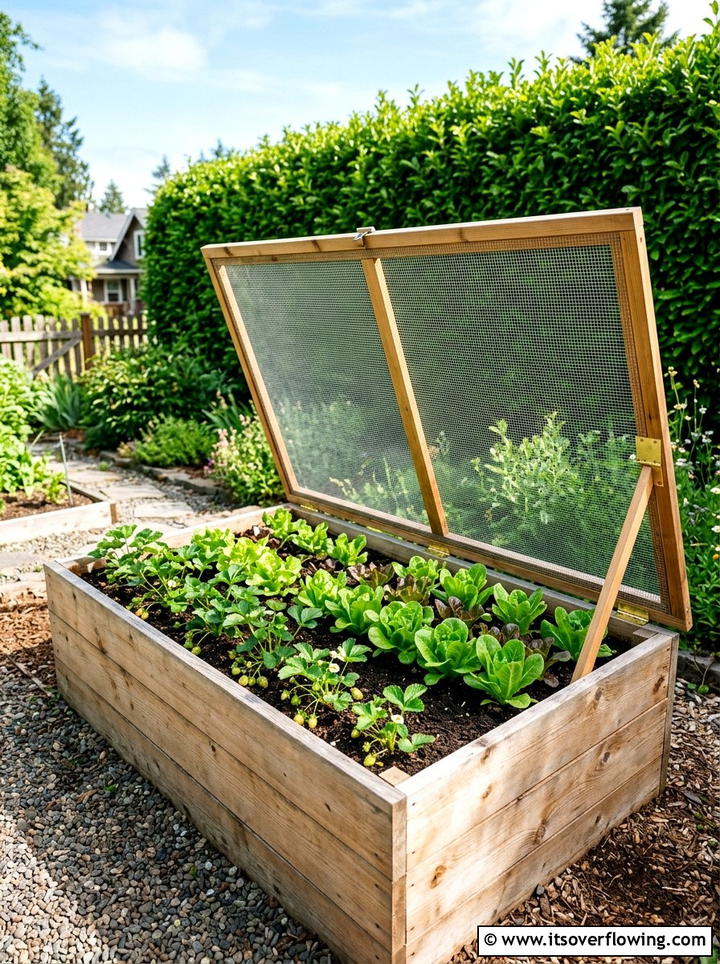
A raised bed with a cover provides essential protection for your crops against birds, squirrels, and heavy weather events. You can use fine mesh netting to keep insects away or heavy-duty plastic to create a warm environment for early spring planting. These covers can be built as simple hoops or more elaborate hinged lids that are easy to open. Providing this extra layer of security ensures that you actually get to eat the food you have worked so hard to grow. It is an especially important feature if you live in an area with a lot of hungry wildlife. It provides total peace of mind.
24. Square Foot Garden
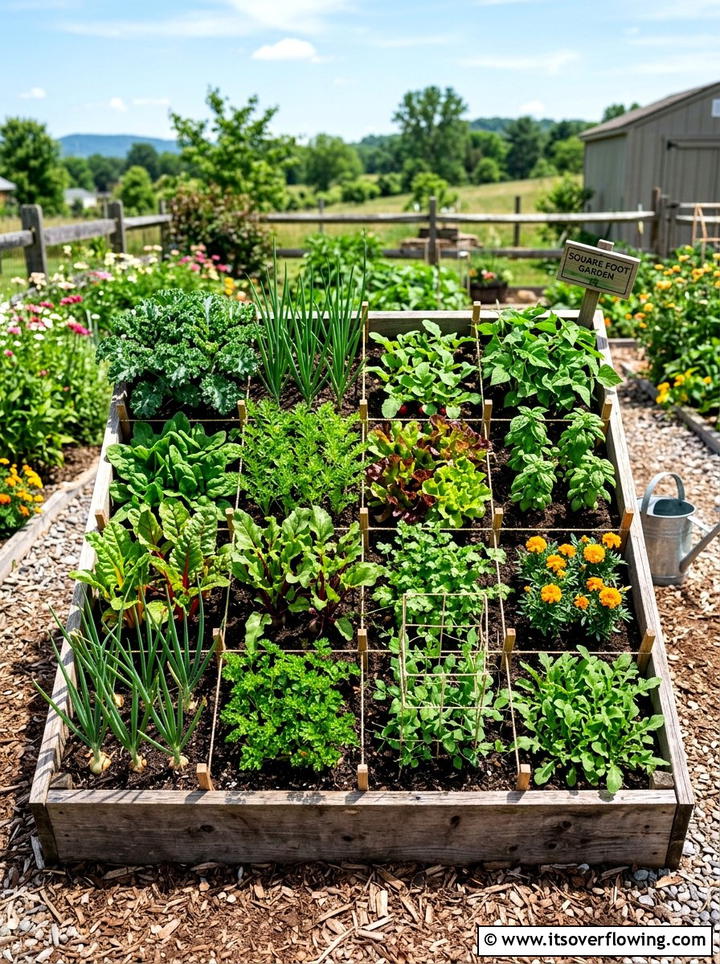
Square foot gardening is a highly organized method that divides a raised bed into small one-foot squares for intensive planting. This system is perfect for beginners because it provides a clear template for how many plants can fit in each space. It prevents overcrowding and ensures that every vegetable has enough room and resources to grow to its full potential. You can grow a huge variety of different crops in a single four-by-four foot bed by following this grid system. It is an incredibly efficient way to garden that minimizes waste and maximizes your harvest. This method makes gardening feel very manageable.
25. Fruit Tree Border
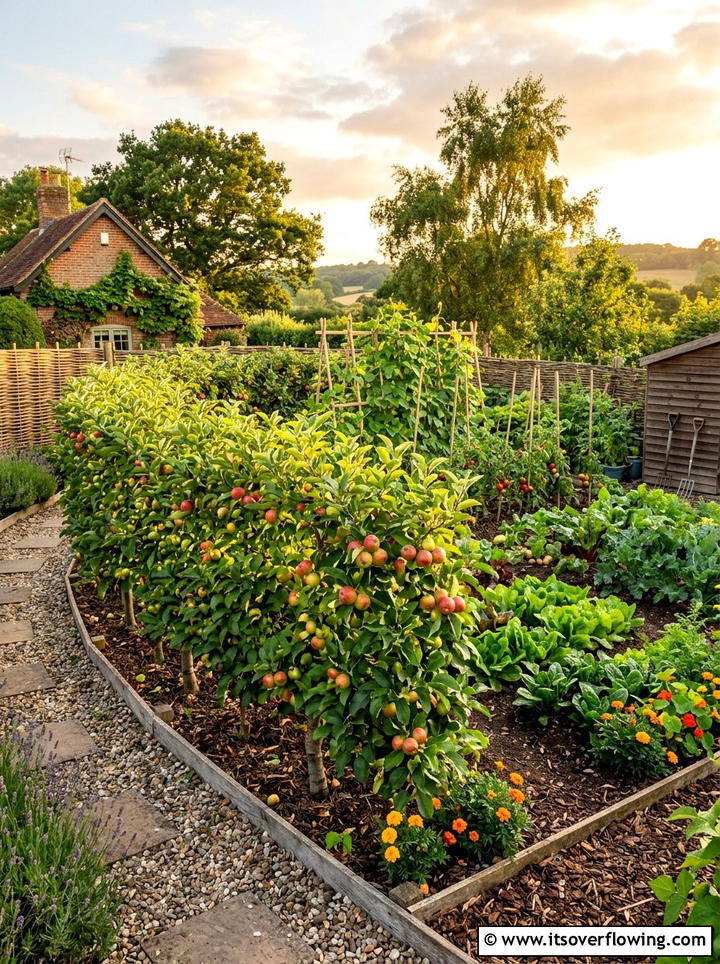
A fruit tree border uses dwarf or semi-dwarf trees to create a productive living fence around your vegetable garden area. These trees provide delicious fruit like apples, pears, or peaches while also acting as a windbreak for your smaller vegetable plants. You can prune them into specific shapes like espaliers to save space and add a very formal look to the backyard. The blossoms in the spring are beautiful and attract pollinators, while the fruit provides a sweet reward in the late summer or fall. Using trees as a boundary defines the garden space perfectly. It adds vertical interest and a sense of permanence.
Conclusion:
Creating a backyard with a vegetable garden is one of the most rewarding home improvement projects you can ever undertake. It provides a unique combination of physical activity, mental relaxation, and fresh, healthy food for your entire family to enjoy. Whether you choose a formal potager style or a simple set of raised beds, the key is to design a space that fits your lifestyle. As you have seen, there are endless ways to integrate food production into your landscape, regardless of the size of your property. Start small, experiment with different ideas, and watch your backyard transform into a thriving and productive sanctuary.

Related posts:
 25 Backyard Ideas With Greenhouse for Fresh Garden Style
 25 Backyard Ideas With Herb Garden for Fresh Outdoor Flavor
 25 garden ideas with vegetables: Fresh Backyard Inspiration
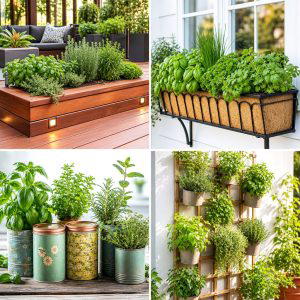 25 backyard decorating ideas with herb stations for Fresh Charm
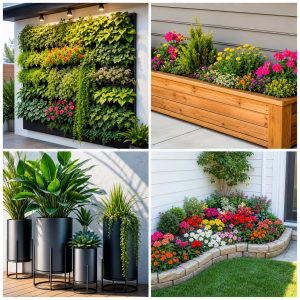 25 Backyard Decorating Ideas With Planters For Fresh Style
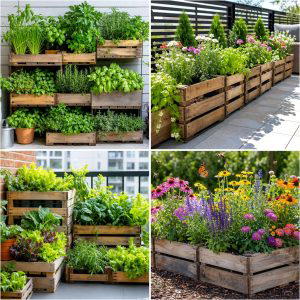 25 Backyard Ideas With Crate Planters for Fresh Style
 25 Backyard Decorating Ideas With Signs For Backyard Charm
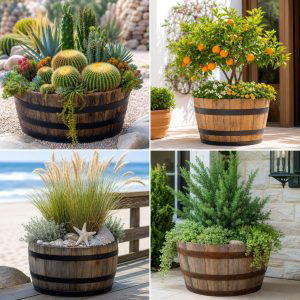 25 Backyard Ideas With Barrel Planter for Rustic Garden Charm
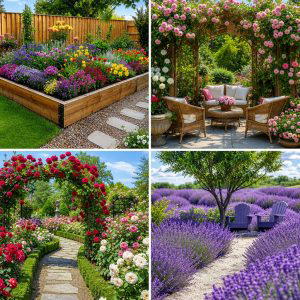 25 Backyard Ideas With Flower Garden for Colorful Curb Appeal
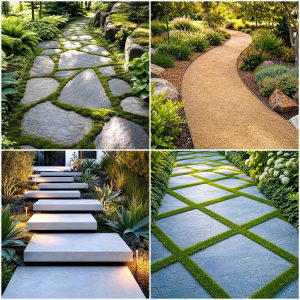 25 backyard ideas with pathways for Charming Garden Flow
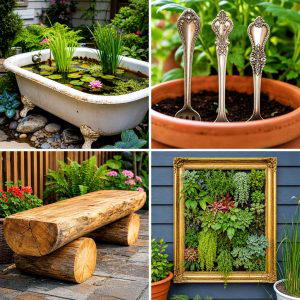 25 Recycled Garden Ideas for Backyard Decor
 25 Upcycled Garden Ideas With Bird Feeders for Backyard Birds