
Creating a sanctuary for feathered friends transforms your backyard into a lively hub of natural beauty and song. It is not just about hanging a single feeder; it is about building a complete ecosystem that provides food, water, and shelter throughout the seasons. By choosing the right plants and features, you can attract a wide variety of local species while supporting biodiversity. Imagine waking up to the gentle chirping of chickadees or watching colorful hummingbirds zip through your flower beds. This guide explores creative ways to make your outdoor space more inviting for birds. Whether you have a sprawling lawn or a small patio, these tips will help you create a bird-friendly paradise today.
1. Native plants for birds
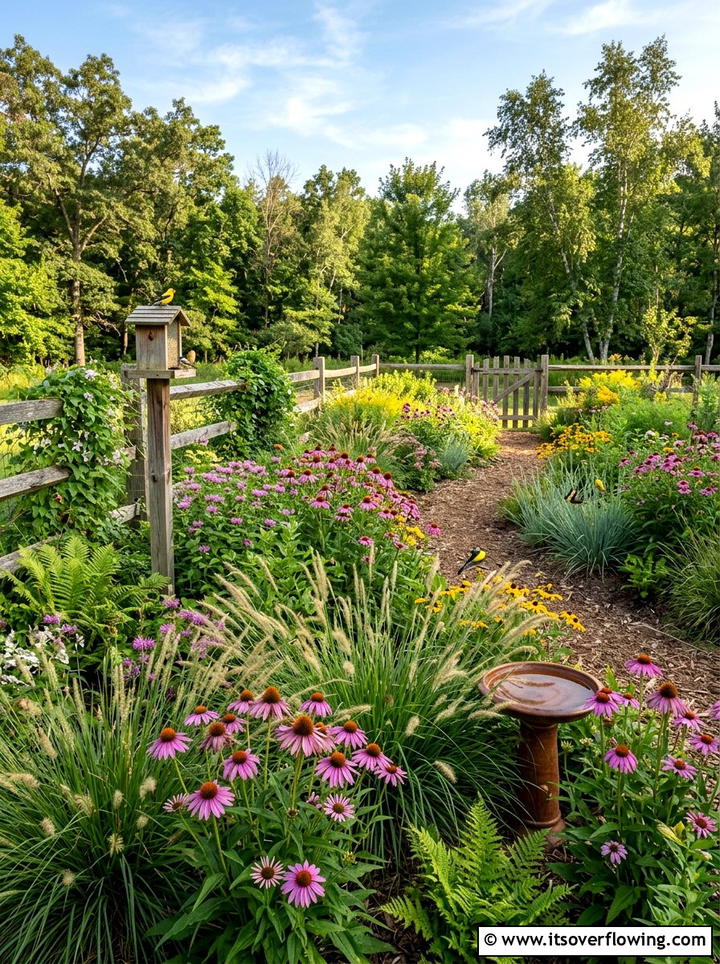
Native plants are the backbone of any successful wildlife garden because they provide the specific nutrients local birds need to thrive. When you choose plants that occur naturally in your region, you offer familiar food sources like berries, seeds, and nectar. These plants also support the native insect populations that many birds rely on to feed their young during the nesting season. Native species are generally easier to maintain since they are already adapted to your local climate and soil conditions. By replacing a portion of your lawn with native grasses or flowering perennials, you create a robust habitat that feels like home to many different species.
2. Pedestal bird bath
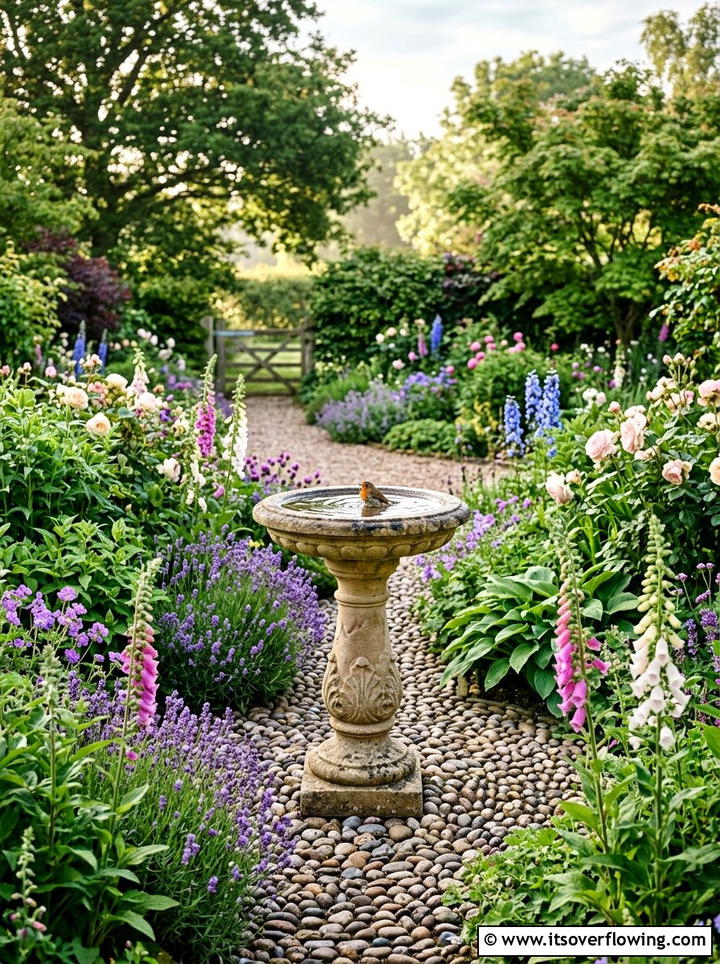
Have you ever noticed how quickly birds gather when they hear the sound of splashing water? A pedestal bird bath is a classic addition that provides a safe place for birds to drink and clean their feathers. Raising the water off the ground helps protect smaller birds from ground-level predators like cats. To make it more effective, ensure the basin has a textured bottom so birds do not slip while bathing. Placing the bath near a few shrubs allows birds to quickly fly to cover if they feel threatened. Keeping the water fresh is essential for preventing disease and attracting a steady stream of winged visitors.
3. Bird feeder stand
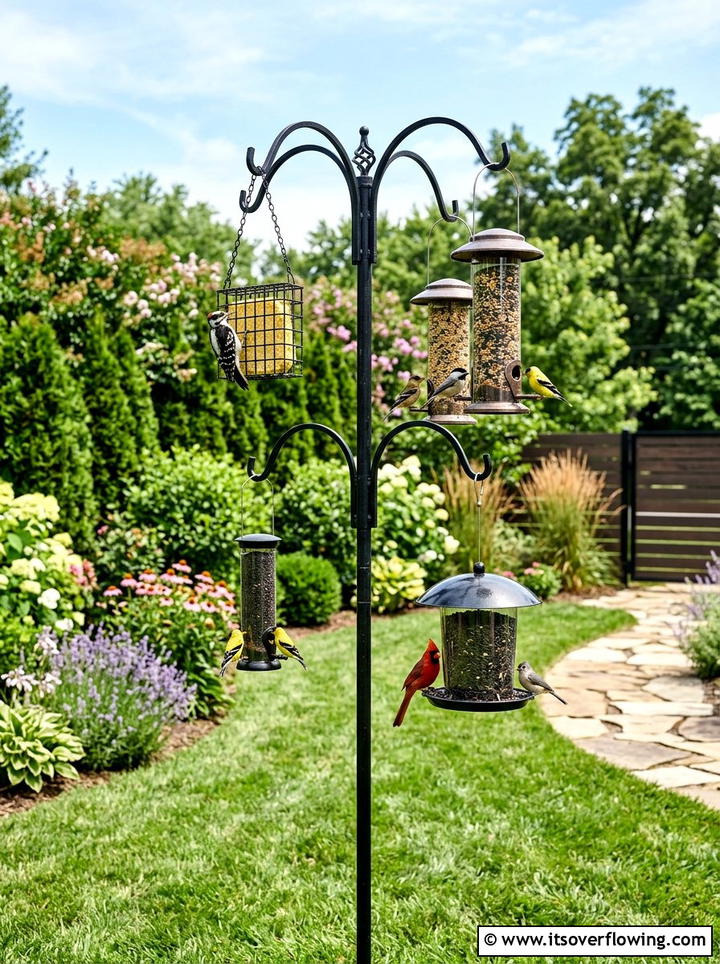
Imagine a busy station in your yard where birds of all colors gather to feast on high-quality seeds. A bird feeder stand allows you to hang multiple types of feeders at different heights to cater to various species. You can include a tube feeder for small finches and a platform feeder for larger birds like blue jays. Using a sturdy metal stand with a squirrel baffle will keep your birdseed safe from unwanted critters. Position the stand in a spot where you have a clear view from your window, so you can enjoy the activity throughout the day while staying comfortable inside your home.

4. Bird house pole
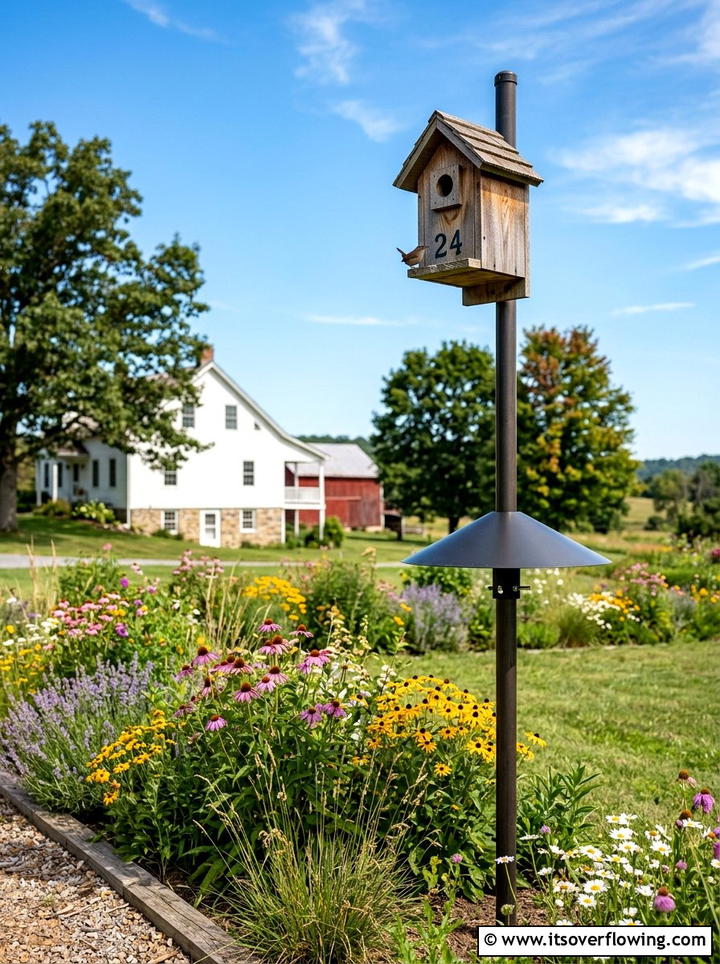
Choosing the right spot for a bird house is critical for nesting success during the spring and summer months. Mounting a nesting box on a dedicated metal pole provides a stable and secure environment for growing families. Unlike trees, poles can be fitted with guards to stop snakes and raccoons from reaching the young chicks. Make sure the bird house faces away from the prevailing winds to keep the interior dry and warm. It is also helpful to place the pole in a relatively quiet area of the garden where the parents will not be constantly disturbed by heavy foot traffic or loud noises.
5. Berry bushes for birds
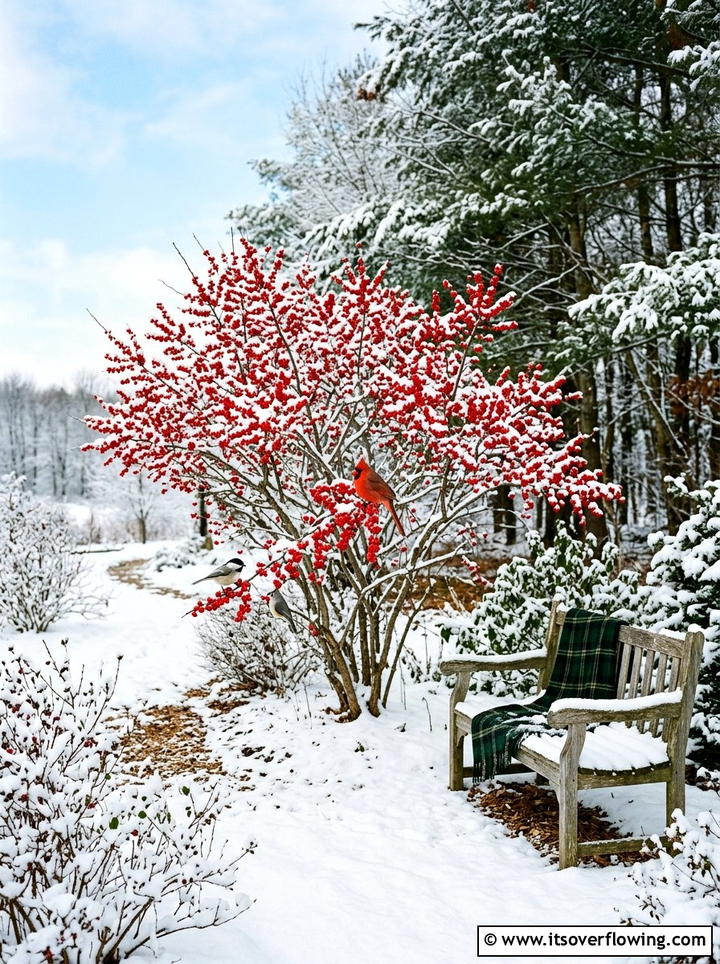
Berry bushes serve as a natural grocery store for birds, offering a vital source of energy during the colder months. Planting shrubs like elderberry, serviceberry, or winterberry ensures that your garden remains a popular destination even when other food sources are scarce. These bushes provide more than just fruit; their dense branches offer excellent nesting sites and protection from harsh weather. When selecting bushes, try to choose a variety that produces fruit at different times of the year. This approach ensures a continuous supply of food for resident birds and migrating species that pass through your area during their long seasonal journeys.
6. Sunflower garden
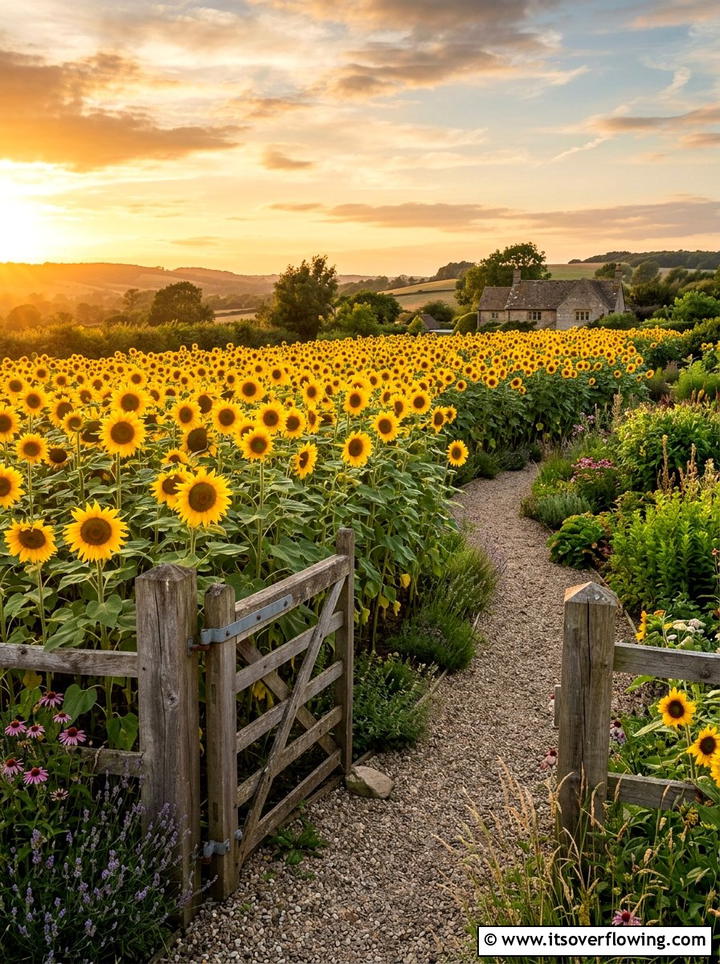
Sunflowers are more than just a cheerful addition to your landscape; they are a massive food source for seed-eating birds. Once the bright yellow petals fade, the large heads become packed with oil-rich seeds that goldfinches and nuthatches absolutely love. You can leave the stalks standing throughout the fall and winter to provide a natural feeding platform. Planting different varieties, from giant tall sunflowers to shorter branching types, adds visual interest and caters to different bird sizes. Watching a group of birds hang upside down on a sunflower head to extract seeds is one of the most entertaining sights in a wildlife-friendly garden.
7. Wildflower meadow
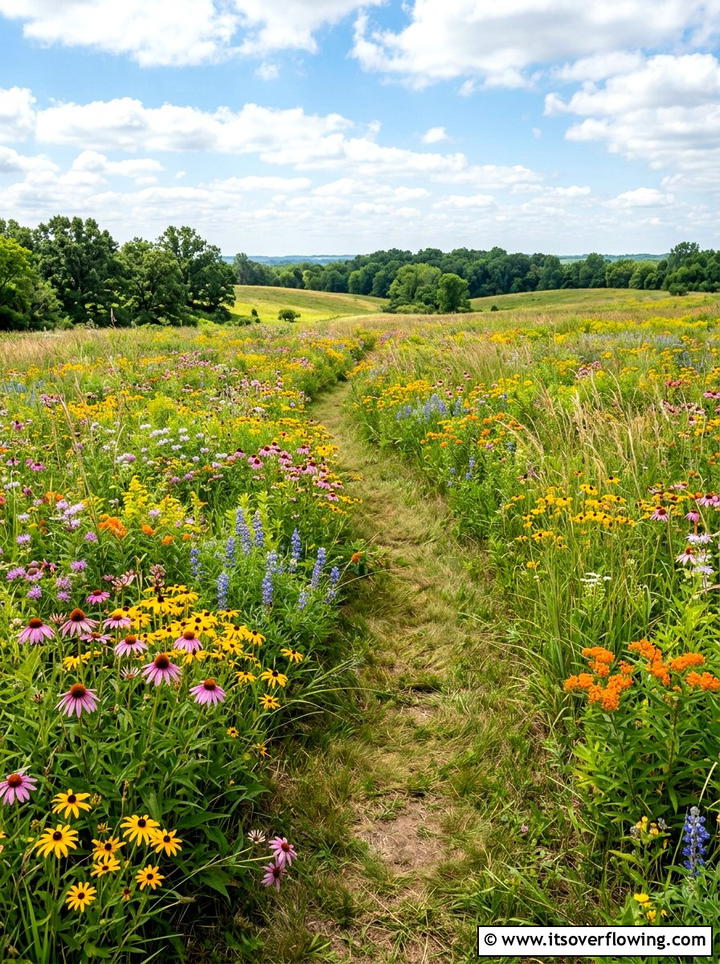
A wildflower meadow creates a diverse ecosystem that supports birds by providing both seeds and a habitat for protein-rich insects. Instead of a perfectly manicured lawn, consider letting a section of your yard grow wild with a mix of local flowers. This natural look provides a safe space for ground-nesting birds and a foraging ground for those looking for hidden bugs. Wildflowers like coneflowers and black-eyed Susans are particularly good at attracting birds once they go to seed. The variety of colors and textures makes the garden look beautiful while requiring much less water and mowing than a traditional grass-covered backyard area.
8. Evergreen shrubs
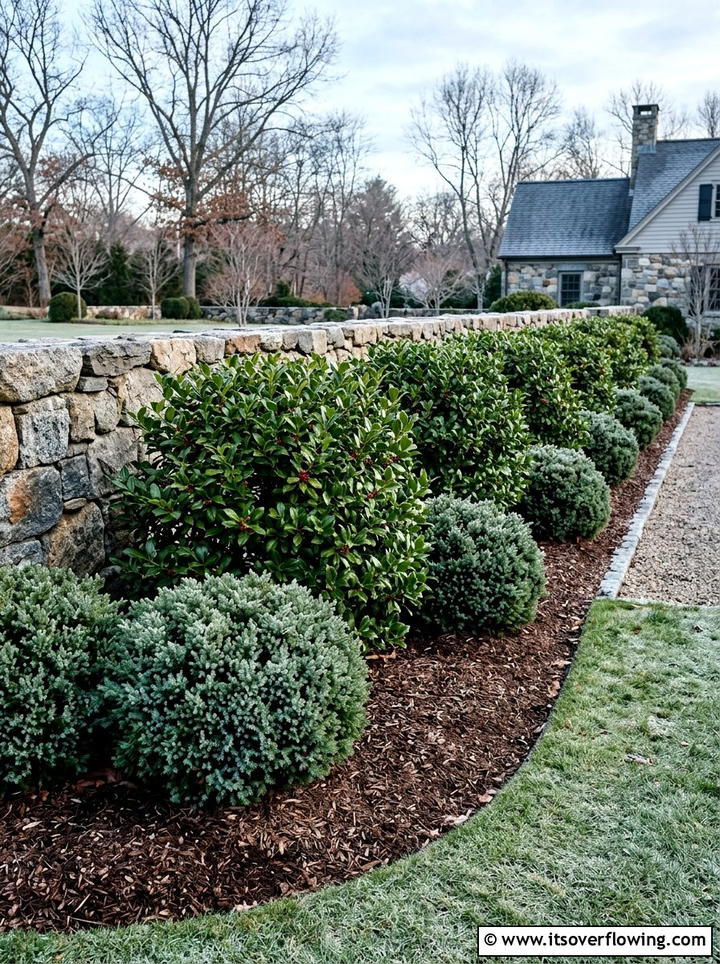
Evergreen shrubs are essential for providing year-round shelter and protection from predators and the elements. During the winter, birds rely on the thick needles of junipers, hollies, and yews to stay warm and dry during snowstorms. These plants also offer a secure place for birds to hide from hawks and other birds of prey. Many evergreens produce small cones or berries that serve as an additional food source when the ground is frozen. By incorporating these hardy plants into your garden design, you create a permanent sanctuary that keeps your feathered friends safe and comfortable regardless of the temperature outside.
9. Hummingbird garden
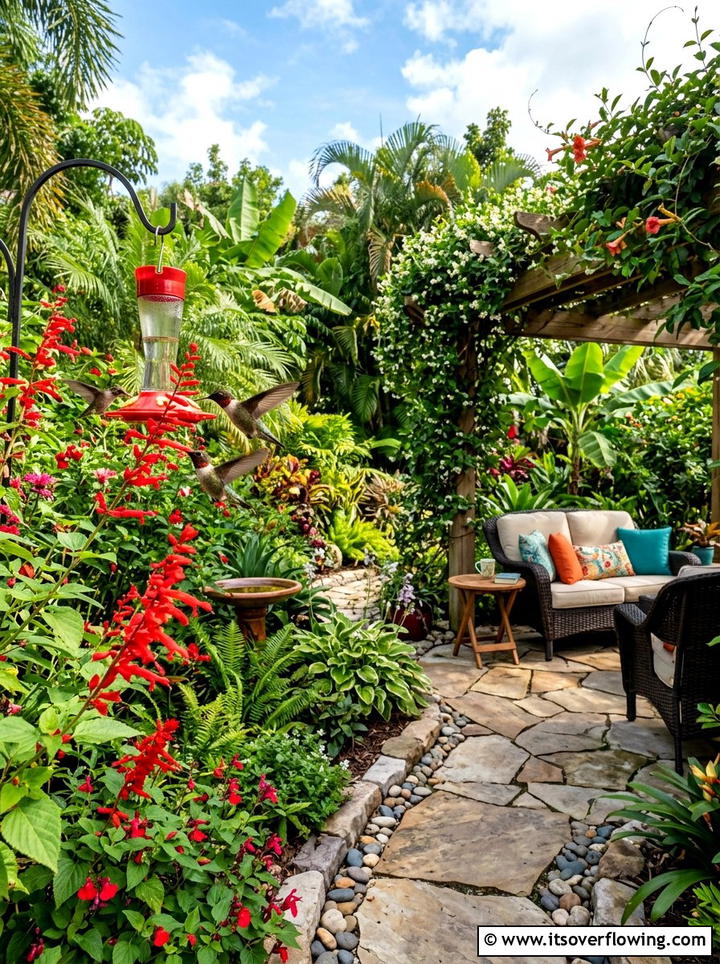
Do you want to attract the most vibrant and energetic visitors to your outdoor space? A hummingbird garden filled with tubular flowers is the best way to invite these tiny wonders into your yard. Focus on planting bright red and orange blooms like bee balm, salvia, and cardinal flower. These birds have high metabolisms and need a constant supply of nectar to fuel their daily activities. In addition to flowers, you can hang nectar feeders to provide an extra boost of energy. Providing a nearby perch, such as a thin branch or clothesline, allows them to rest and guard their favorite feeding spots.
10. Brush pile
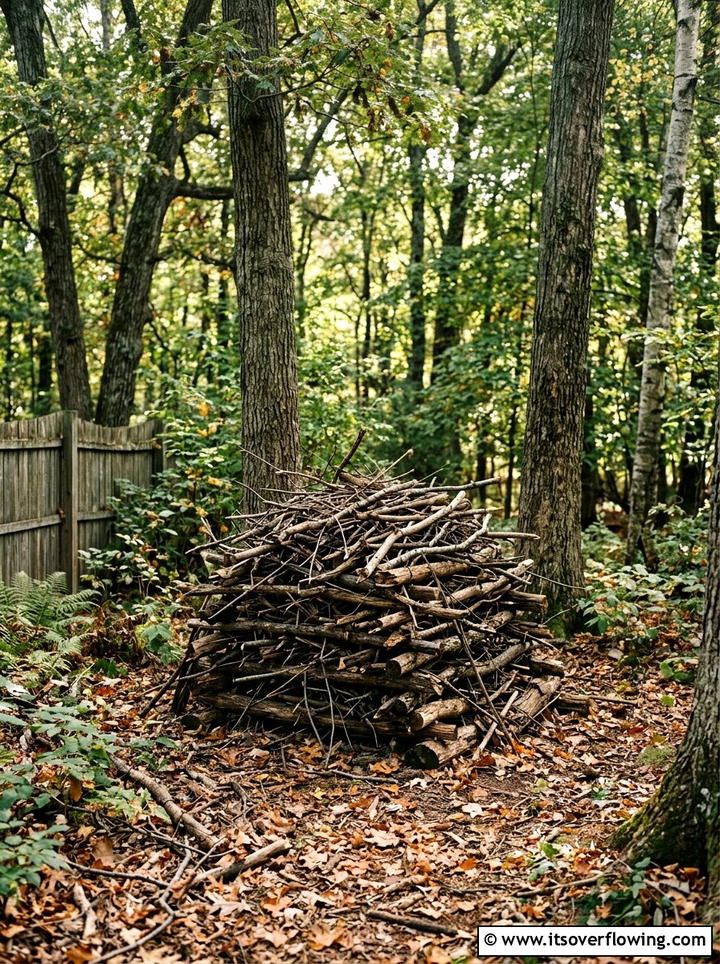
Building a brush pile is one of the simplest and most effective ways to help ground-dwelling birds in your garden. Instead of bagging up fallen branches and twigs, stack them in a quiet corner to create a natural hiding spot. This pile provides a labyrinth of passages where sparrows and wrens can find safety from cats and owls. It also serves as a perfect location for birds to forage for insects that live among the decaying wood. Over time, the brush pile will settle and become an even better habitat, especially during the cold winter months when shelter is a high priority.
11. Bird friendly hedge
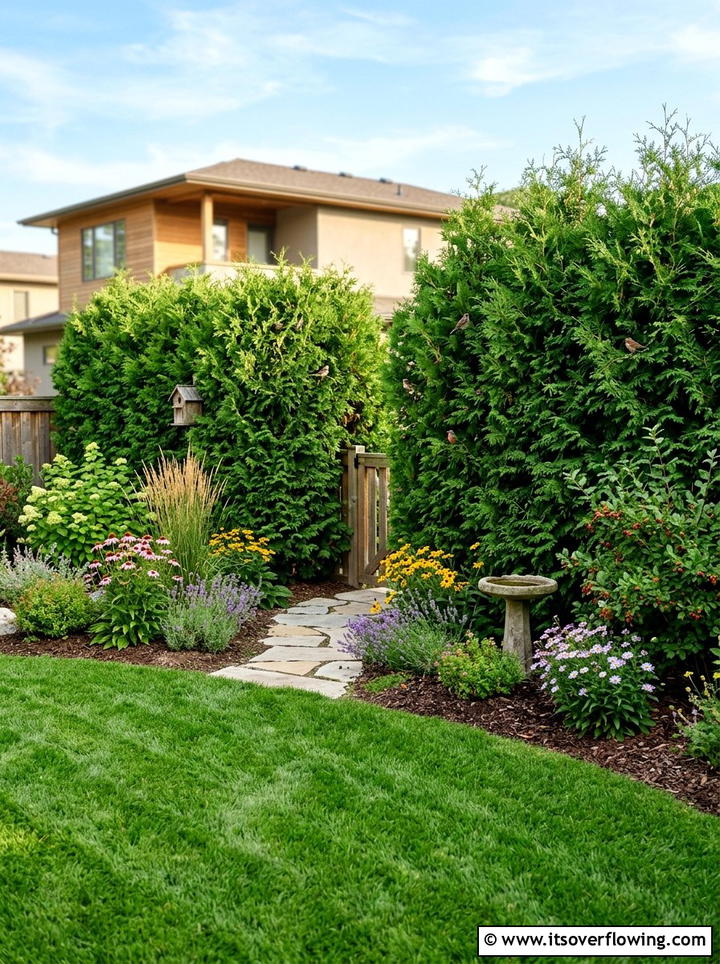
A bird-friendly hedge acts as a living wall that provides privacy for you and a highway of safety for local birds. By planting a row of dense shrubs like privet or cedar, you create a protected corridor where birds can move across your yard unseen. These hedges are favorite nesting sites because the thick growth hides nests from the prying eyes of predators. Hedges also act as a windbreak, creating a calmer microclimate for birds to rest during stormy weather. If you choose flowering or fruiting shrubs for your hedge, you add an extra layer of food to this multifunctional garden feature.

12. Nectar flowers
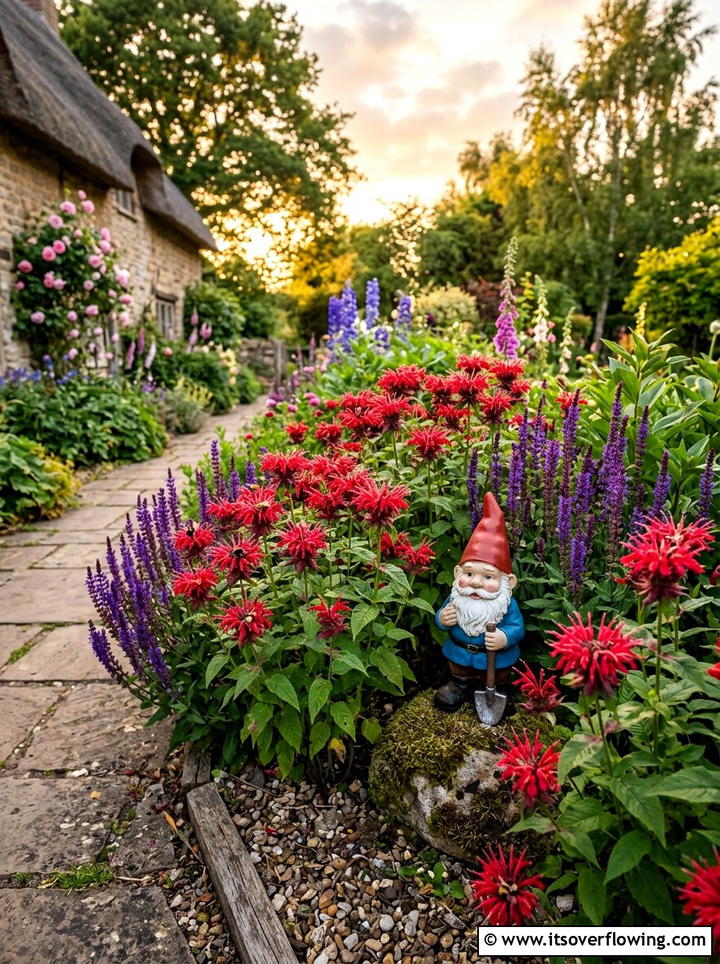
Nectar flowers are a vital resource for birds like orioles and hummingbirds that rely on liquid energy for survival. Including a wide variety of blooming plants ensures that there is always something for these birds to drink throughout the spring and summer. Flowers with deep, trumpet-like shapes are particularly attractive to birds with long beaks. In addition to providing food, these blooms add stunning colors and textures to your garden beds. By avoiding harsh chemicals and pesticides, you keep the nectar pure and safe for the birds. A diverse selection of nectar-rich plants will keep these high-energy visitors returning to your yard daily.
13. Fruit trees
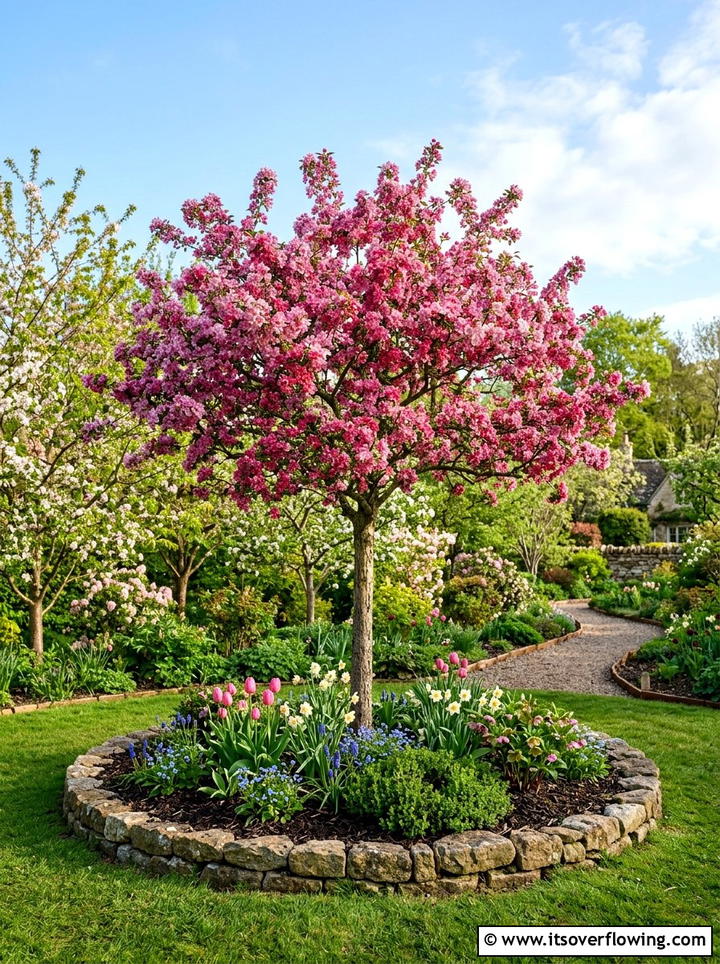
Fruit trees offer a double benefit by providing delicious harvests for you and a bounty of food for your backyard birds. Trees like crabapple, cherry, and plum produce small fruits that are perfectly sized for many avian species to enjoy. Even the fallen fruit on the ground provides a feast for ground-feeding birds like thrushes and waxwings. Beyond the food, the sturdy branches of fruit trees offer excellent structural support for nests and high vantage points for singing. The beautiful blossoms in the spring also attract insects, which provides another important food source for birds that are busy raising their young.
14. Solar water fountain
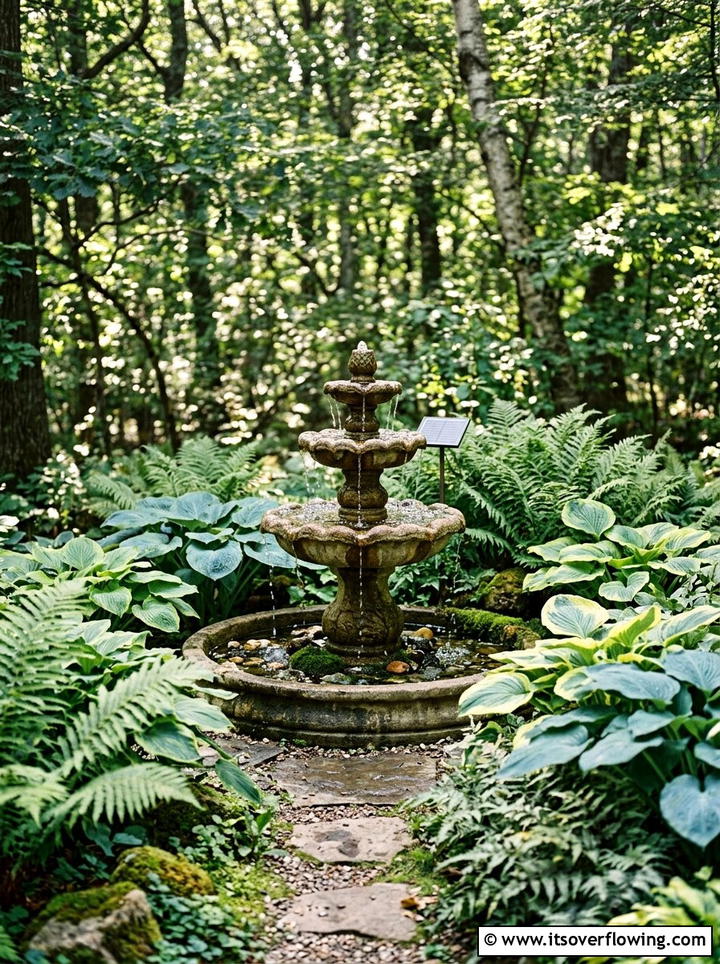
Adding a solar water fountain to your garden introduces the sound of moving water, which is a powerful magnet for birds. The constant trickling sound can be heard from a distance, signaling to passing birds that a fresh water source is nearby. Since these fountains are powered by the sun, they are easy to install without the need for complex electrical wiring or outlets. Moving water stays cleaner longer and prevents mosquitoes from laying eggs in the basin. Watching a robin or a sparrow splash around in a gentle fountain is a delightful experience that brings life and movement to any garden setting.
15. Seed bearing flowers
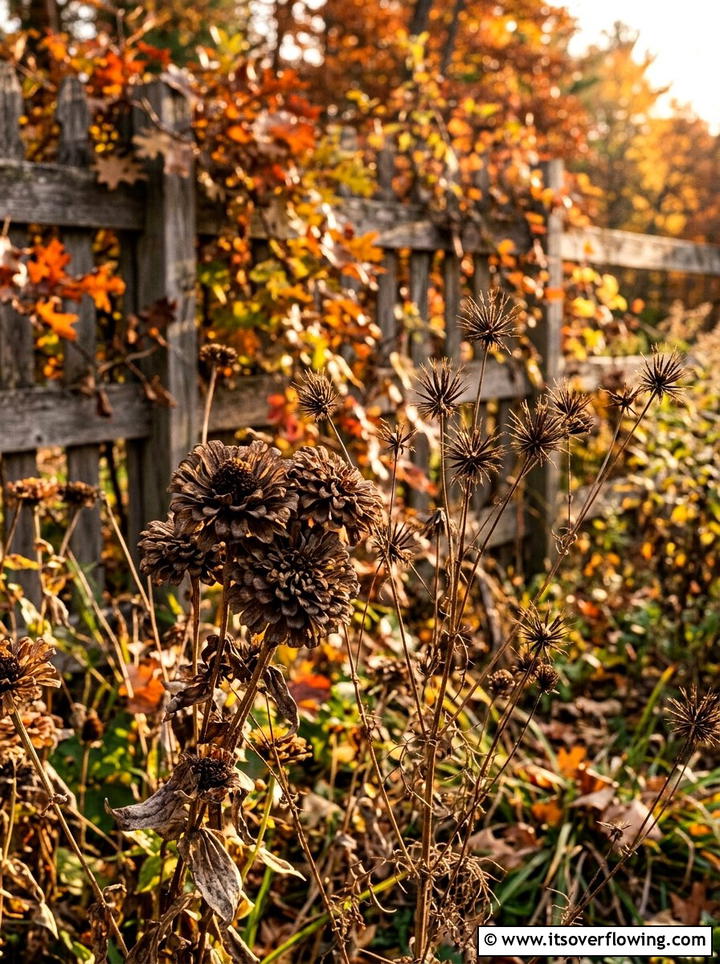
Seed-bearing flowers are a natural and sustainable way to provide food for birds throughout the late summer and autumn. Instead of deadheading your spent blooms, let the flower heads dry out on the stalks to allow the seeds to mature. Plants like coreopsis, zinnias, and cosmos are fantastic choices that produce an abundance of seeds that finches and sparrows love. This practice not only feeds the birds but also allows the plants to self-seed for the following year. It creates a more natural, meadow-like aesthetic in your garden while significantly reducing the amount of store-bought birdseed you need to provide.

16. Owl box
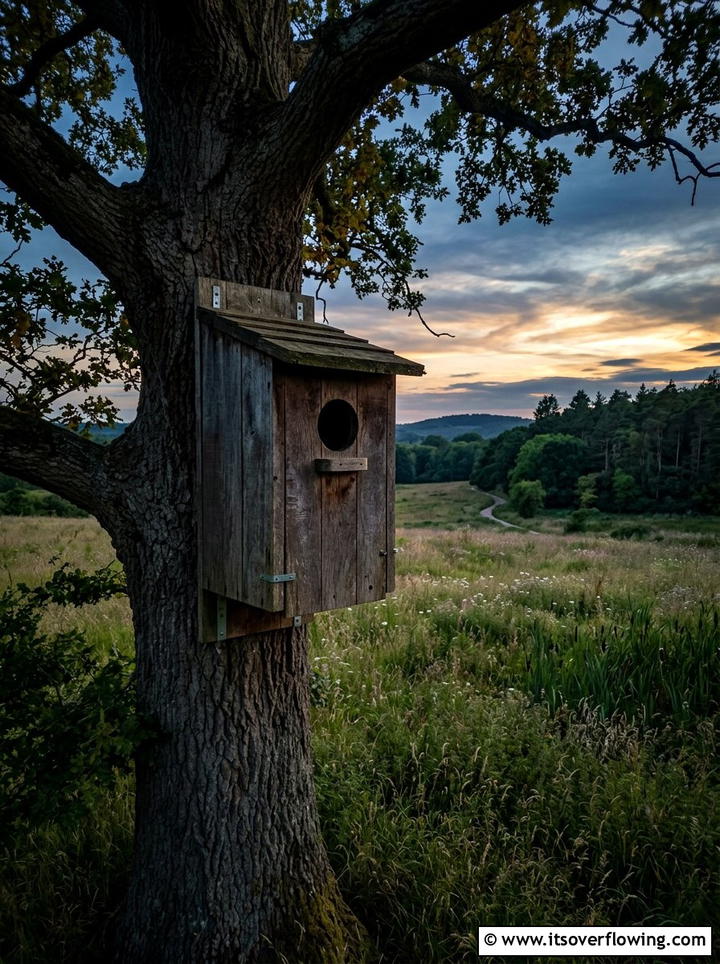
Installing an owl box is a fantastic way to welcome these majestic nocturnal hunters into your neighborhood. Owls are excellent for natural pest control, as they primarily hunt rodents that might otherwise damage your garden or home. An owl box should be placed high up on a sturdy tree or pole, facing an open area where the owl can easily fly in and out. Since owls are very private, it is best to place the box in a secluded part of your yard away from bright lights. Providing a safe nesting site helps support local owl populations while giving you the chance to hear their calls.
17. Ground bird bath
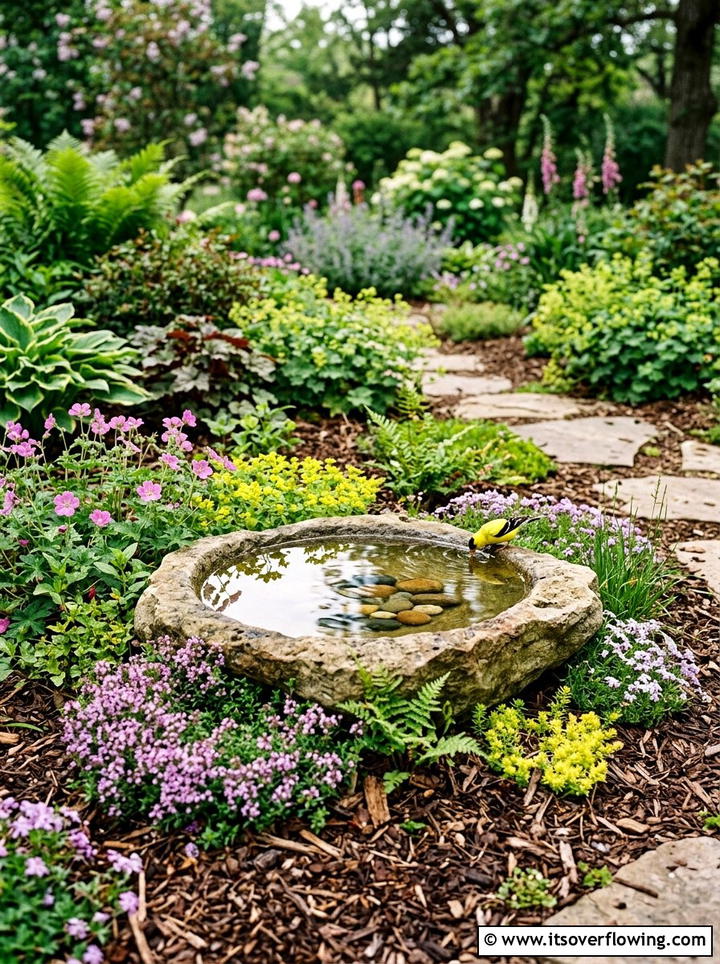
A ground bird bath mimics the natural puddles and pools that birds encounter in the wild. Many species, such as doves and towhees, prefer to drink and bathe at ground level rather than using an elevated pedestal bath. You can create a simple ground bath using a shallow ceramic dish or a molded resin basin tucked into a flower bed. It is important to place it near some low-growing plants so the birds can quickly retreat into cover if they feel exposed. Keeping the water shallow and clean will ensure that it remains a safe and attractive spot for all your ground-foraging visitors.
18. Heated bird bath
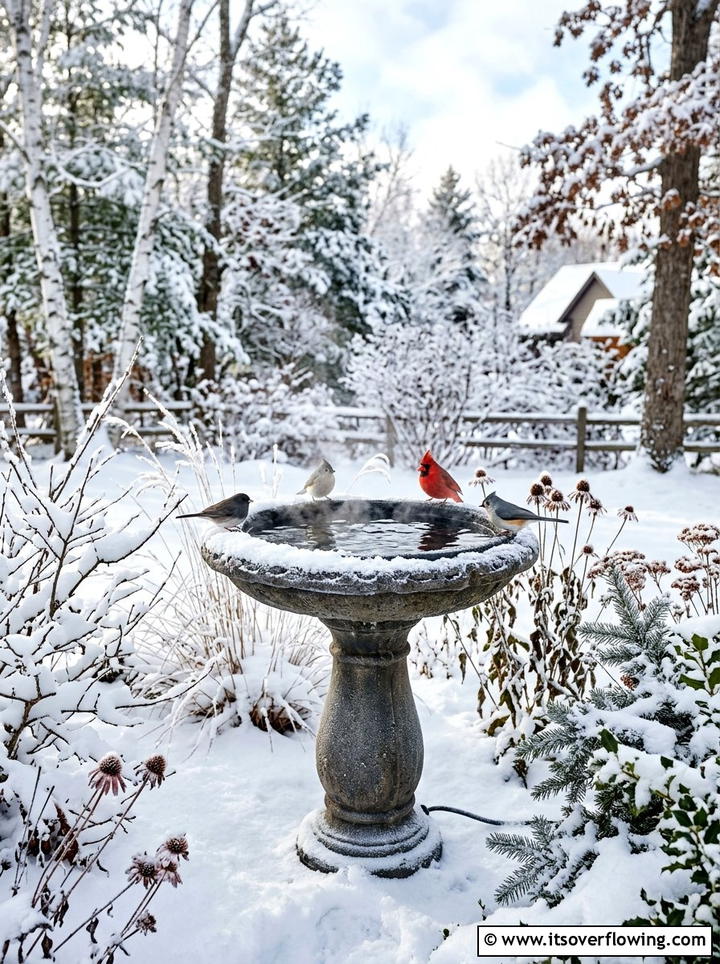
When the temperature drops and natural water sources freeze over, a heated bird bath becomes a literal lifesaver for local birds. Birds need water year-round not just for drinking, but also to keep their feathers clean for proper insulation against the cold. A heated bath uses a low-wattage element to keep a small area of water from turning into ice. This simple addition ensures that your garden remains a vital resource during the toughest months of the year. Many models come with built-in thermostats that only turn on when needed, making them energy-efficient and very easy to maintain throughout the winter.
19. Nesting material station
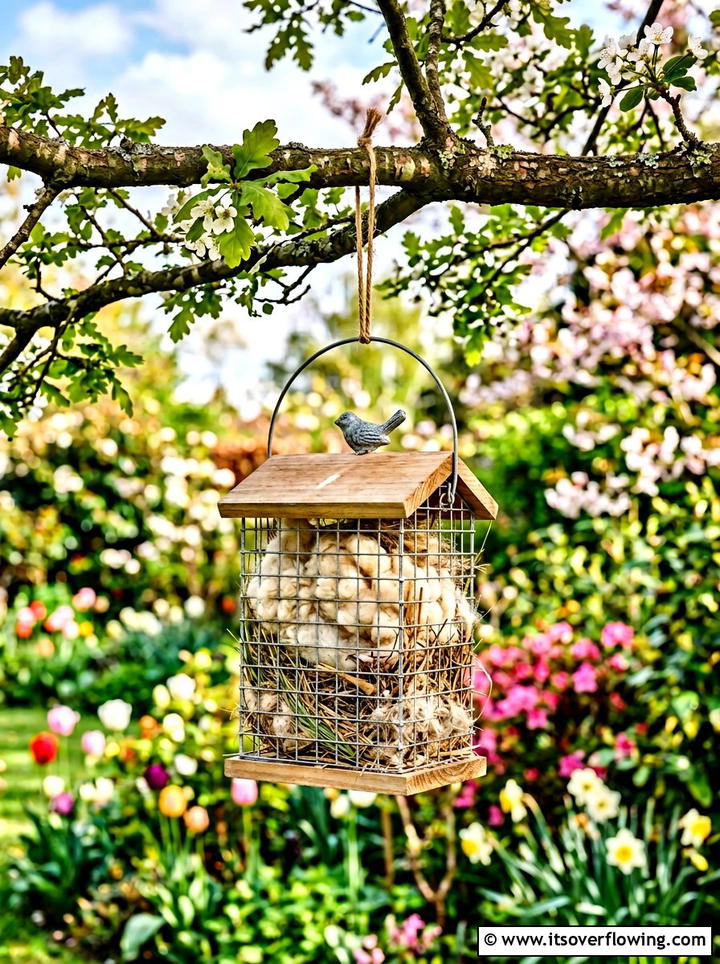
Helping birds build their homes is easy when you provide a nesting material station filled with soft fibers. You can use a simple wire mesh cage or a suet holder to offer things like dried grass, small twigs, and unraveled natural twine. Some gardeners even include small amounts of pet fur or wool to give the nests extra warmth and cushioning. Avoid using materials treated with chemicals, such as dryer lint or synthetic strings, which can be harmful to the birds. Hanging this station in the early spring will attract birds looking for the perfect supplies to construct a sturdy and comfortable nest.
20. Layered planting
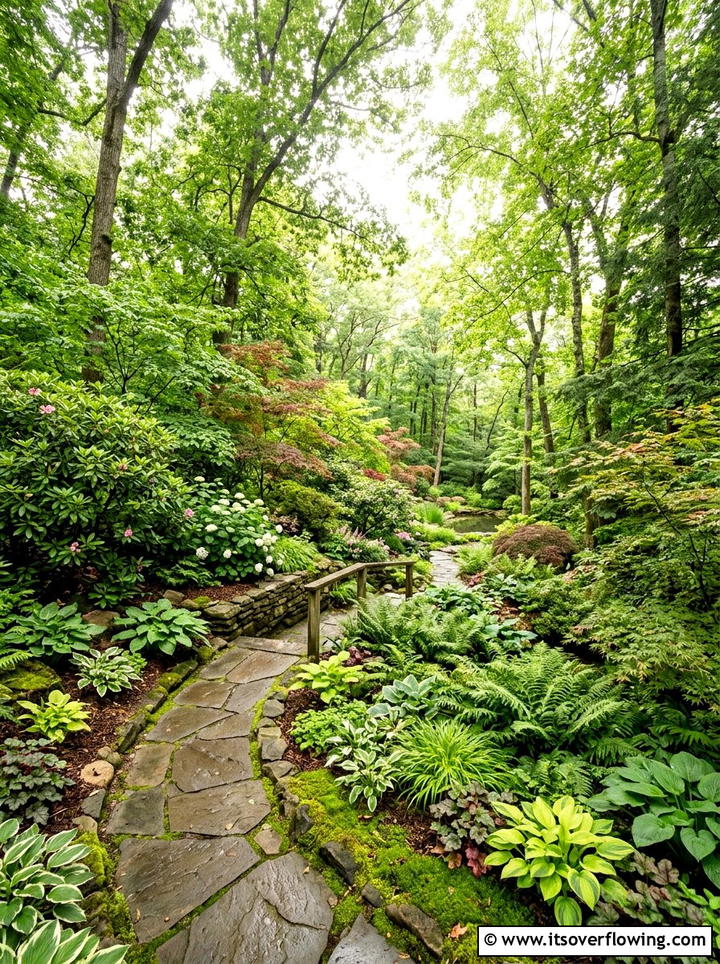
Layered planting is a design technique that mimics the structure of a natural forest, providing various habitats at different heights. By including tall canopy trees, mid-sized understory trees, shrubs, and groundcover, you create multiple levels where different bird species can thrive. For example, some birds prefer the high branches for singing, while others spend their time foraging in the leaf litter on the ground. This vertical diversity maximizes the number of birds your garden can support by offering more niches for nesting and feeding. A well-layered garden looks lush and full, creating a beautiful and functional environment for both people and wildlife.
21. Insect garden
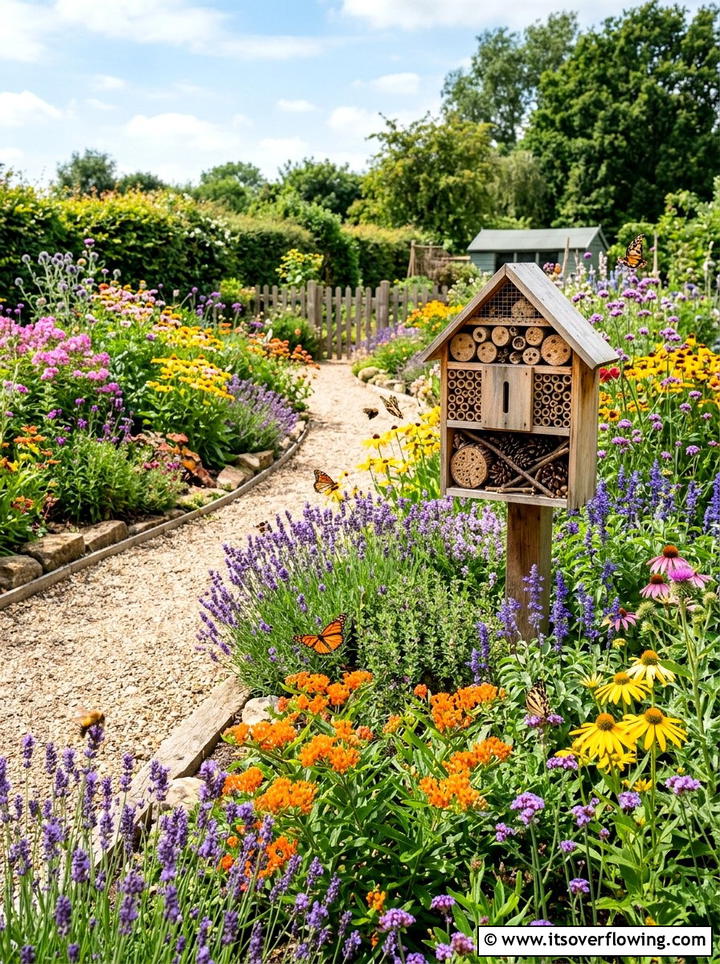
An insect garden is a secret weapon for attracting birds because the majority of backyard birds rely on bugs to survive. By planting flowers that attract butterflies, bees, and beetles, you are essentially creating a high-protein buffet for your feathered friends. During the nesting season, parent birds need thousands of caterpillars and soft insects to feed their rapidly growing chicks. You can encourage insect life by leaving some leaf litter on the ground and avoiding the use of broad-spectrum insecticides. A garden buzzing with life is a sign of a healthy ecosystem that will naturally draw in a wide variety of hungry birds.
22. Dead wood for birds
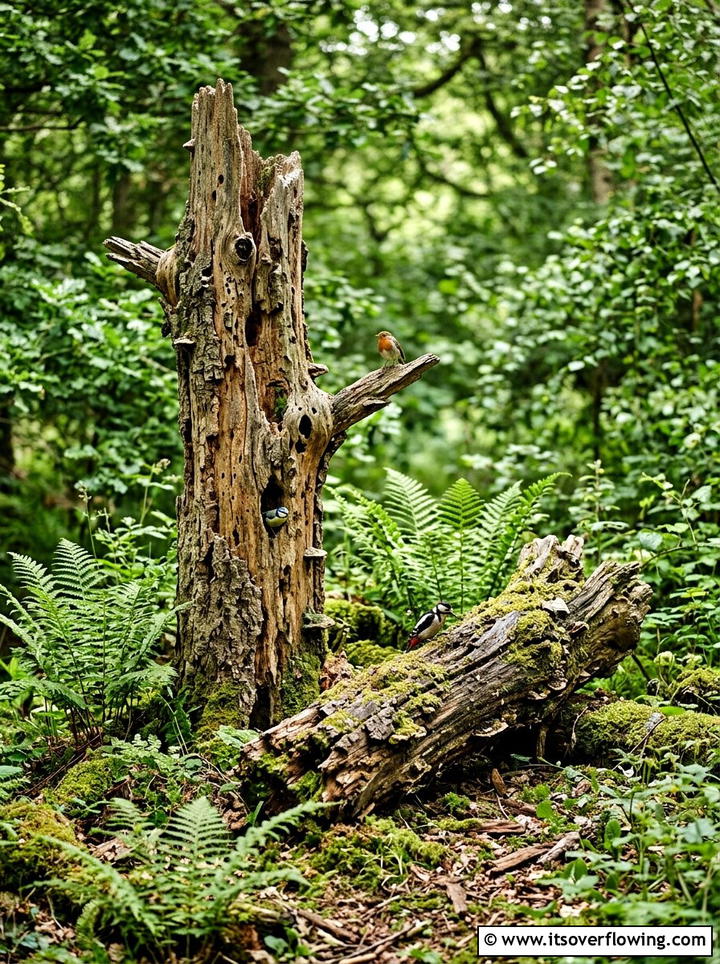
Leaving dead wood in your garden might seem untidy, but it is incredibly valuable for woodpeckers and other cavity-nesting birds. A standing dead tree, known as a snag, provides a place for birds to forage for wood-boring insects and create nesting holes. If a standing tree is not safe, you can place a large log in a garden bed to serve as a “nurse log. ” As the wood decays, it becomes home to a variety of organisms that birds love to eat. This natural process adds a rugged beauty to the landscape while providing essential resources that are often missing in modern, overly cleaned-up suburban yards.
23. Butterfly garden
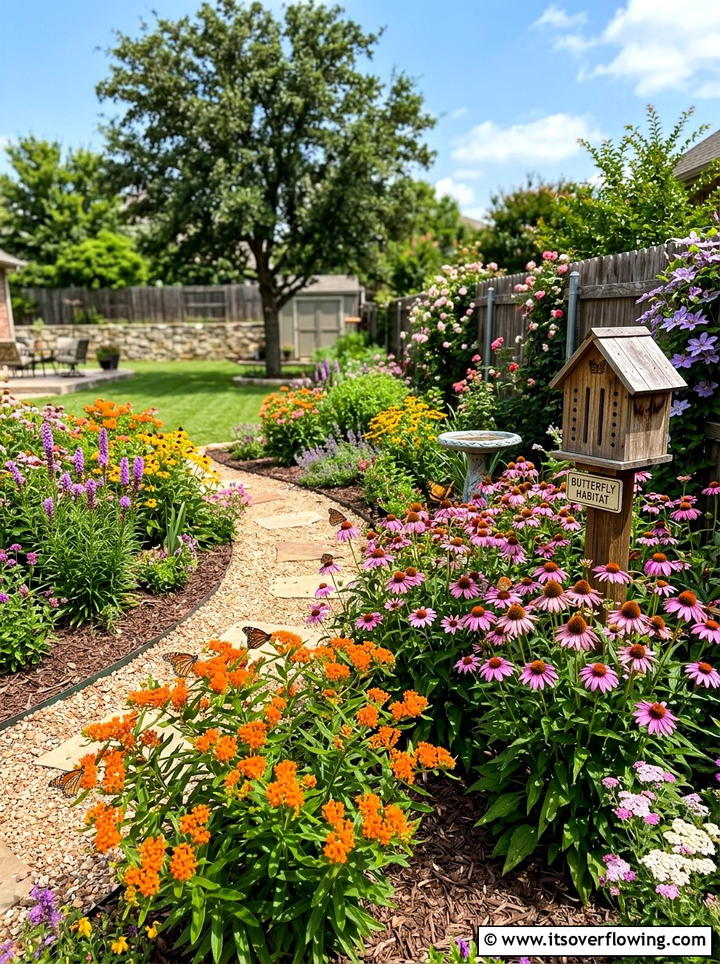
A butterfly garden does more than just attract beautiful winged insects; it creates a vibrant foraging area for many bird species. The same nectar-rich flowers that draw in monarchs and swallowtails also provide food for hummingbirds and orioles. Additionally, the caterpillars that feed on specific host plants are a primary food source for birds during the spring. By planting milkweed, zinnias, and purple coneflowers, you support a complex food web that benefits everyone. The combination of colorful flowers, fluttering butterflies, and active birds makes your garden a dynamic and exciting place to spend time throughout the warm growing season.
24. Climbing vines
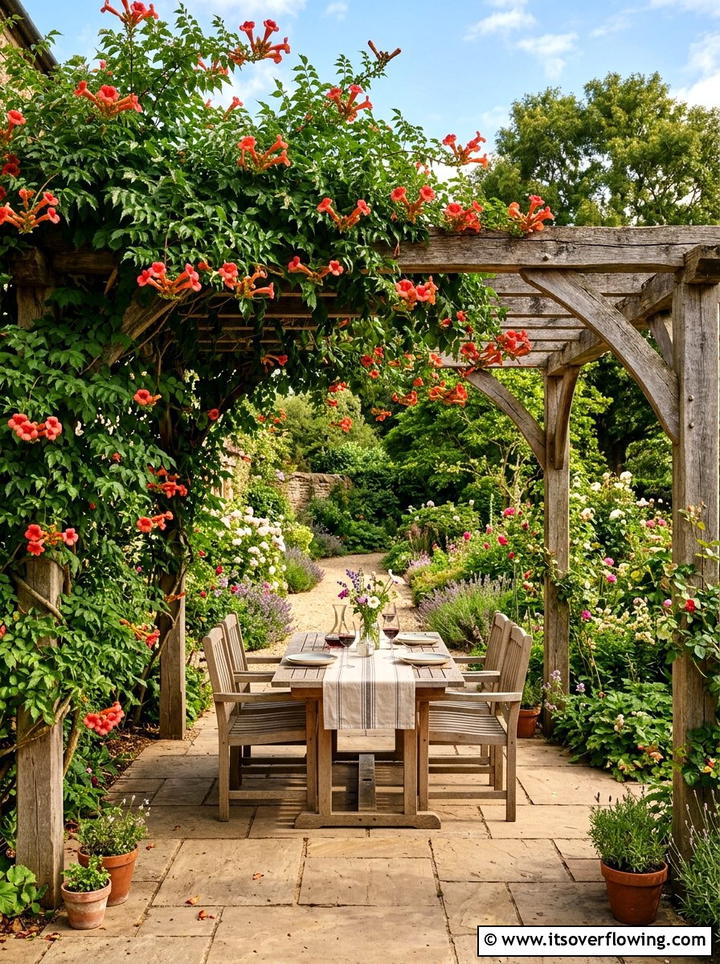
Climbing vines are a great way to add vertical interest to your garden while providing hidden nesting spots and food for birds. Trumpet vine, honeysuckle, and Virginia creeper can be trained to grow over fences, arbors, or trellises, creating a lush green curtain. These vines offer thick cover where birds can hide from predators or build nests tucked away from the rain. Many vines also produce flowers for nectar-drinkers or berries for fruit-eaters, making them a multifunctional addition to a bird-friendly space. Vines are especially useful in smaller gardens where ground space is limited but vertical surfaces are available for planting.
25. Organic bird garden
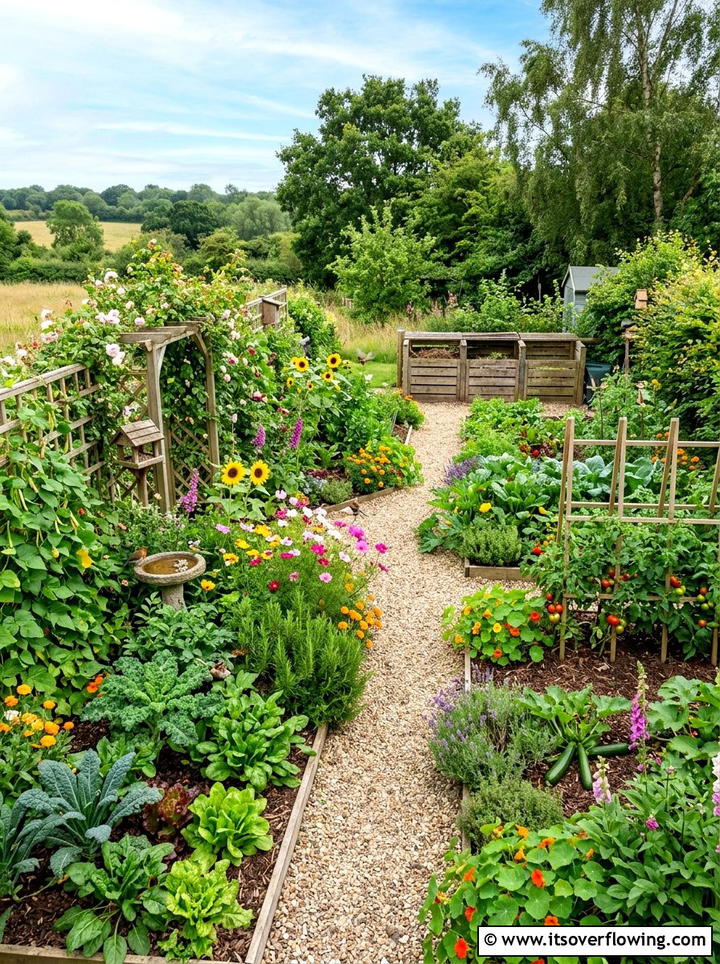
Maintaining an organic bird garden is the most important step you can take to ensure the health and safety of your visitors. Avoiding synthetic fertilizers, herbicides, and pesticides prevents toxic chemicals from entering the food chain of the birds you love. Instead, use compost to enrich your soil and rely on natural predators like ladybugs and the birds themselves to manage pest populations. An organic approach encourages a diverse and resilient ecosystem where plants and animals can thrive together in harmony. By choosing natural methods, you create a truly safe haven where birds can eat, drink, and raise their families without any hidden dangers.
Conclusion:
Creating a bird-friendly garden is a rewarding project that connects you more deeply with the natural world around you. Each element you add, from a simple water basin to a dense evergreen hedge, plays a vital role in the survival of local avian populations. You will soon notice a significant increase in the variety of visitors as your landscape matures and offers more resources throughout the year. Remember that consistency is key, especially when it comes to providing fresh water and maintaining clean feeders. By following these steps, you are doing more than just decorating your yard; you are creating a lasting legacy of environmental stewardship and joy.

Related posts:
 25 Garden Ideas With Bird Baths to Attract Backyard Birds
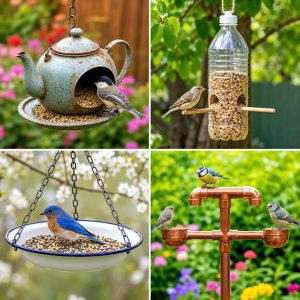 25 Upcycled Garden Ideas With Bird Feeders for Backyard Birds
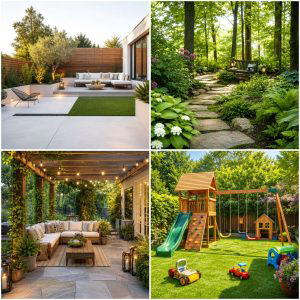 25 Garden Ideas for Backyards to Create Your Dream Retreat
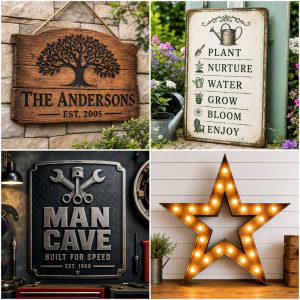 25 Backyard Decorating Ideas With Signs For Backyard Charm
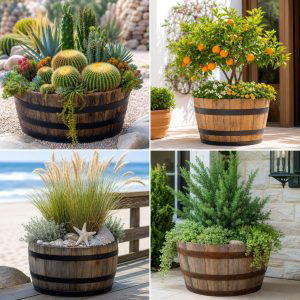 25 Backyard Ideas With Barrel Planter for Rustic Garden Charm
 25 Backyard Ideas With Flower Garden for Colorful Curb Appeal
 25 Backyard Ideas With Greenhouse for Fresh Garden Style
 25 backyard ideas with pathways for Charming Garden Flow
 25 backyard ideas with potting station for Garden Lovers
 25 Backyard Ideas With Vertical Garden For Small Spaces
 25 garden ideas with vegetables: Fresh Backyard Inspiration
 25 Recycled Garden Ideas for Backyard Decor