
Starting a garden is a rewarding journey that transforms your outdoor space into a sanctuary of life and color. For beginners, the process might seem overwhelming with talk of soil pH, hardiness zones, and pruning techniques. However, gardening is truly about trial and error and finding joy in the small sprouts that emerge from the earth. This guide provides twenty-five approachable concepts to help you cultivate your green thumb without feeling stressed. From small container setups to sprawling wildflower meadows, there is something for every space. By focusing on simple, manageable projects, you can build confidence and create a stunning landscape. Let’s explore how you can turn your backyard into a thriving oasis with these practical and beautiful suggestions today.
1. Raised Bed
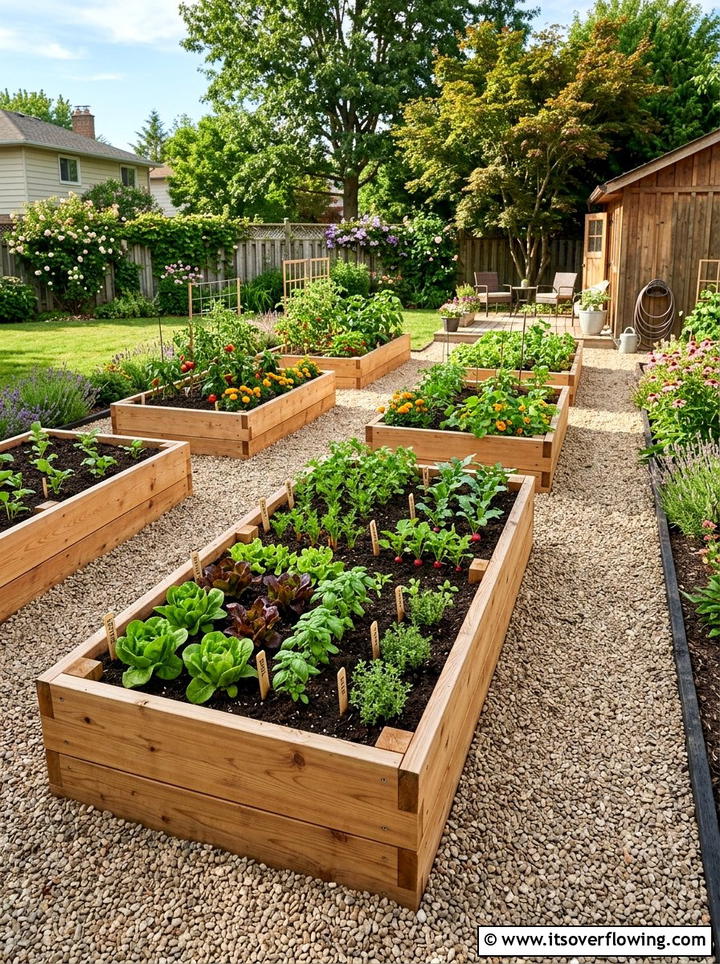
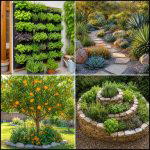
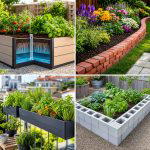
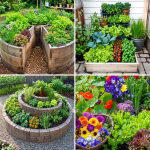
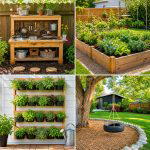
Starting with a raised bed is one of the smartest moves for any new gardener because it gives you total control over the soil quality. These elevated structures prevent soil compaction and provide excellent drainage, which is vital for healthy root systems. You can build them from cedar wood, stone, or even recycled materials to fit your aesthetic. Because the soil warms up faster in the spring, you can often start planting earlier than in-ground traditional gardens. They also act as a physical barrier against some common pests and keep grass from creeping into your growing space. Maintenance becomes much easier because you do not have to bend down as far to weed regularly.
2. Container Garden
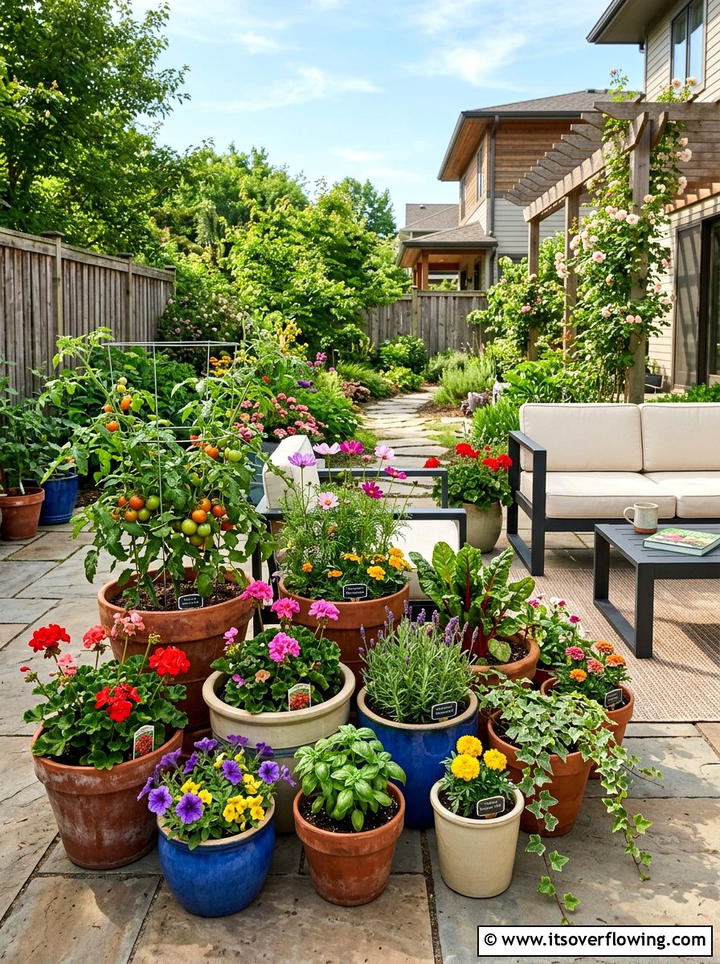
Container gardening is perfect for beginners who have limited space or want to start very small on a porch or balcony. Using pots allows you to move your plants around to find the best sunlight throughout the day. You can grow almost anything in a container, including vibrant flowers, crisp lettuce, or juicy tomatoes. It is essential to choose pots with drainage holes so the roots do not sit in excess water and rot. Selecting a high-quality potting mix instead of heavy garden soil will ensure your plants get the right balance of nutrients and air. This method is incredibly versatile and lets you experiment with different plant combinations very easily.
3. Herb Garden
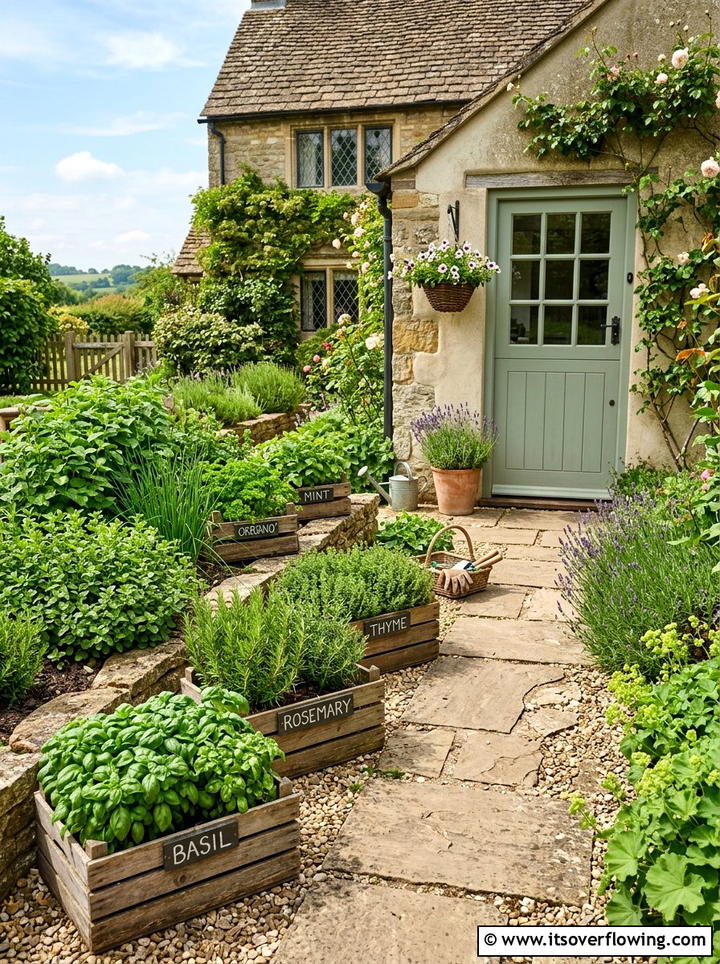
An herb garden is perhaps the most practical starting point because it provides immediate rewards for your kitchen. Herbs like basil, rosemary, mint, and cilantro are generally very hardy and grow quickly with minimal intervention. You can plant them in a sunny spot near your kitchen door for easy access while you are cooking dinner. Many herbs also produce beautiful, fragrant flowers that attract beneficial pollinators like bees and butterflies to your yard. Growing your own herbs saves money and ensures you always have fresh, organic flavors ready to enhance your favorite meals. Just remember that some herbs like mint can be invasive, so they often do best in pots.
4. Vegetable Patch
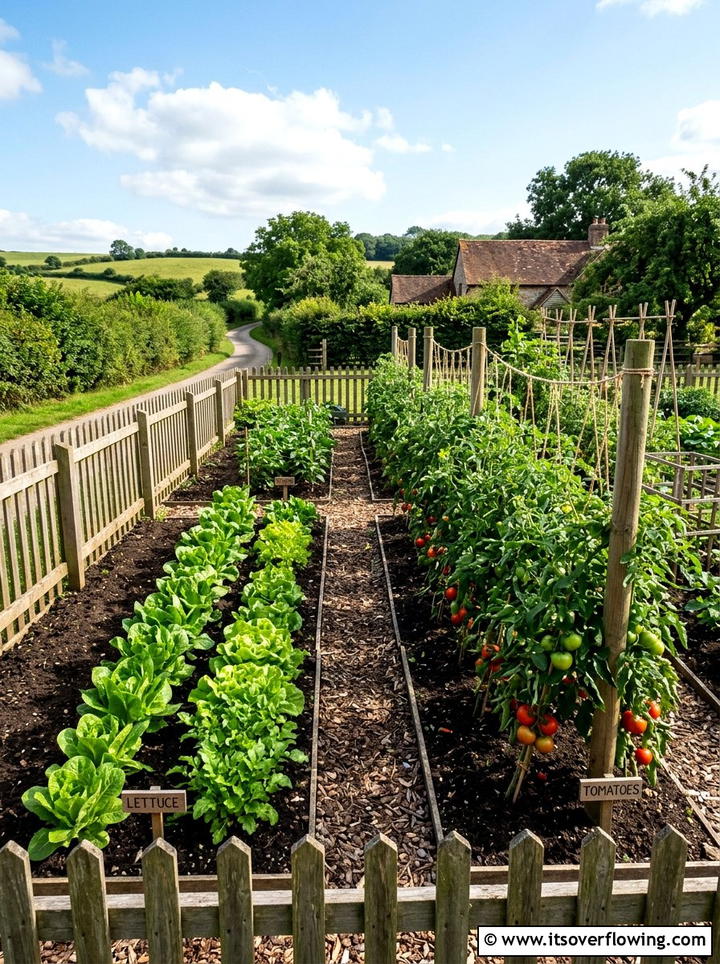
A vegetable patch allows you to experience the immense satisfaction of growing your own food from tiny seeds. For beginners, it is best to start with easy crops like radishes, bush beans, or leafy greens. Choosing a spot that receives at least six hours of direct sunlight is crucial for most vegetables to thrive. You should prepare the soil by adding organic compost to provide the necessary nutrients for a healthy harvest. Keeping the area weed-free and consistently watered will help your plants produce a bounty of fresh produce. Start small with just a few rows to avoid feeling overwhelmed during the height of the summer growing season.
5. Succulent Garden
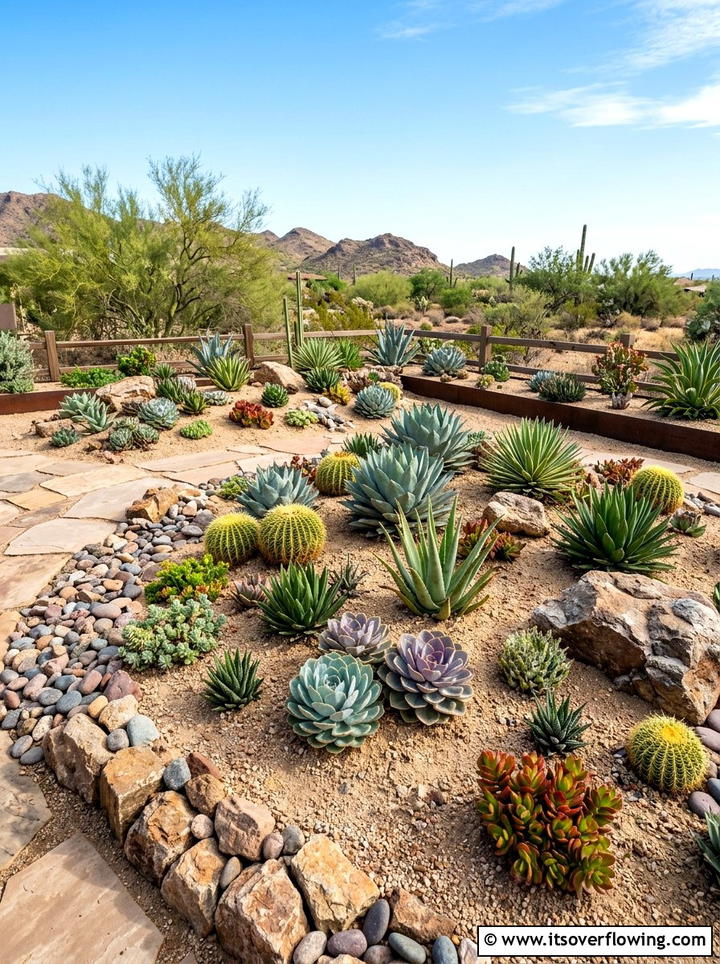
If you are looking for a low-maintenance option, a succulent garden is an excellent choice due to their drought-tolerant nature. These unique plants store water in their fleshy leaves, meaning they require much less frequent watering than traditional flowers. They come in a stunning variety of shapes, sizes, and colors, allowing you to create a visually interesting landscape. Succulents thrive in well-draining soil and plenty of bright sunlight, making them ideal for rocky areas or sandy spots. You can arrange them in clusters to create a desert-inspired aesthetic that looks modern and clean. Their resilience makes them perfect for busy individuals who might forget to water occasionally.
6. Vertical Garden
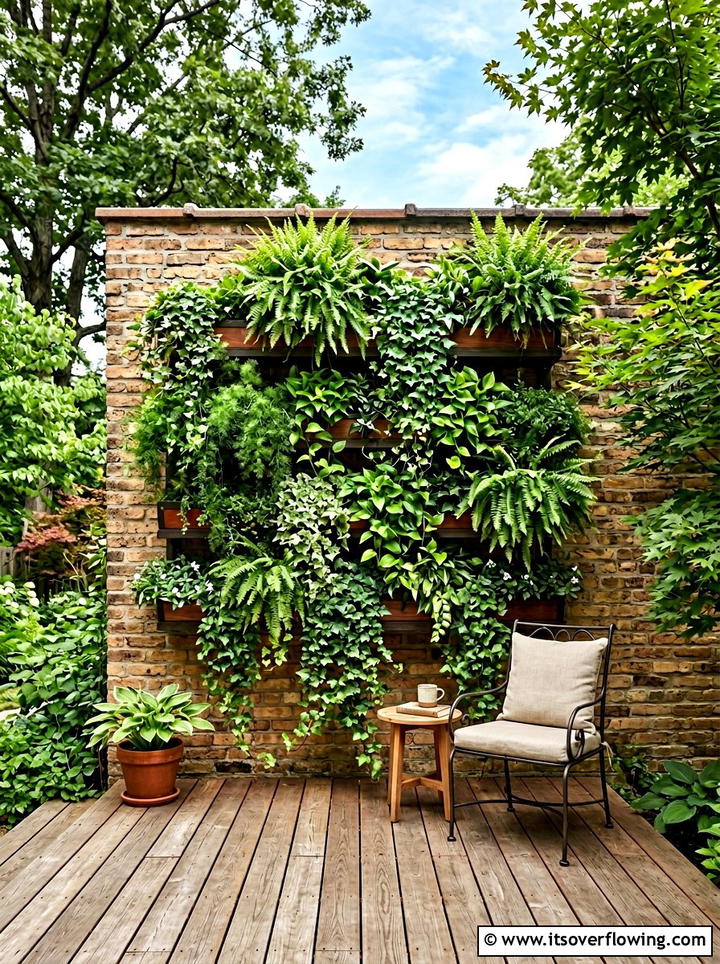
A vertical garden is a brilliant solution for beginners dealing with small urban spaces or bare exterior walls. By growing plants upwards, you maximize your available square footage and create a lush green focal point. You can use specialized wall planters, wooden pallets, or even hanging pockets to secure your plants. Vining species like ivy or climbing roses are classic choices, but many vegetables like peas and cucumbers also love to climb. This setup improves air circulation around the plants, which can help prevent some common fungal diseases. It also makes harvesting much easier since the plants are at eye level rather than on the ground.
7. Pollinator Garden
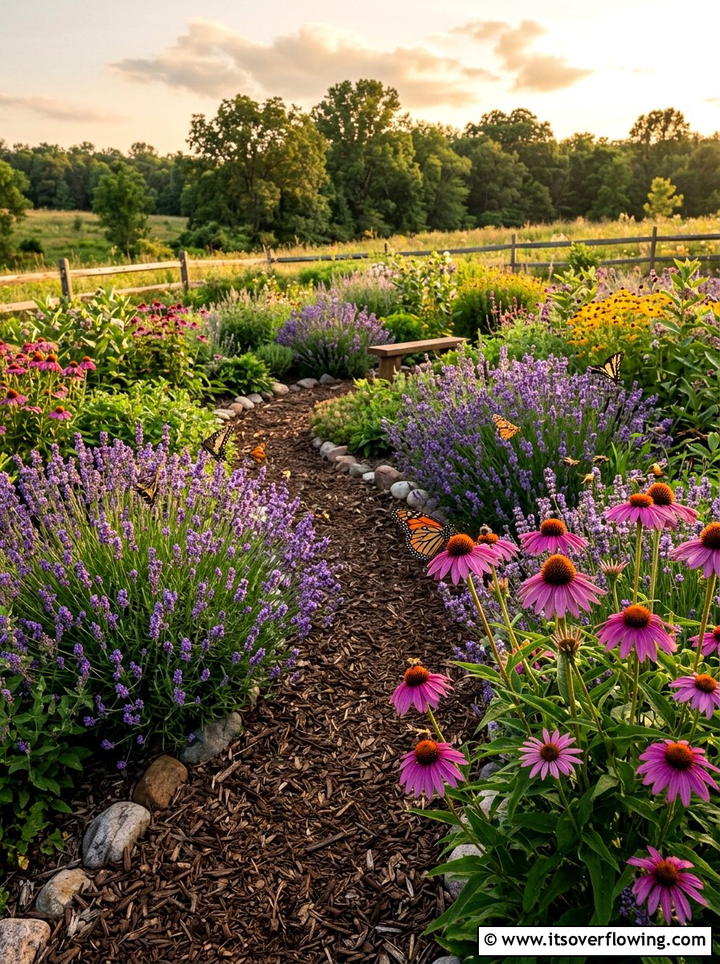
Creating a pollinator garden is a wonderful way to support local wildlife while enjoying a vibrant and colorful backyard. By planting nectar-rich flowers like lavender, coneflowers, and bee balm, you invite bees, butterflies, and hummingbirds into your space. These creatures play a vital role in the health of our environment and help your other plants thrive. It is best to choose a variety of plants that bloom at different times throughout the year. Avoid using harsh pesticides in this area to ensure the safety of the visitors you are trying to attract. Watching the constant activity in a pollinator garden provides endless entertainment and a deep connection to nature.
8. Cottage Garden
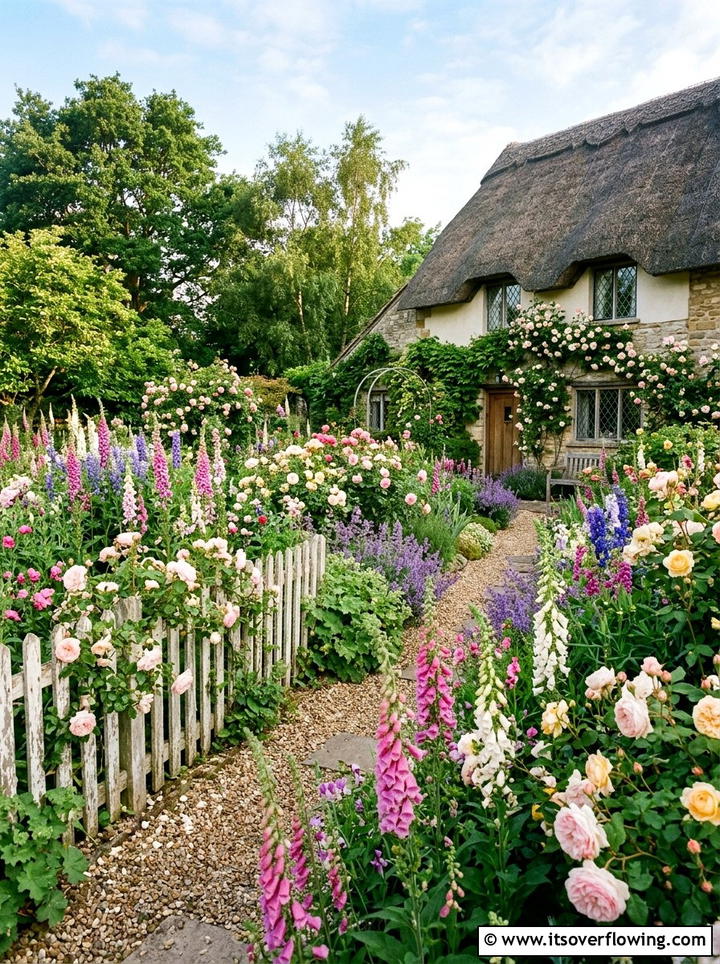
A cottage garden offers a relaxed and informal aesthetic that is perfect for beginners who prefer a less structured look. This style is characterized by dense plantings of traditional flowers like foxgloves, delphiniums, and hollyhocks. The goal is to create a charming, overgrown appearance that feels cozy and inviting rather than perfectly manicured. You can mix ornamental flowers with edible herbs and fruit bushes for a functional yet beautiful landscape. Because the plants are packed closely together, they naturally shade out weeds and help the soil retain moisture. This type of garden encourages a diverse ecosystem and provides a romantic backdrop for your outdoor living areas.
9. Flower Bed
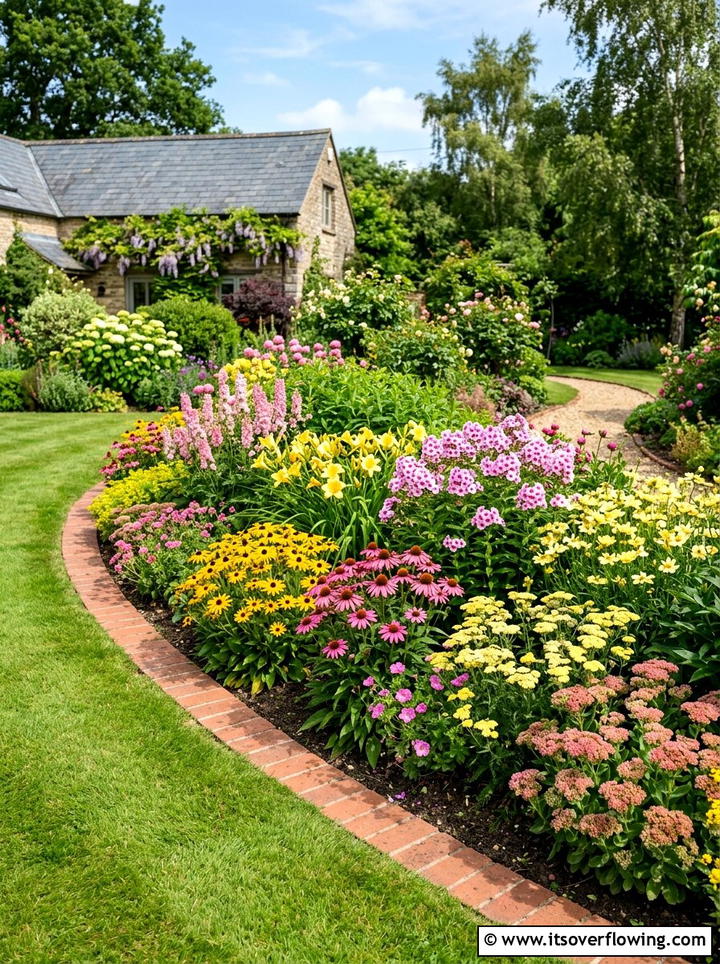
A dedicated flower bed can instantly boost your home’s curb appeal and provide a seasonal splash of bright color. Beginners should focus on a mix of perennials, which come back every year, and annuals for instant impact. Preparing the edges with clean lines helps the bed look professional and keeps the surrounding grass from invading. You can layer plants by height, putting taller varieties in the back and shorter ones along the front border. Adding a layer of mulch around the base of the flowers helps retain moisture and gives the bed a finished look. Regularly deadheading spent blooms will encourage the plants to produce even more flowers throughout the season.
10. Rock Garden
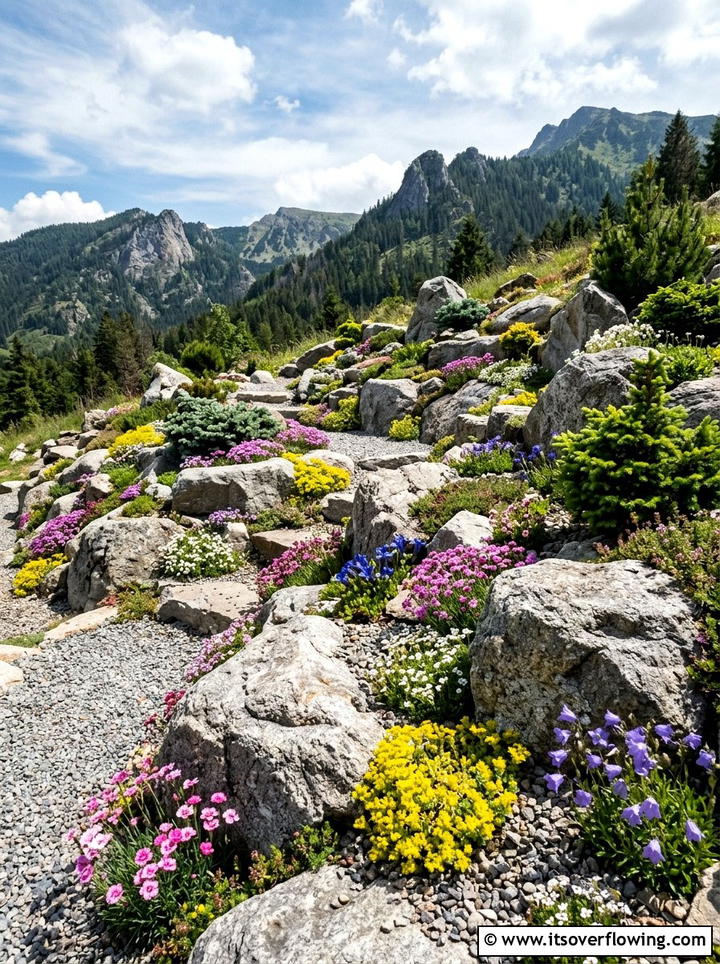
Rock gardens are ideal for sloped areas or spots with poor soil where traditional plants might struggle to survive. By combining various sizes of stones with hardy, alpine plants, you create a rugged and natural-looking landscape. Plants like stonecrop, creeping thyme, and aubrieta tuck beautifully into the crevices between the rocks. This type of garden requires very little water once established and provides excellent drainage for the roots. It creates a high-contrast look that remains interesting even during the winter months when other plants have gone dormant. Using local stones will help the garden blend seamlessly with the surrounding environment and create a cohesive look.
11. Window Box
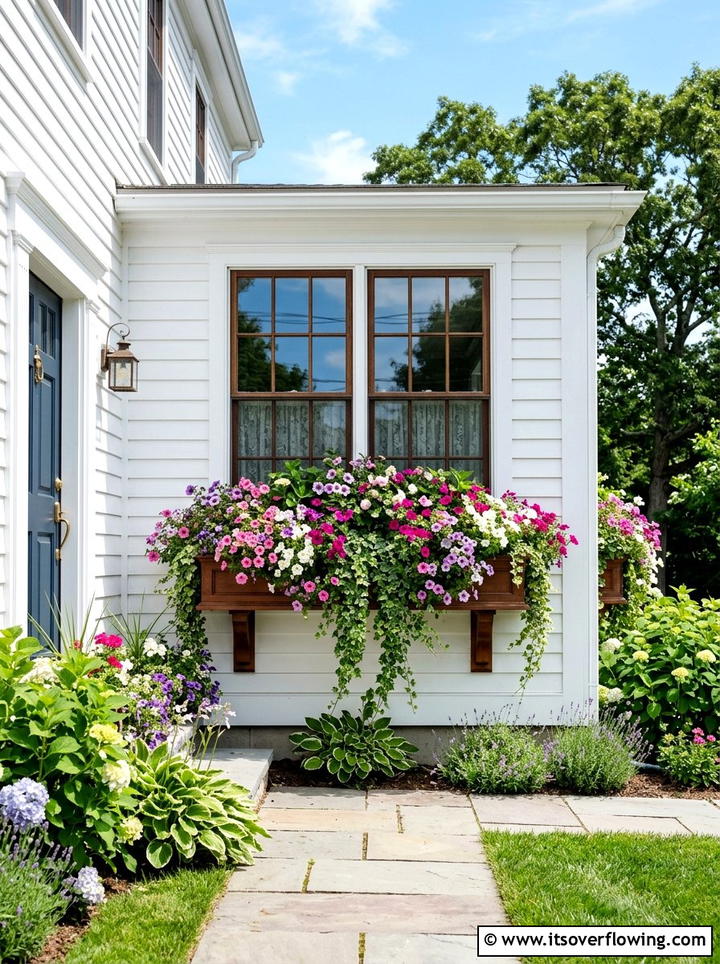
A window box is a charming way to bring greenery to your home’s exterior without needing any yard space. These small containers are usually attached directly below windows, allowing you to enjoy the view from both inside and out. They are perfect for trailing plants like petunias, ivy, or sweet potato vine that spill over the edges beautifully. Because they are elevated, they are less likely to be bothered by ground-dwelling pests like rabbits or slugs. You must ensure the boxes are securely mounted and have proper drainage to prevent water damage to your home. Regular watering is necessary since small containers tend to dry out more quickly.
12. Hanging Basket
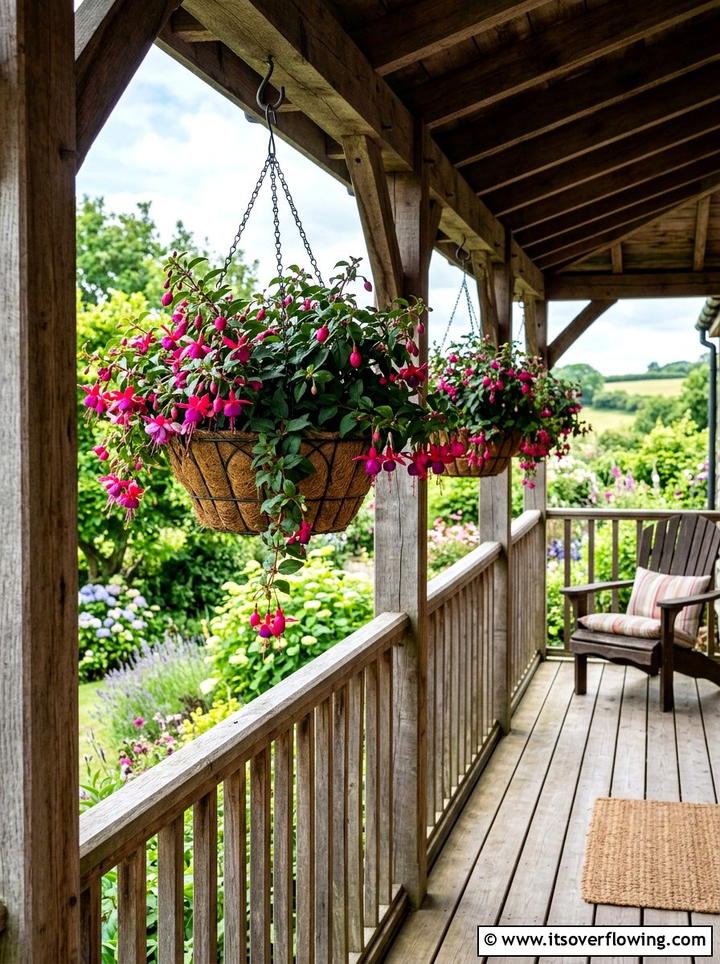
Hanging baskets are versatile decorative elements that add vertical interest to porches, patios, or sturdy tree branches. They are especially popular for showcasing colorful annuals that have a cascading growth habit. Fuchsias, lobelia, and begonias are classic choices that look stunning when suspended at eye level. To keep them looking their best, you should water them daily during hot weather, as they are exposed to wind and sun. Using a liquid fertilizer every few weeks will provide the nutrients needed for continuous blooming. These baskets allow you to change your garden’s look seasonally by simply swapping out the plants for fresh, new varieties.
13. Fairy Garden
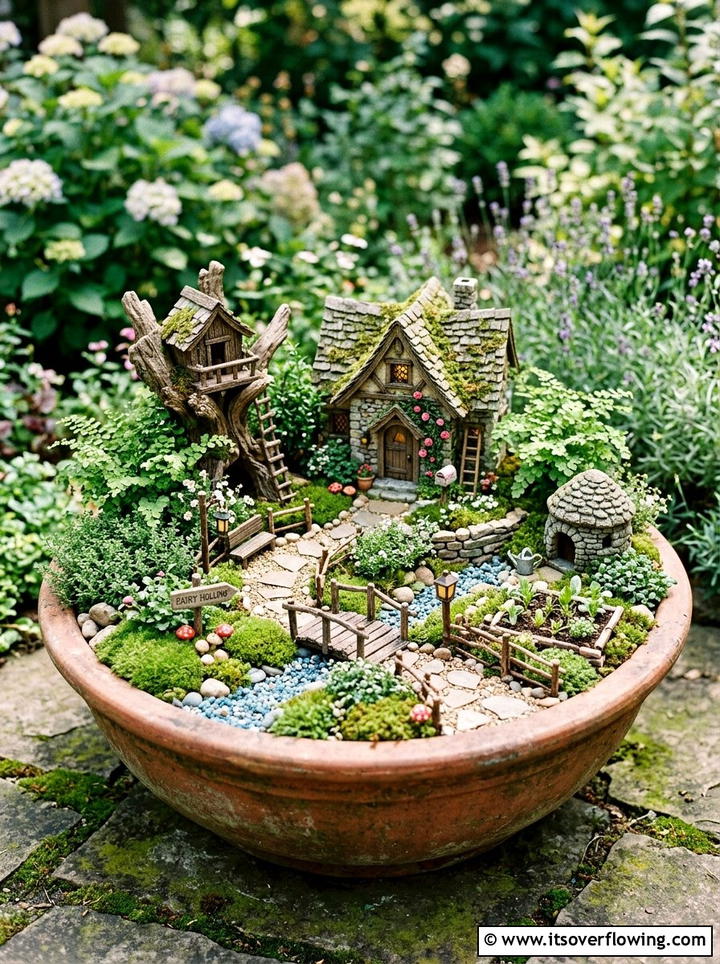
A fairy garden is a whimsical project that is perfect for families or anyone who enjoys miniature details. This tiny landscape is usually created in a large pot or a quiet corner of the yard. You use small-scale plants like moss, miniature ferns, and dwarf succulents to simulate a full-sized forest. Adding tiny accessories like pebble paths, little benches, and small houses brings the magical theme to life. It is a great way to practice basic gardening skills like soil preparation and plant spacing on a very small scale. This creative project allows you to use your imagination and build a unique, enchanting world within your garden.
14. Gravel Path
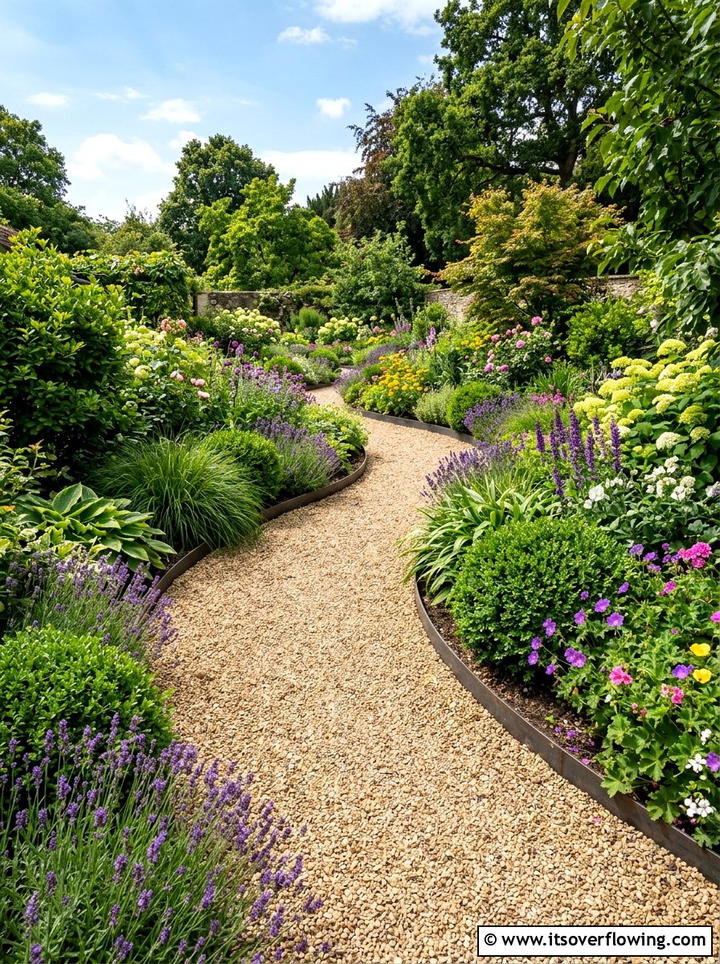
Installing a gravel path is a simple hardscaping project that defines the movement and structure of your garden space. Gravel is an affordable material that provides a crunching sound underfoot and allows water to soak directly into the ground. You should first lay down a weed barrier fabric to prevent unwanted plants from growing through the stones. Using a decorative metal or plastic edging will help keep the gravel contained and create a neat appearance. Paths guide visitors through your garden and provide easy access to different planting beds for maintenance. They add a clean, organized feel to the landscape while being very easy for beginners to install.
15. Shade Garden
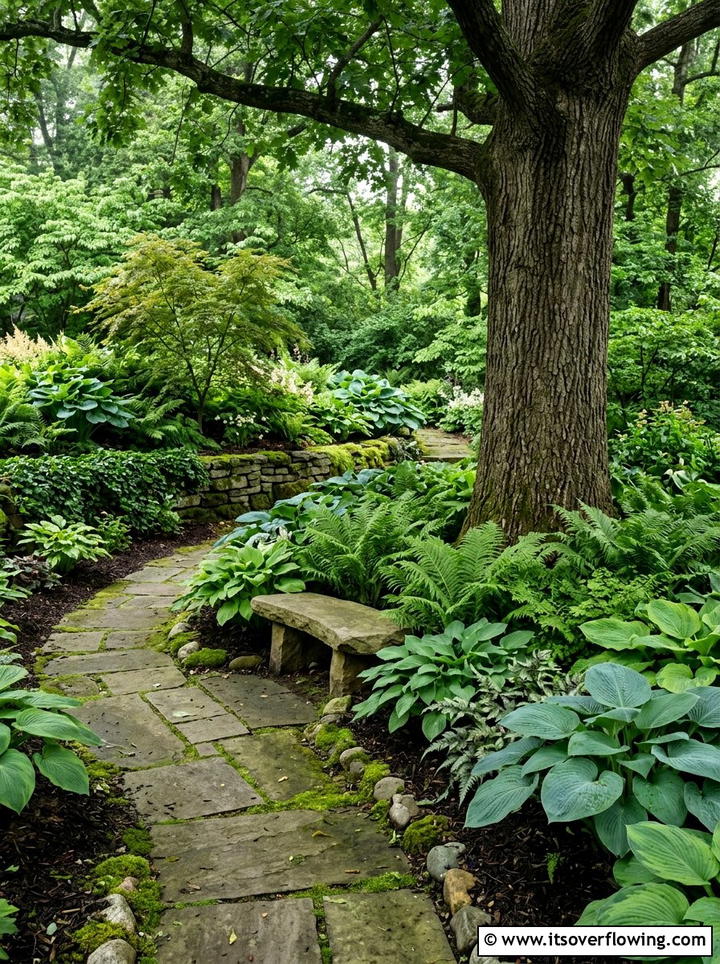
Many beginners feel discouraged by a lack of sun, but a shade garden offers a lush and tranquil alternative. Plants like hostas, ferns, and bleeding hearts thrive in lower light conditions and provide beautiful foliage textures. These areas often stay cooler in the summer, making them a perfect spot for a quiet reading nook or bench. You can use light-colored gravel or white flowers to brighten up the darker corners of your yard. It is important to monitor the moisture levels, as soil in the shade can sometimes stay damp for longer periods. A well-designed shade garden feels like a private woodland retreat right in your own backyard.
16. Edible Landscaping
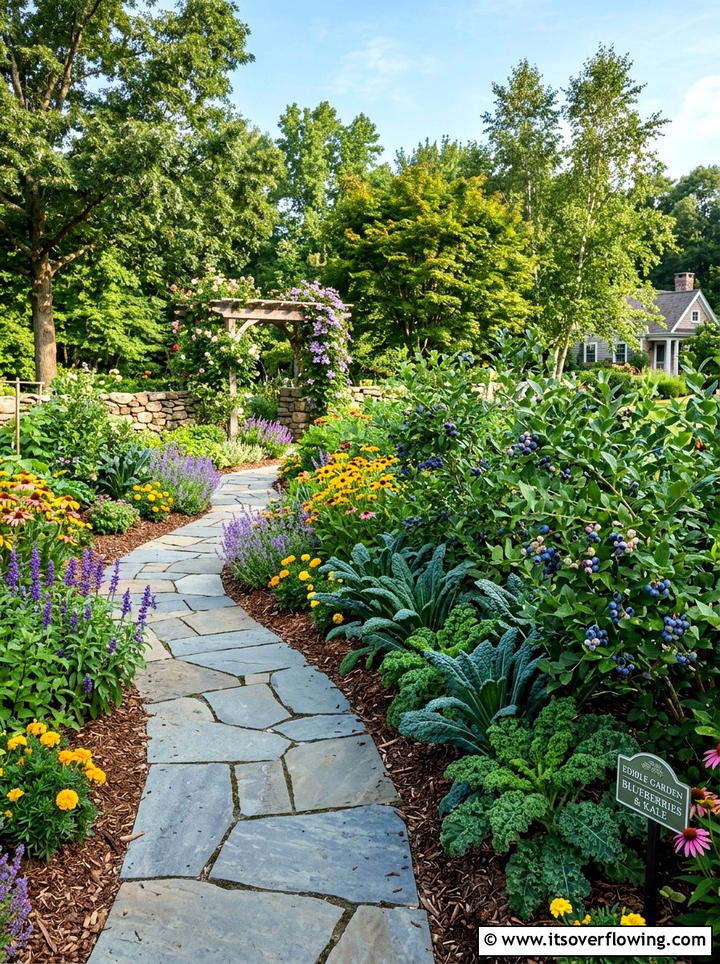
Edible landscaping combines beauty and utility by incorporating food-producing plants into your ornamental garden design. Instead of hiding your vegetables in a back corner, you can plant kale as a decorative border or use blueberry bushes as hedges. Fruit trees like apples or cherries provide stunning spring blossoms and delicious autumn harvests. This approach maximizes the productivity of your yard while maintaining a high level of aesthetic appeal. Many edible plants have interesting textures and colors that rival traditional landscape plants. By choosing varieties that suit your climate, you can create a yard that is both visually striking and provides fresh snacks for your family.
17. Wildflower Meadow
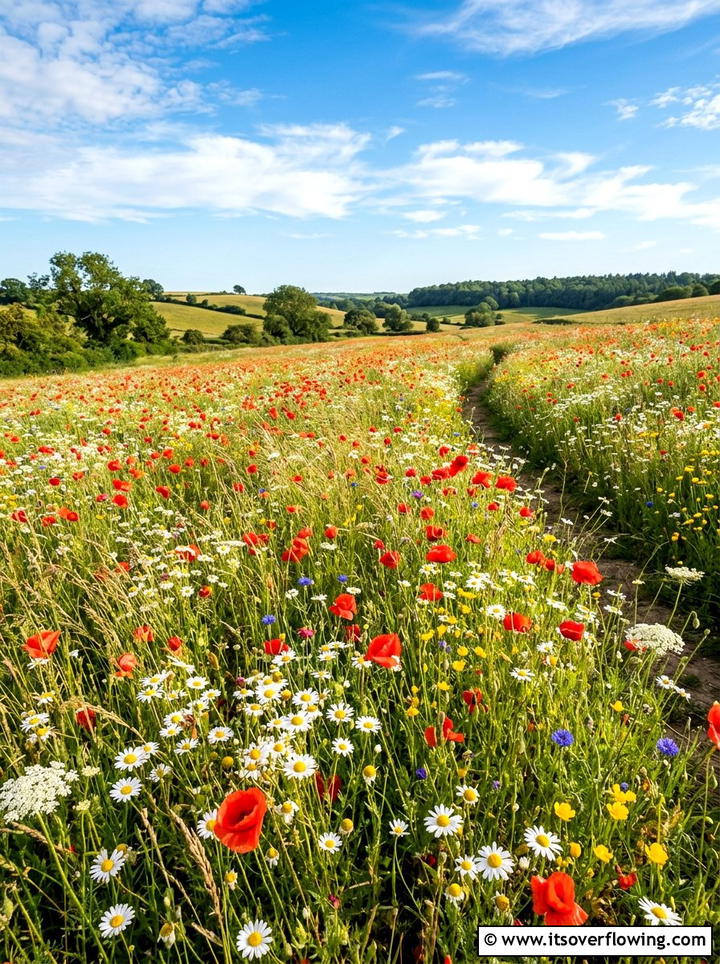
A wildflower meadow is a fantastic low-maintenance option that provides a natural and ecological benefit to your property. By sowing a mix of native seeds, you create a self-sustaining ecosystem that requires very little mowing or watering. This style of gardening looks best in larger, open spaces where the flowers can sway in the wind. Meadows provide essential habitat for birds and insects, increasing the biodiversity of your local area. It is important to clear the existing grass before sowing your seeds to give the wildflowers a fair chance to grow. Over time, the meadow will change and evolve, offering a different display of colors every year.
18. Mulch Bed
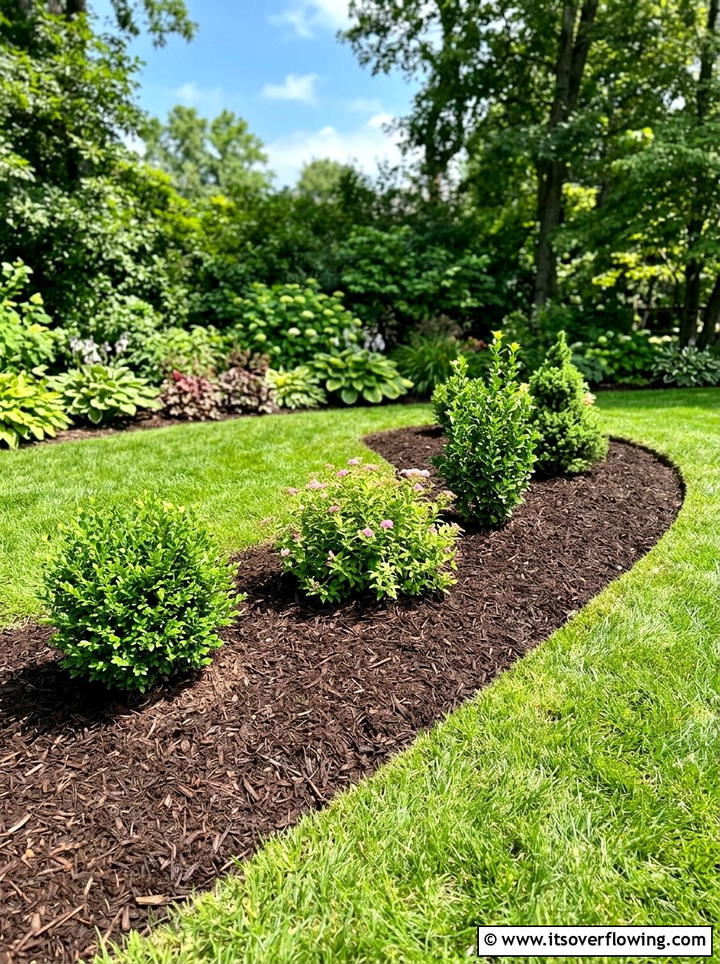
Creating a mulch bed is a fundamental gardening task that significantly improves the health and appearance of your plants. Mulch acts as a protective blanket for the soil, keeping it cool in the summer and warm in the winter. It also suppresses weed growth by blocking out the sunlight that seeds need to germinate. Organic mulches like wood chips or shredded bark eventually decompose, adding valuable nutrients back into the earth. You should apply a layer that is about two to three inches thick, being careful not to pile it against plant stems. A freshly mulched bed looks tidy and professional, providing a cohesive look to your entire garden.
19. Compost Bin
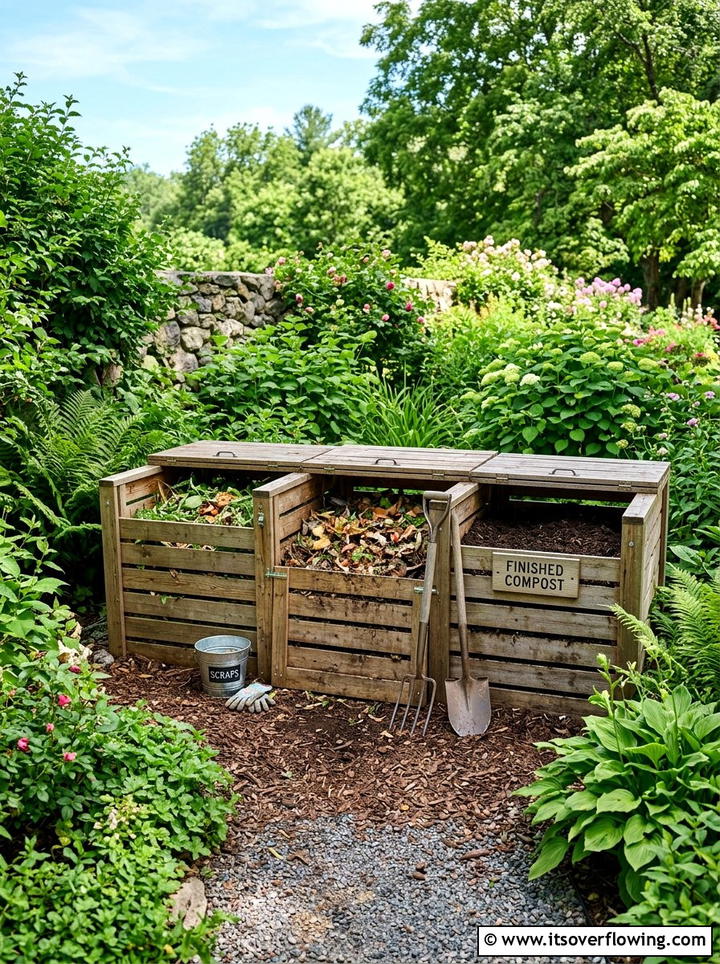
Starting a compost bin is a rewarding way for beginners to recycle kitchen scraps and yard waste into nutrient-rich soil. This “black gold” is the best fertilizer you can use to help your garden thrive naturally. You can build a simple bin from wood or purchase a rotating tumbler for easier mixing. Adding a balance of green materials like vegetable peels and brown materials like dry leaves ensures a healthy decomposition process. Composting reduces the amount of waste sent to landfills and saves you money on expensive store-bought fertilizers. It is a satisfying cycle that turns what would be trash into life-giving energy for your favorite plants.

20. Drip Irrigation
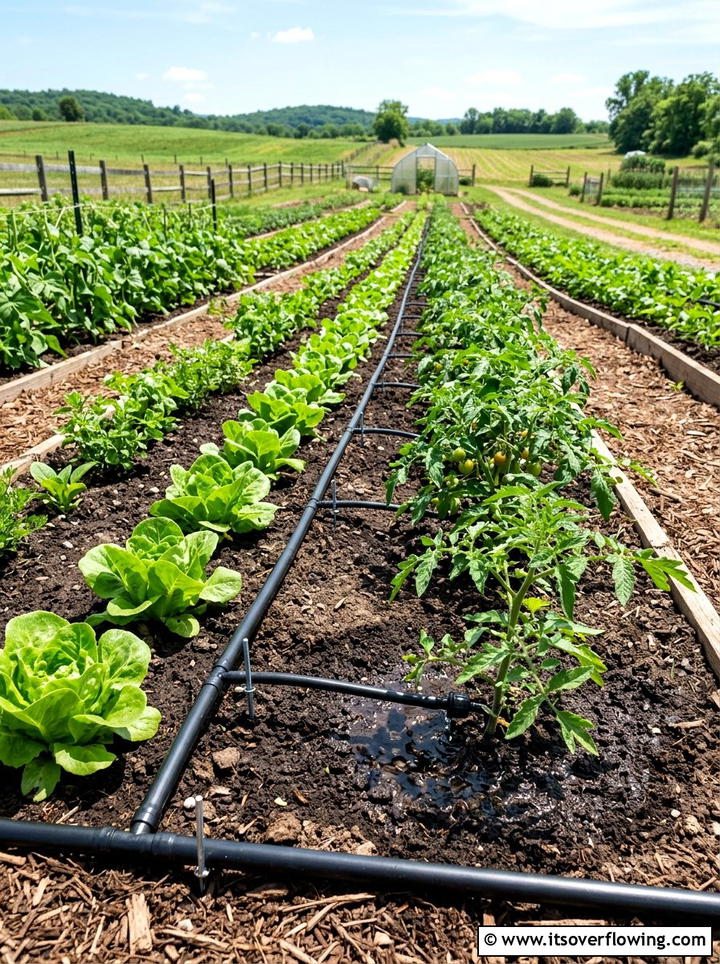
Installing a simple drip irrigation system is a game-changer for beginners who want to ensure their plants stay hydrated. This system delivers water directly to the base of each plant, reducing waste and preventing fungal issues on leaves. It is much more efficient than overhead watering and can be set on a timer for complete convenience. You can easily find starter kits at home improvement stores that include all the necessary tubing and emitters. This setup is particularly helpful for raised beds or vegetable patches during the heat of the summer. Consistent moisture levels lead to healthier plants and a more successful garden with far less manual labor involved.
21. Seating Area
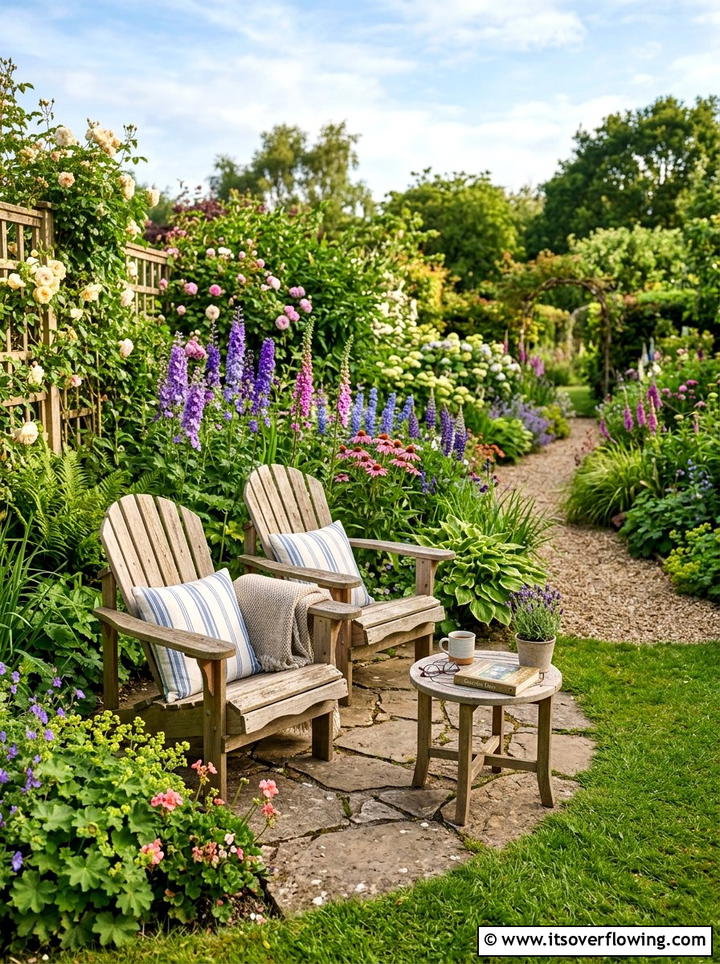
Every beginner garden needs a comfortable seating area where you can sit back and admire your hard work. This could be a simple wooden bench, a pair of Adirondack chairs, or a full patio set. Placing your seating near fragrant flowers or a bubbling water feature enhances the sensory experience of the space. It provides a destination within the garden, encouraging you to spend more time outdoors and connect with nature. You can use outdoor rugs and pillows to make the area feel like an extension of your indoor living room. Having a dedicated spot to relax makes the effort of gardening feel even more worthwhile and enjoyable.
22. Tropical Garden
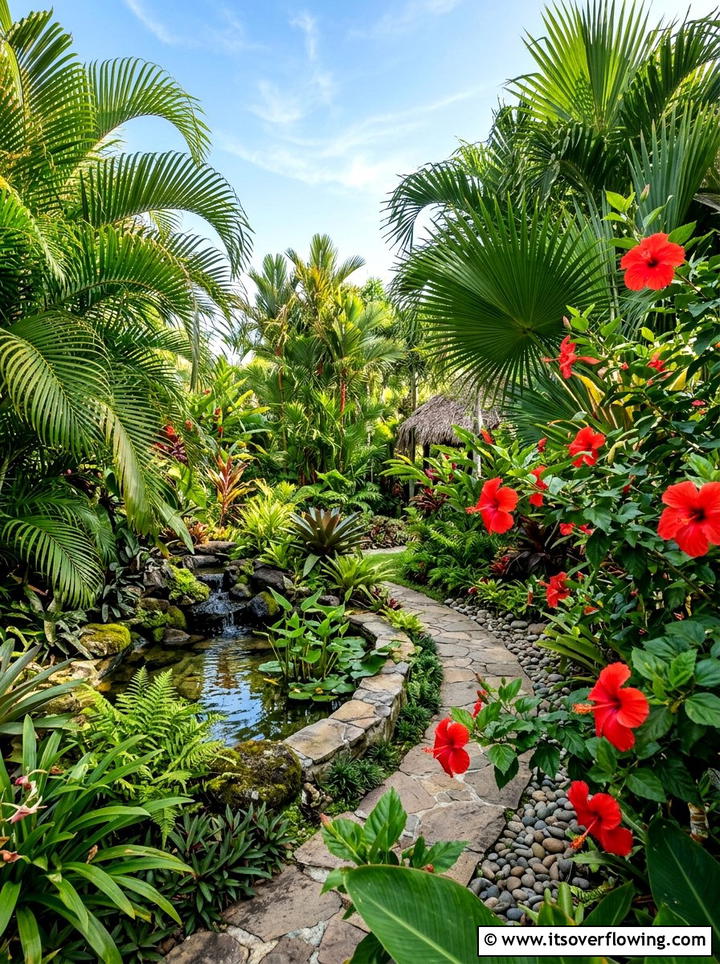
If you live in a warmer climate or want a summer retreat, a tropical garden offers lush foliage and bold colors. Use plants with large leaves like canna lilies, elephant ears, and hibiscus to create a dense, jungle-like atmosphere. Brightly colored flowers in shades of orange, red, and yellow will pop against the deep green background. These plants typically love high humidity and plenty of water, so consistent moisture is key to their success. You can even move some of these plants indoors during the winter if you live in a colder region. A tropical garden feels like an exotic vacation spot right outside your back door.
23. Native Plant Garden
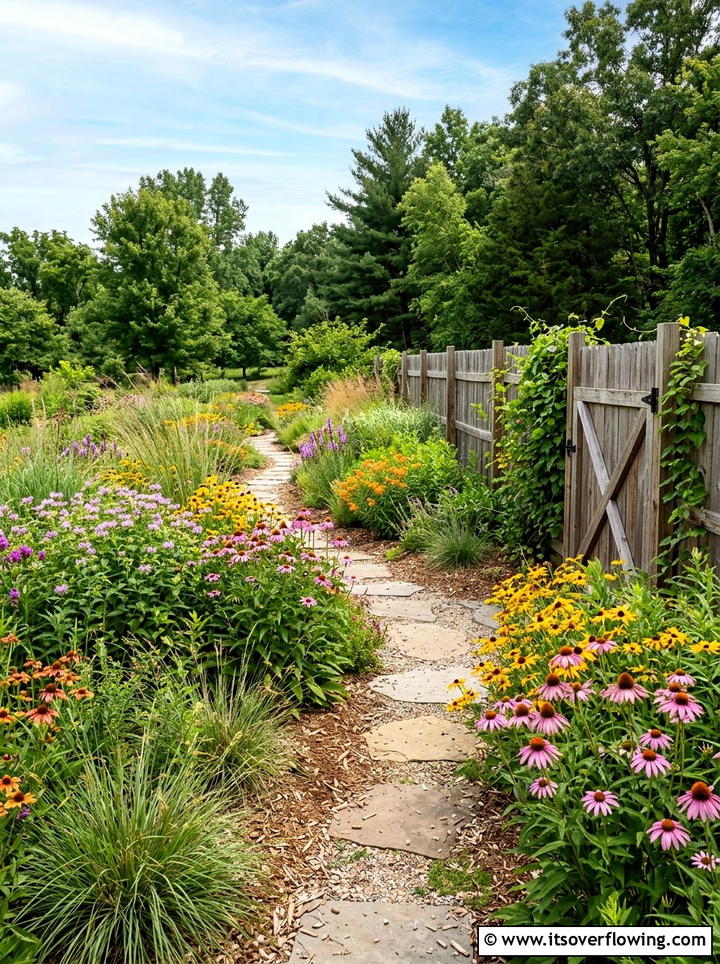
A native plant garden is an eco-friendly choice that uses species naturally found in your specific geographic region. These plants have adapted to the local climate and soil over thousands of years, making them incredibly hardy. They typically require less water and fewer fertilizers than non-native species, saving you time and money. Native gardens also provide the best food and shelter for local birds, bees, and other beneficial wildlife. Researching which plants are indigenous to your area can be a fascinating educational experience for any new gardener. Using native species ensures that your garden is in harmony with the local environment and supports a healthy ecosystem.
24. Cutting Garden
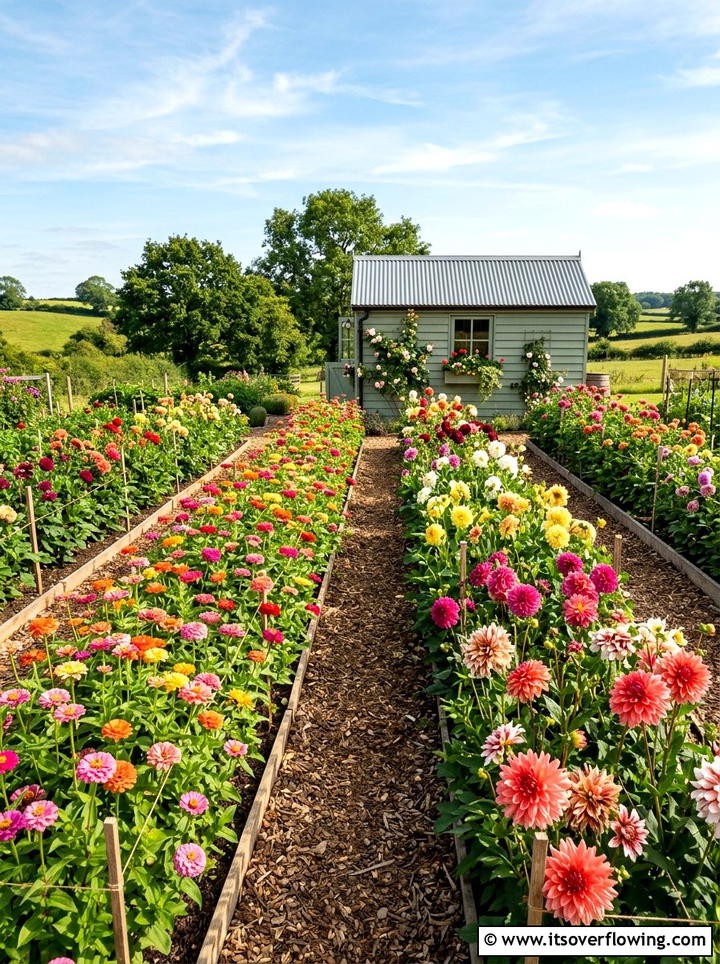
A cutting garden is designed specifically for those who love to have fresh bouquets of flowers inside their home. You should choose varieties that have long stems and a long vase life, such as zinnias, dahlias, and cosmos. Planting these flowers in rows, similar to a vegetable garden, makes them easy to access and harvest. The more you cut the flowers, the more the plants are encouraged to produce new blooms throughout the season. This provides a continuous supply of color for your dining table or to give as thoughtful gifts to friends. It is a wonderful way to bring the beauty of your garden into your daily life.
25. Zen Garden
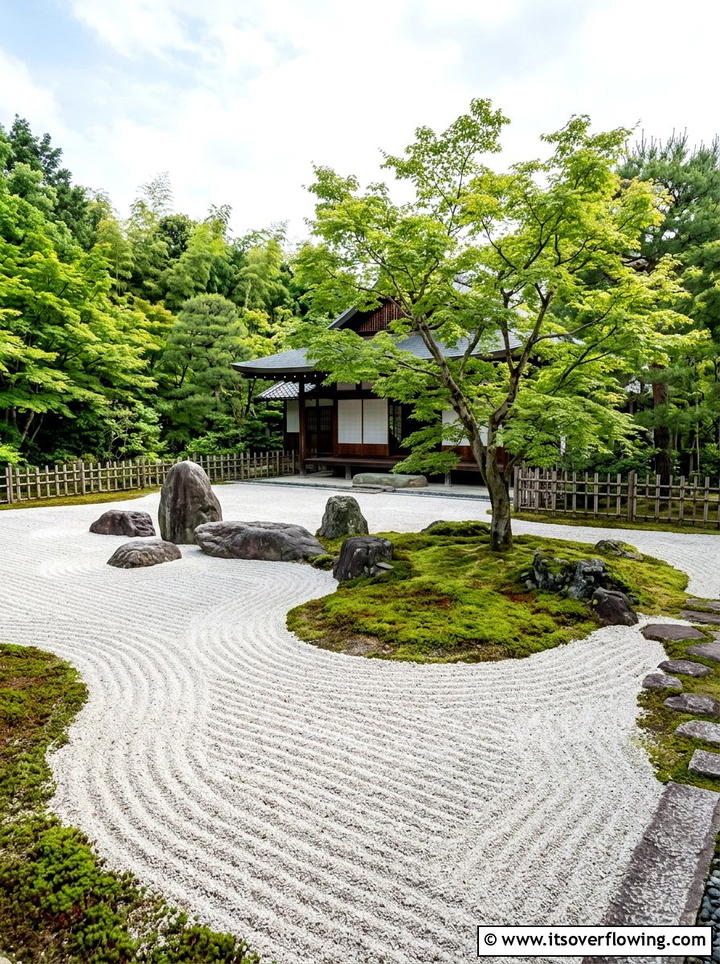
A zen garden focuses on simplicity, balance, and tranquility, making it a perfect project for relaxation and mindfulness. These gardens often use minimal plant life, focusing instead on elements like sand, gravel, and carefully placed boulders. You can use a small rake to create patterns in the sand, representing ripples in water, which is a meditative practice. Adding a few low-growing shrubs or a single Japanese maple provides a focal point without cluttering the space. This style of gardening is very low-maintenance and offers a peaceful area for quiet reflection or meditation. It creates a modern, sophisticated look that brings a sense of calm to any backyard environment.
Conclusion:
Cultivating a garden is a continuous learning experience that brings you closer to nature and provides a sense of accomplishment. Whether you start with a single pot of herbs or a large wildflower meadow, every effort contributes to a more beautiful environment. Remember that patience is key, as plants need time to grow and adapt to their new surroundings. Do not be afraid to make mistakes, as every challenge is simply an opportunity to learn more about horticulture. As your skills grow, you can expand your garden and try more complex designs that suit your changing lifestyle. Gardening is a peaceful hobby that offers physical activity and mental relaxation.

Related posts:
 25 Garden Design Ideas for Beginners to Start Beautifully
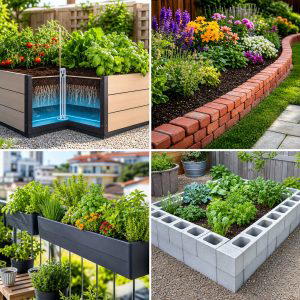 25 Garden Ideas With Raised Beds for Better Growing
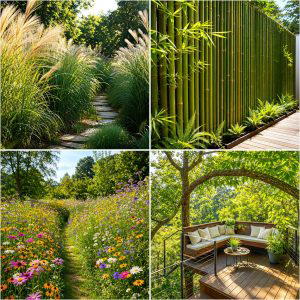 25 Creative Garden Ideas With Hidden Garden Corners
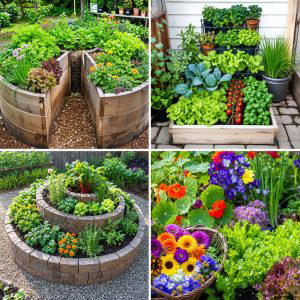 25 Creative Garden Ideas With Keyhole Garden Beds
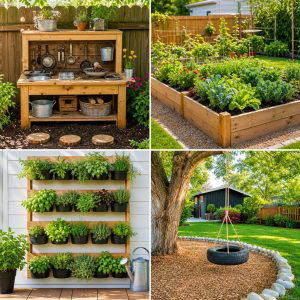 25 Creative Garden Ideas With Kids Garden Zone
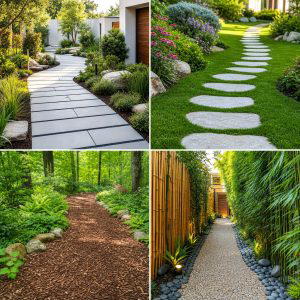 25 Garden Design Ideas With Pathways for Beautiful Garden Flow
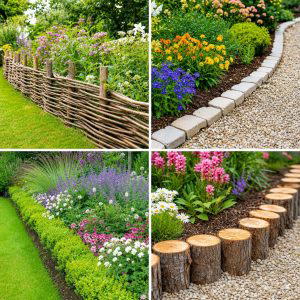 25 garden ideas with garden edging for Polished Borders
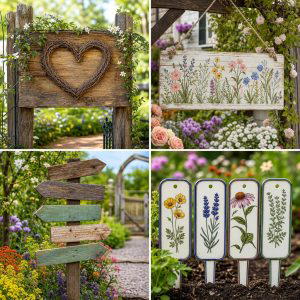 25 garden ideas with garden signs for Charming Outdoor Decor
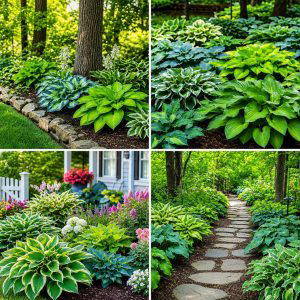 25 garden ideas with hostas for Lush Shade Garden Beauty
 25 Small Garden Ideas With Edible Garden for Fresh Harvests
 25 Amazing Garden Ideas To Transform Your Outdoor Space
 25 Creative Garden Ideas to Transform Any Outdoor Space Fast