
Raised bed gardening offers a transformative way to organize your outdoor space while significantly improving the health of your plants. By elevating the growing area, you gain total control over soil quality, drainage, and temperature, which often results in much higher yields for vegetables and more vibrant floral displays. These structures also provide a clear architectural framework that defines different zones in your backyard, making the entire area feel more intentional and polished. Whether you are dealing with rocky soil or simply want to save your back from excessive bending, raised beds provide a functional and stylish solution that appeals to both novice and experienced gardeners alike.
1. Metal raised beds
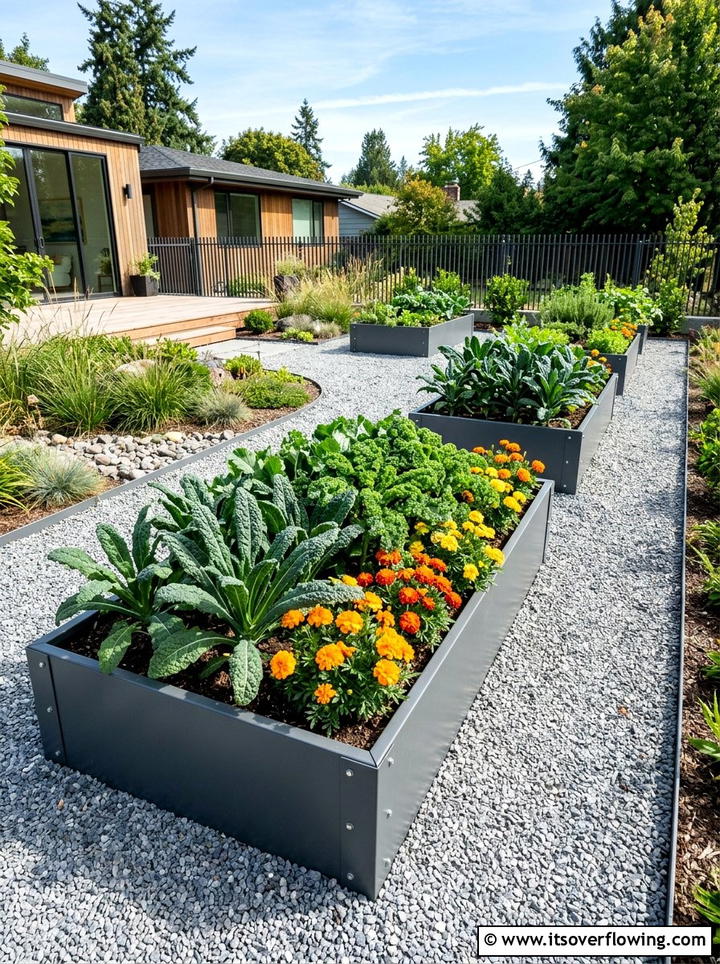
Metal raised beds provide a sleek and modern aesthetic that works perfectly in contemporary landscape designs. These durable structures are typically crafted from galvanized steel or specialized alloys like Aluzinc, which ensures they remain rust-resistant for many years. When you incorporate metal beds into your garden, you create a striking visual contrast between the industrial silver or painted finish and the soft, organic textures of your plants. These beds are excellent for heat retention, which helps warm the soil faster during the early spring months. Their thin profiles allow for more growing space within the footprint, making them a very efficient choice for smaller urban backyards or modern patios.
2. Tiered wooden garden beds
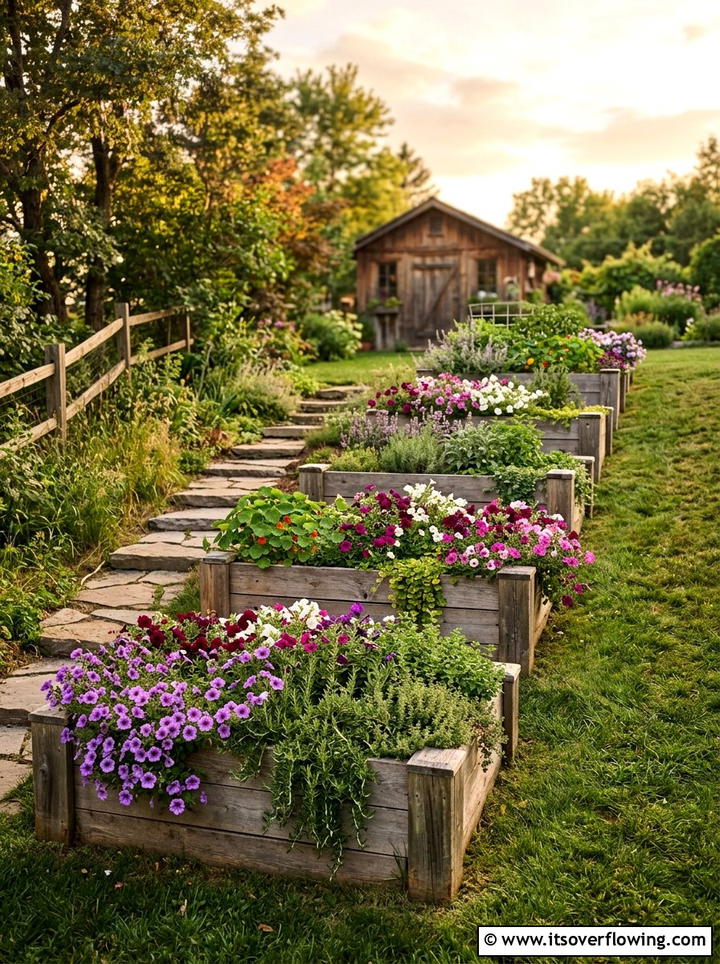
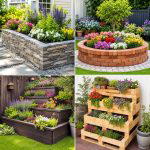
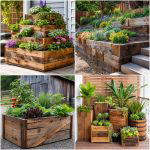
Tiered wooden garden beds are a fantastic way to add vertical interest and maximize growing space on sloped terrain. By stacking different levels of wooden frames, you can create a cascading effect that allows for various plant types to thrive in their own dedicated zones. This design is particularly useful for separating deep-rooted vegetables from shallow-rooted herbs or flowers within a single cohesive structure. The natural wood grain adds a warm, rustic feel to the environment, blending seamlessly with the surrounding landscape. Using cedar or redwood ensures the beds remain sturdy and rot-resistant, providing a long-lasting and beautiful focal point for any backyard garden layout.
3. U-shaped garden layout
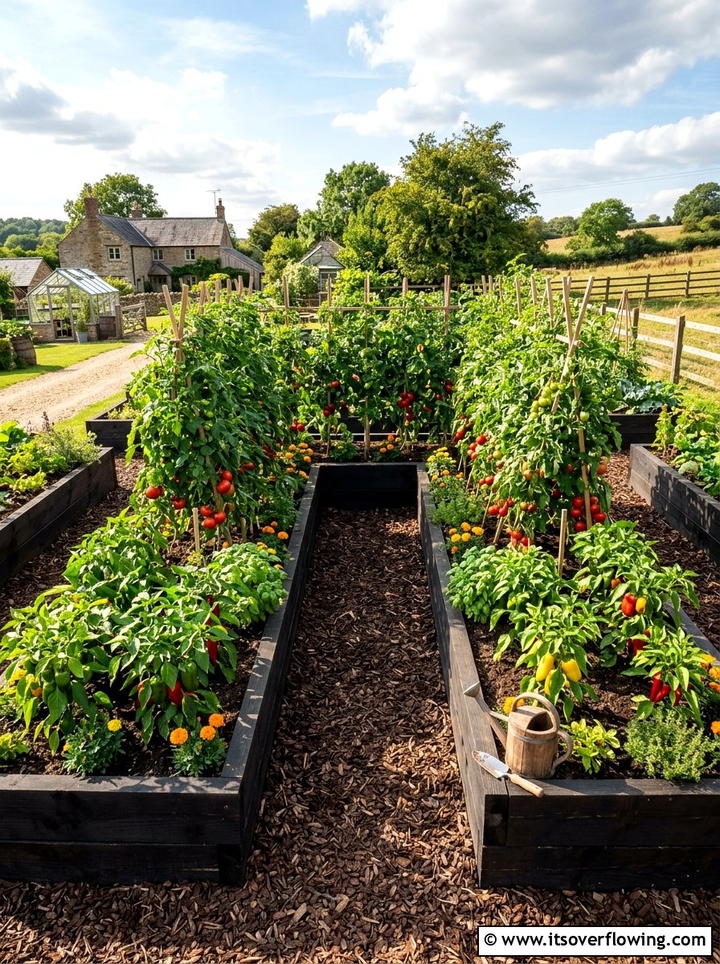
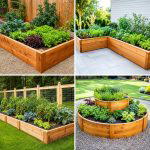
A u-shaped garden layout is highly prized by serious vegetable growers because it prioritizes accessibility and efficiency. This specific configuration allows you to reach almost every plant from a central standing point, reducing the need for wide paths that waste valuable growing area. By surrounding yourself with plants on three sides, you create an immersive gardening experience that feels private and productive. This setup is ideal for larger spaces where you want to grow a significant amount of food while keeping the maintenance manageable. The central notch provides enough room for a wheelbarrow, making it easy to add fresh compost or harvest heavy crops throughout the summer.
4. Cottage garden raised beds
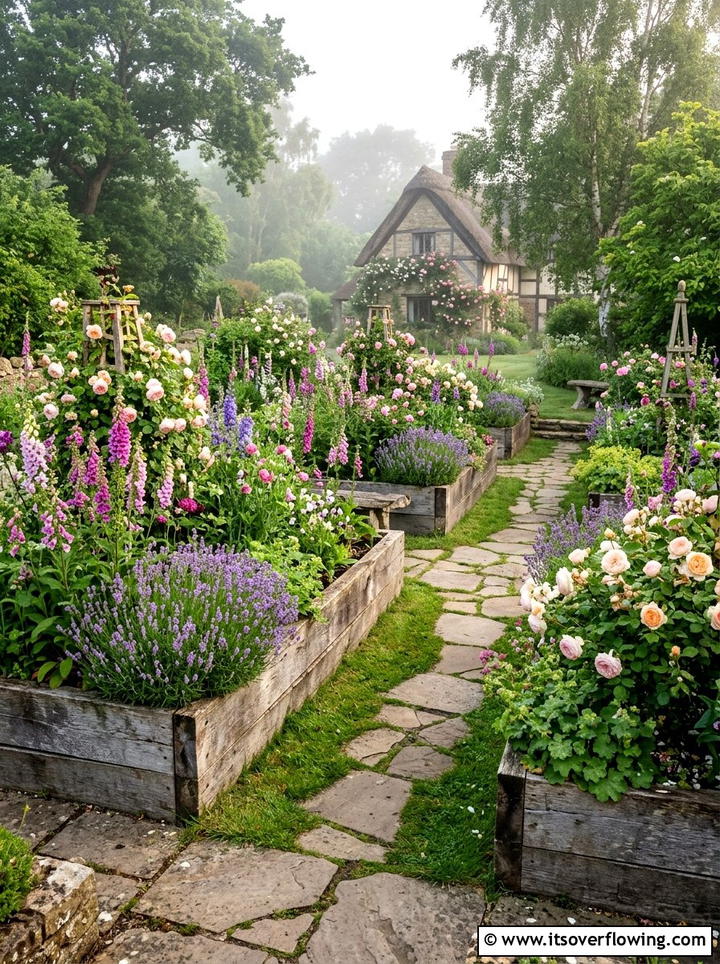
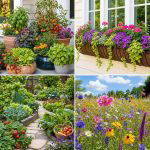
Cottage garden raised beds bring a sense of nostalgic charm and organized chaos to your outdoor living space. Unlike traditional rows, these beds are often overflowing with a mix of perennial flowers, fragrant herbs, and climbing vines that soften the hard edges of the containers. You can use weathered wood or reclaimed materials to build the beds, enhancing the antique and lived-in look that defines the cottage style. Incorporating pathways made of wood chips or stepping stones between the beds adds to the whimsical atmosphere. This approach encourages biodiversity and creates a lush, pollinator-friendly environment that looks beautiful throughout the seasons while remaining very easy to maintain.
5. Corrugated metal garden boxes
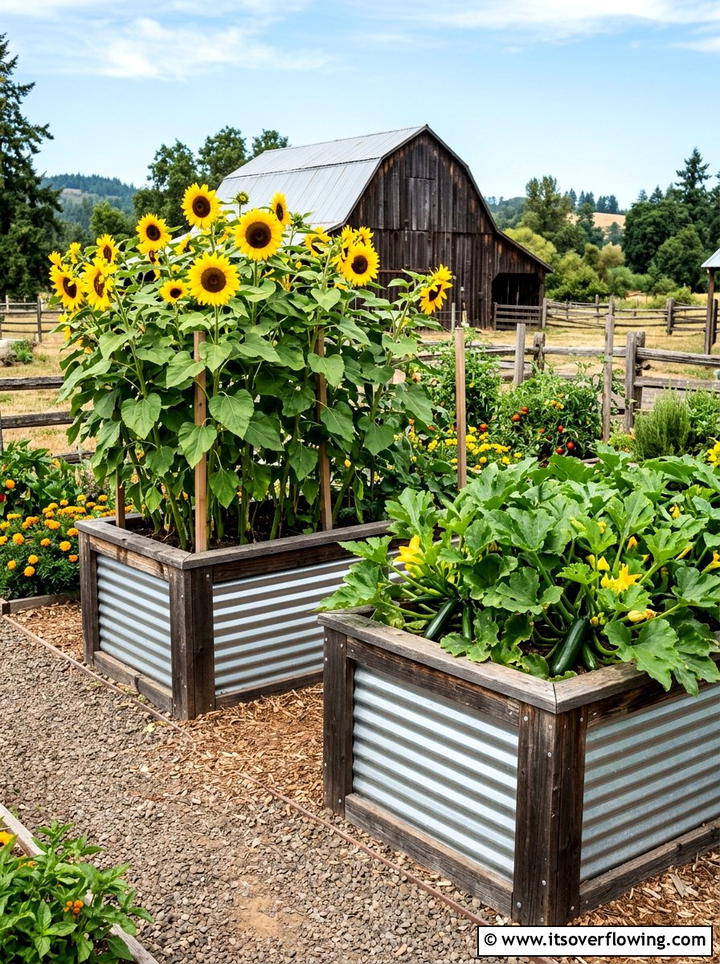
Corrugated metal garden boxes offer a rugged and industrial vibe that fits exceptionally well in farmhouse or modern rustic settings. The wavy texture of the metal panels adds unique visual depth to the garden, reflecting light and shadow in interesting ways. These boxes are incredibly strong and can hold a large volume of soil without bowing or breaking over time. Many gardeners appreciate the ease of assembly associated with these kits, as they often bolt together quickly. When paired with heavy wooden corner posts, these beds become a permanent architectural feature that withstands harsh weather conditions while keeping your garden looking tidy and professional.
6. Cedar wood planter boxes
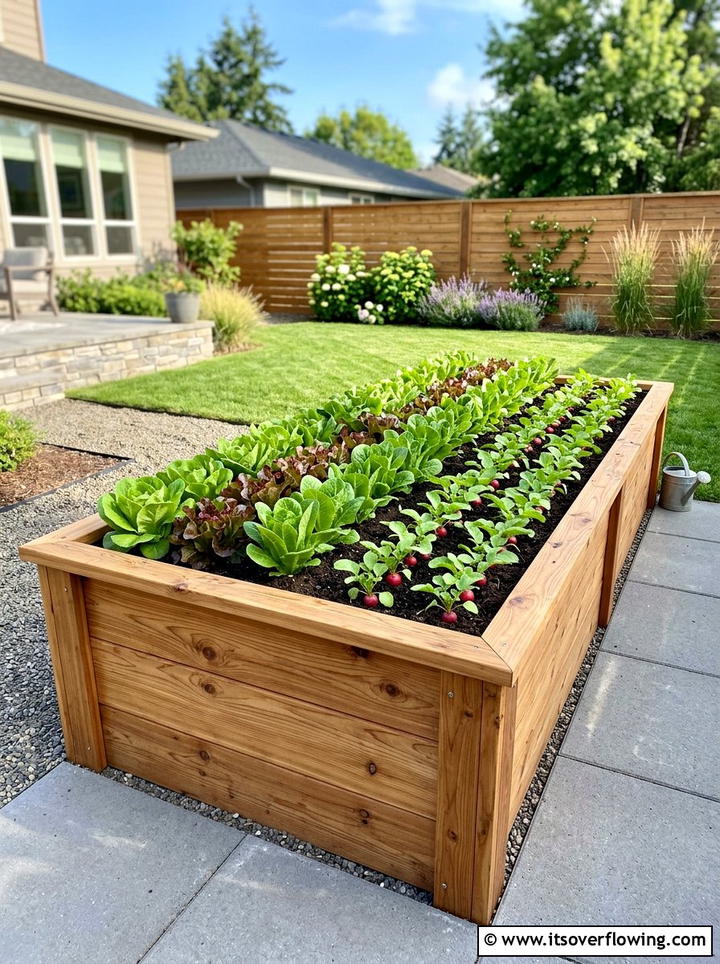
Cedar wood planter boxes are a classic choice for gardeners who value both natural beauty and long-term durability. Cedar contains natural oils that protect the wood from insects and decay, meaning you do not have to worry about chemical treatments leaching into your organic soil. The beautiful reddish-brown hue of new cedar eventually weathers to a sophisticated silvery gray, allowing the boxes to age gracefully alongside your plants. These rectangular structures are perfect for lining a fence or creating a border around a deck. They provide a clean and organized look that makes any backyard feel more upscale while offering a healthy environment for your crops.
7. Self watering raised beds
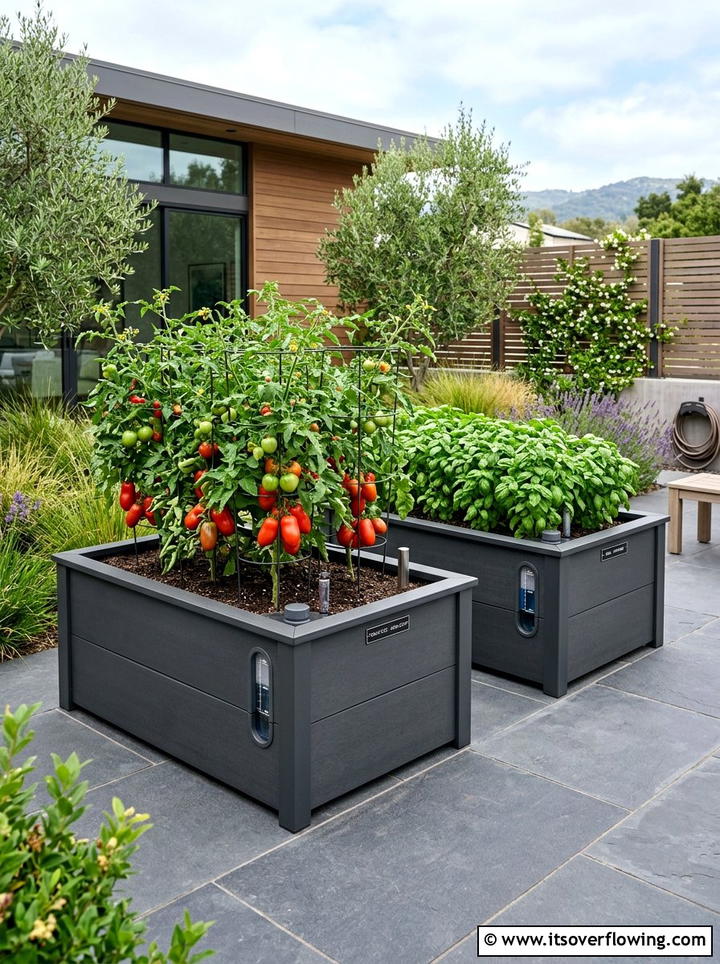
Self watering raised beds are the ultimate solution for busy homeowners who want to maintain a thriving garden with minimal daily effort. These innovative systems include a built-in reservoir at the bottom of the bed that delivers moisture directly to the roots through a wicking process. This method prevents the soil from drying out during hot summer days and reduces the risk of fungal diseases caused by overhead watering. By maintaining consistent moisture levels, your plants grow faster and experience less stress throughout the season. These beds are often made from high-quality plastics or composite materials, ensuring they are lightweight, portable, and extremely effective for growing thirsty vegetables.
8. Vertical garden trellis beds
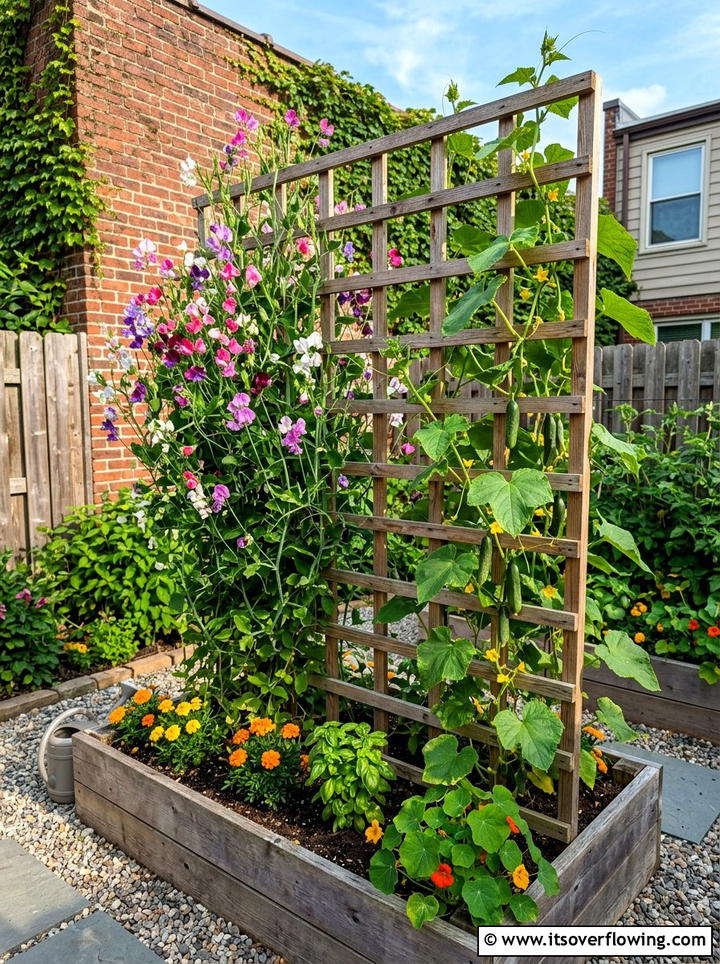
Vertical garden trellis beds are essential for anyone looking to grow climbing plants like cucumbers, peas, or pole beans in a limited footprint. By attaching a sturdy mesh or wooden lattice to the back of a raised bed, you encourage plants to grow upward rather than spreading across the ground. This technique improves air circulation around the foliage and makes harvesting much easier since the fruit hangs at eye level. Beyond the functional benefits, a trellis adds a sense of enclosure and privacy to your garden, acting as a living green screen. It allows you to utilize vertical space effectively, doubling your potential harvest in small areas.
9. Stone raised garden beds
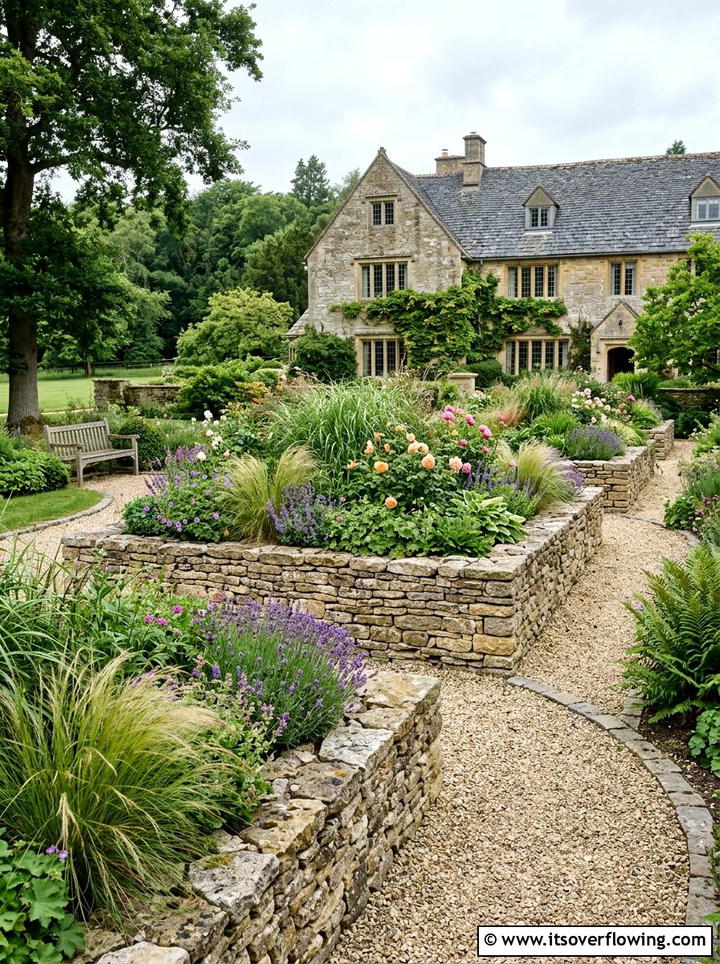
Stone raised garden beds offer a timeless and permanent look that integrates perfectly with natural landscapes or traditional home designs. Whether you use stacked fieldstone, flagstone, or tumbled pavers, the heavy thermal mass of the stone helps regulate soil temperature throughout the day and night. These structures are incredibly stable and will never rot or warp, making them a one-time investment for your property. The earthy tones and varied textures of the stone provide a high-end backdrop for bright green foliage and colorful flowers. Stone beds also add significant value to your home by creating a professional, landscaped appearance that feels part of the earth.
10. Brick garden borders
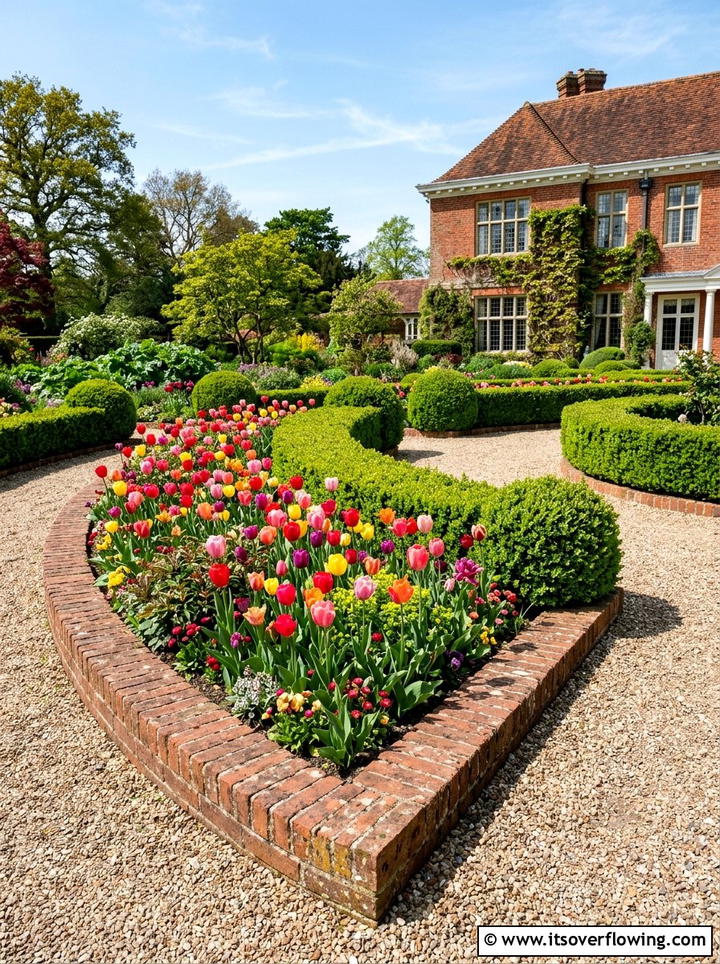
Brick garden borders provide a structured and classic feel that echoes the traditional English garden aesthetic. Using bricks to build raised beds allows for great flexibility in design, as you can easily create curved edges or sharp geometric shapes to fit your space. The deep red or burnt orange tones of the bricks contrast beautifully with dark green leaves and vibrant petals. Brick is a porous material that allows for some breathability, which can be beneficial for soil health. These beds are permanent fixtures that provide a sense of history and stability to your backyard, looking even better as they gather a bit of moss or lichen.
11. Vegetable garden with gravel paths
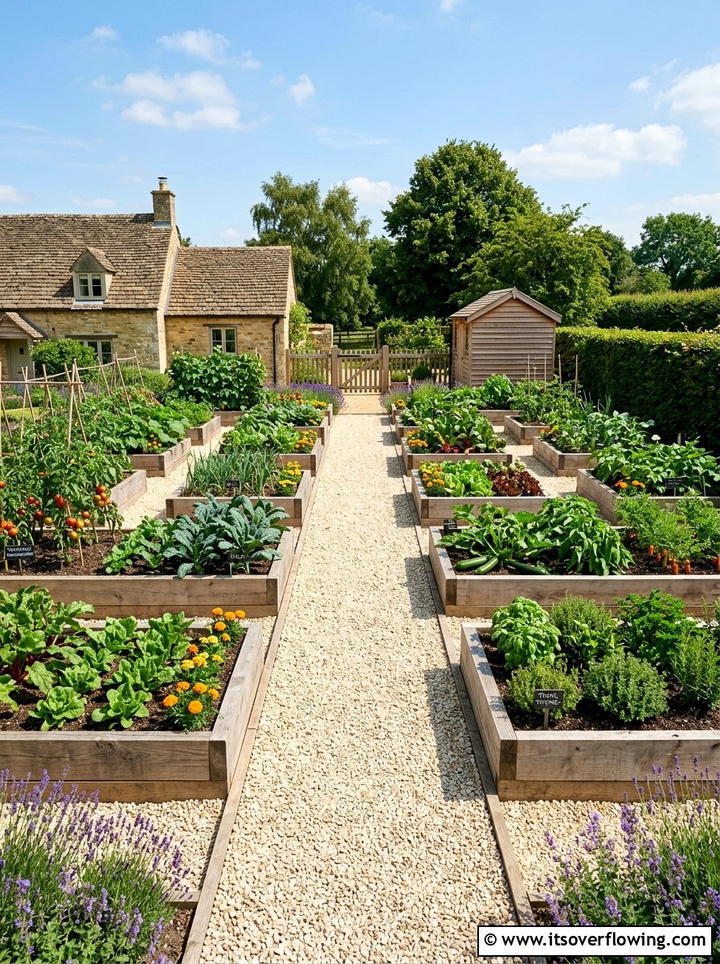
A vegetable garden with gravel paths creates a clean and functional environment that is easy to navigate even after a heavy rain. By surrounding your raised beds with light-colored gravel, you define the walking areas and prevent the growth of weeds between the planting zones. The crunch of the gravel underfoot adds a sensory element to the gardening experience, while the contrast between the stone and the dark soil makes the beds pop visually. This layout is very low-maintenance because the gravel provides excellent drainage and keeps your feet dry. It results in a highly organized and professional look that is very popular on Pinterest.
12. Herb garden spiral
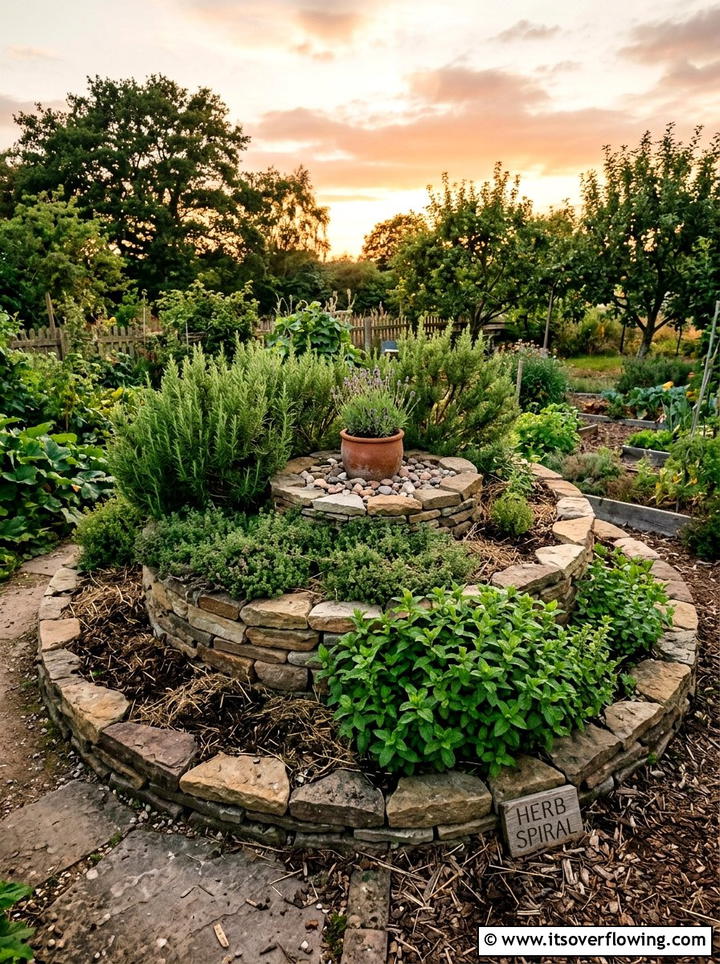
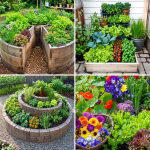
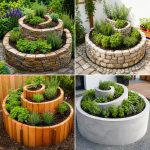
An herb garden spiral is a brilliant permaculture design that allows you to grow a wide variety of herbs in a very small circular footprint. By building a spiraling mound of stones or bricks, you create multiple microclimates within one structure. The top of the spiral is dry and sunny, perfect for Mediterranean herbs like rosemary and thyme, while the bottom stays moist and shaded for plants like mint or parsley. This vertical design is not only highly functional but also serves as a beautiful sculptural element in your yard. It makes harvesting fresh herbs for cooking incredibly convenient, as everything is accessible from a single standing position.
13. Wheelchair accessible garden beds
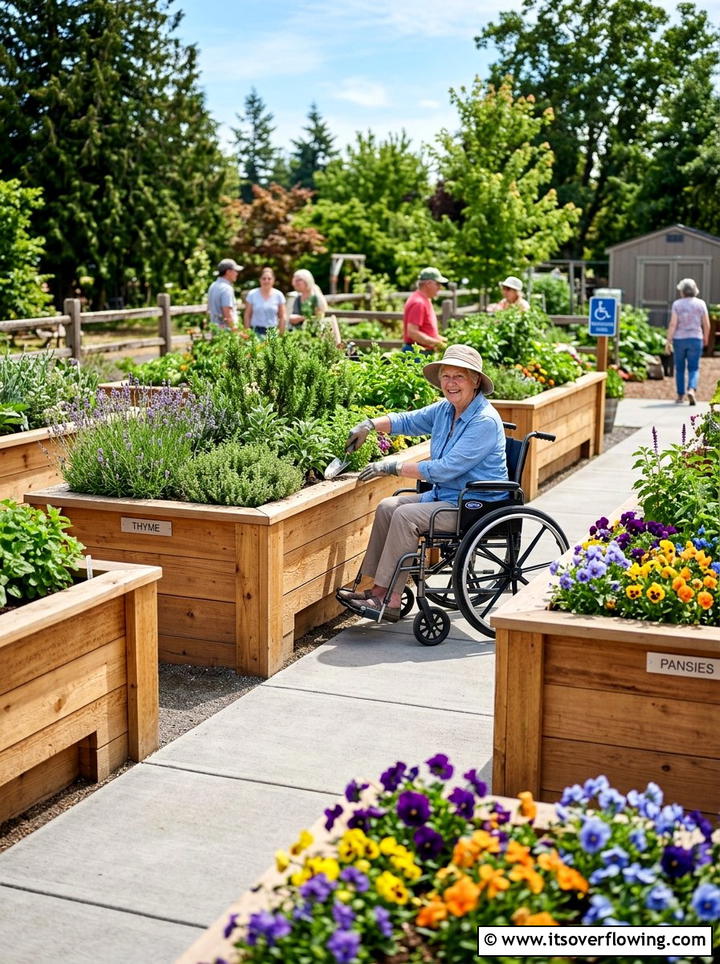
Wheelchair accessible garden beds are designed with inclusivity and comfort in mind, ensuring that everyone can enjoy the therapeutic benefits of gardening. These beds are typically built at a higher elevation, around thirty inches, with recessed bases that allow a wheelchair to pull right up to the edge. The width is kept narrow enough so that all plants can be reached without overextending. This design eliminates the need for kneeling or bending, making it also perfect for elderly gardeners or those with chronic back pain. By providing a comfortable working height, these beds turn the garden into an inviting and accessible space for every member of the family.
14. Small backyard raised beds
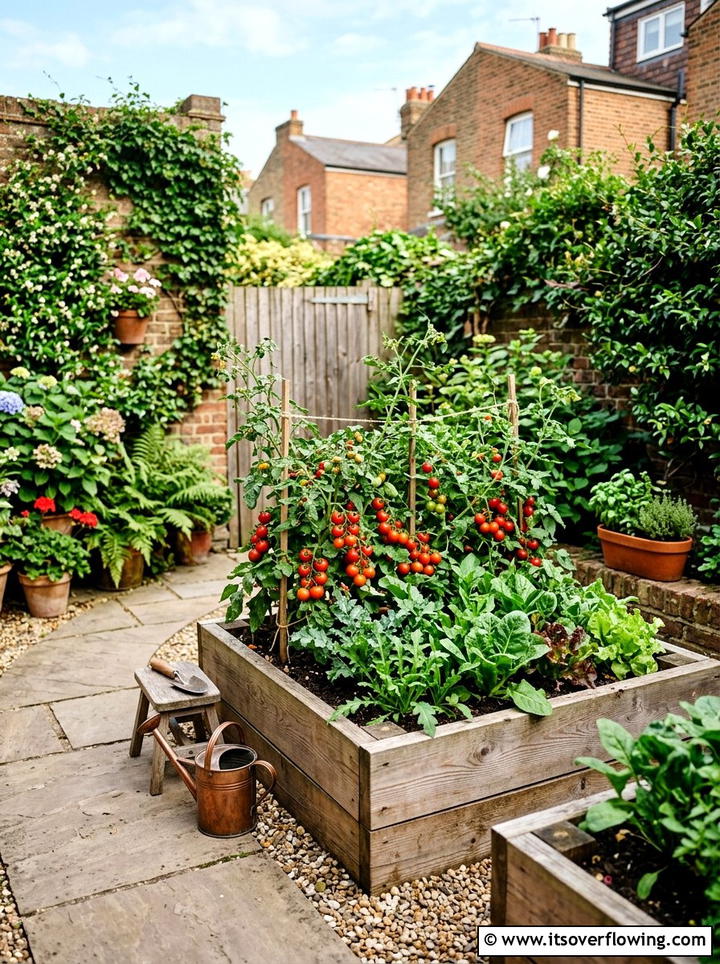
Small backyard raised beds are the perfect solution for urban dwellers who want to cultivate a green thumb in a limited area. When space is at a premium, using compact, rectangular beds helps maximize every square inch without making the yard feel cluttered. You can place these beds along a sunny wall or tuck them into a corner to keep the central lawn open for activities. Choosing light-colored wood or minimalist metal frames helps the space feel larger and more airy. These beds allow you to focus your energy on a few high-value crops like salad greens or tomatoes, ensuring you get a rewarding harvest even in the city.
15. Modern black metal garden beds
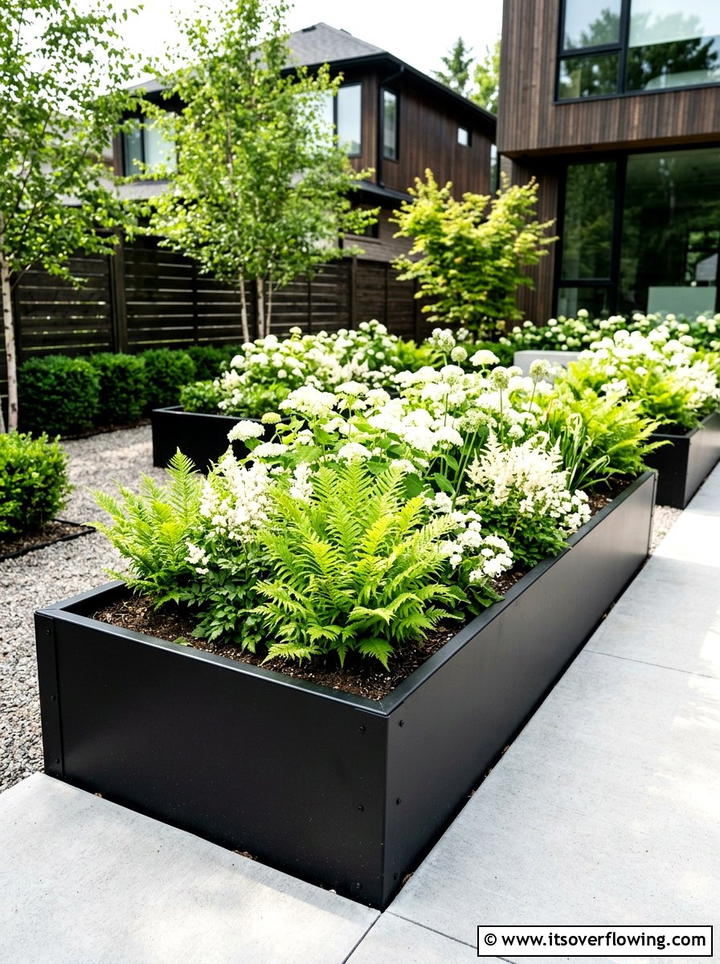
Modern black metal garden beds provide a sophisticated and high-contrast look that is currently trending in luxury landscape design. The matte black finish acts as a neutral frame that makes the green colors of your vegetables and the bright hues of your flowers appear much more vivid. These beds are usually made from powder-coated steel, which provides a long-lasting finish that resists scratching and fading in the sun. The dark color also helps absorb heat during the day, which can be a major advantage for gardeners in cooler climates who want to extend their growing season. They look exceptionally sharp when paired with light gray stone paths.
16. Tiered herb planter
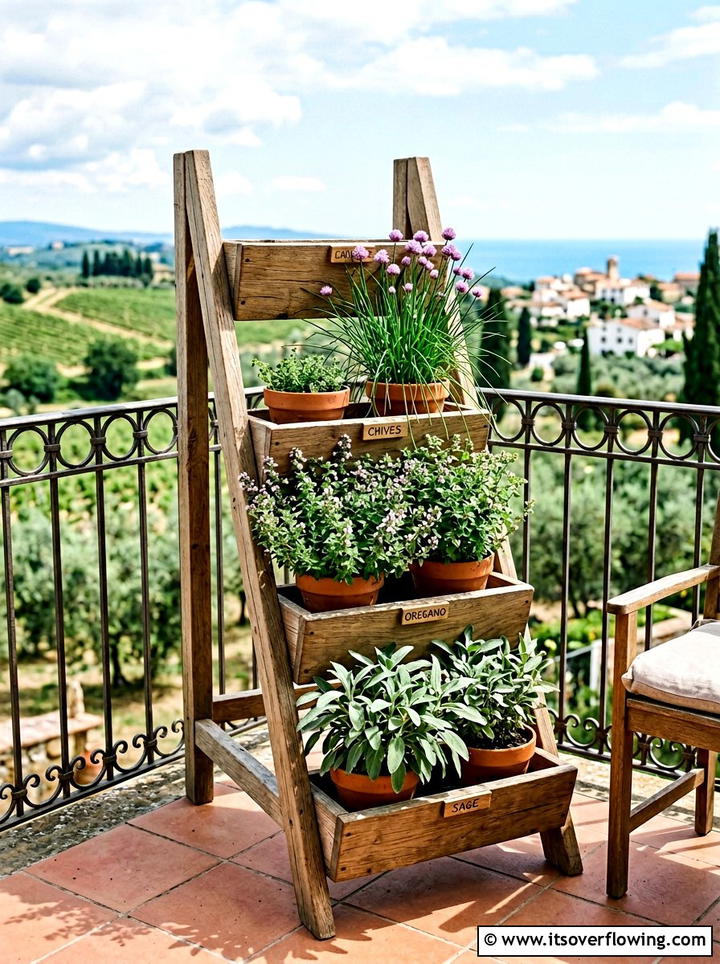
A tiered herb planter is an excellent way to organize your culinary garden by height and sunlight requirements. By utilizing a ladder-style or stepped design, you can fit a large number of herb varieties into a very narrow footprint on a patio or balcony. This arrangement ensures that every plant gets adequate light and makes it easy to see what needs watering at a glance. You can group your herbs by usage, such as a tier for tea herbs and another for Italian seasonings. The verticality of the design adds visual interest to a flat wall and keeps your most-used ingredients within easy reach of the kitchen door.
17. Raised bed greenhouse cover
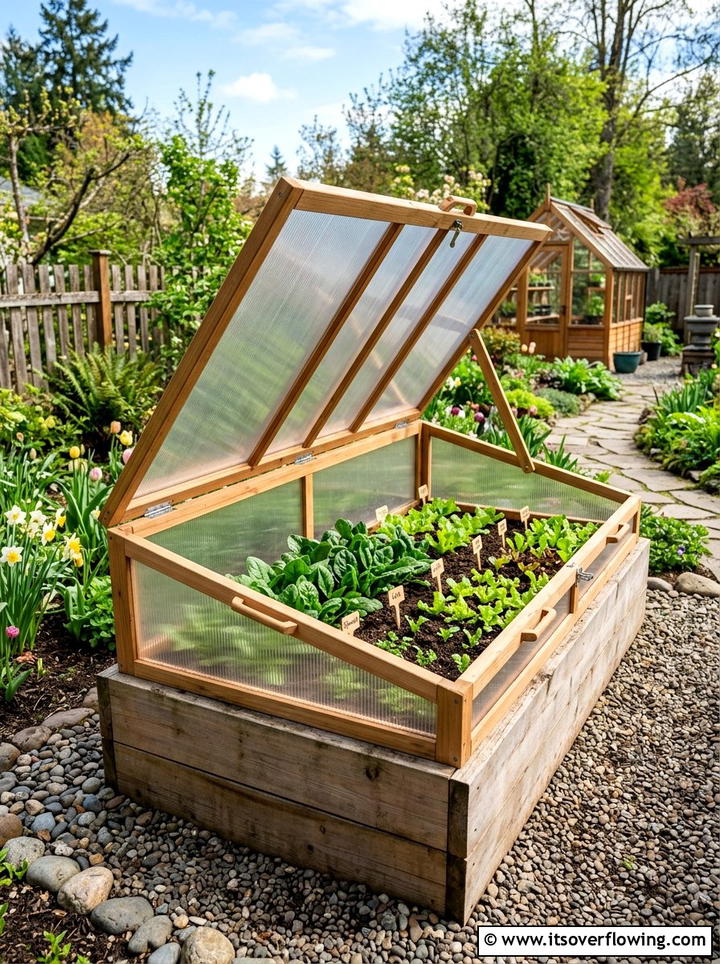
A raised bed greenhouse cover is a game-changer for gardeners who want to start their season early or continue growing through the winter. These covers, often called cold frames or hoop houses, attach directly to the top of your raised bed to trap heat and protect delicate seedlings from frost. The transparent material allows sunlight to reach the plants while creating a humid microclimate that encourages rapid growth. Many designs feature hinged lids or roll-up sides for easy access and ventilation on warmer days. This addition effectively turns your standard raised bed into a year-round production system, allowing you to enjoy fresh homegrown greens regardless of the outside temperature.
18. Cattle panel trellis garden
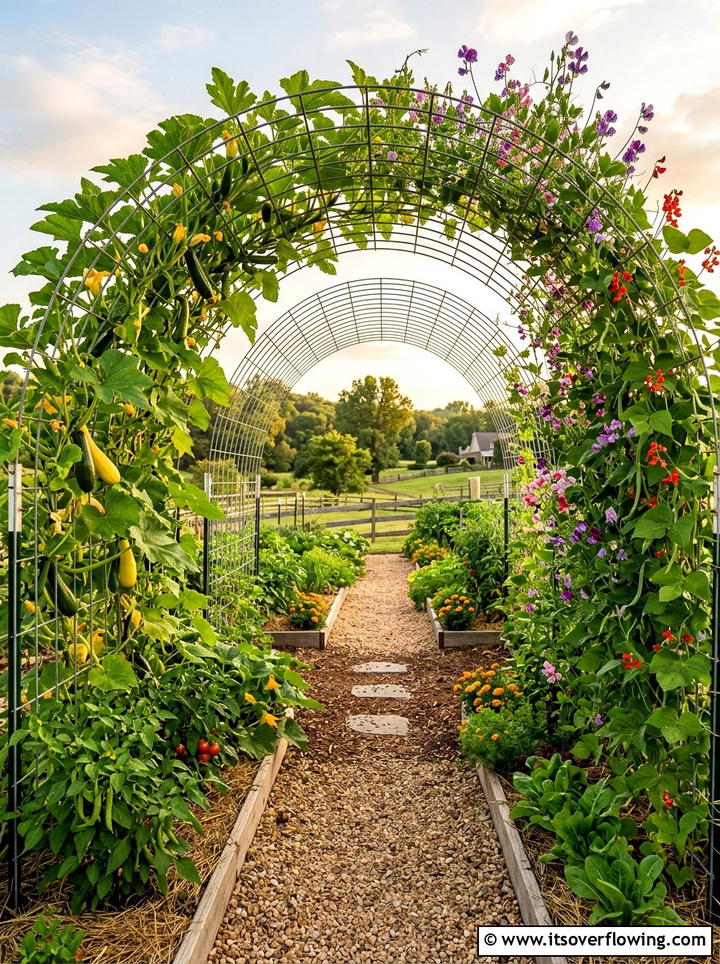
A cattle panel trellis garden uses heavy-duty galvanized wire fencing arched between two raised beds to create a stunning living tunnel. This structural design is incredibly strong and can support the weight of heavy vines like squash, pumpkins, or gourds. Walking through a lush tunnel of hanging vegetables and flowers creates a magical and immersive experience in the backyard. It also keeps the fruit off the ground, which prevents rot and keeps pests away. By growing upward over the path, you free up the soil surface in the beds for smaller plants like radishes or lettuce, making this one of the most space-efficient garden designs possible.
19. Paver raised garden beds
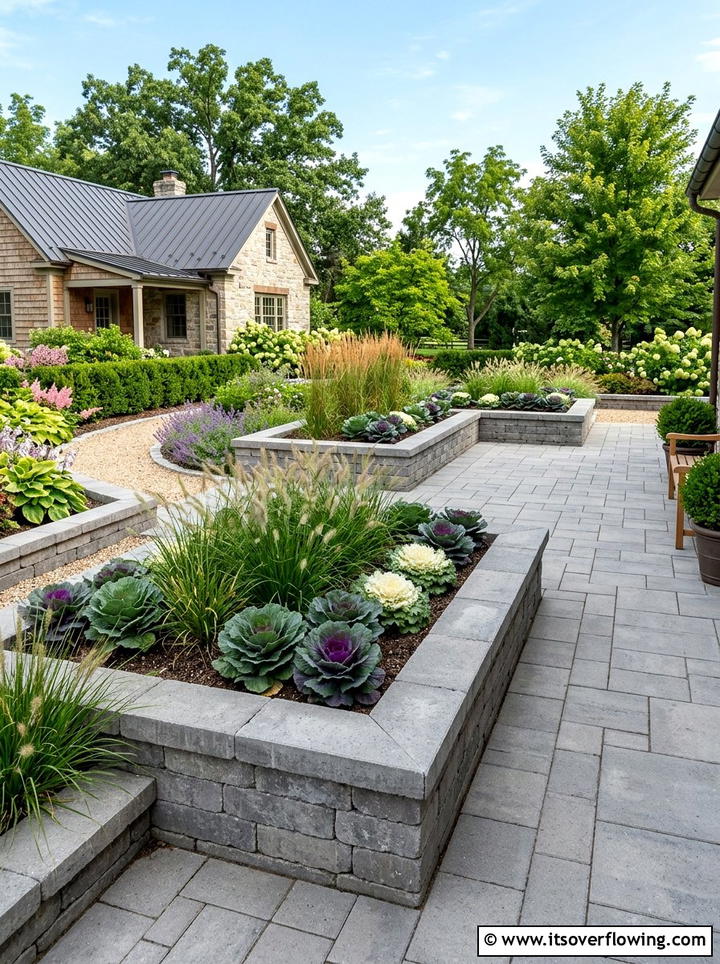
Paver raised garden beds utilize the same materials used for patios and walkways to create a cohesive and integrated outdoor living space. Because pavers come in a vast array of colors, shapes, and textures, you can customize the look to match the architectural style of your home perfectly. These beds are built by stacking the pavers and often securing them with landscape adhesive, resulting in a very sturdy and permanent structure. The wide top surface of the pavers can even serve as a convenient ledge for sitting while you weed or plant. This design is perfect for creating a clean, high-end look that requires absolutely no maintenance over the years.
20. Compact balcony garden boxes
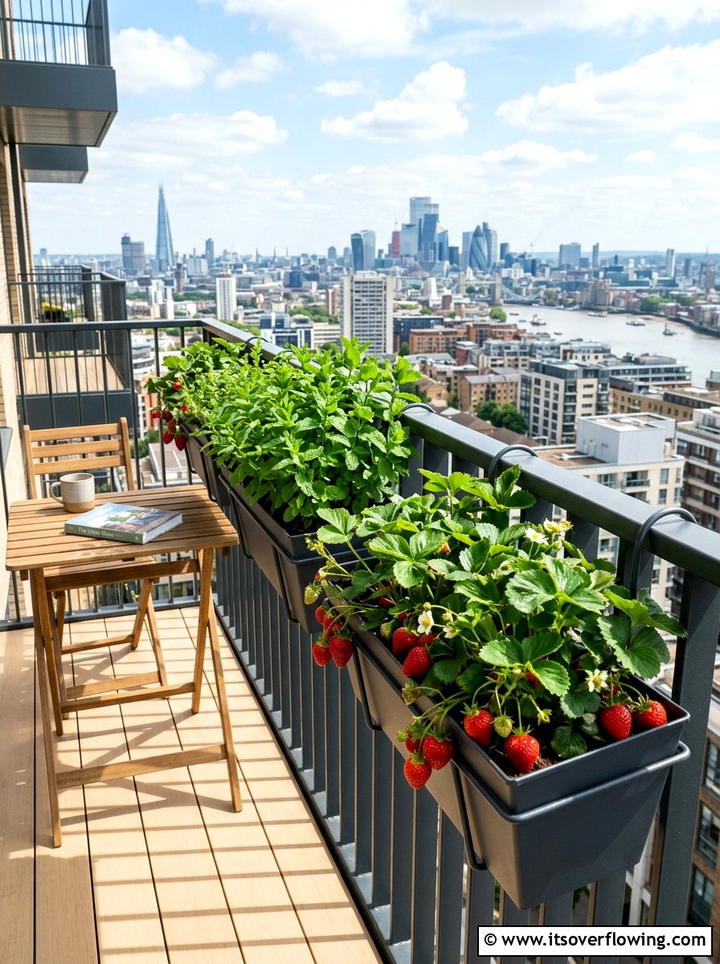
Compact balcony garden boxes allow apartment residents to experience the joy of gardening without needing a traditional yard. These boxes are designed to fit securely on railings or sit on the floor of a small balcony, providing enough depth for herbs, strawberries, or dwarf vegetable varieties. Many are made from lightweight materials like high-density plastic or treated wood to ensure they do not exceed the weight capacity of the balcony. By using vertical space and railing planters, you can create a private green oasis in the middle of a city. These small-scale raised beds are easy to manage and bring a touch of nature to urban living.
21. Recycled pallet garden beds
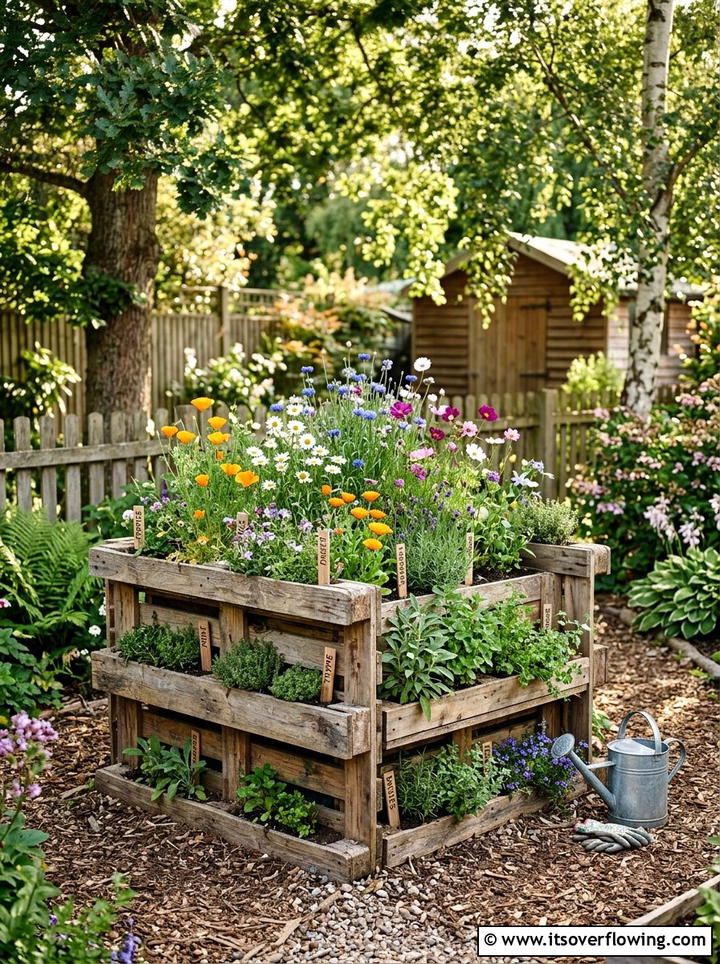
Recycled pallet garden beds are a popular choice for eco-conscious gardeners looking for a budget-friendly way to start growing food. By repurposing heat-treated wooden pallets, you can construct simple and effective raised containers with very little financial investment. These beds have a charming, rustic appearance that fits well in a relaxed backyard setting. It is important to ensure the pallets are marked with “HT” for heat-treated to avoid any harmful chemicals. You can paint or stain the wood to match your outdoor decor or leave it natural for a weathered look. This approach turns waste into a productive garden, proving that beautiful spaces don’t have to be expensive.
22. Concrete block garden beds
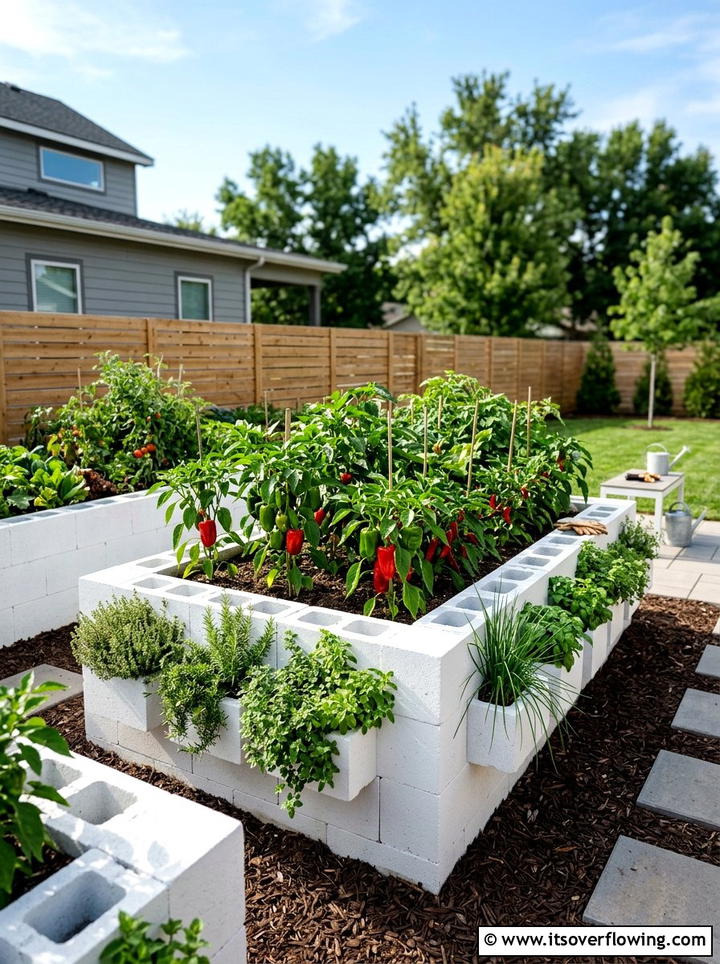
Concrete block garden beds are one of the most affordable and easiest ways to build a long-lasting raised garden. The hollow centers of the blocks can be filled with soil to create extra planting pockets for small herbs or flowers, maximizing every inch of space. Concrete is incredibly durable and will not rot, making these beds a permanent solution for your landscape. While plain gray blocks have an industrial feel, you can easily paint them or apply a stucco finish to create a more polished look. These beds are heavy and stay in place without the need for mortar, allowing you to rearrange your garden layout if your needs change.
23. Flower garden raised beds
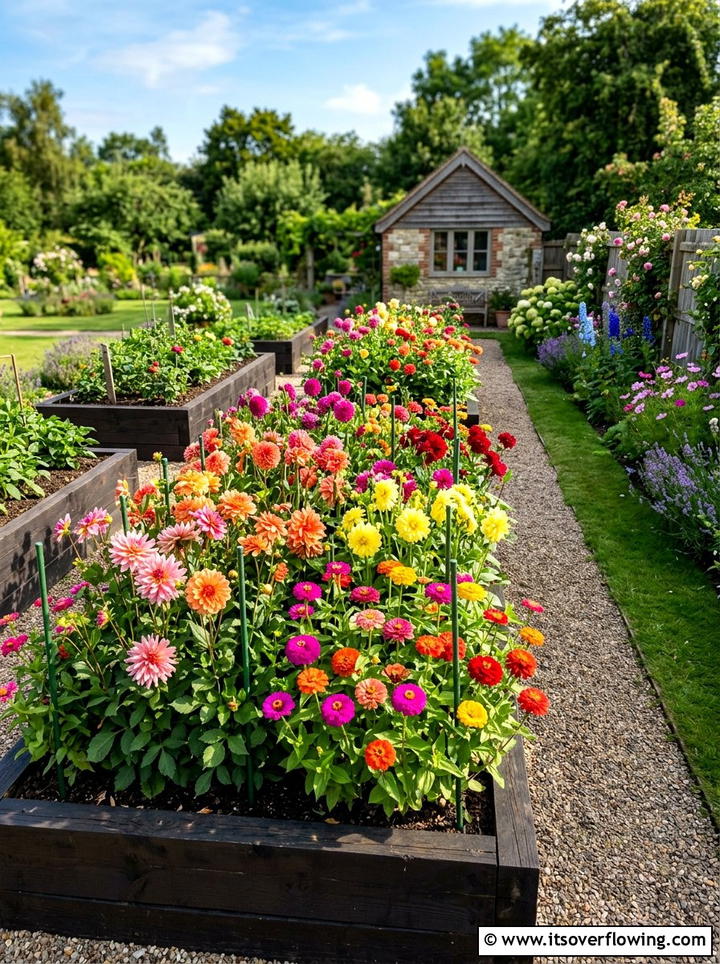
Flower garden raised beds are specifically designed to showcase ornamental plants and create a high-impact visual display. By elevating the flowers, you bring them closer to eye level and make it easier to enjoy their fragrance and intricate details. Raised beds provide the perfect drainage that many flowering perennials and bulbs require to thrive without rotting. You can design these beds with various heights to create a layered effect, with taller varieties in the back and shorter ones spilling over the edges. This organized approach to flower gardening prevents aggressive plants from spreading too far and keeps your floral borders looking neat and professionally maintained throughout the blooming season.
24. Tall galvanized steel beds
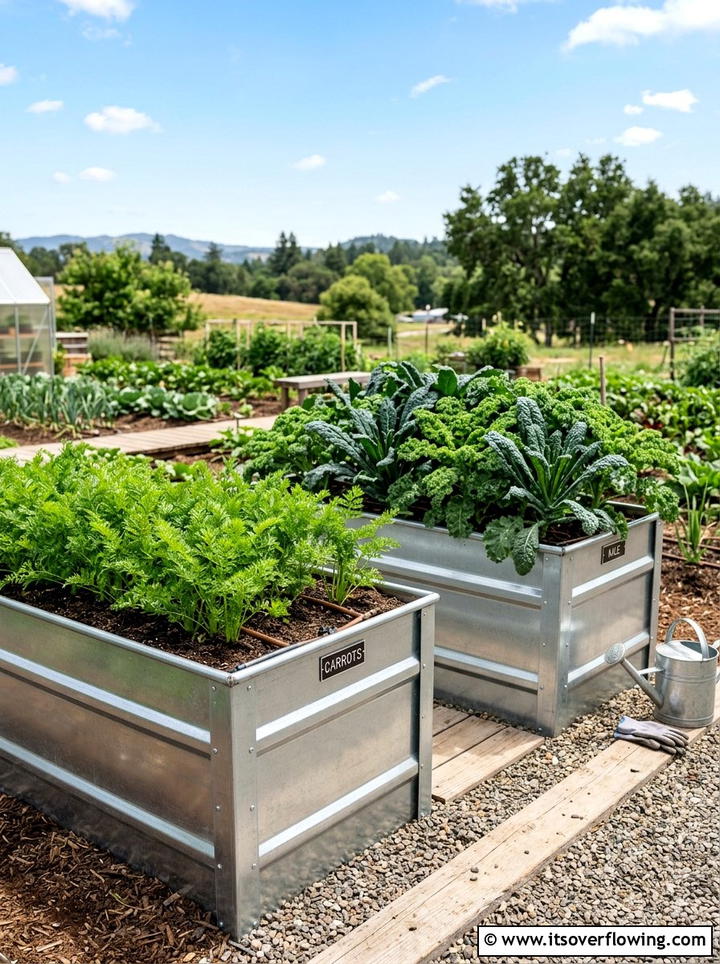
Tall galvanized steel beds are becoming increasingly popular for their modern industrial look and the ergonomic benefits they provide. Standing at thirty inches or higher, these beds allow you to garden without ever having to crouch or bend over, which is a massive relief for your back and knees. The extra depth is also fantastic for root vegetables like carrots and parsnips, which can grow perfectly straight in the loose, uncompacted soil. The silver finish of the steel looks clean and bright, reflecting sunlight and adding a contemporary edge to the backyard. These beds are extremely durable and can withstand the pressure of a large amount of soil.
25. Enclosed garden bed with fence
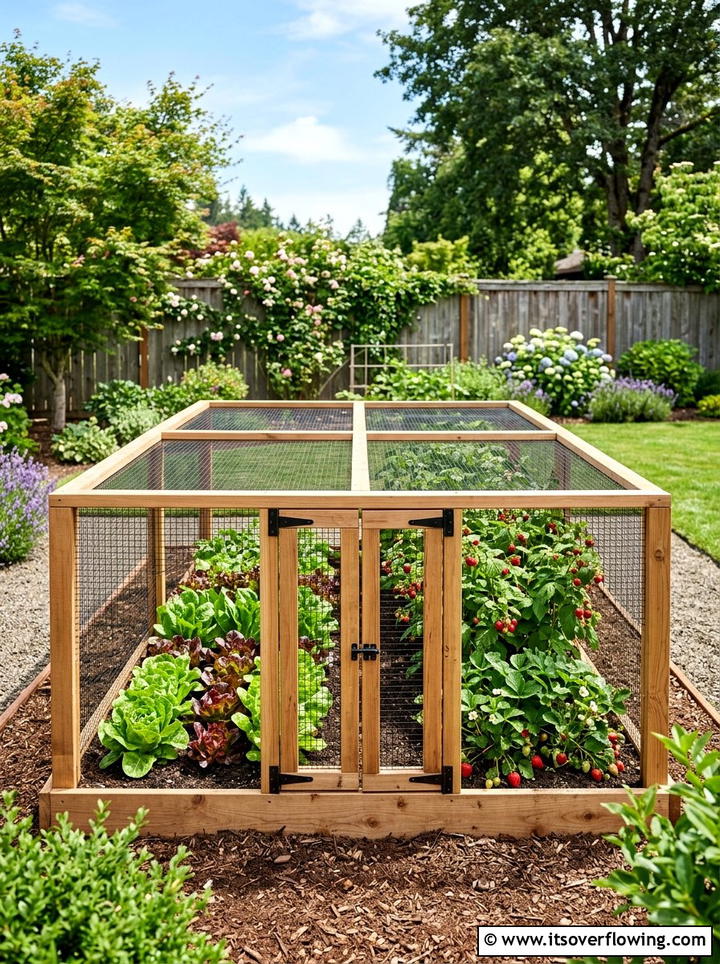
An enclosed garden bed with a fence is the ultimate solution for gardeners who struggle with local wildlife like deer, rabbits, or groundhogs. By integrating a small wire mesh fence directly into the structure of the raised bed, you create a protected sanctuary for your precious crops. Many designs feature a gate for easy access or a removable mesh top to keep birds away from ripening berries. This functional design ensures that your hard work isn’t ruined overnight by hungry animals. Beyond protection, the fencing can also serve as a support for climbing plants, combining security and utility into one smart and very effective garden feature.
Conclusion:
Raised bed gardening is more than just a trend; it is a practical and aesthetically pleasing way to grow a wide variety of plants in almost any environment. By choosing the right materials and layout, you can create a garden that is not only productive but also serves as a beautiful extension of your home. From the modern look of metal to the rustic charm of cedar and stone, there is a raised bed style to suit every taste and budget. These elevated structures solve many common gardening challenges, making the hobby more accessible and enjoyable for everyone. Investing in raised beds ensures a more organized, manageable, and successful gardening experience for years to come.

Related posts:
 25 Garden Ideas for Beginners to Start Growing With Confidence
 25 Garden Design Ideas With Raised Beds for Productive Style
 25 small garden ideas with raised beds for Productive Spaces
 25 Creative Garden Ideas With Keyhole Garden Beds
 25 Creative Garden Ideas With Dry Creek Beds to Inspire
 25 Creative Garden Ideas With Geometric Beds
 25 Creative Garden Ideas With Pollinator Beds for More Blooms
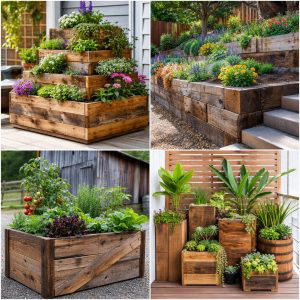 25 Creative Garden Ideas With Reclaimed Wood Beds to Try
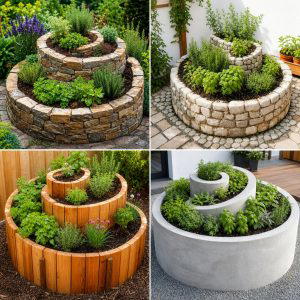 25 Creative Garden Ideas With Spiral Herb Beds to Try Now
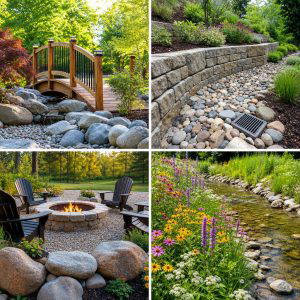 25 garden design ideas with dry creek beds: Natural Drainage
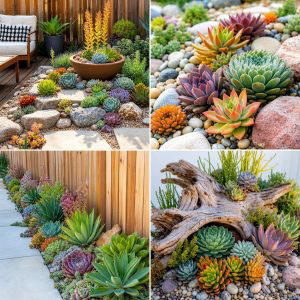 25 Garden Design Ideas With Succulent Beds for Low-Care Style
 25 garden ideas with hostas for Lush Shade Garden Beauty