
Creating a stunning outdoor space often starts with structure, and nothing provides a more polished look than geometric garden beds. These crisp lines and intentional shapes transform a wild backyard into a curated sanctuary that looks amazing in photos and feels peaceful in person. Whether you are working with a tiny urban balcony or a sprawling suburban lawn, using shapes like hexagons, triangles, and clean rectangles helps organize your plants while adding architectural interest. This guide explores creative ways to implement these patterns using various materials like wood, stone, and metal to elevate your home curb appeal and gardening experience significantly. Let us dive into these beautiful backyard inspirations.
1. Rectangular raised garden bed
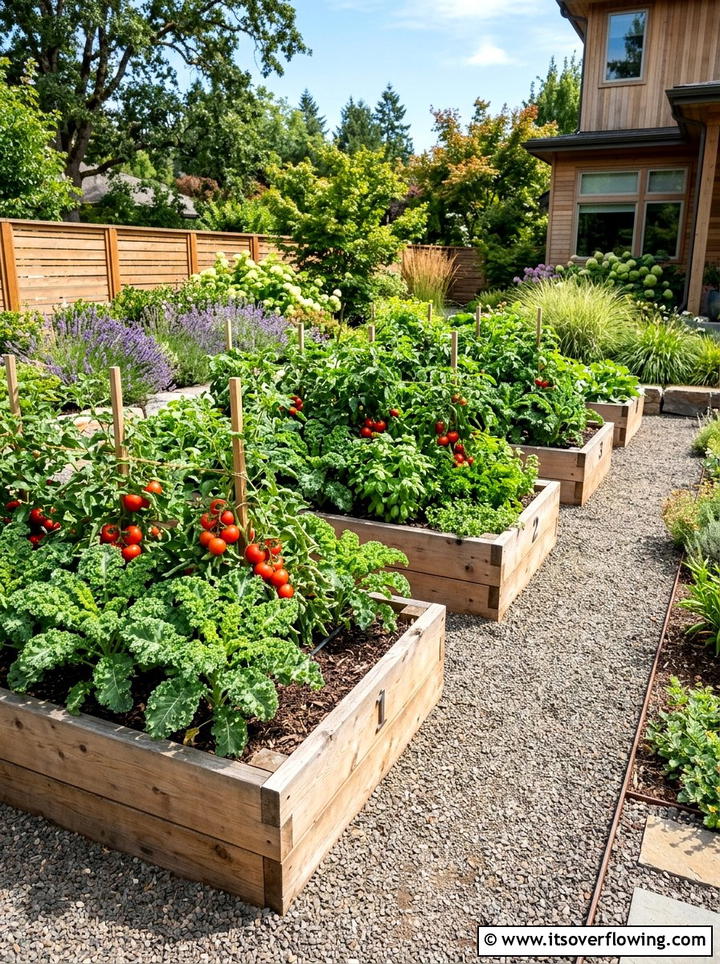
Have you ever noticed how a simple rectangle can completely ground a chaotic backyard? Rectangular raised beds are a classic choice for a reason, offering a clean and organized look that works perfectly for growing vegetables or structured floral displays. By using high-quality cedar or pressure-treated lumber, you can create a sturdy frame that resists rot and keeps your soil contained. These beds allow for easy access from all sides, making maintenance a breeze while protecting your plants from pests. They look particularly striking when arranged in parallel rows, creating a sense of order and productivity that makes any garden feel like a professional estate.
2. Hexagon wooden planter
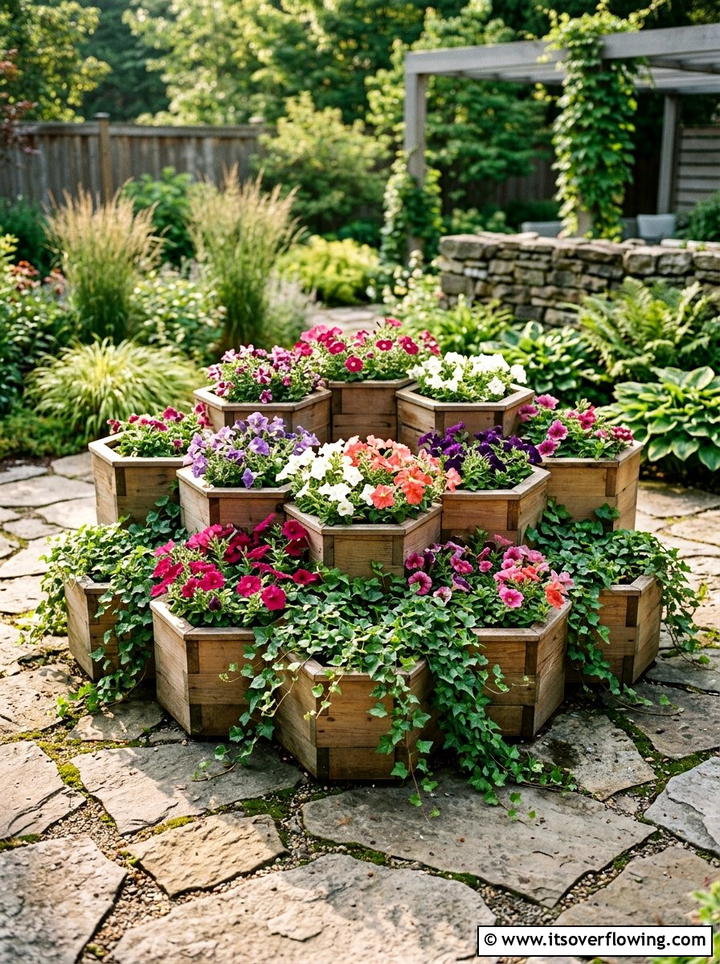
Why settle for basic shapes when you can bring the intricate beauty of a honeycomb into your landscape design? Hexagonal wooden planters provide a unique geometric flair that immediately catches the eye and serves as a fantastic conversation piece for guests. These six-sided structures are versatile enough to stand alone as a focal point or be grouped together to create a honeycomb effect across your lawn. The angles allow for interesting plant pairings, where you can place taller shrubs in the center and cascading flowers along the edges. Using natural wood tones helps these bold shapes blend into the environment while maintaining a very modern and stylish aesthetic.
3. Circular stone garden border
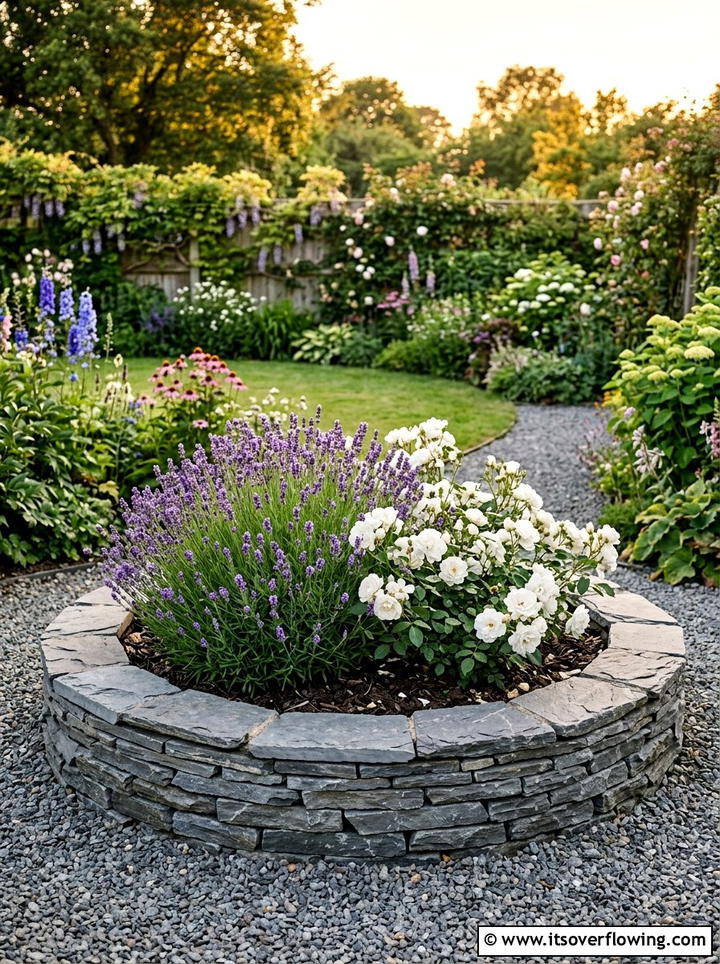
Imagine walking out to a garden that feels soft and organic yet perfectly defined by a circular stone border. Circles naturally draw the eye inward, making them the perfect shape for a central flower bed or a base for a focal point like a birdbath or a small tree. Using stacked stones or flagstones for the border adds a rustic touch that contrasts beautifully with the precise geometric curve. This setup is excellent for perennial flowers that can spill over the edges slightly, softening the transition between the hardscape and the greenery. It creates a sense of harmony and balance that feels truly timeless.
4. Triangular corner flower bed
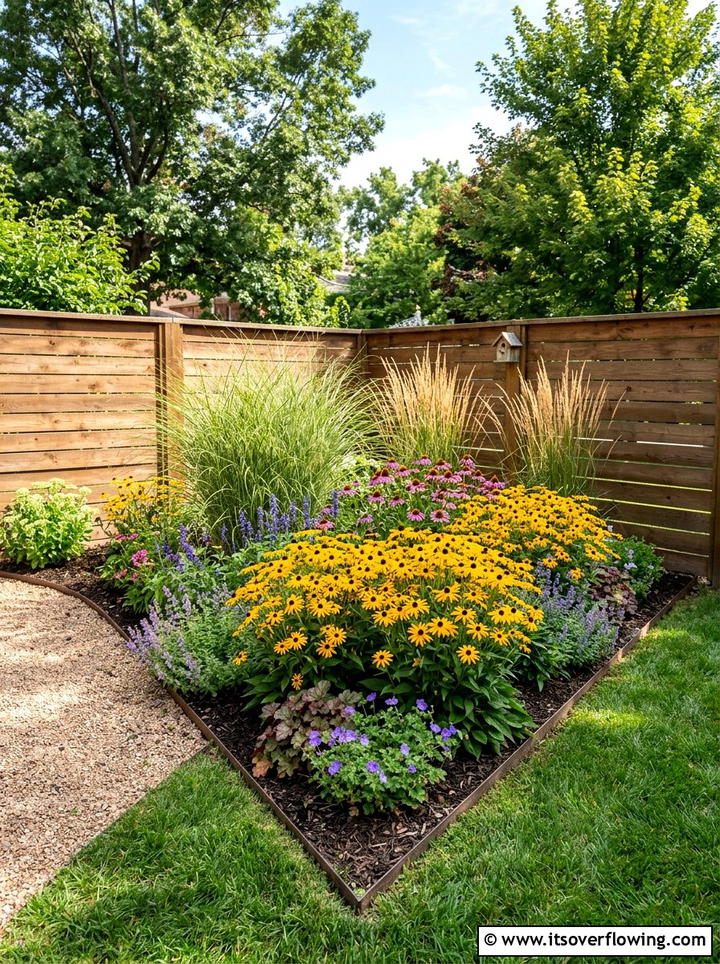
Dealing with a tricky corner in your yard can be a challenge, but a triangular flower bed is the perfect solution for those awkward spots. These sharp angles maximize your planting space while making the most of every inch of your outdoor area. You can layer your plants by placing taller evergreens in the back corner and shorter, colorful annuals toward the wider front edge. This creates a wonderful sense of depth and perspective that makes even a small yard feel much larger and more intentional. It is an efficient and stylish way to turn a forgotten corner into a vibrant and lush focal point.
5. Diamond shaped herb garden
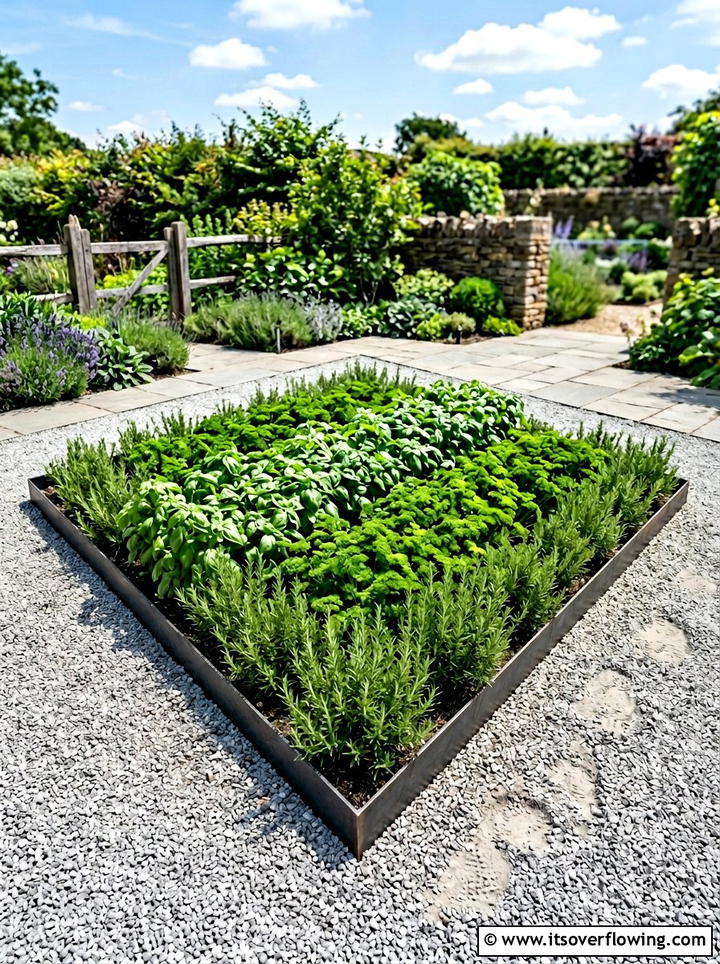
Small spaces often require a bit more creativity, and a diamond-shaped herb garden is a brilliant way to add style to a compact area. By tilting a traditional square at an angle, you create a dynamic look that feels more modern and energetic. This shape works exceptionally well for herbs like rosemary, thyme, and basil, allowing you to separate different varieties within a structured frame. You can use thin metal edging or narrow wooden planks to define the diamond, keeping the lines sharp and clean. It is a fantastic way to bring a touch of designer flair to your kitchen garden or patio.
6. L shaped backyard planter
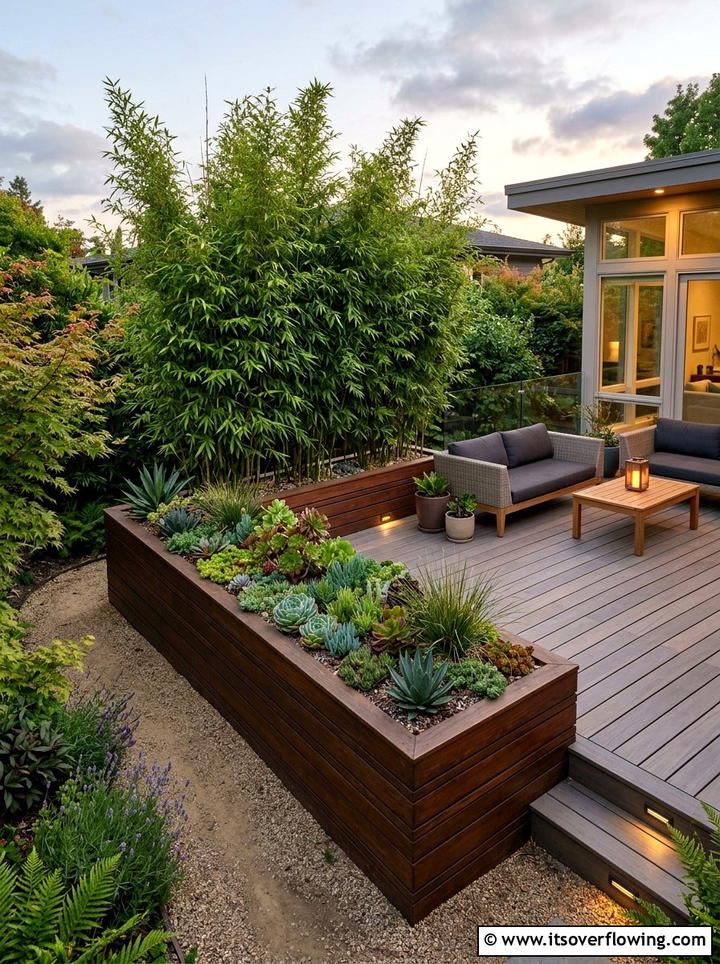
Large backyards can sometimes feel a bit empty, but an L-shaped planter is a great tool for defining different zones within your outdoor space. These planters are perfect for wrapping around a deck, a patio, or a seating area, providing a natural and green privacy screen. You can use them to house a variety of plants, from tall grasses that offer movement to low-growing succulents for a modern look. The structural nature of the L-shape helps anchor your furniture and creates a cozy, enclosed feeling that makes your outdoor living area feel like a true extension of your home.
7. Tiered square vegetable patch
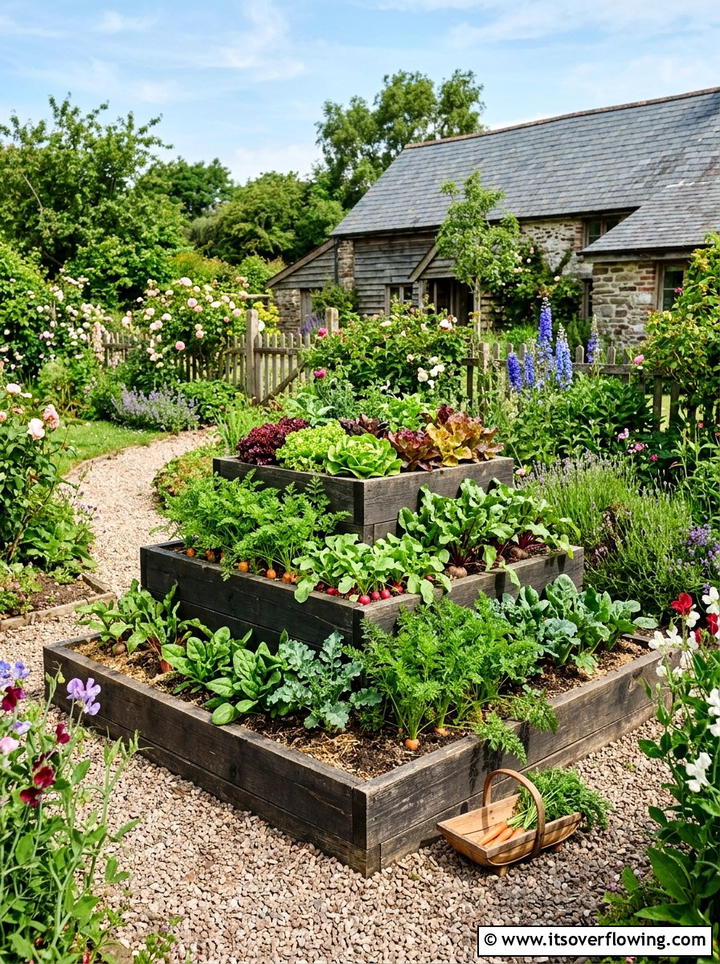
Have you ever considered building upward to save space and add visual interest to your vegetable garden? A tiered square vegetable patch uses multiple levels of decreasing sizes to create a beautiful wedding cake effect in your backyard. This geometric approach not only looks impressive but also allows you to grow different types of crops with varying sunlight and drainage needs in a single footprint. For instance, you could plant root vegetables in the deeper bottom tier and delicate leafy greens at the top. It is a highly functional and architecturally stunning way to organize your homegrown produce while keeping everything tidy.
8. Octagon cedar planting box
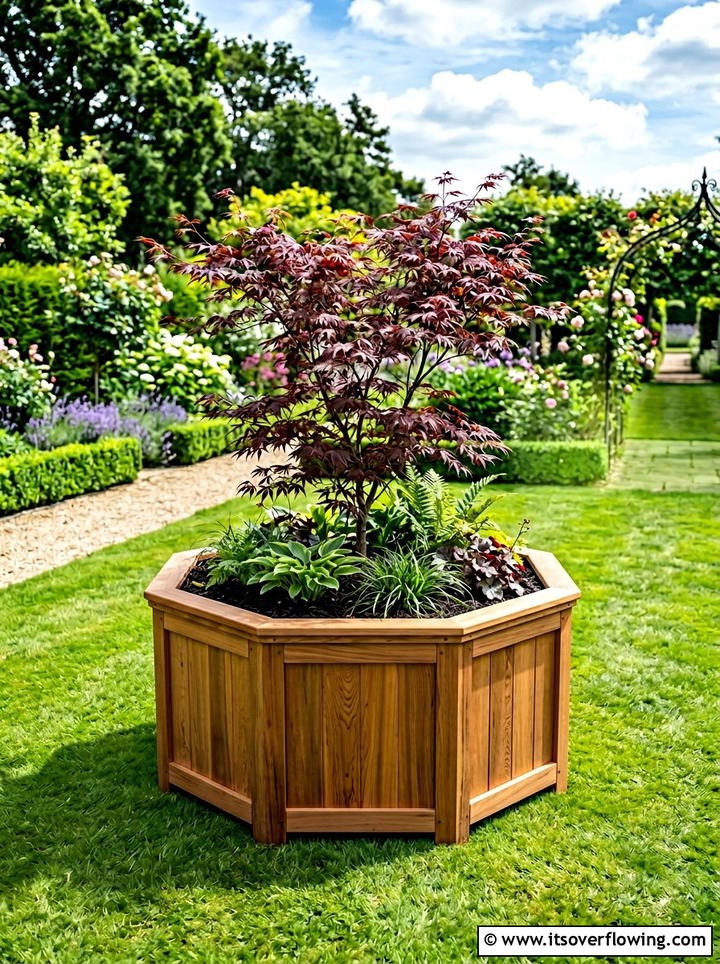
Creating a sense of grandeur in a garden can be as simple as introducing an eight-sided octagon planting box. This shape offers more complexity than a square but maintains the structured feel of straight lines, making it perfect for formal garden designs. Cedar is a preferred material for these boxes because its natural oils resist decay and insects, while its warm reddish hue looks stunning against green foliage. An octagon bed works beautifully as a standalone feature in the middle of a lawn or as a container for a small ornamental tree. It brings a sophisticated and high-end look to any landscape layout.
9. Symmetrical metal garden edging
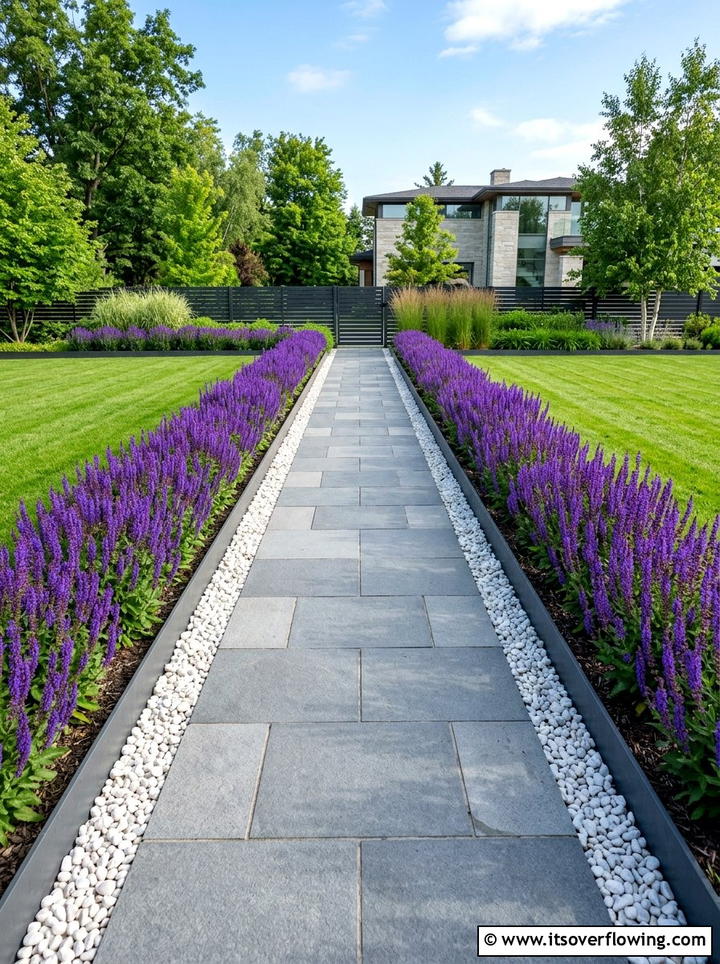
Sometimes the most powerful design moves are the most subtle ones, and symmetrical metal garden edging provides a crisp finish that defines your entire yard. Using thin strips of steel or aluminum to create sharp borders around your lawn or flower beds keeps everything looking manicured and professional. This geometric approach prevents grass from creeping into your soil and keeps mulch exactly where it belongs. When done with perfect symmetry, it creates a sense of calm and order that is highly sought after in modern landscape architecture. It is a durable and low-maintenance way to achieve a very high-end look.
10. Criss cross path garden
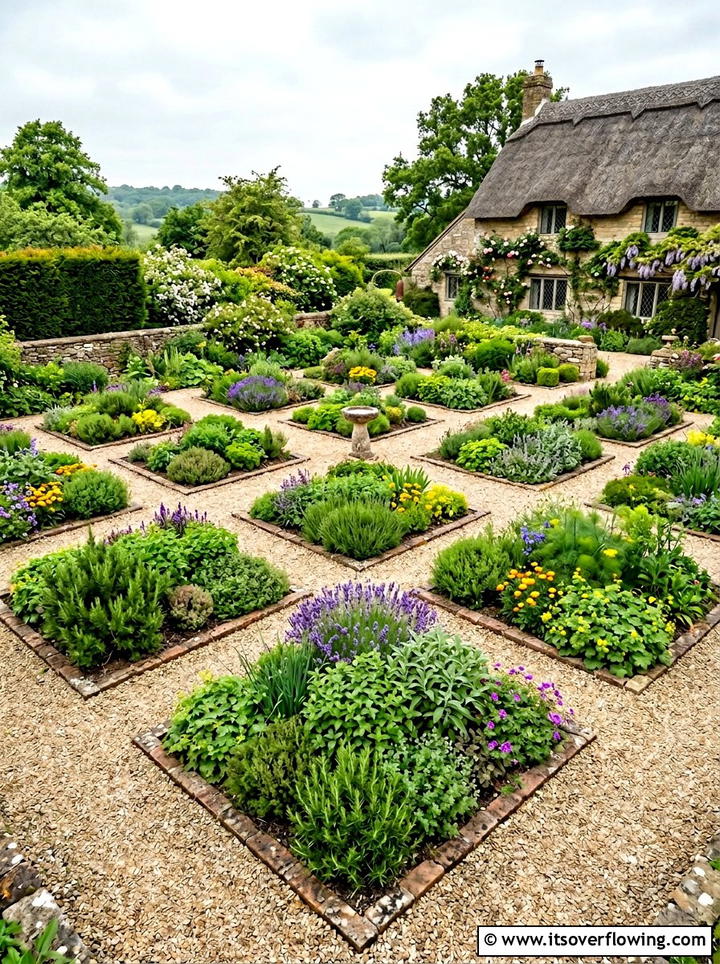
Walking through a garden should be an experience, and a criss-cross path layout adds a playful yet structured element to your outdoor journey. By intersecting gravel or stone paths at right angles, you create several small, square planting pockets that are perfect for themed mini-gardens. You could dedicate one square to white flowers, another to fragrant herbs, and a third to decorative grasses. This geometric grid makes maintenance very easy since you can reach every plant from the paths. It is a classic design technique that works wonders for creating a sense of discovery and organization in a medium-sized yard.
11. Zig zag garden retaining wall
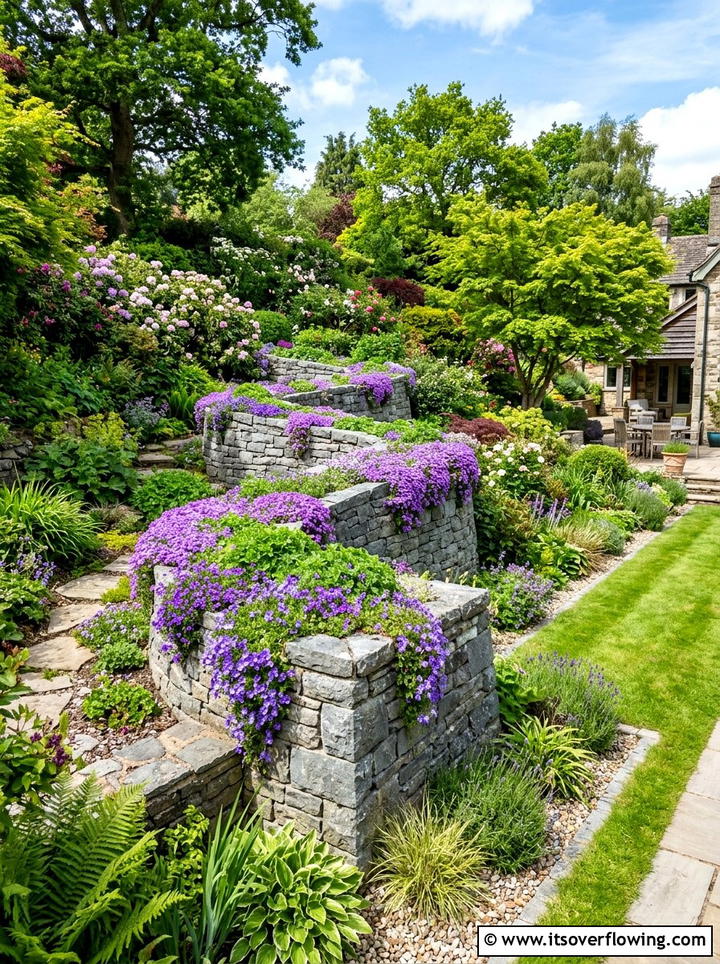
Sloped yards can be a nightmare to landscape, but a zig-zag garden retaining wall turns a problem area into a stunning architectural feature. Instead of a straight wall, the alternating angles create small triangular planting pockets that break up the visual weight of the structure. You can fill these pockets with cascading plants like creeping phlox or ivy to soften the hard edges over time. This approach not only prevents soil erosion but also adds a lot of personality and movement to your hillside. It is a clever way to blend engineering with aesthetics for a truly unique and functional garden.
12. Checkerboard paver plant layout
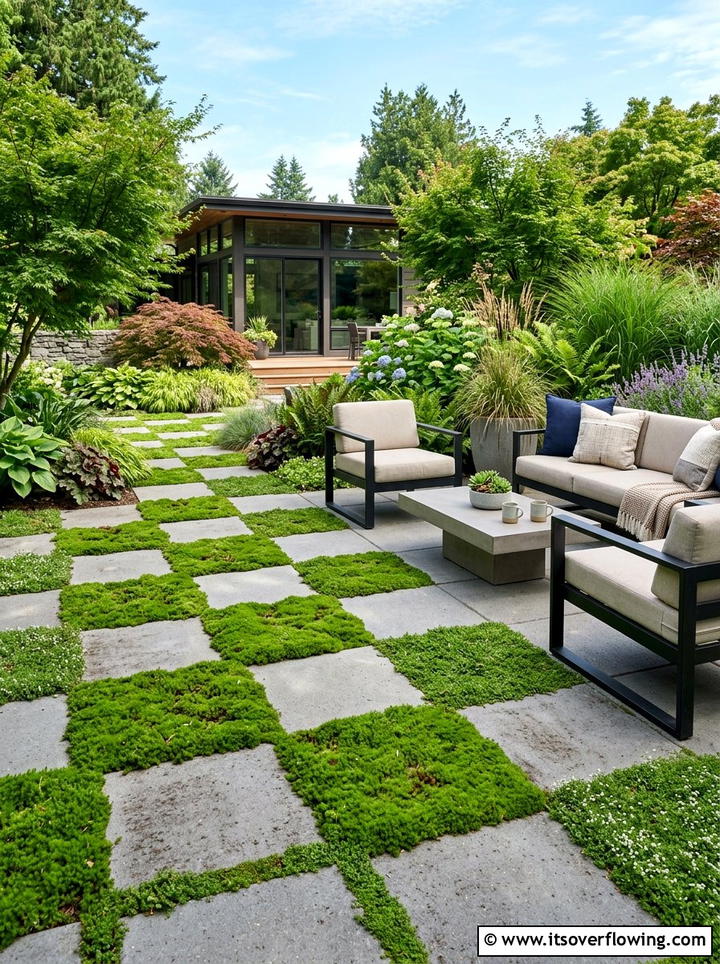
Can you imagine a garden floor that looks like a giant chessboard? A checkerboard paver plant layout uses alternating square pavers and ground-cover plants like moss or creeping thyme to create a stunning living floor. This geometric pattern is perfect for entryways or small patio areas where you want a mix of hardscape and greenery. The contrast between the rigid stones and the soft, growing plants creates a tactile and visual treat for the eyes. It is also a very practical solution for drainage, as water can soak into the planted areas rather than pooling on a solid stone surface.
13. Concentric circle flower display
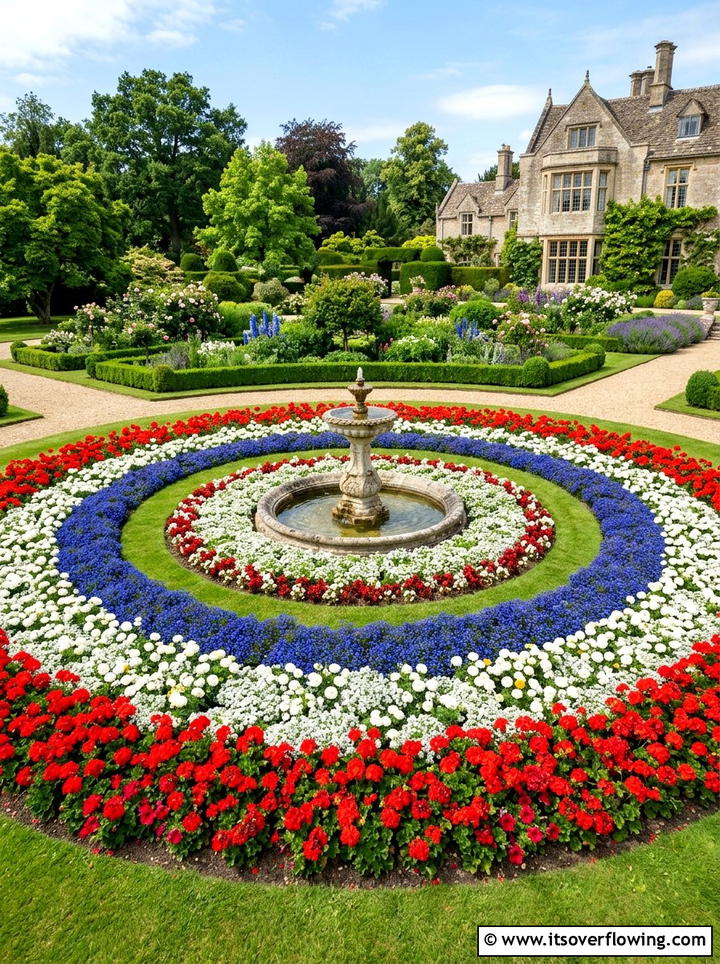
Drawing the eye toward a central point is a classic design trick, and concentric circle flower beds do this better than almost any other shape. By layering circles of different diameters, you create a target-like effect that looks incredible from an upstairs window or a drone shot. You can use different colors of flowers for each ring to enhance the visual impact, such as a white center surrounded by blue and then purple blooms. This design feels very peaceful and meditative, making it a wonderful addition to a backyard meant for relaxation or quiet reflection among your favorite floral scents.
14. Trapezoid garden bed
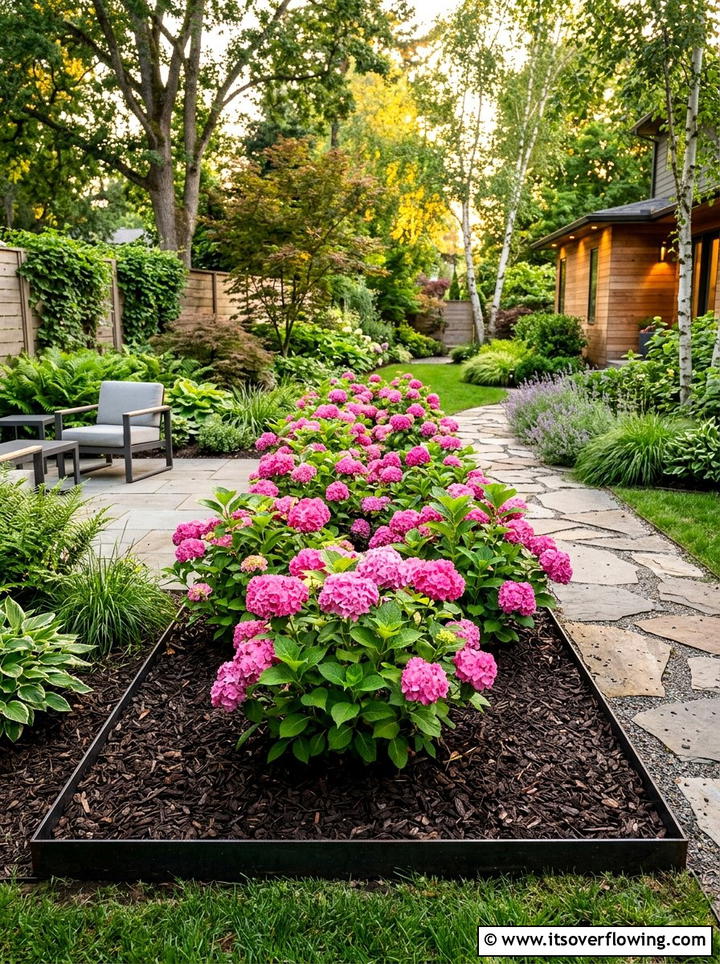
Modern landscaping often embraces unusual shapes, and a trapezoid garden bed is a fantastic way to introduce a sense of perspective and depth. Because the sides of a trapezoid are not parallel, you can use the shape to lead the eye toward a specific area of your garden. For example, a bed that is wider at the front and narrower at the back creates a forced perspective that makes a short garden path look much longer than it actually is. It is a sophisticated and artistic choice that works well in contemporary homes where clean lines and bold geometry are the main focus.
15. Geometric corten steel planter
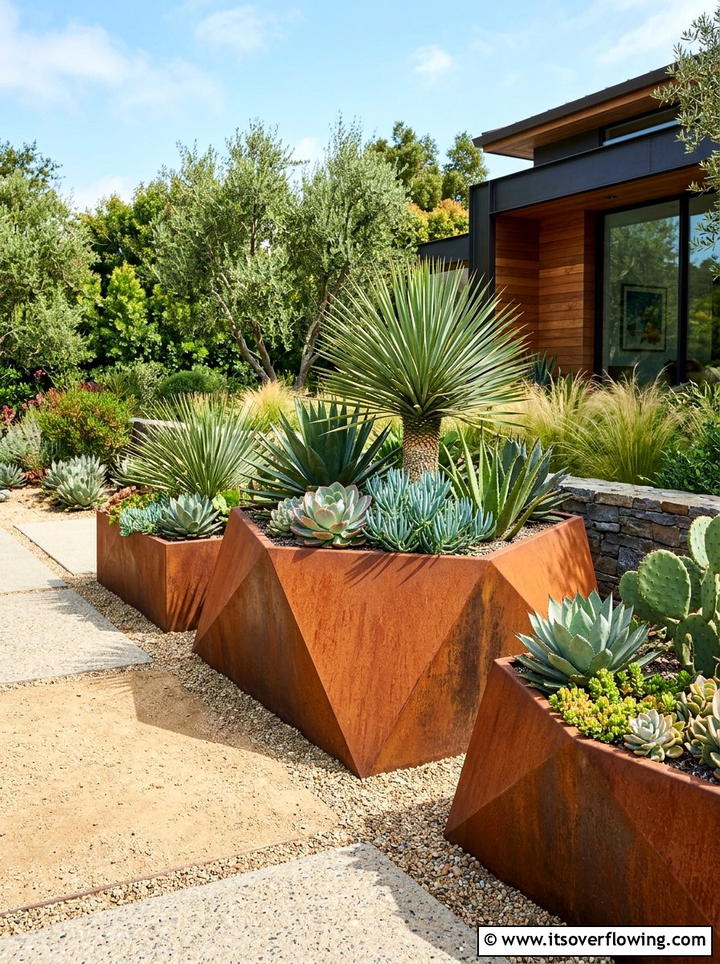
Corten steel is a favorite material for modern designers because it develops a beautiful rust-colored patina that protects the metal from further corrosion. When shaped into geometric forms like tall cylinders or sharp cubes, these planters become striking industrial sculptures in your garden. The warm orange and brown tones of the steel provide a brilliant contrast to vibrant green hostas or silver-leaved succulents. These heavy-duty planters are built to last for decades and look better as they age and weather. They are perfect for adding a touch of urban chic to a minimalist or mid-century modern backyard space.
16. Modern concrete block garden
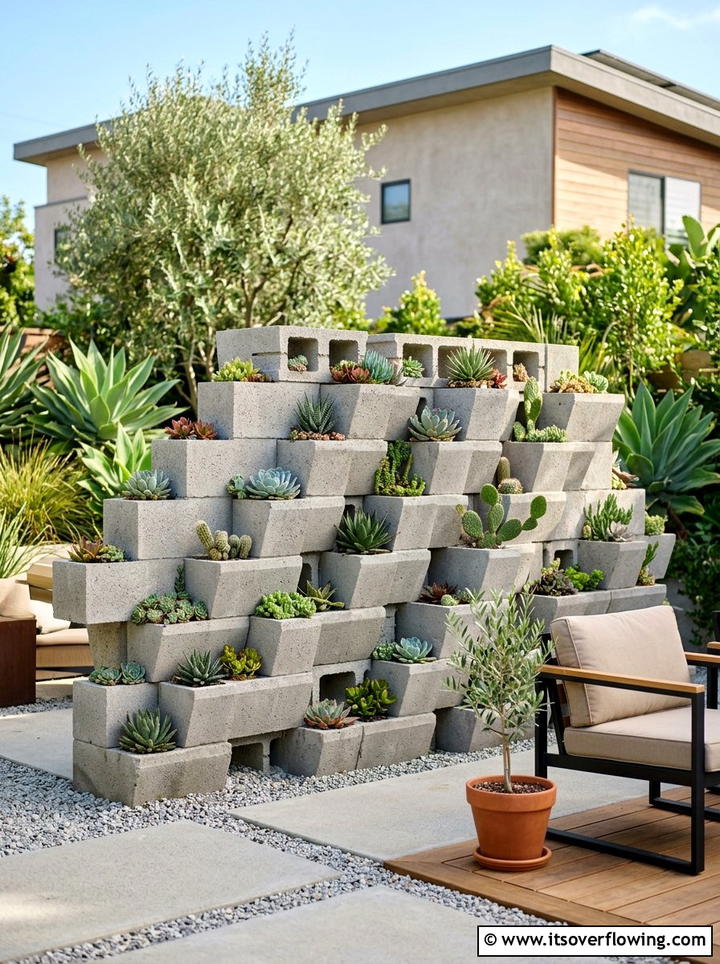
Have you ever looked at standard concrete blocks and seen the potential for a high-end garden feature? By stacking concrete blocks in a staggered geometric pattern, you can create a series of small, individual planting pockets for a vertical or horizontal garden. This approach is very budget-friendly but looks incredibly high-end when paired with modern architectural homes. You can leave the concrete raw for an industrial look or paint them a crisp white to make the green plants pop. It is a fantastic way to create a durable, structured, and very cool-looking garden wall or a standalone raised planter.
17. Interlocking triangle plant bed
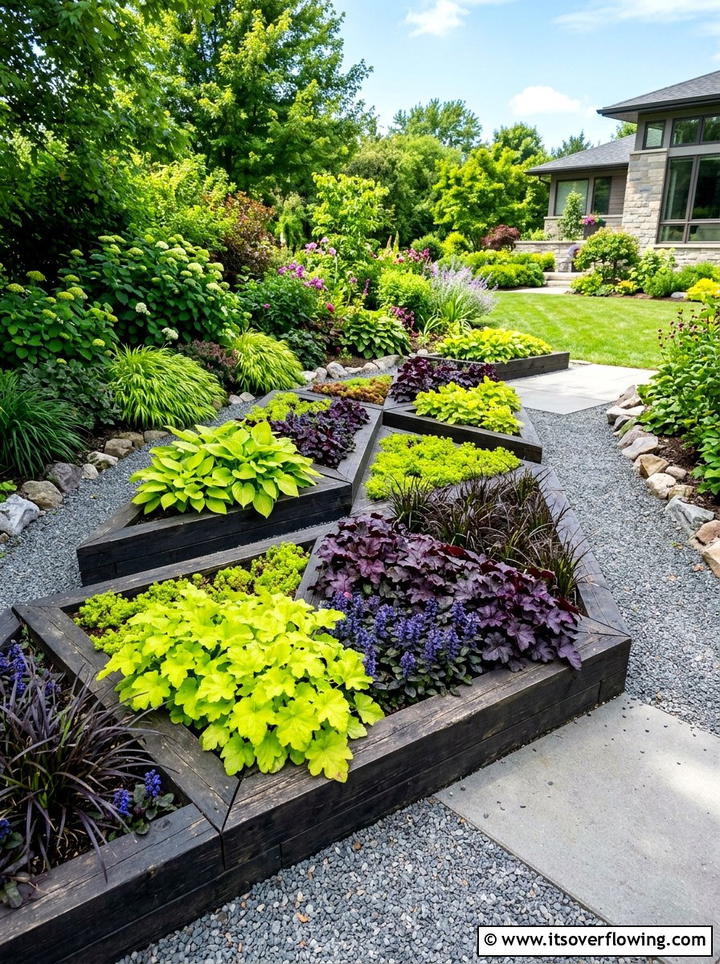
If you love a more complex and artistic look, interlocking triangle plant beds offer a fascinating geometric puzzle for your landscape. By placing triangles together so their points touch or their sides align, you create a jagged, energetic border that feels very contemporary. This layout allows you to mix different textures and colors of foliage in a way that feels intentional and curated. You could fill one triangle with dark purple heuchera and the adjacent one with bright lime-green ferns for a high-contrast look. It is a bold design choice that transforms a standard flat lawn into a dynamic work of art.
18. Star shaped floral garden
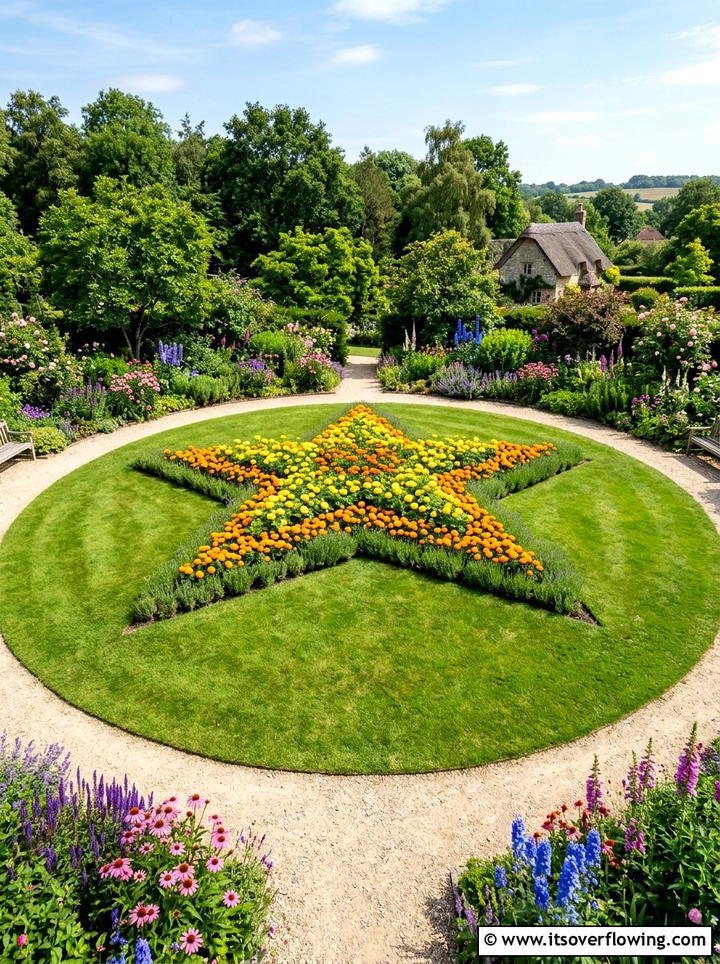
Creating a focal point that really shines is easy when you design a star-shaped floral garden in the center of your backyard. This shape is naturally symmetrical and balanced, providing a sense of harmony that is very pleasing to the eye. You can define the five or six points of the star with low hedges or sharp wooden borders and fill the interior with bright, sun-loving flowers like zinnias or marigolds. A star shape looks particularly grand in a circular lawn or at the intersection of several garden paths, acting as a celestial anchor for your entire outdoor living area.
19. Nested square garden layout
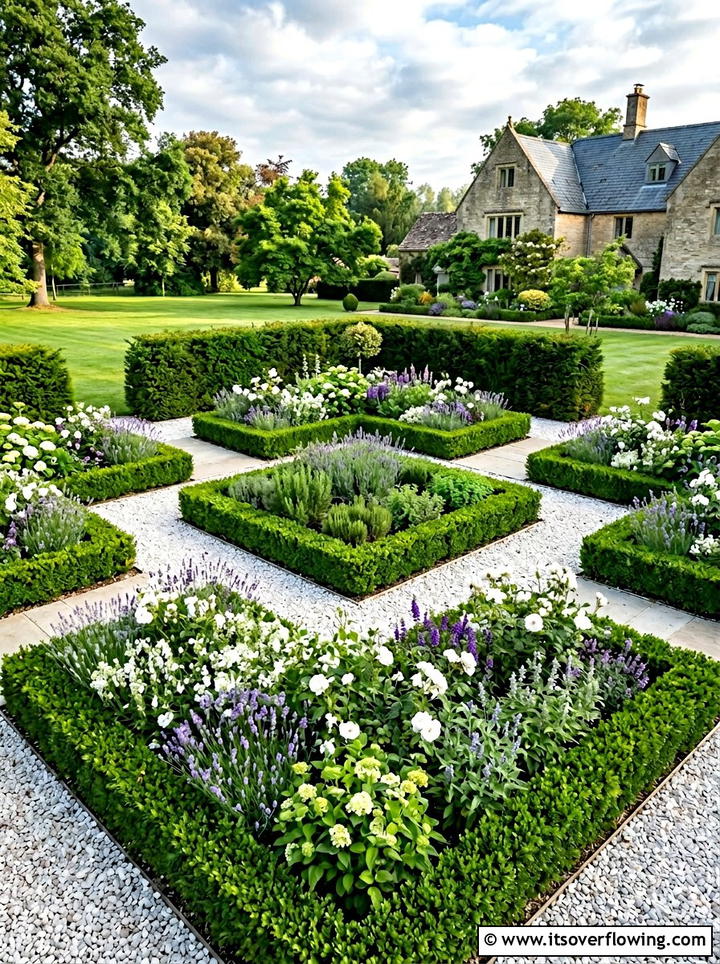
Sometimes the simplest ideas are the most effective, and a nested square layout brings a sense of depth and layers to your garden. This design involves placing a smaller square bed inside a larger one, leaving a narrow path or a ring of low-growing plants between them. It creates a formal and structured look that is reminiscent of traditional European boxwood gardens but with a modern twist. You can use the inner square for a special specimen plant or a fountain, while the outer ring provides a lush frame that completes the elegant and very tidy geometric picture for your yard.
20. Oval stone perennial bed
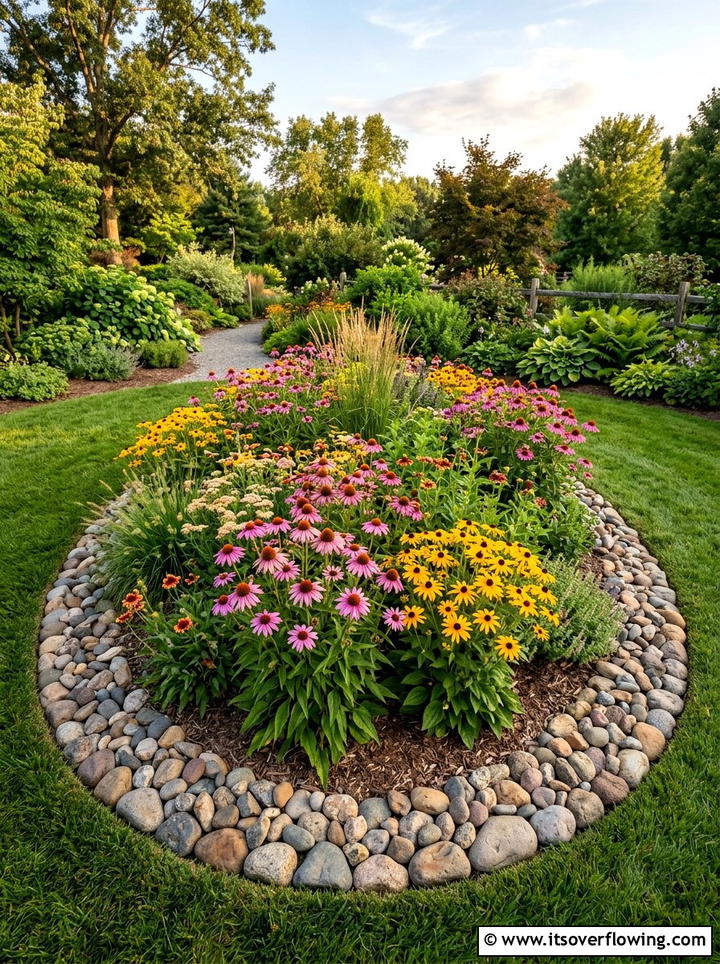
While sharp corners are popular, an oval stone perennial bed offers a softer version of geometry that still feels very structured and intentional. Ovals are great for breaking up the straight lines of a house or a fence, adding a more fluid and natural feel to the landscape. By using a double row of stones to create a thick border, you give the bed a sense of weight and importance. This shape is perfect for a mix of perennials that bloom at different times of the year, ensuring that your oval-shaped garden always has something beautiful and colorful to offer throughout the seasons.
21. U shaped raised garden
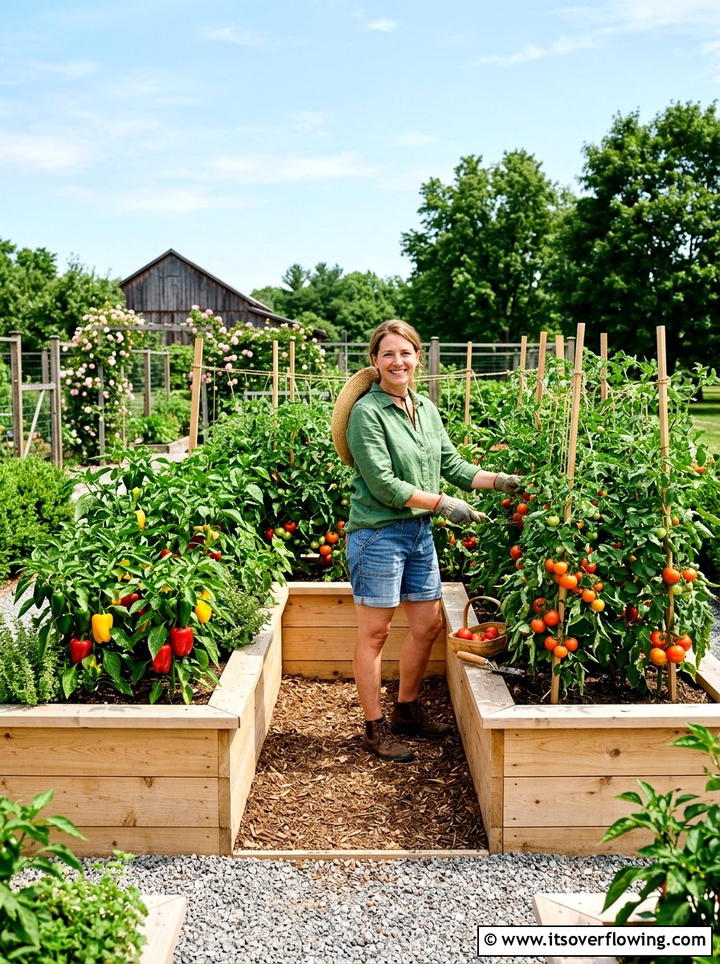
Have you ever wished for a garden that feels like it is hugging you while you work? A U-shaped raised garden bed is a brilliant ergonomic design that allows you to stand in the center and reach plants on three sides without moving much. This geometric layout is incredibly efficient for vegetable gardening, as it maximizes your growing space while keeping every plant within arm’s reach. The open side of the U makes for an inviting entryway, and the structure itself can act as a beautiful windbreak or a privacy screen for a small patio or a cozy outdoor seating nook.
22. Geometric rock garden border
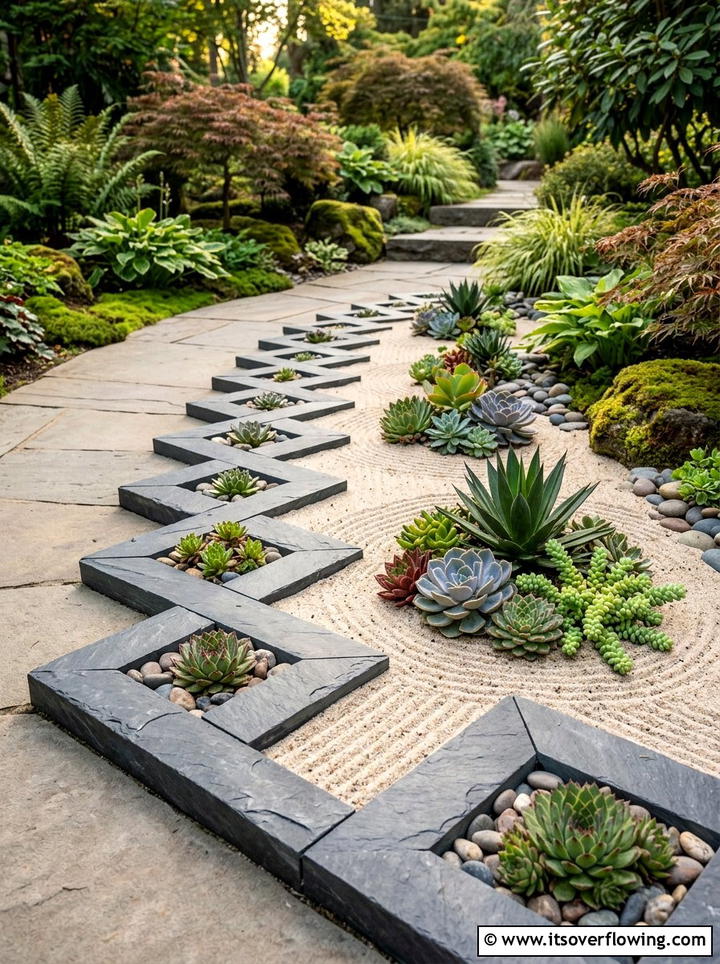
Using rocks to create geometric borders is a fantastic way to blend the raw beauty of nature with the structured needs of a modern garden. You can use large, flat slate pieces or round river rocks to define sharp squares or long rectangles around your planting areas. This approach is especially effective for succulent gardens or desert landscapes where water conservation is a priority. The contrast between the hard, unmoving rocks and the soft, living plants creates a beautiful texture that feels very grounded. It is a low-maintenance and high-impact way to add permanent structure to your outdoor design.
23. Parallel line garden
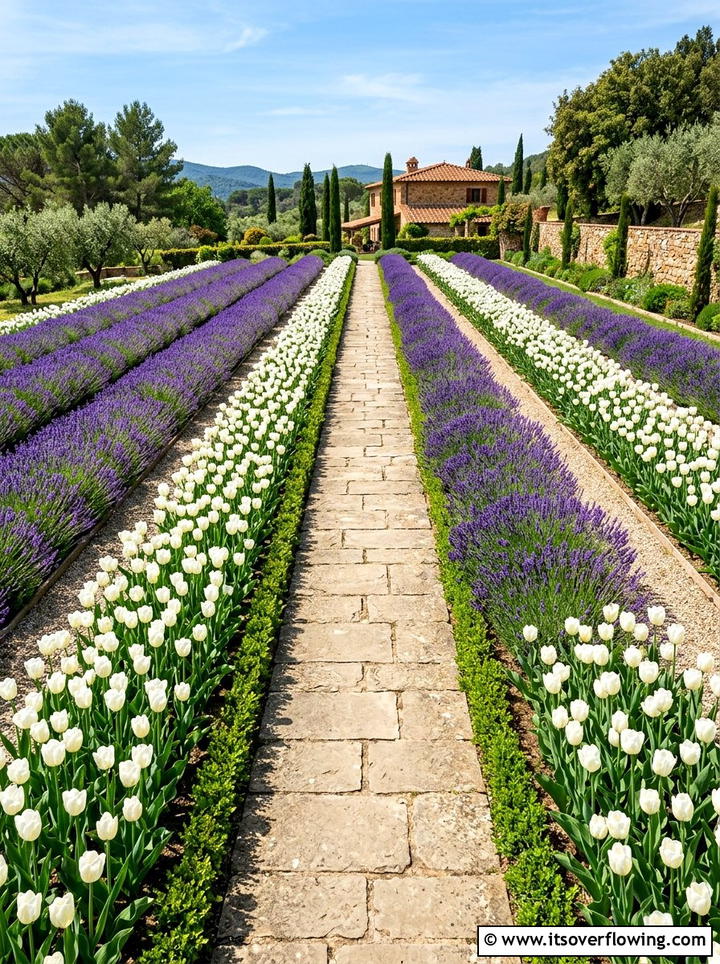
There is something incredibly satisfying about the precision of a parallel line garden, where rows of plants and paths mirror each other perfectly. This design focuses on long, narrow rectangular beds that run alongside a central walkway, creating a sense of movement and direction. It is a great way to make a narrow side yard feel purposeful and stylish rather than just a pass-through space. You can use repeated plantings in each row to reinforce the geometric theme, such as a line of lavender followed by a line of ornamental grasses, creating a very calm and rhythmic visual experience.
24. Minimalist grid garden plan
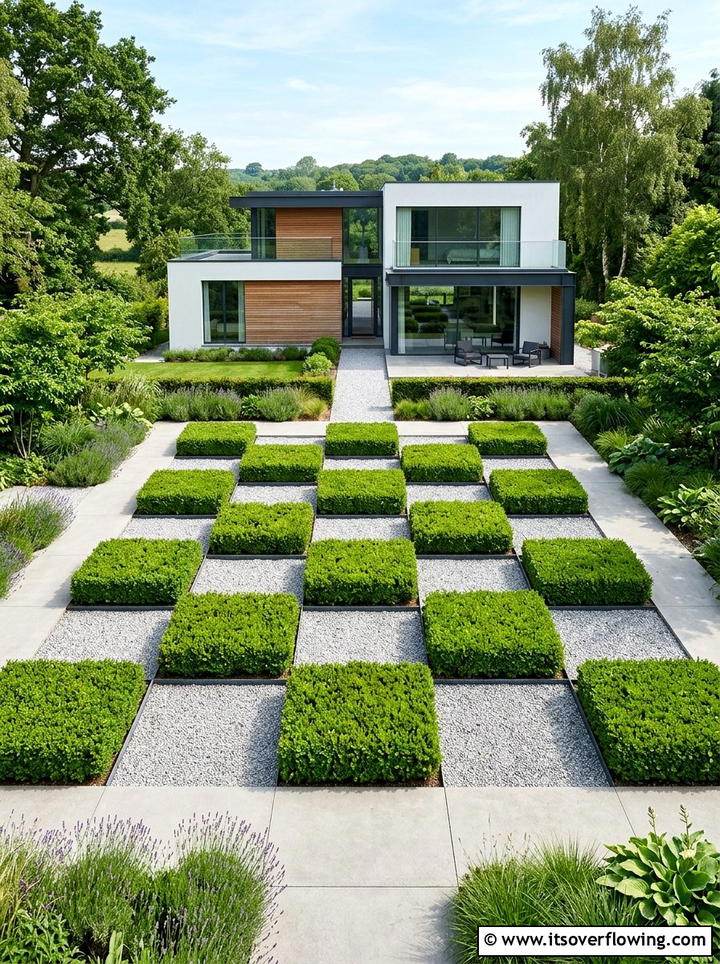
A minimalist grid garden plan is the ultimate expression of modern order and simplicity in a backyard setting. By dividing your entire planting area into equal squares using thin gravel paths or metal dividers, you create a very clean and organized look that is easy to manage. Each square in the grid can hold a different type of plant, or you can use the same plant throughout for a very bold and uniform aesthetic. This design is perfect for those who love a tidy and uncluttered outdoor environment where every element has a specific place and a clear geometric purpose.
25. Rhombus shaped garden plot
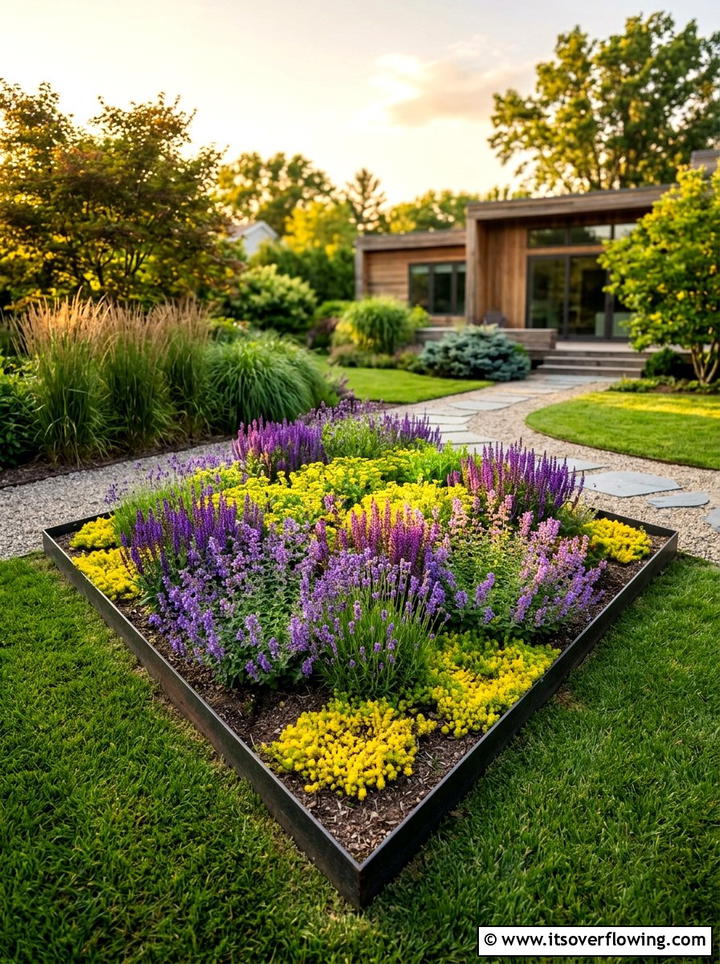
Have you considered how a rhombus shaped garden plot can add a sense of movement and dynamic energy to your backyard layout? This slanted four-sided shape breaks away from the traditional square or rectangle, offering a more contemporary and artistic feel to your landscaping. A rhombus bed works wonderfully when used in a series, creating a diamond pattern that leads the eye toward a specific focal point like a fountain or a bench. You can define the sharp angles using dark mulch or crisp metal edging to ensure the shape remains distinct throughout the growing season. It is a bold choice for anyone looking to make a statement.
Conclusion:
Planning a garden with geometric beds is one of the best ways to bring order, beauty, and value to your home. These shapes provide a framework that makes your plants look more intentional and your yard feel like a professionally designed space. Whether you prefer the classic look of rectangular raised beds or the modern flair of hexagonal planters and corten steel, there is a geometric solution for every style and budget. By focusing on clean lines and structured layouts, you create an outdoor sanctuary that is not only productive but also incredibly visually satisfying. Start small with one bed and watch your garden transform beautifully.

Related posts:
 25 Creative Garden Ideas With Keyhole Garden Beds
 25 Creative Garden Ideas With Dry Creek Beds to Inspire
 25 Creative Garden Ideas With Pollinator Beds for More Blooms
 25 Creative Garden Ideas With Reclaimed Wood Beds to Try
 25 Creative Garden Ideas With Spiral Herb Beds to Try Now
 25 garden design ideas with dry creek beds: Natural Drainage
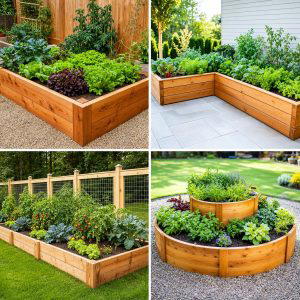 25 Garden Design Ideas With Raised Beds for Productive Style
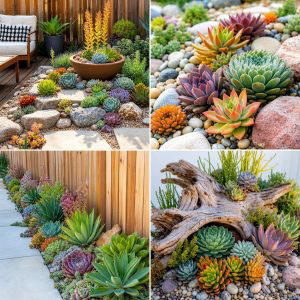 25 Garden Design Ideas With Succulent Beds for Low-Care Style
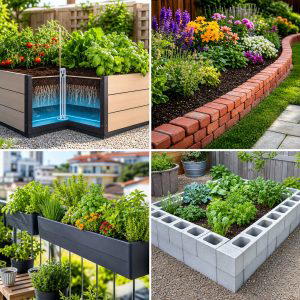 25 Garden Ideas With Raised Beds for Better Growing
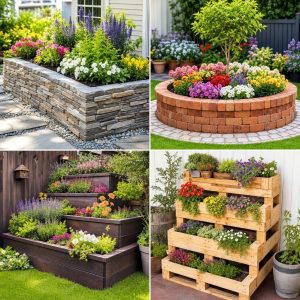 25 small garden ideas with raised beds for Productive Spaces
 25 Creative Garden Ideas With Hidden Garden Corners
 25 Creative Garden Ideas With Kids Garden Zone