
Transforming your outdoor space into a lush sanctuary starts with choosing the right structure for your plants to thrive. Raised beds have become a staple for modern homeowners because they offer incredible control over soil quality, drainage, and pest management. Beyond the practical benefits, these elevated planters serve as architectural elements that define the layout of your backyard or patio. Whether you want to grow a bounty of organic vegetables or a sea of colorful blooms, raised beds provide the perfect canvas for your creativity. This comprehensive guide will walk you through various styles and arrangements to help you create a viral-worthy garden that is both functional and beautiful for years to come.
1. Cedar vegetable garden
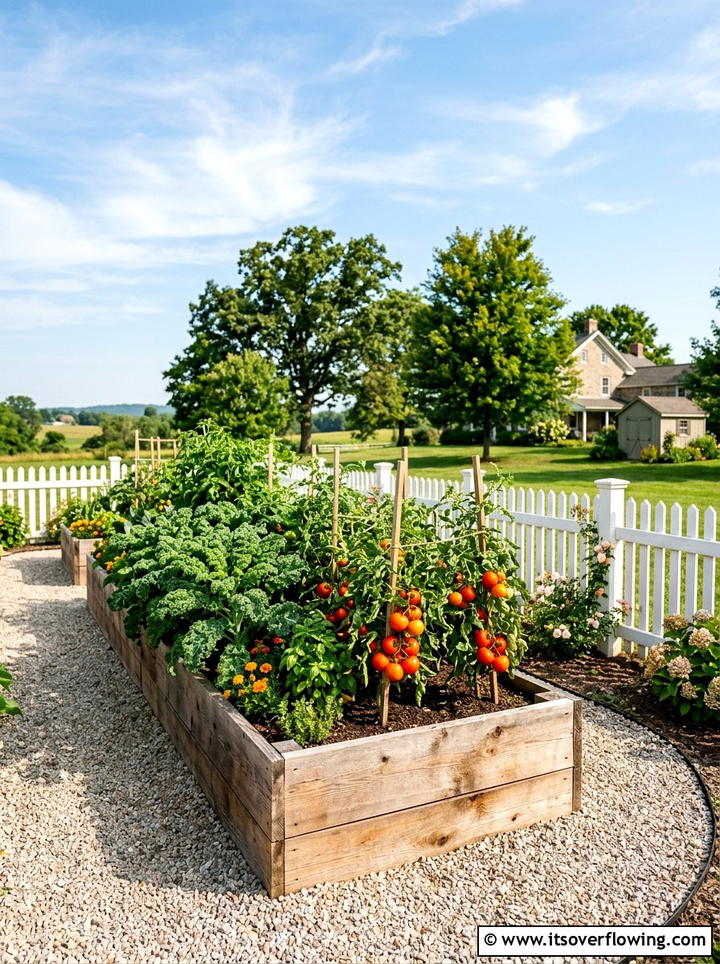
Cedar is often considered the gold standard for constructing garden beds because it naturally resists rot and insect damage without the need for harmful chemicals. When you build a vegetable garden using this beautiful wood, you create a safe environment for your edible crops to thrive for many years. The warm tones of the cedar provide a stunning contrast against the vibrant greens of kale, lettuce, and tomato plants. These beds are usually built at a height that makes tending to your vegetables much more comfortable. Over time, the wood will weather to a graceful silver-gray patina that looks perfectly at home in any traditional or contemporary landscape setting.
2. Metal raised bed garden
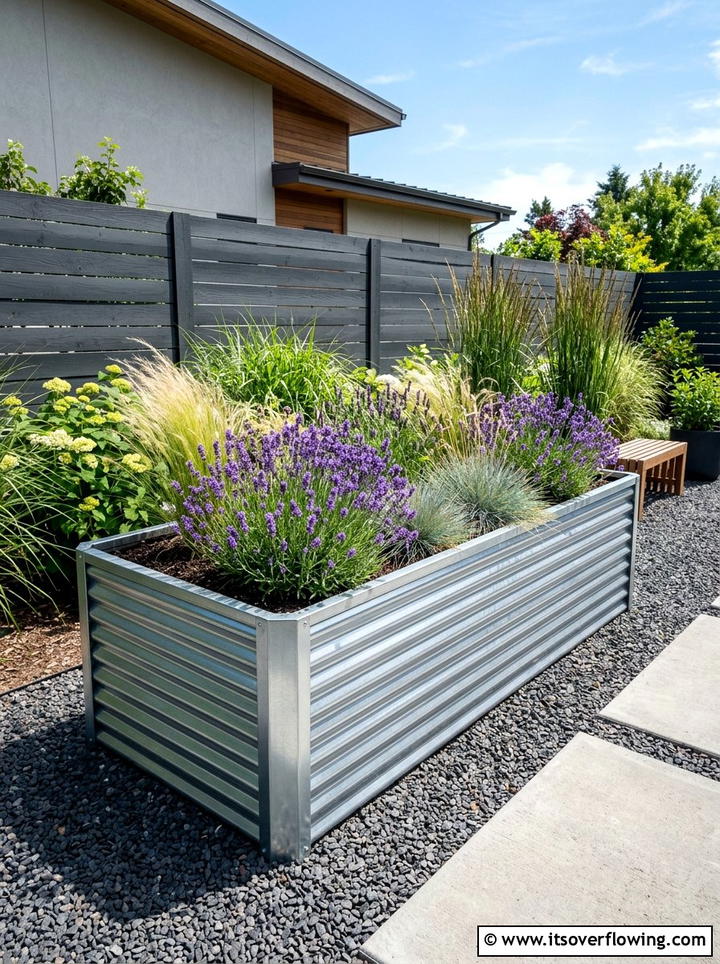
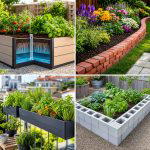
Metal beds are gaining massive popularity on social media due to their sleek lines and incredible durability in various weather conditions. Often made from galvanized steel or Aluzinc, these structures offer a modern industrial aesthetic that fits perfectly in minimalist or urban backyard settings. Because the metal is relatively thin, these beds provide more growing space inside compared to thick wooden walls. They are also excellent for warming up the soil quickly in the spring, giving your seedlings a much-needed head start. You can find them in various colors, though classic silver remains a favorite for its ability to reflect light and keep the root systems cool.
3. Tiered garden beds
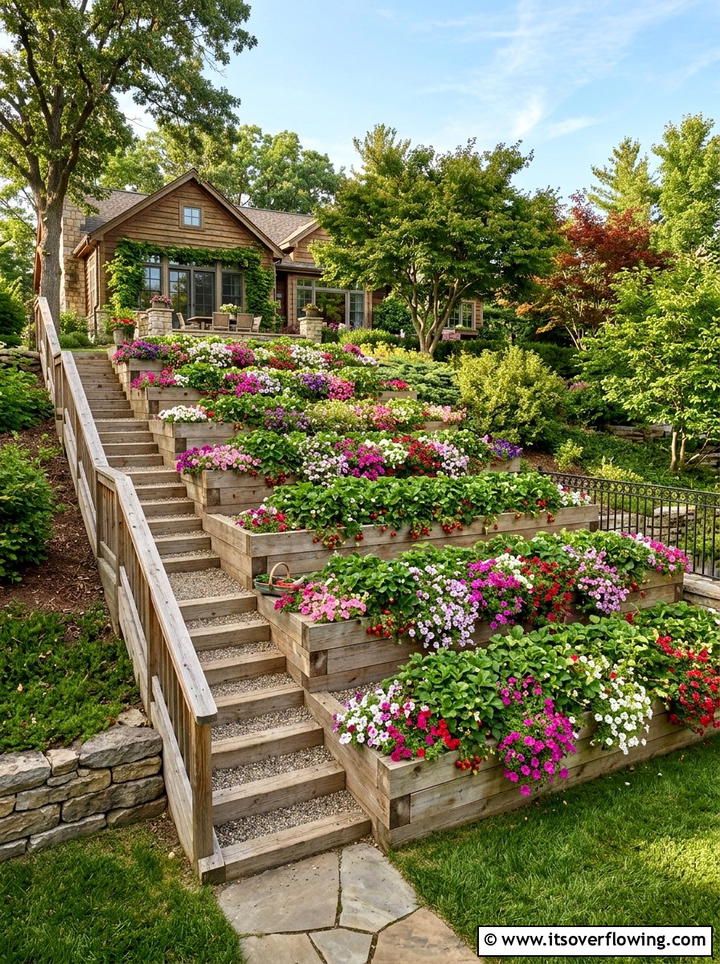
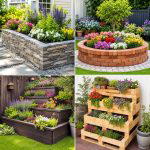
If you are dealing with a sloped yard or simply want to add some vertical drama to your landscape, tiered beds are an exceptional choice. By stacking levels of growing space, you create a staircase effect that allows you to showcase different plant varieties at various heights. This arrangement is particularly effective for trailing plants like strawberries or sweet alyssum that can spill over the edges beautifully. The multi-level structure also makes it much easier to organize your garden by water needs or sunlight requirements. From a design perspective, tiered beds act as a stunning focal point that draws the eye upward and makes a small garden feel much larger.
4. Small backyard raised bed
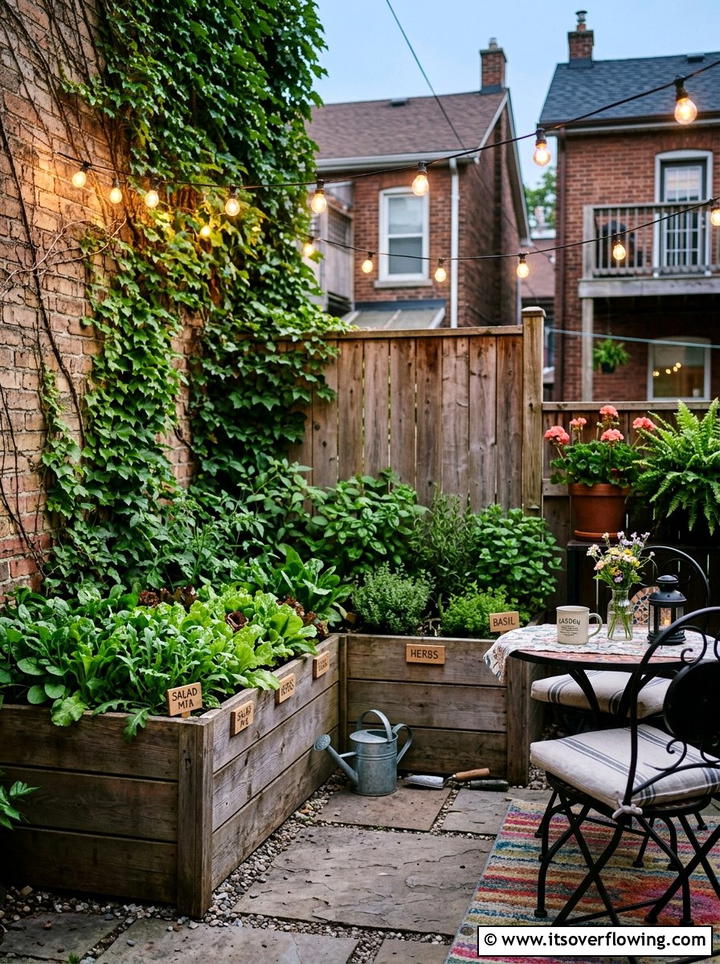
Space constraints should never stop you from enjoying the pleasures of gardening in your own private outdoor sanctuary. For those with limited square footage, a single well-placed raised bed can serve as a highly productive micro-farm or a decorative floral centerpiece. These compact structures are often designed to fit perfectly into corners or along narrow walkways to maximize every inch of available ground. Using high-quality potting mix in a confined space ensures that your plants receive optimal nutrients without competing with aggressive lawn grass or tree roots. It is a manageable way to start your gardening journey without feeling overwhelmed by a massive plot of land.
5. Herb garden raised bed
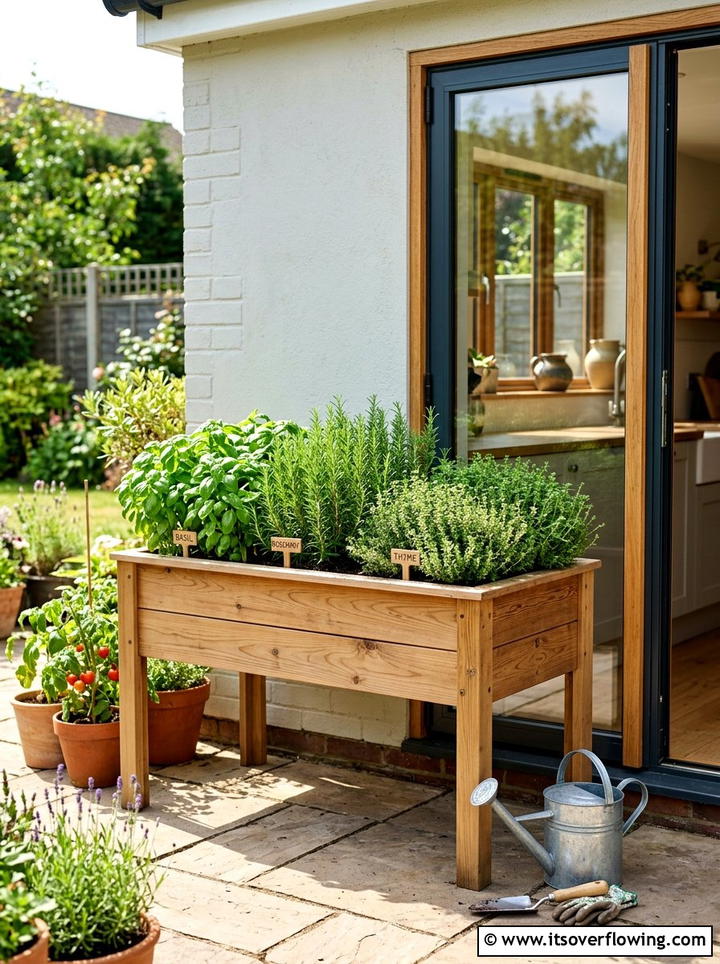
There is nothing quite like stepping outside to harvest fresh basil, rosemary, or mint for your evening meal. A dedicated herb bed is best positioned near the kitchen door to ensure easy access while you are busy cooking. These beds are typically smaller and shallower than vegetable beds since most herbs do not require deep root systems to thrive. You can even section off the bed to keep invasive plants like mint from taking over the entire space. The sensory experience of a concentrated herb garden is unmatched, as the fragrance fills the air every time you brush against the leaves during your daily garden walks.
6. Modern concrete garden bed
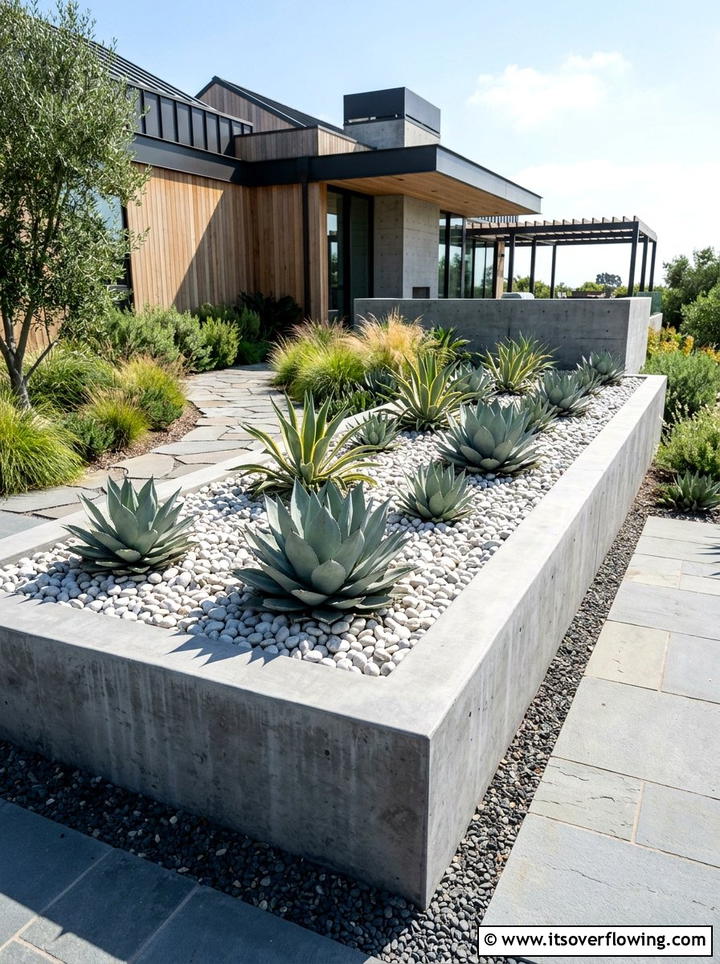
Concrete beds offer a permanent and ultra-modern look that is perfect for homeowners who love clean lines and architectural simplicity. These structures are incredibly heavy and stable, meaning they will never shift or rot regardless of how much moisture they encounter. You can opt for smooth poured concrete for a high-end gallery look or use textured blocks for a more rugged feel. Concrete also has excellent thermal mass properties, helping to regulate soil temperatures during extreme weather shifts. When paired with ornamental grasses or architectural plants like agaves, a concrete bed creates a sophisticated and low-maintenance landscape that looks stunning throughout every season of the year.
7. Cottage garden raised bed
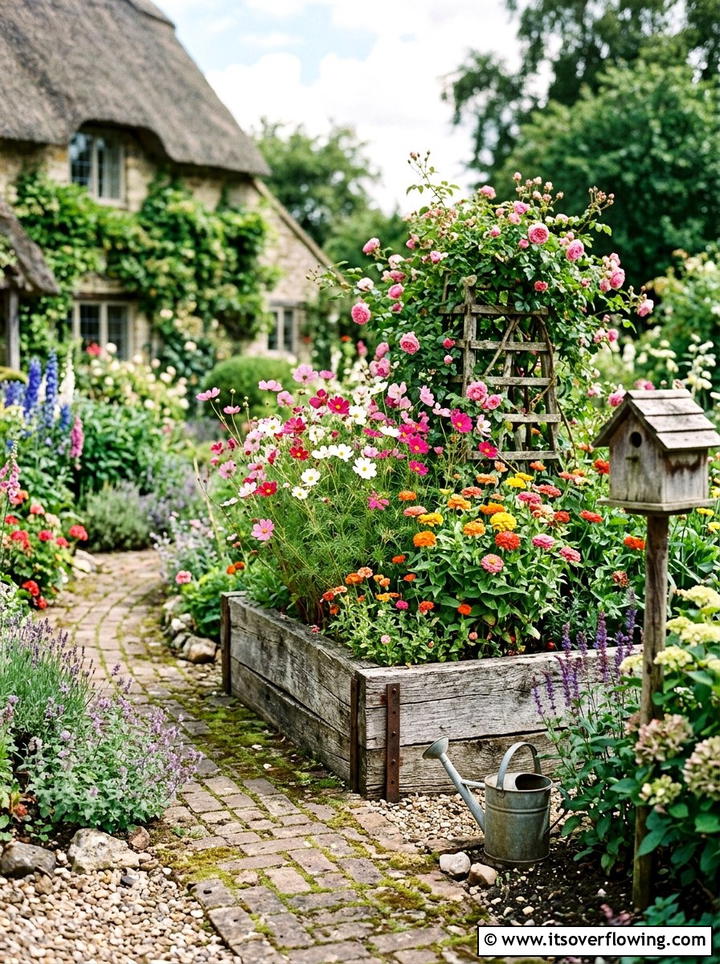
For a more romantic and whimsical atmosphere, consider using raised beds to anchor a classic cottage-style garden. Instead of strict rows, these beds are often filled with a dense and colorful mix of perennials, annuals, and flowering shrubs. Weathered wood or rustic stone walls help to ground the space and provide a sense of history and charm. The height of the beds allows delicate flowers to be closer to eye level, where you can fully appreciate their intricate details and sweet scents. This style encourages a bit of beautiful chaos, with vines climbing over the edges and blooms peeking out from every available corner of the soil.
8. Corrugated metal garden bed
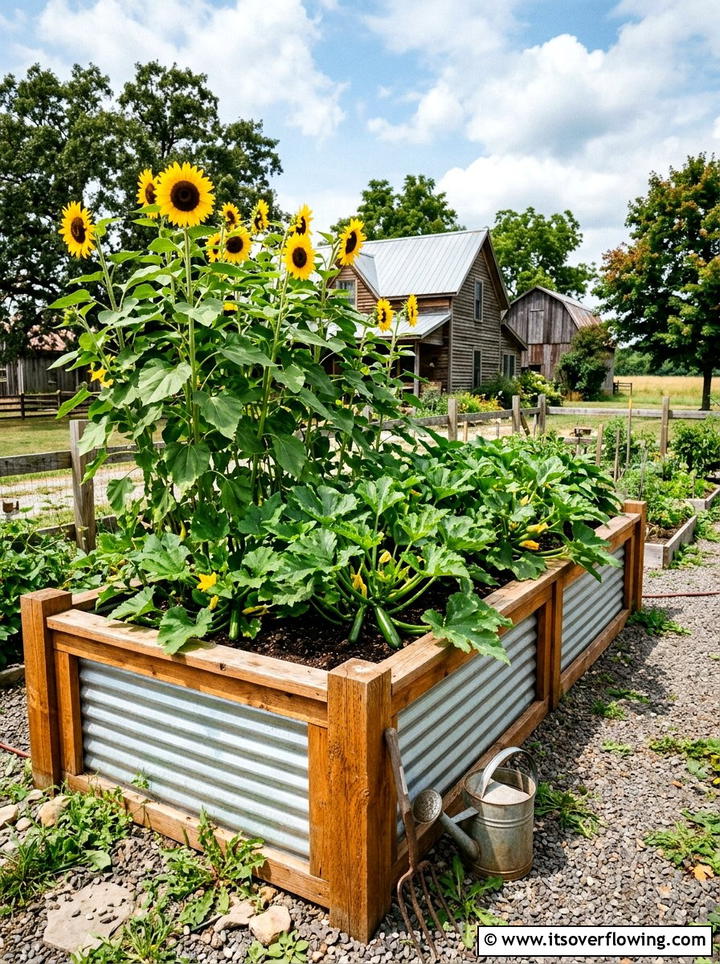
Corrugated metal is a fantastic budget-friendly material that adds a touch of farmhouse or industrial flair to your outdoor living area. The wavy texture of the metal panels creates visual interest and reflects light in a way that brightens up shaded corners of the yard. These beds are often framed with wooden corner posts to provide structural stability and a finished look. They are remarkably lightweight before being filled with soil, making them easy to assemble and position exactly where you want them. Because the metal is thin, it maximizes the interior volume, allowing you to grow a surprising amount of food in a relatively small footprint.
9. Stone raised garden bed
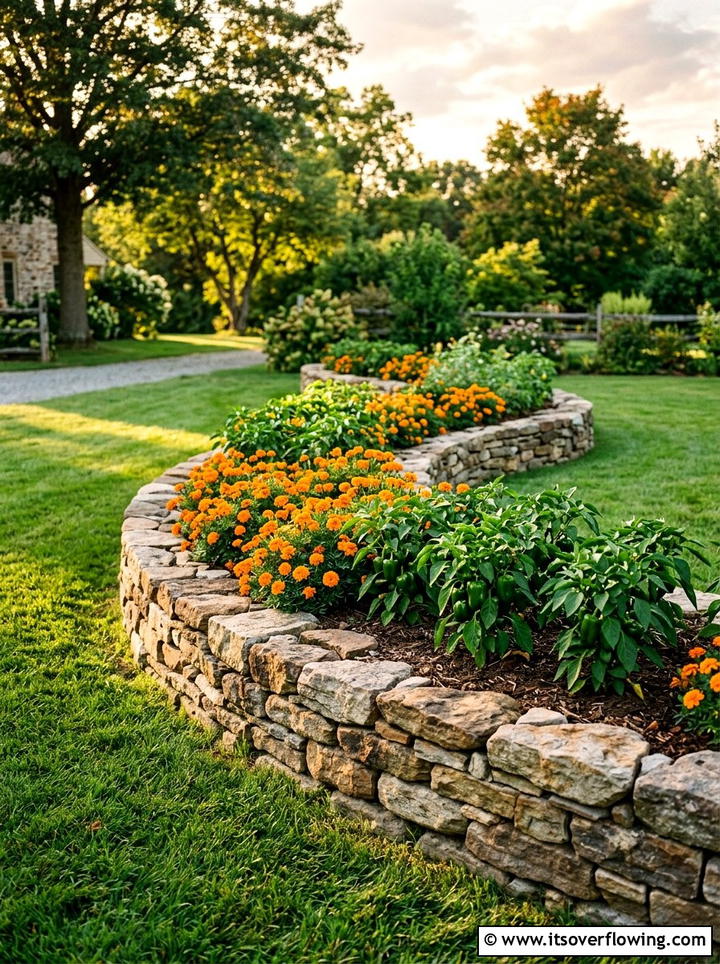
Using natural stone to build your raised beds creates a timeless and organic look that feels like a natural extension of the earth. You can use stacked fieldstone for a rustic, hand-built appearance or cut flagstone for a more formal and polished finish. Stone is one of the most durable materials available, lasting for decades without any maintenance or repair. These beds are excellent for retaining heat, which can be a significant advantage for growing Mediterranean herbs or heat-loving vegetables like peppers. The heavy texture of the stone provides a beautiful backdrop for soft, delicate foliage and bright, vibrant flowers in your yard.
10. L shaped raised bed
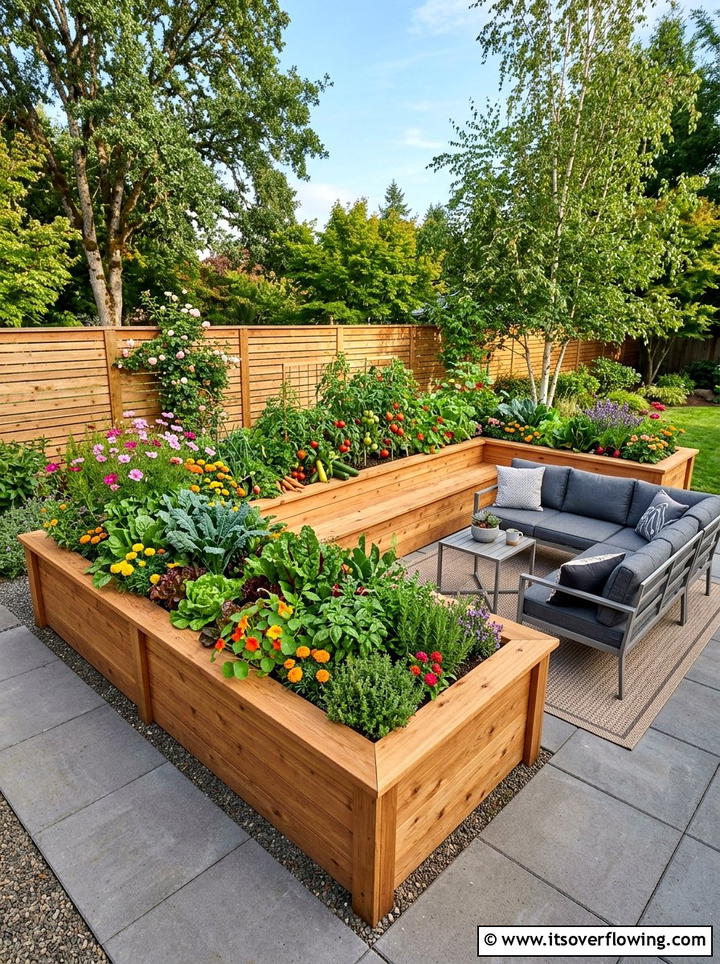
An L-shaped configuration is a brilliant way to define a corner or create a sense of enclosure around a patio or seating area. This layout provides a wrap-around feel that makes you feel immersed in your plants while you are working or relaxing nearby. From a functional standpoint, the L-shape offers easy access to the center of the bed from multiple sides without ever needing to step on the soil. You can use one wing of the L for tall climbing plants and the other for low-growing greens. This design is highly efficient and adds a professional, custom-built look to any backyard garden project you undertake.
11. U shaped raised bed
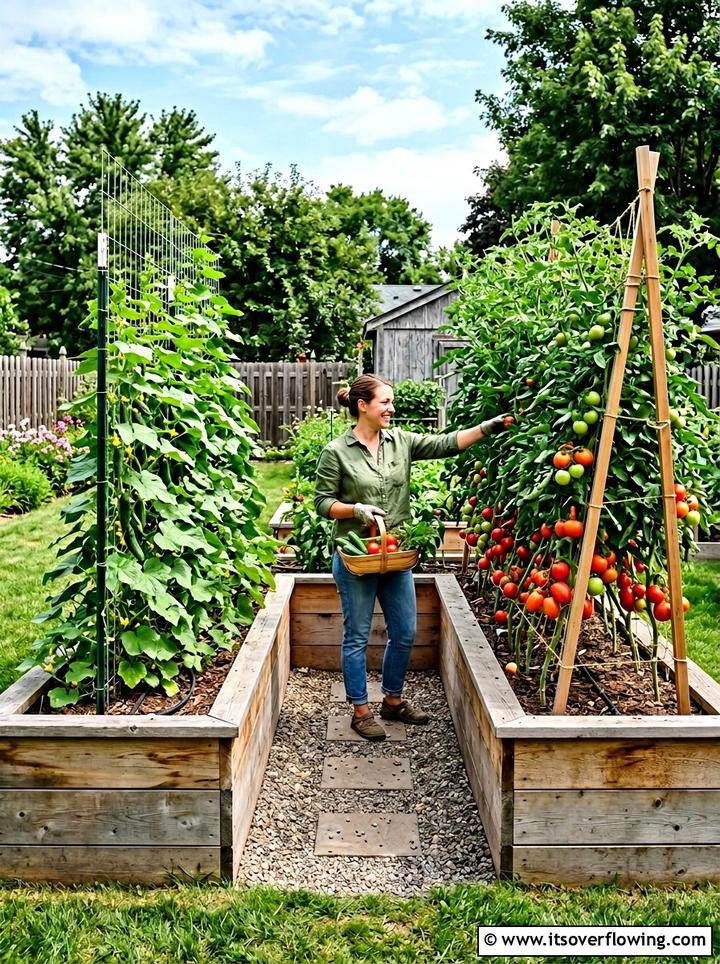
The U-shaped design is often considered the ultimate layout for serious gardeners who want to maximize their growing area while maintaining easy access. This configuration creates a small walk-in bay where you can stand and reach three sides of the garden bed with minimal effort. It is perfect for large-scale vegetable production because it eliminates wasted path space and keeps all your plants within arm’s reach. You can even add a small gate at the entrance of the U to keep pets or children out of the delicate growing zone. This layout feels like a dedicated outdoor room where you can focus entirely on your gardening tasks.
12. Raised bed with trellis
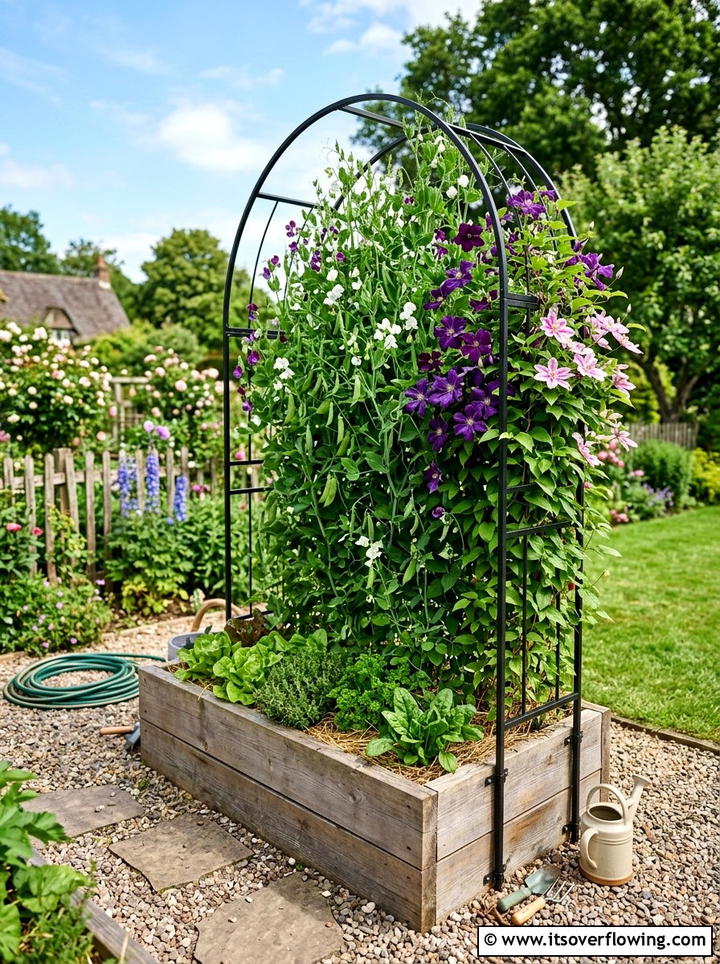
Integrating a trellis directly into your raised bed design opens up a world of possibilities for vertical gardening in small spaces. Climbing plants like cucumbers, pole beans, and flowering vines can grow upward, leaving the soil surface free for smaller crops like radishes or lettuce. This vertical growth improves air circulation around the plants, which significantly reduces the risk of fungal diseases and pests. A trellis also adds visual height to your garden, making it look more dynamic and professionally designed. You can choose from simple wooden lattices, elegant metal arches, or even rustic cattle panels to suit your personal style and garden theme.
13. Vertical garden raised bed
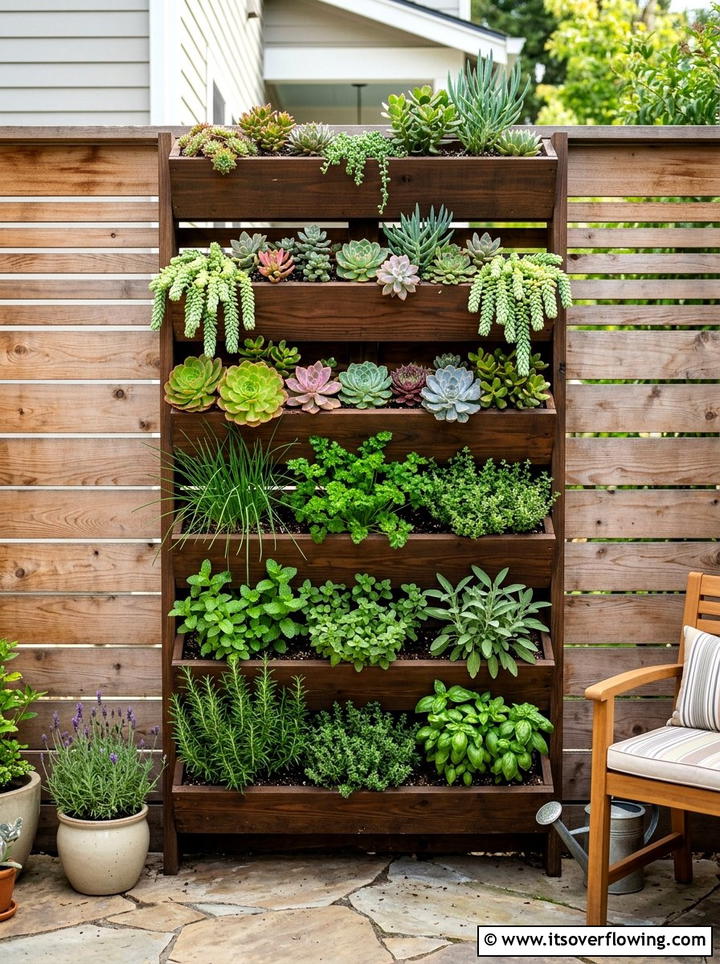
Vertical raised beds are the perfect solution for urban dwellers with nothing but a balcony or a small concrete patio to work with. These systems often involve multiple small planters stacked vertically on a frame, allowing you to grow a huge variety of plants in a very narrow footprint. This setup is ideal for strawberries, salad greens, and various herbs that do not require deep soil to flourish. Watering is often made easier with integrated drip systems that trickle down from the top layer to the bottom. It turns a plain wall or fence into a living, breathing tapestry of green that provides both food and aesthetic beauty.
14. Flowers in raised beds
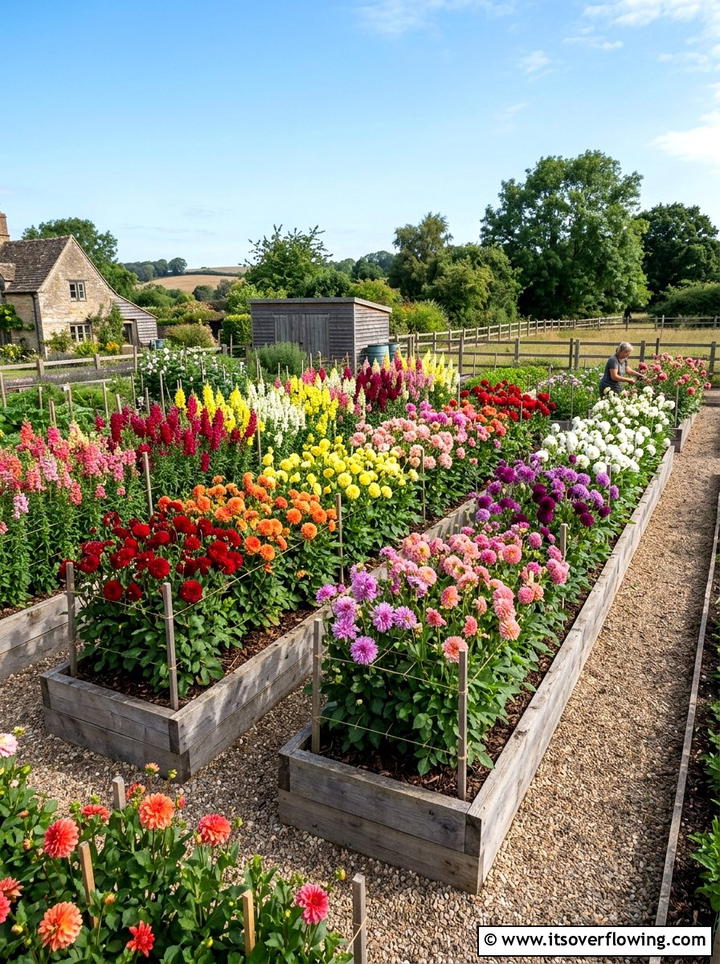
While many people associate raised beds with vegetables, they are also an incredible way to display high-impact floral arrangements. Creating a dedicated cutting garden in a raised bed ensures that your flowers have the perfect soil conditions for producing long, sturdy stems and vibrant petals. You can organize your flowers by color or bloom time to ensure that your garden looks spectacular from spring through late autumn. The elevated height also protects your precious blooms from being trampled by pets or accidentally cut by a lawnmower. It is a wonderful way to bring a touch of professional floral design directly into your own backyard landscape.
15. Raised bed with bench
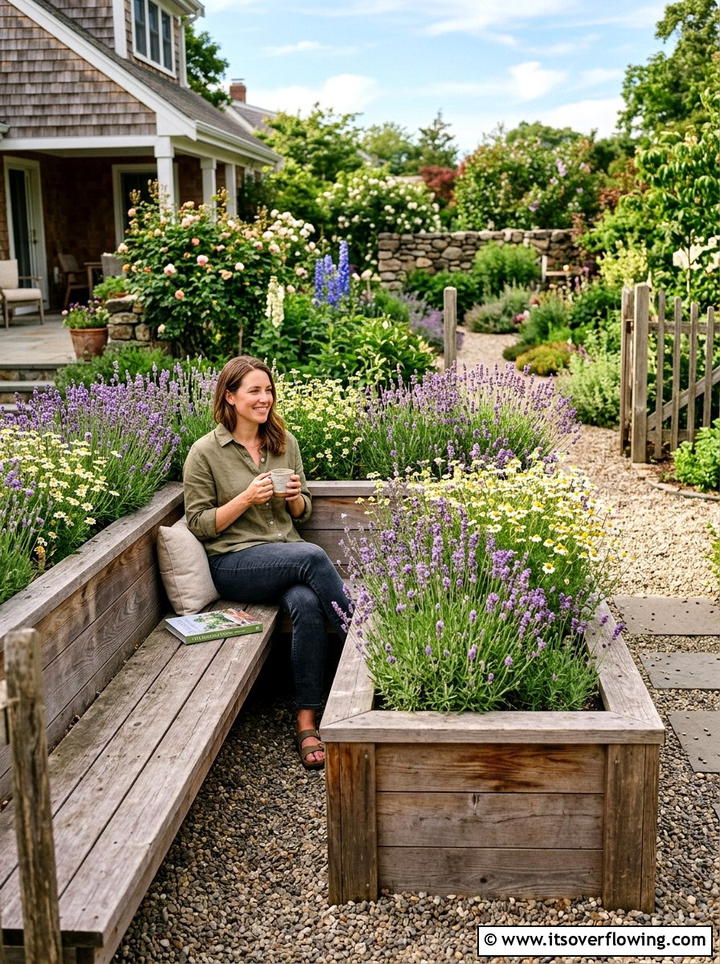
Combining a raised bed with integrated seating creates a functional and inviting spot to rest and enjoy the fruits of your labor. These designs typically feature a wide wooden cap or a built-in bench along one or more sides of the planter. This setup allows you to sit comfortably while weeding, harvesting, or simply chatting with friends in the garden. It is a fantastic way to turn a utilitarian garden feature into a social hub for your outdoor living space. The proximity to the plants provides a wonderful sensory experience, allowing you to smell the flowers and hear the buzz of pollinators while you relax.
16. Self watering raised bed
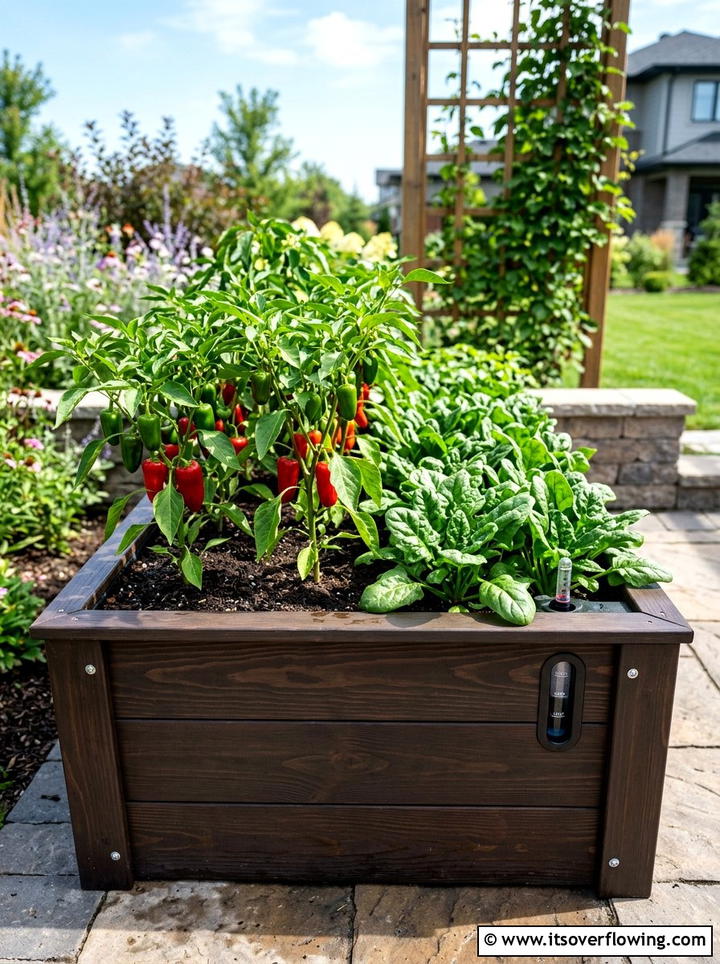
For busy homeowners or those living in hot climates, a self-watering raised bed is a complete game-changer for garden success. These systems feature a built-in reservoir at the bottom that holds water and wicks it up into the soil as the plants need it. This ensures that the root systems stay consistently moist without the cycle of soaking and drying that can stress delicate plants. It also significantly reduces the amount of time you spend standing outside with a hose during the heat of the summer. Many modern self-watering kits are designed to be hidden within beautiful wooden or metal frames, combining high-tech function with classic garden style.
17. Greenhouse raised bed
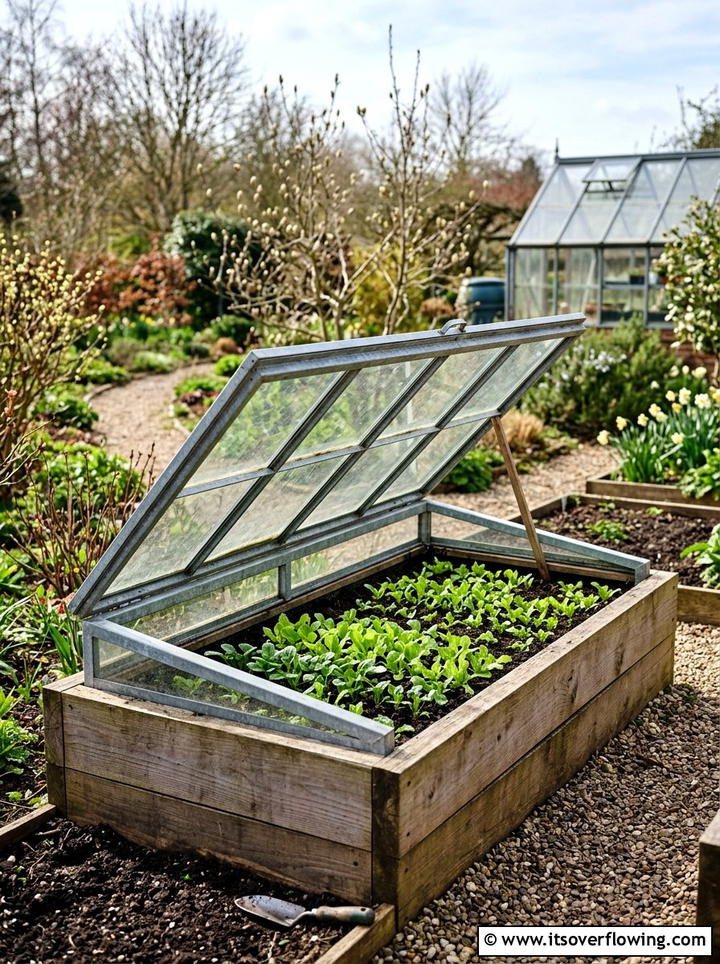
Adding a greenhouse cover or cold frame to your raised bed allows you to start your gardening season weeks earlier and end it much later. These structures trap heat and protect tender seedlings from harsh winds and late-season frosts. You can find many modular systems that are designed to fit perfectly on top of standard-sized raised beds for a seamless look. This is especially useful for growing heat-loving crops like peppers and eggplants in cooler climates where the summer season is relatively short. It provides a controlled environment that gives you a much higher success rate with delicate plants and helps you achieve a bigger harvest.
18. Raised bed with fence
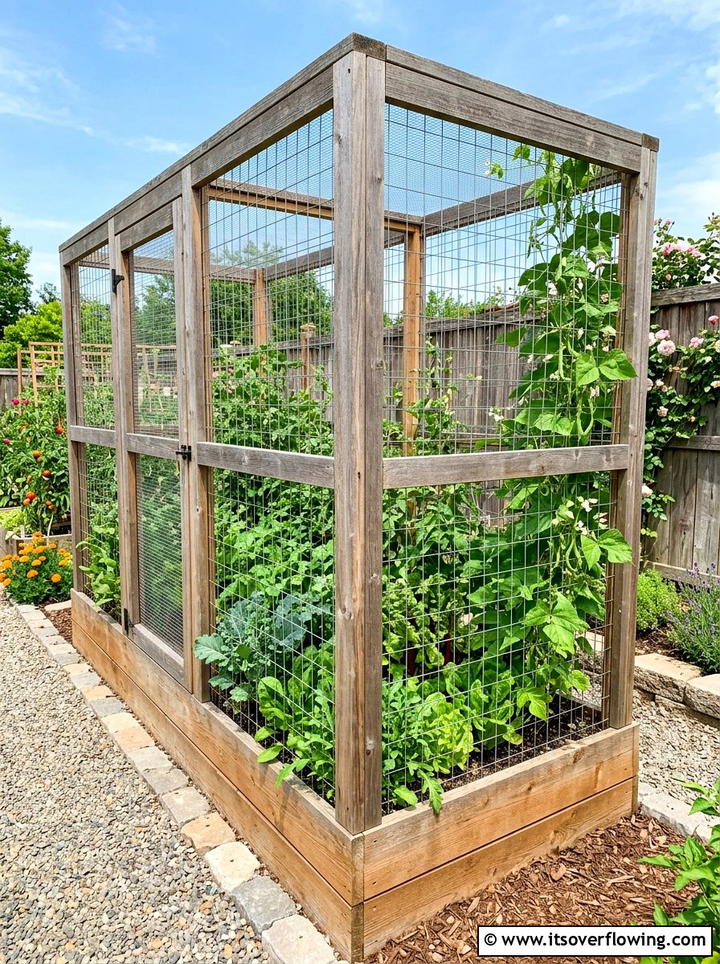
If you live in an area with a lot of local wildlife, a raised bed with an integrated fence is essential for protecting your hard-earned crops. These designs often feature a tall wire mesh or decorative wooden lattice that keeps deer, rabbits, and other critters from munching on your greens. Some models even include a hinged top or a small door for easy access when it is time for you to work. By building the fence directly onto the bed, you create a cohesive and tidy look that doesn’t clutter up the rest of your yard. It offers total peace of mind for every frustrated gardener.
19. Multi level raised bed
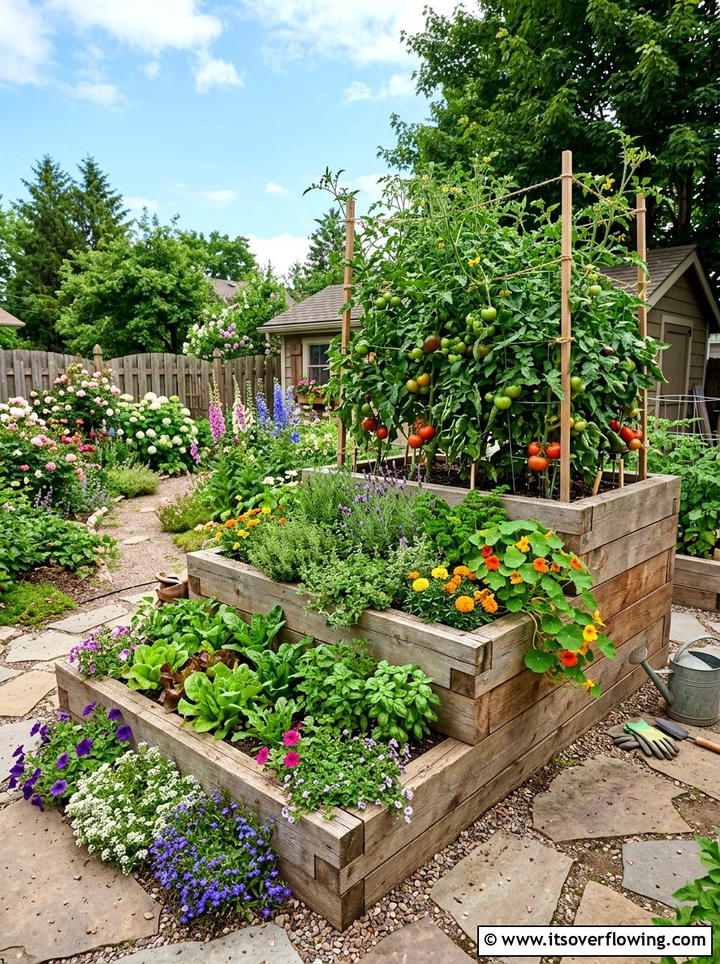
Multi-level beds are fantastic for creating a sense of depth and architectural interest in a flat backyard or a large patio. By varying the heights of different sections, you can accommodate plants with different root depths, such as deep-rooted tomatoes next to shallow-rooted herbs. This design also allows you to create beautiful cascading effects with trailing plants that spill from the higher levels down to the lower ones. It makes the garden feel more like a sculptural installation than a simple planting area. You can use different materials for each level or keep them consistent for a clean and unified aesthetic throughout the space.
20. Compact patio raised bed
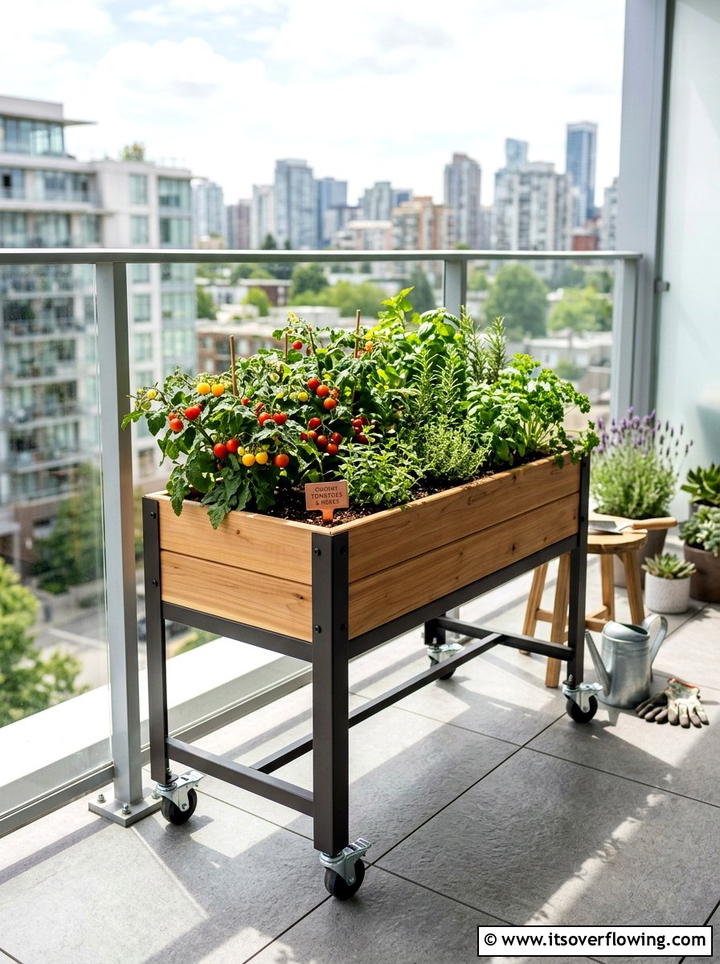
Even if you don’t have a patch of grass to call your own, a compact patio bed can bring the joy of gardening to your doorstep. These beds are often designed with a bottom floor and sturdy legs to keep them off the ground, making them perfect for balconies, decks, or paved areas. Many models come with wheels, allowing you to move your garden around to follow the sun or clear space for an outdoor party. They are generally at waist height, which is excellent for gardeners who want to avoid any bending or kneeling while they work. It is the ultimate solution for convenient urban gardening.
21. Low maintenance raised bed
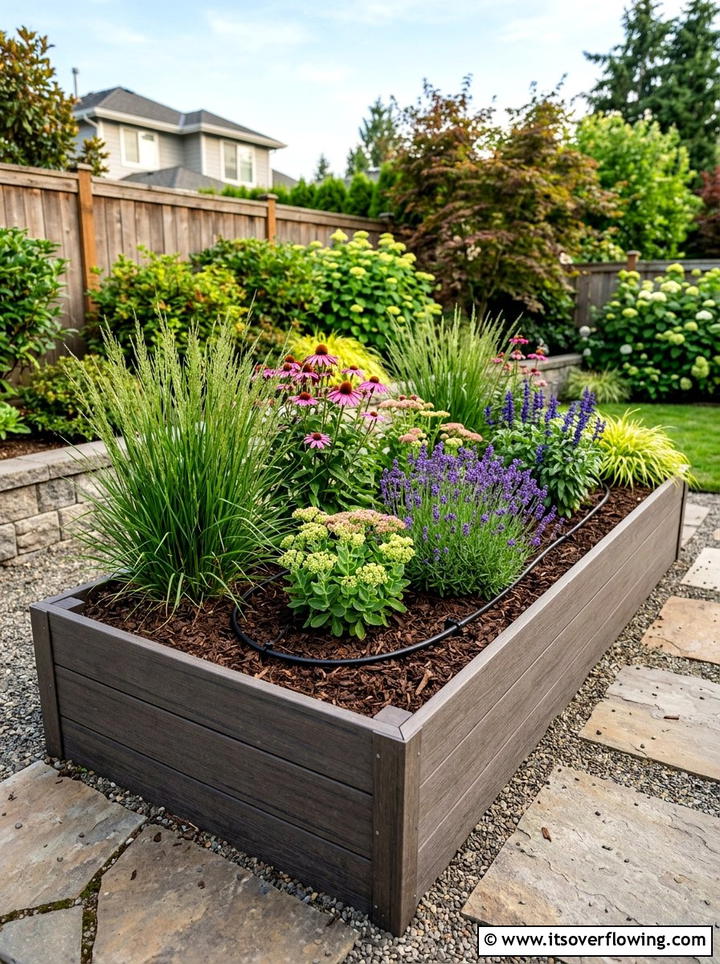
A low-maintenance raised bed is designed for the gardener who wants all the beauty of a garden with as little work as possible. These beds often use long-lasting materials like composite wood or thick metal that never needs staining or painting. To reduce weeding, the beds are filled with a high-quality, weed-free soil mix and topped with a thick layer of organic mulch. You can also install a simple drip irrigation system on a timer so that the garden waters itself automatically every single day. By choosing hardy, perennial plants, you can create a garden that looks lush and full with only a few minutes of effort each week.
22. Tall raised garden bed
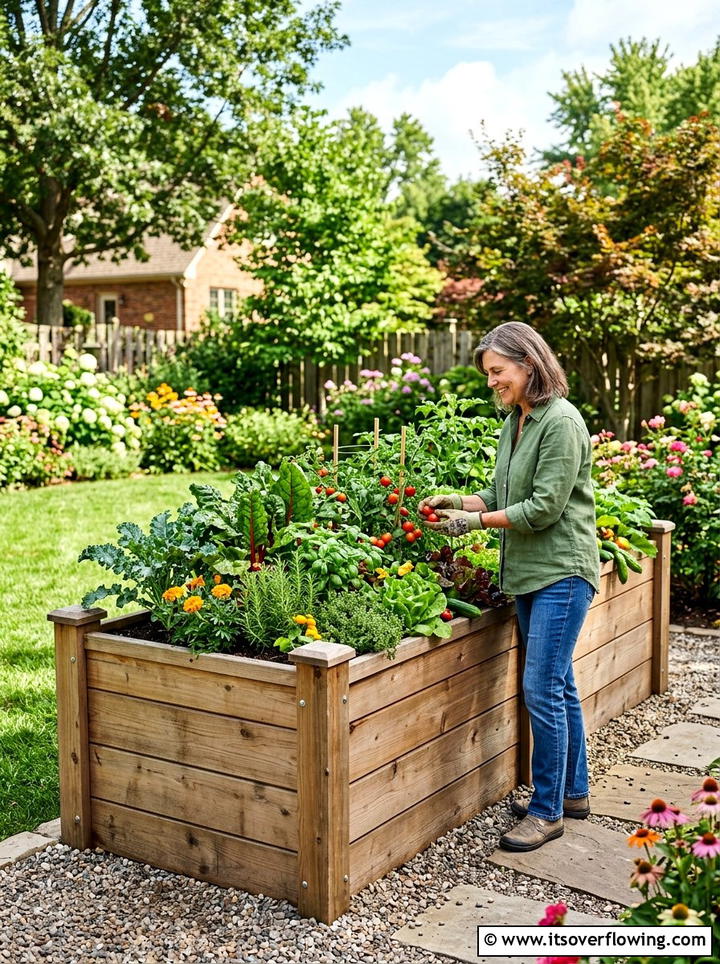
Tall beds, often standing thirty inches or higher, are the ultimate choice for accessibility and ergonomic comfort while you are gardening. They allow you to stand upright while you plant, weed, and harvest, which is a massive relief for anyone with back or knee issues. These beds also act as a physical barrier that keeps most common garden pests, like slugs and rabbits, away from your precious plants. Because they hold a large volume of soil, they provide a very stable environment for plant roots to grow deep and strong. They also make a bold visual statement, acting as a structural wall or a divider in your yard.
23. Straw bale garden bed
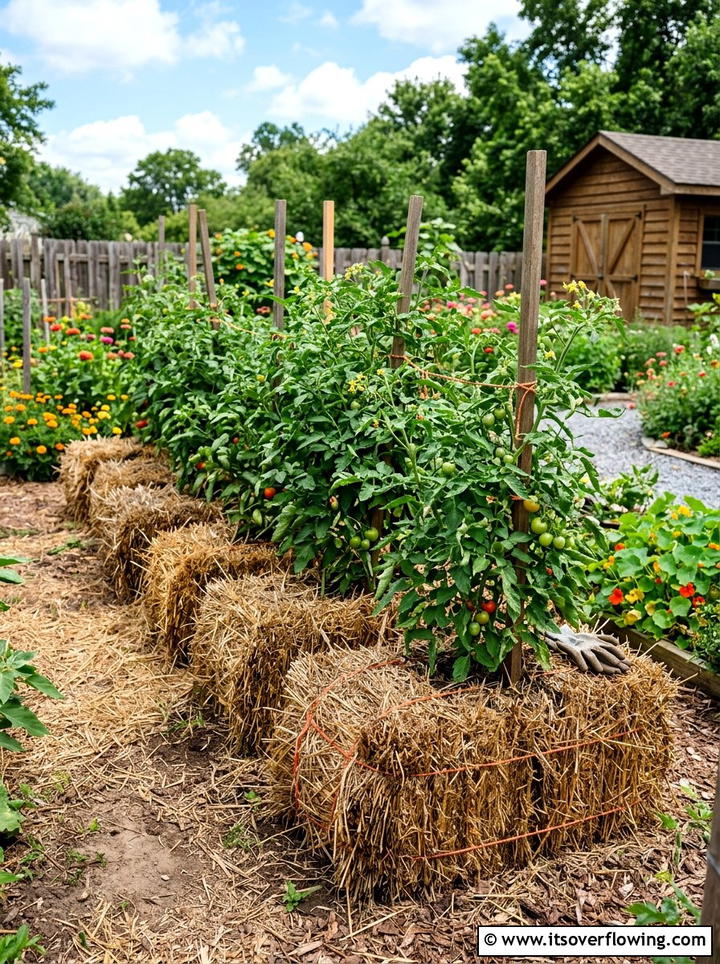
Straw bale gardening is a unique and temporary way to create raised beds that are incredibly nutrient-rich and cost-effective for any budget. Instead of a permanent structure, you use conditioned straw bales as the growing medium for your plants. As the straw decomposes over the course of the season, it releases heat and nutrients that help your vegetables grow at an accelerated rate. This is an excellent option for people who are renting or those who want to test out a garden location before committing to a permanent build. At the end of the year, the leftover straw makes fantastic compost for the rest of your garden.
24. Recycled wood garden bed
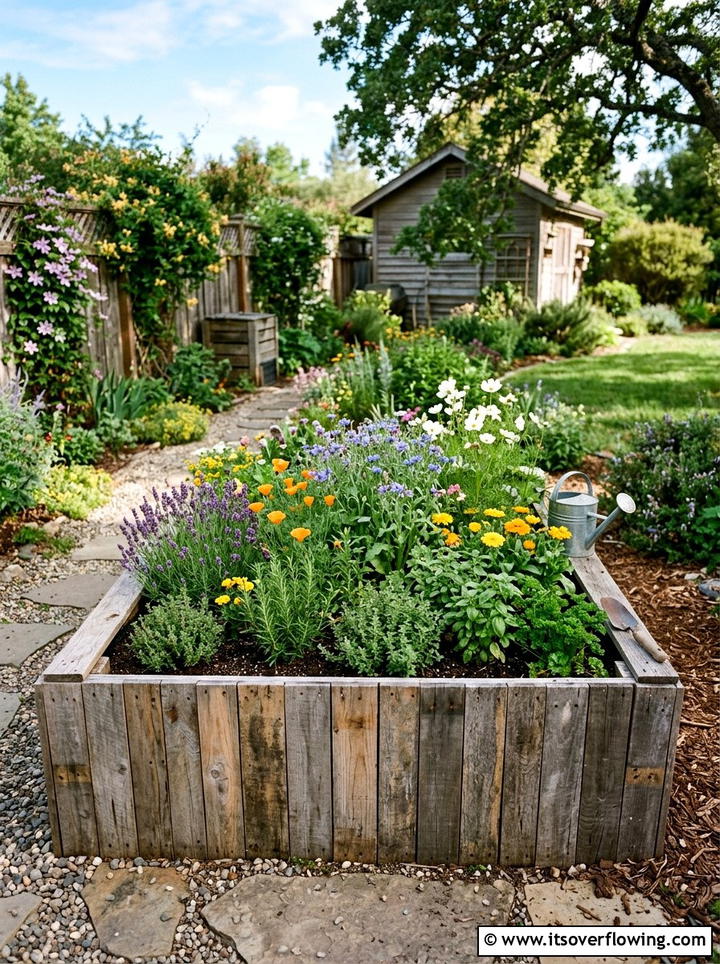
Using recycled wood to build your garden beds is an eco-friendly choice that adds a wonderful sense of character and history to your yard. Reclaimed barn wood, old pallets, or even discarded cedar fencing can be transformed into beautiful and functional planters with just a little bit of work. This approach is not only better for the environment but also significantly cheaper than buying brand-new lumber from a store. The weathered textures and varied colors of the wood create a rustic, farmhouse aesthetic that feels very grounded and authentic. It is a great way to showcase your DIY skills while creating a productive and sustainable outdoor space.
25. Circular raised garden bed
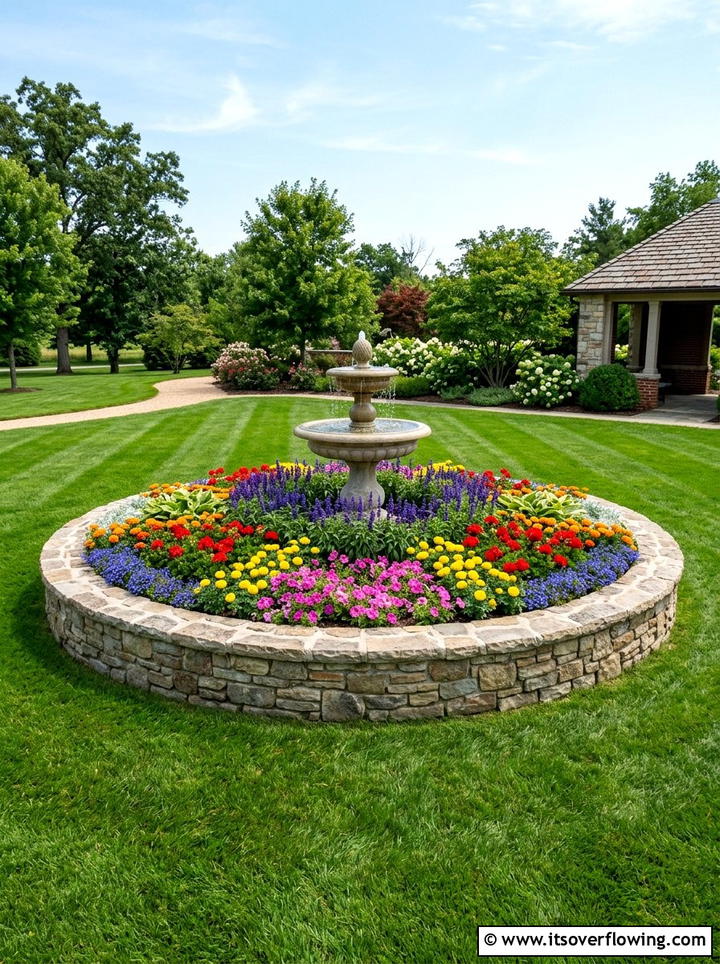
Circular beds break away from the traditional rectangular grid and add a sense of softness and flow to your overall landscape design. They can serve as a stunning central focal point in a backyard or be used to fill an awkward corner with a graceful curve. You can build these using flexible metal edging, curved masonry blocks, or even woven willow branches for a very natural look. A circular bed allows for equal access from all sides and makes it easy to create a beautiful, radial planting pattern. It is an artistic approach to gardening that feels very high-end and custom-made for your specific outdoor environment.
Conclusion:
Investing time and effort into a thoughtful garden design with raised beds will yield rewards for many years to come, both in beauty and harvest. From the rustic charm of weathered cedar to the modern sophistication of concrete and metal, there is a raised bed style to suit every home and personality. These structures not only solve practical gardening challenges but also elevate the overall aesthetic of your property, making it a more enjoyable place to spend your time. By carefully selecting the right materials and layouts for your specific space, you can create a thriving ecosystem that provides fresh food, beautiful flowers, and a peaceful retreat. Start your gardening journey today and watch as your outdoor vision comes to life with the perfect raised bed arrangement.

Related posts:
 25 small garden ideas with raised beds for Productive Spaces
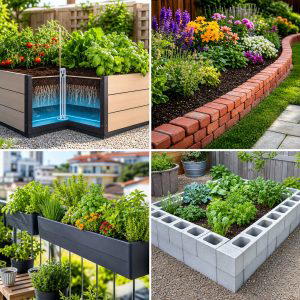 25 Garden Ideas With Raised Beds for Better Growing
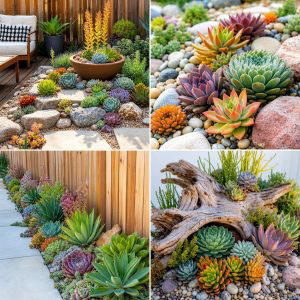 25 Garden Design Ideas With Succulent Beds for Low-Care Style
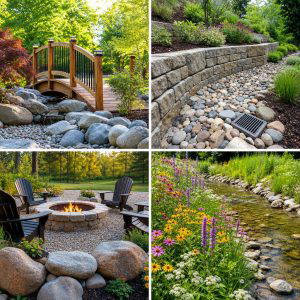 25 garden design ideas with dry creek beds: Natural Drainage
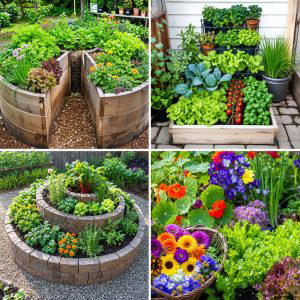 25 Creative Garden Ideas With Keyhole Garden Beds
 25 Creative Garden Ideas With Dry Creek Beds to Inspire
 25 Creative Garden Ideas With Geometric Beds
 25 Creative Garden Ideas With Pollinator Beds for More Blooms
 25 Creative Garden Ideas With Reclaimed Wood Beds to Try
 25 Creative Garden Ideas With Spiral Herb Beds to Try Now
 25 garden design ideas for small yards: Big Style, Tiny Spaces
 25 Garden Design Ideas With Native Grasses for Natural Style