
Native grasses bring a special kind of magic to any home landscape. They offer texture, movement, and a deep connection to the local environment that standard lawn turf simply cannot match. Incorporating these resilient plants into your garden helps support local pollinators while reducing the need for heavy watering or chemical fertilizers. Many homeowners are now turning to these hardy species to create sustainable outdoor spaces that look beautiful throughout all four seasons. Whether you want a soft border or a dramatic focal point, native grasses provide endless versatility. They dance in the breeze and change colors as the temperatures shift. This guide explores creative ways to use these stunning plants to transform your yard into a natural oasis.
1. Native Grass Border
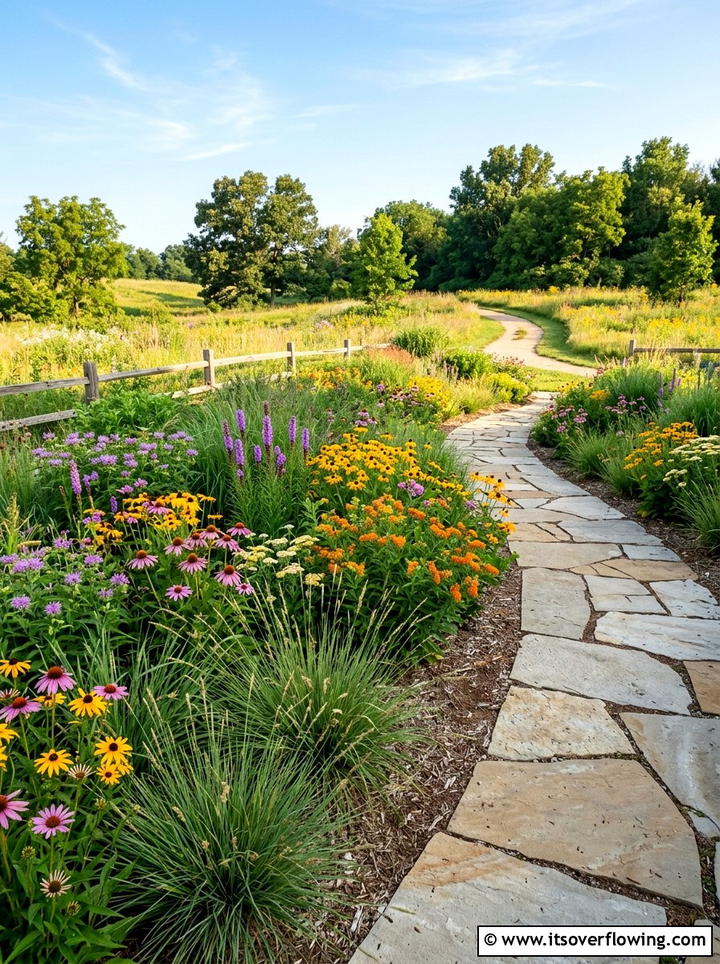
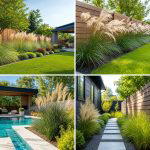
Creating a defined edge along your property or flower beds with native grasses offers a soft but structured look. These plants work perfectly to transition between manicured areas and wilder spaces. You can choose species that stay low to the ground to keep sightlines open across the yard. Taller varieties create a living wall that adds depth to your landscape design. The fine textures of the grass blades contrast beautifully against broader leafed perennials or shrubs. Maintenance is usually very simple because these plants are adapted to your local climate and soil conditions. They provide year-round visual interest even when they turn golden in the winter months.
2. Little Bluestem Privacy Screen
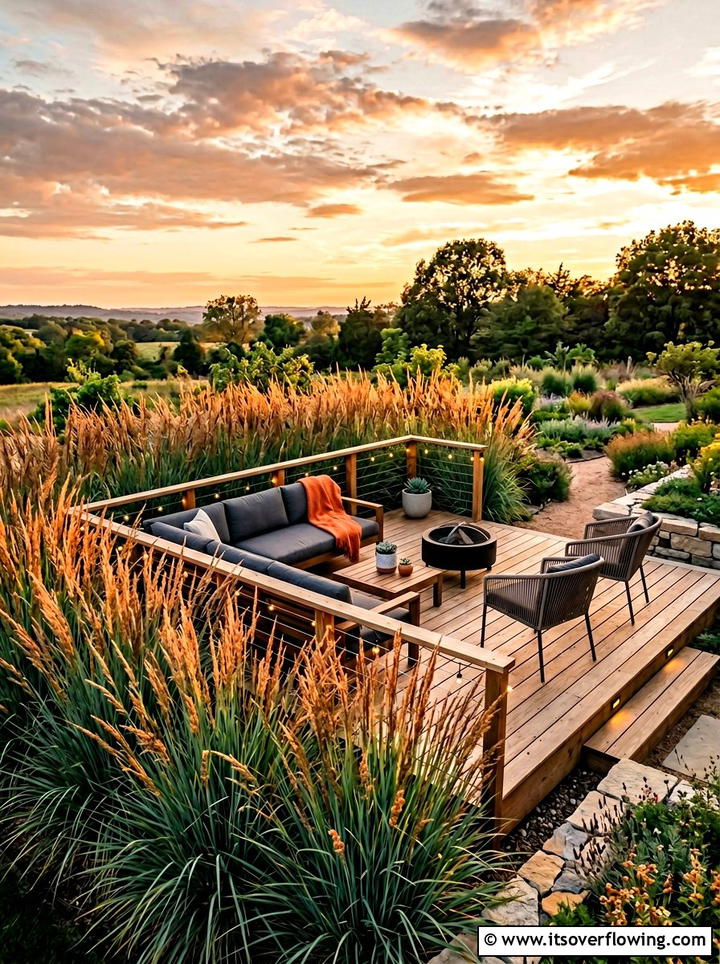
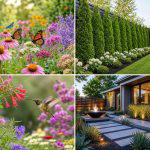
Little Bluestem is a fantastic choice for homeowners who want to add a bit of natural seclusion to their backyard. This grass grows in upright clumps that stand tall and sturdy throughout the summer and fall. It provides a dense screen that filters views without feeling like a heavy wooden fence. As the seasons change, the blue-green foliage transforms into stunning shades of mahogany and bronze. These warm colors glow beautifully during the sunset hours in late autumn. Since it reaches a height of about three feet, it creates a cozy sense of enclosure for patios or seating areas. It is incredibly drought-tolerant and easy to grow.
3. Prairie Dropseed Groundcover
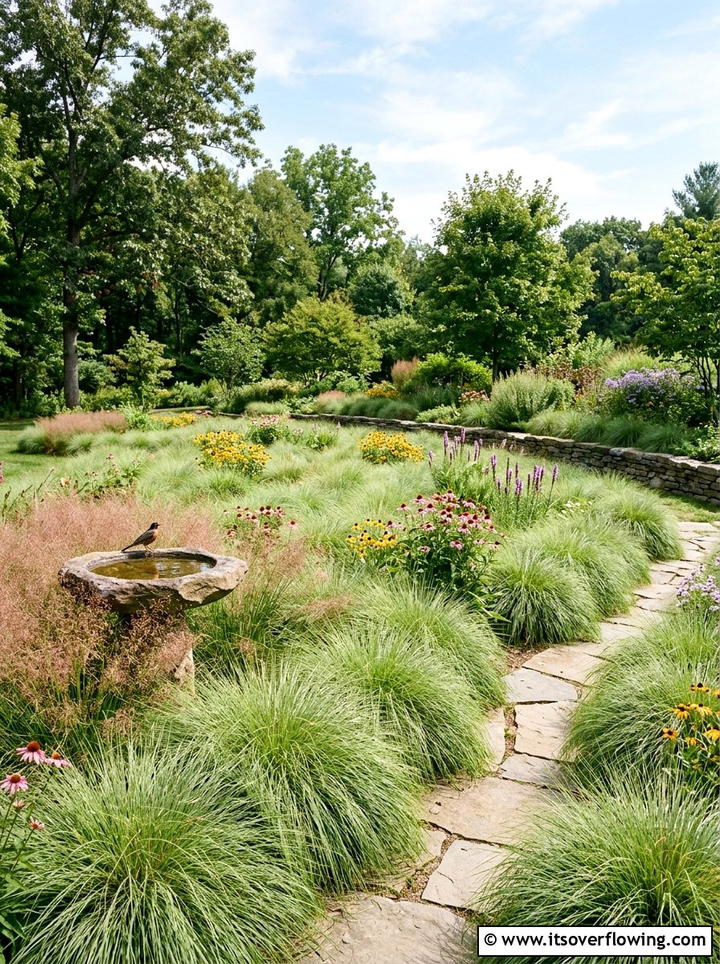
Prairie Dropseed is highly valued for its elegant, fountain-like shape and fine-textured foliage that looks like soft hair. When planted in large groups, it creates a lush green carpet that flows beautifully across the terrain. This grass is famous for its unique fragrance during the late summer months, which many describe as smelling like buttered popcorn. It stays in neat clumps, so it does not become invasive or messy in a structured garden layout. The bright green color lasts all summer long before turning a warm golden-orange in the fall. It is a slow-growing plant that provides long-term beauty with almost no extra effort.
4. Switchgrass Accent Planting
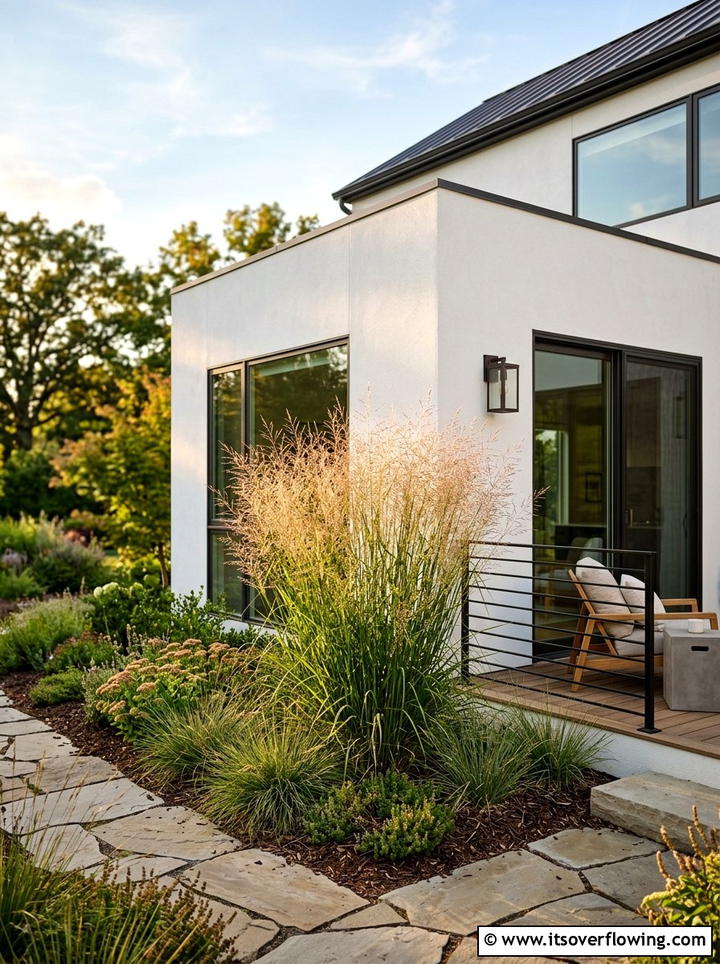
Switchgrass is a tall and hardy native species that makes a bold statement when used as an accent. It features airy flower panicles that look like a delicate mist floating above the sturdy green stems. This grass is excellent for adding vertical interest to the corners of your home or along a tall garden wall. Many modern varieties offer striking colors, ranging from deep blues to vibrant reds as the season progresses. Because it stands tall even under heavy snow, it provides critical visual structure during the winter. It attracts many birds that enjoy eating the seeds and finding shelter within its dense, upright foliage.
5. Native Sedge Lawn Alternative
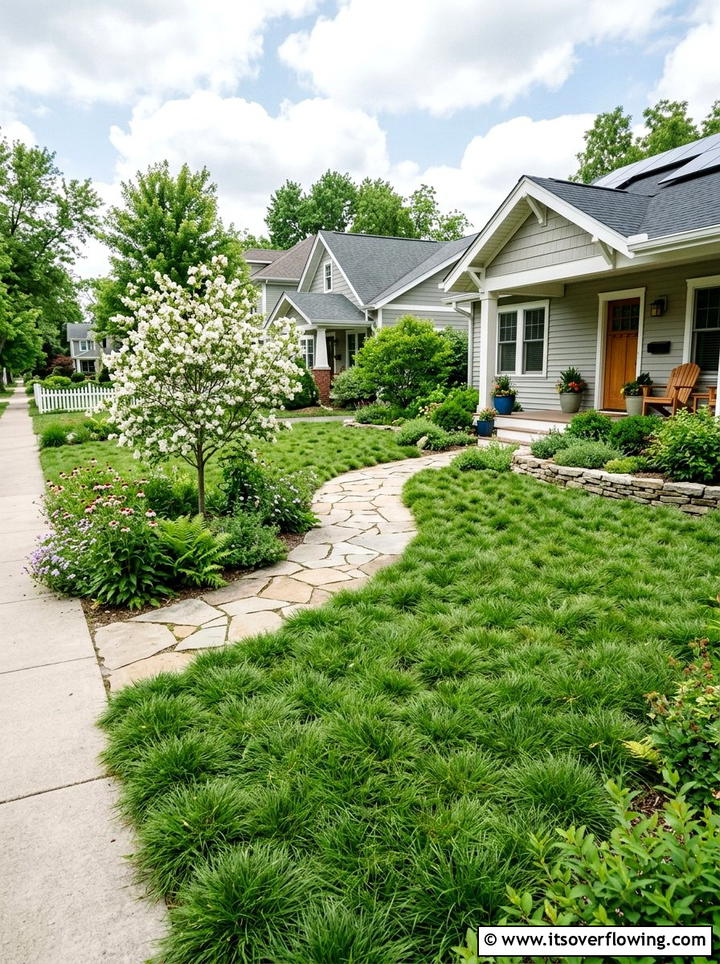
Replacing a traditional thirsty lawn with native sedges is a growing trend for eco-conscious homeowners. Sedges look very similar to grass but often require much less mowing and water to stay healthy. They thrive in various conditions, including shady spots where traditional turf grass usually struggles to grow. By choosing a species native to your region, you create a durable green space that supports local insects and soil health. Most sedges only need to be trimmed once or twice a year to maintain a neat appearance. This transition saves you time on weekend chores while creating a soft, touchable surface for your family.
6. Blue Grama Meadow
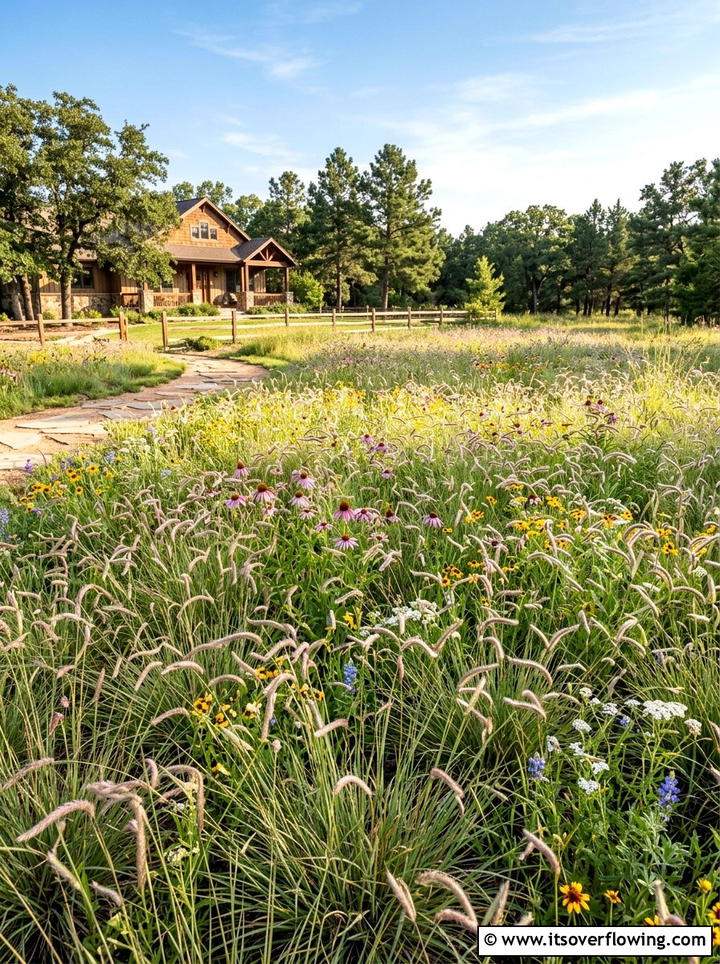
A meadow featuring Blue Grama grass offers a whimsical and charming look that reminds people of the wild prairies. This grass is easily identified by its unique seed heads that look like tiny eyelashes suspended in the air. It is a very short grass, making it ideal for creating a low-profile meadow that does not block views. This species is extremely tough and can handle heat and drought with remarkable ease. When planted en masse, it creates a soft texture that moves gently with every breeze. It is a perfect choice for large open spaces where you want a natural and effortless look.
7. Pink Muhly Grass Focal Point
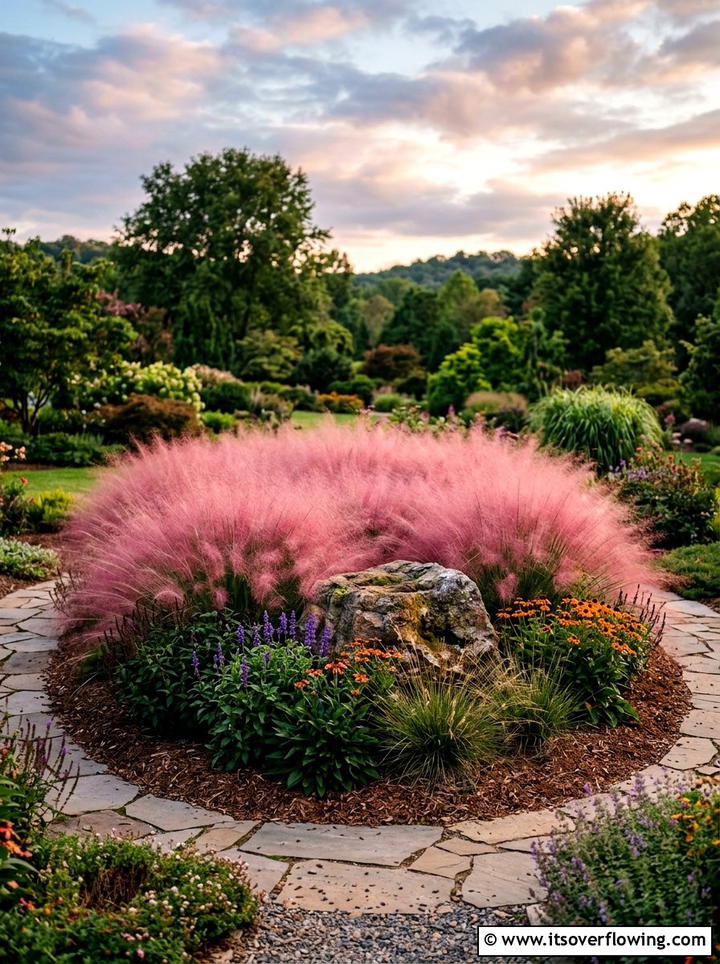
Pink Muhly grass is one of the most visually stunning plants you can add to a residential landscape. In the late summer and early fall, it produces clouds of vibrant pink or purple flowers that look like glowing mist. This dramatic display makes it a perfect focal point for the center of a garden bed or near an entrance. The grass itself grows in tidy, rounded clumps with thin, wiry green leaves that look great all year. It thrives in sunny spots and can tolerate poor soil conditions without any issues. Neighbors will definitely stop to admire the incredible pop of color it provides.
8. Side Yard Native Grass Path
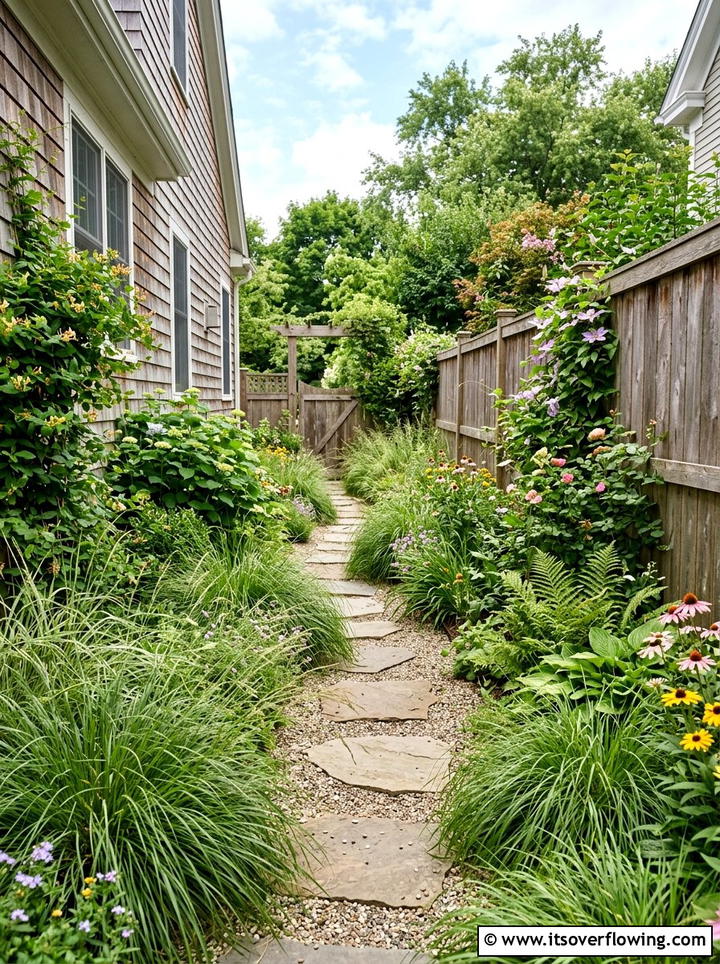
The narrow space along the side of a house is often difficult to landscape, but native grasses are the perfect solution. Planting soft, flowing grasses along a stone or gravel walkway creates a peaceful and inviting passage. The grasses soften the hard lines of the house and the fence, making the area feel much wider. Species like Tufted Hairgrass or Bottlebrush Grass work well in these often-shaded locations. Walking through the swaying blades provides a sensory experience as they brush against your legs. This approach turns a functional utility area into a beautiful part of your overall garden design and experience.
9. Modern Steel Planter With Grass
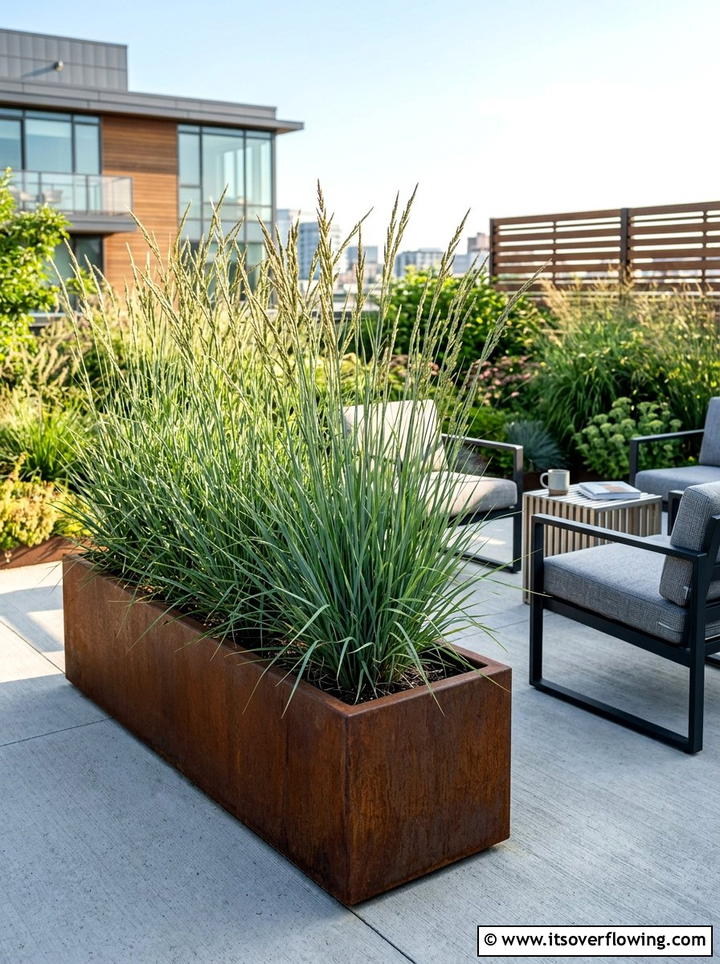
For a contemporary and sleek look, consider planting native grasses in large industrial steel containers. The architectural form of grasses like Big Bluestem or Indiangrass looks striking against the clean lines of metal planters. This setup is perfect for modern patios or urban rooftop gardens where ground space is limited. Native grasses are well-suited for containers because they have robust root systems that can handle temperature fluctuations. Using tall grasses in pots also provides a portable privacy screen that you can move around as needed. The contrast between the organic, moving grass and the solid, static steel creates a sophisticated and high-end aesthetic.
10. Native Grass Rock Garden
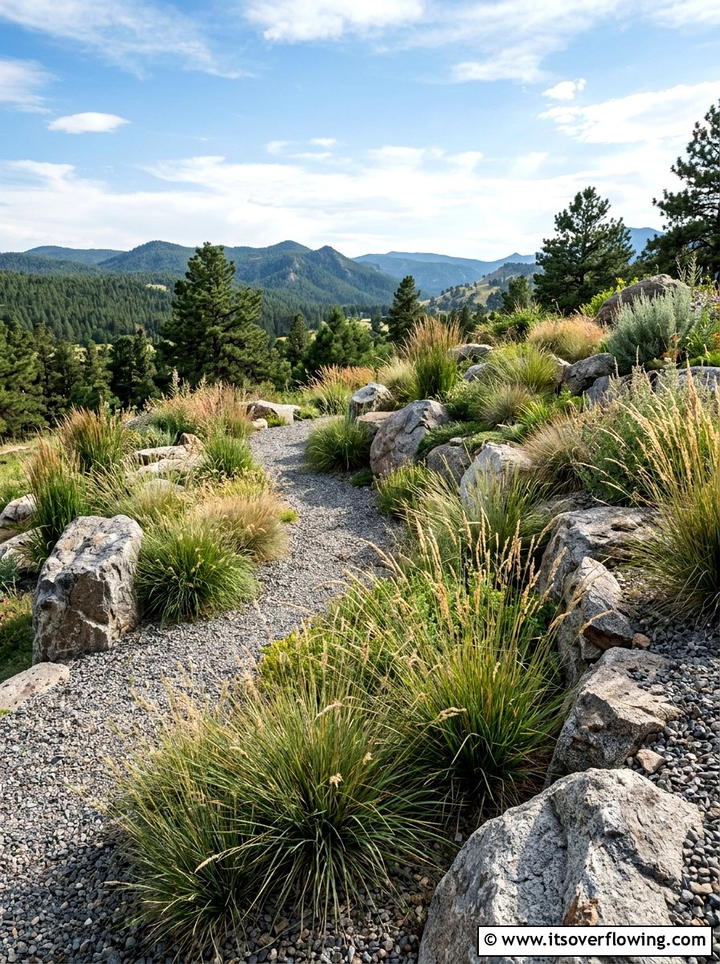
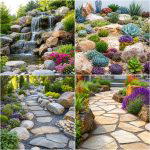
Combining native grasses with large boulders and gravel creates a rugged and naturalistic rock garden. Many shorter grass species, such as Little Bluestem or Junegrass, look right at home tucked between stones. The rocks help retain moisture in the soil while providing a beautiful backdrop for the fine textures of the grass. This type of garden is incredibly low-maintenance and works well on sunny slopes or near driveways. The different heights and colors of the grasses add a layer of complexity to the stony landscape. It mimics the beauty of high-altitude or desert environments, bringing a sense of wild adventure to your backyard.
11. Wildlife Friendly Grass Patch
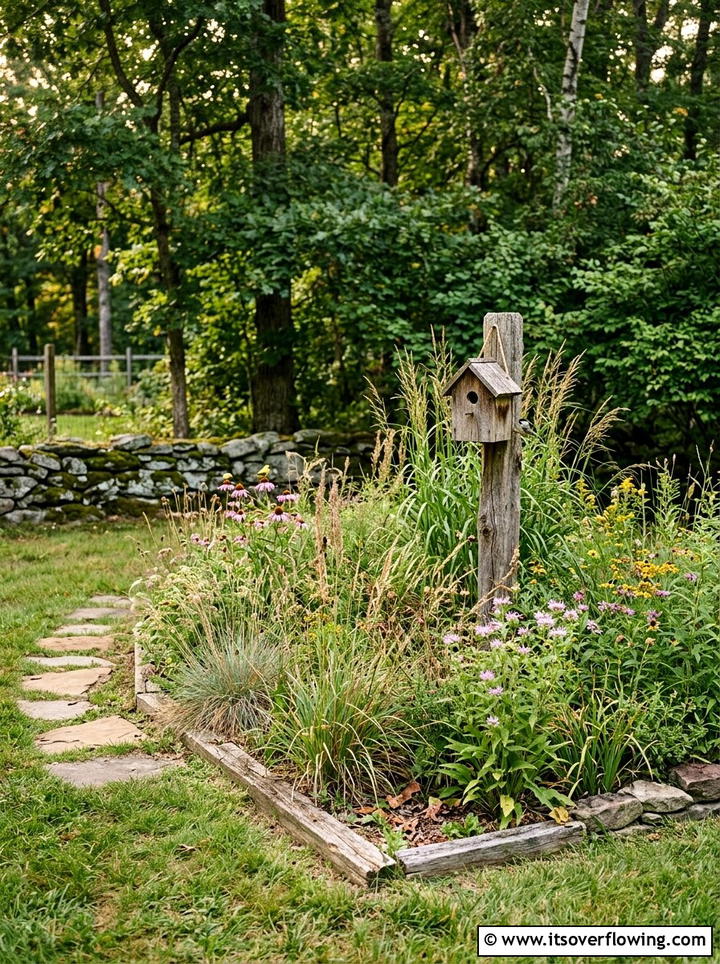
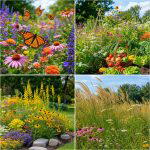
Dedicate a corner of your yard to a wildlife-friendly patch featuring a variety of native grass species. These plants provide essential nesting materials for birds and serve as host plants for many beautiful butterfly species. Unlike ornamental exotic grasses, native varieties are a functional part of the local food web. You can include taller species like Switchgrass to provide cover for small mammals and ground-nesting birds. Leaving the dried stalks standing through the winter offers a safe place for beneficial insects to hibernate. Watching the different creatures that visit your grass patch adds a rewarding layer of enjoyment to your daily gardening routine.
12. Drought Tolerant Slope Planting
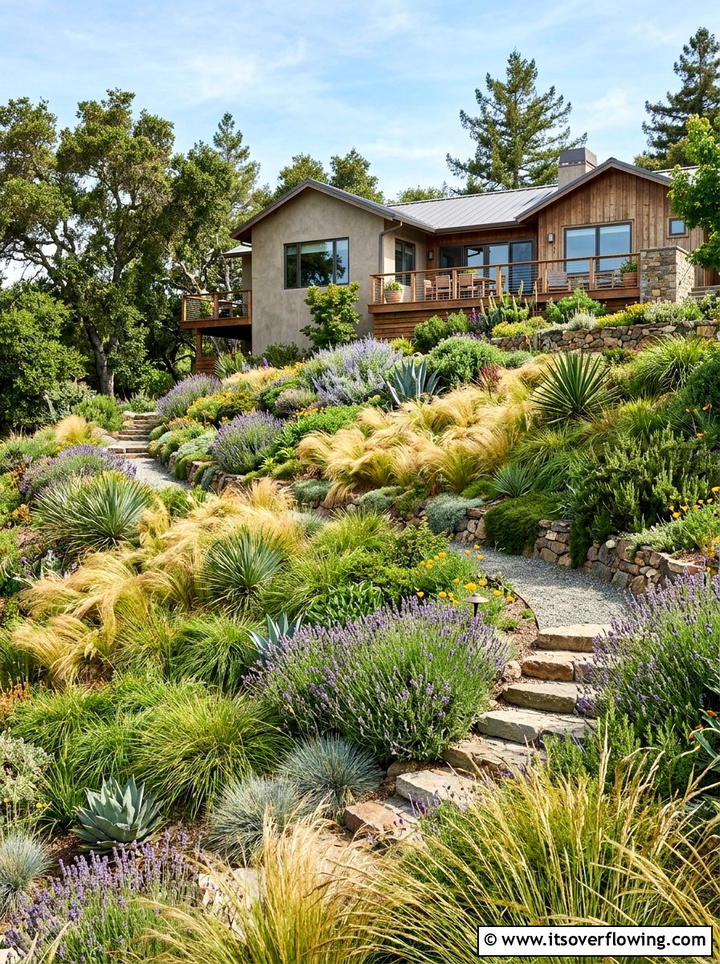
Landscaping a steep hill can be a challenge, but native grasses are the best tool for the job. Their deep and extensive root systems are perfect for holding soil in place and preventing erosion during heavy rains. Instead of trying to mow a dangerous slope, you can plant it with a mix of hardy grasses. Species like Side-oats Grama or Canada Wild Rye are excellent for stabilizing the earth while looking beautiful. Once established, these plants require no supplemental watering, making them ideal for hard-to-reach areas. The result is a lush, green hillside that looks like a natural part of the landscape.
13. Backyard Tallgrass Prairie
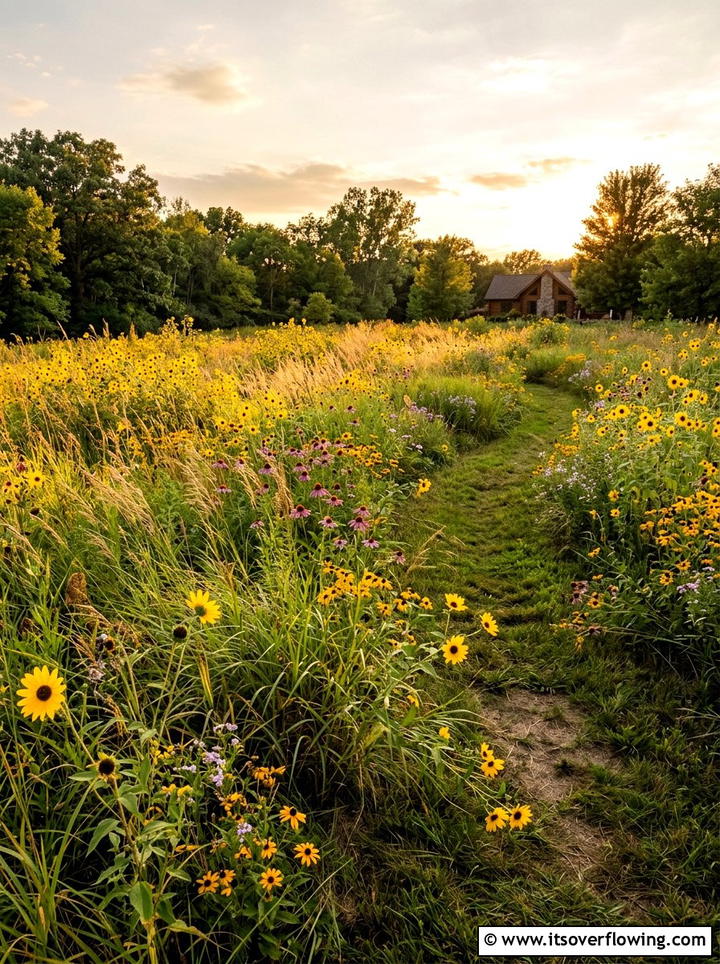
If you have a larger backyard, creating a miniature tallgrass prairie can be a spectacular project. This involves planting a mix of tall native grasses like Big Bluestem and Yellow Indiangrass along with native wildflowers. The result is a high-impact landscape that reaches five to eight feet in height by late summer. Walking through a private prairie provides a sense of immersion in nature that is hard to find in the city. It creates a massive amount of biomass that improves soil quality and sequesters carbon effectively. This design choice turns your backyard into a seasonal masterpiece that changes dramatically from spring to winter.
14. Front Yard Ornamental Grass Bed
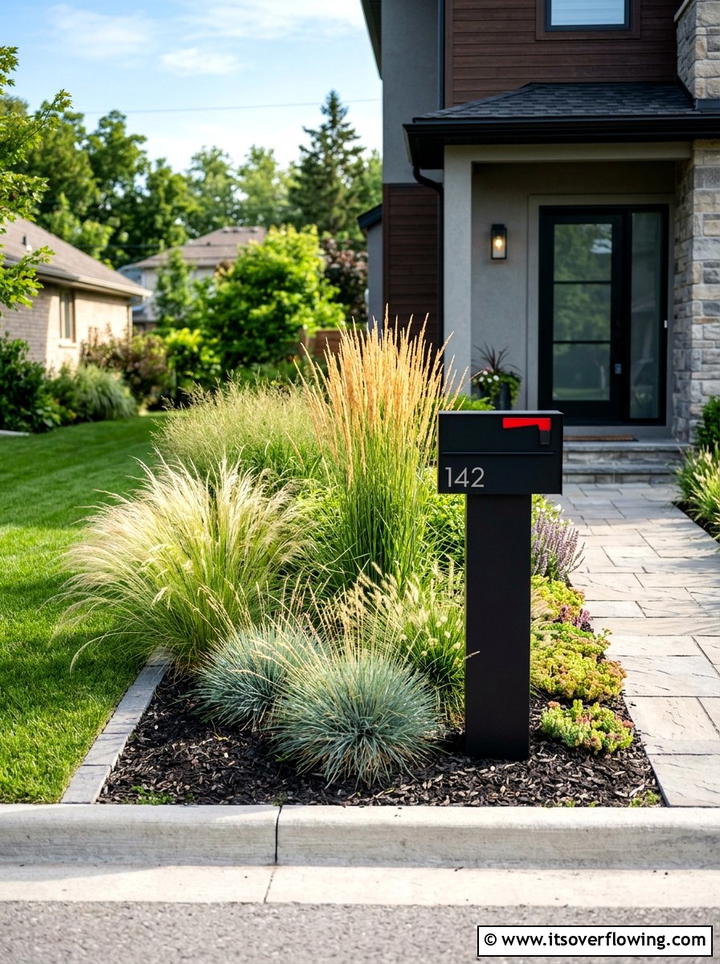
You can boost your home’s curb appeal by replacing a traditional flower bed with a sophisticated native grass arrangement. Mixing different heights and textures of grass creates a clean, intentional look that stays attractive for many months. Native grasses often look more “manicured” than wild weeds but more “natural” than stiff exotic shrubs. Using a variety like Autumn Moor Grass provides a neat, clumping habit that looks great near a front porch. Because they are so hardy, these plants will not wilt or look sad during the hottest weeks of the summer. It creates a welcoming and modern first impression for every guest.
15. Native Grass Near Swimming Pool
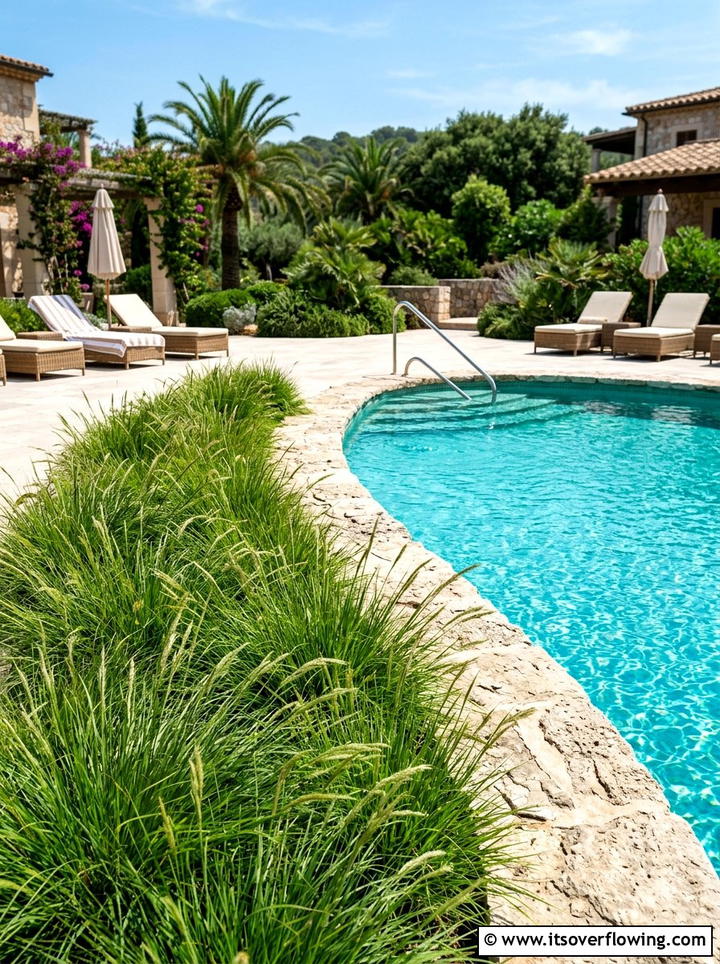
Native grasses are an excellent choice for landscaping around a swimming pool or water feature. They do not drop messy leaves or petals into the water, which keeps your pool filters clean and functional. The swaying motion of the grass blades complements the shimmering movement of the water perfectly. Many species, like Sea Oats or certain Sedges, can handle the occasional splash of chlorinated or salt water. They also provide a soft visual barrier that adds a sense of privacy for swimmers without blocking the sun. The relaxed, coastal vibe of the grasses makes your pool area feel like a high-end tropical resort.

16. Mexican Feather Grass Walkway
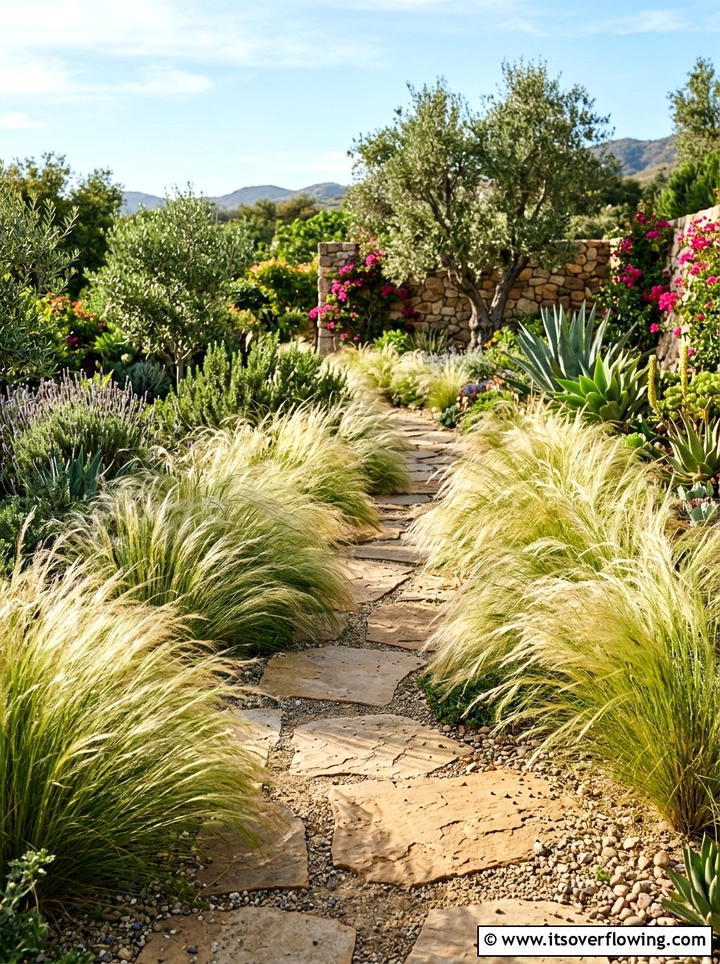
Mexican Feather Grass is a favorite for walkways because of its incredibly soft and ethereal appearance. It features fine, needle-like blades that catch the light and move with the slightest puff of air. When planted along a path, it creates a hazy, dreamlike border that looks stunning in the morning or evening sun. This grass is very drought-tolerant and thrives in well-drained soil, making it perfect for sun-drenched paths. It often re-seeds itself, filling in gaps and creating a full, lush look over time. Gently brushing past these silky tufts as you walk through your garden is a truly delightful sensory experience.
17. Native Grass Rain Garden
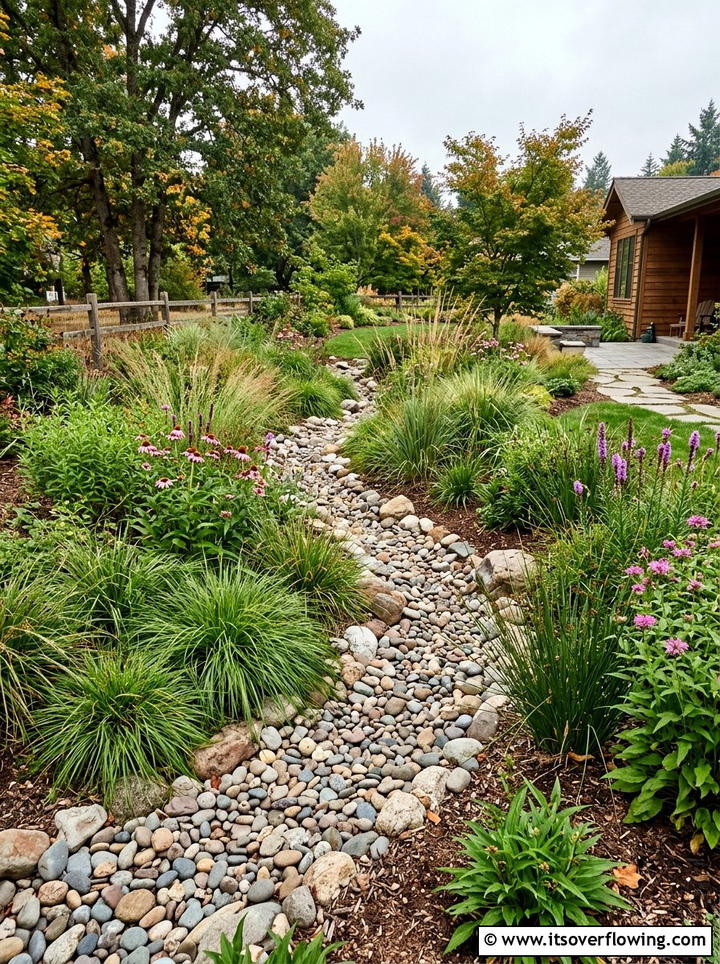
A rain garden is a functional landscape feature designed to collect and soak up stormwater runoff from roofs or driveways. Native grasses are essential for these areas because they can handle both temporary flooding and dry spells. Species like Fox Sedge or Switchgrass have roots that reach deep into the ground, helping water penetrate the soil quickly. This prevents puddles from forming and reduces the amount of pollution entering local waterways. The grasses filter the water while providing a lush, green look to a low-lying part of the yard. It is a smart and beautiful way to manage water on your property.
18. Inland Sea Oats Shade Garden
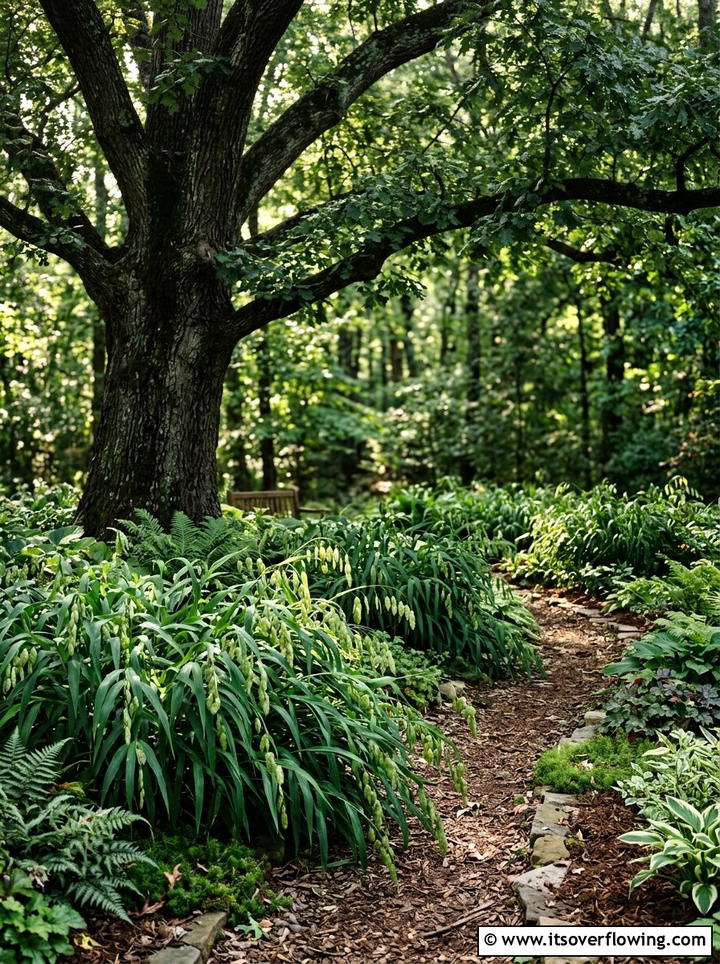
Most people think grasses only grow in full sun, but Inland Sea Oats is a native grass that loves the shade. It features unique, flat seed heads that hang in clusters, looking like tiny ornaments or fish scales. This grass adds a wonderful texture to the darker corners of your yard where flowers might struggle to bloom. It turns a lovely copper color in the fall and keeps its interesting shape all through the winter. This species is very easy to grow and spreads slowly to form a nice colony of greenery. It is perfect for planting under large deciduous trees.
19. Winter Interest Grass Display
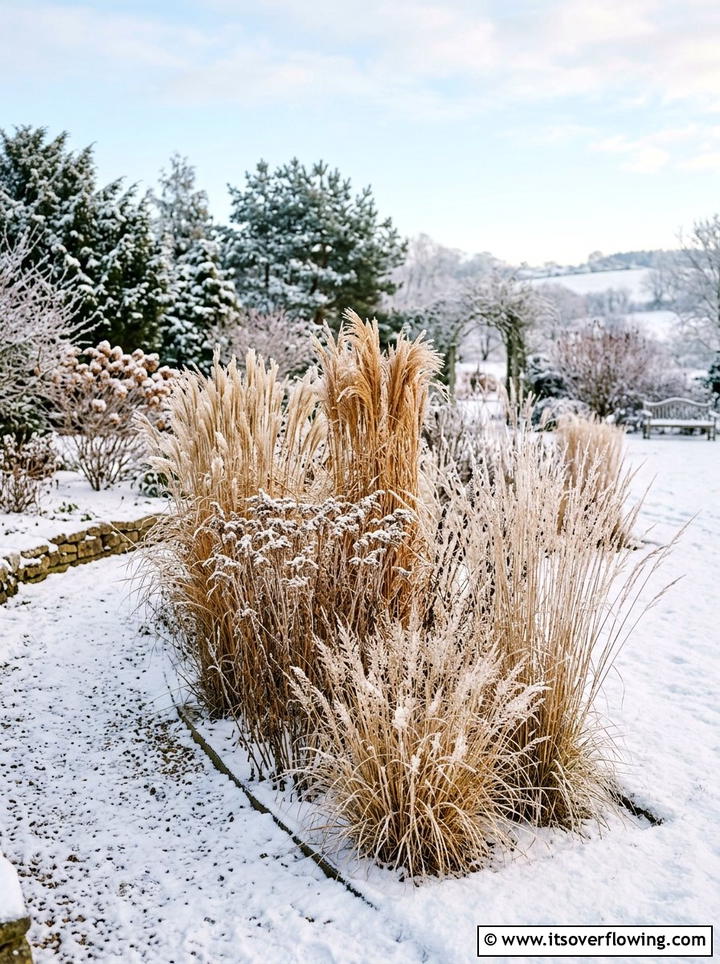
One of the best reasons to use native grasses is the beauty they provide during the cold winter months. While most garden plants die back and disappear, many grasses remain standing with beautiful golden or bronze hues. Their architectural forms provide structure against a backdrop of white snow or grey skies. The dried seed heads catch the frost and glisten in the pale winter sunlight, creating a magical atmosphere. They also provide vital food and shelter for birds when other resources are scarce. Leaving your grasses uncut until early spring ensures that your garden remains visually interesting and ecologically productive all year long.
20. Purple Love Grass Mass Planting
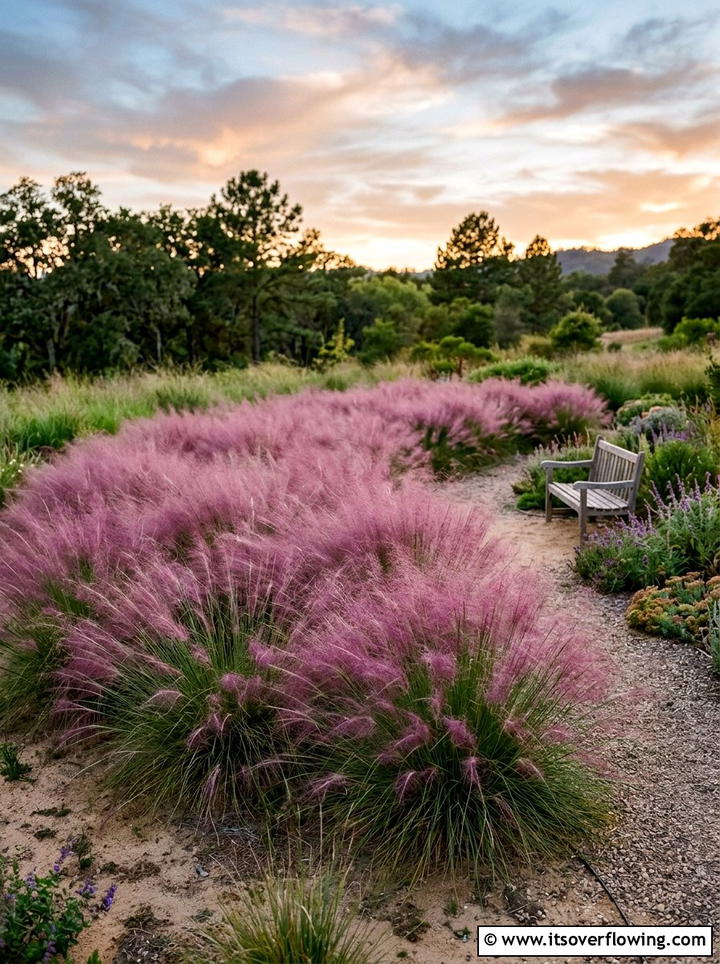
Purple Love Grass is a low-growing native species that creates a stunning visual effect when planted in large masses. In the late summer, it produces airy clouds of tiny purple flowers that seem to float just above the ground. This creates a soft, hazy look that can fill in large gaps between other plants or cover a small meadow area. It is exceptionally tough and thrives in sandy or poor soils where other plants might fail. The delicate purple mist provides a beautiful contrast to the solid greens of traditional shrubs or trees. It is a fantastic choice for adding color and texture.
21. Indian Grass Backdrop
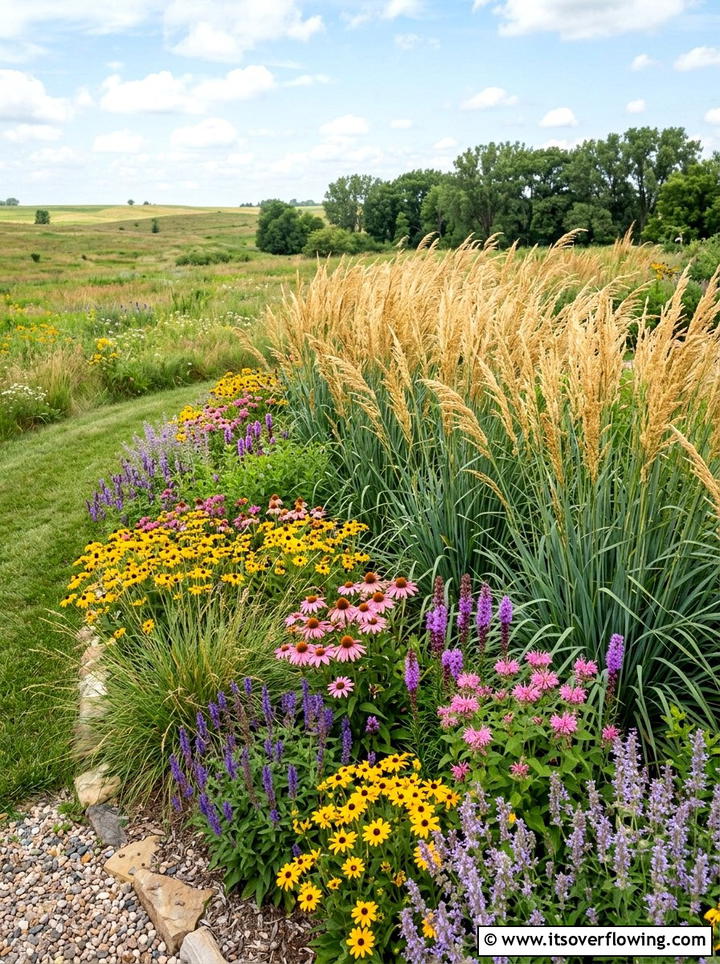
Indian Grass is a tall, stately native plant that serves as a perfect backdrop for shorter perennials and flowers. It is known for its beautiful, metallic gold seed heads that shimmer in the late summer sun. This grass adds a sense of verticality and grandeur to the rear of a garden border. Its sturdy stems keep it upright even in windy conditions, providing a reliable frame for the rest of your landscape. The blue-green foliage provides a cool, calming color during the heat of the summer months. Using this grass creates a professional, layered look that gives your garden more depth and dimension.
22. Coastal Native Grass Landscape
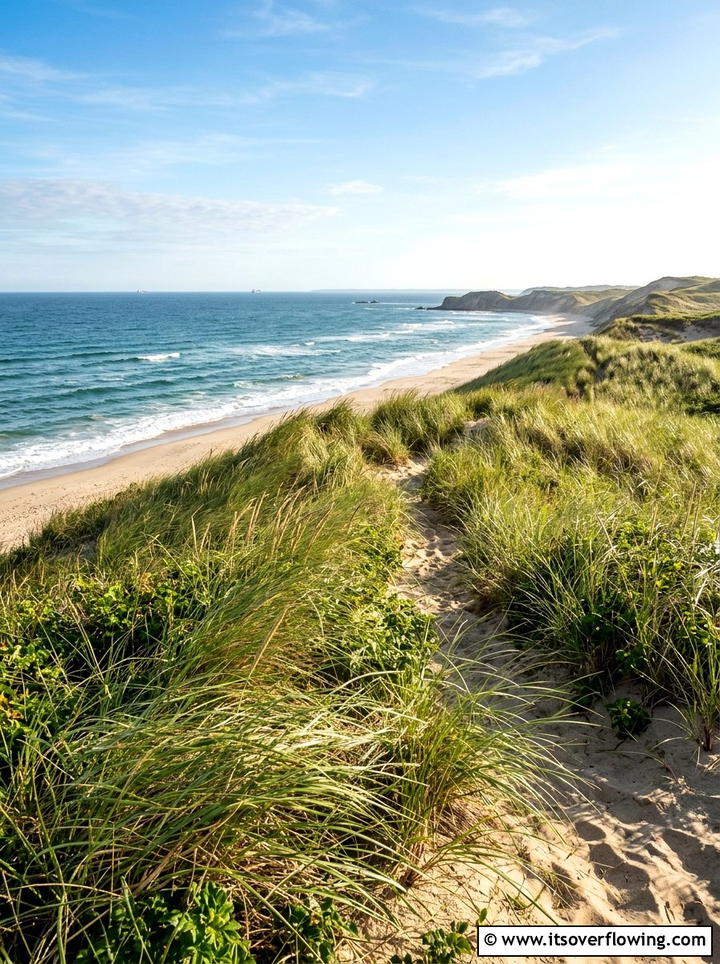
If you live near the ocean, native coastal grasses are essential for a garden that can withstand salt spray and wind. Species like Bitter Panicum or Saltmeadow Cordgrass are naturally adapted to these harsh environments. They help stabilize dunes and prevent sand from blowing into your living spaces or over your patio. These grasses have a relaxed, breezy look that fits the coastal aesthetic perfectly. They require almost no maintenance once they are established in the sandy soil. The sound of the wind whistling through the grass blades mimics the sound of the waves, creating a peaceful and cohesive seaside atmosphere.
23. Native Grass Patio Container
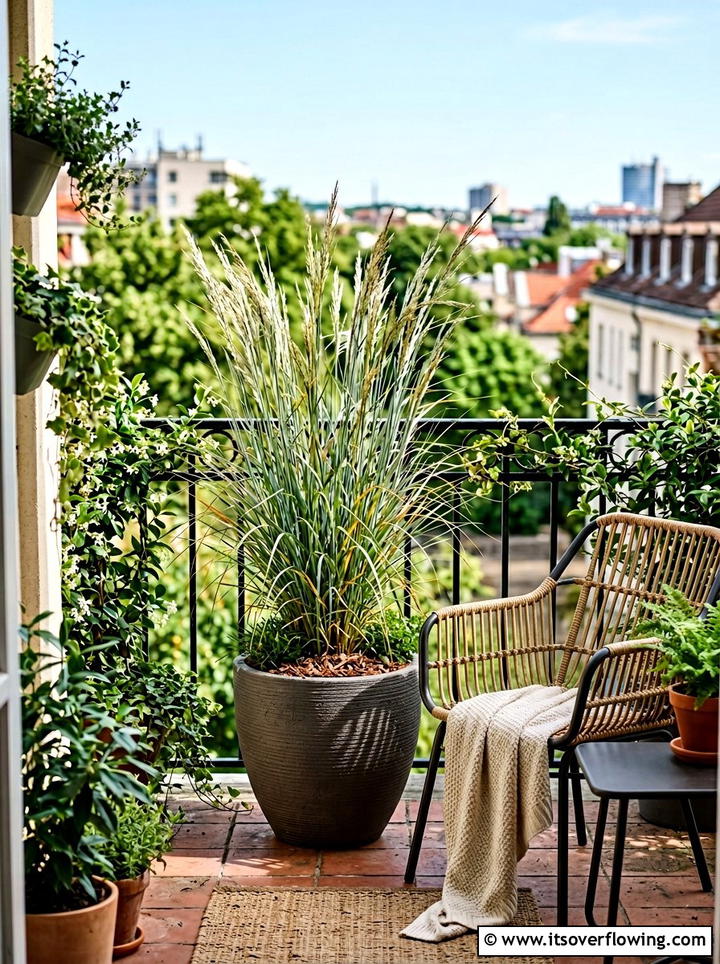
You do not need a large yard to enjoy the beauty of native grasses; they thrive in patio containers too. A single tall grass in a large pot can act as a living sculpture for a small balcony or terrace. You can also create mixed arrangements by combining grasses with trailing native vines or colorful seasonal flowers. Native grasses are generally more resilient than traditional potted plants, meaning they can survive a missed watering here and there. Their upright growth habit makes them ideal for adding height without taking up much floor space. It is a simple way to bring nature closer to your home.
24. Layered Native Grass Grouping
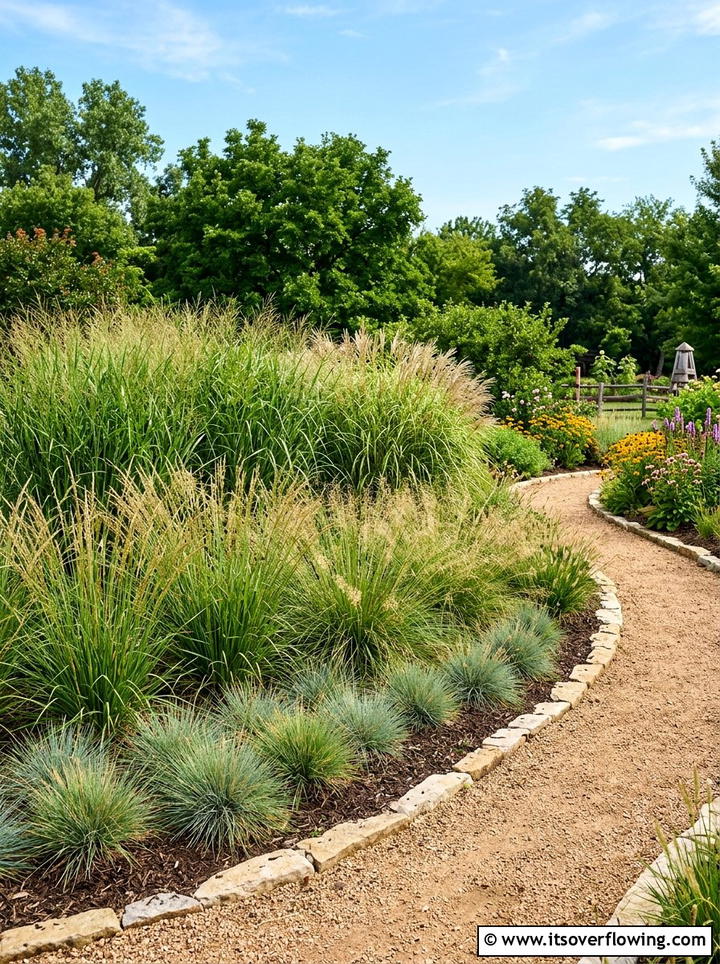
Creating a layered look using different heights of native grasses adds a sophisticated and professional touch to your garden. You can plant low-growing sedges in the front, mid-sized Little Bluestem in the middle, and tall Switchgrass in the back. This arrangement creates a beautiful gradient of textures and colors that leads the eye through the space. The different bloom times of various species ensure that there is always something interesting happening in the garden. Layering also provides a denser habitat for local wildlife, offering multiple levels of cover and food. This design strategy turns a simple grass planting into a complex and artistic landscape.
25. Minimalist Gravel Garden With Grass
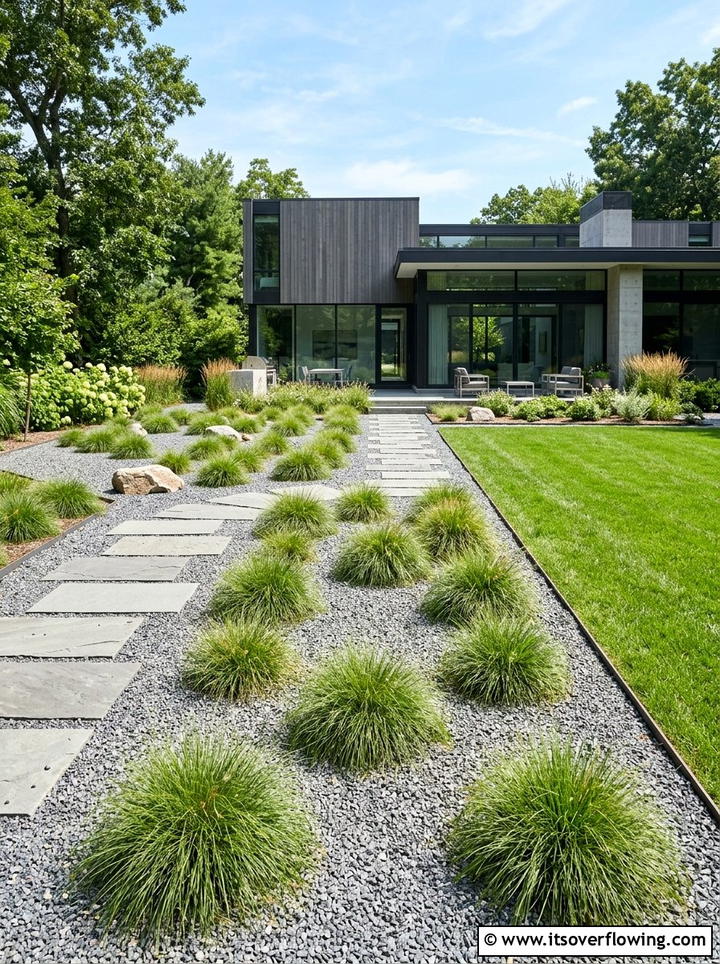
A minimalist gravel garden featuring a few well-placed native grasses is a high-impact, low-effort design choice. This style focuses on the contrast between the clean, grey gravel and the organic, flowing forms of the plants. Using just one or two species, like Prairie Dropseed, keeps the look modern and uncluttered. This type of garden is extremely easy to maintain because the gravel mulch prevents weeds from growing. It is an excellent option for modern homes or for homeowners who want a tidy look without a lot of work. The simplicity of the design allows the natural beauty of the grasses to truly shine.
Conclusion:
Adopting native grasses into your landscape is a brilliant way to create a sustainable and visually captivating outdoor space. These plants offer more than just aesthetics; they provide vital habitats for local wildlife and require very little upkeep once established. From the shimmering plumes of switchgrass to the low-growing tufts of prairie dropseed, there is a variety for every garden style. Your yard will benefit from the deep root systems that improve soil health and manage rainwater naturally. By choosing native species, you are celebrating the unique beauty of your local region. We hope these concepts inspire you to start your own grass-focused garden project. Enjoy the peaceful movement and year-round beauty these plants bring to your home.

Related posts:
 25 Garden Ideas With Ornamental Grasses for Texture and Style
 25 Garden Ideas With Native Plants for a Thriving Natural Yard
 25 creative garden ideas with native wildflowers for Pollinators
 25 garden design ideas with dry creek beds: Natural Drainage
 25 Garden Design Ideas With Meadows for Natural Beauty
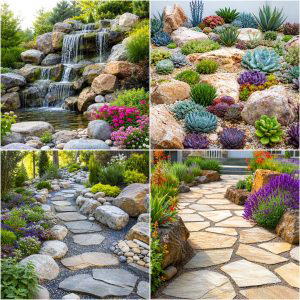 25 Garden Design Ideas With Rock Gardens for Natural Texture
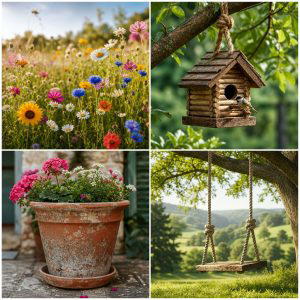 25 Garden Ideas for Rustic Style With Natural Charm
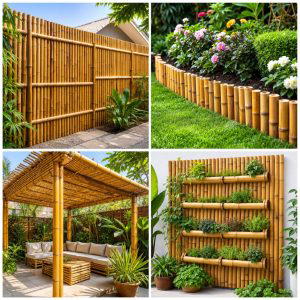 25 Garden Ideas With Bamboo Projects for Natural Style
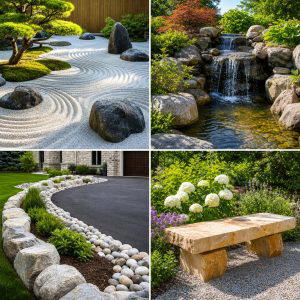 25 Garden Ideas With Rocks for Natural Outdoor Style
 25 garden design ideas for small yards: Big Style, Tiny Spaces
 25 garden design ideas with lighting plans: Bright Outdoor Style
 25 Garden Design Ideas With Raised Beds for Productive Style