
Creating a sustainable outdoor space starts with choosing the right flora for your specific climate and soil conditions. Incorporating native plants into your garden offers numerous benefits, from reducing water consumption to providing essential habitats for local wildlife like bees and butterflies. These indigenous species have adapted over centuries to thrive in your local environment, meaning they require less fertilizer and pesticides compared to exotic varieties. By focusing on local greenery, you can create a beautiful, low-maintenance sanctuary that reflects the natural heritage of your region. This guide explores diverse ways to integrate these hardy plants into your landscape for a vibrant and ecologically responsible yard that lasts for years.
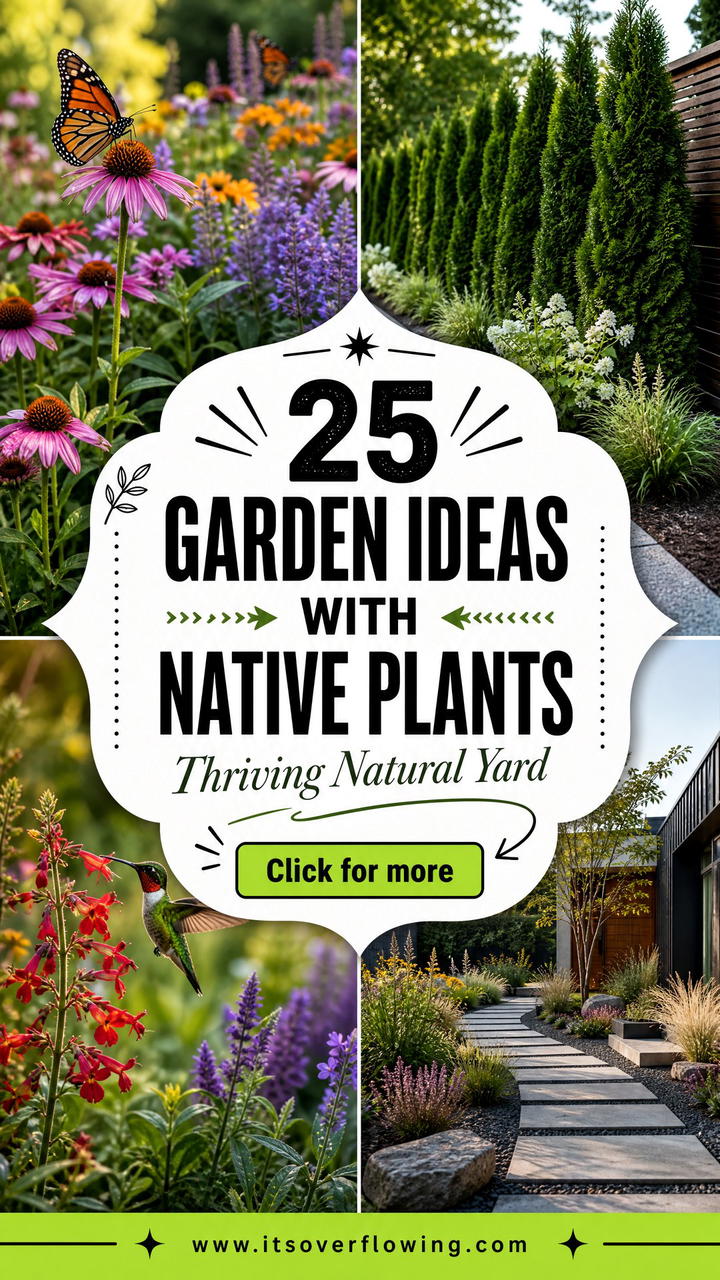
1. Pollinator Garden
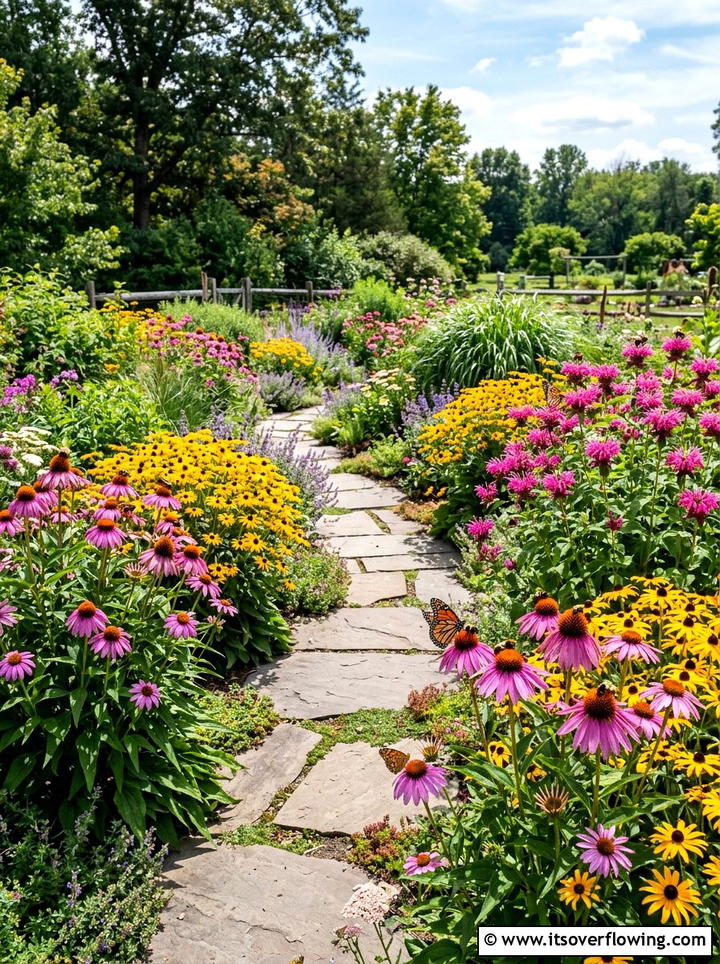
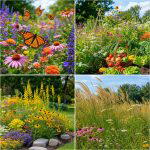
Have you ever noticed the constant hum of life in a space filled with local blooms? A pollinator garden focuses on providing nectar and pollen for bees, butterflies, and other beneficial insects. By selecting native milkweed, coneflowers, and bee balm, you create a reliable food source that supports the local ecosystem throughout the growing season. This type of landscape often features a variety of flower shapes and colors to attract different species. Grouping similar plants together makes it easier for pollinators to find their targets, while adding a water feature or nesting site further enhances the habitat. It is a rewarding and beautiful way to see nature thrive daily.
2. Xeriscape Backyard
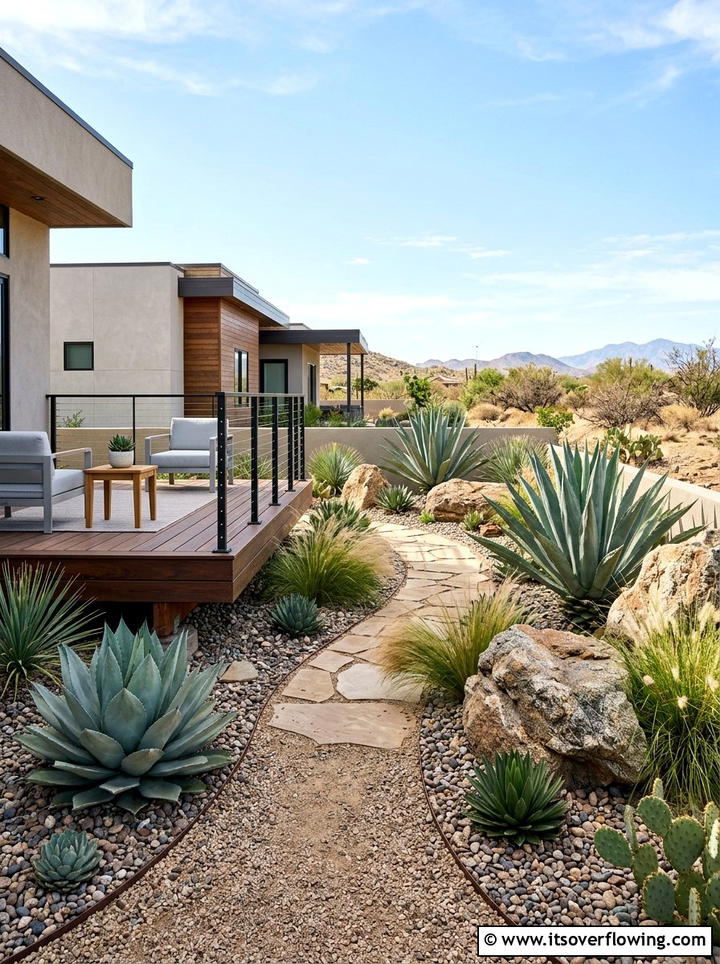
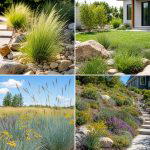
Imagine a backyard that stays lush and beautiful even during the hottest summer months without constant watering. A xeriscape backyard utilizes drought-tolerant native species to minimize water usage while maintaining high visual appeal. This approach often incorporates gravel paths, large decorative stones, and hardy plants like agave, yucca, or native grasses. By choosing plants that are naturally adapted to dry conditions, you significantly reduce maintenance chores and utility bills. This style of gardening is not only environmentally friendly but also offers a modern, clean aesthetic. It proves that you do not need a thirsty lawn to have a stunning and functional outdoor living space for your home.
3. Rain Garden
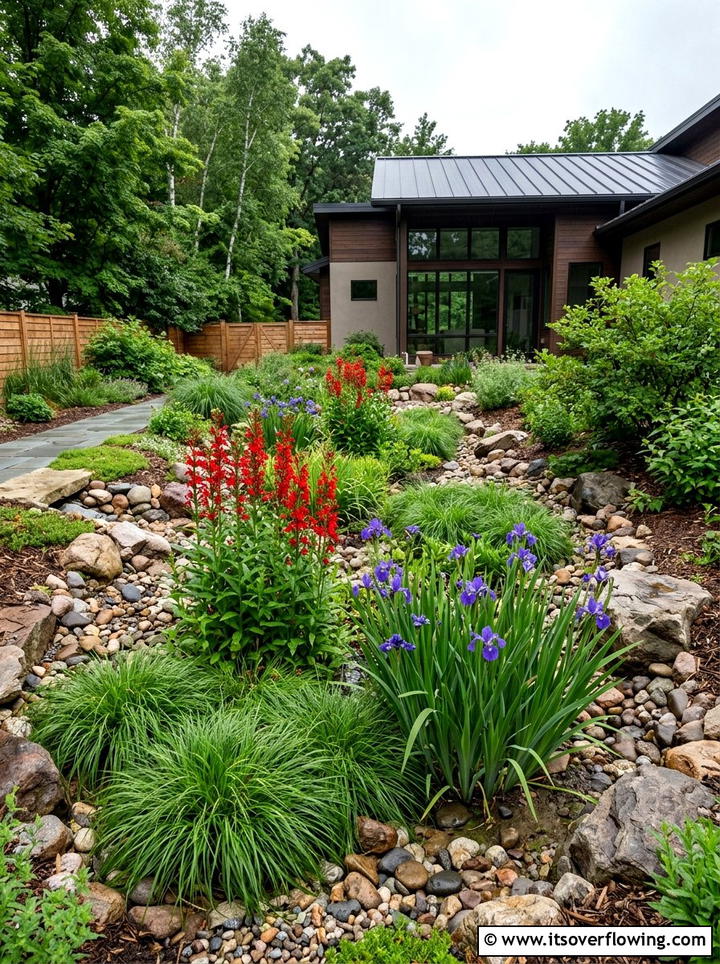
Does water often pool in certain areas of your yard after a heavy storm? A rain garden is a functional and attractive solution designed to absorb excess runoff and prevent erosion. By planting moisture-loving native species in a slight depression, you allow rainwater to soak slowly into the ground rather than running off into storm drains. Plants like cardinal flowers, swamp milkweed, and various sedges thrive in these conditions and help filter pollutants from the water. This design adds deep texture and vibrant color to low-lying areas while performing a vital ecological service. It turns a potential drainage problem into a thriving, lush focal point within your landscape.
4. Wildflower Meadow
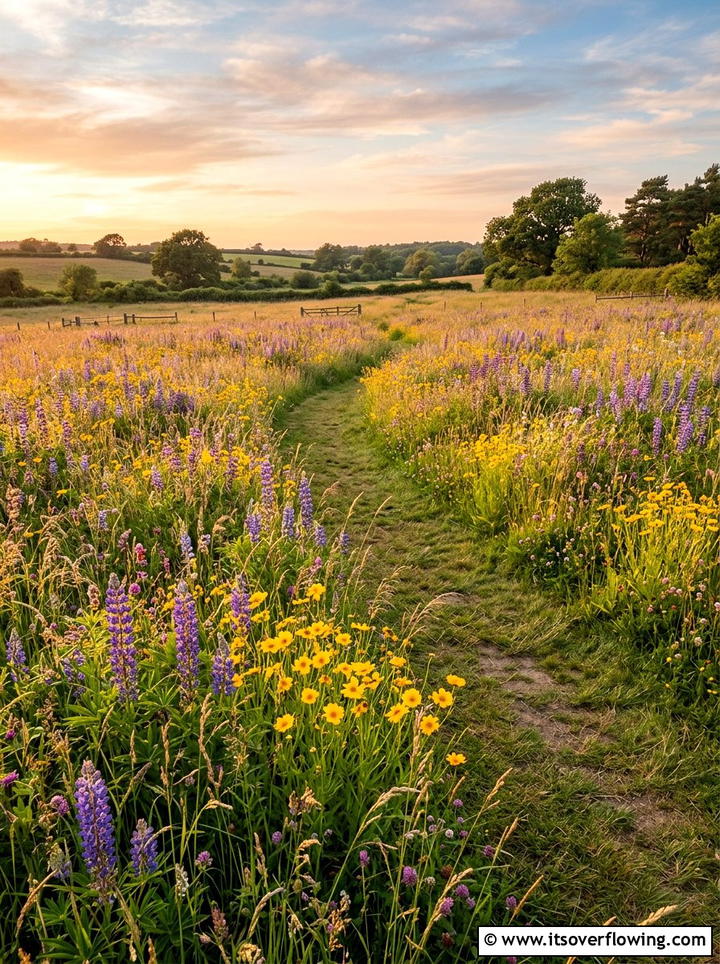
Walking through a field of swaying wildflowers provides a sense of peace and connection to the natural world. A wildflower meadow replaces traditional turf grass with a diverse mix of native perennials and annuals. This style of gardening requires far less mowing and chemical intervention than a standard lawn. You can include species like black-eyed Susans, lupines, and coreopsis to create a tapestry of colors that changes with the seasons. A meadow provides vital cover for small wildlife and keeps the soil healthy with deep root systems. It is an excellent choice for larger properties looking to embrace a more relaxed and naturalistic aesthetic.
5. Butterfly Garden
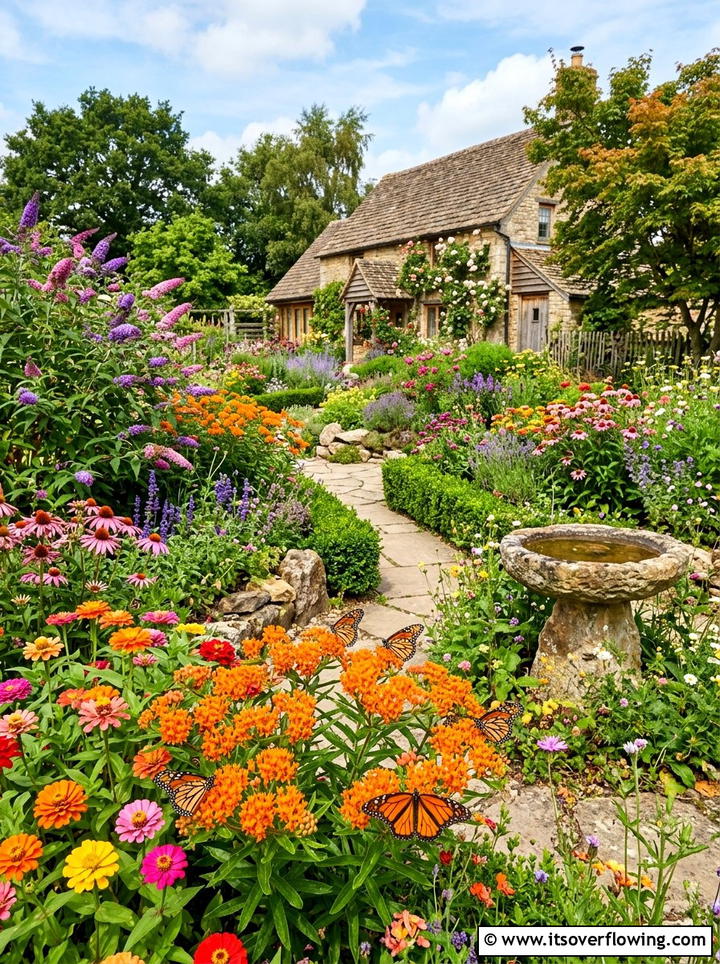
Few sights are as magical as a garden filled with fluttering butterflies dancing between bright blossoms. A butterfly garden specifically includes host plants for caterpillars and nectar plants for adult butterflies. Native species such as asters, blazing stars, and various types of milkweed are essential for supporting the life cycles of local butterfly populations. To make the space more inviting, you can include flat stones for sunning and small puddling areas for hydration. This type of garden is educational for children and provides a constant source of movement and color. It creates a dedicated sanctuary that helps preserve these delicate insects in your own neighborhood.
6. Bird Habitat
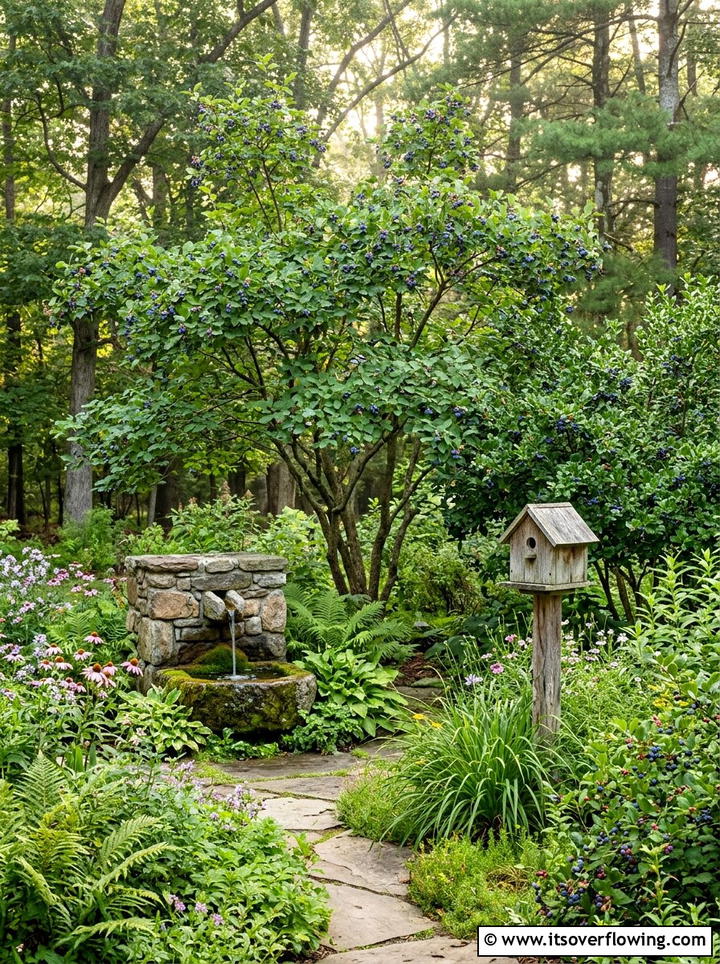
Can you hear the cheerful chirping of songbirds when you step outside into your morning garden? Creating a bird habitat involves planting native shrubs and trees that provide food through berries, seeds, and insects. Species like serviceberry, dogwood, and native oaks offer both nutrition and safe nesting sites for various bird species. Layering your planting with tall trees, mid-sized shrubs, and ground-level cover ensures that different birds find their preferred environment. Adding a simple birdbath or a fountain provides the necessary water for drinking and bathing. This design transforms your yard into a lively sanctuary where you can enjoy birdwatching from the comfort of your porch.
7. Native Shade Garden
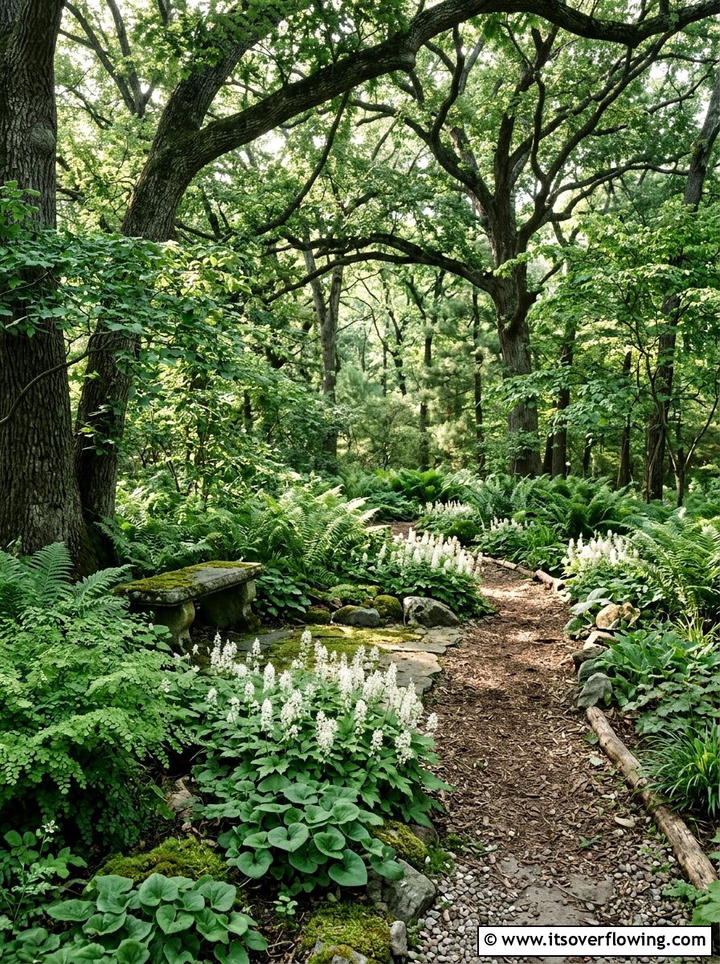
Under the canopy of large trees, a native shade garden can turn a dark corner into a lush retreat. Many indigenous plants, such as wild ginger, ferns, and columbine, are perfectly adapted to low-light conditions found on the forest floor. These plants often feature interesting foliage textures and subtle, delicate blooms that brighten up dim areas. By using native species, you ensure that the plants can handle the specific soil moisture levels typically found in shaded spots. This type of garden creates a cool, tranquil atmosphere that is perfect for a quiet seating area. It proves that even the shadiest parts of your yard can be vibrant.
8. Rock Garden
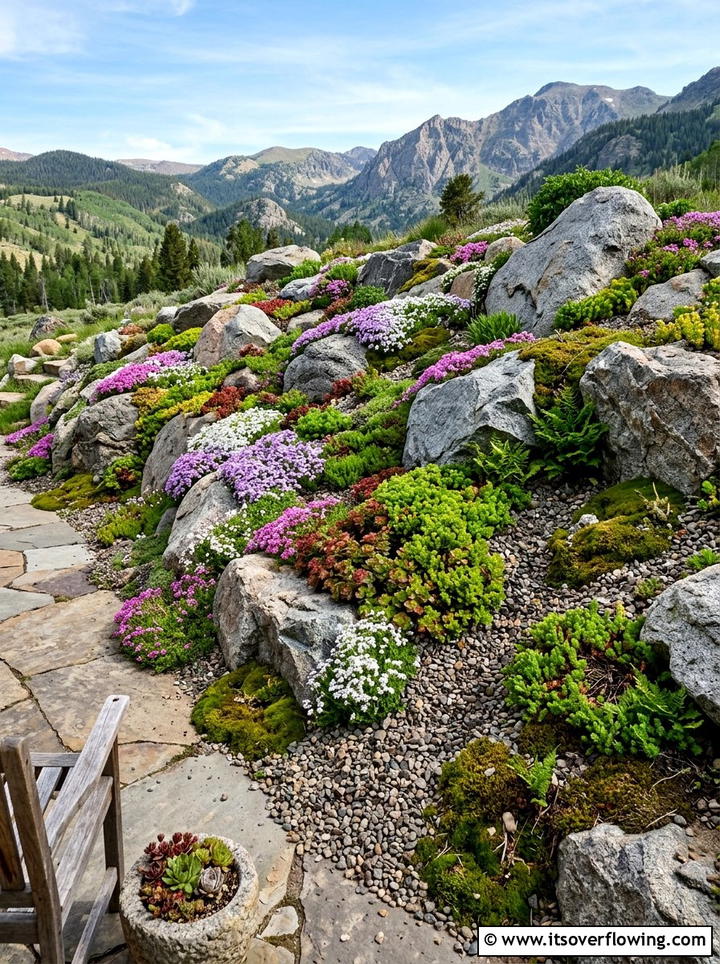
Crisp edges and rugged textures define a rock garden that highlights the beauty of native alpine or desert flora. This design uses various sizes of stones and boulders to create a tiered or rugged landscape that mimics natural rocky outcrops. Native succulents, mosses, and low-growing creeping phlox tuck neatly into the crevices between rocks. This setup is ideal for slopes or areas with poor soil where traditional gardening might be difficult. The stones help retain moisture in the soil below while providing a heat-source for sun-loving plants. It results in a high-contrast, low-maintenance feature that adds a strong architectural element to your overall outdoor garden design.
9. Ornamental Grass Landscape
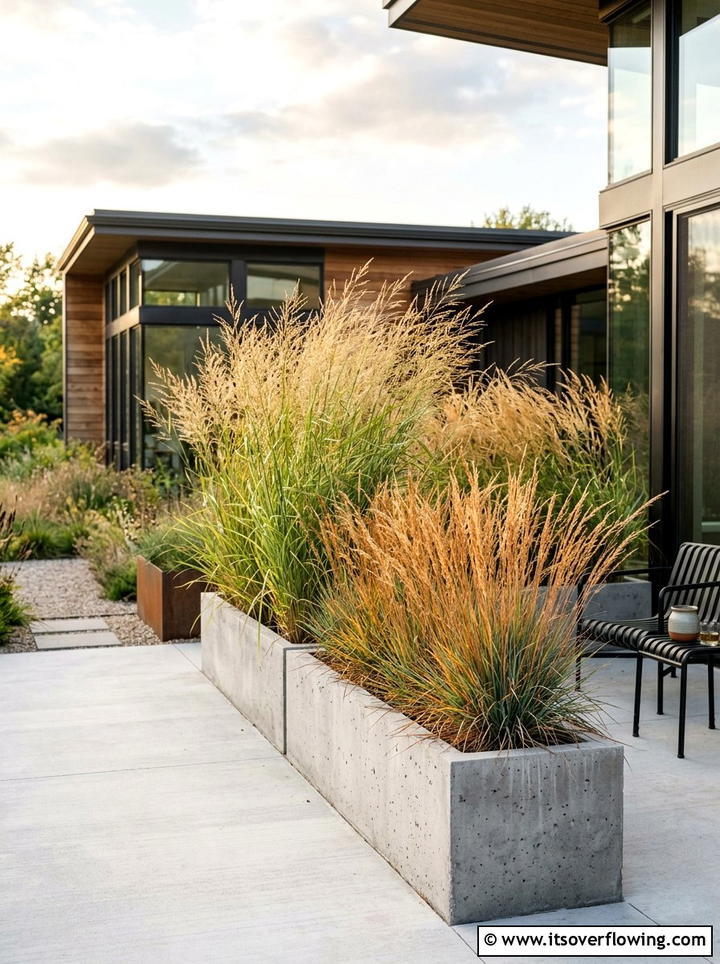
Wind whistling through tall, golden blades of grass creates a sensory experience that adds movement to any yard. An ornamental grass landscape utilizes native species like switchgrass, little bluestem, and prairie dropseed to provide year-round interest. These grasses offer beautiful green hues in the summer, vibrant golds and reds in the fall, and structural silhouettes during the winter. They are incredibly hardy, often requiring no extra water once they are established in the ground. Because they grow in clumps, they provide excellent cover for ground-nesting birds and beneficial insects. This minimalist approach focuses on texture and form, making it a favorite for modern and contemporary home exteriors.
10. Prairie Landscape
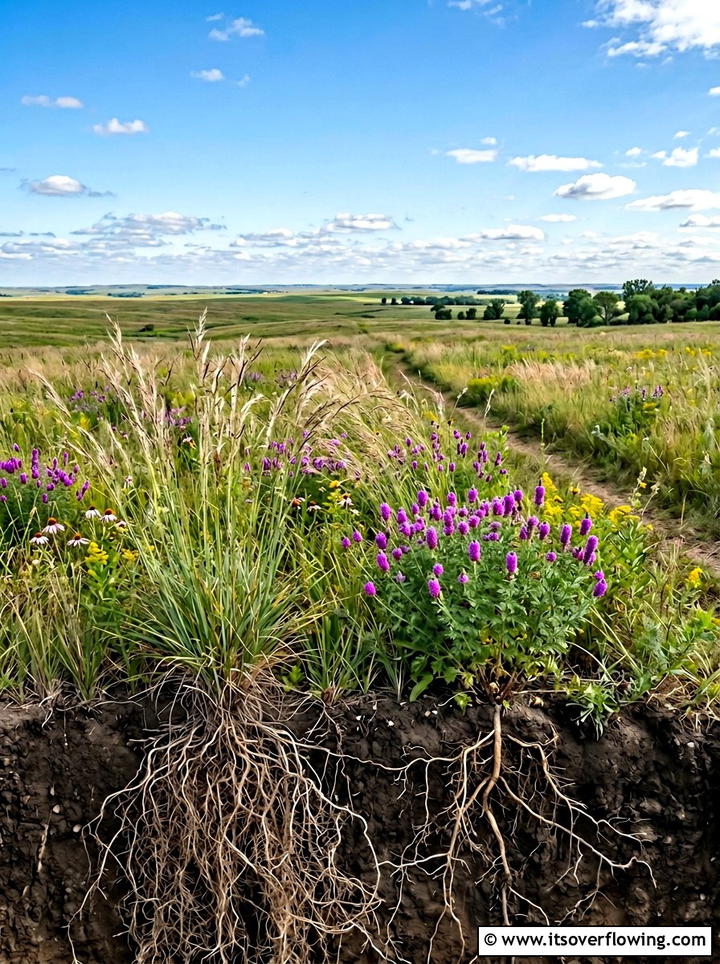
A prairie landscape captures the expansive beauty of the open plains by using a mix of tallgrasses and hardy forbs. This design style is perfect for sunny, open areas where you want to create a sense of depth and history. Key plants often include big bluestem, indiansgrass, and purple prairie clover, which all have incredibly deep root systems. These roots help stabilize the soil and increase carbon sequestration, making the garden an environmental powerhouse. The height of the plants creates a natural privacy screen and a sense of enclosure without the need for fences. It is a bold, seasonal landscape that celebrates the wild heritage of the heartland.
11. Woodland Garden
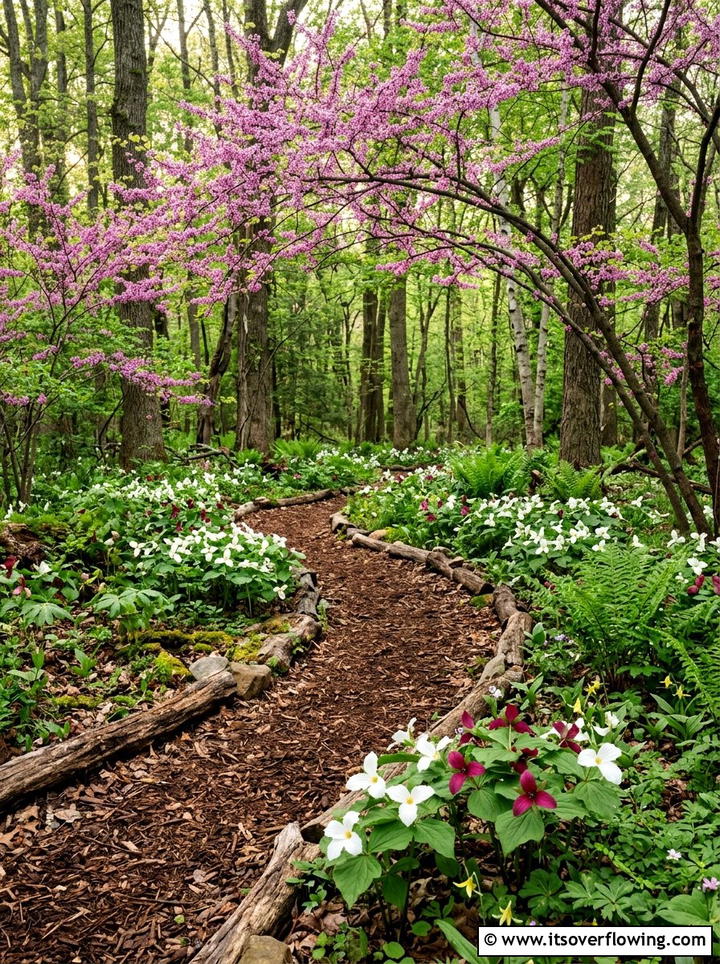
Imagine wandering through a private forest glade right in your own backyard. A woodland garden mimics the natural structure of a forest, featuring a canopy, understory, and forest floor layers. Native trees like maples or oaks provide the structure, while smaller trees like redbuds and various ferns fill the lower levels. This type of garden is exceptionally low-maintenance once established, as the falling leaves provide natural mulch and nutrients. It creates a deeply peaceful, shaded environment that feels worlds away from the busy street. By using native woodland species, you support a complex web of fungi, insects, and mammals that characterize a healthy forest ecosystem.
12. Coastal Garden
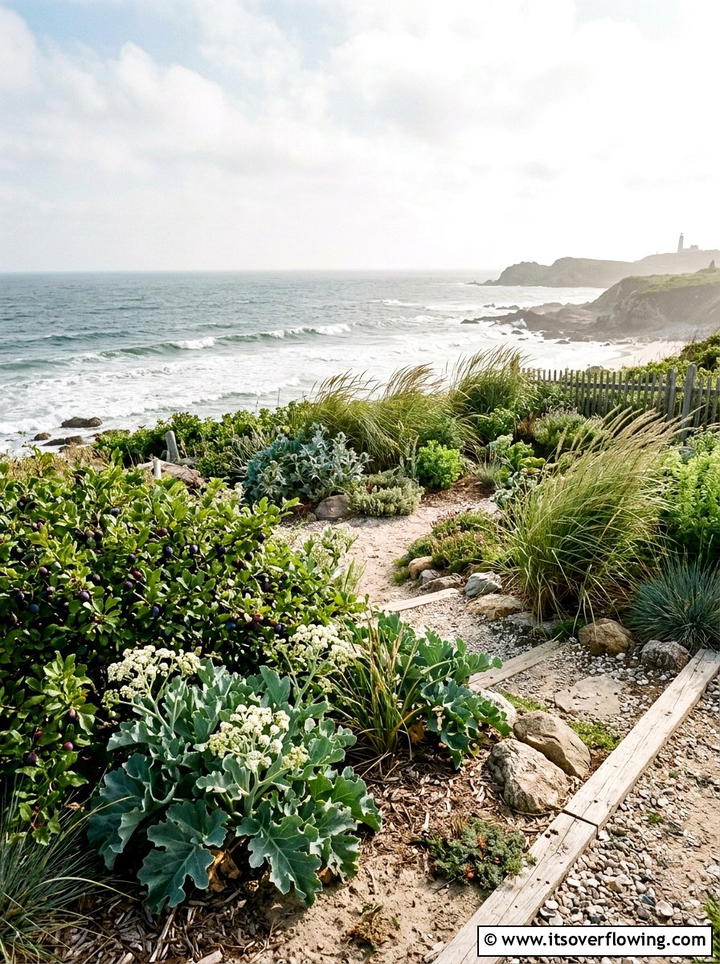
Gardening near the ocean presents unique challenges like salt spray, sandy soil, and high winds. A coastal garden utilizes native plants that have evolved to thrive in these harsh seaside conditions. Species such as sea kale, beach plums, and various salt-tolerant grasses are excellent choices for these environments. These plants often have thick, waxy leaves or deep roots to help them survive the elements while protecting the shoreline from erosion. The color palette usually includes soft blues, silvers, and sandy tones that complement the surrounding ocean views. This design ensures that your coastal property remains beautiful and resilient despite the challenging salt-heavy and windy atmosphere.
13. Desert Landscape
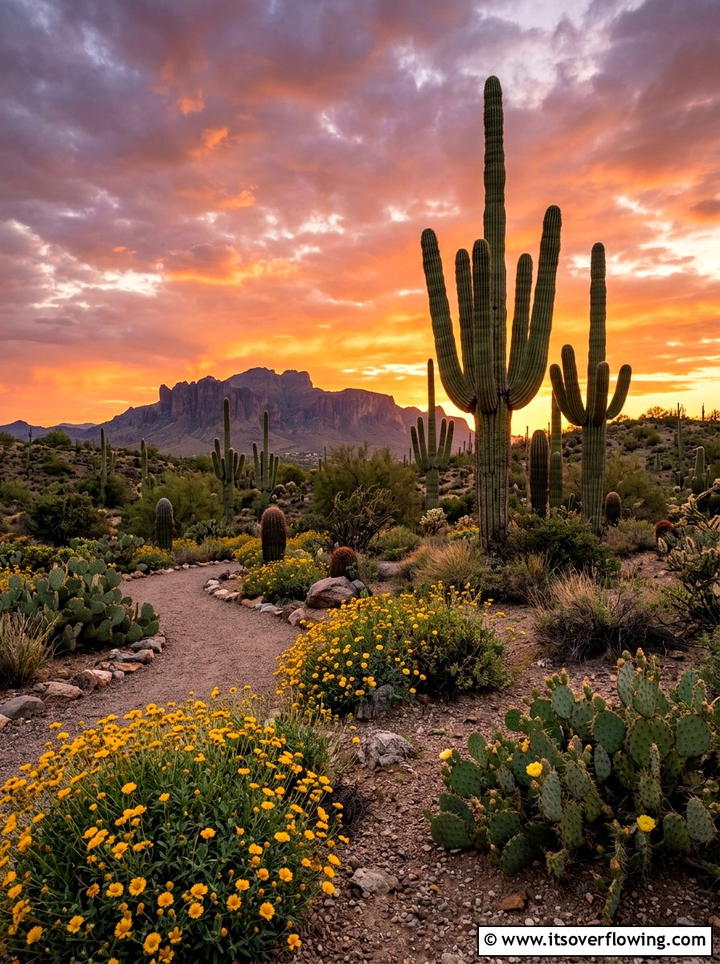
Warm earth tones and striking geometric shapes define a desert landscape that thrives in arid climates. This style focuses on native cacti, yuccas, and flowering desert shrubs that require almost no supplemental irrigation. By arranging these plants with decorative boulders and decomposed granite, you create a clean and sophisticated look that respects the local environment. Desert plants often have unique blooms and textures that are not found in traditional gardens, providing a distinct focal point. This approach is highly sustainable and reduces the need for heavy gardening equipment. It celebrates the stark, dramatic beauty of the desert while providing a functional and heat-tolerant space for outdoor relaxation.
14. Medicinal Garden
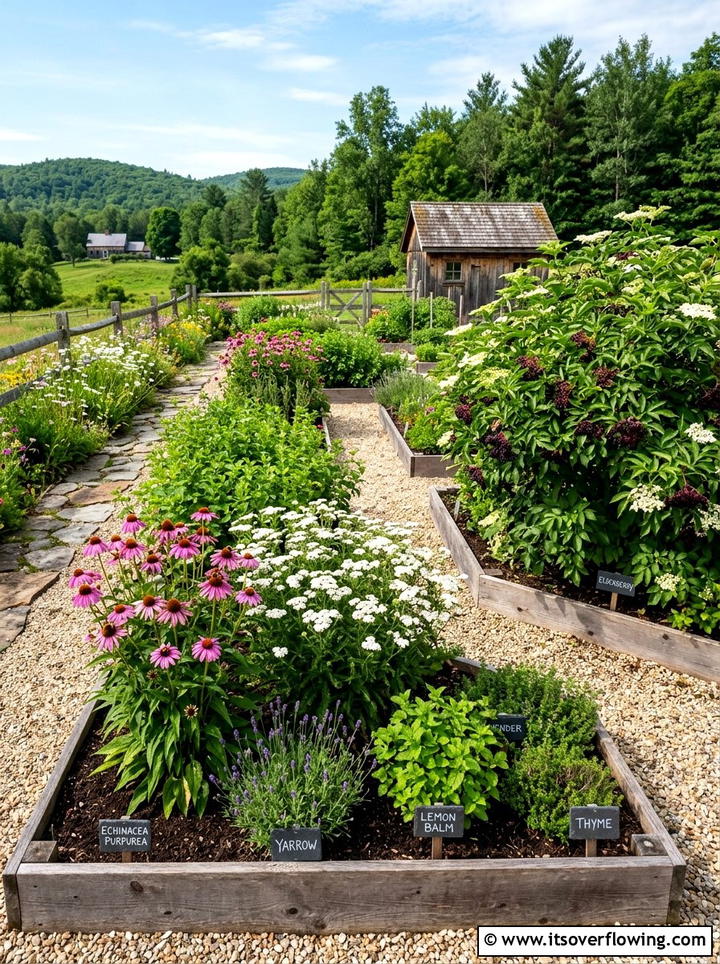
Many native plants have been used for centuries for their healing properties and soothing qualities. A medicinal garden focuses on growing indigenous species such as echinacea, elderberry, and yarrow which have traditional therapeutic uses. Designing this space often involves organized beds or paths that allow for easy harvesting and care. Not only are these plants useful, but they also produce stunning flowers that attract a wide range of pollinators. Having a dedicated space for these plants connects you to historical gardening practices and provides a functional harvest. It is a thoughtful way to combine beauty with utility, creating a garden that nurtures both the body and the mind.
15. Evergreen Privacy Screen
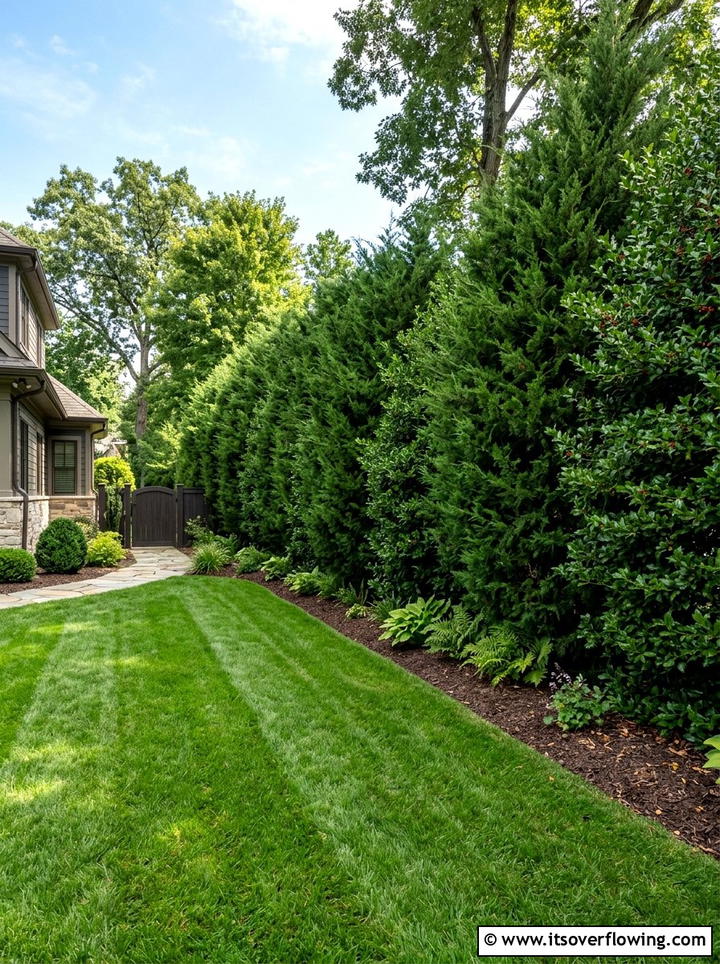
Do you want to create a natural wall that keeps your yard private all year long? An evergreen privacy screen uses native coniferous trees and shrubs to block views and dampen neighborhood noise. Species like eastern red cedar, holly, or native pines provide a dense, green backdrop regardless of the season. Unlike fences, these living walls grow more beautiful over time and provide essential winter cover for local birds. You can stagger the plantings to create a more natural look rather than a stiff, formal line. This design adds a sense of permanence and security to your property while enhancing the overall greenery of your outdoor living space.
16. Edible Native Garden
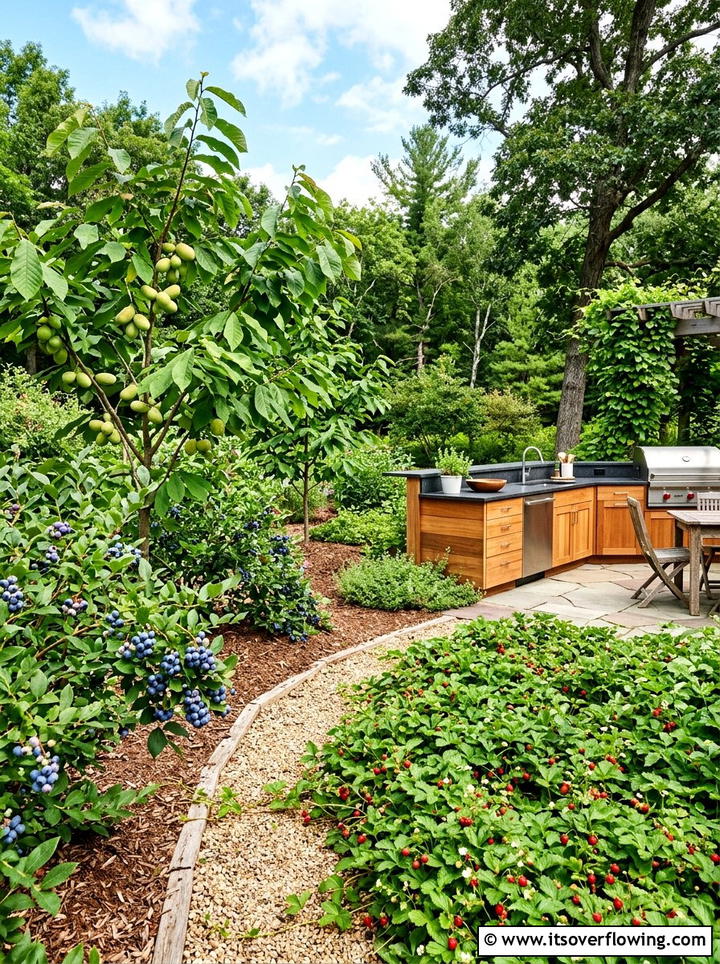
Eating from your own backyard is a rewarding experience that becomes even better with native species. An edible native garden features indigenous plants that produce delicious fruits, nuts, or greens, such as pawpaws, blueberries, and wild plums. These plants are often more resistant to local pests and diseases than common grocery store varieties. Integrating these edibles into your landscape design provides both food and aesthetic beauty throughout the year. You can use native shrubs as hedges and fruit-bearing trees as focal points in your yard. It is a sustainable way to produce fresh, local food while supporting the biodiversity of your specific geographic region.
17. Hummingbird Garden
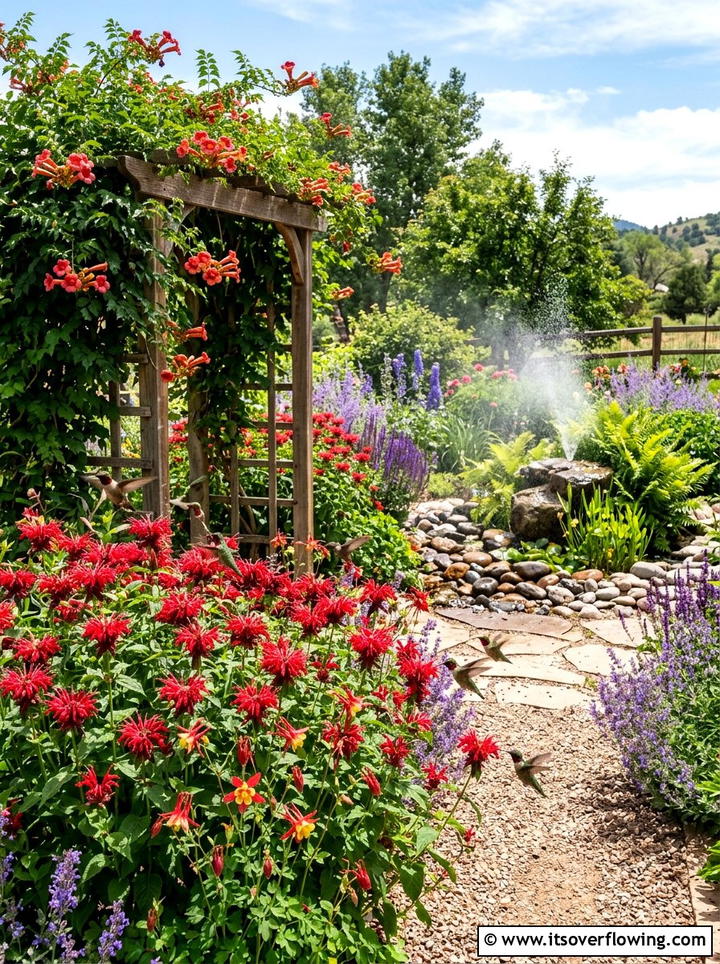
Watching a tiny hummingbird dart between bright tubular flowers is a highlight of any summer afternoon. A hummingbird garden focuses on native plants with red, orange, or bright pink blooms that provide high-energy nectar. Trumpet creeper, columbine, and scarlet bee balm are excellent choices that naturally attract these hovering birds. It is important to provide perching spots and a source of moving water, like a misting fountain, to keep them around. This garden design creates a high-energy environment filled with movement and vibrant color. By avoiding pesticides and using native plants, you ensure a safe and healthy feeding ground for these incredible migratory visitors.
18. Dry Creek Bed
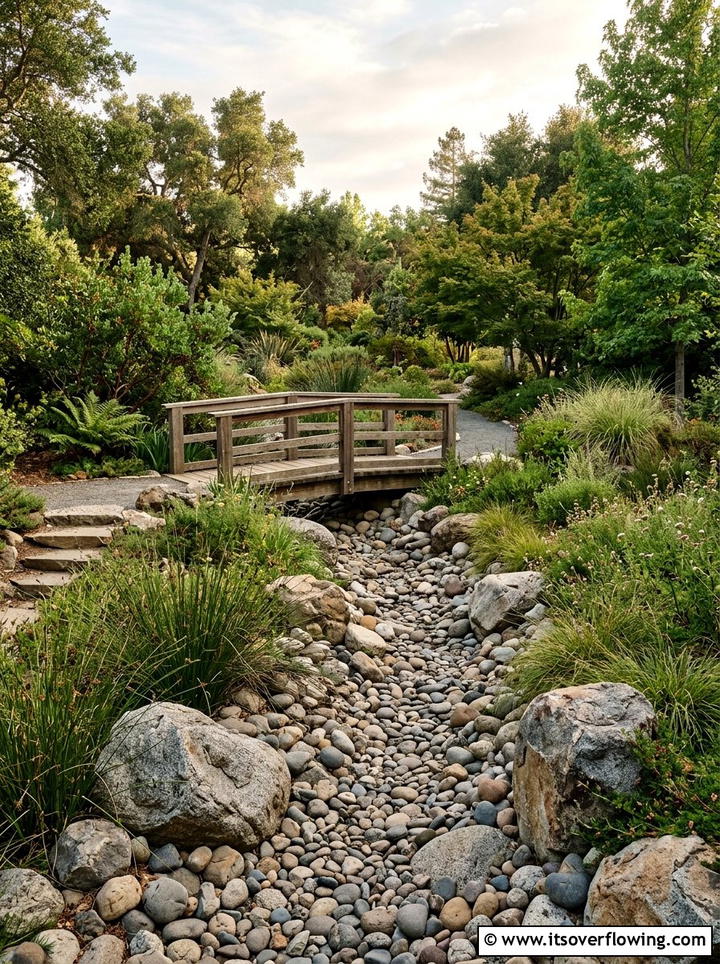
A dry creek bed is a clever landscaping feature that manages drainage while adding a naturalistic water-like element to your yard. This design uses various sizes of river rocks and boulders to mimic the look of a winding stream. Native plants like rushes, sedges, and blue flag iris are planted along the edges to soften the stone and blend it into the landscape. During heavy rains, the creek bed directs water away from your home’s foundation and allows it to soak into the earth. When it is dry, the stones provide a beautiful architectural contrast to the surrounding greenery. It is a perfect blend of form and function.
19. Native Groundcover
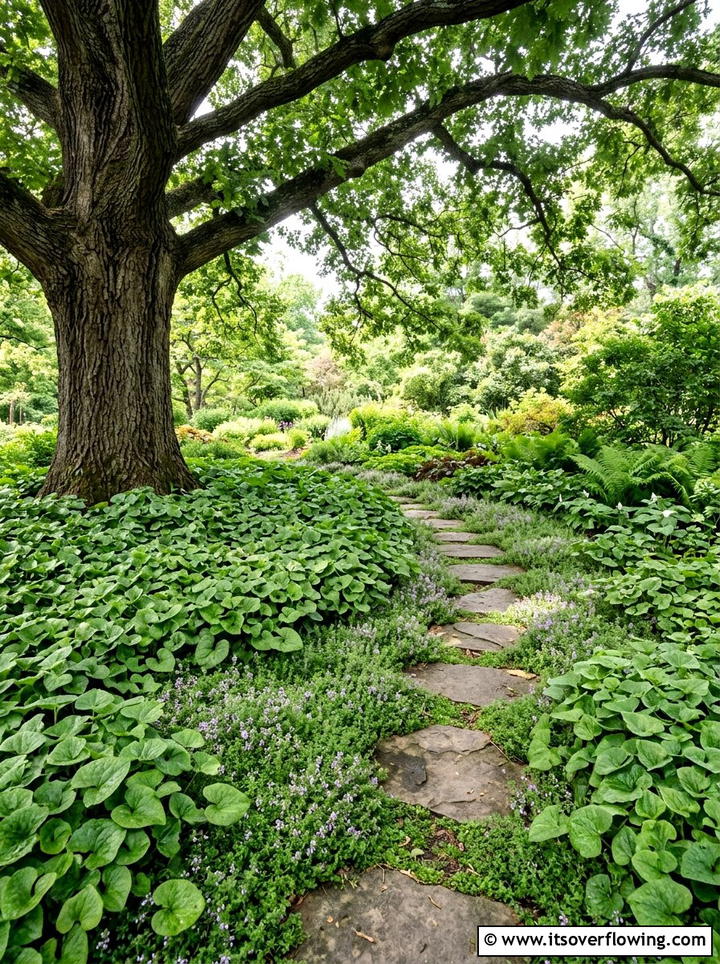
Replacing a high-maintenance lawn with native groundcover is a smart move for any busy homeowner. Instead of thirsty turf grass, you can use low-growing species like wild strawberry, creeping thyme, or various native mosses. these plants spread horizontally to cover the soil, suppressing weeds and retaining moisture effectively. Many native groundcovers produce small, charming flowers and require little to no mowing or fertilization. This approach creates a soft, textured carpet that feels wonderful underfoot and looks much more interesting than a standard green lawn. It is an eco-friendly alternative that saves time and resources while providing a lush, green foundation for your entire garden.
20. Cottage Garden
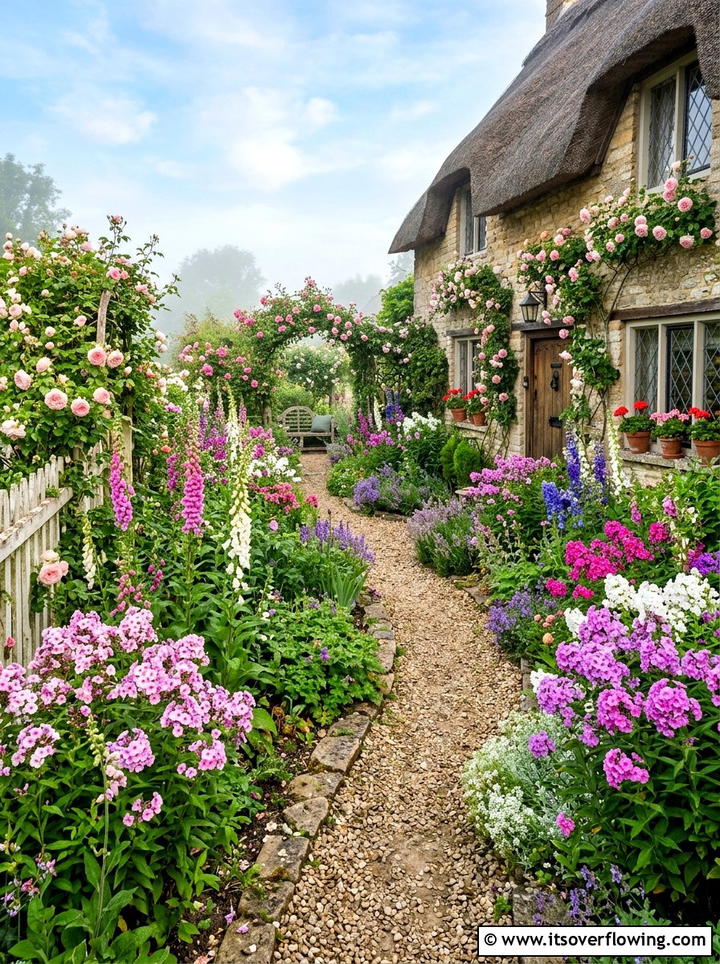
A cottage garden filled with native plants offers a romantic, overflowing look that feels both timeless and cozy. This style emphasizes dense plantings, winding paths, and a mix of flowers, herbs, and shrubs. By using native species like foxgloves, phlox, and roses indigenous to your area, you achieve that classic look with much less effort. The goal is to create a sense of organized chaos where plants spill over edges and mingle together beautifully. This design is perfect for smaller yards where you want to maximize color and fragrance in every square inch. It creates a charming, inviting atmosphere that encourages you to linger and enjoy the blooms.
21. Modern Landscape
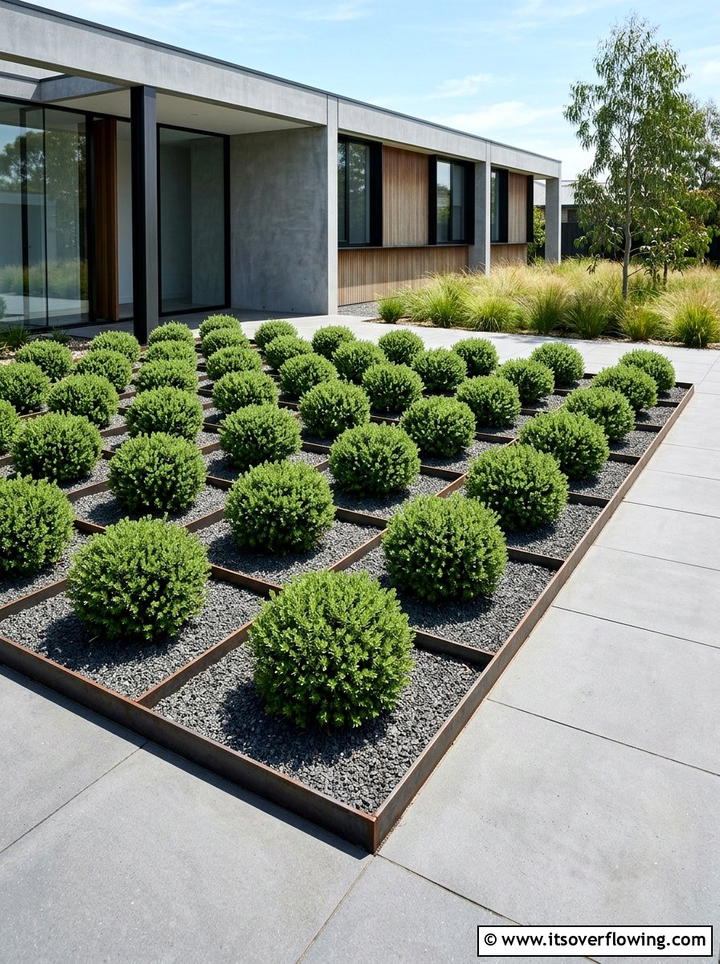
Clean lines and bold plant choices define a modern landscape that highlights the structural beauty of native flora. This design often features mass plantings of a single species to create a strong visual impact and a sense of rhythm. For example, a long row of native ornamental grasses or a grid of identical shrubs can look incredibly sophisticated. Using native plants ensures that the minimalist look remains healthy and vibrant with very little upkeep. Modern landscapes often incorporate materials like steel, concrete, and wood to contrast with the organic shapes of the greenery. It is a perfect choice for contemporary homes looking for a high-style, low-impact outdoor environment.
22. Native Bog Garden
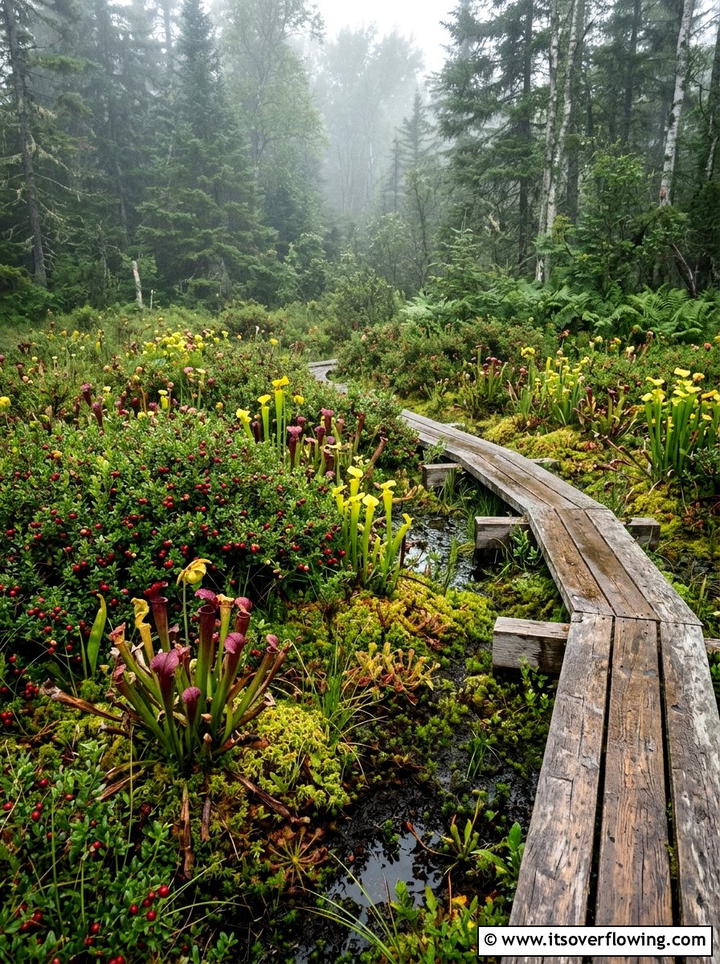
For areas of your yard that stay perpetually wet, a native bog garden is the perfect landscaping solution. This specialized environment features plants that love saturated soil and high moisture levels, such as pitcher plants and cranberry bushes. Bog gardens add a unique, exotic feel to the landscape while solving the problem of standing water. You can build a small boardwalk or use stepping stones to navigate the area without disturbing the delicate soil. The unique shapes and colors of bog plants provide a fascinating focal point that you won’t see in every neighborhood. It is a wonderful way to embrace the specific hydrology of your property.
23. Container Garden
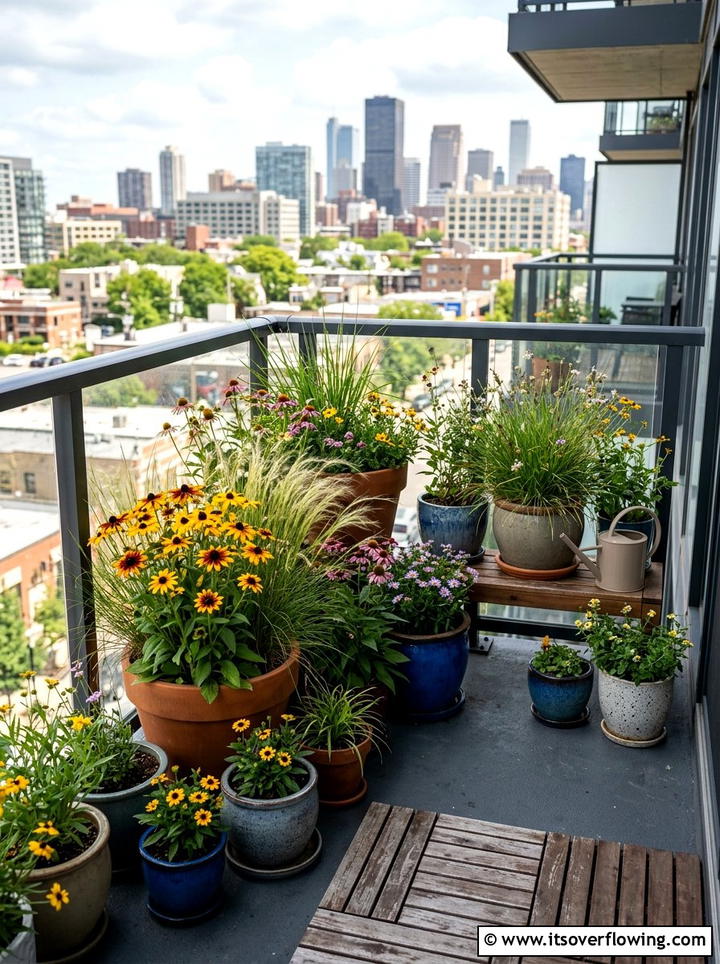
Even if you only have a small balcony or patio, you can still enjoy the benefits of native plants. A container garden uses pots and planters to create a portable and manageable native oasis in any location. Many native perennials and small shrubs thrive in containers as long as they have proper drainage and sunlight. This approach allows you to experiment with different species and move them around to refresh your decor. You can group pots of varying heights to create a lush, layered look that mimics a larger garden bed. Container gardening with natives is a great way for urban dwellers to support local biodiversity and greenery.
24. Fall Color Landscape
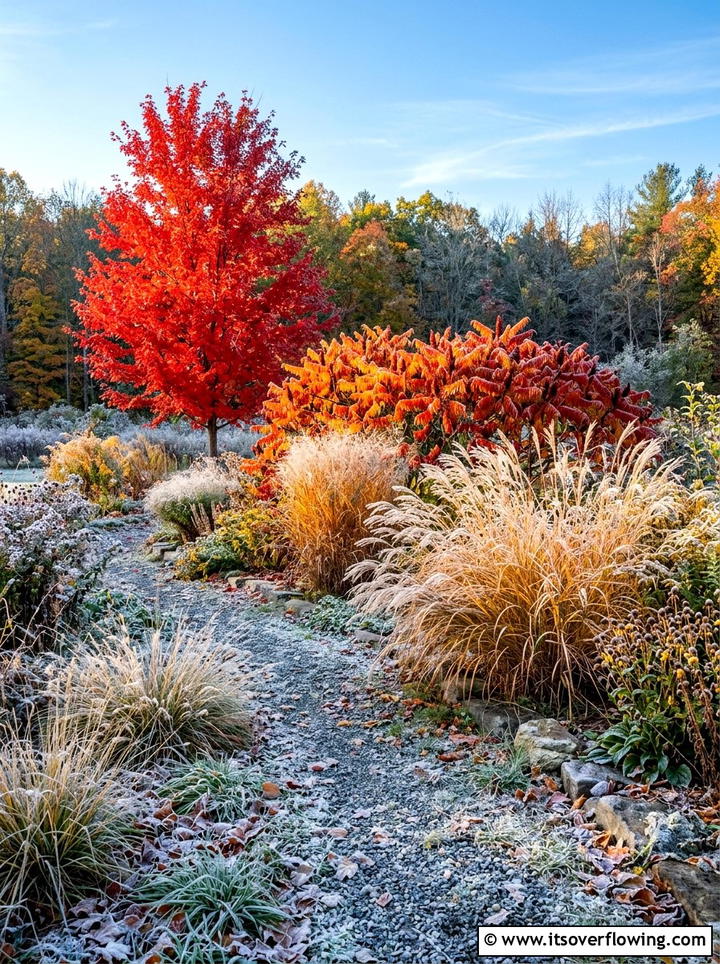
When the temperature drops, a fall color landscape becomes the star of the neighborhood with its fiery hues. Many native trees and shrubs, such as sugar maples, sumacs, and viburnums, are famous for their brilliant autumn foliage. By selecting plants that turn shades of deep red, bright orange, and golden yellow, you ensure your garden remains stunning late into the year. Native grasses also add to the display with their tawny textures and graceful seed heads. This design focuses on the transition of the seasons, providing a spectacular finale to the growing year. It turns your backyard into a seasonal masterpiece that celebrates the cooling weather and changing light.
25. Spring Bloom Landscape
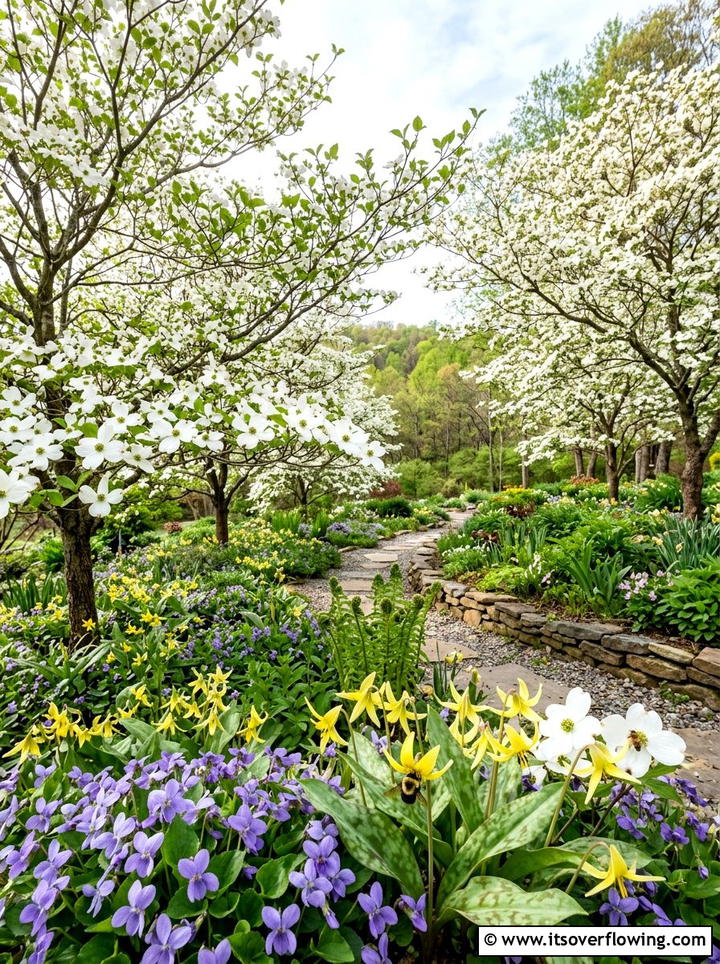
There is nothing quite like the first burst of color after a long, cold winter to lift the spirits. A spring bloom landscape utilizes native spring ephemerals and flowering trees to wake up the garden early in the season. Species like Virginia bluebells, trilliums, and dogwoods provide essential early-season nectar for emerging pollinators. These plants often bloom before the large trees have fully leafed out, taking advantage of the available sunlight on the ground. By planning for early blooms, you ensure your garden is full of life and color while other yards are still dormant. It creates a hopeful and vibrant start to the year that you can enjoy every morning.
Conclusion:
Embracing native plants in your garden design is a powerful way to create a beautiful, sustainable, and low-maintenance landscape. Whether you choose to build a pollinator-friendly meadow, a sleek modern landscape, or a tranquil woodland retreat, these indigenous species provide the foundation for a healthy ecosystem. By working with nature instead of against it, you reduce the need for chemicals and excessive watering while supporting local wildlife. These twenty-five ideas demonstrate that native gardening is versatile enough to fit any style or property size. Starting your native plant journey today will lead to a more resilient and enchanting outdoor space that grows more beautiful with each passing season.

Related posts:
 25 Garden Design Ideas With Native Grasses for Natural Style
 25 creative garden ideas with native wildflowers for Pollinators
 25 Creative Garden Ideas DIY: Easy Projects for Every Yard
 25 garden design ideas for side yard strips: Narrow Space Wins
 25 Garden Design Ideas With Texture for a Lush Yard Look
 25 garden ideas for family gatherings: Welcoming Yard Tips
 25 garden ideas for hummingbirds: Nectar-Rich Yard Tips
 25 garden ideas for mediterranean style: Sunny Yard Looks
 25 Garden Ideas for Tropical Style to Brighten Your Yard
 25 garden ideas with low cost materials: Budget Yard Tips
 25 Garden Ideas With Pathways for a Beautiful Yard Makeover
 25 Small Garden Ideas for Side Yard Spaces That Shine