
Transforming your backyard into a personal sanctuary does not require a massive budget or a professional landscaping crew when you have the right inspiration. DIY garden projects allow you to express your unique style while significantly increasing the curb appeal and functionality of your outdoor living space. Whether you are working with a sprawling lawn or a tiny urban balcony, these creative solutions help you maximize every square inch of green space. By using repurposed materials and simple tools, you can create a high-end look that feels both welcoming and intentional. Gardening is a journey of patience and creativity that brings immense satisfaction and peace.
1. Vertical Pallet Planter
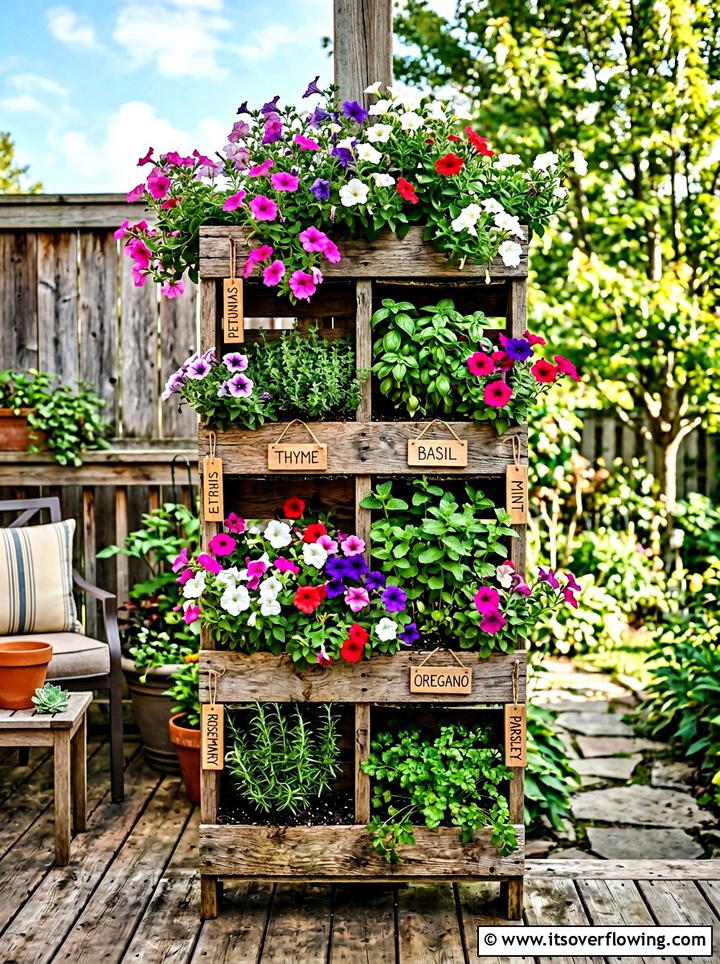
A vertical pallet planter is a perfect solution for small spaces or bare walls that need a touch of greenery. You can easily find old shipping pallets at local stores and transform them into a living wall. Start by sanding the wood to prevent splinters and applying a weather-resistant stain for durability. Staple heavy-duty landscape fabric to the back and bottom to hold the soil securely in place. Fill the openings with a mix of cascading flowers, fresh herbs, or vibrant succulents for a layered effect. This design creates a lush focal point that draws the eye upward and saves valuable floor space on your patio.
2. Stock Tank Pool
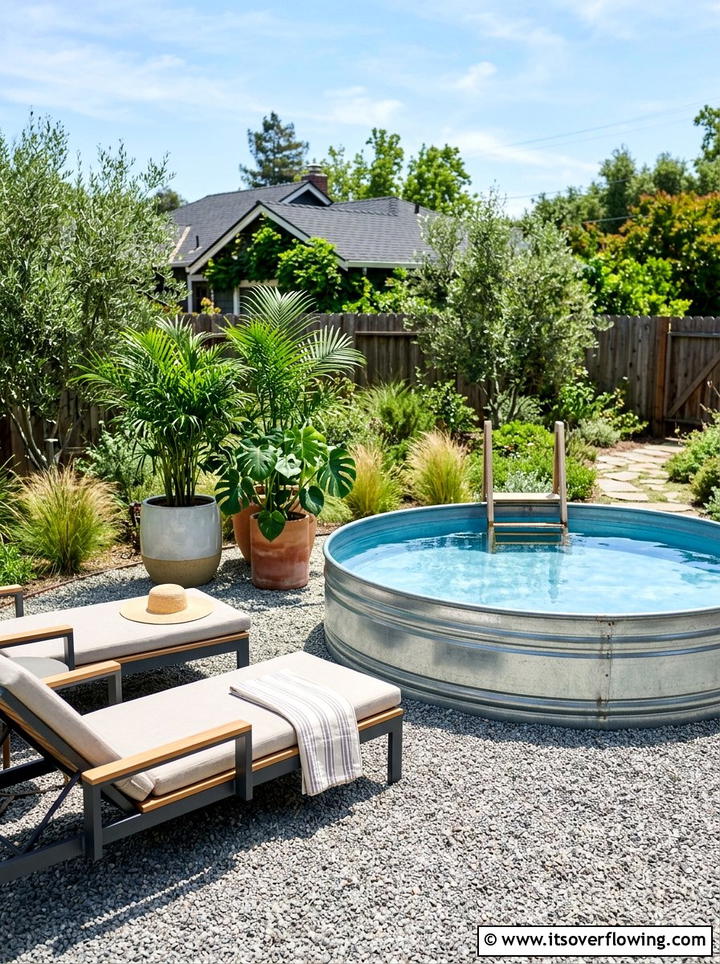
Stock tank pools have become a massive trend for homeowners looking for an affordable way to stay cool during the summer. These galvanized metal tubs offer a rustic and industrial aesthetic that fits perfectly in modern farmhouse gardens. You can set the tank on a level bed of crushed gravel or a custom wooden deck to create a permanent installation. Adding a small pool pump and a filter system ensures the water stays crystal clear and safe for soaking. Surround the area with comfortable lounge chairs and potted tropical plants to create a private backyard oasis that feels like a luxury resort destination.
3. Recycled Tire Planter
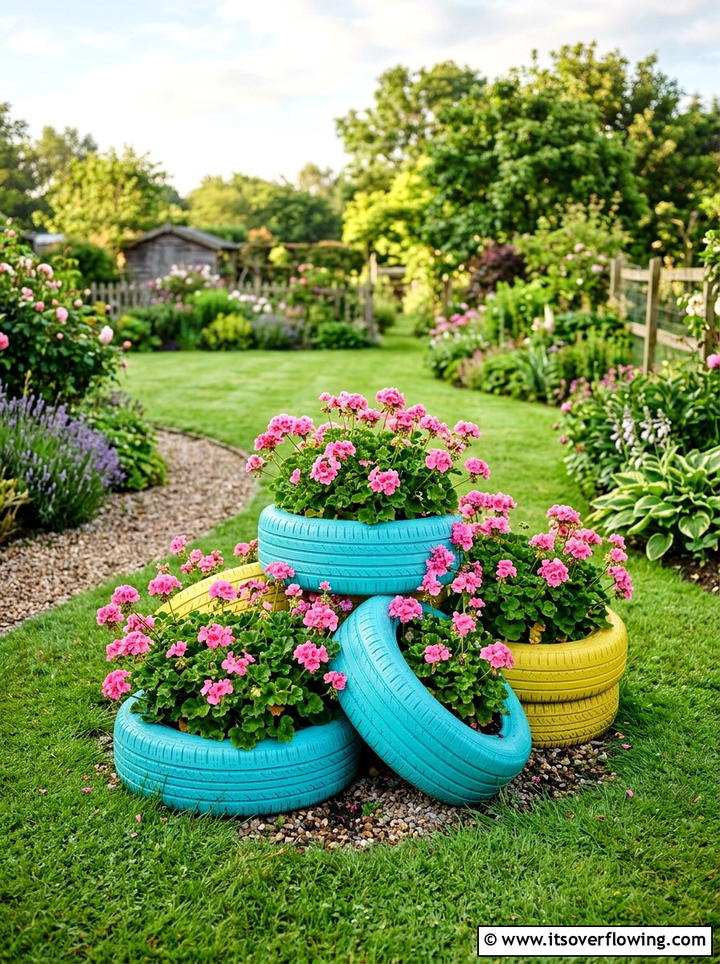
Giving old tires a second life as colorful garden containers is a fun and eco-friendly project for any skill level. You can stack them to create different heights or hang them individually from sturdy tree branches or fences. Use outdoor spray paint in bright shades like turquoise, yellow, or coral to give the rubber a modern and clean appearance. Fill the center with high-quality potting mix and plant trailing vines like sweet potato vine or bold blooms like marigolds. This approach adds a playful pop of color to your landscape while keeping waste out of landfills and providing a sturdy home for plants.
4. Herb Spiral Garden
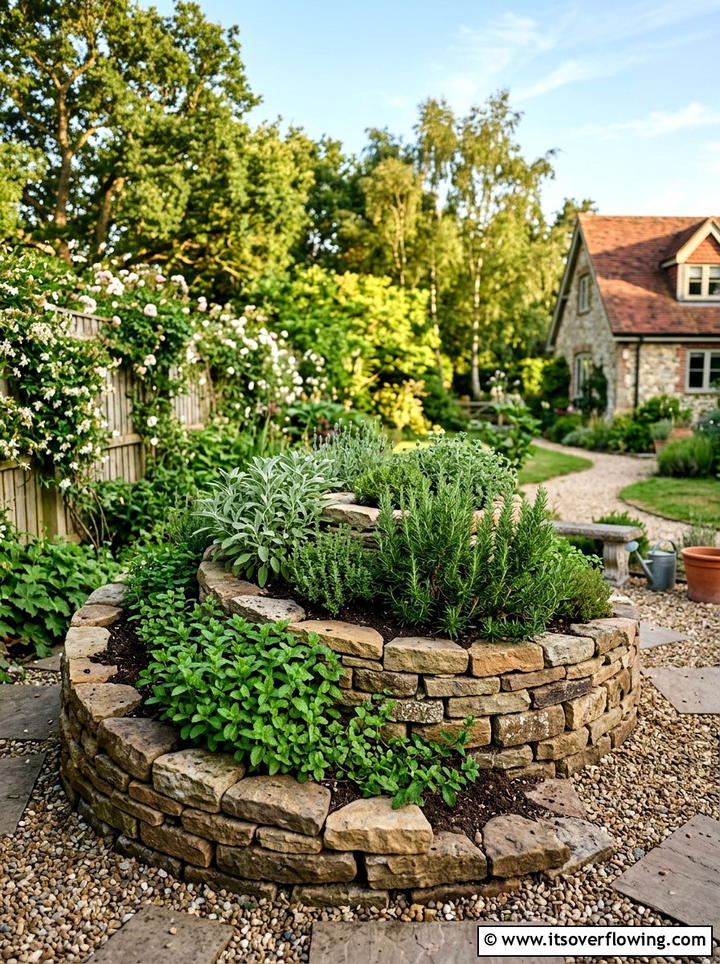
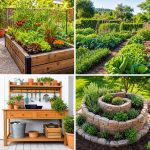
An herb spiral is a brilliant permaculture design that allows you to grow many different plants in a very compact footprint. By building a spiraling mound of stones or bricks, you create various microclimates that suit different types of herbs. The top of the spiral stays drier and sunnier, making it ideal for rosemary and thyme. The lower sections retain more moisture and provide shade, which is perfect for mint, parsley, and chives. This functional sculpture adds a beautiful architectural element to your backyard. It also makes harvesting fresh ingredients for your kitchen incredibly convenient and organized throughout the growing season.
5. Solar Path Lighting
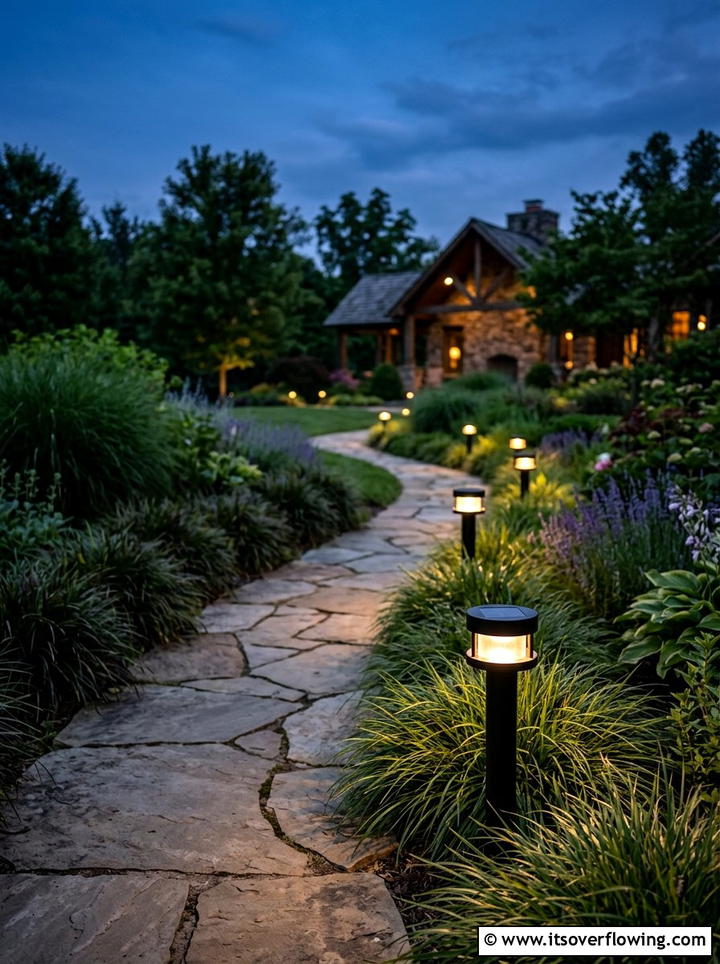
Installing solar path lighting is one of the easiest ways to enhance the safety and evening ambiance of your garden. You do not need any complex electrical wiring or professional help to set up these energy-efficient fixtures. Simply push the stakes into the ground along your primary walkways, flower beds, or driveway edges. During the day, the small panels soak up sunlight and then automatically cast a soft glow across your landscape at night. Choose modern black metal fixtures or classic copper finishes to match your home’s exterior style. Good lighting highlights your plants and makes your outdoor space usable after the sun goes down.
6. Tree Stump Planter
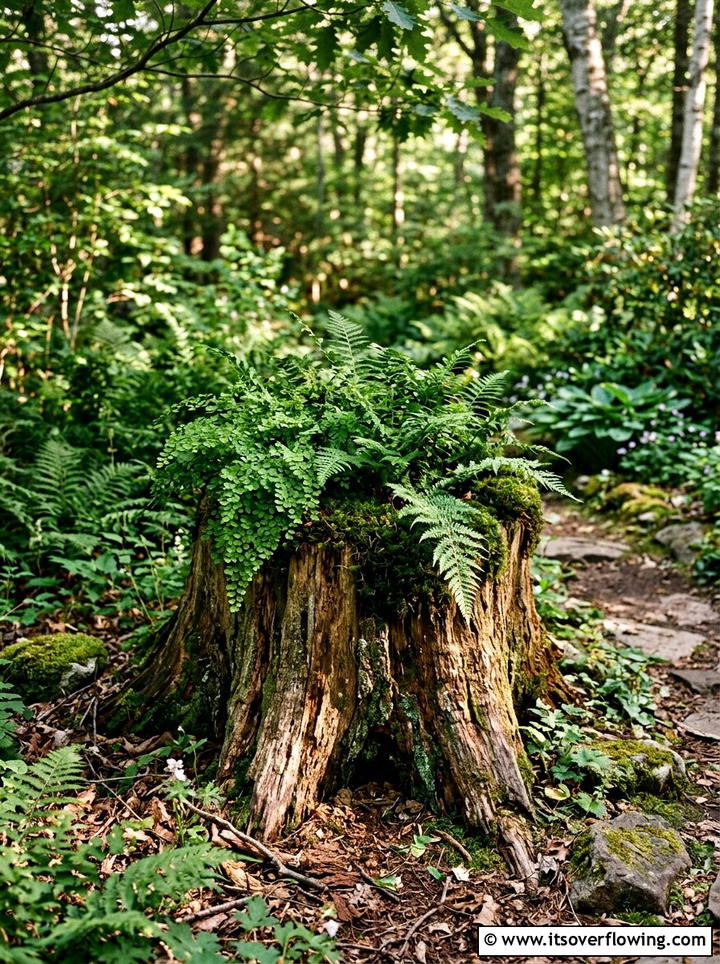
Instead of paying to have an old tree stump removed, you can turn it into a beautiful and natural planter. Use a drill or a chisel to create a hollow space in the center of the wood for soil. This organic container provides a unique rustic look that blends seamlessly with the surrounding environment. Ferns, mosses, and woodland flowers thrive in the moisture-retaining environment of a decaying stump. Over time, the stump will continue to break down, providing nutrients to the plants growing inside it. This creative recycling method turns a potential eyesore into a charming landscape feature that celebrates the natural cycle of life.
7. Cinder Block Bench
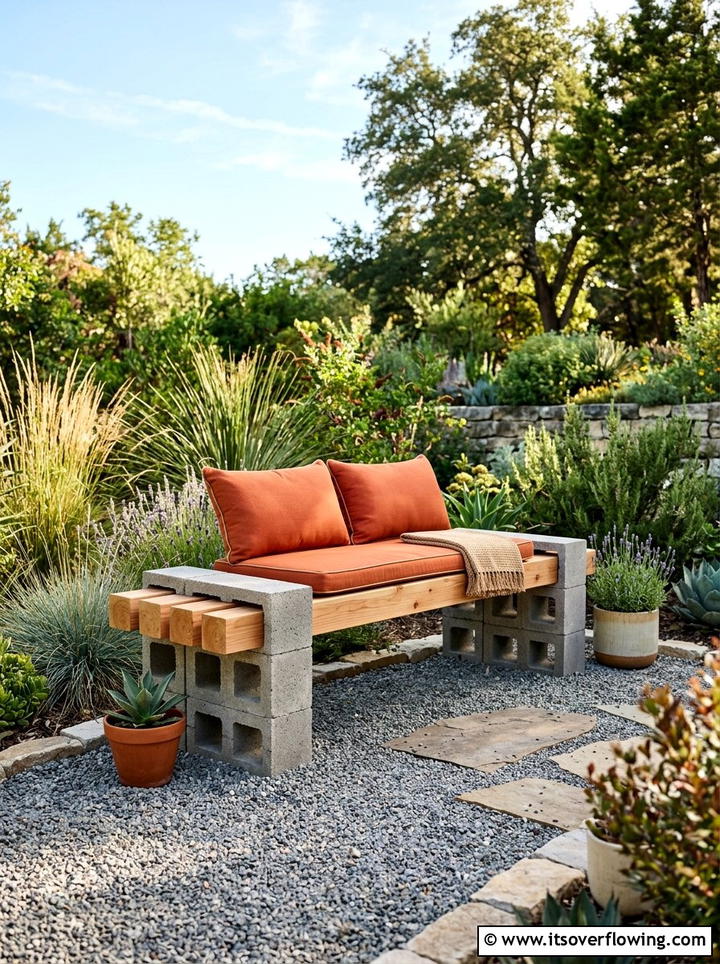
Building a cinder block bench is a quick and sturdy way to add extra seating to your garden or fire pit area. You only need a few concrete blocks and several long wooden beams to create a modern, industrial-style seat. Slide the beams through the openings in the blocks to form the bench surface. You can leave the concrete raw for a minimalist look or paint the blocks to match your outdoor cushions. This project is incredibly durable and can withstand harsh weather conditions without much maintenance. Add some colorful outdoor pillows and a soft throw to make the space feel cozy and inviting for guests.
8. Succulent Wall Frame
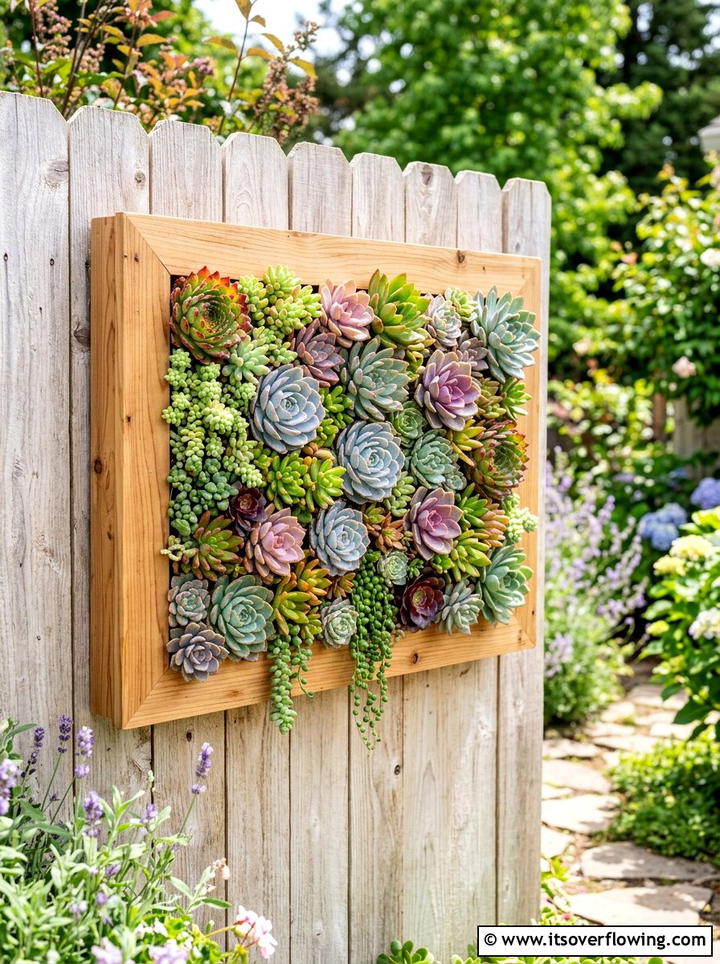
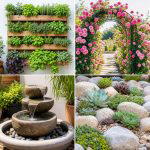
A succulent wall frame acts like a piece of living art that brings texture and life to your outdoor walls. You can build a shallow wooden box with a wire mesh front to hold the plants in place. Fill the box with a gritty succulent soil mix and tuck various species of Echeveria and Sedum through the wire. Once the roots are established, you can hang the frame vertically on a sunny fence or porch wall. The different shapes, colors, and sizes of the succulents create a stunning mosaic effect. This low-maintenance project requires very little water and provides a sophisticated focal point for any area.
9. Dry Creek Bed
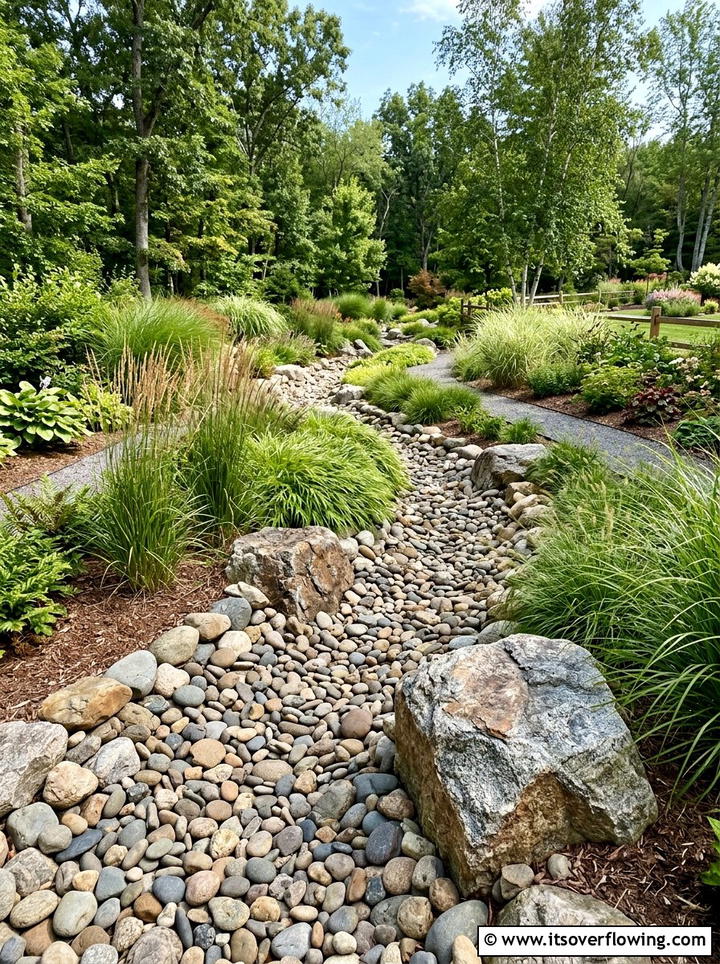
A dry creek bed is a functional and attractive landscape feature that helps manage drainage issues while adding visual interest. By using a variety of river rocks, pebbles, and larger boulders, you can mimic the look of a natural waterway. Wind the path through your garden to create a sense of movement and break up large patches of grass. During heavy rain, the rocks channel water away from your home’s foundation and prevent soil erosion. Surround the edges with ornamental grasses and moisture-loving perennials to soften the look. This design requires almost zero maintenance and provides a permanent structure that looks beautiful in every season.
10. Painted Cinder Block Wall
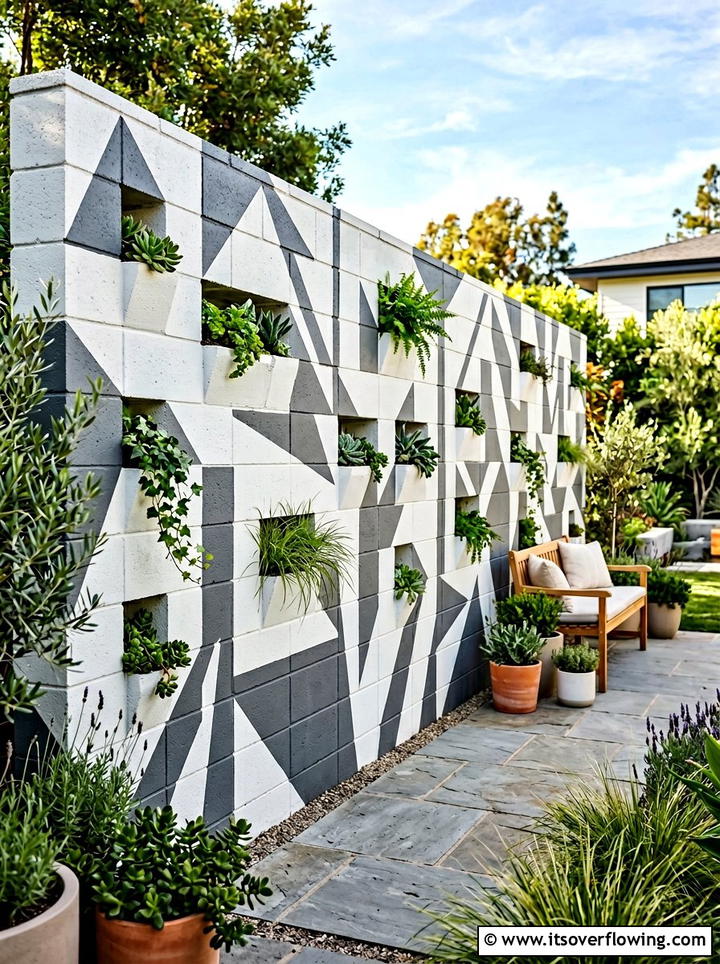
Standard cinder blocks can be transformed into a vibrant and modern vertical garden with just a little bit of paint. You can stack the blocks in a staggered pattern to create built-in pockets for planting small flowers or succulents. Use a bold color palette to create a geometric mural effect that acts as a decorative screen or boundary. This is an excellent way to hide an ugly fence or create a sense of privacy in a small courtyard. The heavy concrete provides a stable structure that can handle wind and weight. It is a budget-friendly way to introduce architecture and color into a flat landscape.
11. Rain Gutter Garden
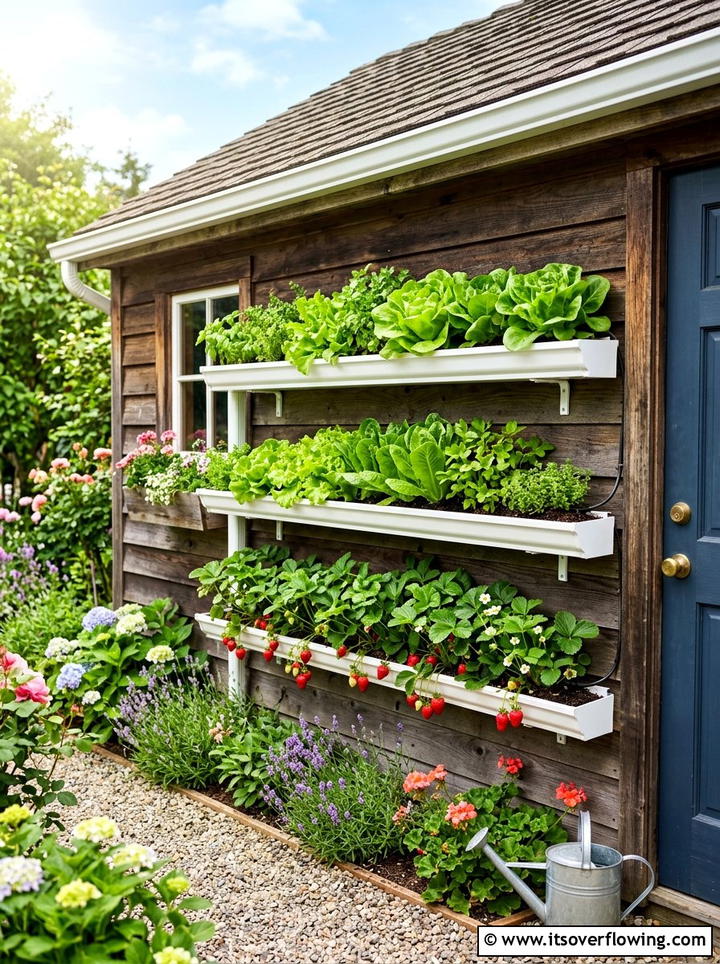
Rain gutter gardens are a clever way to utilize vertical space on the side of a shed, fence, or balcony railing. You can mount standard aluminum or plastic gutters in rows to create a tiered planting system. This setup is particularly effective for growing leafy greens like lettuce, spinach, and strawberries that have shallow root systems. Drill small drainage holes in the bottom of each gutter to prevent water from sitting and rotting the roots. The elevated position keeps your produce away from ground-dwelling pests and makes harvesting much easier on your back. It is a clean and organized way to grow your own food.
12. Cedar Raised Bed
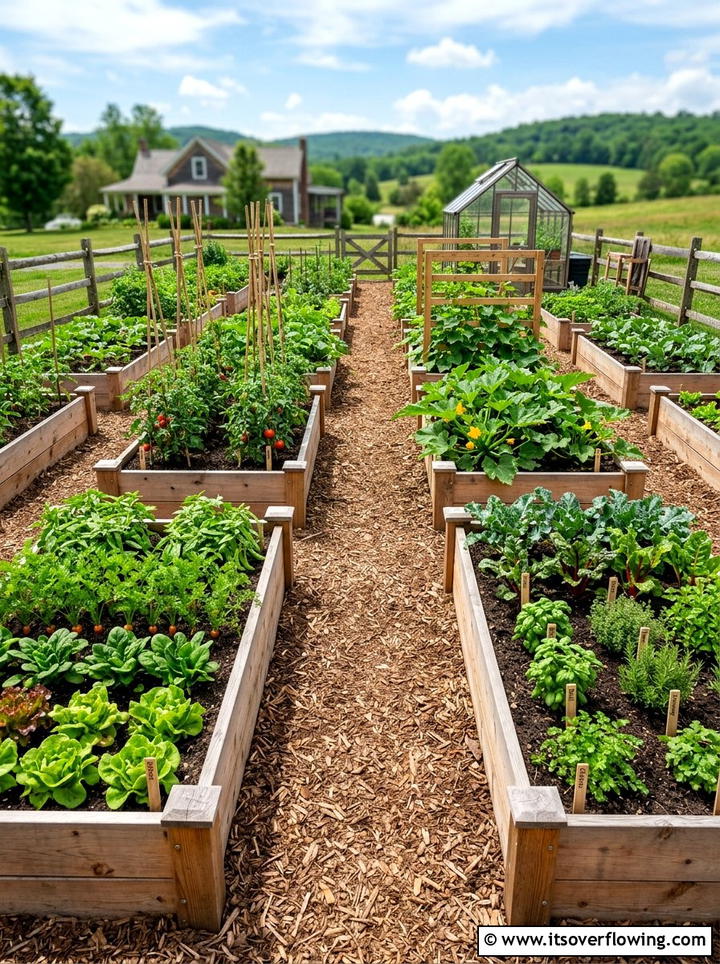
Cedar raised beds are a classic choice for vegetable gardeners because the wood is naturally resistant to rot and insects. Building your own beds allows you to control the quality of the soil and provides better drainage for your plants. You can customize the height of the beds to make gardening more accessible and reduce the need for bending. Raised beds also warm up faster in the spring, which can extend your growing season significantly. The clean lines of the cedar wood create a neat and tidy appearance in the backyard. Grouping several beds together creates a professional-looking kitchen garden that is both productive and beautiful.
13. Backyard Bird Bath
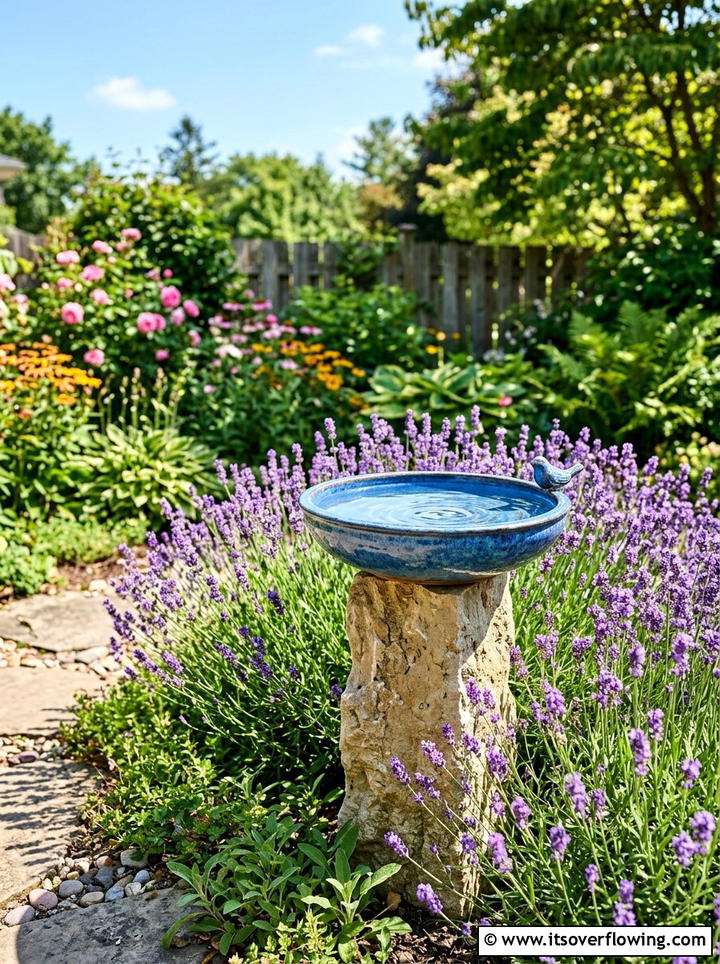
Adding a bird bath to your garden is a simple way to attract local wildlife and introduce the soothing sound of water. You can create a DIY version using a decorative ceramic bowl placed on top of a sturdy pillar or a large upturned flower pot. Keeping the water shallow and clean ensures that birds feel safe enough to visit regularly for a drink or a bath. Place the bird bath near some shrubs so the birds have a place to retreat if they feel threatened. Observing the different species that visit your yard brings a sense of joy and connection to the natural world around you.
14. Pebble Mosaic Walkway
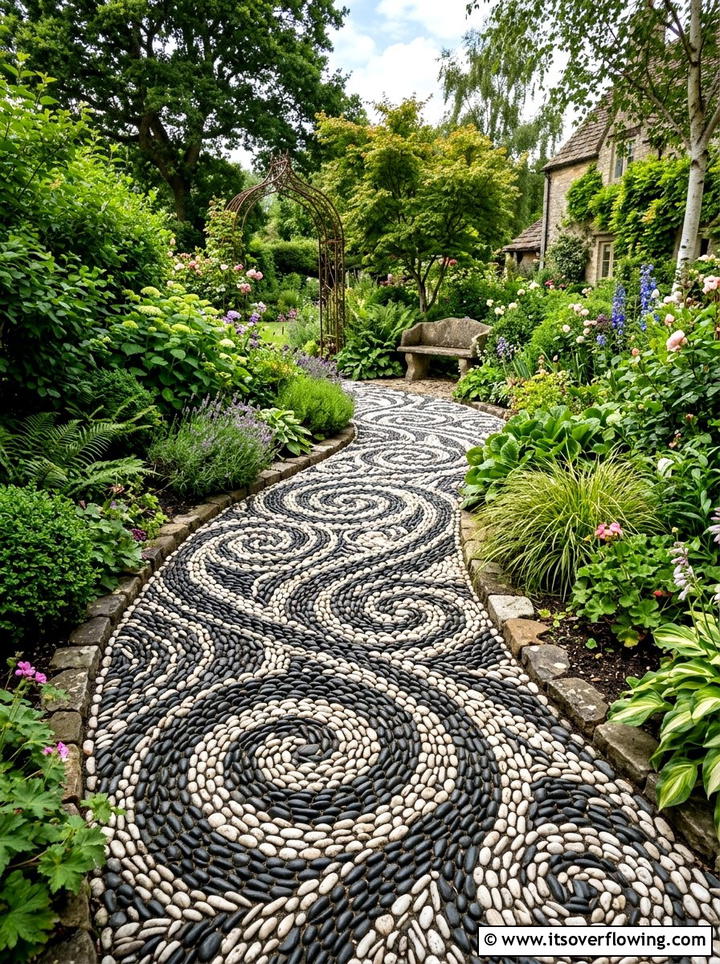
A pebble mosaic walkway turns a simple garden path into a stunning handcrafted work of art. You can collect smooth stones in various colors and sizes to create intricate swirls, floral patterns, or geometric shapes. Lay the stones into a bed of wet mortar or sand to ensure they stay in place over time. This project takes some patience and planning, but the result is a unique feature that adds incredible character to your landscape. The texture of the pebbles feels wonderful underfoot and provides a slip-resistant surface. A mosaic path acts as a beautiful transition between different areas of your outdoor living space.
15. Glass Bottle Border
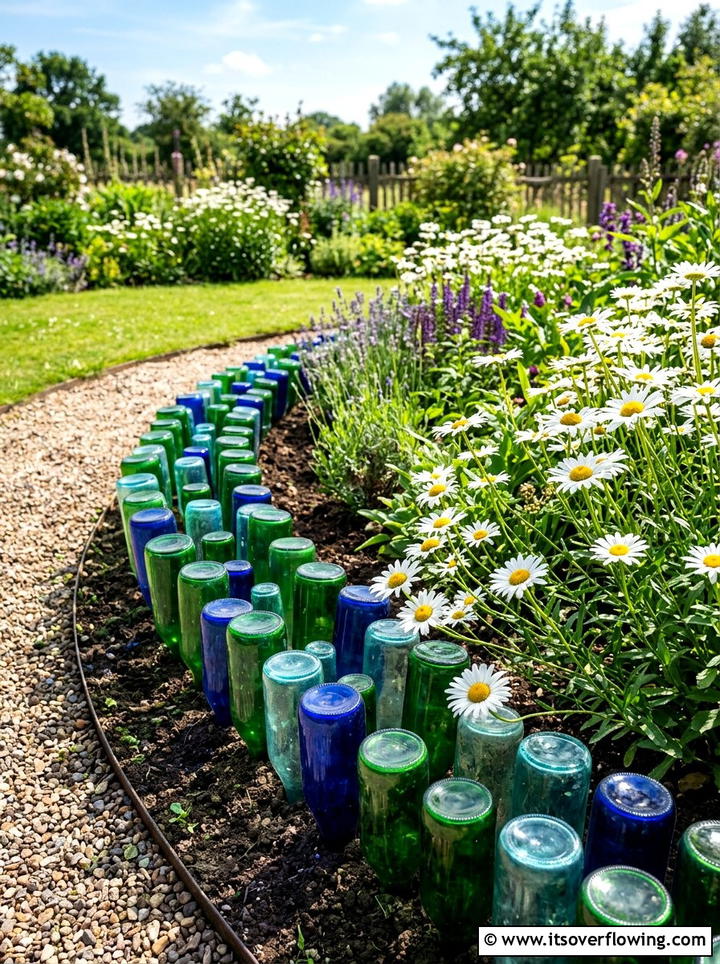
A glass bottle border is a creative and colorful way to define the edges of your flower beds or garden paths. By burying empty glass bottles neck-down in the soil, you create a shimmering boundary that catches the light beautifully. You can use bottles of the same color for a uniform look or mix different shades like blue, green, and brown for a whimsical feel. This method is an excellent way to recycle glass while adding a decorative element that won’t rot or attract pests. The bottles also help hold the soil in place and prevent mulch from washing onto your walkways during heavy rain.
16. Wooden Ladder Stand
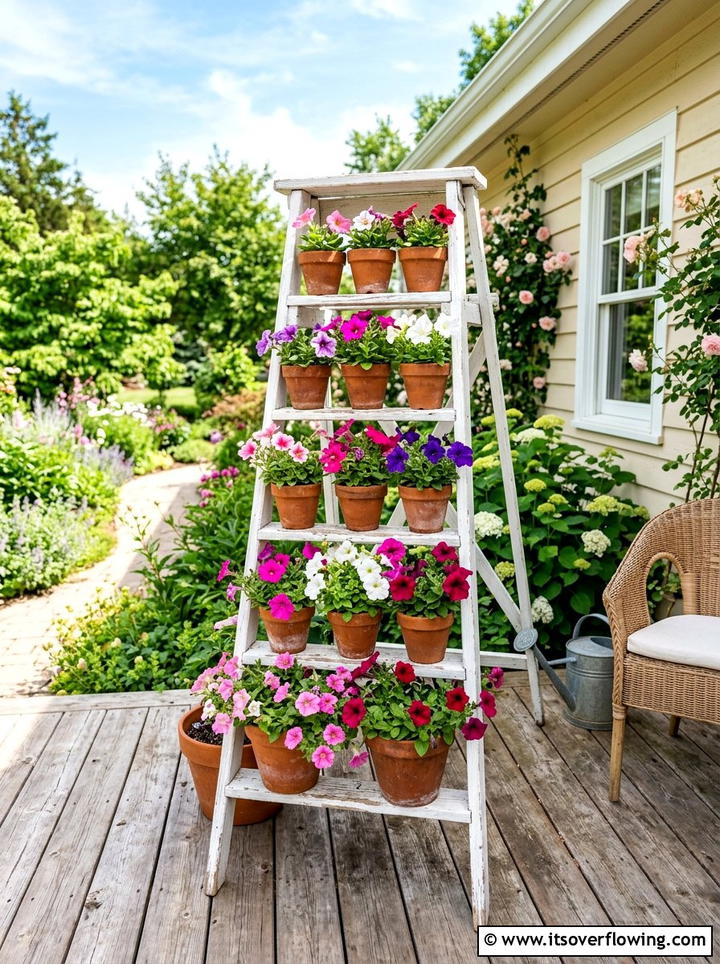
An old wooden ladder can be repurposed into a charming tiered plant stand that adds height and vintage character to your porch. Simply clean the wood and apply a fresh coat of paint or a clear sealant to protect it from the elements. You can place potted plants on each rung to create a cascading waterfall of foliage and flowers. This is an ideal project for displaying a collection of herbs or seasonal blooms in a small area. The vertical arrangement allows each plant to receive plenty of sunlight and air circulation. It is a versatile piece of decor that can be easily moved around.
17. Globe String Lights
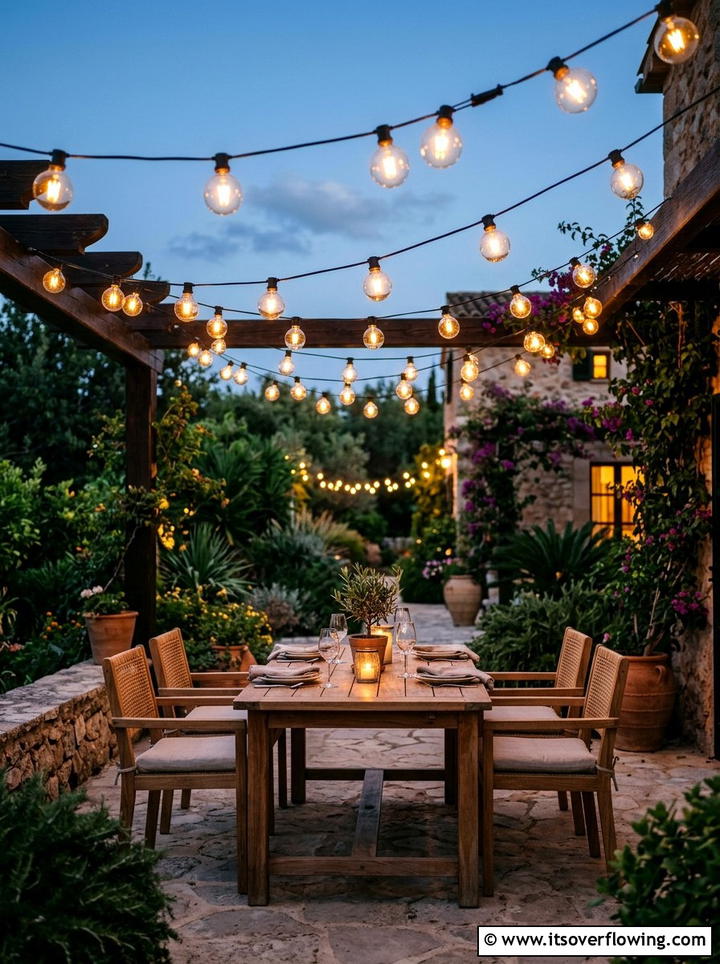
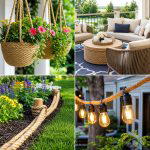
Hanging globe string lights is the most effective way to create a magical and festive atmosphere for outdoor entertaining. You can string them between trees, along a fence line, or across a pergola to provide a soft and warm glow. These lights instantly make any backyard feel like a cozy outdoor room where people want to gather and relax. Use sturdy poles or hooks to ensure the lights are securely mounted and can withstand the wind. The classic bulb shape adds a touch of timeless elegance to your garden design. It is an affordable upgrade that makes a huge impact on your home’s overall mood.
18. Outdoor Potting Station
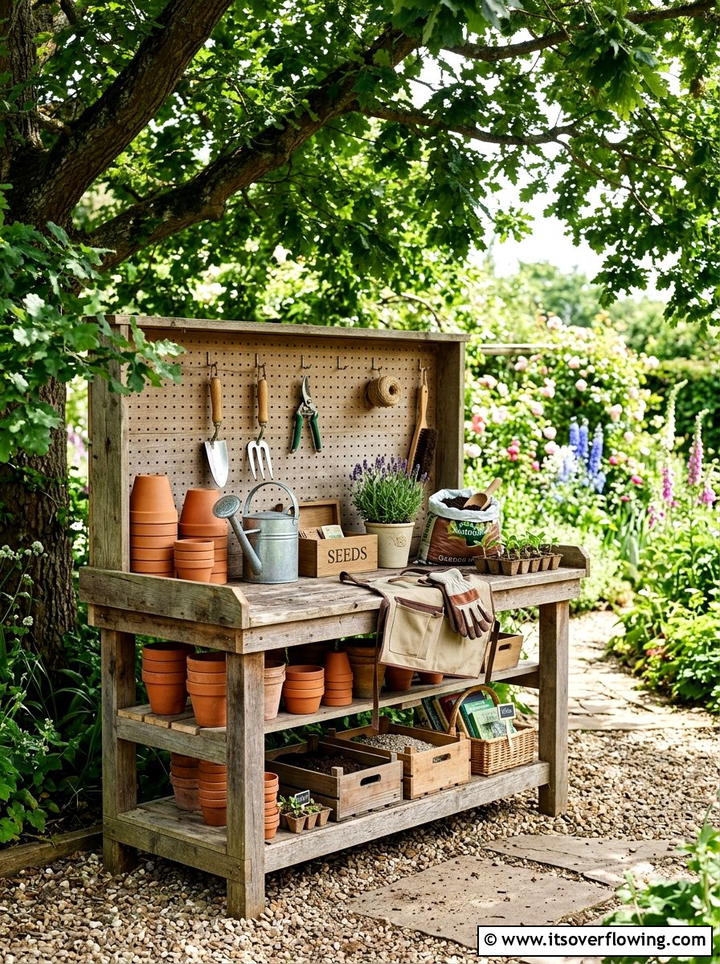
An outdoor potting station provides a dedicated and organized space for all your gardening tasks and tool storage. You can build a simple bench using reclaimed wood or transform an old dresser into a functional workstation. Include a large flat surface for repotting plants and shelves or hooks for keeping trowels, gloves, and watering cans within reach. Having everything in one place makes garden maintenance much more efficient and enjoyable. You can style the station with terracotta pots and some hanging plants to make it a decorative feature in its own right. It keeps the mess of soil and water away from your main living areas.
19. Wildflower Seed Patch
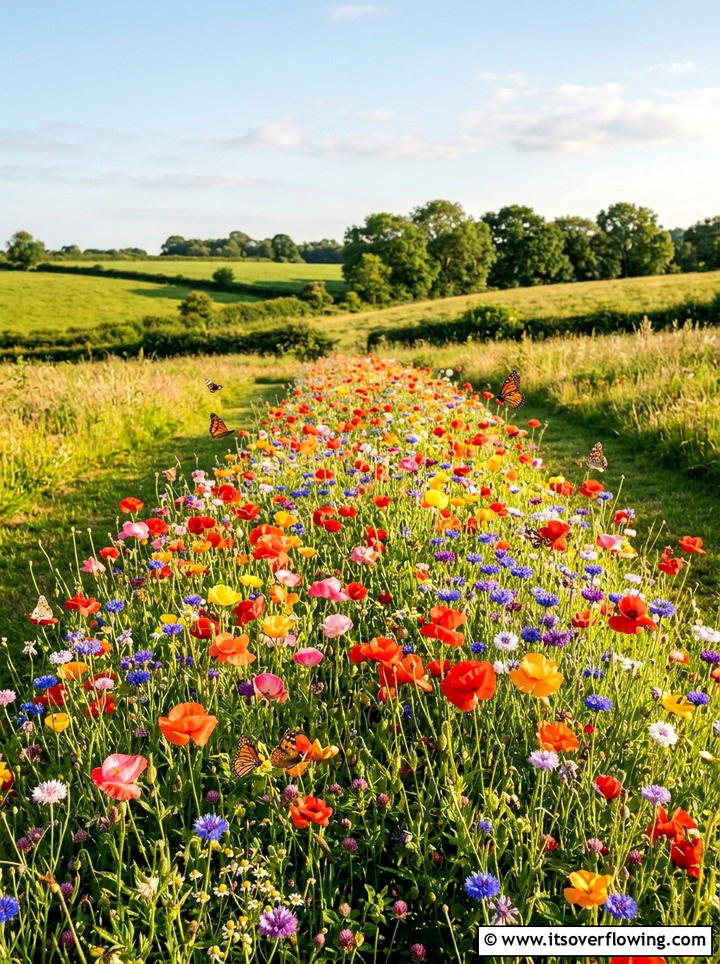
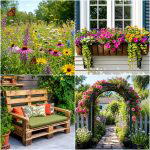
Sowing a wildflower seed patch is a low-effort way to bring vibrant color and biodiversity to a quiet corner of your yard. Wildflowers are hardy and require very little water or maintenance once they are established. This project provides a vital habitat and food source for essential pollinators like bees, butterflies, and hummingbirds. Simply clear a patch of grass, loosen the soil, and scatter a mix of seeds native to your region. As the seasons change, you will enjoy a constantly shifting display of different blooms and textures. It creates a natural and relaxed look that balances the more structured areas of your garden.
20. Wooden Barrel Fountain
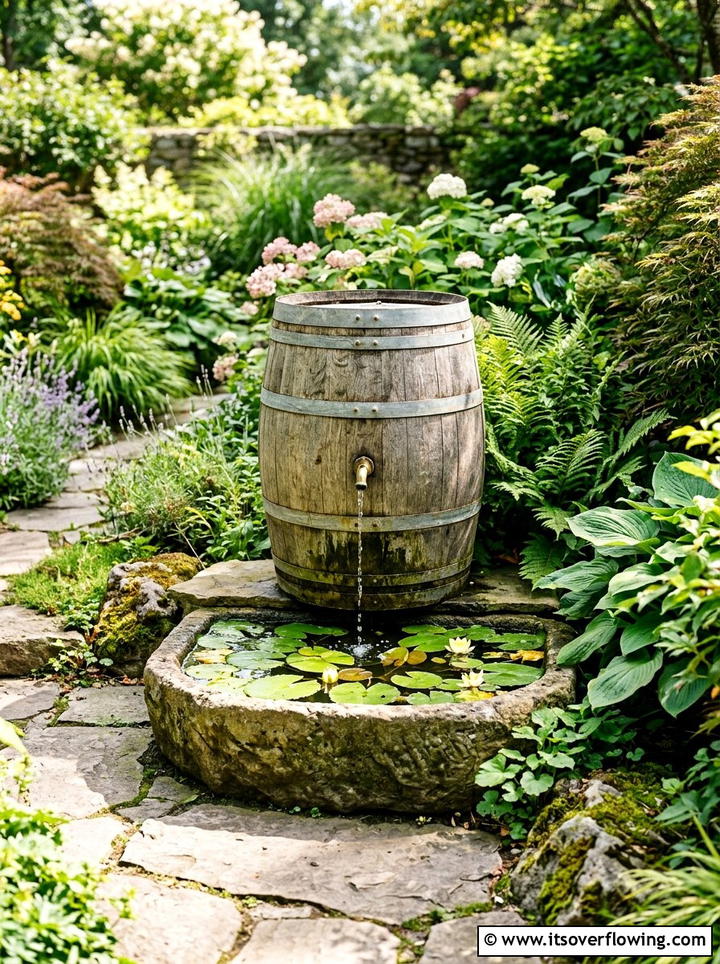
A wooden barrel fountain adds a touch of rustic charm and the calming sound of trickling water to your patio or deck. You can use a classic oak barrel and a small submersible pump to create a simple recirculating water feature. Adding some aquatic plants like water lilies or floating lettuce enhances the natural look and helps keep the water clean. The sound of water helps mask neighborhood noise and creates a peaceful environment for meditation or reading. This project is relatively easy to assemble and fits perfectly into a traditional or farmhouse garden style. It acts as a cooling focal point during the hot summer months.
21. Bamboo Privacy Screen
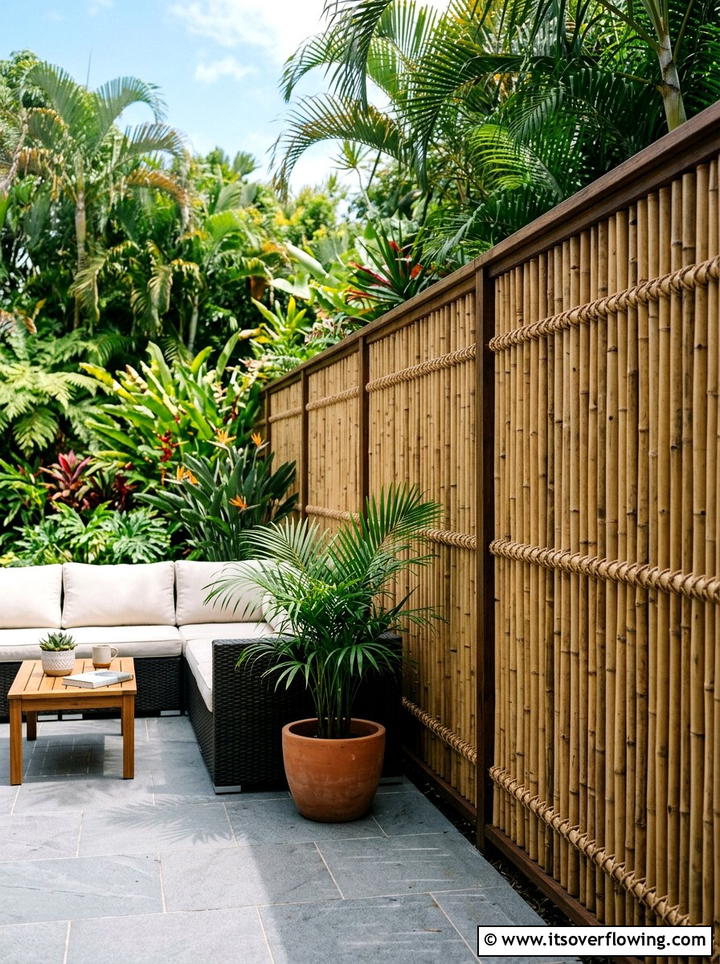
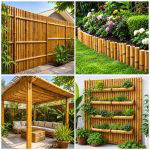
A bamboo privacy screen is a fast-growing and sustainable way to create a secluded area in your backyard or on your balcony. You can install pre-made bamboo panels or build a frame and attach individual stalks for a custom look. Bamboo provides a natural, tropical aesthetic that blends well with a variety of plant types. It is an excellent alternative to bulky wooden fences and allows some light and air to filter through. This screen can be used to hide trash cans, air conditioning units, or to block the view from nosy neighbors. It adds an instant sense of tranquility and exotic style to your space.
22. Wood Slice Path
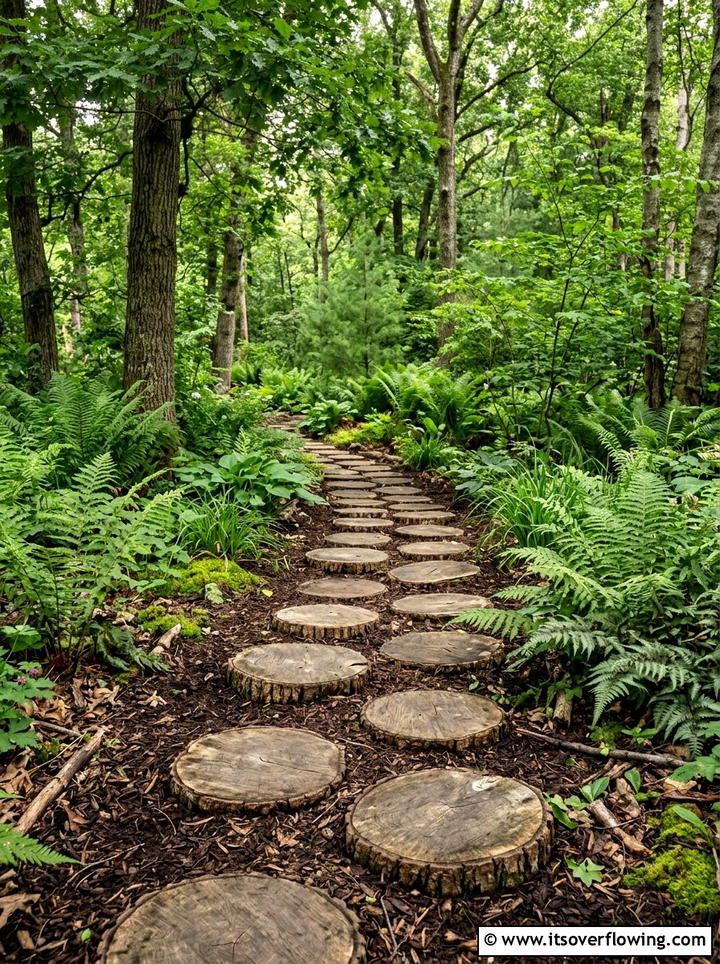
A wood slice path offers a whimsical and woodland feel that is perfect for shaded areas or naturalized gardens. You can cut thick slices from a fallen log or purchase pre-cut rounds from a local landscape supplier. Lay the wood slices into a bed of sand or mulch to create a stable walking surface that winds through your trees. The natural grain and texture of the wood add a warm and organic element to your outdoor design. Over time, the wood will weather and age, looking even more integrated into the landscape. It is a soft and inviting way to lead guests through your garden.
23. Garden Teepee Trellis
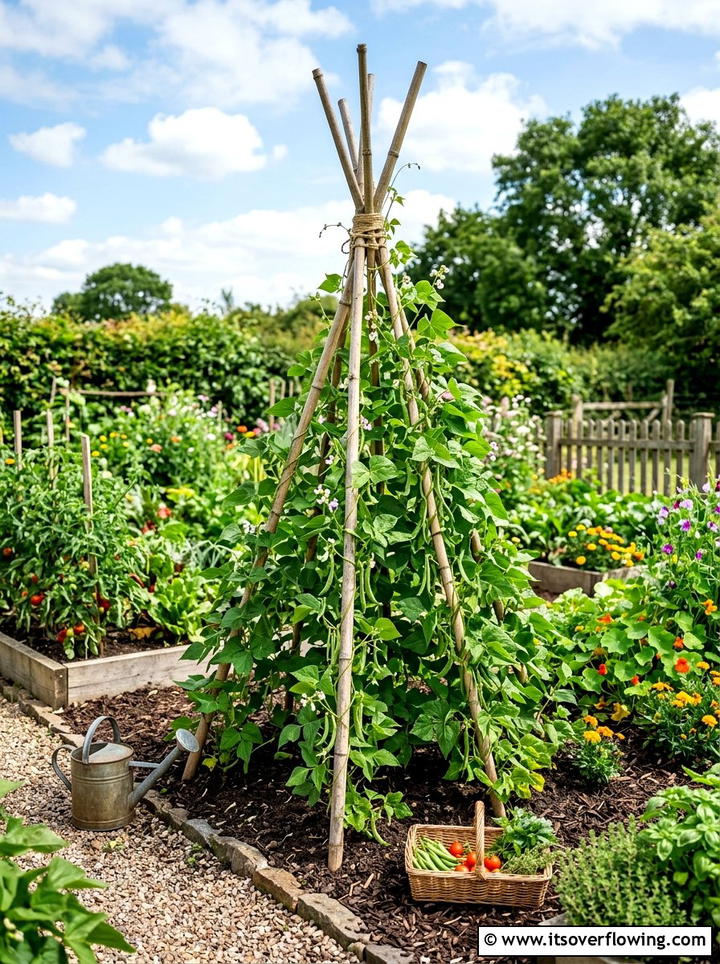
A garden teepee trellis is a functional and fun project that is perfect for growing climbing vegetables like beans, peas, or cucumbers. You can use long bamboo poles or sturdy branches lashed together at the top with twine to create the structure. As the plants grow, they will wrap around the poles and create a leafy green hideout for children or a shady spot for pets. This vertical growing method saves space in the garden and keeps the produce off the ground, reducing the risk of rot. The height of the teepee adds a dramatic and playful vertical element to your vegetable patch layout.
24. Mini Fairy Garden
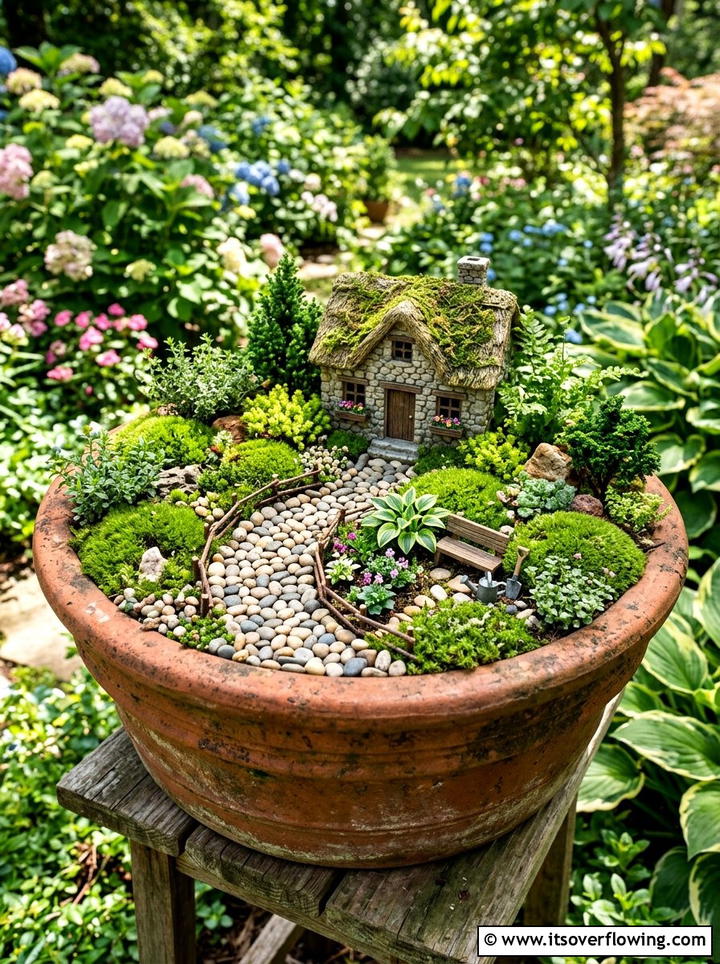
A mini fairy garden is a delightful project that allows you to get creative with tiny details and miniature landscaping. You can build these small worlds in a broken flower pot, a wooden crate, or even in the hollow of a tree. Use small-scale plants like moss, miniature succulents, and thyme to create a lush forest for your fairy figures. Add tiny accessories like pebble paths, twig fences, and small houses to bring the scene to life. This is a wonderful activity to do with children and encourages imagination and a love for nature. It is a charming surprise for anyone who explores your garden.
25. Corner Vegetable Garden
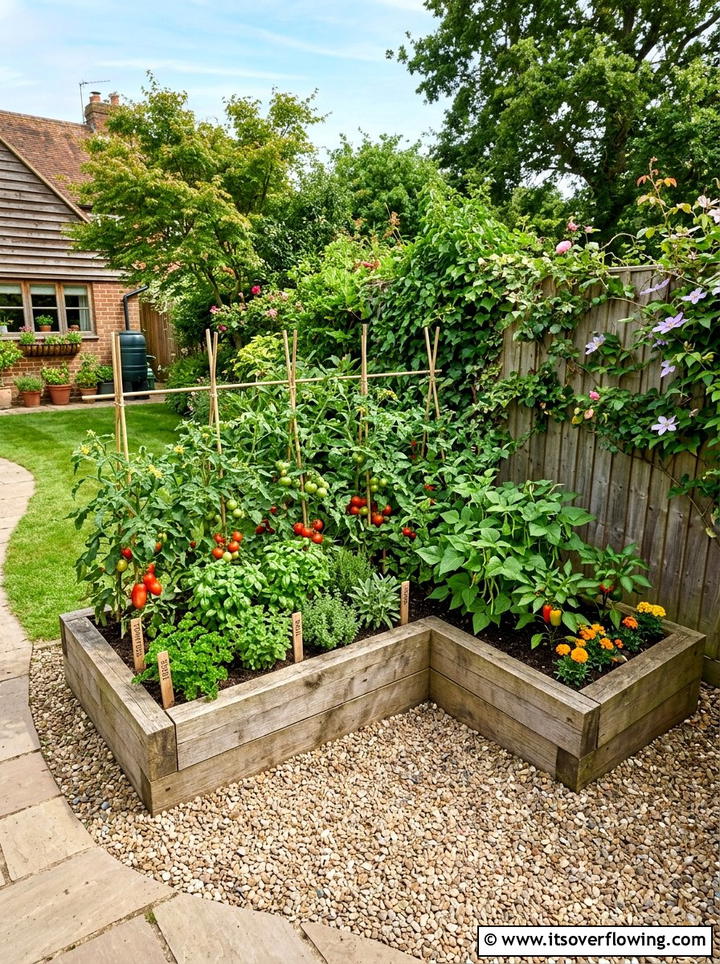
A corner vegetable garden is a smart way to utilize an underused part of your yard and start growing your own fresh produce. By building a triangular or L-shaped raised bed, you can maximize your planting area without taking up the center of the lawn. Choose a spot that receives at least six hours of sunlight a day for the best results with tomatoes, peppers, and herbs. Use a mix of nutrient-rich compost and topsoil to ensure your plants have everything they need to thrive. A well-organized vegetable patch provides healthy food for your family and a sense of pride in your self-sufficiency and gardening skills.
Conclusion:
Embarking on a DIY garden journey is an incredibly rewarding way to personalize your outdoor environment and connect with nature. Each of these projects offers a unique opportunity to enhance your home’s aesthetic while being mindful of your budget and the environment. By focusing on whole design concepts rather than just individual elements, you can create a cohesive and inviting landscape that serves as an extension of your indoor living space. Whether you are building functional structures or decorative accents, the effort you put into your garden will provide beauty and relaxation for years to come. Start small and enjoy the process of watching your garden grow.
Related posts:
 25 Garden Design Ideas for Projects to Transform Any Yard
 25 Creative Garden Ideas for Rural Homes: Rustic Yard Tips
 25 Creative Garden Ideas With Boho Textures for a Relaxed Yard
 25 Garden Ideas DIY Projects to Beautify Your Outdoor Space
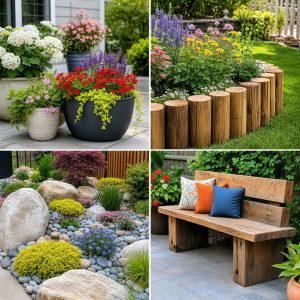 25 Garden Design Ideas for Low Budget Projects That Look Expensive
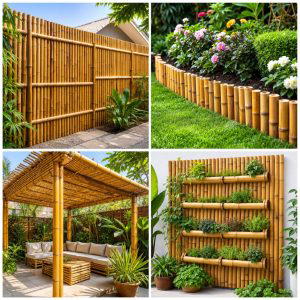 25 Garden Ideas With Bamboo Projects for Natural Style
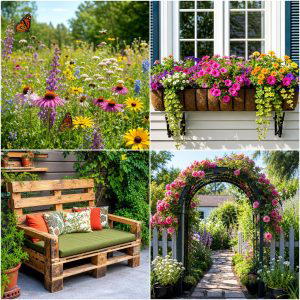 25 Garden Ideas With Weekend Projects to Try Now
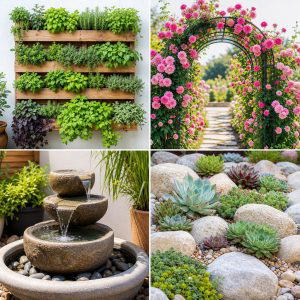 25 Small Garden Ideas for Quick Makeover Projects
 25 Garden Ideas With Rope Projects For Rustic Charm Today
 25 Garden Design Ideas With Texture for a Lush Yard Look
 25 Garden Ideas With Pathways for a Beautiful Yard Makeover
 25 Small Garden Ideas for Side Yard Spaces That Shine