
Rural living offers a unique canvas for gardening that urban spaces simply cannot match. When you have the luxury of space and a natural backdrop, your garden becomes an extension of the surrounding countryside. Creating a beautiful outdoor space for a rural home involves balancing wild nature with structured design. It is about choosing elements that feel authentic to the landscape while providing functionality for your lifestyle. Whether you want to grow your own food or create a haven for local wildlife, the possibilities are endless. These curated concepts focus on enhancing the charm of country living through thoughtful landscaping and practical, rustic touches.
1. Wildflower meadow
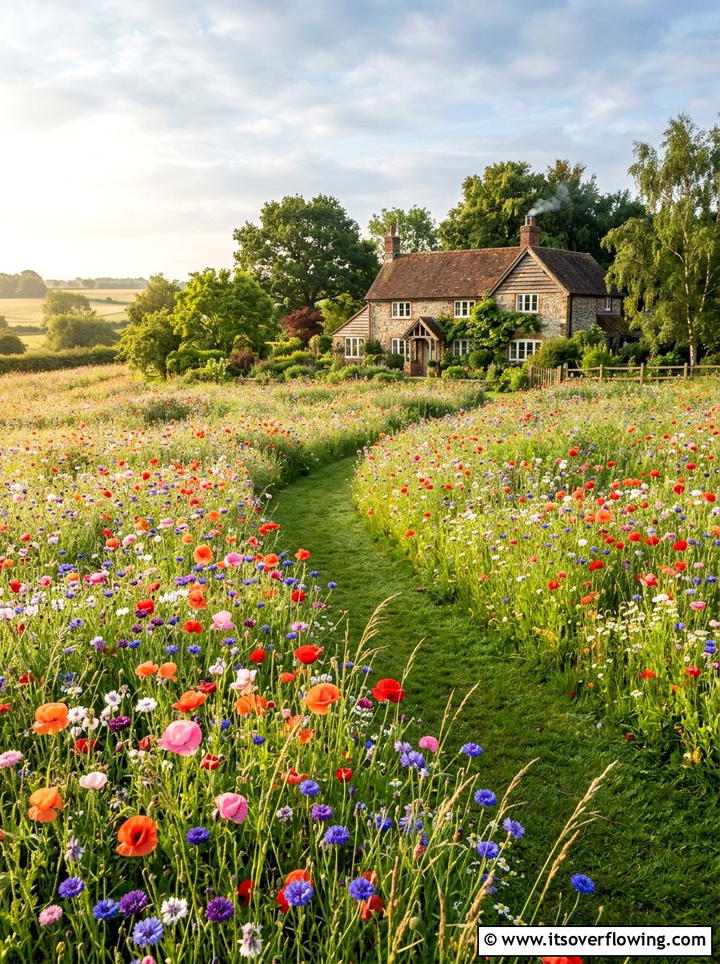
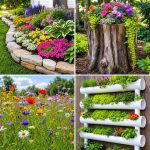
Have you ever dreamed of walking through a sea of colorful blooms right in your own backyard? Converting a large patch of grass into a wildflower meadow is a perfect choice for rural homes with extra acreage. This approach reduces mowing time and provides a vital habitat for bees and butterflies. You can use a mix of native seeds like poppies, cornflowers, and ox-eye daisies to ensure the area thrives in your local climate. It creates a soft, romantic look that blends seamlessly with the distant hills or forests. A simple mown path through the center makes the space feel intentional and inviting.
2. Kitchen garden
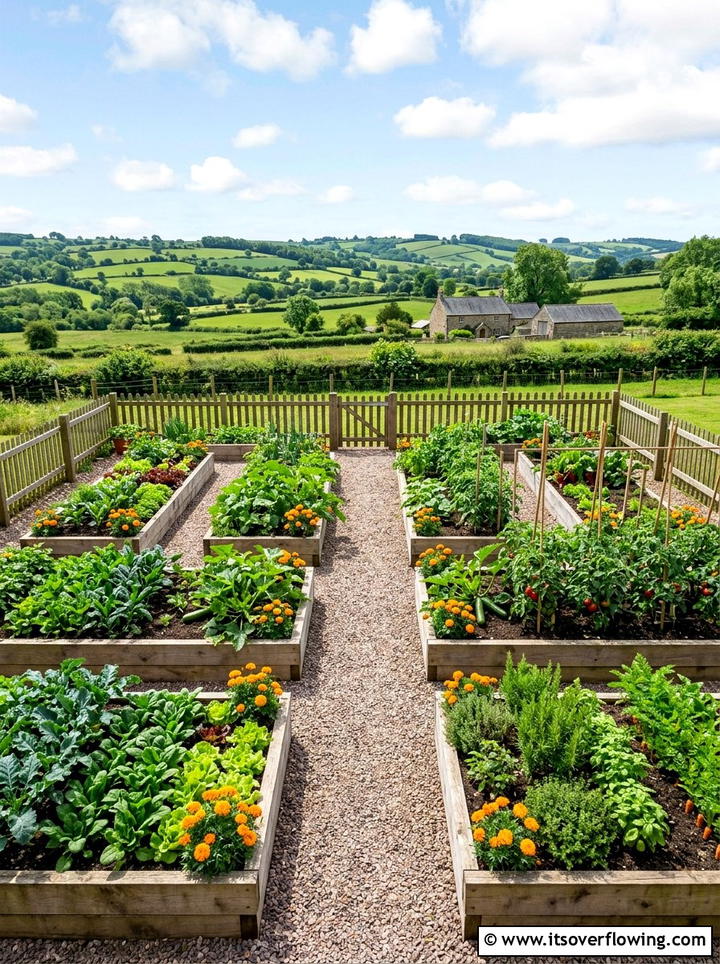
Growing your own fresh vegetables is one of the greatest joys of living in a rural home. A traditional kitchen garden, or potager, combines food production with aesthetic appeal. You can organize your crops into neat, symmetrical beds for a structured look that complements the rustic architecture. Mixing vegetables with edible flowers like nasturtiums and marigolds adds color and helps with natural pest control. Using cedar wood or local stone for the bed borders gives the area a timeless and high-quality finish. It provides a daily connection to the land and ensures your meals are always filled with healthy, homegrown produce.
3. Stone path
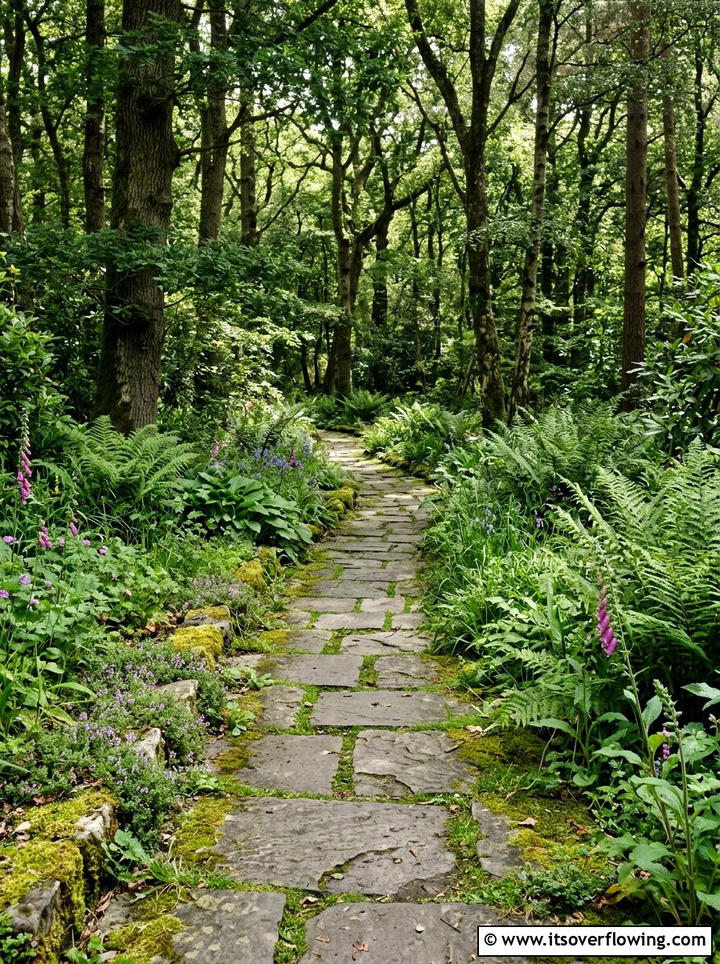
Imagine a winding path made of local flagstone that leads you from the back door to a hidden corner of the property. Using natural stone for walkways ensures your garden feels grounded and integrated with the environment. You can leave small gaps between the stones for low-growing plants like creeping thyme or moss to grow. This adds a soft, weathered texture that looks like it has been there for decades. Stone paths are durable, low-maintenance, and perfect for the changing seasons in a rural setting. They create a clear sense of direction while adding structural beauty to the overall garden layout.
4. Wooden pergola
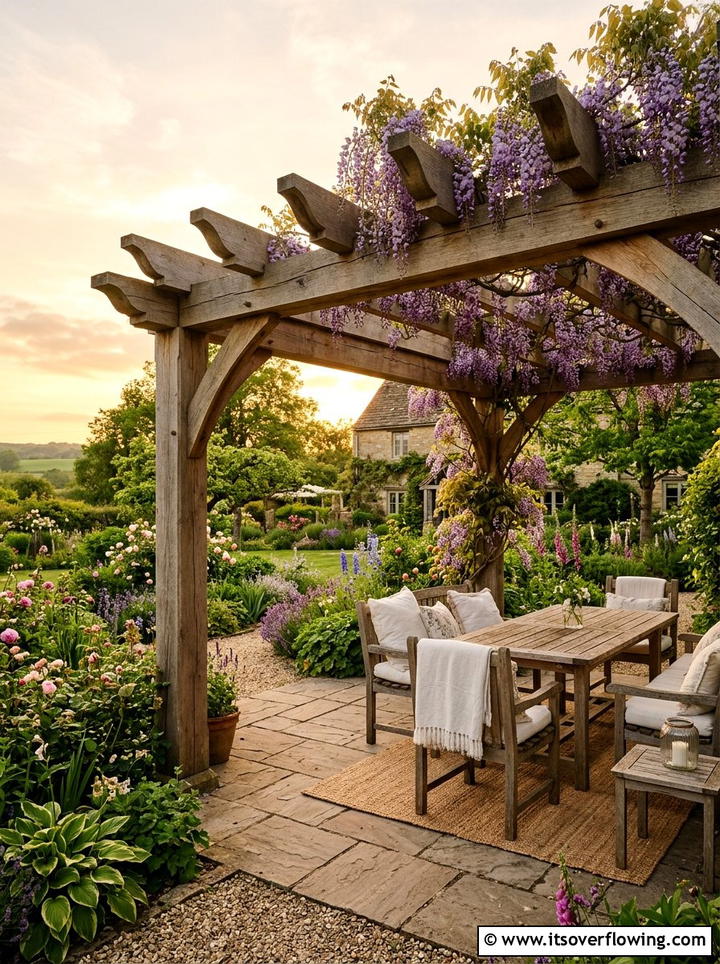
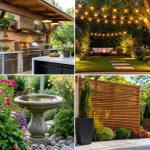
A sturdy wooden pergola provides an architectural anchor for a large rural backyard. You can position it over a patio or a secluded seating area to create a sense of intimacy within an expansive landscape. Building it from heavy oak or cedar allows it to age gracefully alongside the home. Planting fast-growing climbers like wisteria or honeysuckle over the structure provides natural shade and a lovely fragrance during the summer months. It acts as an outdoor room where you can enjoy long afternoons with family and friends. This classic element bridges the gap between the house and the wider, open fields surrounding it.
5. Natural pond
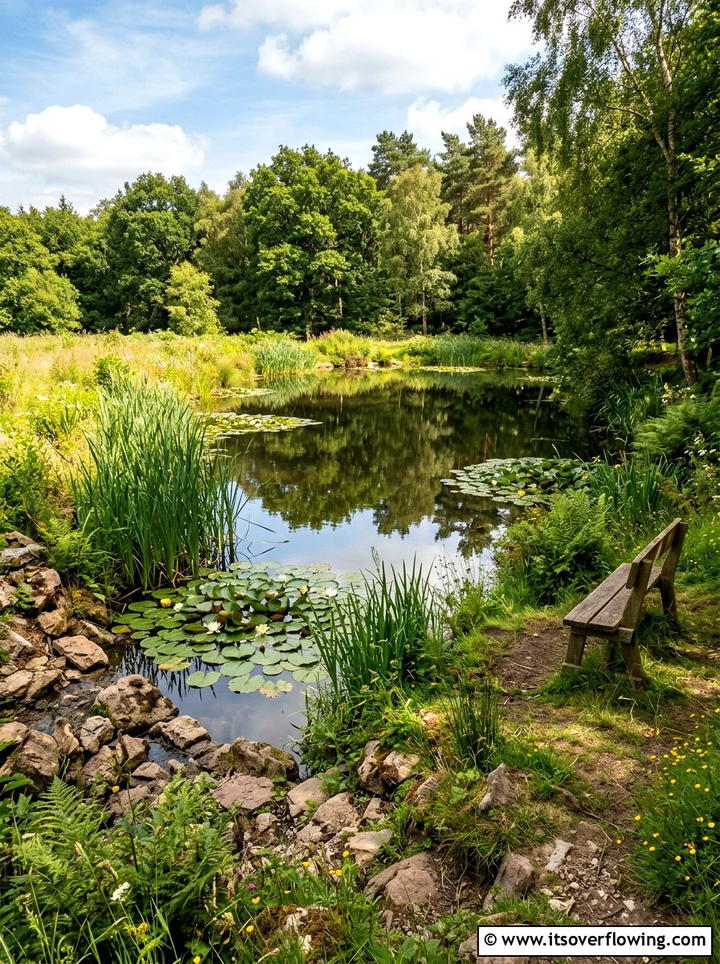
Adding a natural pond is one of the best ways to bring a sense of peace and tranquility to a country garden. Unlike formal reflecting pools, a natural pond features sloped edges and a variety of aquatic plants like water lilies and reeds. It quickly becomes a sanctuary for local frogs, dragonflies, and birds. You can place a simple wooden bench nearby to enjoy the soothing sound of the water and the movement of the wildlife. Using local rocks and stones around the edge helps the water feature blend into the natural topography of your land. It creates a serene and beautiful focal point.
6. Fire pit area
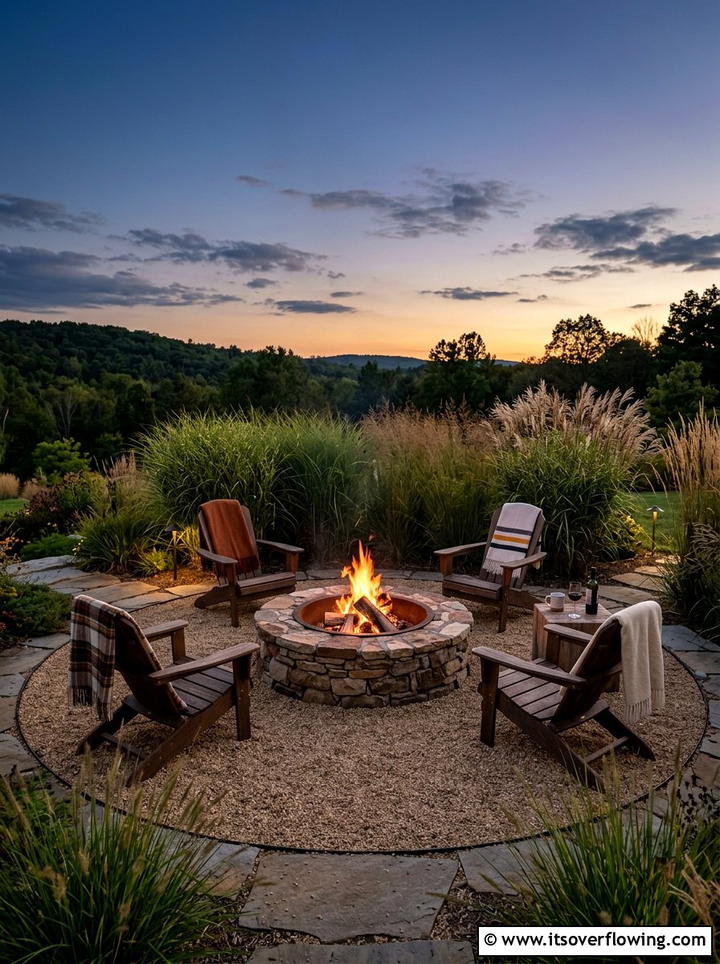
Gathering around a glowing fire is a quintessential rural experience that brings people together after the sun sets. Creating a dedicated fire pit area with a circular gravel base and heavy wooden Adirondack chairs adds a rustic charm. You can use a built-in stone fire pit or a simple portable metal bowl depending on your style preferences. Surrounding the space with low-growing shrubs or tall grasses provides a bit of shelter from the wind without blocking the views. It becomes the heart of the garden for evening conversations and roasting marshmallows. This functional space is perfect for making lasting memories in the great outdoors.
7. Herb spiral
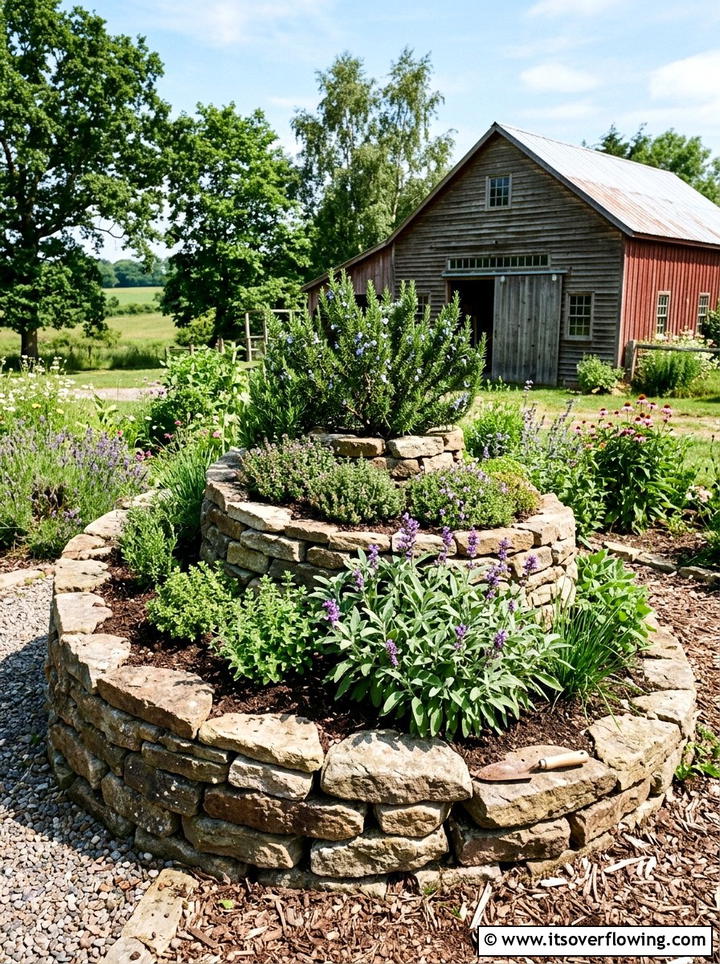
If you want to maximize your growing space while creating a stunning visual feature, a stone herb spiral is a brilliant solution. This vertical gardening technique allows you to grow various herbs with different moisture and sunlight needs in a small footprint. Mediterranean herbs like rosemary and thyme thrive at the sunny, dry top, while moisture-loving mint grows better at the bottom. Building the spiral from local fieldstone gives it a wonderful organic look that fits perfectly in a rural setting. It is highly practical for any cook who wants fresh flavors right outside their kitchen door. This design is both efficient and beautiful.
8. Fruit orchard
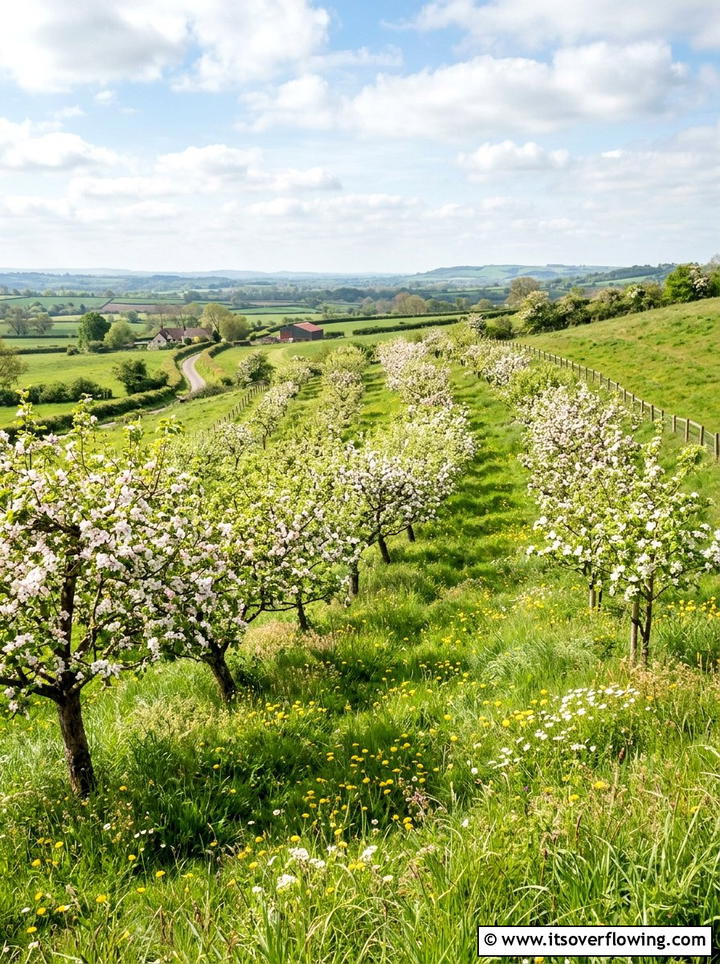
Planting a small fruit orchard is a rewarding way to use a sunny slope or an open field on your property. You can choose a mix of apple, pear, and plum trees that are suited to your specific hardiness zone. In the springtime, the blossoms fill the air with a sweet scent and provide plenty of nectar for pollinators. During the autumn harvest, you can enjoy the bounty of fresh fruit for pies and preserves. Keeping the grass long beneath the trees creates a natural look and encourages biodiversity. An orchard adds a sense of permanence and tradition to any rural home garden.
9. Gravel courtyard
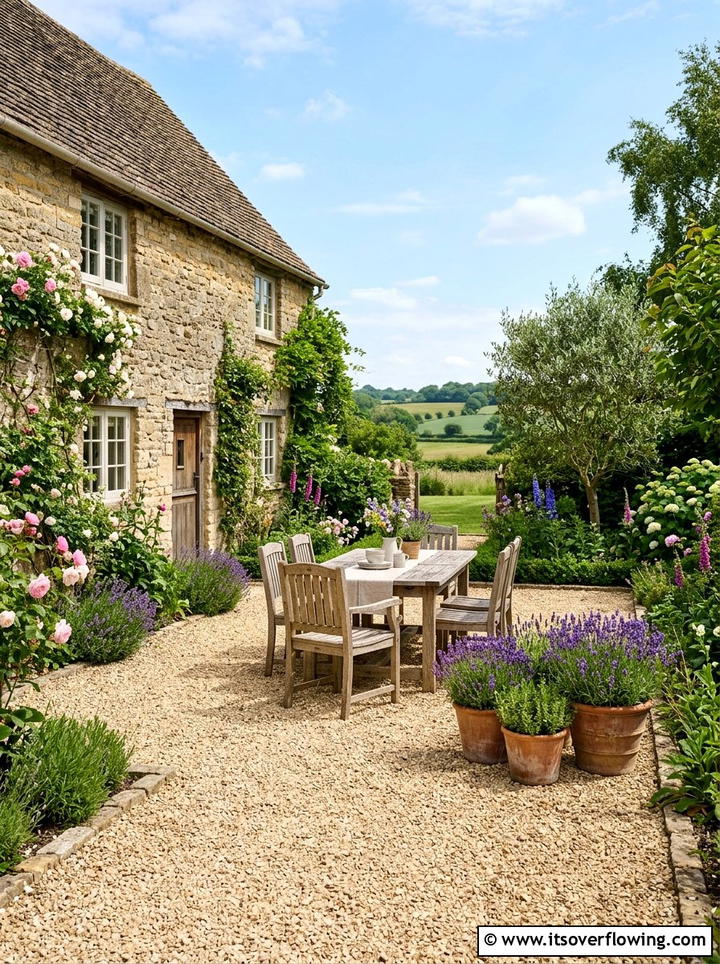
A simple gravel courtyard offers a low-maintenance and stylish solution for a central gathering space. Using pea gravel or crushed limestone creates a satisfying crunch underfoot and drains quickly after the rain. You can place large terracotta pots filled with lavender or boxwood around the edges to define the space. A central table with comfortable seating makes it the perfect spot for morning coffee or casual outdoor dining. The neutral tones of the gravel complement the natural textures of a rural home’s exterior. This versatile area is easy to install and provides a clean, open feel that never goes out of style.
10. Climbing rose trellis
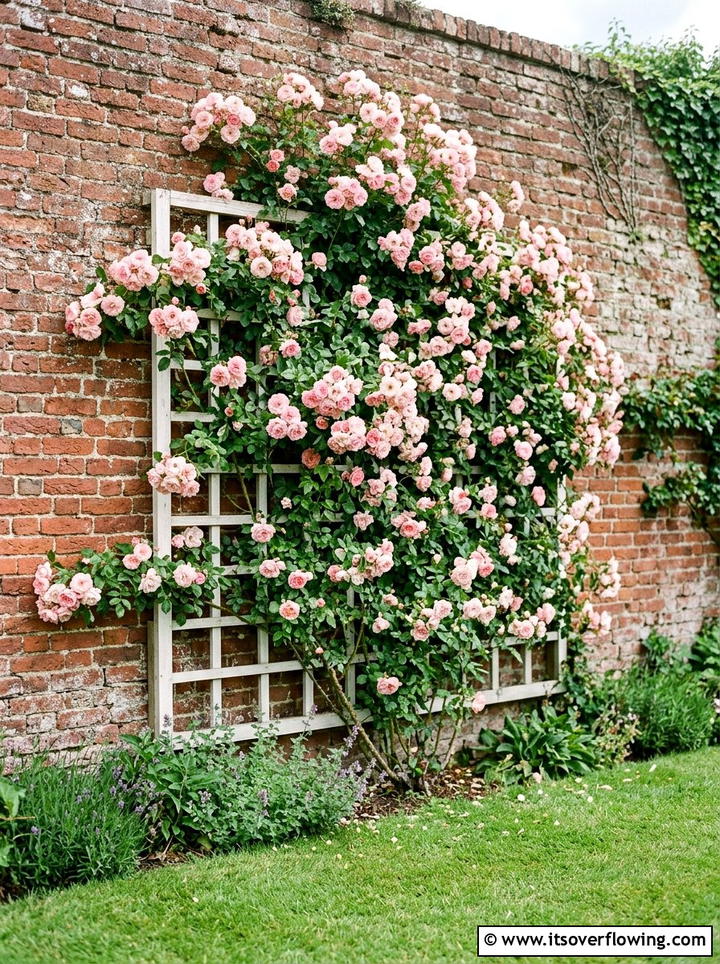
Is there anything more iconic for a rural home than a trellis covered in fragrant climbing roses? Adding a vertical structure against a barn wall or garden fence allows these beautiful flowers to reach their full potential. You can choose classic varieties like ‘New Dawn’ or ‘Cecile Brunner’ for a romantic and timeless look. The roses provide height and color in the garden, drawing the eye upward and softening the lines of the home. Pairing them with a sturdy wooden or wrought iron trellis ensures they have the support they need to thrive. It creates a stunning floral backdrop for your outdoor living space.
11. Picket fence
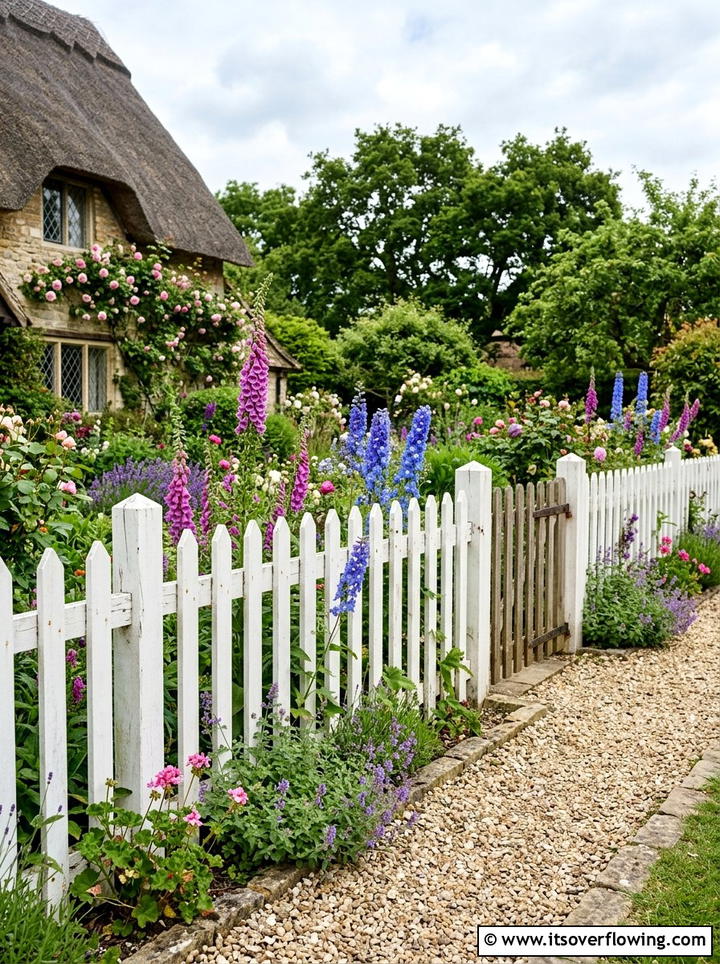
A white or natural wood picket fence is a classic boundary marker that defines the cottage garden aesthetic. It provides a clear separation between the manicured garden beds and the wilder elements of the rural landscape. You can plant tall perennials like foxgloves and delphiniums right against the fence to create a lush, layered look. The gaps in the pickets allow light and air to circulate, which is great for plant health. This traditional feature adds a touch of nostalgia and charm to the front of any home. It creates an inviting entrance that feels friendly and well-cared for by the homeowner.
12. Raised bed garden
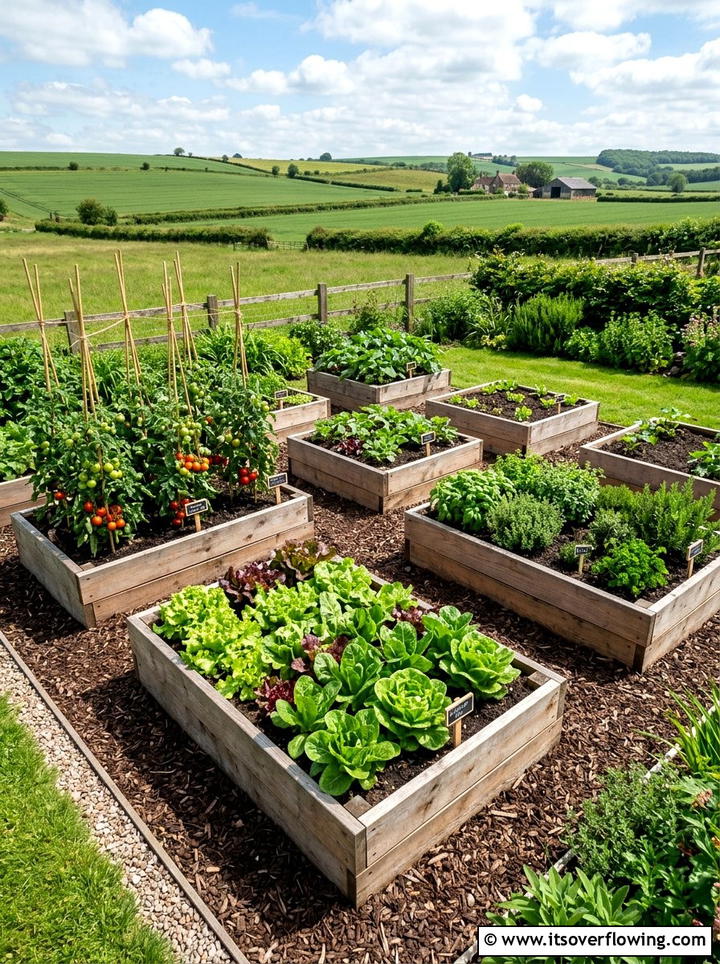
Using raised garden beds is a practical way to manage soil quality and improve drainage in a rural setting. You can build these beds from durable materials like cedar, corrugated metal, or even reclaimed bricks for a rustic look. They make gardening much easier on the back and help keep weeds at bay throughout the growing season. Organizing them in a neat grid pattern provides a clean and structured contrast to the open fields nearby. You can fill them with a mix of flowers, herbs, and vegetables for a productive and beautiful space. Raised beds are ideal for areas where the natural ground might be rocky.
13. Bird bath station
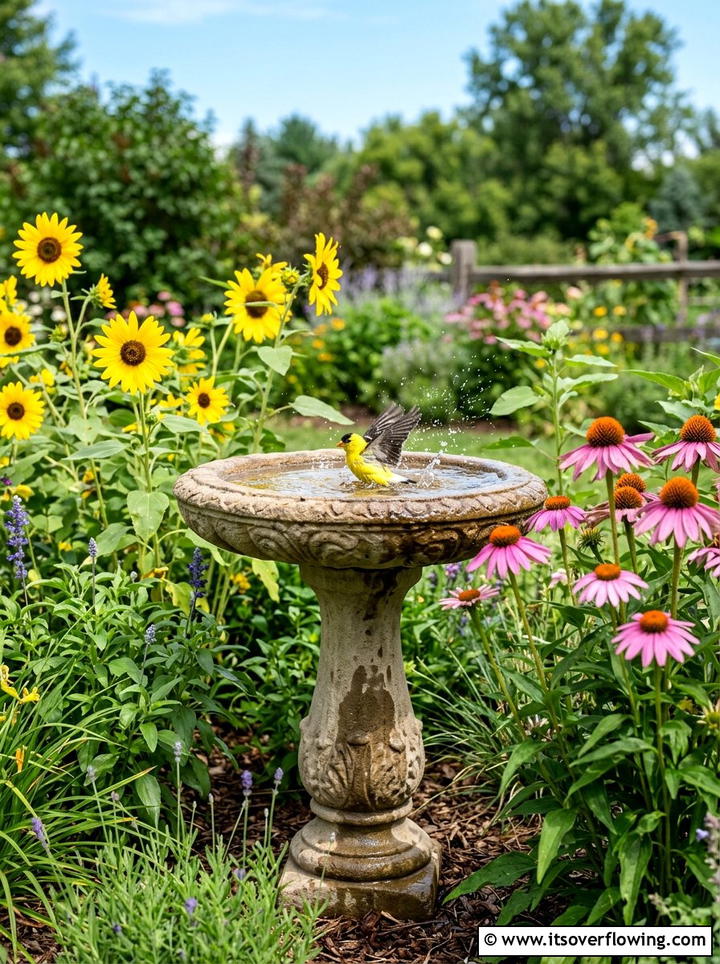
Creating a bird bath station is a simple yet effective way to invite local wildlife into your rural garden. You can choose a traditional stone pedestal bath or a more modern bowl design placed among the flowers. Keeping the water clean and fresh ensures that a variety of birds will visit daily for drinking and bathing. Surrounding the bird bath with bird-friendly plants like sunflowers or coneflowers provides extra food sources and shelter. Watching the birds from your window or porch adds a peaceful and lively element to your outdoor experience. It is a wonderful way to support the local ecosystem in a small way.
14. Outdoor seating area
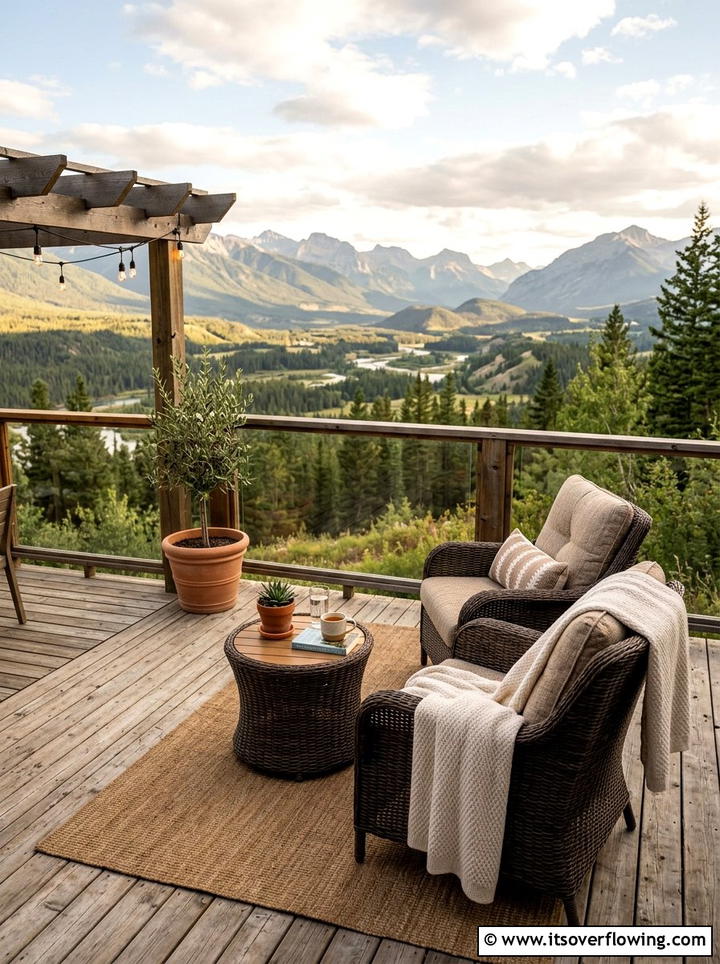
Every rural garden needs a dedicated outdoor seating area where you can sit back and admire the surrounding views. You can tuck a small bistro set into a quiet corner or place a larger lounge area on a wooden deck. Using natural materials like teak or weather-resistant wicker ensures the furniture looks right at home in a country setting. Adding comfortable cushions in soft, earthy tones makes the space feel cozy and inviting for long afternoons of relaxation. A well-placed seating area allows you to fully enjoy the peace and quiet of rural life. It acts as a bridge between the home and the wild landscape.
15. Rustic garden gate
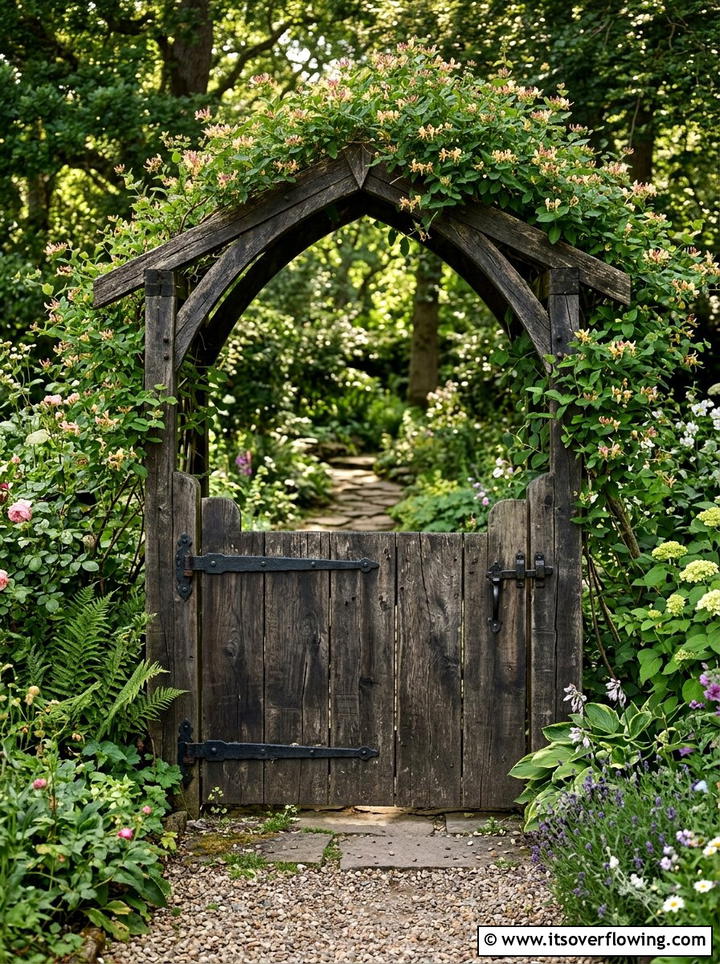
A rustic garden gate serves as a charming transition point between different areas of your outdoor property. You can use reclaimed wood or heavy timber to create a gate that feels solid and full of character. Adding hand-forged iron latches and hinges enhances the rural aesthetic and ensures the gate lasts for many years. Whether it leads to a vegetable patch or a hidden woodland path, the gate sets the tone for what lies beyond. You can even frame the entrance with a simple wooden archway for climbing plants to grow over. This small detail adds a layer of mystery and enchantment to the overall garden.
16. Compost station
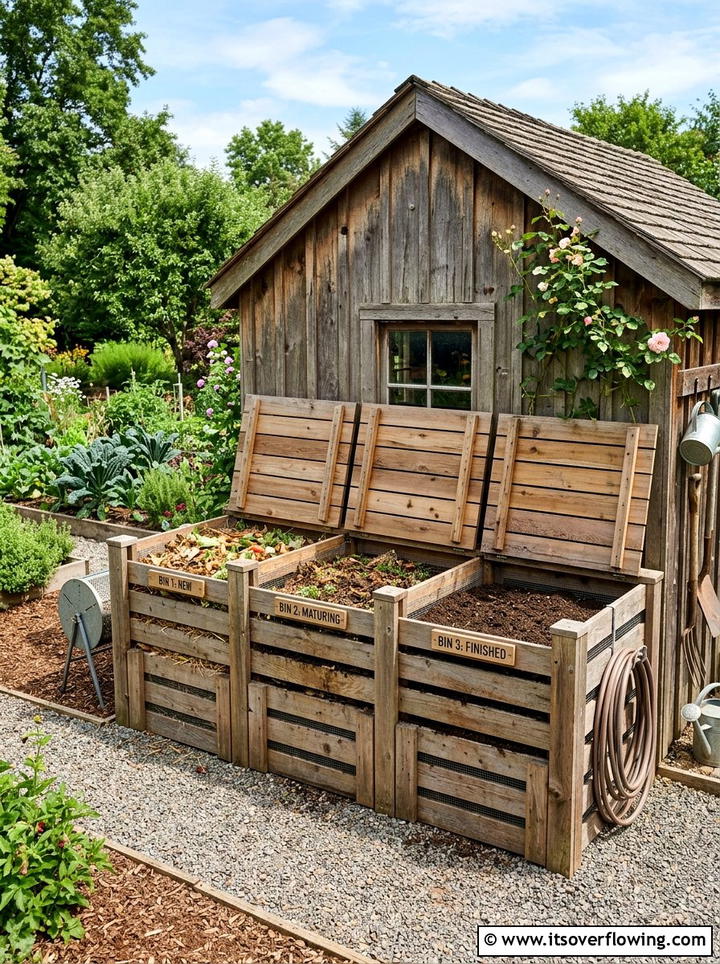
A well-organized compost station is an essential feature for any rural home focused on sustainable and healthy gardening. You can build a three-bin system using wooden pallets or sturdy planks to keep your organic waste tidy. This allows you to easily rotate the material and create nutrient-rich soil for your vegetable beds and flower gardens. Placing the station in a discreet corner behind a trellis or some tall shrubs keeps it out of sight while remaining accessible. Using your own compost reduces waste and helps your garden thrive without the need for chemical fertilizers. It is a practical and environmentally friendly addition to your backyard space.
17. Glass greenhouse
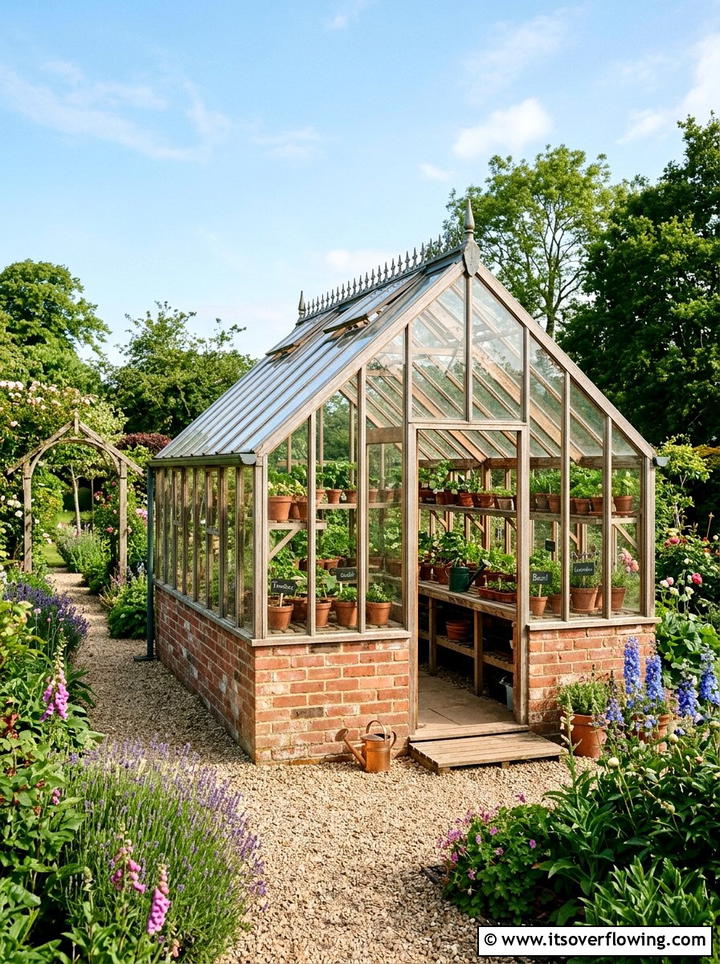
A glass greenhouse is a beautiful and functional addition that extends your growing season significantly in a rural climate. It provides a warm, protected environment for starting seeds early in the spring or overwintering delicate plants. You can choose a classic Victorian design with a brick base for a timeless and elegant look. Inside, you can set up potting benches and shelves to keep your gardening tools and supplies organized. The greenhouse also serves as a peaceful sanctuary where you can work with plants even when the weather outside is chilly. It adds a sophisticated and hardworking element to your overall landscape design.
18. Wildlife hedge
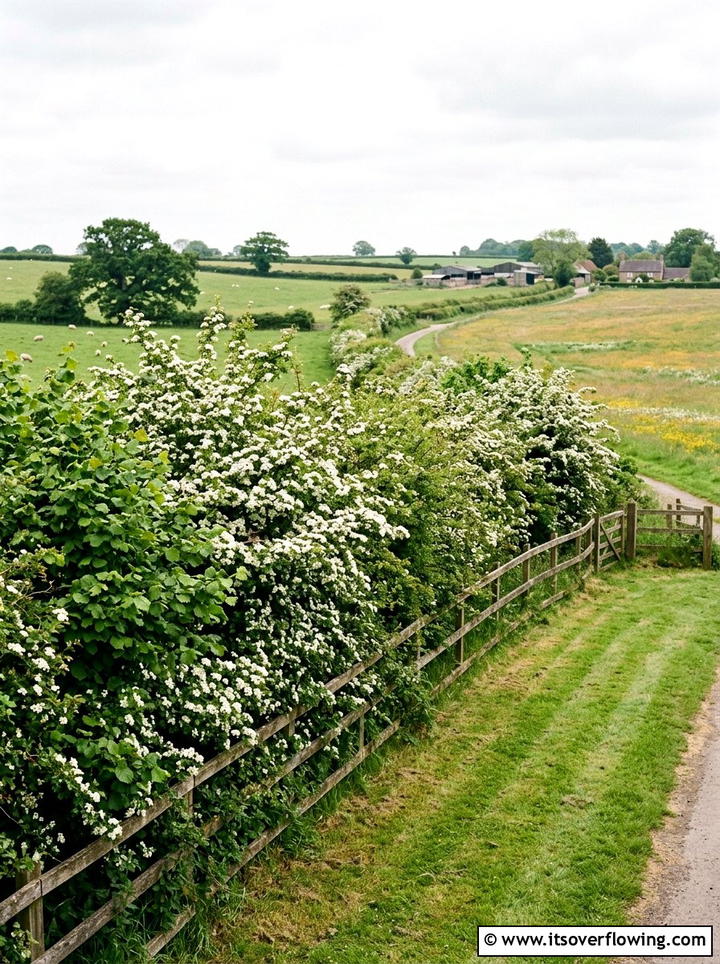
Instead of a traditional fence, consider planting a wildlife hedge to define your property boundaries in a rural area. A mixed hedge of native species like hawthorn, blackthorn, and hazel provides food and shelter for a variety of birds and small mammals. These hedges offer seasonal interest with beautiful blossoms in the spring and colorful berries in the autumn months. They act as a natural windbreak and provide privacy without creating a hard barrier that feels out of place. Over time, the hedge becomes a living part of the local ecosystem. It is a sustainable and attractive way to manage your outdoor space and borders.
19. Native plant garden
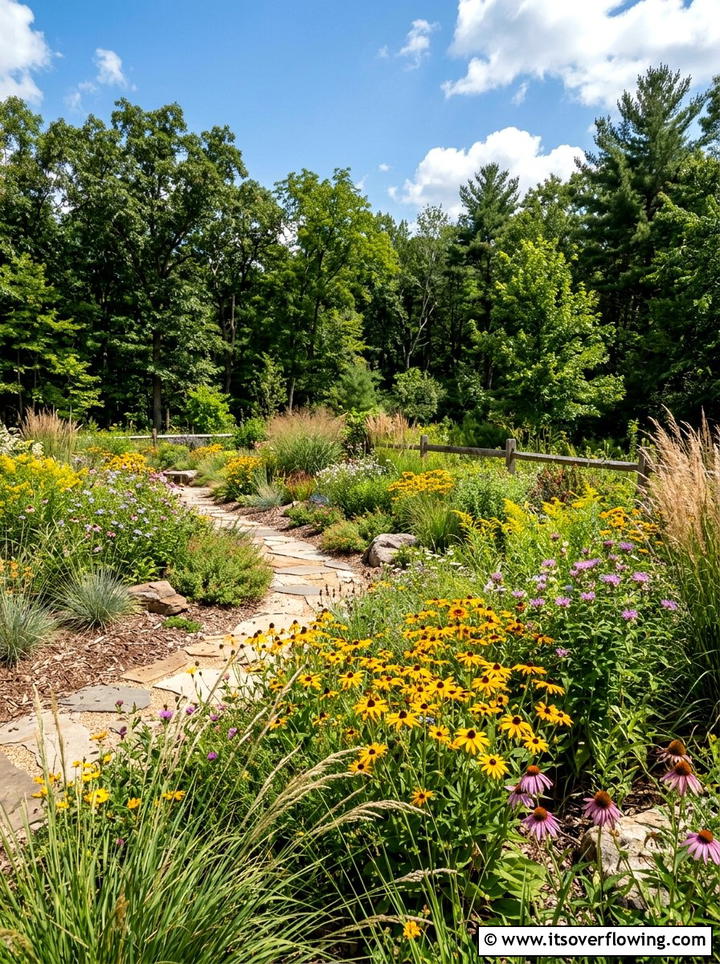
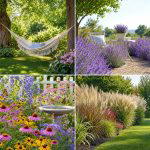
Focusing on native plants is the best way to create a low-maintenance garden that thrives in your specific rural environment. Native species are already adapted to the local soil and climate conditions, which means they require less water and fertilizer. You can choose a variety of perennial flowers, shrubs, and grasses that are indigenous to your region to create a cohesive look. This approach supports local pollinators and ensures your garden remains resilient against local weather patterns. A native plant garden feels deeply connected to the surrounding wild landscape. It celebrates the natural beauty of your area while being incredibly practical and easy to manage.
20. Hanging flower baskets
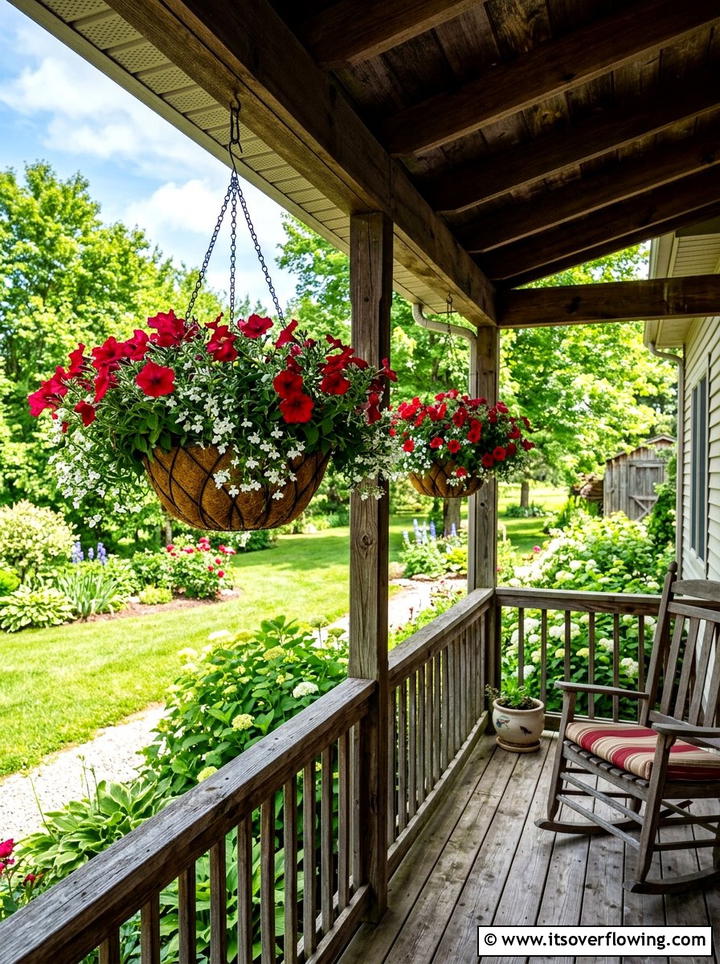
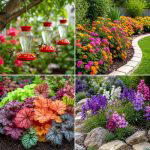
Hanging flower baskets are a fantastic way to add vibrant splashes of color to your porches, barns, or garden sheds. You can fill them with trailing plants like petunias, fuchsias, and lobelia for a lush and overflowing appearance. These baskets bring the garden up to eye level and soften the edges of your outdoor structures. Using coconut coir liners and high-quality potting soil helps retain moisture during the warmer summer months. They are easy to update with each season, allowing you to enjoy fresh blooms from spring through late autumn. Hanging baskets are a simple way to add charm and personality to a rural home’s exterior.
21. Terraced garden slope
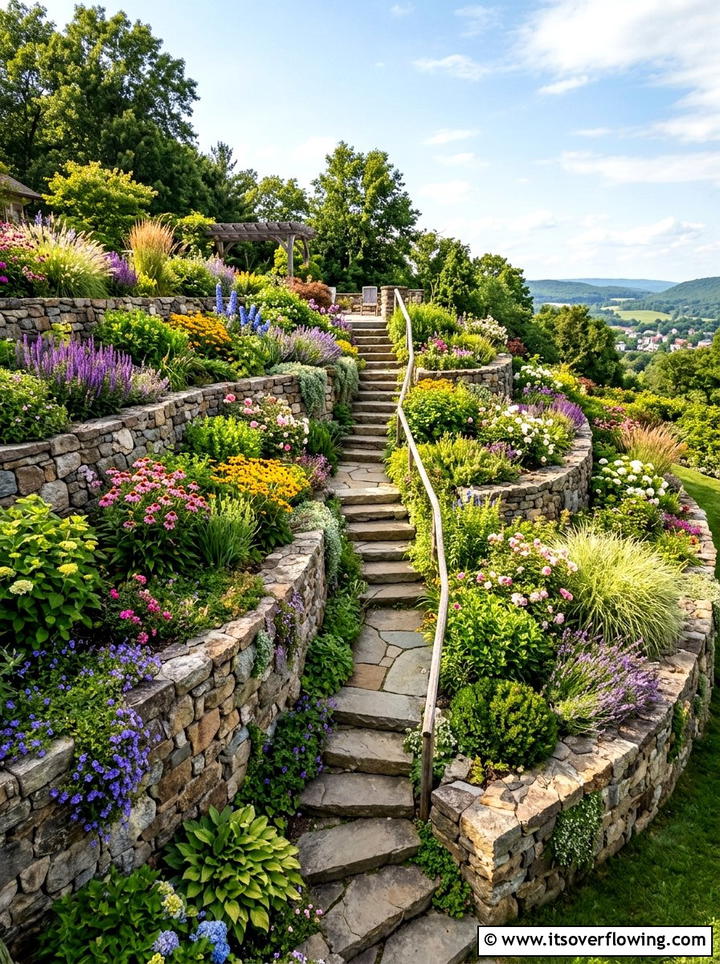
If your rural property has a steep incline, a terraced garden slope can turn a difficult area into a stunning feature. By using stone retaining walls or heavy timber beams, you can create level tiers for planting and walking. This prevents soil erosion and allows you to grow a wider variety of plants on a hillside. You can use the different levels to separate flowers, herbs, and small shrubs for a layered effect. Adding a set of natural stone steps through the center of the terraces makes the entire area accessible and visually interesting. It transforms a challenging slope into a productive and beautiful landscape.
22. Garden potting shed
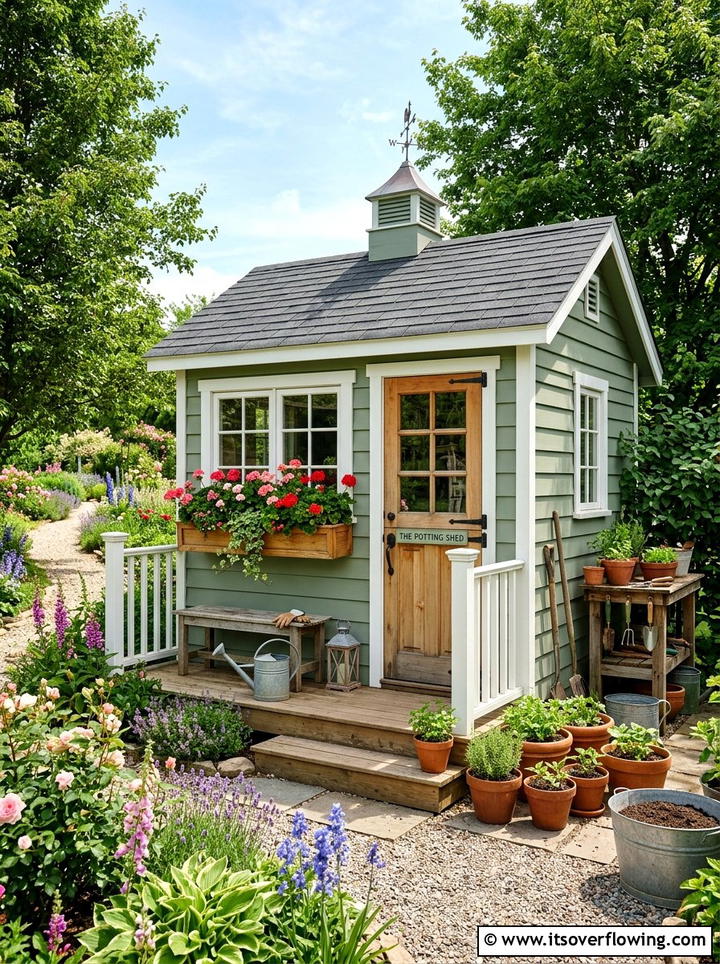
A dedicated garden potting shed is a dream come true for any rural homeowner who loves spending time with plants. This small building provides a central place to store your pots, tools, and bags of soil. You can include a large window to let in natural light and a sturdy workbench for transplanting and pruning tasks. Painting the shed in a soft, traditional color like sage green or cream helps it blend into the garden scenery. Adding a small porch or some window boxes further enhances its charm. It serves as both a practical workspace and a lovely focal point in your outdoor design.
23. Rainwater barrel
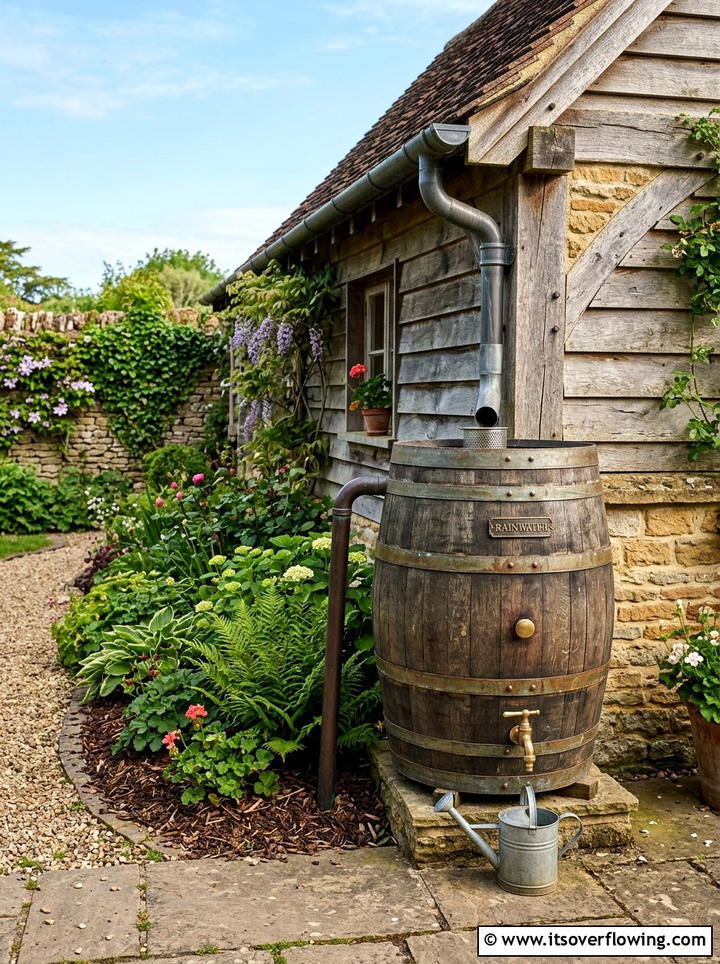
Collecting rainwater is a smart and sustainable practice for managing a large garden in a rural area. You can place decorative wooden or plastic rain barrels at the base of your home’s downspouts to capture water for your plants. This provides a free and chlorine-free source of water that is much better for your garden’s health. Many modern rain barrels include a brass spigot for easy hose attachment or bucket filling. By using what nature provides, you reduce your reliance on well water or local utilities. It is a simple, eco-friendly addition that makes your gardening routine more efficient and responsible for the environment.
24. Rain garden
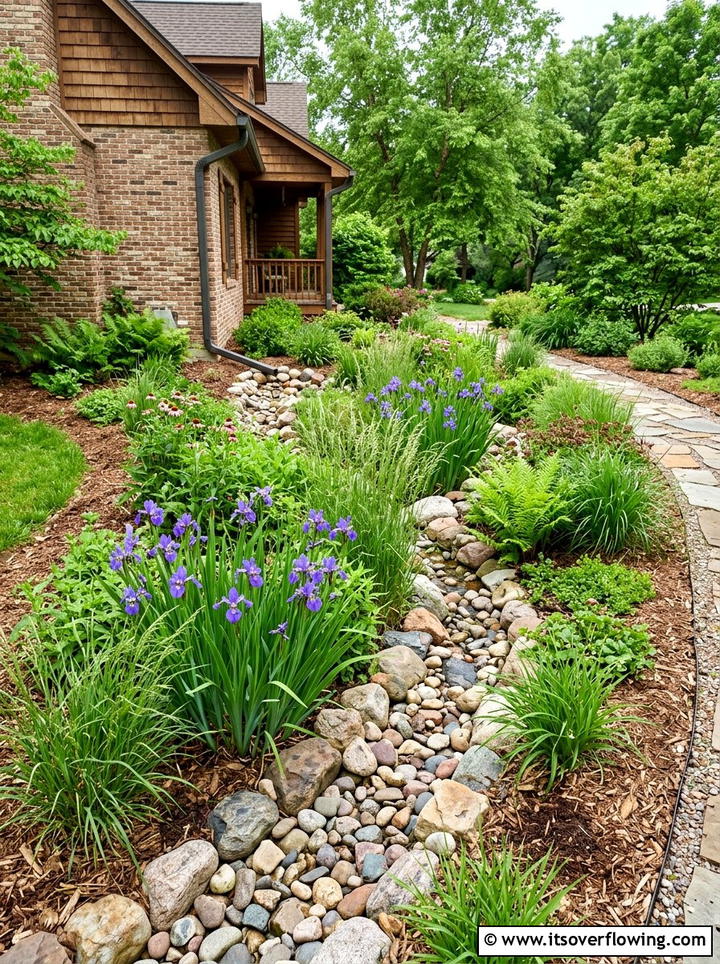
A rain garden is a beautiful and functional way to manage excess runoff on a rural property. It is essentially a shallow depression planted with moisture-loving native plants and deep-rooted grasses. When it rains, the water flows into this area and slowly filters into the ground instead of washing away soil. This helps prevent erosion and protects local waterways from pollutants. You can fill the rain garden with colorful perennials like Joe Pye weed, swamp milkweed, and blue flag iris for a vibrant look. It turns a potential drainage problem into a lush and attractive habitat for local wildlife and beneficial insects.
25. Butterfly garden
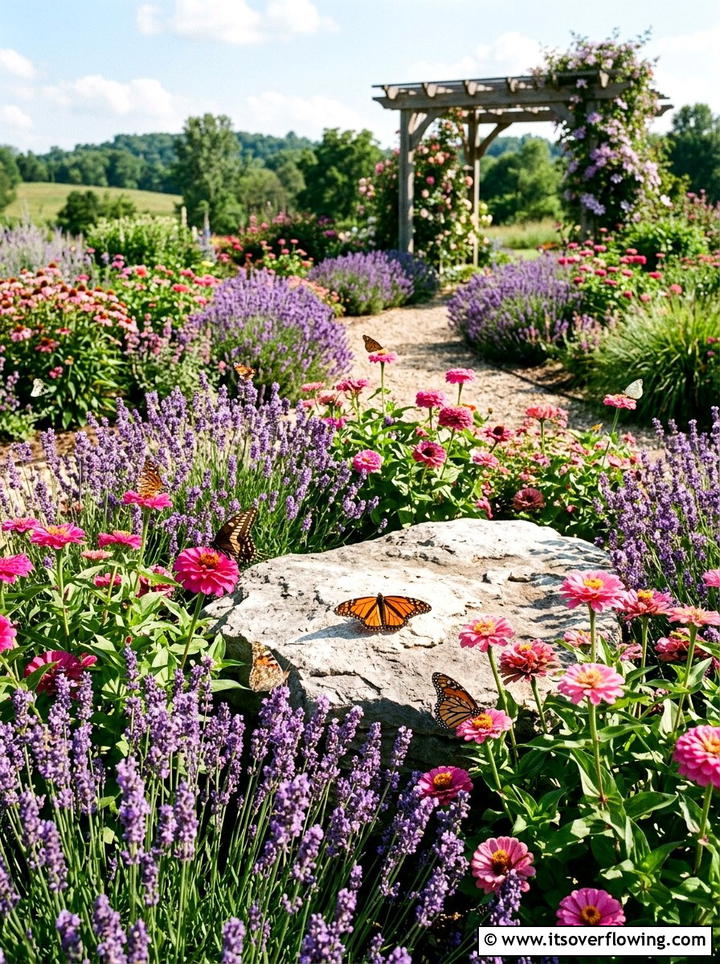
Creating a butterfly garden is a delightful way to add movement and life to your rural landscape. By planting a variety of nectar-rich flowers like butterfly bush, zinnia, and lavender, you can attract many different species of butterflies. It is also important to include host plants like milkweed or parsley where they can lay their eggs. Providing a few flat stones in sunny spots allows the butterflies to rest and warm their wings. This type of garden is not only beautiful to look at but also plays a crucial role in supporting local pollinator populations. It is a rewarding project for gardeners of all ages to enjoy.
Conclusion:
Transforming your rural property with these creative garden ideas allows you to embrace the true essence of country living. From productive vegetable patches to serene wildflower meadows, each element contributes to a harmonious and functional outdoor space. By working with the natural landscape rather than against it, you can create a sanctuary that thrives for years to come. Whether your goal is sustainability, wildlife conservation, or simply a beautiful place to relax, these concepts offer a solid foundation for your vision. Take the time to plan your layout and choose materials that reflect the unique character of your home and its surrounding environment.

Related posts:
 25 garden ideas for family gatherings: Welcoming Yard Tips
 25 garden ideas for hummingbirds: Nectar-Rich Yard Tips
 25 garden ideas for peace and relaxation: Calm Yard Tips
 25 garden ideas with low cost materials: Budget Yard Tips
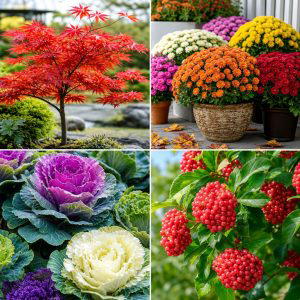 25 Creative Garden Ideas for Fall Color: Vibrant Seasonal Tips
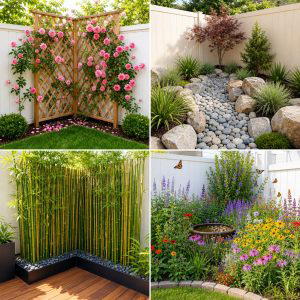 25 Creative Garden Ideas for Corners: Smart Small-Space Tips
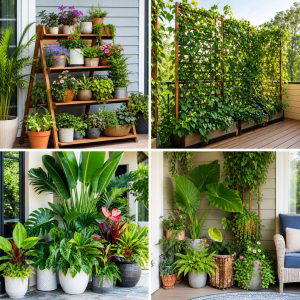 25 Creative Garden Ideas for Porches: Cozy Entryway Tips
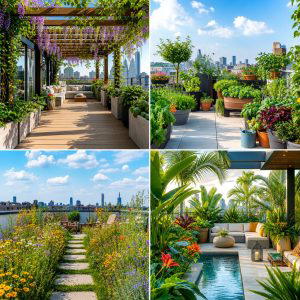 25 Creative Garden Ideas for Rooftops: Stylish Urban Tips
 25 creative garden ideas with low maintenance design Tips
 25 Creative Garden Ideas With Sustainable Landscaping Tips
 25 Creative Garden Ideas for Suburban Homes
 25 Creative Garden Ideas for Urban Homes