
The transition from summer to autumn offers a unique opportunity to revitalize your outdoor space with a palette of warm, rich colors. While many gardeners focus solely on spring blooms, the fall season provides a second peak of beauty that can be even more dramatic. Incorporating a mix of late-blooming perennials, vibrant shrubs, and ornamental grasses ensures your landscape remains a focal point as the temperatures begin to drop. This guide explores creative ways to layer textures and hues to create a cohesive, inviting garden environment. By selecting the right plants and decorative elements, you can transform your backyard into a seasonal sanctuary that celebrates the natural beauty of the changing year.

1. Japanese maple trees
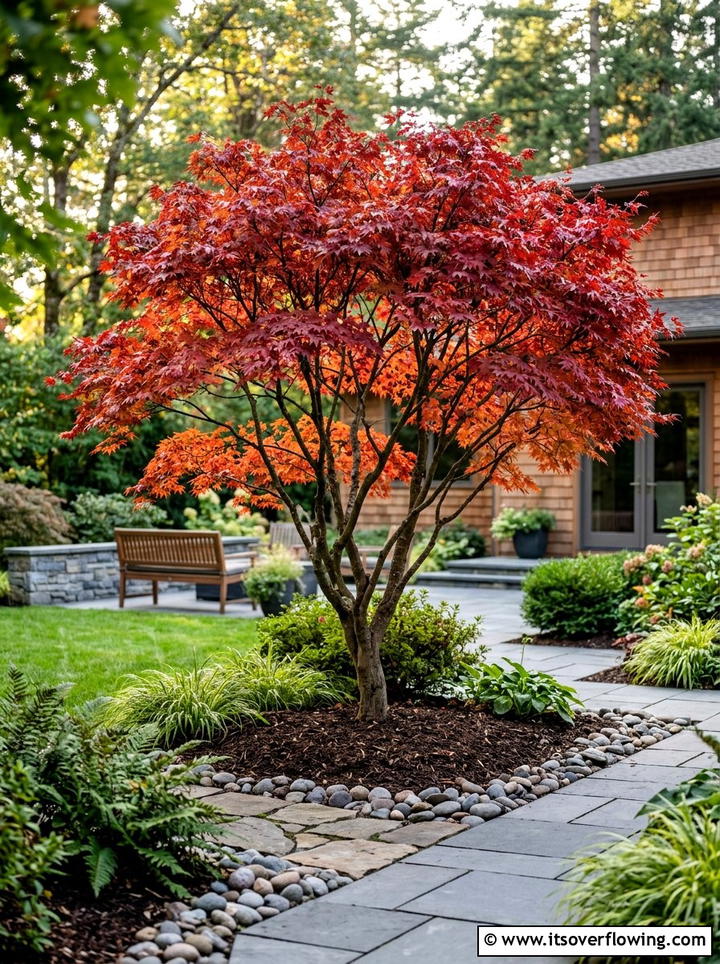
The sight of delicate, lace-like leaves turning a deep crimson is a hallmark of the autumn season. Japanese maple trees are prized for their spectacular foliage transition, offering shades of orange, gold, and burgundy that define the fall landscape. These trees provide a stunning focal point in any garden, whether planted in the ground or kept in large containers on a patio. Their architectural structure remains interesting even after the leaves drop, making them a year-round asset for homeowners. When selecting a variety, consider the sunlight in your yard to ensure the most vibrant color results. Proper mulching and consistent watering during late summer help these trees prepare for their grand seasonal finale.
2. Ornamental grass varieties
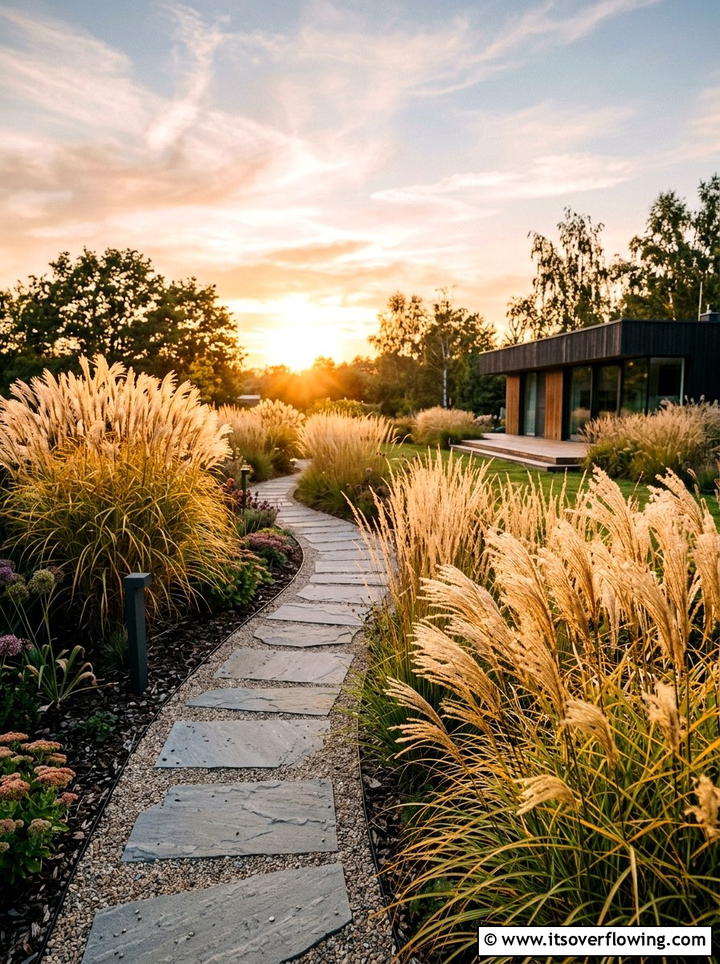
Have you ever noticed how the late afternoon sun catches the wispy plumes of decorative grasses during the fall? Ornamental grasses like fountain grass or maiden grass add essential movement and texture to a garden that might otherwise feel static. These plants come into their own during the autumn months, producing fluffy seed heads that sway in the cool breeze. They bridge the gap between different plant heights and provide a soft backdrop for more colorful perennials. Because they are low-maintenance and drought-tolerant, they are perfect for busy homeowners looking for high visual impact. Leaving the stalks standing through winter also provides architectural interest and a habitat for local birds.
3. Chrysanthemum flower pots
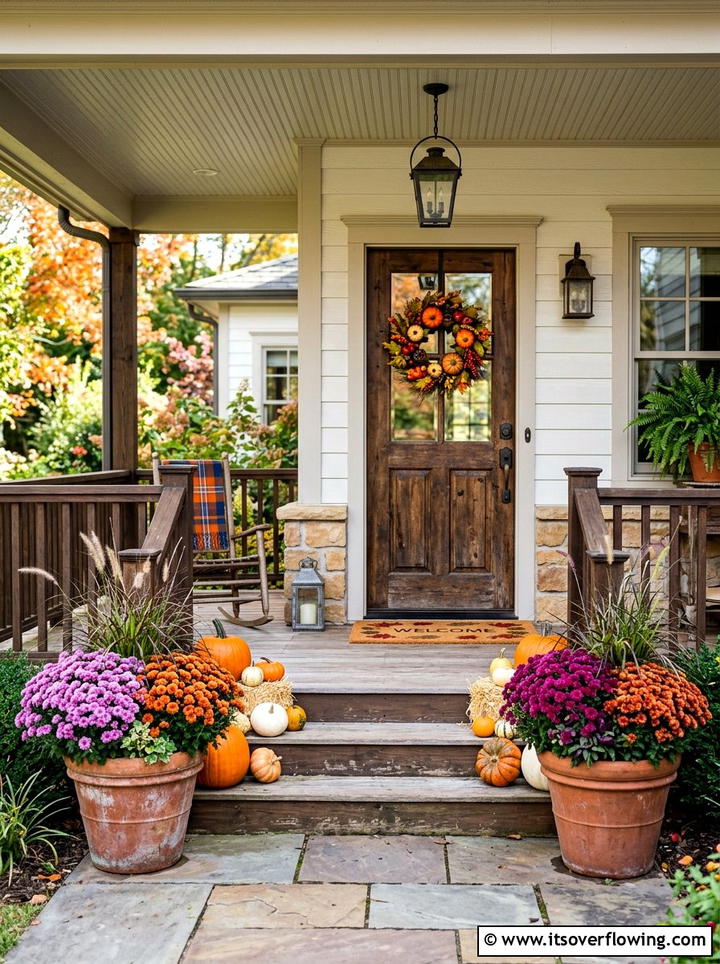
Are you looking for an instant way to add a burst of saturated color to your front porch or walkway? Chrysanthemums, or mums, are the quintessential fall flower, available in nearly every shade of yellow, purple, orange, and bronze. Planting them in large, decorative pots allows you to move the color exactly where it is needed most. For the best display, look for plants that have more buds than open flowers to ensure a longer blooming period at home. Mums thrive in full sun and require regular watering to keep their dense mounds of blooms looking fresh. They pair beautifully with pumpkins and hay bales for a classic autumnal entrance.

4. Oakleaf hydrangea shrubs
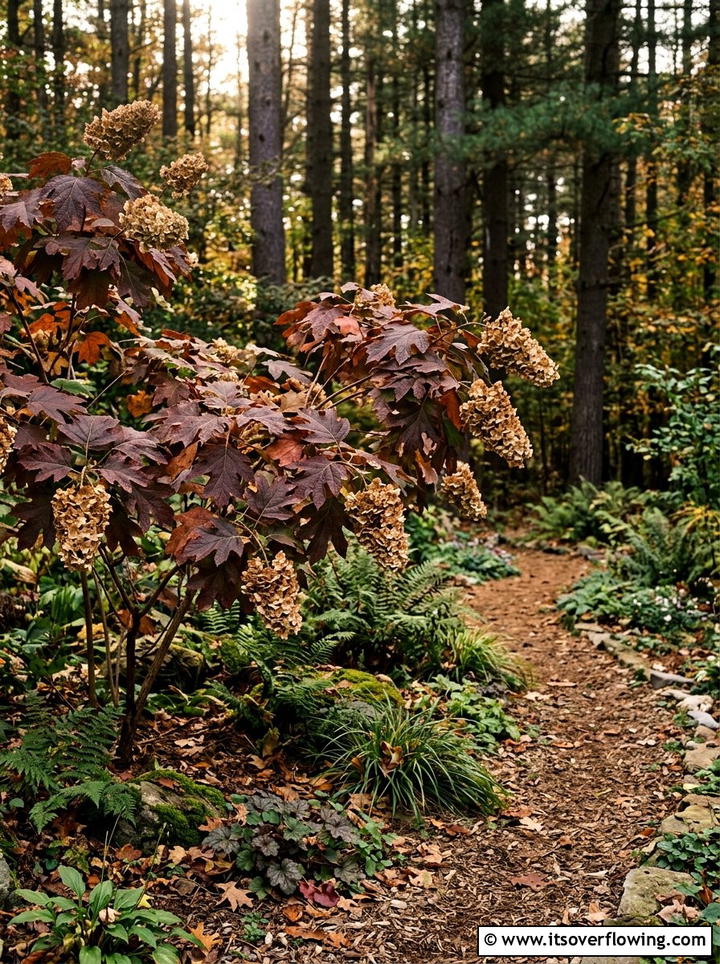
Many people forget that certain shrubs offer a double dose of beauty, providing summer flowers and incredible fall foliage. Oakleaf hydrangeas are famous for their large, deeply lobed leaves that transform from bright green to shades of deep mahogany and purple. The spent flower heads often remain on the branches, turning a lovely toasted brown color that adds to the rustic aesthetic. These shrubs are particularly effective when planted in woodland gardens or as a natural hedge. They prefer slightly acidic soil and some shade, making them a versatile choice for many yard layouts. The peeling bark on older stems also adds a unique texture during the colder months.
5. Burning bush landscaping
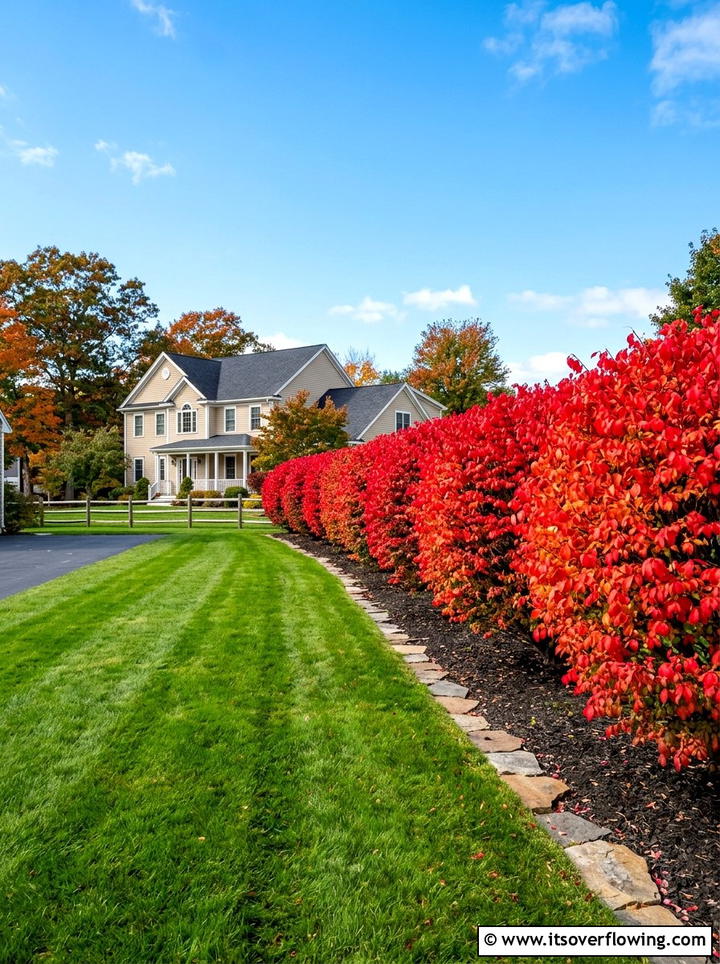
Is there anything more striking than a shrub that appears to be glowing with an intense, fiery red hue? The burning bush is a popular choice for fall gardens specifically because of its neon-like foliage that stands out from a distance. These hardy shrubs are often used to create privacy screens or as standalone specimens in a minimalist landscape. They are incredibly easy to grow and can adapt to various soil types, though full sun is required to achieve that iconic brilliant red color. When the leaves eventually fall, the unique “winged” bark on the branches continues to provide visual interest throughout the winter season.
6. Sedum autumn joy plants
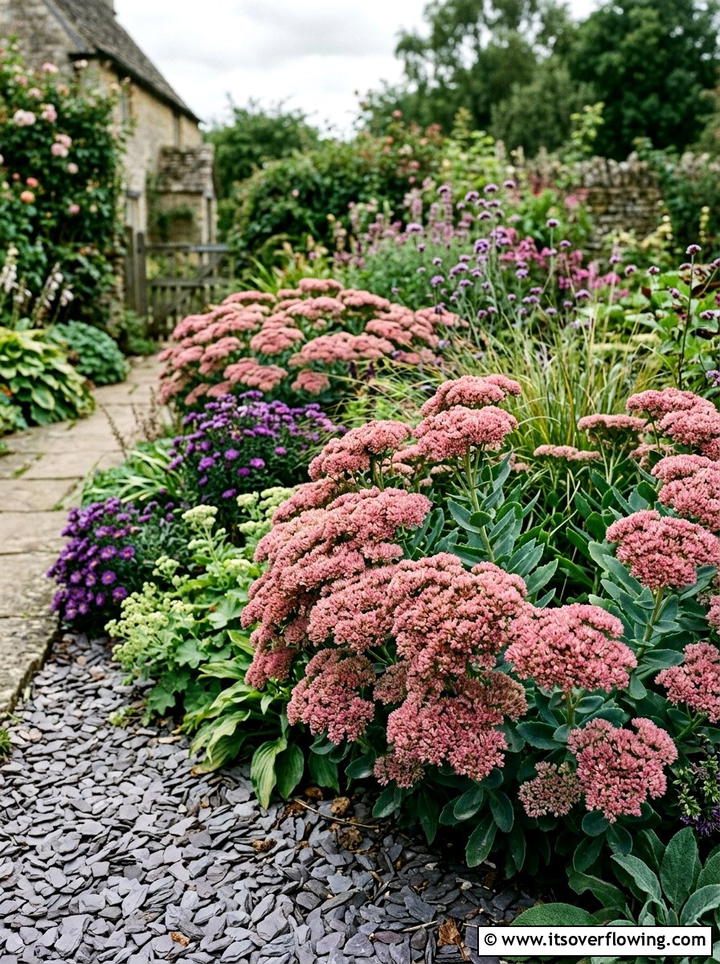
A classic choice for any late-season garden, this hardy succulent provides a changing display of color from late summer through the first frost. The large, broccoli-like flower clusters start as a pale green before slowly deepening into a dusty rose and eventually a rich coppery red. This transition is perfect for adding subtle shifts in tone to your flower beds as the season progresses. Bees and butterflies are highly attracted to these blooms, making them a great choice for supporting local pollinators. Because they are drought-tolerant and sturdy, they rarely require staking or intensive care. Their dried flower heads even look beautiful when dusted with a light morning frost.
7. Purple fountain grass
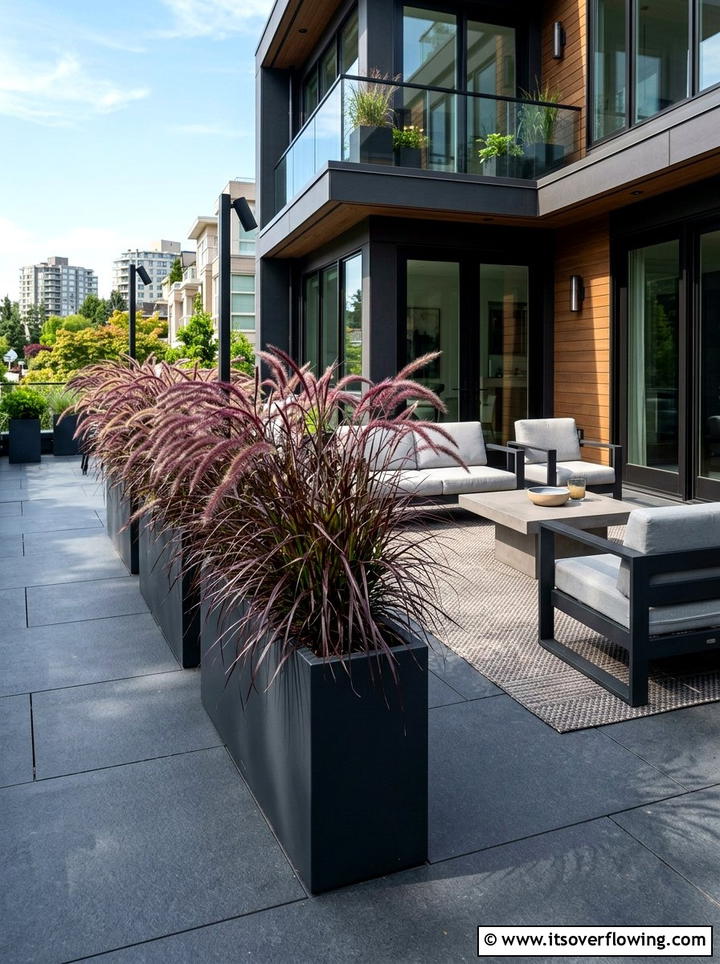
The deep burgundy foliage and fuzzy, arched plumes of this ornamental grass create a dramatic contrast against traditional green plants. Unlike some other grasses, purple fountain grass maintains its dark color throughout the growing season, but it truly shines when the autumn light hits it. It is often used as a “thriller” in large container arrangements or as a focal point in a modern garden bed. The soft, bottlebrush-like flowers add a sense of whimsy and touchable texture to the landscape. While it is treated as an annual in cooler climates, its rapid growth ensures you get plenty of beauty for your investment before the winter arrives.

8. Aster flower borders
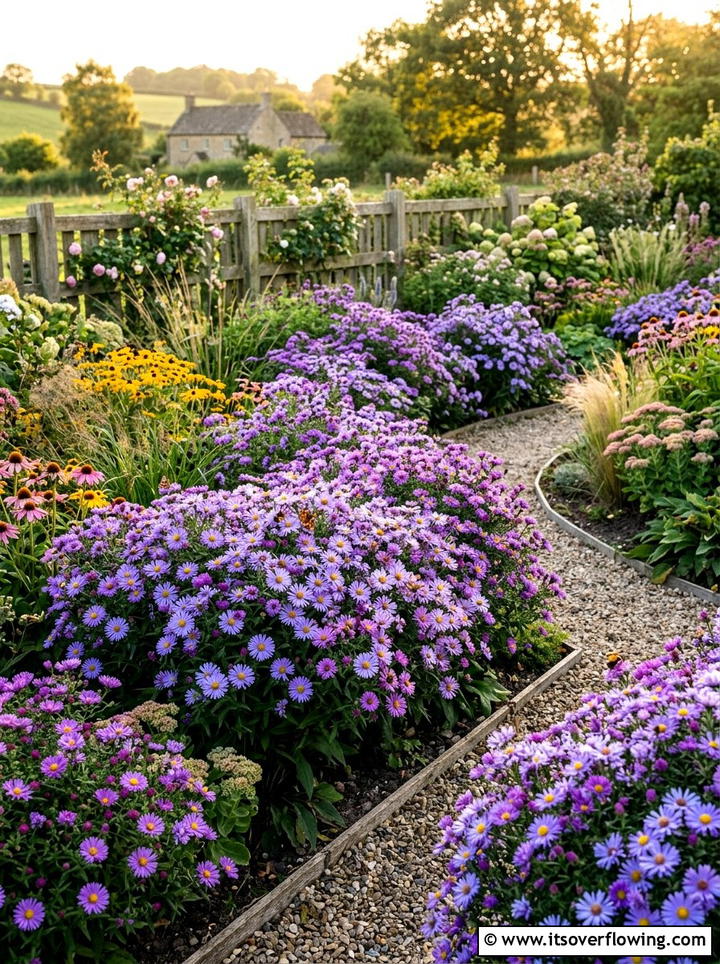
When most summer flowers begin to fade, asters arrive to provide a final, vibrant splash of blue, purple, and pink. These daisy-like perennials are essential for any garden that aims to look great deep into the month of October. They come in various heights, from low-growing ground covers to tall varieties that work well at the back of a border. Asters are famous for being a primary food source for monarch butterflies during their fall migration, adding life and movement to your yard. Planting them in large drifts creates a sea of color that looks professional and well-planned. They are quite hardy and return reliably each year with minimal effort.
9. Sumac tree foliage
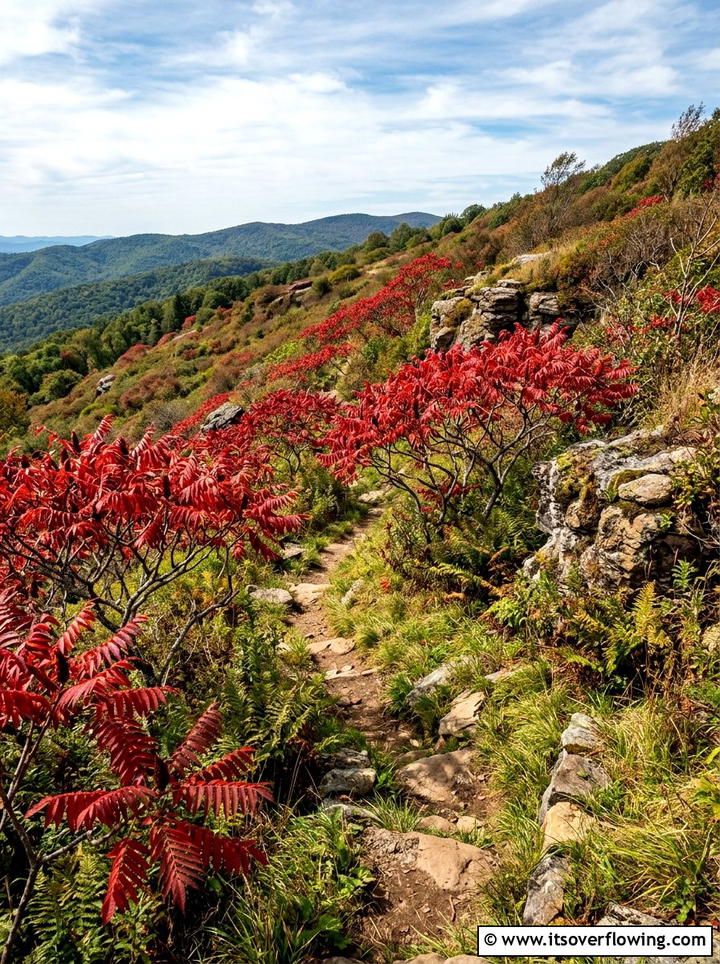
If you want to achieve a wilder, more natural look in your landscape, consider the brilliant transformations of the sumac tree. These hardy plants are known for their fern-like leaves that turn incredible shades of scarlet and orange in the early fall. They also produce interesting upright fruit clusters that turn a deep red and persist long after the leaves have fallen. Sumac is a great choice for hillsides or areas where you want to prevent erosion, as it spreads easily to fill in gaps. The vibrant colors are so intense they can often be seen from a great distance, making your garden a neighborhood standout.
10. Witch hazel blooms
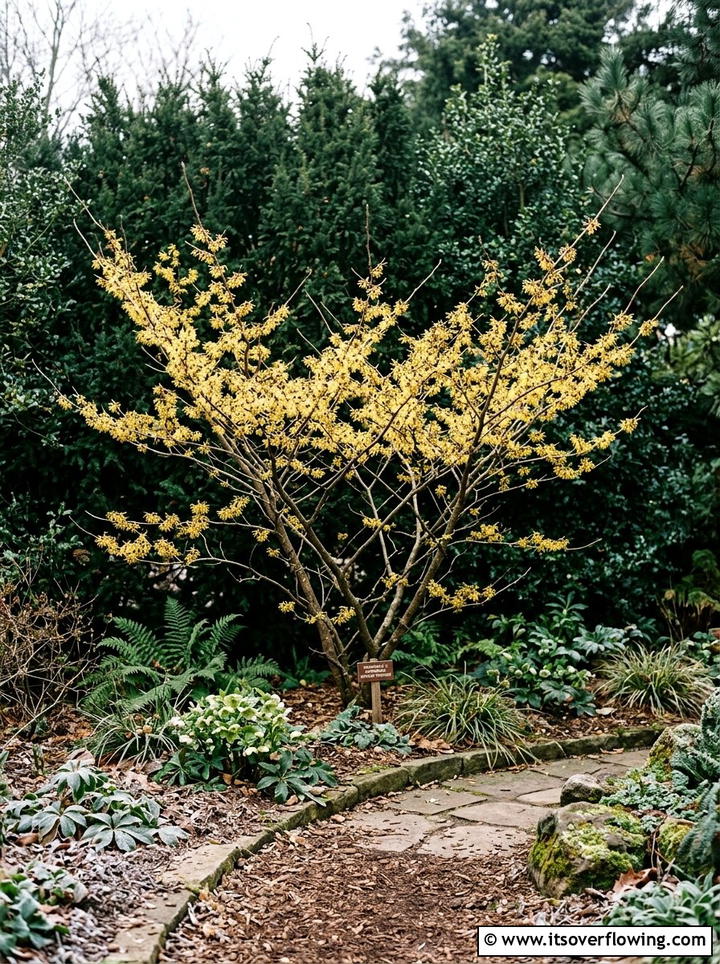
While most people think of spring for blossoms, certain varieties of witch hazel actually bloom in the late fall or very early winter. These unique shrubs produce fragrant, ribbon-like yellow or orange flowers that appear just as other plants are going dormant. The foliage also turns a lovely clear yellow, providing a bright spot in a garden filled with deeper reds and browns. Witch hazel is a fantastic choice for adding a sweet scent to your outdoor space during a time when few other things are fragrant. They are slow-growing and require little pruning, making them a sophisticated and low-maintenance addition to any residential landscape design.
11. Sweetspire shrub varieties
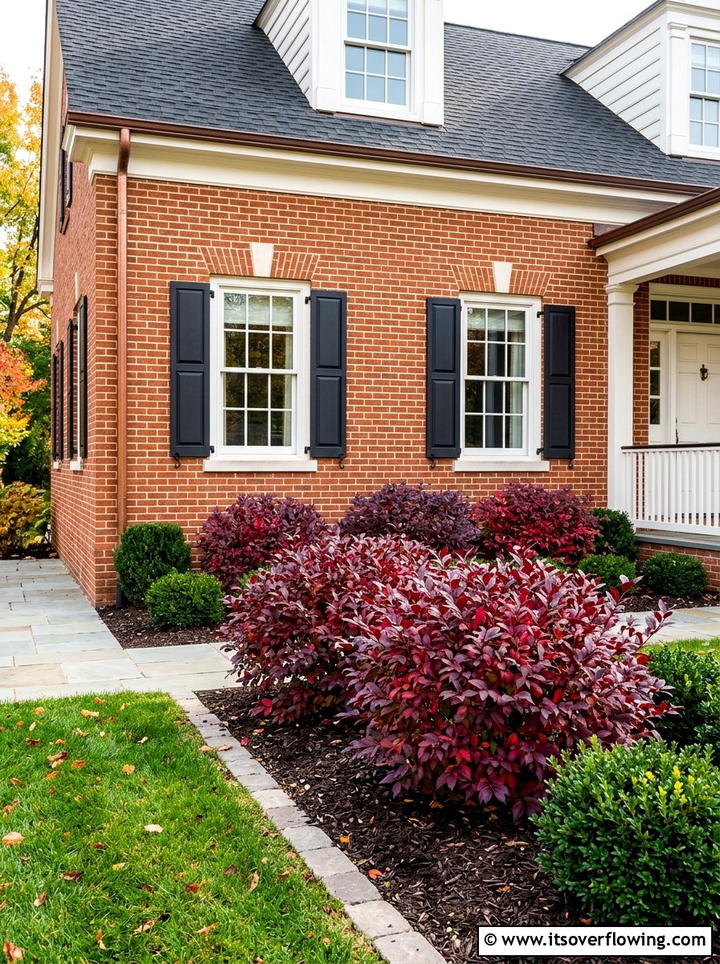
Itea, or sweetspire, is a versatile shrub that deserves a spot in every garden due to its incredible autumn performance. The long, arching branches are covered in leaves that turn a stunning shades of reddish-purple and deep garnet. This color change happens relatively late in the season, extending the visual interest of your yard well into the colder months. Sweetspire also produces fragrant white flower spikes in the summer, but its fall foliage is often the main reason gardeners choose it. It is particularly well-suited for damp areas of the garden where other plants might struggle. Its compact size makes it perfect for smaller suburban yards or foundation plantings.
12. Goldenrod perennial plants
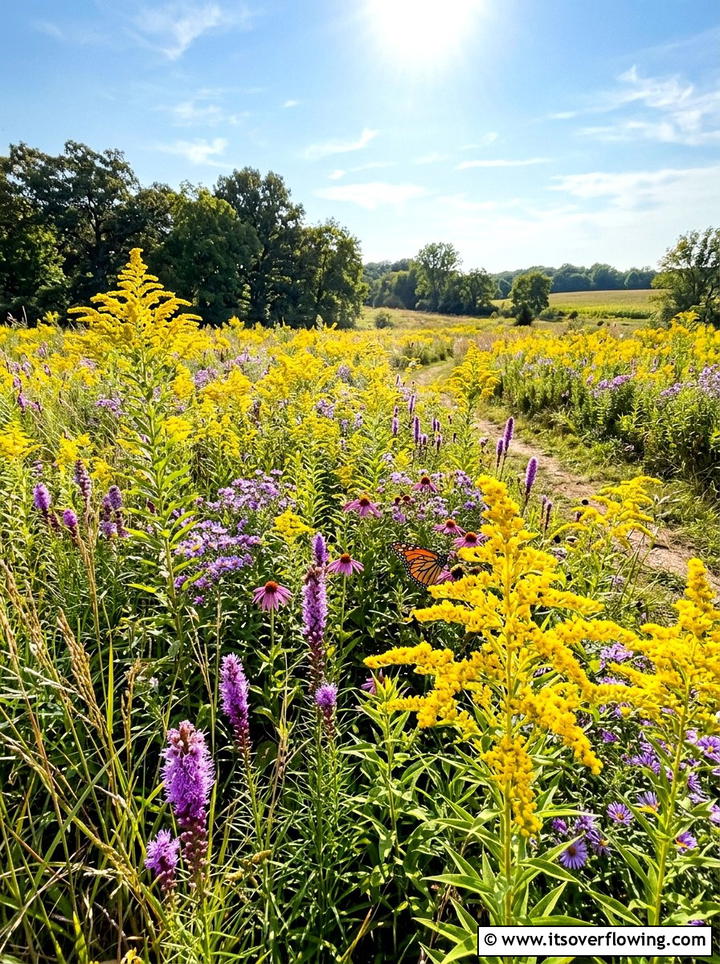
Can you imagine a garden glowing with sprays of bright, sunshine-yellow flowers as the days grow shorter? Goldenrod is a misunderstood plant that provides essential late-season nectar for bees while offering a stunning visual contrast to purple asters. Modern garden cultivars are bred to be well-behaved and do not spread aggressively like their wild cousins found in fields. These upright perennials add height and a sense of cheerfulness to any garden bed. They are exceptionally tough and can handle poor soil or dry conditions with ease. Pairing yellow goldenrod with dark-leafed shrubs creates a professional color palette that looks curated and intentional throughout the autumn months.
13. Flowering kale and cabbage
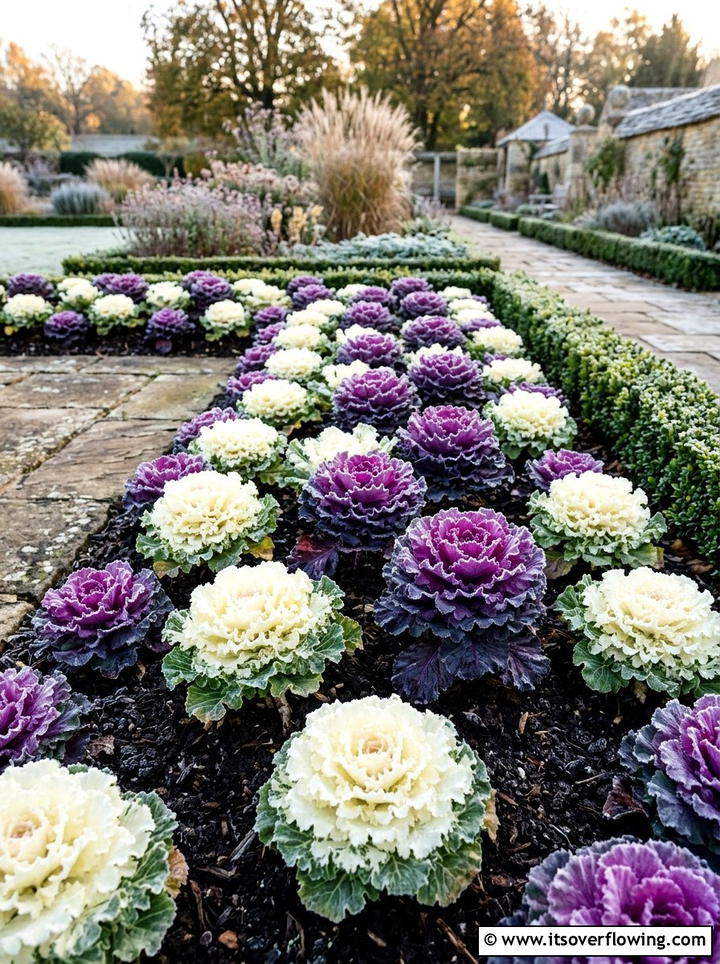
For a truly unique and architectural look, many gardeners turn to ornamental kale and cabbage as the temperatures start to dip. These plants are not grown for eating but rather for their stunning ruffled leaves in shades of white, pink, and deep violet. What makes them special is that their colors actually become more intense and vibrant after a light frost. They are perfect for filling in gaps in garden borders or for use in seasonal container displays. Their low, mounding habit provides a nice contrast to taller grasses and woody shrubs. Because they are so cold-hardy, they often look great well into the early winter season.
14. Dogwood tree leaves
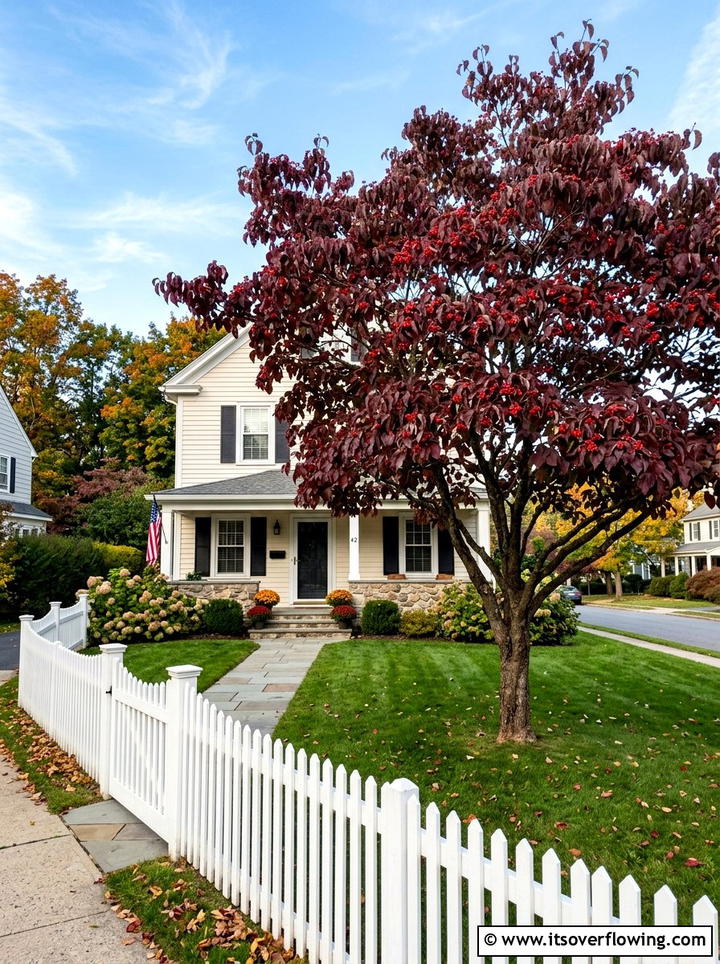
Dogwood trees are beloved for their spring flowers, but their fall contribution is equally worthy of praise and attention. The leaves typically turn a deep, rich maroon or reddish-purple that provides a sophisticated backdrop for other seasonal plants. Some varieties also produce small red berries that are a favorite among local songbirds, adding ecological value to your yard. The layered branch structure of many dogwoods looks beautiful as the foliage thins out, revealing the tree’s natural silhouette. Choosing a kousa dogwood or a native flowering dogwood ensures you have a reliable source of color and texture year after year in your garden beds.
15. Smoke bush foliage
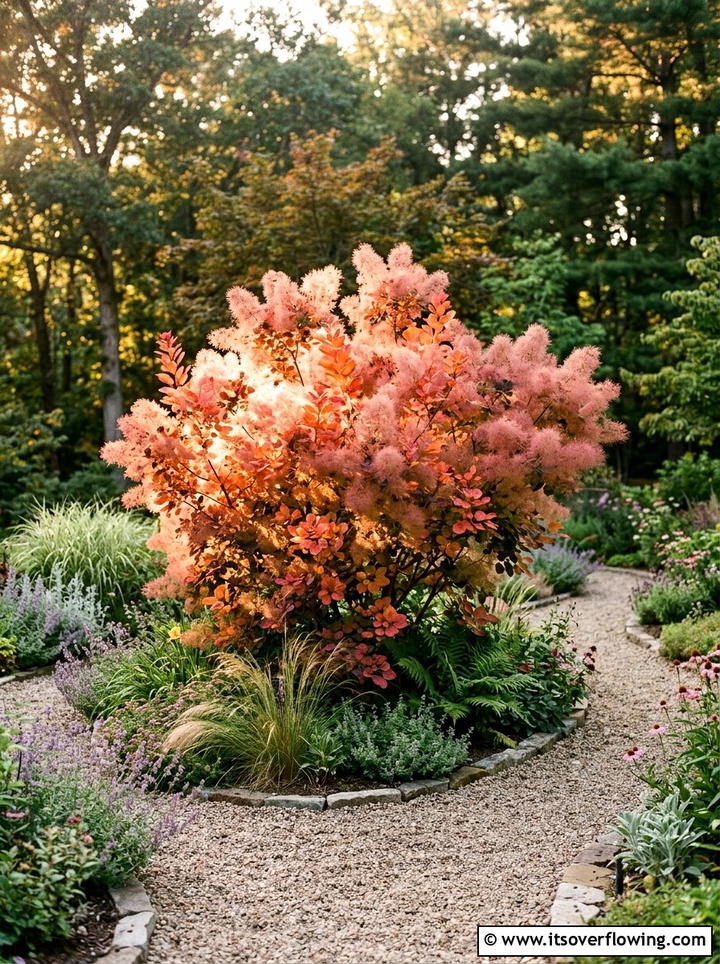
The smoke bush is a dramatic choice for homeowners who want deep, moody colors in their landscape during the autumn. The rounded leaves of the purple varieties turn a brilliant orange-red or even neon pink as the season concludes. This plant gets its name from the fluffy, smoke-like flower clusters it produces in the summer, which often linger into the fall. It can be grown as a large shrub or pruned into a small multi-stemmed tree depending on your space requirements. The contrast between the dark summer foliage and the bright fall transformation is one of the most exciting sights in a well-planned garden.
16. Black eyed susan flowers
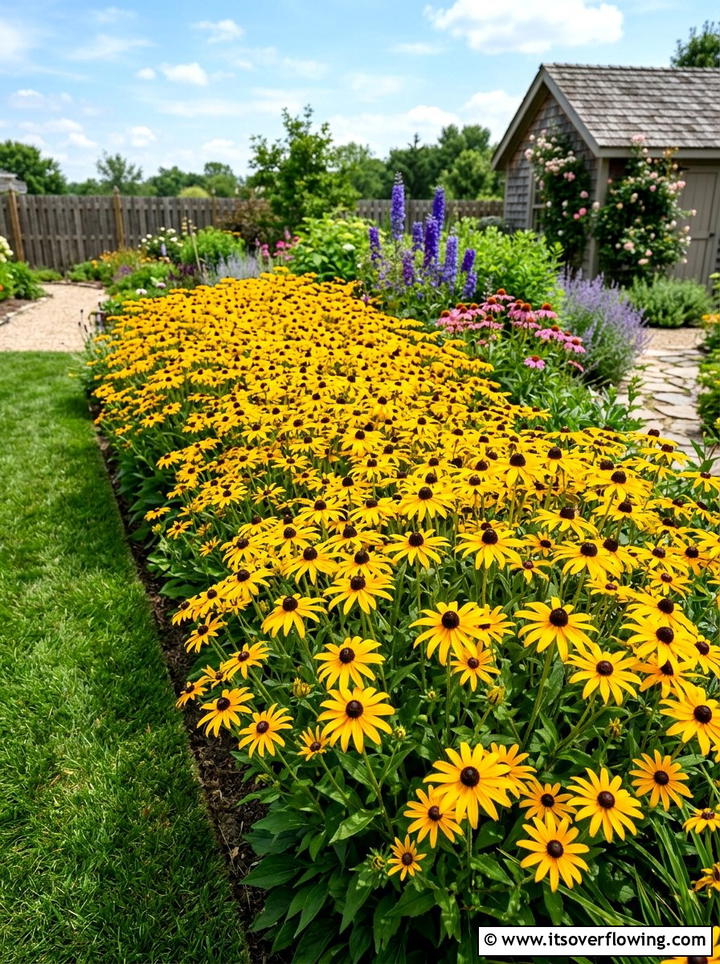
Rudbeckia, commonly known as black-eyed susans, are a staple of the American garden that continue to bloom well into the fall. Their bright yellow petals and dark central cones provide a classic look that pairs perfectly with the warm tones of autumn. These perennials are incredibly vigorous and will often self-seed, creating a naturalized look over time. They are very effective when planted in large groups, creating a blanket of gold that lasts for weeks. Even after the petals fall, the dark seed heads remain, providing food for birds and structural interest in the winter garden. They are a reliable choice for any sunny spot.
17. Pansy winter garden
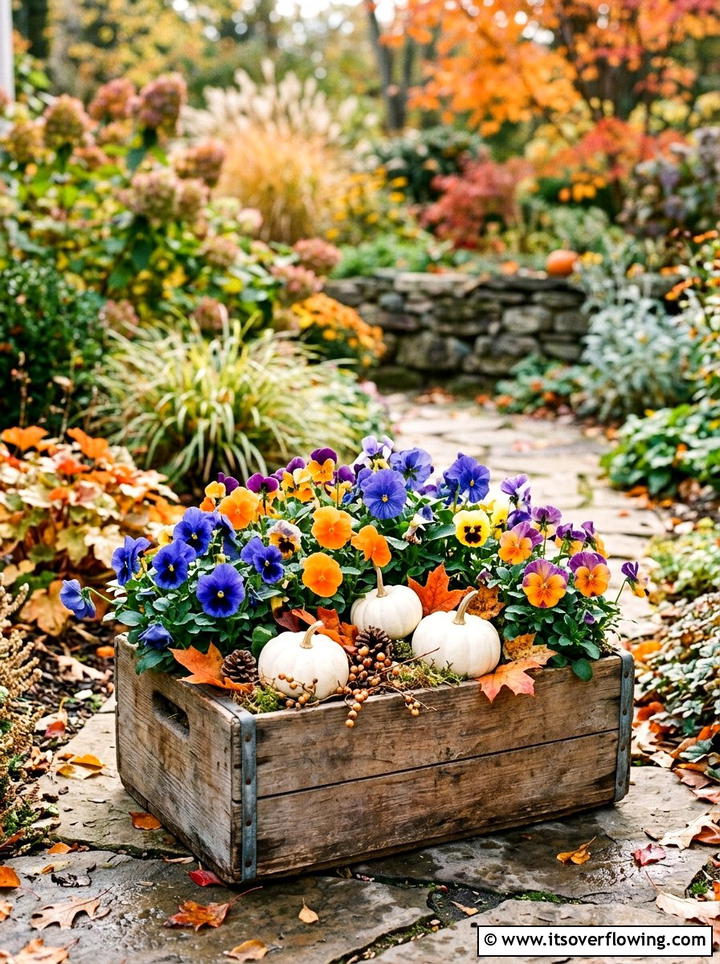
Did you know that pansies are one of the few flowers that can survive and even thrive in the cooler temperatures of late autumn? Planting fall pansies allows you to enjoy cheerful “faces” in your garden containers and borders long after the summer annuals have faded. These hardy little plants come in an incredible array of colors, from deep velvety blues to bright oranges and yellows. They look particularly striking when planted alongside small pumpkins or nestled into a bed of decorative mulch. If planted early enough in the fall, they often survive the winter and provide a second burst of color in the early spring.
18. Serviceberry tree color
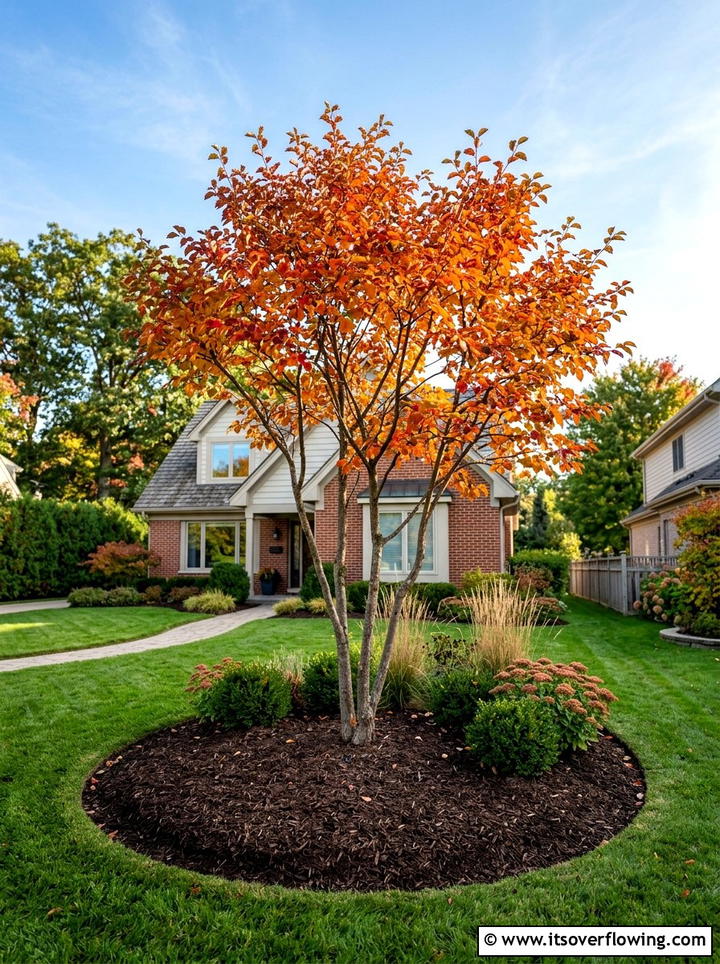
Serviceberry trees are a fantastic multi-season plant that offers white spring blossoms, delicious summer fruit, and spectacular fall foliage. The leaves transform into a brilliant mix of orange, gold, and red, often appearing multi-colored on the same branch. Because they are typically small to medium-sized trees, they fit perfectly into suburban landscapes without overwhelming the space. They are also native to many parts of North America, making them a hardy and ecologically friendly choice. The smooth, gray bark provides a clean look in the winter, making this tree a true workhorse in the garden that provides visual rewards throughout every single season.
19. Viburnum berry clusters
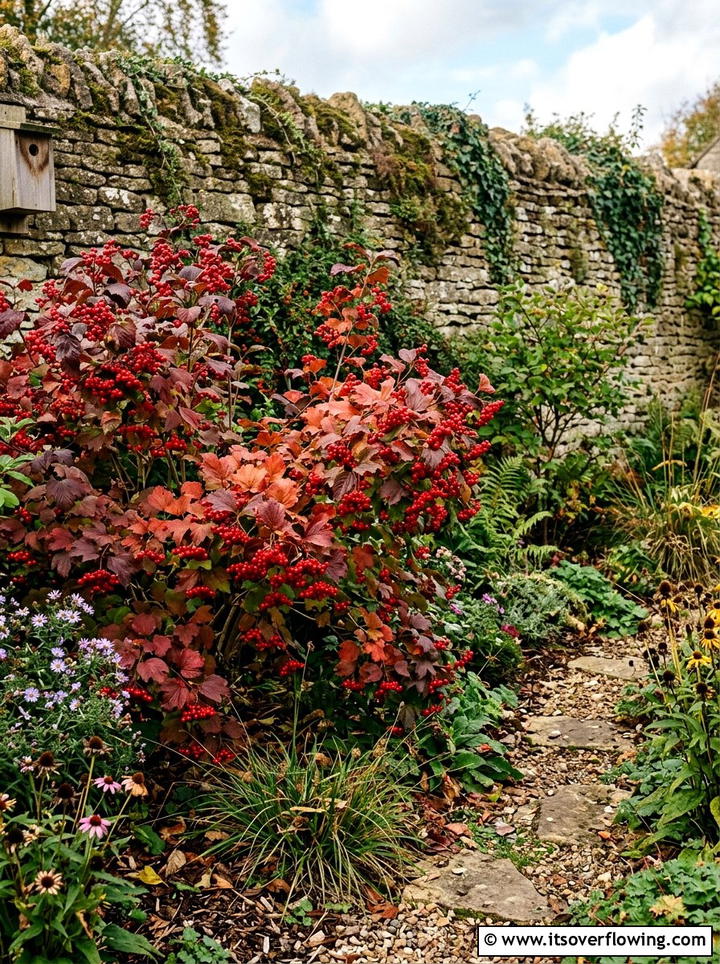
If you want to add color to your garden using fruit rather than just leaves, certain viburnum species are an excellent choice. Many varieties produce clusters of berries that turn from green to bright red, blue, or even black as the fall progresses. These berries are not only beautiful to look at but also serve as a vital food source for birds as they prepare for winter. The foliage of many viburnums also turns a deep red or burgundy, providing a double layer of interest. These shrubs are versatile, serving well as hedges, foundation plantings, or specimen plants in a mixed border.
20. Russian sage plants
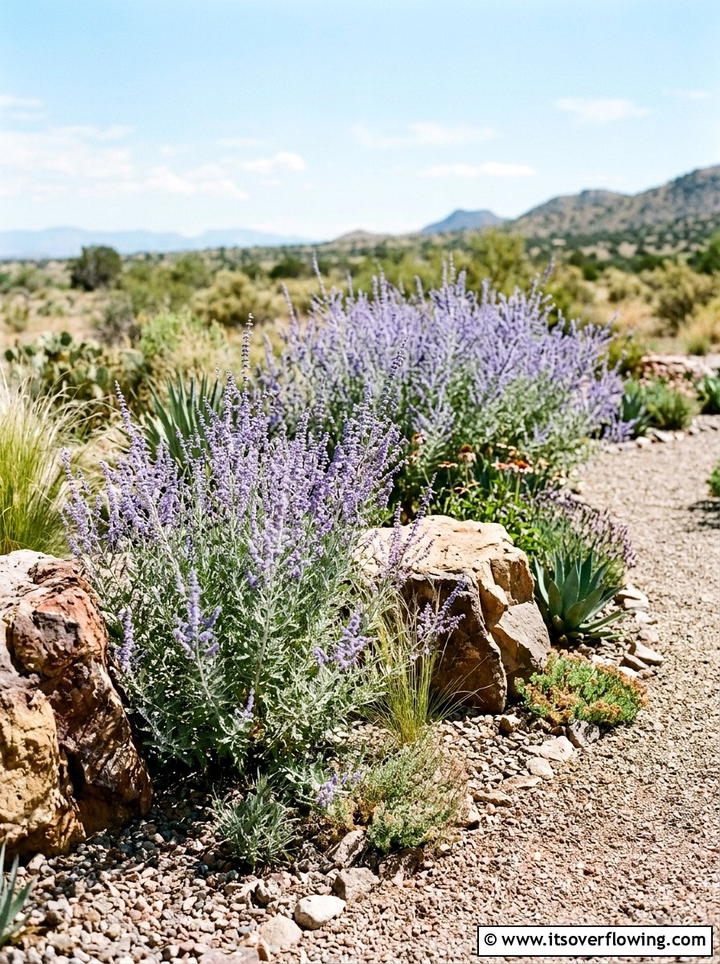
Are you looking for a plant that provides a soft, hazy look to balance out the bold reds and oranges of fall? Russian sage features silvery-green foliage and tall spikes of lavender-blue flowers that continue to bloom deep into the autumn. The cool tones of the flowers provide a refreshing contrast to the warm autumnal palette, making the other colors pop. This plant is exceptionally tough, thriving in poor soil and hot, dry conditions where other plants might fail. Its aromatic foliage is also a deterrent for deer, making it a practical choice for rural or suburban gardens where wildlife is a concern.
21. Coreopsis perennial blooms
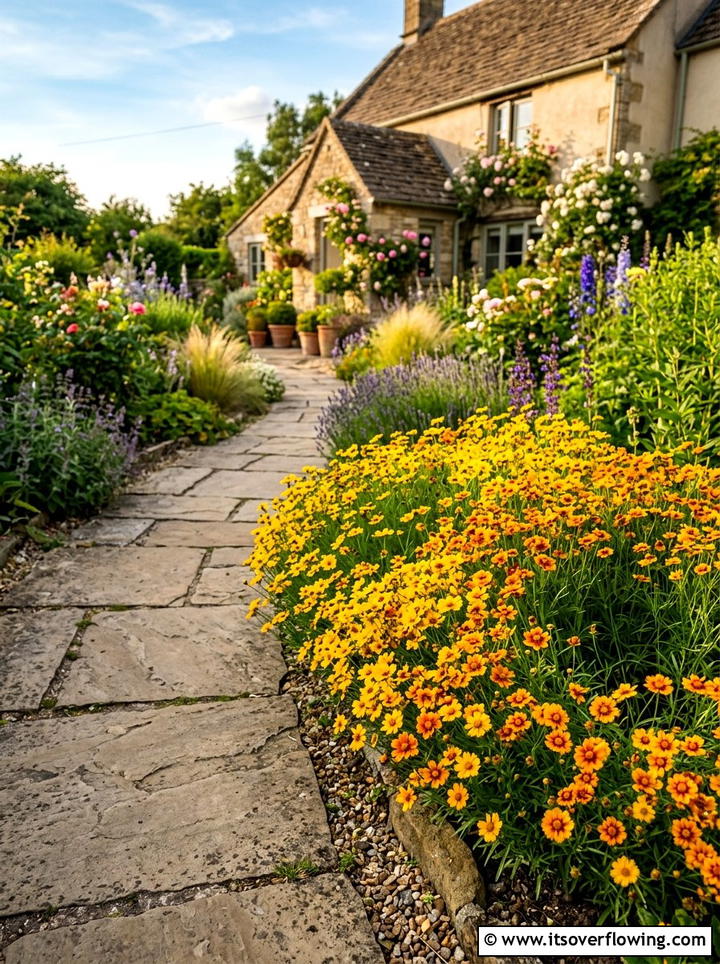
Coreopsis, or tickseed, is a hardworking perennial that can provide a sunny disposition in your garden from summer through the first frost. While many varieties feature bright yellow flowers, some newer cultivars offer shades of orange, red, and even bicolor patterns. Deadheading the spent blooms throughout the summer will encourage a massive final flush of color in the fall. These plants are generally low-growing, making them perfect for the front of a garden bed or along a pathway. Their fine-textured foliage adds a delicate touch to the garden, contrasting well with larger-leaved plants like hydrangeas or hostas. They are very easy to maintain for beginners.
22. Fothergilla garden shrubs
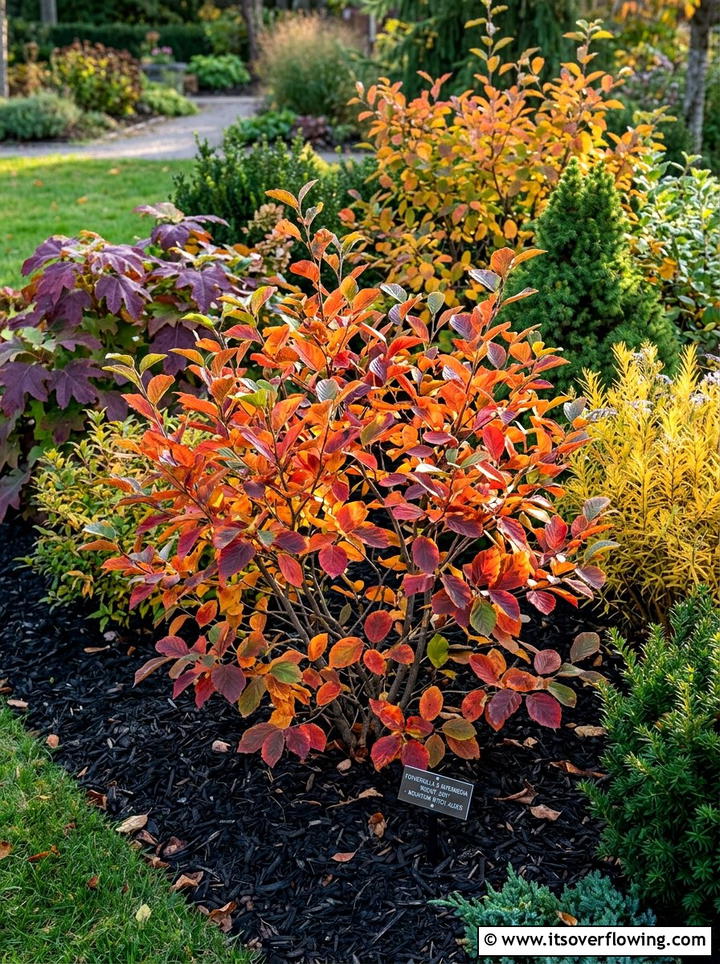
Fothergilla is a hidden gem in the world of fall gardening, offering some of the most complex and beautiful foliage transitions available. In the autumn, a single shrub can display leaves that are orange, yellow, and red all at the same time. This creates a kaleidoscopic effect that is truly breathtaking when planted in a sunny location. In the spring, they produce unique bottle-brush-shaped white flowers that are highly fragrant. Fothergilla remains a compact shrub, so it is an excellent choice for smaller gardens or for grouping together as a low hedge. They prefer moist, well-drained acidic soil and will reward you with years of color.
23. Japanese blood grass
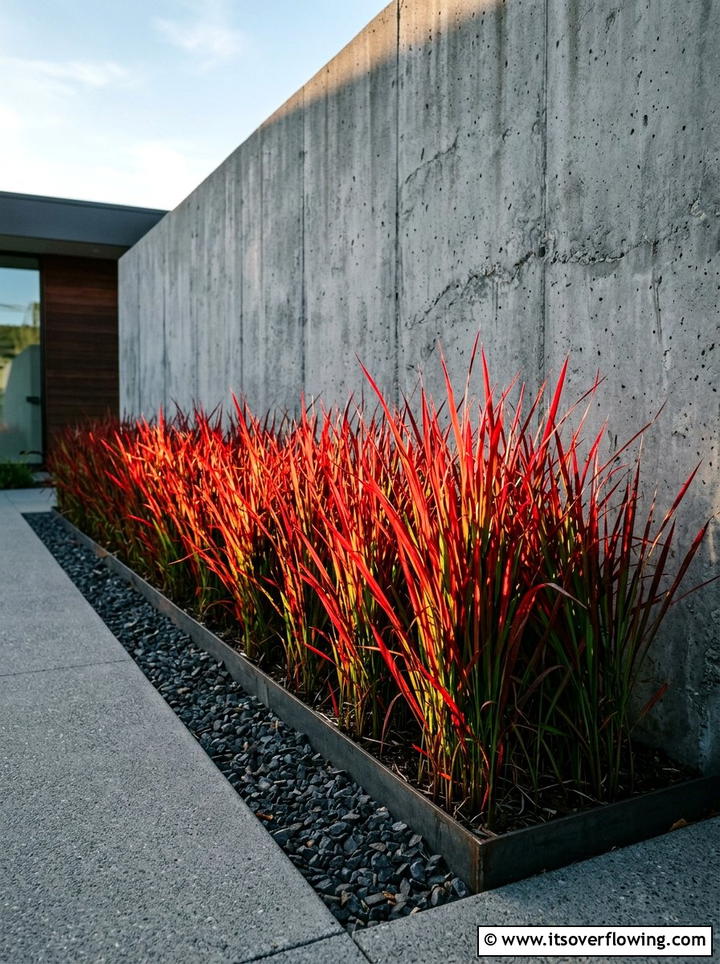
For a dramatic and modern look, few plants can compete with the striking appearance of Japanese blood grass. The blades start as green at the base and transition into a translucent, blood-red color toward the tips. As the fall progresses, the red color intensifies and spreads further down the blade, making the plant appear as if it is glowing. This grass is particularly effective when backlit by the low autumn sun, which highlights the vibrant red tips. It is a slow-growing grass that stays in a neat clump, making it perfect for small garden beds or as an accent in a minimalist landscape design.
24. Sweet gum tree leaves
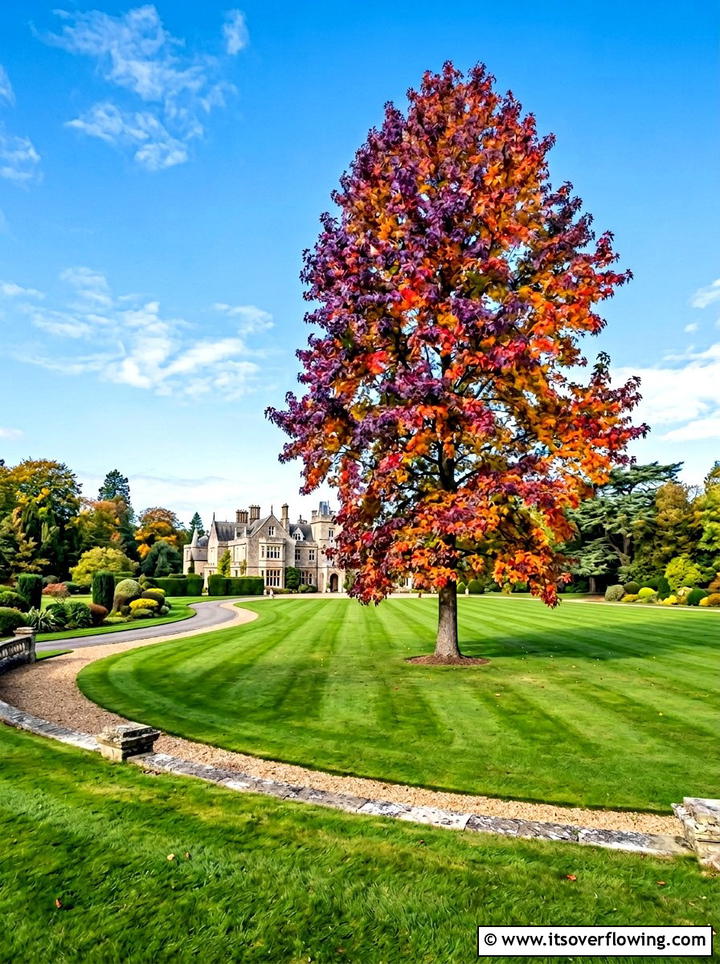
The sweet gum tree is famous for its star-shaped leaves that turn an incredible array of colors in the autumn months. You might see a single tree with leaves ranging from bright yellow and orange to deep purple and burgundy simultaneously. This diversity of color makes the sweet gum one of the most celebrated trees for fall interest in larger landscapes. While they do produce prickly seed pods, many homeowners find the spectacular foliage show to be well worth the cleanup. If you have the space for a large shade tree, the sweet gum provides a reliable and stunning seasonal performance every year.
25. Heuchera foliage color
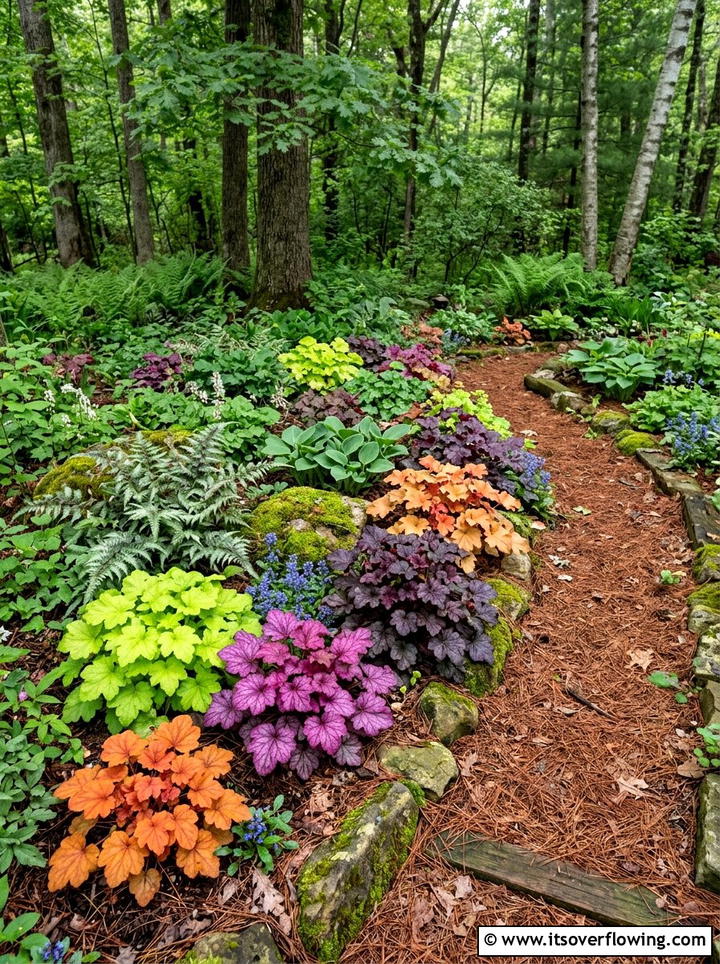
Commonly known as coral bells, heuchera is a perennial grown primarily for its stunning and diverse foliage colors rather than its flowers. You can find varieties with leaves in shades of lime green, deep purple, burnt orange, and even silver. These colors remain vibrant throughout the fall and often persist into the winter in milder climates. Planting different varieties together can create a stunning tapestry of color on the garden floor. They work exceptionally well in containers or as a border plant in shady areas where other colorful plants might struggle. Their ruffled leaves provide a unique texture that complements both wood and stone.
Conclusion:
Creating a garden that shines in the fall is about more than just picking a few pretty plants; it is about understanding how colors and textures interact as the light changes. By incorporating a variety of trees, shrubs, and perennials that offer late-season interest, you can ensure your outdoor space remains a source of joy year-round. From the fiery reds of a burning bush to the soft purples of late-blooming asters, the options for autumn color are vast and rewarding. Taking the time to plan your landscape with the fall season in mind will result in a mature, professional-looking garden that enhances your home’s aesthetic. Enjoy the process of watching your garden transform into a vibrant masterpiece.
Related posts:
 25 Creative Garden Ideas for Corners: Smart Small-Space Tips
 25 Creative Garden Ideas for Porches: Cozy Entryway Tips
 25 Creative Garden Ideas for Rooftops: Stylish Urban Tips
 25 Creative Garden Ideas for Rural Homes: Rustic Yard Tips
 25 creative garden ideas with low maintenance design Tips
 25 Creative Garden Ideas With Sustainable Landscaping Tips
 25 garden design ideas with color themes: Stunning Palette Tips
 25 garden ideas for fall: Cozy Seasonal Outdoor Updates
 25 Garden Design Ideas With Seasonal Flowers for Year-Round Color
 25 garden ideas for peace and relaxation: Calm Yard Tips
 25 garden ideas for rainy climate: Fresh Wet-Weather Tips
 25 garden ideas with low cost materials: Budget Yard Tips