
Creating a garden that evolves through the year brings a unique sense of magic to your outdoor living space. Instead of seeing your yard as a static picture, you can view it as a living, breathing canvas that shifts colors and textures as the months pass by. Planning for seasonal transitions ensures that you always have something beautiful to look at, whether it is the first sprout of spring or the last bloom of autumn. This approach helps you connect more deeply with nature while significantly boosting your home’s curb appeal and value. By choosing a variety of plants that peak at different times, you create a sustainable habitat for local wildlife and pollinators throughout the entire year.
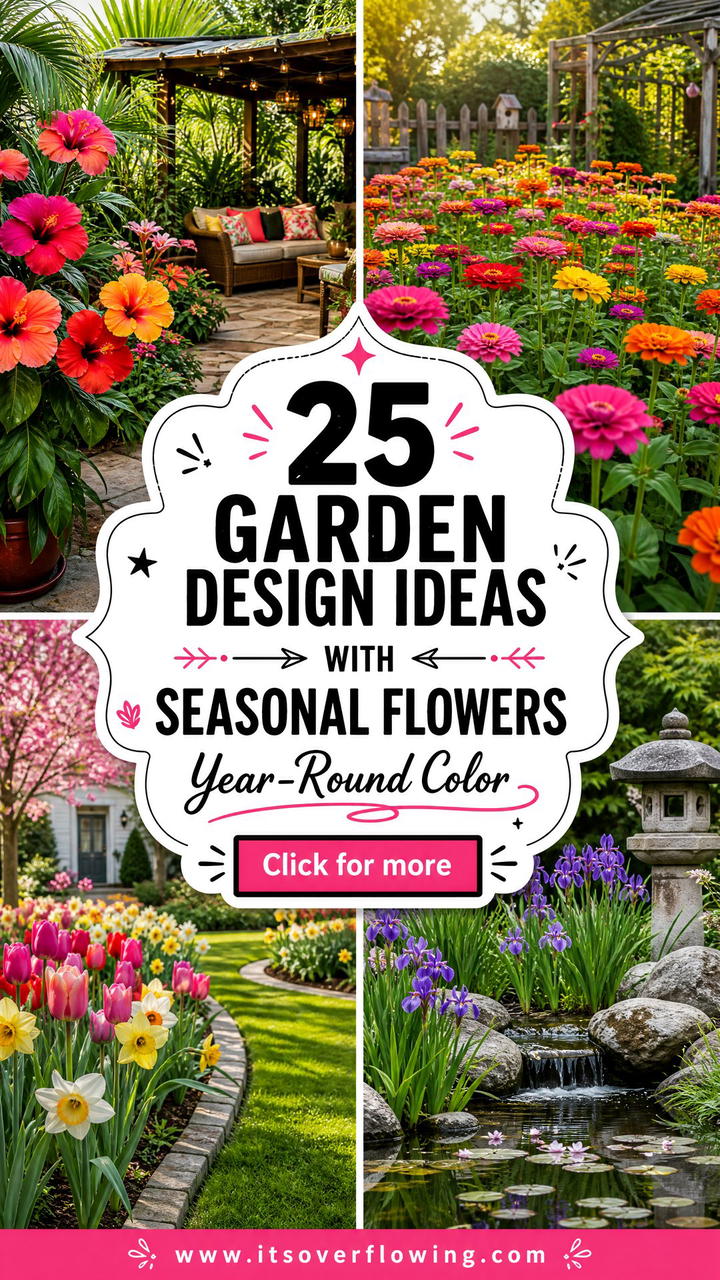
1. Spring bulb border
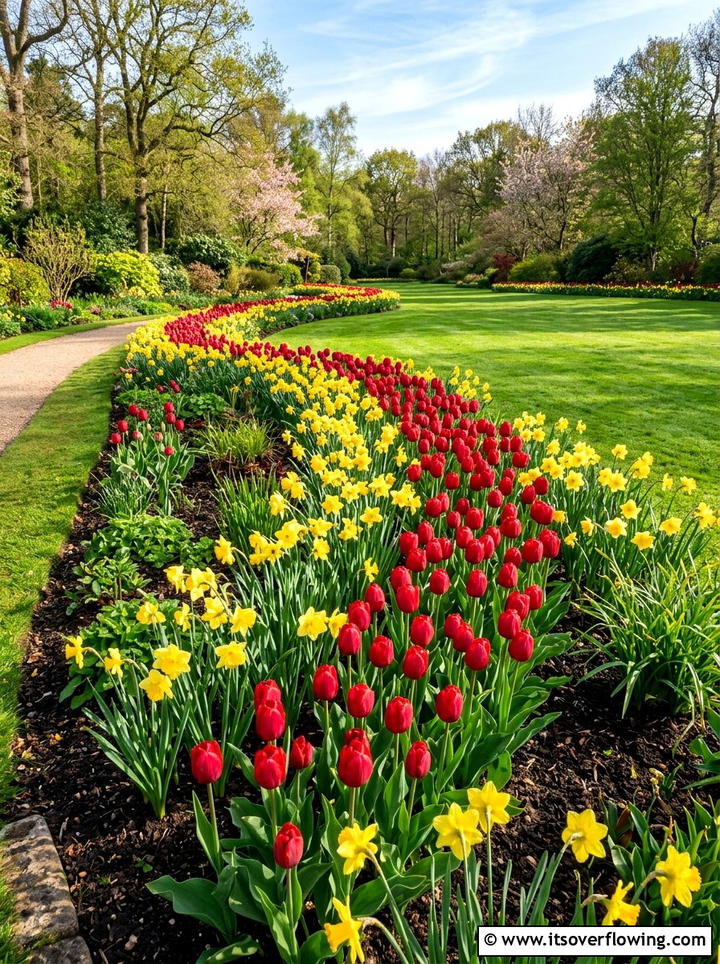
Imagine walking outside in early March and seeing a sea of bright yellow daffodils and vibrant red tulips greeting you. A spring bulb border is one of the easiest ways to bring life back to your yard after a long, cold winter season. To make this look professional, you should plant your bulbs in large groups or drifts rather than single lines. This creates a much bigger visual impact when they finally bloom. You can layer different types of bulbs that bloom at slightly different times to keep the color going for several weeks. Adding some grape hyacinths or crocuses near the front edges adds a lovely touch of purple and blue to the mix.
2. Summer wildflower meadow
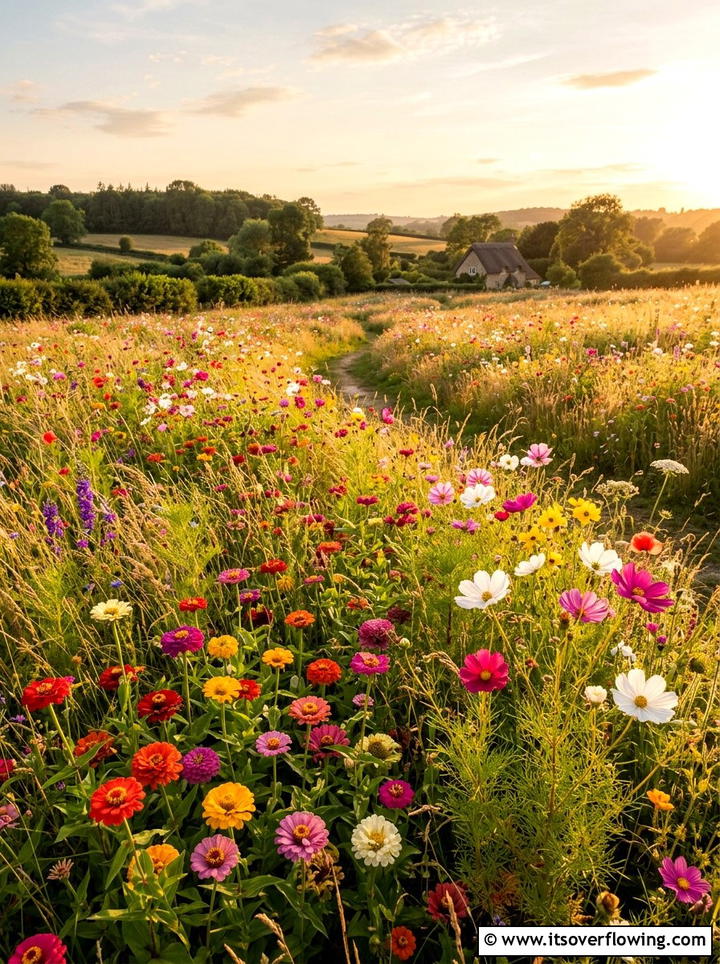
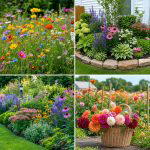
Transforming a patch of your lawn into a summer wildflower meadow is a wonderful way to support local bees and butterflies. You can use a mix of seeds like cosmos, zinnias, and black-eyed Susans to create a tall, airy look that dances in the breeze. These flowers thrive in the hot sun and provide a continuous display of bright colors from June through August. The best part about this style is that it requires very little maintenance once the plants are established. You do not need to worry about perfectly straight lines or meticulous weeding. Instead, you get a natural, relaxed vibe that feels like a cozy escape in your own backyard.
3. Autumn mum display
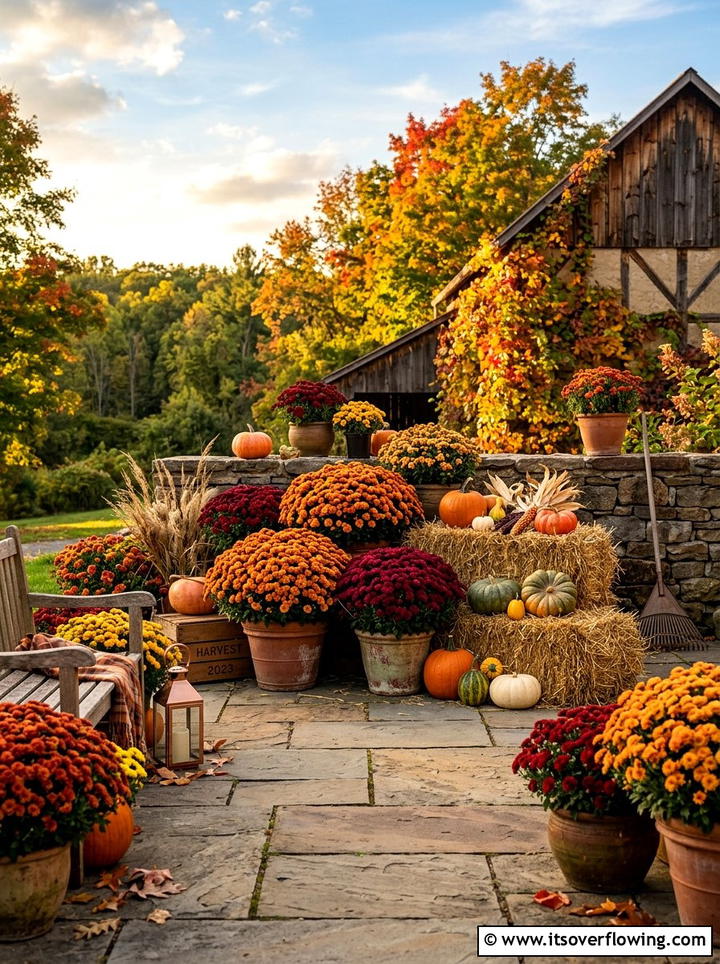
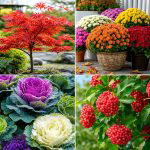
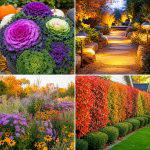
When the air turns crisp and the leaves start to change, an autumn mum display brings warmth back to your garden. Chrysanthemums come in stunning shades of burnt orange, deep burgundy, and golden yellow that perfectly match the fall season. You can plant them directly in your flower beds or keep them in decorative pots near your entryway for a welcoming look. Pairing these flowers with ornamental kales and peppers adds interesting textures and different shapes to the arrangement. Mums are very hardy and can withstand cooler temperatures, making them the perfect choice for late-season color. They bridge the gap between summer blooms and the coming winter dormancy beautifully.
4. Winter hellebore corner
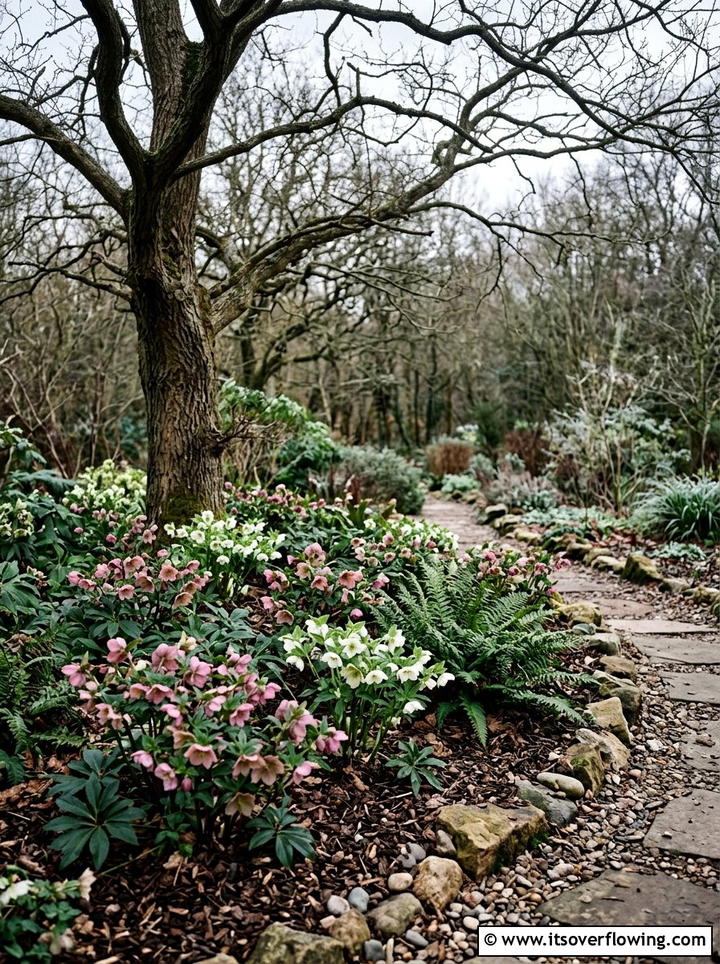
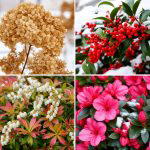
Many people think gardens have to be brown and boring during the winter, but a hellebore corner proves that theory wrong. Also known as Lenten roses, these tough perennials bloom in late winter or very early spring when most other plants are still asleep. Their nodding, bell-shaped flowers come in elegant shades of dusty rose, creamy white, and deep purple. Planting them in a shady spot under a deciduous tree allows them to get the light they need during the winter months. Because they have evergreen foliage, they provide structure and greenery even when there is snow on the ground. They are a true hidden gem for any seasonal landscape.
5. Cottage style rose garden
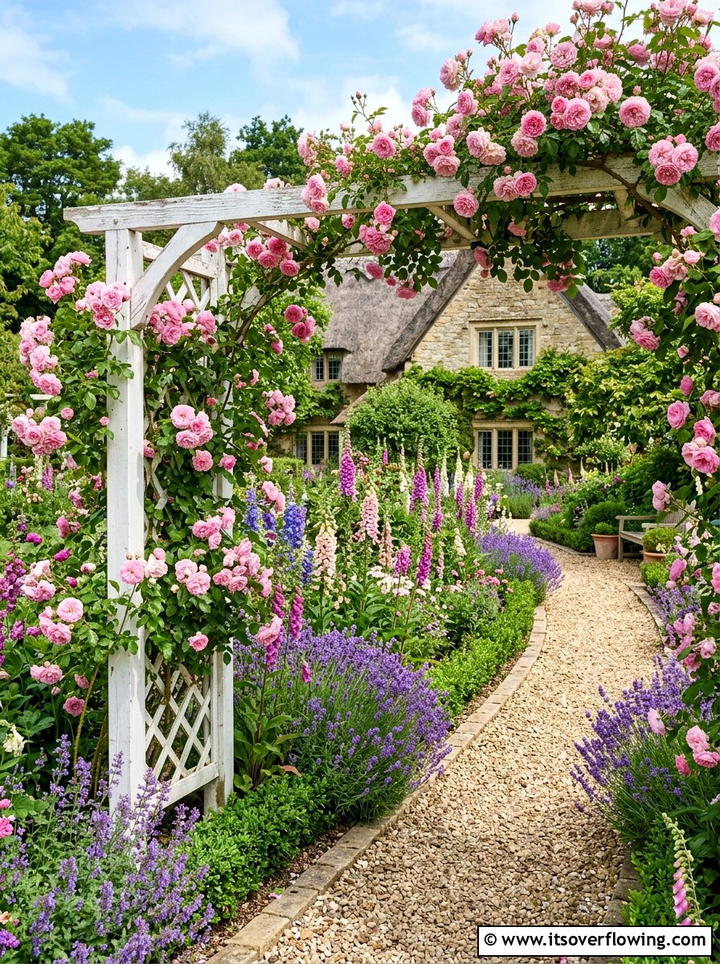
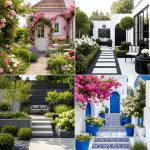
A cottage style rose garden is the ultimate choice for anyone who loves a romantic and fragrant outdoor space. By mixing different varieties like climbing roses, shrub roses, and hybrid teas, you can create a lush and overflowing look. These plants provide spectacular blooms throughout the summer and often repeat their flowering cycles if you prune them regularly. To get that authentic cottage feel, try interplanting your roses with tall perennials like foxgloves or delphiniums. The combination of different heights and soft colors creates a dreamy atmosphere that smells as good as it looks. It is a classic choice that never goes out of style for home gardeners.
6. Lavender walkway
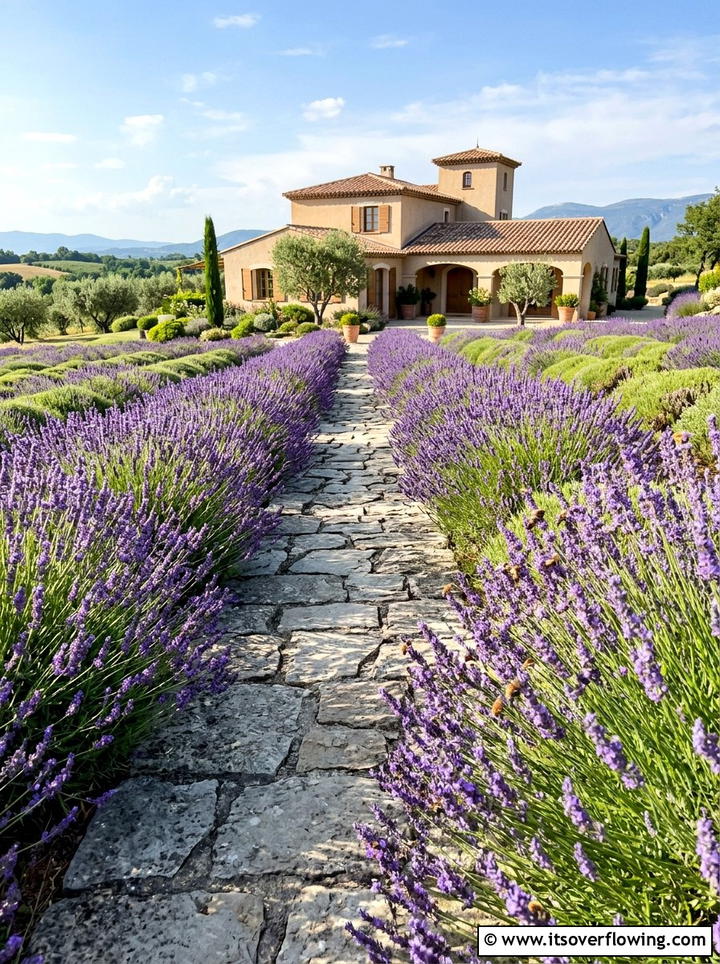
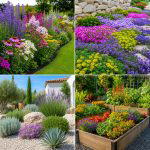
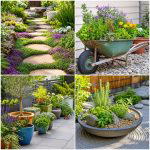
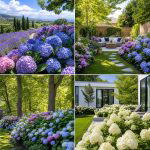
Walking down a path lined with fragrant lavender is a sensory experience that instantly makes you feel more relaxed. A lavender walkway is perfect for sunny areas with well-draining soil, providing a neat and structured border for your garden paths. These silvery-green shrubs produce beautiful purple spikes in the mid-summer that attract plenty of helpful pollinators like bumblebees. Because lavender is an evergreen in many climates, the foliage stays attractive even after the flowers have faded away. You can trim them into low hedges to keep the path looking tidy and organized. This design choice works exceptionally well for Mediterranean or modern farmhouse styles where simplicity and fragrance are key.
7. Shade loving woodland garden
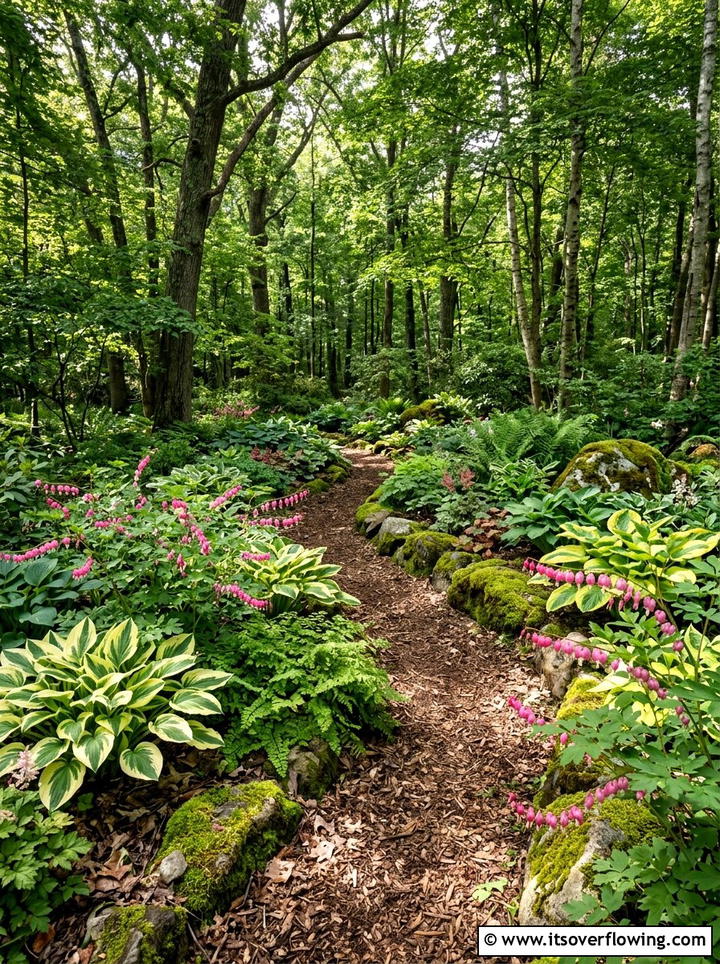
If you have a yard with lots of mature trees, a shade loving woodland garden is a fantastic way to utilize that space. You can fill the area with hostas, bleeding hearts, and astilbes to create a cool and lush retreat. These plants often have stunning foliage in various shades of green, blue, and chartreuse that brighten up dark corners. In the spring, the delicate pink and white flowers of the bleeding hearts provide a soft touch of color. Using wood chips or natural mulch for the paths helps the area blend in with the surrounding trees. It feels like a secret forest sanctuary right in your own residential backyard.
8. Vertical floral trellis
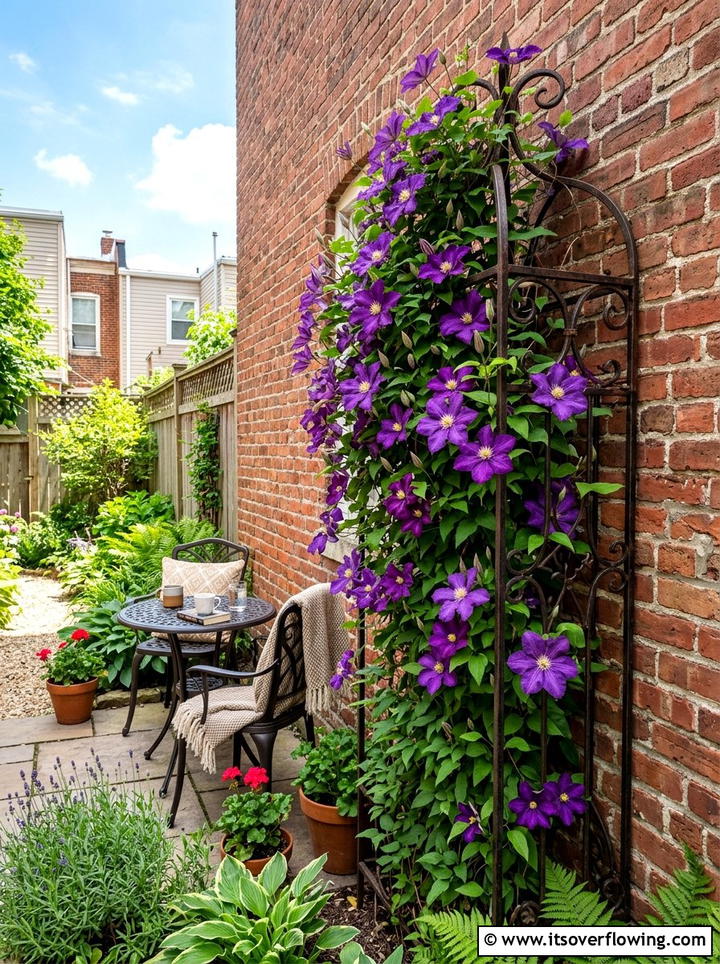
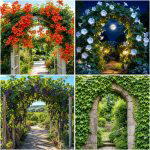
Using a vertical floral trellis is a smart way to add height and drama to your garden without taking up much ground space. You can grow climbing plants like clematis, morning glories, or climbing hydrangeas to create a wall of living color. This is an excellent solution for covering up an old fence or adding privacy to a patio area. Clematis varieties offer a huge range of flower shapes and sizes, blooming at different times from spring until fall. By choosing a mix of early and late bloomers, you can ensure your trellis stays covered in flowers for months. It draws the eye upward and makes small gardens feel much larger.
9. Raised bed cutting garden
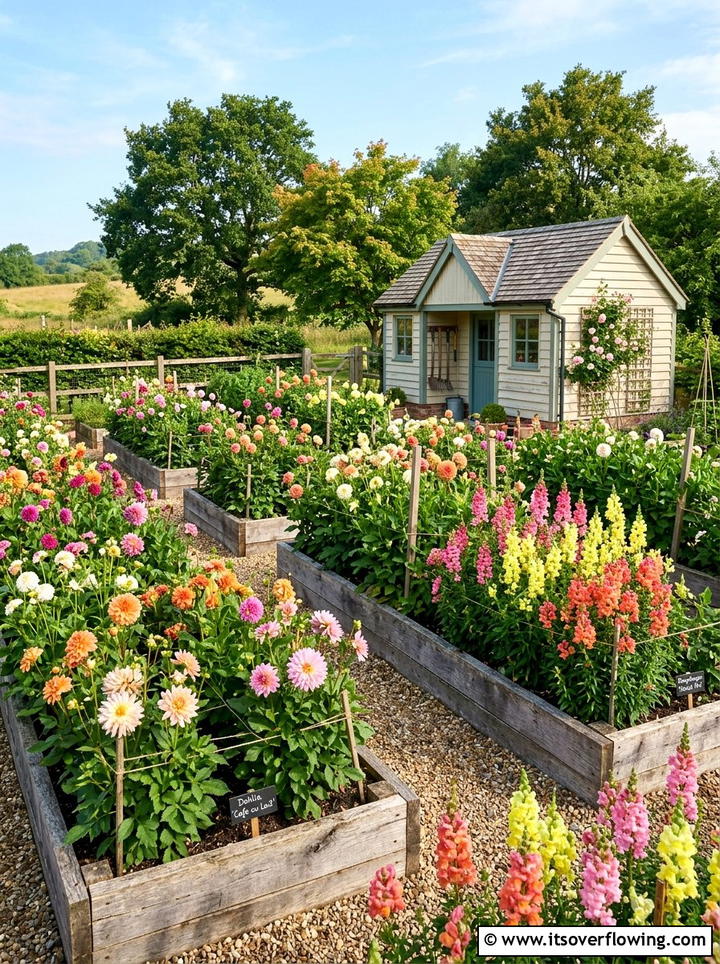
A raised bed cutting garden is perfect for anyone who wants to bring the beauty of their outdoors inside the house. By dedicating a specific area to flowers like dahlias, snapdragons, and zinnias, you can harvest fresh bouquets all summer long. Raised beds make it much easier to manage the soil quality and keep weeds under control at a comfortable height. You can organize the plants in rows based on their height to make reaching for stems easier during harvest time. Adding a simple irrigation system ensures that your flowers stay hydrated and productive during the hot months. It is a functional and beautiful way to enjoy seasonal flowers every day.
10. Rock garden perennials
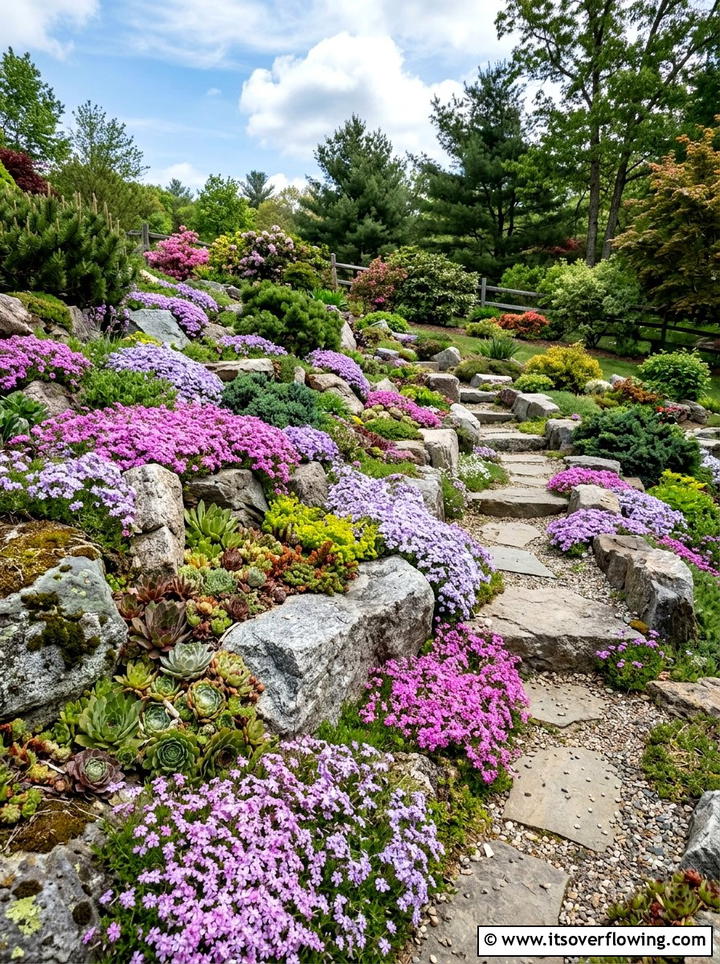
Creating a rock garden with hardy perennials is a great way to add texture and interest to a sloped or dry area of your yard. You can use low-growing plants like creeping phlox, stonecrop, and alpine pinks that tuck themselves between the stones. These plants are often very tough and can survive in harsh conditions with minimal water once they are established. In the springtime, creeping phlox creates a vibrant carpet of color that completely covers the rocks. During the summer, various sedums provide interesting foliage and small flowers that pollinators love. The combination of hard stones and soft petals creates a rugged yet beautiful aesthetic that requires very little maintenance.
11. Butterfly garden border
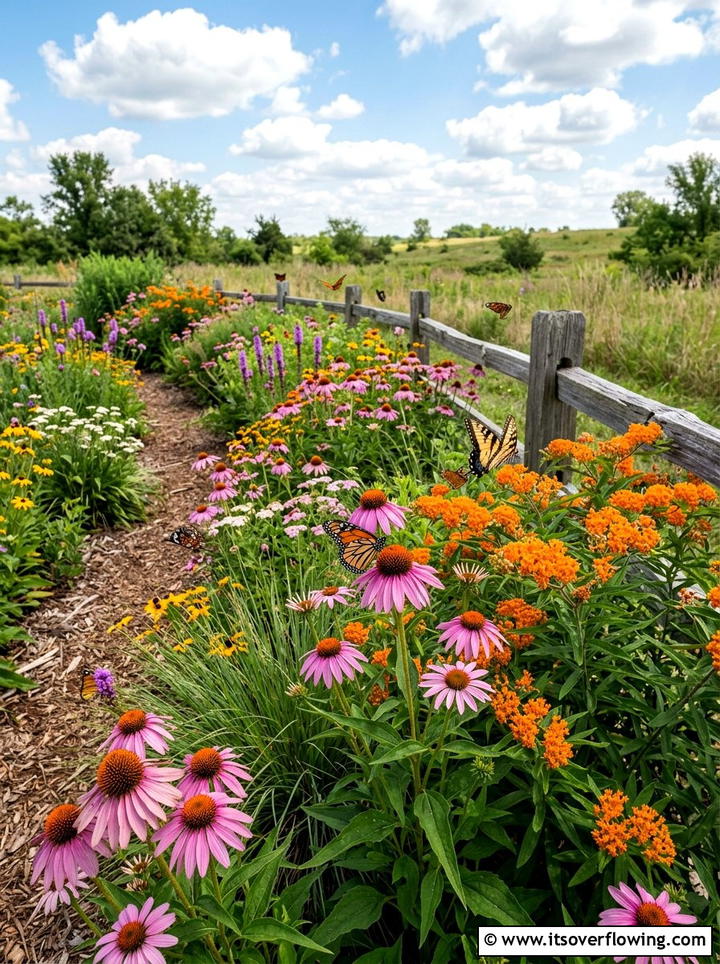
A butterfly garden border is specifically designed to attract and nourish these beautiful insects throughout their entire life cycle. You should include host plants like milkweed for caterpillars and nectar plants like purple coneflower and butterfly bush for the adults. These flowers usually bloom in mid to late summer, providing a burst of bright purple, orange, and pink hues. Grouping the same types of flowers together makes it easier for butterflies to spot them from a distance. This type of garden is not only visually stunning but also plays a vital role in supporting the local ecosystem. Watching the butterflies flutter around your flowers adds a peaceful and lively energy to your yard.
12. Moon garden with white flowers
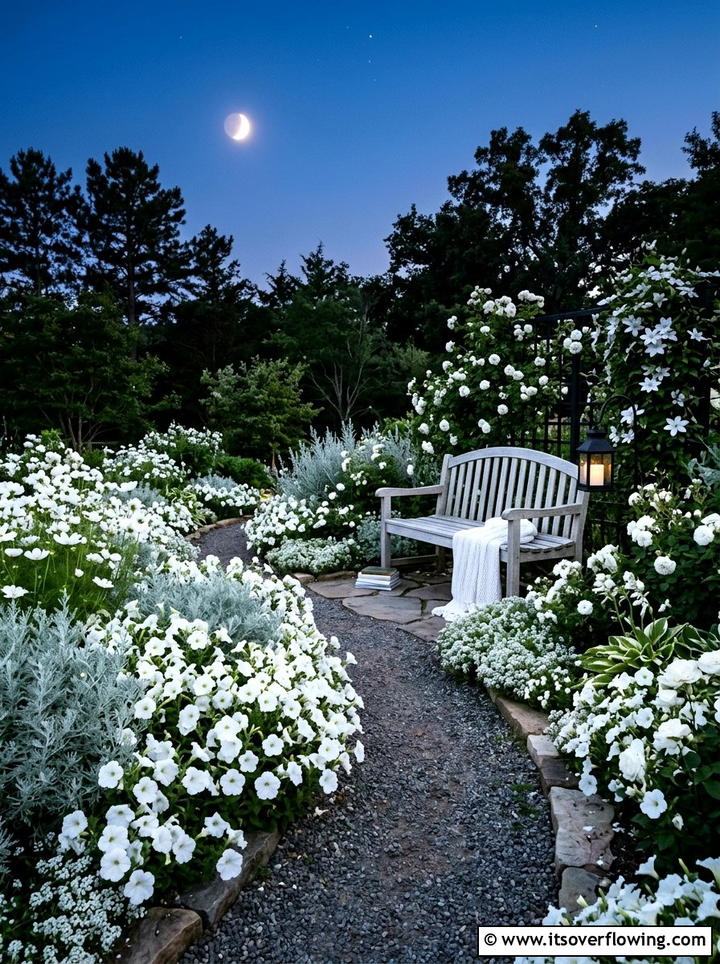
A moon garden is designed to be enjoyed in the evening hours when white flowers seem to glow under the moonlight. You can plant varieties like white petunias, moonflowers, and silver mound artemisia to create this ethereal effect. Many white flowers also release a stronger scent at night, making your patio a wonderful place to sit after the sun goes down. Using plants with silvery or variegated foliage helps reflect any available light, adding to the shimmering appearance of the garden. This is a sophisticated and calming design choice for people who spend their most relaxing time outdoors during the evening. It transforms your backyard into a peaceful and glowing nighttime retreat.
13. Tropical hibiscus patio
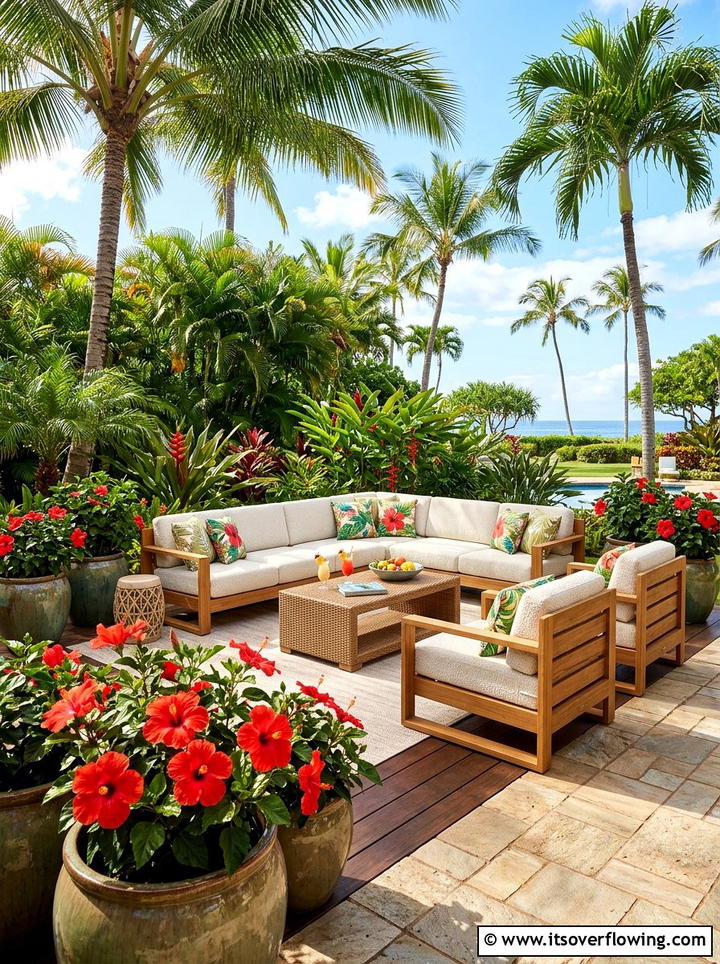
Bringing a tropical vibe to your patio is easy when you use large, vibrant hibiscus plants as the focal point. These stunning flowers feature massive petals in shades of bright red, pink, and yellow that instantly make you feel like you are on vacation. You can grow them in large decorative pots to frame your seating area or place them in the ground in warmer climates. Hibiscus thrive in the heat and sun, blooming consistently throughout the summer months. Pairing them with lush ferns or palms creates a multi-layered look that feels private and exotic. It is a fantastic way to create a bold statement in a high-traffic area of your outdoor space.
14. Hydrangea privacy screen
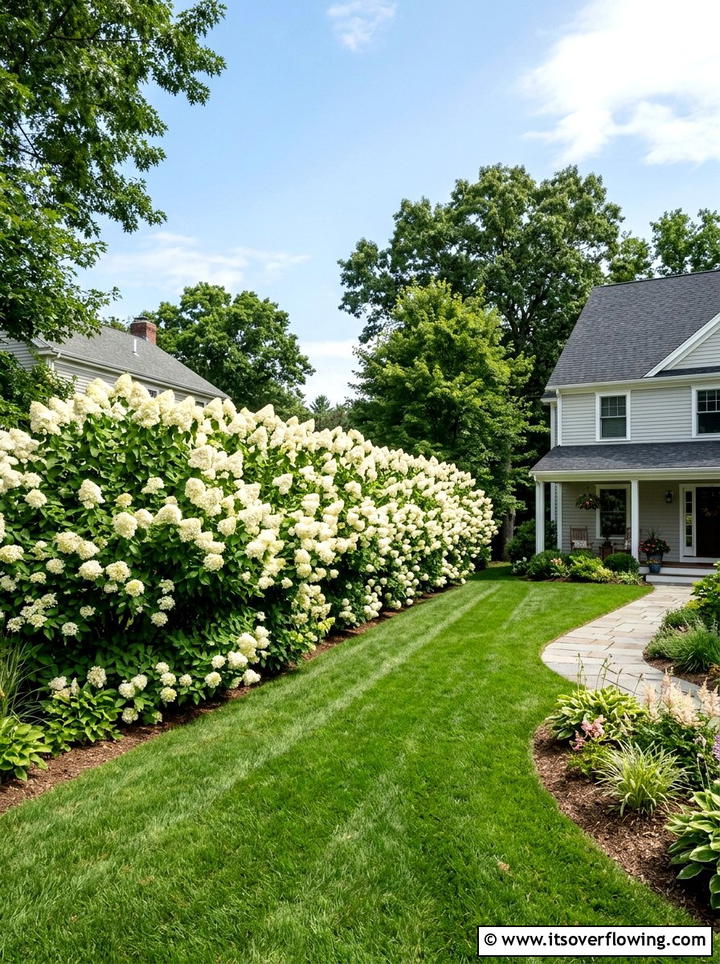
Using hydrangeas to create a privacy screen is a soft and beautiful alternative to traditional wooden fences or evergreen hedges. Varieties like Panicle or Smooth hydrangeas grow tall and wide, producing massive clusters of white, pink, or lime green flowers. These blooms last for a very long time and even look great when they dry out on the stem in late autumn. The large, green leaves provide a dense wall of foliage that blocks the view from neighbors while adding a classic charm to your yard. Hydrangeas are relatively easy to care for and provide a massive amount of color for very little effort. They create a lush, living boundary that feels very high-end.
15. Peony perennial bed
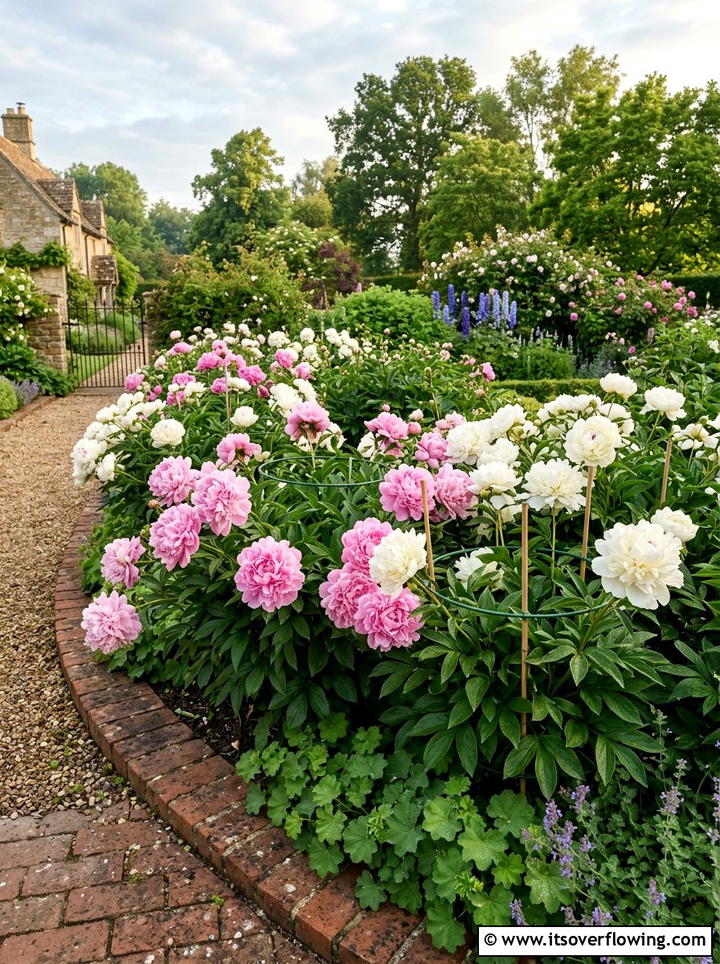
Peonies are the stars of the late spring garden, offering some of the most fragrant and oversized blooms imaginable. A dedicated peony bed creates a spectacular focal point that neighbors will definitely stop to admire. These long-lived perennials come in shades of white, blush pink, and deep crimson, often with layers of delicate petals. While the blooming season is relatively short, the dark green foliage remains attractive throughout the summer and into the fall. You can plant them alongside later-blooming perennials like lilies to ensure the bed stays interesting after the peonies have finished. They are a timeless garden favorite that brings a sense of luxury and old-fashioned elegance to any landscape.
16. Drought tolerant gravel garden
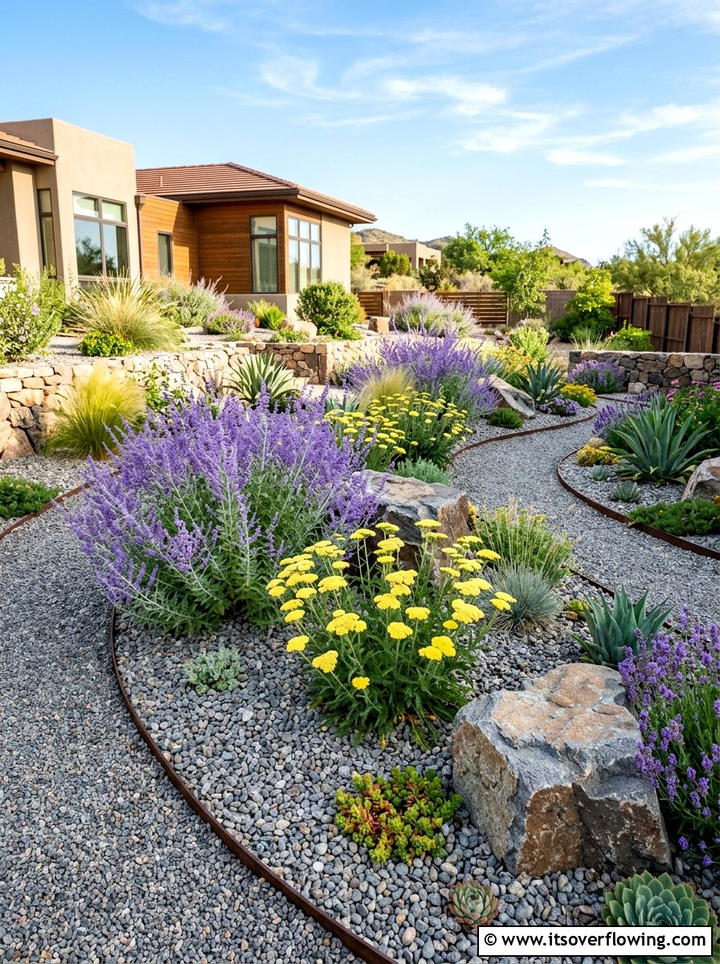
A drought tolerant gravel garden is a modern and eco-friendly way to enjoy seasonal flowers without using too much water. You can use a base of decorative gravel and plant heat-loving varieties like Russian sage, yarrow, and lavender. These plants have adapted to dry conditions and often feature silvery foliage that reflects the sun. In the summer, the blue spikes of Russian sage contrast beautifully against the yellow flat-topped clusters of yarrow. This design is perfect for areas with water restrictions or for homeowners who want a low-maintenance landscape that still looks intentional. The gravel acts as a mulch, keeping the roots cool while giving the garden a clean and contemporary look.
17. Native flower sanctuary
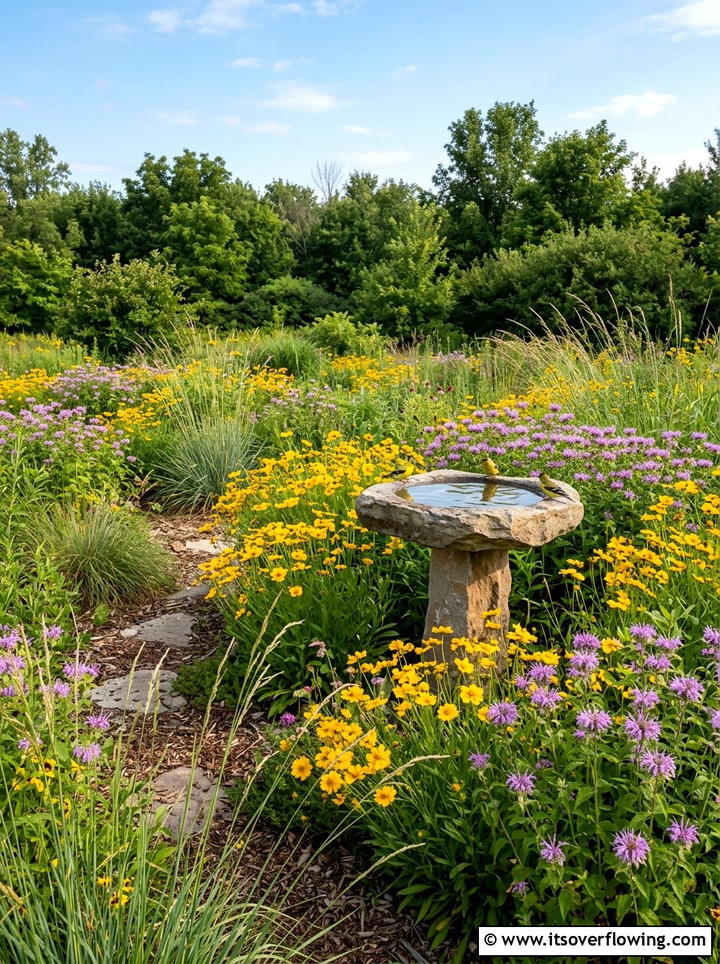
Planting a native flower sanctuary is a wonderful way to give back to your local environment while enjoying a beautiful yard. Native plants are adapted to your specific climate and soil, meaning they usually require less water and fewer fertilizers than exotic species. You can include colorful varieties like Joe Pye weed, coreopsis, and wild bergamot to create a vibrant and hardy display. These flowers have a natural, rugged beauty that fits perfectly in a more relaxed or informal garden setting. Because they evolved alongside local birds and insects, your garden will quickly become a bustling hub of activity. It is a rewarding way to garden that celebrates the unique beauty of your region.
18. Sunny zinnia patch
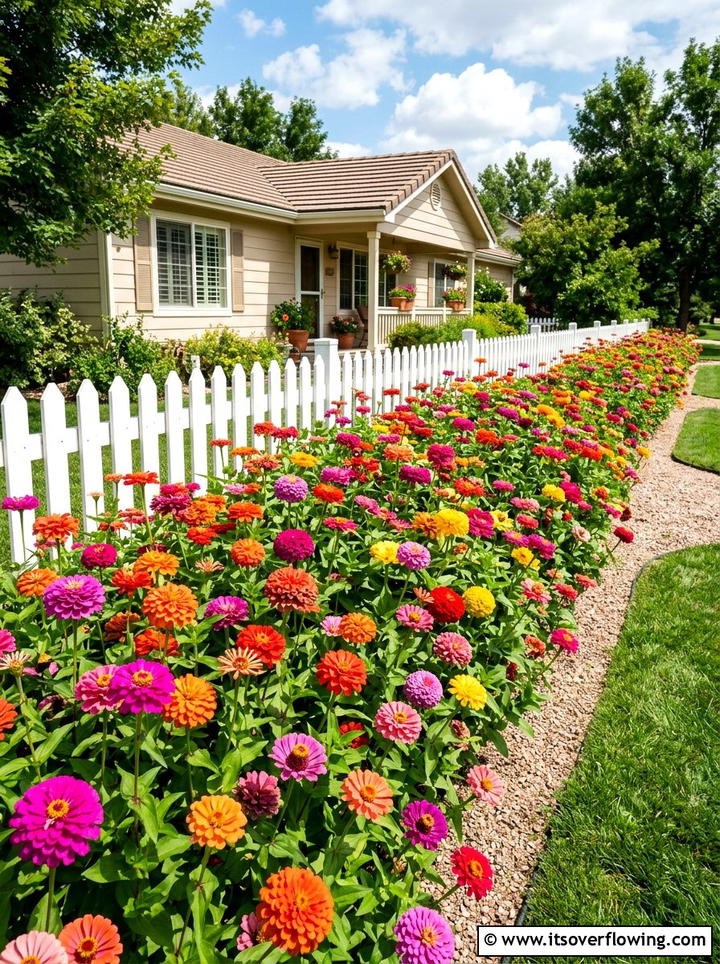
Zinnias are some of the most rewarding flowers to grow because they come in almost every color and bloom continuously until the first frost. A sunny zinnia patch provides a massive amount of color for a very small investment in seeds. These flowers are incredibly tough and can handle the intense heat of mid-summer without drooping. They are also excellent for beginners because they are so easy to grow from seed directly in the ground. You can choose from tall varieties that work well at the back of a border or dwarf types for the front edges. Their cheerful, daisy-like faces bring a sense of joy and playfulness to any sunny spot in your yard.
19. Ornamental grass and aster garden
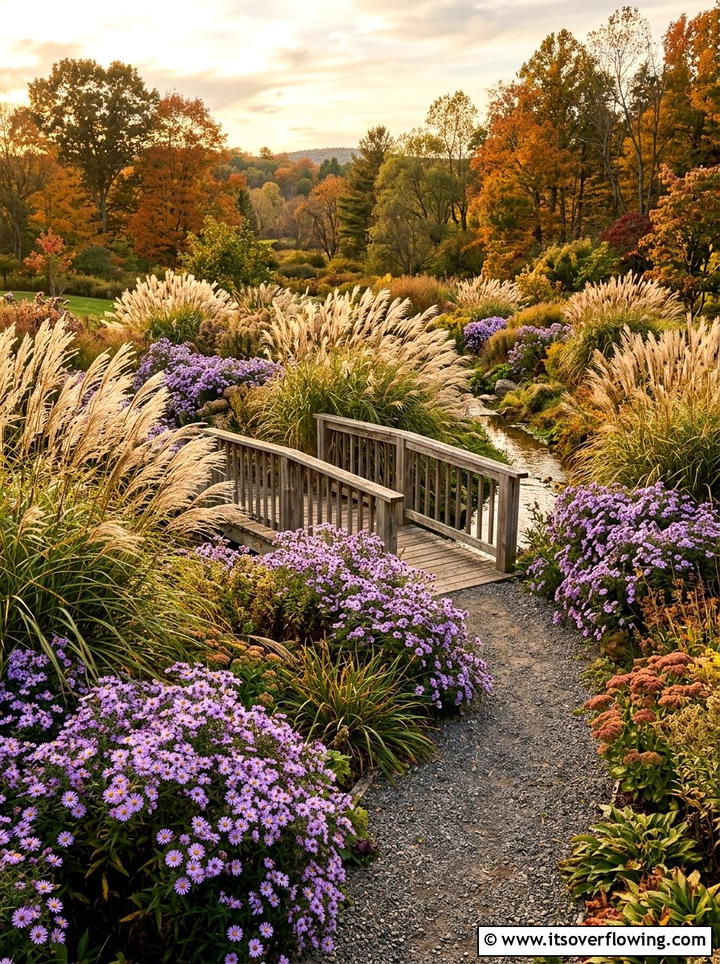
For a stunning late-season display, try combining ornamental grasses with fall-blooming asters. As the summer flowers start to fade, the grasses develop beautiful seed heads that add movement and texture to the landscape. The asters then provide a final burst of color with their tiny, star-shaped flowers in shades of purple, blue, and pink. This combination looks fantastic in the golden light of autumn and continues to provide visual interest well into the winter months. The grasses provide a neutral, swaying backdrop that makes the vibrant colors of the asters really pop. It is a sophisticated way to extend your garden’s beauty long after the heat of summer has passed.

20. Container garden for small porch
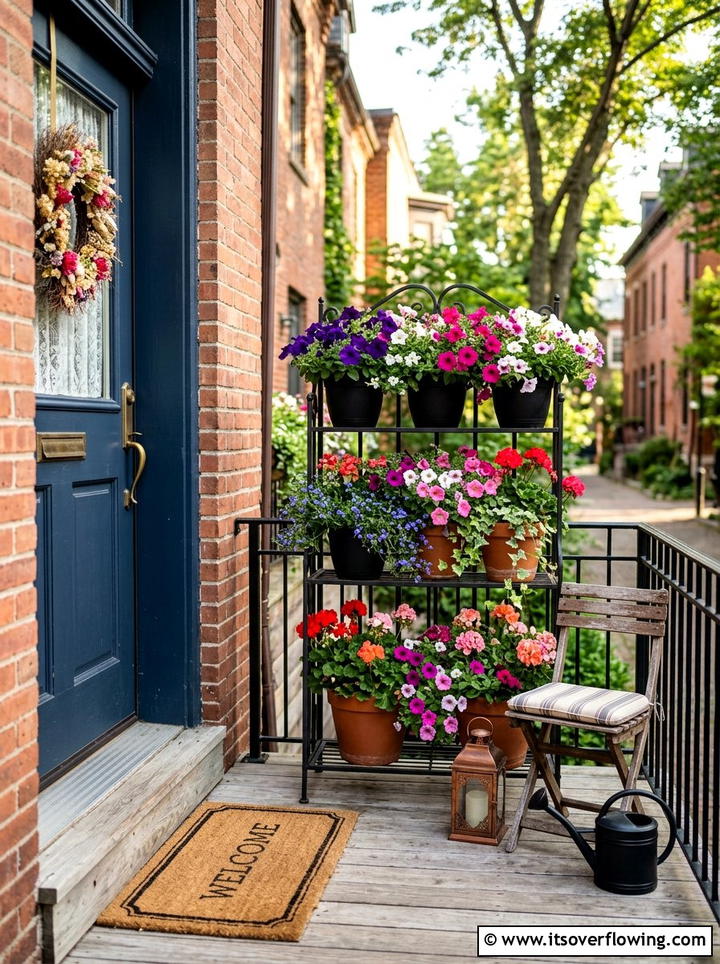
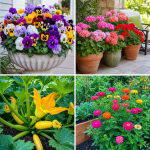
You do not need a massive yard to enjoy seasonal flowers when you utilize a container garden on your small porch. By using a variety of pots in different sizes and heights, you can create a multi-layered floral display in a very compact area. You can easily swap out the plants as the seasons change, using pansies in the spring, petunias in the summer, and mums in the fall. This allows you to keep your entryway looking fresh and inviting all year round with very little effort. Using high-quality potting soil and regular watering will keep your containers looking lush and healthy. It is the perfect solution for apartment dwellers or those with limited outdoor space.
21. Scented herb and flower garden
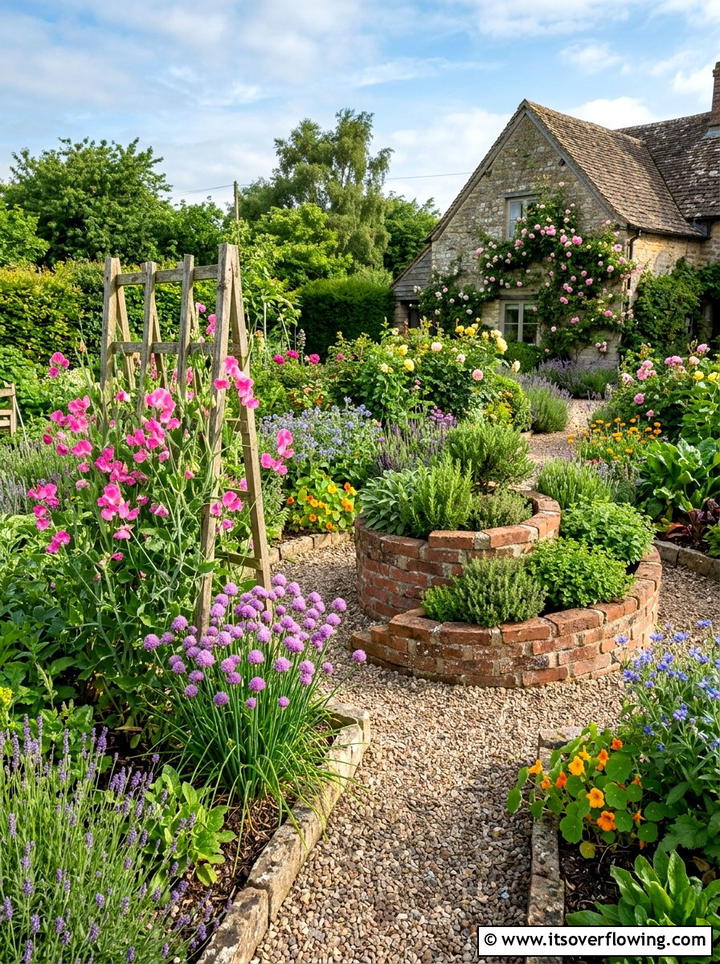
A scented herb and flower garden combines beauty with utility, providing both a feast for the eyes and the kitchen. You can mix flowering herbs like chives, thyme, and rosemary with fragrant blossoms like sweet peas or pinks. This creates a garden that smells absolutely amazing every time you walk past it or brush against the leaves. Many herbs produce delicate flowers that are just as pretty as traditional ornamental plants. Placing this garden near a kitchen door or a frequently used seating area allows you to enjoy the aromas more often. It is a practical and delightful way to integrate edible plants into your floral landscape design.
22. Tulip and daffodil lawn
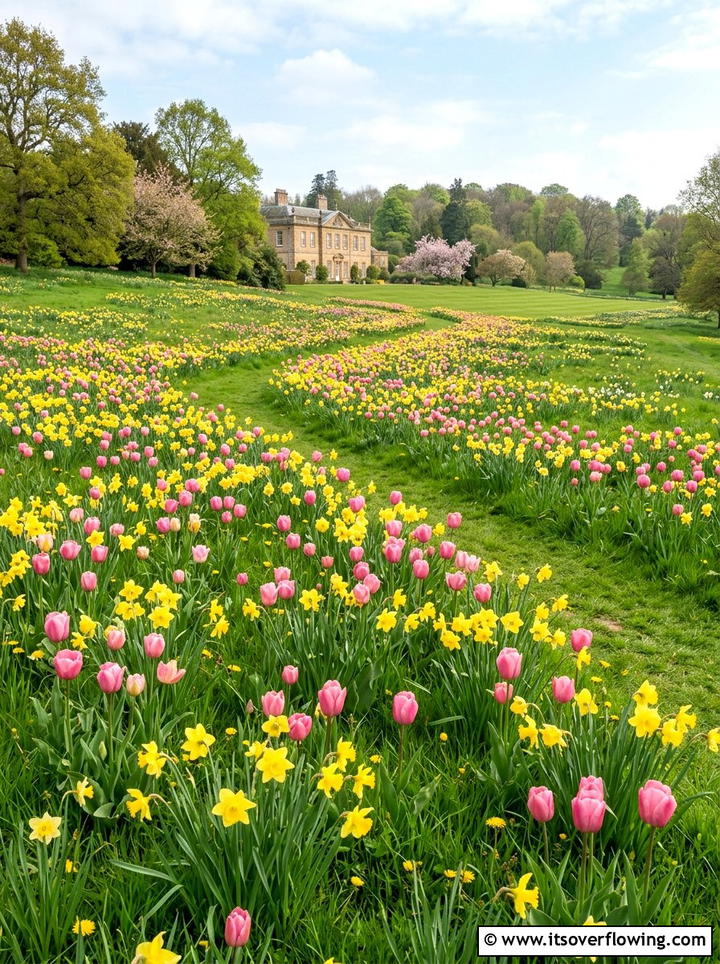
Creating a tulip and daffodil lawn is a whimsical way to add a massive burst of spring color to your property. By planting thousands of bulbs directly into your turf, you can create a naturalized look that appears like a colorful carpet in April. This technique works best with early-blooming varieties that finish their cycle before you need to start mowing the grass regularly. As the flowers bloom, your lawn is transformed from a plain green space into a spectacular floral destination. This is a bold design choice that makes a huge impression on anyone passing by your home. It celebrates the arrival of spring in the most dramatic and cheerful way possible.
23. Dahlia focal point
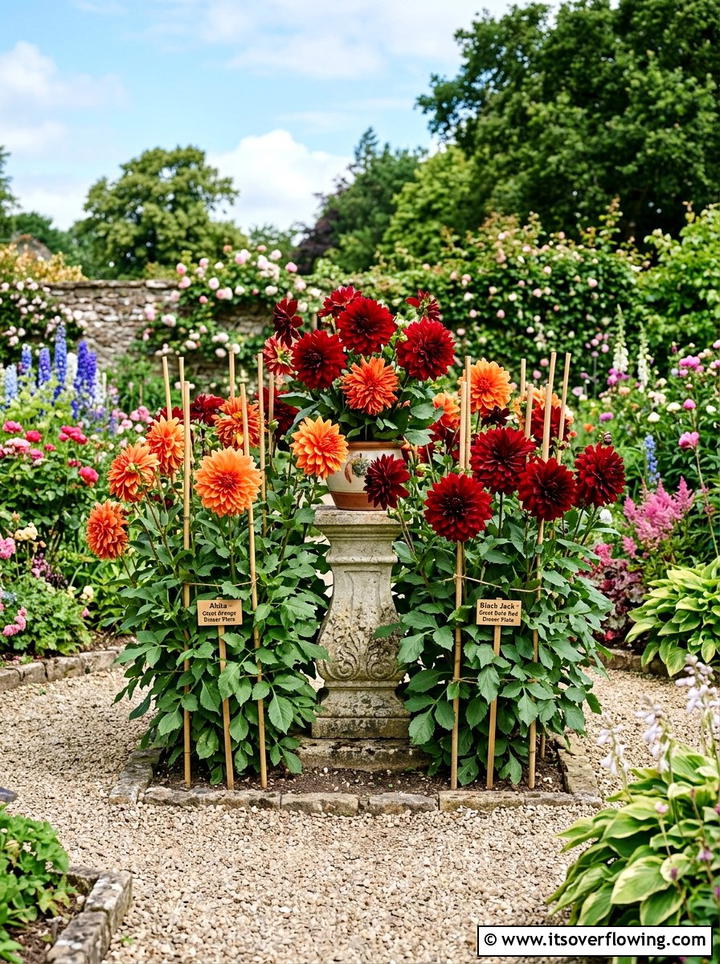
Dahlias are the undisputed queens of the late summer and early autumn garden, offering an incredible variety of shapes and sizes. Creating a dedicated focal point with these stunning plants allows you to showcase their intricate petals and bold colors. From giant “dinner plate” varieties to tiny pompons, there is a dahlia for every taste and garden style. They require a bit more attention, such as staking and regular deadheading, but the visual reward is absolutely worth the extra effort. Their complex patterns and saturated hues make them a favorite for photographers and flower enthusiasts alike. They provide a high-impact finish to the growing season that few other flowers can match.
24. Japanese iris water feature
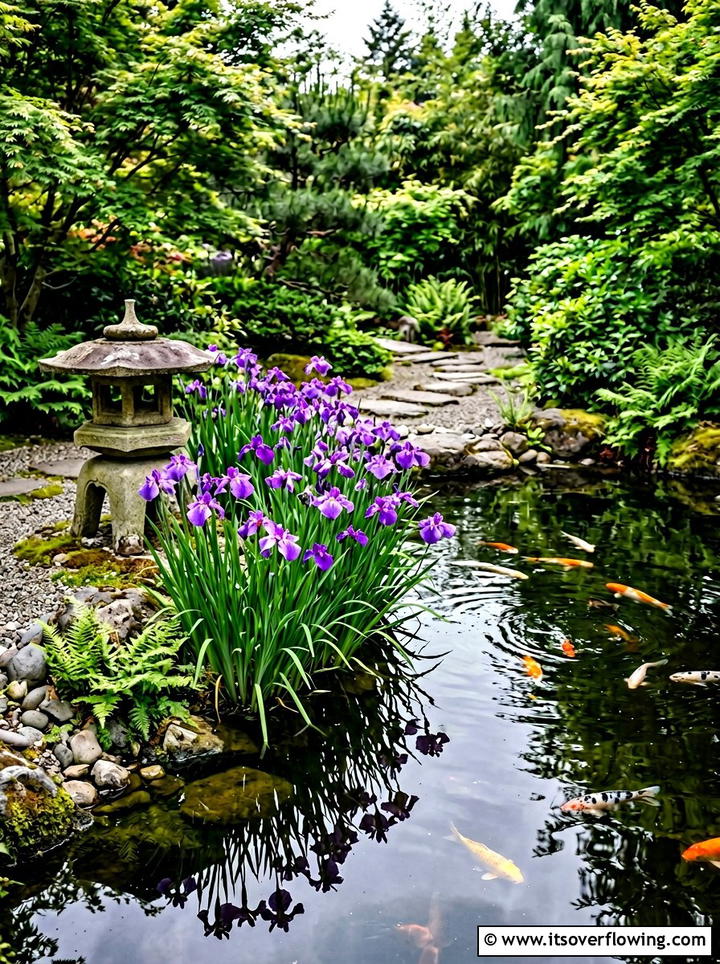
If you have a pond or a damp area in your yard, a Japanese iris water feature adds an elegant and serene touch. These irises love wet soil and produce large, flat flowers in stunning shades of royal purple, white, and blue during the early summer. Their tall, sword-like foliage provides a great vertical element that contrasts beautifully with the flat surface of the water. Planting them along the edge of a pond or a small stream creates a peaceful, Zen-like atmosphere that feels very sophisticated. The reflection of the flowers in the water doubles the visual impact and creates a sense of depth and tranquility. It is a perfect choice for a contemplative garden space.
25. Modern succulent arrangement
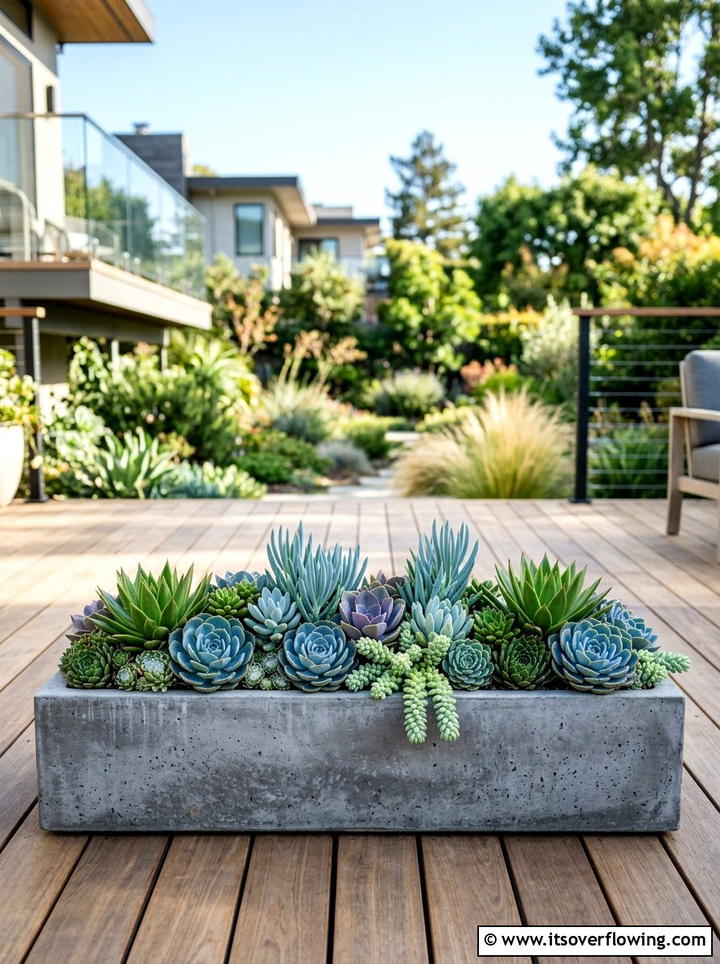
A modern succulent arrangement is a sleek and low-maintenance way to add texture and subtle color to your outdoor areas. While they are known for their fleshy leaves, many succulents also produce surprising and beautiful flowers in the spring and summer. You can arrange them in geometric planters or a dedicated rock bed to create a clean, contemporary look that requires very little water. Varieties like echeveria and sedum come in a range of colors from soft mint green to deep burgundy. This style of gardening is perfect for busy homeowners who want a stylish outdoor space without the need for constant pruning or deadheading. It offers a unique and architectural beauty that stays looking great year-round.
Conclusion:
Designing a garden with seasonal flowers is a rewarding journey that allows you to witness the changing rhythms of nature from your own doorstep. By thoughtfully selecting plants for every season, you ensure that your outdoor space remains a source of joy and inspiration throughout the entire year. Whether you prefer the romantic overflow of a cottage garden or the clean lines of a modern succulent display, there is a seasonal strategy that fits your personal style. Remember that gardening is an evolving process, and you can always add new varieties as you learn what thrives in your specific environment. Your garden will eventually become a living legacy that brings beauty to your neighborhood and peace to your daily life.

Related posts:
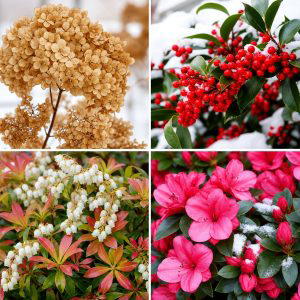 25 Garden Ideas for Year Round Color in Every Season
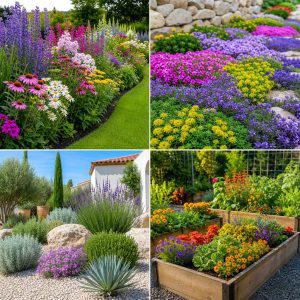 25 Small Garden Ideas for Year Round Color and Lasting Beauty
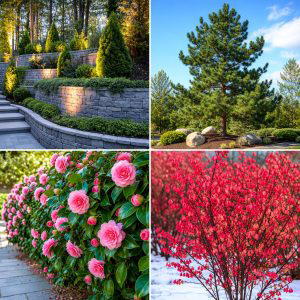 25 garden design ideas with evergreen structure: Year-Round
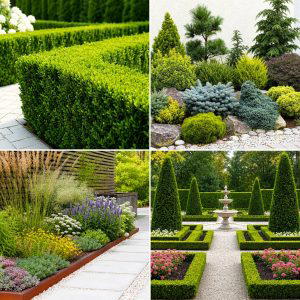 25 Garden Ideas With Evergreens for Year-Round Beauty
 25 Garden Design Ideas With Herbs and Flowers for Color
 25 Creative Garden Ideas for Fall Color: Vibrant Seasonal Tips
 25 Creative Garden Ideas With Archway Flowers
 25 Creative Garden Ideas With Edible Flowers
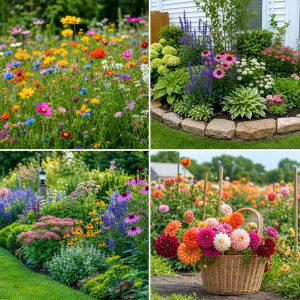 25 small garden ideas with flowers for Colorful Outdoor Charm
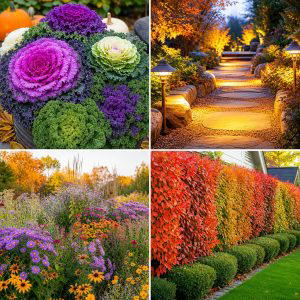 25 garden ideas for fall: Cozy Seasonal Outdoor Updates
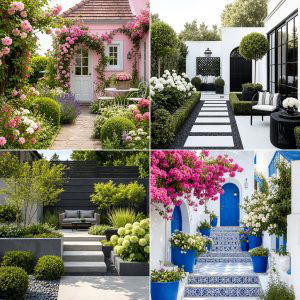 25 garden design ideas with color themes: Stunning Palette Tips
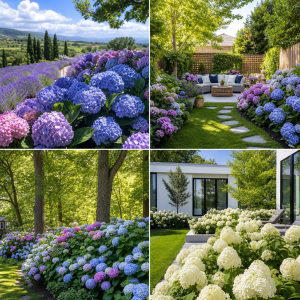 25 garden ideas with hydrangeas for Stunning Color Displays