
Creating a vibrant outdoor space using local wildflowers is one of the most rewarding projects you can undertake for your home. These resilient plants offer a natural charm that traditional manicured lawns often lack, bringing a sense of untamed beauty right to your doorstep. Beyond the visual appeal, incorporating wildflowers into your landscape supports local ecosystems by providing essential food and habitat for bees, butterflies, and birds. Whether you have a sprawling backyard or a tiny urban patio, there is always a way to integrate these hardy blooms. This guide explores creative ways to transform your exterior into a buzzing, colorful sanctuary that feels both timeless and environmentally responsible for any homeowner.
1. Native Meadow Front Yard
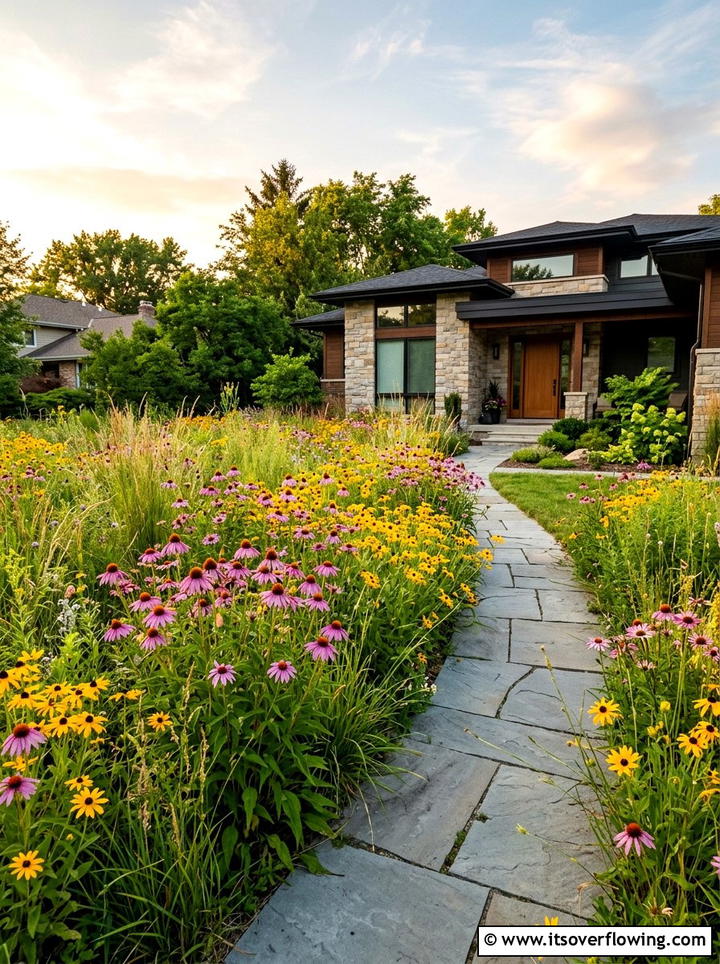
Replacing a traditional grass lawn with a native meadow front yard creates a striking first impression for any home. This design approach involves clearing out thirsty turf and sowing a blend of indigenous seeds that thrive in your specific climate. By choosing local species, you ensure the garden is low-maintenance and drought-resistant once established. Imagine walking out to a sea of swaying grasses, purple coneflowers, and yellow black-eyed Susans instead of just flat green grass. This full-yard transformation not only boosts curb appeal but also significantly reduces the need for chemical fertilizers and constant mowing throughout the summer months. It is a bold, eco-friendly statement for modern homeowners.
2. Cottage Garden Flower Bed
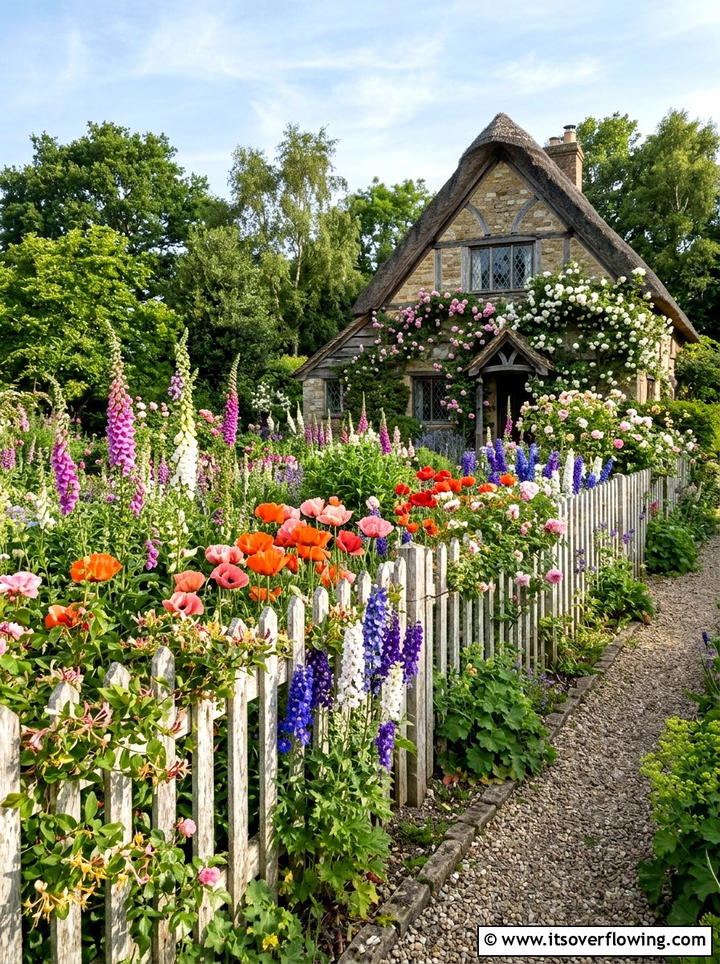
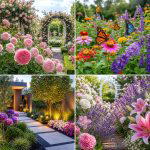
A cottage garden flower bed brings a whimsical and romantic feel to the exterior of your house. This style focuses on a dense, informal planting scheme where wildflowers like foxgloves, poppies, and larkspur mingle together in a beautiful riot of color. Instead of rigid rows, these beds allow plants to spill over edges and self-seed naturally, creating an evolving landscape every year. You can frame the area with a classic white picket fence or a rustic stone border to anchor the lush growth. The result is a charming, nostalgic space that feels like a cozy retreat. It encourages you to slow down and enjoy the beautiful nature.
3. Pollinator Friendly Backyard
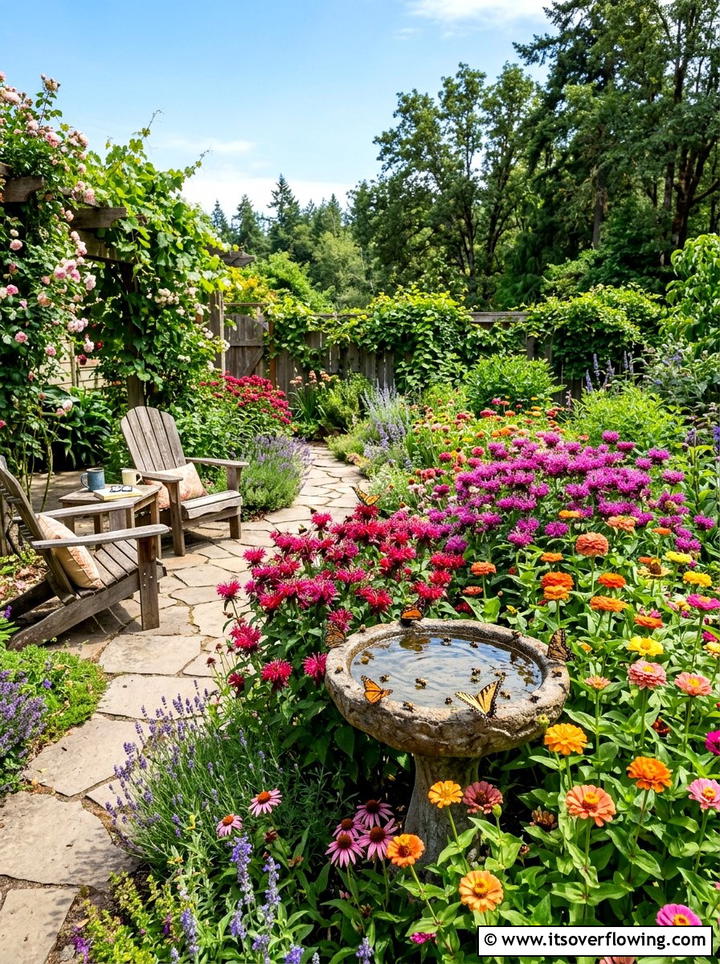
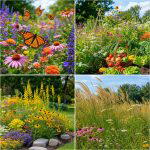
Creating a pollinator friendly backyard is about more than just aesthetics; it is about building a functional ecosystem. This design utilizes clusters of wildflowers known to attract bees, hummingbirds, and butterflies. By planting in large groups rather than single stems, you make it easier for these creatures to spot their food sources from above. Include a variety of bloom shapes and colors to cater to different species throughout the growing season. A birdbath or a shallow stone water dish can serve as a central focal point, providing a necessary hydration station. This entire backyard setup becomes a lively hub of activity, offering endless entertainment as you watch nature thrive.
4. Wildflower Border Along Fence
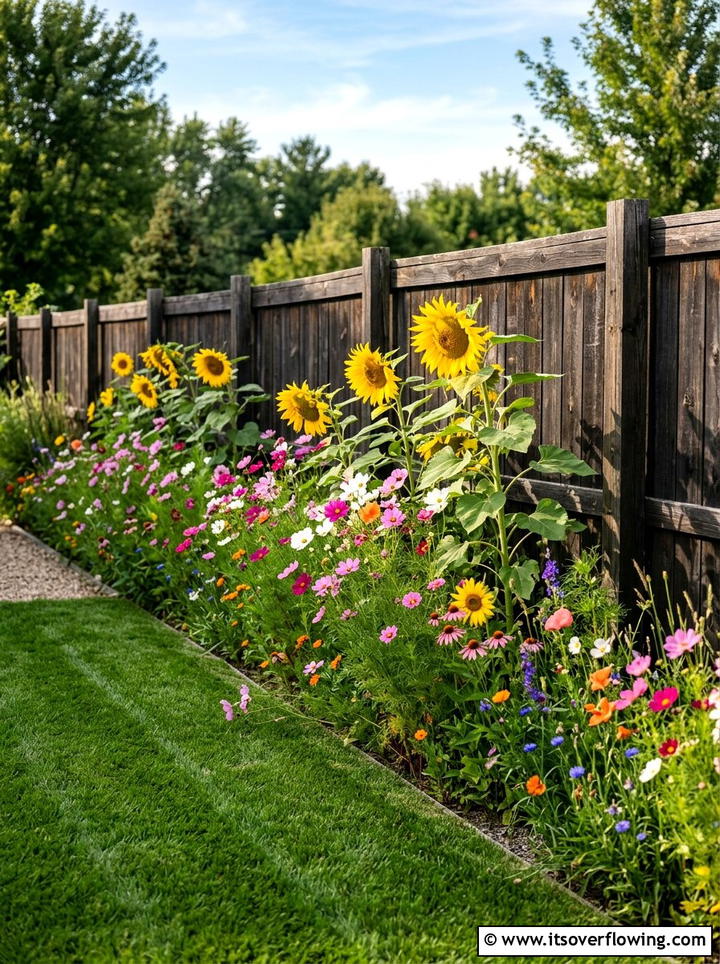
Adding a wildflower border along fence lines is an excellent way to soften the hard edges of your property. Instead of a bare wooden or metal barrier, you create a living wall of texture and color that moves with the breeze. Tall species like sunflowers, hollyhocks, and cosmos work perfectly in the back, while shorter blooms like daisies fill the front. This layered look provides depth and makes the yard feel much larger and more immersive. It also serves as a wonderful privacy screen that looks much more inviting than a plain fence. This simple addition transforms a utilitarian structure into a beautiful, blooming garden feature.
5. Woodland Garden With Wildflowers
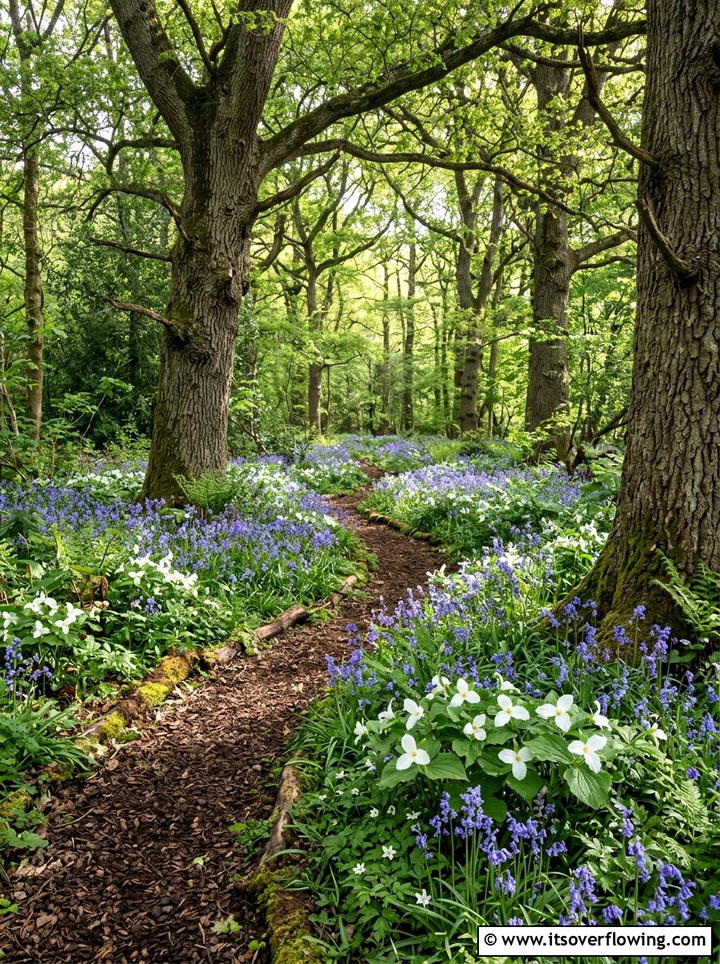
Transforming a shady area into a woodland garden with wildflowers is perfect for yards with mature trees. Many native species, such as wild columbine, trillium, and bluebells, thrive in the dappled light found beneath a forest canopy. This design mimics the natural floor of a forest, using mulch and leaf litter to support the growth of delicate, shade-loving blooms. You can add a winding bark-chip path to guide visitors through the cool, quiet space. The atmosphere is peaceful and serene, offering a refreshing break from the hot sun. It turns a difficult, shady corner into a lush, green sanctuary filled with unique and subtle floral details.
6. Dry Creek Bed Landscaping
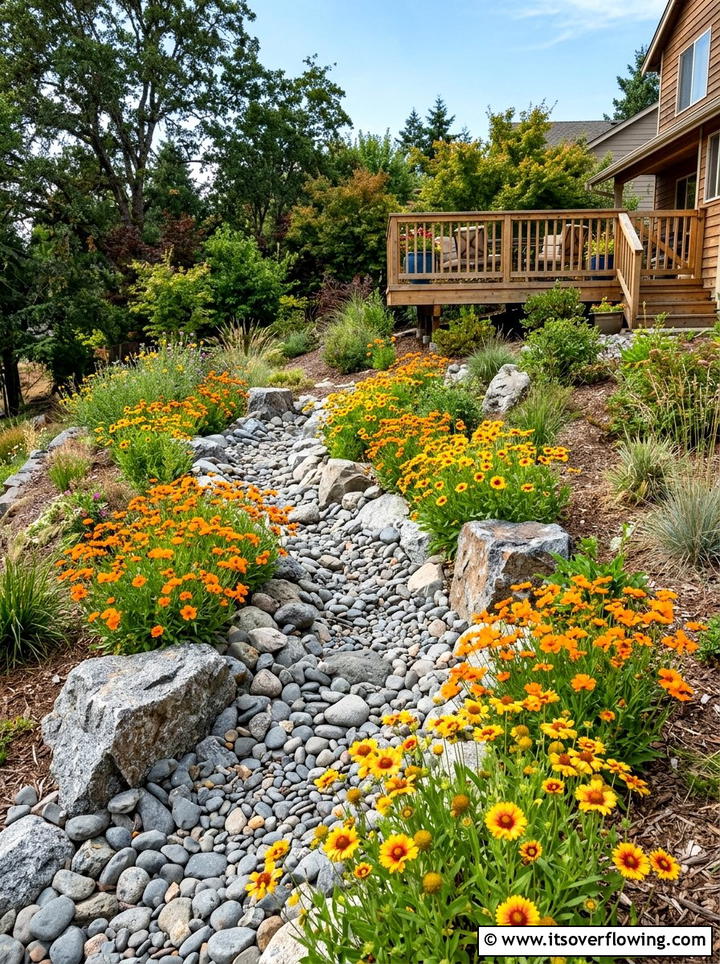
Incorporating wildflowers into dry creek bed landscaping adds a splash of color to a functional drainage solution. A dry creek bed made of river rocks and boulders helps manage runoff while looking like a natural feature. By planting hardy wildflowers like coreopsis and gaillardia along the rocky edges, you create a rugged, naturalistic look that requires very little water. The contrast between the grey stones and the bright petals is visually stunning. This design works exceptionally well in sloped areas where water tends to collect during heavy rain. It turns a potential problem area into a beautiful, low-maintenance landscape feature that looks great in any season.
7. Rock Garden With Native Blooms
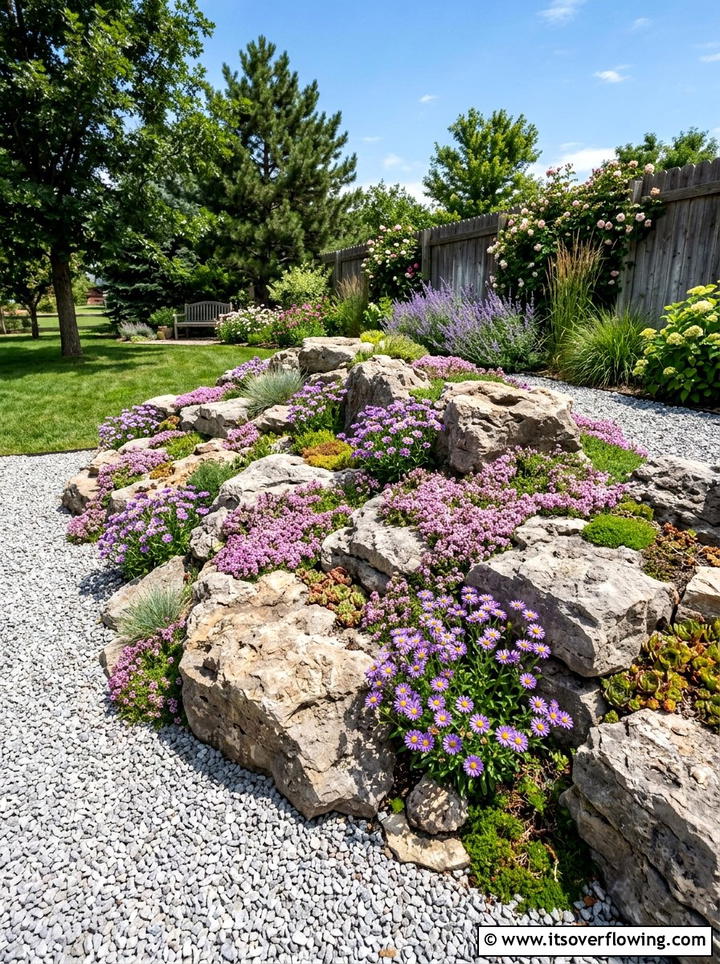
A rock garden with native blooms is an ideal choice for sunny, well-draining spots in your yard. This design uses large decorative stones and gravel to create different levels and crevices where small wildflowers can tuck their roots. Species like alpine asters, wild thyme, and rockcress are perfect for this environment as they love the heat reflected from the stones. The rugged texture of the rocks provides a perfect backdrop for the delicate foliage and bright flowers. This setup is incredibly durable and needs very little attention once the plants are established. It offers a unique, high-contrast look that adds architectural interest to your overall outdoor design.
8. Wildflower Path Edging
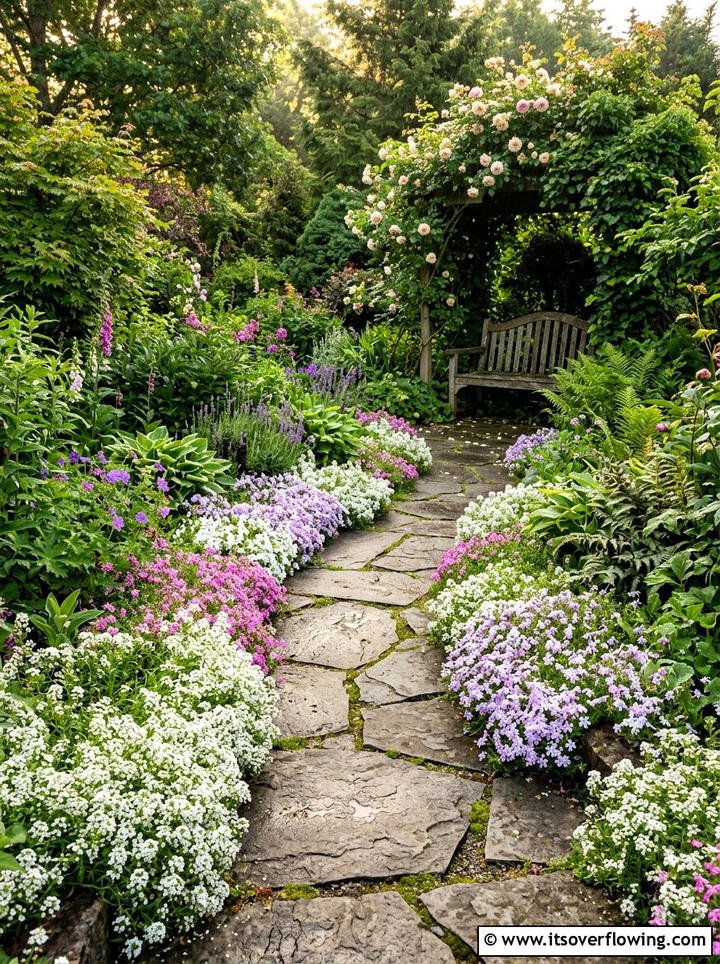
Using wildflower path edging is a delightful way to define walkways and garden trails. Instead of using plastic or metal edging, allow low-growing wildflowers like sweet alyssum or creeping phlox to spill over the sides of your path. This creates a soft, blurred line that feels very natural and inviting. As you walk through the garden, the flowers release subtle scents and provide a close-up view of intricate petals. This design works well with gravel, stone, or even simple dirt paths. It makes every journey through your yard feel like a stroll through a wild meadow. It is an easy way to add charm and sensory appeal.
9. Prairie Style Front Porch
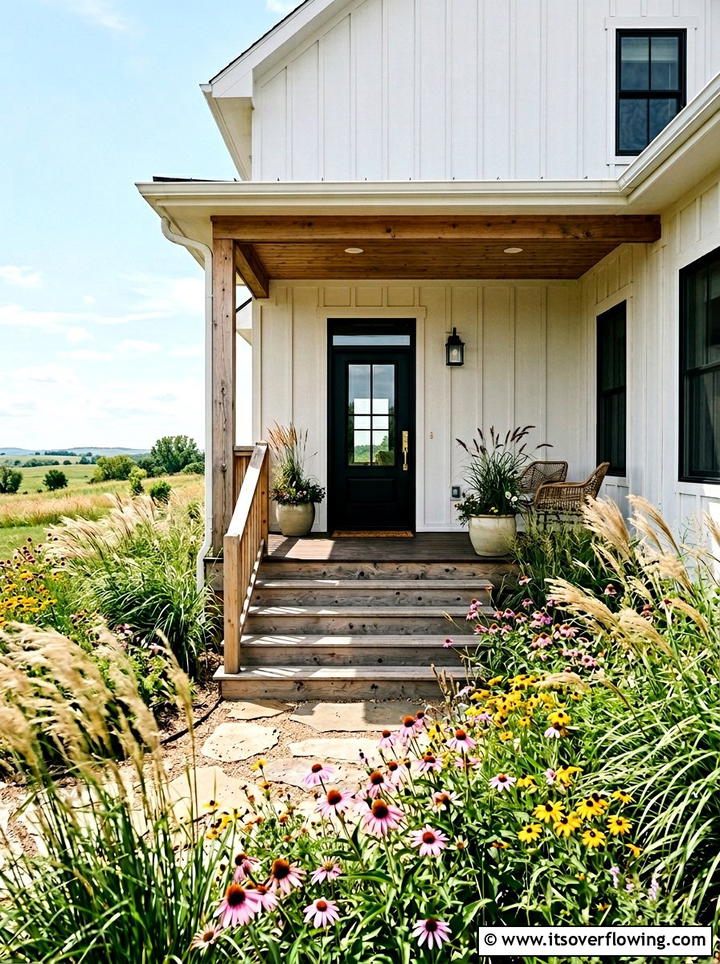
A prairie style front porch design focuses on using tall, swaying wildflowers and ornamental grasses to frame your entryway. This look is inspired by the vast open landscapes of the heartland, featuring plants like big bluestem and coneflowers. By planting these right up to the porch steps, you create an immersive experience for anyone visiting your home. The movement of the tall stems in the wind adds a dynamic element to your home’s exterior. It feels modern yet deeply rooted in the natural world. This approach provides a warm and welcoming atmosphere that stands out from the typical foundation plantings seen in most residential neighborhoods today.
10. Small Urban Wildflower Patch
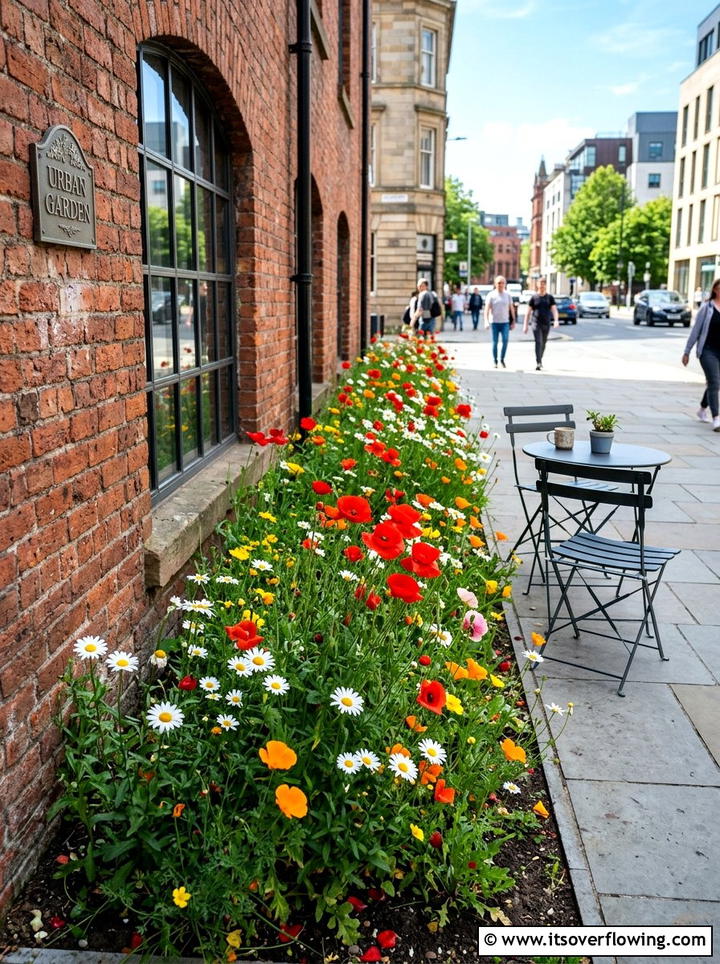
Even with limited space, a small urban wildflower patch can make a huge impact on your environment. This design focuses on maximizing a tiny strip of soil between a sidewalk and a building or a small corner of a patio. Use a mix of annual wildflowers that grow quickly and provide instant color. Potted wildflowers can also be arranged at different heights to create a sense of abundance in a restricted area. This small patch becomes a vital “stepping stone” for urban pollinators moving through the city. It proves that you do not need a massive estate to enjoy the beauty and ecological benefits of native wildflowers.
11. Raised Bed Wildflower Garden
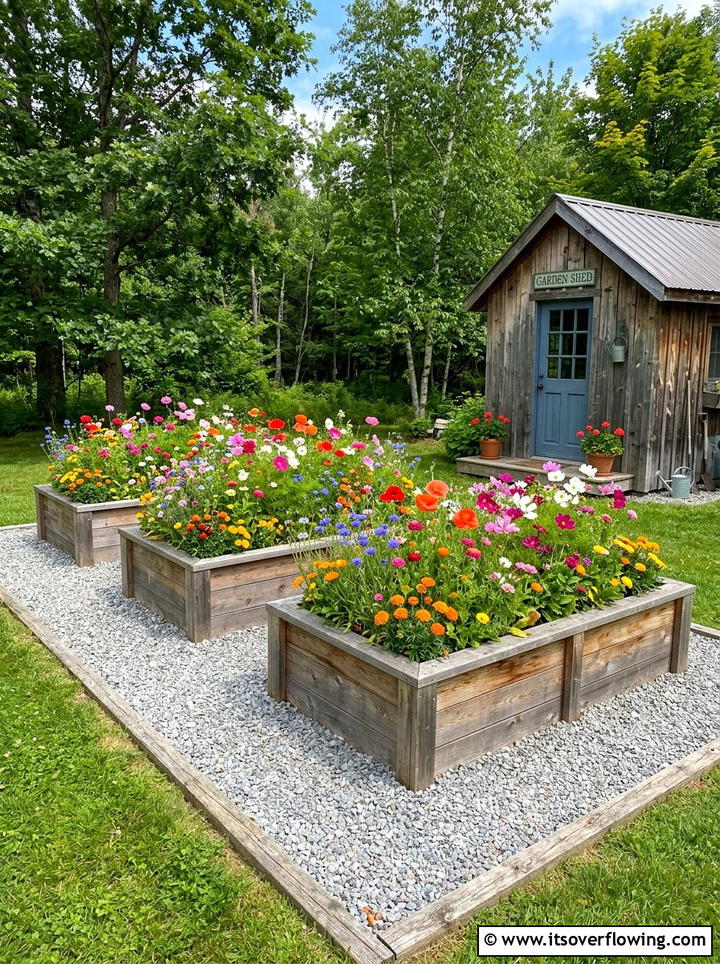
Building a raised bed wildflower garden is a smart way to control soil quality and prevent invasive weeds from taking over. This design uses wooden or stone frames to lift the planting area above the ground, making it easier to maintain and harvest flowers for bouquets. You can fill the beds with a specific wildflower seed mix tailored to your sun exposure. Raised beds also provide excellent drainage, which many wildflowers prefer. This structured approach looks very neat and organized, making it a great choice for homeowners who want a wildflower look without it appearing too messy. It keeps the wild beauty contained and manageable.
12. Wildflower Meadow Under Trees
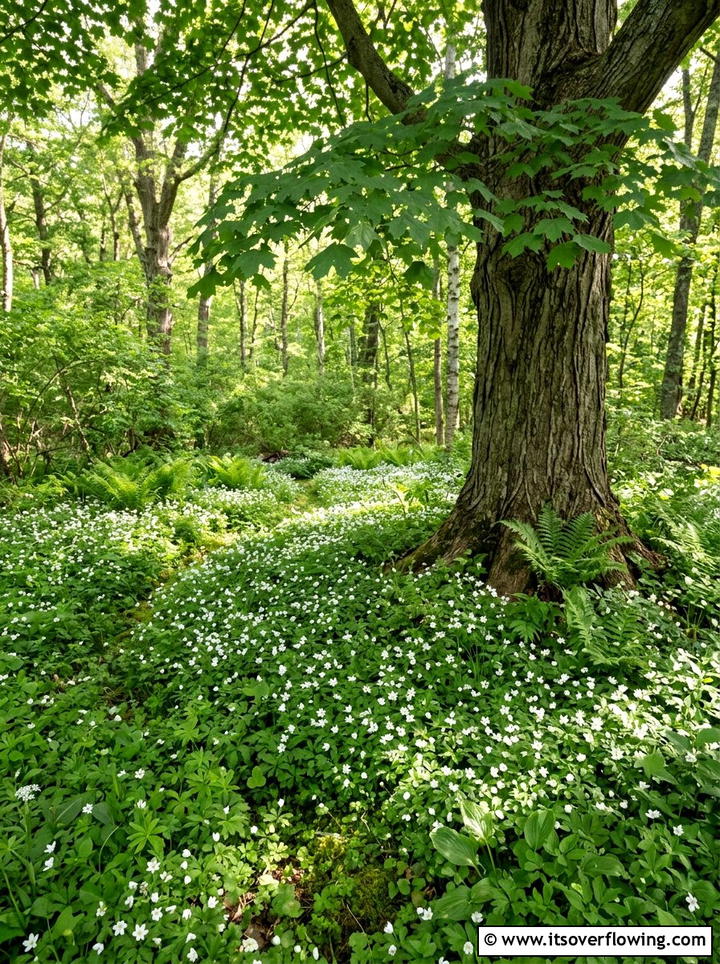
Creating a wildflower meadow under trees is a great way to utilize the space where grass often struggles to grow. Many native wildflowers are adapted to the root competition and shade provided by large oaks or maples. By planting a mix of shade-tolerant species, you can create a lush carpet of green and color that protects the tree roots and retains moisture in the soil. This design eliminates the need for difficult mowing around trunks and low branches. It gives the base of your trees a finished, intentional look that enhances the overall beauty of your landscape. It is a win-win for both the trees and the flowers.
13. Butterfly Garden Habitat
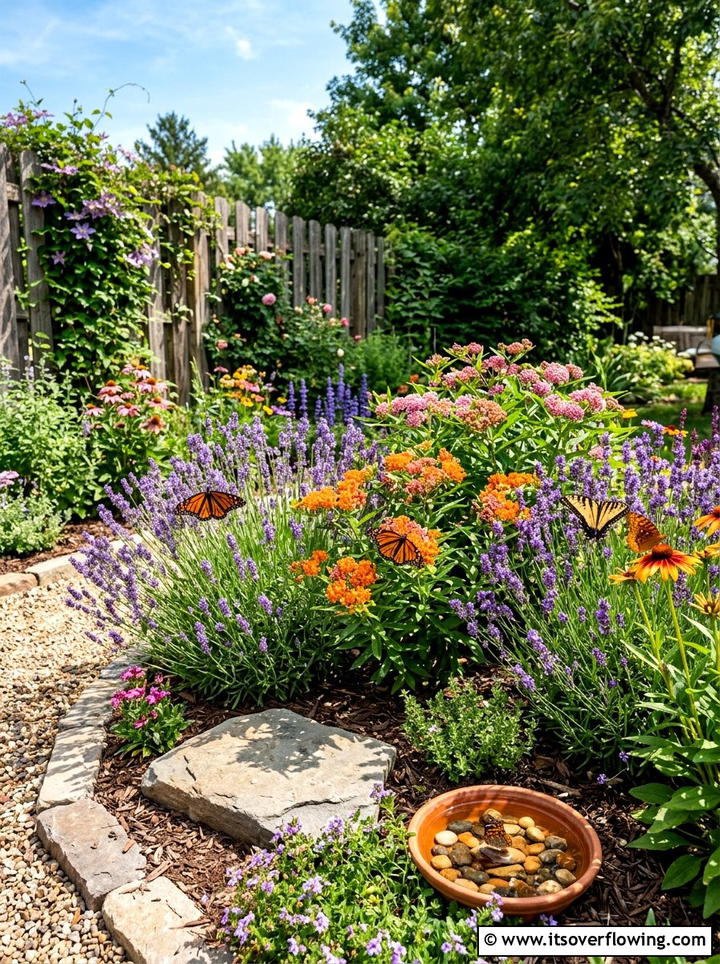
Designing a butterfly garden habitat involves choosing specific wildflowers that provide both nectar for adults and food for caterpillars. Milkweed is an essential component for monarch butterflies, while other flowers like zinnia and buddleia attract a wide variety of species. This garden should be located in a sunny spot protected from strong winds. Including a few flat stones for butterflies to bask on adds a thoughtful touch to the design. This space becomes a vibrant, fluttering classroom where you can observe the fascinating life cycles of these beautiful insects. It is a rewarding project that directly contributes to the conservation of local butterfly populations in your area.
14. Coastal Wildflower Landscape
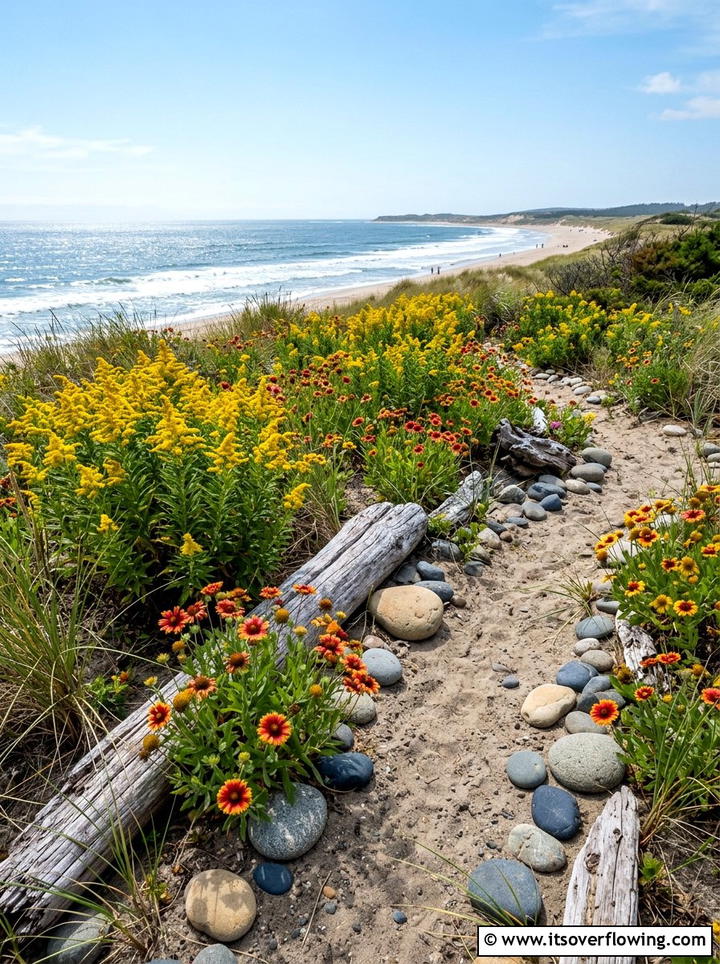
A coastal wildflower landscape is designed to withstand salty air, sandy soil, and windy conditions found near the ocean. Plants like seaside goldenrod, beach pea, and blanket flower are naturally adapted to these harsh environments. This design often incorporates driftwood, sand, and smooth stones to complement the hardy vegetation. The result is a ruggedly beautiful garden that looks like it belongs on a windswept dune. These plants help stabilize the soil and prevent erosion, making them as functional as they are attractive. This style of gardening celebrates the unique beauty of the coastline while providing a low-maintenance solution for seaside homes and vacation properties.
15. Sloped Backyard Wildflower Meadow
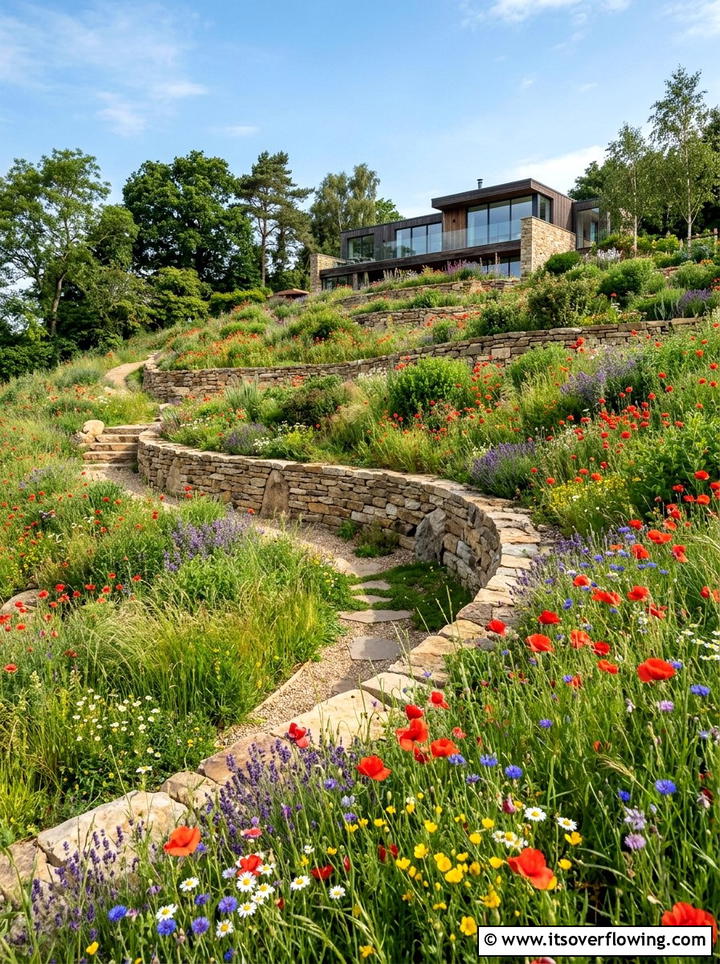
Dealing with a steep hill can be difficult, but a sloped backyard wildflower meadow is a perfect solution. Instead of trying to mow a dangerous incline, you can plant a variety of deep-rooted wildflowers that hold the soil in place. This design creates a cascading wave of color that looks stunning from both the top and bottom of the hill. You can use terracing with logs or stones to create small flat areas for different species. This approach turns a landscaping challenge into a major focal point of the property. It requires very little upkeep once the roots have taken hold and established a solid ground cover.
16. Wildflower Orchard Grassland
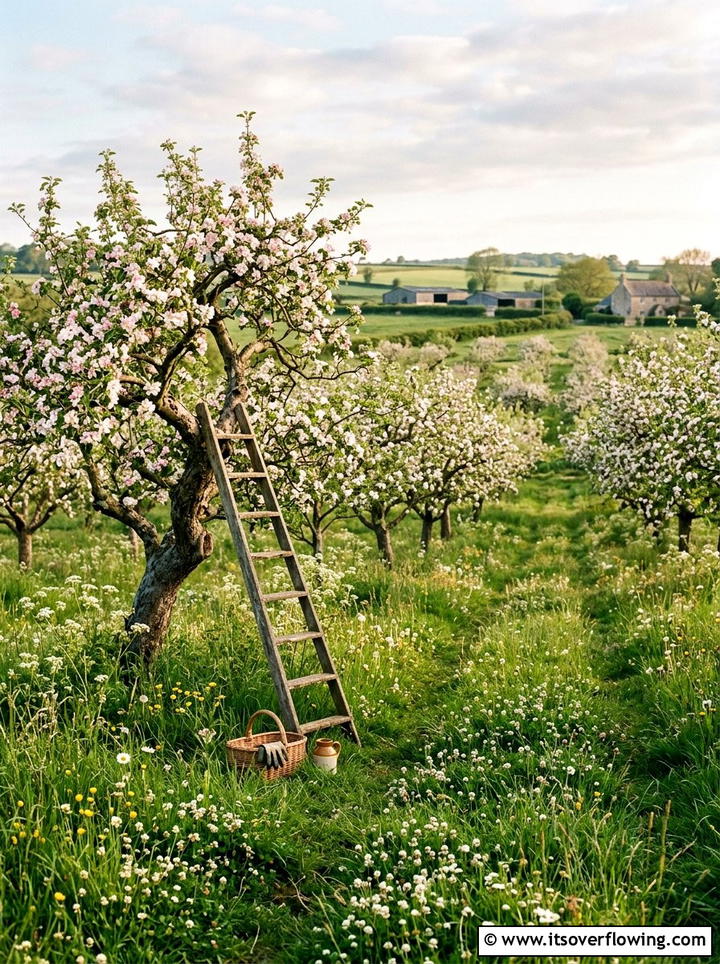
If you have fruit trees, creating a wildflower orchard grassland underneath them can improve your harvest. Wildflowers attract pollinators that are essential for the fertilization of fruit blossoms like apples, pears, and cherries. This design involves letting the grass grow long and interplanting it with native blooms like clover and vetch. Not only does this look beautiful and rustic, but it also improves soil health by fixing nitrogen naturally. Walking through a blooming orchard filled with wildflowers is a magical experience that connects you with the cycles of food production. It creates a multi-layered ecosystem that benefits the trees, the insects, and the grateful homeowner.
17. Contemporary Wildflower Garden
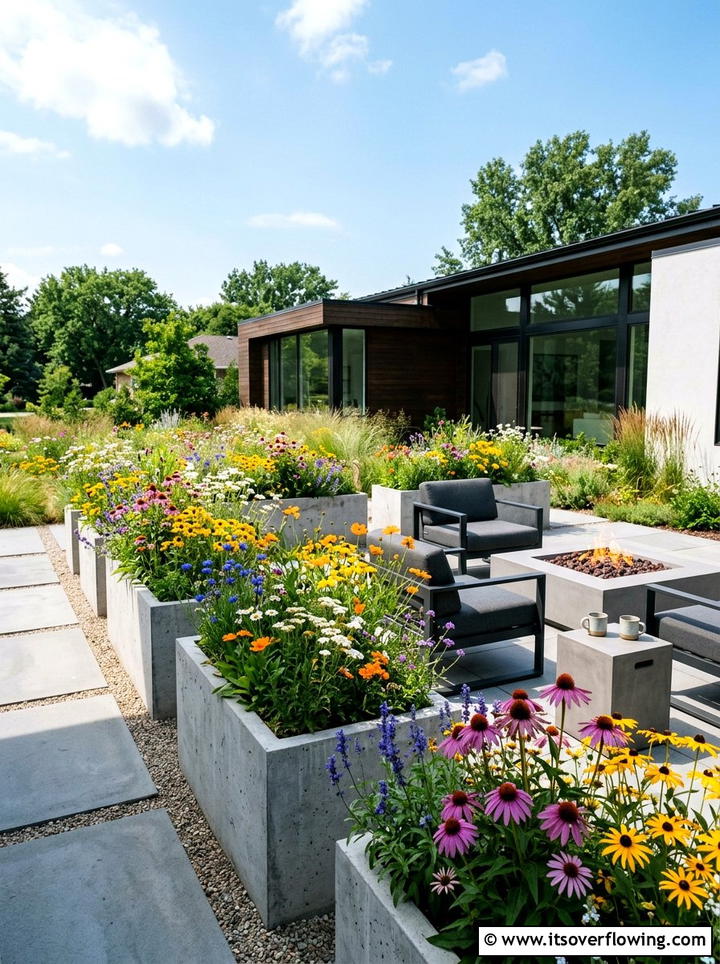
A contemporary wildflower garden combines modern design principles with the wild nature of native plants. This style often uses clean lines, geometric paths, and minimalist hardscaping to contrast with the soft, airy texture of wildflowers. You might see wildflowers planted in precise rectangular blocks or framed by sleek concrete walls. This approach proves that wildflowers can look sophisticated and high-end when paired with the right architectural elements. It is a popular choice for modern homes where the goal is to balance human structure with environmental sensitivity. The result is a stylish, low-impact garden that feels current and trendy while still supporting local wildlife and biodiversity.
18. Desert Wildflower Xeriscape
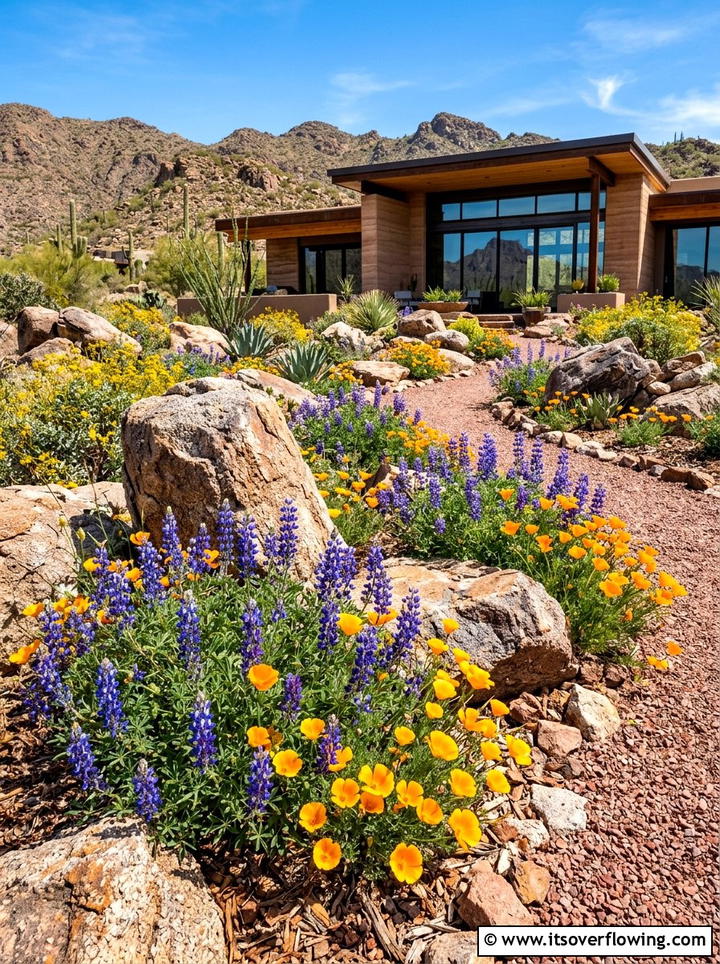
In arid climates, a desert wildflower xeriscape is a beautiful and water-wise choice for any home. This design features drought-tolerant species like desert lupine, Mexican poppy, and various globemallows. These plants are experts at surviving on minimal rainfall and provide a stunning burst of color after a rare desert rain. Use gravel mulch and large boulders to mimic the natural desert landscape. This style of gardening saves a significant amount of water compared to traditional lawns and looks perfectly at home in the Southwest. It is a celebration of the resilience and hidden beauty of desert flora, creating a vibrant landscape that thrives in the intense heat.
19. Wildflower Rain Garden
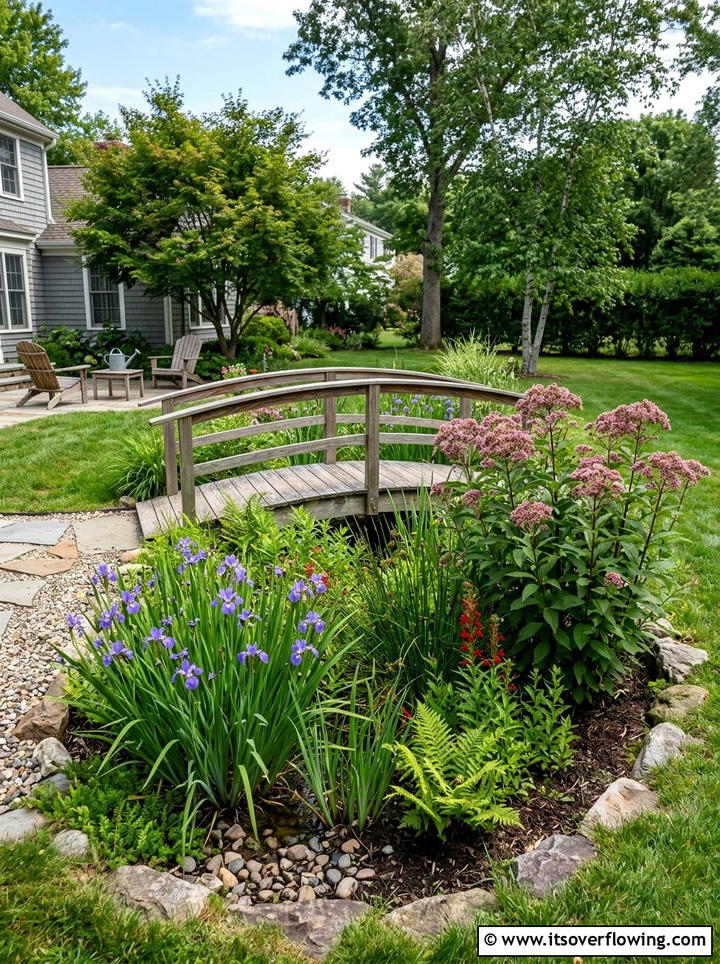
A wildflower rain garden is a functional landscape feature designed to capture and filter storm water runoff. This design involves creating a shallow depression in the yard where water naturally collects during rain. You fill this area with moisture-loving wildflowers like swamp milkweed, joe-pye weed, and blue flag iris. These plants have deep roots that help the water soak into the ground rather than running off into the street. It is a beautiful way to manage drainage while providing a lush habitat for frogs and dragonflies. This eco-friendly design helps prevent local flooding and water pollution while adding a unique, bog-like beauty to your property.
20. Formal Wildflower Parterre
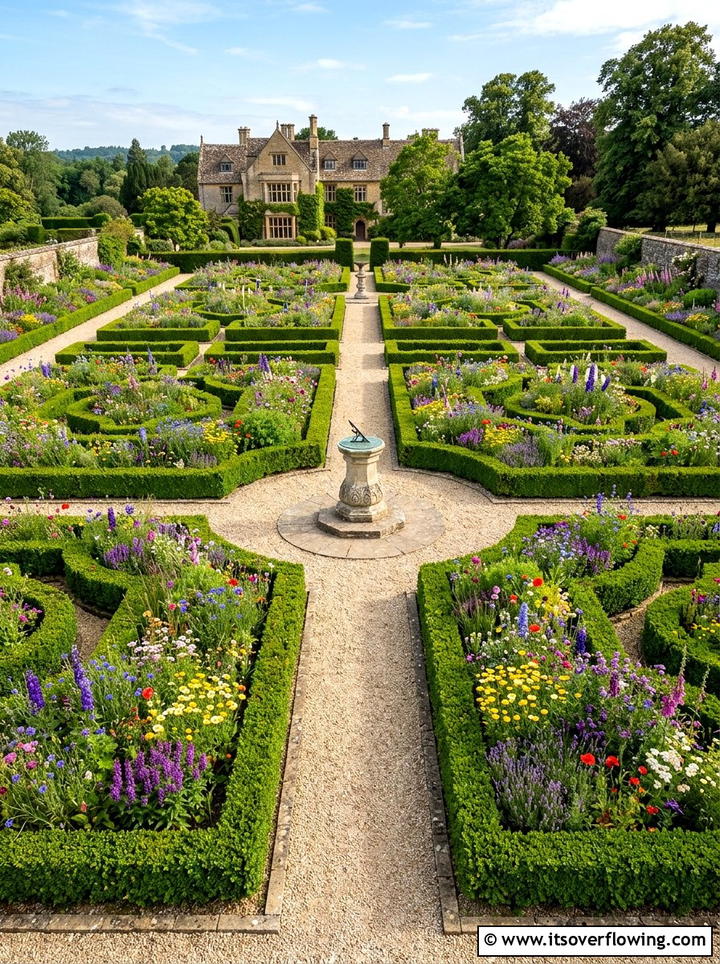
A formal wildflower parterre takes a traditional European garden layout and replaces clipped boxwoods with native wildflowers. This design uses symmetrical paths and clearly defined beds to create a structured look. Inside the formal borders, you let the wildflowers grow in their natural, unrestrained way. This juxtaposition of formal structure and wild planting creates a captivating and artistic garden experience. It is a great way to use wildflowers in a more traditional or historic home setting where a completely wild look might feel out of place. This design offers the best of both worlds: the order of formal gardening and the ecological benefits of native plants.
21. Wildflower Seating Area
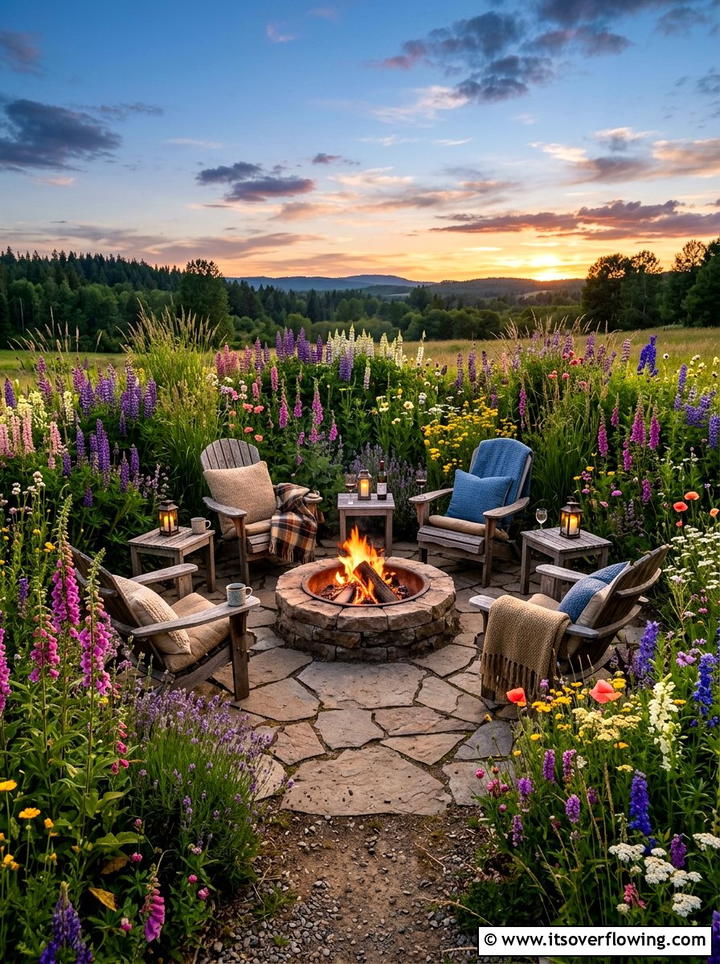
Creating a wildflower seating area provides a perfect spot to relax and immerse yourself in nature. This design involves surrounding a patio, bench, or fire pit with tall, fragrant wildflowers. As the plants grow, they create a living screen that makes the seating area feel private and tucked away from the rest of the world. You can choose scented varieties like wild bergamot or evening primrose to enhance the atmosphere during the twilight hours. This setup encourages you to spend more time outdoors, enjoying the sights and sounds of the garden. It turns a simple backyard feature into a therapeutic and peaceful destination for relaxation.
22. Country Estate Wildflower Field
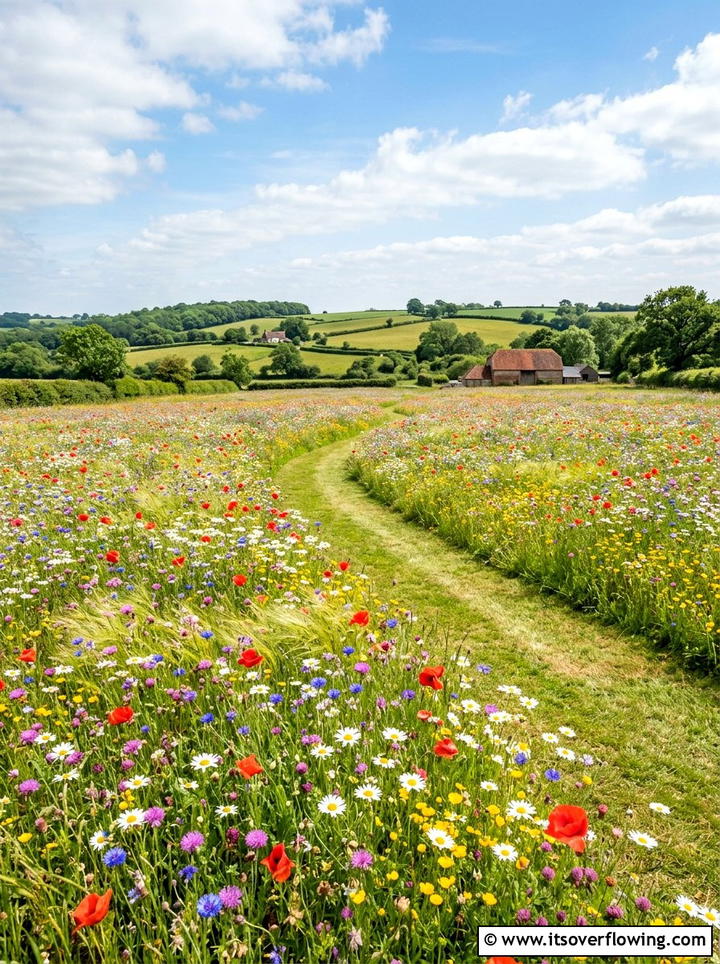
For those with a lot of land, a country estate wildflower field offers a breathtaking and low-maintenance landscape. Instead of spending hours every week on a massive lawn tractor, you can sow acres of wildflower seeds. This creates a vast, colorful expanse that changes with the seasons and provides a huge amount of habitat for local wildlife. You can mow wide walking paths through the field to allow for exploration and viewing. The scale of a large wildflower field is truly impressive and gives the property a sense of timeless, natural grandeur. It is an efficient and beautiful way to manage large rural properties.
23. Wildflower Cutting Garden
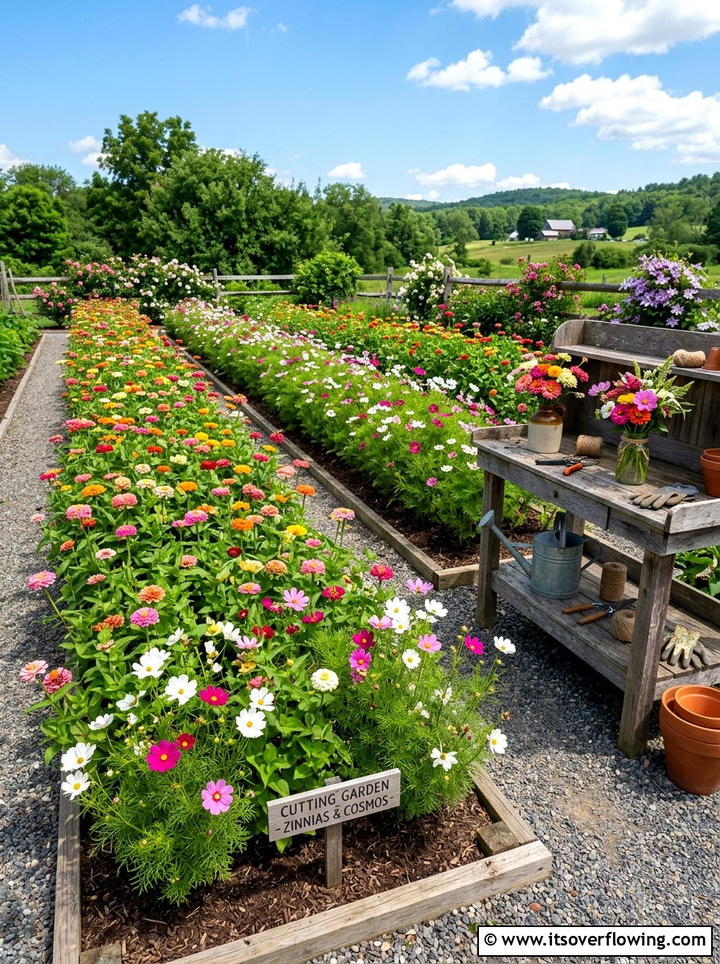
A wildflower cutting garden is designed specifically for those who love to bring the beauty of the outdoors inside. This area focuses on species with long, sturdy stems and long-lasting blooms, such as cosmos, zinnias, and black-eyed Susans. By having a dedicated space for cutting, you don’t have to worry about leaving “holes” in your main landscape displays. This design can be organized in simple rows for easy access and harvesting. There is nothing more satisfying than creating a fresh, homegrown bouquet of wildflowers to brighten up your kitchen table or to give as a thoughtful gift to a neighbor.
24. Side Yard Wildflower Strip
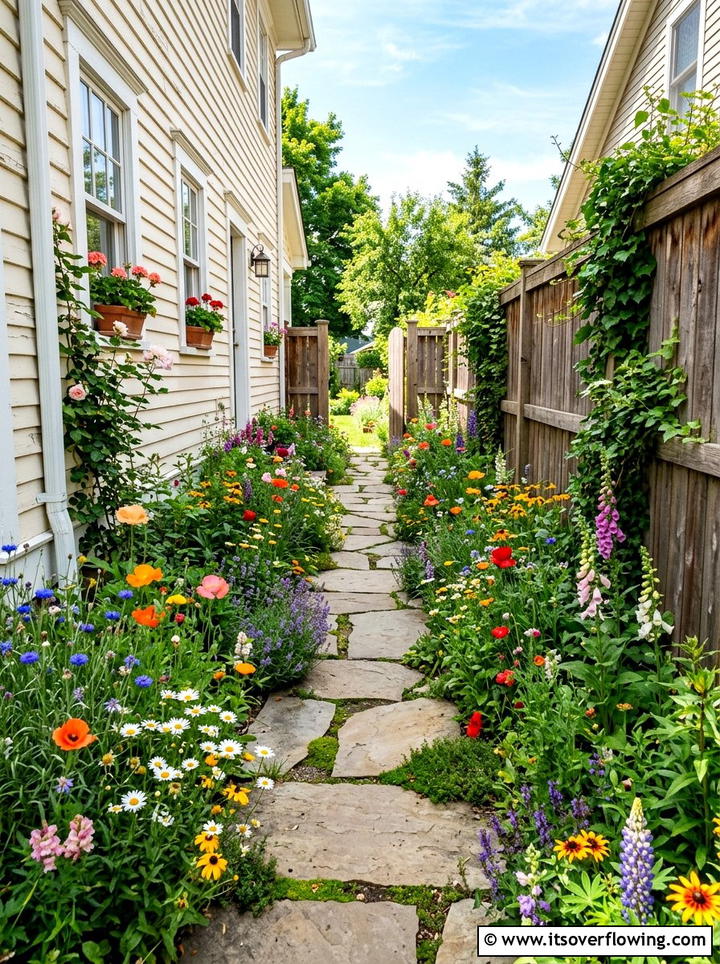
A side yard wildflower strip is the perfect solution for those narrow, often forgotten spaces between houses. These areas are frequently difficult to mow and often end up as wasted space filled with weeds. By planting a dense strip of wildflowers, you turn a boring walkway into a vibrant corridor of color. Choose species that can handle the specific light conditions of your side yard, whether it is narrow shade or hot reflected sun. This simple project adds a surprising element of beauty to a part of the property that is usually overlooked. It makes every trip to the trash cans or the garage much more pleasant.
25. Wildflower Pond Edge
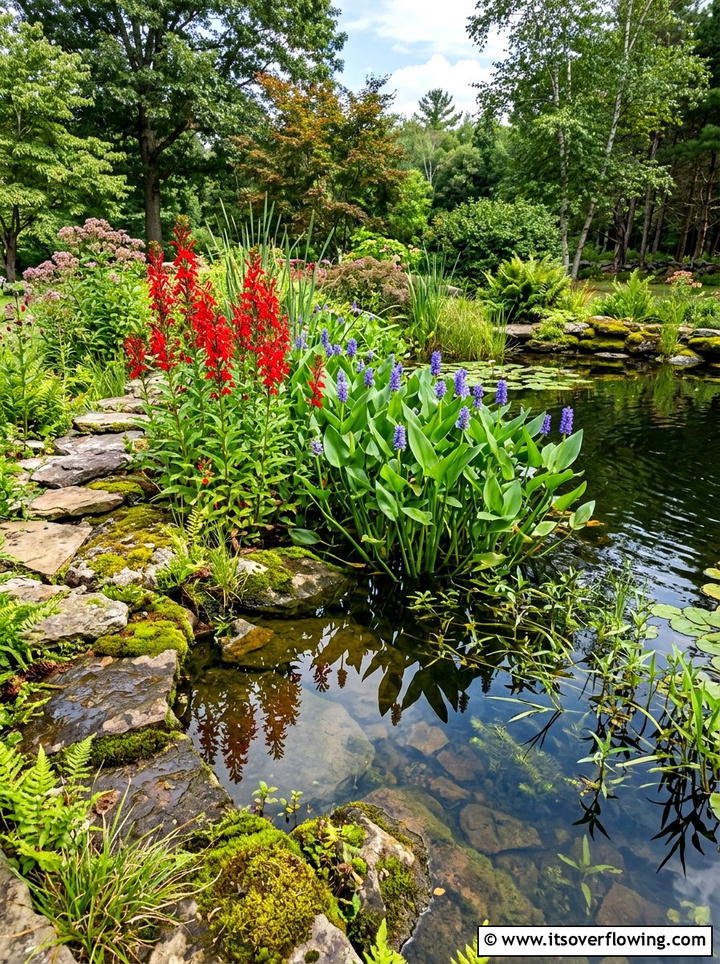
Planting a wildflower pond edge helps blend a water feature seamlessly into the surrounding landscape. Moisture-loving wildflowers like cardinal flower, pickerelweed, and marsh marigold provide a soft transition between the water and the land. These plants help stabilize the banks and provide cover for fish and aquatic insects. The reflection of the bright flowers in the still water adds a magical, double-vision effect to the garden. This design creates a complete wetland ecosystem that feels incredibly balanced and natural. It is a favorite spot for birds to visit, making your pond a focal point for wildlife observation and peaceful contemplation throughout the entire summer.
Conclusion:
Transforming your outdoor space with wildflowers is a journey toward a more sustainable and beautiful way of living. By embracing these native plants, you are not only creating a stunning visual display but also providing a lifeline for local pollinators and wildlife. Each of these ideas offers a unique way to integrate the wild spirit of nature into your specific home environment, regardless of your yard’s size or style. As these gardens grow and evolve, they require less work and offer more rewards than traditional landscaping. Start small with a single patch or go bold with a full meadow transformation today. Your garden will soon become a vibrant, living masterpiece that celebrates the incredible diversity of the natural world.

Related posts:
 25 creative garden ideas with native wildflowers for Pollinators
 25 Creative Garden Ideas for Fall Color: Vibrant Seasonal Tips
 25 Creative Garden Ideas With Maximal Flower Color
 25 creative garden ideas with painted planters for Bold Color
 25 garden design ideas with color themes: Stunning Palette Tips
 25 Garden Design Ideas With Herbs and Flowers for Color
 25 Garden Design Ideas With Seasonal Flowers for Year-Round Color
 25 Garden Ideas for Year Round Color in Every Season
 25 garden ideas with hydrangeas for Stunning Color Displays
 25 Small Garden Ideas for Year Round Color and Lasting Beauty
 25 Small Garden Ideas With Hanging Baskets for Vertical Color
 25 Garden Ideas With Rocks for Natural Outdoor Style