
Transforming your outdoor space into a thriving sanctuary is easier than you think when you embrace the natural beauty of local ecosystems. Native wildflowers offer a stunning, low-maintenance alternative to traditional manicured lawns, bringing a sense of wild elegance to any property. These plants are uniquely adapted to your local climate and soil, meaning they require less water and fewer chemicals to flourish year after year. By choosing indigenous species, you are not just decorating a yard; you are rebuilding essential habitats for local birds, bees, and butterflies. This guide explores creative ways to integrate these hardy blooms into your landscape, ensuring your garden remains vibrant, sustainable, and deeply connected to the environment.
1. Butterfly pollinator garden
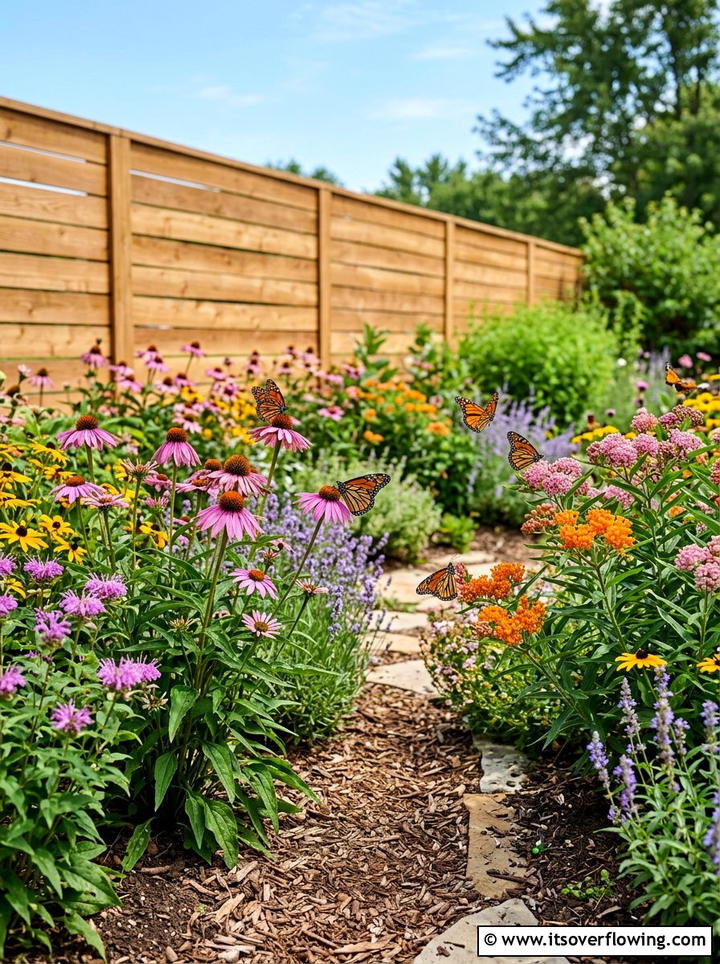
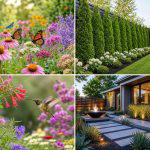
Have you ever wondered how to turn your backyard into a bustling sanctuary for local butterflies and bees? A butterfly pollinator garden uses native wildflowers like milkweed and purple coneflower to provide essential nectar and host sites for various species. This approach focuses on creating a layered ecosystem where different heights and bloom times ensure food is available throughout the growing season. By selecting plants that are indigenous to your specific region, you reduce the need for chemical fertilizers and excessive watering. The result is a vibrant, fluttering landscape that supports biodiversity while adding a splash of untamed beauty to your home’s outdoor space. It is a rewarding project for any nature lover.
2. Backyard prairie meadow
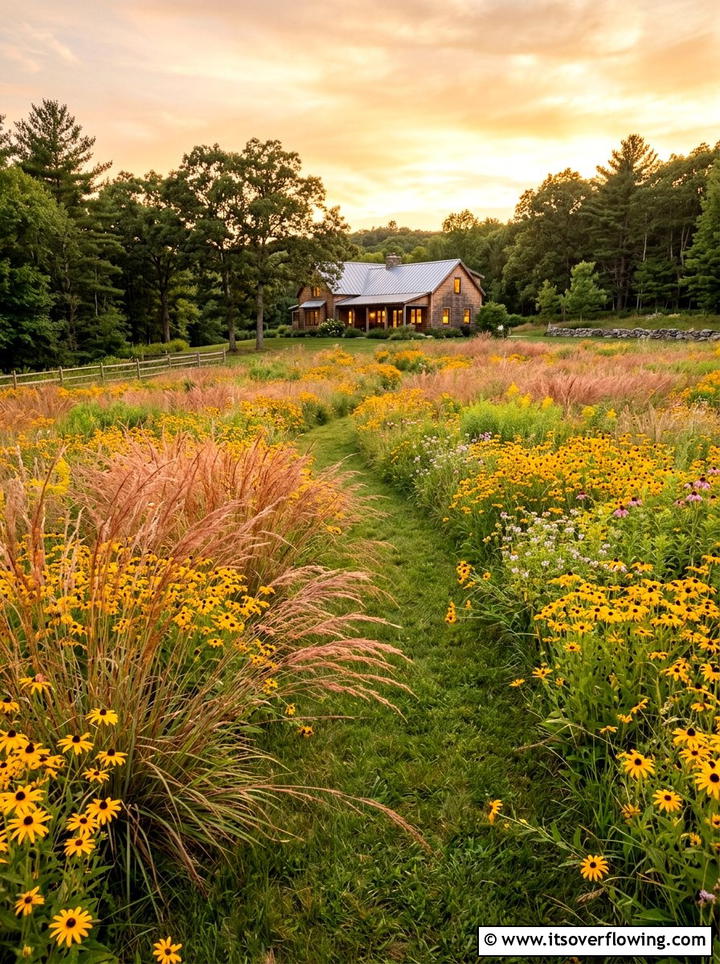
Imagine stepping out of your back door into a golden, swaying sea of native grasses and colorful perennial wildflowers. A backyard prairie meadow replaces high-maintenance turf with a self-sustaining mix of species like little bluestem and black-eyed Susans. This design mimics the vast American prairies, offering a rustic and expansive feel even in smaller suburban lots. Preparation is key, as you must clear existing grass before sowing a curated seed mix that thrives in full sun. Over time, the deep root systems of these plants improve soil health and manage stormwater runoff effectively. It creates a dynamic, ever-changing view that reflects the true seasonal character of your local landscape.
3. Native woodland shade garden
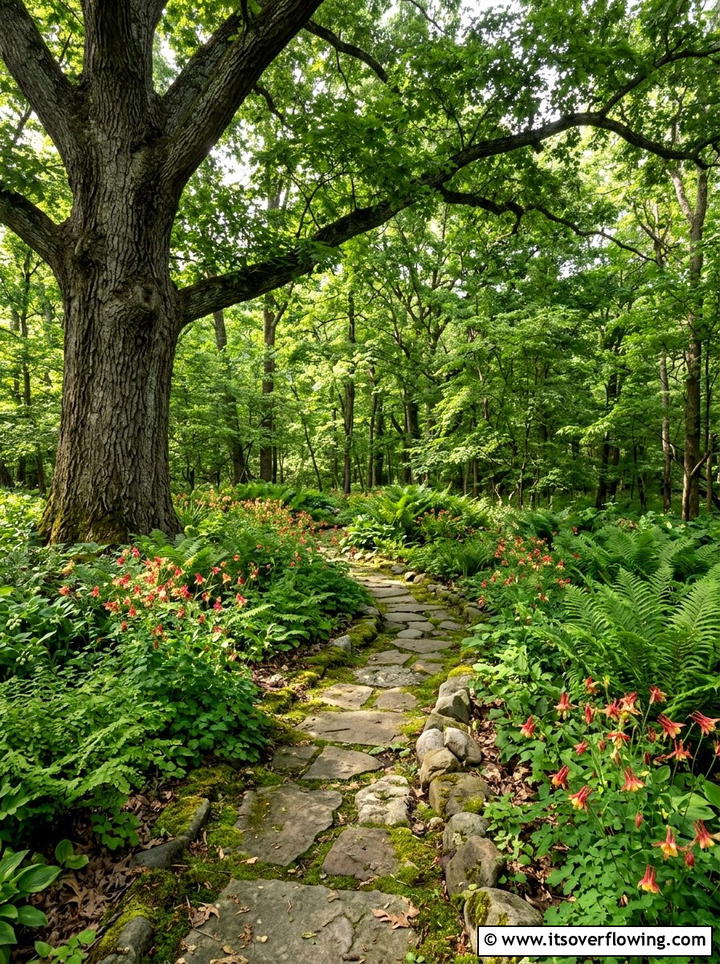
Walking through a cool, dappled forest clearing is a refreshing experience that you can easily recreate in a shaded corner of your yard. A native woodland shade garden utilizes plants like wild columbine, foamflower, and various ferns that naturally thrive under a leafy canopy. These species are experts at growing in lower light conditions, bringing texture and subtle color to areas where traditional grass often struggles to survive. You can enhance the woodland aesthetic by adding organic mulch, fallen logs, or stepping stone paths that wind through the greenery. This type of garden provides a peaceful retreat during hot summer days and supports specialized insects that prefer cooler, moist environments.
4. Wildflower garden border
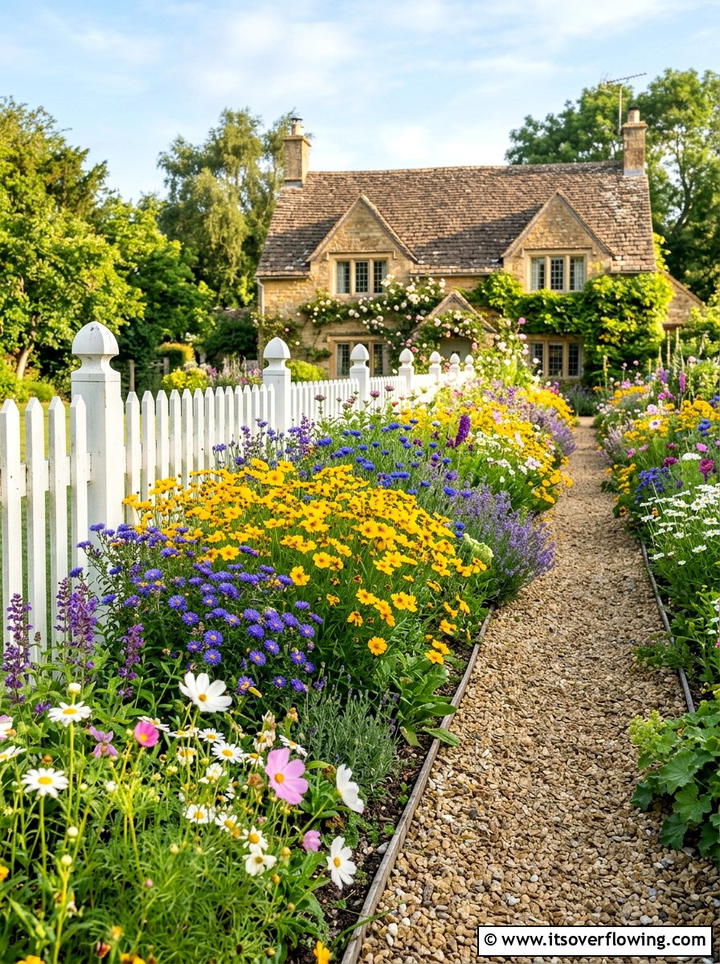
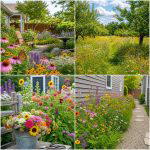
Small spaces can still make a huge ecological impact when you utilize narrow strips along fences or walkways for native blooms. A wildflower garden border acts as a colorful frame for your property, featuring tidy yet vibrant plants like coreopsis or native asters. Instead of high-maintenance hedges, these flowering strips offer a seasonal parade of colors that change from spring through autumn. You can organize the plants by height, placing taller species like Joe Pye weed in the back and shorter ones in front. This structured yet natural look keeps your yard appearing intentional and well-kept while still providing the benefits of a wilder, more pollinator-friendly environment for the neighborhood.
5. Native plant rain garden
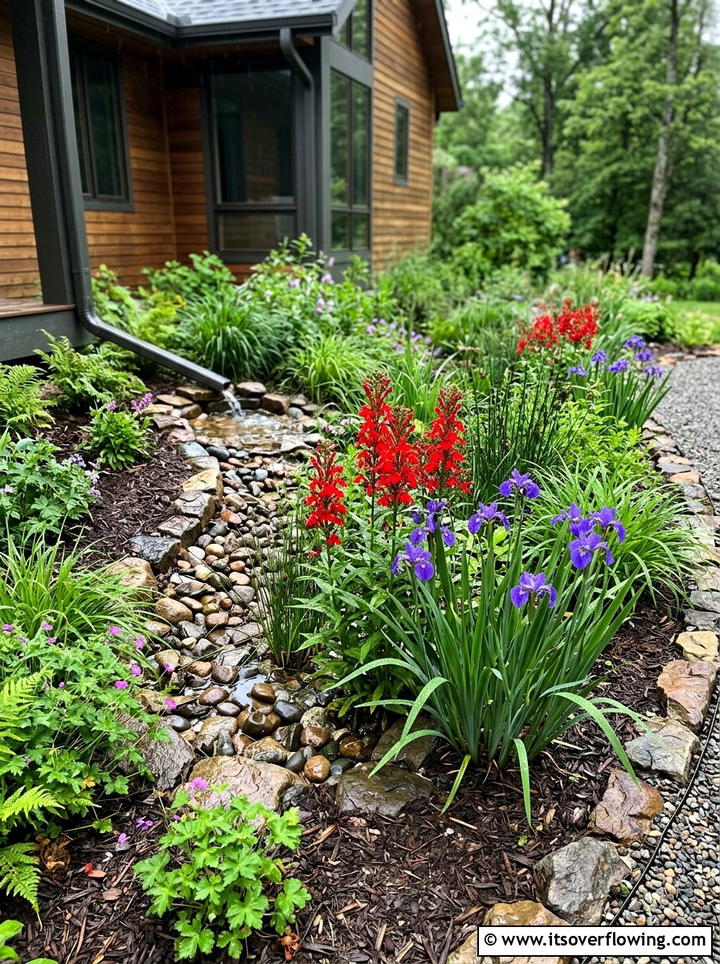
Does your yard have a low spot where water tends to collect after a heavy rain shower? A native plant rain garden is a functional and beautiful solution that uses deep-rooted wildflowers to absorb excess moisture and filter pollutants. Species like swamp milkweed, cardinal flower, and blue flag iris love “wet feet” and will thrive in these periodically soggy conditions. By directing gutter runoff into a shallow depression filled with these plants, you prevent erosion and help recharge local groundwater supplies. This design turns a potential landscaping problem into a lush, thriving focal point that attracts unique wildlife like dragonflies and frogs while protecting your home’s foundation.
6. Coastal wildflower landscape
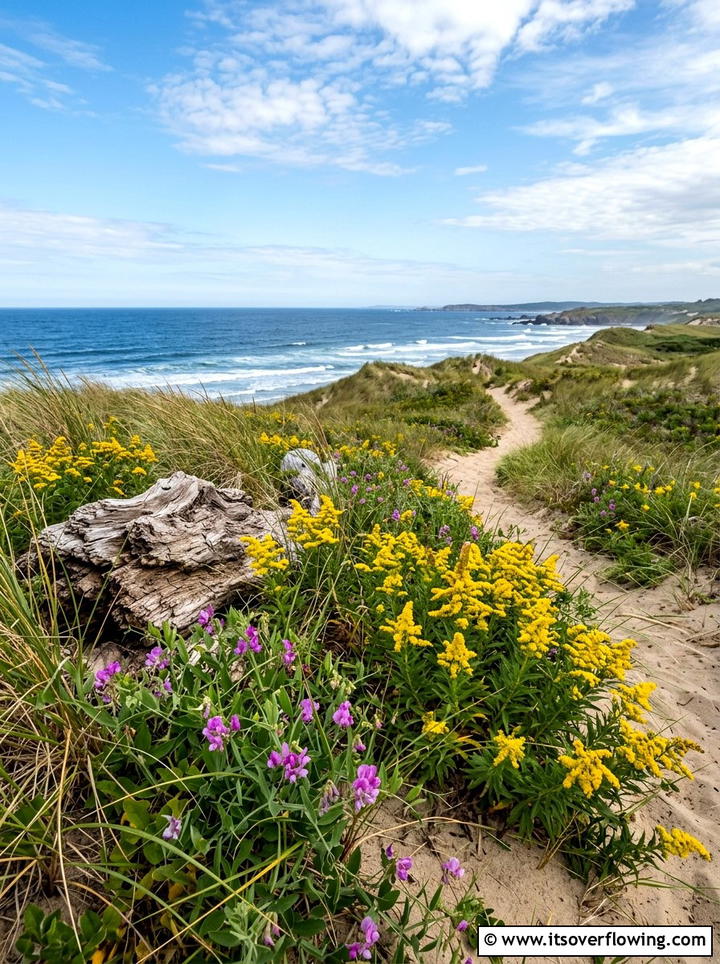
Salty breezes and sandy soils present unique challenges, but native coastal wildflowers are perfectly adapted to thrive in these harsh seaside environments. A coastal wildflower landscape incorporates resilient species like seaside goldenrod and beach pea to stabilize dunes and add vibrant color to the shore. These plants have developed specialized foliage to resist salt spray and intense sun exposure without needing constant irrigation. By mimicking the natural vegetation found along the coastline, you create a garden that feels harmonious with the surrounding ocean views. This approach prevents soil erosion and provides a crucial stopping point for migratory birds traveling along the coast, making your seaside retreat both beautiful and ecologically significant.
7. Drought tolerant wildflower garden
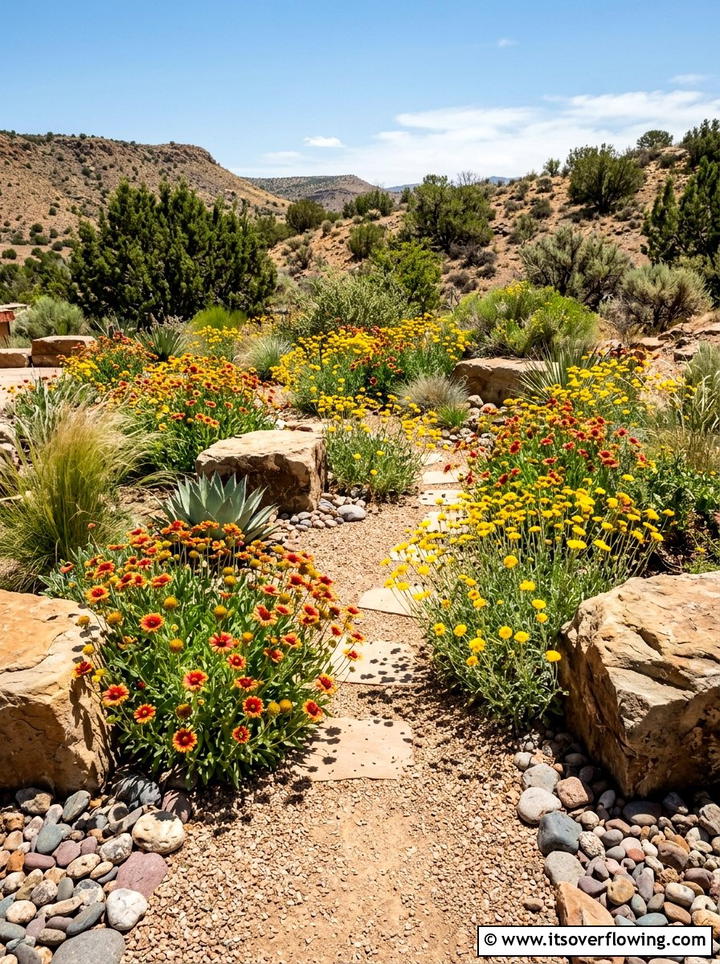
If you live in an area with restricted water usage or intense summer heat, a drought-tolerant wildflower garden is the perfect solution. This design focuses on “xeriscaping” with indigenous plants like blanket flower and desert marigold that have evolved to survive on minimal rainfall. These hardy species often feature silver-toned leaves or deep taproots that allow them to endure long periods without a garden hose. By grouping these water-wise plants together, you create a stunning landscape that remains lush and colorful even during the hottest months. This sustainable gardening style reduces your utility bills and saves you hours of maintenance, allowing you to enjoy a beautiful yard with very little effort.
8. Wildflower container garden
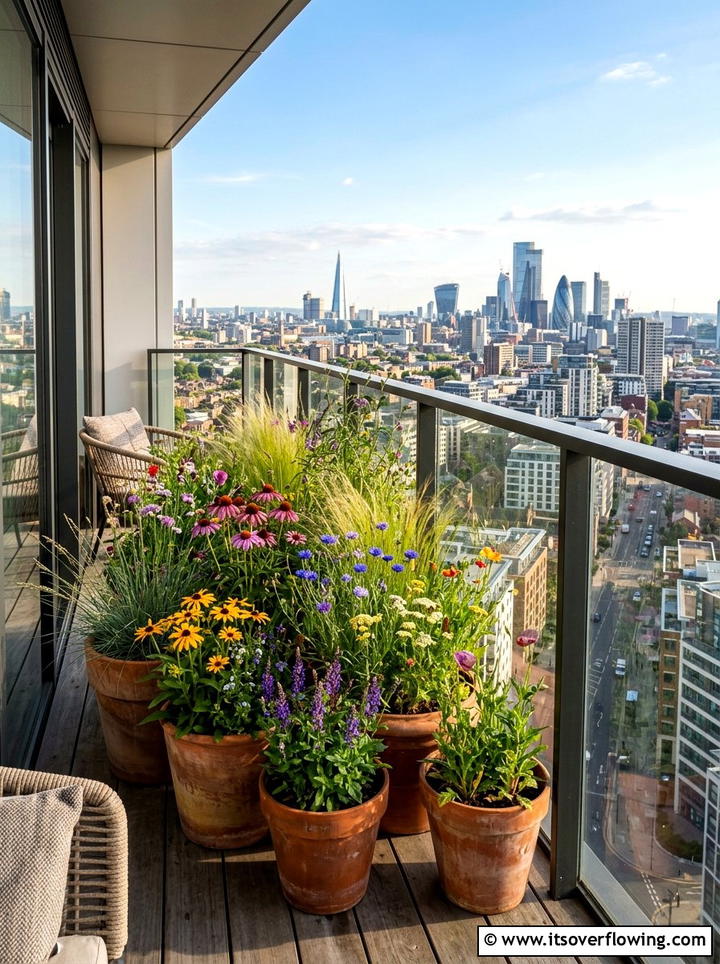
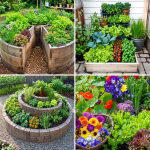
Can you imagine a miniature meadow thriving right on your balcony or small paved patio? A wildflower container garden allows urban dwellers to enjoy the benefits of native plants without needing a large backyard plot. By selecting compact native varieties and planting them in large, well-draining pots, you can create a mobile ecosystem that attracts pollinators to high-rise environments. It is important to use a high-quality potting mix and ensure your containers receive adequate sunlight based on the specific plant needs. Mixing different textures, such as delicate grasses with bold flowering perennials, creates a sophisticated look. This portable garden brings nature closer to your daily life, regardless of your living situation.
9. Rock garden with native plants
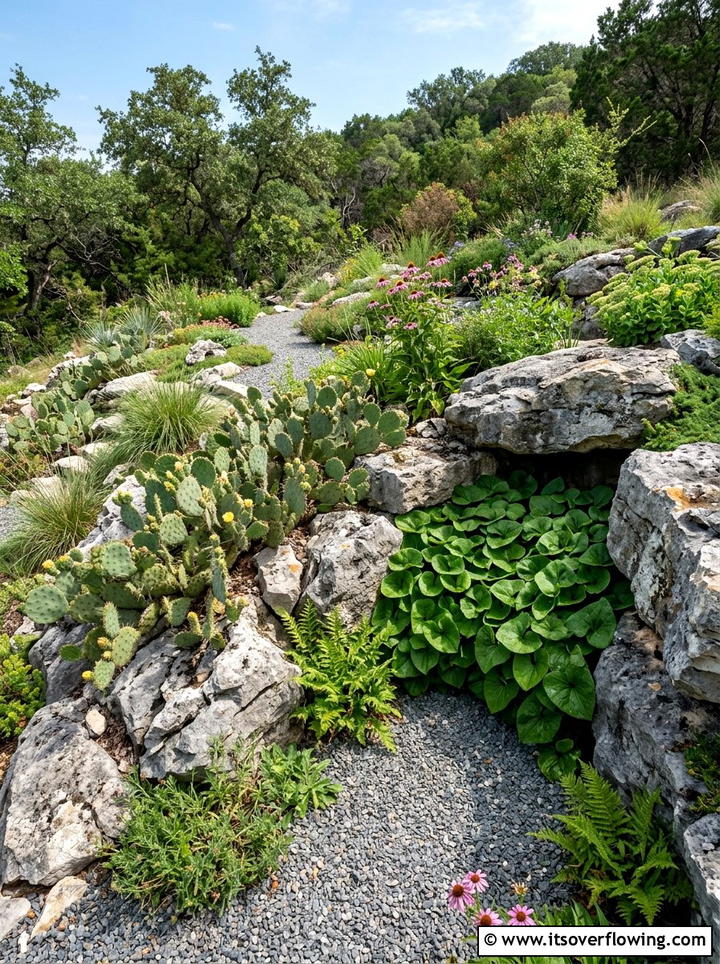
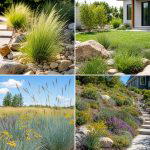
The rugged beauty of a rock garden is perfectly complemented by the tough, low-growing wildflowers that naturally inhabit stony outcroppings. Using local stones to create crevices and elevated tiers provides the perfect drainage for species like prickly pear cactus or wild ginger. This design is ideal for hilly terrain or areas with poor, gravelly soil where other plants might fail to take root. The contrast between the cold, hard textures of the rocks and the soft, colorful petals of the wildflowers creates a visually striking landscape. A native rock garden is exceptionally low-maintenance once established, as the stones help suppress weeds and retain a small amount of moisture for the roots.
10. Bird friendly wildflower garden
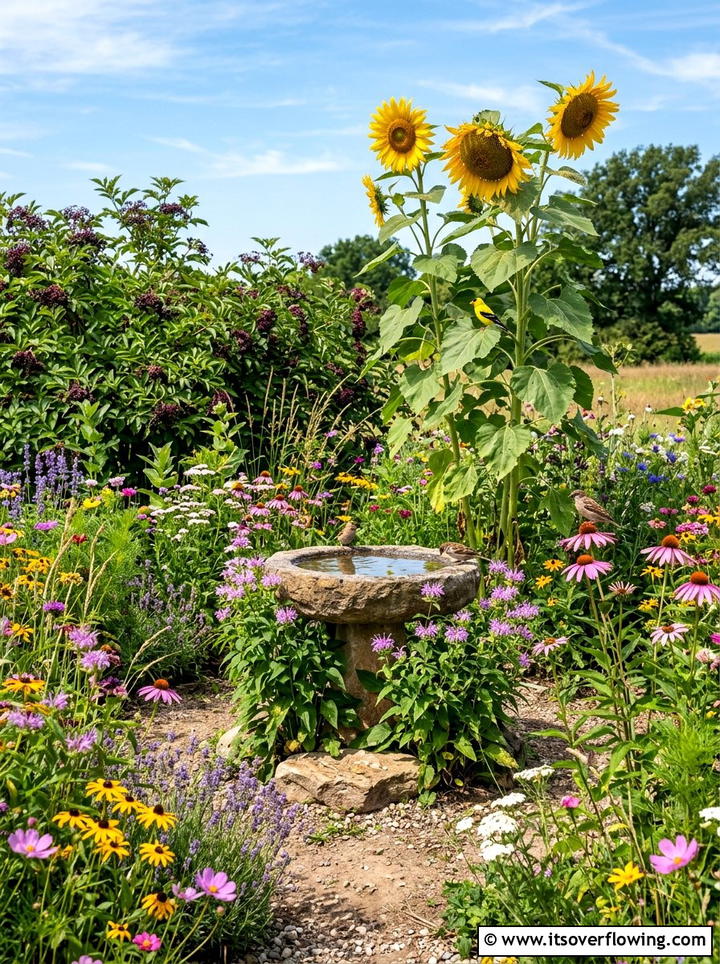
Have you ever sat on your porch and wished for more colorful birds to visit your outdoor space? A bird-friendly wildflower garden focuses on plants that produce abundant seeds and berries, such as sunflowers and elderberries, to provide natural food sources. Native wildflowers also attract the specific insects that birds need to feed their young during the nesting season. By including a mix of heights, from ground covers to tall stalks, you offer different bird species places to hide, perch, and forage. Adding a simple water feature alongside these plants creates a complete habitat. This design transforms your yard into a lively theater of natural behaviors and beautiful birdsong throughout the year.
11. Modern native plant garden
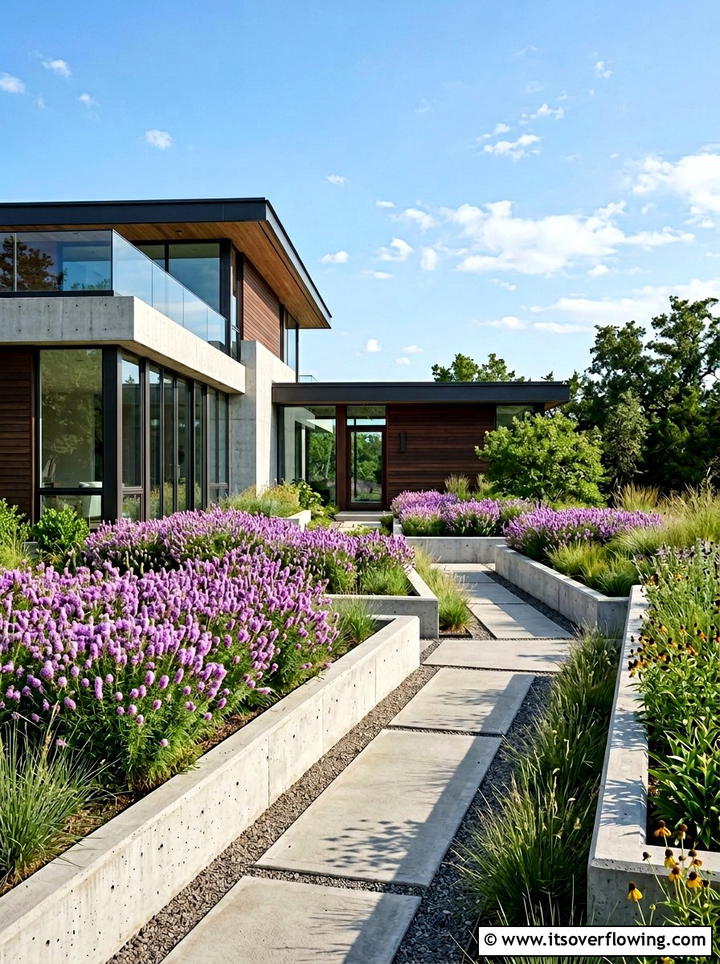
Modern landscape design often emphasizes clean lines and geometric shapes, which can be beautifully softened by the inclusion of native wildflowers. A modern native plant garden uses mass plantings of a single species, like purple prairie clover, to create bold blocks of color and texture. This approach moves away from the “cluttered” look sometimes associated with wild gardens, opting instead for a more architectural and intentional aesthetic. By pairing these organized plant beds with sleek materials like concrete or weathered steel, you achieve a contemporary look that remains environmentally responsible. This style proves that using indigenous plants does not mean your garden has to look unkempt or overly rustic in a modern suburban setting.
12. Cottage garden with wildflowers
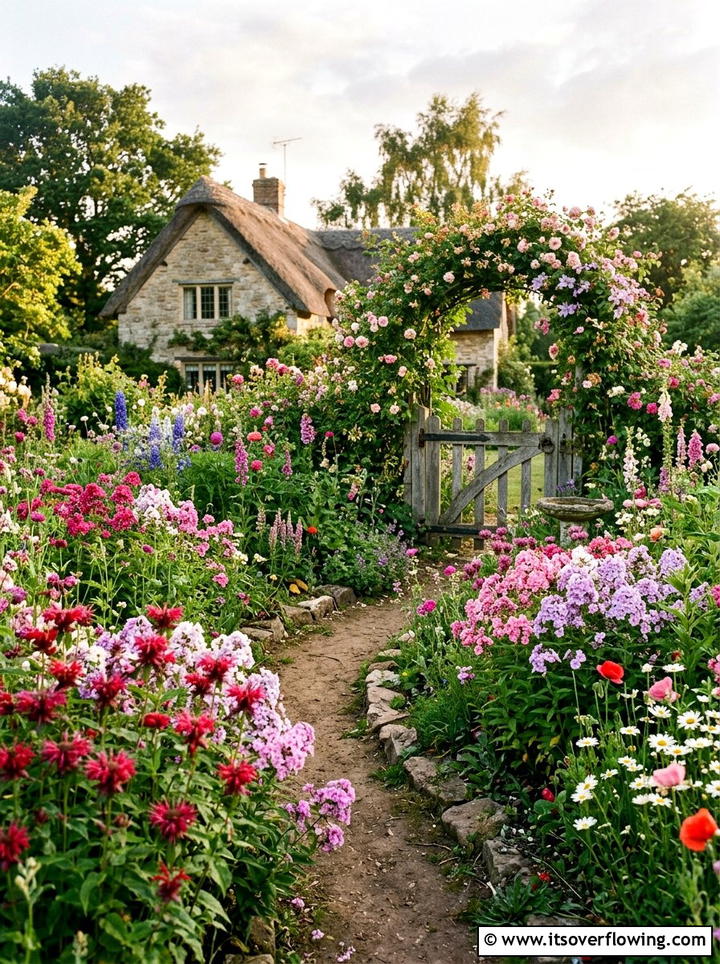
There is something deeply nostalgic about a romantic, overflowing garden path lined with a chaotic mix of colorful blooms and sweet scents. A cottage garden with wildflowers achieves this charming look by mixing native species like phlox and bee balm in dense, informal clusters. Unlike traditional cottage gardens that use imported roses, this version relies on local plants that are better suited to the environment and require less fussing. The result is a whimsical, “ordered chaos” that feels cozy and inviting to both humans and helpful garden insects. Paths made of wood chips or gravel can wind through the tall stalks, making the space feel like a hidden sanctuary found within an enchanted forest clearing.
13. Sloped garden with wildflowers
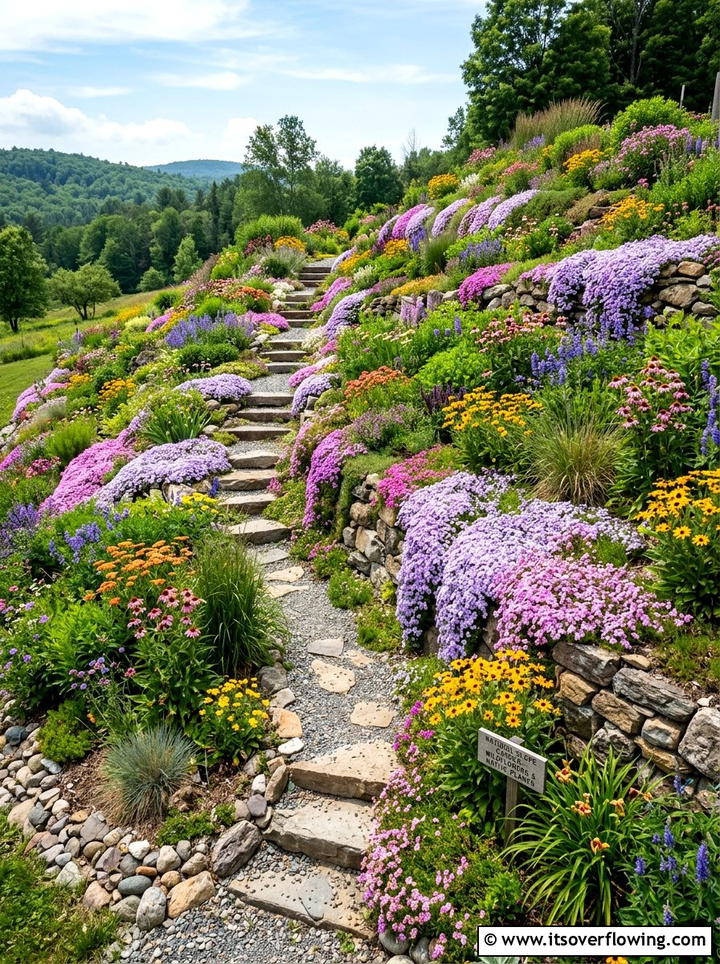
Dealing with a steep hillside can be a landscaping nightmare, but native wildflowers offer a practical and beautiful way to manage difficult terrain. A sloped garden with wildflowers uses the deep, tangled root systems of indigenous plants to hold the soil in place and prevent unsightly erosion. Instead of struggling to mow a dangerous incline, you can plant a mix of creeping ground covers and mid-height perennials that fill the space with color. This design turns a problematic area into a cascading tapestry of flowers that looks stunning from both the top and bottom of the hill. It requires very little intervention once the plants are established, making it a smart long-term solution.
14. Wildflower edible garden
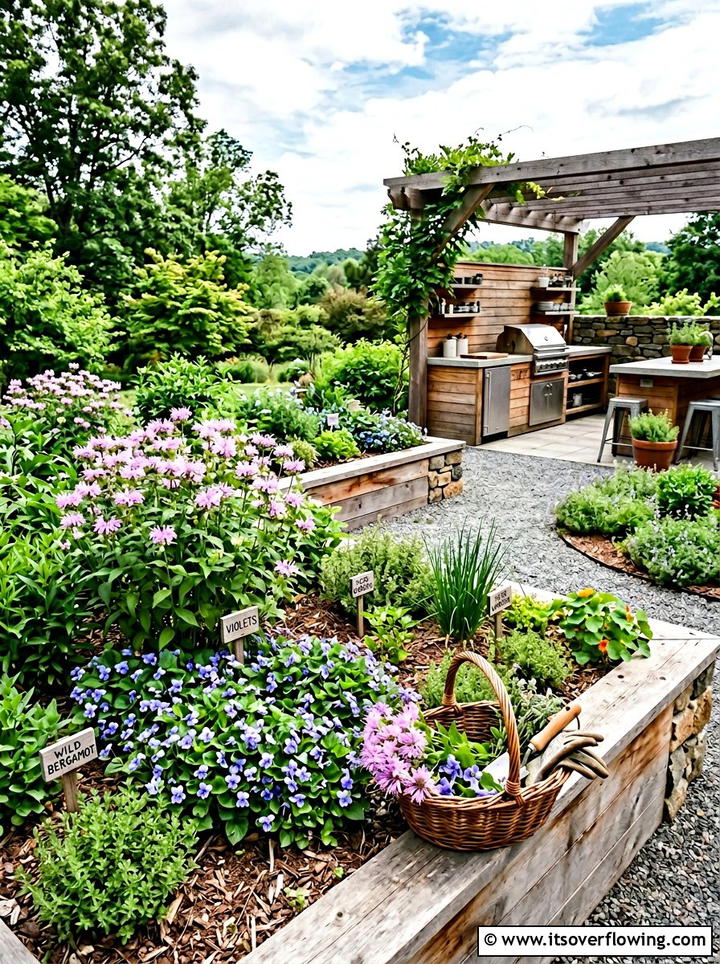
Did you know that many native wildflowers are not only beautiful but also offer edible parts that can be used in your kitchen? A wildflower edible garden features plants like wild bergamot for teas, or violets whose petals can be used to garnish seasonal salads and desserts. Integrating these multi-purpose plants into your landscape allows you to enjoy a harvest while supporting local pollinators at the same time. It is crucial to properly identify every species and ensure they are grown in soil free from harmful chemicals before consuming them. This type of garden encourages a deeper connection with the land, teaching you about the traditional uses of the plants that grow naturally in your own backyard.
15. Blue and purple wildflower garden
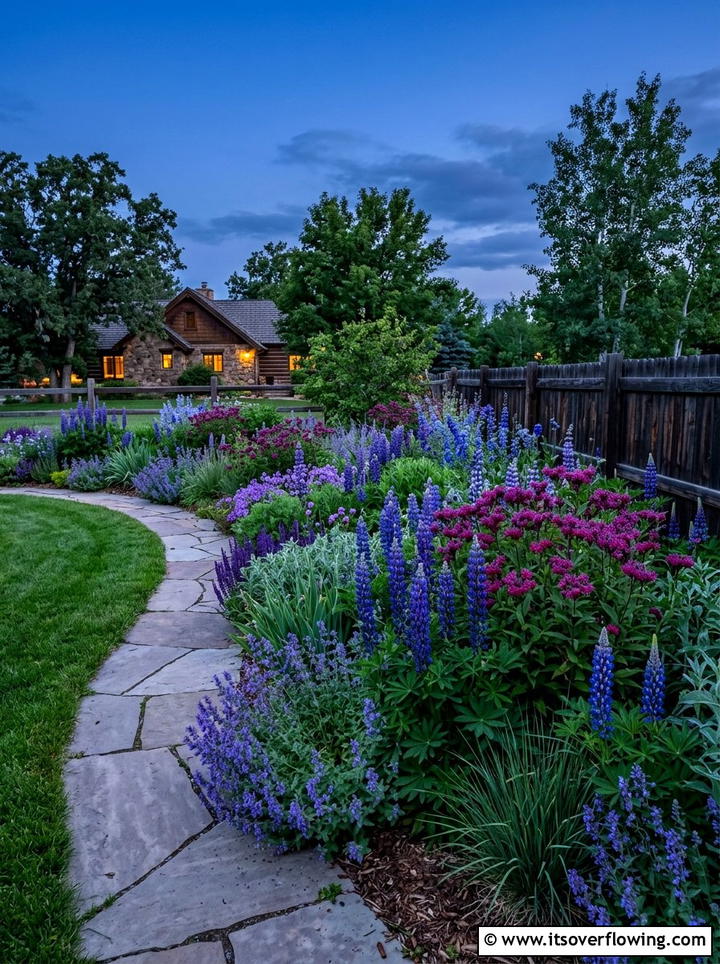
Cool tones can create a sense of serenity and depth in your landscape, making a small yard feel much larger and more peaceful. A blue and purple wildflower garden utilizes species like blue lupine, ironweed, and wild indigo to create a sophisticated, monochromatic color palette. These shades are particularly attractive to many species of bees and butterflies, ensuring your garden is as functional as it is beautiful. By layering different tints and textures of these cool colors, you can create a visual masterpiece that looks especially stunning during the “blue hour” of twilight. This focused color scheme provides a professional, curated look while maintaining the wild heart of a native plant sanctuary.

16. Yellow wildflower garden bed
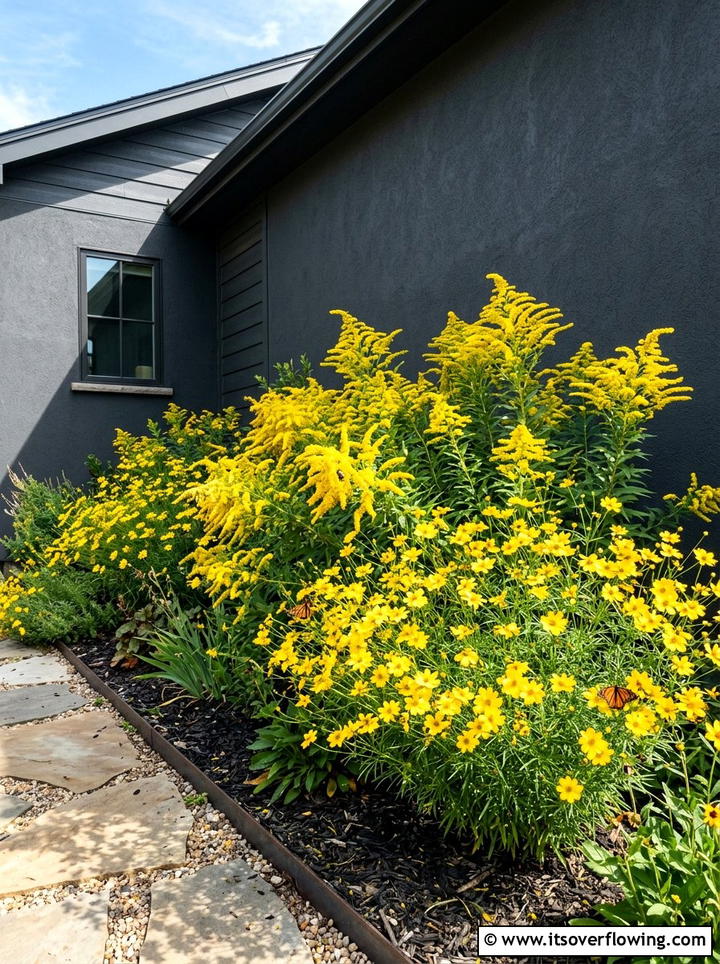
Bright yellow blooms are like splashes of sunshine that can instantly lift the mood of any outdoor living area or front walkway. A yellow wildflower garden bed features cheerful species like goldenrod, tickseed, and gray-headed coneflower to create a high-energy focal point in your yard. Many of these yellow-flowering natives are incredibly hardy and can bloom for several weeks, providing a long-lasting display of vibrant color. Yellow is also a highly visible color for many pollinators, acting as a beacon that draws them into your garden from a distance. This design works exceptionally well against dark green foliage or dark-colored home exteriors, creating a crisp and modern contrast that looks vibrant and healthy.
17. Red native wildflower landscape
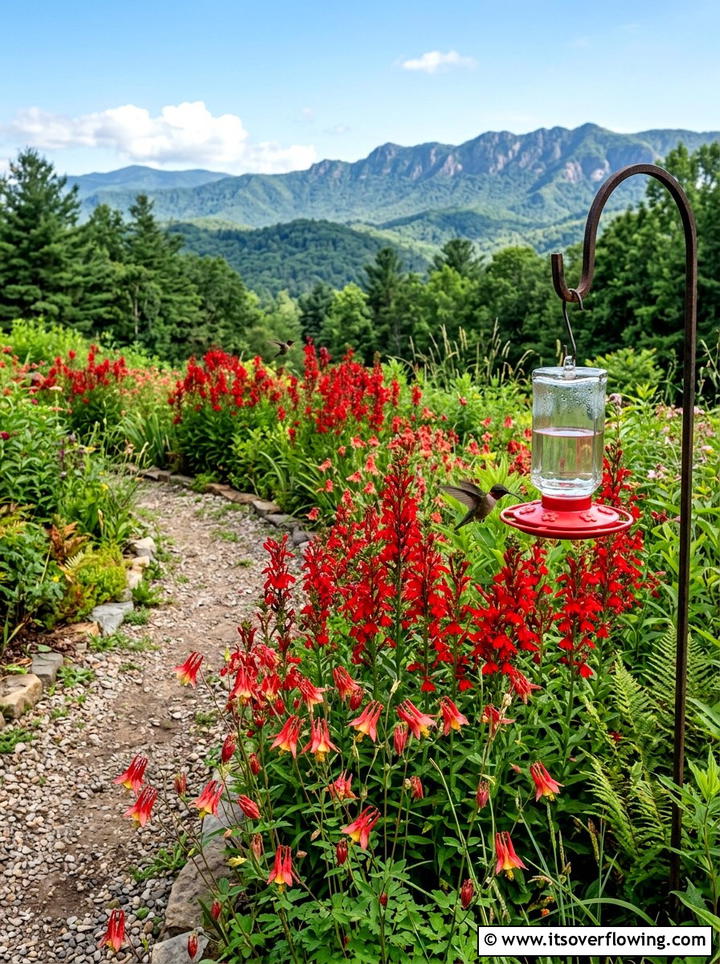
If you want to make a bold statement that catches the eye from across the street, a red native wildflower landscape is the way to go. Using fiery species like cardinal flower, fire pink, and red columbine creates a dramatic and passionate atmosphere in the garden. These red hues are particularly effective at attracting hummingbirds, which are naturally drawn to the vibrant color and tubular shapes of these specific flowers. Planting these in large groups increases their visual impact and makes it easier for wildlife to find the nectar they need. The intense color of these blossoms provides a stunning contrast against the natural greens of a summer garden, making your landscape feel truly extraordinary.
18. Tall grass and wildflower garden
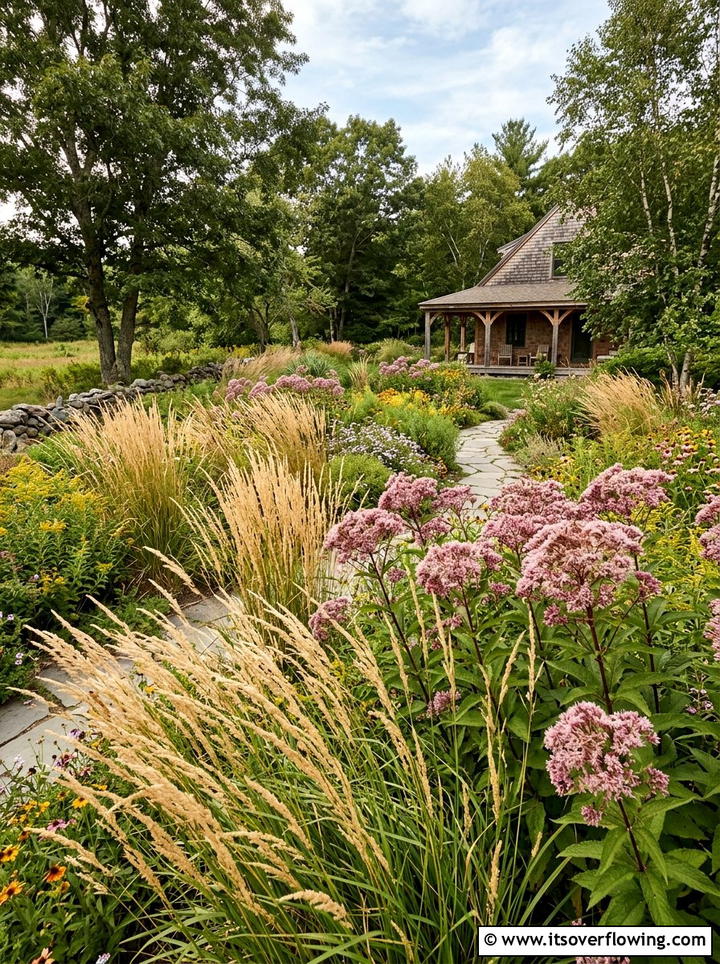
The movement of air through a garden becomes a visible and audible experience when you incorporate native ornamental grasses into your planting scheme. A tall grass and wildflower garden pairs structural grasses like switchgrass or big bluestem with sturdy flowers like cup plant or Joe Pye weed. The grasses provide a golden backdrop and winter interest, while the wildflowers add pops of seasonal color and nectar. This combination mimics the structural integrity of a natural meadow, where plants support each other against wind and heavy rain. The rustling sound of the wind through the dried stalks adds a sensory layer to your garden, making it a peaceful place for quiet contemplation.
19. Ground cover wildflower garden
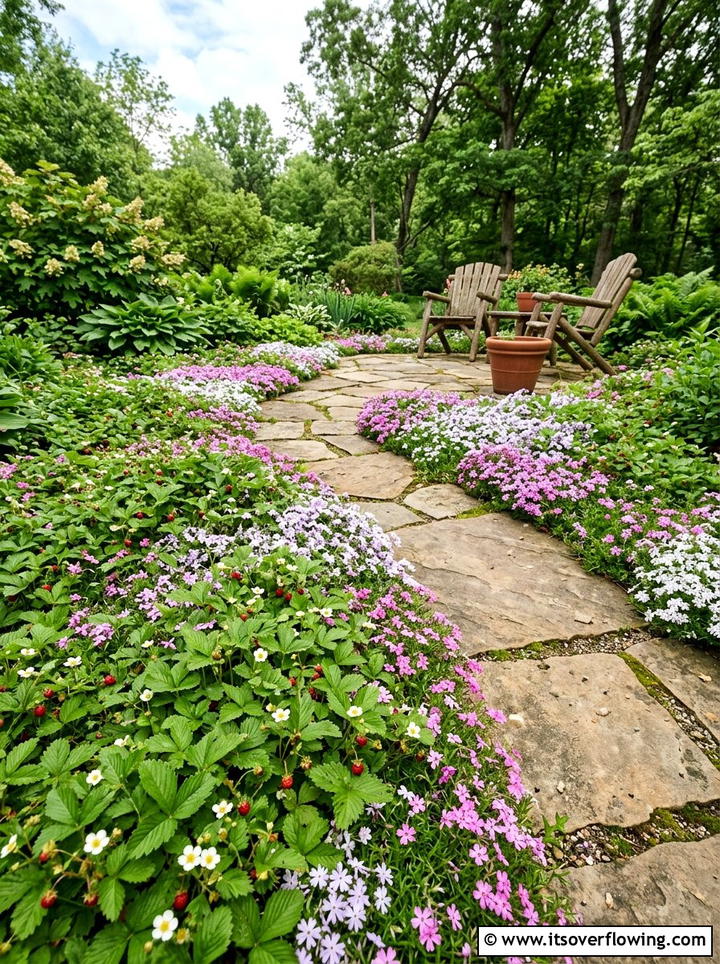
Are you tired of constantly weeding bare patches of soil or struggling to maintain a thirsty lawn in a high-traffic area? A ground cover wildflower garden uses low-growing, spreading species like wild strawberry or moss phlox to create a living carpet of greenery and blooms. These plants fill in gaps quickly, acting as a “green mulch” that keeps the soil cool and suppresses the growth of unwanted weeds. This design is perfect for paths, under trees, or as a transition between different garden zones. Unlike wood mulch, these living covers provide habitat for small beneficial insects and offer delicate flowers that bring beauty to the very lowest levels of your outdoor landscape.
20. Winter interest wildflower garden
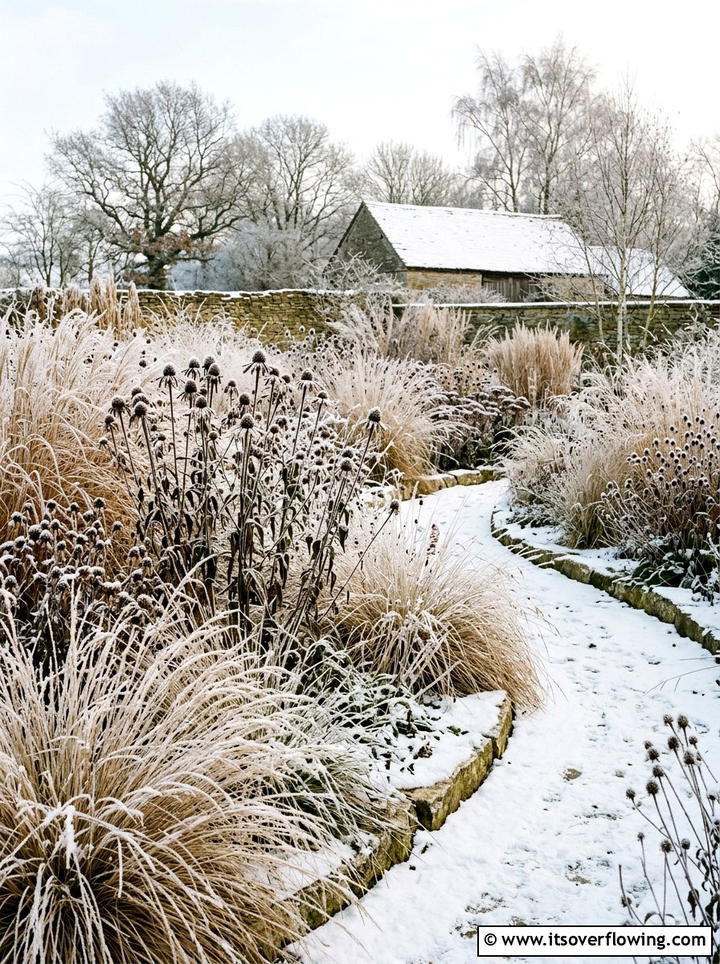
Many gardeners think of their outdoor spaces as being “closed” during the cold months, but native plants offer beauty even in the snow. A winter interest wildflower garden focuses on species with sturdy seed heads and interesting silhouettes, such as coneflowers and various native grasses. Instead of cutting everything back in the fall, you leave the dried stalks standing to provide food and shelter for birds and overwintering insects. The architectural shapes of the frozen plants look stunning when dusted with frost or a light layer of snow. This approach embraces the full life cycle of the garden, proving that a native landscape can be captivating and ecologically valuable all twelve months of the year.
21. Fall blooming wildflower garden
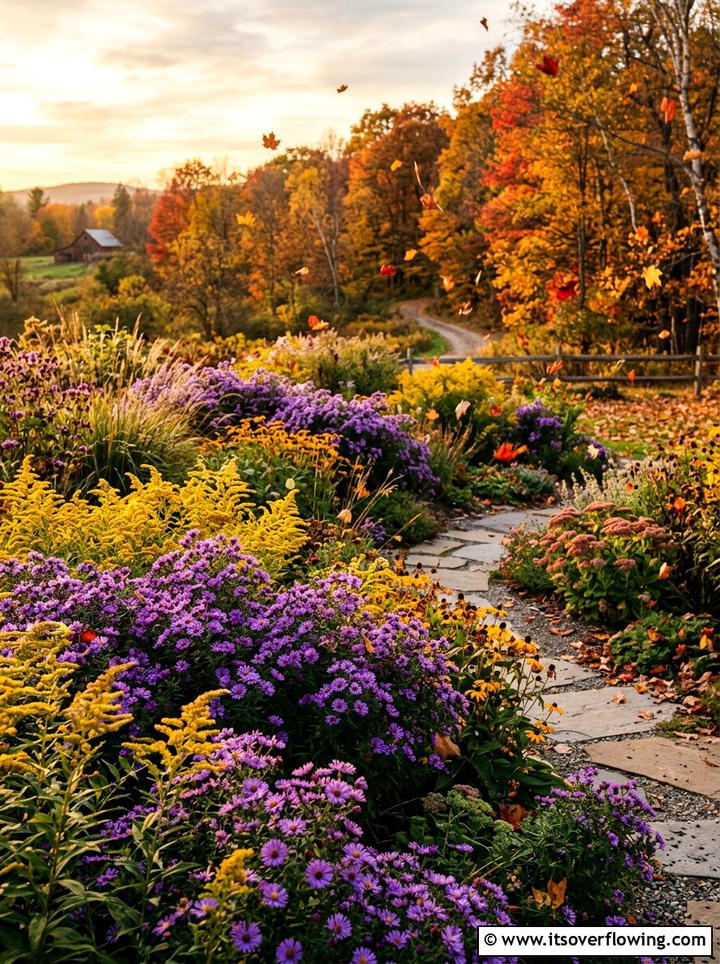
As the bright colors of summer begin to fade, your yard can experience a second wave of beauty with carefully selected late-season stars. A fall blooming wildflower garden features asters and various types of goldenrod that provide a final, essential burst of nectar for migrating butterflies. These plants often come in deep purples and brilliant yellows, reflecting the changing colors of the autumn leaves around them. This design ensures that your landscape remains a focal point of the neighborhood well into the cooler months. By planning for this late-season peak, you support the environment during a critical time while extending your personal enjoyment of the garden before the winter dormancy begins.
22. Spring wildflower garden design
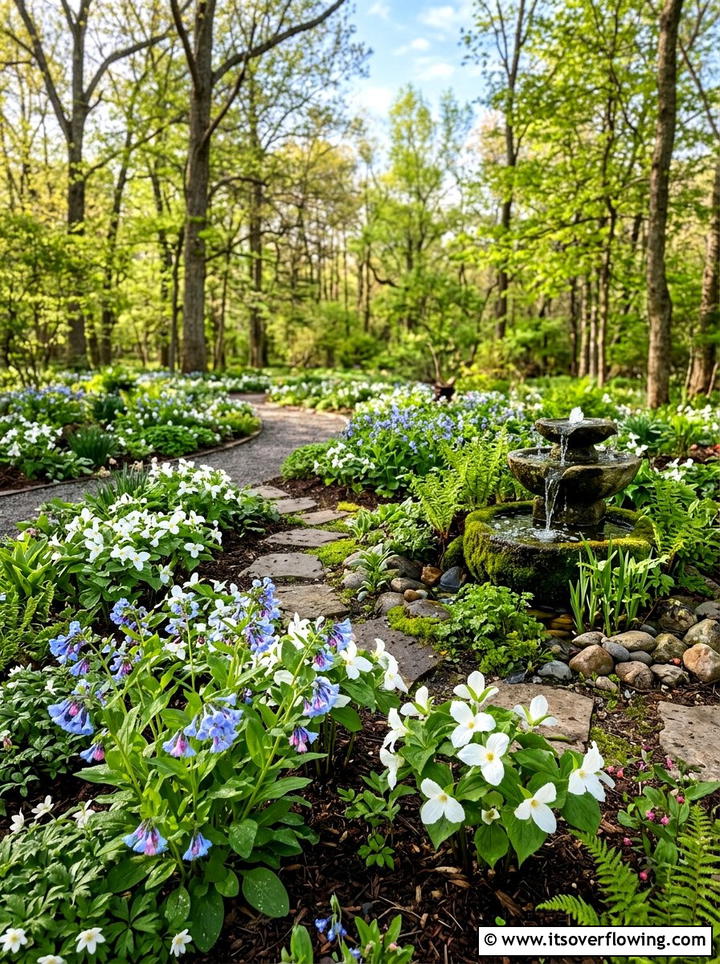
The first signs of life after a long winter are always a cause for celebration, and native “spring ephemerals” provide the perfect opening act. A spring wildflower garden design includes early bloomers like Virginia bluebells, bloodroot, and trillium that emerge before the trees have fully leafed out. These plants have a short but spectacular blooming period, taking advantage of the early season sunlight reaching the forest floor. Planting these near entryways or windows allows you to enjoy their delicate beauty from the comfort of your home. Combining them with later-blooming species ensures that as the spring flowers fade, new growth is ready to take their place, maintaining a continuous cycle of life.
23. Urban wildflower terrace
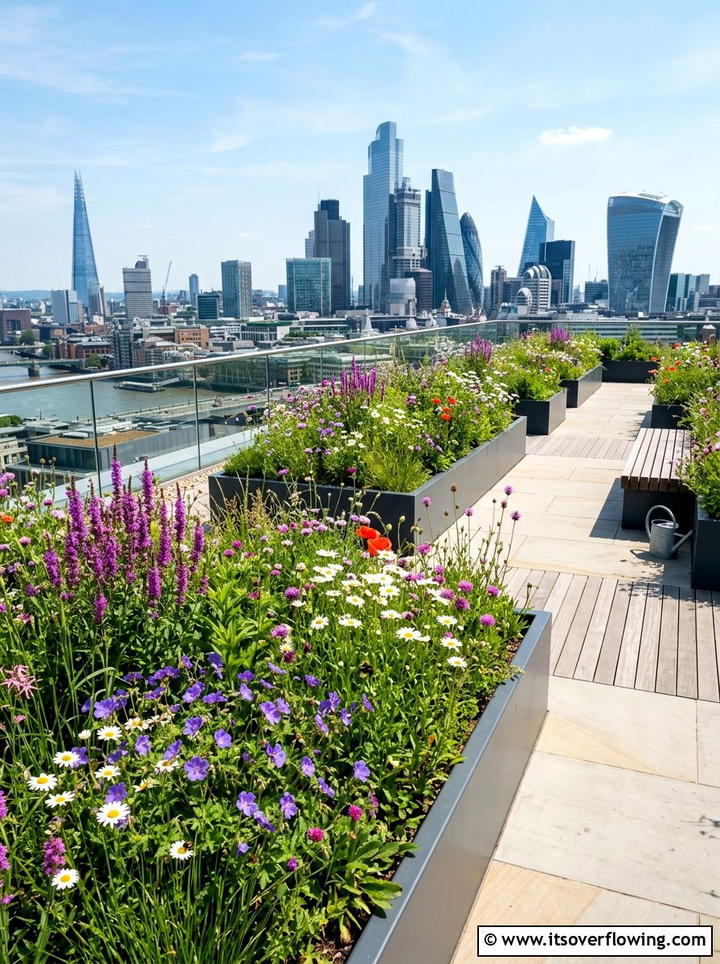
Even a small balcony or a rooftop in the middle of a busy city can become a vital “stepping stone” for local wildlife. An urban wildflower terrace uses specialized planters and lightweight soil mixes to host native species that can handle the wind and heat of elevated spaces. Plants like coreopsis and native grasses are often resilient enough to thrive in these exposed conditions while providing much-needed green space in a concrete jungle. This design not only improves your own mental well-being by providing a connection to nature but also helps reduce the “urban heat island” effect. It turns a simple outdoor ledge into a productive and beautiful miniature ecosystem high above the city streets.
24. Minimalist native plant garden
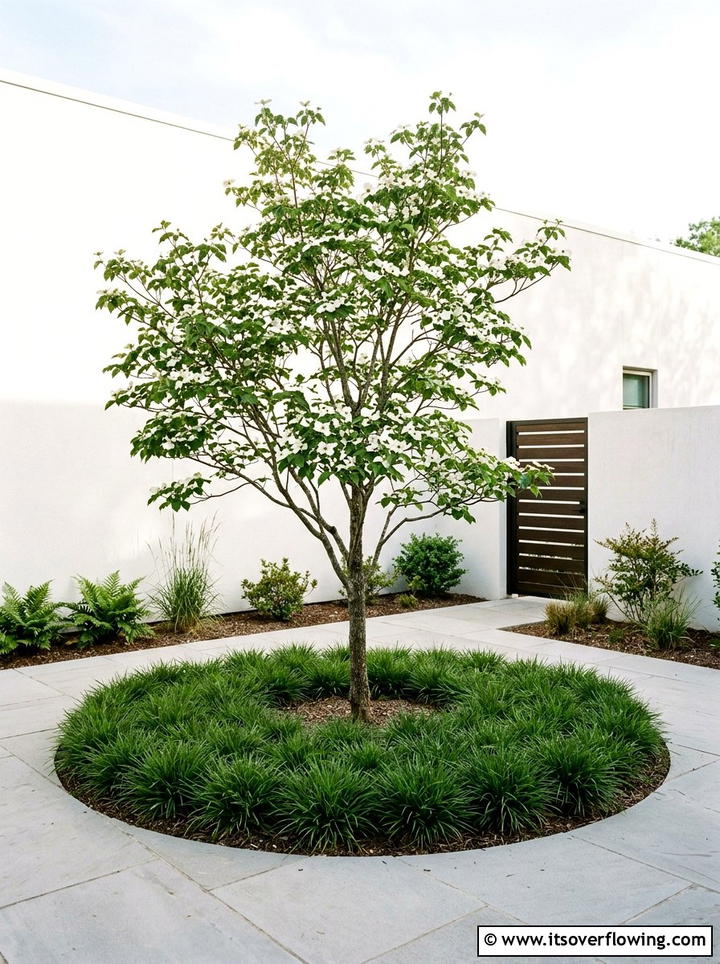
You do not need a dense thicket of plants to enjoy the benefits of native gardening if you prefer a cleaner and more restrained look. A minimalist native plant garden focuses on a few high-impact species, such as a single native tree surrounded by a uniform ring of wild ginger or sedge. By limiting the variety of plants and focusing on form and texture, you create a sophisticated space that feels intentional and calm. This style is particularly effective in small courtyards or entryways where a busy garden might feel overwhelming. The simplicity of the design highlights the unique beauty of each individual plant while still providing ecological benefits to the local environment in a very stylish way.
25. Wildlife habitat garden
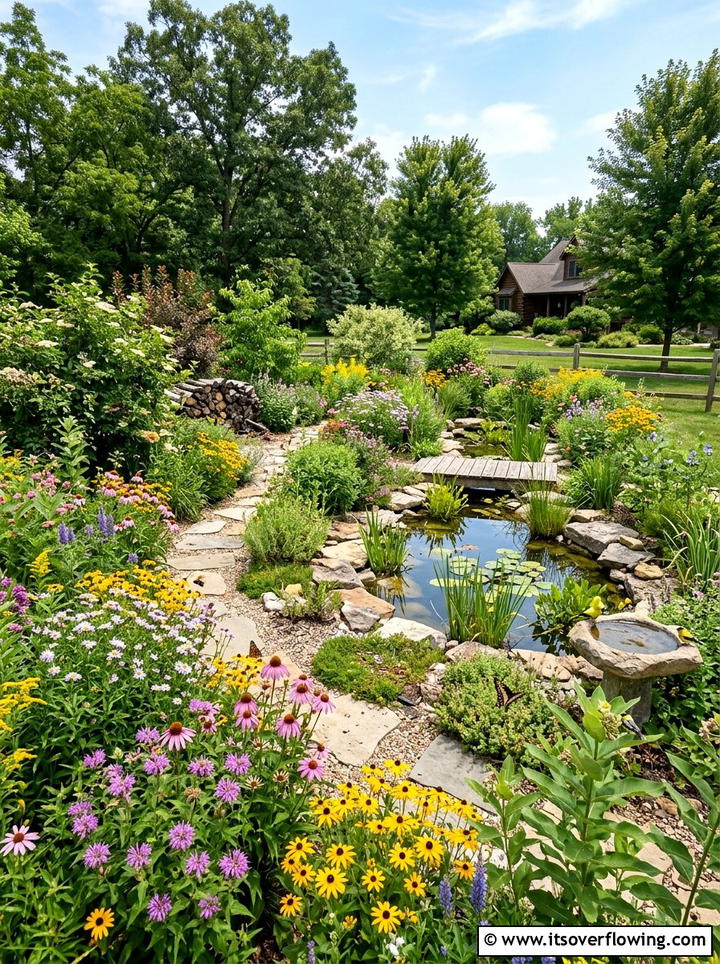
Is your goal to create a truly functional ecosystem that supports everything from tiny beetles to large songbirds and small mammals? A wildlife habitat garden combines native wildflowers with shrubs, trees, and water sources to provide the four essentials: food, water, cover, and places to raise young. By selecting a wide variety of native plants that bloom and fruit at different times, you ensure a constant supply of resources for your wild visitors. This design often looks more “wild” and layered, with brush piles or snags left intentionally to provide nesting sites. It is a deeply rewarding way to garden, as you get to witness the complex interactions of nature right in your own backyard.
Conclusion:
Embracing native wildflowers is a powerful way to harmonize your personal aesthetic with the ecological needs of your local environment. Throughout this exploration of various garden styles, it is clear that these indigenous plants offer incredible versatility, ranging from formal modern designs to whimsical cottage paths. By choosing species that are naturally adapted to your soil and climate, you create a resilient landscape that thrives with minimal human intervention. This sustainable approach not only saves time and resources but also fosters a vibrant habitat for essential pollinators and local wildlife. Ultimately, a native wildflower garden is a living legacy that celebrates the unique natural heritage of your region while providing endless beauty and inspiration.
Related posts:
 25 Garden Ideas With Wildflowers for Natural Color
 25 Garden Design Ideas With Native Grasses for Natural Style
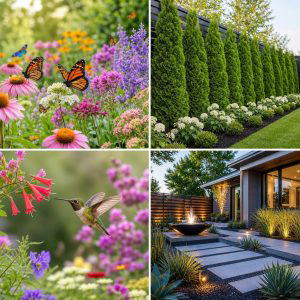 25 Garden Ideas With Native Plants for a Thriving Natural Yard
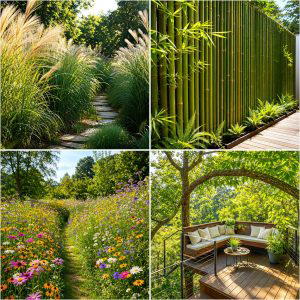 25 Creative Garden Ideas With Hidden Garden Corners
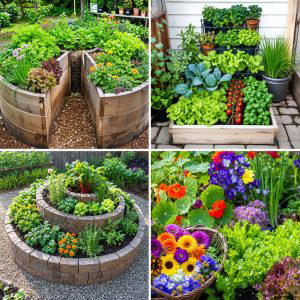 25 Creative Garden Ideas With Keyhole Garden Beds
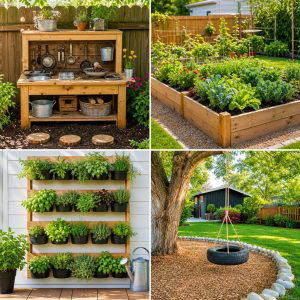 25 Creative Garden Ideas With Kids Garden Zone
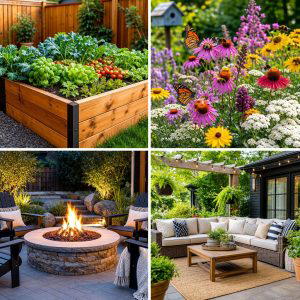 25 Creative Garden Ideas to Transform Any Outdoor Space Fast
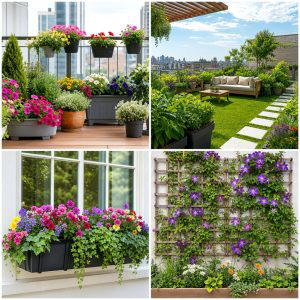 25 Creative Garden Ideas for Urban Homes
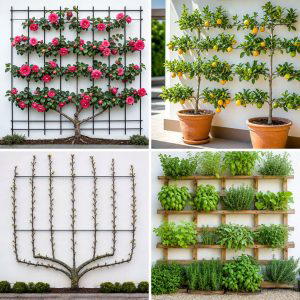 25 Creative Garden Ideas With Espalier Trees for Style
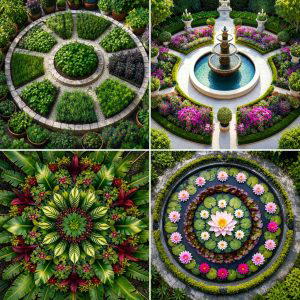 25 Creative Garden Ideas With Mandala Gardens to Inspire
 25 creative garden ideas with pergola vines for Shaded Beauty
 25 Creative Garden Ideas With Spiral Herb Beds to Try Now