
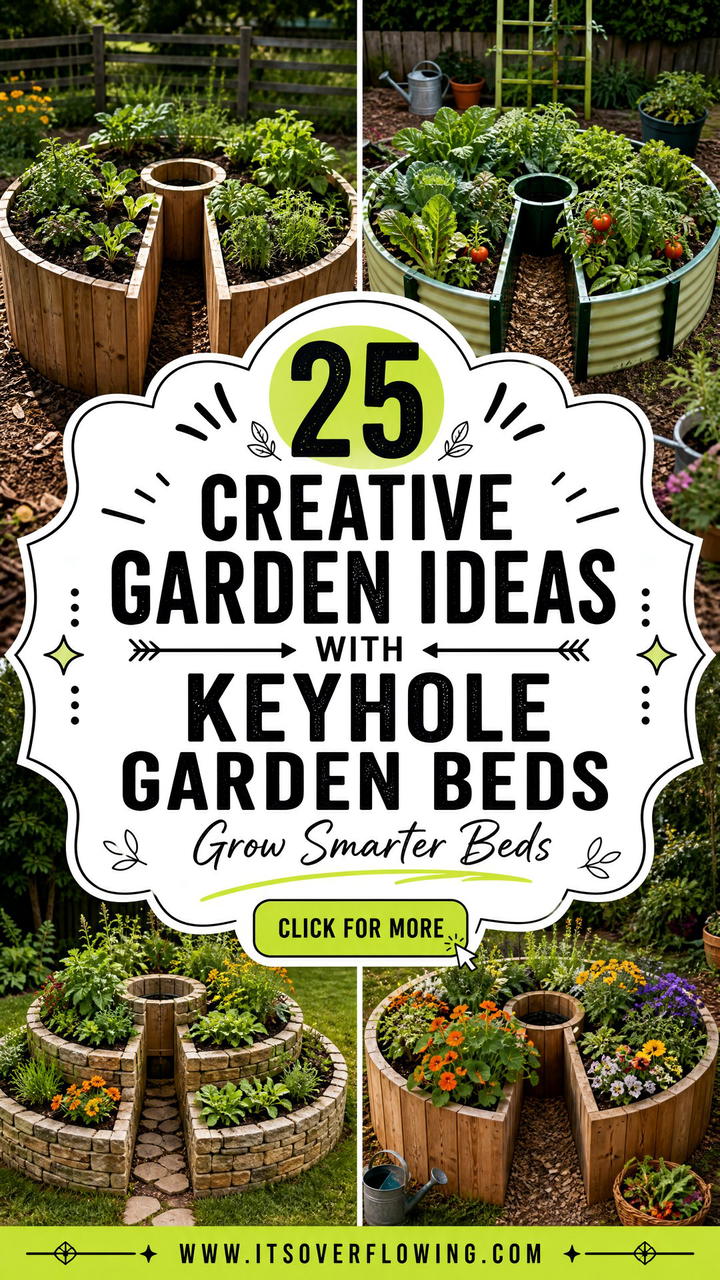
Keyhole gardening is a revolutionary way to grow food sustainably while saving space and water in your backyard. This clever design originates from Africa and features a circular raised bed with a notched pathway leading to a central composting basket. By placing your organic kitchen scraps directly into the middle, you create a self-feeding system that nourishes your plants naturally over time. It is a perfect solution for gardeners dealing with poor soil quality or limited square footage because every inch is utilized efficiently. Transforming your landscape with these beds adds a beautiful architectural element while boosting your overall harvest yields throughout the seasons.
1. Keyhole Garden With Center Compost
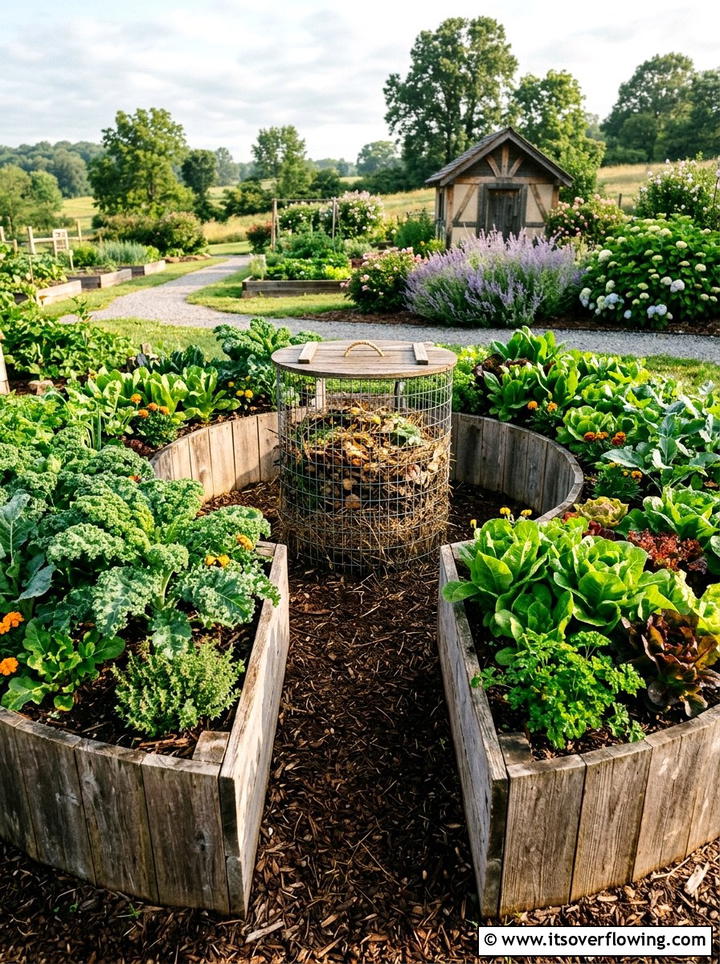
Central composting is the heart of a keyhole garden because it allows nutrients to flow directly to the root systems of your plants. This specific setup usually features a wire mesh basket positioned in the very middle of the circular bed where you drop vegetable peels and coffee grounds. As the organic matter breaks down, it releases moisture and vital minerals that seep into the surrounding soil naturally. This eliminates the need for external fertilizers and reduces the amount of water required to keep your garden lush. It is an eco-friendly choice for any home gardener looking to minimize waste while maximizing plant health and growth.
2. Stone Wall Keyhole Garden
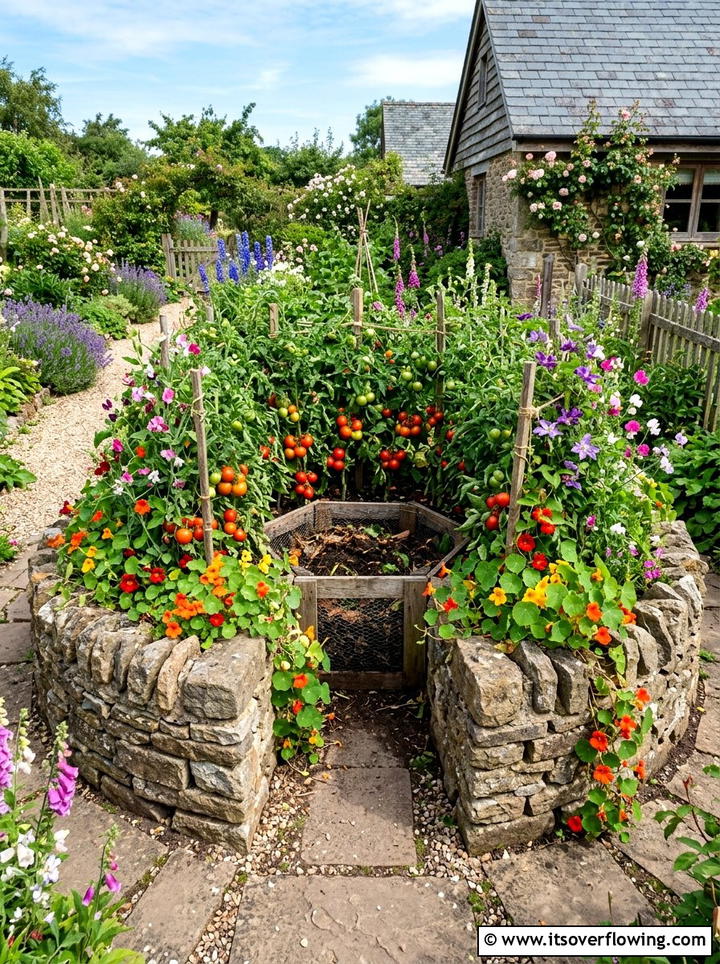
Stone wall keyhole gardens offer a timeless and rustic aesthetic that blends seamlessly into traditional or cottage style landscapes. Building the outer walls with natural fieldstone or limestone provides excellent thermal mass which helps regulate soil temperatures during the day and night. This stability is incredibly beneficial for sensitive plants like tomatoes or peppers that thrive in consistent warmth throughout the growing season. The heavy stones also ensure the structure remains durable for decades without rotting or needing significant repairs. When you stack the rocks carefully, you create a stunning focal point that looks more like a permanent piece of architecture than a simple garden.
3. Wood Plank Keyhole Garden
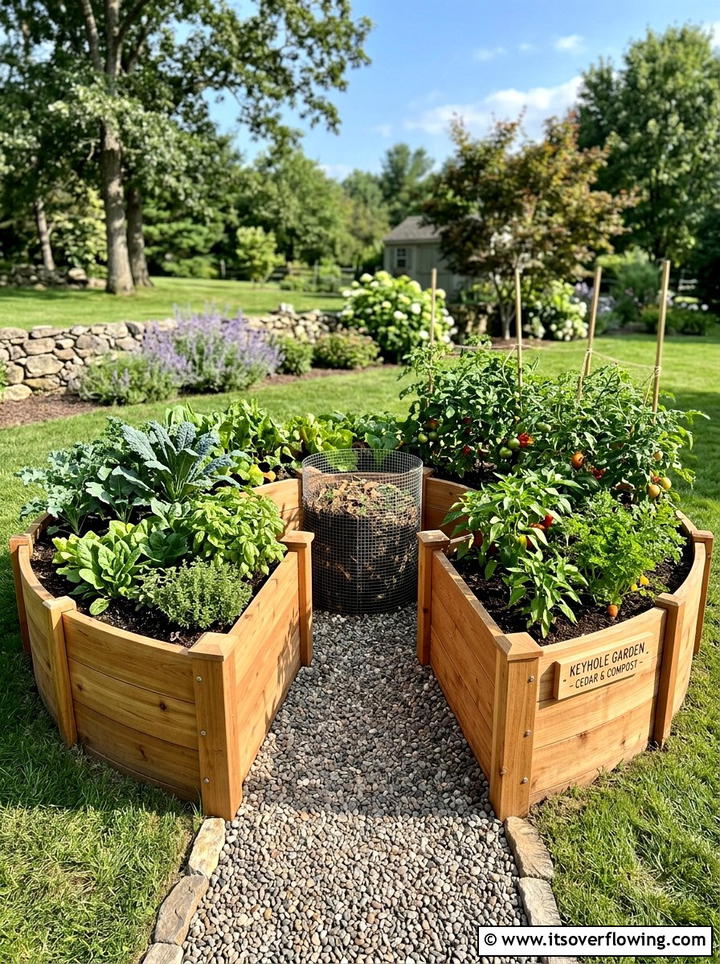
Wood plank keyhole gardens are a popular choice for DIY enthusiasts because they are relatively easy to assemble with basic tools. Using cedar or redwood is highly recommended since these materials naturally resist rot and insect damage without the need for harsh chemical treatments. The straight lines of the wood contrast beautifully with the circular shape of the bed, giving it a slightly more modern and structured appearance. You can build these beds at various heights to accommodate your specific ergonomic needs, making it easier to tend to your plants without bending over. It is a practical and budget friendly way to start gardening.
4. Brick Keyhole Garden Bed
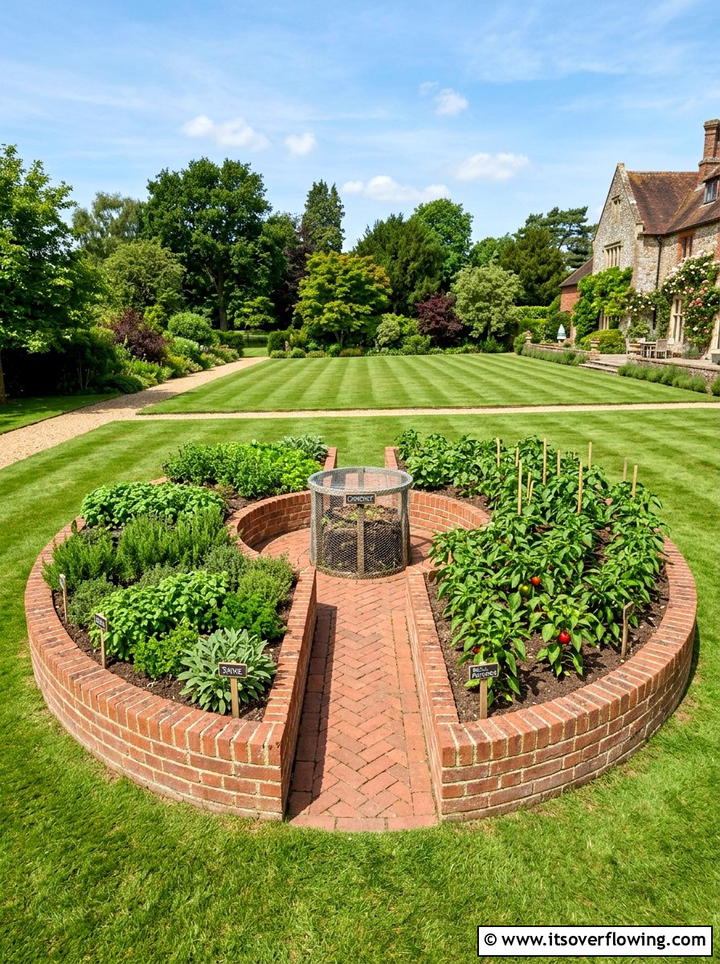
Brick keyhole garden beds provide a very structured and formal look that works exceptionally well in urban or suburban backyards. Utilizing reclaimed bricks can add a sense of history and character to your outdoor space while keeping construction costs quite low. The porous nature of brick allows for slight air circulation through the walls, which can help keep the soil healthy and well oxygenated for your plants. You can lay the bricks in various patterns, such as a classic running bond or a decorative herringbone, to enhance the visual appeal of the circular structure. It is a sturdy and very attractive gardening solution.
5. Circular Herb Garden
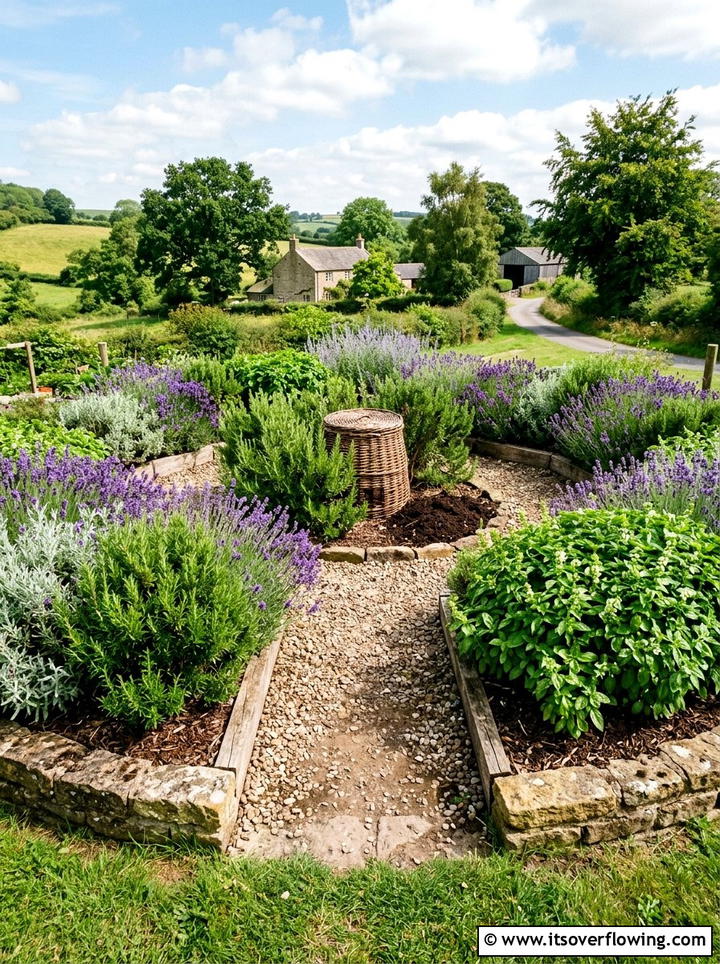
Have you ever wanted a dedicated space where your favorite culinary herbs are always within easy reach for your kitchen? A circular herb garden designed with a keyhole entry allows you to harvest basil, rosemary, and thyme from a single standing position. This layout is incredibly efficient because it groups plants with similar water and sunlight needs into one compact and manageable area. The fragrance of the mixed herbs creates a sensory experience every time you step into the notch to tend to your plants. It is an excellent way to elevate your cooking while adding a lush, green texture to your backyard landscape.
6. Vegetable Garden For Small Spaces
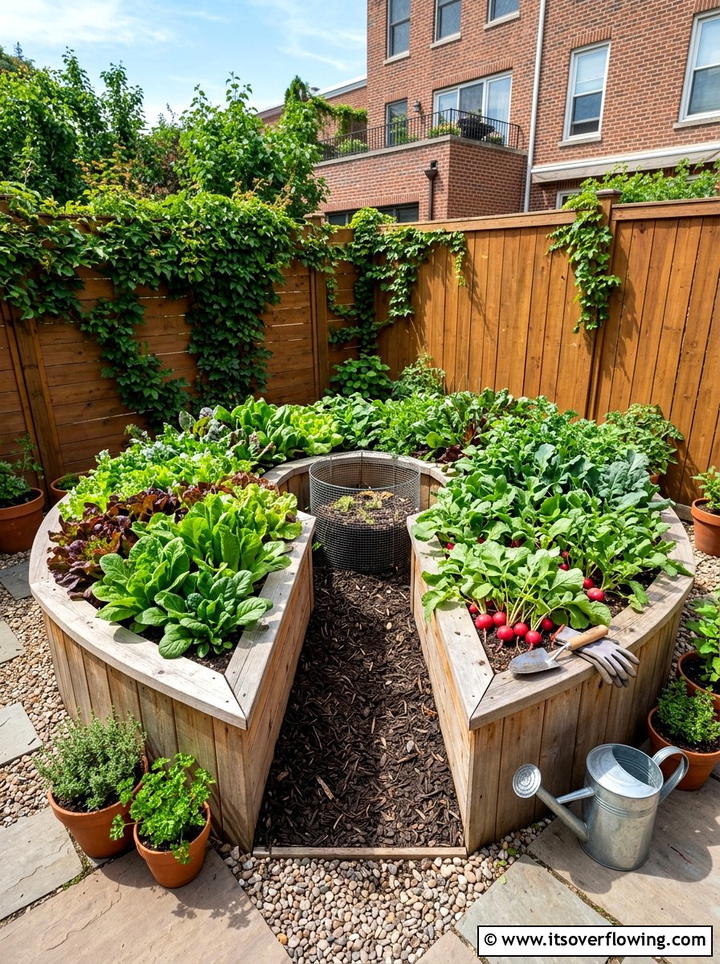
Growing a significant amount of food in a tiny yard can be challenging, but a vegetable garden for small spaces utilizes vertical and circular techniques perfectly. The keyhole shape maximizes the planting surface area while minimizing the space needed for pathways, which is often wasted in traditional row gardens. You can grow a surprising variety of crops, such as leafy greens, radishes, and bush beans, all within a six-foot diameter circle. This intensive planting method keeps the soil shaded and moist, reducing the overall workload for the gardener. It proves that you do not need a massive farm to enjoy fresh, homegrown produce.
7. Permaculture Keyhole Garden
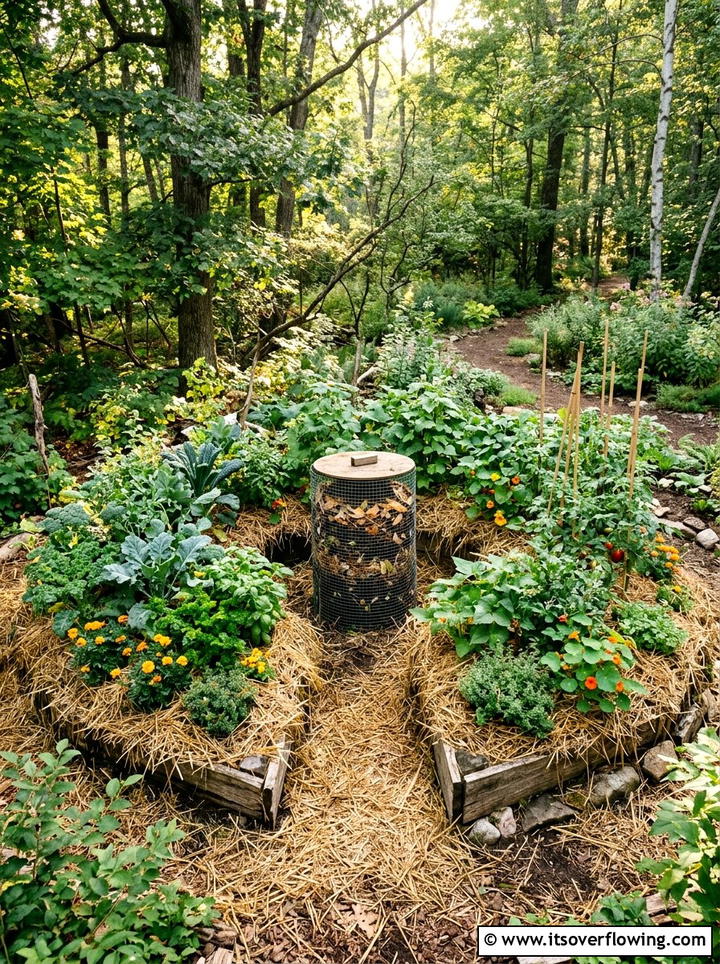
A permaculture keyhole garden focuses on working with nature to create a self-sustaining ecosystem that requires very little human intervention. By layering organic materials like cardboard, straw, and manure inside the bed, you build incredibly rich soil that mimics the natural forest floor. This method, often called sheet mulching, encourages beneficial worms and microbes to thrive right next to your plant roots. The central compost basket ensures that the cycle of nutrients remains closed and efficient within the bed itself. It is the ultimate choice for environmentally conscious gardeners who want to promote biodiversity and long-term soil health in their own backyard.
8. African Style Keyhole Garden
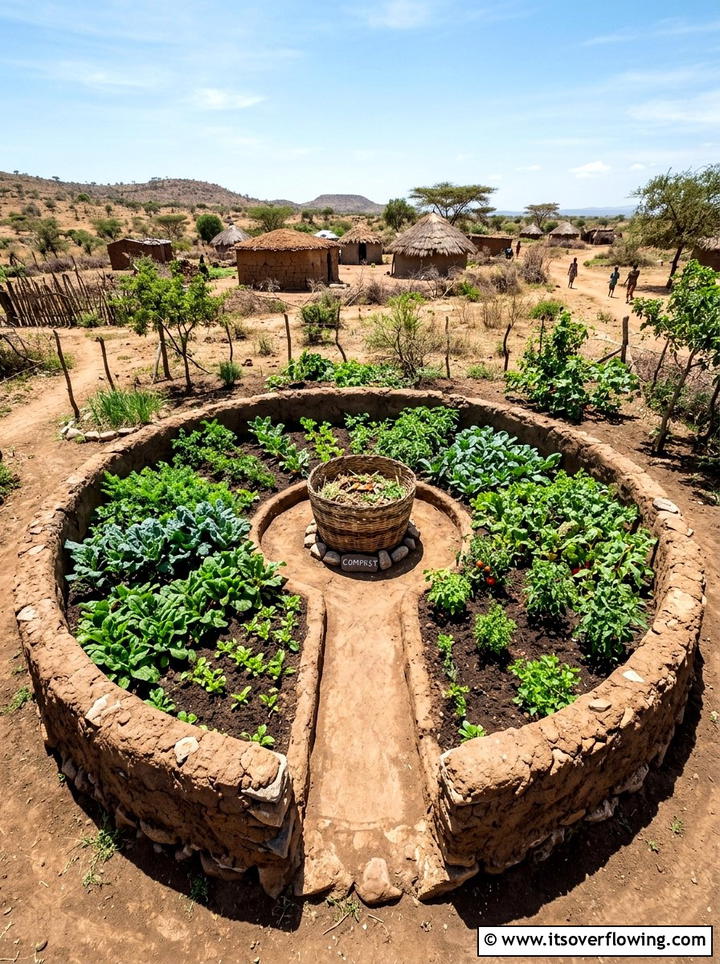
The African style keyhole garden is the original inspiration for this design, specifically developed to grow food in harsh, arid climates with poor soil. These beds are typically built higher than standard raised beds and use a combination of local materials like rocks, sticks, and mud for the walls. The central basket is often made from woven reeds or wire to hold kitchen scraps and greywater for consistent irrigation. Because the design is so efficient at retaining moisture, it allows families to grow vegetables even during periods of intense heat or drought. It is a testament to clever, resourceful engineering that helps feed communities.
9. Drought Resistant Garden Bed
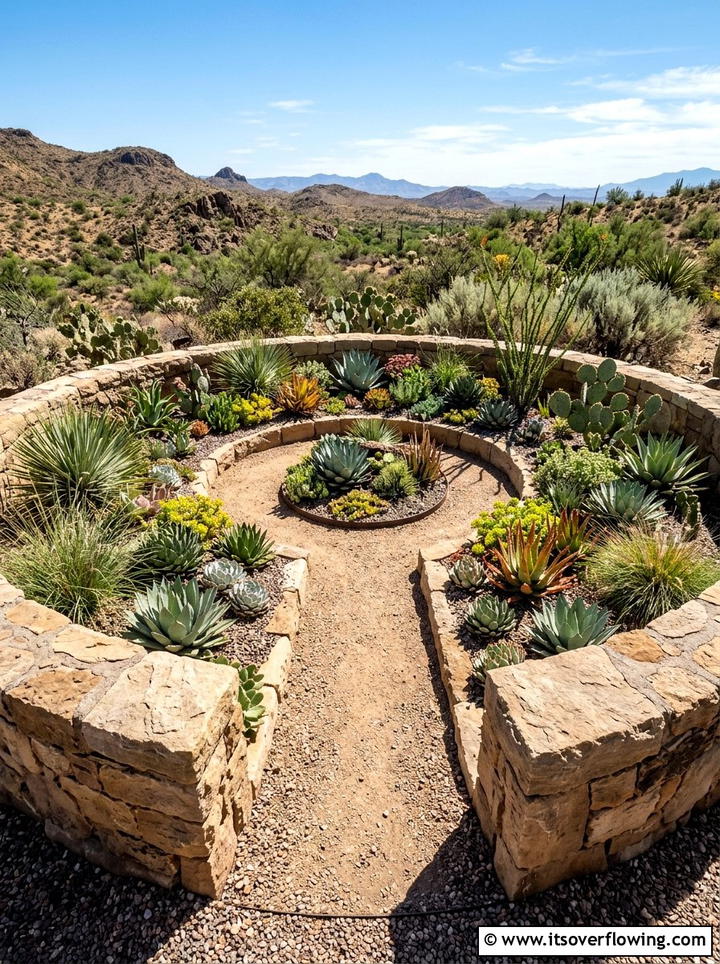
Maintaining a lush landscape in dry regions is much easier when you implement a drought resistant garden bed using the keyhole method. The thick walls and dense planting strategy help to insulate the soil against evaporation caused by wind and intense sunlight. By watering through the central compost basket, the moisture is delivered directly to the deeper soil layers where it is needed most. This prevents the surface from drying out quickly and encourages deeper root growth for more resilient plants. Selecting native, drought-tolerant species further enhances the water-saving benefits of this design, making it a sustainable choice for any water-conscious homeowner.
10. Metal Keyhole Garden
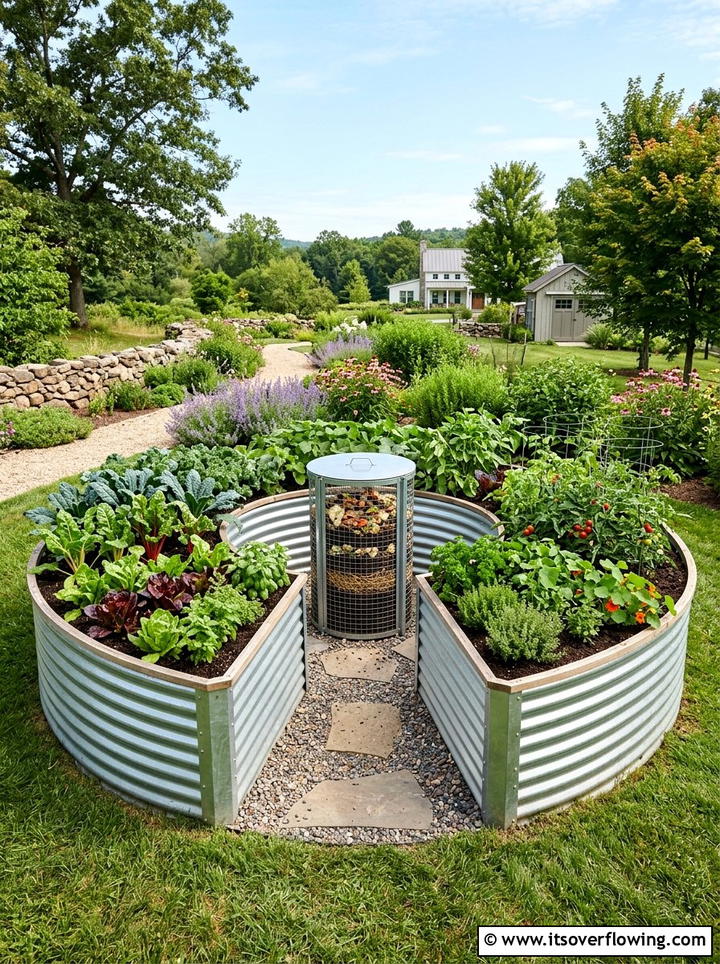
Modern landscapes often benefit from the sleek and industrial look of a metal keyhole garden made from galvanized steel or corrugated metal panels. These materials are incredibly lightweight yet durable, and they offer a clean aesthetic that complements contemporary home architecture. Metal beds also warm up quickly in the spring, which can give your seeds a head start during the cooler early season months. They are very easy to assemble and can be found in various finishes, from shiny silver to a rustic rusted patina. This option is perfect for those who want a low-maintenance structure that adds a sharp, stylish edge to their garden.
11. Recycled Material Garden
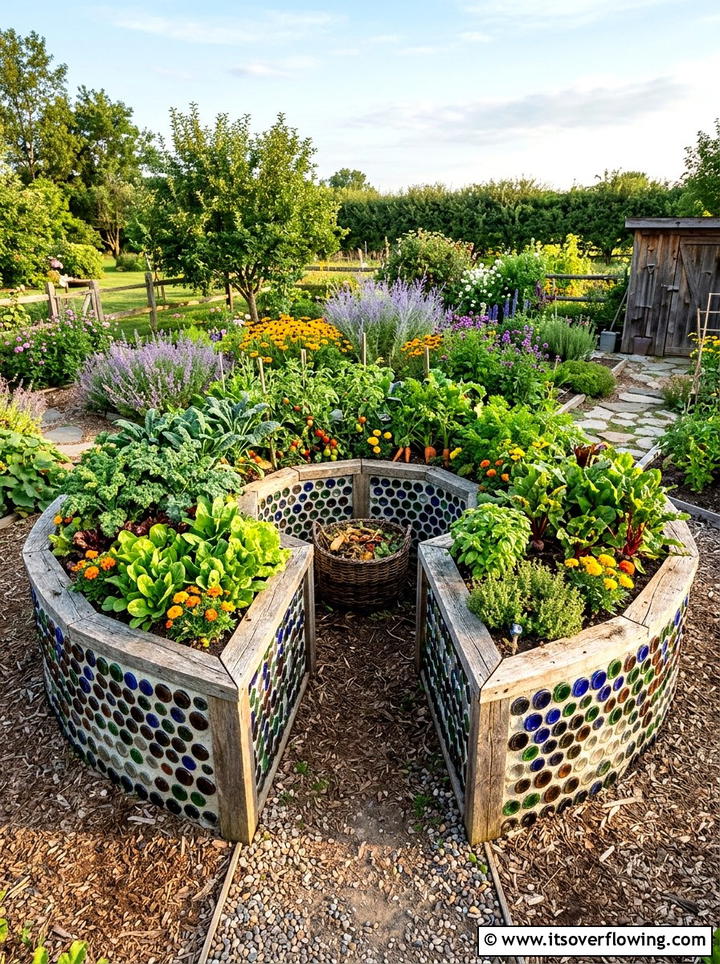
Creating a recycled material garden is a wonderful way to reduce waste while building a productive growing space for your favorite vegetables. You can use old tires, discarded timber, or even glass bottles to form the outer walls of your keyhole bed for a unique look. This approach allows for endless creativity and ensures that your garden has a one-of-a-kind personality that reflects your commitment to sustainability. By repurposing items that might otherwise end up in a landfill, you save money and create a conversation piece in your yard. It is a fun and rewarding project for families who enjoy eco-friendly DIY home improvements.
12. Tiered Keyhole Garden
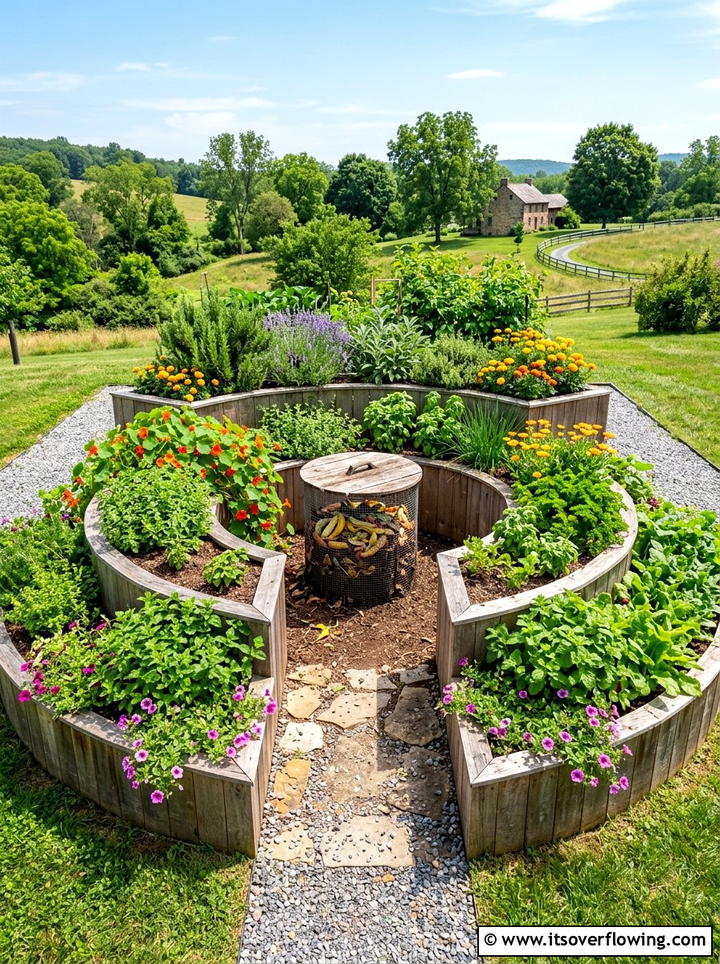
A tiered keyhole garden adds a dramatic sense of depth and dimension to your backyard while providing different microclimates for various plant types. By building the circular bed with multiple levels, you can place sun-loving plants on the top tier and shade-tolerant varieties on the lower sections. This vertical layering also makes harvesting much easier on your back since the plants are elevated to different heights. The visual appeal of a cascading garden filled with overflowing greens and colorful flowers is truly unmatched in any landscape. It is a brilliant way to make a bold statement while keeping your gardening tasks simple and organized.
13. Backyard Kitchen Garden
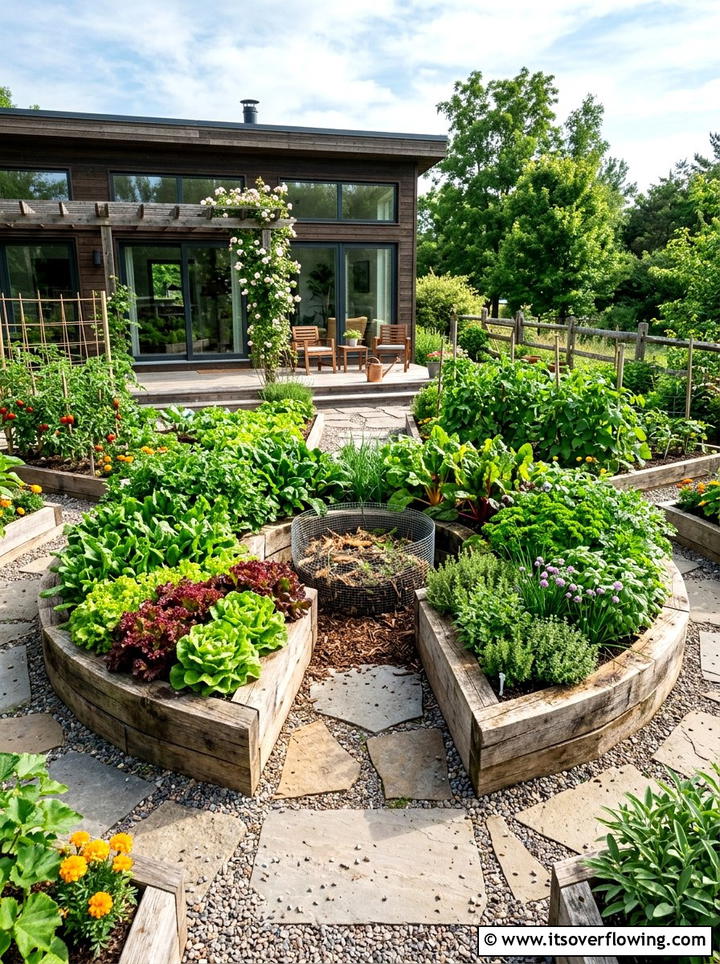
Imagine stepping out of your back door and immediately entering a backyard kitchen garden designed specifically for maximum productivity and ease of use. A keyhole layout placed near the house ensures that you will actually use the herbs and vegetables you grow in your daily meals. The central compost basket makes it incredibly convenient to toss in kitchen scraps as you finish cooking, completing the nutrient cycle effortlessly. This proximity encourages frequent harvesting and better plant maintenance because the garden is always in your line of sight. It turns a simple backyard into a functional extension of your home’s culinary and dining space.
14. Companion Planting Garden Bed
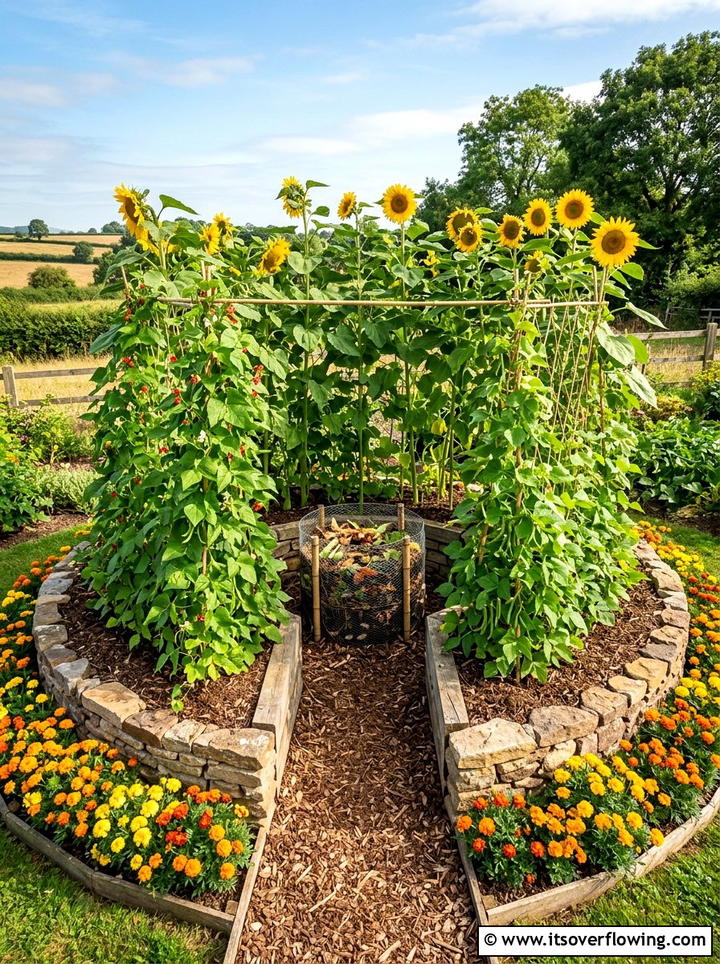
A companion planting garden bed utilizes the keyhole shape to group different plant species together for mutual benefit and natural pest control. You can plant marigolds alongside tomatoes to deter harmful insects or grow tall sunflowers to provide a natural trellis for climbing beans. The circular design makes it easy to see how all the plants are interacting and ensures that none of them are neglected. By choosing the right plant combinations, you can improve flavors, increase yields, and reduce the need for chemical pesticides in your garden. It is a smart and organic way to manage a thriving and healthy backyard ecosystem.
15. Vertical Keyhole Garden
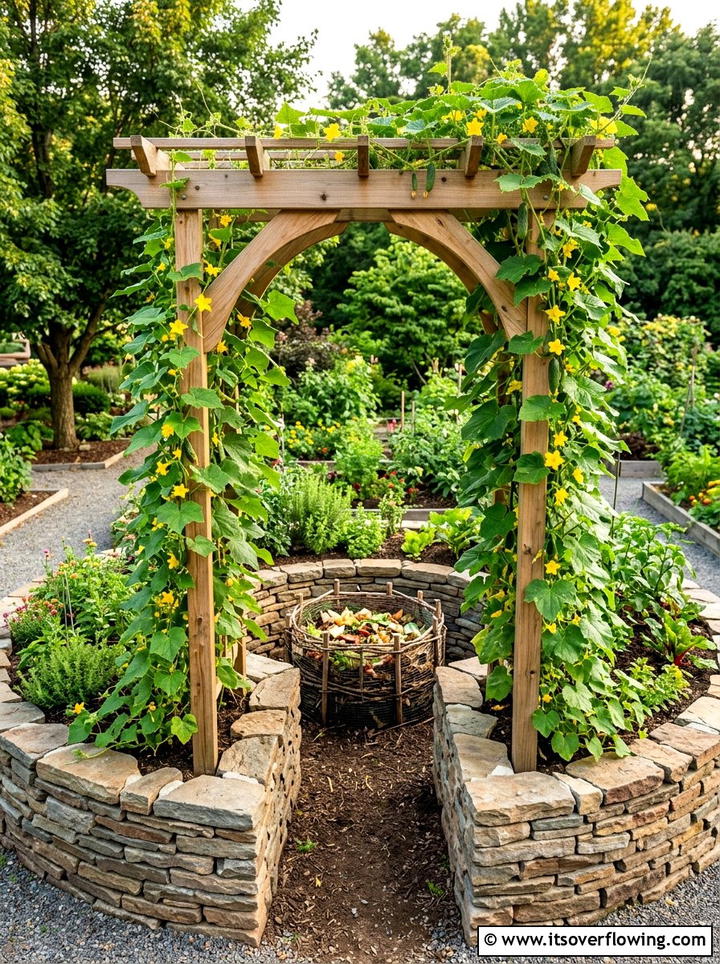
Integrating a vertical keyhole garden allows you to grow even more food by utilizing the space above the soil surface for climbing plants. You can install a beautiful cedar arbor or a simple wire trellis over the keyhole notch to support cucumbers, peas, or small pumpkins. This not only increases your total harvest but also creates a stunning green archway that adds architectural interest to your landscape. Vertical growing improves air circulation around the foliage, which helps to prevent common fungal diseases and pests. It is a clever way to maximize every square inch of your garden while creating a lush, leafy sanctuary.
16. Flagstone Keyhole Garden
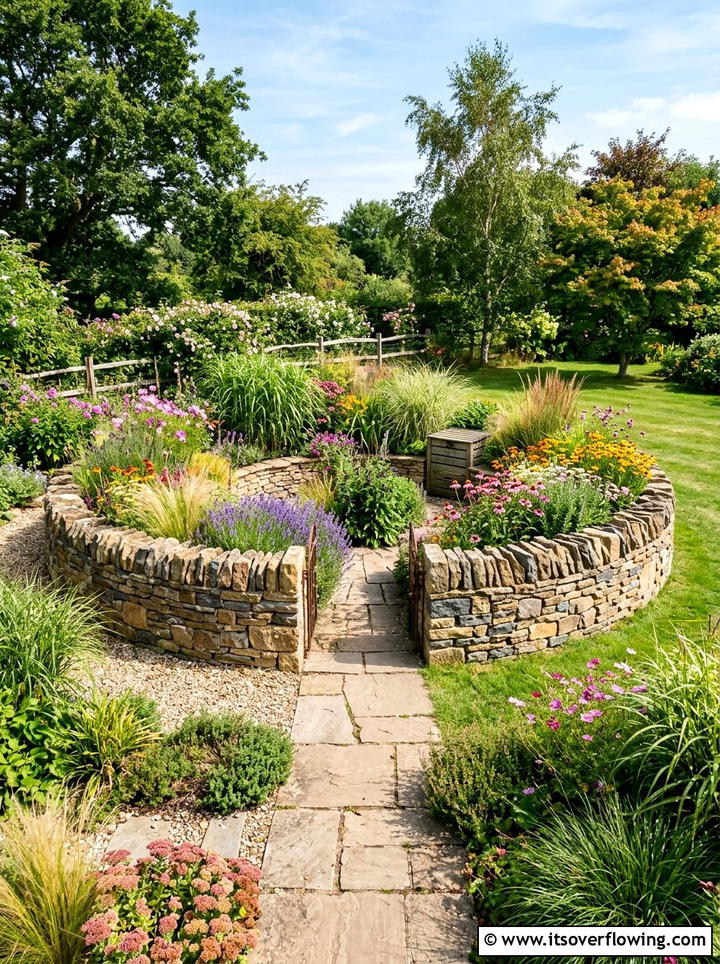
Flagstone keyhole gardens provide a high-end, polished look that is perfect for elegant patio areas or well-manicured suburban backyards. The flat, irregular stones create a beautiful mosaic pattern on the outer walls that feels both natural and sophisticated at the same time. Using flagstone ensures that the bed is extremely stable and resistant to the elements, maintaining its beauty for many years to come. This material works well with a variety of plant colors, providing a neutral yet textured backdrop that makes vibrant flowers and green foliage pop. It is an investment in both your property value and your overall outdoor enjoyment.
17. Edible Flower Garden
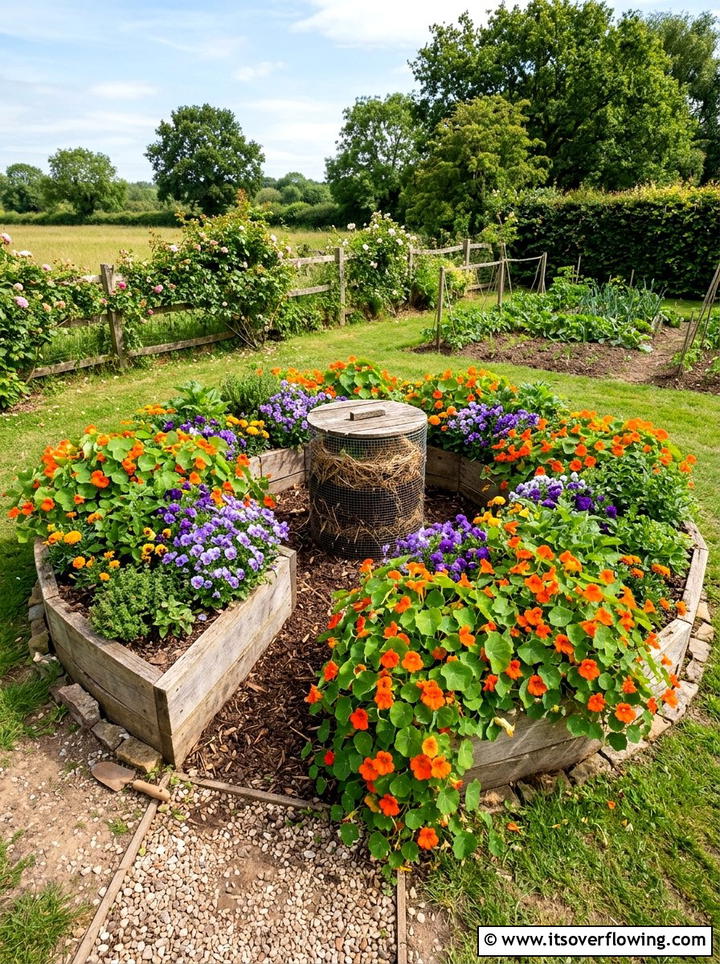
An edible flower garden arranged in a keyhole shape is a delightful way to add color, beauty, and unique flavors to your landscape. You can fill the bed with nasturtiums, violas, and calendula, all of which are safe to eat and look stunning on the plate. The keyhole design allows you to easily reach every delicate bloom without stepping on the soil and damaging the roots of your plants. These flowers also attract beneficial pollinators like bees and butterflies, which helps to improve the health of your entire backyard. It is a whimsical and charming addition that provides a feast for both the eyes and the palate.
18. Tea Garden Keyhole Bed
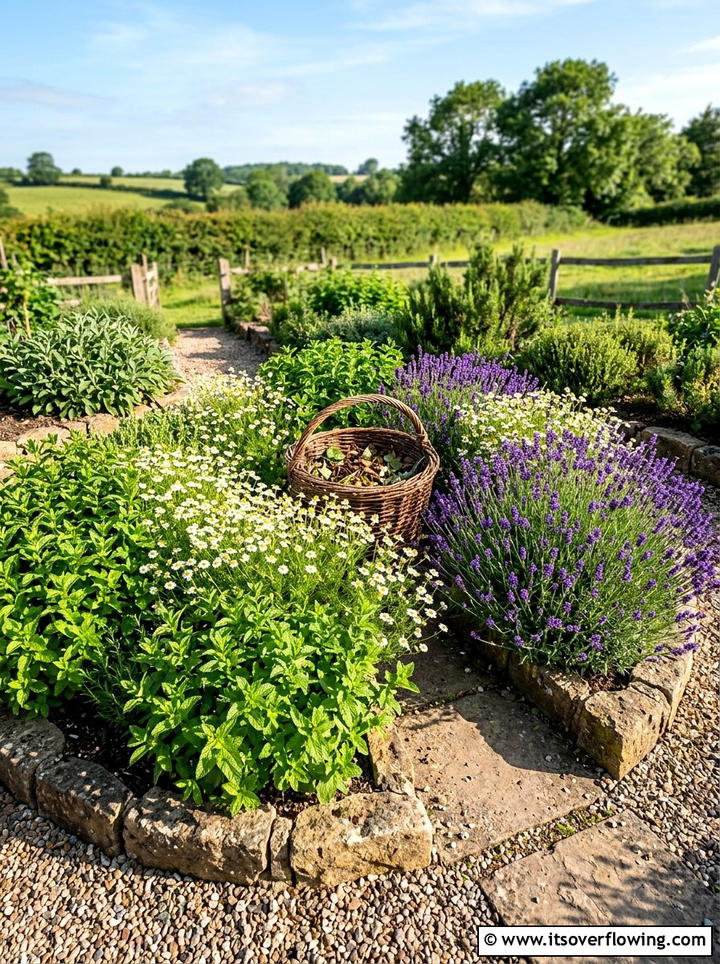
Creating a tea garden keyhole bed is a peaceful way to grow your own fresh ingredients for soothing morning or evening herbal infusions. You can plant mint, lemon balm, chamomile, and lavender in a circular pattern that makes harvesting a calm and meditative process. The fragrance of these plants is incredibly relaxing, especially when you are standing in the center notch of the bed during a warm afternoon. Having all your tea herbs in one dedicated, self-fertilizing space ensures they are always healthy and full of potent essential oils. It is a wonderful gift to yourself that promotes health, wellness, and relaxation.
19. Native Plant Garden Bed
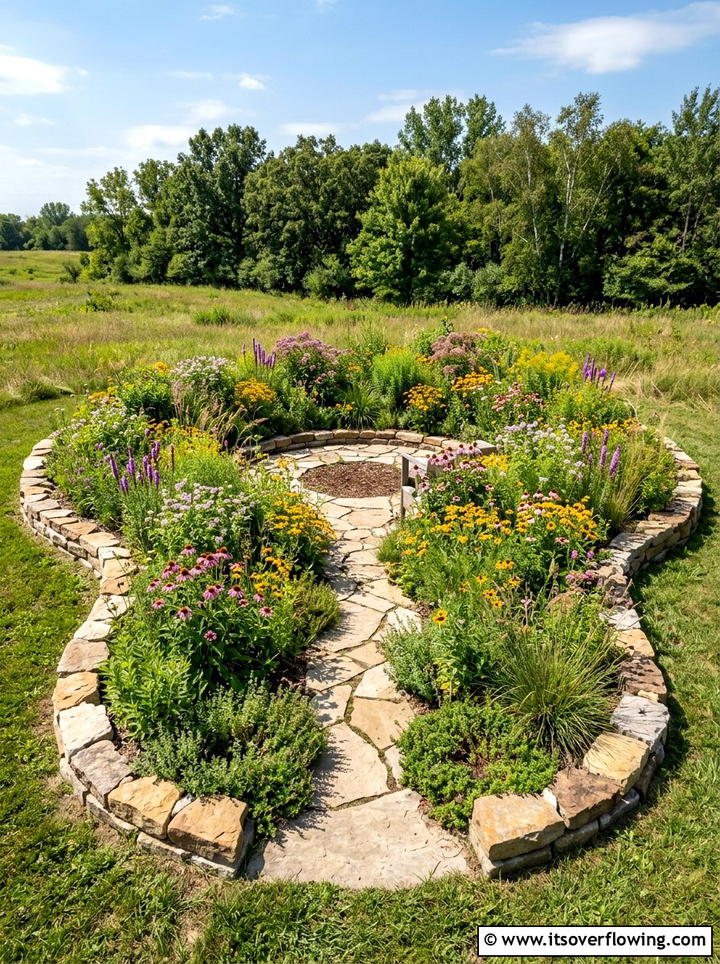
A native plant garden bed designed with a keyhole layout is the perfect way to support local wildlife while maintaining a low-maintenance landscape. Native species are already adapted to your local soil and weather conditions, meaning they require less water and fewer soil amendments to thrive. Using the keyhole method ensures these plants get a boost of nutrients from the central compost basket, leading to even more vigorous growth. This setup provides essential food and habitat for local birds, bees, and butterflies, helping to restore the natural balance in your neighborhood. It is a beautiful and responsible way to garden in harmony with nature.

20. Accessible Raised Keyhole Garden
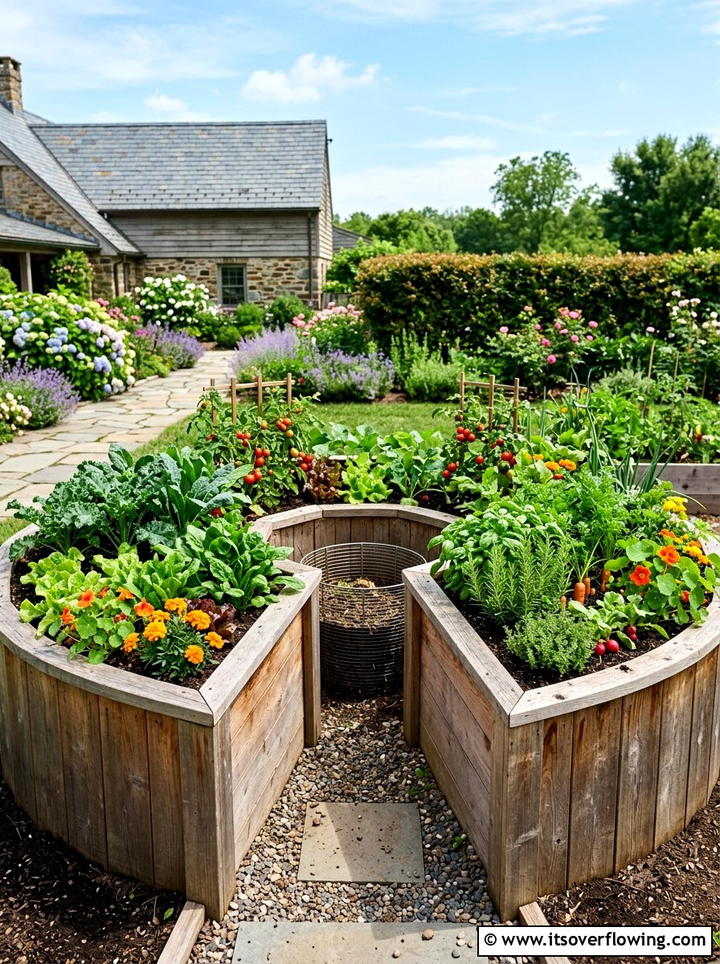
An accessible raised keyhole garden is designed with a much higher profile to accommodate individuals who may have mobility issues or back pain. By building the walls to waist height, you can tend to your plants comfortably while standing or sitting in a chair. The notched pathway is wide enough to allow for easy movement, ensuring that everyone can enjoy the therapeutic benefits of gardening without physical strain. This inclusive design makes it possible for elderly family members or those with disabilities to remain active in the yard. It is a thoughtful and practical solution that brings the joy of growing food to everyone.
21. Sloped Yard Keyhole Garden
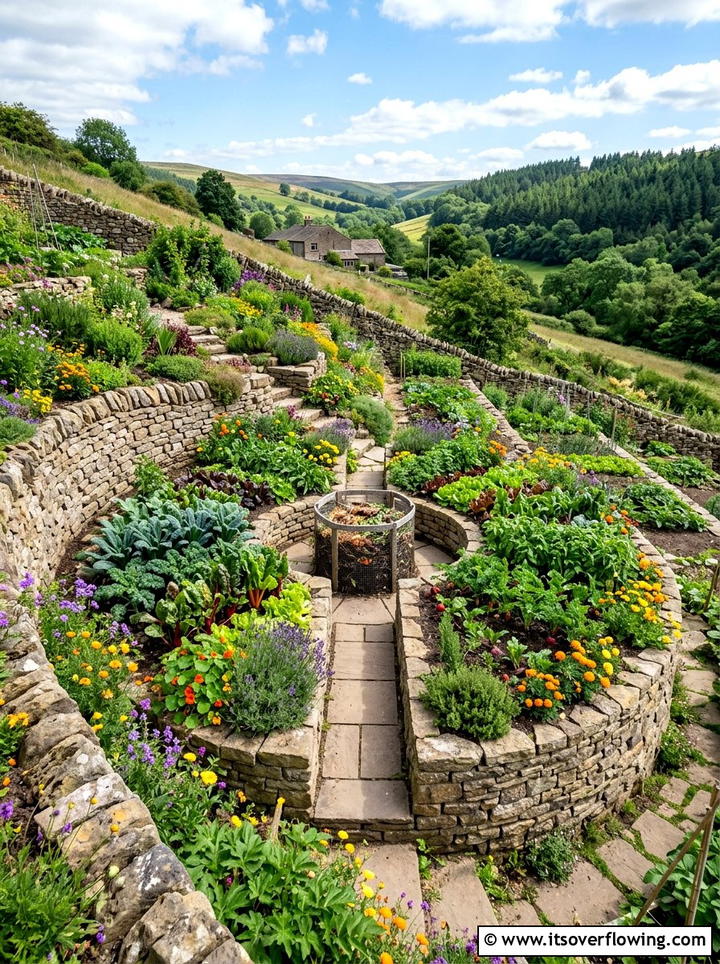
Do you have a difficult hillside or a sloped yard that seems impossible to landscape effectively for growing vegetables or flowers? A sloped yard keyhole garden can be built into the side of a hill to create a level and productive planting area. By terracing the high side of the bed, you stop soil erosion and capture rainwater more efficiently before it runs off your property. The circular shape provides natural structural strength against the pressure of the sloping earth, making it a very durable choice for uneven terrain. It turns a problematic area of your yard into a beautiful and highly functional garden feature.
22. Corner Keyhole Garden Bed
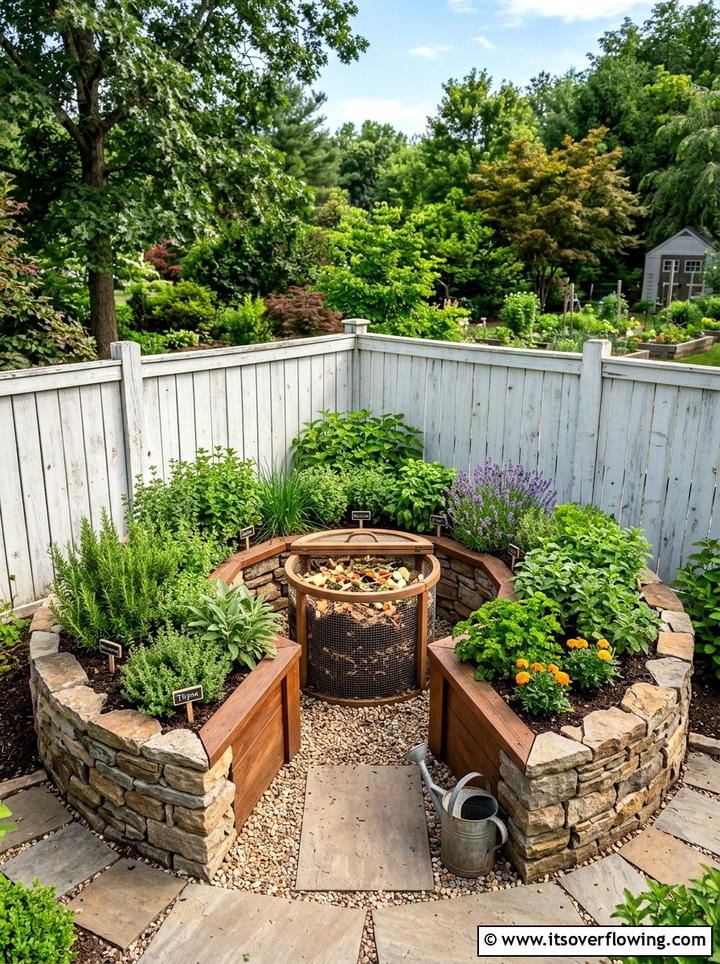
A corner keyhole garden bed is the ideal solution for tucking a productive growing space into a neglected or underutilized part of your yard. By fitting the circular design into a ninety-degree corner, you save a significant amount of space while still maintaining full access to the plants. This layout works perfectly against a fence or the side of a garage, providing a lush green backdrop for your outdoor living area. The central compost basket remains easily accessible, allowing you to maintain the nutrient cycle without any hassle. It is a smart way to maximize your land use and add visual interest to empty corners.
23. Decorative Flower Keyhole Garden
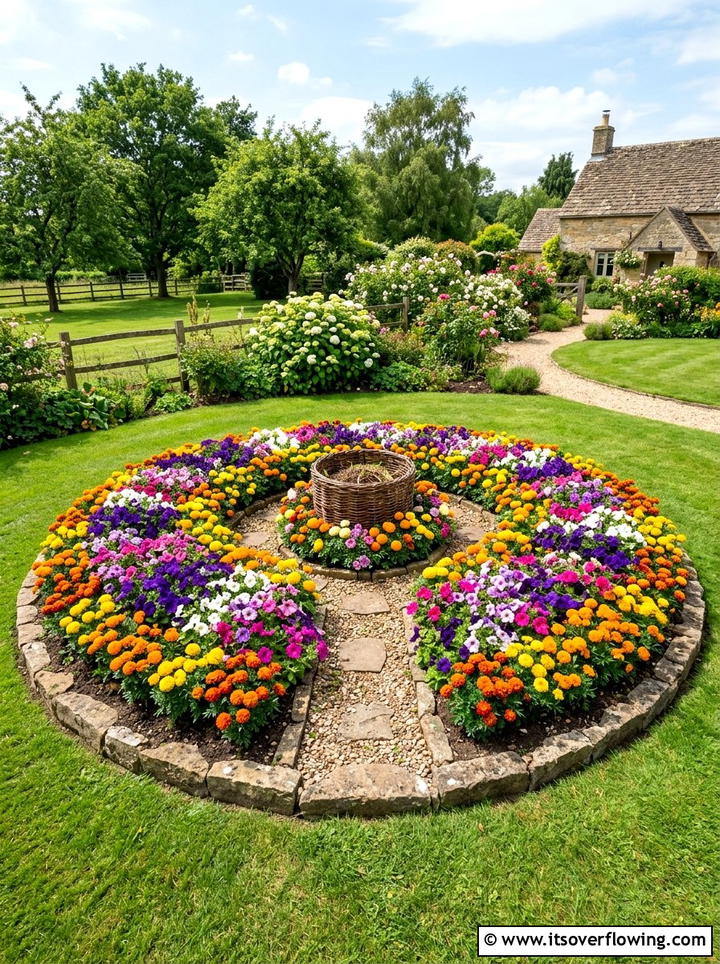
A decorative flower keyhole garden focuses purely on aesthetics, creating a stunning burst of seasonal color and texture in the middle of your lawn. You can arrange different varieties of annuals and perennials in concentric circles to create a target-like effect that draws the eye immediately. The keyhole notch allows you to walk into the center of the display, surrounding yourself with the sights and scents of your favorite blooms. This is a fantastic way to create a professional-looking landscape feature that also improves the soil through the central composting system. It combines the best of ornamental gardening with sustainable permaculture principles.
24. Sustainable Keyhole Garden
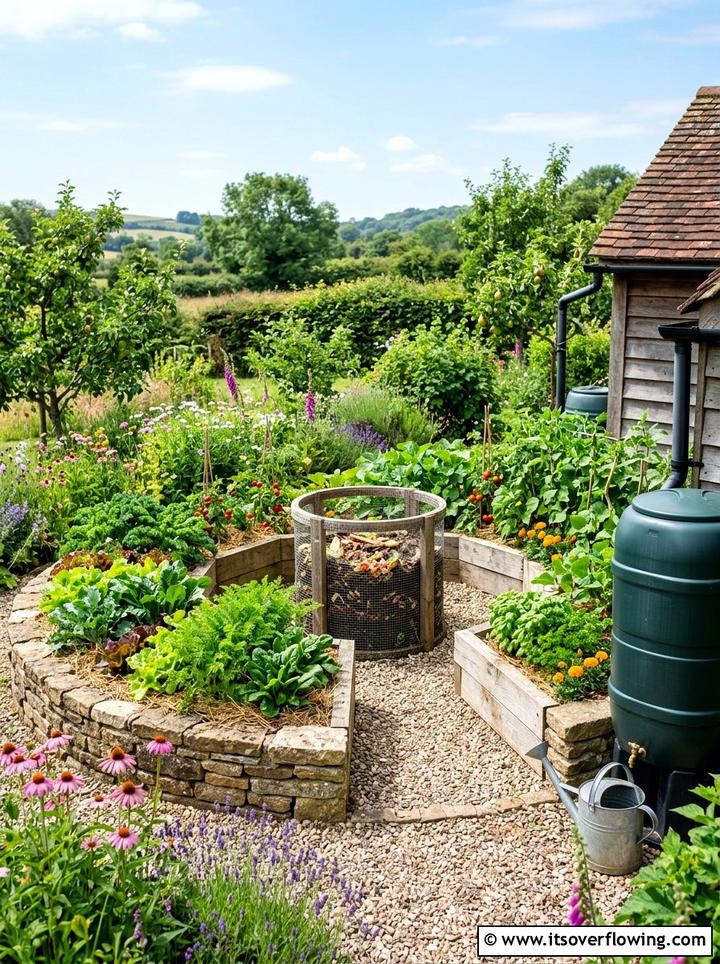
Every element of a sustainable keyhole garden is chosen to minimize the environmental footprint of your home and maximize the health of the planet. This includes using local materials for construction, saving seeds from your own harvest, and using rainwater collected from your roof for irrigation. The central compost basket plays a vital role by recycling organic kitchen waste that would otherwise produce methane in a landfill. By creating a closed-loop system in your backyard, you reduce the need for store-bought supplies and transportation. It is an empowering way to live more sustainably while enjoying the freshest, most nutritious food possible.
25. Multi Level Keyhole Garden Bed
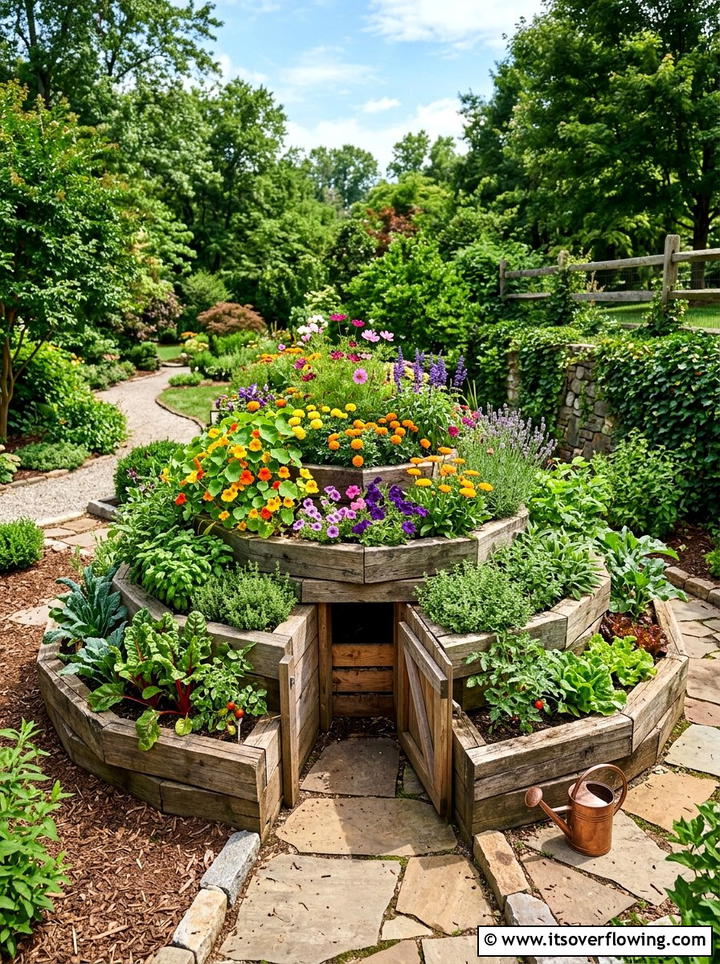
A multi level keyhole garden bed features several stacked rings of different heights, creating a wedding cake effect that is visually stunning and highly productive. This design allows you to grow a vast array of plants with different root depths and sun requirements all in the same footprint. The highest level in the center provides excellent drainage for Mediterranean herbs, while the lower outer rings stay more moist for leafy greens. It is an architectural masterpiece that serves as the crown jewel of any backyard or community garden. The added height also makes it a very comfortable space for gardeners of all ages to work.
Conclusion:
Building a keyhole garden is a transformative project that brings both beauty and high productivity to your outdoor living space. These unique beds offer a sustainable way to manage waste and water while growing a wide variety of fresh vegetables and herbs right at home. Whether you choose to build with stone, wood, or recycled materials, the efficiency of the design will simplify your gardening routine significantly. By focusing on soil health and a compact layout, you ensure a thriving environment for your favorite plants throughout every season. Start planning your own keyhole garden today to enjoy a lush and productive backyard oasis.

Related posts:
 25 Creative Garden Ideas With Dry Creek Beds to Inspire
 25 Creative Garden Ideas With Geometric Beds
 25 Creative Garden Ideas With Pollinator Beds for More Blooms
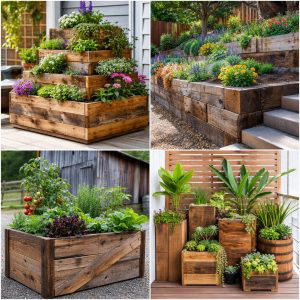 25 Creative Garden Ideas With Reclaimed Wood Beds to Try
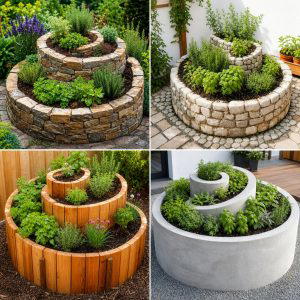 25 Creative Garden Ideas With Spiral Herb Beds to Try Now
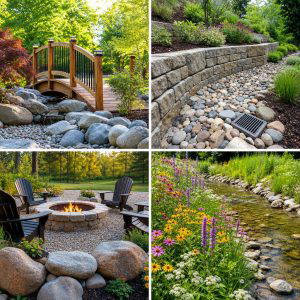 25 garden design ideas with dry creek beds: Natural Drainage
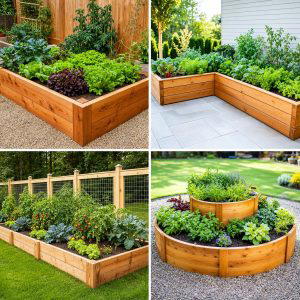 25 Garden Design Ideas With Raised Beds for Productive Style
 25 Garden Design Ideas With Succulent Beds for Low-Care Style
 25 Garden Ideas With Raised Beds for Better Growing
 25 small garden ideas with raised beds for Productive Spaces
 25 Creative Garden Ideas With Hidden Garden Corners
 25 Creative Garden Ideas With Kids Garden Zone