
Creating a garden that attracts hummingbirds is a truly magical experience that brings endless joy to any outdoor space. These tiny, vibrant creatures are naturally drawn to bright colors and specific flower shapes, making the selection of plants a vital part of your landscaping journey. By focusing on nectar-rich blooms and strategic layouts, you can transform a simple backyard into a bustling sanctuary filled with the rhythmic hum of wings. Understanding the habits of these birds allows you to create a functional ecosystem that provides both food and shelter. Whether you have a sprawling lawn or a small urban balcony, there are countless ways to incorporate hummingbird-friendly elements that look stunning and support local wildlife throughout the growing season.
1. Red tubular flower garden
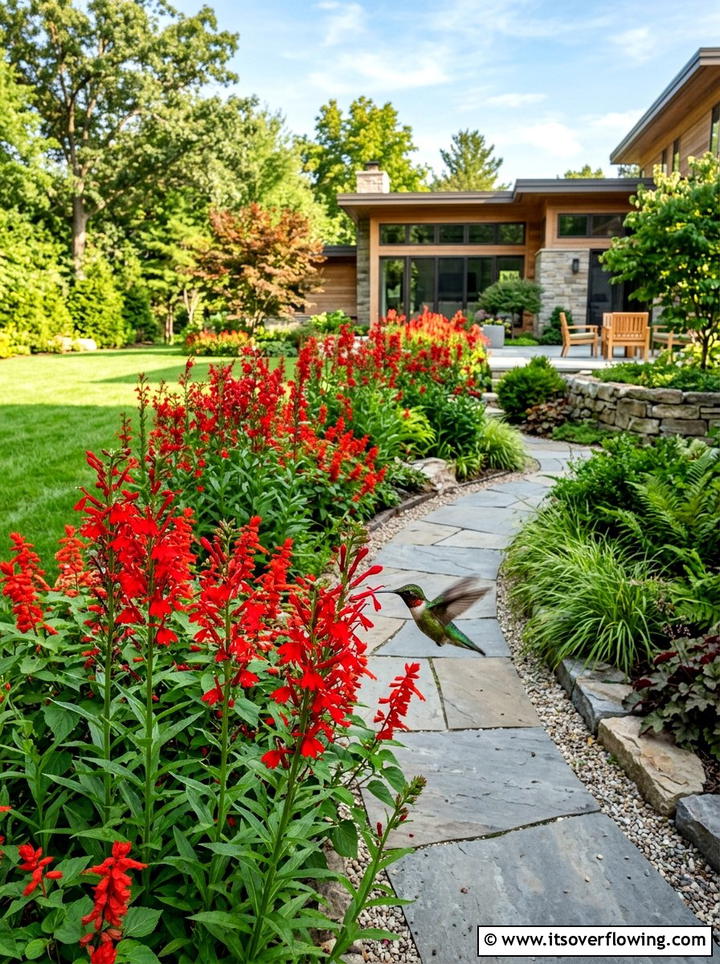
Focusing on a red tubular flower garden is one of the most effective ways to catch the eye of a passing hummingbird. These birds are naturally programmed to seek out the color red, as it often signals a high concentration of nectar in the wild. You can create a striking visual impact by massing plants like cardinal flowers, Texas sage, and various types of red salvias in a dedicated bed. This concentrated splash of color acts like a giant neon sign for pollinators, guiding them directly to your yard. The elongated shape of the blossoms perfectly accommodates their long bills and tongues. This setup not only looks vibrant from a distance but also ensures a steady food supply for your feathered visitors.
2. Perennial salvia border
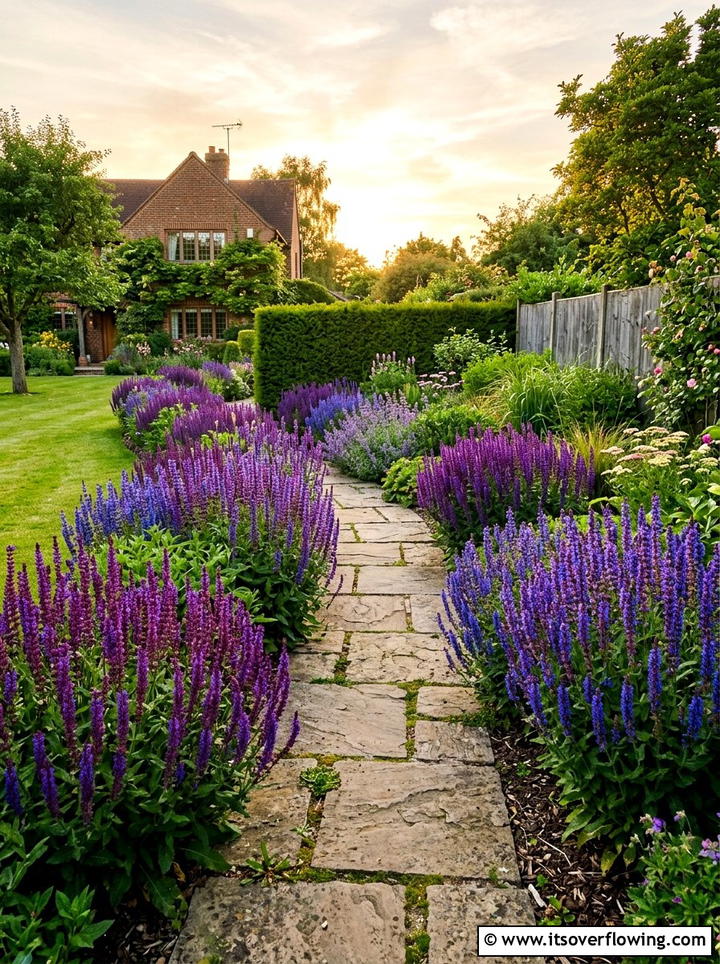
Planting a perennial salvia border offers a long-lasting and reliable food source that keeps hummingbirds coming back year after year. These hardy plants come in various shades of deep purple, electric blue, and bright pink, providing a diverse palette for your landscape design. By lining your garden paths or property edges with salvia, you create a clear runway for birds to navigate as they move through your outdoor space. The upright spikes of the flowers add wonderful texture and height to your garden beds, making them a favorite for both humans and pollinators. These plants are generally easy to maintain and bloom for several months, ensuring that your garden remains a high-traffic area for local hummingbird populations.
3. Bee balm cluster
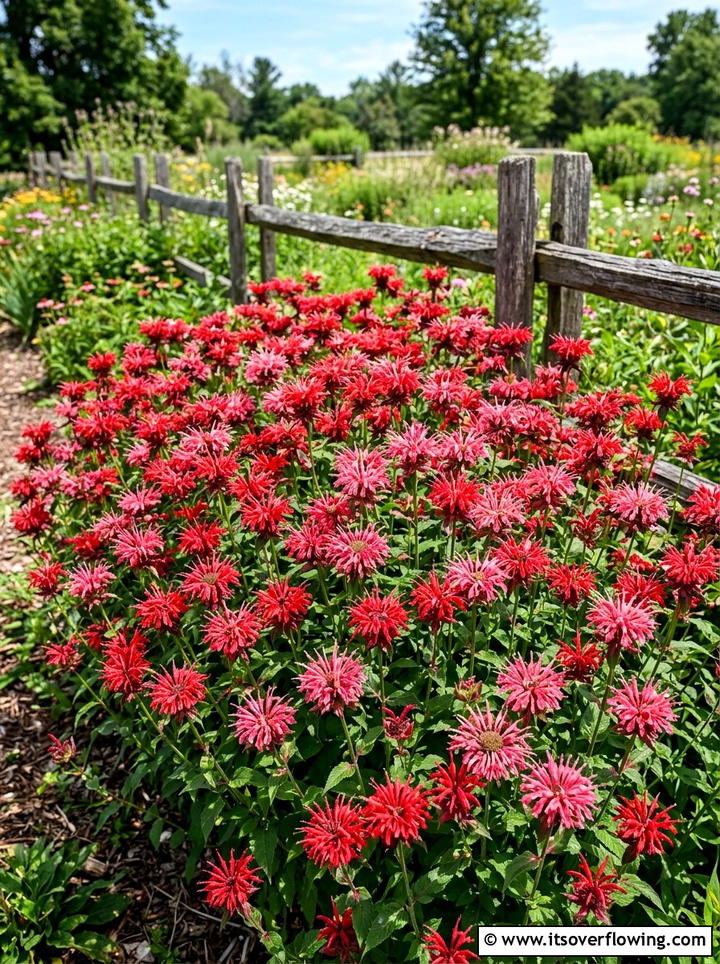
Adding a bee balm cluster to your yard creates a wild and whimsical look that provides an incredible amount of nectar for thirsty birds. Also known as Monarda, these unique flowers feature shaggy, pom-pom-like heads that look stunning when planted in large, dense groups. They thrive in sunny spots and can quickly fill out an area with lush green foliage and bright blossoms in shades of red, pink, and purple. Hummingbirds are particularly fond of the minty scent and the abundance of sweet nectar found deep within each individual tube. Because bee balm grows quite tall, it serves as a fantastic backdrop for shorter plants, adding layers of visual interest and biological diversity to your backyard ecosystem.

4. Trumpet vine trellis
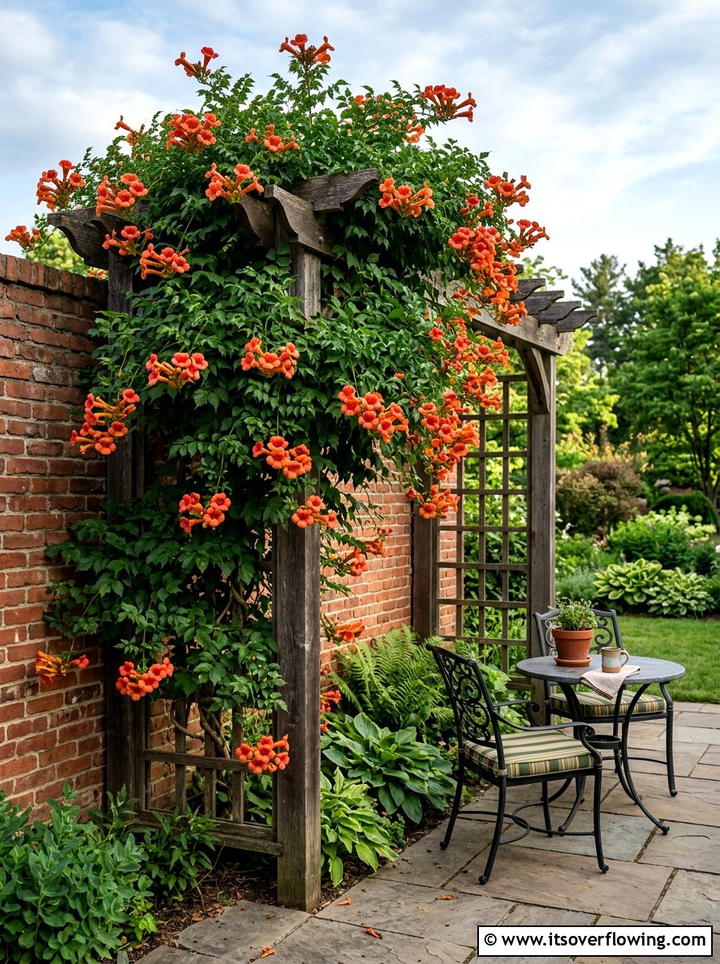
Integrating a trumpet vine trellis into your garden design provides a vertical feast that hummingbirds find absolutely irresistible. This vigorous climber produces large, orange, or red trumpet-shaped flowers that dangle beautifully from heights, allowing birds to feed while hovering comfortably in mid-air. Placing a sturdy trellis against a sunny wall or fence gives the vine the support it needs to flourish and expand. As the vine grows, it creates a lush green curtain that offers privacy for you and a safe haven for birds to rest between feedings. The sheer volume of flowers produced by a mature trumpet vine can support multiple hummingbirds at once, making your vertical garden a primary destination for the neighborhood.
5. Hummingbird feeder station
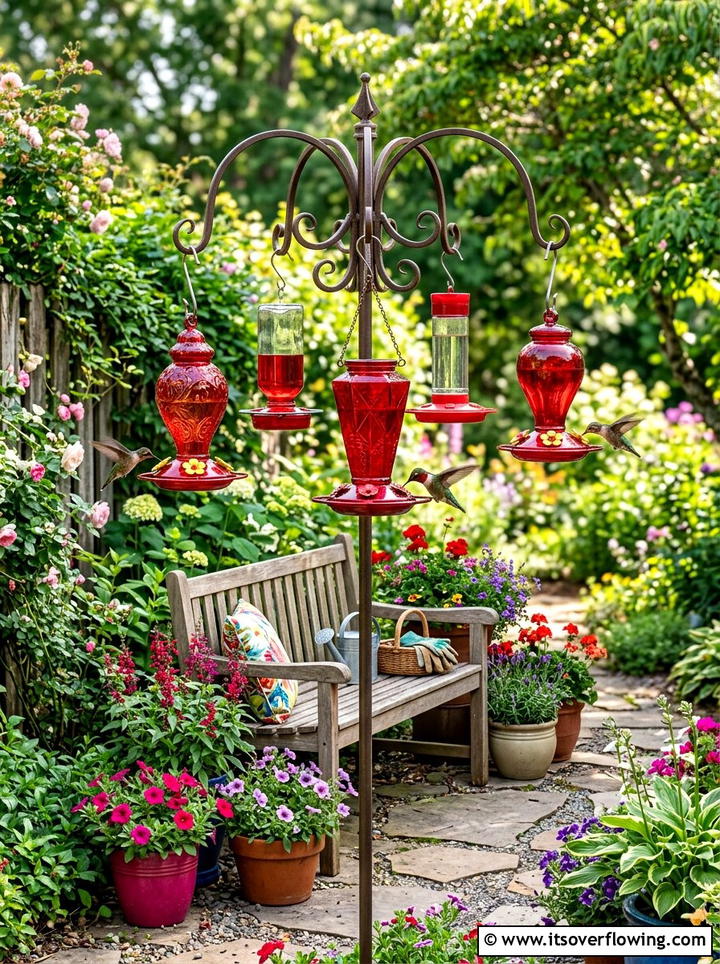
Establishing a dedicated hummingbird feeder station is a fantastic way to supplement natural nectar sources, especially during migration seasons when energy demands are high. A well-designed station usually includes multiple feeders hung at varying heights to prevent territorial disputes among aggressive birds. You can surround the feeders with perching spots, such as thin branches or specialized swings, to give the tiny fliers a place to rest and preen their feathers. Placing the station near a window or a comfortable seating area allows you to enjoy close-up views of their incredible aerial acrobatics. Keeping the sugar water fresh and the feeders clean is essential for the health of the birds, ensuring they return to your garden daily.
6. Native wildflower meadow
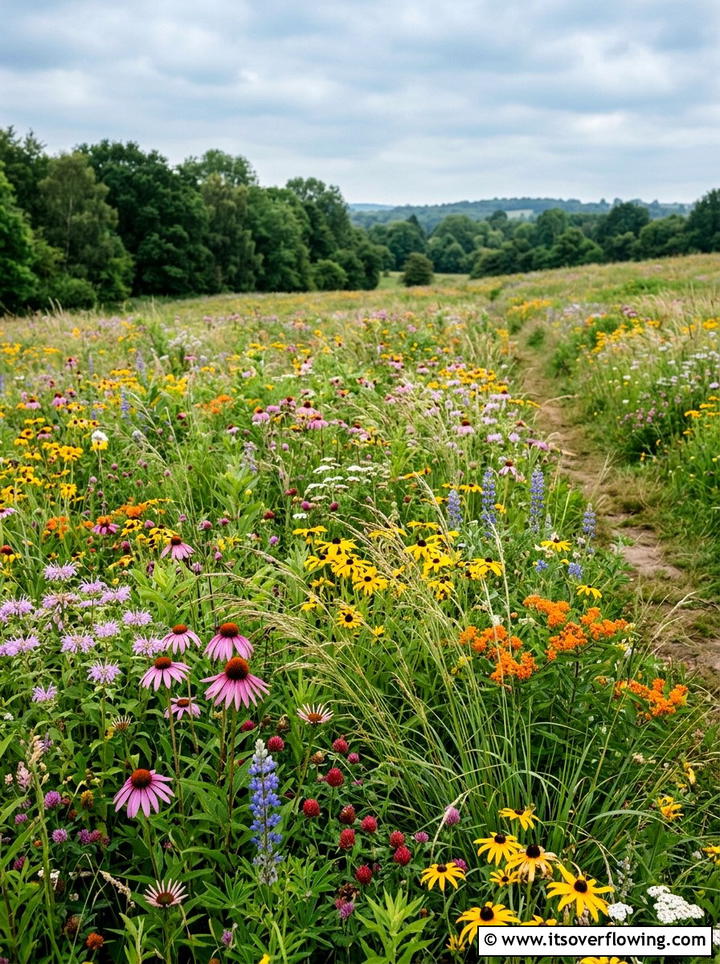
Designing a native wildflower meadow is a sustainable and low-maintenance approach to supporting hummingbirds while celebrating the natural beauty of your local region. By choosing seeds that are indigenous to your area, you provide the exact types of food sources that local birds have evolved to recognize. A meadow layout typically includes a mix of different flower shapes and bloom times, ensuring a continuous food supply from early spring through late fall. This diverse habitat also attracts small insects, which are a vital source of protein for hummingbirds and their growing chicks. The soft, swaying grasses and pops of color create a relaxed atmosphere that feels like a peaceful escape right in your own backyard.
7. Hanging basket display
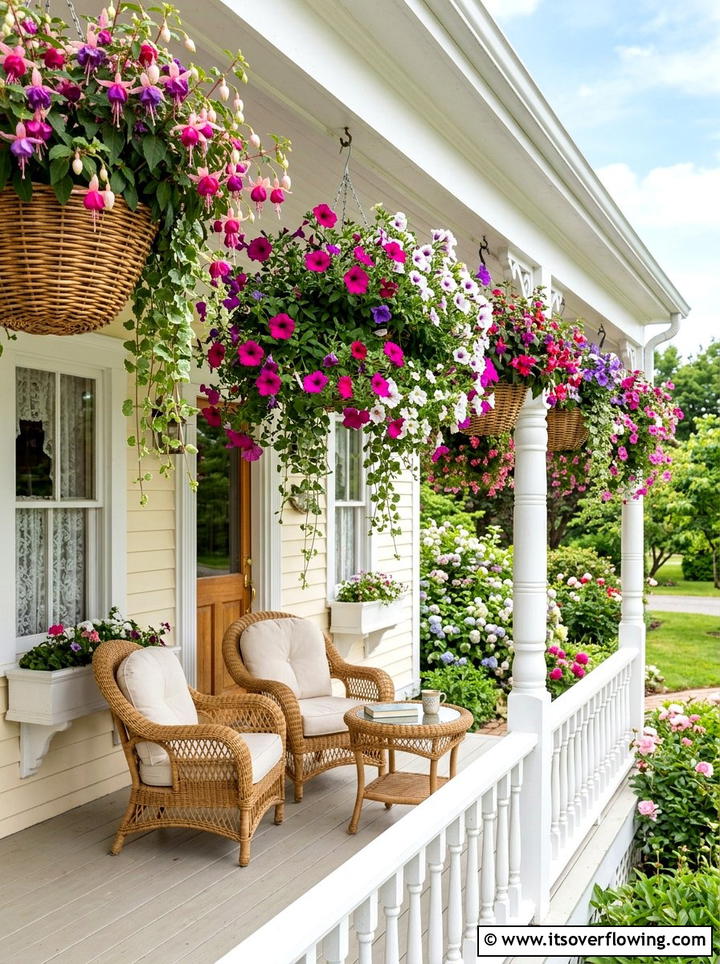
A hanging basket display is the perfect solution for bringing hummingbird activity closer to your porch, patio, or balcony. By choosing trailing plants like fuchsias, petunias, or lantanas, you create a suspended garden that puts nectar right at eye level for the birds. Hanging several baskets at different levels adds depth to your outdoor living space and makes it easier for multiple birds to feed without feeling crowded. These colorful containers are easy to move and can be refreshed throughout the season to keep the display looking its best. The vibrant colors and cascading foliage not only attract pollinators but also add a touch of elegance and charm to the exterior of your home.
8. Butterfly bush corner
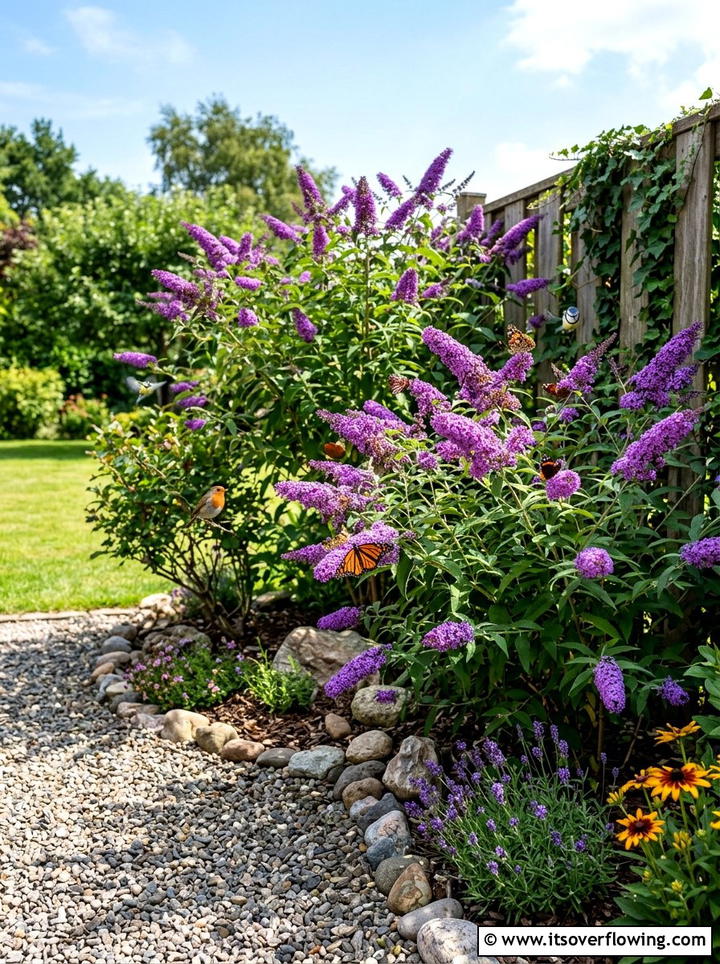
Creating a butterfly bush corner is an excellent way to invite both hummingbirds and butterflies to share a common space in your garden. These fast-growing shrubs produce long, cone-shaped flower clusters that are packed with tiny, nectar-filled blossoms. The sweet fragrance of the butterfly bush is intoxicating and can be smelled from across the yard, drawing in wildlife from far and wide. By placing these shrubs in a sunny corner, you create a protected nook where birds can feed away from strong winds. The arched branches of the bush provide a graceful structural element to your landscape, while the variety of available colors allows you to match the bushes to your overall garden theme.
9. Tiered fountain water feature
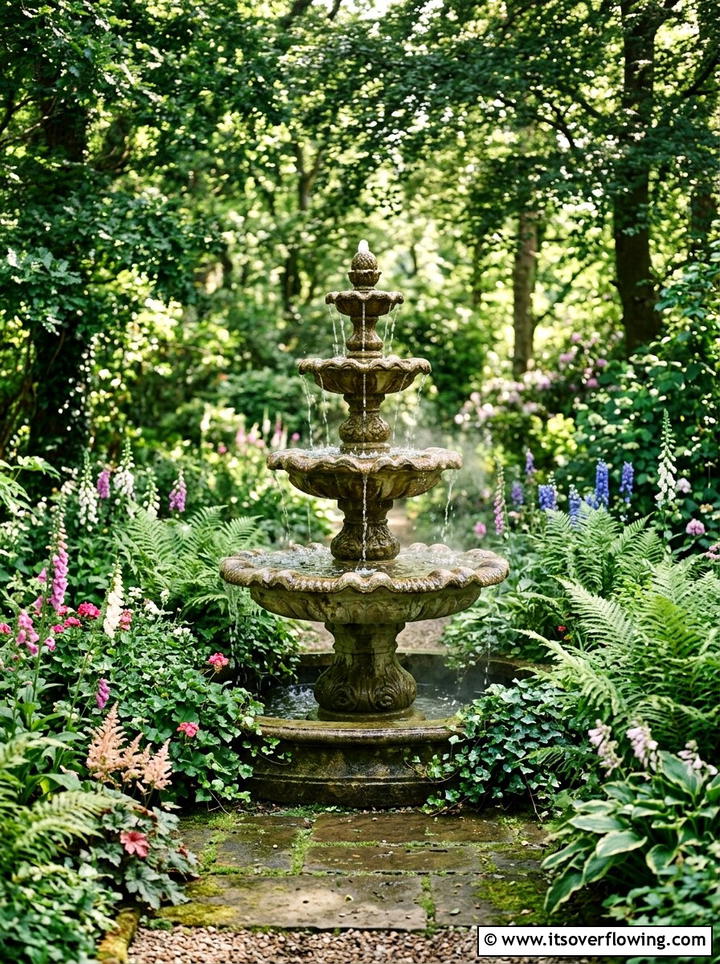
A tiered fountain water feature is an essential addition to any hummingbird garden because these birds need a place to bathe and drink. Unlike larger birds, hummingbirds prefer a very fine mist or a gentle trickle of water where they can safely wet their wings. A tiered design allows water to splash softly from one level to another, creating the perfect environment for a quick bird bath. The sound of moving water is also a natural magnet for birds, signaling that a reliable water source is nearby. Surrounding the fountain with lush greenery and nectar-rich plants makes the area even more attractive, creating a central hub of activity where you can observe birds daily.
10. Fuchsia shaded porch
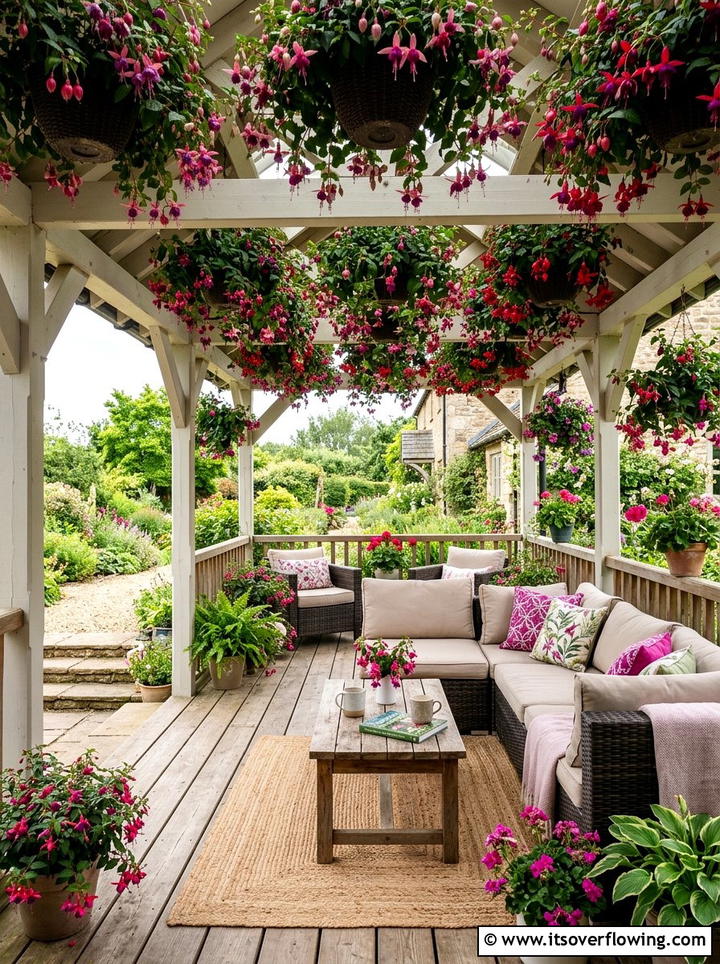
Transforming your shaded porch with hanging fuchsias creates a cool and inviting retreat for both you and your hummingbird friends. These exotic-looking flowers thrive in dappled light and produce unique, bell-shaped blooms that dangle gracefully from their stems. Hummingbirds are particularly fond of fuchsias because the nectar is easily accessible to them even in areas where sunlight is limited. By hanging several pots along the eaves of your porch, you create a colorful ceiling of flowers that birds will visit frequently throughout the day. The delicate appearance of the blossoms adds a tropical feel to your outdoor space, making it a serene spot to relax while watching the birds dart in and out of the shade.
11. Lantana butterfly garden
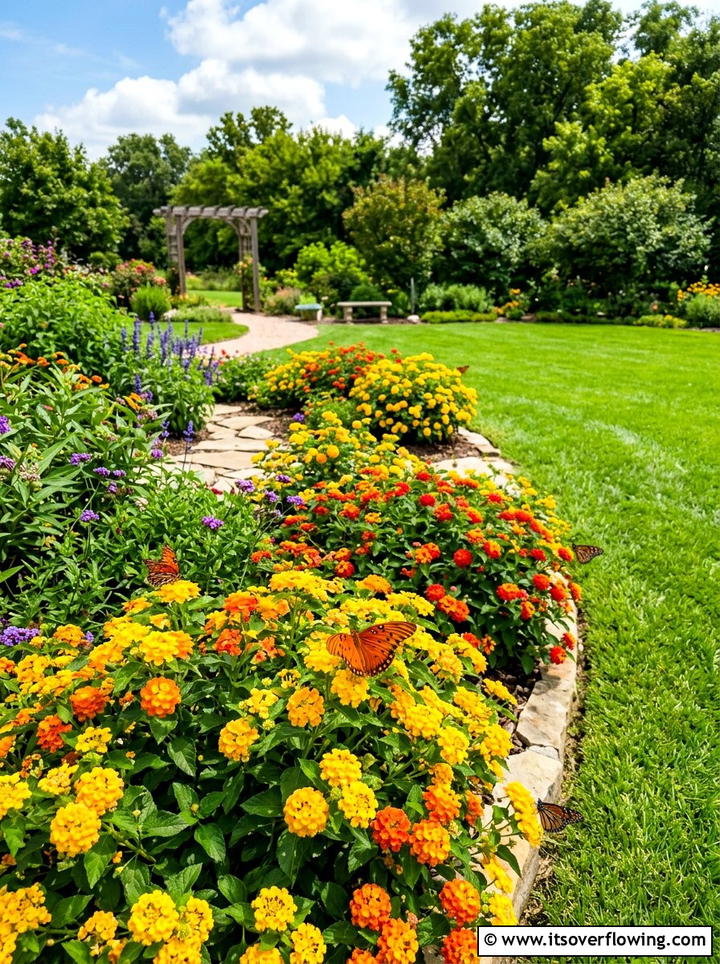
A lantana butterfly garden is a sun-loving paradise that offers a massive amount of nectar in a relatively small footprint. These hardy plants are known for their clusters of tiny, multi-colored flowers that can change hue as they age, creating a vibrant mosaic of color. Lantana is highly drought-tolerant and thrives in the heat of summer when many other plants might start to fade. Hummingbirds love the flat-topped flower heads because they provide a stable platform for feeding. Planting lantana in large drifts or as a colorful border ensures that your garden remains a top destination for pollinators during the hottest months of the year, providing them with the energy they need to thrive.
12. Columbine woodland patch
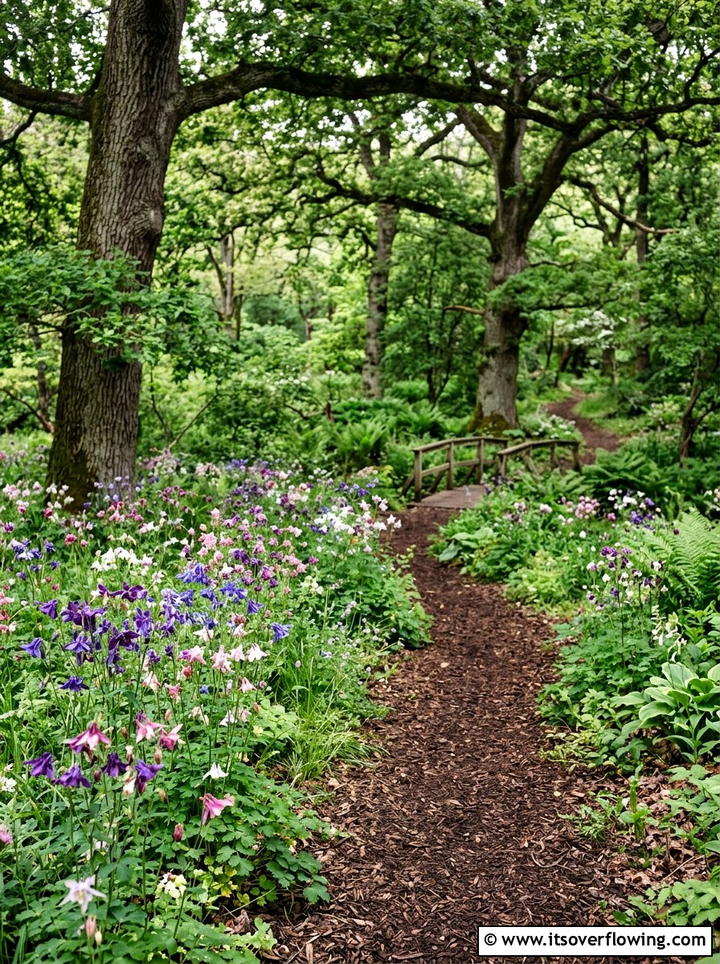
A columbine woodland patch is a wonderful way to add a touch of woodland charm to the semi-shaded areas of your garden. These delicate, spurred flowers bloom in early spring, providing a critical early-season food source for returning hummingbirds. The unique shape of the columbine flower is perfectly designed for the bird’s long tongue, ensuring that they can reach the nectar hidden deep within the spurs. These plants often self-seed, allowing them to naturally spread and create a beautiful, informal patch under trees or near garden walls. The soft foliage and nodding flower heads add a sense of movement and grace to the landscape, making your garden feel like a hidden forest clearing.
13. Penstemon rock garden
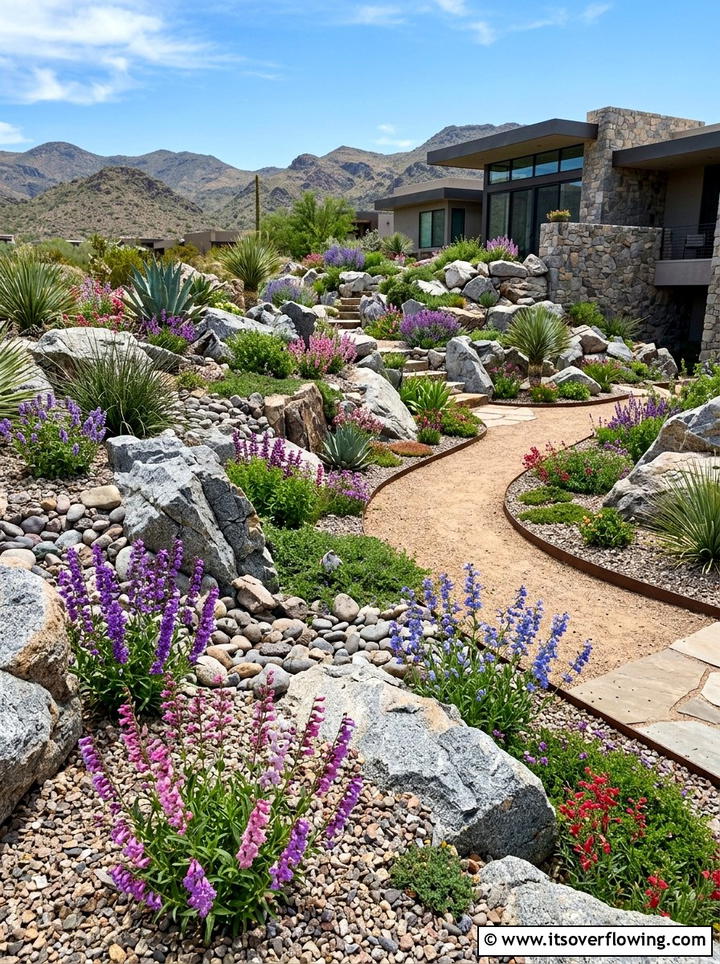
Designing a penstemon rock garden allows you to showcase these rugged and beautiful plants in a setting that mimics their natural mountainous habitats. Penstemons, also known as beardtongues, are famous for their tubular flowers and their ability to thrive in well-drained soil and sunny locations. By tucking different varieties between large stones and gravel, you create a visually interesting landscape that is both modern and nature-friendly. Hummingbirds are drawn to the upright stalks of flowers, which come in a wide range of colors including scarlet, pink, and blue. This type of garden is not only attractive but also very resilient, requiring minimal water once established while still providing plenty of food for visiting birds.
14. Honeysuckle archway
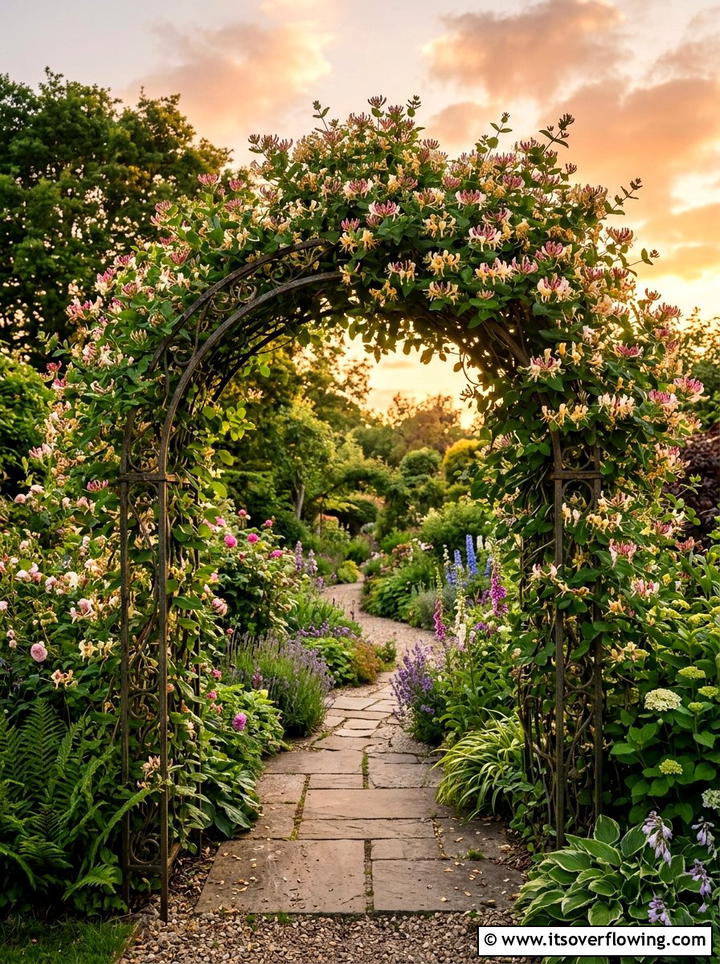
A honeysuckle archway creates a romantic and fragrant entrance to your garden that hummingbirds will absolutely adore. The sweet scent of the flowers fills the air, acting as a natural lure for pollinators from long distances. As the vine climbs over the arch, it produces clusters of trumpet-shaped blooms that are rich in nectar. This vertical structure allows birds to feed at different heights, providing them with a safe and elevated vantage point. Walking under a blooming honeysuckle arch is a sensory delight for humans, while the dense foliage provides a perfect nesting site for smaller birds. Choosing a non-invasive variety ensures that your garden remains healthy and balanced for years to come.
15. Lupine meadow border
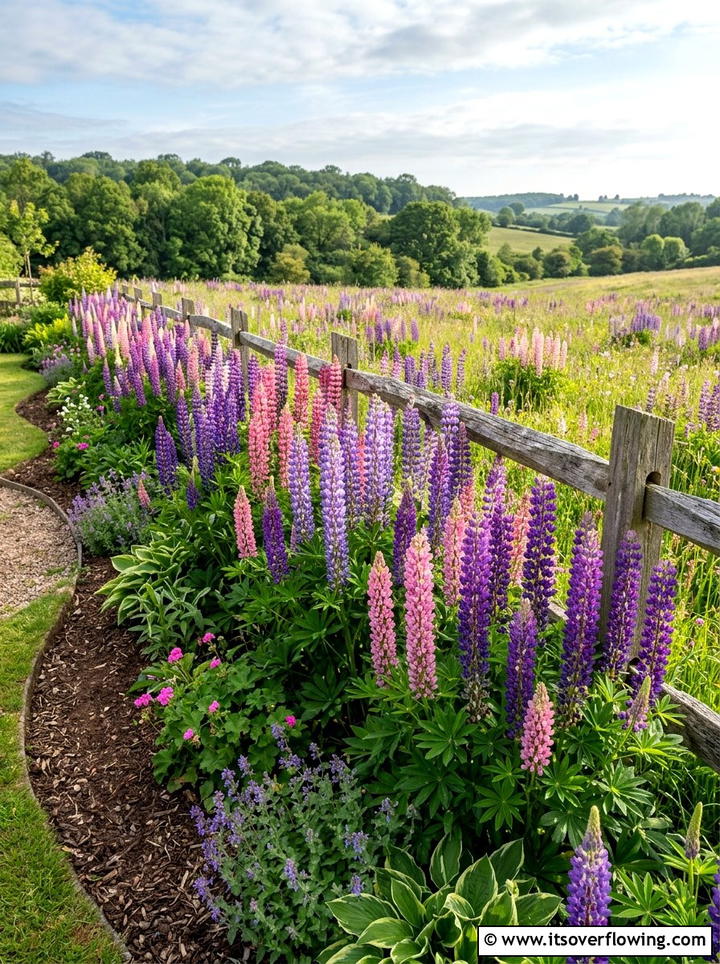
Incorporating a lupine meadow border adds stunning vertical spikes of color to your garden while providing a feast for hummingbirds. These distinctive plants feature pea-like flowers arranged closely along tall stems, creating a bold architectural look in any landscape. Lupines come in a variety of breathtaking colors, including bi-colors that can add a pop of drama to your flower beds. They are particularly effective when planted in large groups, mimicking the look of a wild mountain meadow. Hummingbirds are attracted to the massive amount of pollen and nectar found in the many individual florets. These plants also help improve soil quality, making them a beneficial addition to the overall health of your backyard ecosystem.
16. Agastache pollinator bed
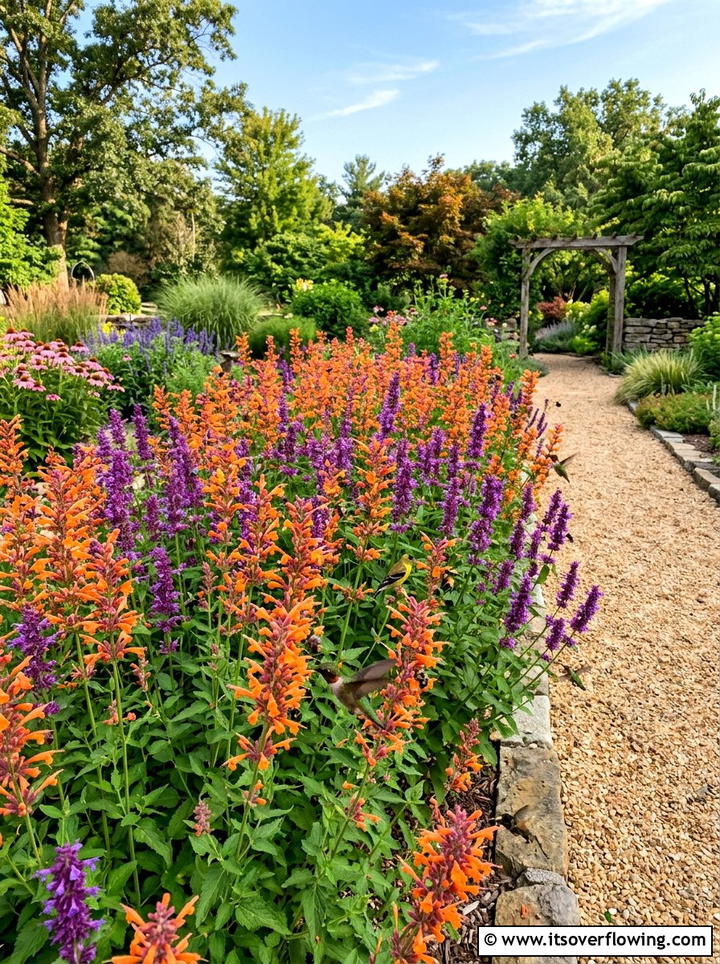
An agastache pollinator bed is a high-energy addition to your garden that smells as good as it looks. Commonly known as hyssop or hummingbird mint, these plants produce fragrant foliage and long-lasting flower spikes that are absolute magnets for birds and bees. The flowers are typically tubular and come in shades of orange, pink, and purple, providing the perfect shape for a hummingbird’s beak. Agastache is very drought-tolerant and thrives in full sun, making it an excellent choice for low-water landscaping. By planting a dedicated bed of these flowers, you create a reliable “gas station” for birds to refuel. The aromatic leaves also add a pleasant herbal scent to your garden whenever you brush past them.
17. Zinnia cutting garden
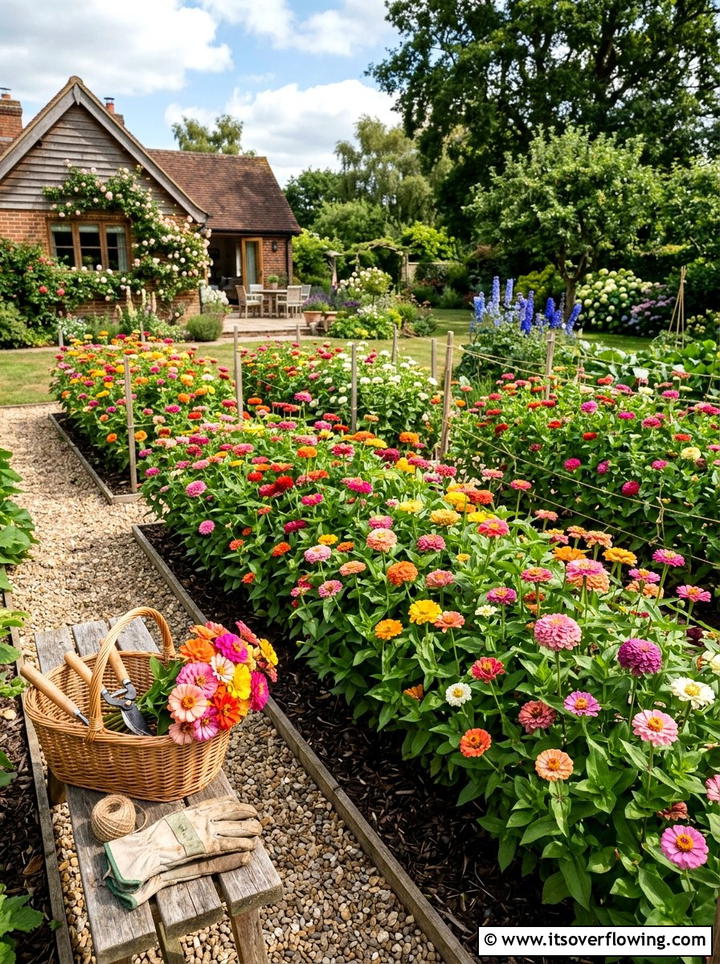
A zinnia cutting garden is a colorful and productive way to support hummingbirds while enjoying fresh bouquets for your home. Zinnias are incredibly easy to grow from seed and produce a continuous supply of bright, cheerful flowers all summer long. Hummingbirds are particularly drawn to the single-flowered varieties where the nectar-rich centers are easily accessible. By planting rows of zinnias in different heights and colors, you create a vibrant patchwork that is impossible for birds to miss. The more you cut the flowers for vases, the more the plants will bloom, ensuring a steady supply of food for your feathered friends. This approach makes your garden both a functional wildlife habitat and a source of personal joy.
18. Petunia window box
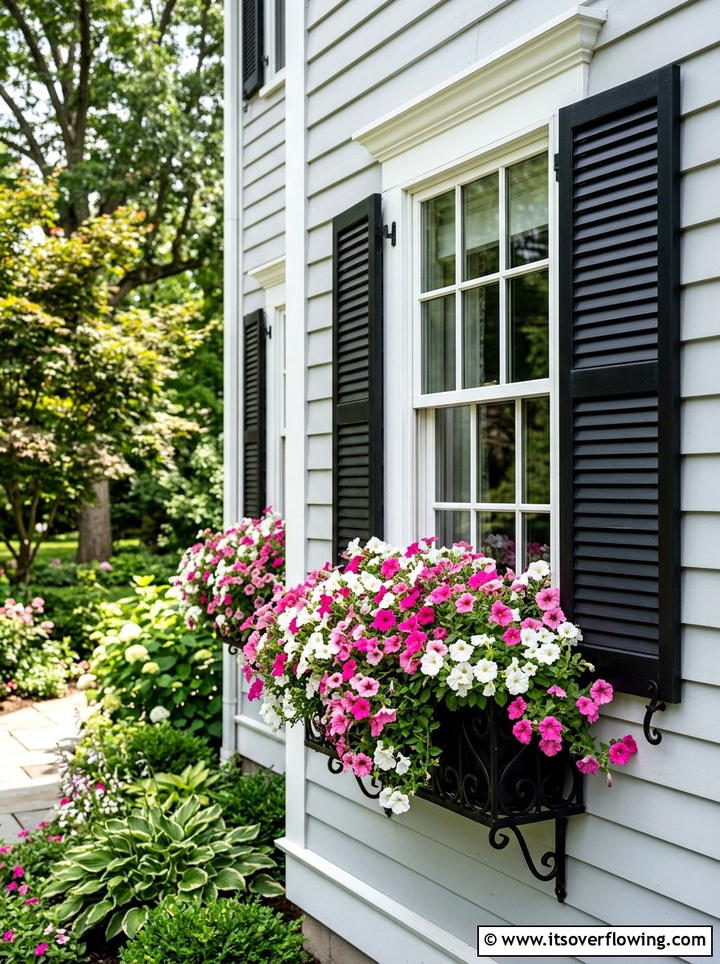
Installing a petunia window box is a classic way to bring hummingbird activity directly to your windows. These popular annuals are available in almost every color imaginable and produce a profusion of trumpet-shaped blooms that birds love. By placing the boxes on windowsills near your kitchen or living room, you can enjoy the sight of hummingbirds feeding while you go about your daily activities. Petunias are prolific bloomers and can quickly fill a window box with a lush, overflowing display of color. Regular watering and deadheading will keep the plants looking vibrant and the nectar flowing. This setup is ideal for those with limited space who still want to experience the magic of nature up close.
19. Scarlet runner bean teepee
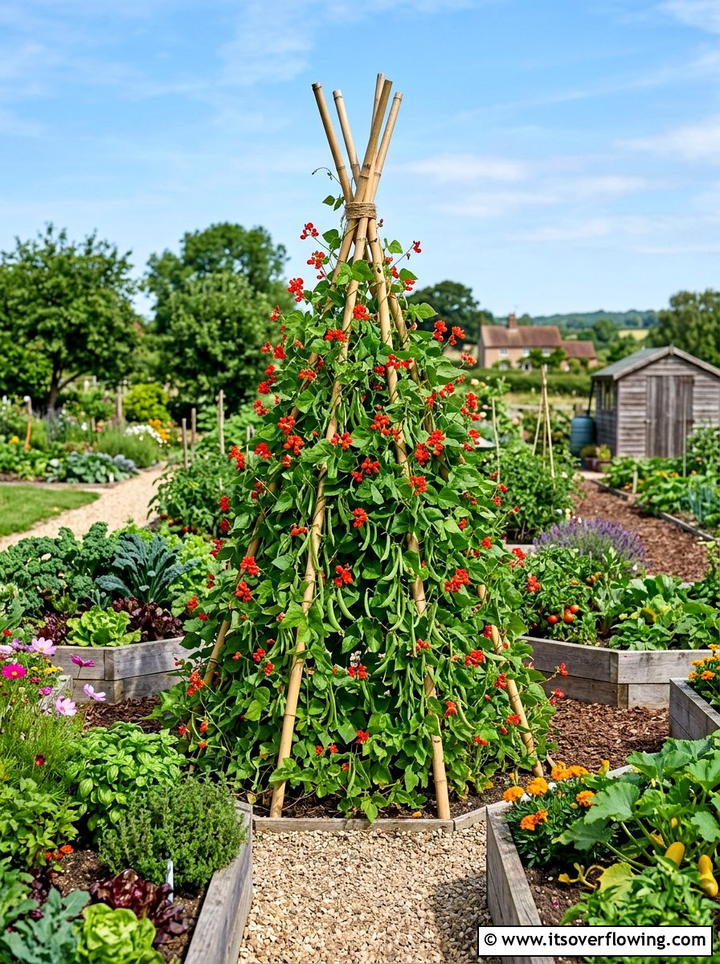
A scarlet runner bean teepee is a fun and functional garden feature that provides a vertical playground for hummingbirds. This fast-growing vine produces beautiful red flowers that are a favorite food source for birds, followed by edible beans that you can harvest for your kitchen. By training the vines up a simple bamboo teepee structure, you create a living sculpture that adds height and interest to your vegetable garden. The dense canopy of leaves offers a shaded hideout where hummingbirds can rest and stay cool during the heat of the day. This is a great project for families, as it combines the joy of bird watching with the reward of growing your own organic food.
20. Coral bells shade garden
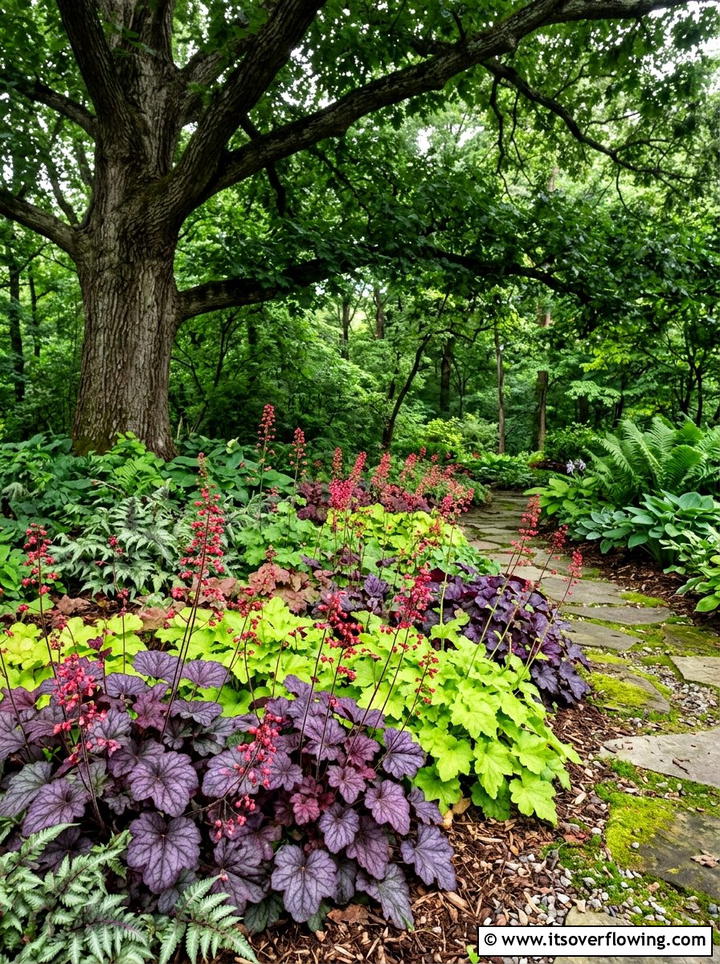
A coral bells shade garden is a sophisticated way to attract hummingbirds to the quieter, dimmer corners of your yard. While coral bells, or Heuchera, are often prized for their stunning colorful foliage, they also produce tall, delicate wands of tiny bell-shaped flowers. These airy blooms are surprisingly rich in nectar and are a preferred snack for hummingbirds. By planting different varieties of coral bells together, you create a rich tapestry of leaf colors ranging from deep purple to lime green and burnished orange. This low-growing ground cover provides a beautiful contrast to the upright flower spikes, making the garden look professionally designed while serving as a consistent food source in shady spots.
21. Foxgloves cottage garden
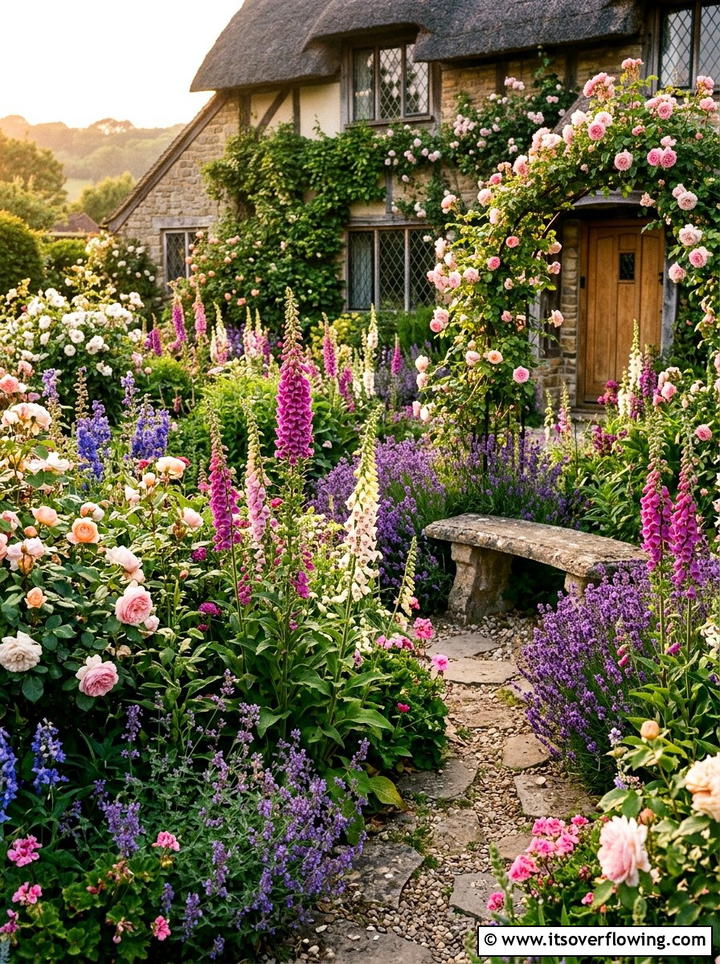
A foxgloves cottage garden offers a nostalgic and towering display that hummingbirds find completely irresistible. These classic garden plants produce tall spikes covered in large, speckled, bell-shaped flowers that seem almost tailor-made for a hummingbird to visit. In a cottage garden setting, foxgloves look best when allowed to grow in informal clusters among other traditional favorites like roses and lavender. Their height makes them a perfect backdrop for shorter plants, adding a sense of drama and scale to the landscape. Hummingbirds will often start at the bottom of the flower spike and work their way up, providing you with a wonderful show of their feeding behavior. The variety of soft pinks, whites, and purples creates a dreamy, fairytale atmosphere.
22. Bottlebrush shrub privacy screen
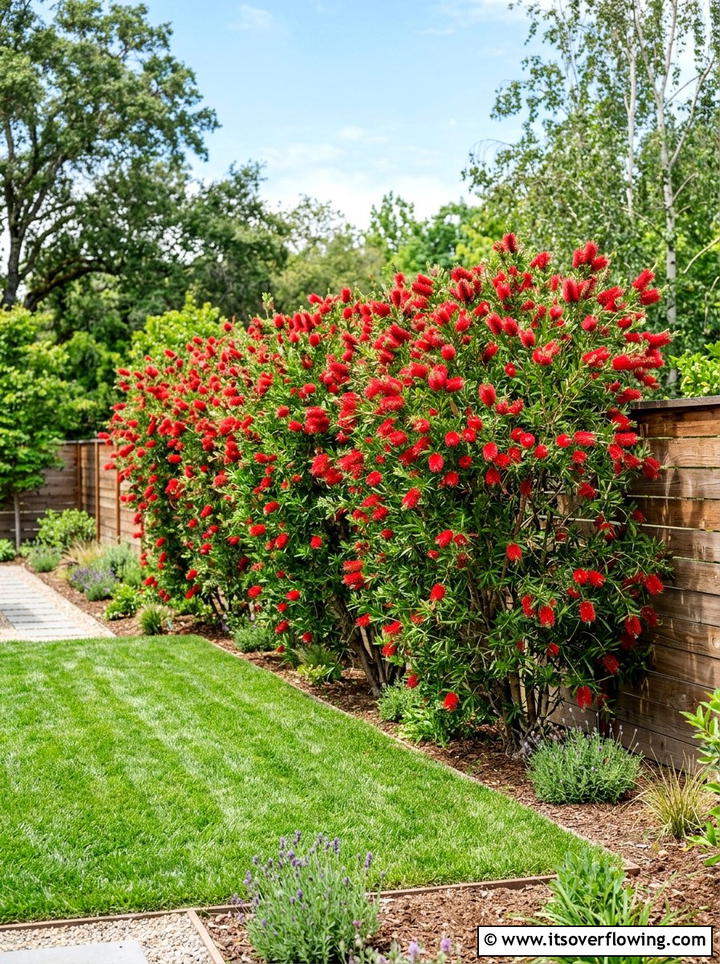
Using a bottlebrush shrub privacy screen is a clever way to define your property boundaries while providing a massive amount of food for hummingbirds. These unique shrubs produce vibrant red, cylindrical flower clusters that look exactly like the brushes used to clean bottles. The flowers are bursting with nectar and are a primary attraction for many different types of birds and insects. As a privacy screen, bottlebrush grows densely and can be pruned to your desired height, offering a wall of green foliage and bright red accents. The tough, leathery leaves make the plant very resilient and easy to care for, ensuring that your living fence remains a beautiful and productive part of your garden for many years.
23. Clematis climbing wall
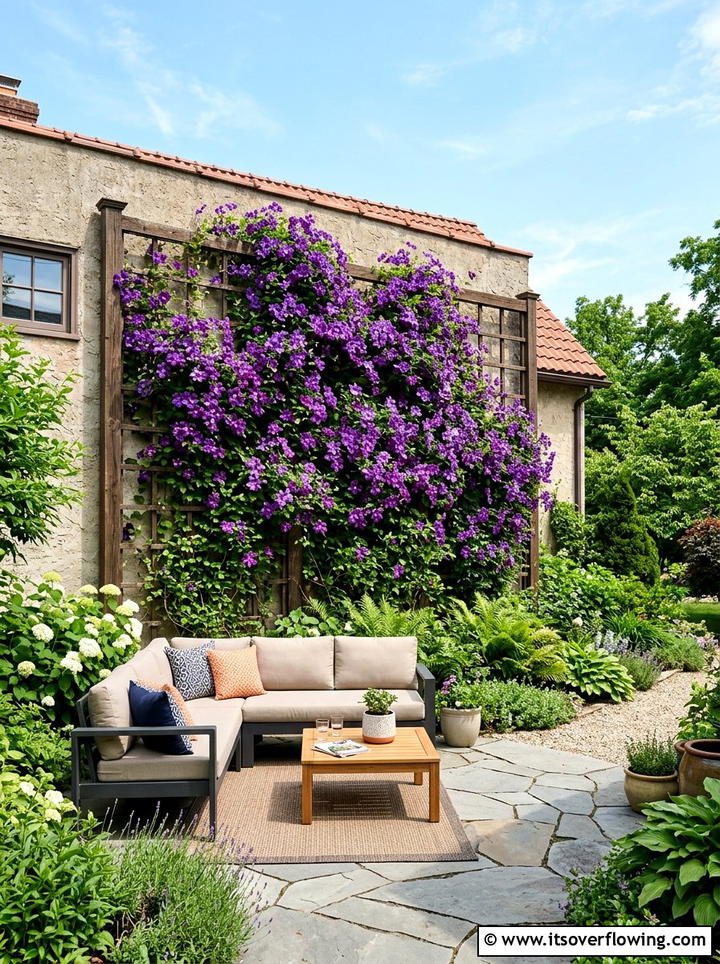
A clematis climbing wall provides a sophisticated vertical element that adds elegance to any garden while inviting hummingbirds to feast. While not all clematis varieties are primary bird magnets, many of the smaller-flowered and bell-shaped species are highly attractive to pollinators. By training these vines to grow up a wall or a large trellis, you create a stunning floral display that takes up very little ground space. The intricate flowers and lush green leaves provide a beautiful texture that can soften the look of a brick or wooden fence. Hummingbirds enjoy darting between the flowers, and the height of the wall gives them a sense of security while they feed high above the ground and away from potential predators.
24. Verbena ground cover
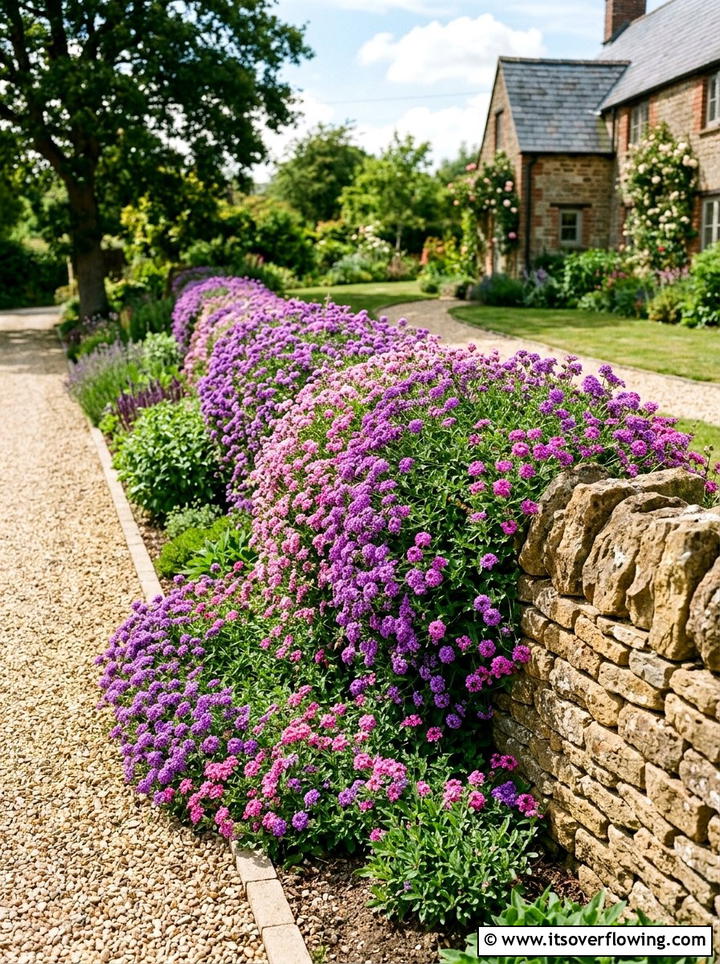
Planting a verbena ground cover is an excellent way to fill in gaps in your garden with a carpet of nectar-rich flowers. Verbena is known for its ability to spread quickly and produce clusters of small, brightly colored blooms that hummingbirds love to visit. This low-growing plant is perfect for cascading over stone walls, lining garden paths, or filling in the front of a flower bed. It is extremely hardy and can withstand heat and drought, making it a reliable performer throughout the summer. By providing a low-level food source, you encourage hummingbirds to explore all levels of your garden, creating a more dynamic and engaging environment for bird watching while keeping your soil protected and cool.
25. Red hot poker accent
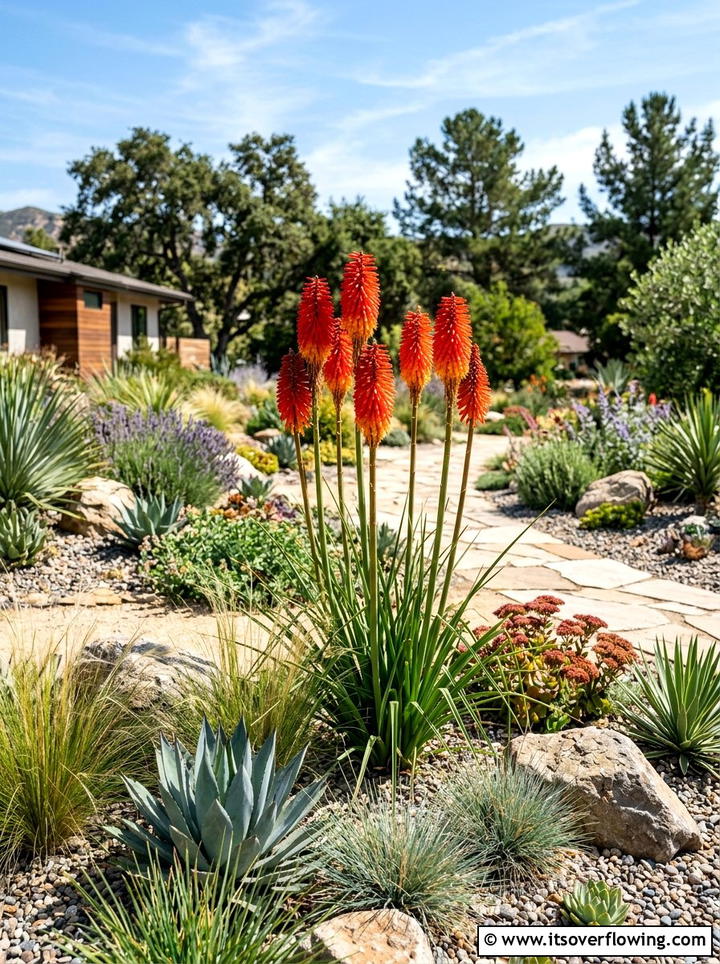
Adding a red hot poker accent to your garden provides a bold and exotic focal point that is a certified hummingbird favorite. Also known as Kniphofia, these plants produce torch-like flower spikes that transition from bright red at the top to orange and yellow at the bottom. The striking shape and fiery colors are visible from a long distance, making them an excellent lighthouse for hungry birds. Red hot pokers are very structural and look fantastic when planted as a standalone accent or in small groups to punctuate a garden bed. They are tough, drought-tolerant plants that add a modern, architectural feel to the landscape while offering a deep reservoir of nectar for your feathered visitors to enjoy.
Conclusion:
Building a garden that caters to the needs of hummingbirds is a rewarding endeavor that enhances the beauty and biodiversity of your home. By selecting a wide variety of plants with different bloom times, colors, and heights, you create a resilient habitat that provides year-round support for these incredible birds. From the vertical drama of climbing vines to the soft carpets of ground cover, every element plays a role in making your outdoor space a sanctuary. As you watch these tiny creatures dart among the flowers, you will gain a deeper appreciation for the delicate balance of nature. With a little planning and care, your garden can become a vibrant, humming paradise that brings joy to everyone who visits.

Related posts:
 25 creative garden ideas with pet friendly plants for Safe Yards
 25 Creative Garden Ideas With Sculptural Plants for Drama
 25 Creative Garden Ideas With Hidden Garden Corners
 25 Creative Garden Ideas With Keyhole Garden Beds
 25 Creative Garden Ideas With Kids Garden Zone
 25 garden design ideas with drought tolerant plants: Easy Looks
 25 garden design ideas with low water plants: Smart Xeriscapes
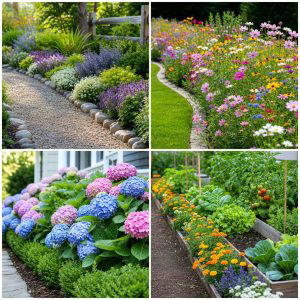 25 garden ideas with border plants for Beautiful Edges
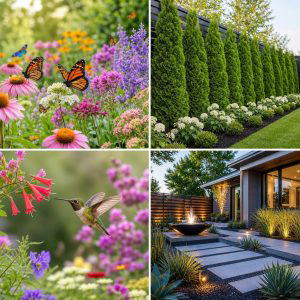 25 Garden Ideas With Native Plants for a Thriving Natural Yard
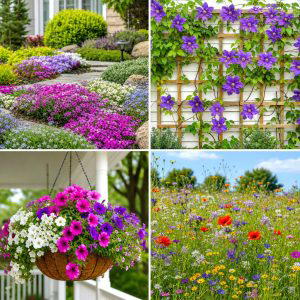 25 Small Garden Ideas With Layered Plants for Lush Depth
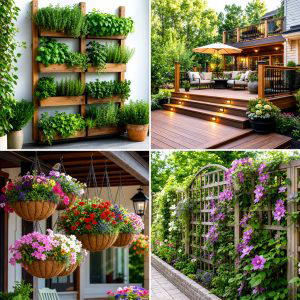 25 Small Garden Ideas With Low Maintenance Plants You’ll Love
 25 Small Garden Ideas With Pollinator Plants for More Blooms