
Transforming your outdoor space begins with the right framing, and nothing defines a landscape quite like well-chosen border plants. Whether you are dealing with a sprawling backyard or a tiny urban courtyard, adding a structured edge creates an immediate sense of polish and intentionality. These living boundaries do more than just look pretty; they guide the eye, manage foot traffic, and provide a sanctuary for local pollinators throughout the changing seasons. From the classic charm of English cottage gardens to the sleek lines of modern minimalist retreats, the variety of textures and colors available allows for endless creativity. Let’s explore these inspiring ways to elevate your garden today.
1. Lavender Garden Border
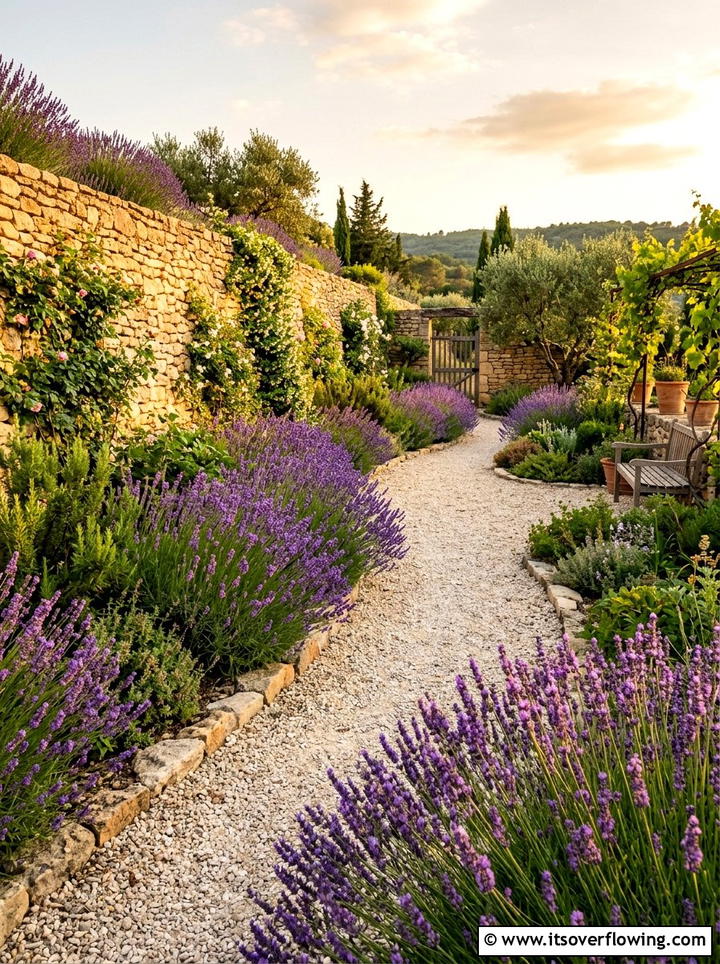
Lavender is a timeless choice for anyone wanting to infuse their garden with fragrance and a soft, Mediterranean aesthetic. These hardy perennials create a hazy purple mist that lines pathways beautifully, inviting you to brush against them as you walk. They thrive in sunny spots with well-drained soil, making them perfect for drought-tolerant landscapes that require minimal maintenance once established. Beyond their visual appeal, lavender borders attract bees and butterflies, turning your garden into a buzzing ecosystem of life. You can pair them with gravel paths to enhance the rustic feel or use them to soften the hard edges of a concrete patio area for contrast.
2. Boxwood Hedge Edging
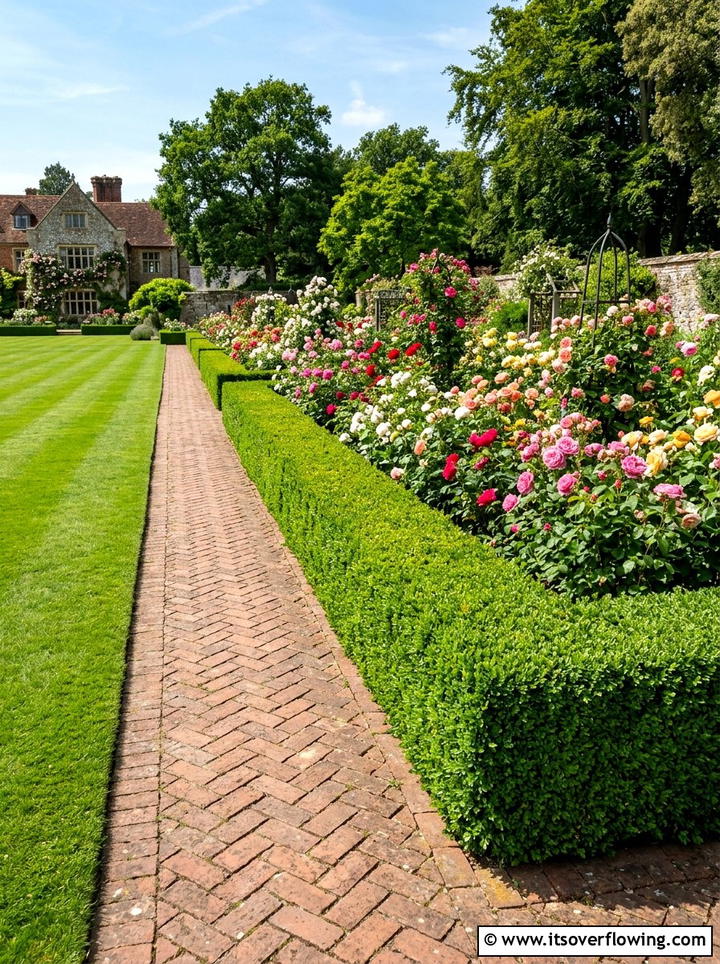
Have you ever noticed how a neatly trimmed hedge can instantly make a garden look more expensive and organized? Boxwood is the gold standard for creating formal garden borders because of its dense, evergreen foliage and ability to take various shapes. Whether you prefer a low-growing square edge or a soft rounded mound, this plant provides a consistent structure that lasts through every season of the year. It works exceptionally well to define rose beds or to separate lawn areas from floral displays. While it requires occasional pruning to maintain its crisp lines, the sophisticated result is well worth the effort for any homeowner seeking a classic look.
3. Perennial Flower Border
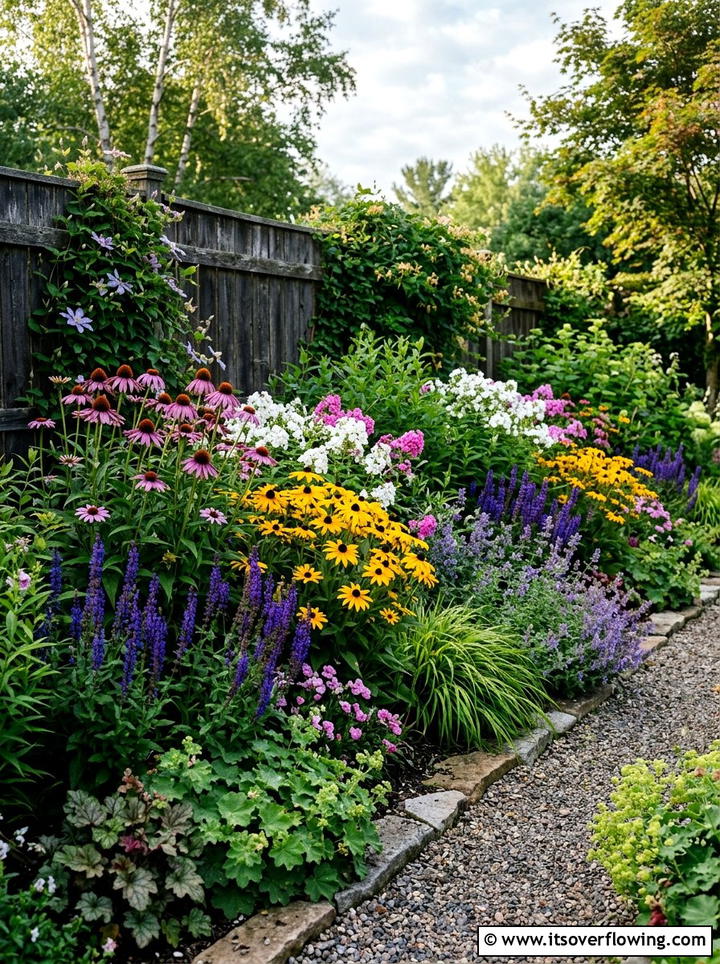
Creating a perennial flower border is like making a long-term investment in your landscape’s beauty that pays dividends every single spring. These plants return year after year, growing larger and more impressive as they establish their root systems in your soil. By mixing different varieties like coneflowers, black-eyed Susans, and salvia, you can ensure a continuous wave of color from early summer through late autumn. The key is to layer them by height, placing the shorter varieties at the very front to create a tiered visual effect. This approach not only maximizes space but also creates a dense, lush environment that helps suppress weeds naturally without harsh chemicals.
4. Succulent Garden Edge
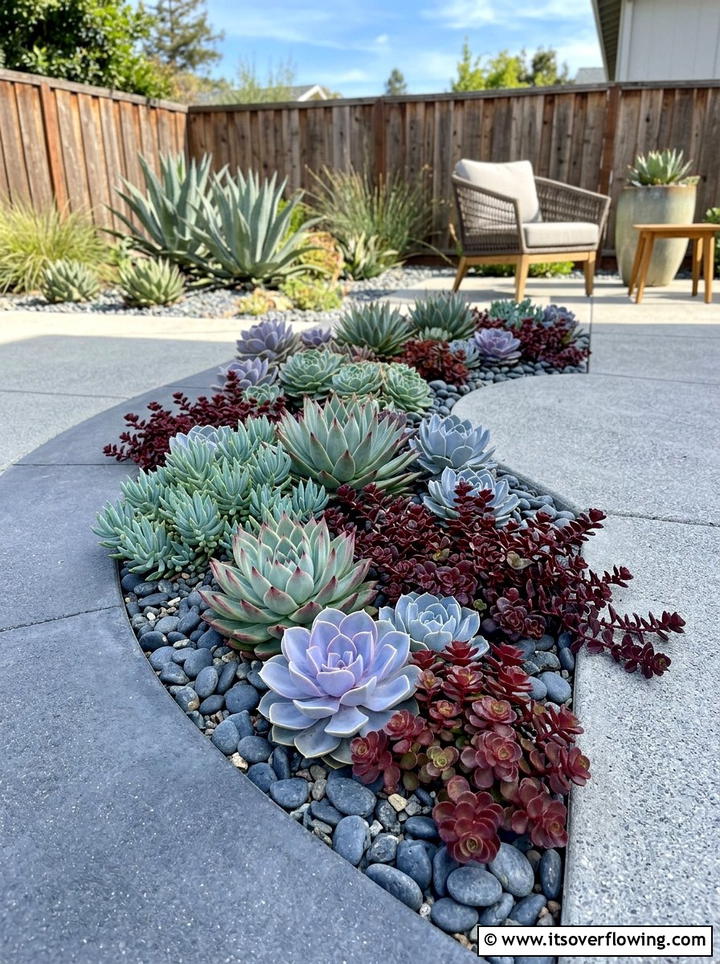
Are you looking for a low-maintenance solution that brings unique textures and shapes to your garden margins? Succulent borders are perfect for warmer climates or sunny, dry patches where other plants might struggle to survive the heat. Using varieties like Echeveria, Sedum, or Hens and Chicks creates a tapestry of fleshy leaves in shades of blue, green, and burgundy. Because they grow close to the ground, they provide a clean, modern finish that looks particularly striking against dark mulch or decorative pebbles. Their water-wise nature makes them an environmentally friendly choice that stays looking plump and vibrant even during the peak of the dry summer.
5. Ornamental Grass Border
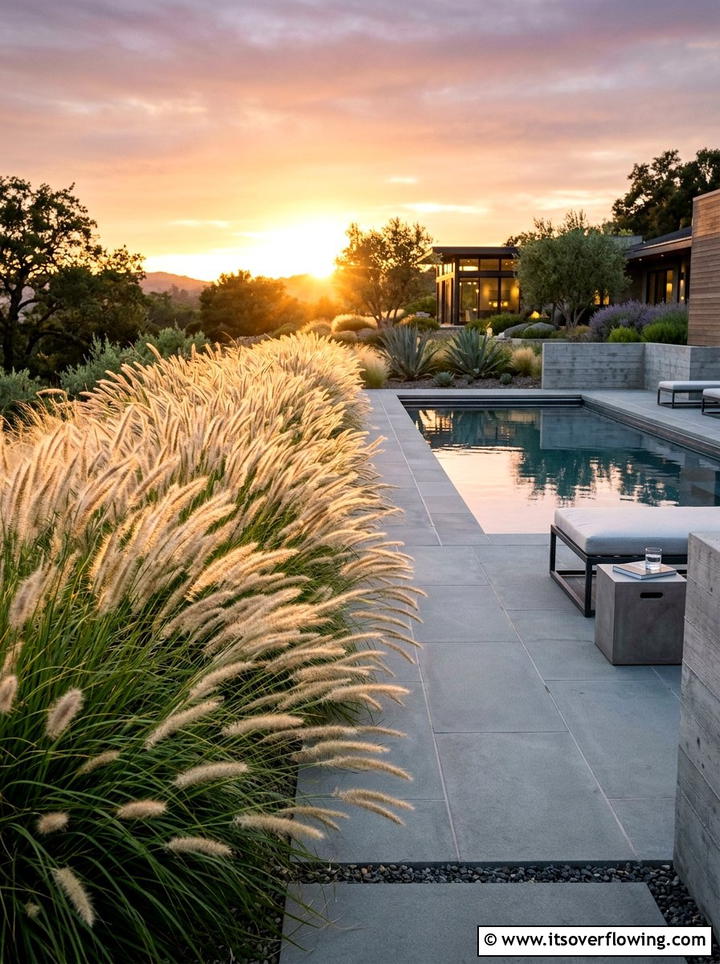
Imagine the soft sound of wind rustling through tall, airy blades of grass as you relax in your private backyard sanctuary. Ornamental grasses like Pennisetum or Blue Fescue offer a sense of movement and verticality that static shrubs simply cannot provide. These plants are excellent for creating soft, natural boundaries that blur the lines between different garden zones without feeling overly restrictive or heavy. They look stunning when backlit by the setting sun, highlighting their delicate seed heads and slender forms. Because they come in various heights and colors, you can easily find a species that fits your specific spatial needs and personal design preferences.
6. Hostas For Shady Borders
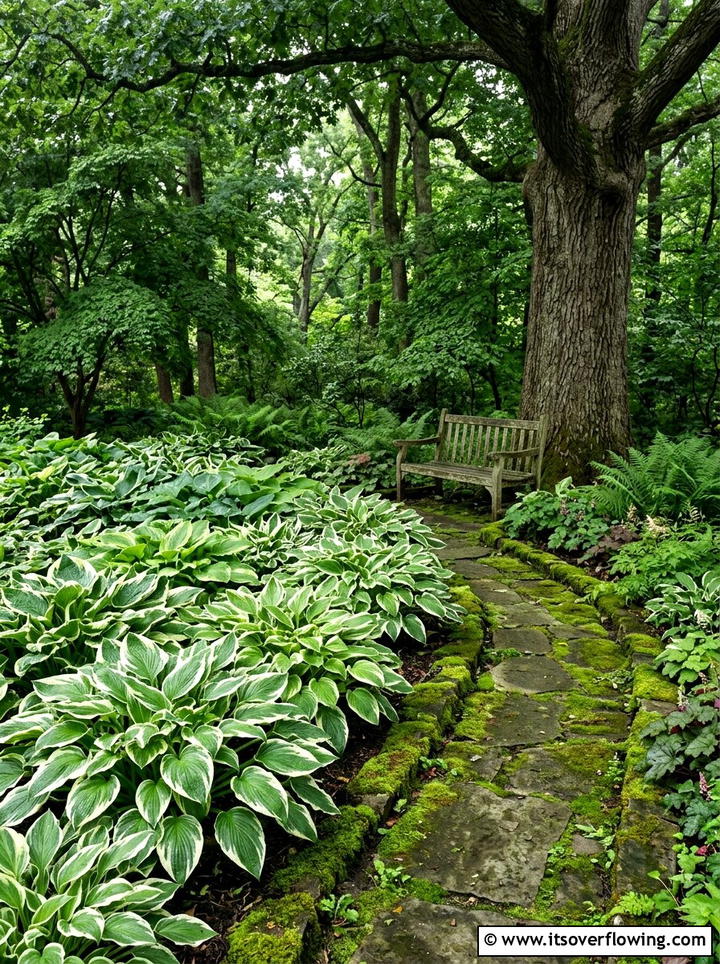
Do you have a corner of your yard that stays mostly in the shadows where nothing seems to grow well? Hostas are the ultimate solution for shady borders, offering a massive variety of leaf patterns, sizes, and shades ranging from lime green to deep forest teal. Their large, architectural leaves create a lush, tropical feel that fills in gaps quickly and effectively hides the soil. These plants are incredibly resilient and can handle the damp conditions often found in the north side of houses or under large trees. Adding hostas provides a cool, serene visual break from the bright colors used in the sunnier parts of your garden.
7. Cottage Garden Flower Edge
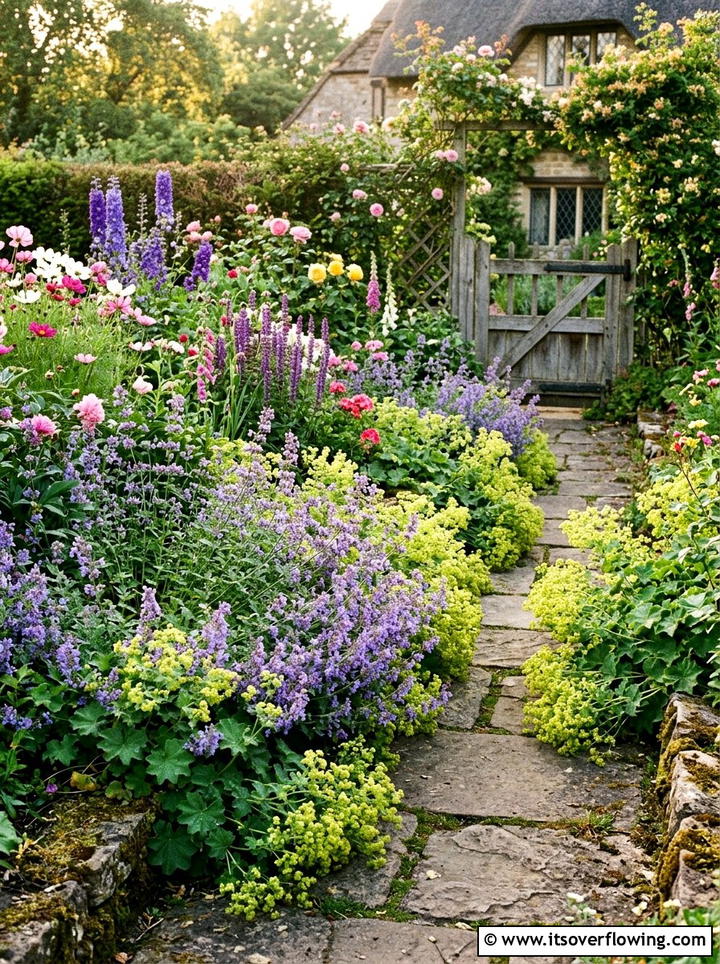
Cottage gardens are all about charming chaos and a profusion of blooms that spill over onto your walkways and paths. To achieve this look, choose border plants like Catmint, Lady’s Mantle, or Campanula that have a sprawling, relaxed growth habit. These plants soften the transition between hard landscaping and soft foliage, creating a romantic and lived-in feel that is very popular on social media. The goal is to avoid perfectly straight lines and instead embrace a natural, billowing edge that feels like it has been there for decades. This style encourages a diverse range of colors and textures to coexist in a beautiful, messy harmony.
8. Gravel Path Border Plants
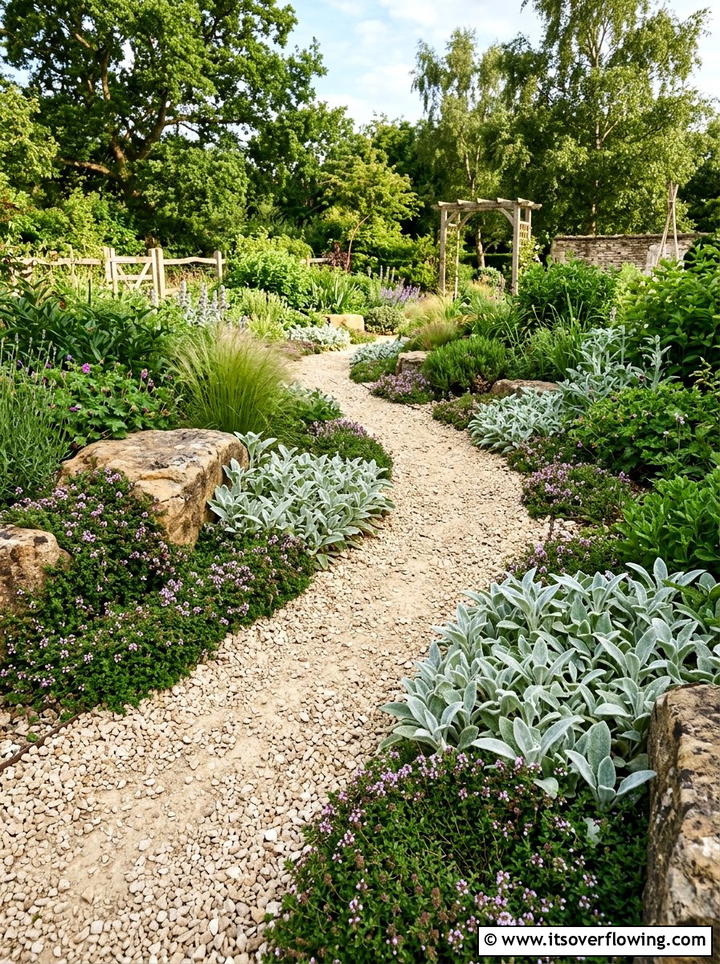
Walking down a gravel path feels much more magical when the edges are softened by creeping plants that occasionally peek into the stones. Low-growing herbs like creeping thyme or silver-leafed Stachys are perfect for this role because they can handle occasional foot traffic and look great in rocky soil. These plants act as a living transition, preventing the gravel from looking too stark or industrial against the rest of your greenery. They also help to hold the soil in place, reducing erosion and keeping your paths looking clean. The contrast between the hard texture of the stone and the soft foliage creates a professional, layered look.
9. Rose Bush Garden Border
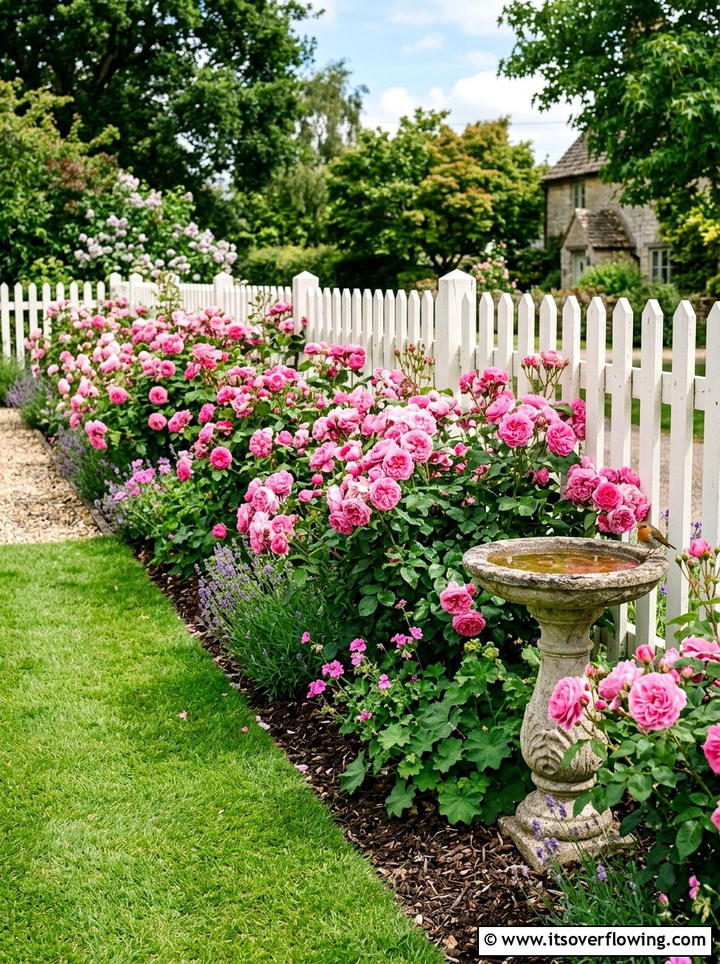
There is nothing quite as iconic or romantic as a border lined with blooming roses that fill the air with their sweet scent. Floribunda or shrub roses are particularly well-suited for borders because they produce clusters of flowers and maintain a relatively compact, bushy shape. When planted in a row, they create a vibrant wall of color that serves as a stunning backdrop for lower-growing perennials or annuals. While they require a bit more attention in terms of feeding and pruning, the visual impact of a rose border is unmatched. It adds a sense of timeless elegance and luxury to any traditional or modern home exterior.
10. Wildflower Garden Edge
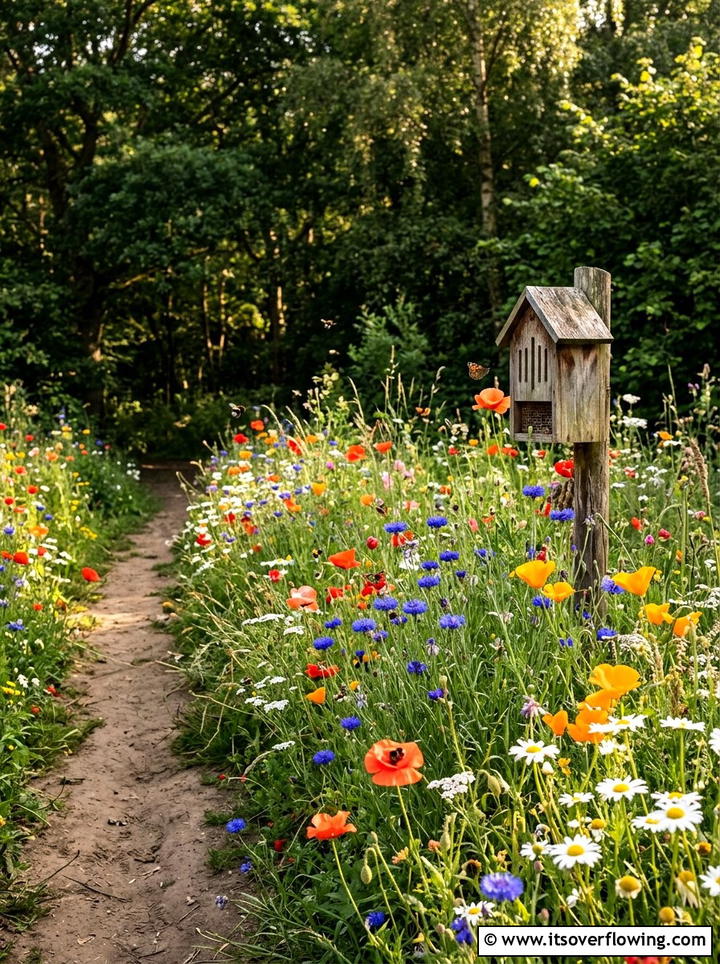
Would you like to bring a bit of the untamed meadow into your suburban backyard while supporting local wildlife and honeybees? Wildflower borders are an excellent way to introduce a burst of seasonal color and vital biodiversity to your outdoor living space. By choosing a mix of native species, you create a self-sustaining edge that changes appearance throughout the year as different flowers take their turn to bloom. This approach is much more relaxed than a formal hedge and requires significantly less water and fertilizer once it is established. It’s a wonderful way to teach children about nature while enjoying a vibrant, ever-changing view from your porch.
11. Modern Minimalist Garden Border
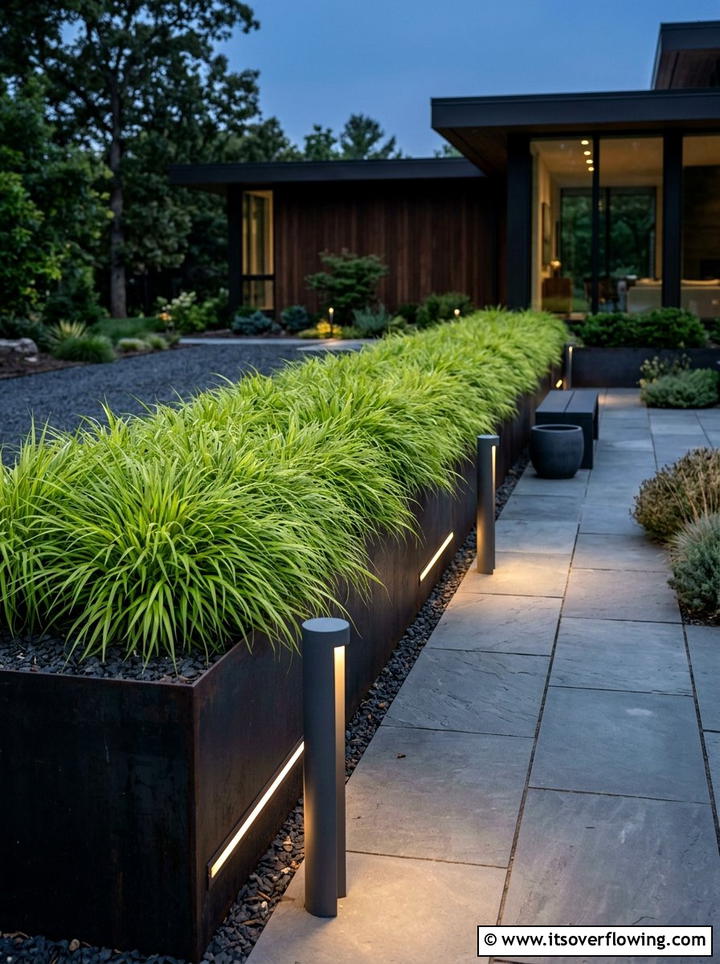
Modern landscapes often prioritize clean lines, limited color palettes, and a focus on form rather than a busy variety of flowers. For a minimalist border, consider using a single species planted in a perfectly straight line, such as Equisetum or structural Japanese Forest Grass. This repetition creates a powerful visual rhythm that feels architectural and calm, perfectly complementing contemporary home designs and materials like steel or concrete. Keeping the palette restricted to various shades of green and silver allows the focus to remain on the textures and the overall geometry of the space. It is a sophisticated way to frame a lawn or a geometric patio area.
12. Evergreen Shrub Border
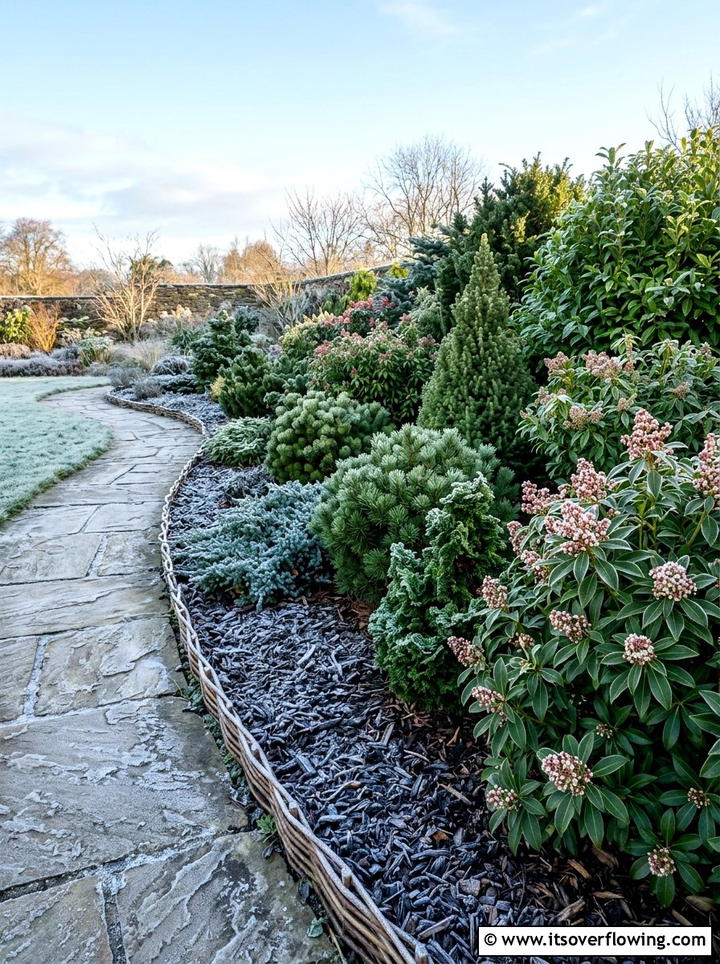
Maintaining a beautiful garden throughout the winter months can be a challenge, but evergreen shrubs make it much easier to achieve. Plants like Pieris, Skimmia, or dwarf conifers keep their leaves all year, providing much-needed color and structure when other plants have gone dormant. These shrubs serve as the skeleton of your garden border, ensuring that your landscape never looks bare or neglected during the colder seasons. They also provide essential shelter for birds during the winter, making your garden a haven for local wildlife. By mixing different leaf textures and shades of green, you can create a sophisticated and permanent border layout.
13. Herb Garden Border
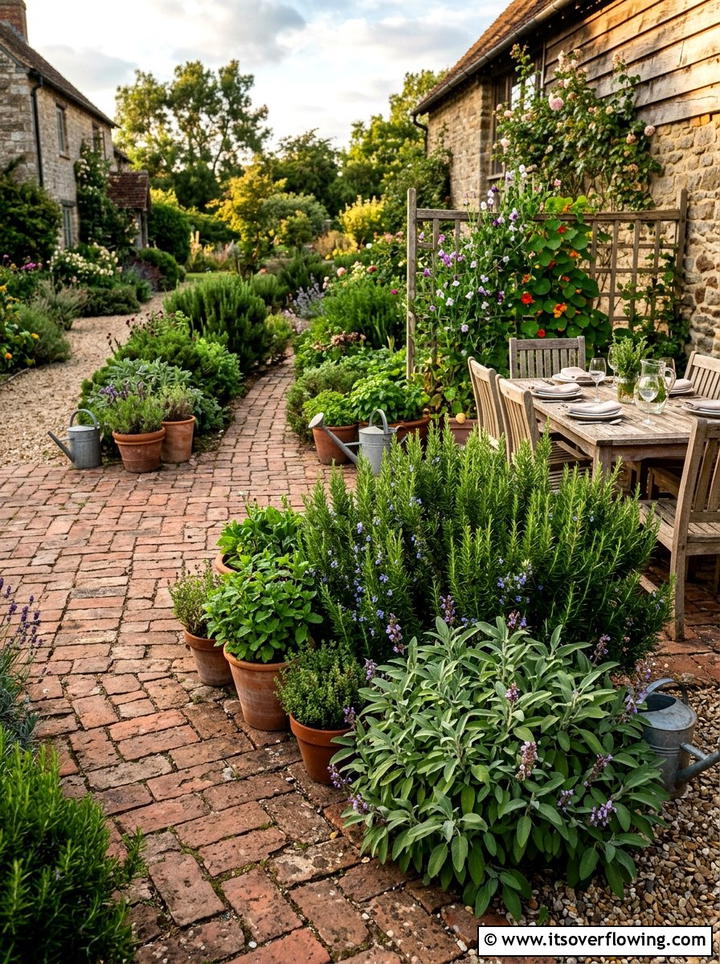
Why not make your garden border both beautiful and functional by planting a variety of fragrant, edible herbs along your edges? Rosemary, sage, and oregano are hardy plants that look fantastic as low hedges while providing fresh ingredients for your kitchen all year. Their woody stems and textured leaves stand up well to the elements, and many produce delicate flowers that attract beneficial insects to your yard. Planting herbs near a patio or outdoor kitchen ensures that the scent is released whenever you walk past, enhancing the sensory experience. It is a practical and stylish way to maximize the utility of your available gardening space.
14. Hydrangea Garden Edge
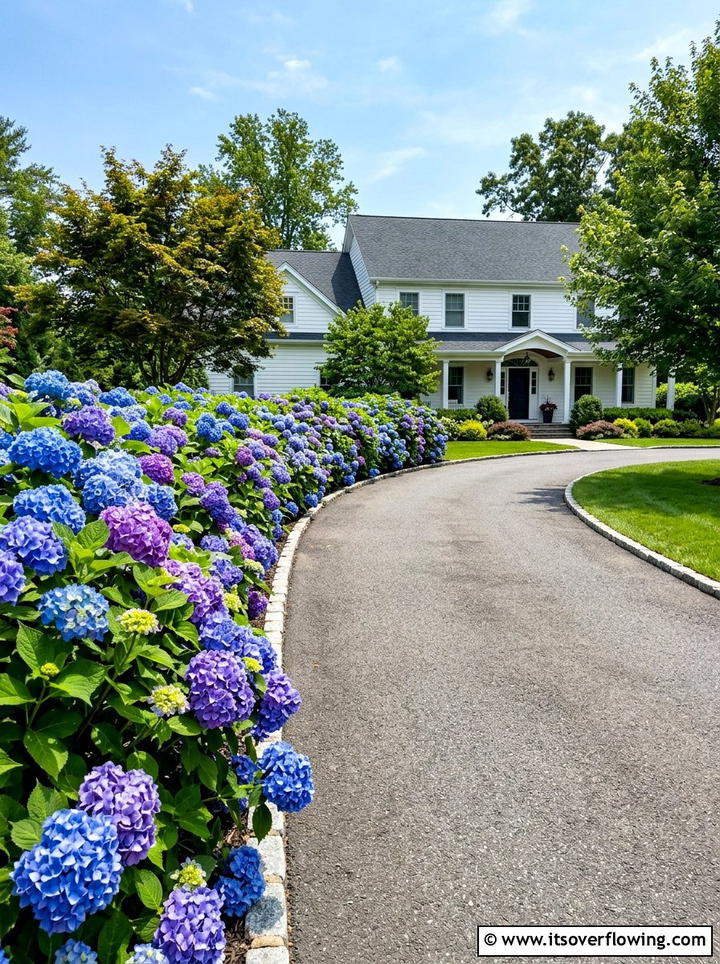
Hydrangeas are famous for their massive, show-stopping flower heads that can turn any simple border into a dramatic floral display during summer. These shrubs are perfect for lining a driveway or a fence where you want to create a significant amount of volume and color. With varieties ranging from classic mopheads to elegant panicles, you can choose a look that matches your home’s architectural style perfectly. They prefer slightly cooler spots and plenty of moisture, rewarding you with blooms that last for weeks and even look great when dried. A row of hydrangeas creates a sense of abundance and lushness that is truly hard to beat.
15. Rock Garden Border Plants
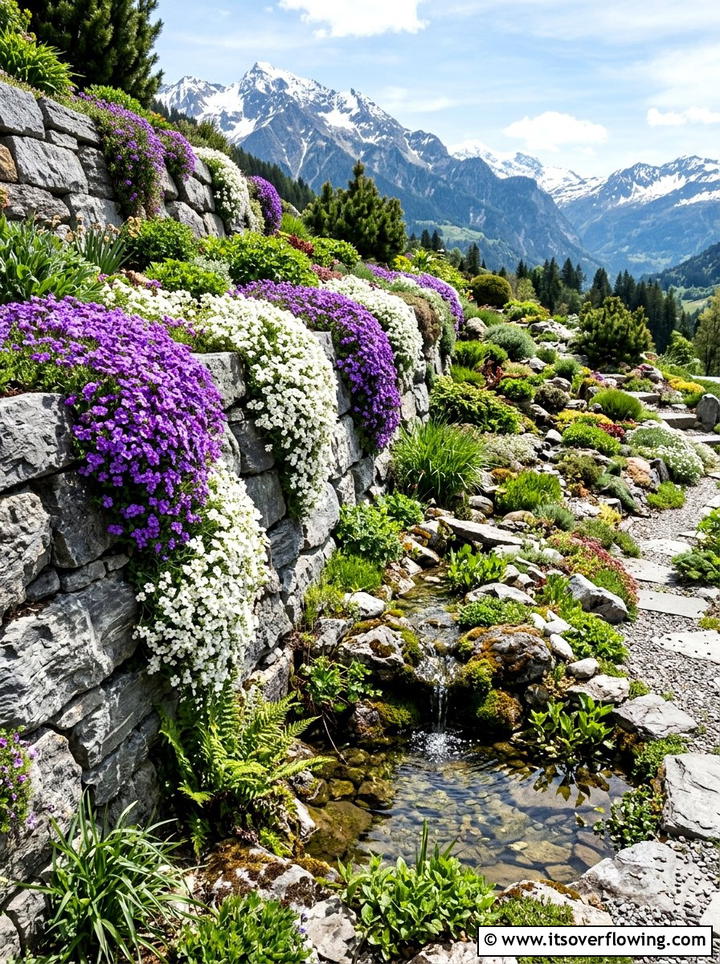
If your garden features slopes or rocky terrain, choosing plants that naturally thrive in crevices is the best way to create a seamless border. Rock cress, Aubrieta, and various alpine species are experts at hugging the contours of stones and spilling over the edges in a waterfall of color. These plants are typically very hardy and require minimal soil, making them ideal for the challenging spots where traditional bedding plants might fail. The combination of hard, gray stone and vibrant, low-growing flowers creates a rugged yet refined aesthetic. This style of border is perfect for adding character to a tiered landscape or a sloped backyard.
16. Tropical Plant Garden Border
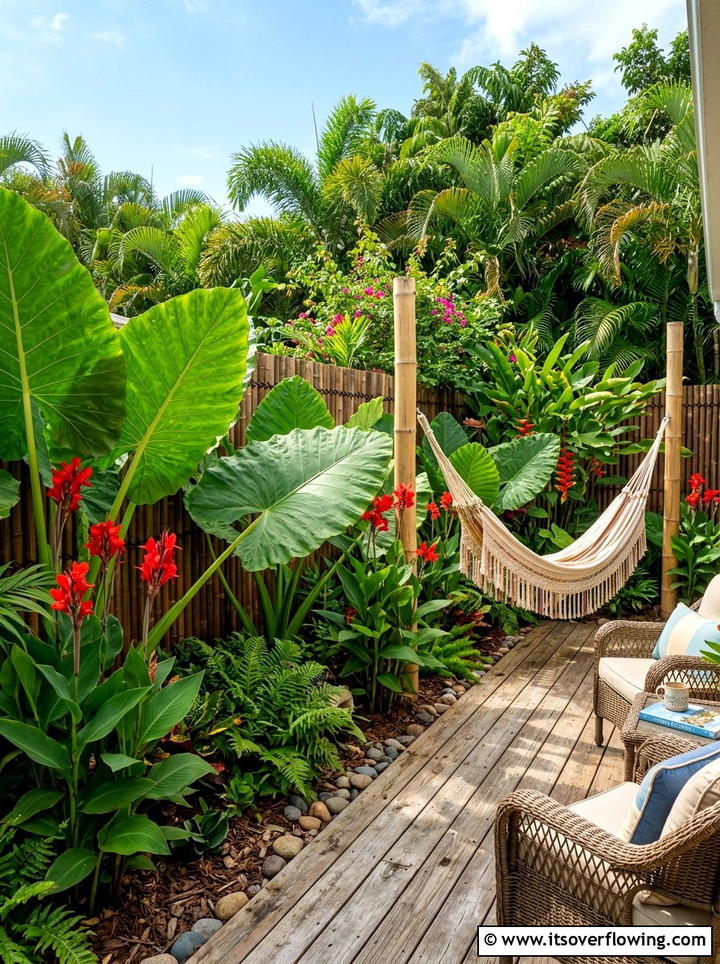
Can you imagine stepping out of your back door and feeling like you have been transported to a lush, tropical island resort? Using large-leafed plants like Canna lilies, Elephant Ears, or hardy palms along your borders creates an exotic atmosphere that feels private and sheltered. These plants provide incredible height and bold pops of color that make a massive statement in a relatively short amount of time during the growing season. They work best when grouped closely together to create a dense wall of greenery that blocks out the rest of the world. It is a fantastic way to turn a standard backyard into an exciting vacation-like retreat.
17. Red Flower Garden Border
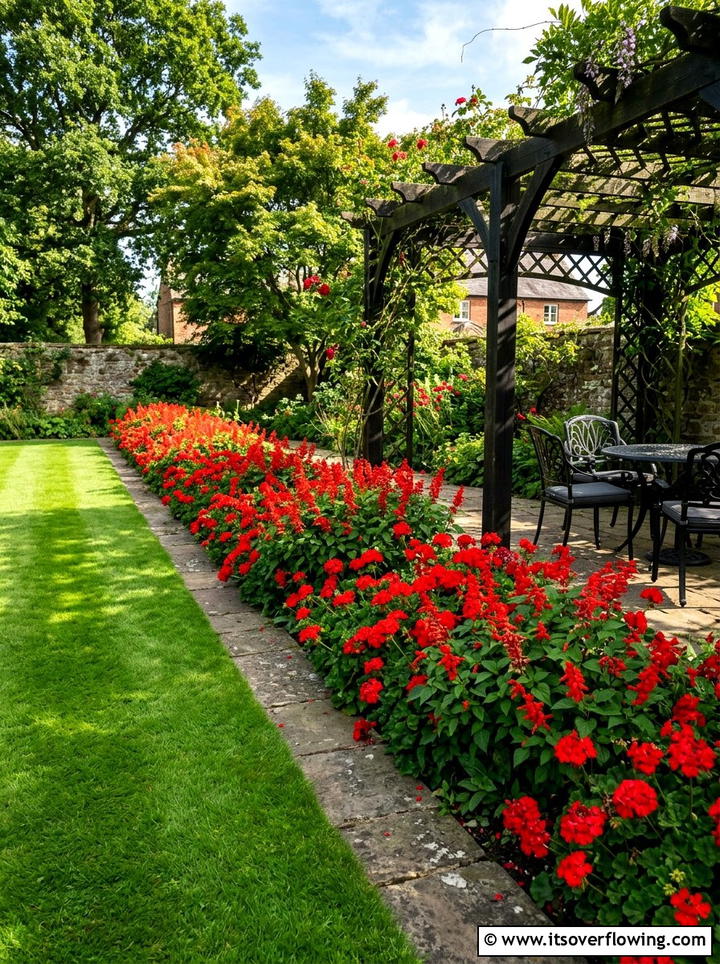
Red is a powerful color that demands attention and can make your garden feel energetic, warm, and incredibly vibrant from a distance. Choosing red-blooming border plants like Geraniums, Salvia, or red Poppies creates a focal point that draws people into the space immediately. When used against a backdrop of dark green foliage, red flowers pop with an intensity that is perfect for highlighting a specific path or entrance. You can also mix different shades of red, from bright scarlet to deep maroon, to add depth and interest to the design. This bold choice is ideal for homeowners who want their garden to have a personality.
18. White Garden Border Plants
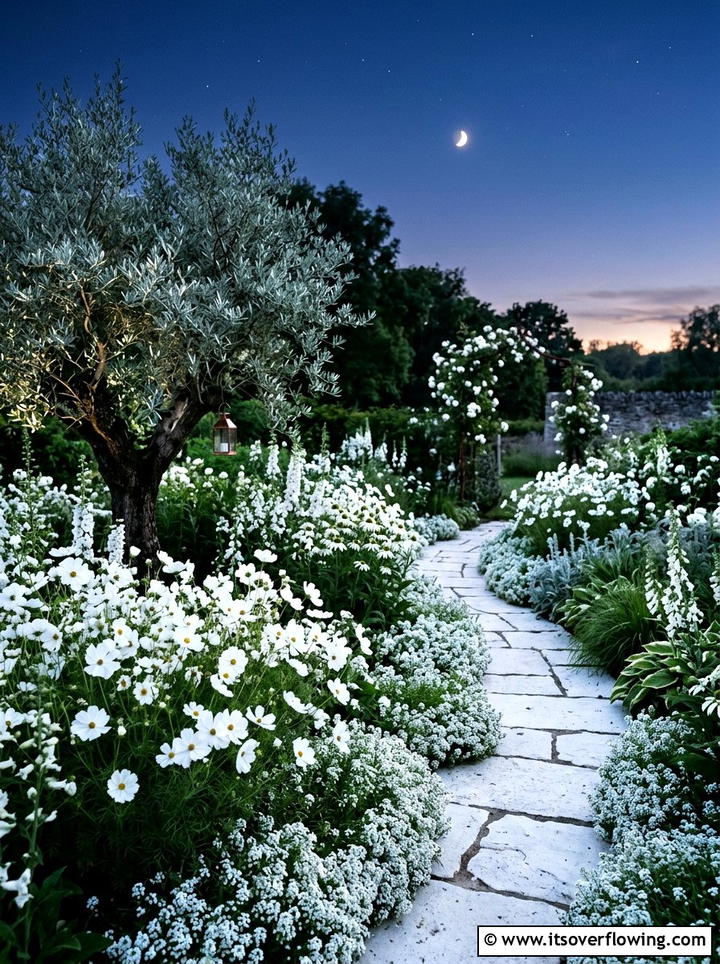
A white garden border, often referred to as a “moon garden, ” looks incredibly sophisticated during the day and glows beautifully under the moonlight. Plants like white Alyssum, Candytuft, and white Cosmos create a clean, crisp look that feels refreshing and calm in the heat of the summer. White flowers are excellent for brightening up dark corners of the yard and making smaller spaces feel much larger and more open than they actually are. When paired with silver-leafed foliage like Artemisia, the effect is ethereal and high-end. This classic color scheme never goes out of style and works with any type of home architecture or design.
19. Tall Perennial Back Border
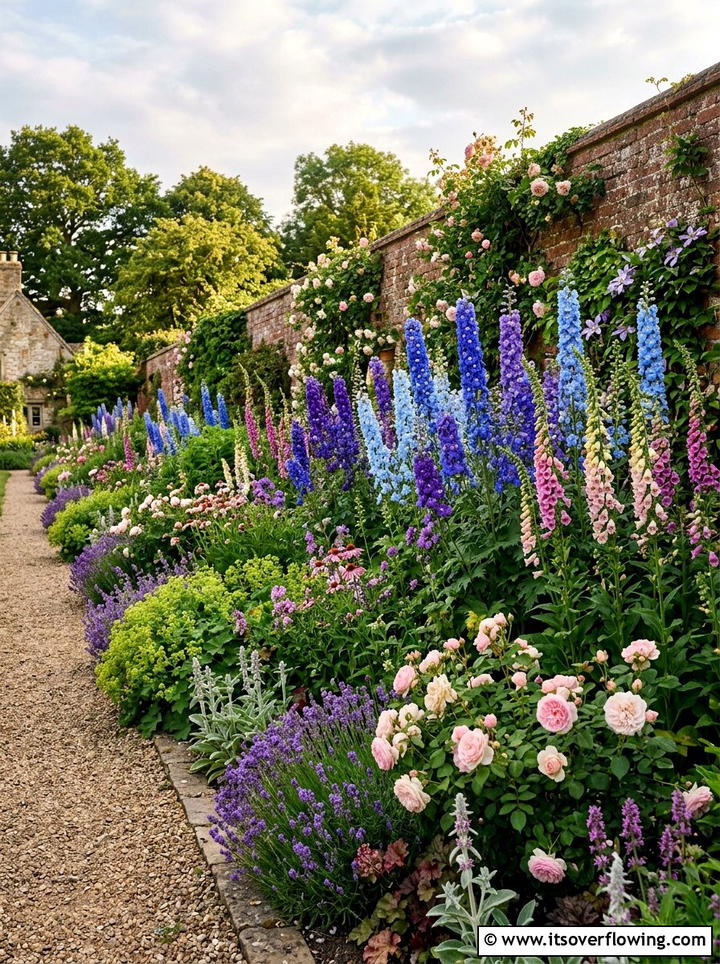
When you are designing a deep garden bed, it is essential to have tall perennials at the back to provide a solid background. Plants like Delphiniums, Foxgloves, and Hollyhocks add necessary height and drama, acting like a living fence that frames the rest of your floral display. These towering beauties create a sense of enclosure and privacy while ensuring that the visual interest starts at eye level and works its way down. Because they take up vertical space rather than horizontal space, they are great for adding impact to narrower gardens. They provide a traditional, stately look that makes your garden feel mature and well-planned.
20. Ground Cover Border Plants
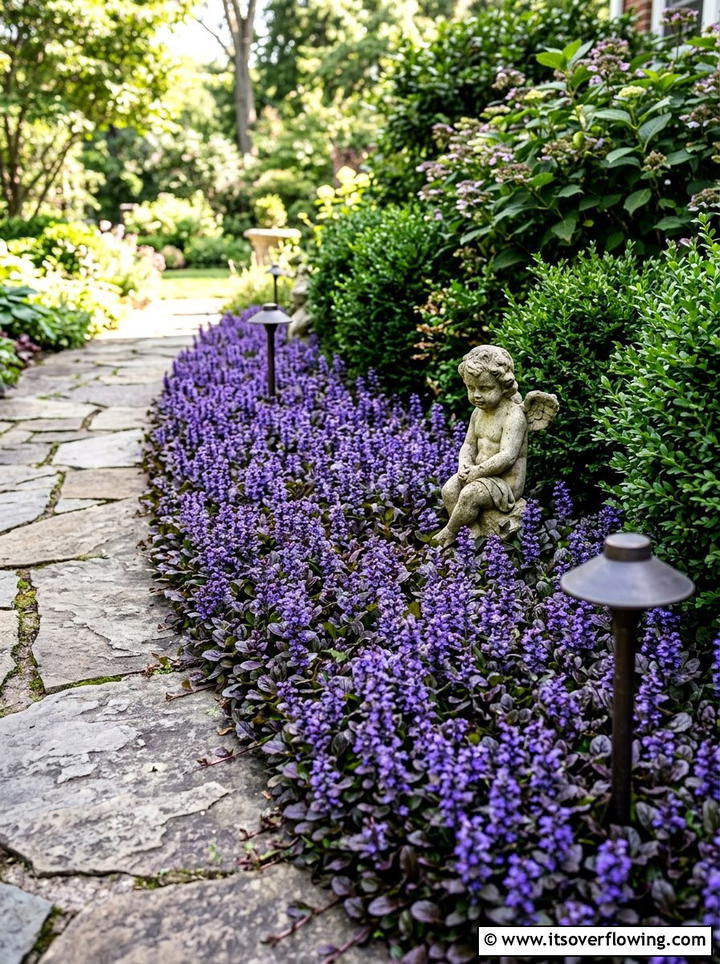
Sometimes the best way to finish a garden edge is to let a low-growing ground cover mat spread out and unify the space. Plants like Ajuga or Vinca minor are excellent for creating a carpet of green that fills in the gaps between larger shrubs and the lawn. These plants are particularly useful for suppressing weeds and keeping the soil moist, which reduces the amount of time you spend on maintenance tasks. They create a soft, seamless transition that looks natural and helps to tie together different elements of your landscape. Choosing a flowering ground cover adds an extra layer of beauty to this practical solution.
21. Raised Bed Border Plants
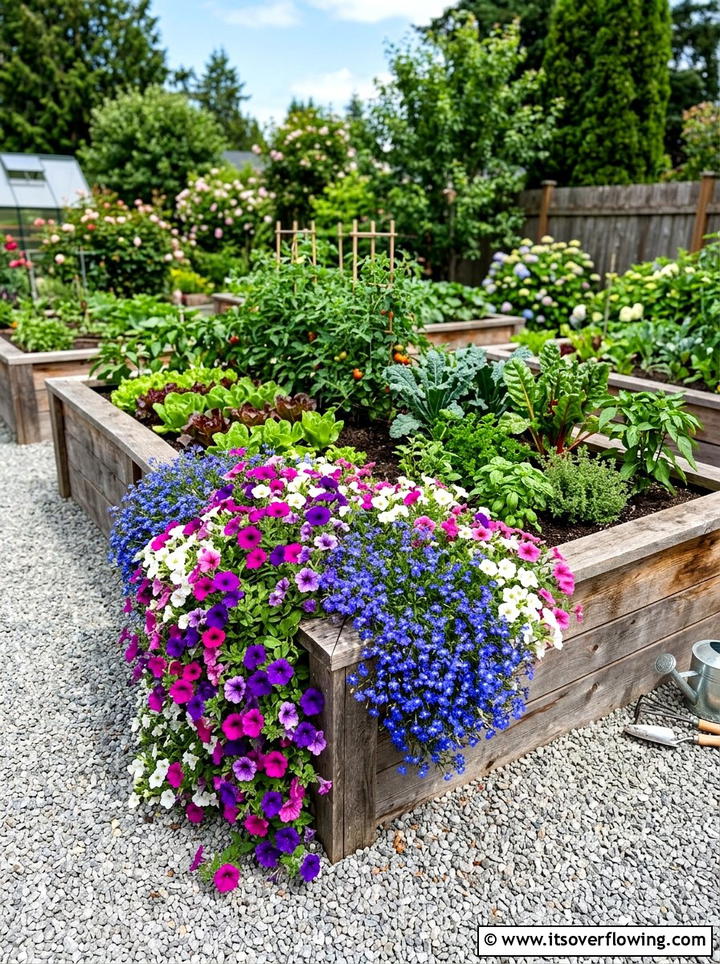
Raised beds offer a unique opportunity to use trailing plants that can spill over the edges, softening the hard lines of the wood or stone. Planting things like trailing Petunias, Lobelia, or even strawberries along the perimeter of a raised bed creates a beautiful “overflowing” effect that looks professional. This approach maximizes your growing space and ensures that every inch of the bed is contributing to the overall visual appeal of the garden. It also makes harvesting or tending to the plants much easier on your back since they are elevated. The result is a lush, three-dimensional display that adds a lot of charm to the area.
22. Fern Garden Border
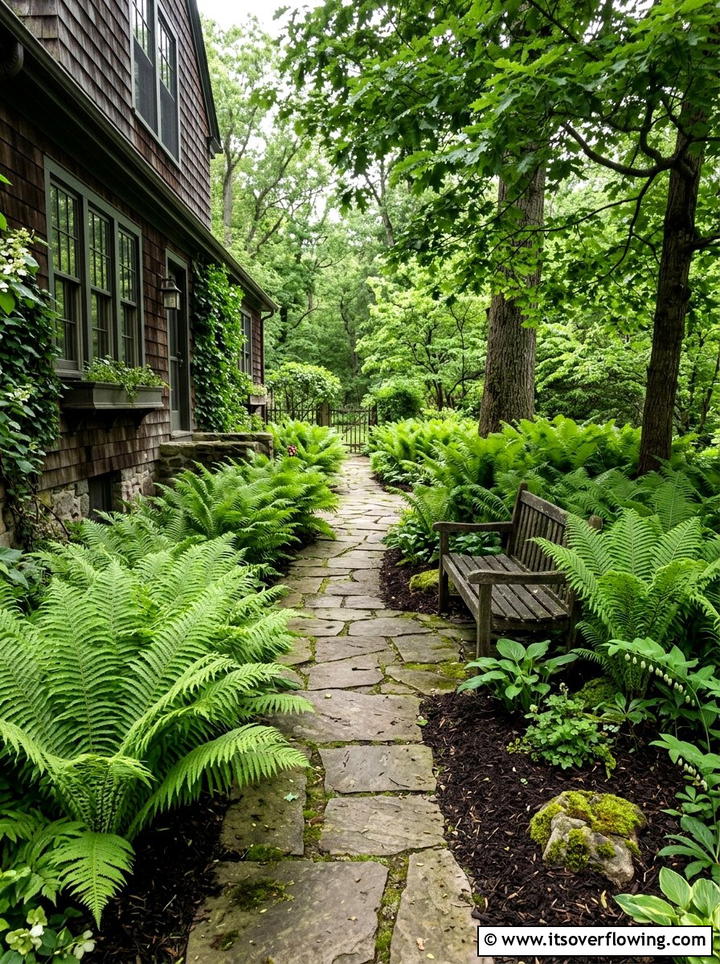
For those damp, shady areas under a porch or beneath a canopy of old trees, ferns provide an unmatched level of texture and elegance. Their delicate fronds unfurl in the spring, bringing a sense of ancient, woodland beauty to your modern garden borders. Varieties like the Ostrich fern or the Japanese Painted fern offer different colors and structures that look amazing when planted in large groups. Ferns are relatively low-maintenance once they are settled in a spot with consistent moisture and protection from the harsh afternoon sun. They create a cool, quiet atmosphere that is perfect for a relaxing shaded seating area or a side walkway.
23. Vegetable Garden Flower Border
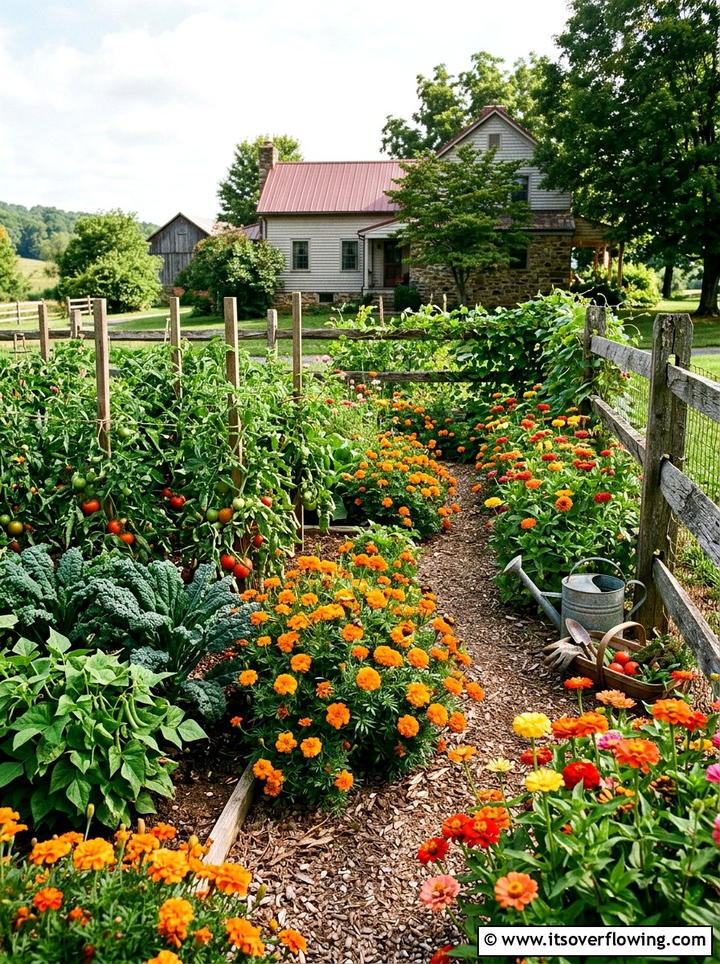
Did you know that planting flowers around your vegetable patches can actually improve your harvest by attracting more pollinators and beneficial insects? Marigolds, Nasturtiums, and Zinnias are classic choices for a vegetable garden border because they are bright, hardy, and help to deter certain common pests. This dual-purpose approach turns a purely functional food-growing area into a beautiful part of your landscape that you will want to show off to guests. It creates a cheerful, farmhouse-style aesthetic that feels productive and healthy. Mixing edible flowers with your vegetables also means you can harvest beautiful garnishes and salad ingredients right from your own backyard border.
24. Allium Garden Border
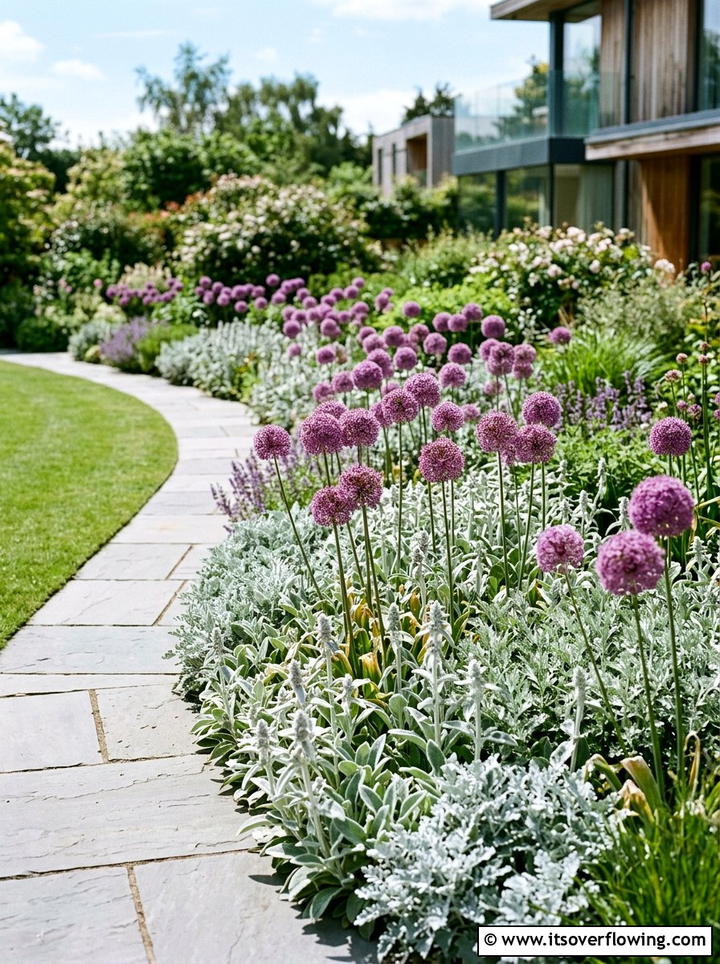
If you want to add a touch of whimsy and unexpected geometry to your garden, look no further than the striking Allium. These bulbous plants produce perfectly spherical flower heads on tall, sturdy stems that look like something out of a storybook or a modern art gallery. Planting them in a row along a border creates a repetitive pattern that is visually fascinating and very popular for Pinterest-worthy garden photography. They bloom in late spring and early summer, filling the gap between spring bulbs and summer perennials. Even after the color fades, the dried seed heads remain structural and interesting for several weeks in the sun.
25. Japanese Maple Garden Edge
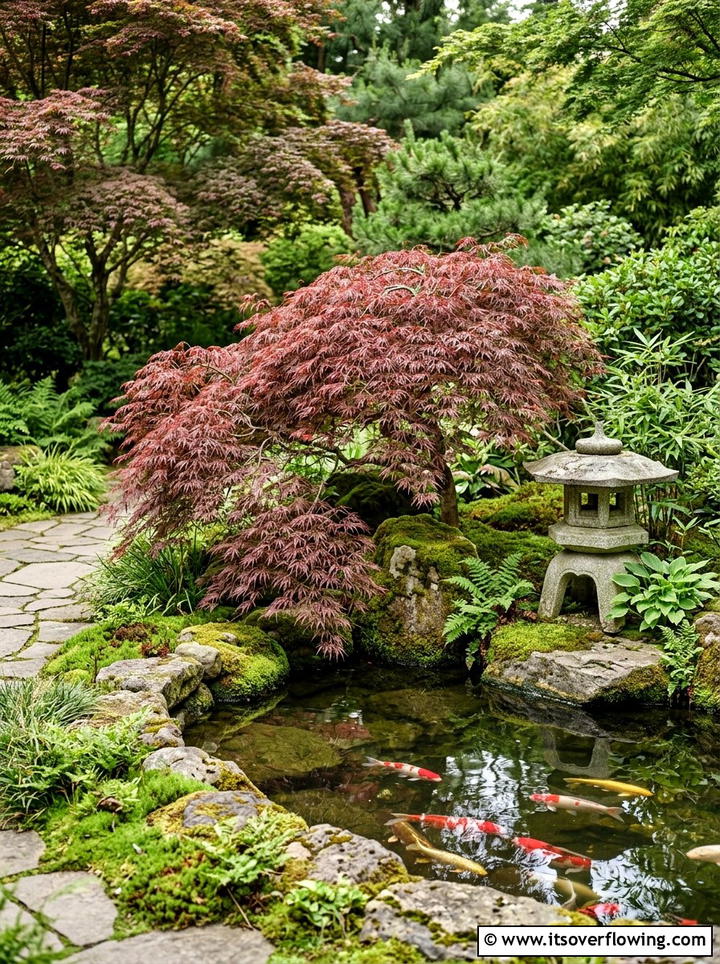
A Japanese Maple can serve as the ultimate low-growing focal point or a larger structural border plant depending on the variety you choose. With their intricate, lacy leaves and stunning color changes from spring to autumn, they offer year-round visual interest that few other plants can match. Using a weeping variety at the edge of a pond or a stone path creates a sophisticated, Zen-like atmosphere that feels intentional and peaceful. These trees are highly prized for their artistic form and can be pruned to maintain a specific size, making them suitable for gardens of all dimensions. They add a touch of luxury and grace to any border.
Conclusion:
Designing a garden with the perfect border plants is an artistic journey that allows you to express your personal style while enhancing your home’s value. Throughout this list, we have seen how different textures, colors, and heights can completely change the mood of an outdoor space, from the romantic spill of a cottage garden to the crisp lines of a modern hedge. By choosing plants that thrive in your specific climate and light conditions, you ensure a thriving landscape that brings joy for years to come. Remember that the best gardens are those that feel like an extension of the home, offering a beautiful and functional retreat.

Related posts:
 25 garden design ideas with edible plants: Beautiful Foodscapes
 25 Garden Design Ideas With Pathways for Beautiful Garden Flow
 25 garden design ideas for driveways for Beautiful Curb Appeal
 25 Garden Ideas to Inspire a Beautiful Outdoor Makeover
 25 Garden Ideas for Clay Soil That Grow Strong and Beautiful
 25 Garden Ideas for Winter to Keep Your Yard Beautiful
 25 Garden Ideas With Pathways for a Beautiful Yard Makeover
 25 Garden Ideas With Window Boxes for Beautiful Blooms
 25 Small Garden Ideas on a Budget for Beautiful Outdoor Style
 25 Creative Garden Ideas With Hummingbird Plants
 25 Garden Design Ideas With Woodland Plants for Lush Shade
 25 Small Garden Ideas With Layered Plants for Lush Depth