
Transforming your outdoor space during the colder months might seem challenging at first. Many people believe that gardening stops when the temperature drops, but that is simply not true. Winter offers a unique opportunity to focus on structure, texture, and subtle colors that often get overlooked in summer. A well-planned winter garden provides visual interest through evergreens, colorful barks, and lingering berries that attract local wildlife. You can create a peaceful sanctuary that looks beautiful even under a blanket of snow. This guide explores creative ways to maintain a vibrant and functional landscape throughout the season. By focusing on hardy plants and clever design, your yard can become a cozy haven for the entire family.

1. Winter Evergreen Shrubs
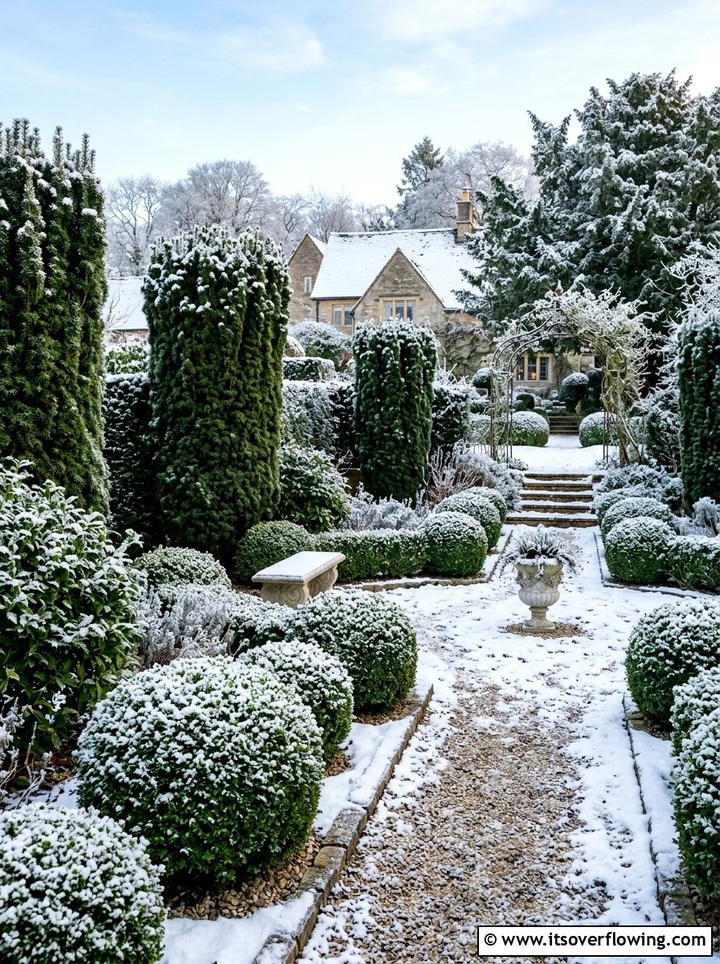
Evergreen shrubs form the backbone of any successful cold-season landscape. These plants provide a constant splash of green when everything else looks brown or bare. Boxwoods are a popular choice because they can be easily shaped into formal hedges or globes. Yew and holly also offer deep, rich colors that stand out beautifully against white snow. These hardy plants keep their foliage all year, ensuring your garden never looks truly empty or lifeless. They act as a vital windbreak and provide much-needed shelter for birds during harsh storms. Choosing a variety of shapes and heights will add layers and depth to your backyard view throughout the long winter months.
2. Cold Frame Vegetable Garden
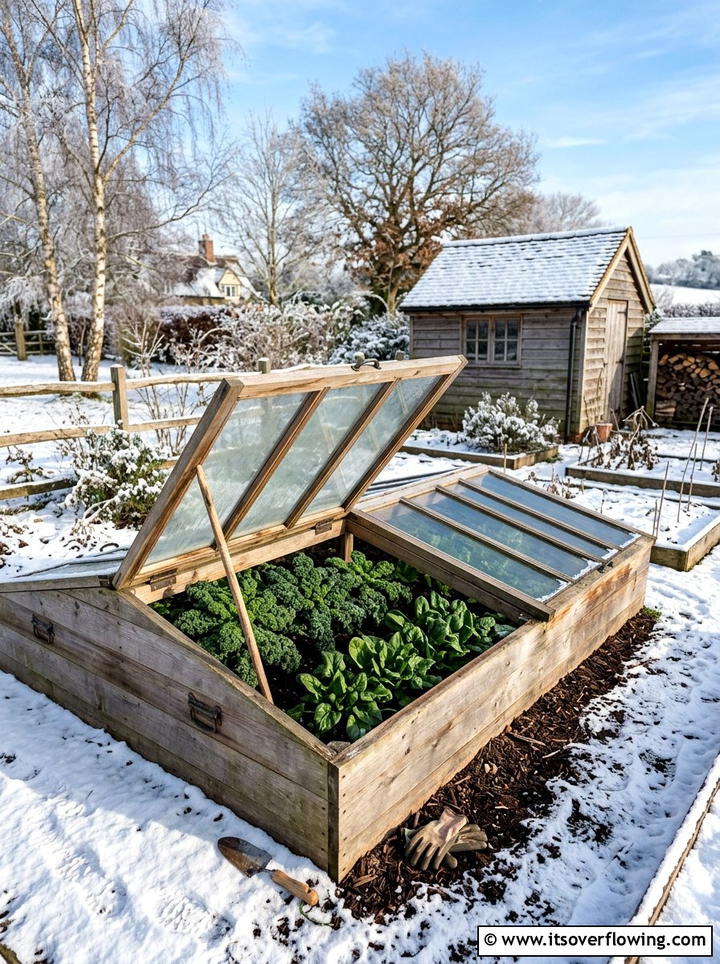
Growing your own food does not have to stop when the first frost hits the ground. Cold frames act like mini-greenhouses that trap heat and protect delicate greens from freezing temperatures. You can easily grow spinach, kale, and leeks inside these simple wooden or plastic structures. The transparent lids allow sunlight to reach the plants while keeping the biting wind away. This method extends your harvest season and provides fresh, organic produce even in January. Positioning your cold frame in a south-facing spot ensures it receives the maximum amount of winter light. It is a practical way to keep your green thumb active while the main beds are dormant.
3. Winter Flowering Plants
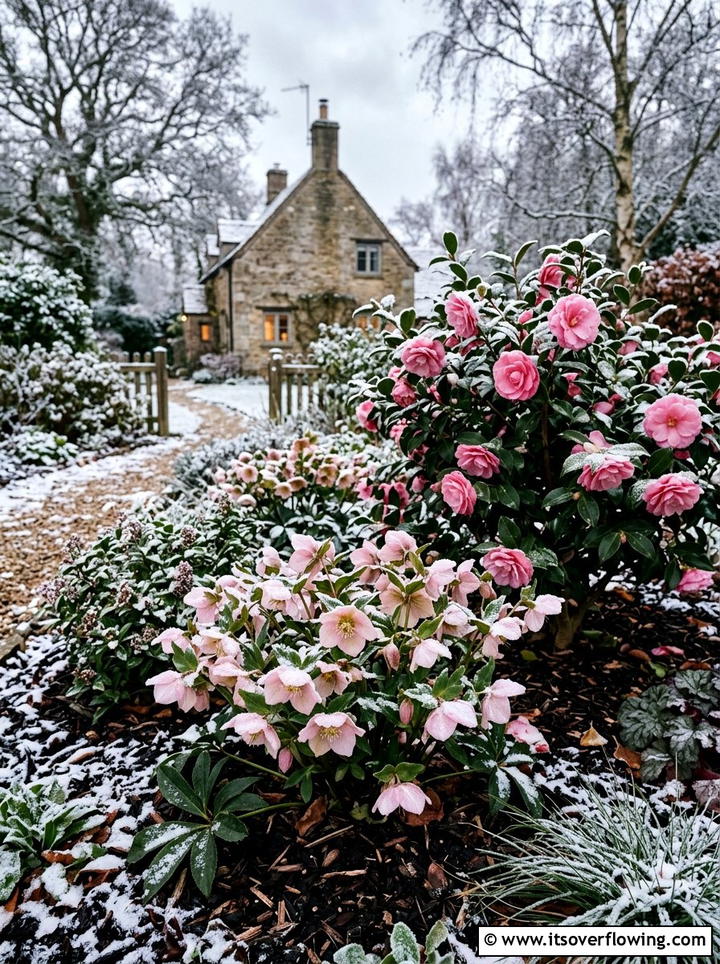
Many people are surprised to learn that certain flowers actually thrive in the middle of winter. Hellebores, often called Lenten roses, produce delicate, nodding blooms in shades of white, pink, and deep purple. These tough perennials can often be seen pushing through the snow to announce the coming spring. Camellias are another fantastic option for adding elegance and bright color to a chilly landscape. Their glossy leaves and rose-like flowers provide a stunning focal point in any garden bed. Planting these winter bloomers near your windows allows you to enjoy their beauty from the warmth of your home. They bring a sense of hope and life to the quiet season.



4. Outdoor Fire Pit Seating
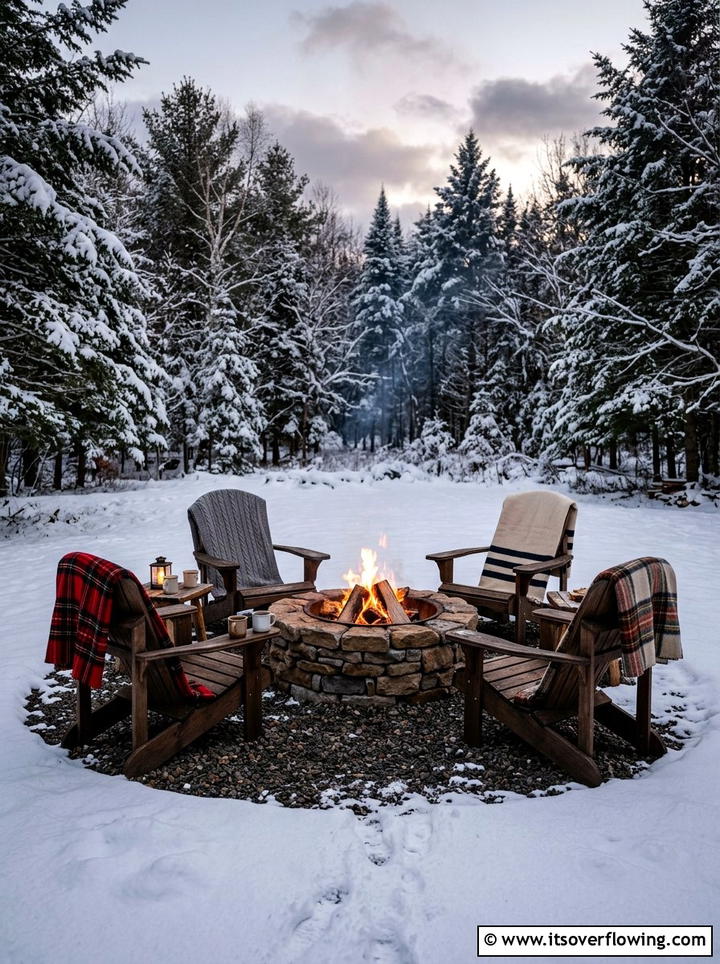
Creating a dedicated spot for a fire pit turns your backyard into a functional living space during the winter. A well-designed seating area with sturdy benches or Adirondack chairs invites everyone to gather around the warmth. You can use stone or gravel for the ground cover to keep the area clean and accessible even in wet weather. Adding thick wool blankets and outdoor cushions makes the space feel incredibly cozy and welcoming. Roasting marshmallows or sipping hot cocoa by a crackling fire is a wonderful way to enjoy the fresh air. This setup encourages family bonding and makes your garden a destination regardless of the low thermometer reading.
5. Winter Bird Feeding Station
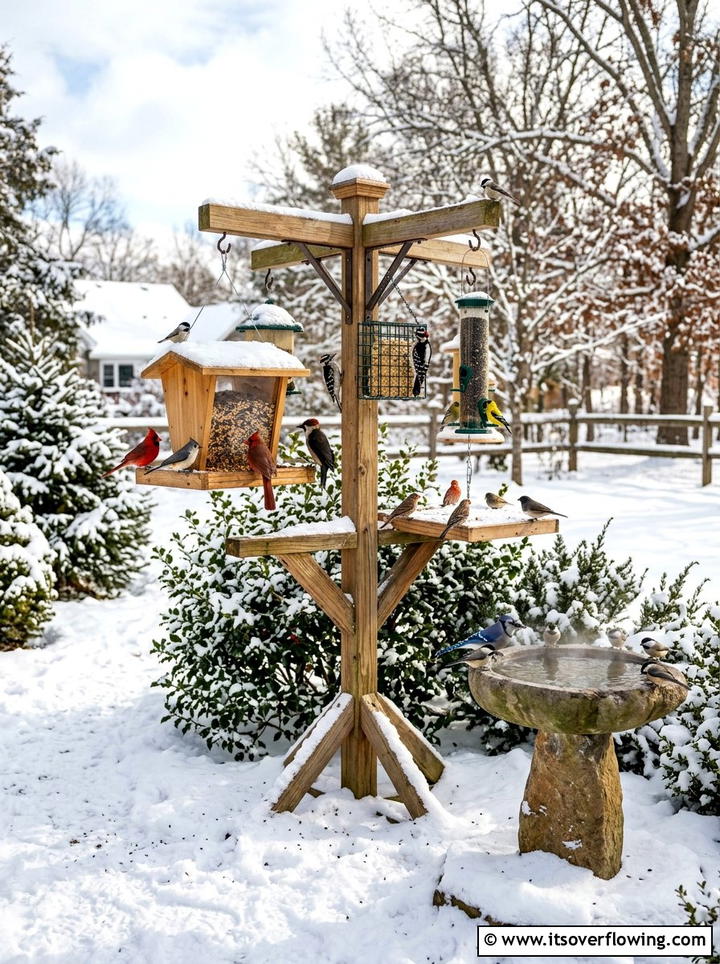
Watching colorful birds visit your garden is one of the greatest joys of the colder months. A well-stocked feeding station provides essential nutrients for local wildlife when natural food sources are scarce. You can hang various feeders filled with suet, sunflower seeds, and peanuts to attract different species. Placing the station near a dense shrub gives the birds a safe place to hide from predators while they eat. Including a heated birdbath ensures they have access to fresh water when everything else is frozen solid. This simple addition brings movement and cheerful songs to your yard, making the winter days feel much more lively and connected to nature.
6. Ornamental Grass Winter Interest
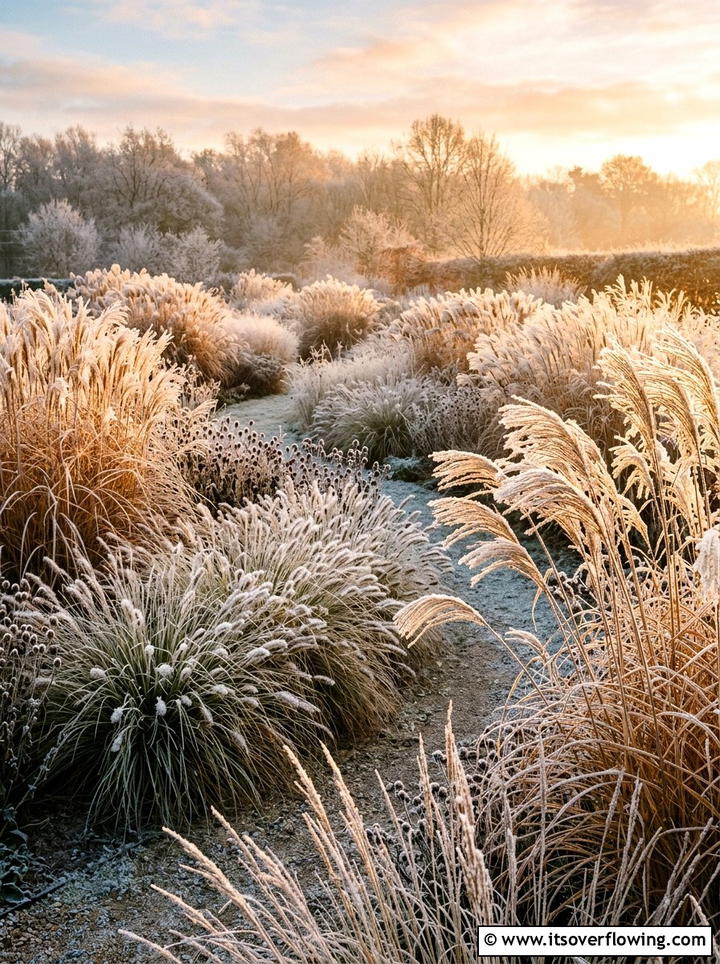
Ornamental grasses add movement and a unique architectural quality to the landscape long after other perennials have faded. Varieties like Miscanthus or Fountain Grass maintain their tall, tan stalks and feathery plumes throughout the entire season. When the wind blows, they create a soft, rustling sound that adds a sensory element to your garden. These grasses look particularly magical when covered in a light layer of frost or sparkling ice. They provide excellent structure and help fill large gaps in your flower beds during the dormant period. Leaving them standing until early spring also offers nesting material and protection for small insects and beneficial garden creatures.
7. Winter Container Garden
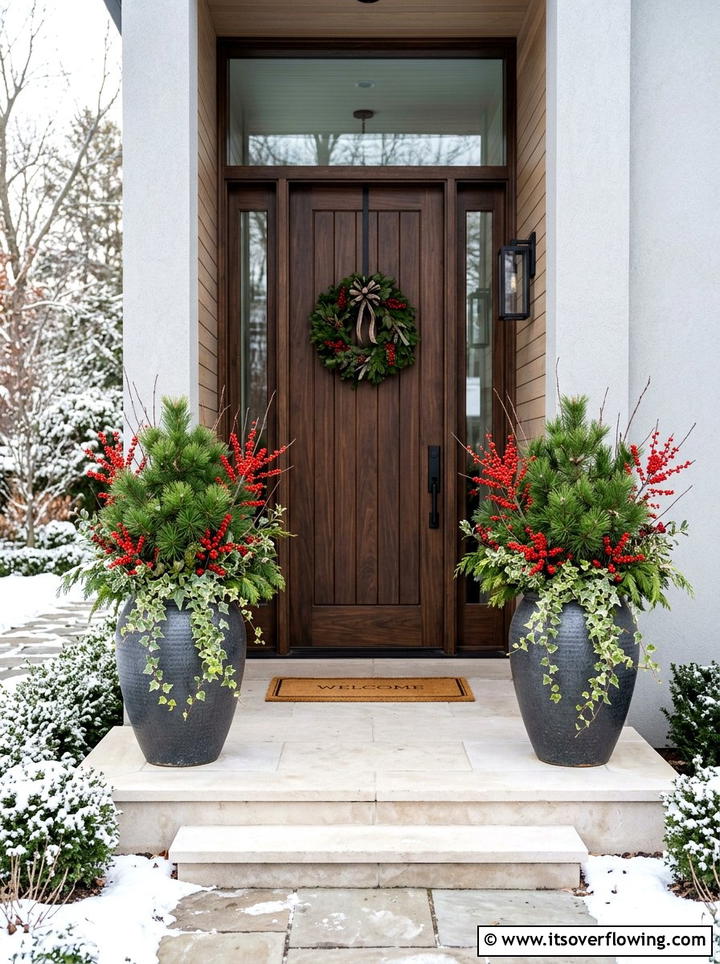
Container gardens are a perfect way to add instant style and color to your porch or patio. You can fill large pots with a mix of dwarf evergreens, trailing ivy, and vibrant winter berries. Using plants with different textures creates a professional, layered look that remains attractive for months. Since these containers are portable, you can move them to the most visible spots near your entryways. Adding decorative branches like birch or red dogwood can provide height and a natural, rustic feel. These small-scale gardens are easy to maintain and can be refreshed quickly as the seasons change. They offer a warm welcome to guests throughout the winter.


8. Bark Texture Trees
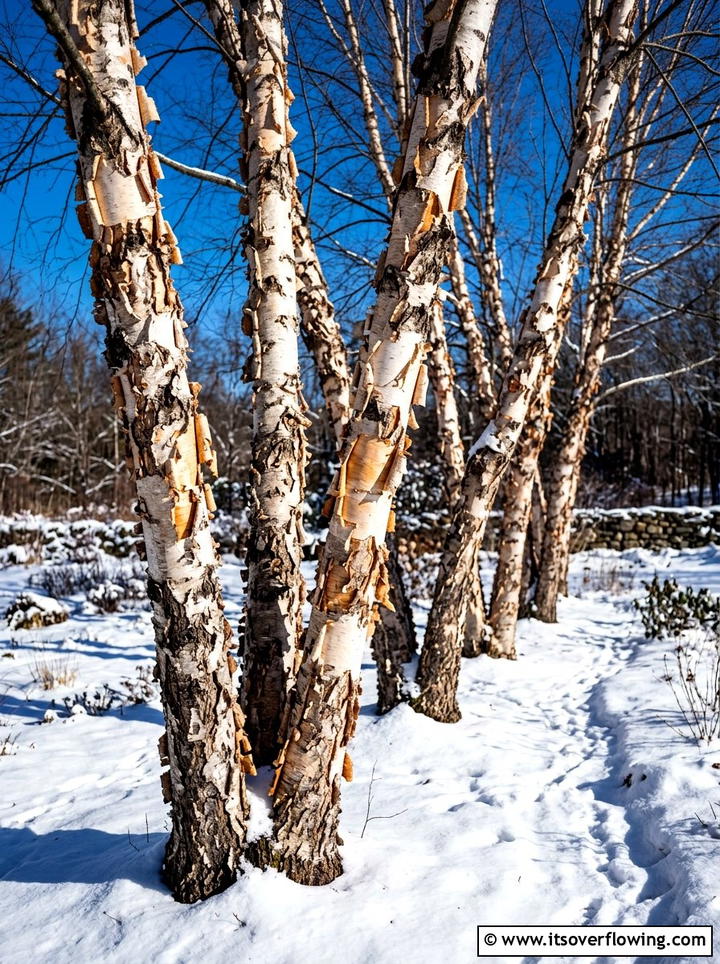
When leaves fall away, the unique textures and colors of tree bark take center stage in the garden. Trees like Paperbark Maple or Heritage Birch offer peeling, papery bark that adds incredible visual interest. Some species of cherry trees have shiny, metallic-looking bark that catches the low winter sun beautifully. These trees provide a strong structural element that defines the layout of your property. By selecting trees with interesting bark, you ensure your landscape has something fascinating to look at even on the grayest days. They act as natural sculptures that change in appearance depending on the light and moisture levels in the surrounding air.
9. Winter Garden Lighting
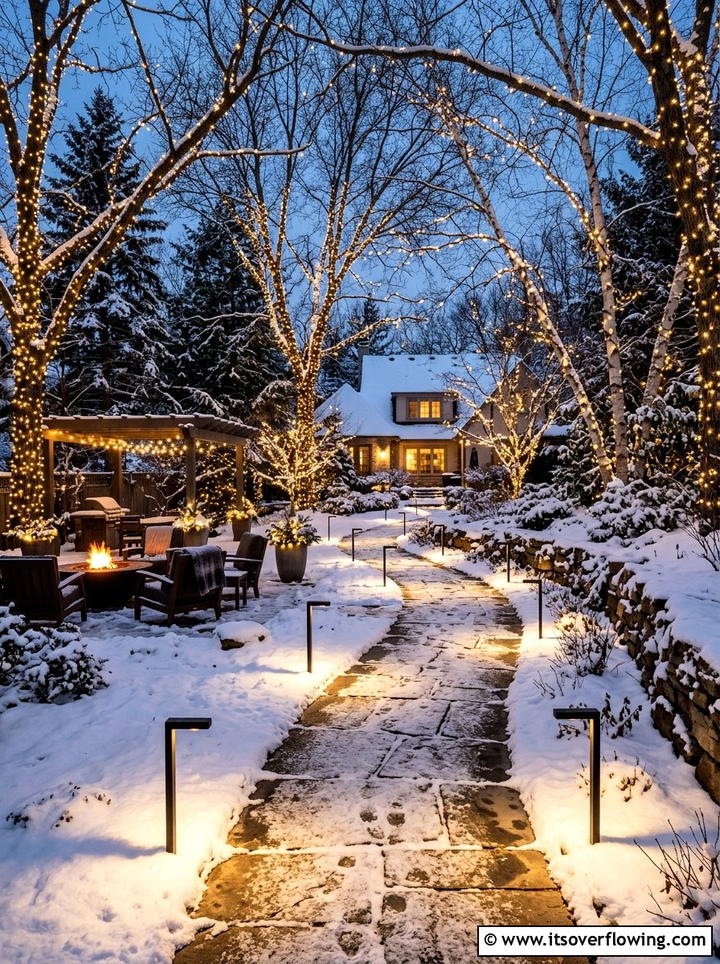
As the days get shorter, strategic outdoor lighting becomes essential for enjoying your garden after dark. Path lights and spotlights can highlight the shapes of your trees and the texture of your stone walls. Stringing warm white fairy lights through the branches of a deciduous tree creates a magical, twinkling effect. Using solar-powered lanterns is an eco-friendly way to add a soft glow to your seating areas. Proper lighting also improves safety by illuminating walkways that might be slippery or obscured by snow. A well-lit garden feels larger and more inviting, drawing your gaze outward and making the winter nights feel a lot less gloomy.
10. Evergreen Topiary Shapes

Topiaries add a touch of formal elegance and artistic flair to any winter landscape design. By pruning evergreens into spheres, cones, or spirals, you create permanent green sculptures that never lose their appeal. These structured shapes look especially striking when they are dusted with a fresh layer of white snow. They provide a sense of order and intentionality in a season that can often feel messy or bare. You can place topiaries in large urns at your front door or use them to anchor the corners of your garden beds. They are a timeless way to maintain a polished and sophisticated look throughout the coldest months of the year.
11. Winter Berry Bushes
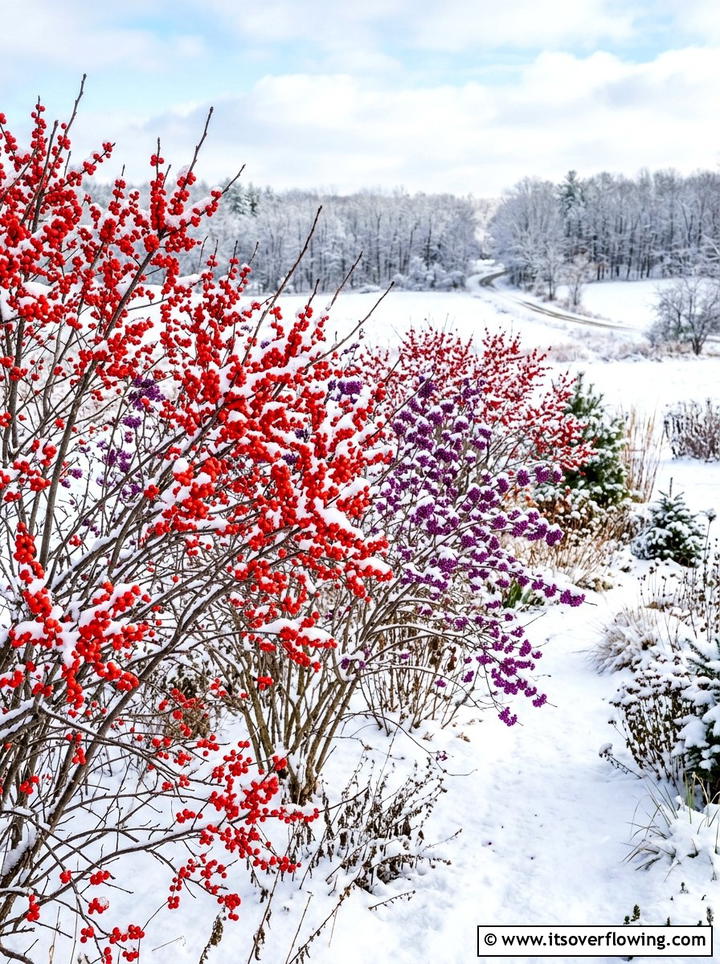
Bushes that produce bright berries are essential for adding pops of color to a dormant garden. Winterberry holly loses its leaves but keeps its brilliant red berries, creating a stunning contrast against the snow. Beautyberry is another excellent choice, offering unique clusters of vivid purple berries that last well into the season. These berries serve as an important food source for birds, bringing even more life to your backyard. Planting these shrubs in groups increases their visual impact and ensures a reliable splash of color every year. They are low-maintenance plants that offer a huge reward for very little effort during the quiet winter time.


12. Garden Path Lighting
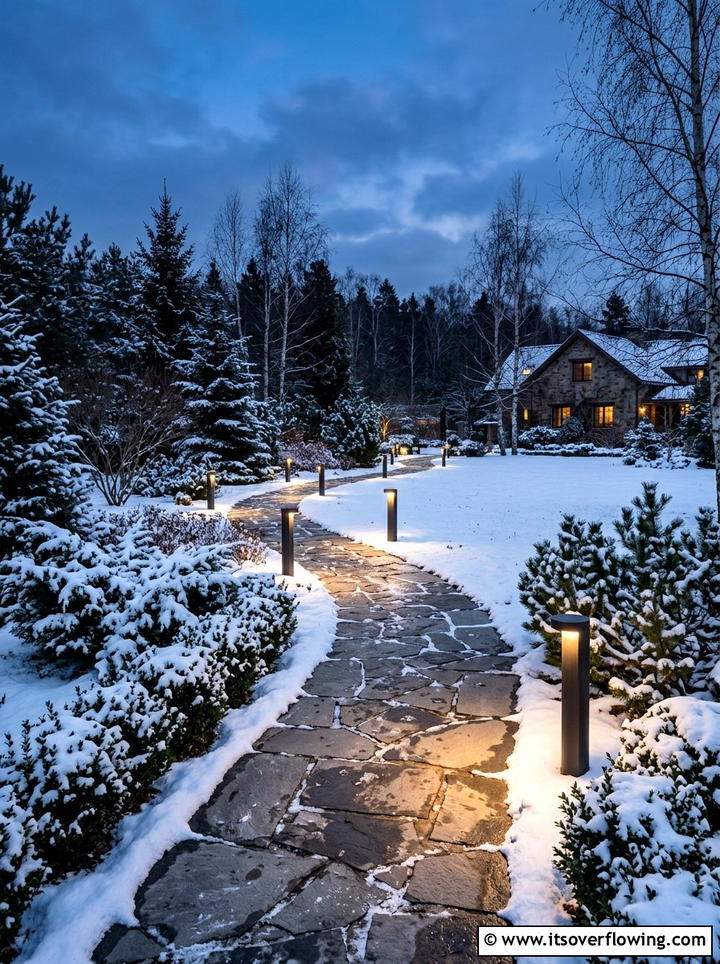
Illuminating your garden paths is both a functional and aesthetic choice for the winter season. Sturdy bollard lights or recessed pavers can guide your way through the landscape during the long evenings. This lighting prevents accidents on icy surfaces and makes the entire yard feel more secure. You can choose from a wide range of designs, from sleek modern black to traditional copper finishes. Path lighting adds a sense of flow and rhythm to the space, highlighting the layout of your garden. Using warm white LEDs provides a soft, inviting glow that makes your backyard feel like a true extension of your home.
13. Winter Greenhouse Setup
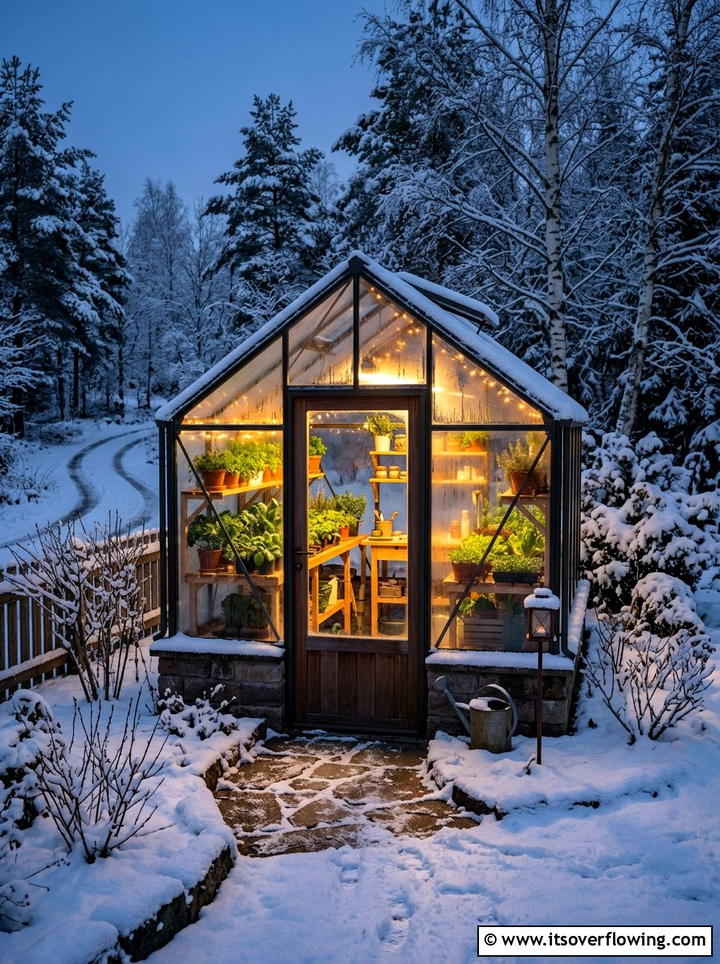
A small, well-maintained greenhouse can be a magical place to spend time during the cold winter. It provides a warm, sunny environment where you can start seeds early or protect sensitive plants. Filling your greenhouse with tiered shelving allows you to maximize your space for winter-hardy herbs and greens. Adding a small table and chair makes it a cozy spot for enjoying a cup of tea. Proper ventilation and insulation are essential for keeping the temperature steady and healthy for the plants inside. A greenhouse allows you to continue your gardening hobby while the ground outside is frozen and unworkable.
14. Raised Bed Coverings
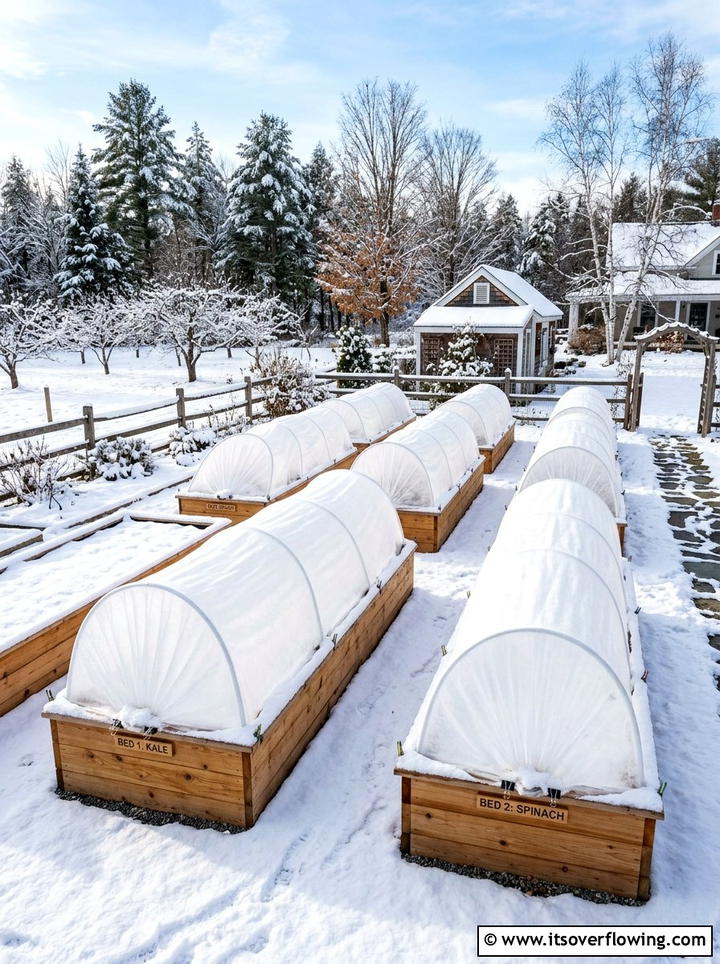
Raised beds are a popular way to garden, and protecting them in winter is key for success. Using heavy-duty plastic or fleece covers can keep the soil warmer and prevent heavy snow from packing down. These simple coverings allow you to harvest cold-tolerant crops like carrots and parsnips even in the snow. They also prevent weeds from taking over while the garden is supposed to be at rest. Building a simple hoop structure over your raised beds makes it easy to add or remove covers. This method protects the structure of your soil and ensures a quick start for the following spring.
15. Winter Water Feature
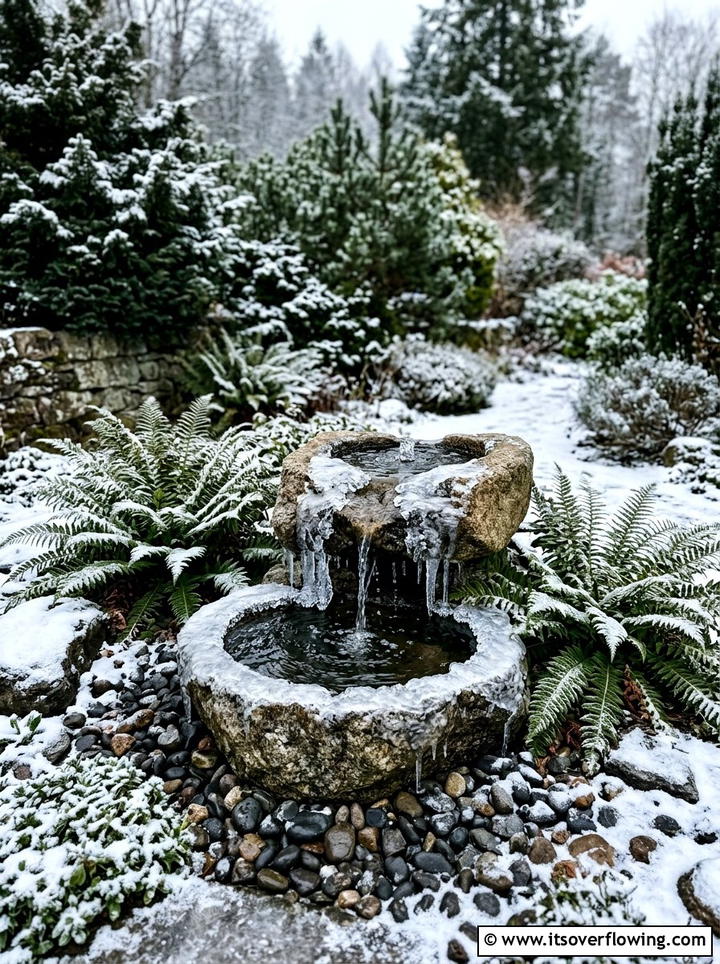
Water features can be a stunning focal point in a winter garden if they are managed correctly. A small bubbling fountain or a recirculating stream adds the soothing sound of moving water to the yard. When the temperatures drop, ice formations can create beautiful, natural sculptures around the edges of the water. Using a low-wattage heater prevents the pump from freezing and ensures the water keeps moving. It also provides a vital drinking source for birds and other thirsty winter wildlife in the area. A well-designed water feature remains a focal point that catches the eye and adds tranquility.


16. Hardy Succulent Garden

Succulents like Sempervivum, also known as Hen and Chicks, are surprisingly tough and thrive in the winter. These low-growing plants form tight rosettes that can withstand freezing temperatures and even a heavy snow cover. They look particularly striking when planted in stone crevices or in a large, shallow concrete bowl. Some varieties change color in the cold, turning deep shades of red or bronze as the season progresses. These hardy succulents require very little care and add a unique texture to the rock garden. They are a wonderful way to bring year-round interest to your smaller garden spaces.
17. Willow Garden Edging
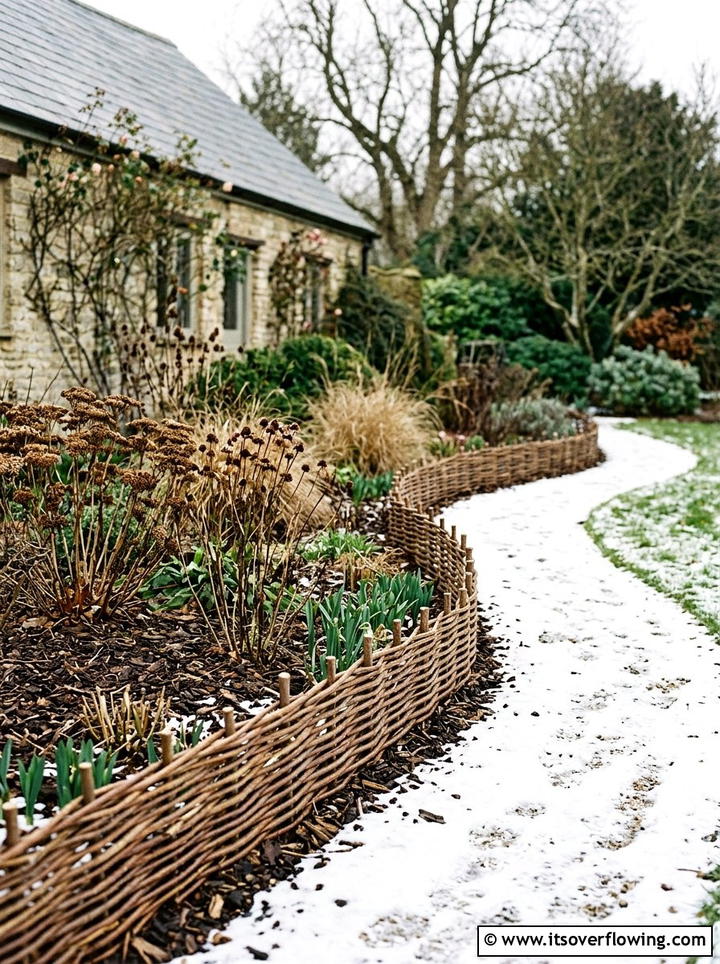
Natural willow edging adds a rustic and organic feel to your garden beds during the winter. These woven borders are a traditional way to define the edges of your paths and borders. They provide a low-level structural element that remains visible even when the flowers have died back. Willow is a flexible and durable material that weathers beautifully into a soft gray over the years. You can buy pre-made panels or weave your own for a custom, artisanal look in your garden. This edging helps keep mulch in place and prevents soil from washing onto your walkways during the winter rain.
18. Winter Flowering Bulbs
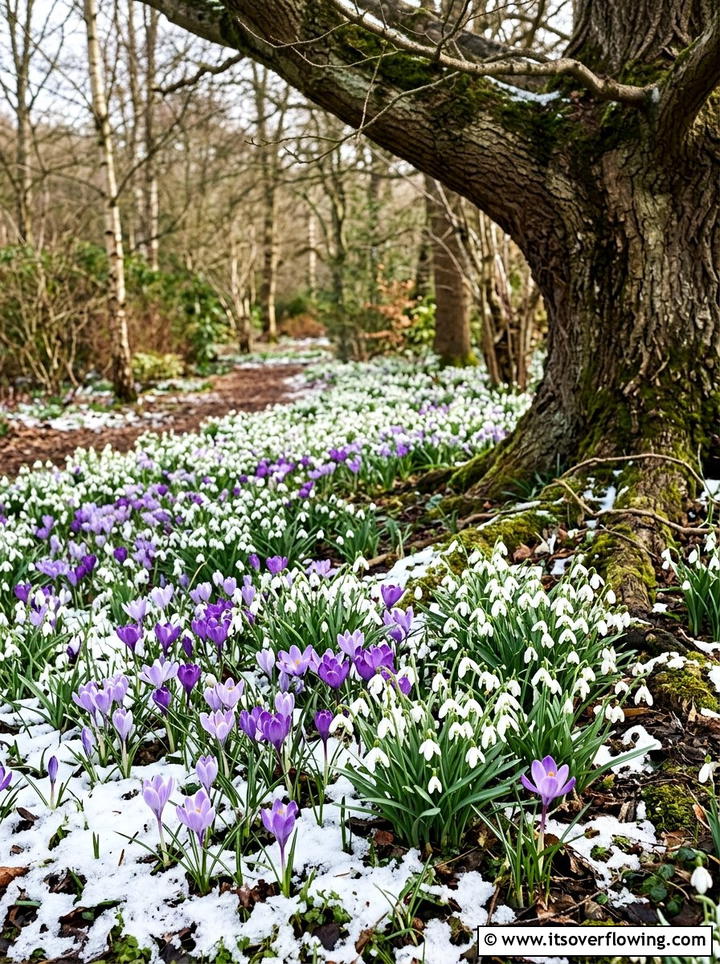
Early-blooming bulbs like Snowdrops and Crocus are a joyful sign that winter is finally coming to an end. These tiny but tough flowers often poke their heads through the snow as early as late January. Planting them in large drifts under deciduous trees or along the edges of paths creates a stunning effect. They require very little maintenance once they are established and will return year after year. Watching these brave little blooms emerge is a rewarding experience that marks the transition into the spring. They are a simple and inexpensive way to add color and hope to your garden beds.
19. Garden Bench Styling
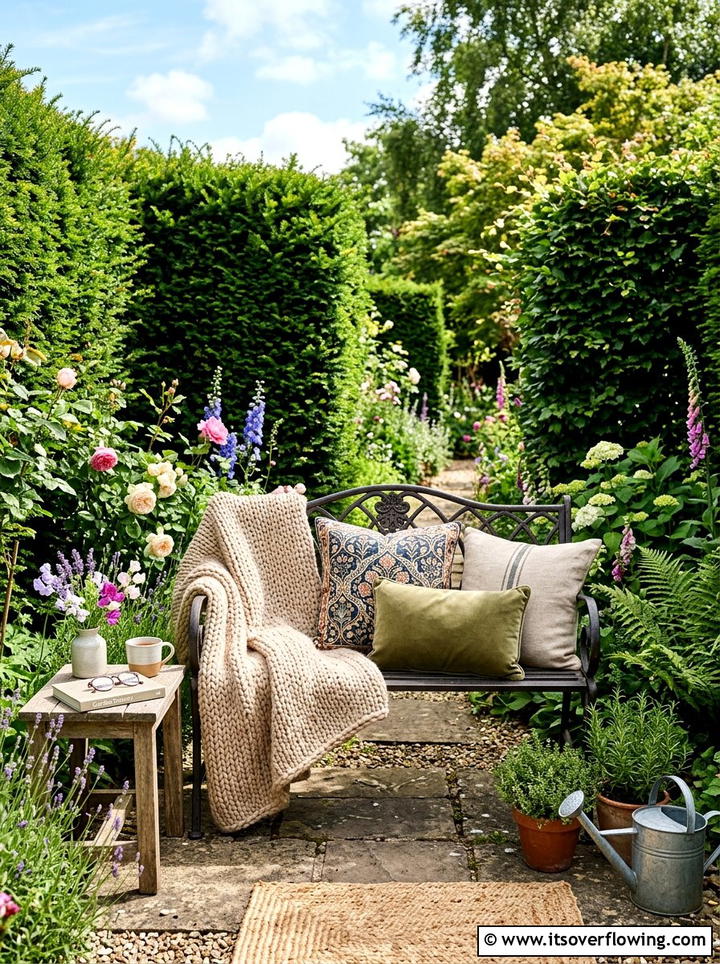
Adding a simple wooden or metal bench to your garden creates a quiet place for winter contemplation. You can style the bench with weather-resistant cushions and a heavy wool throw for extra comfort. Placing it in a sunny, sheltered spot allows you to soak up some much-needed vitamin D. Surrounding the bench with evergreen shrubs provides a sense of enclosure and protection from the cold wind. This small seating area encourages you to slow down and enjoy the quiet beauty of the season. It serves as a visual reminder that your garden is a place for rest and relaxation all year.

20. Winter Privacy Hedge
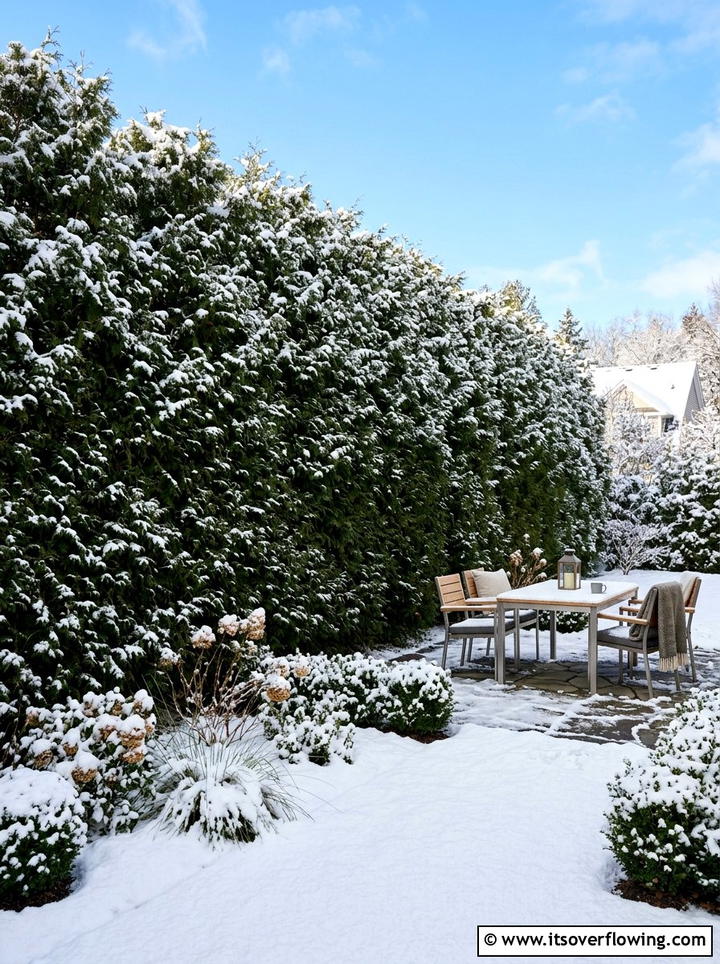
Dense evergreen hedges provide excellent privacy and act as a natural windbreak for your winter backyard space. Plants like Arborvitae or Privet maintain their thick foliage, creating a living wall that shields your home. This barrier helps to reduce heating costs by blocking cold gusts from reaching your windows and doors. A well-placed hedge also provides a safe nesting site for birds throughout the colder months of the year. You can keep the hedge neatly trimmed for a formal look or let it grow naturally. These hedges offer a constant backdrop of green that anchors the rest of your garden design.
21. Scented Winter Garden
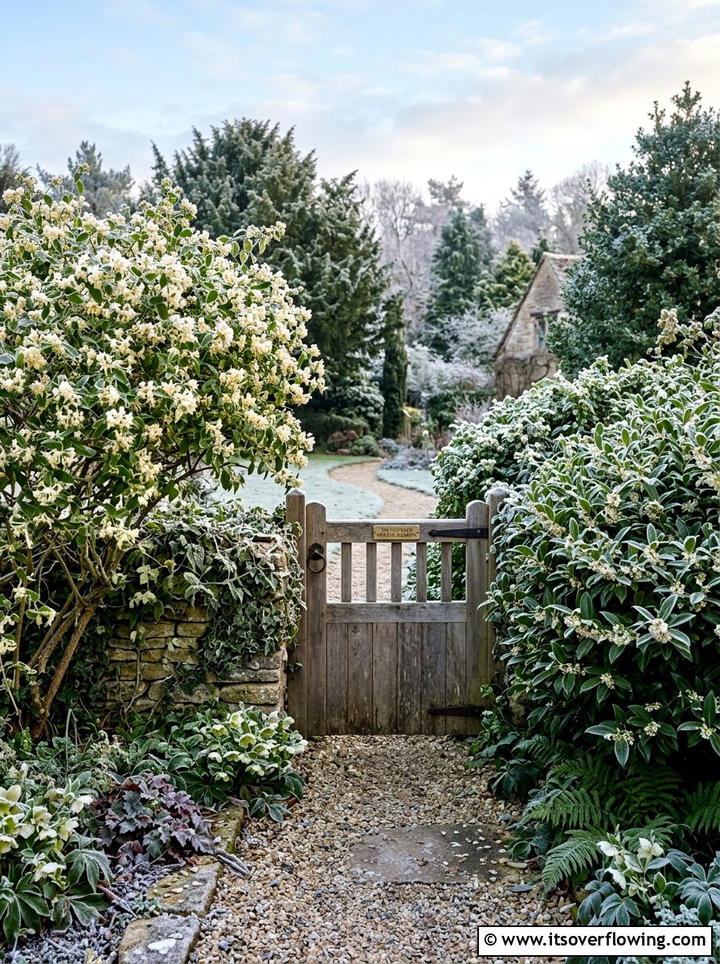
Certain plants are prized for their incredible fragrance, which can carry quite far in the crisp winter air. Sweet Box (Sarcococca) and Winter Honeysuckle produce tiny flowers with a powerful, honey-like scent in the middle of winter. Planting these near your front door or under a window allows you to enjoy their perfume. Daphne is another wonderful choice, offering beautiful clusters of pink or white blooms with a heady fragrance. These scented plants add an extra layer of sensory delight to your garden that is often unexpected. They make a walk through your winter garden a truly memorable and aromatic experience.
22. Winter Vegetable Patch
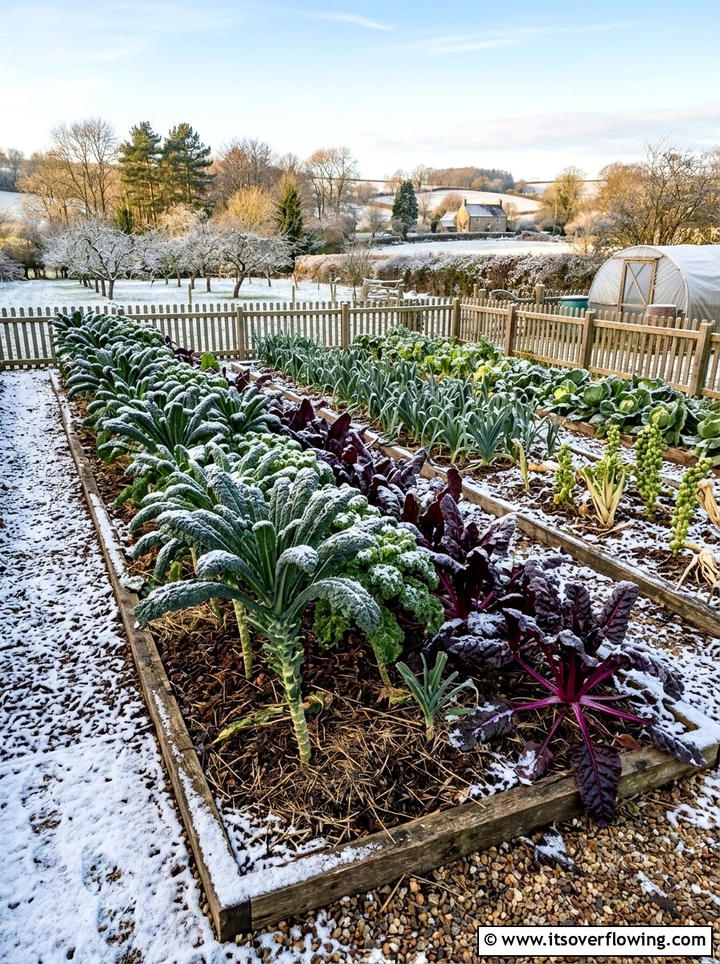
Many vegetables actually taste better after they have been touched by a light frost in the garden. Root crops like carrots, parsnips, and beets store their sugars in the cold, making them incredibly sweet. You can also grow hardy leafy greens like kale and Swiss chard that continue to produce all winter. Mulching the base of these plants with straw or shredded leaves helps to insulate the roots. This practical garden area provides a steady supply of fresh, healthy food for your winter cooking and baking. It is a productive way to use your garden space even during the traditional dormant season.
23. Garden Archway Decor

A garden archway provides a strong vertical element that can be decorated for extra winter interest and charm. You can wrap the frame with evergreen garlands or strings of warm white lights for a magical effect. These structures help to define the entrance to different parts of your yard, creating a sense of mystery. Even without any extra decor, a sturdy metal or wooden arch adds architectural beauty to the landscape. When covered in snow, these archways look like something out of a classic winter fairy tale in your backyard. They are a simple way to add height and drama to your garden layout.
24. Stone Wall Landscaping
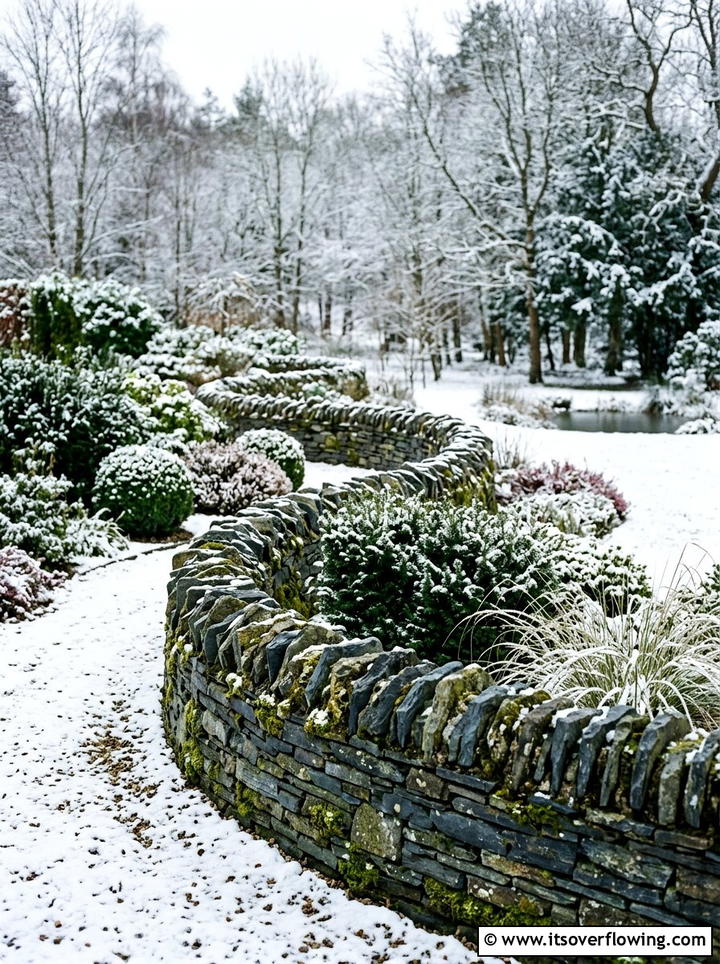
Stone walls add a timeless and solid feel to any garden, especially when the vegetation is sparse. These structures provide a warm microclimate for nearby plants by absorbing heat from the sun during the day. In winter, the texture and color of the stones become a primary focal point in the backyard. You can use low stone walls to create tiered planting beds or to define the edges of your patio. Moss and lichens growing on the stones add a touch of natural beauty and age to the wall. They are a permanent and low-maintenance way to bring structure to your garden.
25. Winter Porch Planters
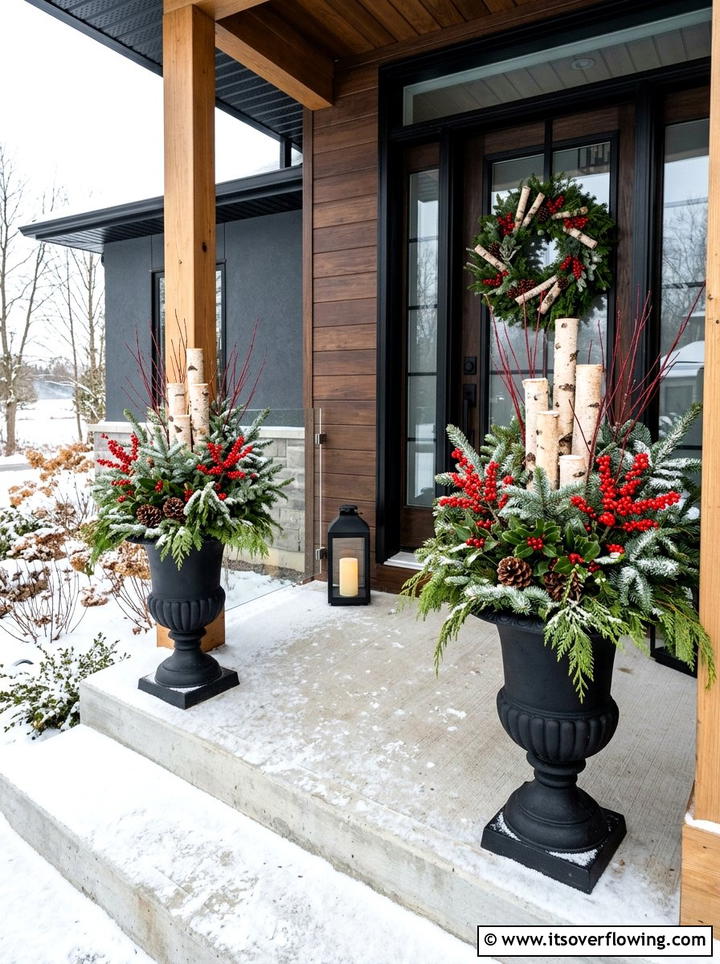
Decorating your porch with large winter planters is a great way to boost your home’s curb appeal. You can use a mix of evergreen branches, red dogwood stems, and large pinecones for a natural look. Adding a few weather-resistant ornaments or ribbons can provide a festive touch for the holiday season and beyond. These planters are easy to assemble and can stay looking fresh for several months in the cold air. They provide a cheerful and welcoming greeting for you and your guests as you enter your home. Using a variety of heights and textures makes the arrangement look balanced and professional.
Conclusion:
Embracing the beauty of winter gardening allows you to enjoy your outdoor space all year round. By focusing on structural elements like evergreen shrubs, stone walls, and garden arches, you create a landscape with lasting appeal. Adding pops of color with winter berries and flowering plants ensures that your yard remains vibrant and full of life. Strategic lighting and cozy seating areas turn your garden into a functional destination for family gatherings even in the cold. A well-designed winter garden is a peaceful sanctuary that rewards you with unique textures and subtle details. We hope these ideas inspire you to transform your backyard this season.

Related posts:
 25 Garden Ideas With Pathways for a Beautiful Yard Makeover
 25 Creative Garden Ideas for Winter Interest
 25 Garden Design Ideas With Pathways for Beautiful Garden Flow
 25 garden design ideas for driveways for Beautiful Curb Appeal
 25 garden design ideas with edible plants: Beautiful Foodscapes
 25 Garden Ideas to Inspire a Beautiful Outdoor Makeover
 25 Garden Ideas for Clay Soil That Grow Strong and Beautiful
 25 garden ideas with border plants for Beautiful Edges
 25 Garden Ideas With Window Boxes for Beautiful Blooms
 25 Small Garden Ideas on a Budget for Beautiful Outdoor Style
 25 garden ideas for hummingbirds: Nectar-Rich Yard Tips
 25 garden ideas for mediterranean style: Sunny Yard Looks