
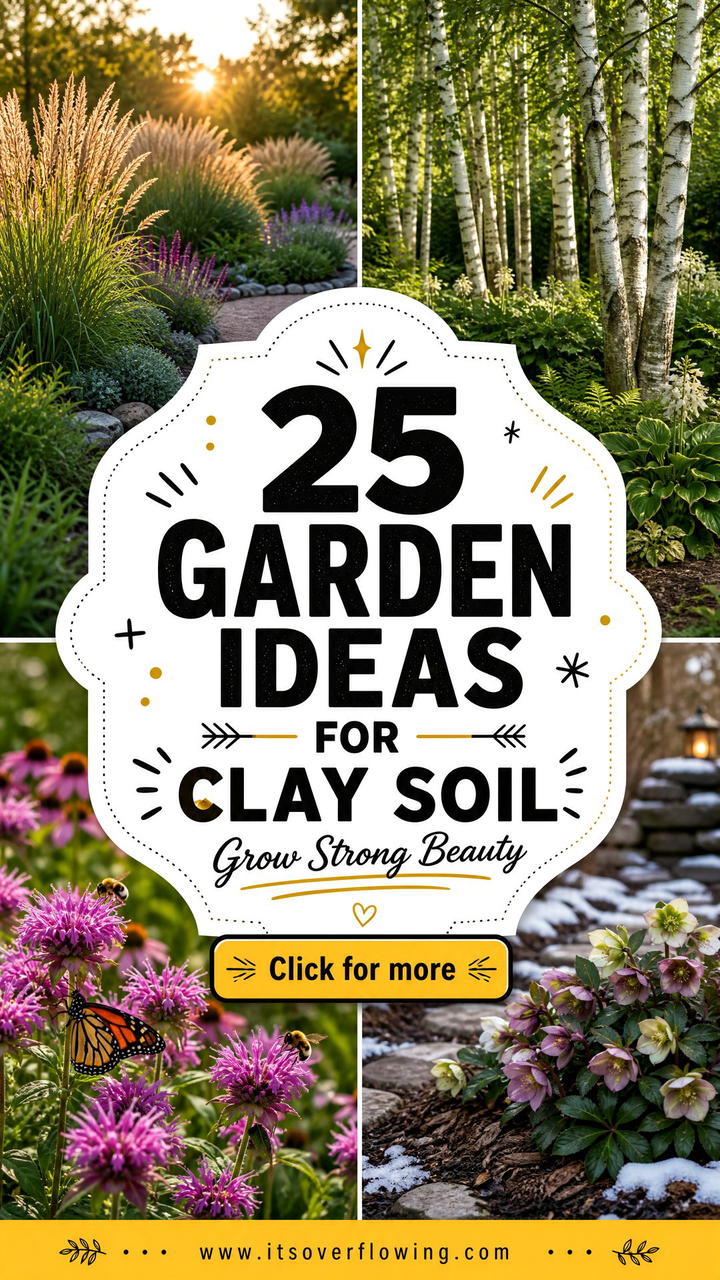
Gardening with clay soil often feels like a constant battle against heavy, sticky earth that turns into concrete during the summer months. However, clay is actually packed with essential nutrients that many plants crave once you learn how to manage it. By choosing the right species and improving the structure, you can create a thriving outdoor sanctuary that looks professional and lush. This guide explores creative ways to work with your soil’s natural properties instead of fighting against them. From moisture-loving perennials to structural trees, these concepts focus on full-scale landscapes designed to flourish in heavy earth while providing incredible curb appeal.
1. Raised bed garden
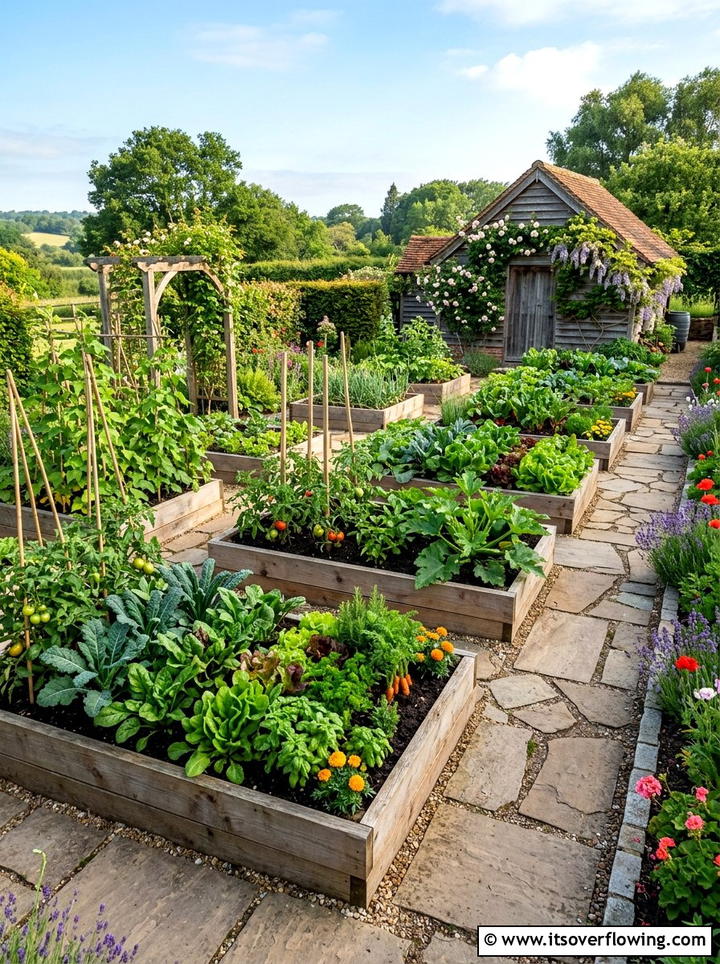
Building elevated structures is a smart way to bypass drainage issues entirely. These beds allow you to control the soil quality while creating a beautiful architectural element in your backyard. You can use cedar wood, stone, or galvanized metal to match your home’s aesthetic. By filling these areas with a mixture of compost and topsoil, you provide a perfect environment for sensitive plants that would otherwise struggle in the heavy ground. This approach also reduces strain on your back and prevents soil compaction, which is a major concern when working with clay-heavy landscapes. Raised beds look neat, organized, and provide a high-end finish to any garden space.
2. Rose garden
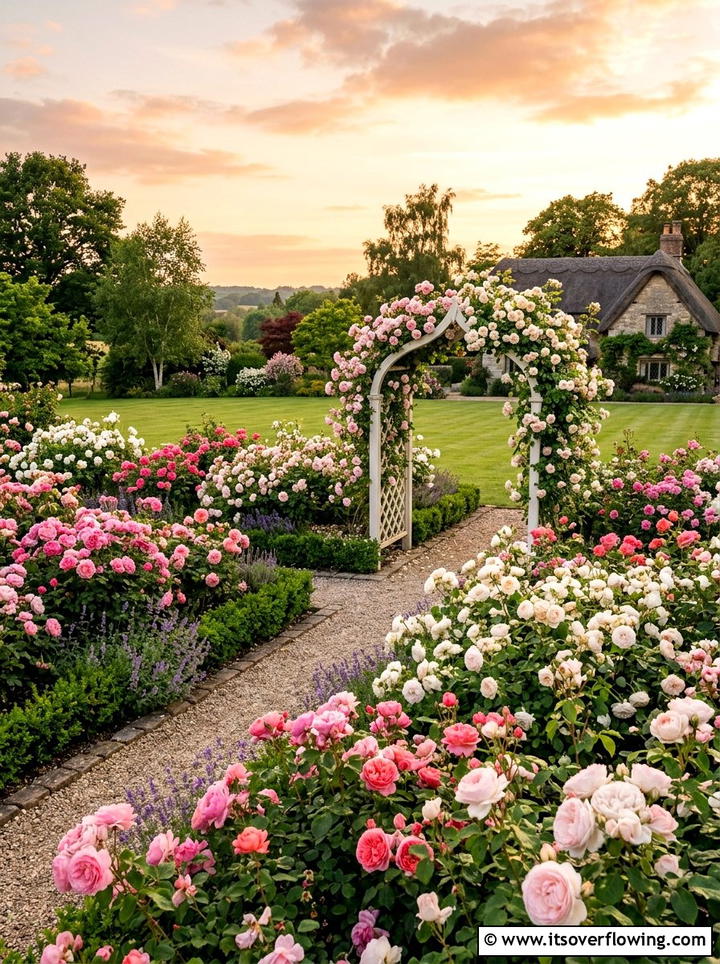
Roses are surprisingly resilient and actually prefer the moisture-holding capacity of heavier soil types. When you plant a dedicated rose area, you create a classic, romantic atmosphere that fills your yard with incredible scents. These plants appreciate the high mineral content found in clay, which leads to stronger stems and more vibrant blooms. To ensure success, you should add plenty of organic matter during planting to help with drainage around the roots. A well-maintained rose border serves as a stunning focal point, especially when you mix different varieties like climbers, shrubs, and hybrid teas. This design brings timeless elegance to your outdoor property.
3. Daylily border
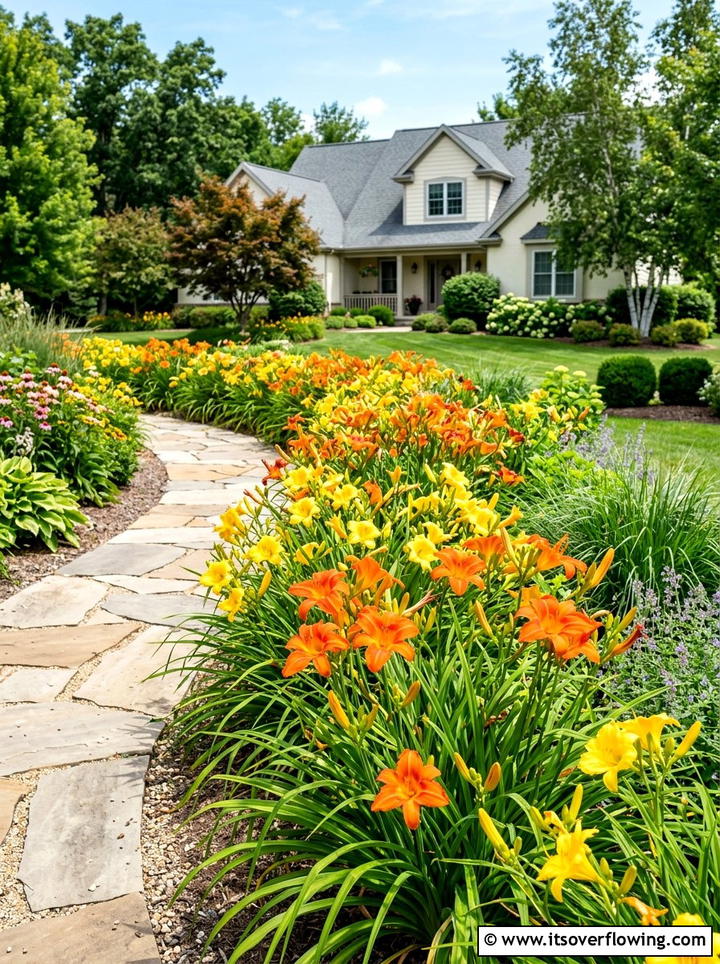
Daylilies are famous for being almost indestructible, making them a top choice for challenging ground conditions. Their thick, fleshy roots can easily navigate through dense earth without getting waterlogged or suffocated. Planting a long border of these perennials creates a sea of color that returns year after year with very little maintenance required. They come in almost every color imaginable, allowing you to create a specific color palette that complements your house. Because they spread over time, they also act as a natural weed suppressant, keeping your garden looking tidy and professional throughout the entire growing season without needing constant attention from the homeowner.
4. Rain garden
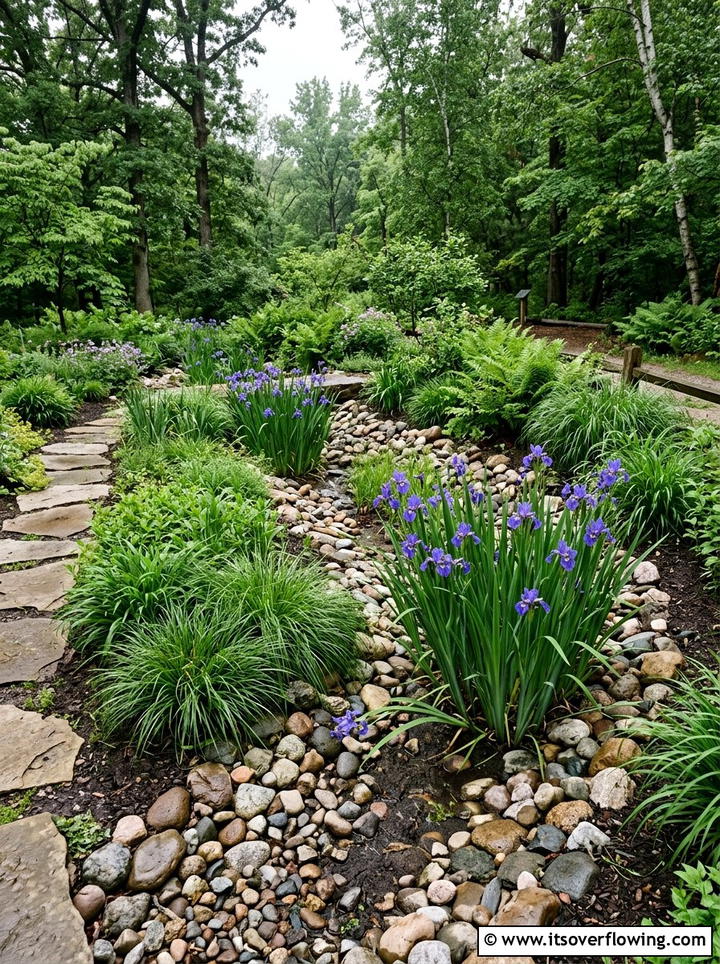
Since clay soil drains slowly, it is the perfect foundation for a functional rain garden. This design involves creating a shallow depression where rainwater can collect and slowly filter back into the earth. You populate this area with moisture-loving plants like sedges and rushes that thrive in damp environments. This not only solves drainage problems in your yard but also provides a vital habitat for local wildlife. A rain garden looks naturally beautiful and serves an environmental purpose, turning a soggy low spot into a lush, green feature that requires very little extra watering. It is a smart and sustainable landscaping solution.
5. Cottage garden
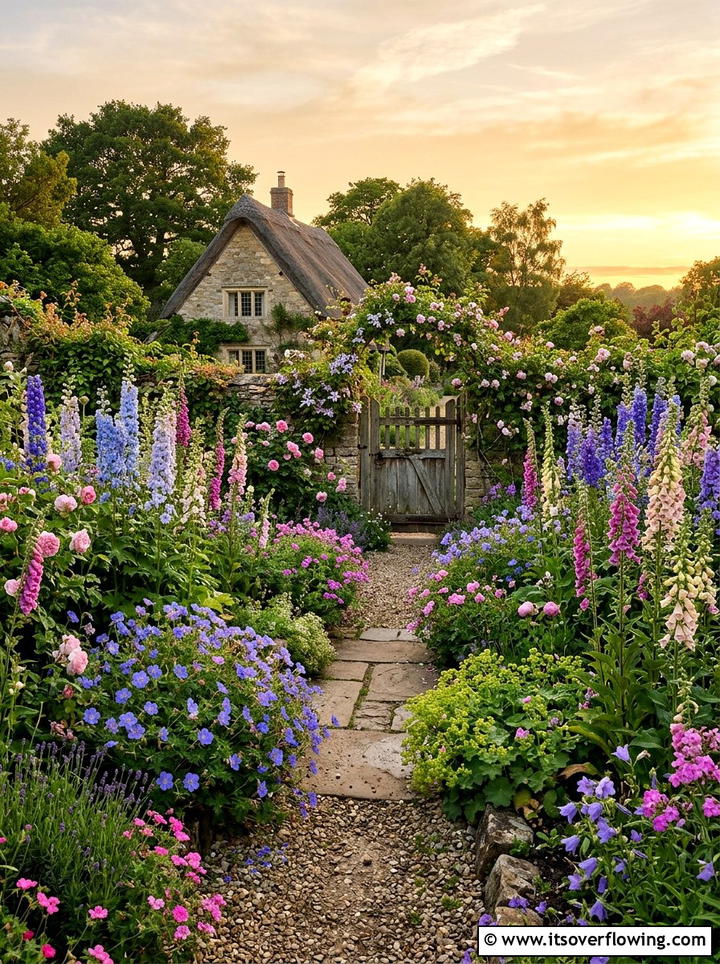
A cottage style is ideal for heavy ground because it emphasizes a dense, informal planting scheme that covers every inch of dirt. You can mix tall delphiniums, foxgloves, and hardy geraniums to create a layered look that feels organic and whimsical. This dense planting helps to keep the soil cool and moist, preventing the clay from cracking in the summer heat. The variety of textures and heights creates a visual feast for the eyes while the plants work together to improve the overall soil structure over many years of growth. This style is perfect for those who want a lush, abundant backyard space.
6. Japanese maple garden
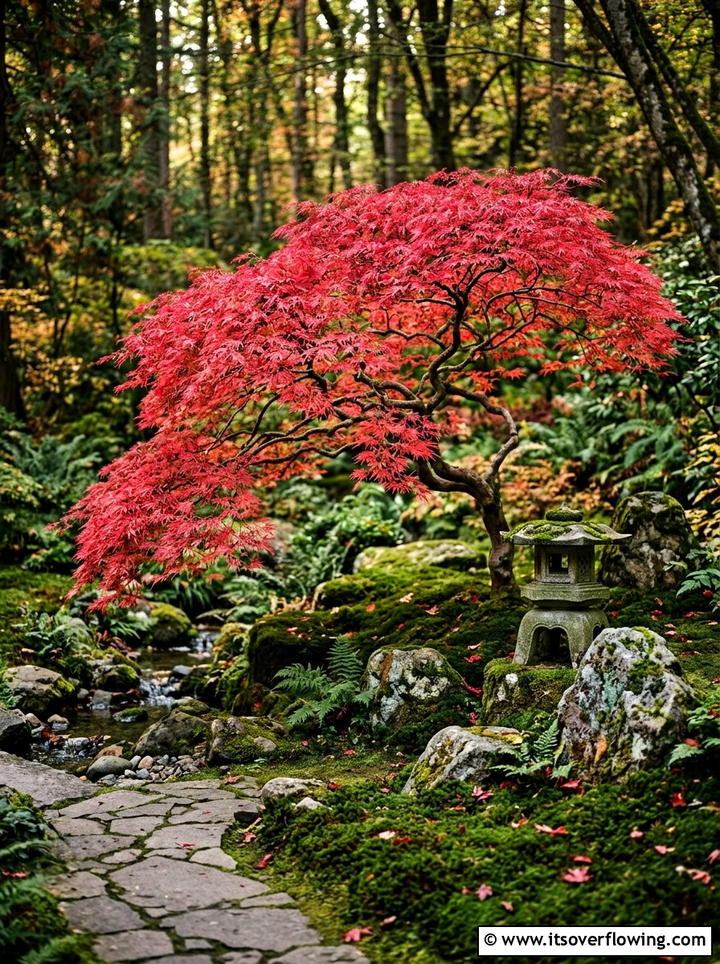
These ornamental trees are prized for their delicate foliage and stunning fall colors, and many varieties tolerate moisture well. By planting a Japanese maple as a centerpiece, you establish a sense of tranquility and Zen in your outdoor space. They look particularly striking when surrounded by moss or low-growing groundcovers that thrive in shaded, damp areas. The slow growth rate of these trees makes them manageable for smaller yards, while their unique bark and branch structure provide visual interest even during the winter months. They anchor the landscape with a touch of sophisticated, high-end design that works with the natural soil.
7. Hosta shade garden
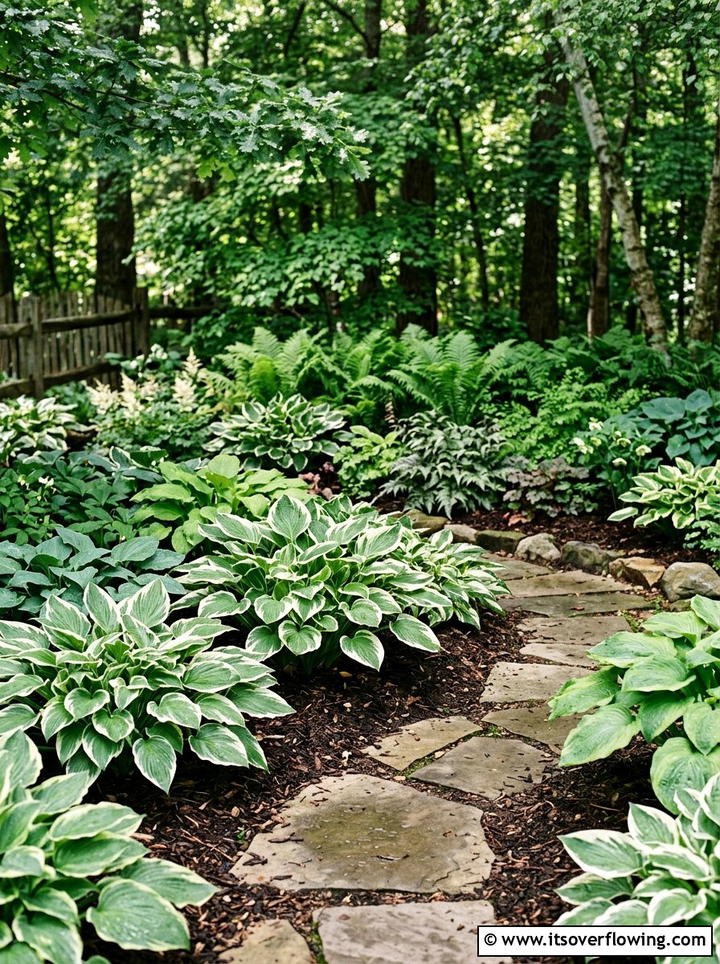
Hostas are the kings of the shade and they absolutely love the cool, damp conditions often found in heavy clay environments. With hundreds of varieties featuring different leaf patterns, sizes, and shades of green, you can design an entire section of your yard using just these plants. Their large leaves provide excellent ground cover, which helps to maintain consistent moisture levels in the soil. Pairing them with other shade-dwellers like ferns or bleeding hearts creates a lush, jungle-like feel that turns a dark corner of your property into a beautiful, cooling retreat. This design is very low-maintenance and visually soothing.
8. Hydrangea shrub border
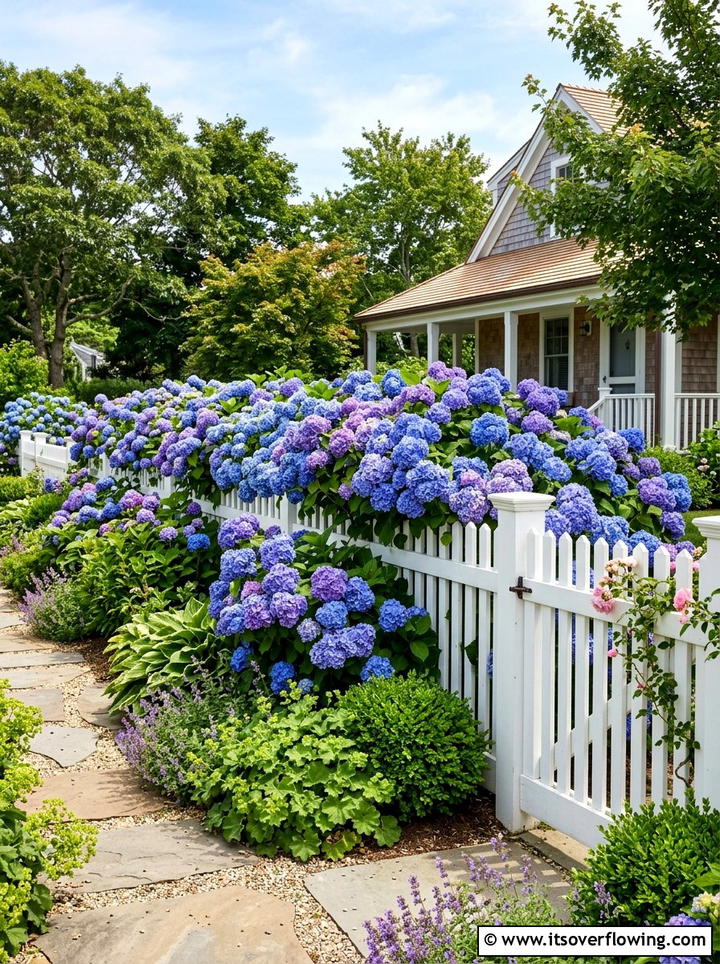
Hydrangeas are thirsty plants that benefit greatly from the water-retention properties of clay-based landscapes. Planting a row of these shrubs creates a massive wall of blooms that can act as a natural privacy screen during the summer. Whether you choose the classic mophead varieties or the more modern panicle types, they provide a sense of abundance and luxury. The acidic or alkaline nature of your soil will even influence the flower colors in some species, giving you a unique and personalized look. These shrubs are reliable performers that bring a high-end, estate-like feel to any front or backyard garden design.
9. Aster flower bed
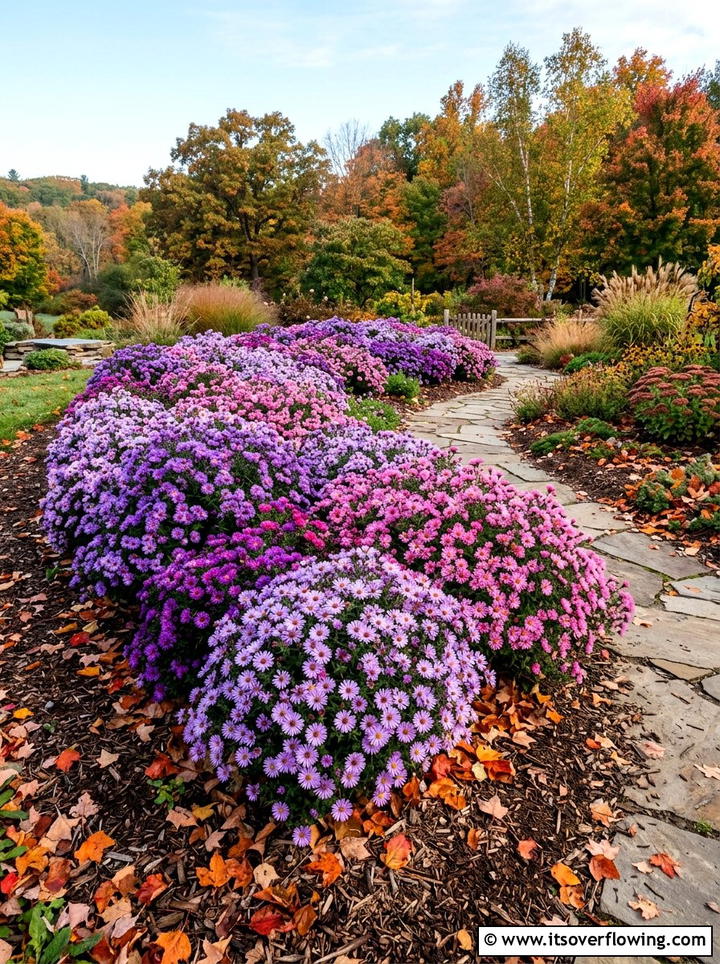
Asters are essential for late-season color, blooming brilliantly when other plants are starting to fade. These hardy perennials have strong root systems that can penetrate dense earth without much trouble. By dedicating a bed to asters, you ensure your garden remains vibrant and full of life well into the autumn months. They attract a wide variety of pollinators, including butterflies and bees, which helps support your local ecosystem. Their daisy-like flowers come in beautiful shades of purple, blue, and pink, providing a cheerful and energetic vibe to your backyard landscape design during the transition between the summer and autumn seasons.
10. Ornamental grass landscape
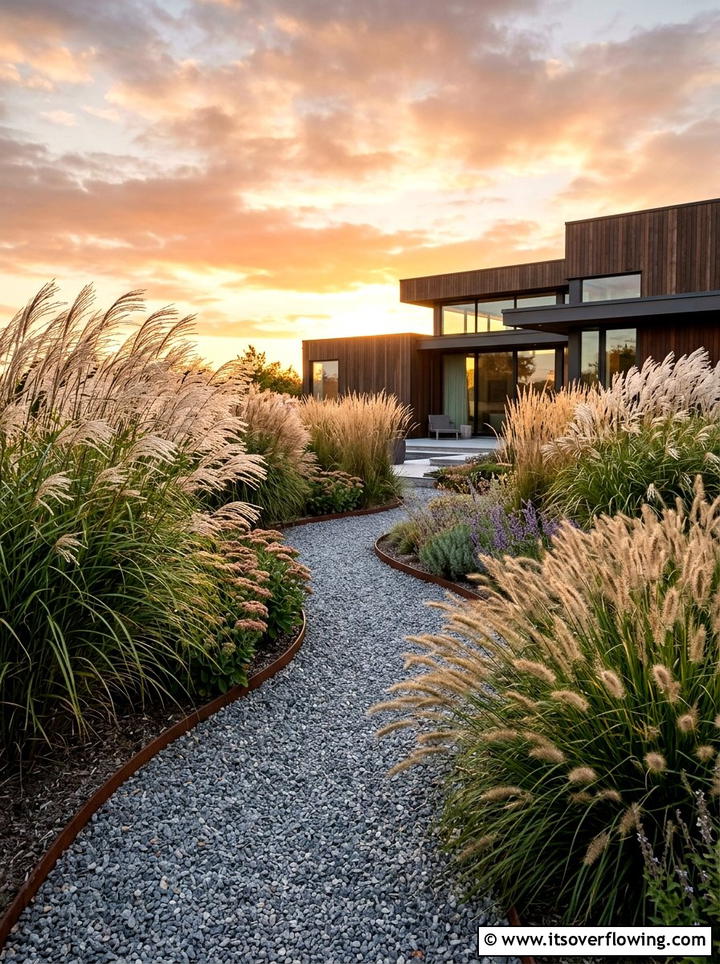
Many types of ornamental grasses, such as Miscanthus or Fountain grass, are perfectly suited for heavier soil conditions. These plants add movement, texture, and a modern architectural element to your garden. As the wind blows, the swaying blades create a soothing sound and a sense of rhythm throughout the space. Grasses are incredibly low-maintenance and provide interest all year round, even turning golden and structural during the winter. They are great for filling large gaps and creating a soft backdrop for more colorful flowering perennials, making them a versatile tool for any home landscape project that needs year-round visual appeal.
11. Birch tree grove
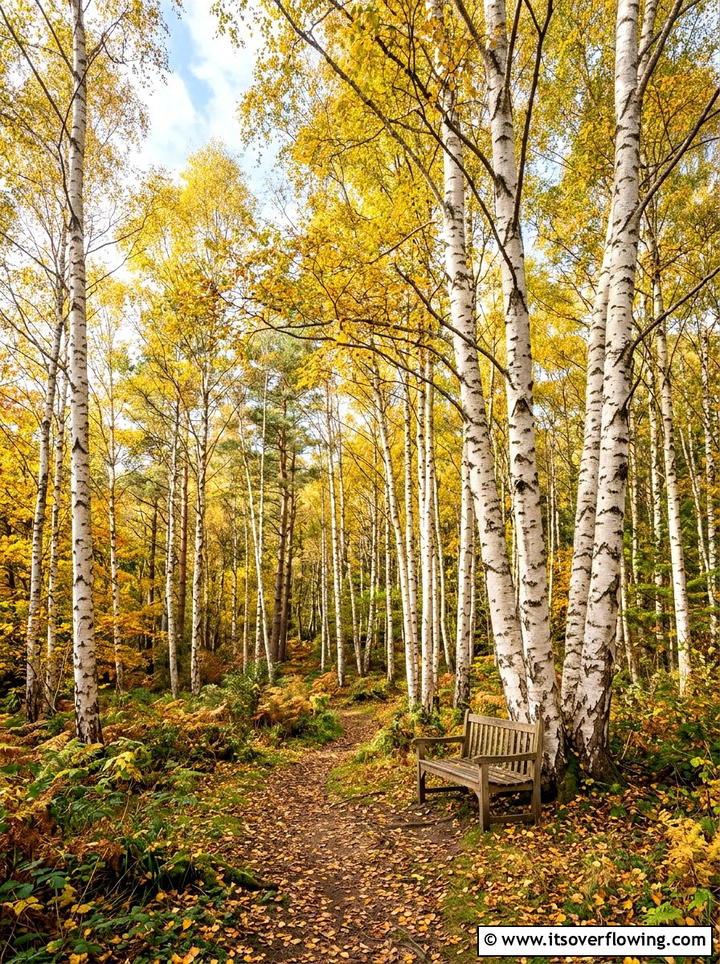
Birch trees are known for their striking white bark and graceful, pendulous branches that look beautiful in any season. They are naturally adapted to wet, heavy soils, making them an excellent structural choice for clay-heavy properties. Planting them in a small group or grove creates a woodland atmosphere that feels private and serene. The dappled shade they provide is perfect for growing understory plants that prefer filtered light. Their vertical lines draw the eye upward, adding height and scale to your garden design. A birch grove provides a timeless elegance that enhances the overall aesthetic and value of your home.
12. Coneflower prairie garden
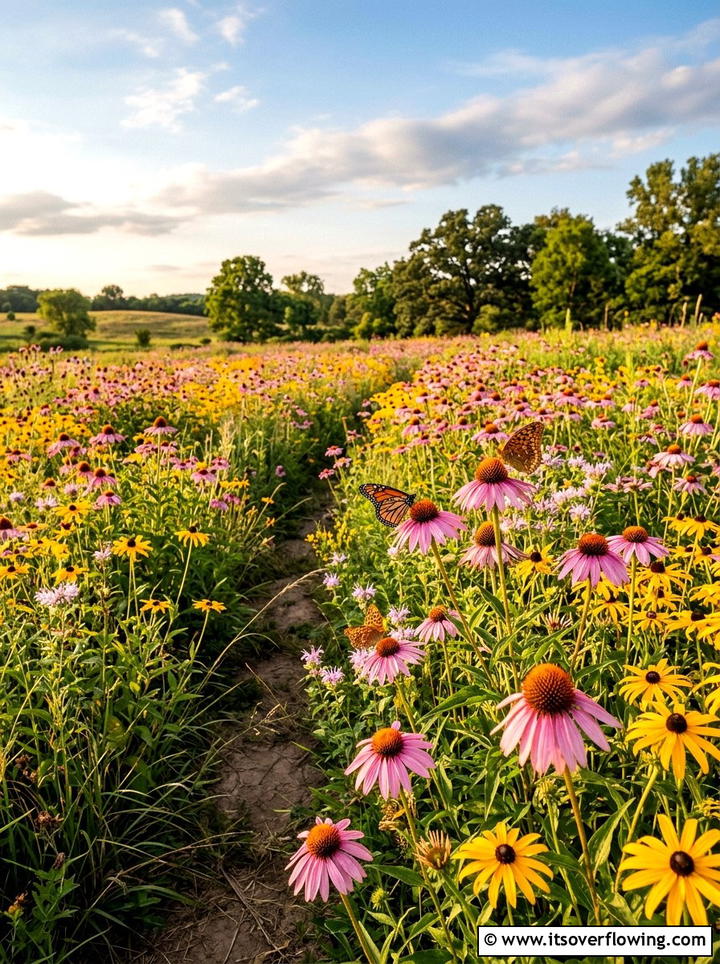
Echinacea, or coneflowers, are rugged native plants that handle heavy ground and dry spells with equal ease. They feature prominent central cones and vibrant petals that stand tall on sturdy stems. By creating a prairie-style garden, you invite a touch of wild, natural beauty into your backyard. These flowers are highly attractive to birds and butterflies, turning your garden into a buzzing hub of activity. They are incredibly drought-tolerant once established, but they don’t mind the moisture that clay often holds. Their long blooming season makes them a reliable and colorful addition to any sun-drenched garden area throughout the entire summer.
13. Fern woodland garden
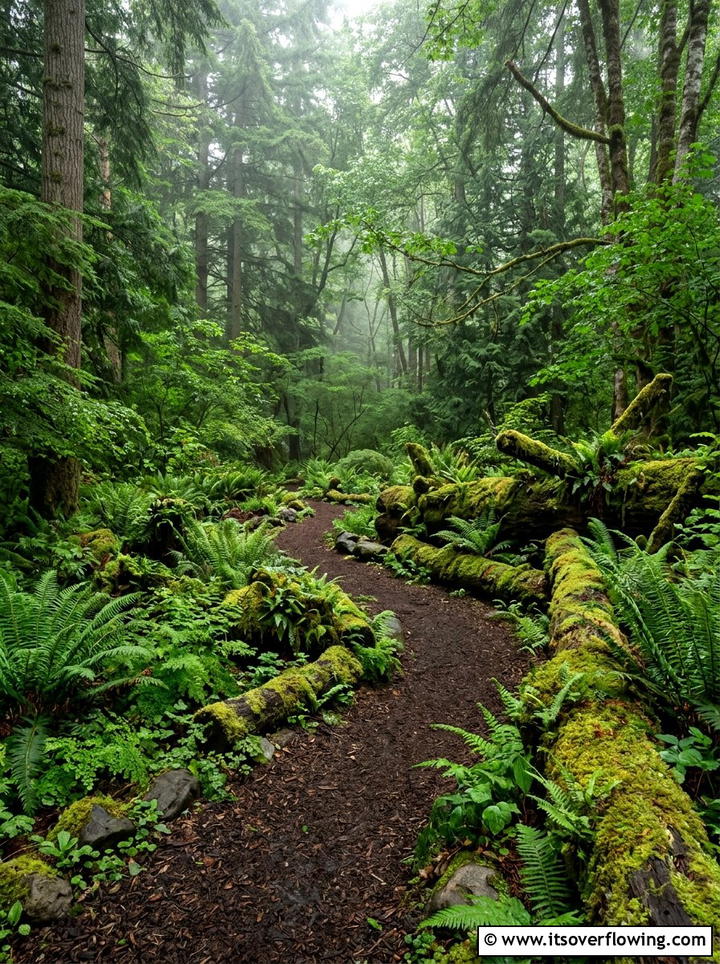
For those damp and shady spots where nothing else seems to grow, a fern garden is a perfect solution. Ferns have ancient, feathery fronds that bring a sense of history and softness to a landscape. They thrive in the high-moisture environment that clay provides, especially when the area is protected from the afternoon sun. By mixing different varieties like Ostrich ferns and Painted ferns, you can create a tapestry of textures and subtle colors. This type of garden feels like a hidden forest escape, providing a cool and quiet place to relax during the hottest and most humid parts of the year.
14. Peony flower garden
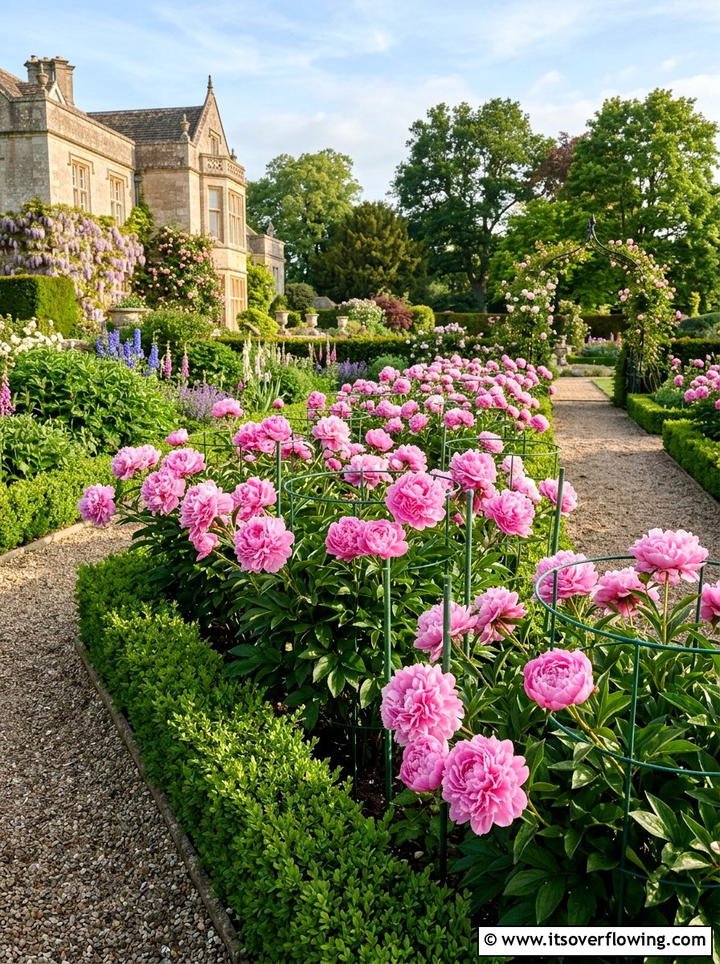
Peonies are the stars of the spring garden, producing massive, fragrant blooms that are truly breathtaking. While they require good drainage, they actually appreciate the nutrient-rich nature of clay soil. When planting them, you should ensure they aren’t buried too deep so they can bloom successfully every year. A dedicated peony bed creates a classic, high-end look that is often associated with formal estates. These plants are long-lived, often surviving for decades with minimal care. Their lush green foliage remains attractive even after the flowers have faded, providing a solid green backdrop for your other summer-blooming perennials in the landscape.
15. Black eyed susan meadow
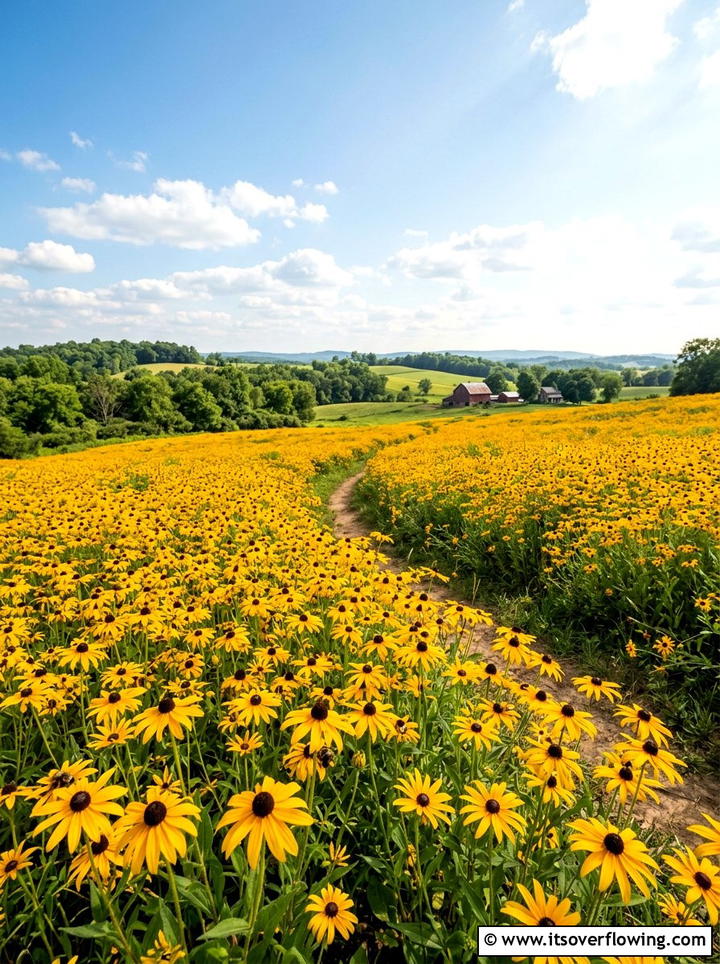
Rudbeckia, commonly known as Black-eyed Susans, are cheerful yellow flowers that thrive in almost any soil condition. Their golden petals and dark centers add a bright pop of color that lasts for weeks. Creating a meadow-style area with these plants gives your yard a relaxed, carefree feeling that is very popular in modern landscaping. They are tough enough to handle the compaction of clay and will often self-seed, filling in gaps and creating a dense carpet of gold. This low-maintenance approach is perfect for larger areas where you want maximum visual impact with very little effort or constant weeding.
16. Sedum succulent garden
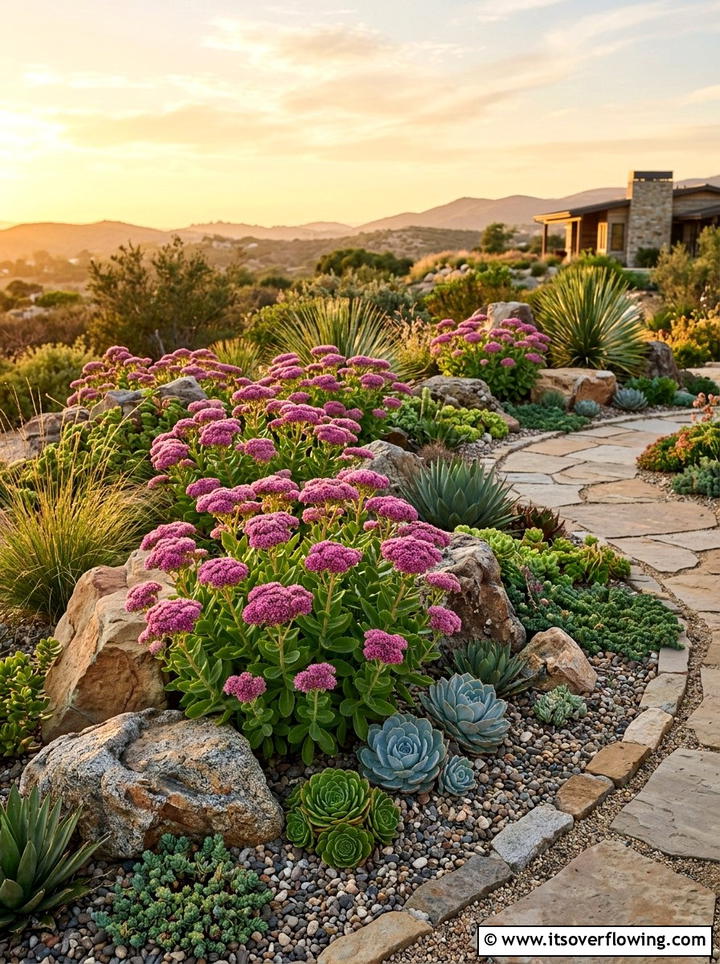
While many succulents prefer sandy soil, the upright sedum varieties like “Autumn Joy” are very successful in clay. These plants have thick, waxy leaves that store water, but they are also hardy enough to withstand wet winters. They provide late-season interest with their large, broccoli-like flower heads that change color from green to pink to deep red. Planting a cluster of sedums adds a unique structural element to your garden beds. They are incredibly easy to propagate, allowing you to fill your landscape quickly. Their neat, mounded growth habit keeps your garden looking organized and professional throughout the changing seasons.
17. No dig garden
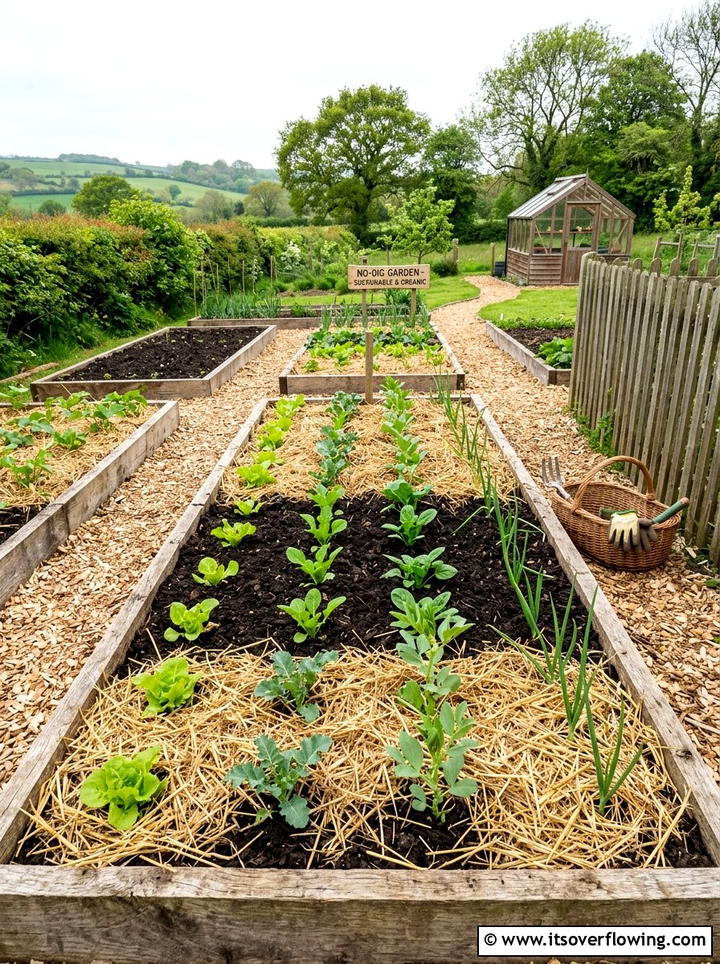
Working with heavy clay can be physically demanding, so a no-dig approach is a fantastic alternative for any gardener. Instead of tilling the soil, you layer organic materials like cardboard and compost directly on top of the ground. Over time, these layers break down and improve the soil structure naturally without disturbing the beneficial microbes. This method prevents the “bathtub effect” where water gets trapped in a dug hole. It creates a rich, spongy top layer that is easy to plant into and helps to suppress weeds. This sustainable technique transforms your clay soil into a fertile and productive paradise.
18. Composted vegetable garden
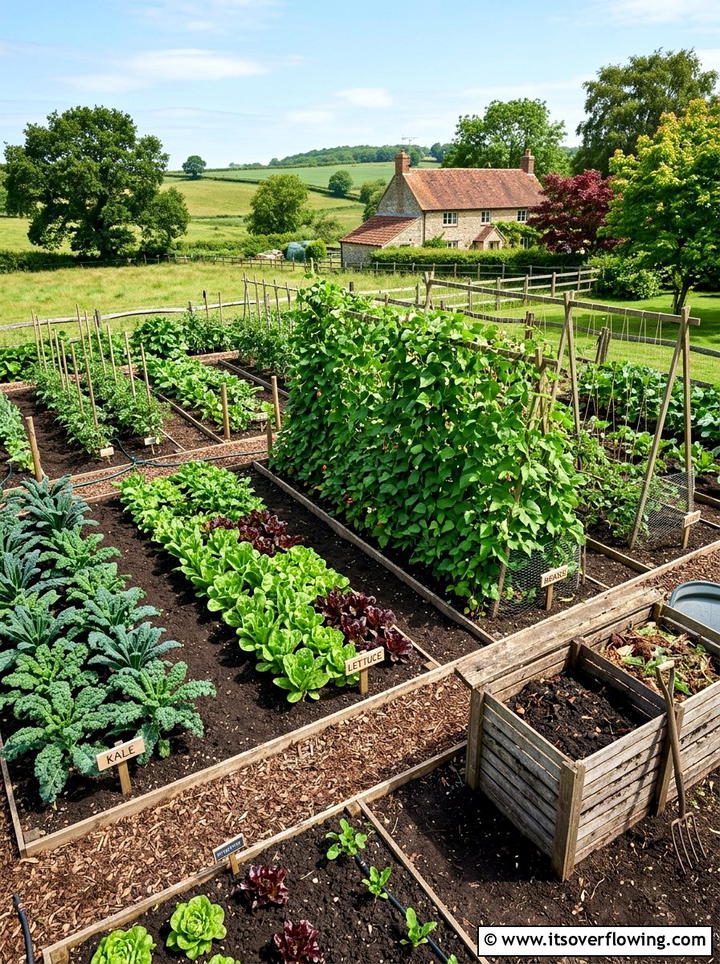
You can absolutely grow a productive vegetable garden on clay soil by focusing on soil health through composting. Clay is naturally rich in minerals, which is great for vegetables if you can improve the texture. By regularly adding well-rotted manure or garden compost, you break up the heavy particles and allow roots to penetrate deeper. Planting crops like leafy greens, beans, and certain root vegetables in enriched soil leads to a bountiful harvest. A well-organized vegetable patch with neat rows and mulched paths looks beautiful and provides fresh, healthy food for your family throughout the entire summer and into the early autumn.
19. Dogwood tree landscape
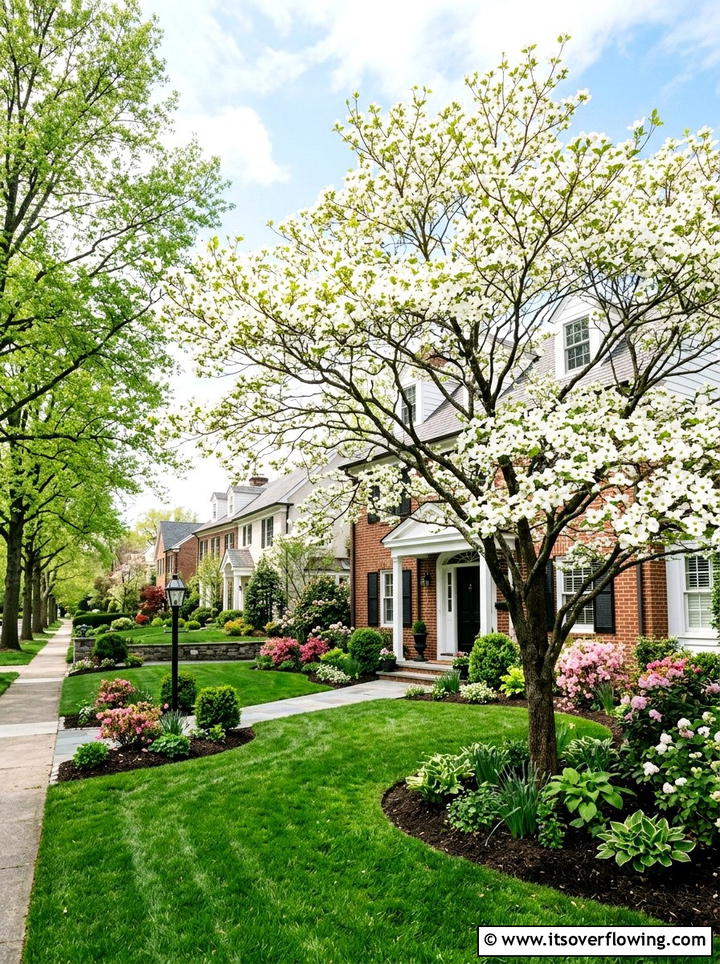
Dogwoods are stunning small trees that offer year-round beauty, from their spring bracts to their colorful fall foliage and berries. They are well-suited for heavy soils that remain moist but not waterlogged. Using a dogwood as a focal point in your front yard creates immediate curb appeal and a sense of sophistication. Their layered branching habit provides a unique architectural shape that stands out against the lawn or house. Underplanting them with spring bulbs or low shrubs completes the look, creating a multi-dimensional landscape that feels well-planned and professionally designed for your specific soil conditions and your local climate.
20. Bee balm pollinator garden
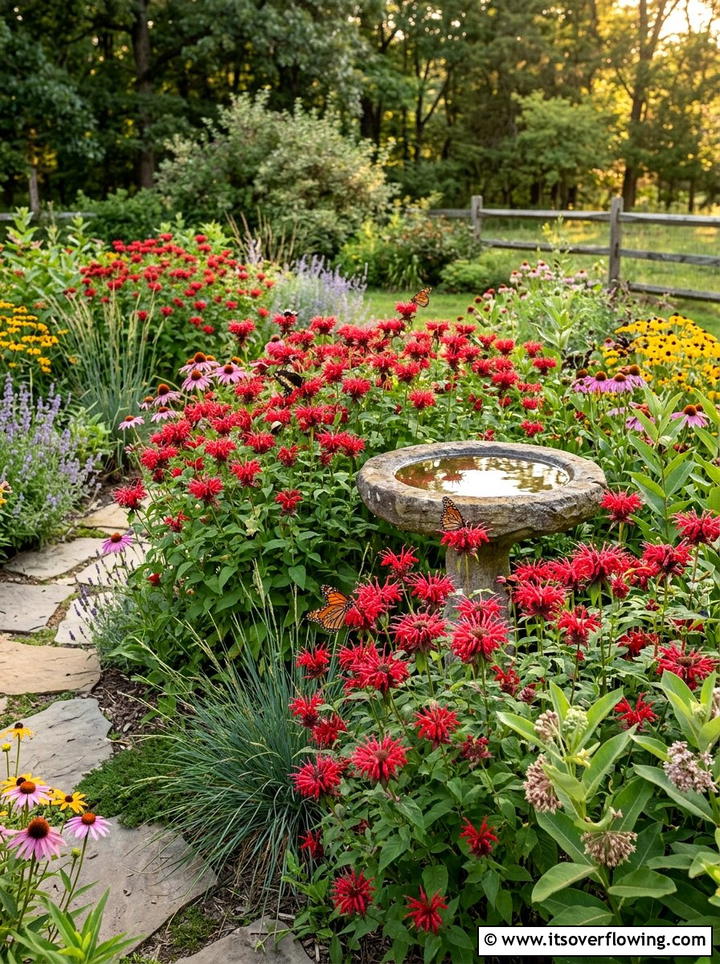
Monarda, or bee balm, is a striking perennial that thrives in moisture-retentive clay soil. Its unique, shaggy flowers come in vibrant shades of red, pink, and purple, attracting hummingbirds and bees in large numbers. Designing a garden specifically for pollinators helps support local biodiversity while creating a lively and colorful outdoor space. Bee balm is a vigorous grower, so it quickly fills in large areas, making it a cost-effective choice for new gardens. The fragrant leaves also add a pleasant scent to the air when you brush against them, enhancing the sensory experience of your beautiful backyard garden sanctuary.
21. Bergamot wildflower patch
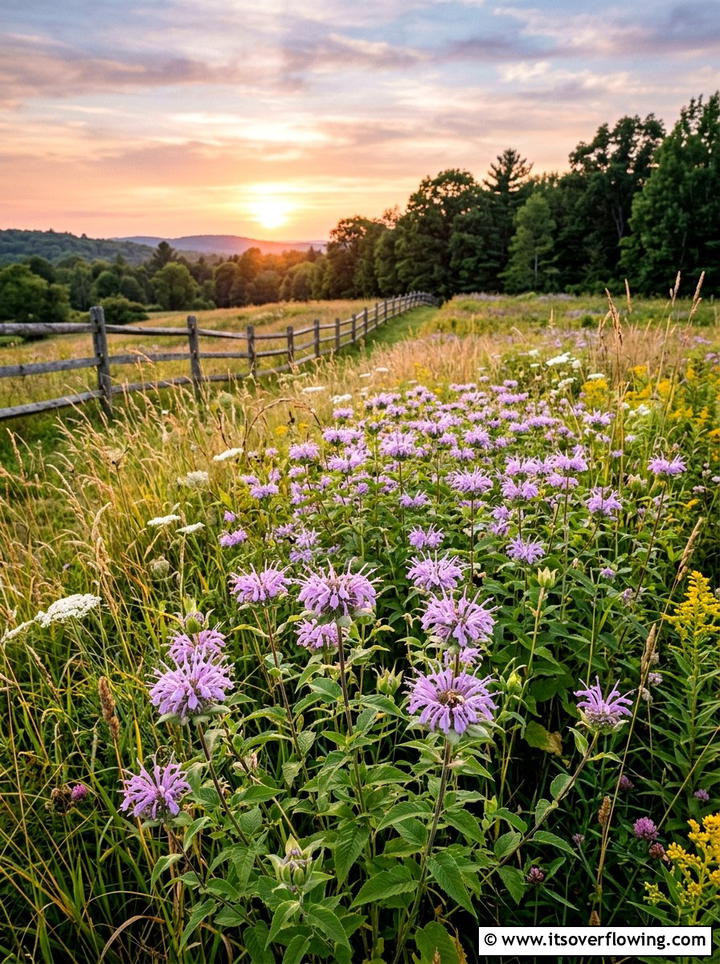
Bergamot is another name for bee balm, but it often refers to the wilder, native varieties that are perfect for a naturalistic landscape. These plants are incredibly resilient and can handle the heavy, wet conditions of clay without any issues. By creating a wildflower patch, you embrace a more relaxed and eco-friendly gardening style. These plants provide essential nectar for butterflies and add a soft, airy texture to your garden. They look best when planted in large drifts, creating a wave of color that feels like a piece of the natural prairie has been brought into your own backyard space.
22. Coreopsis sunny border
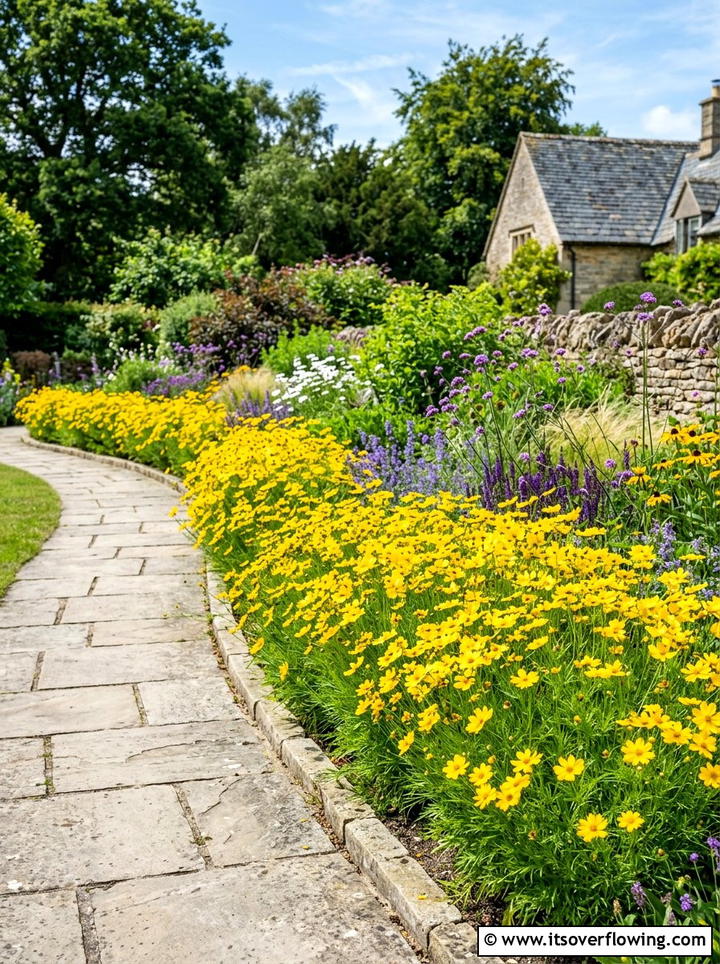
Coreopsis, also known as tickseed, is a reliable and sun-loving perennial that brings a burst of yellow to your garden. Many varieties are surprisingly tolerant of clay soil, especially if the area gets plenty of sunlight. These plants produce a profusion of small, daisy-like flowers that bloom for most of the summer. They are excellent for creating a bright and cheery border along a walkway or fence. Their fine-textured foliage provides a nice contrast to the larger leaves of other clay-loving plants. Coreopsis is a low-maintenance workhorse that ensures your garden stays colorful with very little intervention from the gardener.
23. Hellebore winter garden
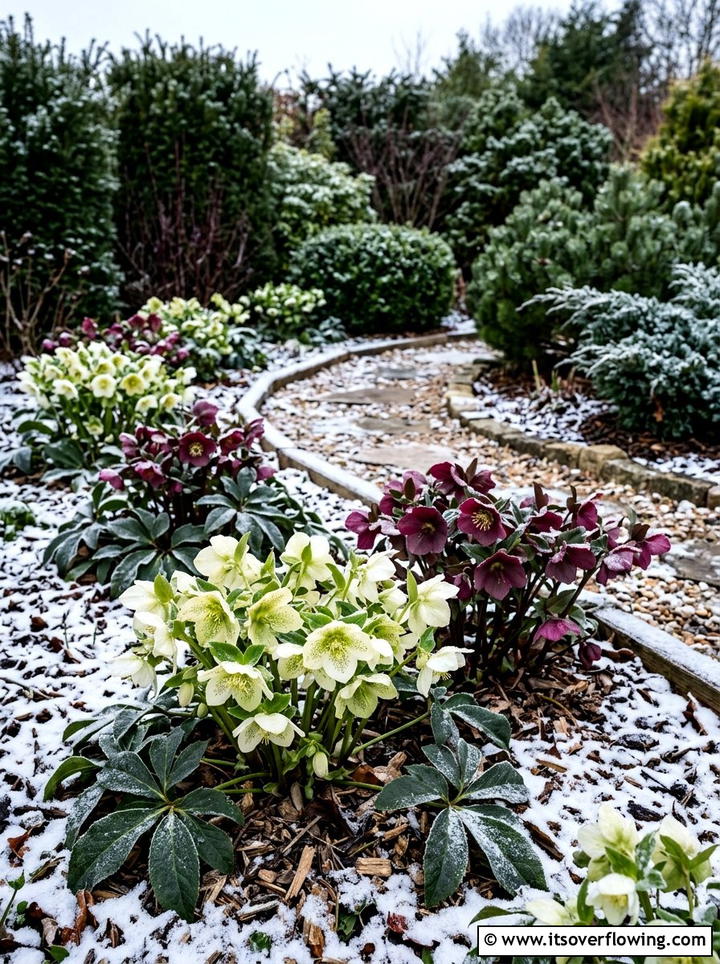
Hellebores, or Lenten roses, are some of the first plants to bloom in the late winter or early spring. They have leathery, evergreen leaves that look great all year and they absolutely love heavy, damp soil. Planting a collection of hellebores under a deciduous tree creates a magical winter scene when the rest of the garden is dormant. Their nodding flowers come in sophisticated shades of cream, dusky pink, and deep plum. These plants are long-lived and slowly clump together, providing excellent ground cover that prevents soil erosion. They are a must-have for adding life to a quiet winter landscape.
24. Elderberry shrubbery
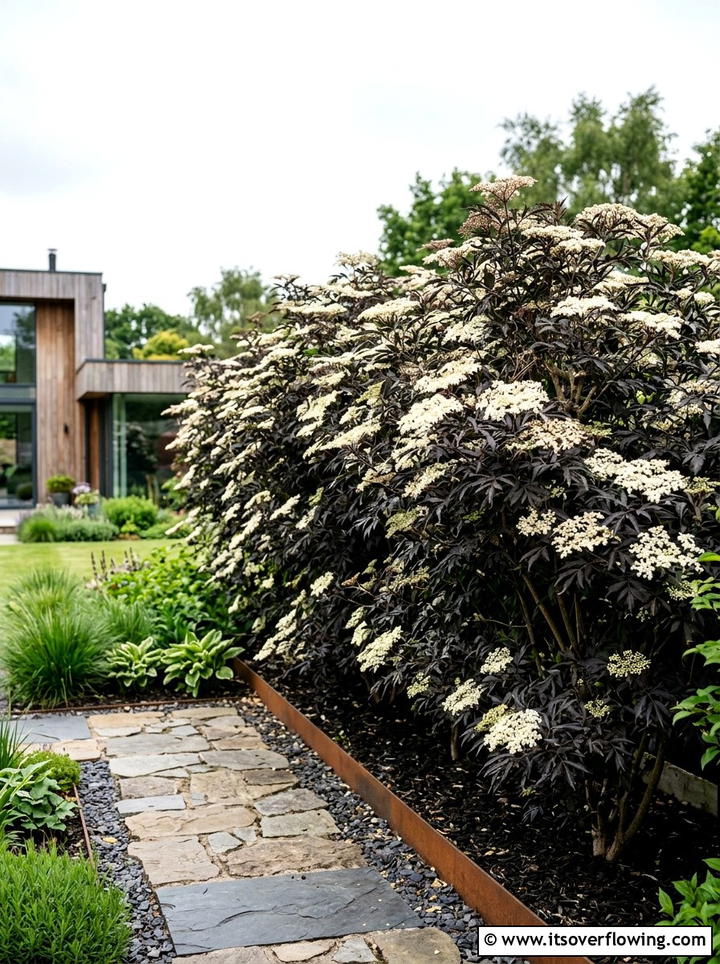
Elderberries are fast-growing shrubs that thrive in wet, heavy soil where other bushes might struggle. They offer beautiful lacy foliage, large clusters of white flowers, and dark purple berries that are great for wildlife or making syrup. Planting these as a hedge or a backdrop for smaller plants adds depth and a sense of enclosure to your garden. Many modern varieties have dark, almost black foliage, providing a dramatic contrast to green-leaved plants. They are incredibly hardy and can be pruned heavily to maintain their size, making them a versatile and productive addition to any clay-based home landscape.
25. Switchgrass privacy screen
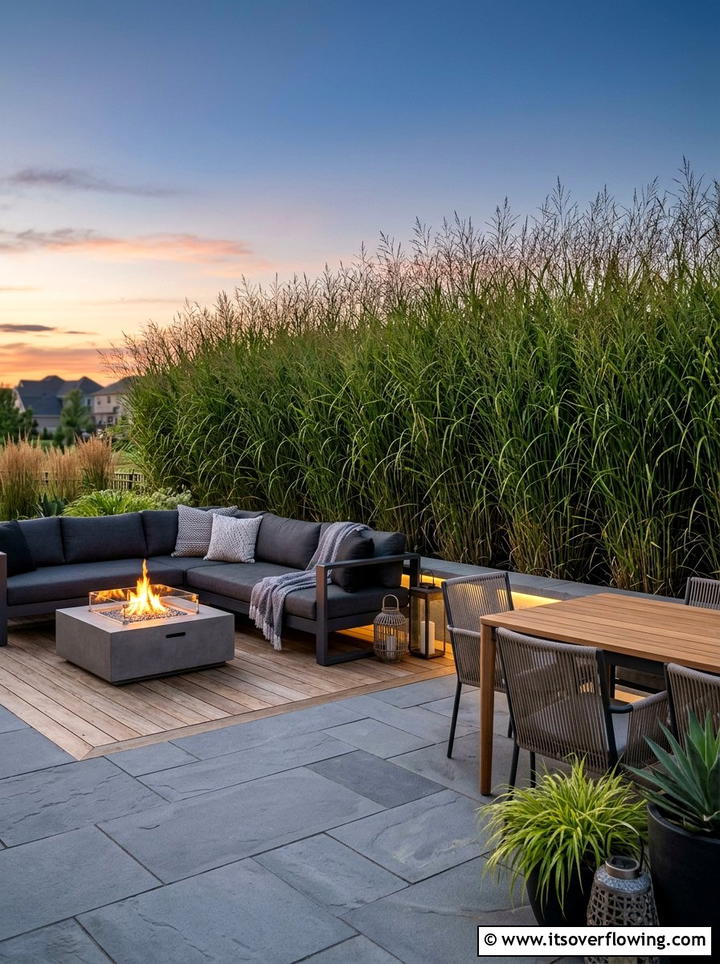
Panicum virgatum, or switchgrass, is a native grass that is perfectly adapted to the heavy soils of the North American prairies. It grows in tall, upright clumps that can reach several feet in height, making it an excellent natural privacy screen for your yard. The fine-textured seed heads appear in late summer, creating a misty cloud-like effect over the garden. In the fall, the foliage turns beautiful shades of yellow or red, providing late-season interest. This grass is tough, drought-tolerant, and handles the winter moisture of clay soil without rotting. It provides a modern, clean look that complements contemporary home architecture.
Conclusion:
Transforming a yard with heavy clay soil into a stunning garden is entirely possible with the right approach and plant selection. Instead of seeing clay as a burden, treat it as a nutrient-rich foundation that can support a wide variety of lush and vibrant plant life. By implementing strategies like raised beds, no-dig methods, and moisture-loving plant choices, you can create a landscape that is both beautiful and functional. These ideas focus on full garden designs that enhance your home’s exterior and provide a serene space for relaxation. With a little patience and the right knowledge, your clay-based garden will become a thriving masterpiece.

Related posts:
 25 Garden Ideas for Sandy Soil That Thrive Beautifully
 25 Garden Ideas for Apartments to Grow Green in Any Space
 25 Garden Ideas for Bees to Grow a Pollinator Paradise
 25 Garden Design Ideas With Pathways for Beautiful Garden Flow
 25 garden design ideas for driveways for Beautiful Curb Appeal
 25 garden design ideas with edible plants: Beautiful Foodscapes
 25 Garden Ideas to Inspire a Beautiful Outdoor Makeover
 25 Garden Ideas for Winter to Keep Your Yard Beautiful
 25 garden ideas with border plants for Beautiful Edges
 25 Garden Ideas With Pathways for a Beautiful Yard Makeover
 25 Garden Ideas With Window Boxes for Beautiful Blooms
 25 Small Garden Ideas on a Budget for Beautiful Outdoor Style