
Gardening in sandy soil often feels like a constant struggle for many homeowners because water vanishes so quickly into the earth. However, having a sandy yard actually offers a unique set of benefits if you choose the right approach for your landscape. You do not have to fight against nature when you can embrace plants that thrive in these fast-draining conditions. Sandy soil warms up much faster in the spring than heavy clay, giving your plants a significant head start on growth. By selecting species that love dry roots and lean soil, you can create a stunning, low-maintenance outdoor space that looks beautiful all year long.
1. Mediterranean Garden Style
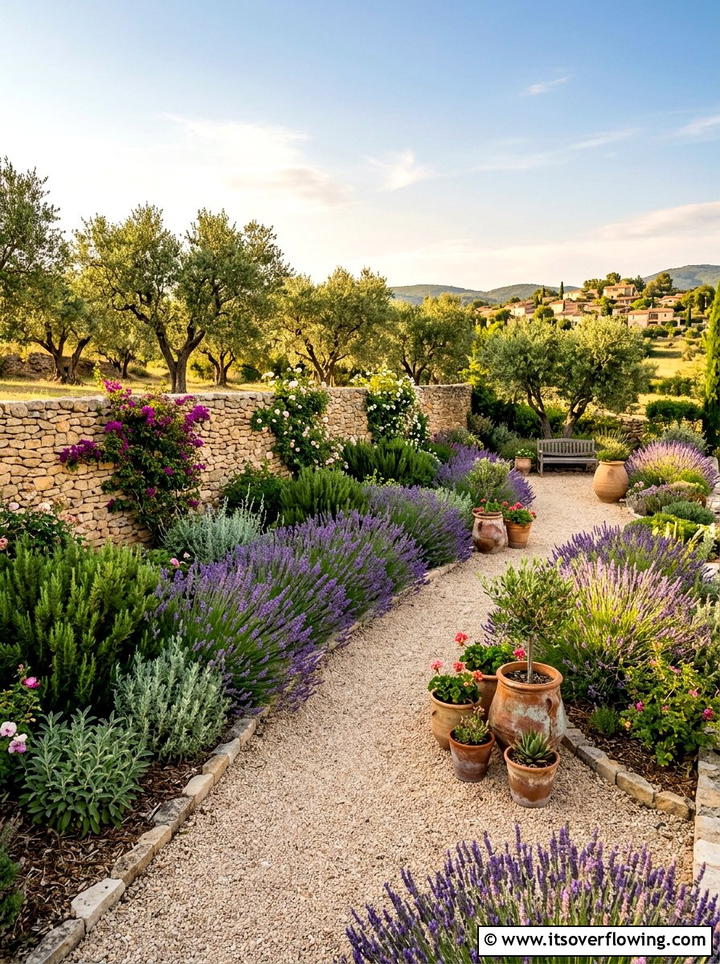
Mediterranean garden style thrives perfectly in sandy soil because these plants are naturally adapted to dry conditions. You can start by incorporating fragrant herbs like rosemary and thyme which love the excellent drainage that sand provides. Using terracotta pots and light-colored gravel helps reflect heat while keeping the garden looking organized and clean. It is wise to group plants with similar water needs together to make maintenance easier for you. Adding a few olive trees or tall cypress can create a beautiful focal point that reminds you of a sunny coastal escape. This type of design is very practical because it requires very little additional water once the plants are established.
2. Drought Tolerant Native Plants
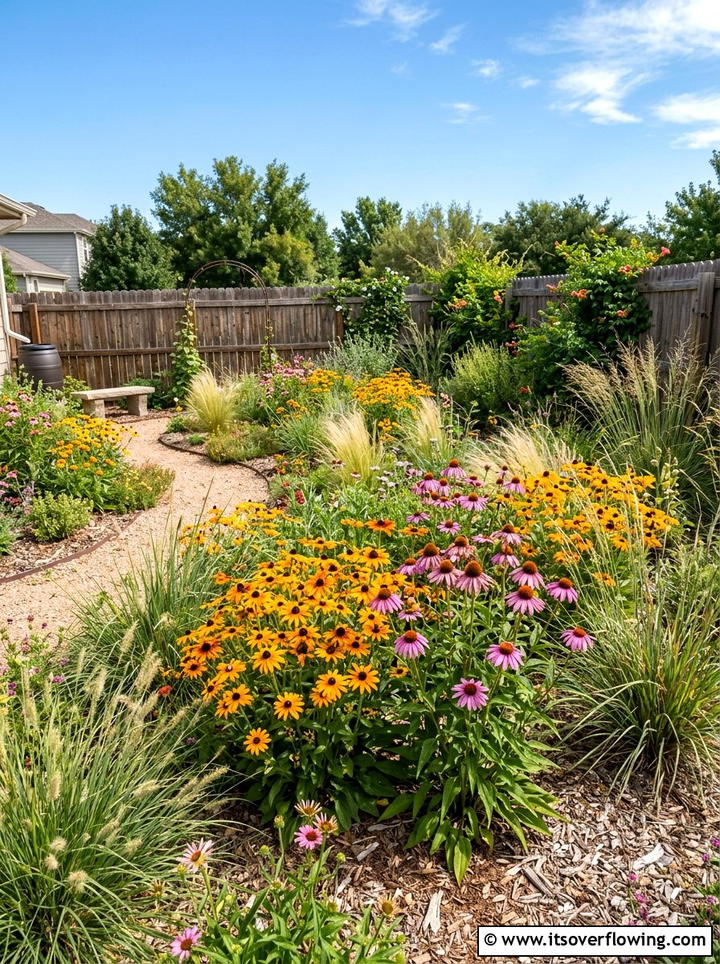
Drought tolerant native plants are often the best choice for anyone dealing with sandy ground in their backyard. These local species have spent centuries adapting to the specific climate and soil conditions of your region. You will find that plants like coreopsis or blanket flowers produce vibrant blooms without needing much fertilizer or extra care. Native grasses also add wonderful texture and movement to the landscape while their deep roots help stabilize the sandy earth. Choosing these varieties supports local pollinators like bees and butterflies who rely on native flora for food. A native garden looks very natural and blends seamlessly into the surrounding environment while saving you money.
3. Lavender Garden Beds
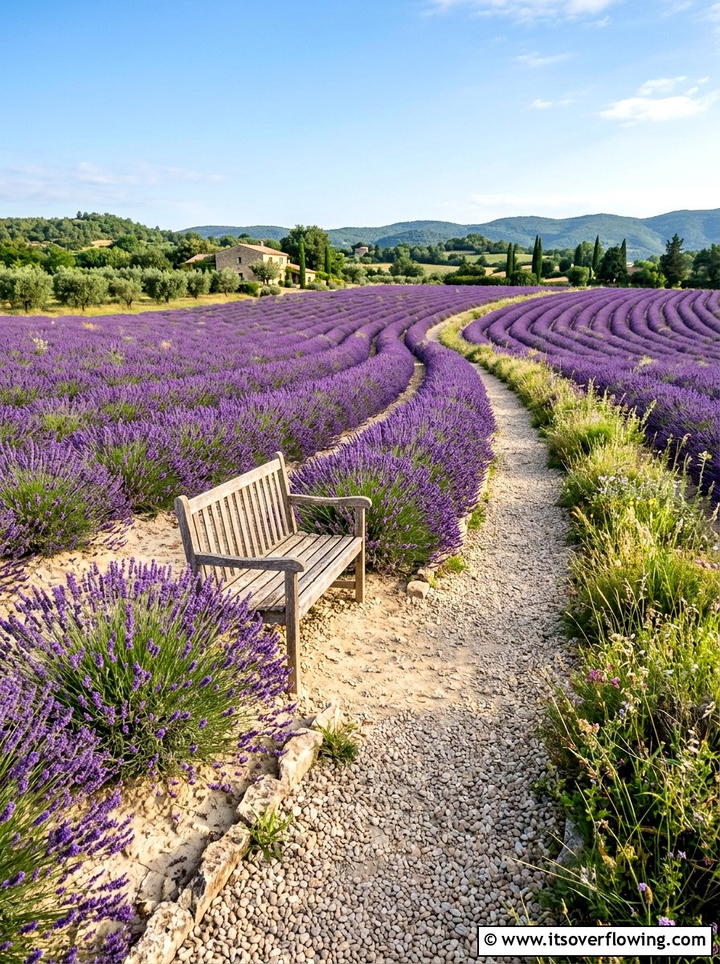
Lavender garden beds offer a sensory experience that works wonderfully in gardens with high sand content and good sun. These plants absolutely hate having “wet feet, ” so the fast drainage of sandy soil is their ideal environment. You can plant multiple varieties to create a wave of purple hues that bloom at slightly different times. Surrounding the lavender with light mulch or pea gravel keeps the base of the plants dry and prevents rot. This design attracts a massive amount of beneficial insects while providing you with fresh blossoms for drying or cooking. The silvery foliage provides a beautiful contrast against green lawn spaces or wooden fences in your backyard area.
4. Rock Garden Landscape
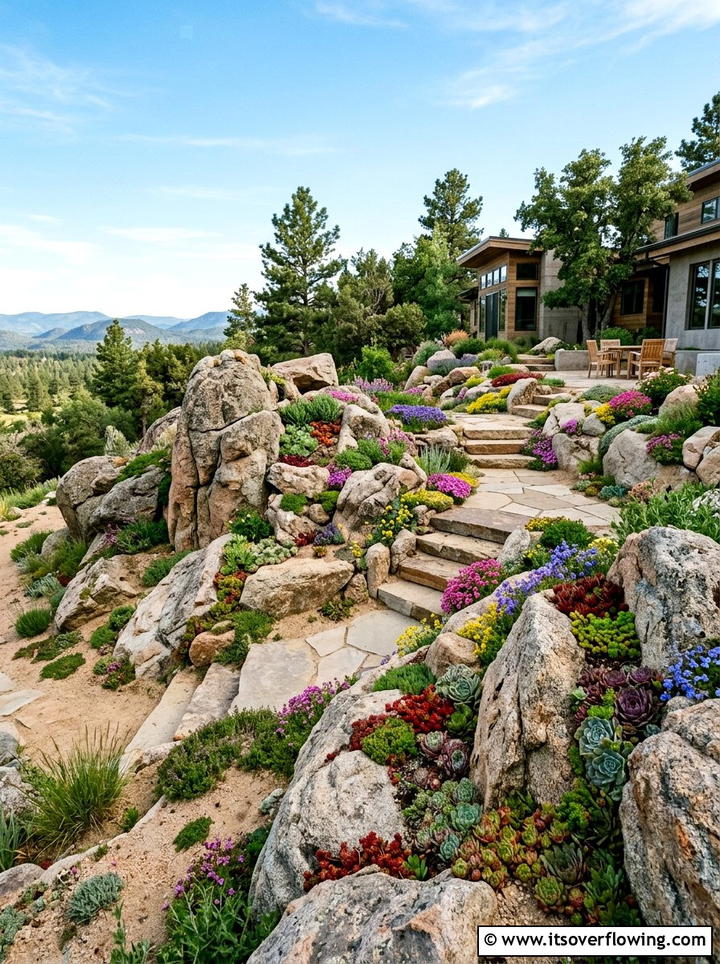
Rock garden landscape designs are a brilliant way to turn a sandy slope into a high-end visual feature. By nesting large boulders into the ground, you create microclimates where alpine plants and small perennials can flourish. The rocks help to hold a bit of moisture in the sand beneath them while keeping the surface dry. You can tuck colorful stonecrops and hens-and-chicks into the crevices for a detailed and intricate look. This type of garden requires almost no mowing or heavy lifting once the initial structure is set. It looks especially striking when you use various sizes of stones to mimic a natural mountain or desert scene.
5. Coastal Garden Layout
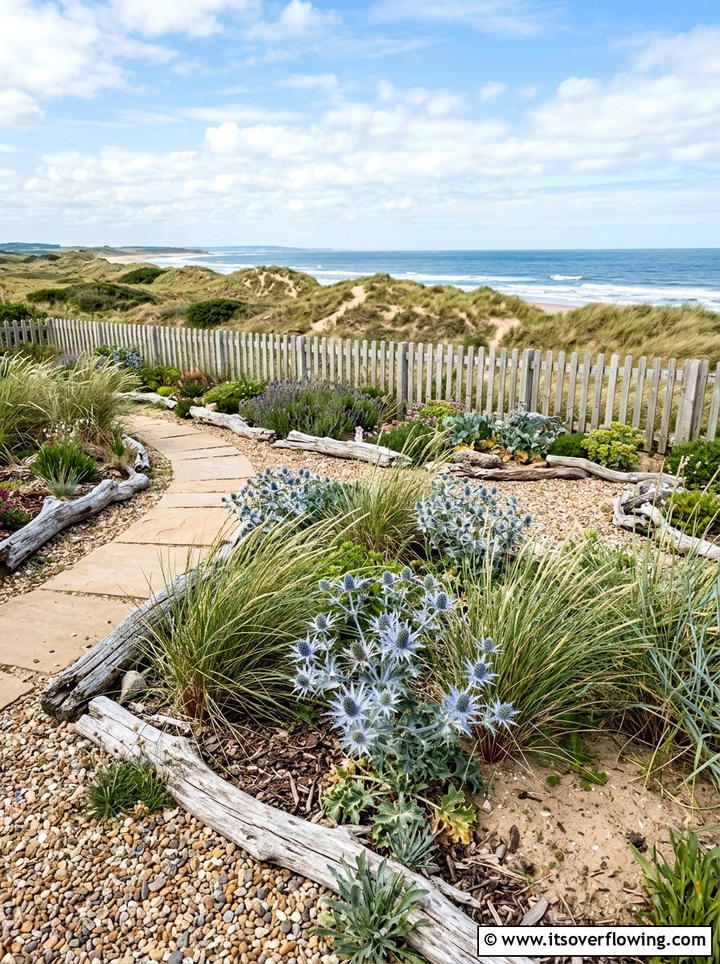
Coastal garden layout ideas are perfect for those living near the ocean where the sand is deep and salty. You should focus on hardy plants like sea holly, beach roses, and ornamental sea kale that can withstand the wind. These plants have tough leaves that prevent moisture loss even in the harshest seaside conditions. Using driftwood as a decorative element adds an authentic touch to the overall design of the space. Windbreaks made of sturdy shrubs can help protect more delicate flowers from being damaged by the salt spray. This design style feels very relaxed and breezy, making your backyard feel like a permanent vacation spot for your family.
6. Succulent Garden Arrangement
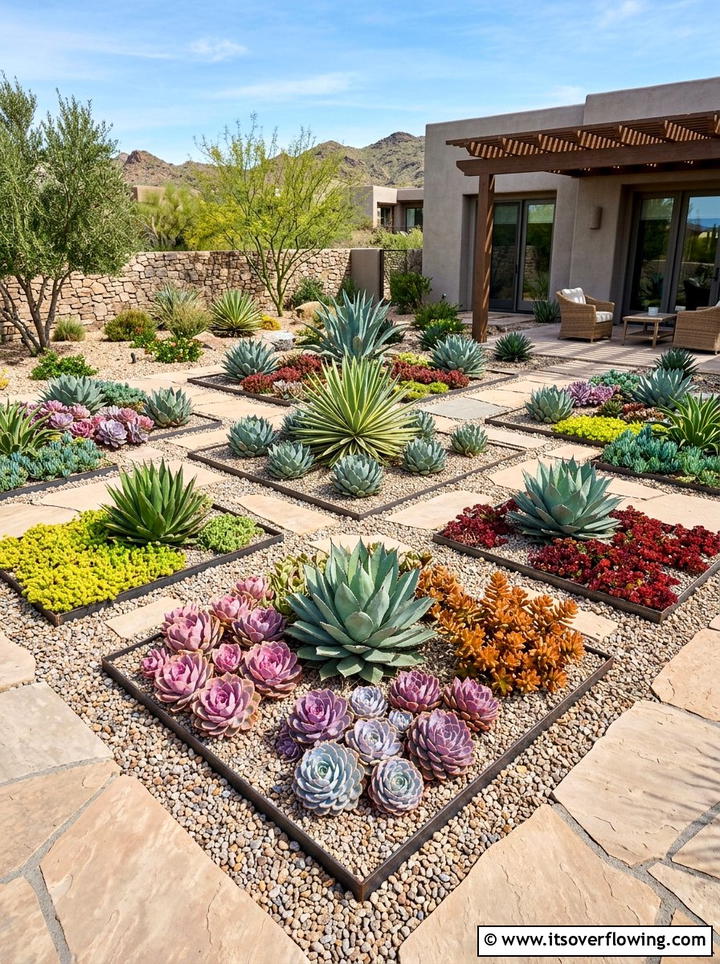
Succulent garden arrangement styles are incredibly popular for sandy yards because these plants store water in their thick, fleshy leaves. You can mix different shapes and sizes, from tall agaves to low-growing echeveria, to create a living tapestry. Sandy soil ensures that their roots never sit in standing water, which is the main cause of succulent death. Using different colors of decorative sand or crushed glass as a top dressing can enhance the modern look. This design is perfect for small spaces or modern homes that want a clean and sculptural aesthetic. It is a very sustainable choice that stays green even during the hottest summer months.
7. Ornamental Grass Border
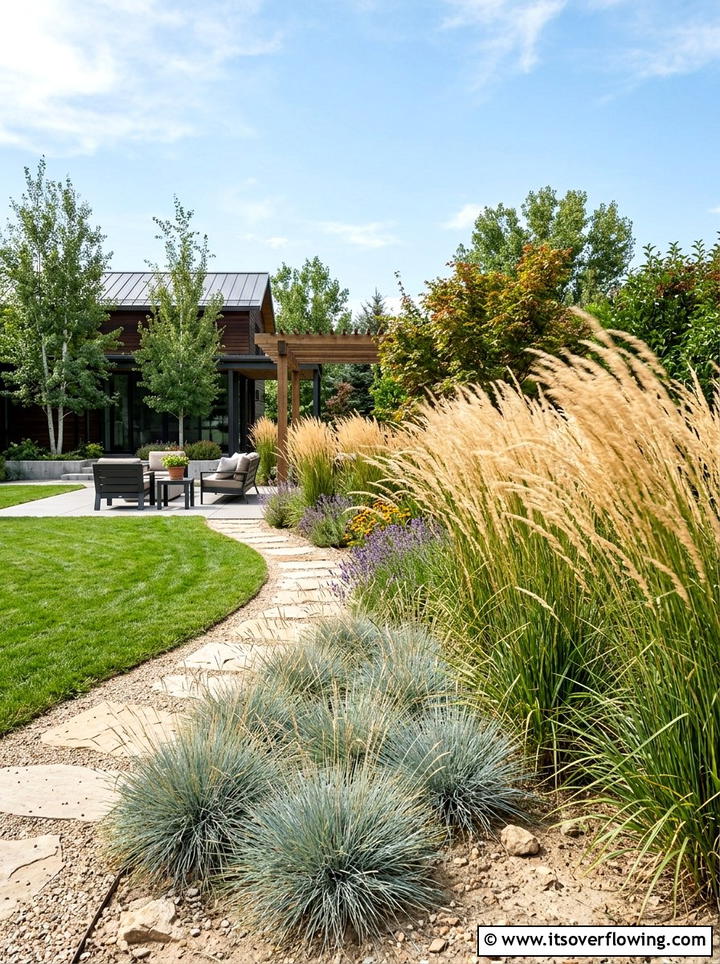
Ornamental grass border designs add a sense of height and constant movement to a garden with light soil. Grasses like blue fescue or feather reed grass are very happy in sandy conditions and require very little supplemental water. You can plant them in long rows to define the edges of your property or create soft privacy screens. In the autumn, many of these grasses turn golden brown and provide visual interest throughout the cold winter. They also provide excellent shelter for birds and small wildlife looking for a place to hide. This is one of the easiest ways to fill a large sandy area with minimal cost and effort.
8. Prairie Style Planting
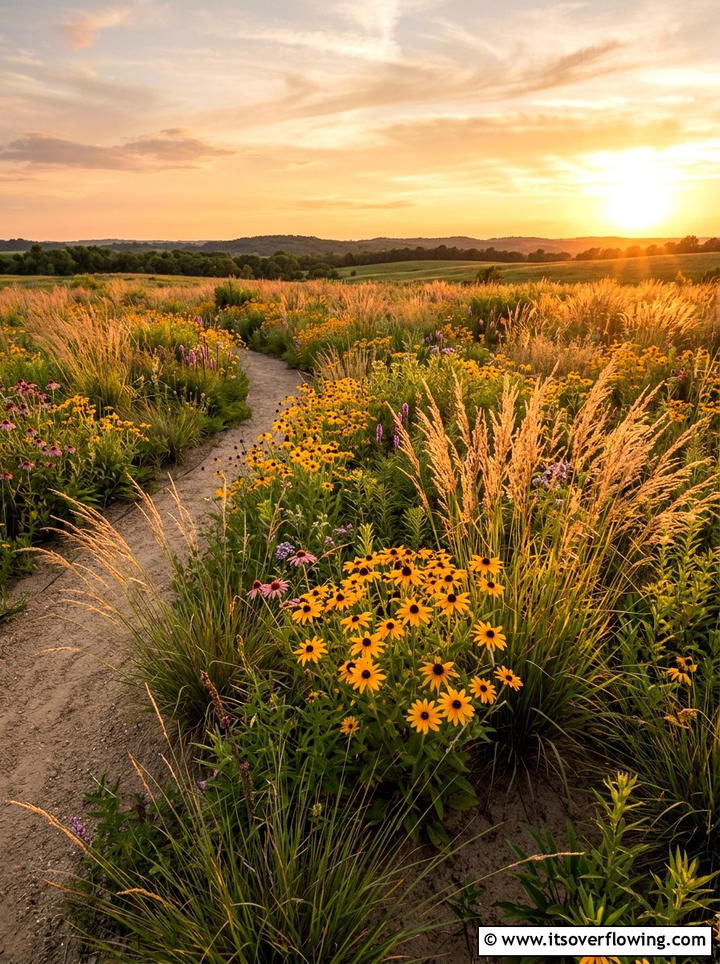
Prairie style planting involves using a mix of tall wildflowers and sturdy grasses to create a wild and free look. This design is inspired by the vast open plains where plants must survive with deep roots in porous soil. You can include purple coneflowers and black-eyed Susans to provide bursts of bright color among the swaying stems. This type of garden is very low maintenance because the plants are meant to grow closely together. It eliminates the need for weeding once the plants have matured and filled in the gaps. A prairie garden changes beautifully with the seasons, offering different colors and textures from spring through fall.
9. Butterfly Garden Beds
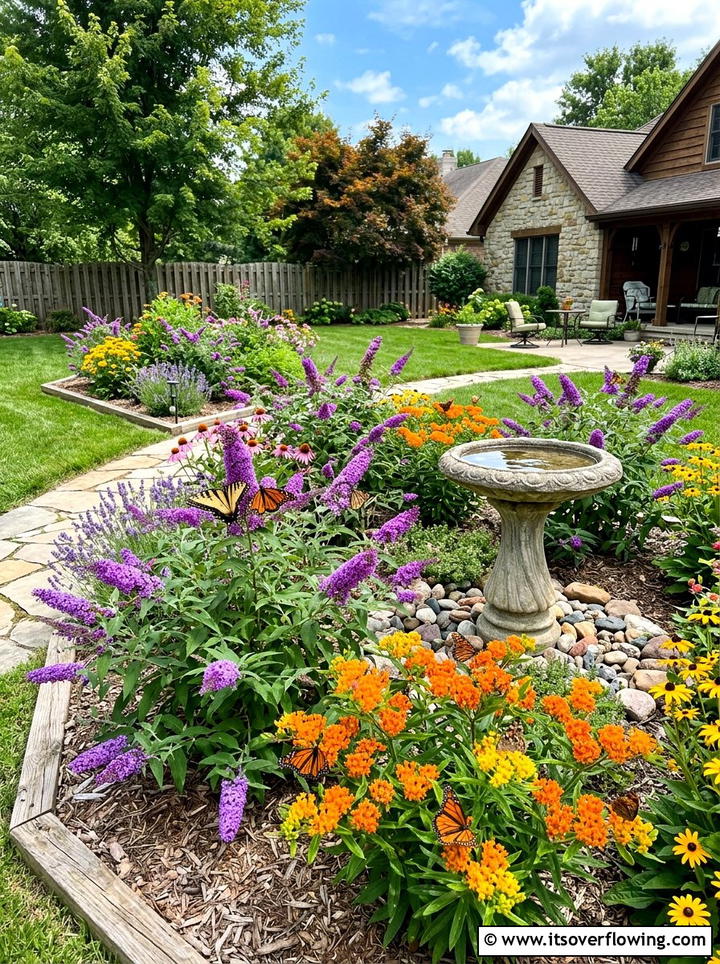
Butterfly garden beds are a wonderful way to bring life and color to a sandy part of your yard. Many nectar-rich plants like butterfly bush and milkweed prefer the loose structure of sandy earth for their root systems. You should place these beds in a sunny spot that is protected from strong winds so butterflies can land easily. Adding a few flat stones gives the butterflies a place to warm their wings in the morning sun. This design not only looks beautiful but also plays a vital role in supporting the local ecosystem and environment. Watching the colorful insects visit your flowers is a peaceful way to enjoy your outdoor space.
10. Desert Xeriscape Design
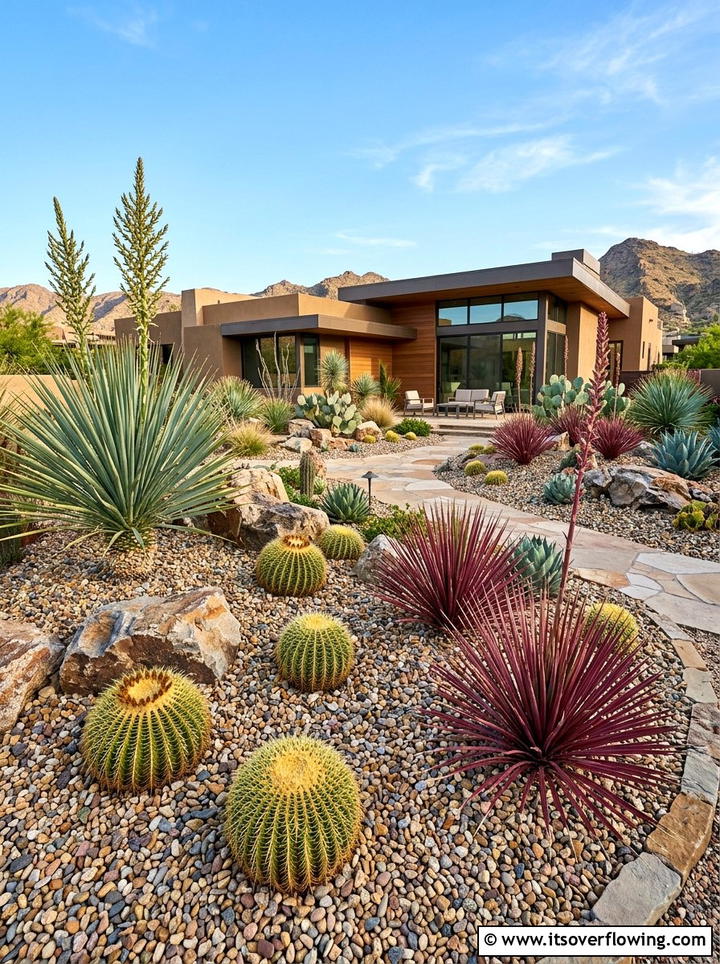
Desert xeriscape design is the ultimate solution for extremely dry and sandy locations where water conservation is a priority. This style uses a combination of drought-resistant plants, gravel mulch, and artistic rock placements to create a stunning yard. You can focus on structural plants like yuccas and desert spoons that provide year-round interest without needing much care. Using a variety of gravel colors can help define different zones in the garden and add visual depth. This approach drastically reduces your water bill while providing a very modern and sophisticated look. It is a smart choice for anyone wanting a high-impact garden that can survive a heatwave with ease.
11. Herb Garden Plan
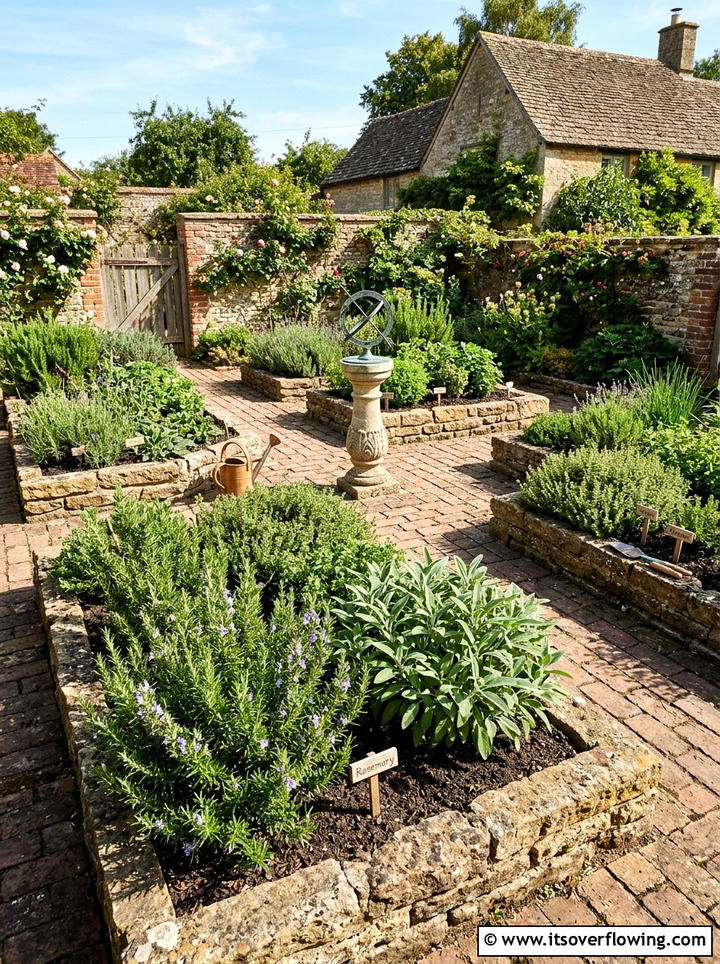
Herb garden plan layouts work exceptionally well in sand because many culinary herbs originate from dry, rocky regions. Woody herbs such as sage, oregano, and marjoram love the quick-draining nature of sandy soil and intense sun exposure. You can design a formal knot garden or a simple circular bed to keep your kitchen staples within reach. The heat-retaining properties of sand help these herbs produce more essential oils, making them more flavorful for your cooking. Using brick or stone paths between the herb beds makes the area look tidy and provides easy access. A fragrant herb garden is a functional and beautiful addition to any sunny backyard space.
12. Rose Garden In Sandy Soil
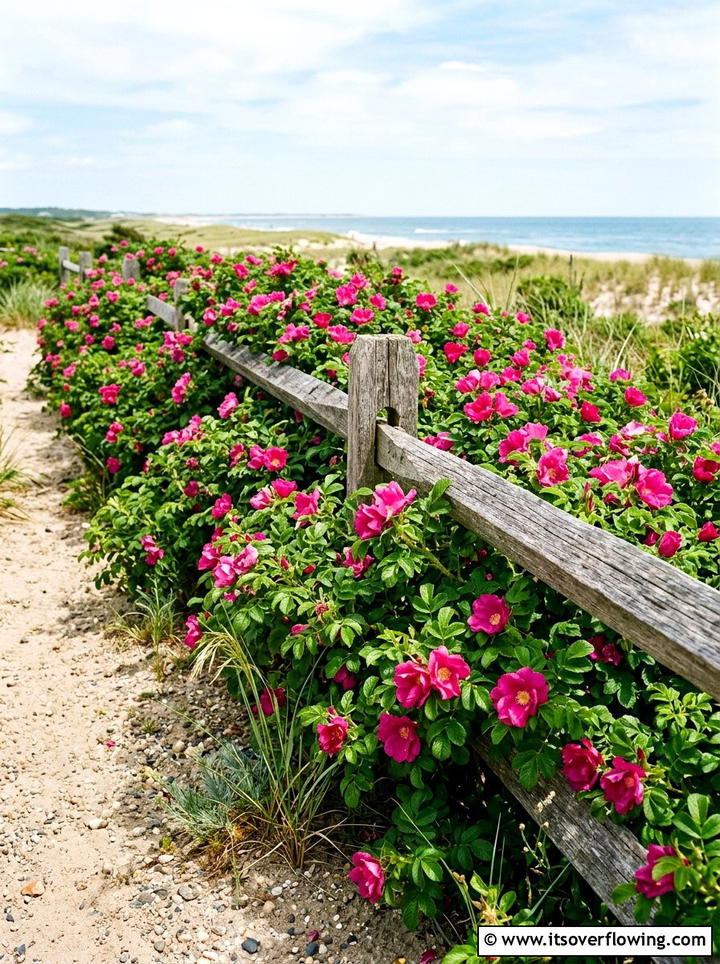
Rose garden in sandy soil designs are possible if you choose specific varieties like the rugosa rose. These “beach roses” are famously tough and can thrive in poor, sandy conditions where other roses might struggle and fail. They produce beautiful, fragrant flowers followed by large red hips that add color in the late fall. You should add a generous layer of compost or mulch around the base to help hold some moisture. Rugosa roses also make excellent hedges because they are very dense and have protective thorns. This design brings a classic, romantic feel to your garden while remaining resilient against the challenges of a sandy landscape.
13. Wildflower Meadow Garden
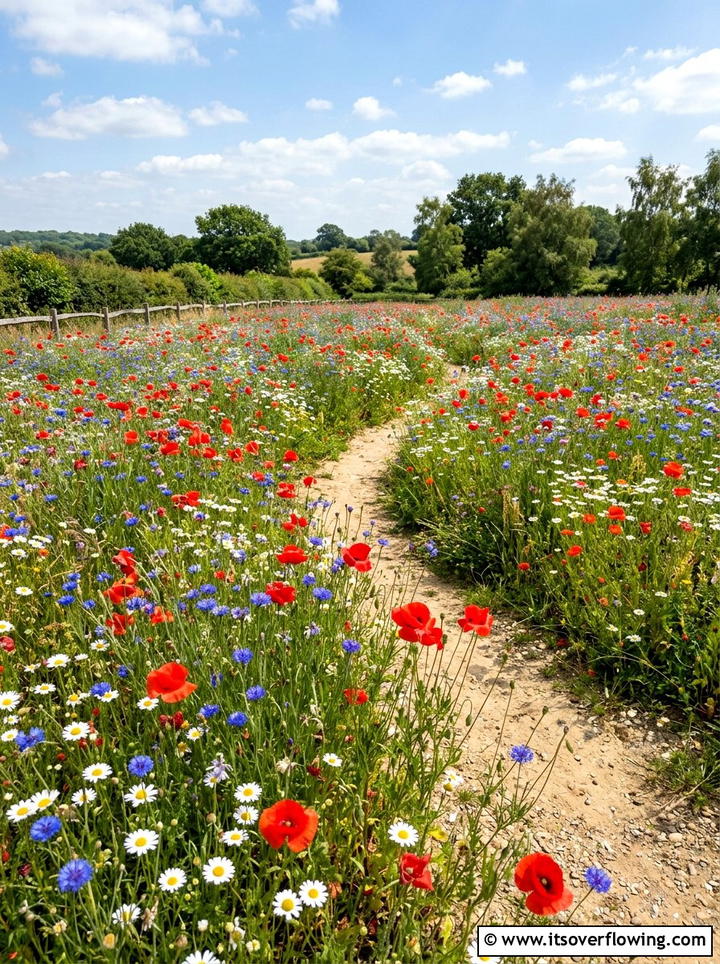
Wildflower meadow garden styles are a great way to cover large sandy areas with a carpet of natural color. You can sow a mix of seeds specifically designed for dry soils, including poppies, lupines, and cornflowers. These flowers often reseed themselves, meaning your garden will return with new blooms year after year without replanting. It is best to avoid heavy fertilizers, as wildflowers actually prefer the lean conditions found in sandy ground. This design creates a soft and romantic look that feels very connected to the natural world around you. A meadow garden also requires far less mowing than a traditional grass lawn, saving you time.
14. Raised Bed Garden Layout
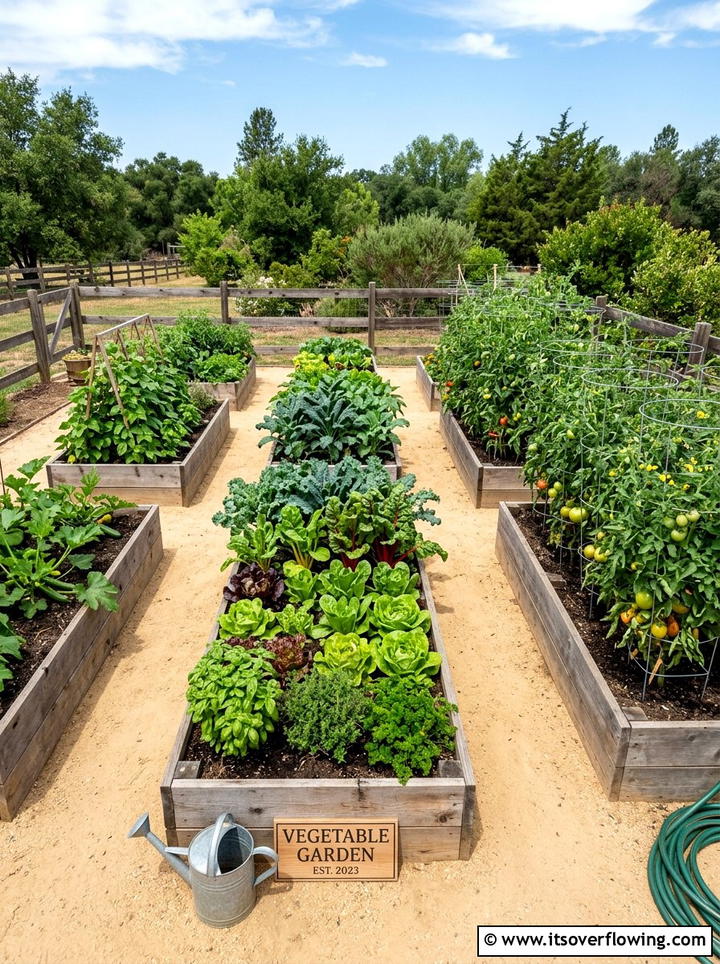
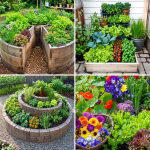
Raised bed garden layout options allow you to grow almost anything, even if your natural ground is pure sand. By building wooden or stone frames, you can fill the beds with high-quality soil and compost for better growth. The sandy ground underneath provides the perfect drainage, ensuring that your raised beds never become waterlogged or soggy. This is an ideal setup for growing vegetables like carrots and radishes which love the loose texture of sand. You can arrange the beds in a neat grid pattern to create a very organized and productive garden. Raised beds also make gardening easier on your back by reducing the need for bending.
15. Gravel Garden Design
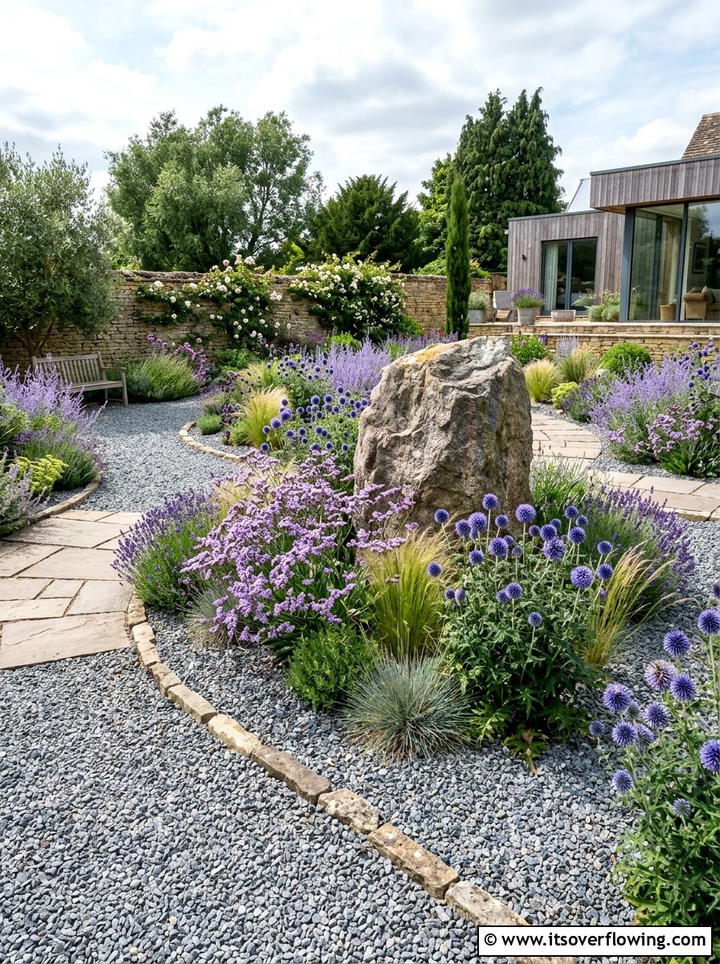
Gravel garden design is a sophisticated and low-maintenance approach that mimics the famous dry gardens of Europe. Instead of using traditional mulch, you cover the entire soil surface with a thick layer of crushed stone or gravel. You can then plant drought-loving perennials directly through the gravel, creating a very clean and intentional look. The gravel helps to suppress weeds and prevents moisture from evaporating too quickly from the sandy soil below. This style works beautifully with silver-foliaged plants and purple flowers like sea lavender or globe thistle. A gravel garden looks polished all year round, even during the dormant winter months when other gardens look bare.
16. Pine Forest Garden Style
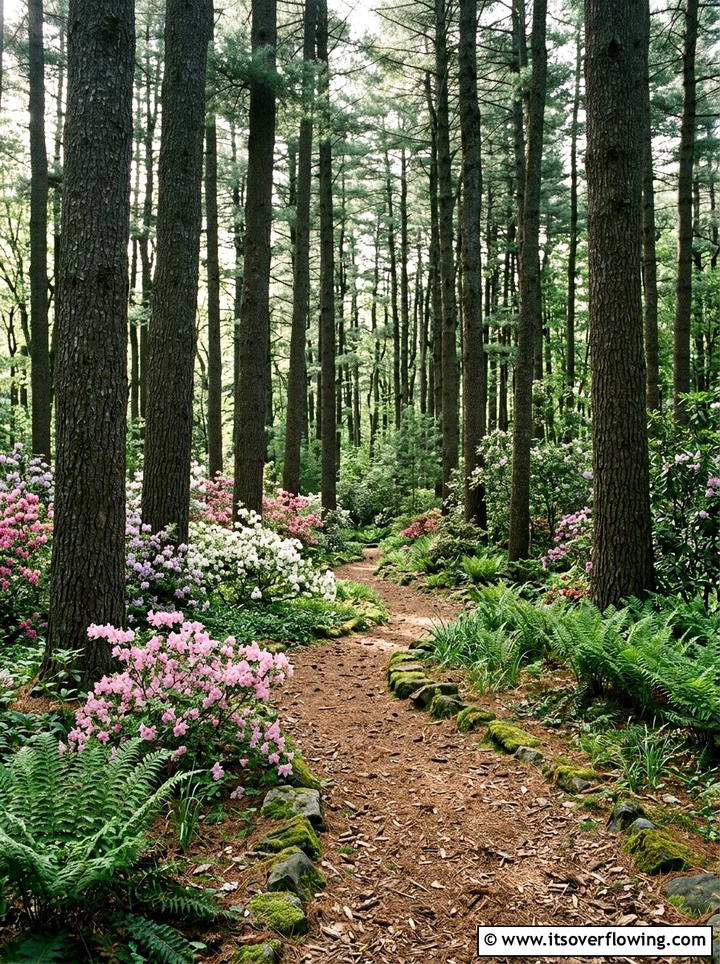
Pine forest garden style is perfect for sandy areas that are naturally acidic and shaded by evergreen trees. Many beautiful plants like azaleas, blueberries, and ferns thrive in the sandy, needle-covered ground found under pines. You can create winding paths using wood chips to give the space a very natural and woodland feel. Adding a few benches allows you to sit and enjoy the cool, quiet atmosphere of your shaded retreat. The sandy soil ensures that the roots of these forest plants do not rot during rainy periods of the year. This design is very peaceful and provides a cool escape from the hot summer sun in your yard.
17. Cactus Garden Landscaping
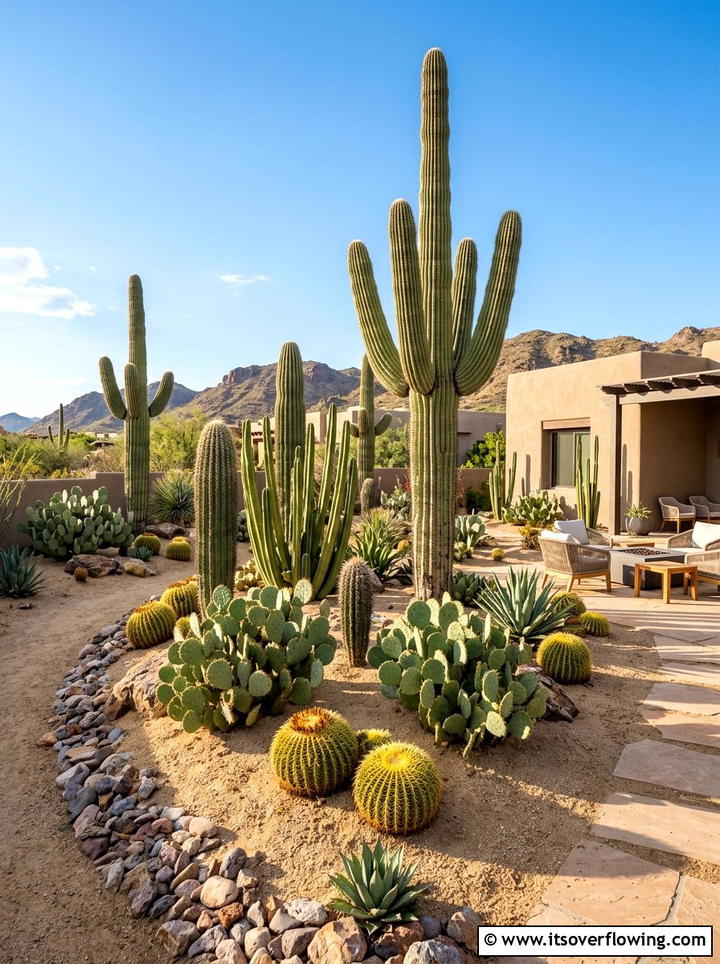
Cactus garden landscaping is a bold and architectural choice that is perfectly suited for very sandy and sunny spots. You can mix tall columnar cacti with round barrel varieties to create a landscape with varied heights and shapes. These plants are built for the sand and can go for long periods without any water at all. Using a mix of sand and small pebbles for the ground cover enhances the authentic desert appearance of the design. It is important to place these gardens away from high-traffic paths to avoid accidental contact with the sharp spines. A cactus garden is a true “set it and forget it” landscape for busy people.
18. Perennial Flower Border
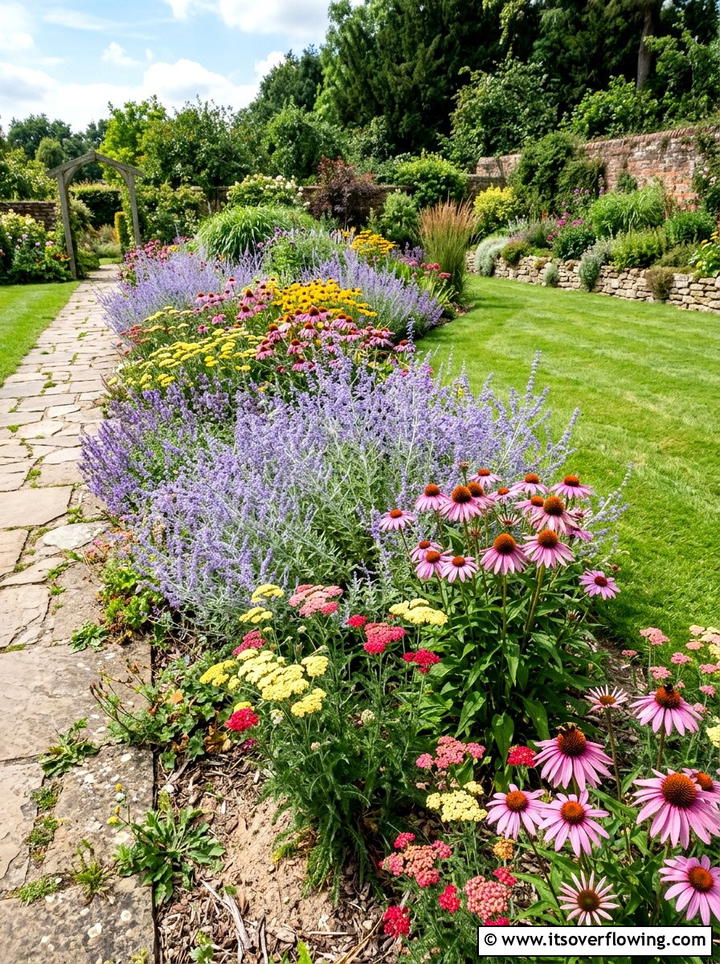
Perennial flower border designs can be very lush in sandy soil if you select the right hardy varieties. Plants like yarrow, gaillardia, and Russian sage are famous for their ability to bloom in poor, dry ground. You can layer these plants with taller varieties in the back and shorter ones in the front for depth. Adding a bit of organic matter to the planting holes helps these perennials get a strong start in the sand. Once they are established, they will return every year with minimal intervention or extra watering from you. This creates a reliable and colorful border that defines your garden spaces with beautiful, long-lasting flowers.
19. Cottage Garden For Sand
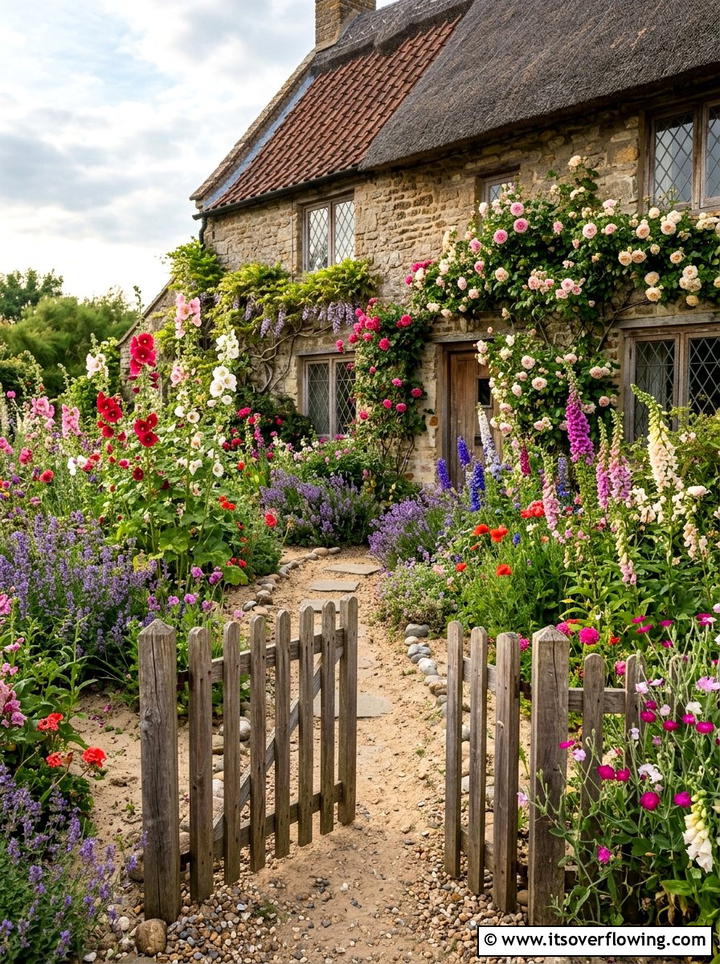
Cottage garden for sand designs use a dense planting style to create a charming and slightly chaotic look. You can combine traditional favorites like hollyhocks and foxgloves with sand-loving herbs and shrubs for a unique mix. Using a thick layer of organic mulch is key to keeping the soil cool and moist for these flowers. This style is meant to look overflowing and abundant, hiding the sandy soil beneath a canopy of green leaves. Adding a rustic wooden gate or a small birdbath can complete the cozy and inviting cottage aesthetic. This design is perfect for those who want a romantic and traditional garden despite having sandy earth.
20. Shrub Garden Design
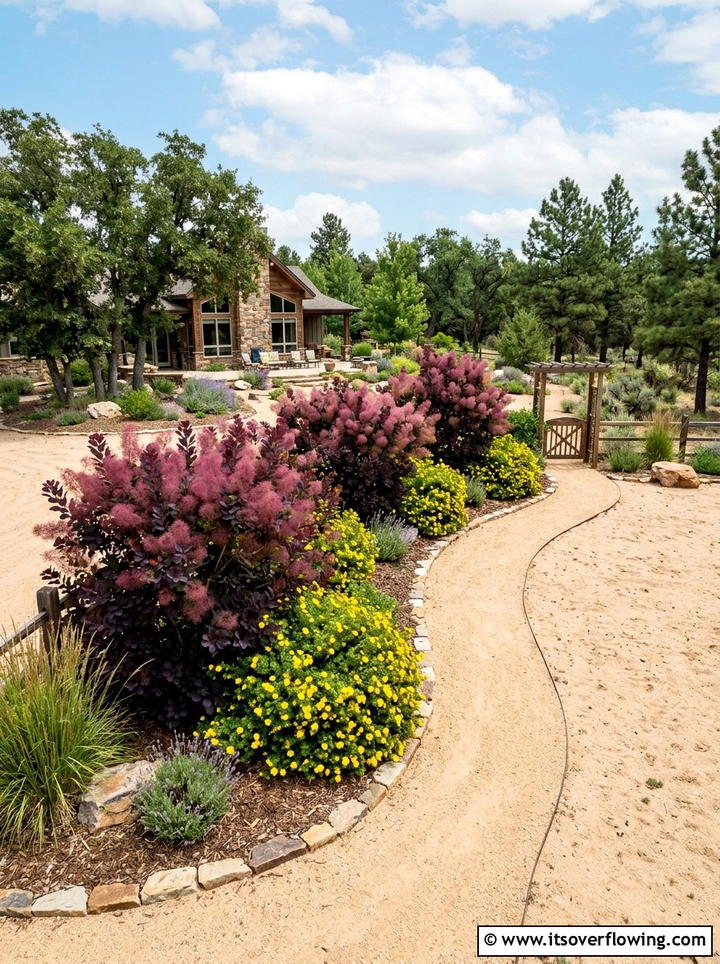
Shrub garden design is a great way to add structure and privacy to a sandy yard with very little maintenance. Many shrubs like potentilla, smokebush, and butterfly bush are very resilient in fast-draining and nutrient-poor soil conditions. You can group different shrubs together to create a varied hedge with different leaf colors and textures throughout. These plants provide a permanent framework for your garden that stays in place throughout all four seasons of the year. Shrubs also act as excellent windbreaks, which can be very helpful if your sandy yard is in an open or exposed area. This is a very cost-effective way to fill large landscape gaps.
21. Yucca Garden Landscape
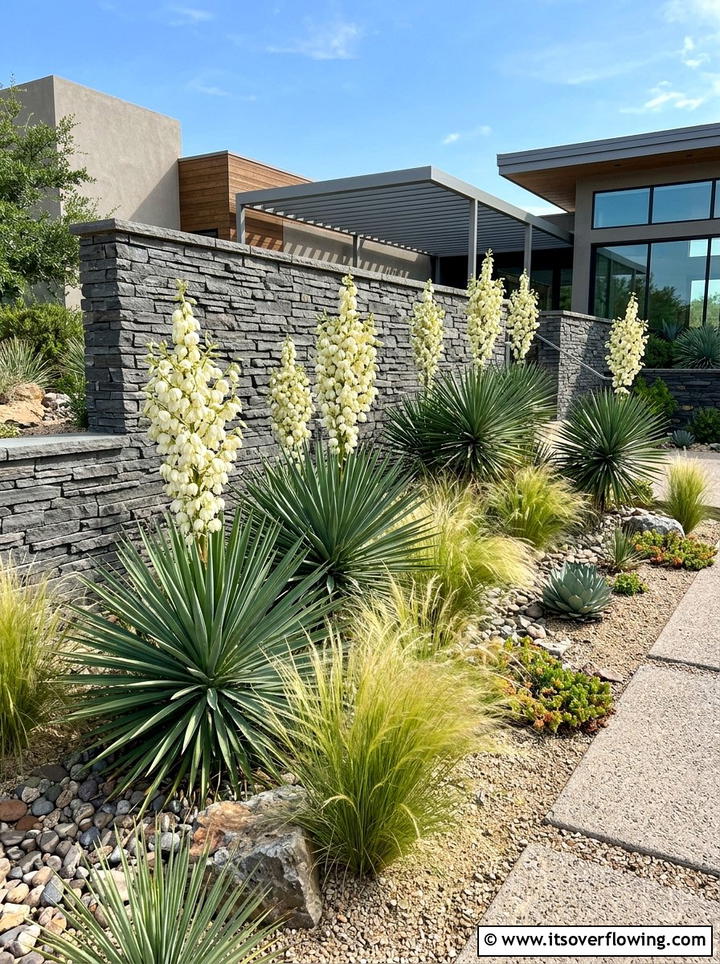
Yucca garden landscape ideas focus on the striking, sword-like leaves of various yucca species that love the sand. These plants are virtually indestructible and can handle extreme heat, wind, and drought without any visible signs of stress. You can pair them with softer ornamental grasses to create a beautiful contrast between the sharp leaves and wispy stems. Some yuccas produce tall spikes of white flowers in the summer that add a dramatic vertical element to your garden. They work well as focal points or as part of a larger xeriscape design in a sunny backyard. This type of garden requires almost zero care once the plants have taken root.
22. Salvia Garden Beds
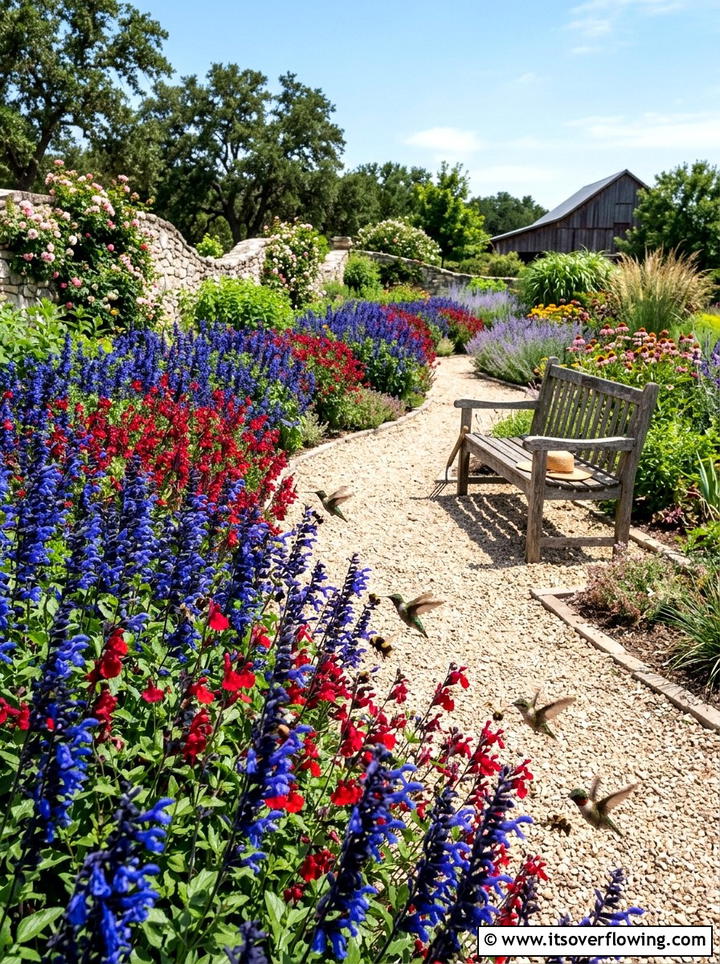
Salvia garden beds are a favorite for sandy soil because these plants are incredibly tough and produce stunning flowers. You can find salvias in shades of deep blue, bright red, and vibrant purple that bloom for many weeks. They are very attractive to hummingbirds and bees, bringing constant motion and life to your outdoor landscape. Sandy soil provides the sharp drainage that salvias need to survive the winter without their roots rotting in the ground. You can mix different heights of salvia to create a layered look that feels very full and intentional. These plants are also deer-resistant, making them a practical choice for many rural or suburban gardens.
23. Tropical Garden In Sandy Soil
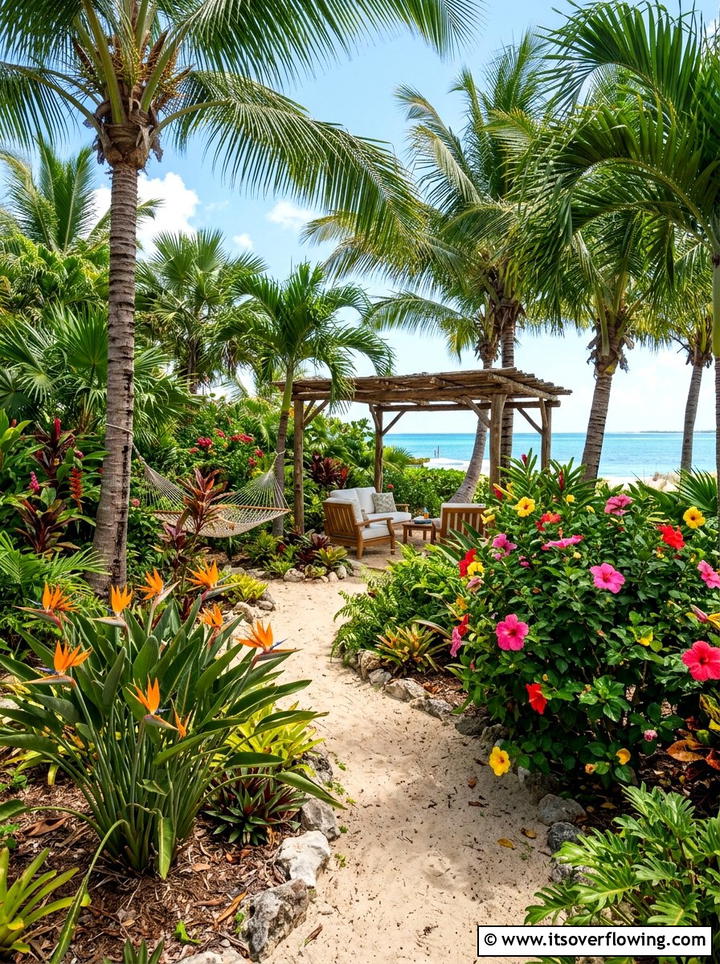
Tropical garden in sandy soil designs are possible in warmer climates where palm trees and hibiscus can thrive. Palms naturally grow in sandy coastal areas, so they are perfectly adapted to the loose soil of your backyard. You can add large-leafed plants like bird of paradise to create a lush, jungle-like feeling in a small space. Adding a simple water feature or a small pond can enhance the tropical atmosphere and provide some humidity. Using dark wood mulch can help the vibrant colors of the tropical flowers pop against the background of your garden. This design makes your home feel like a private resort where you can relax and unwind.
24. Small Backyard Sand Garden
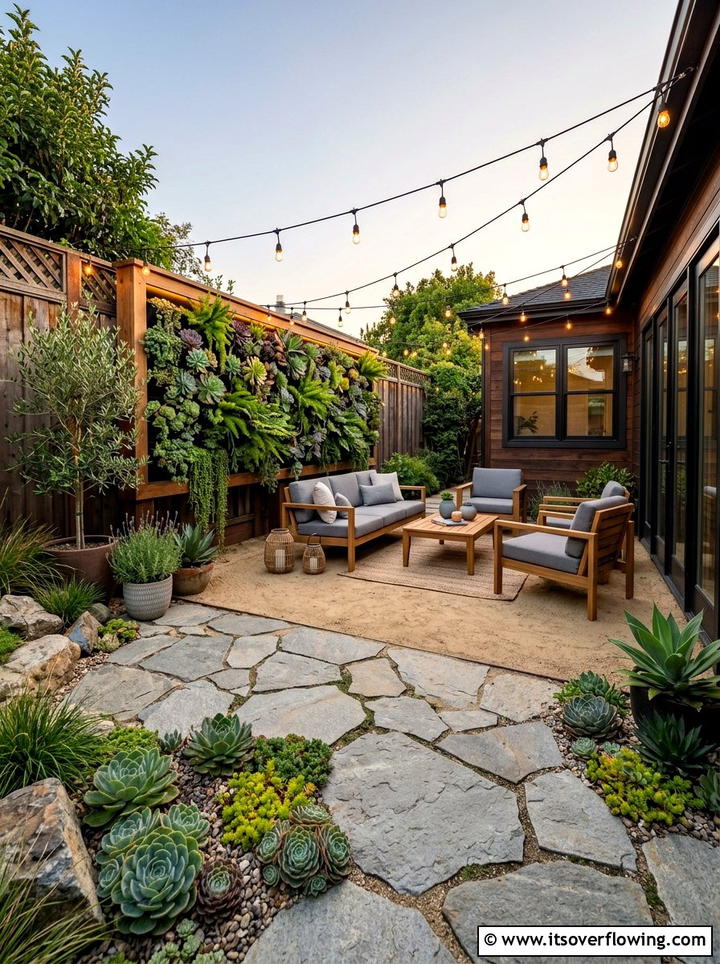
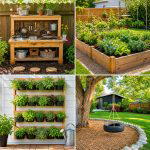
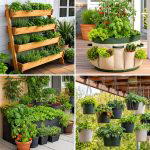
Small backyard sand garden designs focus on maximizing every inch of space with high-impact plants and clever layouts. You can use large pavers with sand-loving groundcovers growing in the gaps to create a functional patio area. Vertical gardening with wall-mounted planters is a great way to add greenery without taking up precious floor space in the yard. Choosing a limited color palette helps a small garden feel more spacious and less cluttered to the eye. Even a tiny sandy corner can be turned into a beautiful retreat with a few well-placed chairs and hardy plants. This design proves that you do not need a huge estate to have a stunning garden.
25. Vegetable Garden With Soil Amendment
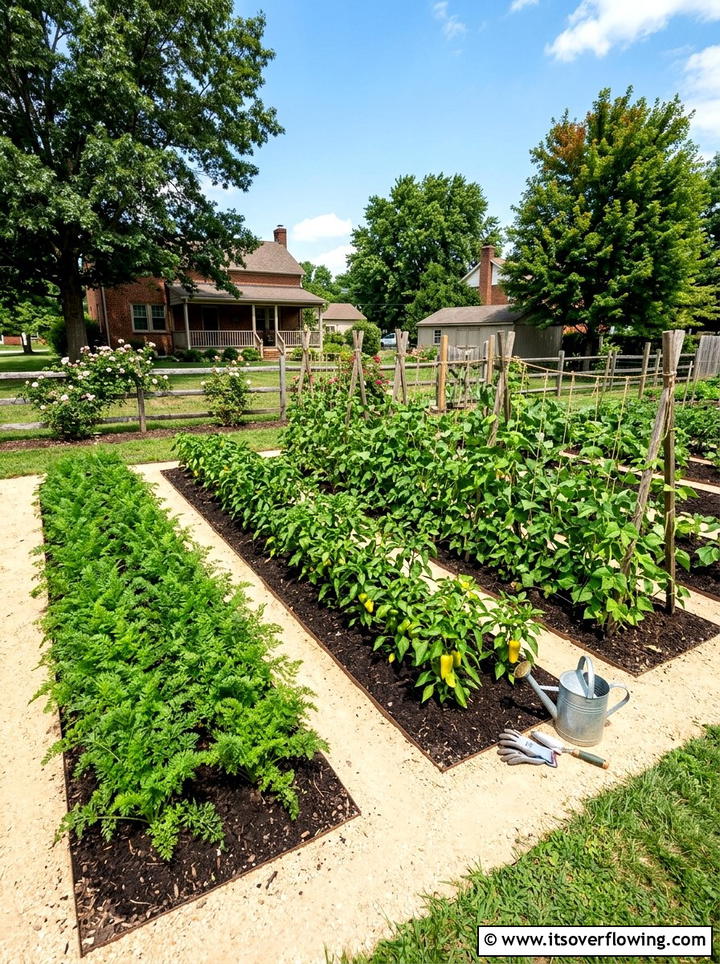
Vegetable garden with soil amendment techniques allows you to grow your own food even if your ground is mostly sand. By mixing in plenty of compost, aged manure, and peat moss, you can create a rich environment for crops. Root vegetables like carrots and parsnips actually grow straighter and longer in sandy soil because there are no rocks to block them. You will need to water more frequently, but the excellent drainage means your plants are less likely to suffer from diseases. Adding a drip irrigation system is a smart way to keep your vegetables hydrated without wasting water in the heat. This design is rewarding and provides fresh produce for your family.
Conclusion:
Transforming a sandy yard into a lush oasis is entirely possible when you stop fighting the soil and start working with it. By choosing the right plant species and incorporating organic matter where needed, you can create a landscape that is both beautiful and sustainable. Whether you prefer a structured Mediterranean look or a wild prairie meadow, sandy soil offers the perfect foundation for healthy root growth. Always remember that mulching is your best friend when it comes to retaining just enough moisture for your favorite plants. Your garden will eventually become a thriving ecosystem that requires less work and brings more joy every season.

Related posts:
 25 Garden Ideas for Cold Climate Yards That Thrive Beautifully
 25 Small Garden Ideas for Low Sunlight That Thrive Beautifully
 25 Garden Design Ideas for Beginners to Start Beautifully
 25 Garden Ideas for Clay Soil That Grow Strong and Beautiful
 25 Creative Garden Ideas With Hidden Garden Corners
 25 Creative Garden Ideas With Keyhole Garden Beds
 25 Creative Garden Ideas With Kids Garden Zone
 25 Garden Design Ideas With Pathways for Beautiful Garden Flow
 25 garden ideas with garden edging for Polished Borders
 25 garden ideas with garden signs for Charming Outdoor Decor
 25 garden ideas with hostas for Lush Shade Garden Beauty
 25 Small Garden Ideas With Edible Garden for Fresh Harvests