
Creating a beautiful outdoor space often begins with the structural layout of your walkways, as they define the flow and character of the entire landscape. A well-planned garden path does more than just provide a dry place to walk; it serves as a visual guide that leads the eye toward focal points like blooming flower beds, cozy seating areas, or water features. By selecting materials that complement your home’s architecture, you can achieve a seamless transition between the indoor and outdoor living environments. Whether you prefer the rustic charm of weathered stone or the clean lines of modern concrete, every path tells a unique story. These pathways encourage exploration and help organize the diverse plant life throughout your yard.
1. Flagstone Path Moss
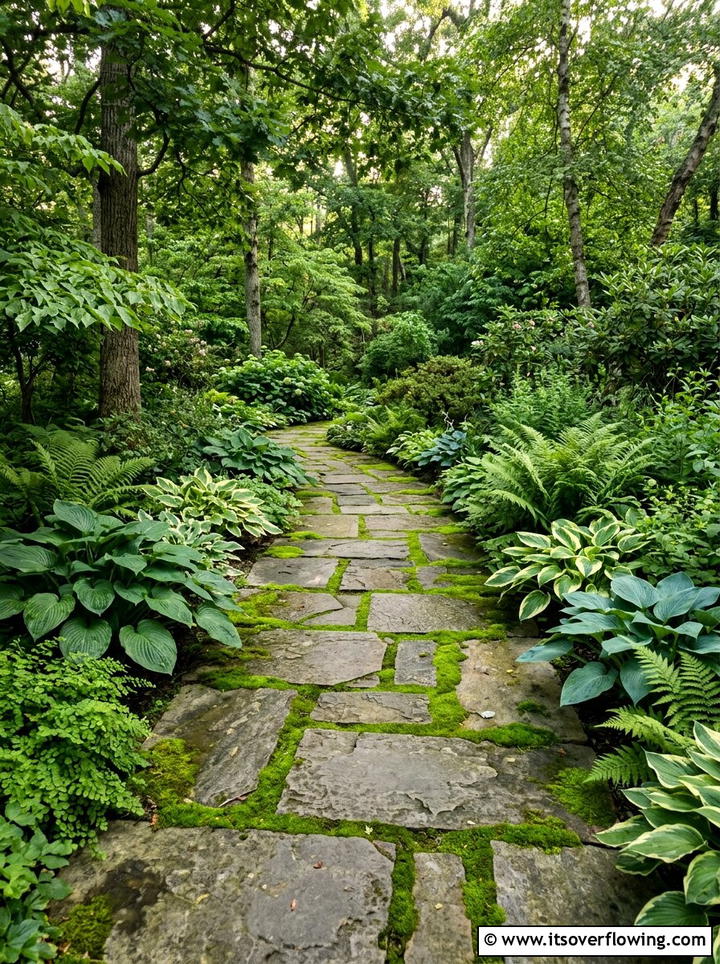
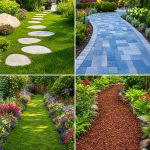
A flagstone path nestled among soft emerald green moss creates a timeless and enchanting atmosphere in any backyard setting. This design relies on the organic shapes of natural stones, which are spaced widely enough to allow low-growing groundcovers to fill the gaps effectively. The surrounding garden often features shade-loving plants like delicate hostas, vibrant ferns, and elegant bleeding hearts to enhance the mystical woodland vibe. Large weathered boulders can be placed along the edges to provide structural interest and a sense of permanence. This approach softens the transition between hard surfaces and the natural environment, making your outdoor space feel like a peaceful and very secret retreat for relaxation.
2. Modern Paver Walkway
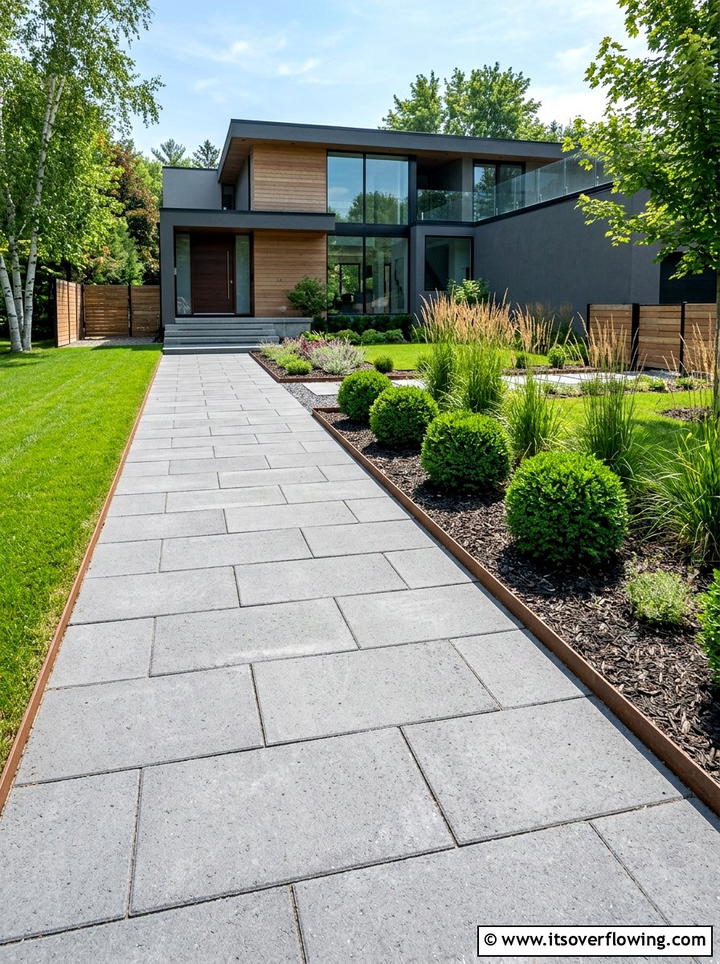
Modern paver walkways focus on clean lines and geometric precision to create a sophisticated and organized outdoor environment. These designs typically utilize large rectangular or square concrete pavers arranged in a linear or staggered pattern to suggest movement. To maintain a minimalist aesthetic, the surrounding garden should feature architectural plants such as ornamental grasses, boxwood spheres, and structural agaves. Incorporating dark river rocks or light grey gravel between the pavers adds a sharp contrast that highlights the layout. This style works exceptionally well for contemporary homes, offering a sleek look that remains functional and low-maintenance throughout the changing seasons while providing a very polished appearance.
3. Gravel Path Metal Edging
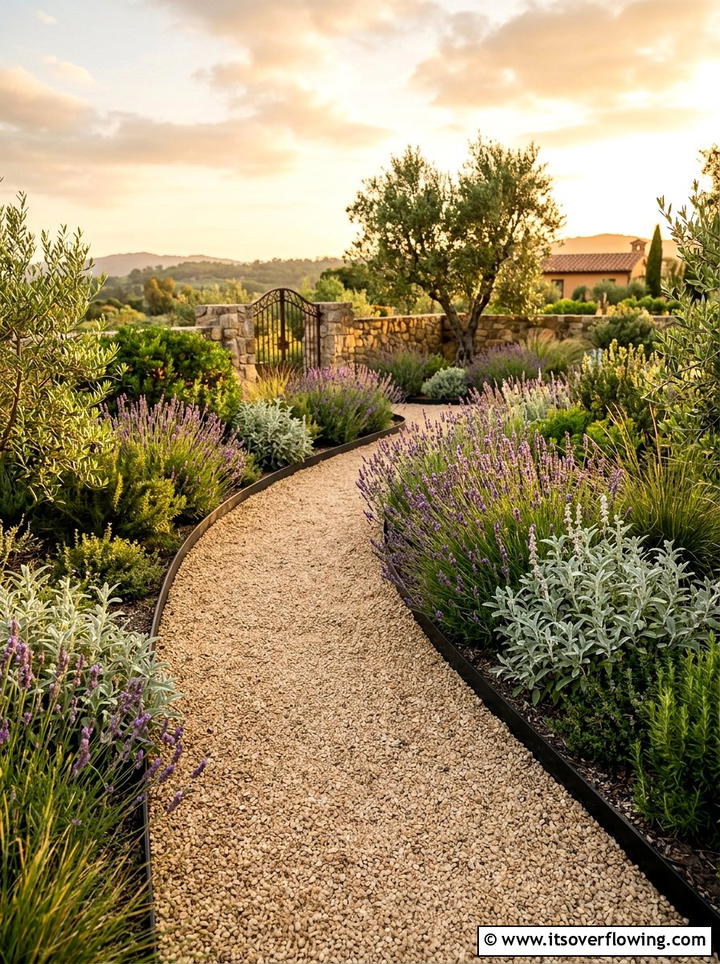
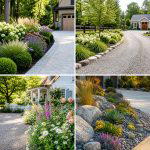
Gravel paths with metal edging offer a practical and visually appealing solution for those seeking a more relaxed or Mediterranean-style garden. The crisp metal borders keep the loose stones contained, preventing them from migrating into nearby flower beds or lawn areas. This design thrives when paired with drought-tolerant plants like fragrant lavender, silvery sage, and colorful succulents that spill over the edges. The crunching sound of gravel underfoot adds a sensory dimension to the garden experience, making it feel more interactive. Because gravel provides excellent drainage, this setup is perfect for areas prone to heavy rain, ensuring the walkways remain usable and beautiful year-round.
4. Cottage Garden Brick Path
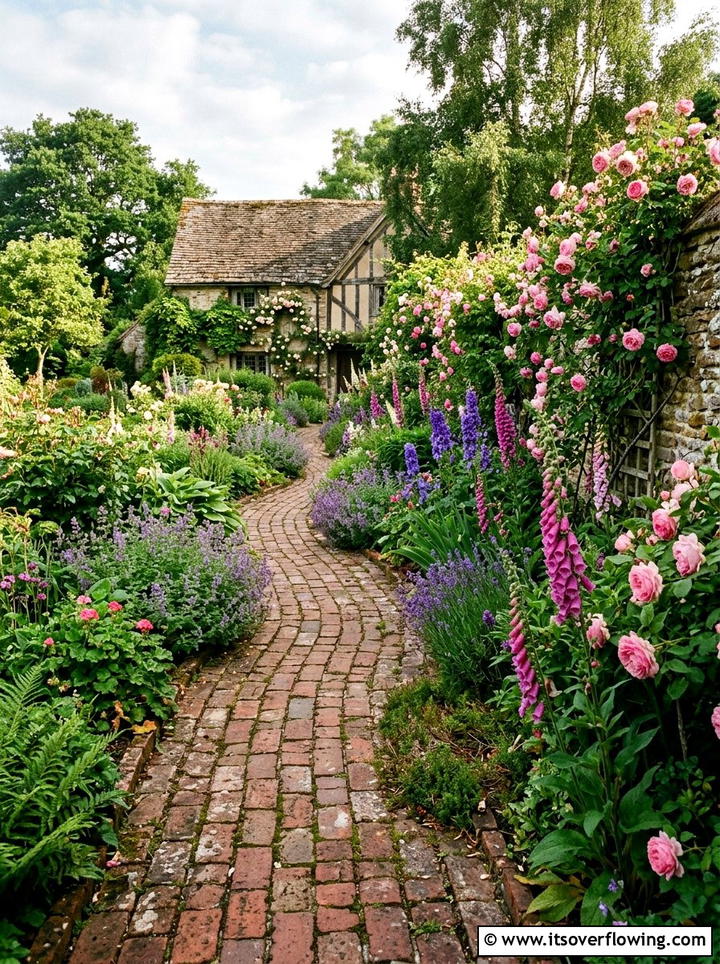
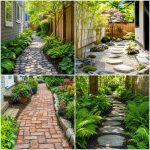
A cottage garden brick path brings a sense of nostalgia and warmth to your landscape through its classic weathered appearance. This design often features a winding layout that encourages slow strolls past overflowing borders of roses, peonies, and tall foxgloves. The bricks can be laid in various patterns, such as basketweave or running bond, to add subtle texture to the ground. Using reclaimed bricks provides an authentic aged look that blends perfectly with a rustic or traditional home exterior. The soft colors of the clay complement the vibrant hues of the flowers, creating a romantic and cozy environment that feels lived-in and deeply welcoming.
5. Stepping Stones Grass
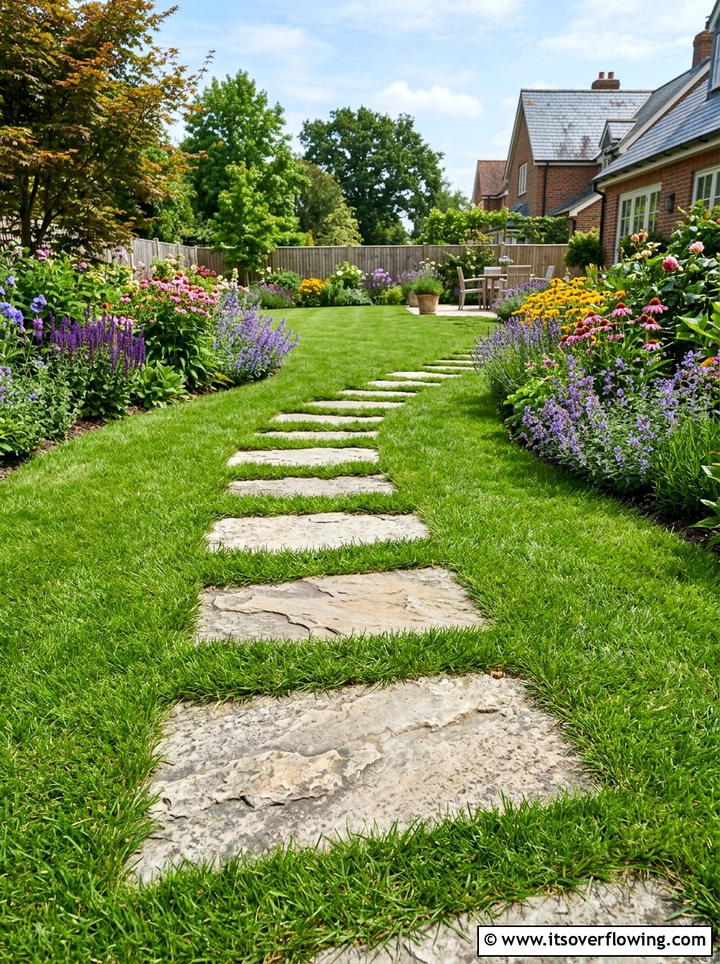
Stepping stones placed directly into a lush green lawn offer a simple yet effective way to protect your grass while creating a clear walking route. This design maintains the expansive feel of a large lawn while adding a charming visual element that breaks up the monochromatic green. Choosing natural stone slabs with irregular edges provides a more organic feel, whereas circular cut stones offer a whimsical and playful touch. This layout is ideal for connecting a patio to a children’s play area or a hidden bench. Since the grass grows around each stone, the path integrates seamlessly with the yard, requiring very minimal installation effort.
6. Japanese Zen Garden
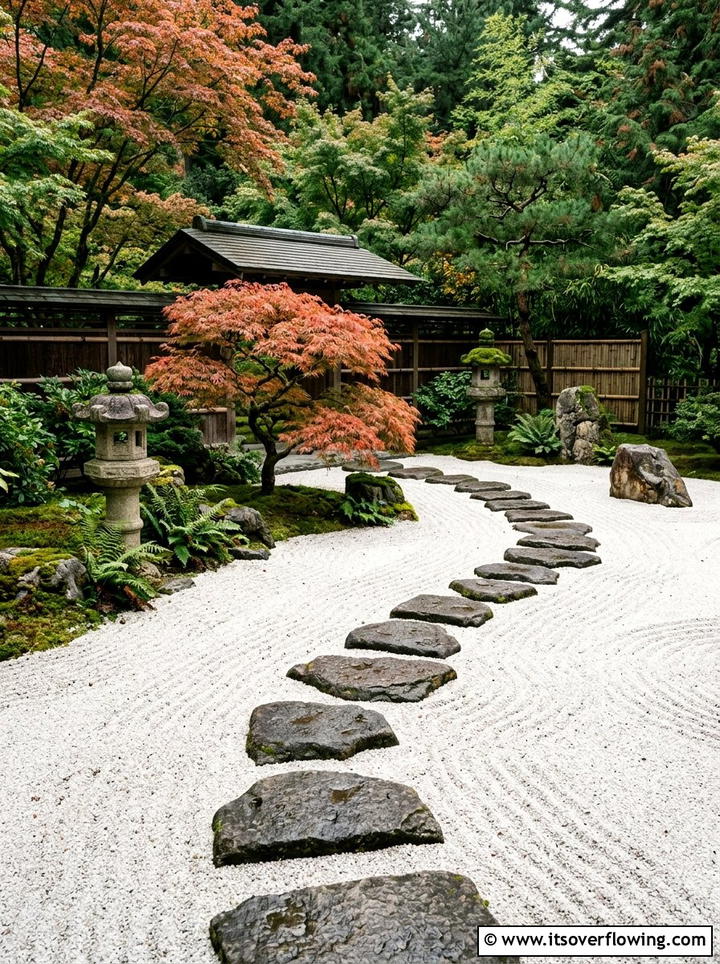
A Japanese zen garden uses paths to symbolize a journey of mindfulness and quiet reflection within a carefully balanced landscape. These pathways often consist of flat river stones or precisely placed granite slabs surrounded by meticulously raked sand or fine gravel. Incorporating elements like Japanese maples, moss-covered rocks, and small stone lanterns enhances the cultural authenticity of the space. The path might lead to a wooden bridge or a tranquil koi pond, serving as a guide through a miniature representation of nature. This design prioritizes empty space and simplicity, providing a calm sanctuary where the stresses of daily life can fade away in the quiet.
7. Wood Slice Walkway
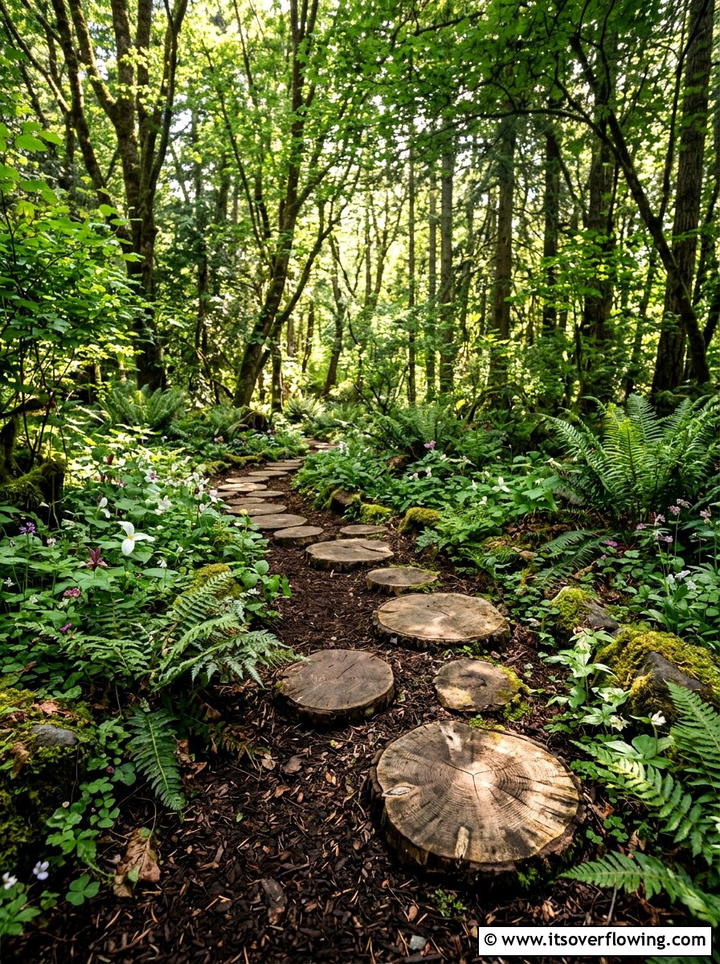
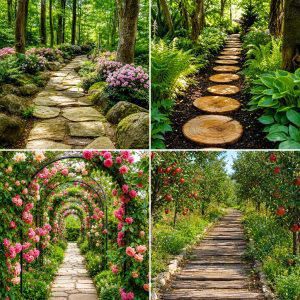
Wood slice walkways provide a rustic and eco-friendly option that looks particularly stunning in woodland or country-style gardens. These paths are created using cross-sections of fallen logs, revealing the beautiful natural rings and textures of the timber. To ensure longevity, the wood slices should be treated and set into a bed of sand or fine mulch for stability. This design is best surrounded by native wildflowers, ferns, and towering trees to emphasize the forest theme. The earthy tones of the wood create a harmonious connection with the soil, making the path feel like a natural extension of the landscape rather than a man-made addition.


8. Mediterranean Travertine Path
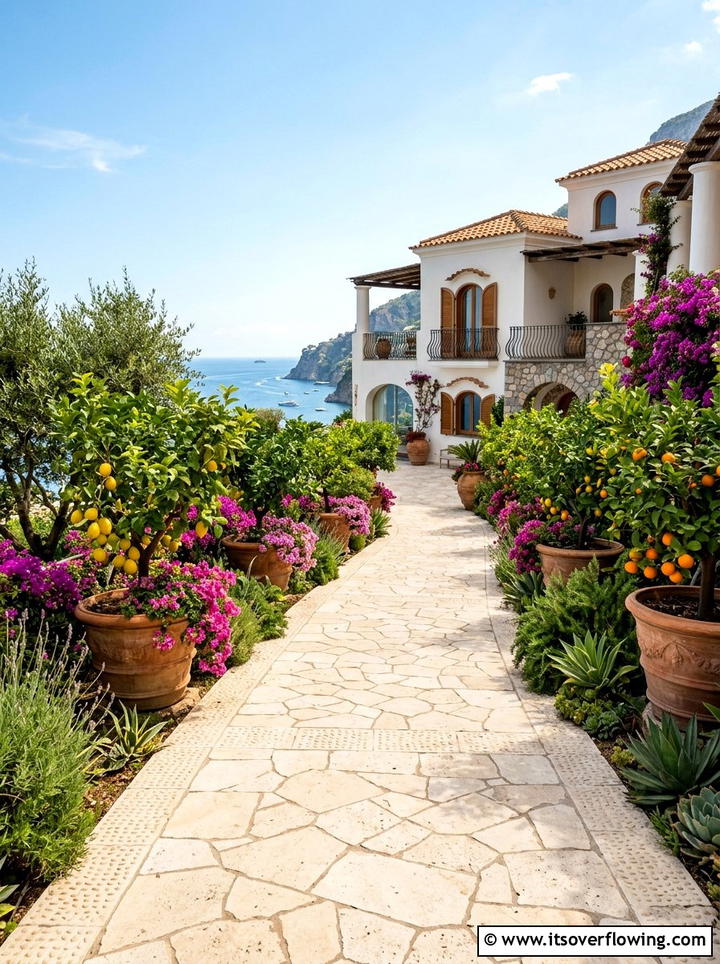
Mediterranean travertine paths evoke the sun-drenched beauty of coastal villas, bringing a touch of luxury to your outdoor living space. The light-colored stone stays cool under the feet, making it an excellent choice for warm climates where the sun shines brightly. This design often features wide walkways flanked by terracotta pots filled with citrus trees, bright bougainvillea, and aromatic herbs like rosemary. The natural pitting and unique veining of the travertine add character and a sense of history to the garden. When paired with a blue tiled fountain or a pergola draped in grapevines, this path transforms your backyard into a very beautiful European escape.
9. Herringbone Brick Walkway
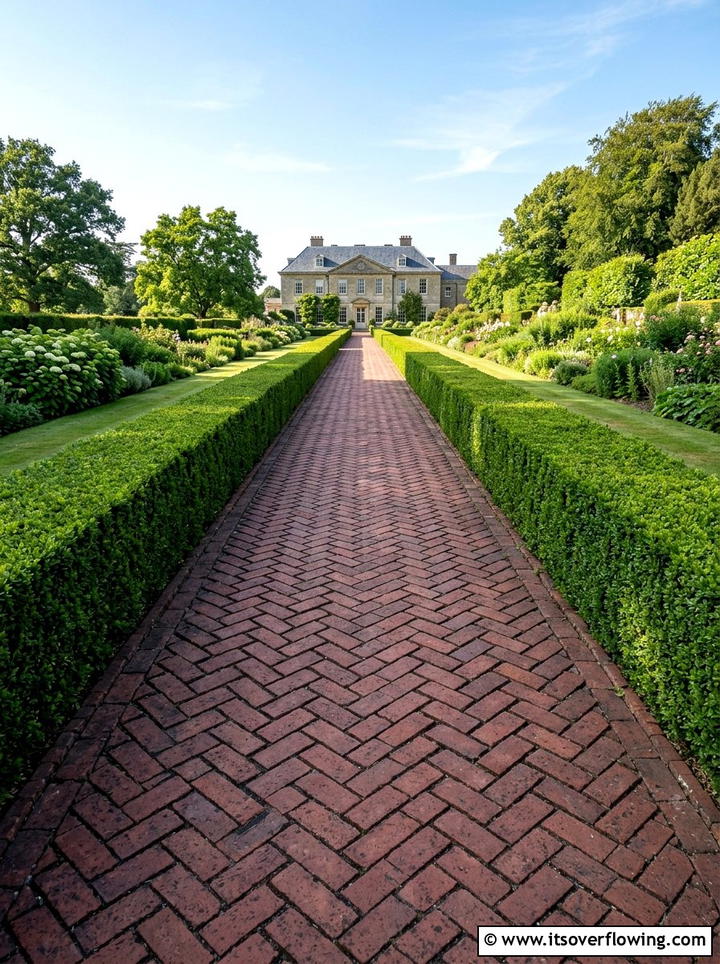
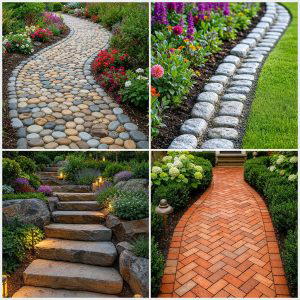
The herringbone brick walkway is a masterclass in traditional craftsmanship, offering a durable and visually striking pattern that commands attention. This intricate layout provides excellent structural integrity, making it suitable for high-traffic areas like front entrances or main garden spines. The repeating V-shape creates a sense of direction and energy, pulling the viewer toward the end of the path. Surrounding this classic design with formal hedges, such as clipped boxwood or yew, reinforces the sophisticated and orderly feel. Using deep red or burnt orange bricks adds a vibrant pop of color that contrasts beautifully with the deep greens of a well-maintained and very formal garden.
10. Tropical Garden Boardwalk

A tropical garden boardwalk uses elevated wooden planks to navigate through lush, dense vegetation, mimicking the feel of a jungle trek. This design is particularly effective in areas with uneven terrain or damp soil, as it keeps your feet dry and protects the ground below. Surround the walkway with large-leafed plants like monsteras, palms, and bird of paradise to create an immersive green tunnel. The warmth of the wood provides a beautiful organic contrast to the deep emerald tones of the tropical foliage. Adding subtle low-voltage lighting along the base of the boardwalk ensures the path is safe and magical during the evening hours.
11. Desert Landscaping Path
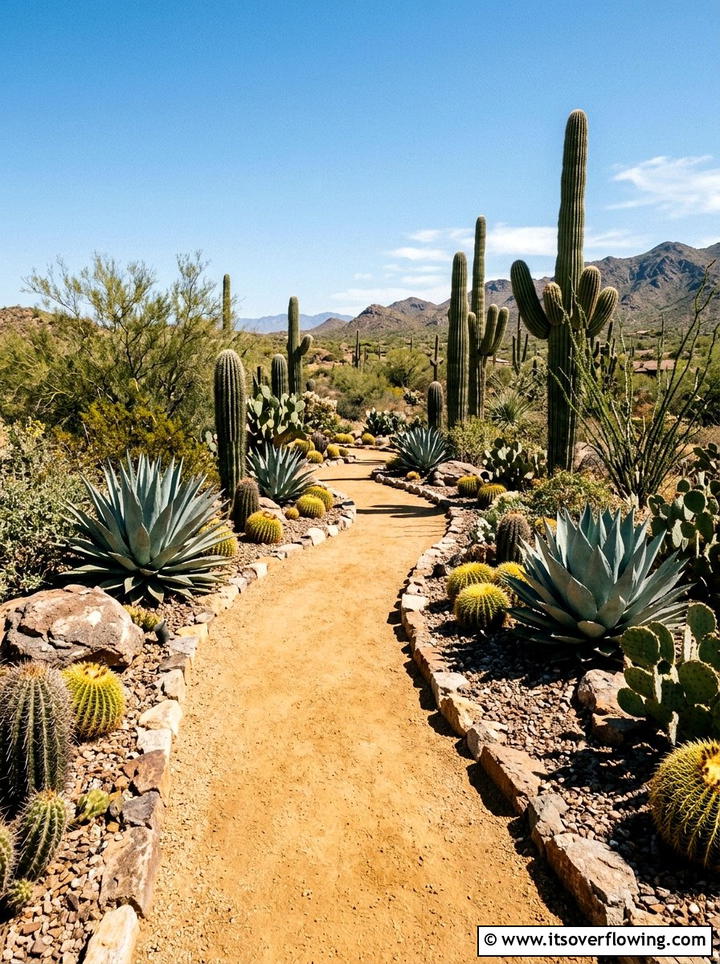
Desert landscaping paths focus on beauty and resilience, utilizing materials that thrive in arid conditions while requiring very little water. These walkways often feature crushed decomposed granite in warm ochre or tan tones, bordered by larger decorative rocks. Cacti, agaves, and succulents are the stars of this design, providing striking silhouettes and varied textures along the path. The open layout allows the unique shapes of the desert plants to be fully appreciated without the clutter of traditional turf. This sustainable approach to gardening is both environmentally friendly and visually captivating, proving that a low-water landscape can be incredibly stylish and full of interesting life.
12. Boxwood Parterre Path
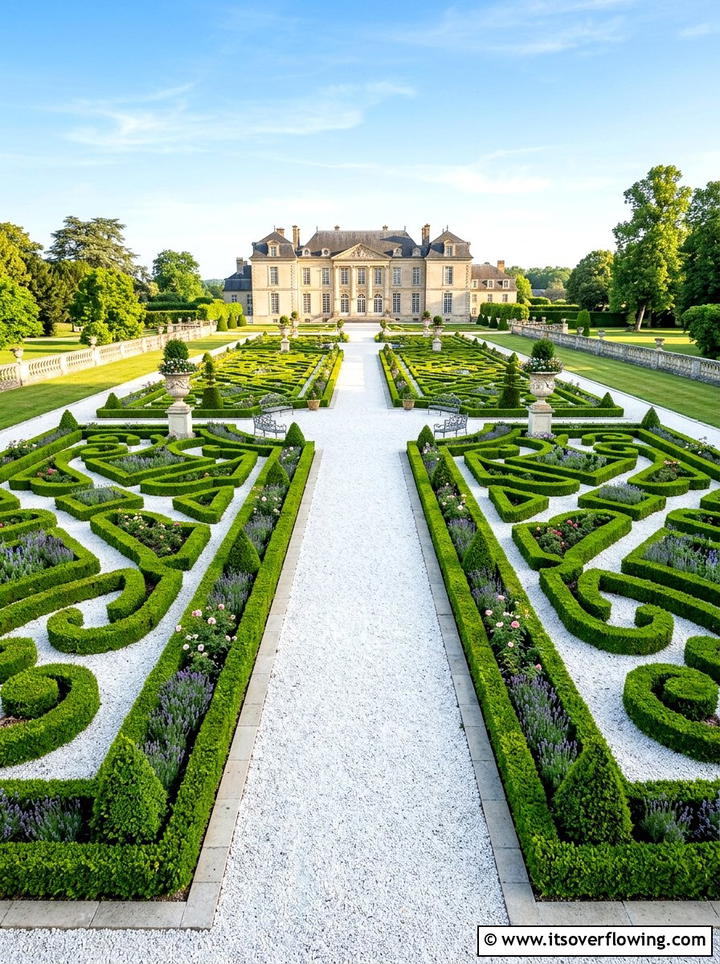
Boxwood parterre paths represent the height of formal garden design, characterized by symmetrical layouts and neatly clipped evergreen hedges. These paths are usually made of fine gravel or limestone to provide a neutral backdrop for the intricate green patterns. The geometric shapes created by the hedges can be filled with colorful seasonal flowers or kept simple with decorative mulch. This style is perfect for creating a sense of grandeur and order in a large backyard or estate. The crisp edges and controlled growth offer a timeless look that remains green and structured even during the winter months, providing a very regal garden experience.
13. Slate Garden Walkway
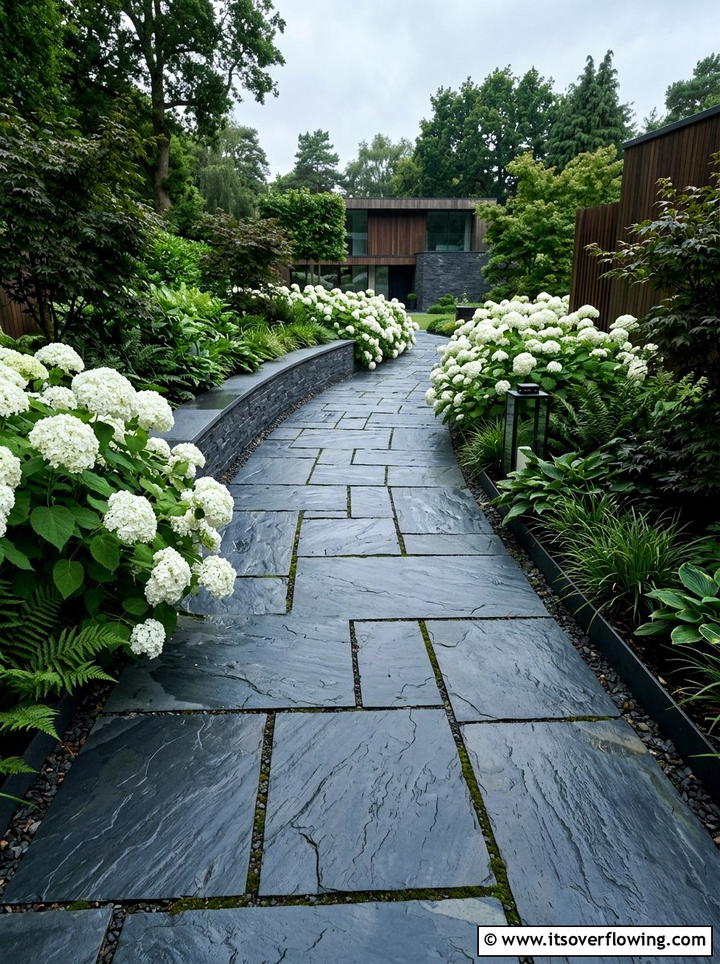
Slate garden walkways offer a sophisticated and moody aesthetic thanks to the deep blues, greys, and purples found in natural slate. The flat, layered texture of the stone provides a smooth walking surface that looks particularly striking when wet from the rain. This design pairs beautifully with modern or industrial-themed homes, especially when surrounded by silver-foliaged plants and white flowering shrubs. Using irregular slate pieces creates a more relaxed look, while uniform tiles lean toward a formal appearance. The durability of slate ensures that your path will withstand the elements for many years while maintaining its rich color and very unique natural texture.
14. Cobblestone Flower Bed
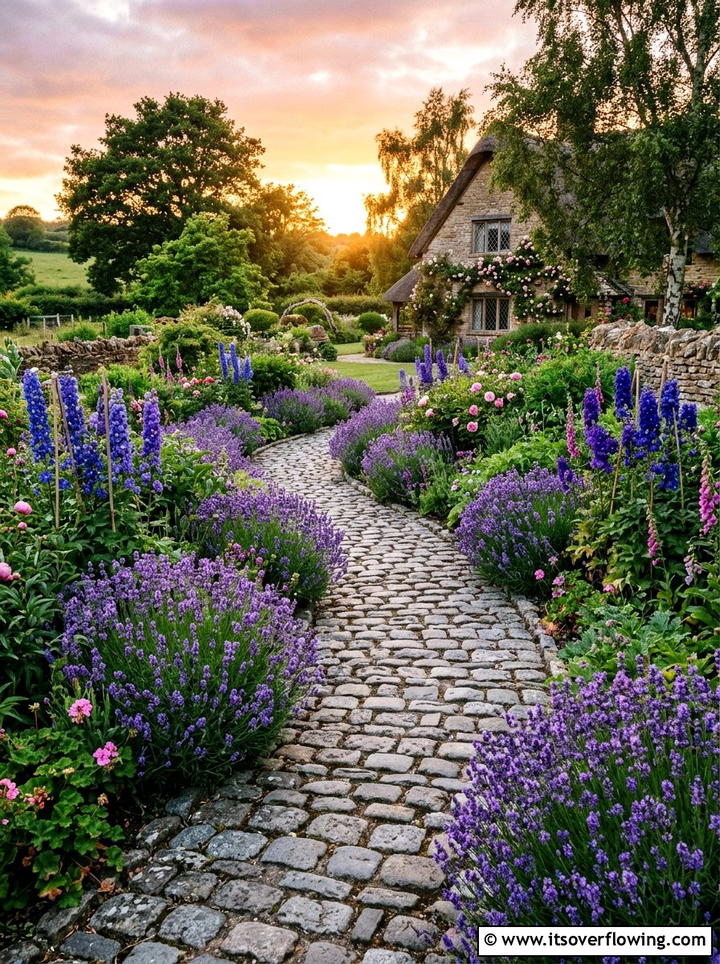
Cobblestone paths weaving through flower beds bring an old-world charm that feels like a stroll through an ancient European village. These rounded, durable stones provide a rugged texture that contrasts wonderfully with the soft petals of cottage flowers like lavender and delphiniums. Because cobblestones are uneven, they encourage a slower pace, allowing you to fully appreciate the scents and colors of the surrounding blooms. This design is excellent for creating a sense of history and permanence in a new garden. The gaps between the stones can be filled with sand or small pebbles to ensure stability while maintaining the traditional and very weathered look.
15. Zen Sand Garden
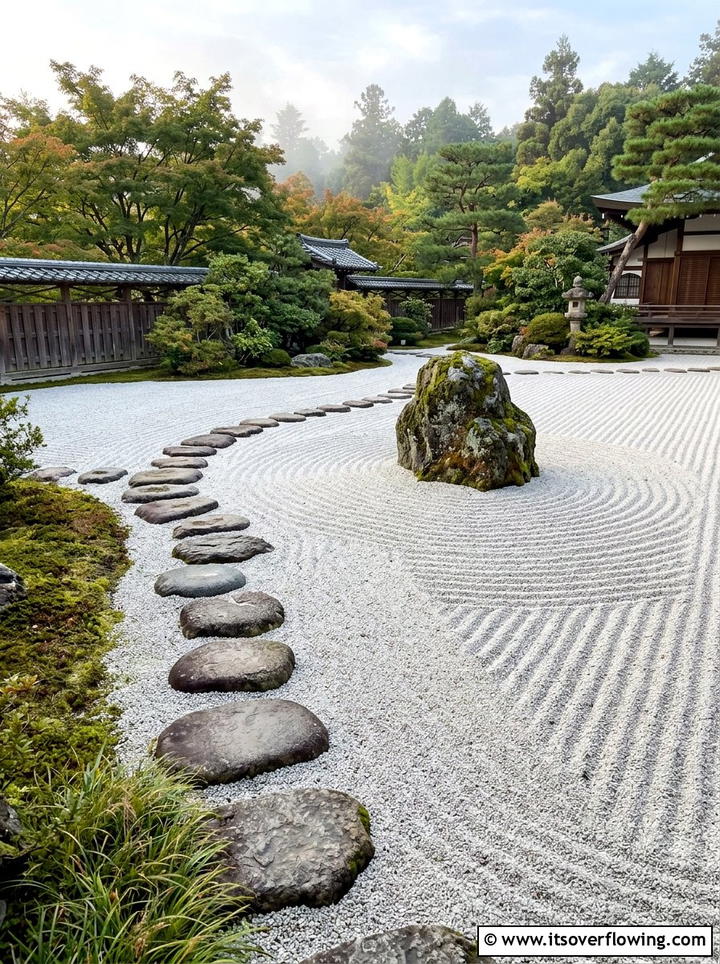
A zen sand garden focuses on the meditative quality of paths, where the journey is just as important as the destination. These spaces often feature wide areas of fine white sand or light gravel that is carefully raked into flowing patterns resembling water. Stepping stones are placed strategically to allow passage without disturbing the intricate designs in the sand. Minimalist planting, such as a single sculpted pine tree or a few clusters of moss, maintains the focus on simplicity and calm. This type of path encourages quiet contemplation and provides a visual break from the busy world, making it a perfect spot for peaceful meditation.

16. Fern Forest Path
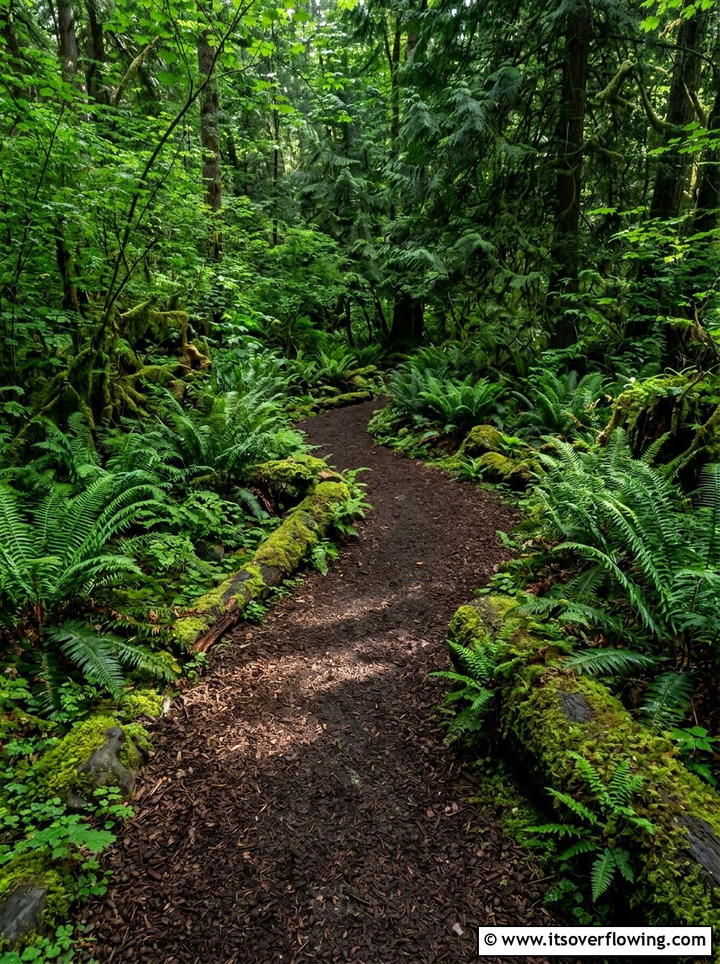
A fern forest path is the ultimate solution for shady corners of the yard where grass struggles to grow successfully. This design uses organic materials like wood chips or dark bark mulch to create a soft, cushioned walkway that feels natural underfoot. The path is lined with a diverse variety of ferns, such as ostrich ferns or maidenhair ferns, which thrive in the dappled light. Adding shade-tolerant groundcovers and a few mossy logs enhances the feeling of being deep within a cool, damp forest. This approach transforms a difficult gardening area into a lush, green sanctuary that remains vibrant and refreshing throughout the hot summer.
17. Geometric Paver Layout
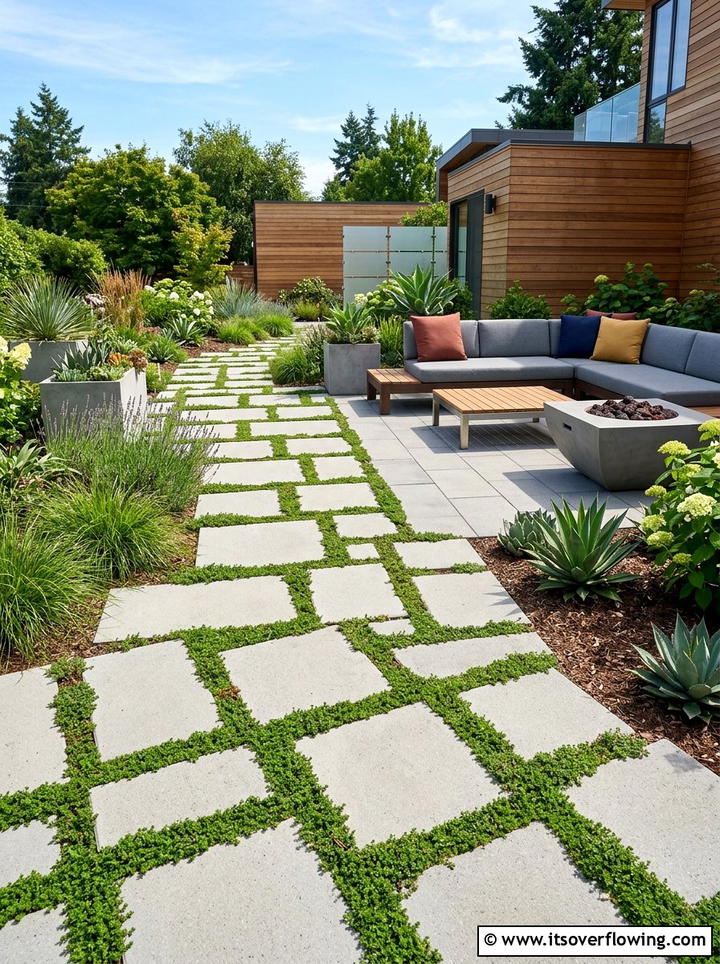
Geometric paver layouts use repeating shapes and bold patterns to create a contemporary focal point in the middle of a backyard. By mixing different sizes and colors of pavers, you can create a custom look that reflects your personal style and creativity. This design often incorporates wide joints filled with vibrant green groundcovers or contrasting decorative stones to emphasize the shapes. Surround the area with modern outdoor furniture and sleek planters to create a cohesive outdoor living room feel. The structured nature of the pavers provides a solid foundation for entertaining guests while adding a strong architectural element to the overall landscape design.
18. Natural Fieldstone Trail
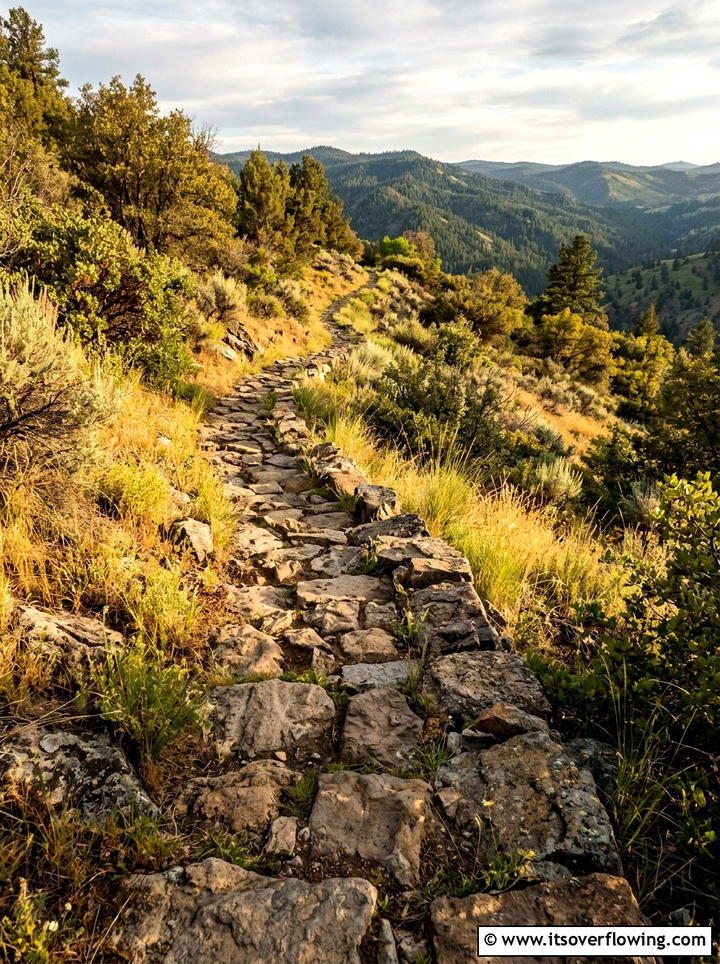
Natural fieldstone trails offer a rugged and unpretentious way to navigate a large property or a hillside garden area. These stones are often sourced locally, ensuring they blend perfectly with the surrounding environment and geology. The path follows the natural contours of the land, creating a sense of discovery as it winds through native grasses and wild shrubbery. This design is perfect for those who prefer a less manicured look and want to encourage local wildlife to visit their garden. Because fieldstones are heavy and durable, they stay in place well, providing a safe and sturdy walkway that requires very little maintenance over the years.
19. Raised Bed Garden Path
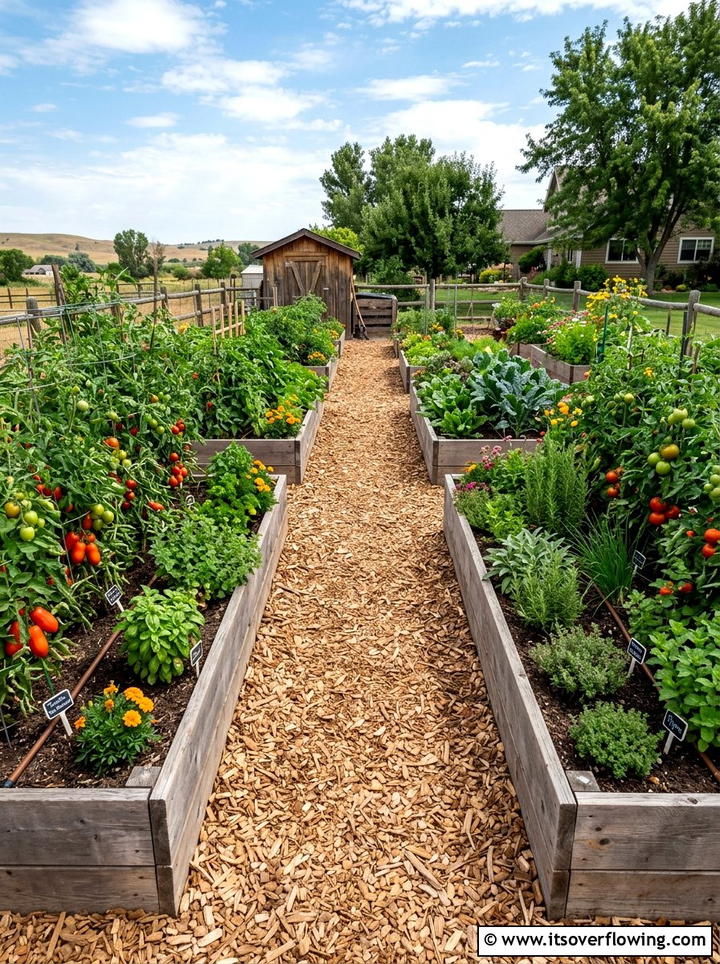
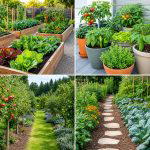
Raised bed garden paths are essential for functional vegetable gardens, providing clear access to your crops while keeping your feet clean. These walkways are typically made of durable materials like cedar wood chips, gravel, or even brick to withstand frequent use. The paths should be wide enough to accommodate a wheelbarrow, making garden chores much easier to manage throughout the growing season. Surrounding the paths with neatly organized wooden or metal raised beds creates a productive and tidy space. This design ensures that the focus remains on the vibrant vegetables and herbs while providing a structured and very efficient layout for the home gardener.
20. Coastal Shell Path
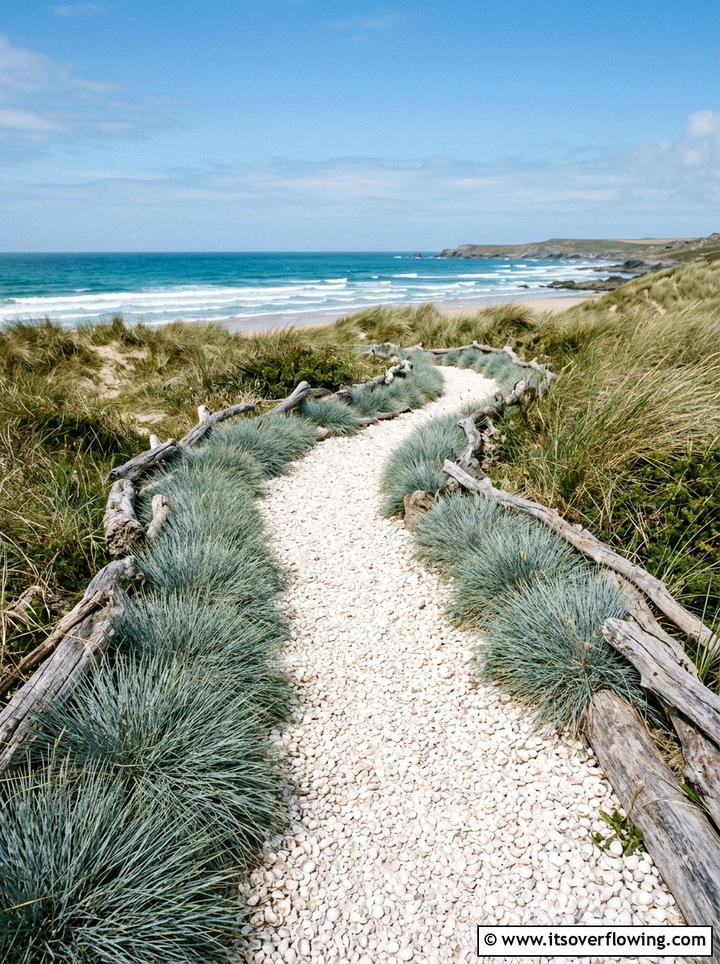
Coastal shell paths bring the relaxed and breezy feel of the beach right to your own backyard, regardless of your location. Using crushed seashells as a walking surface provides a unique texture and a bright, reflective quality that glows in the sunlight. This design is perfectly complemented by salt-tolerant plants like sea oats, blue fescue, and hardy hibiscus. The white and cream tones of the shells create a striking contrast against colorful seaside decor and weathered wood fences. As the shells break down over time, they add beneficial calcium to the soil, making this a beautiful and environmentally conscious choice for any coastal-themed garden.
21. Woodland Mulch Trail
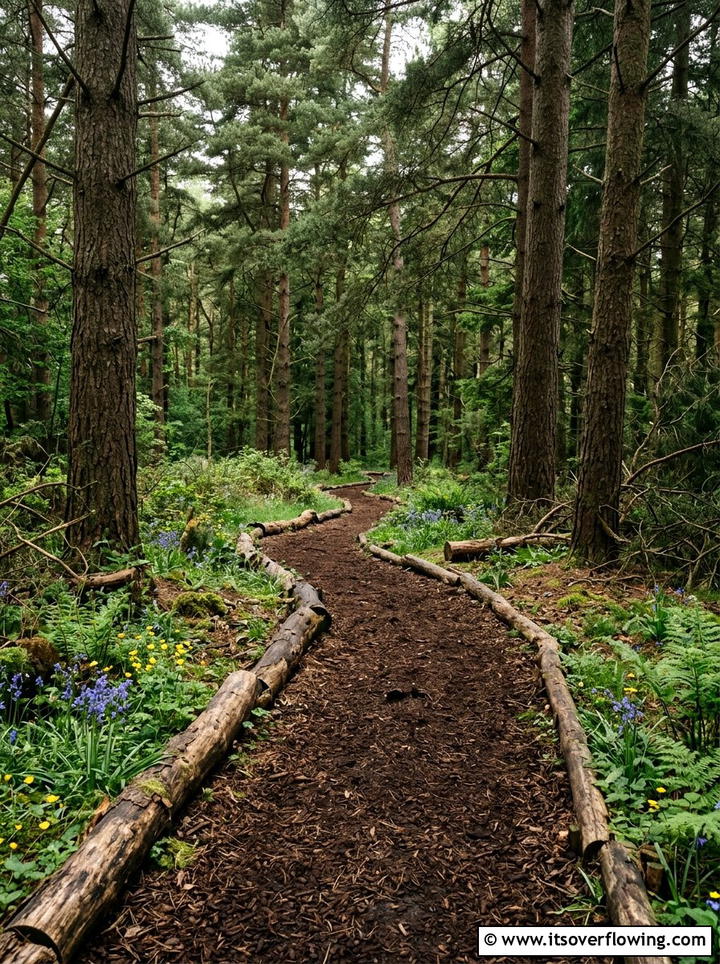
A woodland mulch trail is a budget-friendly and natural-looking option for creating long pathways through large wooded lots or garden perimeters. Dark brown or black mulch provides a clean look that makes the green foliage of nearby trees and shrubs pop with color. This design is incredibly easy to install and can be refreshed annually to keep it looking sharp and well-maintained. Lining the trail with natural logs or large rocks helps define the edges and prevents the mulch from spreading into the surrounding brush. This type of path is perfect for birdwatching or taking a quiet evening walk through the more wild parts of your property.
22. Granite Stepping Stones
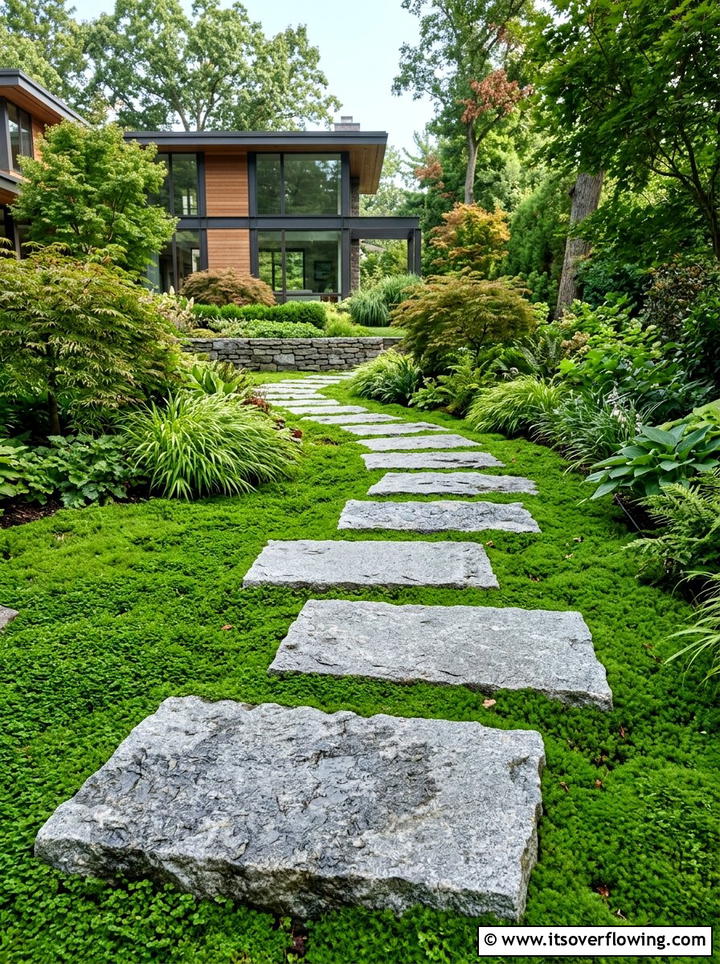
Granite stepping stones offer a high-end and extremely durable option for creating a sophisticated path through a lawn or garden bed. The natural salt-and-pepper look of granite provides a neutral palette that works well with almost any color scheme or architectural style. These heavy stones stay firmly in place and can withstand extreme weather conditions without cracking or fading over time. Surround the granite with low-lying plants like thyme or sedum to create a beautiful “living” path that smells wonderful when stepped upon. The clean edges of cut granite offer a more modern feel, while rough-hewn slabs provide a touch of rugged and very natural elegance.
23. Wrought Iron Archway
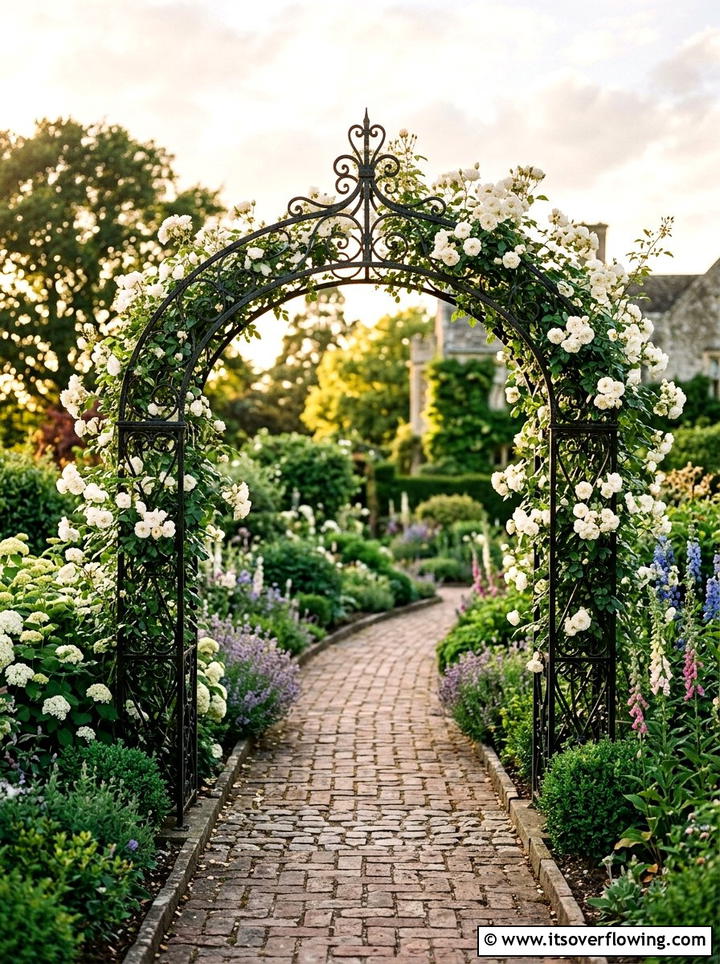
Wrought iron archways serve as stunning gateways along a garden path, creating a sense of transition and vertical interest in the landscape. These structures are often placed at the beginning or end of a walkway to frame a beautiful view or lead into a new garden “room. ” Climbing plants like fragrant jasmine, colorful clematis, or classic climbing roses can be trained to grow over the arch, creating a living tunnel of flowers. The path beneath the arch can be made of brick or stone to complete the traditional look. This design adds a romantic and architectural element that makes your garden feel much more established and deeply enchanting.
24. Bamboo Screen Path
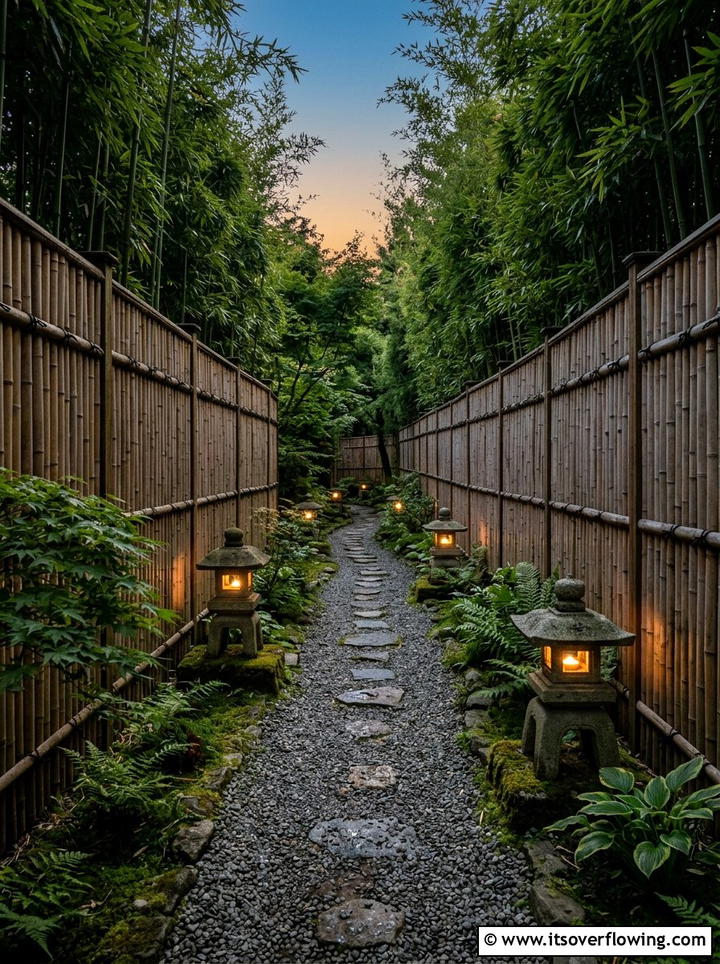
A bamboo screen path offers privacy and a distinct Asian-inspired aesthetic that turns a narrow side yard into a beautiful destination. The vertical lines of the bamboo poles create a sense of height and enclosure, making the path feel like a private corridor. This design often utilizes light-colored gravel or smooth river stones to keep the look clean and serene. Incorporating small Japanese lanterns or a stone water basin along the route enhances the peaceful atmosphere. The rustling sound of the bamboo leaves in the wind adds a calming auditory element to the space, providing a quiet escape from the noise of the surrounding neighborhood.
25. Wildflower Meadow Path
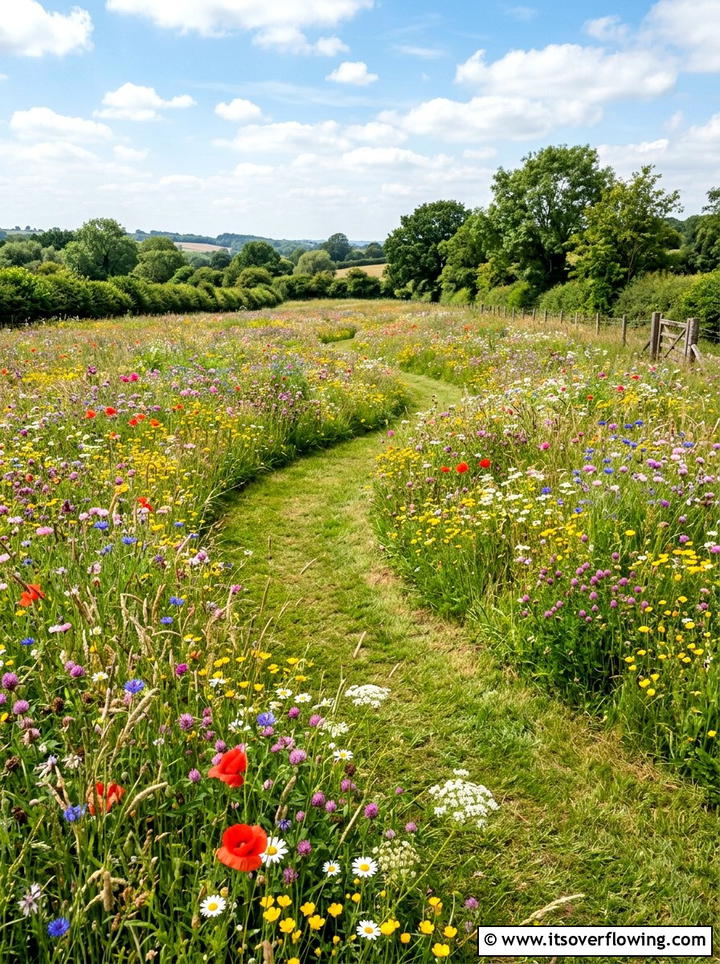
A wildflower meadow path is a whimsical and eco-friendly design that encourages a close connection with nature and local pollinators like bees. Instead of a traditional paved walkway, this path is often created by simply mowing a trail through a tall meadow of native grasses and flowers. This approach requires very little intervention and allows the beauty of the seasons to dictate the look of the garden. The path provides a front-row seat to the changing colors and textures of the meadow throughout the year. It is a perfect choice for larger properties where a formal garden might feel out of place or too difficult to maintain.
Conclusion:
Designing a garden path is a rewarding endeavor that significantly enhances the beauty and functionality of your outdoor living area. By carefully selecting materials and layouts that reflect your personal style, you create a cohesive landscape that invites exploration and provides a sense of peace. Whether you choose the structural elegance of pavers or the organic charm of wood slices, the right pathway ties your entire garden together into a harmonious whole. These pathways not only improve accessibility but also serve as a canvas for creative expression through plant pairings and decorative accents. Investing in a well-designed path ensures your garden remains a cherished retreat for many years.

Related posts:
 25 Garden Ideas With Pathways for a Beautiful Yard Makeover
 25 garden design ideas for driveways for Beautiful Curb Appeal
 25 garden design ideas with edible plants: Beautiful Foodscapes
 25 Garden Design Ideas for Narrow Pathways With Big Style
 25 Garden Ideas to Inspire a Beautiful Outdoor Makeover
 25 Garden Ideas for Clay Soil That Grow Strong and Beautiful
 25 Garden Ideas for Winter to Keep Your Yard Beautiful
 25 garden ideas with border plants for Beautiful Edges
 25 Garden Ideas With Window Boxes for Beautiful Blooms
 25 Small Garden Ideas on a Budget for Beautiful Outdoor Style
 25 Creative Garden Ideas With Secret Pathways for Magic
 25 Small Garden Ideas With Narrow Pathways for Tiny Yards