
Small gardens provide a unique chance to get very creative with every single square inch of your outdoor landscape. When you work with a limited area, the layout of your paths plays a massive role in how the entire garden feels to guests. Narrow pathways are particularly effective because they draw the eye forward, making a compact backyard seem much longer and deeper than it actually is. By choosing the right materials and surrounding plants, you can transform a simple side yard into a lush, inviting sanctuary. These pathways serve as the functional backbone of your garden, guiding your steps while showcasing beautiful floral borders and cozy seating areas. Creating these journeys helps define different zones within your small outdoor space perfectly.
1. Gravel Path With Stepping Stones
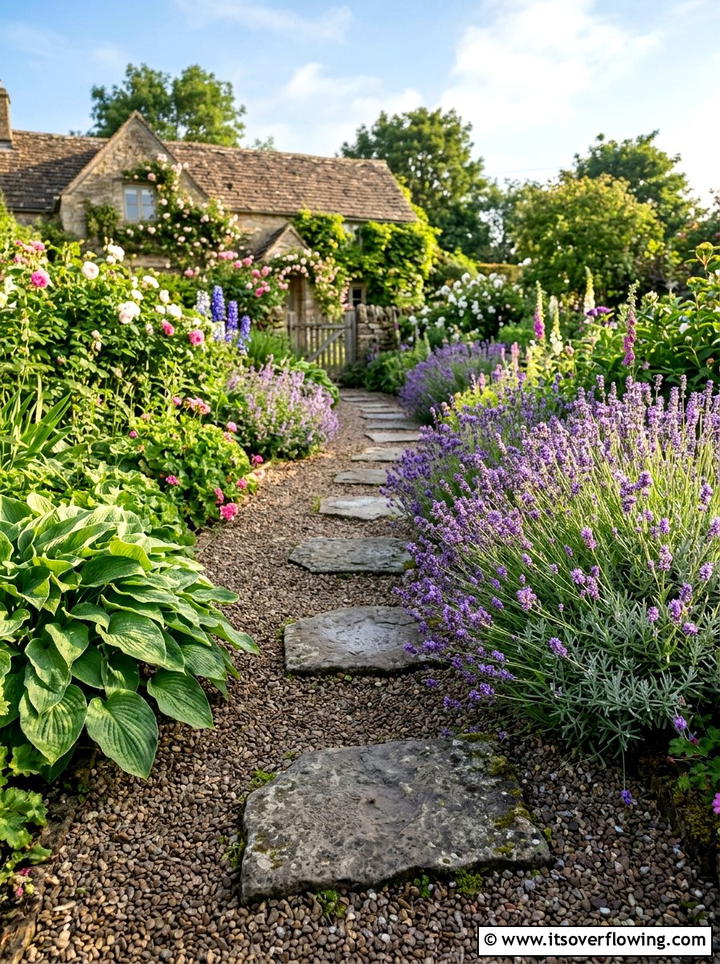
A gravel path with stepping stones offers a classic look that fits perfectly in a small backyard or a narrow side yard. You can create a sense of movement by placing large, flat stones at comfortable walking intervals within a bed of fine pea gravel. This combination provides a stable surface while allowing water to drain naturally into the ground below. To make the space feel like a full garden, surround the path with layers of green hostas, delicate ferns, and fragrant purple lavender. The soft texture of the gravel contrasts beautifully with the hard edges of the stones. This design creates a relaxing atmosphere that makes even the smallest outdoor area feel like a peaceful retreat.
2. Brick Walkway Narrow Space
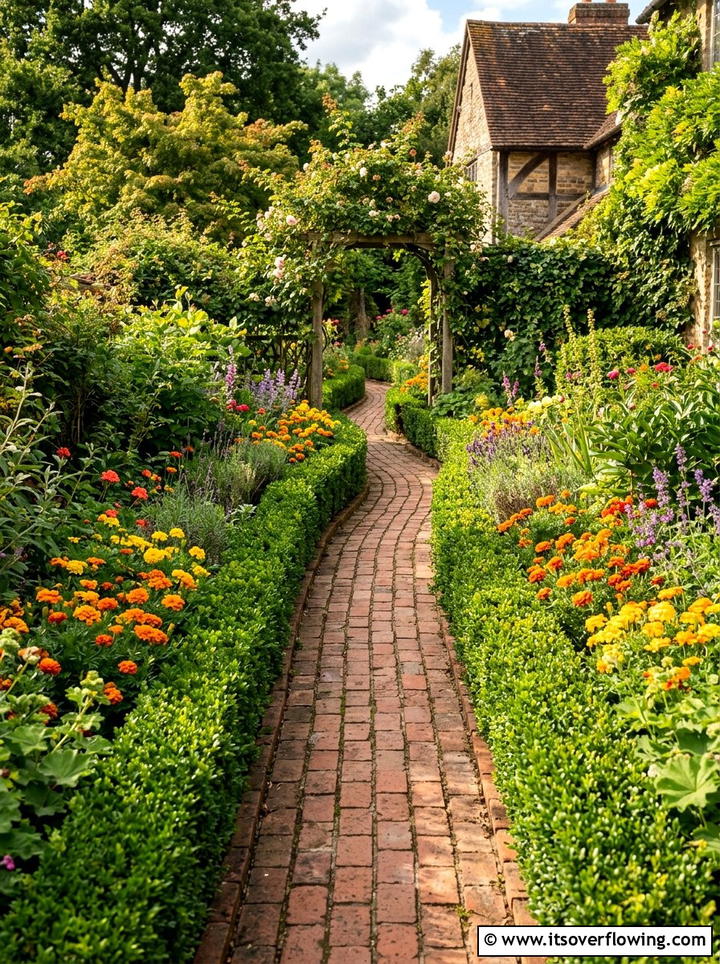
Using a brick walkway in a narrow space brings a sense of timeless charm and structure to your garden layout. Red or reclaimed bricks can be laid in a simple running bond pattern to guide the eye toward a focal point like a bench or a fountain. This design works exceptionally well when framed by low boxwood hedges or colorful perennial flowers like marigolds and salvia. The warm tones of the brick provide a lovely backdrop for vibrant green foliage, making the small area feel cozy rather than cramped. By keeping the path narrow, you leave more room for deep planting beds that add vertical interest and texture to your compact backyard sanctuary.
3. Modern Concrete Garden Pavers
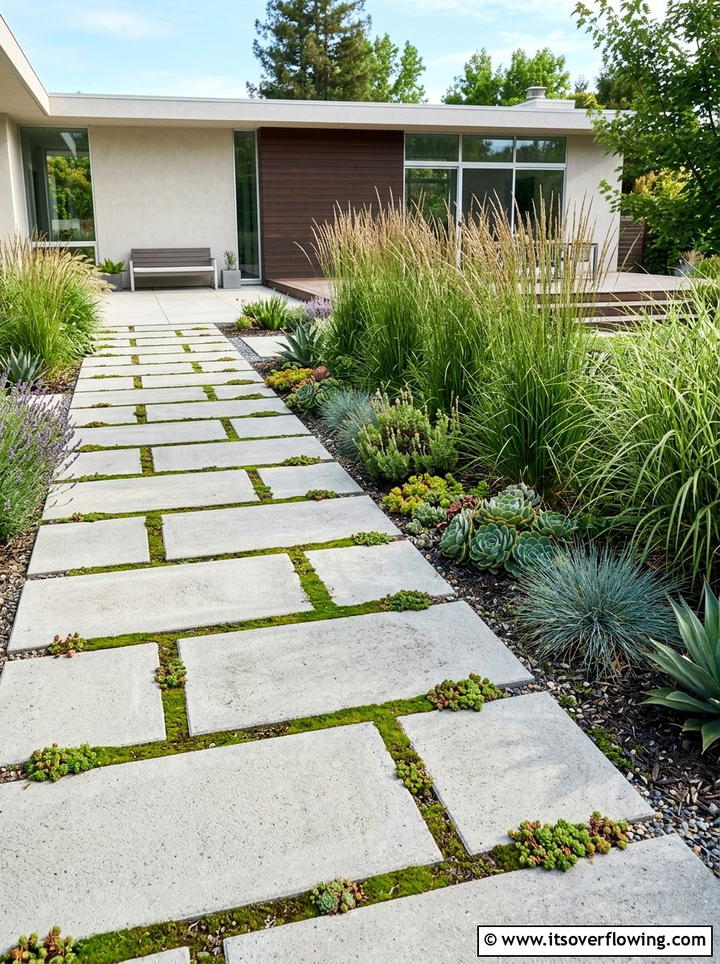
Modern concrete garden pavers create a clean and minimalist aesthetic that is perfect for contemporary small homes. Large rectangular slabs can be arranged with thin gaps between them, which you can fill with small dark pebbles or bright green groundcover like Irish moss. This geometric layout makes the garden feel organized and spacious while providing a very sturdy walking surface. Surround this sleek pathway with architectural plants such as tall ornamental grasses, succulents, and structured shrubs to maintain the modern vibe. The contrast between the smooth concrete and the wild textures of the plants creates a sophisticated outdoor environment. This approach is ideal for homeowners who prefer a low-maintenance yet highly stylish outdoor living space.



4. Flagstone Pathway With Moss
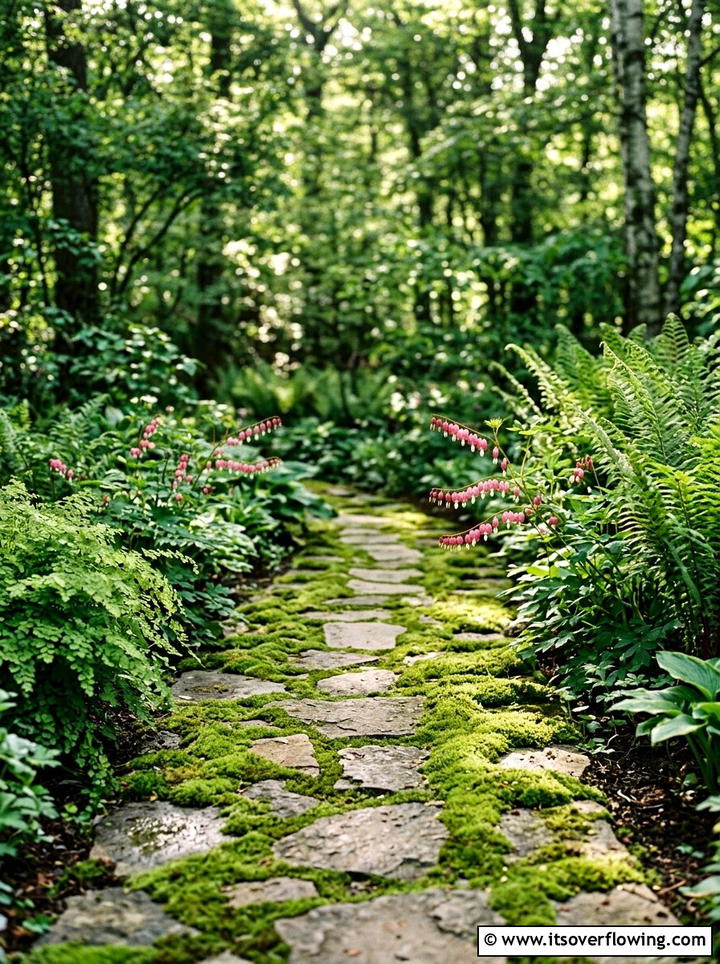
A flagstone pathway with moss growing in the crevices is an excellent way to achieve a natural, woodland feel in a small garden. The irregular shapes of the flagstones create an organic flow that mimics a forest trail, which helps soften the straight lines of a typical backyard. To enhance this look, plant soft moss or creeping thyme between the stones to add a layer of lush greenery underfoot. Surround the path with shade-loving plants like bleeding hearts, ferns, and coral bells to complete the magical atmosphere. This design focuses on creating a sensory experience where the cool stones and soft plants provide a peaceful escape from the busy world.
5. Wood Plank Garden Walkway
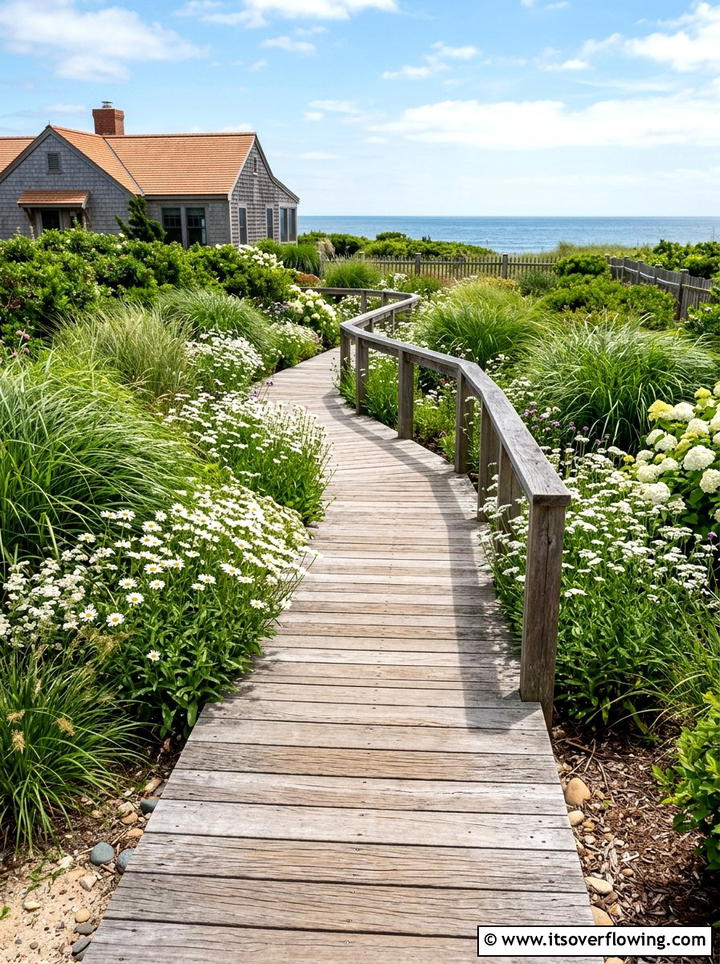
A wood plank garden walkway adds a rustic or coastal feel to your small outdoor area, depending on the finish you choose. Using pressure-treated timber or durable cedar planks allows you to create a raised path that floats slightly above the soil. This technique is great for gardens with uneven ground or drainage issues, as it provides a level walking surface. You can line the wooden path with tall white flowers and airy grasses to create a light and breezy feeling. The natural wood grain complements the organic shapes of nearby trees and shrubs perfectly. This style of path makes your garden feel like a private boardwalk leading to a secret hidden destination.
6. Curved Pebble Garden Path
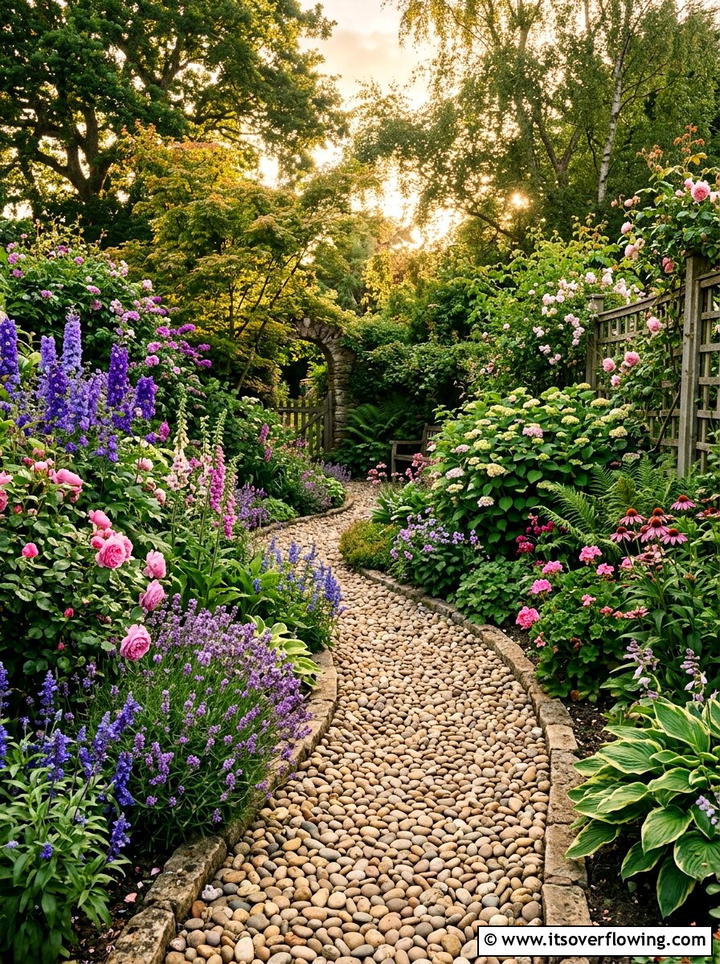
A curved pebble garden path is a clever design trick used to make a small space appear much larger than it is. By avoiding straight lines, you force the eye to follow a winding journey, which creates an illusion of depth and mystery. Use small, rounded river pebbles in various shades of tan and grey to build the path. Plant dense clusters of flowering perennials and tall shrubs at the bends to hide the end of the path from view. This encourages visitors to explore the garden slowly and appreciate every detail. The gentle crunch of the pebbles underfoot adds a pleasant auditory element to your peaceful and secluded backyard garden retreat.
7. Grey Slate Chip Path
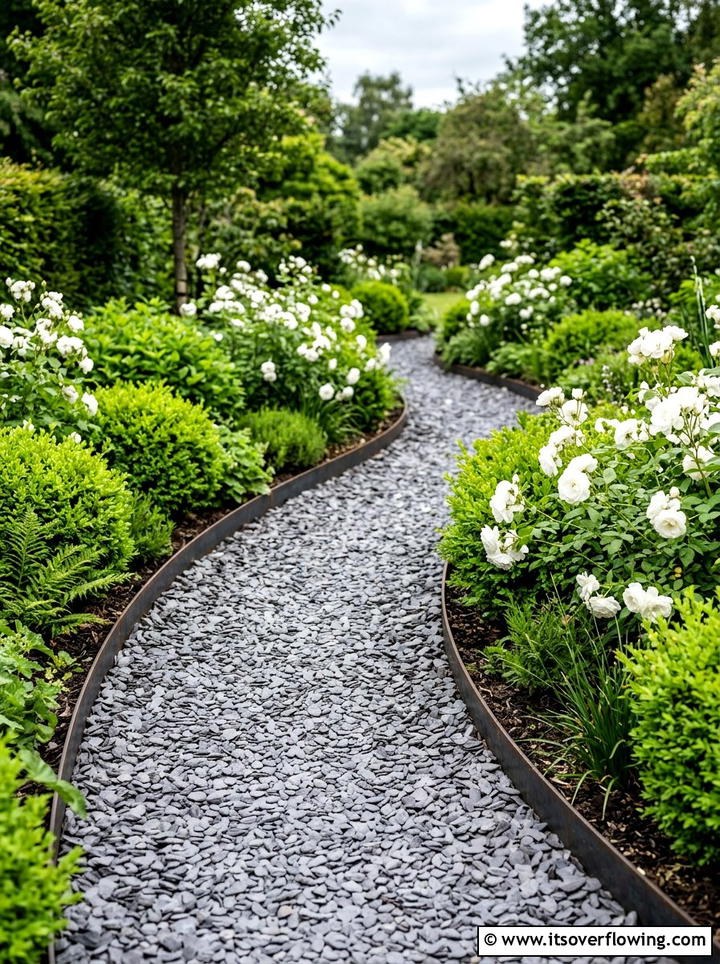
Choosing a grey slate chip path provides a sleek and sophisticated look that pairs beautifully with modern or traditional garden styles. The flat, sharp-edged pieces of slate create a unique texture that shimmers slightly when it rains. This type of narrow path is perfect for side yards where you want a clean appearance without a lot of maintenance. You can edge the path with metal strips or thin stones to keep the chips in place. Surround the slate with bright green shrubs or white flowering plants to create a high-contrast color palette. This design helps define the walkway clearly while adding a touch of elegance to your small garden landscape.

8. Cobblestone Border For Garden
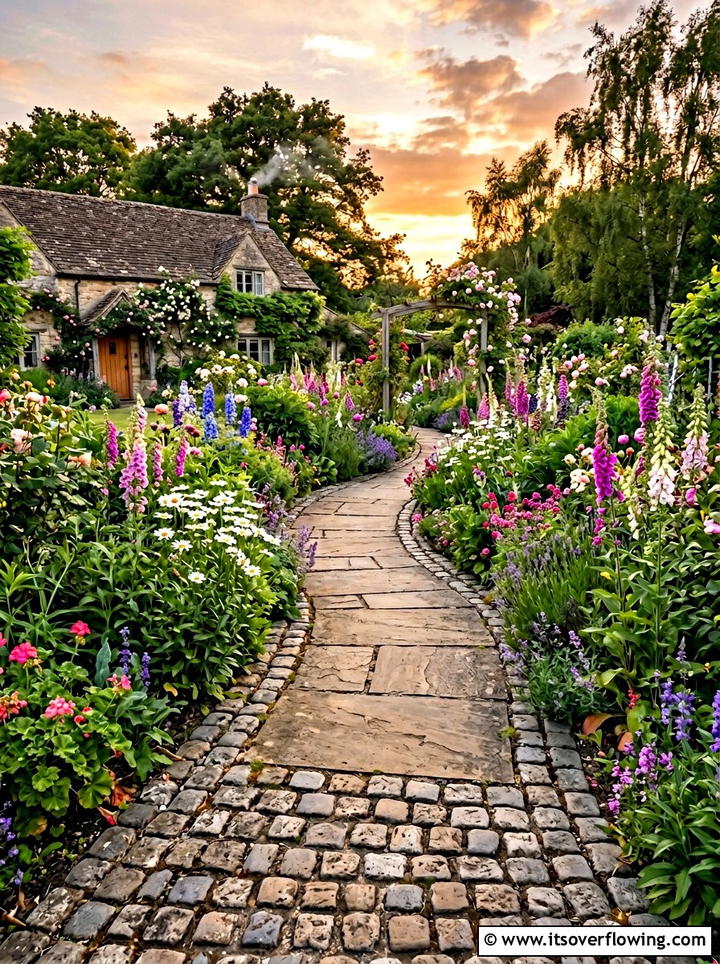
A cobblestone border for a garden path adds a sense of old-world European charm to even the tiniest backyard space. You can use these sturdy stones to frame a narrow walkway made of dirt, mulch, or gravel, giving it a finished and professional look. The rounded shapes of the cobblestones contrast wonderfully with the soft textures of overflowing flower beds. Plant classic cottage flowers like roses, foxgloves, and daisies right up to the edge of the stones to create a romantic atmosphere. This design focuses on craftsmanship and durability, ensuring your garden path looks beautiful for many years. The stones also help prevent soil erosion and keep your walkway clear and tidy.
9. Natural Stone Garden Steps
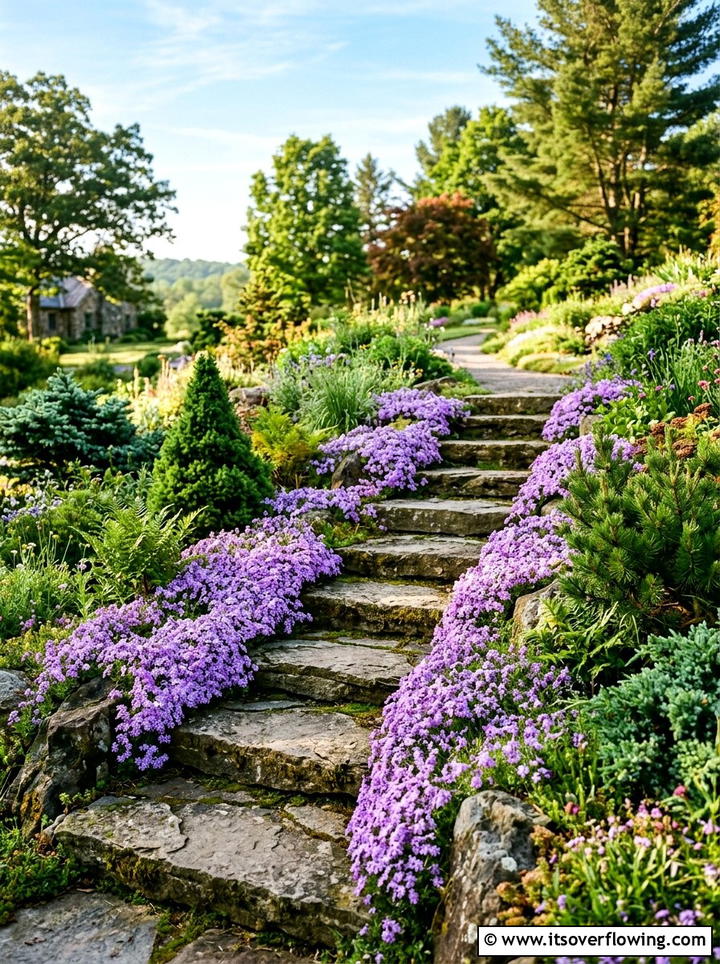
Natural stone garden steps are the perfect solution for small gardens with slopes or different elevation levels. Instead of a flat path, you can use large slabs of fieldstone to create a series of shallow stairs that lead to a higher patio or seating area. This adds architectural interest and verticality to the space, making it feel more dynamic. Surround the stone steps with cascading plants like creeping phlox or rock cress that spill over the edges. The rugged look of the natural stone blends seamlessly into the landscape, creating a path that feels like it has always been there. This design turns a functional necessity into a beautiful garden focal point.
10. Grass Walkway Between Plants
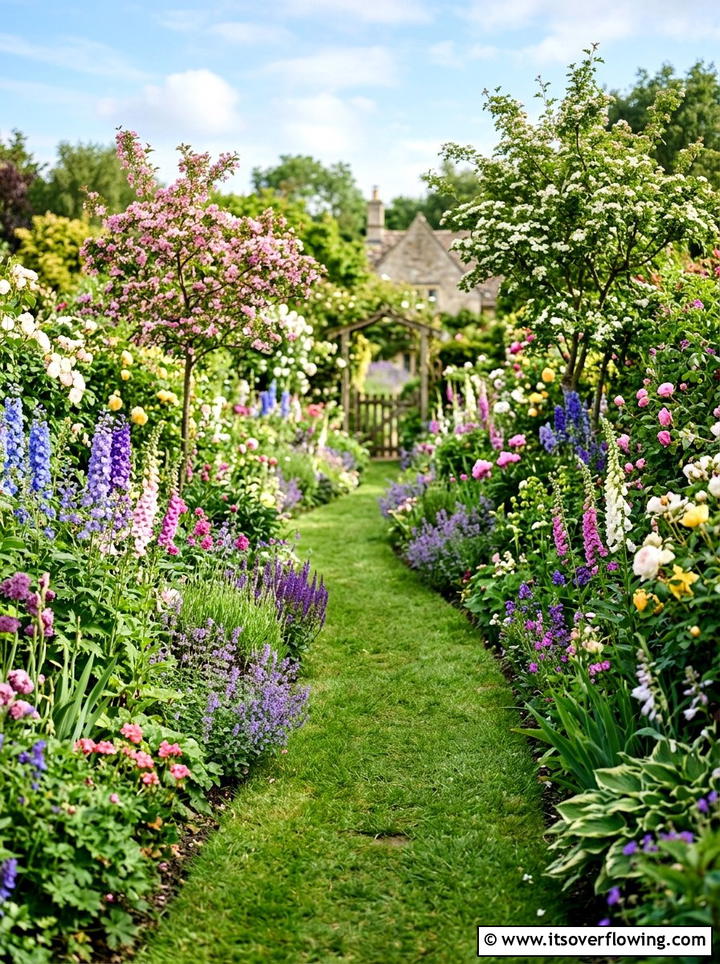
Creating a grass walkway between plants is a wonderful way to maintain a lush, green feel in a very small garden space. Instead of using hard materials, you can simply keep a narrow strip of well-manicured lawn that winds through dense planting beds. This approach feels soft and inviting, providing a cool surface for bare feet during the warm summer months. Frame the grass path with tall perennials, colorful annuals, and small ornamental trees to create a tunnel of greenery. This design works best in sunny areas where the grass can thrive. It offers a seamless transition between your lawn and your flower beds, making the entire garden feel like one cohesive unit.
11. Wood Chip Path Edging
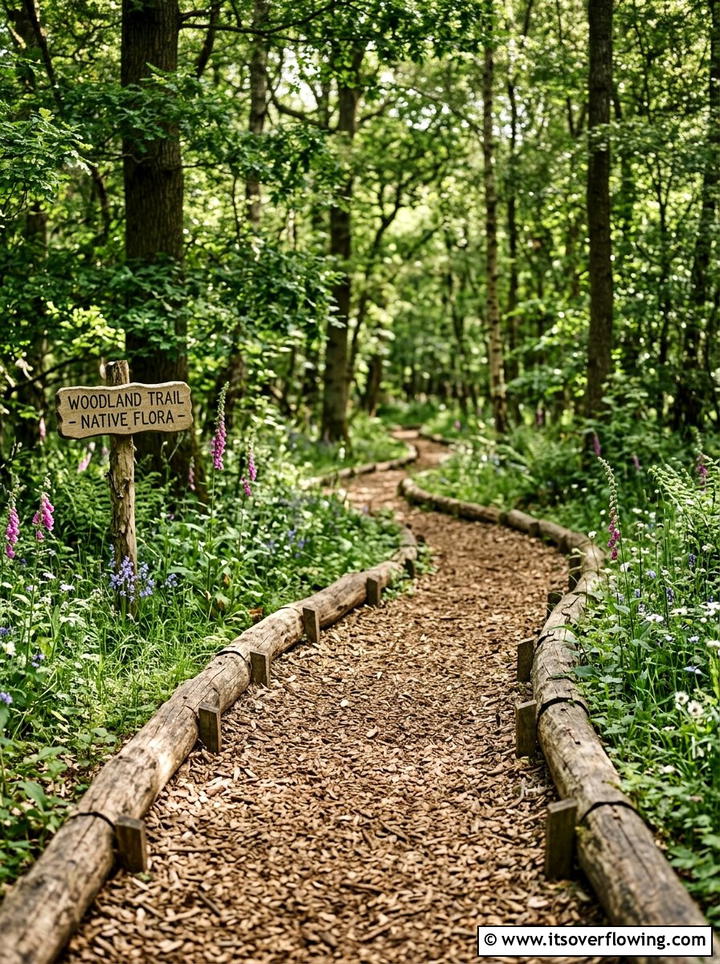
A wood chip path with timber edging is a budget-friendly and natural-looking option for a small backyard or woodland garden. The soft texture of the wood chips is comfortable to walk on and helps suppress weeds while retaining moisture in the soil. By using sturdy timber beams or flexible plastic edging, you can keep the chips contained and create a very clean line. This design looks fantastic when surrounded by native plants, wildflowers, and rustic garden ornaments. The earthy scent of the wood chips adds a refreshing forest aroma to your outdoor space. It is a practical and attractive choice for anyone looking to create an informal garden path quickly.


12. Decomposed Granite Garden Walkway
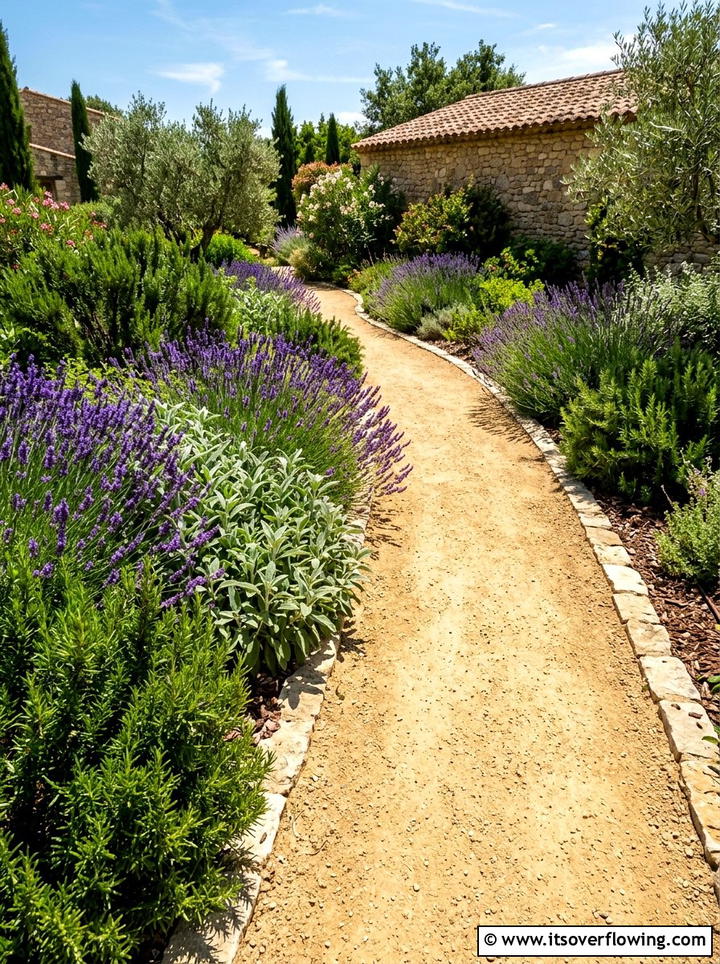
A decomposed granite garden walkway offers a stable and natural surface that is excellent for high-traffic areas in a small yard. This material packs down firmly to create a smooth path that is easy to walk on and maintain over time. It comes in various earthy tones like gold, tan, and grey, allowing you to match it to your home’s exterior. Surround the path with Mediterranean-style plants like rosemary, sage, and lavender to create a sun-drenched and fragrant garden theme. The fine texture of the granite provides a neat and tidy appearance that complements both modern and traditional landscapes. This path is also very effective at preventing water runoff during heavy rain.
13. Zen Garden Sand Path
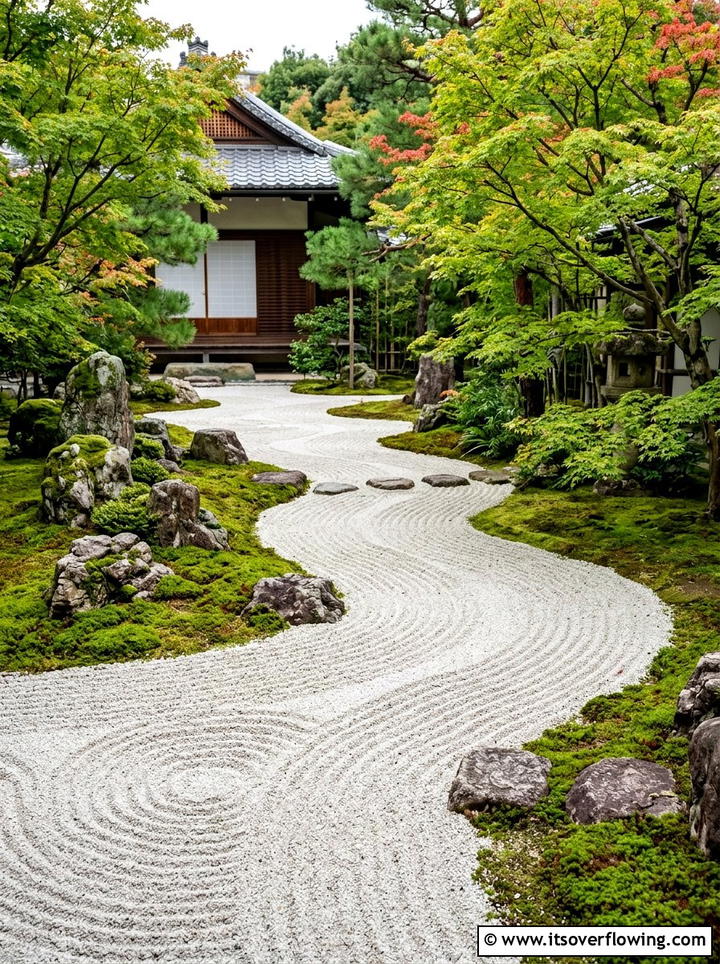
A Zen garden sand path is the ultimate way to bring peace and mindfulness to a small, enclosed outdoor space. You can use fine white sand or light-colored gravel to create a narrow walkway that flows around large decorative rocks and manicured shrubs. Raking the sand into beautiful patterns adds a meditative element to your gardening routine and creates a stunning visual effect. Surround the path with minimalist plants like bamboo, Japanese maples, and moss to complete the tranquil theme. This design focuses on simplicity and balance, making it perfect for small urban courtyards where space is limited. It creates a serene environment that encourages relaxation and quiet reflection.
14. Travertine Stone Garden Path

A travertine stone garden path brings a touch of luxury and Mediterranean elegance to your small outdoor living area. The light, creamy tones of the travertine stay cool under the sun, making it a great choice for warm climates. You can lay the rectangular stones in a tight pattern or leave small gaps for a more relaxed look. This material looks beautiful when paired with a small water feature or a set of stylish outdoor chairs nearby. Surround the path with lush tropical plants or neatly trimmed hedges to create a high-end resort feeling in your own backyard. The durable nature of travertine ensures that your garden path remains stunning for decades.
15. Reclaimed Brick Garden Walkway
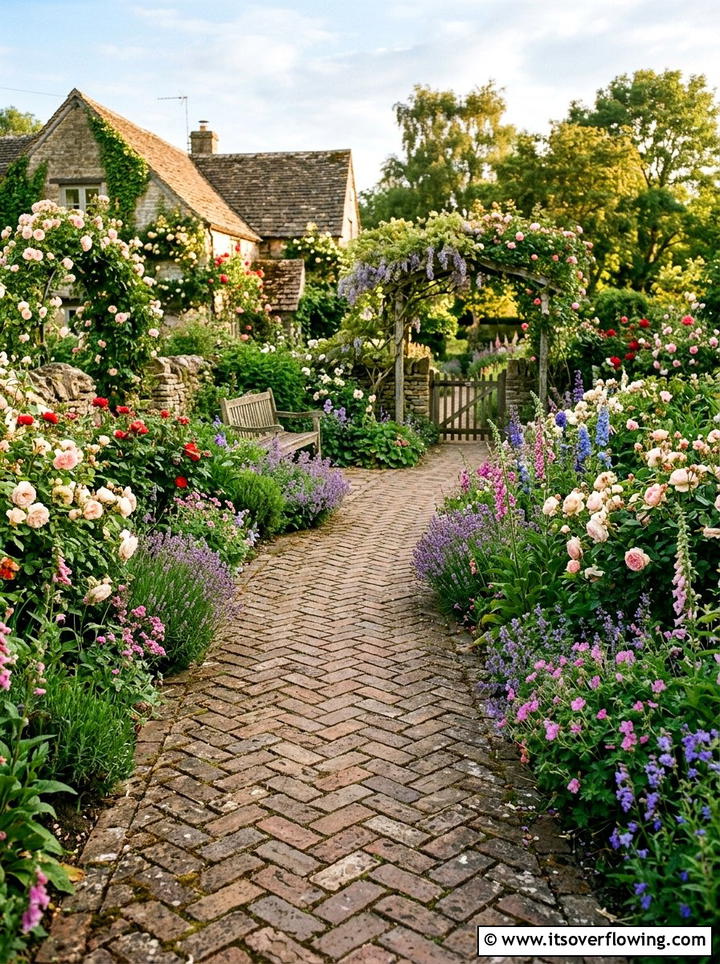
A reclaimed brick garden walkway adds history and character to your small landscape by using materials with a past life. These bricks often have unique textures and color variations that you cannot find in new materials, giving your path a rustic charm. Laying them in a herringbone or basketweave pattern adds visual interest and a sense of craftsmanship to the narrow space. Surround the walkway with heritage roses and old-fashioned perennials like hollyhocks to create a nostalgic cottage garden feel. This design is not only environmentally friendly but also incredibly beautiful and full of personality. It makes your garden feel like a cherished space that has been loved for many generations.

16. River Rock Garden Drainage
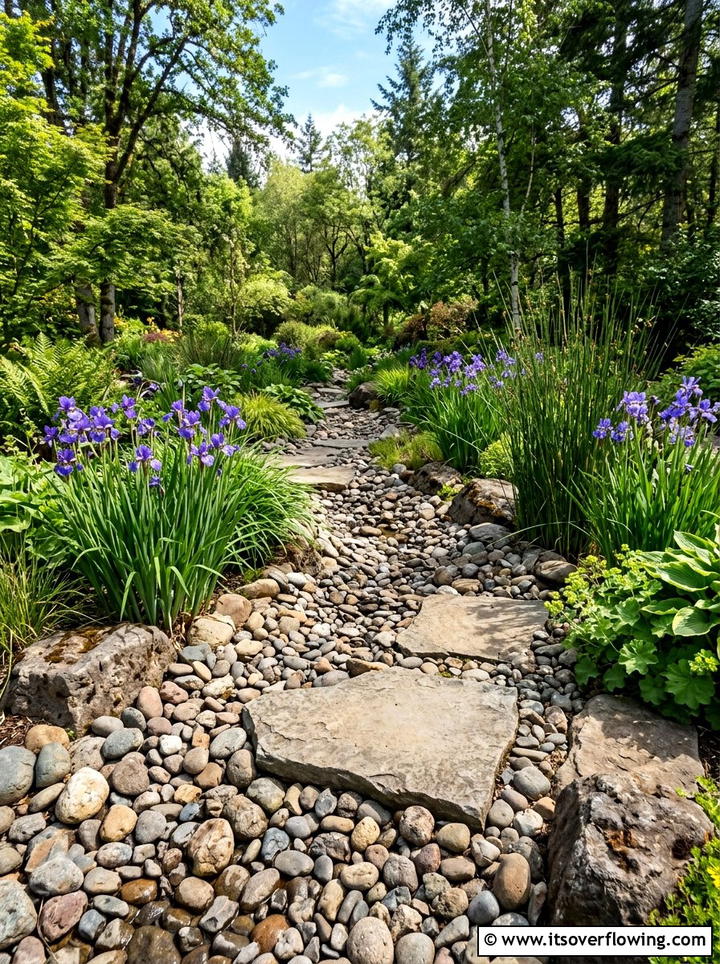
A river rock garden drainage path serves a dual purpose by managing water runoff while providing a beautiful walkway in your backyard. Large, smooth river rocks can be arranged in a shallow trench to guide rainwater away from your home’s foundation. This “dry creek bed” look is very popular in small gardens because it adds a natural, rugged element to the landscape. To make it a functional path, place a few flat stepping stones on top of the rocks for a stable footing. Surround the edges with water-loving plants like iris and rushes to enhance the stream-like appearance. This design turns a practical drainage solution into a stunning and creative garden feature.
17. Checkerboard Garden Paver Layout
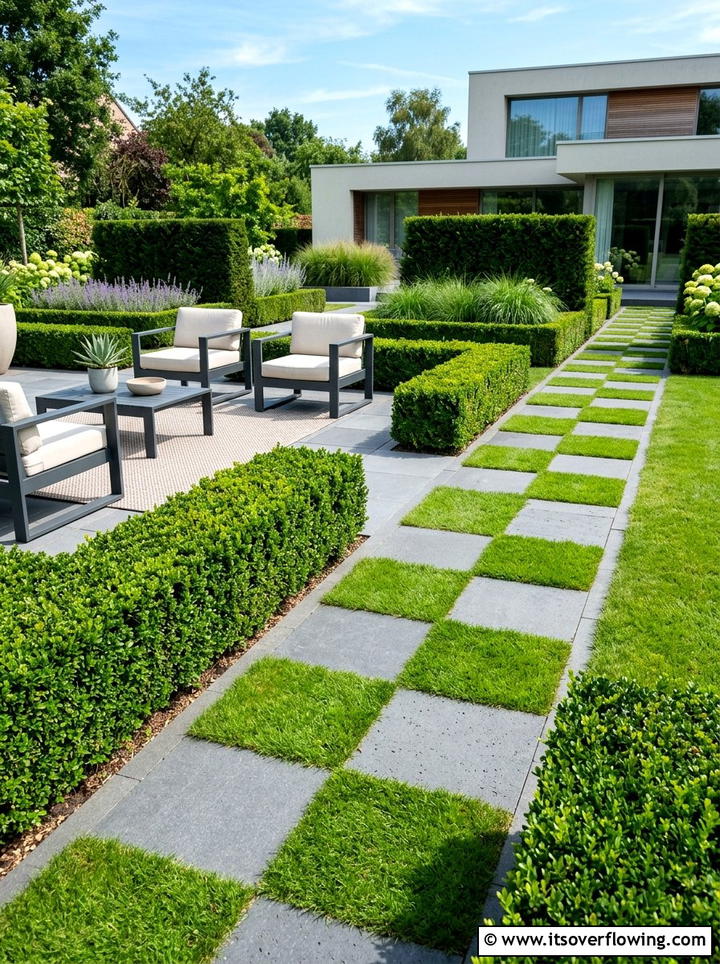
A checkerboard garden paver layout is a bold and playful design that adds a lot of visual energy to a small space. By alternating square concrete or stone pavers with squares of green grass or low-growing groundcover, you create a striking pattern. This design works exceptionally well in small square or rectangular gardens, as it emphasizes the geometric shape of the area. Frame the checkerboard path with tall, structured plants to provide a sense of enclosure and privacy. The contrast between the hard pavers and the soft greenery is modern and refreshing. This style is perfect for homeowners who want to make a big design statement in a limited amount of outdoor space.
18. Geometric Stone Garden Path
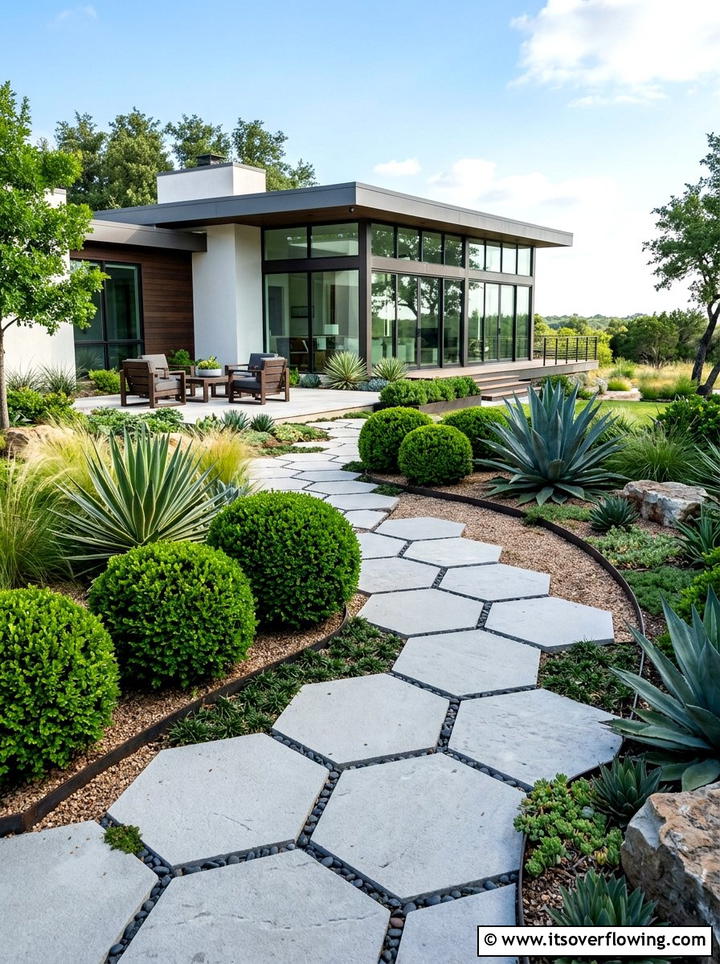
A geometric stone garden path uses sharp angles and precise lines to create a very organized and modern outdoor environment. You can use triangular or hexagonal stones to build a narrow walkway that feels like a piece of contemporary art. This approach is ideal for small gardens where you want to emphasize a clean and structured layout. Surround the geometric path with plants that have strong shapes, such as agave, boxwood spheres, or tall pillars of cedar. The precision of the stonework contrasts beautifully with the organic growth of the plants. This design creates a sophisticated and high-impact look that is sure to impress anyone who visits your small garden.
19. Japanese Stone Garden Walkway
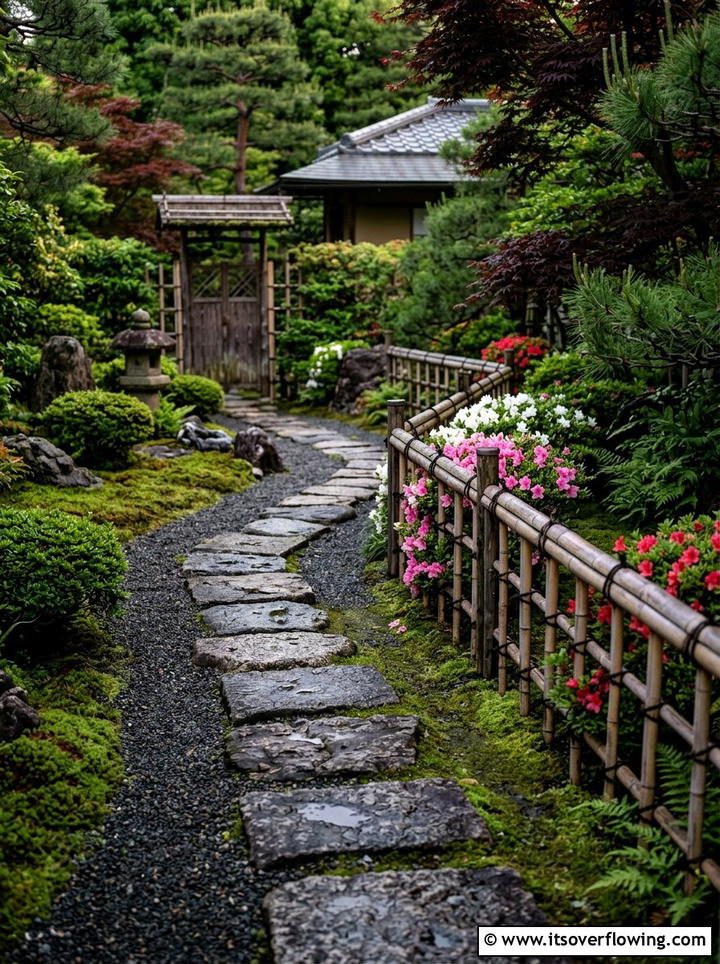
A Japanese stone garden walkway focuses on the beauty of asymmetry and natural materials to create a calm and balanced space. Use large, irregular stones of varying sizes to create a path that meanders slowly through your small garden area. Each stone is carefully placed to encourage a deliberate and mindful pace as you walk. Surround the path with traditional Japanese plants like azaleas, ferns, and dwarf conifers to create an authentic atmosphere. The addition of a small stone lantern or a bamboo fence can further enhance the theme. This design is perfect for creating a private sanctuary where you can escape the noise and stress of daily life.

20. Cottage Garden Soil Path
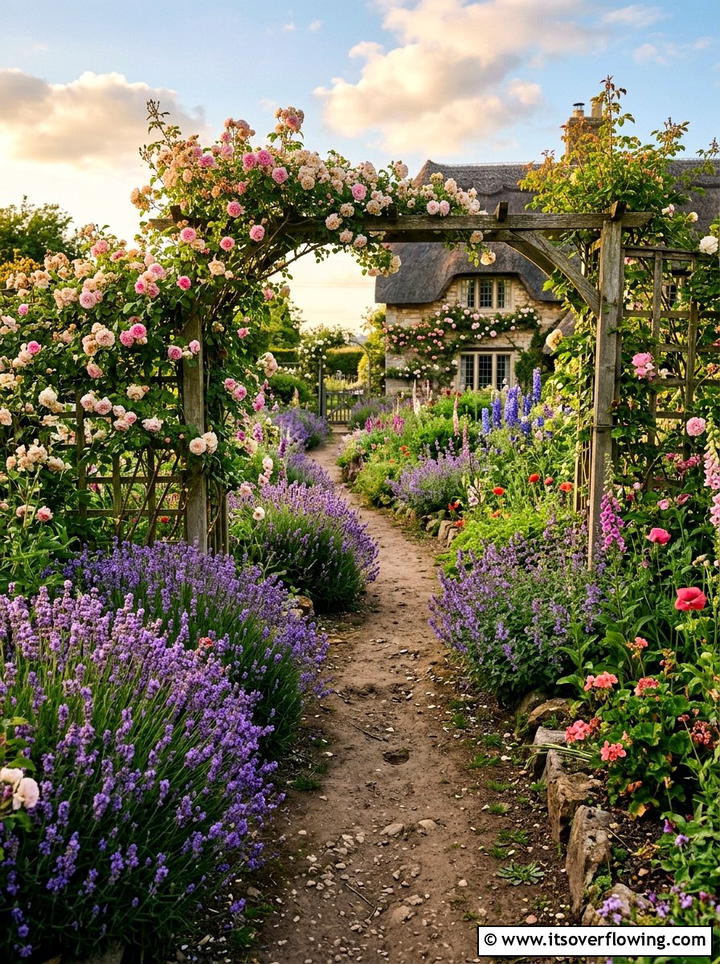
A cottage garden soil path is the simplest and most traditional way to navigate through a dense and colorful flower garden. This type of path is created by simply clearing a narrow strip of ground and packing the dirt down firmly. It feels humble and authentic, allowing the beauty of the surrounding flowers to take center stage. Frame the path with an abundance of fragrant blooms like lavender, peonies, and climbing roses that spill over the edges. This design is perfect for those who want a low-cost and high-impact garden that feels wild and romantic. The natural brown of the soil provides a neutral base for the vibrant colors of your garden.
21. Porous Paving Garden Walkway
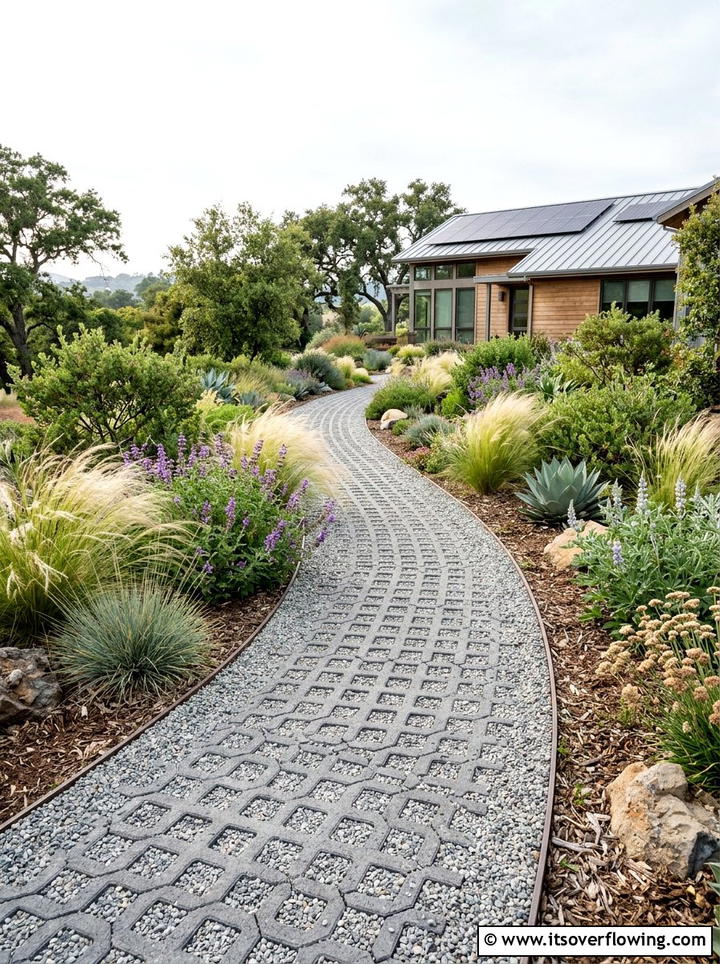
A porous paving garden walkway is an eco-friendly choice that allows rainwater to soak directly into the ground through the path surface. These systems often use a honeycomb-like grid filled with small gravel or soil and grass seed. This design is excellent for small gardens in urban areas where managing stormwater is a priority. It provides a stable surface for walking while maintaining a green and natural appearance. Surround the porous path with native plants and drought-tolerant shrubs to create a sustainable and low-maintenance landscape. This modern approach to garden design combines functionality with environmental responsibility, making it a smart choice for the forward-thinking and eco-conscious homeowner.
22. Herringbone Pattern Brick Path
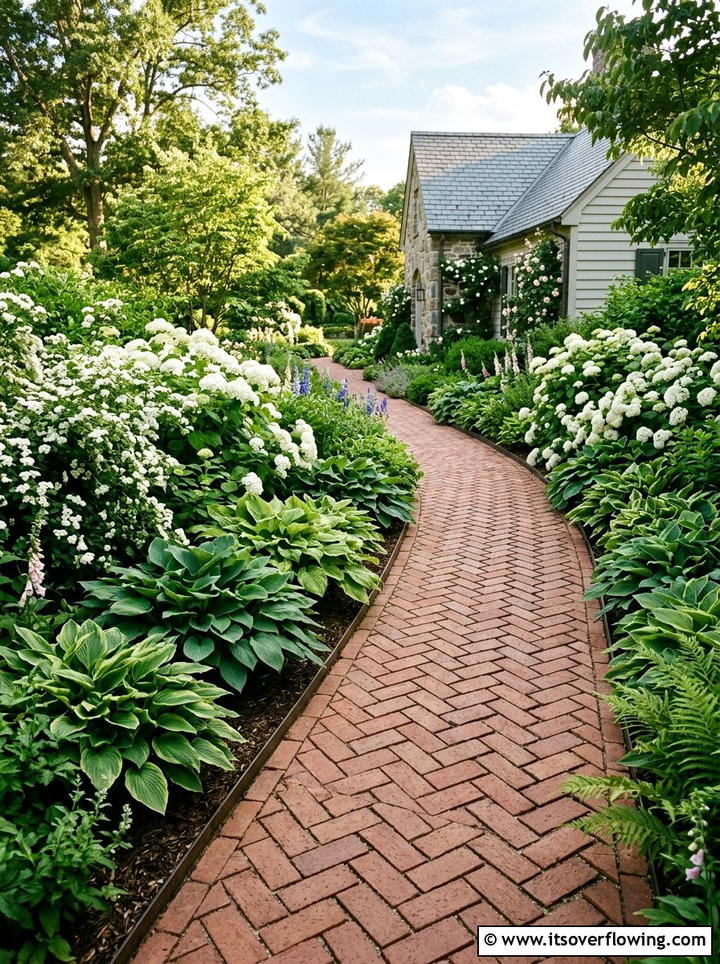
A herringbone pattern brick path is a classic design choice that adds a sense of sophistication and movement to a narrow walkway. The interlocking V-shape of the bricks is very strong and prevents the path from shifting over time, making it highly durable. This pattern draws the eye forward along the path, which helps make a short garden feel much longer and more significant. Surround the brickwork with lush green hostas and white flowering shrubs to create a clean and elegant color scheme. The intricate detail of the herringbone pattern provides a professional finish that elevates the overall look of your small backyard. It is a timeless design that never goes out of style.
23. Bluestone Garden Stepping Stones
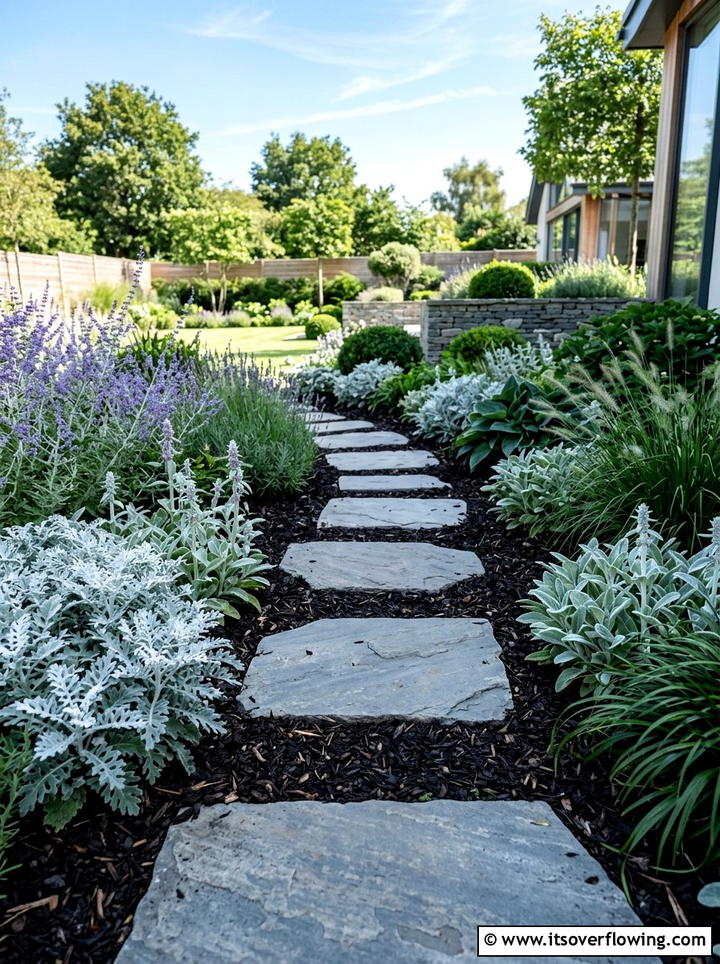
Bluestone garden stepping stones offer a beautiful, cool-toned color palette that ranges from deep blue-grey to subtle lilac shades. These large, flat stones are incredibly durable and provide a very high-end look for a small garden or patio area. You can space them out within a bed of dark mulch or light gravel to create a striking contrast that highlights their natural beauty. Surround the bluestone with silver-foliaged plants like dusty miller or lamb’s ear to complement the cool tones of the rock. This design creates a sophisticated and calming outdoor space that feels expansive and airy. The natural cleft surface of the bluestone provides excellent grip and a lovely texture.
24. Crushed Seashell Garden Path
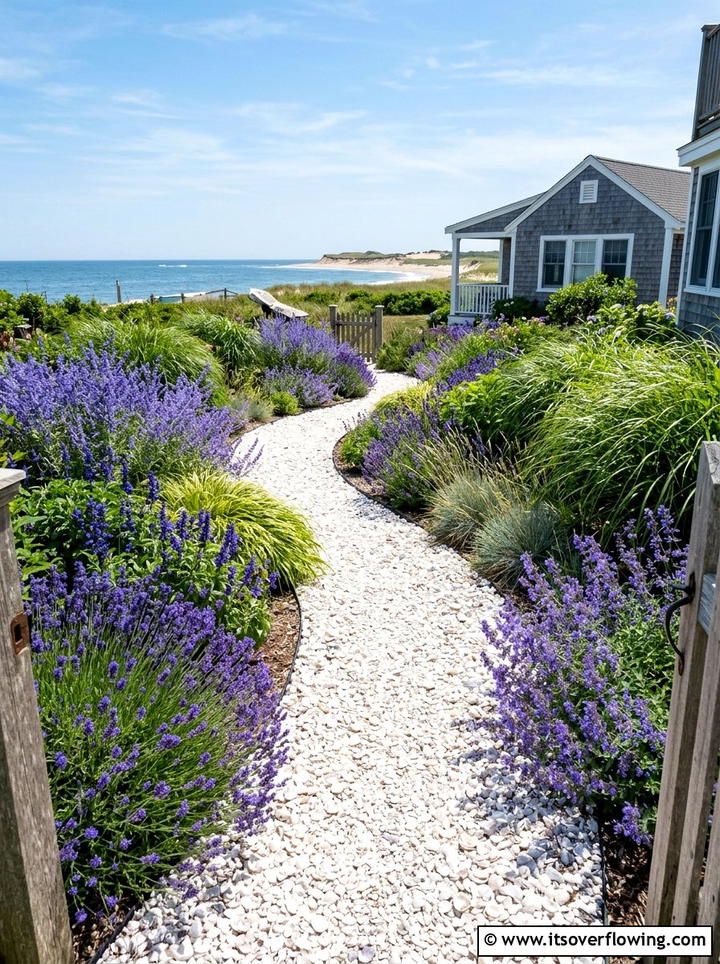
A crushed seashell garden path is a unique and charming option that is particularly well-suited for coastal or beach-themed small gardens. The white and tan fragments of the shells provide a bright and reflective surface that helps lighten up shady corners of the yard. As you walk on the shells, they break down further, creating a very stable and well-draining walkway over time. Surround the path with ornamental grasses, sea holly, and blue-toned perennials to enhance the seaside atmosphere. The pleasant crunching sound and the bright appearance of the shells make this path a sensory delight. It is a wonderful way to bring a bit of the coast to your home.
25. Bark Mulch Garden Walkway
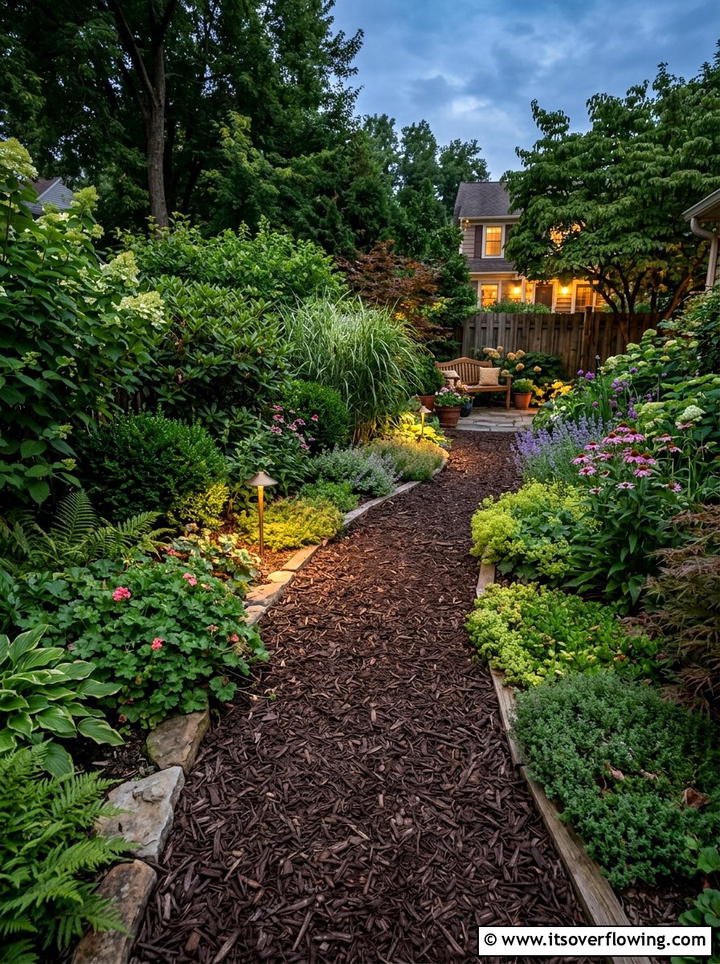
A bark mulch garden walkway provides a soft, organic, and highly affordable way to define a path in your small outdoor space. The dark brown color of the mulch makes the green leaves and colorful petals of your plants pop with intensity. It is very easy to install and can be replenished every year to keep the garden looking fresh and tidy. Surround the mulch path with a mix of tall shrubs and low-growing groundcover to create a layered and lush environment. This type of path is perfect for an informal backyard where comfort and natural beauty are the main priorities. The mulch also helps keep the soil healthy for your plants.
Conclusion:
Designing a small garden with a narrow pathway is a brilliant way to maximize your outdoor living area while creating a sense of wonder. Whether you choose the rustic charm of wood chips, the elegance of travertine, or the modern look of concrete, your path defines the journey. These 25 ideas show that even the most compact spaces can become lush sanctuaries with the right layout and materials. By focusing on narrow paths, you leave plenty of room for vibrant plants and cozy seating areas that make your garden feel like home. Your pathway is more than just a place to walk; it is a vital part of your garden’s soul.

Related posts:
 25 garden design ideas for small yards: Big Style, Tiny Spaces
 25 Garden Ideas for Narrow Yards That Feel Spacious
 25 Garden Design Ideas for Narrow Pathways With Big Style
 25 Garden Ideas for Tiny Patios to Maximize Small Spaces
 25 Small Garden Ideas to Maximize Beauty in Tiny Spaces
 25 Small Garden Ideas With Compact Furniture for Tiny Spaces
 25 Creative Garden Ideas for Narrow Spaces: Smart Layouts
 25 garden design ideas for side yard strips: Narrow Space Wins
 25 Garden Design Ideas With Pathways for Beautiful Garden Flow
 25 Creative Garden Ideas for Side Yards
 25 Garden Design Ideas With Terraces for Stylish Sloped Yards
 25 Garden Design Ideas With Vertical Gardens for Small Yards