
Creating a backyard that serves both your aesthetic desires and your pet’s needs can feel like a daunting task, but it is entirely possible with the right approach. Most homeowners want a lush, beautiful space to relax in, while also providing a safe and stimulating environment for their furry friends. A pet friendly yard requires thoughtful planning to ensure that every element, from the choice of plants to the layout of the pathways, is durable and non-toxic. By understanding how your pets use the space, you can design a garden that minimizes mess and maximizes enjoyment for everyone. This guide explores creative ways to balance style and functionality for a perfect outdoor retreat.
1. Dog Friendly Grass
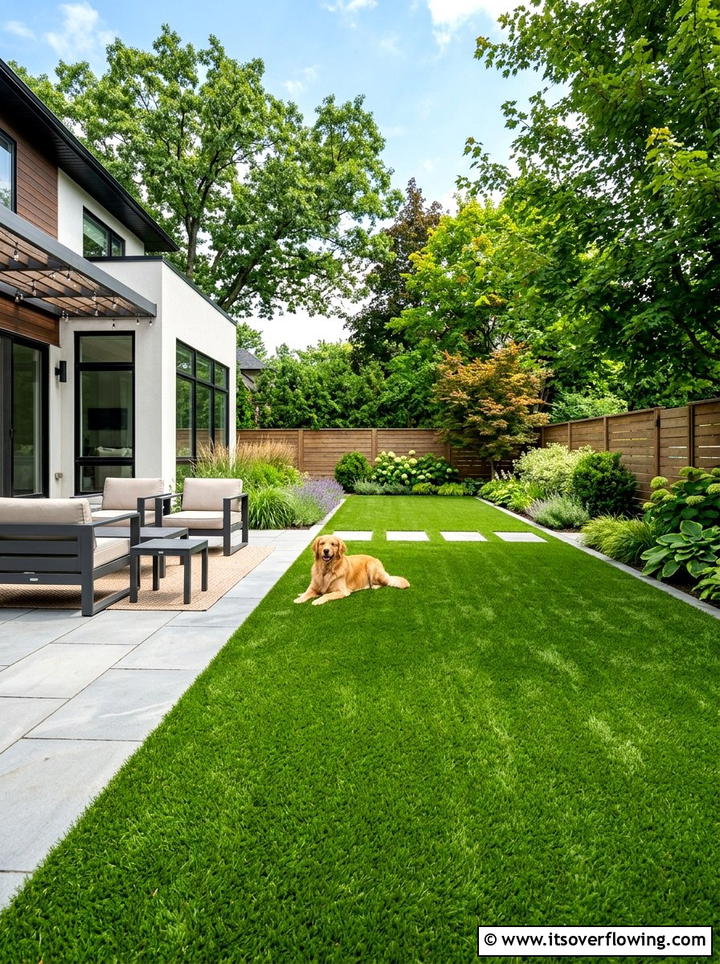
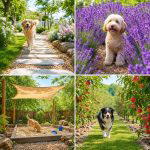
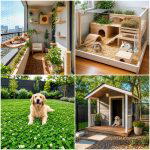
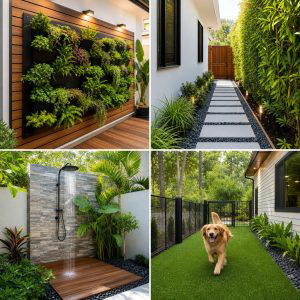
When you have active dogs running around the yard, traditional grass often struggles to keep up with the constant wear and tear. Choosing a hardy species like Kentucky Bluegrass or Bermuda grass can make a significant difference in the longevity of your lawn. These varieties are known for their resilience and ability to recover quickly from heavy foot traffic and bathroom breaks. For a completely maintenance-free option, high-quality artificial turf specifically designed for pets is becoming a popular choice for modern homeowners. This synthetic option provides excellent drainage and stays green all year long without the need for fertilizers or constant watering. It creates a clean, mud-free environment that both you and your pets will truly appreciate.
2. Non Toxic Garden Plants
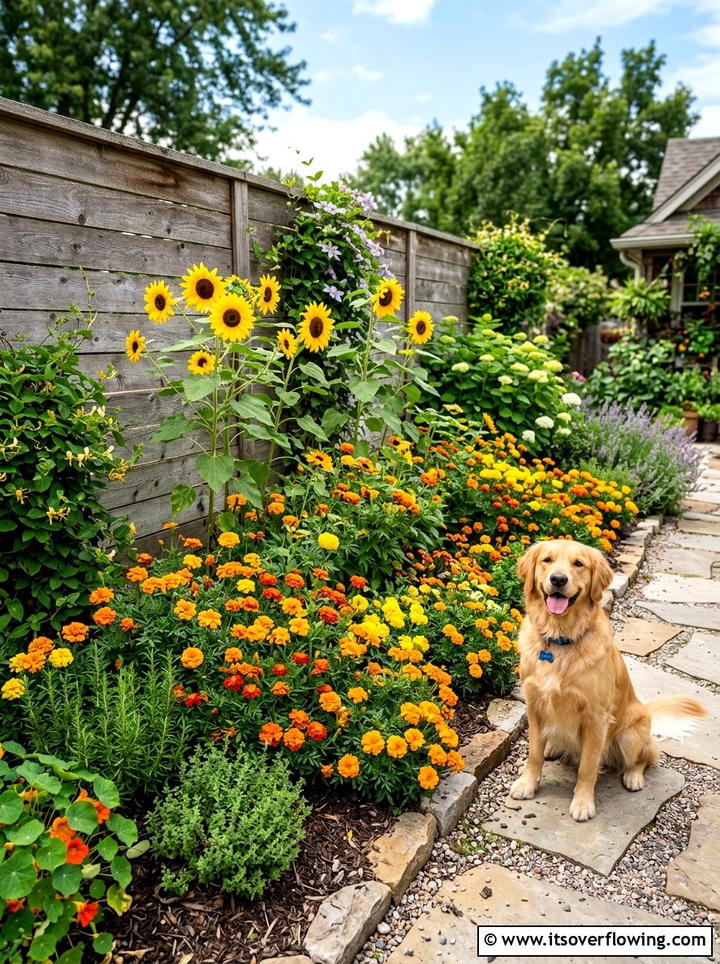
Selecting the right greenery is one of the most important steps in creating a safe outdoor environment for your beloved animals. Many common garden plants like lilies, azaleas, and sago palms can be extremely dangerous if ingested by dogs or cats. Instead, you should focus on vibrant and safe alternatives such as marigolds, snapdragons, and sunflowers to add color to your flower beds. Herbs like rosemary and lavender are also excellent choices because they are hardy, smell wonderful, and are completely safe for pets to brush against. Incorporating these pet-safe options allows you to enjoy a lush, diverse garden without worrying about your pet’s health during their outdoor exploration and daily play.
3. Shaded Pet Area
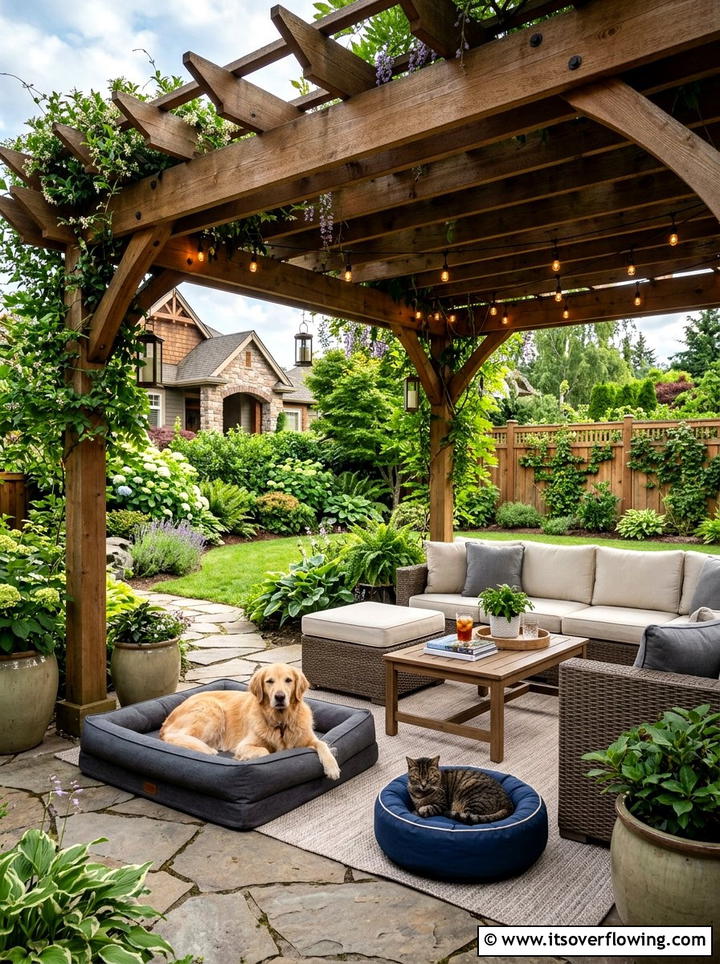
Providing a cool spot for your pets to escape the midday sun is essential for their comfort and safety during the summer months. You can create a natural shaded area by planting large, leafy trees or installing a stylish pergola draped with non-toxic climbing vines. If you prefer a more immediate solution, a simple wooden pavilion or a dedicated pet gazebo can serve as a functional focal point in your landscape. Ensure the area is well-ventilated and large enough for your pet to stretch out comfortably on the cool ground or a raised bed. Adding a few weather-resistant outdoor pillows can make this shaded retreat even more inviting for a long afternoon nap.
4. Dog Digging Pit
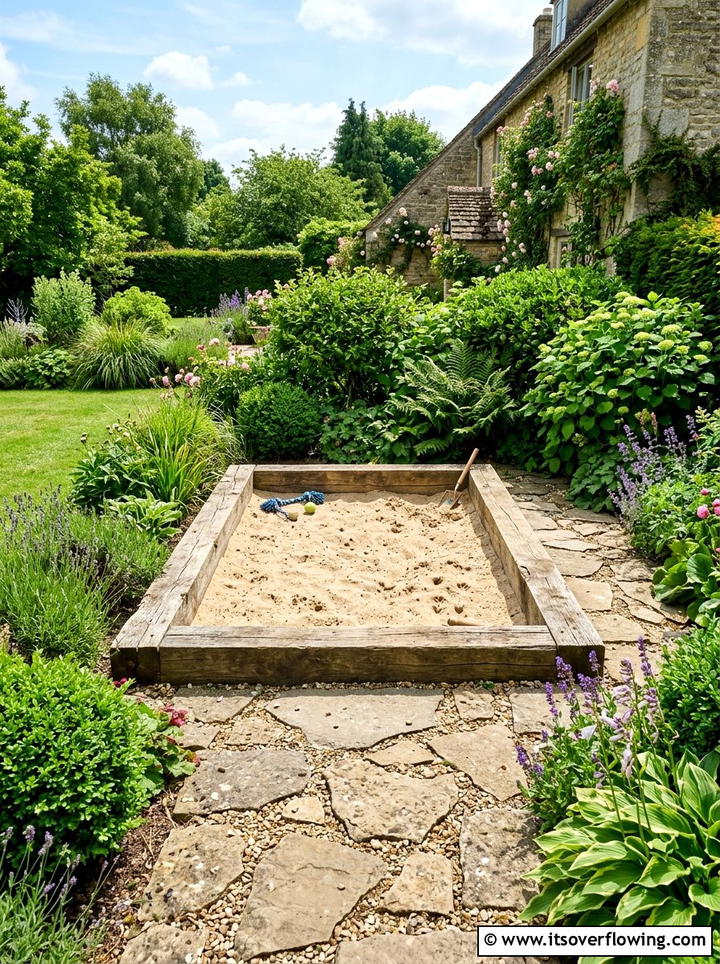
Many dogs have a natural instinct to dig, which can quickly turn your beautiful flower beds into a series of messy holes. A great way to manage this behavior is by providing a designated digging pit filled with soft sand or loose soil. You can frame the area with sturdy timber or large stones to keep the contents contained and separate from the rest of the yard. To encourage your dog to use this specific spot, try hiding some of their favorite toys just beneath the surface for them to find. This proactive approach satisfies their digging urge while keeping your lawn intact and your landscaping looking pristine throughout every season.
5. Secure Garden Fence
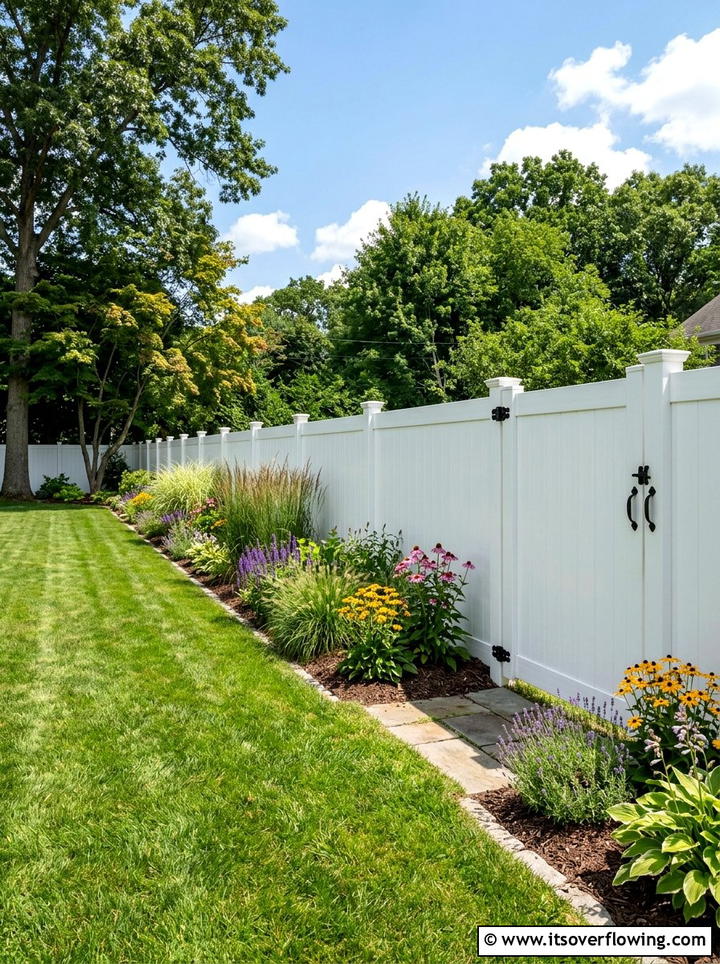
A high-quality fence is the foundation of a pet-friendly yard, providing the necessary security to keep your animals safe from wandering away. When choosing a fencing style, consider the size and jumping ability of your pet to ensure they cannot easily clear the top. Solid wood or vinyl panels offer excellent privacy and prevent pets from being distracted by things happening on the other side. If your dog likes to see what is going on, you might consider a sturdy metal fence with narrow gaps to prevent them from squeezing through. Regularly checking the perimeter for any gaps or loose boards is a vital part of maintaining a secure and worry-free outdoor space.
6. Pet Water Feature
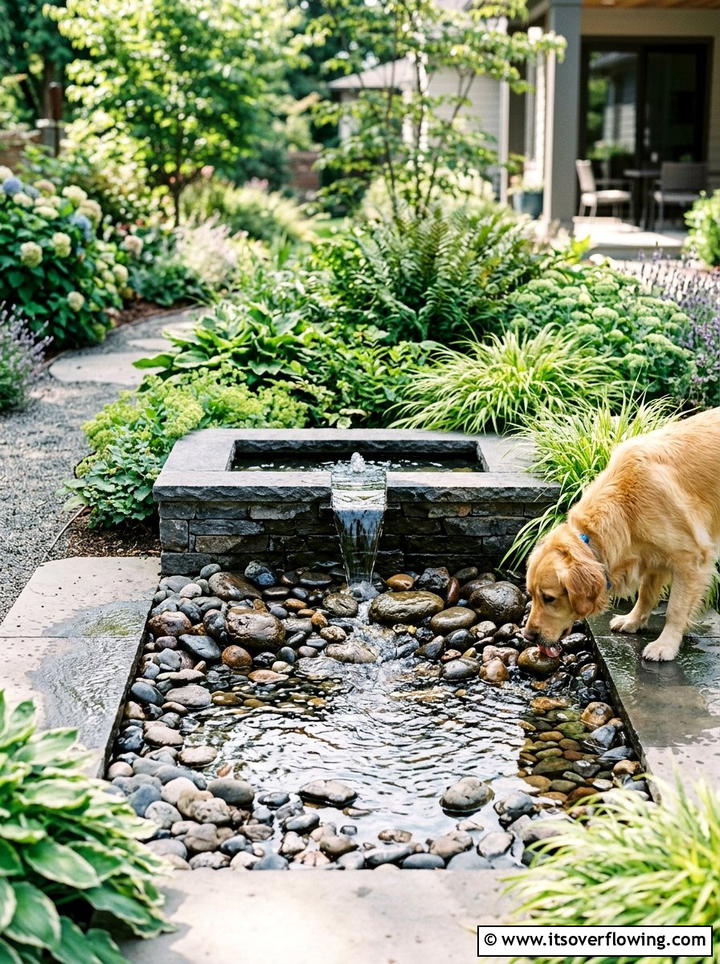
Adding a water feature to your garden provides a refreshing source of hydration and a fun way for your pets to cool down. A shallow, recirculating fountain or a custom-built rill can serve as an interactive element that keeps the water moving and fresh. It is important to ensure the water is shallow enough for your pet to stand in safely and that the edges are not too slippery. Using natural river stones to line the base of the feature creates a beautiful look while providing a textured surface for better paw traction. A clean, accessible water source encourages your pets to stay hydrated while adding a soothing, melodic sound to your garden environment.
7. Sensory Dog Garden
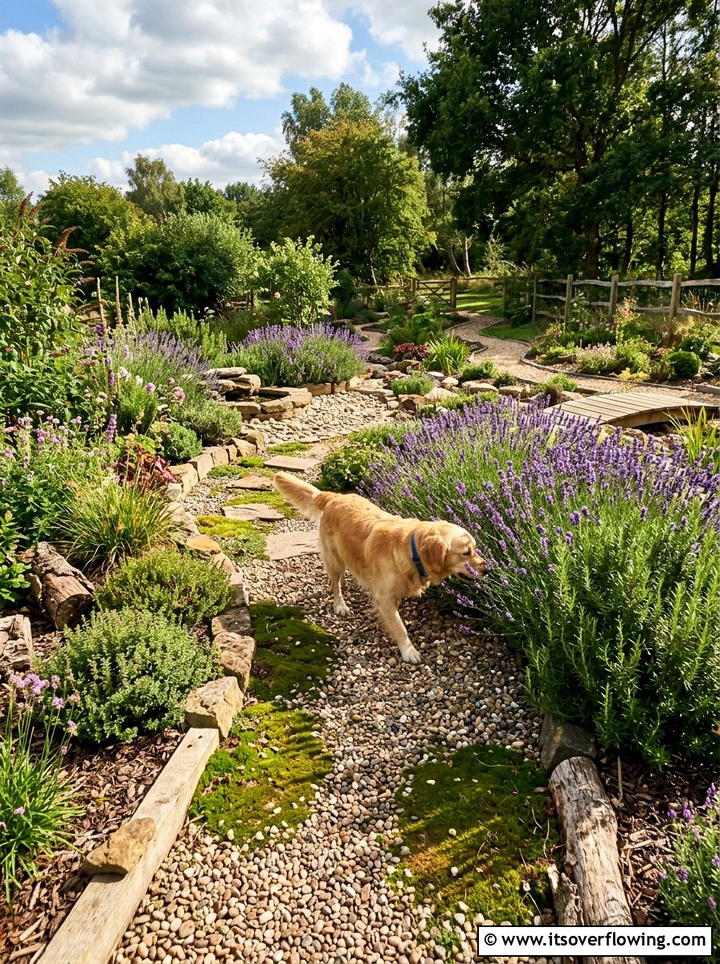
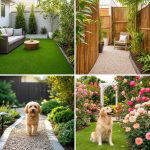
Creating a garden that appeals to a dog’s keen senses can provide endless mental stimulation and enrichment for your furry companion. You can incorporate a variety of textures such as soft moss, crunchy gravel, and smooth stones for them to walk on and explore. Planting aromatic, pet-safe herbs like lemon balm or peppermint creates a wonderful scent trail that encourages natural sniffing and discovery behaviors. You might also include some tall, sturdy ornamental grasses that move in the breeze, providing visual interest and a fun place for pets to hide. A sensory-focused layout turns a standard backyard into an interactive playground that keeps your dog engaged and happy for hours on end.
8. Elevated Garden Beds
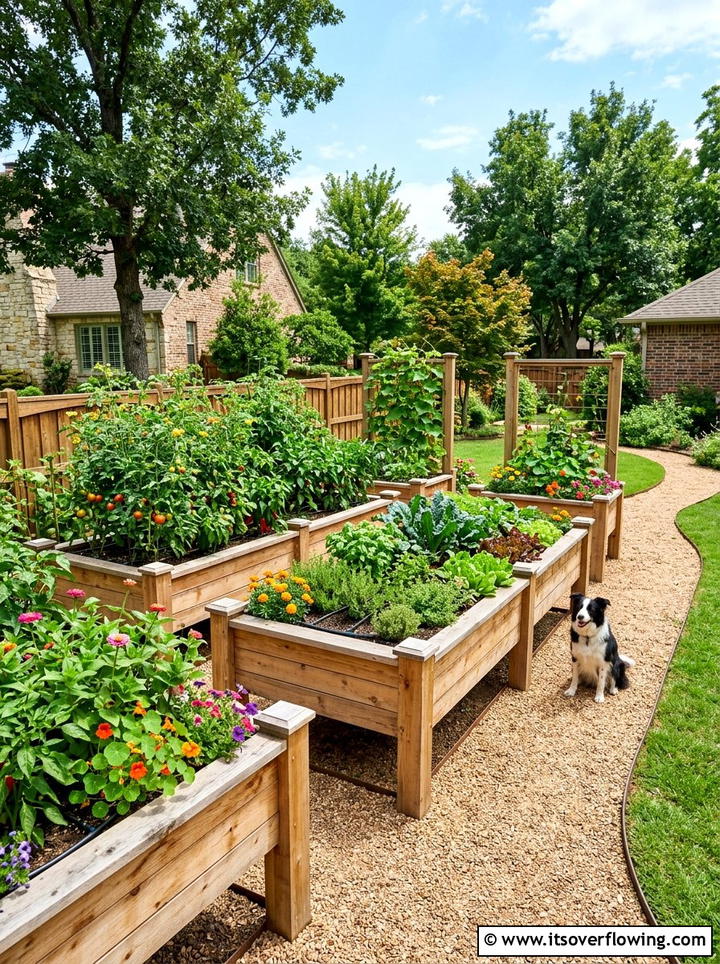
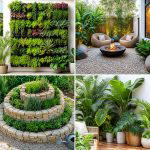
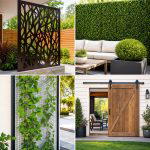
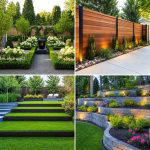
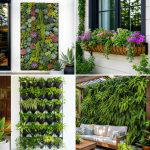
Elevated garden beds are a fantastic solution for protecting your delicate vegetables and flowers from curious paws and energetic zoomies. By raising the planting surface, you create a physical barrier that discourages pets from walking through or laying on your precious plants. These structures can be built using beautiful cedar wood or modern metal panels to match the overall aesthetic of your home and garden. Additionally, higher beds make it easier for you to tend to your plants without straining your back during long gardening sessions. This design choice keeps your garden organized and clean while ensuring that your pets have plenty of clear space on the ground to run.
9. Paw Safe Path
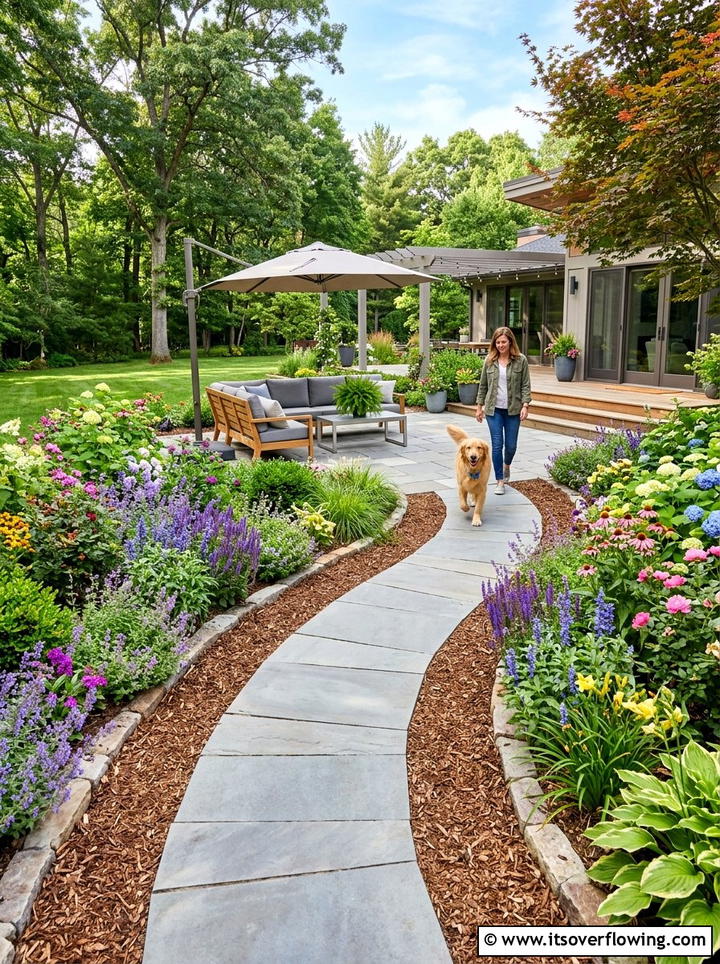
The materials you choose for your garden paths can have a significant impact on your pet’s comfort and paw health. Avoid using sharp gravel or dark pavement that can become painfully hot during the peak of summer and burn sensitive paw pads. Instead, opt for smoother materials like bark mulch, flat flagstones, or specialized decomposed granite that provides a stable and comfortable walking surface. These natural materials blend beautifully with most landscape designs and help define different zones within your outdoor space. Ensuring your paths are wide enough for both you and your pet to walk together comfortably makes your garden more accessible and enjoyable for everyone to navigate every day.
10. Outdoor Cat Enclosure
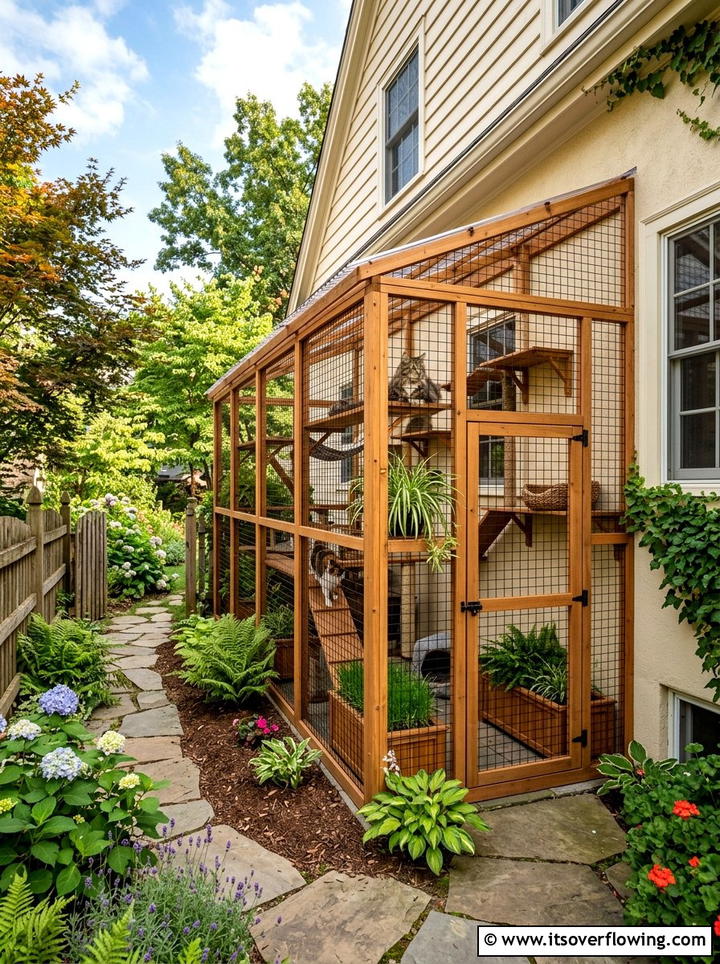
If you have indoor cats that crave a bit of fresh air, a secure outdoor enclosure or “catio” is the perfect design addition. These structures can be attached to a window or a door, allowing your feline friends to move freely between the house and the yard. A well-designed catio features multiple levels for climbing, scratching posts, and safe perches where cats can watch birds and enjoy the sunshine. Using a fine but strong wire mesh ensures your cat stays safely inside while keeping local wildlife out of their space. Adding some cat-safe plants like catnip or wheatgrass inside the enclosure creates a truly immersive and stimulating outdoor experience for them.
11. Dog Wash Station
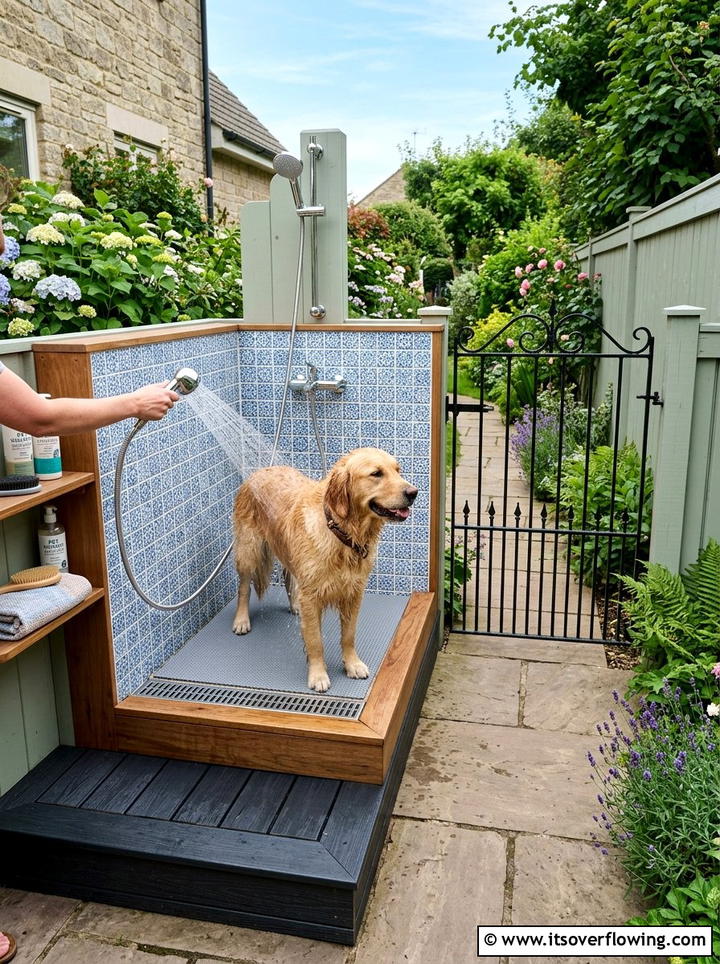
Installing a dedicated dog wash station in your garden is a game-changer for keeping both your pet and your home clean after muddy play. A simple setup might include a raised platform with a slip-resistant surface and a handheld sprayer connected to a warm water source. You can tuck this station into a corner of the patio or near the back door for easy access after a long walk or play session. Tiling the area with durable, easy-to-clean materials ensures that the space remains hygienic and looking great for years to come. Having a convenient place to rinse off paws means fewer muddy footprints inside and a much happier, cleaner pet.

12. Natural Garden Borders
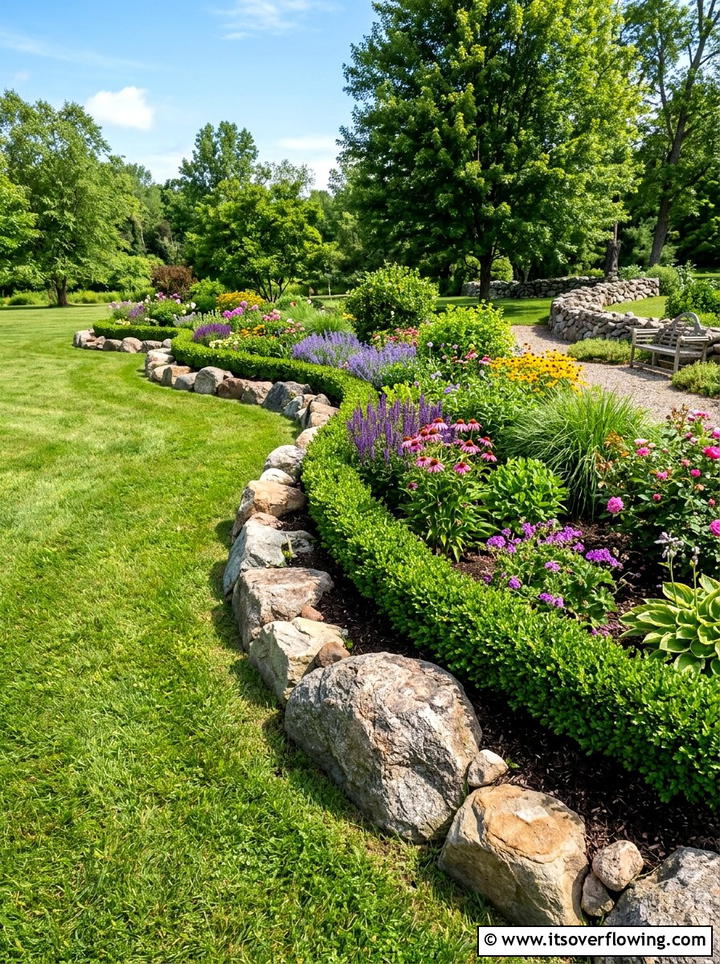
Defining the different areas of your yard with natural borders can help guide your pet ‘s movement and protect your landscaped sections. Using low-growing hedges, large decorative boulders, or sturdy driftwood creates a soft but effective boundary that pets usually respect. These natural elements add visual depth and structure to your garden without the need for harsh plastic or metal edging that could cause injury. You can also use dense plantings of sturdy shrubs to create a living fence that feels integrated into the overall design of the backyard. This approach results in a more cohesive and organic look while keeping your pet away from areas where they shouldn’ t go.
13. Pet Cooling Station
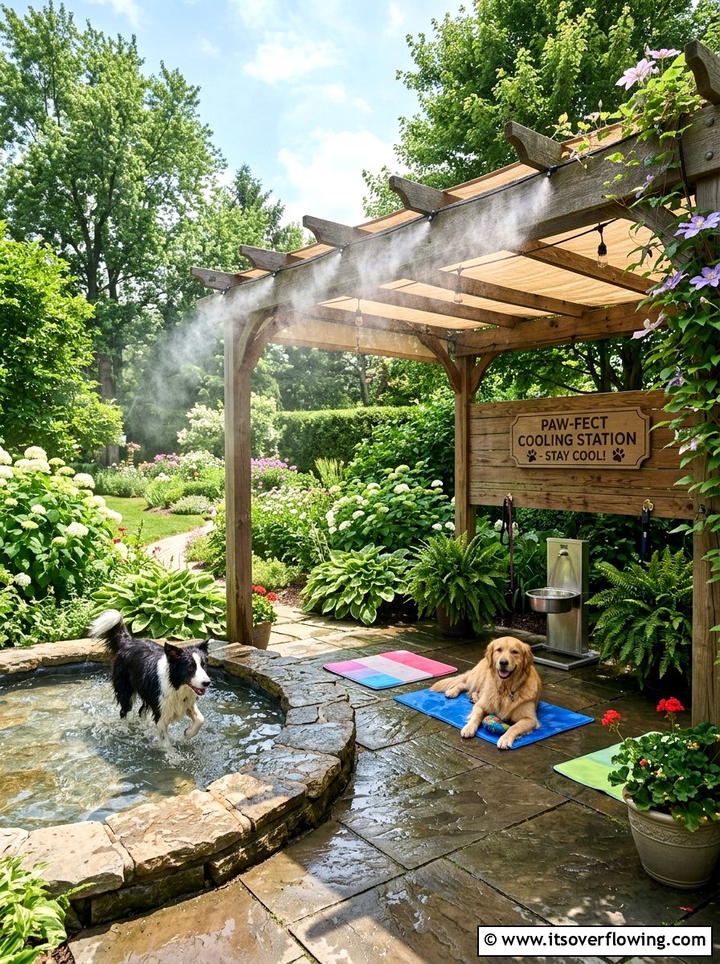
During the height of summer, a dedicated cooling station can prevent your pets from overheating while they enjoy the great outdoors. This area could feature a simple misting system that lightly sprays cool water or a specialized cooling mat placed in a well-shaded spot. Some homeowners even choose to install a small, shallow soaking pool where dogs can dip their paws or belly to lower their body temperature. Make sure the station is located in a breeze-prone area to help with natural evaporative cooling for the best possible results. Providing these temperature-regulated zones ensures your pets stay safe and comfortable even on the hottest days of the year.
14. Durable Ground Cover
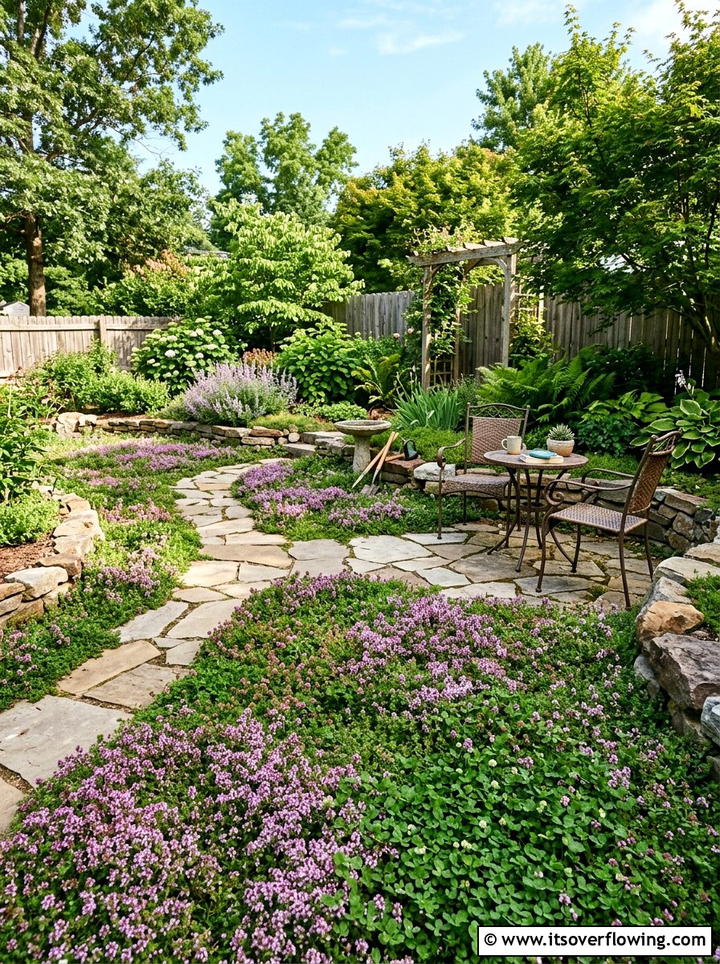
For areas of the yard that experience high traffic but aren’t suitable for grass, durable ground covers are an excellent and attractive alternative. Creeping thyme is a wonderful option as it is incredibly resilient, safe for pets, and releases a pleasant fragrance when stepped on. Another great choice is clover, which stays green with very little water and can handle the activity of multiple pets without becoming patchy. These low-maintenance plants create a soft, lush carpet that feels great underfoot for both humans and animals alike. Using a mix of these ground covers can add interesting color and texture to your yard while standing up to constant play.
15. Dog Agility Course
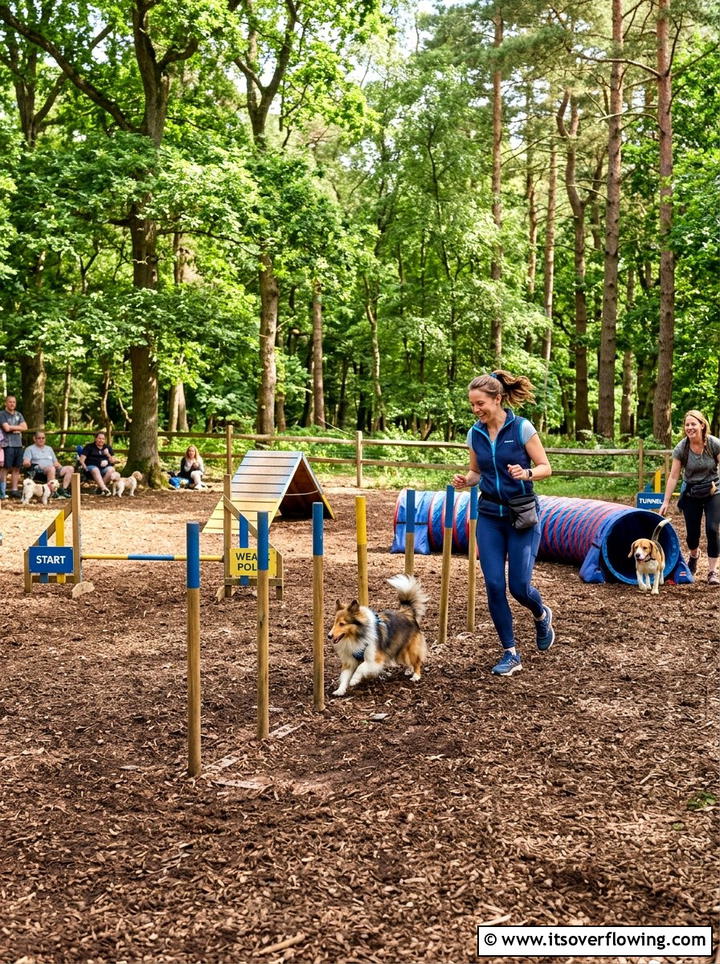
Transforming a portion of your yard into a mini agility course is a brilliant way to provide exercise and training for your active dog. You can incorporate simple elements like a series of weave poles, a low jumping bar, or a sturdy wooden tunnel made from large drainage pipes. These features can be designed to blend into your landscaping by using natural materials like wood and stone for a more cohesive look. Not only does this provide a fun physical outlet for your pet, but it also strengthens the bond between you through shared activity and play. An agility zone keeps your dog fit and mentally sharp within the safety of your home.

16. Escape Proof Gate
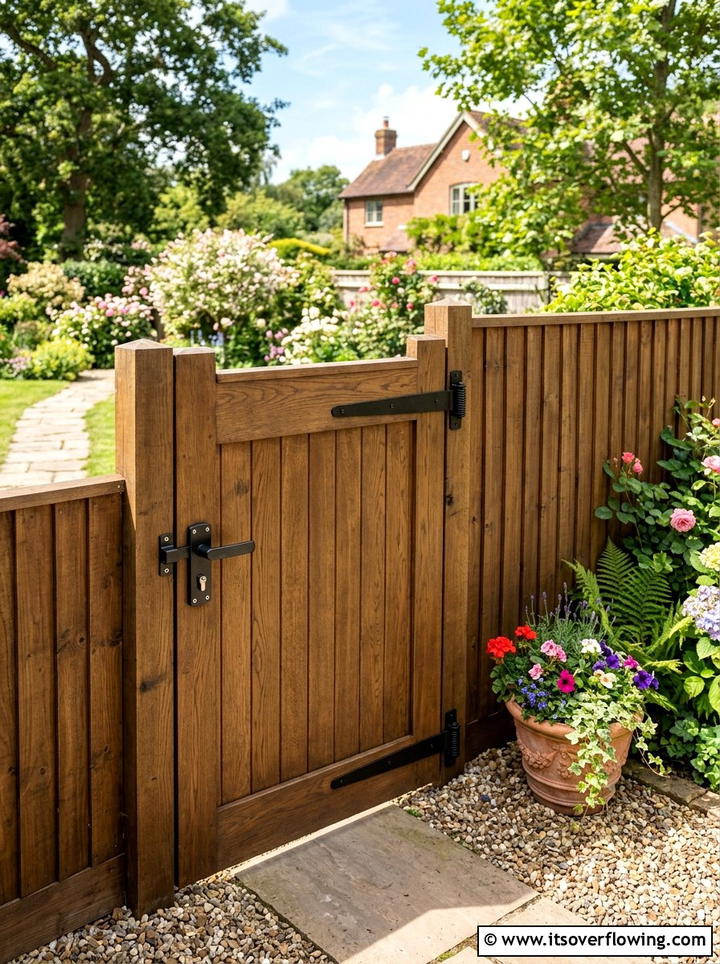
A secure gate is just as important as the fence itself when it comes to keeping your pets safely contained within your property. Ensure that your gates are equipped with self-closing hinges and high-quality latches that cannot be easily nudged open by a curious nose. The bottom of the gate should be close enough to the ground to prevent small pets from squeezing underneath and making an unexpected escape. For added security, you can install a secondary latch or a lock that provides peace of mind when you are not supervising. Choosing a gate design that matches your fence ensures a seamless and professional look for your entire garden perimeter.
17. Pet Friendly Mulch
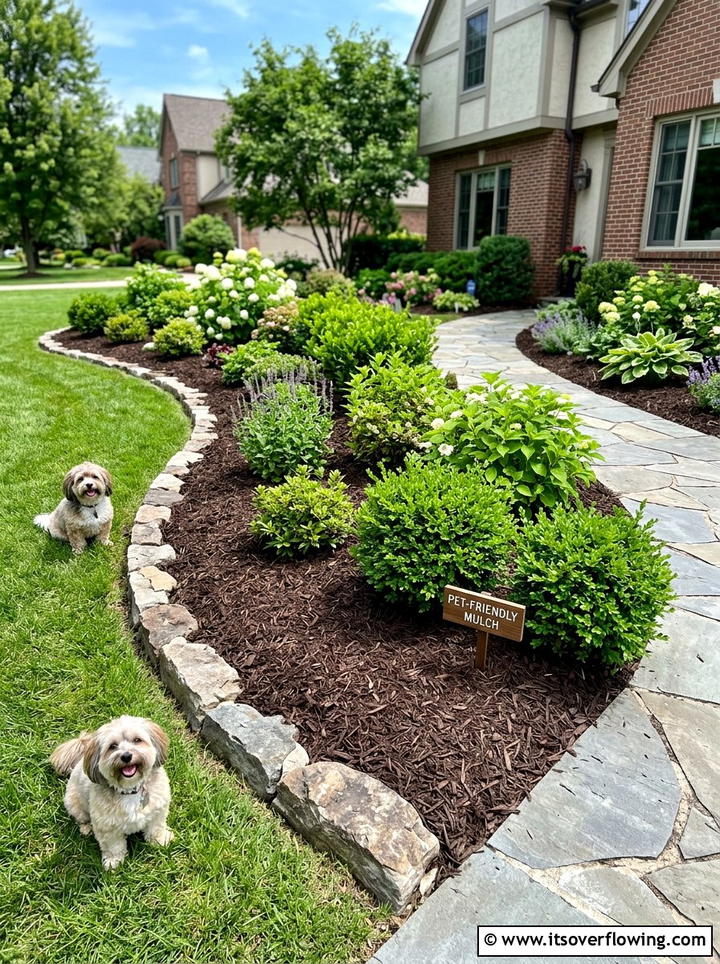
Mulching is essential for healthy garden beds, but some common types can be hazardous to your pets if they decide to chew on them. Cocoa bean mulch, for example, contains compounds that are toxic to dogs and should always be avoided in a pet-friendly landscape. Instead, choose shredded pine or cedar mulch, which are safer options and provide a natural, pleasant scent to your outdoor spaces. Pine nuggets are also a good choice as they are less likely to stick to long fur and be tracked into your house. Using these safe mulch varieties helps retain moisture in your soil while keeping your pets out of harm’s way.
18. Fence Window For Dogs
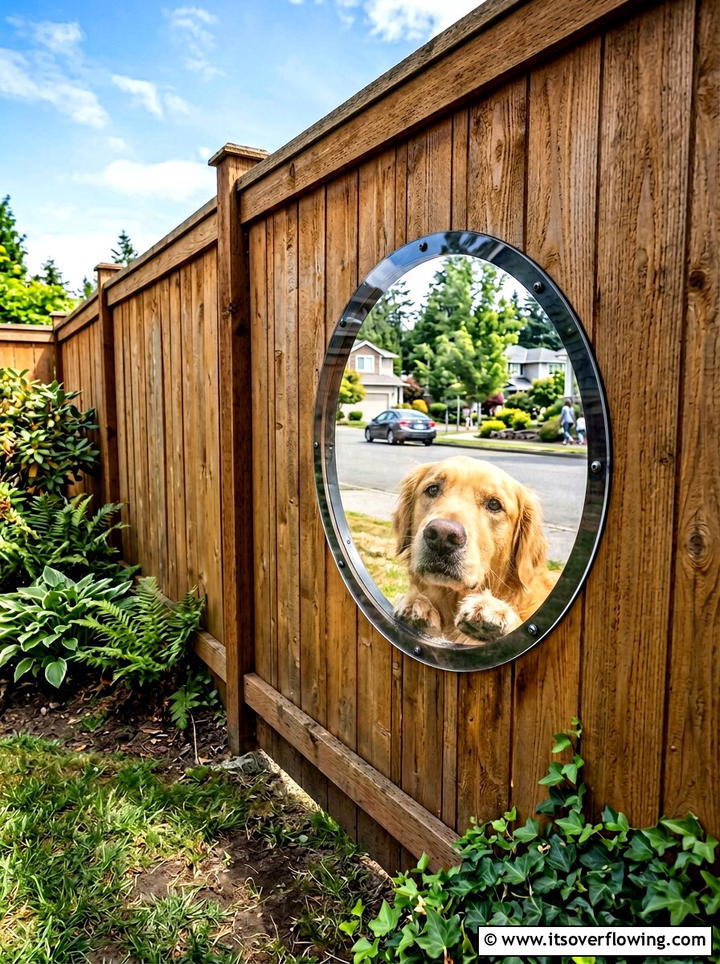
If you have a solid privacy fence, your dog might feel frustrated by not being able to see what is happening on the street. Installing a small, clear acrylic window in the fence can satisfy their curiosity and reduce excessive barking caused by mysterious noises. These “pet peepers” are easy to install and allow your dog to watch the world go by while staying safely inside the yard. It provides a window to the outside world that keeps them mentally engaged and less likely to try and dig under or jump over the fence. This simple addition can make a huge difference in your pet’s daily happiness and overall behavior.
19. Garden Play Zone
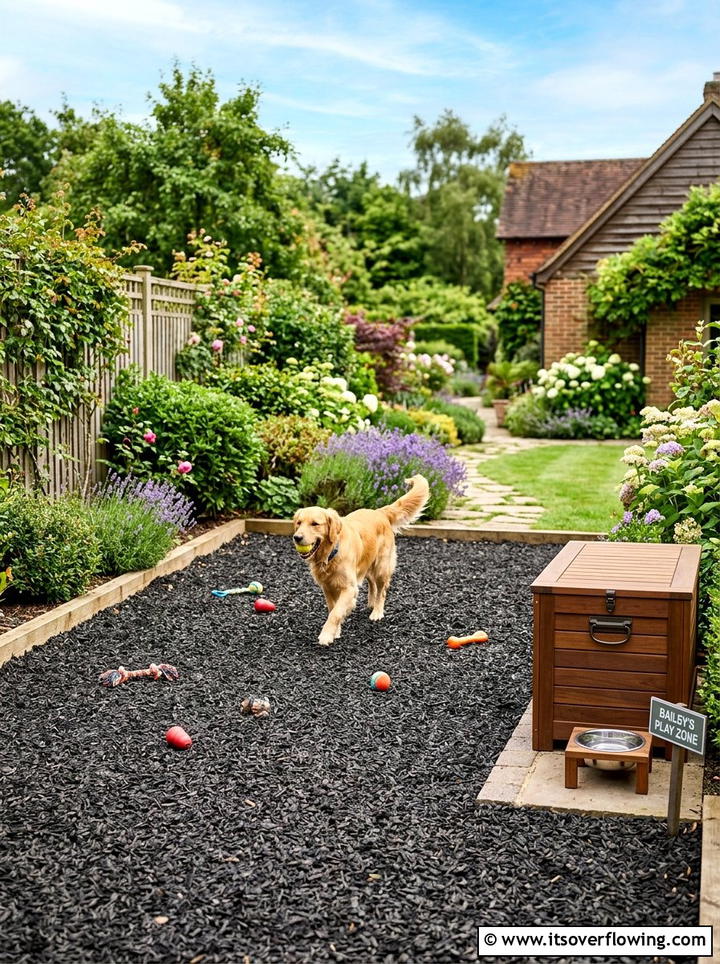
Designating a specific area of the yard for active play helps keep toys and high-energy behavior contained in one place. This zone can be surfaced with soft materials like rubber mulch or durable turf to provide a safe landing spot for jumping and running. You can include a storage chest nearby to keep toys organized and protected from the elements when they are not being used for play. By clearly defining this area, you encourage your pet to burn off energy away from your more delicate plantings and seating areas. A well-placed play zone ensures that your garden remains a multi-functional space that everyone can enjoy without conflict.
20. Covered Patio For Pets
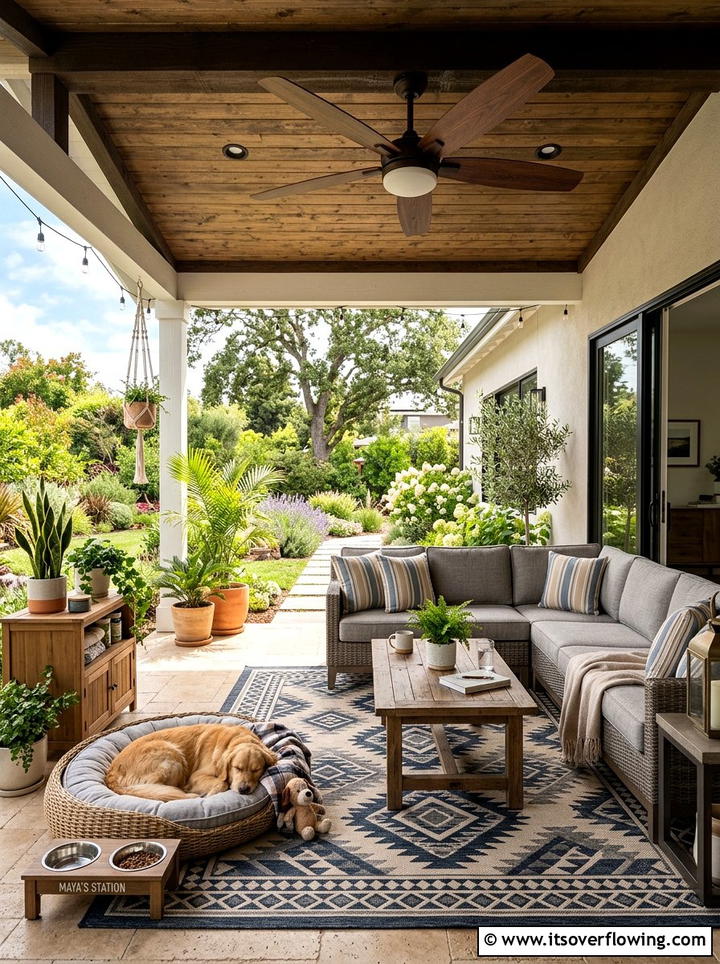
A covered patio provides a seamless transition between the indoors and outdoors while offering a sheltered spot for your pets to rest. This area protects them from rain and direct sunlight, making it a comfortable place to hang out regardless of the weather conditions. You can furnish the patio with durable, outdoor-rated pet beds and easy-to-clean rugs that can withstand a bit of dirt and fur. Adding a ceiling fan can further improve air circulation, keeping the area cool and pleasant during the humid months of the year. A covered patio becomes a favorite lounging spot for pets who love to be near their human family members.
21. Smooth Stone Landscaping
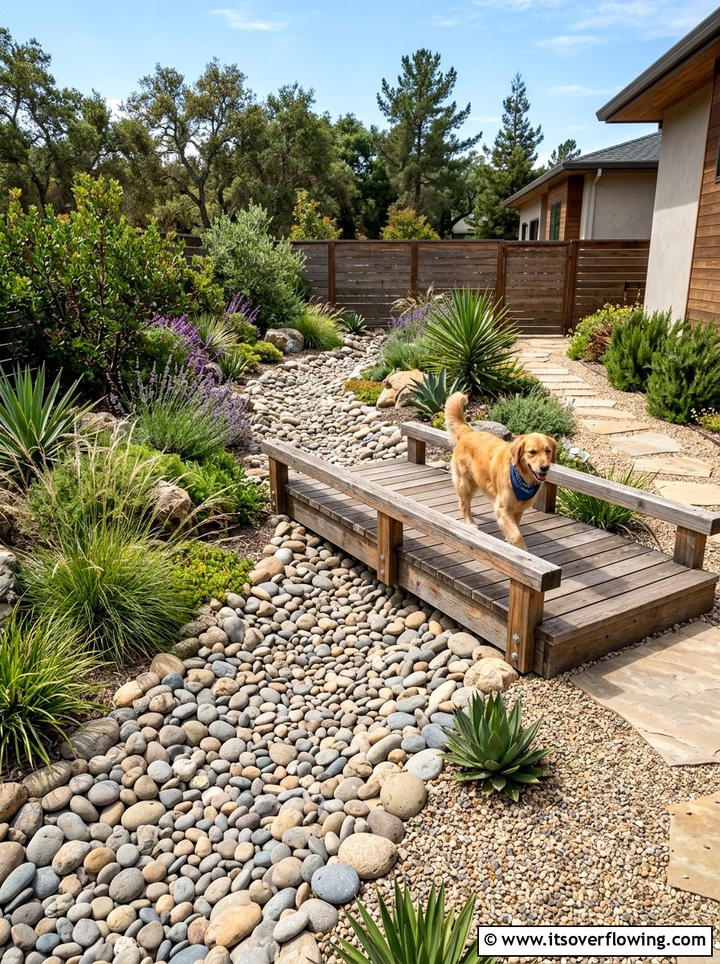
Incorporating smooth stones into your landscaping design offers a clean, modern look that is also very gentle on your pet ‘s sensitive paws. Large, flat river rocks or polished pebbles can be used to create beautiful dry creek beds or decorative borders around your patio. Unlike jagged crushed stone, smooth rocks don’ t have sharp edges that could cause cuts or discomfort during a game of fetch. They are also excellent for drainage and help prevent muddy spots from forming in areas where water tends to collect after a storm. This choice of material combines high-end garden aesthetics with a practical, pet-safe surface that looks great all year.
22. Pet Safe Fertilizer
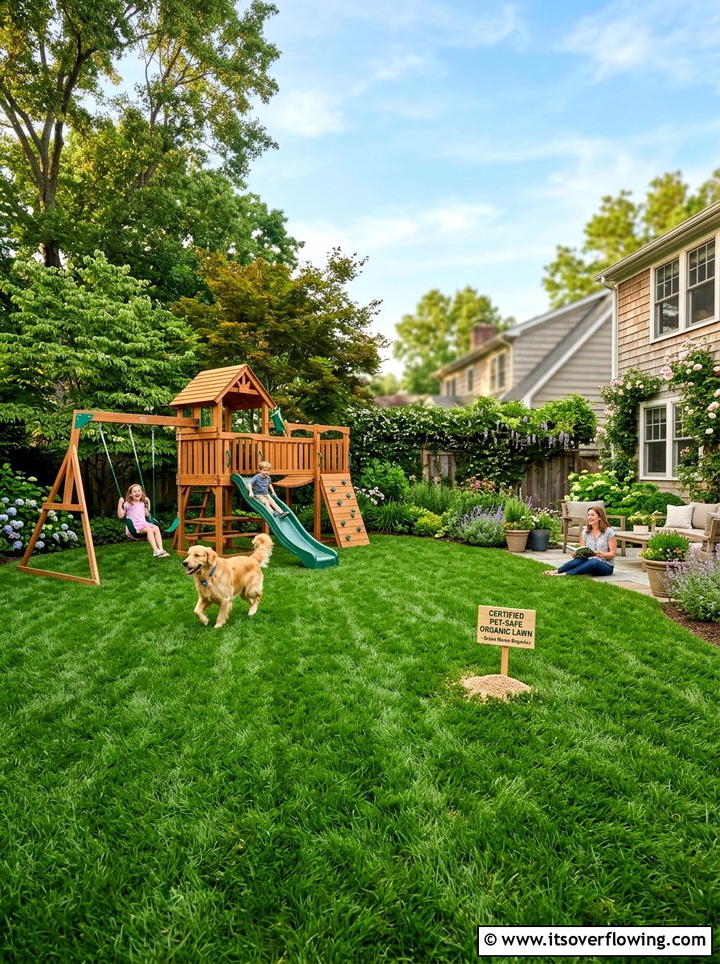
Maintaining a green lawn often involves using fertilizers, but many traditional products contain chemicals that can be harmful to pets if ingested or touched. When shopping for garden supplies, always look for products labeled as “pet-safe” or “organic” to ensure they don’t contain toxic ingredients. Even with safer options, it is a good practice to keep pets away from freshly treated areas until the product has been thoroughly watered in and dried. Natural alternatives like compost or seaweed-based fertilizers can provide the nutrients your plants need without posing a risk to your furry friends. Prioritizing non-toxic lawn care ensures a healthy environment for both your plants and your pets.
23. Night Garden Lighting
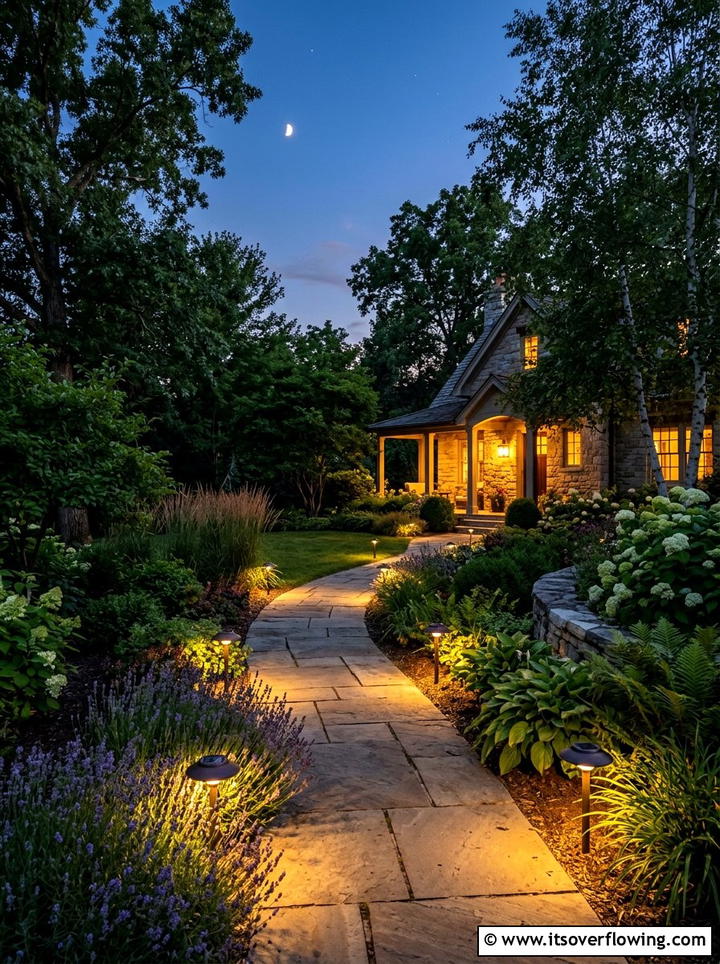
Proper lighting is crucial for ensuring your pet can navigate the yard safely after the sun goes down for their final bathroom break. Soft, ambient lighting along pathways and near the back door prevents trips and falls for both you and your animals. Solar-powered LED stakes are an eco-friendly and easy-to-install option that doesn’t involve any dangerous underground wiring that a dog might dig up. Positioning lights at a lower level helps illuminate the ground clearly, making it easier to spot any potential hazards or messes that need cleaning. A well-lit garden provides a sense of security and allows you to enjoy your outdoor space well into the evening hours.
24. Dog Friendly Decking
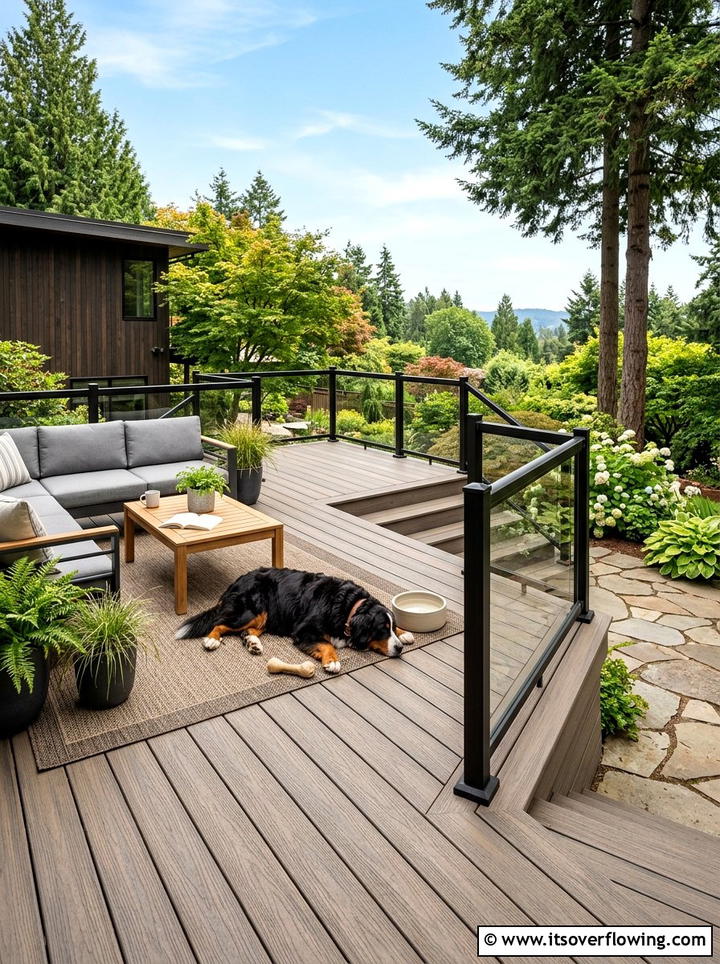
If you are building a deck, choosing the right material is vital for creating a surface that is durable and comfortable for pets. Composite decking is a popular choice because it is splinter-free, highly resistant to scratches, and much easier to clean than traditional wood. It also stays cooler in the sun compared to dark-colored woods, protecting your pet’s paws from excessive heat during the day. Ensure that the gaps between the boards are narrow enough to prevent small paws or claws from getting stuck or injured. A well-designed deck provides a high-quality outdoor living space that is tough enough to handle the daily activity of your pets.
25. Vertical Garden For Safety
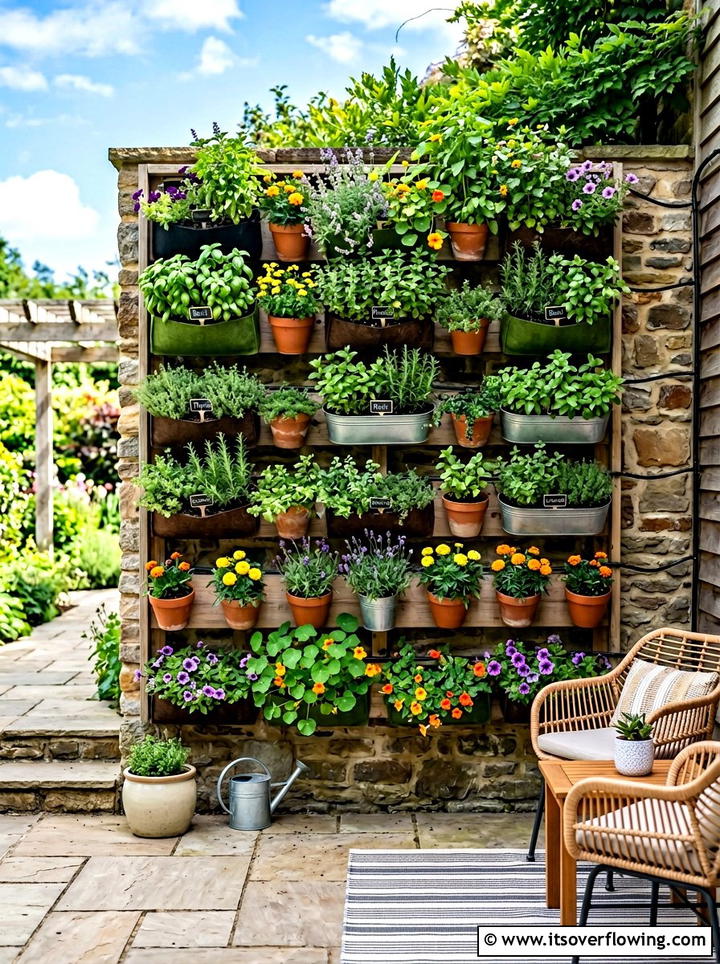
Utilizing vertical space is a smart way to keep certain plants away from curious pets while still maintaining a lush, green atmosphere. Wall-mounted planters, hanging baskets, and trellis systems allow you to grow a variety of flowers or herbs out of your pet’s reach. This is particularly useful for plants that might be mildly irritating or simply too delicate to survive an encounter with a playful dog. Vertical gardens also add a unique architectural element to your yard, making small spaces feel much larger and more vibrant. By moving your greenery upwards, you create a safer ground-level environment while still enjoying the beauty of a fully planted and diverse garden.
Conclusion:
Designing a pet-friendly yard is a rewarding journey that enhances the quality of life for both you and your animals. By focusing on durable materials, non-toxic plants, and designated play zones, you create a balanced environment where everyone feels comfortable and safe. A well-thought-out garden not only prevents common pet-related issues like digging and trampling but also provides essential mental and physical stimulation. Whether you are installing a new fence, choosing safer mulch, or building a custom dog wash station, these small changes make a big impact. Your outdoor space will become a beautiful, functional sanctuary that showcases your style while fully catering to your pet’s unique needs.

Related posts:
 25 creative garden ideas with pet friendly plants for Safe Yards
 25 garden ideas for pets: Safe, Fun Outdoor Spaces
 25 small garden ideas with pet friendly plants for Safe Style
 25 Garden Ideas With Rain Barrels for Eco-Friendly Yards
 25 Creative Garden Ideas With No Lawn Design for Easy Yards
 25 garden design ideas for small yards: Big Style, Tiny Spaces
 25 Garden Design Ideas With Privacy Screens for Secluded Yards
 25 Garden Design Ideas With Retaining Walls for Sloped Yards
 25 Garden Design Ideas With Straight Lines for Modern Yards
 25 Garden Design Ideas With Terraces for Stylish Sloped Yards
 25 Garden Design Ideas With Vertical Gardens for Small Yards
 25 Creative Garden Ideas for Side Yards