
Transforming a small outdoor space into a functional and beautiful sanctuary often begins with choosing the right materials to define the landscape. Gravel is one of the most versatile and cost-effective solutions for homeowners looking to maximize their garden’s potential without spending a fortune on expensive paving. Whether you are dealing with a tiny urban balcony or a compact suburban backyard, gravel offers a permeable and low-maintenance surface that adapts to any design style. From the satisfying crunch of walking on tiny stones to the way they gracefully drain rainwater, these small garden gravel layouts provide both aesthetic charm and practical benefits. By layering different textures and colors, you can create a sophisticated and inviting retreat that feels much larger than its actual footprint.
1. Pea Gravel Patio
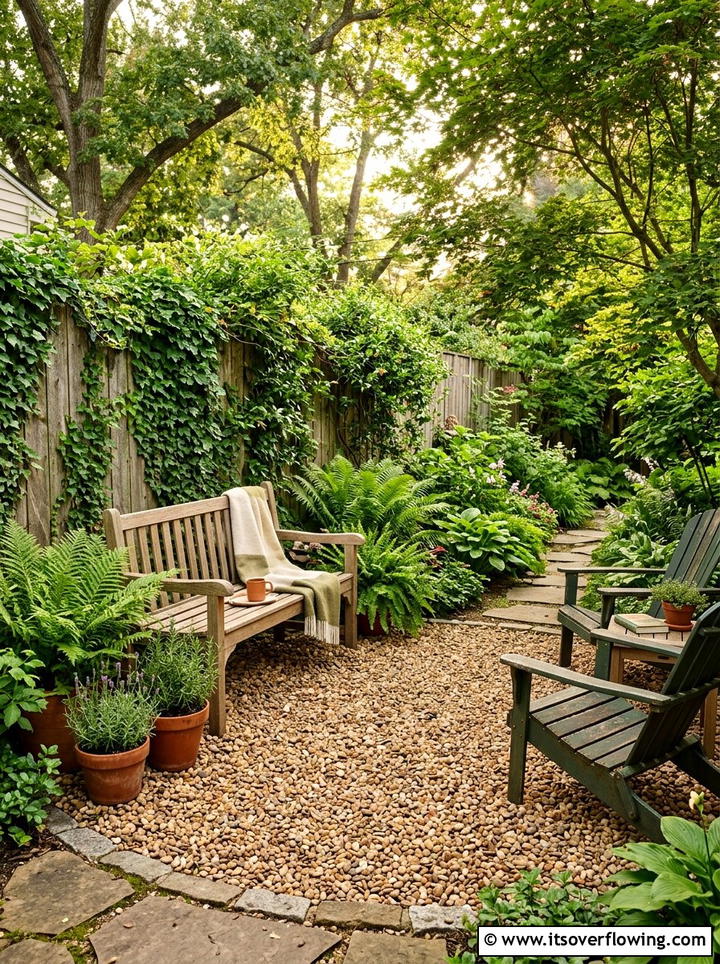
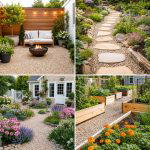
Do you want a patio that feels organic and soft under your feet without the high cost of heavy stone slabs? A pea gravel patio provides a wonderful solution for small backyards that need a flexible and permeable surface for outdoor relaxation. These tiny, rounded stones come in various earth tones that blend perfectly with natural wood furniture and lush green foliage. Because the stones are small, they shift slightly when walked upon, offering a satisfying crunch that adds to the sensory experience of being outdoors. This type of surface is also excellent for drainage, preventing puddles from forming after a heavy rain shower. It serves as a neutral backdrop that makes your colorful garden plants and stylish outdoor furniture stand out beautifully.
2. Slate Chip Path
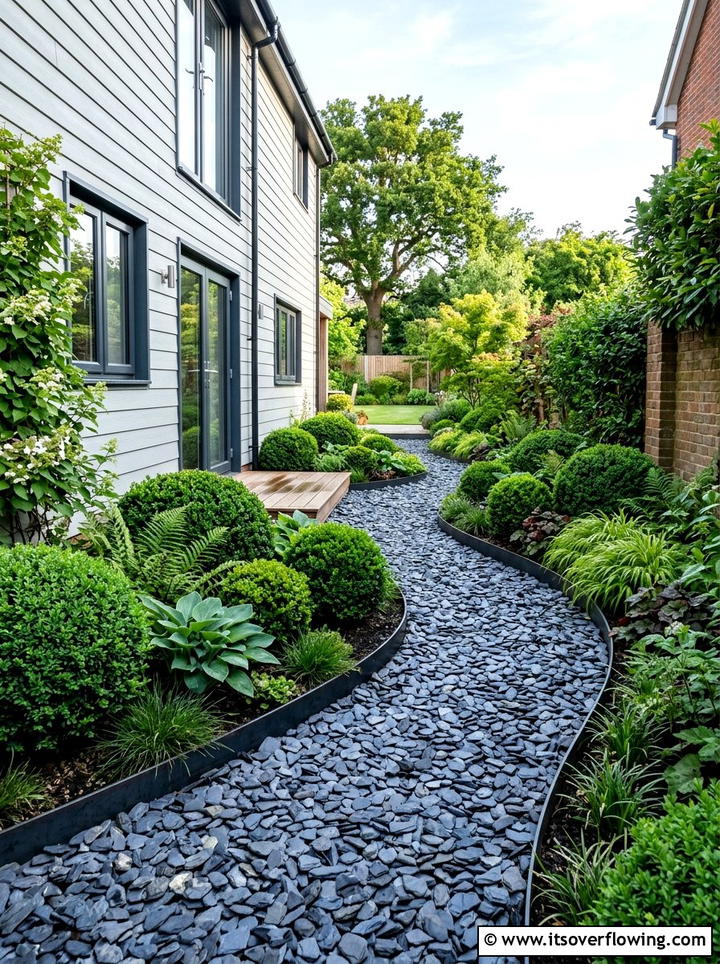
Can a simple walkway transform the flow of your small garden while adding a touch of modern sophistication? A slate chip path is an excellent choice for creating a clean and contemporary look in tight spaces where every inch matters. These flat, angular stones come in striking shades of blue, gray, and plum, providing a rich color palette that deepens when wet. Because the chips are relatively flat, they stay in place better than rounder stones, making them comfortable to walk on even in sandals. You can edge the path with metal or wood to keep the chips contained and create a sharp contrast against your lawn or planting beds. This design choice instantly elevates the overall professional look of your outdoor landscape.
3. Decomposed Granite Seating
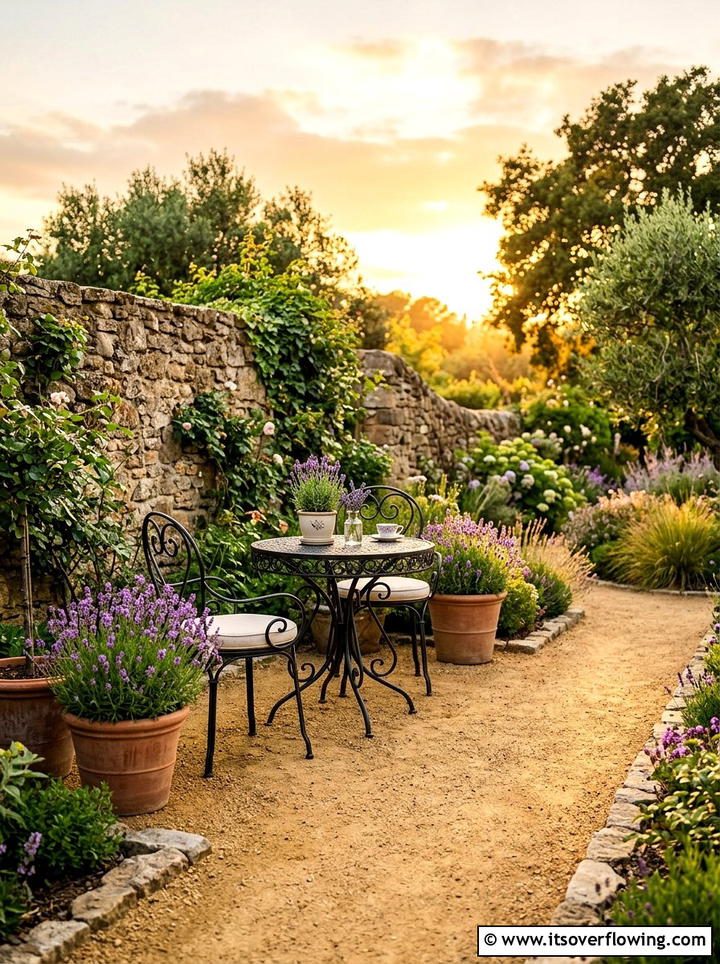
Have you considered using a material that packs down firmly like soil but offers the clean appearance of stone? Decomposed granite is a fantastic option for creating a stable seating area in a small garden where you want to place heavy bistro sets. It consists of very fine particles mixed with small flakes of rock, which allows it to be compacted into a solid, smooth surface. This material is available in warm golden hues or cool grays, allowing you to match the vibe of your home’s exterior perfectly. It provides a rustic, natural feel that works well in Mediterranean or Southwestern-style gardens. Because it is porous, it allows water to soak through, keeping your small seating nook dry and usable throughout the seasons.
4. White Marble Border
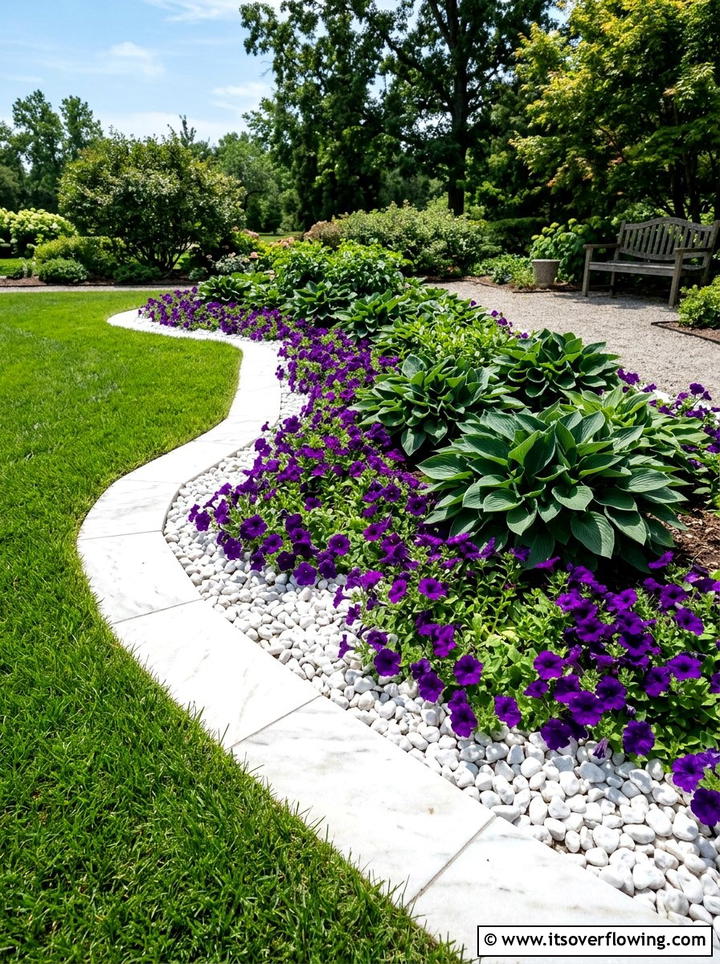
Are you looking for a way to brighten up a shady corner or define the edges of your garden with a touch of elegance? A white marble border uses bright, reflective stones to create a clean line between your plants and your walkway or lawn area. These stones catch the sunlight and can make a small, enclosed garden feel much brighter and more open than it actually is. They look particularly striking when paired with deep green shrubs or dark mulch, creating a high-contrast look that feels intentional and well-designed. This simple addition can frame your flower beds like a piece of art, giving your small outdoor space a structured and tidy appearance that requires very little upkeep over the years.
5. River Rock Creek
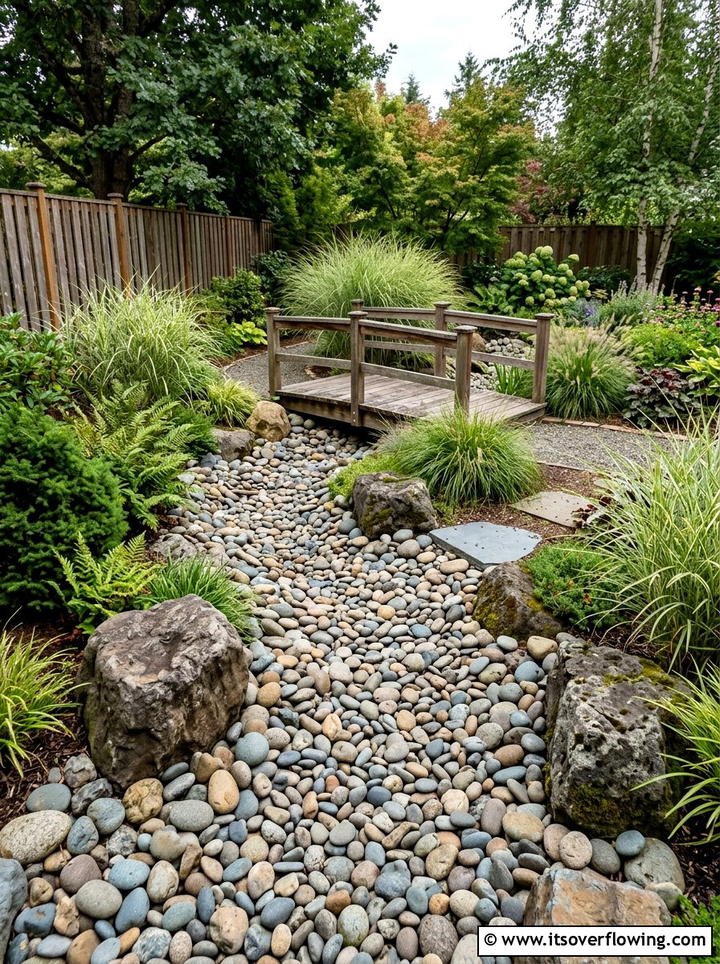
Would you like to introduce the soothing look of water into your garden without the maintenance of a real pond? A river rock dry creek bed is a clever design trick that mimics a natural water feature using various sizes of smooth stones. By arranging large boulders alongside smaller river rocks in a winding shape, you create a visual focal point that draws the eye through the space. This technique can also serve a functional purpose by directing excess rainwater away from your home’s foundation during heavy storms. The different textures and shapes of the rocks add organic depth to a small yard, making it feel like a curated slice of nature. It is a brilliant way to add character.
6. Gravel Stepping Stones
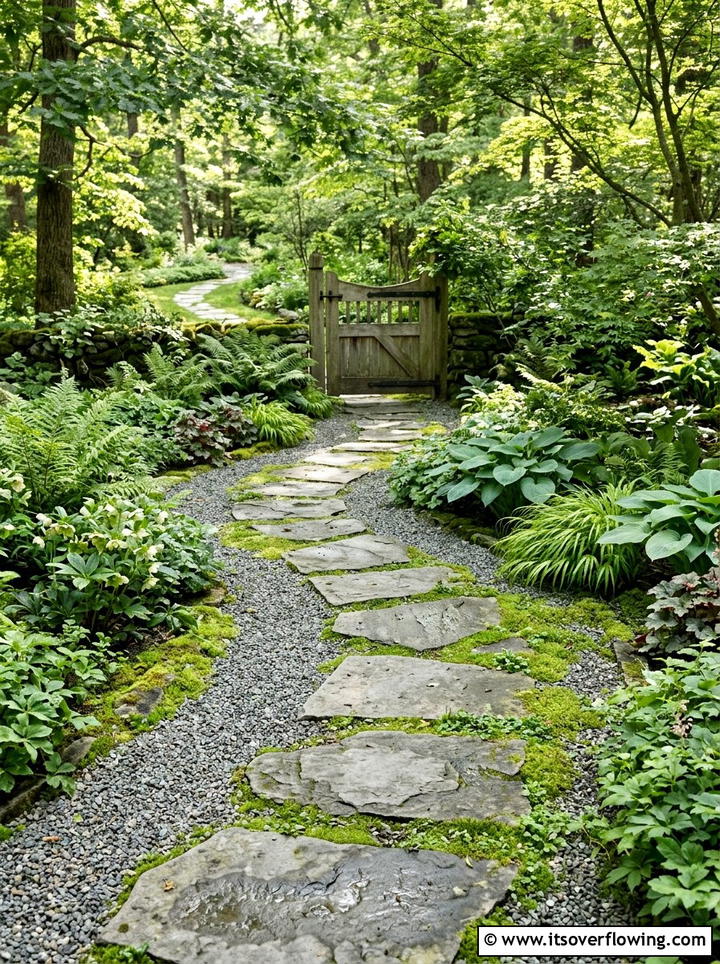
How can you create a clear path through your garden while maintaining a soft and informal atmosphere? Combining gravel with large stepping stones offers the perfect balance between structure and a relaxed, natural aesthetic for any small outdoor area. You can place flat flagstones or modern concrete pavers within a bed of contrasting gravel to create a stable walking surface that looks professionally designed. This layout prevents the “runway” look that solid paths sometimes create, allowing the garden to feel more integrated and spacious. It also allows for small groundcover plants like thyme or moss to grow in the gaps, further softening the hardscape. This approach is highly customizable and works with almost any architectural style or plant choice.
7. Mediterranean Gravel Courtyard
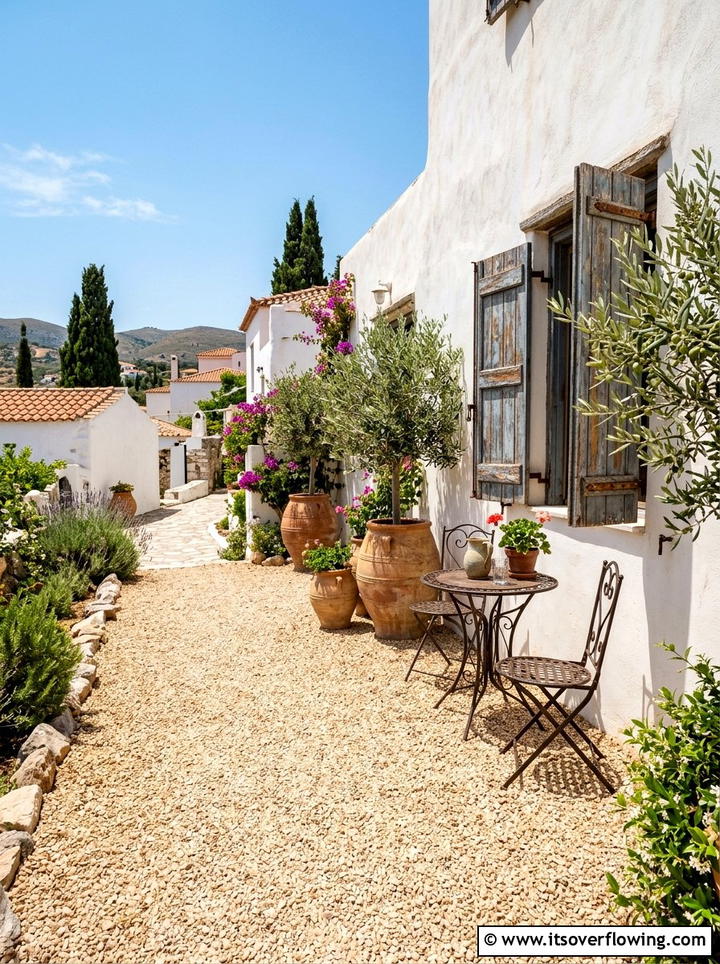
Does the idea of a sun-drenched European terrace appeal to your design sensibilities for a small back patio space? A Mediterranean gravel courtyard uses light-colored stones to reflect heat and create an airy, open feel that is perfect for warm climates. By surrounding the area with terracotta pots filled with herbs like lavender and rosemary, you can transport yourself to a Tuscan villa without leaving your home. The gravel provides a neutral floor that complements weathered wood and wrought iron furniture beautifully. This design is intentionally low-maintenance, as the gravel suppresses weeds while allowing you to plant directly into the ground through the stone layer. It is an ideal setup for those who enjoy alfresco dining in a cozy setting.

8. Modern Minimalist Gravel
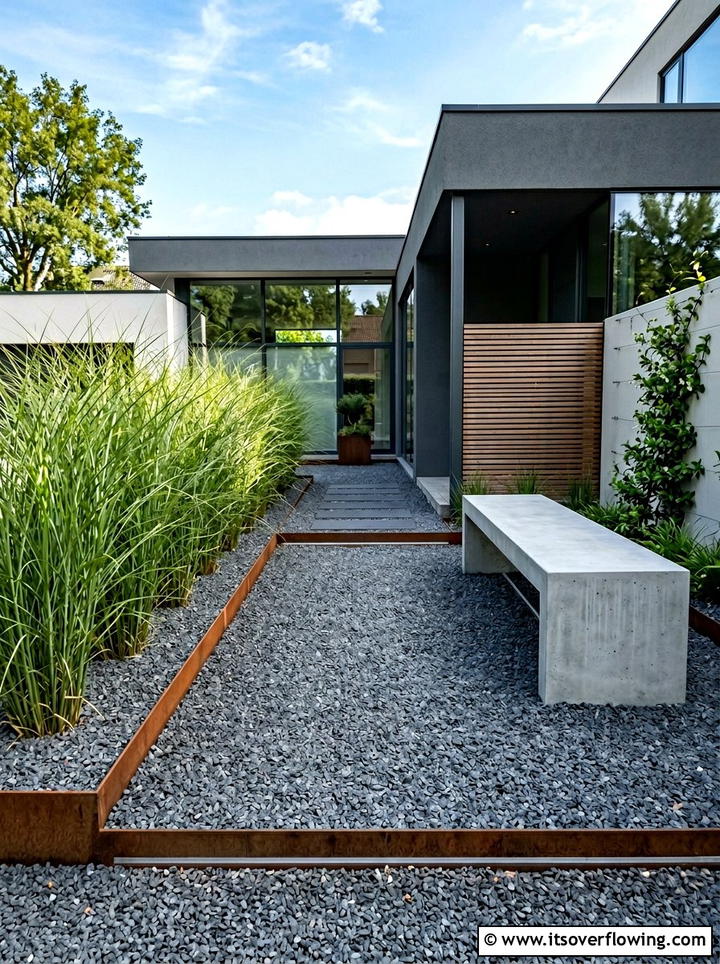
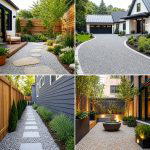
Are you a fan of clean lines and simple palettes that make a small space feel organized and sophisticated? A modern minimalist gravel layout focuses on a limited color scheme and geometric shapes to create a high-end architectural look in your yard. Using uniform gray or black stones alongside structured plants like ornamental grasses or boxwood spheres creates a serene environment that is easy on the eyes. This style often uses metal edging to define perfectly straight borders, which helps to visually expand the area by removing clutter. The simplicity of the gravel allows the few chosen plants and structural elements to become focal points. It is a perfect choice for urban dwellers who want a chic, low-stress outdoor retreat.
9. Zen Garden Raked Gravel
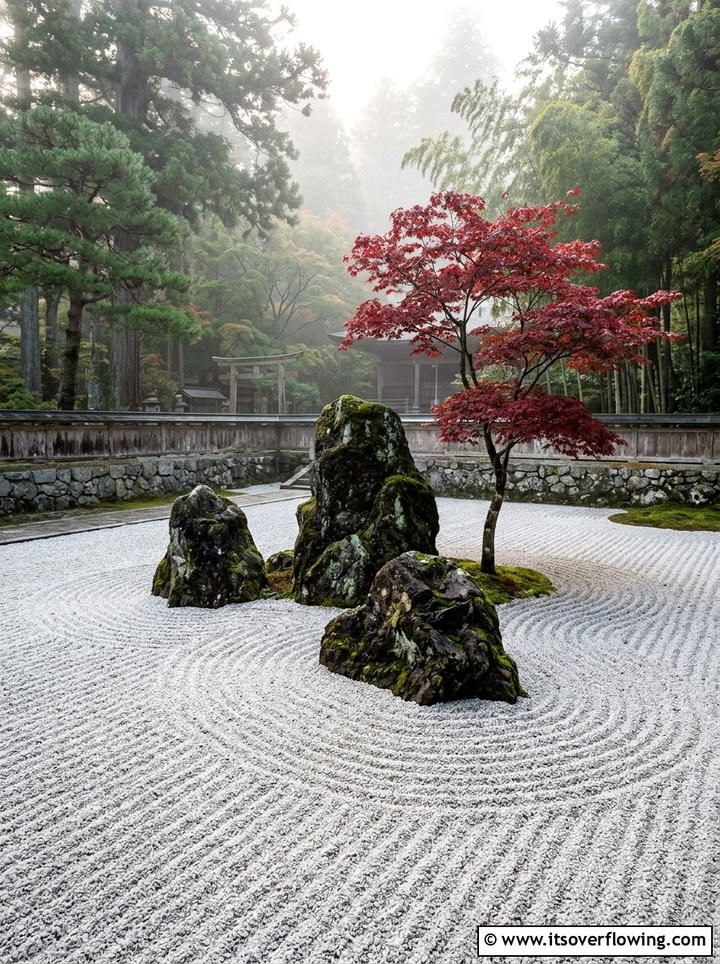
Can you turn a small, unused corner of your yard into a peaceful sanctuary for daily reflection and relaxation? A Zen garden uses fine gravel or sand that can be raked into flowing patterns to represent the ripples of water around stone islands. This Japanese-inspired design is perfect for very small spaces where traditional gardening might be difficult due to poor soil or limited light. The act of raking the gravel itself can be a meditative practice that helps reduce stress after a long day at work. By adding a few carefully placed mossy rocks and a single specimen tree, you create a powerful visual statement. This style of garden requires minimal water and stays looking pristine throughout the entire year.
10. Succulent Gravel Mulch
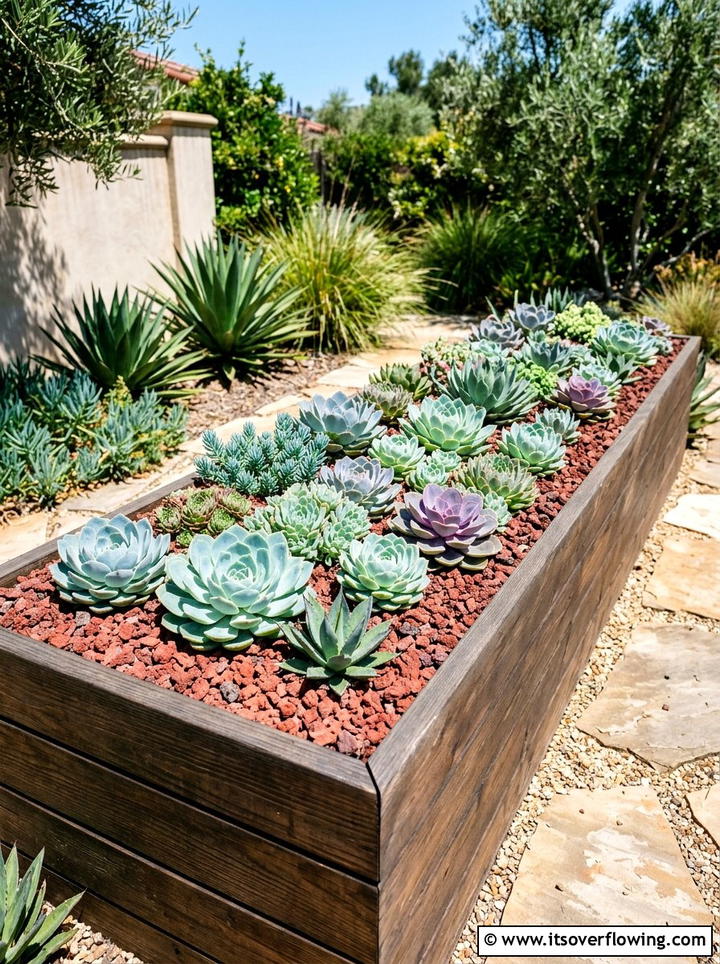
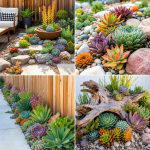
Do you want a garden that thrives with very little water while looking like a vibrant, colorful tapestry? Using gravel as a mulch for a succulent garden is a practical and stylish way to showcase drought-tolerant plants in a small space. The gravel helps to keep the base of the succulents dry, which prevents rot, while also providing a clean background that highlights their unique shapes and hues. You can use different colors of gravel to create patterns or sections that correspond to different plant varieties. This approach is especially effective in containers or raised beds where drainage is a primary concern for plant health. It results in a tidy, desert-inspired look that is incredibly resilient and very easy to maintain.
11. Gravel Fire Pit
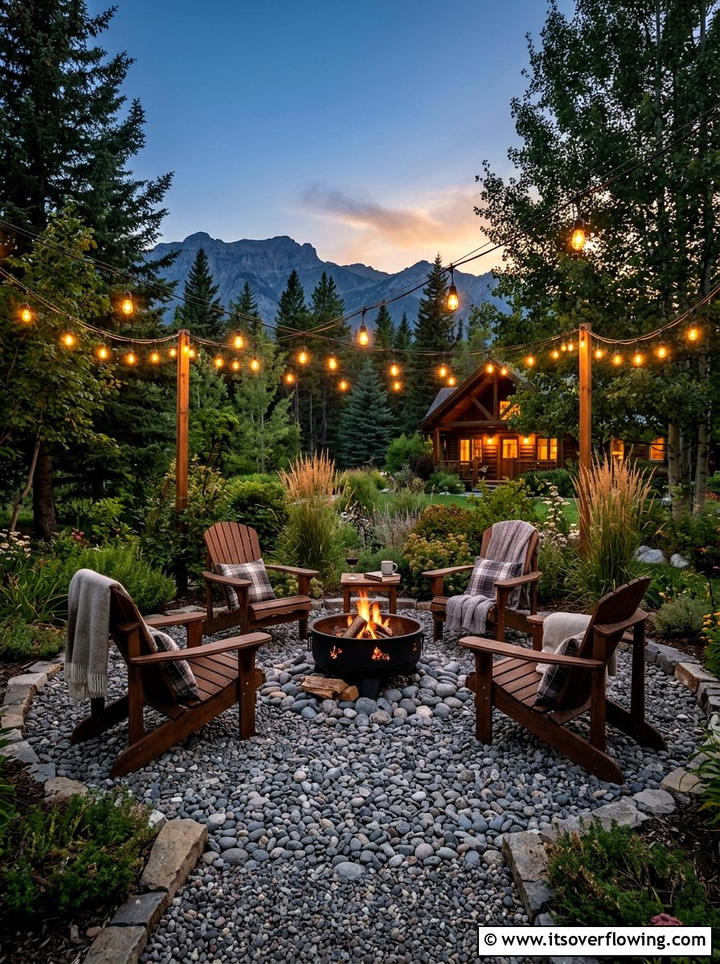
Is there anything more inviting than a cozy gathering spot where you can enjoy a warm fire on a cool evening? A gravel fire pit area is one of the easiest and most affordable ways to create a dedicated social zone in a small backyard. Because gravel is naturally fire-resistant, it provides a safe and durable floor for a portable fire bowl or a built-in stone pit. You can arrange comfortable chairs around the perimeter to create an intimate circle that encourages conversation and relaxation with friends. The loose stones allow for easy adjustment of chair legs to ensure everyone is sitting level on the ground. This setup adds significant functional value to your yard, turning it into an extension of your home.
12. Rockery Alpine Plants
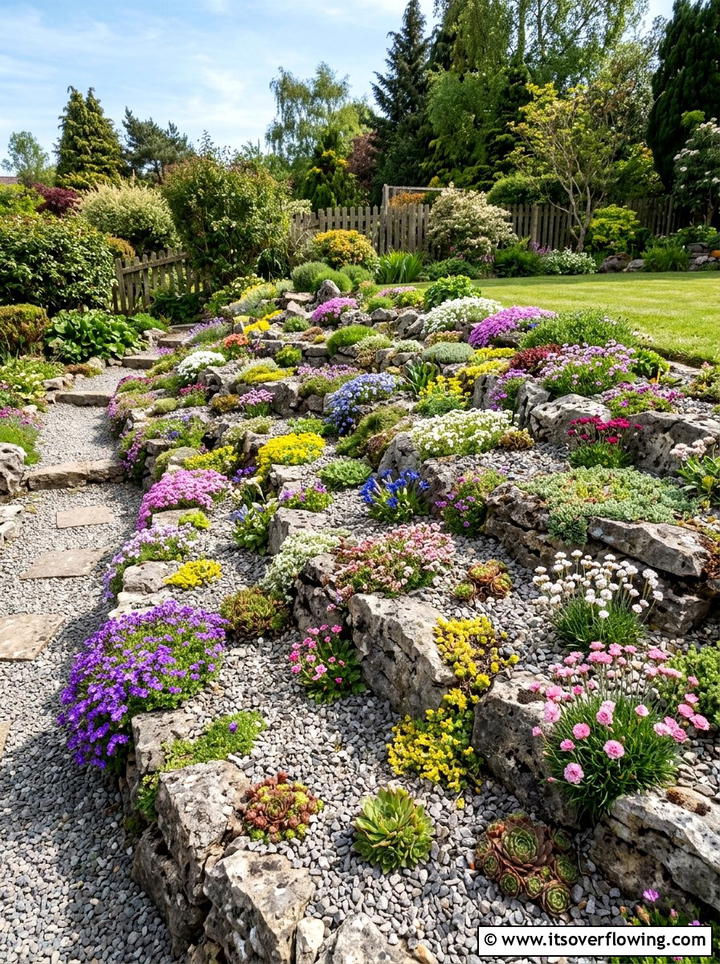
How can you use verticality and texture to make a small garden feel more dynamic and interesting to the eye? Building a rockery with alpine plants allows you to use gravel and larger stones to create a miniature mountain landscape in your backyard. Alpine plants are naturally small and hardy, making them perfect for tucking into the crevices between rocks where they can cascade over the edges. The gravel acts as a top dressing that keeps the foliage off the damp soil while providing a rugged, naturalistic appearance. This type of garden is perfect for sloped areas or corners that are otherwise difficult to plant. It offers a wealth of detail and variety in a very compact and manageable footprint.
13. Gravel Drainage Strip
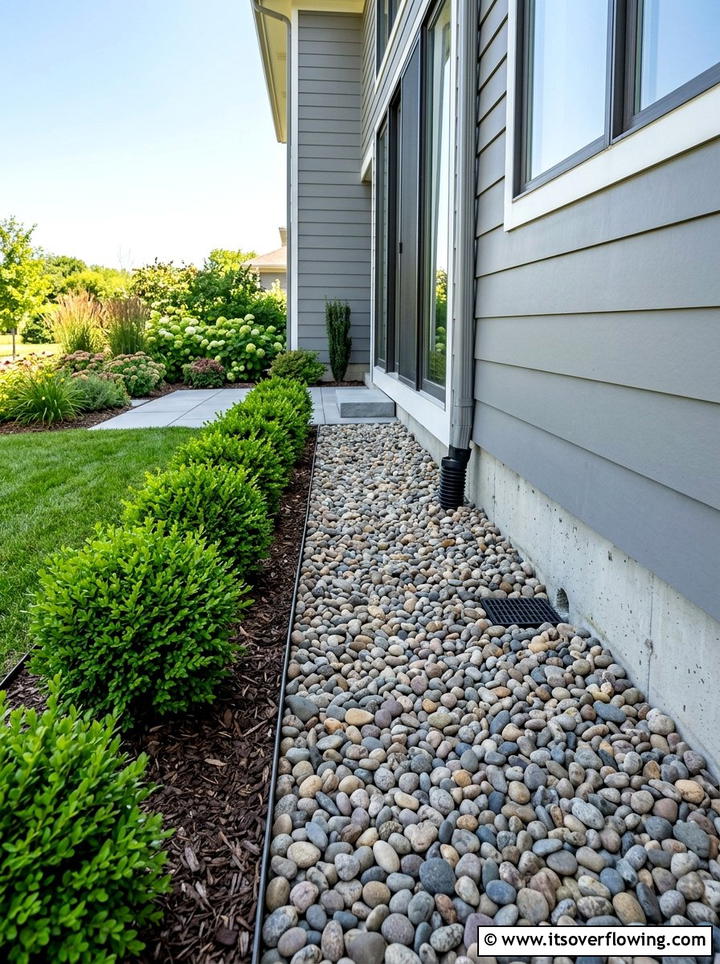
Are you looking for a way to manage water runoff from your roof while adding a decorative element to your home ‘s exterior? A gravel drainage strip placed along the edge of a house or fence can solve soggy soil problems while looking like an intentional design choice. By digging a shallow trench and filling it with attractive river rocks or crushed stone, you create a path for water to move quickly into the ground. This prevents mud from splashing up onto your siding and helps to protect your foundation from moisture damage over time. You can choose stones that match your home’ s trim or siding to ensure the drainage feature blends seamlessly into your overall landscape design.
14. Limestone Gravel Driveway
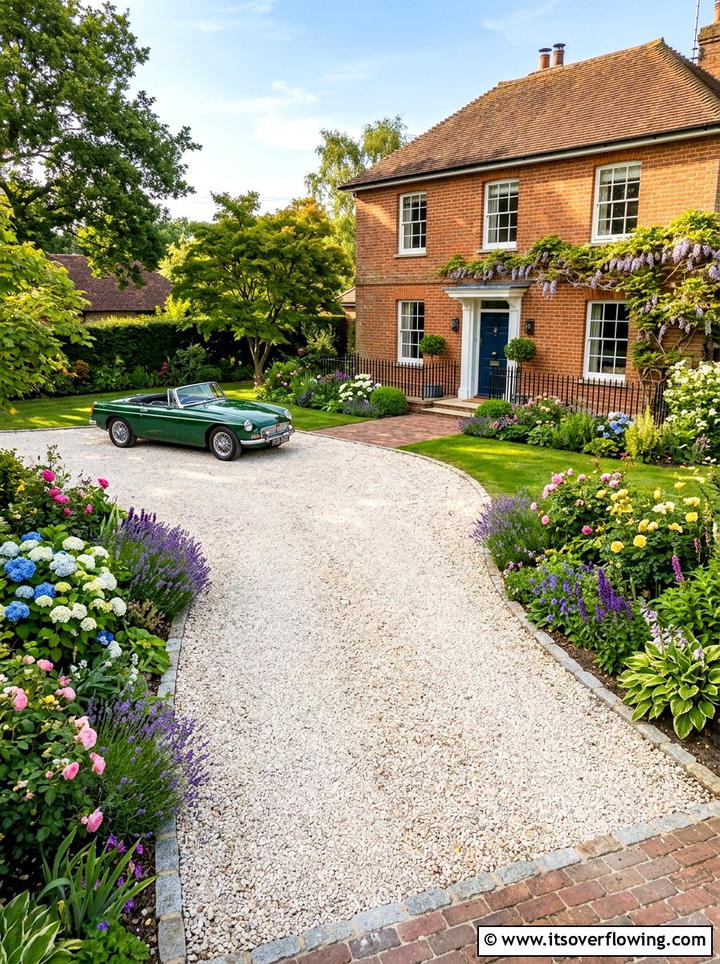
Can a small parking area be both functional for vehicles and visually appealing as part of your front garden? A limestone gravel driveway offers a classic, textured look that is much more attractive and permeable than traditional asphalt or solid concrete surfaces. The pale gray or white tones of the limestone provide a bright welcome to your home while allowing rain to soak directly into the earth. This helps to reduce runoff into local storm drains and keeps the area cooler during the hot summer months. When properly installed with a solid base, a gravel driveway is incredibly durable and can be easily refreshed with a new layer of stone every few years. It adds a rustic charm to any small property.
15. Potted Plant Gravel
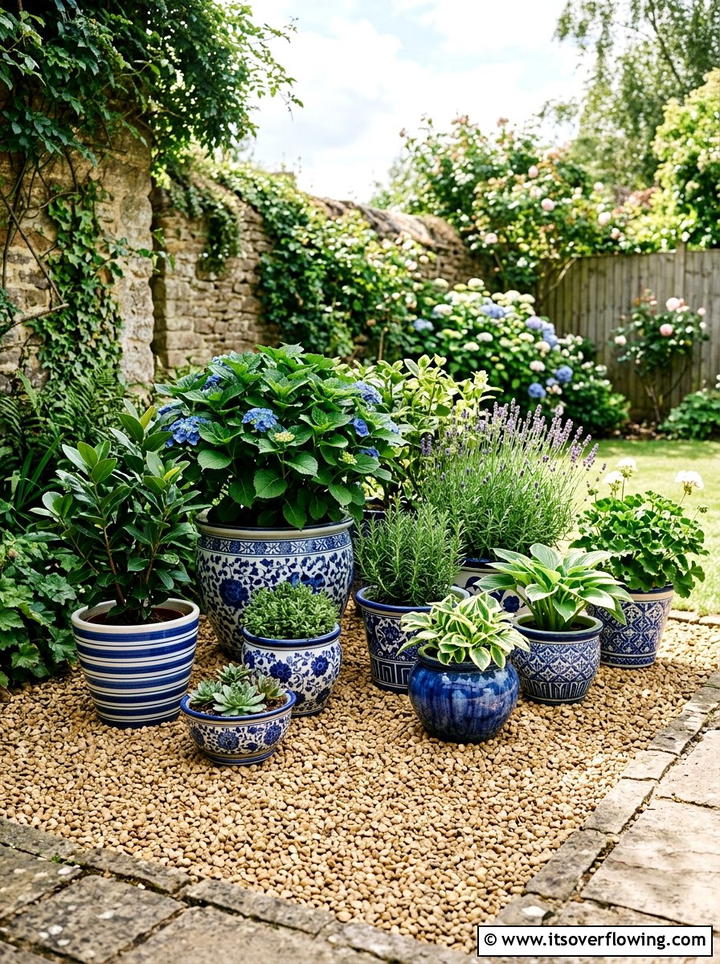
Do you struggle with keeping your container garden looking tidy and organized on a small balcony or patio? Setting your potted plants on a bed of gravel is a brilliant way to create a unified look while improving the health of your greenery. The gravel layer provides a stable, level surface for the pots to sit on and allows excess water to drain away freely from the bottom of the containers. This prevents the pots from sitting in stagnant puddles, which can lead to root rot and other issues. Additionally, the stones create a decorative frame around each pot, making a collection of mismatched containers look like a curated and intentional display. It is a simple trick that yields professional-looking results.
16. Gravel Raised Bed
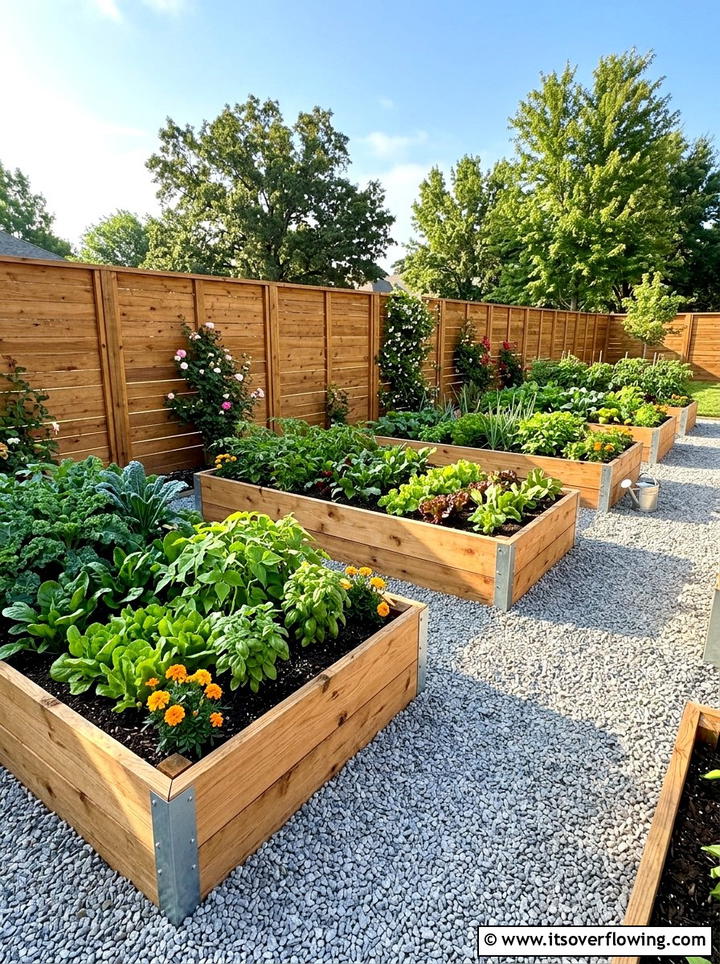
How can you define your vegetable or flower gardens while keeping the surrounding area clean and easy to navigate? Using gravel around raised garden beds creates a high-contrast look that highlights the structure of the beds while providing a mud-free walking surface. The sharp lines of wooden or metal raised beds look particularly striking against the soft texture of small stones or crushed granite. This layout makes it much easier to access your plants for pruning or harvesting, even after it has rained. Furthermore, the gravel acts as a barrier that helps to deter certain pests from crawling into your garden beds. It is a practical and aesthetically pleasing way to organize a productive small garden space for your home.
17. Decorative Pebble Mosaic
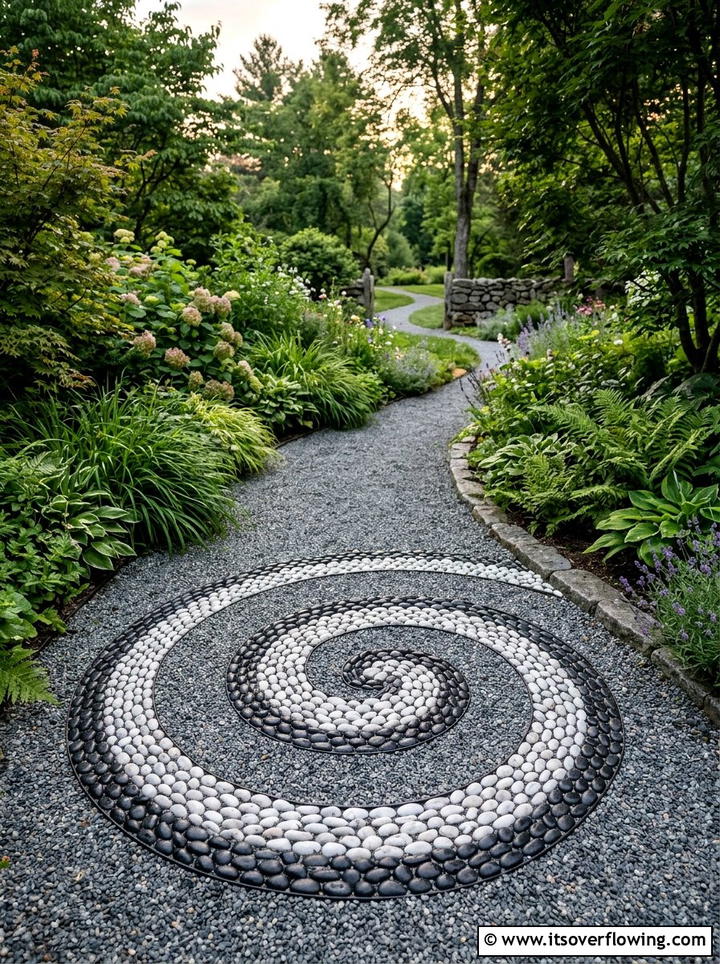
Would you like to add a unique, handmade touch to your small garden that serves as a permanent work of art? A decorative pebble mosaic allows you to use different colors and sizes of smooth stones to create intricate patterns or pictures in the ground. You can embed the pebbles into a mortar base to ensure they stay in place, creating a durable and stunning focal point for a small patio or walkway. Whether you choose a simple spiral design or a complex geometric motif, the result is a one-of-a-kind feature that adds immense personality to your space. This project is perfect for creative gardeners who want to express their style through the natural beauty of different stone textures and colors.
18. Blue Slate Garden
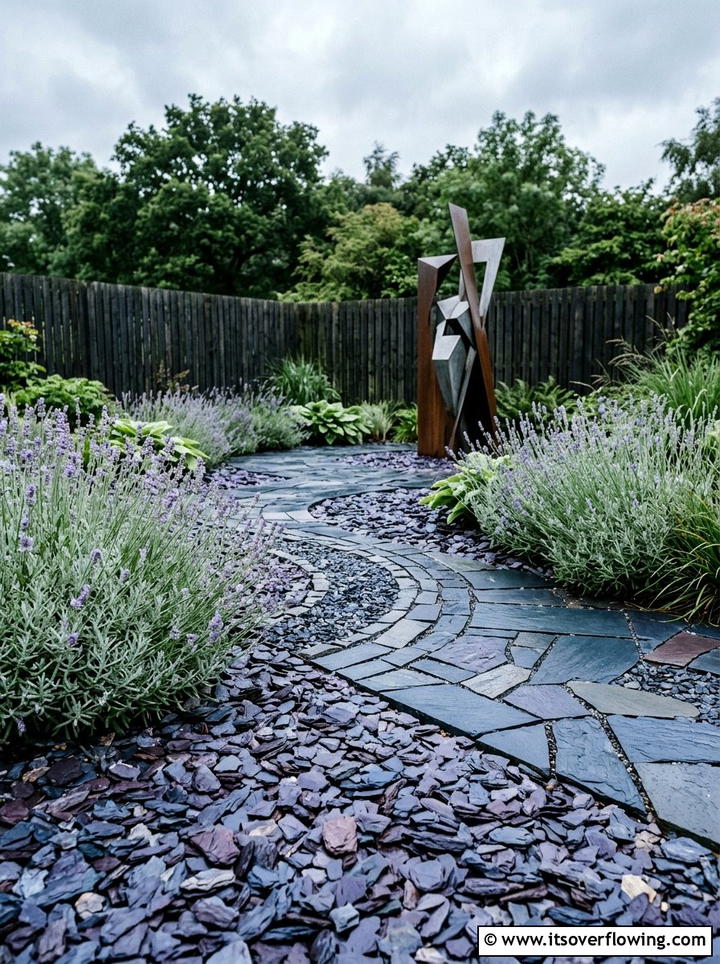
Are you interested in a garden color palette that feels cool, calm, and sophisticated throughout every season? A blue slate garden utilizes crushed slate in deep charcoal and indigo tones to create a moody and elegant atmosphere in a small backyard. This material is particularly beautiful when it rains, as the colors become even more vibrant and saturated under the glistening water. Pairing blue slate with silvery foliage plants like lamb ‘s ear or lavender creates a stunning monochromatic look that feels very contemporary. The flat nature of the slate chips makes them a practical choice for areas where you want to place garden ornaments or sculptures. It provides a rich, high-end finish that significantly boosts your home’ s curb appeal.
19. Cobblestone Gravel Mix
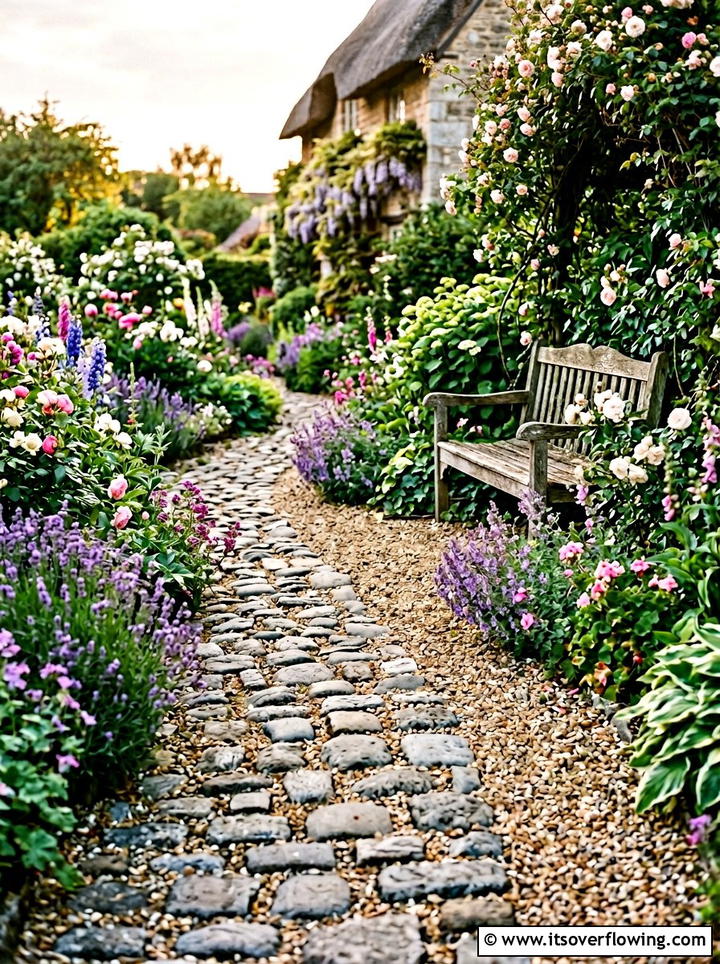
Can you blend different types of stone to create a landscape that feels historical and full of character? Combining large, rounded cobblestones with smaller gravel fills the space with varied textures that mimic the look of an old-world European street. This mixed approach is excellent for creating a rugged and durable path or patio that can withstand heavy foot traffic over time. The smaller gravel pieces fill the gaps between the larger stones, creating a stable surface that is still permeable to water. This design works wonderfully with traditional cottage gardens or rustic farmhouse-style homes. It adds a sense of permanence and age to a new garden, making it feel established and well-loved from the very first day.
20. Gray Gravel Layout
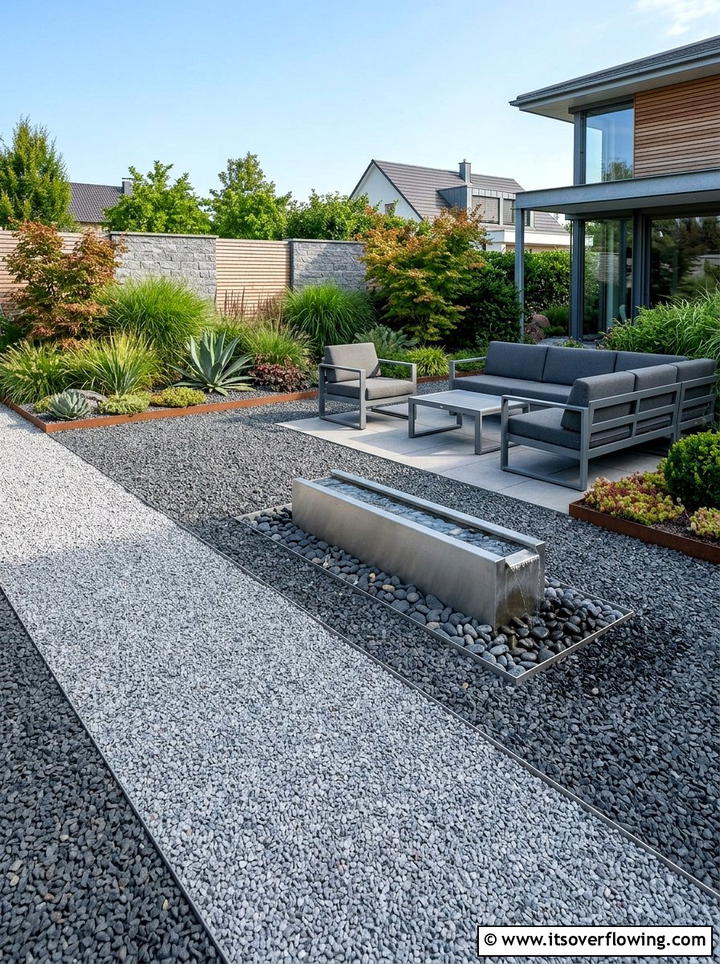
How can you use a neutral color palette to create a sense of calm and order in a busy urban outdoor space? A gray gravel layout is a timeless choice that works with any style of architecture, from ultra-modern glass homes to traditional brick houses. Gray stones are excellent at hiding dirt and debris, which means your garden will look clean and well-maintained with very little effort on your part. You can use different shades of gray to define different zones in the yard, such as a darker charcoal for the seating area and a light silver for the walkways. This subtle variation adds visual interest without overwhelming the senses in a small space. It is the ultimate low-maintenance garden solution.
21. English Cottage Gravel
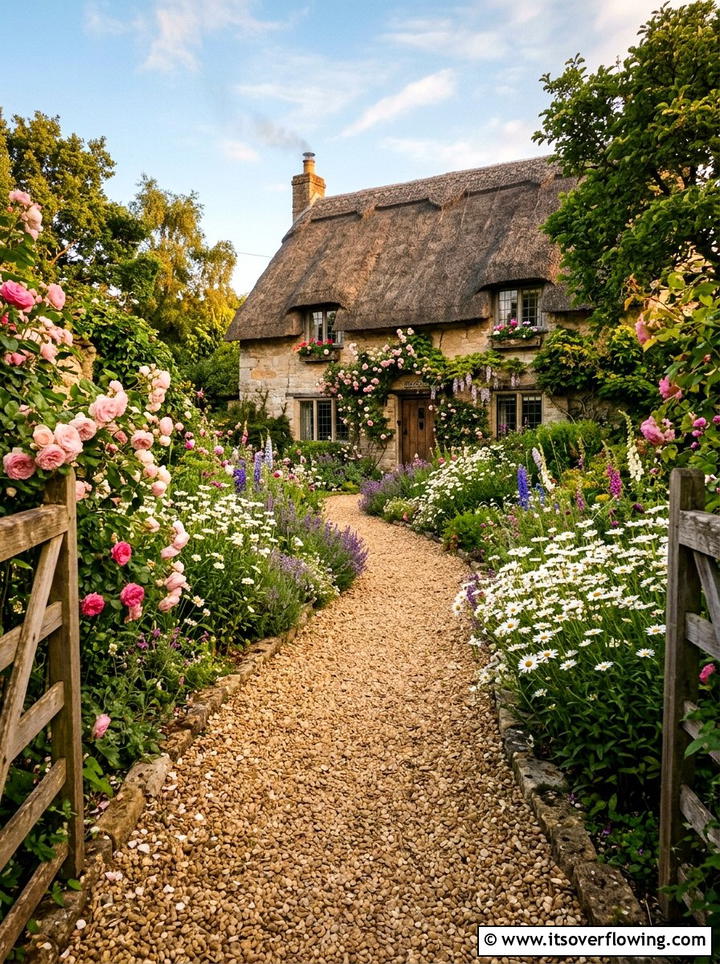
Do you dream of a romantic, overflowing garden that feels like a hidden sanctuary tucked away from the world? An English cottage garden often uses gravel paths to wind through dense plantings of roses, foxgloves, and peonies for a charming effect. The loose gravel allows the plants to spill over the edges of the path, softening the lines and creating a sense of abundance and life. This informal style is perfect for small spaces because it maximizes every square inch for planting while still providing a clear way to move through the garden. The sound of gravel underfoot adds to the nostalgic and whimsical feel of a cottage-style retreat. It is a design that celebrates the beauty of organized chaos.
22. Wildflower Gravel Patch
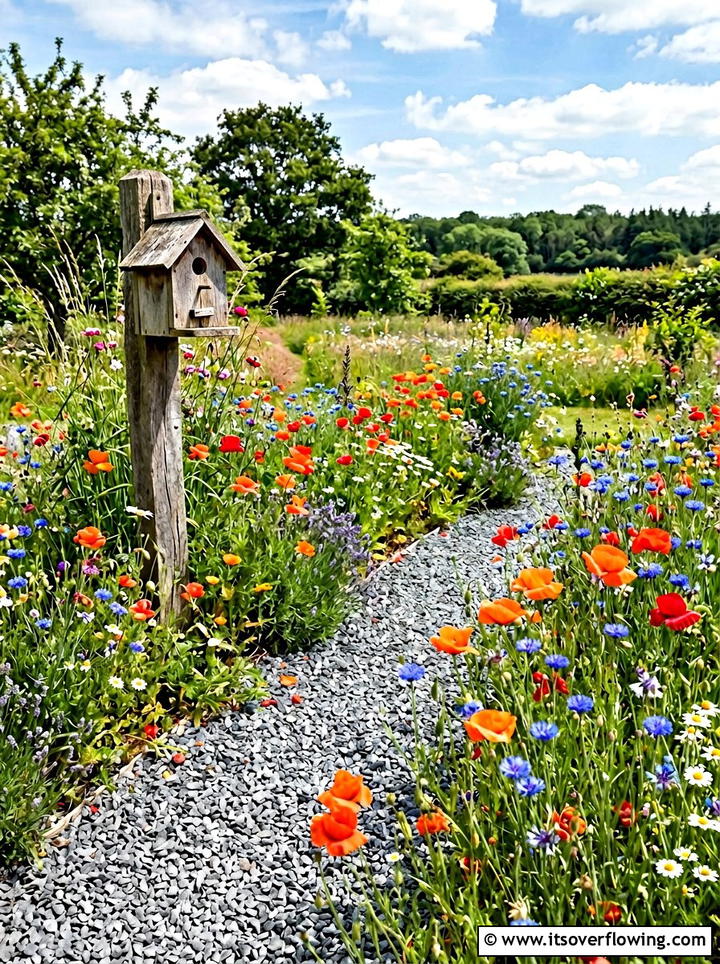
Can you create a low-maintenance habitat for bees and butterflies even if you only have a small patch of land? A wildflower garden grown through a thin layer of gravel is an innovative way to achieve a natural look with minimal weeding required. The gravel acts as a mulch that suppresses unwanted grass and weeds while allowing hardy wildflower seeds to take root in the soil beneath. This results in a colorful, meadow-like appearance that looks beautiful and supports local biodiversity in your neighborhood. As the flowers bloom and fade, the gravel provides a clean and tidy background that prevents the area from looking messy or neglected during the dormant winter months. It is an eco-friendly choice.
23. Japanese Stone Garden
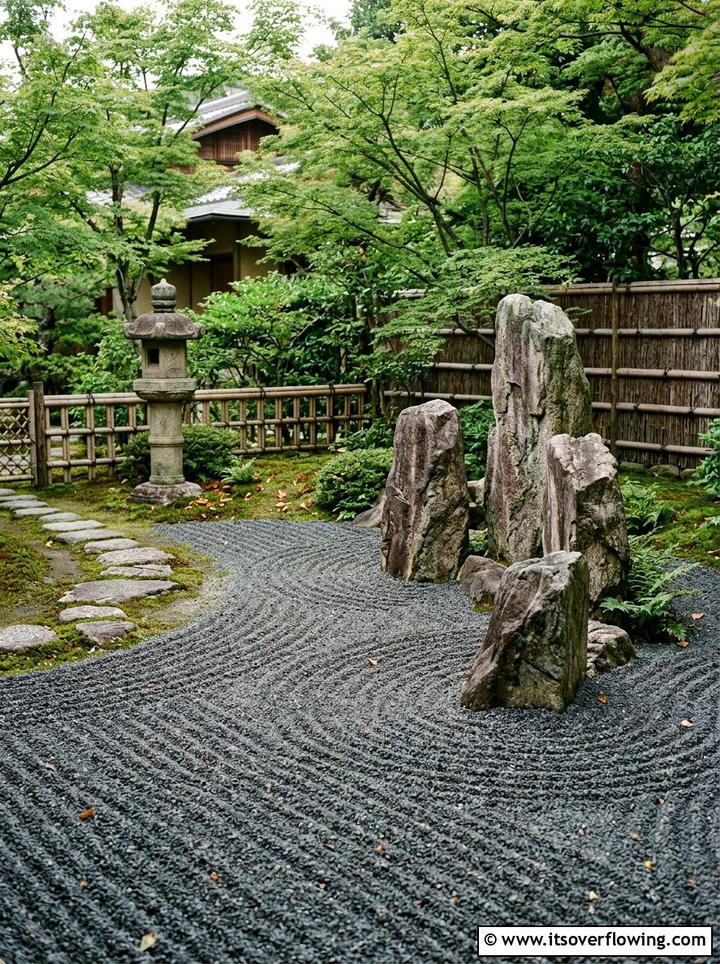
Are you looking for a way to bring a sense of Zen and timeless beauty to a small courtyard or entryway? A Japanese stone garden focuses on the careful arrangement of large rocks and smaller gravel to represent natural landscapes like mountains and oceans. This style of gardening is all about balance, proportion, and the use of negative space to create a feeling of vastness in a small area. By using high-quality gravel and a few well-chosen evergreen plants, you can create a scene that remains beautiful and structured all year long. This design is perfect for those who appreciate fine details and want a garden that requires more contemplation than physical labor to maintain over time.
24. Small Gravel Bistro
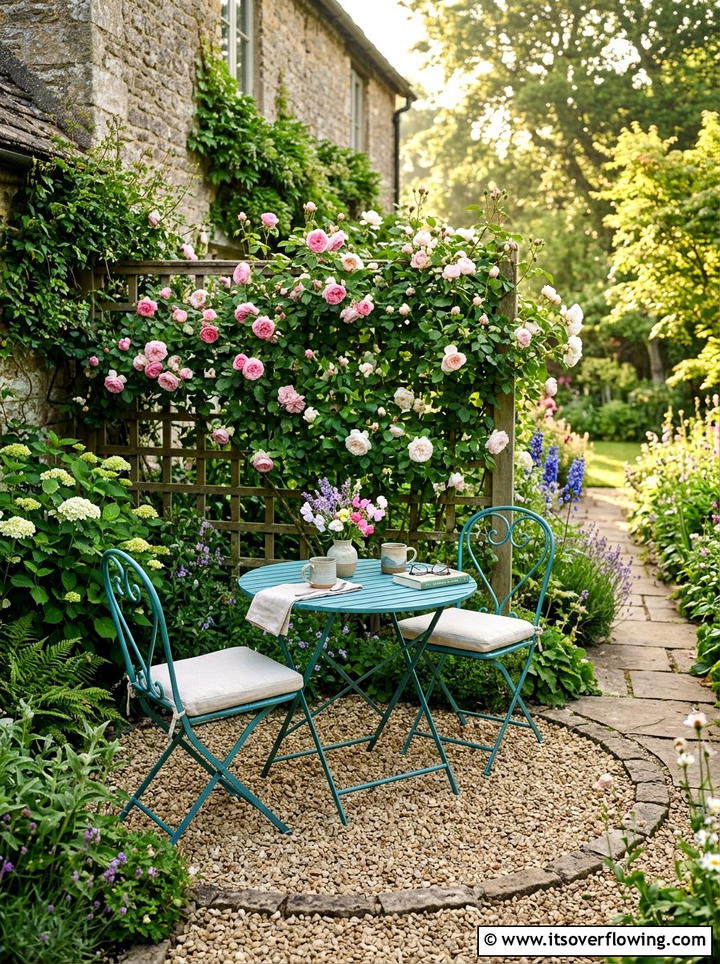
How can you turn a tiny, forgotten nook into a functional and charming destination for your morning coffee? Creating a small gravel bistro corner involves clearing a small circular or square area and filling it with decorative stone to anchor a table and two chairs. This simple project instantly defines the space as a “room” and makes it feel like an intentional part of your outdoor living area. You can surround the bistro set with tall potted plants or a small trellis to create a sense of privacy and enclosure. The gravel provides a level and dry surface that is much more inviting than patchy grass or bare dirt. It is a quick and affordable way to increase your home’s usable square footage.
25. Permeable Gravel Pad
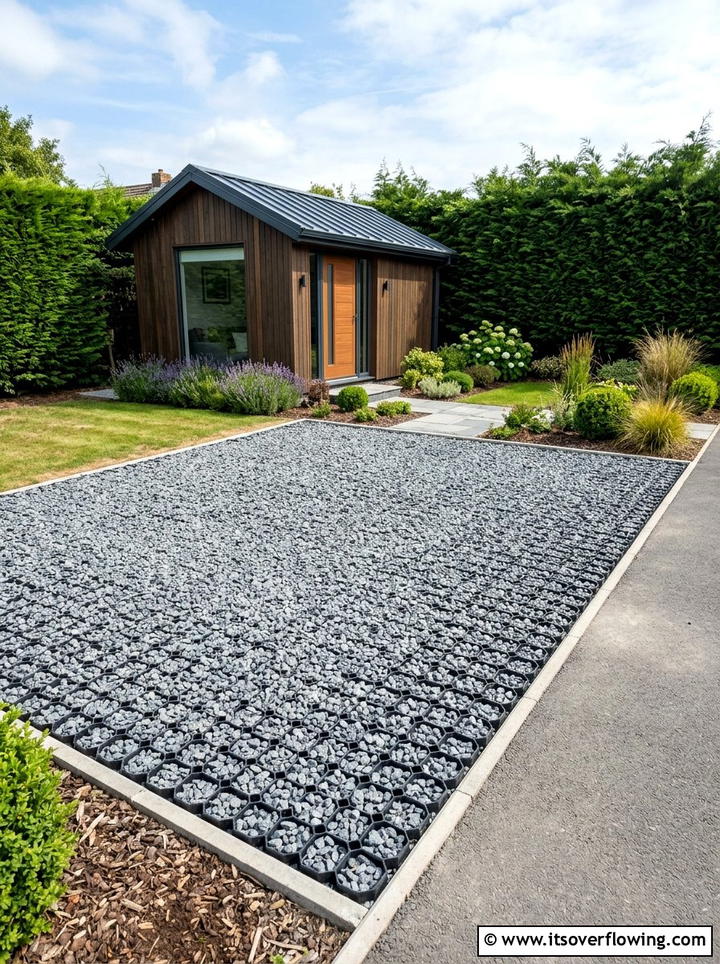
Are you concerned about standing water in your yard but still need a hard surface for your trash cans or garden shed? A permeable gravel pad is a smart and functional solution that addresses drainage issues while providing a solid foundation for heavy items. Unlike concrete, which can crack and cause water runoff, a gravel pad allows moisture to flow naturally into the ground. This keeps the surrounding area drier and helps to prevent erosion around your home’s foundation or fences. You can use a heavy-duty plastic grid underneath the gravel to prevent the stones from shifting under the weight of heavy objects. It is a practical, utilitarian use of gravel that still looks clean and professional in a small space.
Conclusion:
Designing a small garden with gravel is an incredibly rewarding process that combines practical benefits with high-end aesthetic appeal. Throughout these twenty-five ideas, we have seen how a simple change in stone color, size, or placement can completely shift the mood and function of an outdoor space. Gravel remains one of the most flexible materials available to homeowners, offering solutions for everything from drainage and weed control to creating serene Zen retreats and social fire pit zones. By choosing gravel, you are opting for a sustainable, permeable, and low-maintenance landscape that will serve your home for many years to come. Whether you prefer the modern look of slate or the rustic charm of river rocks, there is a gravel style that fits your vision perfectly. Embrace the versatility of stone and watch as your small backyard transforms into a stunning and functional sanctuary that reflects your personal style.

Related posts:
 25 garden design ideas with gravel gardens: Modern Low-Care
 25 Garden Design Ideas With Succulent Beds for Low-Care Style
 25 Garden Ideas With Gravel for Low-Maintenance Outdoor Style
 25 Creative Garden Ideas for Side Yards
 25 Creative Garden Ideas for Small Yards
 25 Creative Garden Ideas With Tropical Foliage for Lush Yards
 25 Garden Design Ideas for Pet Friendly Yards and Happy Pets
 25 Garden Design Ideas With Privacy Screens for Secluded Yards
 25 Garden Design Ideas With Terraces for Stylish Sloped Yards
 25 Garden Ideas for Cold Climate Yards That Thrive Beautifully
 25 Small Garden Ideas With Narrow Pathways for Tiny Yards
 25 Garden Design Ideas With Vertical Gardens for Small Yards