
Finding the perfect way to maximize your outdoor space often leads to the creative world of vertical gardening, where plants grow upward rather than outward. This approach is ideal for small urban balconies, cramped side yards, or even large patios that need a lush, green focal point without sacrificing precious floor area. By using walls, fences, and freestanding structures, you can cultivate a thriving environment for flowers, herbs, and vegetables. Vertical gardens not only improve air quality but also provide a beautiful natural backdrop that softens hard architectural lines. Whether you are a beginner or a seasoned gardener, these concepts offer practical and stylish solutions for any home environment today.
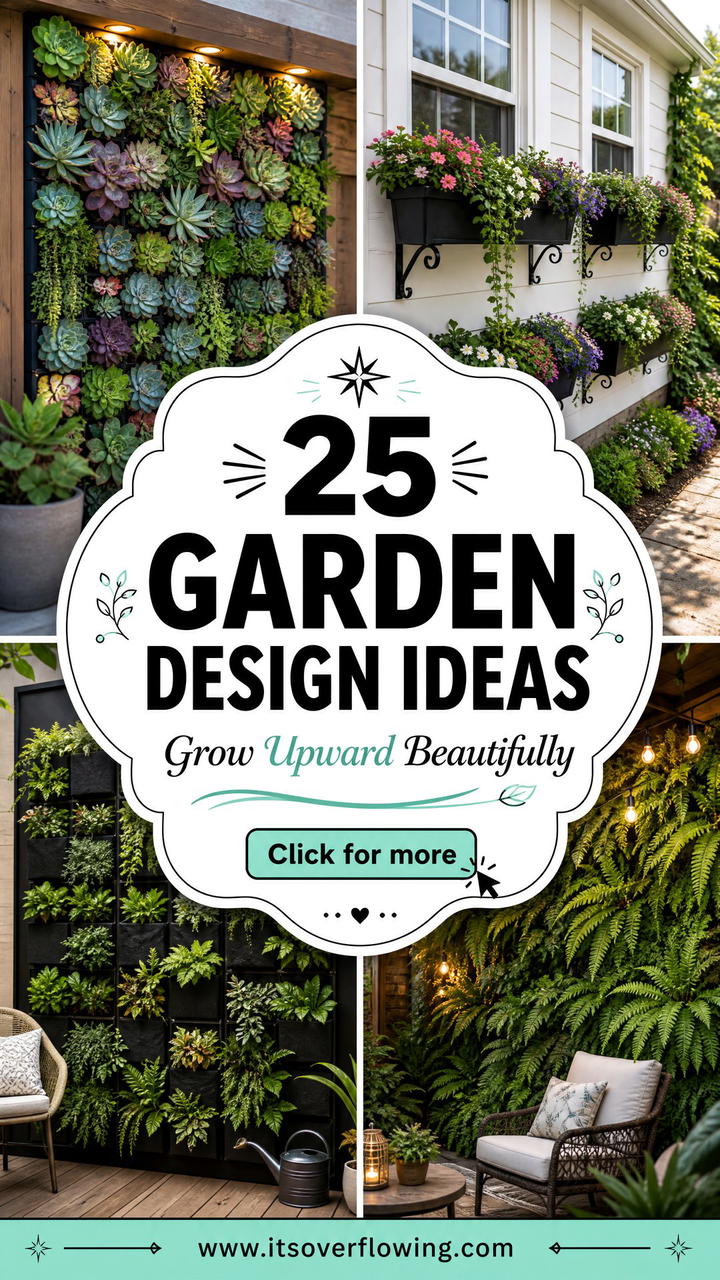
1. Vertical succulent wall
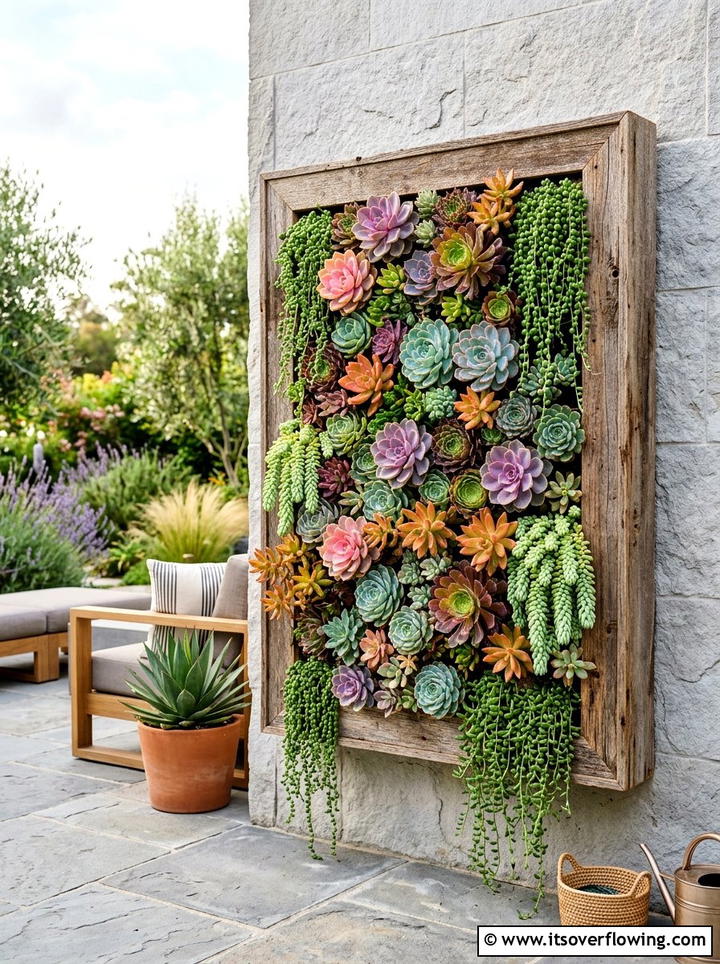
Creating a vertical succulent wall is a fantastic way to add color and texture to a small patio or balcony without taking up any floor space. You can start by using a shallow wooden frame filled with specialized cactus soil and a layer of wire mesh to keep everything secure. Succulents like echeveria, sedum, and hens-and-chicks work perfectly because they have shallow root systems and require very little water. This living art piece acts as a stunning focal point that stays green all year round. It is an easy project for beginners who want a modern, low-maintenance garden feature that looks professionally designed and incredibly lush in any outdoor setting.
2. Wood slat garden wall
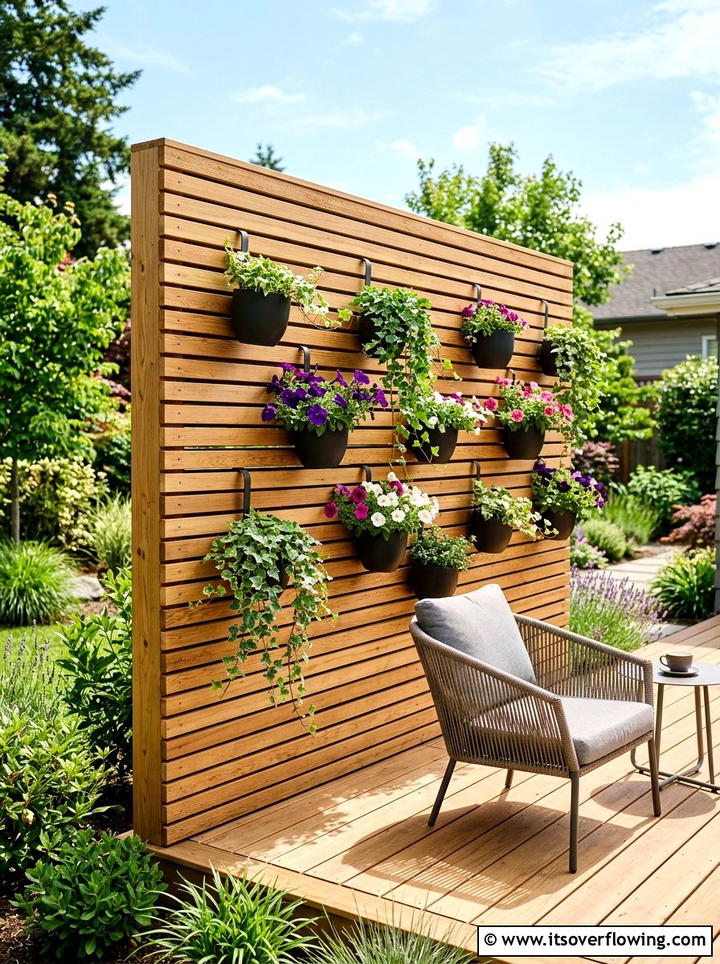
A wood slat garden wall offers a modern and organized way to display your favorite potted plants while providing extra privacy for your backyard. This design uses horizontal cedar or pine slats spaced slightly apart, allowing you to hook various planters and containers directly onto the wood. You can mix and match different plant sizes, from trailing ivy to bright flowering annuals, to create a layered and dynamic look. The natural wood grain provides a beautiful contrast to the green foliage, making the entire area feel warm and inviting. It is a durable structure that withstands the elements while keeping your garden looking tidy and well-curated.
3. Hanging herb garden balcony
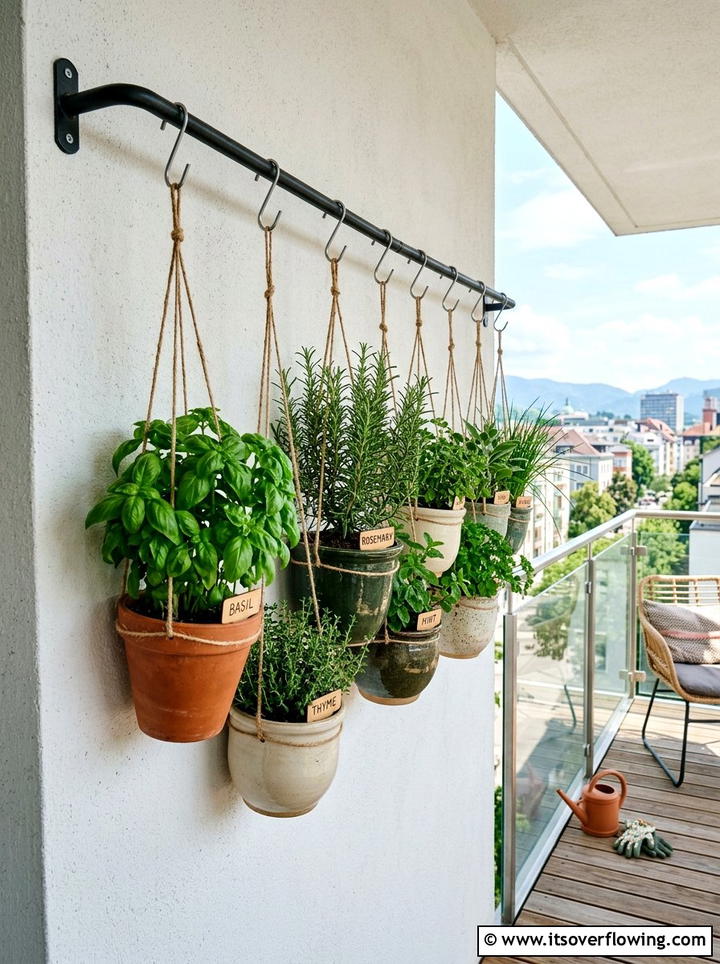
Growing a hanging herb garden on your balcony is a smart way to keep fresh ingredients within reach of your kitchen while saving space. You can use a series of suspended ceramic or plastic pots attached to a sturdy metal rod or a wooden ceiling beam. Herbs like basil, mint, rosemary, and thyme thrive in these elevated environments because they receive plenty of sunlight and air circulation. This vertical arrangement makes it easy to water and harvest your crops without having to bend over. It also adds a wonderful fragrance to your outdoor seating area, making your morning coffee or evening relaxation much more enjoyable and productive.
4. Trellis for climbing vines
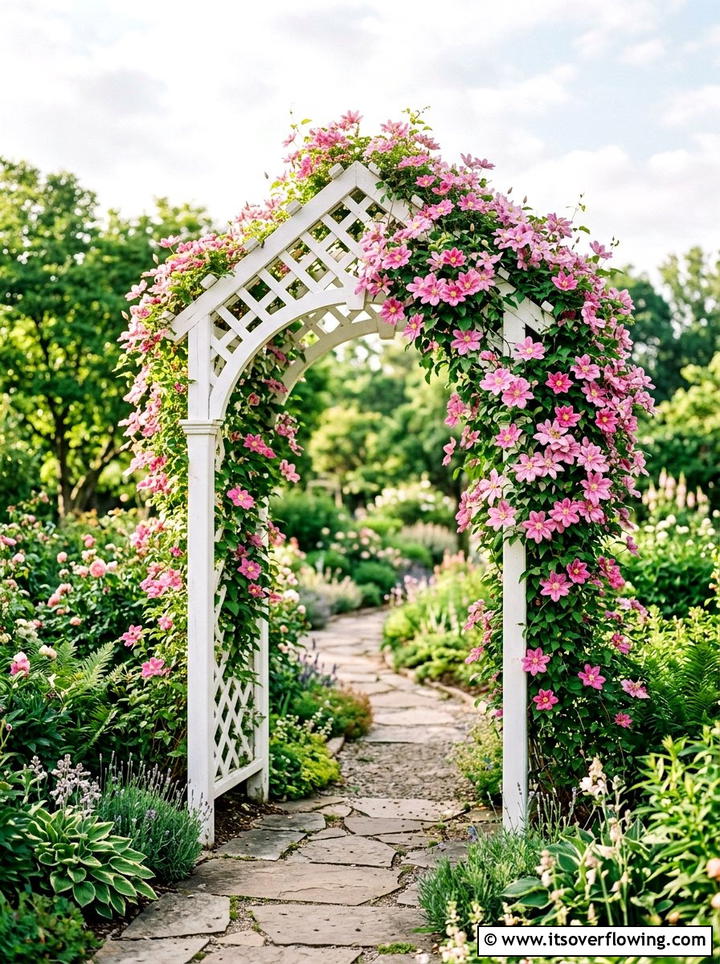
Installing a trellis for climbing vines is a classic garden technique that adds height and elegance to any outdoor landscape or garden path. You can choose from various materials like wrought iron, natural bamboo, or classic white lattice to support vigorous growers like clematis, honeysuckle, or jasmine. As the vines grow upward, they create a dense screen of foliage and flowers that provides shade and a sense of seclusion. This design works exceptionally well against a blank brick wall or as a standalone divider in a larger yard. It encourages vertical growth, which helps keep the plants healthy by keeping them off the damp ground.
5. Privacy screen with plants
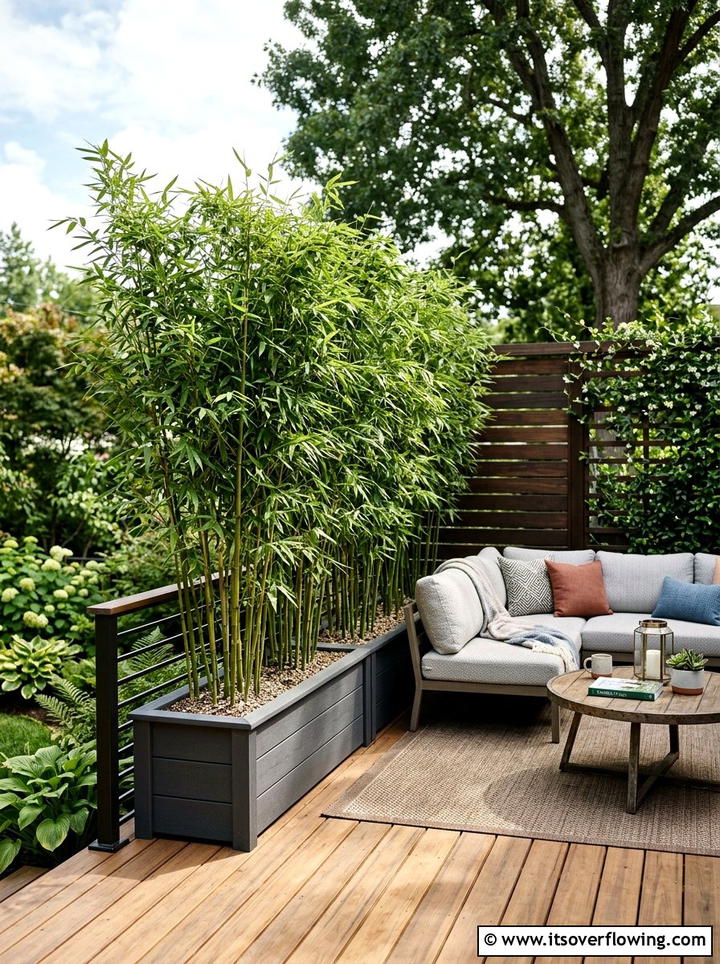
A privacy screen with plants is the ultimate solution for homeowners who want to block out the view of neighbors while adding natural beauty. You can build a tall, freestanding frame and fill it with dense, upright plants like bamboo or tall grasses that grow quickly. Alternatively, using a series of tiered planter boxes filled with bushy evergreens can create a solid wall of greenery that dampens noise and blocks wind. This design transforms a basic deck or patio into a private sanctuary where you can relax in peace. It is a functional and aesthetic choice that improves the value and comfort of your outdoor living space.
6. Pallet garden for flowers
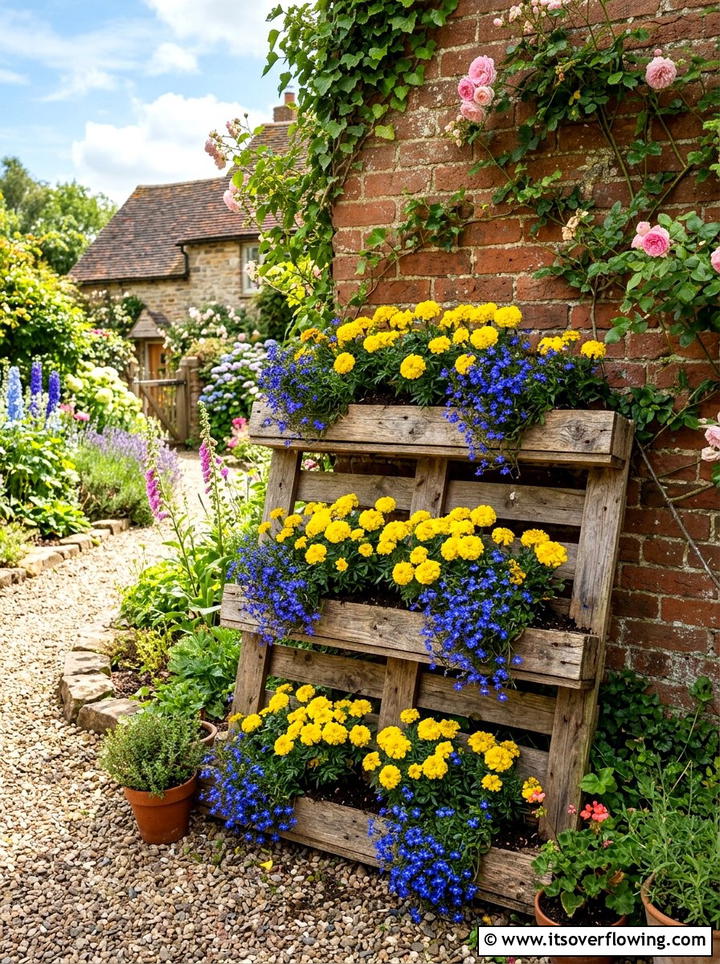
Repurposing a wooden pallet into a flower garden is an eco-friendly and budget-friendly way to create a rustic vertical display on your patio. You can lean the pallet against a wall or secure it firmly to a fence before filling the internal slots with landscape fabric and potting soil. Planting colorful blooms like petunias, marigolds, and pansies in the open gaps creates a beautiful quilt-like effect once they fully grow in. This project is perfect for DIY enthusiasts who want to give old materials a new life while adding a charming, farmhouse-style element to their garden. It is a compact and highly effective way to grow many flowers.
7. Wall pocket planter system
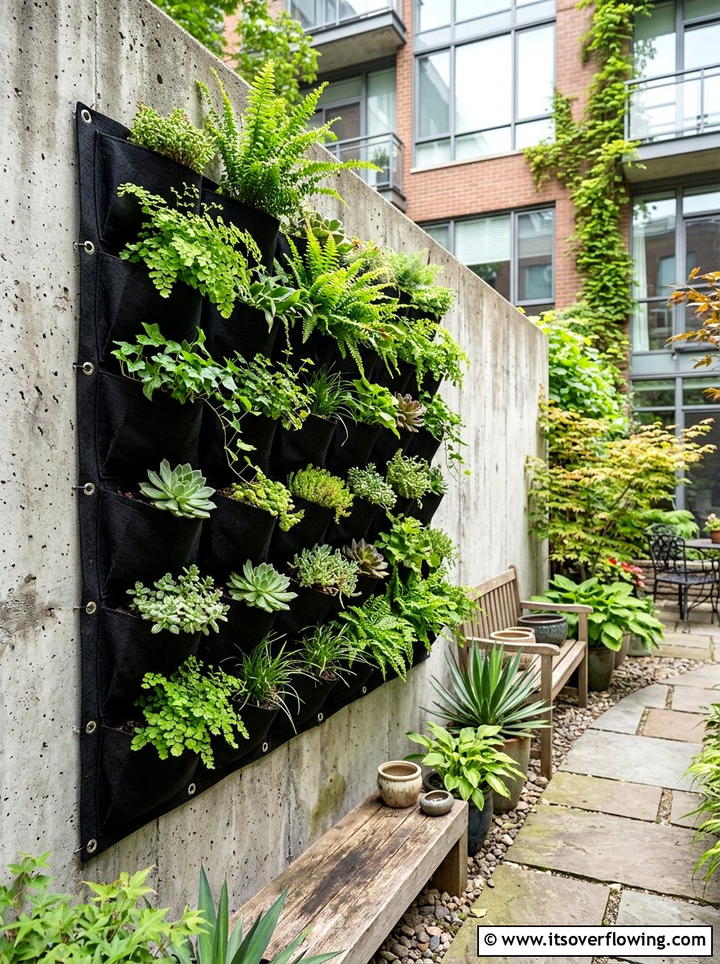
Using a wall pocket planter system is a highly efficient way to cover a large vertical surface with a variety of small plants. These pockets are typically made from breathable felt or durable plastic and can be easily mounted to any flat wall or fence. Because the pockets are modular, you can expand your garden over time to create a massive living wall that looks like a professional installation. This setup is ideal for growing leafy greens, ferns, or small flowers that enjoy consistent moisture and good drainage. It provides a clean and modern look that is very popular in contemporary urban garden designs and high-end patios.
8. Ladder plant stand outdoor
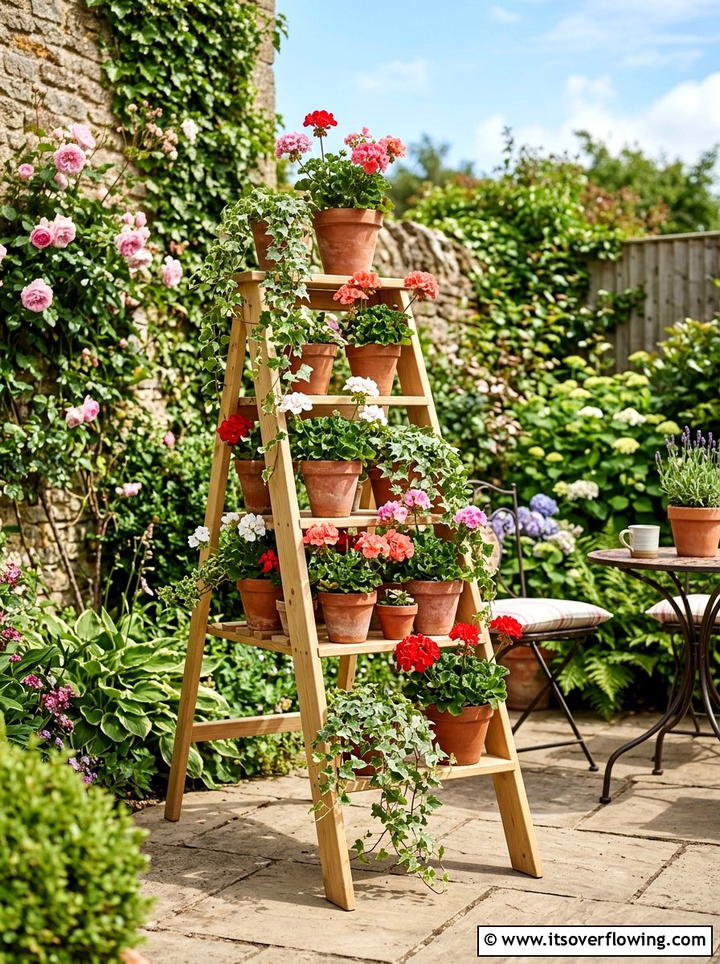
An outdoor ladder plant stand is a versatile and stylish way to display multiple levels of greenery in a small corner of your yard. You can use an old wooden step ladder or purchase a sleek metal version specifically designed for garden use. By placing different sized pots on each step, you create a tiered effect that allows every plant to get its fair share of sunlight and attention. This design is perfect for displaying a collection of colorful geraniums or a mix of trailing plants that can spill over the edges. It is a portable and easy-to-style option that adds instant vertical interest to any outdoor area.
9. Industrial pipe plant rack
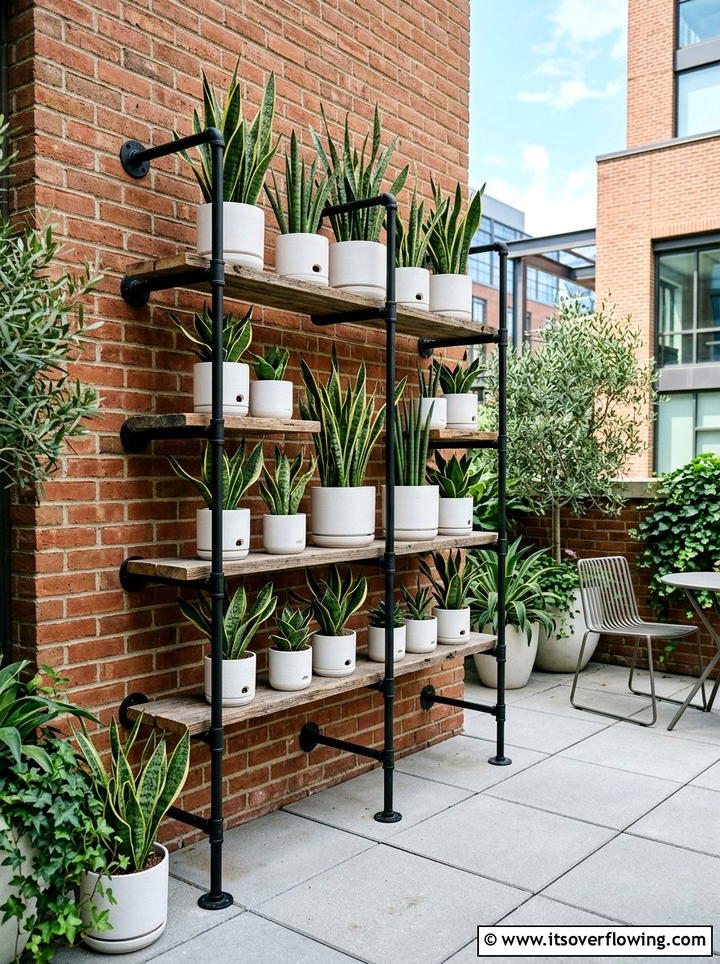
For those who love a modern or industrial aesthetic, an industrial pipe plant rack provides a unique and sturdy way to grow plants vertically. You can construct a frame using black iron pipes and wooden planks to hold your pots at various heights against an exterior wall. This rugged design pairs beautifully with architectural plants like snake plants or structural cacti that complement the hard lines of the metal. It is a durable choice that can handle the weight of heavy ceramic pots and withstand harsh weather conditions. This style of vertical gardening adds a cool, urban vibe to a rooftop garden or a contemporary backyard patio.
10. Hydroponic tower for vegetables
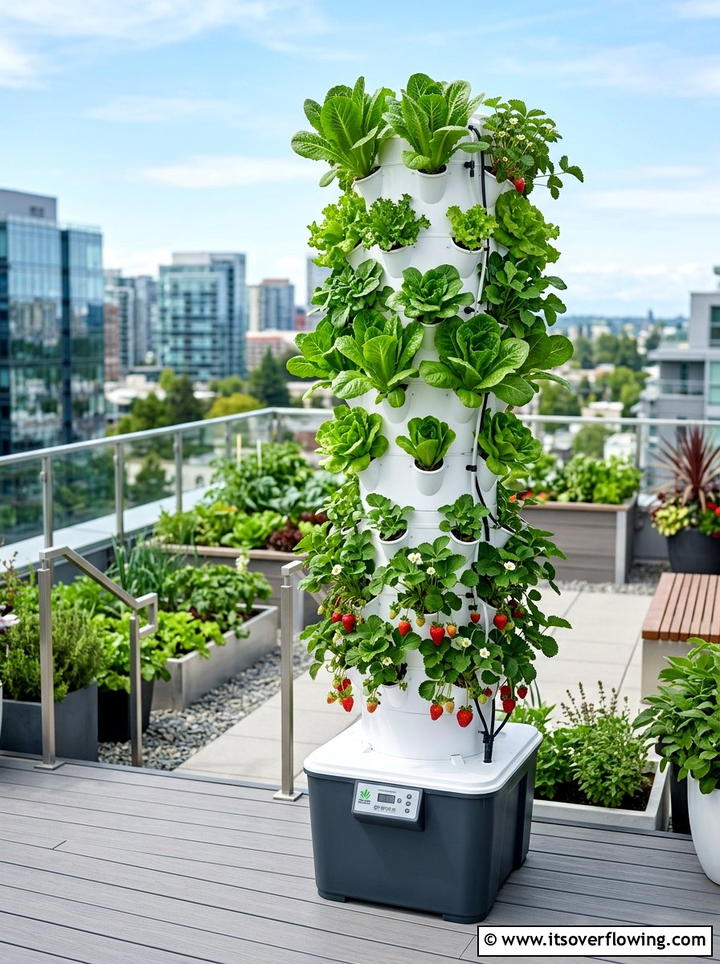
A hydroponic tower for vegetables is a high-tech vertical garden solution that allows you to grow a massive amount of food in a tiny footprint. These systems use water and liquid nutrients instead of soil, which makes them much lighter and cleaner for use on balconies or decks. You can grow lettuce, kale, strawberries, and even tomatoes in the vertical ports of the tower, often harvesting much faster than traditional soil methods. This design is perfect for people who want to be self-sufficient but do not have a lot of ground space for a traditional vegetable patch. It is a modern, efficient way to garden today.
11. Moss wall for shade
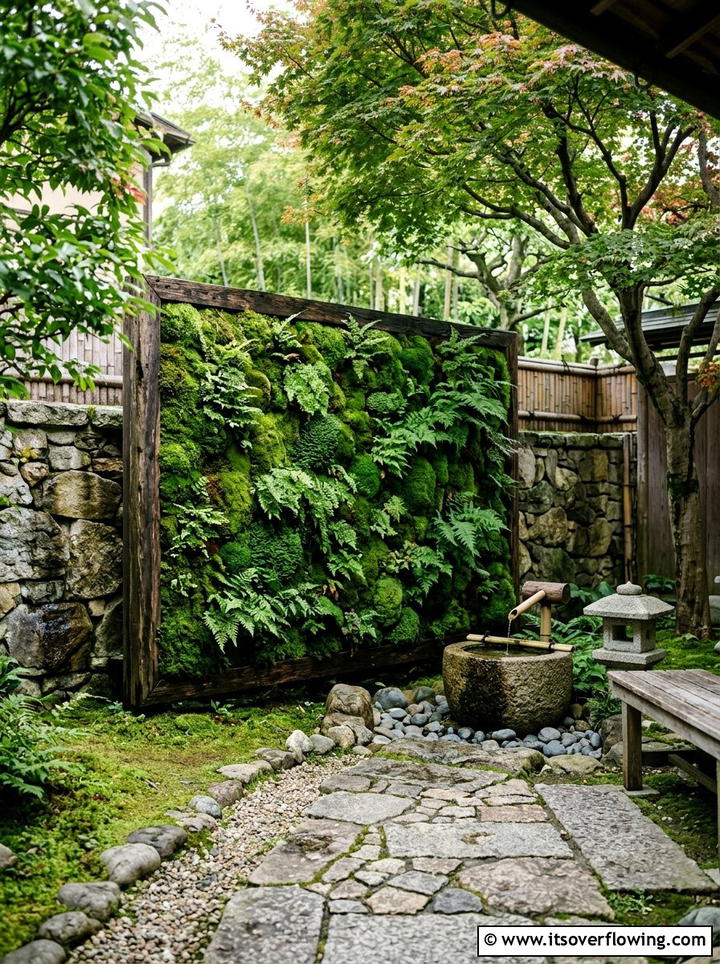
Designing a moss wall for a shaded area of your garden is a wonderful way to bring a lush, woodland feel to your outdoor space. Moss thrives in damp, low-light conditions where other plants might struggle, making it perfect for north-facing walls or under large trees. You can create a living tapestry by using different types of moss and small ferns tucked into a moisture-retaining backing. This vertical feature requires very little maintenance other than occasional misting to keep it looking vibrant and green. It provides a soothing, Zen-like atmosphere that feels incredibly soft and natural, turning a dark corner into a beautiful destination for relaxation.
12. Bamboo vertical planter
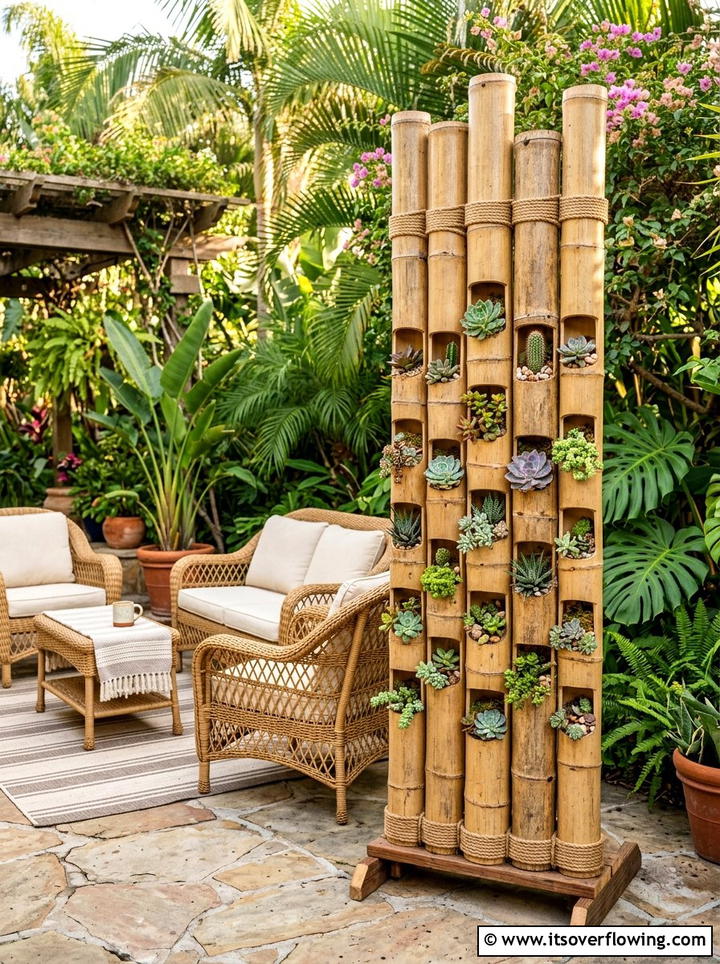
A bamboo vertical planter is a sustainable and tropical-inspired choice that adds a unique texture to your outdoor garden or patio area. You can use large bamboo poles with sections cut out to create natural troughs for soil and small plants like succulents or trailing vines. These poles can be hung horizontally on a fence or stood vertically in a decorative base to create a freestanding feature. The light tan color of the bamboo looks stunning against green leaves and adds a relaxed, vacation-like feel to your home. It is a lightweight and durable material that is perfect for anyone looking for an organic, eco-friendly vertical gardening solution.
13. Metal grid for pots
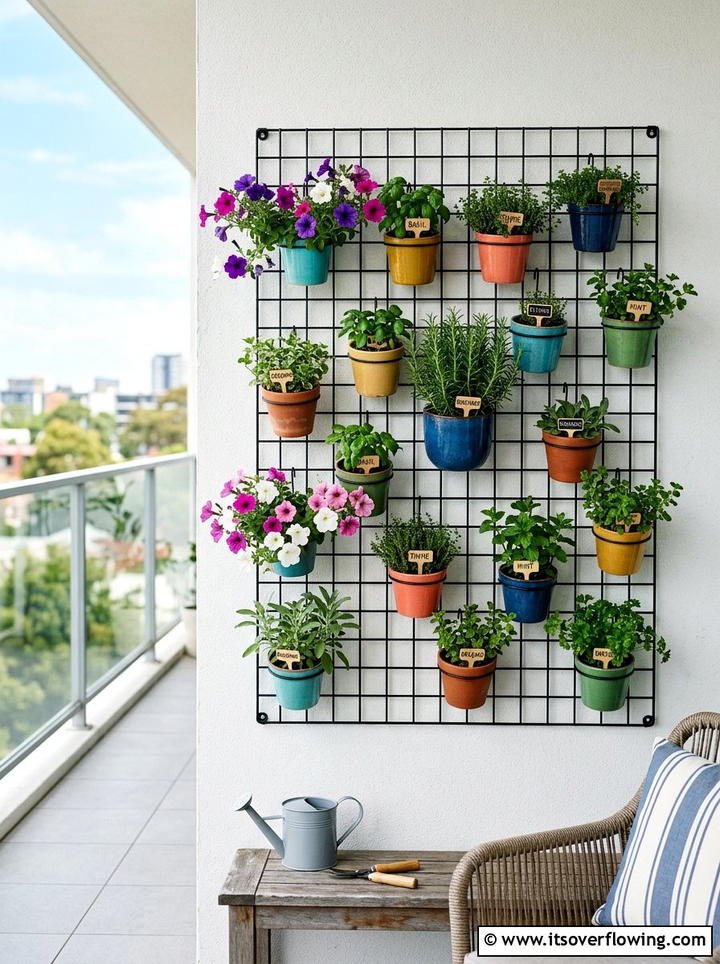
Using a metal grid for pots is a clean and organized way to manage a vertical garden on a budget while maintaining a modern look. You can mount a simple wire mesh or a decorative metal grid to a wall and use S-hooks or specialized clips to hang lightweight pots. This system is incredibly flexible, as you can easily move the pots around to change the design or accommodate plant growth. It works well for small flowering plants or a collection of different succulents that enjoy a vertical orientation. This minimalist approach keeps the focus on the plants themselves while providing a very sturdy and reliable support structure.
14. Stone wall garden bed
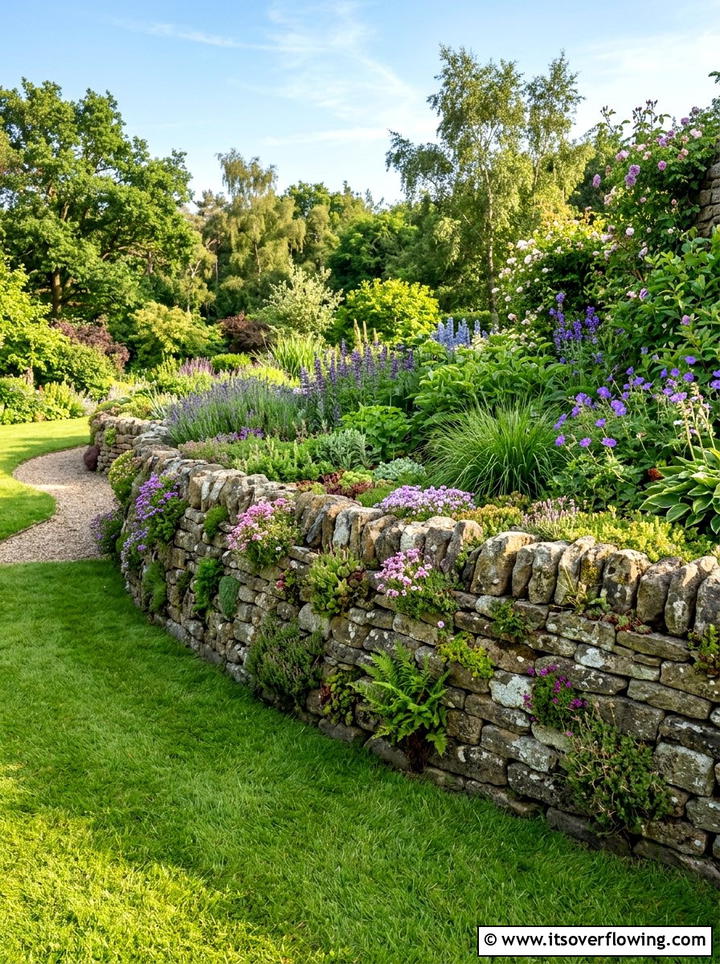
A stone wall garden bed combines traditional hardscaping with vertical planting to create a timeless and structural feature in your backyard. By building a dry-stack stone wall with small gaps left between the rocks, you create perfect little pockets for alpine plants and rock-loving flowers. These types of plants like the well-drained soil and the heat that the stones retain during the day. This design is ideal for a sloping yard where you can build multiple tiers of stone walls, each with its own vertical planting area. It is a long-lasting and incredibly beautiful way to garden with natural, local materials.
15. Hanging clay pot wall
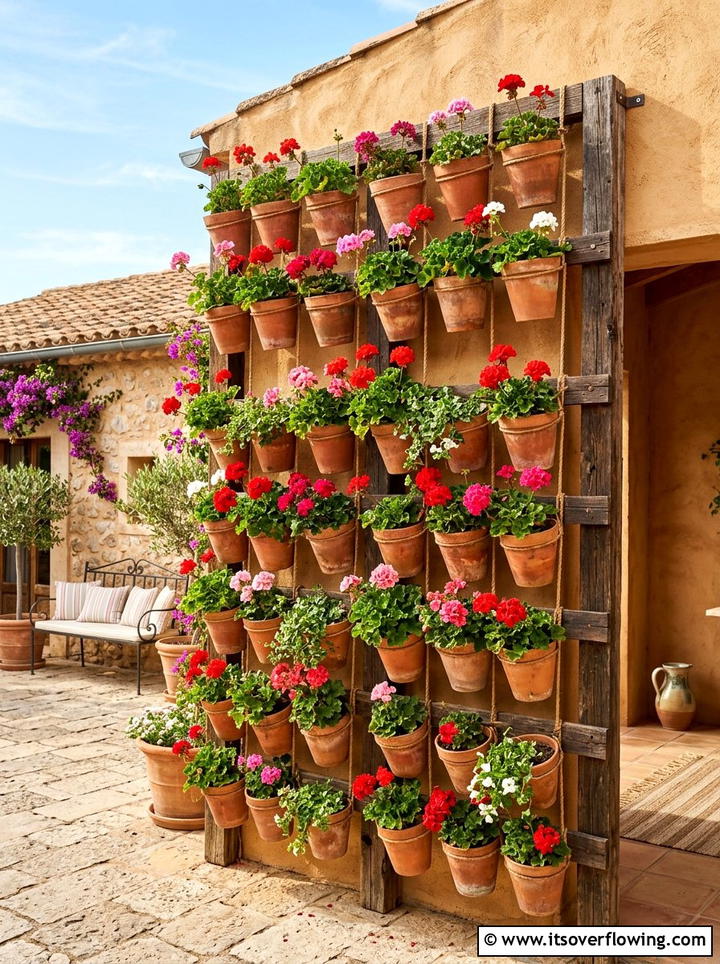
Creating a hanging clay pot wall is a colorful and artistic way to bring a Mediterranean or southwestern feel to your outdoor living space. You can use a series of terracotta pots attached to a simple wooden or metal frame using heavy-duty wire or pot clips. By planting a variety of bright blooming annuals like geraniums, petunias, and lobelia, you can create a vibrant wall of color. The warm tones of the clay pots look lovely against green leaves and bright flowers, making this a very cheerful and classic design choice. It is a simple project that adds a lot of personality.
16. Copper pipe plant trellis
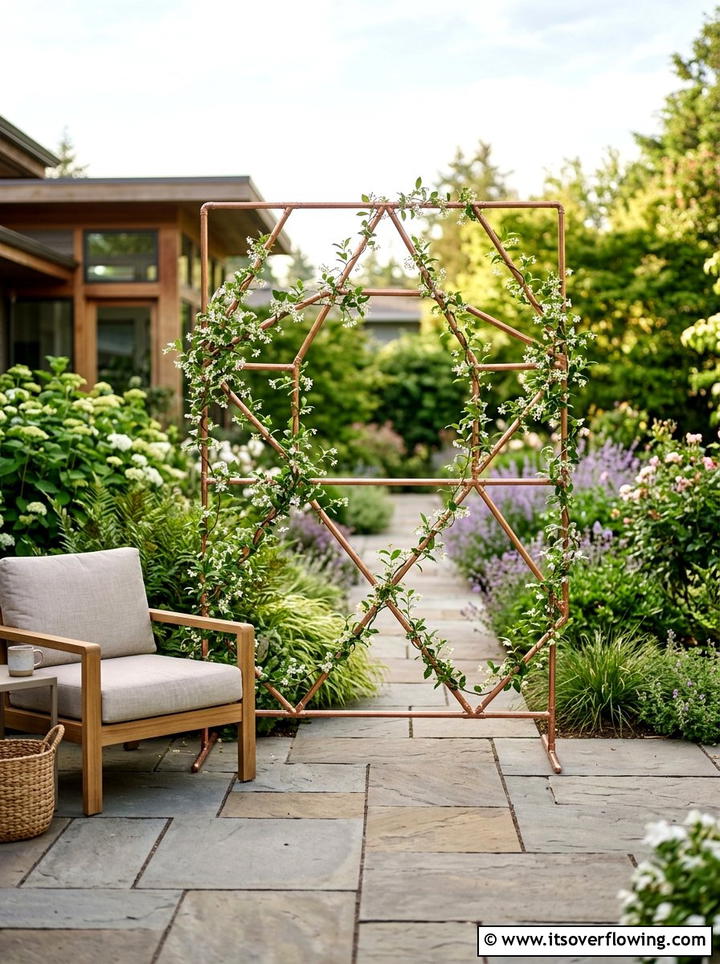
Using a copper pipe plant trellis is a sophisticated and stylish way to support climbing plants in your garden or on a patio. You can easily assemble copper pipes and fittings into geometric shapes or a simple ladder frame to create a modern focal point. Over time, the copper will develop a beautiful green patina that blends in with the foliage, or you can keep it polished for a bright metallic shine. This trellis is perfect for delicate flowering vines like jasmine or sweet peas that need a sturdy but elegant structure to climb. It is a high-end look for any vertical garden.
17. Reclaimed wood garden wall
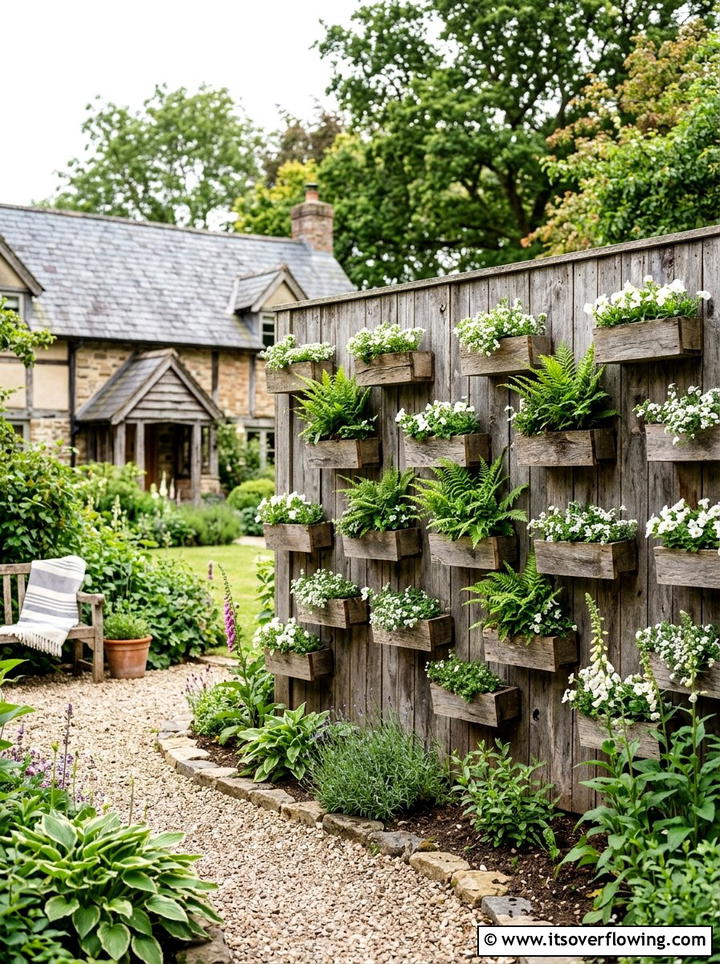
A reclaimed wood garden wall is an eco-friendly and stylish way to create a rustic vertical display using old barn wood or fence boards. You can mount these weathered planks horizontally onto a frame and attach small planters or boxes at various levels to hold your favorite plants. The natural texture and gray tones of the wood provide a beautiful backdrop for bright green ferns or colorful flowers. This design is perfect for homeowners who want to add a touch of farmhouse charm to their outdoor patio or small garden area. It is a unique and sustainable vertical gardening solution.
18. Vertical strawberry garden tower
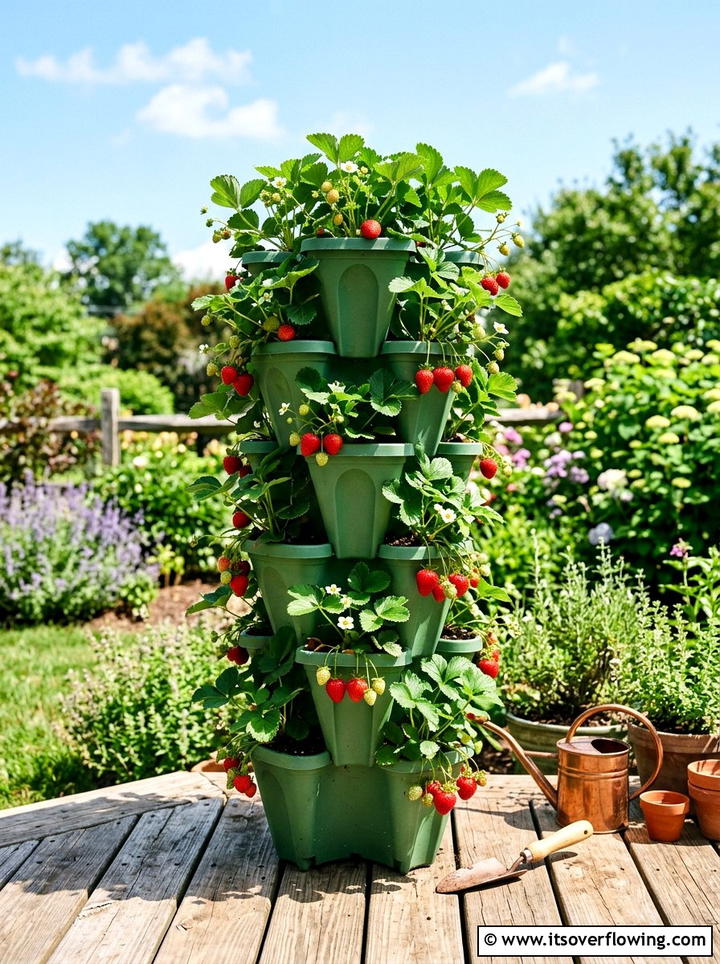
Growing a vertical strawberry garden tower is a smart and fun way to harvest fresh fruit from a small space on your deck or patio. You can use a specialized stacking planter system or a PVC pipe with holes cut out to hold the individual strawberry plants. This vertical arrangement keeps the berries off the ground, which helps prevent rot and keeps them away from many common garden pests. It is a very efficient way to grow a lot of food in a tiny footprint, making it a favorite for urban gardeners. The cascading green leaves and red berries are beautiful.
19. Window box planter wall
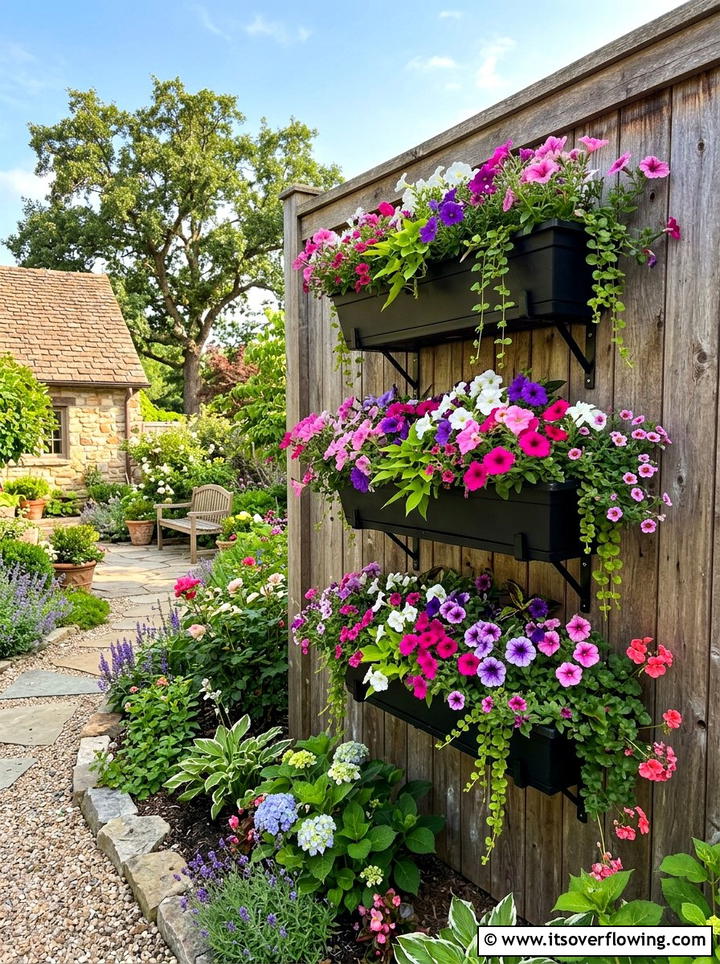
A window box planter wall is a charming and practical way to grow many plants vertically on a side of your home or a large fence. By mounting multiple window boxes in vertical rows, you create a deep planting area that can accommodate larger flowers or even small vegetables like peppers. This design allows you to mix and match different plant varieties in each box, creating a layered and colorful wall of greenery. It is a very sturdy and reliable vertical garden option that is easy to water and maintain throughout the growing season. This style adds a lot of curb appeal.
20. Garden arch for roses
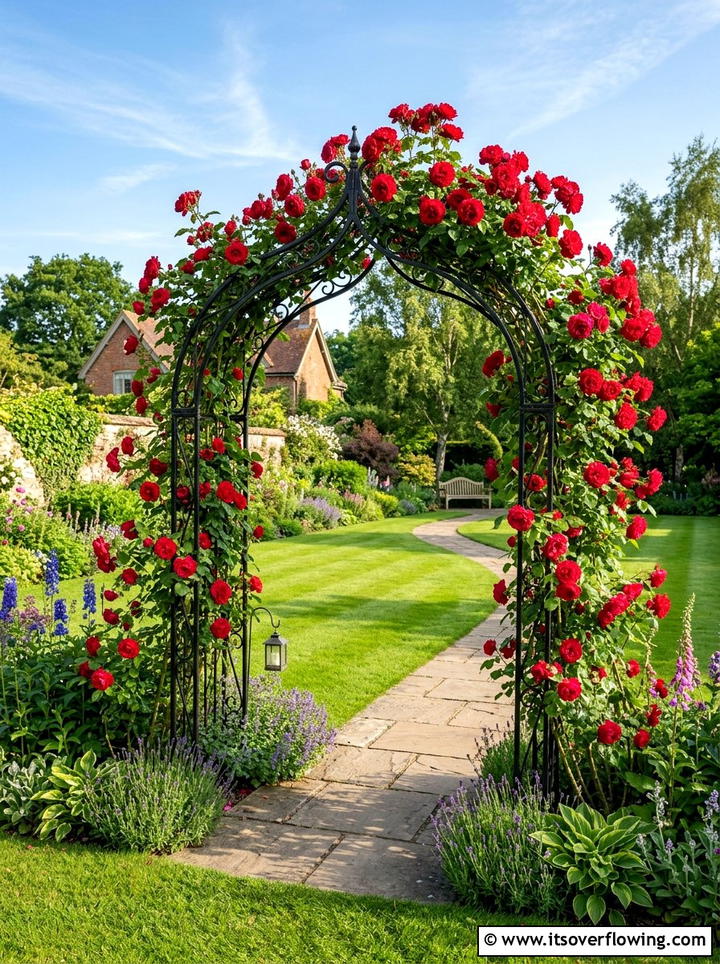
Installing a garden arch for roses is a romantic and classic vertical design that adds a beautiful entrance to your yard or garden path. You can choose a sturdy metal or wooden archway and plant climbing roses on each side to grow over the top. As the roses bloom, they create a stunning canopy of color and fragrance that is truly magical to walk through. This design requires some pruning and training of the vines, but the effort is well worth it for the incredible visual impact. It is a timeless vertical gardening idea that never goes out of style.
21. Geometric wall planter set
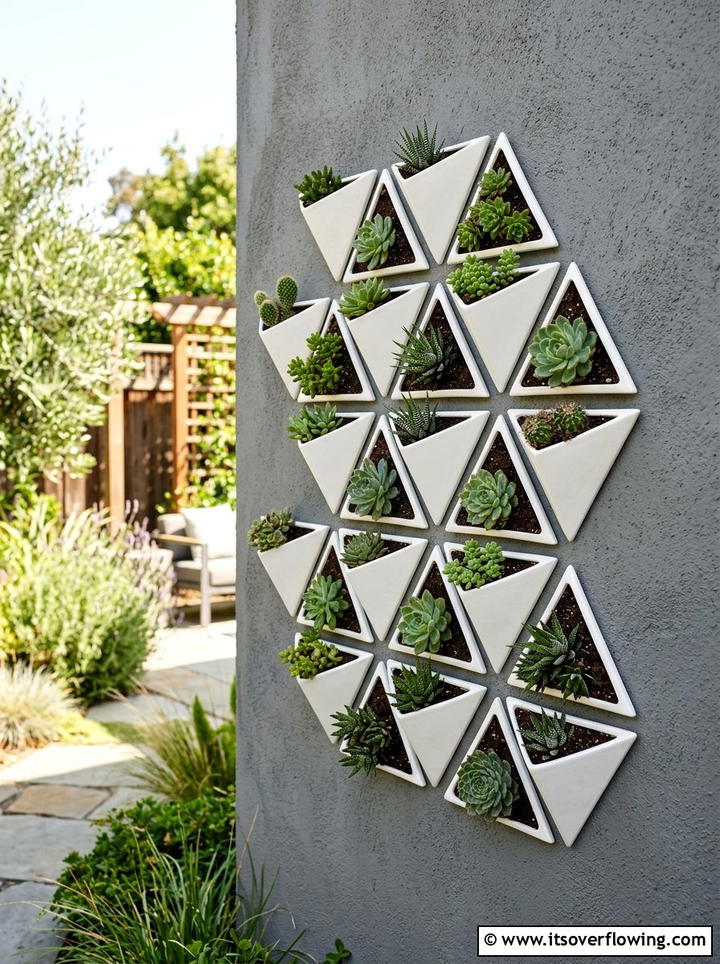
A geometric wall planter set is a modern and artistic way to display succulents or air plants on a small patio wall or balcony. These planters often come in shapes like triangles, hexagons, or diamonds and can be arranged in a pattern to create a unique wall art piece. By choosing sleek materials like ceramic or matte metal, you can create a very clean and contemporary look for your outdoor space. This design is perfect for people who want a low-maintenance garden that doubles as a piece of decor. It is a very popular choice for urban apartment dwellers today.
22. Modular living wall kit
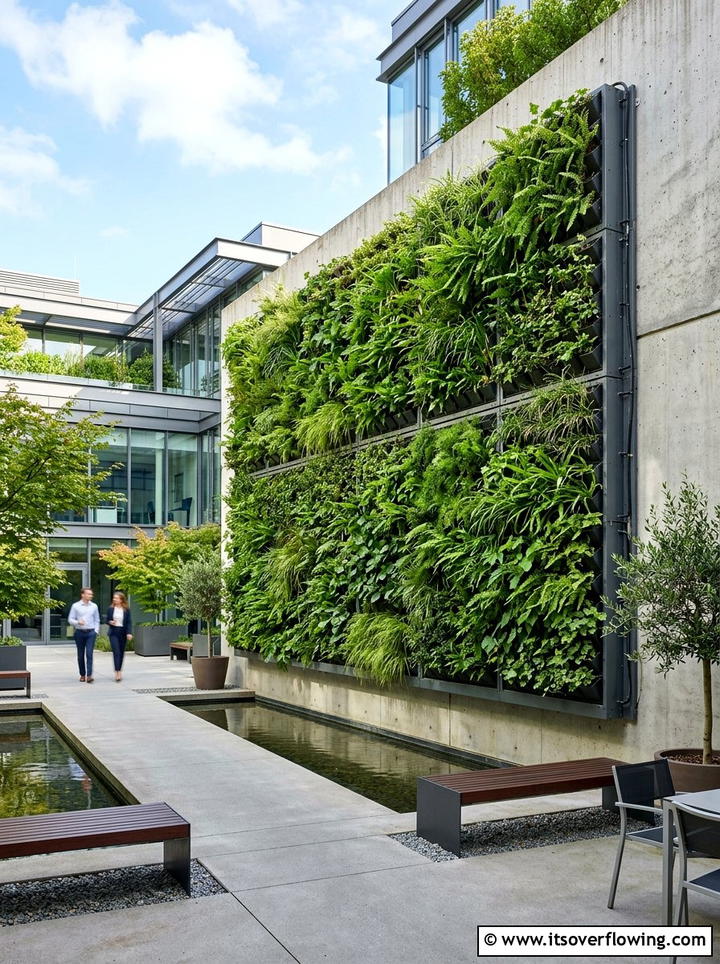
Using a modular living wall kit is a professional and easy way to create a lush, green vertical garden on any exterior wall. These kits usually come with specialized panels that hold many small plants in a grid, along with an integrated irrigation system to make watering easy. You can create a massive wall of ferns, grasses, and flowers that looks like a high-end commercial installation in your own backyard. This design is perfect for covering large, unsightly walls or for creating a stunning backdrop for an outdoor dining area. It is a very effective and impressive gardening choice.
23. Fern wall for patio
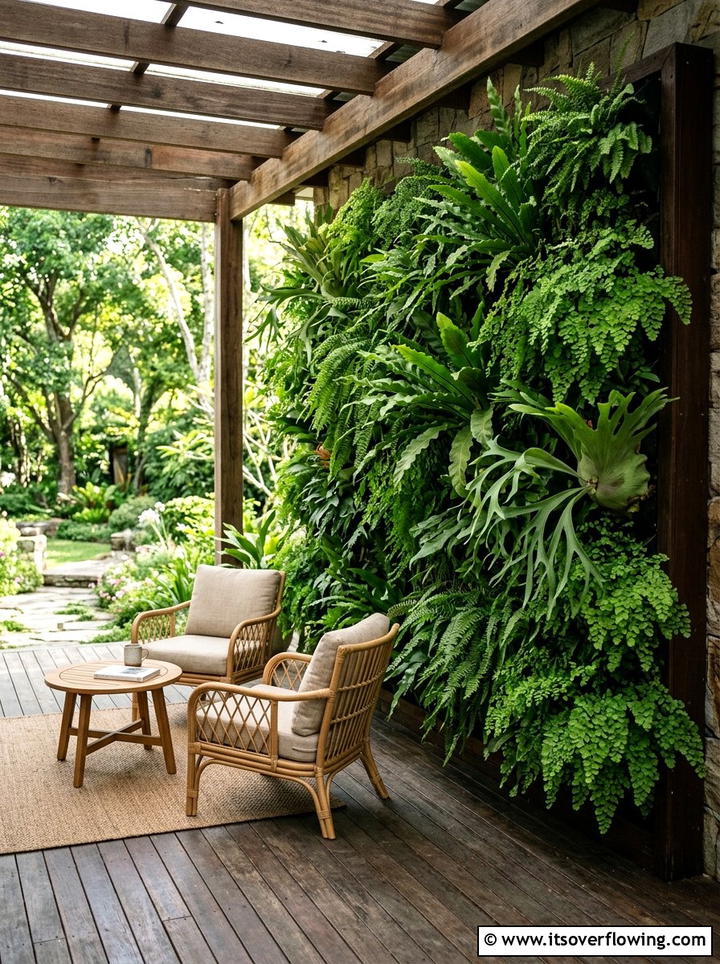
Designing a fern wall for your patio is a great way to create a cool and refreshing atmosphere in a shaded outdoor living space. Ferns thrive in humidity and indirect light, making them perfect for a vertical garden on a porch or under a patio cover. You can use pocket planters or a simple wooden frame to hold a variety of ferns like maidenhair, Boston, or ostrich ferns. The soft, feathery texture of the fern fronds creates a very lush and relaxing environment that feels like a private tropical retreat. It is a very soothing and natural vertical design.
24. Tropical plant wall display
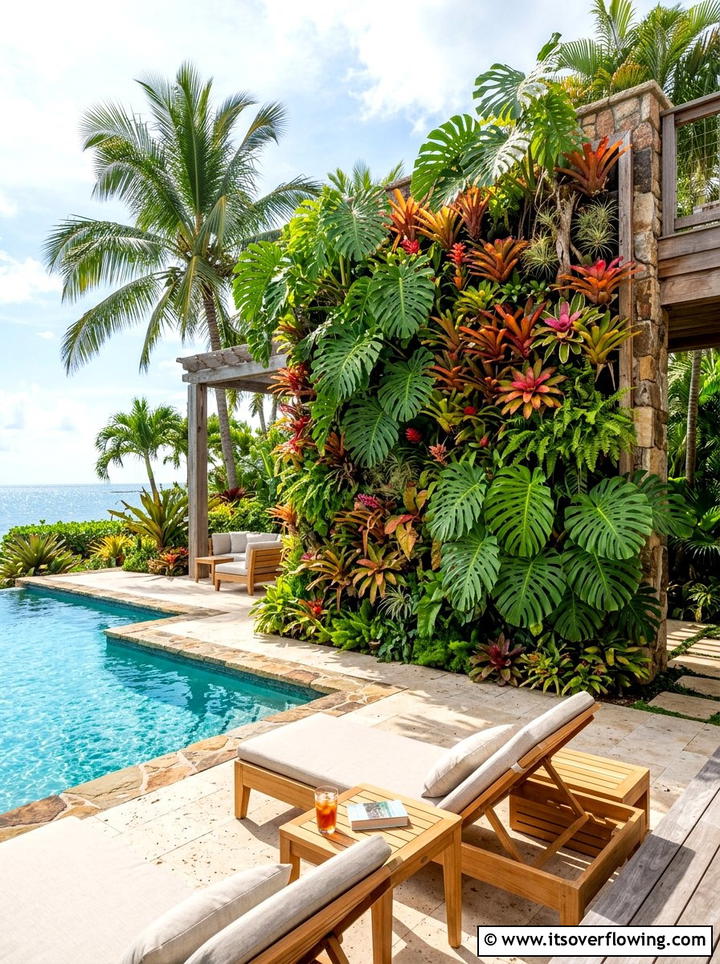
A tropical plant wall display is a bold and exotic way to bring a vacation feel to your backyard or patio area. By using large-leafed plants like philodendrons, bromeliads, and hibiscus, you can create a vibrant and colorful vertical garden that is full of life. This design works best in warm climates or as a seasonal display that can be moved indoors during the colder months. The bright colors and large textures make this a very exciting focal point that is sure to impress your guests. It is a fun and high-energy vertical gardening option for any home.
25. Vegetable garden vertical trellis
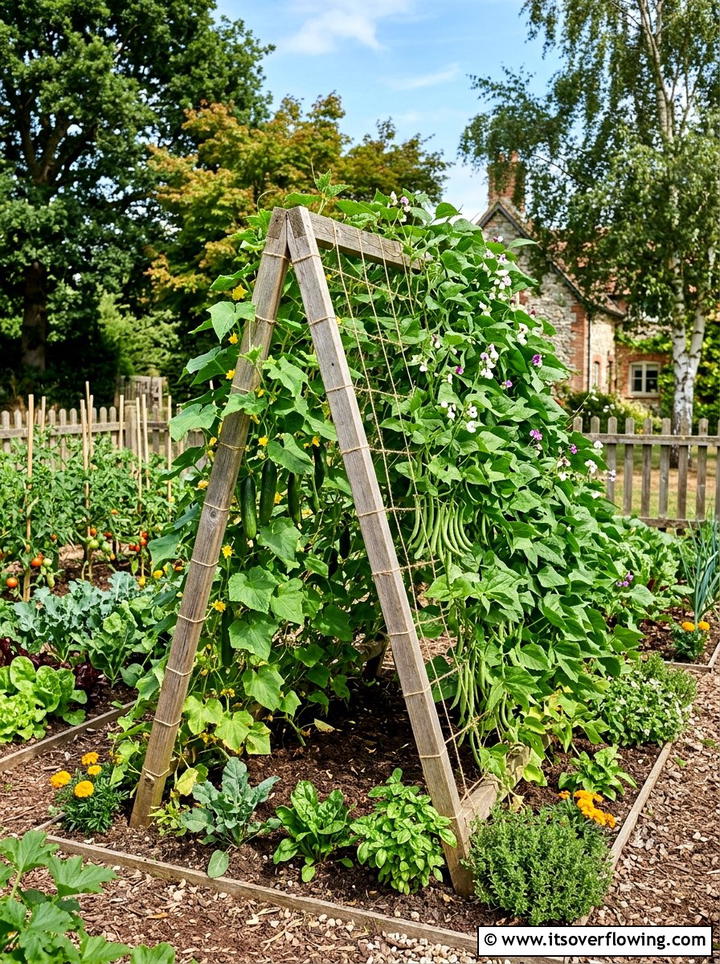
A vegetable garden vertical trellis is a practical and productive way to grow climbing vegetables like cucumbers, beans, and peas in a small yard. By using a sturdy wire or wooden trellis, you can encourage your plants to grow upward rather than sprawling across the ground. This vertical growth improves air circulation, which helps prevent disease and makes it much easier to see and harvest your ripe vegetables. It is a very efficient use of space that allows you to grow a lot of fresh food in a very tiny area. This design is perfect for backyard gardeners.
Conclusion:
Embracing vertical gardening is a transformative way to rethink your outdoor space, no matter how small or large it may be. By moving your plants off the ground and onto walls, fences, and trellises, you can create a lush and vibrant environment that feels incredibly intentional and well-designed. These vertical structures provide more than just beauty; they offer privacy, improve air quality, and make gardening more accessible for everyone. Whether you choose a simple DIY project or a more complex living wall system, the result is always a more beautiful and productive home. Start planning your vertical garden today and enjoy a greener lifestyle.

Related posts:
 25 creative garden ideas with rain gardens for Eco Yards
 25 Garden Ideas With Vertical Gardens For Small Spaces
 25 Creative Garden Ideas With No Lawn Design for Easy Yards
 25 Garden Design Ideas for Pet Friendly Yards and Happy Pets
 25 garden design ideas for small yards: Big Style, Tiny Spaces
 25 Garden Design Ideas With Privacy Screens for Secluded Yards
 25 Garden Design Ideas With Retaining Walls for Sloped Yards
 25 Garden Design Ideas With Straight Lines for Modern Yards
 25 Garden Design Ideas With Terraces for Stylish Sloped Yards
 25 Garden Design Ideas for Cottage Gardens Full of Charm
 25 Garden Design Ideas for Front Gardens With Curb Appeal
 25 garden design ideas with gravel gardens: Modern Low-Care