
Asymmetrical garden design offers a refreshing break from the rigid formality of traditional landscapes. Instead of mirroring both sides of a path or patio, this approach uses balance through weight, texture, and color rather than exact duplication. Many homeowners are now turning to these organic layouts because they mimic the natural world more closely. An asymmetrical yard feels relaxed and inviting, making it a perfect sanctuary for modern living. By using different plant heights and varied materials, you can create a space that feels dynamic and full of energy. This style allows for more creativity and personal expression in your outdoor environment. It works beautifully in small city lots and sprawling rural estates alike. Exploring these ideas will help you see your garden in a whole new light.
1. Curved flower bed border
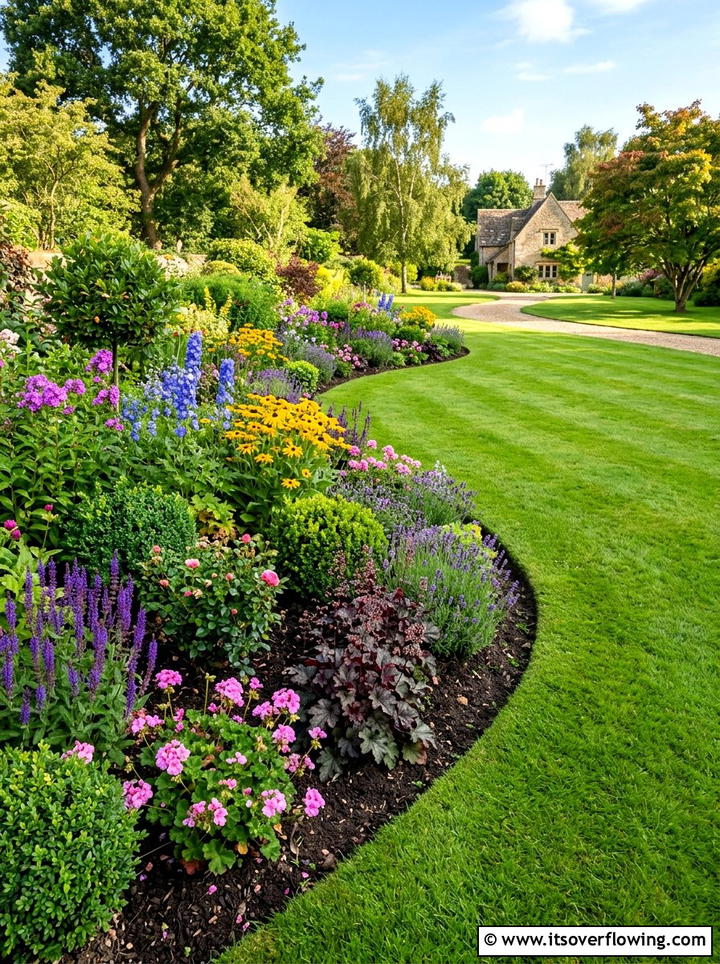
A curved flower bed border is a fantastic way to break up the harsh lines of a rectangular yard. Instead of a straight edge, a gentle wave creates a sense of movement that leads the eye through the space. This design relies on fluid shapes to define the transition between the grass and the planting area. You can fill these beds with a mix of perennials and shrubs of different heights to enhance the informal feel. This approach is much more forgiving than a straight line, as it doesn’t require perfect precision to look great. It feels natural and helps to blend your garden into the surrounding landscape effortlessly.
2. Modern gravel path layout
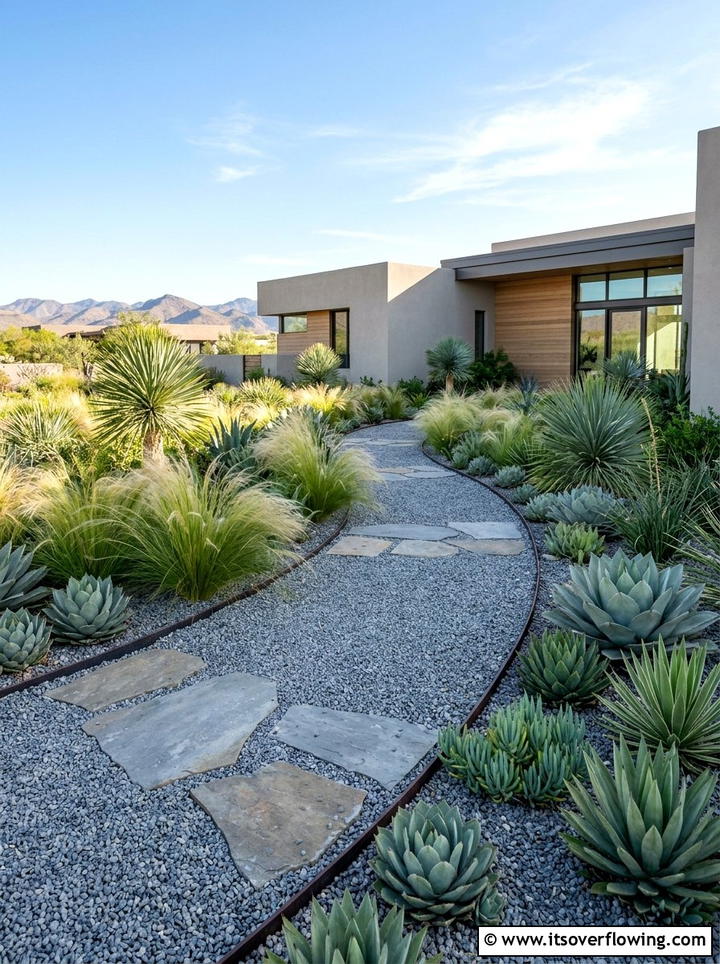
A modern gravel path layout focuses on creating a journey through your garden using loose stones and irregular edges. Rather than a straight walkway, this design often features wide turns and varying widths to keep the visual interest high. You can use different sizes and colors of gravel to create subtle patterns or designate specific zones for sitting or walking. This type of pathway is low-maintenance and allows water to drain easily, making it as practical as it is beautiful. It provides a crisp, contemporary look that balances well with lush green foliage. It is an ideal way to connect different parts of your yard.
3. Natural rock garden arrangement
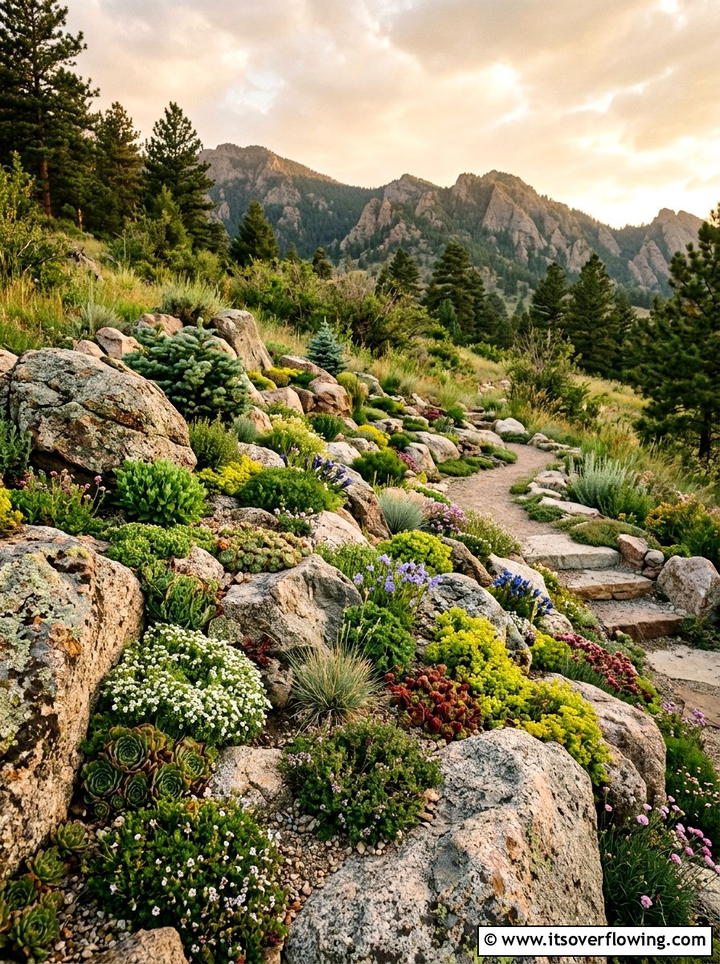
A natural rock garden arrangement uses large boulders and smaller stones to create a rugged, mountain-inspired look. Instead of placing stones in a neat row, you group them in clusters that feel like they have been there for centuries. This asymmetrical approach allows you to tuck small alpines or succulents into the gaps between the rocks. It creates a striking focal point that doesn’t need to be centered in the yard to be effective. The mix of hard stone and soft plants offers a beautiful contrast in textures. This design is perfect for areas with poor soil or sloped terrain where traditional grass fails.

4. Tiered wooden retaining wall
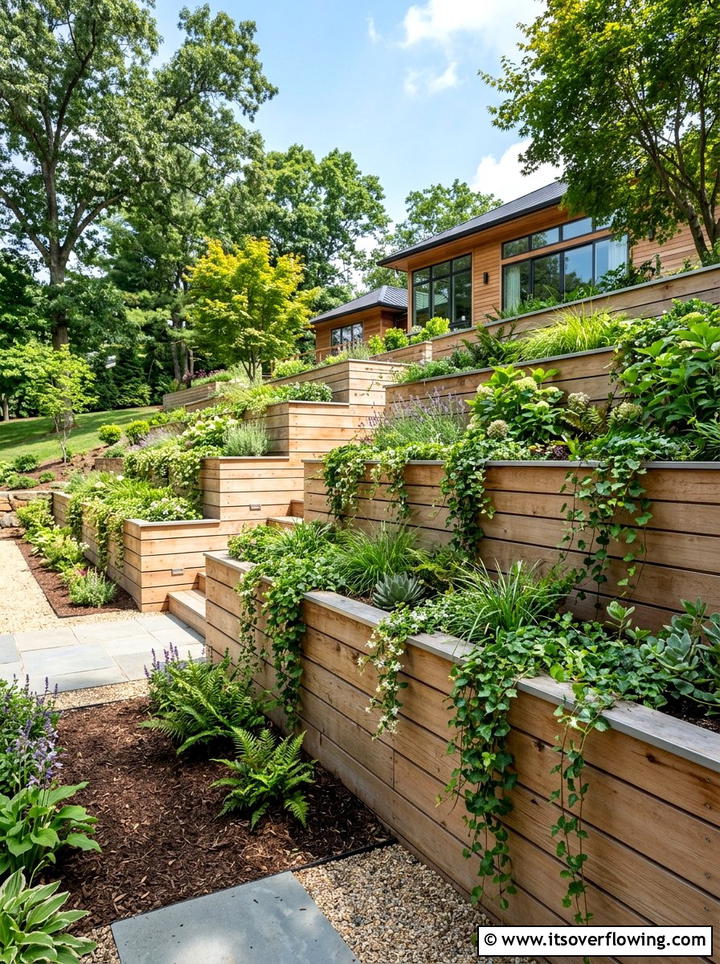
A tiered wooden retaining wall is a great solution for sloping yards where you want to create flat planting levels. Instead of one tall, imposing wall, using several smaller levels at different heights adds depth and character. You can offset the ends of each level to create an asymmetrical pattern that looks more architectural than industrial. These tiers provide excellent drainage and allow you to grow a variety of plants in separate sections. This design also offers extra seating options if the walls are built at the right height. It turns a difficult landscape challenge into a stunning feature that adds value to your property.
5. Native wildflower meadow patch
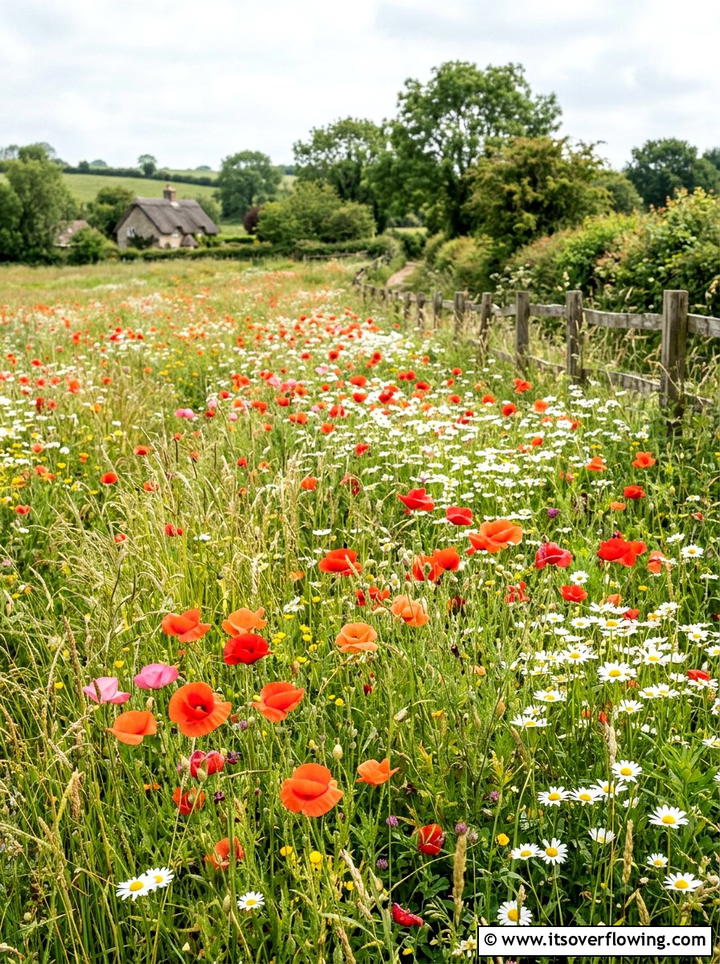
A native wildflower meadow patch brings a touch of wild beauty to any suburban backyard through its lack of rigid structure. This design involves planting a diverse mix of local flowers and grasses that grow at different rates and heights. Because it is self-seeding and somewhat chaotic, the asymmetry is inherent and changes through every season of the year. It provides a vital habitat for pollinators while requiring very little water once it is established. This style of garden looks best when it is allowed to spill over the edges of a path or lawn. It offers a relaxed, cottage-inspired vibe that is easy to maintain.
6. Large specimen tree placement
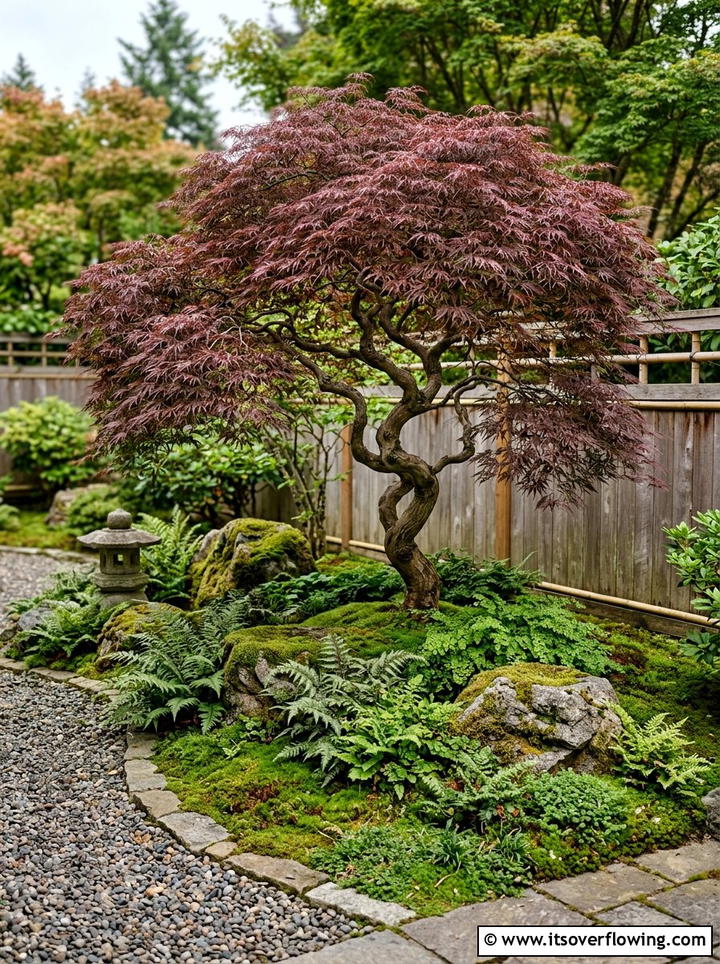
A large specimen tree placement acts as a natural anchor for an asymmetrical garden when it is positioned off to one side. Instead of planting a tree directly in the center of the lawn, placing it in a corner or near a patio creates a sense of scale. This tree can be a flowering variety or one with interesting bark to provide year-round visual appeal. You can then balance the visual weight of the tree with a smaller cluster of shrubs on the opposite side. This creates a balanced look that doesn’t rely on symmetry. The shade provided by the tree also creates a natural spot for relaxation.
7. Japanese zen rock garden
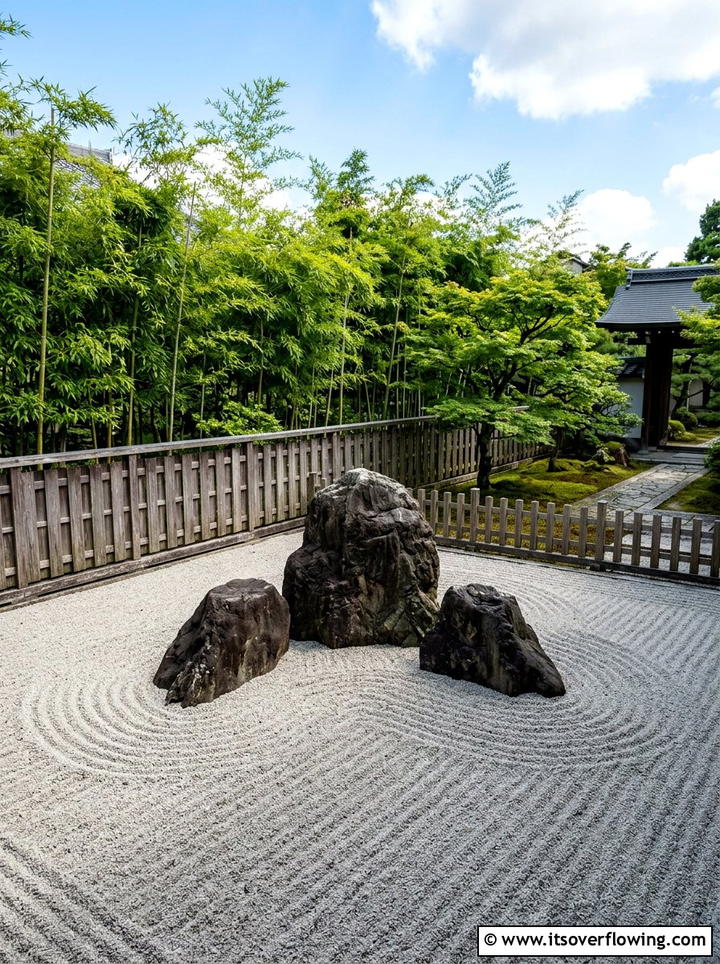
A Japanese zen rock garden is a classic example of how asymmetry can create a sense of profound peace and balance. This design typically uses an odd number of rocks placed in a sea of raked sand or gravel. The placement of the stones is carefully considered to look natural and spontaneous rather than planned or forced. The empty space around the rocks is just as important as the rocks themselves, creating a minimalist aesthetic. This style of garden is meant for contemplation and quiet reflection in a busy world. It is a low-maintenance option that brings a high-end, artistic feel to any small outdoor space.
8. Sloping backyard terrace
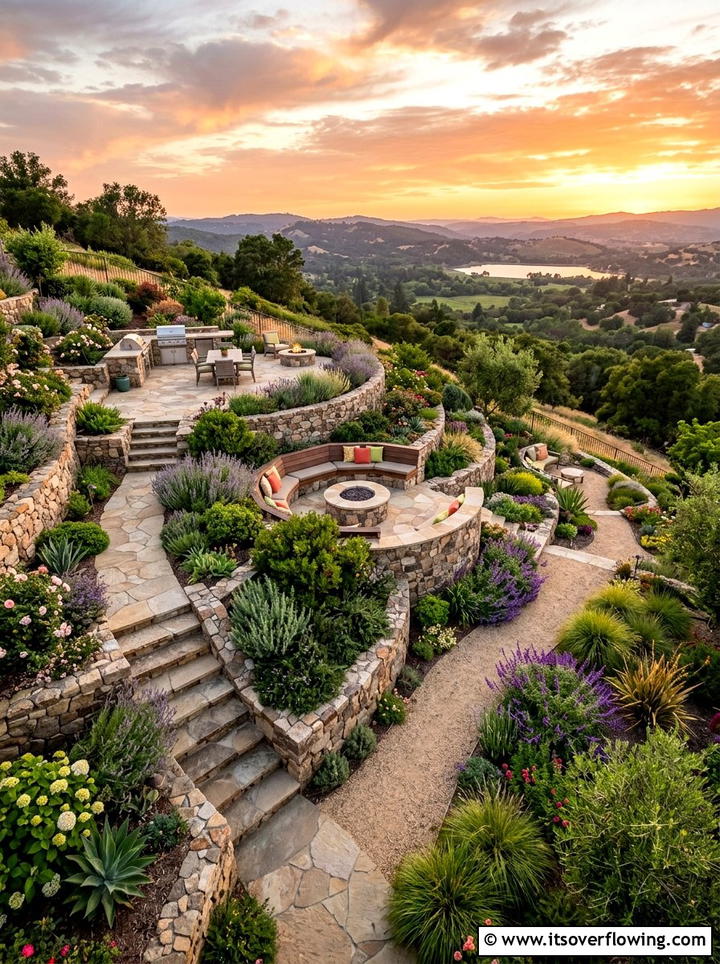
A sloping backyard terrace transforms a difficult hillside into a series of functional and beautiful outdoor living spaces. By creating different levels for dining, lounging, or gardening, you utilize every inch of your property in a clever way. These levels can be built with different materials like stone, wood, or concrete to differentiate the zones visually. An asymmetrical layout of these terraces keeps the hillside looking natural rather than like a staircase. This design helps with soil erosion and water runoff while providing unique vantage points of the rest of the garden. It makes a steep yard feel much more expansive and easier to navigate daily.
9. Mixed height perennial border
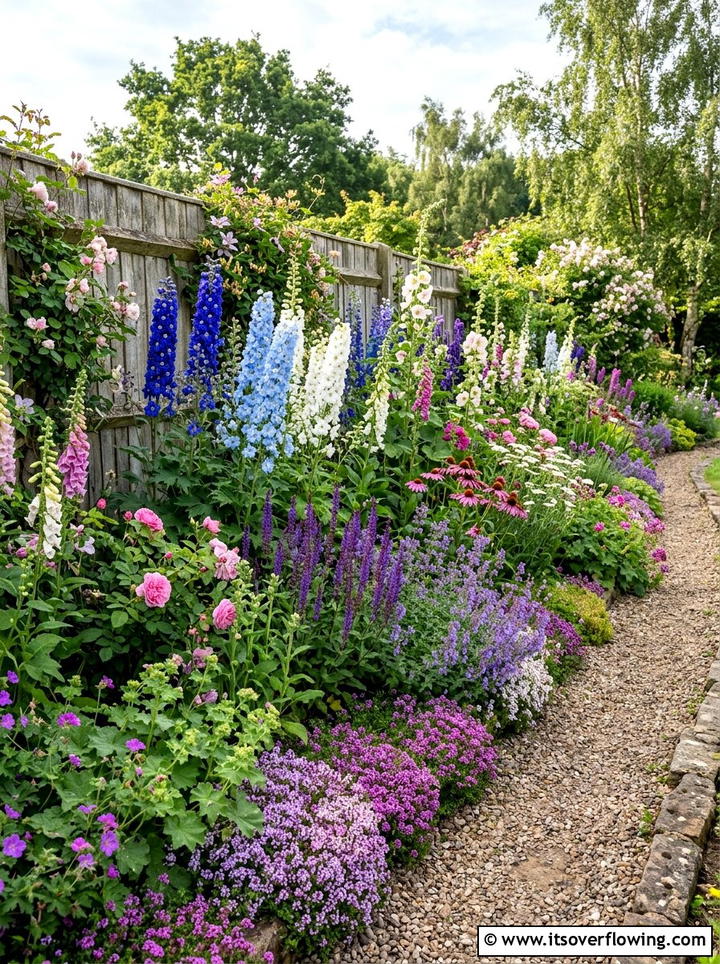
A mixed height perennial border uses plants of various sizes to create a lush wall of color and texture. Instead of planting in neat rows from short to tall, you can intersperse taller stalks among mid-sized flowers for a more organic look. This layering technique adds depth and makes the garden bed look much fuller and more established. Using a variety of leaf shapes and flower types ensures that the border remains interesting even when nothing is currently in bloom. This design is highly adaptable to different sun levels and soil types. It is a favorite for those who love a dense, flower-filled garden aesthetic.
10. Modern floating deck corner
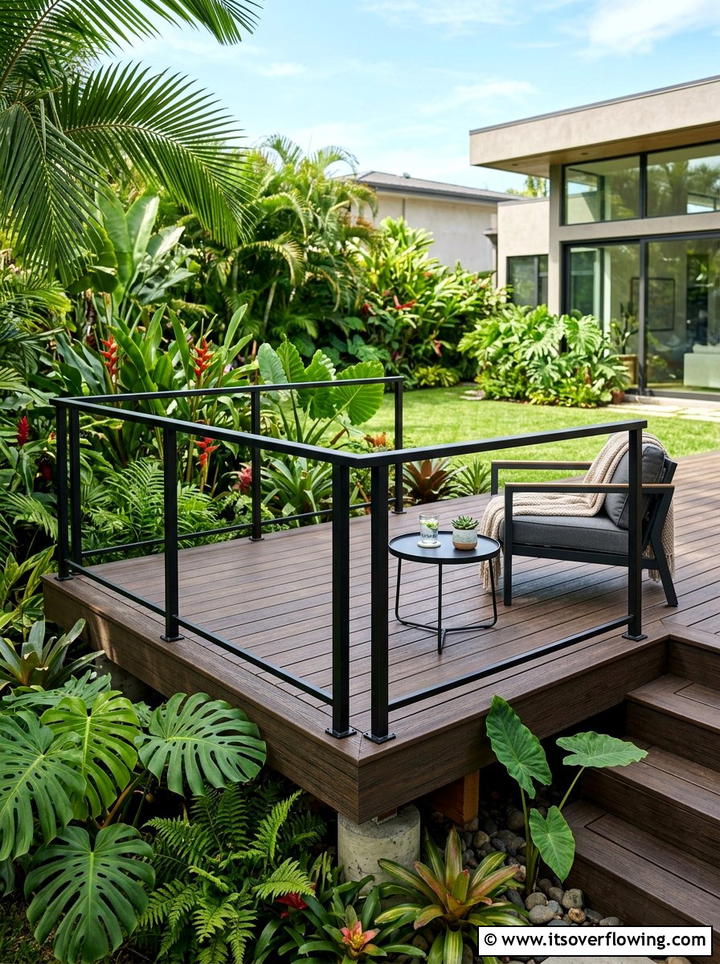
A modern floating deck corner is a stylish way to create an elevated seating area that feels light and airy. By positioning the deck in a corner rather than centered against the house, you open up the rest of the yard for planting. The “floating” effect is achieved by hiding the support structure, making the wood or composite boards look like they are hovering. This asymmetrical placement creates a dynamic flow between the deck and the surrounding lawn or garden beds. It is a great way to define a relaxation zone without building a massive, traditional porch. The clean lines provide a perfect backdrop for modern outdoor furniture.
11. Corner water feature pond
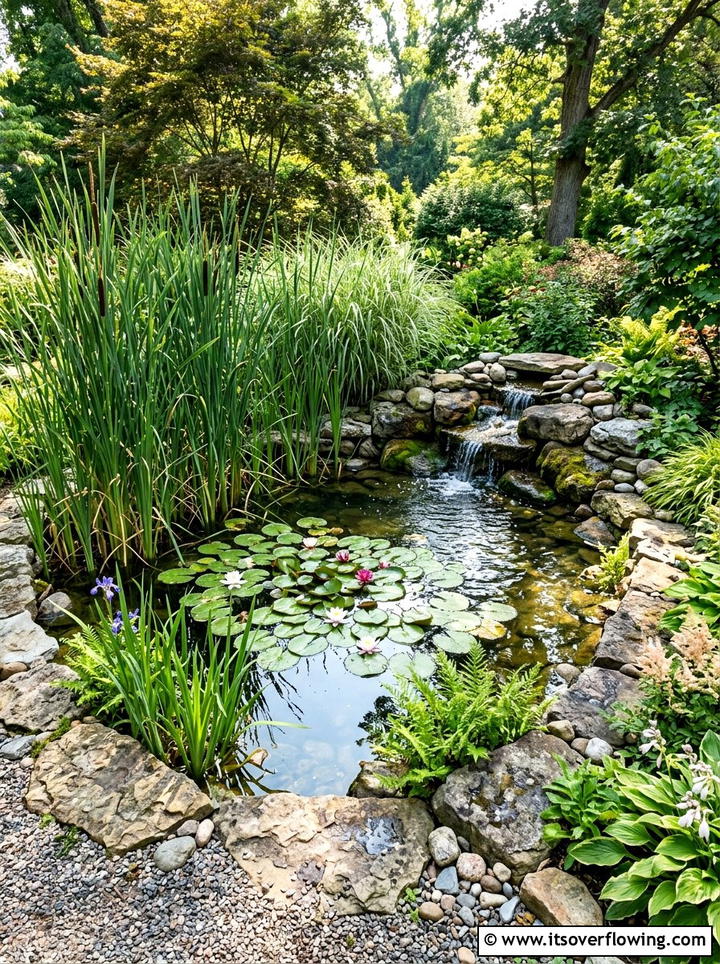
A corner water feature pond adds the soothing sound of moving water to your garden in a compact and artistic way. Placing the pond in a corner allows you to frame it with rocks and moisture-loving plants like ferns or hostas. An asymmetrical pond shape looks more like a natural spring than a man-made pool of water. You can include a small waterfall or a bubbling fountain to keep the water clear and add a sense of life. This design creates a quiet nook where you can sit and watch local wildlife visit the water. It is a beautiful way to utilize an otherwise empty corner of your backyard.
12. Staggered stone paver walkway
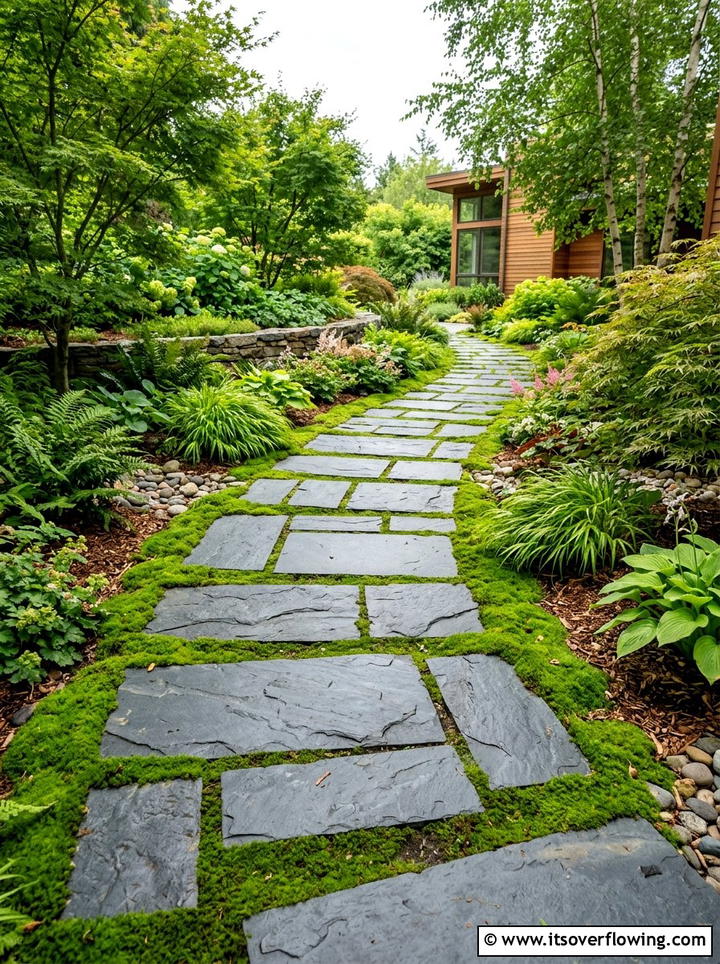
A staggered stone paver walkway offers a modern and relaxed alternative to a solid concrete or brick path. By placing large rectangular stones at varying intervals and slightly different alignments, you create a playful and interesting route. The gaps between the stones can be filled with moss, small groundcover plants, or even decorative pebbles to soften the look. This asymmetrical pattern feels less formal and more integrated into the surrounding landscape design. It is also an easier DIY project because the stones do not need to be perfectly level with each other. This style works perfectly for leading guests from a patio to a hidden garden seat.
13. Tropical plant layering
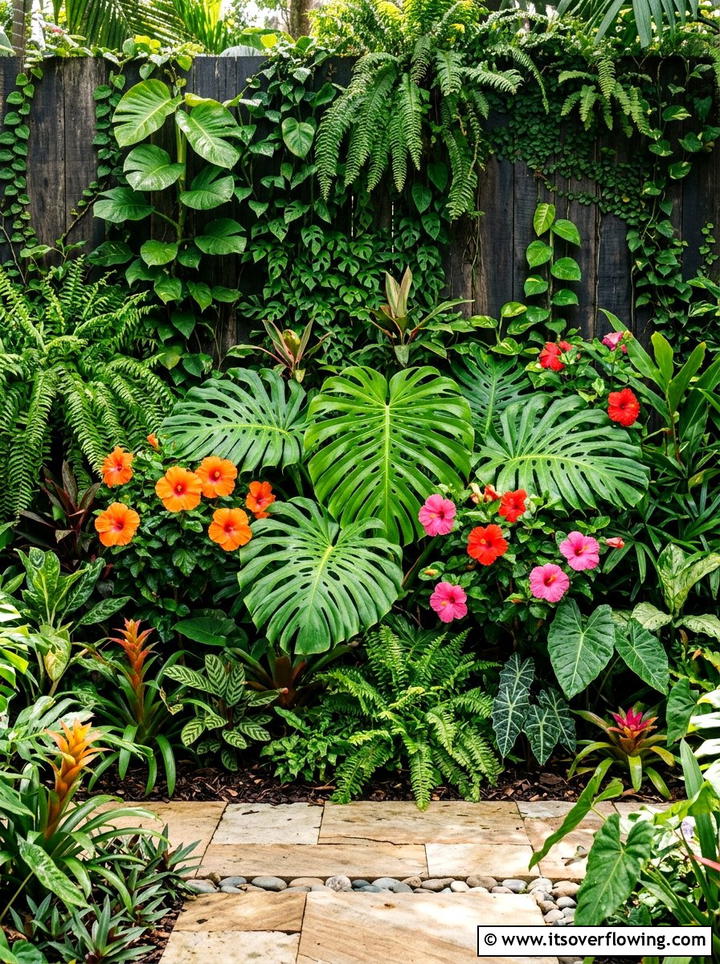
Tropical plant layering uses broad-leafed plants and vibrant colors to create a lush, jungle-like atmosphere in your private outdoor space. This design relies on grouping plants with different leaf textures and heights together in an irregular, dense fashion. Large-leafed varieties like elephant ears can be placed off-center to act as a bold focal point for the eye. Combining these with smaller ferns and colorful flowering plants creates a rich, multisensory experience. The lack of symmetry mimics the dense growth found in tropical rainforests, making the garden feel like a true escape. It is a high-impact design that works well even in smaller urban backyard settings.
14. Ornamental grass cluster
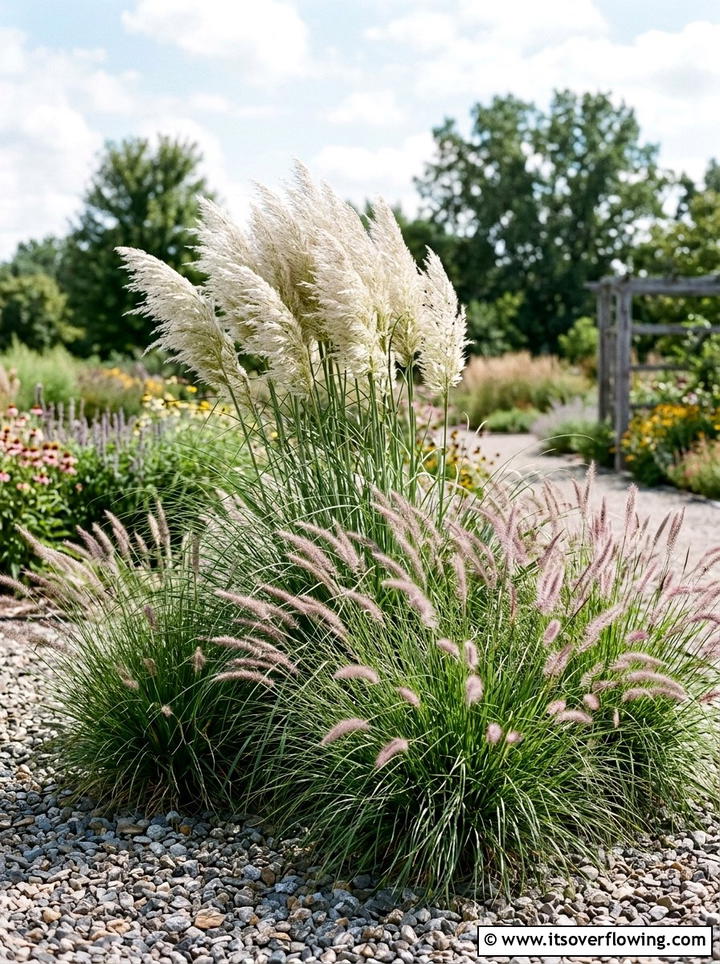
An ornamental grass cluster adds soft movement and a modern architectural element to any garden bed or lawn area. By planting groups of different grasses like miscanthus or fountain grass in an asymmetrical arrangement, you create a sense of flow. These grasses catch the wind and provide a gentle rustling sound that enhances the relaxation of the space. They also offer visual interest in the winter when many other plants have gone dormant for the season. This low-maintenance design is perfect for filling large gaps or creating a natural privacy screen. The varied heights and colors of the grasses keep the landscape looking fresh and dynamic.
15. Off center pergola seating
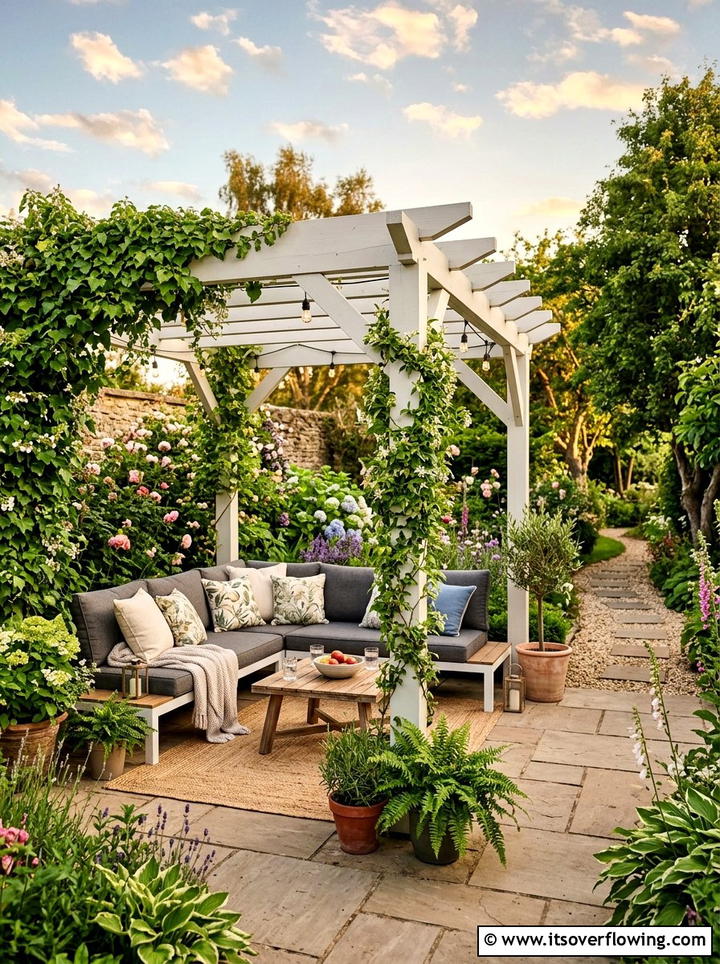
An off center pergola seating area provides a shaded retreat that doesn’t dominate the entire view of your backyard. By placing the pergola to one side, you leave plenty of open space for a lawn or a large flower garden. This asymmetrical layout creates a more intimate and cozy feeling for those sitting under the wooden structure. You can grow climbing vines like wisteria or clematis over the top to blend the structure with the surrounding greenery. This design allows for a clear sightline from your house to the rest of the garden. It is a functional and beautiful way to add architectural interest to your landscape.

16. Dry creek bed landscaping
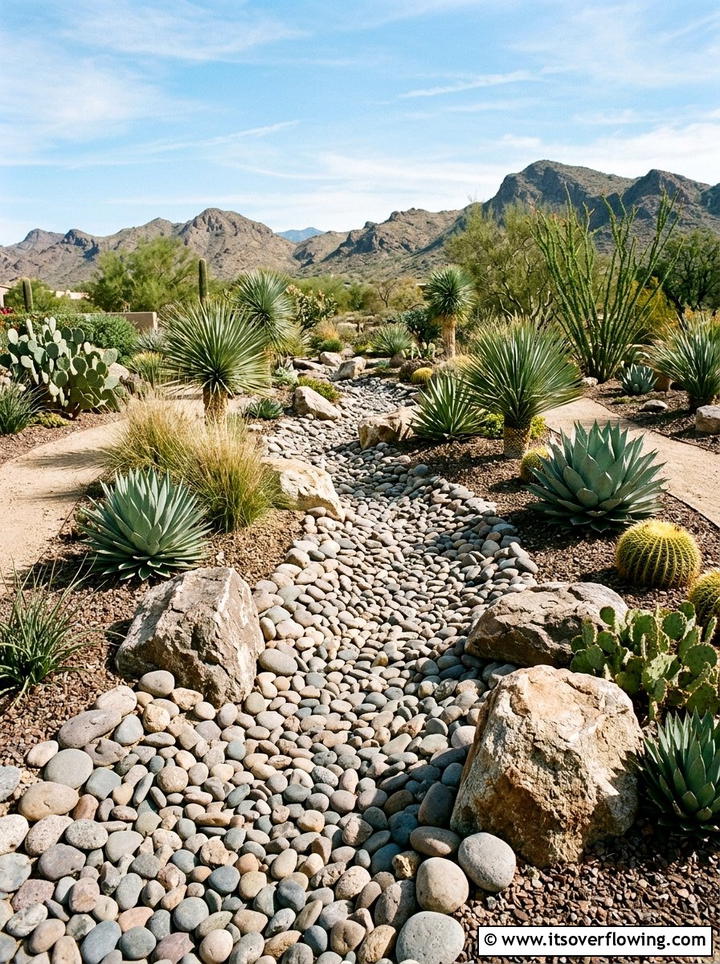
Dry creek bed landscaping is a practical and attractive way to manage drainage while adding a naturalistic element to your yard. Using a mix of river rocks, boulders, and gravel, you can create the look of a winding stream that has dried up. This feature is naturally asymmetrical, following the contours of your land in an organic and flowing path. It is often lined with drought-tolerant plants or grasses that thrive in rocky soil conditions. This design adds texture and a sense of movement to a static garden without needing any water. It is a great solution for directing rainwater away from your home foundation.
17. Succulent garden arrangement
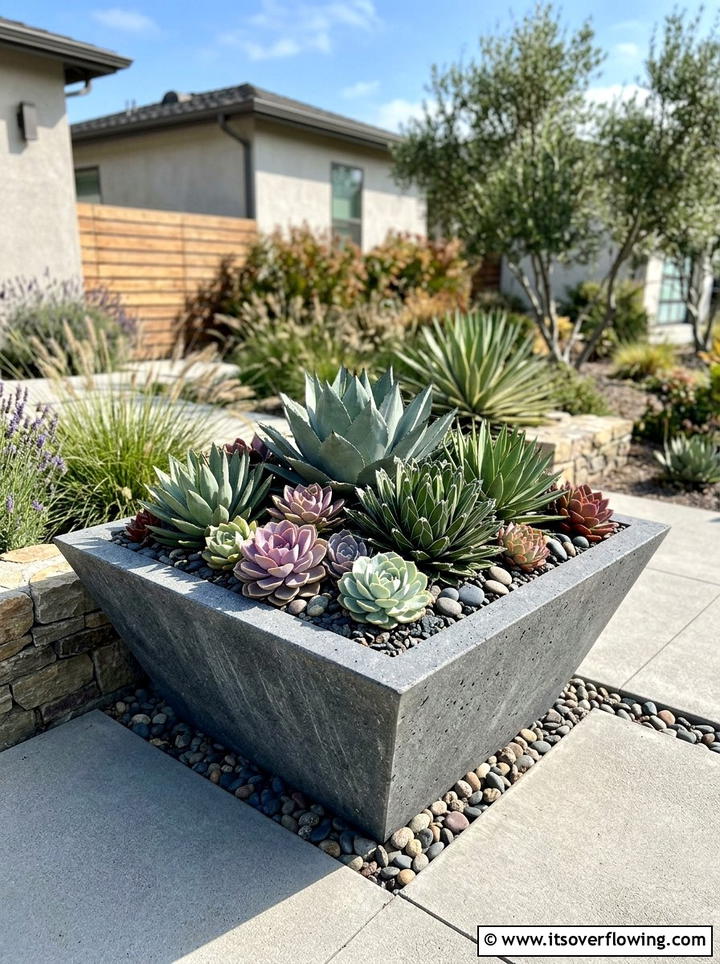
A succulent garden arrangement focuses on low-water plants with interesting shapes and colors arranged in an artistic, non-linear way. These gardens look best when you use a variety of species that have different growth habits, such as rosettes and trailing stems. Placing these plants in an asymmetrical cluster on a gravel bed or in a large container creates a modern look. The varied textures of the succulents provide a lot of visual interest in a very small amount of space. This design is perfect for hot, sunny spots where other plants might struggle to survive the heat. It is a stylish and very low-maintenance garden option.
18. Vertical wall planter layout
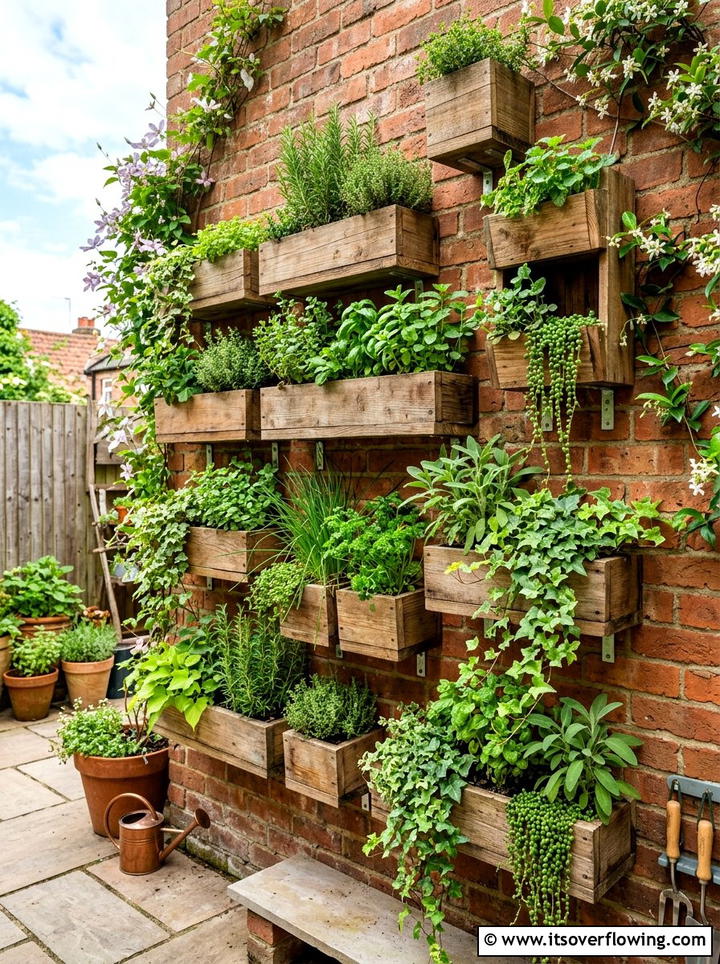
A vertical wall planter layout is an excellent choice for small urban gardens where ground space is extremely limited. By mounting planters at different heights and in an irregular pattern on a fence or wall, you create a living tapestry. This asymmetrical arrangement feels more like a piece of art than a standard garden row. You can mix different types of plants, including herbs, small flowers, and cascading greens, for a diverse look. This design draws the eye upward, making a small patio or balcony feel much larger and more lush. It is a creative way to bring more nature into a concrete-heavy environment.
19. Edible vegetable patch layout
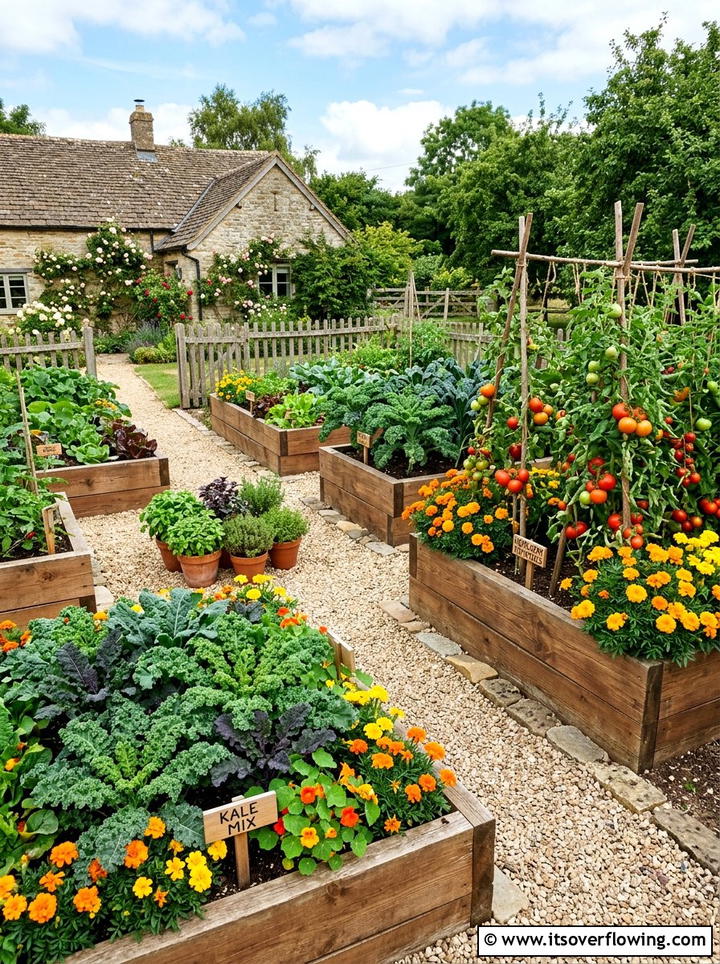
An edible vegetable patch layout doesn’t have to be a series of boring, straight rows of dirt. You can design an asymmetrical kitchen garden by using raised beds of different sizes and shapes arranged in a cluster. Mixing in flowering herbs and pollinator-friendly flowers among the vegetables makes the patch look beautiful and productive. This approach makes gardening feel more like a hobby and less like a chore. You can create small paths of bark or gravel between the beds for easy access to your harvest. This style of vegetable garden fits seamlessly into a modern landscape without looking like a traditional farm plot.

20. Cottage style flower garden
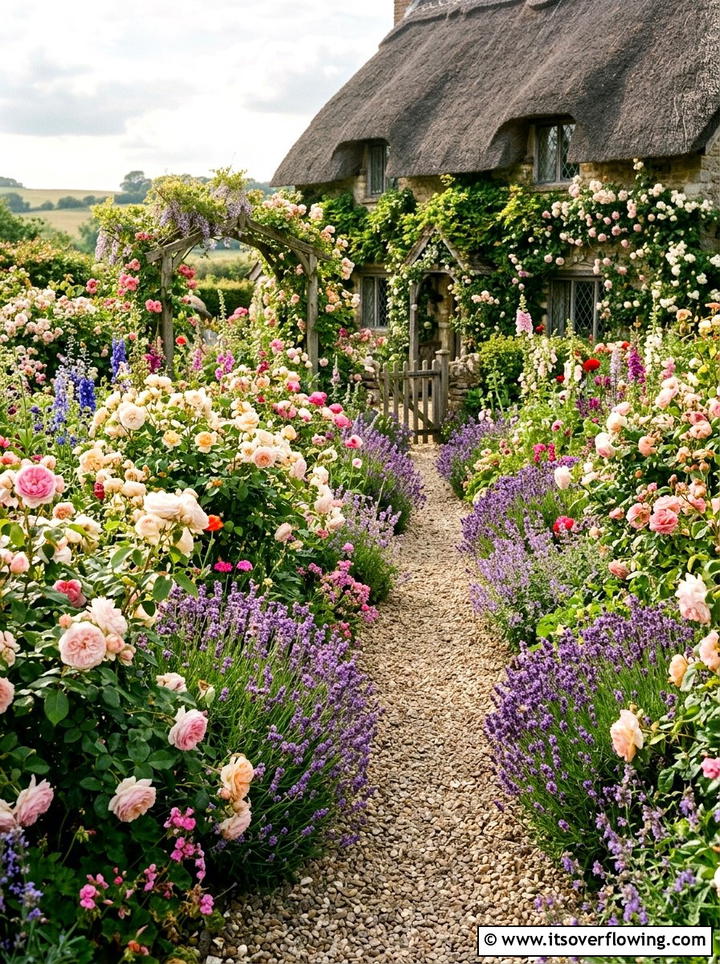
A cottage style flower garden is the ultimate expression of planned asymmetry and romantic, colorful chaos. This design features a dense planting of traditional flowers like roses, foxgloves, and lavender that spill over paths and borders. There are no straight lines or empty spaces, as every inch is filled with fragrant and beautiful greenery. The lack of formal structure is what gives this garden its charming and lived-in feel. It is a space that invites you to wander and discover something new around every corner. This style works best with a mix of soft colors and varying heights to create a dreamlike atmosphere.
21. Modern corten steel planter
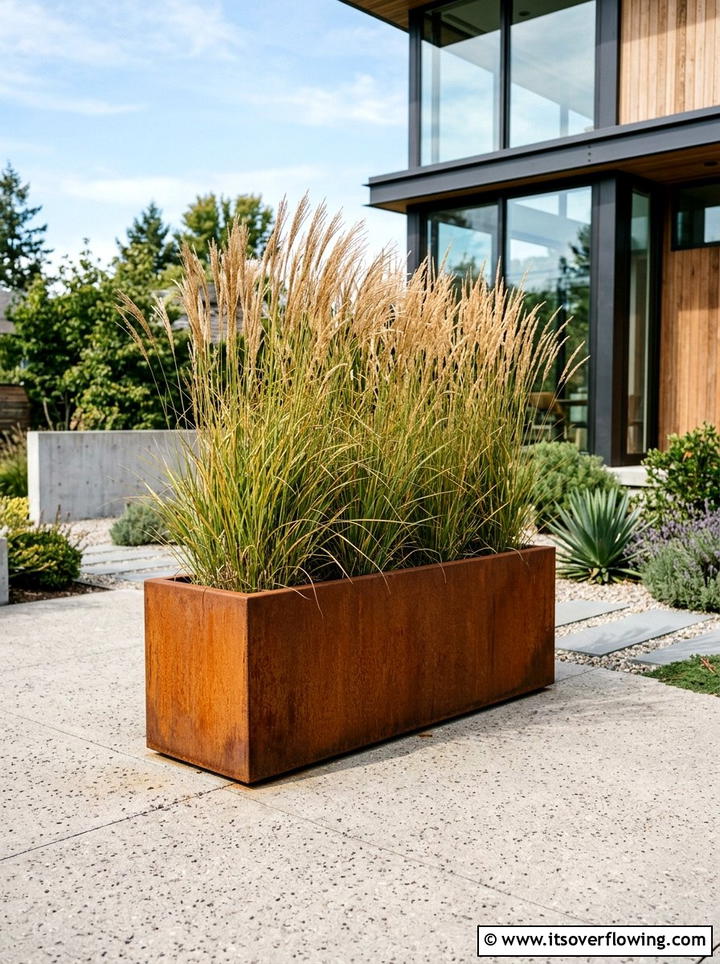
A modern corten steel planter adds an industrial and artistic touch to an asymmetrical garden layout with its unique rusty finish. These planters can be placed in different sizes and heights around a patio or along a path to create visual rhythm. The warm, earthy orange of the weathered steel contrasts beautifully with the green foliage of modern plants. Because these planters are durable and heavy, they act as permanent focal points that anchor the garden design. Using an odd number of these planters in a cluster provides a balanced look that feels intentional. It is a high-end look that matures and improves with age.
22. Woodland shade garden path
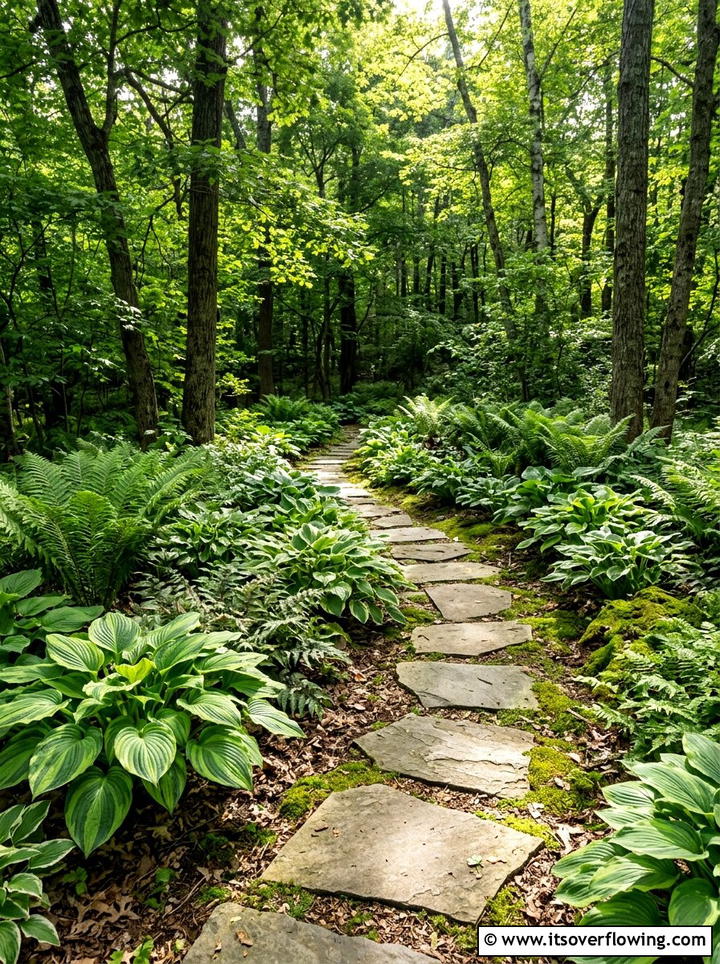
A woodland shade garden path winds through a canopy of trees, offering a cool and quiet retreat from the sun. This design uses shade-loving plants like hostas, ferns, and bleeding hearts in an irregular and layered arrangement. The path itself should be made of natural materials like wood chips or stepping stones to maintain the organic feel. Asymmetry is key here, as nature rarely grows in straight lines under a forest canopy. This type of garden feels secret and magical, providing a different sensory experience than a sunny lawn. It is a wonderful way to utilize the shaded areas under large existing trees.
23. Large boulder focal point
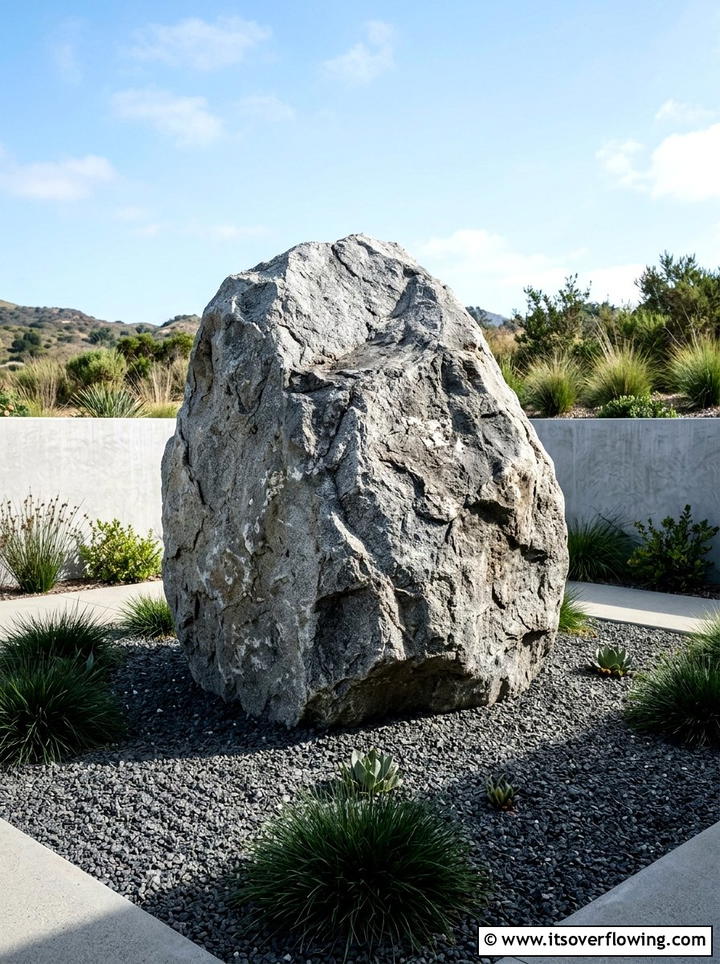
A large boulder focal point provides a solid and permanent element in an asymmetrical landscape that never changes with the seasons. By placing one or two massive stones off-center in a lawn or gravel bed, you create a sense of stability. These boulders can be used as natural seating or simply as a sculptural element that draws the eye. Surround the base of the rocks with low-growing groundcover or small shrubs to blend them into the earth. This design feels very grounded and gives the garden a sense of history and permanence. It is a simple but highly effective way to add character to your yard.
24. Wild bird habitat corner
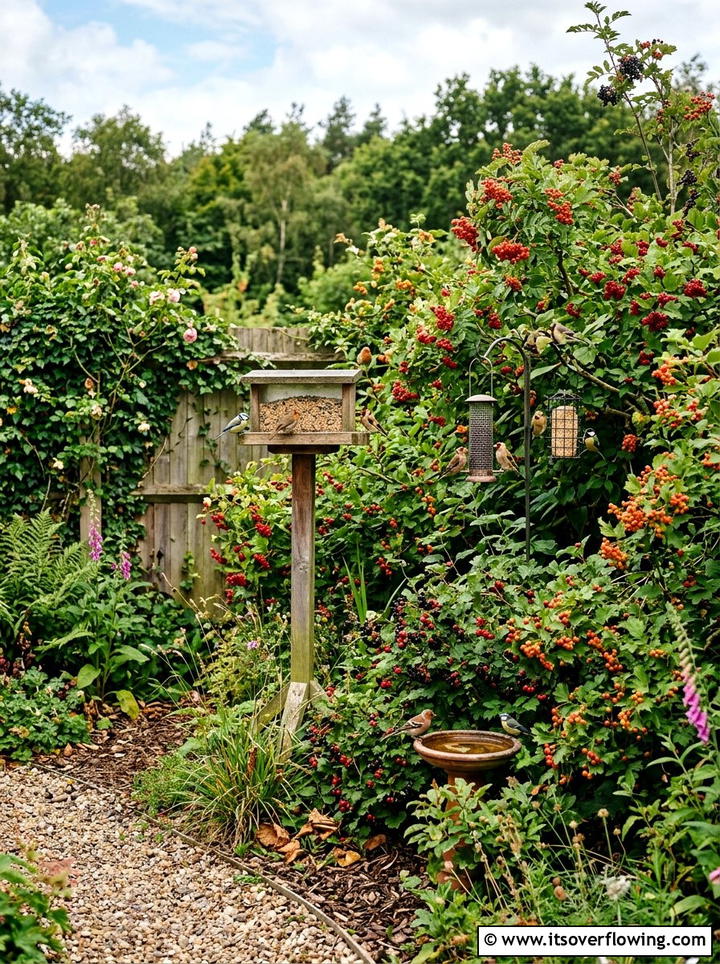
A wild bird habitat corner is designed to be functional for nature while looking beautiful and relaxed in your backyard. This asymmetrical area can include a variety of berry-producing shrubs, a simple birdbath, and some dense evergreen cover. By grouping these elements together in an irregular patch, you create a safe zone for local birds to feed and nest. This design avoids the look of a formal garden and instead embraces a more natural and slightly wild aesthetic. It brings life and movement to your garden through the sights and sounds of visiting wildlife. It is a rewarding project for any environmentally conscious homeowner.
25. Contemporary sculpture placement
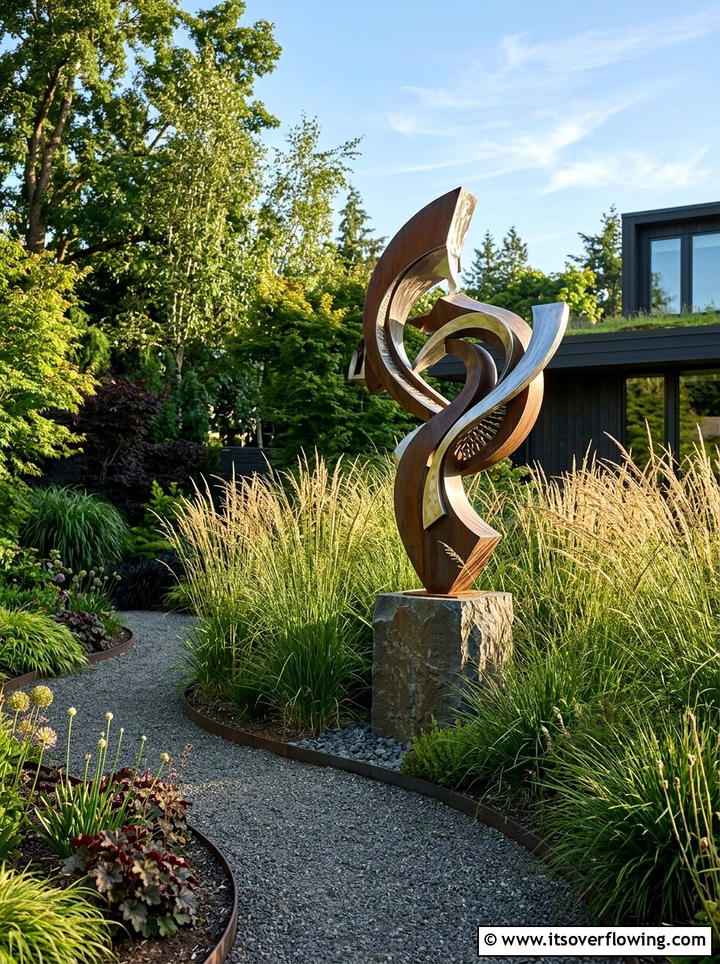
A contemporary sculpture placement adds a touch of modern art to your garden in a way that feels curated and unique. Instead of putting a statue in the middle of a fountain, placing it in an unexpected spot adds an element of surprise. You might tuck a metallic or stone piece among some tall grasses or place it at the end of a winding path. This asymmetrical positioning makes the sculpture feel like a discovery for someone walking through the space. It helps to define the style of your garden and provides a focal point that works well during all four seasons. It is an easy way to elevate your design.
Conclusion:
Asymmetrical garden design is a versatile and exciting way to transform your outdoor space into a personal sanctuary. By moving away from rigid symmetry, you allow for more natural flow and creative plant choices that reflect your personality. These ideas show that balance can be achieved through clever positioning and the use of varied textures and materials. Whether you have a tiny urban balcony or a large rural backyard, asymmetry can make the area feel more expansive and inviting. Embracing these design concepts will result in a garden that is easy to maintain and beautiful to look at every day. Start experimenting with these layouts to see your landscape flourish.

Related posts:
 25 garden design ideas with bold contrast: Dramatic Yard Style
 25 garden ideas for maximalist style: Bold Outdoor Looks
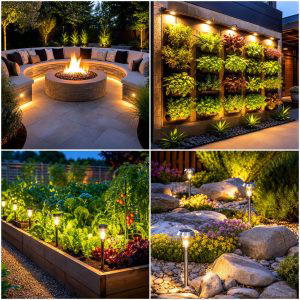 25 garden design ideas with lighting plans: Bright Outdoor Style
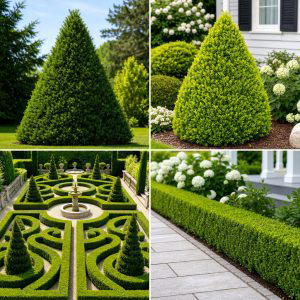 25 Creative Garden Ideas With Topiary Shapes for Bold Style
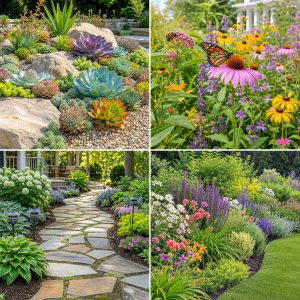 25 Small Garden Ideas for Full Sun With Bright, Bold Style
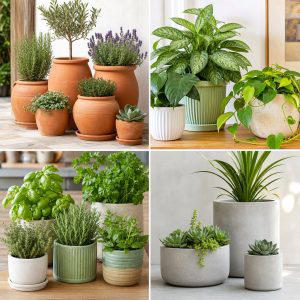 25 Small Garden Ideas With Container Clusters for Bold Style
 25 Garden Design Ideas for Modern Landscapes With Sleek Style
 25 Garden Design Ideas for Pool Areas With Resort Style
 25 garden design ideas for small yards: Big Style, Tiny Spaces
 25 Garden Design Ideas With Native Grasses for Natural Style
 25 Garden Design Ideas With Raised Beds for Productive Style
 25 Garden Design Ideas With Repetition for Cohesive Style