
Creating a lush sanctuary in a limited outdoor area is much easier when you utilize the power of grouped containers. Many homeowners struggle with small patios or tiny balconies that feel empty or cluttered, but container clusters offer a flexible and stylish solution. By gathering pots of various heights and textures, you can mimic the depth of a traditional garden bed without needing to dig up any soil. This approach allows you to experiment with different plant species while maintaining a clean and organized look. Whether you have a sun-drenched deck or a shady corner, these creative arrangements will help you maximize your square footage and bring refreshing greenery right to your doorstep.
1. Terracotta Pot Grouping
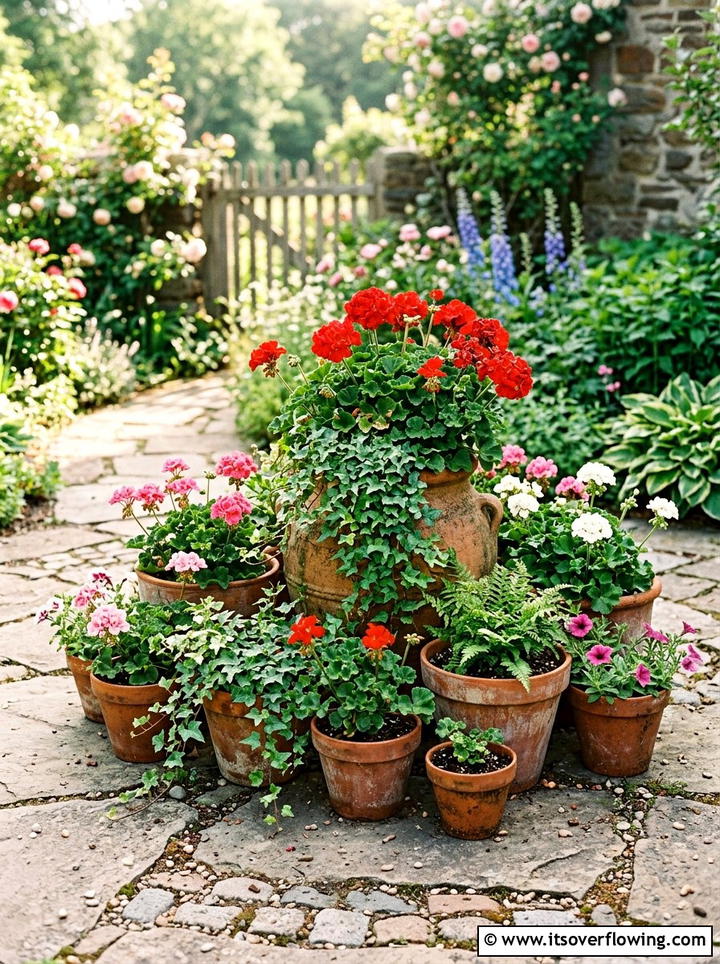
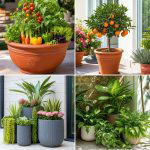
Imagine a cozy corner of your patio filled with the warm, earthy tones of traditional clay. Using terracotta pots of varying sizes creates a timeless look that feels both rustic and intentional. You should place the largest pots in the back to provide height and structure to the cluster. Smaller pots can sit in the front to show off delicate flowers or cascading greenery. This arrangement works perfectly for sunny spots because terracotta is breathable for most plants. It allows air and moisture to move through the walls, keeping roots healthy. By grouping these pots together, you create a humid microclimate that helps your small garden thrive even in intense summer heat.
2. Tiered Plant Stand Layout
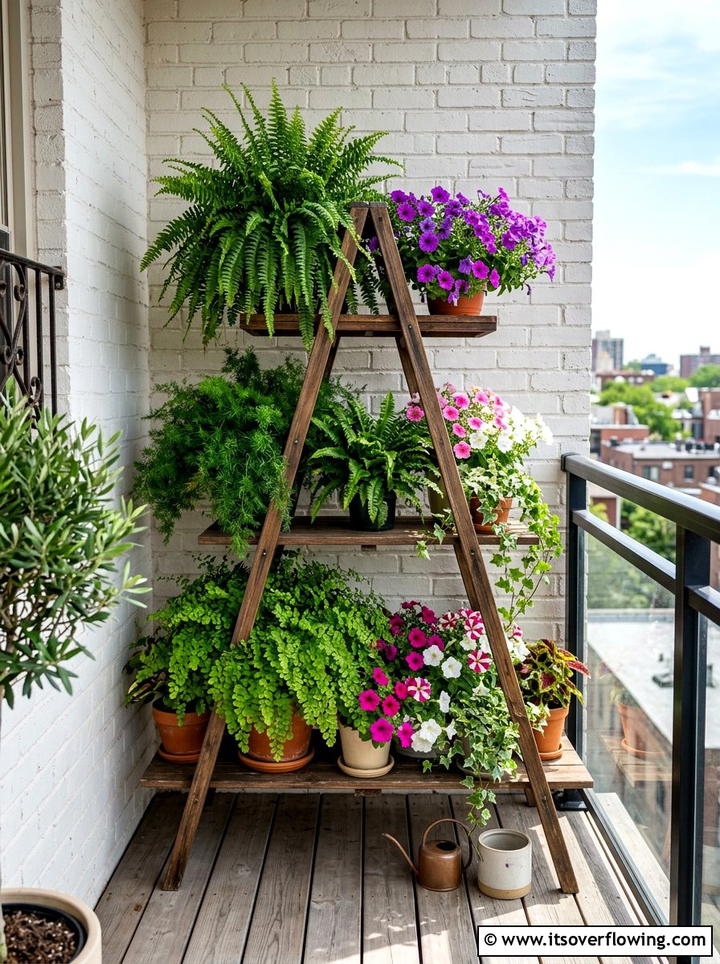
Have you ever wondered how to make a small balcony feel like a vertical forest? A tiered plant stand allows you to stack several containers in a very small footprint. This setup uses vertical space to display a variety of textures and colors at different eye levels. You can mix trailing vines on the top shelf with bushy ferns on the lower levels to create a full, lush appearance. Using a metal or wooden stand provides a sturdy frame for your collection. This method keeps your floor space clear while still offering enough room for a small chair. It transforms a flat wall into a living feature that draws the eye upward immediately.
3. Herb Container Garden
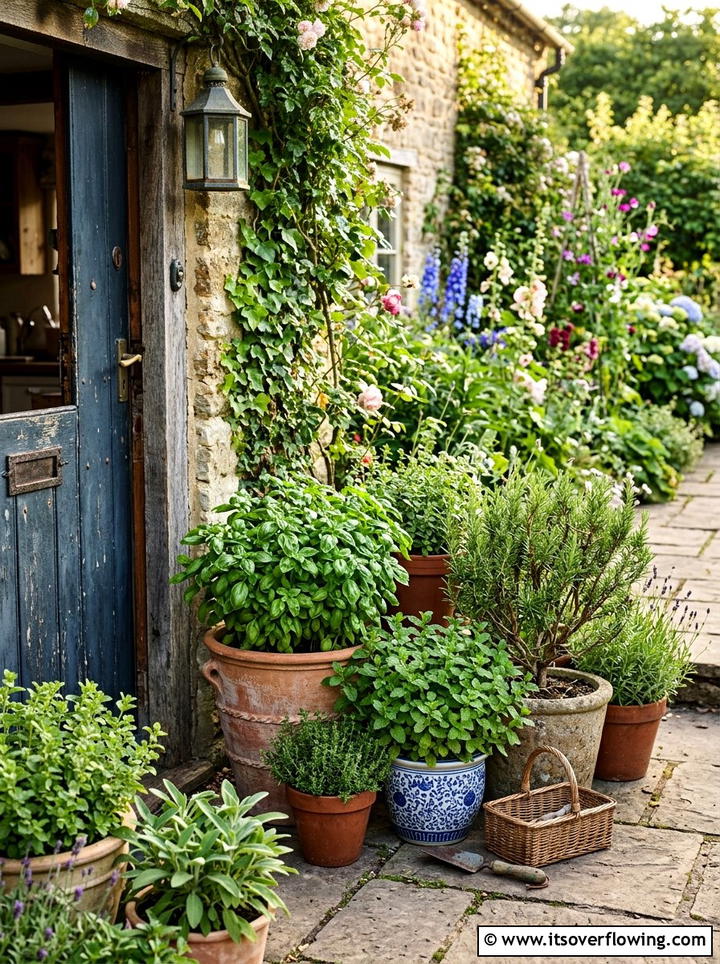
A kitchen garden does not require a massive backyard when you use grouped pots near your back door. You can gather several ceramic or plastic containers filled with basil, rosemary, mint, and thyme. Placing these pots in a tight cluster makes harvesting easy while you are cooking dinner. It is helpful to use pots with similar colors but different shapes to keep the look cohesive yet interesting. Ensure each herb has its own container so the roots do not compete for nutrients or water. This arrangement provides a fragrant atmosphere every time you step outside. It is a functional and beautiful way to bring fresh flavors into your home throughout the growing season.
4. Modern Ceramic Planter Arrangement
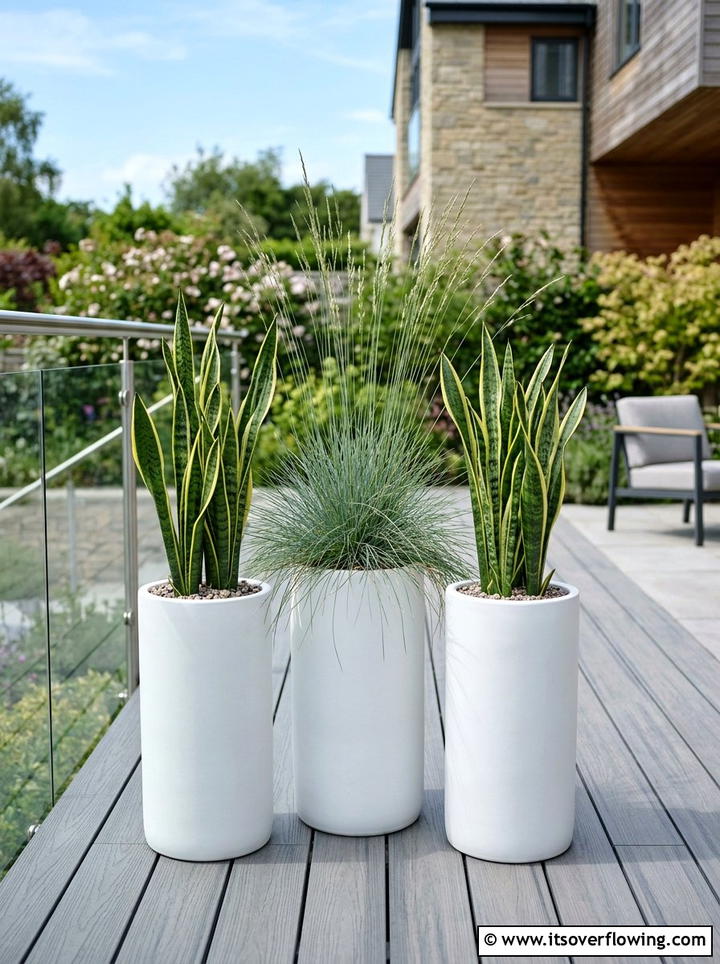
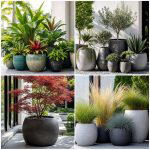
Sleek lines and smooth surfaces can give your outdoor space a contemporary and polished feel. Choosing modern ceramic planters in neutral tones like white, charcoal, or soft gray helps the vibrant green foliage stand out. You might group three large cylindrical pots of different heights to create a minimalist focal point on a deck. Planting structured species like snake plants or ornamental grasses adds to the clean aesthetic. These heavy pots are durable and can withstand windy conditions on high-rise balconies. The uniform material keeps the space looking organized rather than messy. This style is perfect for those who prefer a sophisticated and low-maintenance approach to gardening in tight quarters.
5. Succulent Cluster For Small Balcony
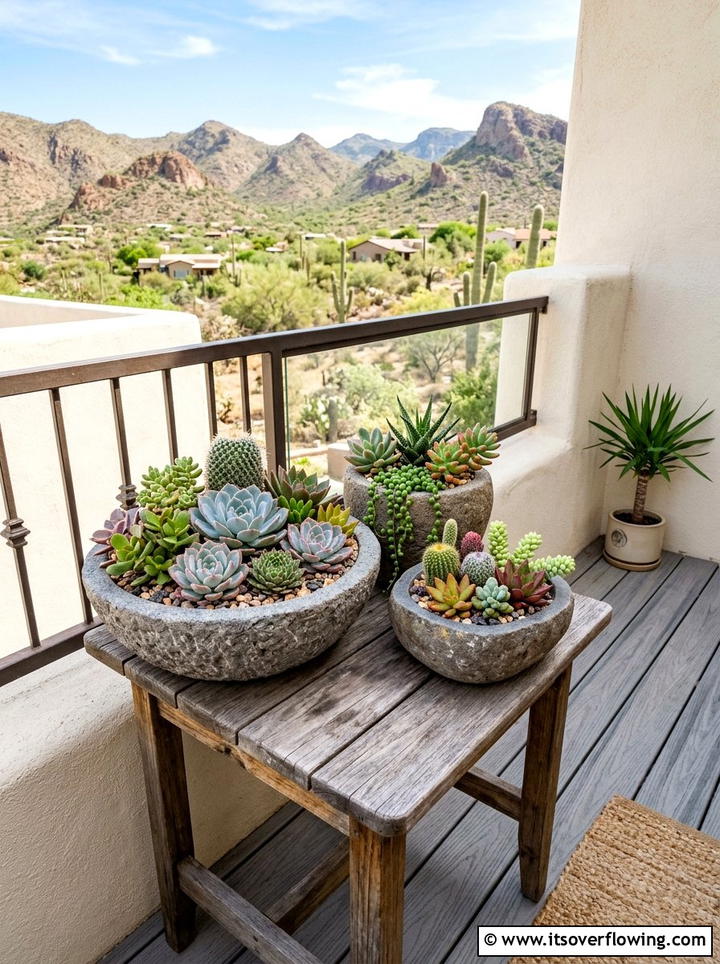
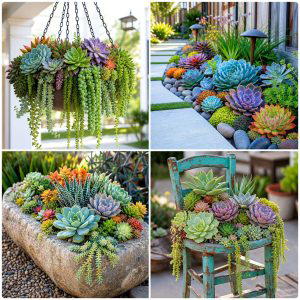
Succulents are the perfect choice for busy urban dwellers who want a garden that requires very little water. You can group several small stone or concrete bowls together on a tabletop or a low ledge. Mixing different shapes like rosettes, trailing strings of pearls, and upright cacti creates a miniature desert landscape. These plants thrive when packed together because they enjoy similar drainage and sunlight requirements. Using a layer of decorative pebbles on top of the soil hides the plastic nursery pots and adds a professional touch. This cluster stays compact and manageable, making it an ideal choice for the smallest of outdoor tables or narrow window sills.
6. Shade Plant Pot Collection
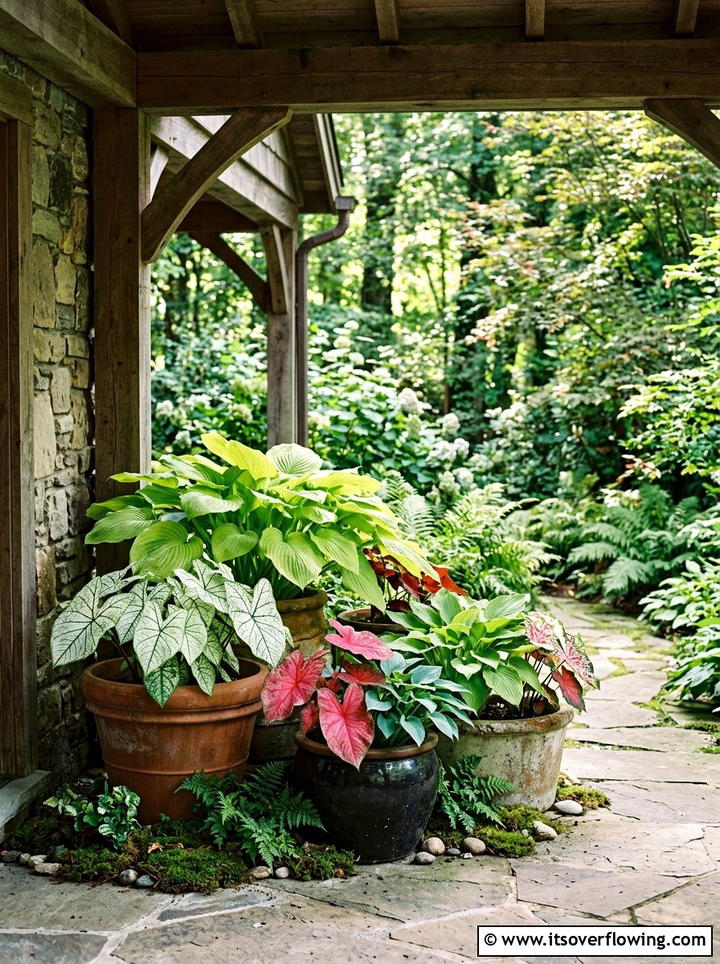
Do you have a north-facing porch that rarely sees the sun? You can still create a vibrant garden by grouping containers filled with shade-loving plants like hostas, caladiums, and begonias. These plants often feature stunning leaf patterns and bright colors that do not rely on flowers to look beautiful. Placing them in a cluster helps hold moisture in the air, which these tropical species crave. You should use larger, wide-mouthed pots to give their broad leaves plenty of room to spread out. The varying shades of green and silver will brighten up a dark corner instantly. This setup proves that you do not need direct sunlight to enjoy a lush and inviting outdoor retreat.
7. Vertical Wall Planter Set
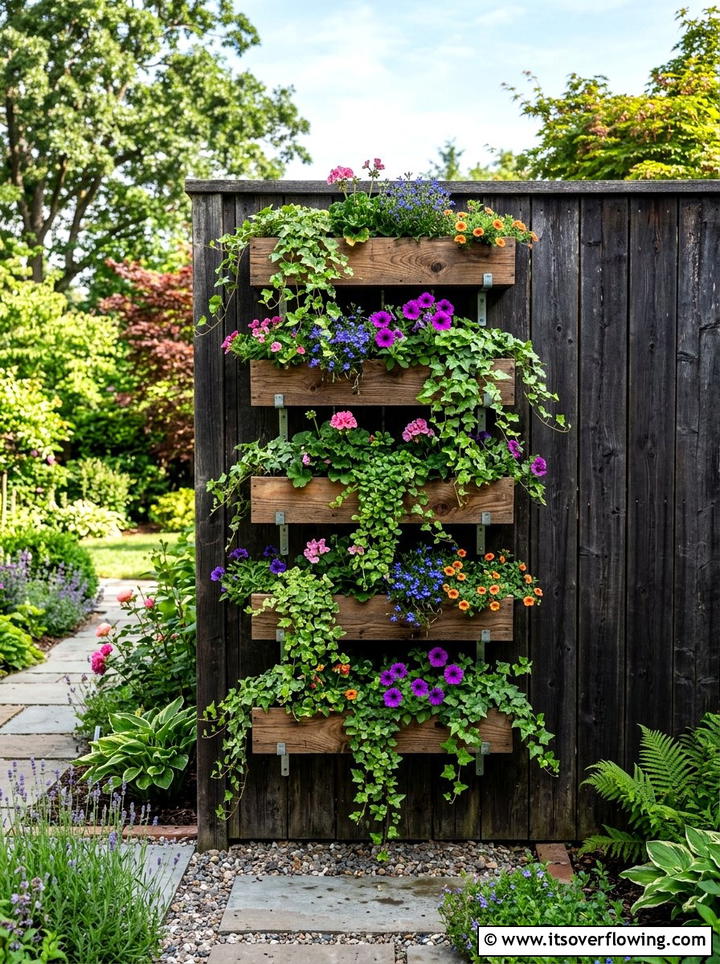
Turning a plain wooden fence or a brick wall into a garden is a smart move for tiny spaces. You can install a series of matching wall-mounted containers to create a living tapestry of greenery. This arrangement keeps the ground completely clear for furniture or walking paths. Planting trailing ivy or creeping jenny allows the plants to spill over the edges, softening the hard lines of the wall. You should group them closely together so they look like one continuous unit of vegetation. This vertical approach provides a sense of privacy and enclosure without making the area feel cramped. It is a brilliant way to maximize every inch of your outdoor real estate.
8. Galvanized Metal Tub Garden
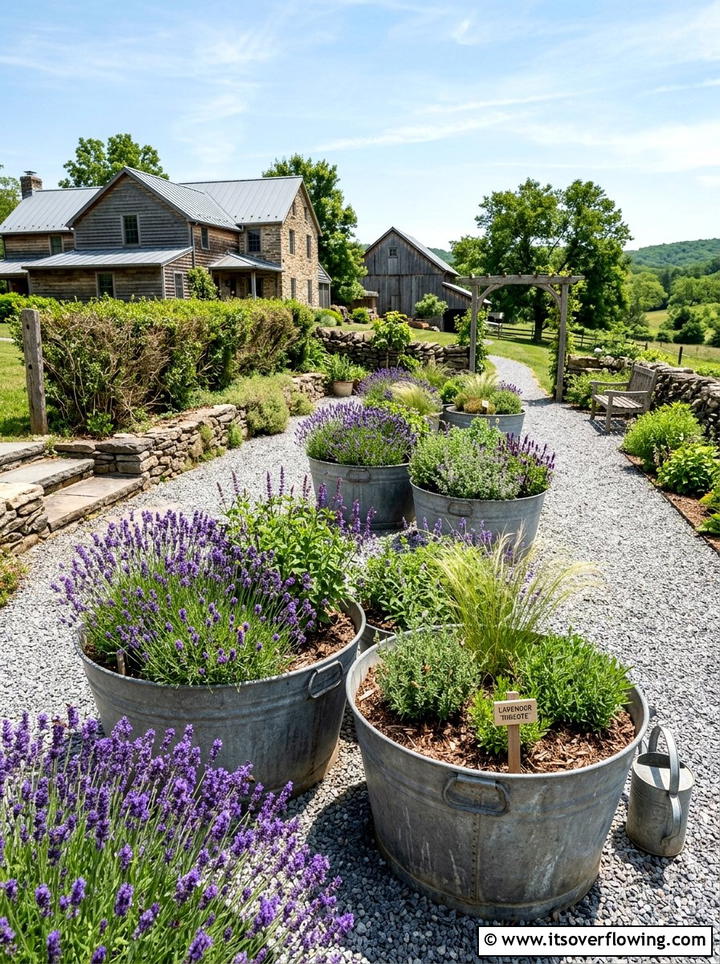
For a farmhouse or industrial look, galvanized metal tubs are an excellent choice for a cluster garden. You can find these at most hardware stores in various sizes, from small buckets to large troughs. Grouping two or three of these together creates a sturdy and weather-resistant display on a gravel patio. They are deep enough to hold larger perennial plants or even small shrubs that need more root space. Be sure to drill drainage holes in the bottom to prevent water from sitting at the roots. The silver finish reflects light, which can help brighten up a dull corner. This durable setup looks better as it ages and develops a natural weathered patina.
9. Window Box Plant Combination
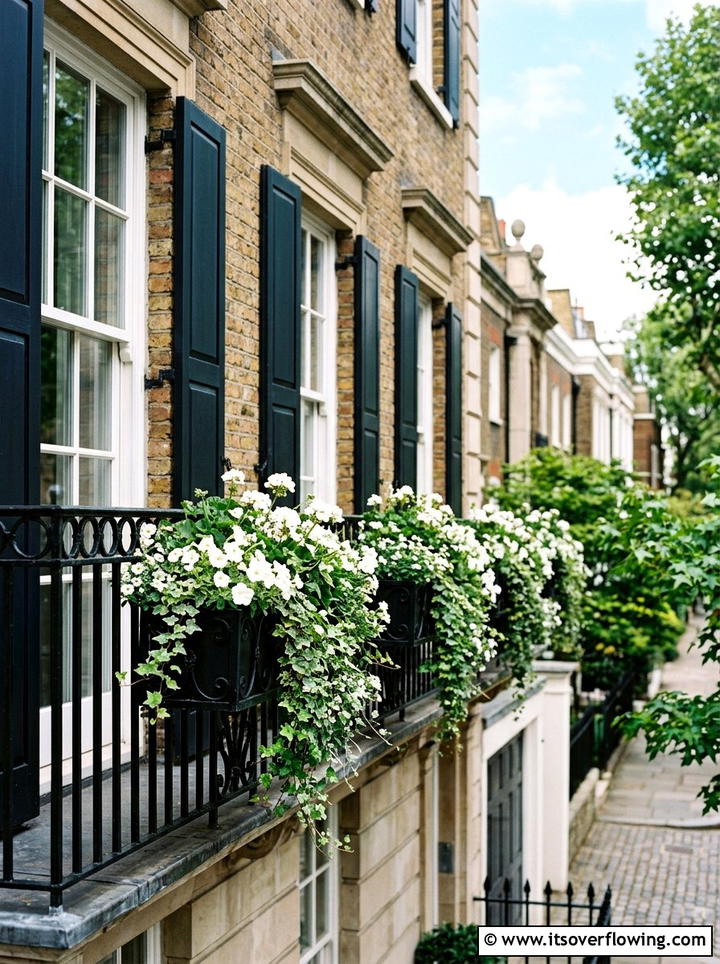
Window boxes are not just for windowsills; they can be clustered along a railing or a low wall. By lining up several boxes filled with a mix of upright and trailing plants, you create a long border of color. This setup mimics a traditional garden bed but stays contained and manageable. You can choose a theme, such as all white flowers or a rainbow of summer annuals. This arrangement is particularly effective on apartment balconies where floor space is limited. It draws the eye outward and makes the view from inside your home much more pleasant. These containers are easy to replant each season to keep your garden looking fresh and exciting.
10. Miniature Tree Pot Display
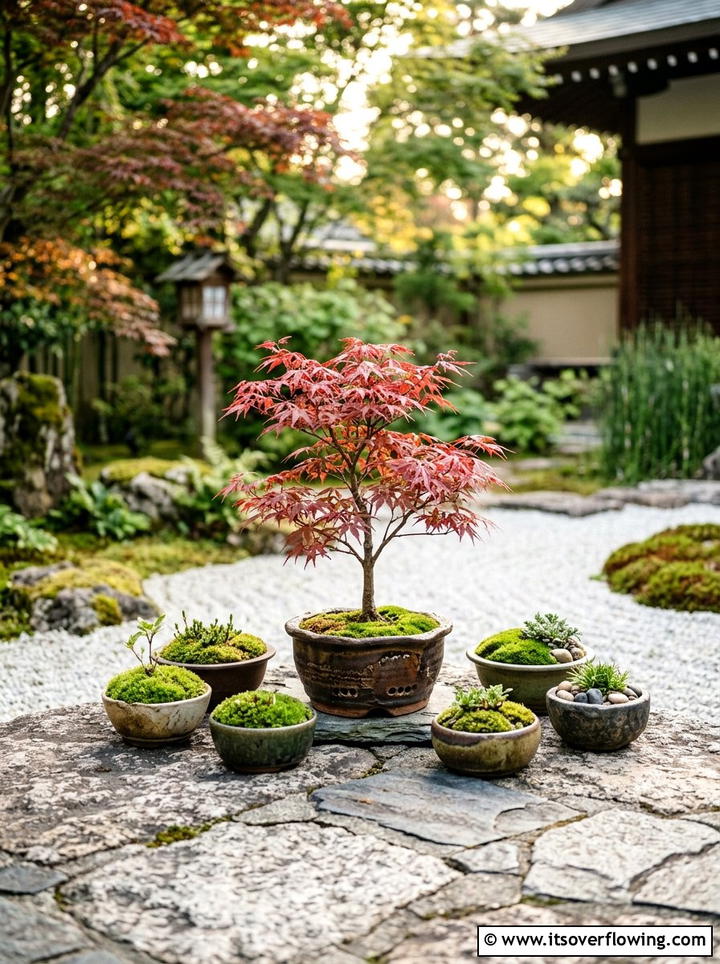
Adding height to a small garden is easy when you incorporate dwarf trees or large shrubs in pots. You can group a potted Japanese maple with a few smaller containers of moss and ferns at its base. This creates a layered look that mimics a natural woodland setting in a very small area. The tree serves as a structural anchor, while the smaller pots fill in the gaps and hide the base of the large planter. This type of cluster provides shade and a sense of maturity to a new garden. It is important to choose large, heavy pots to ensure the trees do not tip over during a storm. This setup adds a grand feel to even the smallest patio.
11. Colorful Floral Container Arrangement
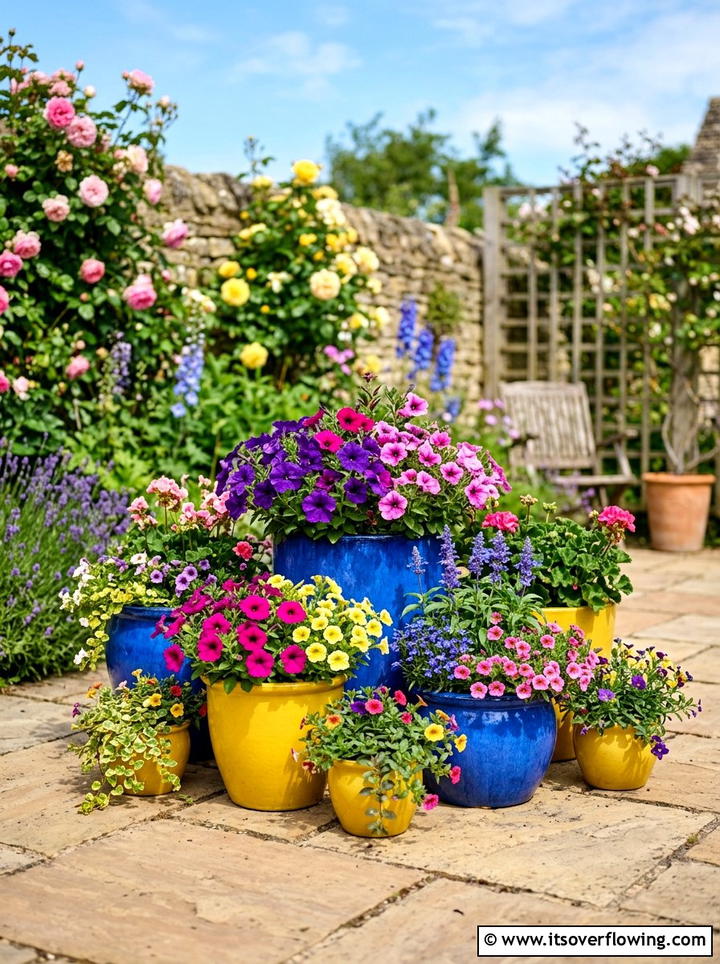
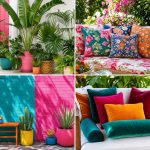
Brightening up a dull concrete patio is simple when you use a vibrant mix of flowering annuals. You can cluster several pots of petunias, marigolds, and geraniums together for a massive burst of color. Using pots in contrasting colors, like blue and orange, can make the display even more eye-catching. This arrangement is perfect for those who love to change their garden look every year. You can move the pots around to find the best sunlight or to make room for guests during a party. The dense grouping of flowers creates a high-impact visual that feels much larger than it actually is. It is a cheerful way to welcome visitors to your home.
12. Zen Garden Pot Layout
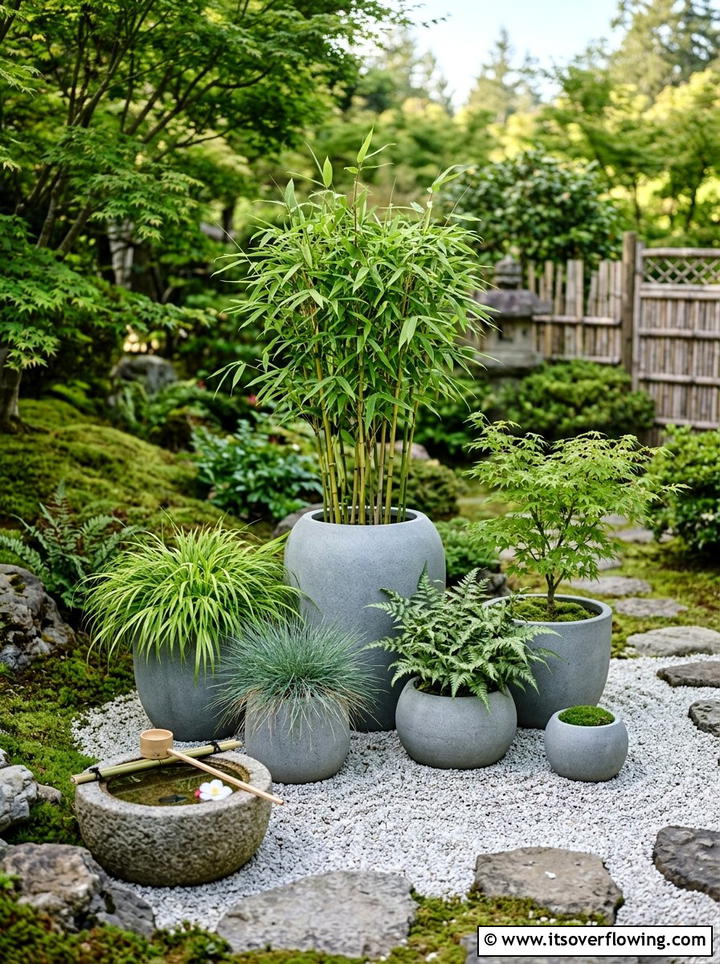
Creating a peaceful and meditative space is possible with a few carefully chosen containers and plants. You can group smooth stone planters filled with bamboo, ornamental grasses, and moss. Adding a small water feature or a bowl of still water within the cluster enhances the calming atmosphere. This design relies on simplicity and a limited color palette of greens, grays, and browns. You should space the pots slightly apart to allow for a sense of flow and balance. This arrangement works well in a quiet corner where you can sit and relax after a long day. It brings a sense of order and tranquility to an urban environment that might otherwise feel busy.
13. Tropical Plant Container Group
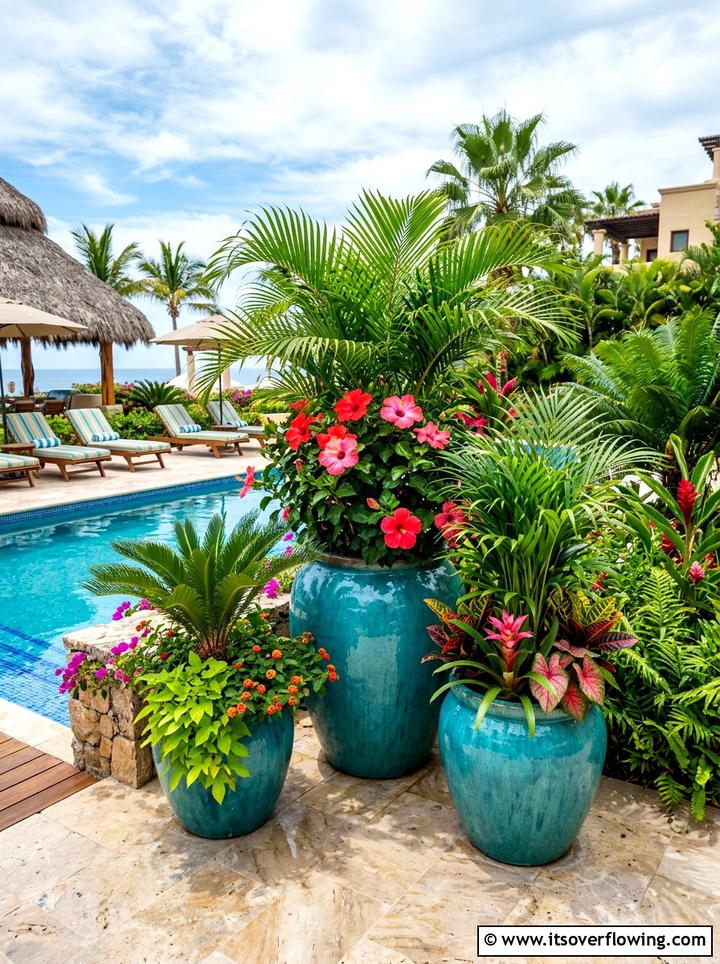
Transforming your backyard into an exotic paradise is achievable by grouping large-leafed tropical plants together. You can use pots of hibiscus, canna lilies, and bird of paradise to create a lush, jungle-like feel. These plants thrive in the heat and look best when clustered tightly to mimic their natural habitat. Using colorful glazed pots in shades of turquoise or lime green adds to the tropical vibe. This arrangement provides great privacy if you place the taller plants near a seating area. The large leaves also help to dampen noise from neighbors or the street. It is a wonderful way to enjoy a vacation-like atmosphere without ever leaving your own home.
14. Native Wildflower Pot Cluster
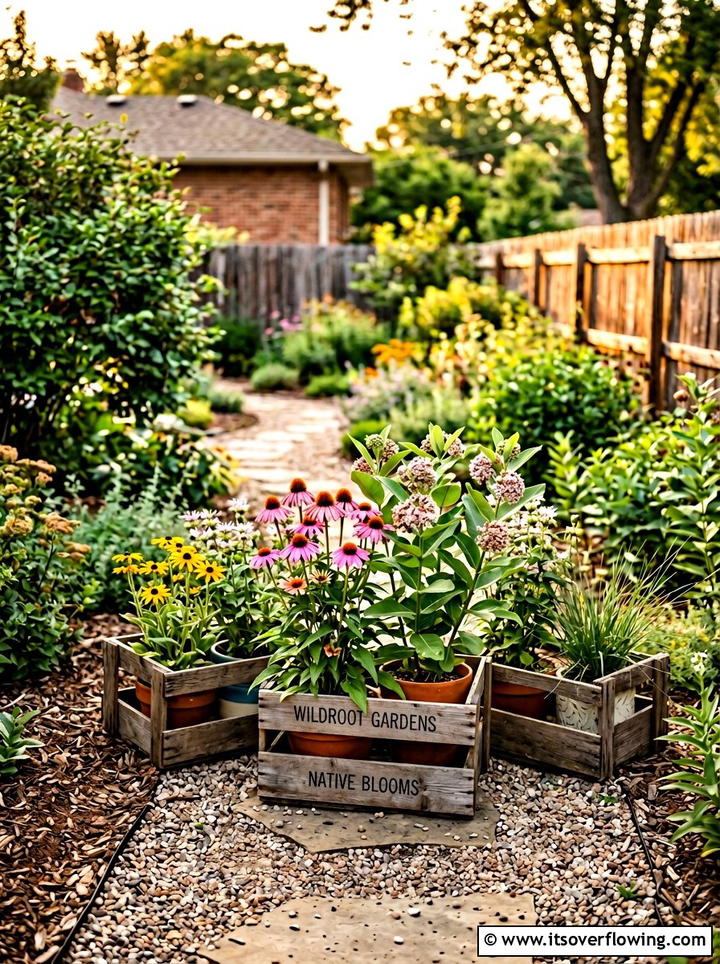
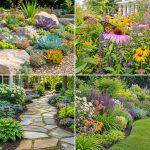
Supporting local bees and butterflies is easy when you plant native wildflowers in a series of grouped containers. You can use simple wooden crates or terracotta pots to hold species like milkweed, coneflowers, and black-eyed Susans. These plants are often hardier and require less maintenance than exotic varieties. Grouping them together makes it easier for pollinators to find the nectar and pollen they need. This cluster will change beautifully throughout the seasons, offering different colors and textures as various plants bloom. It is a sustainable and eco-friendly way to garden in a small space. This setup brings the wild beauty of a meadow right to your balcony or small suburban patio.
15. Hanging Basket Plant Variety
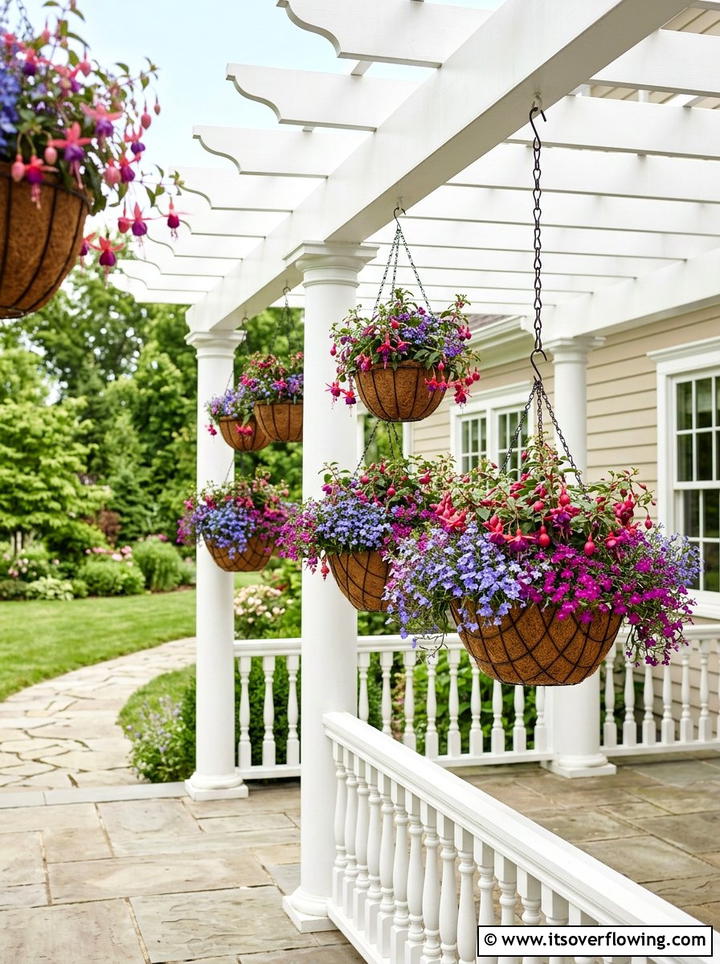
If you have no floor space at all, hanging baskets can be clustered at different heights from a porch ceiling or a pergola. You can use various types of baskets, such as wire with moss liners or modern plastic styles. Planting them with trailing lobelia, fuchsias, and ivy creates a cloud of greenery overhead. This method uses the often-ignored air space to expand your garden significantly. You should group three or five baskets together to create a more dramatic effect than a single lonely pot. This setup keeps the ground clear for walkways and furniture while surrounding you with nature. It is a classic and effective way to maximize garden potential in tiny areas.
16. Culinary Herb Pot Collection
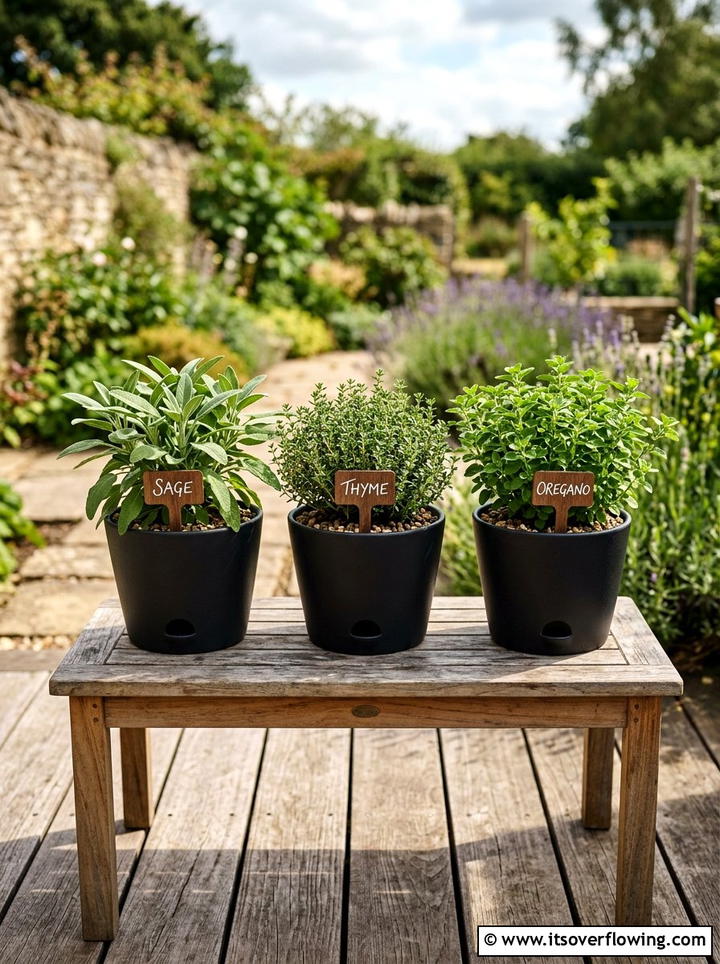
Cooking with fresh ingredients becomes a daily luxury when you have an organized herb station on your deck. You can group several medium-sized pots on a wooden bench or a dedicated shelf near your grill. Using labels on each pot helps you identify different varieties of parsley, sage, and oregano quickly. This arrangement keeps the herbs within easy reach and ensures they get the specific care they need. Some herbs prefer more water than others, so keeping them in separate pots is better than planting them all together. The fragrant leaves will release their scent every time you brush past them. It is a practical and sensory-rich addition to any small outdoor cooking area.
17. Concrete Planter Minimalist Setup
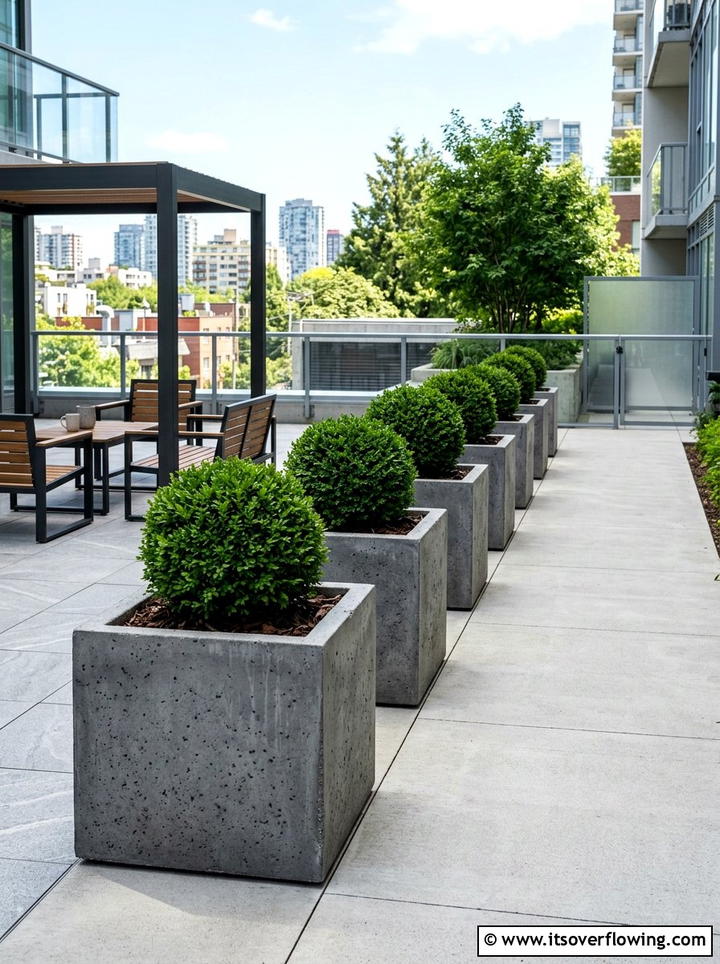
For a sturdy and modern look, concrete planters offer a heavy-duty solution that stays in place. You can group square and rectangular concrete pots to create a clean, architectural border for your patio. This material looks excellent when paired with structural plants like boxwood or tall grasses. The natural gray tone of the concrete complements almost any house color and makes the green foliage look incredibly crisp. These pots are also great for insulation, protecting plant roots from extreme temperature changes. This minimalist approach focuses on form and texture rather than flashy colors. It is an ideal choice for a sophisticated urban garden that needs to look good all year round.
18. Fairy Garden Container Display
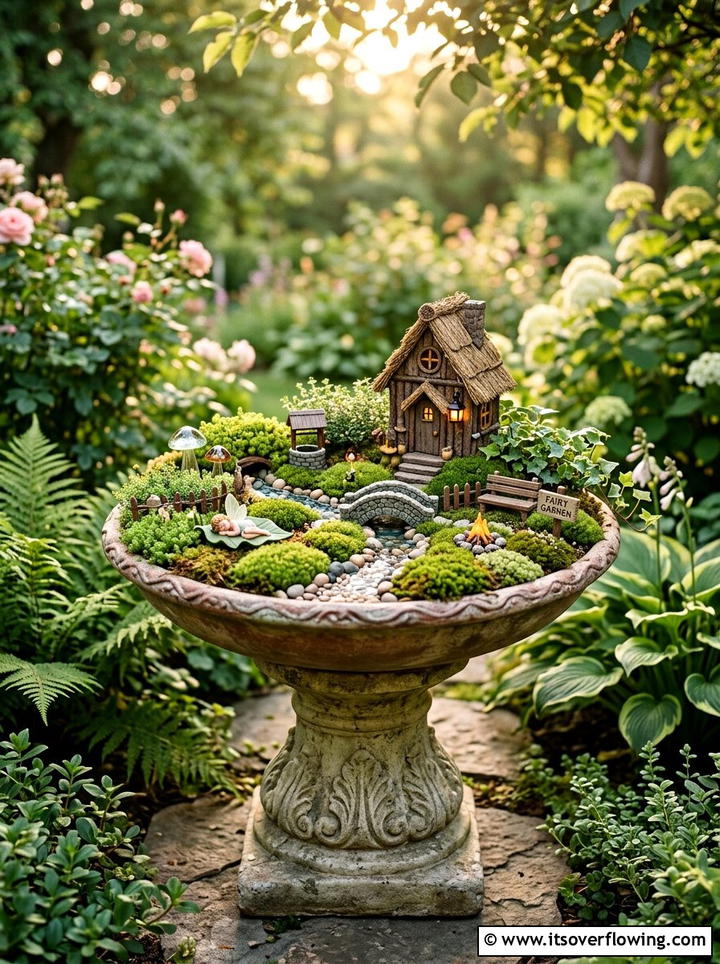
Creating a whimsical and tiny world is a fun project for gardeners of all ages. You can group a few large, shallow bowls and fill them with miniature plants like baby’s tears and tiny ferns. Adding small houses, paths, and tiny furniture within the cluster creates a magical scene. This type of garden is meant to be viewed up close, making it perfect for a tabletop or a low pedestal. Using a group of containers allows you to tell a story that spans across several different “landscapes. ” It is a creative way to express your personality and bring a touch of fantasy to your outdoor space. This setup requires very little room but offers endless charm.
19. Symmetrical Doorway Pot Arrangement
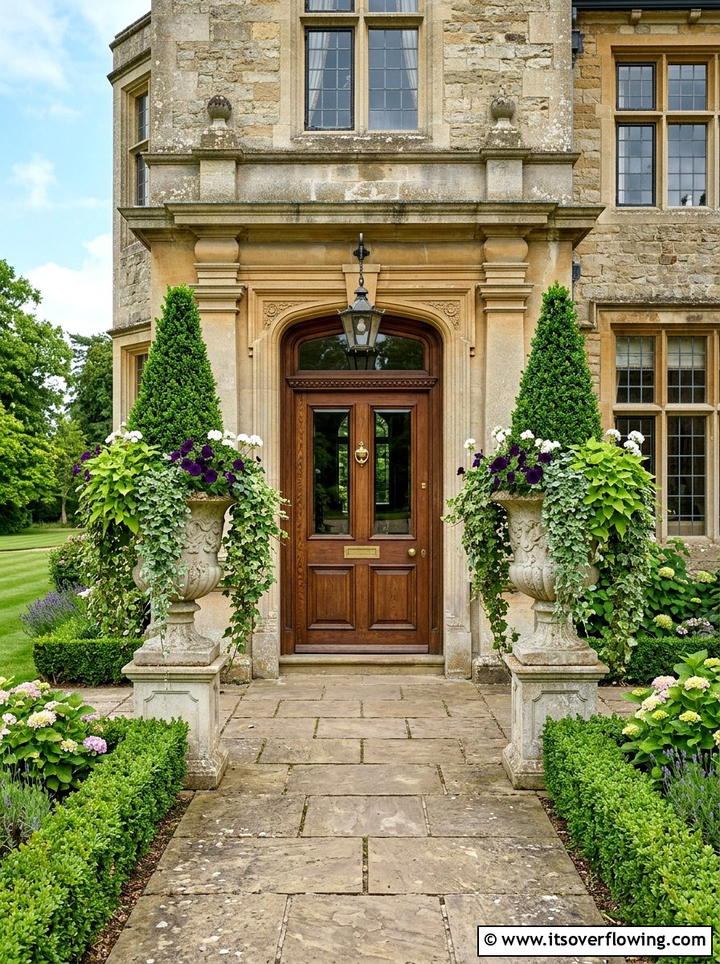
Framing your entrance with a pair of matching container clusters creates a welcoming and formal appearance. You can place a tall, elegant urn on either side of your door and surround it with two smaller, coordinating pots. This symmetrical layout gives your home an instant boost in curb appeal. Using identical plants in each cluster, such as tall cedars and flowing sweet potato vines, keeps the look balanced. This arrangement guides the eye toward the door and makes the entrance feel much more grand. It is a simple yet effective way to use containers to enhance the architecture of your house. This classic design never goes out of style and works for any home.
20. Seasonal Flower Container Rotation
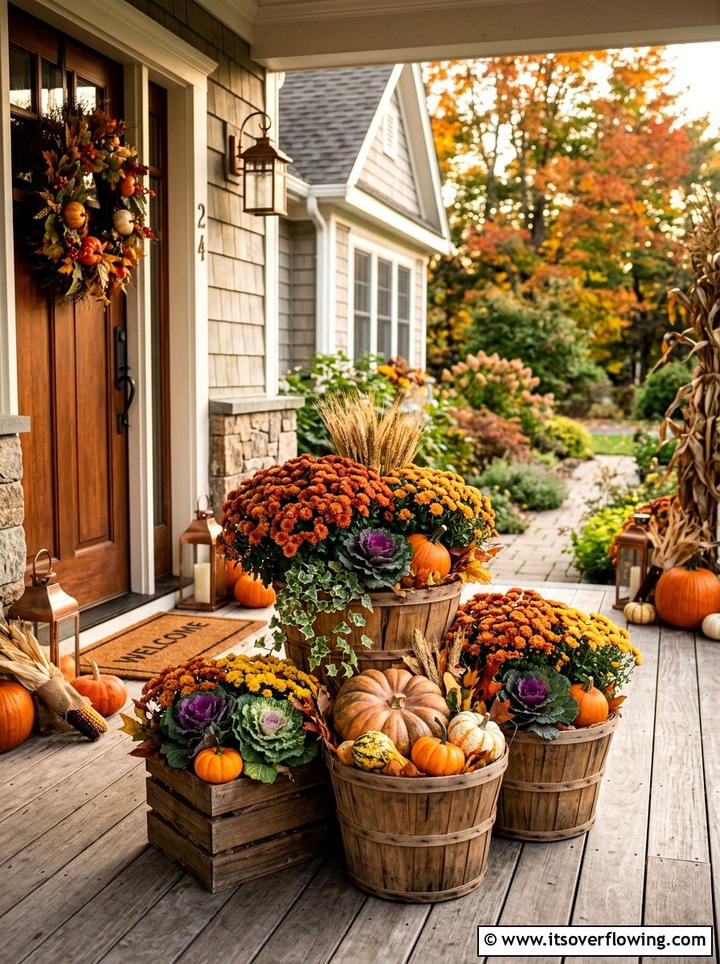
One of the best things about a container garden is the ability to change the look as the seasons progress. You can have a core group of pots that stay the same, while swapping out smaller “filler” pots for seasonal color. In spring, you might have tulips and pansies, followed by bright zinnias in the summer. When autumn arrives, you can bring in mums and decorative kale to keep the cluster looking full. This keeps your small garden exciting and fresh throughout the entire year. It is much easier to replace a few pots than it is to replant an entire garden bed. This strategy ensures you always have something blooming or interesting to look at.
21. Privacy Screen Pot Grouping
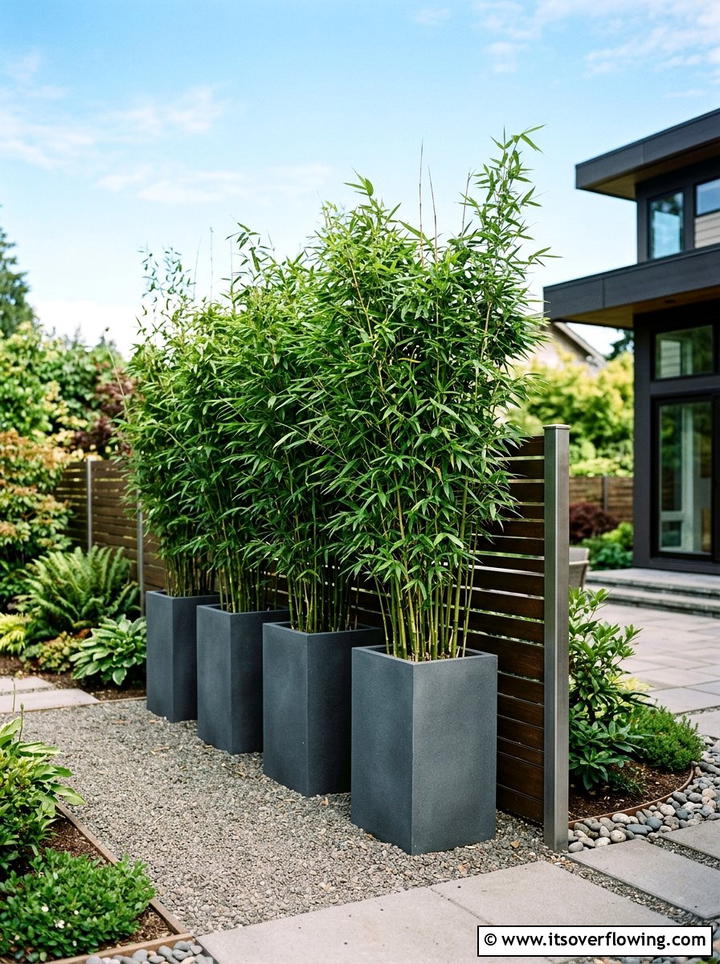
Do you need to hide a neighboring view or a busy street? You can group tall, narrow containers filled with upright plants to create a natural living wall. Species like bamboo, tall grasses, or arborvitae work perfectly for this purpose. By lining these pots up in a tight row or a dense cluster, you block the line of sight and create a private oasis. This method is much more attractive than a standard wooden fence and can be moved if needed. Using heavy pots will ensure the “wall” stays upright during windy days. This setup provides both visual privacy and a soothing sound as the wind rustles through the leaves of your tall plants.
22. Edible Vegetable Container Layout
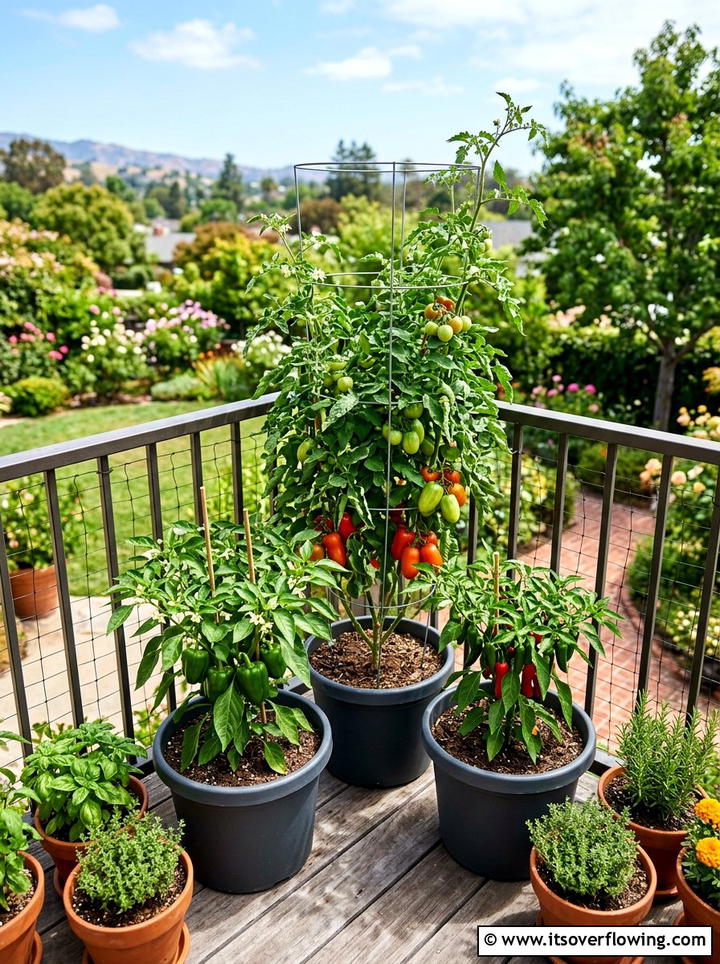
You do not need a farm to grow your own food when you utilize large containers in a sunny cluster. You can group several 5-gallon pots together to grow cherry tomatoes, peppers, and even cucumbers with small trellises. Placing these pots in the sunniest part of your patio ensures a bountiful harvest. Using a group of pots allows you to manage the soil quality and watering for each vegetable individually. It also keeps pests away from your crops more effectively than traditional ground planting. This functional garden layout is perfect for teaching children where their food comes from. It is a rewarding way to make your small outdoor space productive and delicious.
23. Pollinator Garden Pot Cluster
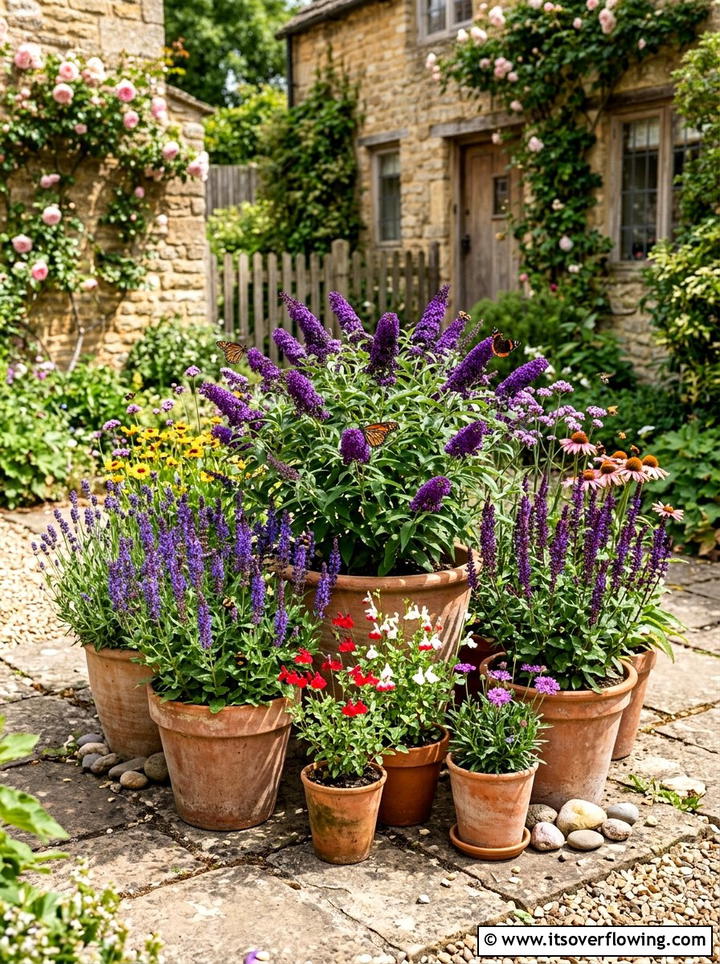
Attracting beautiful wildlife to your small balcony is possible by grouping nectar-rich flowers together. You can fill several pots with lavender, salvia, and buddleia to create a magnet for bees and hummingbirds. These plants often have a lovely scent that will fill your seating area on warm afternoons. Grouping them makes the fragrance more concentrated and makes the flowers easier for pollinators to spot from a distance. You can use different pot heights to ensure every flower is visible and accessible to visiting insects. This cluster creates a lively and active environment that is fascinating to watch. It is a great way to contribute to the local ecosystem while enjoying a beautiful floral display.
24. Textured Leaf Plant Collection
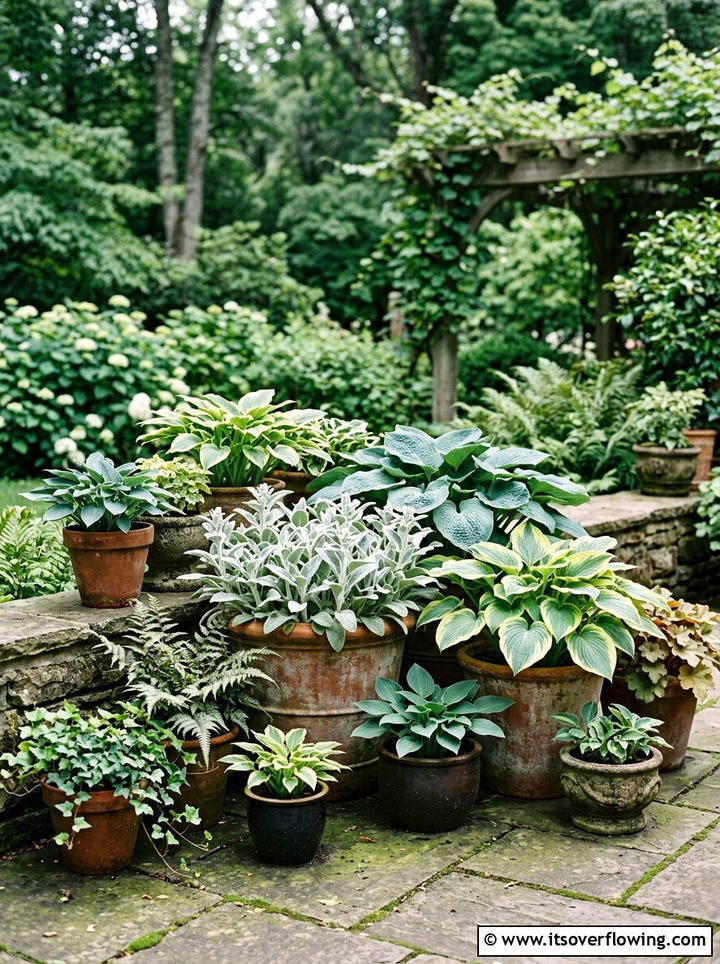
Focusing on leaf texture instead of flowers can create a sophisticated and year-round garden. You can group containers filled with plants that have fuzzy, glossy, or deeply veined leaves. Think about mixing silvery lamb’s ear with shiny dark green ivy and feathery asparagus ferns. This variety of textures creates visual interest even when nothing is in bloom. Using simple, monochromatic pots allows the different leaf shapes to take center stage. This type of cluster is often very low-maintenance because many foliage plants are quite hardy. It creates a lush, green atmosphere that feels cool and refreshing during the height of summer. This design approach is both modern and timeless for any small space.
25. Wood Barrel Planter Arrangement
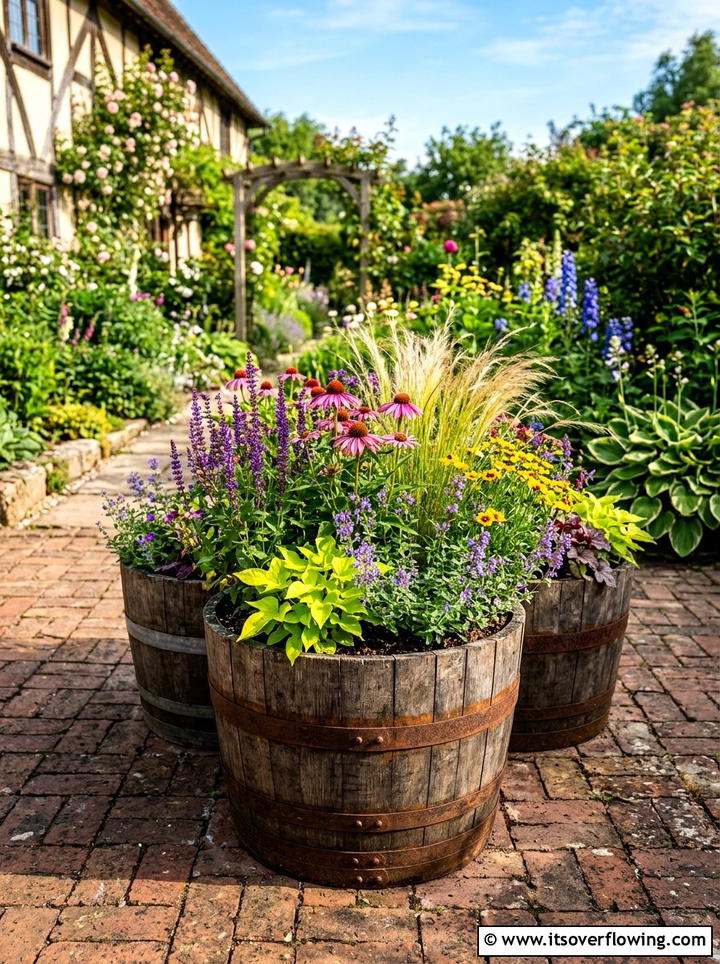
For a classic and sturdy garden look, half-wine barrels or wooden planters are a fantastic choice. You can group two or three barrels of different sizes on a patio to create a sense of permanence and weight. These containers are large enough to hold multiple types of plants, allowing you to create a “thriller, filler, spiller” design within each one. The natural wood grain adds a warm and organic texture to your outdoor area. They are especially good for larger perennials or small fruit bushes that need more room to grow. Over time, the wood will weather to a beautiful silver-gray, blending perfectly with the surrounding greenery. This setup offers a substantial and rustic feel to a small garden.
Conclusion:
Grouping containers is truly the most effective way to transform a small outdoor area into a lush and inviting garden retreat. This approach offers endless flexibility, allowing you to move your plants as the seasons change or as your design preferences evolve. By following these ideas, you can create a space that feels personal, organized, and full of life regardless of your square footage. Whether you choose the rustic charm of terracotta or the sleek lines of modern concrete, container clusters provide a structured way to enjoy nature. Remember to focus on varying heights and textures to create a professional look that will surely go viral on Pinterest. Start with a few pots today and watch your tiny sanctuary grow into a beautiful, green haven that you will love for years to come.

Related posts:
 25 garden design ideas with container clusters: Stylish Pots
 25 Creative Garden Ideas With Container Vegetables
 25 Creative Garden Ideas With Topiary Shapes for Bold Style
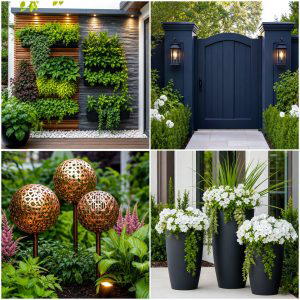 25 garden design ideas with bold contrast: Dramatic Yard Style
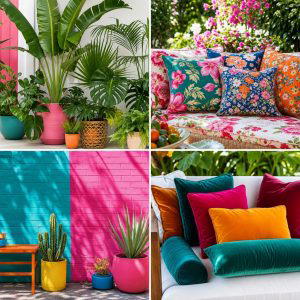 25 garden ideas for maximalist style: Bold Outdoor Looks
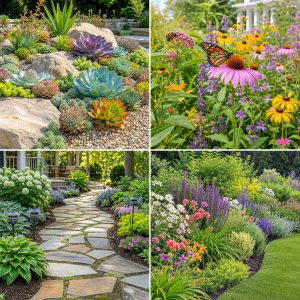 25 Small Garden Ideas for Full Sun With Bright, Bold Style
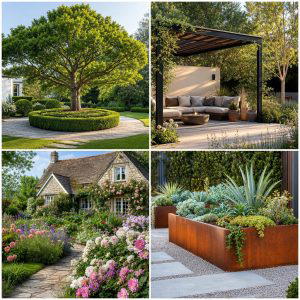 25 Garden Design Ideas With Asymmetry for Bold Outdoor Style
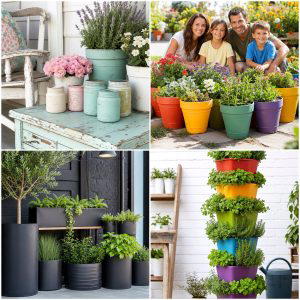 25 creative garden ideas with painted planters for Bold Color
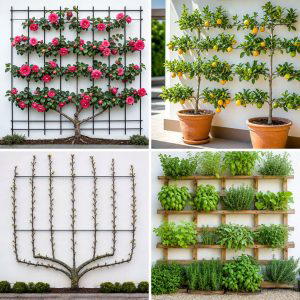 25 Creative Garden Ideas With Espalier Trees for Style
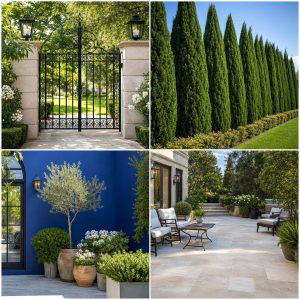 25 garden ideas for mediterranean style: Sunny Yard Looks
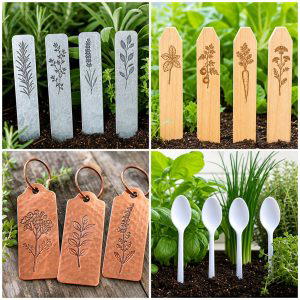 25 Garden Ideas With Plant Markers for Organized Outdoor Style
 25 small garden ideas with succulents for Low-Maintenance Style