
Imagine stepping into a lush, vibrant backyard where every sprouting herb and blooming perennial is perfectly identified with a touch of personal flair and organizational brilliance. Creating a beautiful outdoor space often involves more than just planting seeds; it requires a thoughtful layout that keeps your botanical collection orderly and visually stunning for guests and family alike. Plant markers serve as the perfect bridge between functional gardening and artistic expression, allowing you to showcase your unique style while keeping track of your vegetable varieties. Whether you prefer a rustic cottage look or a sleek modern aesthetic, these markers enhance the overall atmosphere of your garden sanctuary effortlessly.
1. Painted Stone Plant Labels
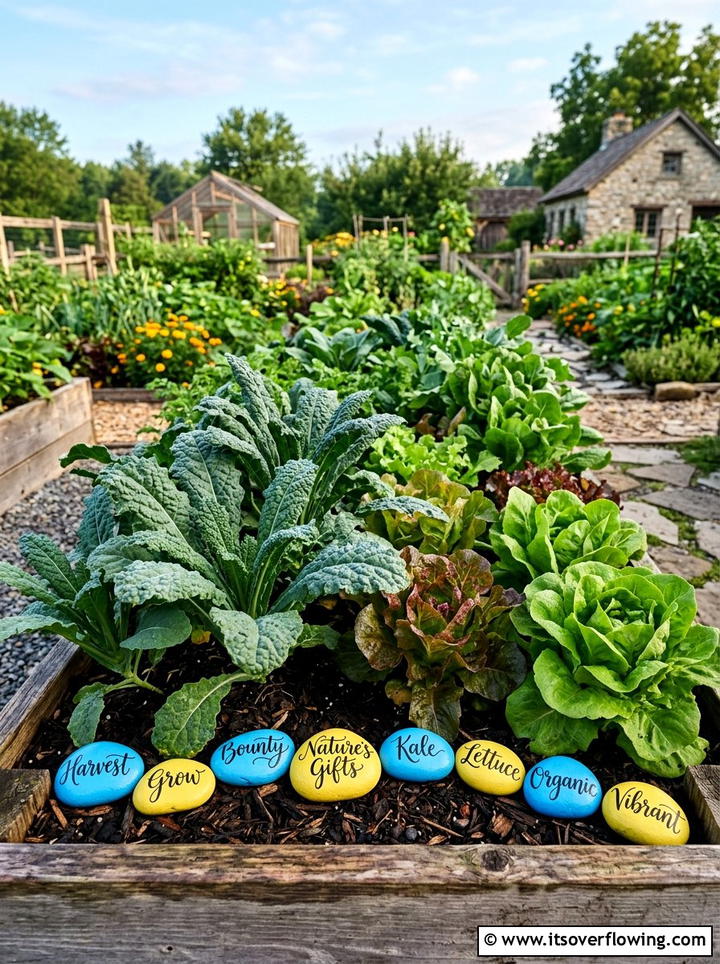
Soft morning light hits the smooth surfaces of hand-painted river rocks tucked neatly at the base of your vegetable rows. These natural markers offer a wonderful way to blend organic elements with bright, artistic pops of color that catch the eye immediately. You can use waterproof acrylic paints or outdoor paint pens to write the names of your crops in elegant calligraphy or bold block lettering. The weight of the stones ensures they stay exactly where you placed them, even during heavy rain or wind. This approach creates a grounded, earthy feel in your garden beds while providing a permanent solution that lasts through every growing season.
2. Engraved Zinc Garden Stakes
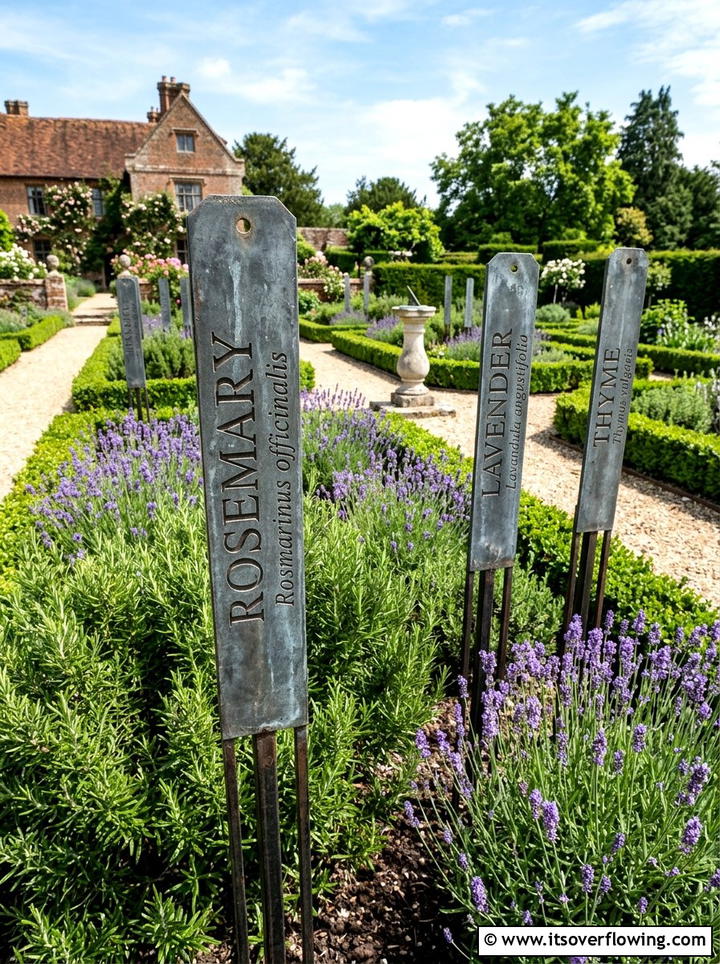
Have you ever wanted a sophisticated and professional look for your botanical collection that stands the test of time and weather? Engraved zinc markers provide a classic, high-end aesthetic that reminds one of a formal botanical garden or a historical estate landscape. The metal develops a beautiful patina over time, adding character and depth to your flower borders without losing any legibility or structural integrity. These stakes are incredibly durable and resist rust, making them a smart long-term investment for any serious gardener who appreciates clean lines. Their slim profile allows them to blend into the foliage while still remaining easily accessible for quick plant identification.
3. DIY Stamped Clay Markers
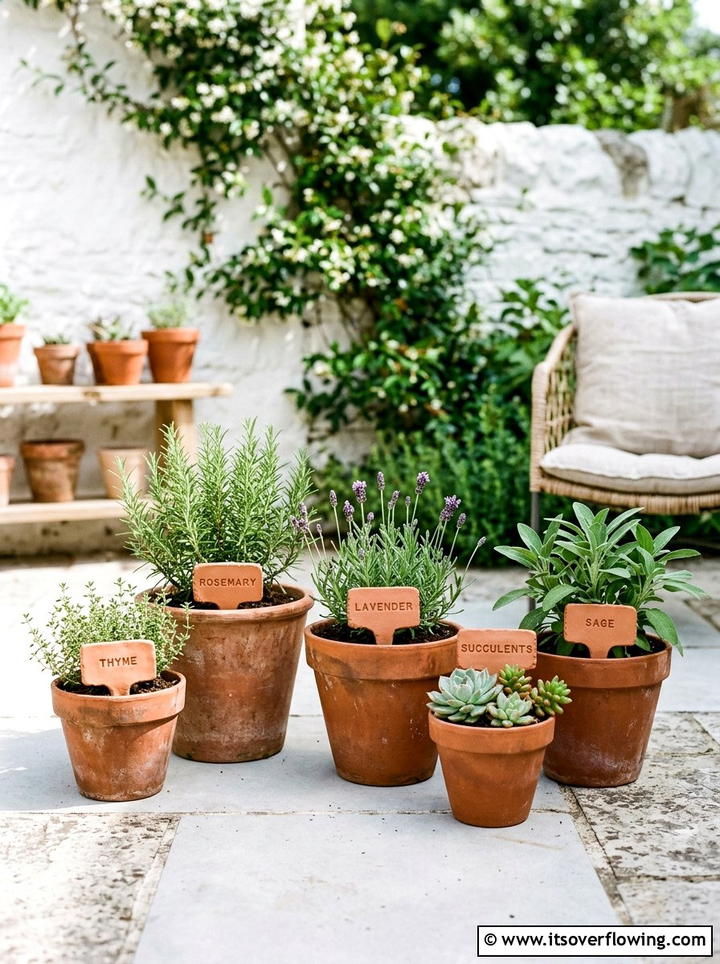
The tactile feel of handmade ceramic or air-dry clay markers brings a charming, artisanal quality to your raised garden beds or indoor herb pots. You can easily roll out the clay and use alphabet stamps to deboss the names of your favorite plants directly into the damp surface. Once dried and sealed with a clear waterproof coating, these markers look like miniature pieces of pottery scattered throughout your greenery. They offer a soft, neutral palette that complements the natural greens and browns of the soil perfectly. This method allows for complete customization of shape and size, ensuring every marker fits your specific garden layout beautifully.

4. Natural Wooden Garden Stakes
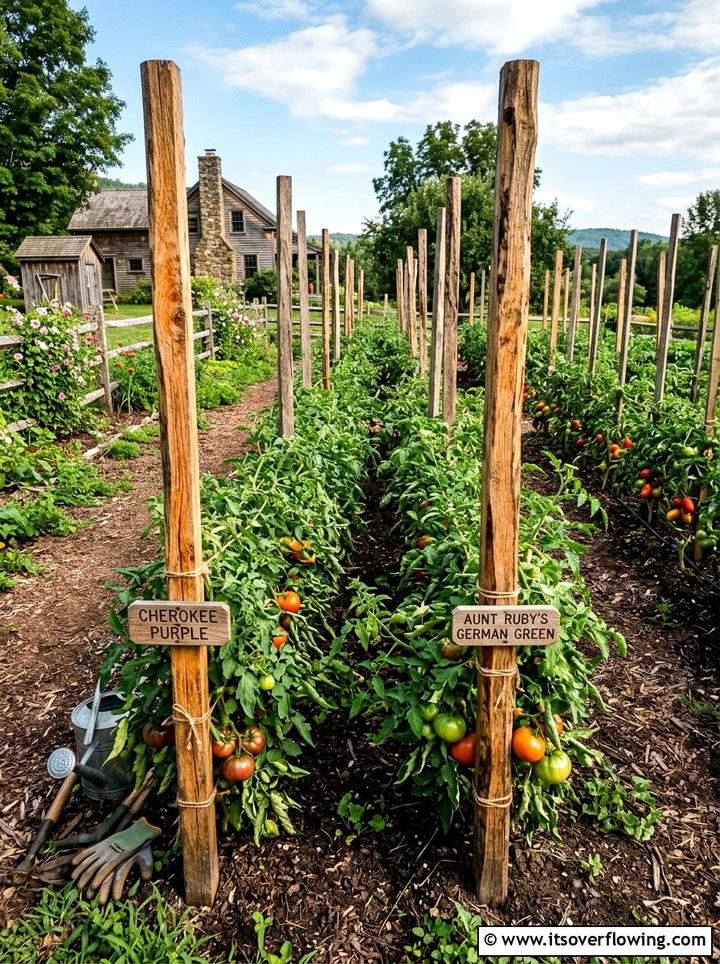
Walking through a rustic kitchen garden feels even more authentic when you use simple, untreated wooden stakes to label your sprawling tomato vines. These markers are highly affordable and can be crafted from reclaimed lath, cedar scraps, or even sturdy fallen branches found around your property. You can use a wood-burning tool or a dark permanent marker to display the plant names in a way that feels traditional and timeless. The natural wood grain adds a warm, textured element to the garden that synthetic materials simply cannot replicate. Over time, the wood will silver beautifully, helping your garden feel deeply connected to the surrounding natural environment.
5. Broken Terracotta Pot Labels
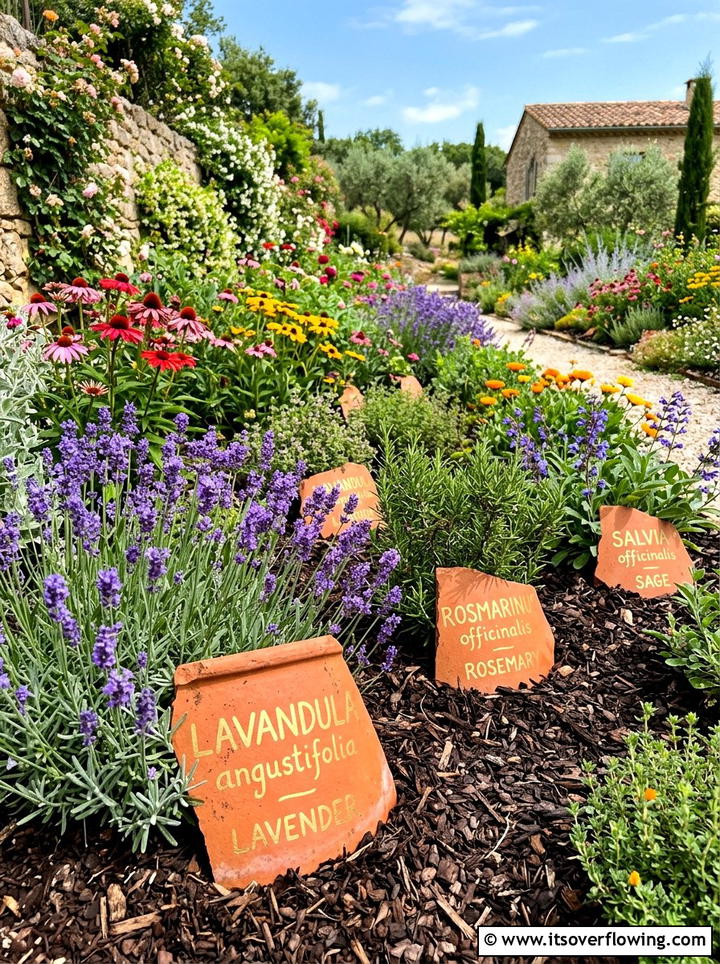
Instead of throwing away a cracked planter, you can repurpose the shards into unique, curved markers that nestle perfectly into the dirt. The warm orange and red tones of the terracotta provide a stunning contrast against dark mulch or bright green lettuce leaves. Writing on the rough surface with a white or gold paint marker creates a look that is both weathered and intentional. These pieces are naturally heavy and porous, meaning they handle moisture well and won’t easily blow away during spring storms. It is a fantastic way to practice sustainable gardening while adding a touch of Mediterranean charm to your outdoor living space.
6. Vintage Silver Spoon Markers
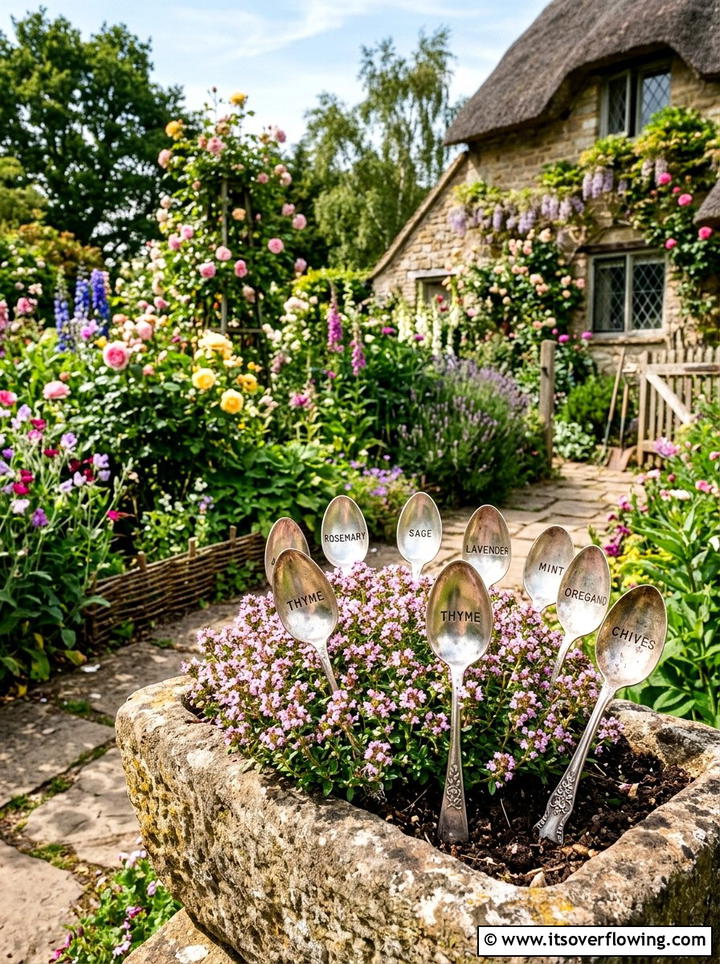
If you love searching for treasures at flea markets, using old silver spoons as plant labels is a delightful way to add whimsy. You can flatten the bowls of the spoons with a hammer and then use metal stamps to punch the plant names into the soft metal. These shiny accents glint in the sunlight, acting like little jewelry pieces for your flower beds or container gardens. The elegant handles provide a sturdy stake that slides easily into the soil without disturbing the roots of your delicate herbs. This style works exceptionally well in cottage-style gardens where mismatched, vintage elements are celebrated and encouraged for their history.
7. Chalkboard Slate Garden Tags
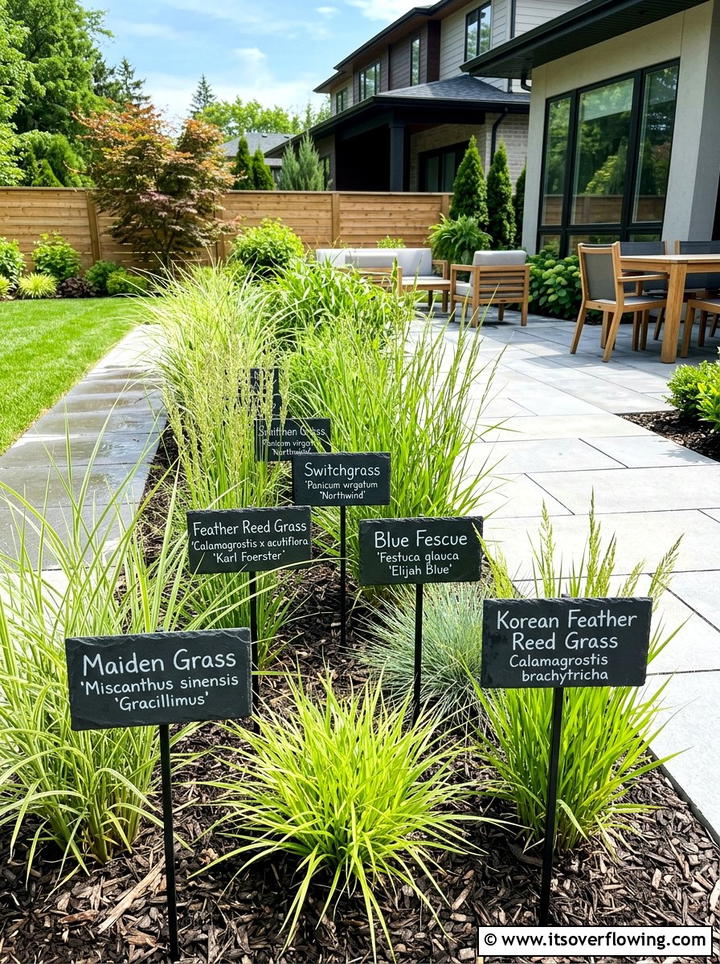
Do you find yourself rotating your crops frequently or trying out different annuals every single year in your backyard pots? Chalkboard slate markers offer the ultimate flexibility because you can simply wipe away the old name and write a new one whenever needed. The dark, matte finish of the slate provides a sophisticated backdrop for crisp white lettering, creating a high-contrast look that is very easy to read. These markers look particularly striking in a modern or minimalist garden setting where order and clarity are the primary design goals. They are weather-resistant and maintain their dark color even after months of exposure to the intense afternoon sun.
8. Upcycled Glass Bottle Labels
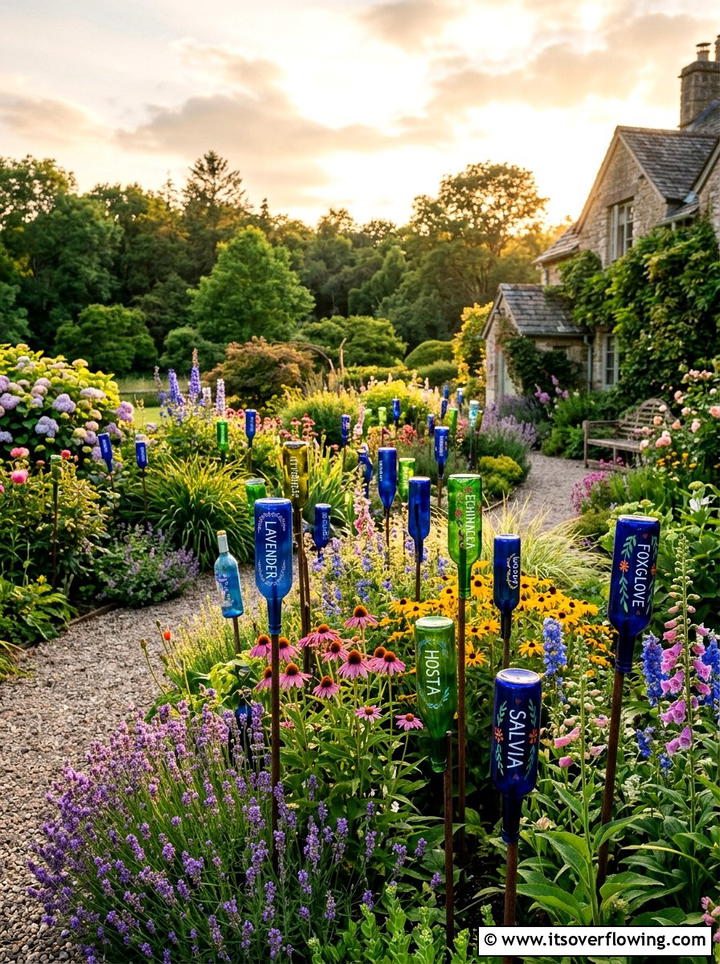
The vibrant colors of blue, green, and amber glass bottles can be transformed into stunning, light-catching markers for your perennial borders. By placing the bottles upside down on sturdy stakes or using specialized glass paint on the sides, you create a focal point that glows. Sunlight filtering through the glass adds a magical quality to the garden, especially during the golden hour before sunset when colors appear most vivid. This approach is perfect for gardeners who enjoy bottle trees or other glass art installations in their landscape. It effectively combines recycling with creative design, turning everyday waste into a beautiful and functional piece of outdoor garden decor.
9. Hand Stamped Copper Tags
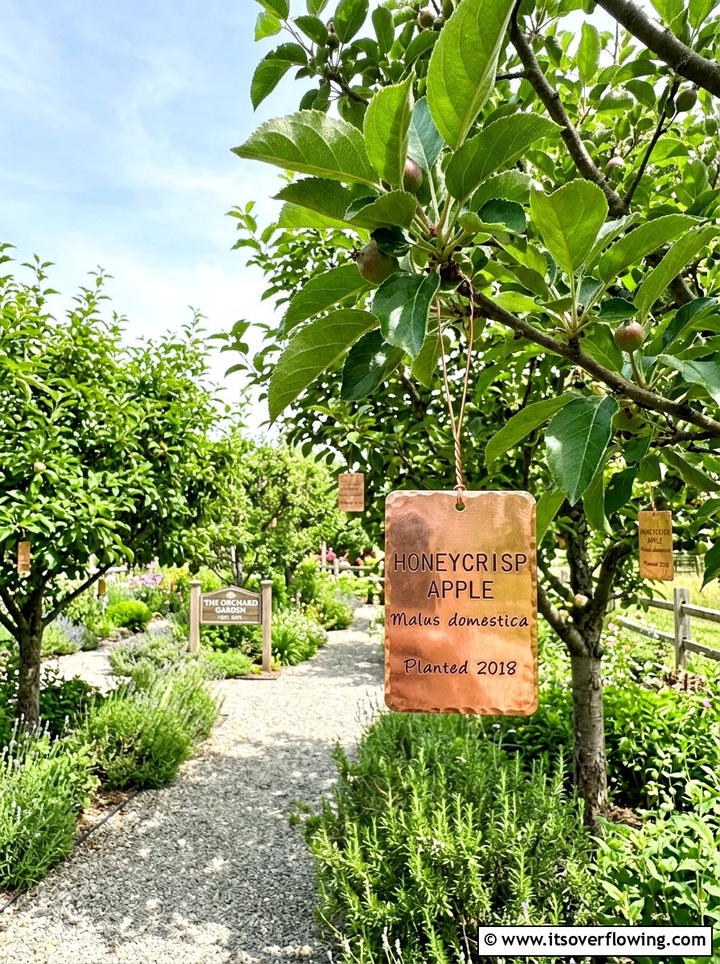
Copper is a favorite material among designers because it transitions from a bright, shiny penny color to a gorgeous verdigris green. Stamping your plant names into copper tags creates a permanent record that will never fade, no matter how much rain falls. You can hang these tags from sturdy wire holders or wrap them directly around the trunks of young fruit trees to track varieties. The metallic sheen adds a touch of luxury to the garden, reflecting light and adding a sense of polished refinement to the space. Copper is also naturally deterrent to some garden pests, making it as functional as it is beautiful for your plants.
10. Recycled Wine Cork Markers
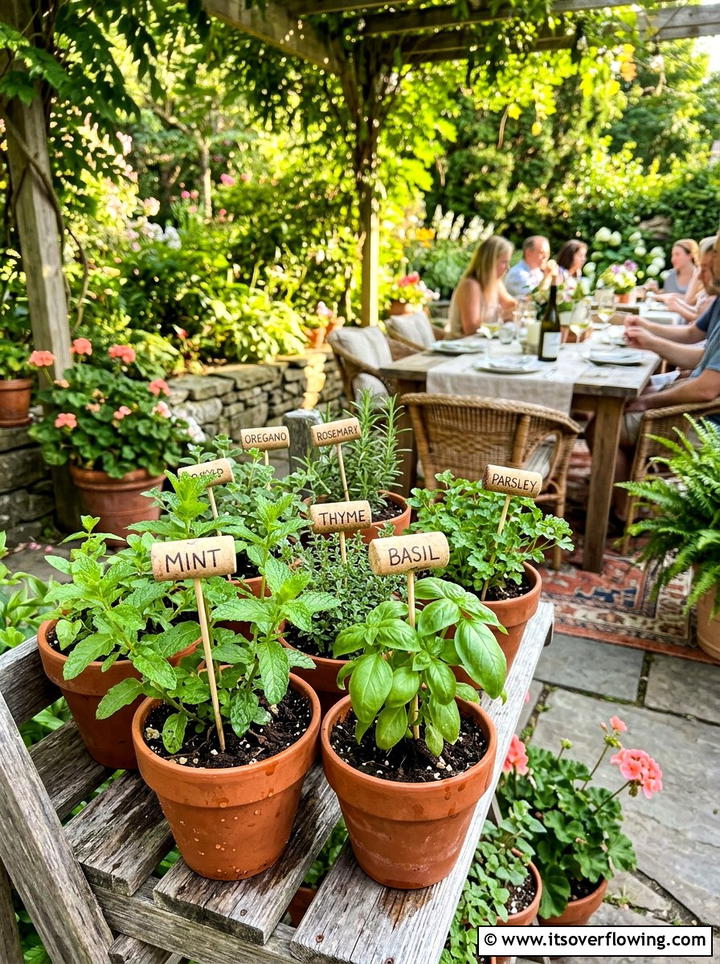
For a quick and easy DIY project that adds a playful touch to your herb garden, consider using old wine corks. Simply write the name of the herb on the side of the cork and skew it onto a thin wooden or metal rod. These lightweight markers are perfect for small pots or indoor windowsills where space is limited and you want a casual vibe. They are biodegradable and easy to replace if they eventually start to show wear from the elements or frequent watering. This is a great conversation starter for guests who visit your patio for outdoor dining and notice your clever use of materials.
11. Painted Brick Garden Signage
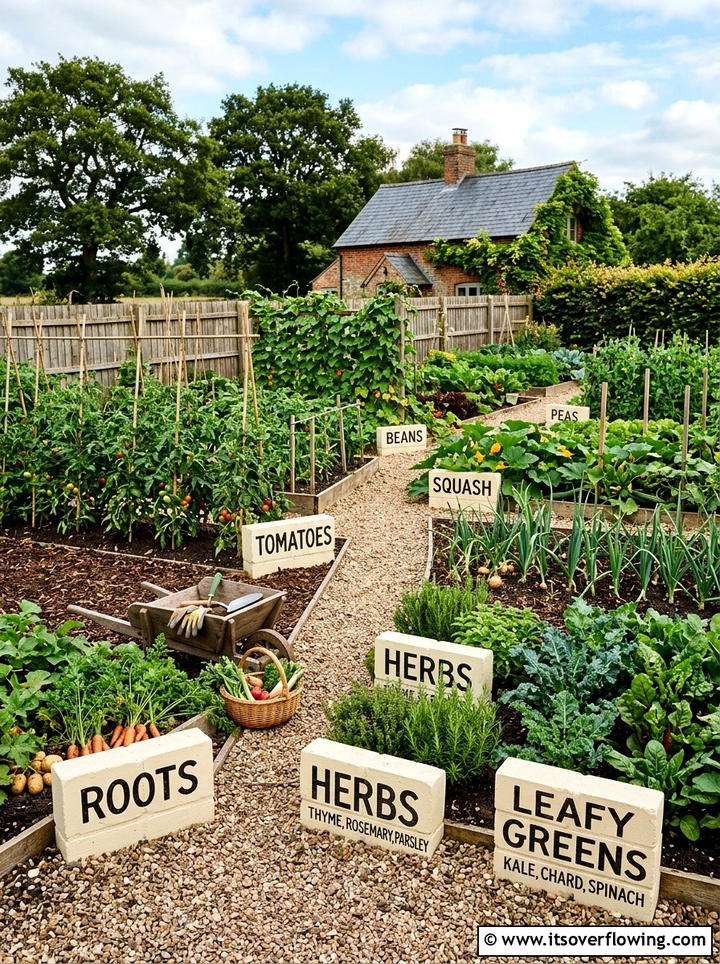
Large, sturdy bricks can serve as both garden edging and informative markers for your different vegetable sections or large flower clumps. By painting the face of a brick with outdoor-grade paint, you create a substantial sign that stays put and defines the garden space. This is an excellent solution for large-scale gardens where small stakes might get lost beneath the canopy of sprawling pumpkins or tall corn stalks. The rectangular shape of the bricks helps create a sense of structure and formality, mimicking the look of professional landscaping. You can stack them or lay them flat, depending on how much visibility you need for your labels.
12. Wooden Clothespin Plant Tags
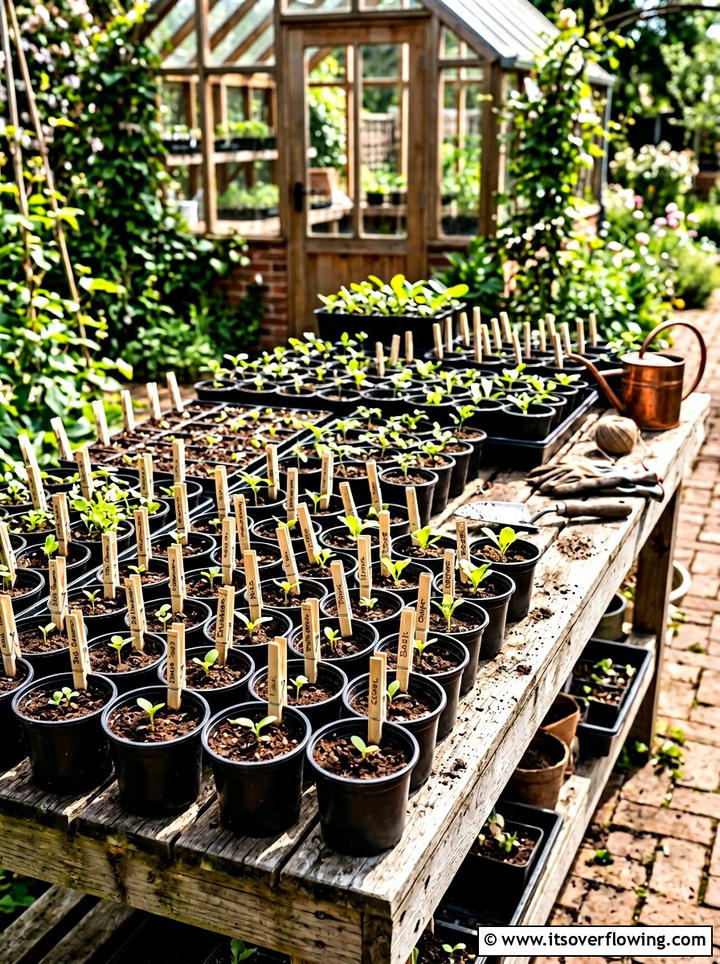
Clothespins are surprisingly versatile tools for identifying small seedlings or marking specific branches for pruning later in the season. You can write directly on the flat side of the wood and clip them onto the edge of plastic nursery pots or garden twine. This method is incredibly helpful during the seed-starting phase when you have dozens of identical-looking trays that need clear identification. Because they are so inexpensive, you can use them generously throughout the garden without worrying about the cost of professional signage. Their small size makes them unobtrusive, allowing the natural beauty of the emerging sprouts to remain the primary focus of your attention.
13. Scrabble Tile Herb Labels
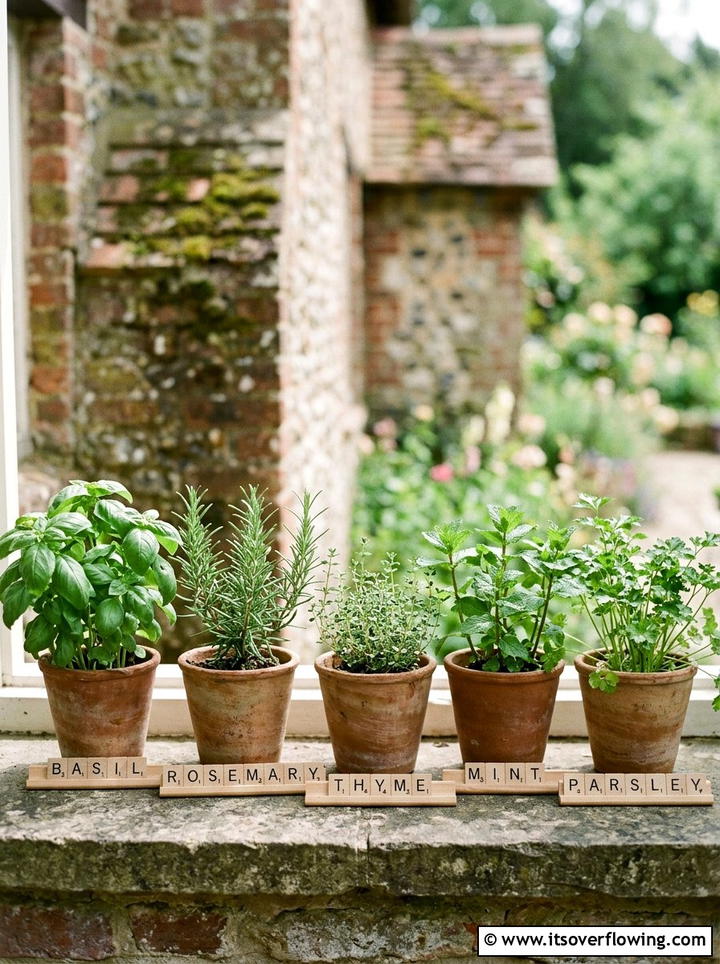
Bringing indoor game pieces into the garden adds a quirky and nostalgic element that is perfect for close-up Pinterest photography. You can glue individual Scrabble letters onto a flat wooden backing or a small stake to spell out the names of your herbs. This detailed look is particularly charming in small-scale herb gardens or kitchen windowsill displays where people can see the craftsmanship up close. The light wood tones of the tiles harmonize with the greens of mint, basil, and rosemary, creating a very cozy atmosphere. It is a wonderful way to give new life to an incomplete game set while keeping your garden organized and stylish.
14. Large Sea Shell Markers
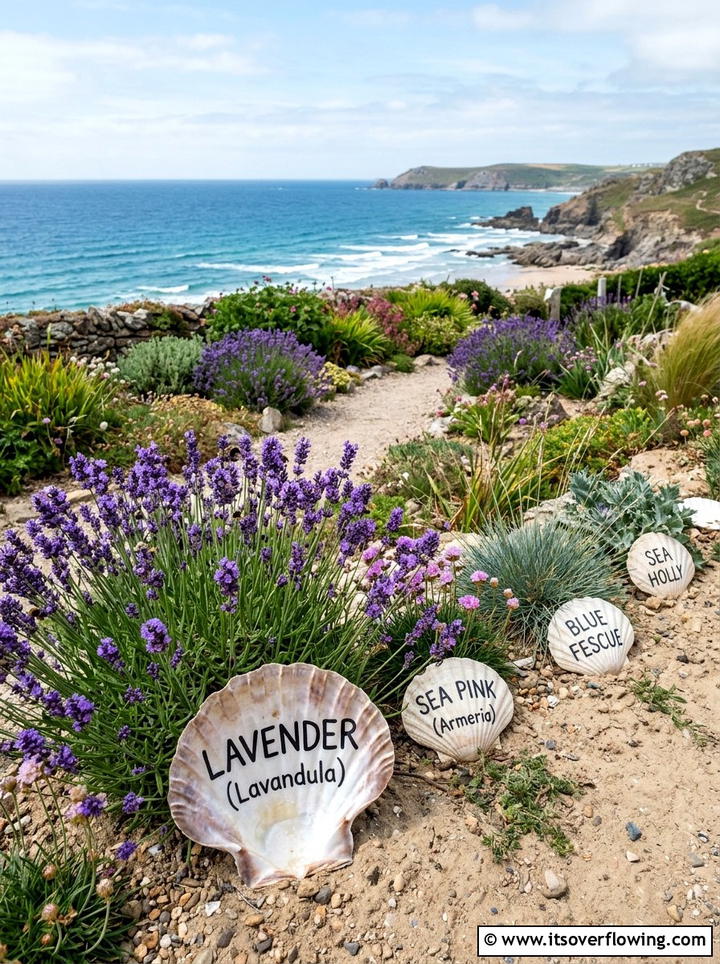
If your home features a coastal or beach-themed design, using large sea shells as plant markers can tie your garden into the theme. Scallop shells or flat oyster shells provide a wide, smooth surface that is perfect for writing plant names with a permanent ink pen. The pearlescent interior of the shells catches the light and adds a delicate, ocean-inspired texture to your garden beds or sandy paths. These markers are naturally water-resistant and look beautiful when nestled among seaside-loving plants like lavender or ornamental grasses. They evoke memories of the shore and bring a relaxed, vacation-like feel to your personal outdoor sanctuary throughout the year.
15. Industrial Galvanized Steel Tags
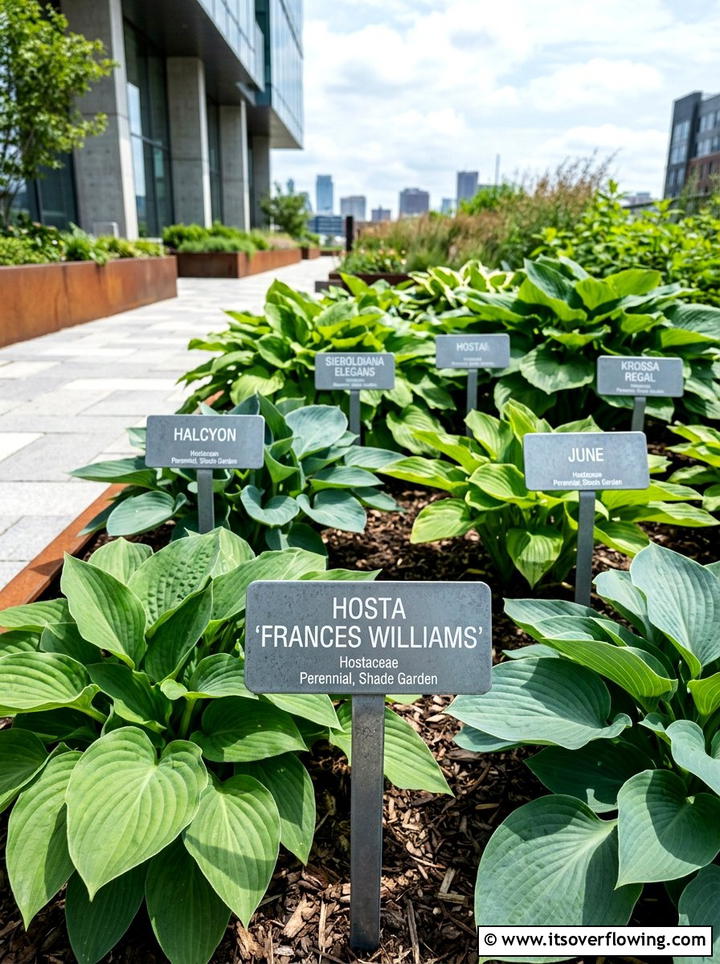
Galvanized steel offers a rugged, industrial aesthetic that looks fantastic in modern urban gardens or farm-style landscapes with metal raised beds. These tags are virtually indestructible and can withstand extreme temperatures, from freezing winters to scorching summer afternoons without bending or rusting. You can use a metal scribe to scratch the names into the surface or use high-contrast black paint for maximum visibility from a distance. The cool gray tones of the steel provide a neutral background that lets the bright colors of your flowers truly pop. This is the ultimate “set it and forget it” marking system for gardeners who want total reliability and strength.
16. Vertical Bamboo Garden Stakes
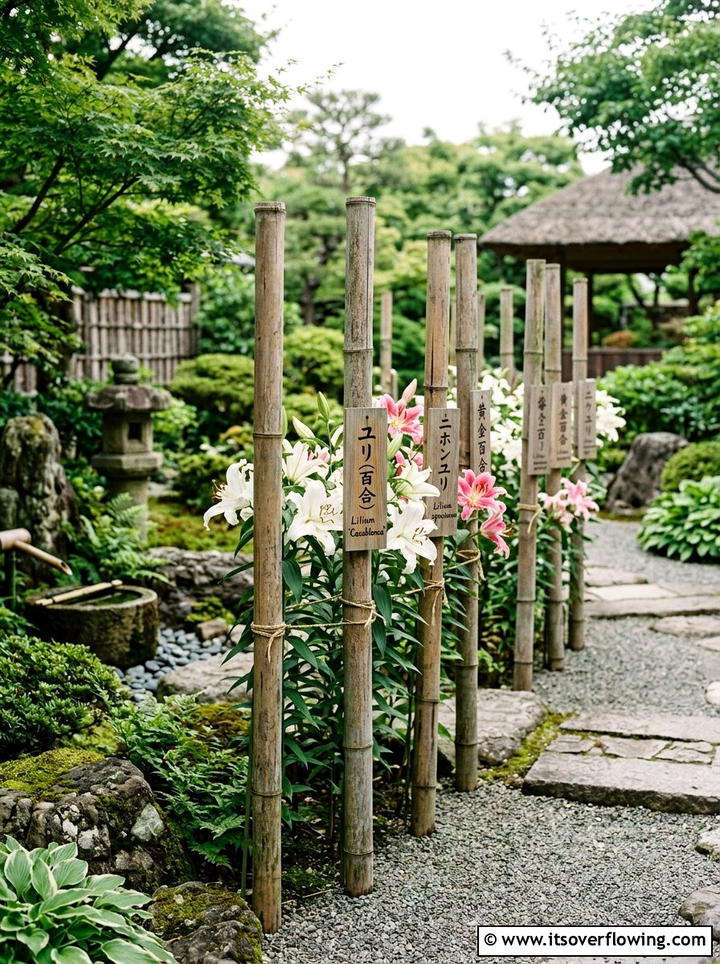
Bamboo is a sustainable and incredibly strong material that adds a touch of Zen or tropical flair to any outdoor area. You can find pre-cut bamboo stakes or cut them yourself from larger poles, creating a uniform and clean look across your garden. Writing vertically down the length of the bamboo is a unique way to display plant names that feels balanced and artistic. These stakes work well for tall plants like dahlias or lilies because they provide support while also serving as an identification tool. The warm, tan color of the bamboo ages gracefully, eventually blending into the garden’s natural debris while remaining sturdy for several seasons.
17. Carved Tree Branch Markers
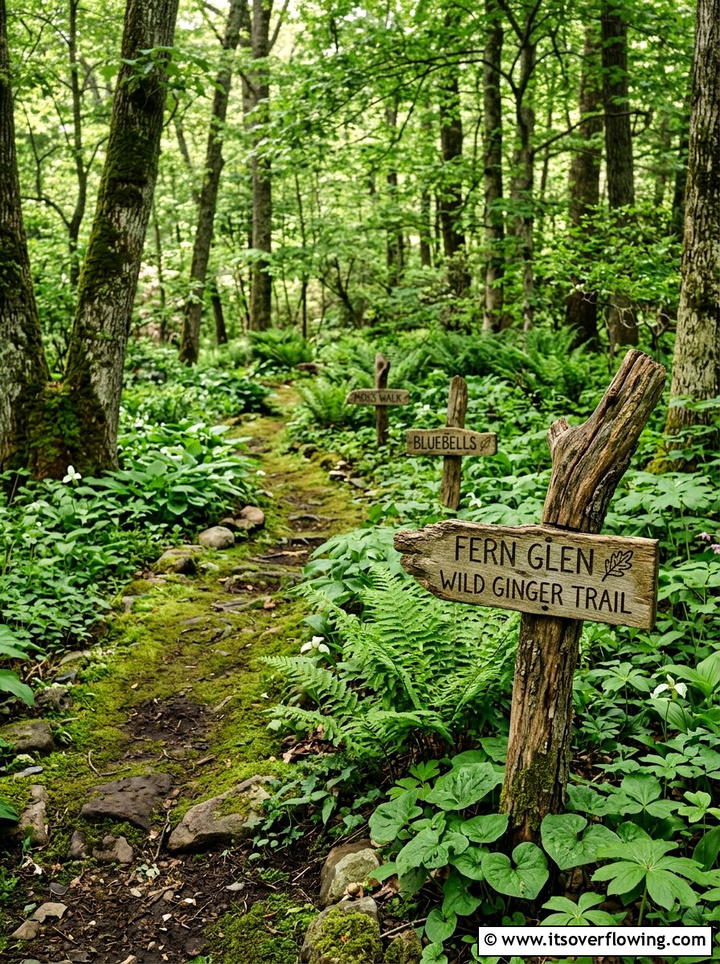
For a truly organic and woodland-inspired look, you can use a pocket knife or carving tool to shave a flat section off a small branch. This “window” into the wood reveals the lighter interior grain, which is the perfect canvas for writing your vegetable or flower names. These markers look like they grew right out of the ground, making them perfect for shade gardens, hosta collections, or wildflower meadows. Using fallen branches from your own trees ensures that the markers are perfectly matched to the local environment and cost absolutely nothing to create. They celebrate the raw beauty of the forest while providing the essential organization every gardener needs.
18. Custom Ceramic Garden Plaque
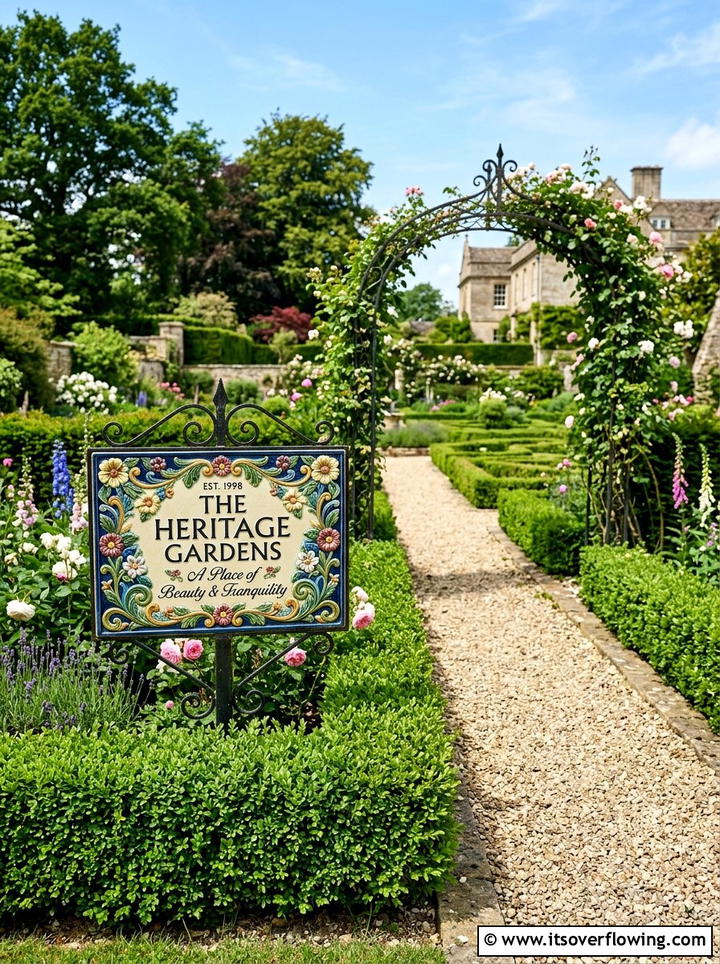
A larger ceramic plaque can act as a beautiful focal point at the entrance of a specific garden room or herb section. These plaques are often glazed in vibrant colors like deep cobalt blue or earthy terracotta, featuring raised lettering and decorative floral borders. Because they are fired in a kiln, the colors will never fade in the sun, ensuring your garden remains labeled and beautiful for decades. This approach feels more like garden art than simple signage, adding a sense of permanence and prestige to your landscape design. It is an excellent way to commemorate a special planting or simply add a professional finish to your hobby.
19. Simple Plastic Spoon Labels
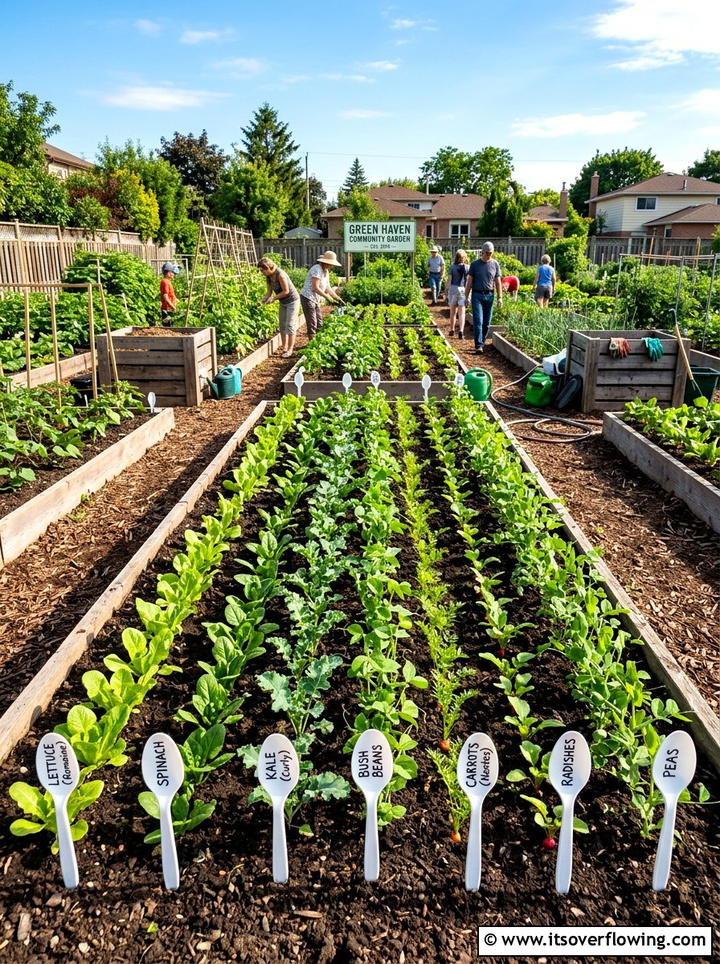
When you are on a tight budget or need dozens of markers for a community garden project, simple white plastic spoons are surprisingly effective. By writing on the back of the spoon bowl and sticking the handle into the soil, you create a curved sign that is easy to read. While this is a more temporary solution, it is incredibly practical for annual vegetable gardens where markers are pulled up at the end of every season. You can even involve children in the process by letting them decorate the spoons with colorful outdoor markers. It proves that you do not need expensive materials to maintain a well-organized and clearly labeled planting area.
20. Reusable Chalkboard Plant Stakes
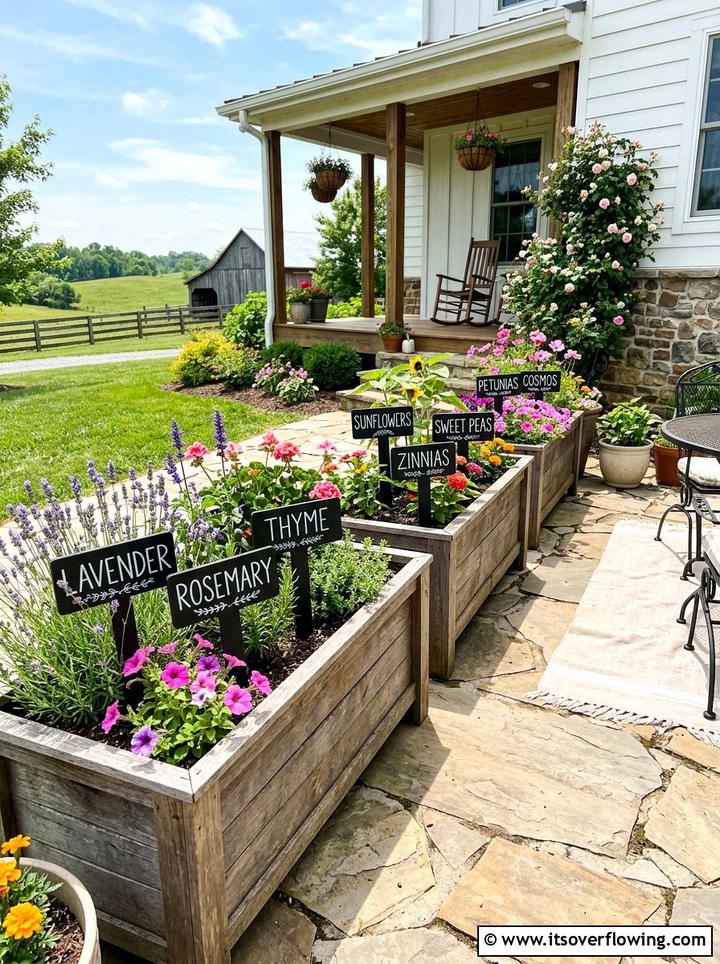
Modern chalkboard stakes often come with a protective coating that allows them to be used outdoors without the chalk washing away in light rain. These stakes usually feature a small rectangular board on a long metal or wooden neck, elevating the label above the low-growing foliage. The ability to erase and rewrite makes them perfect for experimental gardeners who are constantly moving plants or trying new varieties each season. They offer a clean, chalkboard-menu aesthetic that is very popular in farmhouse and cottage garden designs. Keeping a chalk marker handy in your garden shed makes updating your labels a quick and satisfying task during your weekly maintenance.
21. Colorful Resin Flower Markers
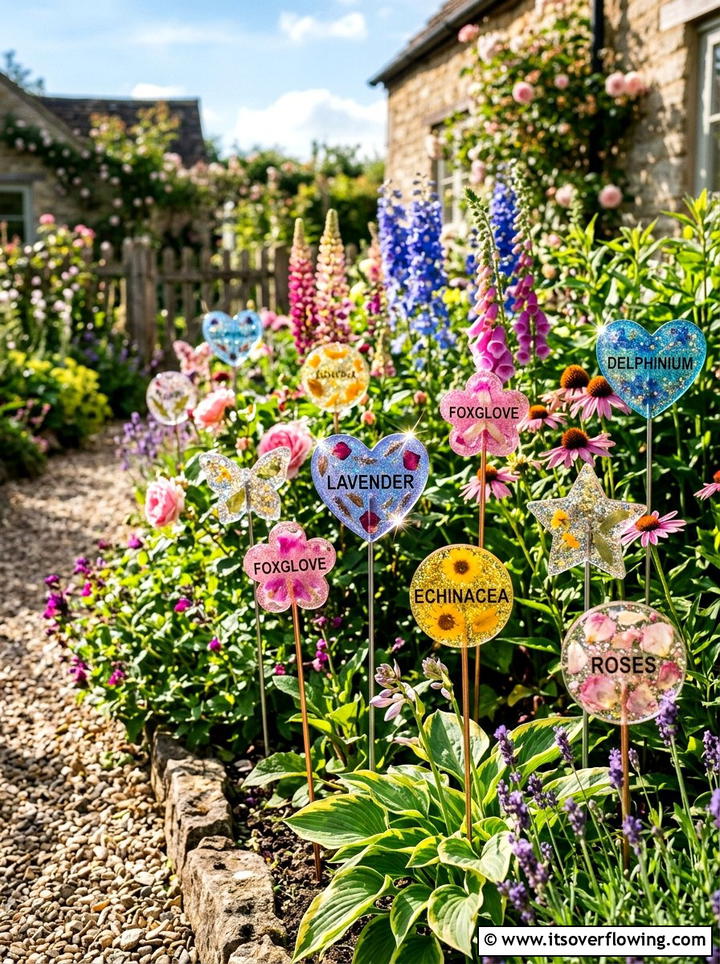
Resin allows you to preserve real dried flowers or colorful glitter inside a clear, durable shape that can serve as a stunning plant tag. These markers look like jewels sitting in the dirt, catching the sunlight and adding unexpected sparkles to your garden beds. You can cast them in various shapes like hearts, circles, or even leaf patterns to match the theme of your specific planting area. The resin is completely waterproof and protects the written name or decorative elements from fading or moisture damage over time. This is a perfect project for those who enjoy crafting and want to bring a bit of “cottagecore” magic into their backyard.
22. Decorative Beaded Plant Tags
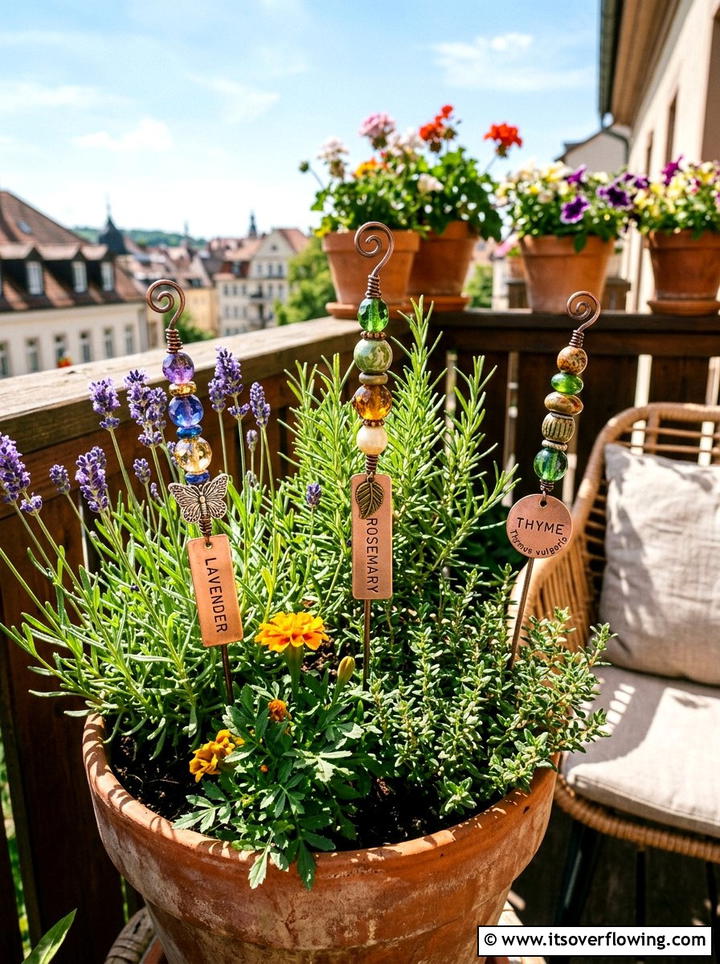
Adding beads to the wire or stake of your plant markers is a simple way to introduce texture and movement into the garden. As the wind blows, the beads may catch the light or create a soft rattling sound that adds a sensory layer to your outdoor experience. You can use glass, wooden, or ceramic beads in colors that match the blooms of the plant being identified for a cohesive look. This style is particularly popular for marking potted herbs on a patio or balcony where the fine details can be appreciated up close. It turns a functional label into a piece of hanging garden jewelry that reflects your personal style.
23. Concrete Garden Block Labels
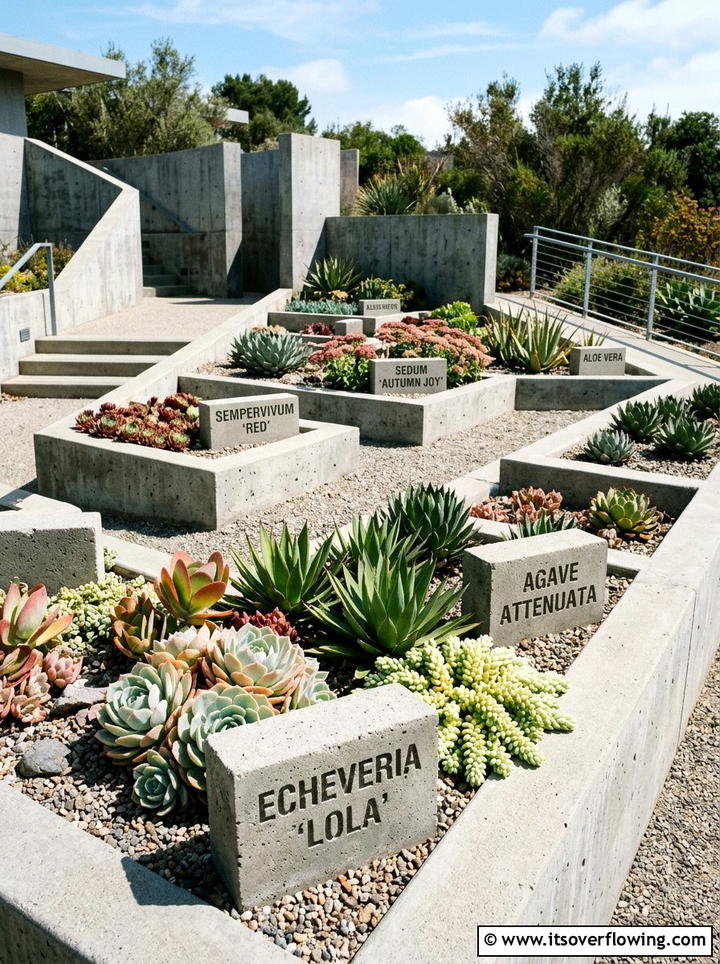
For those who love the industrial or brutalist design aesthetic, casting small concrete blocks with embossed lettering is a bold and permanent choice. Concrete is heavy, weather-proof, and develops a lovely mossy texture over time if kept in a damp, shaded area. You can use silicone molds to create uniform shapes that look like mini monuments for your most prized perennial plants. The neutral gray color of the concrete acts as a perfect foil for the vibrant greens and textures of ferns or succulents. These markers are virtually indestructible, making them a legacy feature in a garden that is meant to grow and mature over many years.
24. Canning Jar Lid Markers
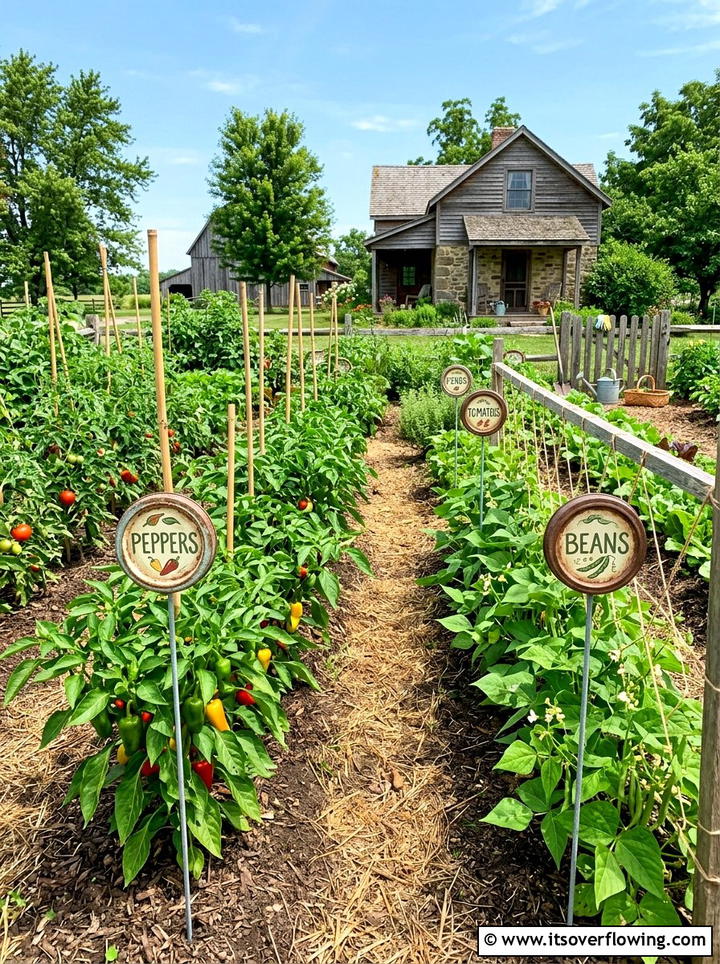
The flat metal lids from canning jars can be repurposed into charming, circular markers that have a delightful farmhouse feel. You can paint the lids or leave them as shiny silver or gold, using a permanent marker or stamps to identify your vegetables. By attaching the lid to a sturdy wire or a wooden dowel, you create a sign that stands out clearly among the foliage of a busy garden. This is a wonderful way to use up extra lids that can no longer be used for sealing food, turning waste into a creative garden solution. They look especially at home in a productive kitchen garden filled with tomatoes and peppers.
25. Weathered Leather Plant Tags
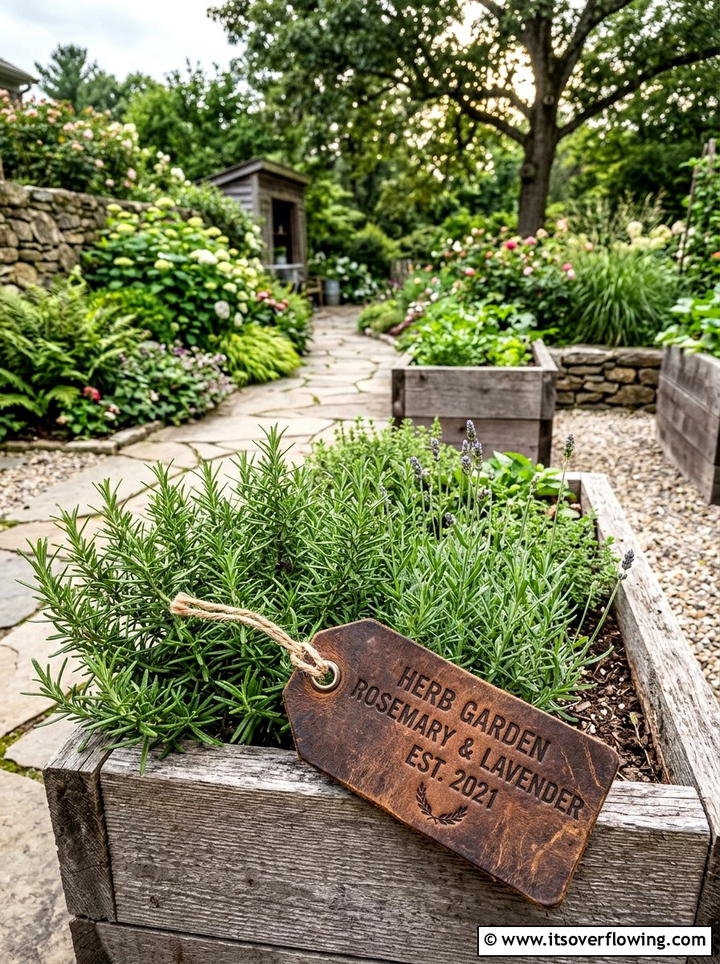
Leather might seem like an unusual choice for the garden, but high-quality thick leather ages beautifully when exposed to the elements, developing a rugged look. You can use a leather stamping kit to indent the names of your plants into the surface, creating a tactile and sophisticated label. These tags look amazing when tied with twine to the side of a wooden planter box or a rustic garden gate. While they will eventually darken and change texture, this transformation only adds to the organic beauty of a well-loved garden. It is a high-end choice for someone looking for a unique, masculine, or equestrian-inspired touch in their outdoor space.
Conclusion:
Organizing your outdoor oasis with creative plant markers is more than just a practical necessity; it is an opportunity to infuse your garden with personality and charm. From the rustic appeal of carved branches and painted stones to the sleek sophistication of engraved zinc and industrial steel, there is a labeling style for every gardener. These small details transform a simple plot of land into a curated botanical collection that is easy to navigate and beautiful to behold. By choosing materials that resonate with your home’s design, you create a cohesive and inviting environment that celebrates the joy of growing things. Start your marking project today to see your garden in a whole new light.

Related posts:
 25 Garden Ideas With Potting Bench for Organized Style
 25 Creative Garden Ideas for Patios: Fresh Outdoor Style
 25 garden design ideas with lighting plans: Bright Outdoor Style
 25 garden ideas for minimalist style: Clean Outdoor Looks
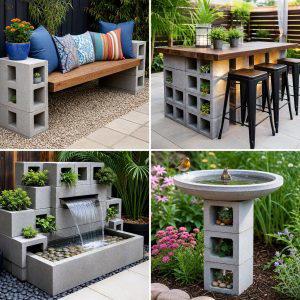 25 Garden Ideas With Cinder Blocks for Creative Outdoor Style
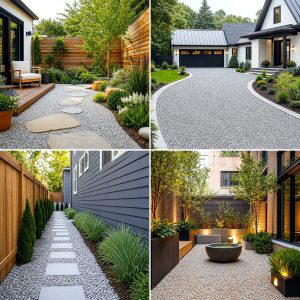 25 Garden Ideas With Gravel for Low-Maintenance Outdoor Style
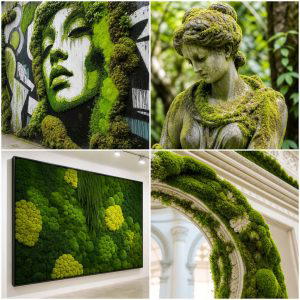 25 garden ideas with moss art: Fresh Green Outdoor Style
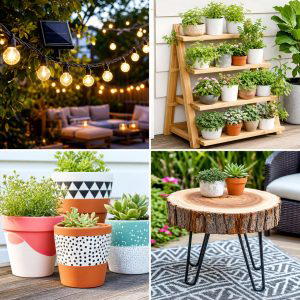 25 Small Garden Ideas on a Budget for Beautiful Outdoor Style
 25 Small Garden Ideas With Boho Style for Dreamy Outdoor Vibes
 25 small garden ideas with no lawn for Easy Outdoor Style
 25 small garden ideas with zen style for Calm Outdoor Living
 25 Garden Ideas With Pallets For Creative Outdoor Style