
Minimalist garden design is all about the art of restraint and the beauty of clean lines. When you step into a well-designed minimalist outdoor space, the clutter of the world seems to fade away instantly. This style focuses on quality over quantity, using a limited palette of materials and plants to create a sense of harmony. By prioritizing structure and symmetry, you can turn even the smallest backyard into a sophisticated sanctuary that feels spacious and intentional. Whether you are looking for a low-maintenance retreat or a sleek modern courtyard, these concepts will help you master the balance between nature and architecture.
1. Zen garden
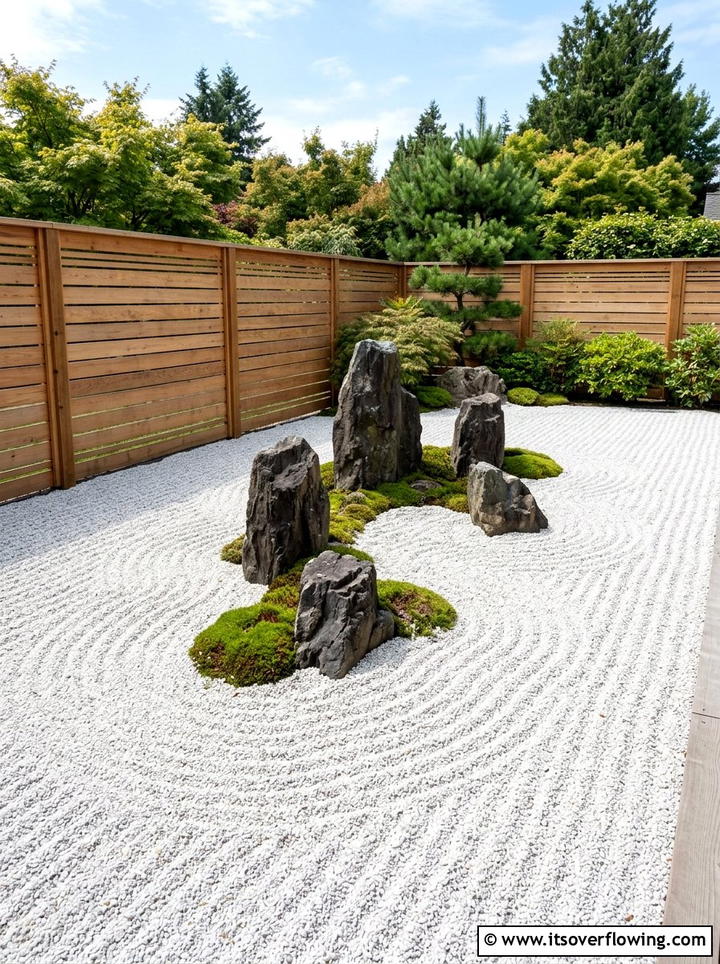
A Zen garden offers a peaceful sanctuary by focusing on simplicity and natural elements. This style typically uses raked gravel or sand to represent water ripples, creating a sense of movement within a static space. You can incorporate large, carefully placed stones that act as islands or mountains. This design encourages meditation and mindfulness, making it a perfect choice for those who want a low-maintenance yet high-impact outdoor area. By limiting the color palette to neutral earth tones and greens, the entire garden feels cohesive and calm. It is truly about the intentional use of space and the quiet beauty of minimalism.
2. Modern gravel courtyard
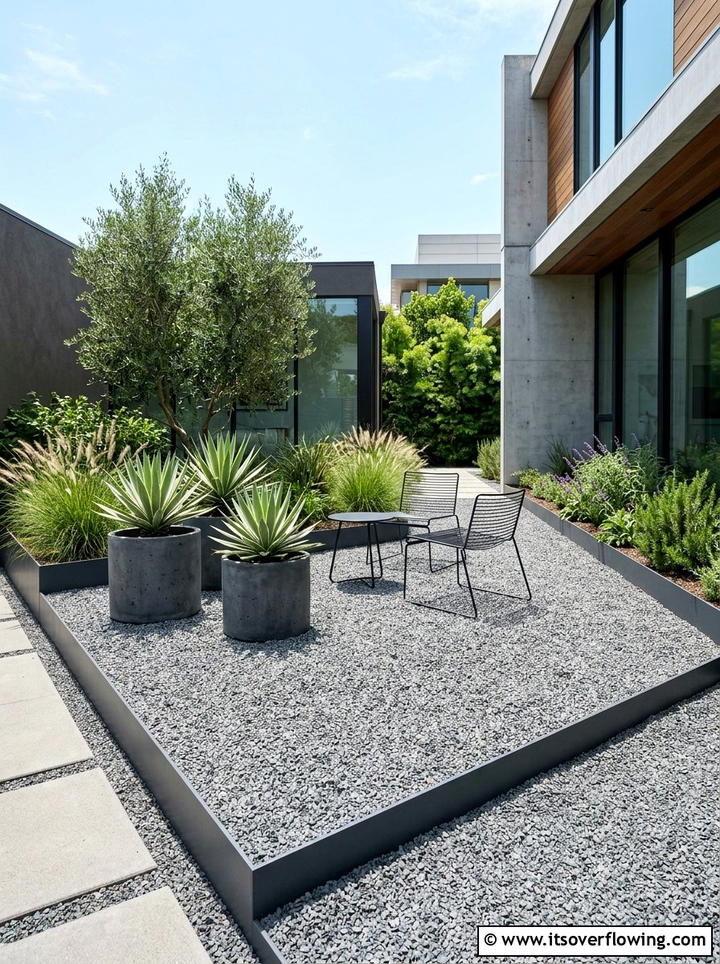
Have you ever considered how a modern gravel courtyard can transform a cluttered backyard into an elegant retreat? This design relies on high-quality crushed stone or pea gravel to create a clean, uniform floor that crunches satisfyingly underfoot. It provides an excellent drainage solution while offering a neutral backdrop for sculptural plants or sleek furniture. You can use steel edging to keep the gravel contained and define the sharp, geometric lines of the space. This approach is ideal for urban dwellers who want a sophisticated outdoor area without the constant need for lawn mowing or heavy irrigation. It feels open, bright, and airy.
3. Concrete paver path
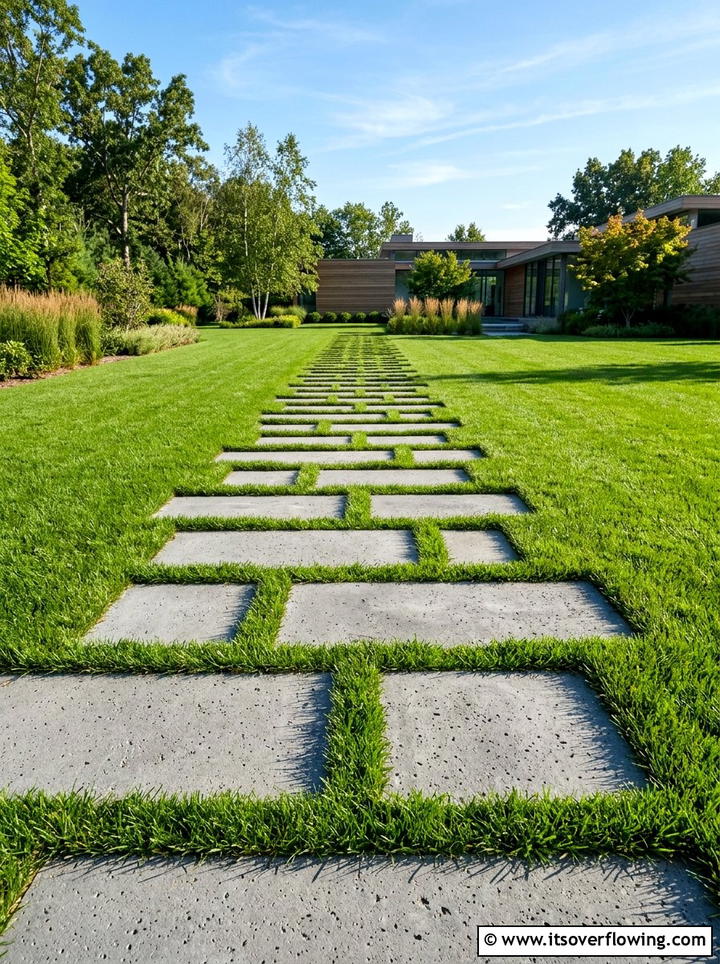
Concrete paver paths are a staple of minimalist landscaping because they provide a clear sense of direction and structure. You can arrange oversized rectangular slabs in a linear or staggered pattern to create a rhythmic walkway. Leaving small gaps between the pavers filled with moss or dwarf grasses adds a touch of softness to the hard edges. This look works perfectly in side yards or leading up to a main entrance. The gray tones of the concrete provide a neutral canvas that makes the surrounding green foliage pop. It is a functional element that doubles as a striking visual feature for any yard.

4. Reflecting pool
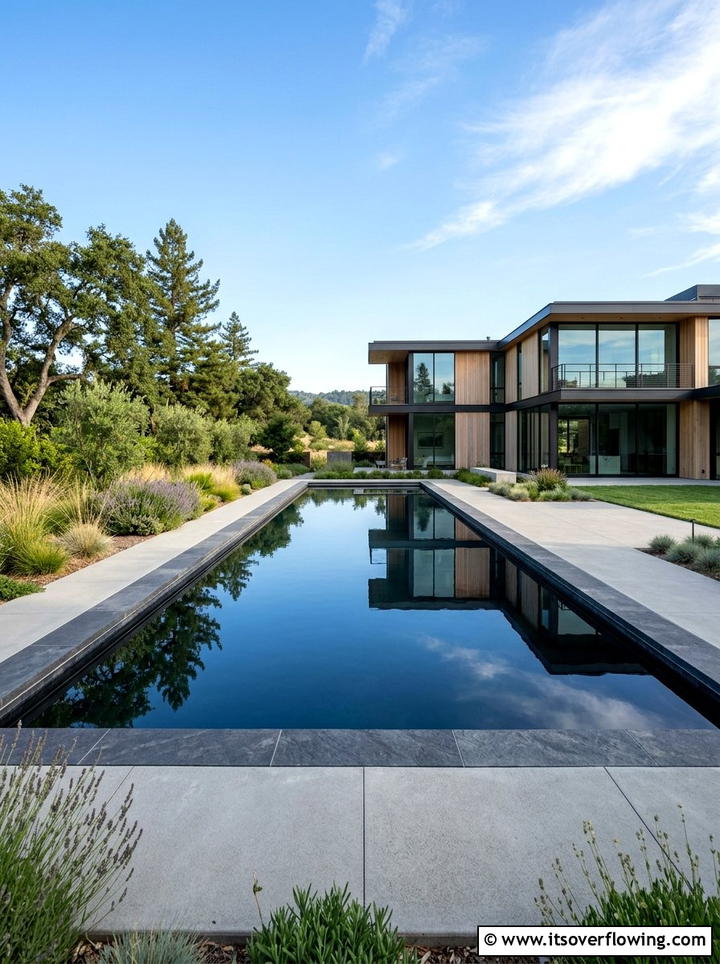
A reflecting pool is a powerful way to introduce the element of water without the visual noise of a fountain. These shallow, still bodies of water act like mirrors, capturing the sky and surrounding architecture. To achieve the minimalist look, use a simple rectangular or square shape with dark interior lining to enhance the reflection. The presence of still water creates a profound sense of tranquility and expands the visual boundaries of the space. It serves as a quiet focal point that anchors the entire landscape. Keeping the edges clean and flush with the ground helps maintain a seamless integration with the patio.
5. Boxwood hedge
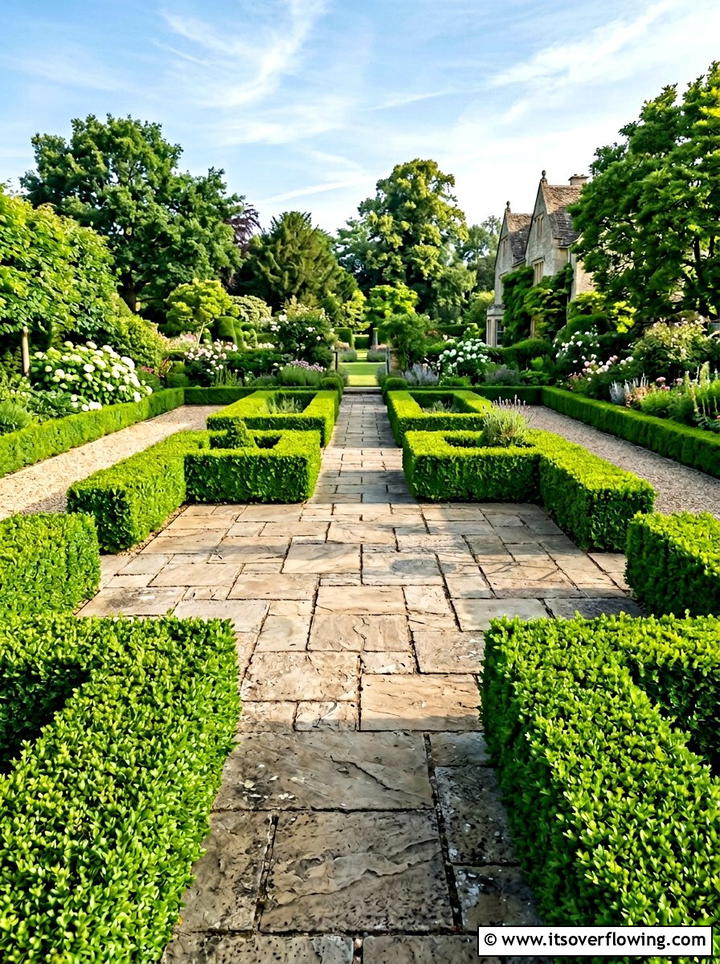
Boxwood hedges are the ultimate tool for creating living architecture in a minimalist garden. These evergreen shrubs can be pruned into perfect spheres or crisp, low walls to define different zones of the yard. Their dense, dark green foliage provides year-round structure and a sense of permanence. By repeating the same shape throughout the garden, you create a visual rhythm that is both soothing and organized. They work exceptionally well as borders for walkways or as a backdrop for more delicate plants. The key is regular maintenance to keep those edges sharp, ensuring the garden always looks curated and polished.
6. Ornamental grass border
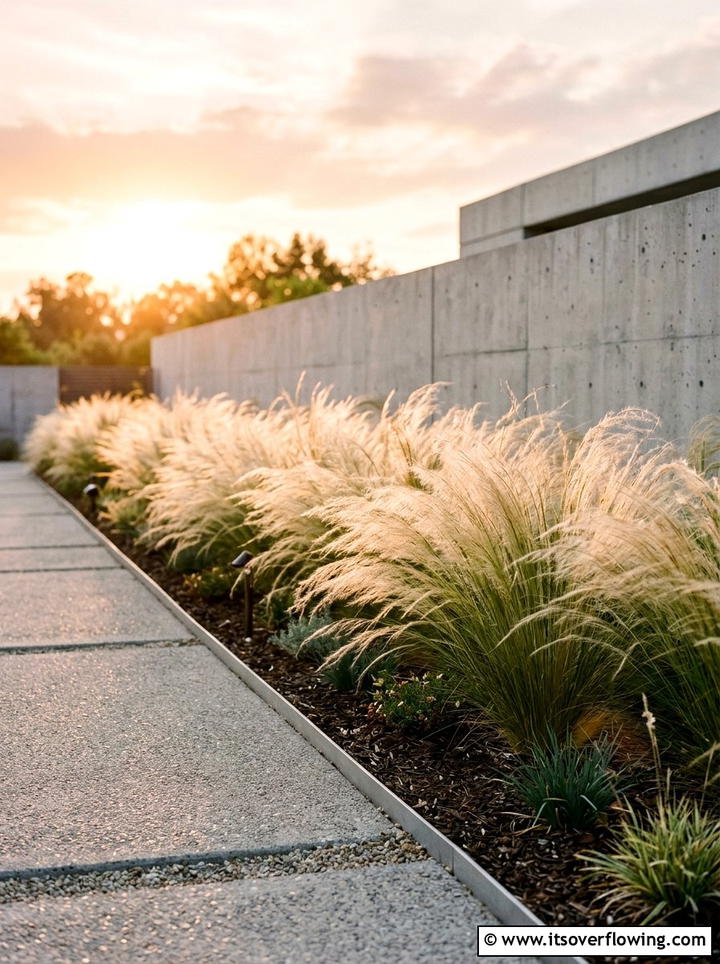
Ornamental grasses bring a much-needed sense of movement and texture to a minimalist landscape. Varieties like Mexican feather grass or blue fescue offer fine blades that sway gently in the breeze. When planted in long, uniform rows, they create a soft, ethereal border that contrasts beautifully against hard materials like concrete or wood. These grasses are typically drought-tolerant and require very little care, making them a practical choice for busy homeowners. During the golden hour, the sunlight catches the tips of the grass, creating a glowing effect. This softens the rigid lines of modern architecture while maintaining a clean aesthetic.
7. Tiered retaining wall
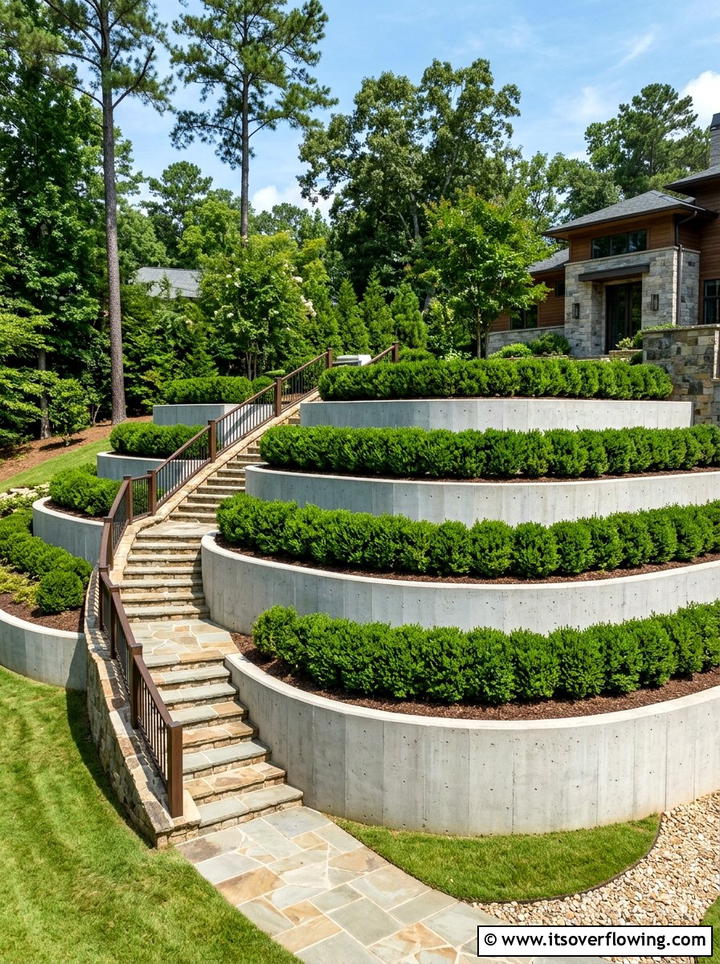
Tiered retaining walls are a brilliant solution for adding depth and organization to a sloped backyard. Using materials like smooth poured concrete or dark stained timber allows you to create flat, manageable levels for planting. Each tier acts as a separate frame for a specific type of plant, which keeps the overall look tidy and intentional. This vertical approach maximizes your square footage and creates a dramatic visual staircase of greenery. By keeping the walls simple and devoid of decorative masonry, the focus remains on the clean transitions between levels. It is a functional way to create a structured and architectural landscape.
8. Outdoor lighting
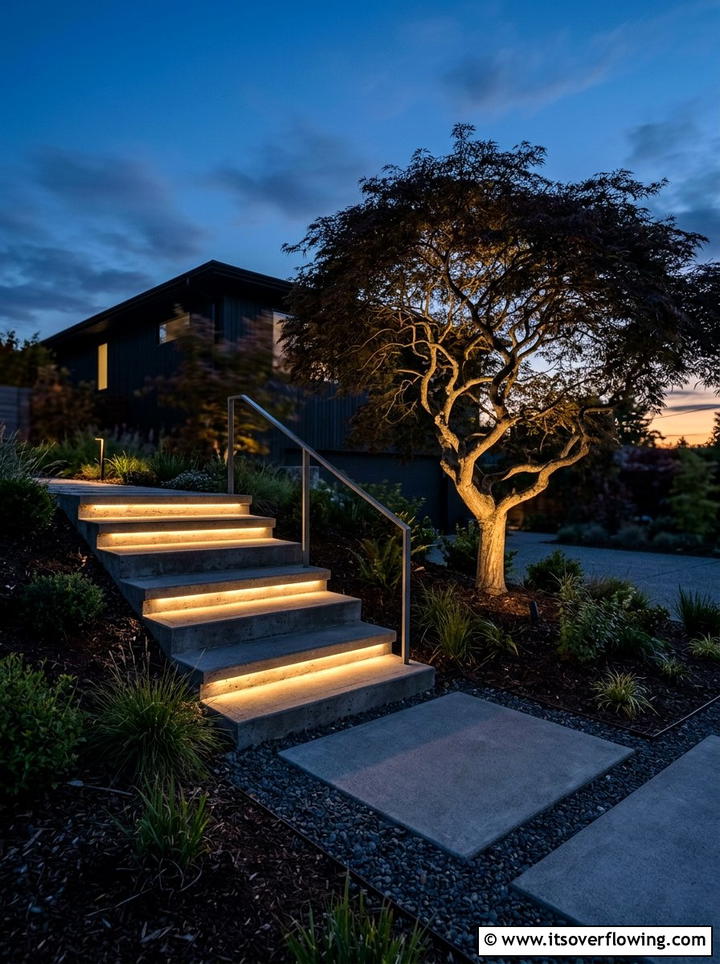
Strategic outdoor lighting is essential for extending the beauty of your minimalist garden into the night. Instead of using ornate fixtures, focus on hidden or recessed lights that highlight the landscape’s structure. You can use small spotlights to uplight a single specimen tree or use linear LED strips under the lips of steps and benches. This creates a soft, ambient glow that emphasizes the geometric shapes and textures of your garden. Proper lighting ensures that the space remains functional and inviting after dark while maintaining its sleek character. It turns the garden into a living sculpture that changes with the setting sun.
9. Raised garden bed
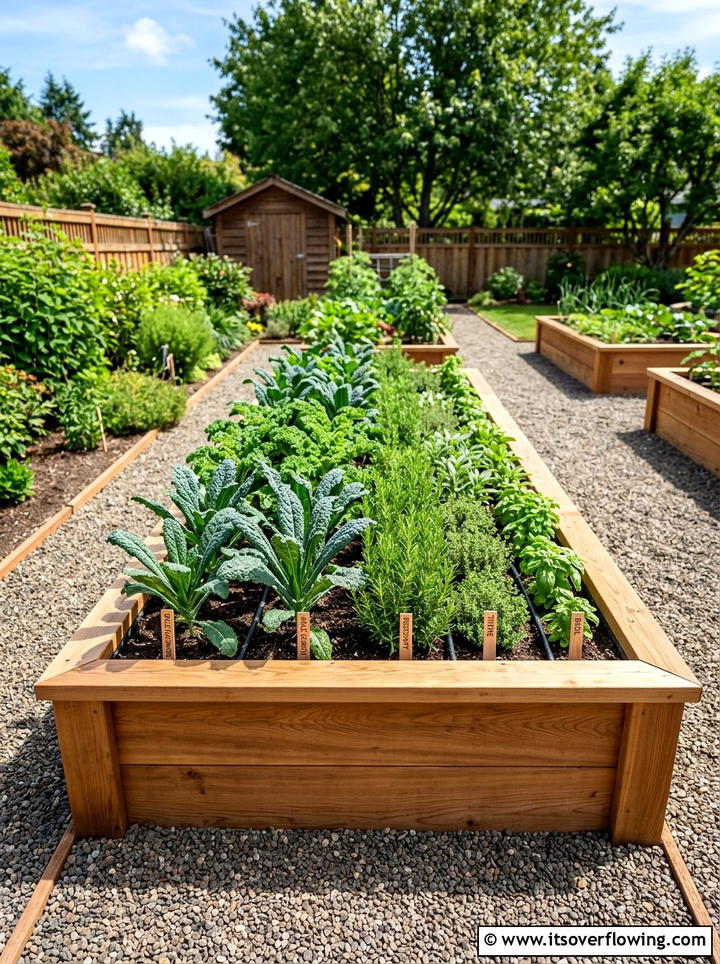
Raised garden beds are perfect for minimalist enthusiasts who want to grow vegetables or flowers without the mess of traditional tilling. Constructing these beds from high-quality materials like cedar or blackened steel creates a sharp, defined boundary for your soil. This keeps the rest of your garden paths clear and clutter-free while providing the perfect environment for plant growth. You can arrange the beds in a symmetrical grid to enhance the feeling of order and purpose. This organized approach to gardening ensures that even a functional vegetable patch looks like a deliberate part of a modern, high-end landscape design for your home.
10. Stone sculpture focal point
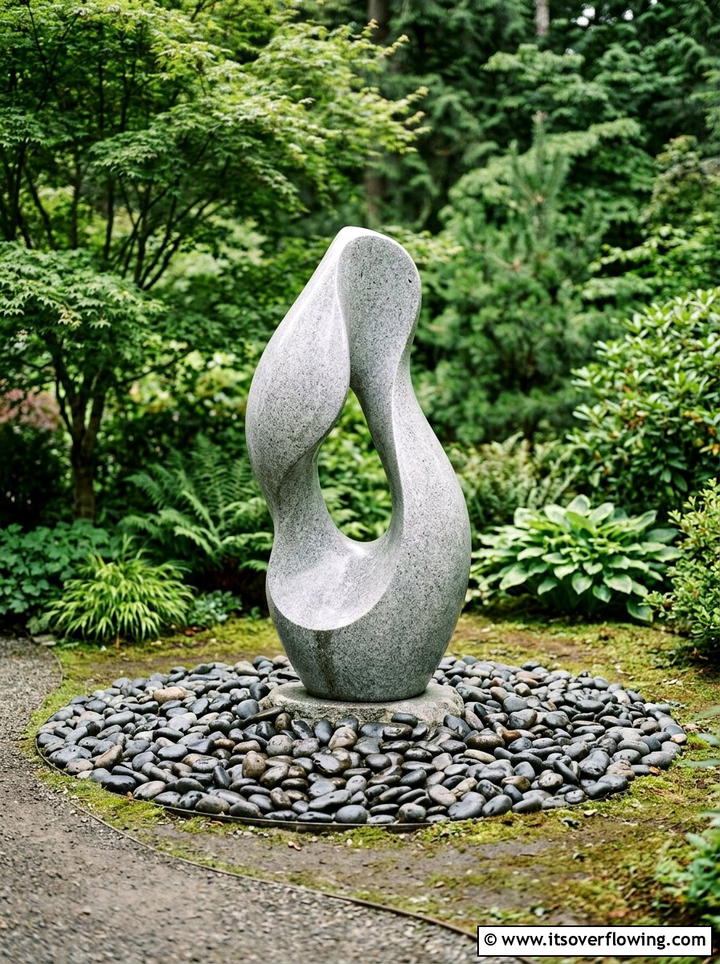
In a minimalist garden, a single stone sculpture can act as a powerful focal point that anchors the entire space. Rather than filling the yard with many small decorations, choose one large, high-quality piece that speaks to your personal style. This could be a smooth river boulder, a chiseled granite pillar, or a modern abstract carving. Placing it in an open area, such as the center of a gravel patch or at the end of a path, draws the eye and provides a sense of destination. The natural texture of the stone adds organic interest to the clean, man-made lines of the surrounding landscape.
11. Slatted wood fence
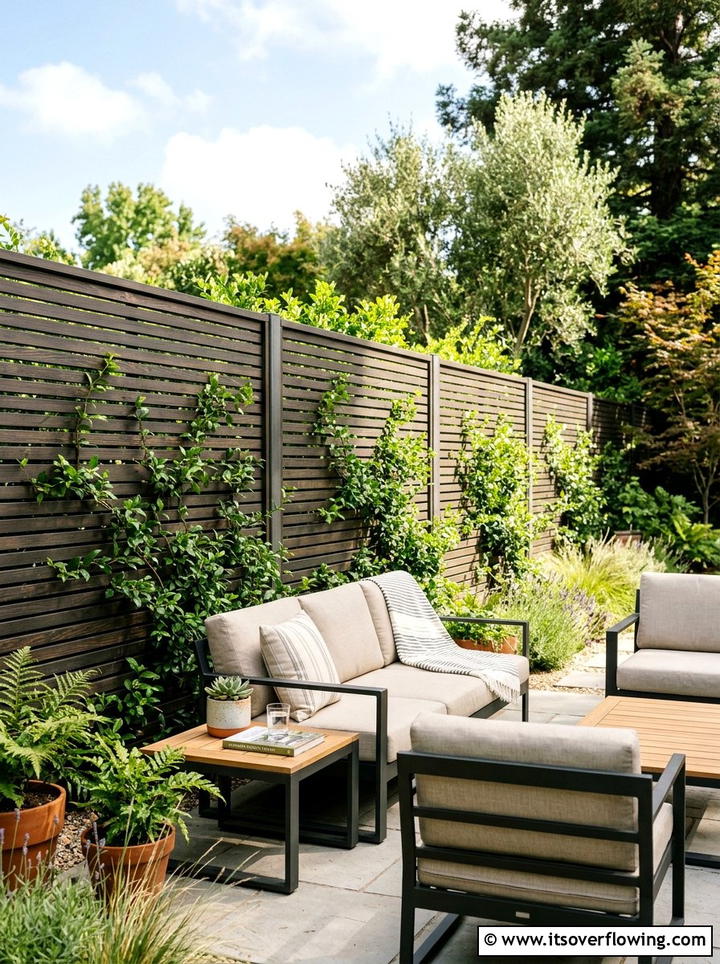
A slatted wood fence provides privacy while maintaining a modern and airy feeling. By leaving small horizontal gaps between the timber slats, you allow light and air to pass through, which prevents the garden from feeling boxed in. Use a dark stain or a natural clear coat to highlight the wood grain and complement your outdoor furniture. This style of fencing serves as a sophisticated backdrop for green plants, making their colors appear more vibrant. It creates a beautiful play of light and shadow throughout the day. It is a functional boundary that adds a layer of architectural detail to your minimalist sanctuary.

12. Japanese maple tree
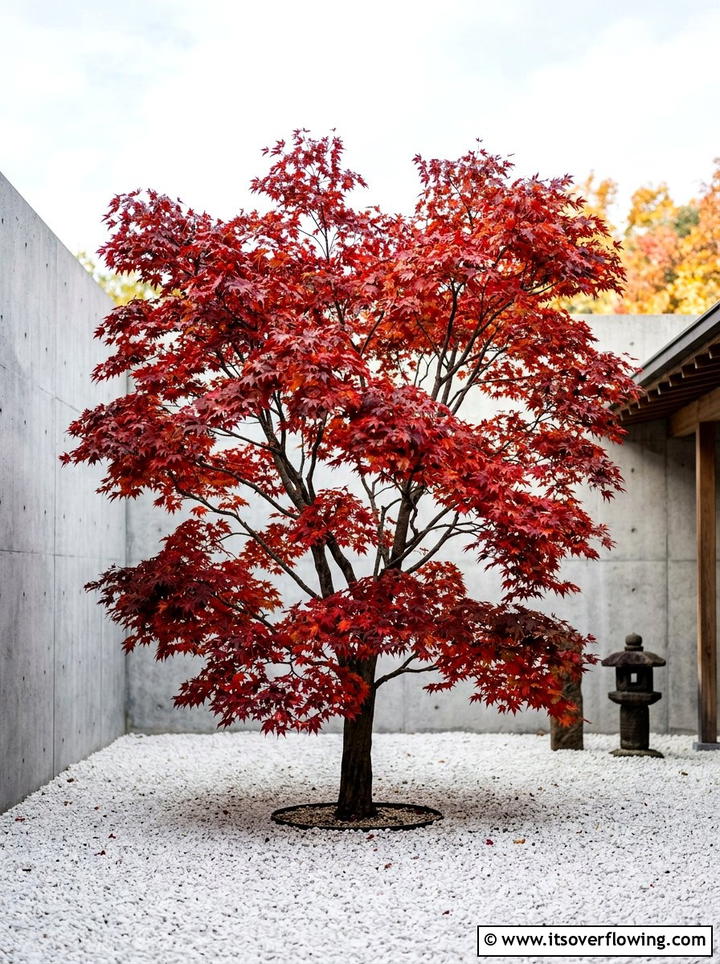
The Japanese maple is a favorite choice for minimalist gardens because of its sculptural form and striking seasonal colors. Even when the leaves fall in winter, the delicate branch structure remains a beautiful visual element. You can plant a single specimen tree in a large pot or as a centerpiece in a courtyard to create a natural focal point. Its fine foliage provides a soft contrast to hard surfaces like stone or concrete. Whether you choose a variety with deep red or bright green leaves, the tree adds a touch of elegance and grace. It is the perfect example of nature’s own minimalism.
13. Minimalist patio furniture
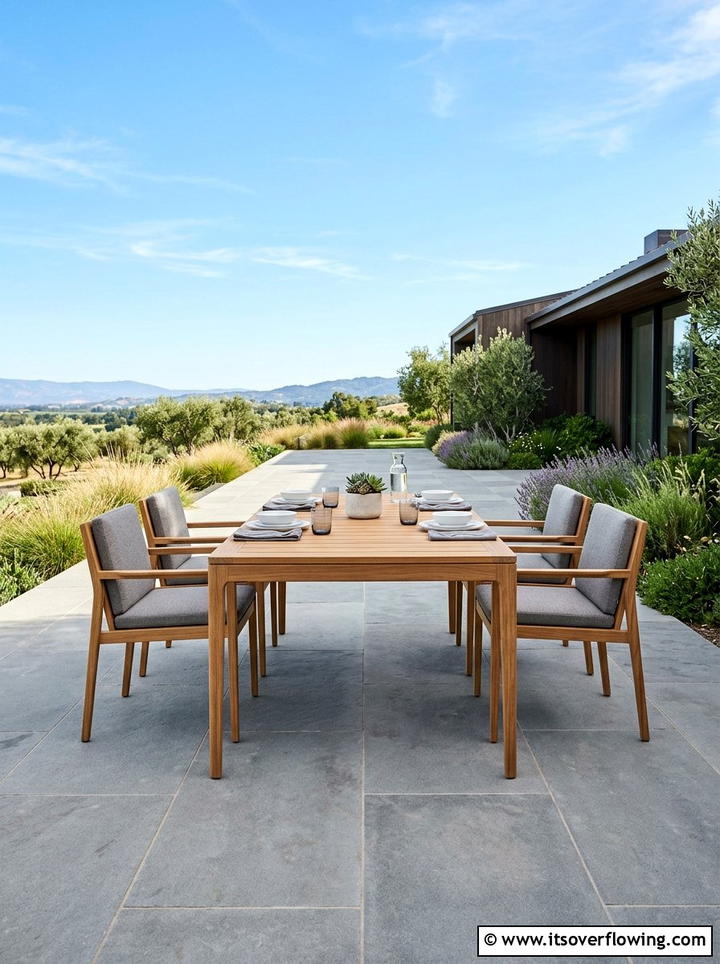
Choosing the right minimalist patio furniture is crucial for maintaining the clean lines of your outdoor living area. Look for pieces with slim profiles, neutral colors, and high-quality materials like powder-coated aluminum or teak. Avoid bulky cushions or overly ornate patterns that can clutter the visual field. A simple dining set or a pair of sleek lounge chairs can define a functional zone without overwhelming the space. By selecting furniture that feels light and unobtrusive, you allow the beauty of the garden to remain the primary focus. This creates a cohesive look that feels like a natural extension of your modern home interior.
14. White gravel landscaping
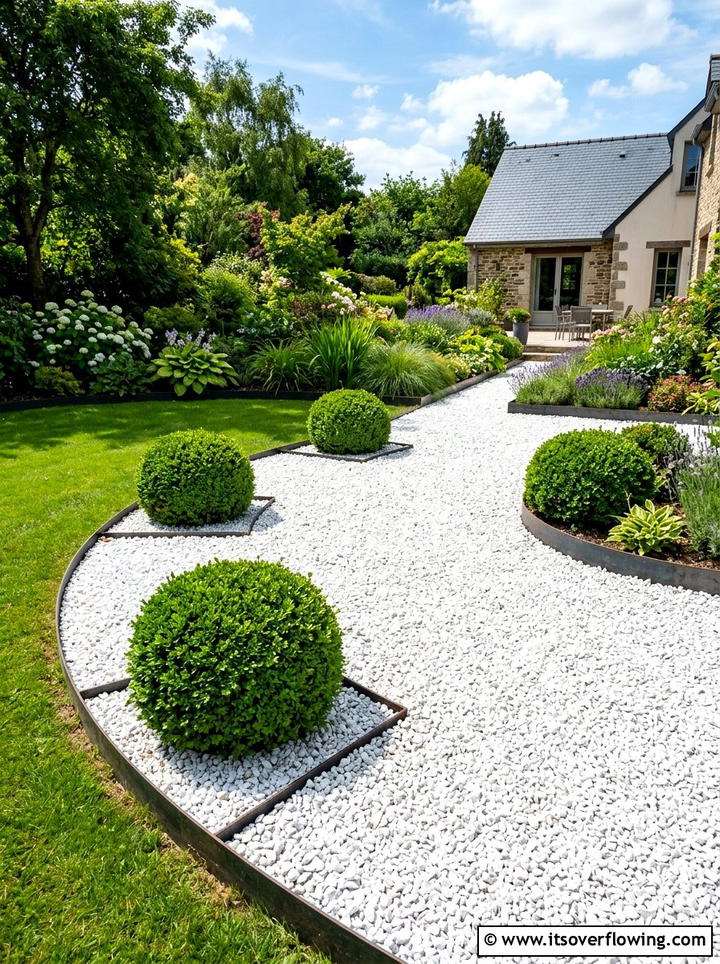
White gravel landscaping is a classic minimalist choice that instantly brightens up any outdoor space. The crisp, clean look of white stones provides a high-contrast backdrop for dark green plants and black architectural elements. It is an excellent way to define paths, fill in gaps around pavers, or cover large areas of ground without the need for high-maintenance grass. The reflective quality of the white stones helps bounce light into shaded corners, making the garden feel more spacious and vibrant. It is a durable and stylish solution that requires very little effort to keep looking fresh and pristine throughout every season.
15. Vertical green wall
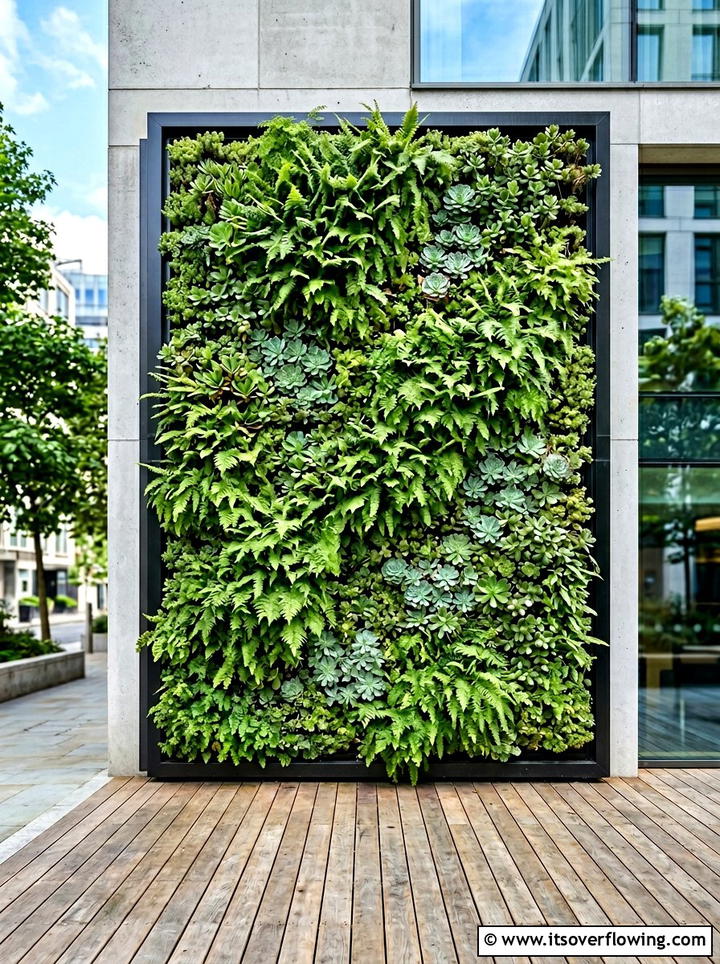
A vertical green wall is an innovative way to bring lush foliage into a small or urban minimalist garden. By using a grid system to grow plants upward, you can create a living tapestry that softens hard walls and fences. This approach is perfect for people who want a lot of greenery but have limited ground space. Choosing a single species of plant, such as ferns or succulents, keeps the look uniform and sophisticated. The wall acts as a natural sound barrier and provides a cooling effect during the hot summer months. It is a bold, modern statement that combines nature and technology beautifully.
16. Rectangular lawn
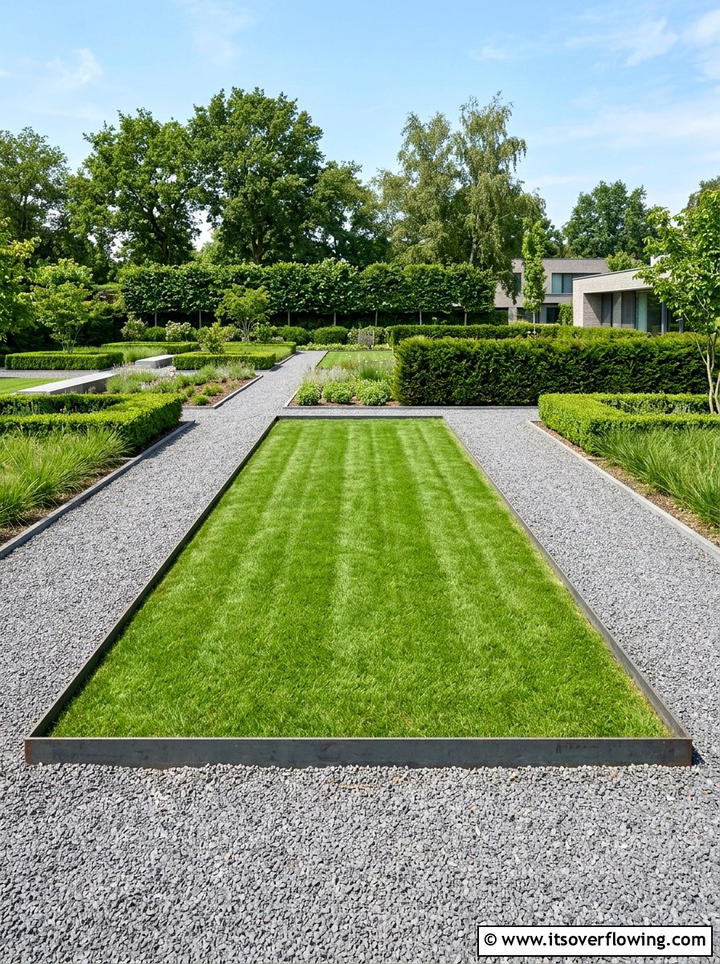
If you love the look of a lawn but want to keep it minimalist, a perfectly rectangular patch of grass is the way to go. Framing the grass with a stone or metal border creates a sharp edge that defines the space clearly. This “green carpet” provides a soft area for relaxation while acting as a visual breather between other design elements. Keeping the lawn small and well-manicured ensures it remains a focal point rather than a sprawling chore. It offers a clean, geometric contrast to the surrounding hardscaping and plantings. This structured approach to turf makes the entire garden feel more organized and balanced.
17. Bamboo screen
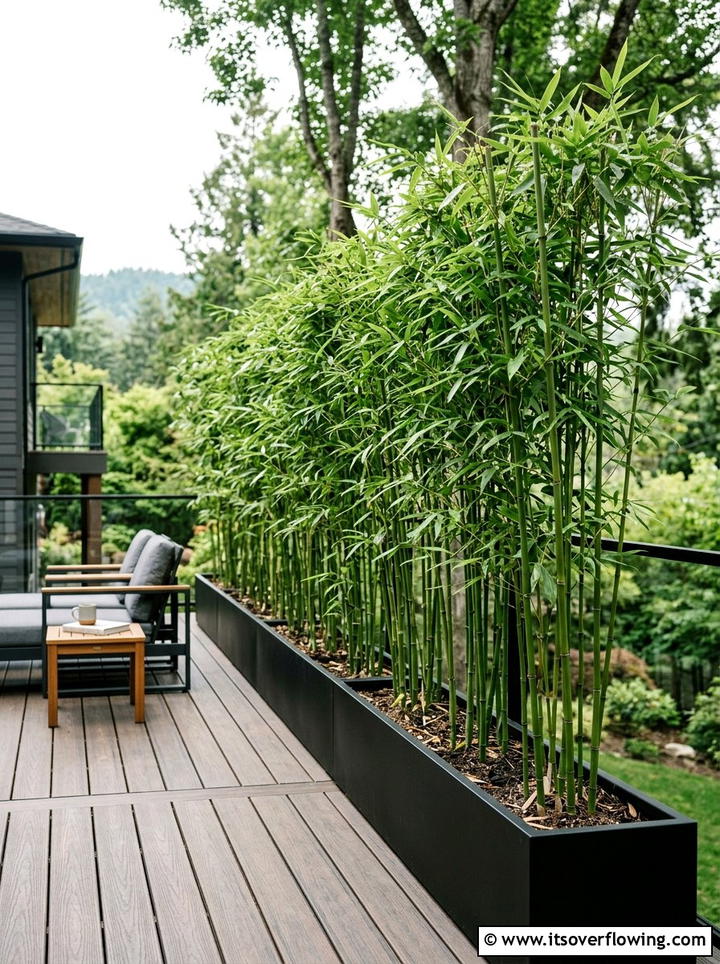
Bamboo screens offer a fast-growing and eco-friendly way to create privacy in a minimalist landscape. When planted in narrow, rectangular troughs, bamboo creates a tall, thin wall of green that doesn’t take up much horizontal space. Its vertical stalks provide a sense of height and rhythm that complements modern architecture perfectly. The rustling sound of bamboo leaves in the wind adds a gentle auditory layer to your garden, enhancing the peaceful atmosphere. Using clumping varieties ensures the bamboo stays contained within its designated area. It is a natural, sustainable way to add texture and screening to your minimalist outdoor retreat.
18. Sunken fire pit
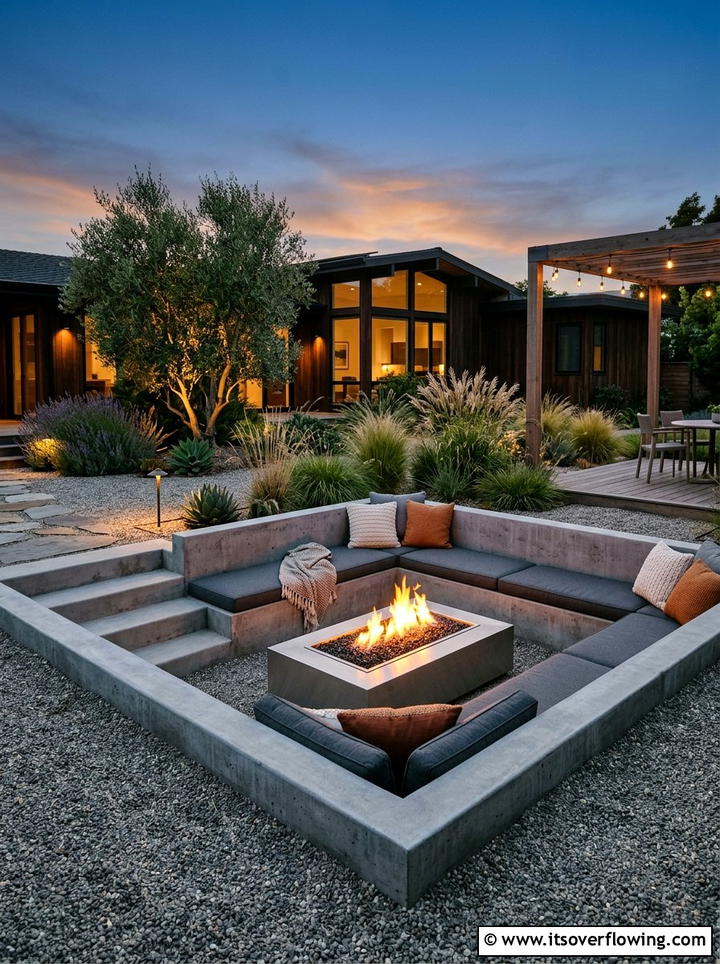
A sunken fire pit creates a cozy gathering spot that doesn’t disrupt the clean sightlines of your garden. By lowering the seating area into the ground, you create a sense of intimacy and protection from the wind. Use smooth concrete or stone for the surrounding walls and floor to maintain a modern aesthetic. When the fire is not in use, the pit remains a subtle and architectural feature of the yard. This design encourages conversation and relaxation while keeping the overall landscape looking flat and orderly. It is a sophisticated take on a classic outdoor element that fits perfectly into a minimalist lifestyle.
19. Floating wood deck
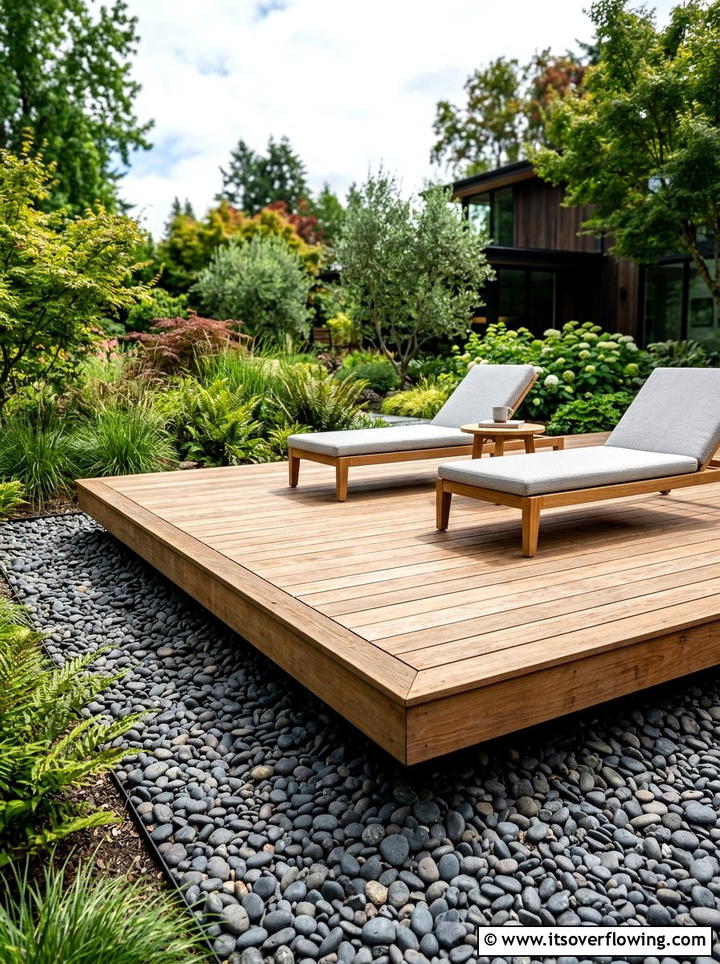
A floating wood deck is a stunning way to create a level transition between your home and the garden. By elevating the deck slightly off the ground, you create a visual lightness that makes the structure feel like it is hovering. Use long, uniform planks of durable timber to emphasize the horizontal lines of the space. This design avoids the need for bulky railings or stairs, keeping the look clean and unobstructed. A floating deck provides a dedicated area for lounging or dining while allowing the surrounding landscape to flow underneath. it is a high-end architectural detail that adds instant value and style.
20. Black metal pergola
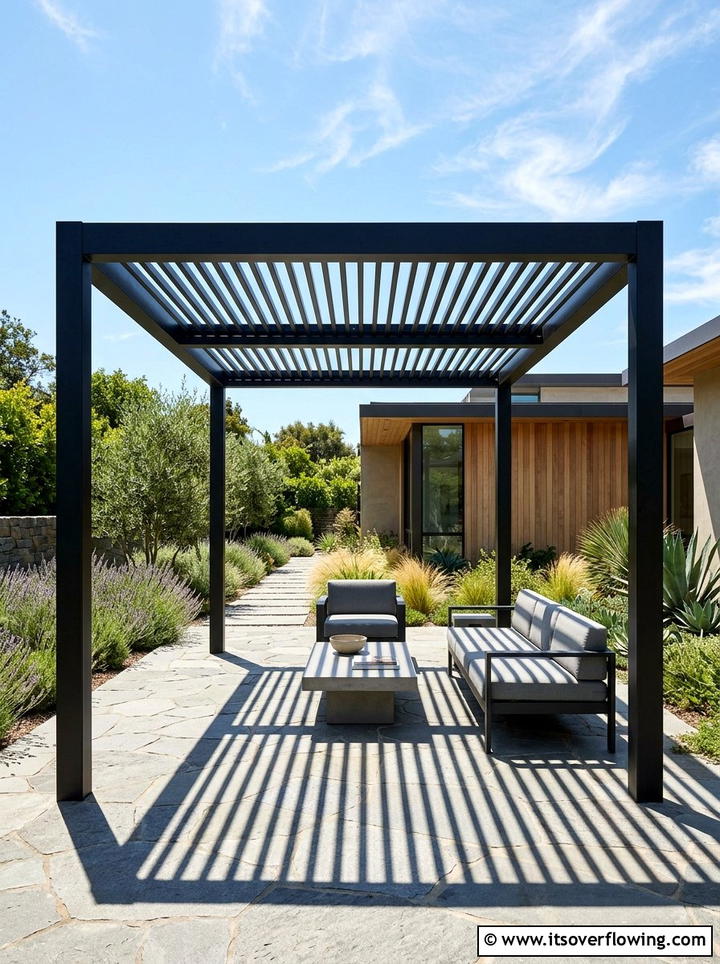
A black metal pergola provides a strong, graphic frame for an outdoor seating area or walkway. The dark color contrasts sharply against the sky and green foliage, creating a bold architectural statement. Minimalist pergolas usually feature simple posts and thin slats without decorative scrollwork or extra ornamentation. This structure offers partial shade while maintaining an open and airy feel. You can leave the metal bare for a strictly modern look or grow a single type of climbing vine for a touch of organic softness. It is a functional and stylish way to define vertical space and provide structure to your garden layout.
21. Potted topiary
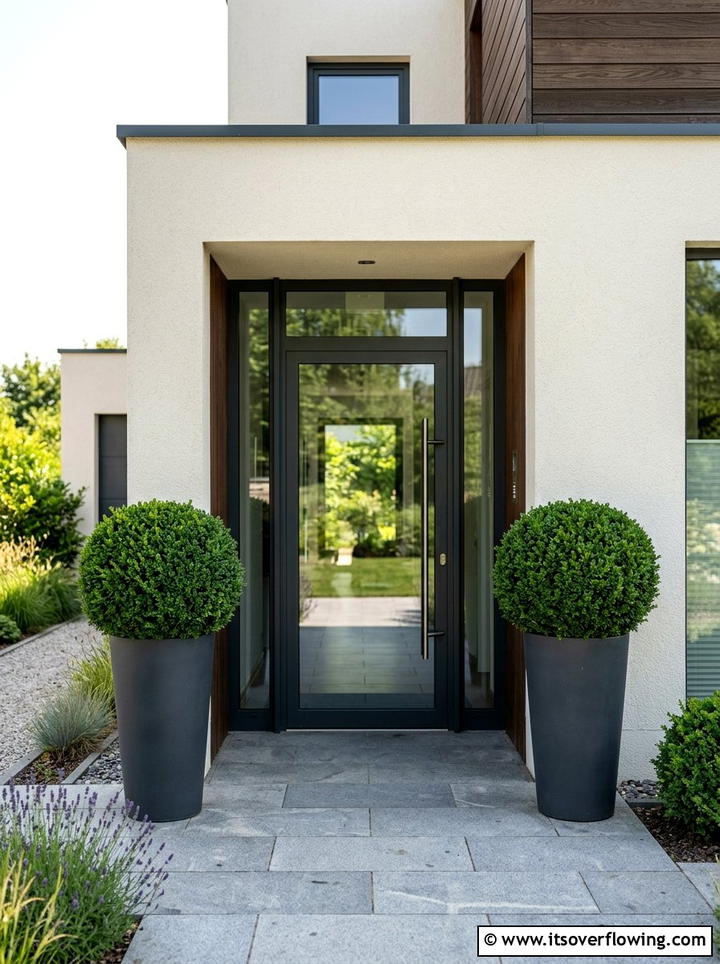
Potted topiaries are a versatile way to add symmetry and green structure to a minimalist patio or entrance. Using large, simple pots in neutral colors like charcoal or white helps keep the focus on the plant itself. You can choose evergreen shrubs like boxwood or laurel and prune them into perfect cones or spheres. Placing a pair of identical topiaries on either side of a doorway or at the start of a path creates an immediate sense of formal elegance. This portable greenery allows you to change the layout of your garden easily while maintaining a consistent and curated aesthetic throughout the year.
22. Large format tile
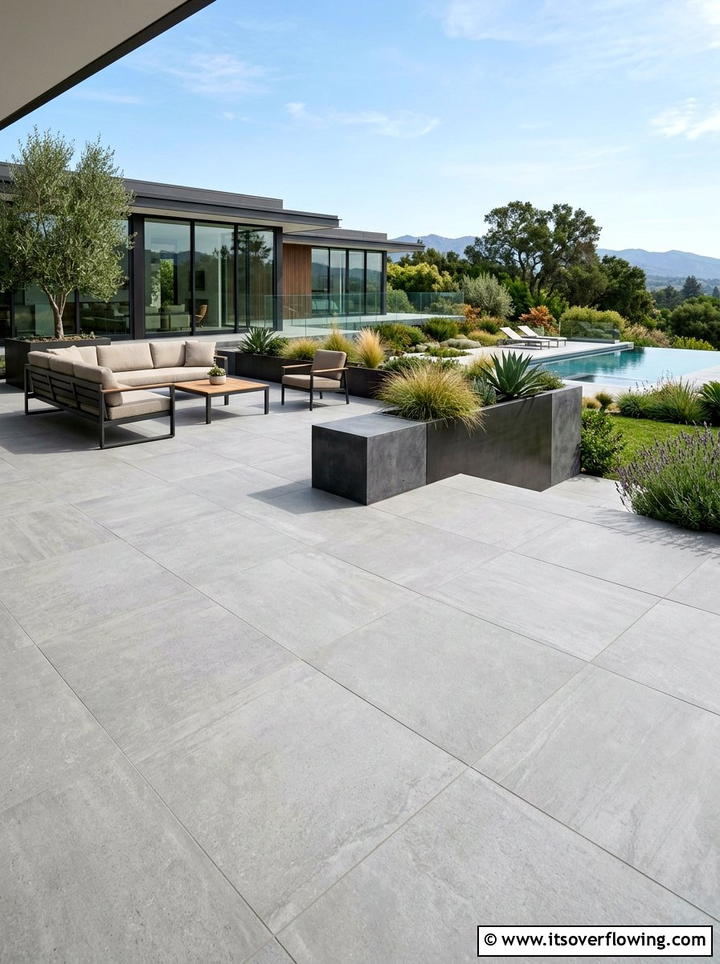
Large format tiles are an excellent flooring choice for a minimalist patio because they minimize grout lines and create a seamless look. Using oversized squares of porcelain or natural stone gives the outdoor space a clean, high-end feel that mimics modern interior flooring. This creates a strong visual connection between the inside of your home and the outside landscape. The neutral colors and smooth textures of the tiles provide a sophisticated foundation for your outdoor furniture and plants. Because there are fewer joints, the surface is also much easier to clean and maintain, making it a practical choice for a modern lifestyle.
23. Drought tolerant planting
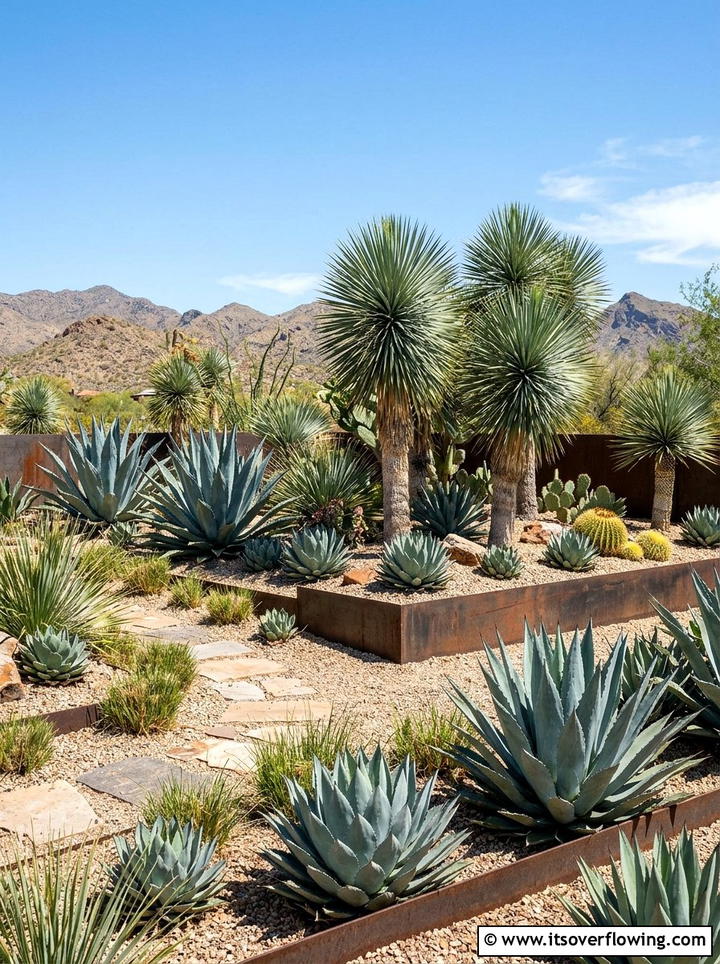
Drought-tolerant planting is not only sustainable but also fits the minimalist aesthetic perfectly. Succulents, agaves, and yuccas have bold, sculptural shapes that look like living pieces of art. These plants often feature interesting textures and muted colors that complement a modern color palette. By choosing species that thrive with minimal water, you reduce your garden maintenance and create a landscape that looks beautiful even in harsh conditions. Grouping these plants together in organized clusters creates a clean and intentional look. This approach demonstrates that a beautiful, lush garden can be achieved through smart, resource-efficient choices and thoughtful plant selection.
24. Monochromatic flower bed
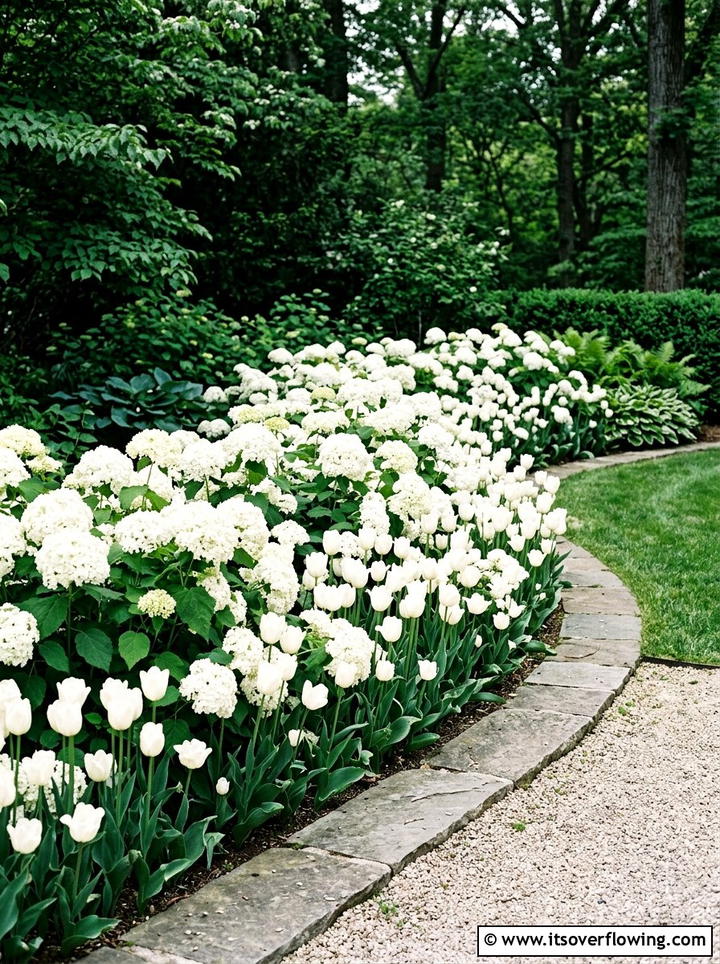
A monochromatic flower bed is a sophisticated way to introduce color into a minimalist garden without it feeling overwhelming. By choosing flowers in a single hue, such as all white or all purple, you create a sense of unity and calm. White flowers, in particular, look stunning against dark green foliage and gray hardscaping, especially during the twilight hours. This focused approach to color prevents the garden from looking busy or cluttered. It allows you to appreciate the different shapes and textures of the petals within a cohesive theme. It is a simple yet powerful design choice for a modern yard.
25. Hidden garden lighting
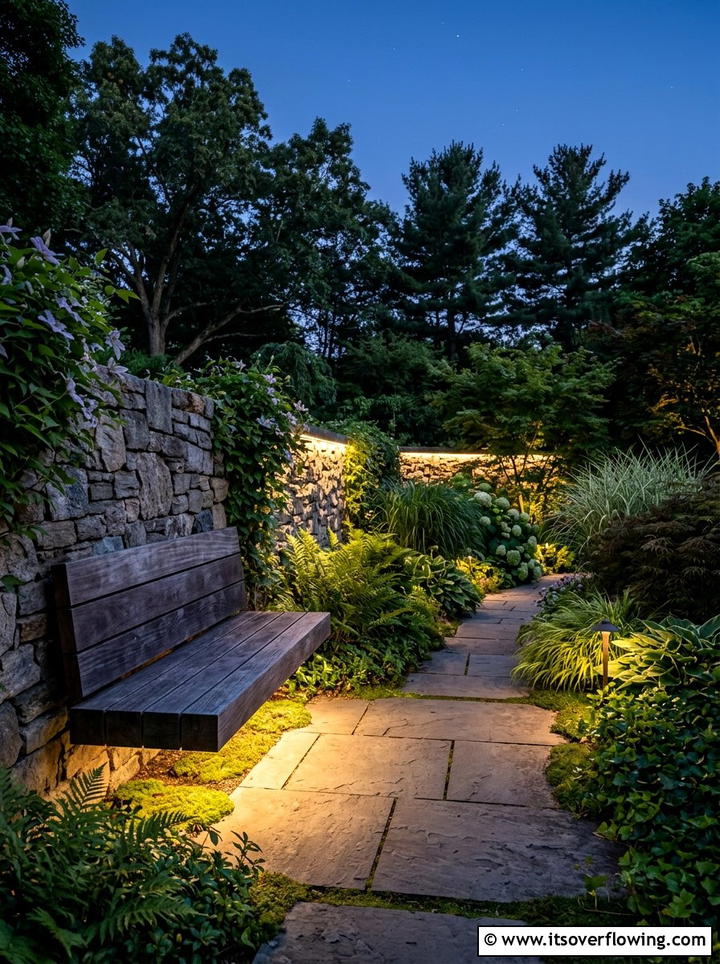
Hidden garden lighting is the ultimate way to create a magical atmosphere without seeing the light sources themselves. By tucking LED strips under the edges of benches or behind large stones, you create a mysterious and soft glow. This “moonlight” effect emphasizes the textures of your plants and the clean lines of your paths. It ensures that the garden remains a safe and beautiful space at night without the visual distraction of poles or fixtures. This subtle approach to illumination perfectly aligns with the minimalist philosophy of less is more. It turns your outdoor space into a serene, glowing sanctuary after dark.
Conclusion:
Creating a minimalist garden is a rewarding journey that emphasizes clarity, peace, and functional beauty. By focusing on a few key elements like geometric paths, sculptural plants, and high-quality materials, you can build an outdoor space that feels timeless and sophisticated. This design style proves that you do not need a crowded yard to have a stunning landscape; instead, it is the intentionality behind every choice that matters. A minimalist garden provides a quiet escape from the busy world, allowing the natural beauty of individual elements to shine. We hope these twenty-five concepts inspire you to transform your own backyard into a modern, minimalist masterpiece.

Related posts:
 25 garden ideas for maximalist style: Bold Outdoor Looks
 25 Garden Ideas for Desert Style With Stunning Low-Water Looks
 25 garden ideas for mediterranean style: Sunny Yard Looks
 25 garden design ideas with drought tolerant plants: Easy Looks
 25 garden design ideas with low maintenance shrubs: Easy Looks
 25 garden ideas with edging for Clean, Stylish Landscapes
 25 Small Garden Ideas With Minimalist Style for Calm Spaces
 25 Garden Ideas With Cinder Blocks for Creative Outdoor Style
 25 garden ideas with moss art: Fresh Green Outdoor Style
 25 Small Garden Ideas on a Budget for Beautiful Outdoor Style
 25 Small Garden Ideas With Boho Style for Dreamy Outdoor Vibes
 25 small garden ideas with zen style for Calm Outdoor Living