
Transforming a small outdoor area into a lush oasis does not require a traditional grass lawn to look beautiful. Many homeowners are now choosing to remove their grass in favor of more creative and lower-maintenance alternatives that offer year-round appeal. By moving away from a high-maintenance lawn, you open up a world of possibilities for functional zones like dining areas, cozy fire pits, or dense garden beds. These solutions are particularly effective for tiny urban lots where every square inch of space counts toward your lifestyle. In this guide, we will explore various ways to use hardscaping, containers, and clever planting to create a stunning, lawn-free sanctuary.
1. Gravel Garden
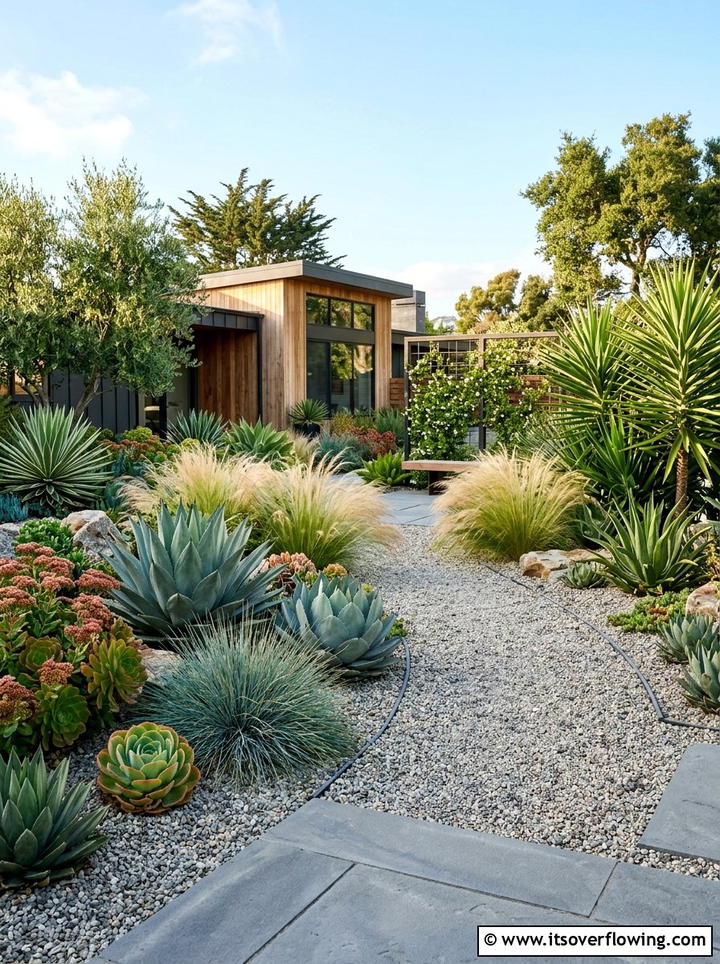
A gravel garden is a fantastic solution for small spaces where you want to eliminate mowing. This style offers a clean and modern look while remaining very budget-friendly for most homeowners. You can choose from various colors and sizes of stones to match your home’s exterior. Gravel provides excellent drainage, which is perfect for keeping your plants healthy during rainy seasons. It also creates a crunching sound when walked upon, adding a sensory element to your outdoor experience. By placing larger rocks or hardy perennials within the gravel, you can create a structured yet natural appearance. This approach minimizes weeding and maximizes your time spent relaxing outdoors instead of working.
2. Paved Patio
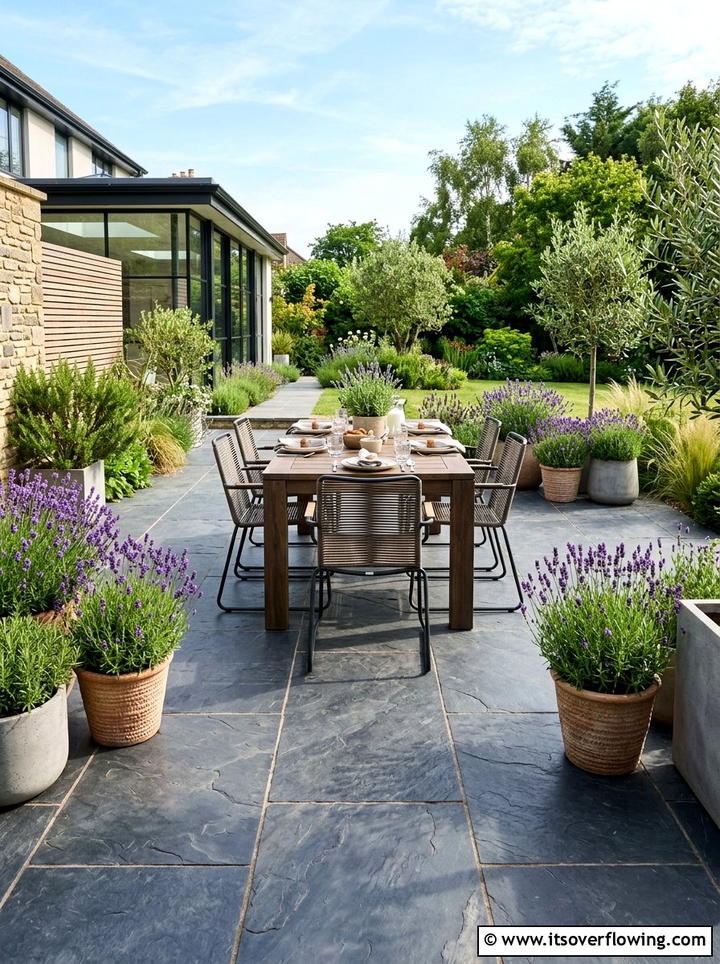
Creating a paved patio is one of the most popular ways to replace a traditional lawn in a small yard. Using large pavers or natural stone tiles makes the area feel much bigger and more organized. This solid surface is perfect for placing outdoor furniture like dining tables or lounge chairs without them wobbling on uneven ground. Paving is incredibly durable and requires very little upkeep compared to grass that needs constant watering and trimming. You can select colors that range from cool grays to warm tans to set the mood. Adding some potted plants around the edges will soften the hard lines and bring in greenery.
3. Wood Decking
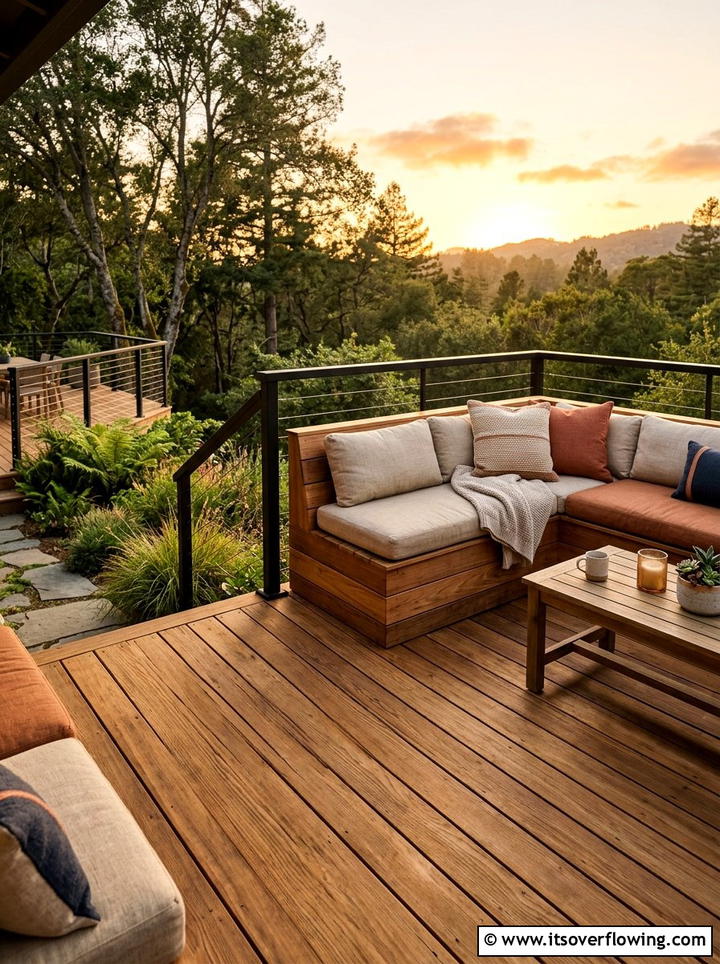
Installing wood decking provides a warm and inviting platform that instantly elevates any small backyard design. This option works exceptionally well for uneven ground because the structure can be leveled during installation. A deck creates a clear transition between your indoor living space and the outdoors, making your home feel much larger. You can use natural timber for a rustic look or composite materials for a low-maintenance finish that lasts for years. Decking is perfect for sunbathing or hosting summer barbecues with friends and family. Incorporating built-in benches or planters directly into the deck design saves even more space while providing plenty of functionality.
4. Vertical Wall
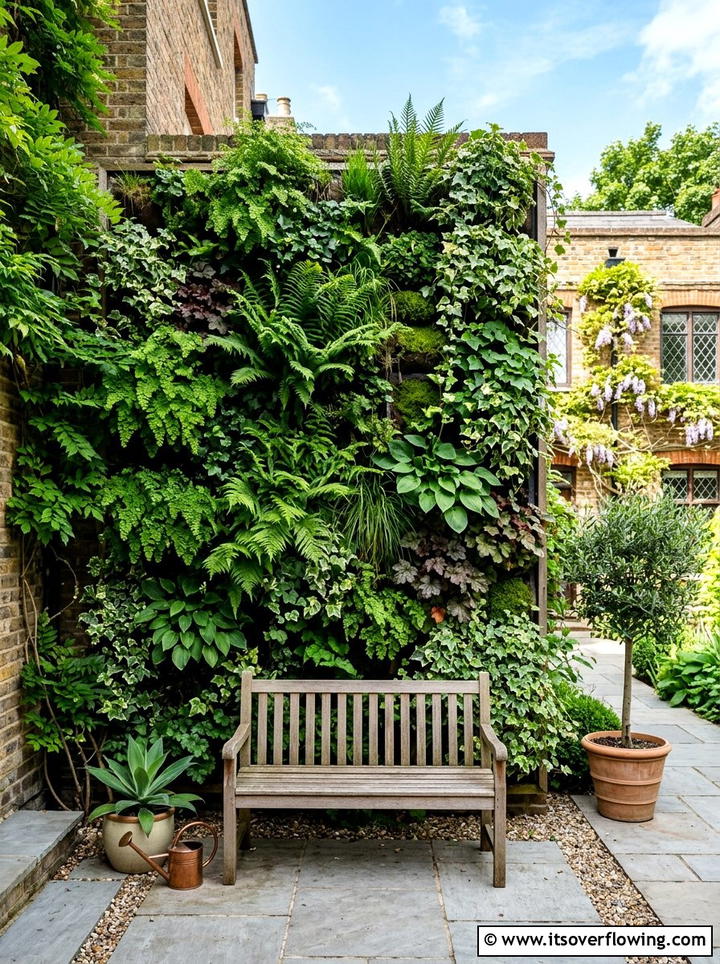
When you do not have much floor space, a vertical wall garden allows you to grow plenty of plants upward. This method uses wall-mounted planters or trellis systems to hold flowers, herbs, and vines. It creates a stunning focal point that draws the eye upward and hides ugly fences or bare walls. Vertical gardening is perfect for urban dwellers who want a lush environment without sacrificing walking room. You can mix and match different plant species to create a living tapestry of colors and textures. Automatic drip irrigation systems can be hidden behind the structure to keep your plants hydrated with almost no manual effort.
5. Raised Planter
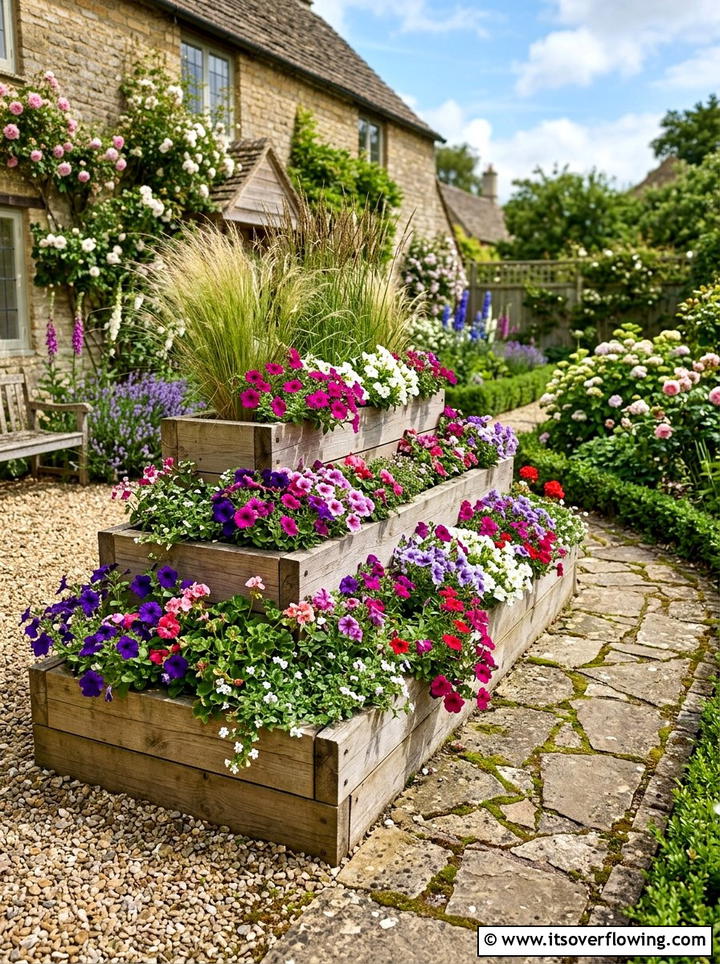
Adding raised planters is a smart way to define different areas of your garden while providing optimal growing conditions. These structures can be built from wood, metal, or stone to match your specific style. Raised beds allow you to control the soil quality, which is often difficult in small urban plots with poor ground. They also provide a comfortable height for gardening, reducing the need to bend over or kneel. You can use them to grow a mix of ornamental flowers and tall grasses to create privacy from neighbors. The structured lines of these planters help maintain a tidy and organized look throughout the entire year.
6. Container Garden
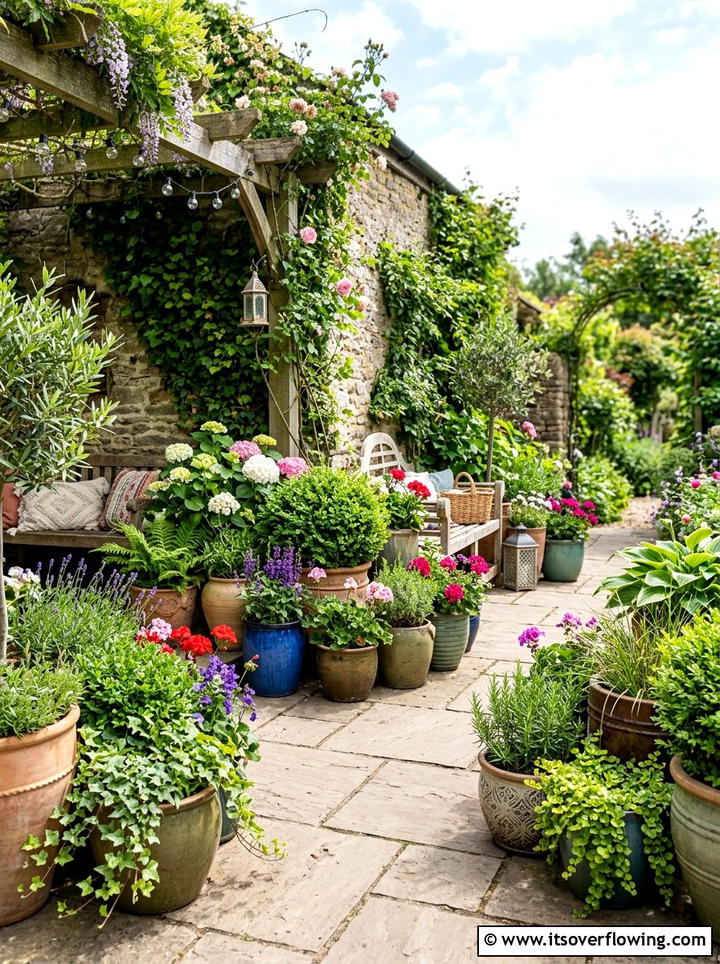
A container garden offers the ultimate flexibility for small outdoor spaces that lack a traditional lawn. You can use pots of various sizes, shapes, and colors to create a layered and interesting landscape. This approach allows you to move your plants around based on the sunlight or when you want to change the layout. Containers are perfect for growing everything from small trees to delicate seasonal flowers. You can group them together to create a dense, jungle-like feel or spread them out for a more minimalist aesthetic. Using high-quality pots adds a decorative element that reflects your personal style and enhances the overall garden theme.
7. Zen Space
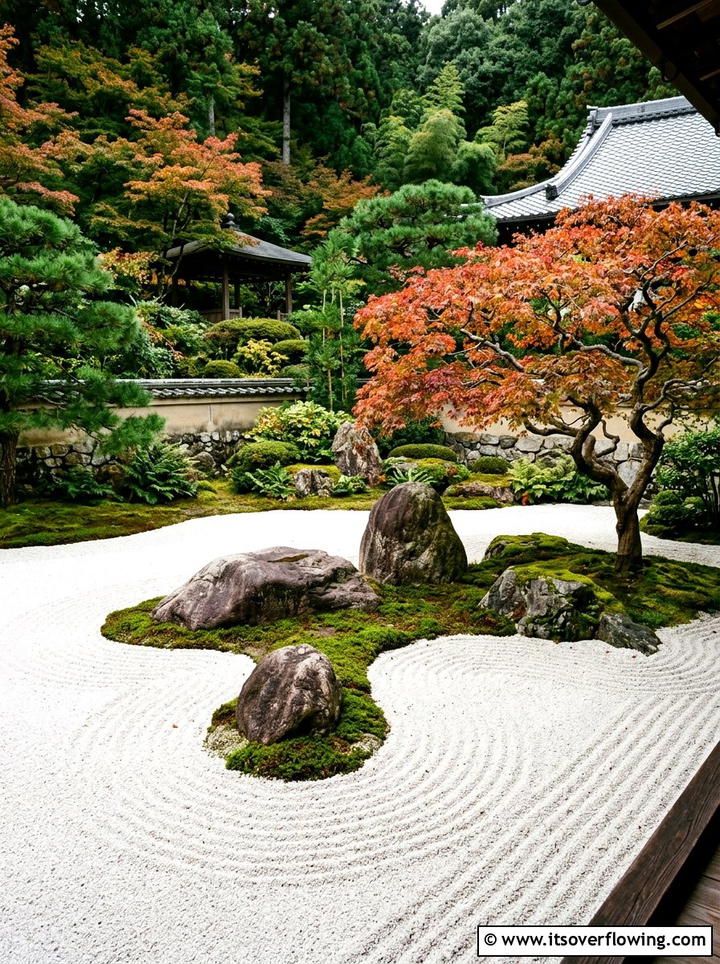
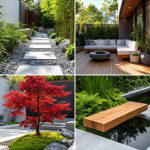
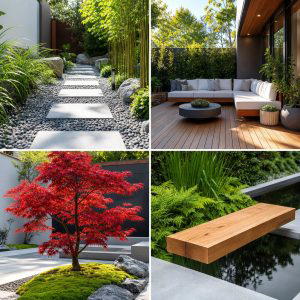
Designing a zen space provides a peaceful retreat that focuses on simplicity and natural elements. This style typically uses sand, gravel, and carefully placed rocks to create a meditative atmosphere. You might include a small bridge or a stone lantern to enhance the Japanese-inspired aesthetic. This type of garden requires very little water and almost no maintenance once it is established. It is an ideal choice for people who want a quiet place to sit and reflect without the distractions of a messy lawn. The clean lines and neutral colors create a sense of calm that makes even the smallest backyard feel like a sanctuary.
8. Mediterranean Courtyard
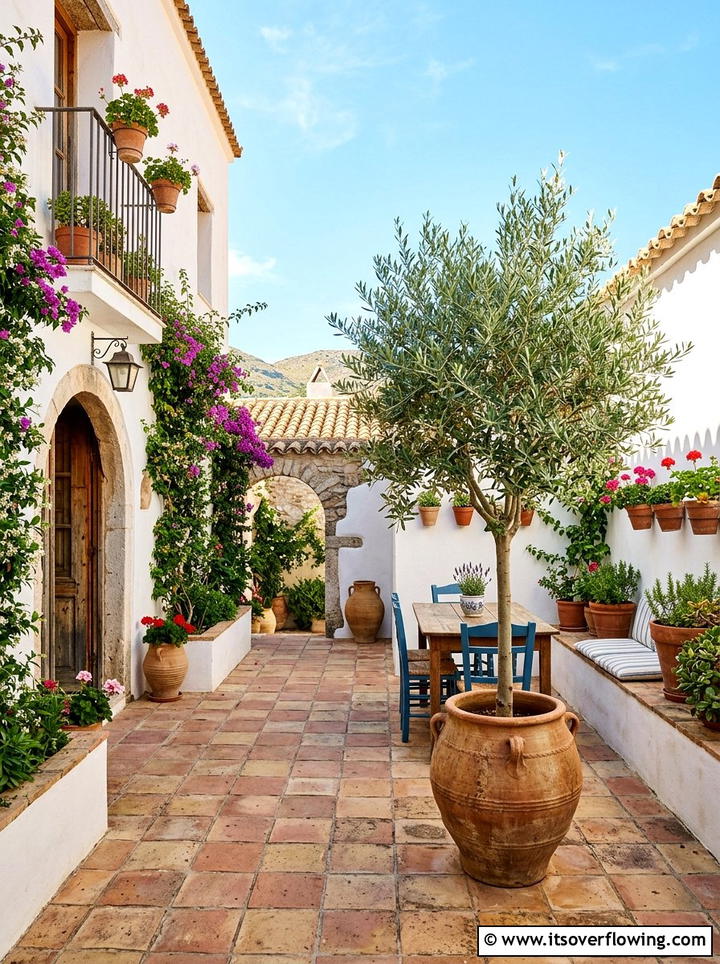
A Mediterranean courtyard brings a vacation feel to your home using terracotta tiles and heat-loving plants. This design often features warm earth tones and textured walls that soak up the sun. You can plant lavender, olive trees, and rosemary in large clay pots to fill the air with wonderful scents. Adding a small wrought iron bistro set provides a charming spot for morning coffee or evening drinks. The use of stone and tile ensures that the space remains cool and functional even in hot weather. This style is perfect for creating an elegant, low-maintenance environment that looks beautiful in any climate or region.
9. Rockery
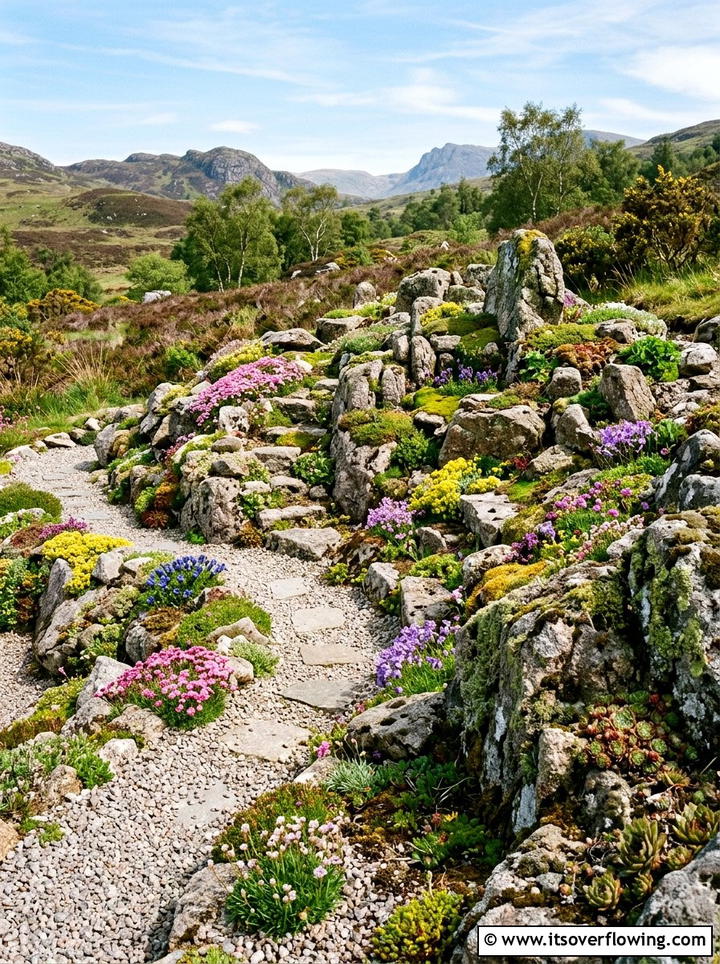
Building a rockery allows you to incorporate natural stone and alpine plants into a rugged, beautiful landscape. This design is particularly effective for small gardens with slopes or awkward corners that are hard to plant. You can layer stones of different sizes to create natural-looking crevices for small succulents and hardy perennials. Rockeries add a wonderful sense of height and texture to a space that might otherwise feel flat and boring. They require very little water and maintenance, making them an eco-friendly choice for modern homes. The contrast between the hard stones and soft foliage creates a visually striking display that lasts all year.
10. Stone Walkway
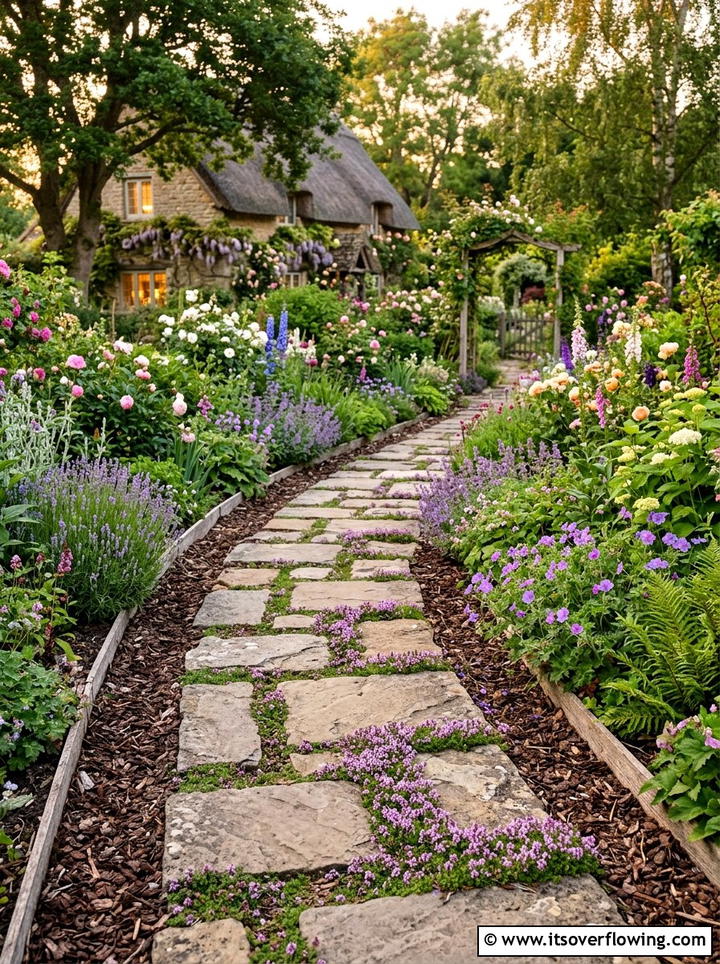
Integrating a stone walkway can guide movement through your small garden while adding a touch of classic charm. Large flagstones or stepping stones set into mulch or gravel create a clear path that prevents soil compaction. This feature helps to divide your space into different zones, such as a seating area and a planting zone. Walkways add architectural interest and prevent the garden from feeling like one big, flat surface. You can plant low-growing groundcovers like creeping thyme between the stones to add color and a pleasant fragrance when stepped on. A well-designed path makes your outdoor area feel more intentional and professionally designed.
11. Synthetic Grass
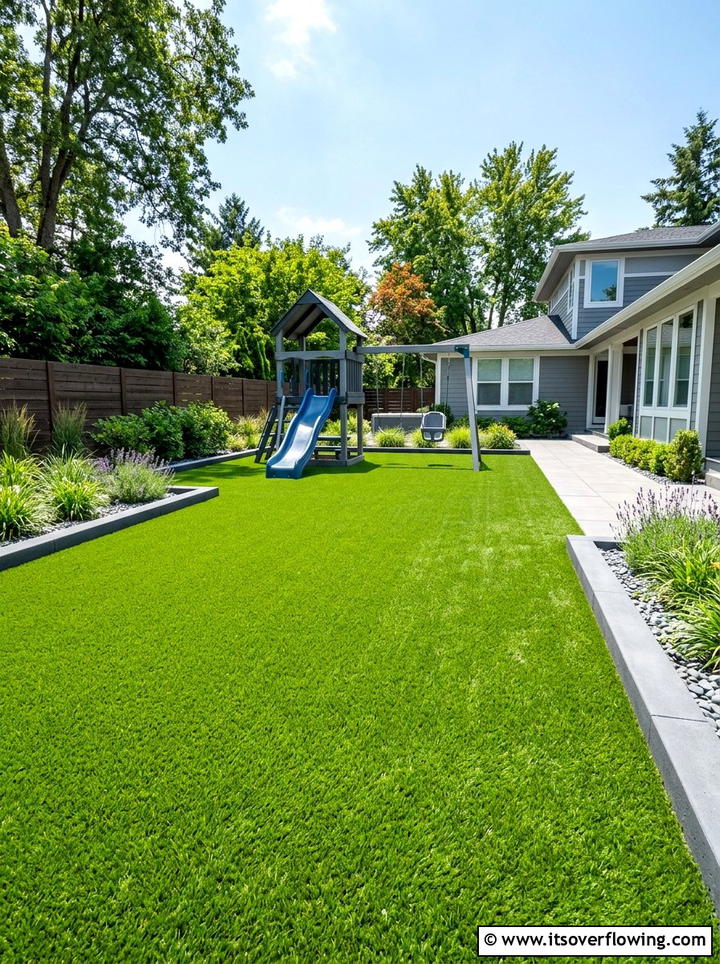
Synthetic grass offers the look of a perfectly manicured lawn without any of the hard work or water. Modern artificial turf looks incredibly realistic and feels soft underfoot, making it great for pets and children. It stays green all year round regardless of the weather or how much shade your garden receives. This is an excellent choice for very small courtyards where a real lawn would struggle to grow properly. You never have to mow, fertilize, or edge this surface, which saves you significant time and money. Pairing synthetic grass with stone borders or wooden decking creates a clean and contemporary outdoor living environment.
12. Multi Level Garden
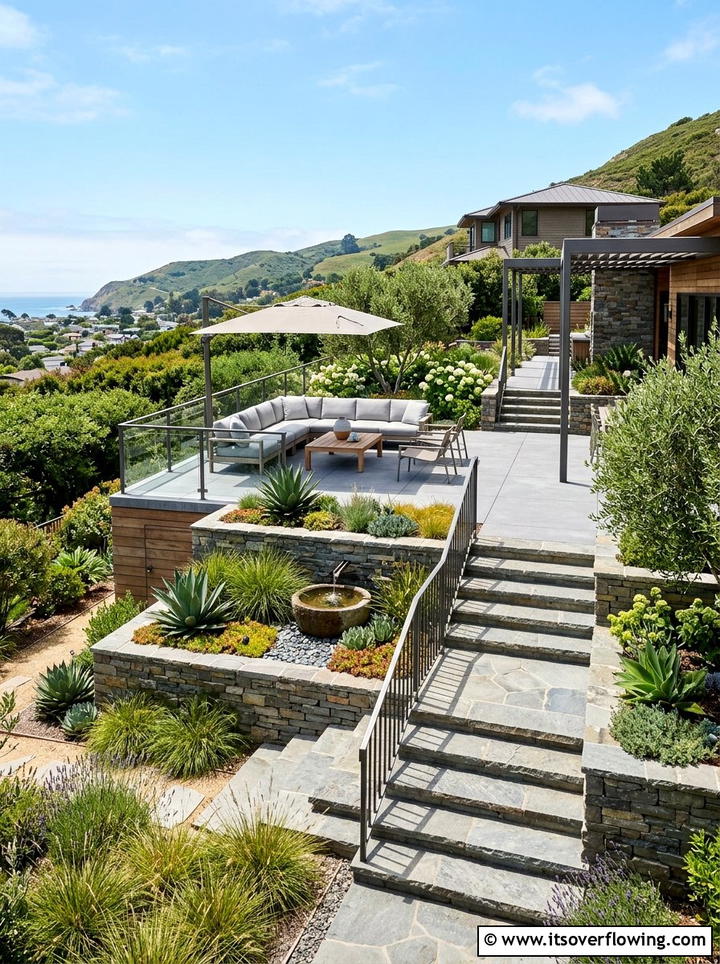
A multi level garden uses different heights to create the illusion of more space in a small backyard. By building terraces or using steps, you can define separate areas for dining, lounging, and planting. This vertical approach adds a lot of visual interest and prevents the garden from looking cluttered or cramped. You can use retaining walls made of timber or stone to hold back soil and create flat planting beds. Multi-level designs are perfect for sloping lots where a traditional lawn would be impossible to maintain. This layout allows you to enjoy different perspectives and views from various points within your own private outdoor retreat.
13. Vegetable Patch
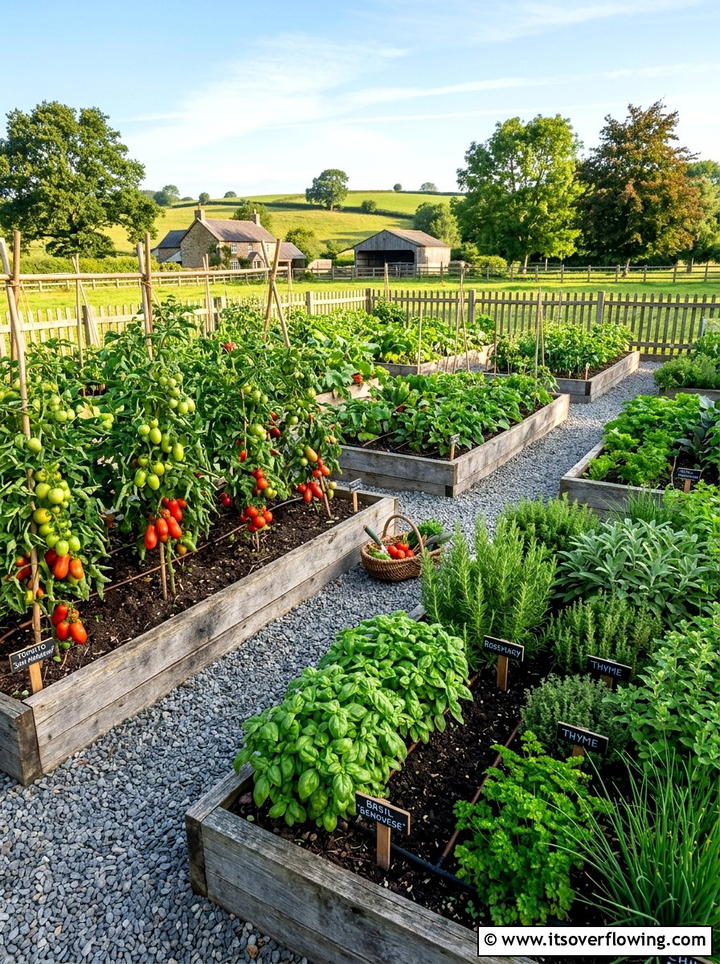
Turning your small lawn-free space into a vegetable patch is both a productive and beautiful choice for homeowners. You can grow fresh produce in organized rows or decorative raised beds to maximize your harvest. Even a tiny area can produce a surprising amount of tomatoes, peppers, and leafy greens during the growing season. This type of garden connects you with nature and provides healthy food right outside your door. You can incorporate flowers like marigolds to help deter pests and add a splash of bright color. A well-maintained vegetable garden looks lush and vibrant, proving that functional spaces can also be very aesthetically pleasing.
14. Jungle Garden
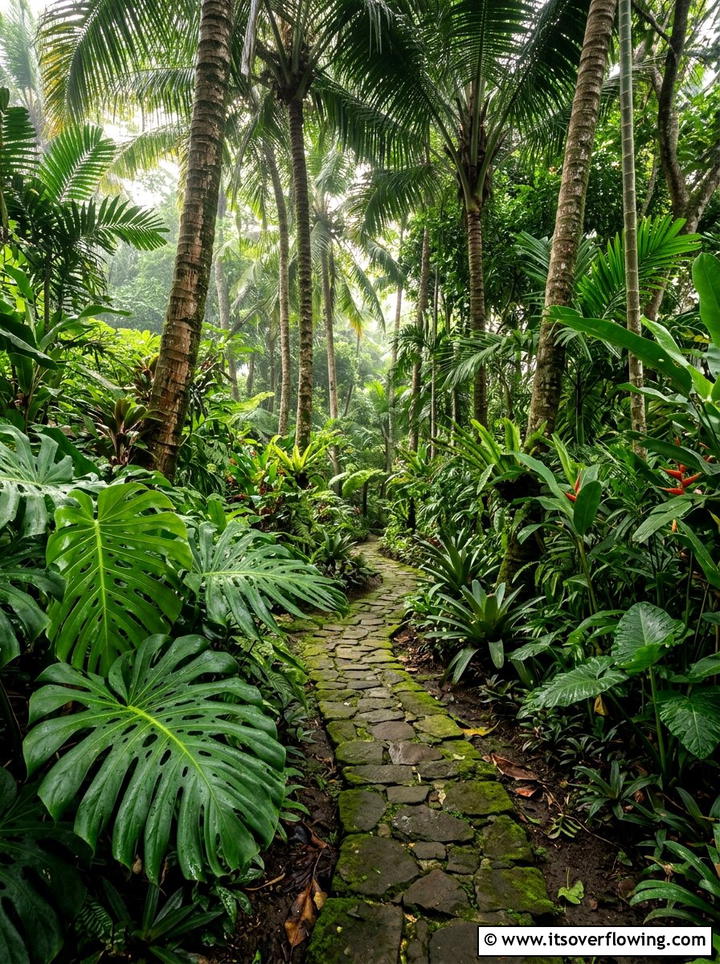
Creating a jungle garden involves using large-leafed plants and dense foliage to build a private, tropical escape. You can use hardy palms, ferns, and hostas to create layers of greenery that hide fences and boundaries. This style works exceptionally well in shaded small gardens where grass usually refuses to grow. The dense planting creates a sense of enclosure and privacy that makes you feel far away from the busy world. Using different shades of green and various leaf shapes adds deep texture and a luxurious feel to the space. Adding a few pops of colorful exotic flowers will complete the lush, tropical atmosphere you desire.
15. Flower Border
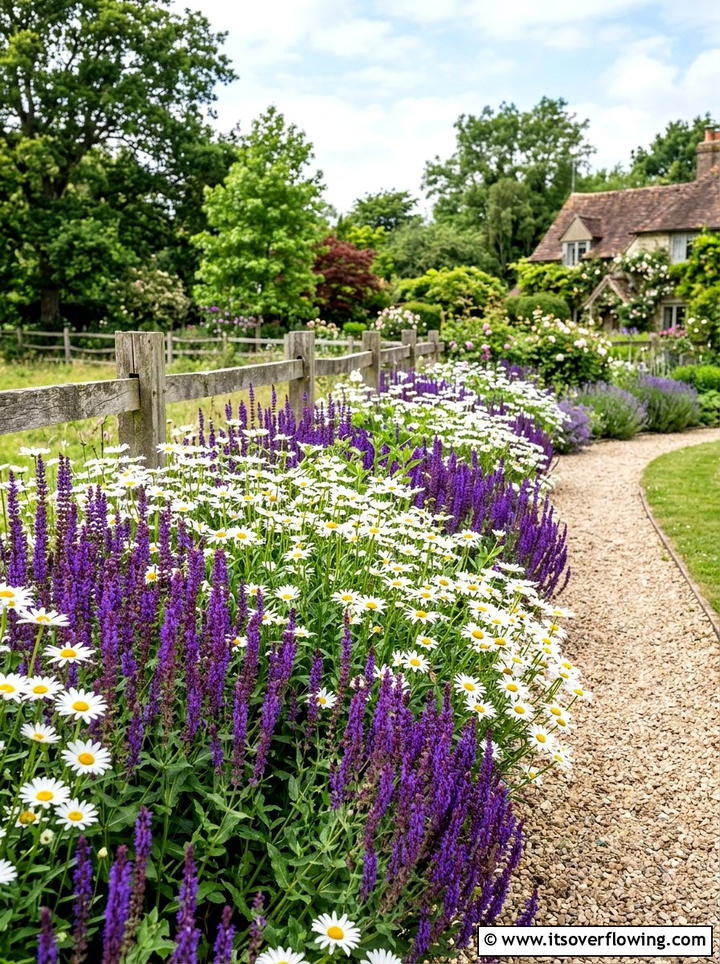
A flower border can wrap around the perimeter of your garden to provide a constant source of color and joy. By replacing a lawn with wide, curving borders, you can plant a mix of perennials, bulbs, and annuals. This approach encourages local pollinators like bees and butterflies to visit your outdoor space frequently. You can choose a specific color palette, such as whites and purples, to create a sophisticated and cohesive look. Borders help to frame your central seating area or patio, making the whole garden feel more finished. Mixing heights ensures that there is always something interesting to look at from every single angle.
16. Contemporary Space
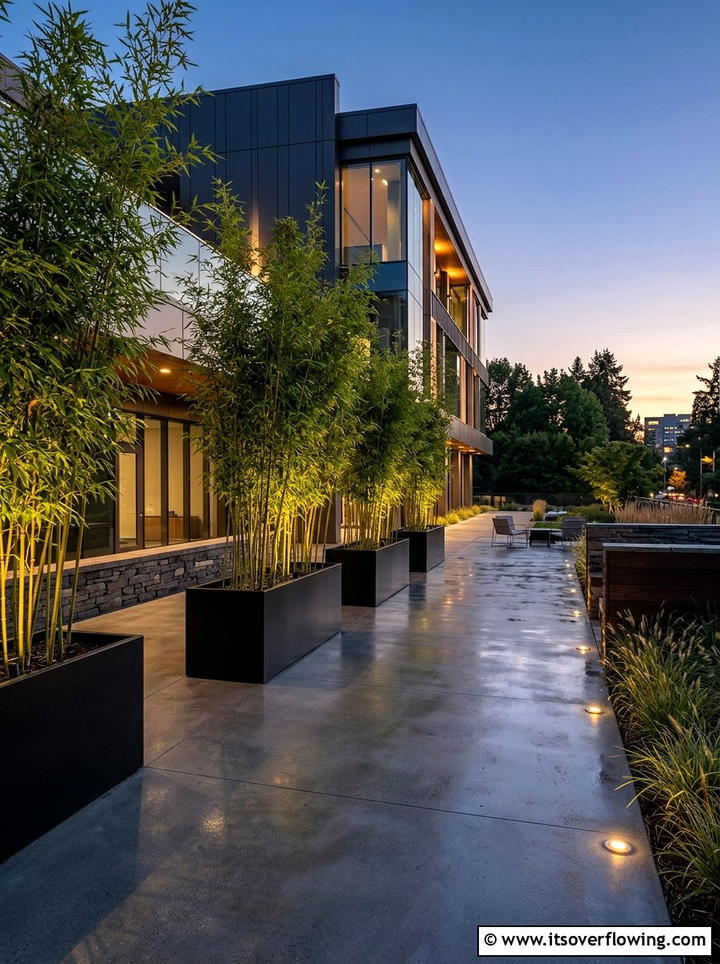
A contemporary space focuses on clean lines, neutral colors, and high-quality materials like smooth concrete or slate. This design style is perfect for modern homes where the garden acts as a direct extension of the interior. You might use geometric shapes for your planters and choose a limited palette of structural plants like boxwood or bamboo. Lighting plays a huge role in contemporary gardens, highlighting architectural features and paths during the evening hours. This minimalist approach creates a clutter-free environment that feels very calm and sophisticated. It is a low-maintenance option that prioritizes high-end aesthetics and functional outdoor living for busy urban professionals.
17. Fire Pit
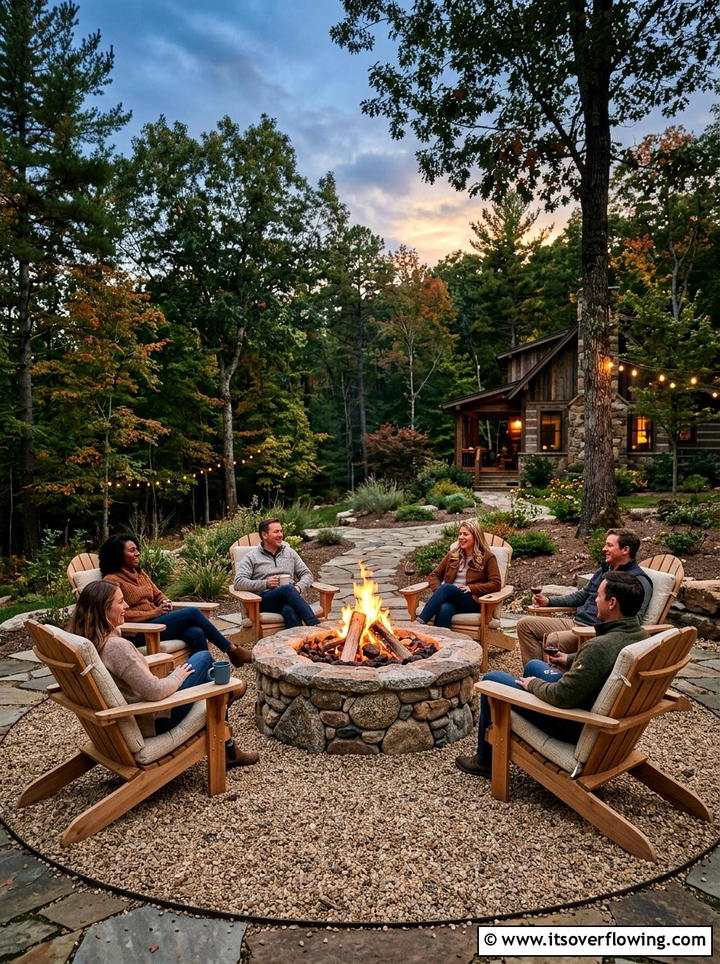
Centering your garden around a fire pit creates a cozy and social atmosphere that can be enjoyed during every season. Instead of a lawn, you can use gravel or paving to create a safe and level base for the fire feature. Surrounding the pit with comfortable chairs or built-in benches encourages family and friends to gather together. A fire pit acts as a natural focal point and provides warmth and light on chilly autumn evenings. You can choose from modern gas-powered designs or traditional wood-burning bowls depending on your preference. This addition transforms a small backyard into a functional entertainment hub that feels very special.
18. Bistro Set
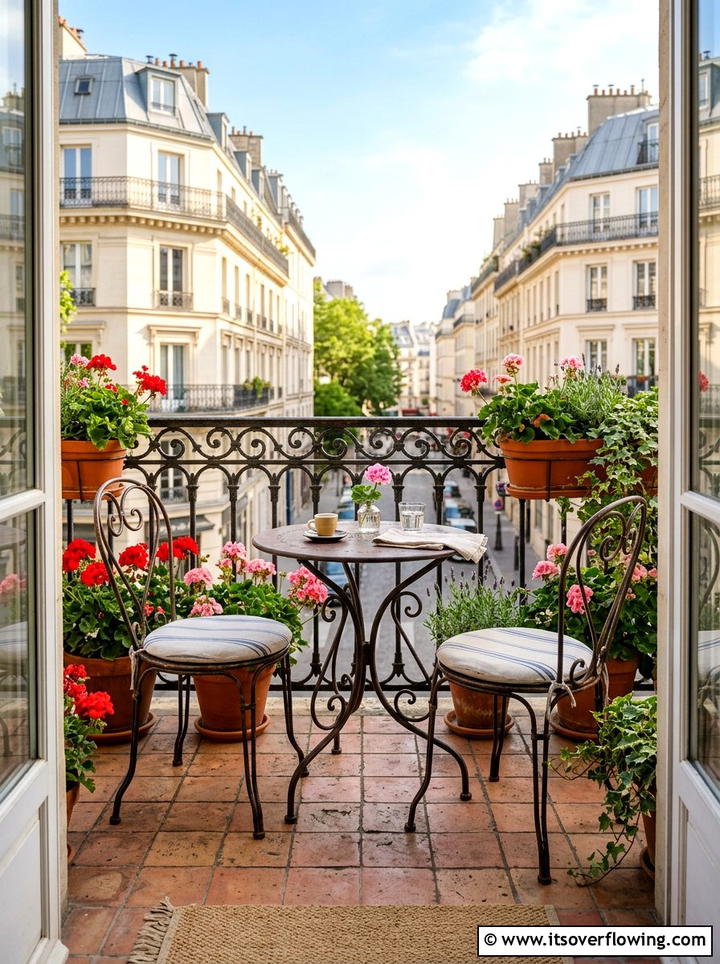
Placing a bistro set in a small garden creates an intimate dining area that is perfect for breakfast or light lunches. Because these sets are typically small and foldable, they are ideal for balconies or tiny courtyards without any grass. You can place the table and chairs on a small patch of decorative tile or a circular gravel bed. Surrounding the seating area with tall plants or a trellis provides a sense of privacy and seclusion from the street. This simple addition makes your garden feel like a charming European cafe right in your own backyard. It is a cost-effective way to add functionality to a small outdoor space.
19. Fountain Garden
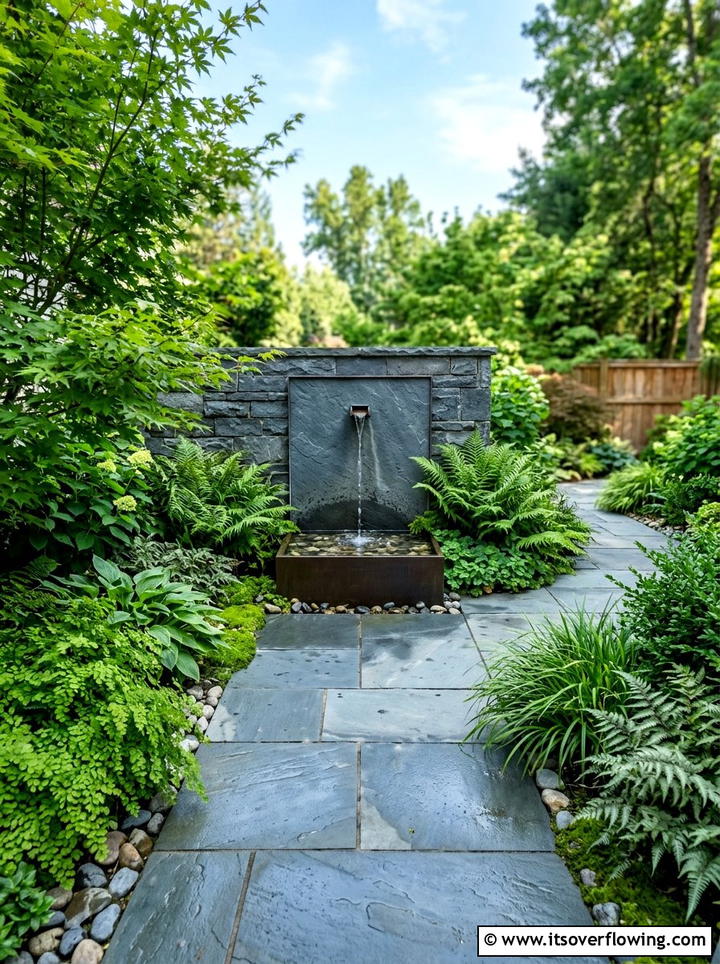
A fountain garden introduces the soothing sound of running water, which is perfect for masking city noise in small yards. You do not need a large pond to enjoy water; a wall-mounted fountain or a small bubbling rock works beautifully. Placing a water feature at the center of a paved or gravel area creates a refreshing and elegant focal point. Water attracts birds and adds a sense of movement and life to a lawn-free environment. You can surround the fountain with moisture-loving plants like ferns to enhance the natural feel. The presence of water creates a cooler microclimate, making your garden more comfortable during the summer.
20. Brick Paving
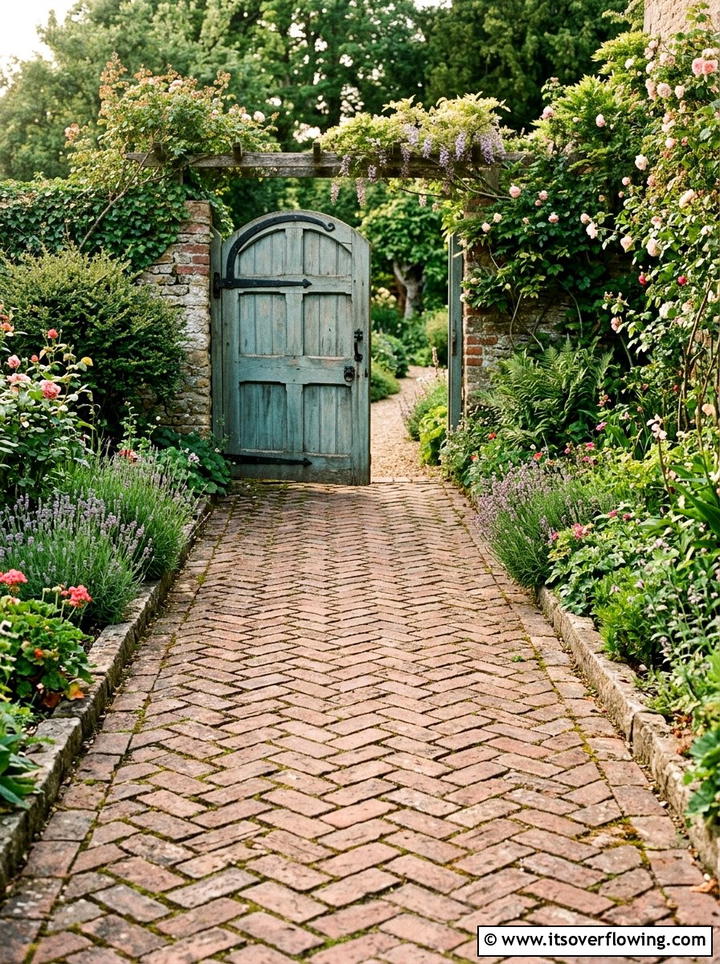
Using reclaimed brick paving adds a sense of history and timeless character to a small backyard or garden area. The warm red and orange tones of the bricks create a cozy and rustic atmosphere that pairs well with greenery. You can lay the bricks in various patterns, such as herringbone or basketweave, to add visual interest to the ground. Brick is an extremely durable material that handles heavy foot traffic and weather changes with ease. It provides a solid, level surface for furniture and prevents the mud and mess often associated with traditional grass lawns. This classic choice works well for both traditional and modern home styles.
21. Shady Corner
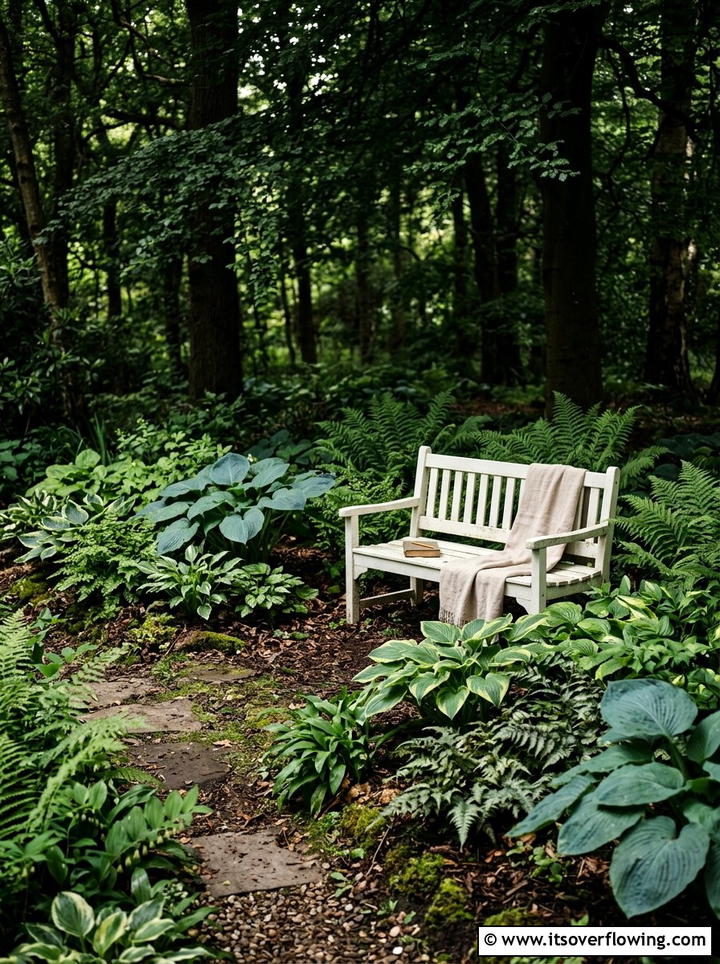
Turning a shady corner into a lush retreat is a great way to use parts of your yard where grass won’t grow. You can use shade-tolerant plants like hostas, bleeding hearts, and moss to create a cool and green environment. Adding a comfortable garden bench or a hammock provides a perfect spot to escape the hot afternoon sun. Using light-colored gravel or pale stone pavers can help brighten up the dark area and make it feel more inviting. Decorative lanterns or string lights can be added to create a magical glow during the evening hours. This approach turns a difficult spot into a beautiful garden feature.
22. Wildlife Garden
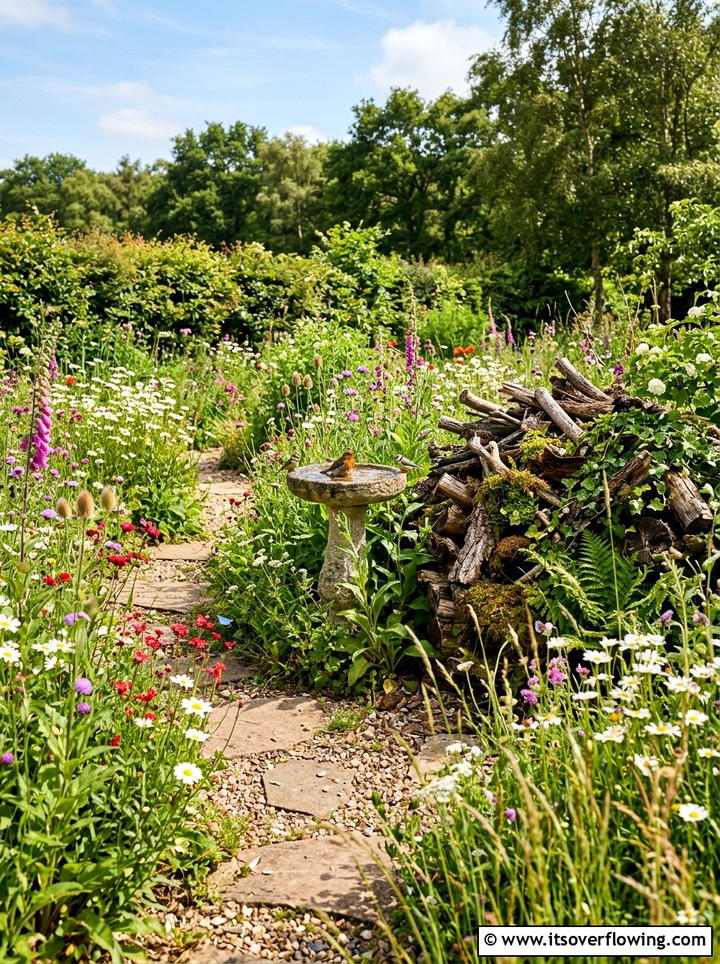
A wildlife garden focuses on creating a habitat for birds, insects, and small animals without needing a large lawn. You can use a mix of native plants, log piles, and bird feeders to attract various species to your space. Replacing grass with a variety of shrubs and flowering plants provides better cover and food sources for local wildlife. This type of garden is educational and brings a sense of wonder to your daily life as you watch nature thrive. You can include a small birdbath as a focal point among the plants to provide water for your visitors. It is a rewarding and environmentally friendly garden choice.
23. Cactus Garden
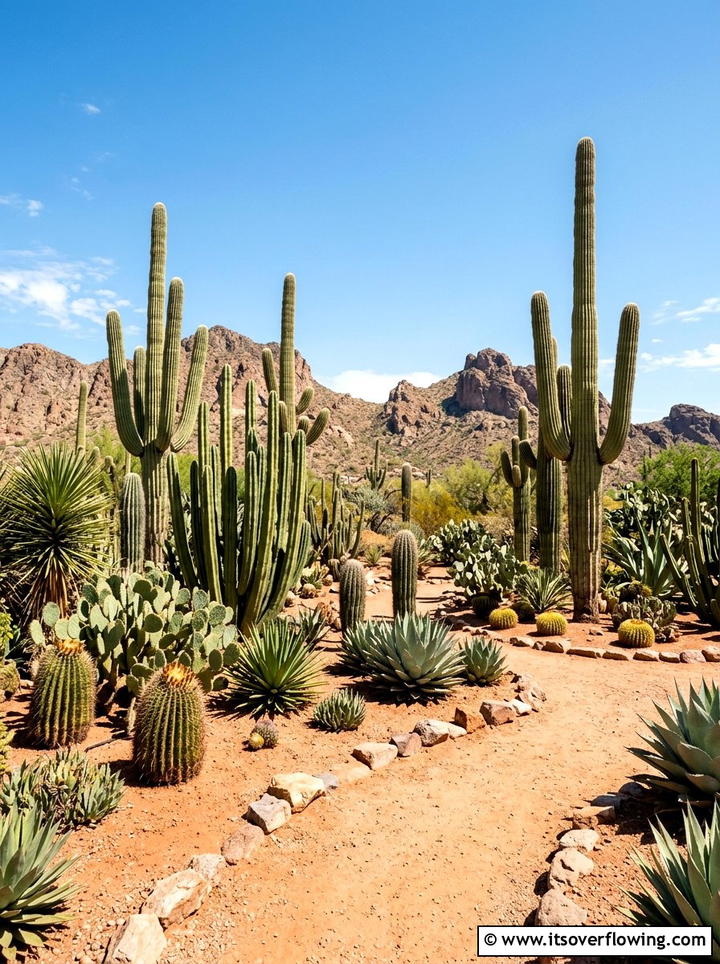
A cactus garden is an excellent low-maintenance option for small spaces that receive a lot of direct sunlight and heat. These desert plants come in incredible shapes and sizes, providing a unique architectural look to your outdoor area. You can plant them in a bed of decorative sand or colored gravel to mimic their natural environment. Cacti require very little water, making them perfect for homeowners who want a beautiful garden with almost no effort. You can mix different species to create a textured and colorful display that looks like a piece of living art. This style is modern, bold, and extremely practical for dry climates.
24. Wooden Pergola
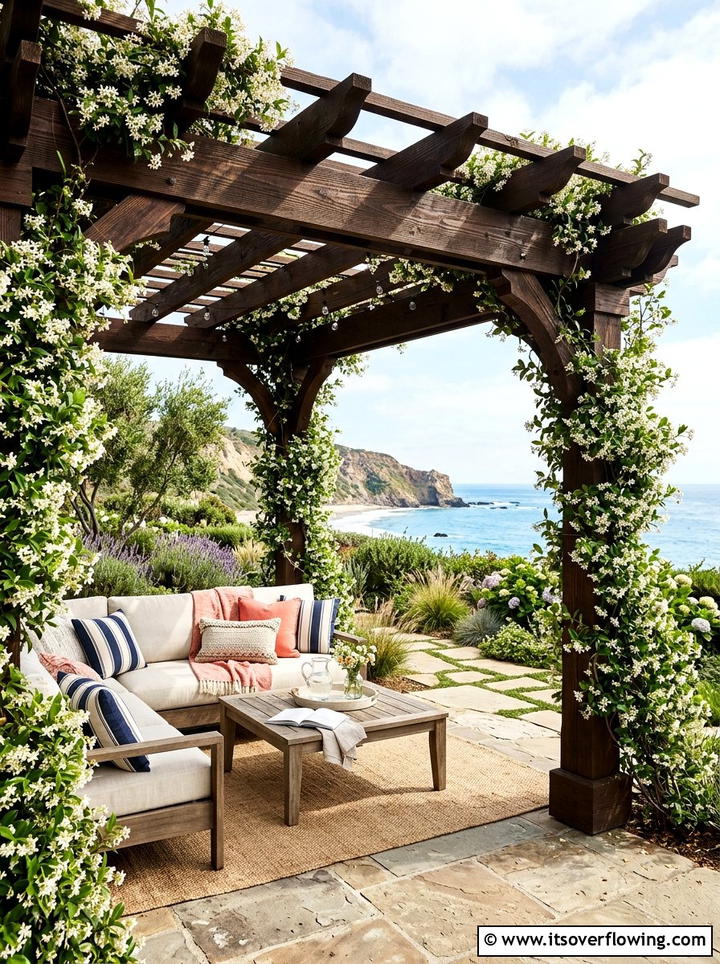
Building a wooden pergola provides structure and shade, making your small garden feel like a private outdoor room. You can grow climbing plants like jasmine or wisteria over the beams to create a fragrant and leafy canopy overhead. A pergola defines the seating or dining area and adds a sense of height to a small backyard space. It provides a frame for hanging lights, plants, or even a swing chair for ultimate relaxation and comfort. The natural wood finish adds warmth and complements the surrounding greenery and hardscaping elements. This architectural feature significantly increases the usability and visual appeal of a lawn-free garden throughout the year.
25. Outdoor Carpet
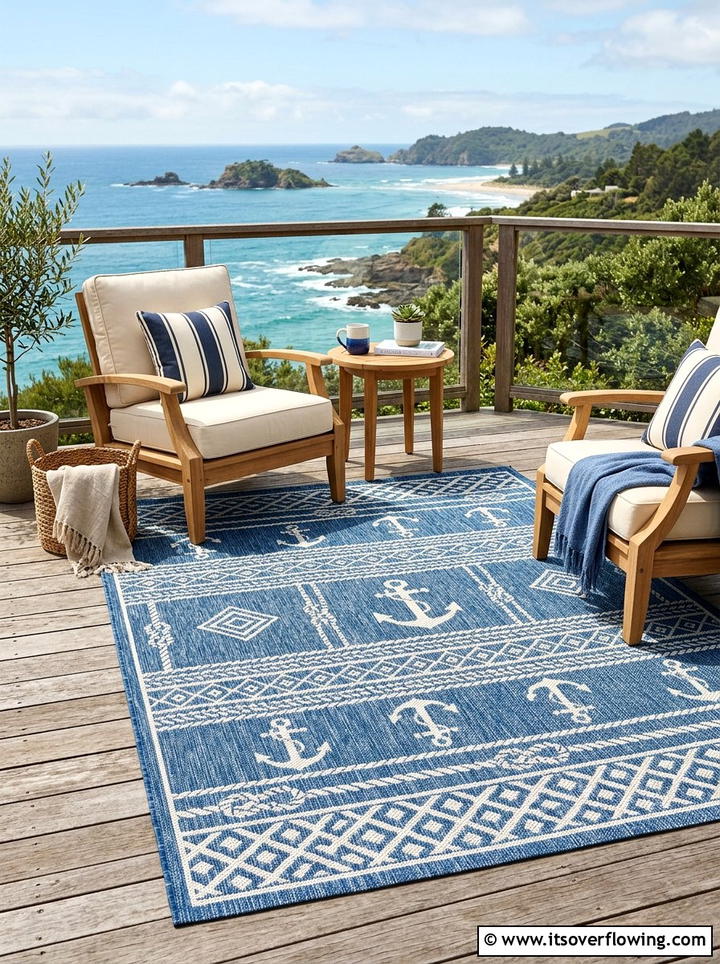
Using an outdoor carpet is a quick and affordable way to add color and comfort to a paved or decked area. These rugs are designed to withstand the elements while providing a soft surface for bare feet and children’s play. You can choose a bold pattern or a neutral weave to anchor your outdoor furniture and define the living space. An outdoor rug helps to tie the whole design together and makes the garden feel more like a room. It is a perfect solution for covering up old or unattractive paving without the need for expensive renovations. This simple addition brings a touch of indoor luxury to your private outdoor sanctuary.
Conclusion:
Choosing to go lawn-free in a small garden is a practical decision that yields beautiful results with minimal effort over time. You can create a space that feels more like an extension of your home rather than a chore-filled outdoor area. Whether you prefer the sleek look of modern paving or the wild charm of a cottage-style gravel garden, there is a solution for every taste. These designs prioritize comfort and aesthetics while removing the need for mowers and heavy irrigation systems. By focusing on texture, layering, and functional zones, you can build a stunning retreat that looks incredible in every season. Your new garden will truly become your favorite room.

Related posts:
 25 Creative Garden Ideas With Clover Lawn Alternatives
 25 Creative Garden Ideas With No Lawn Design for Easy Yards
 25 Creative Garden Ideas for Patios: Fresh Outdoor Style
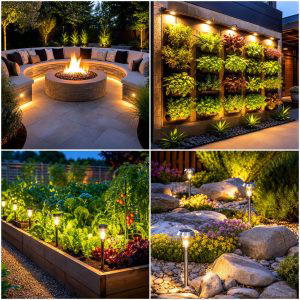 25 garden design ideas with lighting plans: Bright Outdoor Style
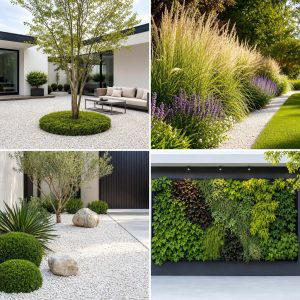 25 garden ideas for minimalist style: Clean Outdoor Looks
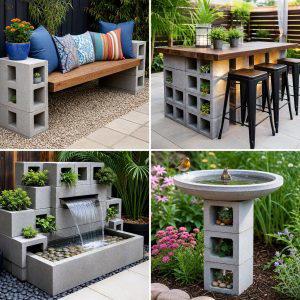 25 Garden Ideas With Cinder Blocks for Creative Outdoor Style
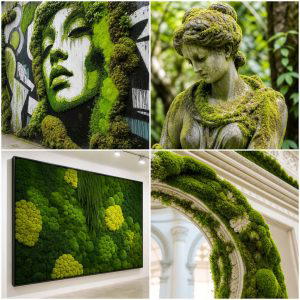 25 garden ideas with moss art: Fresh Green Outdoor Style
 25 Garden Ideas With Plant Markers for Organized Outdoor Style
 25 Garden Ideas With Rocks for Natural Outdoor Style
 25 Small Garden Ideas on a Budget for Beautiful Outdoor Style
 25 Small Garden Ideas With Boho Style for Dreamy Outdoor Vibes
 25 small garden ideas with zen style for Calm Outdoor Living