
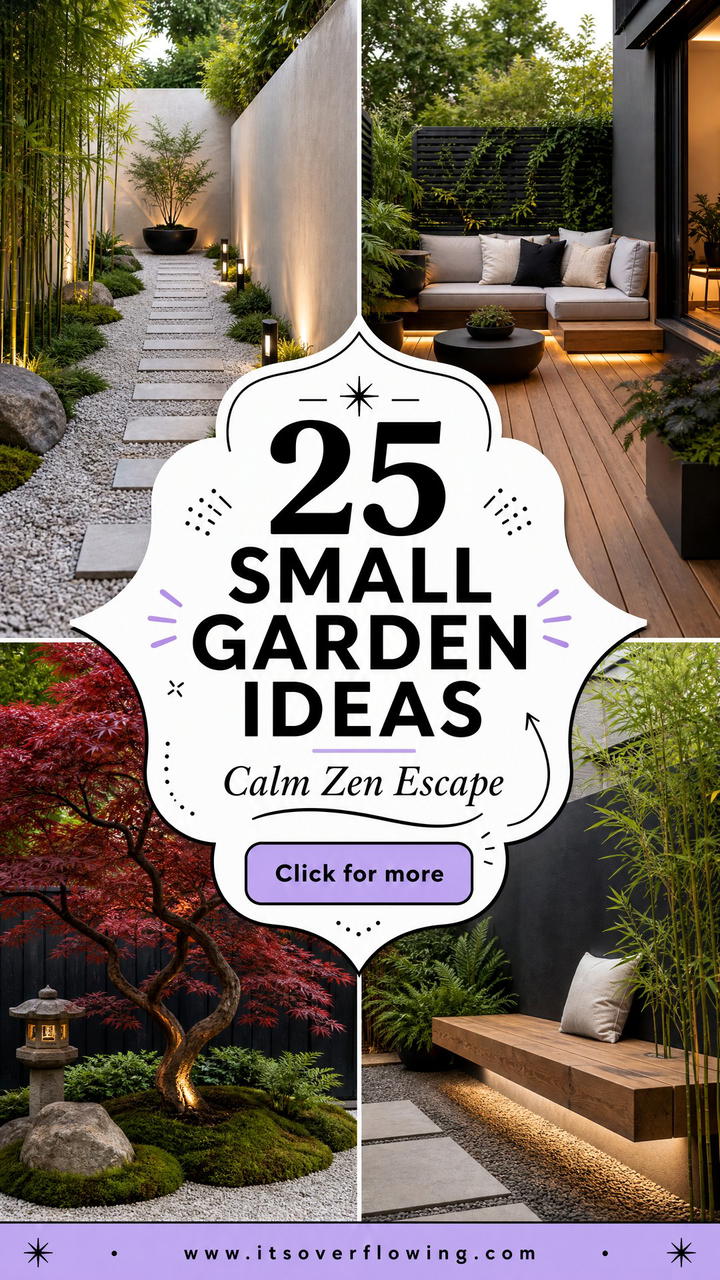
Creating a peaceful sanctuary in a tiny backyard might seem like a daunting task, but embracing the principles of zen design makes it entirely possible. Zen gardens are all about finding balance, harmony, and a sense of stillness within your immediate surroundings. By focusing on natural elements like stone, water, and greenery, you can transform a cluttered patio into a restorative retreat. These spaces prioritize minimalism and intentionality, ensuring that every rock or plant serves a specific purpose in the overall aesthetic. Whether you have a narrow balcony or a compact courtyard, these thoughtful concepts will help you design a tranquil haven that feels much larger and more serene than its actual footprint.
1. Japanese rock garden
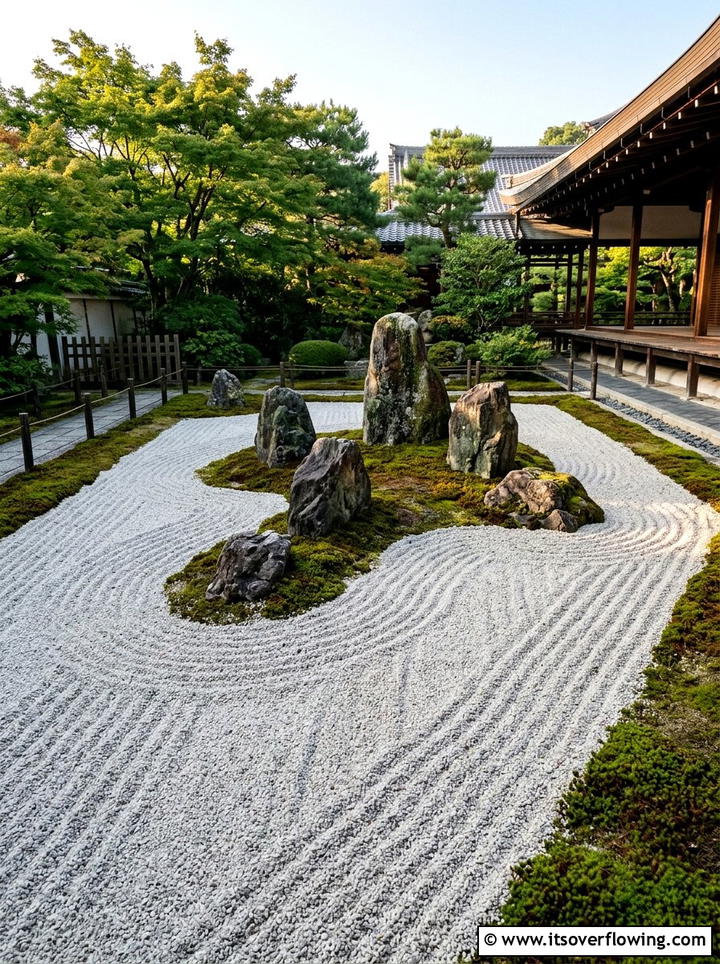
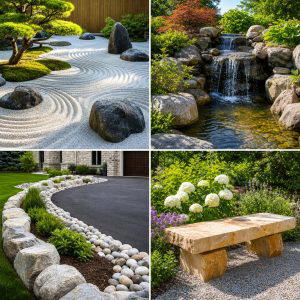
Imagine walking into a space where every stone tells a story of stability and peace. A Japanese rock garden, often called a dry landscape, uses carefully placed boulders and raked sand to represent islands and flowing water. This style is perfect for small yards because it requires very little maintenance while providing a high visual impact. You can use light-colored gravel to brighten up a shaded corner, creating a sense of openness and light. By focusing on asymmetrical balance, the arrangement feels natural rather than forced. This design invites quiet reflection and provides a beautiful, textured focal point that looks stunning throughout every single season.
2. Bamboo privacy screen
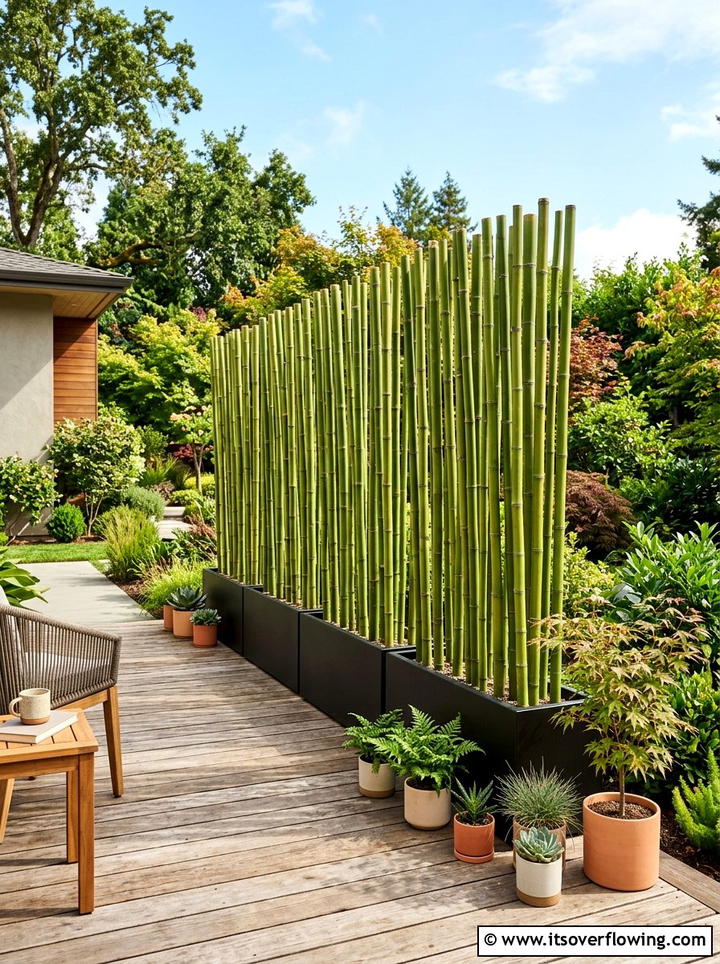
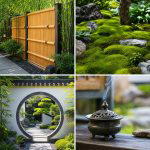
Privacy is essential when you want to create a true outdoor sanctuary away from the busy world. Installing a bamboo privacy screen is a fantastic way to add a natural, organic texture to your small garden while blocking out unwanted views. The vertical lines of the bamboo stalks draw the eye upward, making a tiny space feel taller and more expansive. Bamboo is also a sustainable material that fits perfectly with the zen philosophy of living in harmony with nature. You can choose live bamboo in deep planters for a lush look or use dried bamboo panels for a clean, structural backdrop that requires absolutely zero watering.
3. Stone water basin
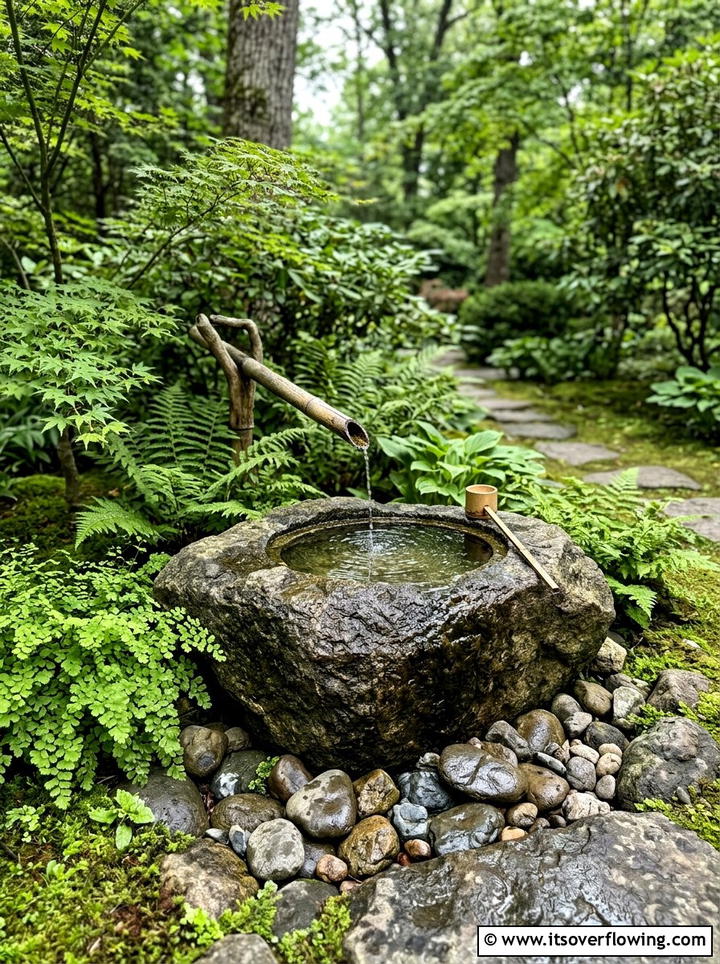
Could anything be more relaxing than the gentle sound of water trickling into a stone basin? A traditional Japanese stone water basin, or tsukubai, adds a layer of sensory richness to your small garden without taking up much floor space. Position it near an entrance or a seating area to create a calming ritual of hand-washing or simply to enjoy the reflection of the sky. Surround the base with smooth river stones and a few low-growing ferns to soften the edges. This simple addition introduces the element of water, which is vital for a balanced zen atmosphere, and attracts local birds to your yard.
4. Minimalist gravel path
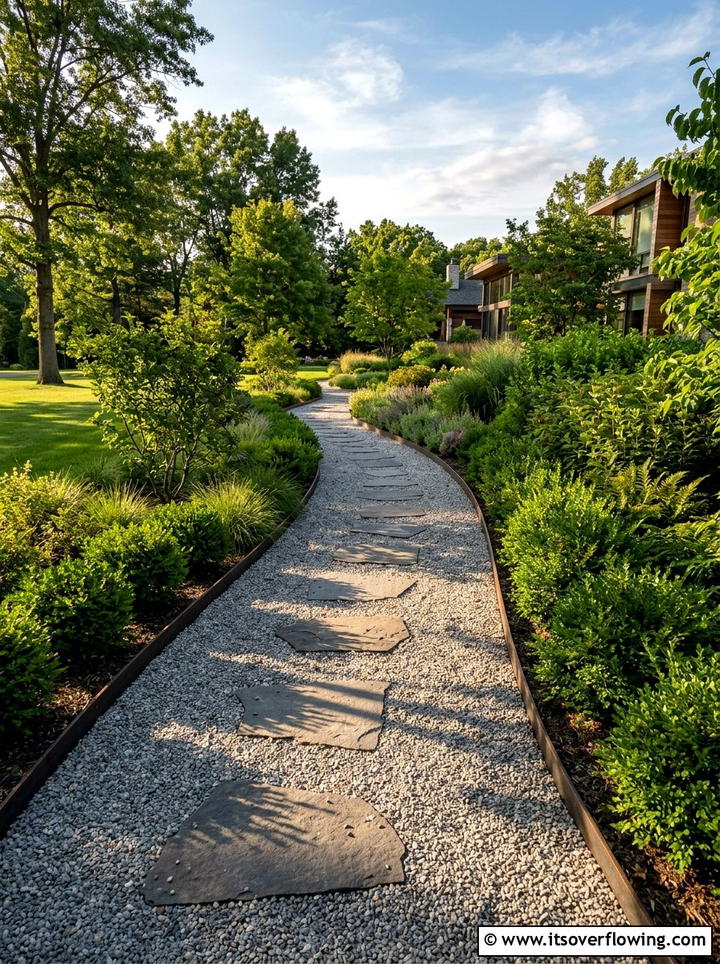
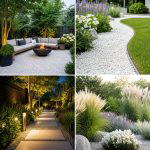
Walking through a garden should be a slow, mindful experience that connects you with the ground beneath your feet. A minimalist gravel path creates a clear journey through your small space, leading the eye toward a specific focal point like a statue or a beautiful plant. Use fine, light-colored pea gravel or crushed granite to create a clean and crisp look that contrasts with lush green foliage. To keep the path looking tidy, use metal or wooden edging to define the borders clearly. The crunching sound of the gravel provides a tactile and auditory reminder to slow down and appreciate the present moment.
5. Modern deck seating
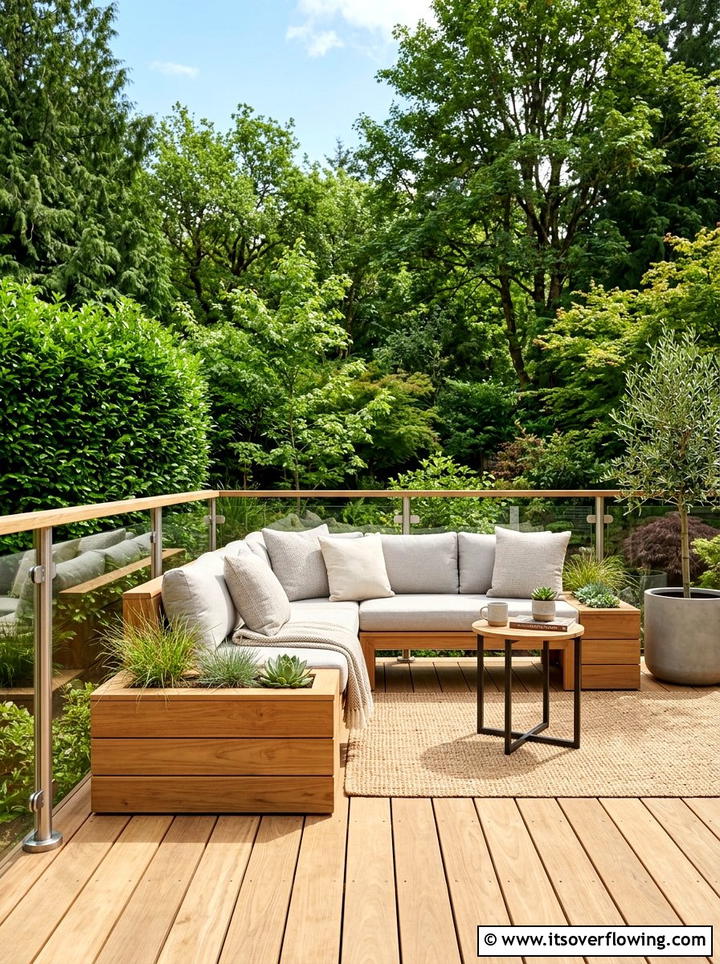
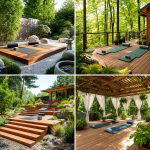
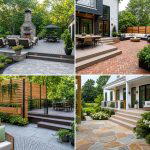
Every zen garden needs a dedicated place where you can sit and soak in the surrounding beauty. A modern deck seating area made from natural timber provides a warm and inviting platform for meditation or morning coffee. Keep the furniture simple and low to the ground to maintain an unobstructed view of the garden layout. Choose weather-resistant materials like teak or cedar that will age beautifully over time, developing a soft gray patina that blends with the stone elements. By elevating the seating area slightly, you define the space as a special zone for relaxation, making your small garden feel much more organized.
6. Vertical succulent wall
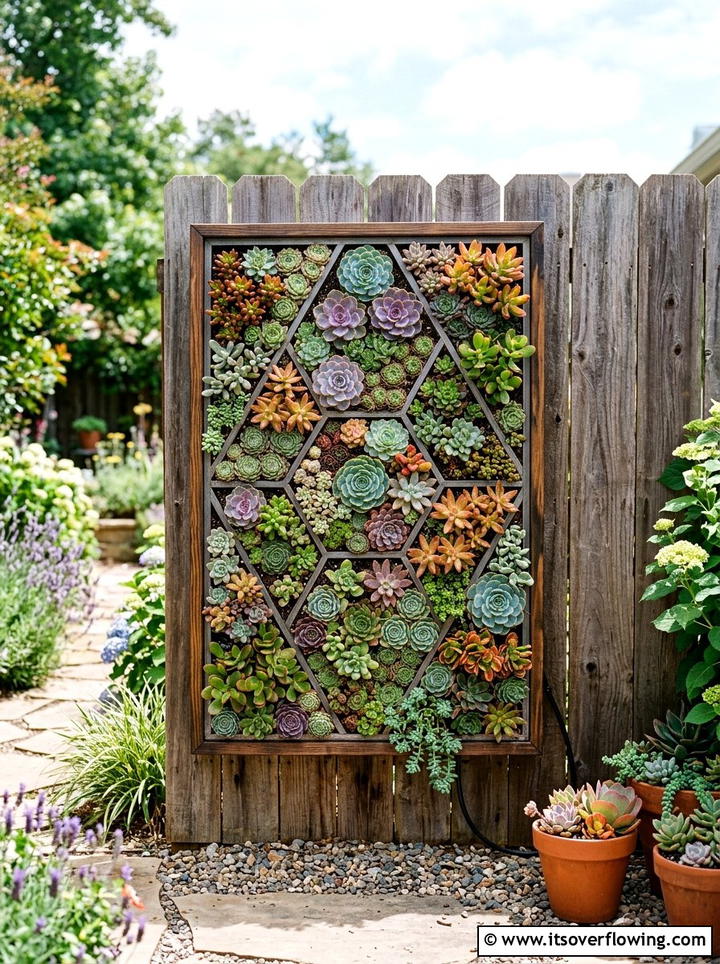
Space is often at a premium in urban gardens, so why not grow your greenery vertically instead of horizontally? A vertical succulent wall is a brilliant way to add life and texture to a boring fence or a brick wall. Succulents are ideal for this because they are hardy, require very little water, and come in a stunning array of muted greens and purples. Arrange them in a geometric pattern to create a living piece of art that feels both modern and natural. This vertical approach keeps the floor area clear for paths or seating, ensuring your zen garden never feels cramped.
7. Moss ground cover
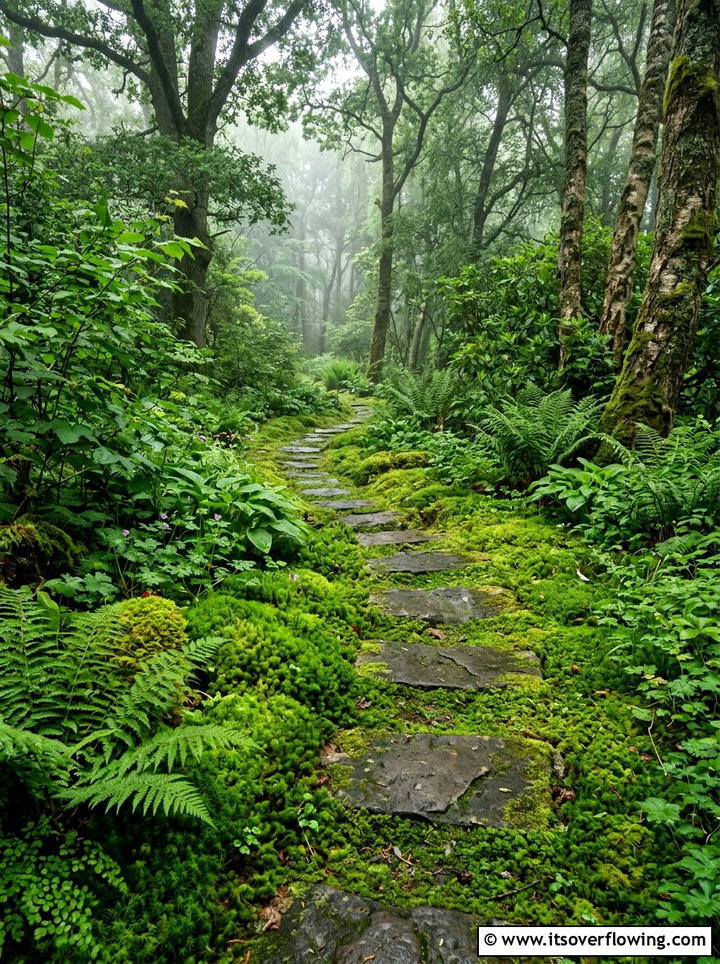
Soft, velvety moss is a hallmark of ancient Japanese gardens and can bring an incredible sense of age and tranquility to your yard. Instead of a traditional grass lawn that requires constant mowing, consider using moss as a low-maintenance ground cover in shaded areas. Moss stays green year-round and feels wonderful underfoot, providing a lush carpet that cushions the transition between stones and plants. It thrives in damp, cool spots where other plants might struggle, making it a functional choice for narrow side yards. The deep green color of the moss provides a perfect backdrop for gray stones and dark wooden features.
8. Japanese maple tree
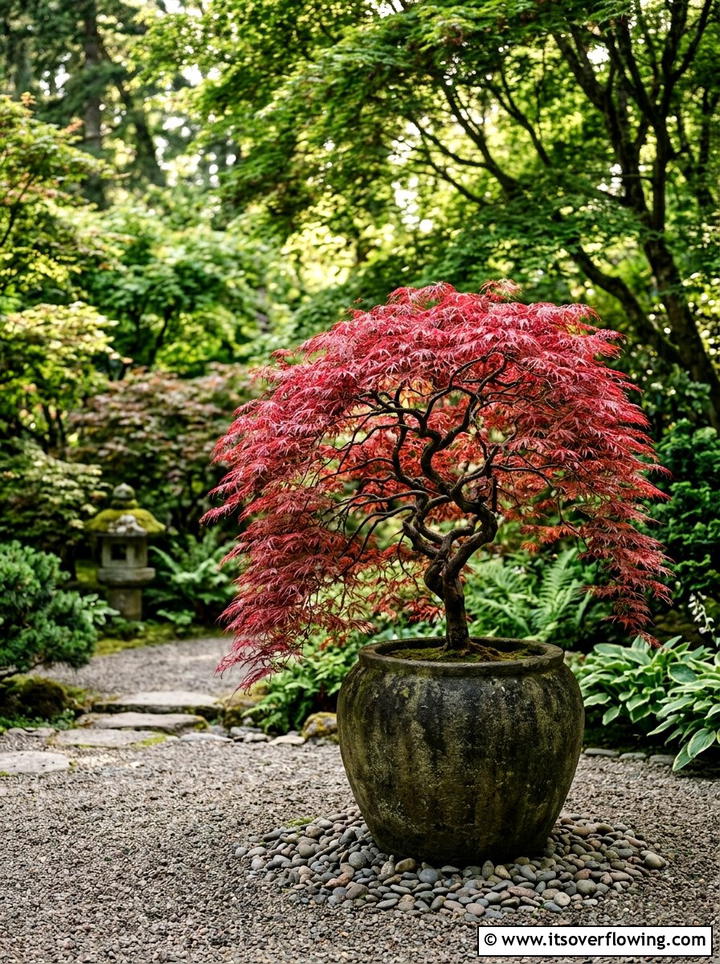
A single Japanese maple can act as a breathtaking centerpiece for even the smallest garden plots. These trees are celebrated for their delicate, lacy leaves and their spectacular color changes throughout the year, ranging from bright spring greens to deep autumn reds. Because many varieties are slow-growing and compact, they are perfect for large pots or small garden beds. Position your maple where it can catch the sunlight, allowing the leaves to glow like stained glass. The skeletal structure of the tree in winter adds a different kind of beauty, ensuring your zen garden provides visual interest during every single month.
9. Slate stepping stones
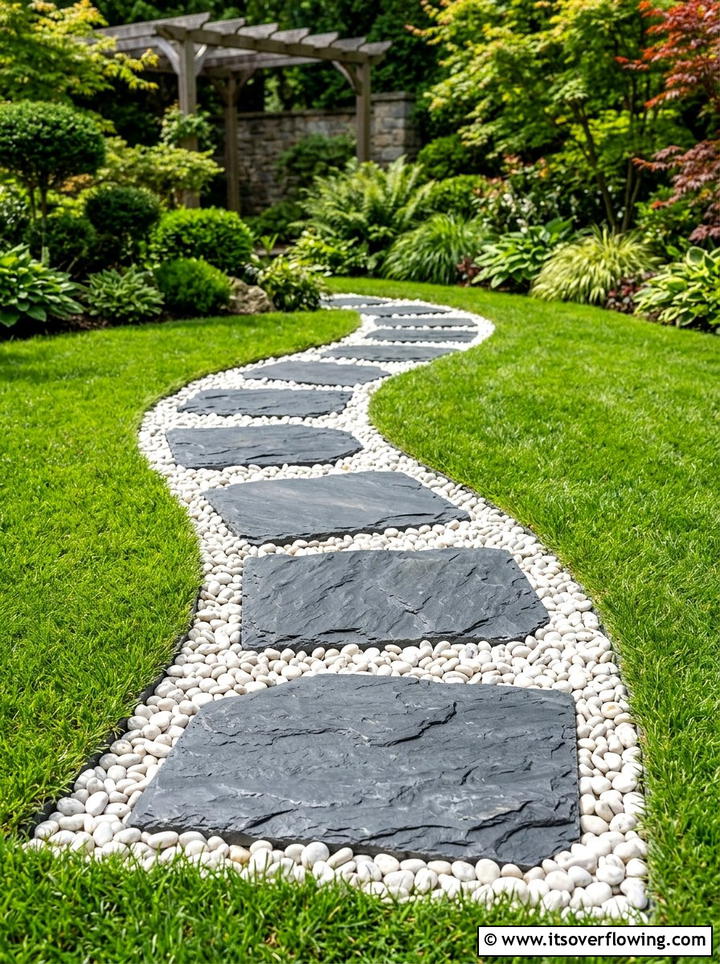
Stepping stones are a classic element that adds a sense of rhythm and intentionality to your garden layout. Using flat, dark slate stones creates a sophisticated and modern look that pairs beautifully with light-colored gravel or bright green moss. Arrange them in a slightly curved or staggered pattern to encourage a slower, more deliberate walking pace through the space. This design prevents the garden from feeling like a quick pass-through and turns it into a destination for mindful movement. Slate is incredibly durable and becomes even more beautiful when wet, reflecting the light and deepening its natural, dark charcoal tones.
10. Wooden bridge feature
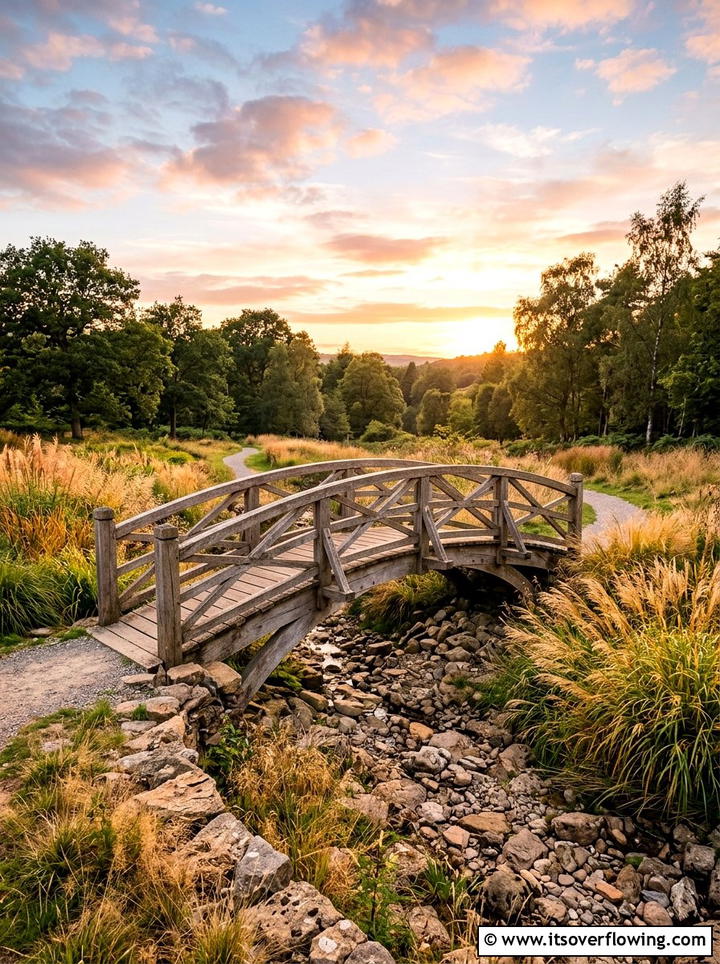
Even if you don’t have a stream or a pond, a small wooden bridge can create a wonderful sense of transition and depth. Placing a low bridge over a dry riverbed made of stones mimics the experience of crossing water, which is a powerful symbol of moving from the mundane world into a sacred space. Use simple, clean lines for the bridge design to keep it aligned with the minimalist zen aesthetic. A bridge adds height and architectural interest to a flat garden, making the small area feel more dynamic and layered. It also serves as a charming focal point that draws visitors further in.
11. Buddha statue focal point
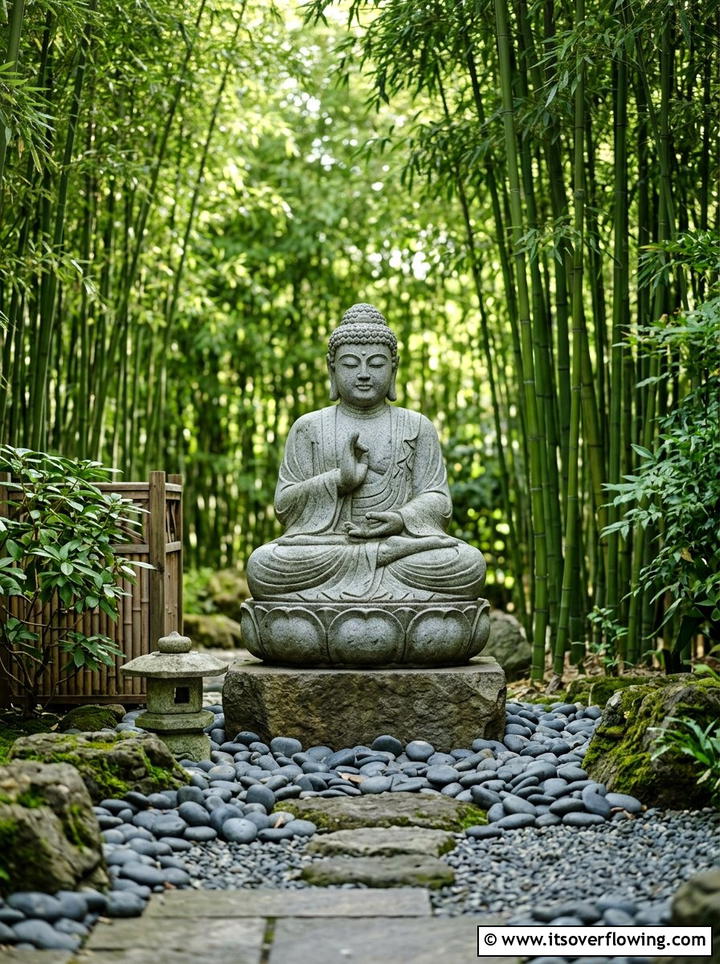
Adding a central figure like a Buddha statue can provide an immediate sense of gravity and spiritual calm to your outdoor area. Choose a statue made from natural materials like stone, wood, or weathered bronze to ensure it blends seamlessly with the environment. Place the statue in a quiet corner, perhaps tucked slightly behind some bamboo or a flowering shrub, to create a sense of discovery. This focal point gives the eyes a place to rest and serves as a reminder of the garden’s primary purpose as a space for peace. Surround the base with smooth pebbles to complete the serene look.
12. Stone lantern lighting
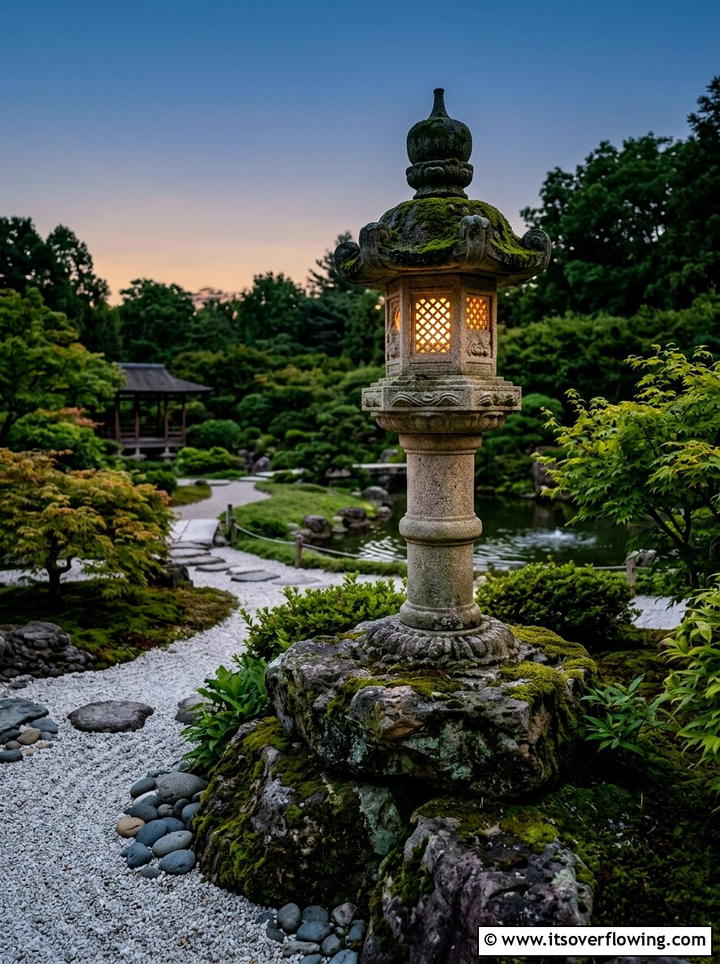
Lighting is a crucial element for creating a magical atmosphere in your garden after the sun goes down. Traditional stone lanterns, known as ishidoro, offer a timeless look that provides a soft, ambient glow rather than harsh, direct light. These lanterns are often used to mark path intersections or highlight specific garden features like a water basin or a special tree. Because they are made of stone, they look like natural sculptures during the day and come alive at night. Choosing a lantern with a weathered finish helps it look like it has been part of the landscape for many decades.
13. Bamboo water fountain
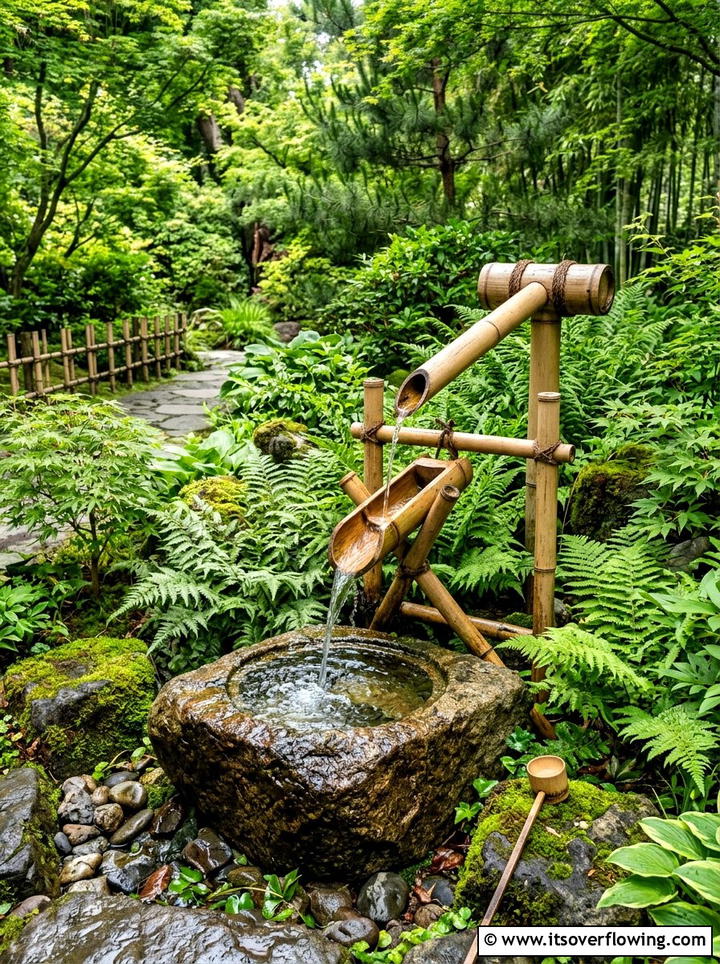
The rhythmic sound of a bamboo water fountain, or shishi-odoshi, is one of the most iconic features of a zen garden. Originally designed to scare away deer, the gentle “clack” of the bamboo hitting a stone provides a unique auditory focal point that is incredibly soothing. This type of fountain is usually small and self-contained, making it an easy addition to a balcony or a small patio corner. It introduces movement into the garden, preventing the space from feeling static or lifeless. The combination of natural bamboo and flowing water perfectly embodies the life force and energy central to zen philosophy.
14. Sand raking area
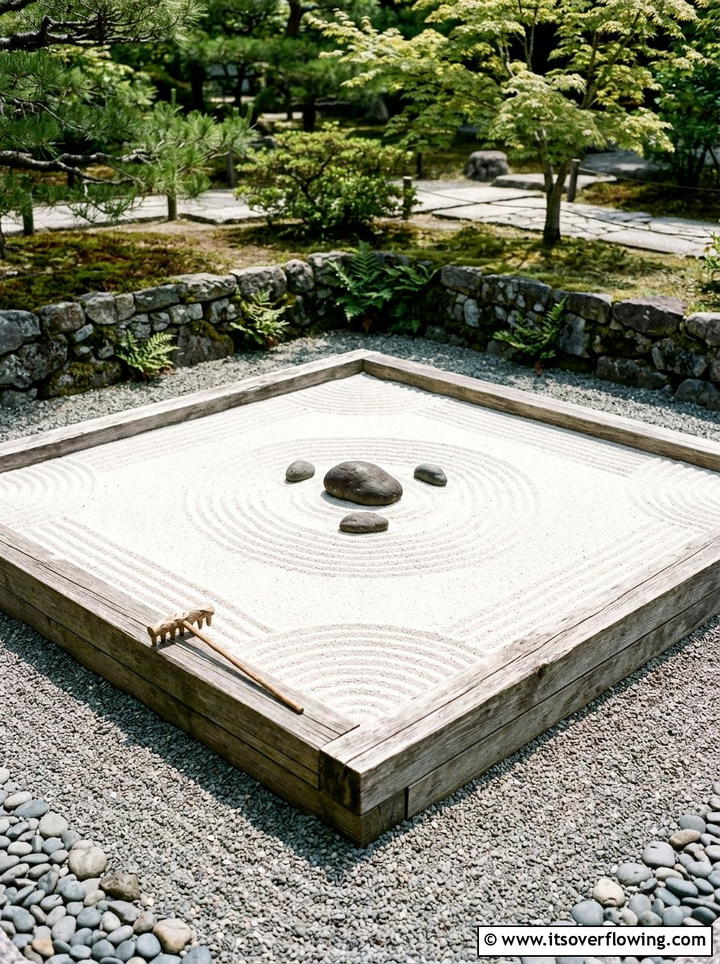
Engaging in the act of raking sand is a meditative practice that helps clear the mind and reduce stress. Including a small area dedicated to fine white sand or light gravel allows you to create swirling patterns that represent waves in the ocean. This interactive element makes your garden more than just something to look at; it becomes a place for active participation and mindfulness. Keep a small wooden rake nearby so you can refresh the patterns whenever you feel the need for a moment of quiet focus. This feature works exceptionally well in modern, minimalist courtyards with very limited planting space.
15. Potted bonsai display
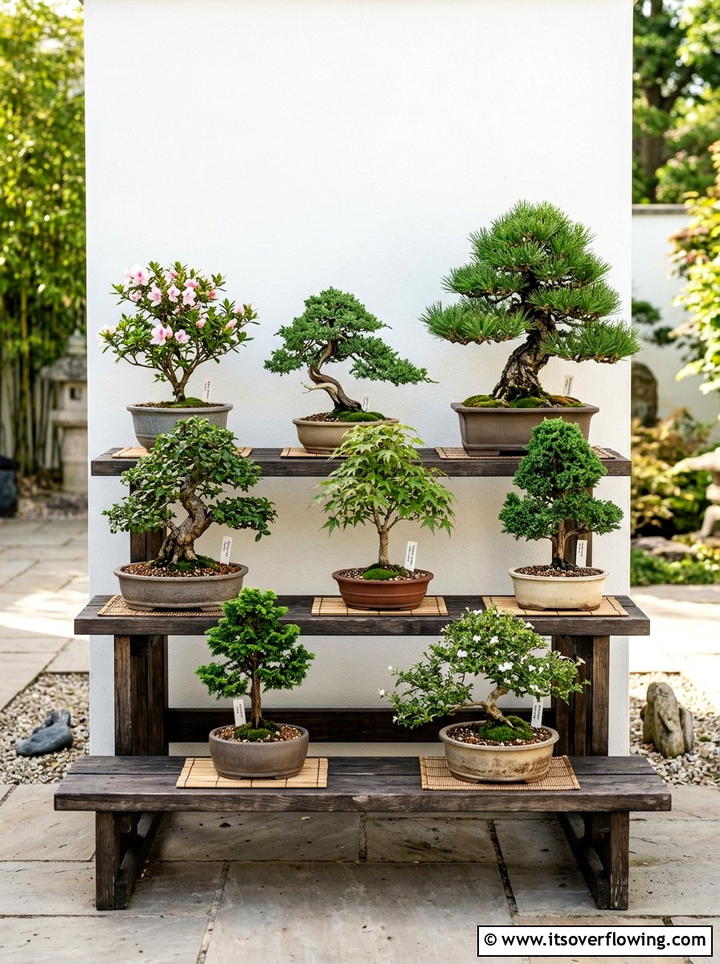
Bonsai trees are the ultimate expression of nature’s beauty in a miniature form, making them perfect for very small gardens. Displaying a collection of bonsai on a simple wooden bench or a series of stone pedestals creates a sophisticated and artistic look. Each tree is a living sculpture that requires care and attention, fostering a deep connection between the gardener and the natural world. Use uniform pots in neutral tones like gray, black, or earthy brown to keep the focus entirely on the intricate shapes of the trees. This display adds a sense of refined elegance and traditional craftsmanship to your sanctuary.
16. Rectangular reflecting pool
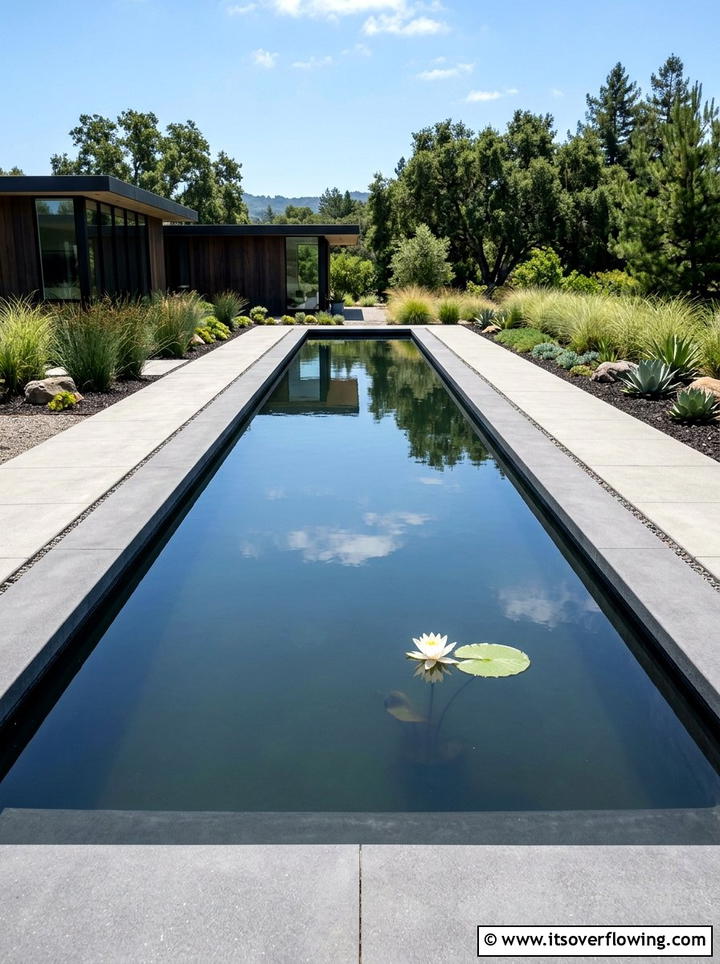
If you prefer a more modern take on zen style, a sleek rectangular reflecting pool can provide a stunning visual impact. The still surface of the water acts as a mirror, reflecting the sky, the clouds, and the surrounding plants, which helps make a small garden feel much larger. Keep the design simple with clean concrete or dark stone edges to maintain a minimalist aesthetic. A reflecting pool brings a sense of absolute stillness and clarity to the space, encouraging deep contemplation. Even a very shallow pool can have a profound effect on the overall mood and light quality of your small yard.
17. Decorative wooden fencing
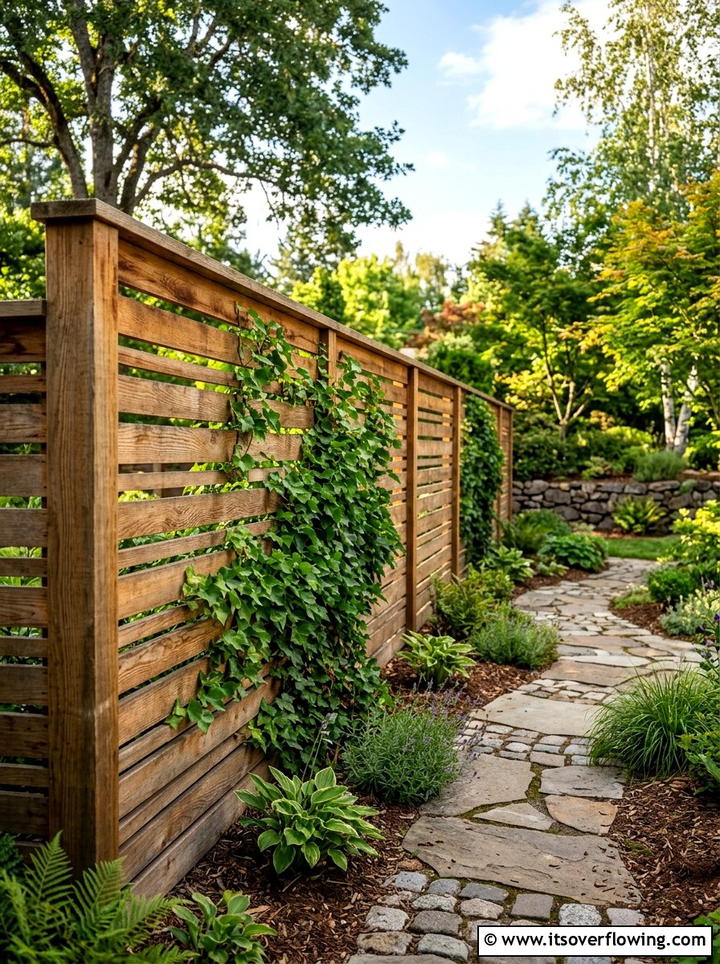
The boundaries of your garden are just as important as the interior, as they define the limits of your private retreat. Decorative wooden fencing, such as horizontal cedar slats or traditional Japanese latticework, provides a beautiful and functional backdrop for your plants. The warm tones of the wood contrast beautifully with green foliage and gray stones, creating a cozy and enclosed feeling. By choosing a design that allows some light and air to pass through, you prevent the garden from feeling boxed in or claustrophobic. This type of fencing adds a high-end, custom look that significantly increases the visual value of your space.
18. Natural boulder arrangement
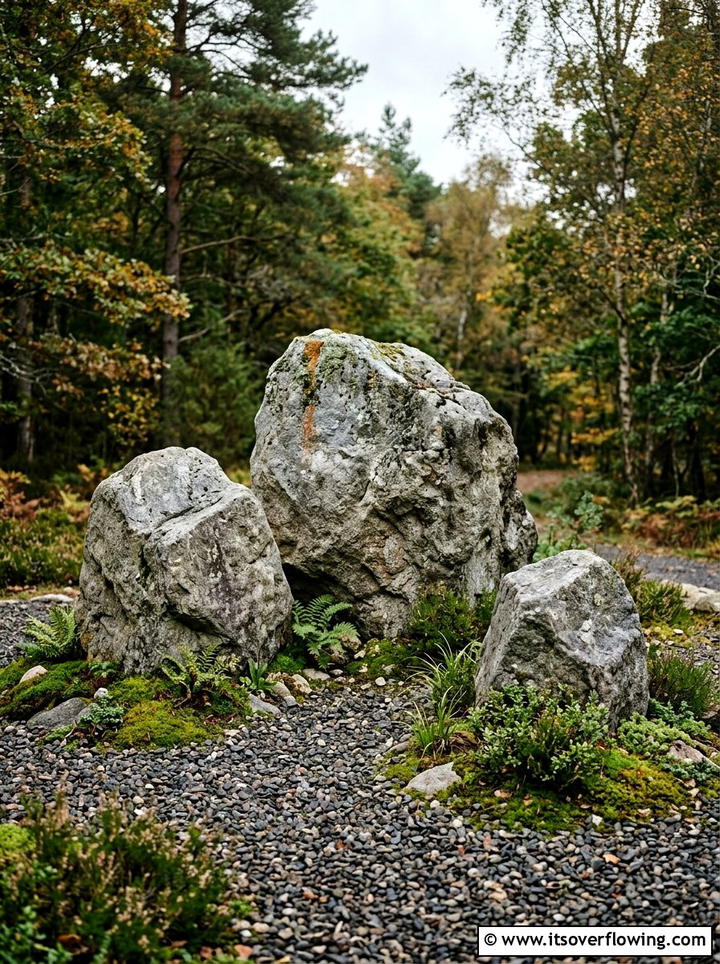
Strategically placing a few large, natural boulders can give your small garden a sense of permanence and strength. In zen design, stones are often arranged in odd-numbered groups to create a more natural and balanced appearance. Bury the bottom third of each boulder in the ground to make it look like an ancient part of the landscape rather than something just dropped on top. Use stones with interesting textures, moss growth, or unique shapes to add character and visual depth. These heavy elements provide a wonderful contrast to the soft, delicate leaves of nearby ferns or ornamental grasses.
19. Sunken meditation pit
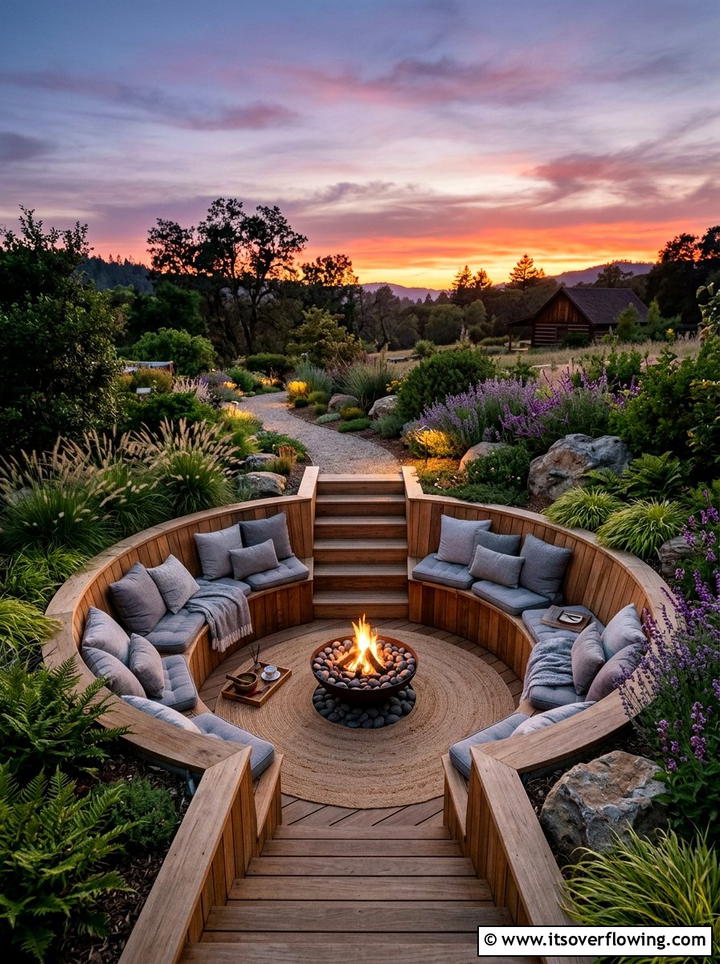
Creating different levels in a small garden is a clever way to make the space feel more interesting and separated into zones. A sunken meditation pit offers a sense of total seclusion and protection, allowing you to feel fully immersed in your surroundings. Line the pit with smooth wooden planks or stone tiles and add a few comfortable outdoor cushions in neutral colors. This lowered area physically separates you from the rest of the world, making it easier to disconnect and focus on your breath. It is a bold architectural choice that transforms a basic backyard into a true luxury escape.
20. Pebbles and river rocks
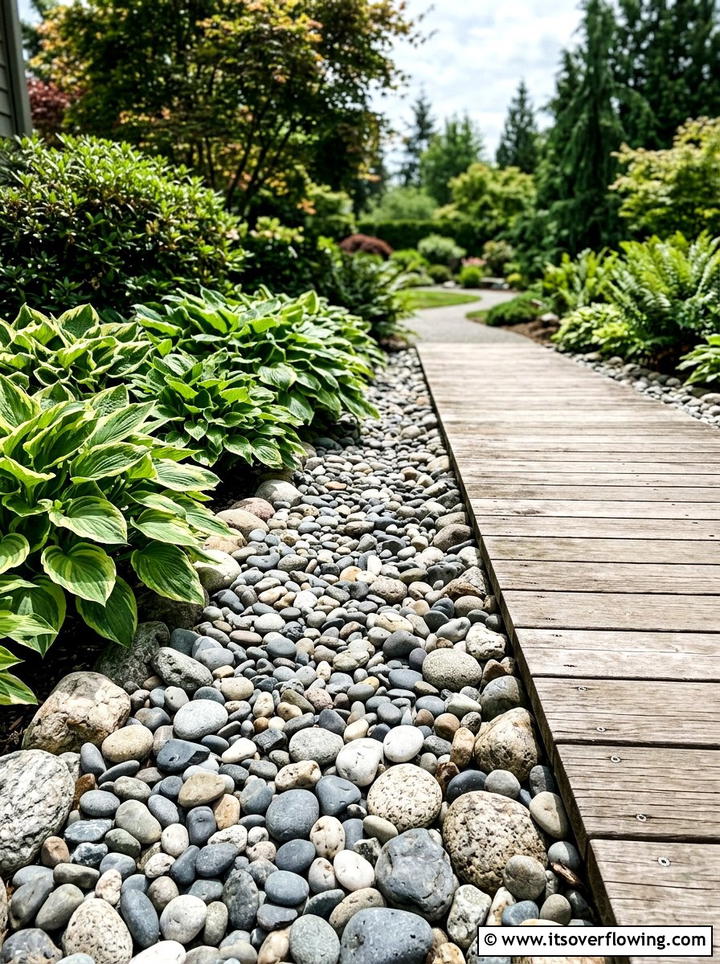
Small pebbles and smooth river rocks are incredibly versatile materials that can be used to fill gaps, edge paths, or create decorative borders. They come in a variety of colors, from pure white to deep black, allowing you to customize the color palette of your garden. Using pebbles instead of traditional mulch keeps the garden looking clean and modern while also helping with drainage. You can use them to create a “dry stream” that meanders through your plants, adding a sense of movement and flow without the maintenance of a real water feature. They are the perfect finishing touch.
21. Floating timber bench
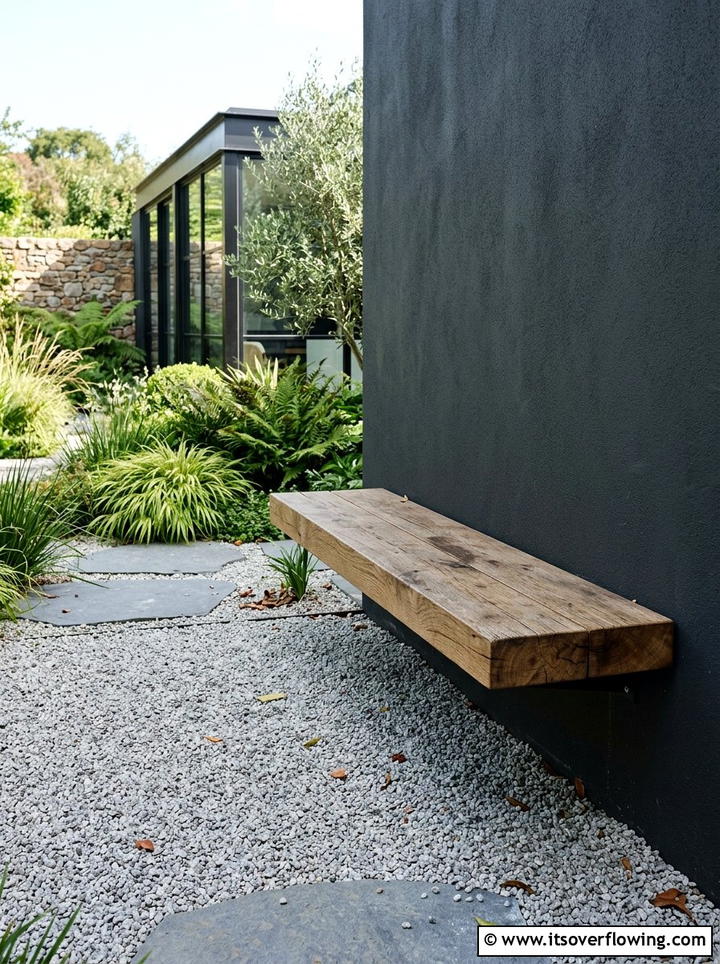
A floating timber bench attached to a wall or a fence saves precious floor space while providing a modern and stylish seating option. The lack of visible legs makes the bench appear to hover, which creates a light and airy feel in a compact garden. Use a thick piece of natural wood to provide a sturdy and comfortable place to sit and enjoy the view. Position the bench facing your most beautiful garden feature, whether it is a small fountain or a perfectly pruned tree. This simple addition makes the garden more functional and invites you to spend more time outdoors.
22. Fern garden corner
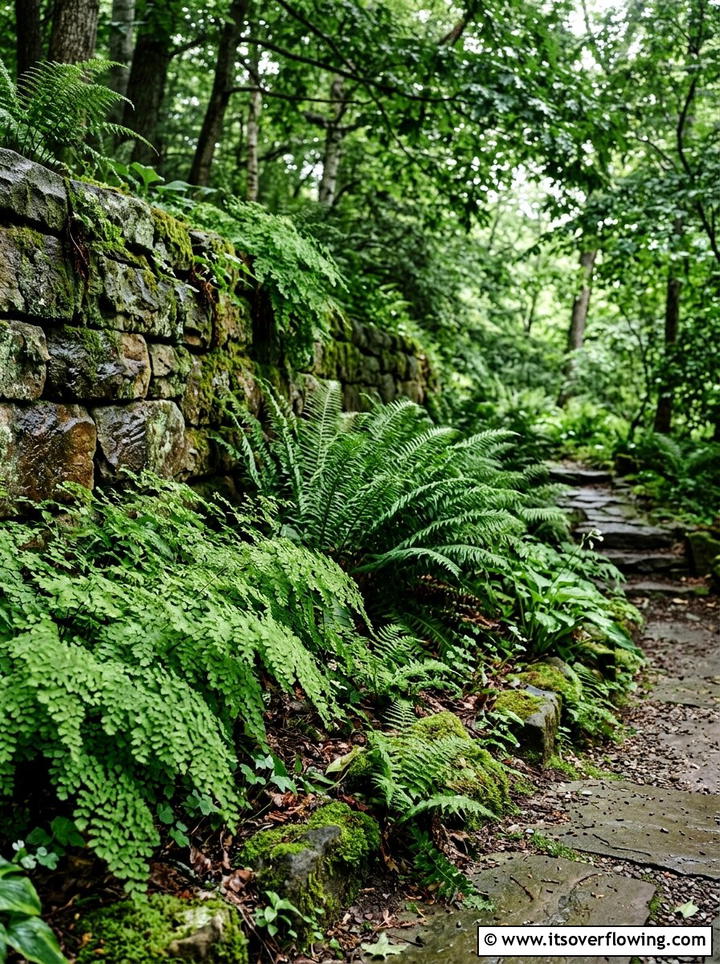
Ferns are ancient plants that bring a lush, prehistoric feel to any shaded corner of your small garden. Their delicate fronds and vibrant green colors provide a soft, organic texture that balances the hard lines of stone and wood. Because ferns thrive in low-light conditions, they are perfect for narrow side yards or areas overshadowed by tall buildings. Plant a variety of different ferns, such as maidenhair or ostrich ferns, to create a layered and interesting green wall. Their presence adds a sense of cool, refreshing moisture to the air, making your garden feel like a hidden forest.
23. White gravel patio
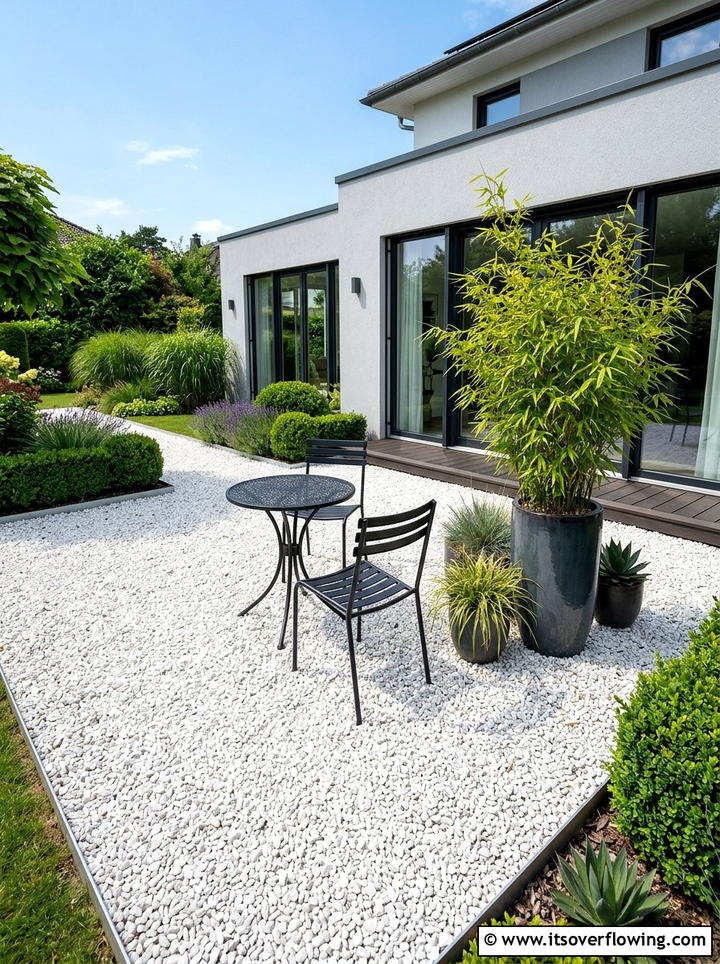
Using white gravel for your entire patio area can make a small, dark garden feel instantly brighter and more expansive. The light-colored stones reflect the sun, illuminating the surrounding plants and making the space feel clean and energized. Gravel is also a very practical choice for a patio because it is permeable, allowing rainwater to soak into the ground rather than running off. It provides a neutral, textured floor that makes all your furniture and plants stand out. This approach is much more affordable than traditional paving while offering a high-end, minimalist aesthetic that is perfectly zen.
24. Tall ornamental grass
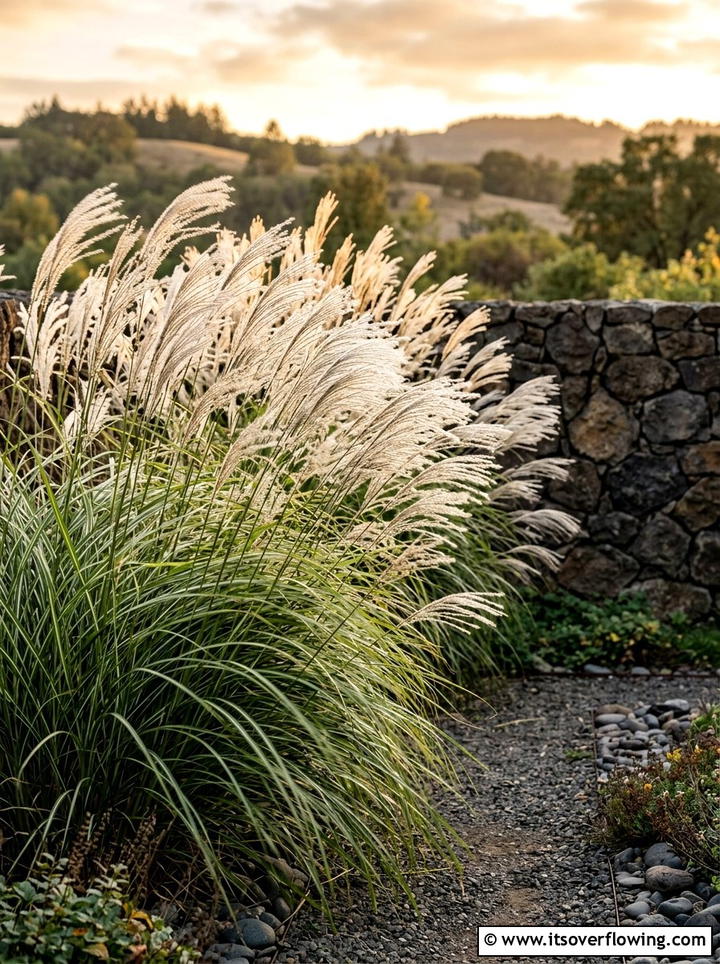
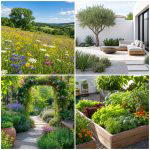
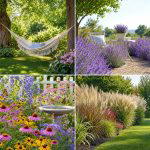
Ornamental grasses add movement and sound to your garden, catching the breeze and creating a gentle rustling noise that is very peaceful. Tall varieties like Miscanthus or Feather Reed Grass can also act as soft, living screens to provide privacy or hide unsightly walls. Their slender blades and airy plumes add a vertical element that contrasts with low-growing moss and heavy boulders. Because they change throughout the seasons, from bright green in summer to golden bronze in winter, they provide year-round interest. These grasses are extremely low-maintenance and thrive in a variety of soil types and sun conditions.
25. Outdoor yoga deck
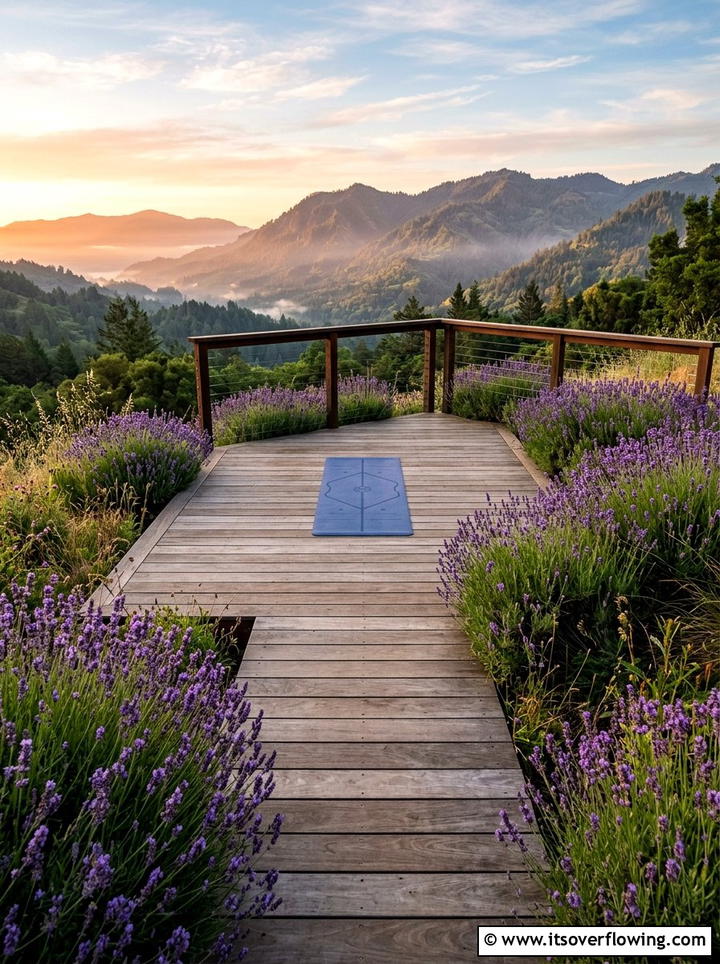
If you enjoy physical activity as part of your mindfulness routine, a small outdoor yoga deck is a fantastic addition to your zen garden. A flat, level platform made of smooth wood or composite decking provides the perfect surface for stretching and movement. Surround the deck with calming plants like lavender or jasmine to incorporate aromatherapy into your practice. This dedicated space encourages you to take your health and wellness outdoors, connecting your physical body with the natural environment. Even a very small deck can be a powerful tool for improving your daily quality of life and finding inner balance.
Conclusion:
Designing a small zen garden is a rewarding journey that allows you to create a personalized haven of peace right outside your door. By focusing on minimalist principles and natural materials, you can transform even the tiniest outdoor area into a space that feels expansive and restorative. Each element, from the crunch of gravel underfoot to the gentle sound of a water fountain, contributes to an atmosphere of total tranquility. These twenty-five ideas demonstrate that you do not need a massive estate to enjoy the benefits of a beautiful and functional garden. Your small sanctuary will soon become your favorite place to unwind.

Related posts:
 25 Garden Ideas for Zen Spaces to Create Calm Outdoors
 25 Small Garden Ideas With Minimalist Style for Calm Spaces
 25 Creative Garden Ideas With Tea Gardens for Calm Retreats
 25 Creative Garden Ideas With Yoga Decks for Calm Retreats
 25 garden ideas for peace and relaxation: Calm Yard Tips
 25 Garden Design Ideas for Decks to Elevate Outdoor Living
 25 garden design ideas with deck and patio: Outdoor Living
 25 Garden Design Ideas With Outdoor Rooms for Living Space
 25 Garden Ideas With Deck Designs for Outdoor Living
 25 Garden Ideas With Patio Designs for Relaxed Outdoor Living
 25 Garden Ideas With Plant Markers for Organized Outdoor Style
 25 Garden Ideas With Rocks for Natural Outdoor Style