
Transforming your backyard deck into a lush garden sanctuary is one of the most rewarding home improvement projects you can undertake this year. A deck provides a stable and elevated platform that offers a unique perspective on your landscape, making it the perfect stage for creative greenery. By blending structural elements with natural beauty, you create an inviting outdoor room that expands your living area and brings peace to your daily life. Whether you are working with a sprawling multi-level platform or a compact urban balcony, there are countless ways to integrate vibrant plant life. This guide explores the most effective and stylish ways to elevate your deck garden experience effortlessly.
1. Built In Deck Planter
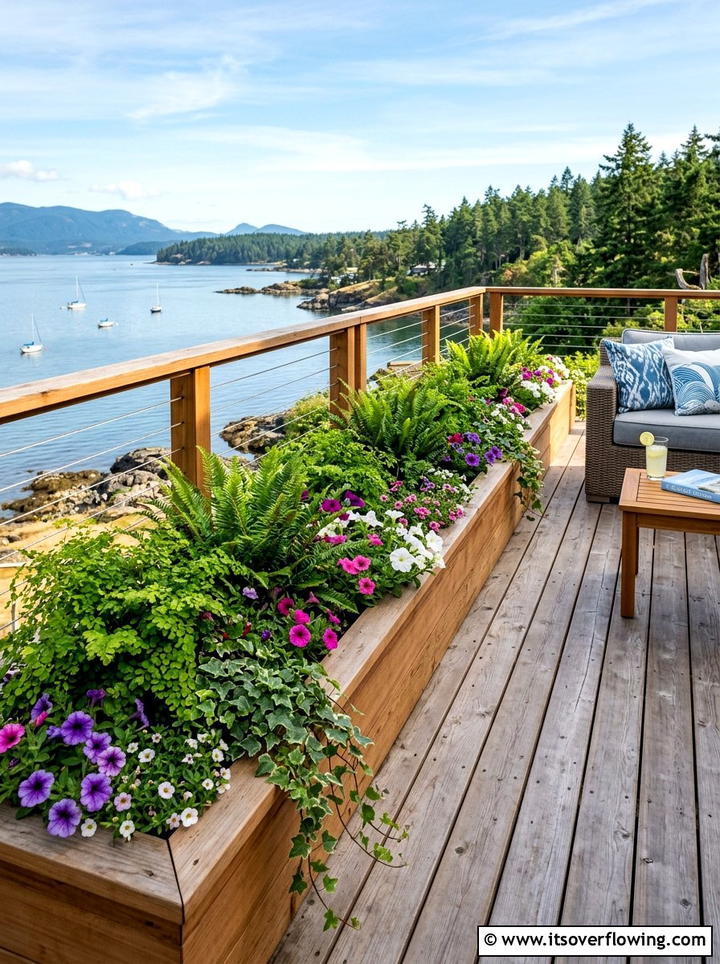
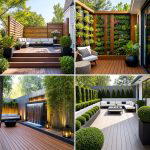
Built in deck planters offer a seamless way to integrate nature directly into your home’s architecture. By constructing boxes using the same wood or composite material as your flooring, you create a unified look that feels intentional and upscale. These planters can line the perimeter of your space to provide a natural safety barrier while showcasing vibrant flowers or lush greenery. They allow you to define different zones for dining or lounging without using bulky furniture. Maintaining these units is often easier since they are at a comfortable height, making them perfect for those who want a lush environment without the physical strain of traditional ground gardening.
2. Vertical Garden Wall
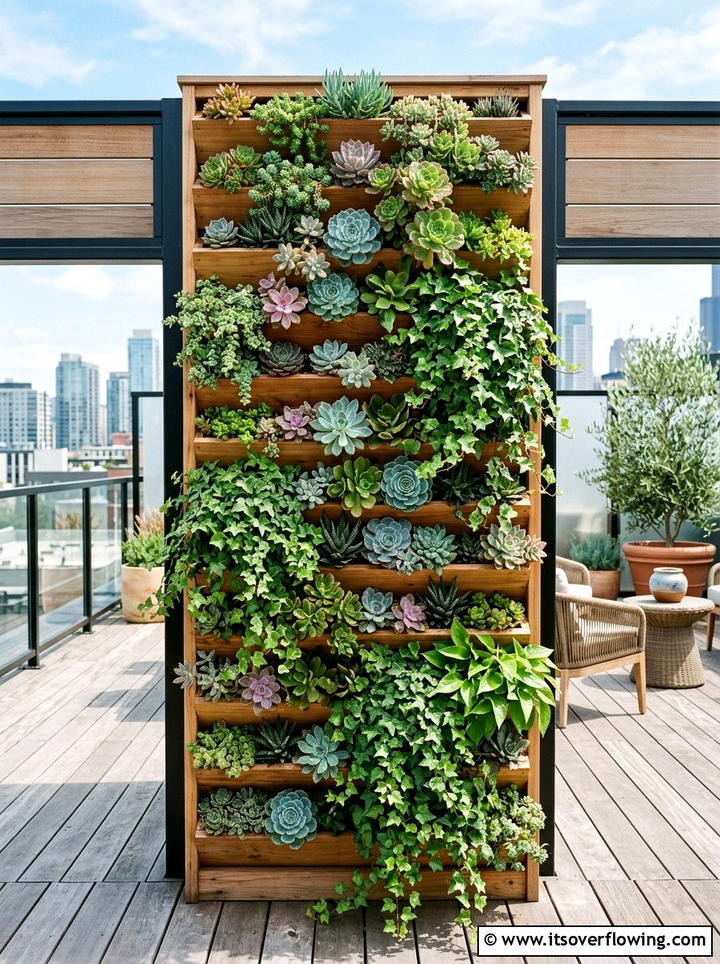
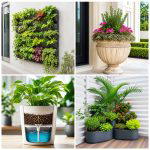
When floor space is limited, a vertical garden wall provides a stunning solution for adding greenery without cluttering your walking area. You can install a wooden lattice or a custom-made felt pocket system against an existing wall to hold a variety of small plants. Ferns, ivies, and small flowering perennials work beautifully in this arrangement, creating a living tapestry of color and texture. This design also acts as an excellent sound buffer, making your deck feel more private and secluded from neighboring properties. A vertical approach allows you to experiment with different heights and leaf patterns, resulting in a rich, multi-dimensional backdrop for your outdoor seating.
3. Deck Railing Planter
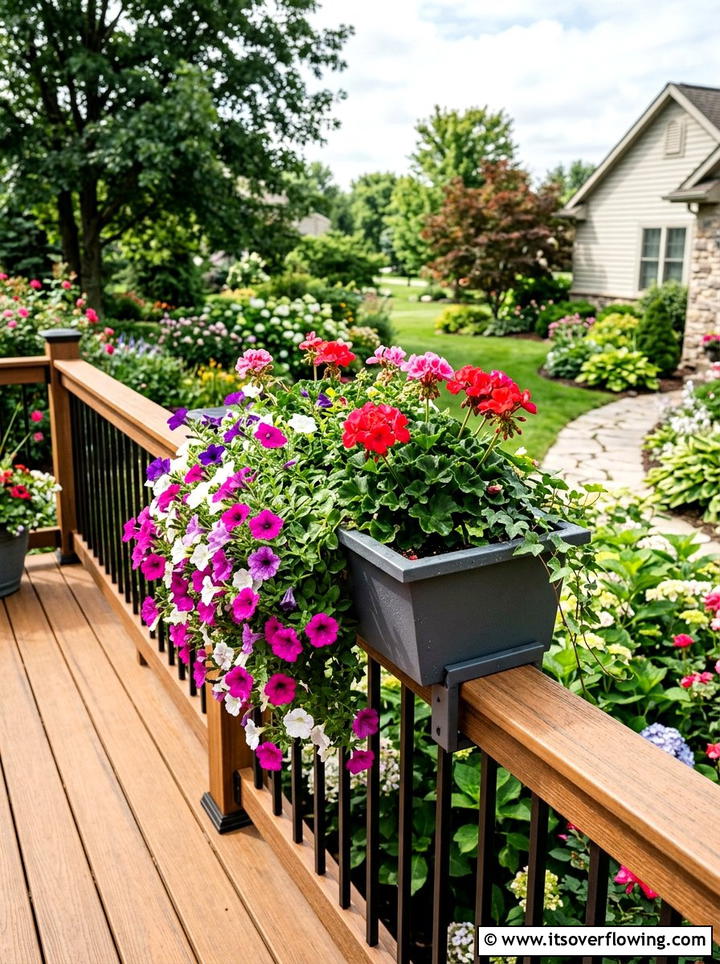
Deck railing planters are a fantastic way to utilize every inch of your outdoor space while keeping the floor clear. These specialized containers sit directly on top of or hang from your railings, putting your favorite blooms at eye level for maximum enjoyment. They are ideal for trailing plants like wave petunias or creeping jenny, which spill over the sides to soften the hard lines of the deck structure. By surrounding your deck with these containers, you create a colorful frame that enhances the view from both inside and outside the home. They are easily accessible for watering and help define the deck’s boundaries with style.
4. Multi Level Deck
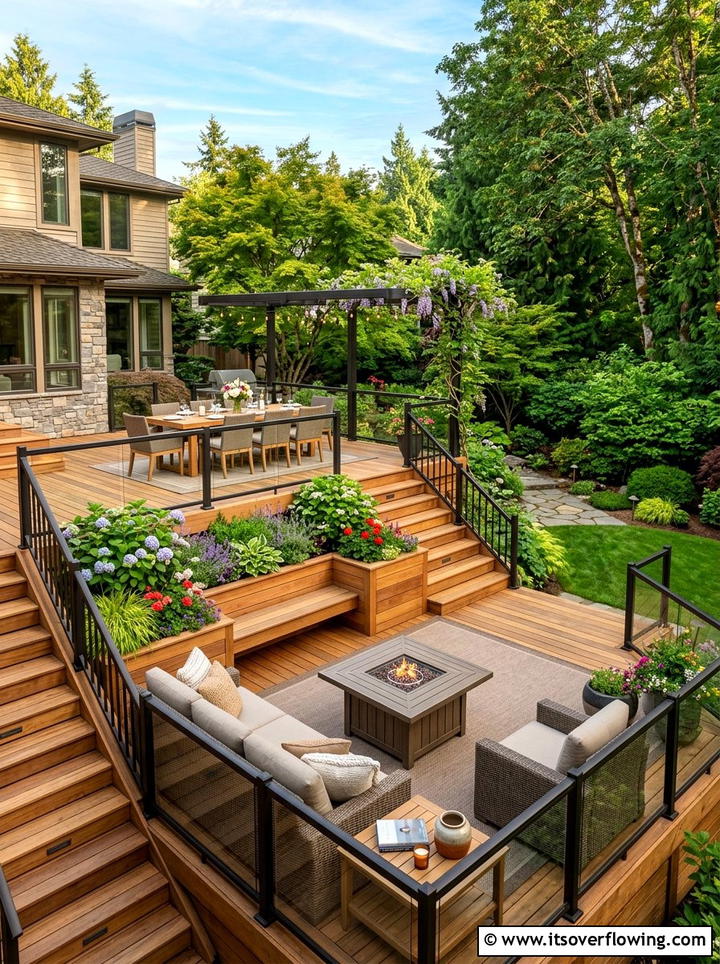
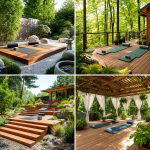
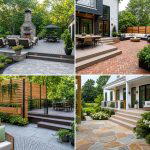
Creating a multi level deck allows you to organize your garden into distinct zones, each with its own unique atmosphere and purpose. You might dedicate the upper level to an outdoor kitchen and dining area surrounded by aromatic herbs, while the lower level serves as a cozy lounge tucked away among tall grasses. Each step provides an opportunity to place containers or built-in beds that add depth and visual interest to the overall landscape. This architectural approach breaks up a large flat area and makes the entire space feel more dynamic and expansive. It also allows for better drainage and varied sunlight exposure for different types of plants.
5. Large Container Plant
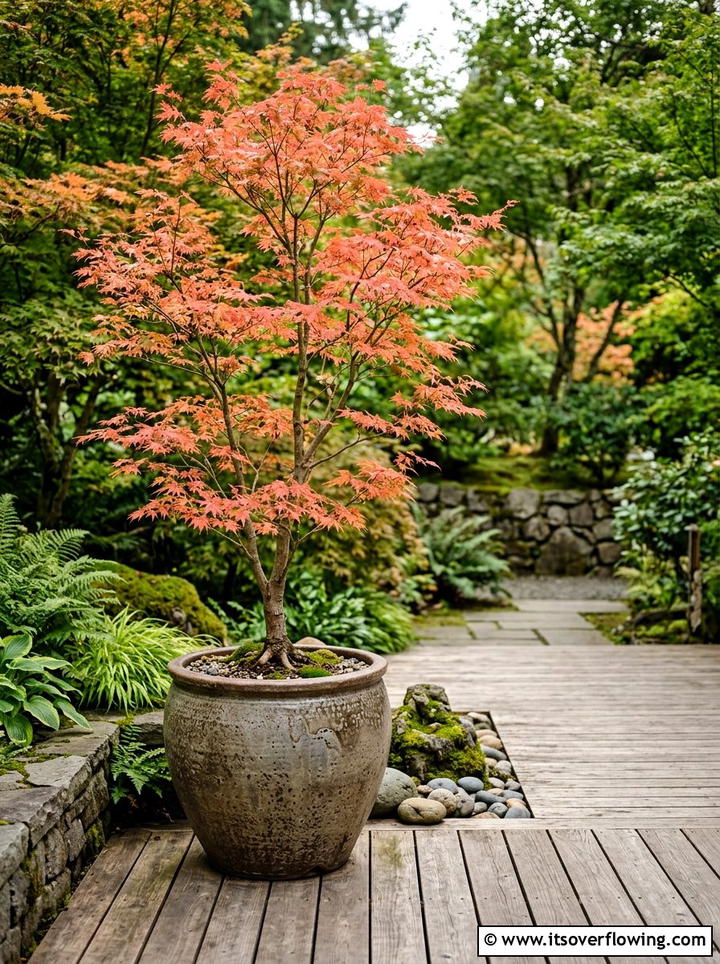
Large container plants serve as powerful focal points that can anchor the corners of your deck and provide an immediate sense of maturity. Using oversized pots made of ceramic, stone, or high-quality resin allows you to grow substantial shrubs or even small ornamental trees. These massive vessels hold more moisture than small pots, which means you spend less time watering during the hot summer months. Choosing a consistent style of container helps to create a sophisticated and curated look throughout your outdoor space. These statement pieces provide height and structure, helping to fill vertical gaps and making your deck feel like a fully realized outdoor room.
6. Deck Privacy Screen
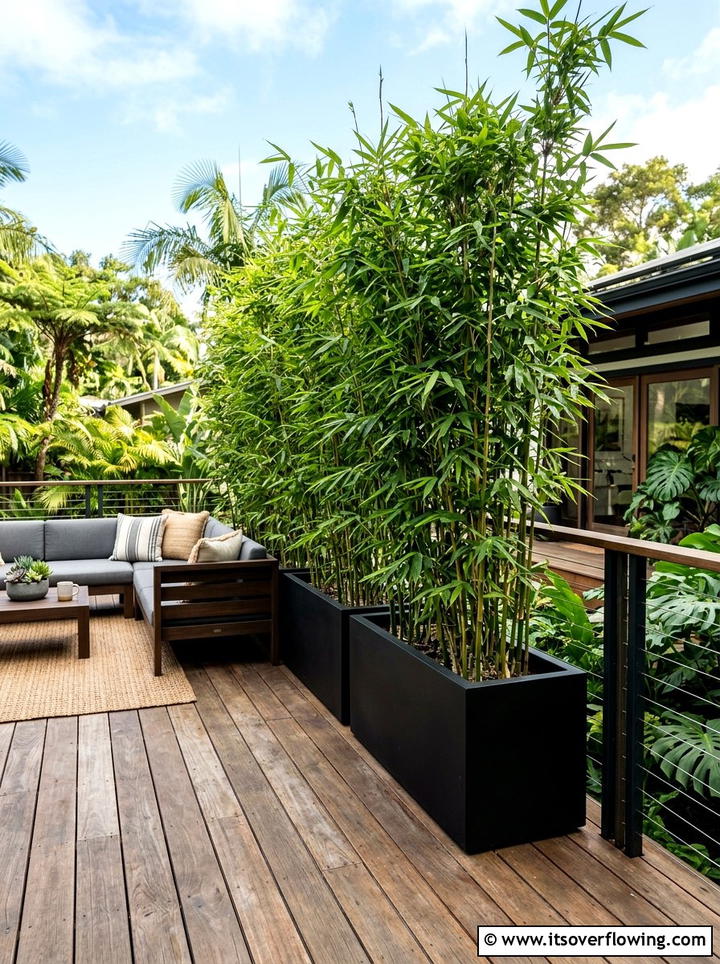
A deck privacy screen made of living plants is the perfect way to block out unwanted views while maintaining a natural and airy feel. You can use tall, narrow planters filled with clumping bamboo or upright evergreens to create a dense green wall that shields you from the street. Another option involves installing a decorative metal or wooden screen and training climbing roses or clematis to grow through the openings. This provides a beautiful seasonal display of flowers and fragrance while ensuring your morning coffee remains a private affair. It is an elegant alternative to heavy fences and adds a layer of soft texture to your deck.
7. Herb Garden Deck
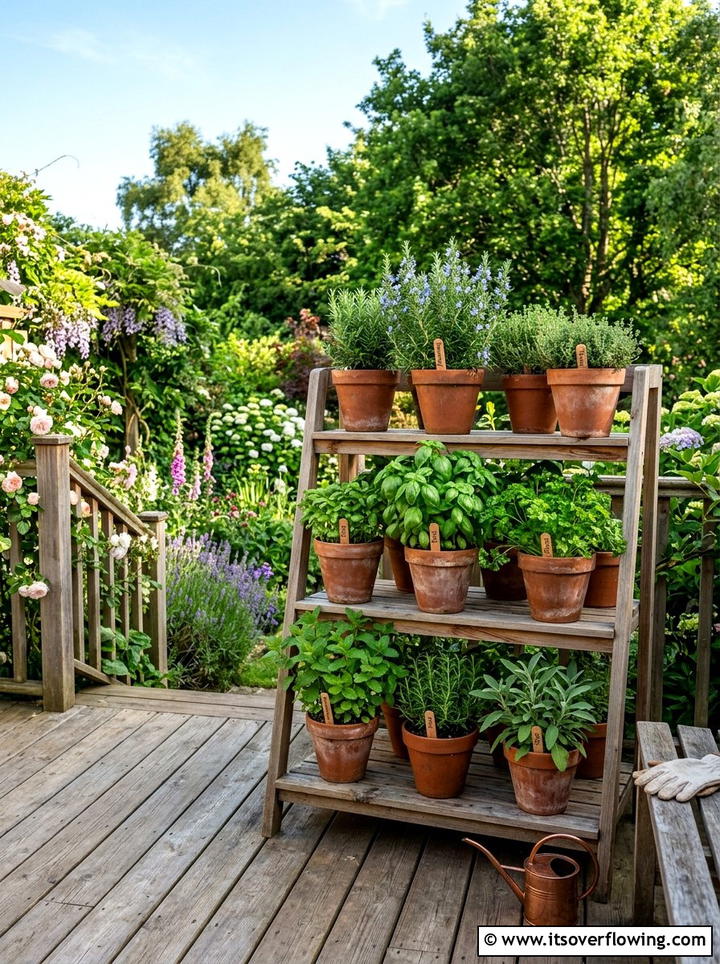
An herb garden deck puts fresh, culinary ingredients right outside your kitchen door for easy access while cooking. You can arrange a collection of small pots on a dedicated table or use a tiered ladder shelf to showcase a variety of textures and scents. Imagine the convenience of picking fresh basil, rosemary, and mint just steps away from your outdoor grill. Not only do these plants provide utility, but many herbs like lavender and thyme also offer beautiful foliage and delightful aromas that enhance the ambiance. This practical garden setup is low-maintenance and provides a sensory experience that makes your deck feel even more inviting.
8. Tropical Deck Plant
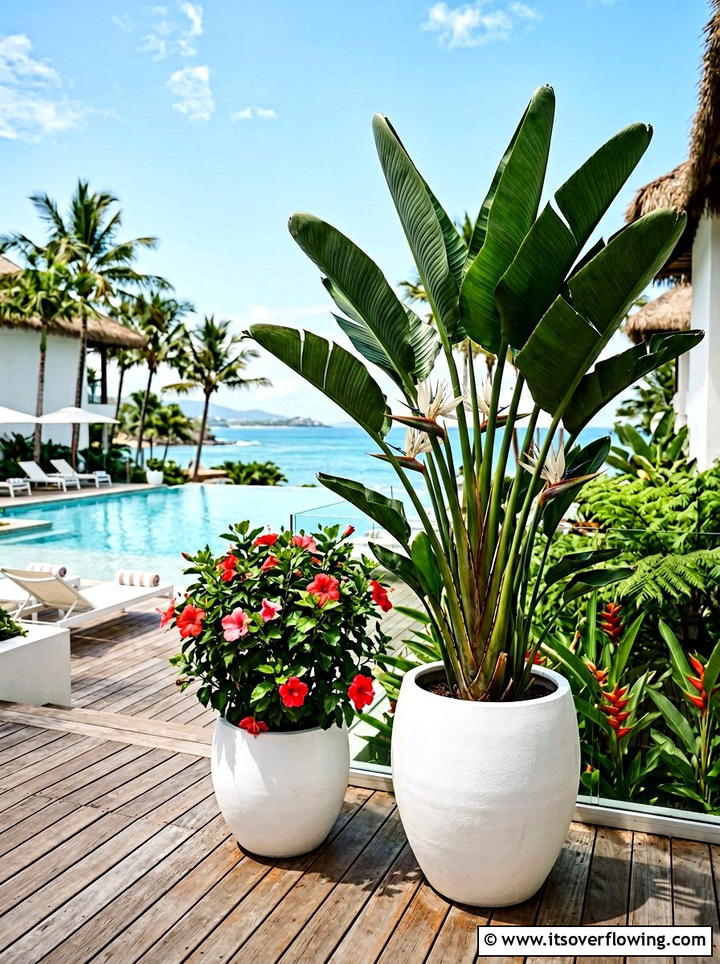
Transforming your deck with tropical deck plants creates an exotic getaway right in your own backyard. Using varieties like hibiscus, canna lilies, and bird of paradise adds a splash of bold color and large, dramatic foliage that instantly changes the mood. These plants thrive in the heat and sunlight often found on open decks, making them a perfect choice for the summer season. You can pair them with wicker furniture and bright textiles to complete the resort-style aesthetic. Even if you live in a cooler climate, these plants can be kept in containers and moved indoors when the temperatures start to drop in late fall.
9. Deck Trellis
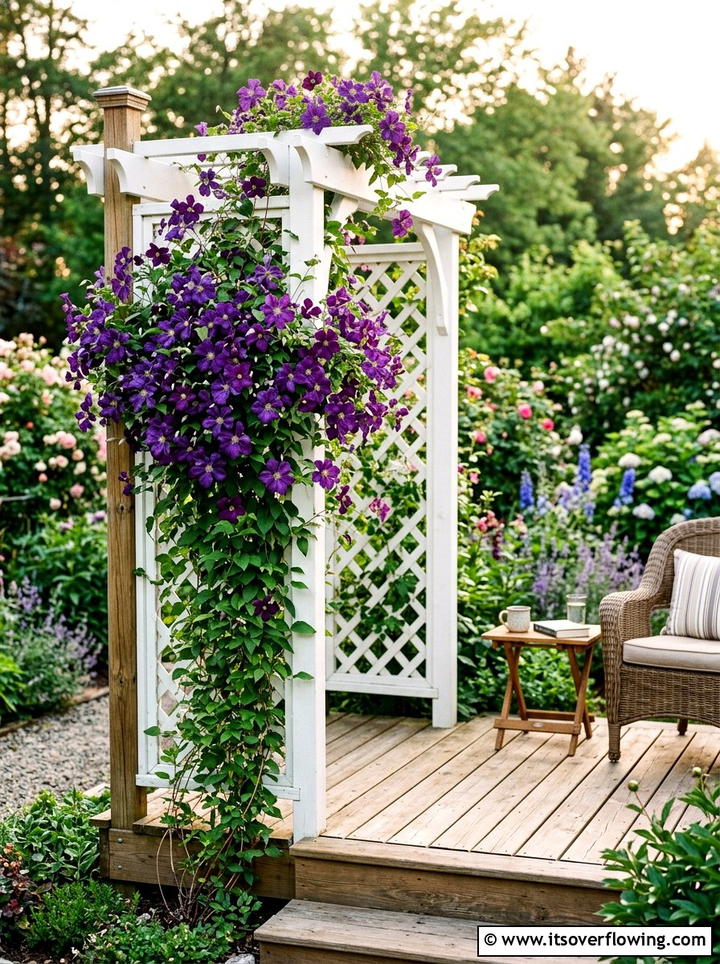
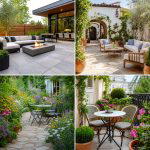
A deck trellis provides a sturdy structure for climbing vines to flourish, adding height and romance to your outdoor living area. Whether you attach it to the side of the house or make it a freestanding feature, a trellis allows plants like wisteria or honeysuckle to create a lush canopy. This vertical growth offers shade during the hottest parts of the day and introduces a layer of privacy without feeling closed in. The intricate patterns of the trellis itself can serve as a decorative element even during the winter months when the vines are dormant. It is a classic design choice that never goes out of style.
10. Modern Minimalist Deck
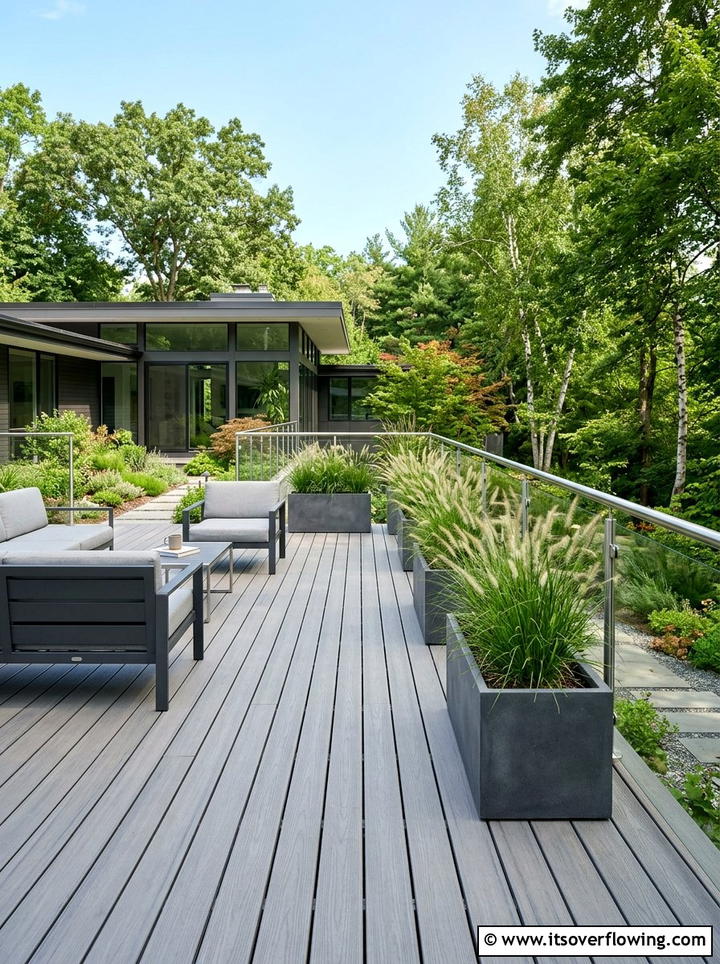
A modern minimalist deck focuses on clean lines, a limited color palette, and high-quality materials to create a serene and sophisticated space. Instead of a riot of different colors, you might choose a single species of grass or a few architectural plants like agave or boxwood. Using sleek, geometric planters in charcoal or white helps to emphasize the simple beauty of the greenery and the deck’s construction. This design style is perfect for those who appreciate order and want a garden that feels calm rather than cluttered. It prioritizes quality over quantity, ensuring that every plant and piece of furniture serves a specific aesthetic purpose.
11. Raised Bed Deck
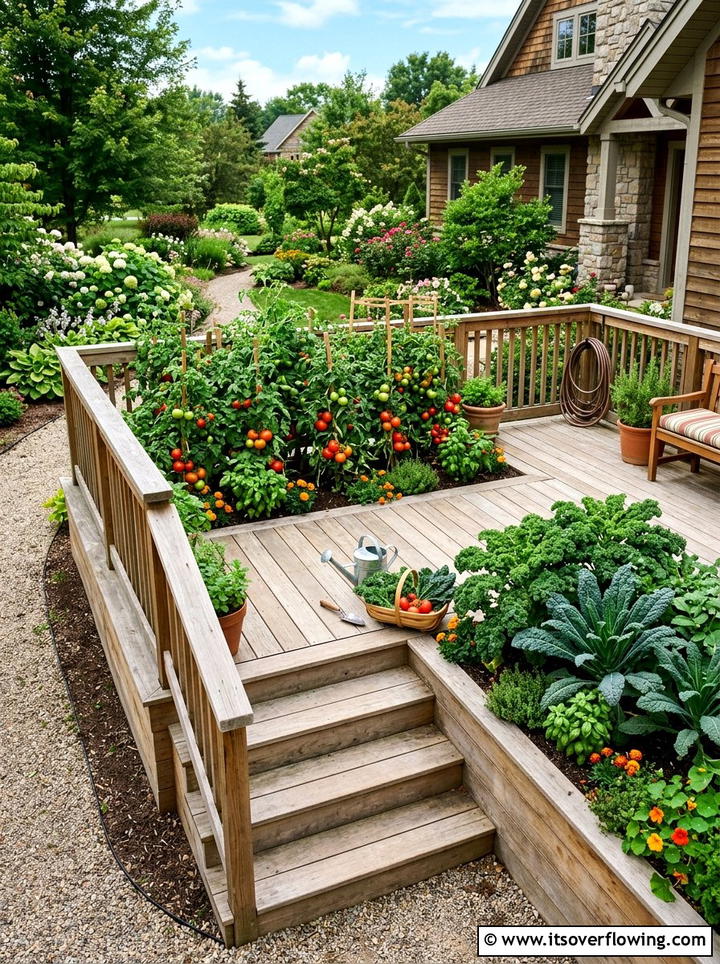
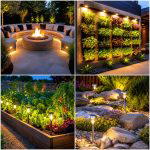
Integrating a raised bed deck design involves building large, elevated planting areas that are physically connected to the deck’s main frame. These beds can be used to grow anything from ornamental grasses to a full vegetable garden, all at a height that eliminates the need for bending or kneeling. By keeping the soil contained within these structures, you prevent dirt from washing onto your deck boards during heavy rains. The raised beds also allow you to control the soil quality and drainage perfectly, ensuring your plants stay healthy and vibrant. This design adds a sense of permanence and architectural weight to your entire backyard landscape.

12. Potted Deck Tree
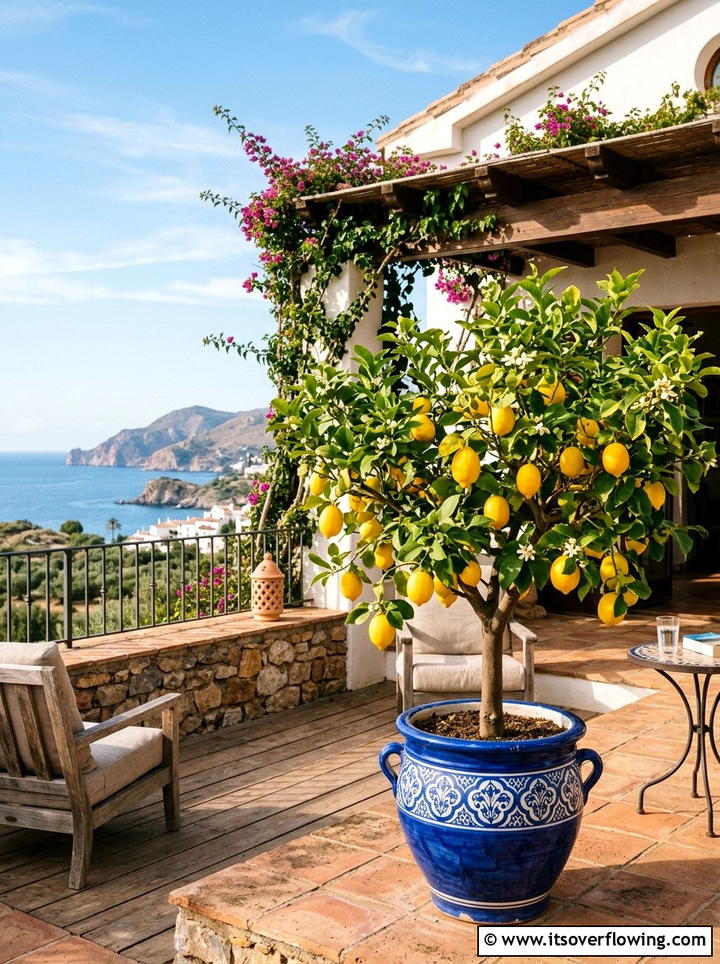
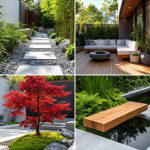
A potted deck tree brings a sense of scale and grandeur that smaller plants simply cannot achieve on their own. Varieties such as Japanese maples, citrus trees, or dwarf olives thrive in large containers and provide a beautiful canopy of leaves. These trees offer a natural source of shade and can be used to frame a doorway or highlight a specific seating area. Because they are in pots, you have the flexibility to move them around as your needs change or as the sun shifts throughout the seasons. A well-placed tree adds a sophisticated, established feel to even the newest deck, creating a more professional look.
13. Corner Deck Garden
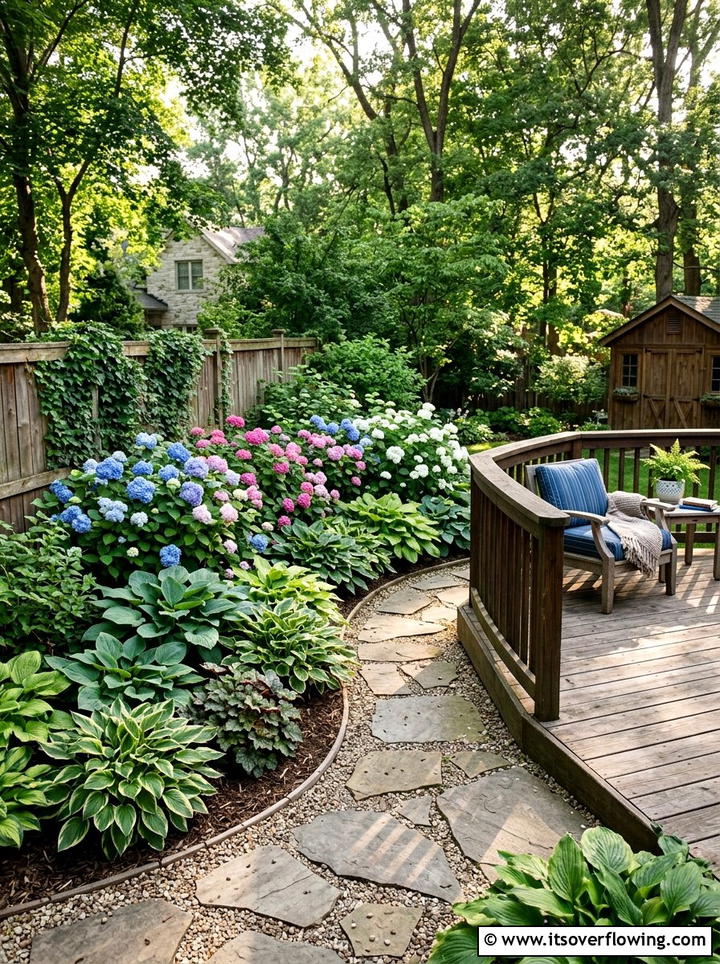
Utilizing a corner deck garden setup is a smart way to soften the sharp angles of your outdoor space and make it feel more organic. You can layer plants of varying heights in the corner to create a lush, jungle-like effect that draws the eye and adds depth. Start with a tall evergreen in the back, add mid-sized flowering shrubs in the middle, and finish with cascading groundcovers in the front. This technique hides the intersection of railings and walls, making the space feel more open and connected to the surrounding yard. It is a simple yet effective way to maximize every square inch of your deck’s footprint.
14. Succulent Deck Garden
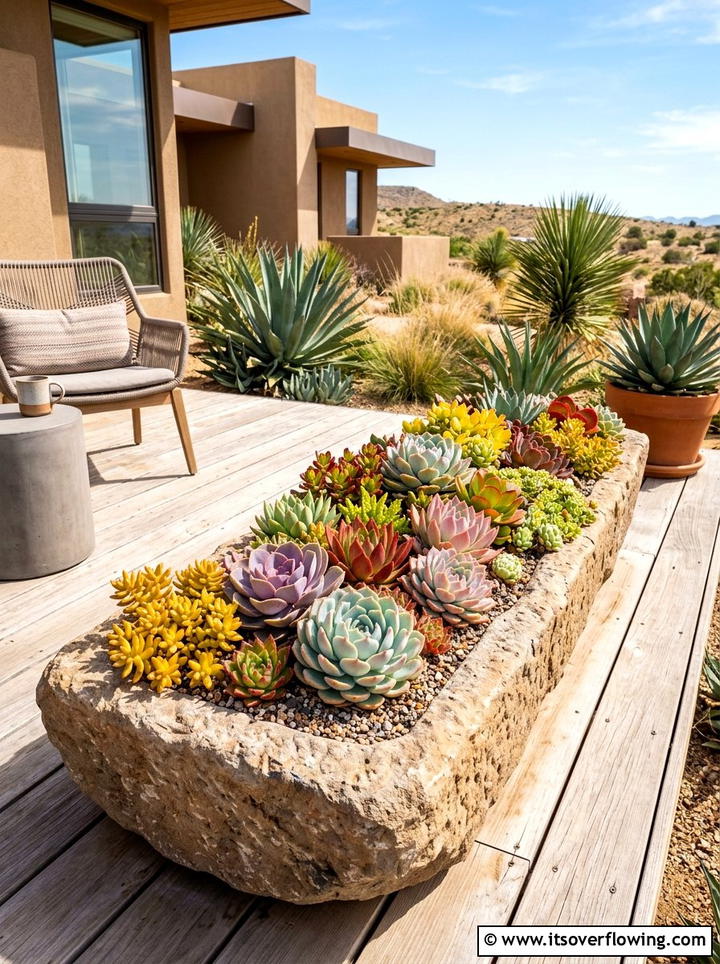
A succulent deck garden is the ultimate choice for homeowners looking for a high-impact, low-maintenance landscape. These hardy plants come in an incredible array of shapes, sizes, and colors, from the rosettes of echeveria to the trailing pearls of senecio. Because they store water in their leaves, they are extremely drought-tolerant and can handle the intense sun of an exposed deck with ease. You can create a stunning centerpiece by grouping different varieties in a shallow stone bowl or a modern metal trough. Their unique textures and sculptural forms provide year-round interest and require very little pruning or feeding to look their absolute best.
15. Hanging Deck Basket
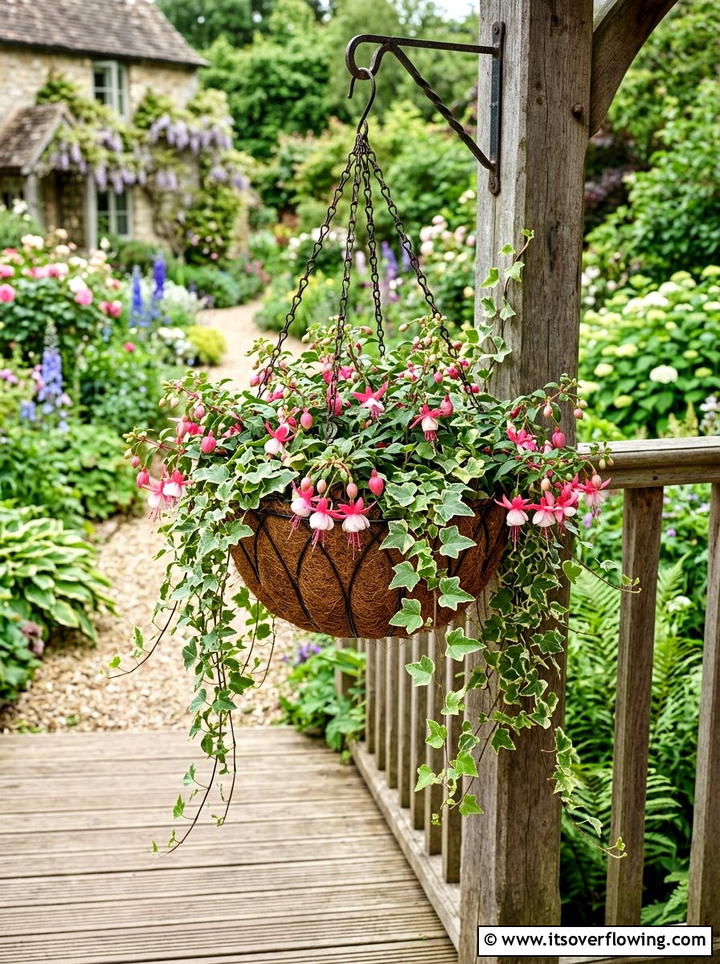
Hanging deck baskets allow you to introduce pops of color at a higher visual plane, creating a sense of being surrounded by flowers. You can hang them from the eaves of your house, the crossbeams of a pergola, or specialized shepherd’s hooks attached to the railing. These baskets are perfect for trailing annuals like fuchsia, begonias, or ivy geraniums, which create a waterfall of blooms throughout the summer. They help to draw the eye upward and make the deck feel more intimate and enclosed. Using self-watering liners in your hanging baskets can help keep the plants hydrated and thriving even during the windiest and driest days.
16. Deck Pergola Greenery
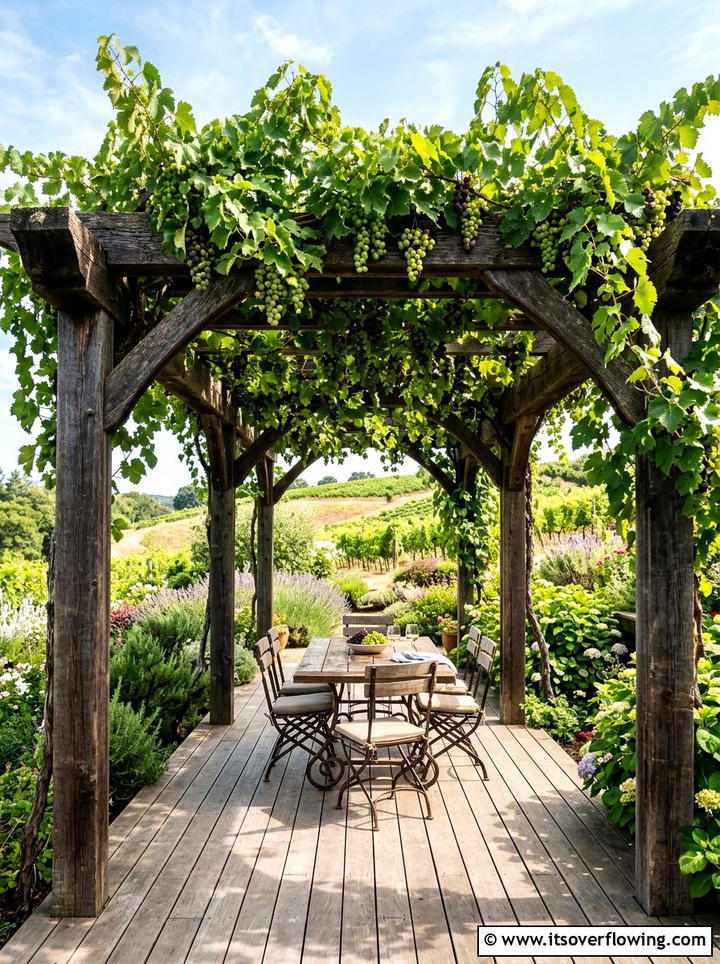
Adding a pergola over your deck provides the perfect framework for a ceiling of living greenery. By planting fast-growing vines like grapes or trumpet vine at the base of the posts, you can encourage them to climb up and spread across the rafters. This creates a natural dappled shade that keeps the deck significantly cooler during the summer months. The hanging leaves and clusters of fruit or flowers add a sense of luxury and old-world charm to your outdoor dining area. It transforms a basic wooden structure into a romantic retreat that feels like it belongs in a high-end Mediterranean villa or a lush garden.
17. Native Plant Deck
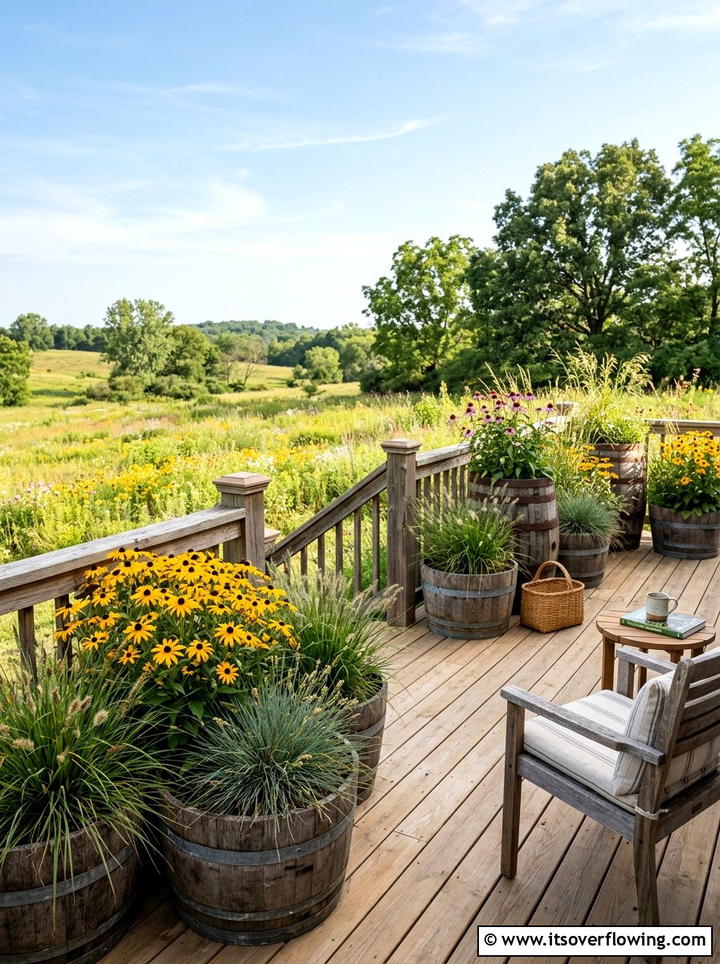
A native plant deck garden focuses on using species that are indigenous to your local region, ensuring they are perfectly adapted to your climate and soil. These plants typically require less water and fewer fertilizers than exotic varieties, making them an eco-friendly choice for any homeowner. Native wildflowers and grasses also provide essential habitat and food for local pollinators like bees, butterflies, and birds. By incorporating these plants into your deck design, you create a beautiful space that feels deeply connected to the natural landscape around you. It is a sustainable way to enjoy a vibrant garden while supporting the health of your local ecosystem.
18. Zen Deck Garden
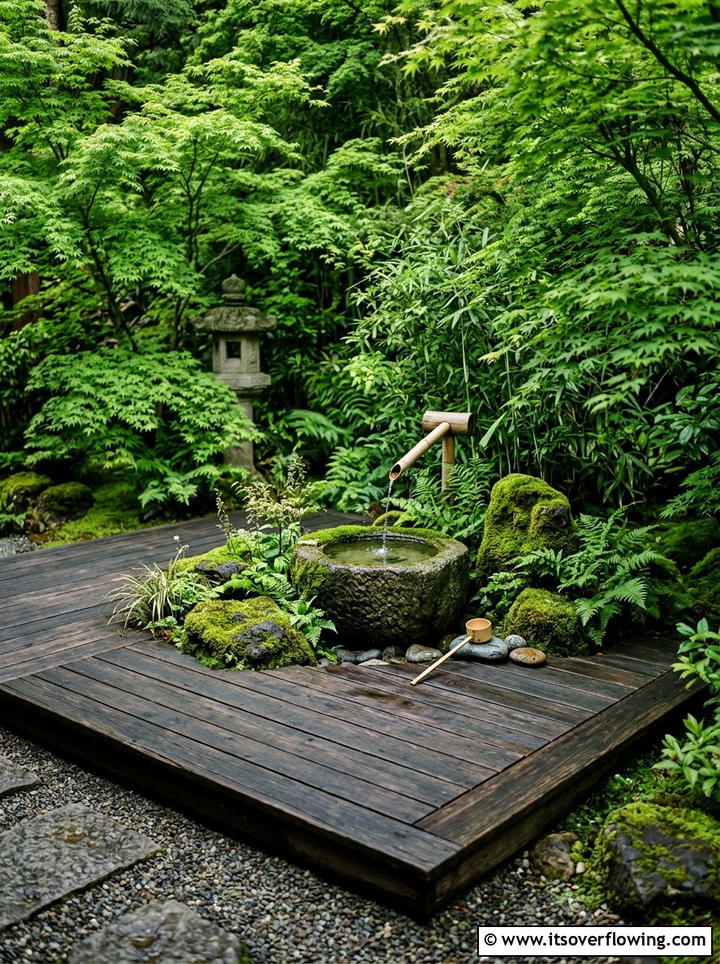
Creating a Zen deck garden involves using minimalist elements to foster a sense of peace, balance, and quiet reflection. You might include a simple stone water feature, a few carefully placed boulders, and a selection of mosses or fine-textured grasses. The color palette should be restrained, focusing on varying shades of green and neutral tones like grey and tan. This type of garden encourages mindfulness and provides a serene escape from the stresses of daily life. By keeping the design uncluttered and focused on natural materials, you create a space that feels timeless and deeply calming, perfect for morning yoga or evening meditation sessions.
19. Wildflower Deck Border
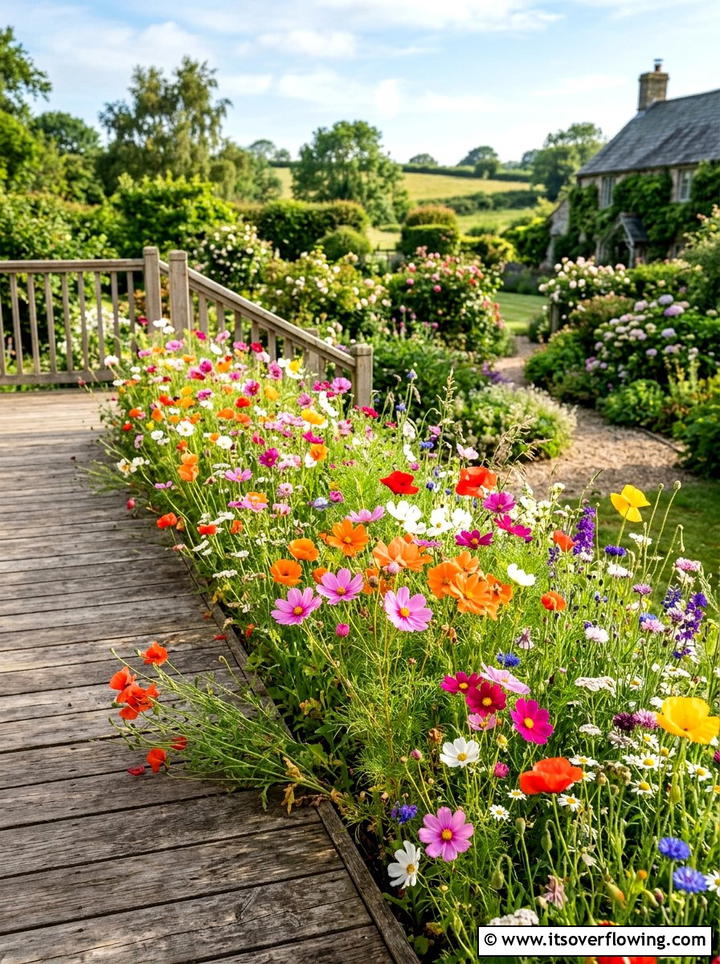
A wildflower deck border brings the untamed beauty of a meadow right to the edge of your living space. You can plant a mix of hardy perennials and annuals in long, narrow beds or containers that run alongside your deck’s perimeter. This creates a soft, colorful transition between the structured wood of the deck and the more natural areas of your yard. The variety of heights and colors provides constant visual interest and attracts a wide range of beneficial insects. It is a wonderful way to enjoy a relaxed, cottage-style aesthetic that feels effortless and full of life, regardless of how much space you have available.


20. Built In Deck Bench
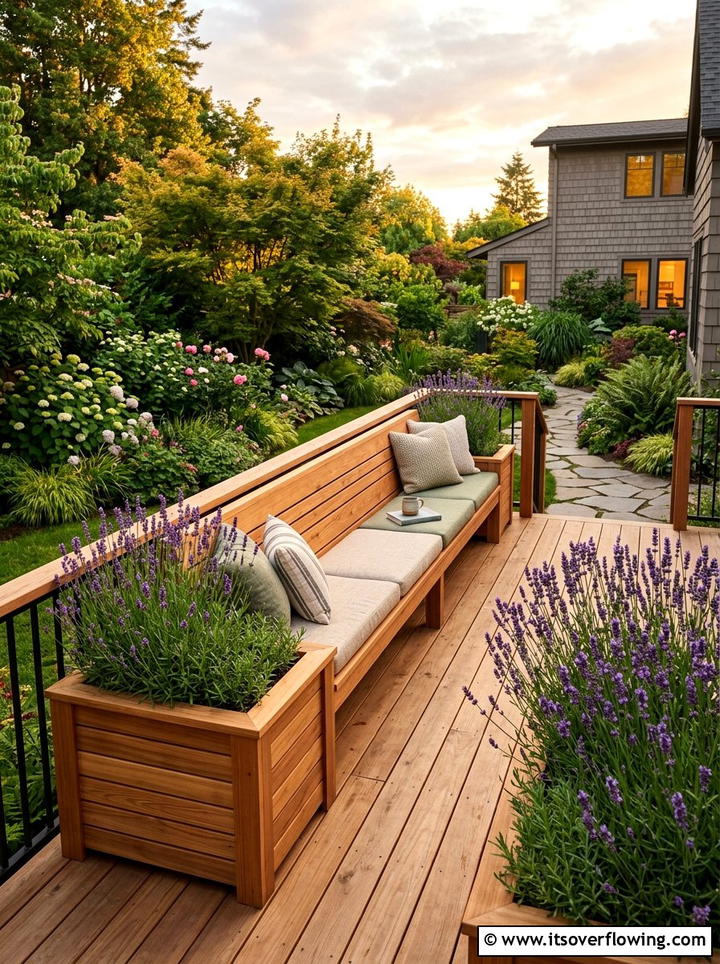
Designing a built in deck bench with integrated planters is a brilliant way to combine functional seating with lush greenery. By placing planter boxes at either end of a wooden bench, you surround yourself with the sights and smells of your favorite plants while you relax. This setup creates a cozy, sheltered nook that feels like a private oasis within your backyard. You can choose fragrant plants like jasmine or lavender to enhance the sensory experience for anyone sitting there. This design maximizes your deck’s utility by providing plenty of room for guests while ensuring the space remains beautiful and filled with natural life.
21. Tiered Plant Stand
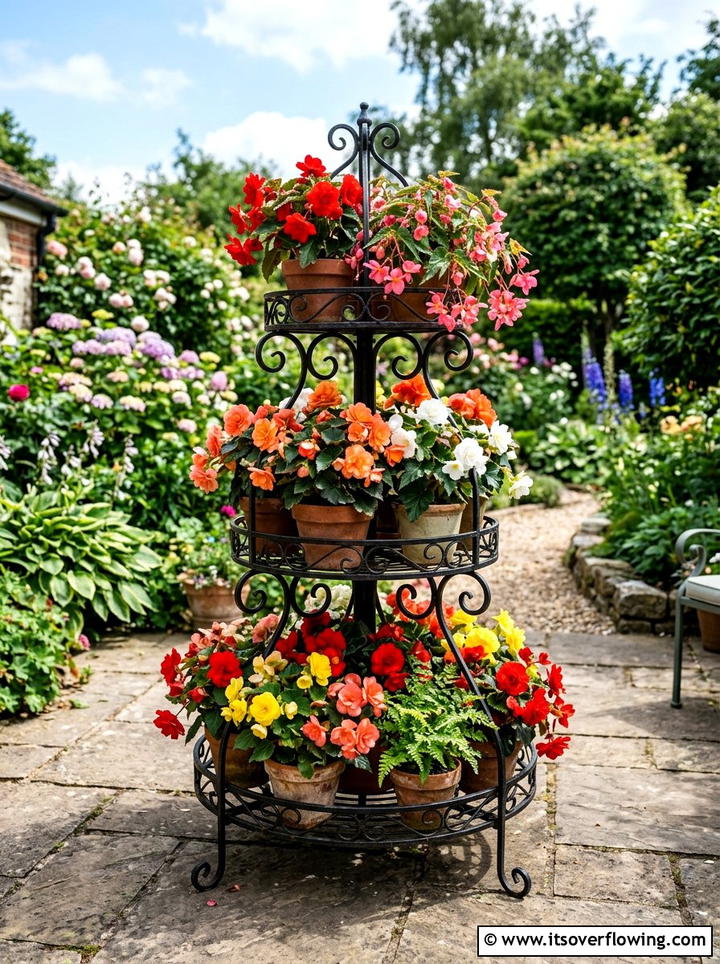
A tiered plant stand is a versatile accessory that allows you to display a large collection of potted plants in a very small footprint. By arranging your pots on different levels, you create a vertical display that adds height and variety to your deck garden. This is an excellent way to showcase unique specimens or create a themed collection, such as different varieties of cacti or colorful annuals. The tiered structure ensures that every plant gets adequate sunlight and is easily visible for your enjoyment. It is a portable and affordable solution that can be moved or rearranged whenever you want to refresh your deck’s look.
22. Low Maintenance Deck
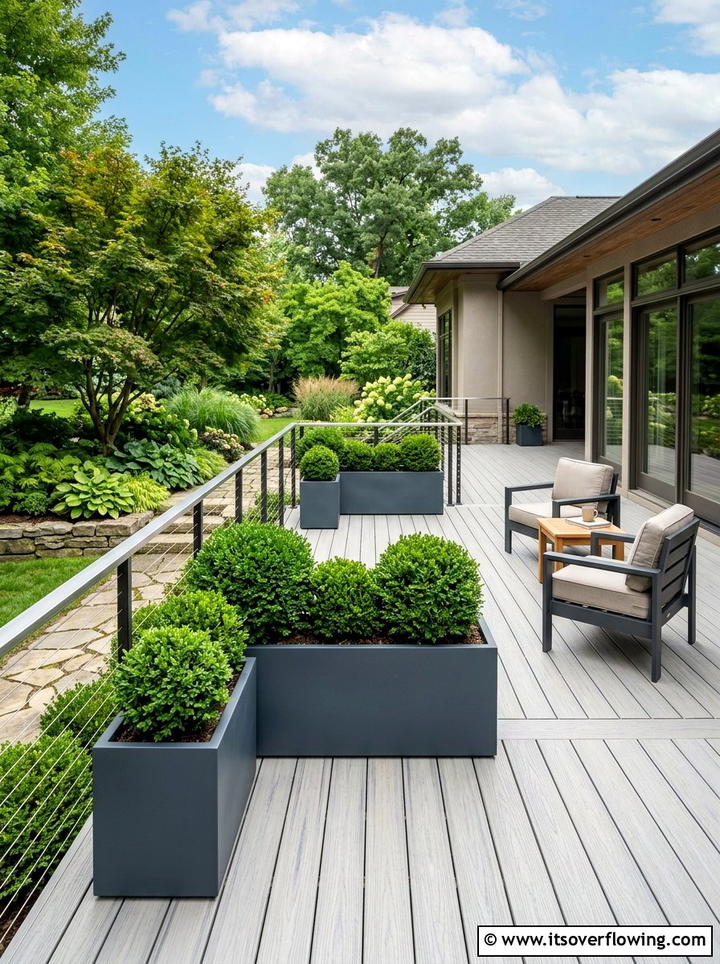
A low maintenance deck garden is designed for the busy homeowner who wants a beautiful outdoor space without a massive time commitment. Focus on hardy evergreens, ornamental grasses, and slow-growing shrubs that require very little pruning or deadheading. Using high-quality mulch in your planters helps to retain moisture and suppress weeds, while automatic drip irrigation systems can take the guesswork out of watering. Choosing materials like composite decking and durable resin pots also reduces the need for staining or painting. This approach ensures your deck looks pristine and inviting year-round, allowing you more time to actually sit back and enjoy your garden.
23. Deck Garden Light
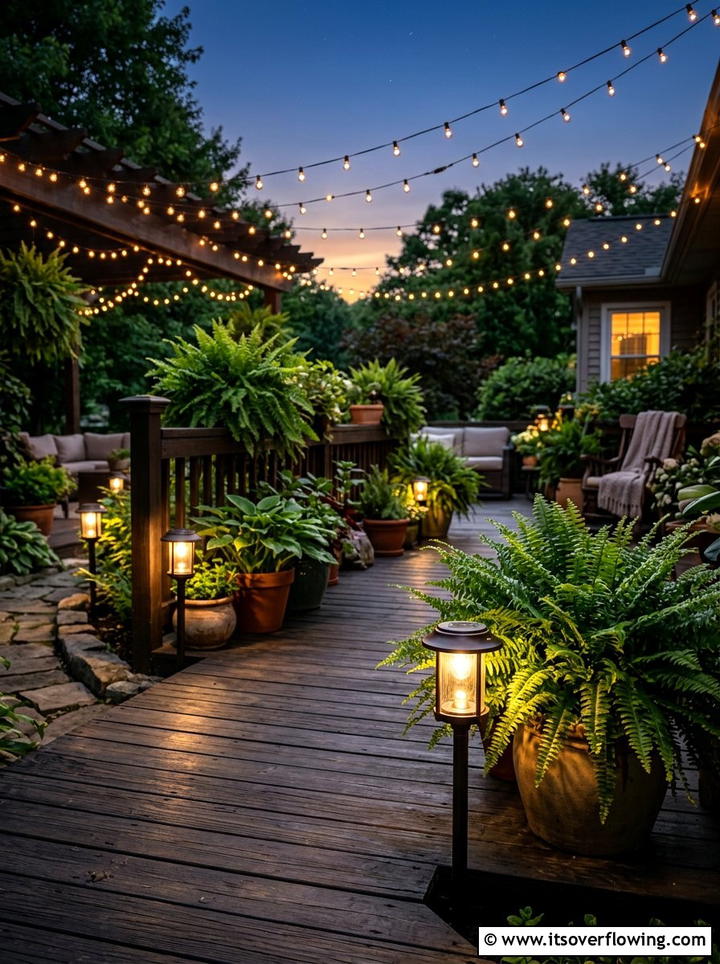
Integrating deck garden light features into your landscape design ensures that your outdoor sanctuary remains beautiful and functional long after the sun goes down. You can use low-voltage LED spotlights to highlight the texture of a tree’s bark or soft string lights to create a festive atmosphere overhead. Recessed lighting built into the stairs and planters provides safety while casting a warm glow over your plants. Proper lighting adds a whole new dimension to your garden, creating shadows and highlights that make the space feel magical at night. It extends your time outdoors and turns your deck into the perfect spot for evening entertaining.
24. Deck Fruit Tree
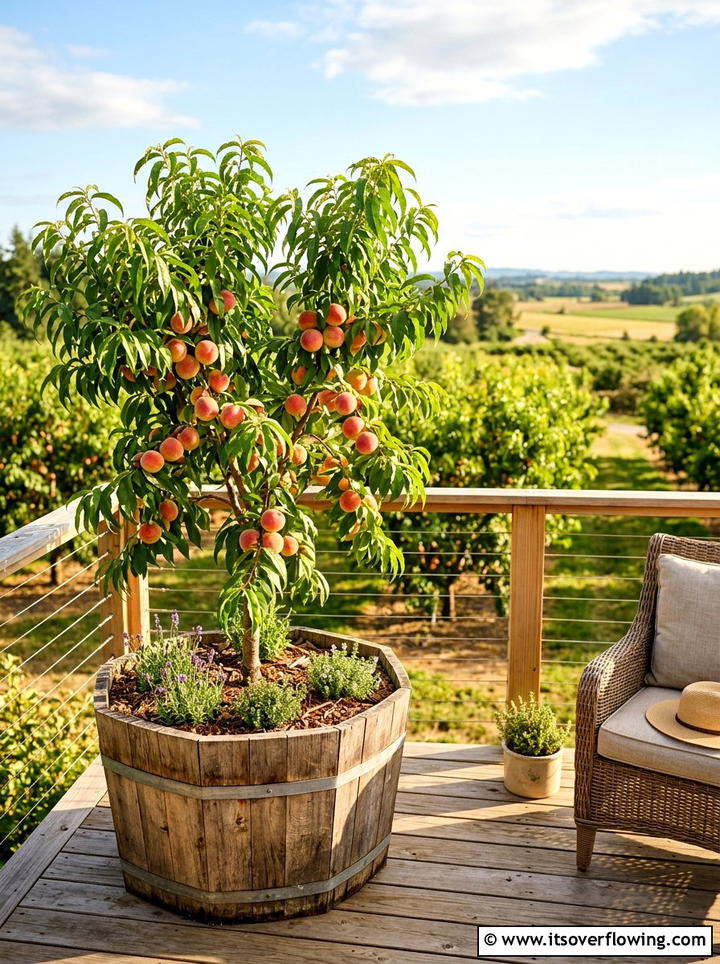
Growing a deck fruit tree in a large container is a delightful way to combine ornamental beauty with a delicious harvest. Dwarf varieties of apples, peaches, and cherries are specifically bred to thrive in pots while still producing high-quality fruit. These trees offer beautiful blossoms in the spring and lush foliage throughout the summer, making them a decorative asset even before the fruit ripens. Placing them on a sunny deck provides the warmth and light they need to produce sweet, juicy crops. It is a deeply satisfying experience to pick fresh fruit directly from your deck, bringing a taste of the orchard to your home.
25. Mediterranean Deck Garden
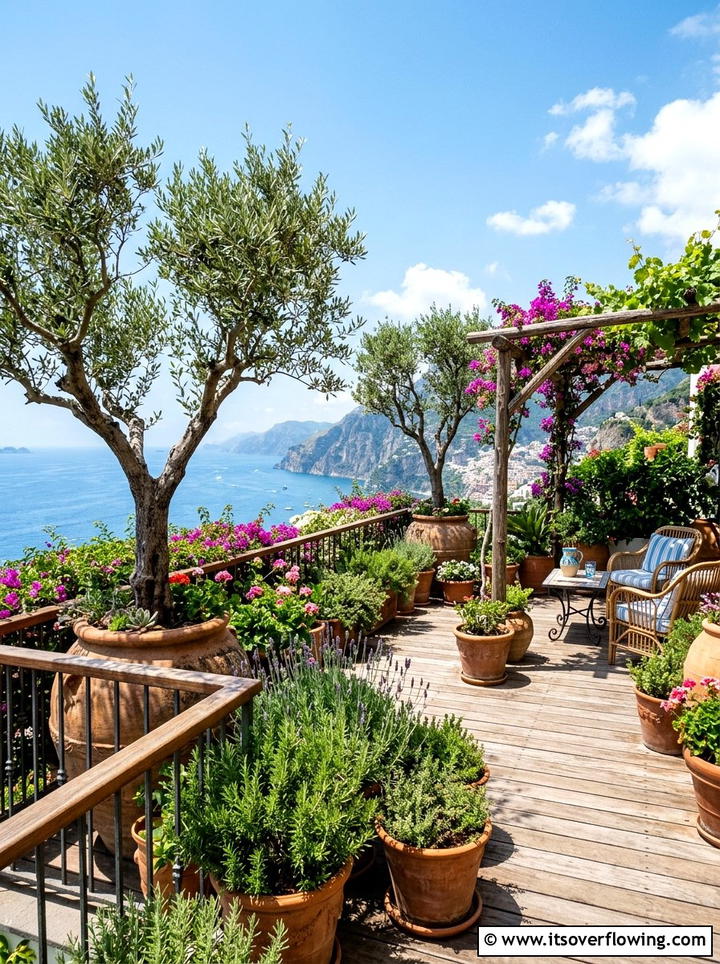
A Mediterranean deck garden uses sun-loving plants and warm, earthy materials to evoke the feeling of a coastal escape. Incorporate terracotta pots filled with silvery-leaved plants like olive trees, rosemary, and lavender to create a fragrant and heat-tolerant landscape. This style often features a mix of stone textures and wrought iron accents that complement the natural wood of a deck. The combination of aromatic herbs and rugged, drought-resistant greenery creates a space that feels both rustic and elegant. It is an ideal choice for a south-facing deck that receives intense sunlight, providing a hardy yet beautiful garden that thrives in the warmth of summer.
Conclusion:
A well-executed deck garden serves as a bridge between the comfort of your indoor living space and the wild beauty of the outdoors. By carefully selecting your plants and choosing structural elements that complement your deck’s material, you can create a sanctuary that increases your home’s value and your personal well-being. Whether you prefer the orderly look of modern minimalism or the lush abundance of a tropical oasis, there is a strategy here for every homeowner. Investing in high-quality materials and thoughtful layouts ensures your deck remains a vibrant and inviting retreat for years to come. Enjoy the process of cultivating your perfect outdoor haven today.

Related posts:
 25 Creative Garden Ideas With Yoga Decks for Calm Retreats
 25 Garden Ideas With Planters to Elevate Any Outdoor Space
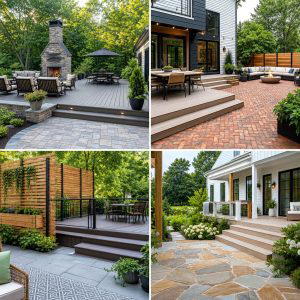 25 garden design ideas with deck and patio: Outdoor Living
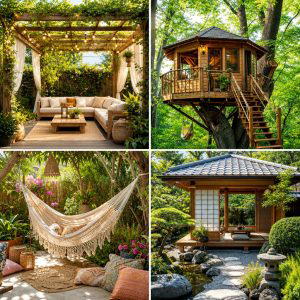 25 Garden Design Ideas With Outdoor Rooms for Living Space
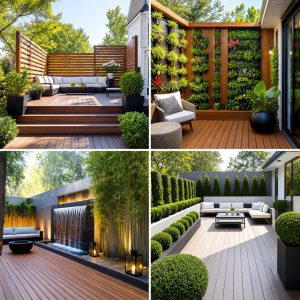 25 Garden Ideas With Deck Designs for Outdoor Living
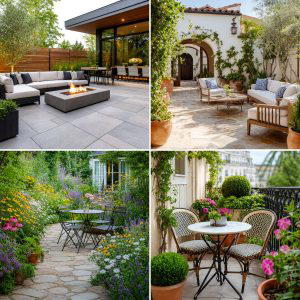 25 Garden Ideas With Patio Designs for Relaxed Outdoor Living
 25 small garden ideas with zen style for Calm Outdoor Living
 25 Garden Design Ideas to Transform Your Outdoor Space
 25 Garden Design Ideas for Outdoor Kitchens for Easy Hosting
 25 Garden Design Ideas for Patios With Stylish Outdoor Charm
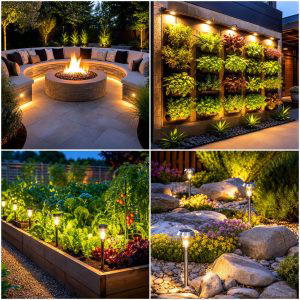 25 garden design ideas with lighting plans: Bright Outdoor Style
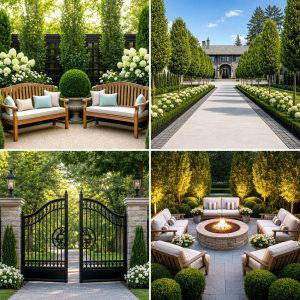 25 Garden Design Ideas With Symmetry for Elegant Outdoor Spaces